Would you like to save this?
The bread was never straight. It came out of the oven in whatever shape it wanted, and nobody cared, because the moment the guy behind the counter tore it open and started layering cold cuts, the shape of the bread was the last thing on anyone’s mind. The 1970s sub shop was a specific institution, part deli, part neighborhood fixture, part edible argument about whether you called it a hoagie, a hero, a grinder, or a sub. What follows are the memories that made it.
31. The Cold-Cut Smell That Hit You Before the Door Even Closed Behind You
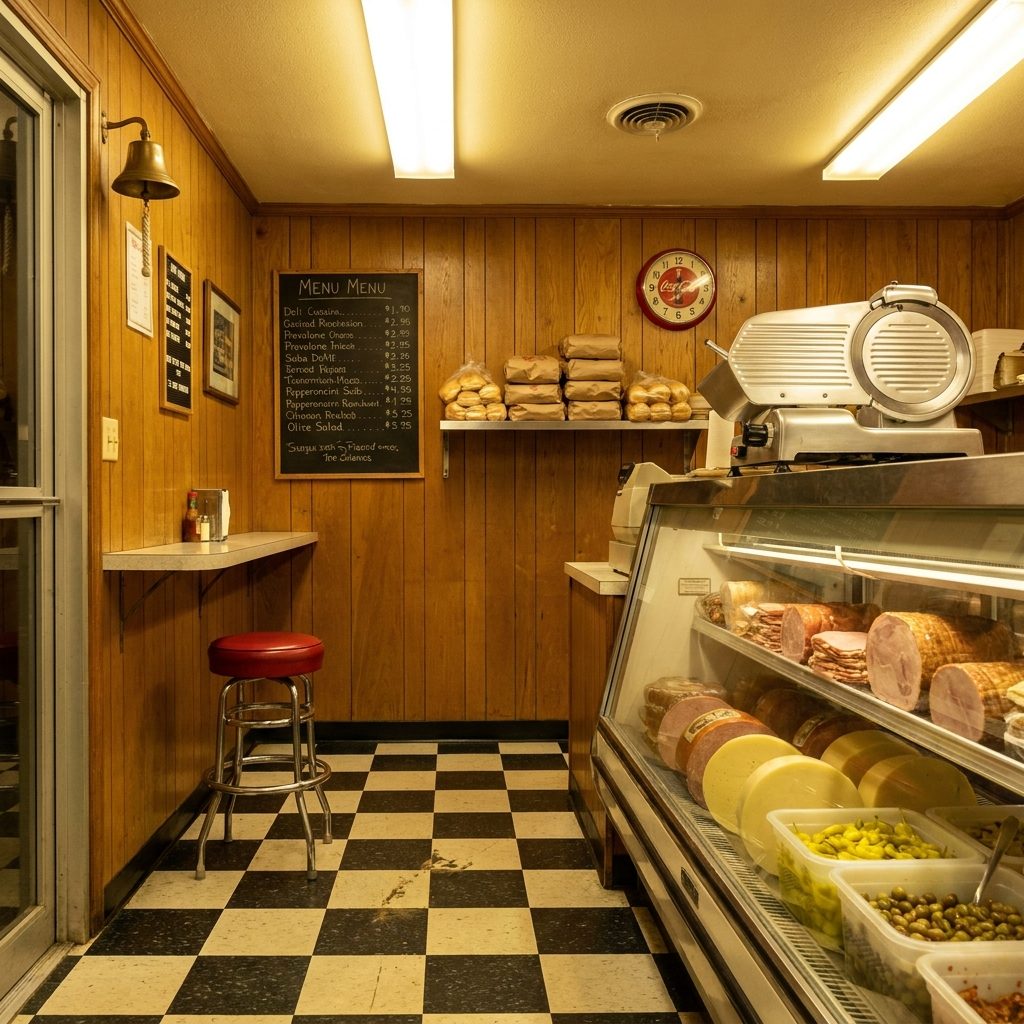
Salami. Provolone. Vinegar. Something bready and warm underneath all of it. A real sub shop announced itself the second you crossed the threshold — before you’d glanced at the menu board, before you’d even let go of the door handle. It wasn’t one ingredient hitting you. It was all of them, fused into the walls and ceiling tiles over years of six-days-a-week operation, soaked into surfaces that had long stopped being cleanable.
No candle company has ever gotten this right. Not once. That smell was earned — the accumulated residue of thousands of sandwiches made by the same hands on the same cutting board, in the same twelve-by-twenty-foot room, with the same exhaust fan that hadn’t been serviced since Nixon.
30. The Meat Slicer That Never Stopped Running
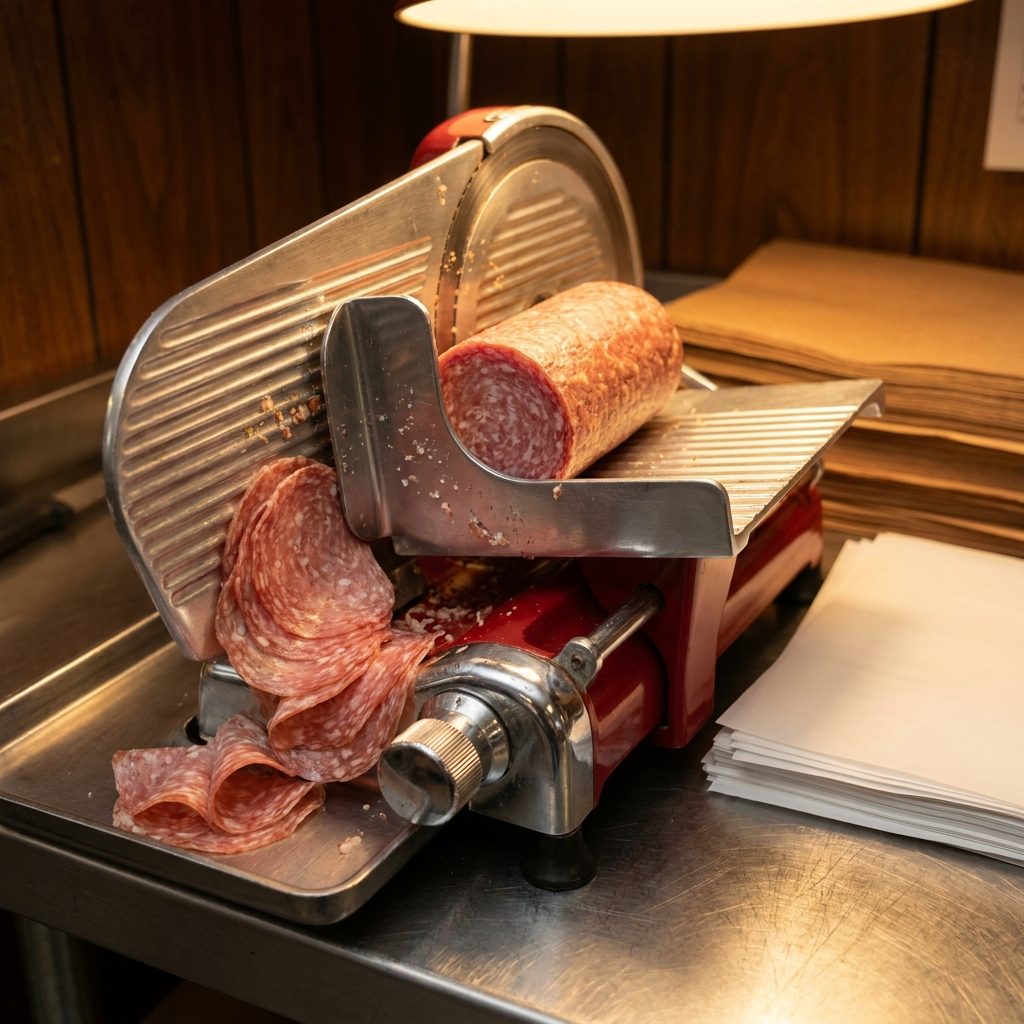
That sound — the rhythmic whirring of the blade, the soft thwip of each slice releasing. You could hear it from anywhere in the shop. And the guy running it never looked down. He’d be talking to the next customer, making change, answering the phone, all while feeding a log of capicola through the carriage with one hand like he was steering a car through a neighborhood he’d driven ten thousand times.
Sliced to order. Every single time. Pre-sliced deli meat in a sealed plastic tray would have been an insult, bordering on a reason to close the shop. You told him how thick. He adjusted the knob without measuring. He was always right. I don’t know how. Maybe the knob had grooves he could feel. Maybe he just knew.
29. The Long Roll That Came From a Bakery Nobody Else Knew About
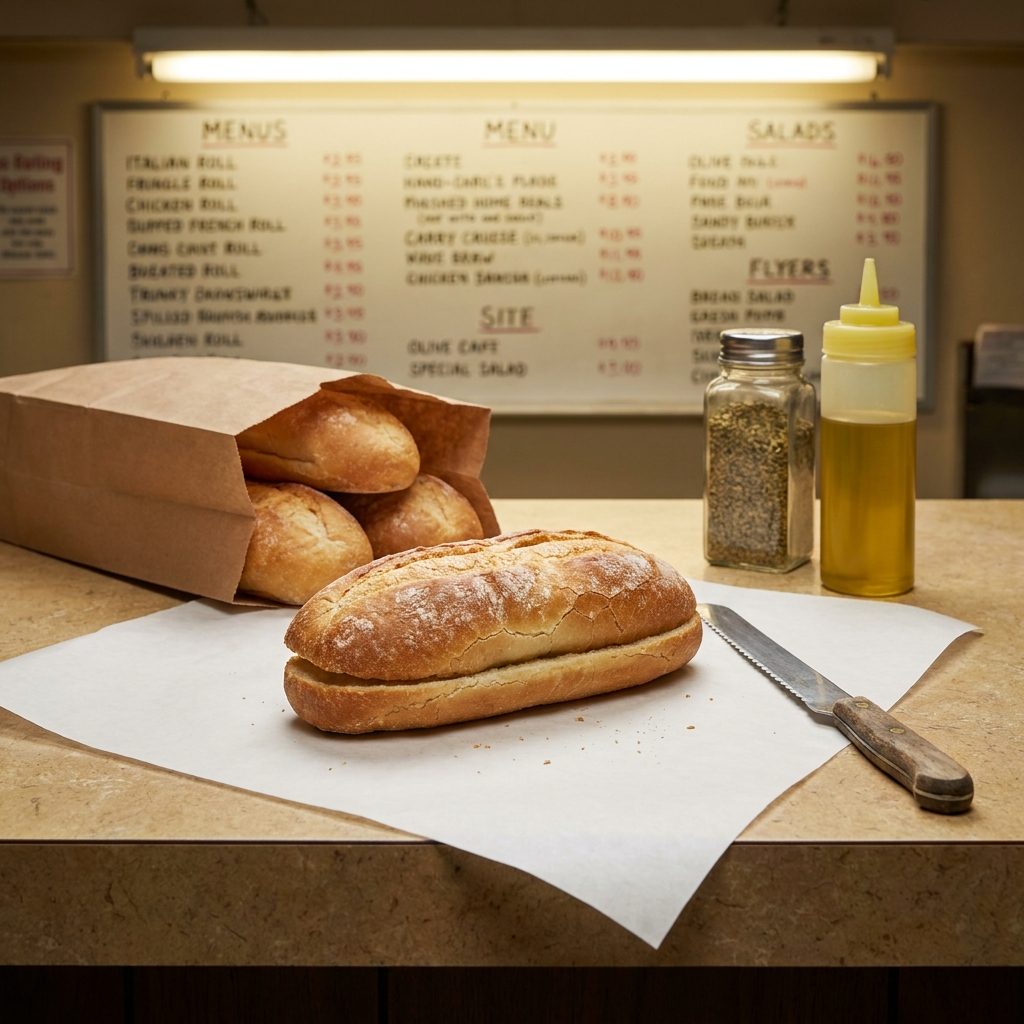
Every sub shop had a bread guy. Some bakery across town — sometimes across the county line — that delivered rolls before dawn. The owner would tell you the bakery’s name if you asked, but only if you asked. It wasn’t a secret exactly, more like an assumption that the bread was part of the whole operation, not something separate you could just go buy.
The crust crackled when you pressed it. The interior was soft enough to absorb oil without collapsing into mush. No sub shop owner in the 1970s would have called it “artisan.” He called it bread. But here’s what kills me — it was the best bread you’d ever had, and the guy selling it never once mentioned it. The roll was a given. Like oxygen.
28. The Wax Paper That Wrapped Everything and Kept Nothing Contained
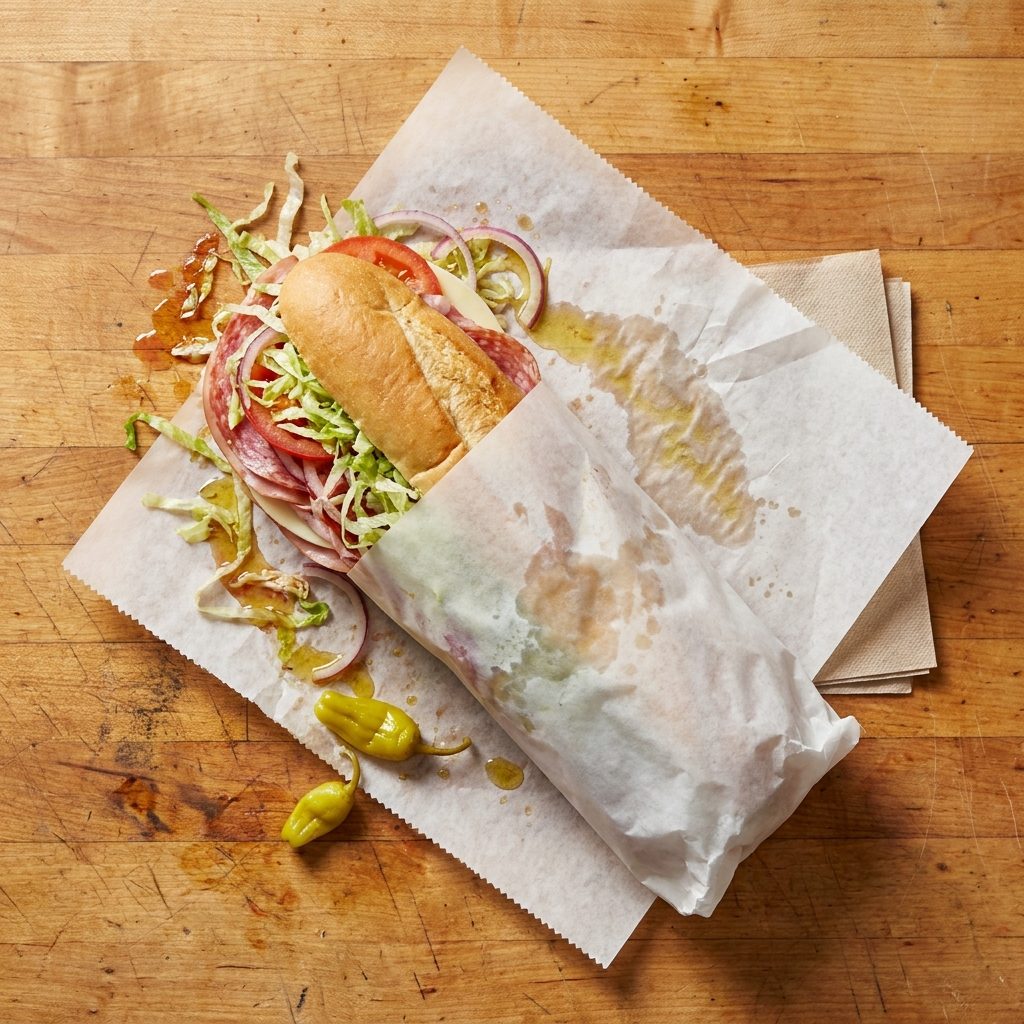
White wax paper, folded tight at the ends like a gift wrapped by someone already late for something else. It held the sub together for maybe ninety seconds. Then the oil started bleeding through, the shredded lettuce staged its escape, and the whole situation became a two-handed emergency you saw coming but couldn’t prevent.
Nobody cared. The wax paper was a temporary truce between you and gravity, never a long-term solution. Three bites in, the paper was flat on the table doing duty as a plate, catching tomato seeds and vinegar runoff and the odd pepperoncini that had rolled free. That was always the plan. Or — more accurately — there was never a plan.
27. The Jar of Hot Peppers on the Counter That Separated the Regulars From Everyone Else
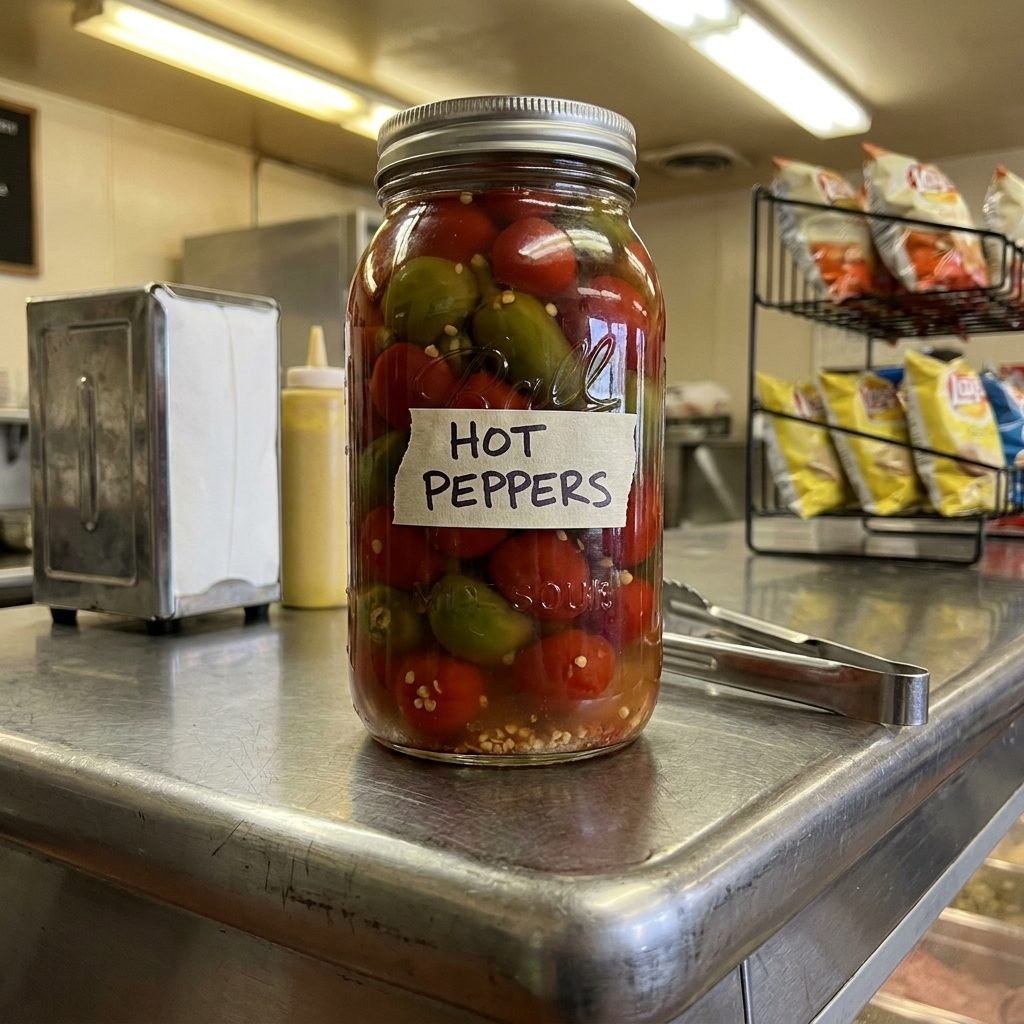
It just sat there. No sign, no warning label, no Scoville rating on a cute card. A glass jar of hot peppers in murky brine with a pair of tongs resting across the lid, parked next to the napkin dispenser like it had always been there. Because it had.
Regulars reached for it without a word. First-timers eyed it sideways. The guy behind the counter might nod at it and say “those are hot” if he felt generous, which was about as much guidance as those peppers were ever going to get. No further explanation offered. No further explanation needed. You either knew or you were about to learn.
26. Ordering by Number and Knowing What Every Number Meant
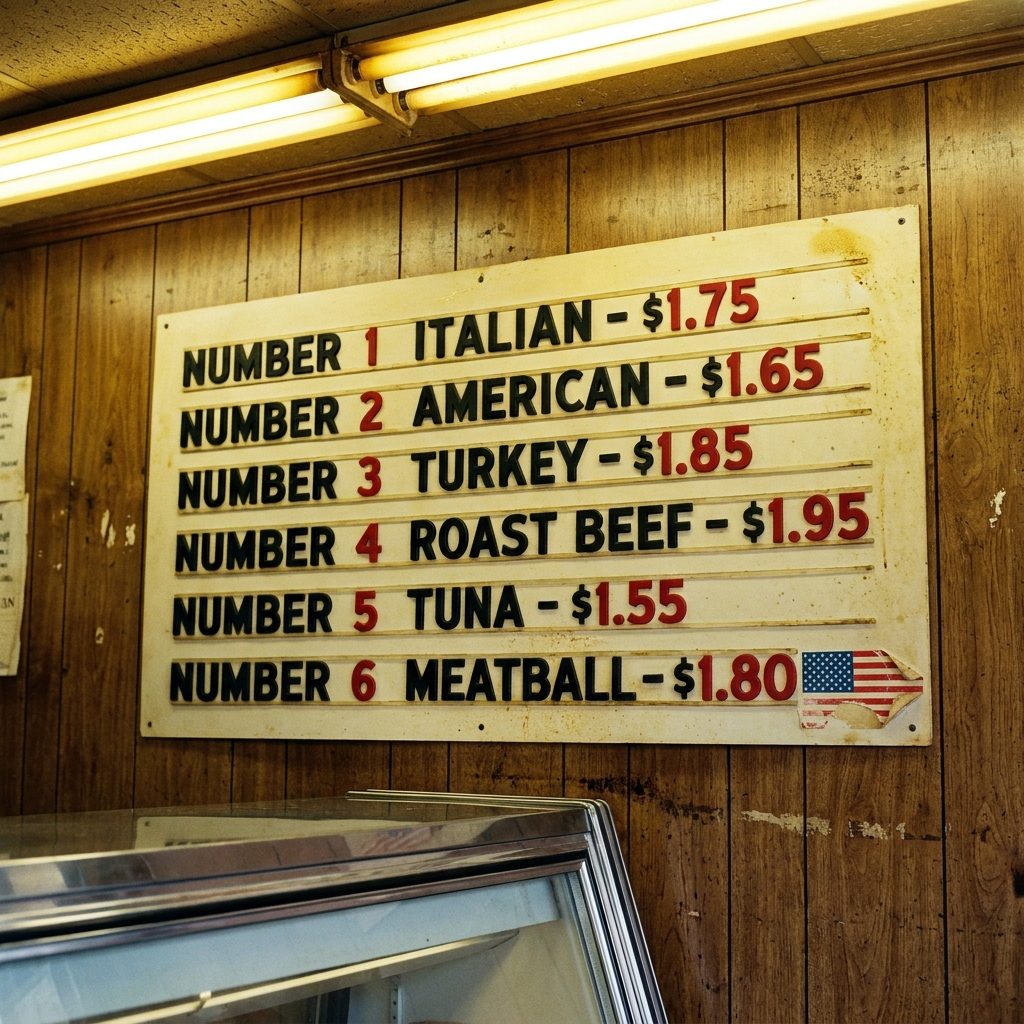
“Gimme a number four, everything on it.”
Complete sentence. Entire transaction. The number meant roast beef. “Everything” meant lettuce, tomato, onion, oil, vinegar, salt, pepper, oregano. No clarifying questions from either side.
You learned the numbers the way you learned your multiplication tables — repetition and mild social pressure. The menu board was up there on the wall in those plastic push-in letters, white on black, and after enough visits the numbers stopped being references to sandwiches and became the sandwiches themselves. A number seven wasn’t a meatball sub. It was a number seven. Did the distinction matter? Not really. But it felt real, and in a sub shop, what felt real was real enough.
25. The Pile of Napkins You Grabbed Because You Already Knew What Was Coming
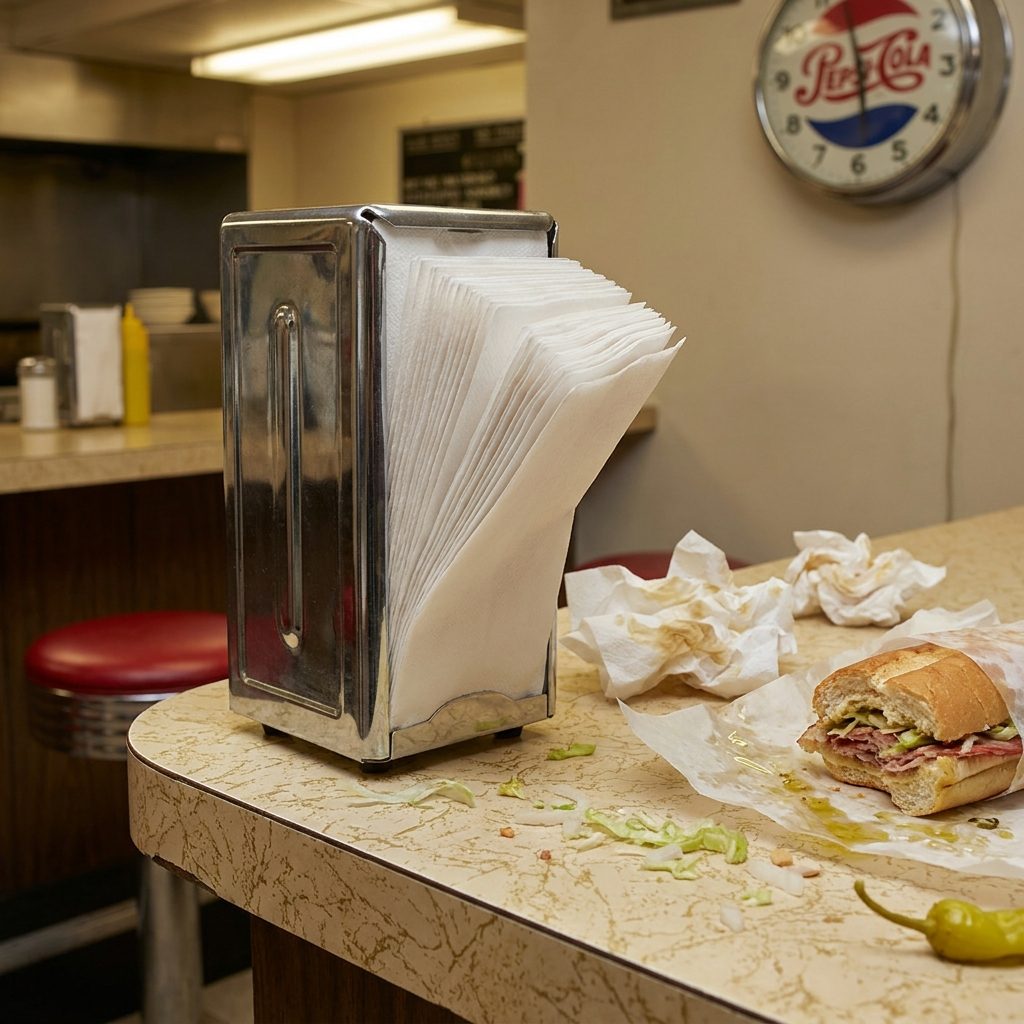
Six minimum. Before the first bite. This wasn’t excessive — this was hard-won knowledge. An Italian sub dressed with oil and vinegar was going to win the fight, and the only question was how badly your hands and forearms would lose.
Those napkins were thin. One-ply at best, probably less. They disintegrated on contact with anything damp, which meant contact with anything on the table. You needed the full stack, and even then you’d end up wiping your hands on your jeans by the halfway mark. Everyone did. Nobody admitted it.
24. The Chips That Came in the Wire Rack Next to the Register, Not From a Menu
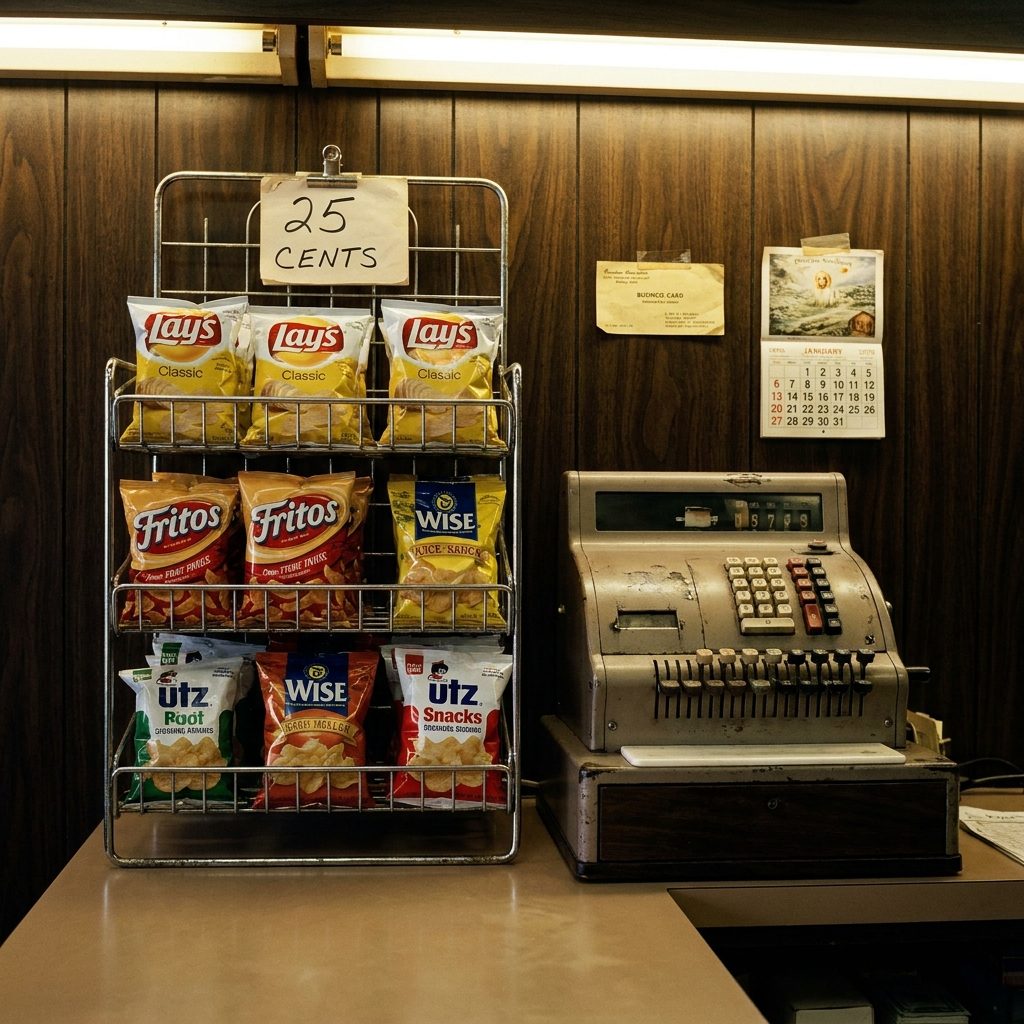
Nobody ordered chips. You just grabbed a bag off the wire rack while the guy wrapped your sub — Lay’s or Wise or Utz, whatever was in there, in bags so small they’d be considered free samples by modern standards. Bag on the counter, guy rings it up without comment. Done.
The rack was never on the menu. It existed in some gray zone between the sub shop and whatever distributor stocked it, a little chrome fixture that showed up one day and became permanent. Always next to the register. Always slightly picked over by early afternoon. I’m still not sure anyone ever decided to put it there. It just materialized, the way certain things in small businesses do.
23. The Italian Combo With Meats You Never Saw Anywhere Else in Your Life
Would you like to save this?
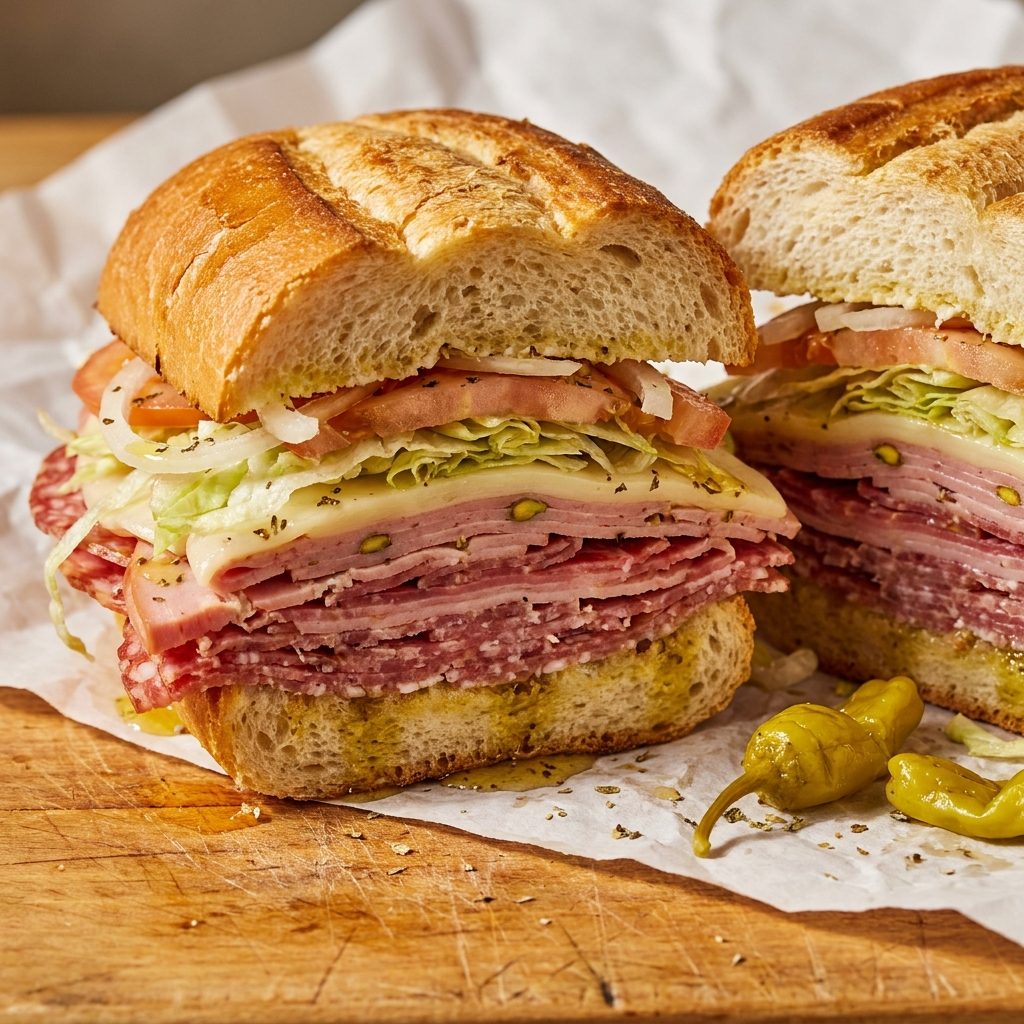
Capicola. Mortadella. Sopressata. You ate these meats on a sub every week and never once saw them in your family’s refrigerator. They existed only inside the deli case, sliced by a man who pronounced their names differently than you did — and differently than your friend’s dad did, too — assembled in an order that never varied and never needed to.
The Italian combo was the flagship, the reason the shop existed. Three or four meats, provolone, the works. Every shop had its own version and every shop was certain theirs was correct. Here’s the thing: they were all correct. The meats overlapped and folded and hung slightly past the edge of the bread, because a properly built combo was supposed to look like it was barely holding together. Restraint had nothing to do with it. Generosity did.
22. The Way the Oil and Vinegar Soaked Into the Bottom of the Roll and Made It Better, Not Worse
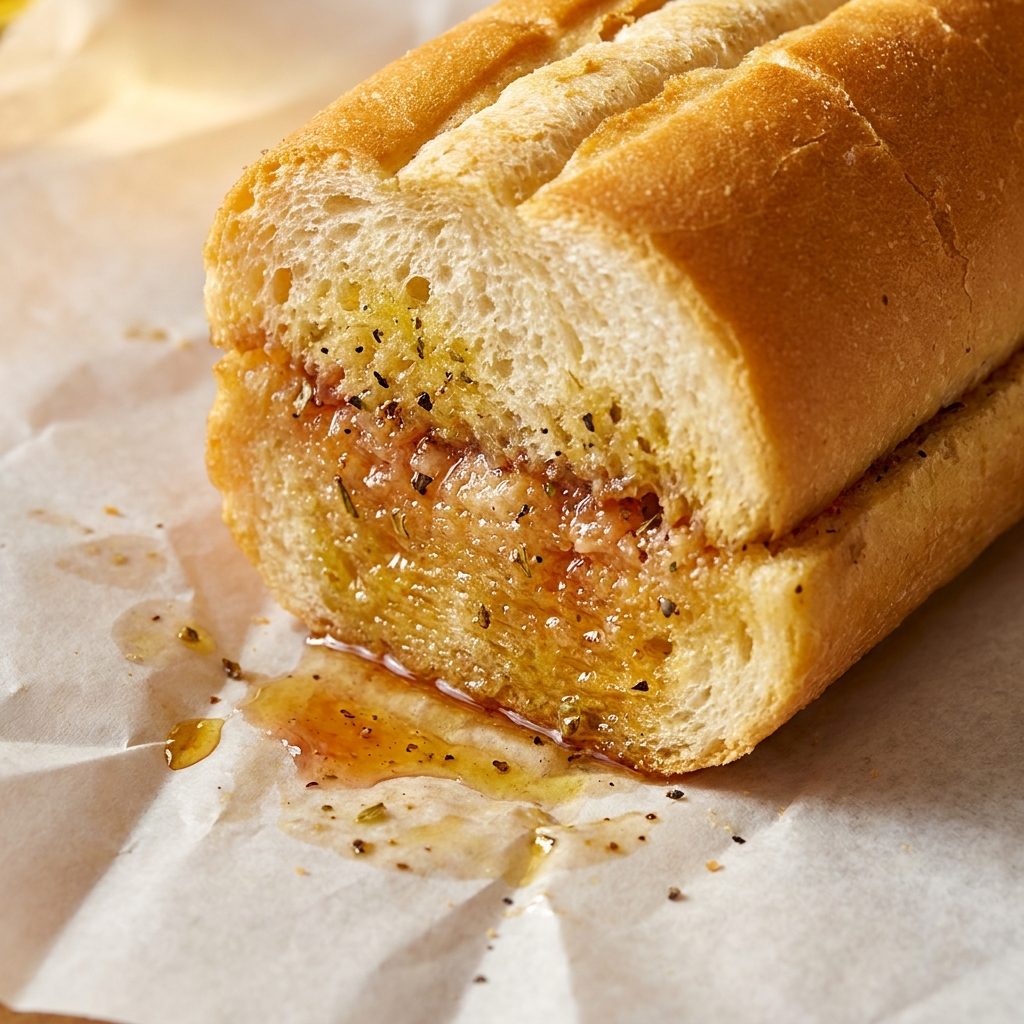
Soggy bread is a problem. Oil-soaked bread from a sub shop is a completely different substance — a different food category, practically. The bottom of the roll went translucent, golden, soft in a way that somehow still had structural integrity. It held together better than the dry top half. This made no logical sense. Absolutely true anyway.
The oil had to be olive oil — real olive oil, not whatever came out of the squeeze bottle at the pizza place. The vinegar had to be red wine, with that sharp bite that made your eyes narrow for half a second. And it needed to sit. Not long. Just long enough for the bread to undergo whatever quiet transformation turned it into something worth remembering decades later. I don’t know what to call that process. Chemistry, maybe. Patience. Whatever it was, you couldn’t rush it.
21. The Handwritten Menu Board With Prices That Hadn’t Changed Since Nixon
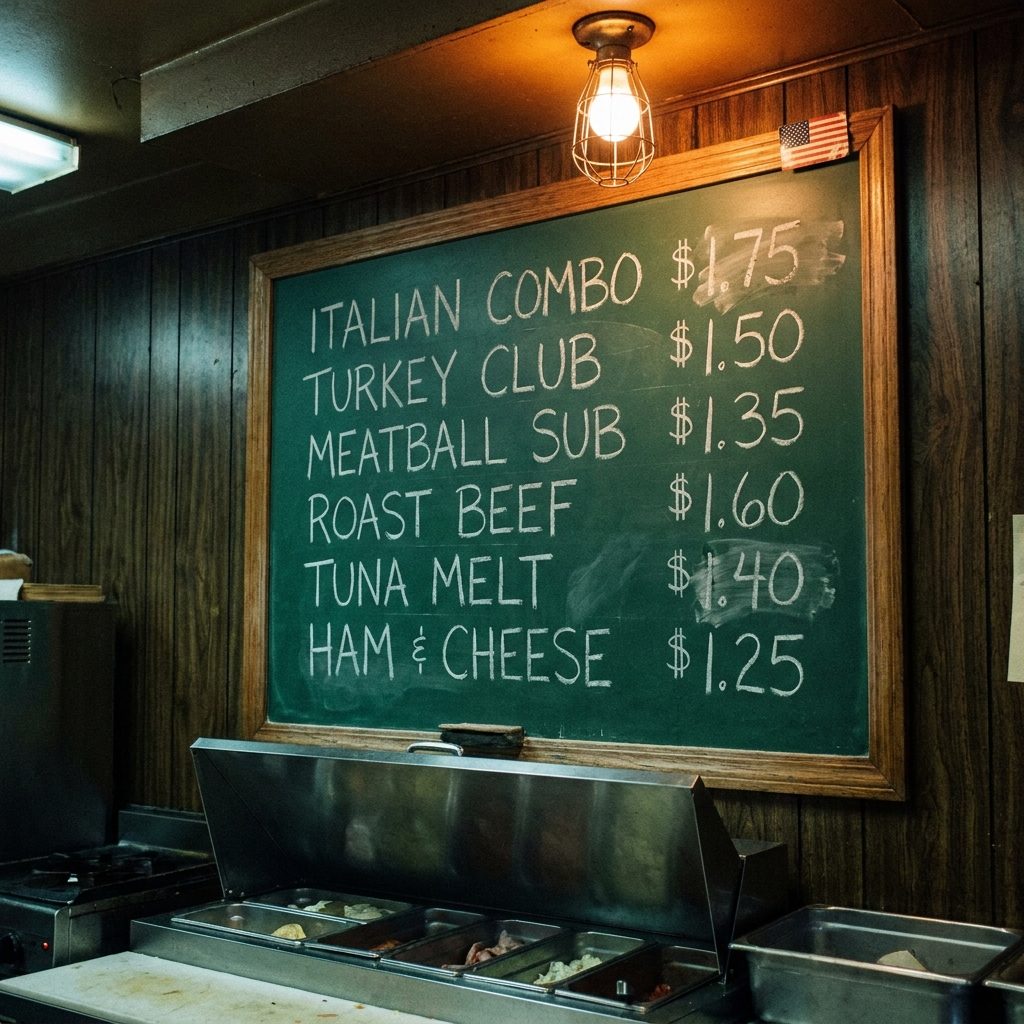
Those prices weren’t printed. They were chalked on by someone who’d memorized them so long ago the numbers came out in muscle memory, not math. A meatball sub for a dollar seventy-five. An Italian combo for two and a quarter. The board had erasure ghosts where old prices used to live — faint white shadows of a time when the same sandwich cost even less, which feels almost fictional now.
Nobody stared at the board to decide. You stared at it to feel like you were deciding. Your order was locked in before you walked through the door.
20. The Bell Over the Door That Announced You Like a Regular Whether You Were One or Not
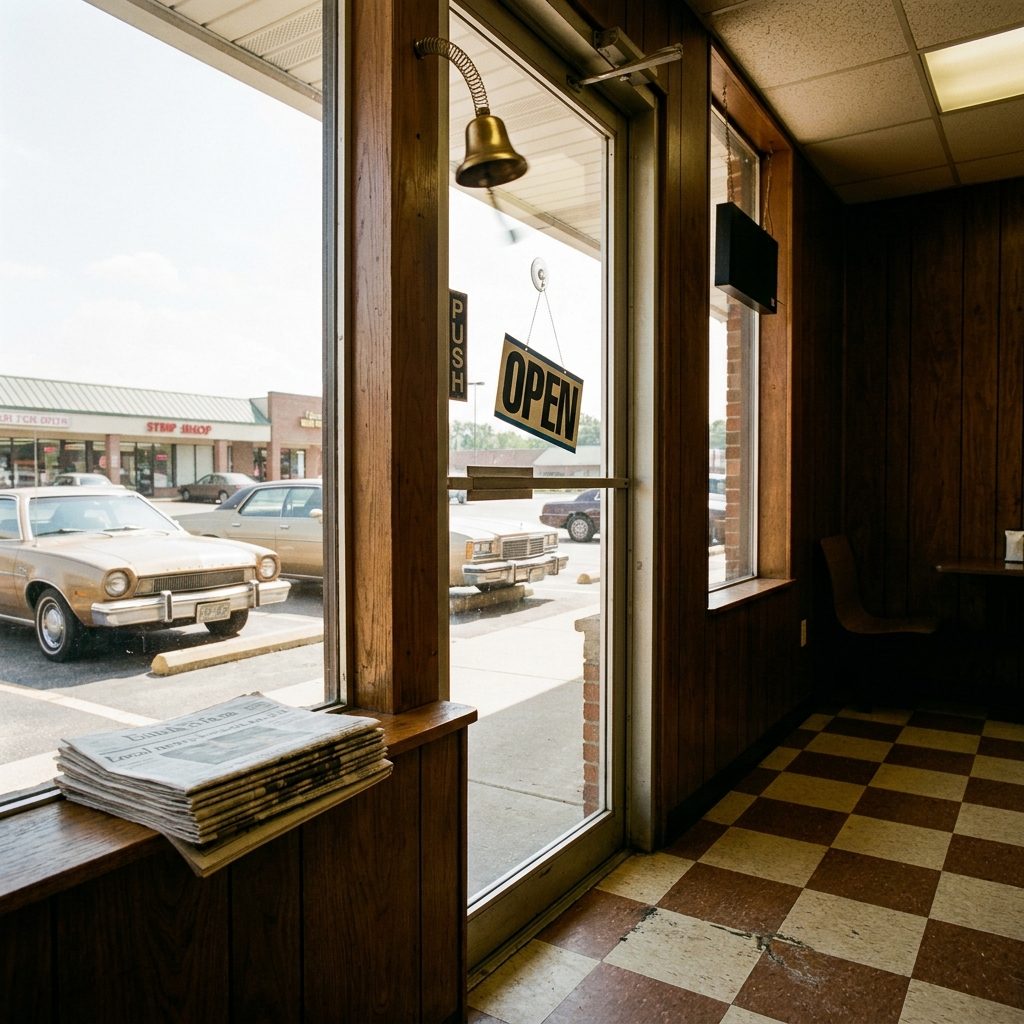
That little brass bell did one job and did it without fail — a bright, tinny ding that told the guy behind the counter someone had arrived, even if his back was turned and the slicer was running. The coiled spring never wore out. The sound never changed.
The bell rang, the guy looked up, you nodded, he nodded. Transaction initiated. No small talk required, though small talk usually happened anyway because the room was eight feet wide and silence felt strange in a space like that.
19. The Faded Coca-Cola Clock on the Wall That Was Always Seven Minutes Off
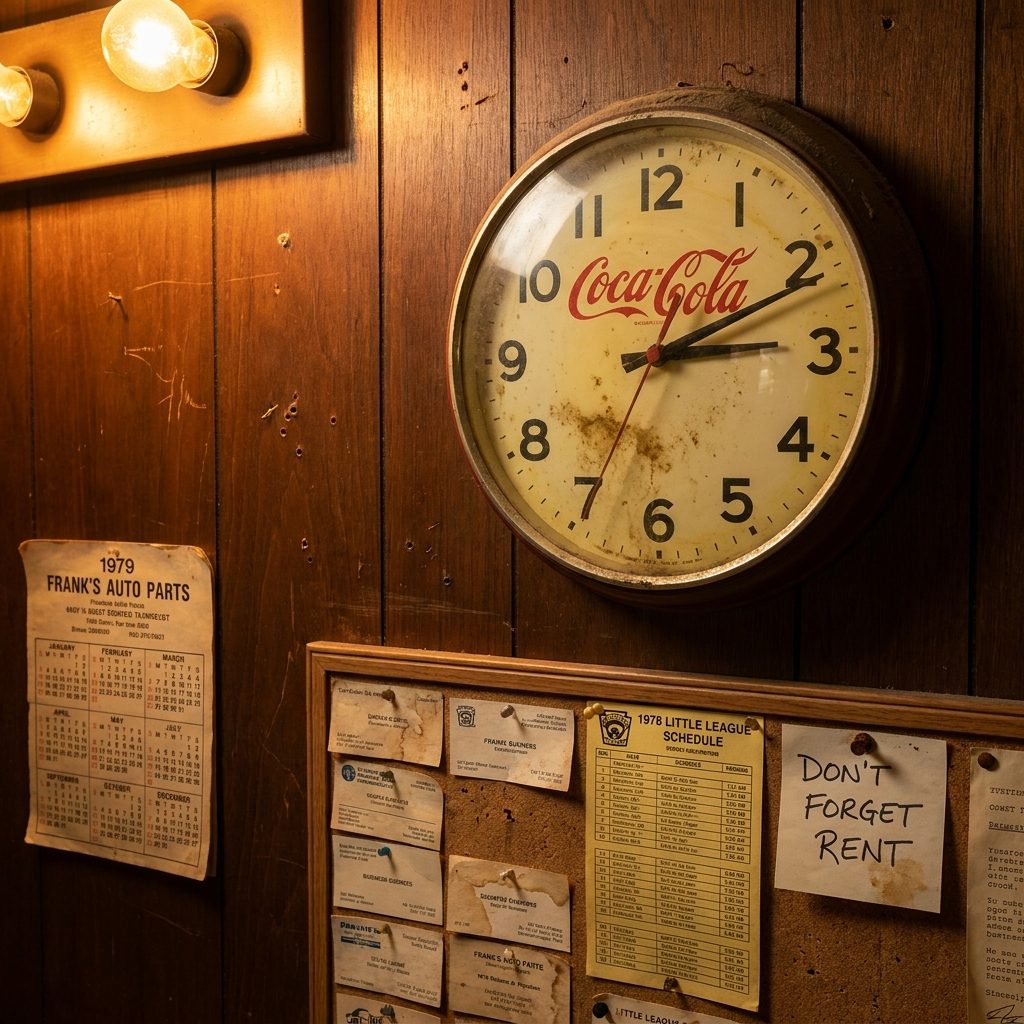
Nobody set it. Nobody fixed it. The battery should have died years ago but somehow kept going, ticking away seven minutes behind the rest of the world while the Coca-Cola logo on the face faded from red to something closer to salmon.
You didn’t check it for the time — you checked it the way you check a clock in a dream, out of reflex, without caring what it says. The real time didn’t matter inside that shop. You’d leave when your sandwich was done.
18. The Deli Case Full of Meats You Could See but Never Touched
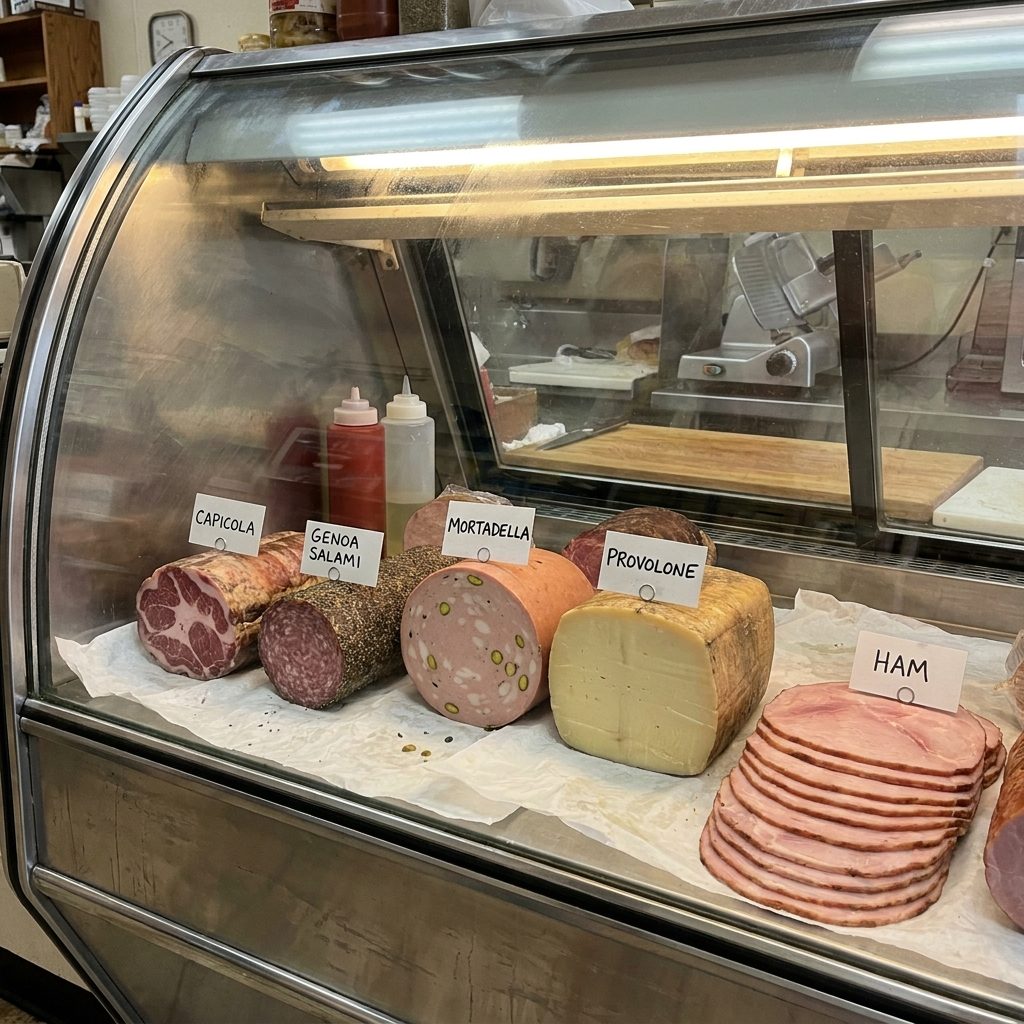
The glass was always cold to the touch if you leaned against it, which the guy behind the counter preferred you didn’t. Everything in there followed a butcher’s logic that made no sense to civilians but communicated plenty: capicola next to the Genoa, provolone in its own lane, mortadella sitting heavy and honest at the end of the row.
You pointed. He reached. The whole exchange happened through glass and trust — you never handled the meat yourself, and that distance was part of what made it feel superior to grocery-store cold cuts. Because it was.
17. The Way the Guy Behind the Counter Never Asked How You Wanted It Cut, He Already Knew
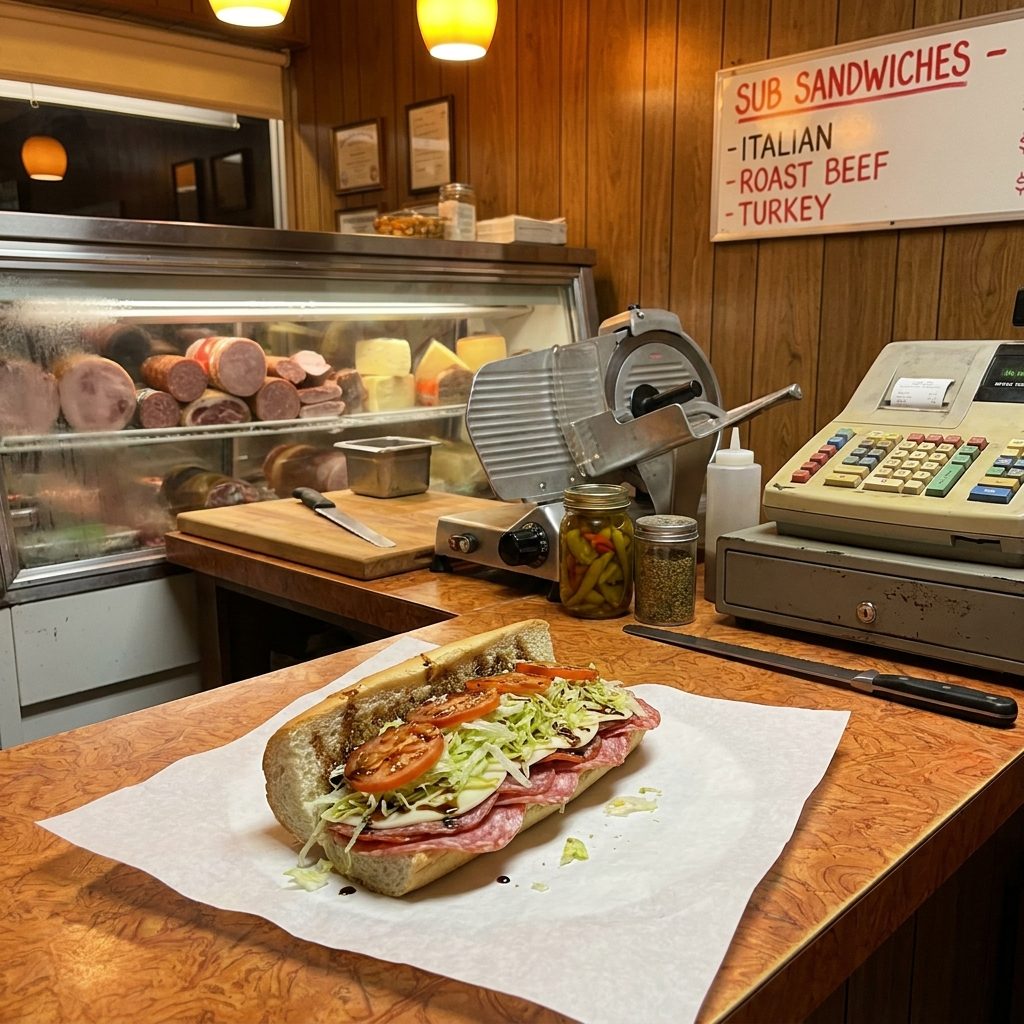
There was a man at the counter who had been making hoagies since before you were born. He didn’t ask if you wanted it cut. He didn’t confirm your order back to you in three steps. He grabbed the roll, split it with one pull, and built the thing from memory, capicola first, then salami, then provolone laid in a single overlapping row, then the lettuce shredded fine, the tomato, the onion if you were that kind of person. Oil and vinegar from the same two bottles he’d been using for a decade. A shake of oregano. Done.
The diagonal cut happened without ceremony. The butcher paper wrapped tight, folded at the ends, the whole thing handed across the counter in about forty-five seconds. You didn’t thank him the right way. You couldn’t. The sandwich was too good and you already had it halfway out the door.
16. The Provolone That Got Sliced So Thin You Could Almost Read Through It
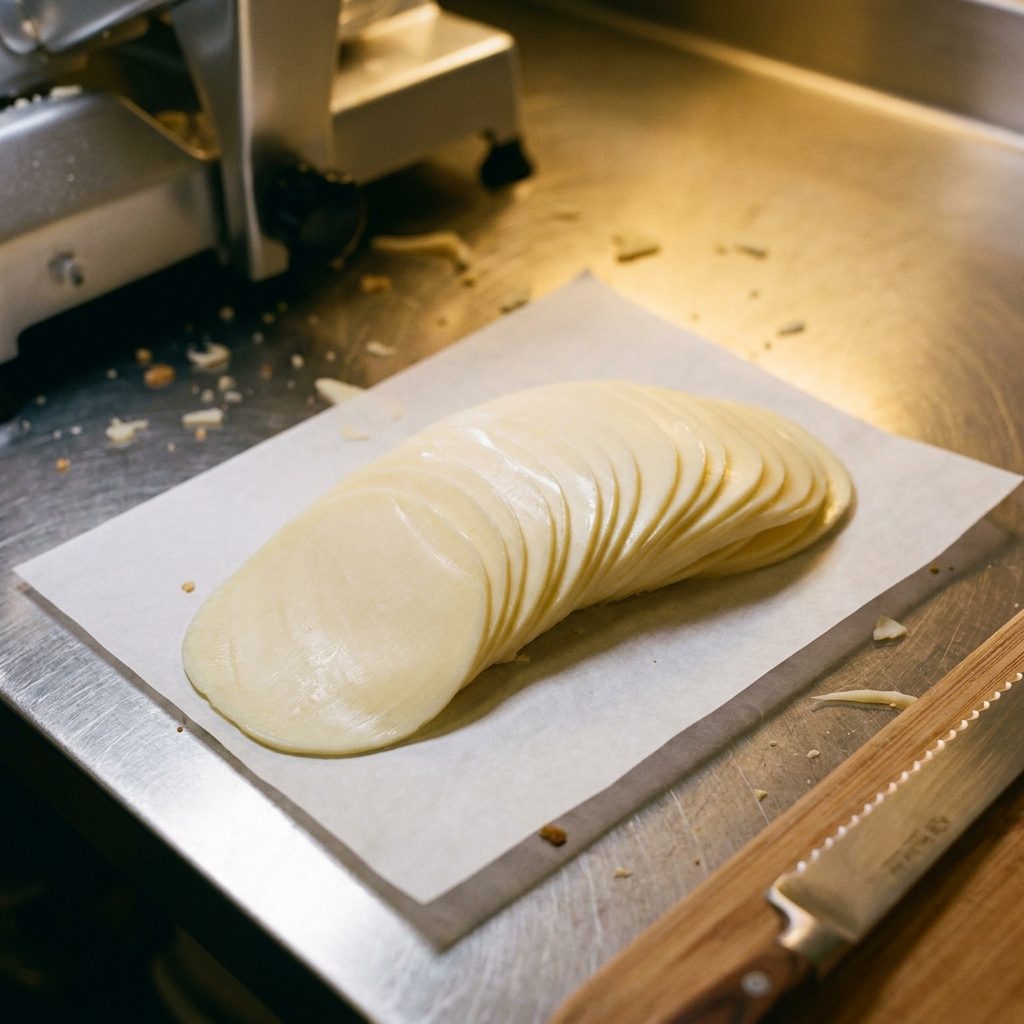
Thin enough that the slice draped over your finger like fabric. The guy running the slicer didn’t measure — he knew by sound. When the blade sang a certain way through the provolone, the thickness was right.
Sharp provolone, always. Mild was for supermarkets. The sharp stuff had a bite that woke up the back of your tongue and stood up to the oil and the capicola and everything else crammed onto that roll. A thick slice would have bulldozed all of it. Thin was everything.
15. The Fountain Drink in a Wax-Coated Paper Cup With No Lid
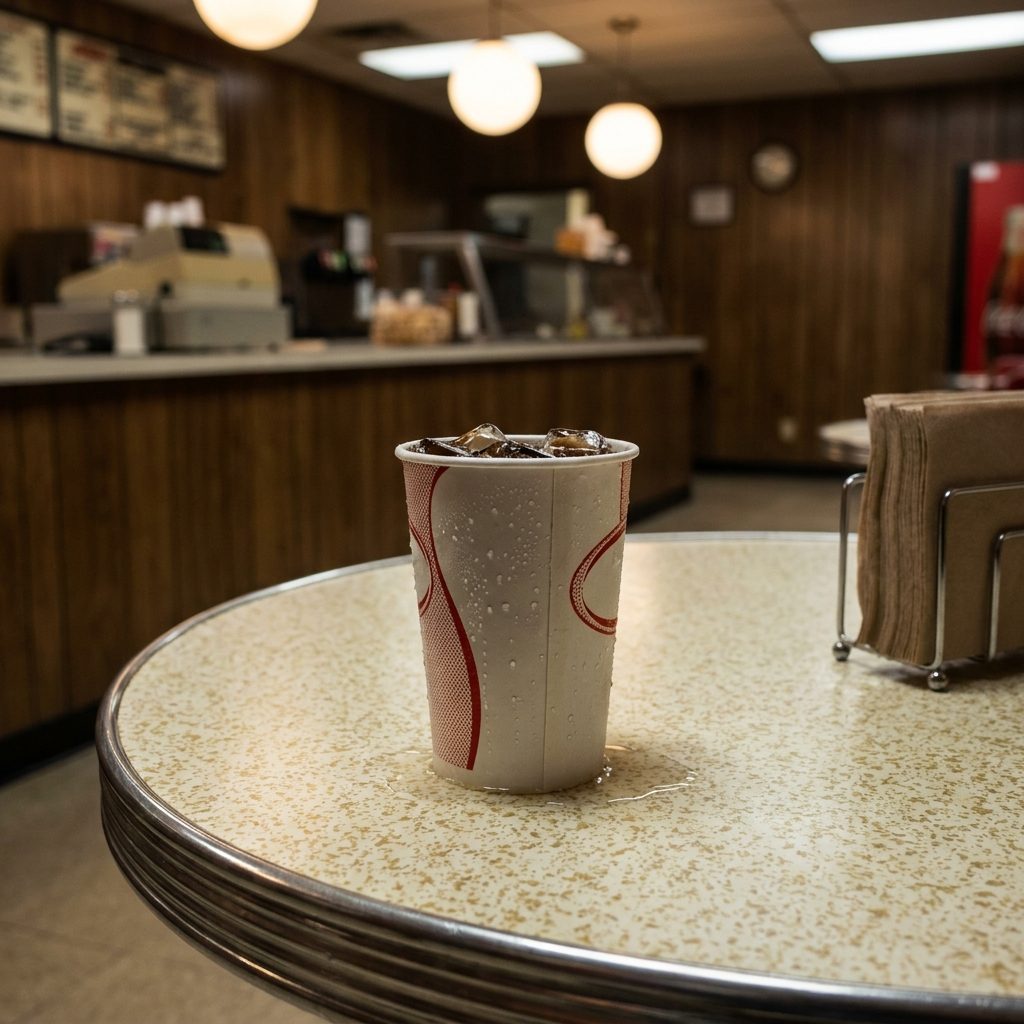
No lid. No straw unless you asked, and even then it was a paper one that went limp in minutes. The cup was wax-coated and slightly too small and the fountain Coke tasted different from canned Coke — nobody could explain it, but everyone agreed.
You drank it at the counter or at one of the three small tables. Nobody walked out with it. The sub shop wasn’t takeout culture yet, not really. You sat, you ate, you left. The drink belonged to the sitting.
14. The Oregano Shaker That Had Been Refilled So Many Times the Label Was Gone
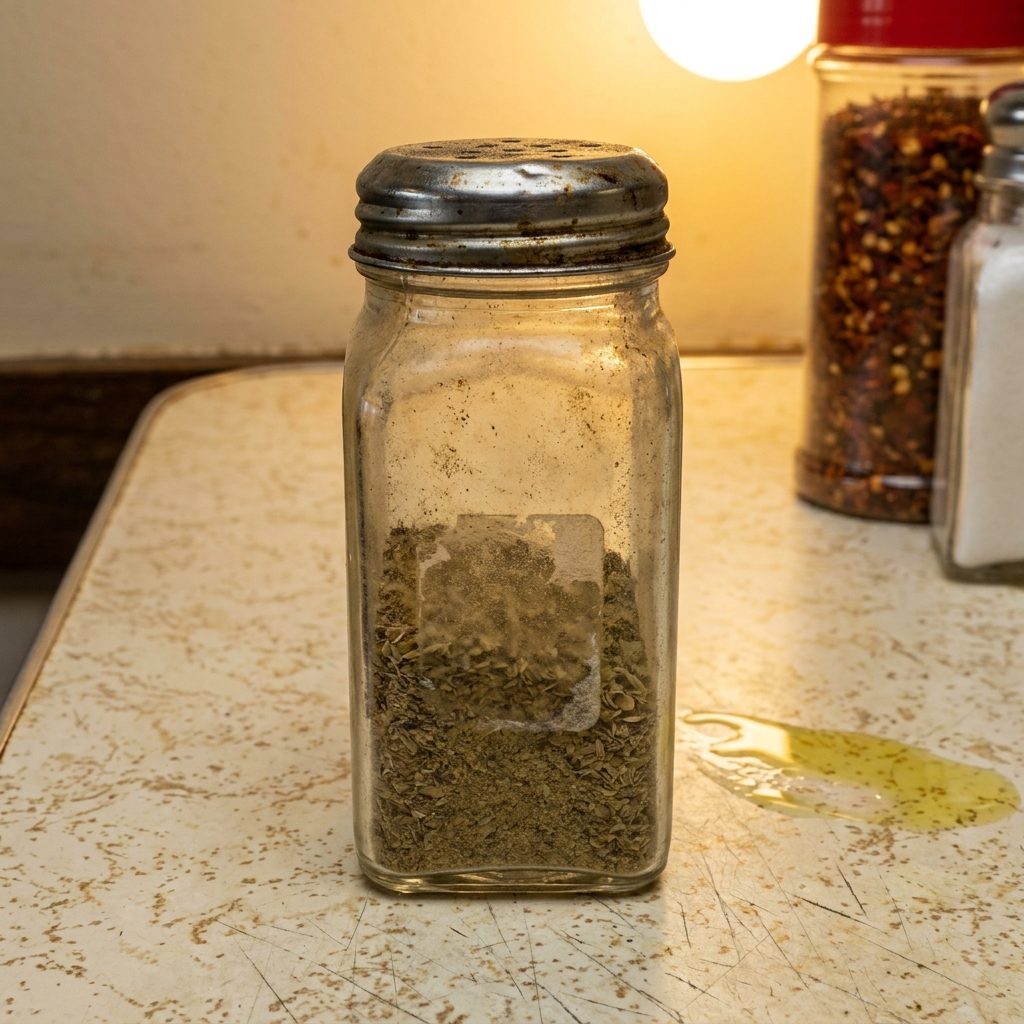
The label was a memory. Whatever brand originally lived in that jar had been replaced over and over again by bulk oregano from a supply house, and the lid was dented, and the glass was cloudy. None of that mattered.
You shook it over your sub the way your dad did, which was the way his dad did. Three shakes minimum. The oregano landed on the oil and the vinegar and the shredded lettuce and turned a sandwich into the sandwich — the one you came for, the one you’d been thinking about since yesterday. Every sub shop had one of those shakers. Every one looked like it had survived a war.
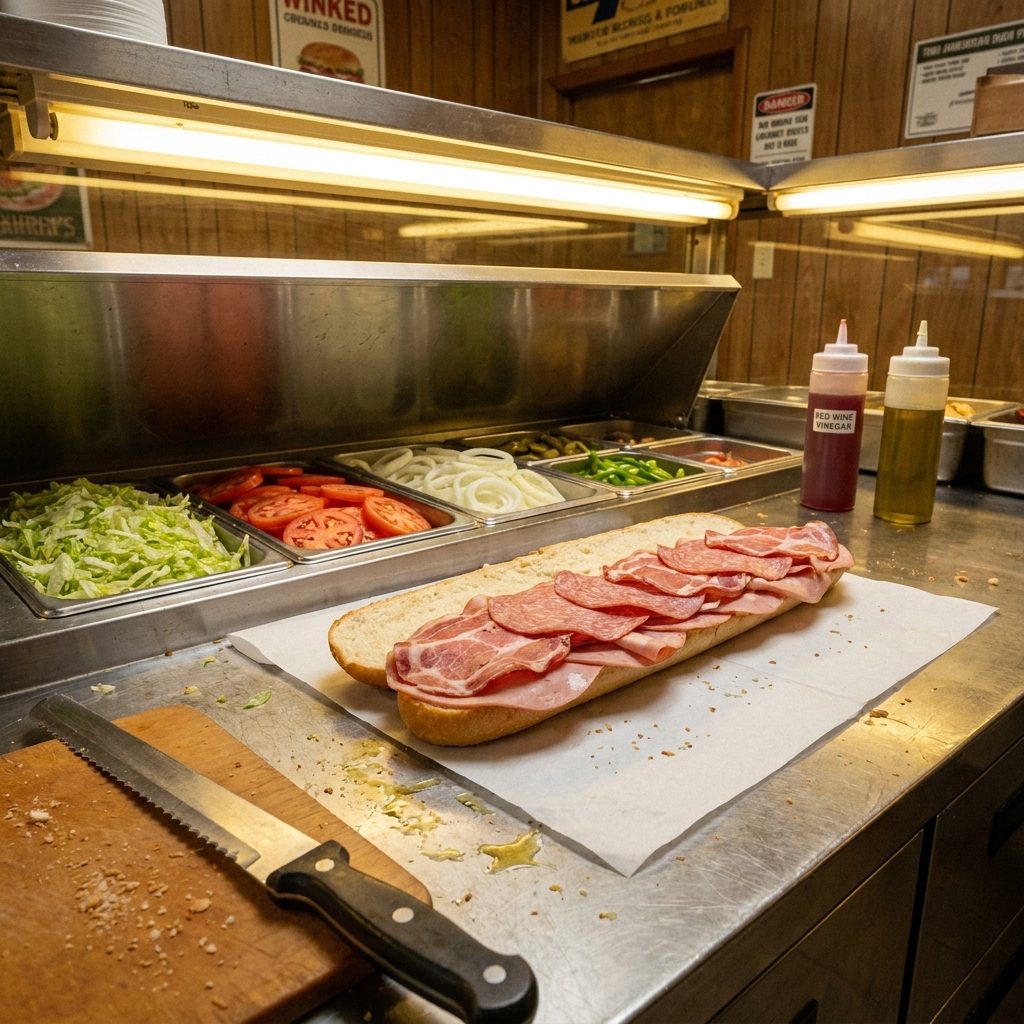
13. The Way He Built It Right in Front of You, Assembly Line of One
Would you like to save this?
No stations. No handoff from one person to the next. One guy built the whole thing, start to finish, and you watched every layer go down.
Bread split. Meats laid. Cheese draped. Lettuce, tomato, onion. Oil from the squeeze bottle in a slow zigzag, vinegar right behind it. Oregano. Salt. Pepper. Maybe ninety seconds total, and it never looked rushed because it wasn’t — just a man who’d built thousands of sandwiches doing what his hands already knew how to do.
That mattered more than you realized at the time. One person’s judgment, one person’s proportions, one person’s idea of how much oil was right. The sandwich tasted like a person made it. Because a person did. Strange how rare that’s become.
12. The Brown Paper Bag That Got Translucent on the Bottom Before You Made It Home
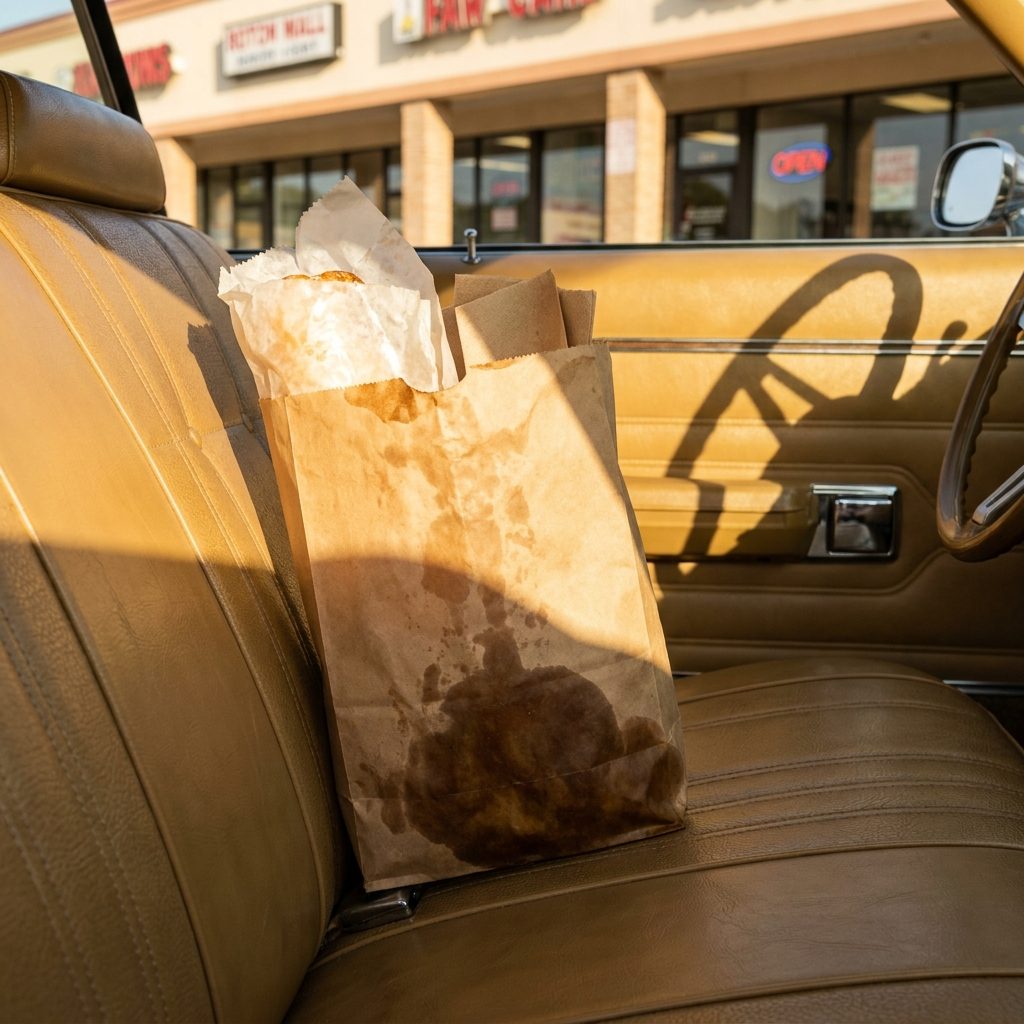
The bag never had a chance. Oil started working through the wax paper before you hit the parking lot, and by the time you pulled into the driveway the bottom had gone dark and soft and translucent — you could practically see the outline of the roll through it.
That grease spot was a promise kept. My mother used to double-bag them, which only meant two ruined bags instead of one.
11. The Conversation You Had With a Stranger While You Both Waited, Because There Were Only Four Seats
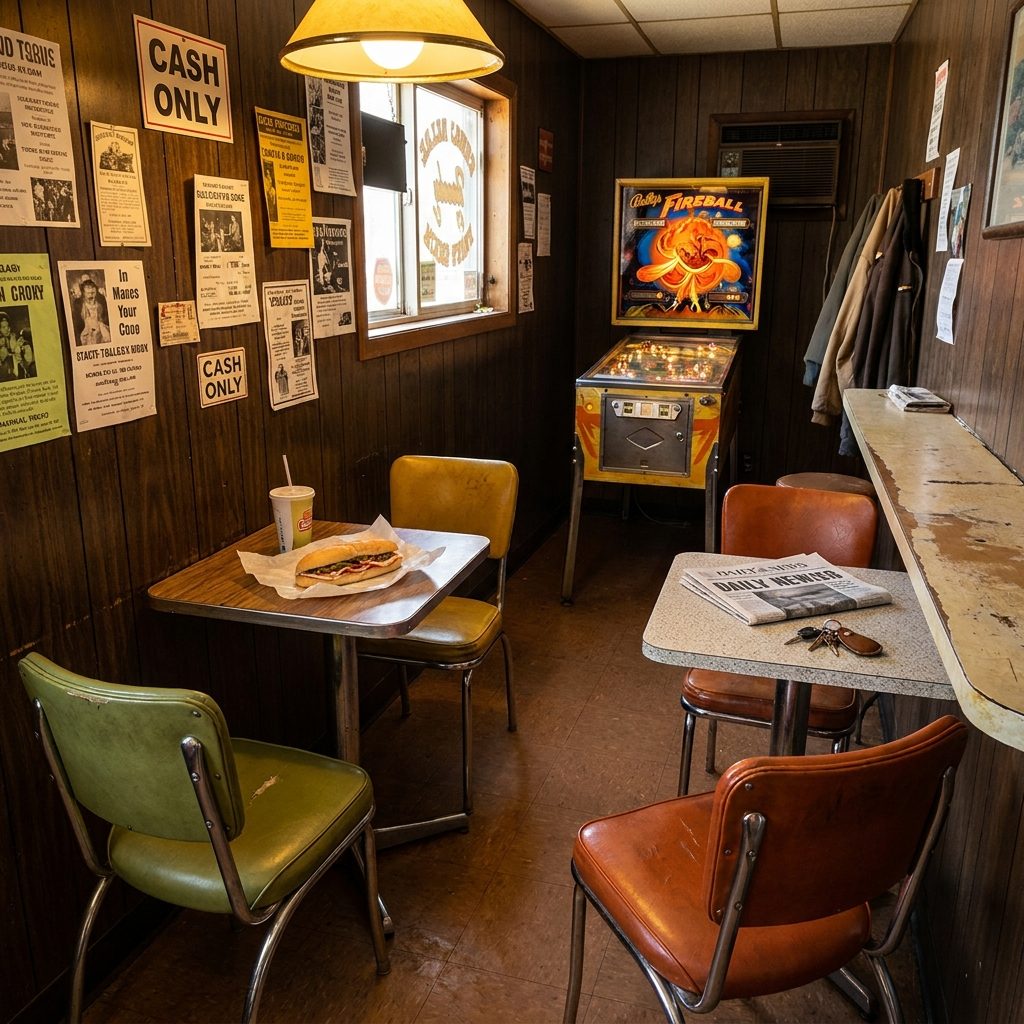
Four seats meant you were either sitting next to a stranger or standing against the wall eating off a narrow ledge, and either way you were close enough to have a conversation whether you wanted one or not.
You usually wanted one. Something about eating a sub in a room that small made people talk — the weather, the sandwich, the guy’s car outside. Nothing important. Nothing you’d remember an hour later. And somehow it was one of the better parts of the whole experience, those accidental little exchanges that just don’t happen in bigger spaces. I don’t know why. A dining room with a hundred seats never once produced anything like it.
10. The Pickle Spear That Came With Every Sandwich Whether You Asked for It or Not
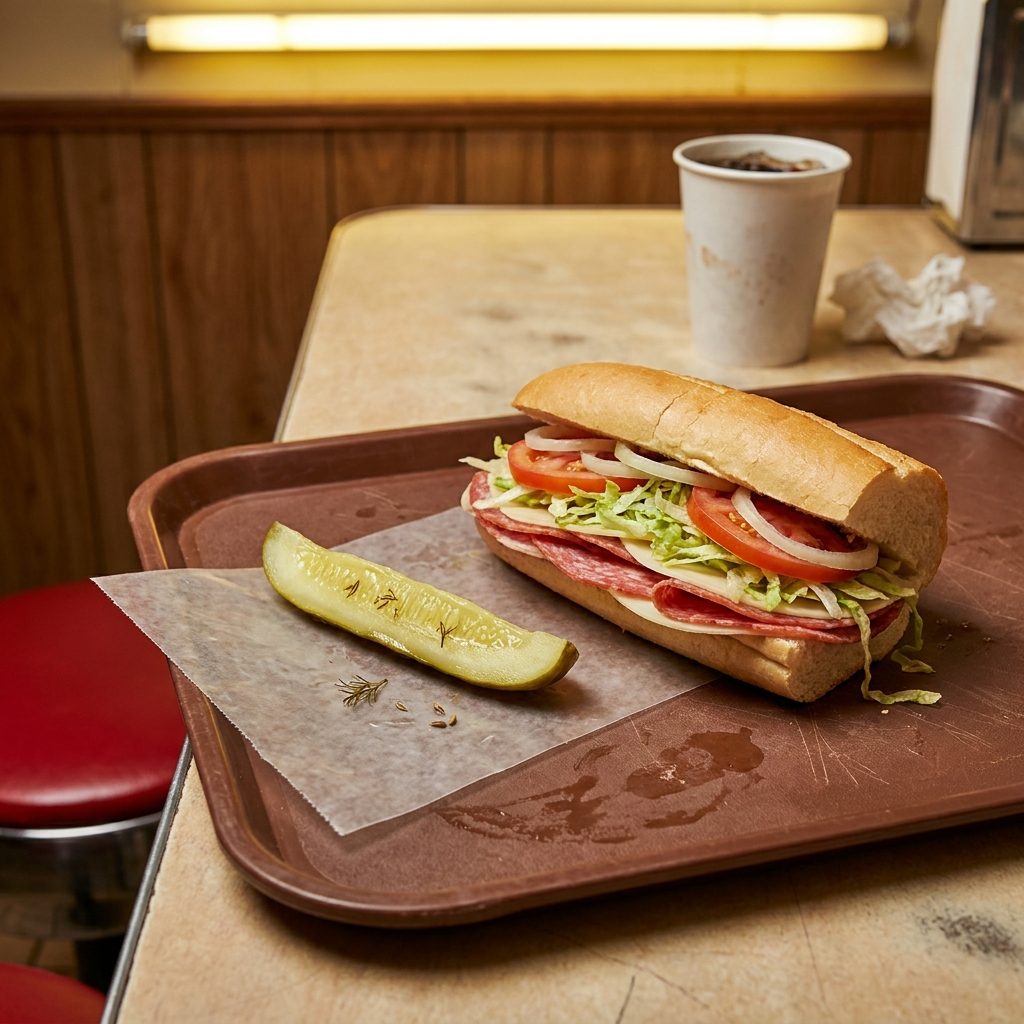
Nobody ordered it. A fat kosher dill spear, cold and dripping, just appeared wedged against the wax paper like it had squatter’s rights. Some shops cut it lengthwise; others gave you the whole beast, nearly the size of the sandwich itself.
You either ate it first or saved it for last — there was no middle ground on pickle timing, and everyone had a position they’d defend. That crunch cut through all the oil and salt and meat like a palate reset.
9. The Toasted Sub Under the Salamander Broiler That Changed Your Entire Understanding of Bread
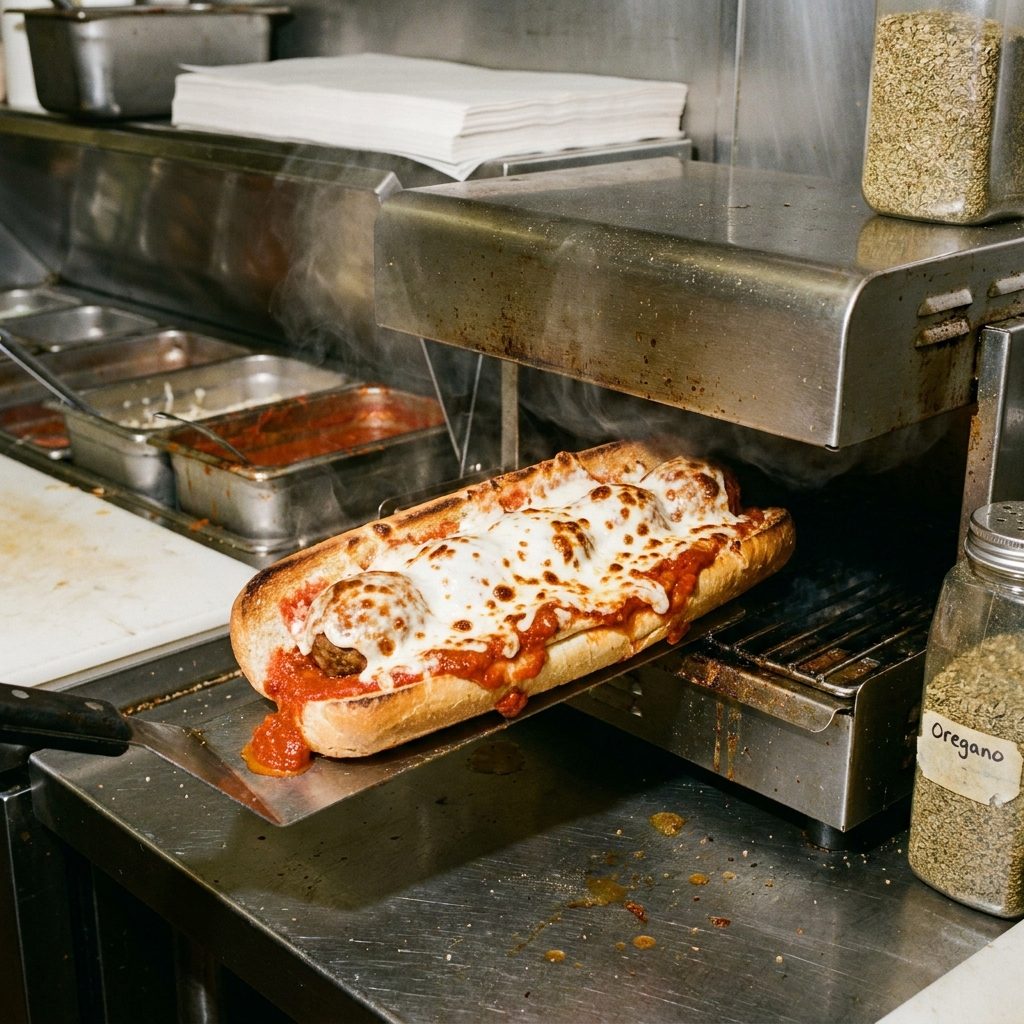
Cold subs were the everyday. But the hot sub — the one that went under that little broiler for ninety seconds until the cheese blistered and the bread developed a crust you could hear when you bit through it? That was the occasion.
Meatball parm. Sausage and peppers. Eggplant parm if the place had it. The roll came out transformed on the other side of that heat, still soft inside but with an exterior closer to toast than bread. You ate it fast because once it cooled, the window closed. The bottom turned leathery. The cheese seized up. Hot subs were timed experiences.
8. The Tomato Slices So Thin They Were Basically a Suggestion
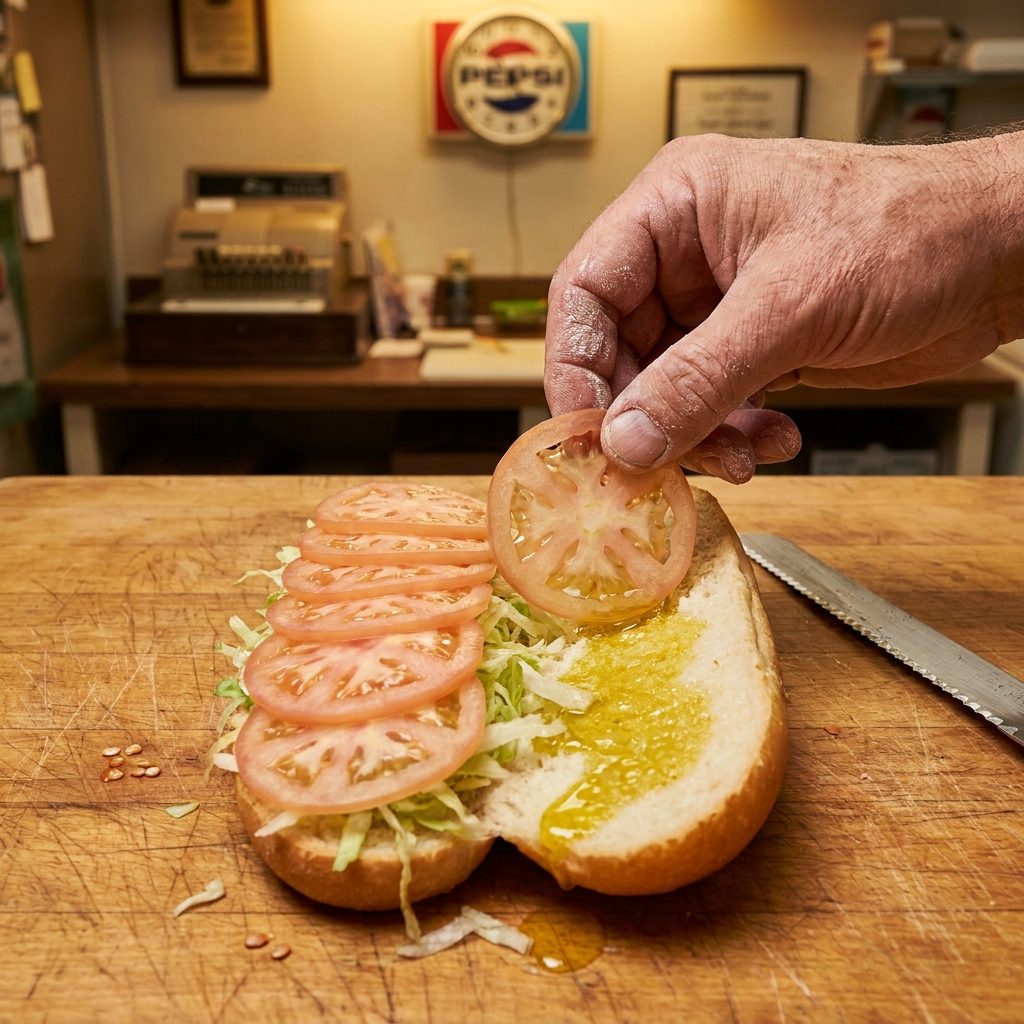
Three slices per sub, cut so thin they were translucent — you could practically see the lettuce through them. The tomato wasn’t the star. Barely the understudy. More of a background extra who wandered onto set. But if it went missing, you’d notice the absence immediately, which tells you something about how flavor memory works even when the flavor itself is barely there.
7. The Guy Who Worked the Register While His Wife Worked the Kitchen, and Neither One Needed to Say a Word to the Other
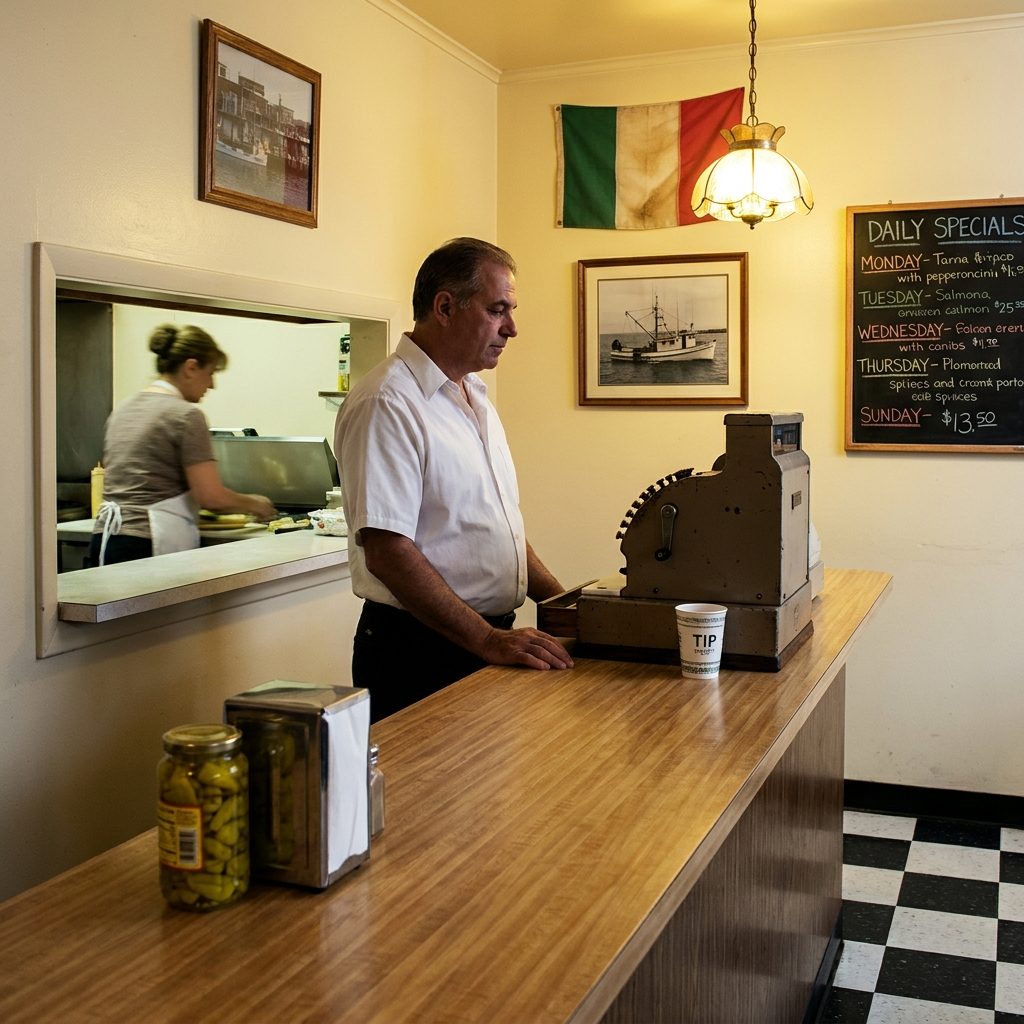
He didn’t call back orders. She didn’t ask what was next. Sandwiches just appeared through a pass-through window the size of a shoebox, the whole operation running on thirty years of shared muscle memory.
You’d tell him what you wanted. He’d ring it up. She’d already started making it — had probably started the moment she heard your voice. Nobody wrote anything down. No tickets, no system, no name for whatever this was. It just worked, every single day, for decades, and I’m not sure either of them could have explained how if you’d asked.
6. The Wooden Booth With Initials Carved Into It That No One Ever Sanded Down
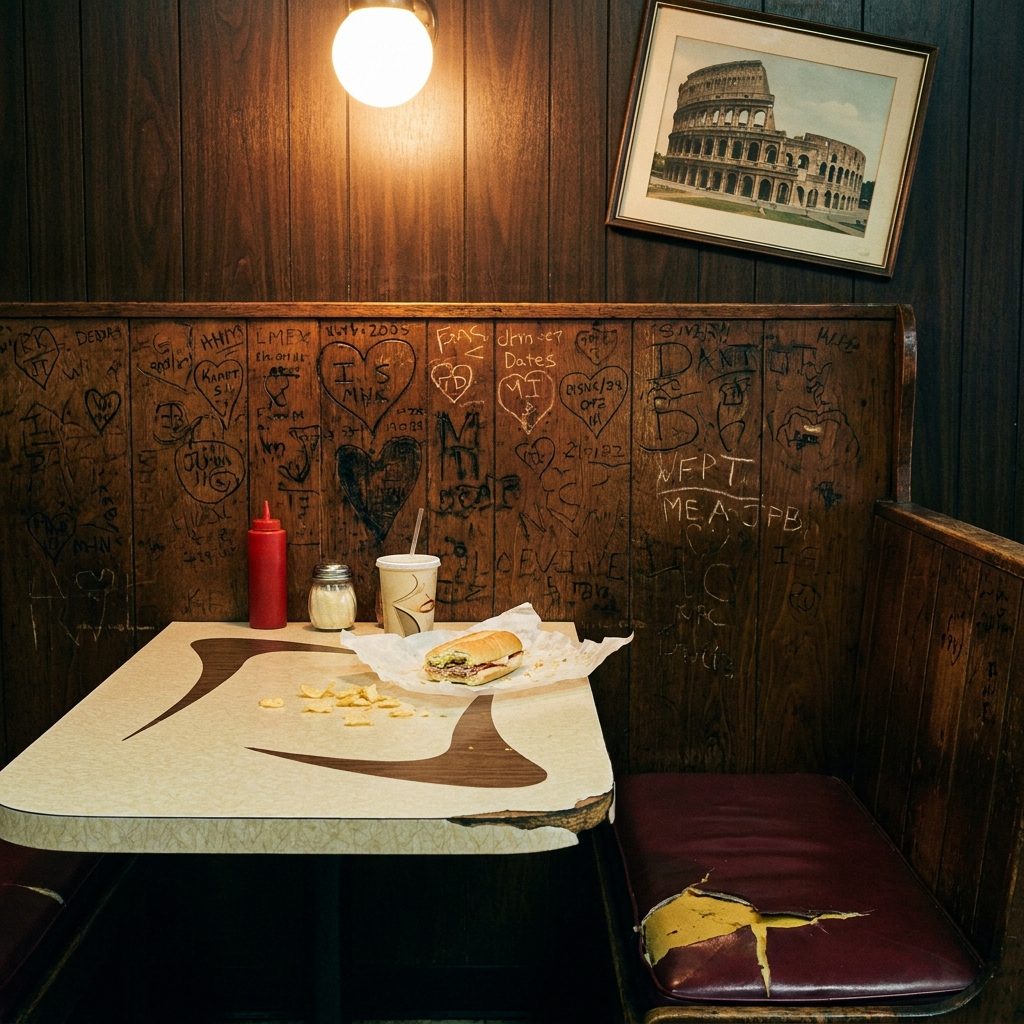
“TJ + MR ’74” inside a lopsided heart. “JETS” in block letters. Someone’s phone number with a 201 area code, probably disconnected before the decade ended.
Nobody fixed the booth. Nobody cared. The carvings had become part of the furniture by then — an unauthorized guestbook everyone contributed to without anyone agreeing it was one. You’d sit there eating your sub and trace the letters with your thumb, wondering who TJ was and whether MR stuck around. Probably not, but the booth remembered them anyway, which is more than most restaurants can say about their regulars.
5. The Soda That Came Out of a Tap Behind the Counter, Not a Fountain You Served Yourself
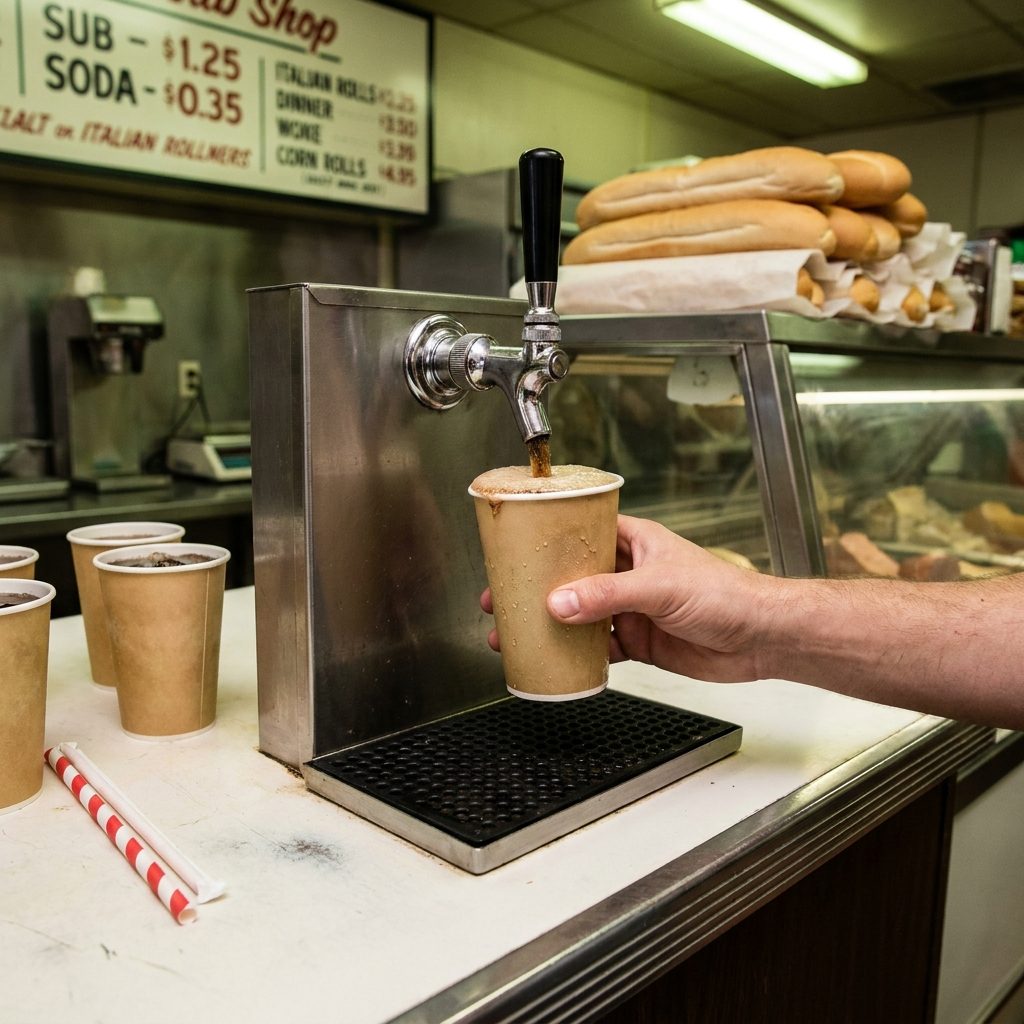
Self-serve fountain stations came later. In the seventies, the guy behind the counter filled your cup himself from a tap you couldn’t reach, eyeballing the ice and controlling the pour. You got what you got.
Wax-coated paper cup, no lid unless you asked, sweating before it hit the counter. And the soda always tasted slightly different from a can or bottle — something in the syrup ratio, something about the carbonation hitting that waxy interior. Not better, not worse. Just the sub shop’s own version of cola, belonging to that room the same way the oregano smell belonged to the air.
4. The Stack of Local Newspapers by the Door That Doubled as Your Lunch Reading
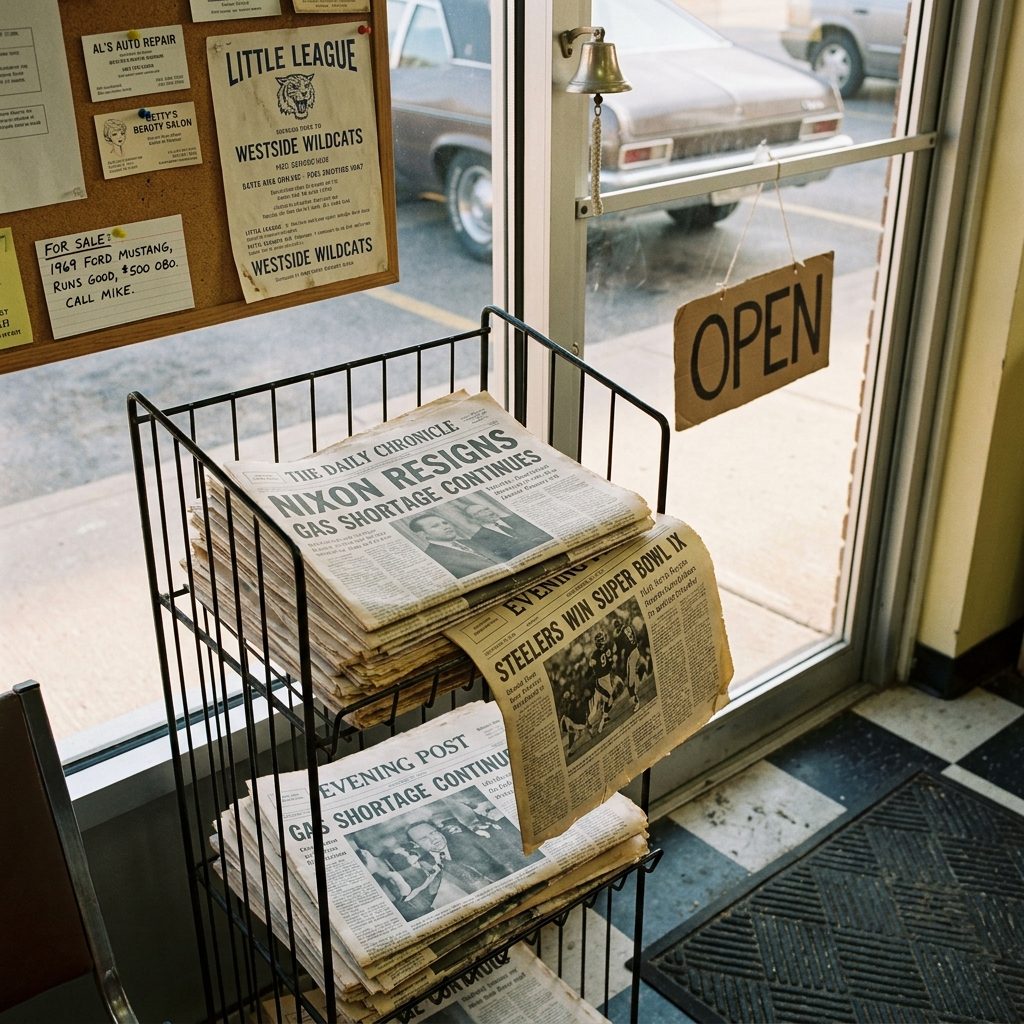
Free. Always free. A stack of the local weekly or yesterday’s daily, sitting in a wire rack by the door that nobody maintained and nobody restocked with any regularity. You grabbed one on the way in, read the sports page while you waited, left it on the table when you were done.
Nobody brought a book to a sub shop, and nobody needed entertainment. The newspaper and the sandwich took roughly the same amount of time to finish, which felt like design even though it was pure coincidence. Or maybe it wasn’t — maybe sandwiches and local sports sections evolved together, reaching some unspoken equilibrium over decades of American lunch counters.
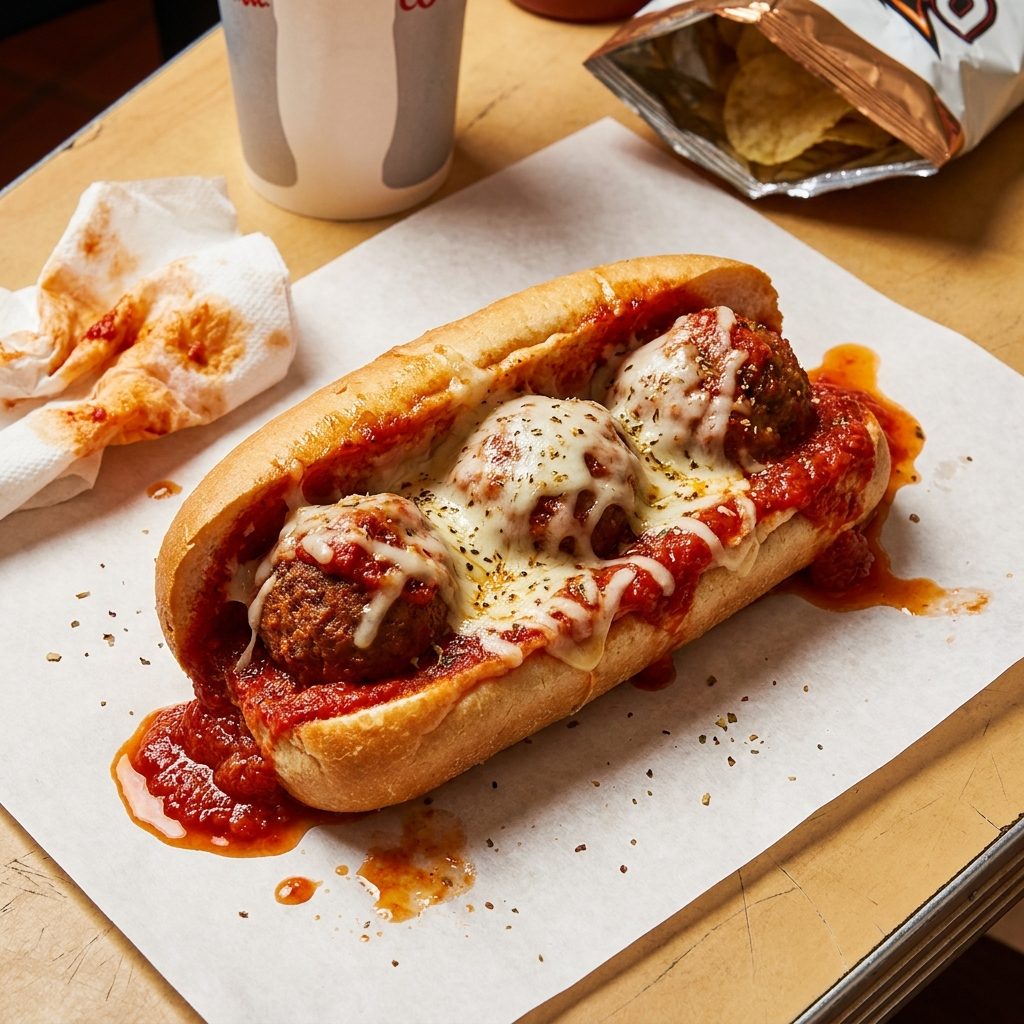
3. The Meatball Sub That Required Two Hands and a Strategy
Would you like to save this?
You couldn’t eat this one casually. Both hands on the roll, elbows planted on the table, head tilted forward so the sauce dripped onto the paper instead of your shirt. There was no clean version of this sandwich. There never had been.
The meatballs were always too big for the roll — gloriously, defiantly too big, having sat in a pot of sauce since morning until they were so soft you could cut them with the bread itself. The bottom of the roll surrendered first, every single time. You finished the last third with a fork or you finished it with your dignity intact. Never both.
2. The Little Radio on the Shelf Playing AM Oldies That Nobody Changed the Station On, Ever
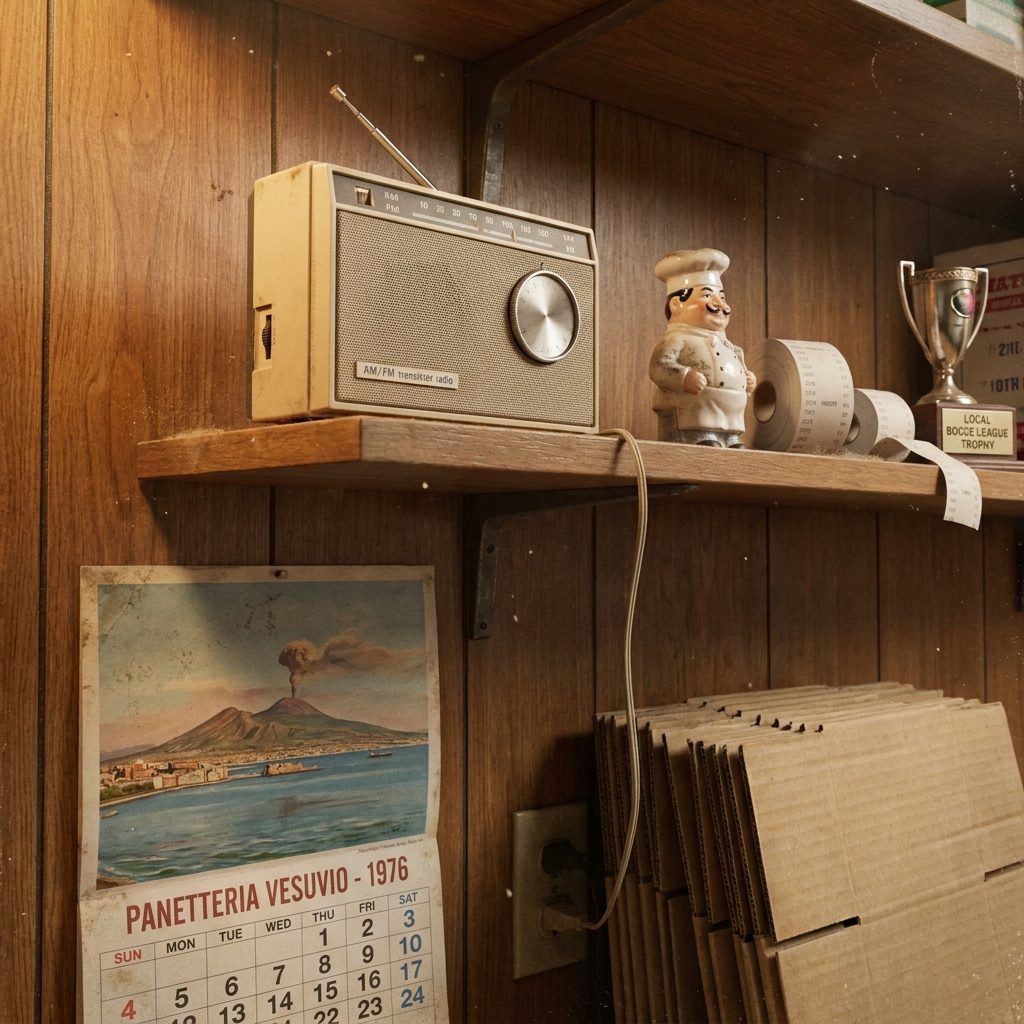
Always on. Always AM. Oldies or talk radio or a Mets game, depending entirely on the owner’s loyalties, which were fixed and non-negotiable. The volume sat at exactly the level where you could hear it during a lull but not over a conversation — someone had found that sweet spot years ago and never touched the dial again.
Nobody asked to change it. Would you ask someone to rearrange their living room?
1. The Moment You Walked Out the Door and the Smell Stayed on Your Jacket for the Rest of the Day
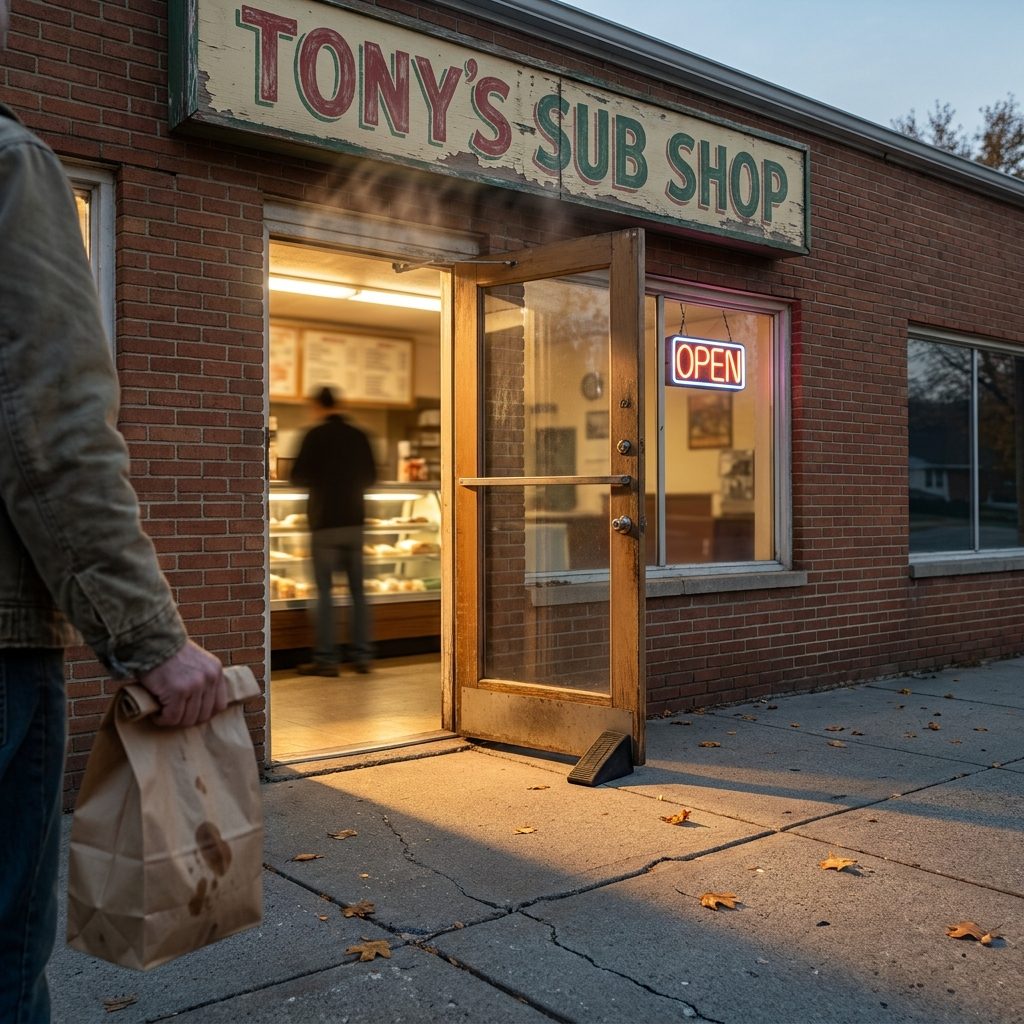
Oregano. Vinegar. The sharp edge of sliced onion. Something smoky from the broiler. It all followed you out.
You’d get in the car and smell it. Sit in class after lunch and catch it on your sleeve. Take your jacket off that night and there it was again, fading but persistent, like the shop had claimed you for the day. Your jacket, your hands, the brown bag in the back seat — everything carried the evidence. People knew where you’d been. You didn’t mind them knowing.