Would you like to save this?
The sound came first. That hollow clatter of a beige plastic tray sliding along steel rails, the divided compartments already sweating condensation before you’d picked anything up. A lunch lady in a hairnet held the serving spoon like a scepter, and you had maybe 15 minutes to eat before the bell rang, several of which you spent trading.
Some of this food was genuinely good. Some of it defied physics. And all of it lives rent-free in the head of anyone who came up through an American school during the Reagan years. Here’s what landed on that tray.
31. The Rectangular Cheese Pizza That Broke Every Rule of Geometry
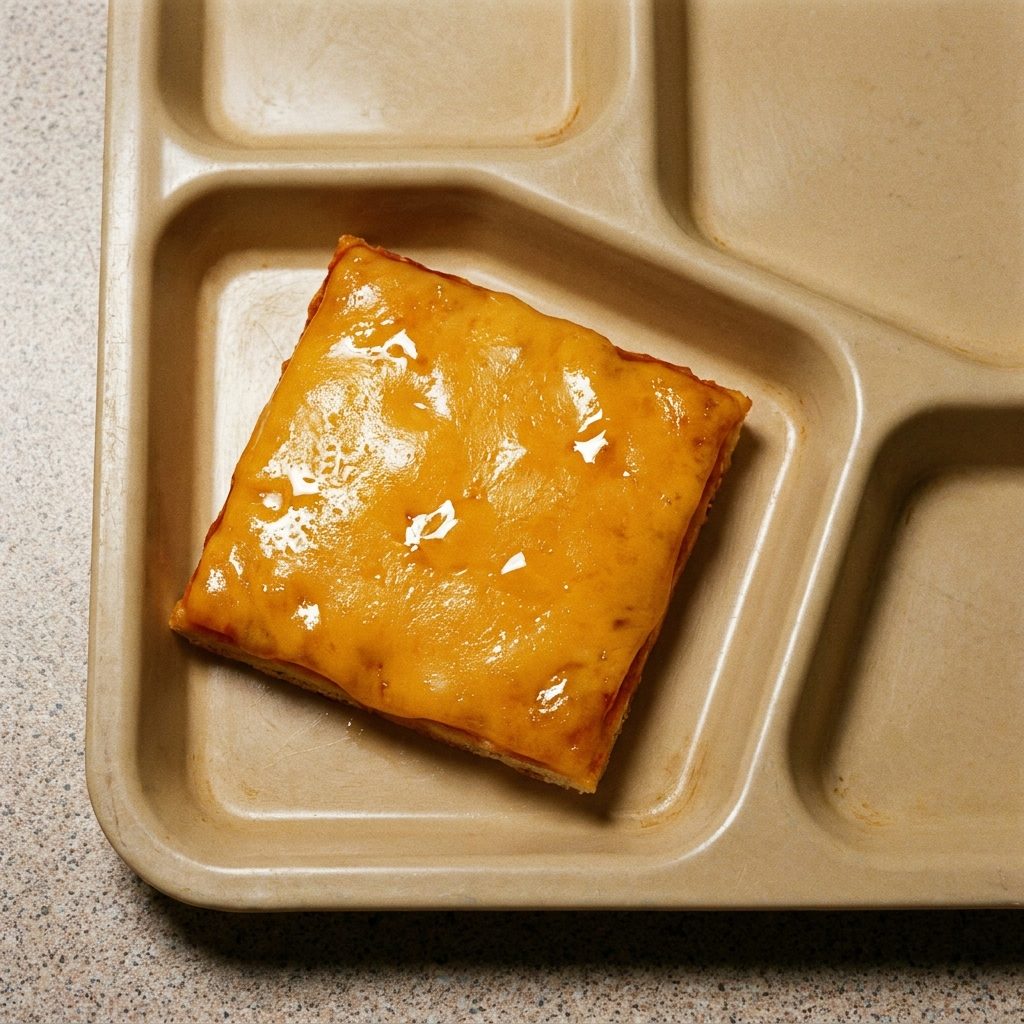
Rectangular. Always rectangular. Somebody in a district office decided pizza would come in squares cut from an industrial sheet pan, and a whole generation grew up thinking that was just how pizza worked. The crust sat closer to focaccia than anything Italian—spongy and pale—and the cheese set into a single orange sheet you could peel off in one piece if you had the patience.
It was the best day on the lunch calendar, and everyone knew it. Pizza day meant longer lines and better trades. Nobody was fooled into thinking it resembled a real slice from a corner pizzeria, and honestly, who cared?
30. Salisbury Steak Swimming in Brown Gravy
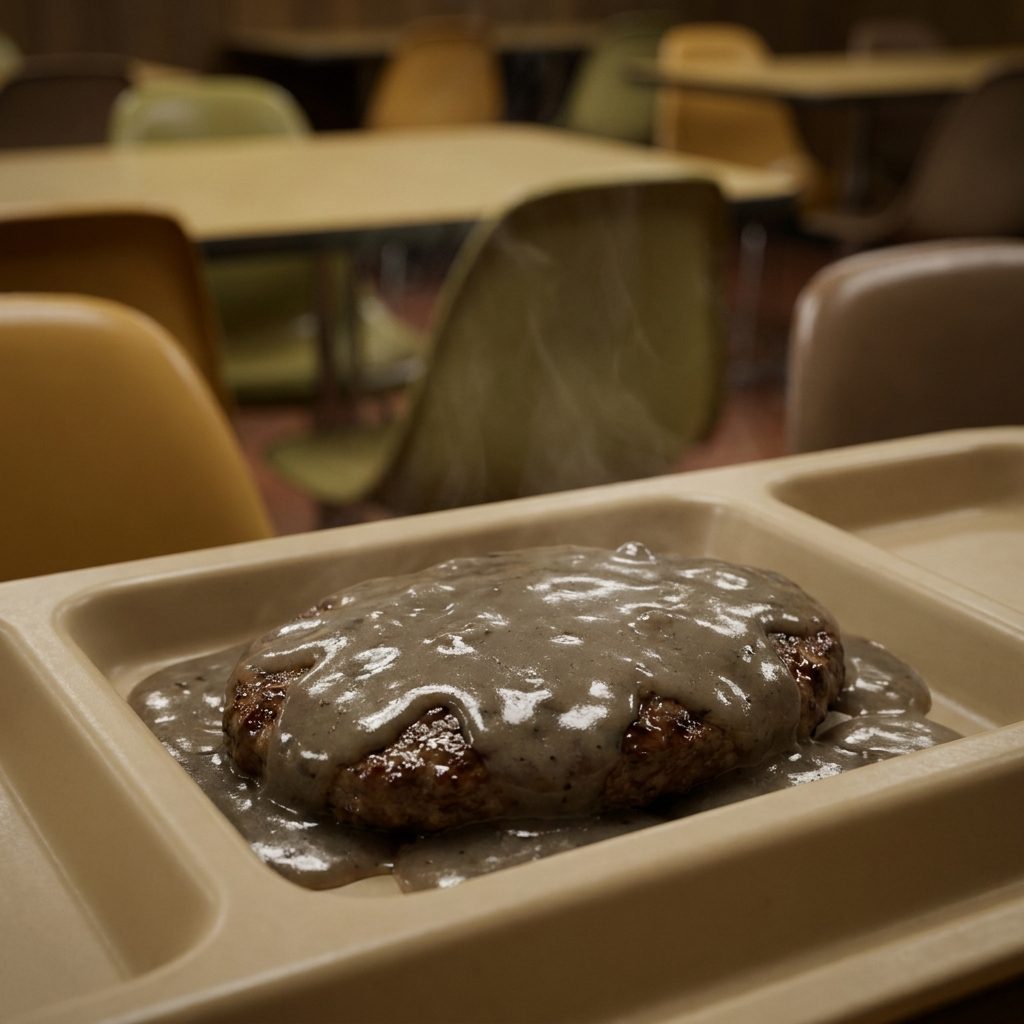
Nobody in that lunch line could have told you who Salisbury was or why the steak carried his name, and it didn’t matter one bit. What arrived was an oval of ground beef under a lake of brown gravy so thick it held a spoon upright.
The gravy was the star. Kids poured it over their mashed potatoes, sopped it up with the dinner roll, and generally treated the actual patty as a delivery system. The name promised something fancy. What showed up was a hamburger that had given up on the bun.
29. Fish Sticks That Always Seemed to Show Up on Fridays
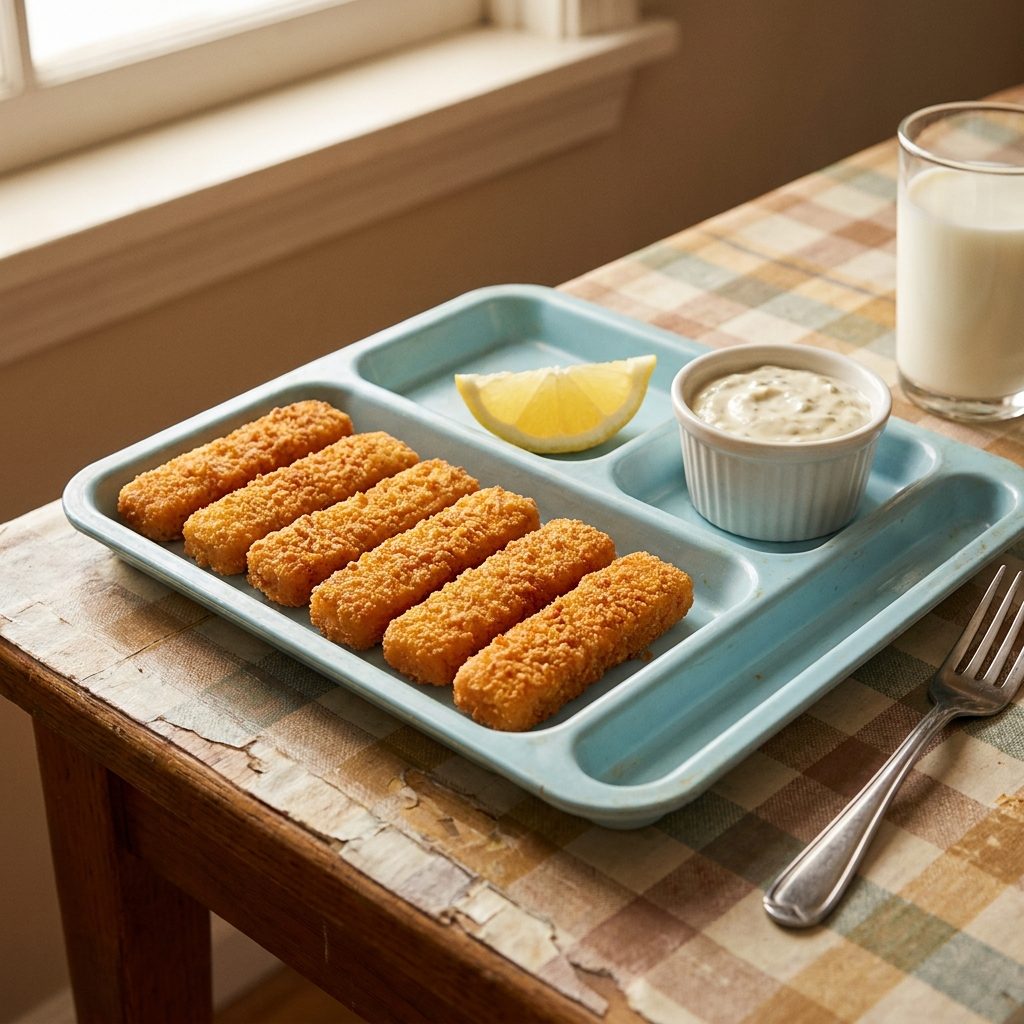
Fish sticks always seemed like Friday food, especially in schools influenced by the tradition of skipping meat on Fridays. Three or four rectangular sticks, breaded to a golden crumb, arrived with a paper thimble of tartar sauce that half the kids ignored.
Inside the breading was a mystery white fish nobody could name. The crunch did most of the work. Dip, bite, repeat—and you were finished before you had given much thought to what was inside.
28. The Breaded Chicken Patty Nobody Could Explain
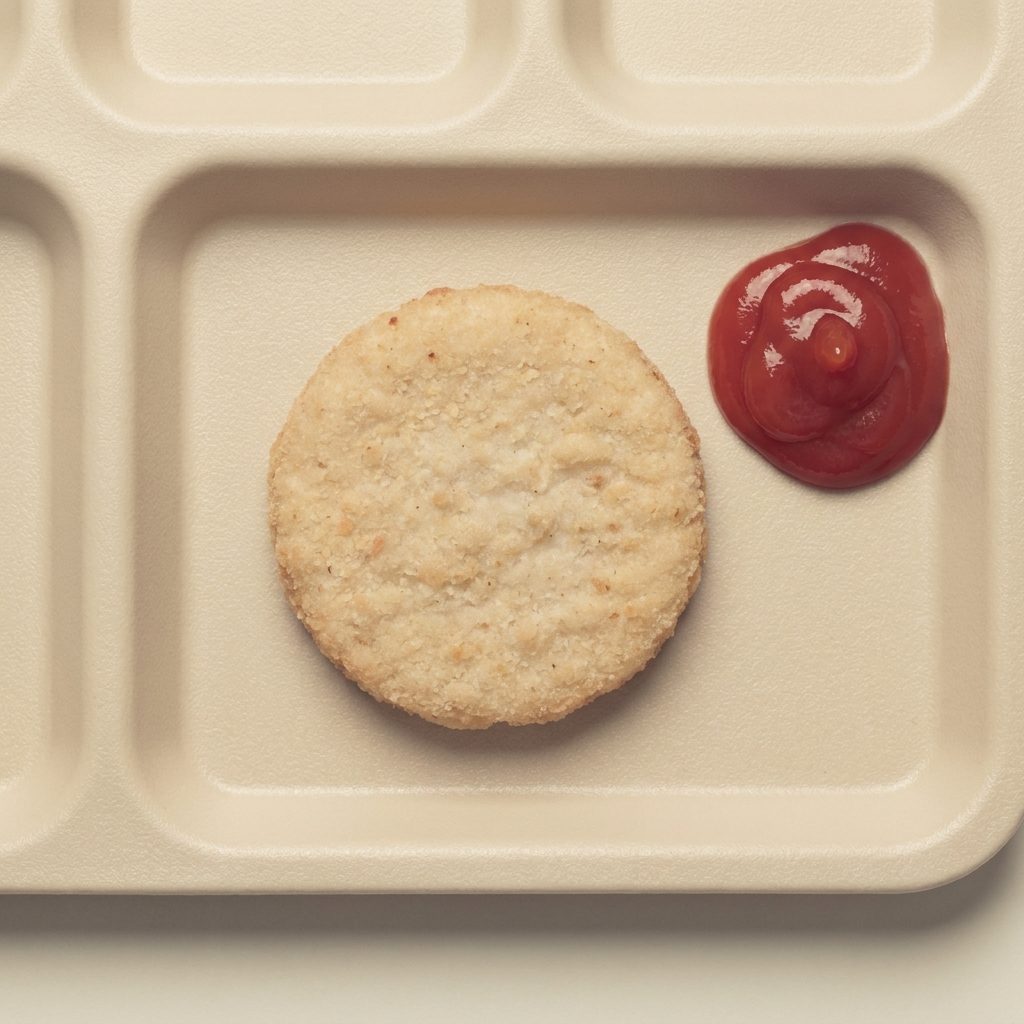
A perfect circle of breaded something, sometimes on a bun, sometimes naked on the tray with a squeeze of ketchup. The chicken patty was ground and pressed into a shape no chicken ever produced on its own, and every kid who ate one accepted this without question.
The genius was the size. It ran slightly wider than the bun, so the crispy edge stuck out for you to nibble first. It tasted like breading, salt, and the faint idea of chicken. Somehow, nobody needed a better explanation.
27. Turkey and Gravy on a Random Tuesday in October
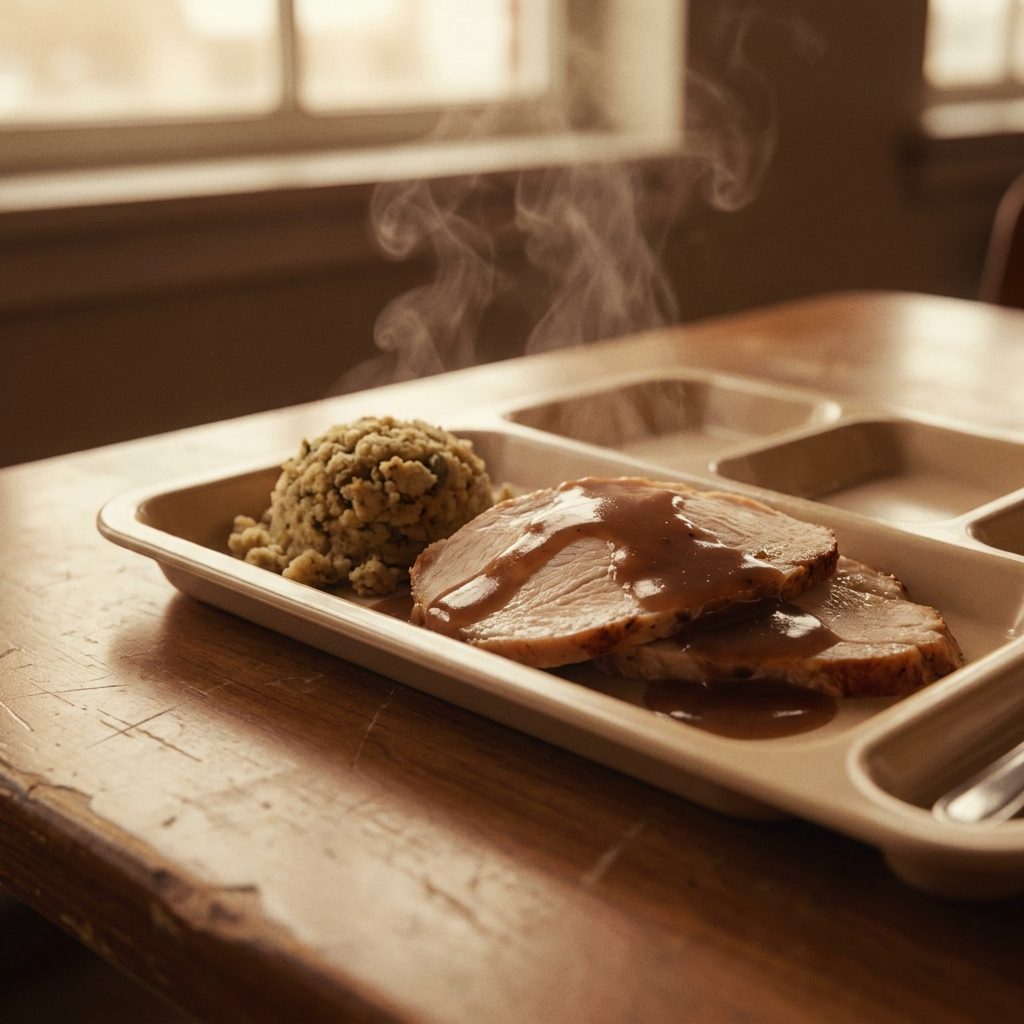
Turkey and gravy could show up whenever the kitchen felt like staging a miniature Thanksgiving, sometimes weeks away from the actual holiday. The turkey came in uniform slices, pale and pressed, laid under a thin tan gravy that never quite matched the color of the meat.
The real event was the cranberry sauce. Always the canned kind, holding the ridges of the can in a perfect wobbling cylinder. Some kids ate it first, dessert-style. A few refused it on principle. The rest of us just let it slide around the tray.
26. Mashed Potatoes Scooped From an Ice Cream Dipper
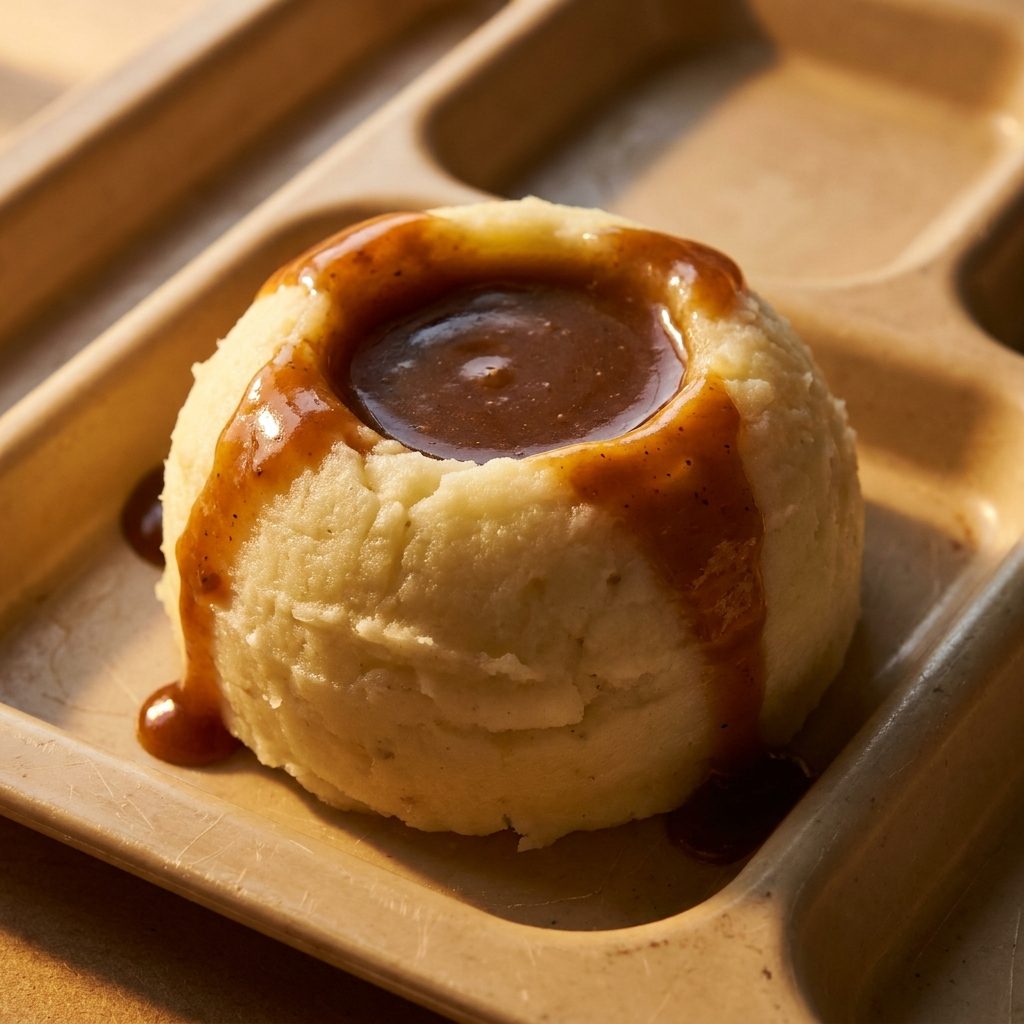
The scoop was the whole personality. Cafeteria mashed potatoes arrived in a perfect dome shaped by what was clearly an ice cream scoop, complete with a little crater on top waiting for gravy. Half the time they came from a box of dehydrated flakes, and honestly, the box version was fine.
Whipped smooth with the occasional lump for texture, they were the universal side. Steak day, turkey day, chicken day—the potatoes showed up regardless, that reliable dome sitting in its compartment like it owned the tray.
25. Beef Stew That Was Mostly Potatoes and Optimism
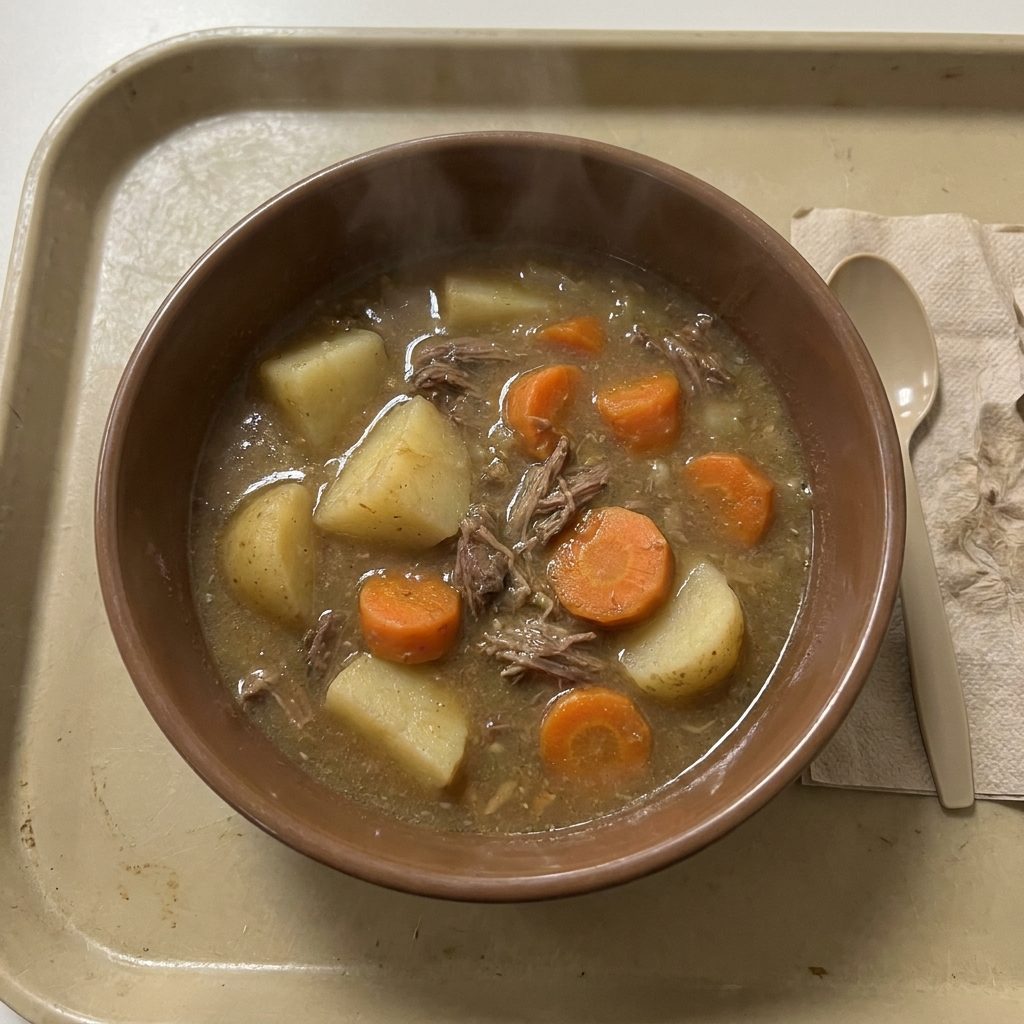
Beef stew was the honest one. It looked exactly like what it was—a brown bowl of soft potatoes, carrot coins, and a few brave cubes of beef floating in a broth that had thickened into something between soup and gravy.
You dipped the roll. You fished for the meat. The carrots were always cooked to the edge of dissolving, and the peas showed up uninvited. Not a glamorous tray day, but a warm one, especially in the dead of winter when the radiators clanked and the windows fogged over.
24. Chili With a Packet of Saltines You Crushed Yourself
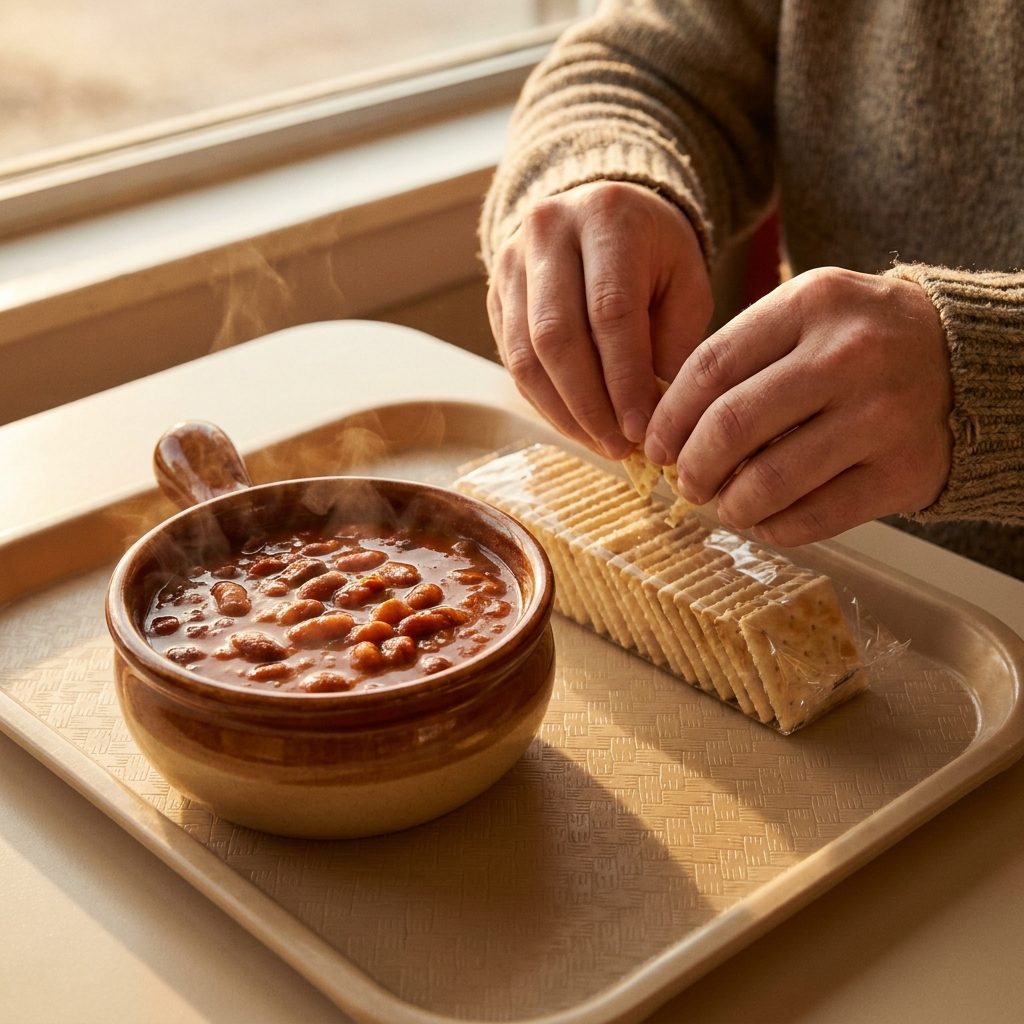
The crackers came in a little cellophane packet, usually two of them, and there was a whole ritual to it. You crushed the packet in your fist before opening it, then rained the crumbs over the chili until it went from soup to something you could almost eat with a fork.
The chili itself was mild—more tomato than heat, thick with beans and a little ground beef. School chili rarely carried much spice, which was probably the point. The crackers provided most of the excitement anyway.
Crushing the cracker packet was the closest thing to arts and crafts the lunch tray ever offered.
23. Sloppy Joes That Lived Up to the Name
Would you like to save this?
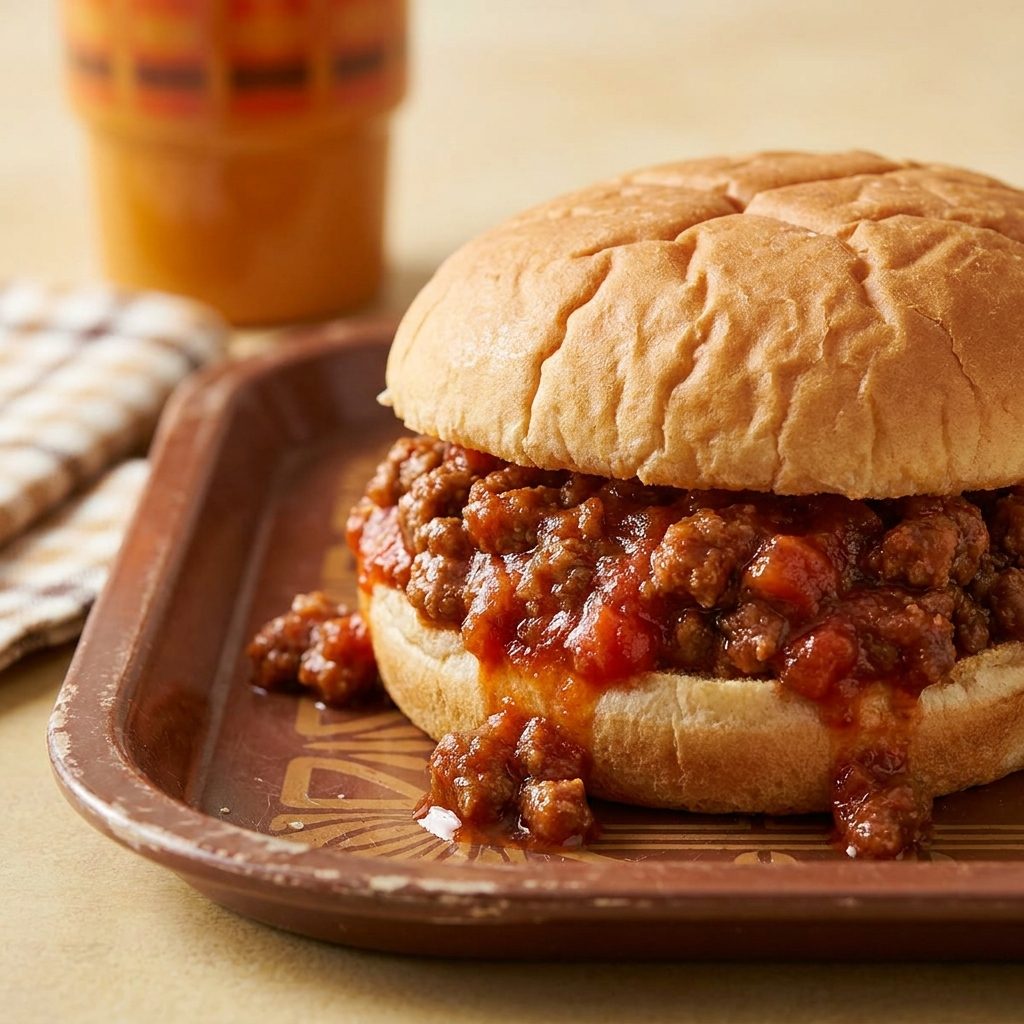
Truth in advertising, for once. The Sloppy Joe was loose ground beef in a sweet tomato sauce piled onto a bun that had no chance of containing it, and by the third bite, the bottom bun had dissolved into paste while the meat slid onto the tray.
You ate it fast, or you ate it with a fork, and either way, you burned through your napkins. The sauce ran sweeter than you’d expect, almost like ketchup with ambitions. Messy, cheerful, gone in 90 seconds.
22. The Plain Hamburger That Came Already Assembled
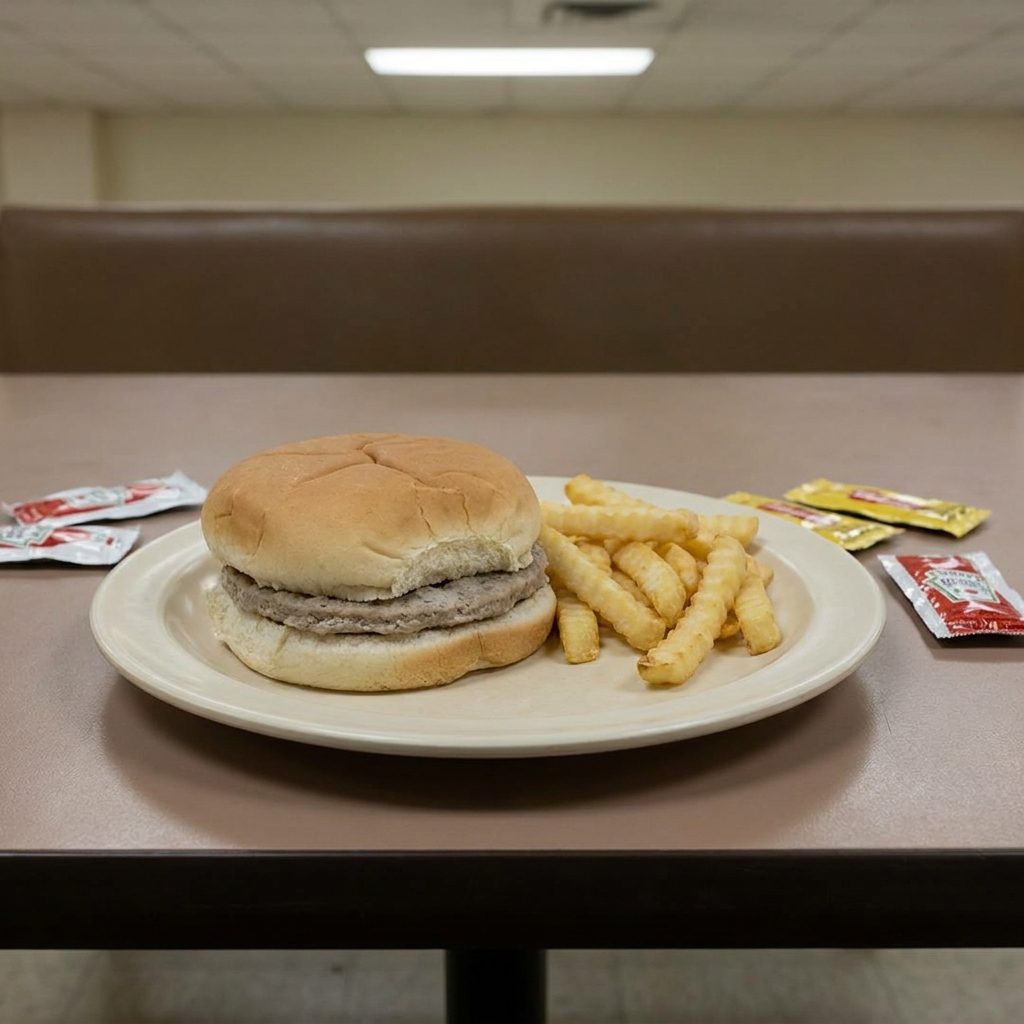
The cafeteria hamburger arrived fully built and slightly steamed, the bun gone soft from sitting under a warming light. The patty was thin, gray-brown, and a touch smaller than the bun, so your first bite was usually just bread.
No lettuce. No tomato. Maybe a foil packet of ketchup or mustard if you were quick enough to grab one. It wasn’t a burger you’d order anywhere else, but at a folding table with 15 minutes on the clock, it did the job without asking for much attention.
21. The Hot Dog on a Bun That Rolled Slightly to One Side
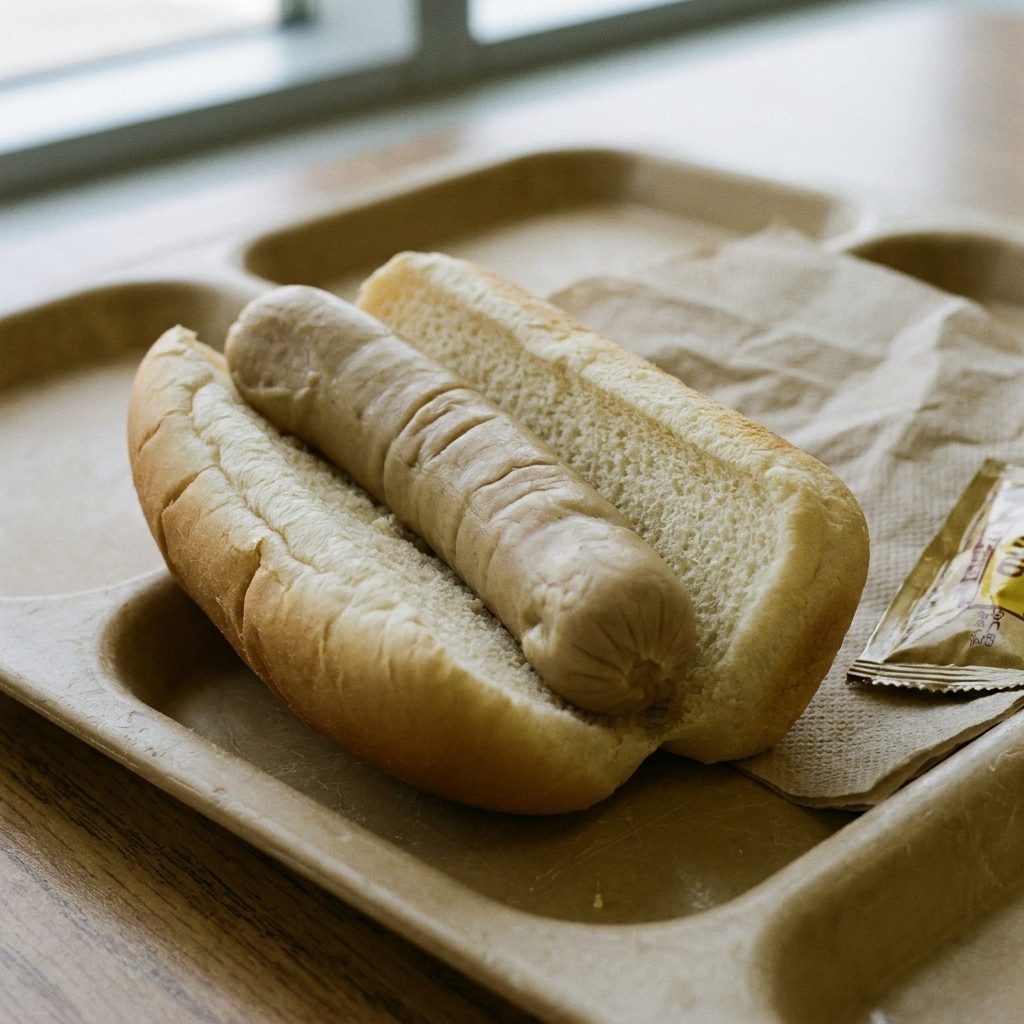
It seemed boiled, certainly never grilled. The hot dog always sat crooked in a bun built for something bigger, wrinkled at both ends and gently sweating under the fluorescent lights. Nobody complained.
You’d give it a little squeeze of watery ketchup from the paper cup, roll it straight again, and eat it in about four bites. Was it a great hot dog? Not really. But there was comfort in knowing exactly what you were getting and how it would taste before it ever hit the tray.
20. Grilled Cheese, Cut on the Diagonal and Warm in the Middle
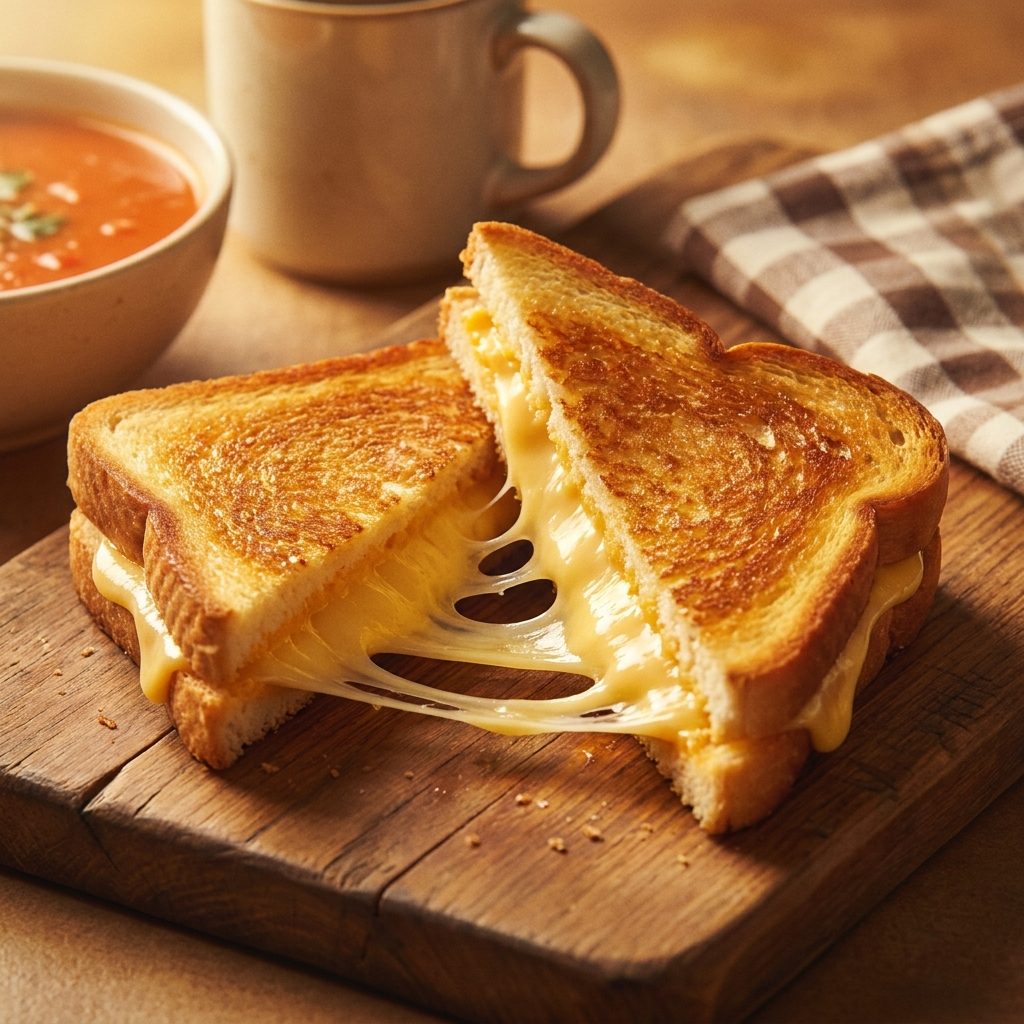
Whenever grilled cheese showed up on the menu board, the whole line became more alert, kids leaning forward to check the trays ahead.
Cut corner to corner, always, so you got two triangles and that first pull of pale American cheese stretching from one half to the other. The bread came off the griddle with dark, blotchy patches where the butter caught, and if you were lucky, there was a shallow paper cup of tomato soup riding next to it. Dunk, bite, repeat. Some days the middle had gone slightly cool by the time it reached you. You still ate every bite.
19. The Peanut Butter and Jelly That Stuck to the Roof of Your Mouth
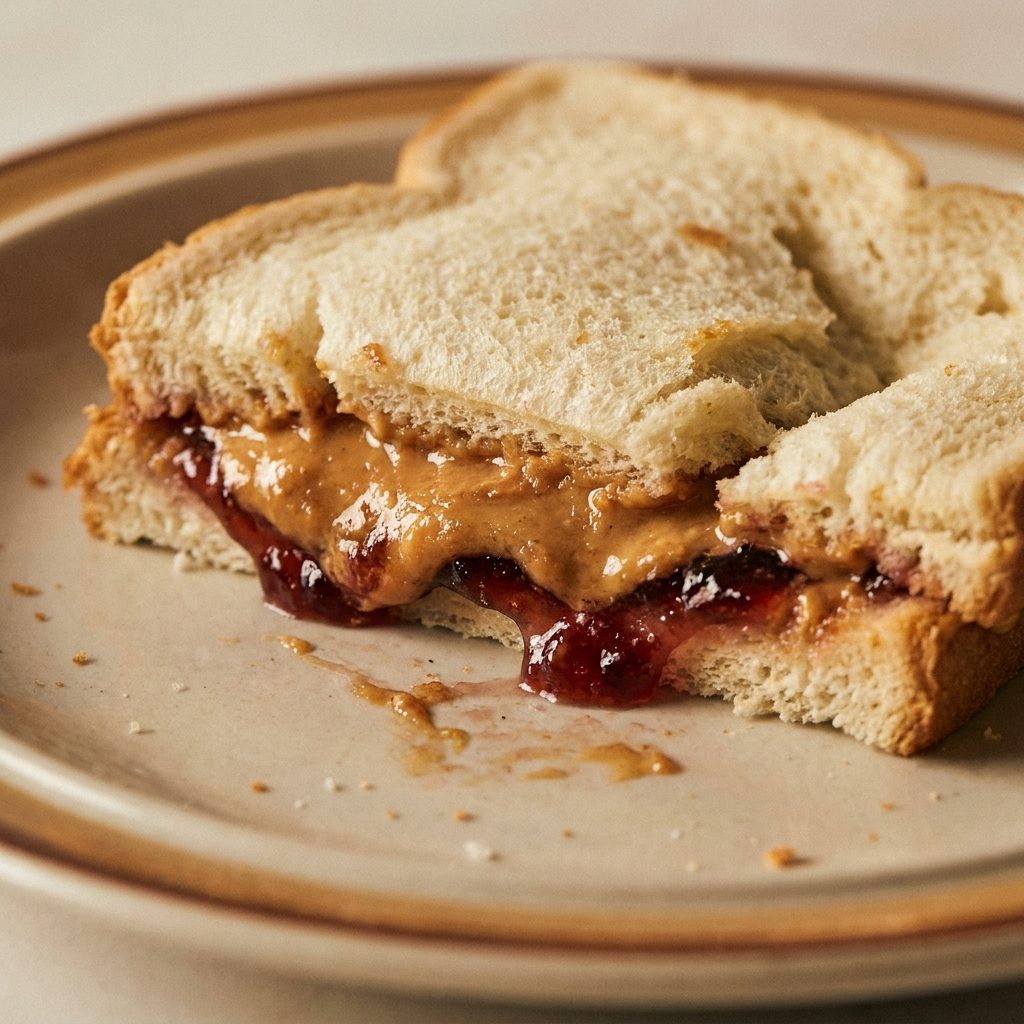
Peanut butter laminated the roof of your mouth so completely you couldn’t say your own name for a solid minute. That was the fun of it.
Thick tan spread, glossy grape jelly bleeding purple toward the crust, all of it pressed down on soft white bread that had been cut into two neat rectangles before the bell rang. You’d wash it down with milk through a striped straw and go right back for another jaw-gluing bite. A handful of pretzel sticks and a cup of applesauce rounded out the tray. Nothing required an explanation, only enough milk to get the peanut butter unstuck.
18. Spaghetti With Meat Sauce and That Faint Metallic Tang
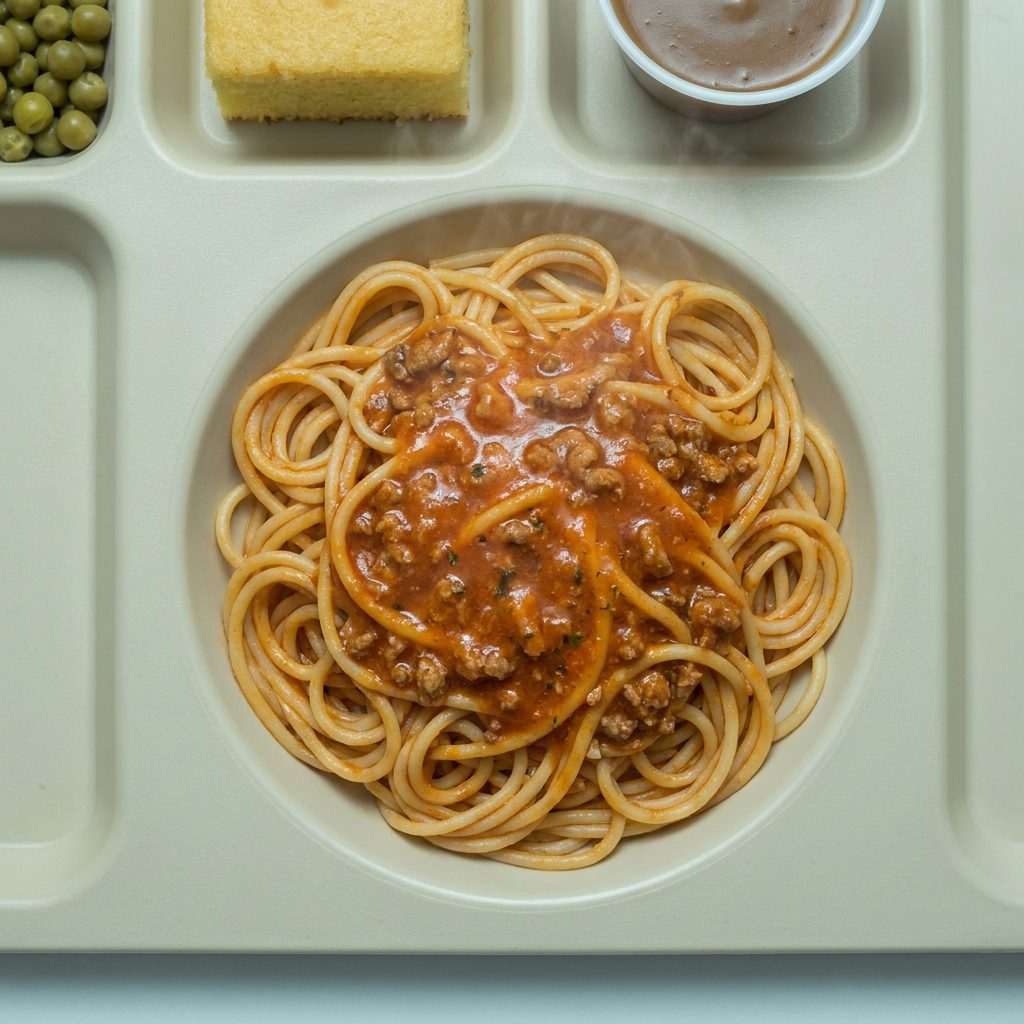
Nobody who grew up on real Italian-American cooking would call this spaghetti, but at eight years old, it counted. The noodles arrived overcooked and tangled, drowning under a thin orange sauce that pooled toward the low corner of the compartment and carried the faint tinny edge people associated with canned sauce.
You could sprinkle that dusty Parmesan out of the green shaker until it clumped, and it never really helped. There was a square of garlic bread on the side, dense as a paperback. Somehow, you ate the whole thing and asked if there were seconds. Kids are not food critics, and that’s the mercy of it.
17. Macaroni and Cheese Scooped With an Ice Cream Disher
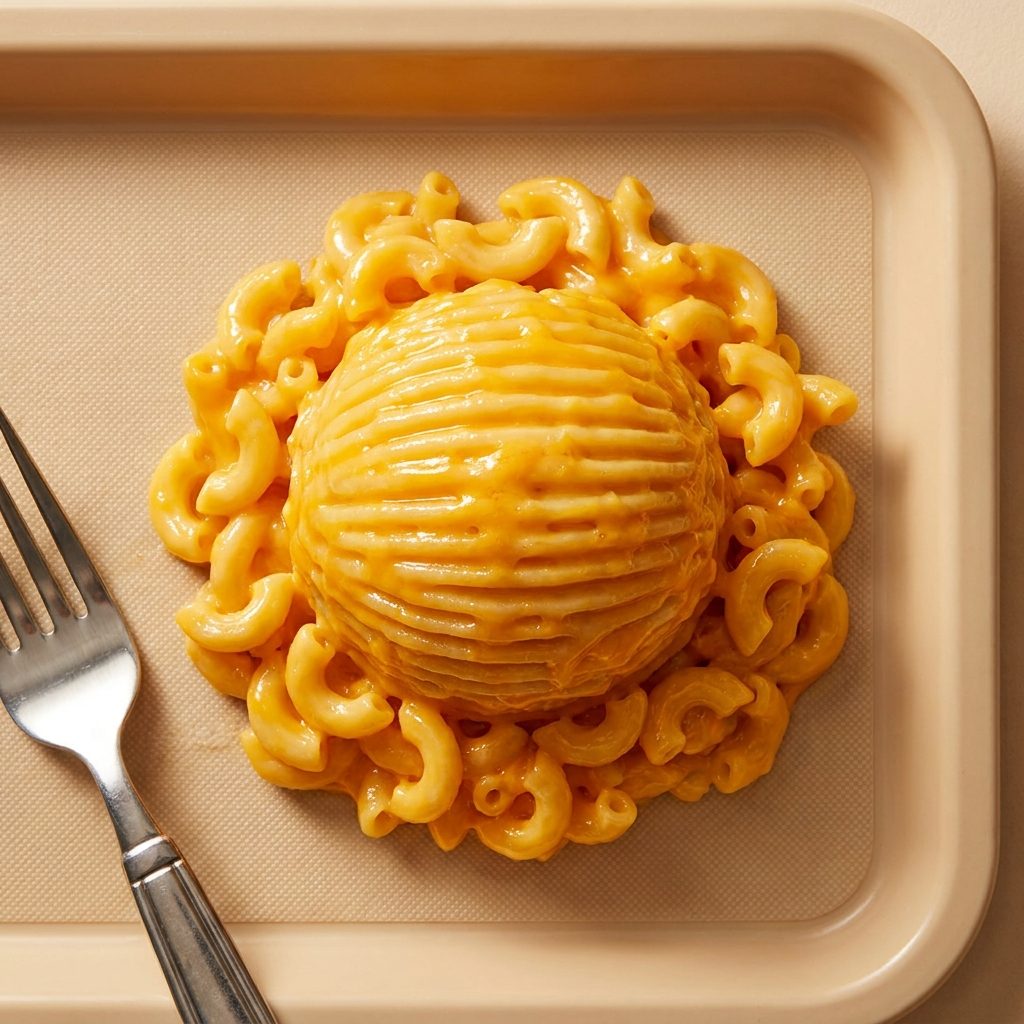
The macaroni and cheese arrived with enough structural integrity to hold a perfect dome, at least until your spork broke through the faintly darker skin that had formed on the steam table.
Underneath were soft elbows and thick, glossy sauce in that specific pale-orange color that seemed to exist only in cafeterias. The dome gave way all at once. A dinner roll and a scoop of stewed tomatoes sat alongside, mostly ignored. Everyone in line knew the difference between receiving a full serving and watching the disher come up disappointingly short.
16. Beef Tacos in a Shell That Shattered on First Bite
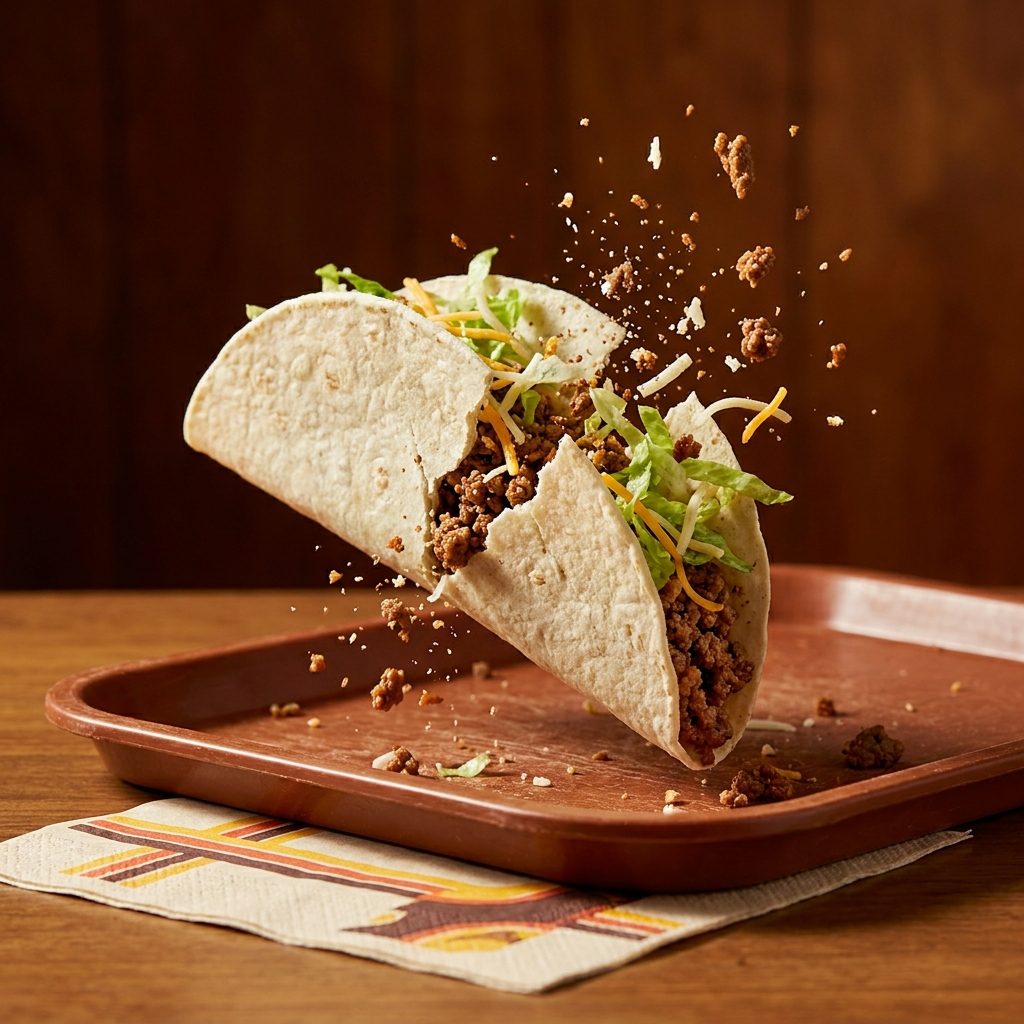
The shells were preformed, slightly stale, and physically incapable of surviving a bite intact. You’d lift one and it would split down the fold, dropping seasoned beef, shredded iceberg lettuce, and orange cheddar straight onto the tray. Then you ate the remains with a spork like a very sad salad.
Nobody minded. Taco day was an event, complete with a scoop of orange-speckled Spanish rice and a paper cup of the mildest salsa ever committed to a lunchroom. The whole point of a hard-shell taco is the crunch and the collapse, and this one delivered both before you’d even sat down.
15. Tater Tots, the Only Vegetable Nobody Argued About
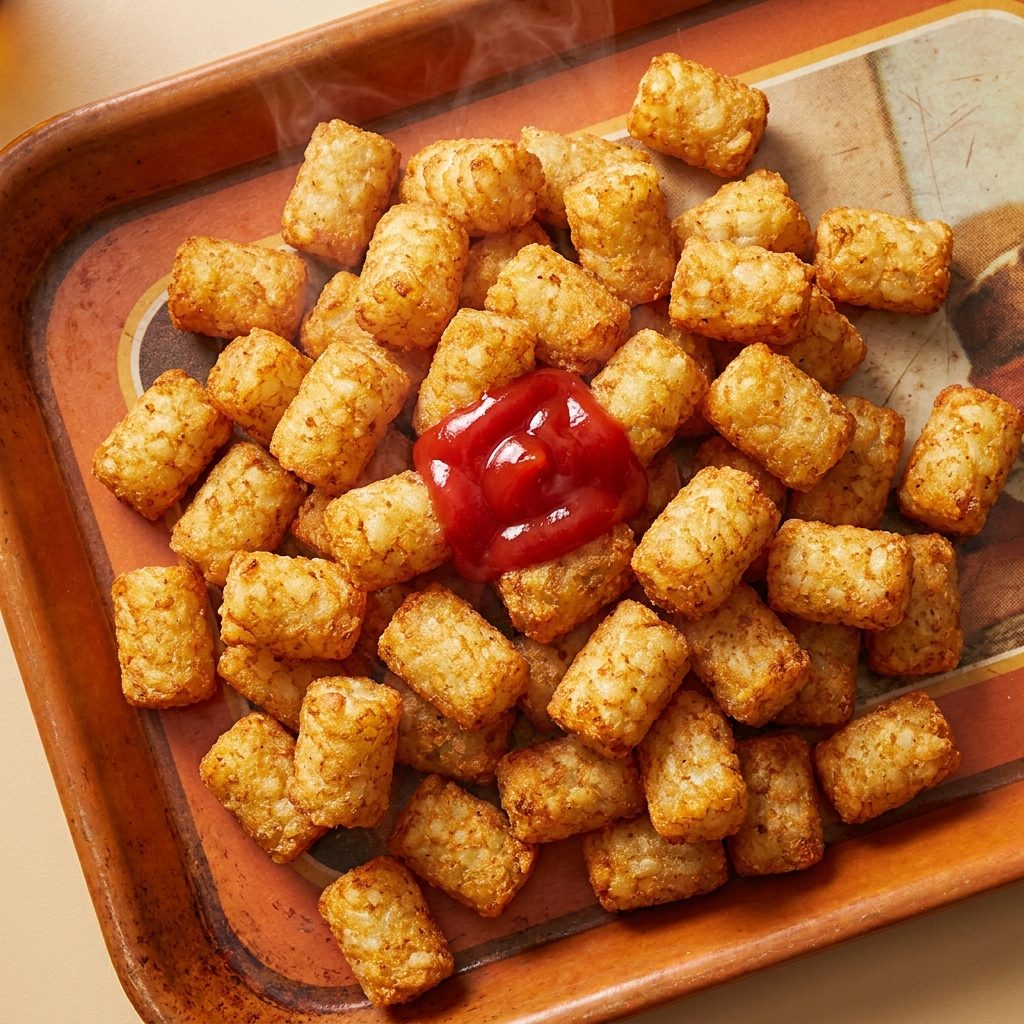
Technically, a vegetable. More importantly, something nobody had to be told to finish.
Little golden cylinders, crisp on the outside with all that shredded-potato texture showing through, a couple over-crisped and dark at the edges, just the way you wanted. You’d tuck the paper cup of ketchup right up against the pile and dredge each tot through it. Not a single kid at the table pushed these aside the way they did the beans. The tot managed to turn potatoes into currency, and the best trades happened before the ketchup had even cooled them down.
14. Crinkle-Cut Fries With the Ridges That Held the Ketchup
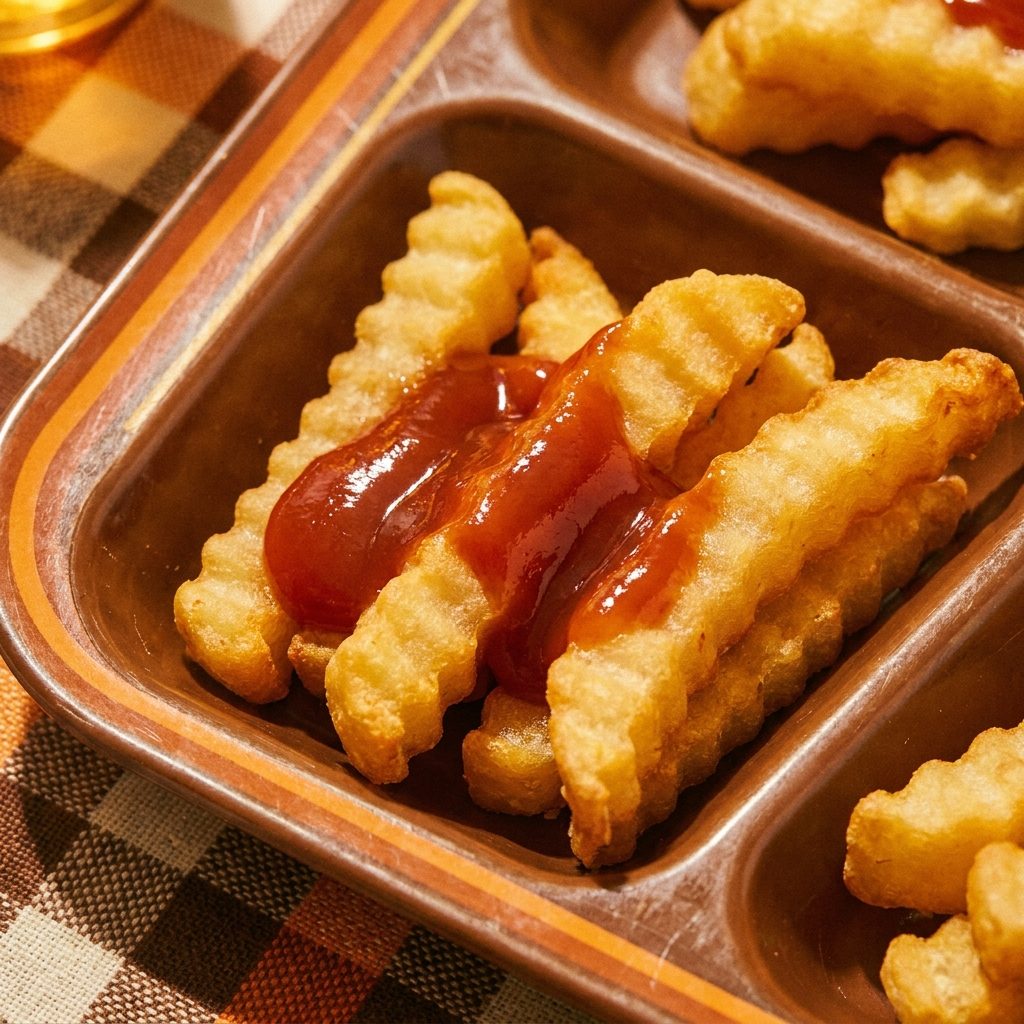
The ridges did the work. Those wavy edges caught ketchup in every little groove, which meant a single fry could carry an absurd amount of it straight to your mouth.
They came out uneven, some pale and soft in the middle, others crisped to a proper snap at the tips, all tumbled loose in their compartment. The soft ones and the crisp ones each had their defenders, and everyone knew which pieces to grab first.
13. Buttered Corn That Rolled Toward the Mashed Potatoes
Would you like to save this?
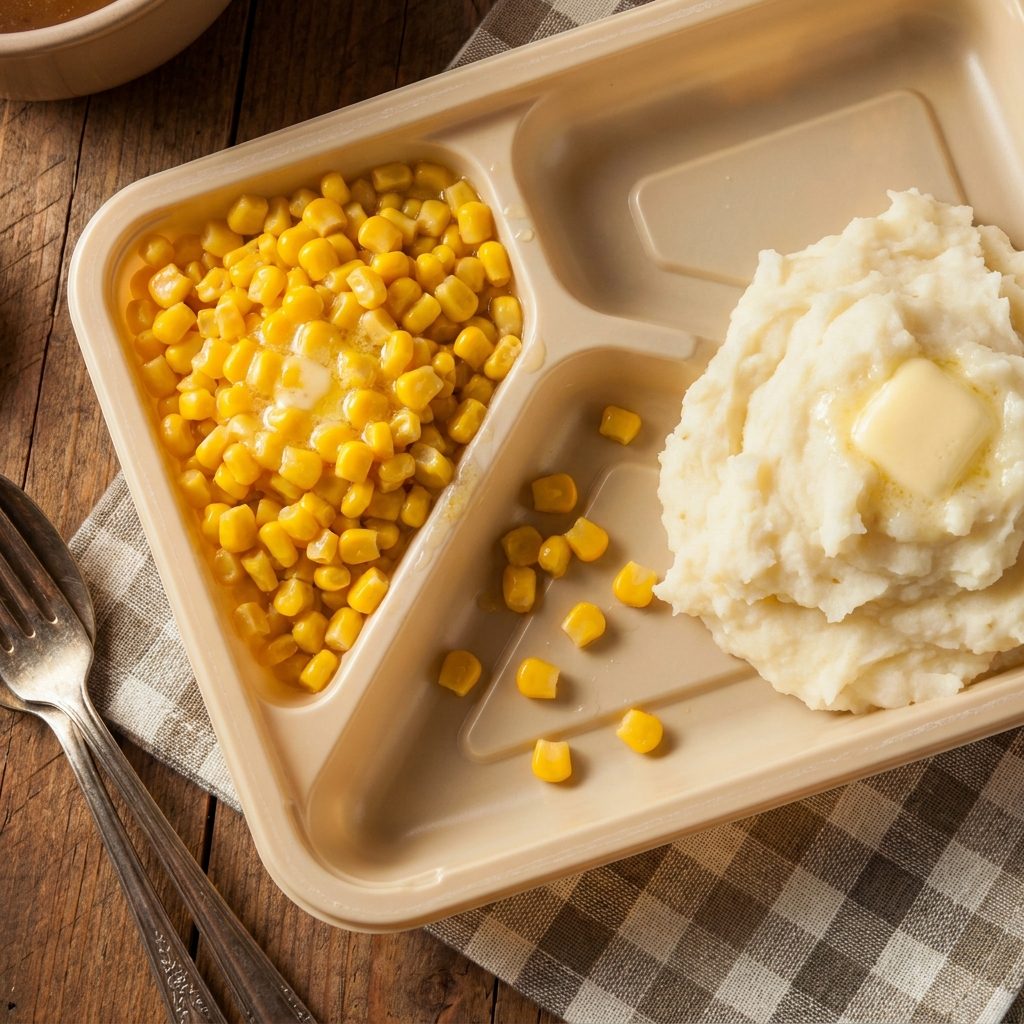
The corn never stayed in its lane. Bright yellow and glistening with butter, a few rogue kernels always escaped over the divider and into the mashed potatoes next door. Nobody seemed to mind, and some kids actively encouraged it.
Straight from the can and warmed on the steam table, the corn sat next to a mound of potatoes with a shallow well of pale gravy and a floppy slice of turkey. Once the kernels rolled into the potatoes, the two sides became better than either had been alone.
12. Green Beans, the Ones That Got Pushed to the Side
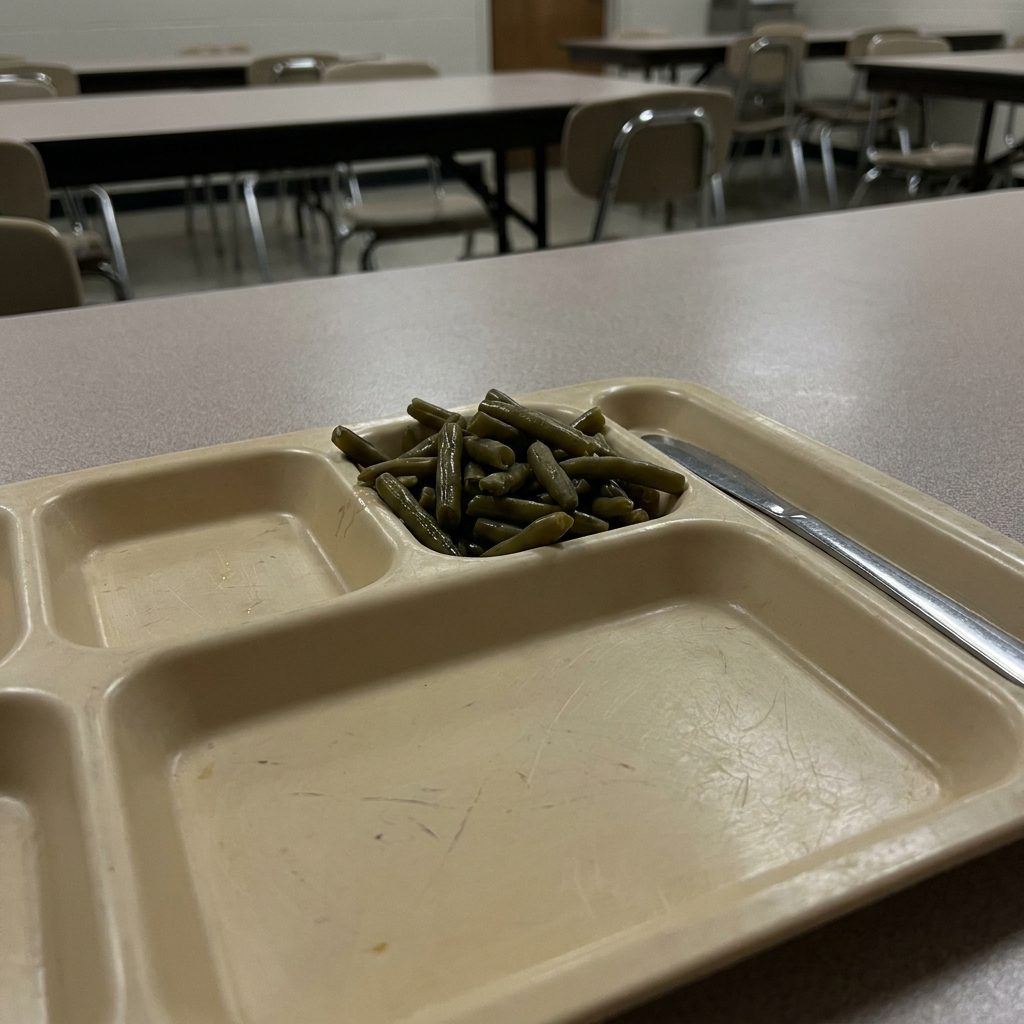
Olive-drab and cut into limp segments, the green beans sat in a shallow pool of gray-green liquid, dull where nearly everything else on the tray had at least a little shine. Canned and proud of nothing.
They were carefully maneuvered away from the meatloaf, the roll, and anything else worth eating. By the end of lunch, the beans remained almost exactly where they had landed. Every cafeteria needed one item that proved a vegetable had technically been served, and green beans accepted the assignment.
11. Peas and Carrots: The Two Vegetables That Never Asked to Be Together
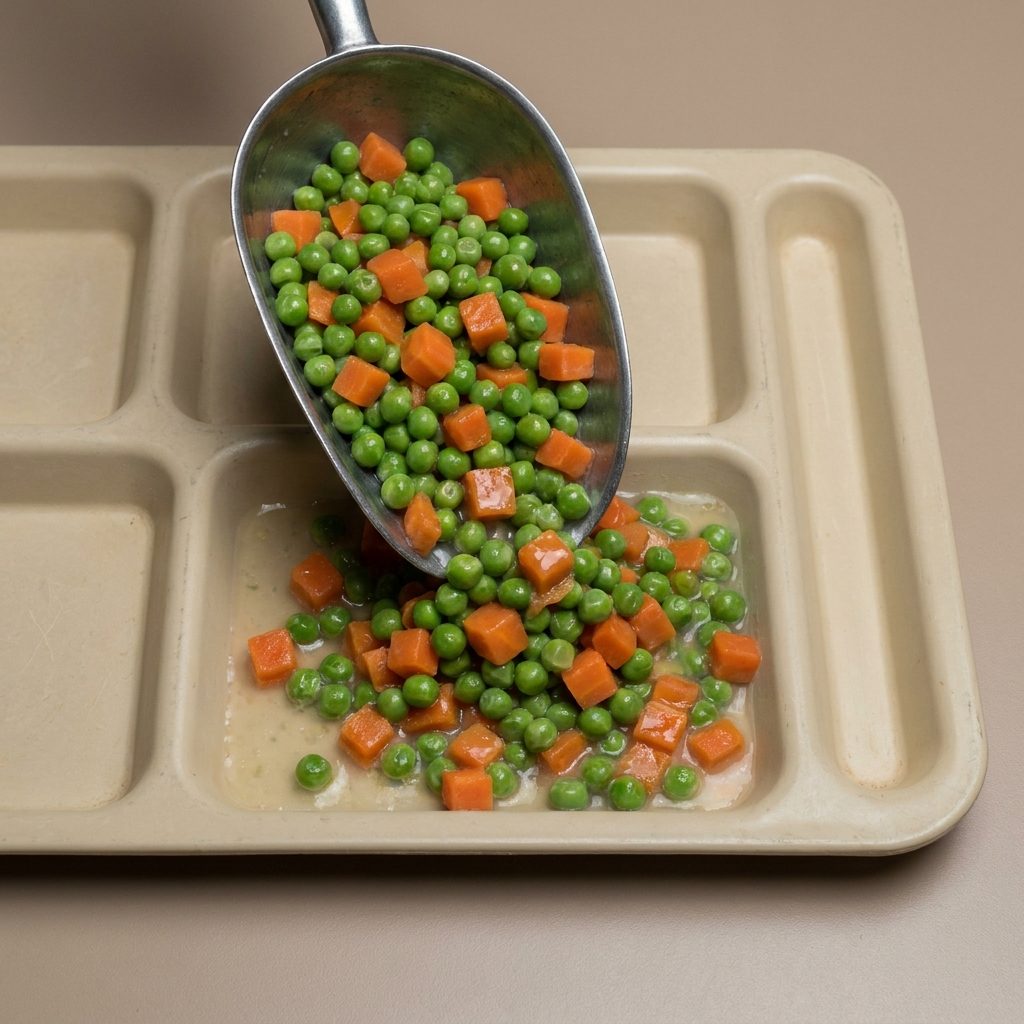
Nobody knows who decided peas and carrots belonged in the same scoop. They simply arrived together, bound by cafeteria law and served in school lunchrooms across the country. The peas came out olive-drab after too long on the steam table, and the carrot cubes had gone soft and pale by the time they reached your tray.
A lunch monitor might convince you to eat a few. Otherwise, kids separated them one by one, peas on one side and carrots on the other, turning avoidance into a slow and highly organized project.
Strangely, the frozen bag of the same mixture tasted perfectly fine at home. Something about the volume, the steam, and the sheer institutional scale drained the color and the will right out of it.
10. Coleslaw: The Cold Wet Mystery Nobody Ordered
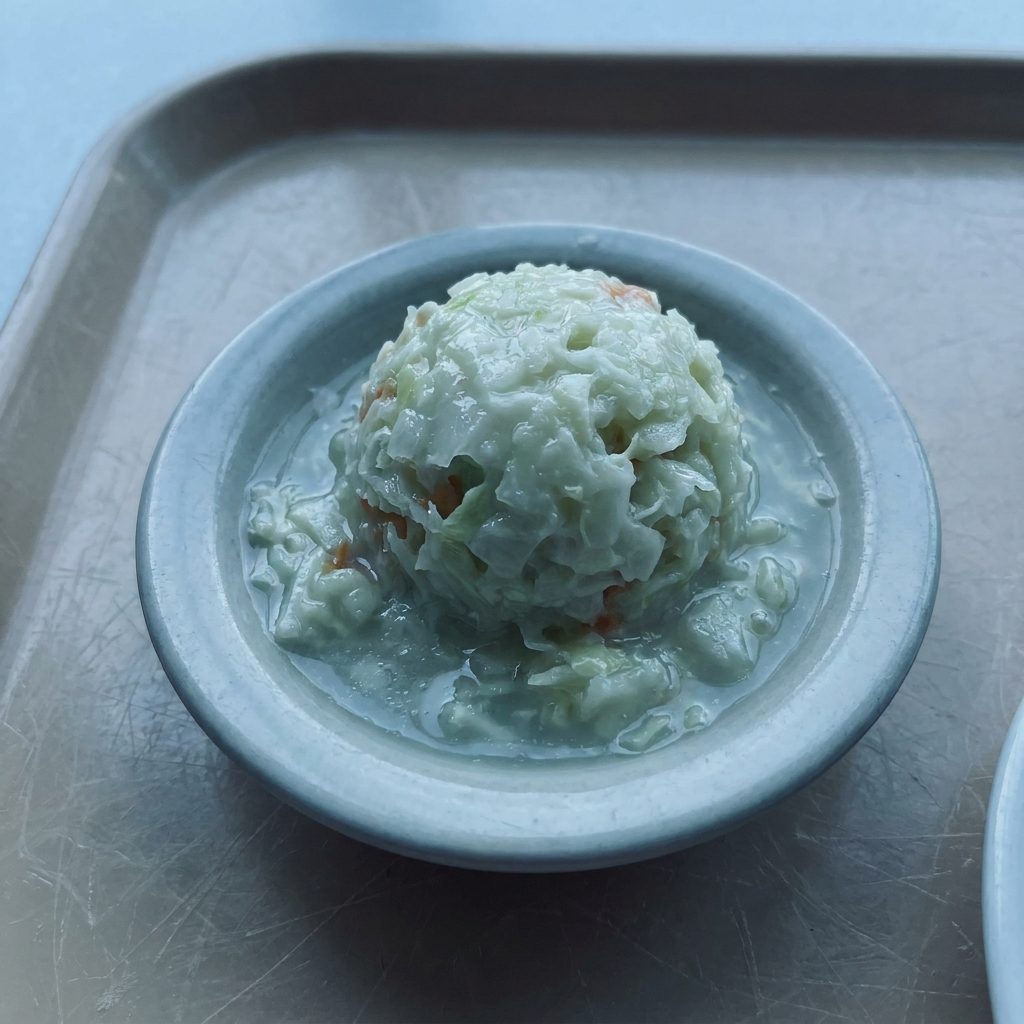
Coleslaw showed up whether you wanted it or not. Pale shreds of cabbage swam in a thin, translucent dressing that pooled at the edges of the paper cup, with a few defeated flecks of carrot floating through the gray-white mixture.
This was food for grown-ups who’d made peace with things, and it landed on your tray next to something you had actually chosen. The texture was the real problem: limp, wet, cold, and vaguely sweet without ever fully committing to sweetness. Somebody’s grandmother made great coleslaw. This was not that.
9. Cottage Cheese: The Scoop That Sat Next to the Peaches
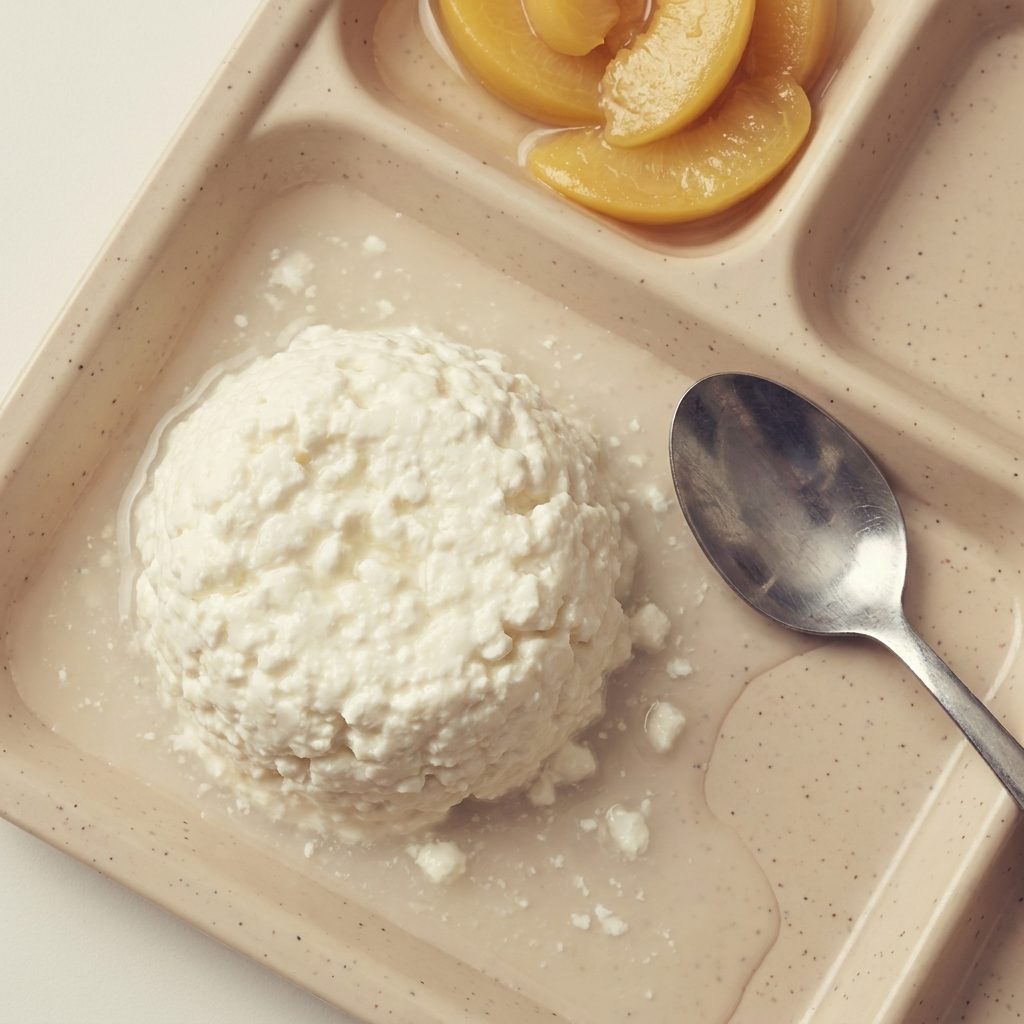
A domed serving of small-curd cottage cheese, off-white and lumpy, arrived with a thin layer of whey pooling at the bottom of the ridged cup. Right beside it sat a canned peach half glistening in light syrup. Somebody long ago decided these two belonged together, and cafeterias enforced the pairing for decades.
The spring-loaded disher produced the same neat dome every time, making the serving look far more orderly than its texture felt. Adults loved this stuff. To a nine-year-old, it was a puzzle nobody had asked to solve, the curds squeaking faintly between your teeth while the peach waited as the obvious prize. You ate the peach, considered the cottage cheese, and moved on.
8. Applesauce: The One Compartment You Could Trust
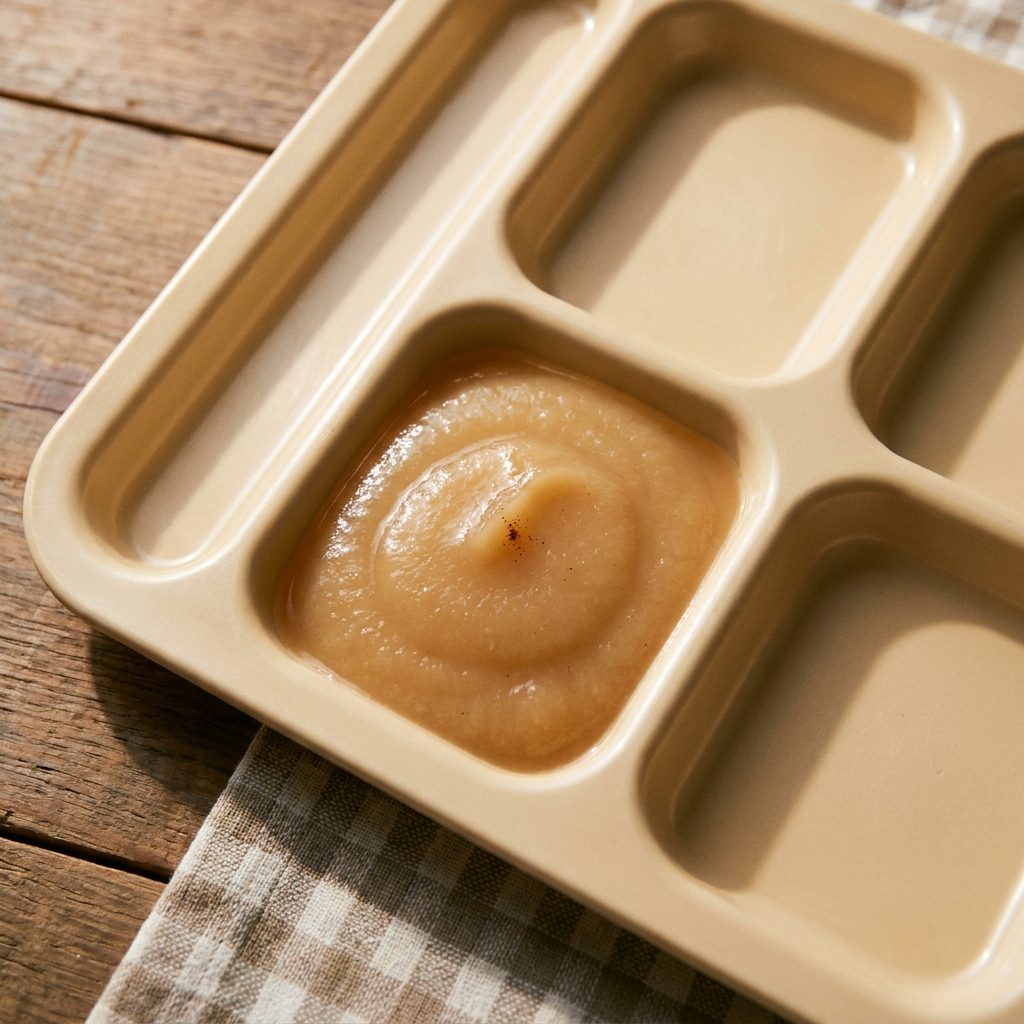
After coleslaw and cottage cheese, applesauce felt reassuringly uncomplicated. Pale tan, smooth, and faintly glossy, it sometimes arrived with a speck or two of cinnamon that felt almost generous. Applesauce never surprised you, and in that cafeteria, reliability counted for a lot.
The little flimsy spoon bent if you pressed too hard. It didn’t matter. You could eat this quickly, with no separating peas from carrots or navigating pools of whey. It tasted like the applesauce at home because it basically was, spooned from an institutional can instead of a jar.
7. Fruit Cocktail in Heavy Syrup: Where the Single Cherry Started Wars
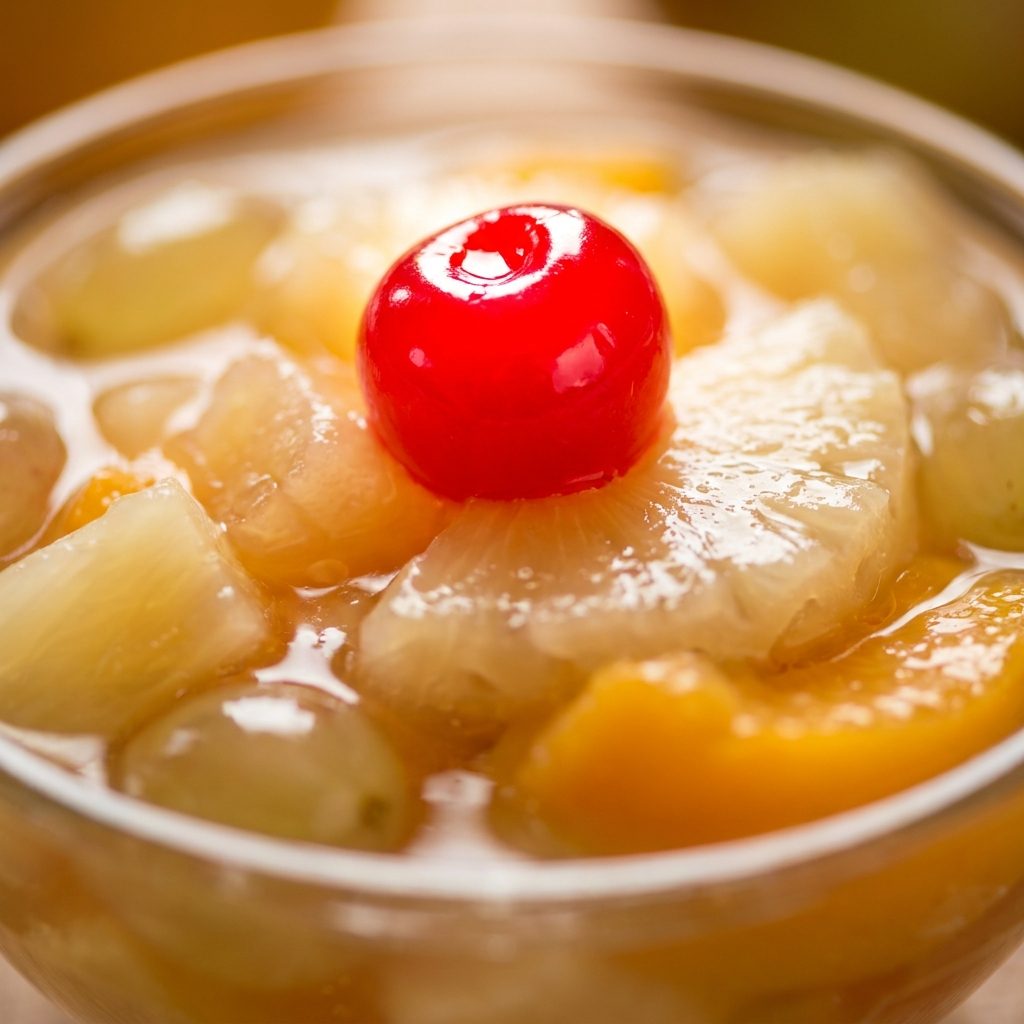
There was usually one cherry, and sometimes none at all. One bright-red maraschino cherry sat among pale diced pears, translucent grapes, and peaches that had all faded toward the same anonymous color in the heavy syrup. That cherry decided friendships. Kids traded for it, begged for it, and called dibs before the cup even hit the table.
If your scoop came up cherryless, you felt the injustice deep in your bones. The rest of the cup was fine, sweet and soft, swimming in golden syrup you’d drink straight from the cup when the lunch monitor turned away. But the cherry was the prize. Everybody understood the rules without anyone saying them out loud.
6. Jell-O: The Jiggly Cube That Had Its Own Sound
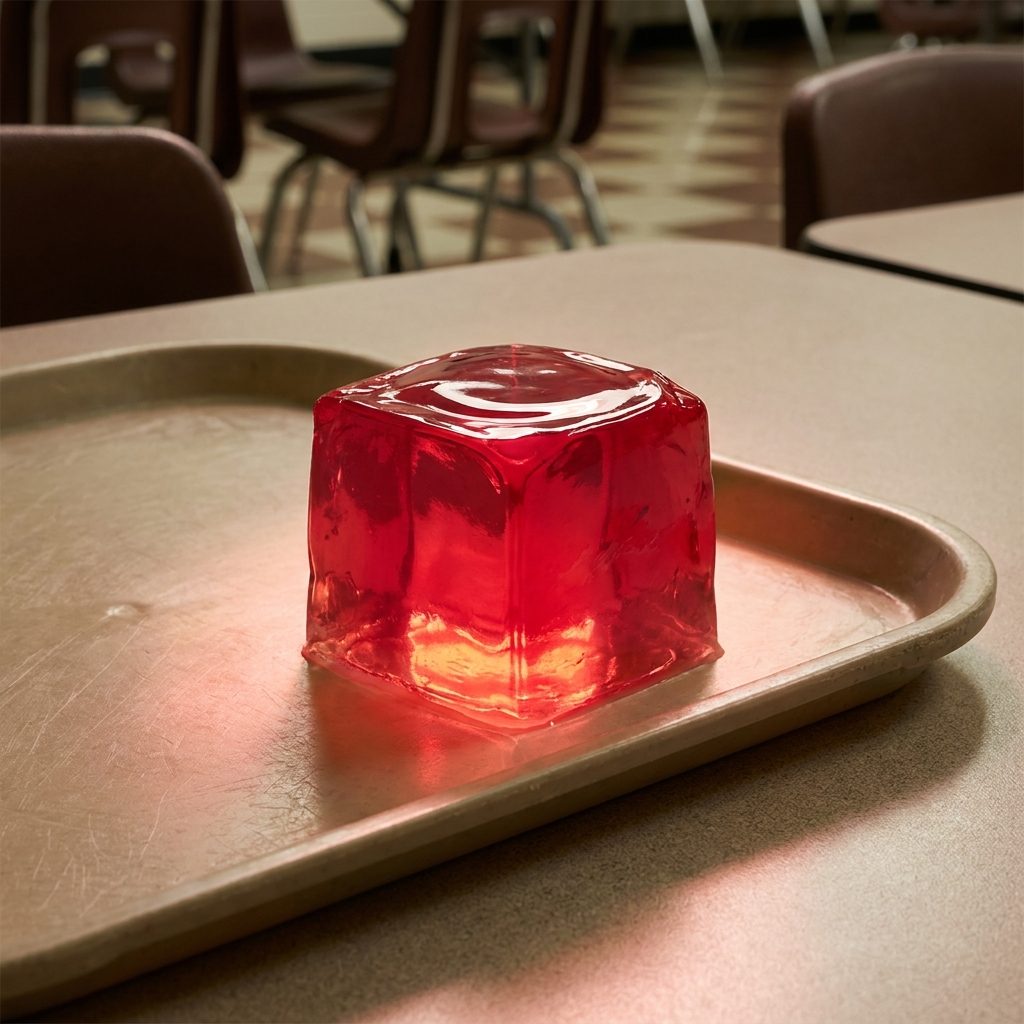
Red cherry Jell-O had physics all its own. A translucent ruby cube glowed on the tray, catching the fluorescent light and passing it right through as it wobbled with the slightest bump. It made a sound, sort of, or at least you felt like it did.
Half the fun was poking it and watching the whole thing shiver. Sometimes a swirl of whipped topping sat beside it, elevating the entire arrangement. You could cut it into smaller cubes to make it last or eat it in one glorious bite and let it dissolve. Either way, the cube glowed like a little edible traffic light.
5. Chocolate Pudding: The Dessert With a Skin You Had to Deal With
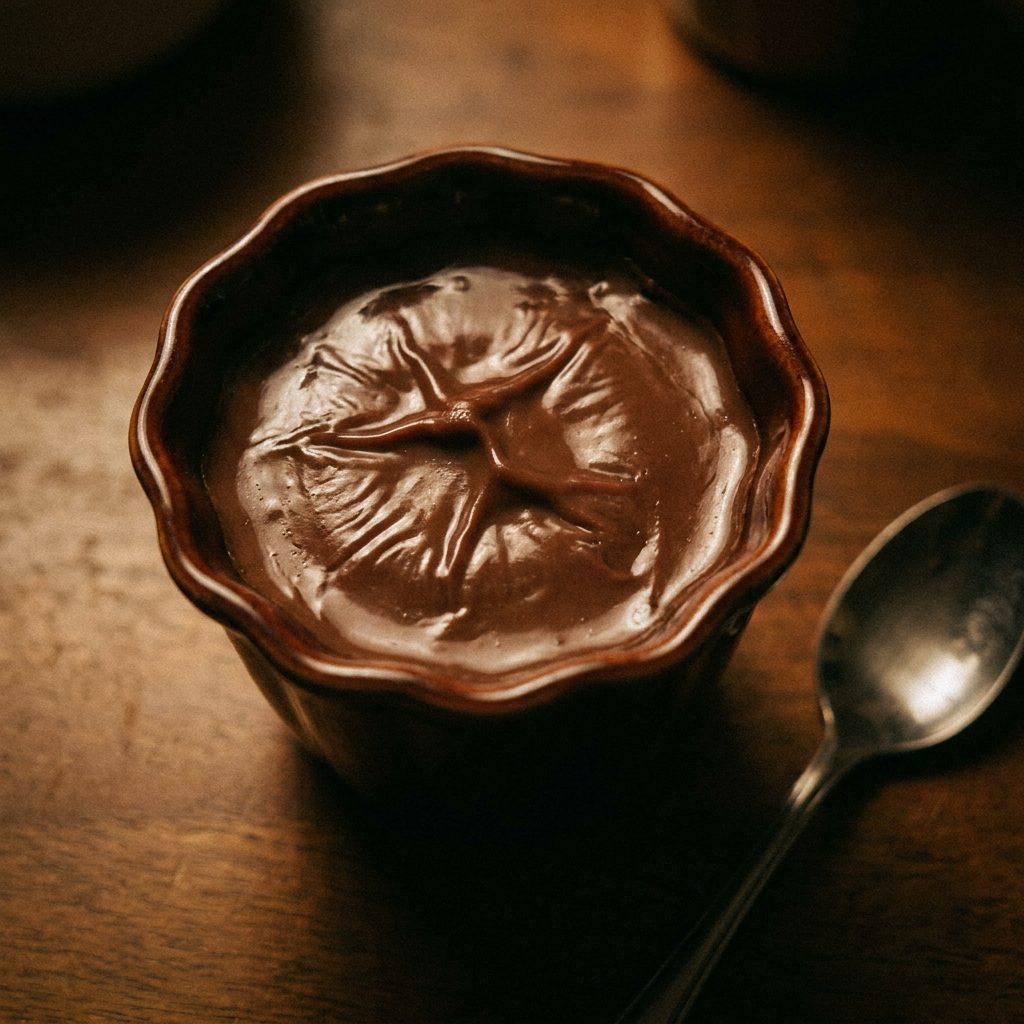
Every cup of cafeteria chocolate pudding came with a decision waiting on top: the skin. That thin, wrinkled film formed while the pudding sat under the fluorescent lights, matte in patches and glossy where the light caught it. Some kids peeled it off whole and set it aside like they were performing surgery.
Others dragged the spoon straight through and mixed it in without a second thought. Underneath waited the good part, smooth and glossy and rich enough to make you forget the vegetables you’d endured earlier.
However it reached the serving line, nobody cared. The skin was simply the toll you paid to get to the chocolate underneath.
4. The Peanut Butter Cookie: Fork Marks and All
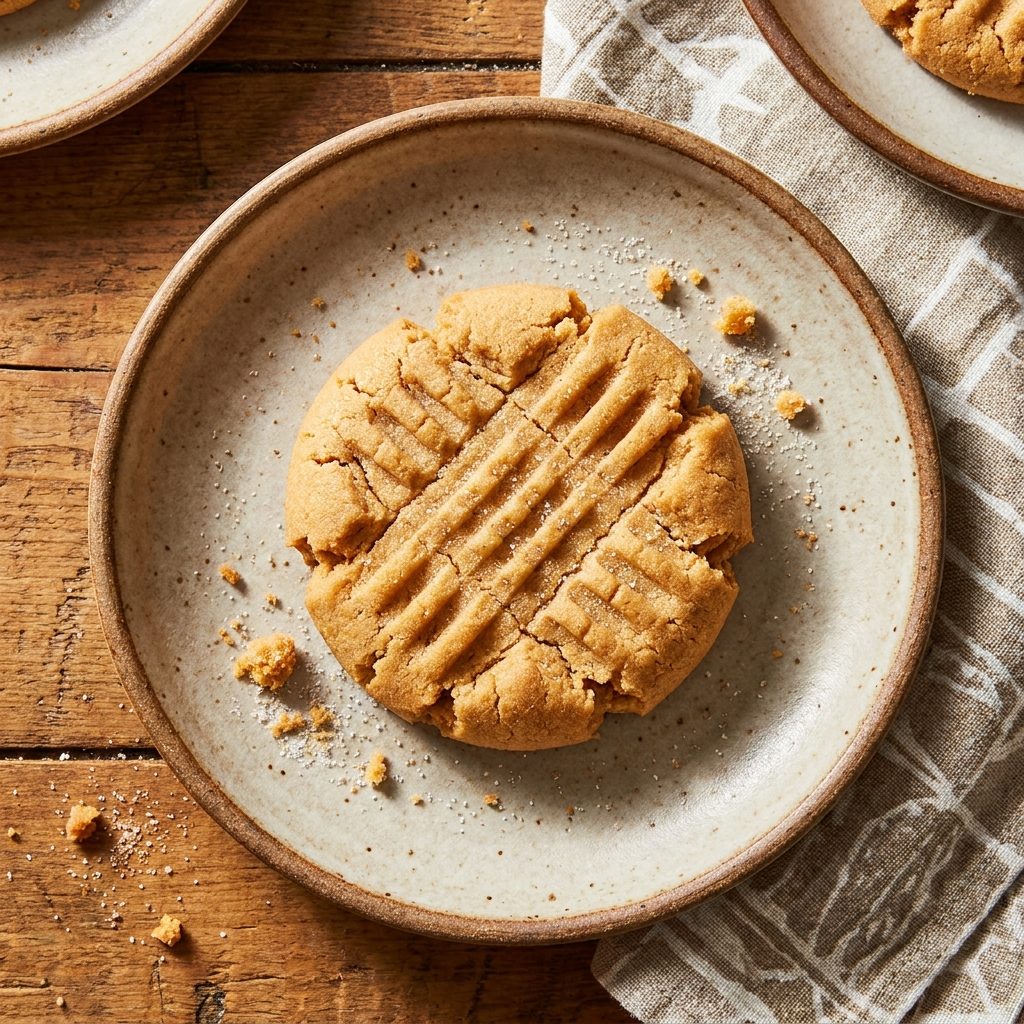
You knew it by the crisscross. Those fork-tine marks pressed into the golden-tan top were the universal signal, the cafeteria handshake that said this cookie meant business. Slightly cracked and a little crumbly, it had sugar granules catching the light along the edges and crumbs scattered across the wax paper before you’d even taken a bite.
The cafeteria version wasn’t chewy like something from a bakery. It leaned dry and a touch sandy, the kind of cookie that demanded a carton of milk to complete the transaction. Nobody complained. It was cookie day, and cookie day forgave a lot.
3. The Oatmeal Cookie: The One You Hoped Had No Raisins
Would you like to save this?
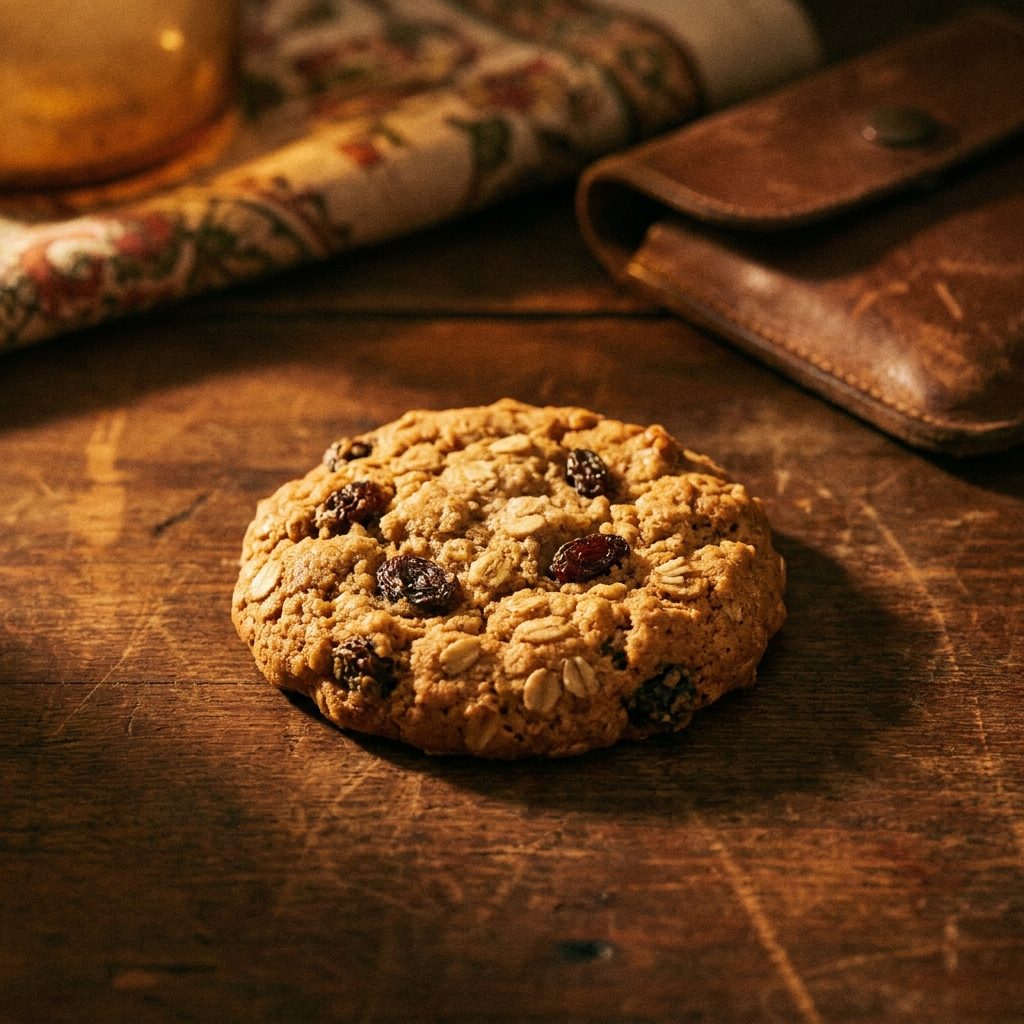
The oatmeal cookie was a gamble, and the gamble came down to raisins. Golden-brown, studded with rolled oats, and caramelized dark along the edges, it might also be dotted with fruit that half the class considered a betrayal.
You couldn’t always tell from across the line what you were getting, so each cookie received an inspection worthy of a jeweler checking a stone. Raisin fans shrugged and ate happily. Everyone else picked out the offending pieces and lined them up along the wax paper before finishing what was otherwise a perfectly good, chewy cookie.
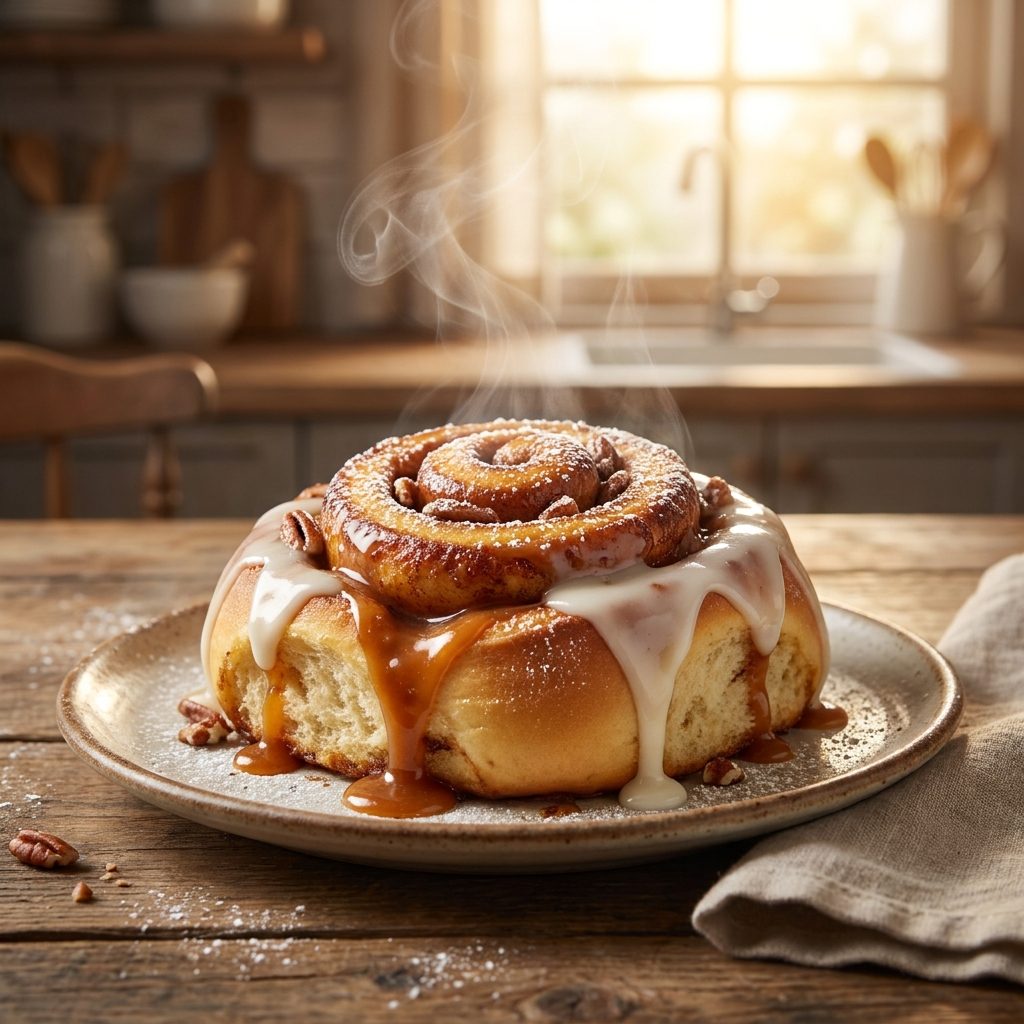
2. The Cinnamon Roll: The One Day the Whole Cafeteria Smelled Right
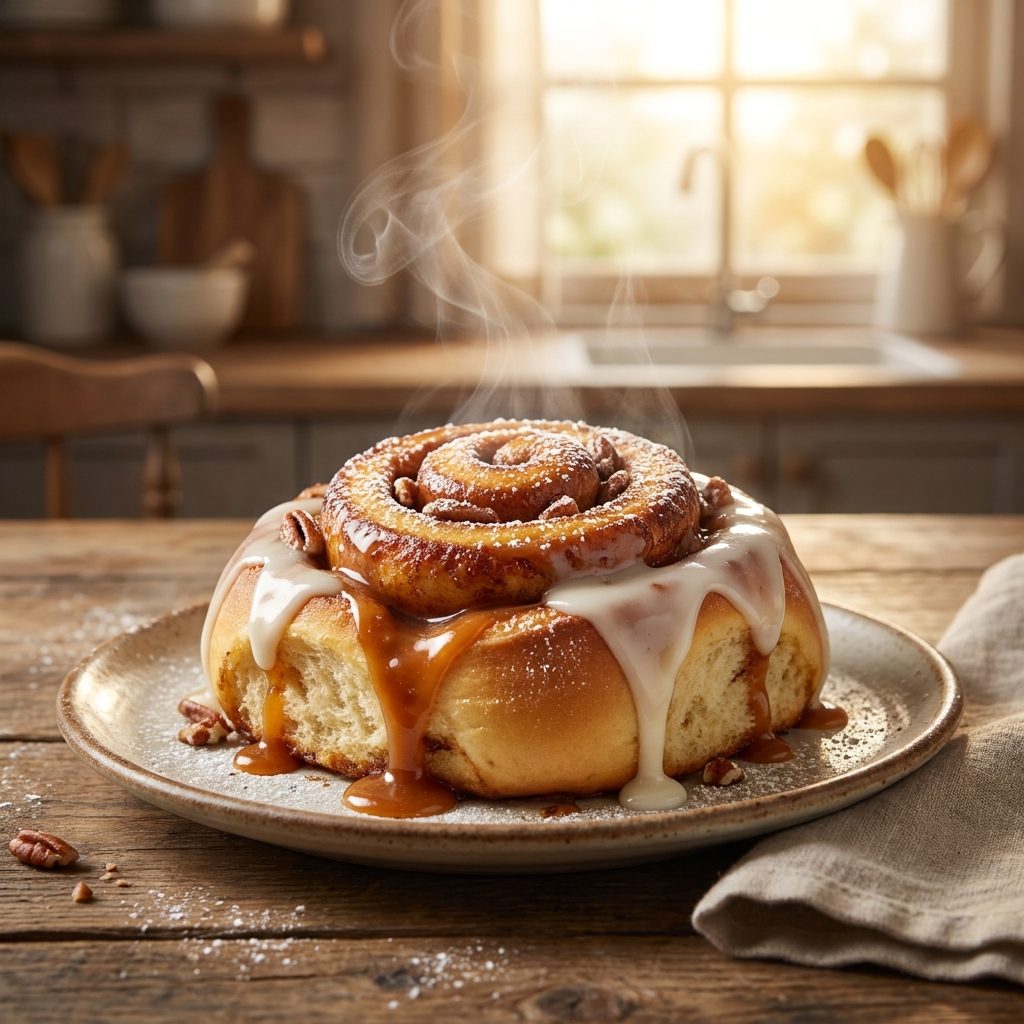
Some mornings, you knew before you even reached the line. The smell reached the hallway, cinnamon and warm dough drifting through the double doors, and suddenly the whole day felt different. Cinnamon roll day. A coiled spiral of soft golden dough held dark cinnamon sugar between its layers, with thin white glaze running into every crevice and pooling wherever it could. Butter caught the light on top.
It was warm, sometimes almost steaming, and it turned an ordinary Wednesday into an event you’d remember decades later. Kids compared their rolls and quietly decided who had won. Whoever received the biggest one had hit a small, unspoken lottery, while everyone else licked the glaze from their fingers and wished every day smelled like this one.
1. The Half-Pint Milk Carton You Had to Fight Open
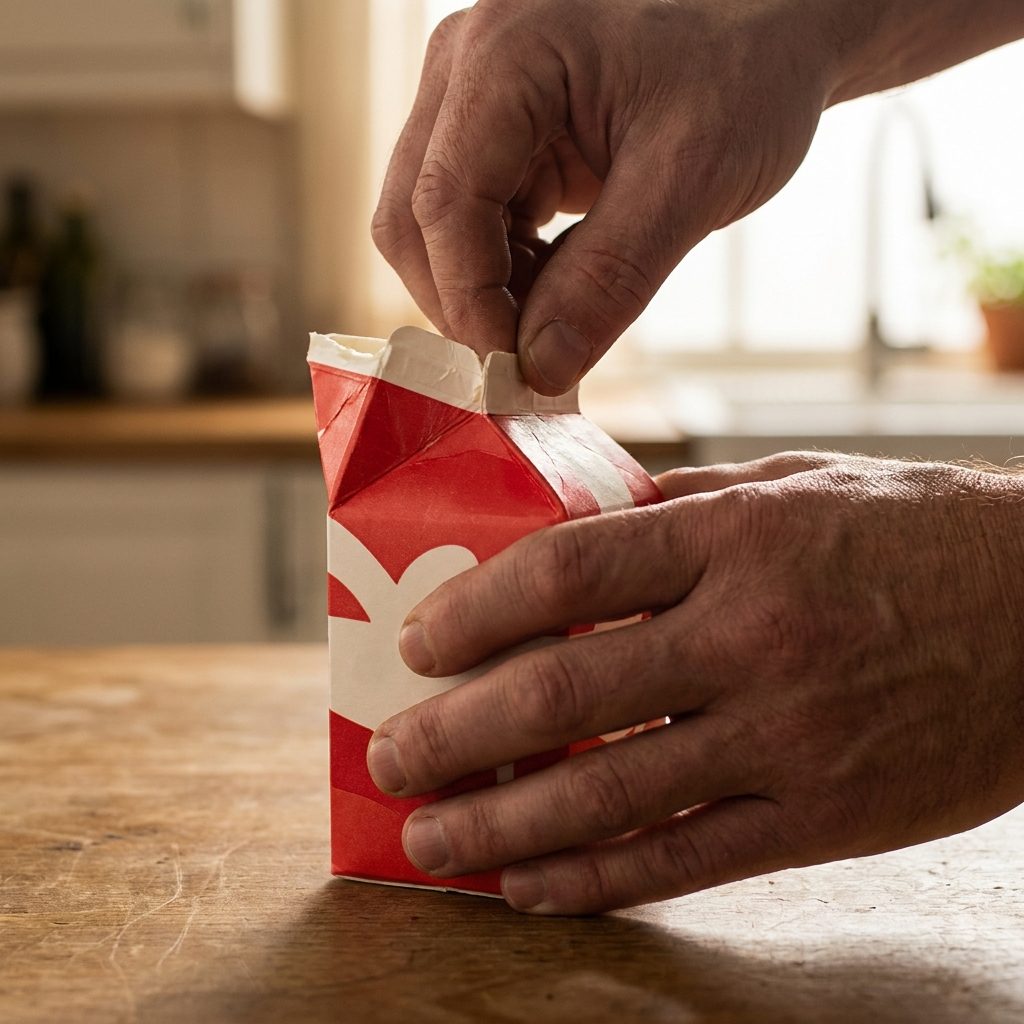
Every 1980s kid knows the sound. That waxy crrrk as you pinched the peaked top and tried to coax it into a spout, only to have it tear sideways and send milk dribbling down your wrist. When that failed, you gave up and stabbed it with a straw like a caveman.
White or chocolate was the great daily referendum. Chocolate was the prize some kids would trade a whole cookie to get. White was fine. White was Tuesday.
The milk came out cold, sometimes too cold, carrying a faint waxy taste from the carton lining that nobody questioned because that was simply how milk tasted at school. By the time lunch was half over, it had begun to warm, so you learned to drink it early.
None of it was sophisticated, and plenty of it barely qualified as good. But place that beige tray on a folding table, add the hiss of the radiators and the noise of 100 kids talking at once, and somehow the whole lunchroom comes back.