Would you like to save this?
The tray was compartmentalized beige plastic, still warm from the dishwasher, and it rattled down those steel rails loud enough to announce your lunch before you reached the register. Somewhere behind the steam table, a lunch lady in a hairnet was portioning gravy with an ice cream scoop and judging your vegetable choices without moving a muscle. The milk carton fought back when you tried to open it. The spork surrendered before the Salisbury steak did. Nobody in line was studying an ingredient list, and nobody needed a nutrition panel to know the chocolate cake was the best thing on the tray. Somehow, after all the gray gravy, canned fruit, and mystery meat, school lunch still managed to feel like the most important half hour of the day.
37. Chocolate Milk Sweet Enough to Feel Like Dessert
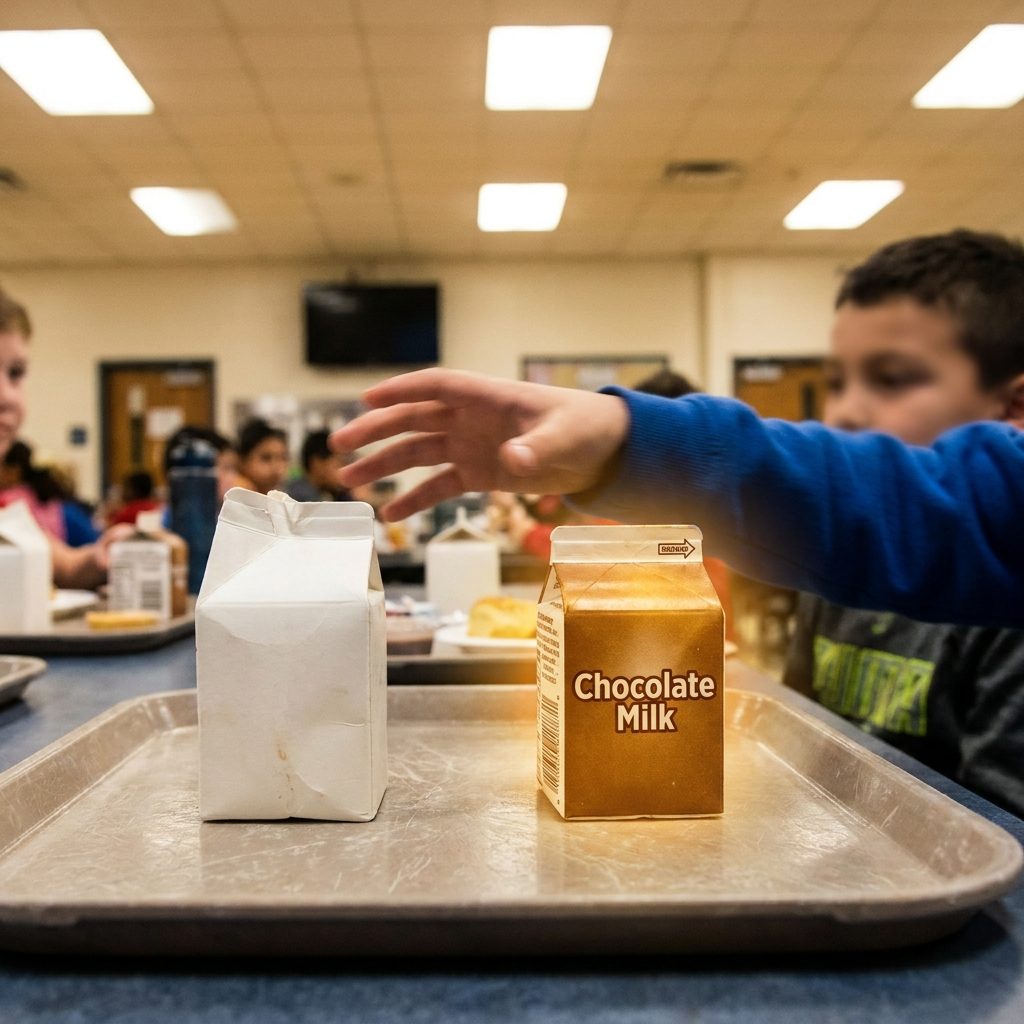
Every kid knew the trick. If chocolate milk was on the counter, you grabbed it before the plain became your only option, because it was sweeter than the dessert half the time.
Those cartons could carry a surprising amount of added sugar. Nobody framed it as a treat, though. It was just a milk choice, sitting right next to the white one, priced the same, poured for kids at eight in the morning without a second look.
36. Full-Sugar Soda Humming Away in the Vending Machines
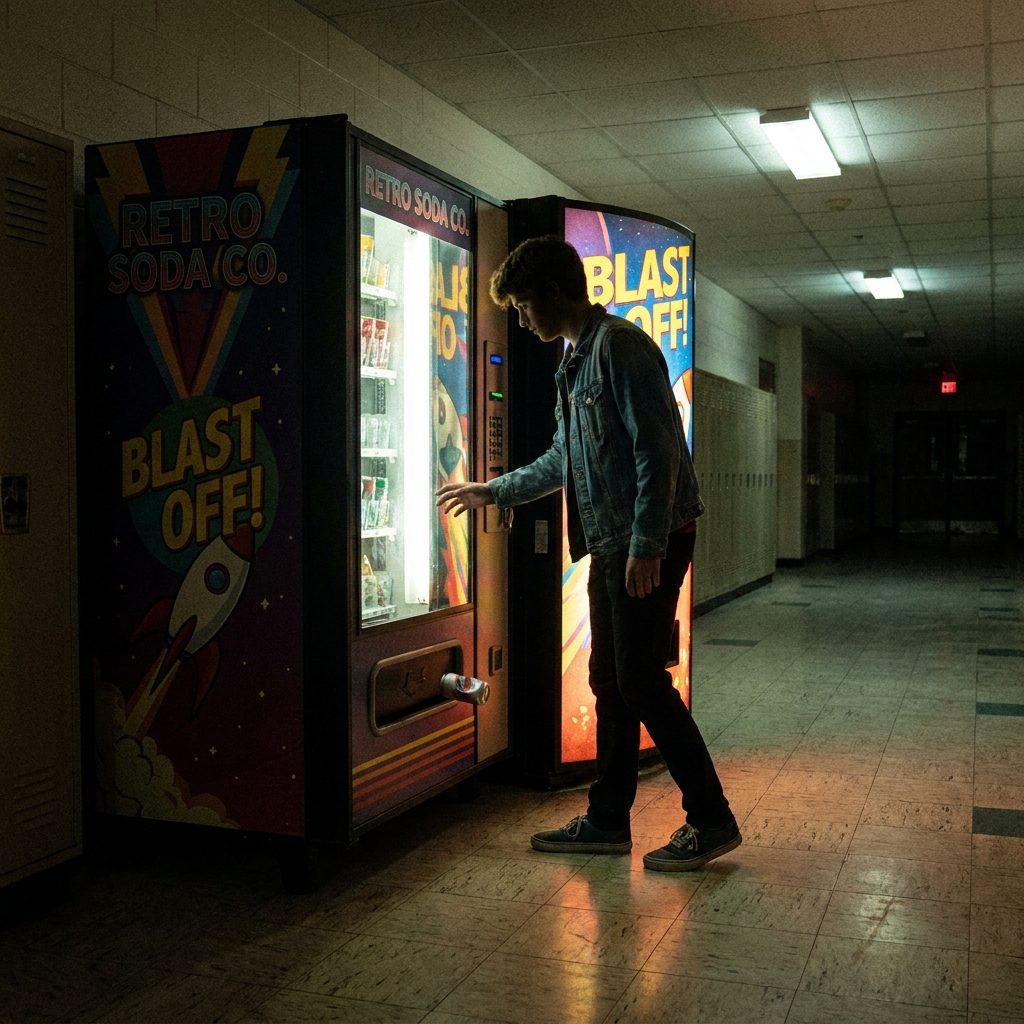
Down the hall from the gym, glowing, humming, ready. Drop in a couple quarters and out clunked a cold can of the real stuff—full sugar, full caffeine, no apology.
Plenty of high schoolers treated it like part of the daily routine: one before first period, another at lunch, maybe one more if practice ran late. In many schools, that machine felt as permanent as the drinking fountain, and the idea that a school might one day yank soda out of its own hallways would have sounded insane. It was the drink of being fifteen.
35. The Rectangle Pizza That Existed Only in Cafeterias
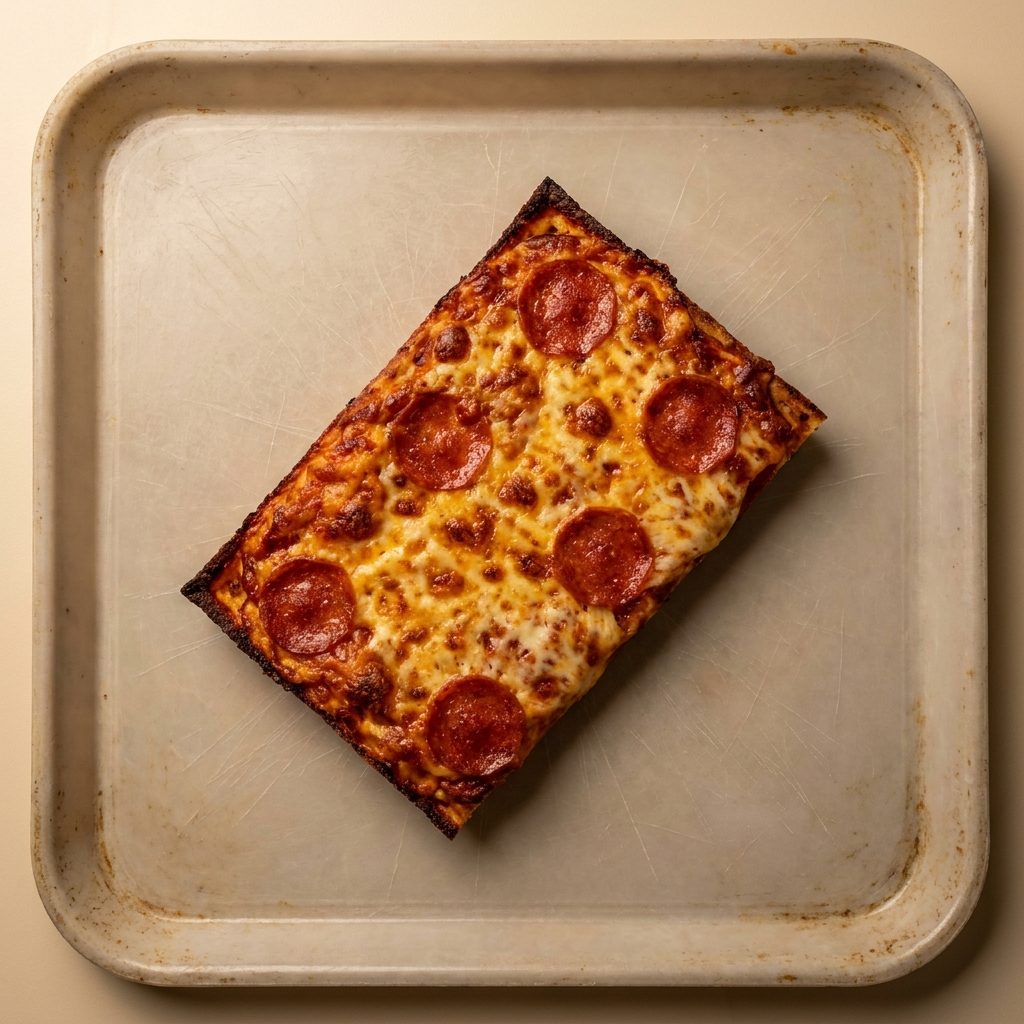
No neighborhood slice shop made quite this version. Cafeteria rectangle pizza was its own species, even if the shape itself was not exclusive to schools. The crust ran thick and bready, closer to a sheet-pan bake than anything from a neighborhood slice shop.
The cheese sat in a flat orange sheet, the sauce was sweet, and the pepperoni—if you got it—curled into little grease cups. Best day of the week, no contest. Kids traded corn and applesauce all lunch period trying to score a second square.
34. Mystery Meat Nobody Could Name and Everybody Ate
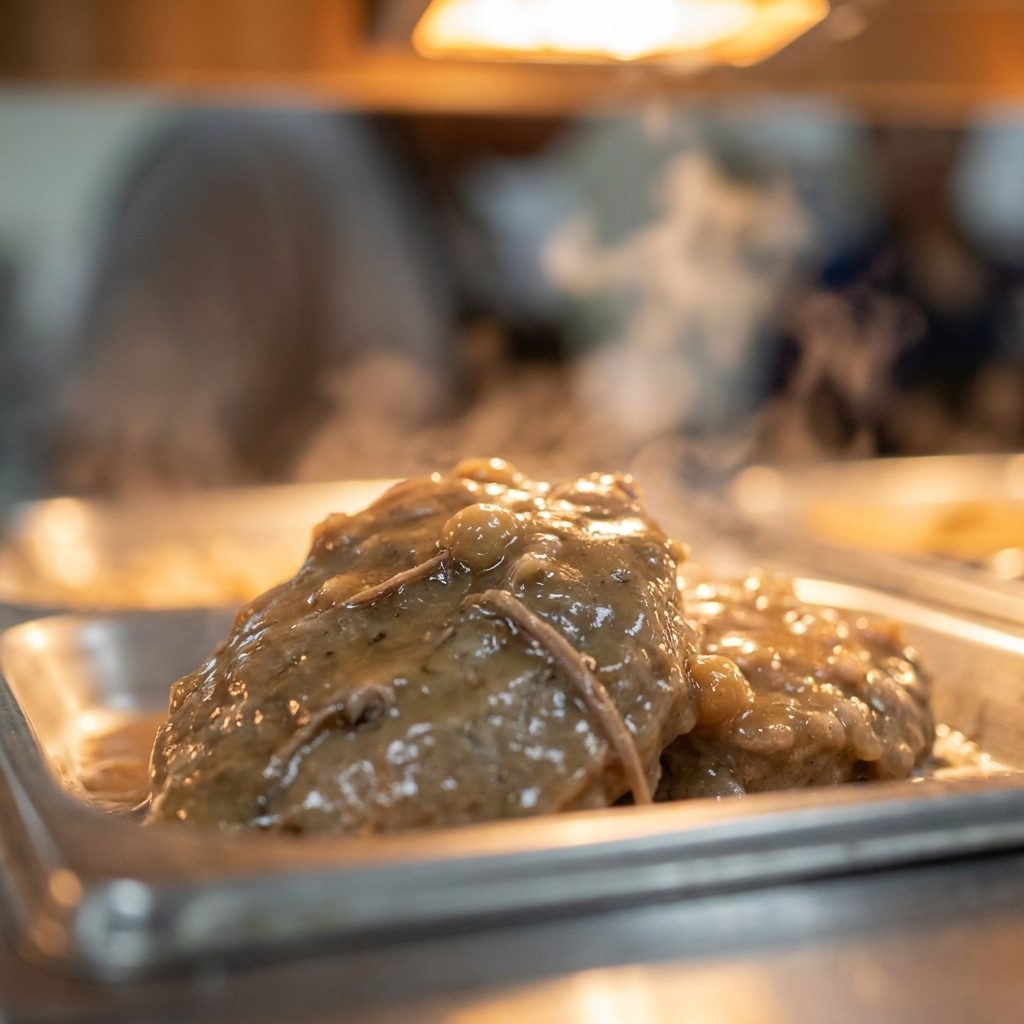
You’d ask the lunch lady what it was and she’d say “meat.” That was the whole answer, and it was all anyone had.
It arrived gray, sat in a thin gravy, and defied identification. Pork? Beef? Some committee-approved blend shipped frozen in a case marked with a code? Kids gave it nicknames and ate it anyway, because when you’re eleven and it’s noon, you eat what’s on the tray. Ingredient information rarely appeared where students could see it, and most kids were more interested in whether the food tasted acceptable than in what a label might have said.
33. Sloppy Joes That Lived Up to the Name
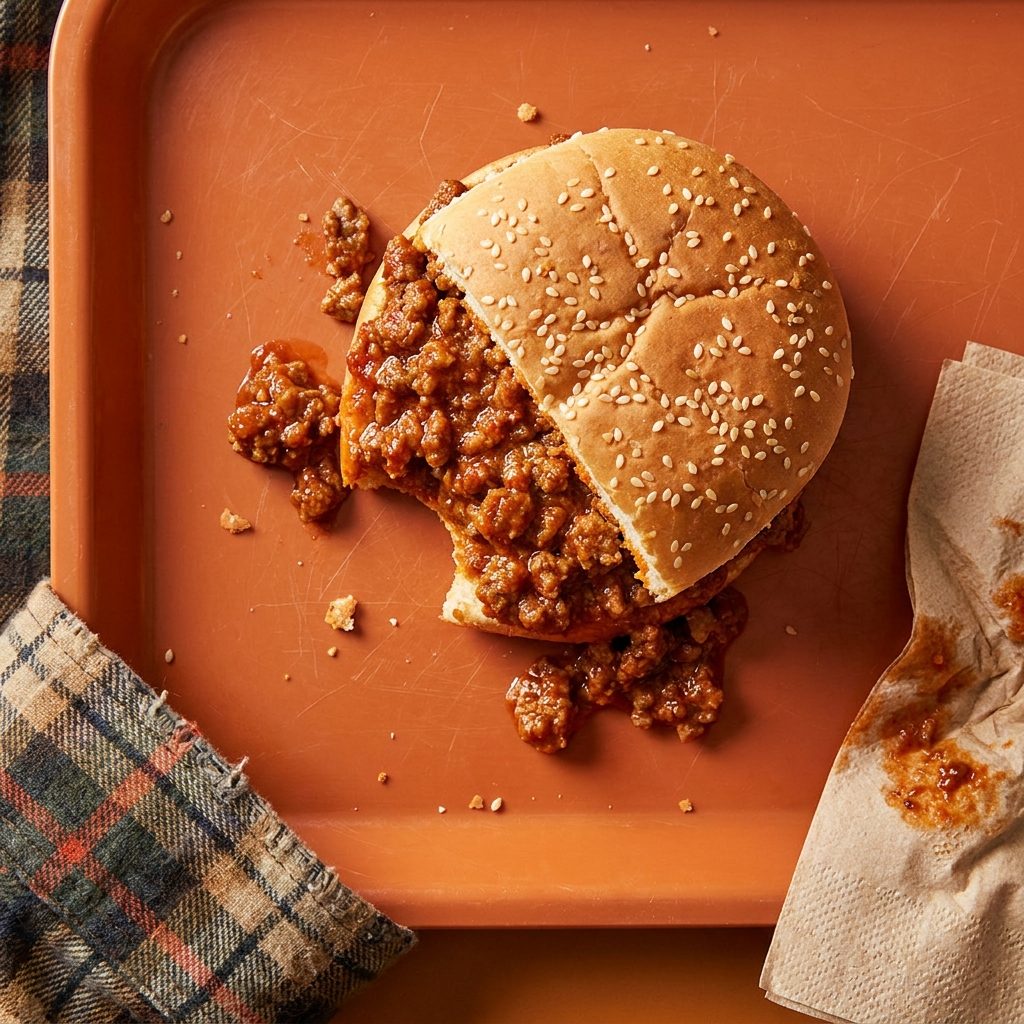
Half of it ended up on the tray, the table, and your shirt. That was the deal you signed the second you picked it up.
The bun surrendered immediately. The sauce was sweet, the meat was loose, and eating it neatly was impossible, which was somehow the point. Napkin conservation was a real skill because our cafeteria seemed to ration them out one per kid. I still think a sloppy joe should be difficult to eat. A tidy one has lost its nerve.
32. Salisbury Steak Drowning in Brown Gravy
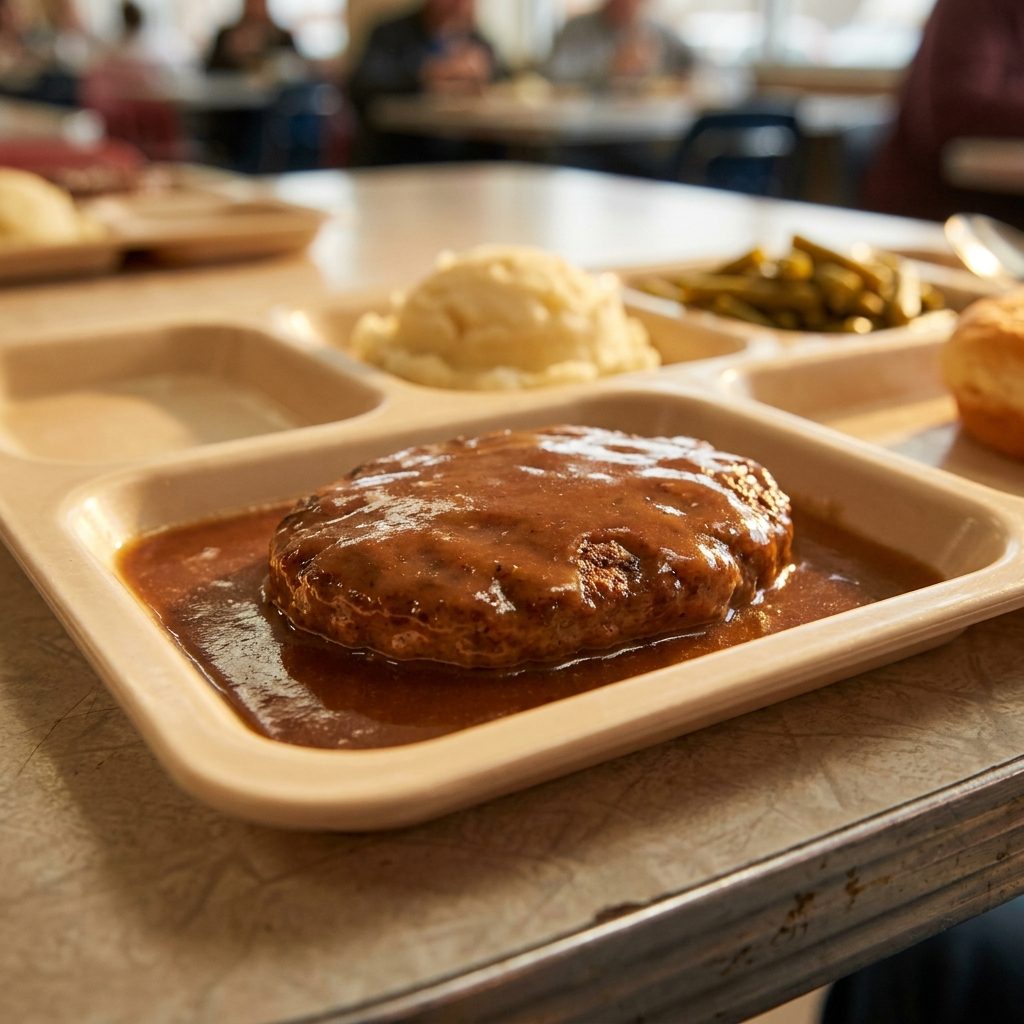
An oval patty that pretended to be steak and fooled nobody. But the gravy? The gravy carried the whole operation.
Dark brown, thick, poured with real generosity, it flowed off the patty and straight into the mashed potato compartment, which was the entire strategy. You ate the potatoes as a gravy delivery system and treated the steak as a bonus. A dish built for a sheet-pan oven and a scoop, comforting in a way fancy food rarely manages.
31. Chicken Nuggets With a Foil Tub of Barbecue Sauce
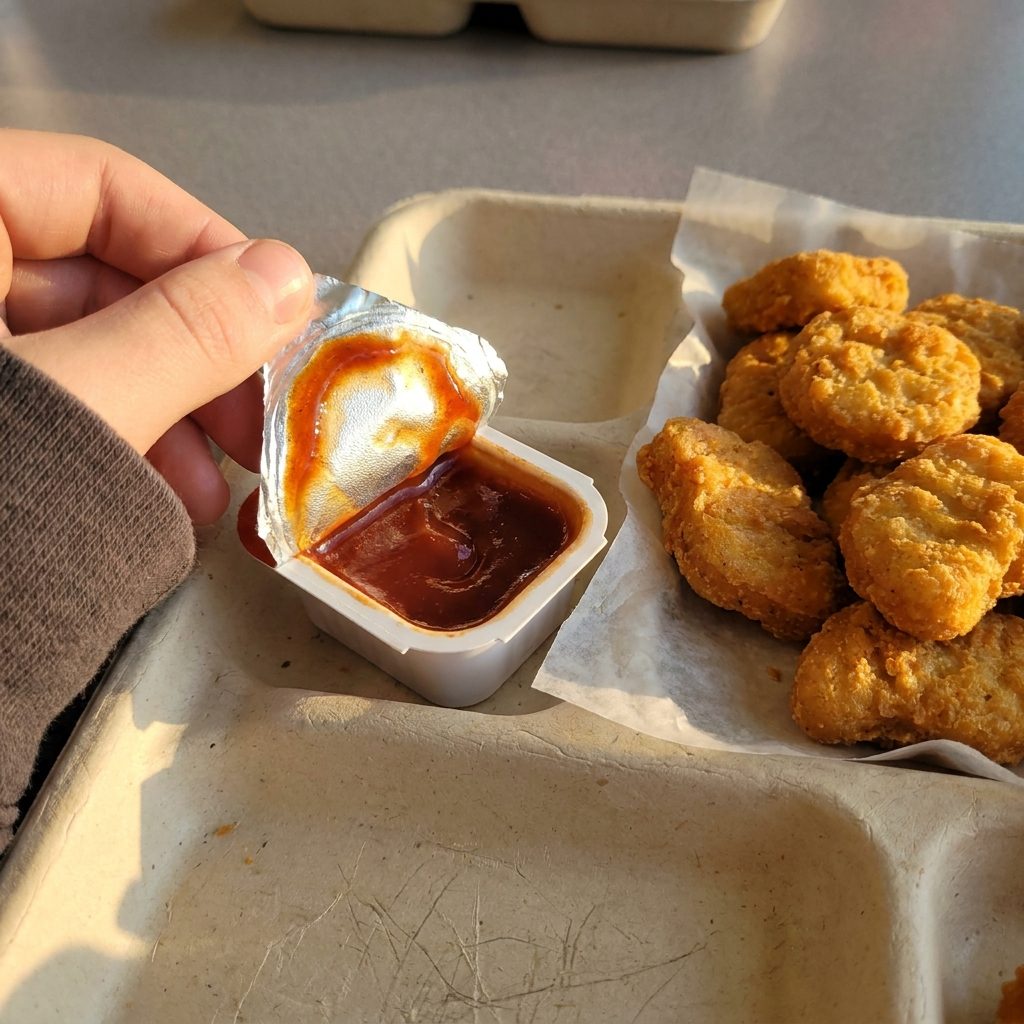
The foil tub made the meal. You peeled that little lid back like you were opening treasure, and the smell of tangy barbecue hit before the nuggets did.
Nuggets came out breaded, golden, shaped like nothing found in nature. Some kids rationed the sauce across every bite. Others blew the whole tub on nugget number one and rode dry the rest of the way. A genuinely happy tray day, this one, right behind pizza in the hierarchy of what made a lunch line worth standing in.
30. Taco Day and the Great Cheese Rush
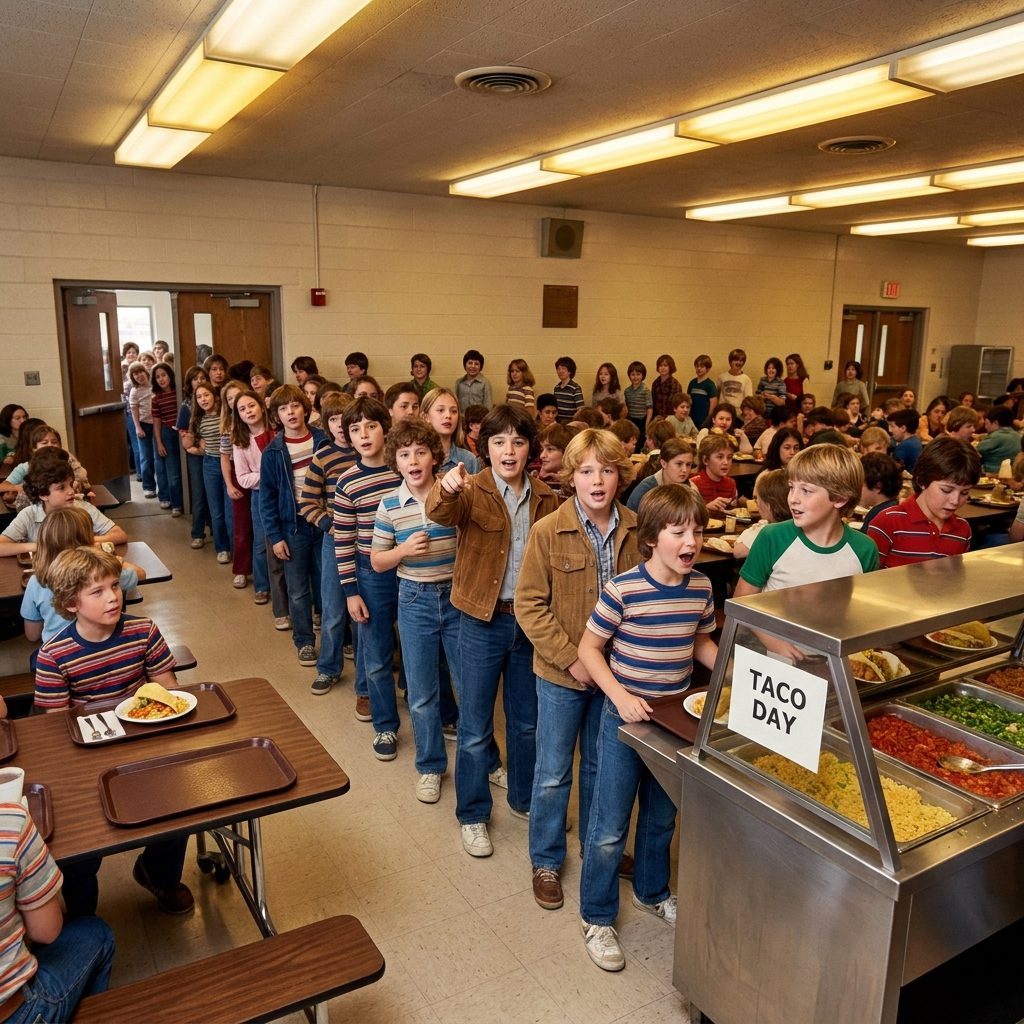
At plenty of schools, taco day drew a line out the cafeteria door. Kids who normally packed lunch showed up with a tray because taco day was an event.
The beef was mildly seasoned, the shells shattered the second you bit them, and the shredded orange cheese was the real currency. Everyone begged for extra. Whoever wielded the cheese scoop held real power that day and knew it. Half the shell ended up as taco salad in the bottom of the compartment, eaten with a spork, and nobody complained one bit.
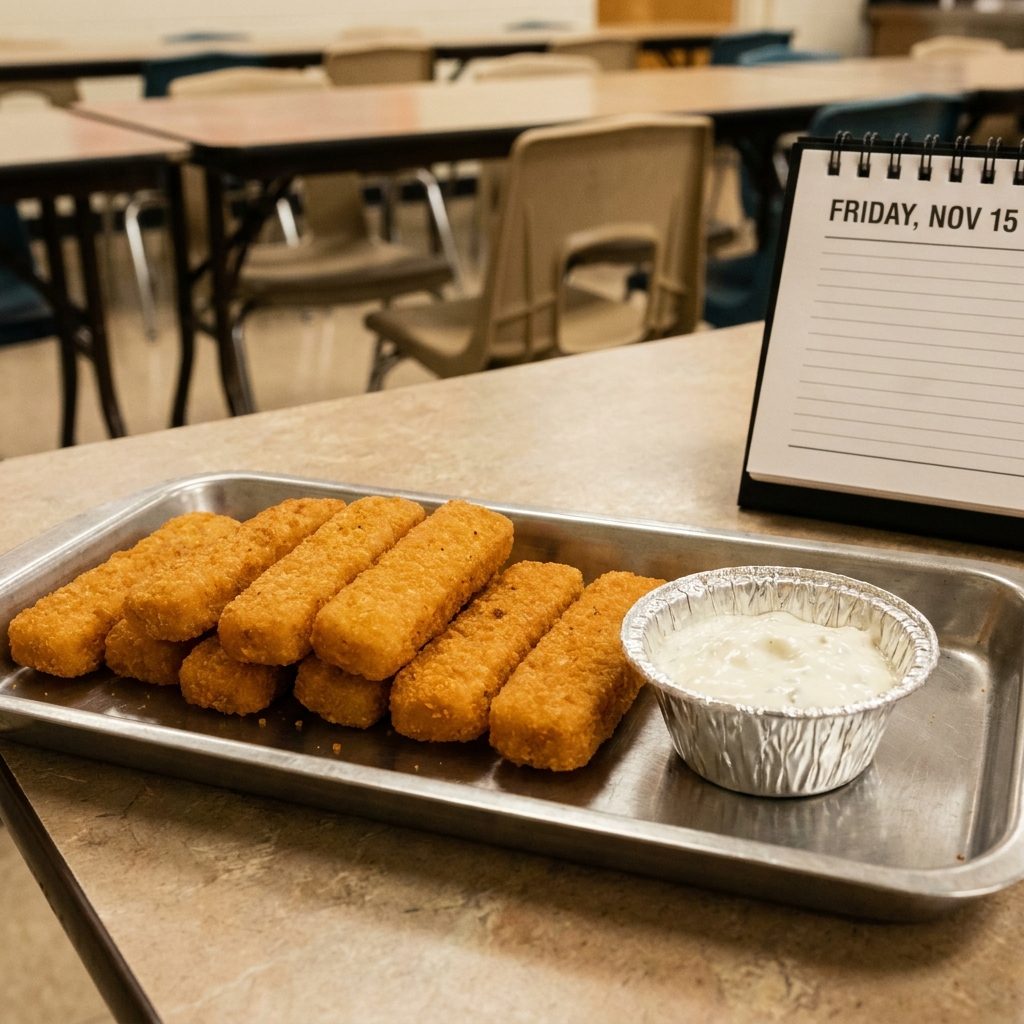
29. Fish Sticks on Friday, Whether You Wanted Them or Not
Would you like to save this?
In plenty of schools, Friday meant fish sticks. You could nearly set a calendar by it—rows of breaded rectangles, a foil cup of tartar sauce, and a lemon wedge nobody knew what to do with.
The tradition traced back further than anyone in the lunch line understood, a Friday habit older than the kids eating it. They were fine. Crunchy on the outside, a little uncertain inside, and they closed out many school weeks the same way, dependable as the bell.
28. The Corn Dog on a Stick That Came Straight From the Freezer Case
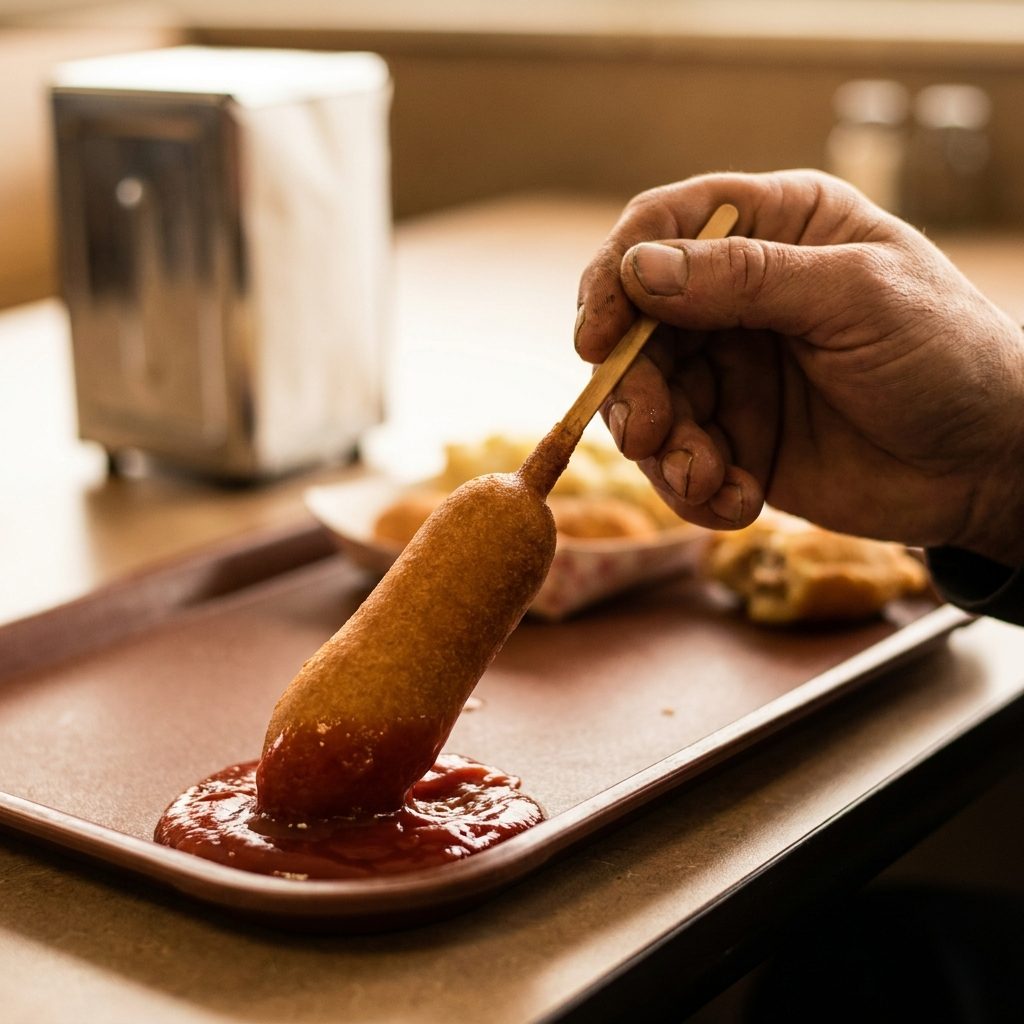
Every kid knew the drill. You grabbed the corn dog by the stick, peeled it off the tray, and dunked the end into a paper cup of ketchup that a lunch lady had squeezed from a gallon jug. No sauce menu, no aioli—just red and yellow, and you liked it.
The batter was thick and faintly sweet, hiding a hot dog nobody asked questions about. It came out of a freezer bag by the hundreds and hit the fryer before the first bell.
27. French Fries Sitting in the Vegetable Compartment
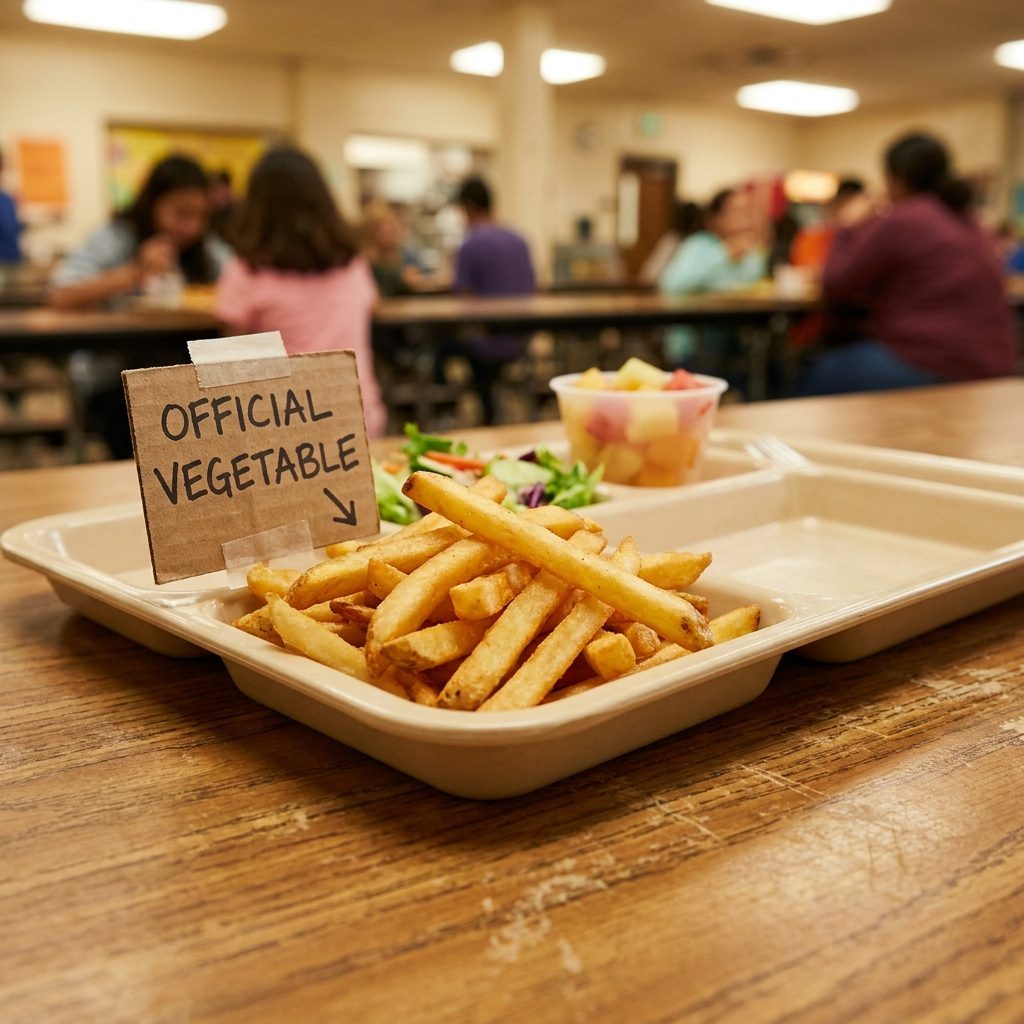
Fries showed up next to the corn dog, the pizza, or the fish rectangle, often occupying the same compartment where a greener vegetable might have gone. Whatever the paperwork said, most kids treated them as the only side worth protecting.
They arrived salty and shining, scooped with a metal spatula from a sheet pan. Nobody counted them. You got a mound, you ate the mound, and you went outside for recess with orange fingertips.
26. Tater Tots Dropped by the Serving Spoon
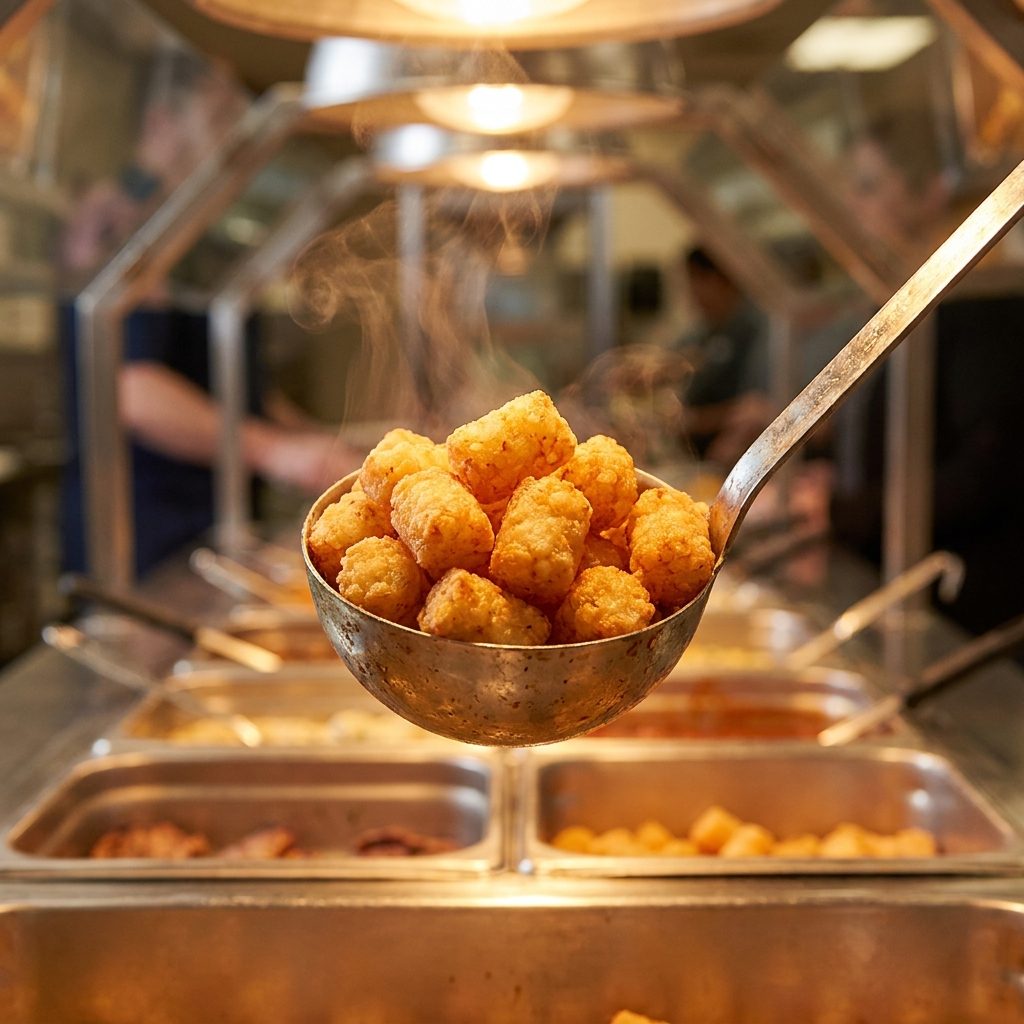
The tot was a small feat of assembly-line cleverness, and every kid respected it. Crisp shell, soft shredded middle, small enough to pop whole. The lunch lady didn’t count these either—she dropped a scoop from a metal serving spoon and the little cylinders rolled into your tray compartment like they were escaping.
Made from the potato scraps too small to fry into anything else, then reassembled into something better than the original. Salted hard, served hot off the sheet pan. You ate them one at a time to stretch them across the whole lunch period.
25. Instant Mashed Potatoes From a Giant Box of Flakes
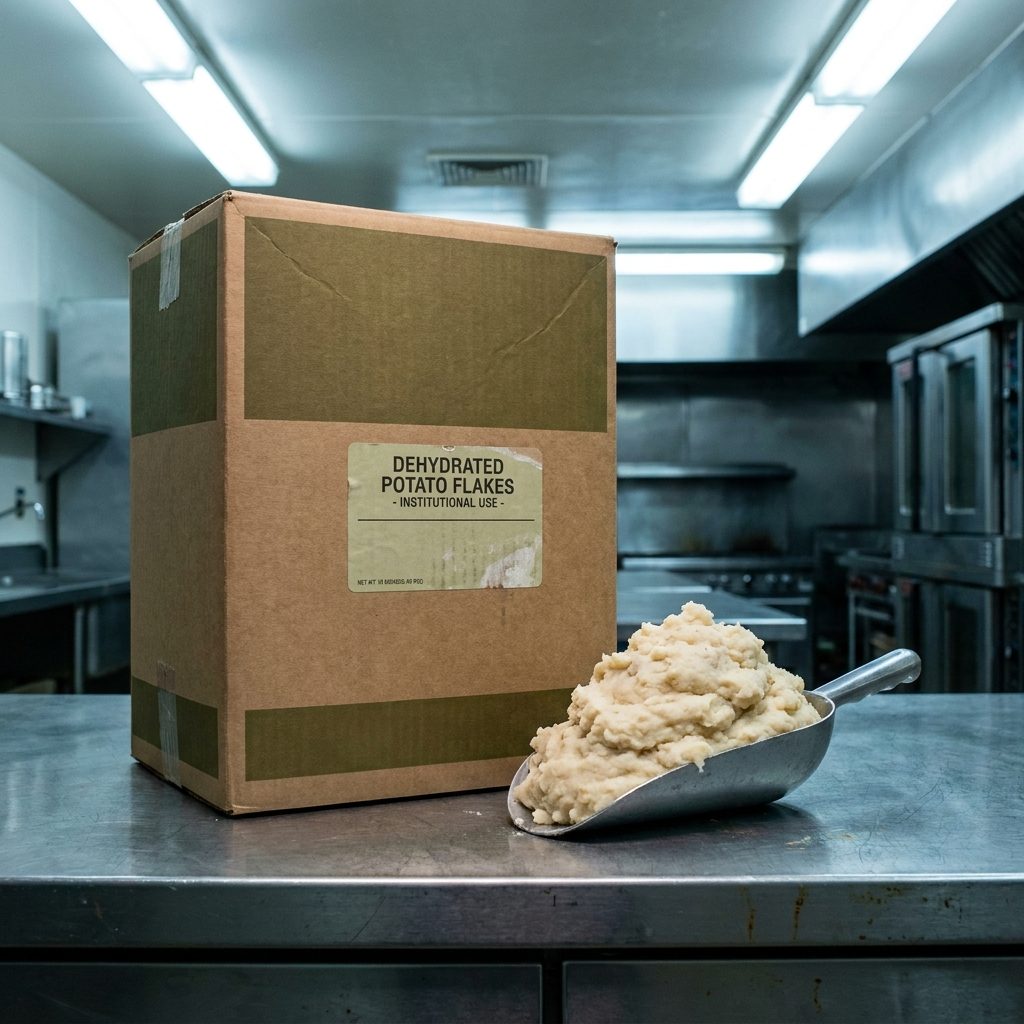
These had once been potatoes, though the cafeteria version arrived as flakes. The box was the size of a small child, and its contents were reconstituted in a giant kettle with hot water and a paddle the length of an oar.
The texture gave it away every time. Too smooth. A little tacky. And there was always that gravy crater pressed into the top by the back of a scoop, waiting for you to stir the whole thing into a beige swamp. It was fine, honestly. Comfort food doesn’t need to be honest food, and anyone who claims they held out for the real thing at nine years old is lying.
24. Macaroni and Cheese the Color of a Highlighter
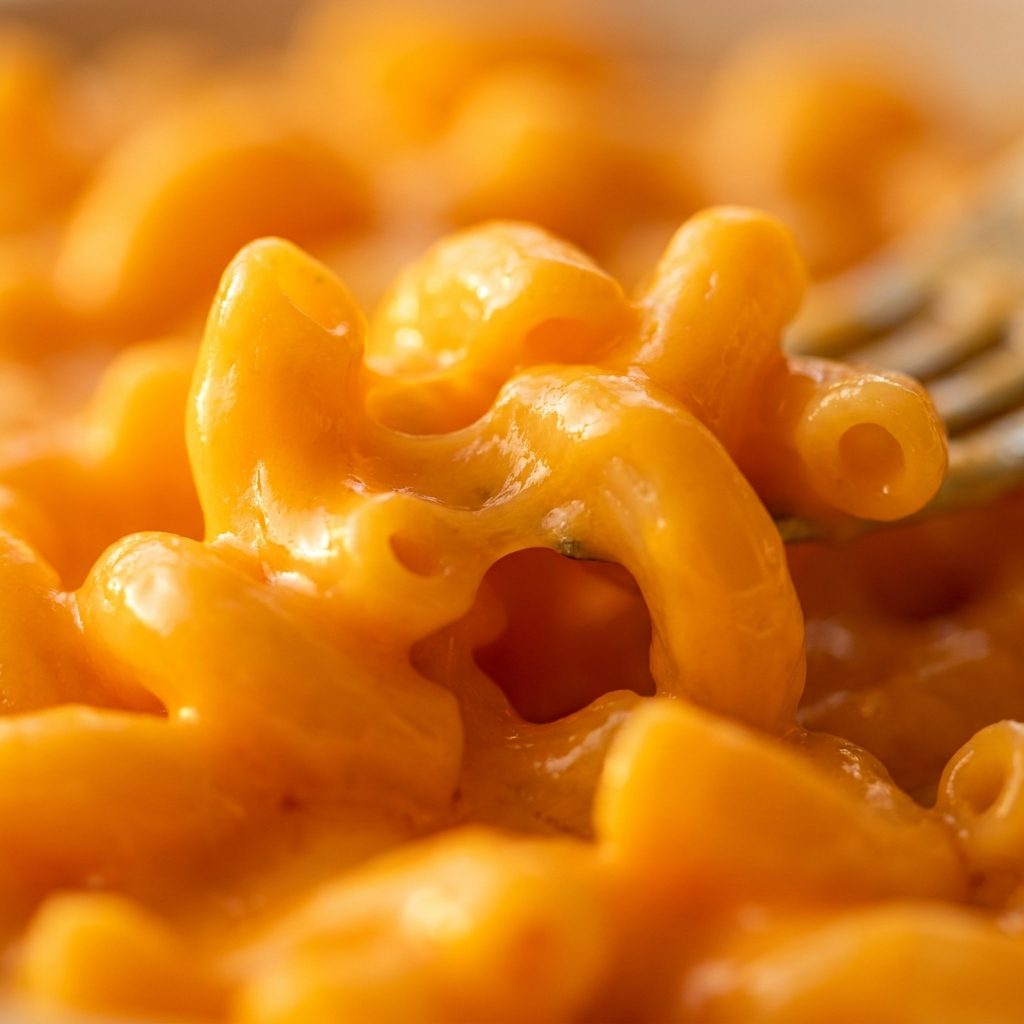
The color is what a modern cafeteria couldn’t handle. That orange looked as though it had never met nature. It came from a commodity cheese product stirred into elbow noodles by the trayful, and it glowed under the fluorescent lights like it was proud of itself.
Scooped with an ice cream disher so every serving came out a perfect dome. Soft noodles, thick sauce, and a little skin on top where it sat in the pan too long—which, for the record, was the best part. Anyone who says otherwise never had it.
23. Buttered White Bread That Seemed to Come With Everything
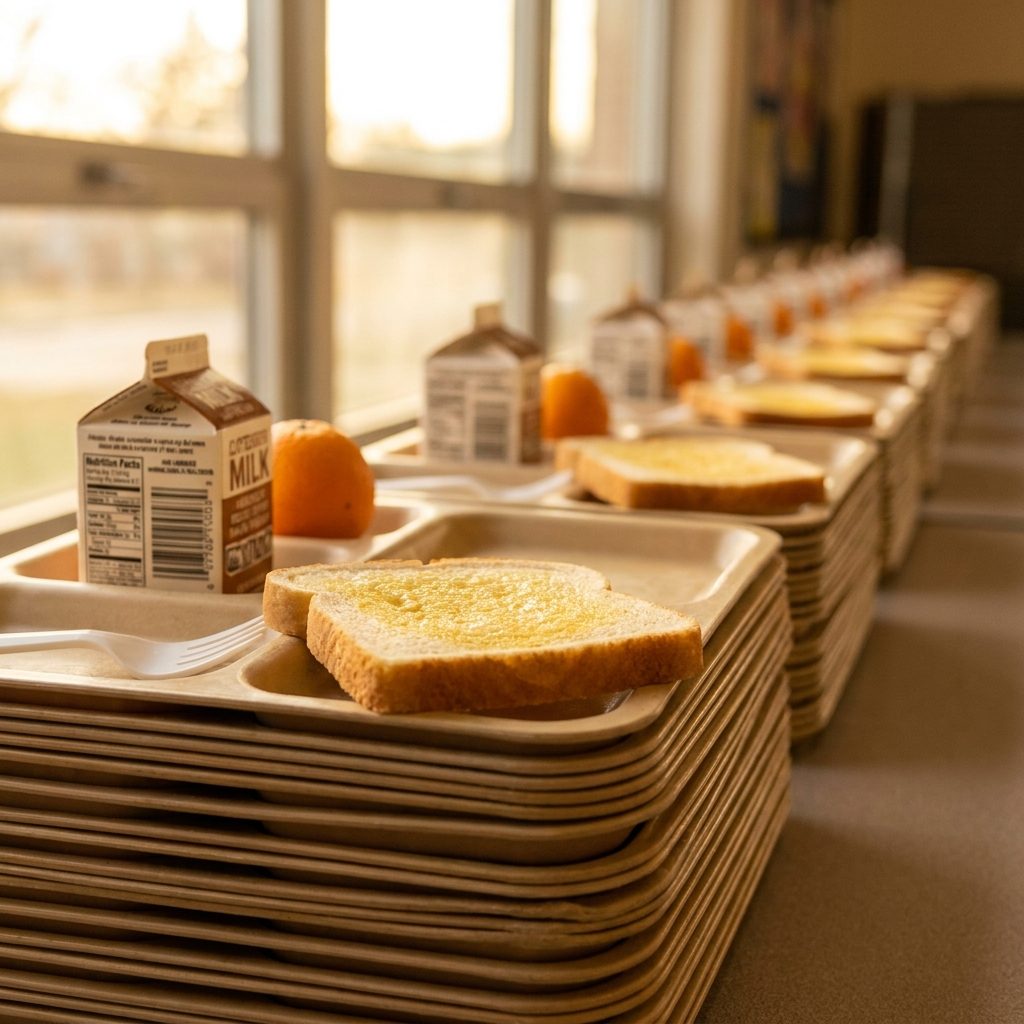
In many cafeterias, it barely mattered what was on the tray. Spaghetti? Bread. Chili? Bread. Fish sticks? Bread. A slice of soft white sandwich bread, folded once, with a swipe of margarine already melting into it, seemed to ride along with nearly every meal the cafeteria served.
You used it to push food onto your fork. You made a butter sandwich out of nothing. Or you pressed it into a dense little ball because you were nine and that was hilarious.
22. Processed Cheese Slices That Melted Into Everything
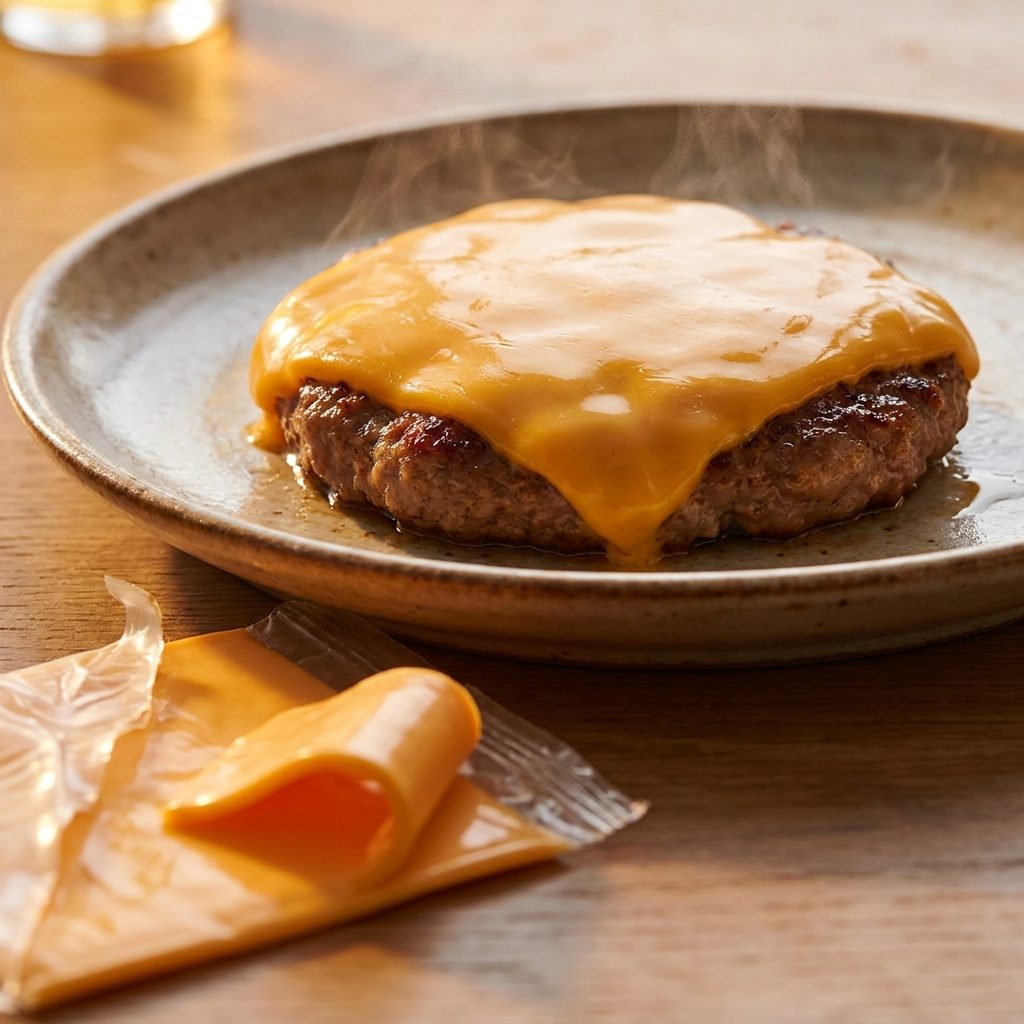
Individually wrapped or peeled from a huge stack, these slices had one job and did it flawlessly: melt into a smooth, glossy blanket over anything hot. Burgers, toast, a tray of nachos on a good day.
They melted more predictably and resisted separating better than many natural cheeses—and that reliability was exactly the appeal. Somebody had built a cheese that could survive a warming lamp. Fold one in half and it folded right back without cracking, which is either a miracle or a warning, depending on how you feel about food.
21. Peanut Butter Cookies and Bars Baked in Sheet Pans
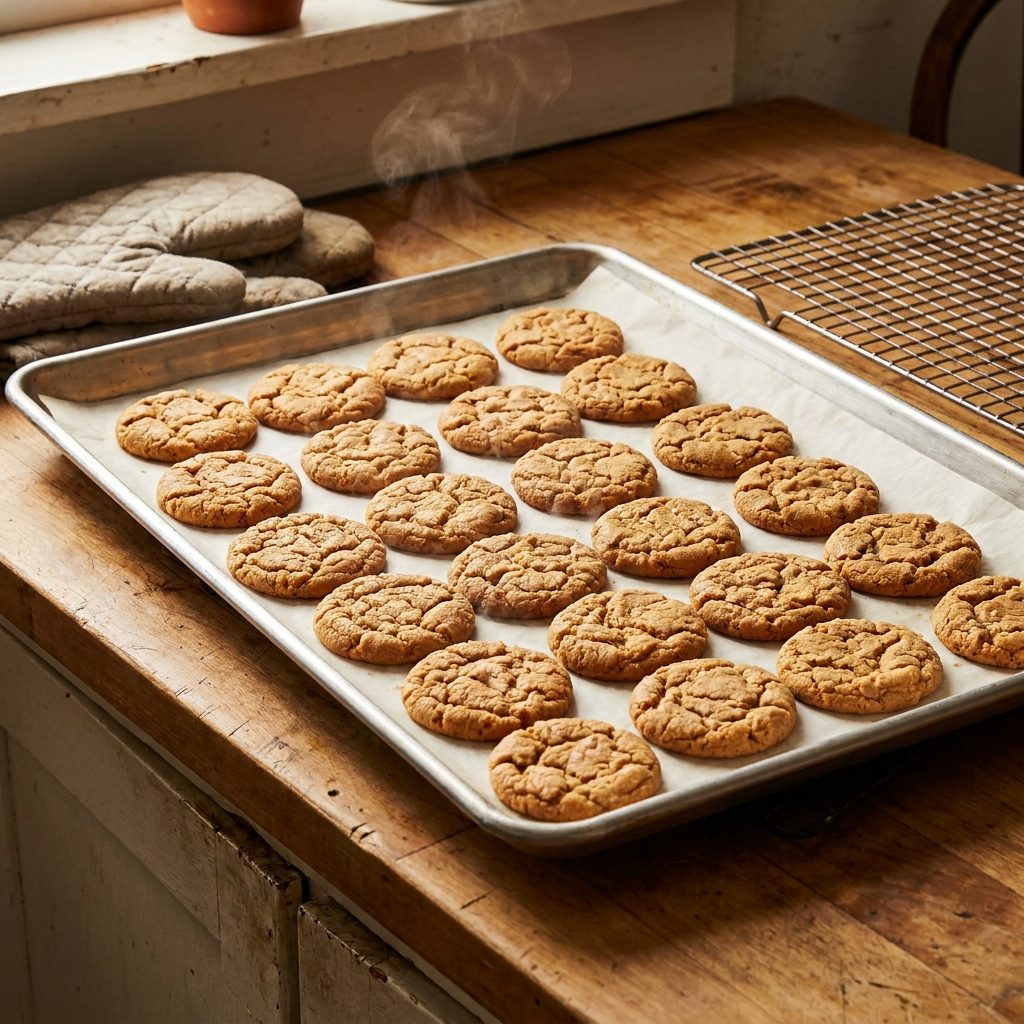
No posted allergy list. No warning card. No separate table. Peanut butter went into cookies and bars by the sheet pan, cut into big soft rectangles with the fork-tine crisscross pressed on top, and the whole building seemed to smell like them.
They were dense, a little dry at the edges, and they demanded a carton of milk to get down. This is the item that would force a modern cafeteria to pause—and back then it was just Tuesday.
20. Chocolate Sheet Cake Under an Inch of Frosting
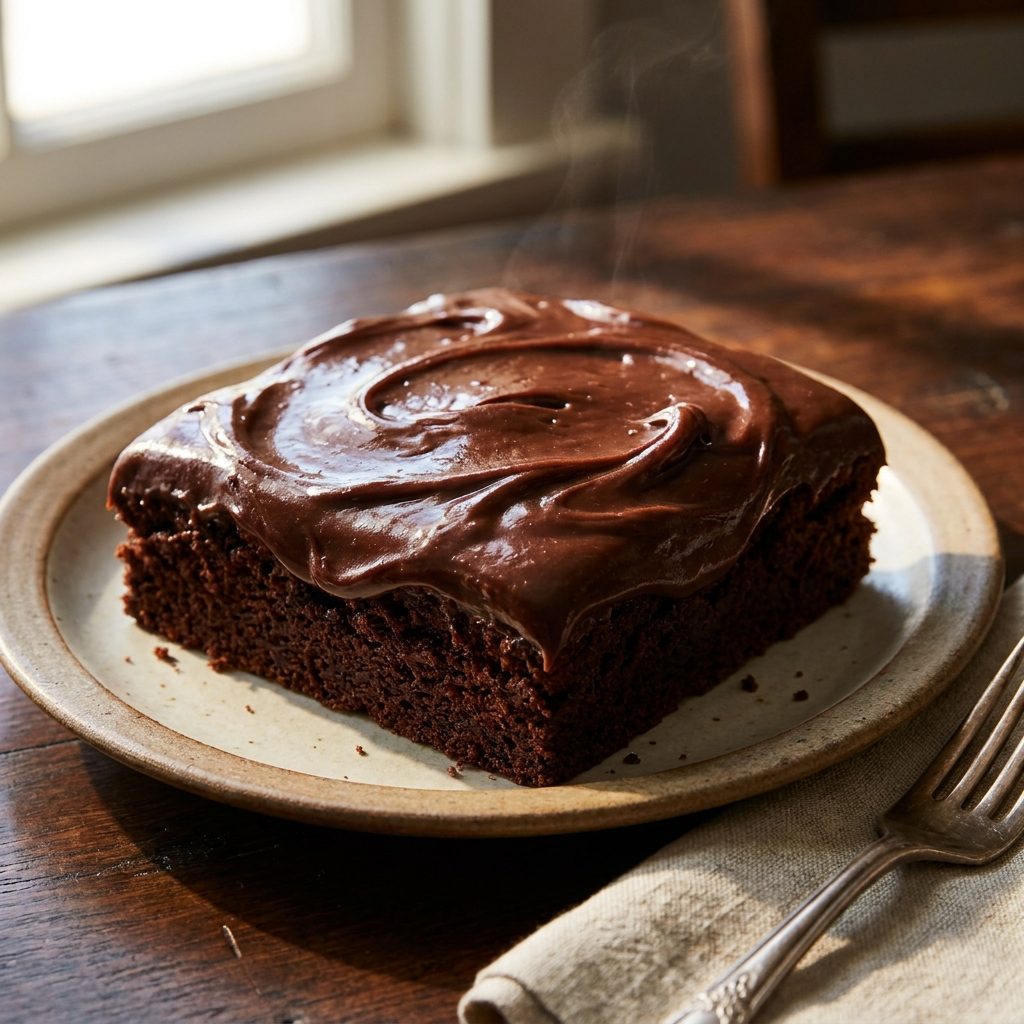
The frosting did most of the work. The cake underneath was just there to hold it up. Cut from a full sheet pan into generous squares, this thing had a fudgy layer on top that rivaled the cake in height, and nobody in the district thought that was strange.
You saved it for last. You ate around the edges to keep the frosting corner. And if you drew a corner piece—double frosting on two sides—you’d won the lunch that day, and you knew it walking away from the line.
19. Giant Cinnamon Rolls Served Right Next to the Chili
Would you like to save this?
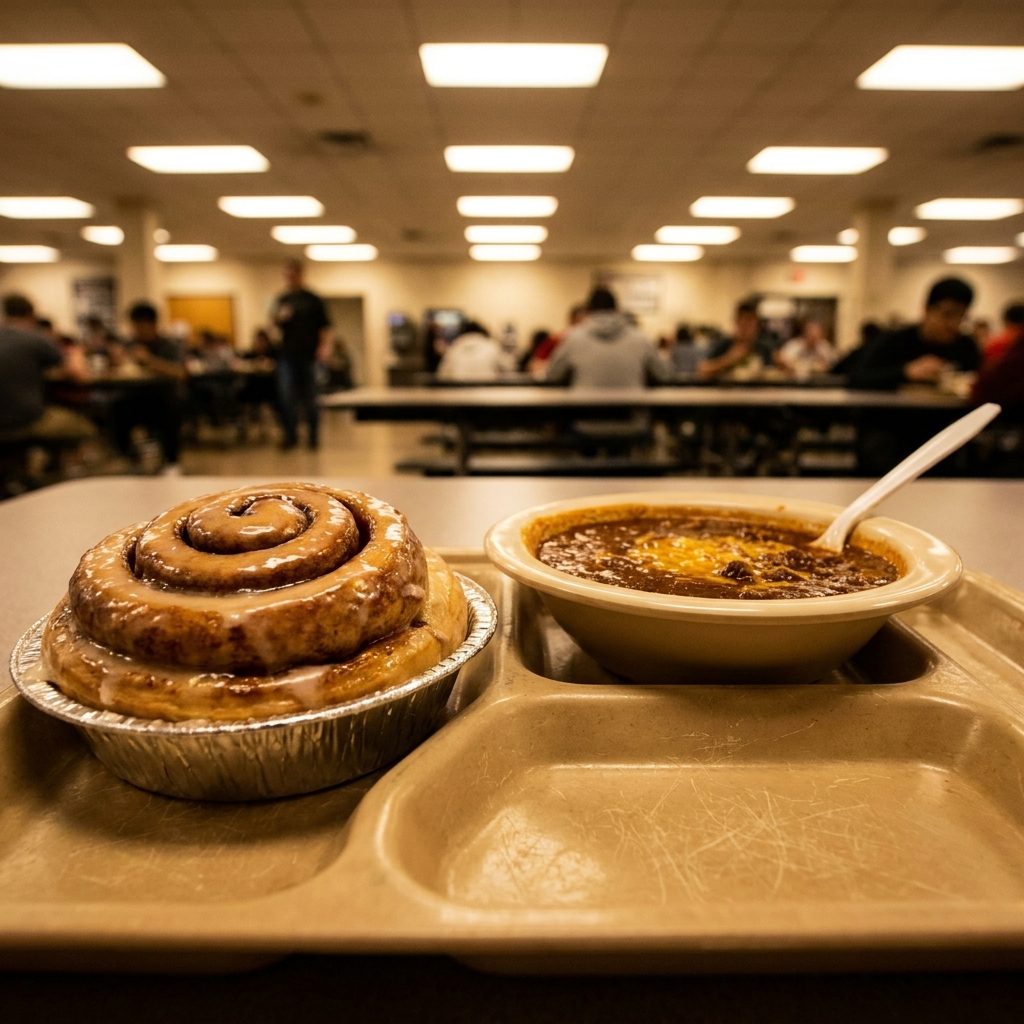
Outside the regions that grew up with it, the pairing made no sense. In parts of the Midwest and Plains, plenty of people grew up loving it. A cinnamon roll the size of your fist, sticky with glaze, served on the same tray as a scoop of chili. Sweet and savory, side by side, on a Wednesday.
In the good cafeterias it was baked right there in the building, and the smell would drift into the hallway before third period even ended, which was its own kind of torture. You unwound it in a long spiral, glaze on every finger, and ate the gooey center last because the center was the whole reason you got in line.
That’s the tray many modern lunchrooms would hesitate to sign off on. And the people who grew up with it still think about it at lunchtime.
18. The Ice Cream Cup With the Flat Wooden Spoon Stuck to the Lid
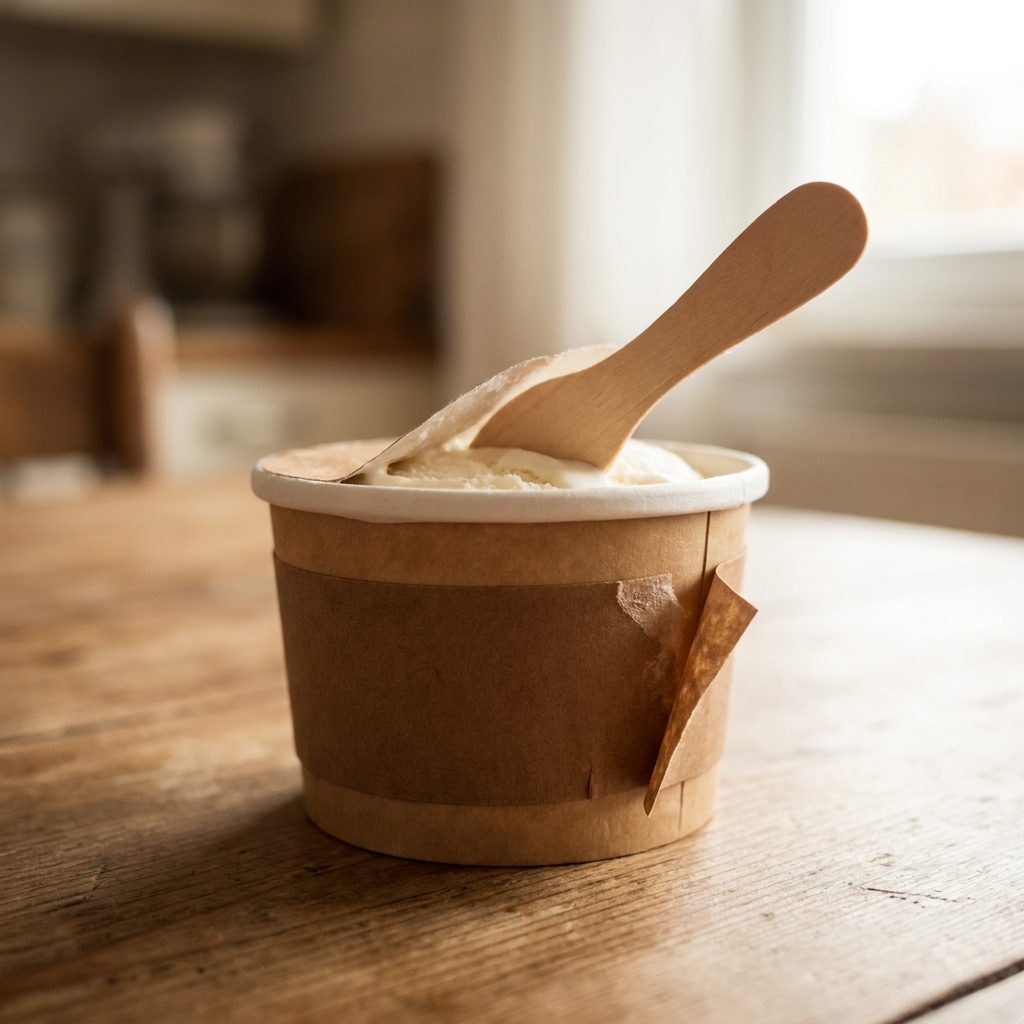
The flat wooden spoon was half the memory. You peeled the paper band, snapped the little paddle out, and started scraping half-frozen ice cream that had been sitting in the chest freezer since before homeroom. The wood left a faint splintery taste and nobody cared one bit.
It was the reward for finishing the tray, or the bribe for behaving, or just the one thing on the whole line you actually wanted. Half chocolate, half vanilla, and the constant negotiation over which half your friend got.
17. Canned Fruit Cocktail Swimming in Heavy Syrup
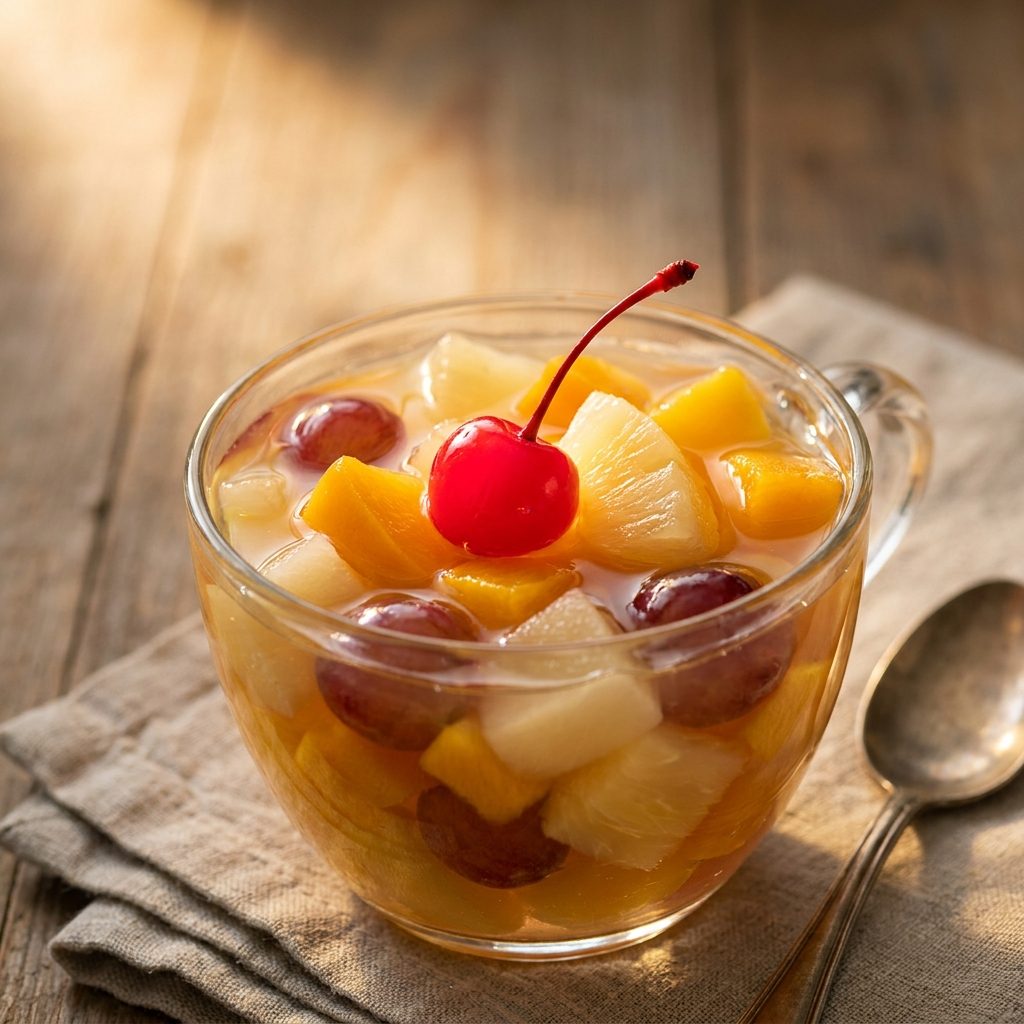
Everyone dug for the cherry. One per cup, sometimes none, and finding it felt like winning something. The rest was diced pears pretending to be peaches, three grapes, and enough syrup to sweeten a birthday cake.
A modern dietitian would have plenty to say about the syrup. Back then it counted as fruit, checked a box on the federal meal chart, and got scooped onto tray after tray without much discussion. And you drank the syrup at the end when nobody was looking.
16. The Jell-O Cup That Wobbled All the Way From the Line
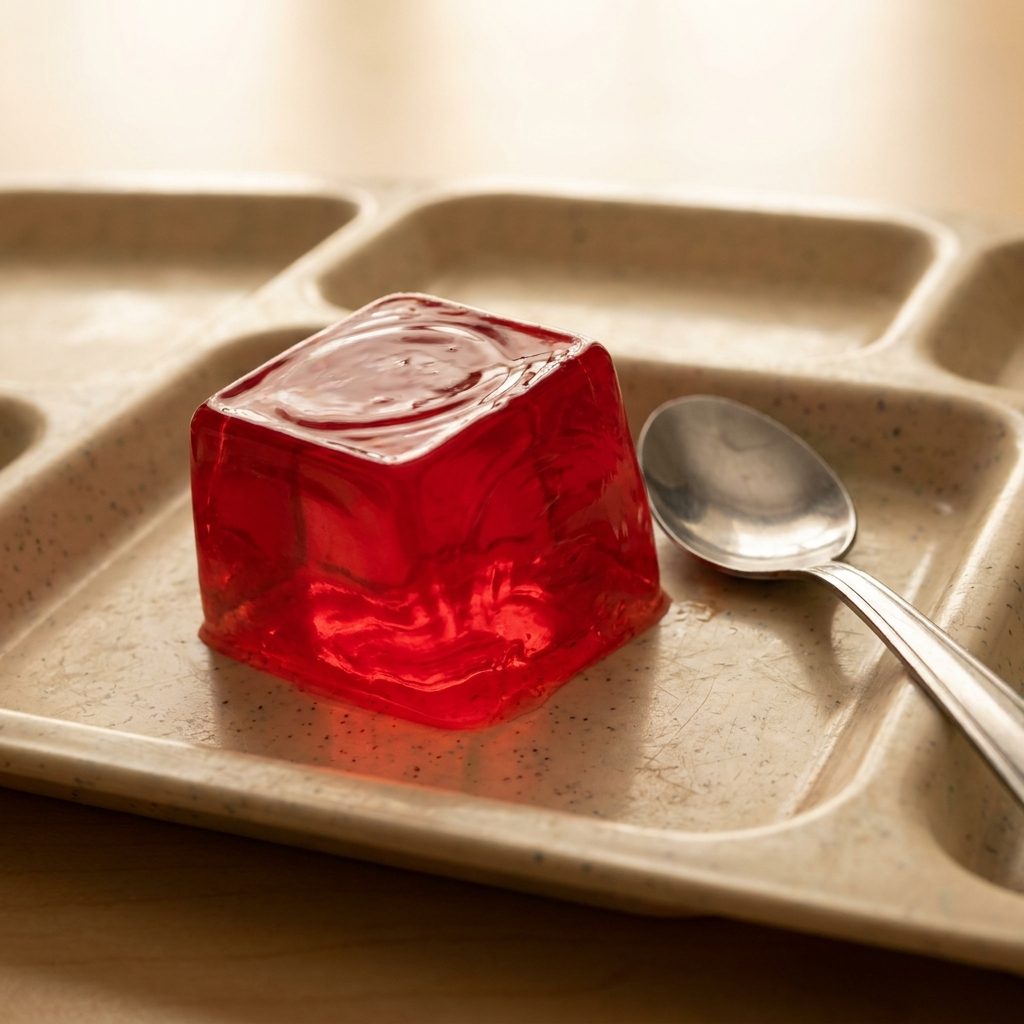
Red, always red. Occasionally green, which everyone treated with suspicion. The cup arrived jiggling, sometimes with a sad melting spoonful of whipped topping that had been sitting out too long.
You could pick up a cube with your fingers and it would hold together just long enough to embarrass you when it collapsed. Mostly water and food coloring. Gone in four bites.
15. Canned Peach and Pear Halves That Left the Last Kid Mostly Juice
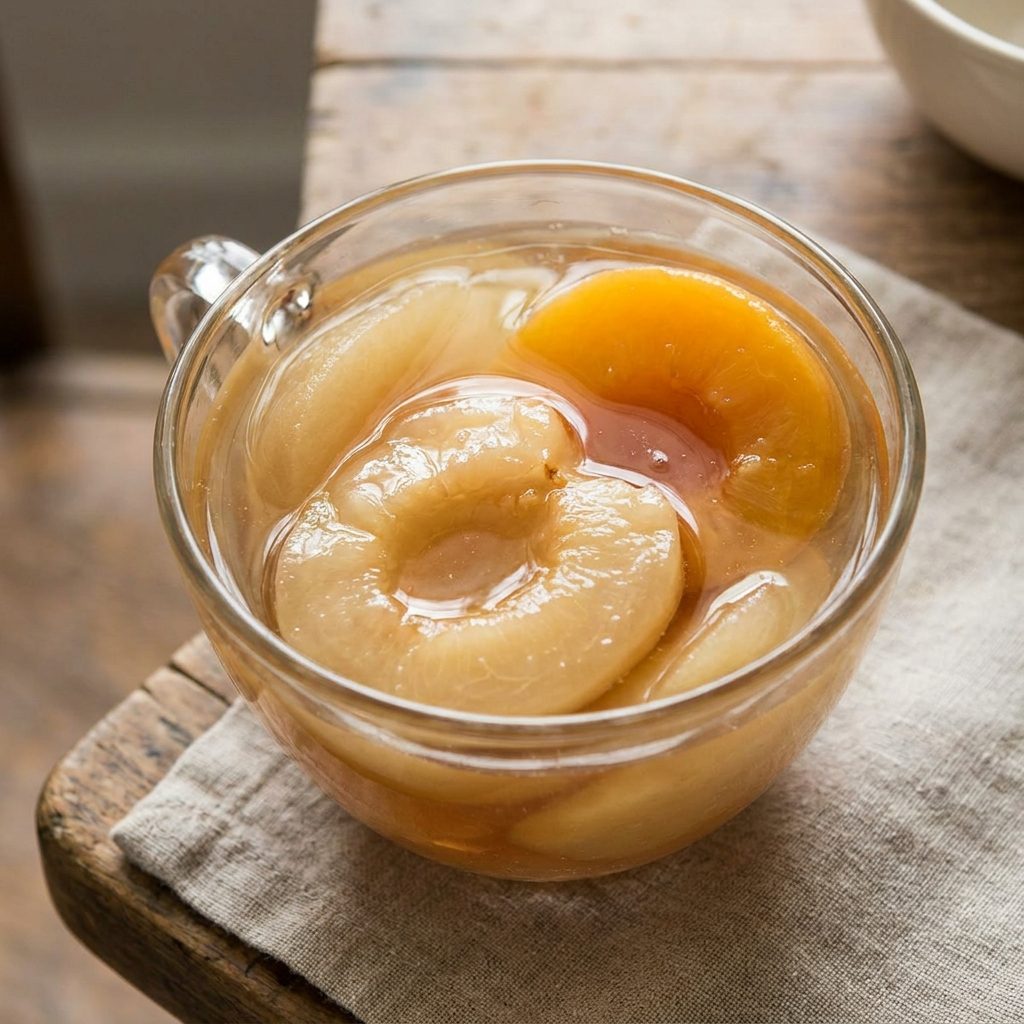
Soft to the point of surrender. The peach halves had no fight left in them and the pears were nearly translucent, both sliding around in a shallow puddle of sugar water that used to be syrup.
You ate them with the spork because using it as a knife did nothing. Sweet, slippery, and served in that specific cafeteria way where the last kid in line got mostly juice. Fresh fruit existed somewhere in the world. It just wasn’t reaching the tray.
14. Mixed Vegetables Boiled Into a Gray-Green Surrender
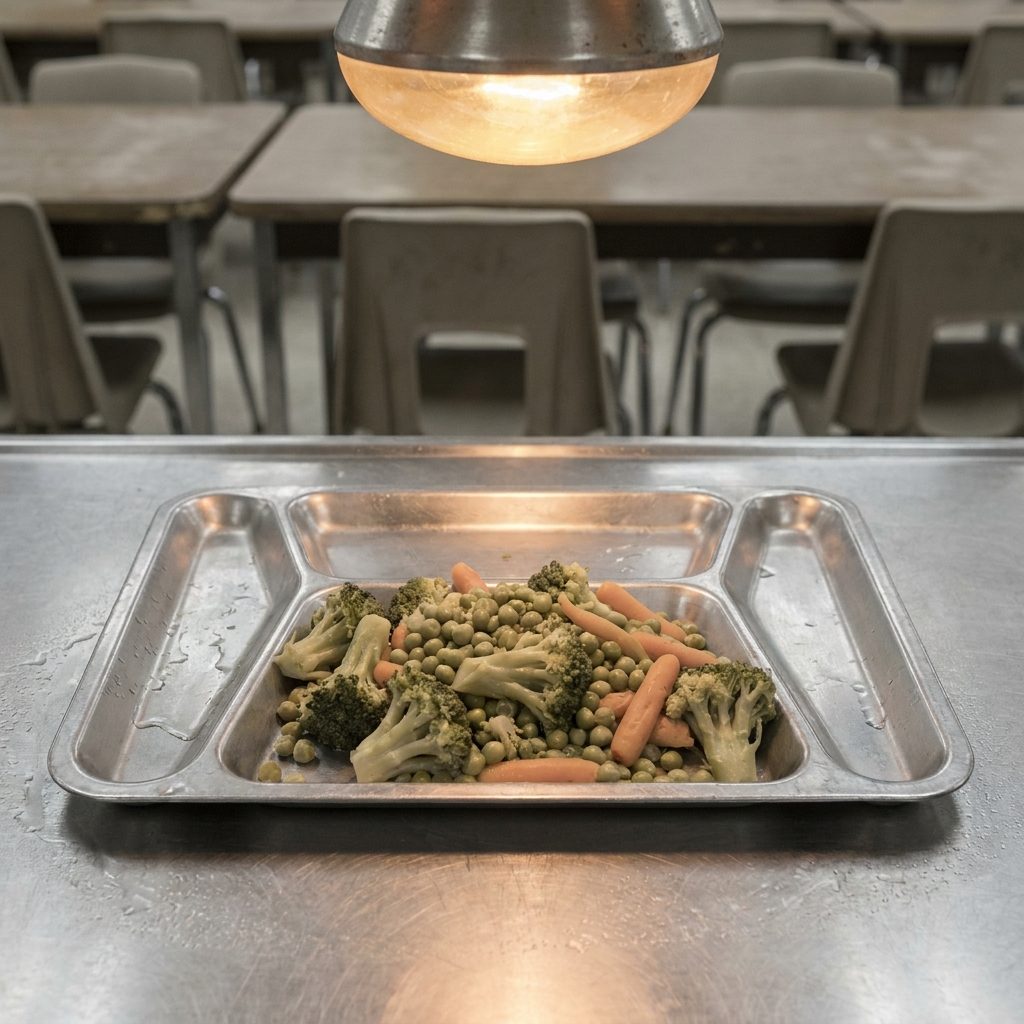
The color told you everything. Carrots, peas, corn, and green beans, all boiled or steamed under a heat lamp until they surrendered any texture they’d ever had. Peas dented under the spork. Carrots turned to paste.
Most kids arranged them into a small pile they had no intention of eating, then covered them with a napkin as a decoy. The lunch lady scooped them onto every tray anyway, faithfully, day after day. Somewhere in there were still nutrients, though the long cooking did the texture no favors.
13. The Ketchup-as-a-Vegetable Proposal That Became a National Punchline
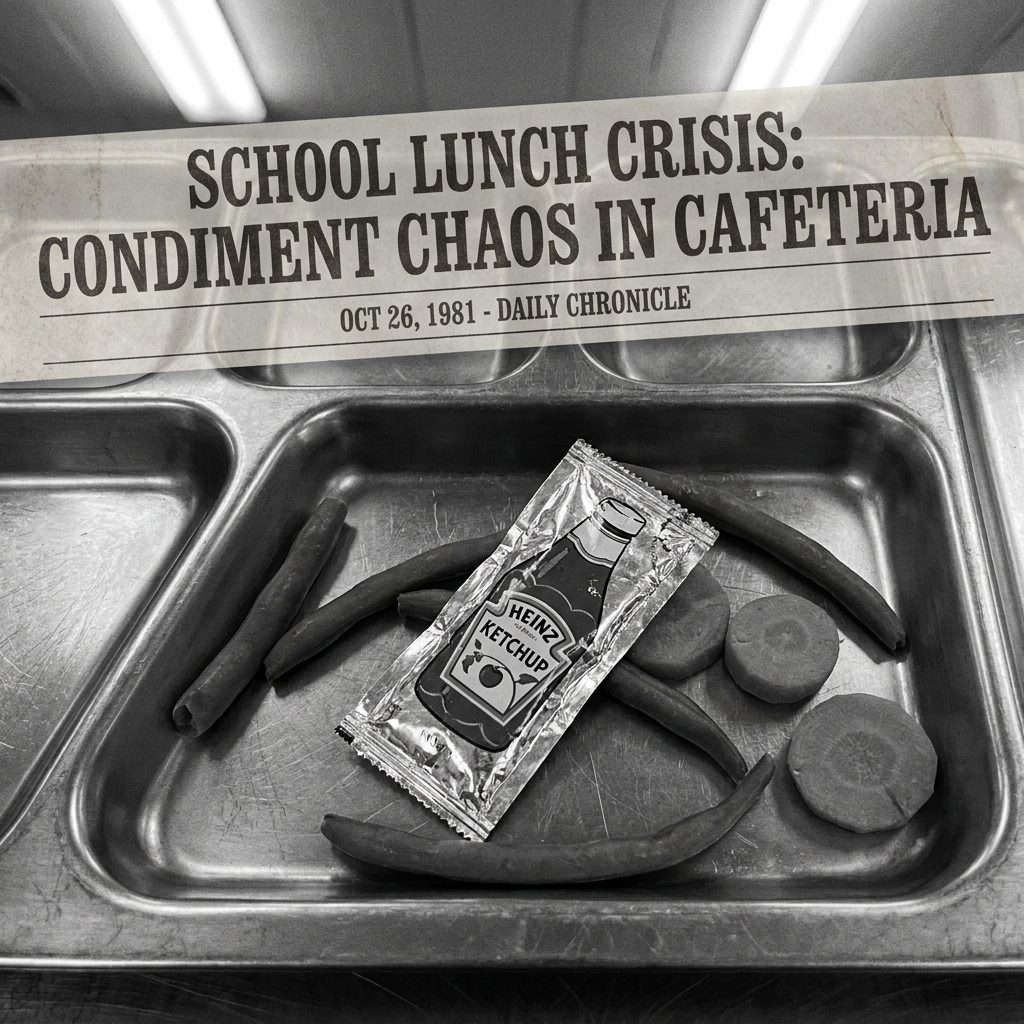
This is the one that made national news. In 1981 a federal proposal floated letting condiments like ketchup count toward the vegetable requirement in school lunches, a cost-cutting move that got shredded in the press and pulled fast.
The story stuck for a reason. Every kid who ever squeezed a red pool onto a beige tray had a moment of quiet suspicion that this was somehow the healthy part. It wasn’t. But the notion that a smear of tomato paste could stand in for a serving of greens tells you exactly how the math worked back then.
12. Salt Shakers Sitting Right Out on the Table
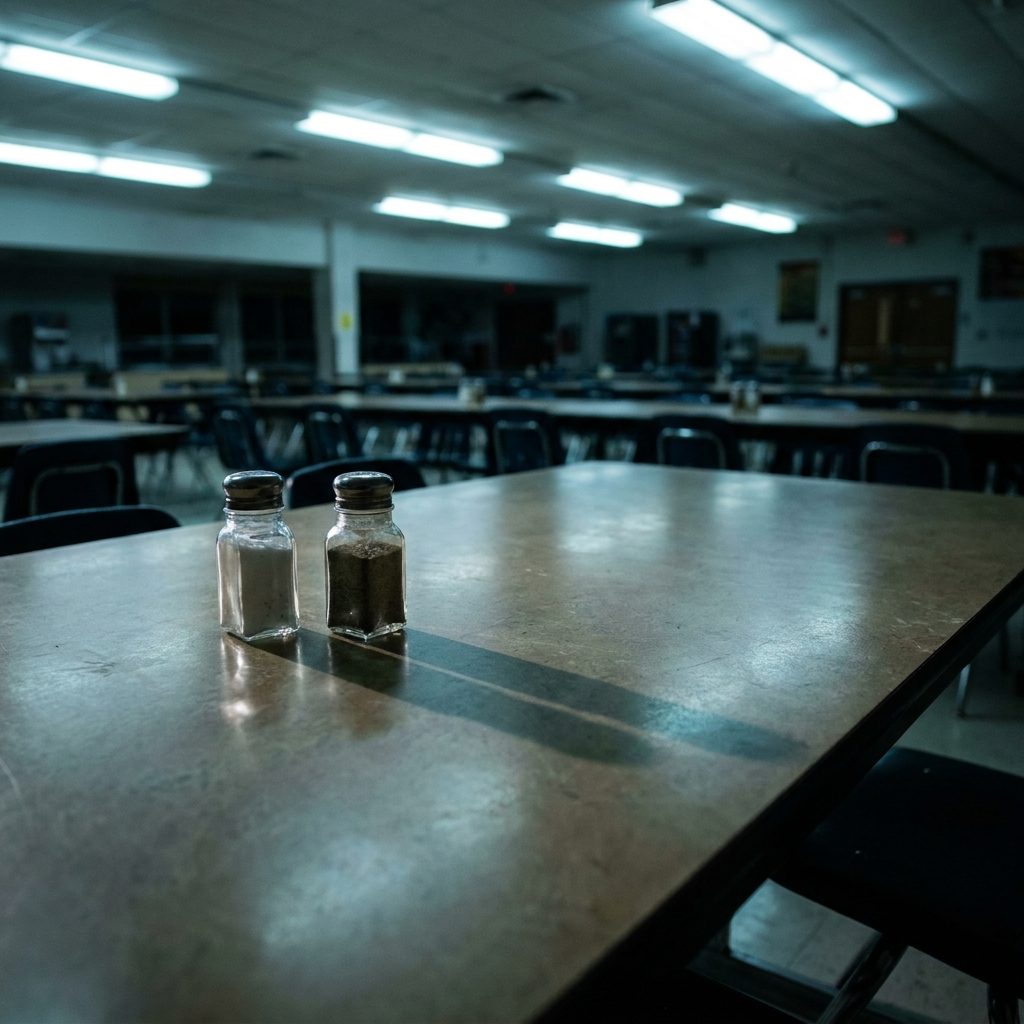
They just sat there. On every table, all day, refilled by whoever refilled them, available to any kid who wanted to bury a scoop of vegetables under a snowdrift of salt.
Nobody tracked it. Nobody measured it. Modern school-meal programs work under much tighter sodium standards, and an unlimited shaker on every table would draw far more scrutiny. Back then it was furniture—you shook, you tasted, you shook again, and the glass shaker with the crusty chrome top was as much a part of the table as the woodgrain itself.
11. The Foam Tray That Squeaked Under Your Spork
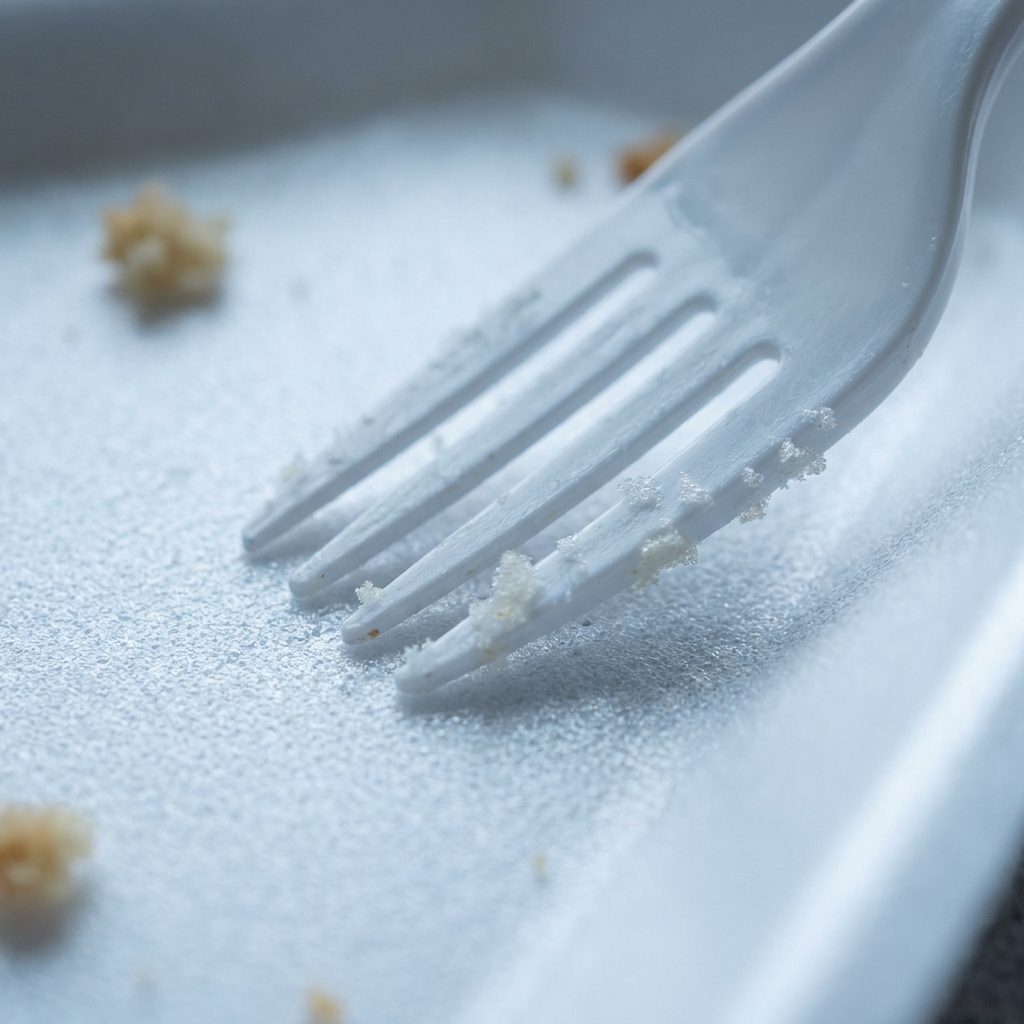
You could hear the whole cafeteria eating. That squeak of plastic spork dragging across foam, multiplied by three hundred kids, was the soundtrack of lunch.
The trays came in a tall stack, weighed almost nothing, and went straight into the trash at the end. Nobody thought twice. A cafeteria today would look at a mountain of single-use foam and see a long-lived landfill problem. In 1985 it was just what lunch came on—white and squeaky and gone by 12:30.
10. The Plastic Spork That Snapped Before It Cut Anything
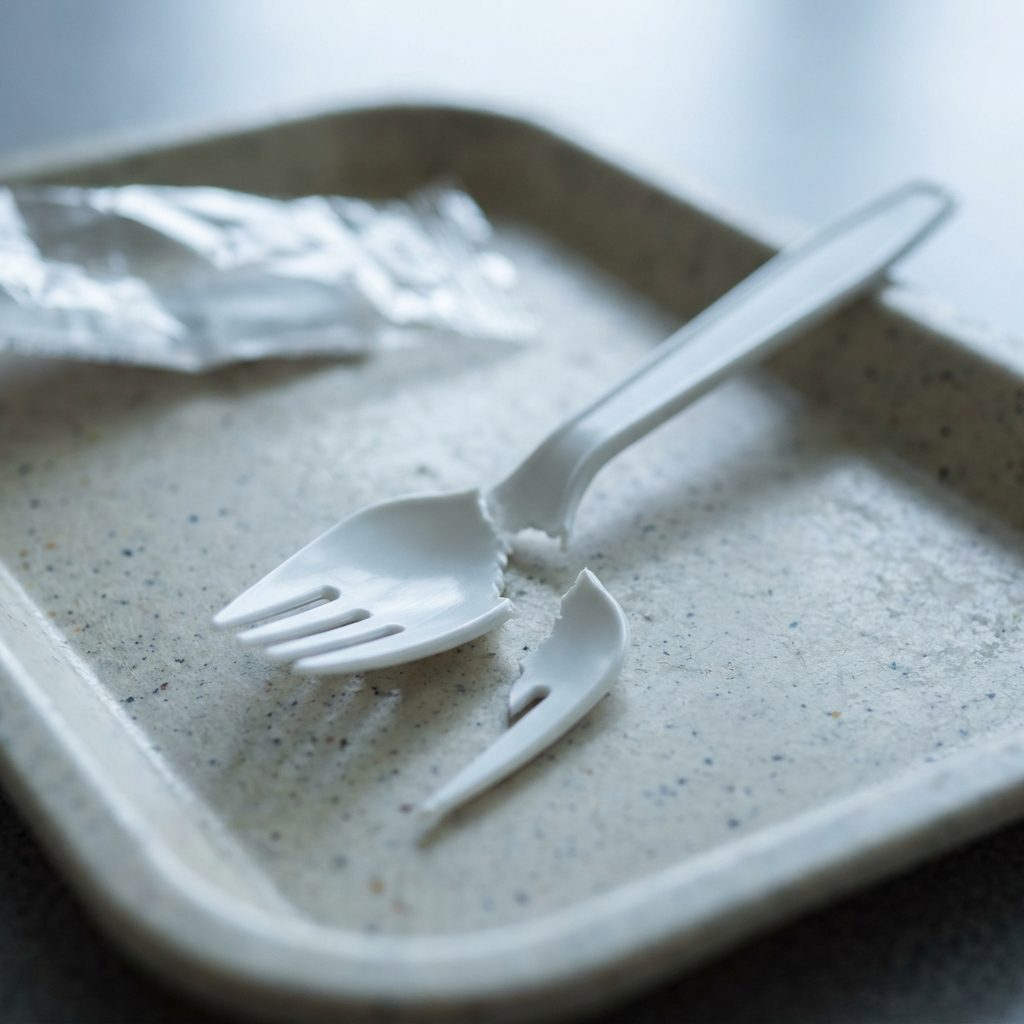
Neither fork nor spoon, and bad at both. The tines were too short to spear anything and the bowl too shallow to scoop, so you ended up chasing peas around the tray while the whole thing threatened to crack at the neck.
Try to cut a chicken patty and it snapped clean in half. Every kid knew the trick of pressing down slow. The yellow spork was a small daily lesson in low expectations, and somehow we all made peace with it.
9. The Lunch Lady Serving Everything by the Scoop, No Choices
Would you like to save this?
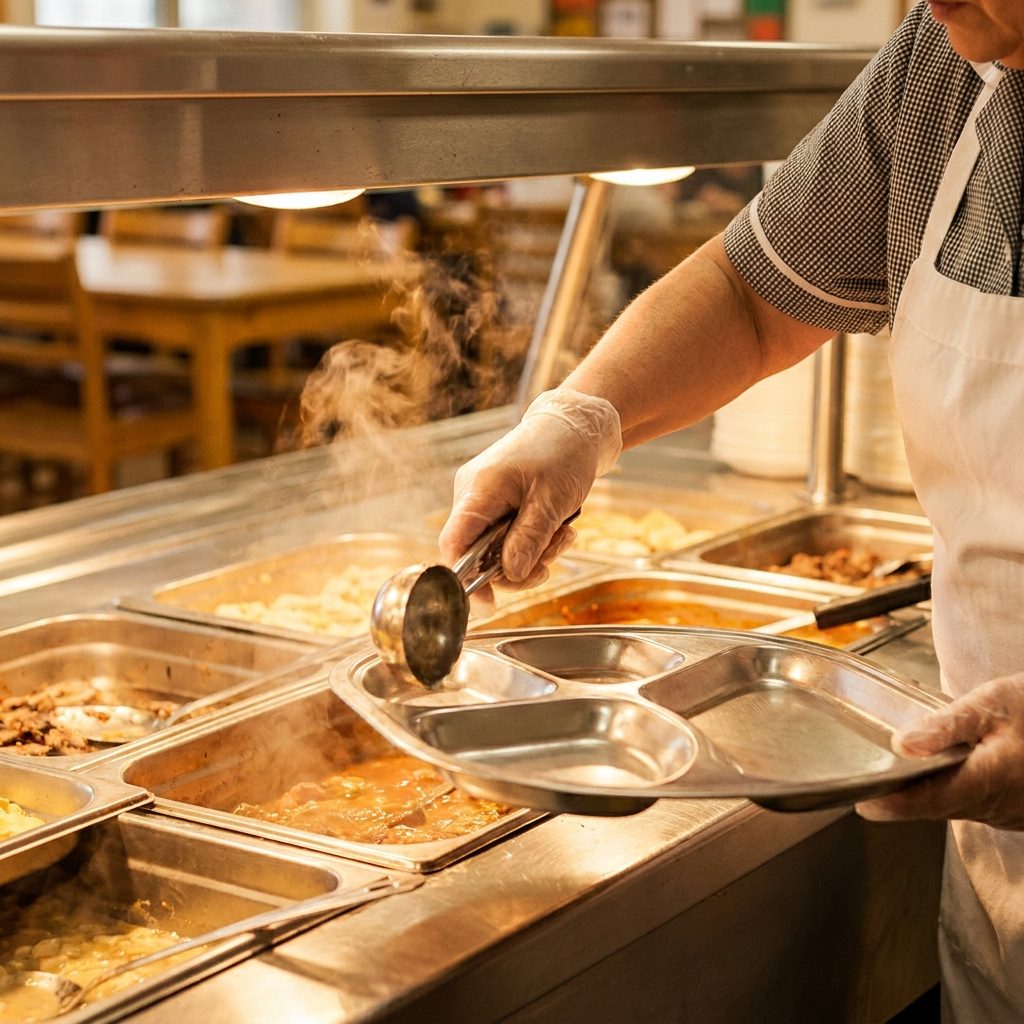
She had one scoop and a system, and neither one included your opinion. The metal disher hit the pan, hit your tray, and you moved along. You got what she gave you, in the amount she decided, and the line did not stop for negotiation.
There was a strange comfort in it. No menu, no build-your-own bowl, no seventeen options—one tray, one scoop per compartment, one carton of milk plunked on top. The cafeteria worker in the hairnet ran that line like a factory floor, and the whole school ate at the same rhythm because of her.
You didn’t order lunch in 1985. Lunch was handed to you, and you said thank you, and you meant it.
8. The Cafeteria Ladies in Hairnets Who Knew Your Name
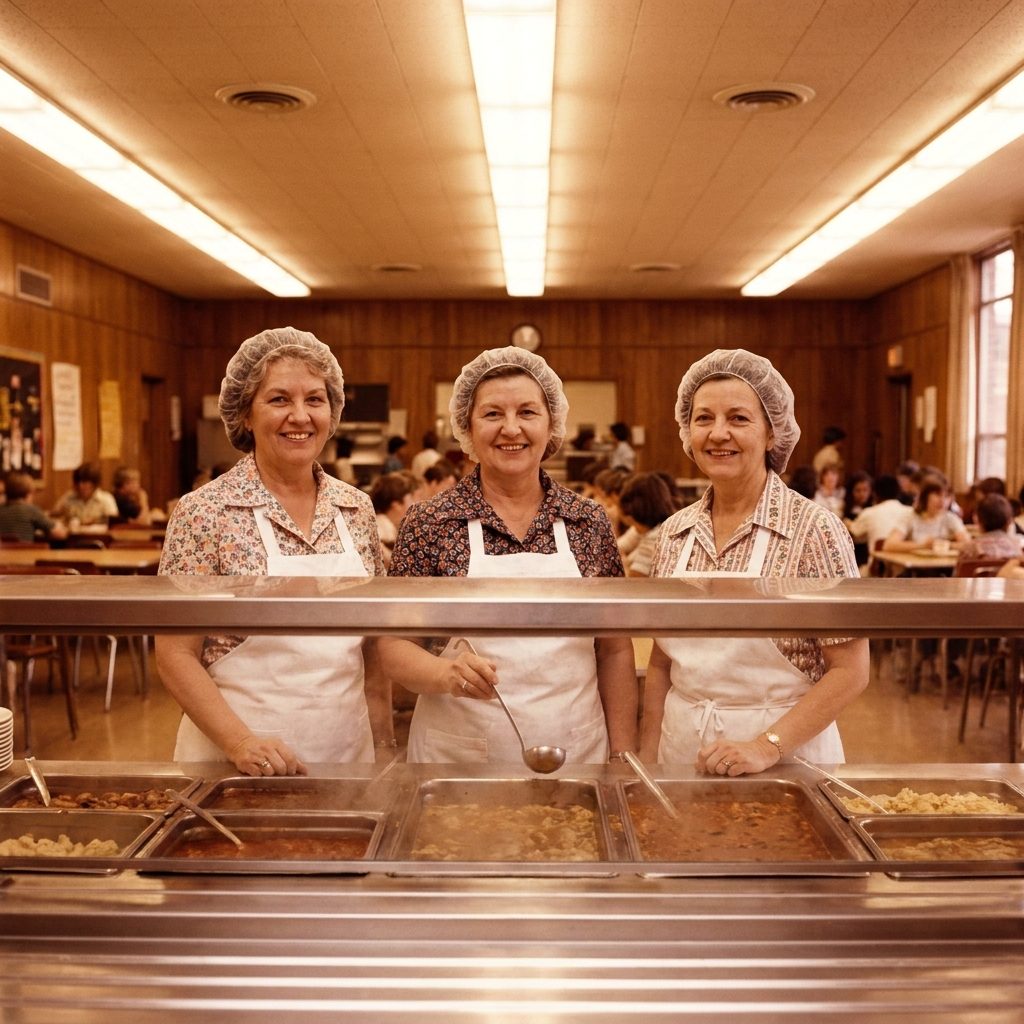
They stood behind the steam table in white aprons and hairnets, ladling out sloppy joes and rectangular pizza with the practiced speed of people who had been doing it for years. What nobody tells you about those women is how much they saw. They knew which kids came through the line hungry and which ones picked at everything.
Every so often, one of them would slide an extra roll onto your tray without a word. You’d get the same tired joke about eating your vegetables, delivered in the same tired voice, and somehow it landed as affection. They weren’t trying to run a restaurant. They were feeding a couple hundred children a day on a budget that would make a line cook weep, and they remembered your name while doing it. That last part still gets me.
7. Nobody Saw a Calorie Count Anywhere on the Tray
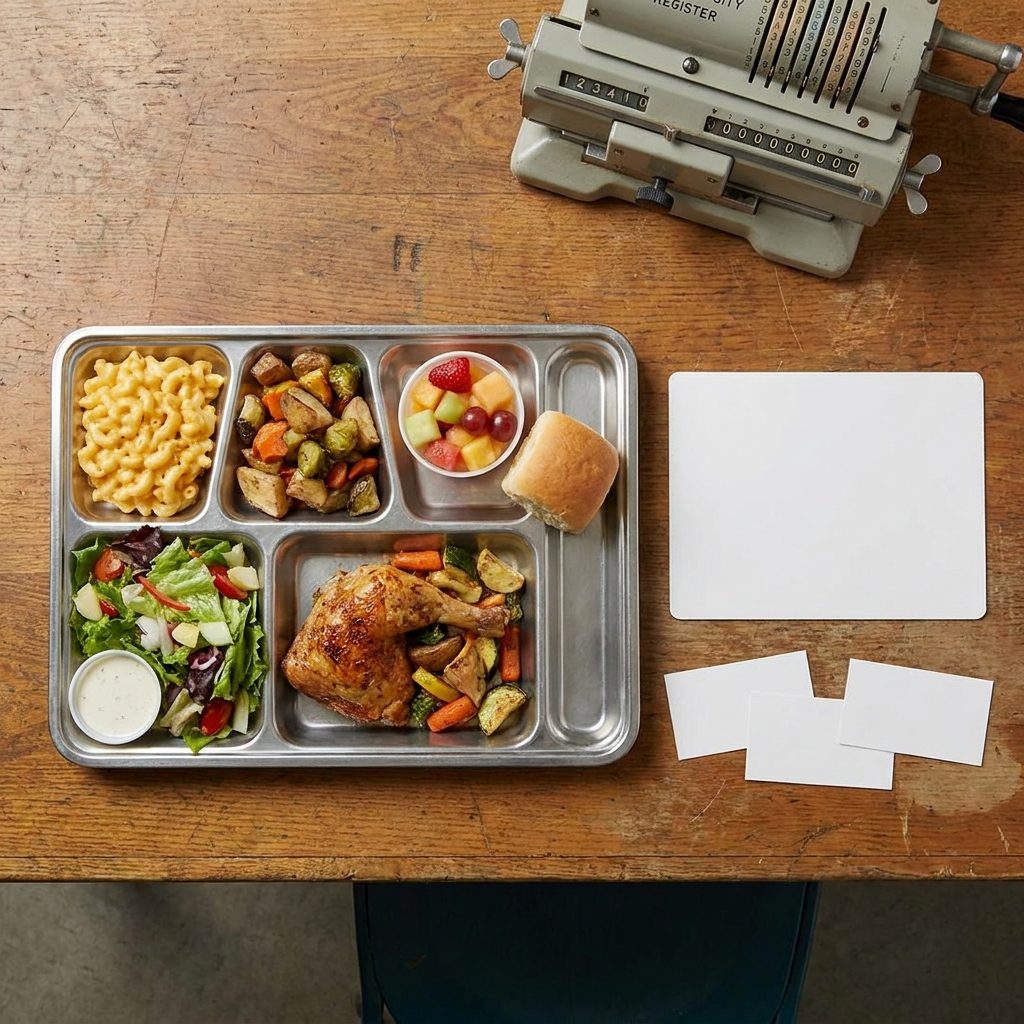
There were no numbers anywhere. Not on the milk carton, not stamped into the pizza, not printed on some poster by the door. You got mashed potatoes with a well of brown gravy, a square of institutional pizza going slightly greasy at the edges, canned corn, and a pudding cup, and the only question anyone asked was whether you wanted seconds. Calories were not part of the visible conversation in most school cafeterias. Fat grams, sodium, and added sugar rarely appeared where students could see them. The pudding cup was just dessert, the whole milk was just milk, and the tray was the tray. Kids ate, went back to class, and carried on without anyone tallying the meal in front of them. Honestly? There was a kind of peace in not knowing.
6. The Great Lunch Table Barter Economy
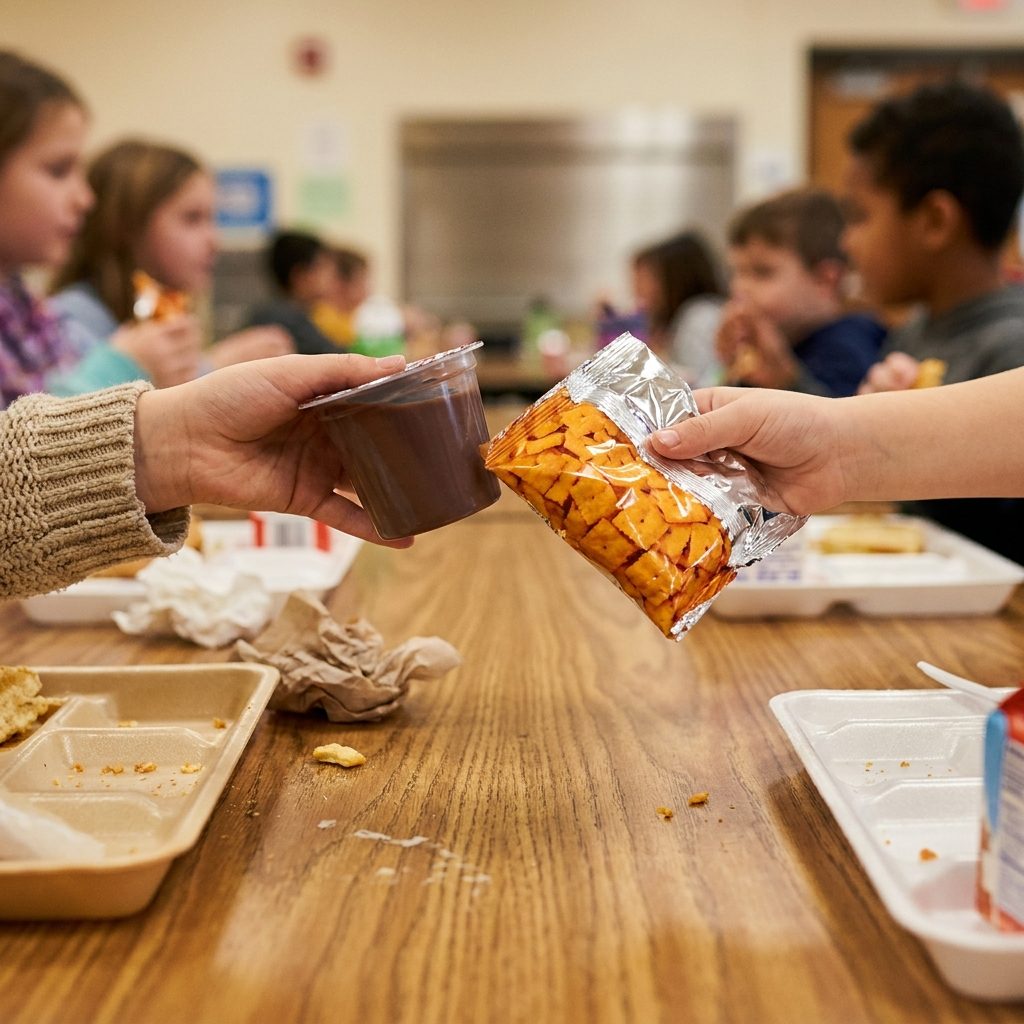
Every cafeteria ran a shadow market, and the pudding cup was gold. A chocolate pudding could get you a bag of cheese crackers, half a snack cake, sometimes an entire dessert if the other kid was desperate enough. Peanut butter sandwiches traded low. Bruised apples traded lower—those were practically currency you couldn’t give away. There were rules nobody wrote down: flavored milk outranked plain, a factory-sealed snack cake beat anything homemade, and reneging on a deal got you a reputation by Thursday. Kids who couldn’t do long division could run these negotiations like Wall Street traders. It was the first economy most of us ever touched, and we learned supply and demand across a laminate table one pudding cup at a time.
5. Peanut Butter Sandwiches for Everyone, No Questions Asked
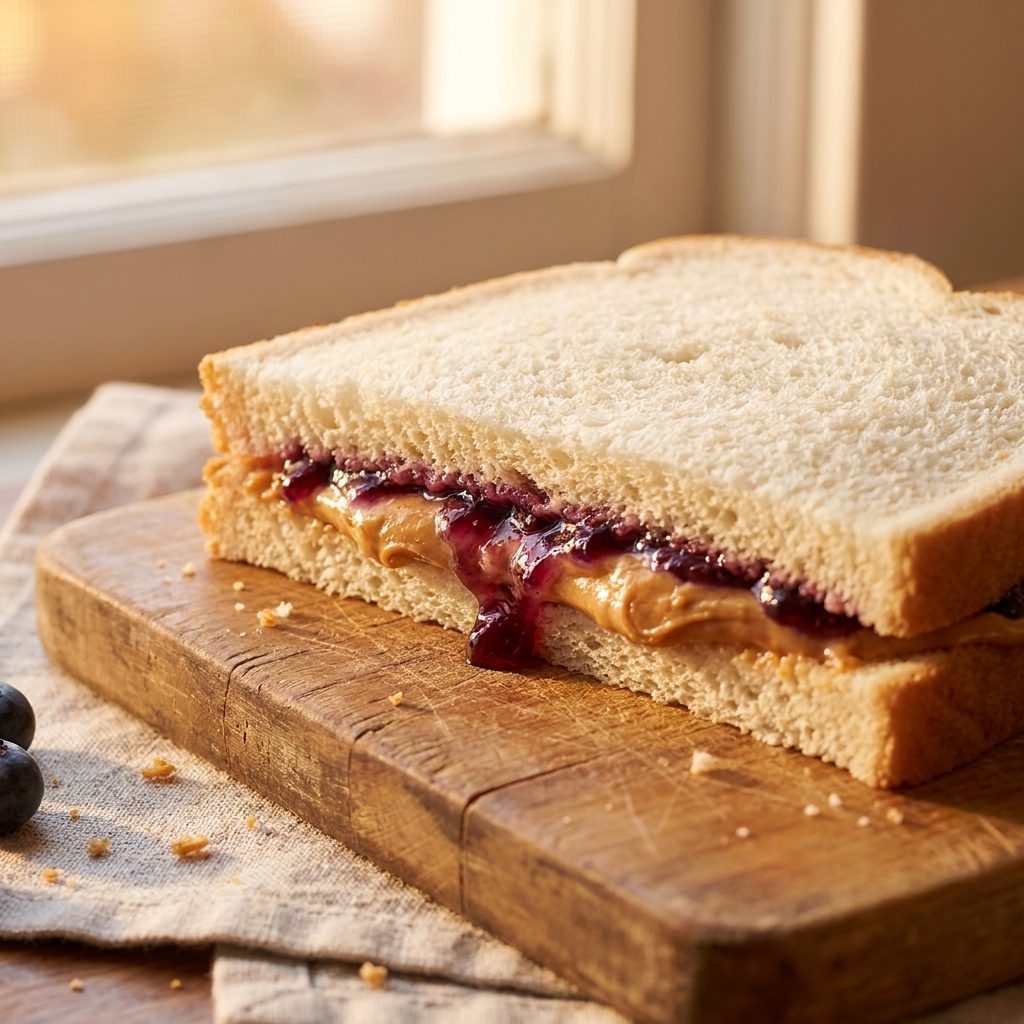
Peanut butter and grape jelly on white bread, cut on the diagonal, jelly bleeding into the peanut butter at the edge—that was the fallback lunch, and it was everywhere. Forgot your money? Peanut butter sandwich. Didn’t like what was on the tray? Peanut butter sandwich. The big industrial jar sat on the prep counter next to a loaf of white bread, and the lunch ladies could assemble one in a few seconds flat. Peanut allergies existed, but many schools had not yet built the formal policies, separate tables, and ingredient controls that are common now. These days a single jar of peanut butter in a school can trigger a policy review, and maybe that’s the right call—I’m not the one to say. But it does mark just how far we’ve traveled from a time when the answer to a hungry kid was a sandwich and a shrug.
4. Rotating Desserts Filled the Last Compartment on the Tray
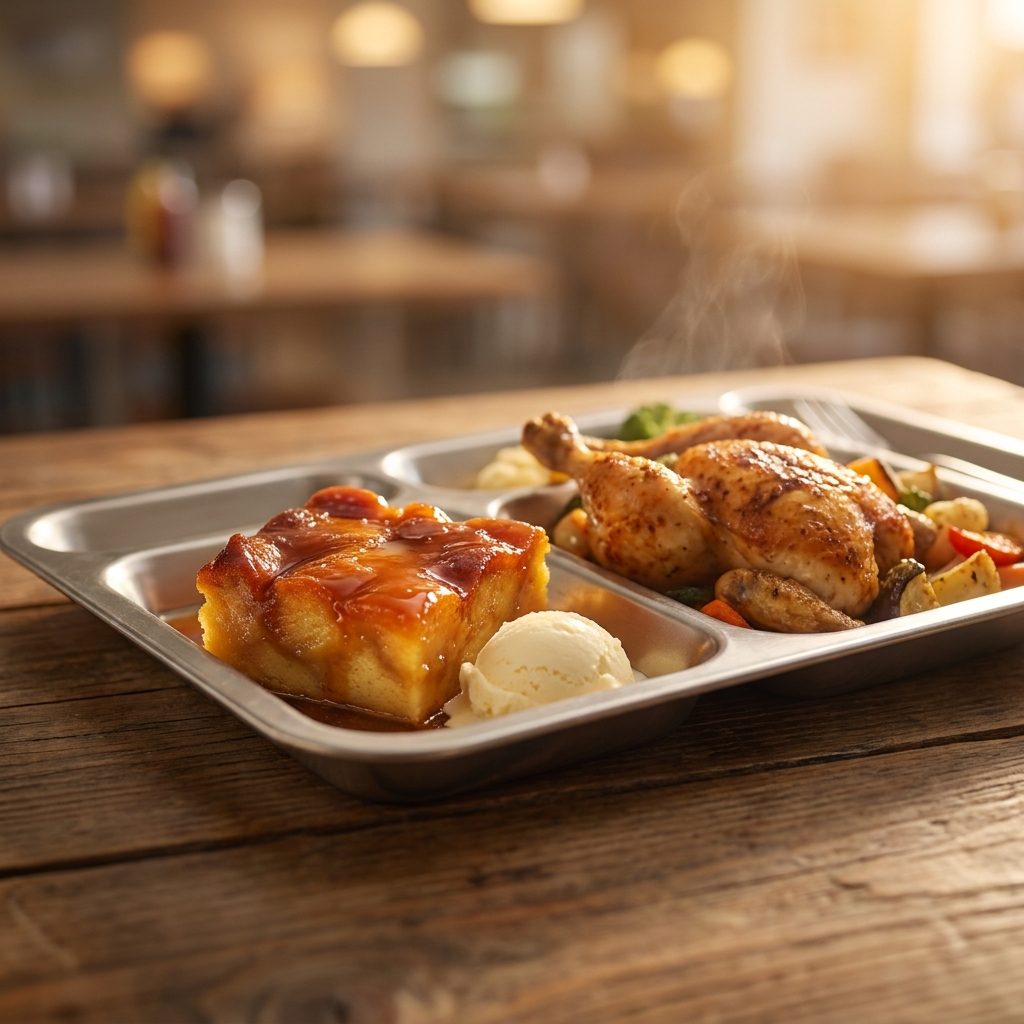
Dessert often wasn’t treated like a reward. It was simply the last compartment on the tray: pudding one day, a peanut butter cookie the next, fruit crisp, Jell-O, an ice cream cup, or a square of cake when the kitchen had baked a sheet pan.
No one made you earn it or held it hostage until the green beans were gone. On those days, dessert was simply part of lunch, and not knowing what would fill that final compartment gave the line one more thing to look forward to.
3. Government Cheese and the Mystery of Commodity Foods
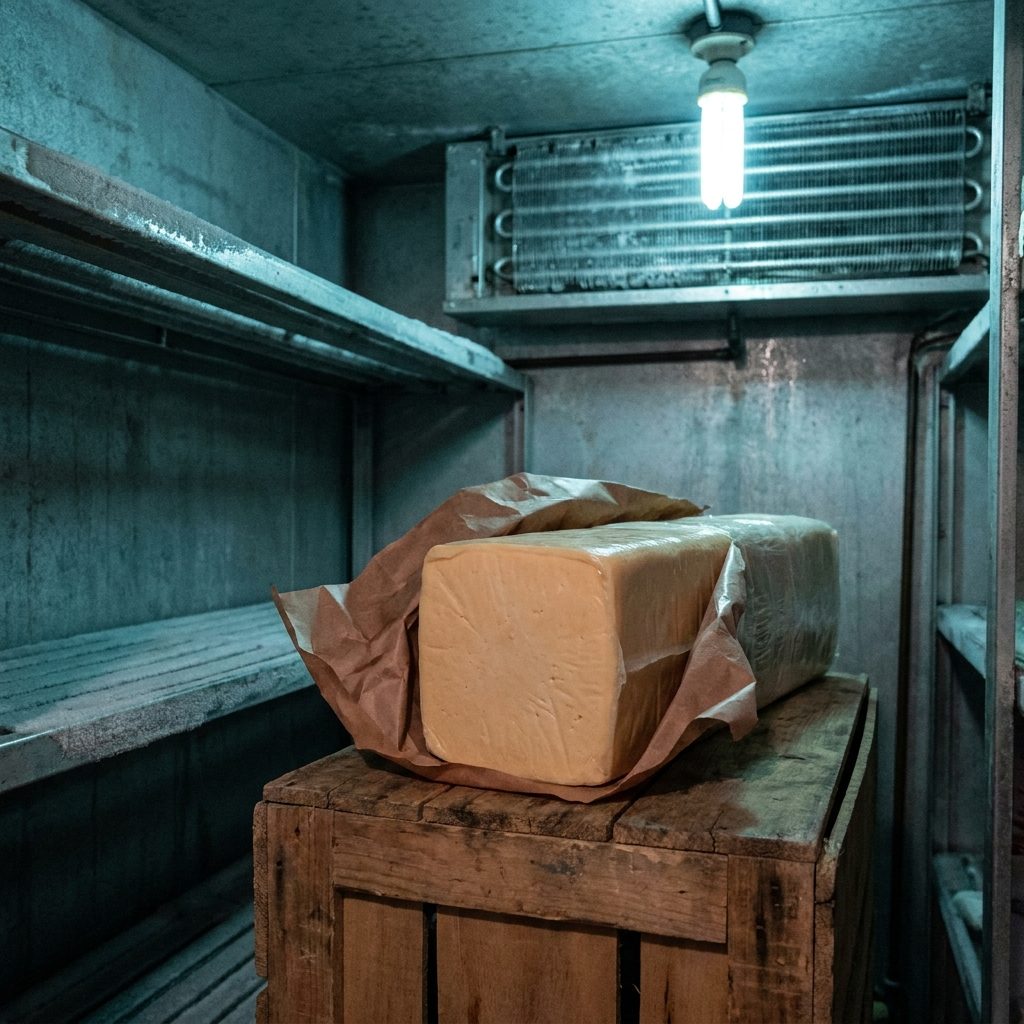
Somewhere behind the serving line, in a walk-in most kids never saw, might sit a block of commodity cheese. Pale orange, dense, and plainly wrapped, it carried none of the cheerful branding kids recognized from grocery-store cheese. It arrived through federal commodity programs alongside large cans of vegetables and fruit, bulk flour, and other staples meant to stretch school-meal budgets. But that cheese—that cheese was legendary. It melted smoothly into grilled sandwiches and macaroni, and people who grew up on it still talk about it with a straight-faced reverence usually reserved for a grandmother’s recipe. Commodity food was the quiet backbone of the whole operation. It fed a generation on surplus and paperwork, and somehow the cheese turned out to be the best part.
2. That Smell That Hit You in the Hallway Before You Even Saw the Food
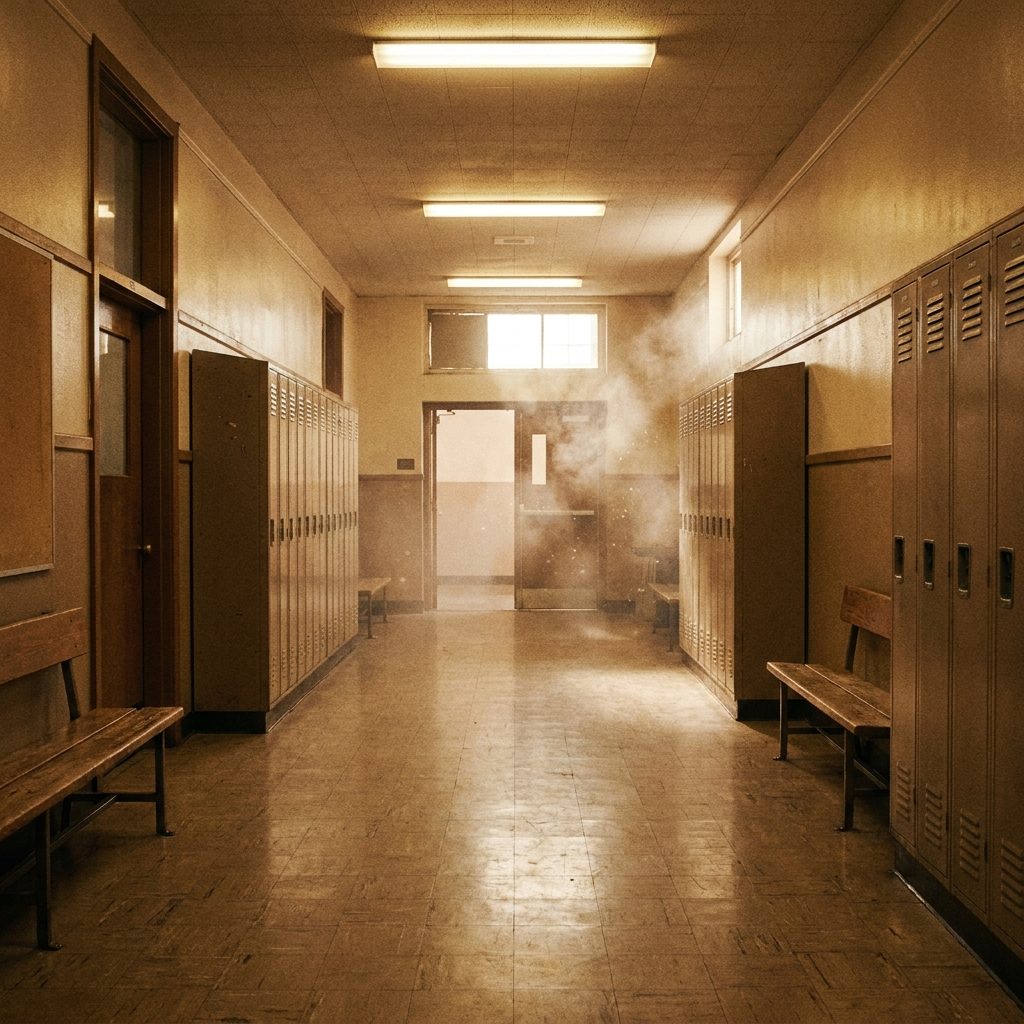
You knew what was for lunch before you turned the corner. The smell traveled the length of the hallway and hit you somewhere around the lockers—warm bread, tomato sauce, industrial cleaner, and underneath it all that steam-table funk that every cafeteria in America seemed to share. Some days it was good news. Pizza day announced itself like a holiday. Other days you caught the specific dread of canned green beans and mystery meat and started planning your trade before you’d even walked through the doors. It felt like the same smell in every school, cinderblock walls and speckled floors humming with fluorescent light, and I could pick it out of a lineup today with my eyes shut. That corridor was pure anticipation, food you couldn’t see yet already filling the air.
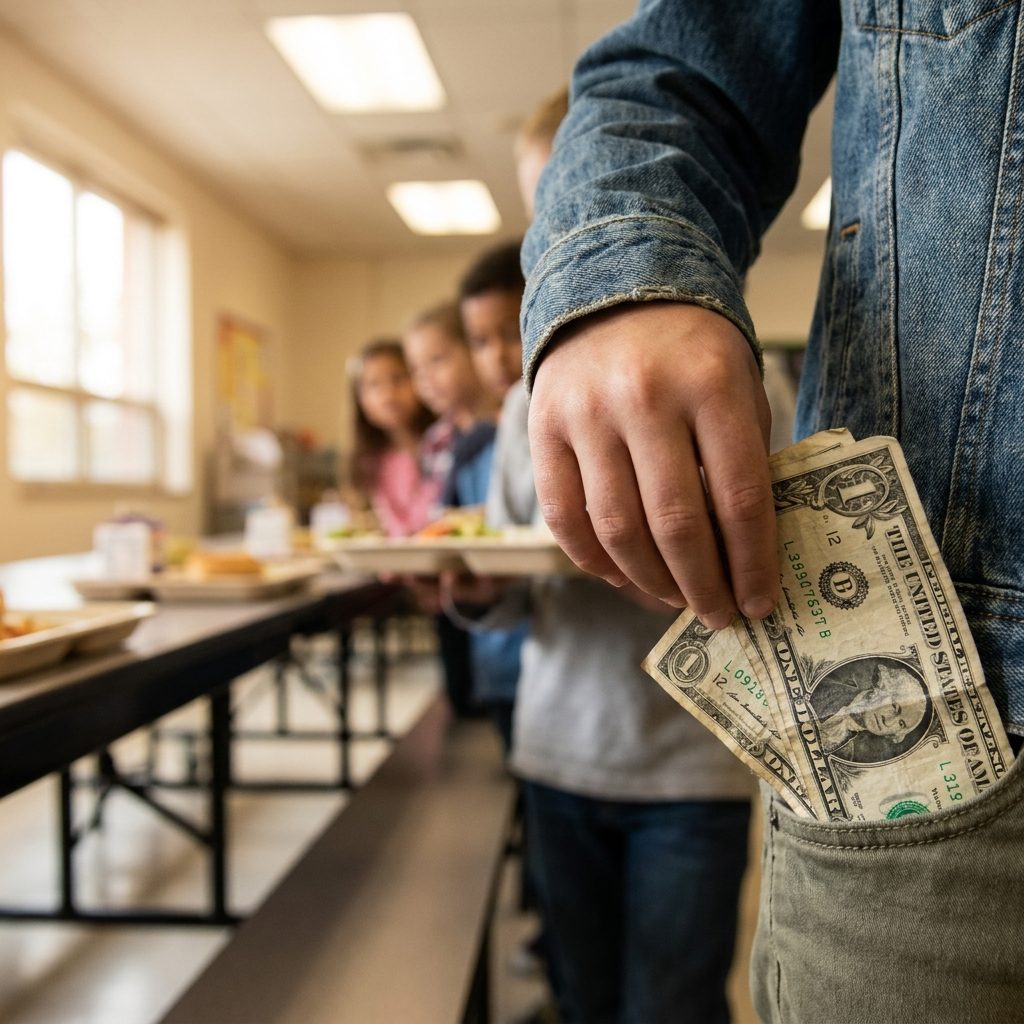
1. Fishing Crumpled Dollar Bills Out of Your Pocket in the Lunch Line
Lunch often meant actual cash, and you carried it in your pocket. Not a card, not an account your parents topped up online—a crumpled dollar bill and whatever coins had gone through the wash with your jeans. You’d reach the end of the line, dig out the wad, and try to smooth it flat enough for the lady at the register to take it. The register was ancient, all mechanical clunk and metal drawer, and the cash box beside it held a jumble of soft, wrinkled bills and loose change. Forget your money and the whole thing could turn into a small crisis to sort out with the office or the person at the register. It was grubby and human and completely analog, and you learned to guard those dollars like they were the last ones on earth.