Would you like to save this?
A century ago, nobody paid good money for the thymus gland of a calf. You got it free, or close to it, because the butcher wanted it gone. Now it sits on a tasting menu under a brown-butter glaze and costs more than the steak your grandfather would’ve picked without blinking. The story repeats across the whole kitchen. Peasant food, immigrant food, whatever-was-cheap food — all of it wandered uptown and came back wearing a price tag. Here are the humble things that got rich.
Please note that some of the images in this article were created with the assistance of AI.
47. Sweetbreads: Thymus Offal That Talked Its Way Into the Tasting Menu
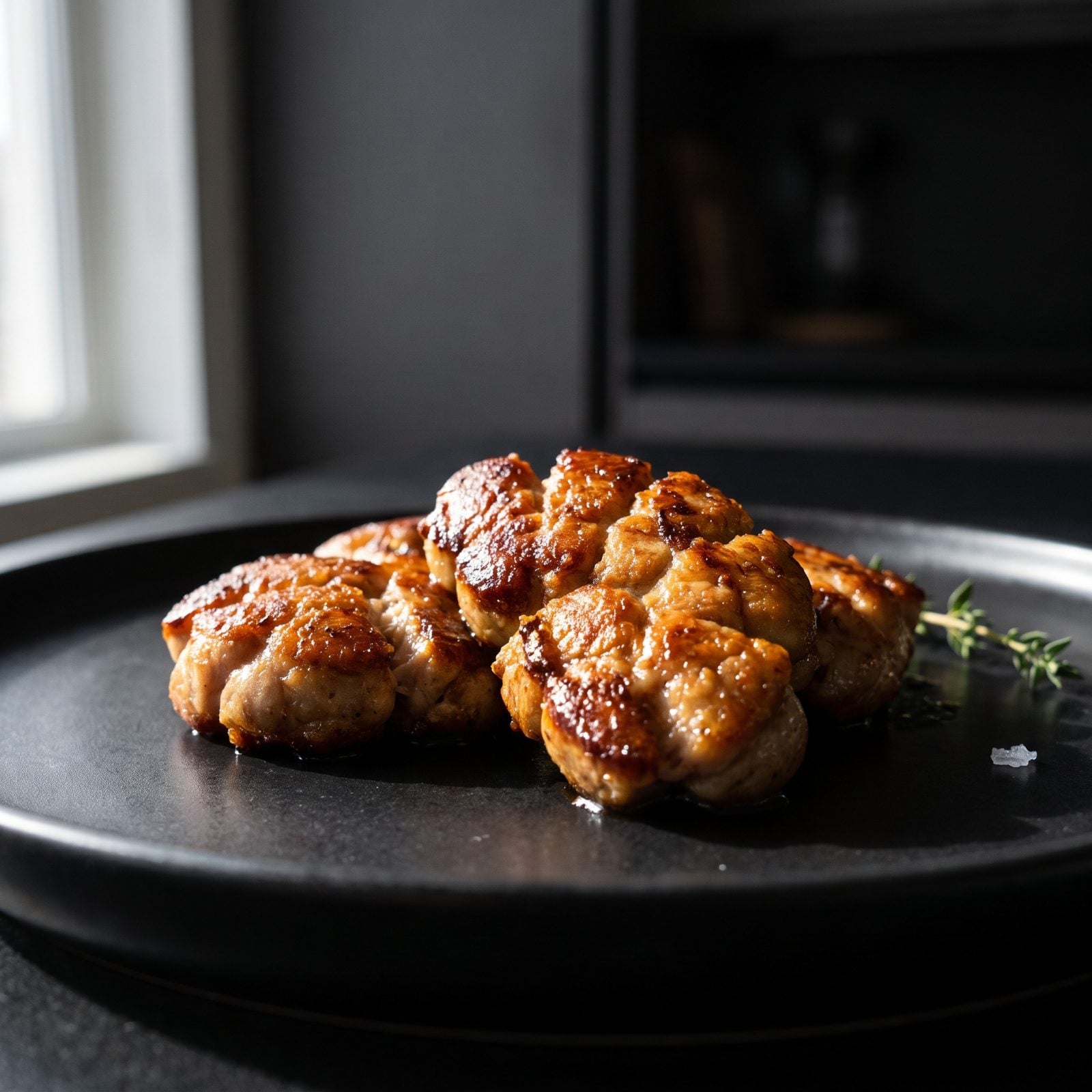
Nobody raised a calf for its thymus gland. Sweetbreads were the throwaway, the organ the butcher slipped in to clear the counter. French cooks knew better — soaked, pressed, floured, and seared, they turn custardy inside with a crust that crackles.
The trick that fooled everyone was texture. Done right, sweetbreads don’t taste organ-y at all; they read like the richest chicken you’ve ever had, and that misdirection is exactly what let a free scrap command thirty-plus dollars on a white-tablecloth menu.
46. Monkfish: The Ugly Catch Rebranded as Poor Man’s Lobster
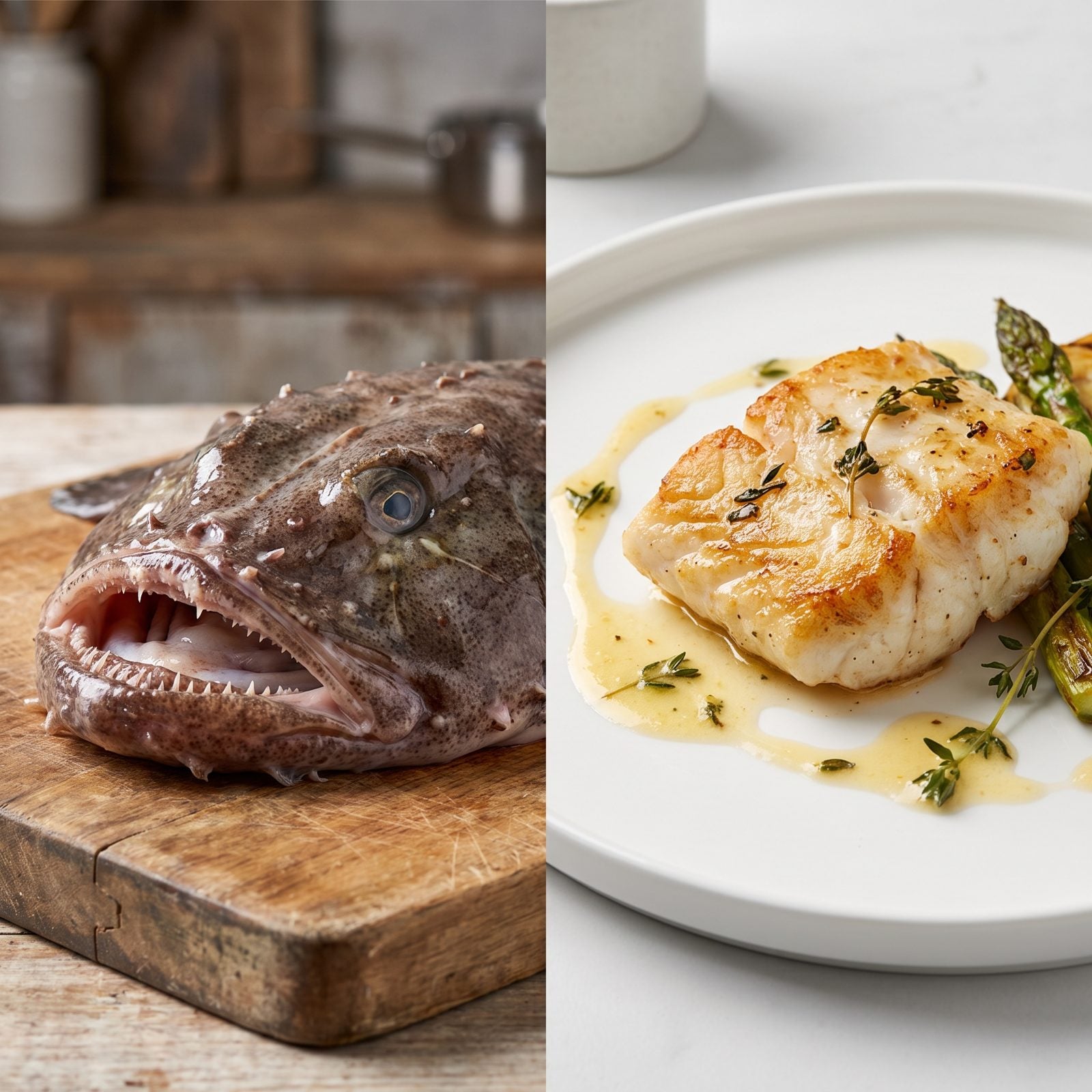
The monkfish is genuinely hideous. Enormous mouth, flat alien head — the kind of face that got it tossed back for generations, or sold only to people who knew the secret.
That secret is the tail. Dense, sweet, firm enough to hold a sear, it eats remarkably close to lobster at a fraction of the old price. Once chefs started calling it “poor man’s lobster,” the poor-man part quietly fell off the invoice.
45. Bone Marrow: The Butcher’s Giveaway Turned Roasted Bistro Icon
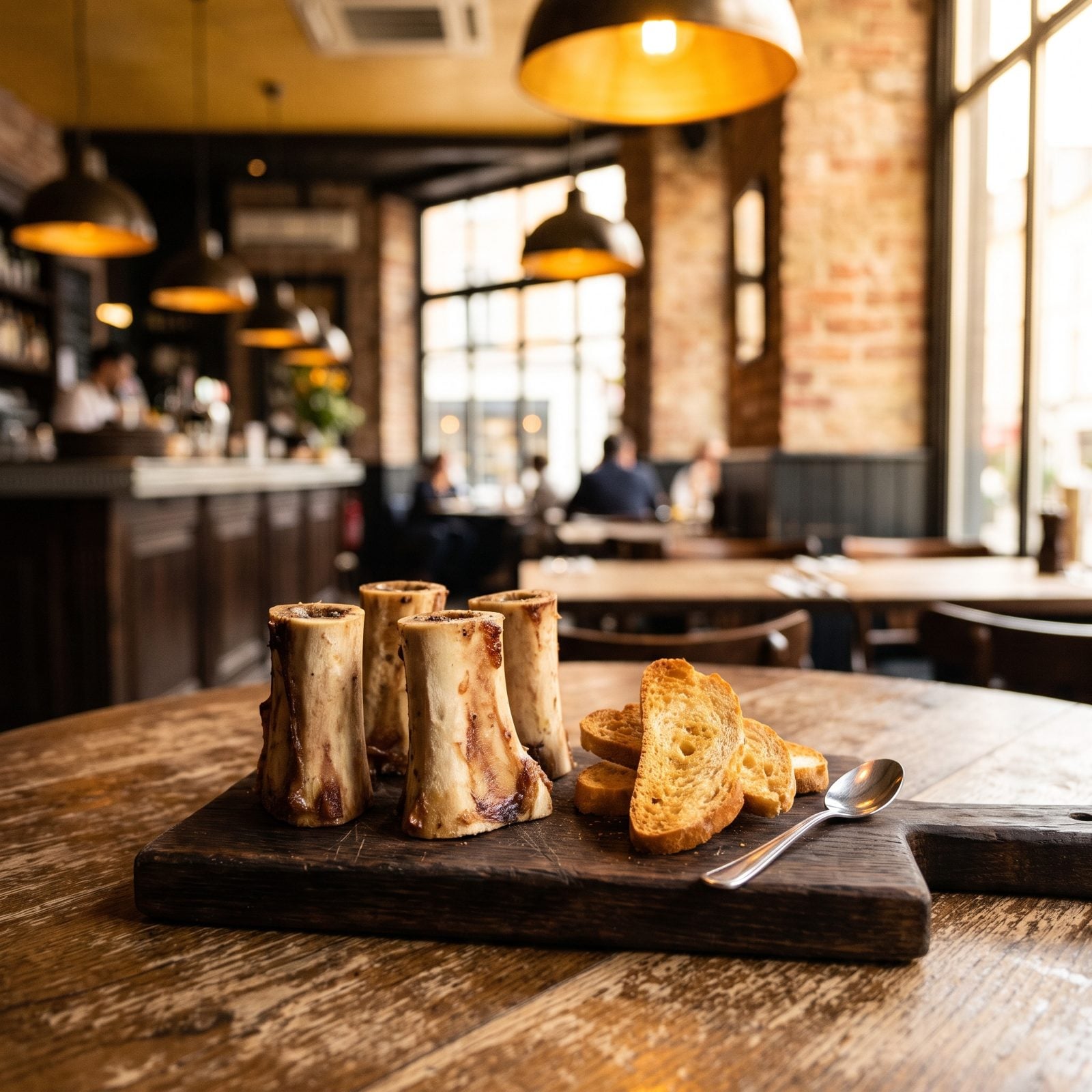
Marrow bones used to go home with the dog, or into the stock pot, or straight into the bin. Free, basically. Then roasted marrow with toast and parsley salad showed up at a London bistro in the 1990s and became one of the most copied plates in the business.
What sells it is the ritual. You scoop warm, fatty, nutty marrow onto crisp toast, pile on the sharp parsley salad, and the cheapest thing in the kitchen suddenly feels like an indulgence you earned.
44. Oysters: Street Food of the Working Poor, Now the Priciest Thing on Ice
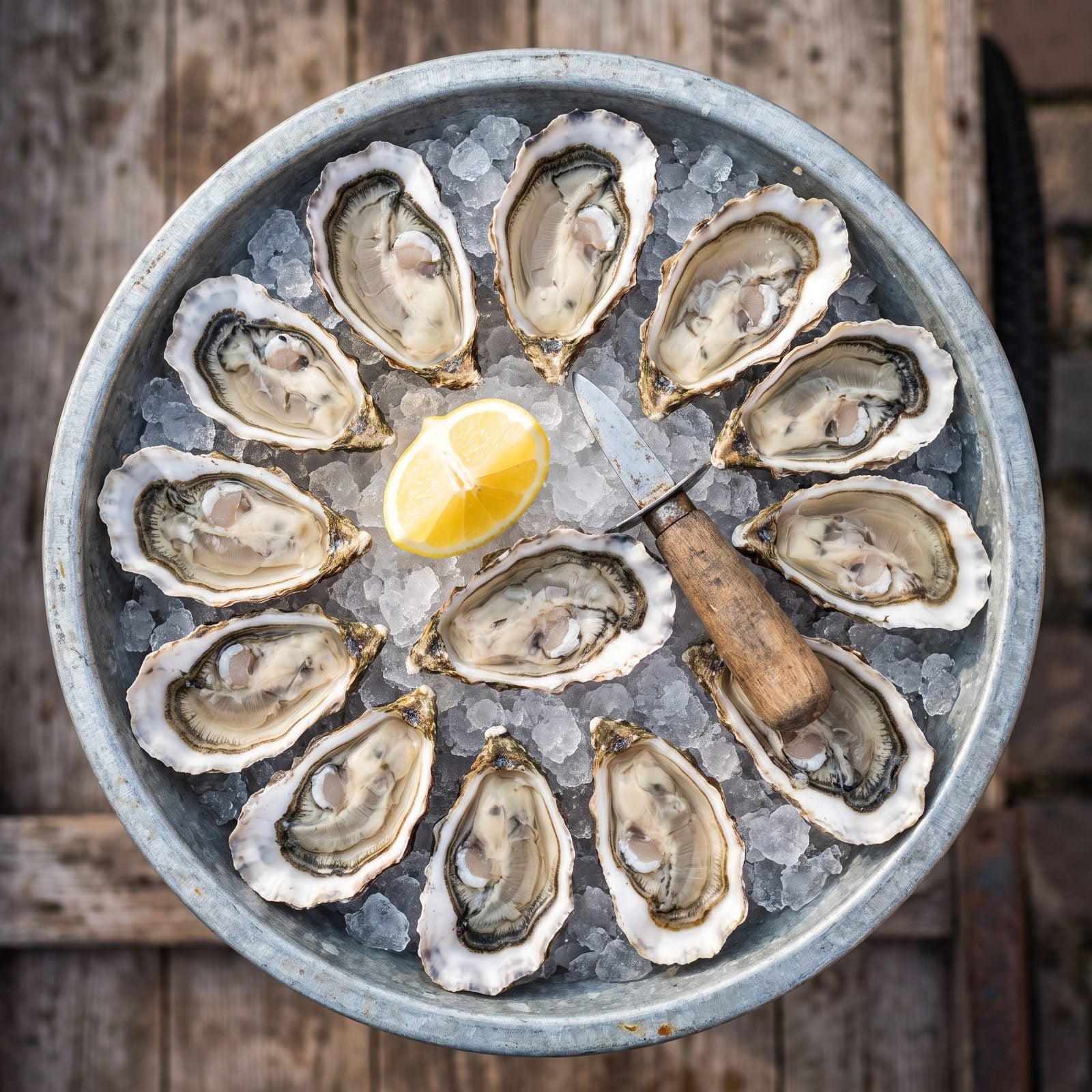
In 19th-century New York and London, oysters were what you ate when you couldn’t afford meat. Cart vendors sold them by the dozen to dockworkers — the hot dog of their day, cheap and everywhere.
Then overharvesting and pollution gutted the beds, supply collapsed, and scarcity did what scarcity does. Today a single oyster can run four dollars, and the raw bar is where people go to feel fancy about swallowing something a stevedore ate for lunch.
43. Hanger Steak: The Cut Butchers Used to Keep for Themselves
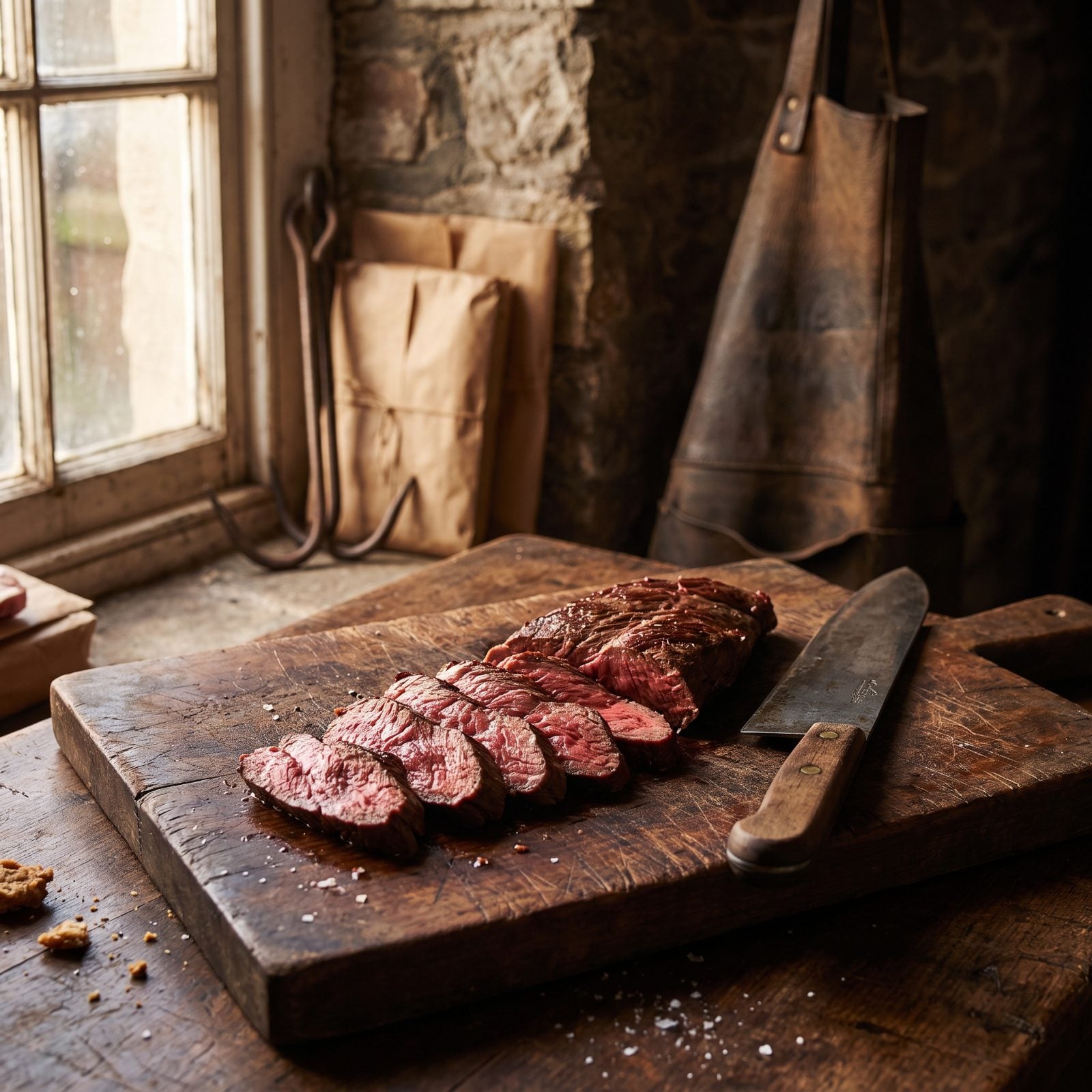
They called it the “butcher’s cut” for a reason. There’s only one hanger per animal, it looks unimpressive, and butchers quietly took it home instead of putting it out front.
Loose grain, a mineral beefiness most cuts can’t match, and it drinks up a marinade like nothing else. Once bistros figured out it rivals a ribeye for a fraction of the cost, the secret got out and the price followed. The butchers are not thrilled.
42. Oxtail: The Bony Afterthought That Braised Its Way to the Top of the Menu
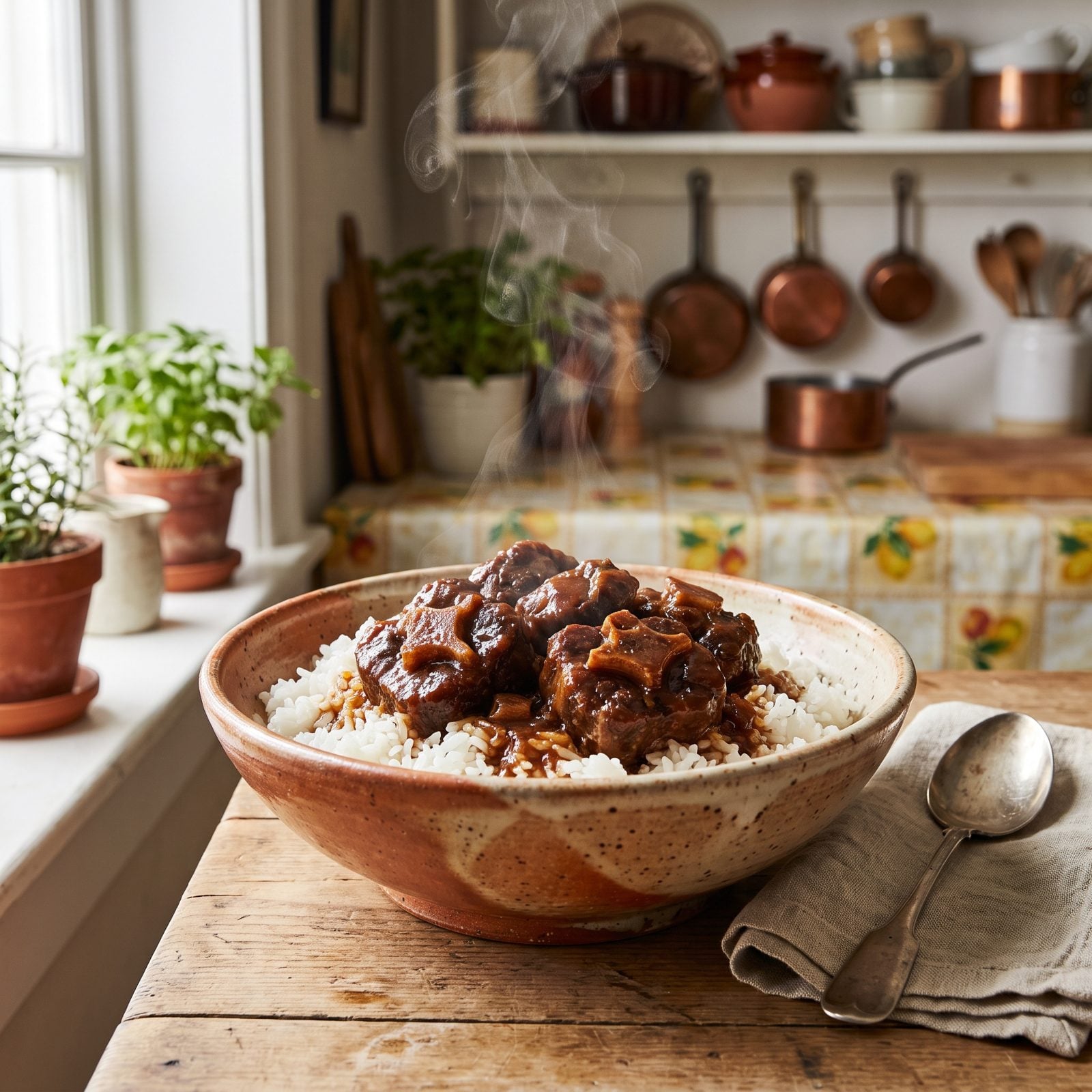
Oxtail is mostly bone. For generations that made it cheap — the cut immigrant kitchens and Caribbean cooks turned into something extraordinary because they had to.
Here’s the irony. All that bone and connective tissue is precisely why a slow braise turns oxtail into silk. The collagen melts into gelatin, the sauce goes glossy without a drop of thickener, and now the “cheap” cut outprices stewing beef two to one. Trend demand caught up with it.
41. Beef Tongue: The Deli Economizer Reborn as a Chef-Driven Small Plate
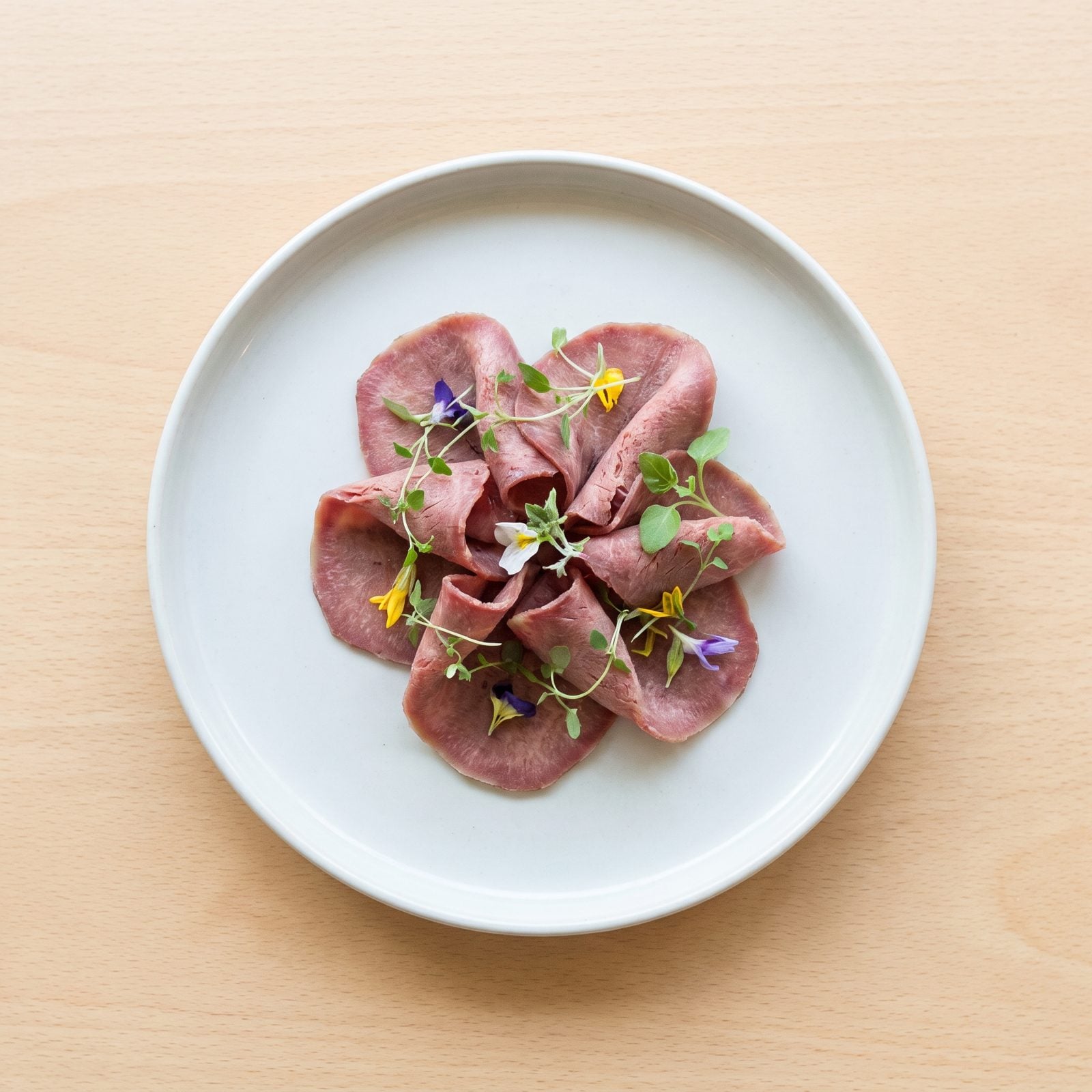
Tongue has a texture problem for a lot of people — right up until they taste it without being told what it is. Tender, beefy, almost buttery when braised low and slow.
Old-world delis and taquerias kept it on the menu as the thrifty choice, lengua tacos being the obvious example. Then modern chefs started slicing it thin, searing the edges, and serving it as a composed small plate with salsa verde and pickles. Same organ. Triple the price and a line out the door.
40. Pig’s Ears: The Thrift-Cut Snack That Conquered the Gastropub
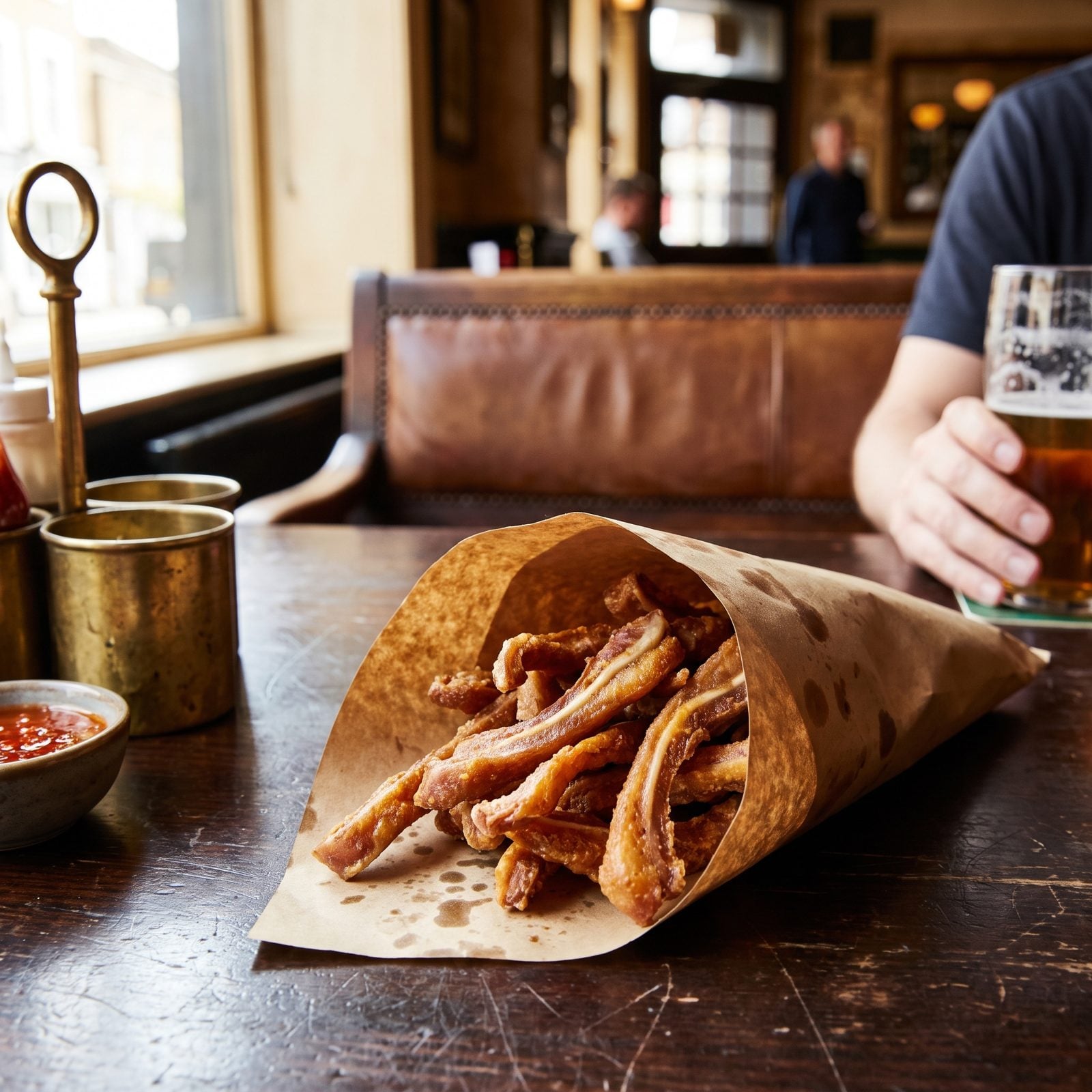
Pig’s ears are mostly cartilage and skin, which sounds like a reason not to bother. It’s actually what makes them worth bothering with.
Simmered until tender, then sliced and fried hard, they go shatteringly crisp with a little chew underneath. Chinese and Southern cooks never stopped eating them. Gastropubs “discovered” them around the 2000s, dusted them with chili salt, charged nine dollars, and called it a bar snack. The pigs did not get a raise.
39. Beef Cheeks: The Working Muscle That Became a Slow-Braised Showpiece
Would you like to save this?
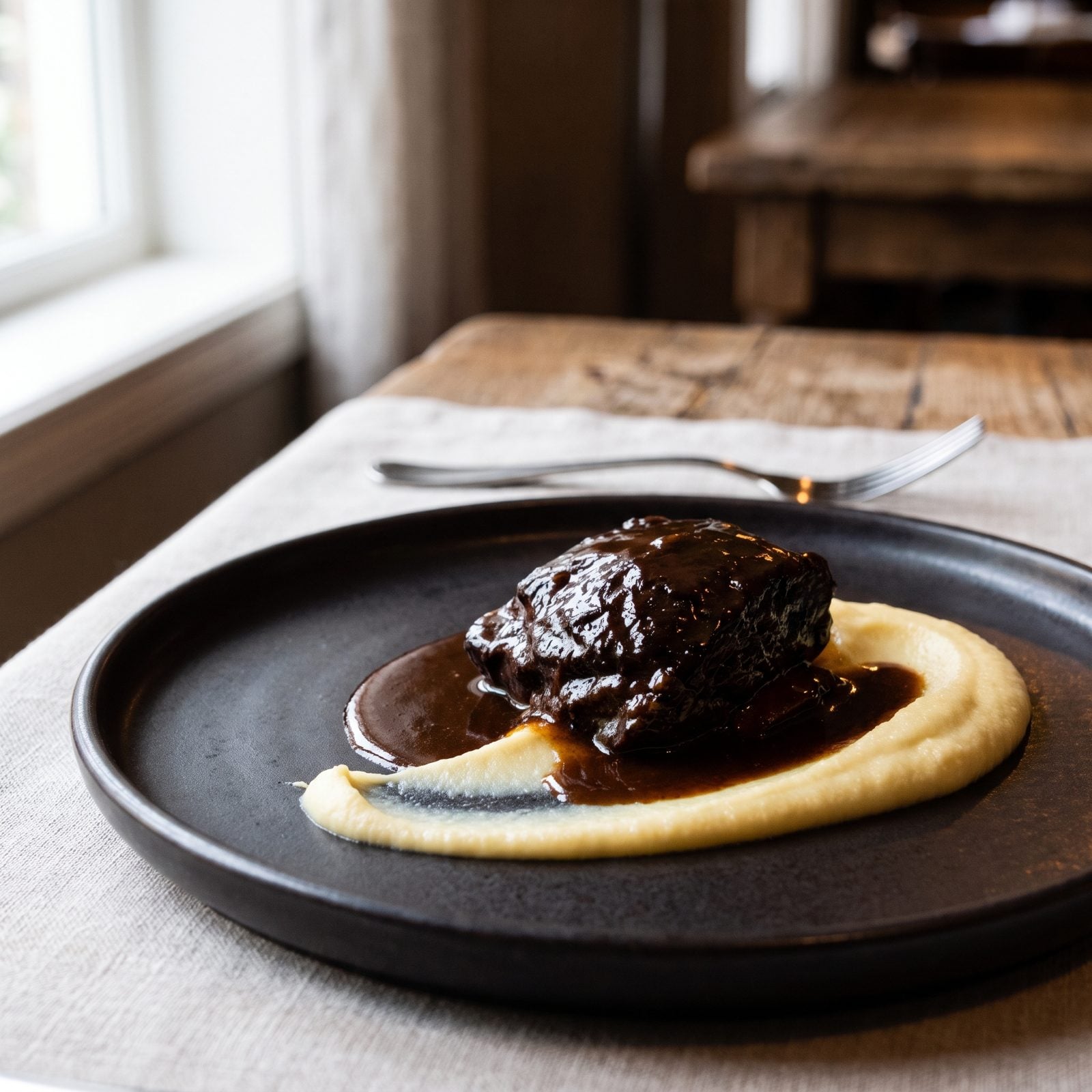
A cheek works every single day of the animal’s life. All that chewing builds tough, dense, connective-heavy muscle, which is exactly why it was cheap and overlooked.
Braise it for hours and that toughness becomes the whole point. The collagen breaks down into something you cut with a spoon that holds a sauce like nothing else. Chefs love it because two cheap cheeks plate up as an entrée that looks and eats like a splurge. You’re paying restaurant prices for the part that used to get ground into sausage.
38. Tripe: Nose-to-Tail Survival Cooking, Now an Upscale Specialty
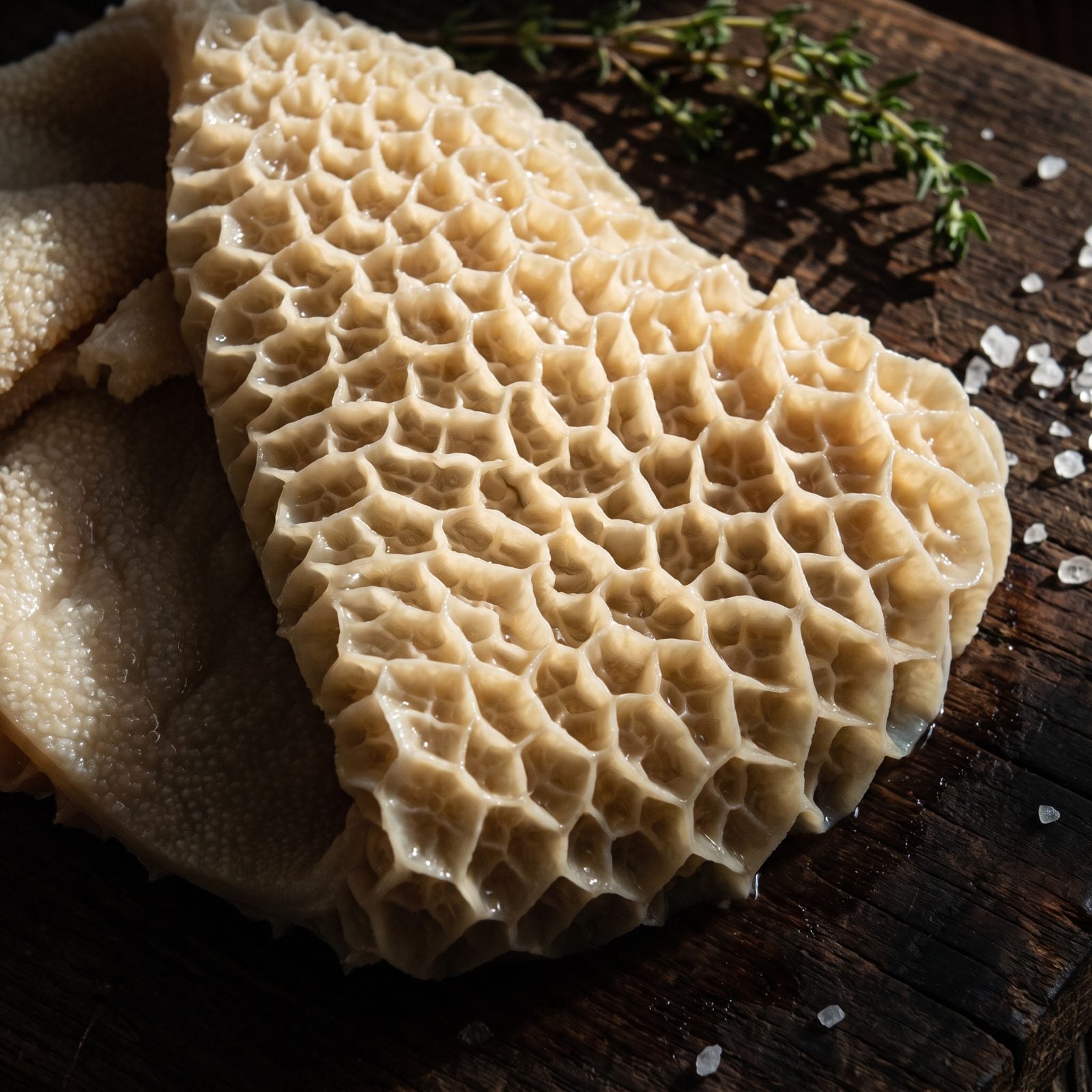
Tripe is stomach lining, and for most of history it was poverty food in the truest sense. You ate it because you’d be wasteful not to. Trippa alla romana, menudo, pho with tripe — every culture had a version born of not throwing anything away.
The nose-to-tail movement gave it a second act. Suddenly using the whole animal was an ethic worth charging for, and the honeycomb texture that scared people off became a chef’s bragging right. The same bowl that fed the broke now signals you’re eating somewhere serious.
37. Chicken Livers: The Offal Nobody Wanted Became Silky Pâté at $16 a Plate
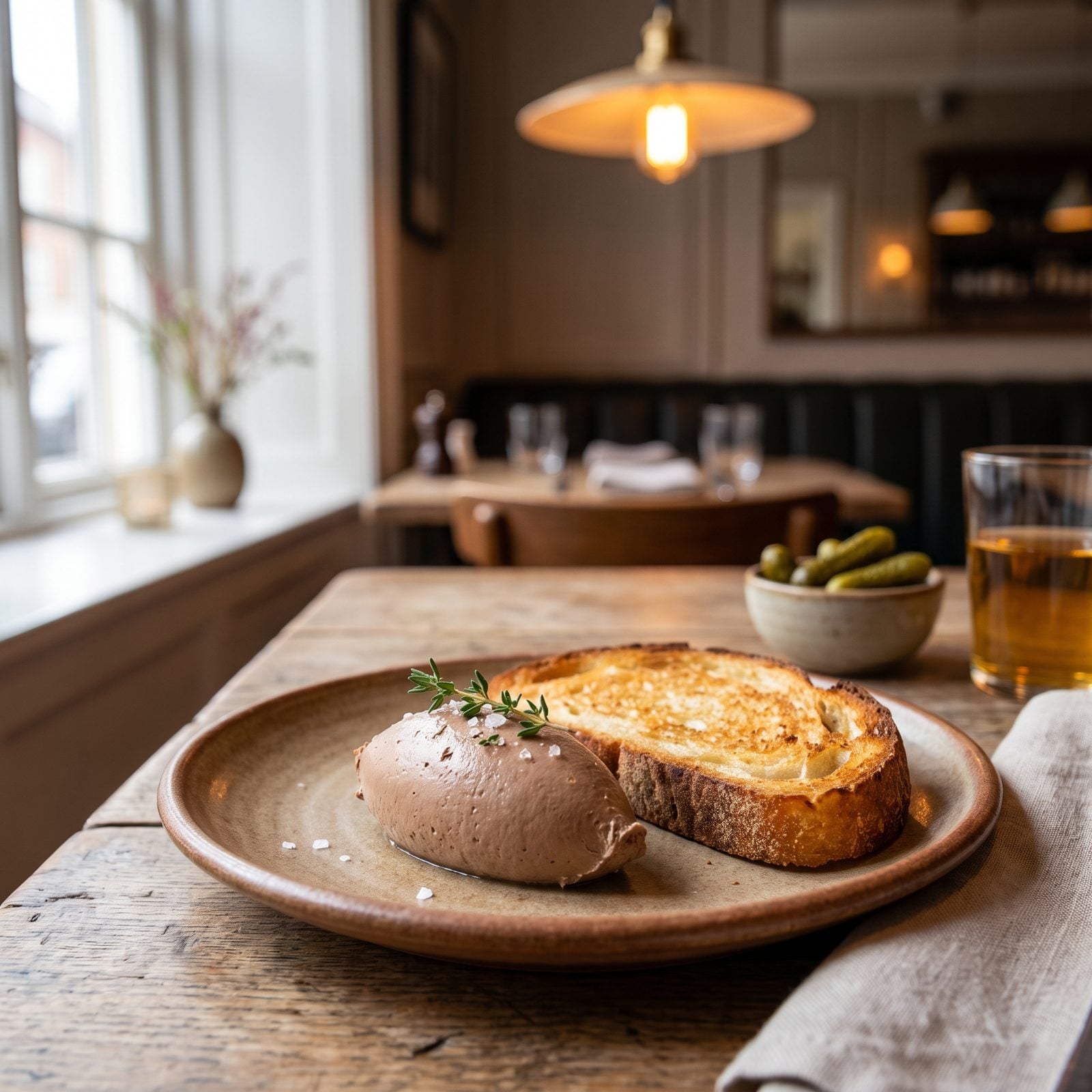
Chicken livers were the thing the butcher tucked in free, or sold for pocket change to anyone willing to cook them. Grandmothers fried them with onions and nobody bragged about it.
Then someone whizzed them with butter, brandy, and a little cream, pressed the lot into a ramekin, and called it pâté. Same cheap organ, now sealed under a glossy butter cap and priced like something worth photographing. The alchemy is mostly fat and technique. What was gamey and grainy on a weeknight turns silky and mild when a cook knows how to stop before overcooking — that’s the whole trick.
36. Head Cheese: Boiled-Down Scraps Reborn as Artisanal Charcuterie
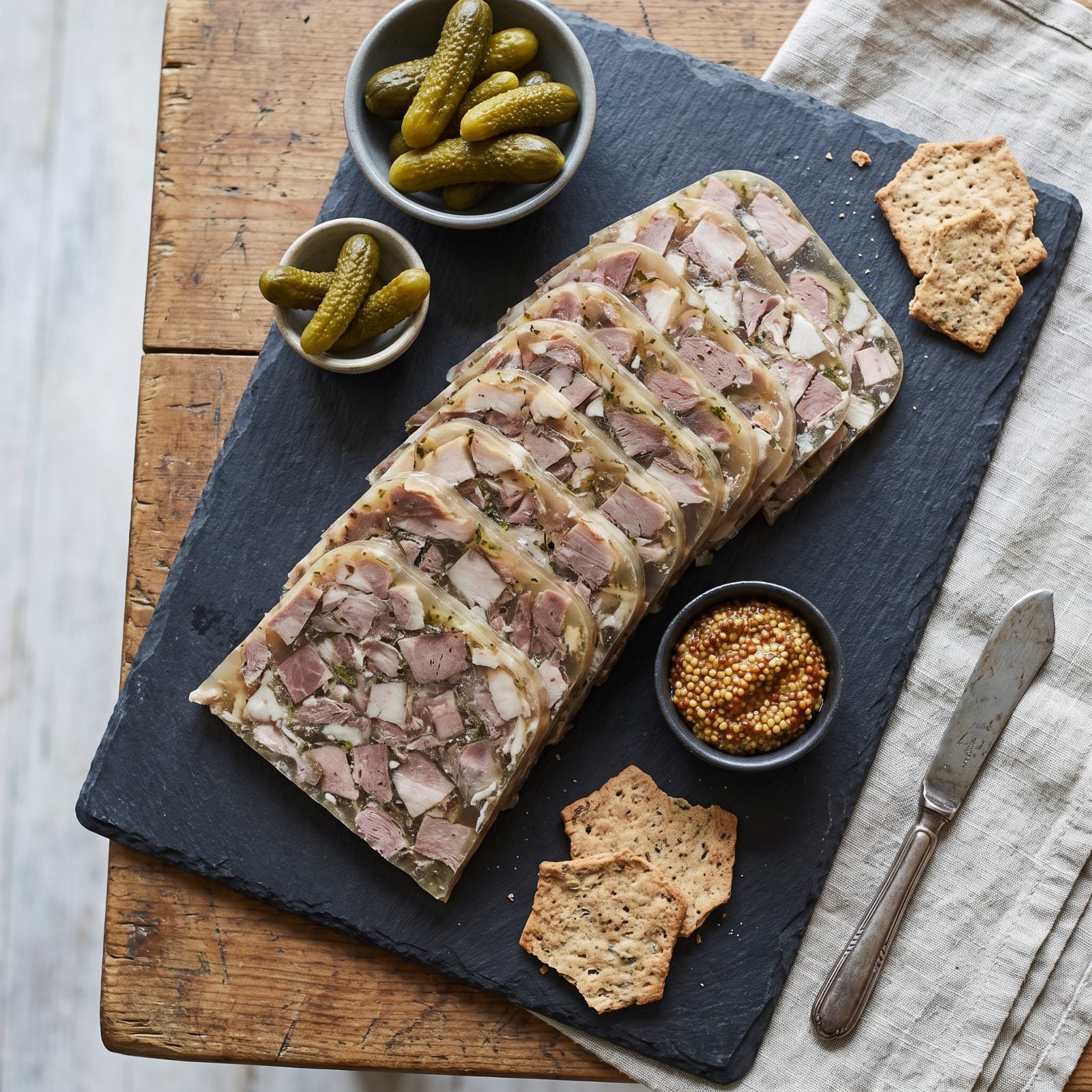
The name tells you everything. Head cheese is no cheese at all — it’s the meat simmered off a pig’s head, set in its own gelatin, a way of using the parts too awkward to sell and too good to toss.
Now it turns up as terrine on charcuterie boards, hand-sliced, served with cornichons and mustard, priced like something you’re meant to admire before eating. The French call it fromage de tête, and the deli slang softened over the decades. What hasn’t changed is the resourcefulness baked into it: every edible scrap suspended and sliced thin, looking almost like stained glass.
35. Pork Belly: The Fatty Budget Cut That Glazed Its Way to the Top of the Menu
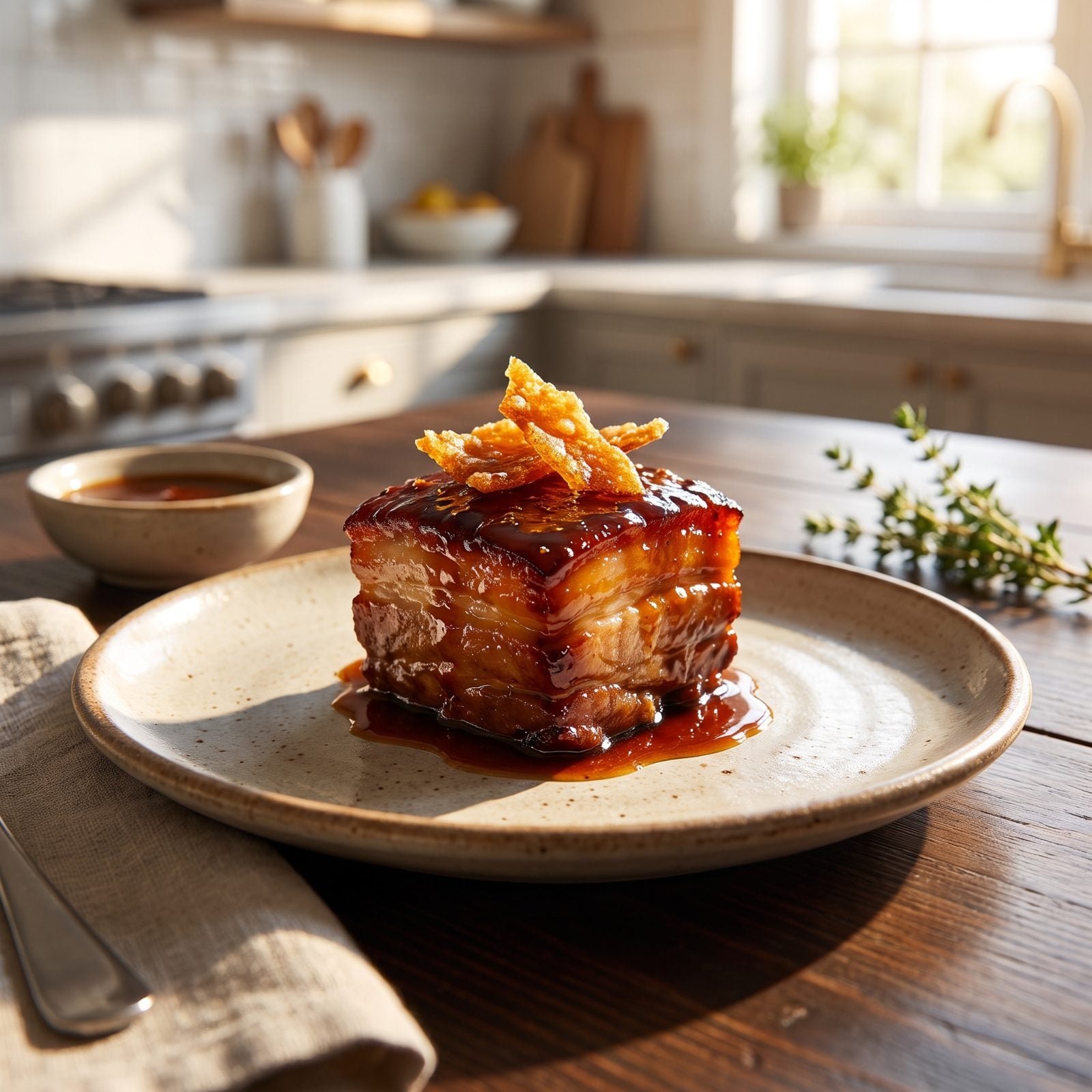
Bacon’s unsliced, uncured cousin spent decades as the cheap bit. The belly, good for rendering lard and little else in the eyes of a steak-obsessed public.
Chefs saw the layers of fat and meat for what they were: a slow-cook jackpot. Braise it, press it overnight, sear the top to a crackle, lacquer it in something sweet and salty. The fat that made it cheap is exactly what makes it rich on the plate.
34. Short Ribs: A Tough Braising Cut Promoted to the Center of the Fine-Dining Plate
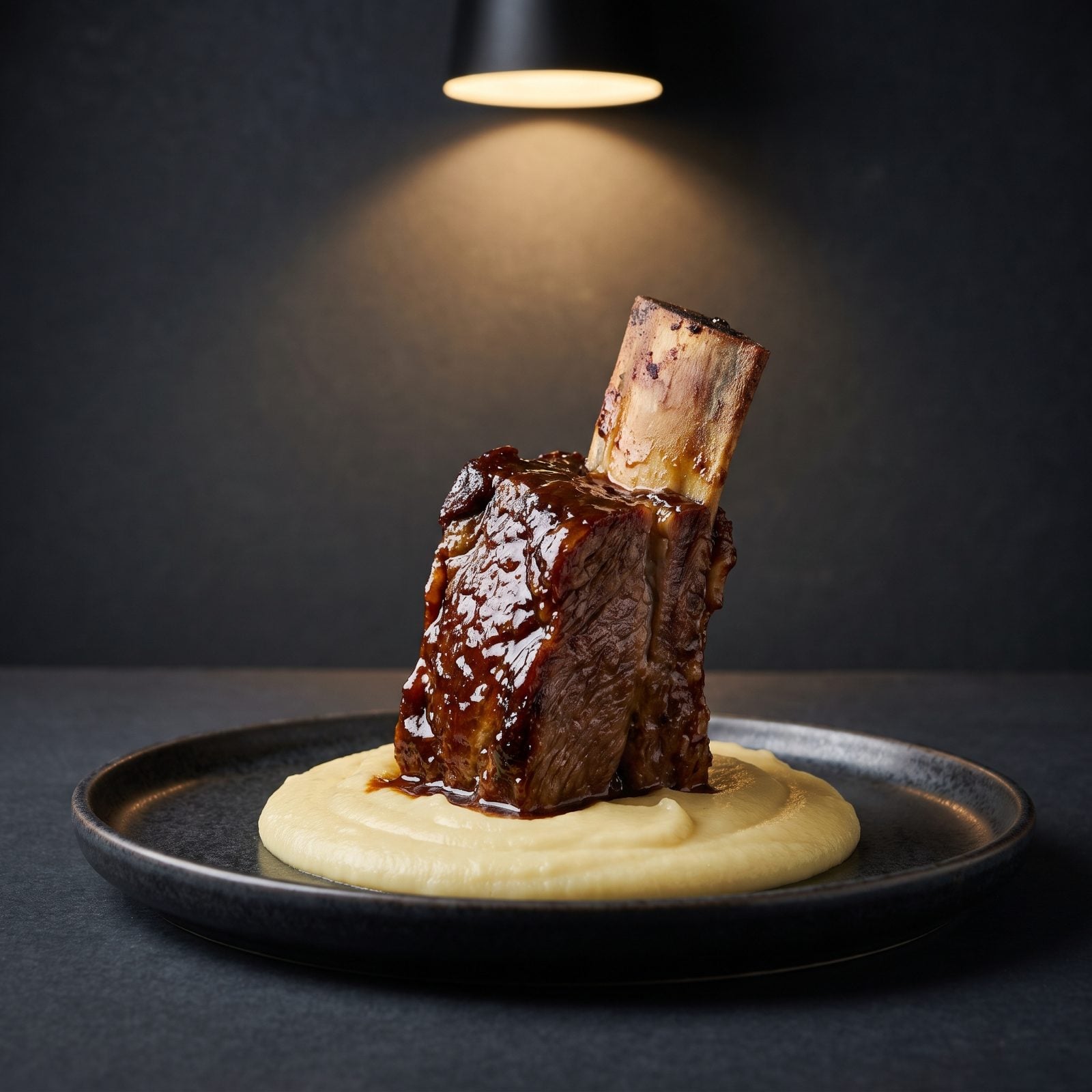
Short ribs were Sunday-stew territory. A tough, bony, marbled cut that needed hours in a low oven before anyone could chew it, cheap precisely because it took so much patience.
White-tablecloth kitchens turned that patience into a selling point. A red-wine braise, a glossy reduction, a smear of root-vegetable purée, and suddenly the beef that fell off the bone was a signature entrée running north of thirty dollars.
The cheapest cuts are often the most flavorful. Toughness and taste tend to live in the same muscle.
Flavor hides in the working muscles — the ones that moved most and built the most connective tissue. Break that down slowly and you get depth no tenderloin can touch.
33. Chicken Wings: The Throwaway Part That Became the Highest-Markup Snack on the Menu
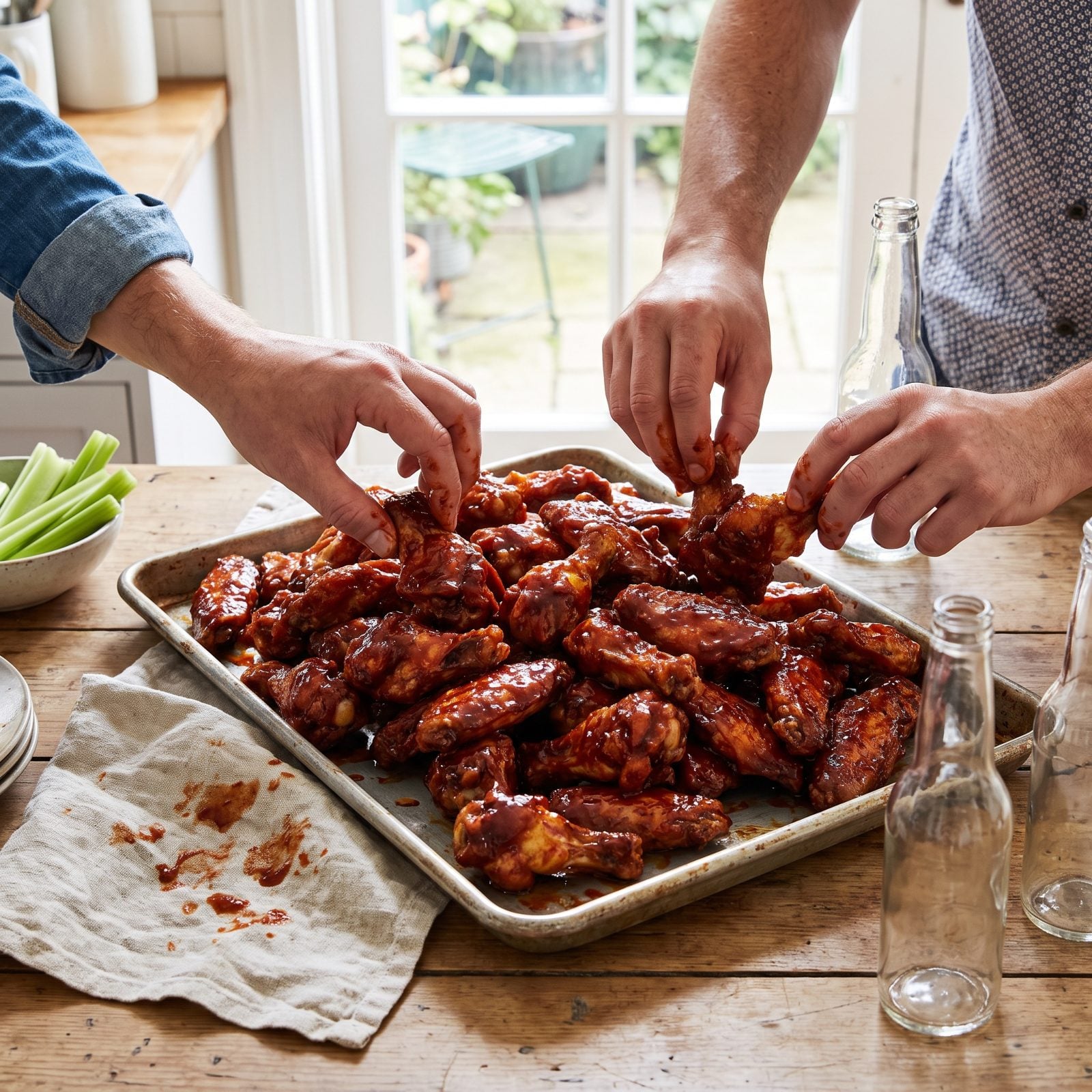
Wings were scrap. Before the 1960s cooks mostly threw them in the stockpot or tossed them, since there’s barely any meat on a wing next to a breast.
That changed, and the economics still astonish. Wings cost a kitchen very little per pound, yet they carry one of the fattest margins in the business. Sauce does the heavy lifting — buffalo, honey-garlic, dry rub — and people happily pay premium prices for the ritual of eating with their hands.
32. Octopus: Everyday Coastal Fare Charred Into a Restaurant Centerpiece
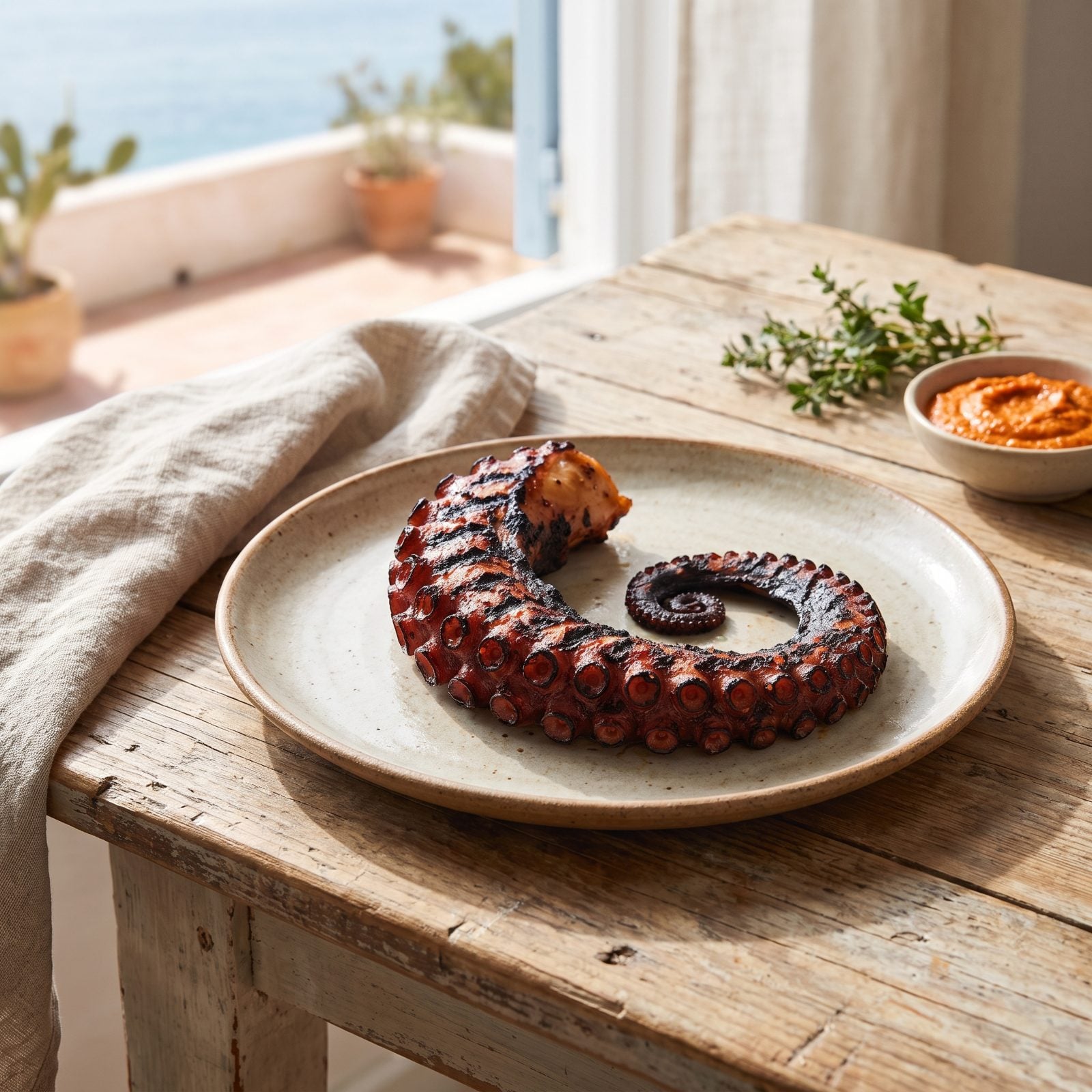
In fishing villages around the Mediterranean and the Pacific, octopus was ordinary. Caught, tenderized against the rocks, grilled over coals. Humble and local.
North of those coasts it got the side-eye for decades, too strange for the meat-and-potatoes crowd. Then grilled octopus landed on upscale menus, charred and glossy over a bean purée, and the suspicion turned into a $24 small plate. The cooking is the whole game. Get it tender without turning it to rubber and the reward is a smoky bite that earns every penny of the markup.
31. Salt Cod: The Preservation Fish of the Poor Turned Pricey Specialty
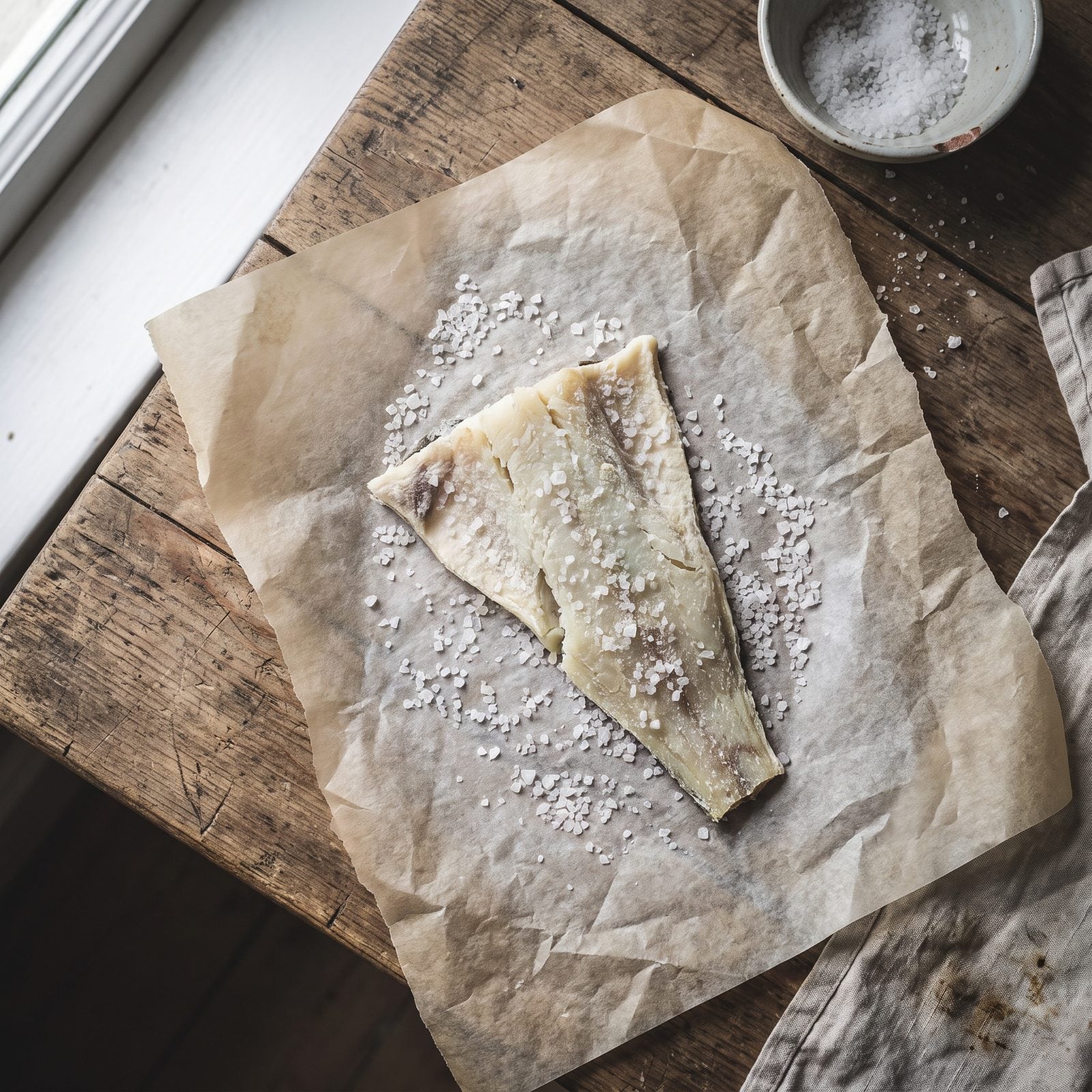
Salt cod fed Catholic Europe through centuries of meatless Fridays and long winters. It kept for months without refrigeration, which made it the cheapest reliable protein on the dock.
Here’s the irony: the preservation that made it poor-man’s food now makes it specialty. Fresh cod got easy and cheap. The salted, dried, properly cured kind takes work to source and days to soak back to life. Whipped into brandade or folded into fritters, it carries a price that would have baffled the families who once ate it out of necessity.
30. Sardines: The Pantry Tin That Became an Artfully Plated Appetizer
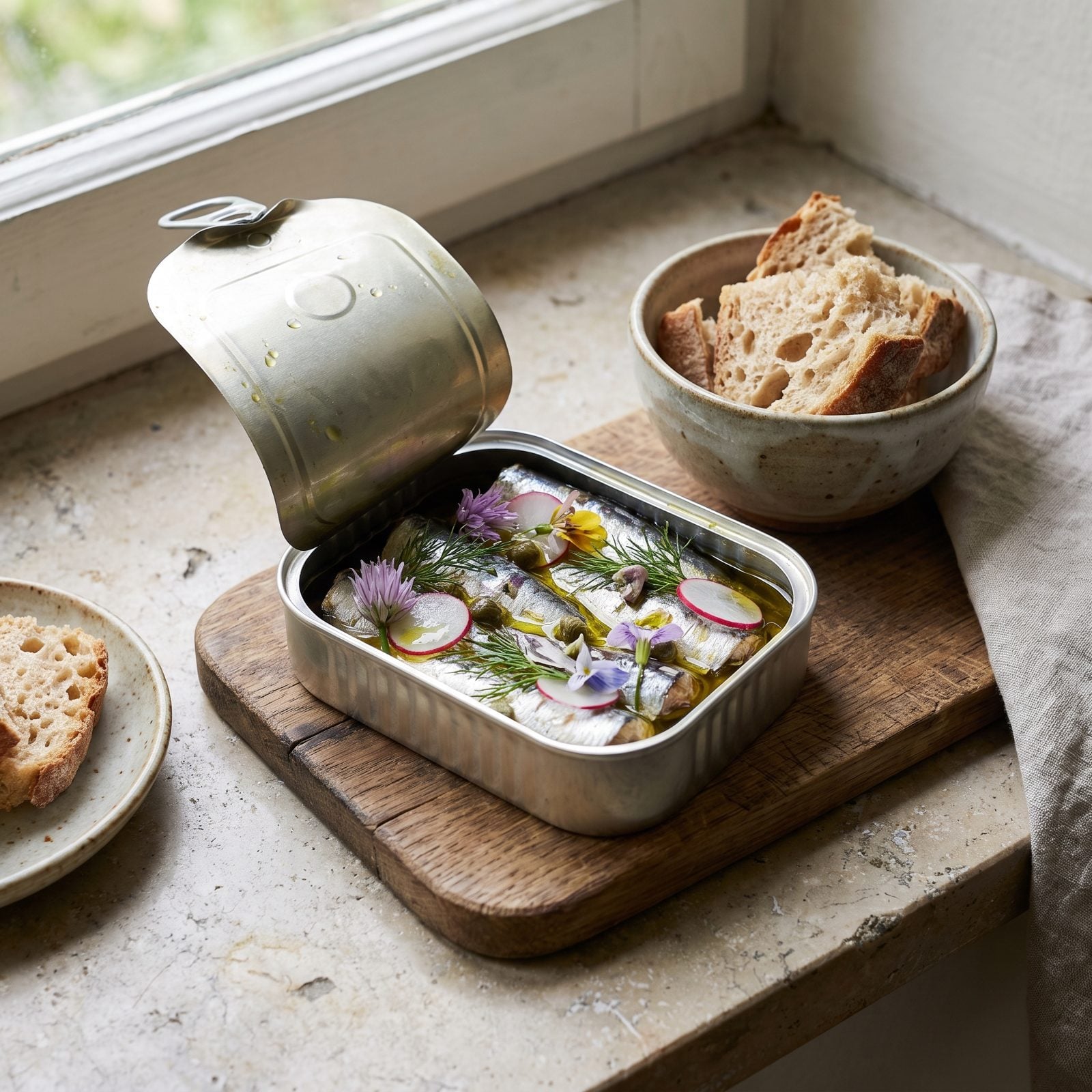
A tin of sardines was emergency food — shelf-stable, cheap, the thing in the back of the cupboard for the week before payday.
Fashion is strange. Those same oily little fish now turn up on tasting menus and natural-wine bar lists, sometimes served straight from the tin on a wooden board with butter and good bread, sometimes grilled whole over coals. The appeal is partly the oily richness, partly the nostalgia, and partly the fact that sardines are packed with the omega-3s everyone suddenly cares about.
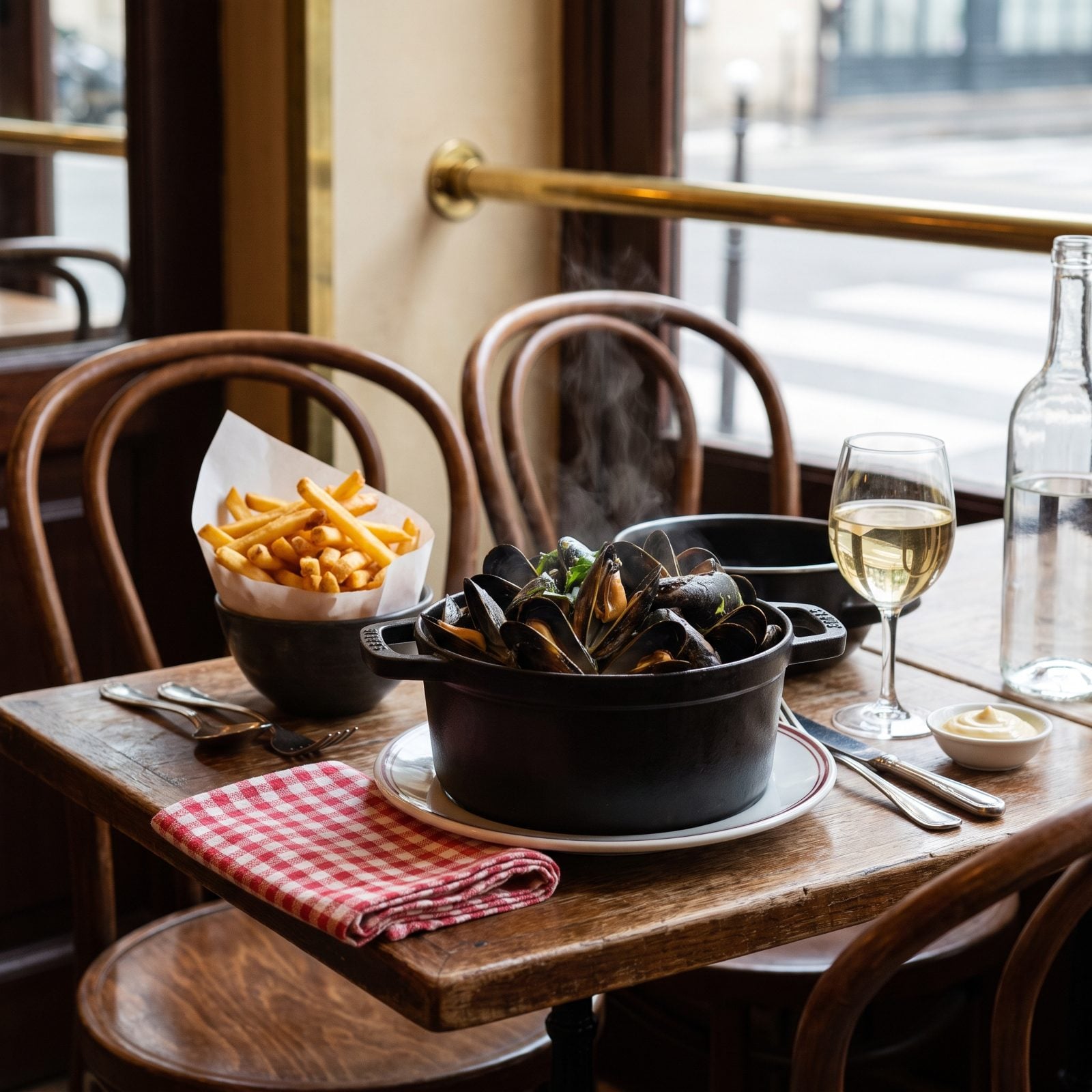
29. Mussels: The Cheap Shellfish That Became the Brasserie’s Reliable Bestseller
Would you like to save this?
Mussels cling to rocks and rope lines by the thousands, which is exactly why they stayed cheap while oysters got precious. Abundant, farmed easily, shucked by the steam of the pot rather than a knife.
The brasserie made them a classic. Moules-frites — a pot of mussels steamed in white wine and garlic with a cone of fries — is one of the great value plays that still feels generous. The markup is real, since the mussels cost the kitchen little, but nobody minds. Dunking bread in that garlicky broth is half the reason you came.
28. Bouillabaisse: A Fishermen’s Leftover Stew Dressed Up as a Restaurant Production
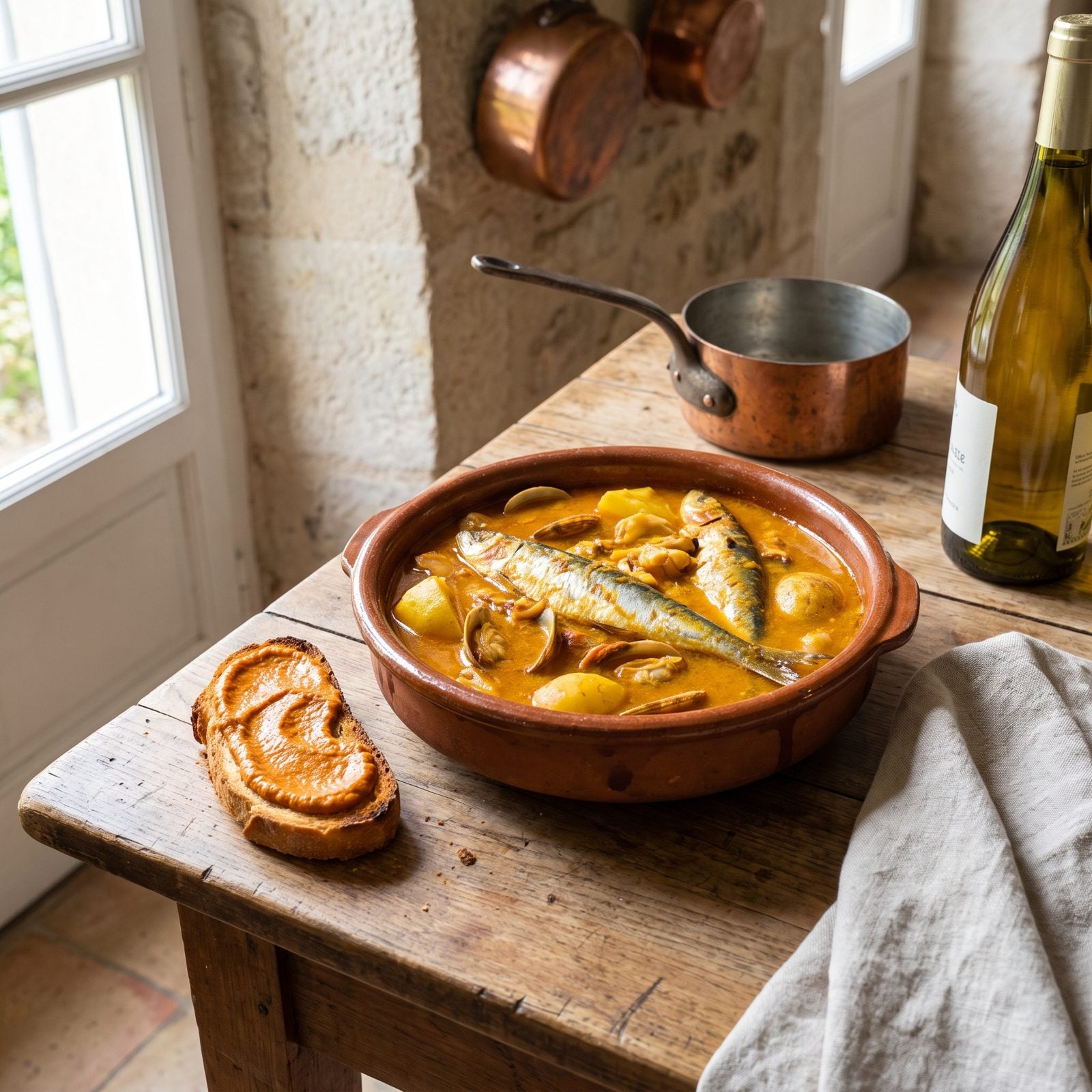
Bouillabaisse started as the catch nobody could sell. Marseille fishermen kept the ugly, bony, spiny fish that wouldn’t fetch a price at market and threw them in a pot with whatever was around. Dinner from the leftovers.
That thrift dish is now a theatrical restaurant production. Served in two courses — broth first with rouille-smeared croutons, then the fish — it can run fifty or sixty dollars a head and demands a long list of specific Mediterranean species to count as authentic. The rules got strict. A Marseille charter even dictates which fish belong in a real one.
27. Cassoulet: A Resourceful Bean Stew Became a Labor-Intensive Bistro Classic
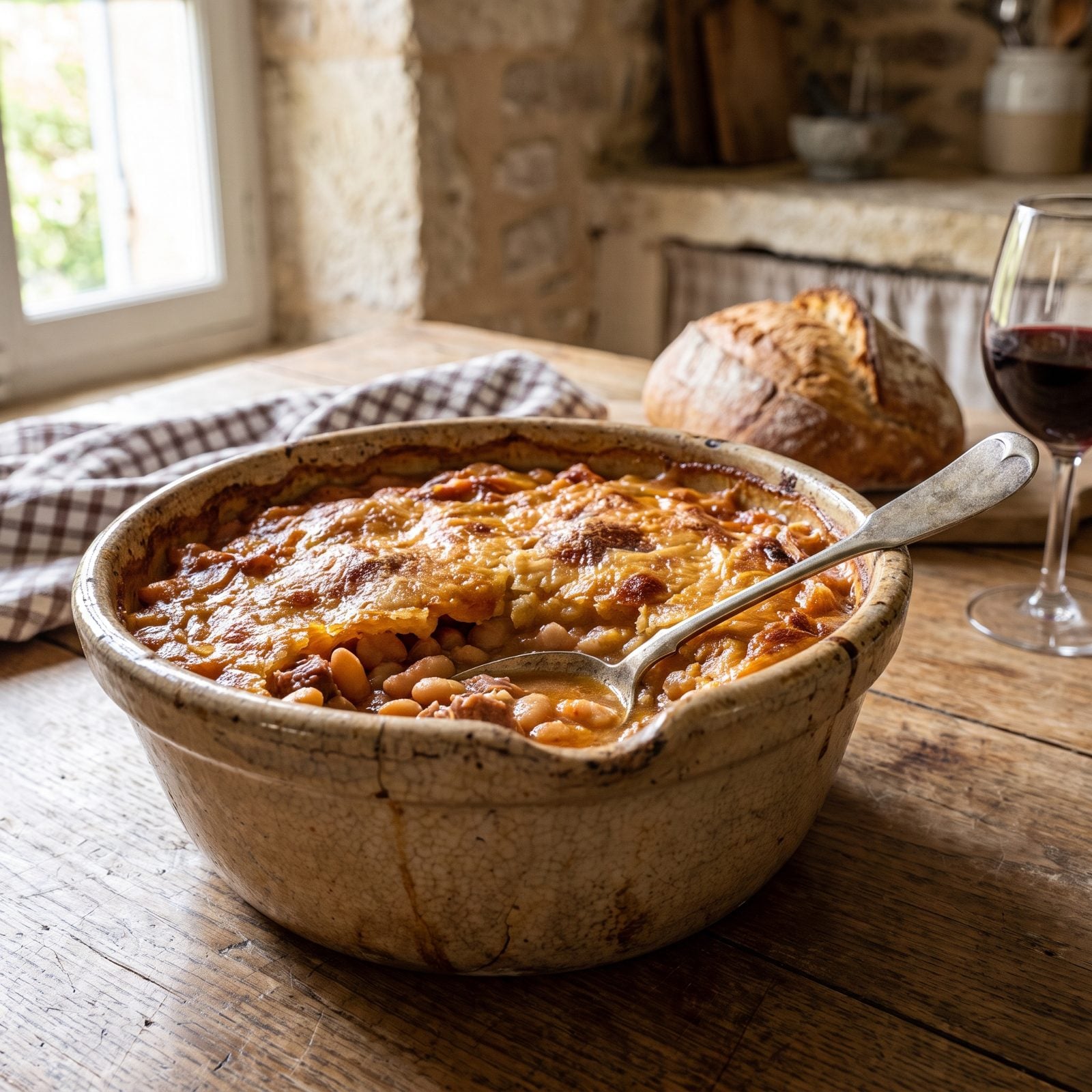
Cassoulet started as survival. Southwest French farmers tossed whatever they had into a pot — dried beans, a scrap of preserved duck, bits of sausage — and let it cook low until everyone got fed. Nothing wasted, nothing fancy.
Then chefs discovered its secret: the flavor comes from time, not money. Breaking the crust and letting it reform again and again over days builds a depth you can actually taste. Restaurants now charge handsomely for that patience, which is really just the farmer’s patience with a tablecloth slid under it.
26. Coq au Vin: Tough Rooster Cookery Became Refined French Dining
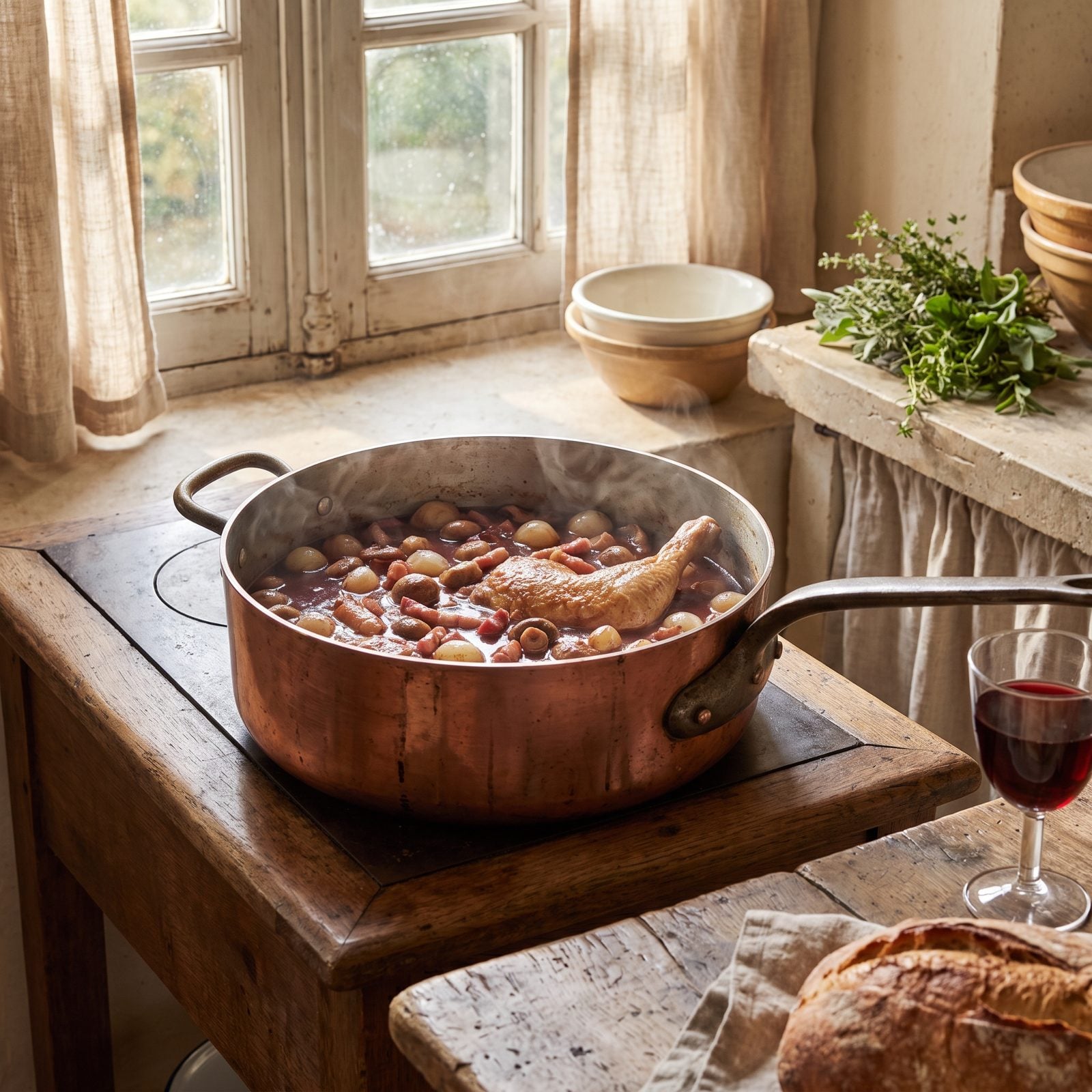
An old rooster was too tough to roast. So country cooks drowned the bird in wine and simmered it for hours until the stringy thing finally surrendered. Alcohol plus long heat broke down muscle that would’ve broken your teeth otherwise.
White-tablecloth French kitchens kept the technique and quietly swapped the gnarled rooster for tender chicken. The wine stayed. The lardons stayed. The dish held onto its rustic soul while losing the entire reason it existed — and now you pay bistro prices to solve a problem nobody has anymore.
25. Duck Confit: Preservation Cookery Became a Luxury Bistro Entrée
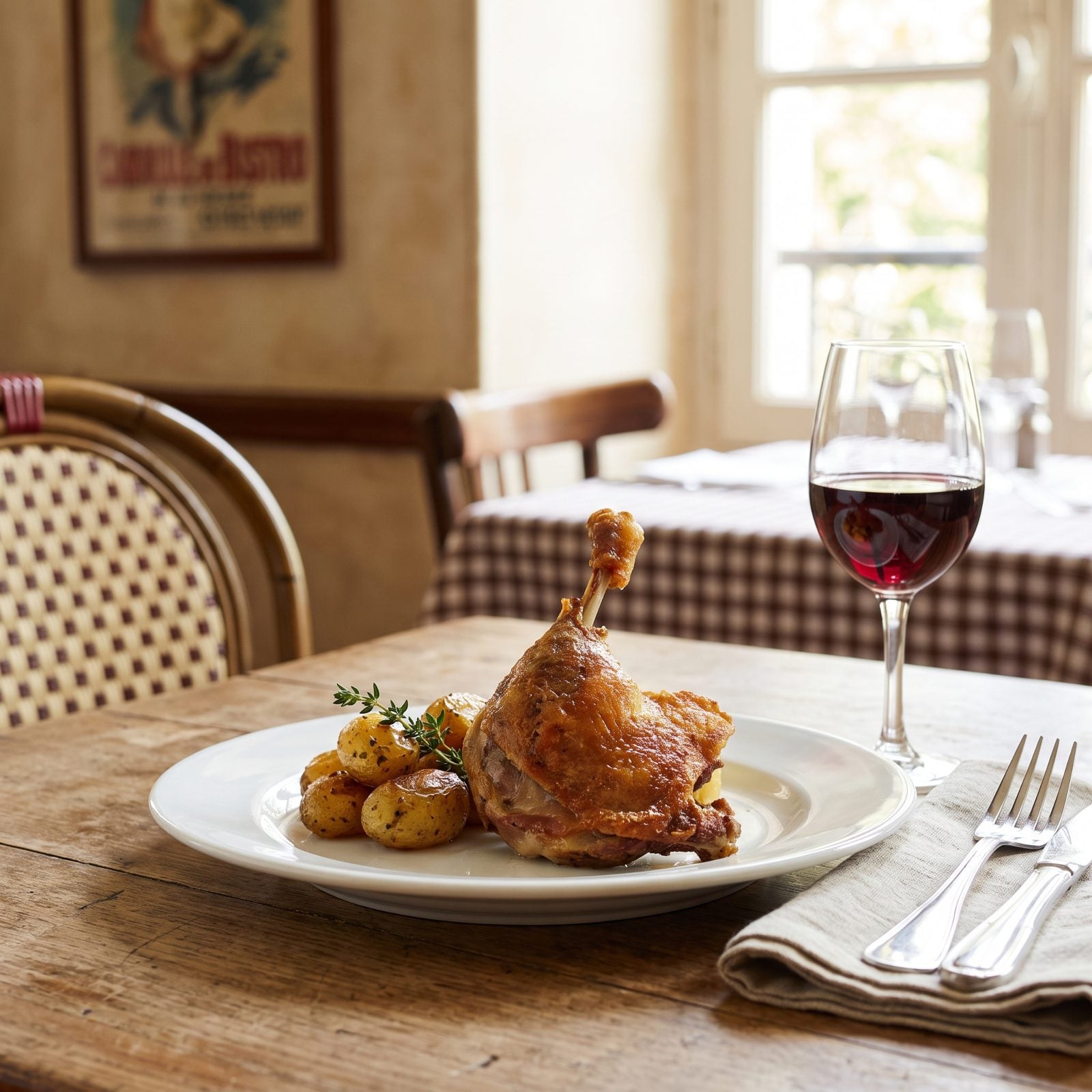
Before refrigerators, people cooked duck legs slowly in their own fat and buried them in crocks of it, sealing out the air. The fat was the fridge. The whole operation existed to keep meat edible through a long winter, not to impress anyone at the table.
Now it’s a thirty-dollar entrée, and honestly? It earns the number. Little else beats that crackling bronze skin against meat that pulls apart like wet paper. The irony sits right there on the plate: a trick born from having no way to keep food fresh is now a badge of a kitchen that knows exactly what it’s doing.
24. French Onion Soup: Onions, Bread and Broth Became a Brasserie Icon
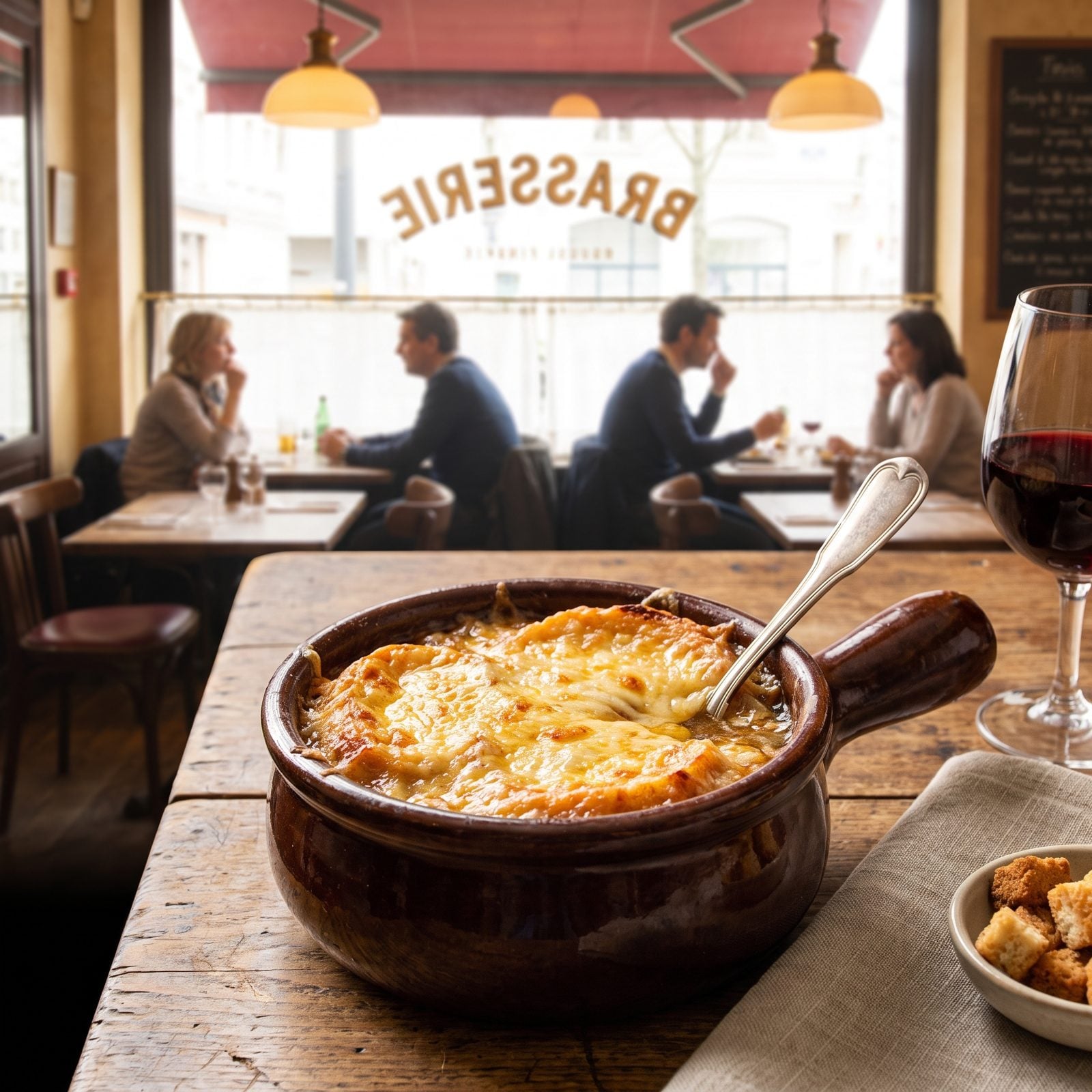
Three things a broke household always had: onions, stale bread, and whatever stock sat on the stove. Peasant food across France for centuries — the kind of thing you ate because it was warm and it was there.
The whole magic lives in caramelizing those onions low and slow until they turn from sharp and cheap to sweet and deep. That’s an hour of stirring nobody wants to do at home.
23. Polenta: Economical Cornmeal Became a Base for Luxury Toppings
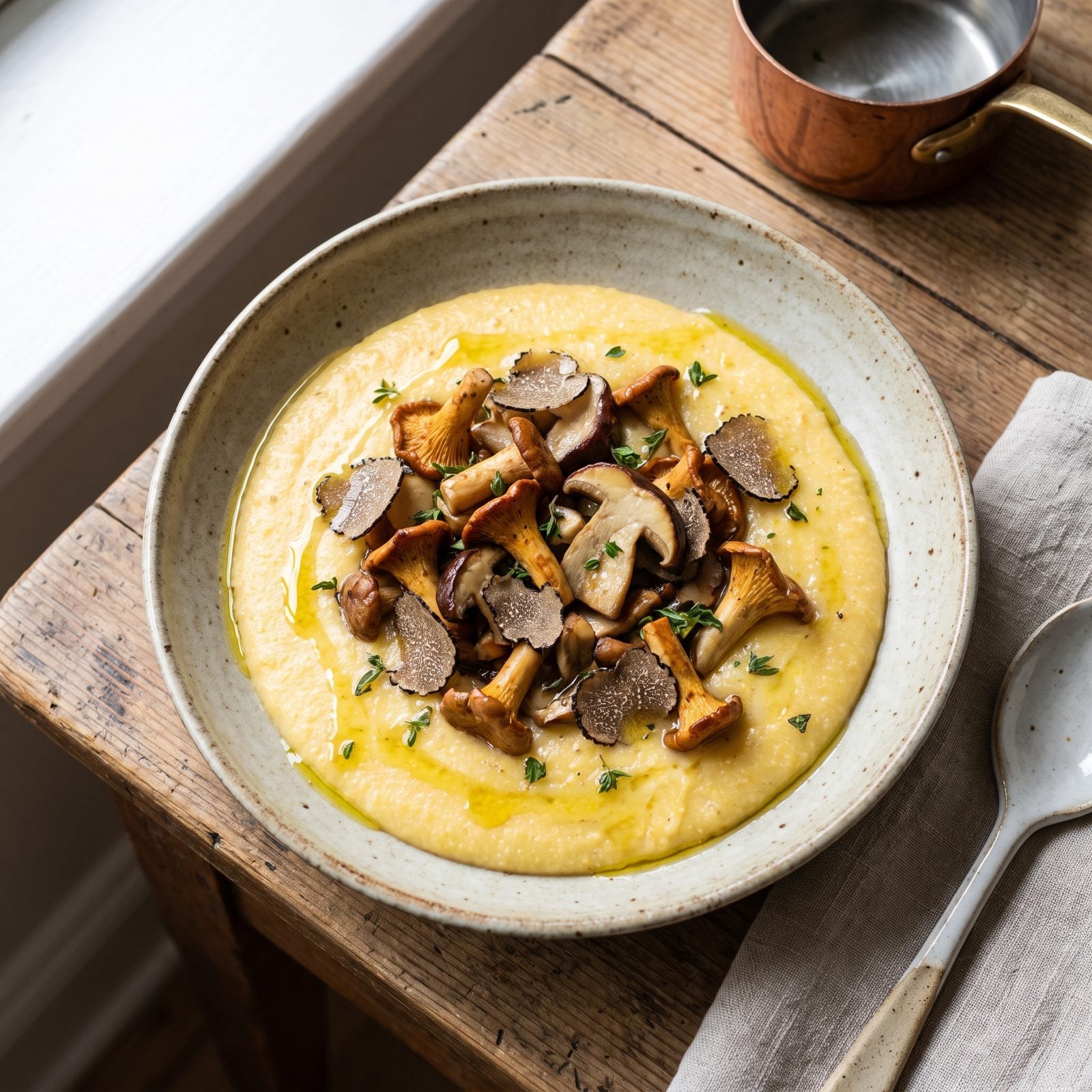
Northern Italian peasants ate polenta plain, day after day, because cornmeal was the cheapest thing in the house. Pellagra — the disease that comes from leaning too hard on corn — got so common it picked up a name tied to the poor who lived on it. This was not aspirational food.
Here’s what chefs figured out. Polenta is a blank canvas: dull on its own, but pile on braised short rib, truffle, or mushrooms, loosen it with butter and cheese, and suddenly it’s a vehicle for the expensive stuff sitting on top. You’re paying for the topping. Underneath it’s still corn mush, just honest about it.
22. Cacio e Pepe: Pantry Pasta Became a Premium Tableside Attraction
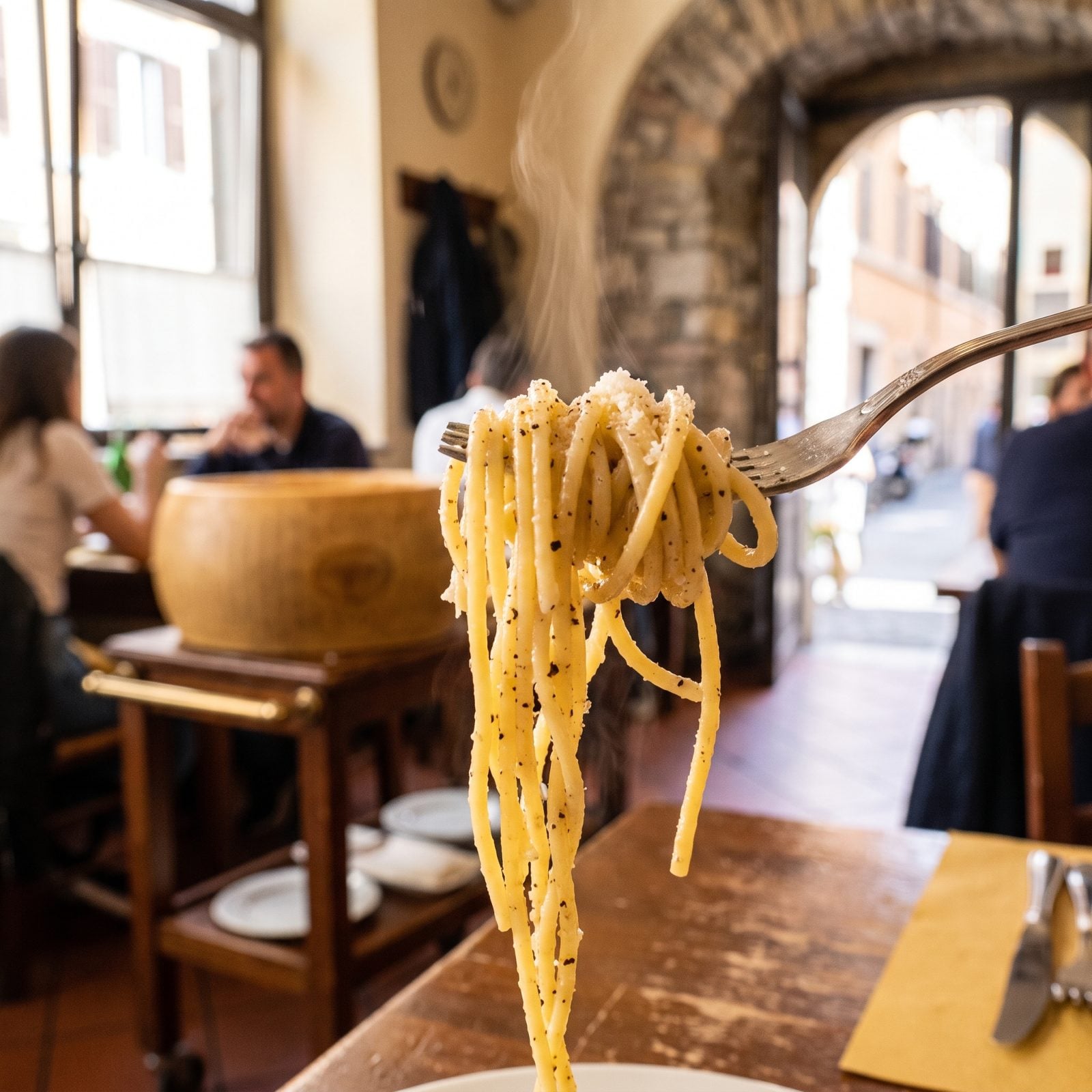
Pasta, Pecorino, black pepper, and the starchy water you boiled the noodles in. That’s the whole list. Roman working people made this because it cost almost nothing and kept forever in the cupboard.
The trick is coaxing the cheese and pepper and pasta water into one silky sauce without it seizing into a grainy mess — which it absolutely will if you rush. Hard to pull off, easy to wreck.
Some restaurants now finish it tableside inside a hollowed wheel of cheese, scraping the molten interior into the pan right in front of you. Pure theater. The dish never needed the show. People pay for the show anyway.
21. Arancini: Leftover Risotto Became a Polished Restaurant Appetizer
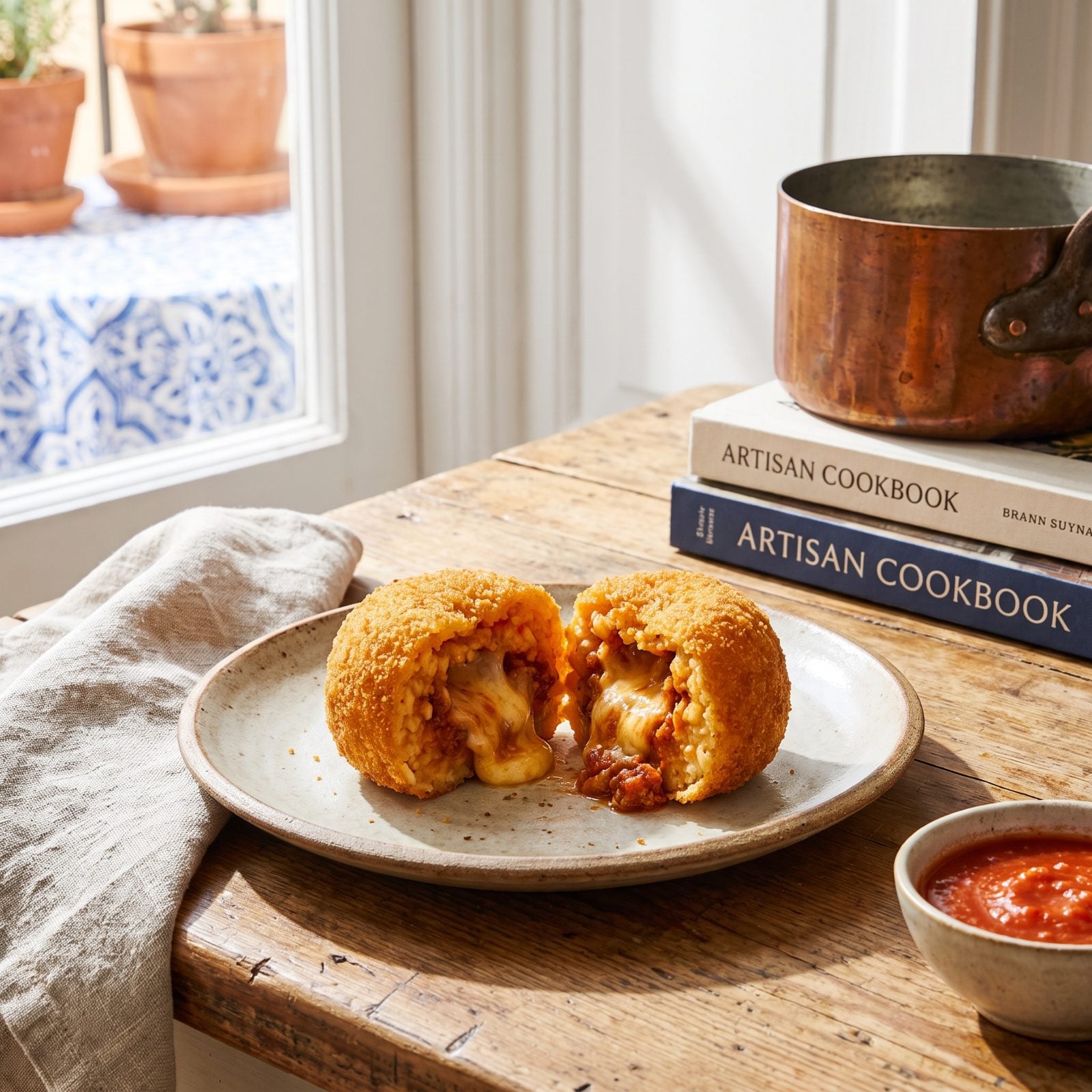
Sicilian cooks had a problem every home cook knows: leftover risotto, and nobody wants it reheated. So they rolled it into balls, tucked a bit of ragù or cheese into the center, breaded the whole thing, and fried it into something better than the original.
Thrift turned into genius. Frying crisps the outside while the inside stays creamy, and that hidden pocket of filling turns a plain spoonful into a little surprise.
Restaurants plate three on a smear of sauce and call it a starter. Fair enough. But the whole idea only exists because somebody flatly refused to throw out yesterday’s rice.
20. Focaccia: Simple Oil-Topped Bread Became a Prized Artisan Starter
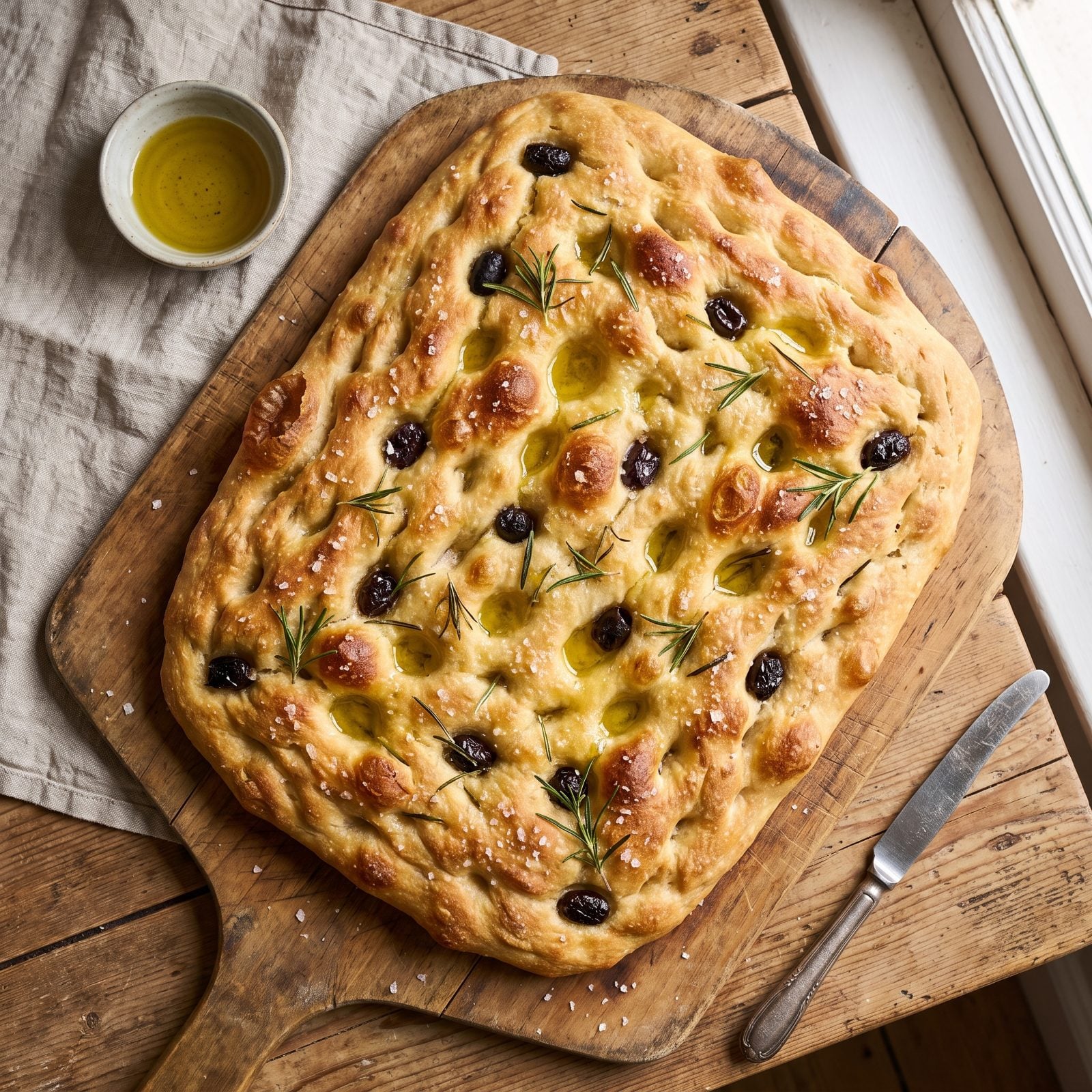
Focaccia was Ligurian bread for people who had flour, water, olive oil, and not much else. Bakers poked dimples in the dough to catch the oil and salt, baked it flat, and sold it cheap by the slab.
Now it turns up as a bread service you actually pay for, usually with a little dish of good oil parked beside it. The upgrade is real, though. Decent focaccia needs a long slow rise and a generous flood of quality oil, and both of those cost the baker time and money.
19. Pizza Margherita: Everyday Neapolitan Food Became a Premium Dining Experience
Would you like to save this?
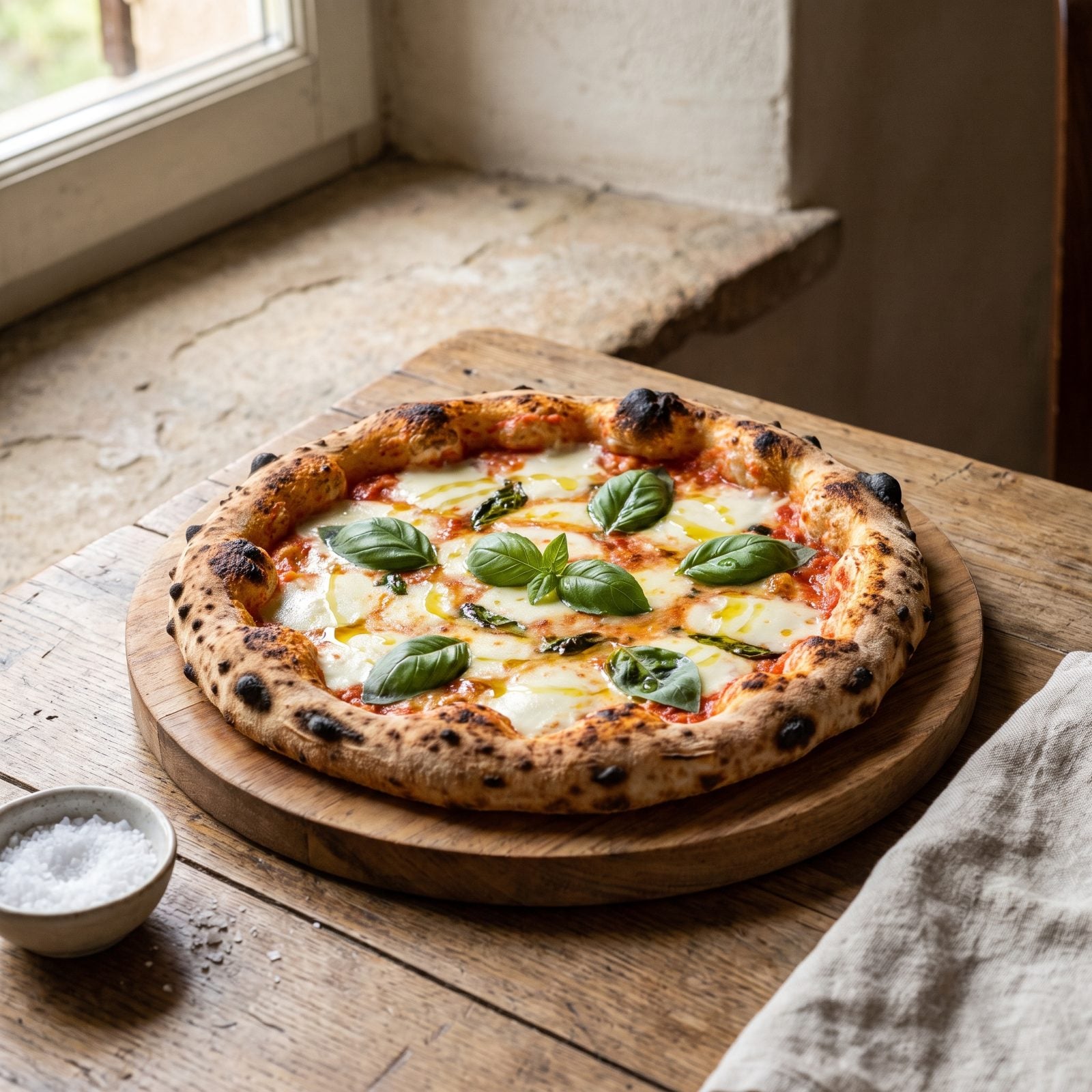
Pizza fed poor Naples. Street vendors sold it folded, by the slice, to people who ate it walking because they had no table to sit at. Tomato, cheese, basil — cheap, fast, filling.
The same three toppings now arrive with a résumé. San Marzano tomatoes grown in volcanic soil, buffalo mozzarella from one specific region, flour hauled over from Italy, a wood oven that cost more than a car. The pizza itself barely changed. The story around it did, and that story is what shoved the price up.
18. Shrimp and Grits: A Practical Coastal Breakfast Became a Pricey Brunch Entrée
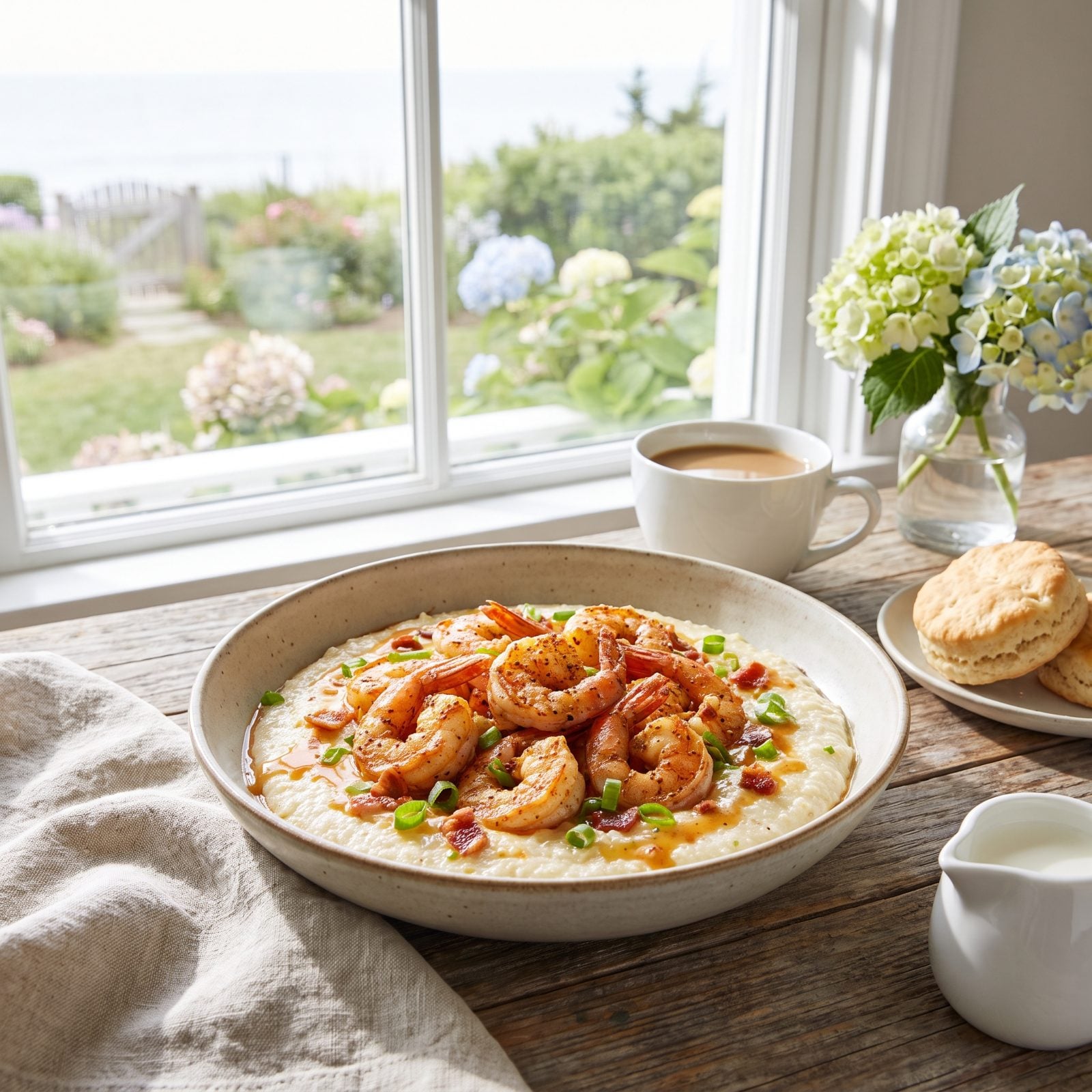
Low Country fishermen along the Carolina and Georgia coast ate this for breakfast because the shrimp were whatever they’d pulled from the water that morning and the grits were whatever sat in the pantry. Cheap, local, filling, gone by midday.
Then it leapt onto brunch menus everywhere and dragged the price up with it. Now you get andouille, a fussy pan sauce, maybe a poached egg perched on top, served at noon to folks who’ve never once laid eyes on a shrimp boat.
The best versions still taste like the original idea, though. Stone-ground grits cooked slow with butter and cheese, shrimp barely cooked so they stay snappy. The upgrades are genuine. The soul belongs to the fisherman.
17. Biscuits and Gravy: Frugal Breakfast Fare Became a Gourmet Brunch Favorite
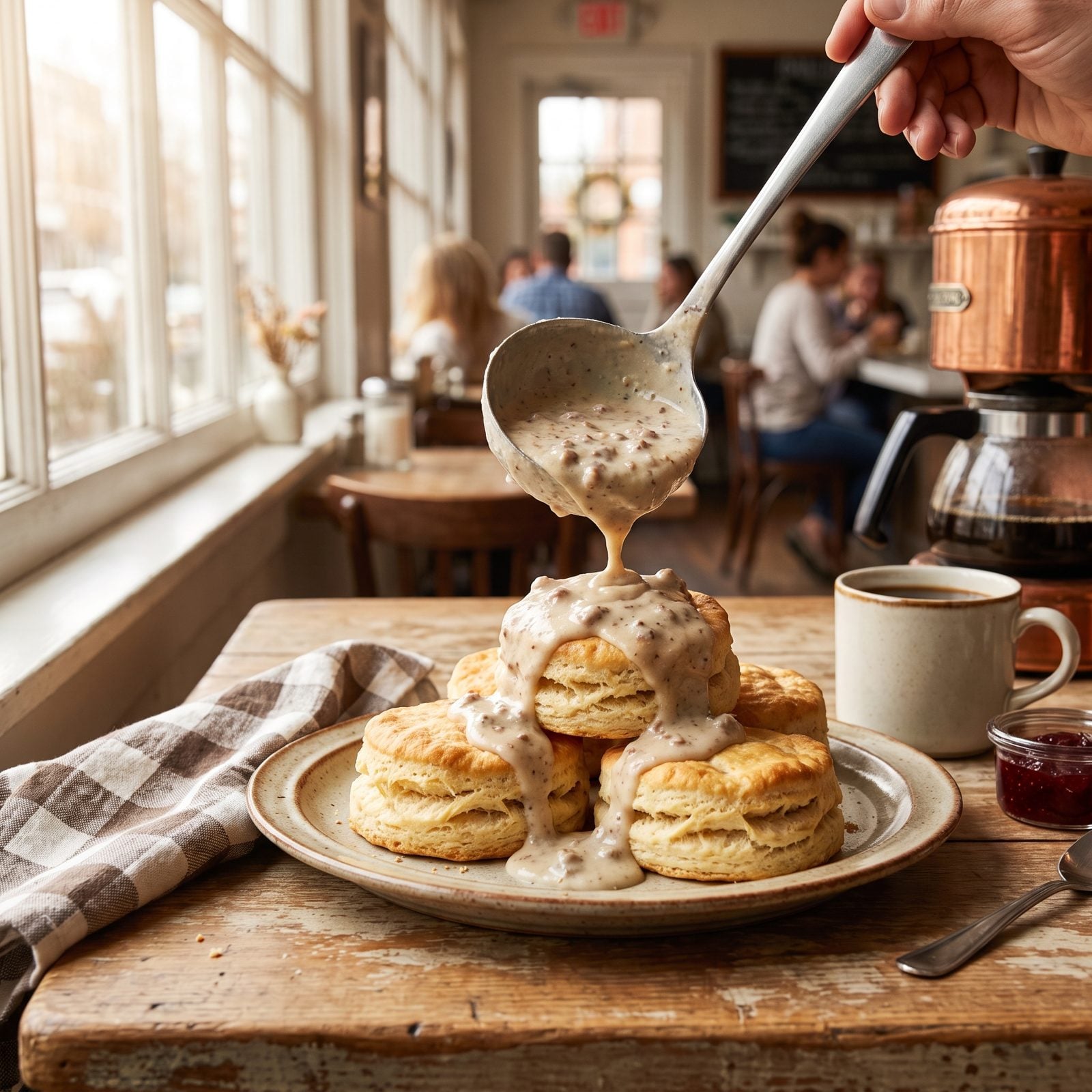
This was food built on poverty math. Day-old biscuits, pan drippings, a little flour, and enough milk to stretch it across a table of hungry mouths. Southern boarding houses served it because sausage gravy could make a single pound of meat feed ten people.
Now the biscuit comes laminated like a croissant and the gravy’s got fennel and cracked pepper in it. Somebody dropped a fried quail egg on top and called it twenty bucks. Honestly? The fancy version is usually worse than a gas-station diner doing it right. The whole idea was richness conjured from almost nothing, and you can’t improve on nothing by adding truffle oil.
16. Gumbo: Resourceful Communal Cooking Became a Destination Restaurant Dish
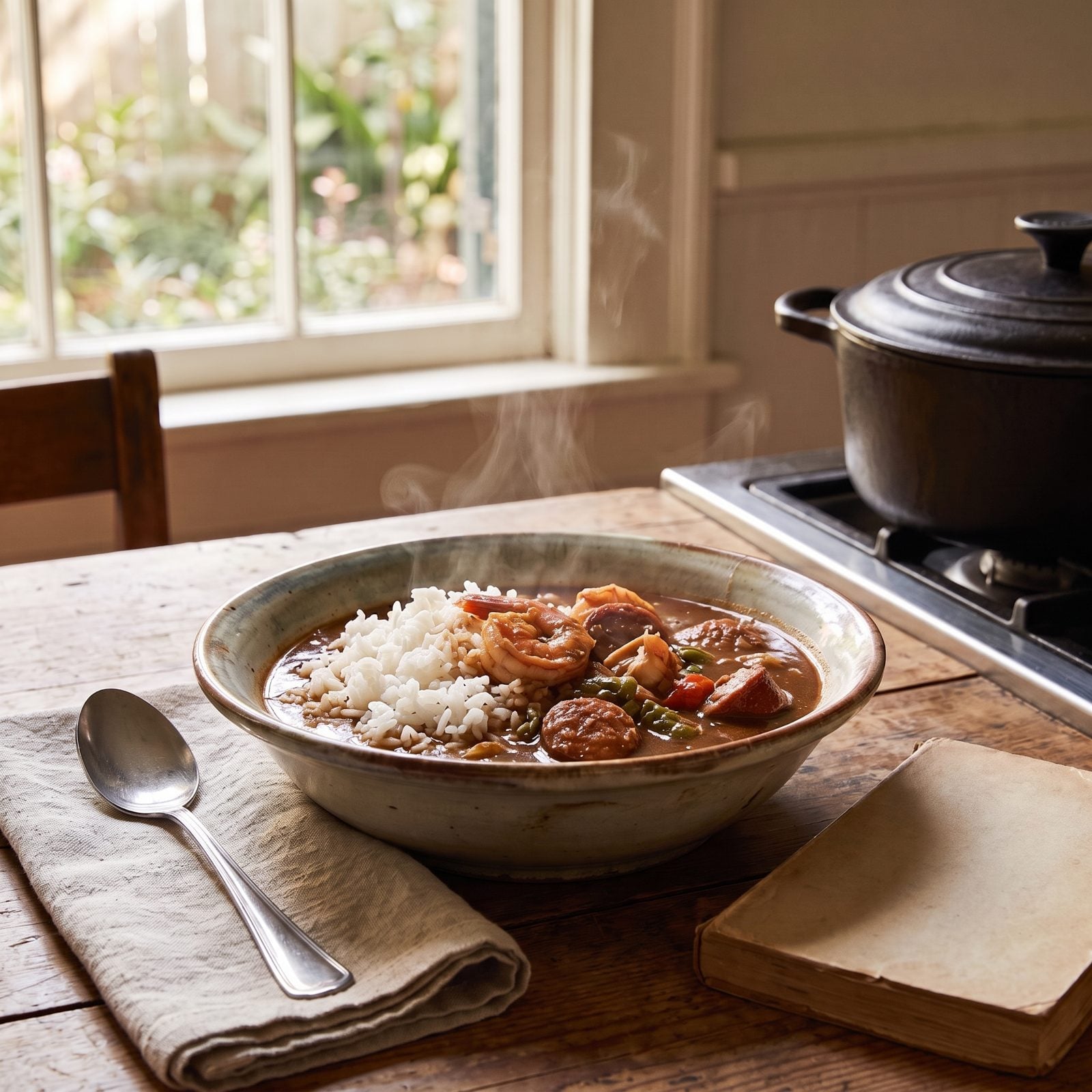
Gumbo started as whatever the pot could hold. West African okra, French roux technique, Native American filé powder, and the Gulf’s shrimp and crab, all thrown together because the kitchens making it were feeding whole communities on whatever came cheap that week.
Here’s the trick nobody tells you. The magic lives entirely in the roux, and a good one keeps you standing at the stove for nearly an hour, stirring while it slides from blond to peanut butter to chocolate. Rush it and the whole dish tastes flat. That slow labor is why a destination restaurant can charge a steep premium for a bowl of what was once the most democratic food in Louisiana.
15. Ramen: Inexpensive Noodle Soup Became a Meticulously Crafted Restaurant Bowl
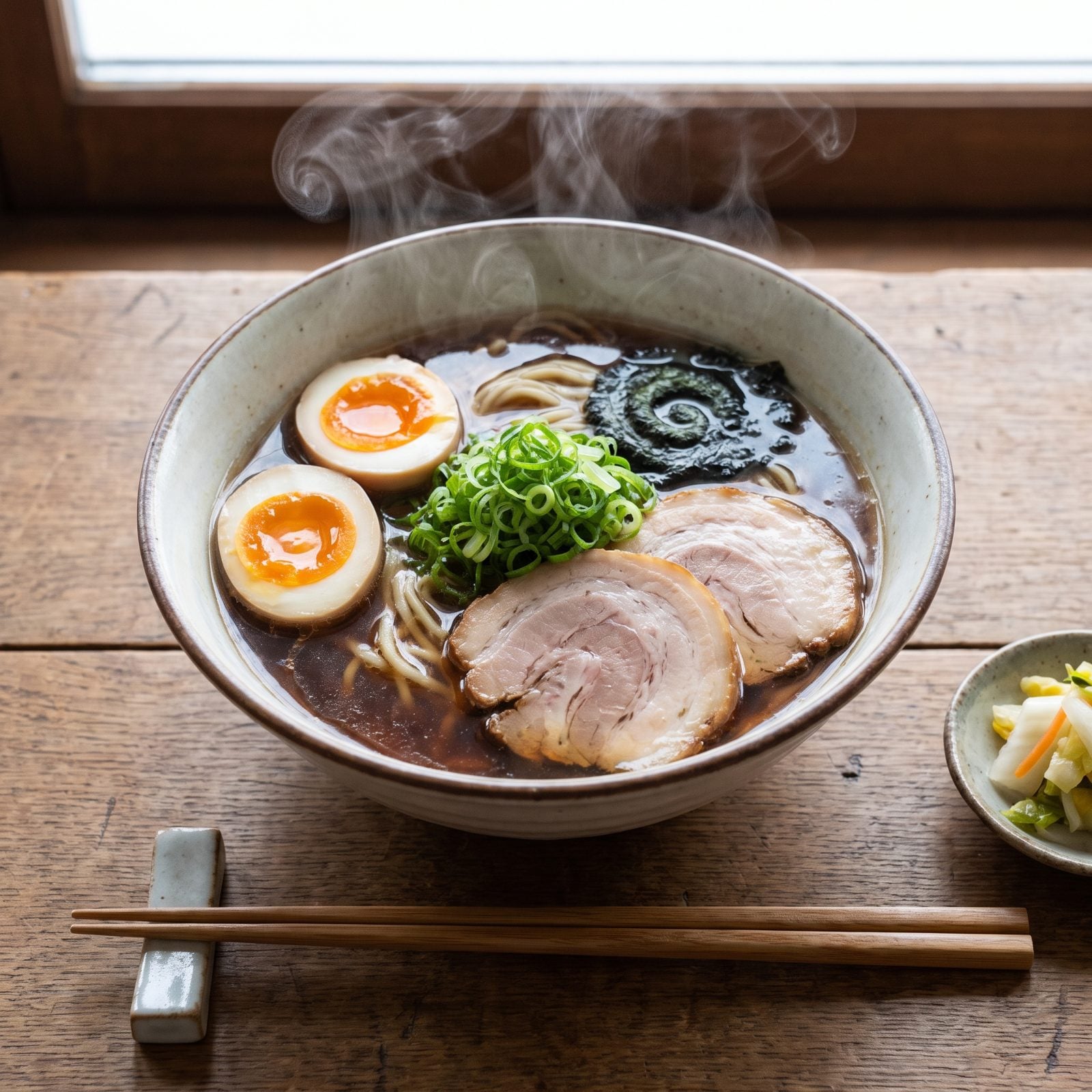
Postwar Japan ran on ramen. Cheap wheat, cheap broth, calories a working person could actually afford. Street carts, train stations, a quick bowl slurped standing up.
Then came the obsession. A proper tonkotsu broth means boiling pork bones for a full day until the collagen breaks down into something milky and thick. Chefs weigh their salt tare to the gram and age their eggs in soy for exactly the right jammy center.
The dish that was invented to be fast became one of the slowest things in the kitchen.
That contradiction is what pulls people in. They’ll wait in line for an hour to eat food designed to be gulped in five minutes.
14. Congee: Rice-Stretching Porridge Became an Upscale Brunch Bowl
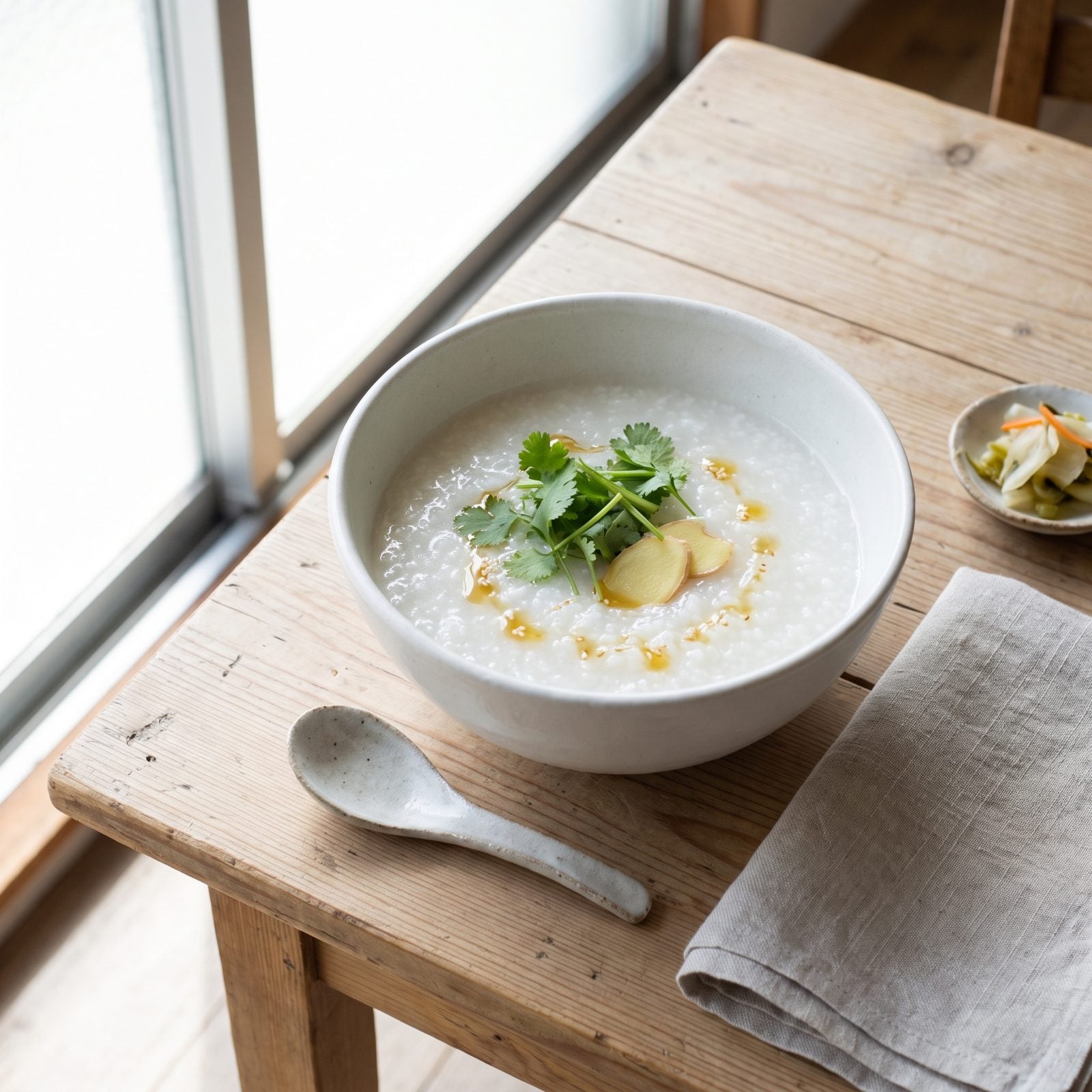
Congee is what you make when a little rice has to feed a lot of people. Add enough water, stir long enough, and a single cup becomes breakfast for the whole household. Sickbeds, lean years, early mornings before anyone could afford more.
Modern brunch menus treat it like a blank canvas — Dungeness crab, century egg, a soft poached egg bleeding over the top, a tangle of fried shallots for crunch. Fifteen dollars for rice and water, basically. But the slow simmer that breaks the grains down until they coat your spoon is genuinely hard to fake, and the comfort it delivers? Impossible to argue with.
13. Fried Rice: A Leftover-Rice Solution Became a Chef-Special Entrée
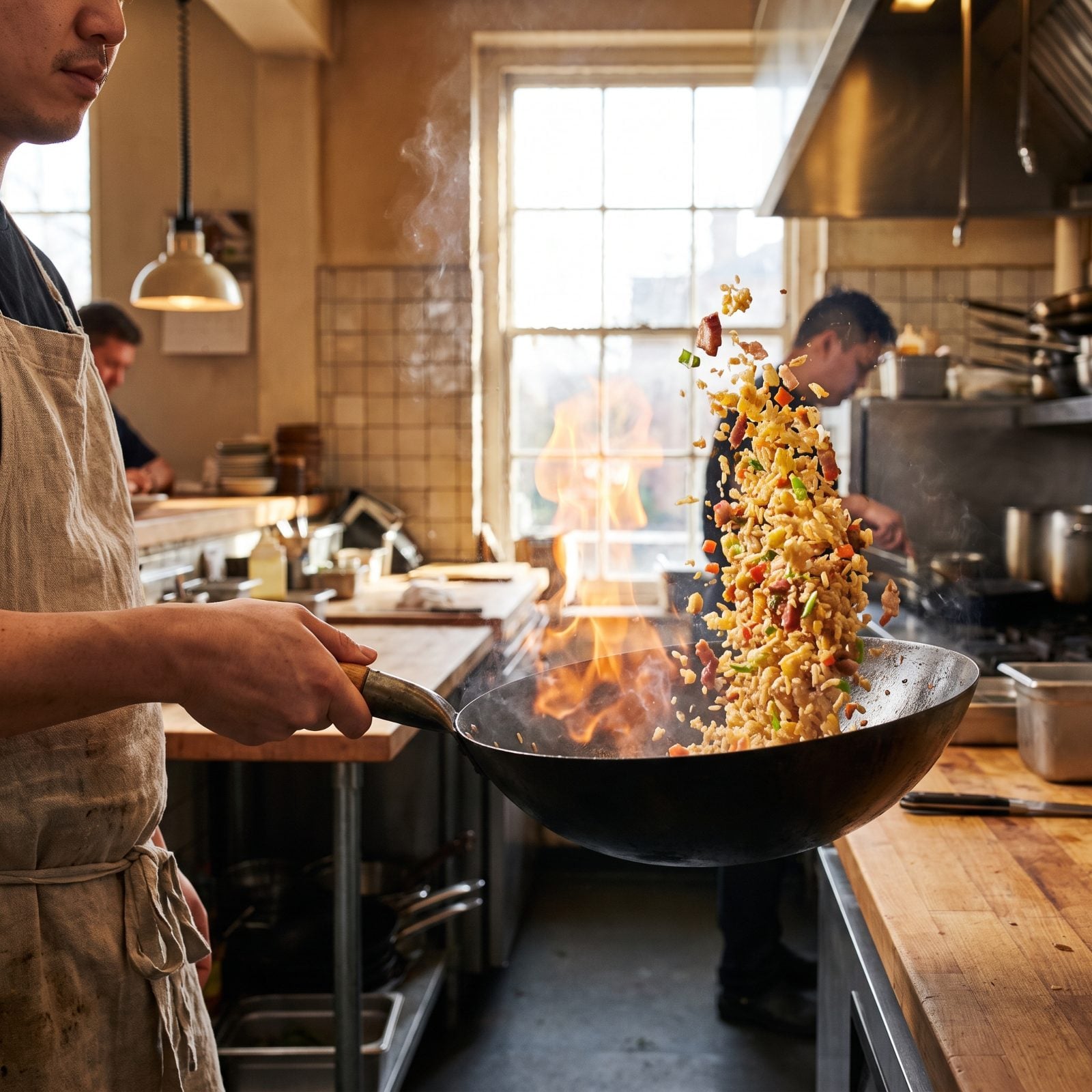
The dish exists because yesterday’s rice, dried out and clumpy, cooks into perfect separate grains once it’s gone a day stale. Waste-not cooking at its purest. Every culture with a rice tradition landed on its own version of the same idea.
What separates a chef’s version from the takeout box is heat. Real wok hei — that faintly smoky char you only coax out of a seasoned wok screaming over a flame most home burners can’t produce — is the thing people are actually paying for.
12. Yakitori: Skewered Chicken Parts Became a Multi-Course Grilling Experience
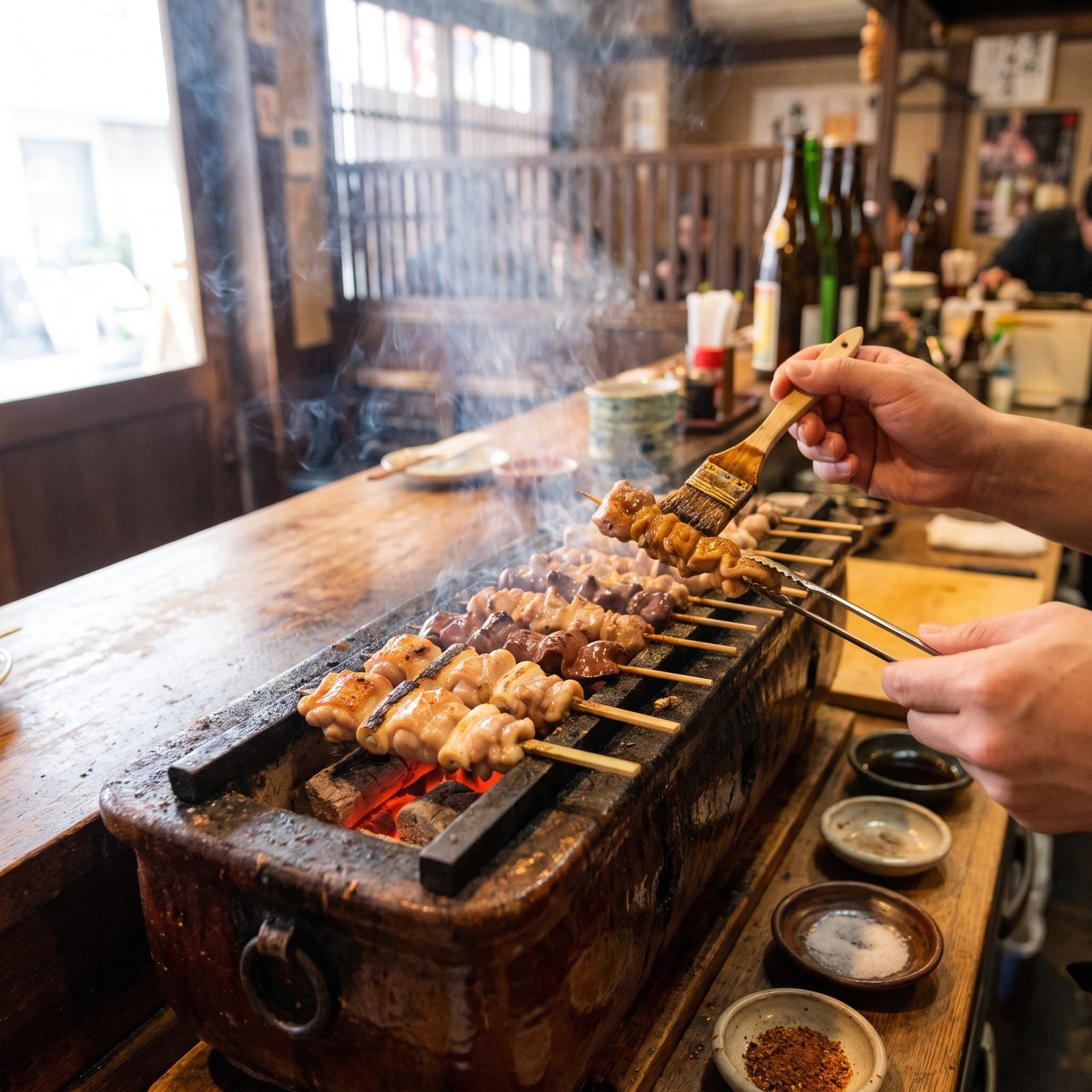
Yakitori was railway-station food. The parts of the chicken nobody wanted, skewered and grilled over coals, sold cheap to workers who needed a fast hit of protein and a beer.
Nothing goes to waste, and that frugality is exactly what high-end counters flipped into a selling point. The tail. The soft knee cartilage. The heart, the liver, a strip of skin crisped until it shatters. A serious counter will walk you through fifteen courses, each skewer a different cut cooked over binchotan charcoal that burns clean and hot.
11. Tacos: Affordable Street Food Became a Chef-Curated Tasting Format
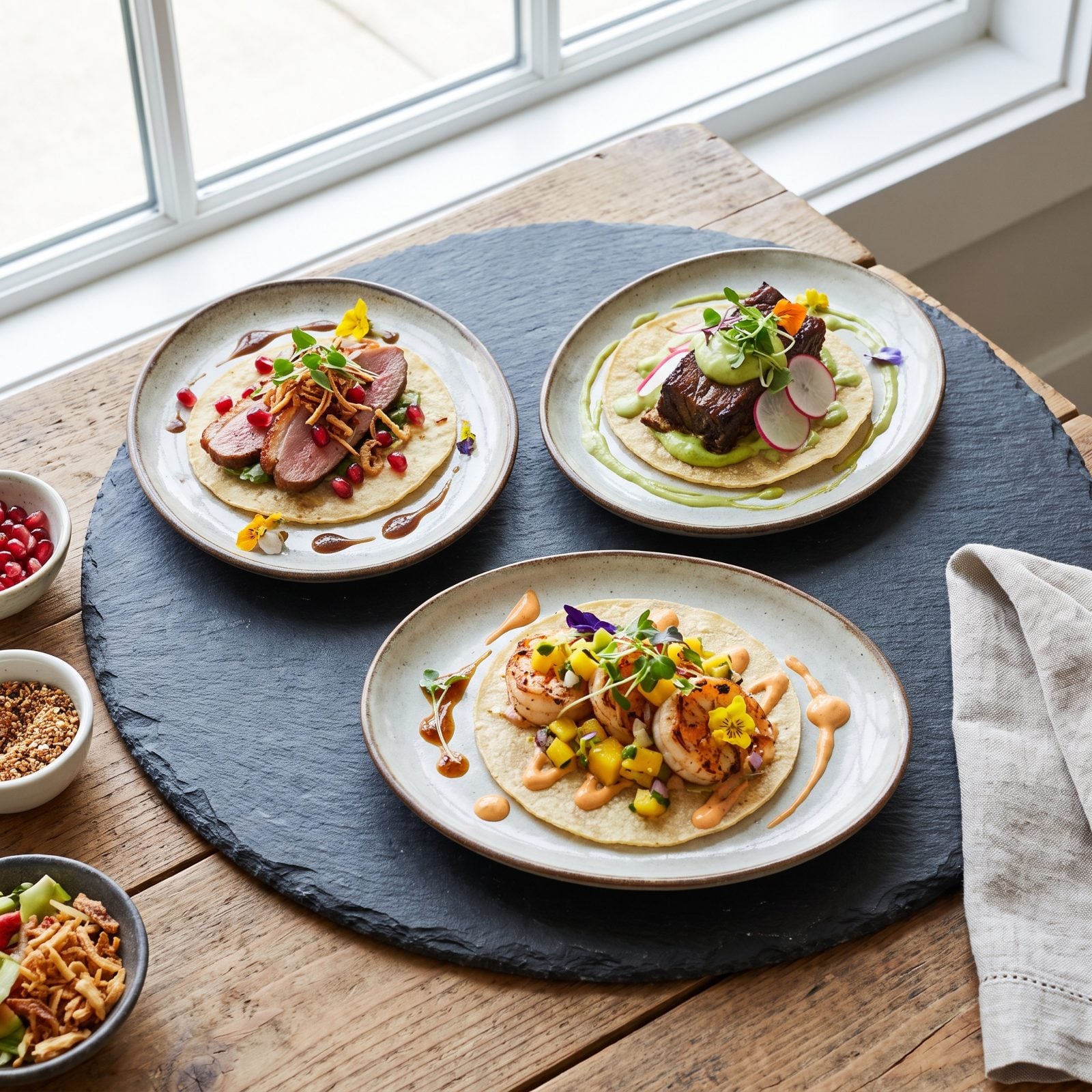
Two dollars from a cart, eaten standing on a corner, folded into a paper napkin. That’s the taco’s native habitat, and it’s still where the best ones live.
The restaurant version got ambitious. Nixtamalized masa ground in-house, heirloom corn from a specific farm, a progression of tasting tacos that walks you through a chef’s entire philosophy. And yet — how often does that thirty-dollar flight actually beat the taquero who’s been perfecting one filling for twenty years? Craft and specialization aren’t the same thing, and the humble taco keeps proving it.
10. Elote: Street-Sold Corn Became a Composed Restaurant Appetizer
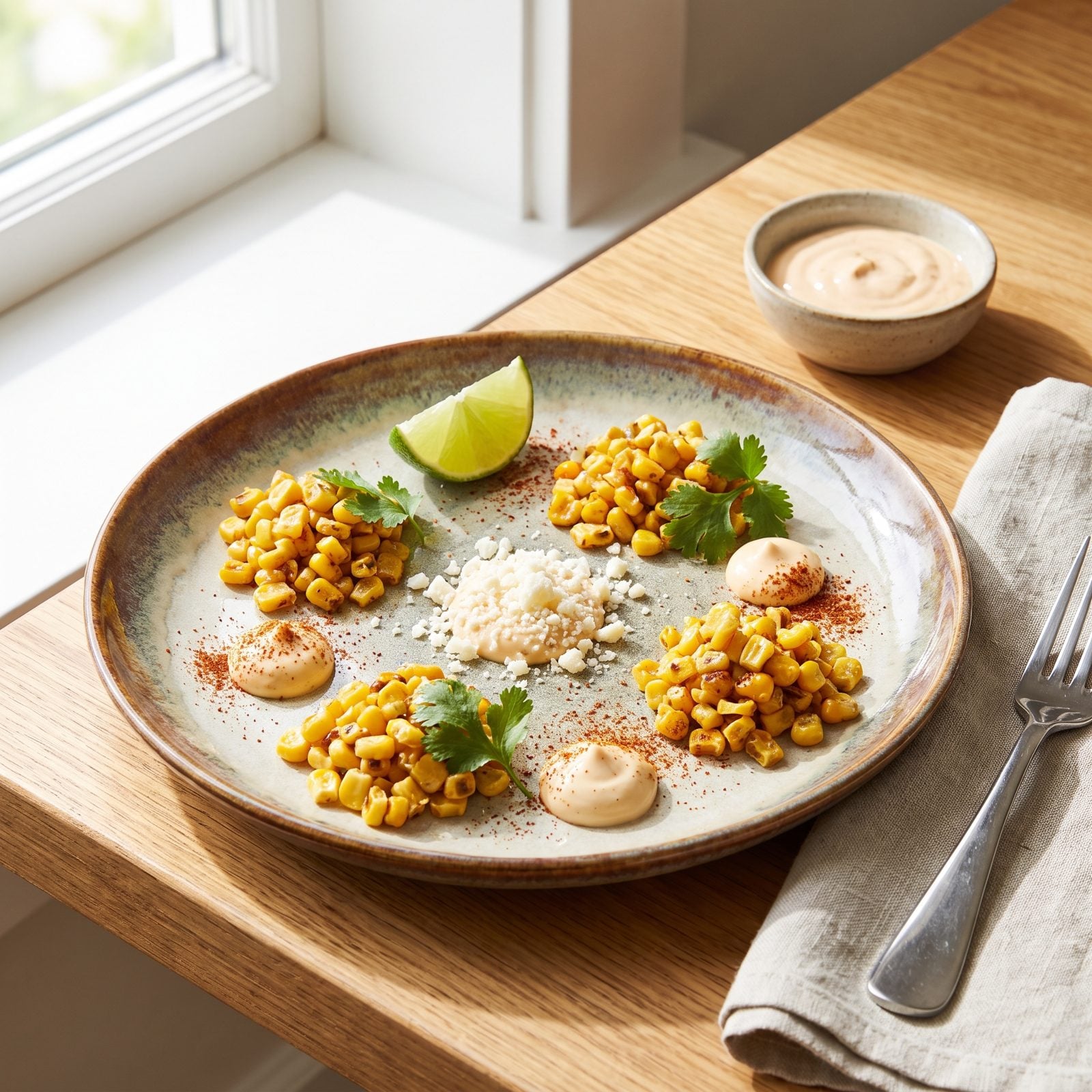
Corn on a stick, slicked with mayo, rolled in cheese and chili, squeezed with lime. Sold off carts for pocket change because corn is one of the cheapest crops on earth.
Fine dining couldn’t leave it alone. Now you’ll find it cut off the cob into a composed bowl (that’s esquites, technically), plated with microgreens and a smear of aioli, charged as an appetizer. The upgrades rarely top the original, because elote was already perfect. Salty, sweet, sour, spicy, creamy, all at once. Nothing to fix here.
9. Birria: Long-Braised Goat Stew Became a Premium Menu Star
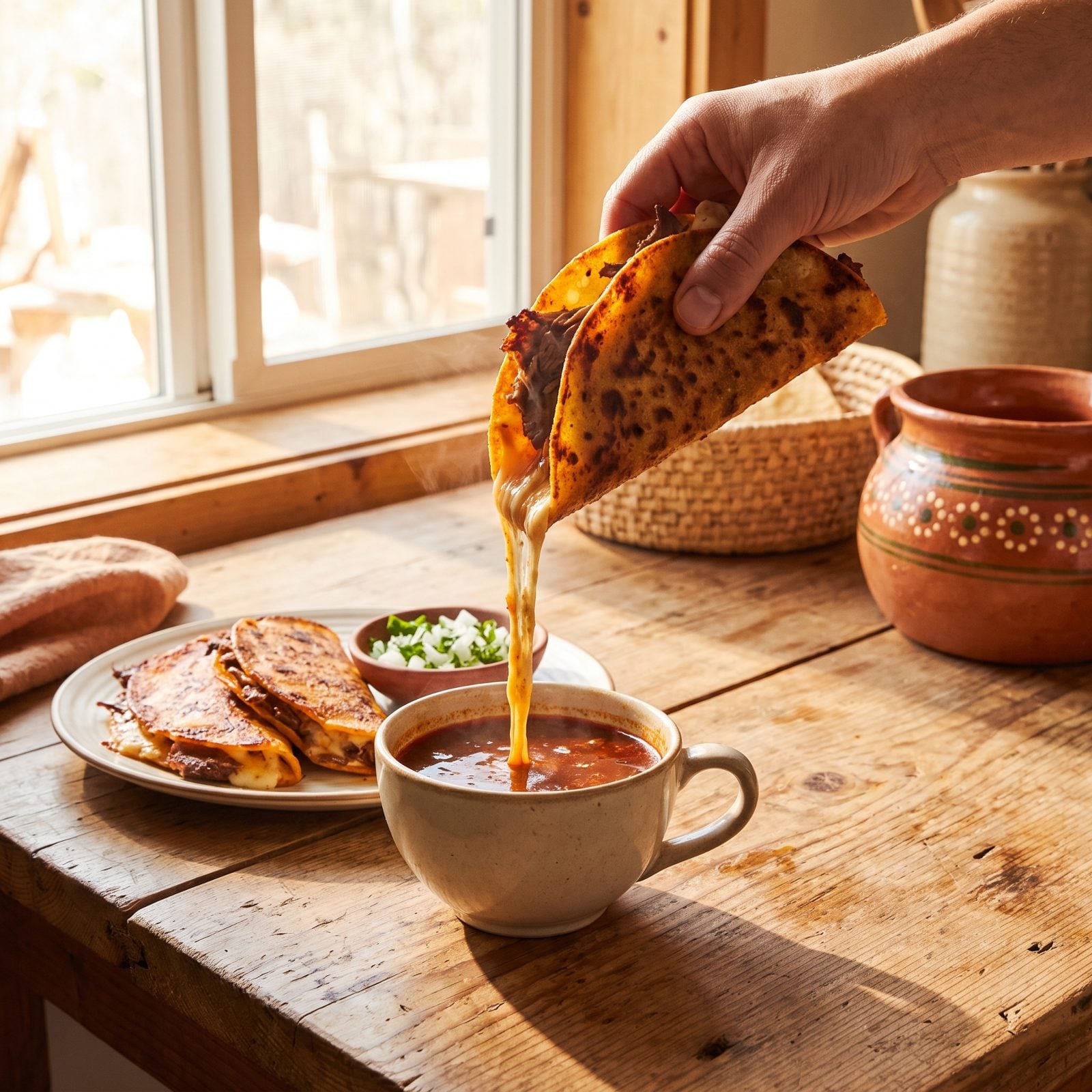
Birria came from Jalisco, where goat was abundant and considered tough, gamey, barely worth eating. The fix was time — hours of braising in dried chilies and spices until the meat surrendered and the broth turned deep and complex.
The dish exploded when somebody dunked a cheese-filled tortilla in the fat, griddled it crisp, and posted the cheese pull online. Suddenly birria was everywhere, and the price followed right behind. A bowl that was once peasant Sunday cooking now anchors premium menus, sometimes made with brisket instead of goat because the demand outran the supply.
8. Falafel: Affordable Street Food Became a Polished Mezze Favorite
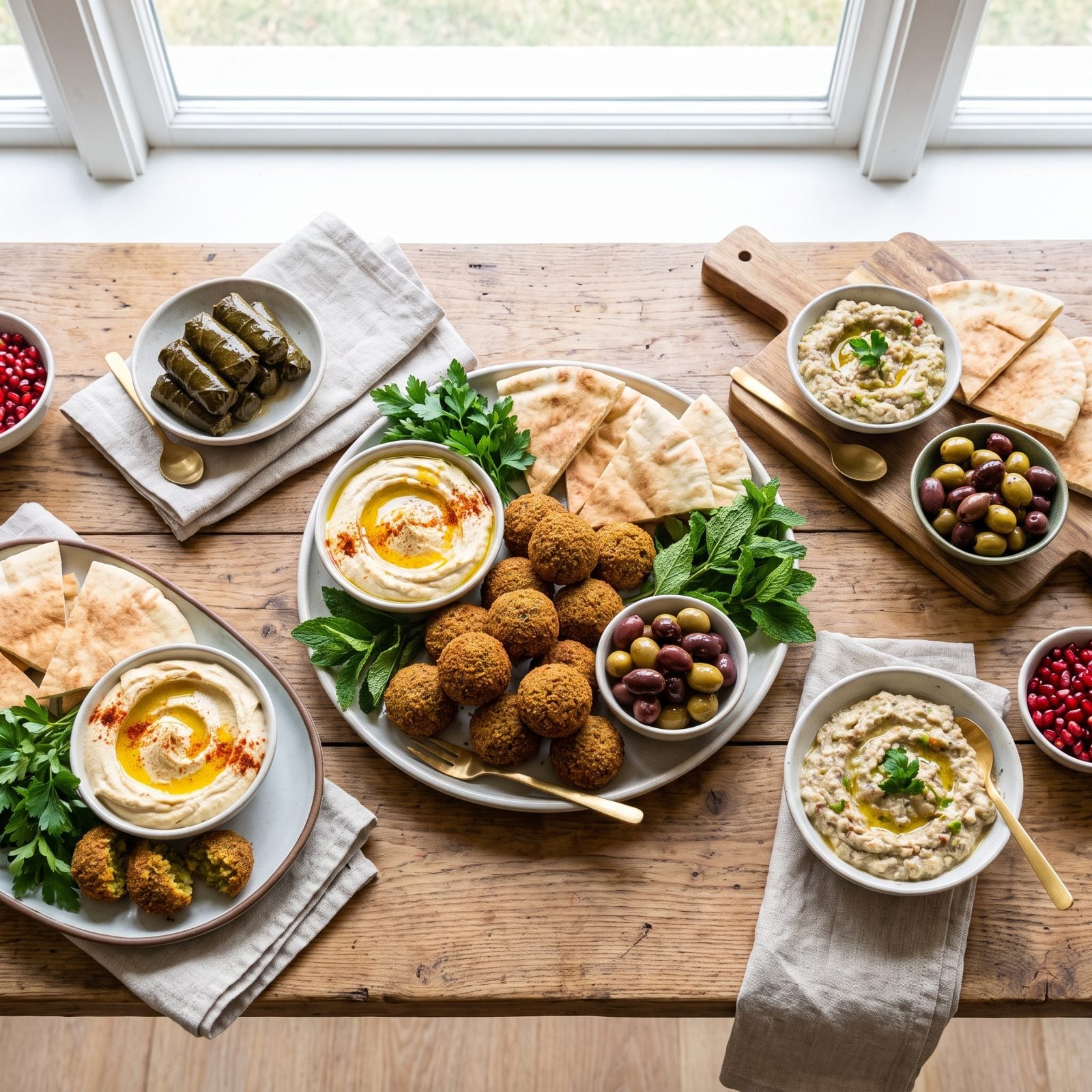
Ground chickpeas, herbs, spices, fried into cheap protein for people who couldn’t afford meat. Wrapped in pita, sold from windows across the Middle East for the price of loose change.
The mezze treatment gave it room to breathe. Now the falafel arrives as part of a spread: hummus swirled with good olive oil, baba ganoush, bright pickled turnips, warm flatbread torn by hand. The falafel itself has barely changed, which is rather the point. A properly fried one — crisp outside, vivid green within — needs no reinvention. It just needed better company and a plate worth sitting at.
7. Shakshuka: Eggs Simmered in Tomato Sauce Became a Brunch Headliner
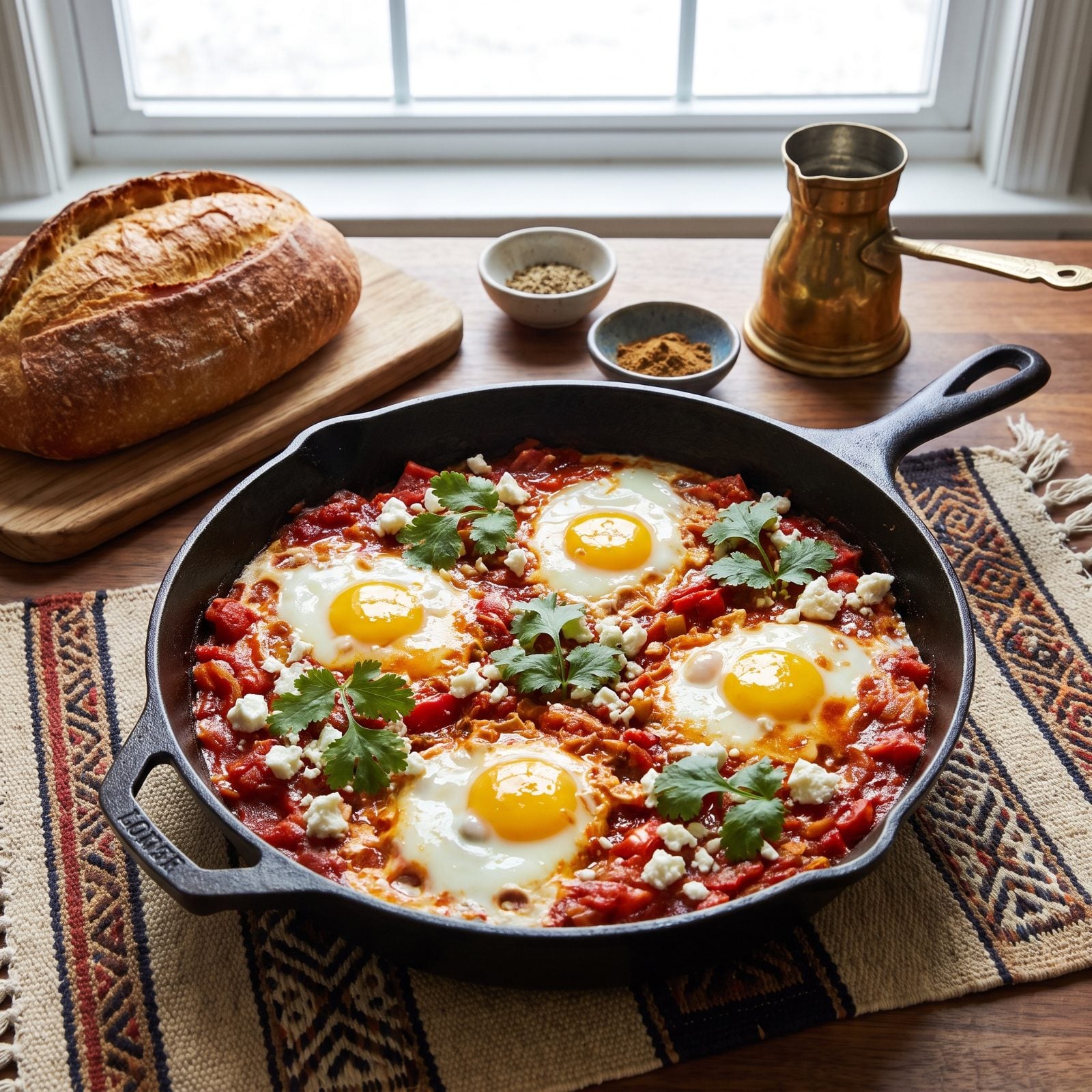
A North African working-class breakfast built on canned tomatoes, cheap peppers and a couple of eggs now commands a line out the door on Sunday morning. The genius was always in the thrift — eggs poached right in the sauce, so there’s no extra pan, no wasted fat, nothing left behind.
What changed was the staging. Serve it in the same beat-up pan it cooked in, crack a runny yolk on camera, add a crumble of feta nobody’s grandmother used, and suddenly it’s a destination.
6. Ratatouille: A Simple Vegetable Stew Became an Elegant Provençal Course
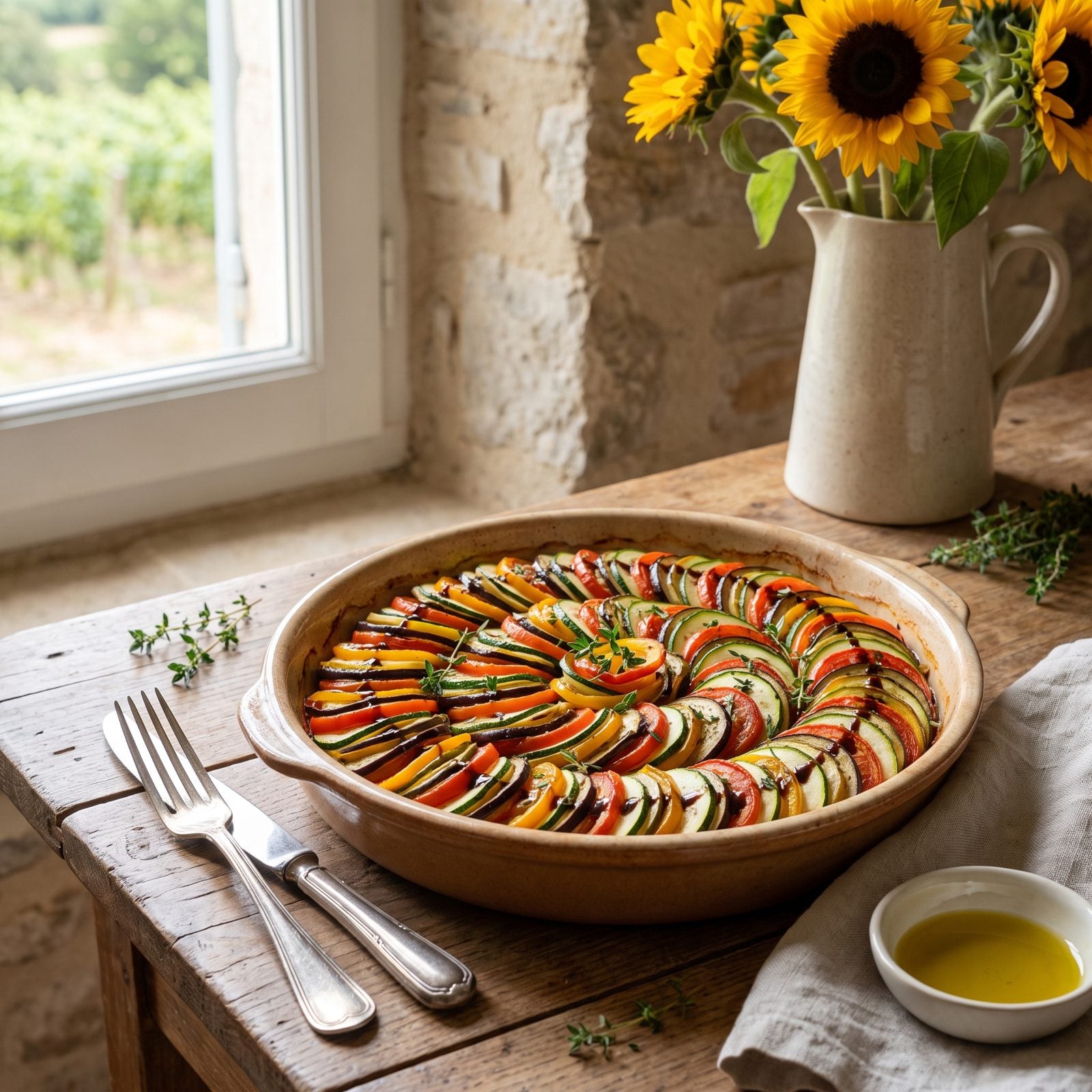
Peasant cooks in Nice threw their late-summer garden surplus into a pot because none of it would keep. Use up the squash before it turns, that was the logic.
The restaurant version turns that chaos into geometry. Rather than a loose stew, chefs fan paper-thin slices into a tight spiral, bake it low, and plate it like a tart — same five vegetables, same olive oil, same herbs. The difference is a knife skill and the patience to arrange something your great-grandmother would have stirred once and ladled out.
Honestly? The stewed version tastes better. The pretty one just photographs well.
5. Carbonara: Eggs, Cheese and Cured Pork Became a Premium Pasta Plate
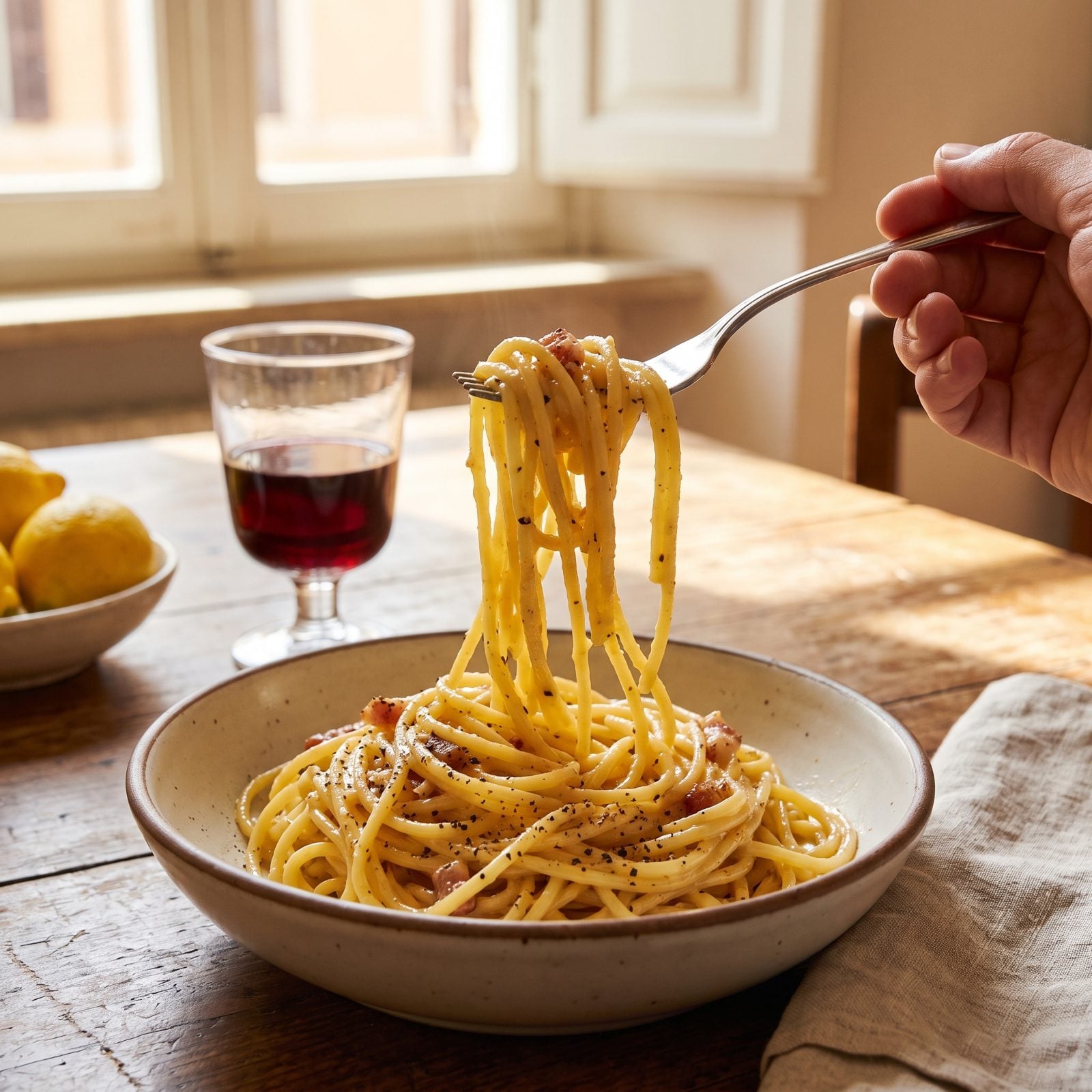
Four ingredients. That’s the whole recipe, and three of them are pantry cheap. Eggs, hard cheese, cured pork, pepper. No cream, despite what half the menus in America tell you. Roman workers made it fast and hot because they needed calories, not ceremony.
Now it’s one of the most expensive bowls of pasta you can order, and the markup rides almost entirely on fear. Carbonara is technically difficult — add the egg too hot and you get scrambled eggs on noodles. Restaurants charge for the skill of not ruining it.
The dish costs pennies to make and a small fortune to make correctly.
4. Gnocchi: Economical Potato Dumplings Became a Handmade Menu Attraction
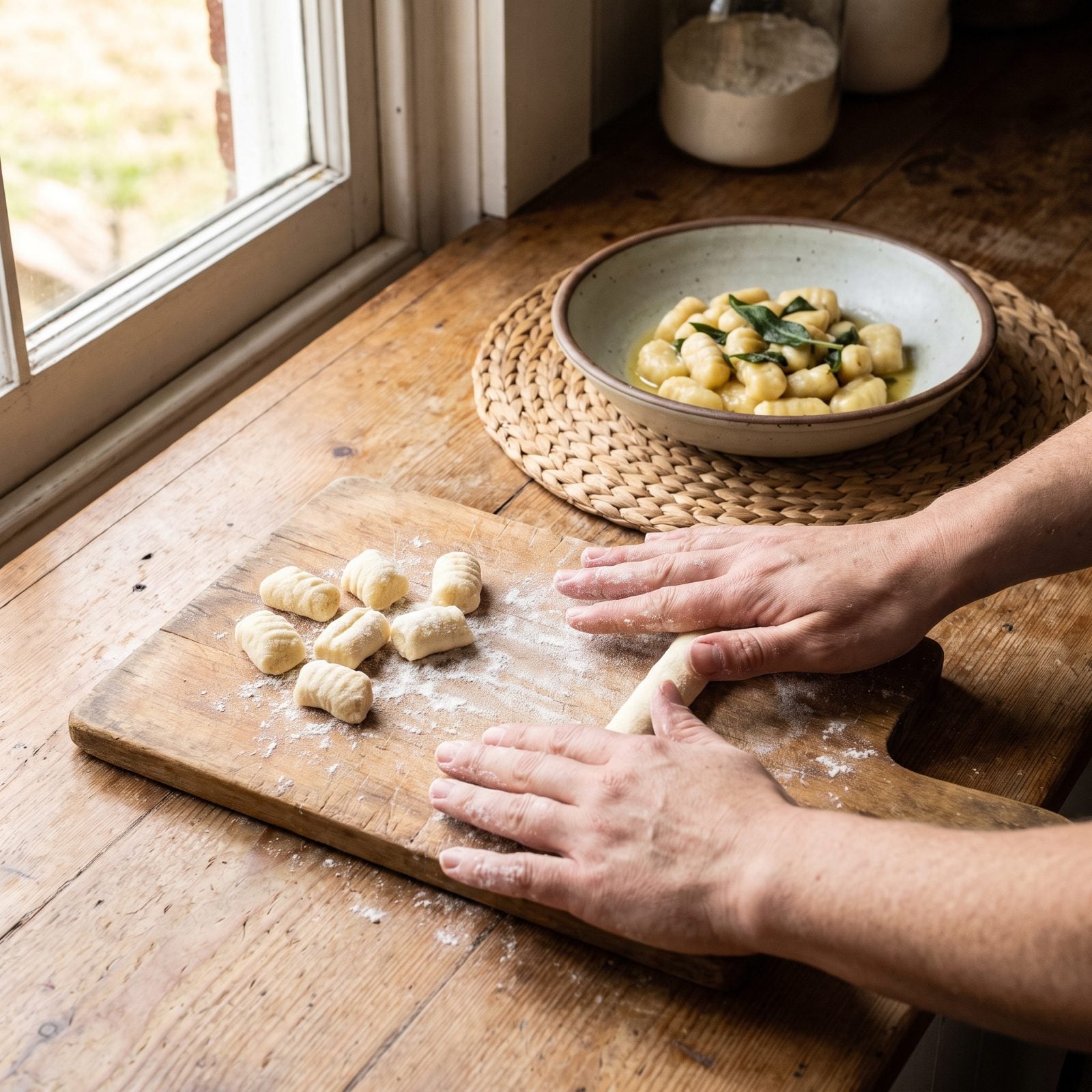
Leftover potatoes, a little flour, maybe an egg. Gnocchi exists because nobody wanted to waste a boiled spud, and it’s one of the cheapest things a kitchen can produce.
So why the premium? Because the second word on the menu is “handmade,” and that word is doing heavy lifting. Rolling and ridging gnocchi by hand is slow, tedious work, and the texture collapses the moment you rush it. Dense, gummy gnocchi is a tragedy. The light, almost-cloud kind takes feel and years of practice.
3. Macaroni and Cheese: Budget Pasta Became a Truffle-Topped Restaurant Indulgence
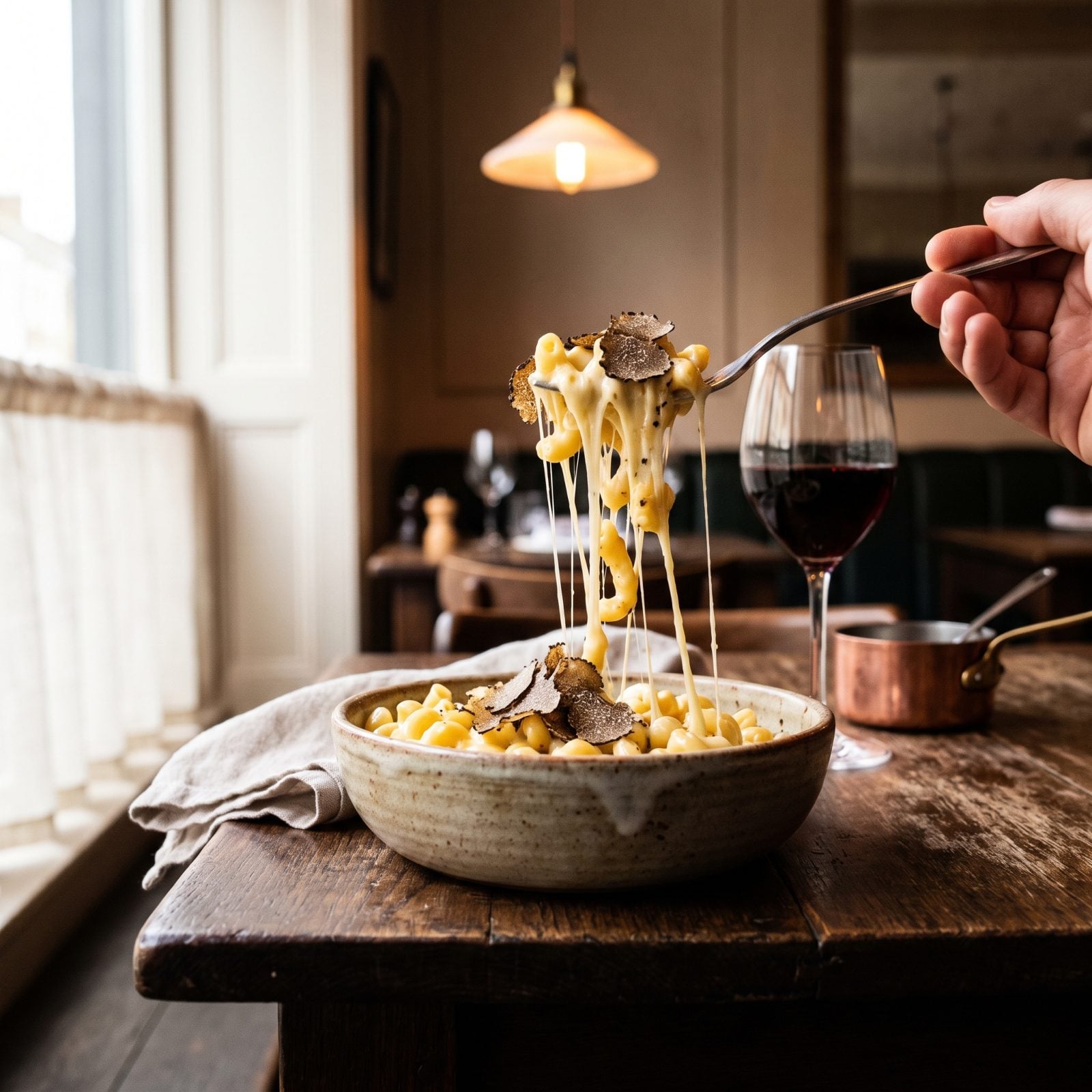
The dish that fed broke college students out of a blue box now runs you a fortune with black truffle shaved over the top — and the truffle is the entire con.
Underneath, it’s still pasta and cheese sauce. The upcharge comes from a thin layer of something luxurious laid across something familiar, one of the oldest tricks in fine dining. Comfort plus a status ingredient equals a price you’ll pay without flinching.
2. Welsh Rarebit: Cheese on Toast Became a Gastropub Specialty
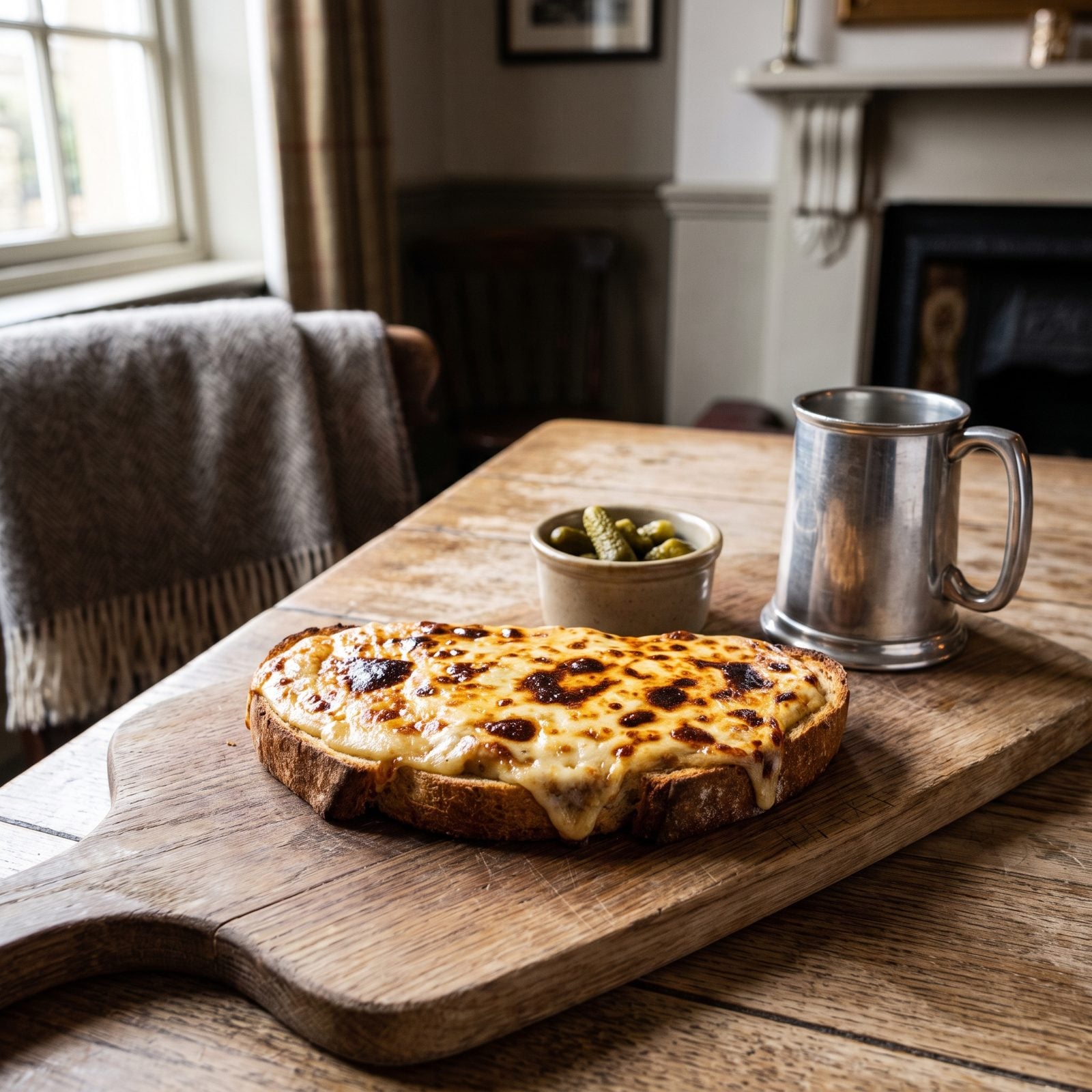
Cheese melted on toast. That’s it. The British have been calling this fancy since the 1700s, and the name was probably a dig at poor Welsh families who ate it when they couldn’t afford meat.
The gastropub version earns its spot by taking the sauce seriously. Good cheese, a splash of ale, mustard, Worcestershire, maybe an egg yolk, all whisked into something that sets up glossy under the grill rather than sliding off the bread. Still cheese on toast. Just cheese on toast made by someone who cares.
1. Pierogi: Frugal Filled Dumplings Became an Artisanal Restaurant Entrée
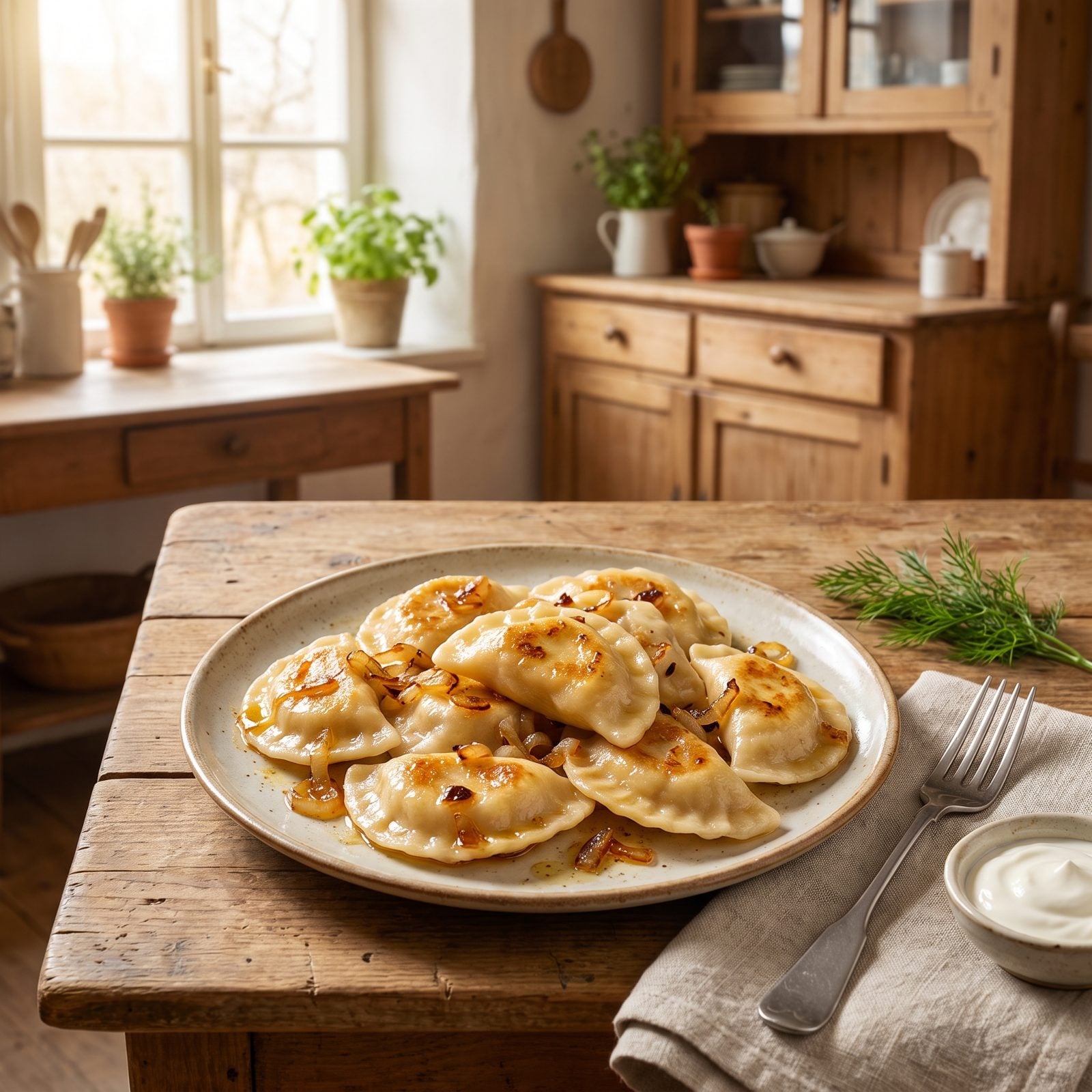
Flour, water, and whatever was cheap enough to stuff inside — potato, farmer’s cheese, cabbage, mushrooms foraged for free. Pierogi were Eastern European survival food, made in enormous batches by hand around a kitchen table.
The restaurant version keeps those frugal fillings and charges for the labor nobody wants to do anymore. Every dumpling gets rolled, filled and crimped by hand. Pan-fry them in butter, pile on caramelized onions, add a swipe of sour cream, and the plate reads as craft.
And it is. No machine shortcut produces a pierogi worth eating. That’s what they’re actually selling you — the hour of somebody’s hands.