Would you like to save this?
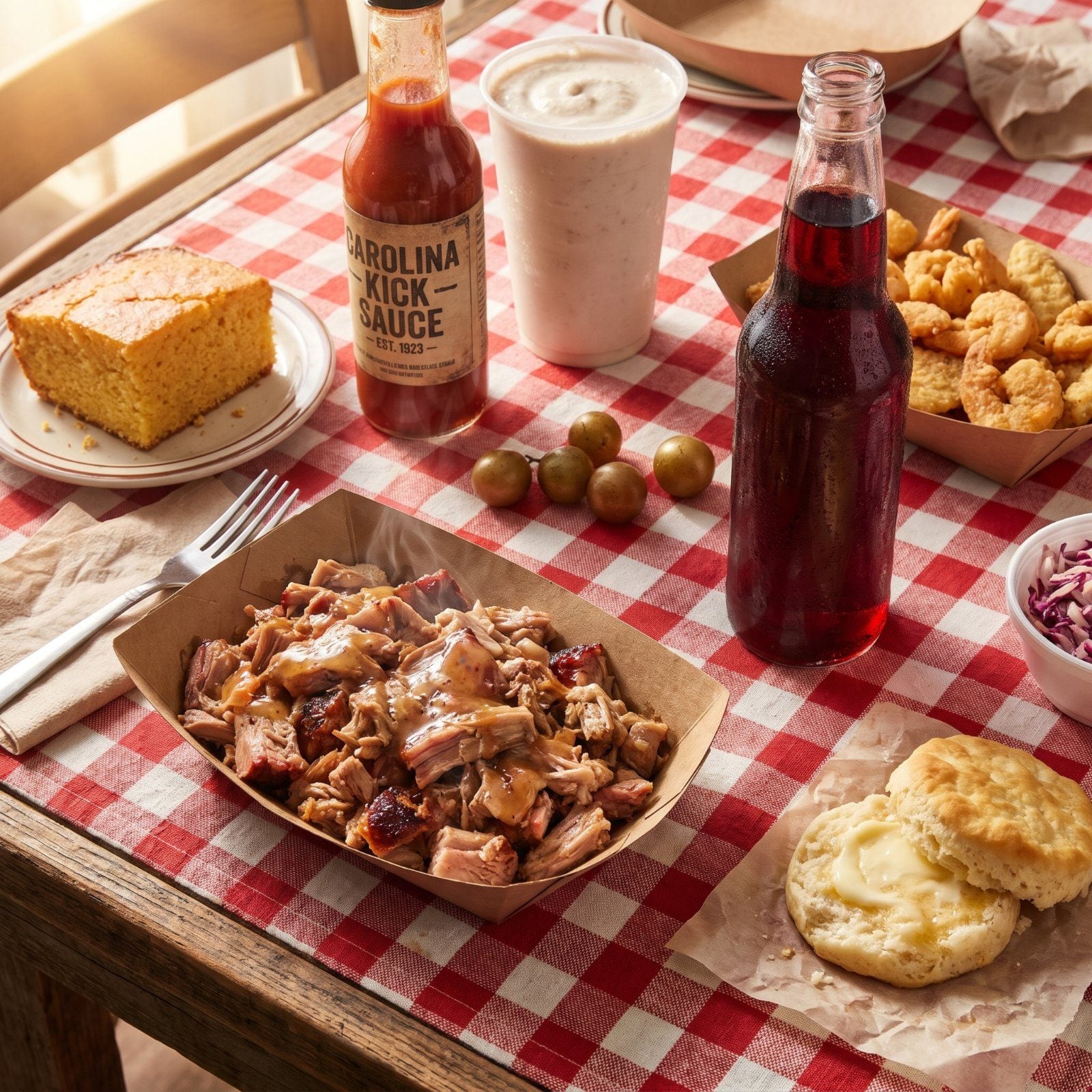
You move to Denver, or Austin, or somewhere up north, and for a while it’s fine. Then one Tuesday you want a chopped pork sandwich dressed in vinegar and pepper, and you realize nobody within 800 miles knows what you’re talking about. That’s the moment North Carolina gets you. It’s never the famous stuff you miss — it’s the gas-station biscuit, the burgundy soda, the fried liver square your grandmother cooked up with eggs. Here’s what keeps calling transplants home.
Please note that some of the images in this article were created with the assistance of AI.
20. Eastern-Style Whole-Hog Barbecue (and the Vinegar-Pepper Sauce Nobody Else Gets Right)
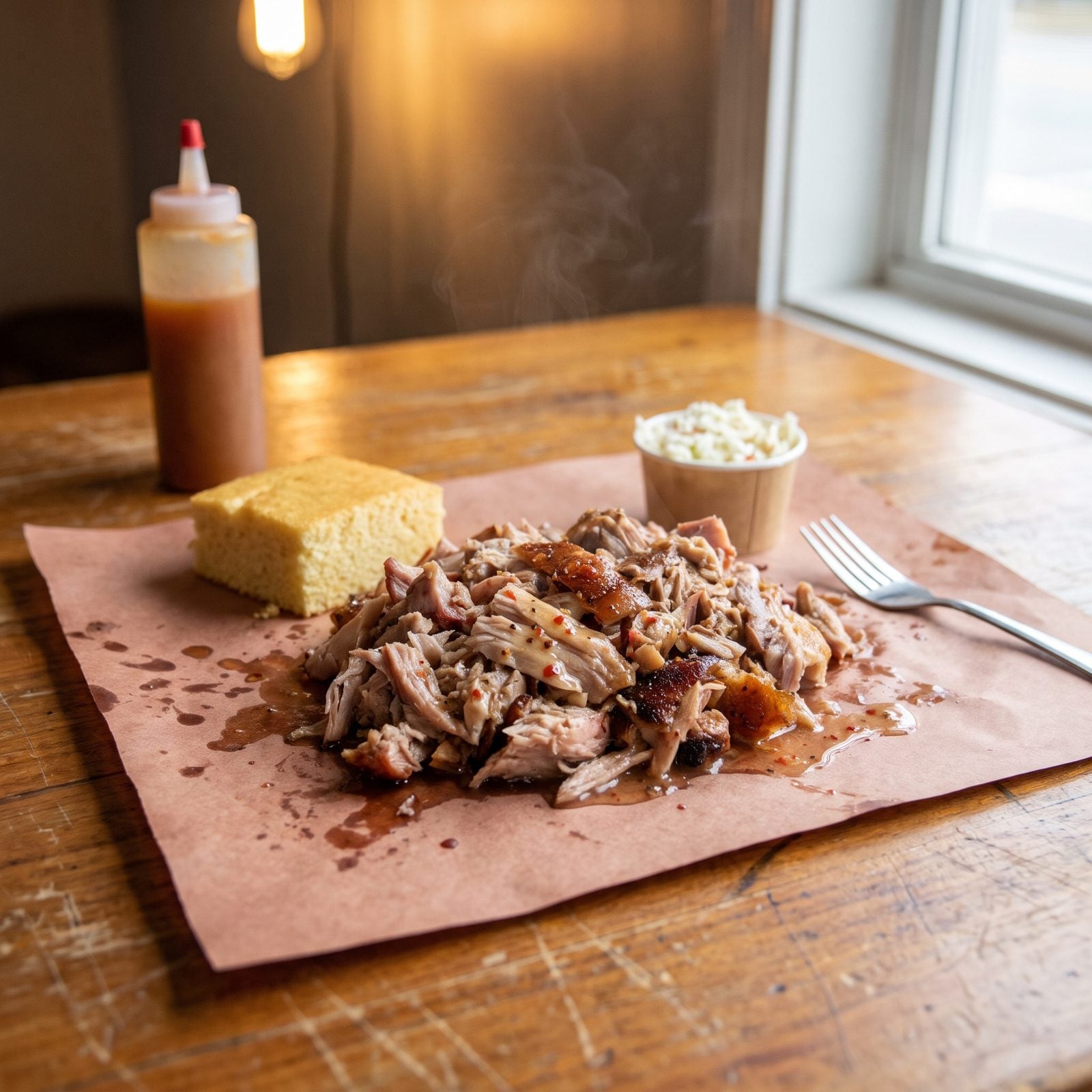
The first thing a transplant learns is that most of the country thinks barbecue means a thick red sauce you squeeze from a bottle. In Eastern North Carolina, the hog goes on whole, cooks low and slow over wood and charcoal for the better part of a day, then gets finished with nothing but vinegar and red pepper. No sugar, no tomato. The sauce is sharp enough to make your eyes water a little, and that’s the point.
Skylight Inn in Ayden has been doing it since 1947, and you can spot the place by the replica of the Capitol dome stuck on the roof. The pork comes chopped fine, studded with bits of crispy skin, served alongside slaw and cornbread. Those sticky, smoky edges tangled through the meat? People chase them for years after they leave.
19. Lexington-Style Barbecue With Red Slaw (the Other Half of the State’s Great Argument)
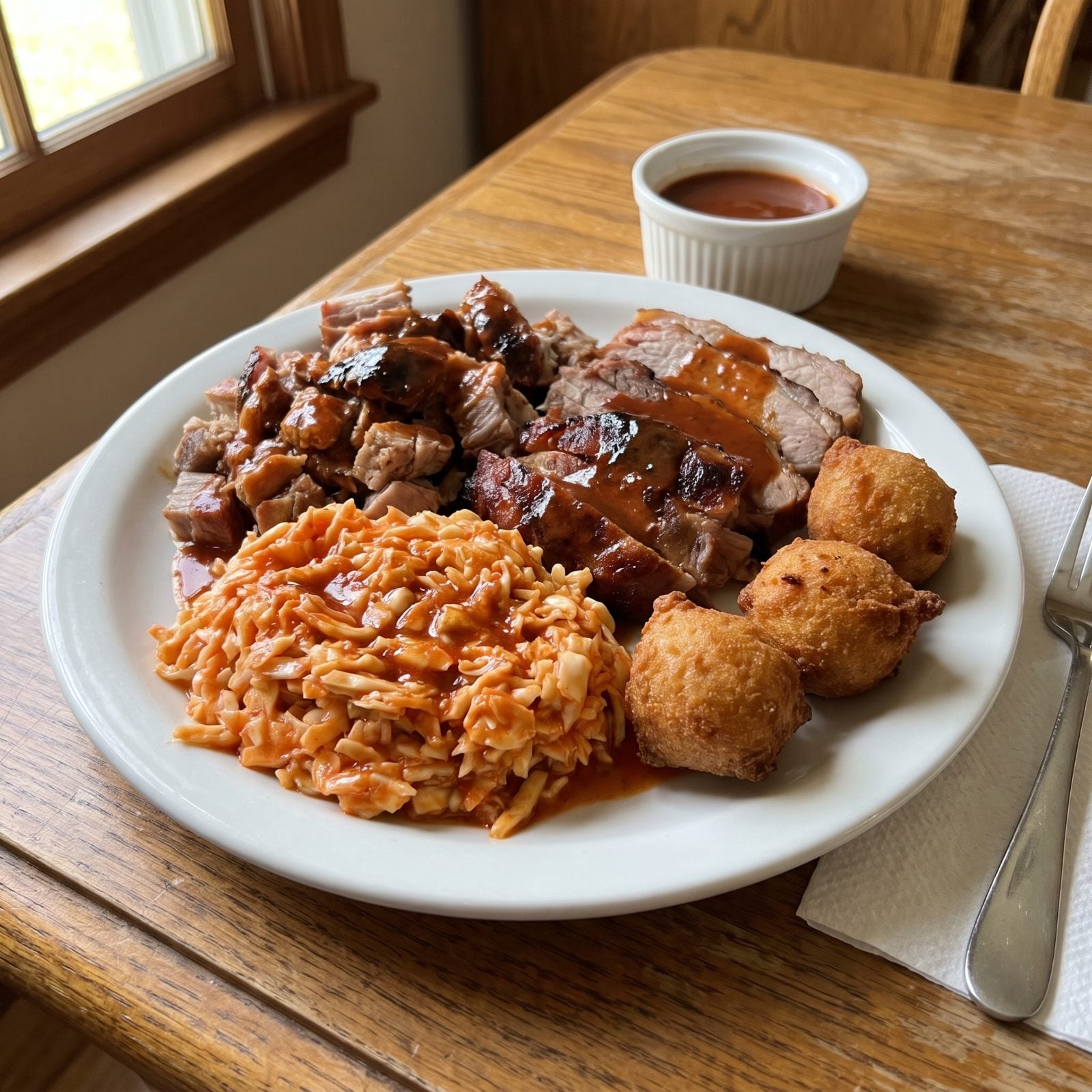
Drive west from hog country into the Piedmont and the whole religion changes. Lexington-style uses pork shoulder, not the whole animal, and it gets a tangy tomato-based dip that Eastern purists consider borderline criminal. The two camps will argue about this at a funeral.
The red slaw is the giveaway. No mayonnaise anywhere near it — just cabbage dressed with that same dip, chopped short and fairly fine, tinted a uniform vivid red-orange. Lexington bills itself as the Barbecue Capital of the World and backs it up every October with the Lexington Barbecue Festival, a one-day event that pulls a huge crowd into a small Piedmont town. The pork there still cooks over hickory and oak coals, the way it always has.
18. Cheerwine, the Burgundy Soda That Tastes Like Home in a Glass Bottle
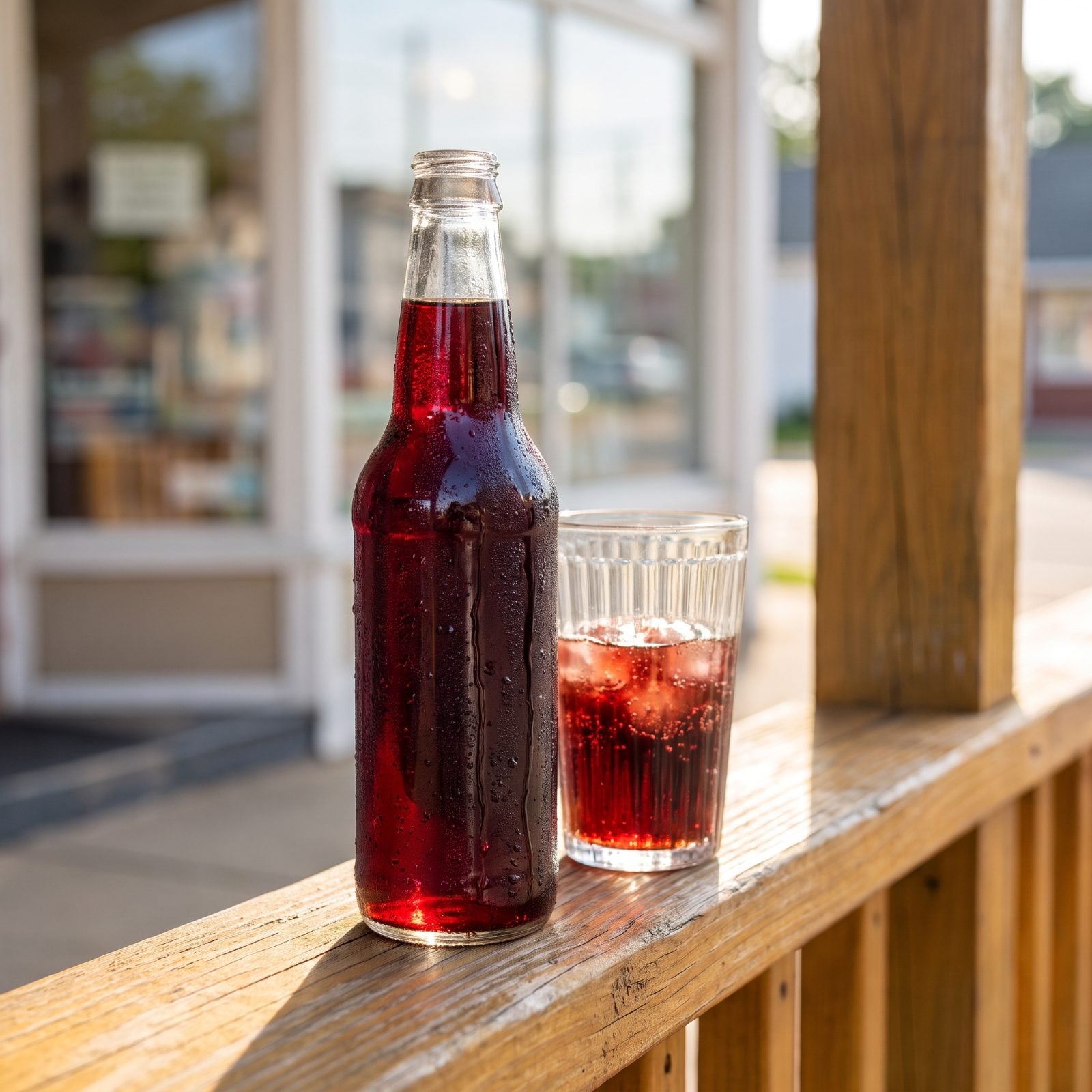
Lewis D. Peeler mixed up the first batch in Salisbury back in 1917, and the name is just “cheer” plus “wine,” a nod to that deep red color. There’s no wine in it. What there is, is a cherry flavor that doesn’t taste like any other cola or cherry soda, and that’s exactly why transplants get weird about it.
For most of its life, you couldn’t buy the stuff much outside North Carolina. People would drive home from college for a holiday and load a case into the trunk. Some folks have even mailed bottles to relatives in other states like contraband. The glass bottle hits different than the can, too — can’t prove it scientifically. It just does.
17. Livermush, the Breakfast Square You Have to Explain to Everyone
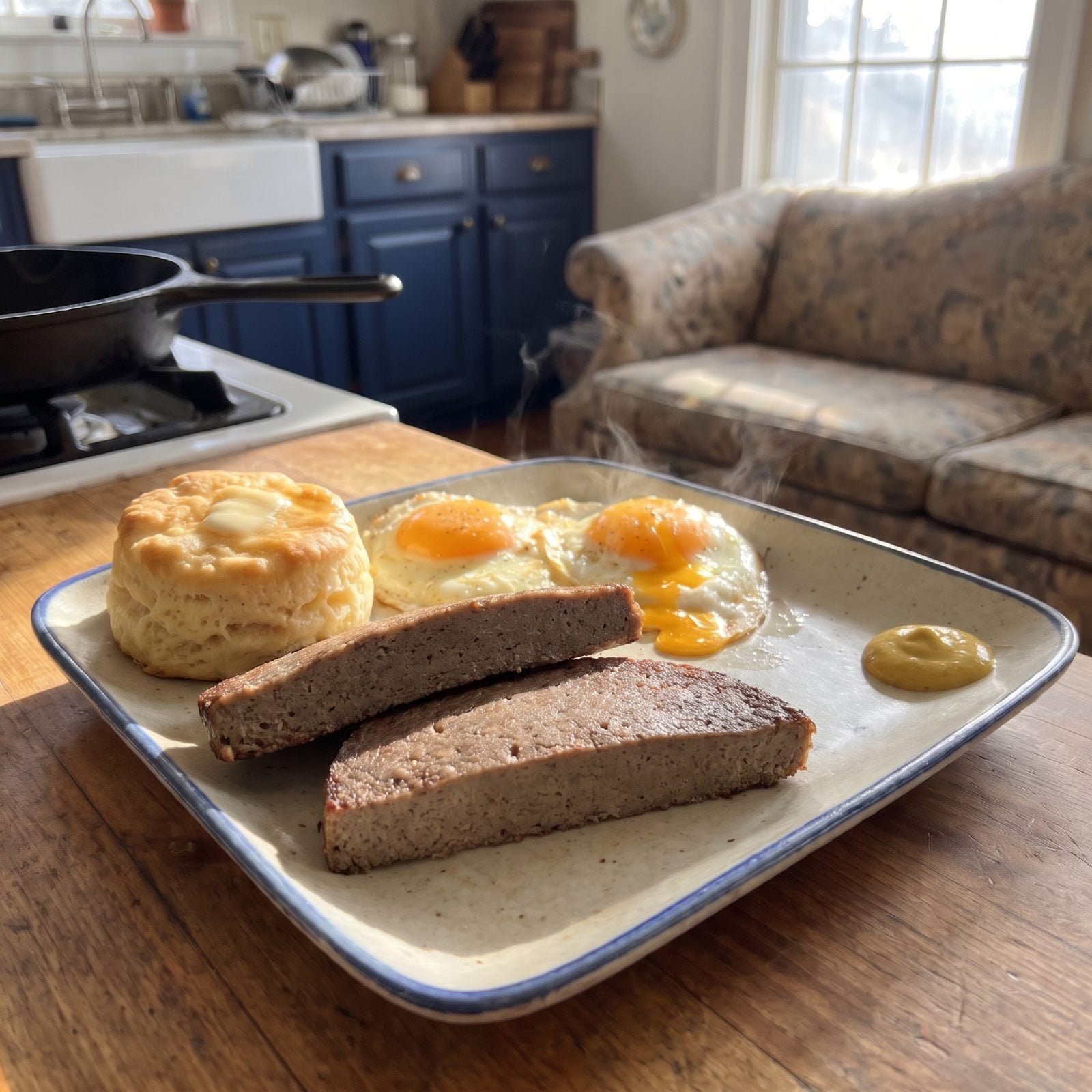
Try explaining livermush to someone from California and watch their face. It’s ground pork liver mixed with other hog meat, spices, and cornmeal, shaped into a loaf, then sliced into squares and fried. By North Carolina law it has to be at least 30 percent pig liver — one of the more specific food laws you’ll ever read.
Fried crisp and served with eggs, or stacked on white bread with mustard or mayo, it’s a western and central Carolina breakfast staple. Shelby loves it enough to throw the NC Liver Mush Festival every year on the third Saturday in October, with the next one set for October 17, 2026. Nobody who grew up on it apologizes for it. Honestly, they shouldn’t have to.
What Our Readers Say
- When Piaci Pizza readers loved a food photo and tapped a reason, comfort came first at 27%, with nostalgia close behind at 18%.
- When our readers disliked a food photo, the top reason was a simple “not for me” at 36%, just ahead of the ingredients themselves at 30%.
From Piaci Pizza reader polls and votes.
16. Carolina-Style Hot Dogs: Chili, Slaw, Onions, Mustard, No Negotiation
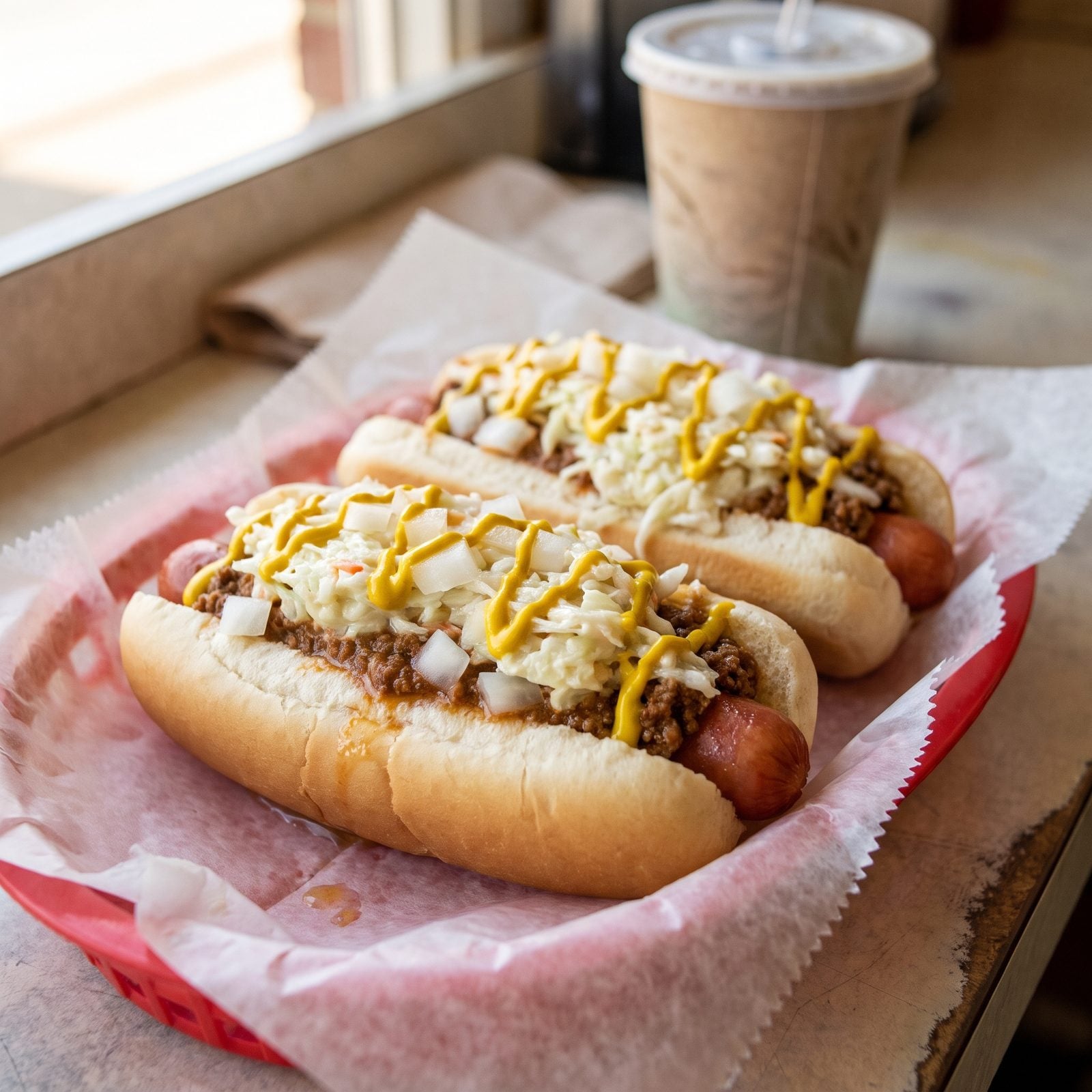
Walk into a hot dog stand anywhere else and say “all the way” and you’ll get mustard and ketchup, maybe. In the Carolinas, “Carolina style” means a very specific stack: chili, coleslaw, onions, and usually yellow mustard. And the order matters — the slaw goes on the chili, not the other way around, and people have opinions.
The style started in the Coastal Plain and Piedmont, then spread through generations of drive-ins and lunch counters. Ketchup, notably, is optional and often frowned upon. A transplant learns fast that ordering one of these in another state means standing at the counter describing it ingredient by ingredient while the line backs up behind them.
15. Bojangles Chicken and Biscuits, the Hometown Original From Charlotte
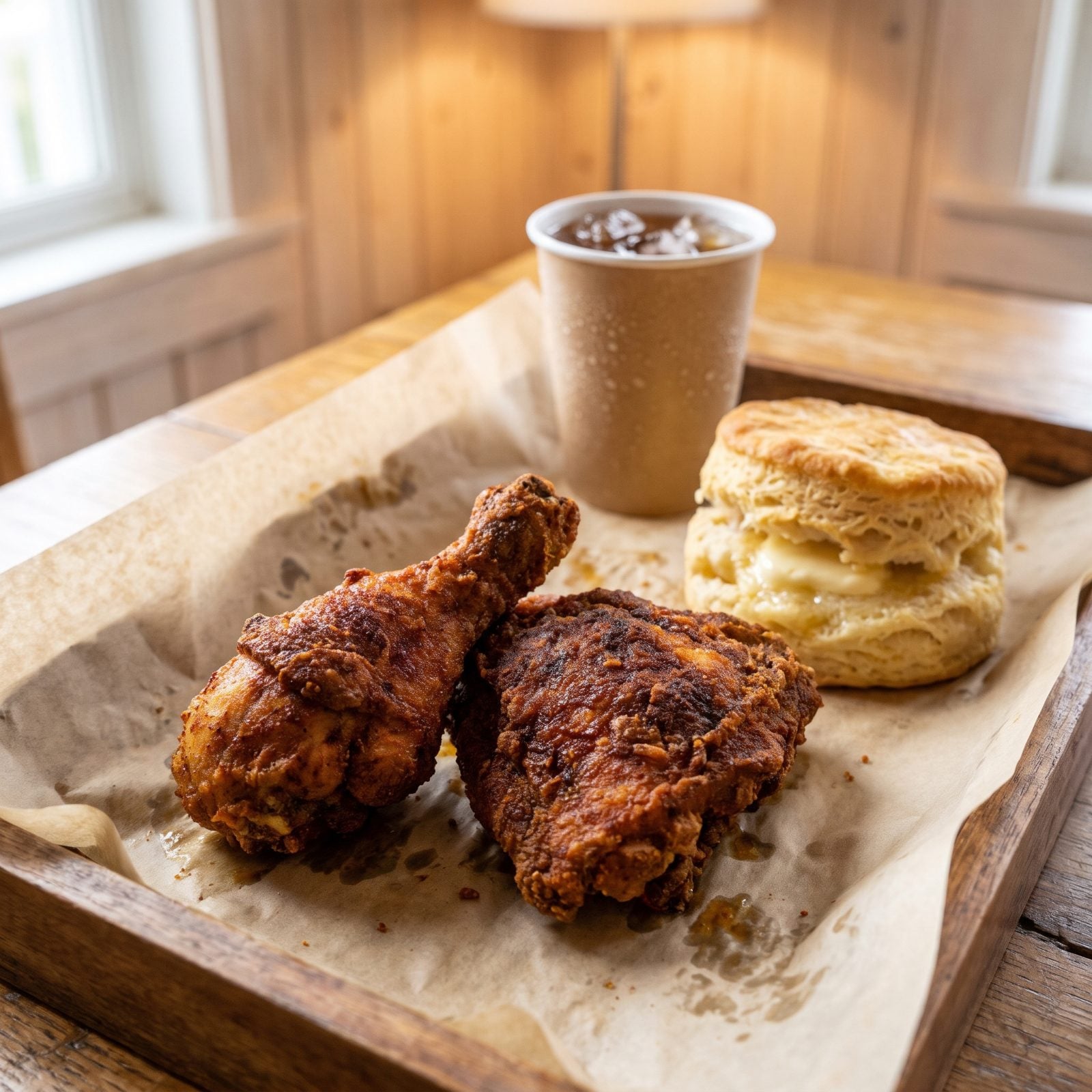
Jack Fulk and Richard Thomas opened the first one in Charlotte on July 6, 1977, and the company still calls Charlotte home. The draw is the Cajun-seasoned fried chicken and the buttermilk biscuits, and because it mostly serves the Southeast, it carries real regional weight.
So about that Bojangles biscuit. It’s a drive-thru biscuit that somehow tastes like somebody actually made it. Transplants who land in a Bojangles desert talk about the seasoning on that chicken the way other people talk about a lost pet. The chain has grown a lot, but to North Carolinians it’s still the hometown original — the place it came from, not just another drive-thru window.
14. Cook Out Trays and Milkshakes, Greensboro’s Gift to the Late-Night Crowd
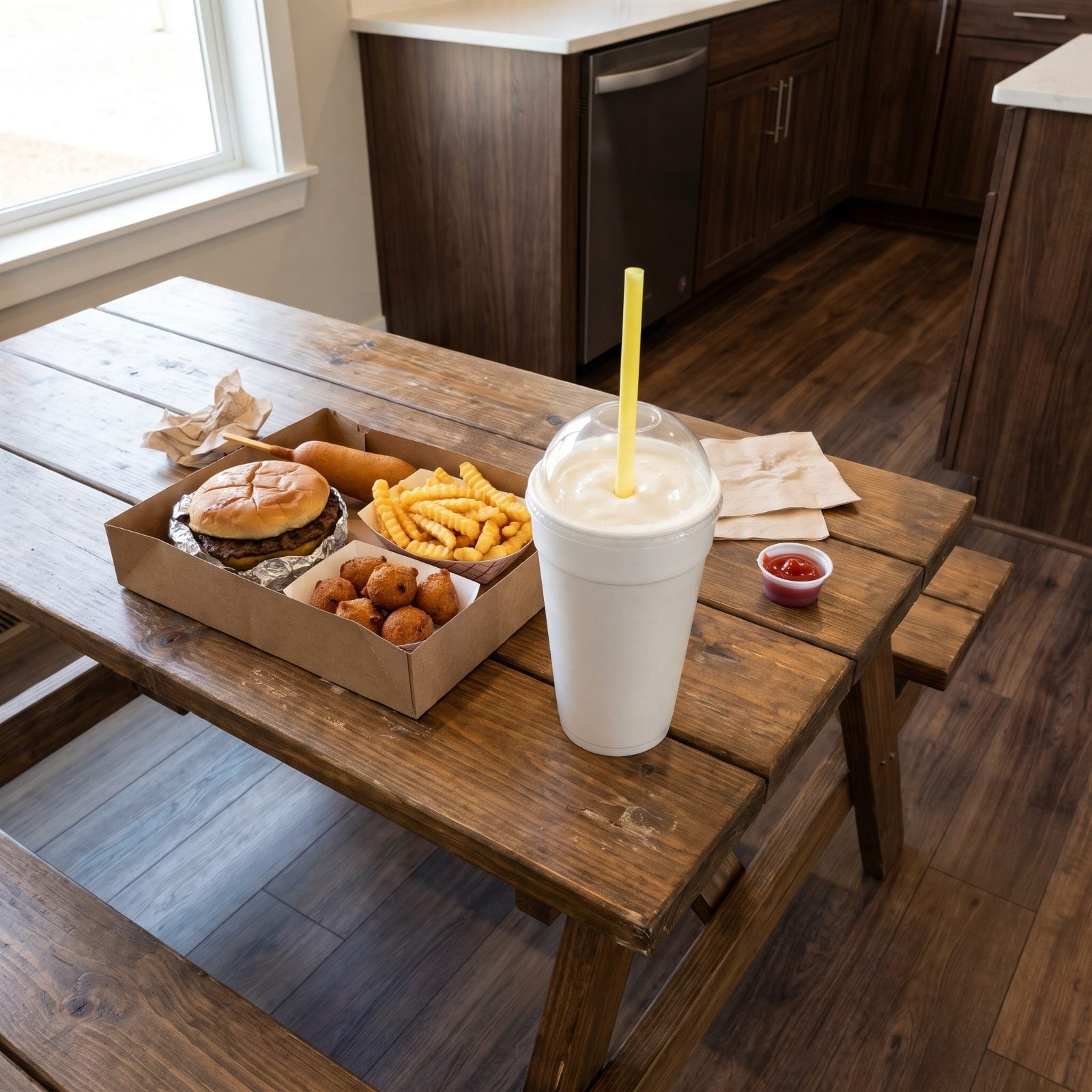
Cook Out started in 1989 on Randleman Road in Greensboro, and the whole operation runs on a simple genius: a tray combo that lets you pick way too many small things for not much money. A burger with a corn dog and hush puppies on the side, plus a drink you can upgrade to a shake, all on one tray.
The milkshakes are the legend, though. The flavor board runs long enough to cause decision paralysis, and the shakes come out thick enough to qualify as structural. The chain is headquartered in Thomasville now and stays mostly in the Southeast, which means a transplant who craves a Cook Out tray at 11 p.m. in a new city is just out of luck. That craving is specific, and it does not go away.
13. Biscuitville Biscuits, the Pizza Shop That Became a Breakfast Institution
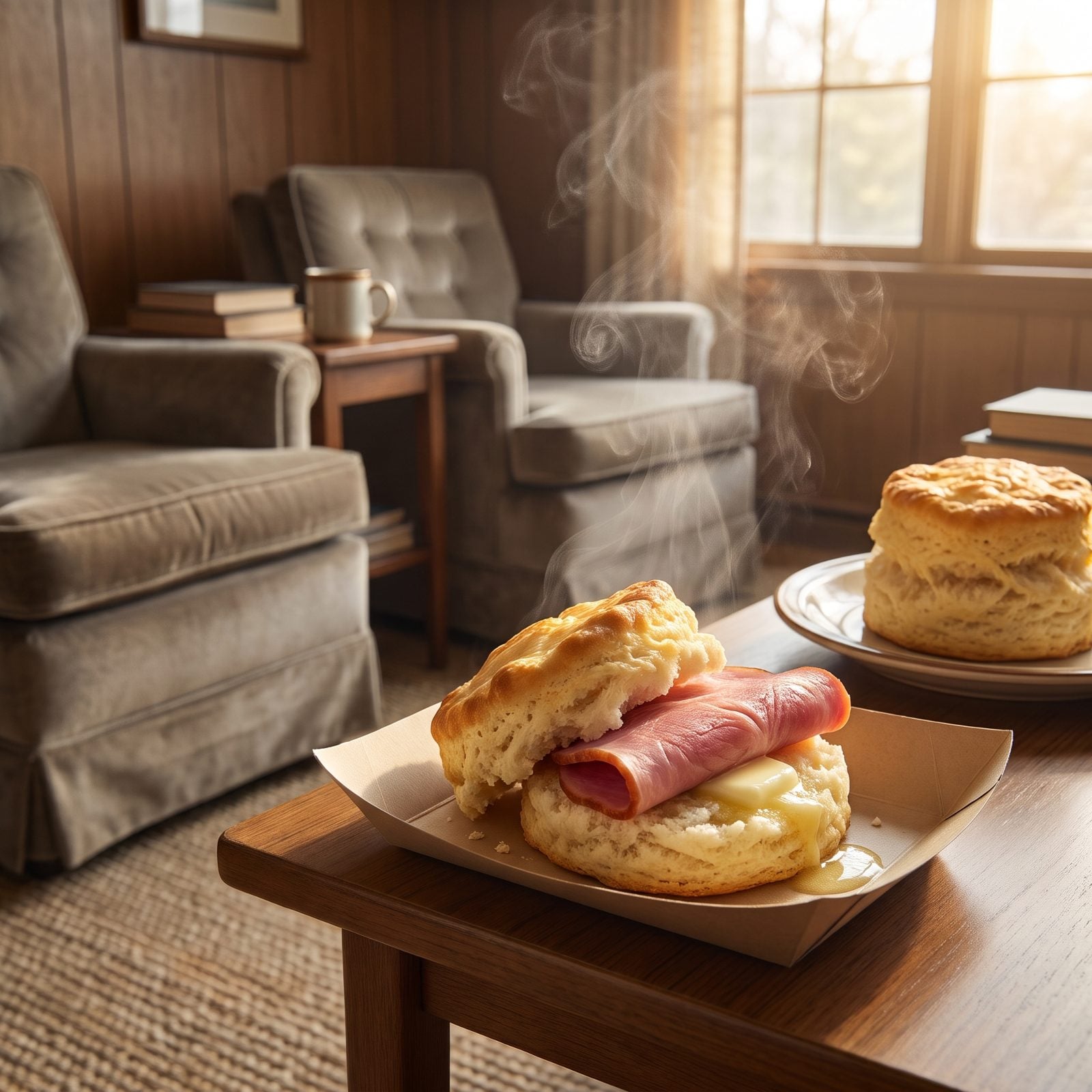
Maurice Jennings founded the business in Burlington in 1966, and here’s the detail most people don’t know: before it was Biscuitville, it was a pizza restaurant called Pizzaville. A pizza joint that became a biscuit chain. You can’t make that up.
The biscuits get made fresh all through the morning, and the appeal is simple — they taste like a kitchen made them rather than a factory. Still family-owned, now based in Greensboro, serving North Carolina, South Carolina, and Virginia. That tight footprint is exactly why people who move away end up describing a breakfast biscuit to confused coworkers at 9 a.m.
12. The Hot Original Glazed Krispy Kreme, Straight Off the Line in Winston-Salem
Would you like to save this?
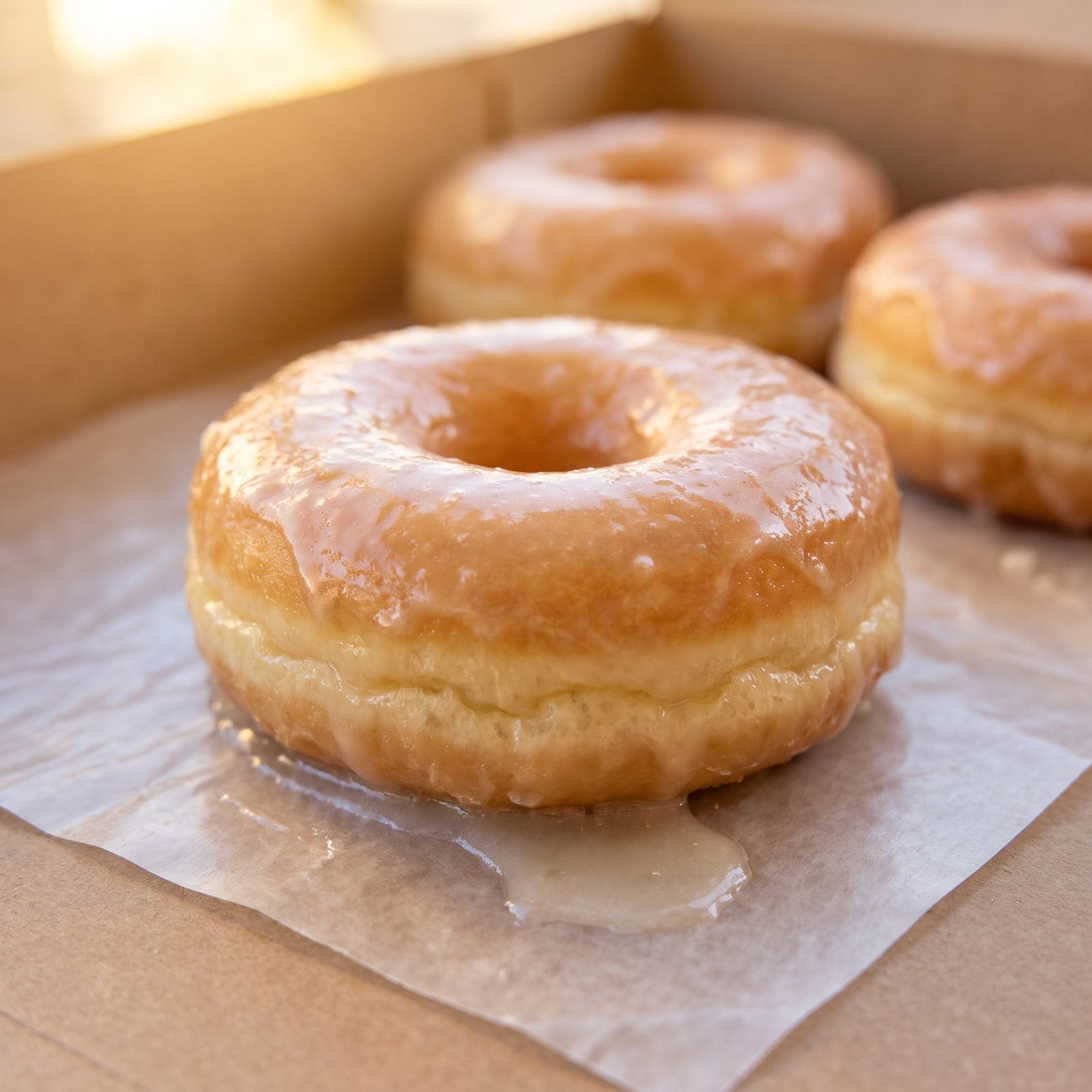
Vernon Rudolph started frying yeast-raised doughnuts in Winston-Salem on July 13, 1937, out of a rented building in what’s now Old Salem, selling to local grocery stores. Everything famous about the brand grew out of that one city.
The move, the one real North Carolinians know, is the hot light. When it’s glowing, the original glazed comes to you still warm, the glaze barely set, dissolving on your tongue before you’ve really chewed it. A cold one from a gas station is a fine doughnut. A hot one off the line is a different food entirely. Now that the brand is everywhere, hand a transplant a cold box and they’ll nod politely while silently missing the real thing.
A cold glazed is a snack. A hot glazed is an event, and you had to be standing there when the light came on.
11. Texas Pete, the North Carolina Hot Sauce With the Misleading Name
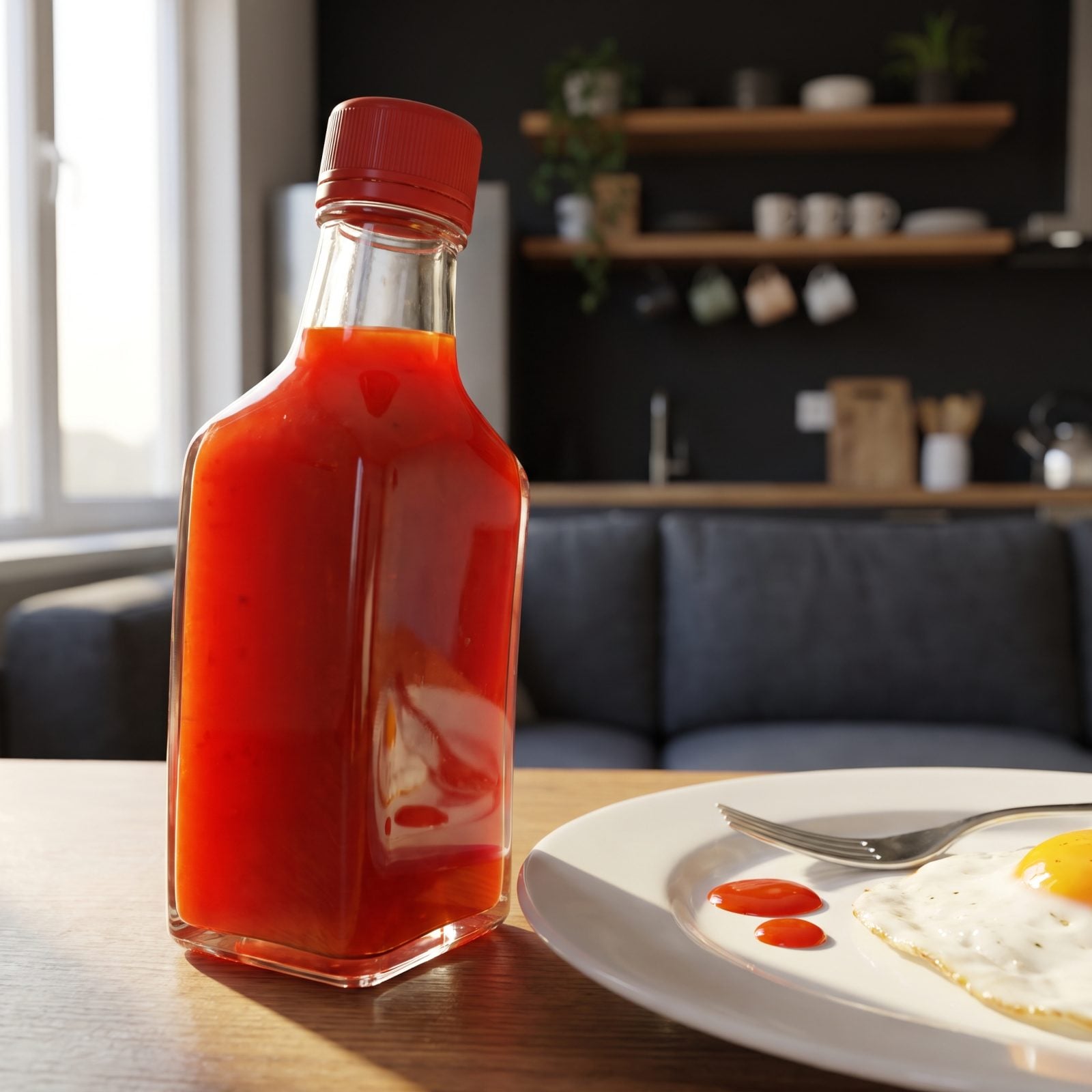
The name says Texas. The sauce has never been from Texas. Texas Pete is made by the TW Garner Food Company in Winston-Salem, where Thad W. Garner founded the operation in 1929. The trademark landed in 1953, and the name was pure marketing from the start, playing on the romance of the Southwest.
The sauce itself is simple: hot red peppers, vinegar, and salt. It’s the bottle that lives on the table in diners across the state, the one you reach for without thinking on scrambled eggs, collards, fried chicken, pretty much anything. Transplants find the shelves in other states crowded with every hot sauce except the one from home. A small thing to miss. People miss it anyway.
10. Mt. Olive Pickles From the Corner of Cucumber and Vine
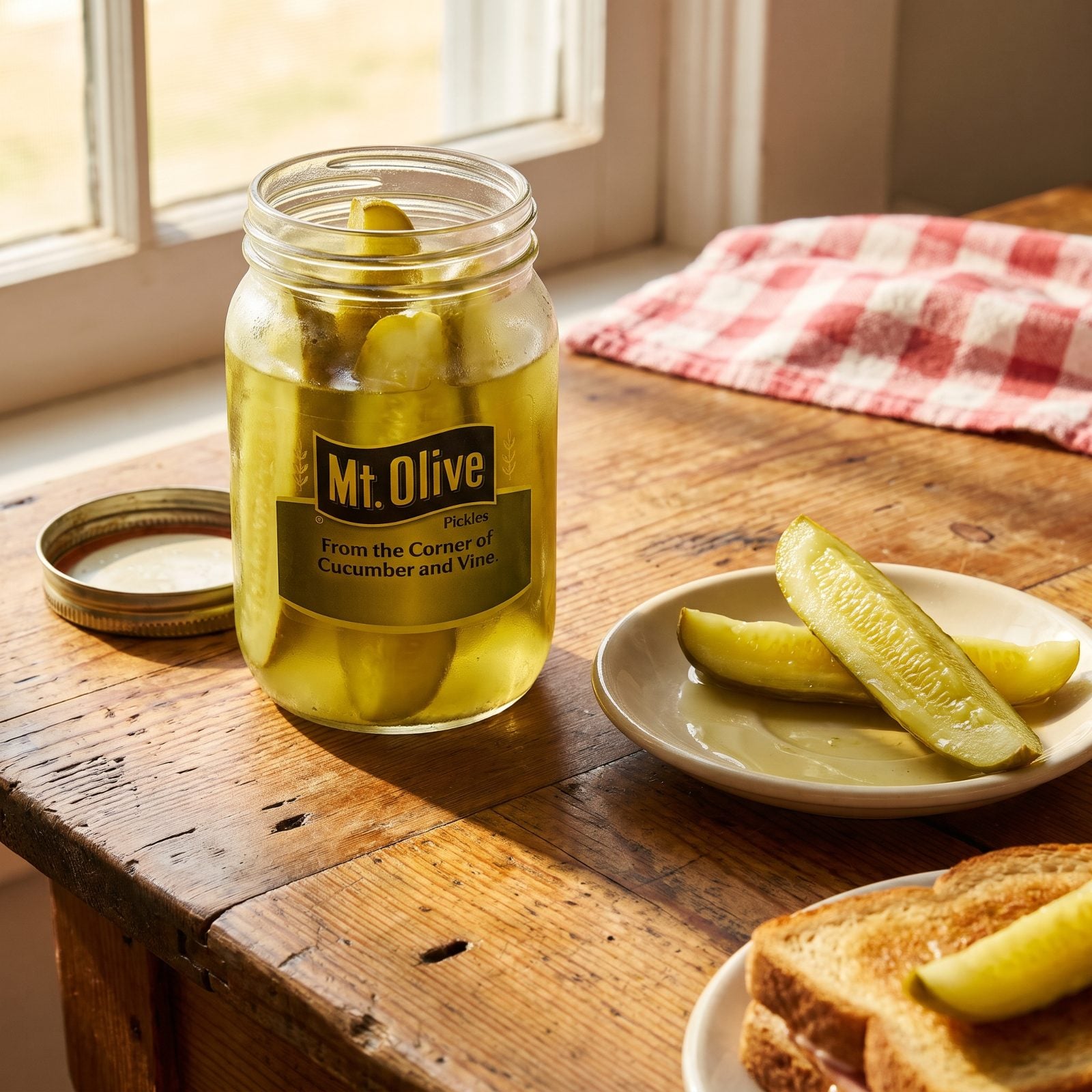
Mount Olive is a small town in Wayne County, and the pickle company that took its name has been packing cucumbers there since 1926. The headquarters sits at the corner of Cucumber and Vine, which sounds like a marketing invention but is the real address. The brand grew into one of the biggest pickle makers in the country without ever leaving eastern North Carolina.
Every North Carolina fridge seems to have a jar in the door. Kosher dills, bread and butter chips, sweet relish for the potato salad. Grocery stores elsewhere stock plenty of pickles, and somehow none of them taste right. The crunch is off, or the brine is too flat. That’s when a transplant starts asking relatives to tuck a jar into the next care package.
9. Lance Peanut Butter Crackers, the ‘Nabs’ in Every Glovebox
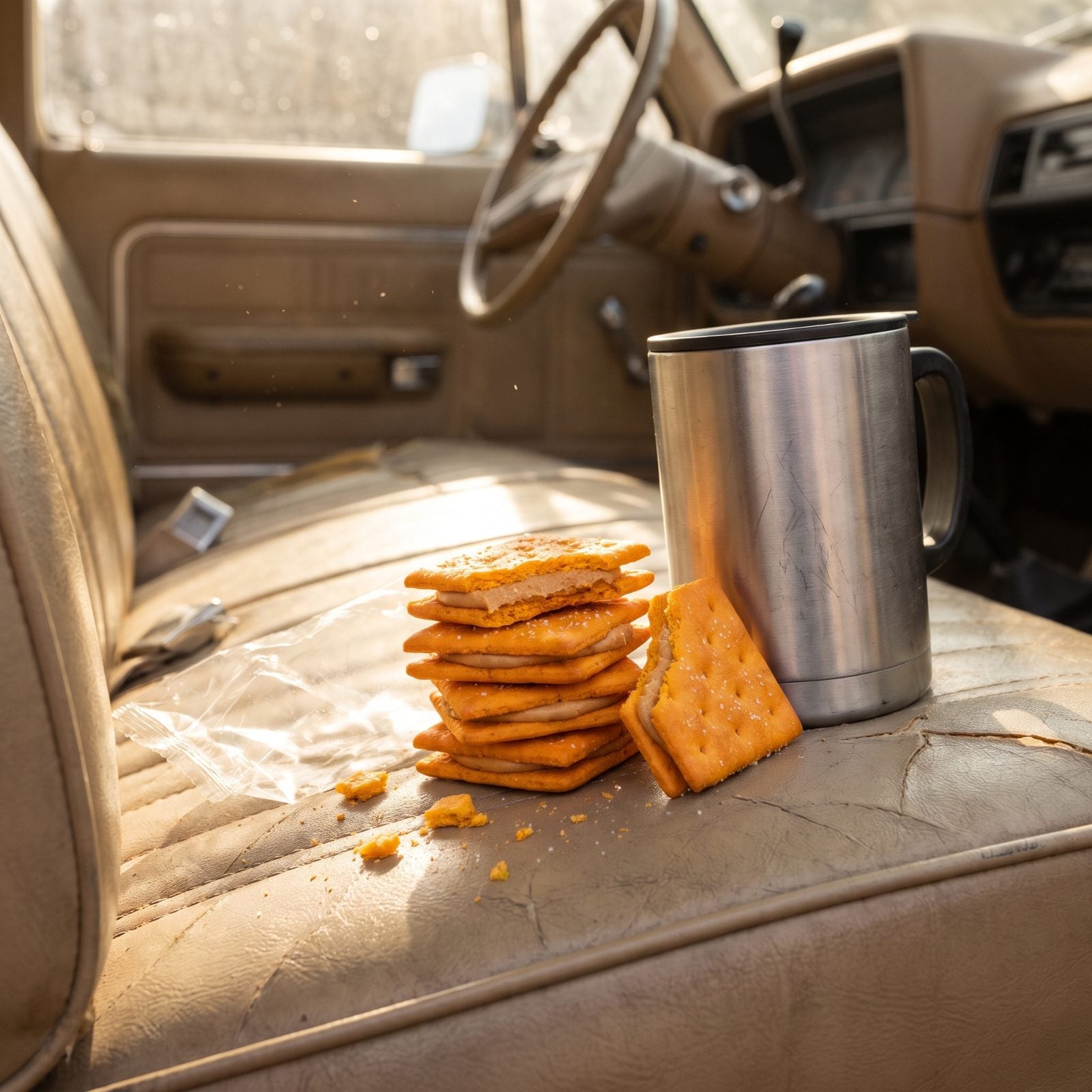
Lance started in Charlotte in 1913, when a peanut broker named Philip Lance got stuck with a load of peanuts nobody wanted and started roasting them and grinding them into peanut butter. Spreading it between crackers came next. The company has kept making snacks in Charlotte ever since.
In North Carolina, any little pack of peanut butter crackers is called Nabs, no matter whose name is on the wrapper. The orange Toast Chee crackers are the classic. They live in glove compartments, tackle boxes, and the bottoms of purses, and they get eaten at ballfields and on long drives. Plenty of people still pour a pack of salted peanuts into a Coke and call it a meal. Ask for Nabs outside the South and you get a blank look, and that’s when you know how far from home you’ve moved.
8. Winston-Salem Moravian Cookies, Thin as a Communion Wafer
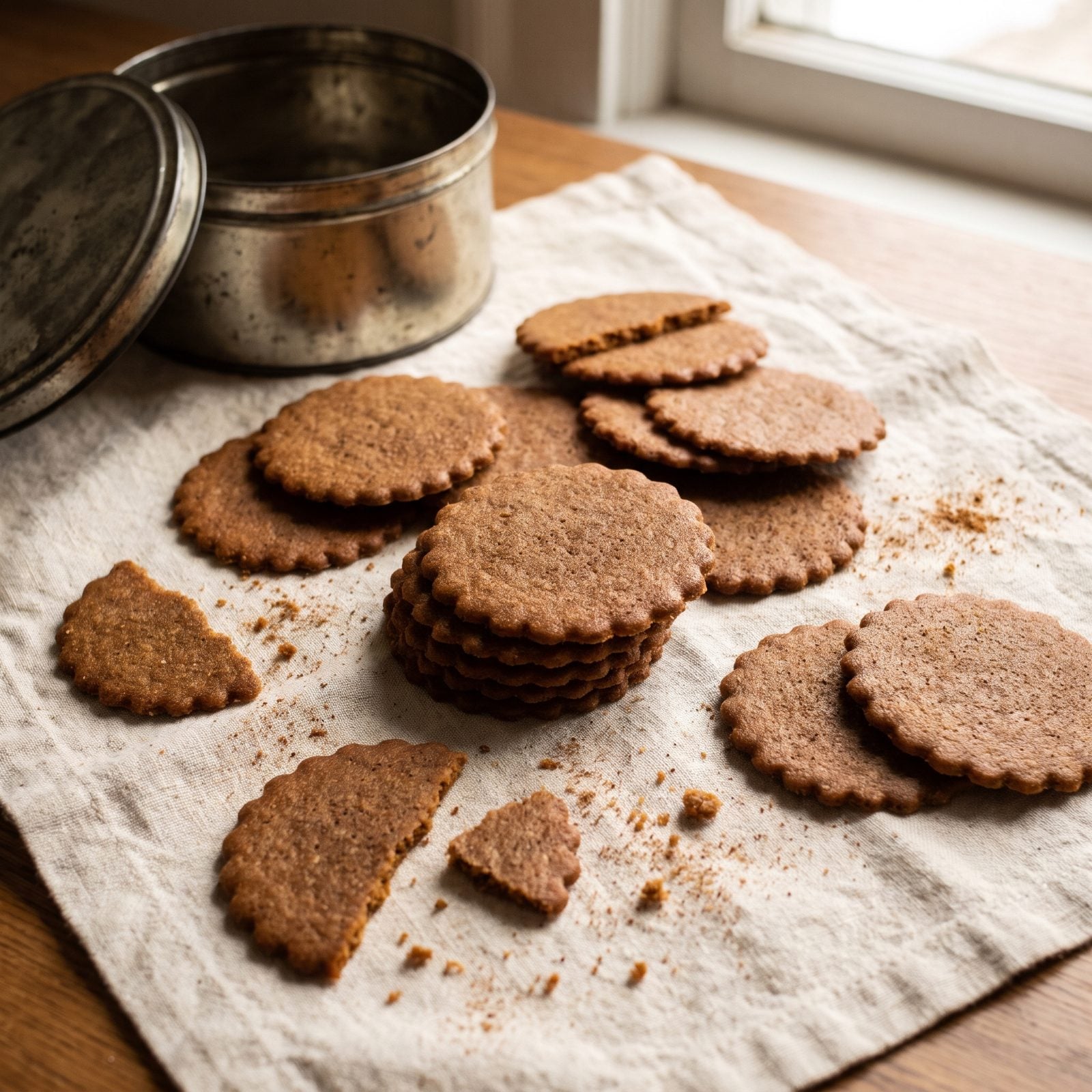
The Moravians arrived to settle Salem in 1766, and their baking traditions stuck around. The best known is the Moravian cookie, a spiced molasses wafer flavored with ginger, cinnamon, and cloves, rolled so thin you can nearly read through it. Bakeries in and around Winston-Salem still roll them out by hand, and a good one shatters the second you bite it.
They show up mostly at Christmas, stacked in round tins and handed around at church gatherings and family dinners, though you can find them all year now. The flavor is deep and warm, closer to gingerbread than a sugar cookie. Transplants say no store-bought ginger snap comes close, and every December they go looking for a tin shipped from home.
7. Surry County Sonker, the Deep-Dish Fruit Pie Only Mountain Folks Know
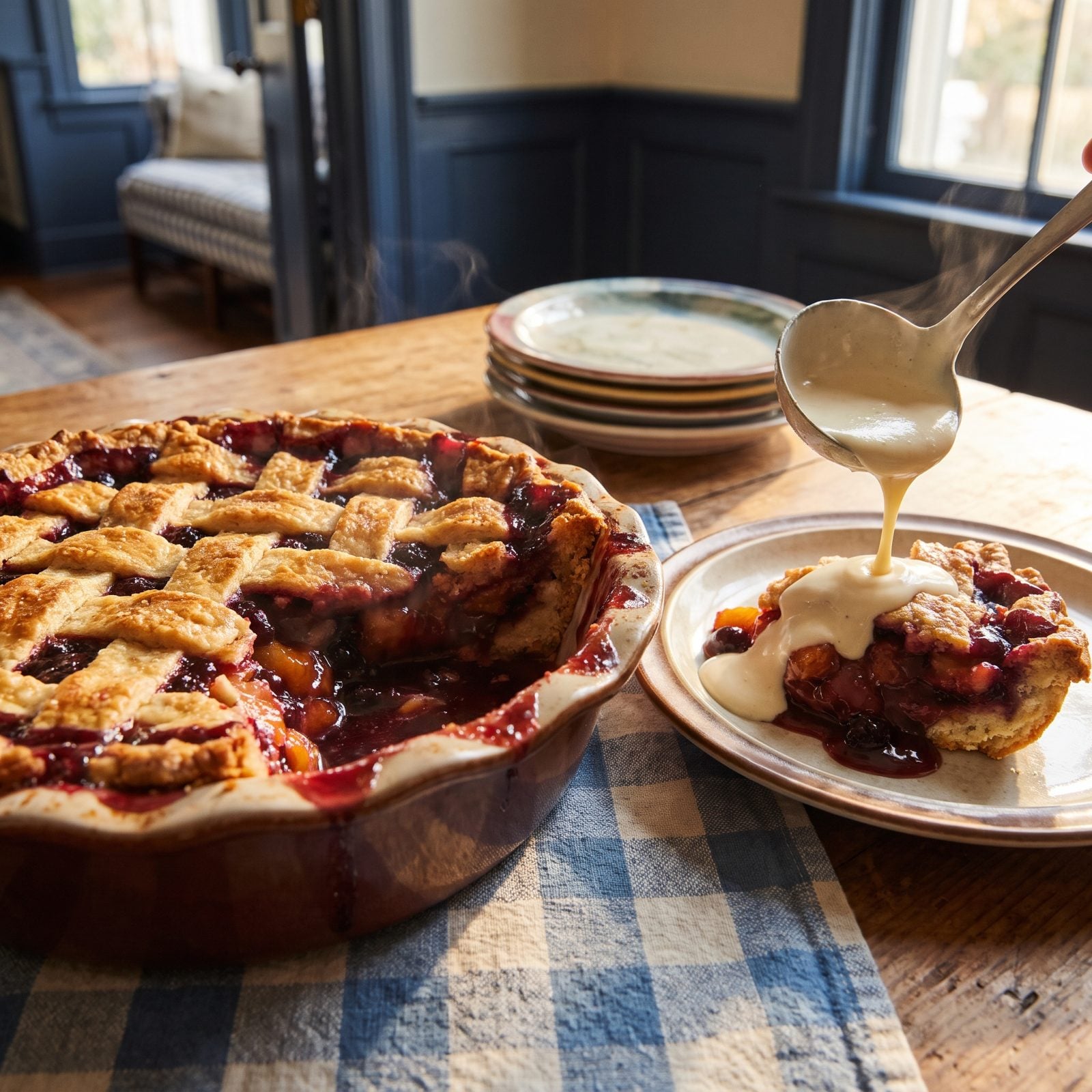
Ask someone outside Surry County what a sonker is and you’ll get nothing. Ask someone from Mount Airy or Dobson and you’ll get a whole lecture. It’s a deep-dish fruit dessert, juicier than a pie and messier than a cobbler, baked in a deep pan and spooned out into bowls. Strawberry, peach, blackberry, and sweet potato are the usual flavors, depending on the season.
What really sets it apart is the dip, a thin, sweet milk sauce poured over the top. The county keeps the tradition going with a Sonker Trail that links up local restaurants and bakeries that serve it, and an annual Sonker Festival every fall at the historic Edwards-Franklin House in Lowgap. It’s mountain home cooking at its plainest, and that’s exactly why people miss it.
6. The Snappy Lunch Pork Chop Sandwich From Mayberry’s Main Street
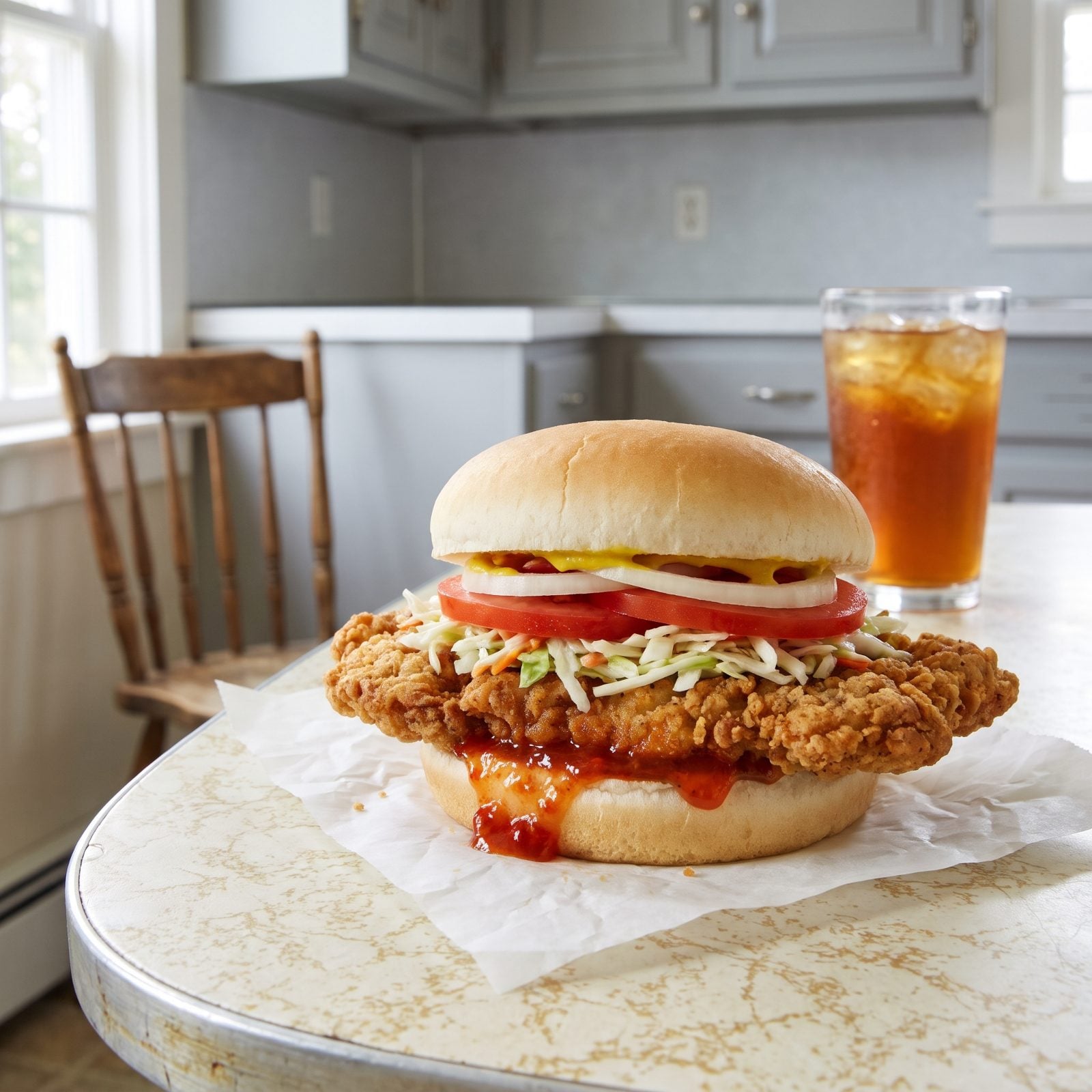
Mount Airy is the hometown of Andy Griffith and the model for Mayberry, and Snappy Lunch on Main Street has been there since 1923. Griffith mentioned it by name on his show, which put a tiny lunch counter on the national map. Fans of the show still come by, but locals keep the stools full for the sandwich.
The pork chop sandwich is the whole reason to go. It’s a boneless chop dipped in a sweet-milk batter and fried golden, then loaded with Snappy Lunch’s tomato-based chili, slaw, onions, tomato, and mustard, all piled into a soft bun that barely holds together. You eat it hunched over the wax paper and you don’t care what you look like. A transplant can find a pork chop anywhere. Finding one dressed like this is another story.
5. Calabash-Style Fried Seafood From the Seafood Capital of the World
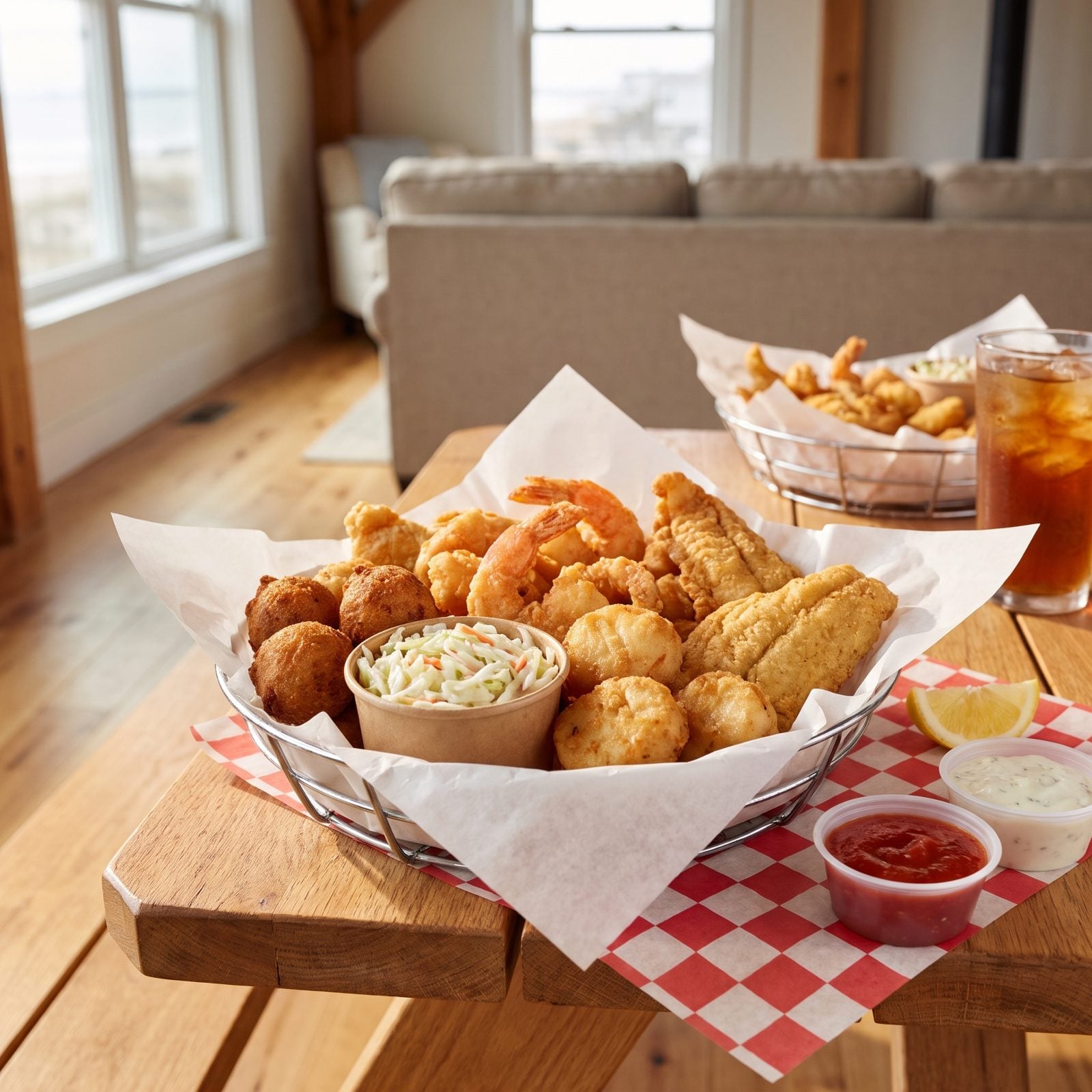
Calabash is a small fishing town in Brunswick County, right up against the South Carolina line, and it calls itself the Seafood Capital of the World. The claim is about a style of cooking, not size. Calabash-style means shrimp, flounder, oysters, and scallops dusted in a light batter and fried fast, so the coating stays thin and crisp and the seafood still tastes like the ocean.
The platters come piled high with hush puppies, slaw, and fries, and the restaurants along the waterfront fill up with families who’ve been going for generations. Restaurants all over the country now put “Calabash” on their menus, but a heavy, bready version far from the coast is a letdown. People who grew up on the real thing know the difference with the first bite.
4. Hatteras-Style Clam Chowder, Clear Broth and No Apologies
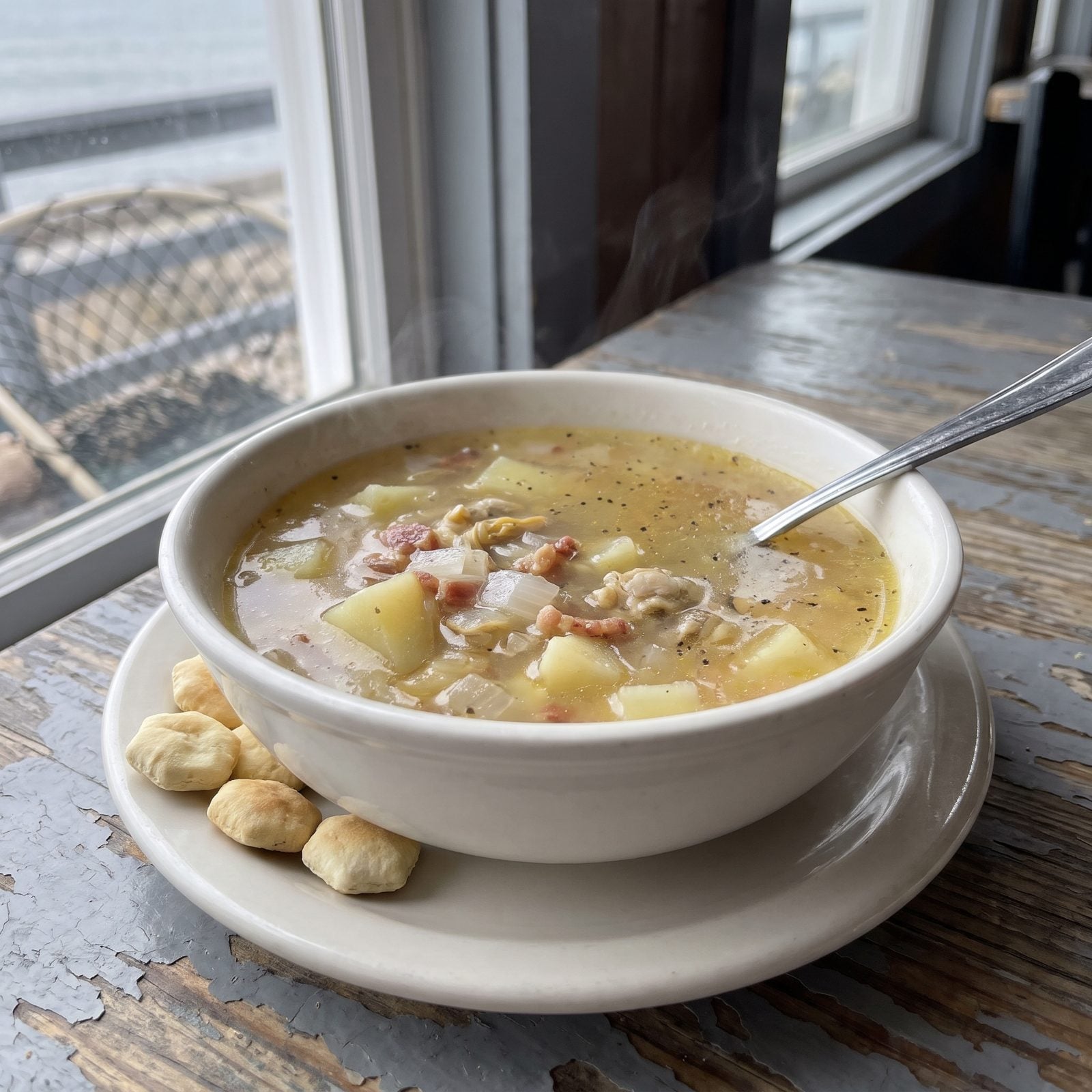
New England has cream. Manhattan has tomato. Down on Hatteras Island and around the Outer Banks, clam chowder comes clear, and locals like it that way. It’s clams, potatoes, onions, and salt pork or bacon simmered in a broth made from the clam juice, seasoned heavily with black pepper. That’s all there is to it.
The clear broth puts the clams up front instead of burying them under dairy, and the salt pork adds a smoky, salty depth that holds the whole thing together. It’s fisherman’s food, made to warm you up after a cold day on the water. Order clam chowder anywhere else in the country and a thick white bowl shows up. Outer Banks natives eat it politely and wish it were the thin, peppery broth from home.
3. Atlantic Beach Pie With Its Saltine-Cracker Crust
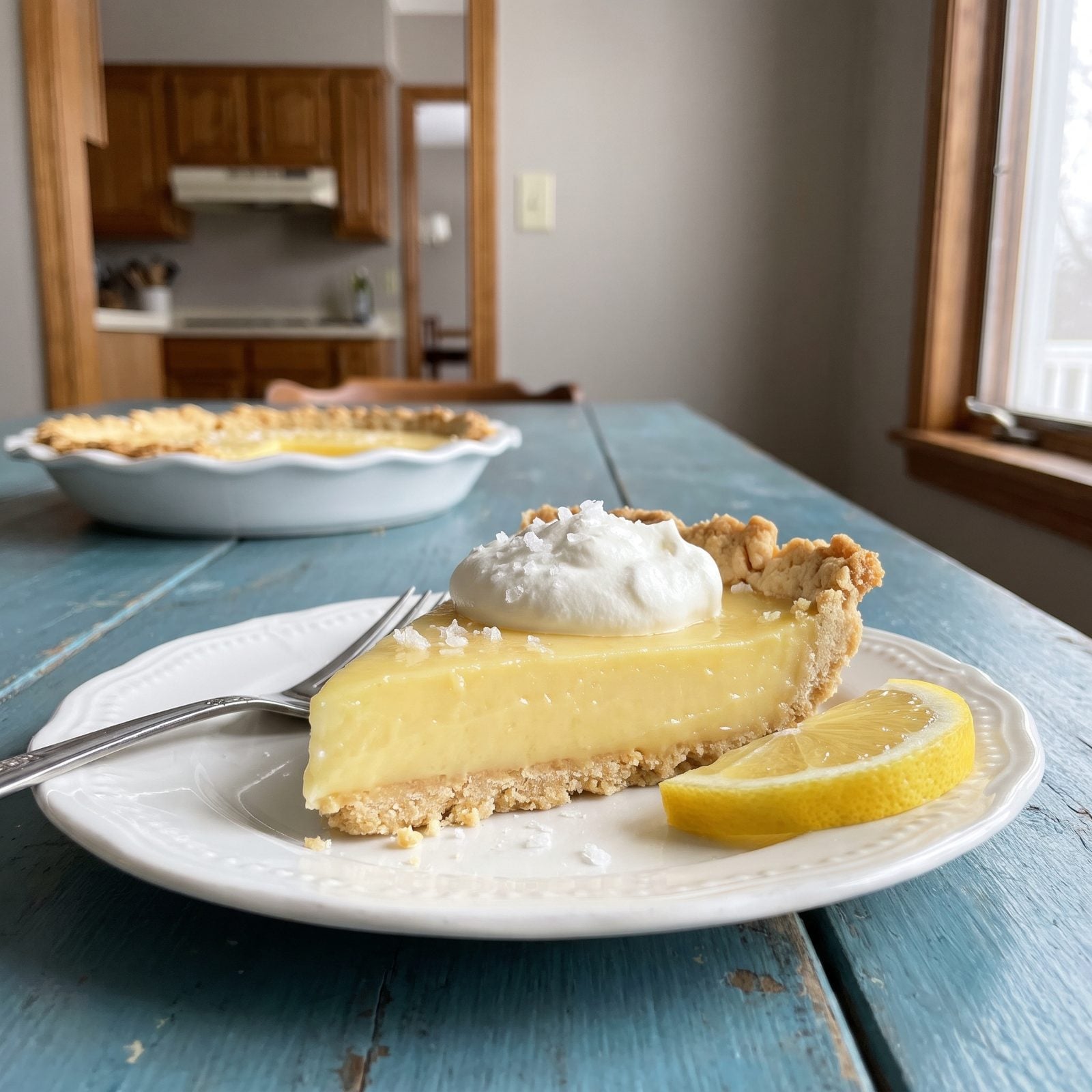
Along the coast there’s an old saying that you shouldn’t eat dessert after seafood, with one exception: lemon pie. Atlantic Beach pie grew out of that tradition. It’s a tart, creamy lemon filling made with sweetened condensed milk and egg yolks, poured into a crust of crushed saltine crackers mixed with butter and sugar, then topped with whipped cream and sometimes a sprinkle of sea salt.
The saltine crust is what makes it. It’s salty, crumbly, and a little crunchy, and it cuts the sweet-sour filling the way nothing else could. The pie got wider attention after a Chapel Hill restaurant put it on the menu, but it’s been a beach-town staple far longer. It’s simple enough to make anywhere, yet it never tastes quite as good as it does after a fried seafood platter.
2. North Carolina Sweet Potatoes, the State Vegetable With No Equal
Would you like to save this?
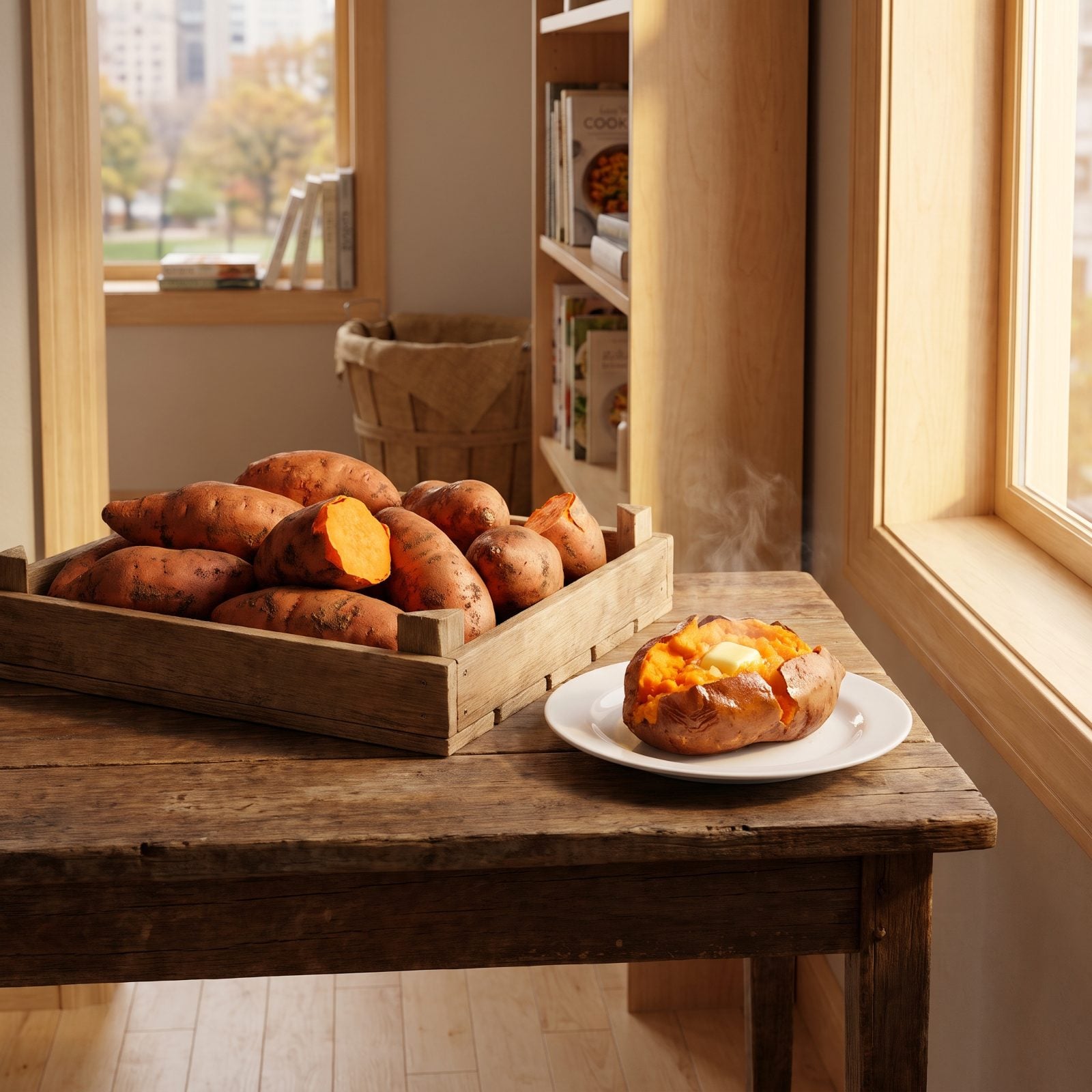
North Carolina grows more sweet potatoes than any other state, and it’s been at the top for decades. The legislature made the sweet potato the official state vegetable in 1995, and nobody argued. The Covington, a variety developed at NC State, is now one of the most widely grown sweet potatoes in the country.
Here they show up everywhere: baked whole and split open with butter, mashed into casseroles, folded into biscuits, cut into fries, and baked into sweet potato pie that holds its own against any pumpkin pie. Transplants can buy sweet potatoes in any grocery store, sure. What they miss is the fresh fall harvest, roadside stands selling them by the bag, and a grandmother’s pie that never needed a recipe card.
1. Scuppernong Grapes, the Bronze State Fruit Off a Backyard Arbor
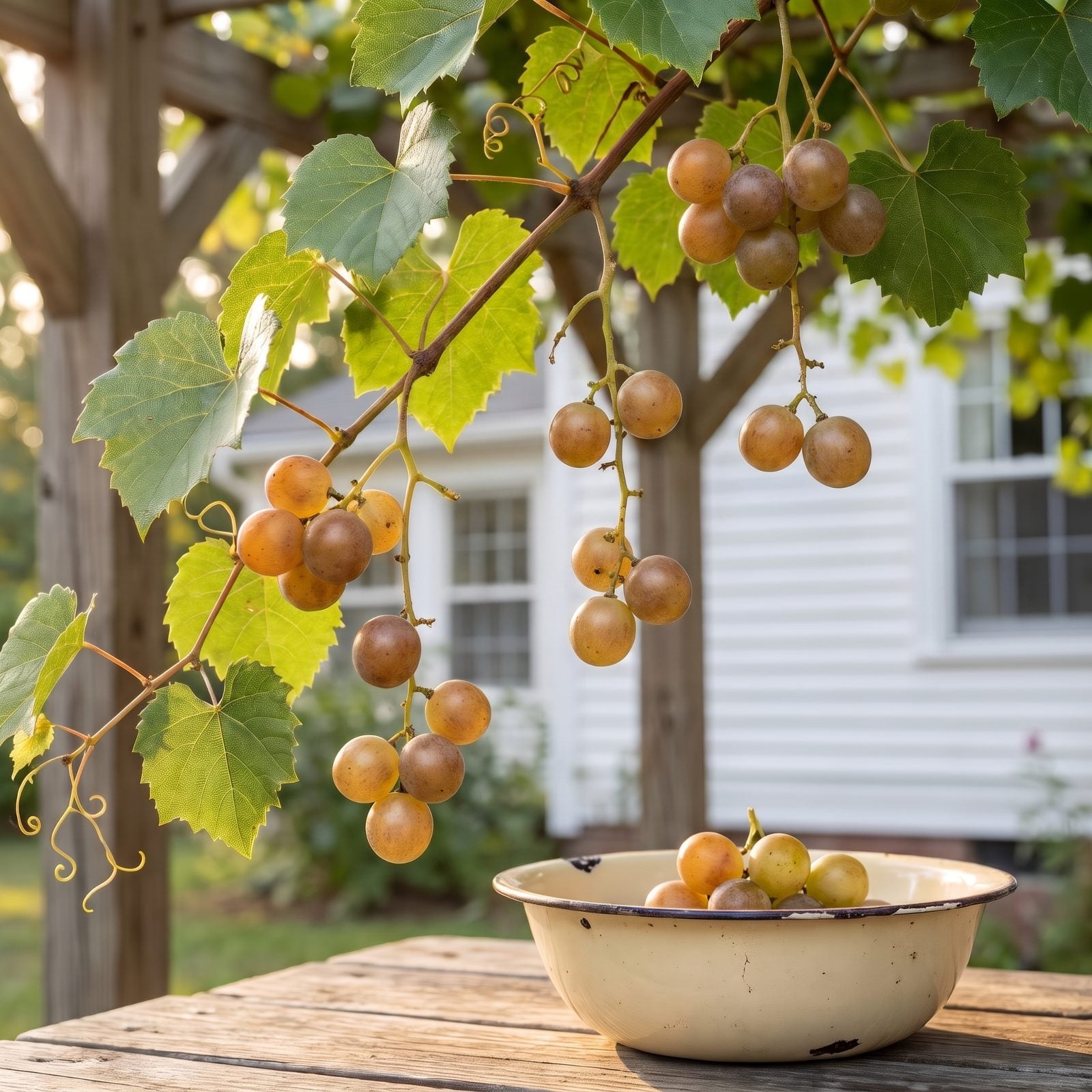
The scuppernong is a bronze-green variety of muscadine, native to the Southeast and named after the Scuppernong River in eastern North Carolina. The state made it the official state fruit in 2001. The skins are thick, the pulp is sweet and musky, and the right way to eat one is to squeeze it so the pulp pops into your mouth, then spit out the seeds and hull.
Plenty of North Carolinians grew up with an arbor in the backyard and a late-summer ritual of eating scuppernongs right off the vine until their hands got sticky. They turn up in jelly, hull pie, and sweet local wine too. Out-of-state grocery stores sell grapes in big, tight bunches too, but they don’t smell like a hot September afternoon back home. Nothing else does.