Would you like to save this?
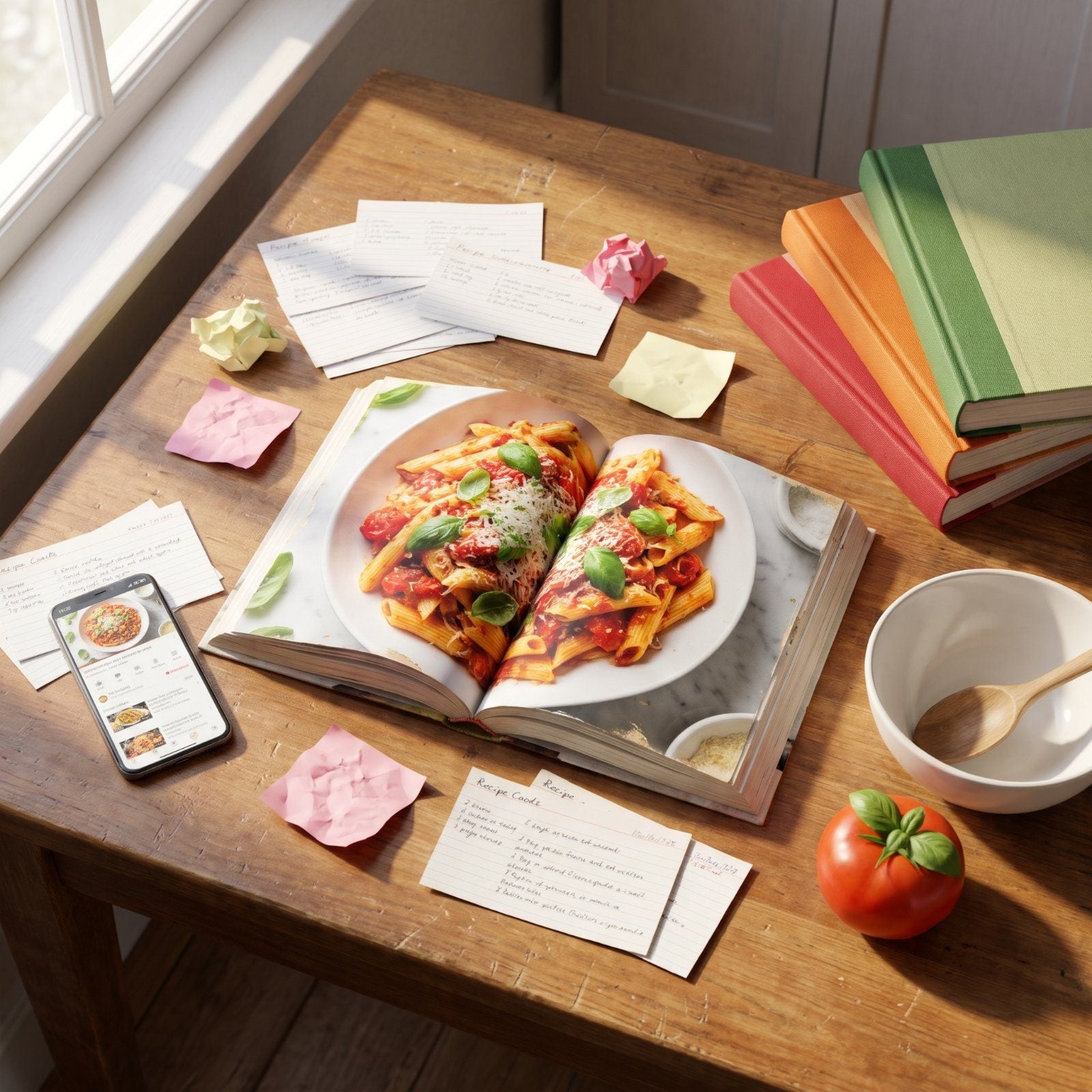
There’s a stack of cookbooks on your counter with cracked spines, and maybe four recipes have ever been cooked out of all of them combined. The rest got dog-eared, admired, forgotten. Sound familiar? That recipe you saved at 11pm last Tuesday is already buried under six newer ones you’ll also never make.
Please note that some of the images in this article were created with the assistance of AI.
Now the uncomfortable part. The same wiring that keeps you clicking “save” on a dish you’ll never cook is what keeps people chasing the next shiny romance instead of getting good at the one they’ve got. Novelty feels like progress. It almost never is. What follows is a list of the little betrayals we commit against our own kitchens, and why they feel so good right up until the pan goes cold and the dish never got made.
17. You Swipe Through Recipes Without Cooking a Single One
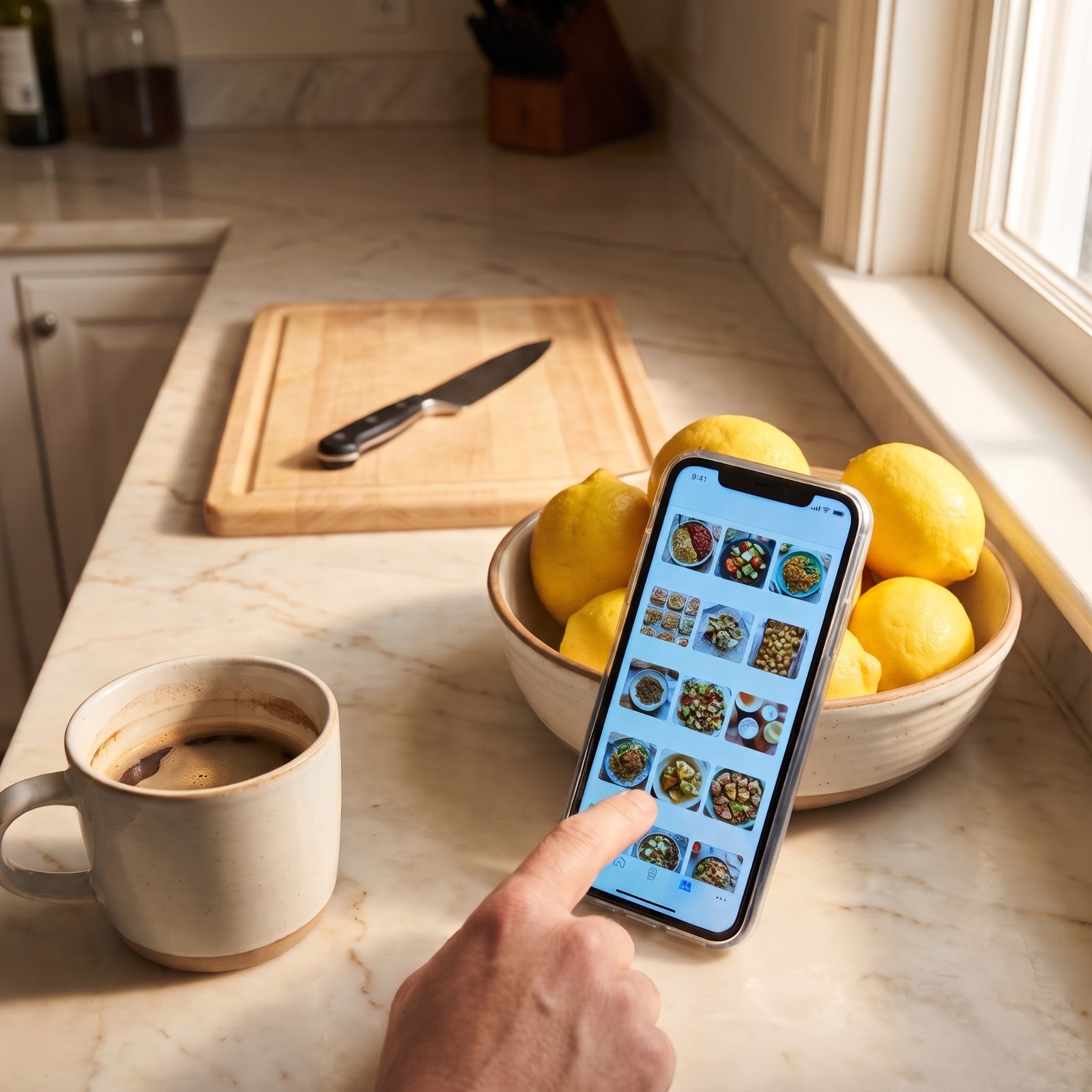
The collection is huge and the cooking is zero. You’ve got a saved folder with two hundred dinners in it, and you ate cereal standing up again.
This is the same loop that keeps someone swiping at midnight, racking up matches they’ll never message. The swipe itself gives you a tiny hit. You feel productive, like you’re building toward something. You’re not. You’re just collecting.
16. The Glossy Food Photo Does Most of the Seducing
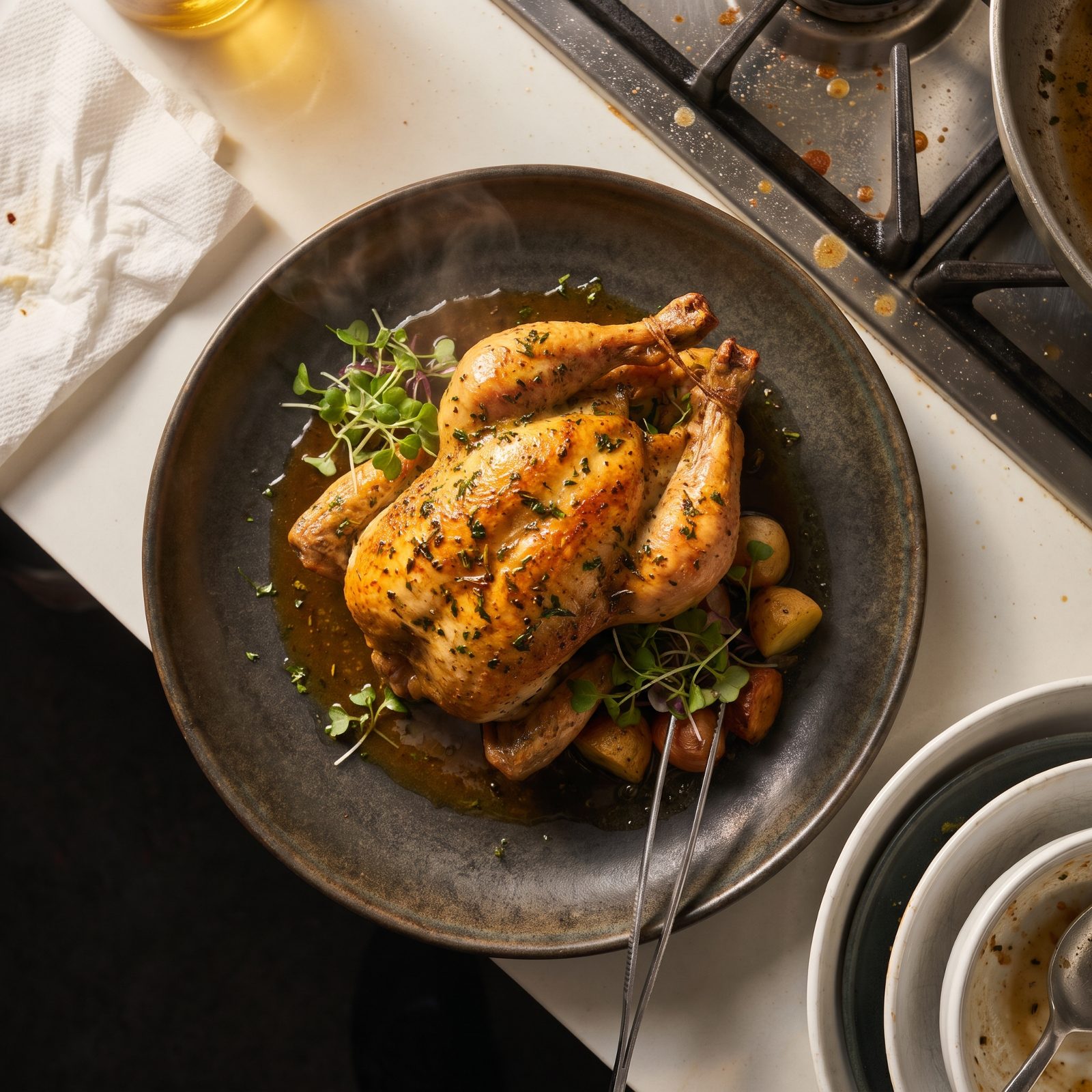
You didn’t fall for the recipe. You fell for the lighting. That roast chicken photographed like it was running for office, and you believed every word.
It’s the halo effect doing its oldest trick. One attractive quality — that gorgeous photo — convinces you everything else about the recipe is equally good: it’ll be easy, it’ll taste like the picture, your kitchen will look like the studio. Same thing happens when a face across the room makes you assume the whole person is just as lovely.
A team spent three hours on that photo with tweezers and a blowtorch. Your version will have less light and more swearing. Neither of you is lying. You’re just comparing a wedding photo to a Tuesday.
What Our Readers Say
- When Piaci Pizza readers loved a food photo and told us why, comfort was the top reason at 28%, ahead of simply looking good at 17%.
- Meal photos with a timeless look earned more hearts from our readers than the other images in the same articles, 84% versus 79%.
From Piaci Pizza reader polls and votes.
15. Your Friends’ Rave Reviews Override Your Own Taste
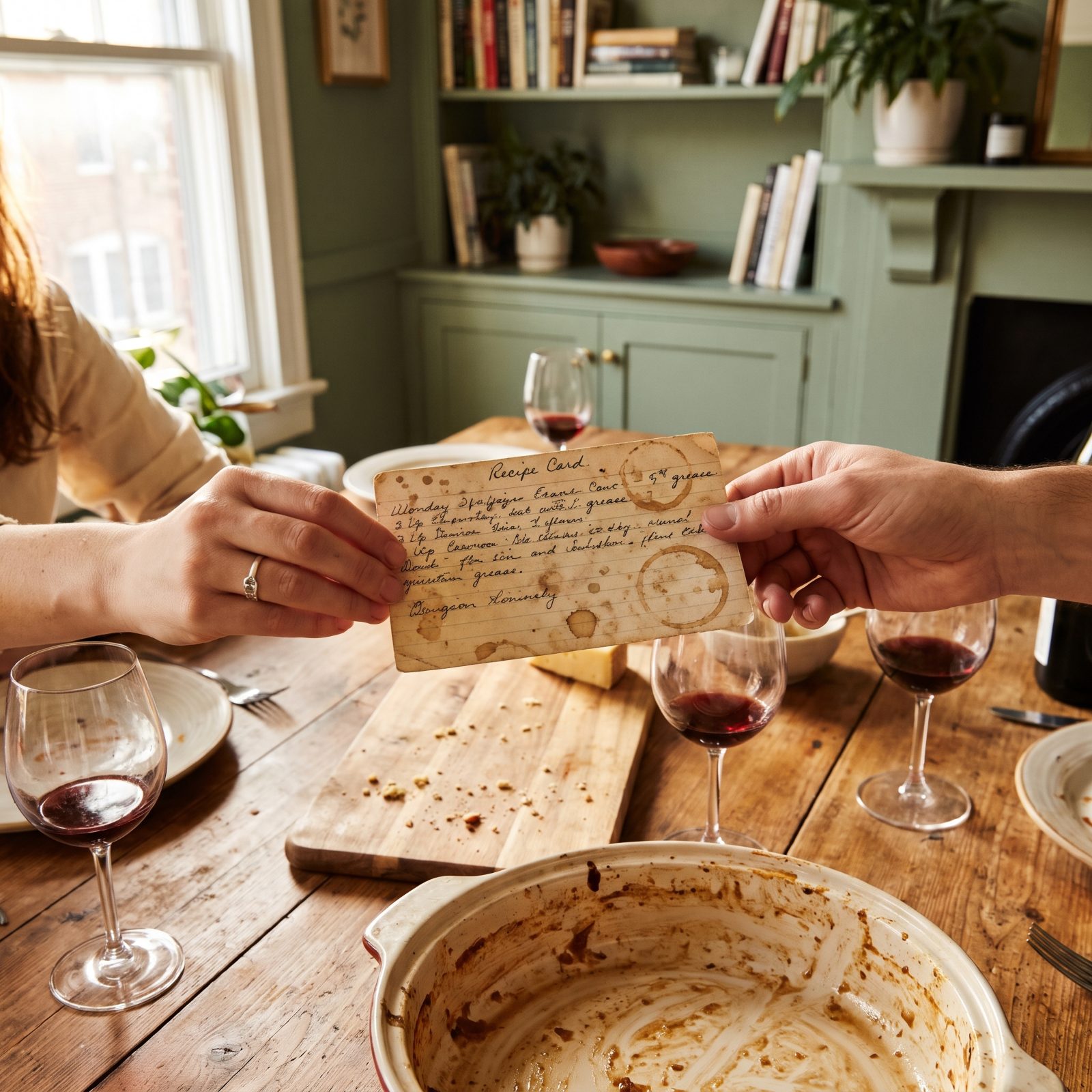
Three people at the table swore the braised short rib changed their lives, so you wrote the recipe down before you’d even tasted it. You don’t especially like short rib.
That’s social proof steamrolling your own palate. When enough people around us light up about something, we assume they know something we don’t, and we quietly override what our own mouth was telling us. It’s the dating equivalent of everyone insisting how great he is until you start wondering what’s wrong with you for not seeing it.
14. You Pick Recipes for the Cook You Wish You Were
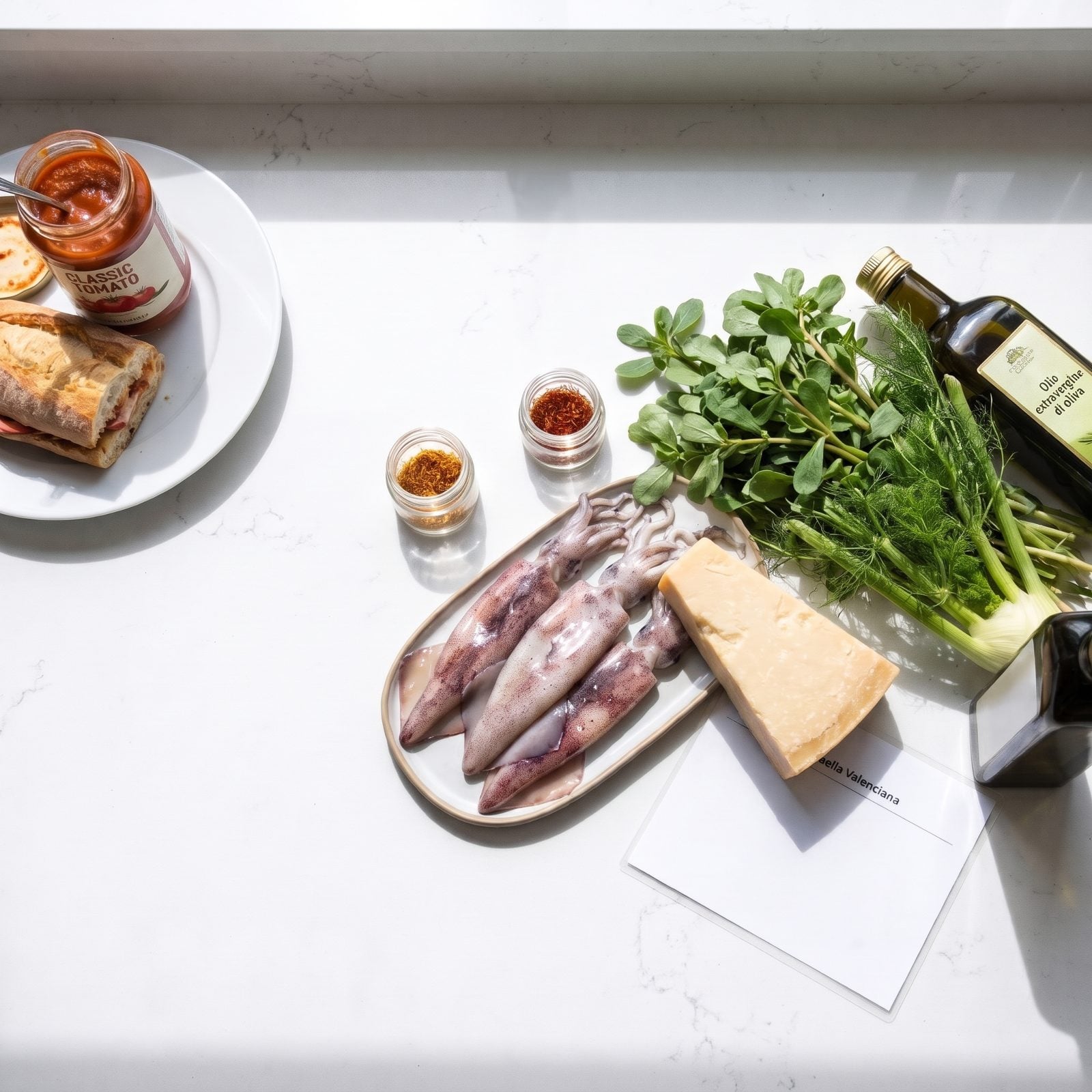
You bought saffron. You bought squid. You bought a wedge of cheese that has been grated over exactly nothing. That recipe wasn’t for the cook you are on a weeknight — it was for the person you picture yourself becoming someday.
We do this with people too, choosing partners who fit the self we’re auditioning rather than the self we actually are. Call it identity signaling, aimed inward. The fancy recipe isn’t really about dinner. It’s a costume you’re trying on in the privacy of your own kitchen.
Nothing wrong with reaching. But the squid is still sitting on its platter, you ate a sandwich with sauce from a jar, and that’s worth being honest about.
13. You Ignore the Three-Hour Prep Because It Looks Gorgeous
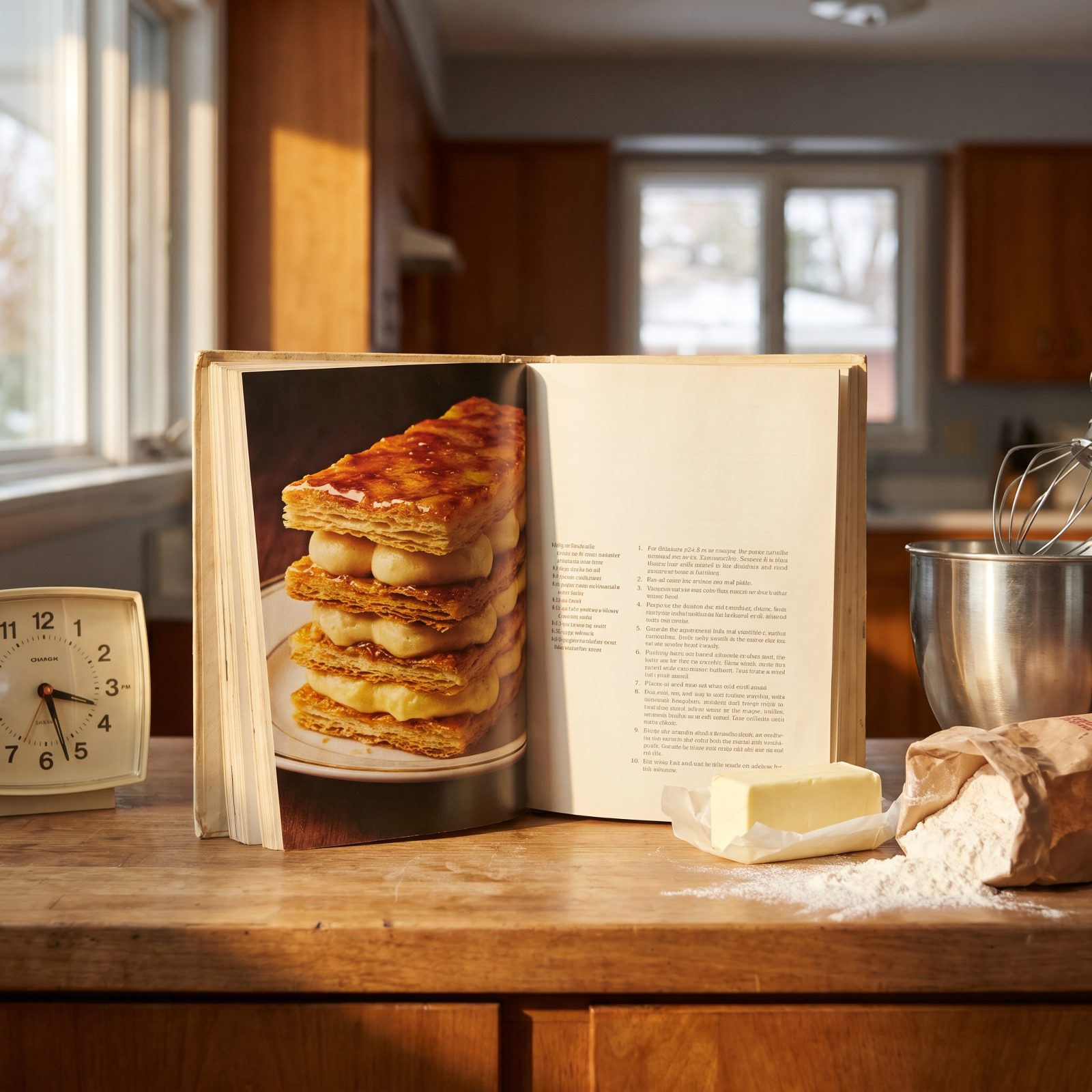
Three hours of prep. Chill the dough twice. Rest overnight. You read none of that — you saw the finished photo and said yes before you knew what you were agreeing to.
Call it the planning fallacy, the deep human conviction that this time it’ll go faster and smoother than everyone’s experience says it will. We wildly underestimate effort when the payoff looks appealing. It’s exactly how people walk into high-maintenance relationships swearing it’ll be different, blind to the hours the thing actually demands.
12. You Mistake a Complicated Recipe for an Interesting One
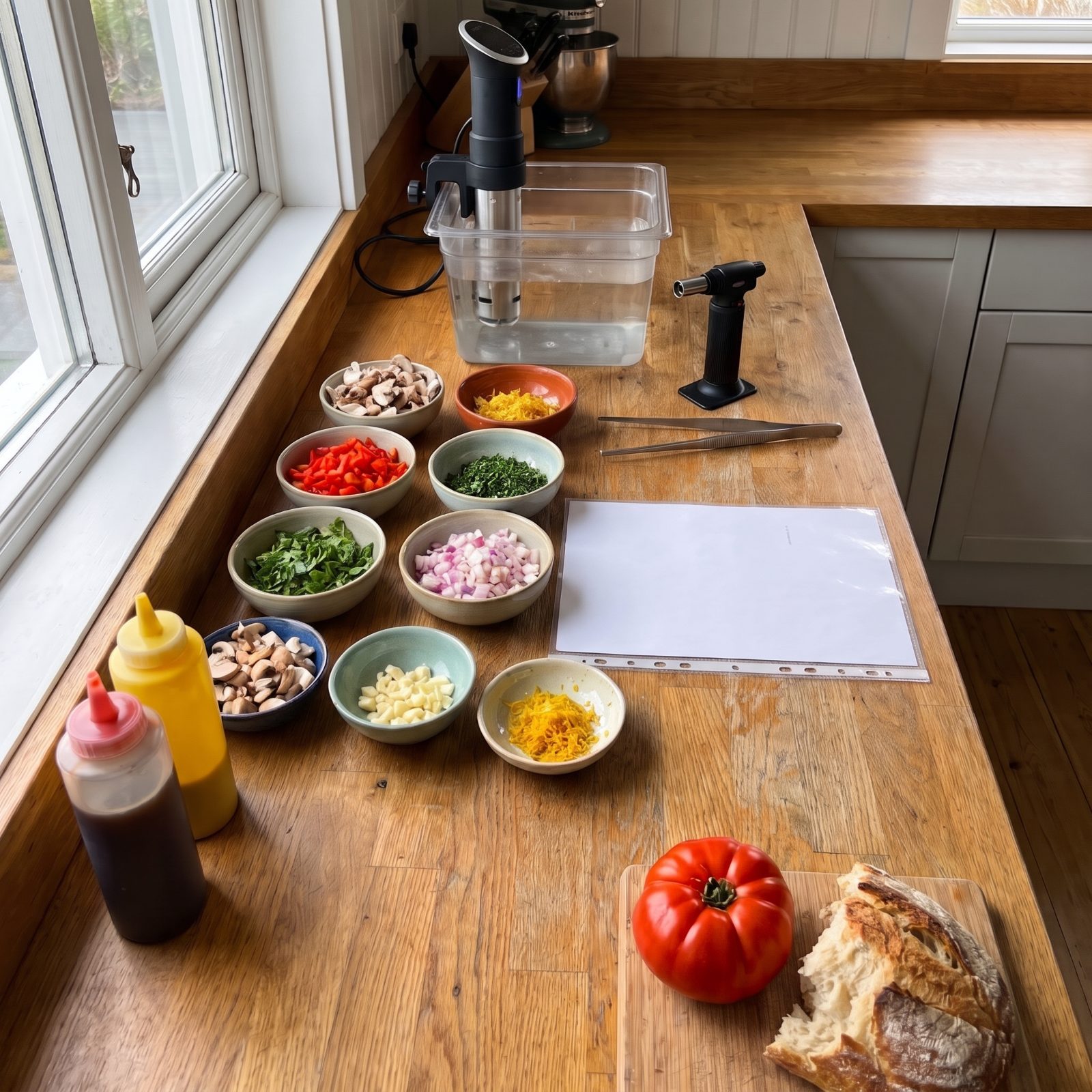
Twelve components, four separate cooking methods, and a sauce that requires its own sub-recipe. You called it ambitious. It was just busy.
We confuse complexity with depth all the time. A dish with forty steps feels more worthwhile than a perfect bowl of pasta, the same way a dramatic, high-effort relationship can feel more meaningful than a calm one that simply works. Difficulty masquerades as significance.
Hard is not the same as good. The best tomato sauce you ever ate had three ingredients and took ten minutes.
We’ve all fallen for this one. The recipe with the longest ingredient list seems the most sophisticated. Usually it’s just the one that dirties the most bowls.
11. You Chase Viral Dishes Before Learning Basic Sauces
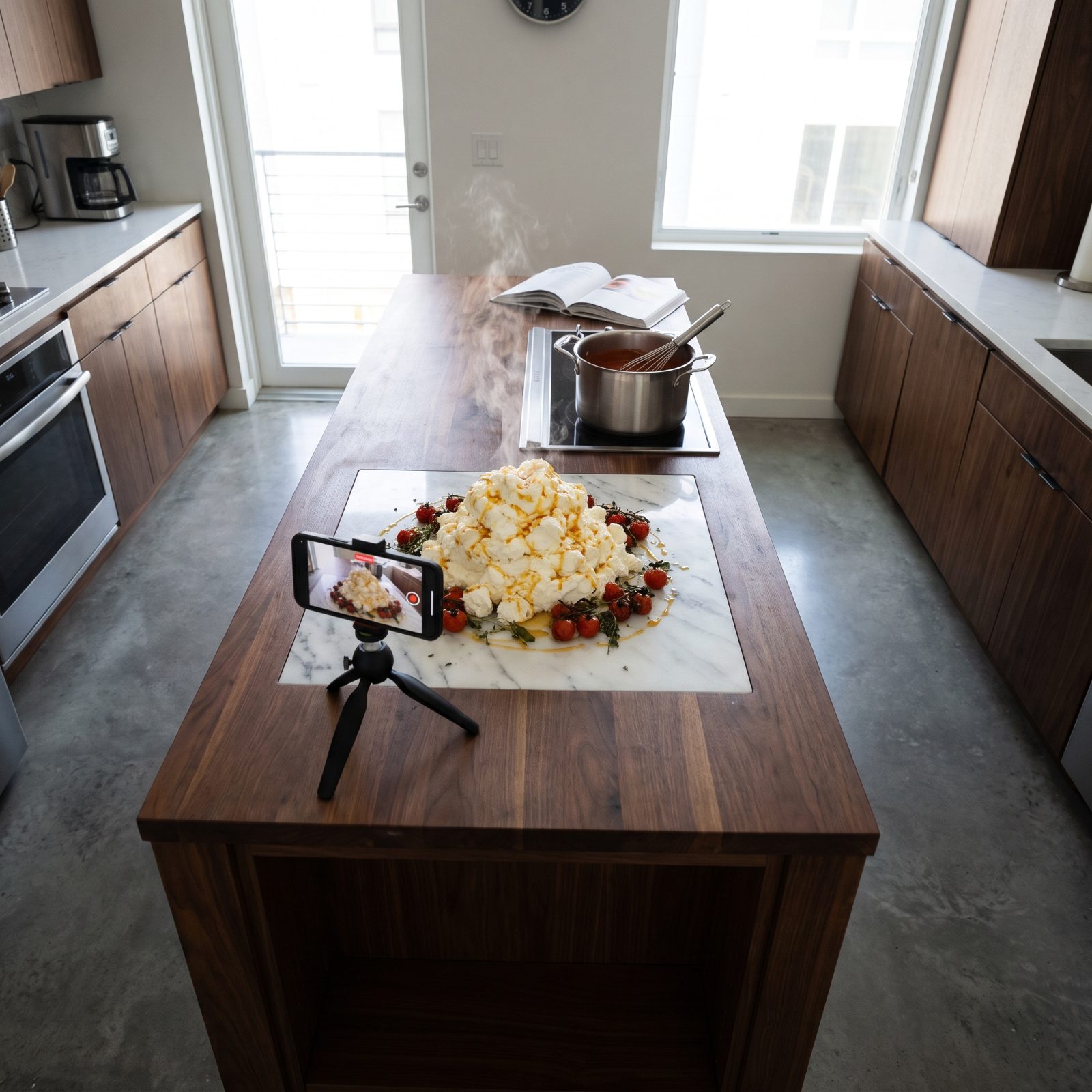
You attempted the dish that broke the internet last month. You still can’t make a plain tomato sauce taste like anything. There’s a crater in your foundation and you’re building a turret on top of it.
Novelty-seeking is louder than mastery. The new, buzzy thing lights up the same reward circuit that keeps someone perpetually dating fresh faces while never learning how to actually be with a person. The trendy dish is exciting. The boring fundamentals are what make everything else taste good.
10. The First Bite Gets More Credit Than It Deserves
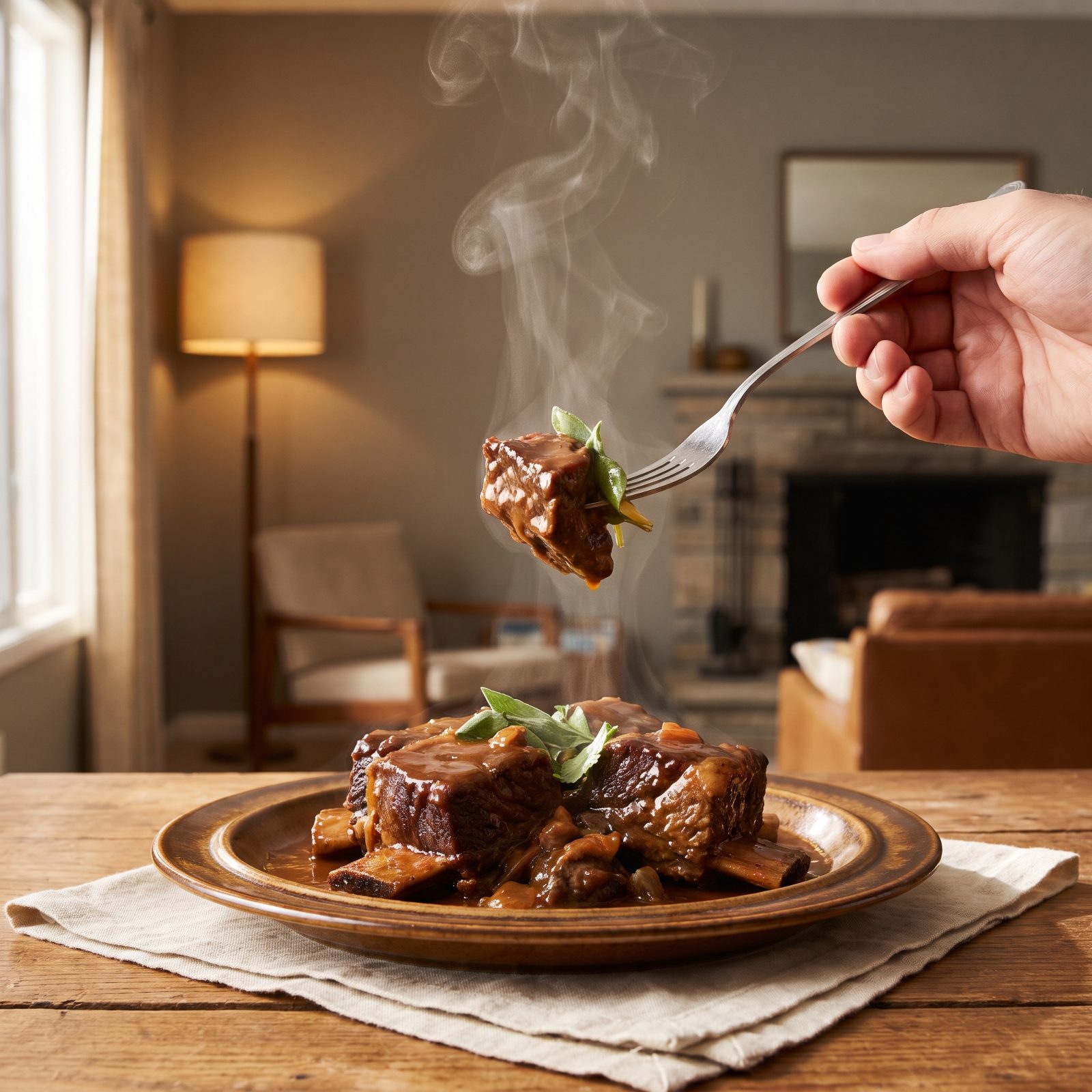
That first forkful was electric. By the fourth bite it was fine. By the time the leftovers hit the fridge, you’d already forgotten you made it.
The first bite always lands hardest, then the thrill fades fast. It’s hedonic adaptation, the way any new pleasure dims the more you have of it — the same honeymoon chemistry that makes the opening weeks of a new romance feel like fireworks and month seven feel like a reasonable Tuesday.
The dish didn’t get worse. Your brain just stopped throwing a parade for it. So instead of eating the perfectly good leftovers, you go looking for a new first bite somewhere else.
9. You Abandon the Dish When Prep Stops Feeling Exciting
Would you like to save this?
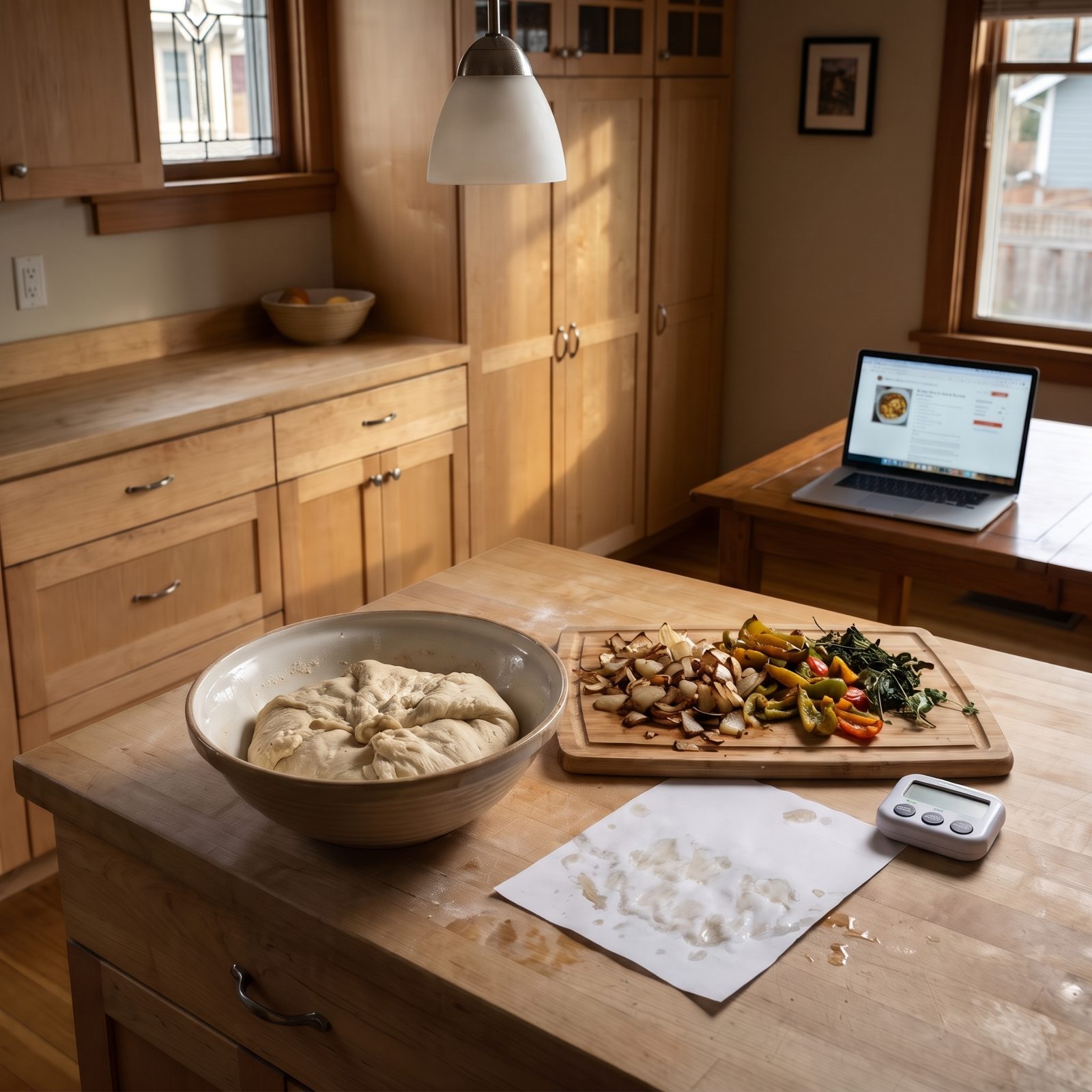
You had the onions chopped and the dough half-made. Then the fun part was over and the grind began, so you quietly wandered off to look at a different recipe. The onions sat waiting on the board.
The exciting stretch of anything is the beginning, when it’s all possibility. Once a thing demands patience instead of enthusiasm, the bailing instinct kicks in — which is how people walk out the moment the early-romance sparkle gives way to actual work.
The messy middle may deserve more credit: photos showing cooking in progress got more hearts from our readers than the other images in the same articles.
8. You Lose Interest the Moment You Know Every Step

You finally nailed the roast chicken. You can make it with your eyes closed. And the second it became easy, you stopped making it, because now there’s nothing left to discover.
Mastery kills the mystery, and mystery is what your novelty-seeking brain was feeding on the whole time. The very dish you fought to learn becomes boring precisely because you learned it. Same pattern as the person who loses interest the moment a relationship gets secure and known, then goes hunting for the next uncertain thrill.
But sit with this for a second. The roast chicken is still excellent. Knowing every step isn’t a flaw — it’s the reward. Depth doesn’t feel like fireworks. It feels like a thing you can do well, over and over, without thinking, and that quiet competence is why anyone bothers learning to cook in the first place. Make the roast chicken again. It’s better than whatever you saved last night.
7. You Blame the Recipe Before Questioning Your Technique
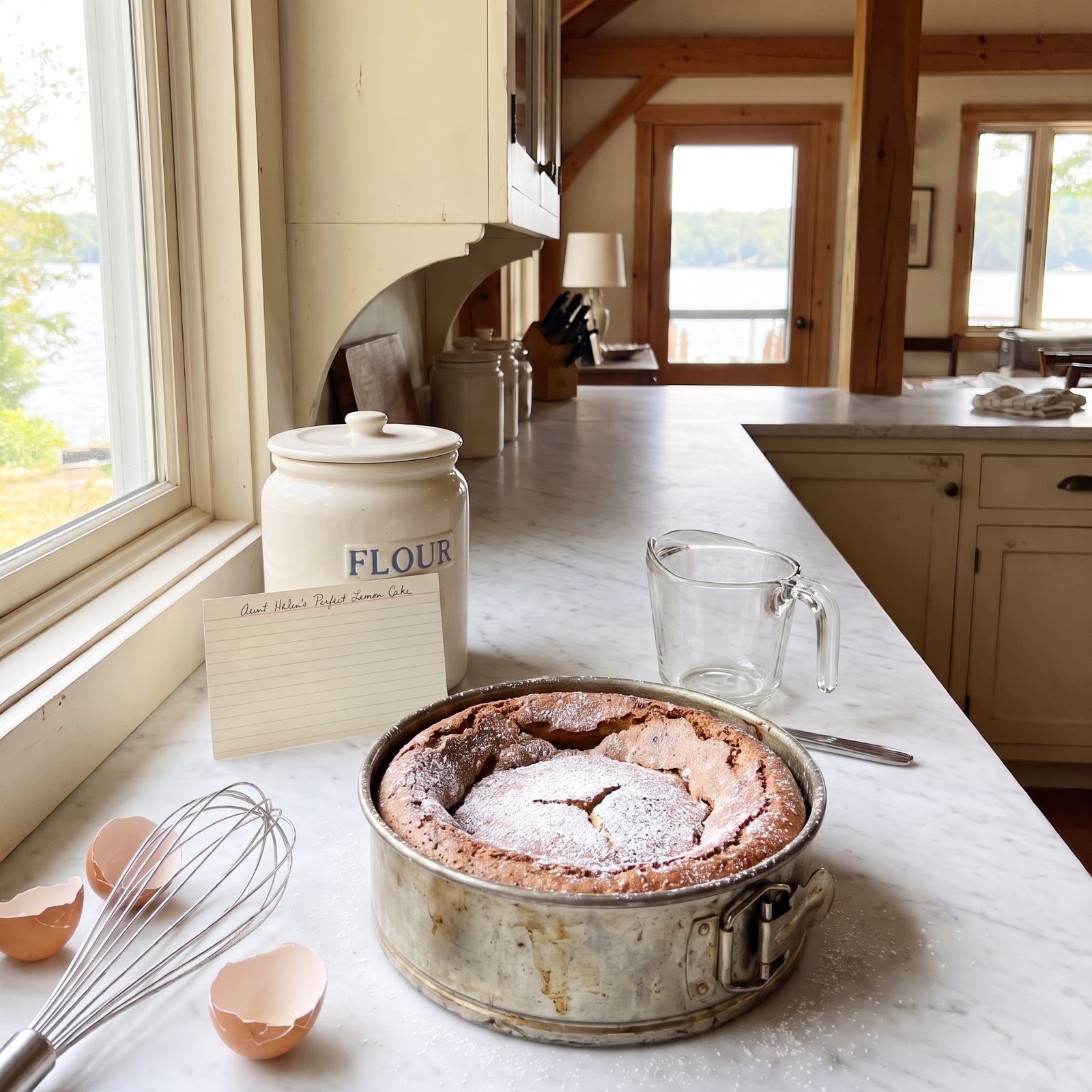
The cake came out dense and sunken, and your first thought wasn’t “maybe I overmixed.” It was “this recipe is trash.” Two-star review drafted in your head before the pan even cooled. The oven was fine, the flour was fine, and you, possibly, were the variable.
People do this in relationships constantly. The pattern repeats — same arguments, same endings — and the common denominator standing in every one of those stories somehow never gets questioned. Call it the self-serving bias. We credit ourselves for the wins and pin the losses on everything else. A recipe can’t defend itself, which makes it the perfect scapegoat.
Honestly? We’ve all done this. Blamed an aunt’s handwriting, blamed the humidity, blamed the brand of butter. Then a kitchen scale reveals we’ve been guessing at a cup of flour like lunatics.
6. You Keep Comparing Dinner With the Restaurant Version
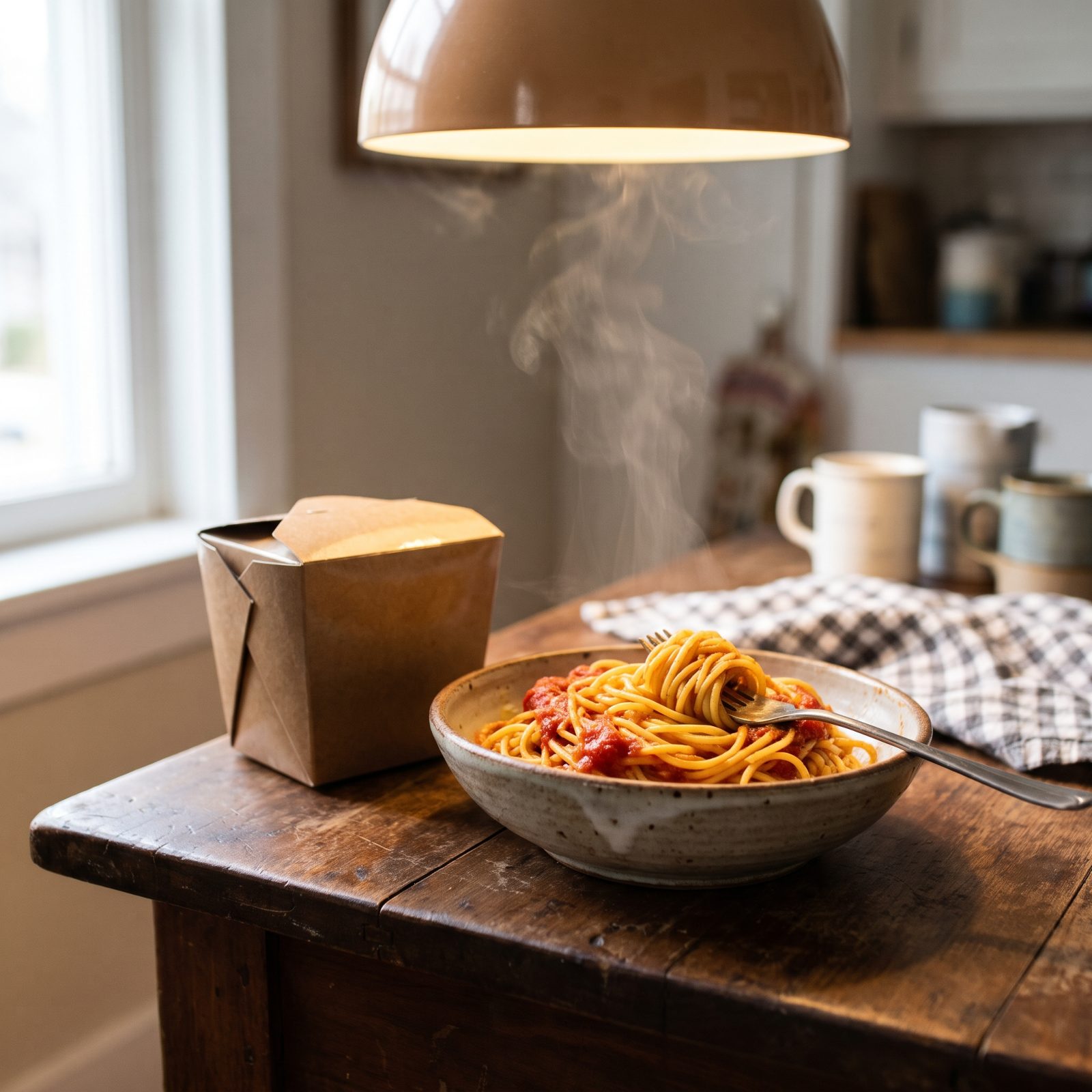
Your spaghetti pomodoro is good. Genuinely good. But your brain keeps holding it up against that little place downtown where the sauce had a brightness you can’t name, and suddenly your perfectly fine dinner tastes like a knockoff.
Here’s the trap: you’re comparing a real thing to a polished fantasy. The restaurant version came with lighting, a server, a night off from cooking, and no dishes waiting. You’re measuring your Tuesday against someone else’s highlight reel — the exact move that makes a solid partner feel lesser next to an ex you’ve conveniently edited into perfection.
5. You Want Low-Maintenance Meals That Still Feel Impressive
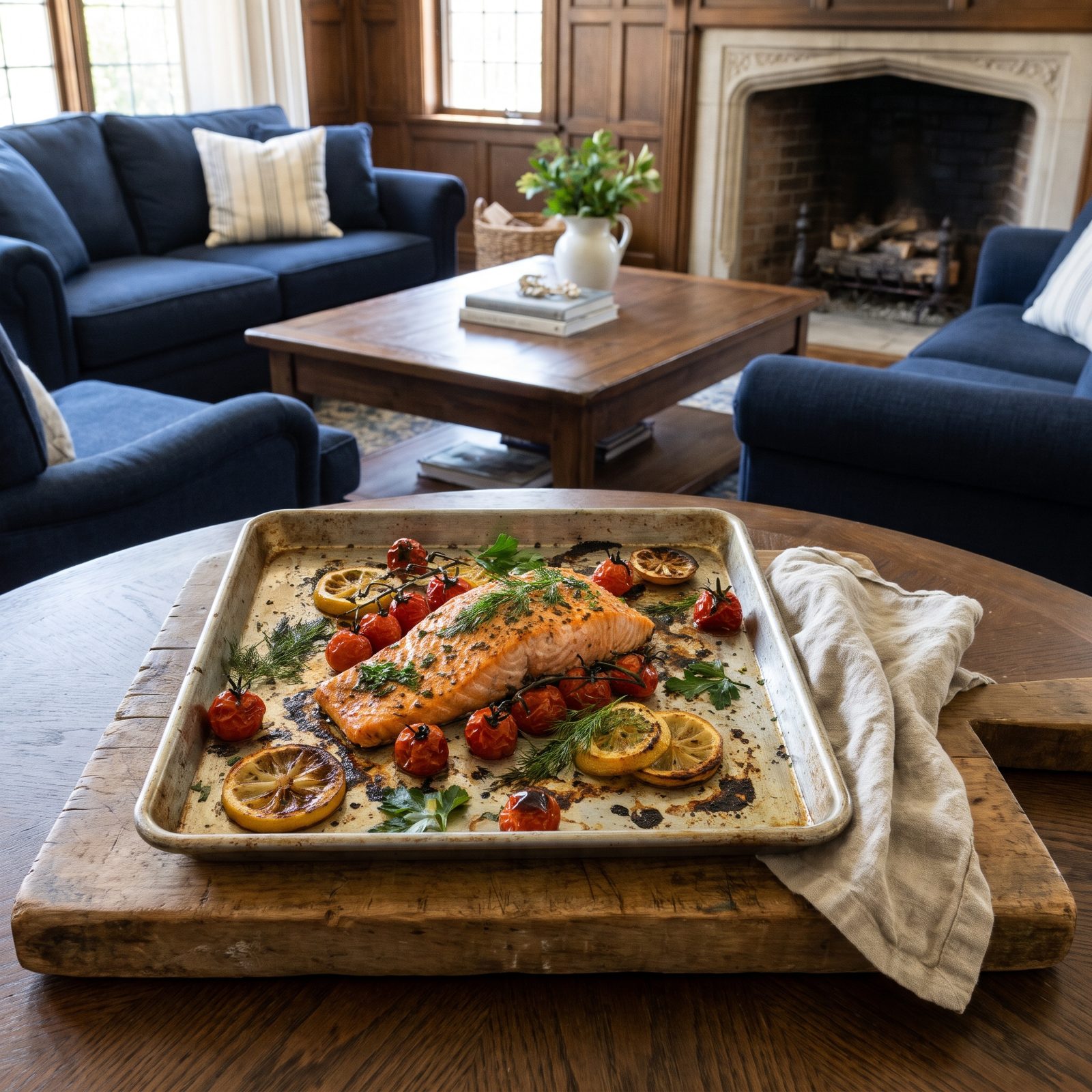
You search “easy weeknight dinner” and then reject every result for being too plain. Five ingredients, fifteen minutes, one pan — and somehow it should also look like you studied in Lyon. Low effort, high applause. The contradiction doesn’t bother you one bit.
Nobody admits to this one in dating either. Give me someone who requires nothing and delivers everything. No work, no friction, just the reward. The want is real, but it’s built on a fantasy that payoff comes without input.
A sheet pan dinner is the closest honest answer. It looks like a dinner party and costs you the effort of a shrug. The secret to anything that impresses with almost no work? Good ingredients doing the heavy lifting while you take the credit.
4. You Choose Dinner Based on Who Will See It

Cooking for yourself on a random night? Scrambled eggs standing at the counter. Cooking because people are coming over? Suddenly you’re brining, you’re plating, you’re cracking into the good olive oil you’ve been hoarding like a dragon. Same stomach, wildly different ambition.
The audience changes everything, and we rarely notice how much of our effort is pure performance. Same instinct behind dressing up for a first date and then wearing the same hoodie for a week once things get comfortable. Status signaling runs quietly through both. We cook for the impression, not the hunger.
3. Seasonal Recipes Feel Irresistible Until the Season Ends
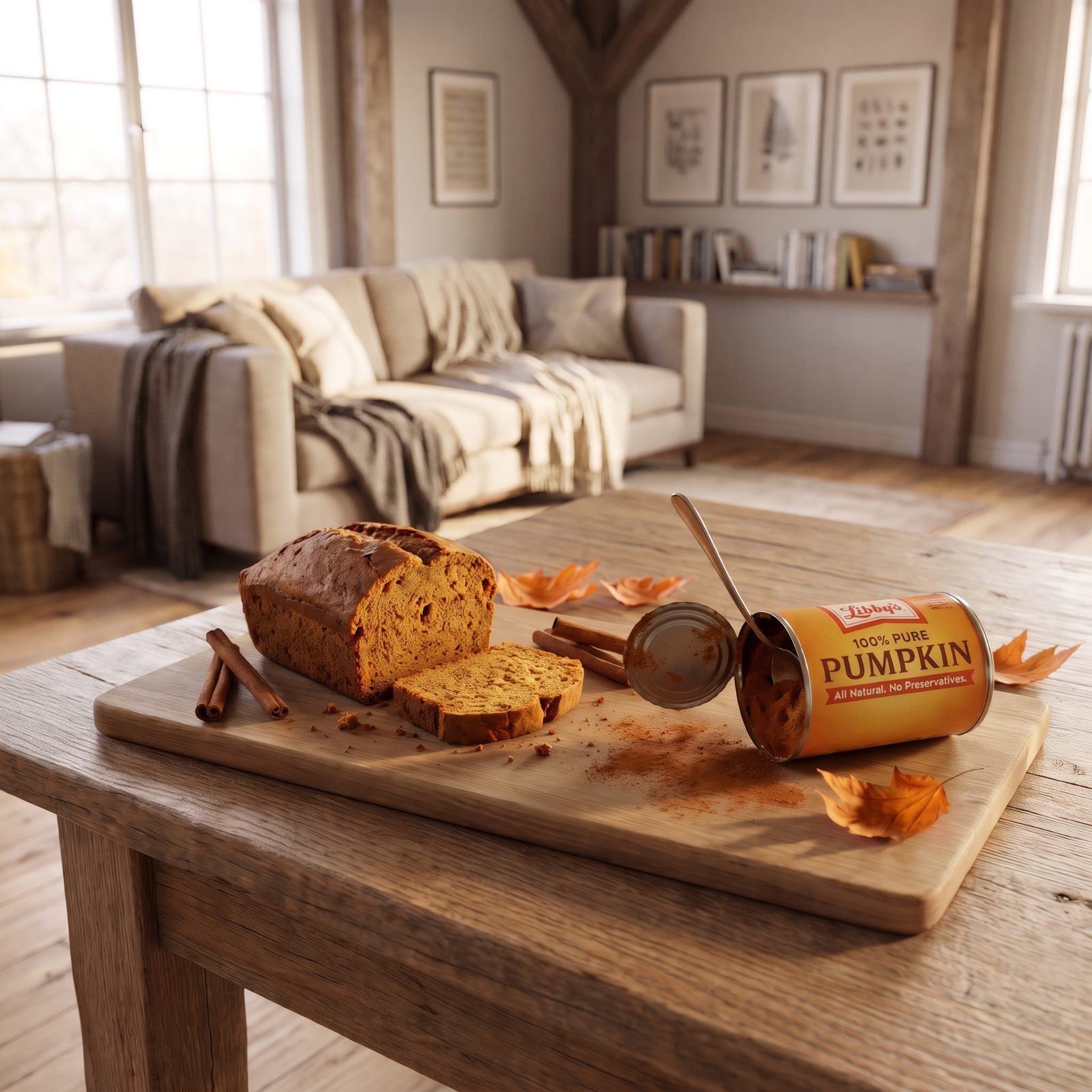
Come September you cannot get enough pumpkin. Pumpkin bread, pumpkin soup, pumpkin everything, and you swear this is your personality now. Then January hits and that same tipped-over can, its last dregs gone dry and crumbly and spilling across the cutting board, sits there like a decision you regret. The spell lifts, just like that.
Infatuation works the same way. There’s the all-consuming phase where you reorganize your whole life around someone, then the inevitable cooling where you look up and wonder what the fuss was. The feeling was real while it lasted. It just had an expiration date you ignored.
At least seasonal cooking is honest about it. It tells you up front the obsession is temporary. Peaches in July, apples in October, and nobody gets heartbroken when it ends. If only crushes came labeled with a harvest window.
2. You Keep a Reliable Chili Recipe as Your Backup
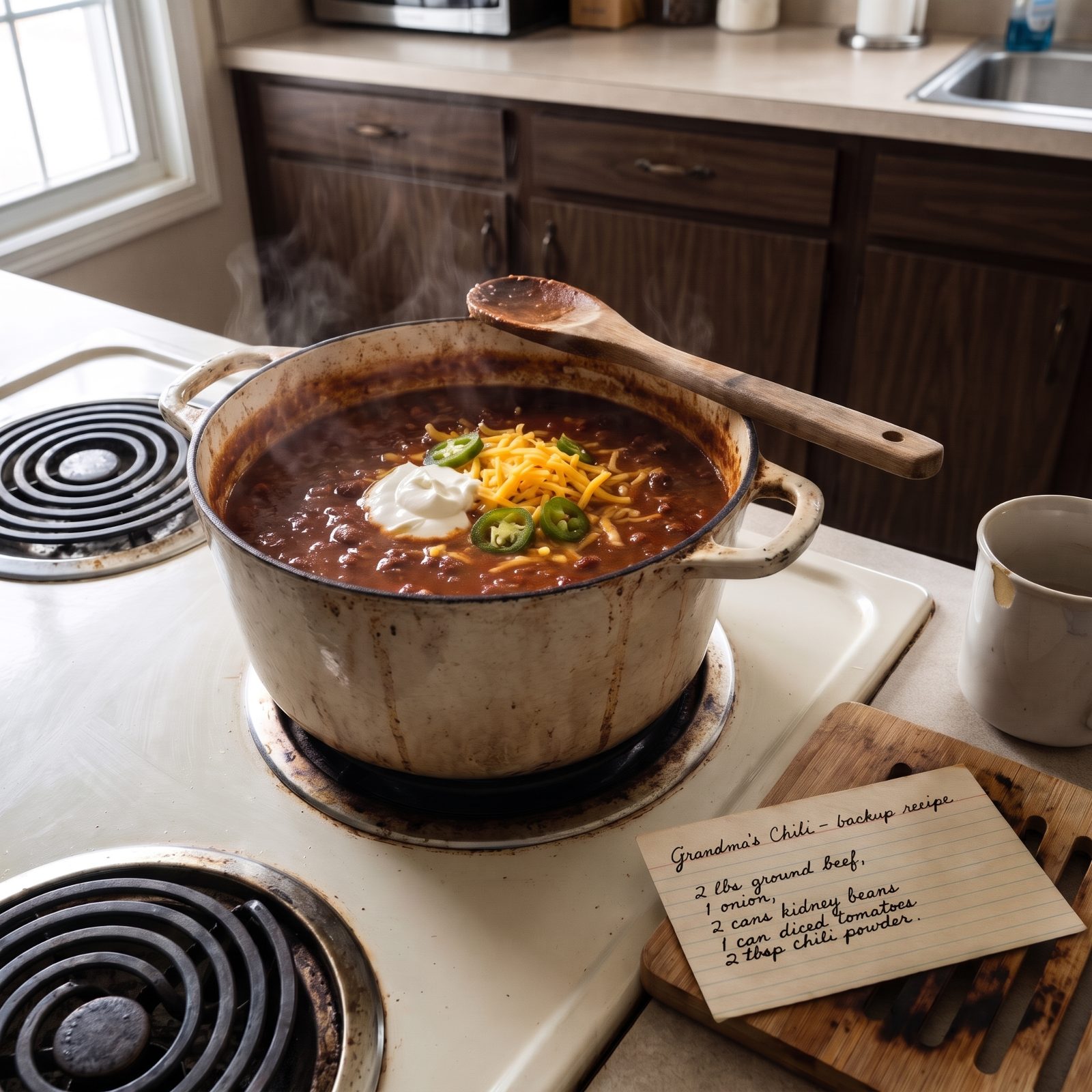
Every cook has one. The chili, the roast, the baked ziti — the thing you can make half-asleep that never fails. Splattered card, memorized by now, pulled out whenever a new recipe lets you down or company shows up and you can’t risk an experiment. It’s not exciting. It’s safe. It delivers every single time.
We keep these in our back pocket the way some people keep the person they know they could always go back to. The reliable one. The sure thing. Not the fireworks — just the warmth that never embarrasses you in front of guests.
The dish that never lets you down rarely gets the credit it deserves, right up until the night you need it.
Nobody admits this while chasing the next shiny recipe: reliability is its own kind of brilliance. The chili was never boring. You just stopped noticing because it never made you suffer.
1. You Start Another Recipe Before Cleaning Up the Last
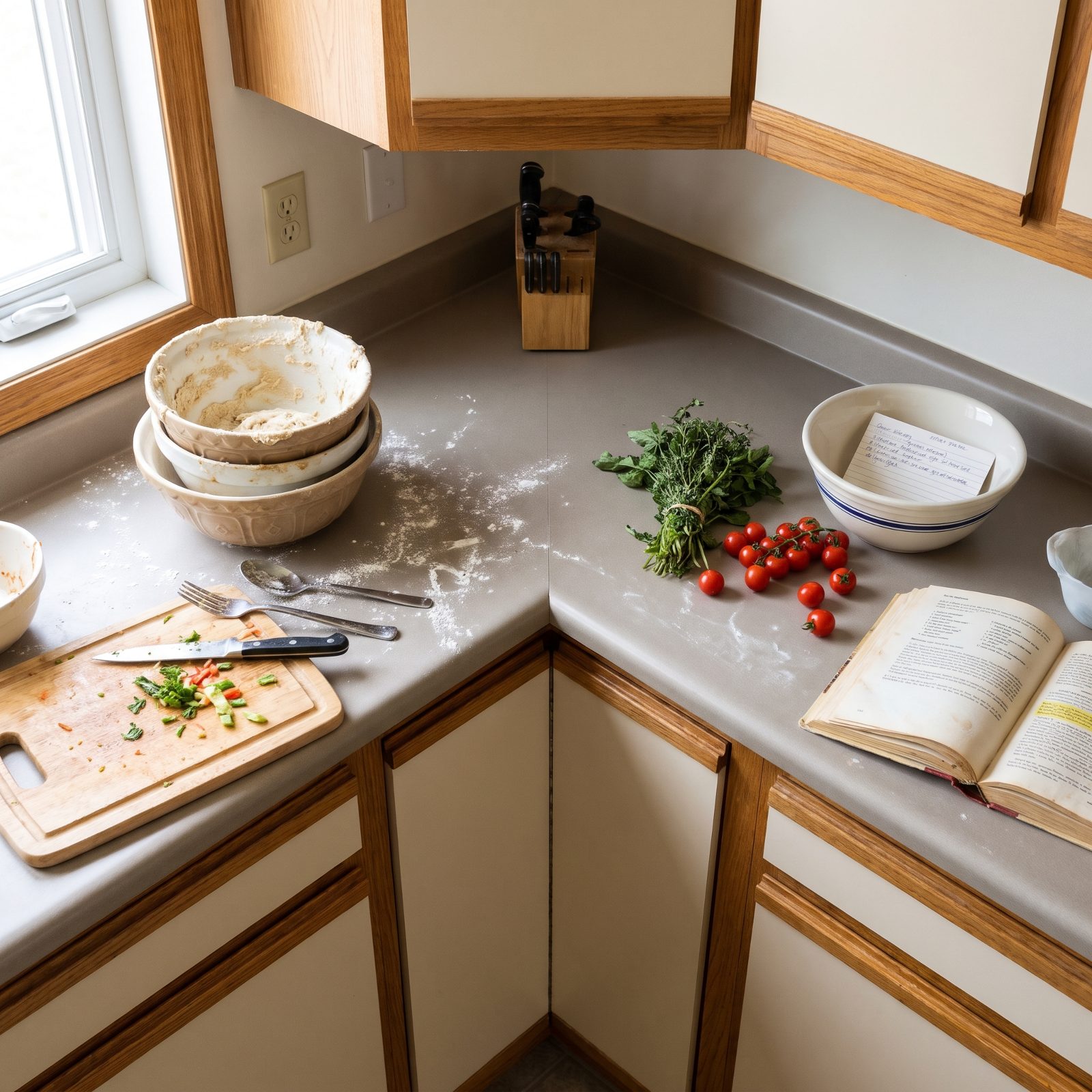
The first dish isn’t even plated and you’ve already lined up the next one’s ingredients, bowls from round one soaking in the sink, counter a warzone. You’d rather start something new than finish dealing with what’s in front of you. The pile can wait. The excitement cannot.
Classic restless move — always onto the next thing before closing the loop on the last. New project, new plan, new person, all begun before the previous one got a proper ending. The beginning always feels better than the cleanup. Always.