Would you like to save this?
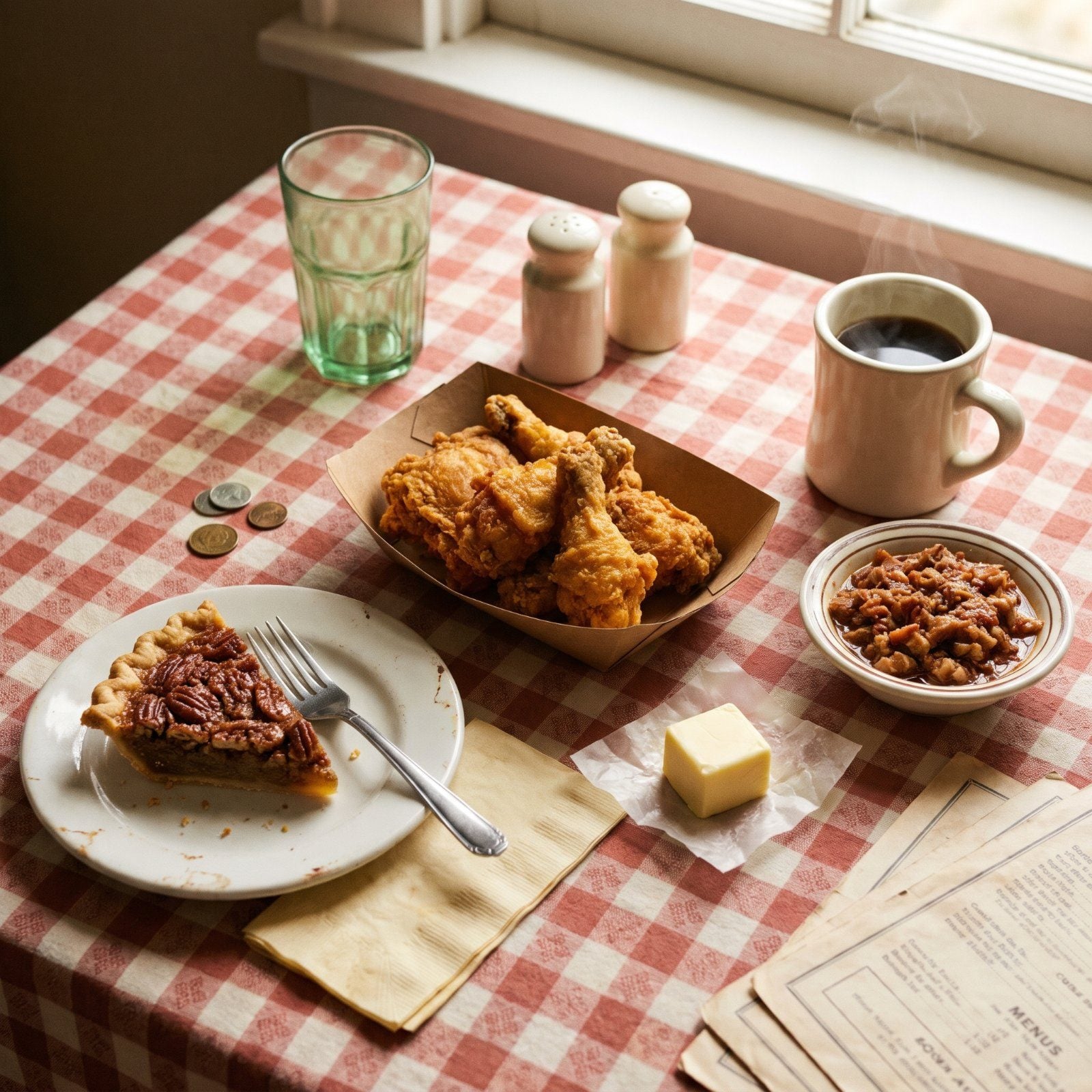
You can still smell it if you try hard enough. Grease hissing off a Charlotte fryer, the sweet buttery weight of a pecan pie cooling on a windowsill, a cleaver going chop-chop-chop through a whole hog somewhere east of the Triangle.
Please note that some of the images in this article were created with the assistance of AI.
These places didn’t just feed North Carolina — they held it. They were where you went after church, after the game, after 2 a.m. Then one by one they turned the sign to CLOSED and never flipped it back. Here are the ones locals still bring up like old friends.
16. Price’s Chicken Coop, Charlotte
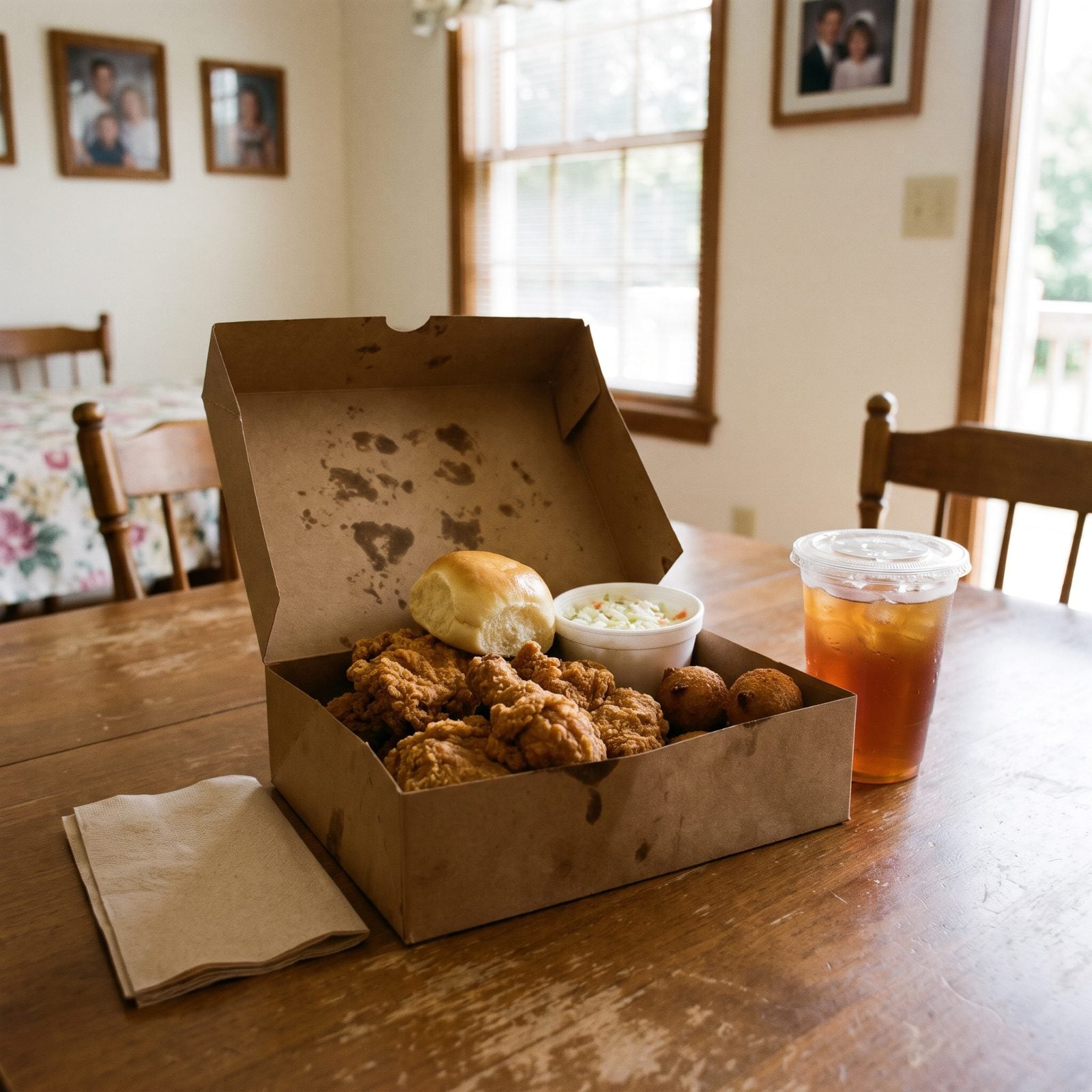
For nearly six decades, if you wanted the best fried chicken in Charlotte, you brought cash and you brought patience. Price’s Chicken Coop in South End didn’t do cards. Didn’t do seats worth mentioning. You ordered at the counter, got a brown box heavy with crust, and ate in your car.
Talmadge Price started it with his brother Pat. Before that, Talmadge sold raw chicken to restaurants and home cooks, so he knew the bird cold before he ever dropped one in oil.
It closed in June 2021. The farewell post named a labor shortage, rising food costs, worries about food quality, and — the part nobody forgets — a coin shortage. A coin shortage. For the cash-only legend. There’s a cruelty in that nobody saw coming.
What Our Readers Say
- When Piaci Pizza readers loved a food photo and tapped a reason, comfort came out on top at 29%, with nostalgia sharing second place at 17%.
From Piaci Pizza reader polls and votes.
15. The Coffee Cup, Charlotte
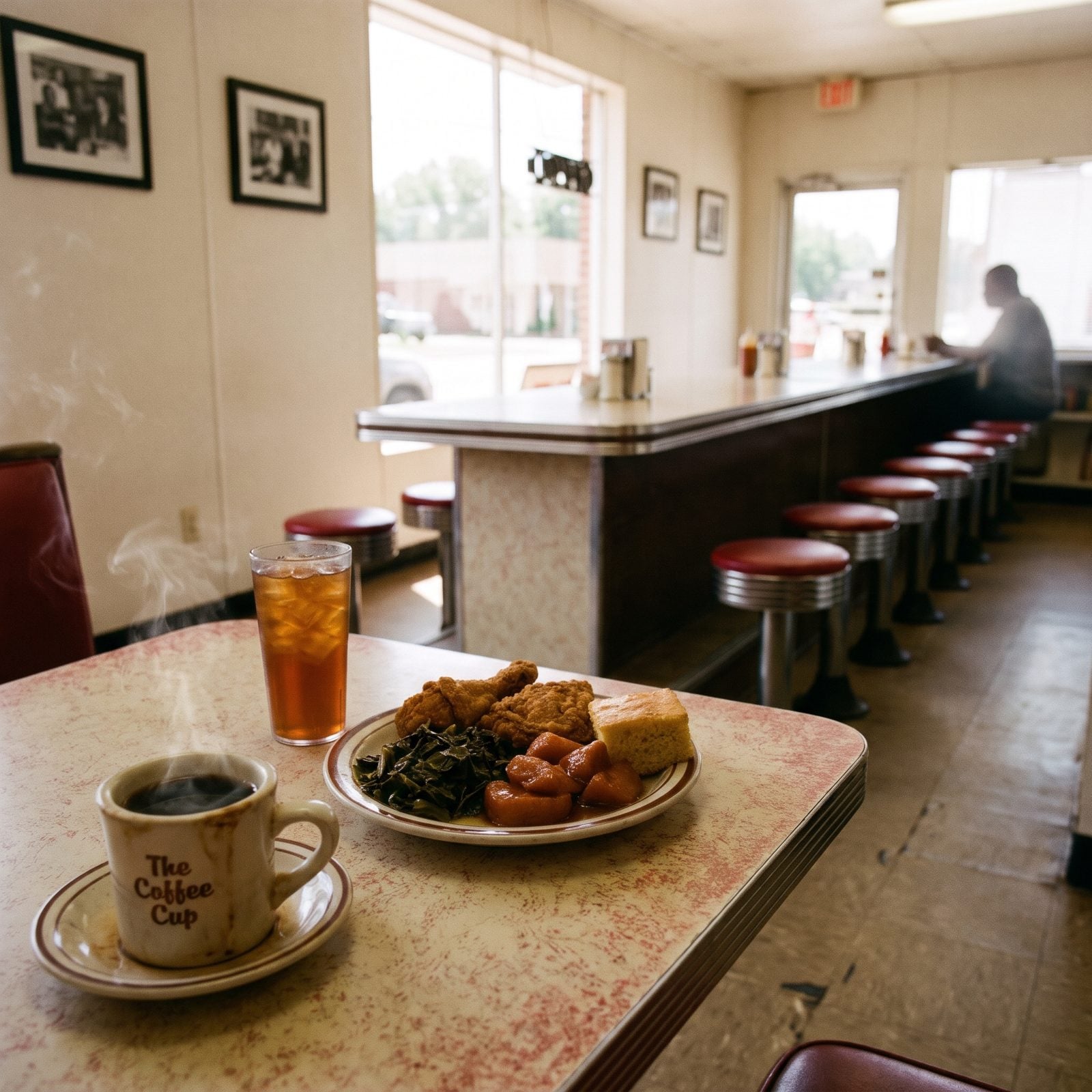
The Coffee Cup opened in 1947 at 914 South Clarkson Street and ran for decades. That alone would earn it a spot. But the real story is who ran it.
Myrtle Heath, a Black woman, bought the place in the mid-1950s, and under her it served Black and white customers inside the same room — making it one of Charlotte’s first integrated restaurants. That happened over plates of fried chicken and greens, not speeches.
Closed in 2008. Torn down in 2009. The lot moved on. The meaning didn’t.
14. Anderson’s Restaurant, Charlotte
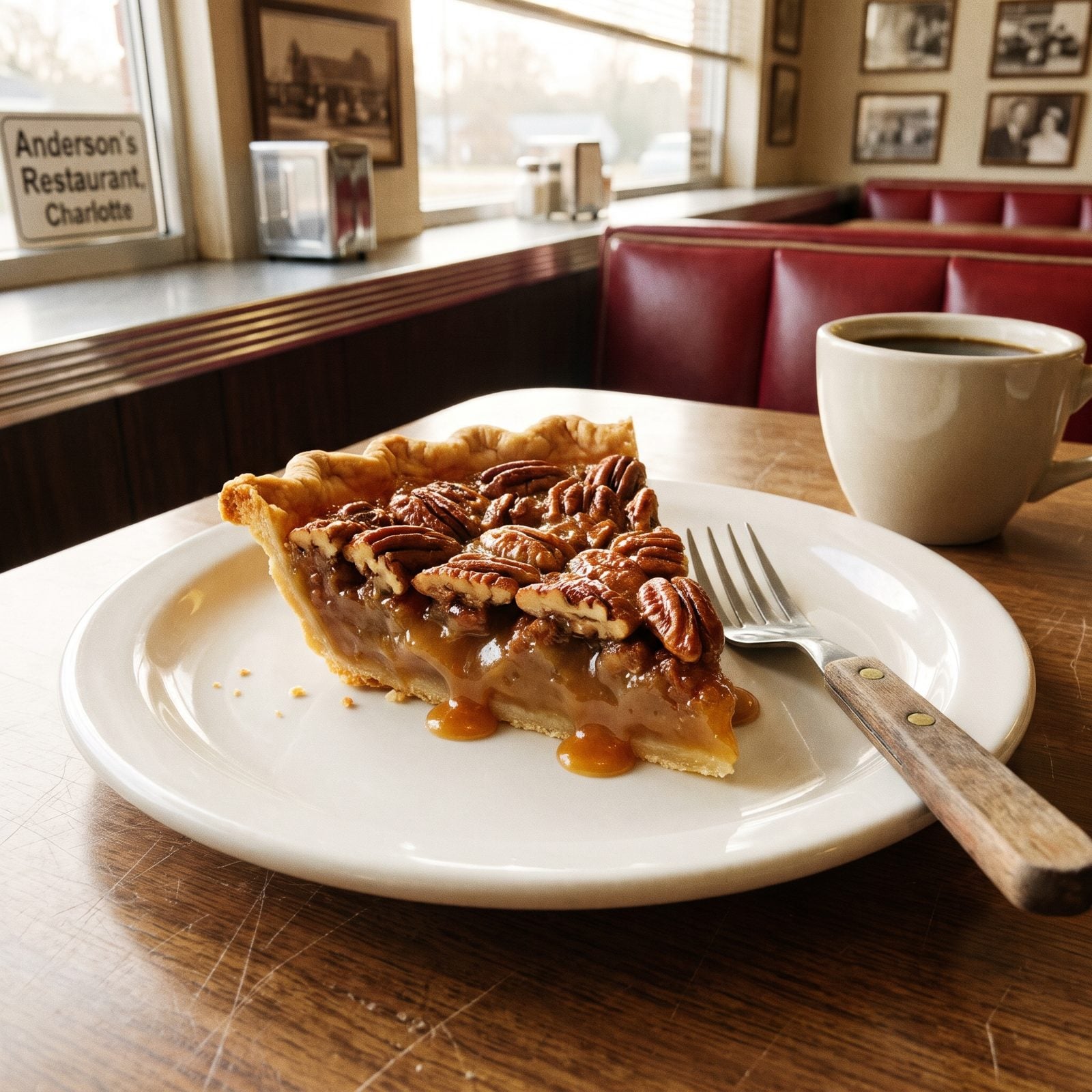
It started as the Mercury Sandwich Shop in Charlotte’s Elizabeth area in 1946, opened by three brothers — Jimmie, Pete, and Bill Anderson. Eventually it became Anderson’s Restaurant on Elizabeth Avenue, and for decades it anchored Southern breakfast around there. Eggs, fried chicken, the whole comfort catalog.
But the thing people drove for was the pecan pie. House specialty. The one you ordered even when you were already full.
The restaurant closed in 2006. Here’s the kind detail: Andersons Pie Co. still makes the family pecan pie from a recipe that’s barely changed in decades. The booths are gone. The pie survived.
13. Athens Restaurant, Charlotte
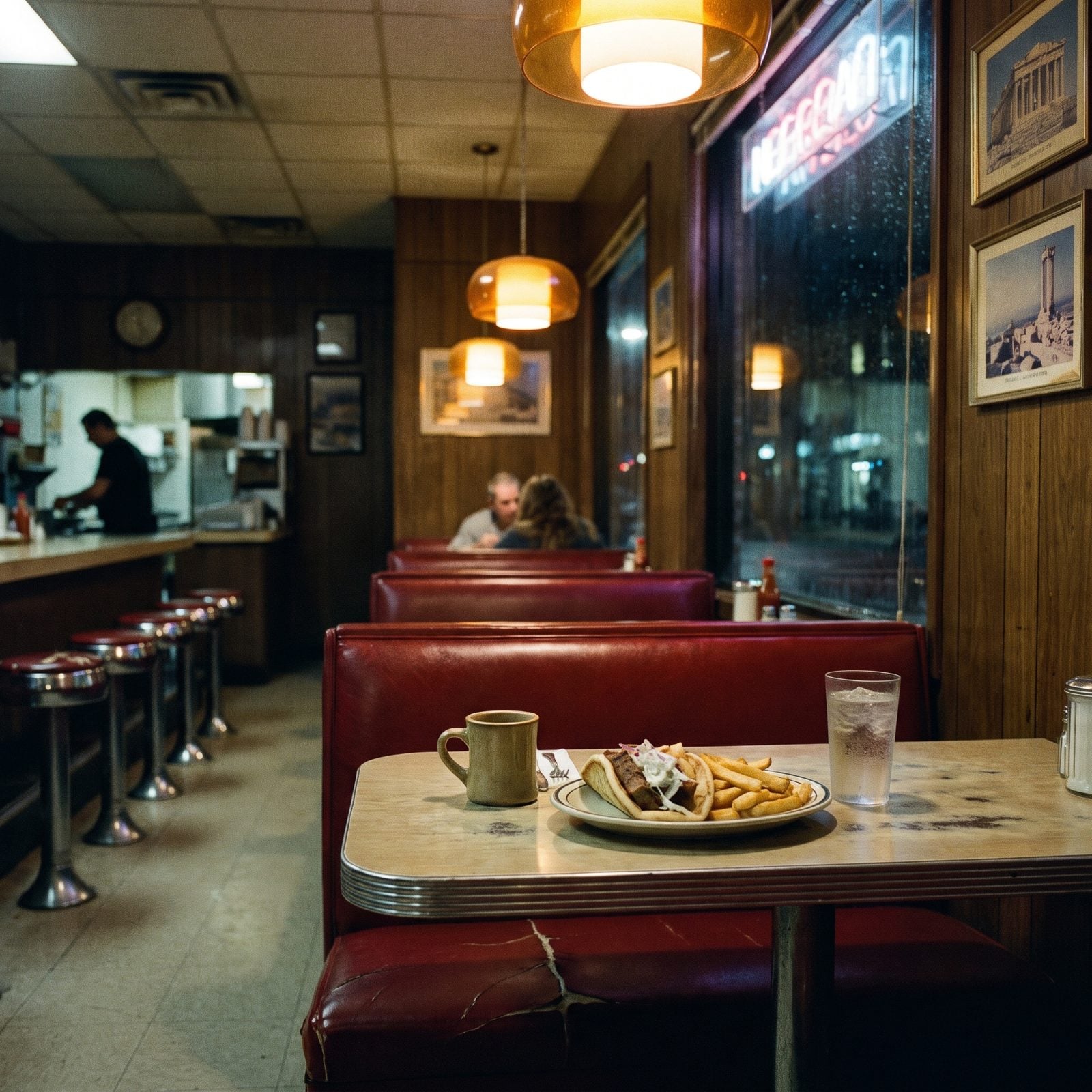
Some restaurants you remember by daylight. Athens you remember at 2:30 in the morning, when the bars let out and everybody who’d been dancing found their way to the vinyl booths at 101 E. Independence Blvd. It was a Greek-American diner, open around the clock, the kind of place where the crowd turned rowdy and sentimental in equal measure after last call. You didn’t go to Athens hungry so much as you went because the night wasn’t ready to be over.
It closed in 2006 and was later torn down. There’s a parking lot there now. A parking lot is the least sentimental thing in the world, which feels about right for what replaced it.
12. Darryl’s, Raleigh
Darryl’s didn’t die because business was bad. That’s the part that still stings in Raleigh.
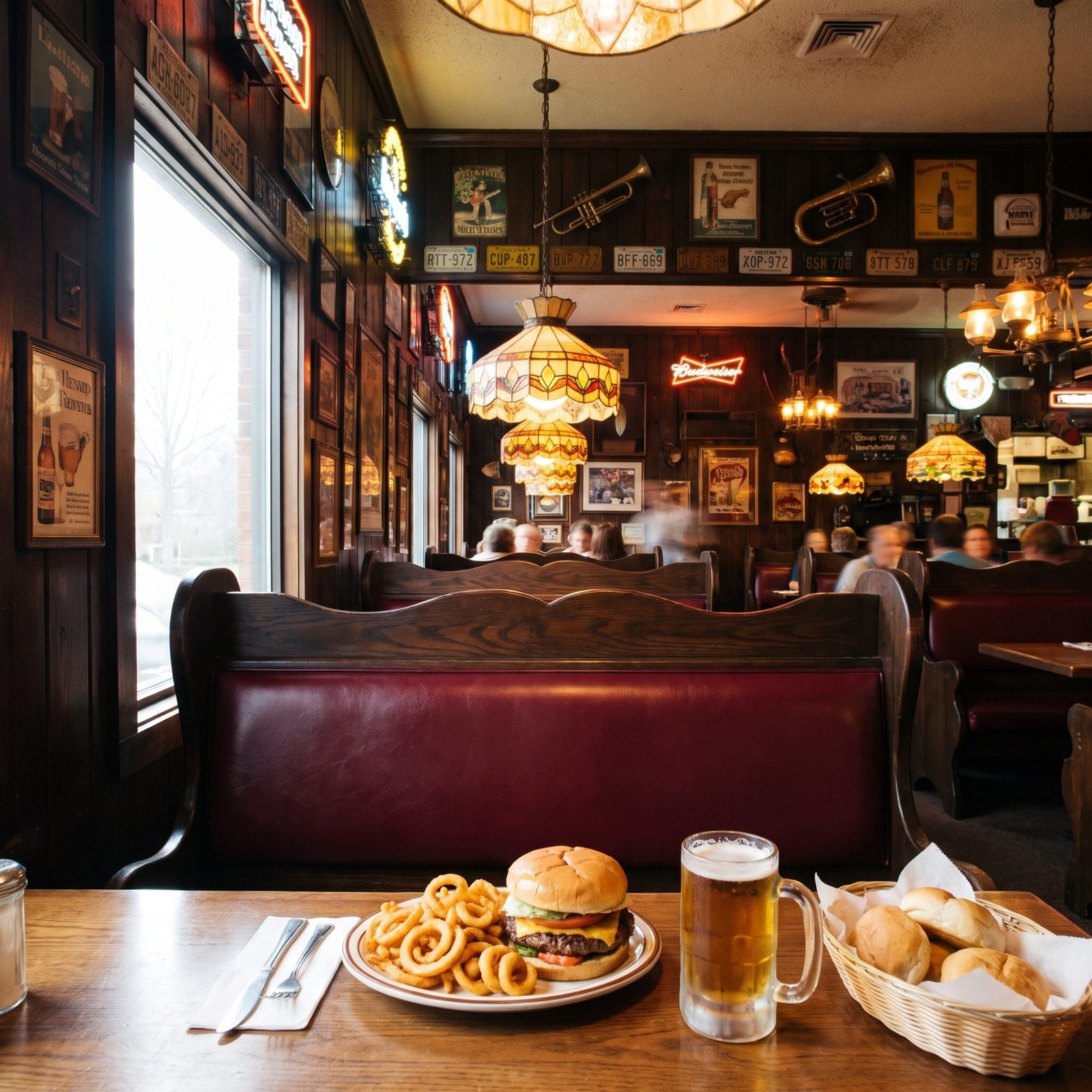
It stood at the corner of Hillsborough Street and Oberlin Road, the original of what became an entire chain. Thad Eure Jr. and Charles Winston opened it decades before the end. A themed roadhouse full of wood paneling, old signs, and booths you wanted to sink into for three hours.
Then in September 2003, it closed suddenly. The employees found out alongside everyone else. According to WRAL, the restaurant was doing fine financially. It went down because its parent company, Houlihan’s, was fighting bankruptcy. A healthy restaurant pulled under by a sick corporation. That’s a particular kind of unfair.
11. Balentine’s Cafeteria, Raleigh
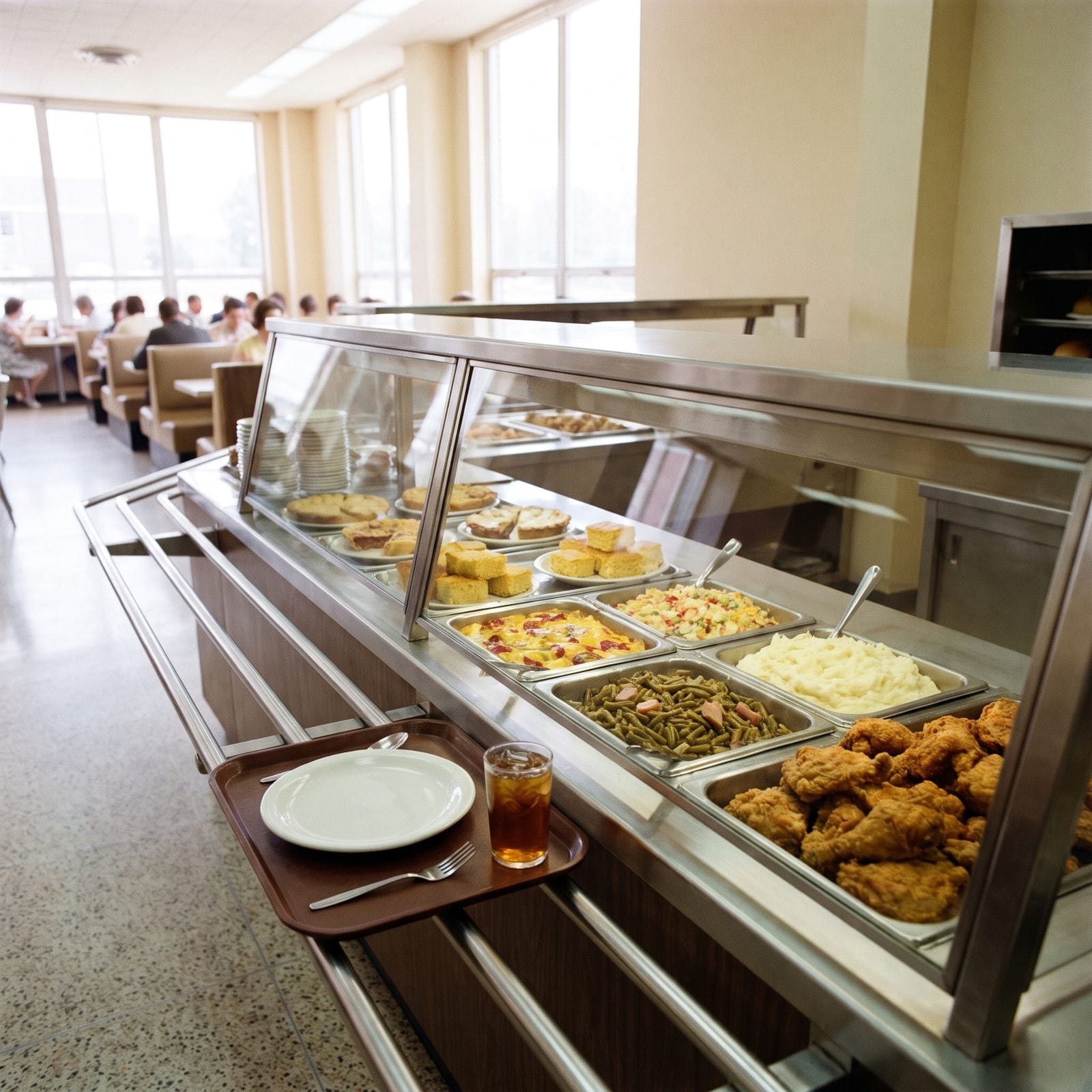
Owner John Balentine once said some regulars ate there twice a day. Read that again. Lunch and supper, same cafeteria line, same trays, same sweet tea. That’s not a restaurant. That’s a second kitchen.
Balentine’s opened at Cameron Village in 1960, growing out of the Green Grill on Salisbury Street, which went back to the 1940s. Stan Musial ate there, and so did Terry Sanford as governor-elect in 1960.
It closed in 1999. The building — designed in 1959 by Raleigh Modernist architect Leif Valand — hung on until 2011 before it came down.
10. The Ram’s Head Rathskeller, Chapel Hill
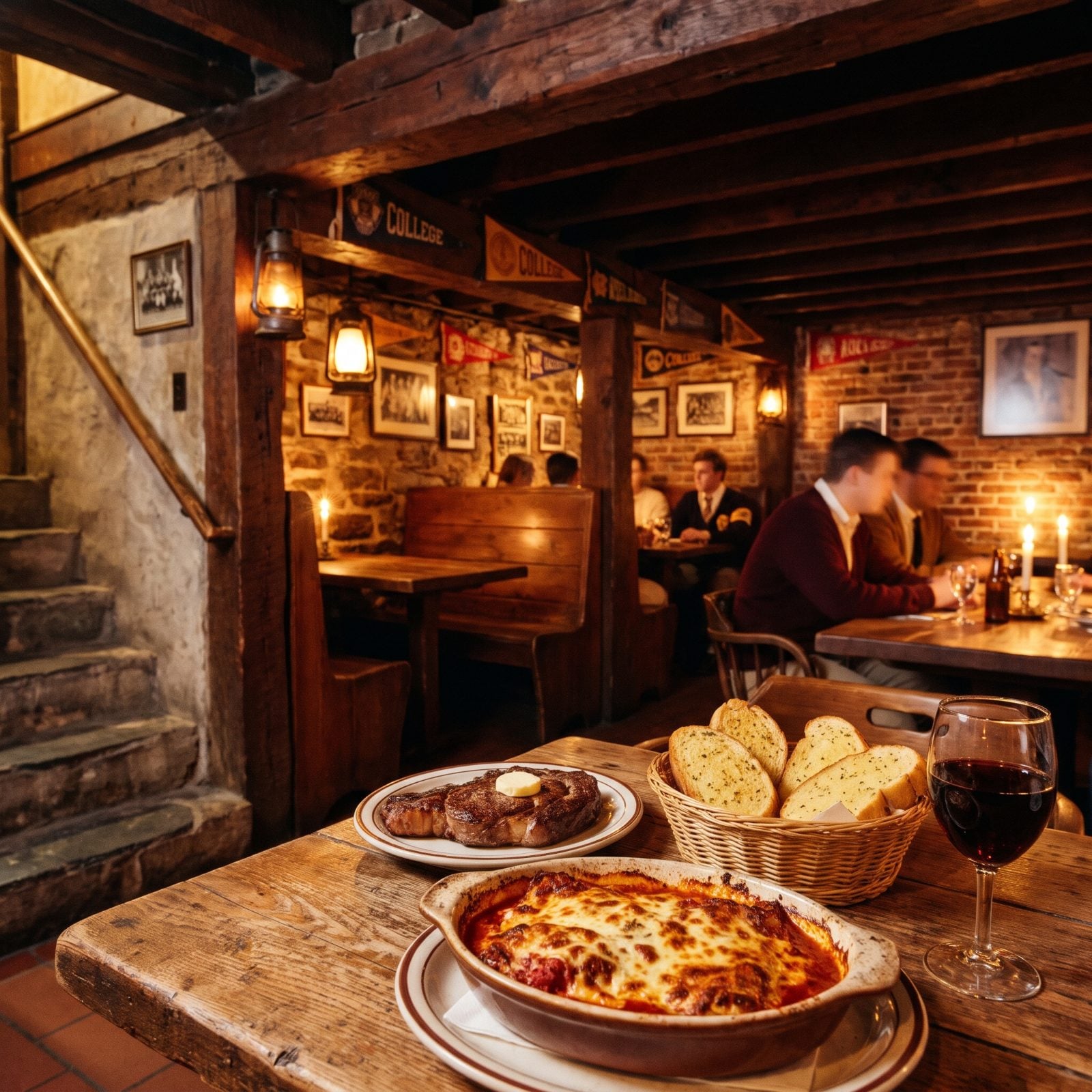
You got to “The Rat” by going down. A set of steps off Amber Alley on Franklin Street dropped you into a stone-walled basement that opened in 1948 and stayed a Chapel Hill institution for nearly six decades.
Generations of UNC students courted, crammed, and celebrated down there. The famous orders were the Gambler steak and the lasagna, which came in single, double, and triple portions. A triple-portion lasagna in a college town is less a menu item than a dare.
It closed in 2007. Our State reported in 2016 that S&T’s Soda Shoppe in nearby Pittsboro was making the Rat’s old recipes again, so it may be worth a call to see if that’s still true. A ghost of The Rat, a short drive down the road.
9. Ye Olde Waffle Shoppe, Chapel Hill
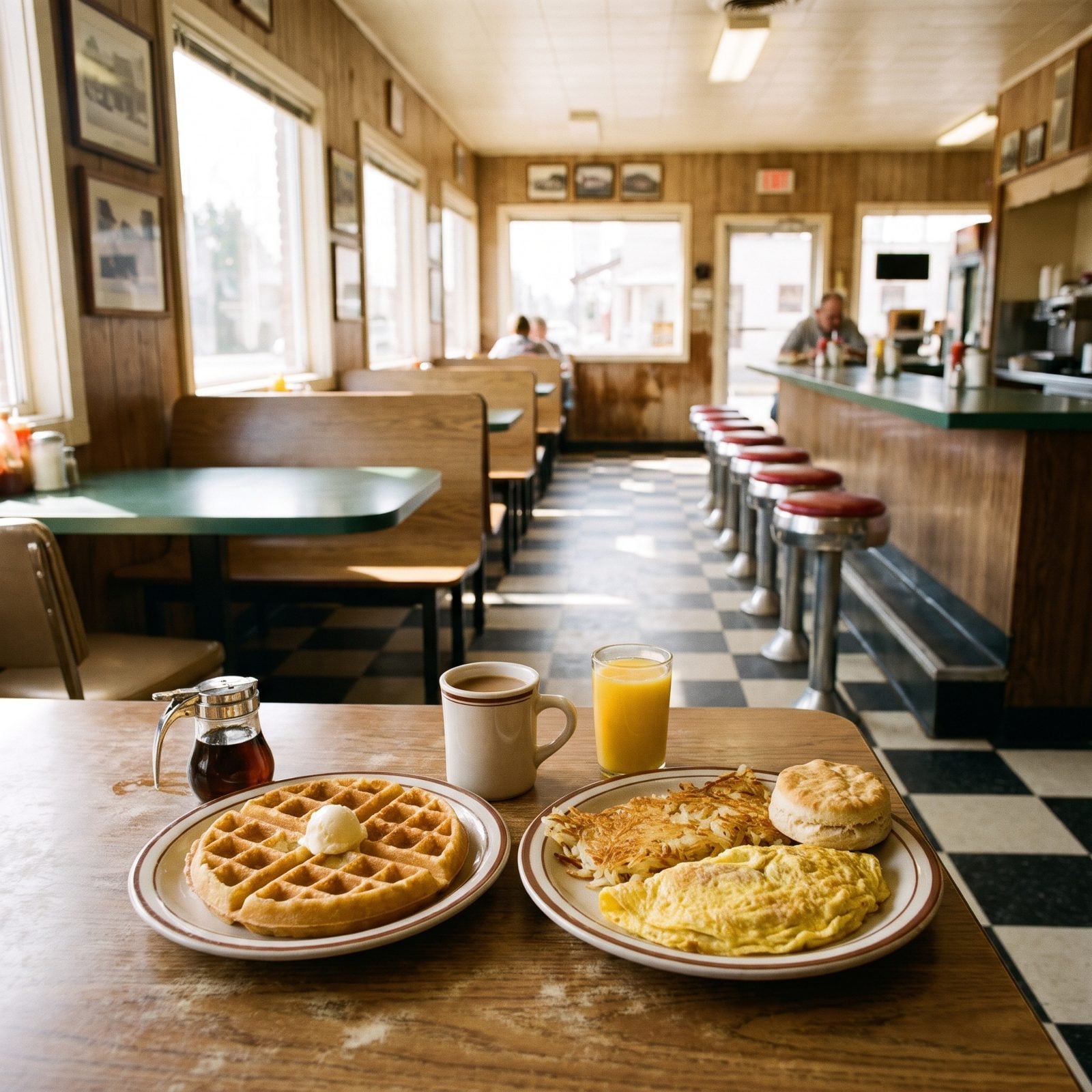
Cheap biscuits. Big omelet plates. Waffles that did exactly what a waffle should. Ye Olde Waffle Shoppe opened on Franklin Street in 1972 and spent decades feeding hungover undergrads and early-rising locals without pretending to be anything fancier than it was.
That honesty was the charm — you didn’t dress up for the Waffle Shoppe. You showed up, ordered too much, and paid very little.
On December 1, 2020, the owners announced it was closing for good, pointing to the pandemic. Nearly half a century of breakfast, ended by a year nobody could cook their way out of.
8. Mama Dip’s Kitchen, Chapel Hill
Would you like to save this?
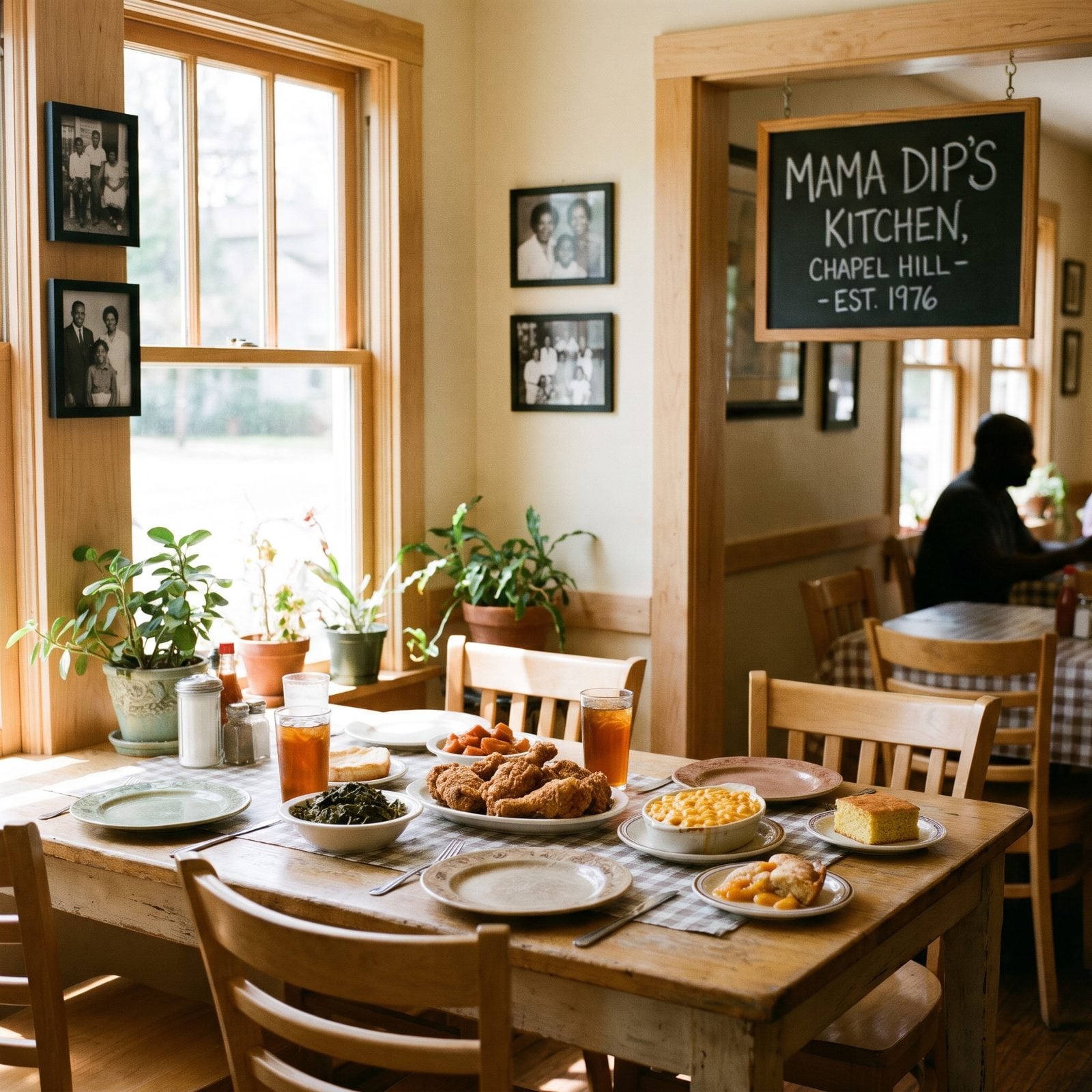
Mildred Council, known to everyone as Mama Dip, started her Southern restaurant at 405 W. Rosemary St. in 1976 (moving across the street to 408 W. Rosemary in 1999) with 64 dollars. Sixty-four. That was the whole startup budget, and from it came nearly fifty years of fried chicken, greens, cobbler, and a cookbook or two.
She cooked by what she called “dump” cooking — measuring by feel. Council died in 2018 at 89, a genuine Chapel Hill matriarch.
The restaurant switched to takeout only in 2024, and in July 2025 the family announced it had closed for good after nearly half a century. They’ve said the brand will continue in some form, so the name may not be done. But the room on Rosemary Street, where it all started on 64 dollars, has gone quiet.
7. Allen & Son Barbecue, Chapel Hill
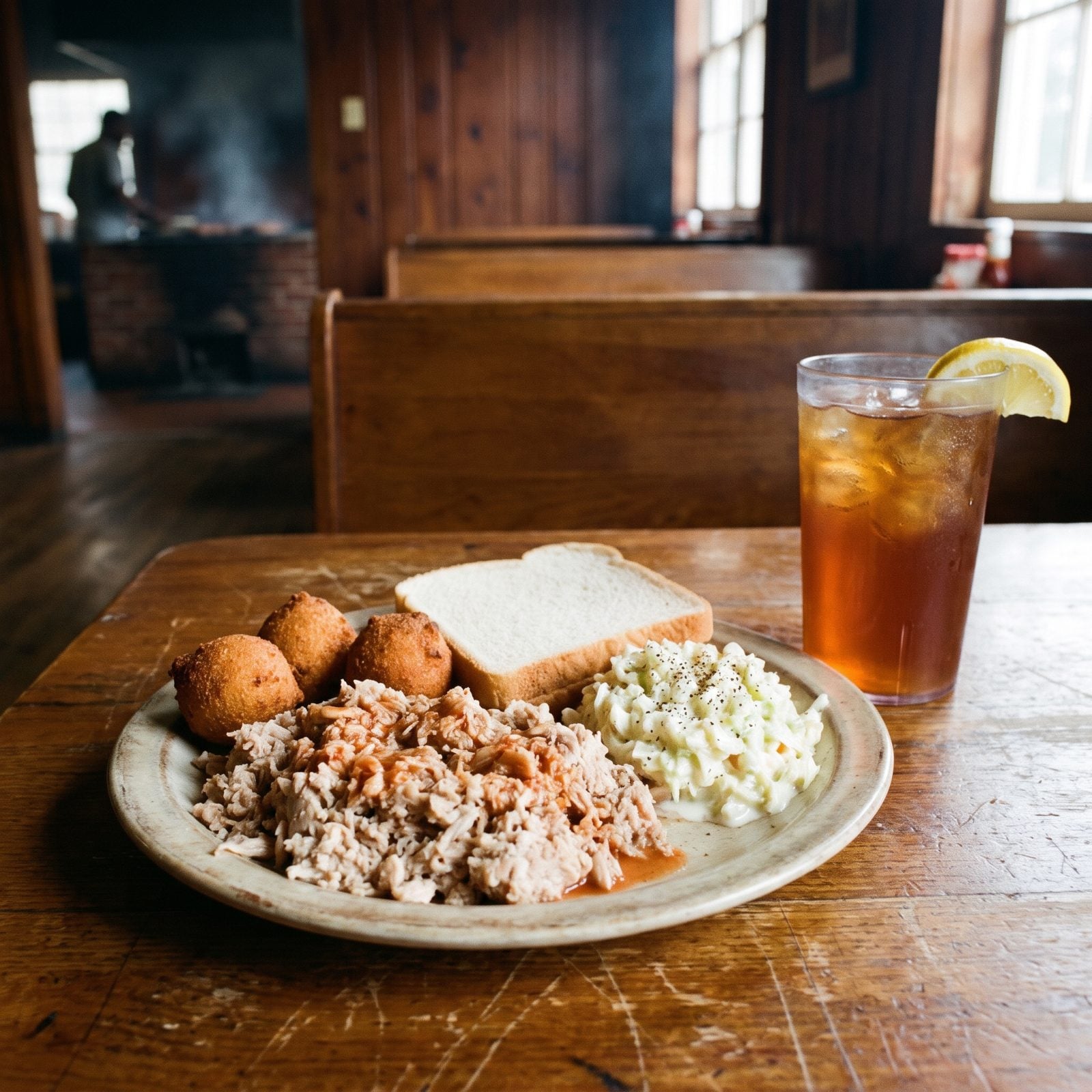
Pitmasters will tell you the difference between good barbecue and great barbecue is whether somebody stayed up all night with the fire. Allen & Son did it the hard way — wood smoke, patience, chopped pork dressed in thin vinegar the way eastern Carolina likes it.
It ran for decades in Chapel Hill, a quiet legend among people who take their barbecue seriously enough to argue about it in parking lots.
Then it closed quietly in December 2018, after 48 years, as WRAL reported. No fireworks, no farewell tour. Just a pit going cold.
Our readers feel that pull too: photos showing cooking in progress got hearts 86% of the time, compared with 80% for the other images in the same articles.
6. Magnolia Grill, Durham, The Ninth Street Room That Served Flavor Without Apology
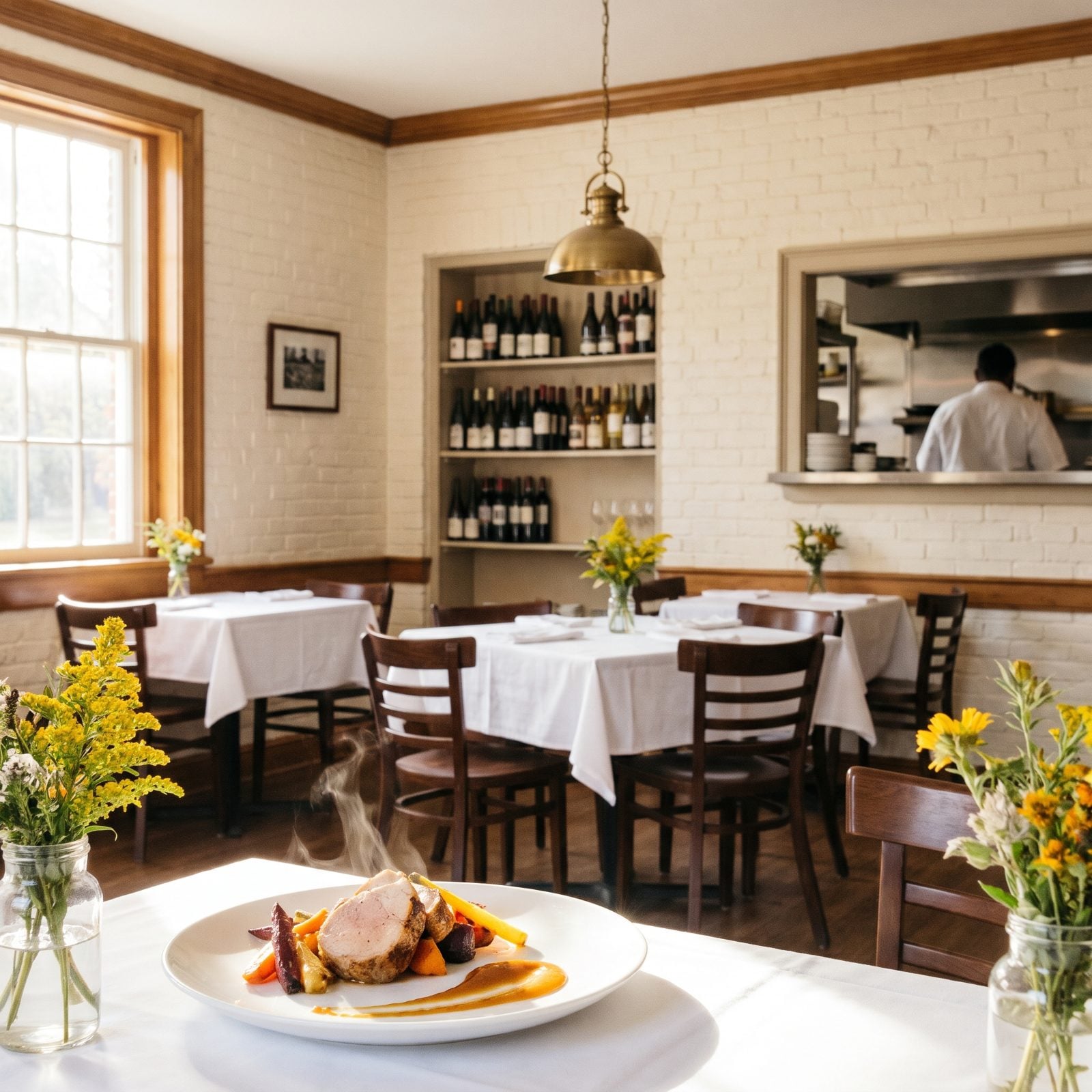
Ben and Karen Barker opened Magnolia Grill in 1986 at 1002 Ninth Street, in a building that had worn two previous lives — a grocery store, then a health food shop — before it became one of the most decorated kitchens in the South. The room was small. The ambition wasn’t.
The menu changed constantly, and that was the whole idea. You went for whatever was good that week, and it was always good. A quarter century of that discipline earned the Barkers national awards and a reputation that outlived the restaurant itself.
It closed on May 31, 2012. Want the cooking back? The cookbook Not Afraid of Flavor holds the recipes, and the title tells you everything about how they ran the place.
5. Dillard’s Bar-B-Q, Durham, The Fayetteville Road Pit a Schoolteacher Kept Going
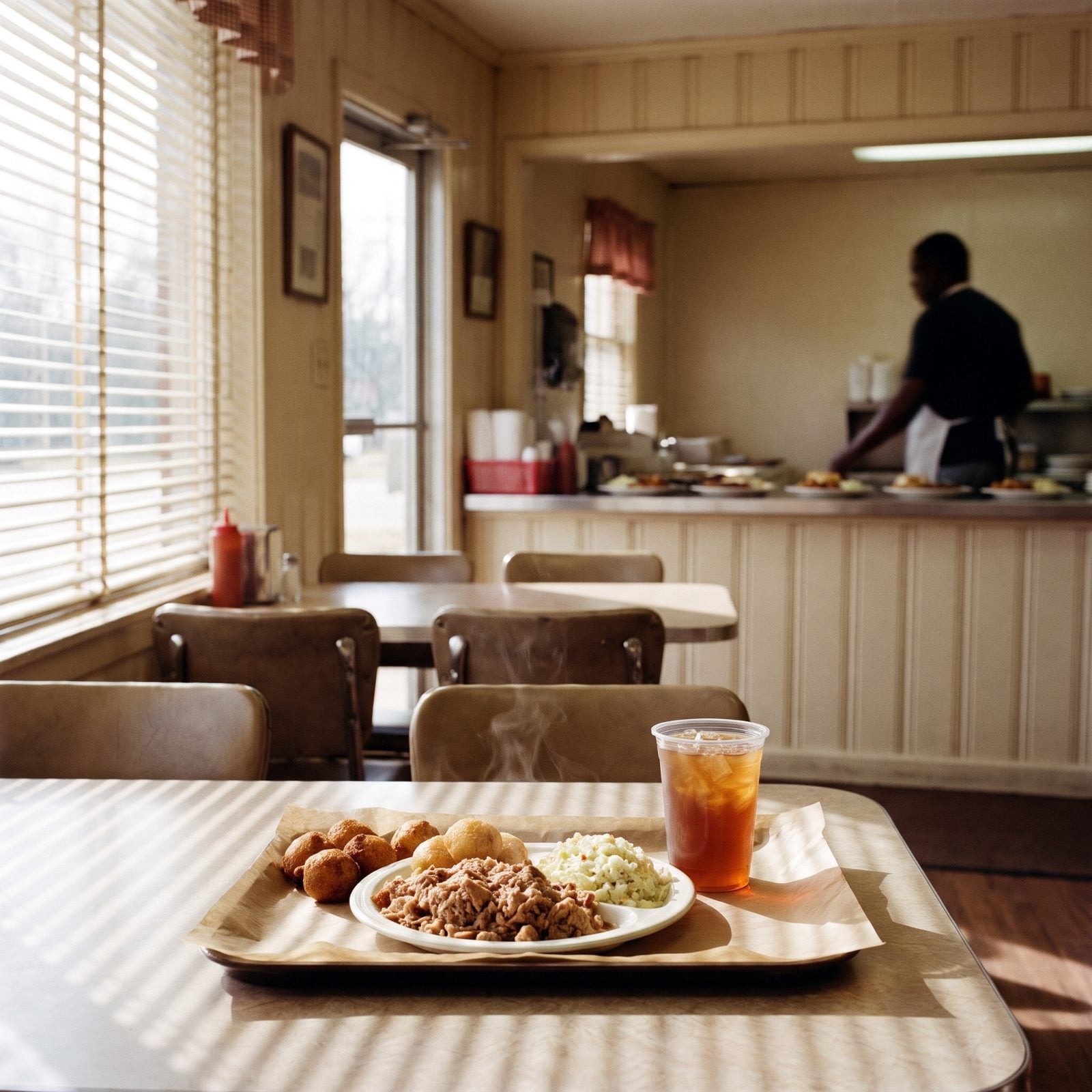
Dillard’s opened on Fayetteville Road in 1953 and became Durham’s second-oldest barbecue business. Samuel Dillard ran the pit for decades. After his death, his daughter Wilma — a former schoolteacher of all things — took it over in 1997 and kept the chopped pork coming.
The barbecue was Eastern style, the kind you argue about with people from Lexington. Vinegar and pepper, no apology, served on a tray with slaw and hush puppies that did their job.
It shut its doors on March 18, 2011, with the slow economy taking the blame. Regulars lined up for one last plate — which, honestly, is the only goodbye a barbecue joint ever really gets.
4. Melton’s Barbecue, Rocky Mount, The Whole-Hog Original the Tar River Couldn’t Kill at First
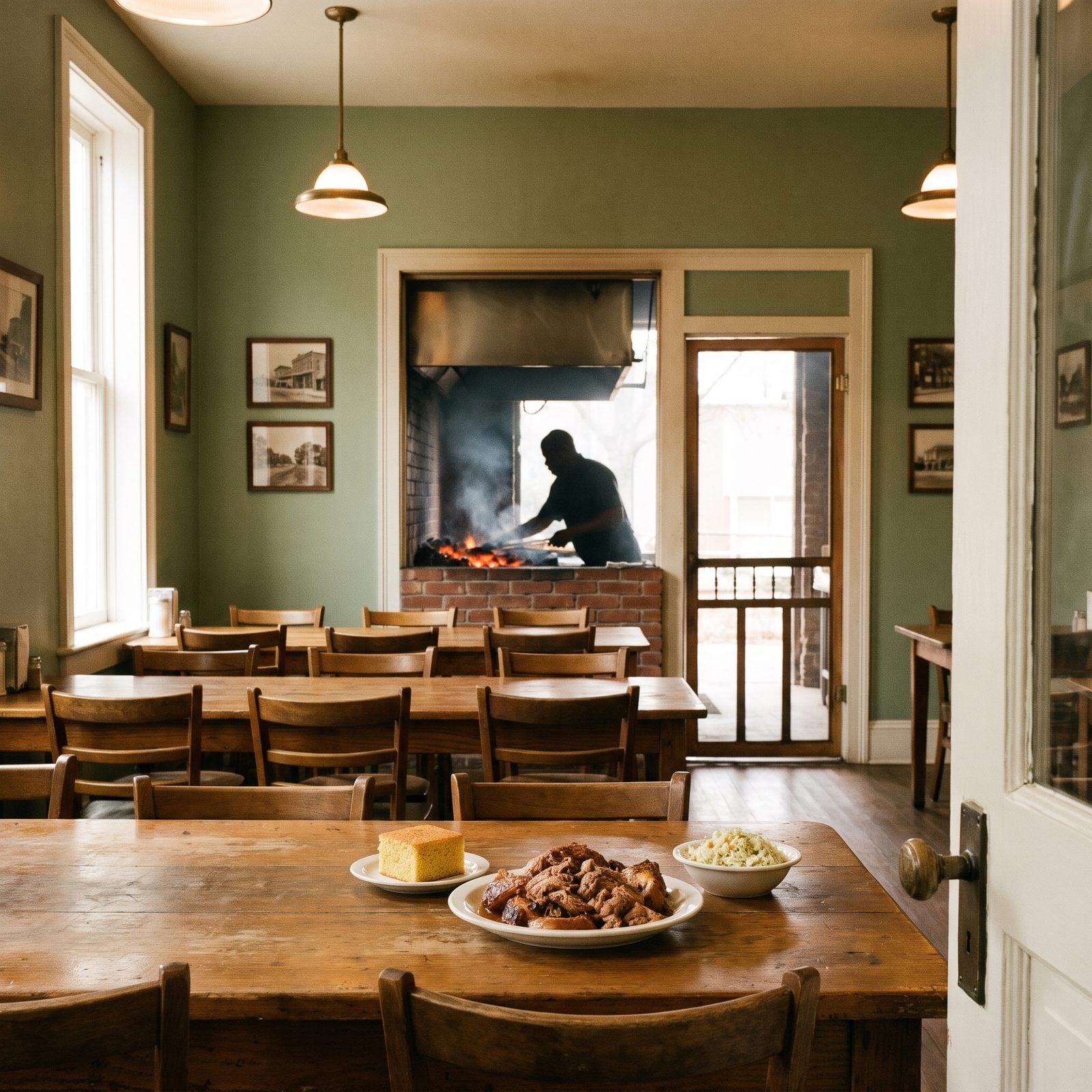
Horse trader Bob Melton started serving barbecue around 1924, and the place often gets called North Carolina’s first sit-down barbecue restaurant. Whole hog, pulled and served with a thin vinegar-and-pepper sauce, the real article. People drove to Rocky Mount for it.
Then Hurricane Floyd pushed the Tar River straight through the original building. Owner Tommy Smith rebuilt on higher ground and kept chopping. That’s the part worth sitting with: the river took the building and the barbecue came back anyway.
After nearly eight decades, it closed in the mid-2000s under hard times. All those years of smoke. Not many restaurants get to say that.
3. Staley’s Charcoal Steak House, Winston-Salem, The Reynolda Road Giant With the Bull Out Front
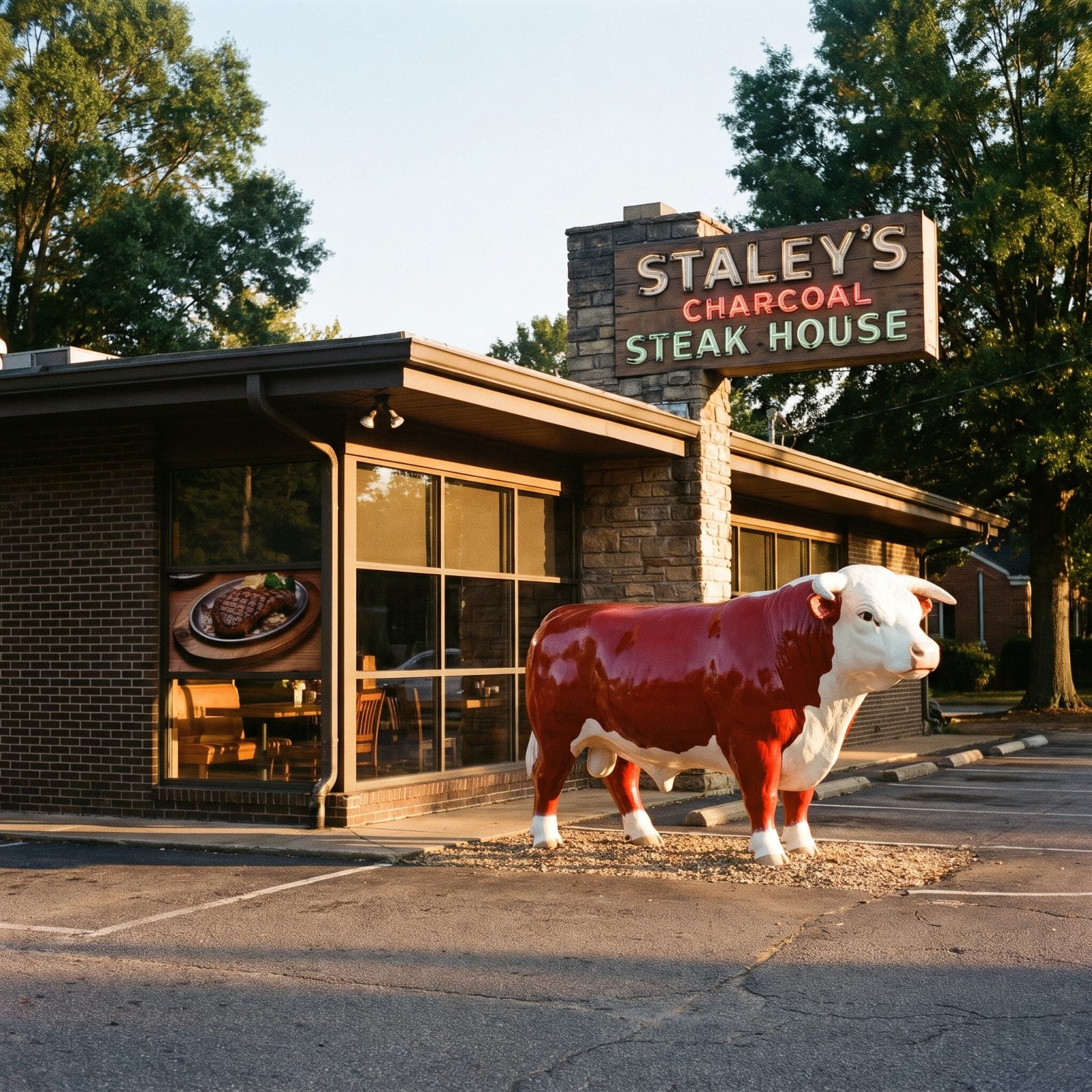
You never needed the address. You needed the bull. Staley’s Charcoal Steak House stood on Reynolda Road from 1957 to 2003, directly across from Reynolda Gardens, with an eleven-foot red-and-white fiberglass bull out front that locals called Winston the Bull.
Inside, the draw was charcoal-grilled steak — an occasion place, the kind families dressed up a little for. The bull handled the advertising all by itself. Everybody in Winston-Salem knew it, and half the town gave directions by it.
Fratellis Italian Steakhouse later moved into the old building. Different menu, same bones. But that bull had already pulled decades of standing guard.
2. Three Brothers Restaurant, Asheville, Fifty-Two Years of Greek Cooking on Haywood Street
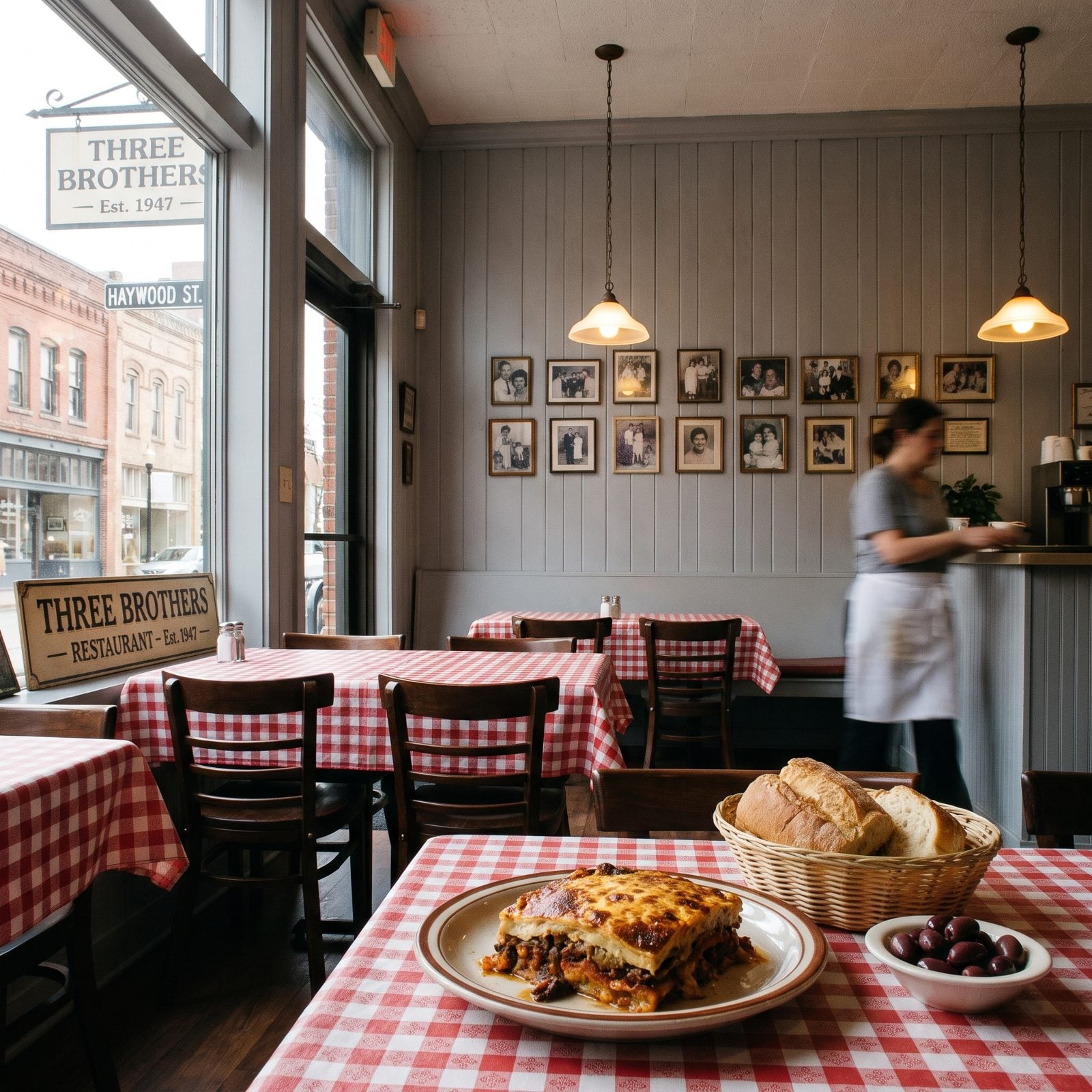
A Greek restaurant that lasts 64 years in a mountain town has earned every scrap of loyalty people threw at it. Three Brothers opened at 183 Haywood Street in 1947 and became the default answer whenever Asheville argued about the best Greek food around.
Mountain Xpress readers voted it to the top of the Best of WNC Greek category year after year. Not a fluke. That’s a whole town agreeing on something, which almost never happens.
It closed in July 2011 after more than six decades of feeding downtown, the family name carrying it the entire way.
1. Barbecue Inn, Asheville, The Fifty-Year Icon That Closed One Last July
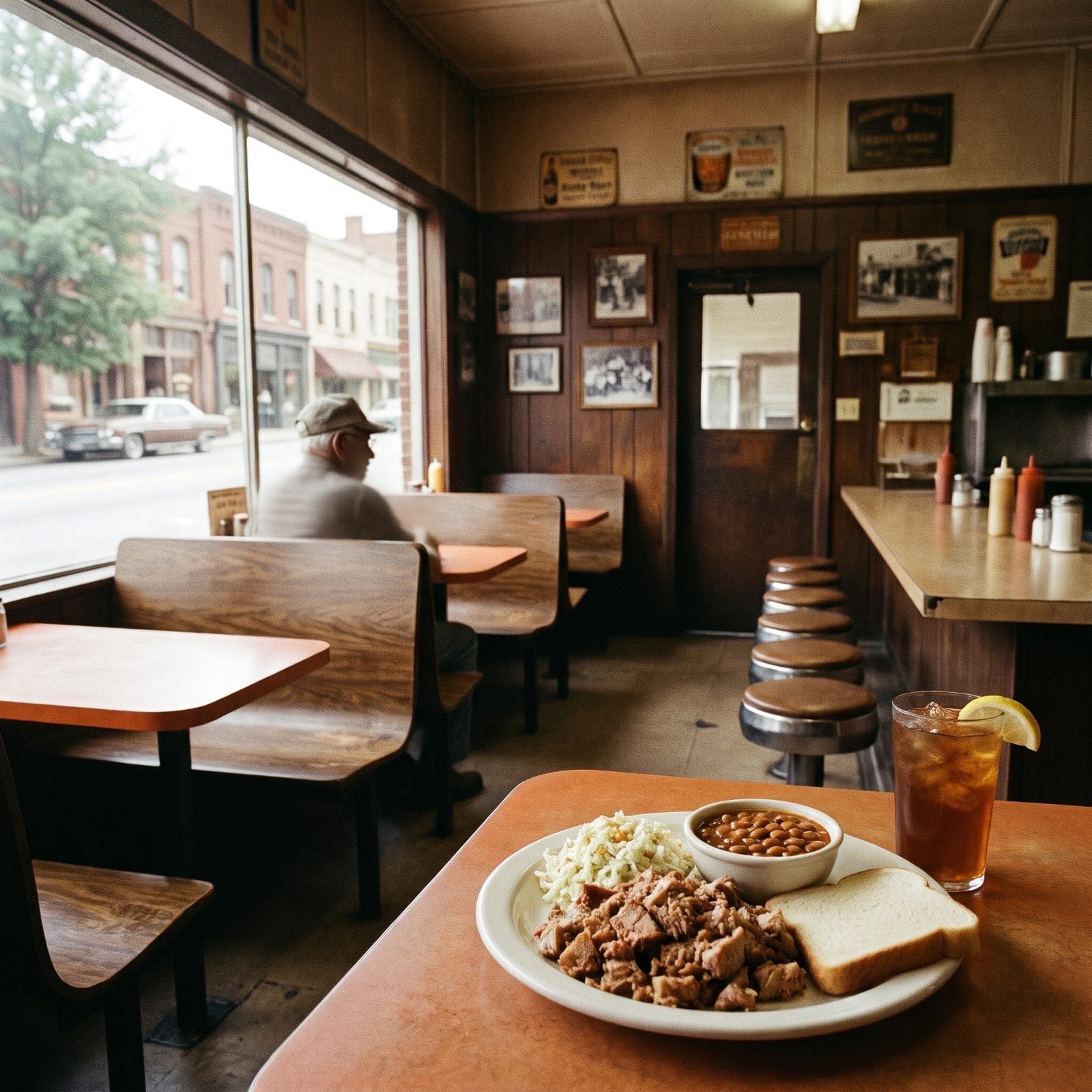
Barbecue Inn had been an Asheville fixture since 1961 — the kind of place that stops being a restaurant and turns into a landmark you measure other meals against. Half a century of regulars walked through that door.
It closed for good on July 1, 2011, over the very same holiday weekend that took Three Brothers across town. Two institutions, gone within days of each other. Rough summer for anybody who kept a standing order in that town.