
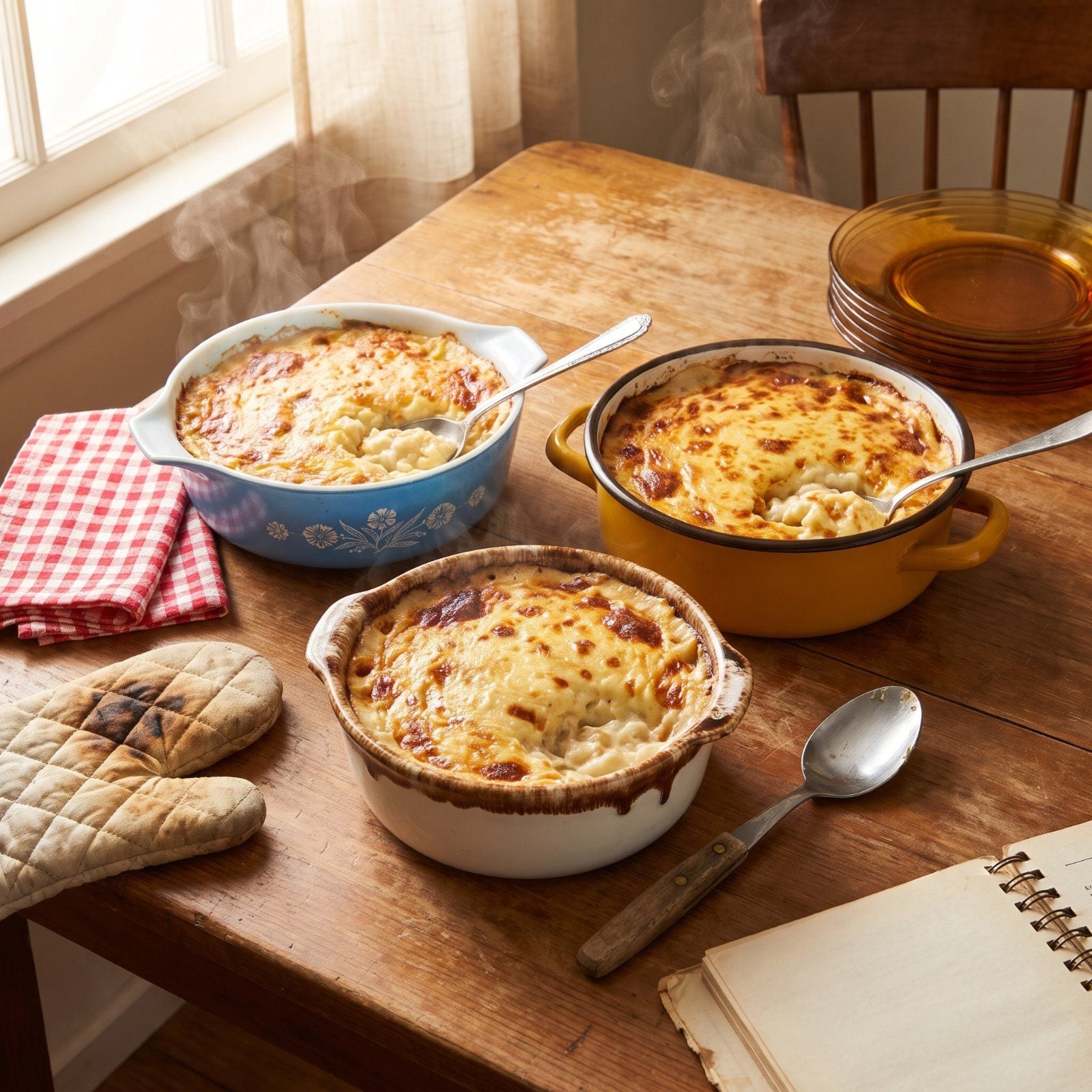
There was a time when dinner came out of a glass baking dish with a spoon already buried in it. The oven mitt was scorched at the thumb, and the top had that cracked, browned crust you fought your sister for. Then something shifted. The one-dish supper quietly slid off the weeknight rotation, and a whole generation of bubbling, buttery, cream-of-something casseroles went with it. These defined church basements, funeral tables, and Tuesday nights. Most of them deserve a second look.
Please note that some of the images in this article were created with the assistance of AI.
33. Tuna Noodle Casserole With a Crushed Potato Chip Topping
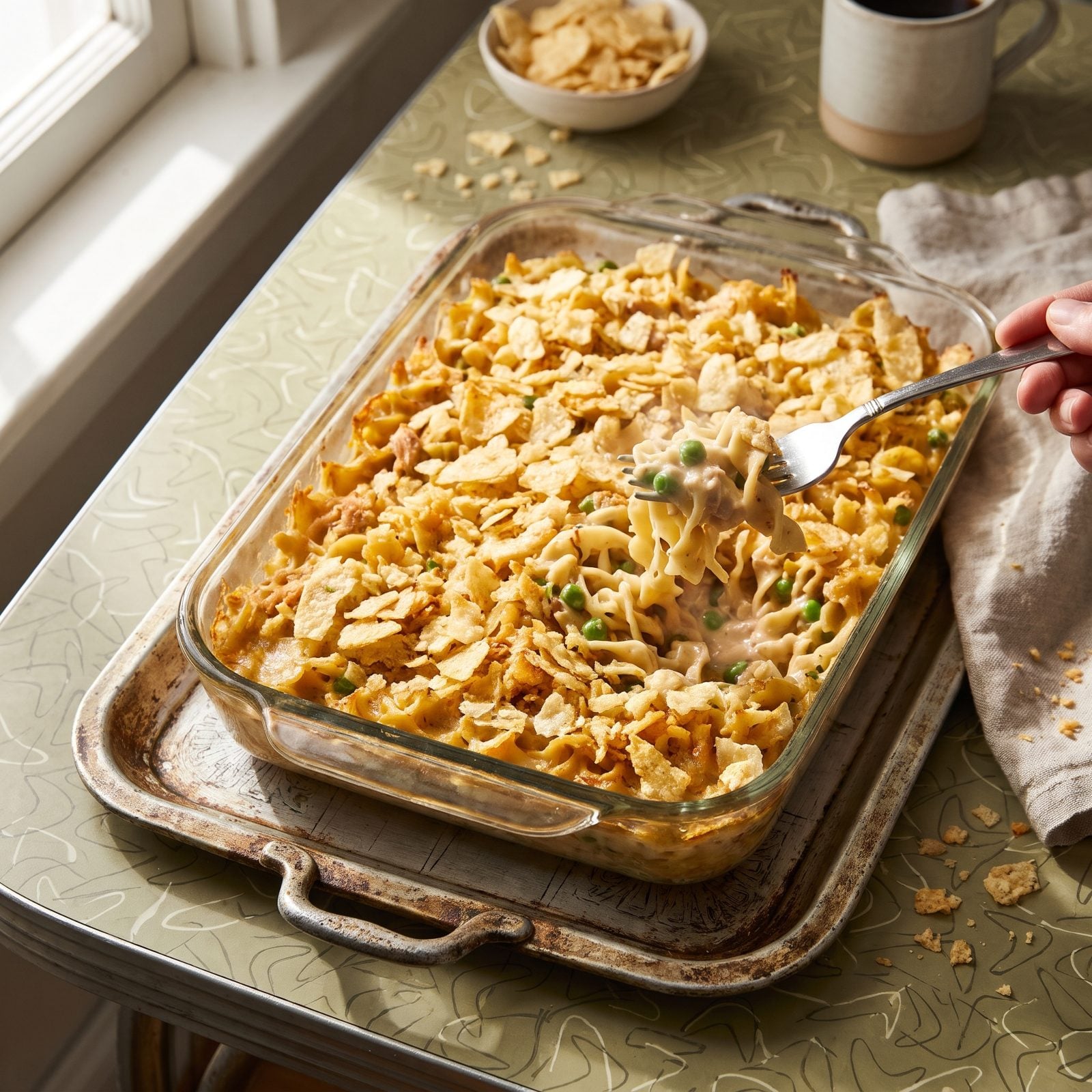
The potato chips were the whole point. You scattered them across the top in the last ten minutes so they’d crisp instead of go soggy, and if you did it right, the first spoonful cracked like autumn leaves before giving way to creamy noodles underneath.
Cream of mushroom soup, a can of tuna, frozen peas, egg noodles. That was the recipe, and it fed a family of five on pocket change. It showed up on Fridays during Lent and on any night the grocery budget was running thin.
32. Chicken Divan Smothered in Broccoli and Cheese
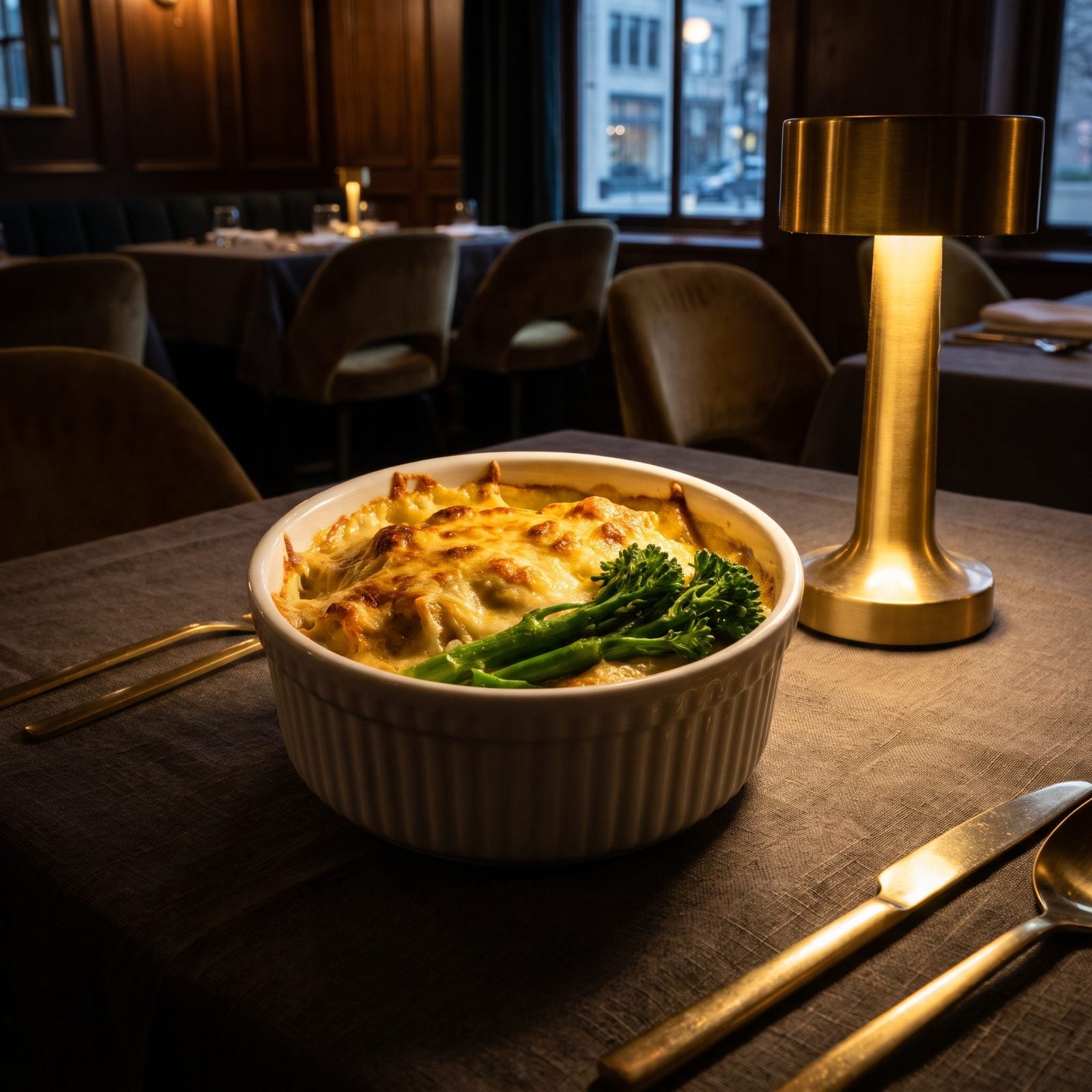
Chicken divan carried itself like it had somewhere fancier to be. The name sounds like a supper club, and the original really was born at a Manhattan hotel, but the version your family ate came together with a can of soup, a handful of frozen broccoli, and whatever cooked chicken was left from Sunday.
The sauce browned into a lacquered skin on top, with a sharp tang of sherry if the cook was feeling ambitious. Broccoli was still a slightly exotic vegetable in a lot of kitchens. This was how it earned its way onto the table.
A vintage-recipe history blogger explains that chicken divan is not a classic French dish but was created at a restaurant inside a New York City hotel. (via a vintage-recipe history blogger)
31. Johnny Marzetti, the Midwest School-Cafeteria Legend
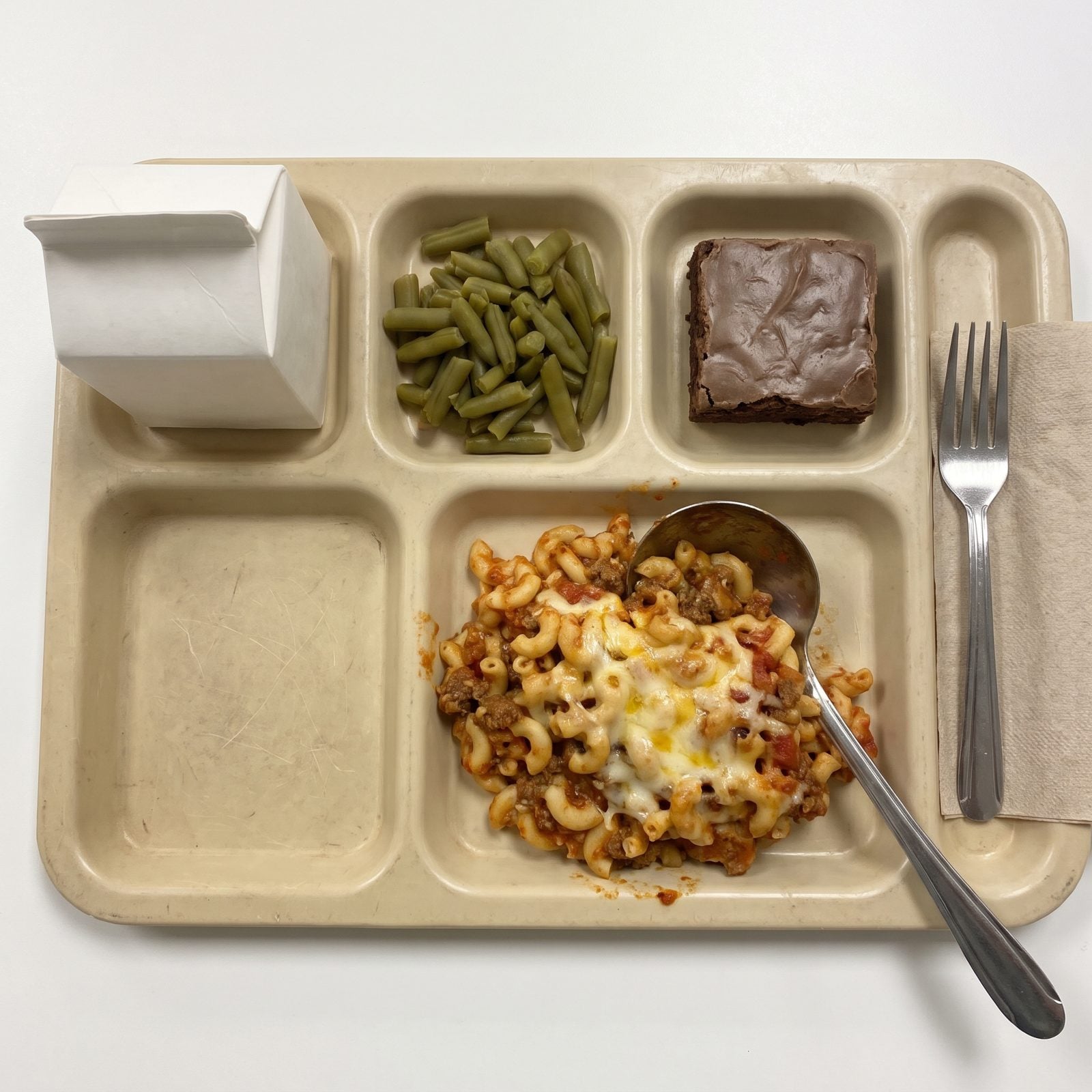
If you grew up in Ohio, you ate this off a cafeteria tray and never questioned its parentage. Macaroni, ground beef, tomato sauce, cheese. Simple as a handshake.
The name supposedly traces back to a Columbus restaurant run by a woman who christened the dish after her brother-in-law. Every church cookbook in the Midwest had a version, and no two spelled it the same way. Johnny Marzetti, Johnnie Marzetti, Mazetti. The fight over the correct spelling is still smoldering in some families.
A Midwestern food writer points out that no one has found the casserole on a vintage menu from the Columbus restaurant credited with it, so its true namesake is still uncertain. (via a Midwestern food writer)
30. Shipwreck Casserole, the Layered Pantry Special
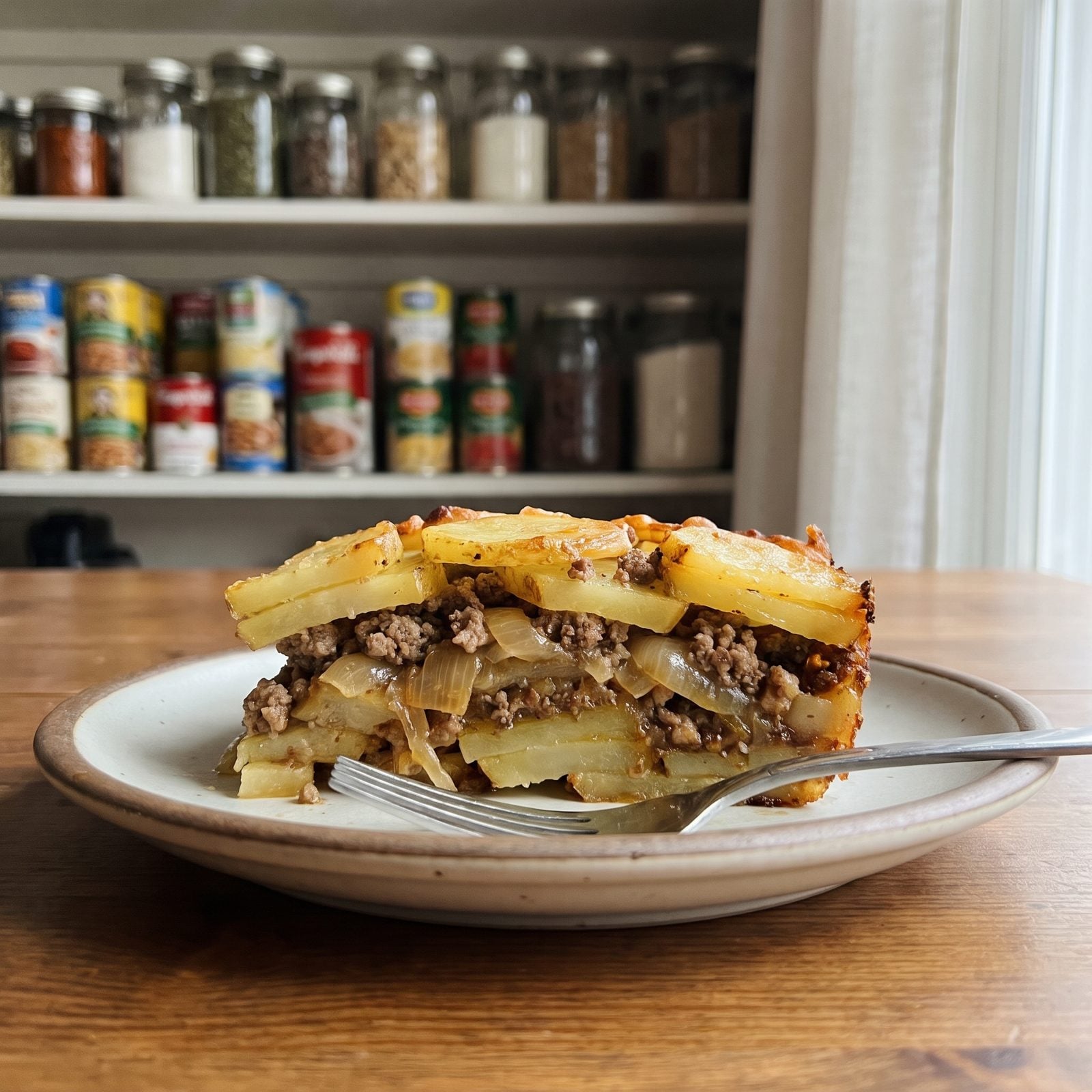
You built it like a sandcastle and let the oven do the rest. Raw sliced potatoes on the bottom, then ground beef and onions, then more potatoes and more beef, all of it covered in a creamy cheese custard and baked low and slow until the potatoes went soft and the top turned golden.
The name came from how the layers tumbled together on the plate, a happy wreck. This was a Depression-era survivor, the kind of dish that got a family through a lean week on almost nothing. Cheap, forgiving, impossible to ruin.
29. King Ranch Chicken, Texas Comfort in a 9×13
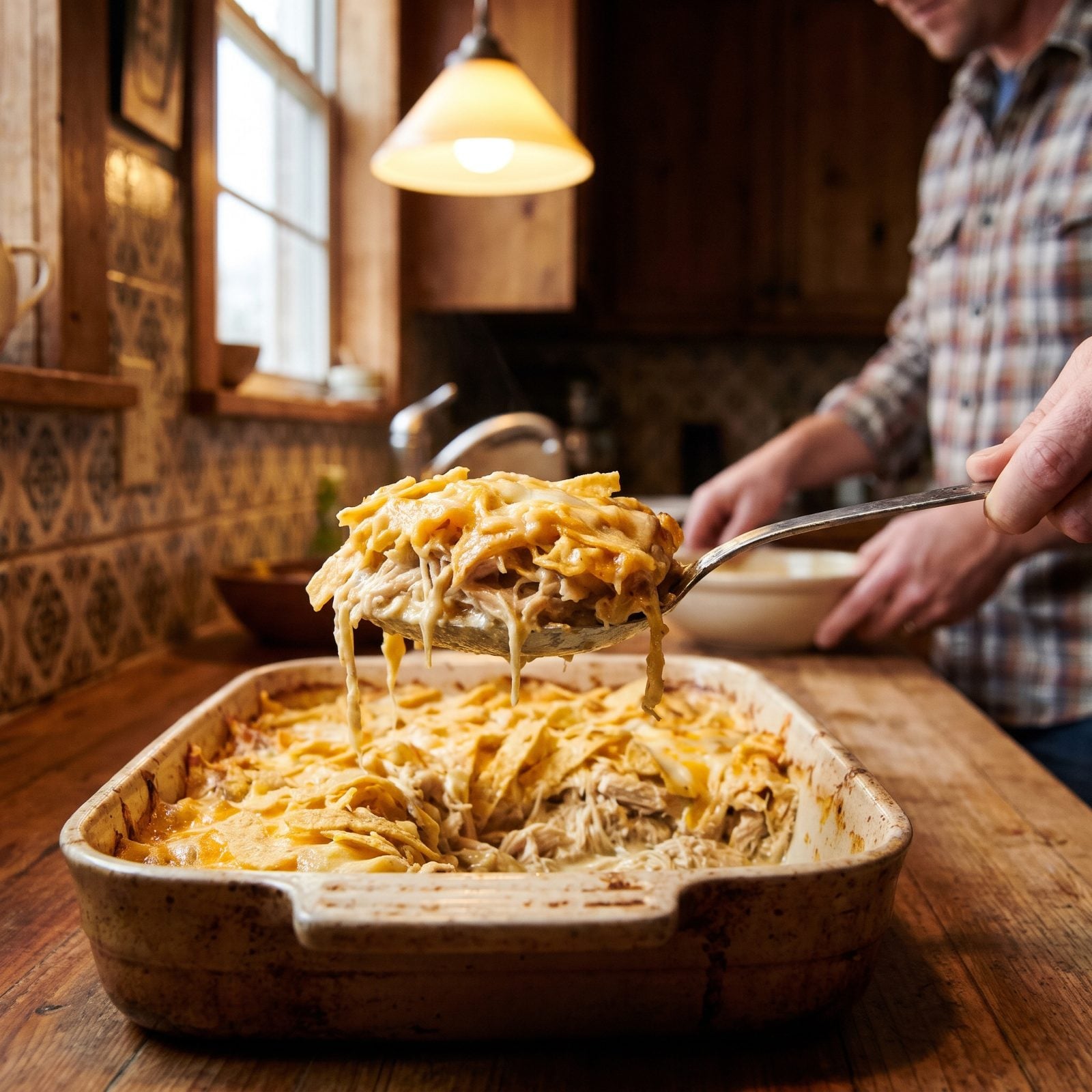
Nobody in Texas agrees on where this came from, and nobody much cares. Corn tortillas torn into a creamy chicken-and-chile layer, bound with cans of cream of mushroom and Rotel, buried under a mountain of cheese.
You made it for a new neighbor, a grieving family, a potluck where you wanted to be taken seriously. Rich, mildly spicy, and gone within minutes of hitting the table.
28. Tater Tot Hotdish, the Minnesota Church-Basement Crown Jewel
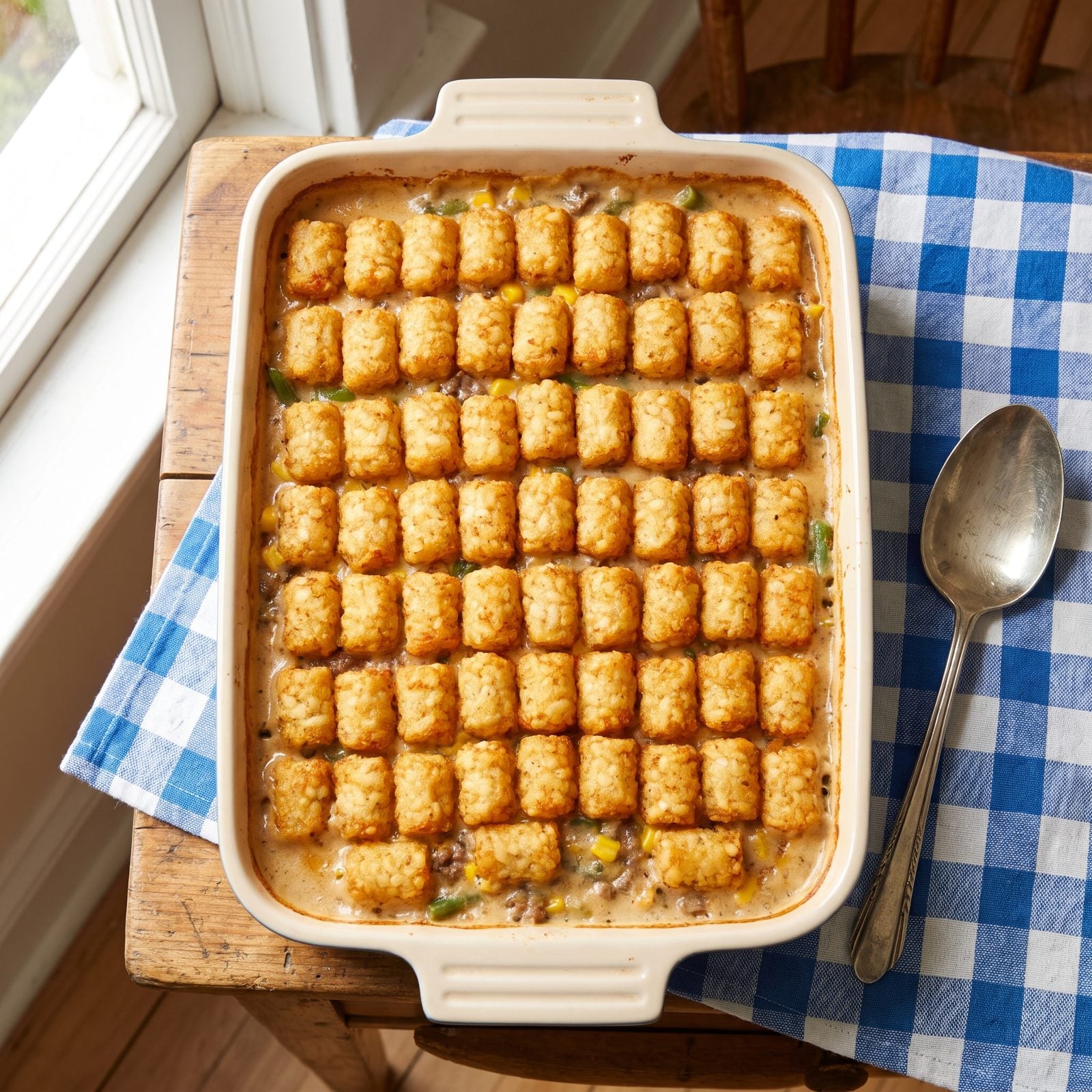
In Minnesota you don’t say casserole. You say hotdish, and the tater tot version is the one that gets its own line in the funeral program. A base of ground beef and cream soup, frozen green beans or corn, and then that signature armor of tots laid across the top in neat rows.
The genius was the topping, which crisped in the oven while the bottom stayed creamy, so you got crunch and comfort in the same forkful. Every Lutheran church basement in the upper Midwest ran on this dish.
A hotdish wasn’t a meal. It was how a whole community showed up when words ran out.
A novelist from Minnesota writes that tater tot hotdish is especially popular in her home state, where Minnesotans claim to have invented it. (via a novelist from Minnesota)
27. Funeral Potatoes With a Buttery Cornflake Crust
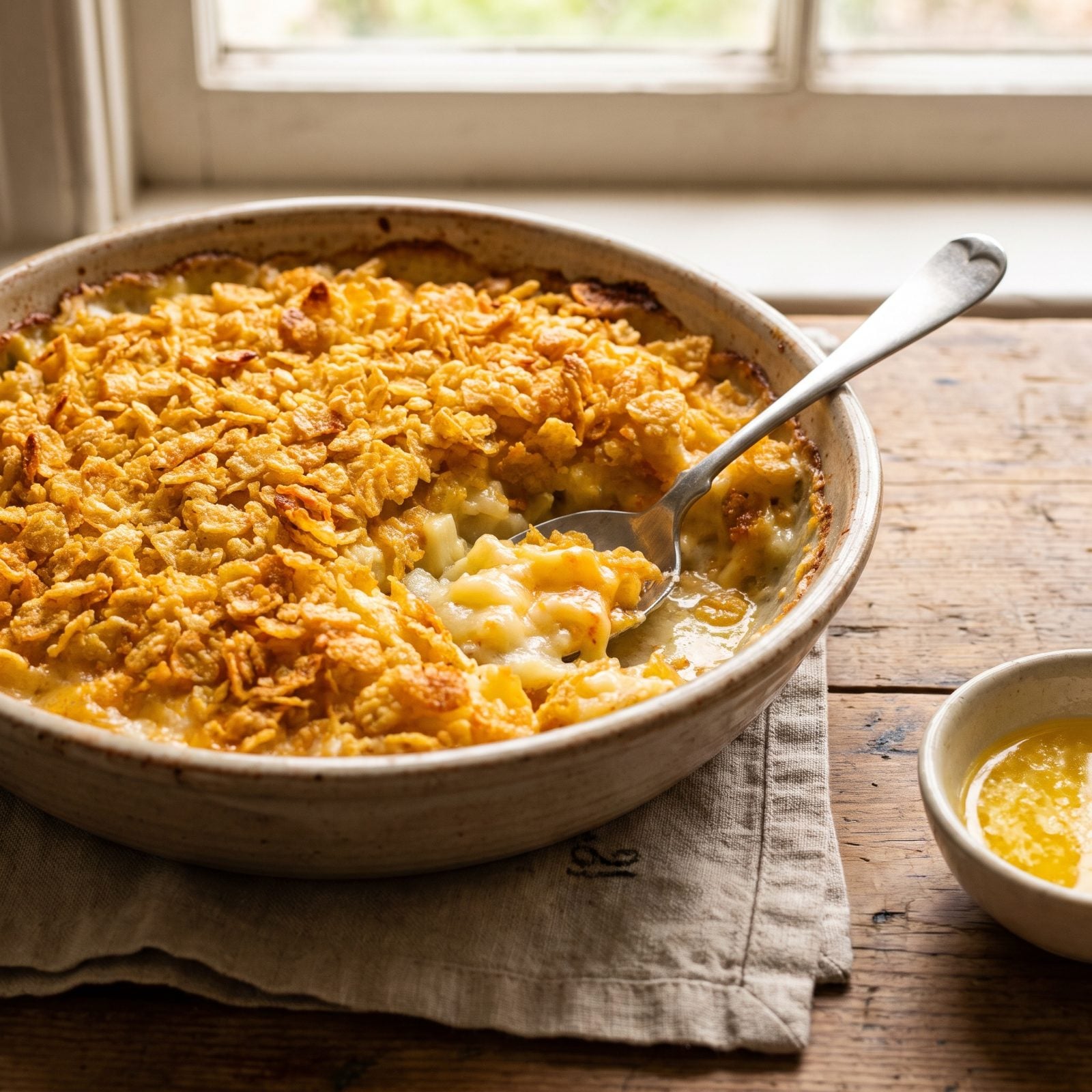
The name is grim and the dish is pure comfort. Shredded or diced potatoes, sour cream, cheese, and cream soup, all crowned with cornflakes drenched in melted butter and baked until the top went golden and crackly.
They earned the name by showing up at every post-funeral luncheon in Utah and across the Mountain West. A full dish could be carried to a grieving house, slid into a warm oven, and served without anyone having to think.
What Our Readers Say
- When Piaci Pizza readers loved a food photo and tapped a reason, comfort came out on top at 30%, with nostalgia also making the list at 15%.
- In our readers’ heart votes, main-course dishes got hearts 79% of the time, compared with 75% for the other images in the same articles.
From Piaci Pizza reader polls and votes.
26. Tamale Pie Under a Golden Cornmeal Crust
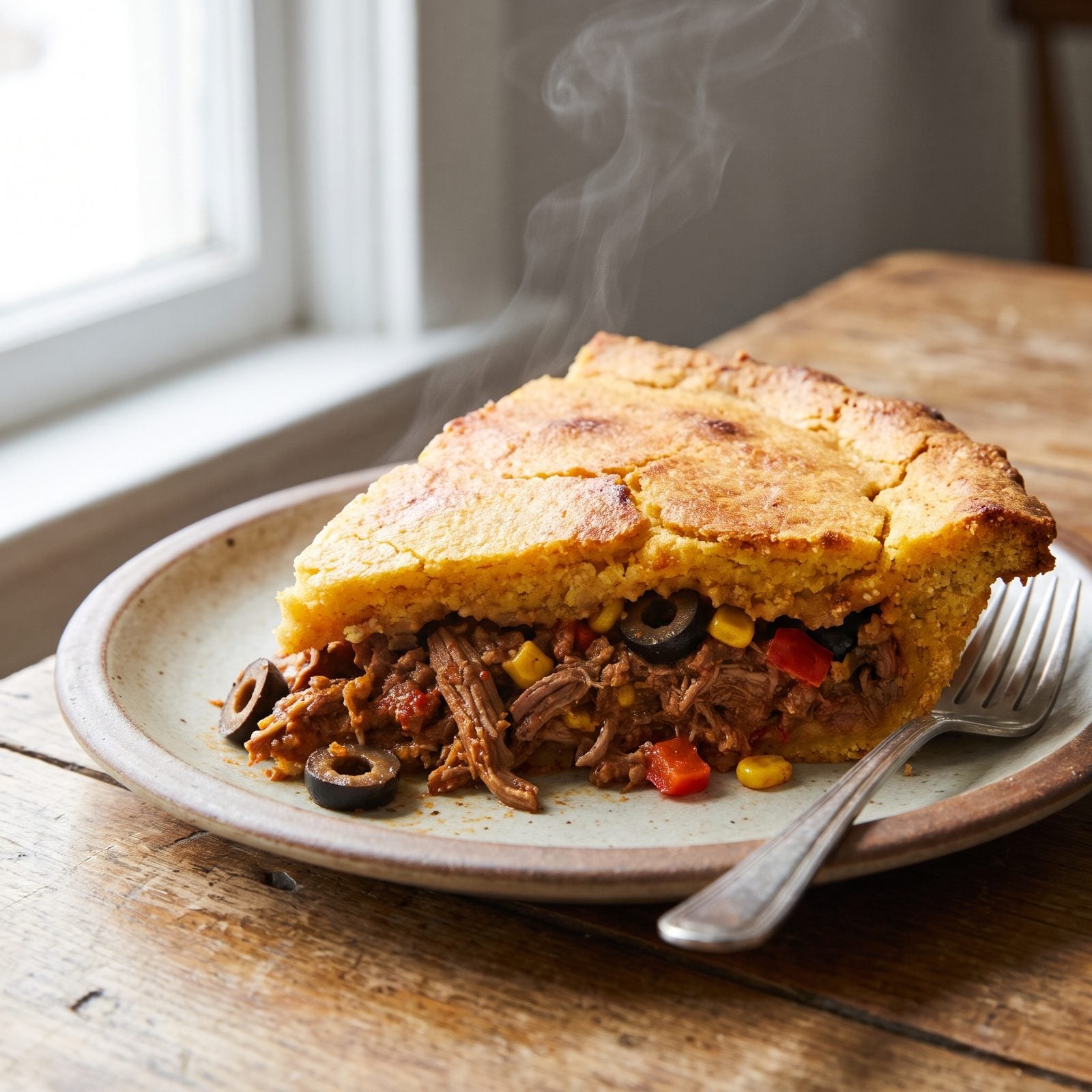
Half casserole, half cornbread, all comfort. A spiced beef-and-tomato filling studded with corn and black olives, capped with a cornmeal batter that baked into a golden lid.
It landed in American cookbooks in the early twentieth century as a tamale you didn’t have to wrap by hand, and it spread fast through the Southwest and California. The crust was the make-or-break. Too thin and it vanished into the filling. Too thick and it sat there like a brick.
25. Hot Chicken Salad, the Casserole Nobody Expected
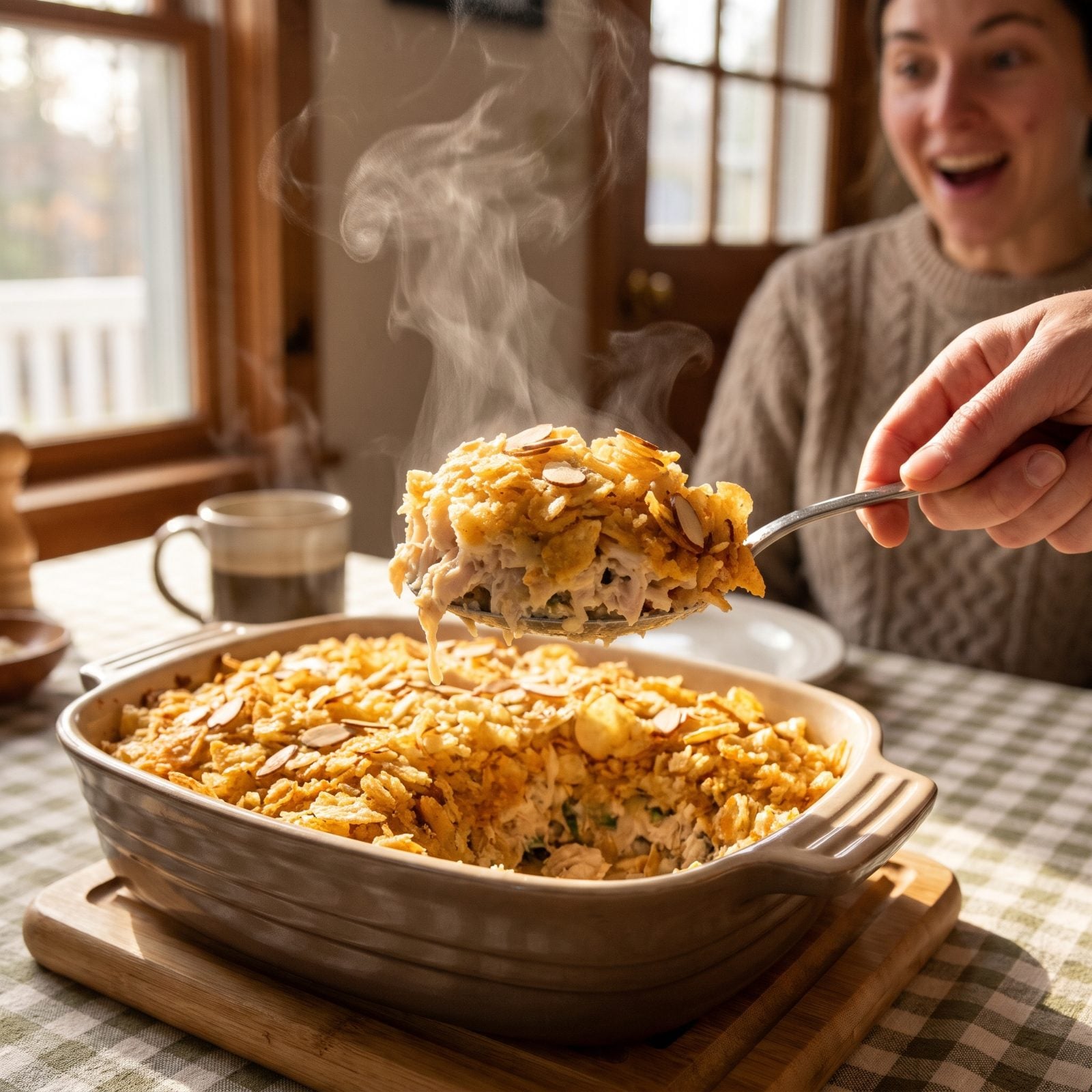
The surprise was the temperature. You expected chicken salad cold from the fridge, and instead it came out of the oven bubbling, with a crackling crust of crushed potato chips and almonds on top.
Shredded chicken, celery for crunch, bound in mayonnaise and cream soup, then baked. Ladies’-luncheon food, bridge-club food, the dish that showed up when the good china came out. Slightly fussy, a little rich, and completely of its moment.
24. Chili Relleno Casserole, the Potluck Version Nobody Burned Their Fingers On
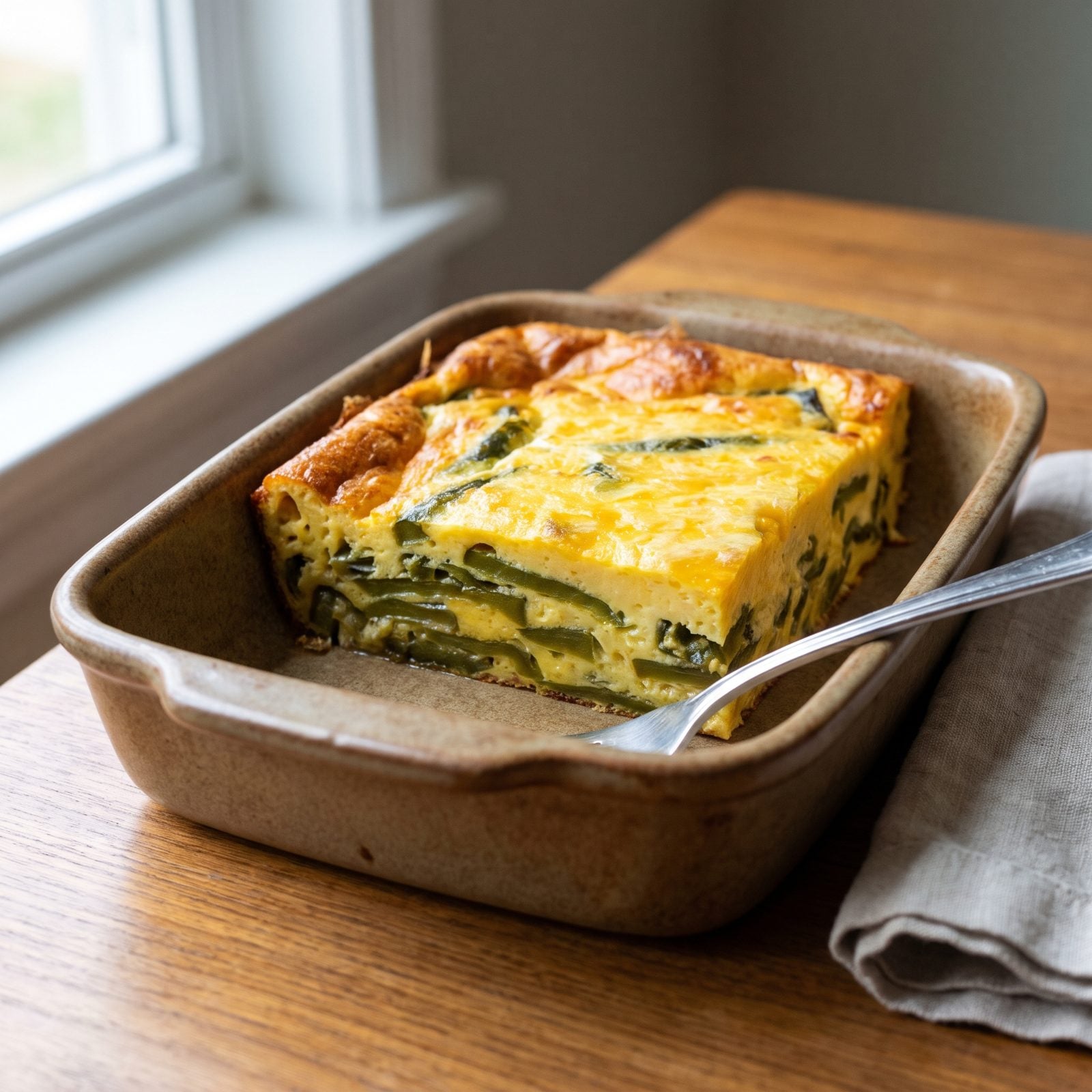
Real chiles rellenos meant roasting poblanos over a flame, peeling off the blistered skins, stuffing them, battering them, and frying them one at a time while the kitchen filled with smoke. Nobody was doing that for a potluck. The casserole skipped every fussy step and kept the flavor.
You split open cans of whole green chiles, laid them flat in a buttered dish, and layered them with Monterey Jack and cheddar. Then came a simple batter of eggs, milk, and a little flour poured over the top. It baked up puffed and golden, somewhere between a soufflé and a quiche, and it cut into tidy squares that traveled well and held their heat on a crowded buffet table.
23. Chicken Gloria, the Creamy Casserole Every Bridge Club Knew by Name
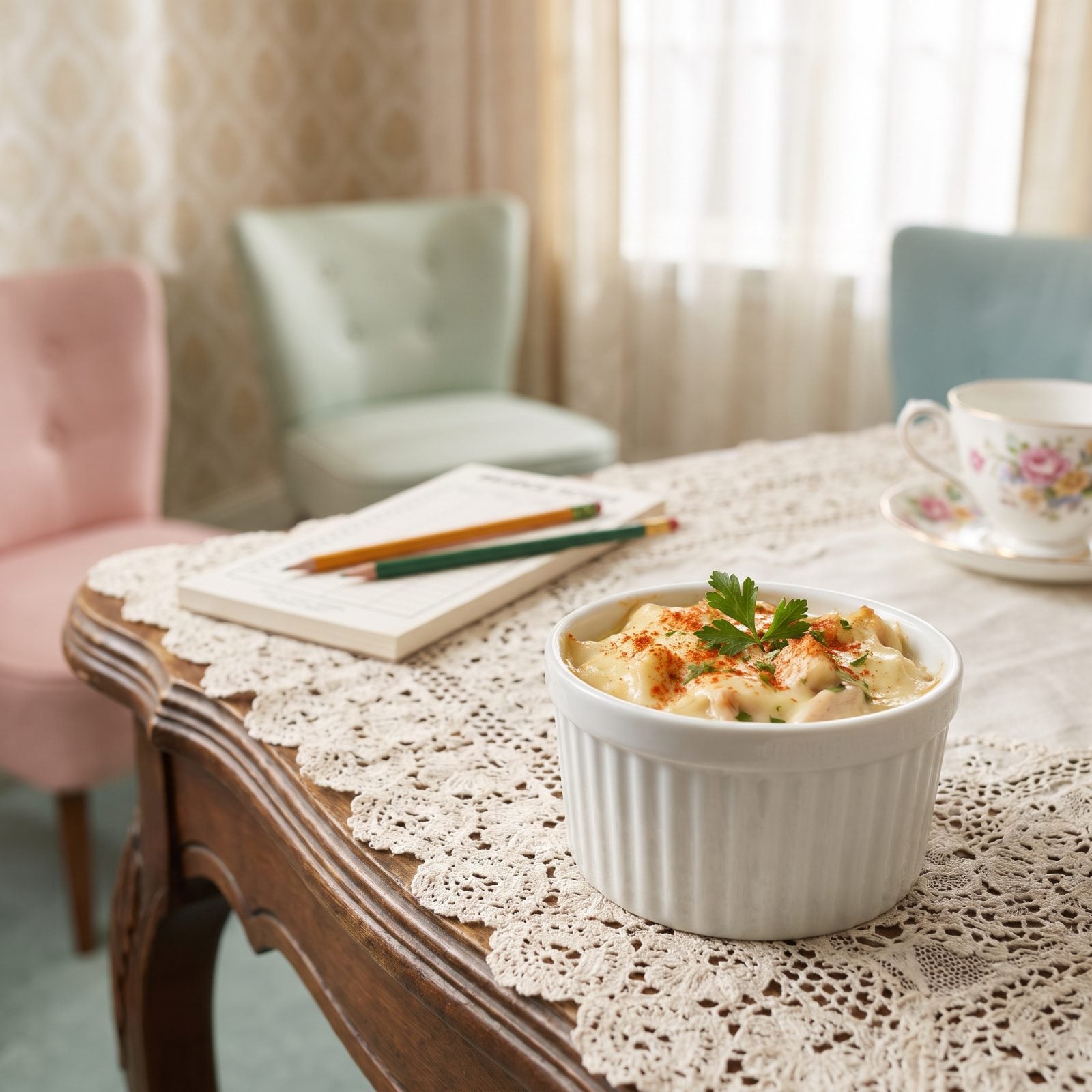
Some casseroles were for feeding the family. Chicken Gloria was for impressing the ladies coming over for cards. It had a pretty name and a splash of sherry, which made it feel downright continental for a dish built on a can of soup.
Chicken breasts went into a baking dish under a blanket of sliced mushrooms and cream of mushroom soup loosened with sherry, often finished with a dusting of paprika or Parmesan. It baked until the sauce went rich and bubbly at the edges. Served over rice with a congealed salad on the side, it was exactly the kind of dish a hostess could make ahead and still look effortless when the doorbell rang.
22. Swiss Chicken With That Buttery Stuffing Crumble on Top
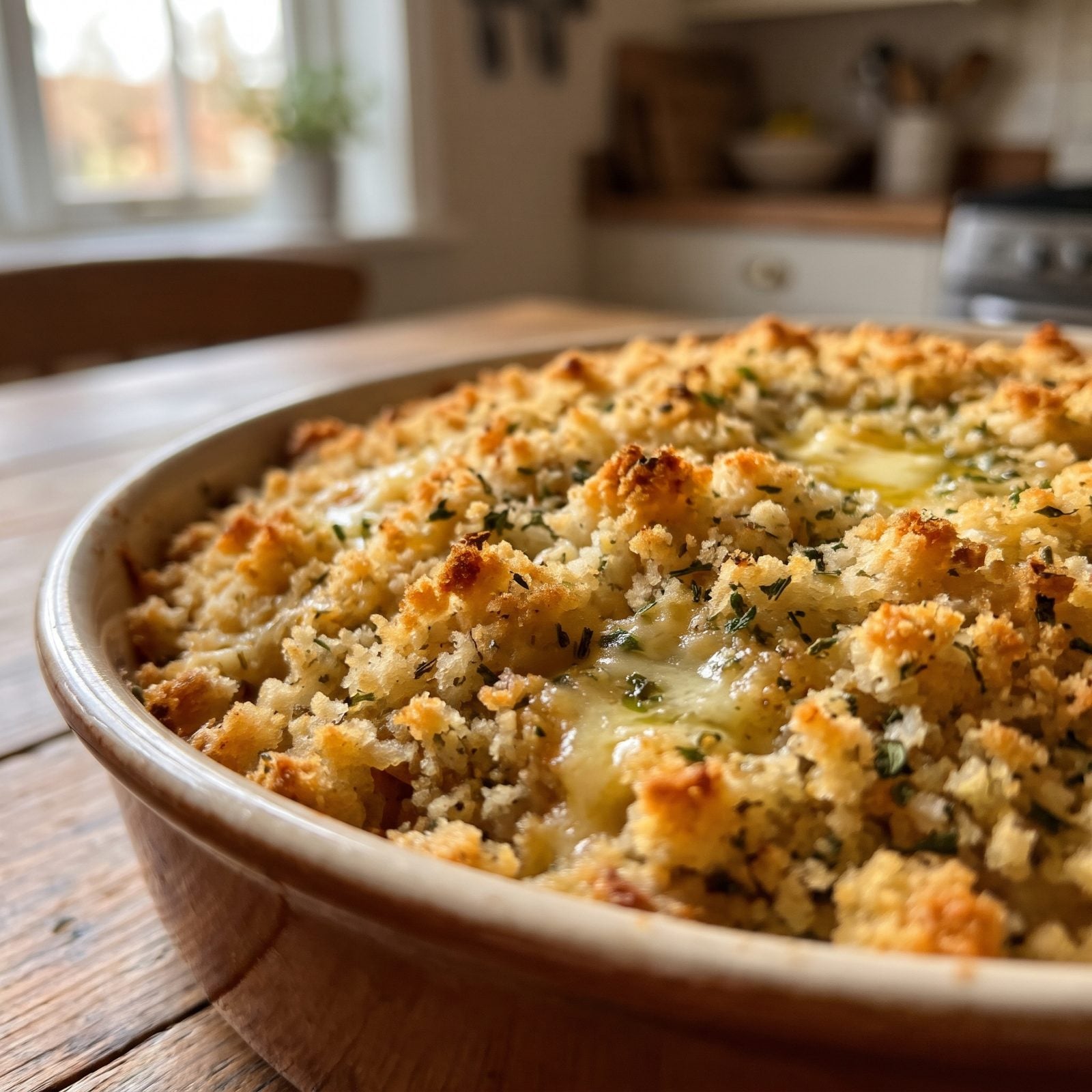
The topping is what everyone remembers. A box of herb stuffing mix tossed with a generous pour of melted butter, scattered over the dish so the top baked into a crisp, savory crumble while the bottom soaked up the sauce.
Underneath sat plain chicken breasts, each one draped with a slice of Swiss cheese, then smothered in cream of chicken soup thinned with a little milk or white wine. That was it. Four or five ingredients, one dish, and about an hour in the oven. It tasted like Thanksgiving had wandered into a Wednesday, and it was one of those recipes passed hand to hand on index cards until half the neighborhood was making it.
21. Chicken and Rice Baked in a Packet of Onion Soup Mix
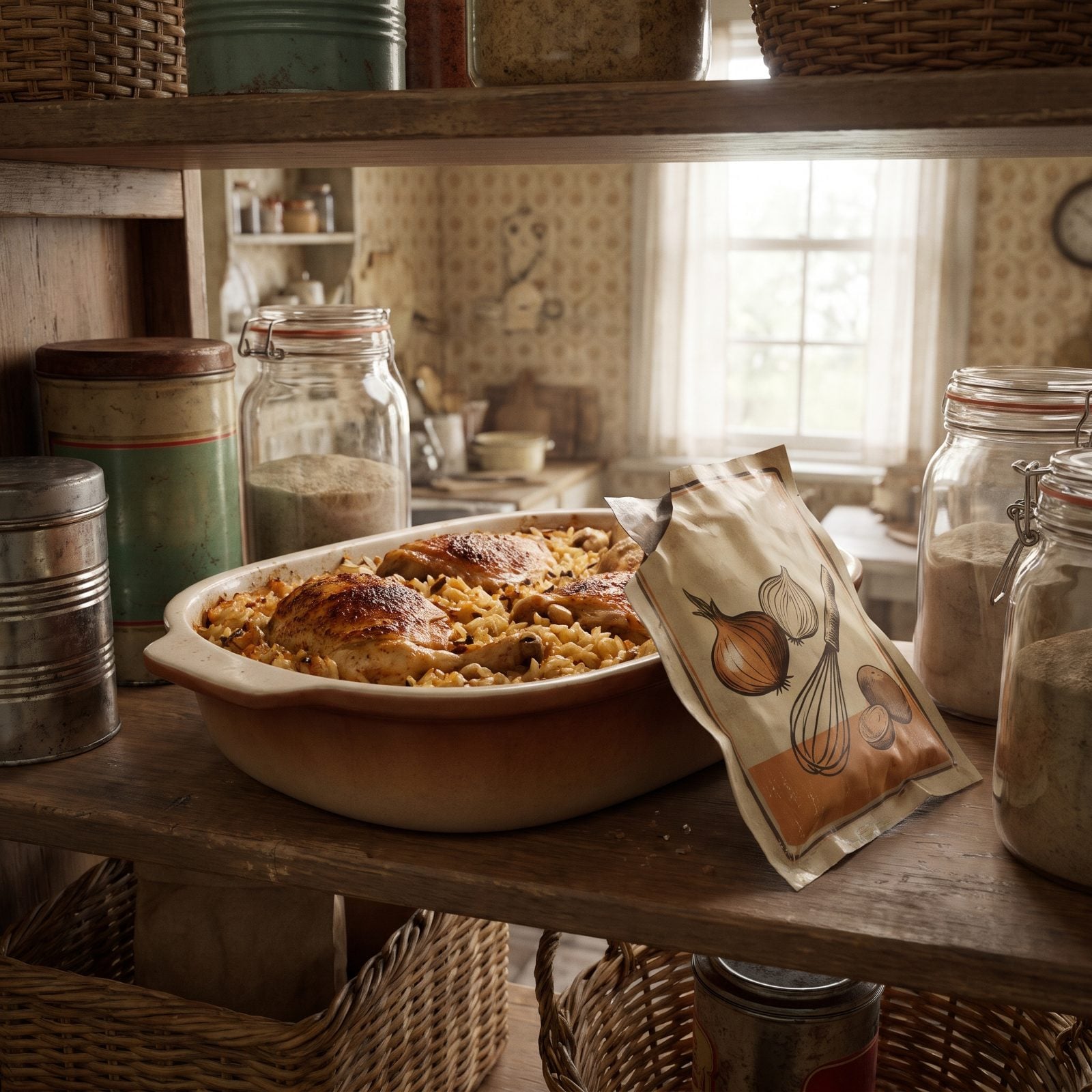
This one barely counted as cooking, and that was the appeal. Uncooked rice went into the bottom of the dish, cream soup and water got stirred in, chicken pieces were nestled on top, and an envelope of dry onion soup mix was shaken over everything like seasoning salt.
Then you covered it tight with foil and walked away. The rice steamed in the soup and chicken juices while the onion mix seasoned it all the way through. Some families called it forgotten chicken, because the whole trick was leaving it alone. Lifting the foil to check let the steam out and left you with crunchy rice, so the rule in most kitchens was simple: don’t peek.
20. Chicken Crescent Roll Casserole, the One Wrapped in Dough Like a Present
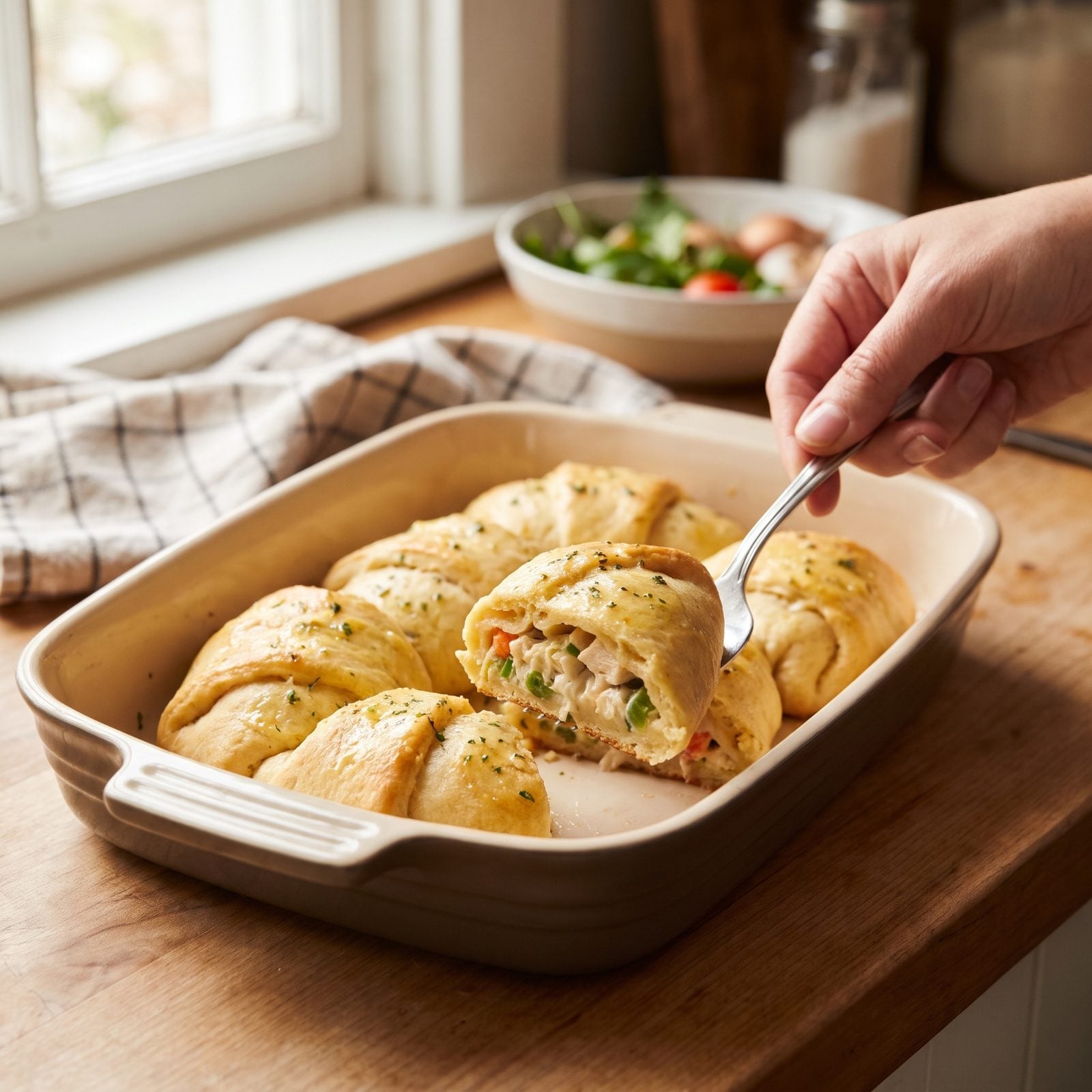
Popping open that cardboard tube of refrigerated crescent dough was half the fun. You unrolled the triangles, spooned a filling of shredded chicken and softened cream cheese onto the wide end, and rolled each one up into a neat little bundle.
The bundles lined up in a baking dish, and the tops got brushed with melted butter and a sprinkle of herbs so they baked up flaky and golden with no sauce needed. It looked like far more work than it was. Kids loved it because each person got their own package to unwrap with a fork, and it showed up at baby showers and weeknight suppers alike.
19. Ham and Scalloped Potato Casserole, the Easter-Leftover Workhorse
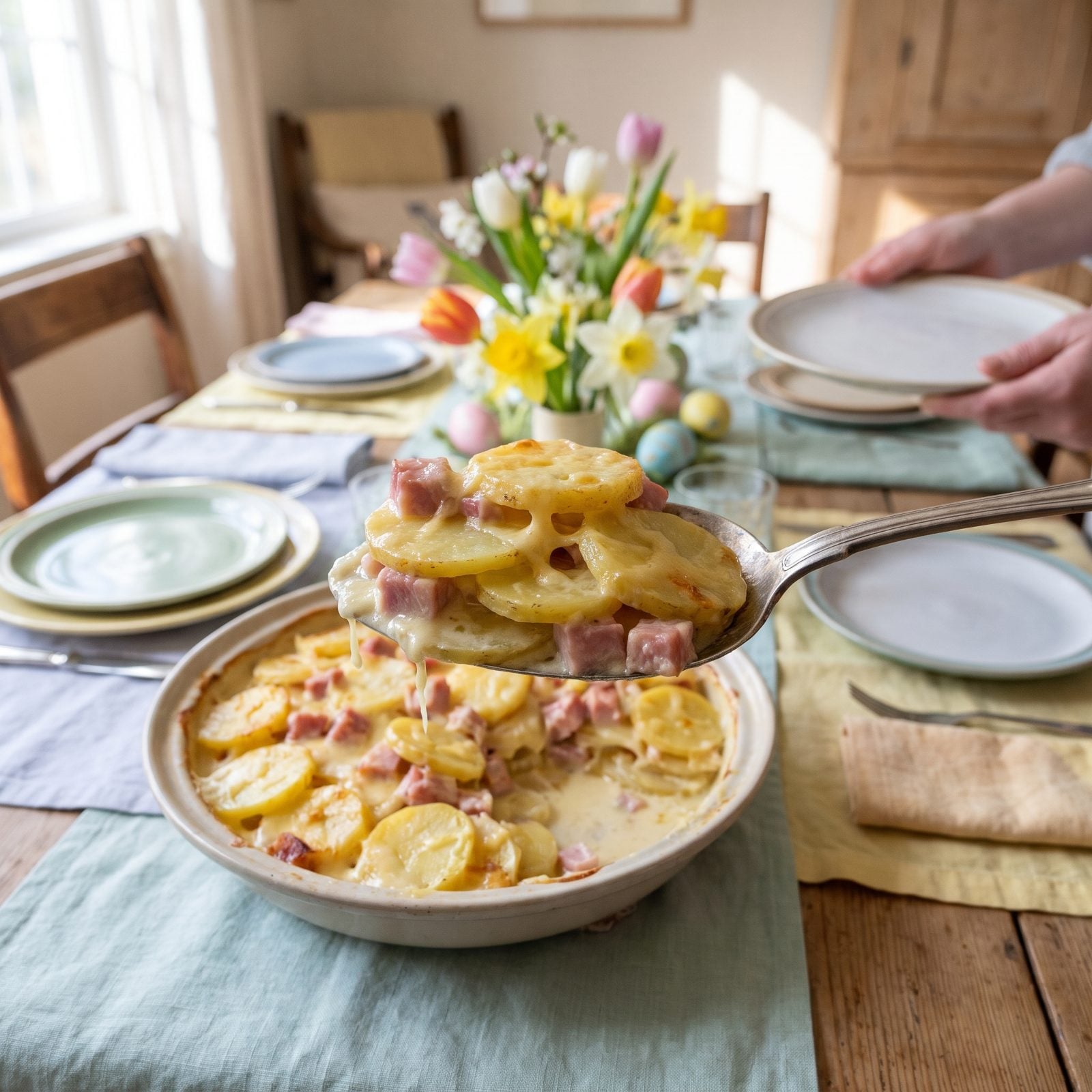
Easter dinner always left the same problem: a ham that refused to end. By midweek the sandwiches had lost their charm, and this casserole stepped in to finish the job.
Thin slices of potato and onion were layered with cubes of leftover ham, sprinkled with flour, dotted with butter, and covered in milk, or in a hurried household, a can of cream soup. It baked slowly until the potatoes went tender and the top browned at the edges, with some cooks adding a handful of cheddar near the end. The salty ham seasoned the whole pan, and the bone usually went straight into a pot of split pea soup the next day.
18. Creamed Ham and Asparagus Casserole on Toast Points
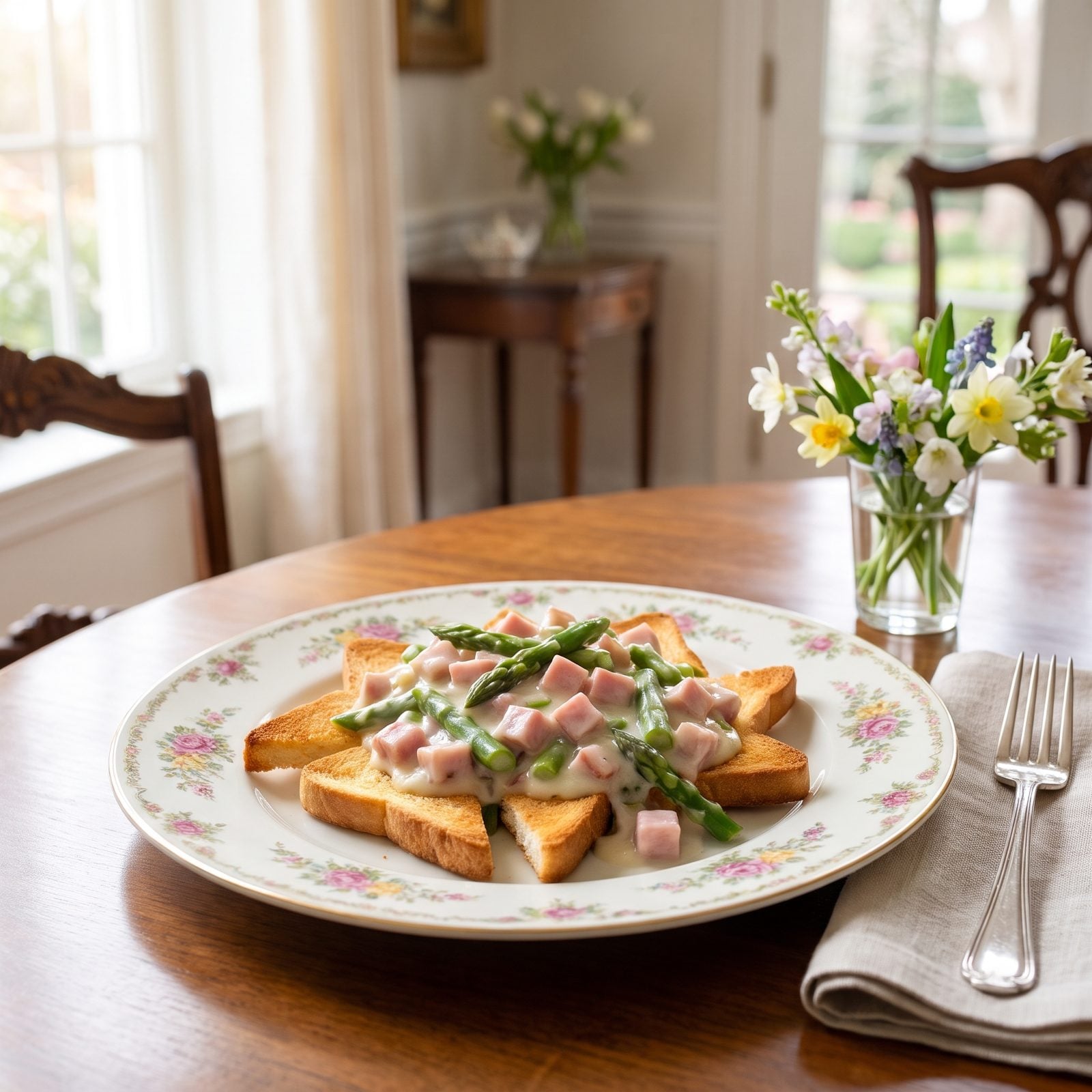
Spring had its own casserole, and it showed up right when the first asparagus did, which happened to be just as the holiday ham needed using up. Tender spears and diced ham were folded into a velvety white sauce, sometimes with sliced hard-boiled eggs, then baked under buttered breadcrumbs.
The toast points made it feel like a luncheon. You cut slices of white bread into triangles, toasted them crisp, and spooned the creamy ham and asparagus right over the top. It was the sort of dish that appeared at Mother’s Day brunches and church teas, served on the good plates. Creamed anything on toast fell out of fashion, but the combination of salty ham and green asparagus still makes perfect sense.
17. Porcupine Meatball Casserole, the One With Rice Spikes Poking Out
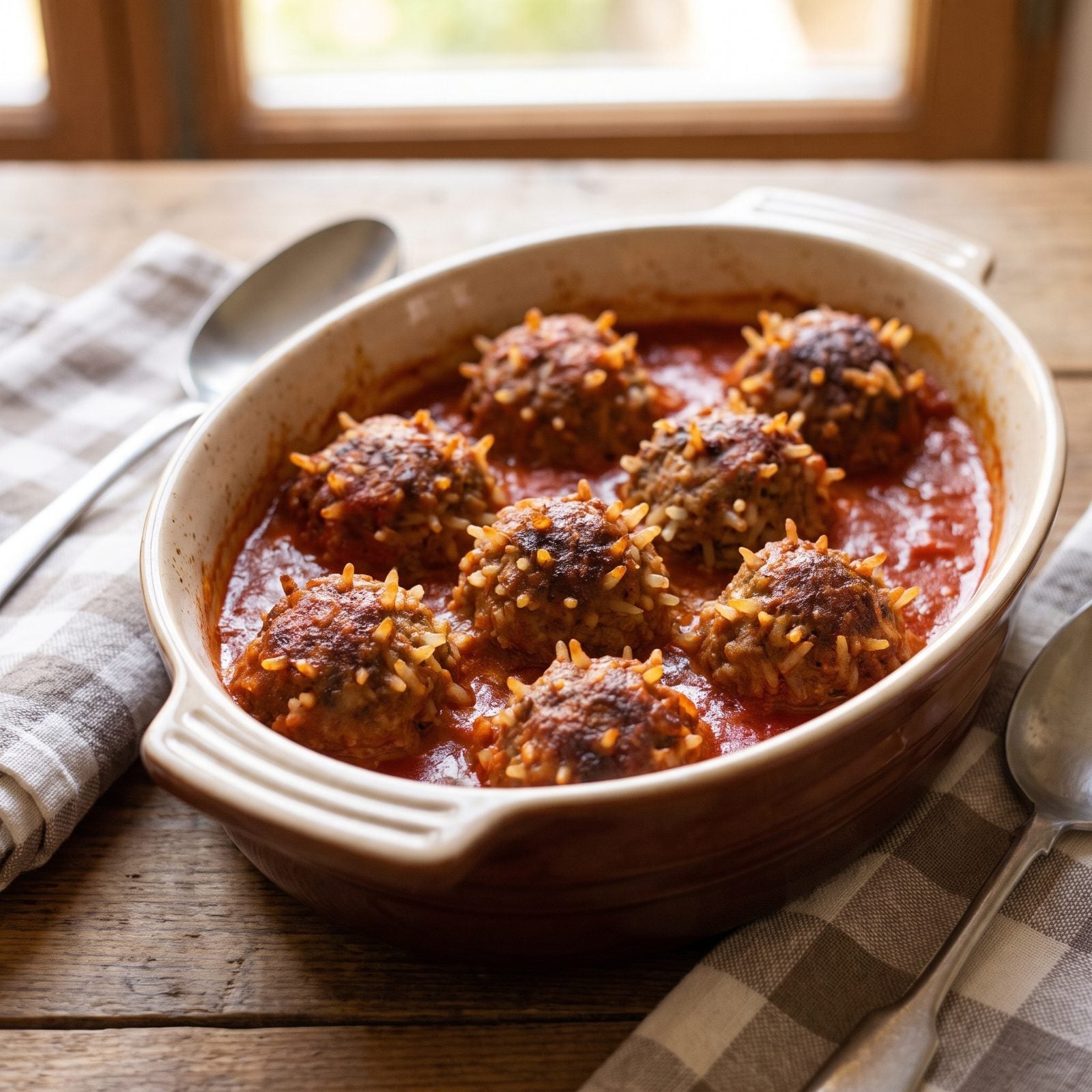
Kids loved these for the name alone. You mixed ground beef with raw long-grain rice, onion, and seasoning, rolled it into meatballs, and settled them into a dish of tomato soup or tomato sauce. As they baked, the rice softened and swelled, and the grains poked out from the meat like little quills.
The rice wasn’t just a gimmick. It stretched a pound of beef to feed a whole table, which made these a favorite through the lean years and wartime rationing. Covered and baked until the sauce thickened, they came out tender and saucy, best spooned over mashed potatoes or eaten with a slice of buttered bread to mop up the plate.
16. Bologna and Mashed Potato Pie, the Depression-Era Thrift Dinner
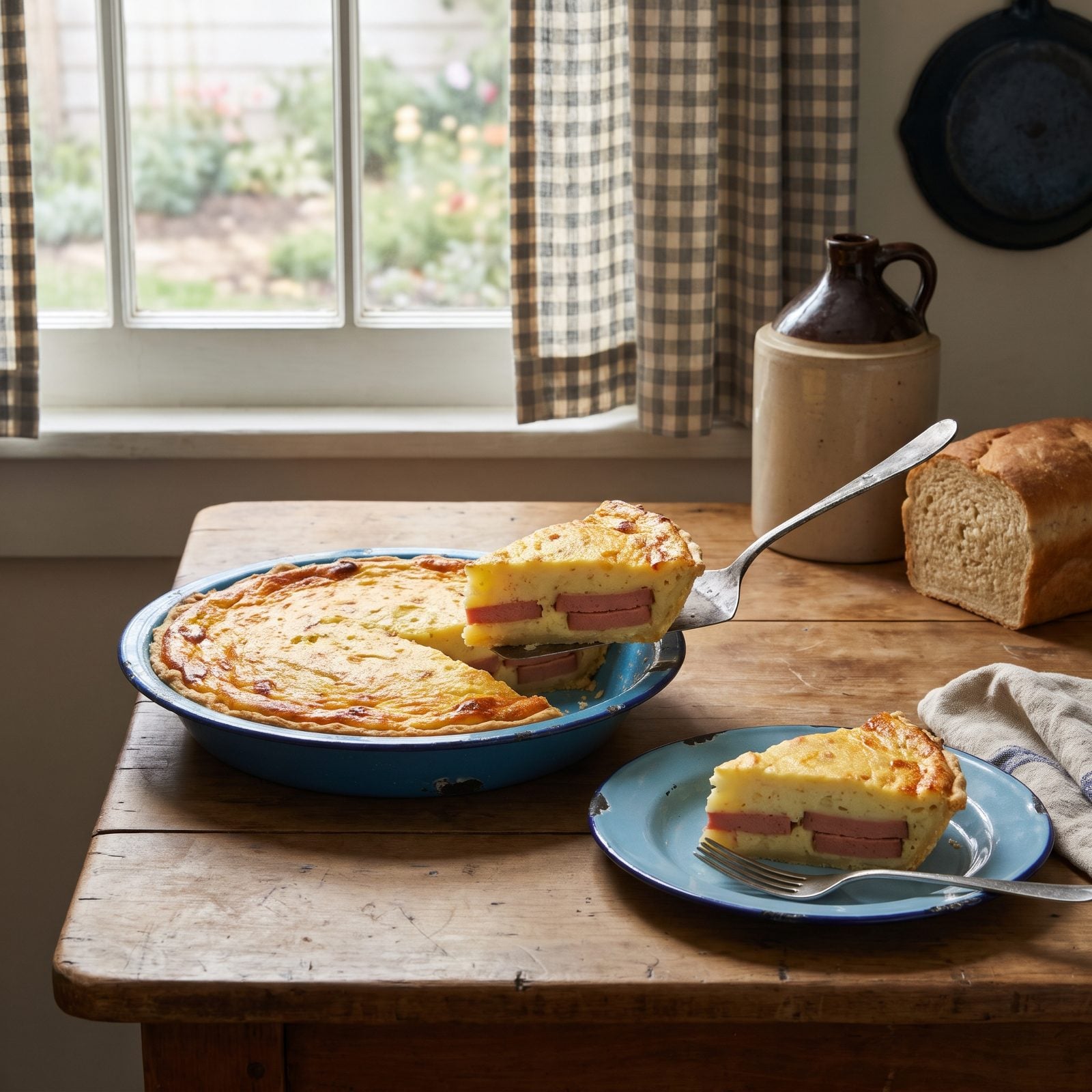
When money was tight, bologna was meat, and mashed potatoes were filling. Put them together in a pie plate and you had supper. A plain pastry crust, crimped around the rim, held a layer of mashed potatoes, then a neat stack of flat bologna slices, then more potatoes.
The top layer of mashed potatoes was smoothed flat, maybe finished with a sprinkle of cheese or a few pats of butter, and baked until it turned golden. It was a shepherd’s pie for a family that couldn’t spare lamb or beef. Humble doesn’t begin to describe it, but it was hot, salty, and filling, and it put a real dinner on the table from almost nothing.
15. Frankfurter and Sauerkraut Casserole, Supper From the Pantry Shelf
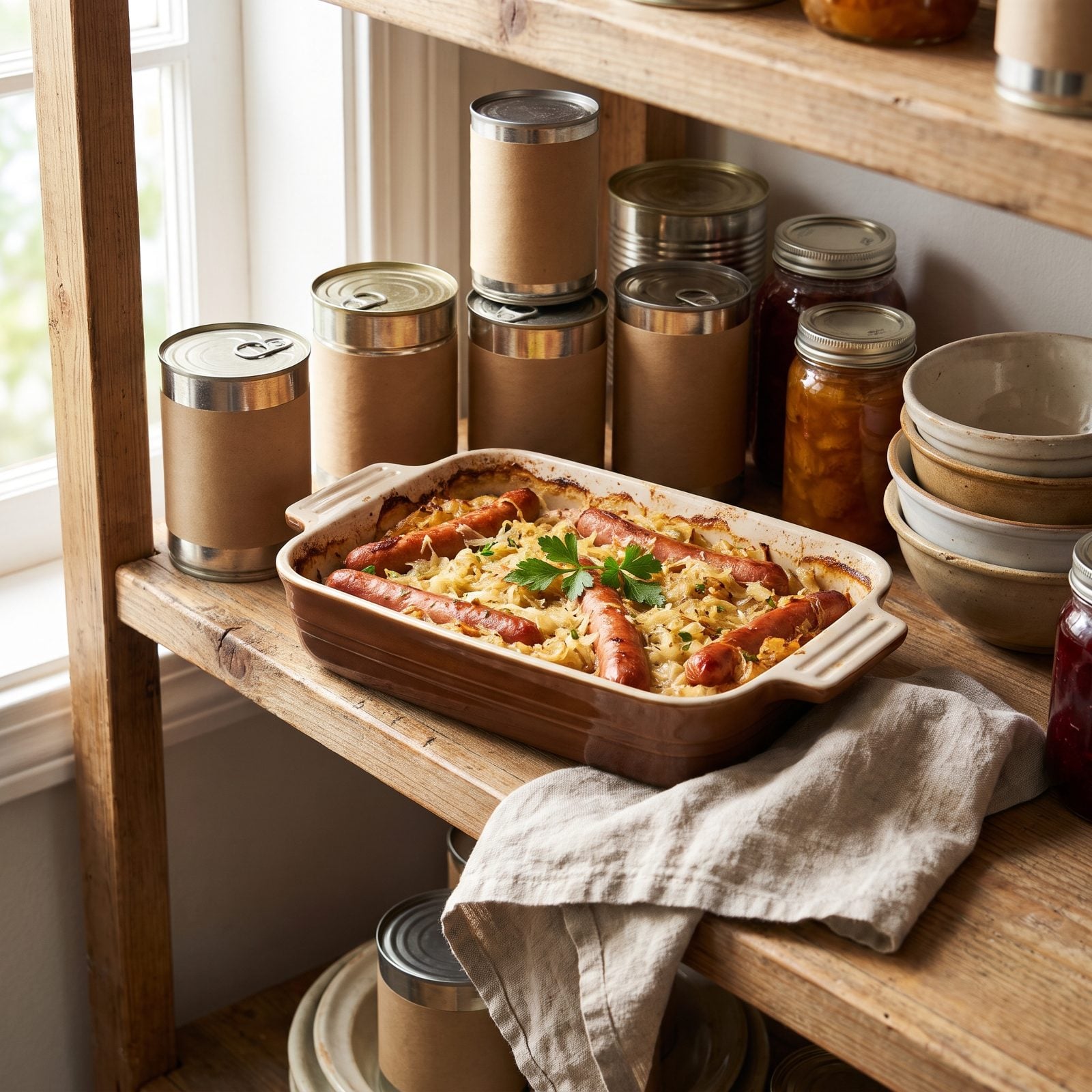
Everything in this dish could sit on a shelf or in the icebox for days, waiting for the night the grocery run didn’t happen. A jar or can of sauerkraut, a package of hot dogs, an onion from the bin. That was dinner.
The sauerkraut was drained, sometimes rinsed, and mixed with a little brown sugar, a chopped onion, maybe a grated apple or a pinch of caraway. Whole frankfurters got nestled on top, and the whole thing baked until the kraut mellowed and turned golden and the hot dogs plumped and browned. It carried the flavors of German kitchens into Midwestern and Pennsylvania homes, and a dollop of grainy mustard on the side finished it right.
14. Oyster Dressing Casserole, the Holiday Dish Nobody Makes Anymore
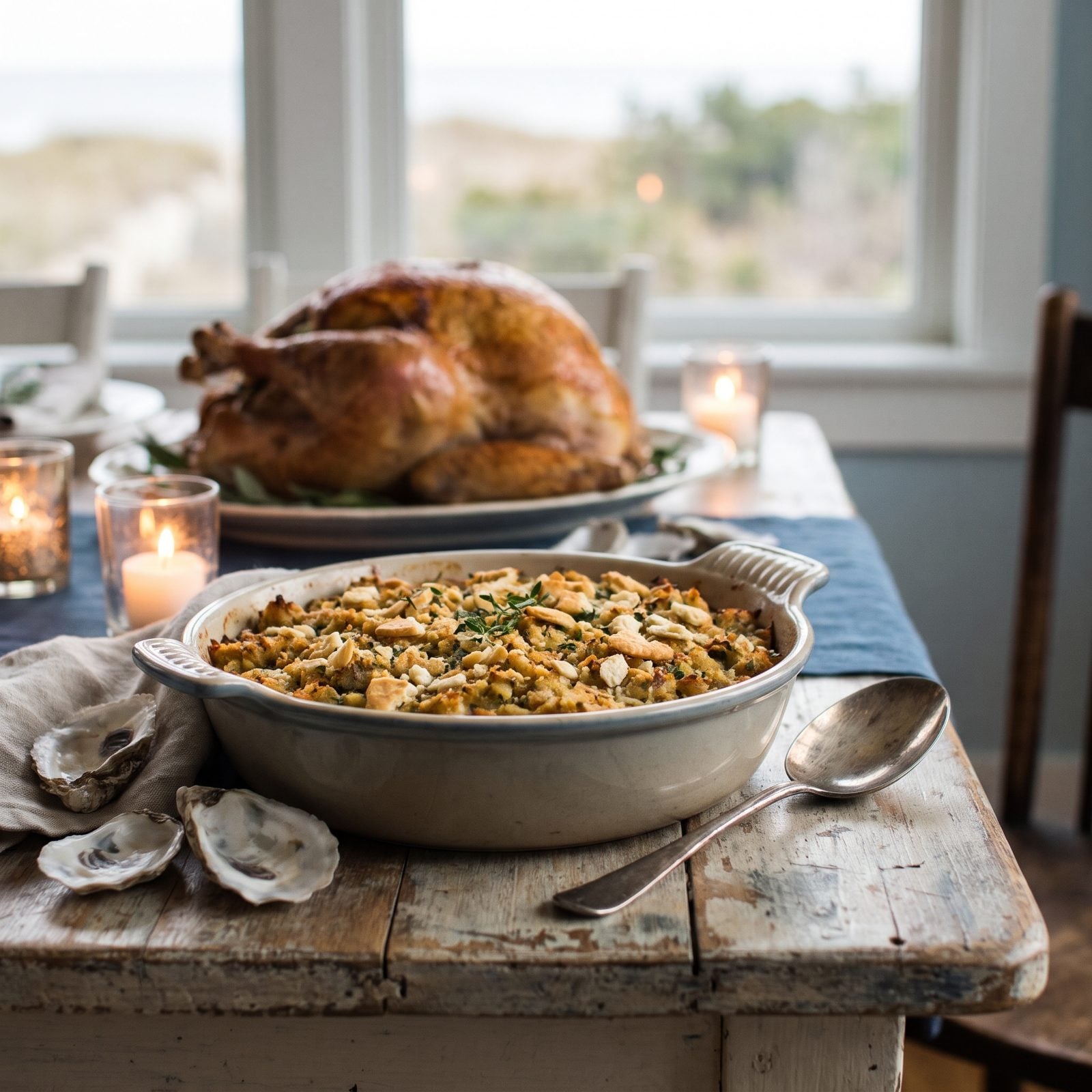
Some families stuffed the bird. Families along the coast baked this in a separate dish right beside it. Day-old bread or crumbled cornbread, celery, onion, plenty of butter, and a pint of shucked oysters folded in with their briny liquor, baked until the top crisped and the middle stayed soft and savory.
Oysters were once cheap and plentiful enough to show up on ordinary tables, and this dressing ran from the Gulf Coast up through the Chesapeake and into New England. As oysters became a luxury and fewer cooks were willing to shuck them, the dish slipped off the holiday menu. Anyone who grew up with it still swears Thanksgiving tastes incomplete without that faint taste of the sea.
13. Shrimp and Wild Rice Casserole, the Potluck Showstopper
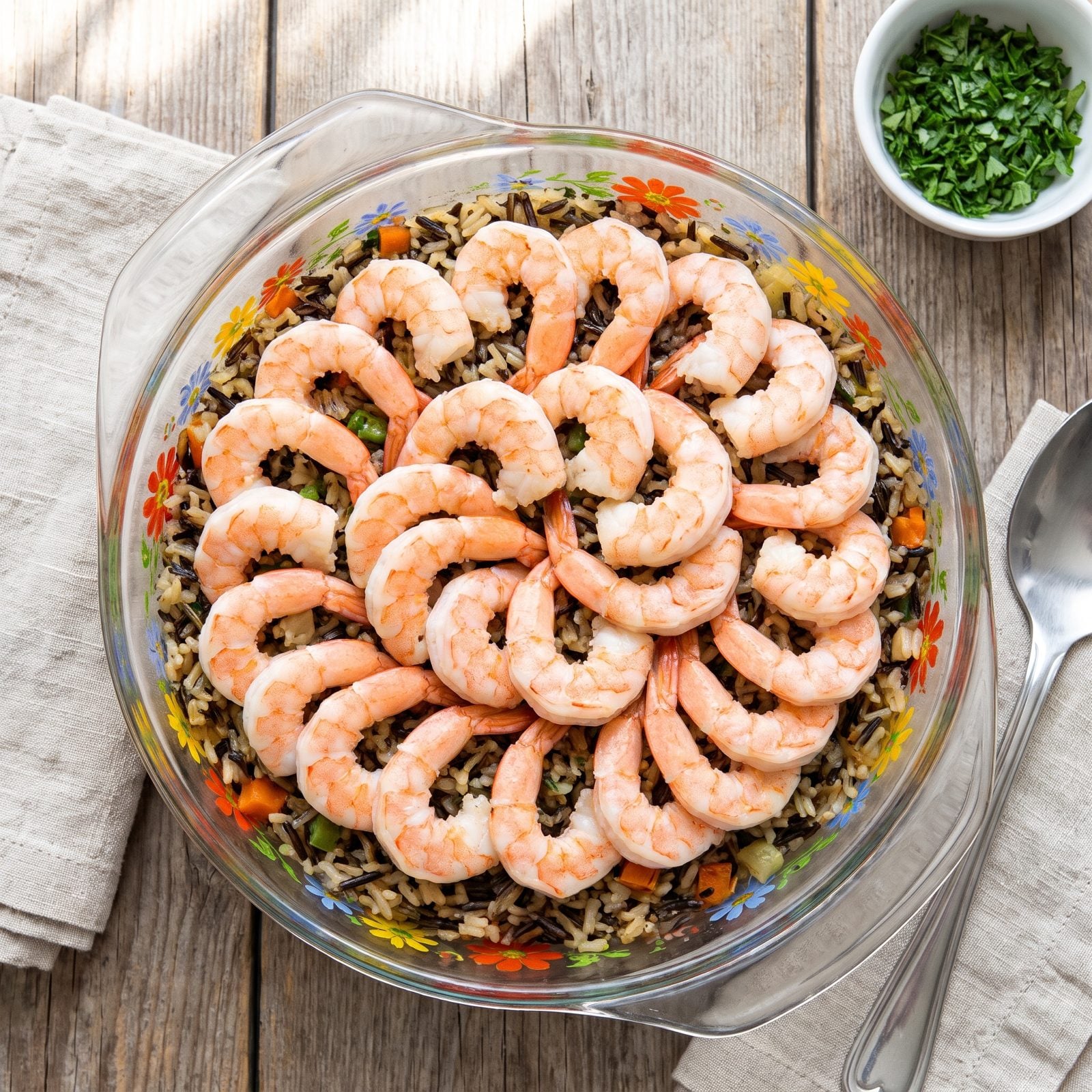
This was the dish you made when you wanted the potluck table to notice you. Shrimp were a step up from the usual ground beef and canned tuna, and pairing them with nutty, chewy wild rice made the whole thing feel like company food.
Plenty of versions started with a boxed long-grain-and-wild-rice mix, then folded in sautéed onion and green pepper, cream of mushroom soup, a handful of cheese, and the shrimp. Baked until bubbling, it looked elegant and fed a crowd. It turned up in Southern church cookbooks and Junior League collections, usually with a note saying it doubled easily. It did.
12. Crab Imperial Casserole, the Chesapeake Church-Supper Splurge
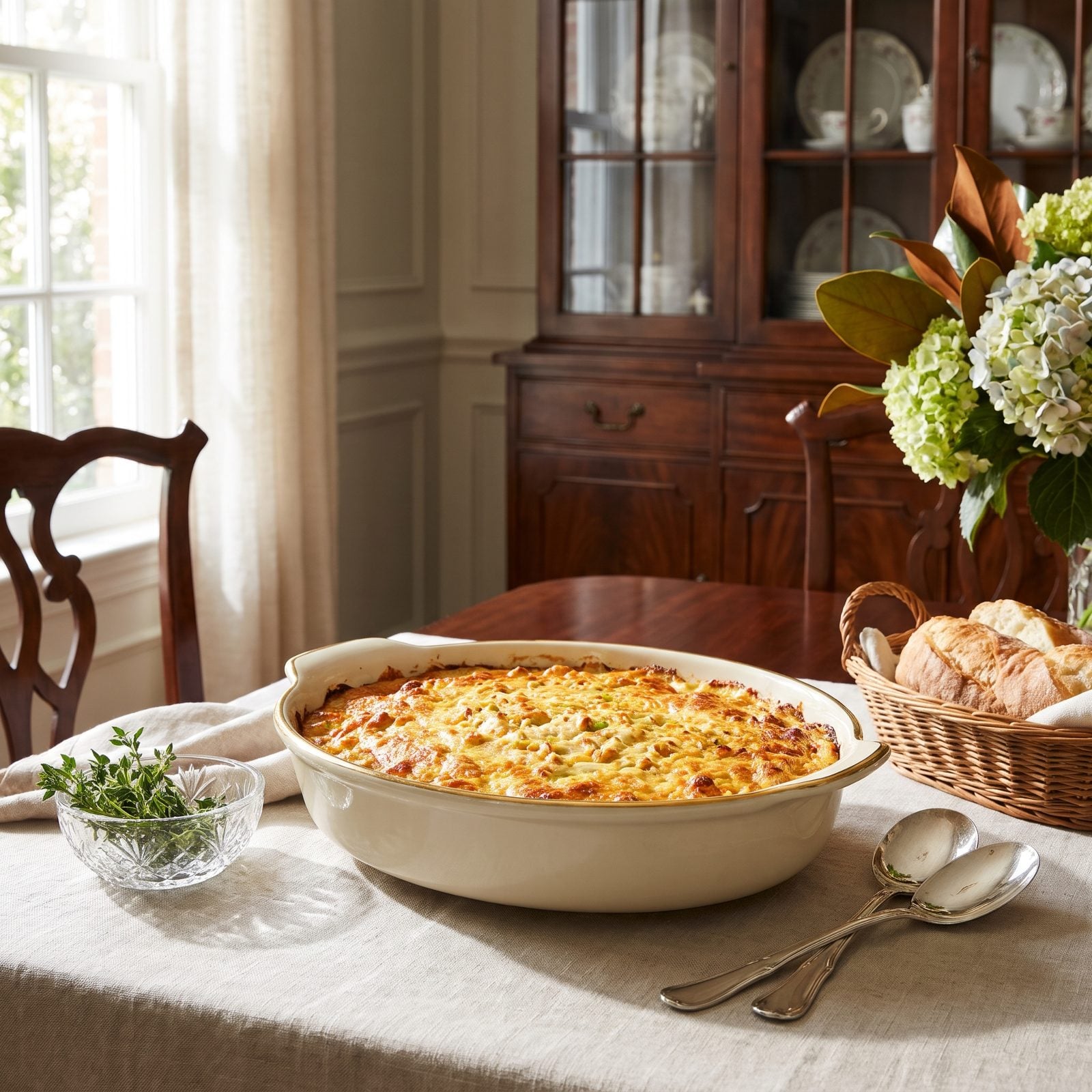
In Maryland, crab imperial was the dish that said somebody had spent real money. Sweet lump blue crab, bound with a mayonnaise-and-egg imperial sauce, a little mustard, a shake of Old Bay, then blanketed with a thick layer of sauce and baked until the whole top blistered a deep golden-brown, hiding the crab underneath.
Restaurants often served it in individual shells or ramekins, but church suppers and family gatherings stretched it into a casserole dish so everyone got a spoonful. The trick was a generous hand: plenty of sauce spread right to the edges, so it browned into a rich, bubbling crust over the meat. As lump crab got pricier, the big shared pan became a rarer sight.
11. Codfish and Potato Bake, the Friday-Night New England Standby
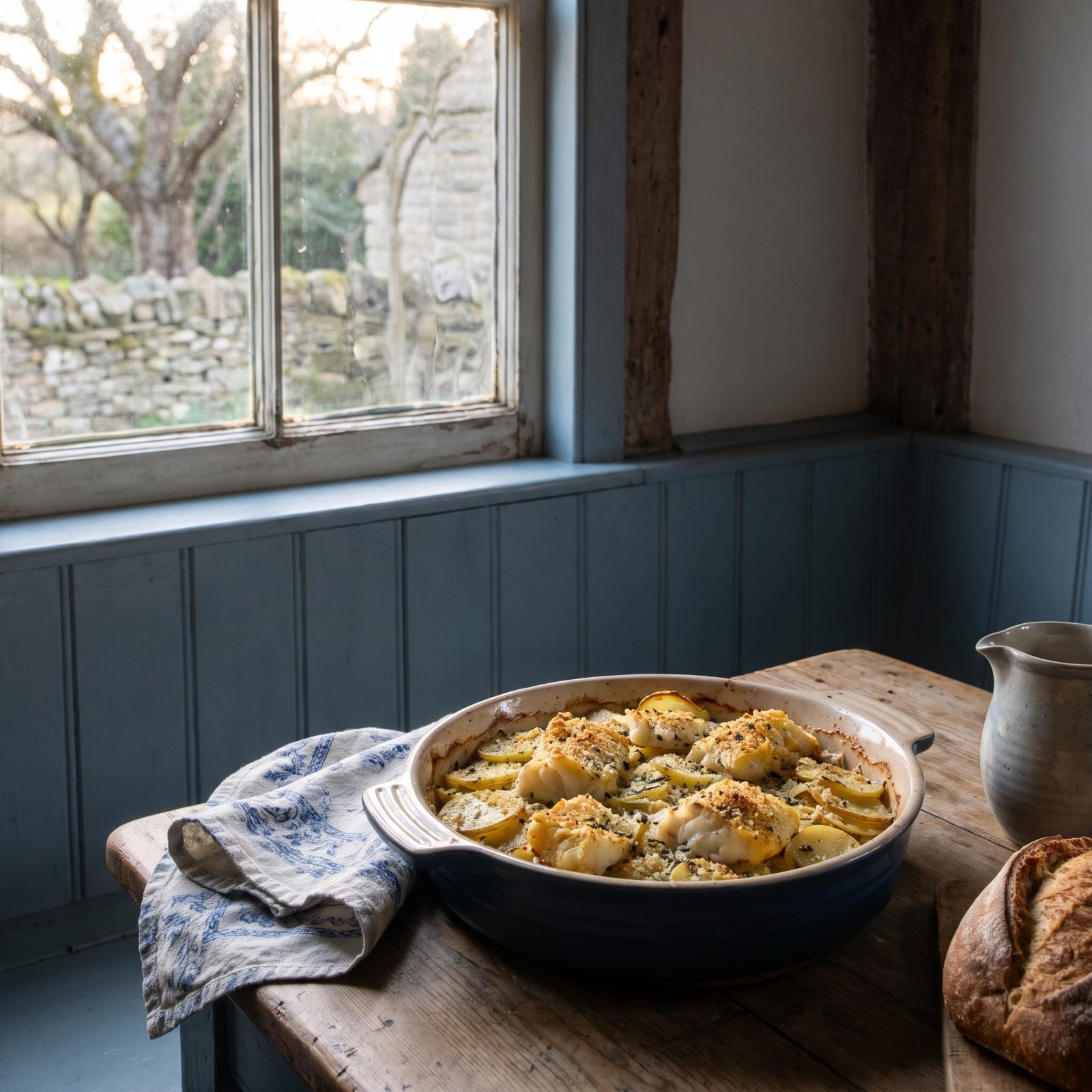
Friday meant fish, and in much of New England that fish was salt cod. It soaked overnight in changes of cold water to pull out the salt, then got broken into chunks and baked in a ceramic casserole dish with sliced potato rounds, butter, and a sprinkle of dried herbs until the potatoes browned at the edges.
Salt cod had fed the region for centuries, and it kept in the pantry when fresh fish was hard to come by. The dish was plain, filling, and cheap, exactly what a household needed on a meatless night. It faded as fresh and frozen fillets became easy to find, but the combination of salty fish and soft potato still holds up.
10. Macaroni and Cheese With Stewed Tomatoes, the Depression-Era Stretcher
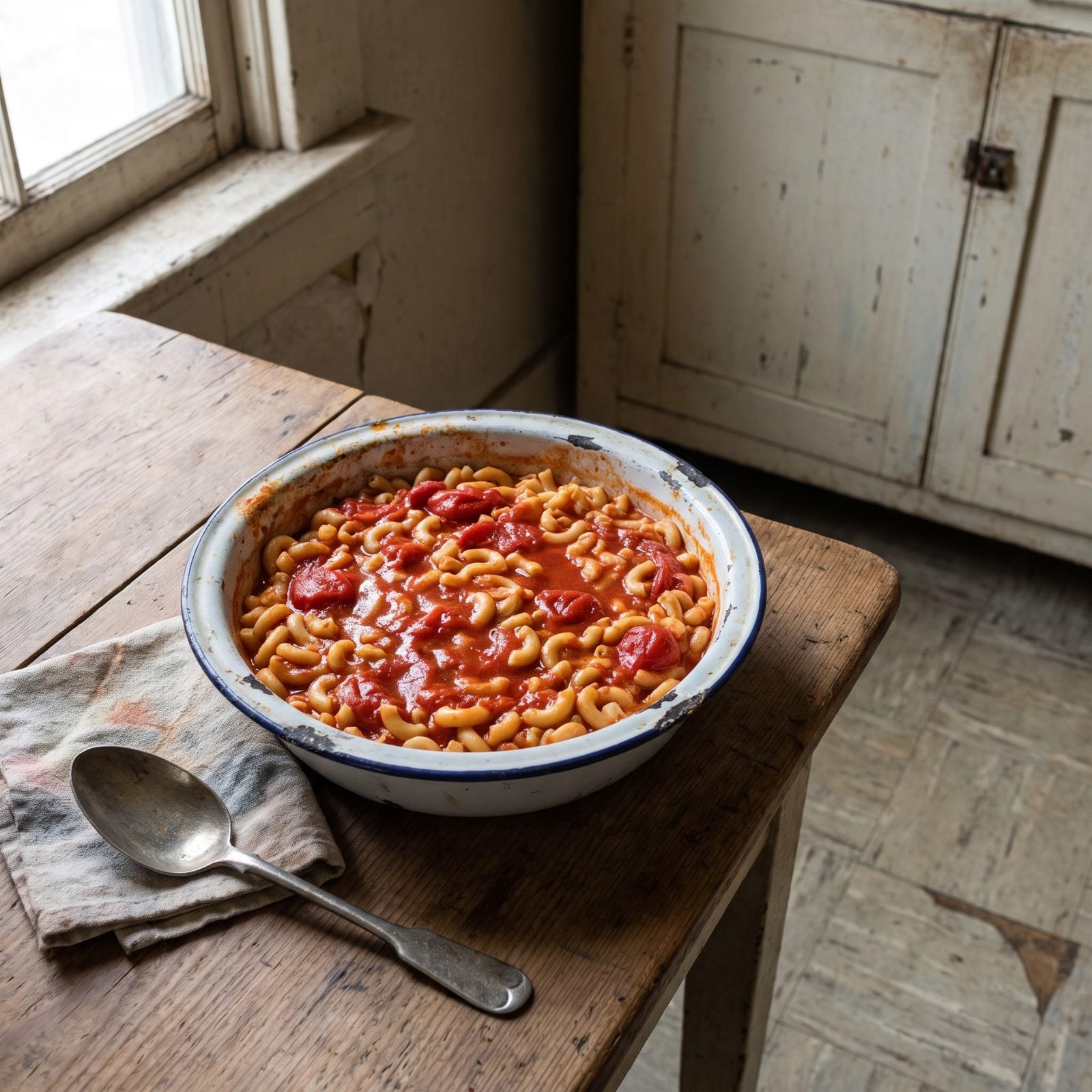
Cheese cost money, and a can of stewed tomatoes didn’t cost much. So when the budget couldn’t cover a cheesy pan of macaroni, cooks stirred tomatoes right into the noodles, melted in whatever scrap of cheese they had, and baked the whole pan in the oven until the noodles were coated in a loose, rosy sauce.
The tomatoes added moisture, tang, and bulk, turning a small block of cheddar into a supper for the whole table. In parts of the South and Midwest, plenty of people still think of it as the real mac and cheese, the one Grandma made. It’s softer and brighter than the gooey boxed kind, and the sweet, tart tomatoes against the tender, saucy noodles are worth rediscovering.
9. Pizza Casserole With a Biscuit Crust, the Weeknight Compromise
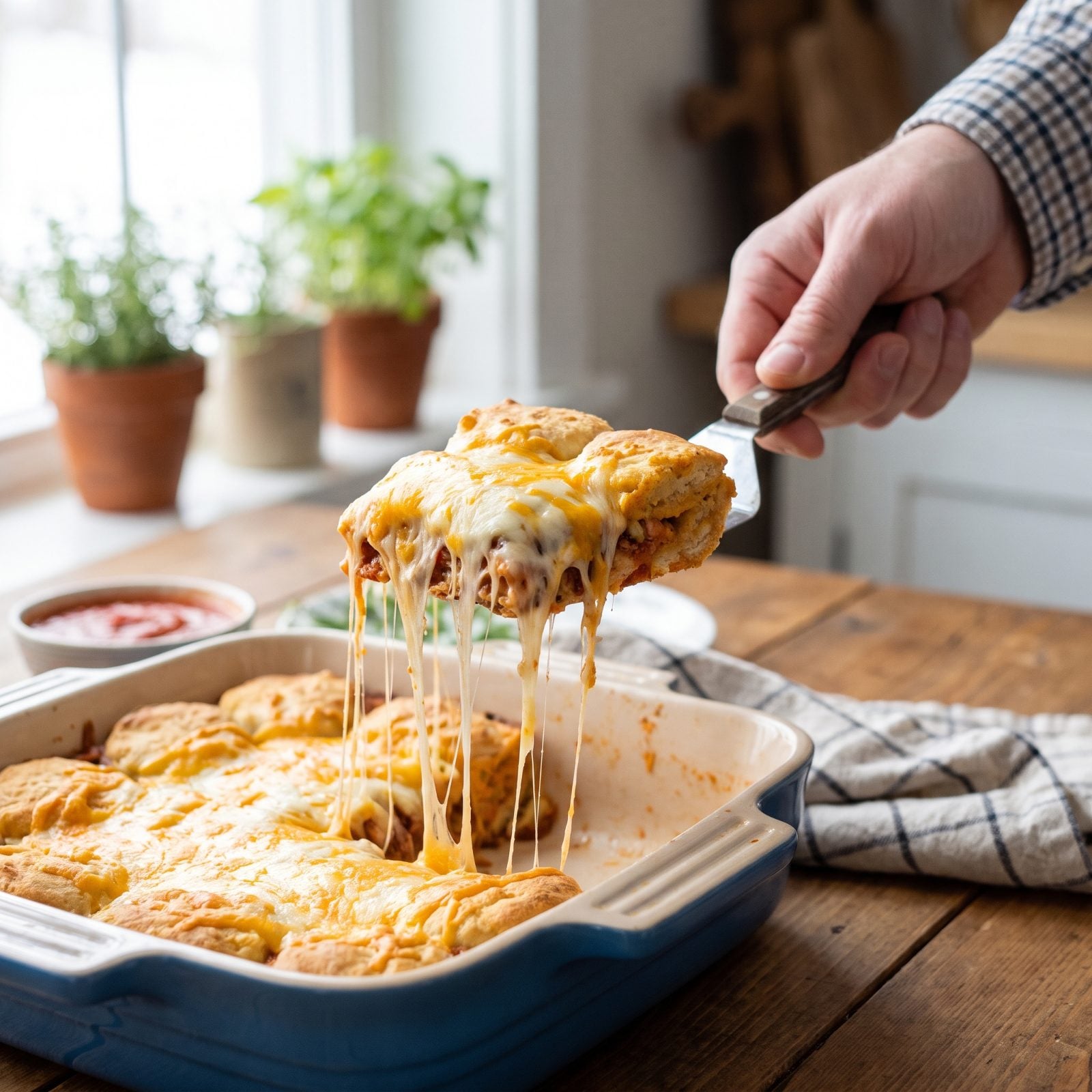
The kids wanted pizza. The parents wanted something that counted as dinner. This was the deal both sides could live with. A tube of refrigerated biscuits got cut into quarters and tossed with pizza sauce, browned ground beef or sausage, sliced pepperoni, and onions, then smothered in mozzarella and baked.
The biscuits puffed into soft, saucy dumplings, the cheese browned on top, and nobody had to wait for delivery. It belonged to the busy-household era of the 1970s and ’80s, when canned dough could rescue almost any weeknight. You served it with a spoon, and it never lasted long enough to become leftovers.
8. Chop Suey Casserole, the Midcentury Can-Opener Dinner
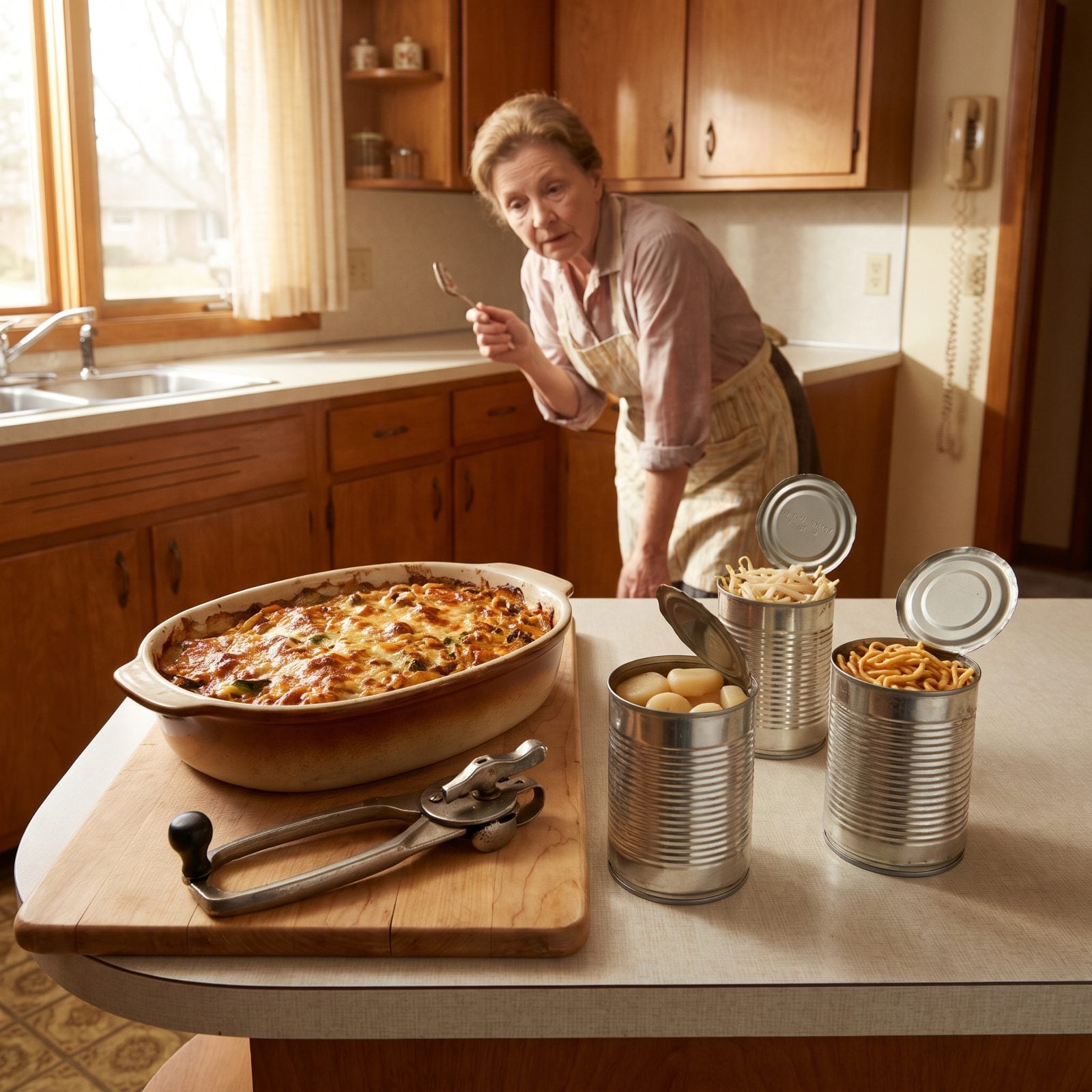
Chop suey was already an American invention, and the casserole version pushed it even further from anything you’d find in China. Ground beef or leftover pork, sliced celery, onion, canned bean sprouts and water chestnuts, a can of cream of mushroom soup, and a generous splash of soy sauce, all baked together in one dish under a thick blanket of cheese that bubbles into a browned crust.
The finishing touch was a bowl of crispy canned chow mein noodles served on the side so they stayed crunchy until they were spooned on at the table. To midcentury home cooks it felt exotic and modern, and it came together almost entirely from the pantry shelf. Today it reads as pure period piece, but the salty, cheesy, crunchy, creamy combination has its own odd appeal.
7. Sausage and Apple Breakfast Bake, the Sunday-Morning Oven Dish
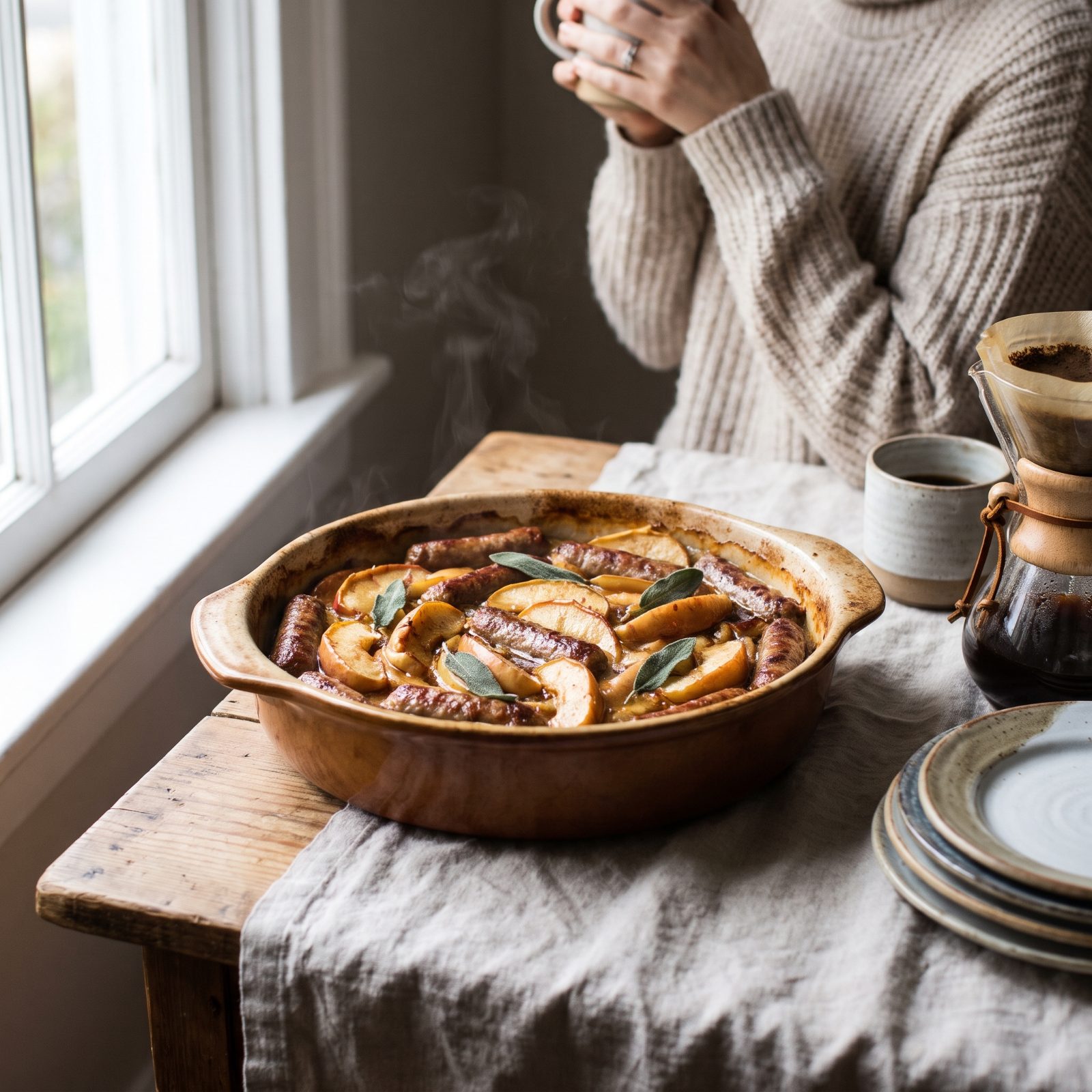
The beauty of this one was that you made it the night before. Whole breakfast sausage links, wedges of tart apple, and a few fresh sage leaves went into a buttered dish, then got a splash of cider for a little pan juice. Into the refrigerator it went, and in the morning you slid it straight into the oven.
By the time everyone was dressed for church or the coffee was poured, the kitchen smelled of sausage and baked apple, and the sausages had browned while the apples went soft in their juices. It was the go-to for holiday mornings, houseguests, and brunch after a baptism, when nobody wanted to stand at the stove flipping pancakes.
6. Green Bean Casserole With Water Chestnuts, the Holiday-Table Upgrade
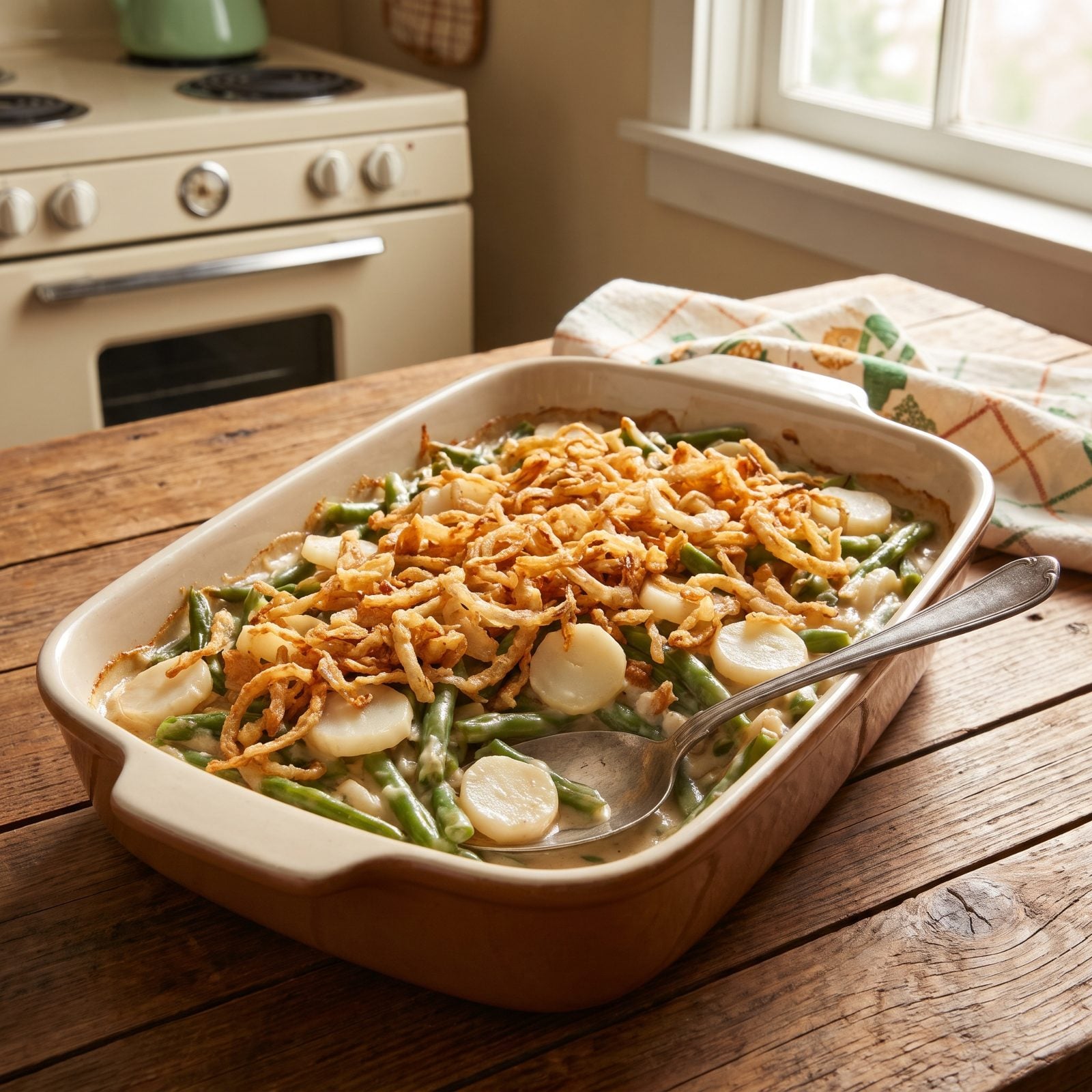
The standard version was already a holiday fixture, created in a Campbell’s test kitchen in the mid-1950s: green beans, cream of mushroom soup, a dash of soy sauce, and canned French-fried onions on top. But a certain kind of cook couldn’t leave it alone.
Sliced water chestnuts were the upgrade. Folded in with the beans, they added a cool, snappy crunch that held up even after baking, a nice counterpoint to the soft beans and creamy sauce. Some cooks added shredded cheese or slivered almonds, too. The original version still shows up every November, but the water chestnut edition has mostly disappeared from holiday tables.
Asked why the dish caught on, the home economist behind it explained that it was easy and tasty, adding “And it was made with things you already had in your pantry.”
5. Spinach Soufflé Casserole, the Fancy-Occasion Side That Quietly Vanished
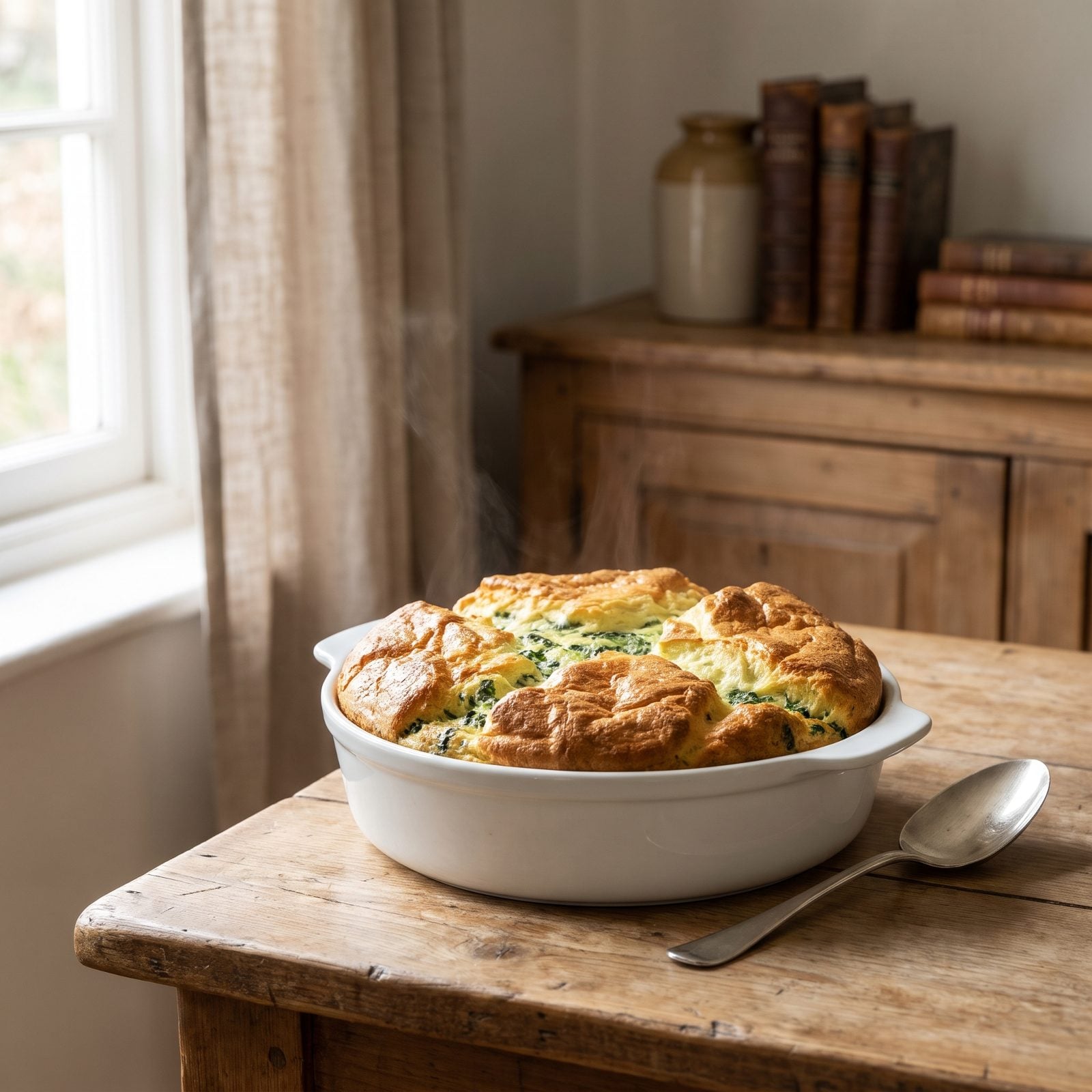
A true soufflé intimidated most home cooks. This casserole took the fear out of it. Frozen chopped spinach, squeezed dry, got mixed with eggs, cottage cheese or cream cheese, sharp cheddar, and a little onion, then baked until it puffed up proud and golden in the dish.
It came out at Easter dinners, bridal showers, and any table set with the good tablecloth, looking far fancier than the effort required. Some households skipped scratch entirely and used a frozen spinach soufflé from the supermarket case. Somewhere along the way, creamed spinach and simple sautéed greens took its seat, and the puffy green casserole stopped getting invitations.
4. Zucchini and Stuffing Casserole, the August Garden Rescue
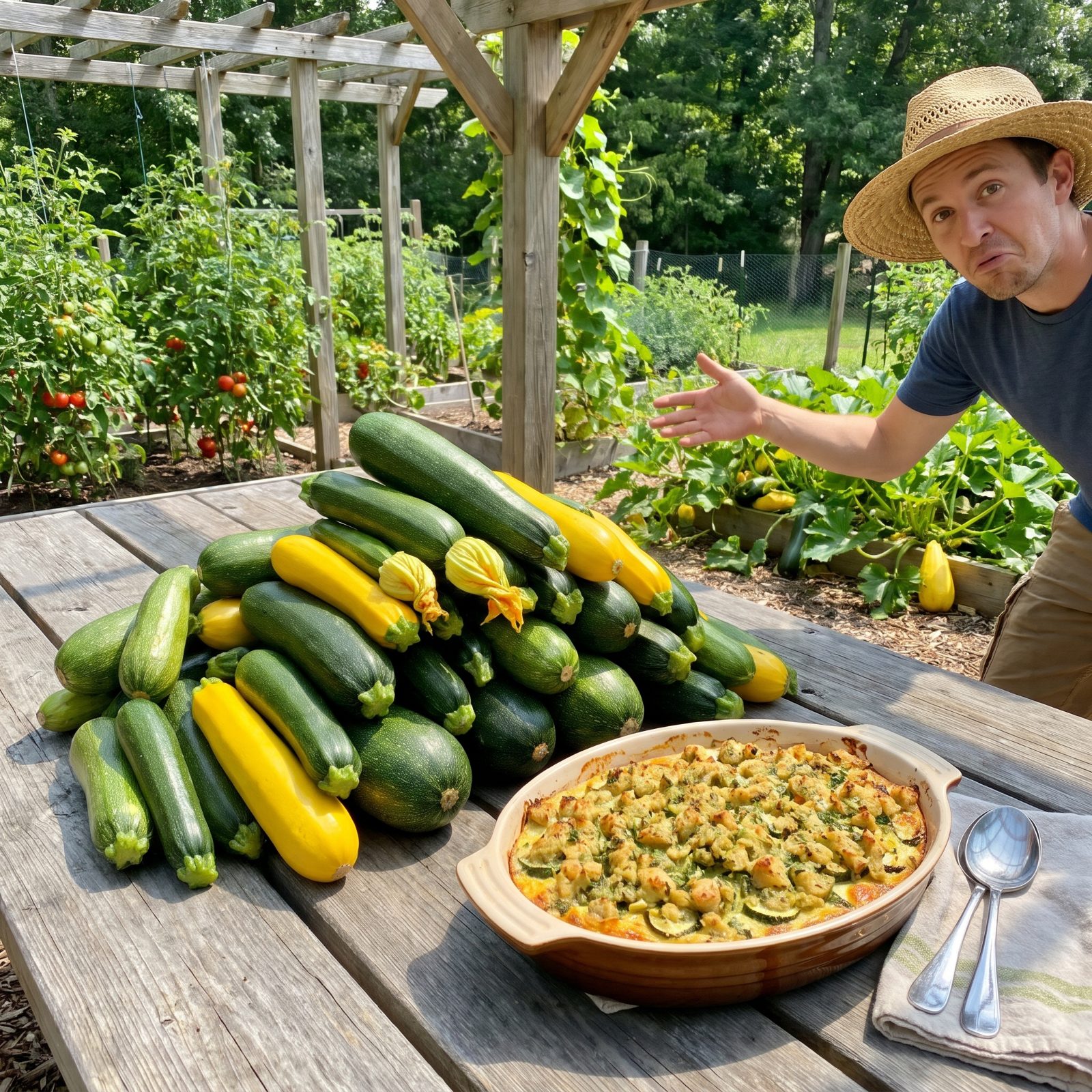
Every gardener who ever planted a single zucchini plant knows the panic that follows. By mid-August you’ve got more squash than neighbors willing to take it, and this casserole was the answer: grated or sliced zucchini folded into a box of herb stuffing, bound with sour cream and a can of cream-of-something, then baked until the top went crisp.
It showed up at potlucks under foil, still warm, labeled on masking tape so you’d get your dish back. Nobody made it from a recipe card twice the same way. The stuffing was the whole trick. It soaked up the water the squash threw off and turned what could’ve been mush into something with actual structure, a little miracle of chemistry nobody ever stopped to appreciate.
3. Corn Pudding Casserole, the Sweet Spoonable Side Nobody Could Explain
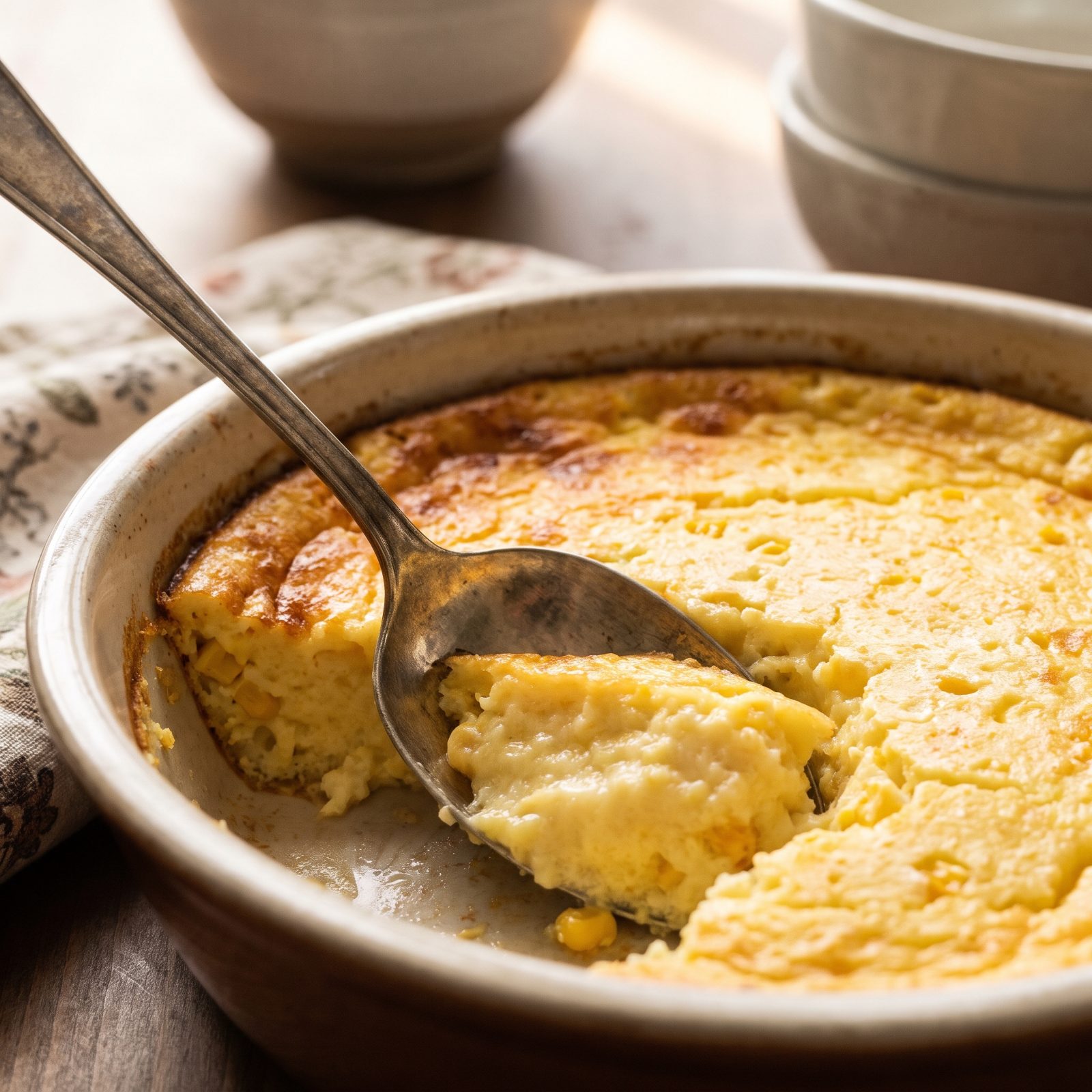
Was it a side or a dessert? The corn pudding never answered the question, and that was half its charm. Sweet enough to confuse a kid, savory enough to sit next to the ham, it quivered in the dish like a custard that had gotten ideas.
The convenience version leaned on a box of corn muffin mix, a can of creamed corn, a can of whole kernel, sour cream, and a stick of melted butter. Stir, pour, bake. It came out somewhere between cornbread and spoon bread, and you ate it with a spoon because a fork couldn’t be trusted.
You could spot the good one on the buffet table by the golden edge pulling away from the dish.
2. Baked Lima Beans With Bacon, the Dish Kids Learned to Dread and Adults Learned to Love
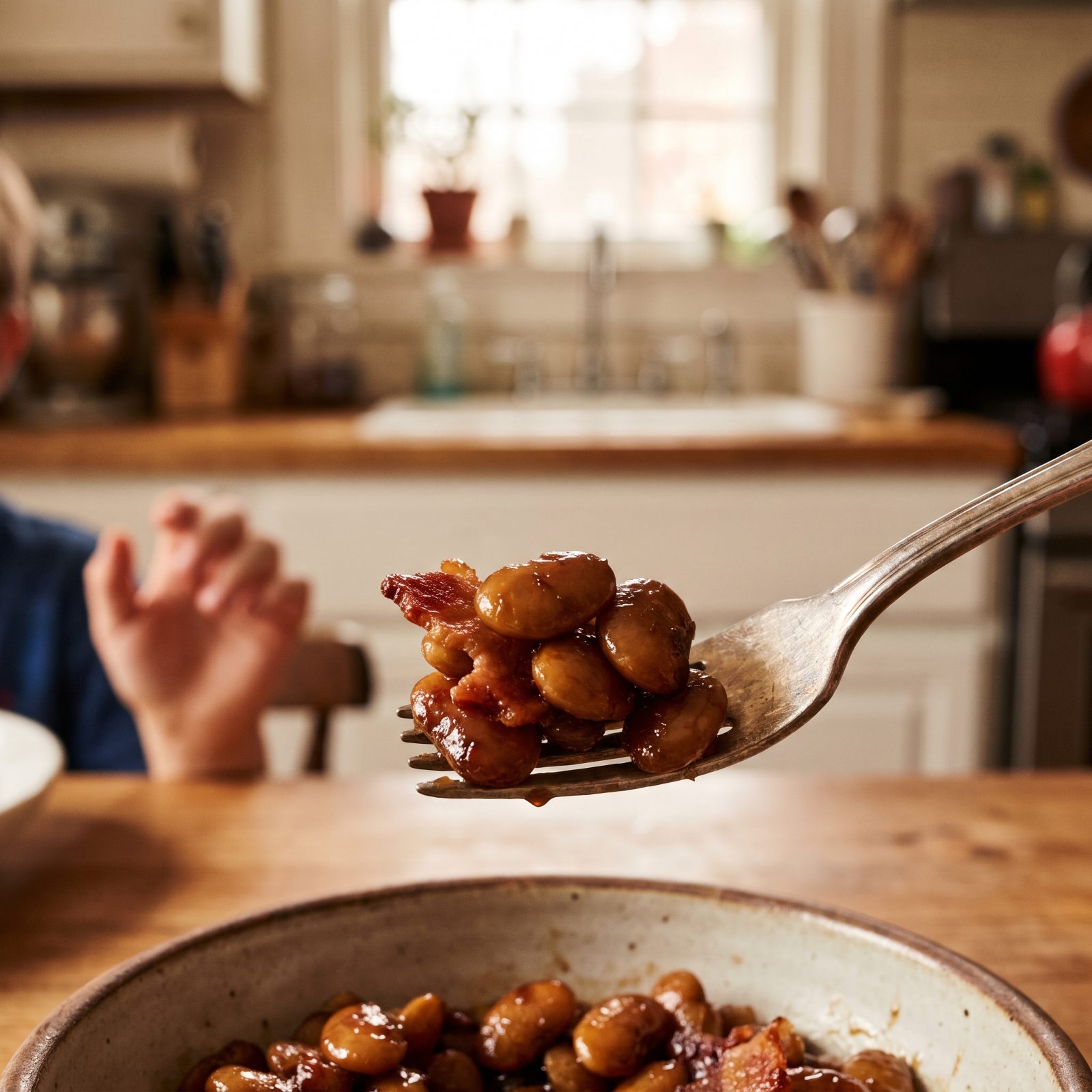
Lima beans were the hill every kid died on, and baking them with bacon and brown sugar was the parental counteroffer. Slow-baked until the beans went creamy and the dark, molasses-heavy sauce clung to every one, topped with bacon that crisped in the oven heat, it was a world away from the sad boiled limas on the school lunch tray.
Plenty of us didn’t come around until adulthood. Something about the smokiness and the sweet sauce finally made sense when nobody was standing over us telling us to finish them.
Not everyone comes around: when our readers disliked a food photo, the top reason was simply “not for me,” with ingredients close behind.
1. Tomato and Cracker Casserole, the Pantry Dish Born From Whatever Was Left
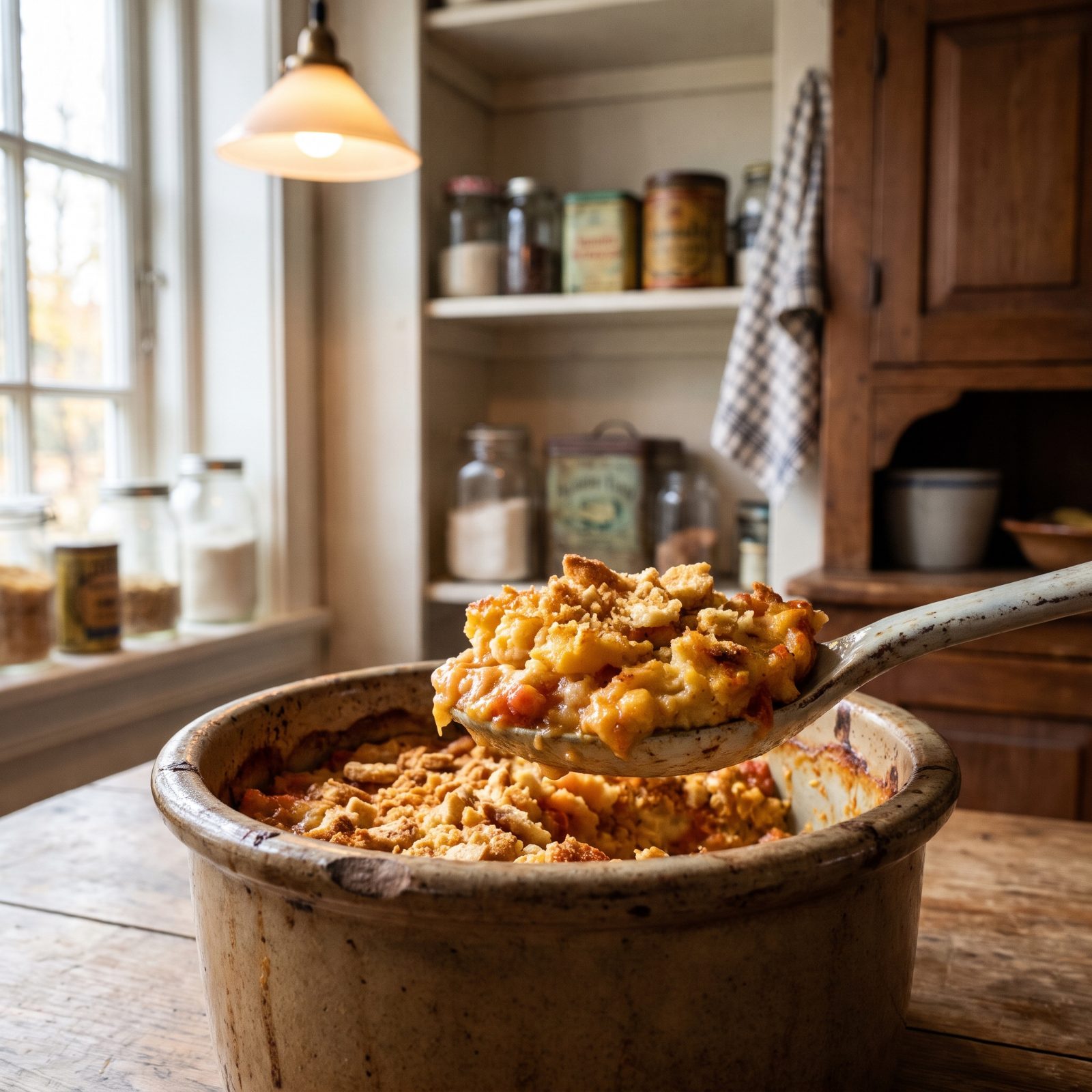
Scalloped tomatoes. Stewed tomatoes and crackers. Tomato pudding. It went by a dozen names depending on whose grandmother made it, and it was the definition of a dish built from a nearly bare pantry: a can of tomatoes, a sleeve of saltines, an onion, a spoon of sugar, and a lot of butter.
The crackers pulled double duty, soaking into the tomato juice at the bottom while crisping into a browned lid on top. It tasted like the inside of a tomato soup grilled-cheese, baked into something you could scoop. Cheap, fast, forgiving.