
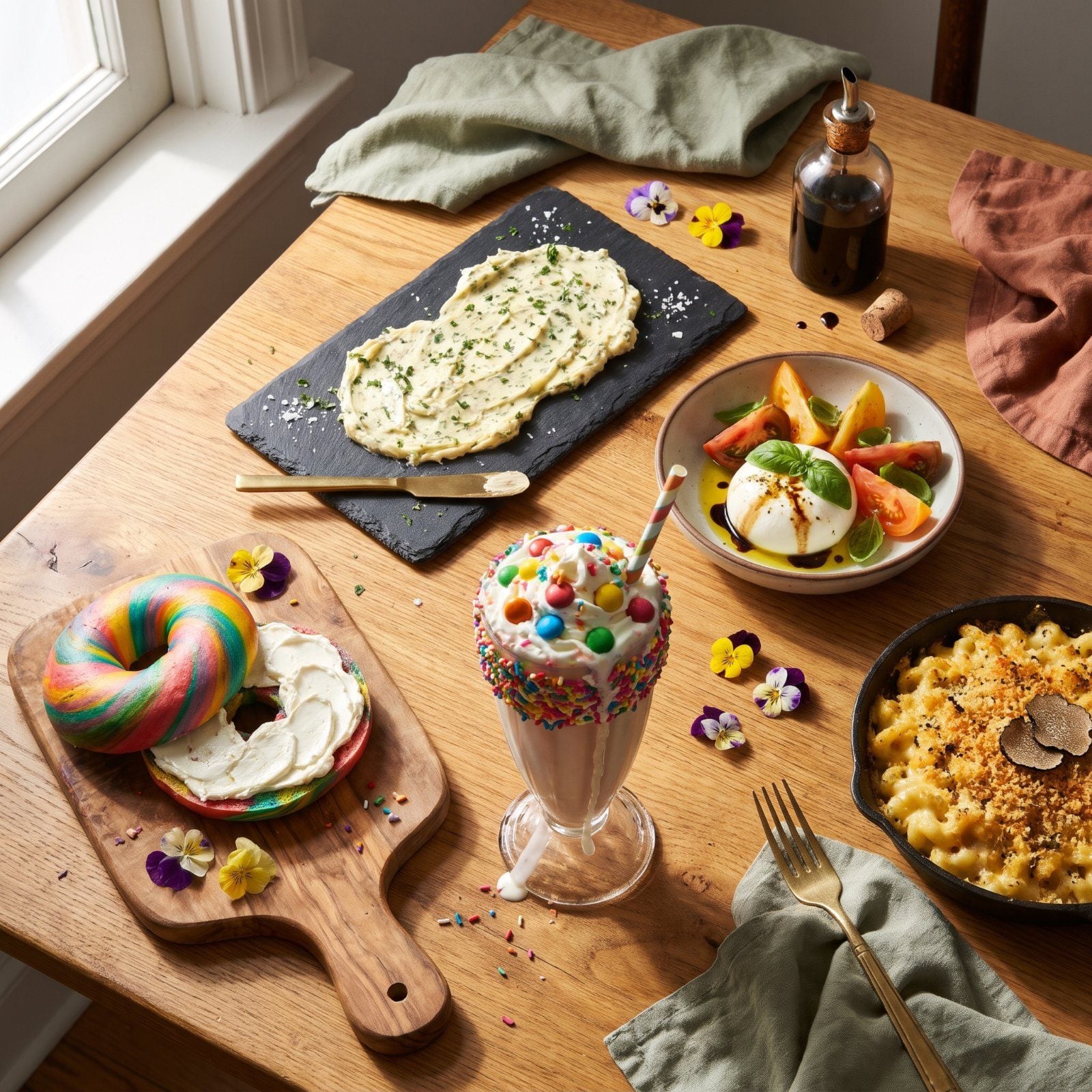
Order a slice of activated-charcoal pizza in 2016 and the whole table pulled out their phones. Order one in 2027 and the server will probably wince. Food fashion moves fast, faster than clothing, and the dishes that once owned Instagram have a way of curdling into cliché. We talked plating, presentation, and the gap between what looked exciting a decade ago and what reads tired now. These are the dishes chefs already treat like last decade’s haircut. Some deserve the fade. A couple didn’t. And all of them tell you something about how fast a good idea gets strip-mined.
Please note that some of the images in this article were created with the assistance of AI.
36. Avocado Toast Crowned With a Poached Egg
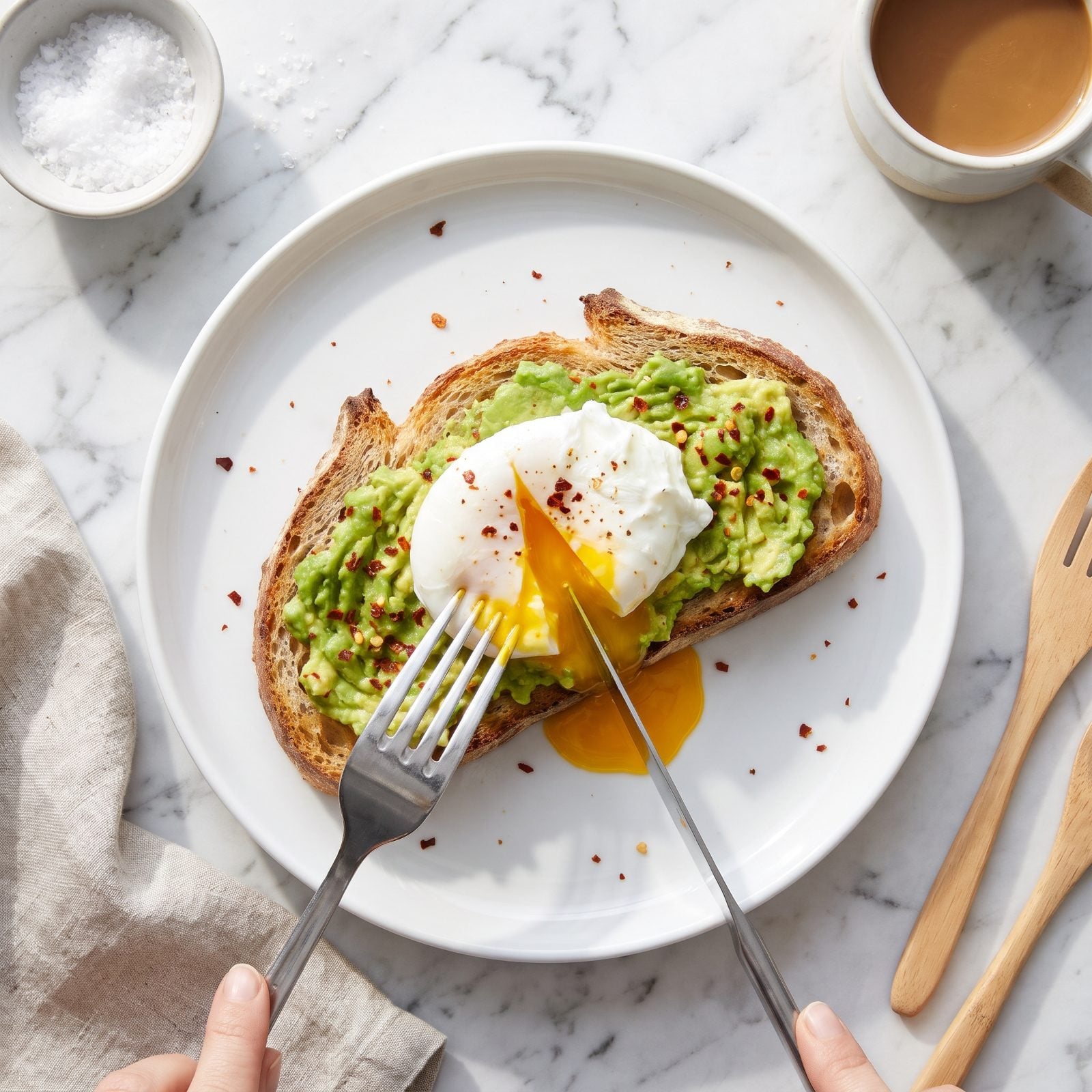
The brunch dish that launched a thousand think-pieces about why nobody can afford a house. Avocado toast with a poached egg didn’t do anything wrong, exactly — it just got so ubiquitous that it stopped being a choice and became wallpaper. Every café from Portland to Prague served the identical plate: smashed green, runny yolk, chili flake, and the same five microgreens that showed up like they’d been ordered from the same supplier.
Chefs are sick of it. Not because it tastes bad, but because it signals a menu with no imagination, and once a dish becomes shorthand for “generic brunch spot,” its days as a selling point are numbered.
35. Butter Boards Buried in Herbs and Edible Flowers
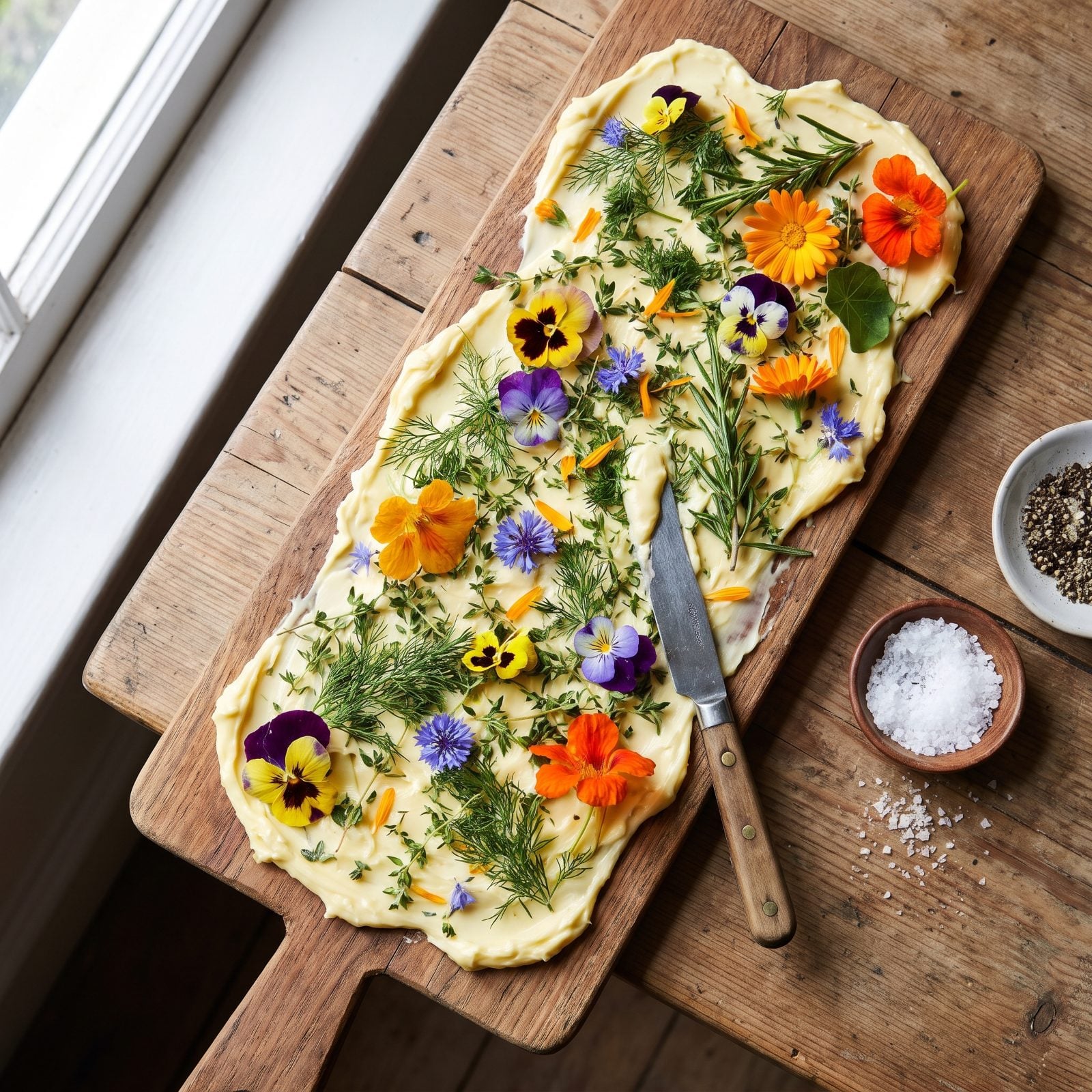
A charcuterie board with its clothes off. Butter boards had maybe eight good months in 2022 before everyone noticed the obvious problem: a dozen people double-dipping bread into the same slab of communal butter. The pandemic was still fresh in everyone’s memory, and the optics were rough.
It photographed beautifully — swirls of soft butter, violet petals, a lazy ribbon of honey. But a trend that lives entirely on a phone screen and dies the second you think about hygiene was never built to last. Chefs saw it as a social-media stunt from the start.
Weighing in on the butter-board craze, a registered oncology dietitian cautions “Also just keep in mind the food safety aspect – make sure the board you’re using is clean and dry”
Not everyone has tired of the board format, though: in our reader votes, food served as a board spread got more hearts than the other images in the same articles, 79% versus 74%.
34. Truffle Mac and Cheese on Every Upscale Menu
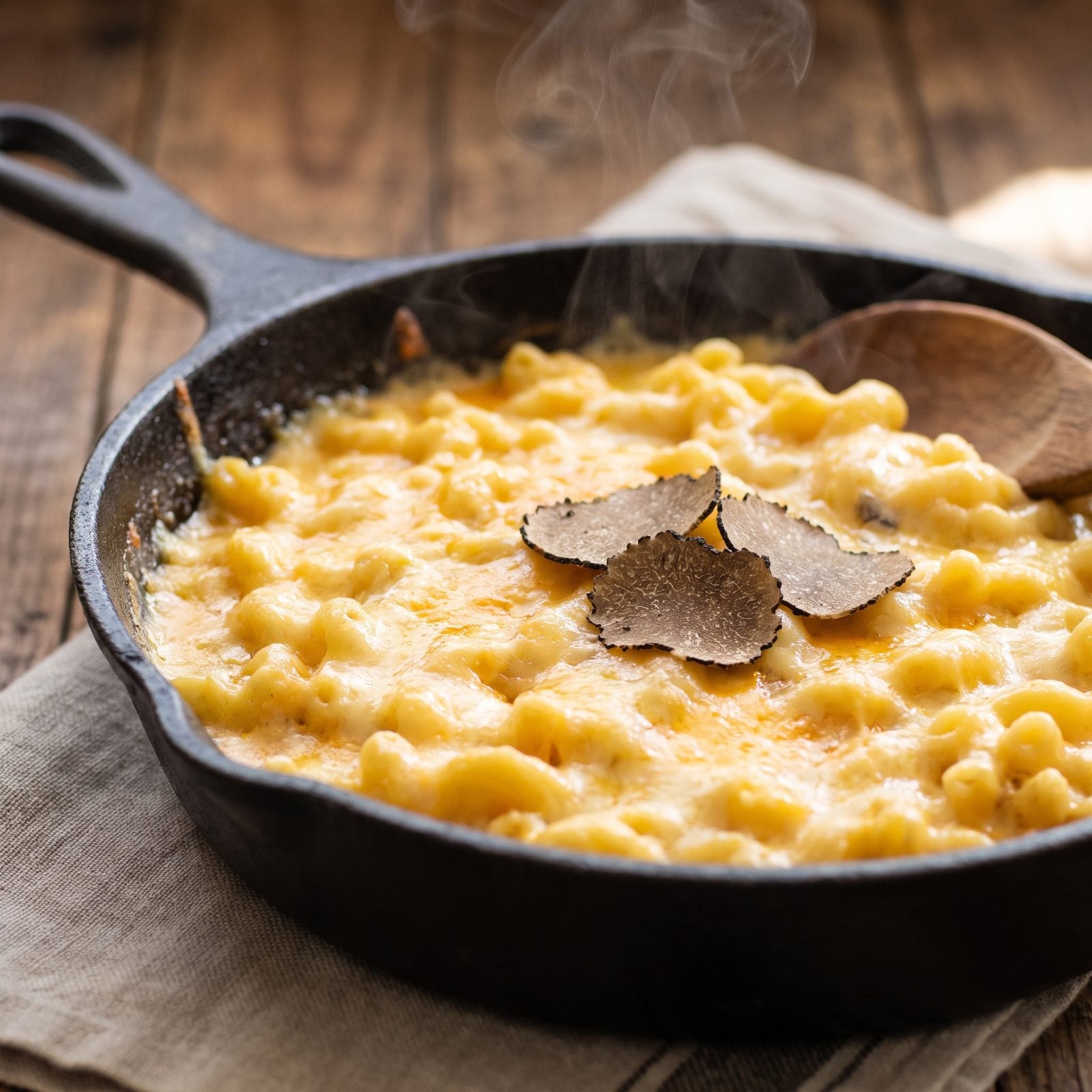
Nobody at the table wants to admit it, but most “truffle” mac and cheese never saw a truffle. It saw truffle oil, which is usually a lab-made compound with no actual fungus in it, and once diners figured that out the romance faded fast.
The dish became the lazy way to charge thirty dollars for noodles and cheese. Chefs expect it to read as a markup gimmick by 2027 — the culinary equivalent of slapping “artisanal” on a label. The comfort-food base is forever. It’s the truffle dust on top that’s aging badly.
Asked about cheap synthetic truffle products, a California restaurant chef says “More times than not, they don’t have any relation to the actual taste of truffle”
33. Activated-Charcoal Pizza With a Jet-Black Crust
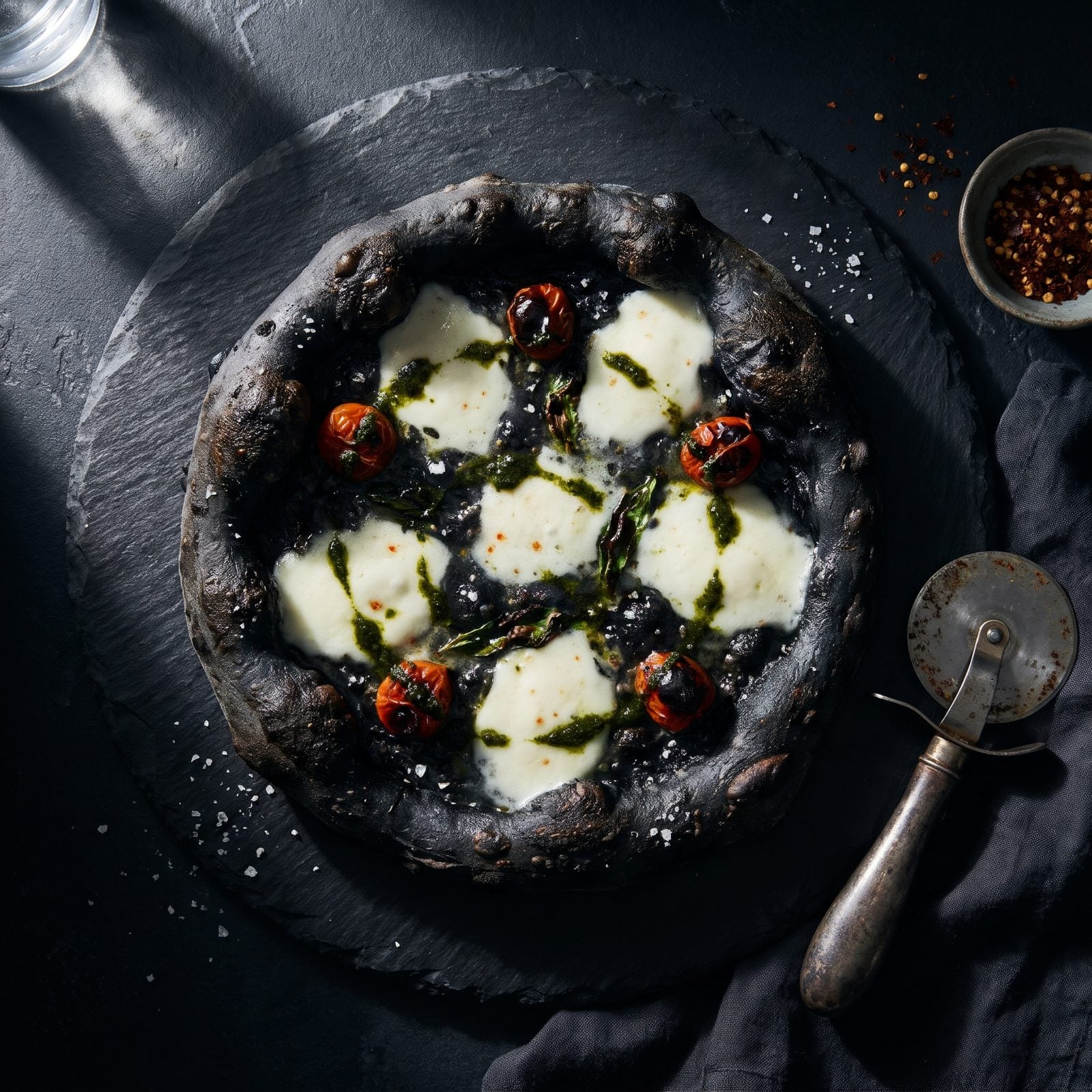
Black pizza was pure spectacle. Activated charcoal turned the crust the color of a tire, the mozzarella popped white against it, and the whole thing existed for one reason: the photo. It tasted roughly like regular pizza with a faint chalky edge, which is to say it added nothing you’d miss.
Then nutritionists pointed out that activated charcoal can interfere with medication absorption, and the fun drained right out of it. A novelty that doesn’t taste better and might mess with your prescriptions has a short runway.
If the only reason a dish exists is to look weird in a feed, it ages the moment the feed moves on.
A hospital dietitian dismissed the activated-charcoal menu trend as a fad that would soon fade the way gold flakes in drinks did. (via a hospital dietitian)
What Our Readers Say
- In Piaci Pizza readers’ votes, meal photos with a timeless look got hearts 83% of the time, compared with 77% for the other images in the same articles.
- Meal photos that read as distinctly 2020s fared worse with our readers, earning hearts 71% of the time versus 78% for the other images alongside them.
From Piaci Pizza reader polls and votes.
32. Burrata With Heirloom Tomatoes and Balsamic Glaze
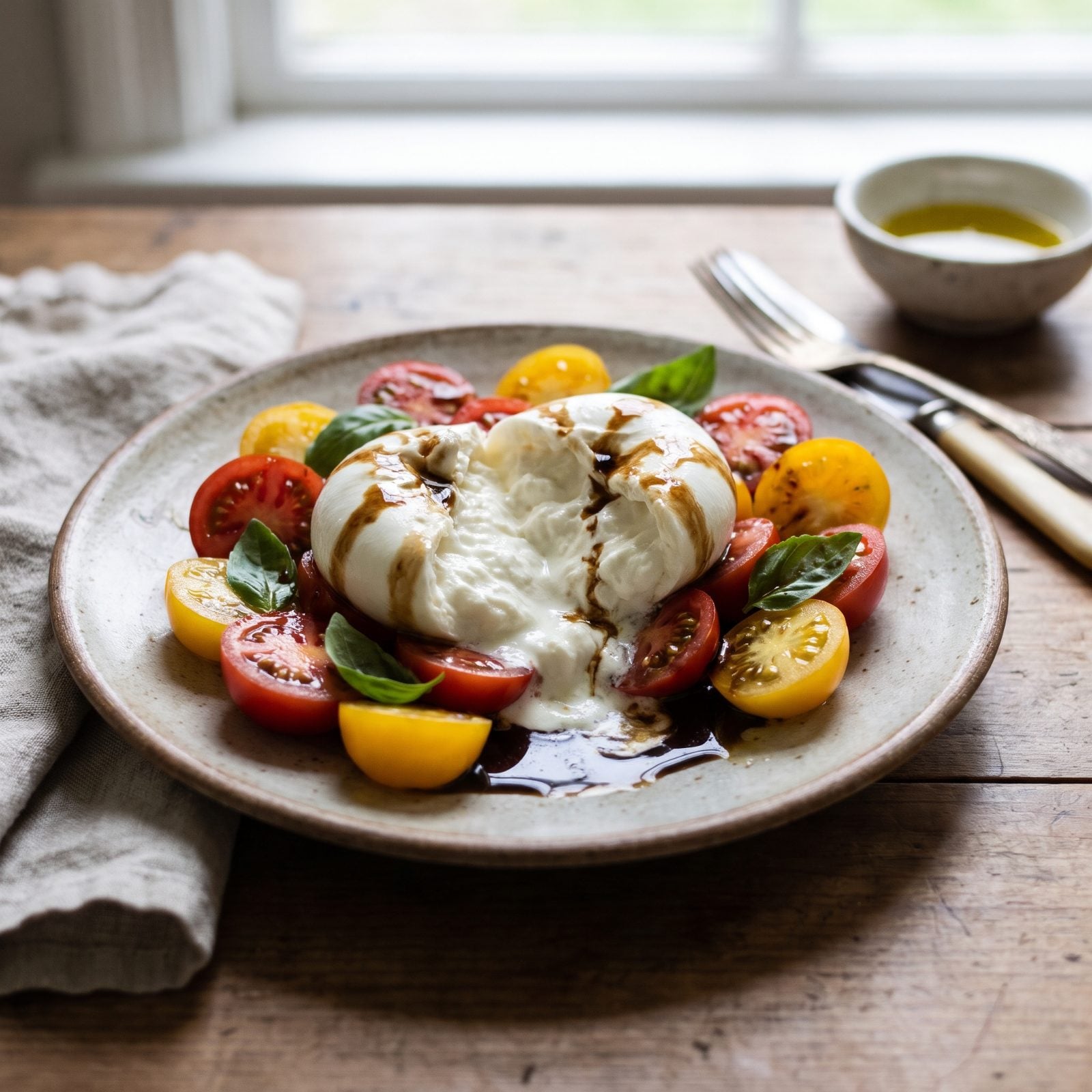
This one hurts a little. Burrata with good heirloom tomatoes is genuinely one of the best things you can put on a plate in August, so the dish itself isn’t the problem — the overexposure is.
Every summer menu in America runs the exact same version: torn burrata, rainbow tomatoes, that thick balsamic glaze squeezed in a decorative zigzag. Chefs are tired of the balsamic reduction specifically, the sweet syrupy stuff that drowns everything it touches. Expect the burrata to survive 2027 and the glaze to quietly disappear.
31. Freakshakes Towering With Candy and Whole Cake Slices
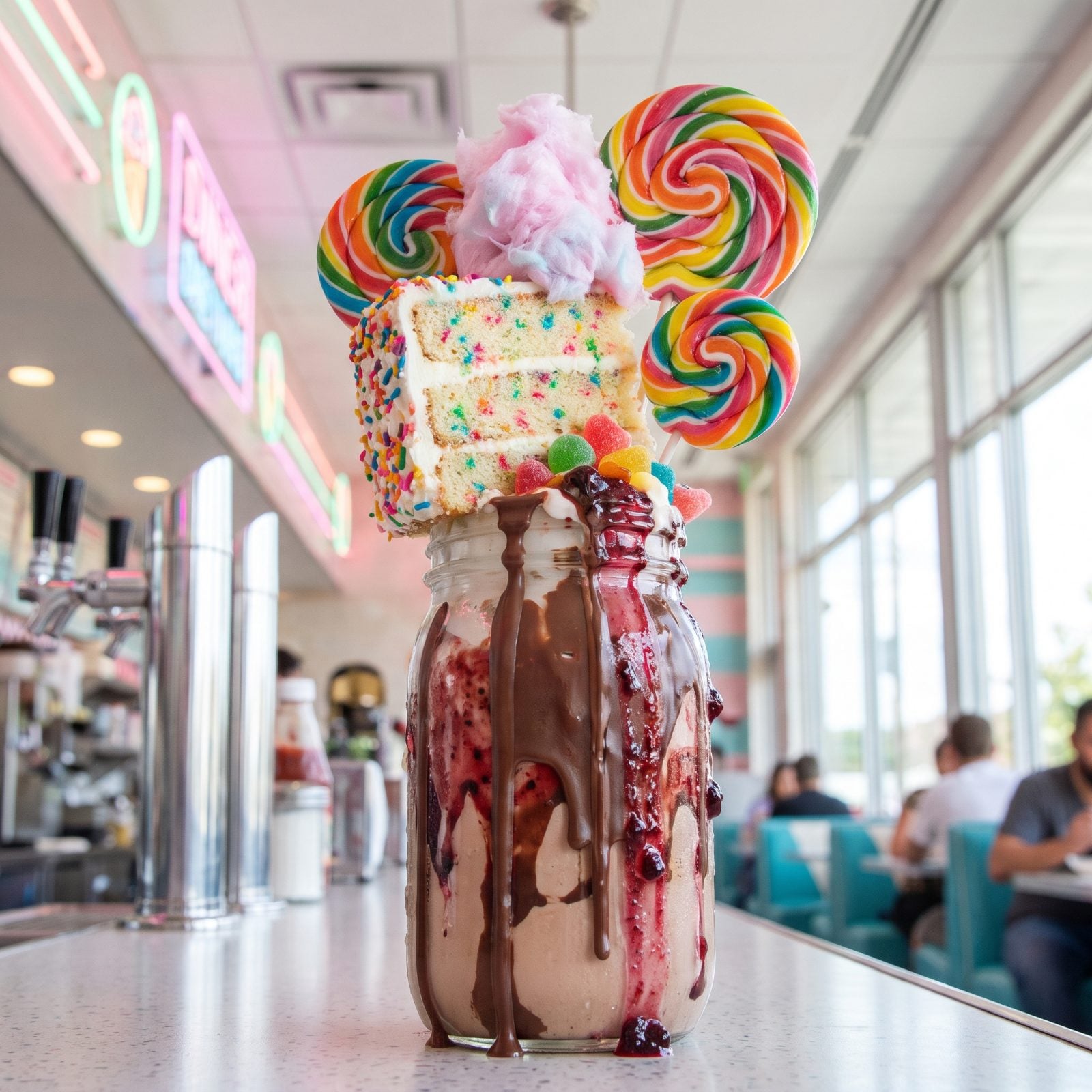
The dessert that was never meant to be eaten. Freakshakes piled whole cake slices, candy bars, and a crown of whipped cream onto a milkshake you physically could not drink through a straw. The whole production was about the photo, the gasp, the share — flavor and sense never entered the room.
Maximalism this loud burns out fast. By the time a trend requires a second person to hold the glass while you take the picture, it’s already on borrowed time. Chefs expect the freakshake to read as peak 2017 excess, the sugar-rush equivalent of a bedazzled phone case.
30. Cauliflower Steak Standing In as a Center-Plate Entrée
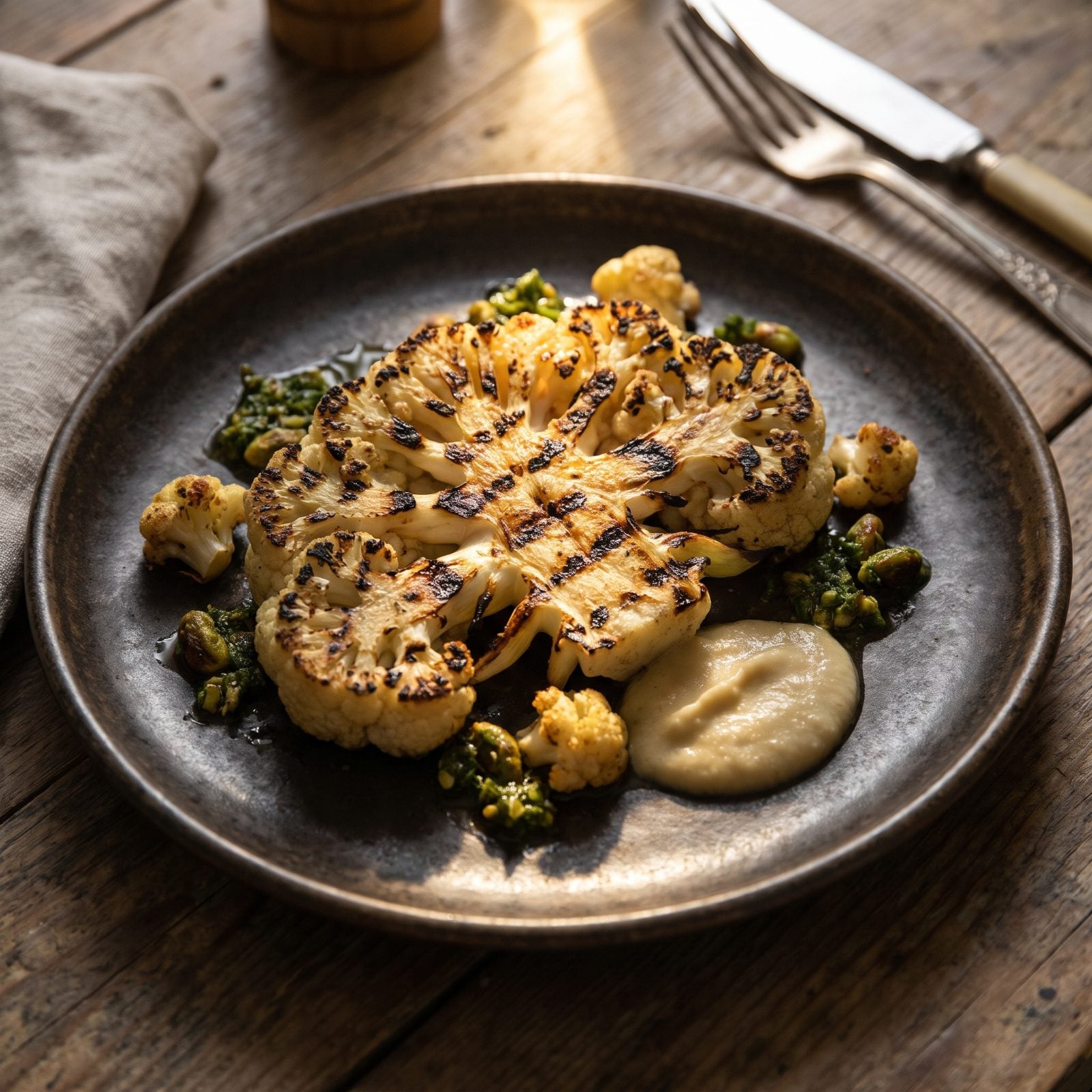
The cauliflower steak was a well-meaning idea that solved a real problem badly. Restaurants needed a vegetarian entrée that felt substantial, so they cut a cross-section slab, charred it, and plated it like a ribeye — then charged ribeye prices for a vegetable that often arrived mushy at the edges and raw at the core.
Plant-based cooking has gotten far more interesting since. A single hero vegetable pretending to be meat now feels like a first draft, and chefs treat it that way: useful in its moment, past its moment now.
29. Deconstructed Cheesecake Scattered Across the Plate
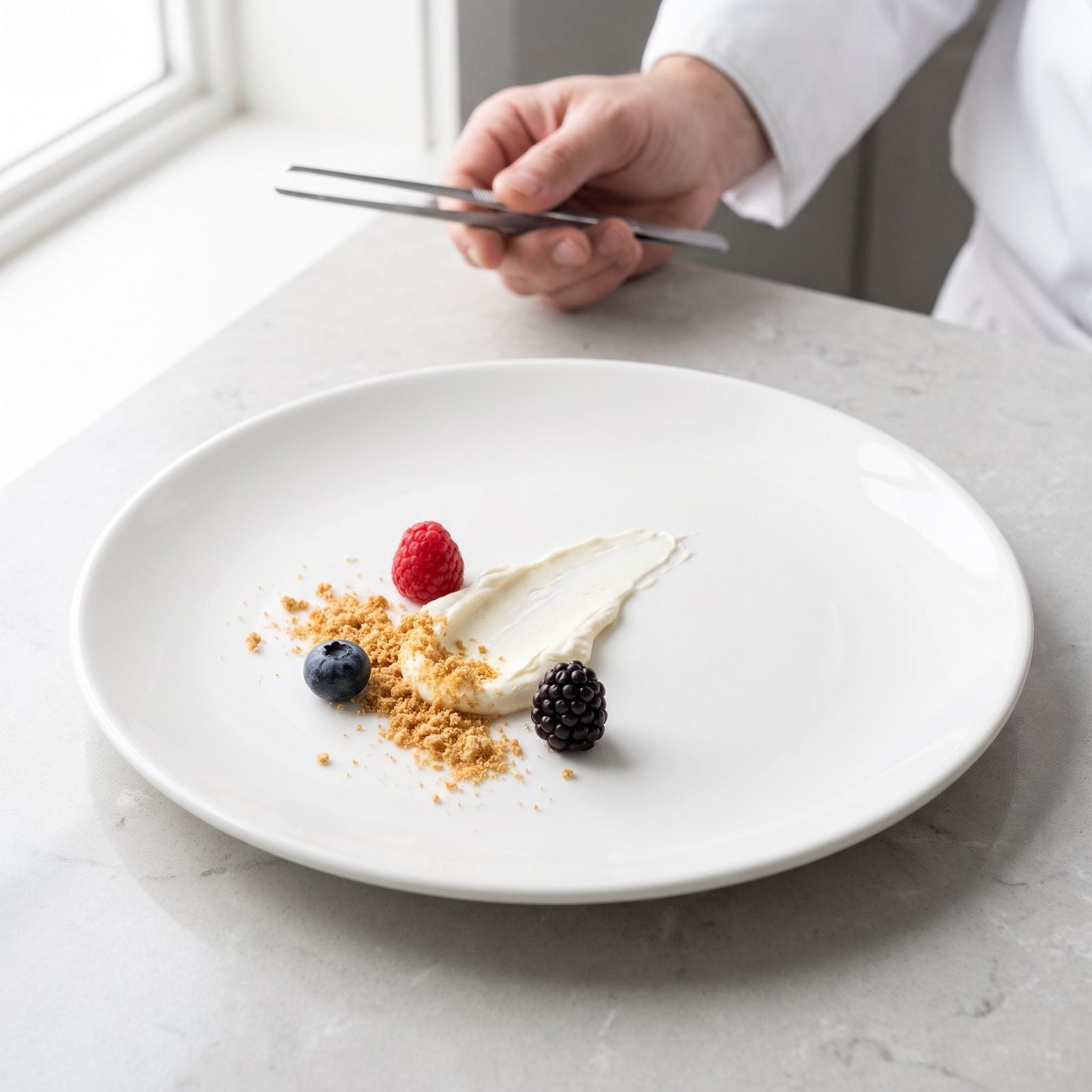
You know the plate. A swipe of cream, a pile of crumbs, three berries placed with tweezers, and a shard of something standing upright for drama. It’s cheesecake, technically — if you assemble it yourself with the back of your fork.
Deconstruction had a real intellectual appeal when it was new, letting chefs show off the components and the technique. But diners eventually asked the obvious question: why did I pay fourteen dollars to rebuild my own dessert? The gimmick wore through. People want the slice.
28. Build-Your-Own Poke Bowls on Assembly-Line Counters
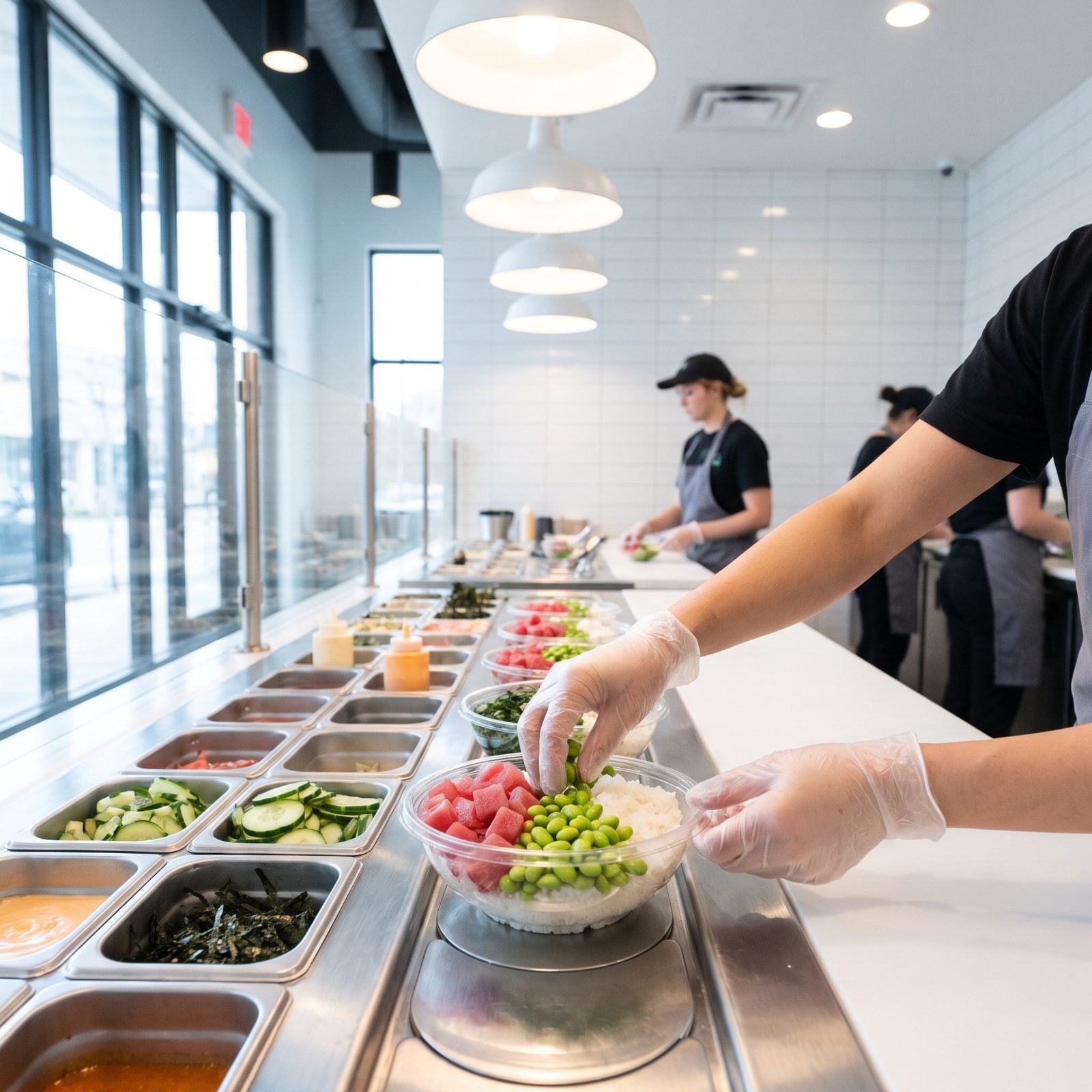
Poke went from a Hawaiian fishmonger tradition to a strip-mall assembly line in about three years flat. The build-your-own counter model — point at ingredients, watch them scoop, pay by the topping — made it scalable and stripped out everything that made it good.
What you get now is often watery tuna, gummy rice, and a mayo drizzle in a tidy lattice that screams “fast casual” louder than it says “fresh fish.” Chefs expect the counter format to feel as tired as the chopped-salad place next door.
27. Rainbow Bagels Smeared With Funfetti Cream Cheese
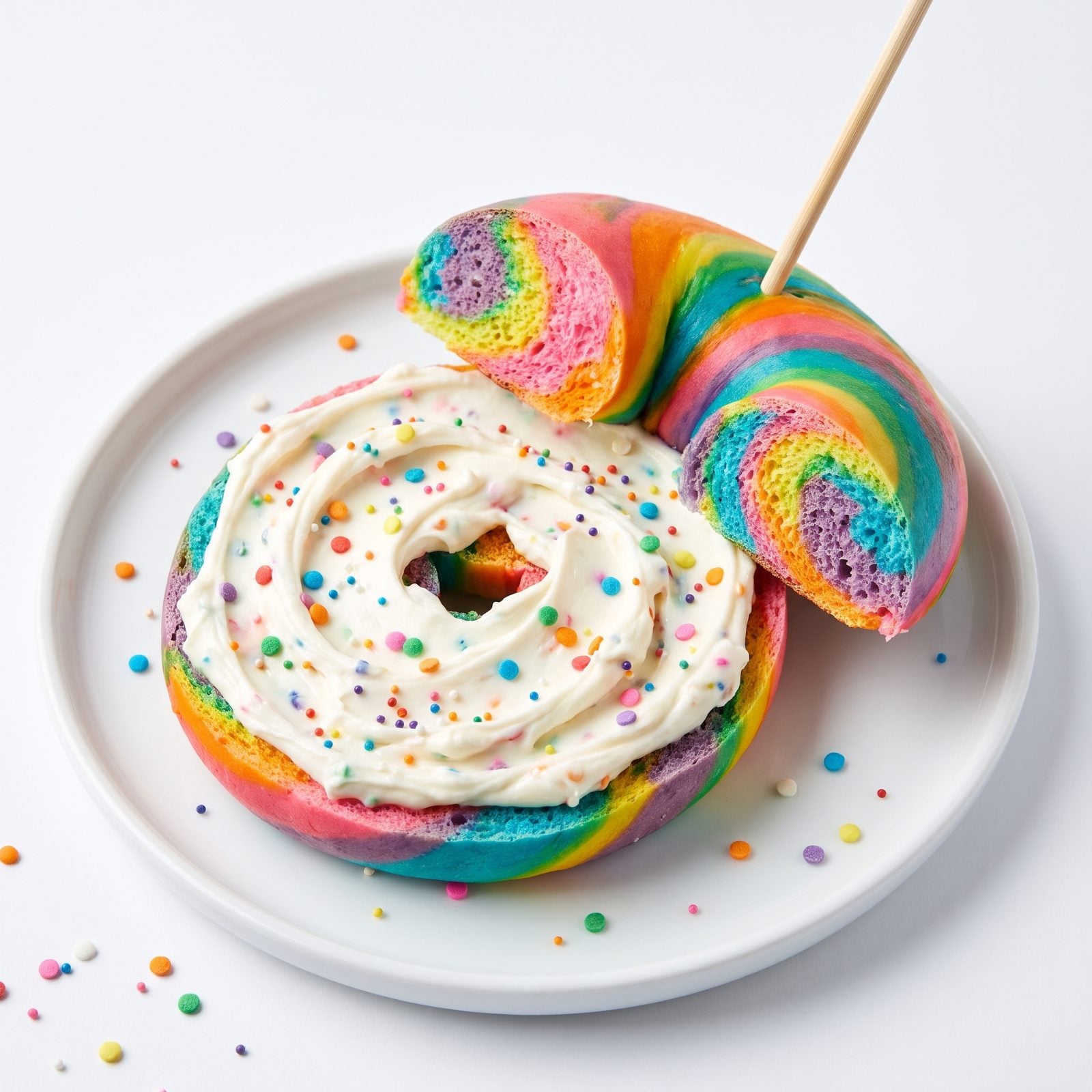
The rainbow bagel was a sugar-and-food-dye fever dream that owned 2016. A Brooklyn bakery blew up overnight, lines stretched around the block, and the whole thing ran on one currency: the cross-section photo of those psychedelic swirls.
Strip away the color and you had a dense, sweet, slightly wrong bagel smeared with sprinkle cream cheese. Candy in a bagel costume. As a bagel, it failed. As a photo, it peaked and crashed almost instantly.
26. Roasted Bone Marrow With Toast Points
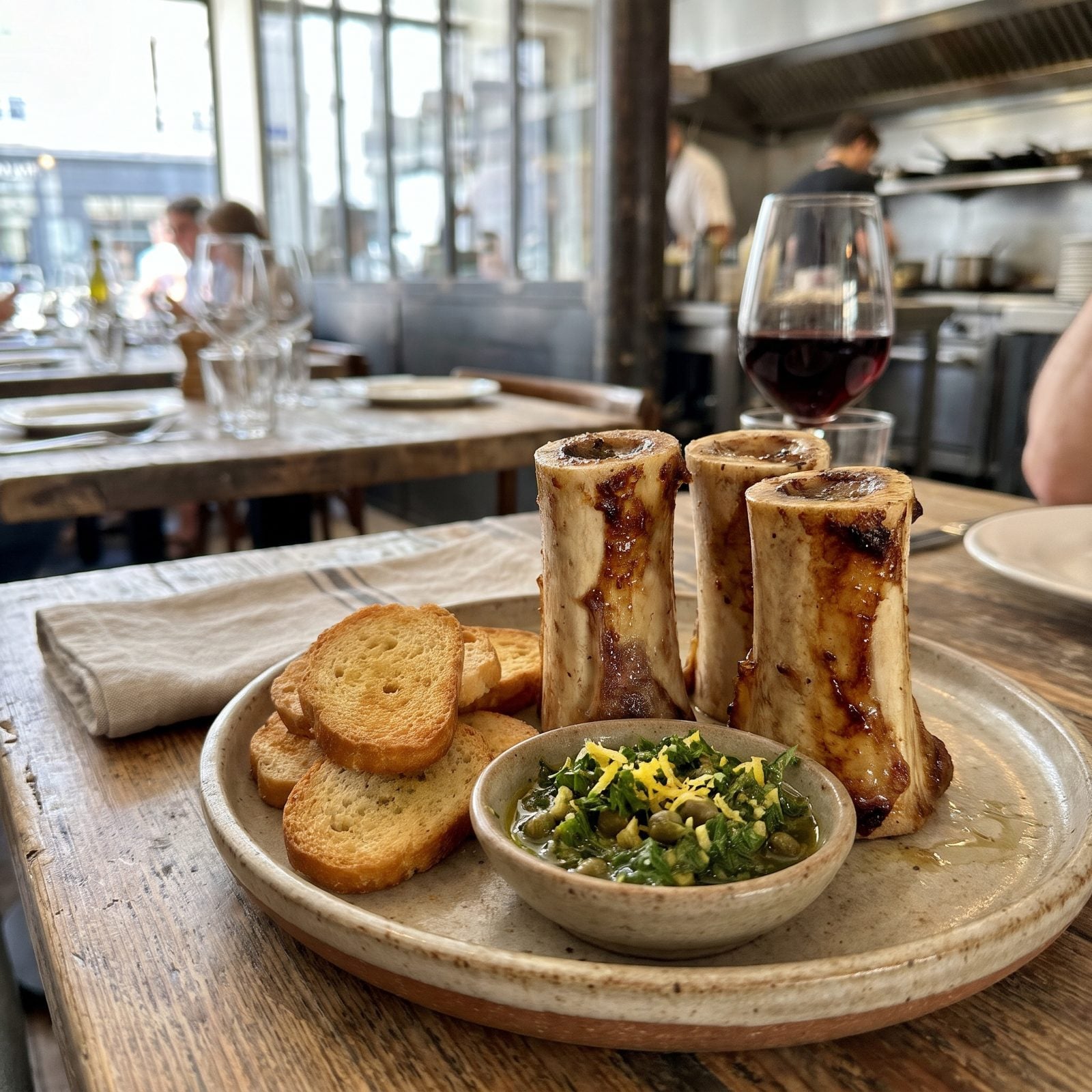
For a decade, bone marrow was the gatekeeper dish. Order it and you signaled you knew food. The parsley-caper gremolata, the little spoon, the charred toast points standing at attention — it became shorthand for a certain kind of gastropub that opened somewhere between 2011 and 2016.
The flavor isn’t the problem. It’s still rich and primal and good. The trouble is that marrow turned into a costume, and chefs say it now reads as a menu trying to prove its credentials rather than actually cook. When every farm-to-table spot runs the identical plate the identical way, the novelty hardens into cliché.
25. Quinoa Buddha Bowls With Color-Coded Toppings
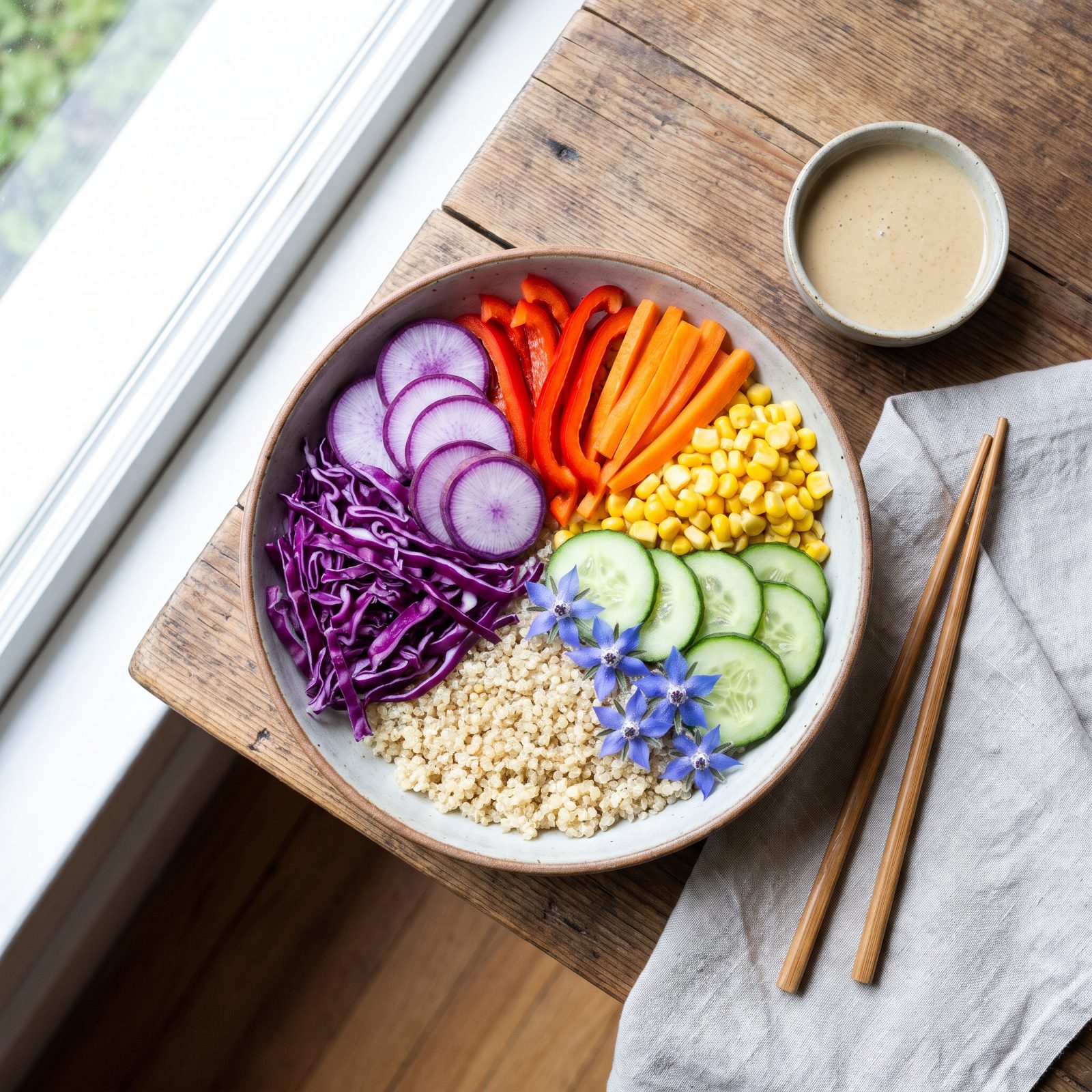
You know the bowl. Everything sorted into its own tidy wedge like a color wheel someone ate — purple cabbage at nine o’clock, raw carrot sticks at two, corn at three, a fan of cucumber slices positioned for the photo.
It was the uniform of wellness cafes from roughly 2015 through the pandemic, and the compartmentalized look got so standardized that bowls started reading less like meals and more like assembly diagrams. Chefs tell me it’s the arrangement itself that’s tiring, not the ingredients. Diners have begun seeing the precise color-coding as a performance of health rather than something a person actually wants to eat.
24. Thai-Style Rolled Ice Cream
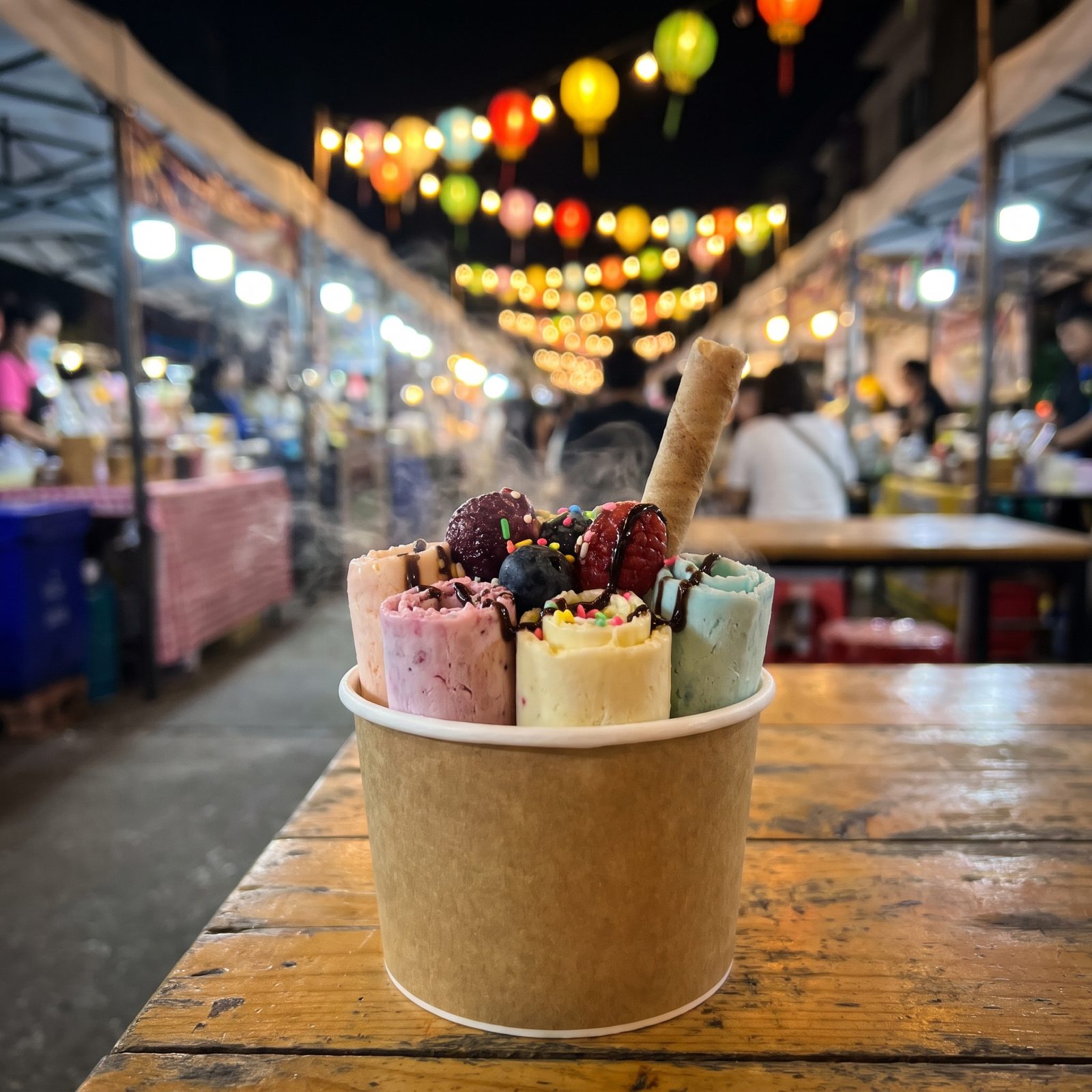
This was built for the phone, not the mouth. The whole appeal was watching liquid cream get smeared onto a frozen plate, scraped into ribbons, curled into those little scrolls, then buried under an avalanche of toppings.
It blew up around 2017 on video feeds and multiplied across mall food courts overnight. A dish designed purely to be filmed dies the moment the feed moves on. Chefs expect the rolled-ice-cream stall to read as a very specific 2017 artifact — the frozen-yogurt shop of its brief era.
23. Spicy Vodka Rigatoni
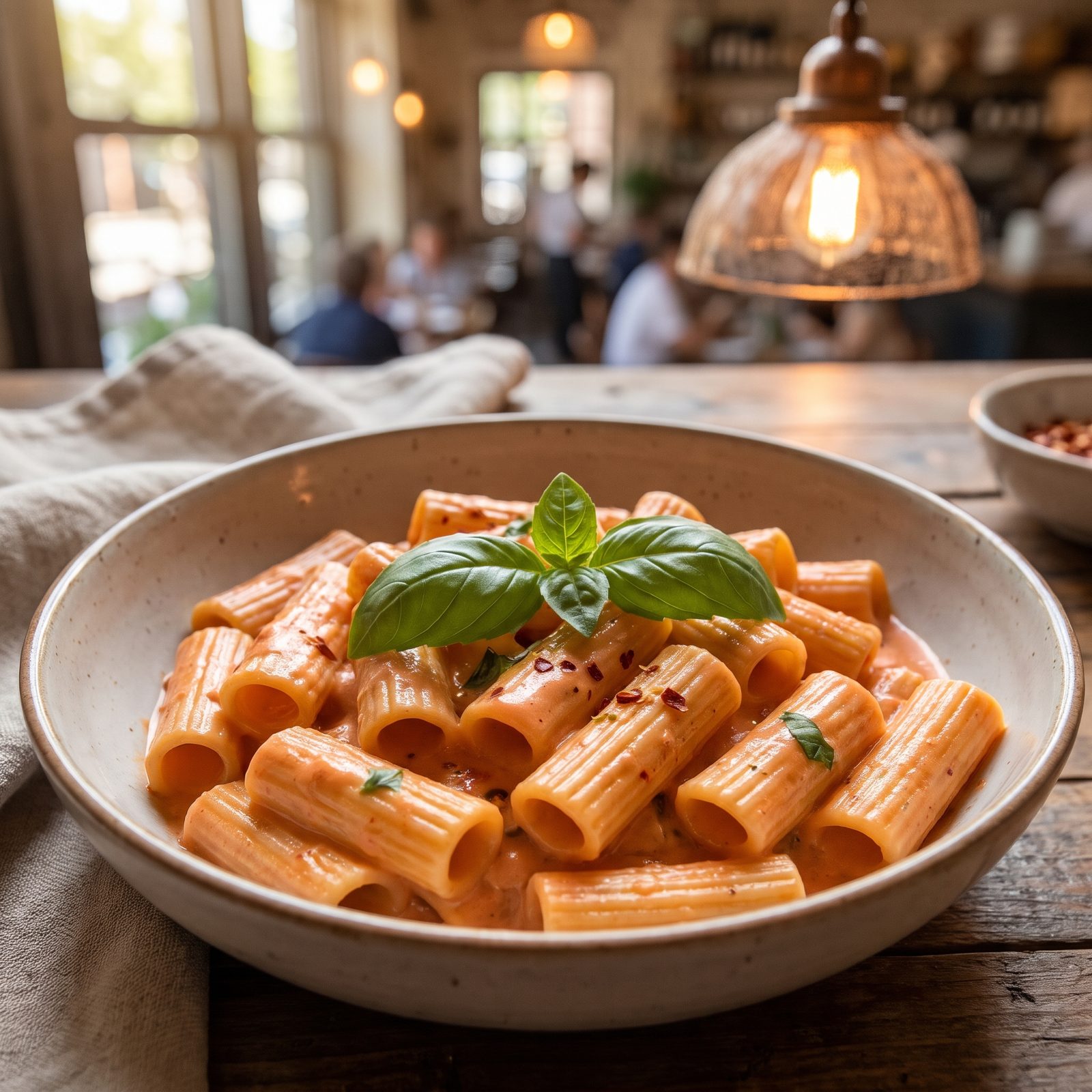
Pink sauce had a moment, and the moment was loud. Spicy vodka rigatoni went from a quiet red-sauce staple to the single most photographed pasta of 2021, powered almost entirely by video and that creamy-with-a-kick thing everyone suddenly wanted.
My honest take? It’s still delicious, and it isn’t going anywhere off menus. But chefs expect it to lose its it-girl status the way truffle fries did. Once something becomes the default order for an entire year, it stops feeling like a choice and starts feeling like a reflex. By 2027 it’ll read as the pasta everybody ordered in 2021.
22. Hot-Honey Pepperoni Pizza
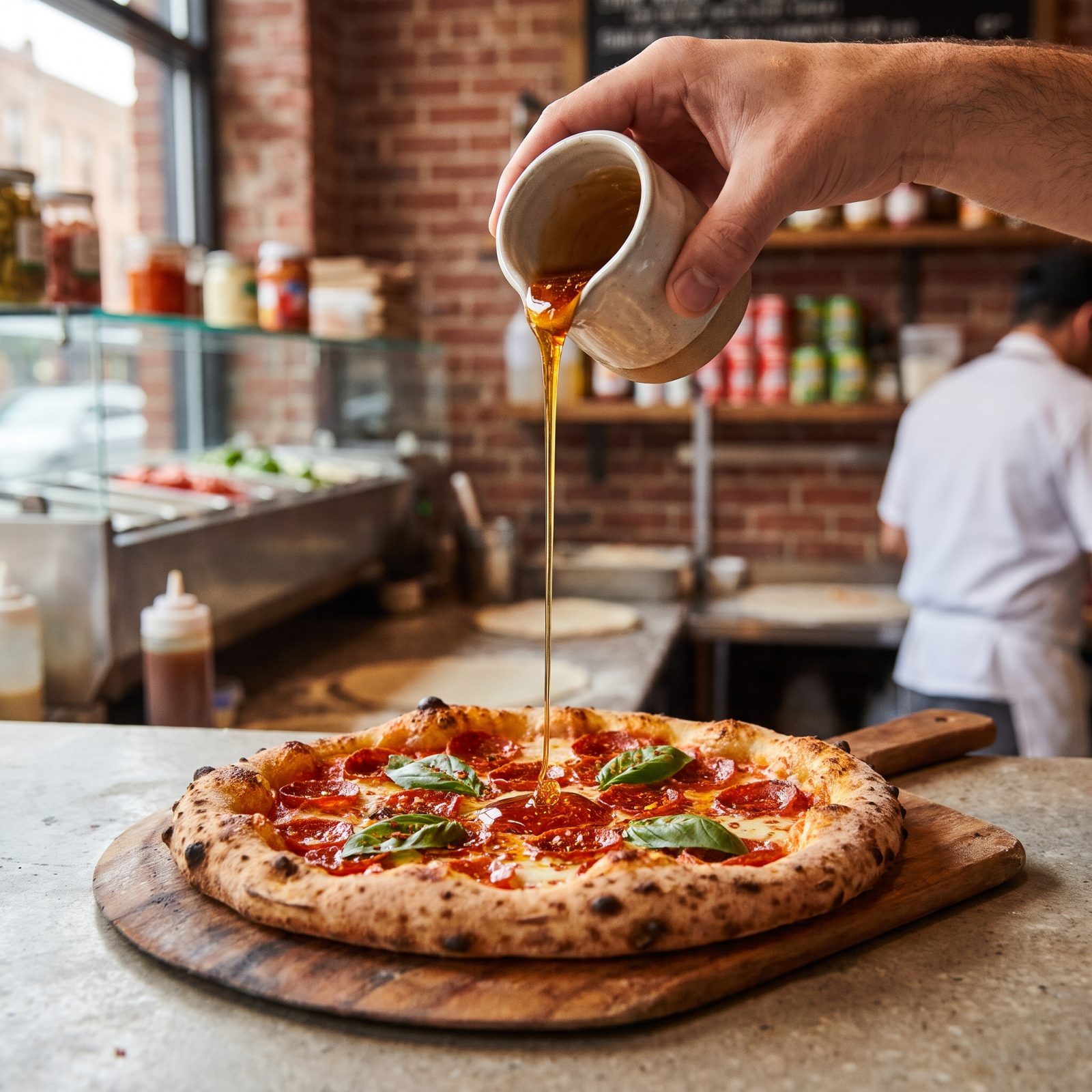
The honey drizzle changed everything for a few years. Cup-and-char pepperoni, blistered crust, then that sweet-hot ribbon poured over the top at the last second — it became the signature move of every new-wave pizzeria from Brooklyn to Boise.
Then hot honey jumped from pizza to fried chicken to biscuits to cocktails, and that’s exactly the problem. When a condiment ends up on everything, the pizza that introduced it to the mainstream starts to feel like a 2020-era move. Tastes great still. It just no longer signals a kitchen doing anything new.
21. Oversized Sushi Burritos
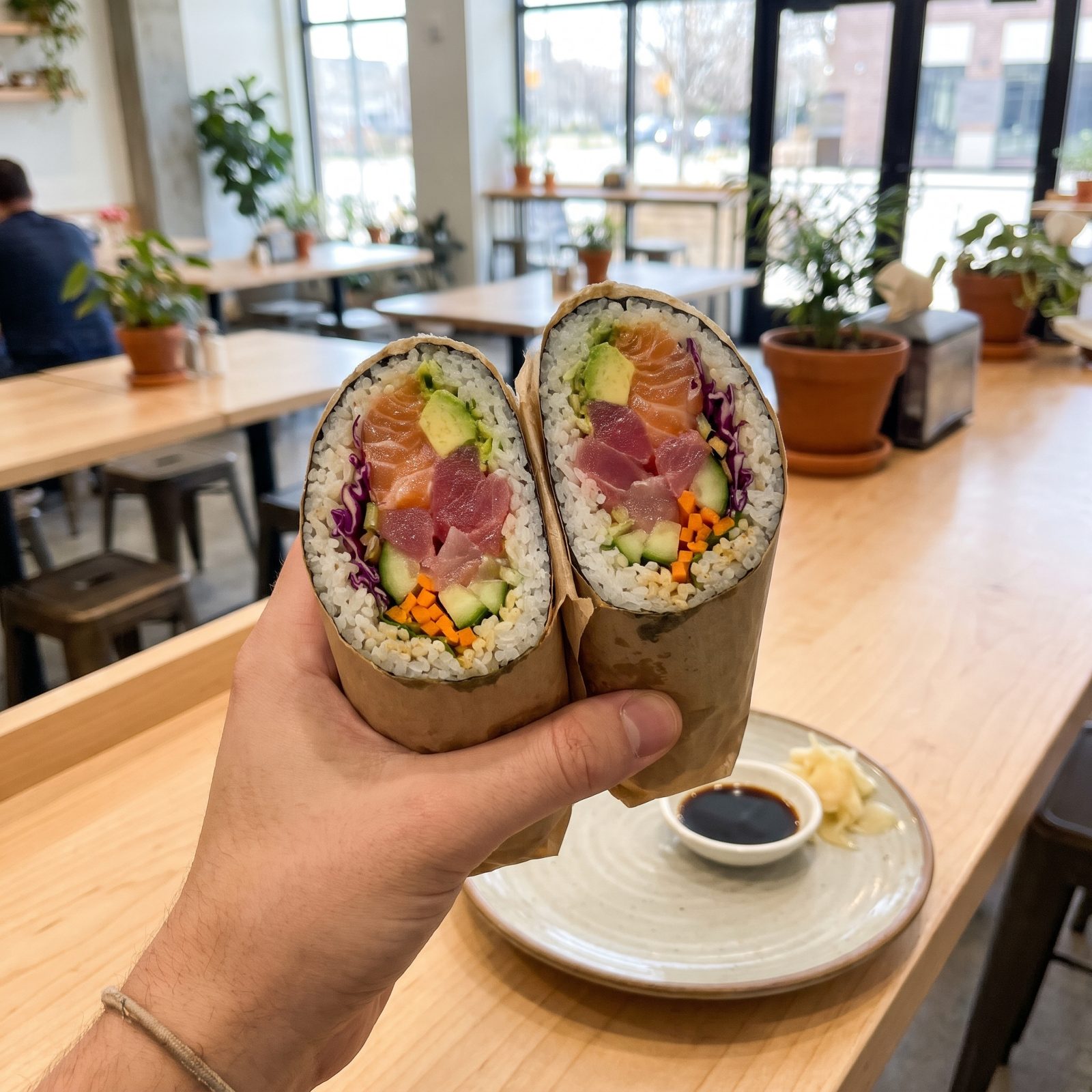
Sushi, but the size of your forearm. The sushi burrito was a fast-casual invention built around a simple pitch — roll flavors you could eat with one hand while walking.
It peaked across 2016 and 2017, when build-your-own counters opened in every downtown lunch corridor. The novelty was the scale, and scale novelties don’t age well. Most chefs now see the oversized hand-roll as a solidly mid-2010s gimmick, the kind of thing that felt clever once and fussy later. That giant cross-section photo is the real giveaway.
20. Cereal-Milk Soft Serve
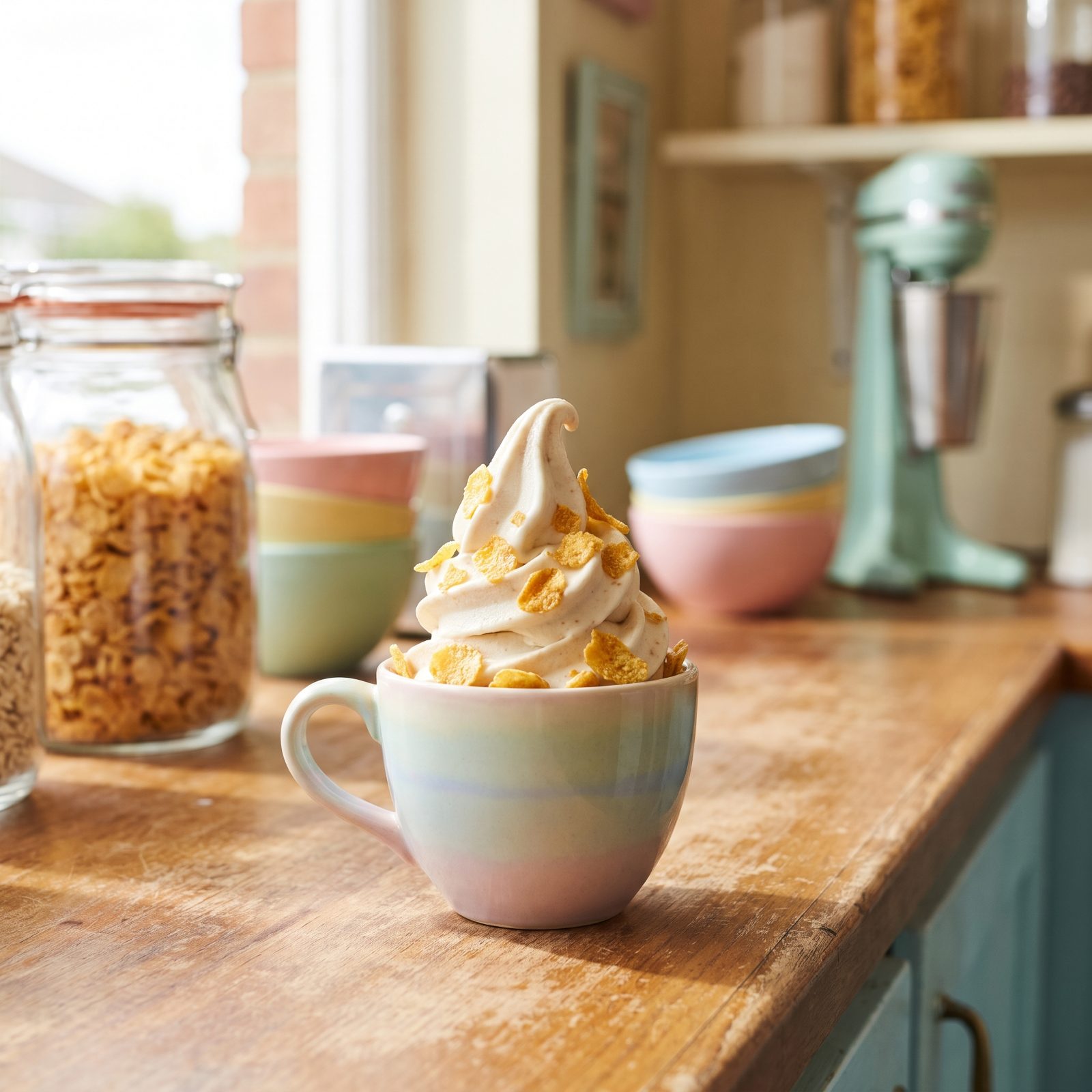
This one came straight out of a single bakery and spread everywhere. The toasted, slightly sweet taste of the milk left at the bottom of a cereal bowl, spun into soft serve and topped with crushed flakes.
Momofuku Milk Bar made it famous, and for years cereal-milk everything turned up on dessert menus, in lattes, in cocktails. Nostalgia flavors burn bright and short. This one leaned entirely on a childhood memory, and once every ice cream shop in town ran its own version, the memory stopped feeling personal. Chefs expect it to land as a late-2010s dessert-menu reflex.
19. Zucchini Noodles With Pesto
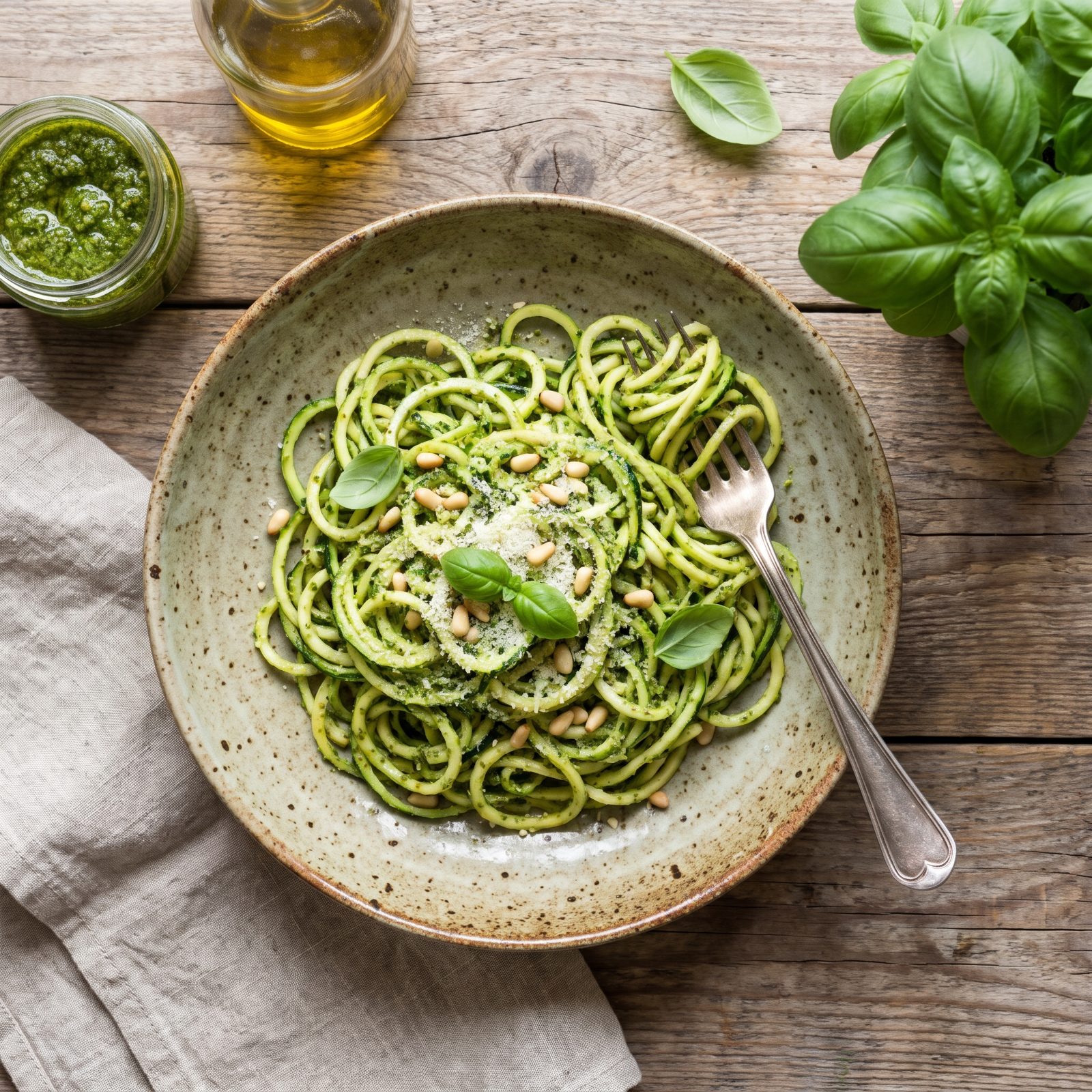
Zoodles. The word alone dates it. Spiralized zucchini standing in for pasta rode the low-carb and paleo waves hard around 2014 to 2017, back when the spiralizer was the gadget every kitchen suddenly owned.
I’ll say it plainly: nobody was ever actually fooled. Zucchini noodles are a watery, pleasant vegetable, not pasta, and the pretense that they were a swap is what feels dated now. Diners have made peace with eating real pasta sometimes. The dish survives fine as a genuine vegetable side — it’s the noodle-replacement framing that belongs to the spiralizer-obsessed years.
18. Ramen-Noodle Burgers
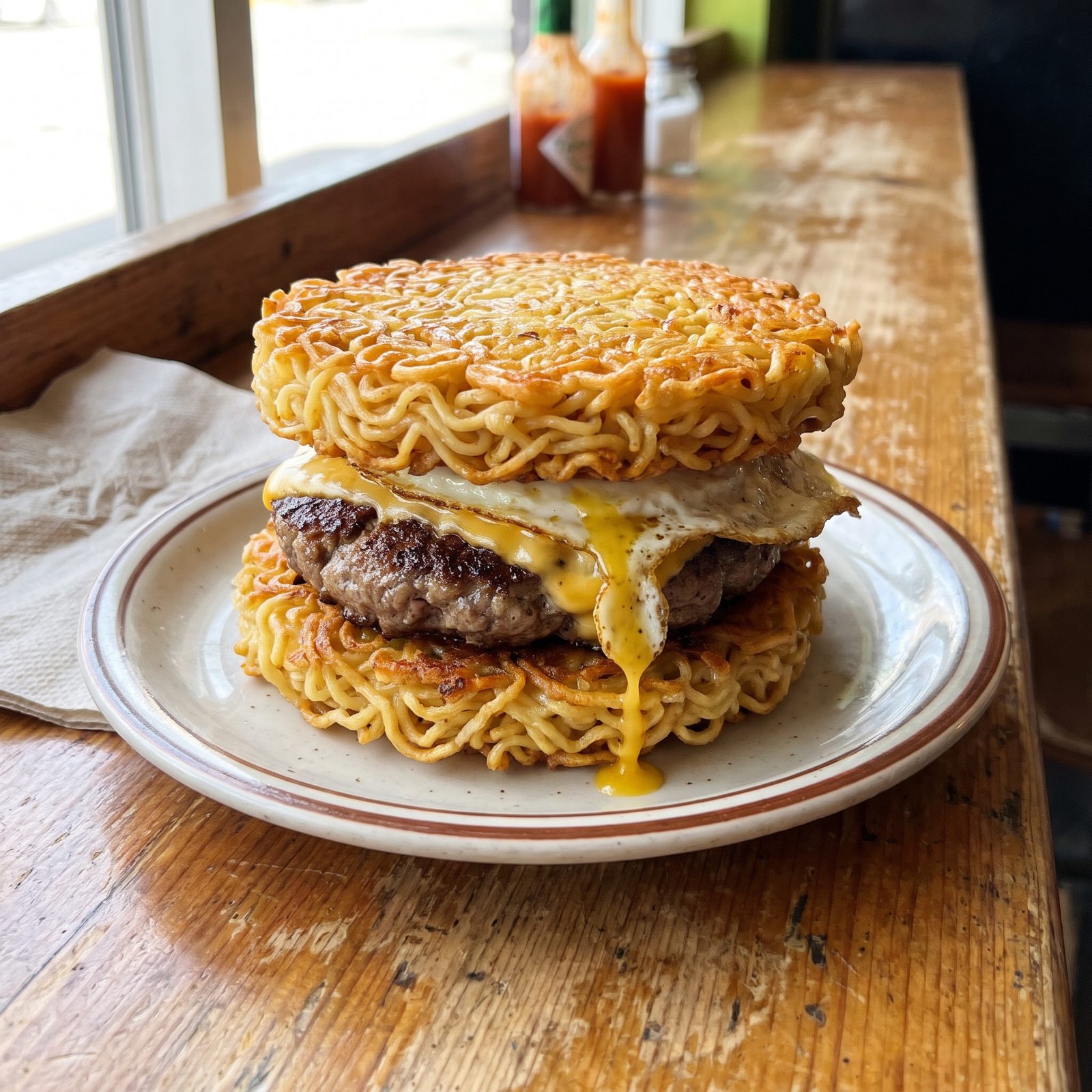
Two discs of fried ramen standing in for a bun, with a patty crammed between them. Peak stunt food, the kind of mashup built specifically to go viral.
It had a hard, bright, short life around 2013 and 2014, mostly on the backs of a few restaurants and a tidal wave of shares. Stunt foods are the clearest timestamps of all — they exist to be photographed and talked about, never to become a regular order. Chefs file the ramen burger in the same drawer as the rainbow bagel and the freak shake, a novelty welded firmly to one specific year.
17. Açaí Bowls Arranged With Fruit and Granola
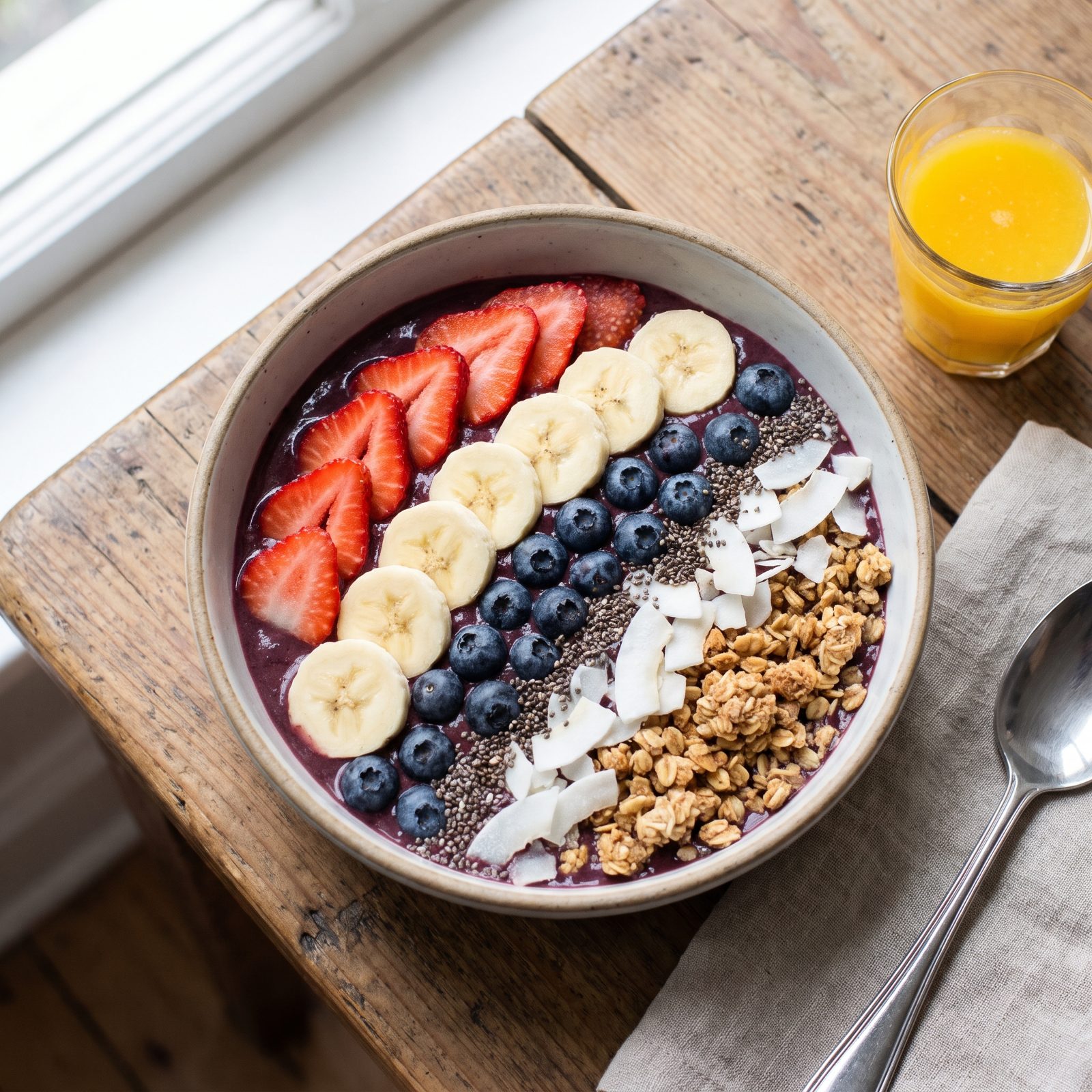
The açaí bowl might be the most photographed breakfast of the past decade. Deep purple base, fruit laid out in neat rows, granola in a tidy mound, a drizzle of nut butter to finish, a mint leaf dead center for the shot.
It became the emblem of a whole beach-wellness aesthetic. What chefs expect to feel overexposed is the arranged-for-the-camera styling — not the fruit, not the açaí, but the meticulous composing that turned breakfast into a still life. Once every cafe plates it identically, the arrangement stops impressing and starts dating.
16. Burgers Buried Under Tableside Raclette
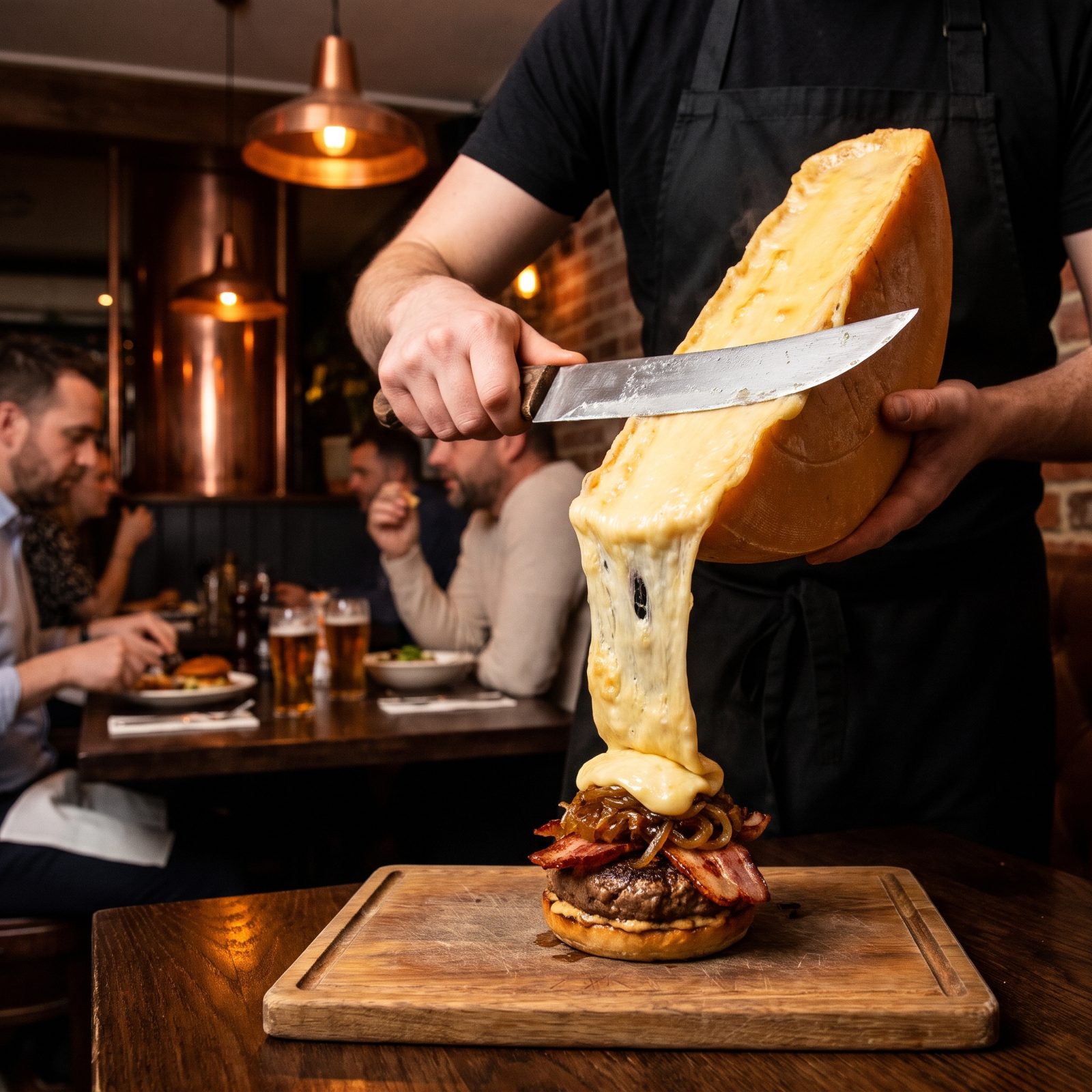
There was a stretch where no gastropub burger could exist without a half-wheel of raclette wheeled over and scraped across it while you watched. The theater was the whole point, and the cheese tasted fine, but what actually sold it was the show.
Spectacle ages. Once every third burger joint owns a raclette warmer, the move stops reading as special and starts reading as a 2018 bachelor-party backdrop. Chefs I trust expect this one to quietly retire to the back of the menu.
15. Japanese Soufflé Pancakes That Jiggle for the Camera
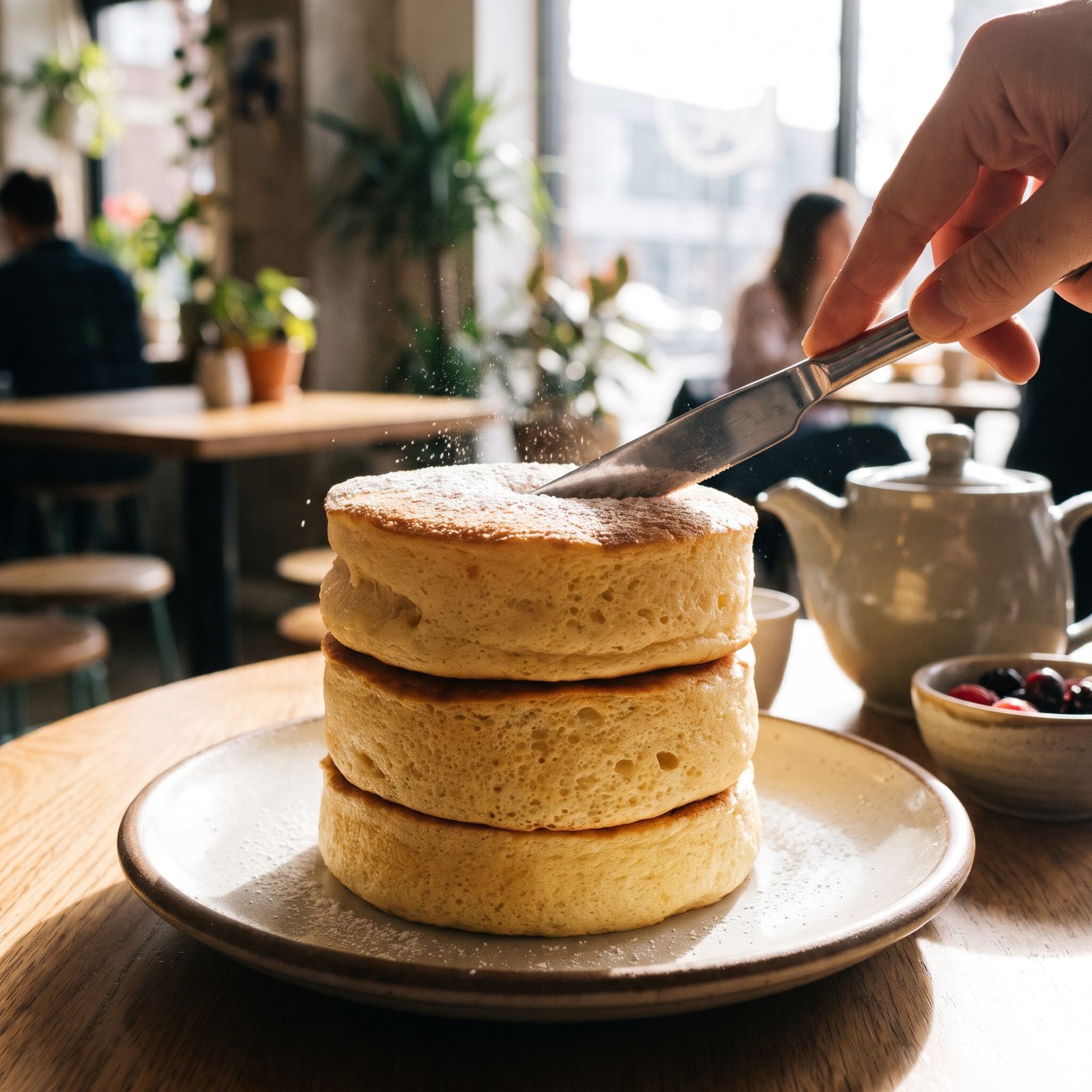
The jiggle was the hook. Those cloud-tall pancakes became a verb on social feeds, wobbling under a knife while a phone filmed the whole thing before anyone took a bite.
Let me just say it: they’re mostly air and anticipation. Delicious air, sure, but the queue-around-the-block mania was always about the video, not the flavor. A food trend that lives and dies on how it performs for a camera fades the moment the algorithm moves on. By 2027, waiting ten minutes for one order is going to feel like a lot to ask.
14. Pulled-Jackfruit Barbecue Sandwiches Pretending to Be Pork
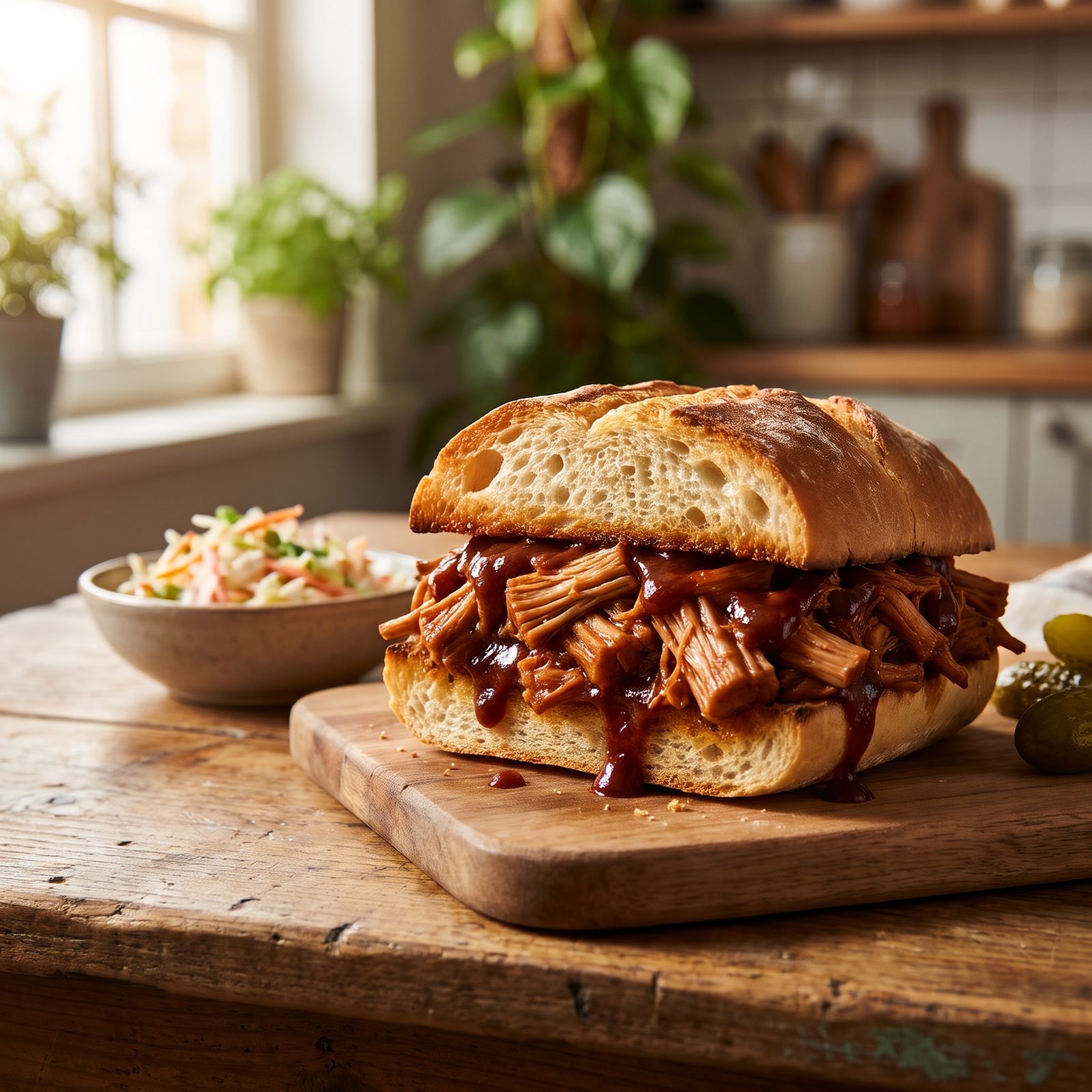
Jackfruit had a good run as the plant-based understudy for pulled pork. The texture genuinely shreds, and the sauce does most of the talking.
But diners figured out the trick. You’re mostly tasting barbecue sauce on a stringy fruit that never quite had the fat or chew of the thing it imitated. And as the newer generation of plant proteins got better, jackfruit started feeling like a 2016 answer to a question that’s since been solved. The chefs I asked expect it to slide off menus as a novelty that overstayed.
13. Bloody Marys Carrying an Entire Lunch on the Rim
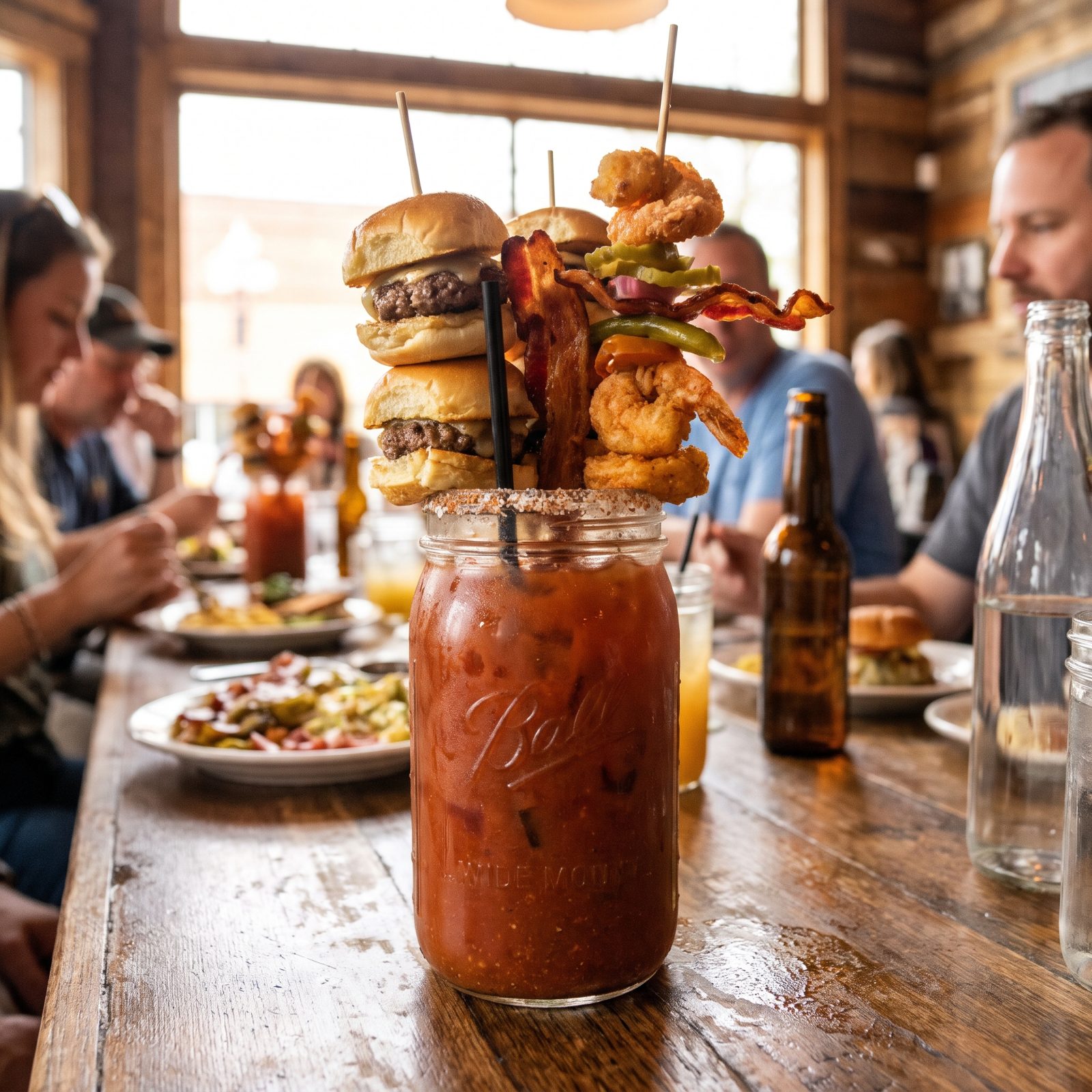
At some point a Bloody Mary stopped being a drink and became a scaffold for a full appetizer platter. Sliders on skewers, a whole fried chicken wing, a strip of bacon long enough to double as a bookmark.
It was always more stunt than cocktail. Nobody actually wants to eat a slider that’s been marinating in tomato juice for twenty minutes. The garnish tower was a brunch-menu arms race, and arms races burn out. The restrained, well-balanced Bloody is quietly coming back. The one wearing a sandwich hat? Borrowed time.
12. Edible Cookie Dough Scooped Into Little Cups
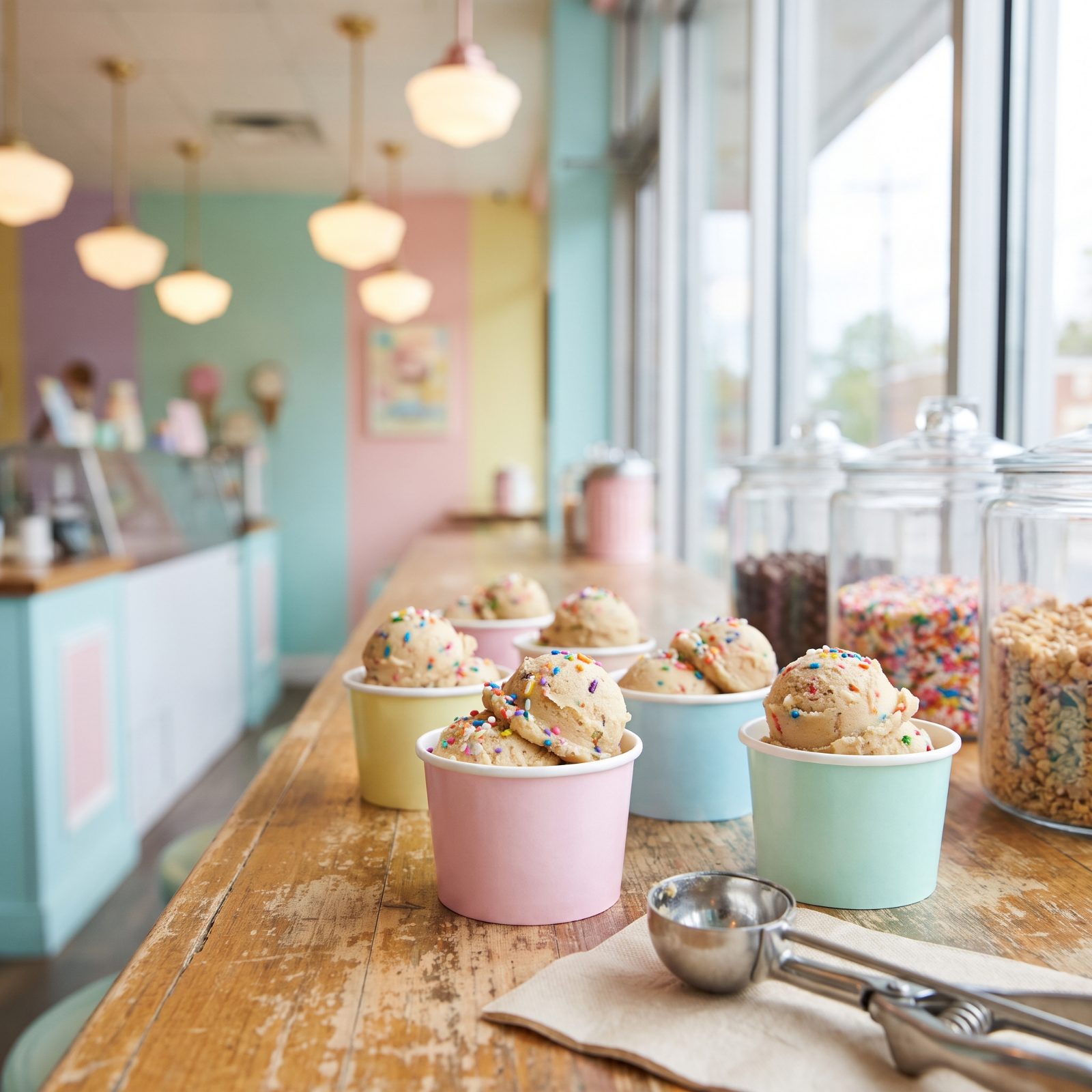
Raw cookie dough made safe to eat felt like a small rebellion when the first scoop shops opened. You got to do the thing your mother told you not to do, legally, for seven dollars.
And the novelty is the whole catch. Once the forbidden thrill wears off, you’re paying ice-cream money for a few spoonfuls of sugar and butter that sits heavy before you finish the cup. These shops already thinned out. By 2027, a cookie-dough bar as a destination is going to read like a relic.
11. Tuna Tartare Packed Into a Perfect Little Tower
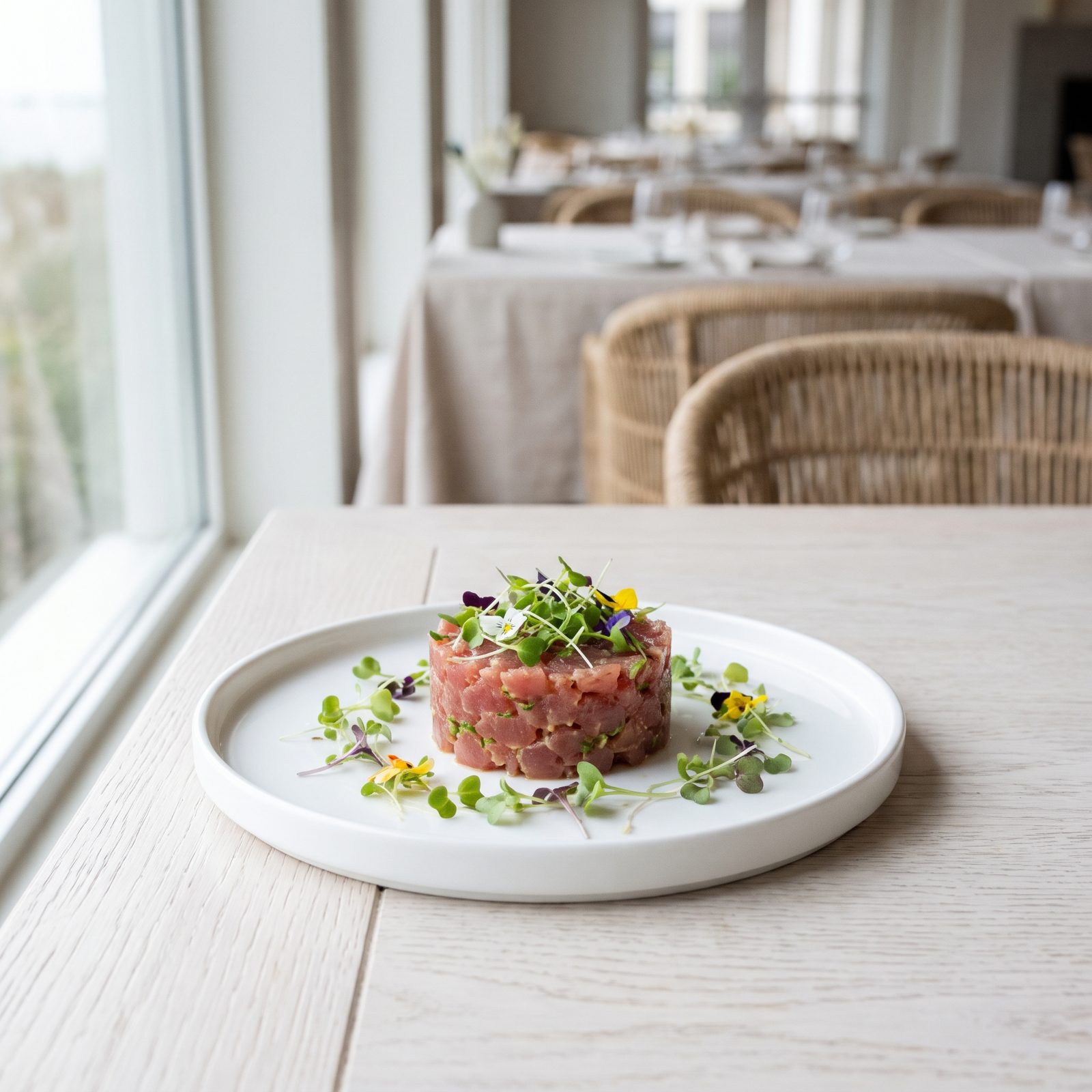
For a solid decade, you could walk into almost any upscale room and find raw tuna compressed through a ring mold into a neat cylinder, crowned with a quail yolk and ringed by avocado dots. It was the universal signal that a menu took itself seriously.
That very ubiquity is the kill switch. When every appetizer looks like it came out of the same metal tube, the tower stops saying refined and starts saying template. The fish is still great. The mold needs to go. Chefs are already plating tartare loose and casual to shake the 2012 association.
10. Plant-Based Burgers Engineered to Bleed on Cue
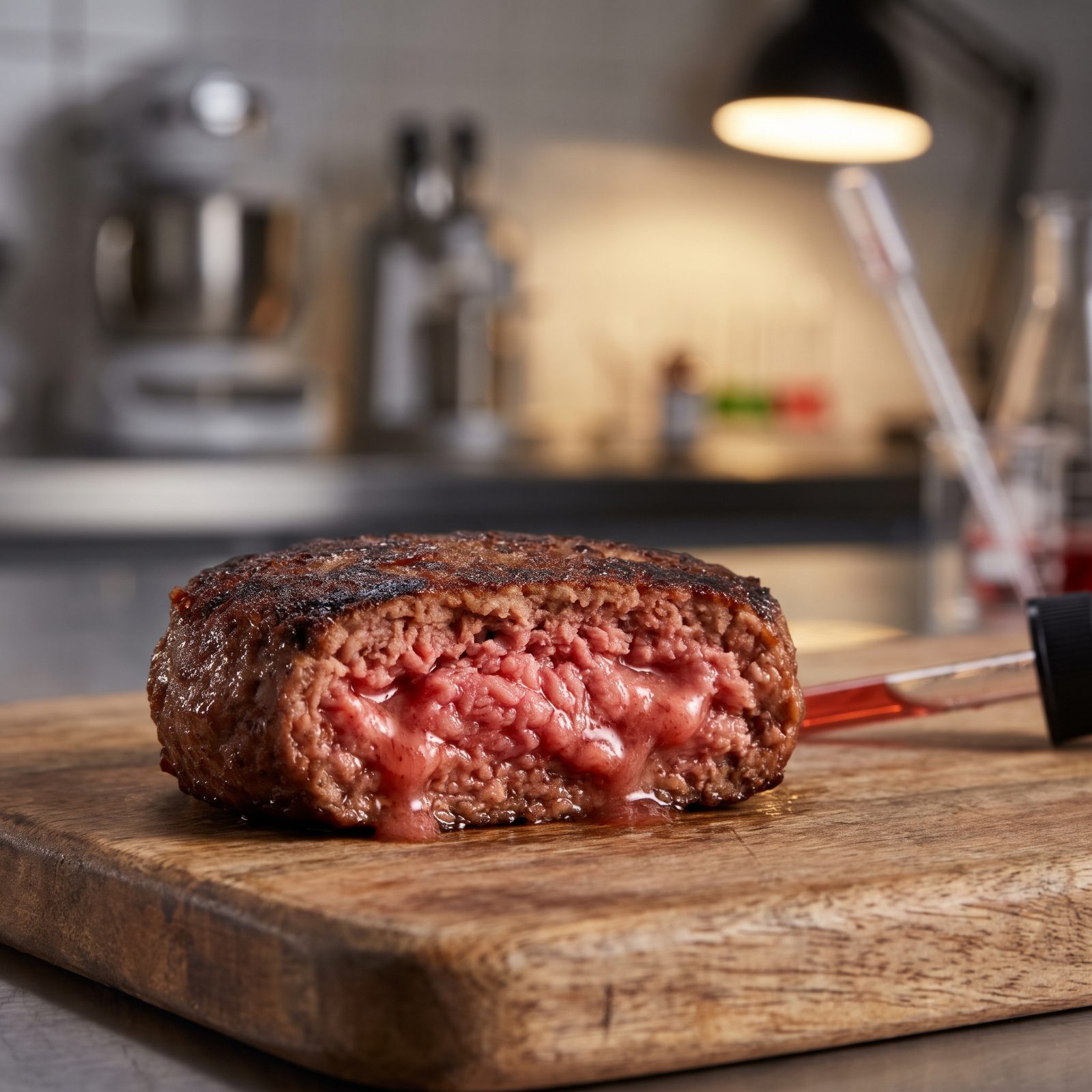
The bleeding veggie burger arrived like a party trick. Beet juice standing in for blood, a sear that fooled your eyes, a patty that insisted it was beef.
The hype crested hard, then the backlash came for the long ingredient list and the processed-food questions. Diners cooled on the idea that plant protein had to impersonate meat at all. The next wave leans into vegetables being vegetables, proudly, and that shift leaves the bleed-on-cue patty looking like a 2019 investor pitch that wandered onto a plate.
9. Molten Chocolate Lava Cake and Its Reliable Ooze
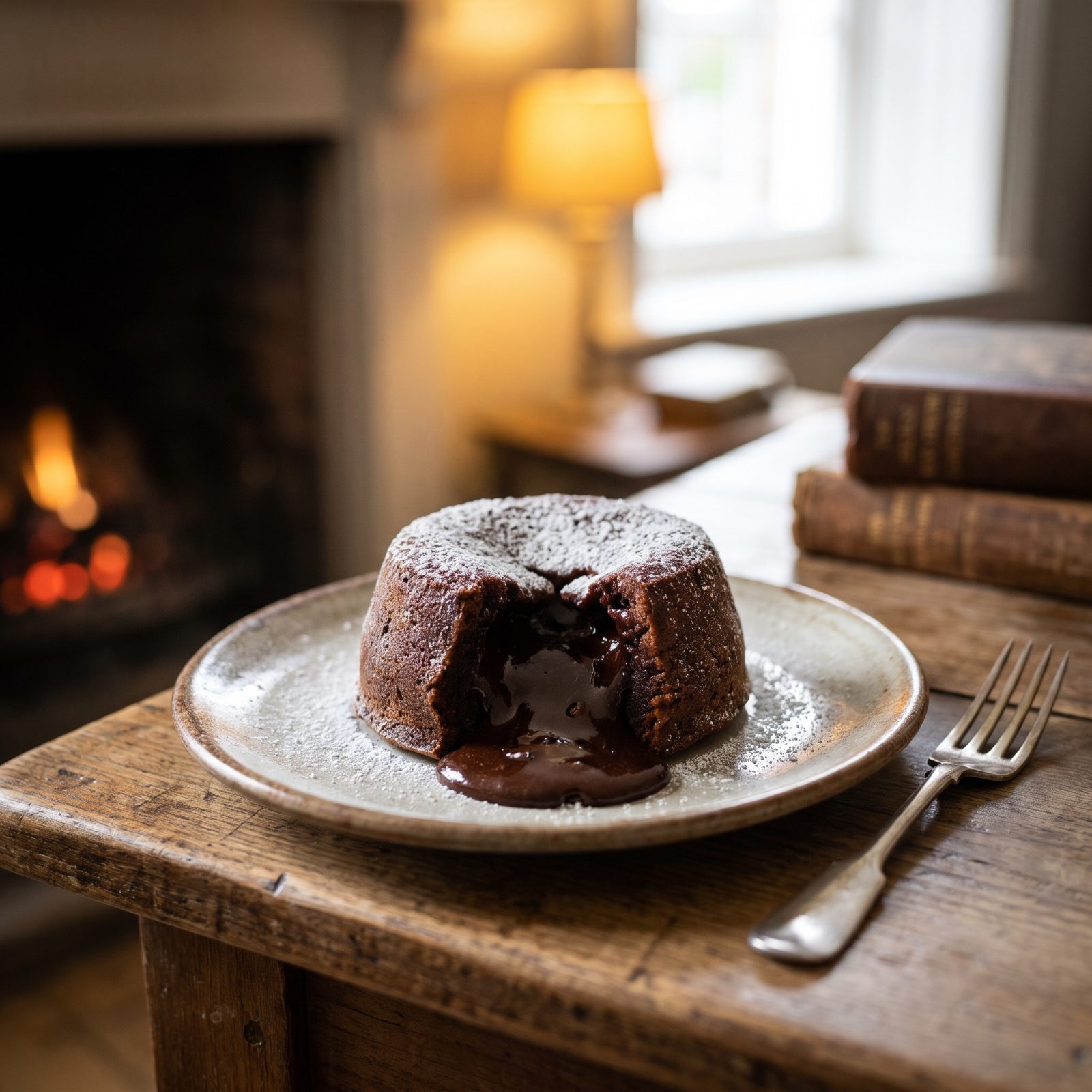
The lava cake has been the dependable closer for so long it’s practically furniture. Crack the crust, watch the chocolate run, add a scoop of vanilla, done. Credited to the 1980s fine-dining world and never gone since.
And that’s the trouble. A dessert that’s sat on every chain and bistro menu for forty years can’t feel exciting no matter how good it tastes. It’s not going extinct — it’s just going to read as the safe, slightly tired default, the thing you order when nothing else grabs you.
A dish that never left can get as dated as one that disappeared. Lava cake is the proof.
8. The Glazed-Doughnut Cheeseburger Nobody Needed Twice
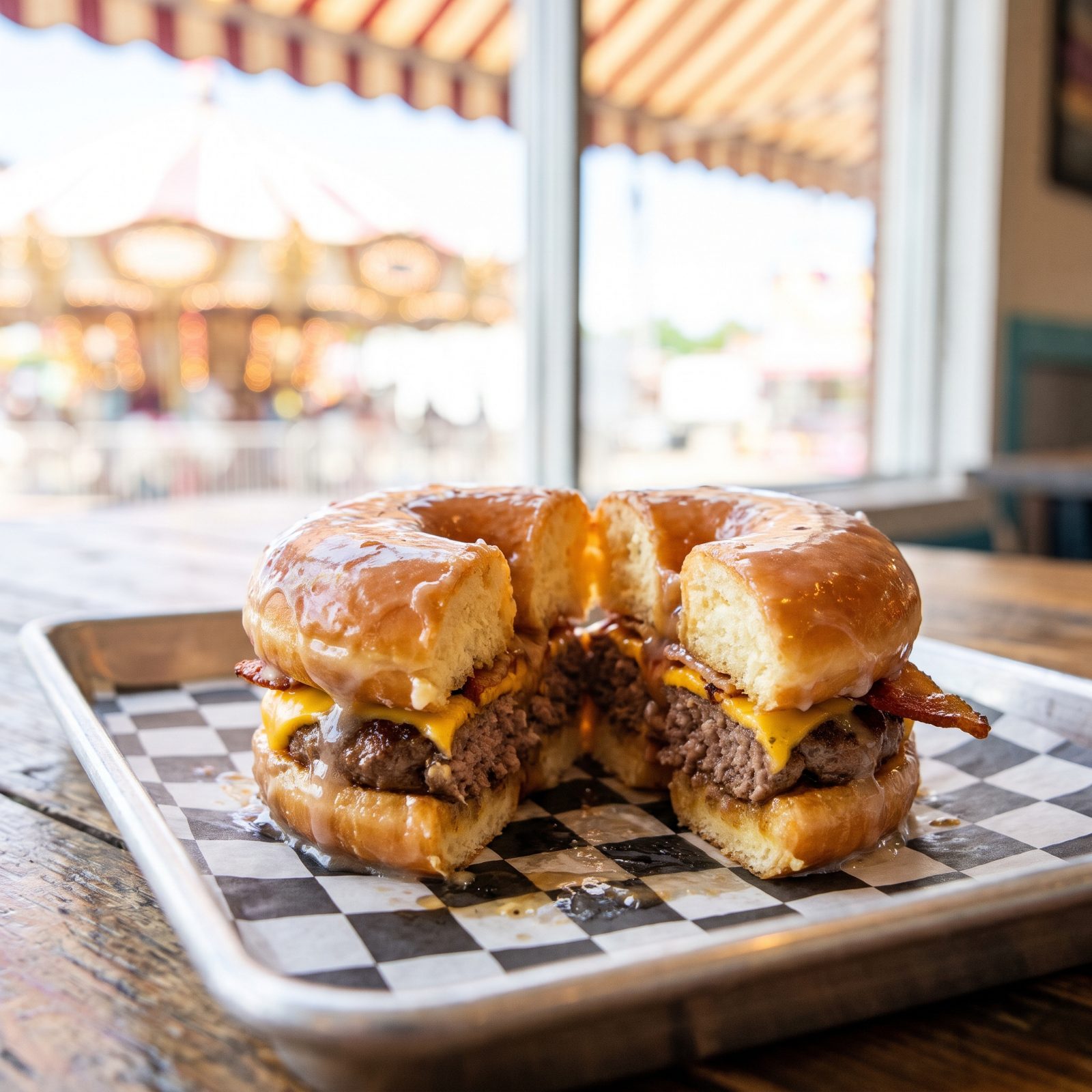
Sweet glazed doughnuts standing in for a burger bun was peak shock-value menu design. Fairs sold it. Chains tried it. Your feed demanded it.
You eat it once, you photograph it, you never order it again. The sweet-salty collision is interesting for about three bites before it becomes too much of everything at once. Dishes built to go viral have the shortest shelf life of all, because virality burns the novelty off before the kitchen has even printed the next menu. This one’s already a punchline.
7. Cacio e Pepe Spun Tableside Inside a Parmesan Wheel
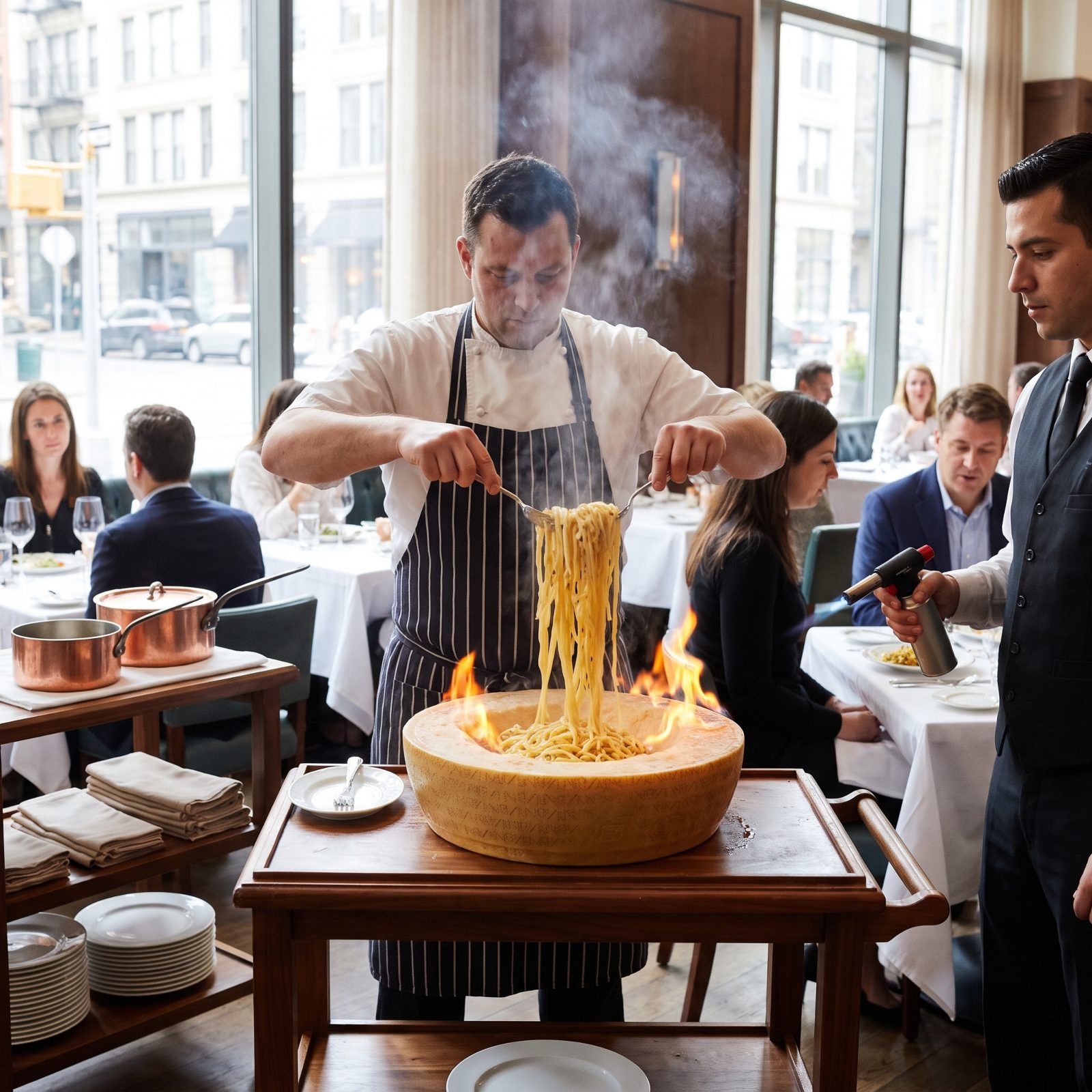
Watching your pasta get tossed inside a giant hollowed Parmesan wheel, the hot noodles scraping the rind into a creamy coat, is undeniably good theater. For a few years it was the surest way to signal a serious Italian spot.
Then it spread everywhere. Now the wheel shows up at tourist traps and strip-mall trattorias, and the move that once meant craft mostly means markup. A real cacio e pepe is three ingredients and a lot of technique, no prop required. The chefs I talked to expect the wheel to feel like a costume by 2027 — the kind of flourish that makes purists sigh.
6. Cheese-Dipped Birria Tacos With a Side of Consommé
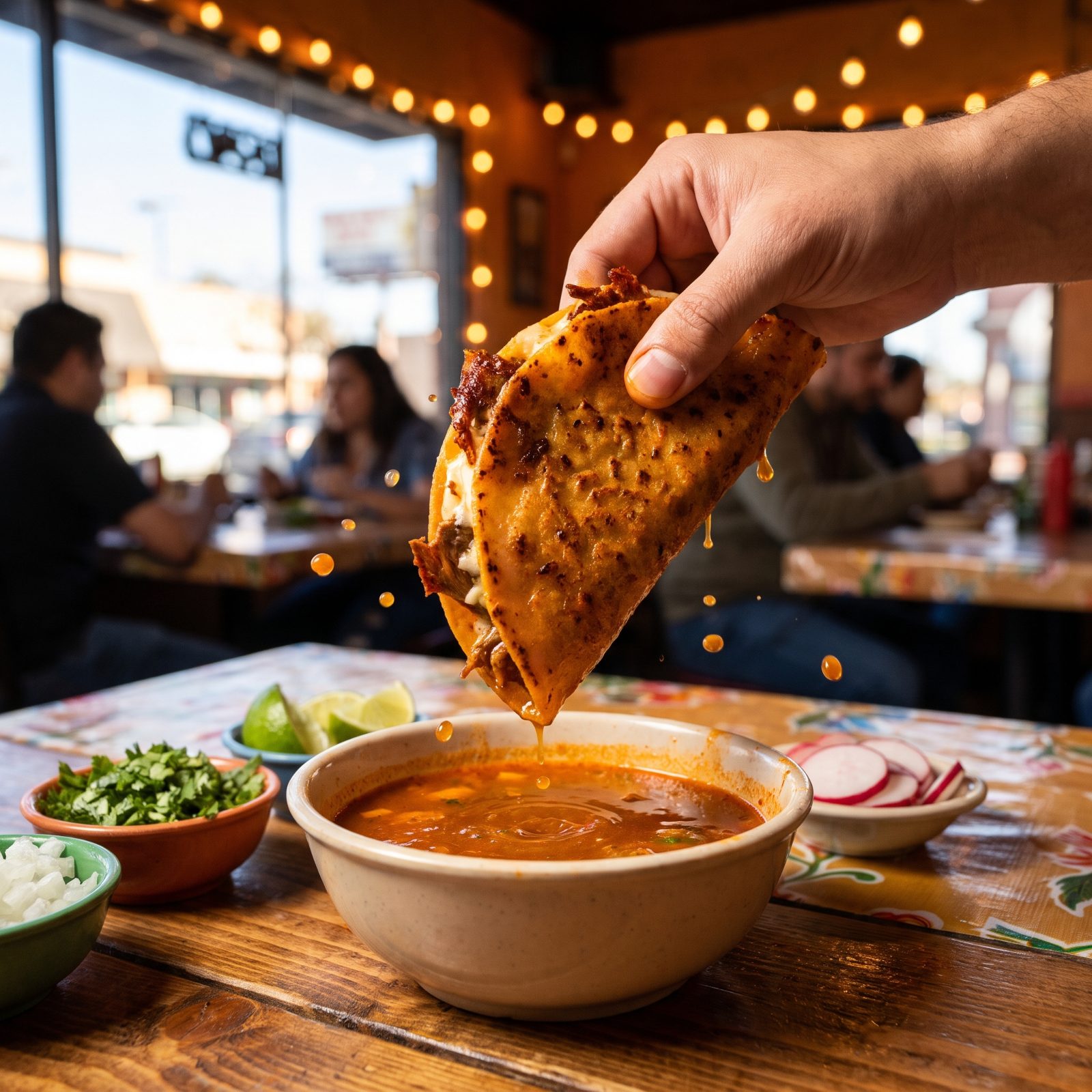
For years you couldn’t scroll past a taco being dunked into a tiny cup of orange broth. Birria earned every bit of its moment. What the moment did to it is the problem. The consommé shrank into a shot glass, the cheese got cranked up until it drowned the beef, and every menu from Tulsa to Tampa slapped the word on something.
Chefs who actually braise the chuck for hours are the first to roll their eyes. The dip-and-pull is a reflex now, not a revelation. By 2027, expect the dunking version to land where the pulled-pork slider landed a decade ago — good, overdone, filed away.
5. The Gold-Leaf Tomahawk Steak Nobody Asked to Eat
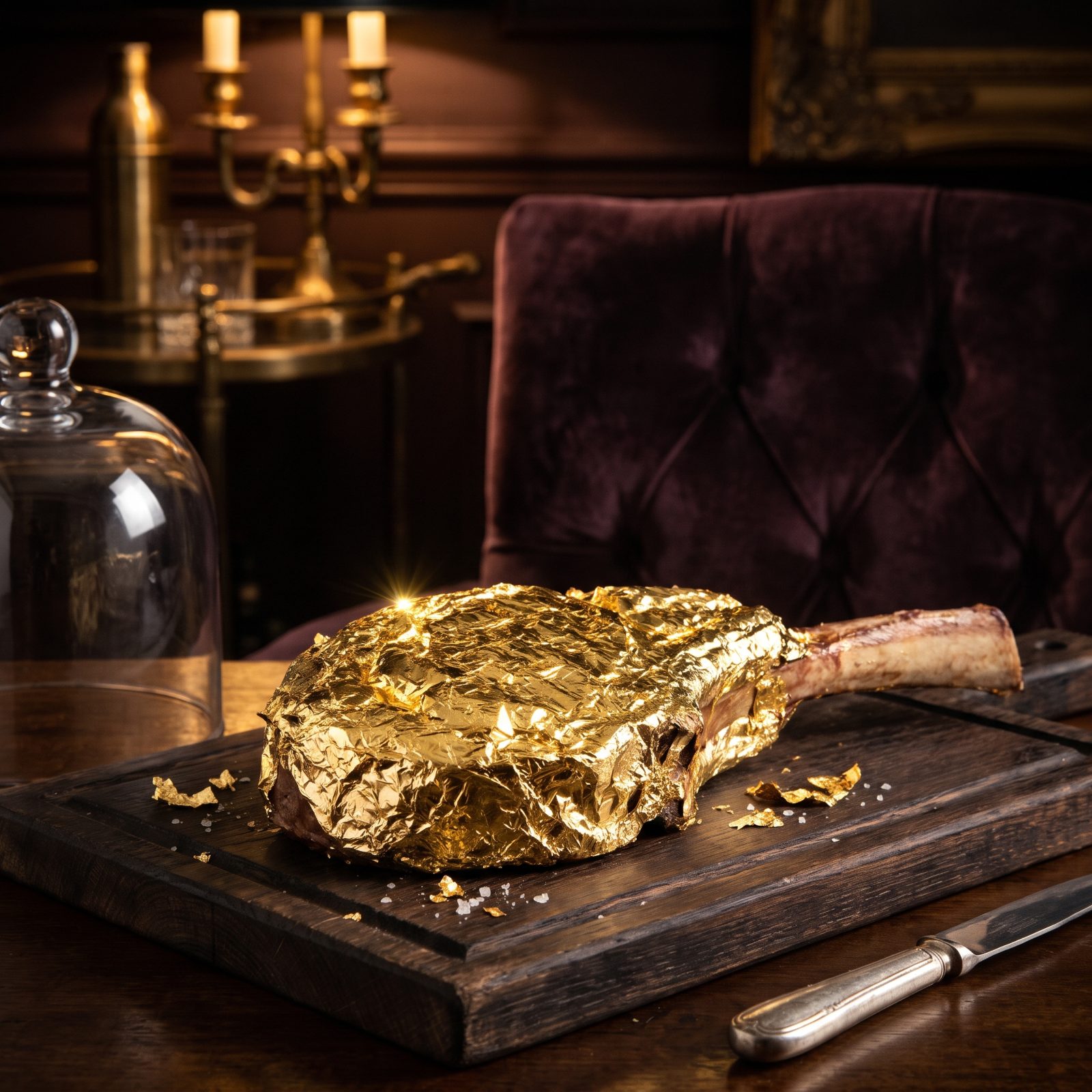
Gold leaf has no flavor. Tasteless, nearly weightless, and there purely for the camera. That used to be the appeal. Now it’s the problem.
When a steakhouse wraps a tomahawk in gold, the message was once opulence. These days it reads as a plea for attention — the culinary equivalent of a spoiler bolted onto a sedan. Chefs who care about dry-aging and a proper crust find it insulting to the meat underneath.
And the tomahawk itself? That dramatic long bone is pure theater too, adding nothing to the eating. Both gimmicks peaked together. By 2027 the gold flake will look like a receipt from one very specific era of show-off spending.
4. Ube Pancakes Stacked High With Purple Syrup
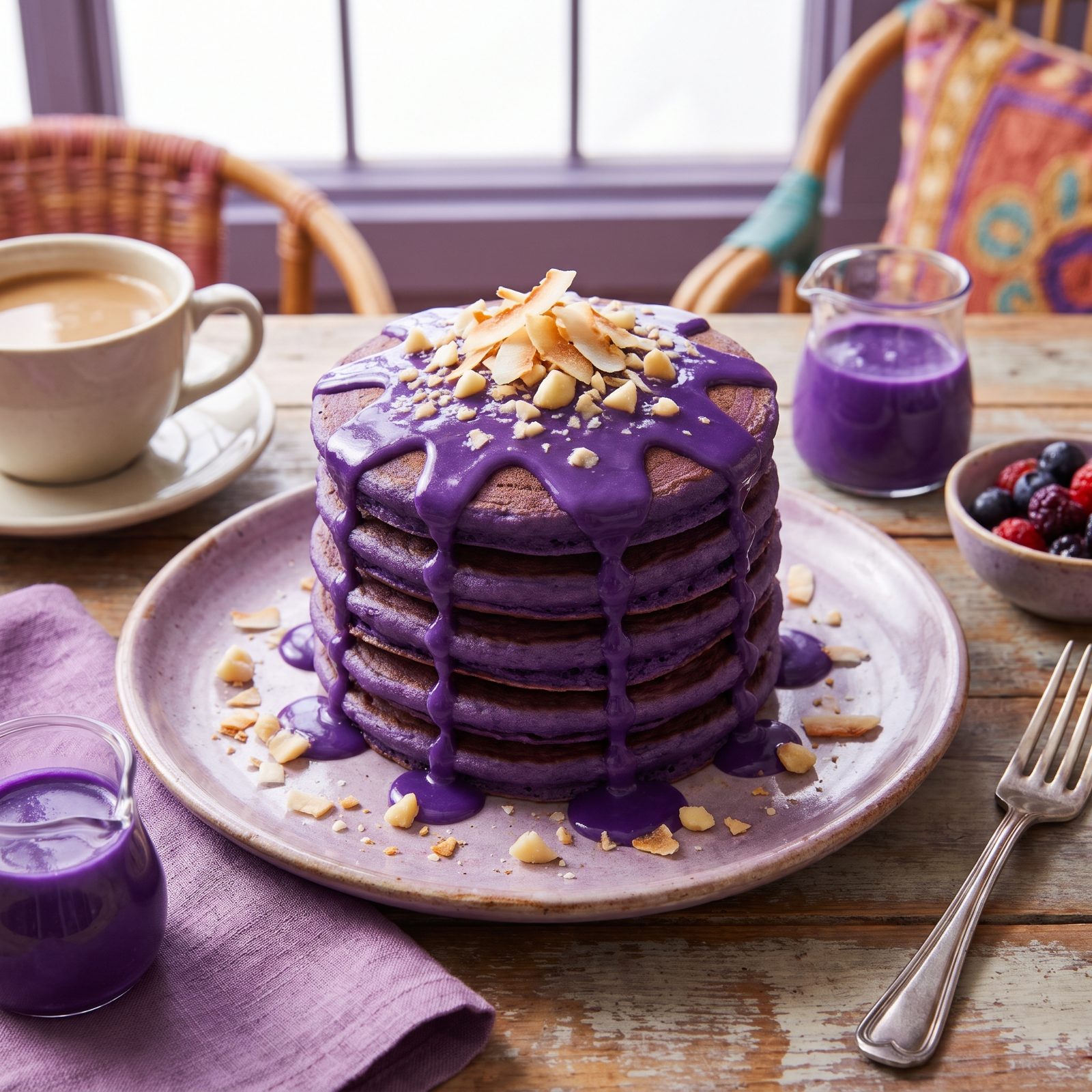
The color did the heavy lifting, and that’s the trap. Ube, the Filipino purple yam, has a real earthy-vanilla flavor worth knowing. The brunch version became a paint chip. Electric purple pancakes, purple syrup, purple everything, with the natural nuttiness buried under food coloring and sugar.
Chefs who grew up eating ube halaya are tired of watching it get flattened into a hashtag. When a flavor’s whole pitch is how it looks on a phone screen, the backlash is already loading.
3. Giant Mozzarella Sticks Built for the Tableside Cheese Pull
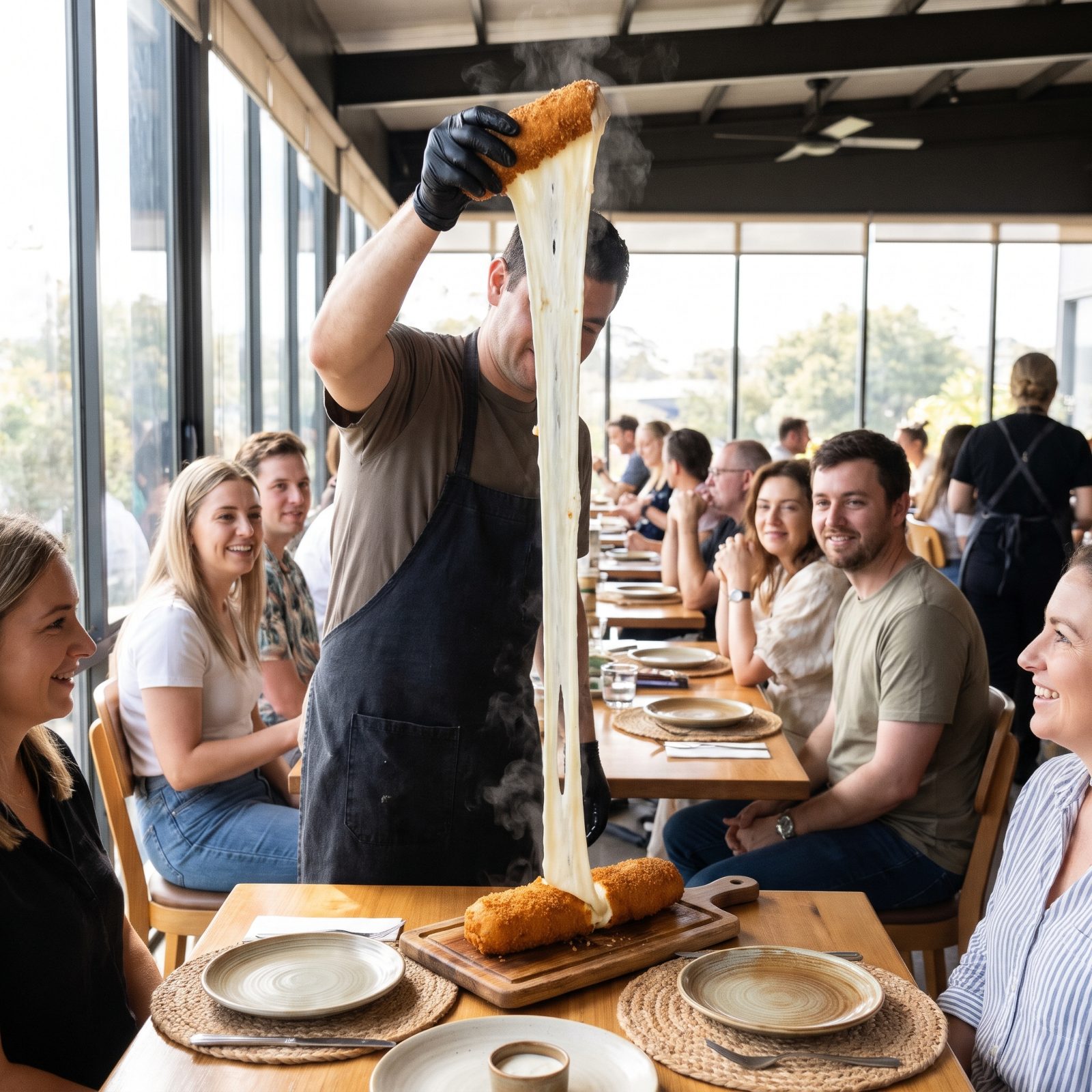
You’ve watched a server hoist a mozzarella stick skyward at the next table, holding the pose until the cheese strand goes impossibly long. That’s not dinner. It’s a performance, and you were the extended audience.
The appetizer got engineered backward from the video — bigger logs, stretchier cheese blends, staff trained to wait for the pull. Line cooks groan because the actual eating suffers. Too much cheese, too thick a crust, a lukewarm interior by the time the show ends.
By 2027 the tableside pull will feel as staged as the flaming fajita cloud that chased us around restaurants in the nineties.
2. Dubai Chocolate and the Great Pistachio Pivot
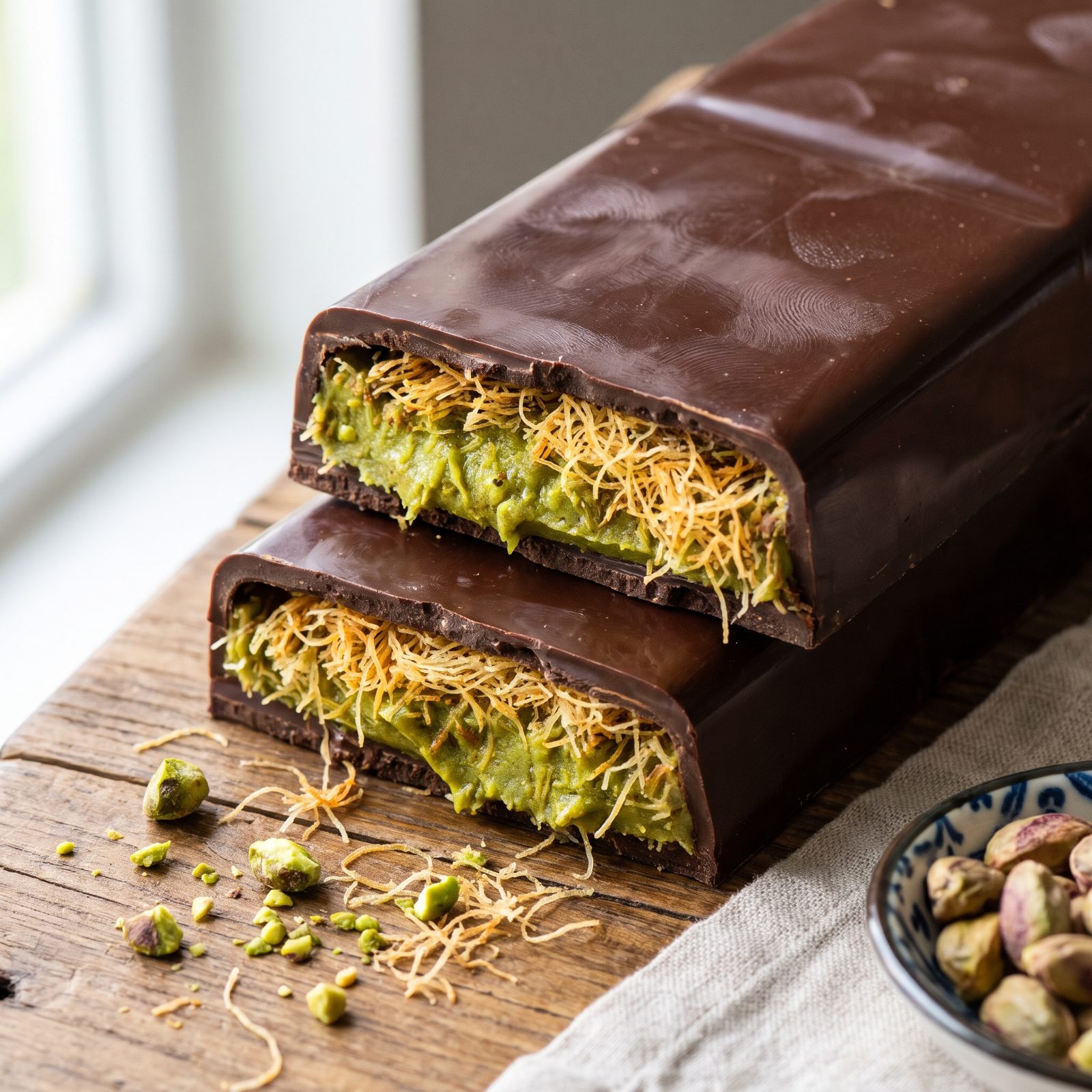
A single chocolate bar stuffed with pistachio cream and crispy shredded kataifi broke the internet, and within months every bakery was shoving bright green pistachio into something. Croissants, lattes, tiramisu, you name it.
Pistachio is genuinely delicious. But the “Dubai” label became shorthand for “this is the thing that’s hot right now,” which is the fastest way to date a dessert.
The moment a flavor needs a city in its name to sell, the clock is already running.
Pastry chefs expect the pistachio-kataifi combo to feel like last year’s prom theme by 2027. Overdyed, over-sweetened, and roped to a trend everyone remembers a little too clearly.
1. Croissant-Cookie Hybrids and the Mashup Fatigue
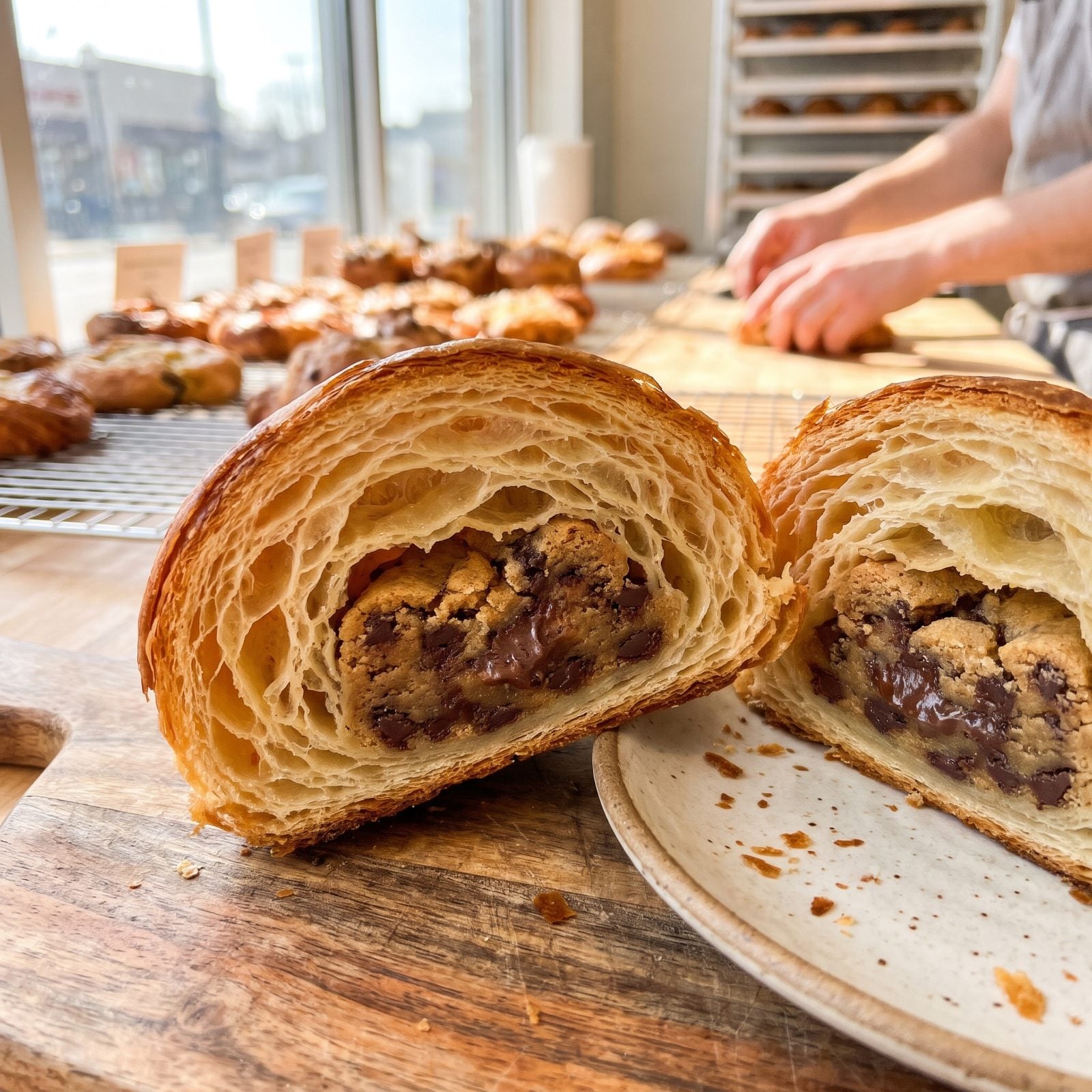
The cronut started it in 2013. Then came the cruffin, the croissant cookie, and whatever the next bakery bolted together to grow a line down the block. Each one is a genuinely good bake. The format is what sours.
Mashup pastries exist to be new, which makes them disposable by design. A bakery betting on the hybrid of the moment is renting attention, not building a reputation.
Bakers who laminate dough properly are ready to move on. By 2027 the croissant-cookie will join its ancestors in the archive of pastries we lined up for once and now barely remember ordering.