Would you like to save this?
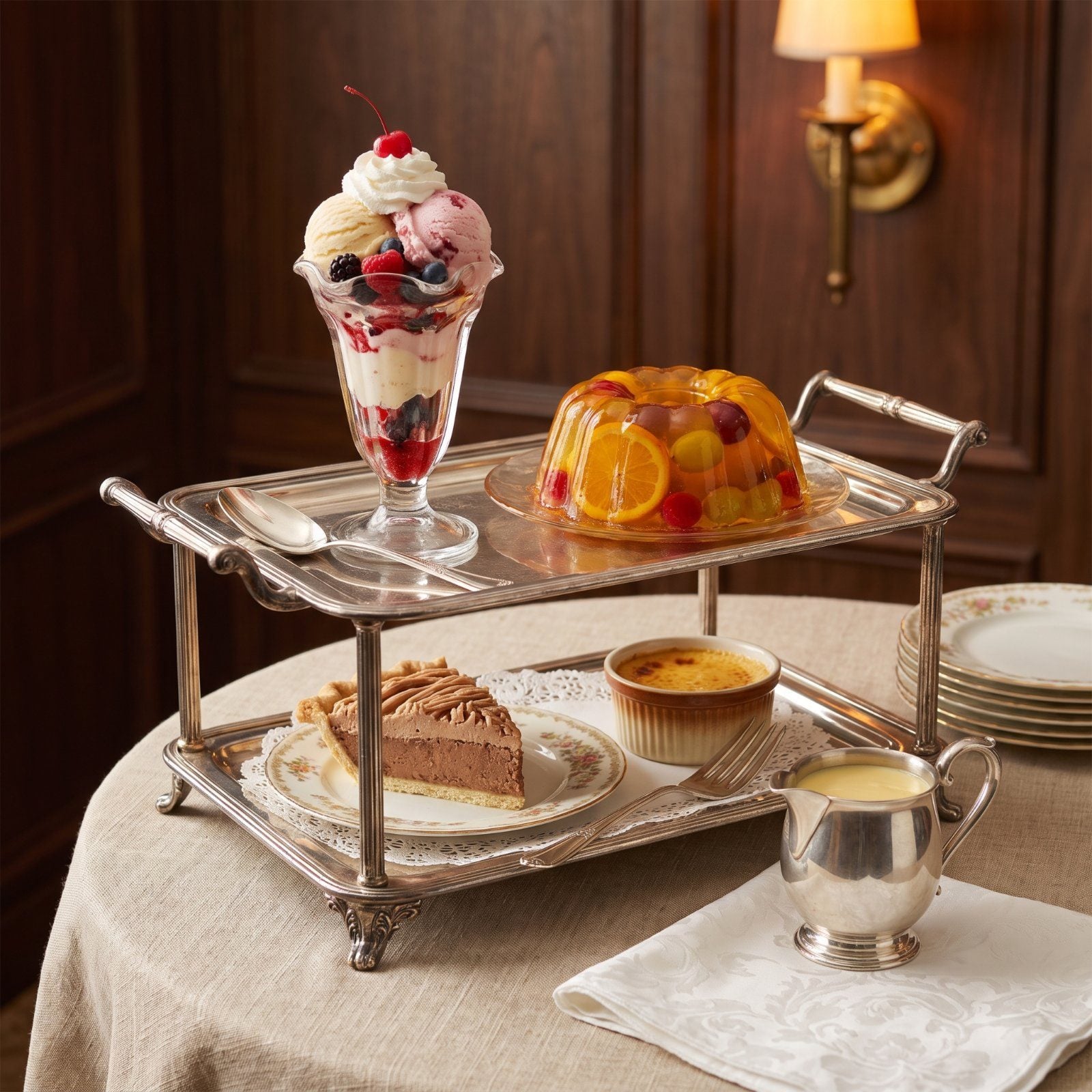
Somewhere between the dessert cart and the soda fountain, a whole category of American sweets slipped out the back door and never came back. Molded puddings. Liqueur-soaked soufflés. Chestnut pies that arrived under hotel silver while a waiter stood by with a pitcher of custard. Nobody announced they were leaving — they just stopped appearing, one supper club at a time, until the cart itself was gone and nobody could say exactly when. What follows is a look at the ones worth remembering before the recipes go too.
Please note that some of the images in this article were created with the assistance of AI.
29. Nesselrode Pie, the Chestnut-and-Rum Dessert That Vanished With Its Signature Purée
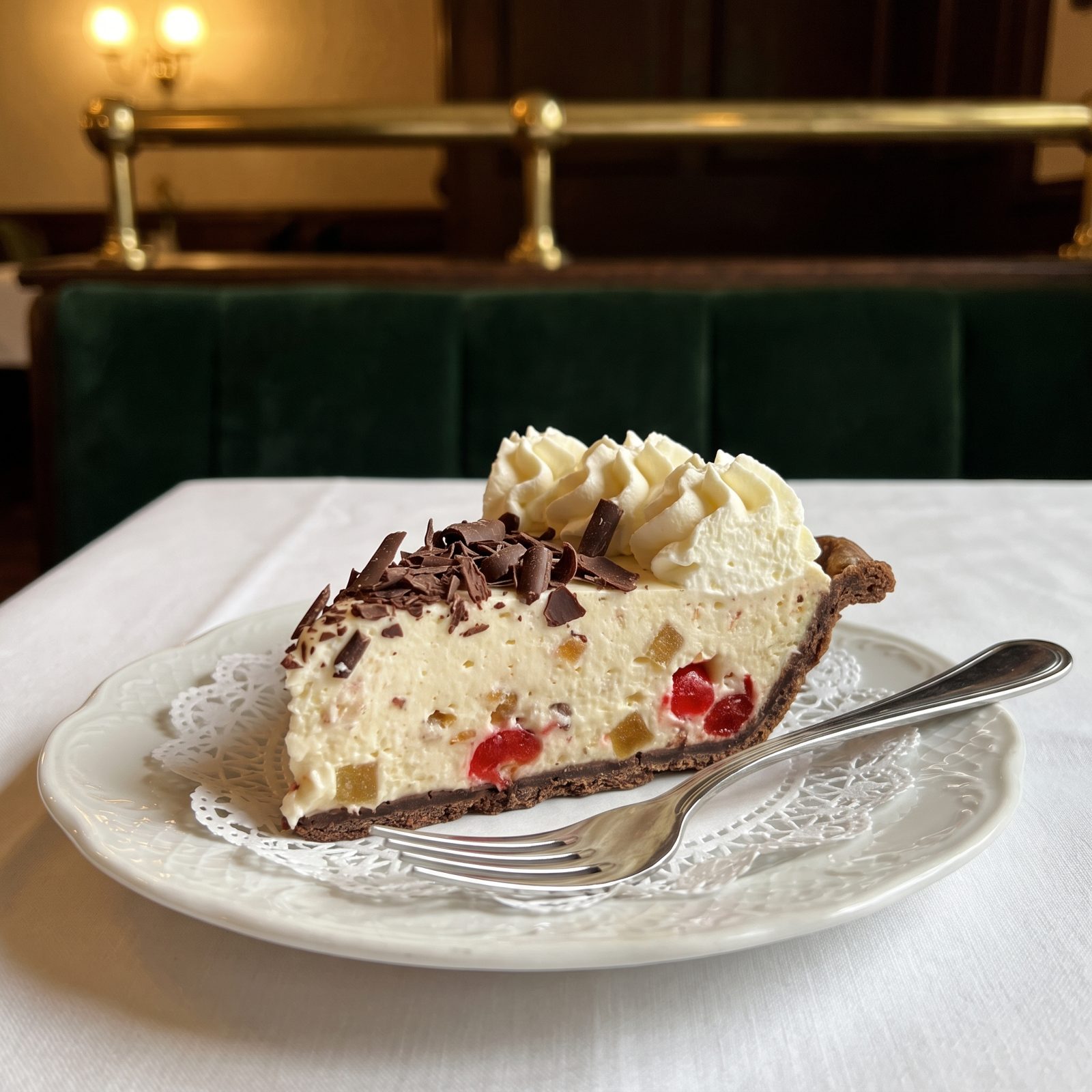
This one has a specific ghost. The Nesselrode purée itself — a thick preparation of chestnuts, candied fruit, and rum that gave the pie its name and its backbone. Once that purée stopped being sold in jars, the pie more or less lost its reason to exist.
For decades it was a New York institution, pale and studded with bits of glacéed fruit under a cap of whipped cream, served in hotel dining rooms and corner luncheonettes alike. A few old-school bakeries still make it around the holidays if you know who to ask.
28. Coupe Jacques, the Elaborate Fruit, Ice Cream, and Liqueur Sundae of Grand Hotel Menus
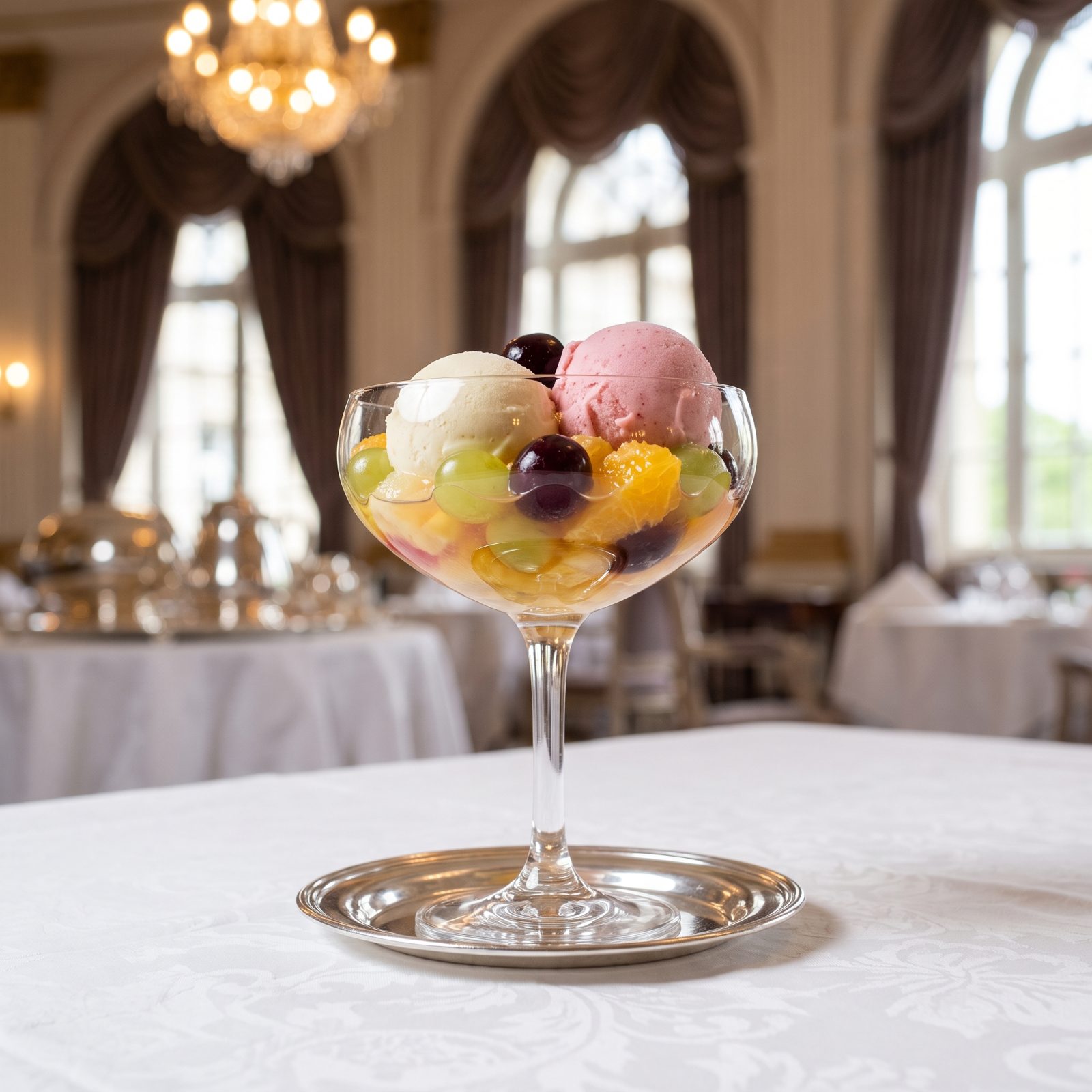
Coupe Jacques was dessert as theater. Scoops of ice cream in two flavors, a bed of fresh fruit macerated in kirsch or maraschino, built up in a footed crystal coupe and carried out by a waiter who knew its name better than you did.
You found it on the long menus of the great hotels — the ones printed in French with the prices discreetly tucked at the margins. It needed a real pastry kitchen and a cellar of liqueurs, which is exactly why it vanished when both got cut.
27. Tortoni, the Almond-Flecked Frozen Cream Once Included With Italian-American Dinners
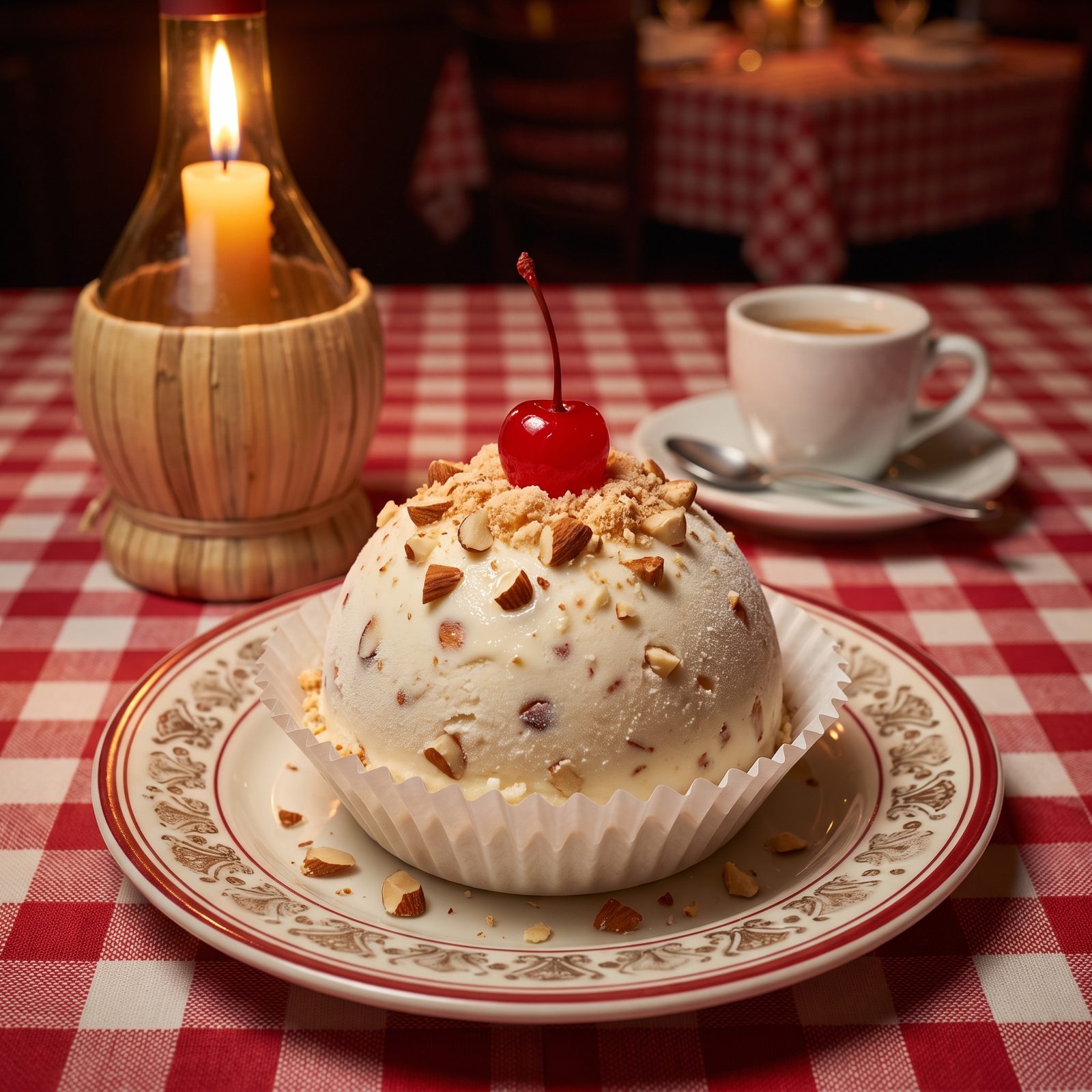
If your family ever ate at a red-sauce place with Chianti bottles hanging from the ceiling, you may remember this one arriving unbidden at the end of the meal: a little paper cup of frozen cream, cold and dense, shot through with toasted almonds and a macaroon crumb on top.
Biscuit tortoni was the house dessert that came with the dinner. No extra charge, no decision to make. That is probably why it faded — nobody ordered it on purpose, and once restaurants stopped including it, nobody missed it loudly enough to bring it back.
26. Cabinet Pudding, the Hotel-Dining Favorite Made With Custard-Soaked Cake and Dried Fruit
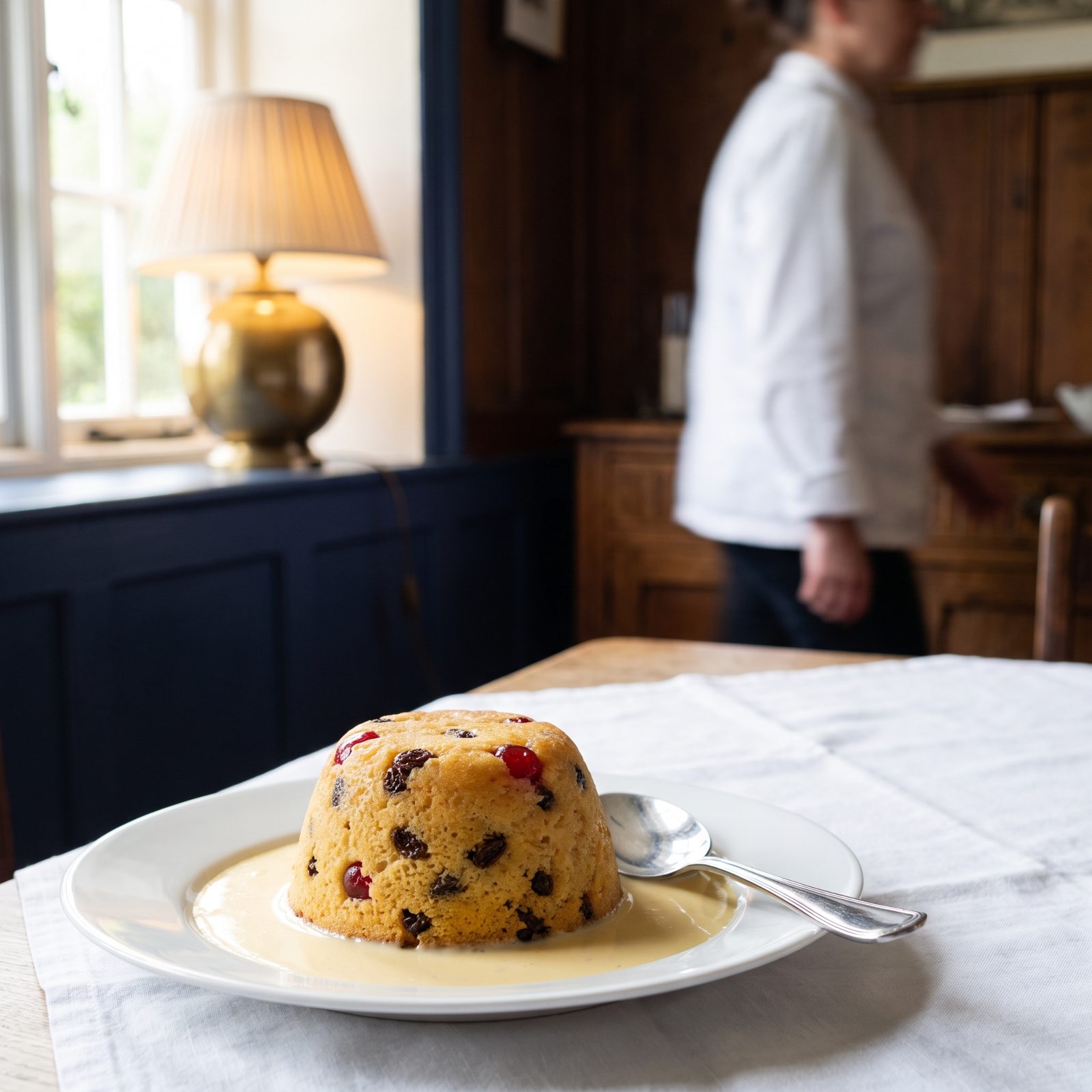
Cabinet pudding was the thrifty genius of old hotel kitchens. Yesterday’s sponge cake, a handful of dried fruit, a rich custard poured over the top, then baked or steamed in a mold until it set into something that tasted far more expensive than its parts.
It carried a dozen names across menus — cabinet, chancellor’s, diplomat pudding — all variations on the same clever idea. It survived as long as kitchens still had scraps of cake to use up and the staff to tend a water bath. Both became luxuries.
25. Snow Pudding, the Foamy Lemon Dessert Finished With Pouring Custard
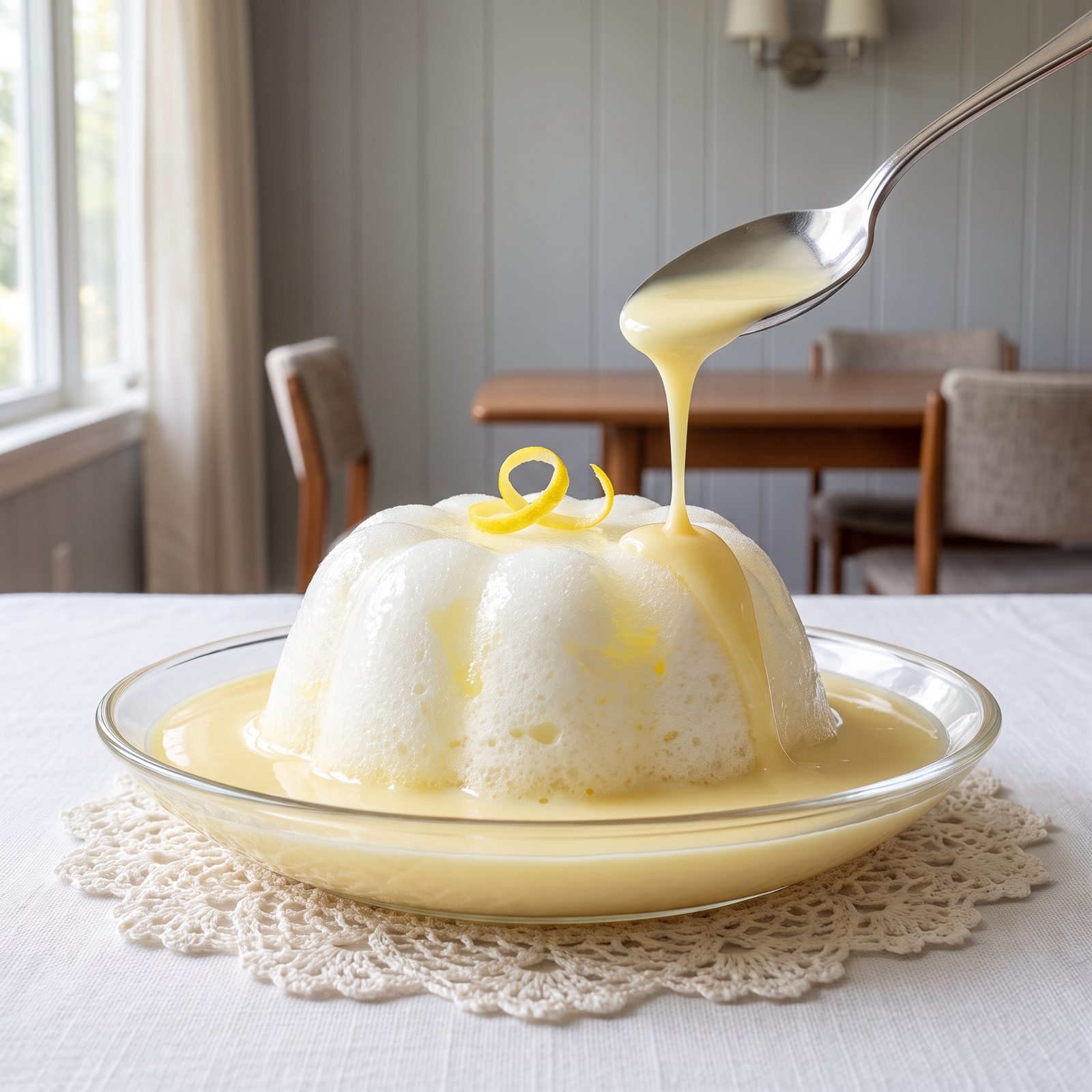
Nothing about snow pudding was heavy, which was the whole appeal. Beaten egg whites folded into lemon gelatin, whipped until it went pale and foamy, then chilled in a mold and turned out onto a plate pooled with soft custard sauce.
It belonged to an era that prized lightness after a big meal — the kind of thing a hostess served when she wanted elegant without rich. The custard was non-negotiable. Served plain, the pudding looked unfinished. Served with it, the whole thing made sense.
24. Charlotte Malakoff, the Ladyfinger Mold Filled With Almond Cream and Berries
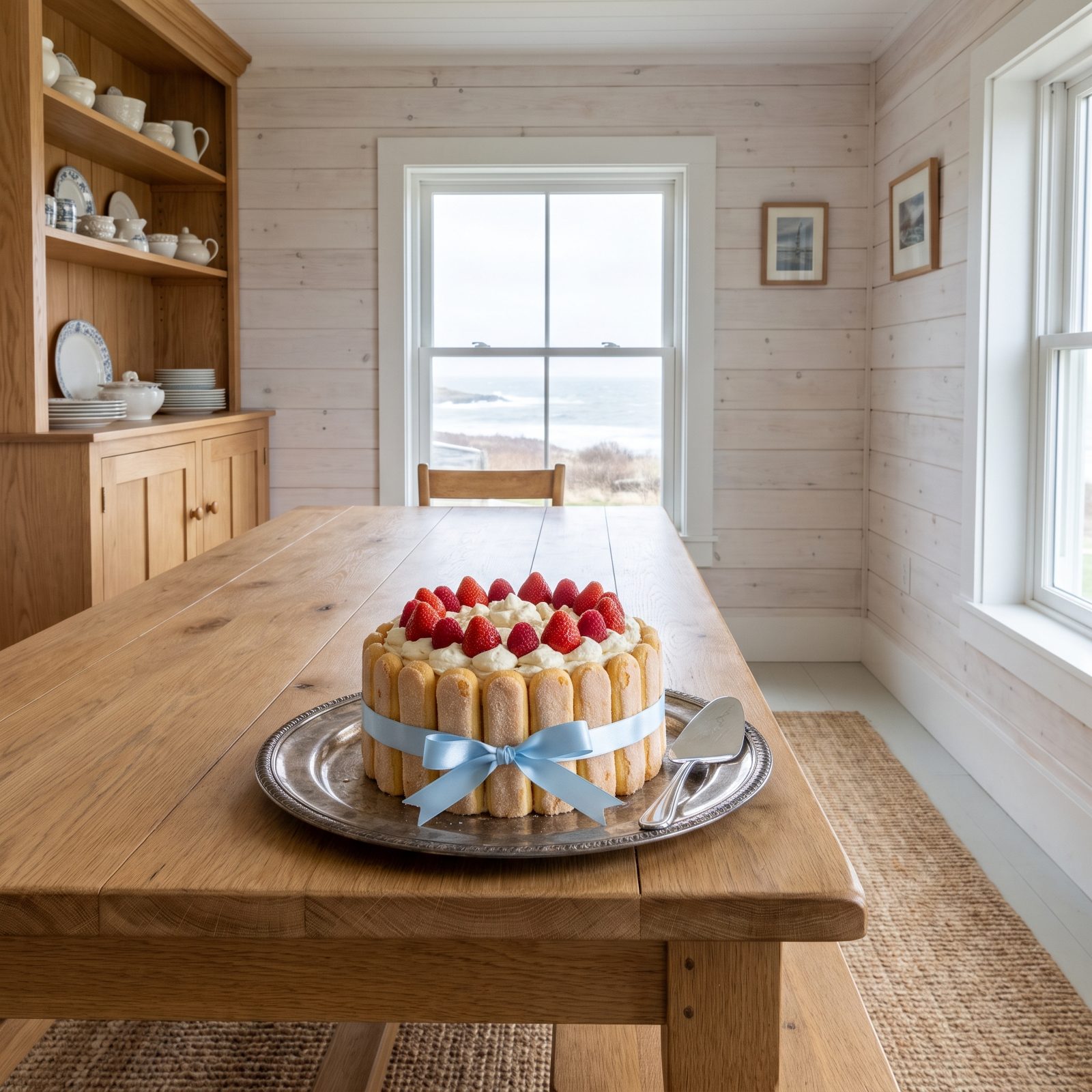
The charlotte malakoff was built to impress before anyone took a bite. A wall of upright ladyfingers ringing a mold, sometimes tied with ribbon, the center packed with an almond buttercream enriched with cream and fruit, then chilled until it held its shape.
You unmolded it at the table or wheeled it out whole, and the room noticed. It took time, cream, and a steady hand — a showpiece for banquets and special-occasion dinners rather than a Tuesday dessert.
23. Soufflé Rothschild, the Liqueur-and-Candied-Fruit Soufflé of Luxury Hotel Dining
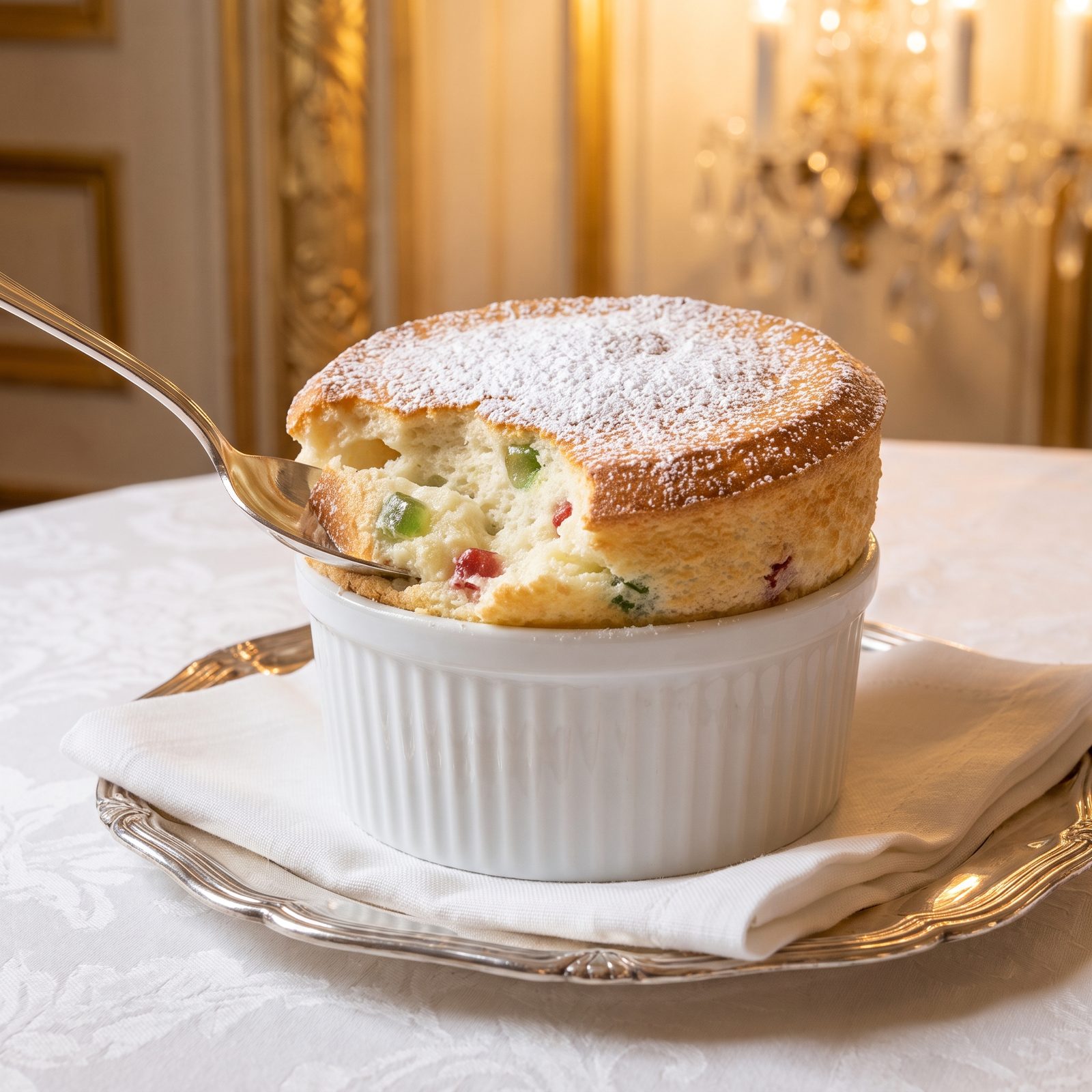
This was the dessert that demanded the kitchen’s full attention, and yours too. A hot soufflé laced with Danziger Goldwasser liqueur and studded with candied fruit, it had to go straight from oven to table and be eaten before it fell.
Soufflé Rothschild was luxury-dining shorthand — named for the banking family, finished with real gold-flecked liqueur in its grandest versions. It needed a brigade in the kitchen and diners willing to wait. Modern restaurants run on turnover, and a dessert that collapses if you pause to chat was never going to survive that math.
22. Prune Whip, the Airy Dessert That Made Stewed Fruit Look Elegant
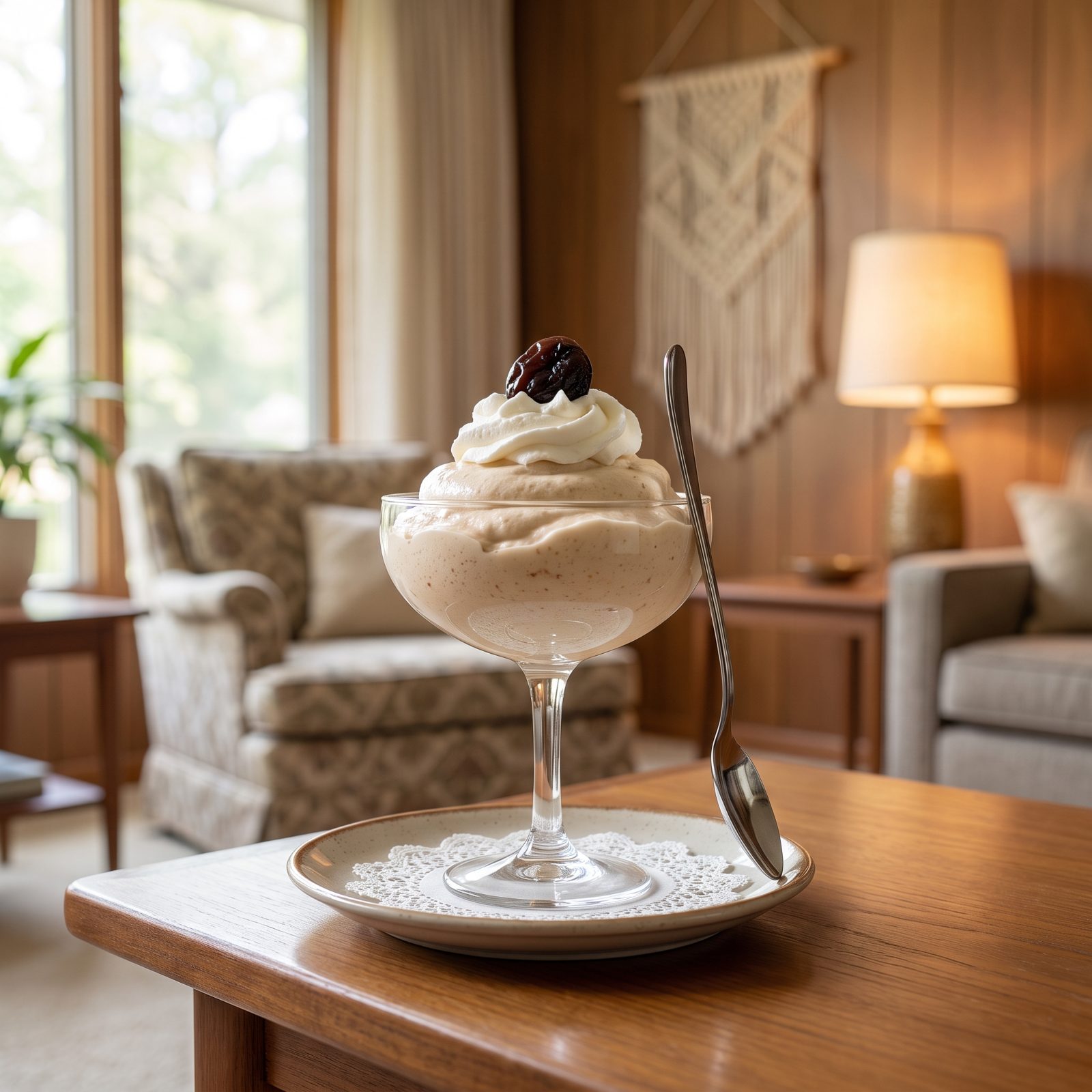
Prune whip did something genuinely clever. It took stewed prunes — about the least glamorous fruit in the pantry — and folded them into beaten egg whites until the whole thing turned light, airy, and faintly sophisticated.
It showed up everywhere from home kitchens to hotel tearooms to hospital trays, often sold as the sensible, easy-to-digest choice. And there is the problem. A dessert marketed on its digestibility was never going to be anyone’s craving. The prune’s reputation did the rest.
21. Junket, the Rennet-Set Milk Dessert Once Promoted as Delicate and Digestible
Would you like to save this?
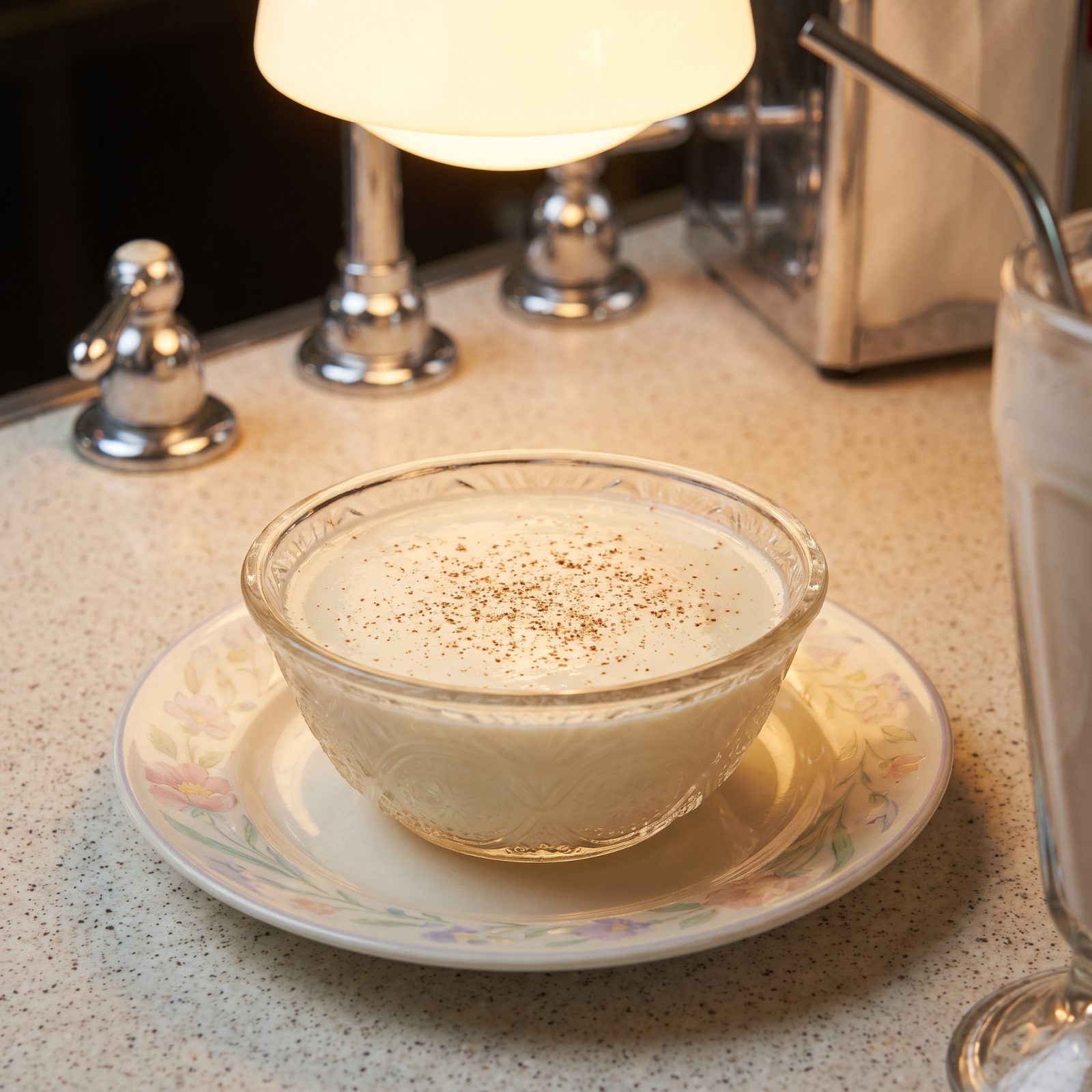
Junket barely counts as a dessert by modern standards, which is exactly why it is gone.
You warmed milk, stirred in a rennet tablet, sweetened it, poured it into a dish, and left it to set into a soft, tender curd somewhere between custard and pudding. A grate of nutmeg on top and that was it. No baking, no whipping, nothing.
It was pushed hard as a gentle food for children, invalids, and anyone with a delicate stomach — which pretty well sealed its fate. Palates shifted toward richer and sweeter, and the rennet tablets themselves got harder to find on grocery shelves. A dessert you can barely taste does not stand much of a chance against a hot fudge sundae.
20. Crown Jewel Dessert, the Stained-Glass Gelatin and Cream Mold of Midcentury Buffets
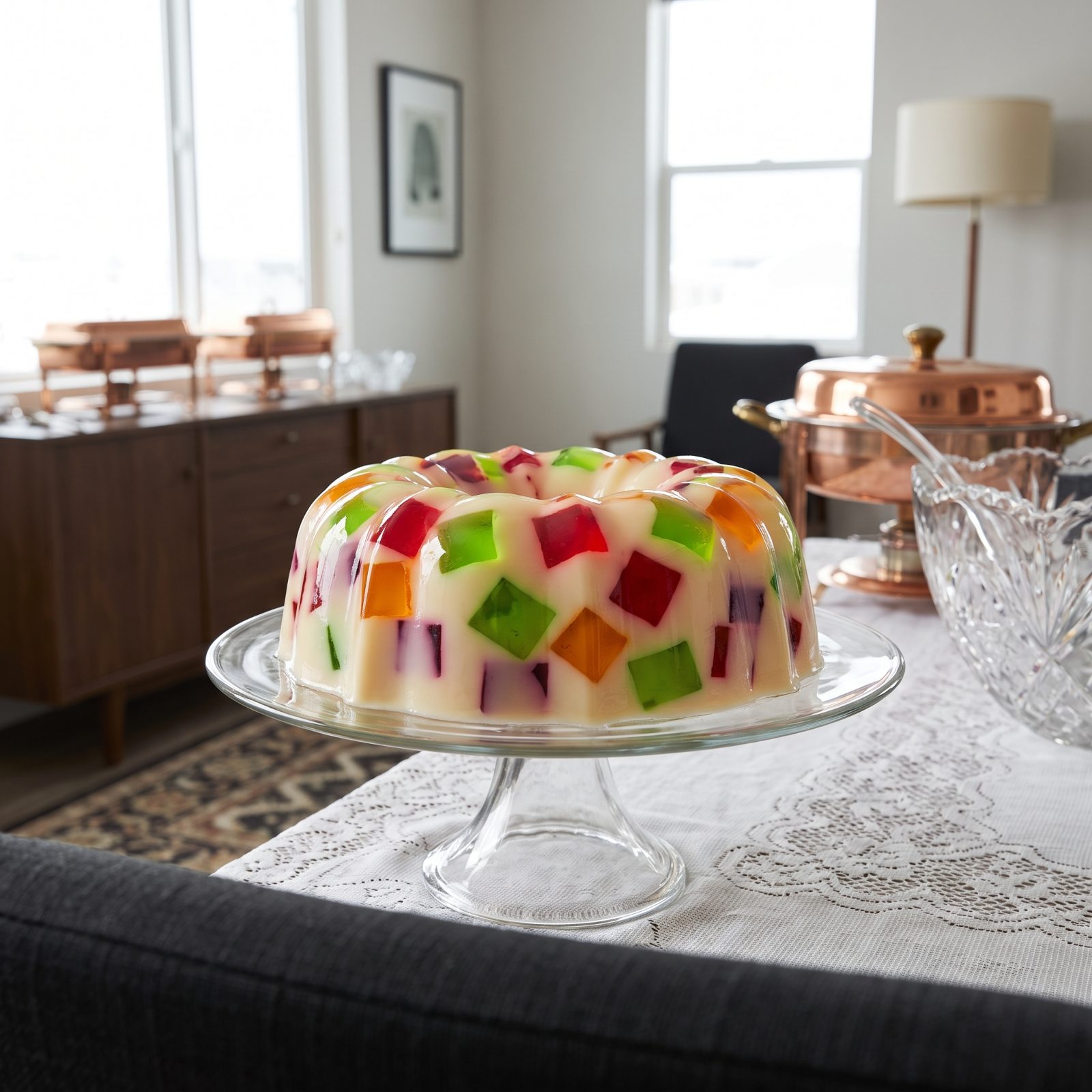
Cut one open and you understood the name. Cubes of red, green, orange, and purple fruit gelatin suspended in a creamy pale set, lit from within like a church window, wobbling on the buffet table next to the deviled eggs.
The crown jewel — sometimes called broken-glass or stained-glass dessert — was a staple of church suppers, bridge luncheons, and holiday spreads through the 1950s and ’60s. It took layered gelatin and a steady refrigerator, and it belonged to a moment when a dessert was supposed to look manufactured and proud of it.
19. Black Bottom Pie, the Chocolate-Custard Pie With a Rum-Chiffon Upper Layer
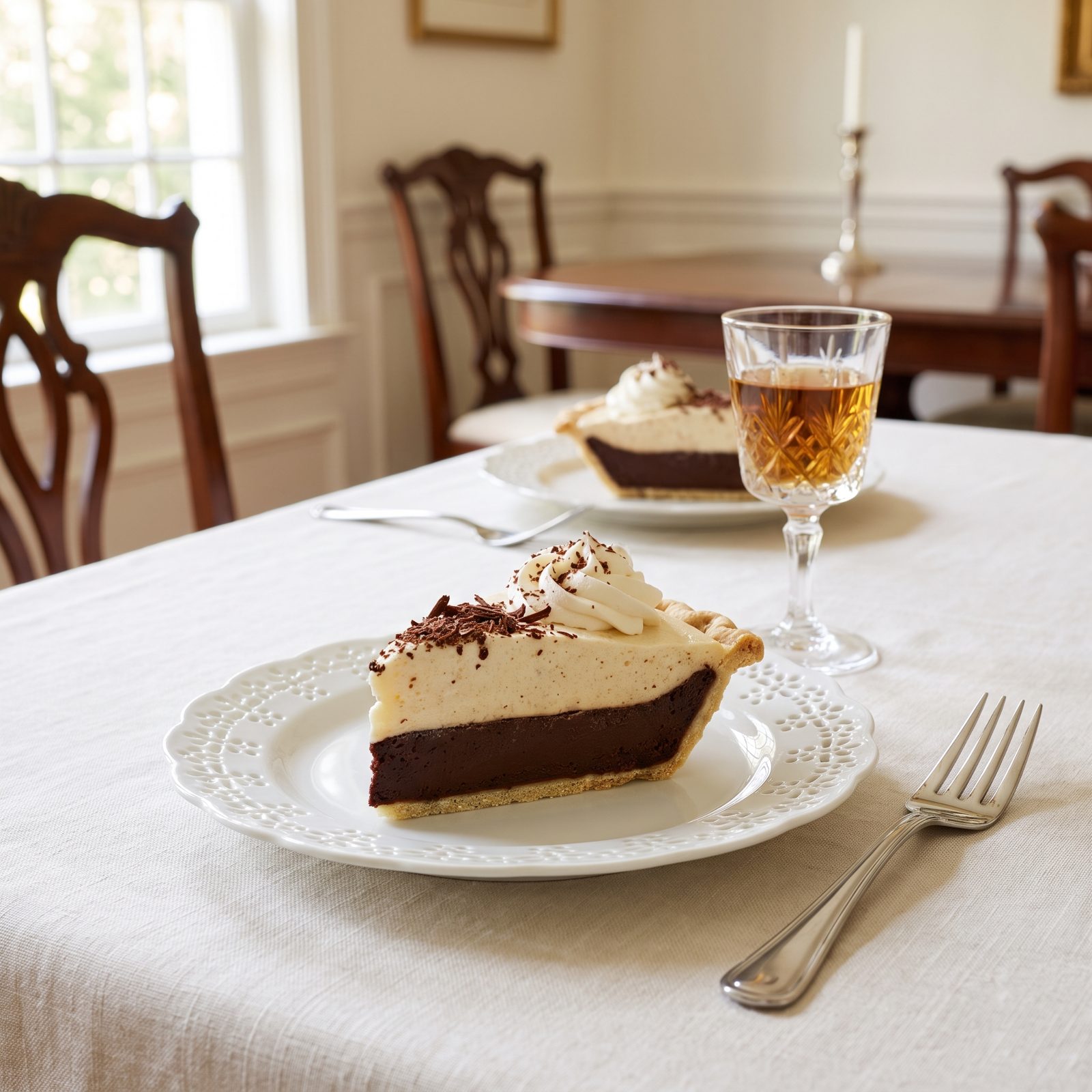
Two layers, one pie, and almost nobody under sixty remembers ordering it. The bottom is dense chocolate custard, dark and nearly fudgy, while a rum-spiked chiffon floats above it so light it practically lifts off the plate.
The contrast is the whole trick. You get the deep cocoa hit first, then the airy, boozy cloud chasing it down. Soda fountains and hotel dining rooms loved the thing because it looked impressive under a glass dome but leaned entirely on pantry staples.
18. Grape-Nuts Pudding, the Nutty-Tasting Custard Once Offered by New England Diners
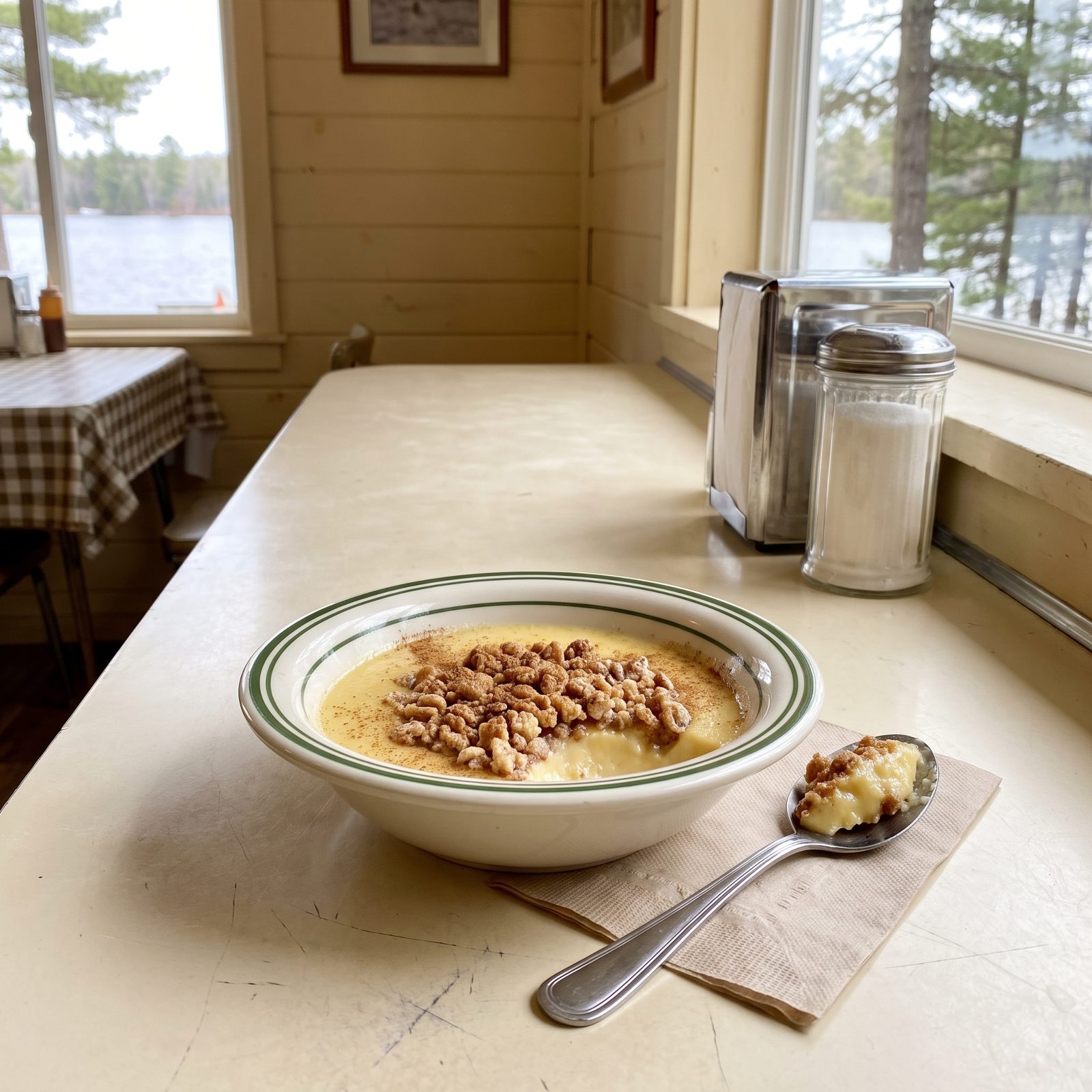
Pudding made from cereal sounds like a Depression workaround, and honestly it kind of was. Grape-nuts soaked in a vanilla custard base, then baked slow until the little nuggets swell and rise to form a chewy top crust over the silky layer below.
New England diners kept it on the board for decades. Toasty, faintly malted, warm from the oven, and it cost almost nothing to make. That combination of thrift and comfort is exactly why it vanished once menus started chasing flash over substance. A shame, really.
17. Indian Pudding, the Slow-Baked Cornmeal and Molasses Dessert Served at New England Inns
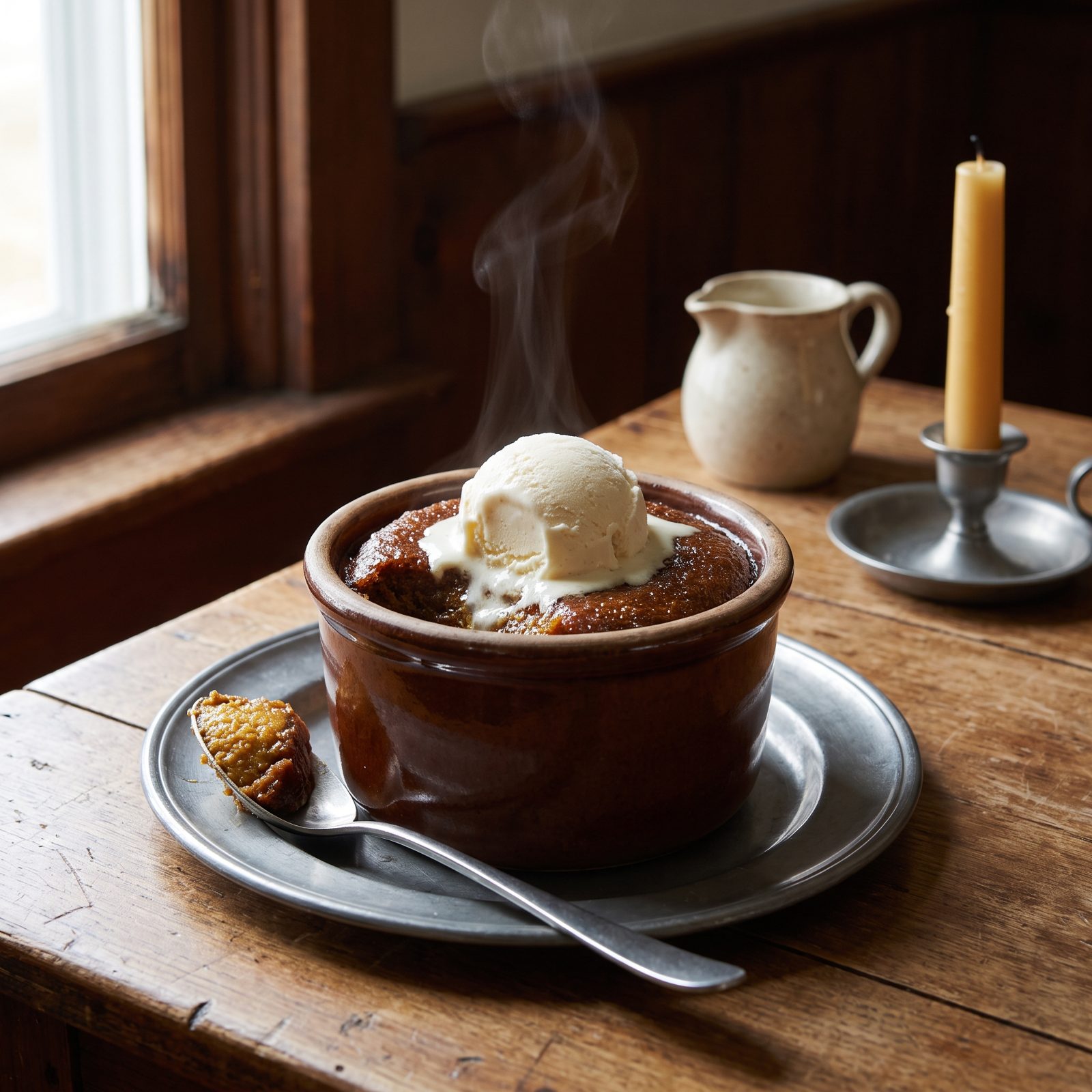
This is one of the oldest desserts still occasionally served in America, and most people have never tasted it. Cornmeal simmered with milk and dark molasses, spiced with ginger and cinnamon, then baked for hours until it turns thick, dark, and almost pudding-cake in texture.
It arrives warm, usually with a scoop of vanilla ice cream melting into the top. The cold cream against the hot, spiced molasses is the entire point. A few old New England inns still bake it on holidays. But it fell off mainstream menus generations ago.
16. Tipsy Parson, the Sherry-Soaked American Trifle Once Served in Southern Dining Rooms
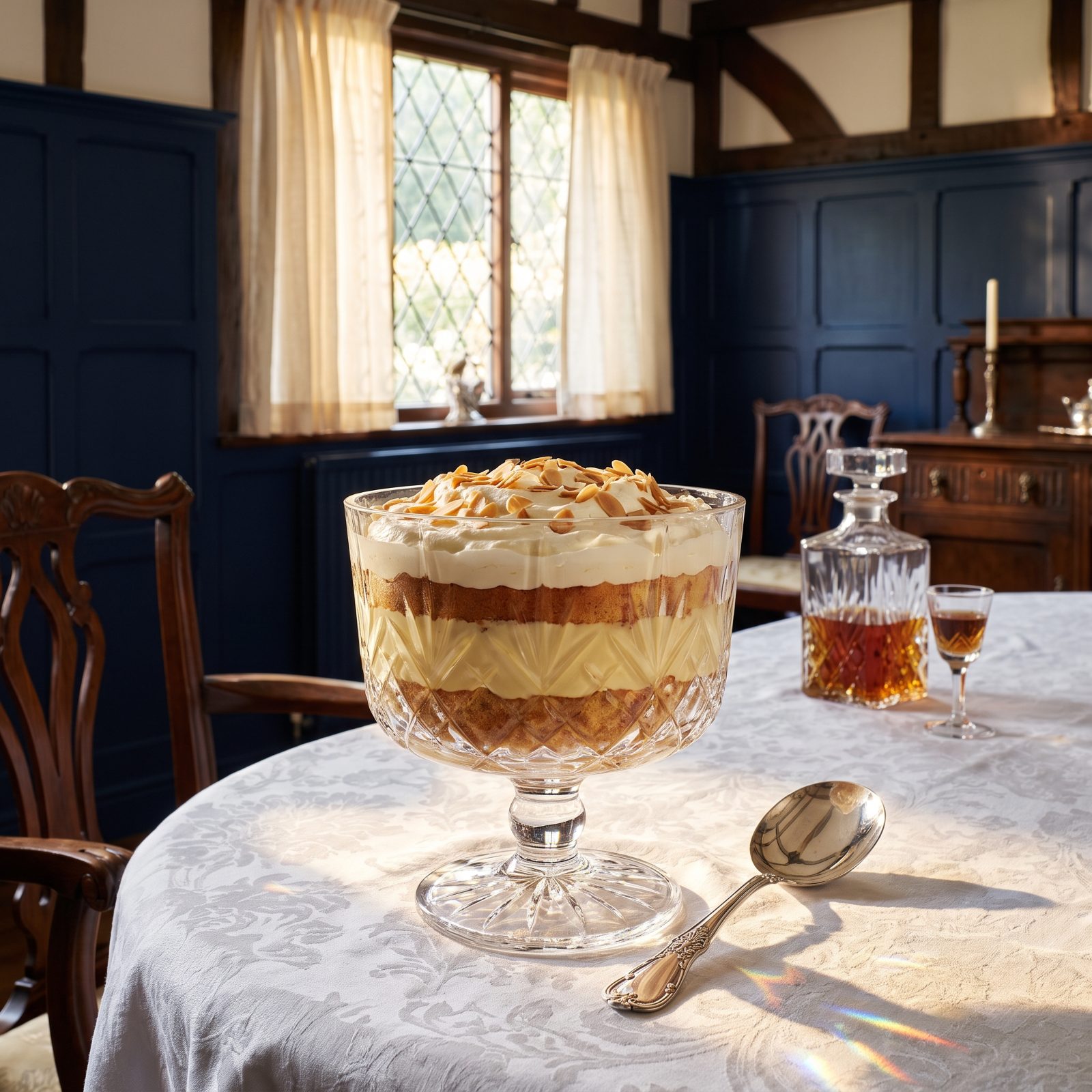
The name tells you everything. A respectable dessert, soaked in enough sherry to loosen up a parson, built in Southern dining rooms from sponge cake drenched in wine, layered with boiled custard, and topped with whipped cream and toasted almonds.
Think of it as the Southern cousin to the English trifle, dressed up for company and served in cut crystal so the layers showed off. The sherry wasn’t a splash — it was the whole character of the dish. Which is probably why it faded as menus got more cautious and less willing to serve guests something with a kick.
15. Syllabub, the Whipped Wine-and-Cream Dessert Found on Early American Menus
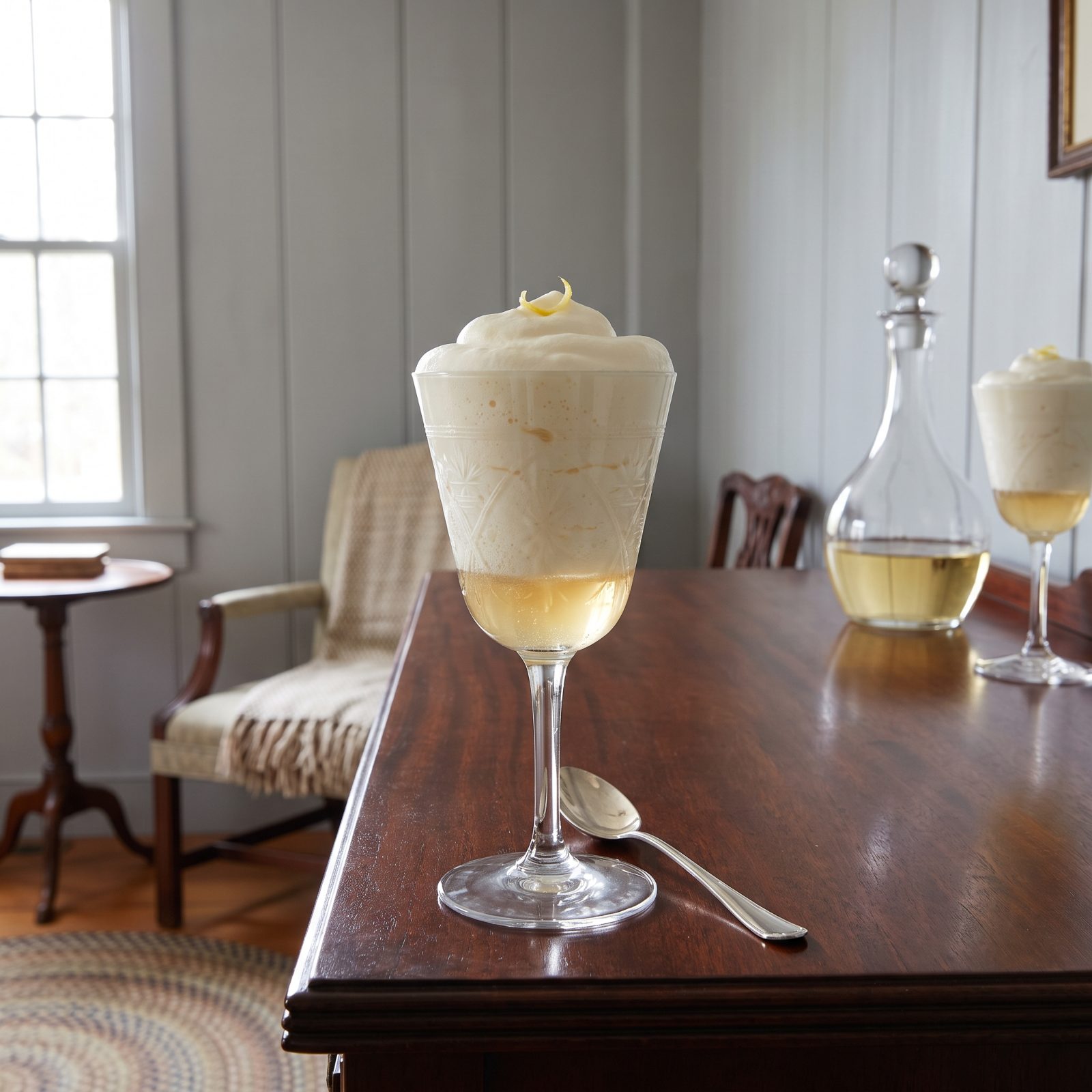
Barely a recipe, almost a drink. Sweetened cream whipped with white wine or sherry until it holds a loose froth, then spooned into a stemmed glass where it slowly separates into a boozy layer below and a foam on top.
Early American hosts served it before refrigeration made heavy desserts easy, and it counted as elegant precisely because it looked like nothing and tasted like a surprise. You eat the froth, then sip the wine pooling underneath. One of the oldest sweets here, and one of the first to disappear.
14. Bombe Glacée, the Molded Ice Cream Centerpiece Hidden Beneath a Decorative Shell
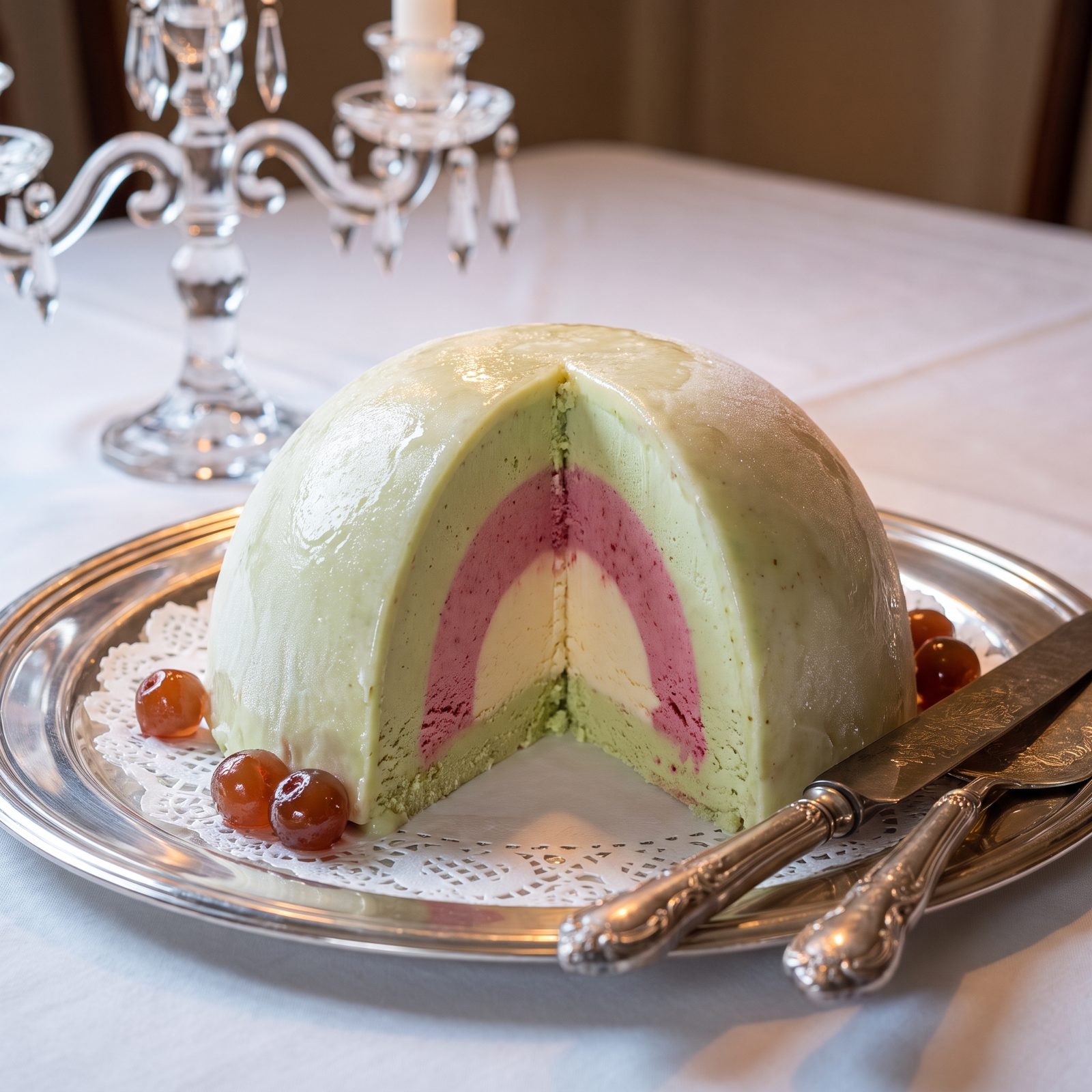
Before plated desserts went single-serving, this was the showpiece wheeled out to a table of eight. A molded ice cream dome, frozen in layers inside a metal bombe mold, then unmolded whole so the waiter could cut into it and reveal rings of different flavors.
The outer shell was often one ice cream, the core another, sometimes with a frozen mousse or candied fruit buried deep inside. It took skill, timing, and a kitchen with serious freezer discipline. That labor is exactly why it disappeared. Nobody wants to build a domed sculpture for something that melts in fifteen minutes.
13. Savarin, the Ring-Shaped Syrup Cake That Once Anchored Dessert Trolleys
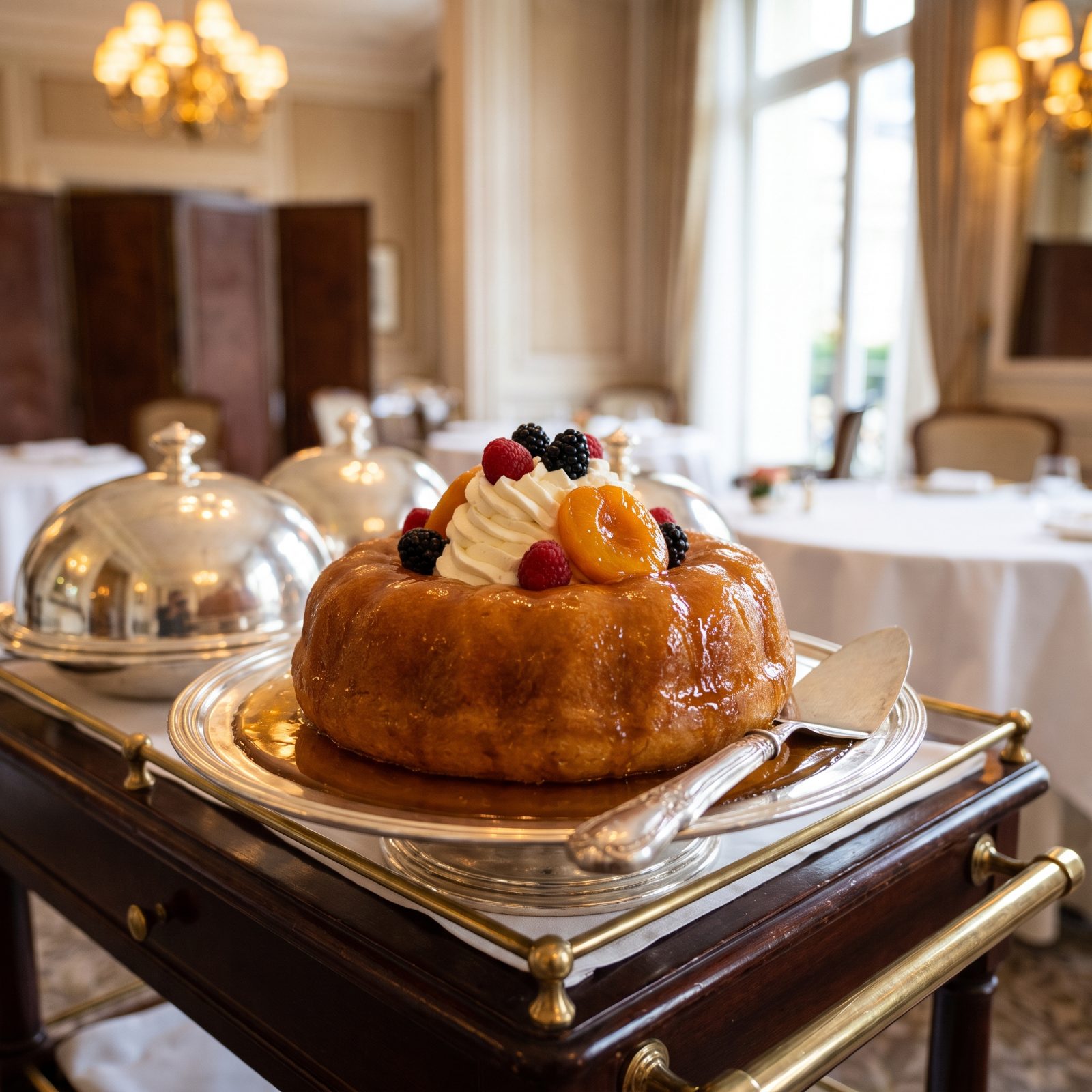
A yeast cake baked in a ring mold, then soaked in rum or kirsch syrup until it goes soft and glistening. The hollow center got filled with whipped cream or pastry cream and fruit, which made it both dessert and tableside theater.
Hotel dessert trolleys loved the savarin. It held its shape under a glaze and looked generous when sliced. Picture the larger, often non-individual relative of the rum baba — this is the cake that anchored the cart in grand dining rooms for decades before those carts themselves rolled away for good.
12. Floating Island, the Custard-and-Meringue Showpiece Once Standard in Formal Dining Rooms
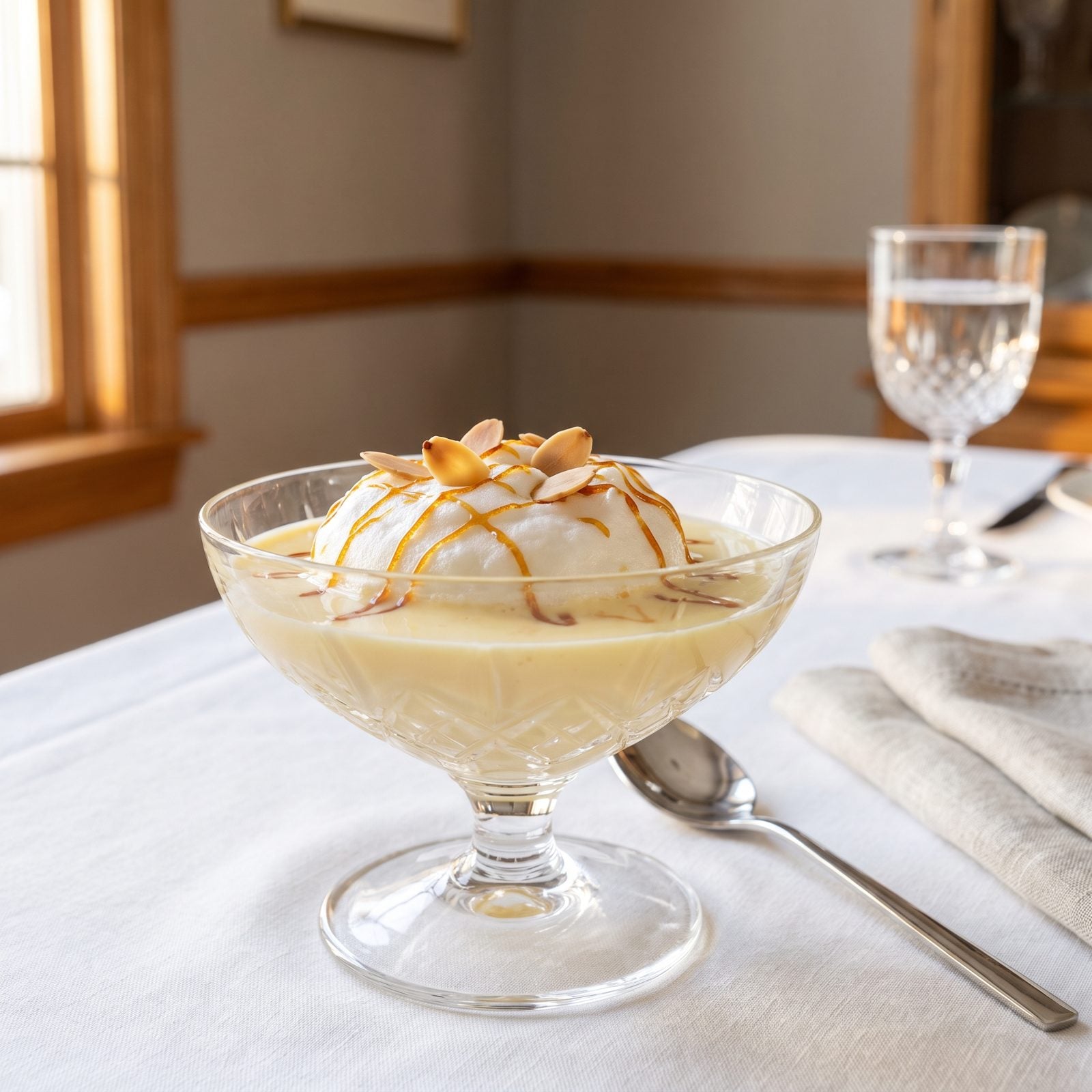
A cloud sitting on a pond, basically. A poached meringue island floats on a shallow pool of vanilla crème anglaise, finished with threads of caramel cracking across the top. The meringue is soft, not crisp, so your spoon sinks right through it into the custard below.
French in origin but a fixture of American formal dining rooms through the mid-century, it rewarded a cook who could poach egg whites without rubberizing them and make a proper custard without scrambling it. Both are easy to get wrong. That’s part of why fewer kitchens bother now.
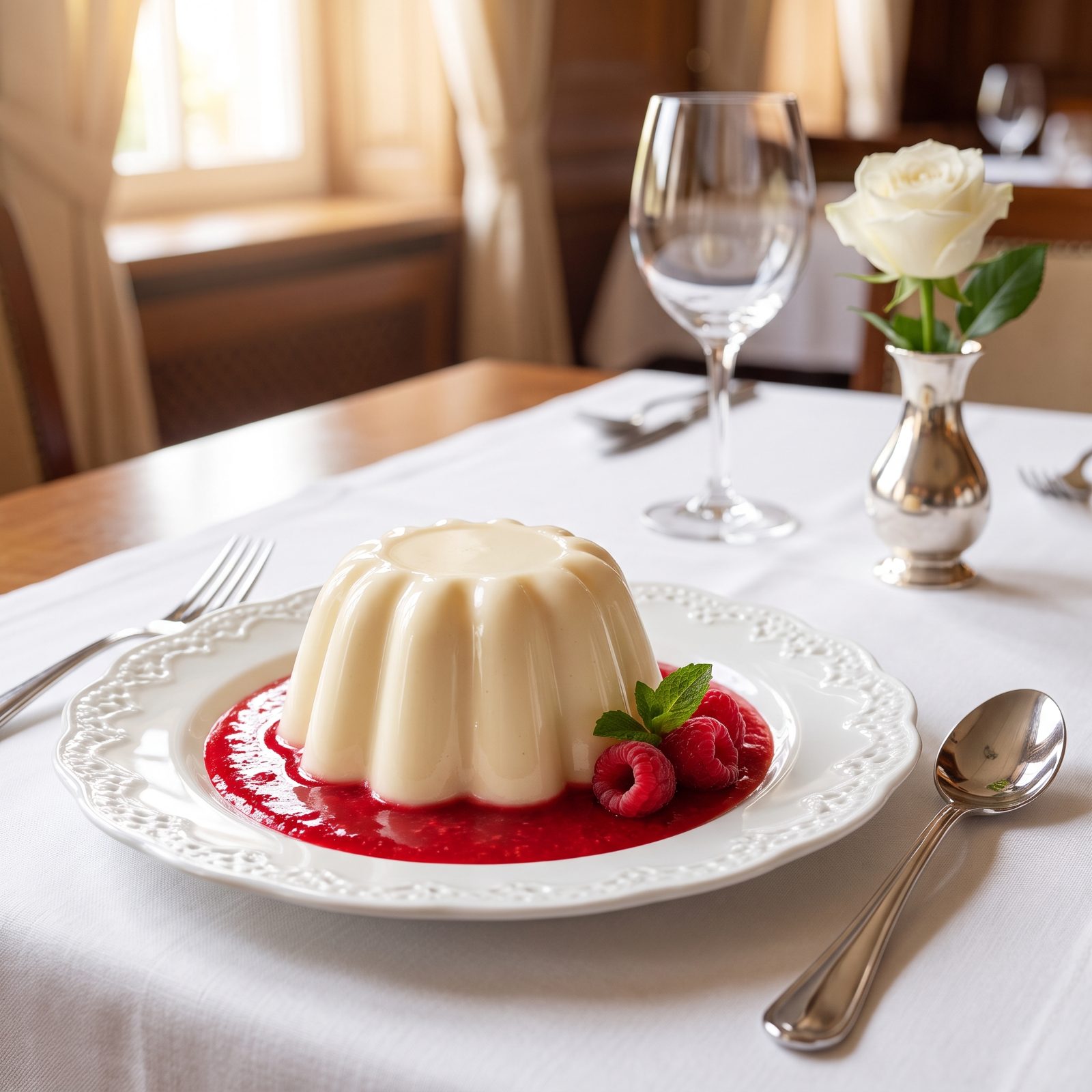
11. Bavarian Cream, the Molded Custard Dessert That Predated Modern Panna Cotta Menus
Would you like to save this?
Before panna cotta showed up on every trattoria menu acting new, there was Bavarian cream doing almost the same job. A custard base lightened with whipped cream and set with gelatin, chilled in a decorative mold, then turned out so the fluted ridges held their shape on the plate.
It arrived with fruit sauce or a pool of coulis and trembled slightly when the plate moved. That gentle wobble proved a cook got the gelatin ratio right. Rich but not heavy — a dining-room standard that panna cotta more or less inherited.
10. Rum Baba, the Yeast Cake Saturated With Rum Syrup and Served With Cream
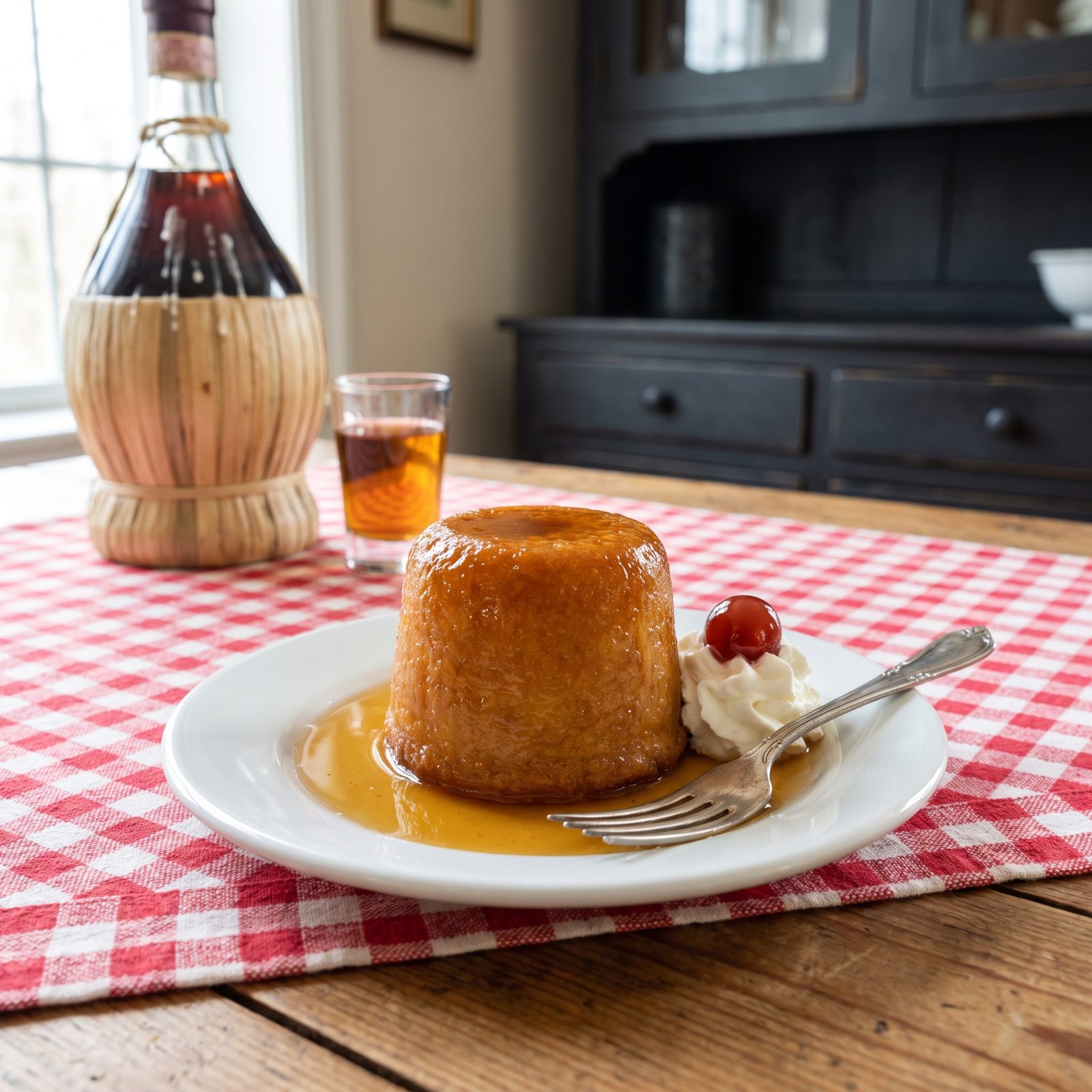
A little yeast cake that’s basically a sponge for booze. Baked light and airy, then soaked in warm rum syrup until it’s dripping, served in a shallow pool of the stuff with a cloud of whipped cream on the side.
Italian-American restaurants kept the rum baba going longer than most places, usually brought out at the end of a long red-sauce dinner next to the cannoli. Press it with your fork and syrup wells up. Old-school waiters would offer a little extra rum poured over at the table, the kind of generosity that’s gone quiet on modern menus.
9. Pear Belle Hélène, the Poached-Pear Sundae Finished With Warm Chocolate Sauce
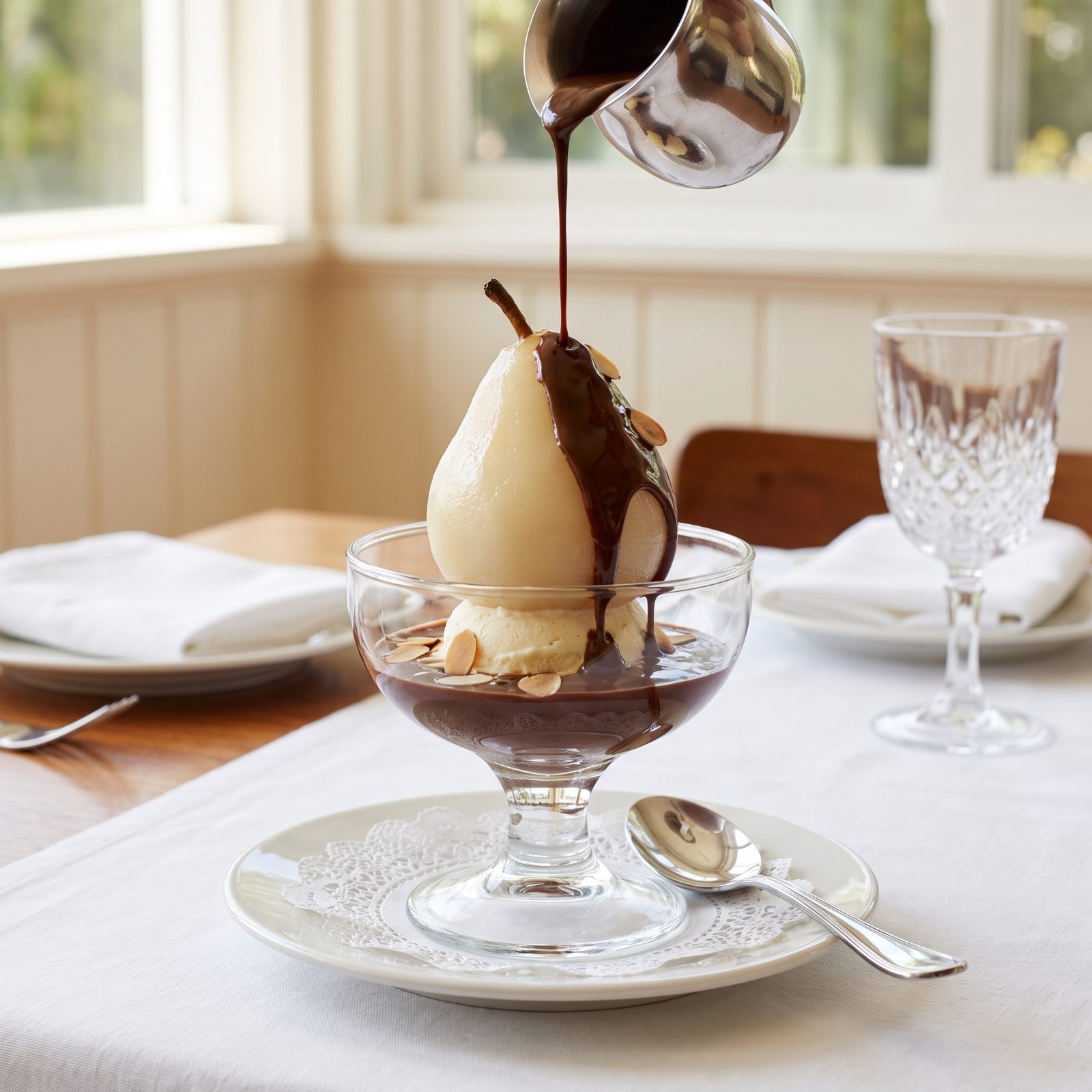
The pear does all the work here. A whole one, poached soft in vanilla syrup until it turns almost see-through, set over cold ice cream and then drowned in warm chocolate sauce. Temperature was the trick: hot sauce hitting cold cream, firm fruit against something soft, all in one spoonful.
It carried an operetta’s name and a whiff of nineteenth-century opera-house glamour, which gave waiters something to say when they set it down. You almost never see it anymore. Which is a shame, because it’s one of the easiest grand desserts you could actually pull off in your own kitchen.
8. Peach Melba, the Peach, Raspberry, and Vanilla Dessert Created for Grand Dining Rooms
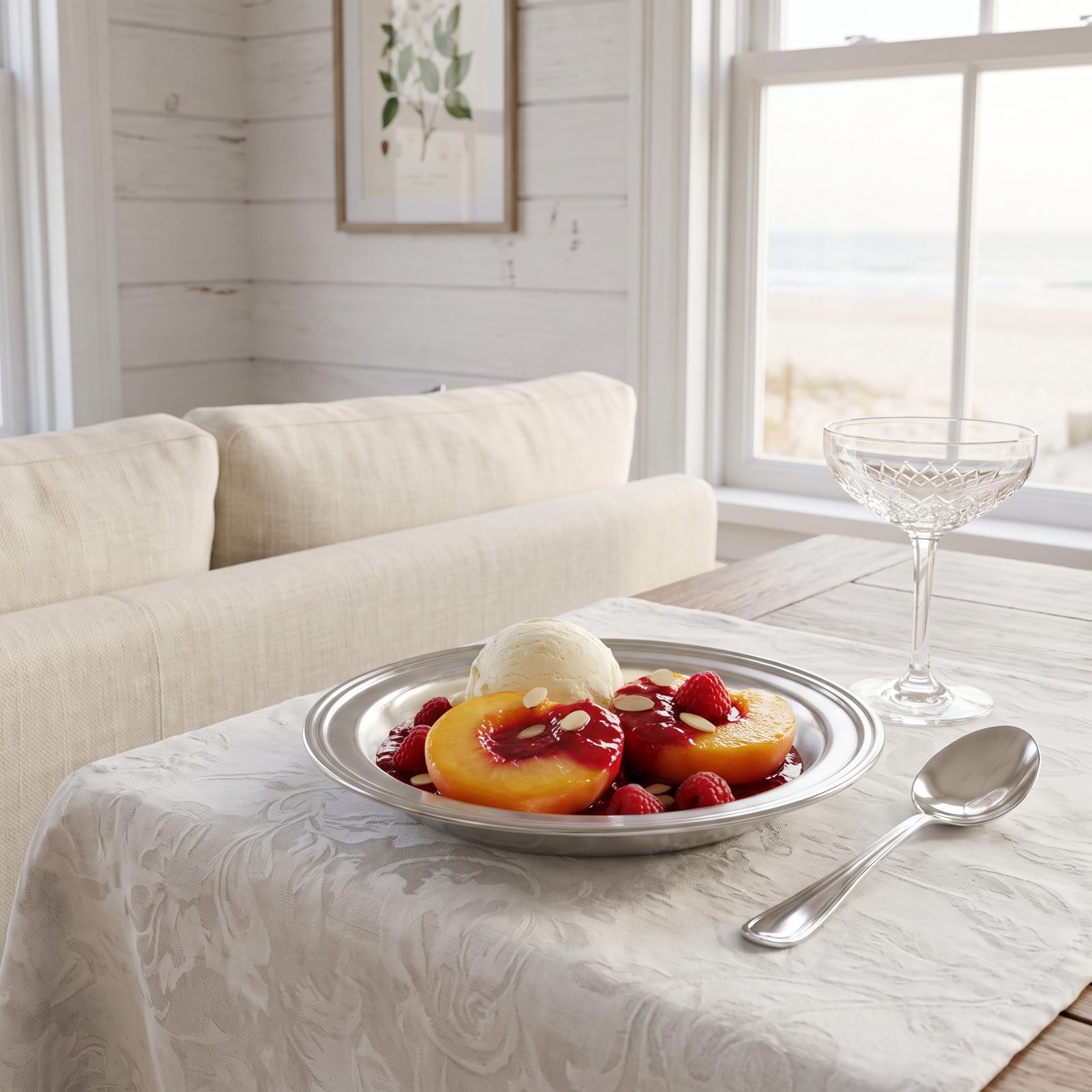
Three things, done right. A poached peach, vanilla ice cream, and a raspberry sauce that was never cooked down to jam — just crushed berries and sugar, so the flavor stayed bright. That restraint is why it worked when so many fussier plates fell flat.
Built for a soprano who ruled the 1890s, it became the thing you ordered when you wanted to feel looked after. And the sauce is still where people go wrong. Cook it and you’ve thrown the whole dessert away.
7. Strawberries Romanoff, the Berries-and-Cream Dessert Associated With Midcentury Supper Clubs
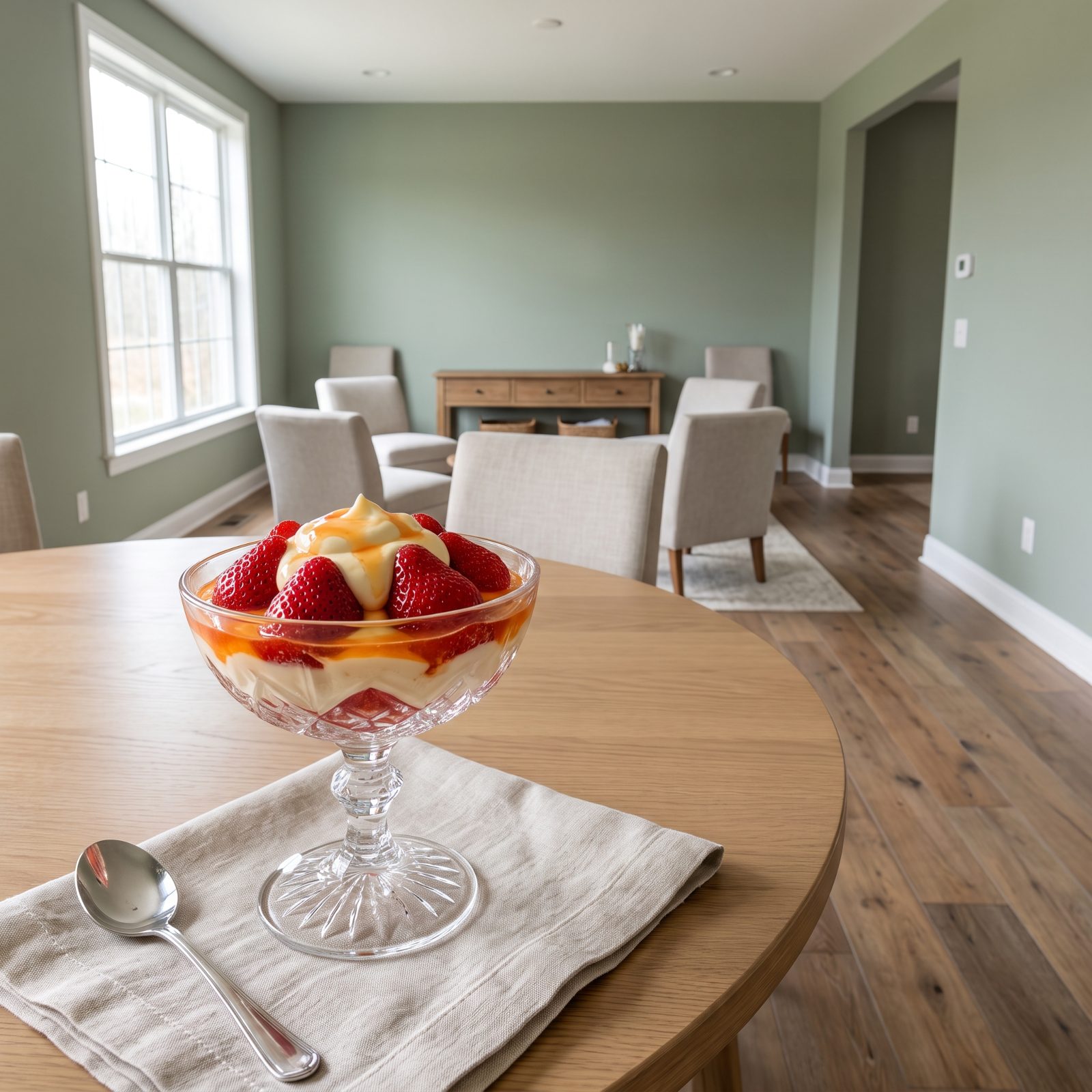
Strawberries folded into cold whipped cream loosened with a splash of orange liqueur, spooned into cut crystal and carried out under low light. That was the whole recipe, and it was plenty.
Supper clubs leaned on it hard because it looked expensive and took almost nothing to make. You could turn out twelve of these without sweating, which is exactly why it anchored dessert menus from the 1950s straight through the 1970s.
6. Grasshopper Pie, the Green Crème de Menthe Icebox Pie of Supper-Club Menus
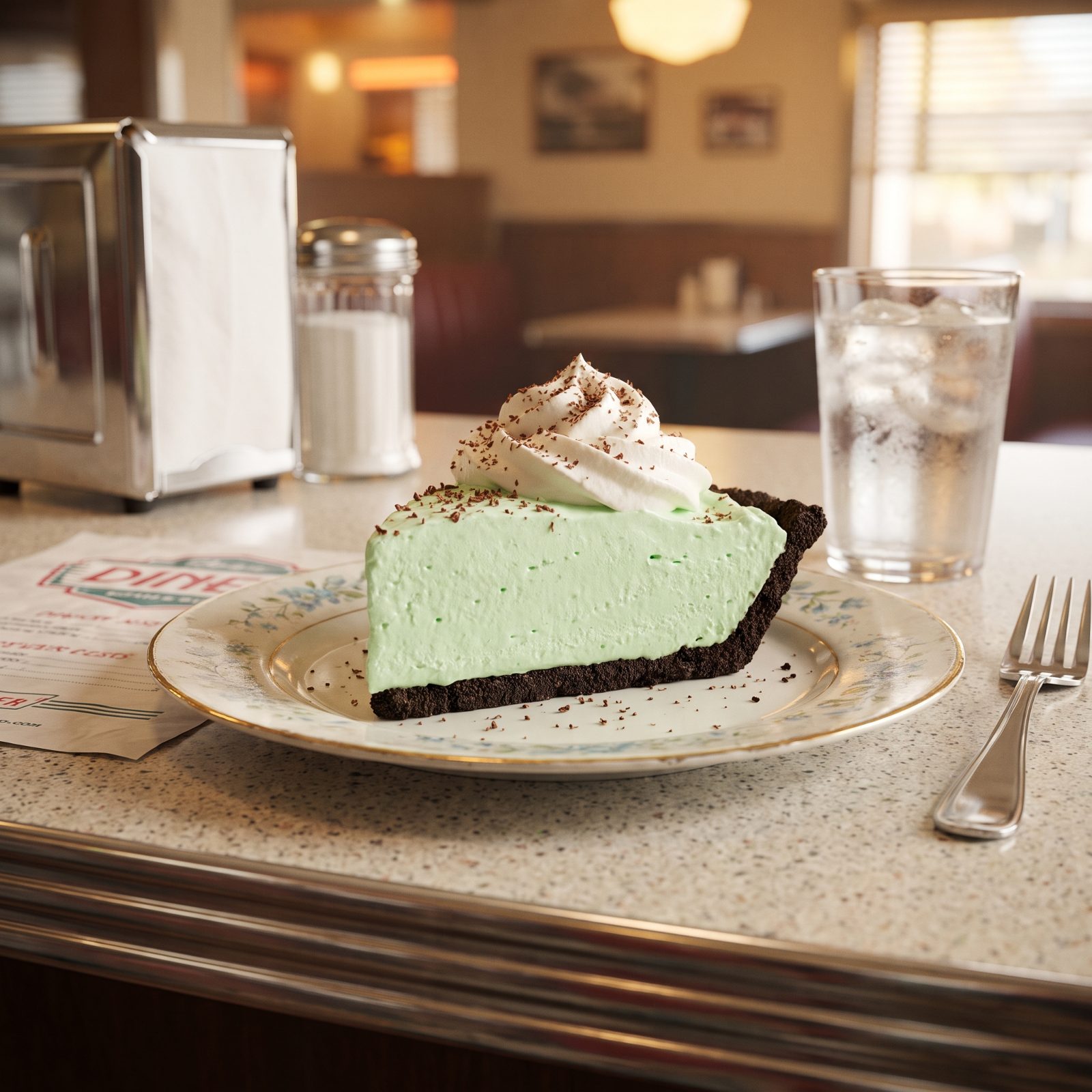
That pale mint-green told you exactly what you were in for before the fork ever landed. Crème de menthe and crème de cacao whipped into a chiffon filling, poured into a chocolate cookie crust and chilled firm. An icebox pie — the oven only got the crust.
This was a cocktail-era creature, from back when a dessert could taste faintly of a nightcap and nobody raised an eyebrow. Supper clubs cut it from a case near the register. Tastes drifted away from boozy sweets and it quietly disappeared. Honestly? It deserves another look.
5. Apple Pan Dowdy, the Skillet Dessert With Crust Pushed Into Bubbling Apple Syrup
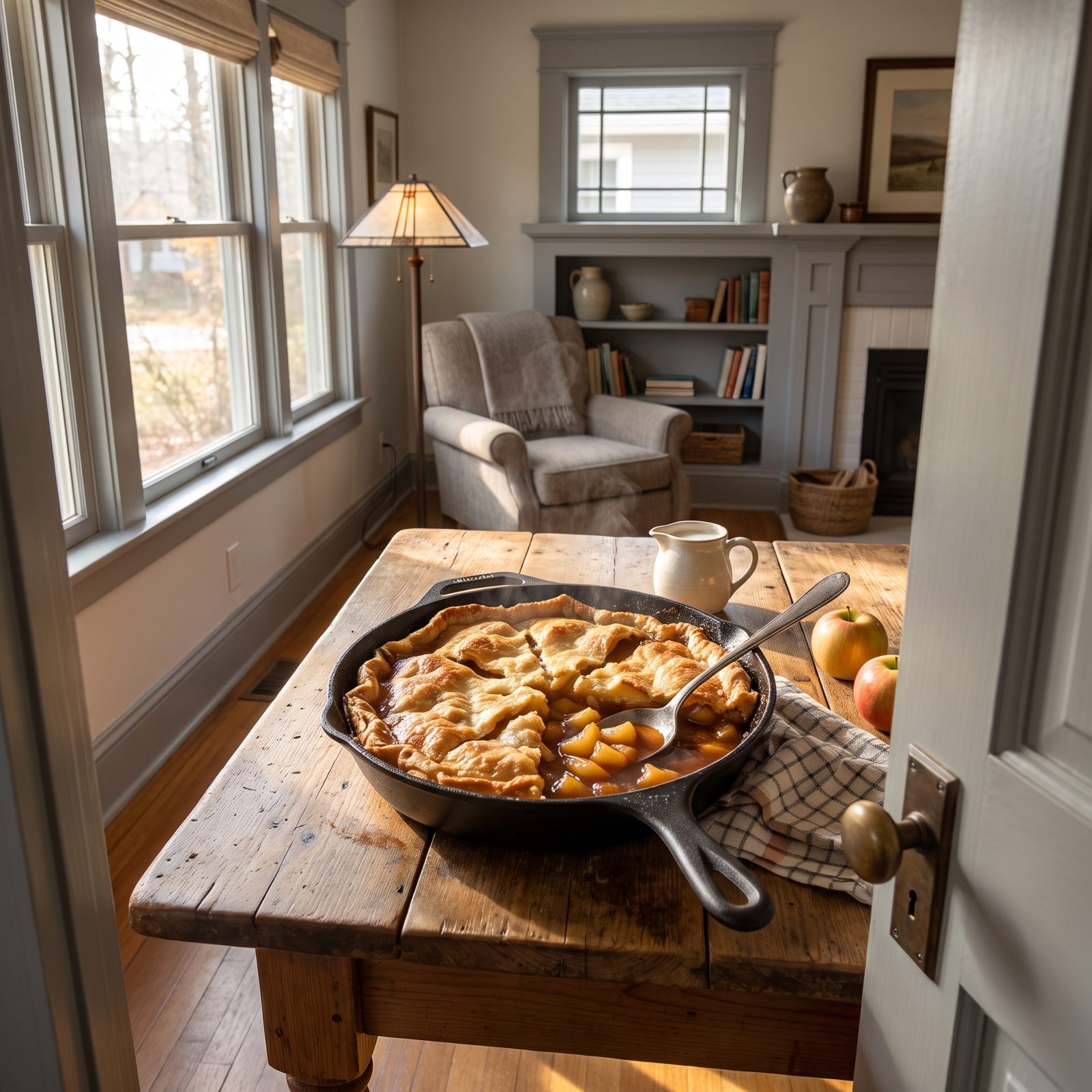
The name comes from the method, not the look. Partway through baking, you break the top crust and shove it down into the hot apple syrup, where it soaks up the spiced liquid and goes soft in patches. “Dowdying” it, the old cooks called it.
It landed somewhere between a pie and a cobbler, served warm from the skillet with a little cream poured over. Diners and home kitchens made it for generations. Then it fell off menus, partly because it photographs like mud — a thin reason to lose a dessert this good.
4. Cherries Jubilee, the Flaming Cherry Dessert That Turned Tableside Service Into Theater
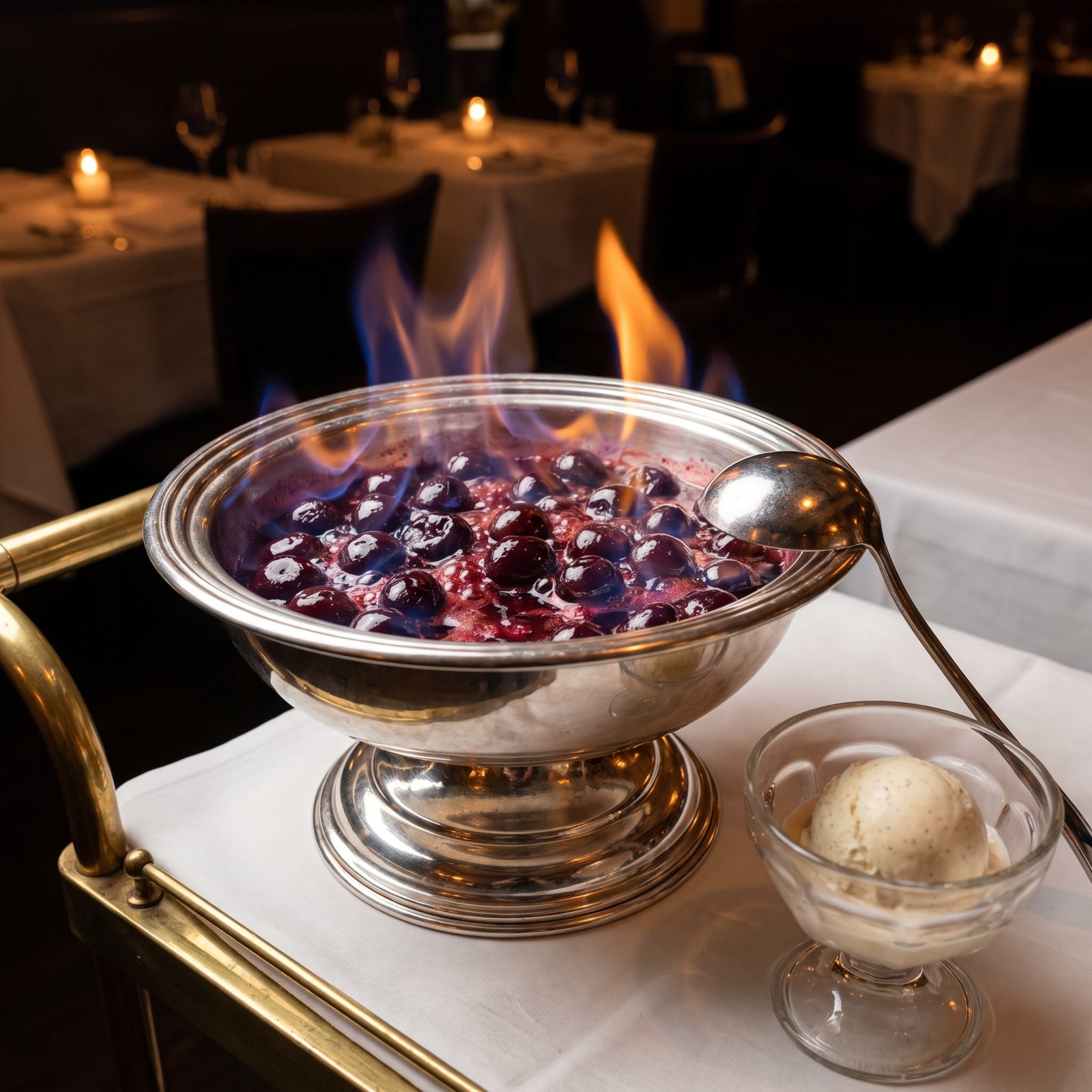
The flame was the show. A captain wheeled over a cart, warmed the cherries in their syrup, splashed in brandy or kirsch, and touched it off so a low blue fire rolled across the pan before it got spooned over vanilla ice cream.
Suddenly a plain bowl of cherries and cream felt like an occasion, and for a stretch every white-tablecloth room had someone who could pull it off. Then tableside flambé faded, driven out as insurance premiums climbed and dining rooms trimmed their staff down to nothing.
3. Crêpes Suzette, the Orange-Butter Crêpes Once Flambéed Beside the Table
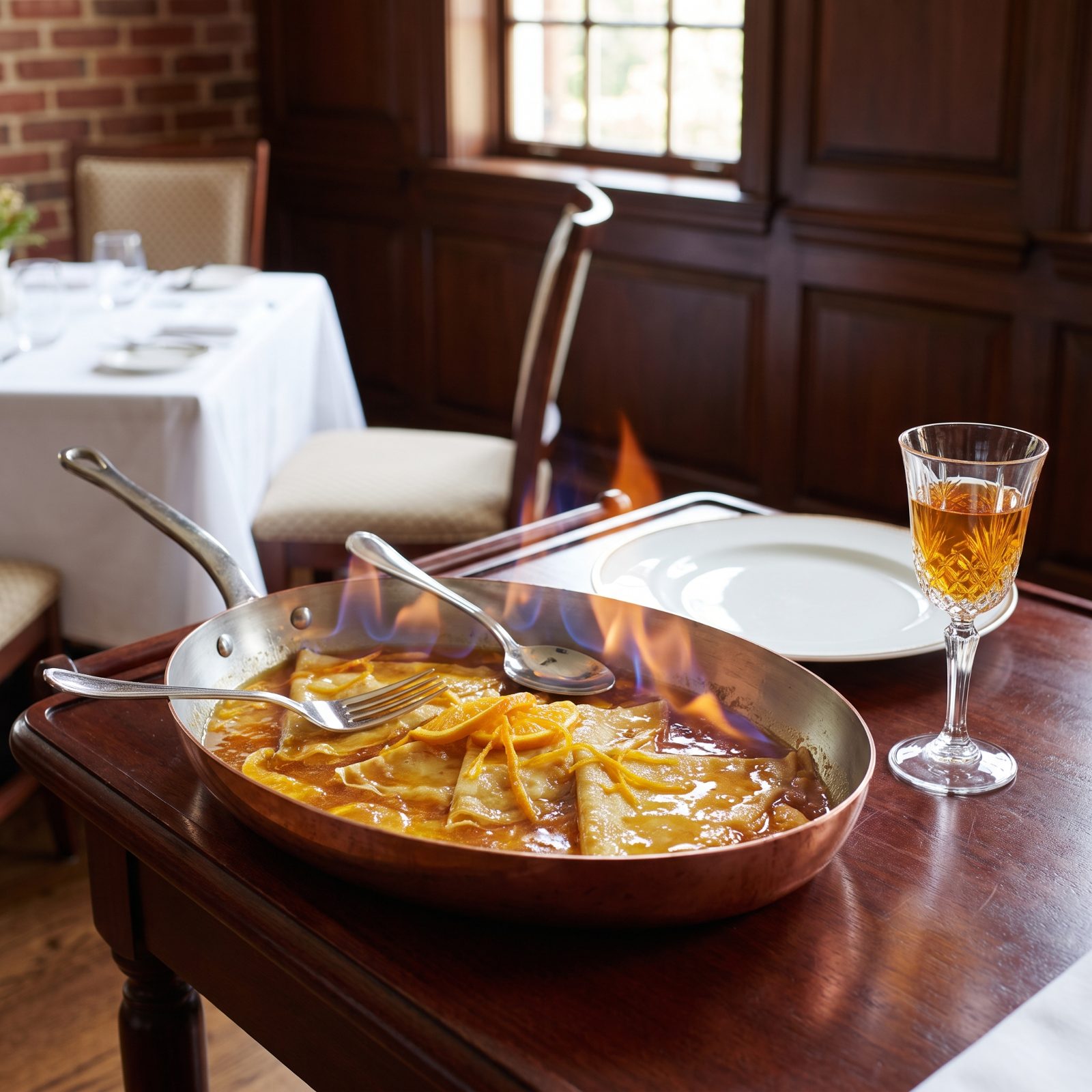
Paper-thin crêpes, folded into a sauce of butter, sugar, and orange, then set alight with liqueur right next to your chair. The smell alone — caramelized citrus and warm butter — used to drift across a dining room and talk the next table into ordering it too.
This was the dessert that told you you’d arrived somewhere nice. The fire was half flavor, half performance. When restaurants ditched the carts and the captains, the whole thing went quiet with them.
2. Baked Alaska, the Ice Cream and Meringue Spectacle Restaurants Sometimes Set Ablaze
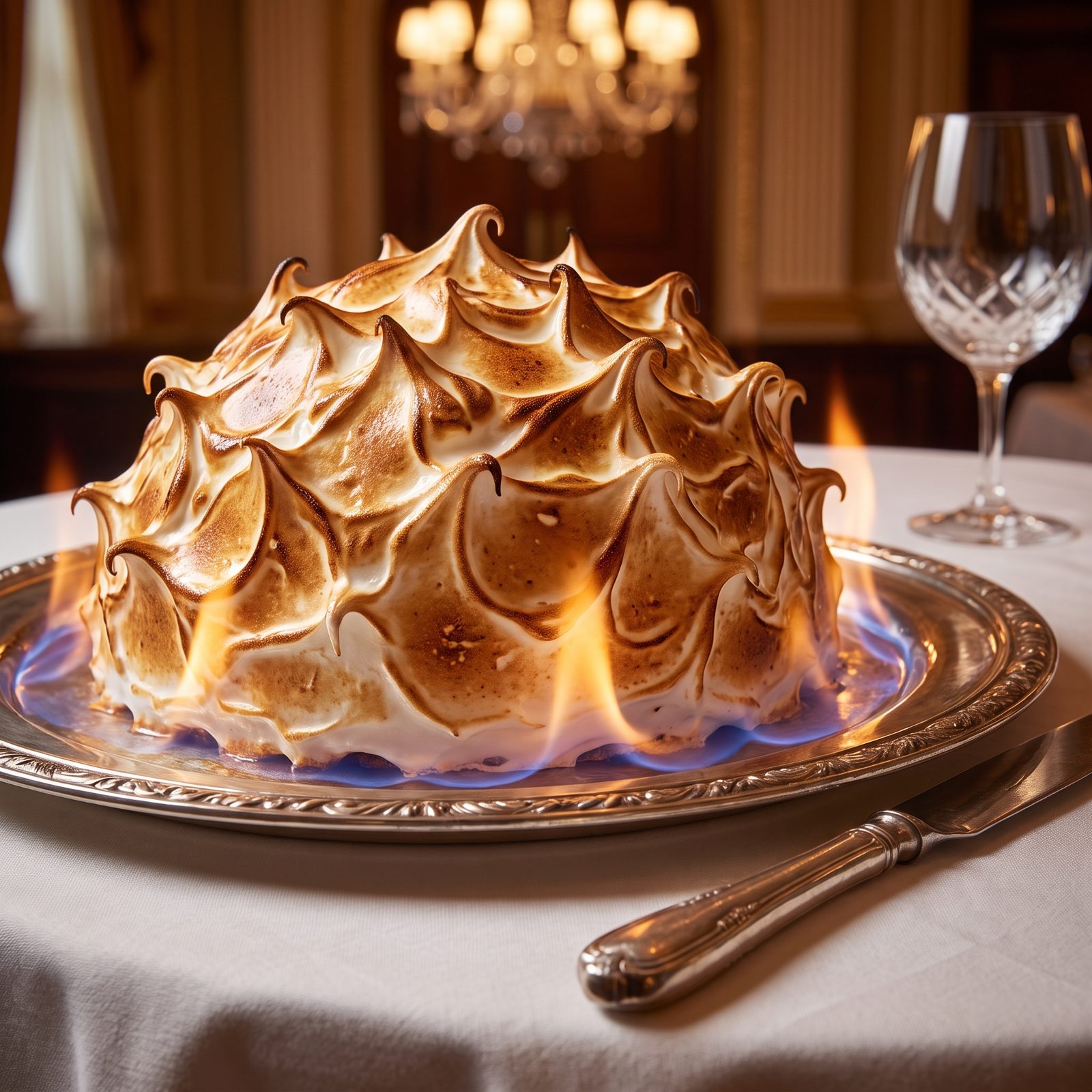
The magic lived in the contradiction. Ice cream, somehow still frozen, under a cloak of meringue fresh out of a hot oven or browned with flame at the table. The meringue insulated the core, and most diners had no clue how it held, which was half the pleasure of ordering it.
At the grandest rooms it arrived burning. It hung on longest at holiday menus and old-guard hotels before slipping into memory. Making one is genuinely nerve-wracking. But watching a server carry a flaming dome across a dim dining room? Worth the price of the seat.
Ice cream that came out of a 450-degree oven and stayed cold. No wonder people stared.
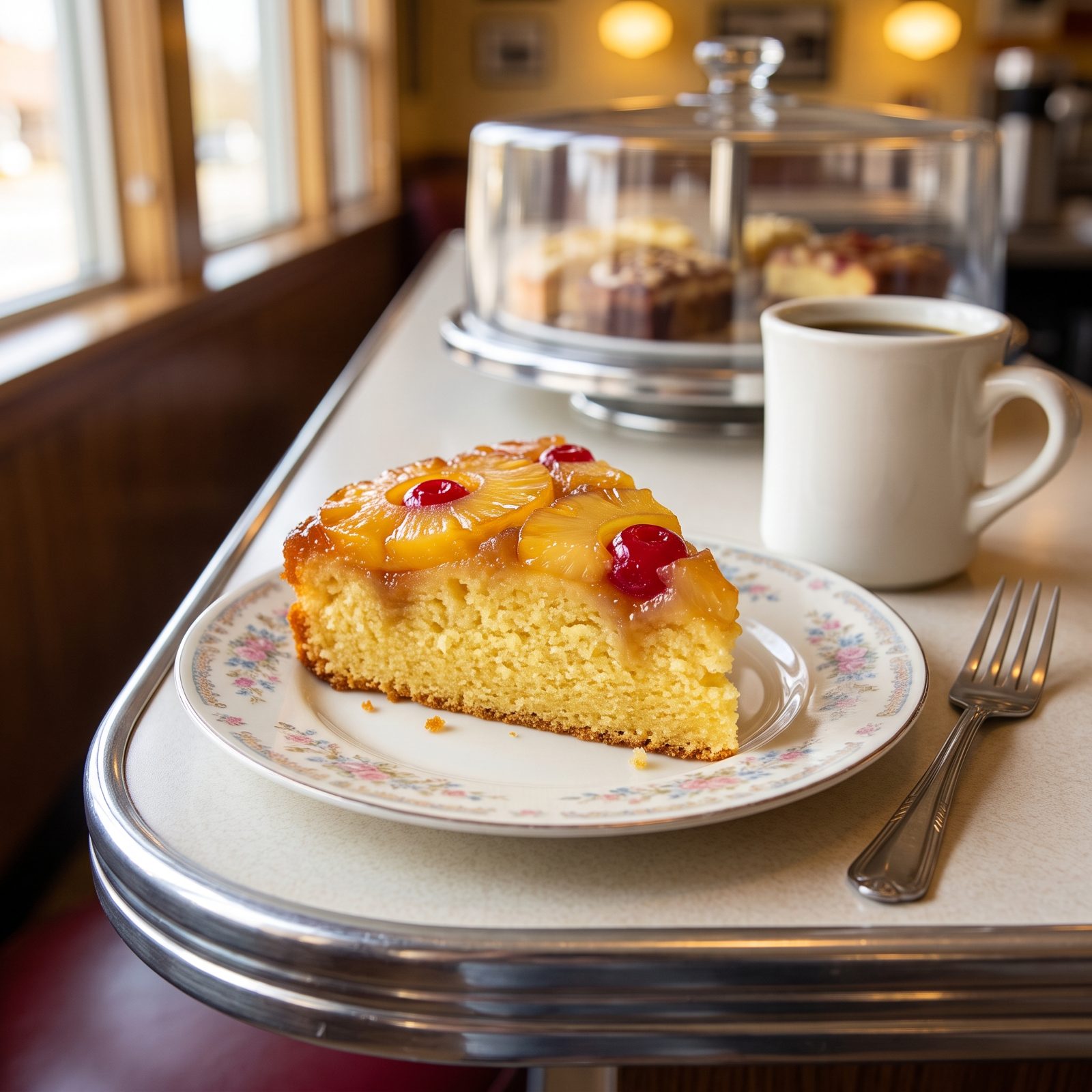
1. Pineapple Upside-Down Cake, the Glossy Fruit-Topped Slice Formerly Displayed in Diner Cases
Would you like to save this?
That ring of golden pineapple with a red cherry parked dead center was pure diner-case bait. Brown sugar caramelized on the bottom of the pan, then flipped out so the glossy fruit rode on top while the syrup sank down into a buttery crumb.
This was the most democratic of the lot. No flame, no cart, no French name — just a cheerful cake under a glass dome by the register. It was slower to vanish than the others, though these days it’s harder to find than it has any right to be. The canned-pineapple ring was the secret all along, and nobody minded one bit.