
Would you like to save this?
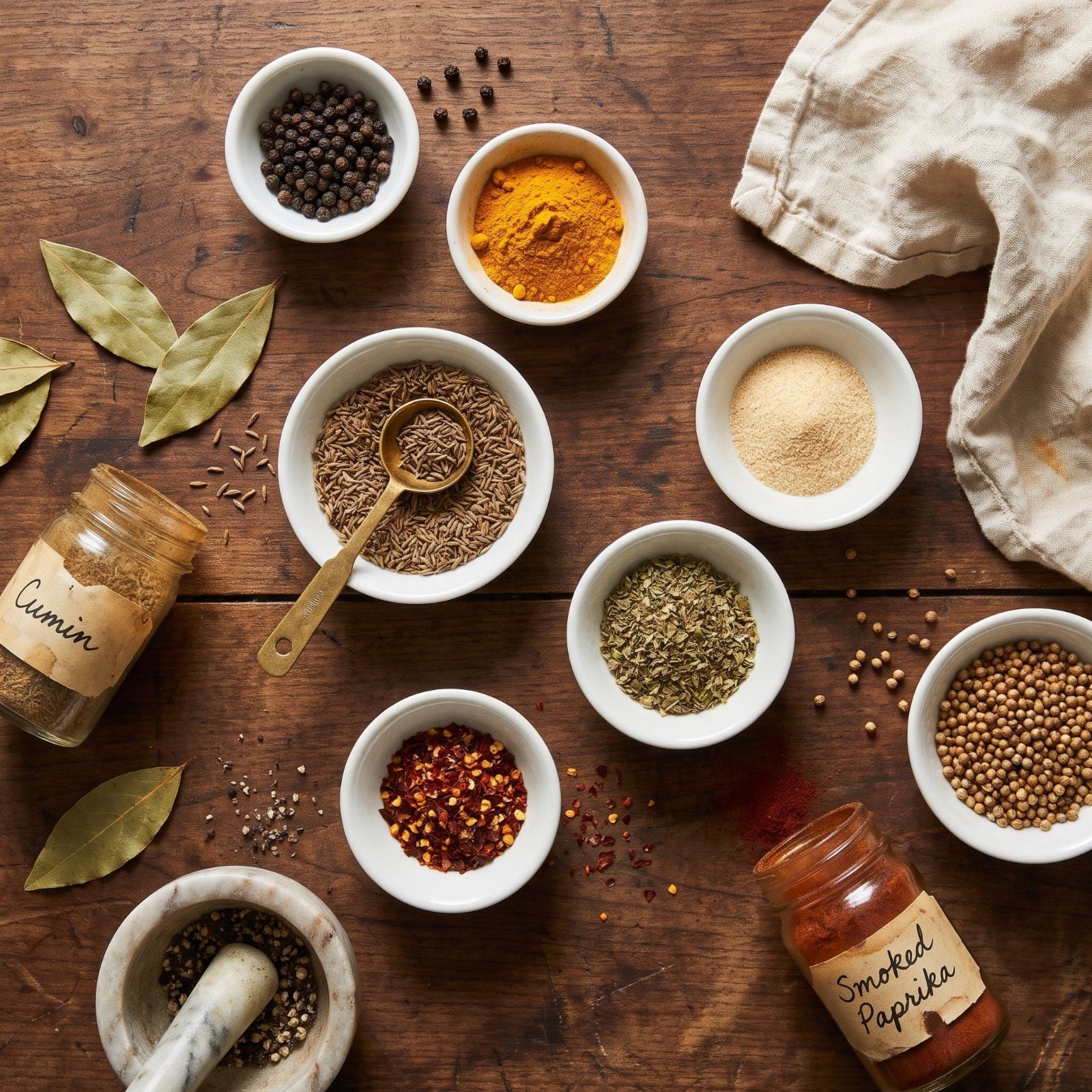
Open the cabinet of anyone who actually cooks and you won’t find jars gathering dust. You’ll find the ones that get used so often the labels have worn soft at the edges. These are the workhorses — the ones that turn a pot of beans into dinner and a flat sauce into something people ask about. Pre-ground stuff loses its soul in about six months, and most of us never notice because we never had the good version to compare. Here’s what earns a permanent spot, and why.
Please note that some of the images in this article were created with the assistance of AI.
42. Black Peppercorns for Freshly Ground Heat and Aroma
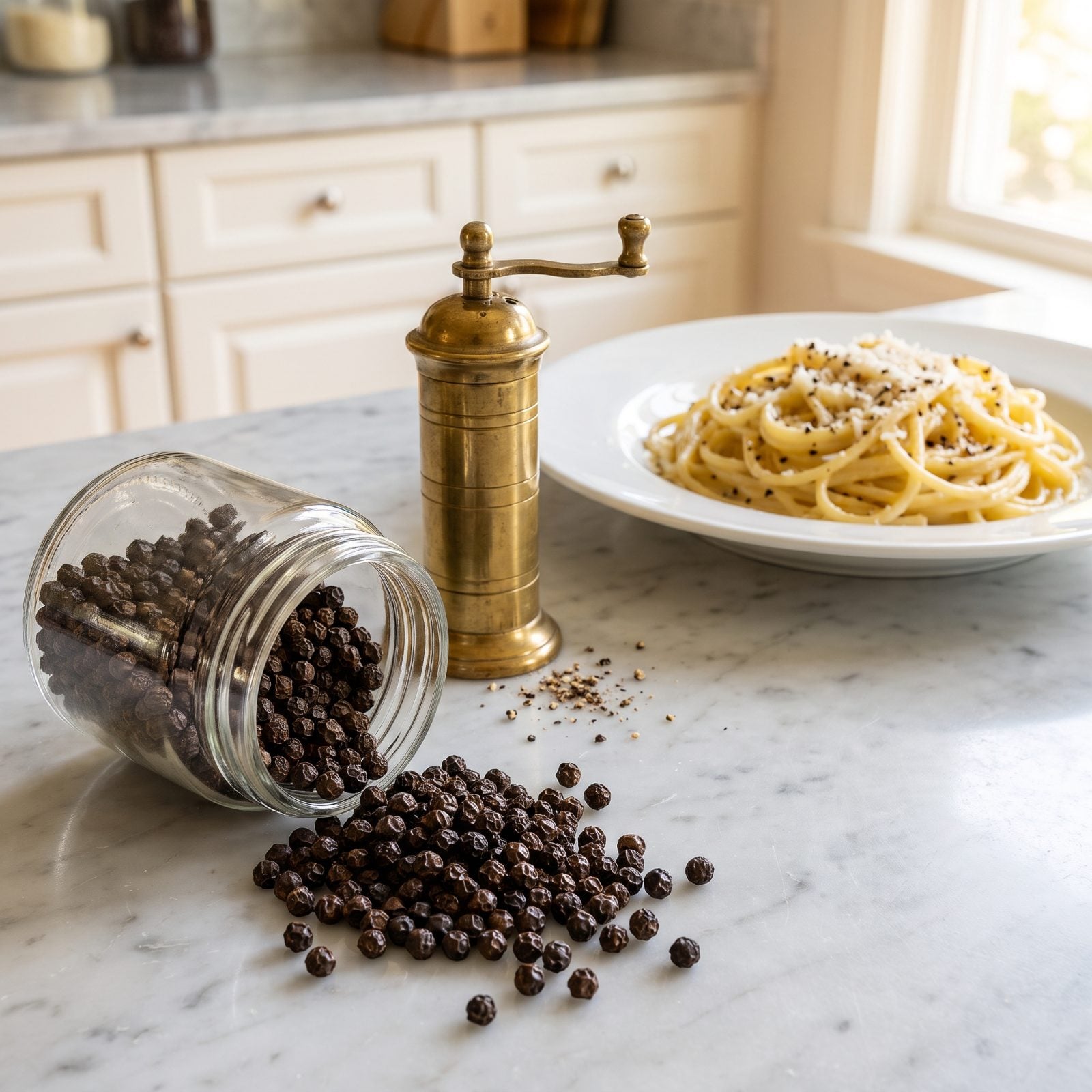
Pre-ground pepper tastes like dust because it basically is. The second you crack a peppercorn it starts dumping its aromatic oils into the air, and a tin that’s been sitting on a shelf for a year gave those up ages ago. What’s left is heat and almost nothing else — no perfume, no pine, none of that sneeze-worthy sharpness that wakes up a dish.
Buy whole peppercorns and a mill you actually like turning. Grind fresh over everything right before it hits the plate. For cacio e pepe, toast the cracked pepper in a dry pan for thirty seconds first and the whole kitchen will smell like a trattoria.
41. Cumin Seeds for Toasty, Earthy Depth
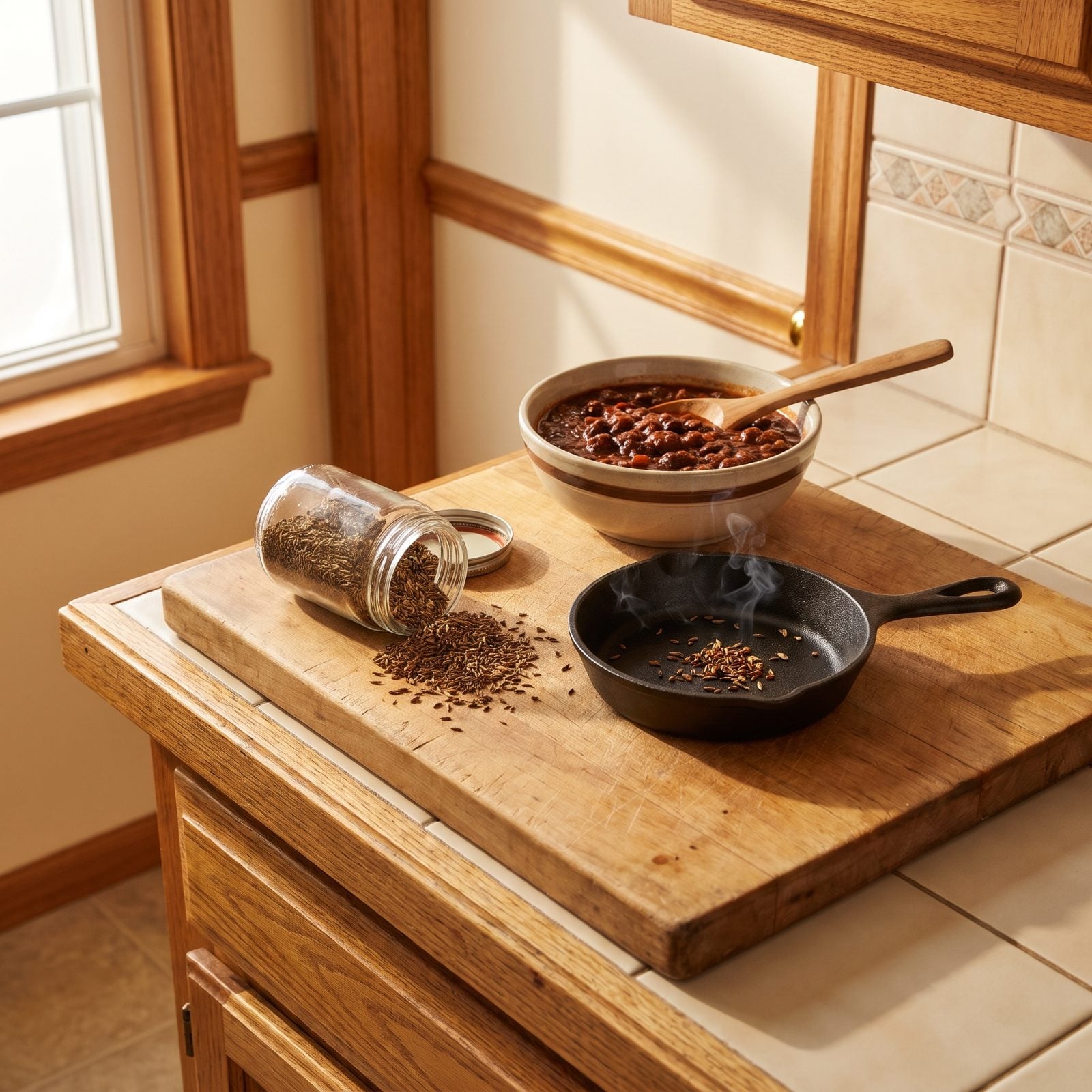
Ground cumin straight from the jar is fine. Cumin seeds you toast yourself in a dry pan, then crush, are a different ingredient entirely. The heat releases oils that turn nutty and almost smoky — the backbone flavor you taste in good chili, taco meat, and a pot of brothy beans.
Toss a spoonful of whole seeds into a dry skillet over medium heat and shake until they darken a shade and start popping, maybe ninety seconds. Grind them, or just drop them in whole. Keep the seeds instead of the pre-ground and your cooking climbs a level for zero extra effort.
What Our Readers Say
- In our reader votes, photos showing cooking in progress got hearts 88% of the time, compared with 82% for the other images in the same articles.
- When Piaci Pizza readers loved a food photo and picked a reason, comfort and nostalgia topped the list, with ingredients close behind at 18%.
From Piaci Pizza reader polls and votes.
40. Garlic Powder for Even Savory Flavor Without Moisture
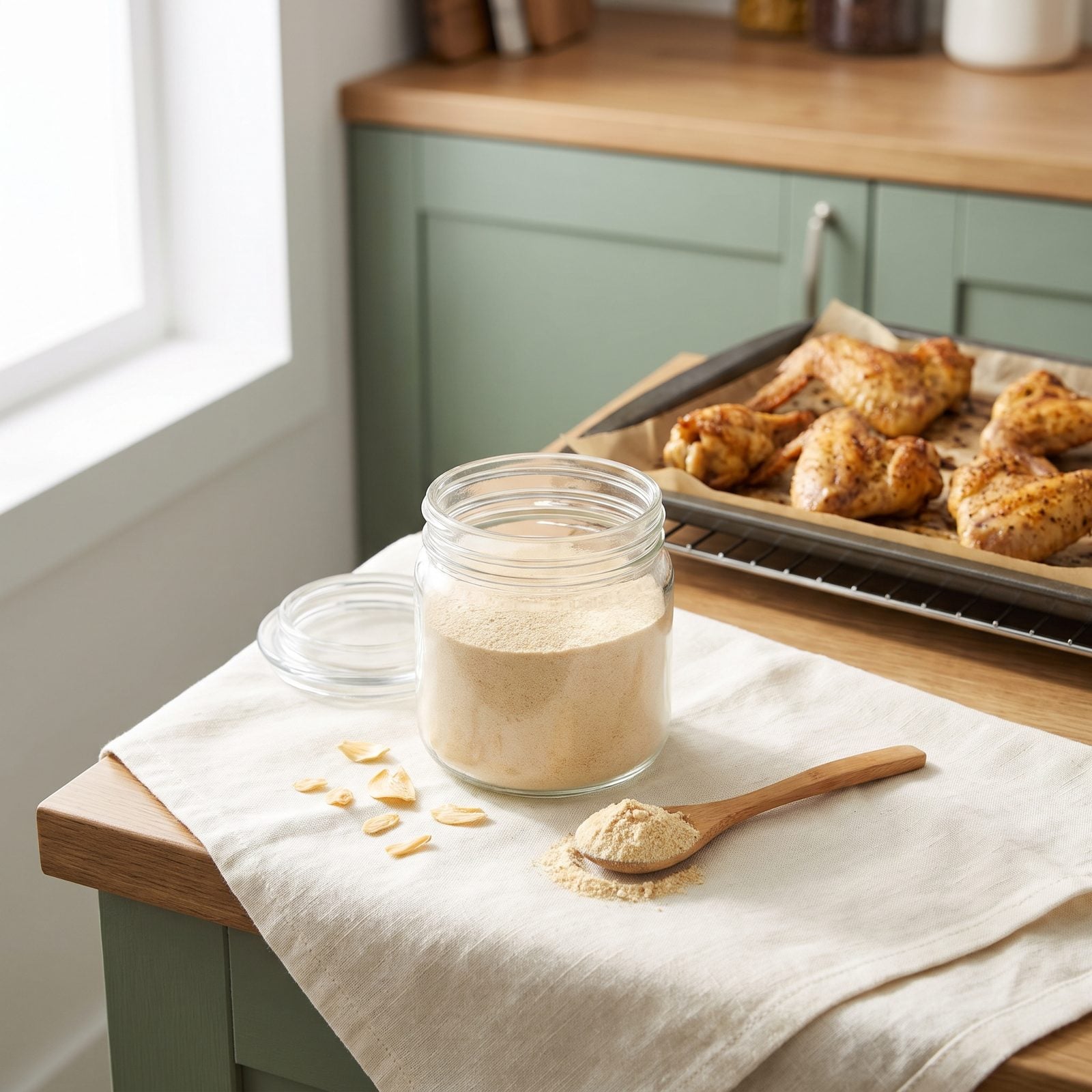
I ignored garlic powder for years as the lazy cousin of the real thing. Wrong. It does a job fresh garlic can’t: it spreads savory flavor evenly through a dry rub or spice blend without adding water or burning into bitter black bits on high heat.
Dust it onto wings before roasting. Stir it into a burger mix. Fold it into a rub for ribs. Fresh garlic sautéed in oil is still king for sauces and sauté, but when you need garlic flavor to cling to a surface and crisp up instead of scorch, powder wins. Keep both — they’re different tools.
39. Bay Leaves for Long-Simmered Soups, Beans, and Sauces
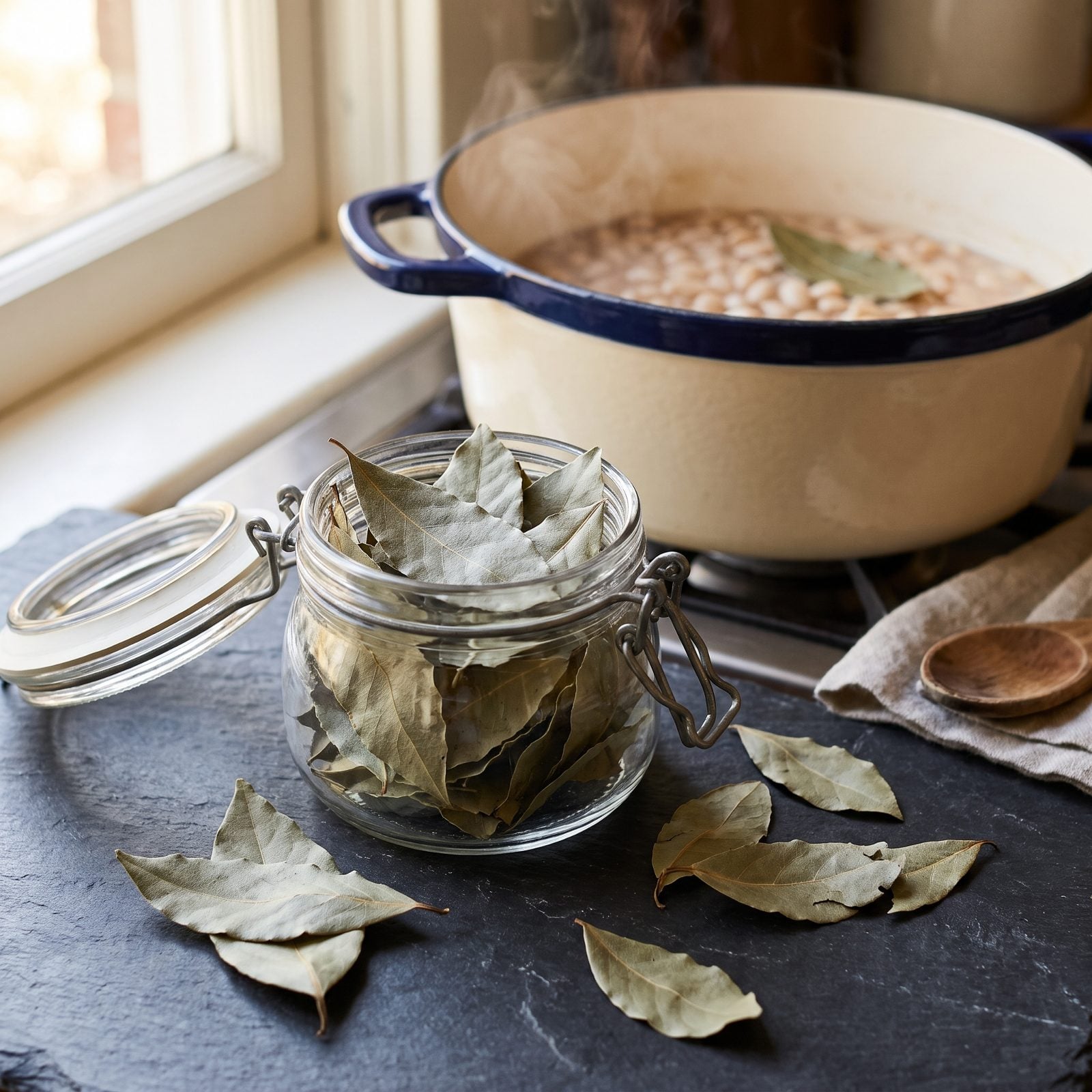
Bay leaf is the ingredient nobody can describe and everybody misses when it’s gone. On its own it tastes like not much — faintly medicinal, a little like eucalyptus. But drop one into a pot of beans, a pasta sauce, or a long braise and let it ride for an hour, and it quietly rounds out every other flavor. Pull it out, taste the difference, and you’ll never leave it out again.
Add it early so it has time to work, and fish it out before serving. It never softens enough to eat. One or two leaves per pot is plenty.
38. Ground Turmeric for Golden Color and Earthy Warmth
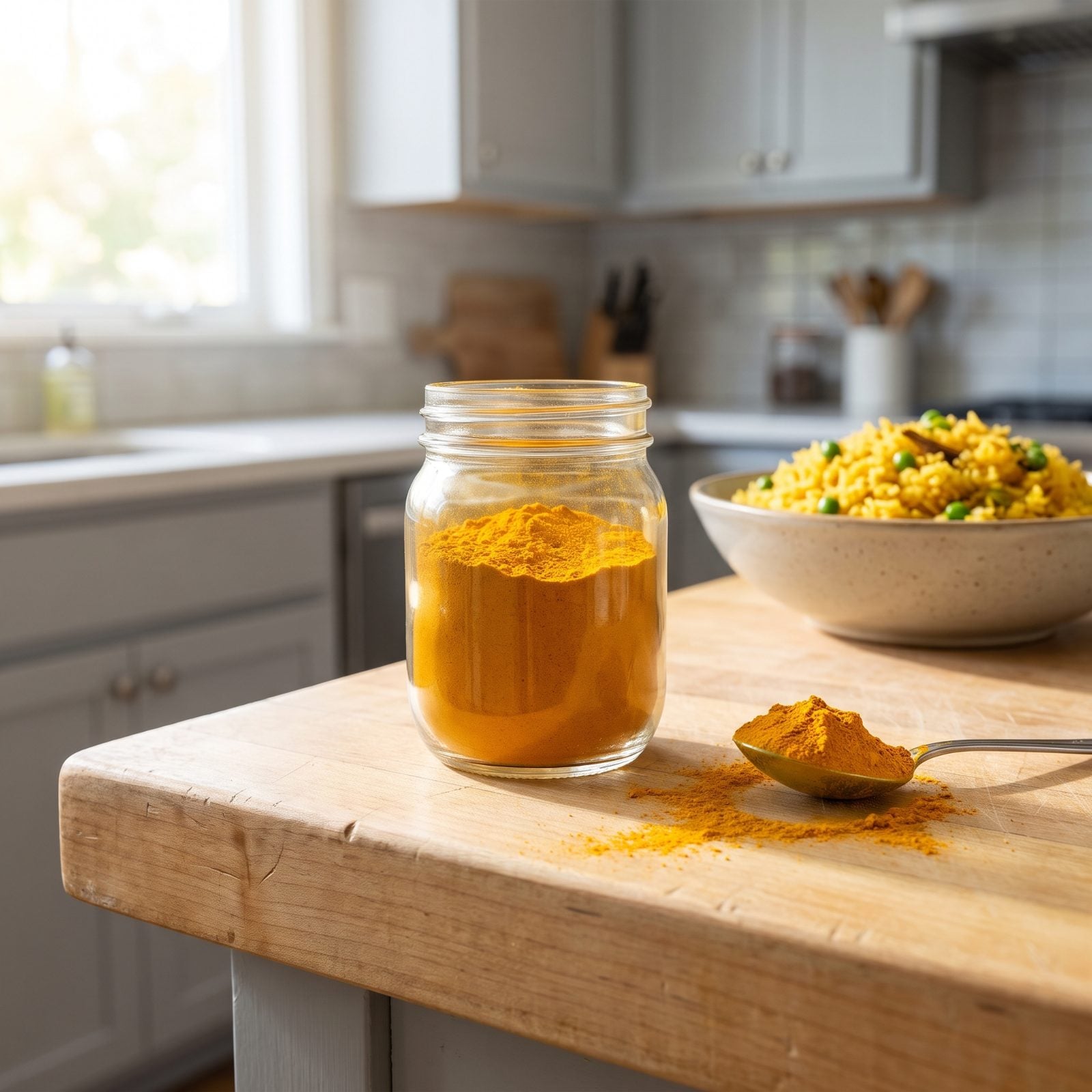
A quarter teaspoon turns a pot of rice sunshine yellow. That color is half the reason to keep turmeric around; the other half is a warm, earthy, slightly bitter flavor that grounds curries, lentils, and roasted cauliflower.
Heads up: it stains everything. Your cutting board, your counter, your fingers, that white apron you were fond of. I’ve got a yellow thumbnail to prove it. Measure over the pot, not over the floor.
Bloom it in a little oil at the start of cooking rather than dumping it in at the end. The fat carries the flavor and the raw, dusty edge cooks off, leaving warmth behind.
37. Coriander Seeds for Bright Citrus and Warm Spice
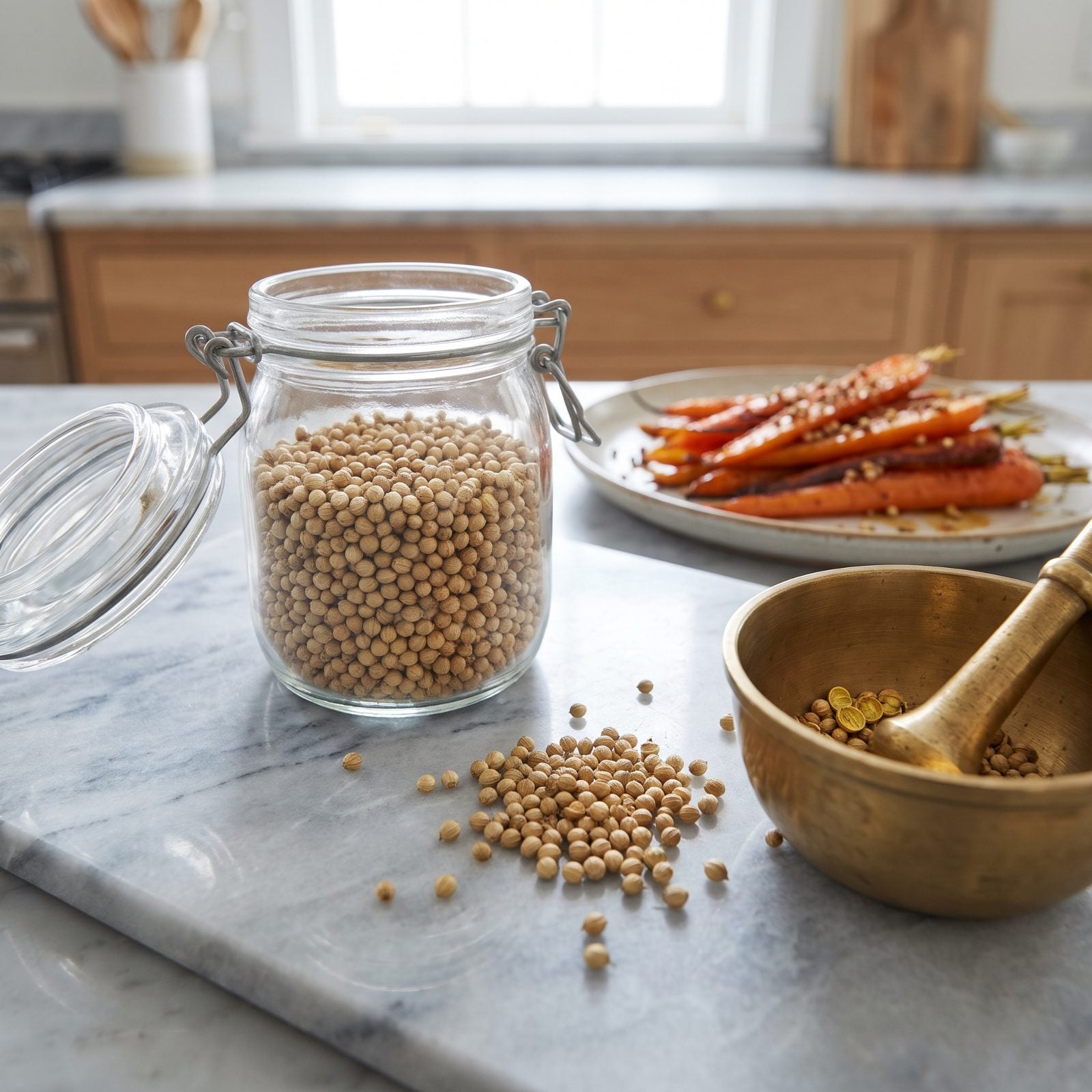
Coriander is cumin’s lighter partner. Where cumin goes deep and earthy, coriander goes bright, almost lemony, with a floral warmth underneath. Toast and crush the seeds and you unlock a citrus note that perks up roasted vegetables, pork, and homemade curry blends.
The two seeds together are a classic pairing for good reason. Toast them in the same pan, crush them together, and you’ve got the base of a hundred dishes. Buy whole and grind as you go. Pre-ground coriander fades fast and loses exactly the bright top note that makes it worth having.
36. Dried Oregano for Tomato Sauce and Roasted Vegetables
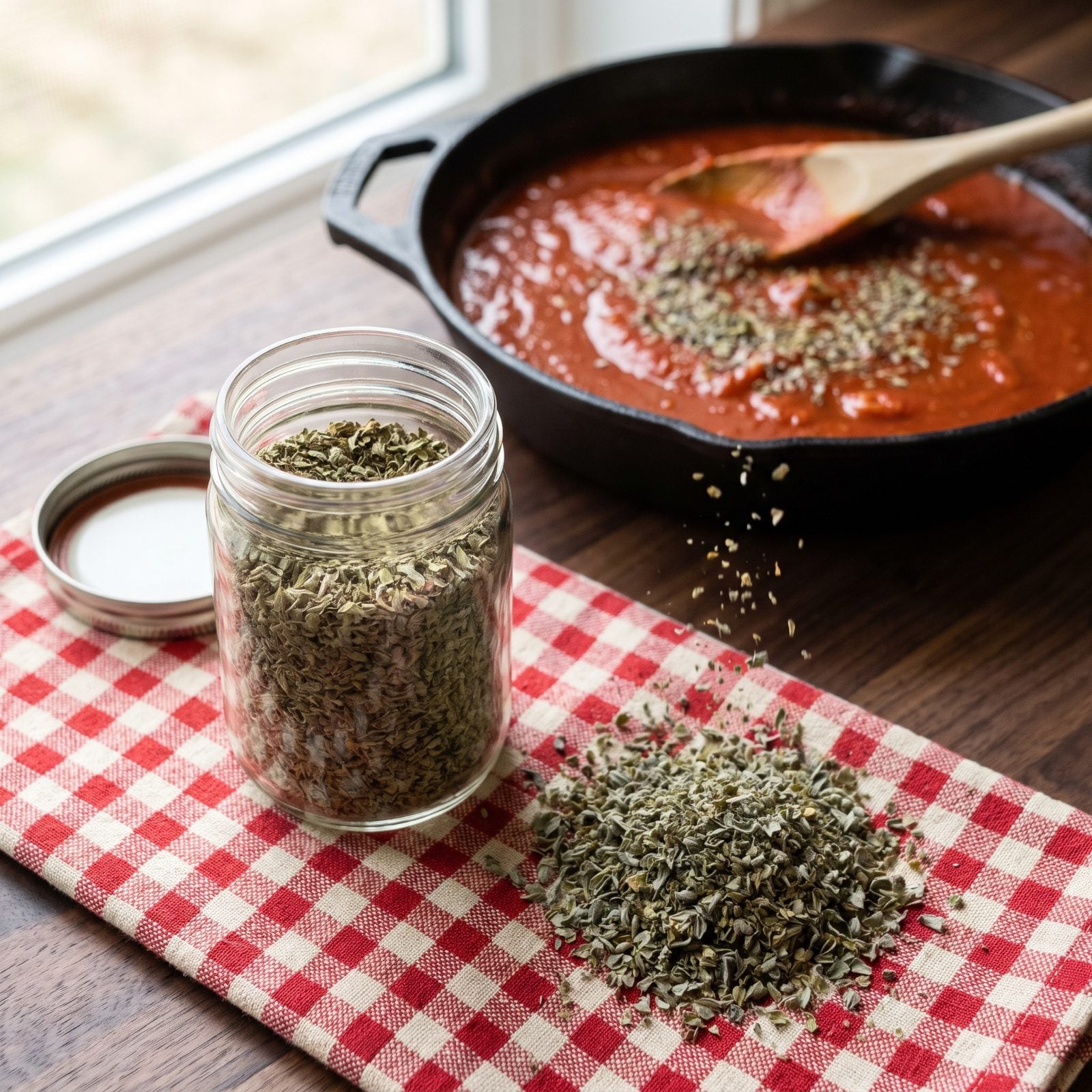
This is one herb that’s actually better dried. Fresh oregano is harsh and grassy. Drying concentrates it into that peppery, slightly bitter punch you taste in every red sauce worth eating and every pizza that ever came out of a brick oven.
Crumble it between your fingers as you add it — the friction wakes up the oils and the aroma hits instantly. Add it to tomato sauce early so it mellows and melds, or toss it on roasting vegetables and potatoes for the last fifteen minutes.
35. Dried Thyme for Stews, Poultry, and Pan Sauces
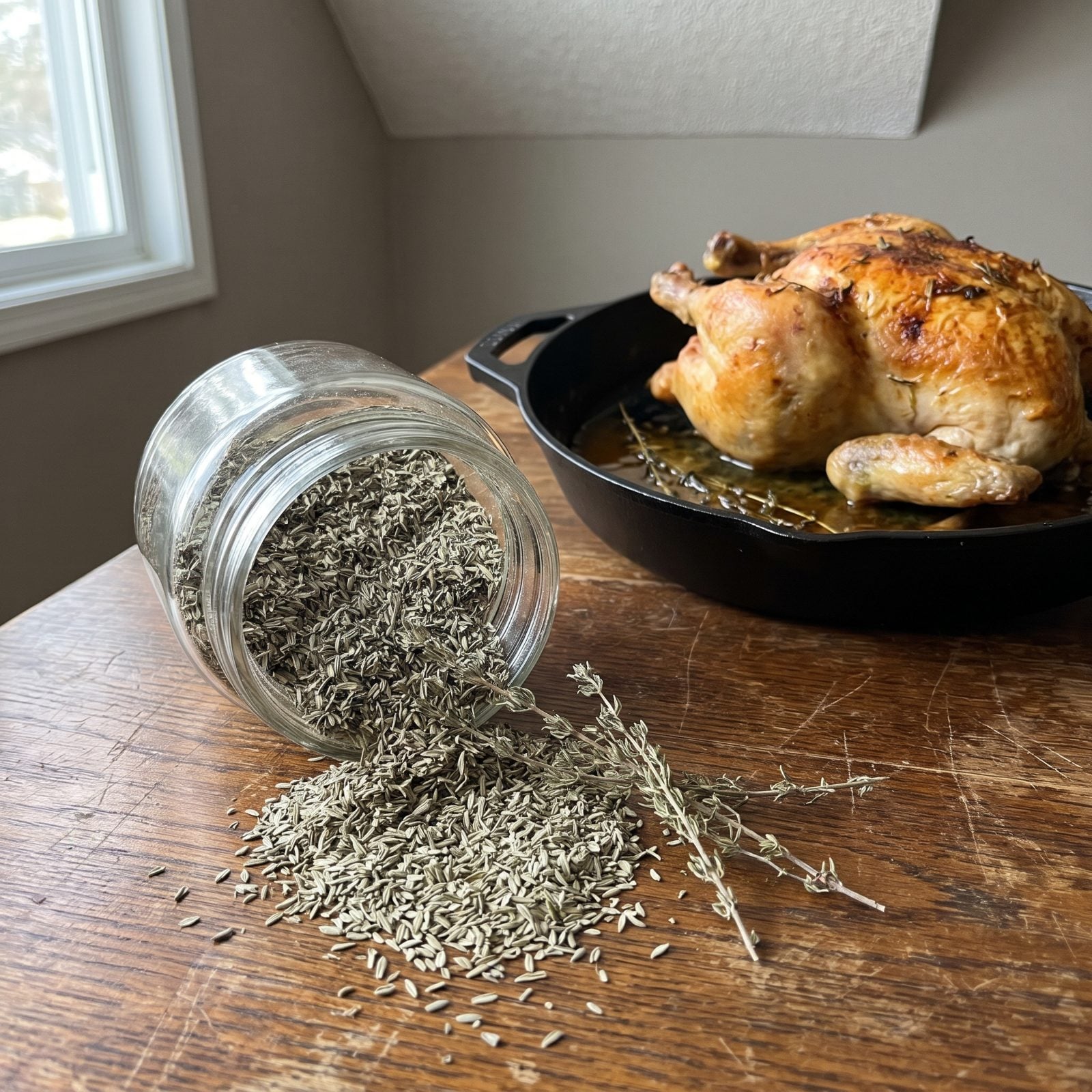
Thyme is the quiet professional of the herb shelf. It doesn’t shout. It just makes meat taste more like meat and makes a pan sauce feel finished. Stews, braises, roast chicken, lentil soup, mushrooms in butter — thyme belongs in all of them.
Unlike oregano, dried thyme wants time to rehydrate and let go of its flavor, so add it early in anything that simmers. A pinch into the fat when you start a soup, long before the liquid goes in, pays off twenty minutes later. It holds up to long cooking better than almost any other dried herb.
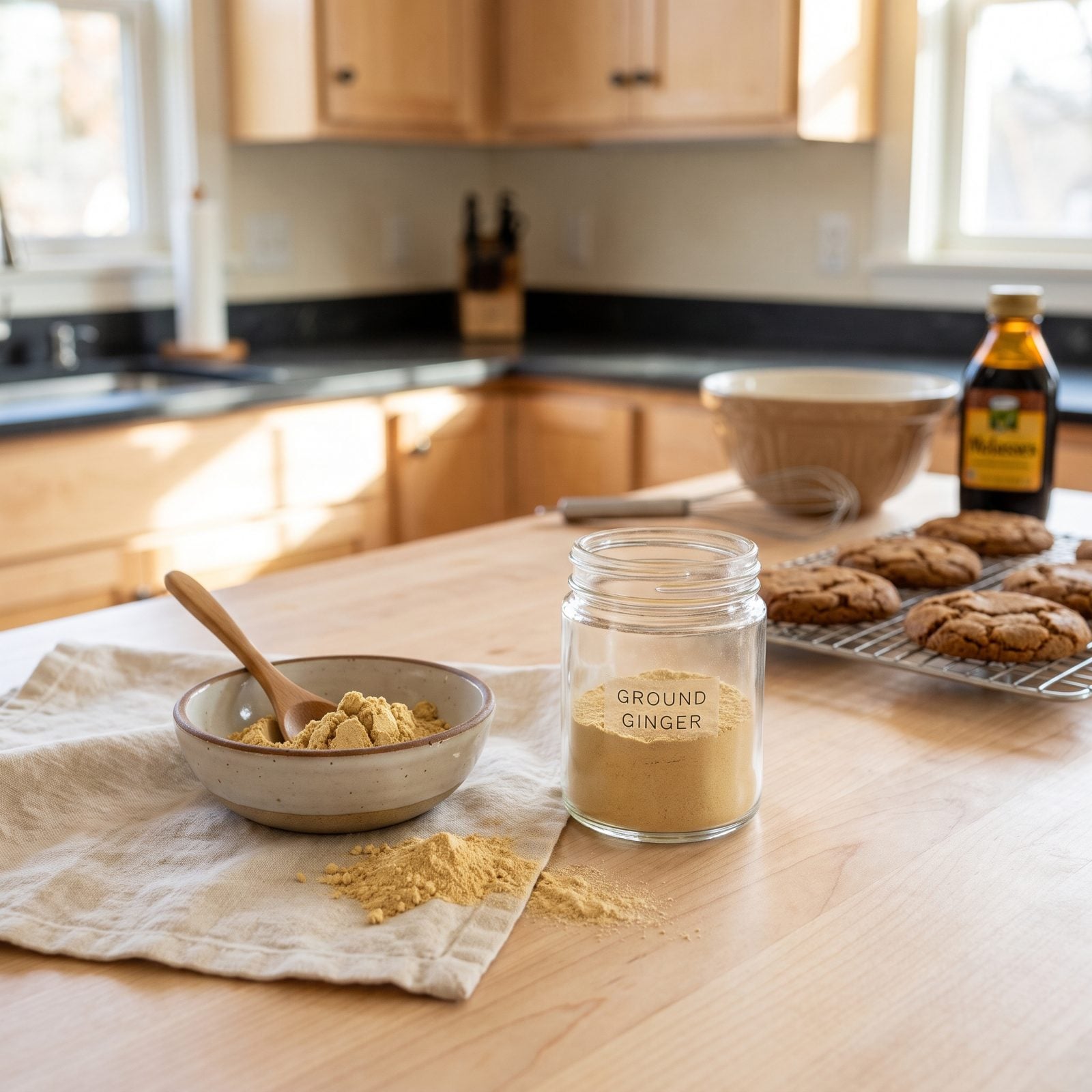
34. Ground Ginger for Baking, Glazes, and Quick Marinades
Would you like to save this?
Fresh ginger and ground ginger are not interchangeable, and swapping one for the other is how recipes go sideways. Ground ginger is drier, warmer, more peppery, and it dissolves into batters and glazes where a knob of fresh root would be too wet and sharp.
Keep it for baking first — gingerbread, spice cookies, carrot cake, pumpkin anything. It works a glaze beautifully too, whisked into soy sauce, honey, and a splash of vinegar for salmon or chicken. And for a fast marinade, ground ginger blooms in oil and clings to meat in a way fresh never quite manages.
33. Crushed Red Pepper Flakes for Easy Table-Side Heat

Every pizza shop table had the shaker — the dented metal one with the big holes, sitting next to the parmesan and the napkin dispenser. Red pepper flakes are heat you add after the fact, which makes them the most democratic spice in the kitchen. One person likes it mild, one likes it blazing, everybody wins.
They’re not just a table condiment, though. Bloom a pinch in olive oil before the garlic goes in and you build warmth into the whole dish instead of slapping it on top. Pasta aglio e olio lives and dies by that move. Keep a jar within reach and shake the heat to taste.
32. Mustard Seeds for Pickles, Curries, and Tempering
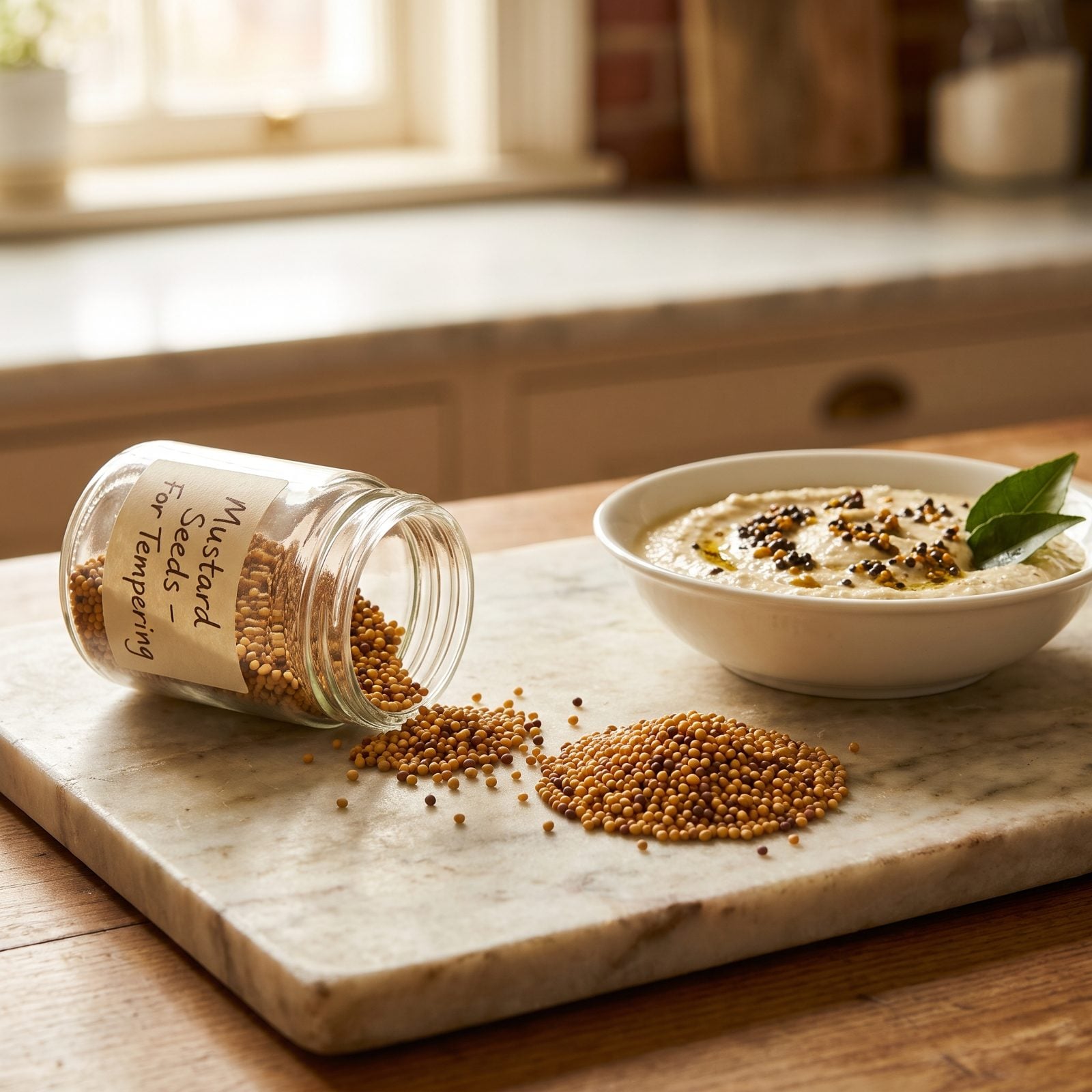
Pop a few mustard seeds in hot oil and they crackle like tiny fireworks, throwing off a nutty, almost popcorn smell that tells you the tempering is working. Skip that step and they just taste harsh and raw.
Heat is the whole trick. Brown seeds want about half a minute in oil over medium-high until they jump and darken. Yellow seeds are milder and lean toward pickling brines and spice rubs, while cracking a teaspoon with the flat of a knife gives you a sharper hit in a vinaigrette.
31. Fennel Seeds for Sweet Anise Flavor
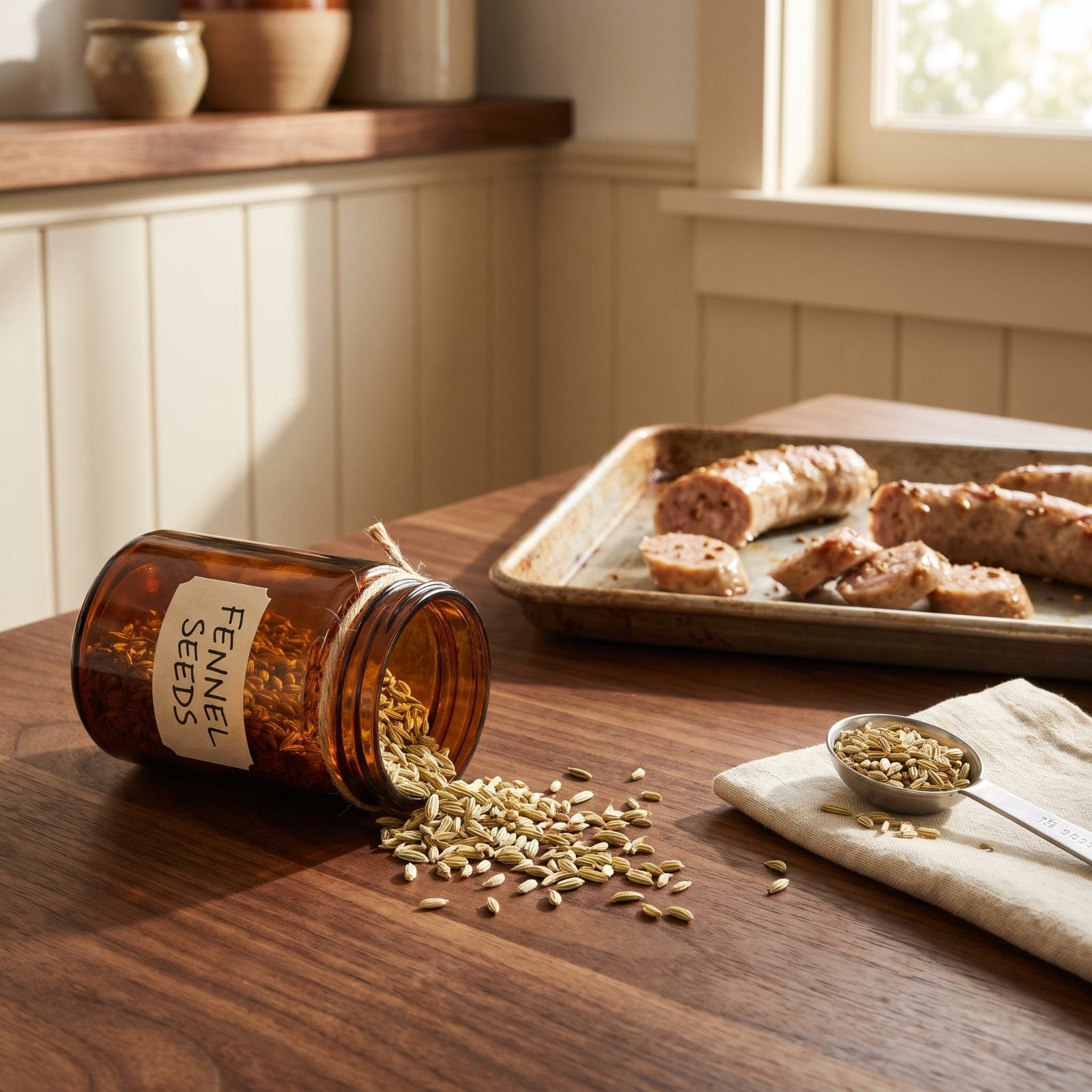
Fennel seeds carry that sweet licorice perfume that makes Italian sausage taste like Italian sausage. Leave them out and you get meat that’s seasoned but somehow anonymous.
They bloom with a gentle toast in a dry pan, about a minute, until the whole kitchen smells like a corner deli. Crush them loosely so you get both the oil and little pockets of whole seed. They’re great in tomato sauce and roasted pork, and a pinch stirred into pizza dough gives you that old-school pizzeria note. Honestly, I keep a jar within arm’s reach of the stove and toss them at sausage, roasted vegetables, even apple crisp.
30. Green Cardamom for Fragrant Sweet and Savory Cooking
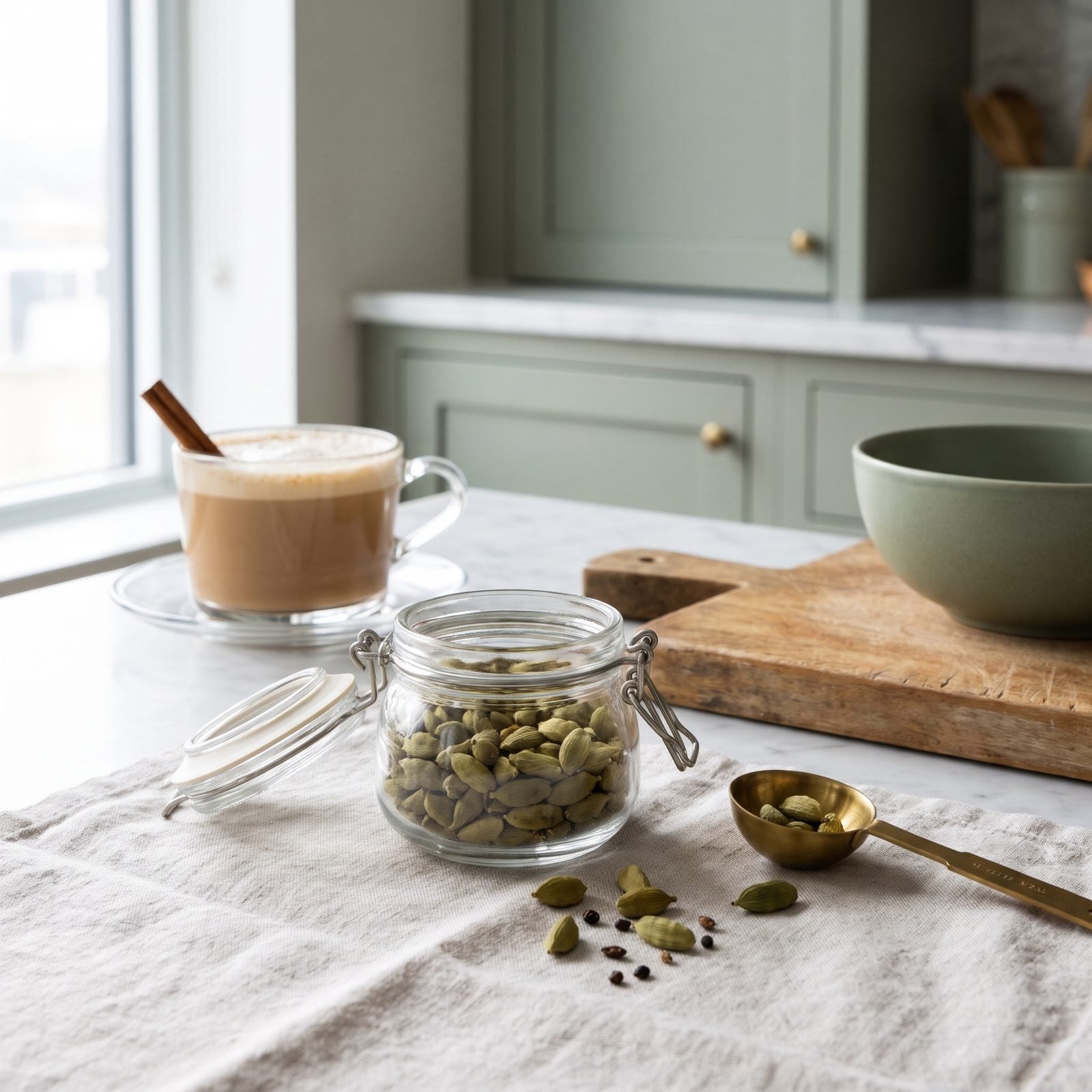
Buy the whole pods, not the ground powder. Pre-ground cardamom loses its floral, citrus-and-pine fragrance fast, and by the time it reaches your shelf it’s half gone. Crack a pod, though, and the smell practically jumps out at you.
Bruise the pods and drop them whole into rice, chai, or braises so they perfume the pot, then fish them out. For baking, pry out the sticky black seeds and grind just what you need. A little goes a long way. Start with the seeds of two or three pods for a whole batch and adjust from there.
29. Cloves for Potent Warmth in Tiny Doses
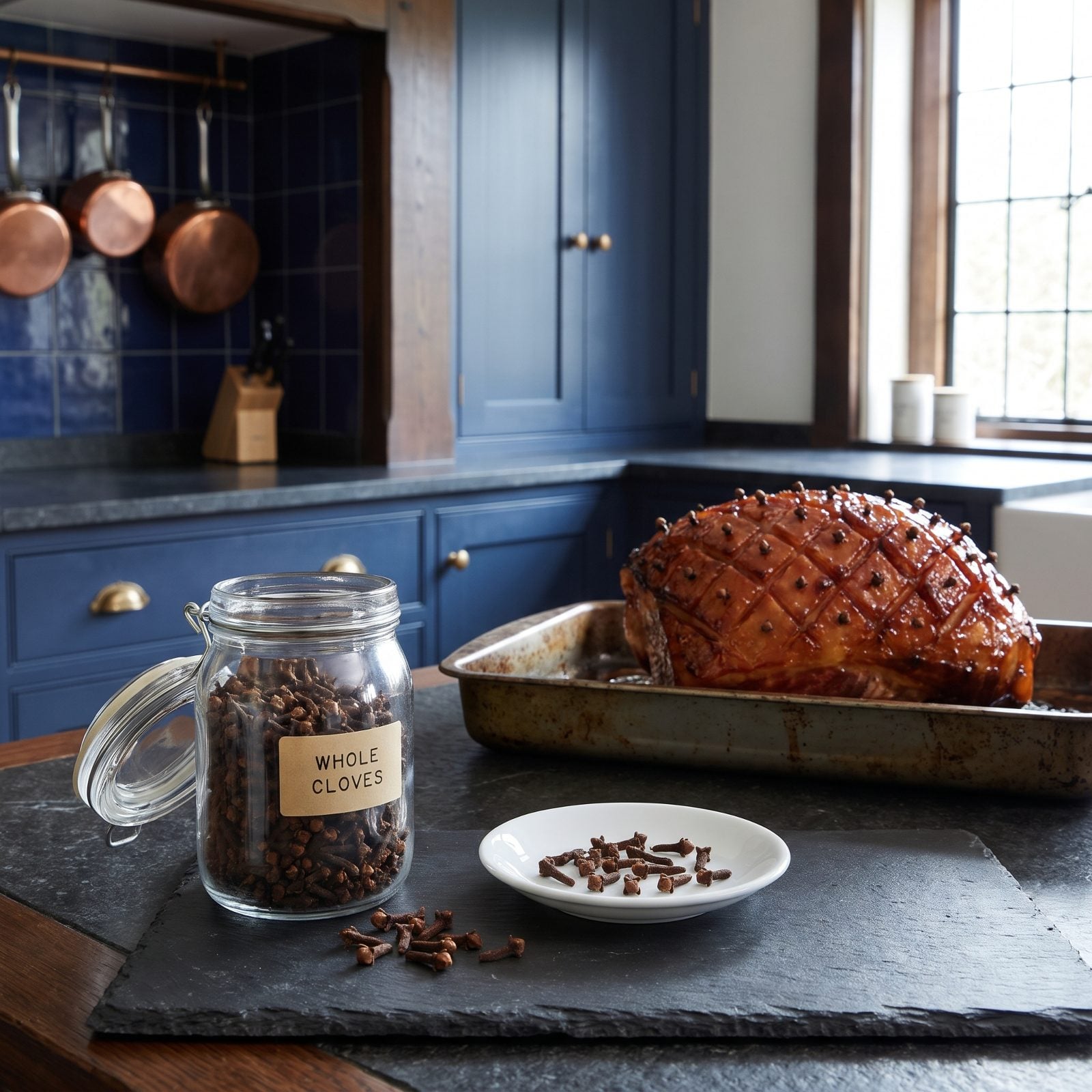
Cloves are the bully of the spice rack. One too many and your whole dish tastes like a dentist’s office. Used right, they add a deep, warm, slightly medicinal sweetness that nothing else replaces.
So respect the dose. Two or three whole cloves can perfume an entire pot of braised beef or a pot of rice. Stud a ham, simmer them in mulled cider, drop one into a pot of beans. Ground clove belongs in gingerbread and pumpkin pie, but measure it with a light hand. I ruined a batch of chili once with what I thought was a modest pinch. It was not modest.
28. Whole Nutmeg for Fresher Cream Sauces and Desserts
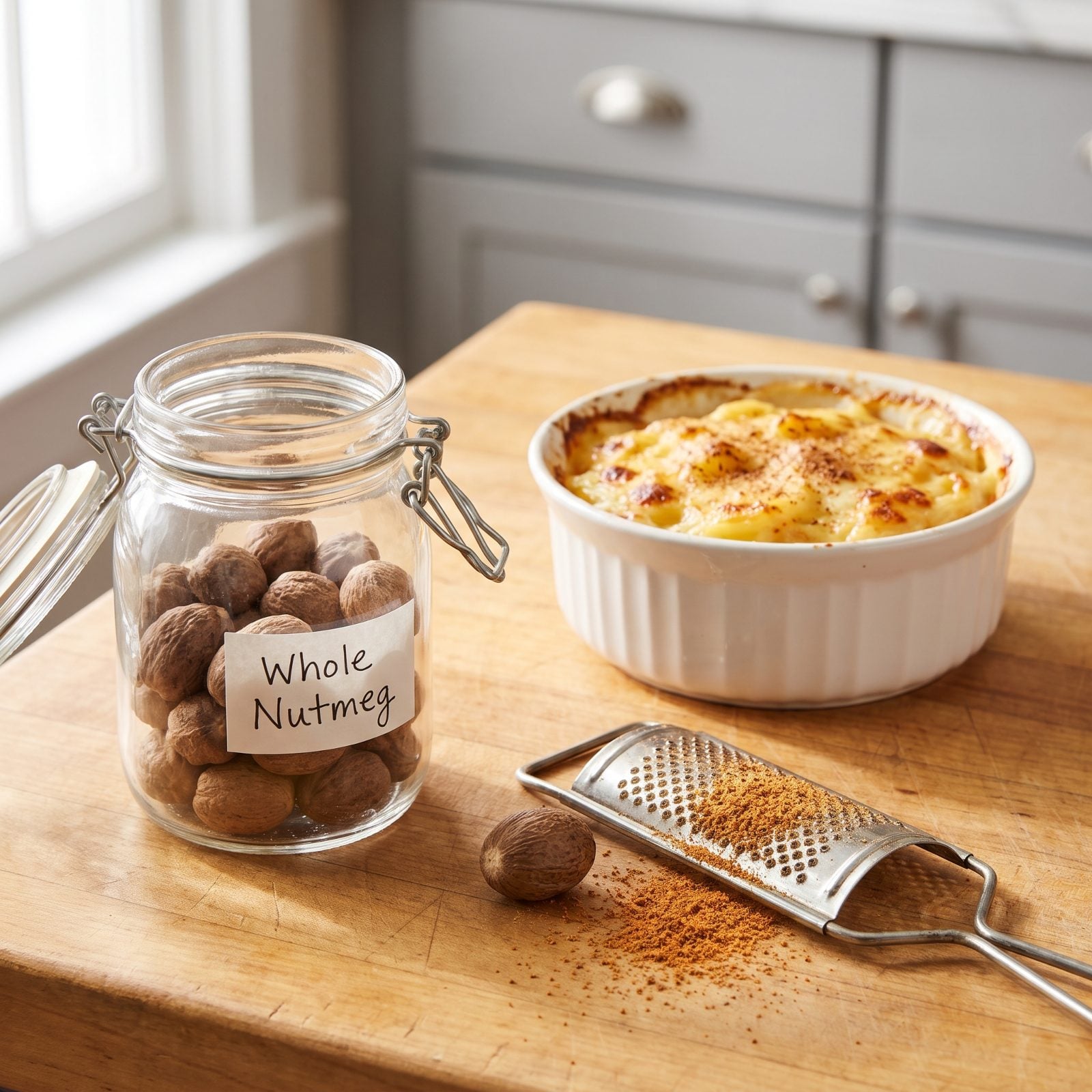
Pre-ground nutmeg smells like dust. Grate a whole nutmeg against a fine rasp and the oils hit you right away, warm and sweet and a little woodsy, nothing like what shakes out of the tin.
Whole nutmeg keeps its punch for years, and you only need a few passes of the grater. A little grated into béchamel, creamed spinach, or mashed potatoes rounds everything out. It’s the secret behind a good eggnog and the quiet backbone of a lot of custards.
27. Allspice Berries for Jerk Seasoning and Autumn Baking
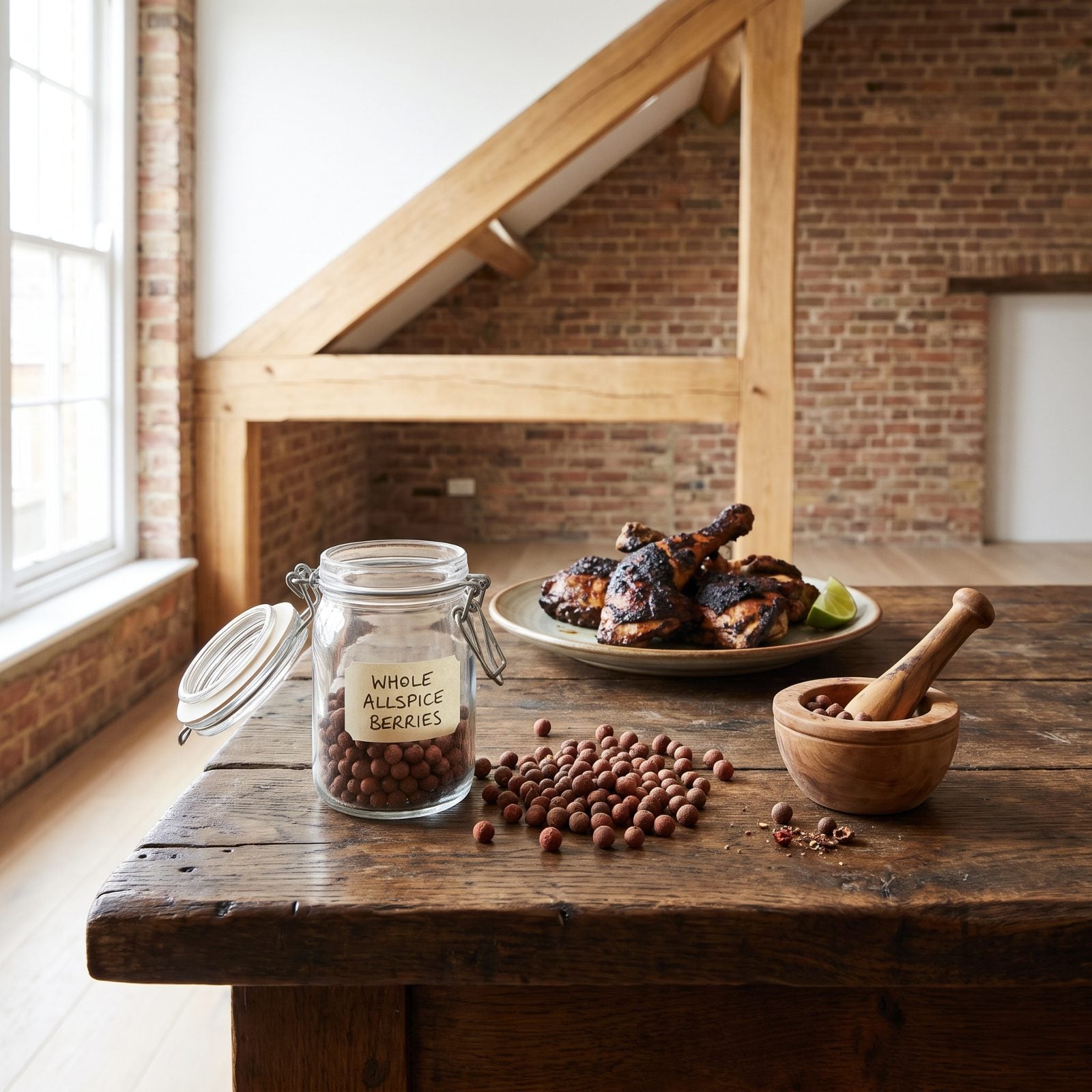
The name fools people into thinking it’s a blend. Allspice is a single berry that happens to taste like cinnamon, clove, and nutmeg rolled together, which is why one jar can stand in for three.
It’s the backbone of Jamaican jerk, where whole berries go into the wet rub and the meat gets smoked over allspice branches. On the sweet side, a pinch of the ground stuff deepens apple pie, spice cake, and pumpkin anything. Toast the whole berries and crack them for the biggest aroma.
One berry that tastes like three spices is the most honest bargain in the whole cabinet.
26. Star Anise for Broths, Syrups, and Slow-Cooked Meat
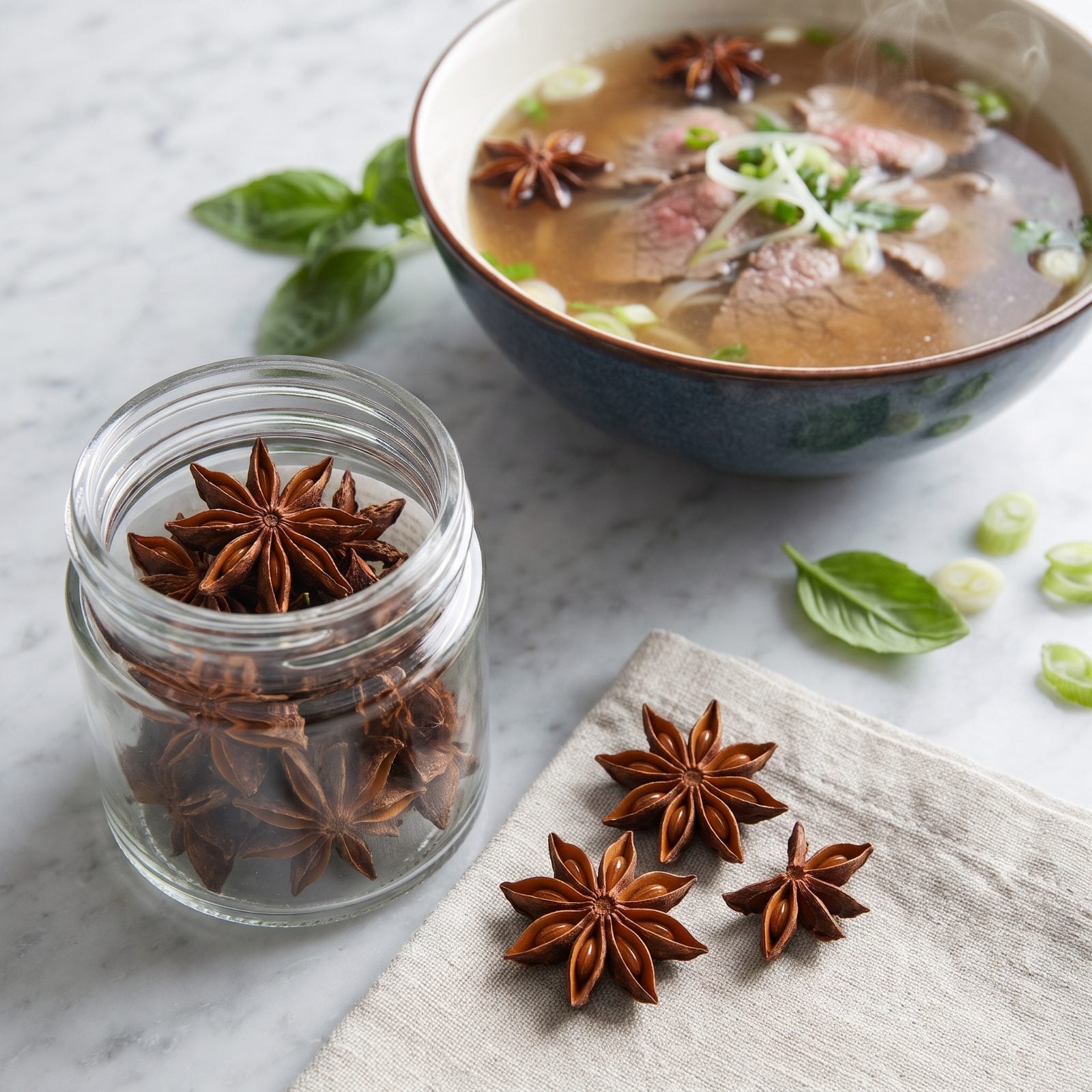
Those perfect brown stars look like a craft project. Drop one into a simmering pot, though, and it turns the whole thing deep, sweet, and faintly licorice. It’s the signature note in pho and Chinese red-cooked pork.
Use it whole and pull it out before serving, because biting into a point is an unpleasant surprise. One or two stars will flavor a big pot of broth, a batch of poaching syrup for pears, a short rib braise. It plays shockingly well with beef and citrus. And a single star in a pot of mulled wine does more than a whole jar of ground spice.
25. Onion Powder for Rubs, Sauces, and Pantry-Friendly Depth
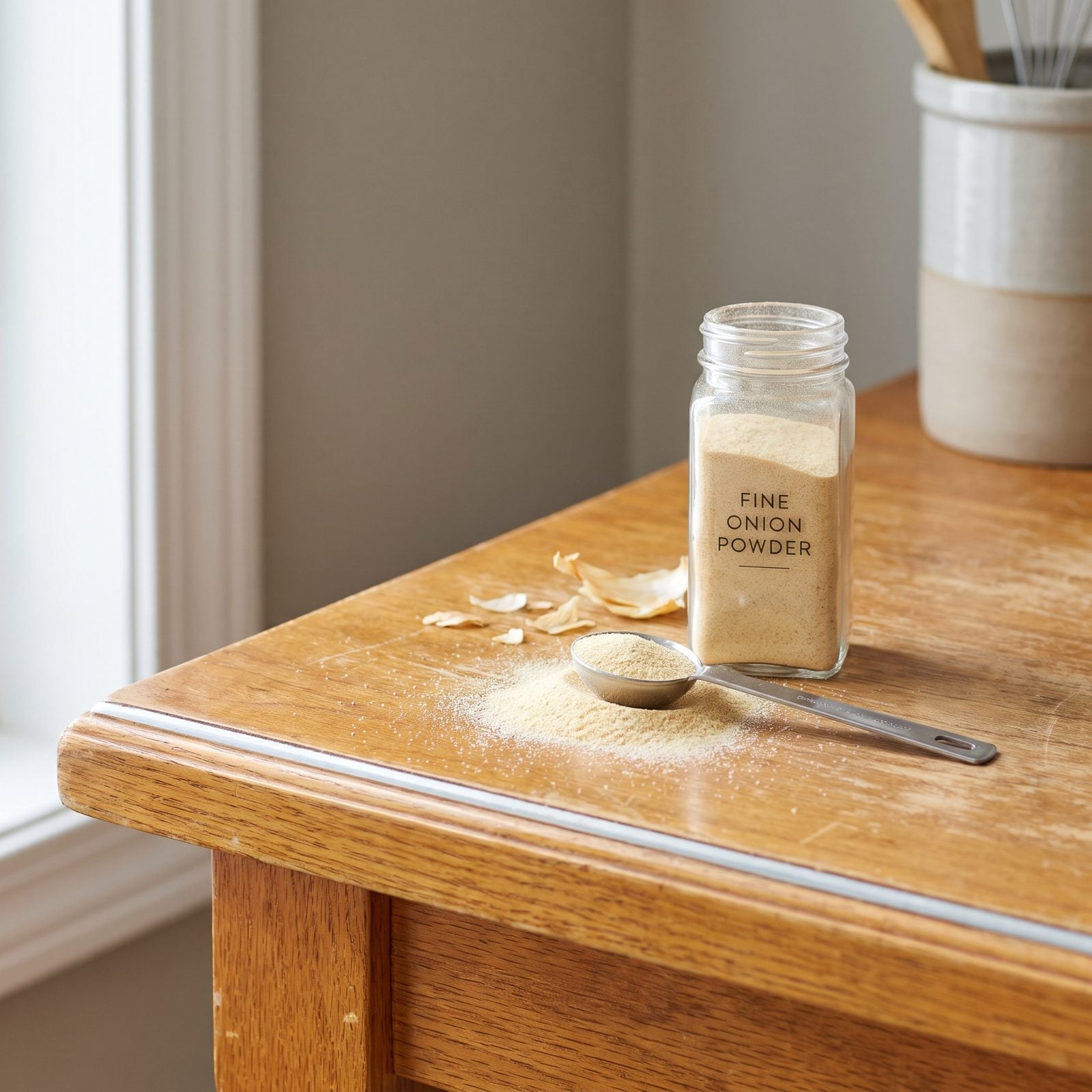
Onion powder isn’t a sad substitute for the real thing. It does a different job entirely, melting invisibly into dry rubs, salad dressings, and sauces where chopped onion would turn lumpy or burn.
A teaspoon in a barbecue rub gives savory backbone without any moisture. Stir it into sour cream for a fast dip, or into a pan sauce when you want that onion flavor without spending twenty minutes sweating one down. Keep it dry and sealed. It clumps the second humidity finds it.
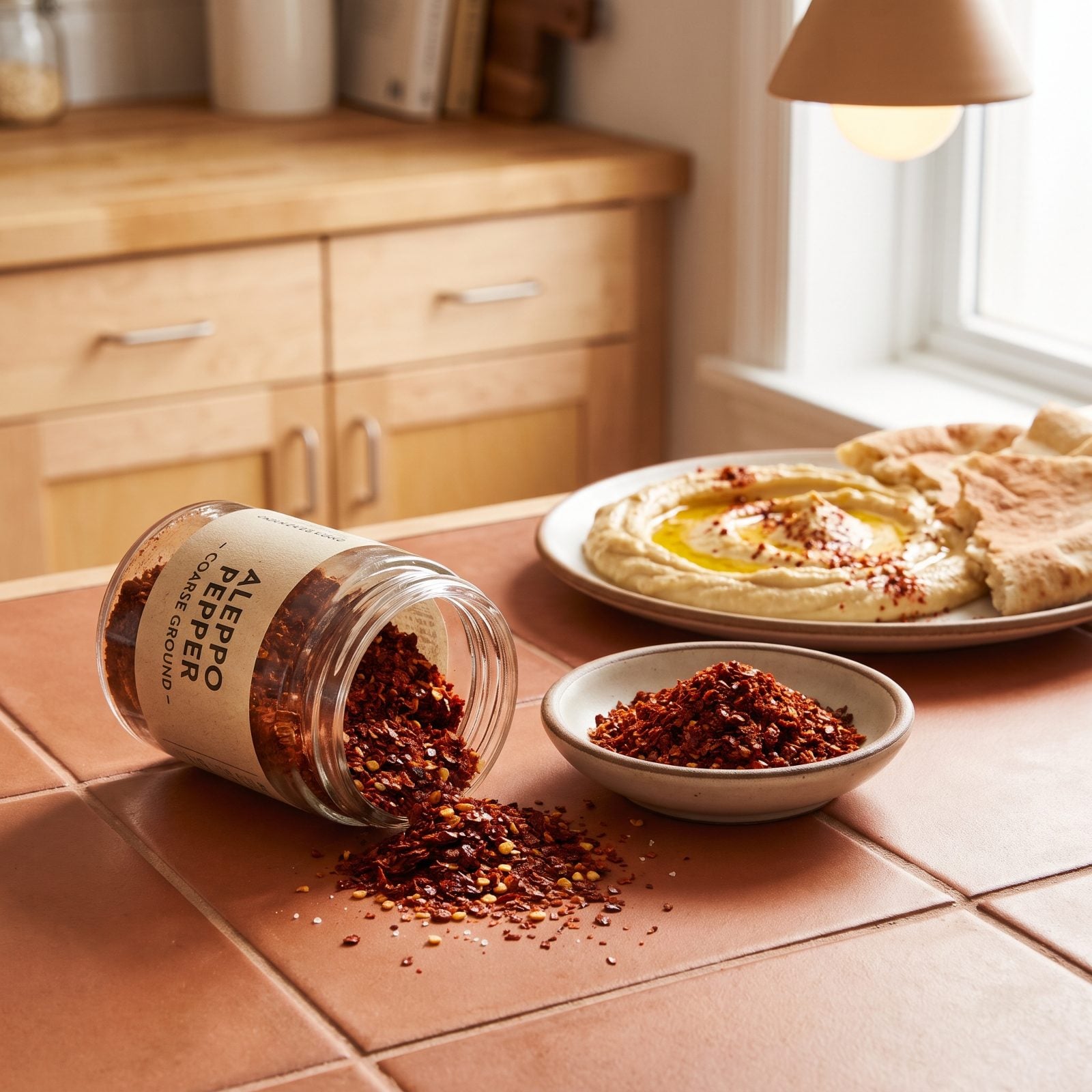
24. Aleppo Pepper for Fruity, Gently Building Warmth
Would you like to save this?
Aleppo pepper creeps up on you. The first taste is almost fruity, like sun-dried tomato with a whisper of cumin, and the heat arrives a beat later, warm and slow instead of sharp.
That gentleness is exactly why you can be generous with it. Dust it over hummus, eggs, roasted carrots, grilled lamb, a finished pizza. It’s coarser and oilier than red pepper flakes, so it clings to food rather than bouncing off. Once a jar lives on your table, you’ll reach for it more than black pepper.
23. Chipotle Powder for Smoky Heat Without Opening a Can
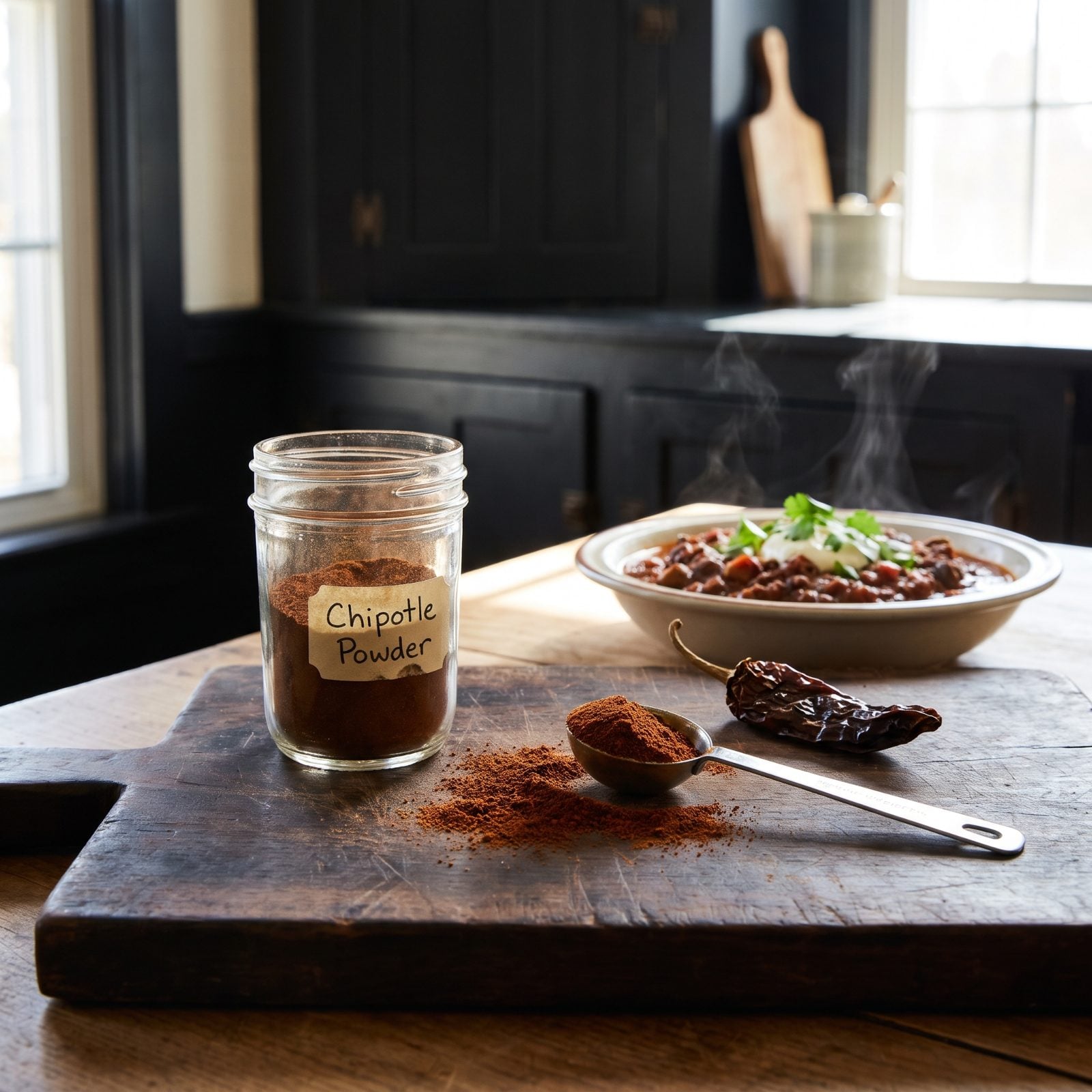
Chipotle is just a jalapeño that got smoked and dried, and that smoke is the whole reason to keep it around. Ground into a powder, it hands you deep campfire flavor without the hassle of fishing a sticky chile out of an adobo can and freezing the leftovers you never actually use.
A half teaspoon warms up a pot of chili, a batch of beans, or a dry rub for pork. Whisk it into mayo for a sandwich spread that tastes like you worked harder than you did. The heat is real, but it leads with flavor, not pain.
Store it away from the stove. Light and heat drain the smoke out faster than you’d think. Alright, go put it on something tonight.
22. Sumac for Tartness Without Additional Liquid
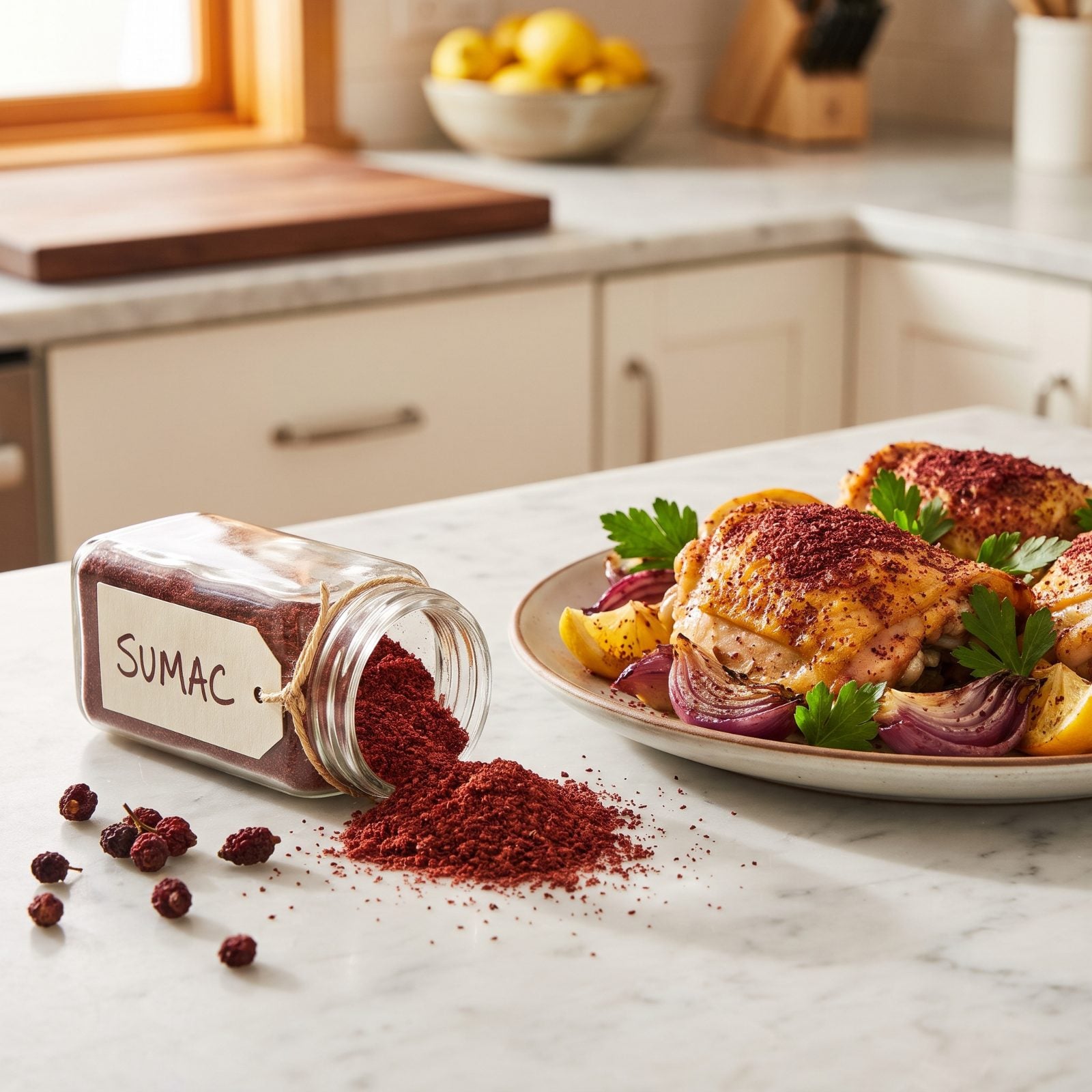
Sumac tastes like lemon that forgot to be wet. That brick-red powder, ground from dried berries, hits your tongue with a bright sour snap and leaves the dish exactly as dry as it was before.
Here’s why that matters. Squeeze lemon over roasted potatoes and they go limp at the edges, but dust them with sumac instead and the crisp stays crisp while the tartness lands anyway. Water ruins anything you worked to crisp up, and sumac sidesteps the whole problem.
Shake it over roast chicken, rice, chickpeas, or a cucumber salad right before serving. Heat dulls it, so add it late. Start with half a teaspoon and taste — a little goes far.
21. Saffron Threads for Floral Aroma and Golden Rice
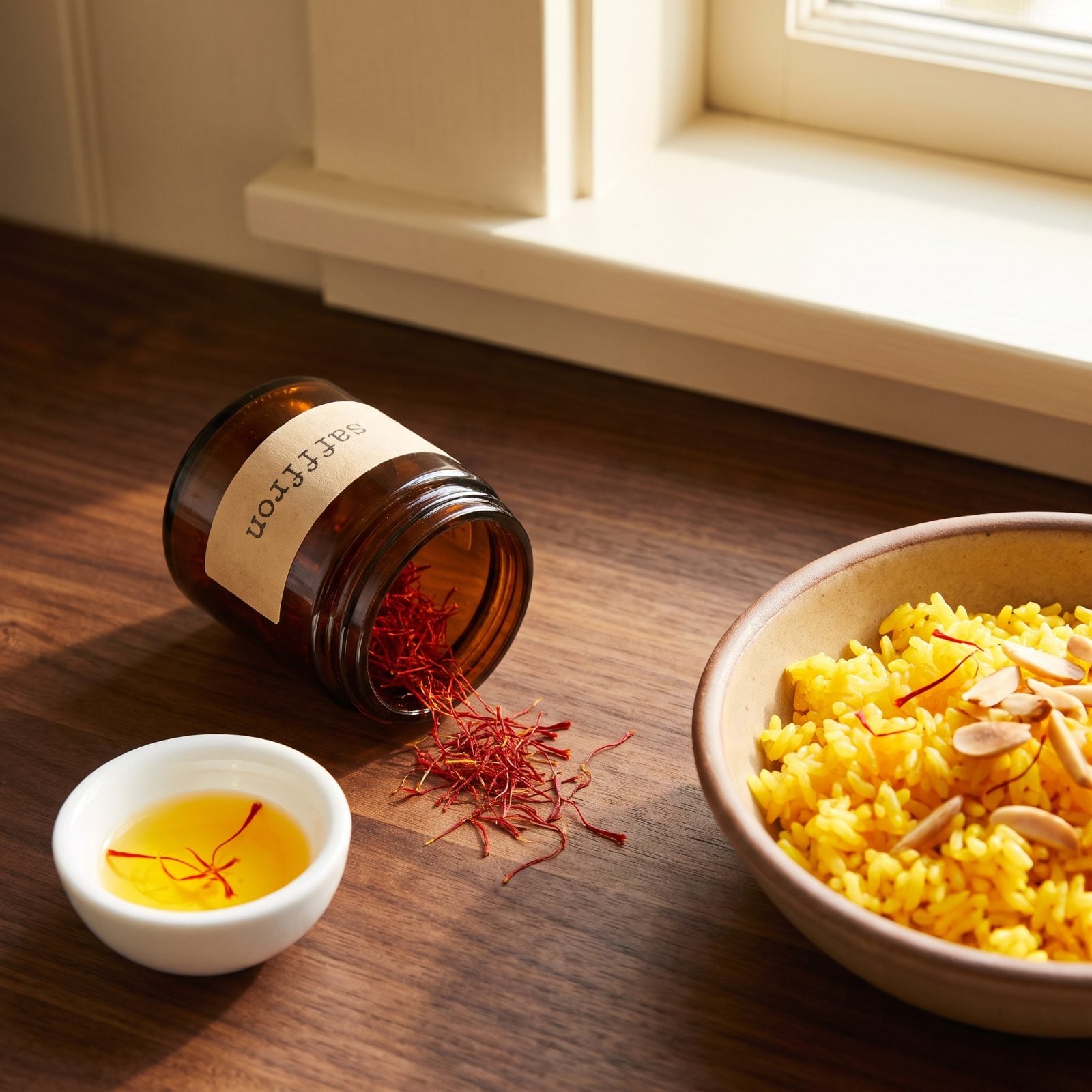
Nothing else smells like saffron. Honey, hay, a little bit of the sea, all bound up in threads so light that a pinch weighs almost nothing. It’s the priciest spice in your cabinet by weight, and the easiest to waste.
Most people toss the dry threads straight into a pot, and that’s the mistake. They clump, they color unevenly, and half the aroma never escapes. Steep them first. Warm a few threads in a tablespoon of hot water or stock for ten minutes, then pour the whole golden infusion into your rice, paella, or risotto.
You need less than you think. A dozen threads turns a full pot of rice into something that glows.
20. Dried Rosemary for Potatoes, Bread, and Roasted Meat
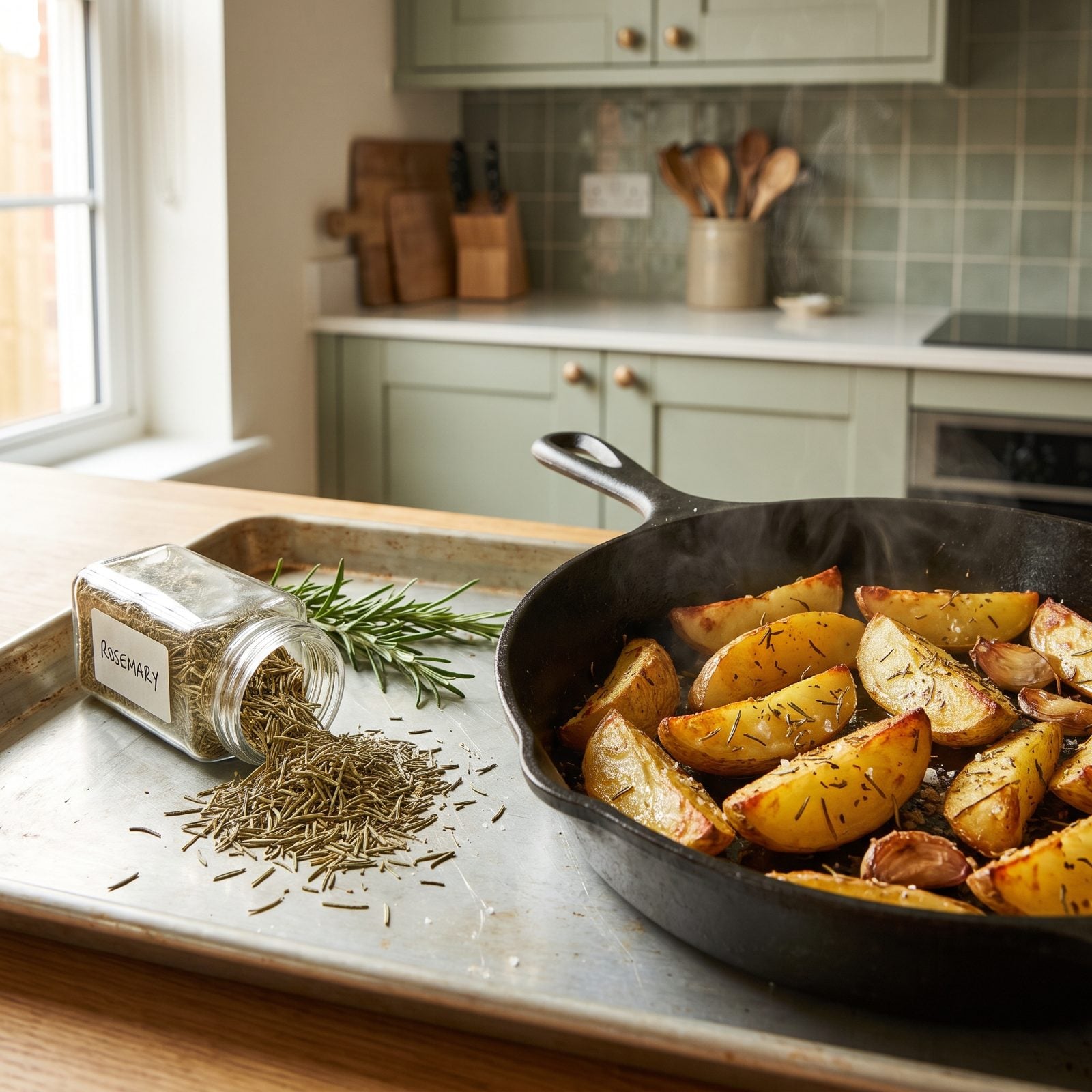
Dried rosemary is one of the few herbs that gets along better with heat than its fresh cousin. The needles are tough and resinous, and long roasting coaxes the pine-and-pepper oils out instead of burning them off.
Fresh rosemary scorches fast and turns bitter on a hot tray. Dried holds up. Scatter it over potato wedges before they go in a 425-degree oven, knead it into focaccia dough, or press it onto a lamb roast an hour ahead.
Crush the needles between your fingers before they hit the pan. It wakes the oils and breaks the woodier bits so nobody bites into a splinter.
19. Rubbed Sage for Sausage, Stuffing, and Brown Butter
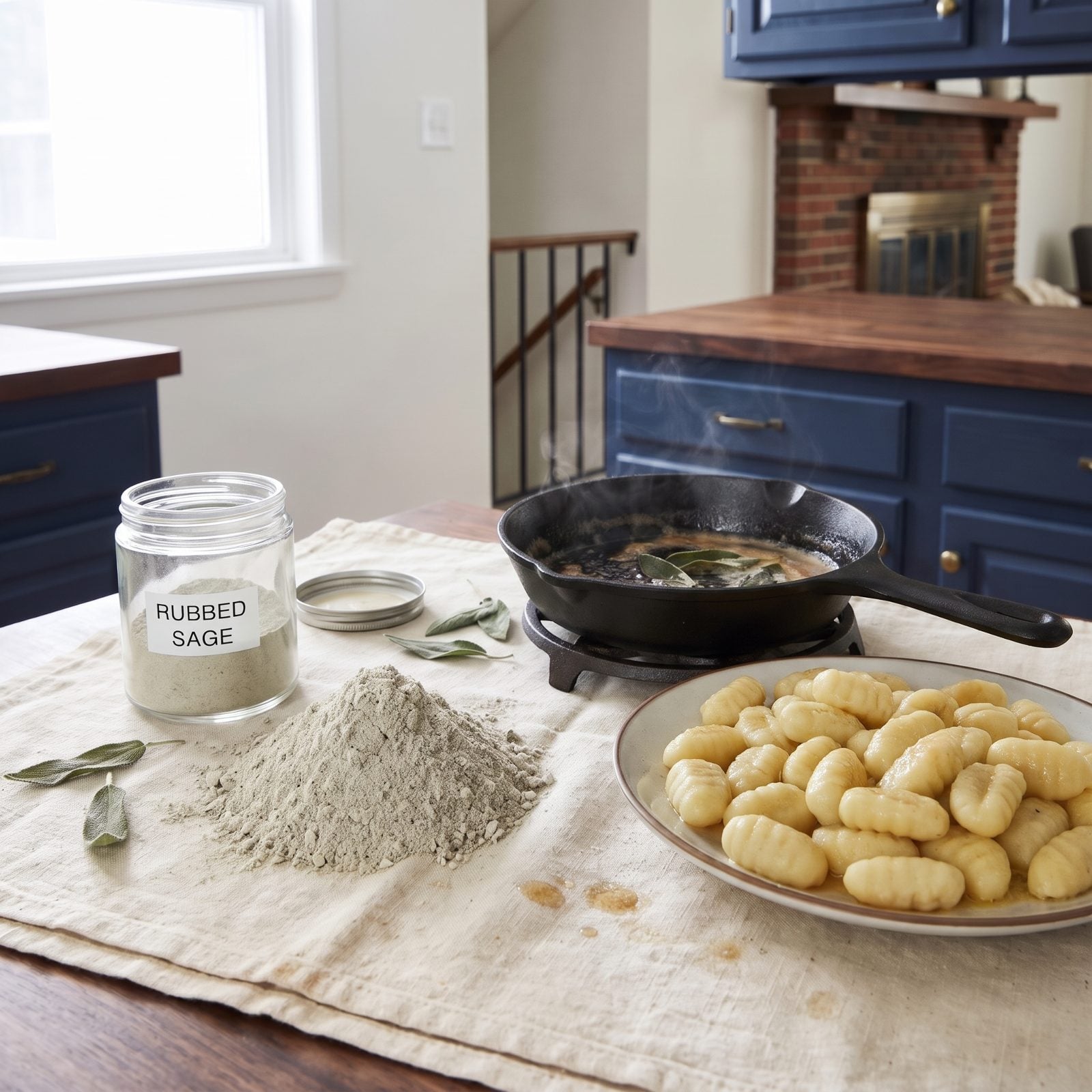
Rubbed sage is rubbed down fine, almost to a powder. The leaves end up as a soft, pale gray-green dust that blends evenly into fillings and sauces. Use it within a few months, before the flavor goes dusty and flat.
That earthy, almost eucalyptus note is what makes breakfast sausage taste like breakfast sausage. It’s the backbone of Thanksgiving stuffing. And a spoonful bloomed in brown butter, poured over gnocchi or ravioli, is one of the fastest good dinners there is. Just pull the pan before the butter scorches black.
Add it to anything fatty. Sage cuts richness, which is why it lands on pork, butter, and cheese-heavy fillings. Go light, though — too much and it turns medicinal.
18. Dried Dill Weed for Potatoes, Fish, and Yogurt Sauces
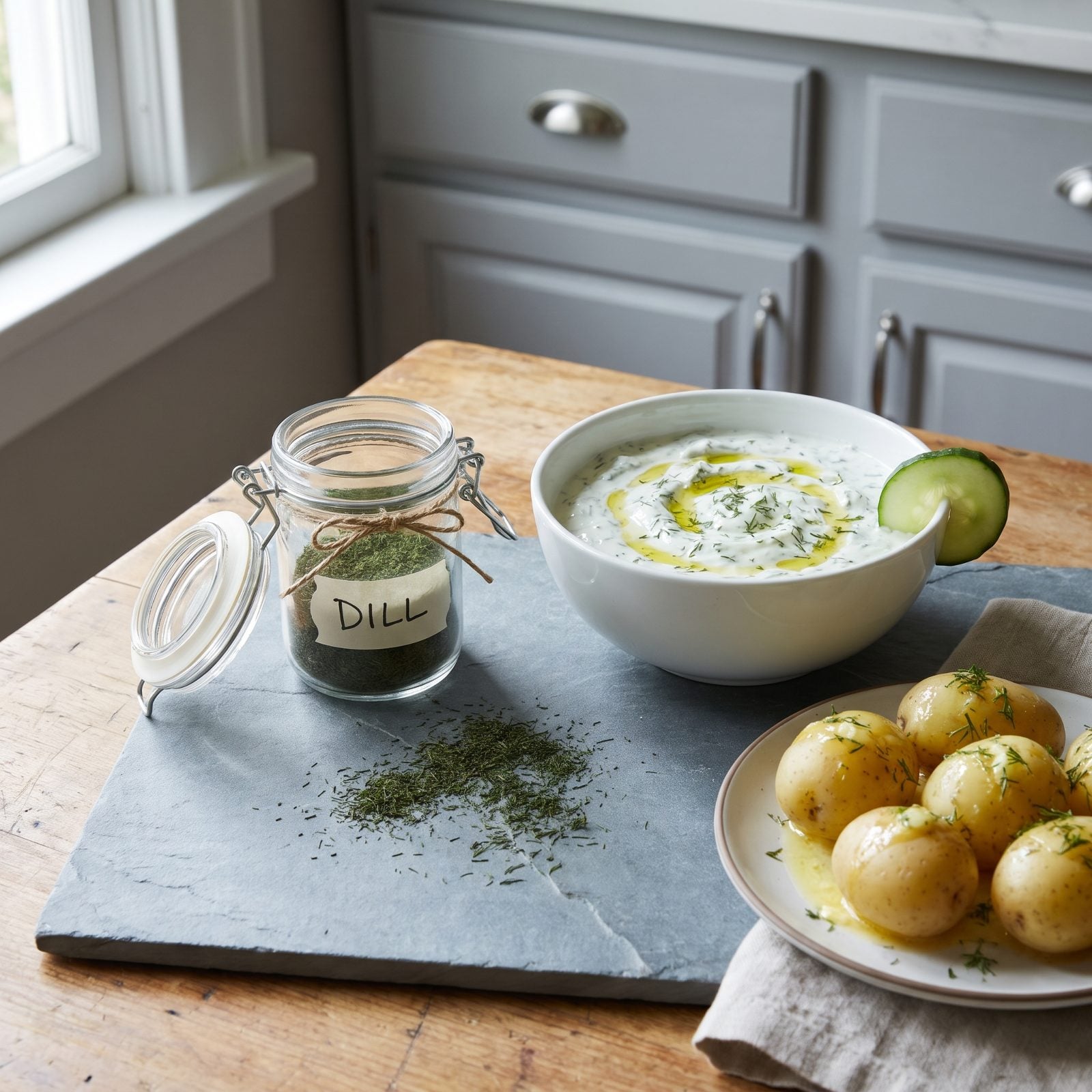
Dried dill keeps more of itself than most delicate herbs do. That grassy, faintly anise flavor survives drying far better than parsley or cilantro, which is why it earns its spot in the rack while they don’t.
It belongs in cold things especially. Stir it into sour cream for a baked potato, fold it through a yogurt sauce for fish or lamb, or shake it over potato salad. It wakes up quick in anything with fat or acid, so you don’t even need heat.
One caution worth passing along: dried dill fades fast once opened. Buy small, and sniff the jar before you trust it.
17. Dried Basil for Sauces That Simmer Longer Than Fresh Basil Can
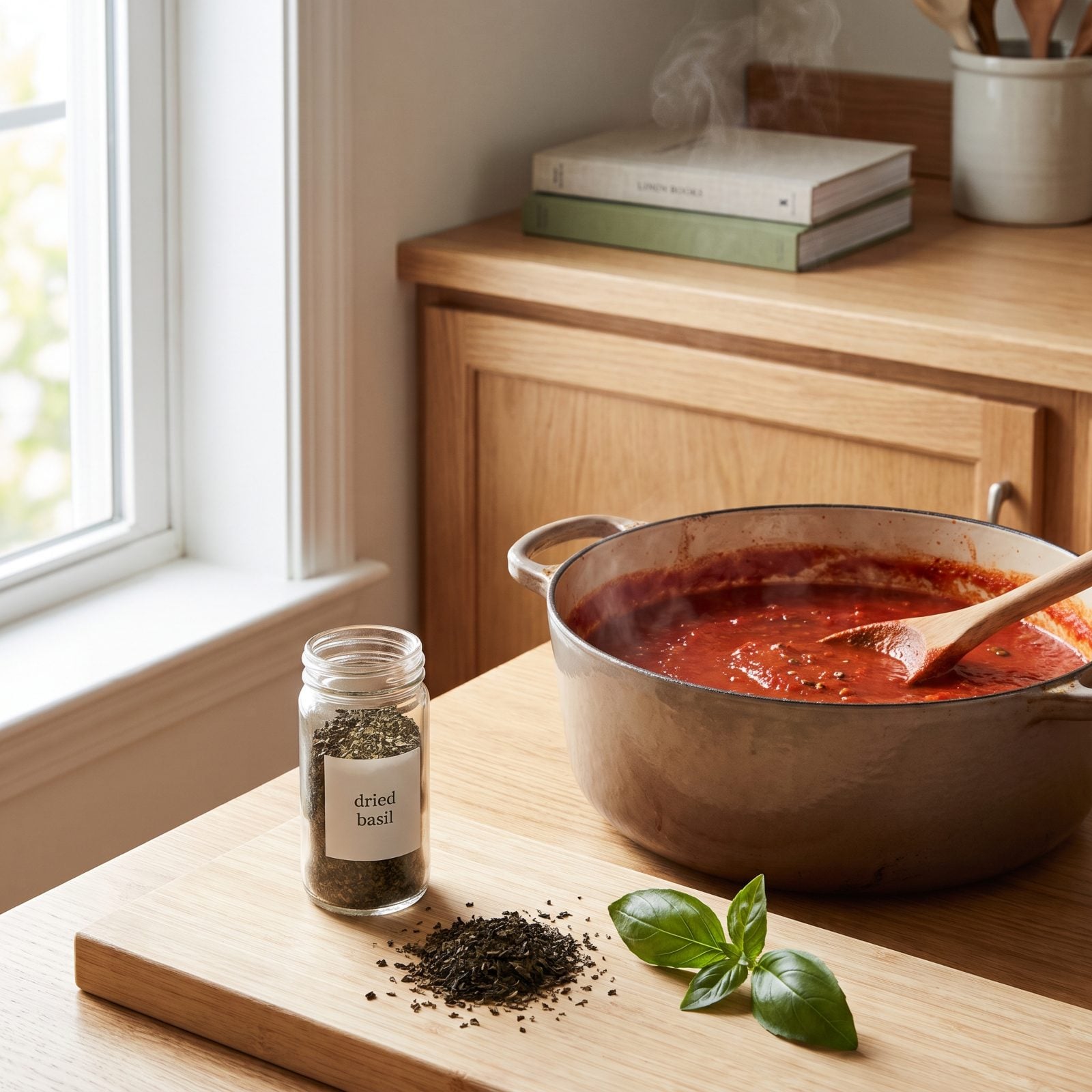
Fresh basil in a long-simmering sauce is a waste of good basil. Twenty minutes in and it’s turned gray, slimy, and bitter, its perfume boiled off into the steam over your stove.
Dried basil was built for the long haul. Drying concentrates the sweeter, more peppery side of the herb, and a slow simmer is exactly what rehydrates it into the sauce instead of cooking it to death. Add it early, right when the tomatoes go in.
Save the fresh leaves for the end. Tear a few over the finished pot or onto the pizza as it comes out of the oven. One basil does the work, the other does the finish.
16. Dried Mint for Lamb, Legumes, and Cooling Dressings
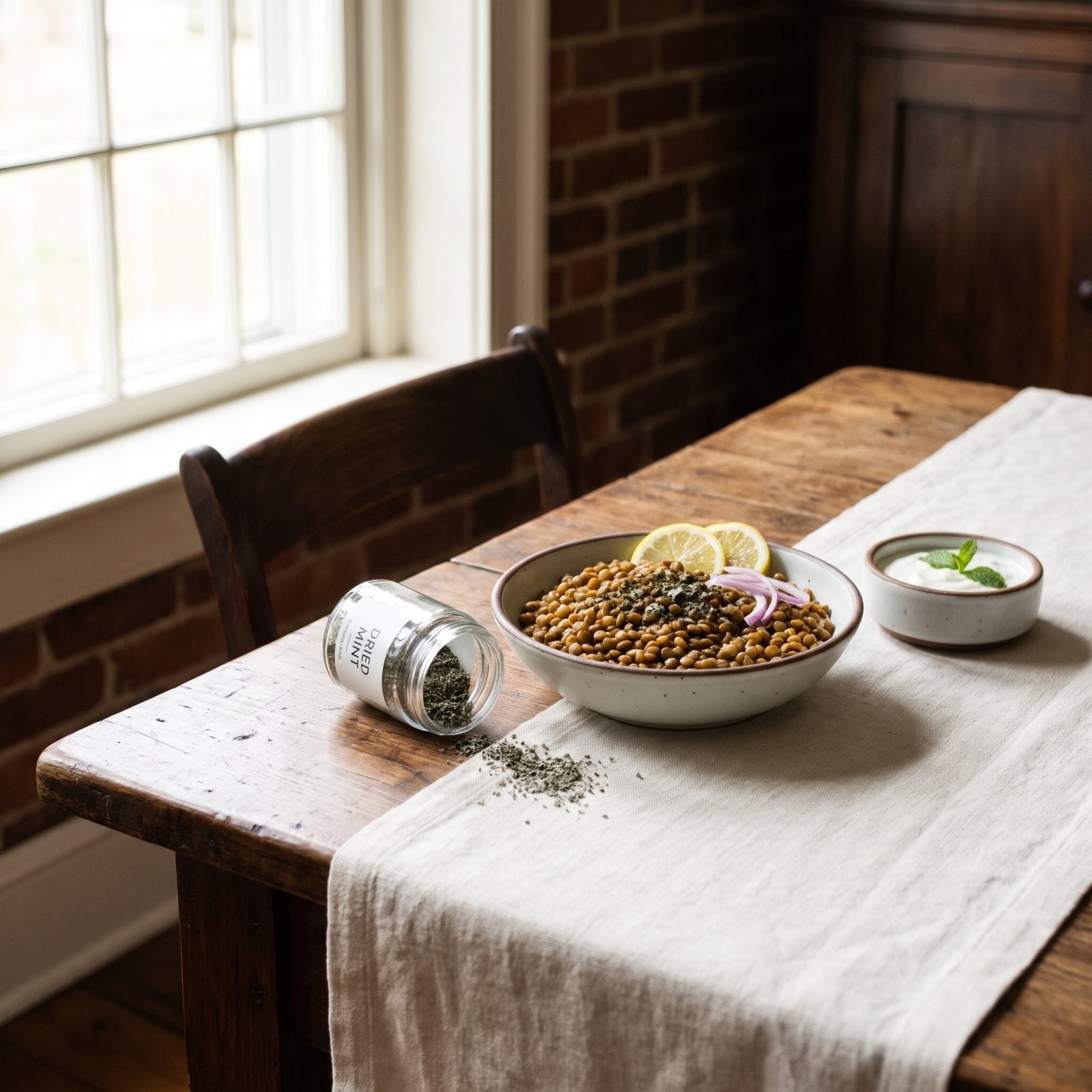
Dried mint is a completely different animal from the fresh stuff, and that’s the point. Drying tames the toothpaste-sweet brightness into something deeper and almost savory, closer to the mint you taste in a good Greek or Lebanese kitchen than in a mojito.
That deeper note is what lamb wants. Rub it onto chops, stir it into kofta, or warm a pinch in olive oil and spoon it over lentils or white beans. It calms a yogurt dressing beautifully too.
Fresh mint would just taste like gum in those dishes. Dried belongs where things are warm and earthy.
15. Fenugreek Seeds for Bittersweet Curry and Pickle Flavor
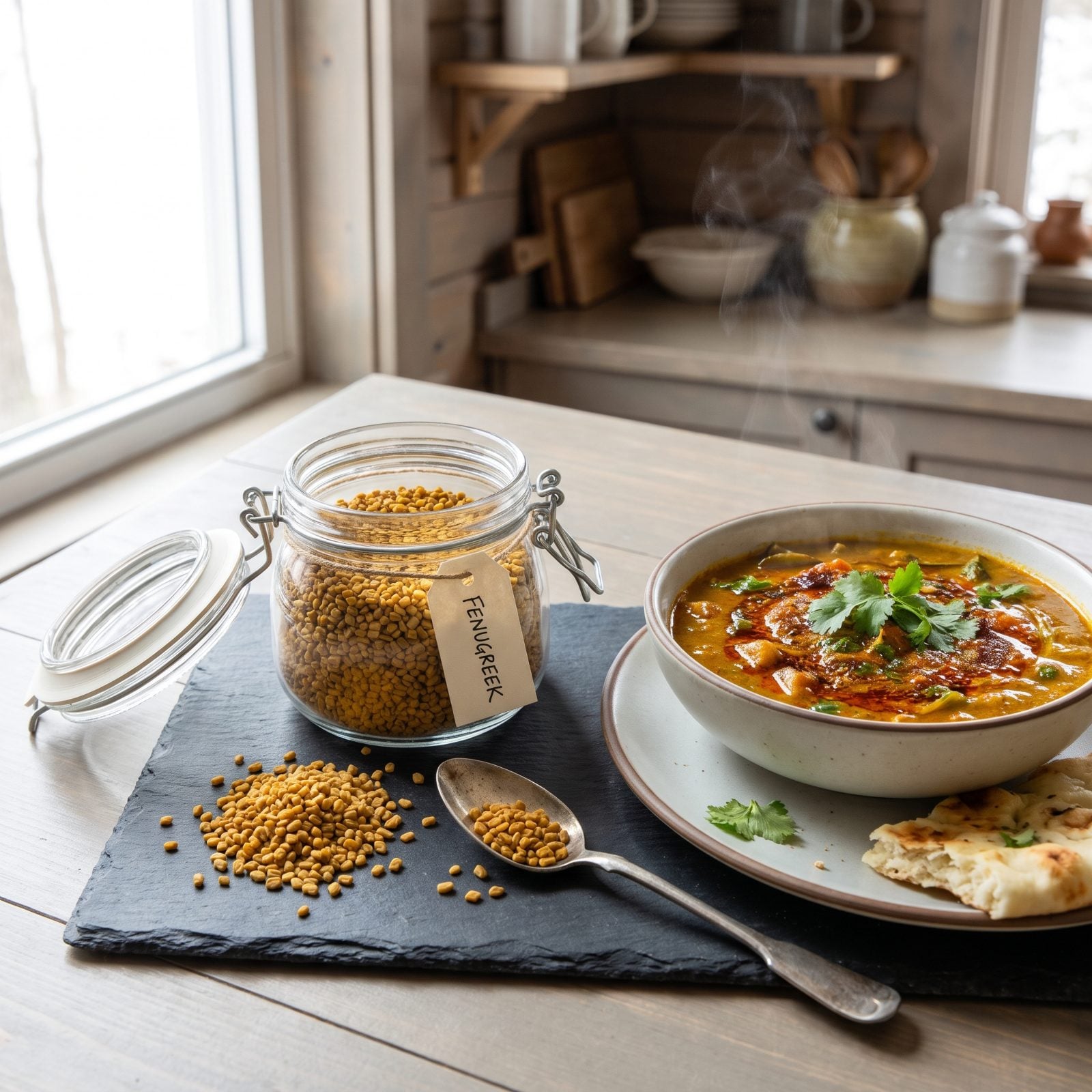
Fenugreek is the smell you can’t name in good curry. Maple syrup, burnt sugar, a bitter edge underneath, all from these little amber stones. Ever wondered what made a dish taste unmistakably Indian? Strong candidate right here.
Raw, the seeds are aggressively bitter. Heat is the fix. Toast them in a dry pan or bloom them in oil for ten or fifteen seconds until they darken a shade and go fragrant, then build the rest of the dish on top. Burn them and they turn acrid, so watch the color.
They carry pickle brines and spice blends like curry powder and panch phoron, too. A little toasting is the whole trick.
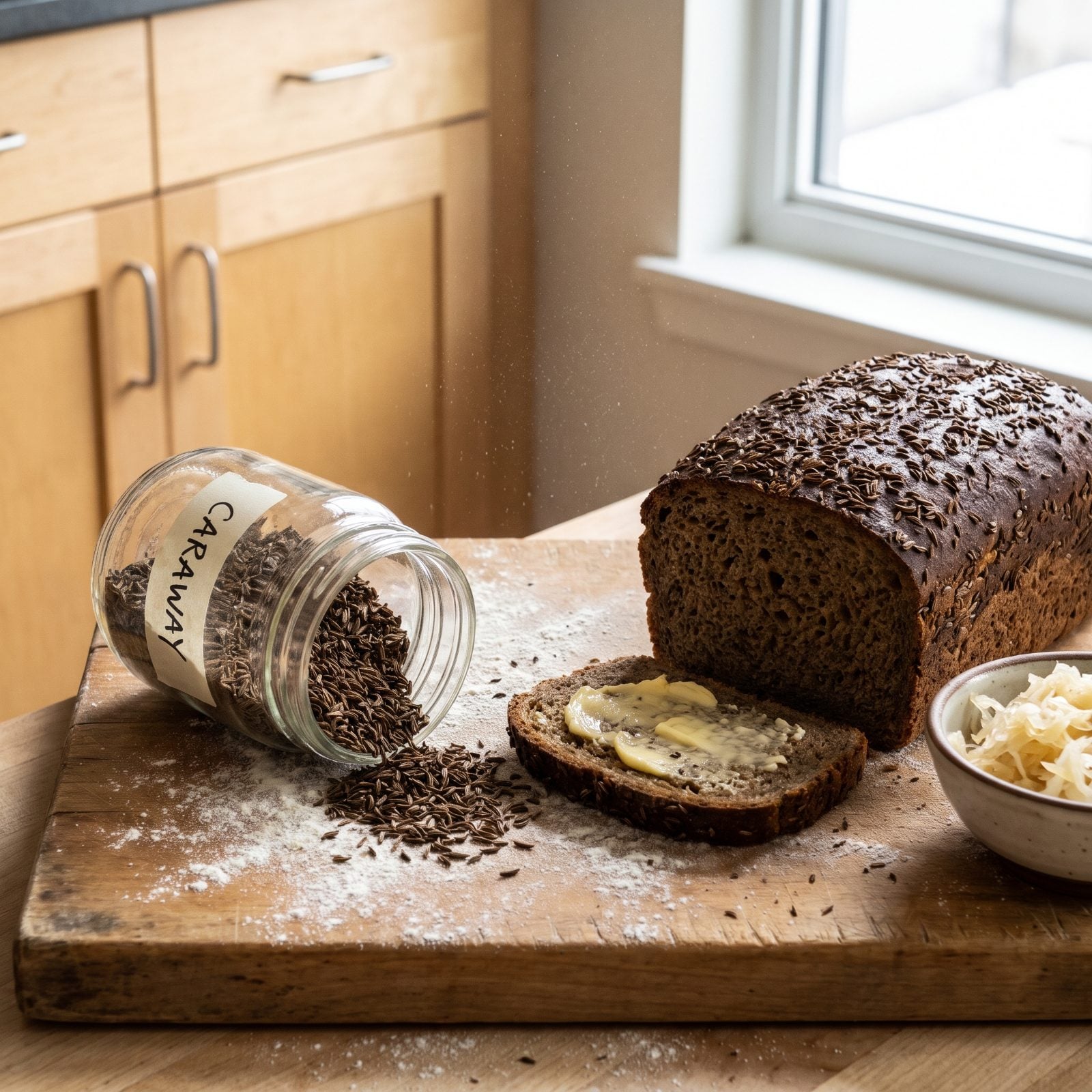
14. Caraway Seeds for Rye Bread and Hearty Braises
Would you like to save this?
Caraway tastes like rye bread because rye bread tastes like caraway. That earthy, licorice-anise bite is doing most of the work your tongue credits to the grain itself.
Beyond the deli loaf, it belongs in anything long and hearty: braised cabbage, sauerkraut, pork and apples, Irish soda bread, a good split-pea soup. The seeds hold up to hours of cooking without going flat, which is more than most spices can claim.
Toast them lightly if you want the flavor forward, or crush a pinch to spread it through a dough. An old-world spice that tastes like winter, in the best way.
13. Sichuan Peppercorns for Citrusy Flavor and Signature Tingle
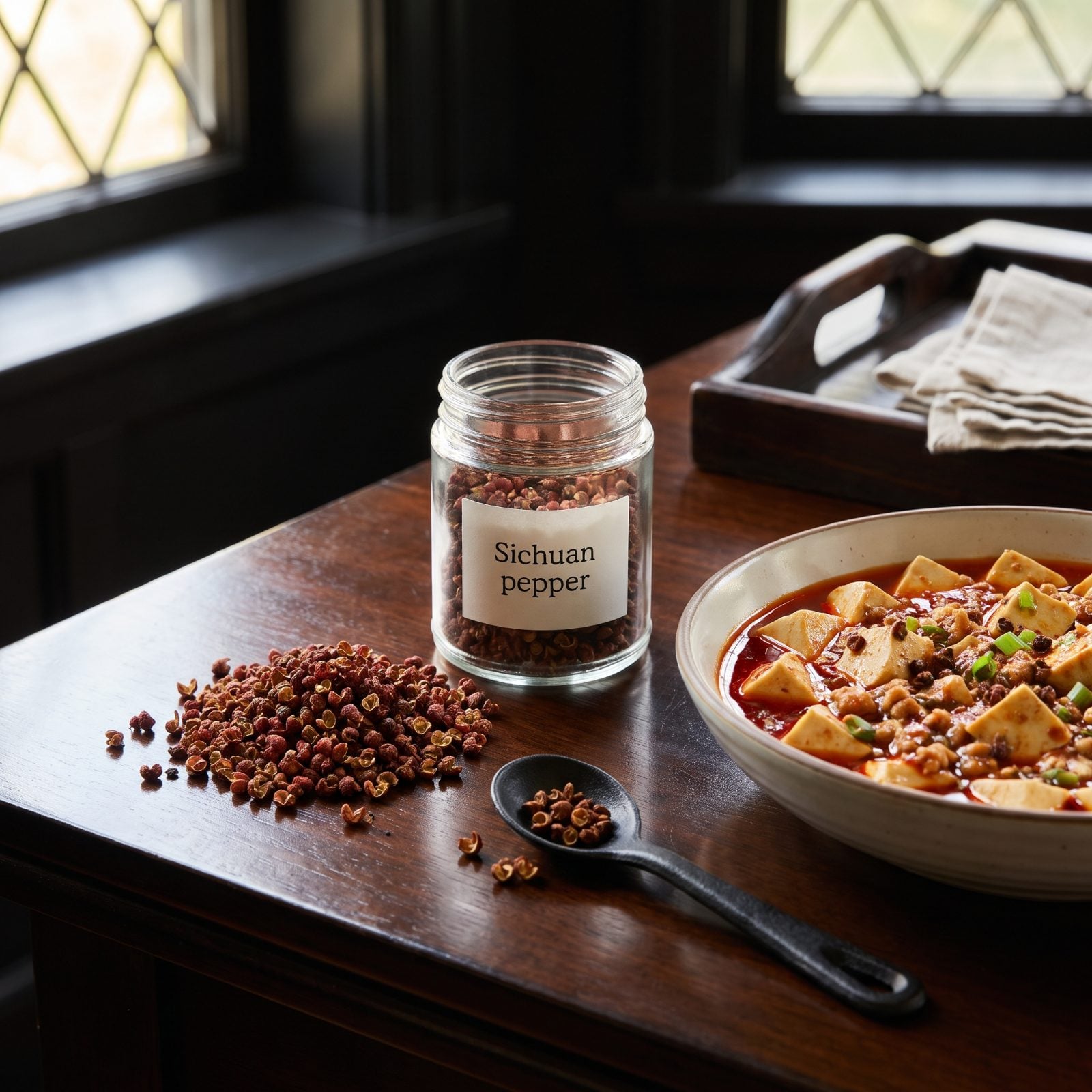
Sichuan peppercorns aren’t peppercorns and they aren’t hot. They’re dried berry husks, and what they do to your mouth is closer to a mild electric buzz than any spice you grew up with. Cooks call it the numbing tingle, and once you’ve felt it you understand why real mapo tofu tastes the way it does.
There’s a bright citrus-pine aroma hiding in there too, but only if you treat them right. Toast them gently in a dry pan until they smell floral, maybe thirty seconds, then grind. Pick out the gritty black seeds first if you can; the rosy husk is where all the good stuff lives.
Use them in chili oil, stir-fries, or a dry rub. They pair with heat beautifully, each one covering what the other can’t.
12. Gochugaru for Kimchi, Stews, and Rounded Chile Flavor
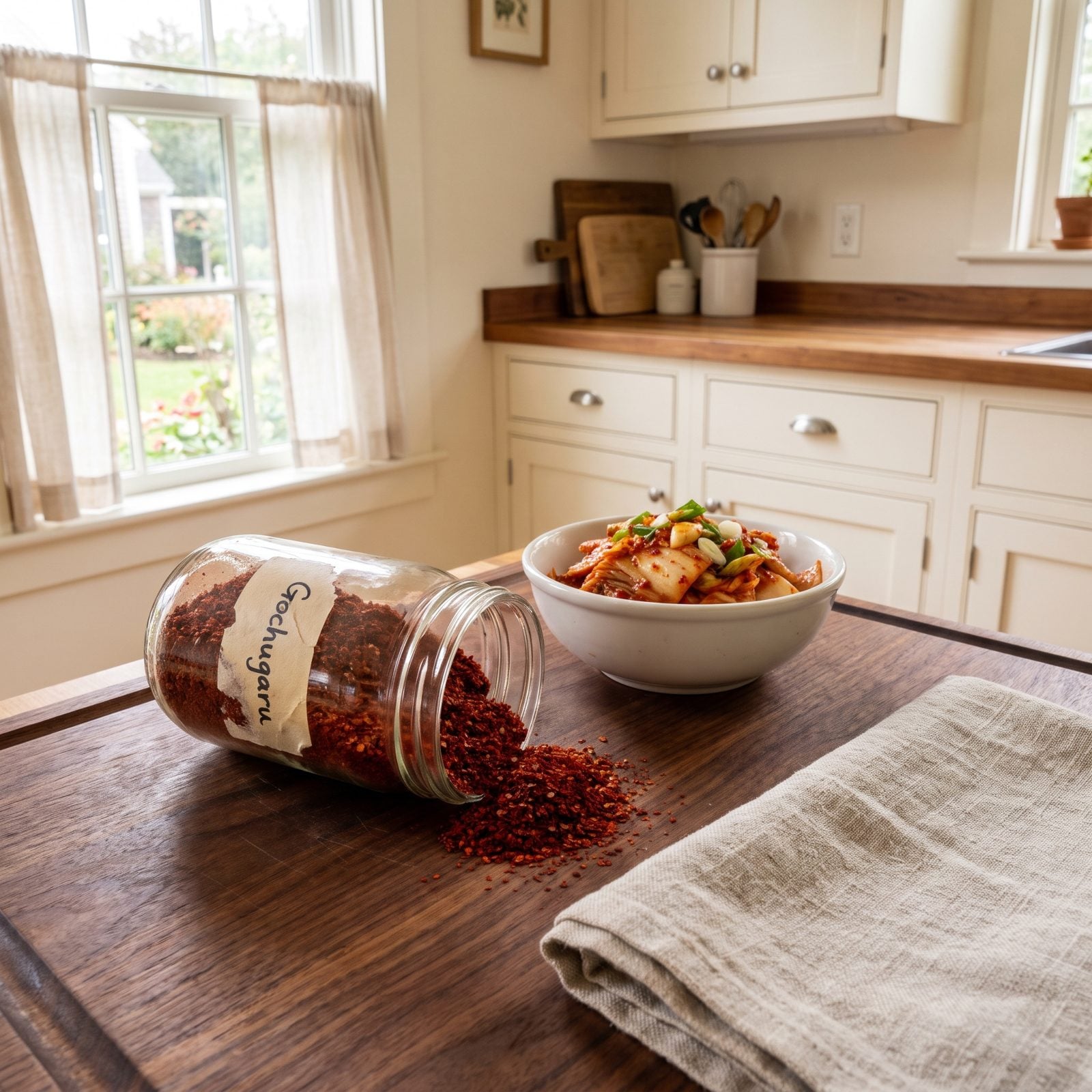
You’ve had gochugaru before even if you didn’t know its name. It’s the red staining every good kimchi, the slow warmth in a bubbling pot of kimchi jjigae that never scorches the back of your throat.
Most people reach for cayenne when a dish needs heat, and cayenne just hits you with a wall of fire and nothing else. Gochugaru plays a different game entirely — fruity, slightly smoky, with a sweetness underneath the heat that rounds everything out.
Buy it coarse, in the big bag from a Korean grocery, and stash it in the freezer so the color stays bright. A spoonful stirred into a braise or a pot of beans gives you color and depth without burning anyone at the table. My jar lives within arm’s reach of the stove and never moves.
11. Berbere for Complex Ethiopian-Style Warmth
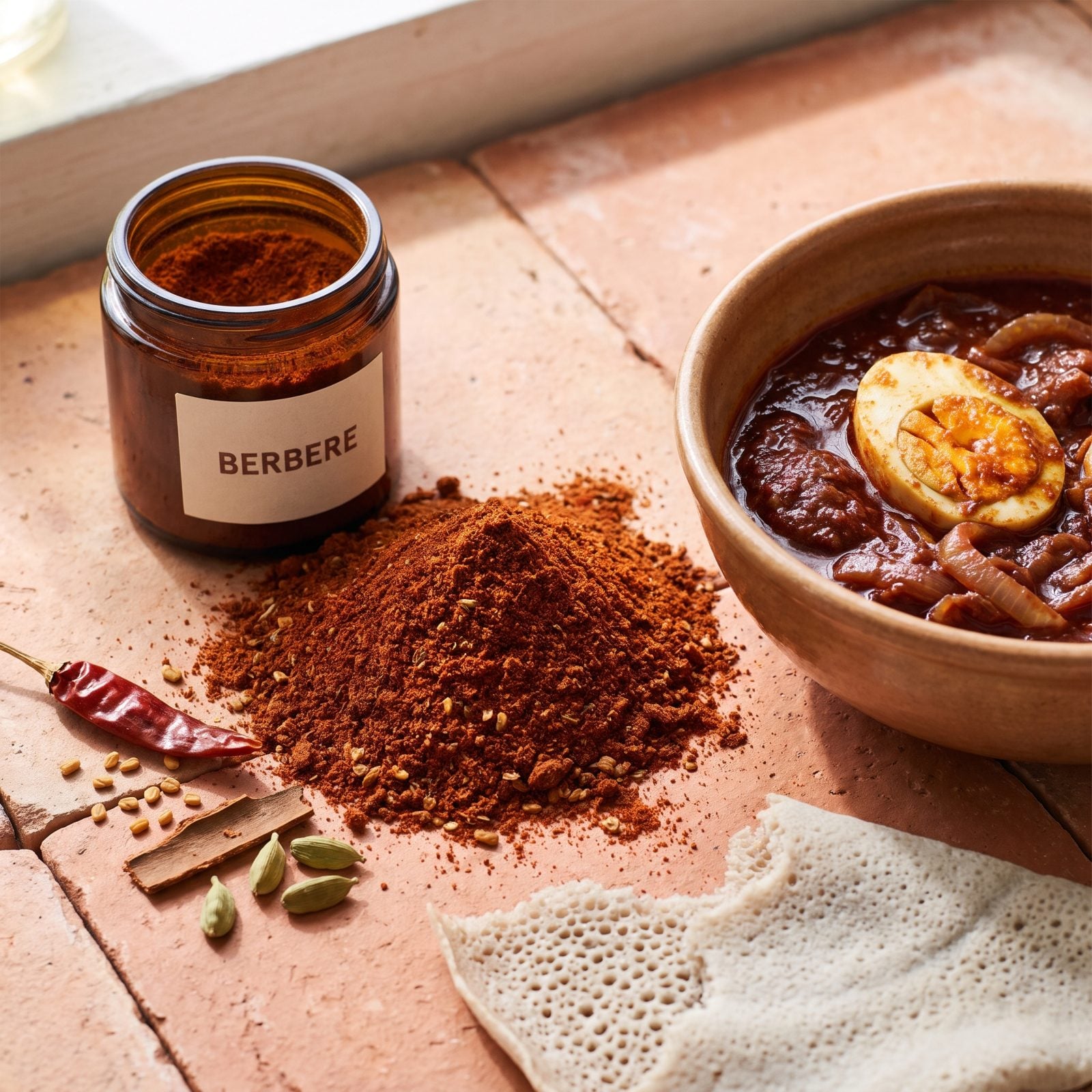
Berbere is the most ambitious blend in your cabinet, and most people have never opened a jar. It layers chile, fenugreek, cardamom, cinnamon, clove, ginger, and a half-dozen others into one rust-red powder that smells like a whole kitchen going at once.
Here’s the mistake: treating it like chili powder and dumping it into a quick pan sauce. Berbere wants time. The flavors bloom when you sweat it in oil or butter with onions before anything else goes in, and that slow start is what separates muddy from deep.
Stir it into lentils, rub it on chicken thighs, or build a proper stew around it. A little goes a long way, and good berbere makes an ordinary pot of beans taste like somebody cooked all afternoon.
10. Za’atar for Flatbreads, Eggs, and Roasted Vegetables
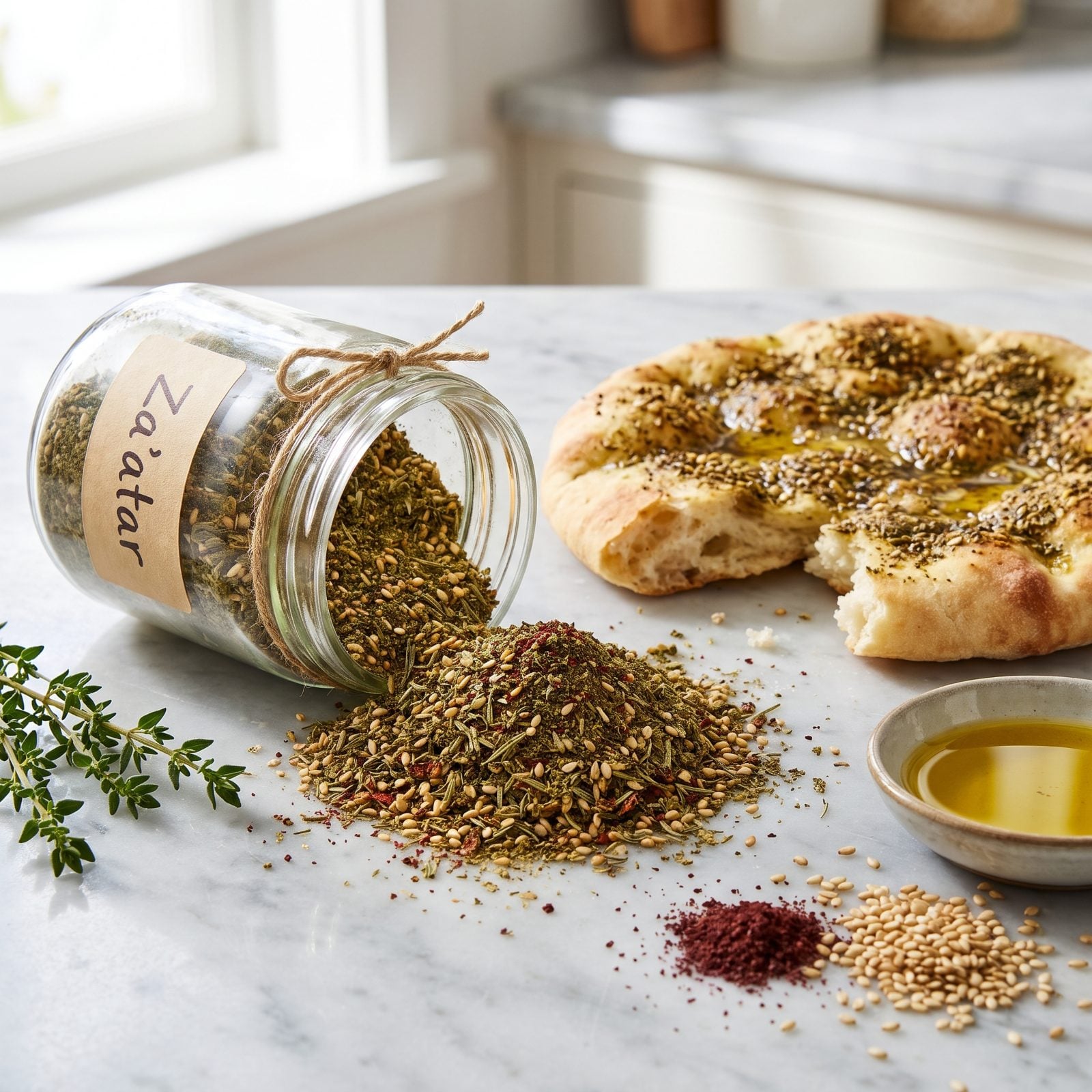
Crack two eggs into olive oil, fry the edges crisp, then shower the whole thing with za’atar. That’s breakfast, and it beats most of what you’ll eat all week.
Za’atar blends wild thyme and oregano with toasted sesame and sumac, and that sumac gives it a bright, lemony tang you don’t expect from a dried herb mix. It’s the secret. One pinch wakes up everything around it.
Mix it with good olive oil into a loose paste and brush it over flatbread before baking, or toss it with roasted cauliflower and chickpeas straight from a hot oven. It rescues plain hummus and sad grocery-store pita from themselves, too.
9. Garam Masala for a Fragrant Finishing Spice
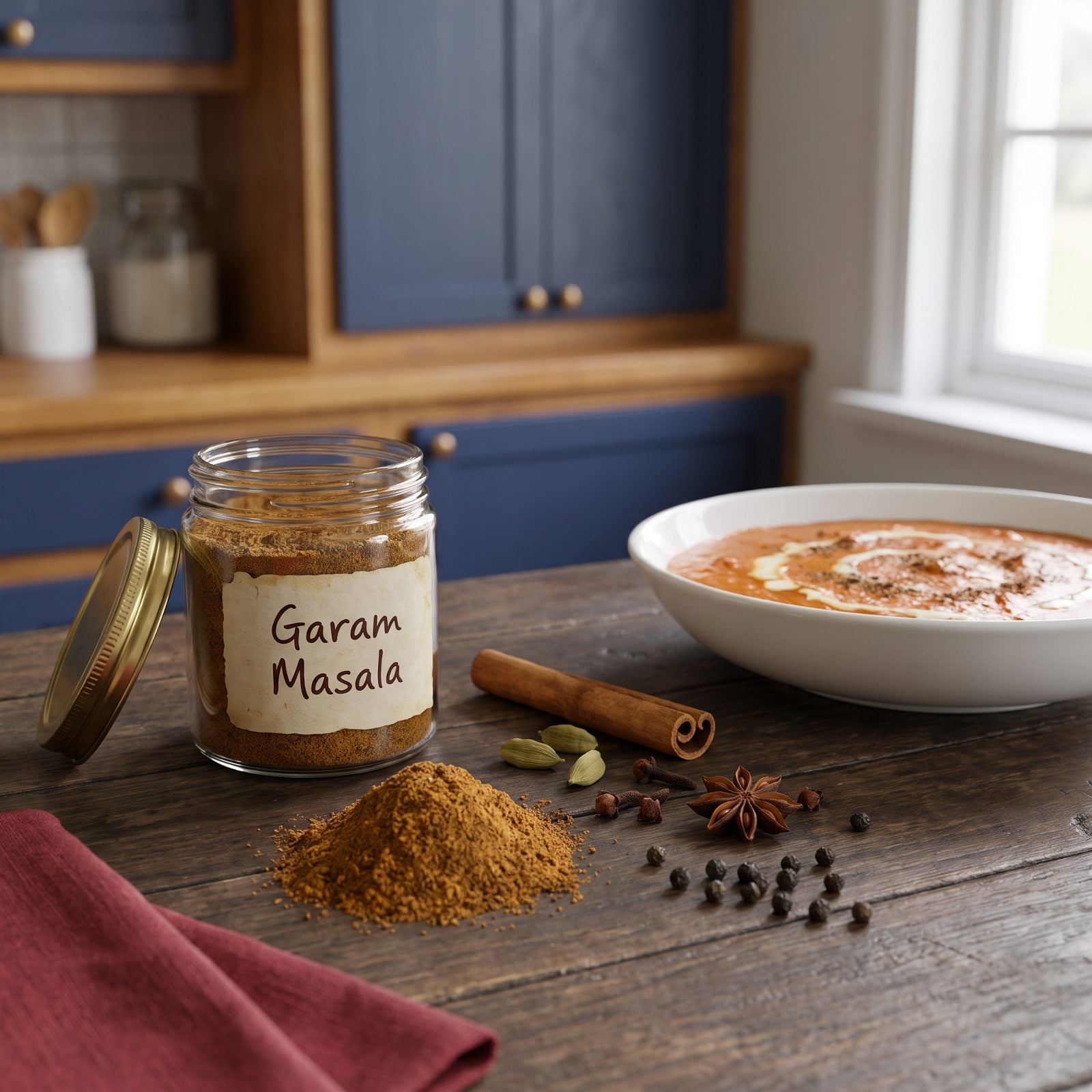
For years I treated garam masala like curry powder, dumping it in at the start and wondering why it tasted flat and dusty. That’s the single most common mistake with it.
Garam masala is a finishing spice. The cinnamon, cardamom, clove, and cumin are already warm and fragrant, and long cooking burns off exactly the aromatics you paid for. Add it in the last few minutes, or sprinkle it over the finished dish, and the whole kitchen shifts.
Stir a pinch into a creamy curry right before serving, dust it over roasted squash, or fold it into yogurt for a quick marinade. Buy small, replace often. Stale garam masala tastes like sawdust.
8. Curry Powder for Fast Weeknight Sauces and Soups
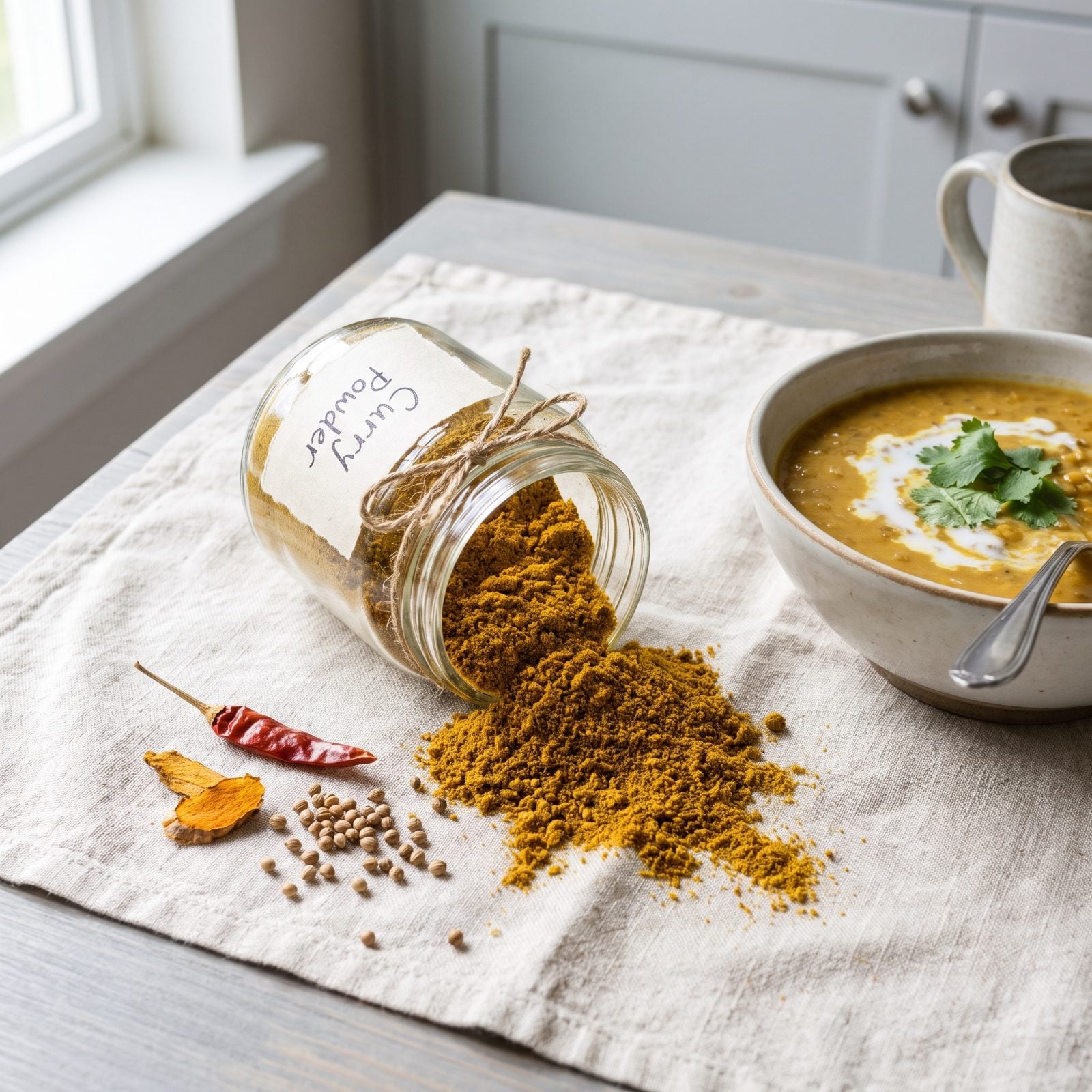
Curry powder is the workhorse nobody respects. It isn’t Indian, exactly — it’s a British shortcut version of a spice mix — but that doesn’t make it any less useful on a Tuesday when dinner needs to happen in twenty minutes.
Bloom a tablespoon in butter or oil with some onion until it smells toasty, then build a soup or a pan sauce around it. Coconut milk, a can of chickpeas, a handful of spinach, and there’s dinner.
The one rule: don’t skip the blooming. Raw curry powder stirred straight into liquid tastes thin and a little bitter. Thirty seconds in hot fat fixes that completely.
7. Chinese Five-Spice for Sweet-Savory Roasts and Glazes
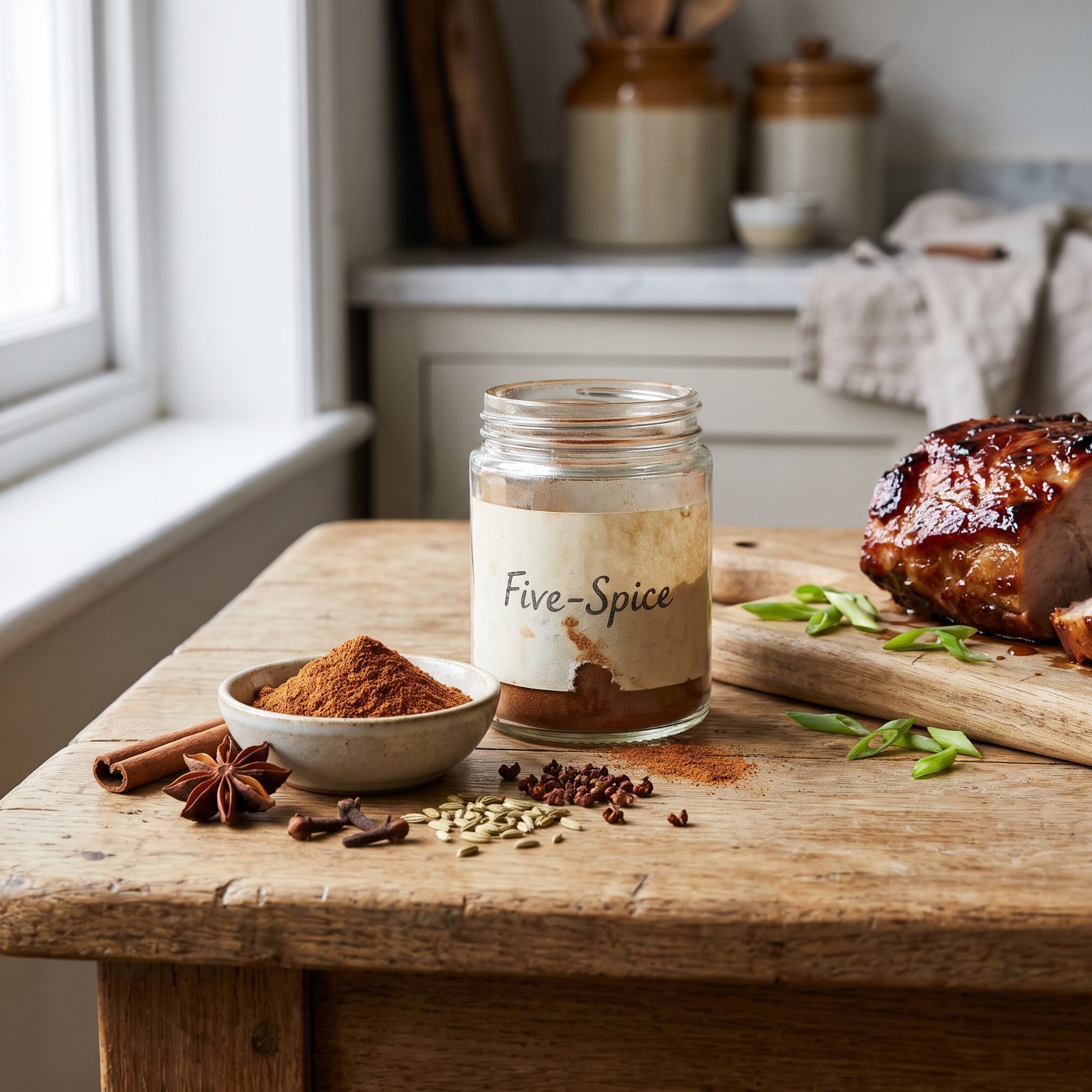
Smell five-spice and you’ll picture roast duck hanging in a Chinatown window. That mahogany glaze, that sweet-savory warmth — it all starts with this powder.
The star anise and fennel do the heavy lifting, bringing a licorice sweetness that plays against clove, cinnamon, and Sichuan pepper. Meat tastes richer and a little mysterious, like there’s something going on you can’t quite name.
Rub it on pork shoulder before a slow roast, whisk a pinch into a soy-and-honey glaze, or dust it over roasted sweet potatoes. Light hand, though. Too much and it tips toward medicinal. A quarter teaspoon does more than you’d think.
6. Old Bay for Seafood, Potatoes, and Corn
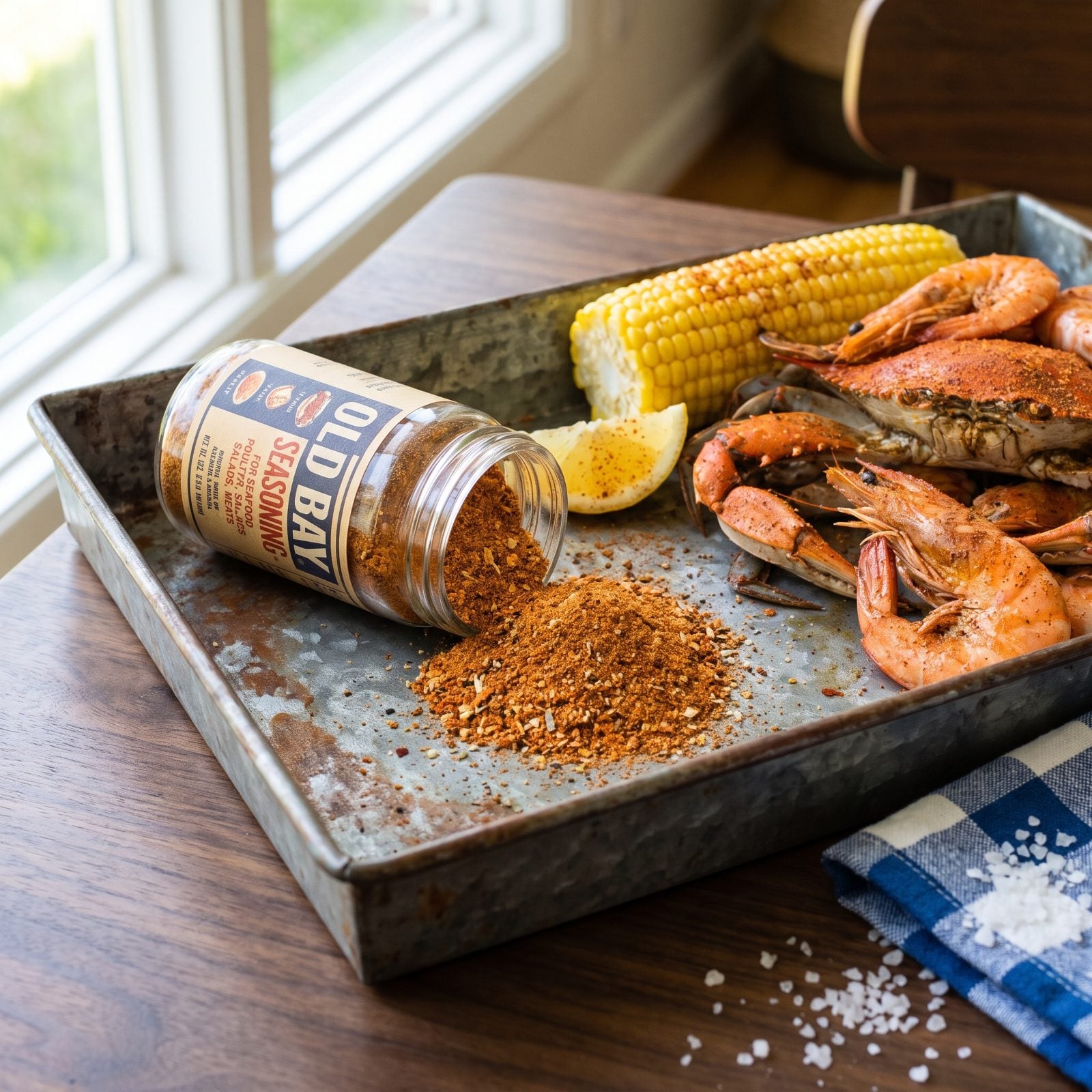
There are households on the Chesapeake where Old Bay lives next to the salt and pepper permanently, and honestly, that’s where it belongs.
It’s a celery-salt base loaded with paprika, pepper, and a whisper of mustard and clove, and it tastes like summer by the water. Most people only pull it out for crabs. Shame, that.
Dust it over roasted potatoes, shake it onto buttered corn, stir it into deviled egg filling, or rim a Bloody Mary with it. It even turns a bag of plain popcorn into something you can’t stop eating. You just keep finding new places to put it.
5. Cajun Seasoning for Skillet Meals and Blackened Proteins
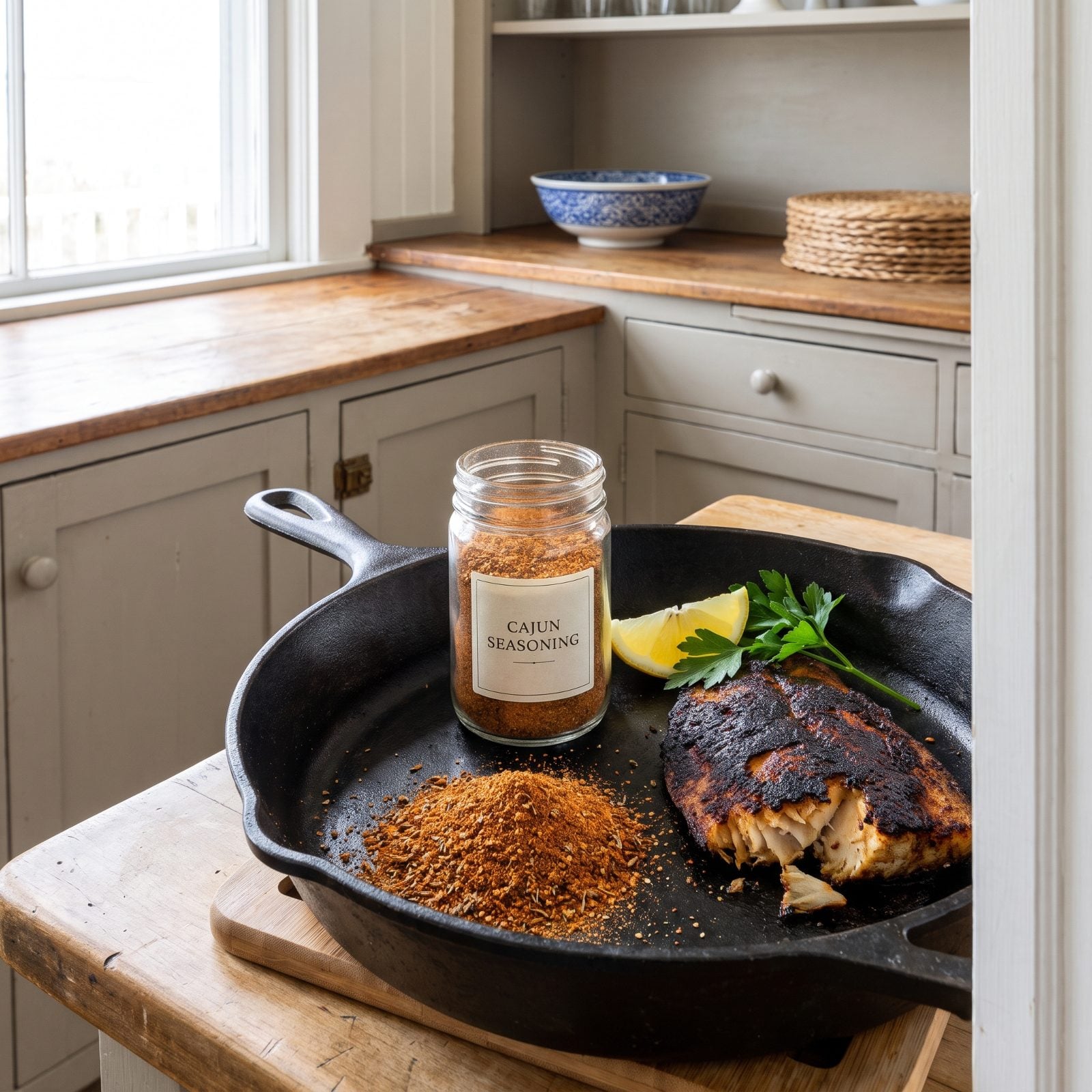
Cajun seasoning is heat with a backbone. Paprika, cayenne, black and white pepper, thyme, oregano, garlic, and onion, all in one jar that turns a boring weeknight chicken breast into something worth eating.
Where people go wrong is the blackening. Blackened doesn’t mean burnt. It means a hot dry skillet, a buttered fillet pressed into the spice, and a crust that forms fast and dark. If your smoke alarm goes off, you’re close.
Shake it into rice, over shrimp, into a pot of red beans, or onto potato wedges before roasting. Watch the salt, though — many blends lean heavy on it, so taste before you add more.
4. Toasted Sesame Seeds for Nutty Flavor and Texture
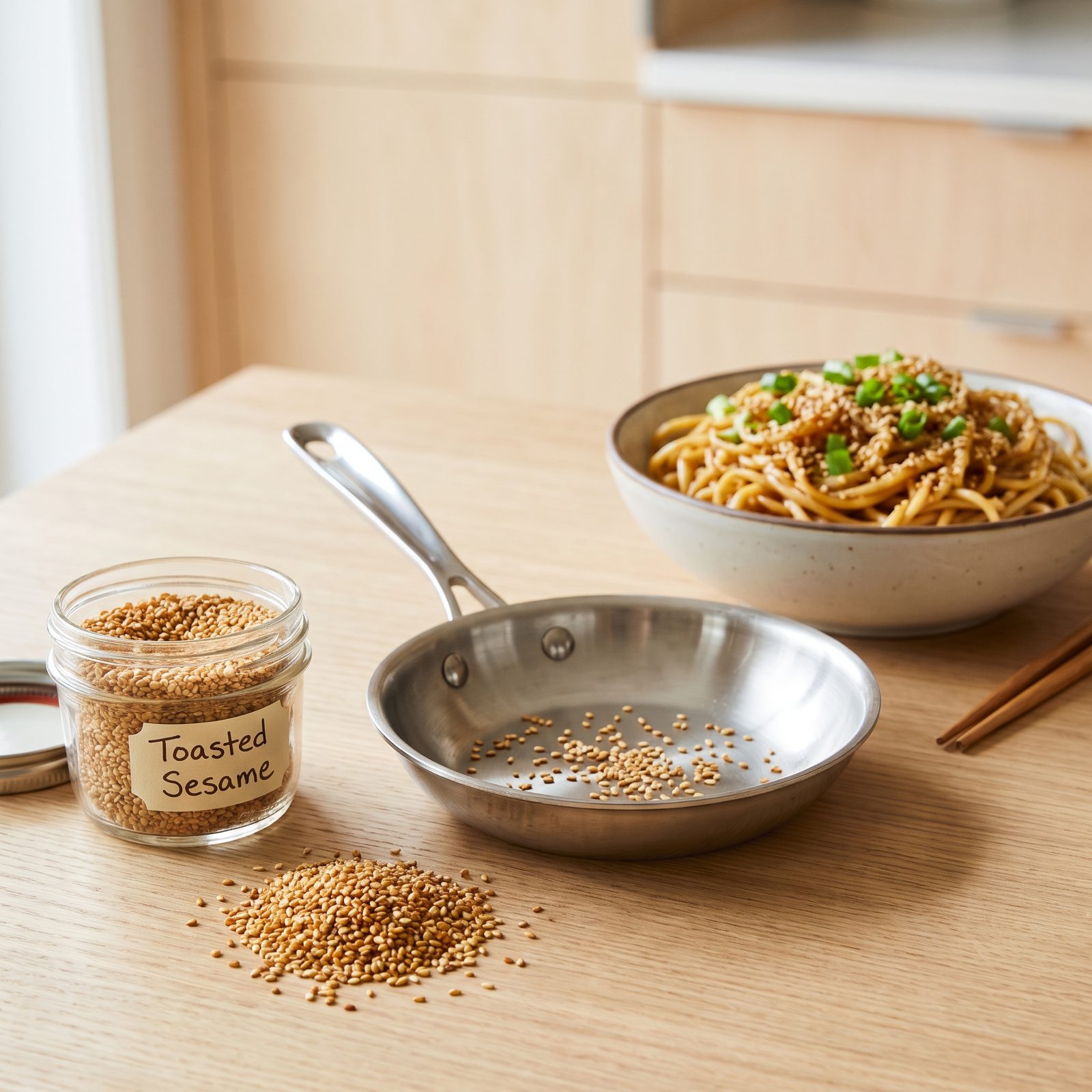
Raw sesame seeds taste like almost nothing. Toast them in a dry skillet until they turn gold and start popping, though, and suddenly they’re nutty, warm, and deep — two minutes of work for a completely different ingredient.
That’s the whole lesson. Even jars sold as toasted benefit from a quick refresh in a hot pan, and seeds you toast yourself always win.
Scatter them over noodles, stir-fries, roasted carrots, or a plain bowl of rice. They add crunch and a richness that rounds out anything salty and savory. Keep them in the freezer if you buy in bulk, because sesame goes rancid faster than you’d expect, and rancid seeds taste bitter.
3. Vanilla Beans for Custards, Syrups, and Infused Sugar
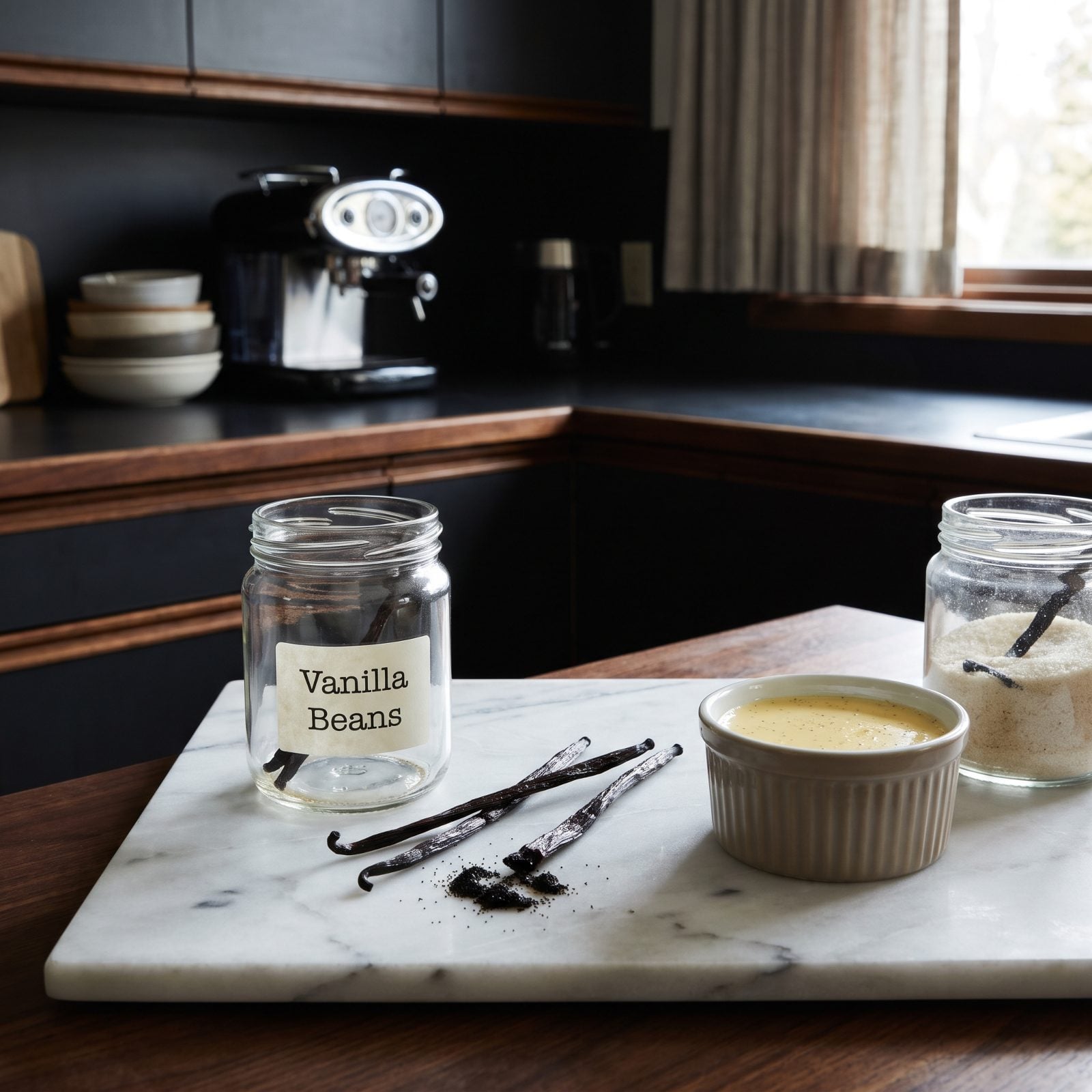
Pop the cap on a jar of vanilla extract and you get a sharp alcohol hit. Split a real vanilla bean and scrape out the seeds, and you get something floral, fruity, almost boozy in a warm way. No comparison.
Whole beans cost more, I’ll grant you that, and the price scares people off. But one pod does so much, and it keeps giving long after you’d expect it to quit.
Scrape the seeds into custard or ice cream base, then drop the empty pod into a jar of sugar and let it sit. Two weeks later you’ve got vanilla sugar for coffee and baking. Steep a split pod in simple syrup for cocktails. Nothing goes to waste.
2. Cinnamon Sticks for Baking, Braises, and Mulled Drinks
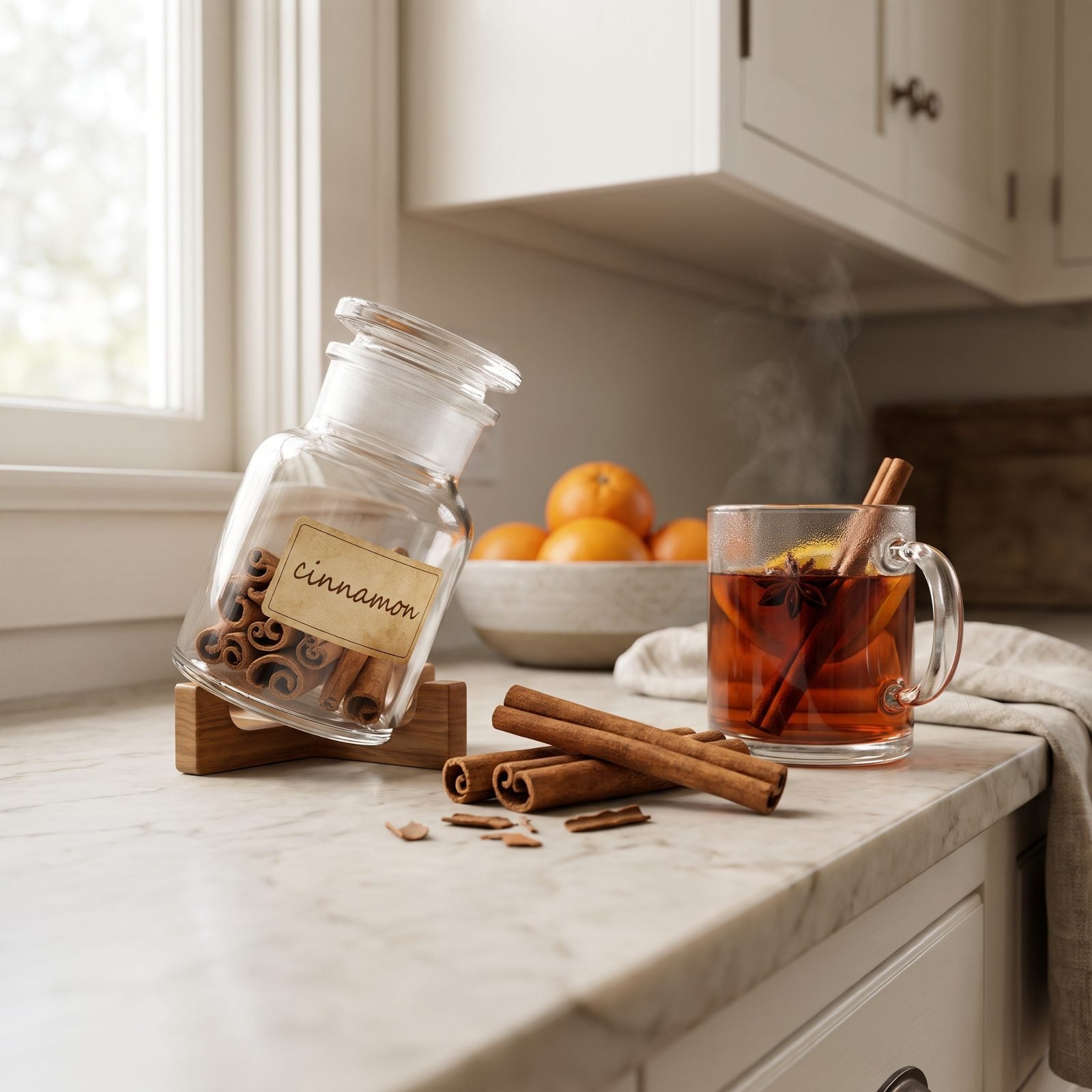
Ground cinnamon starts dying the day you open the jar. Those volatile oils that make cinnamon smell like a bakery at Christmas evaporate fast once the bark gets pulverized, which is why the stuff hiding in the back of your cabinet tastes like sawdust with a faint memory of flavor. Sticks hold the oil for years. Snap one. You’ll smell exactly what I mean.
Drop a whole stick into a short rib braise, a pot of tomato sauce, or a batch of mulled wine and it gives up flavor slow and clean, then you fish it right back out — no gritty texture, no bitter aftertaste lurking at the bottom of the pot. For baking, grate it fresh on a microplane the moment before it goes in.
1. Smoked Paprika for Instant Wood-Fired Character
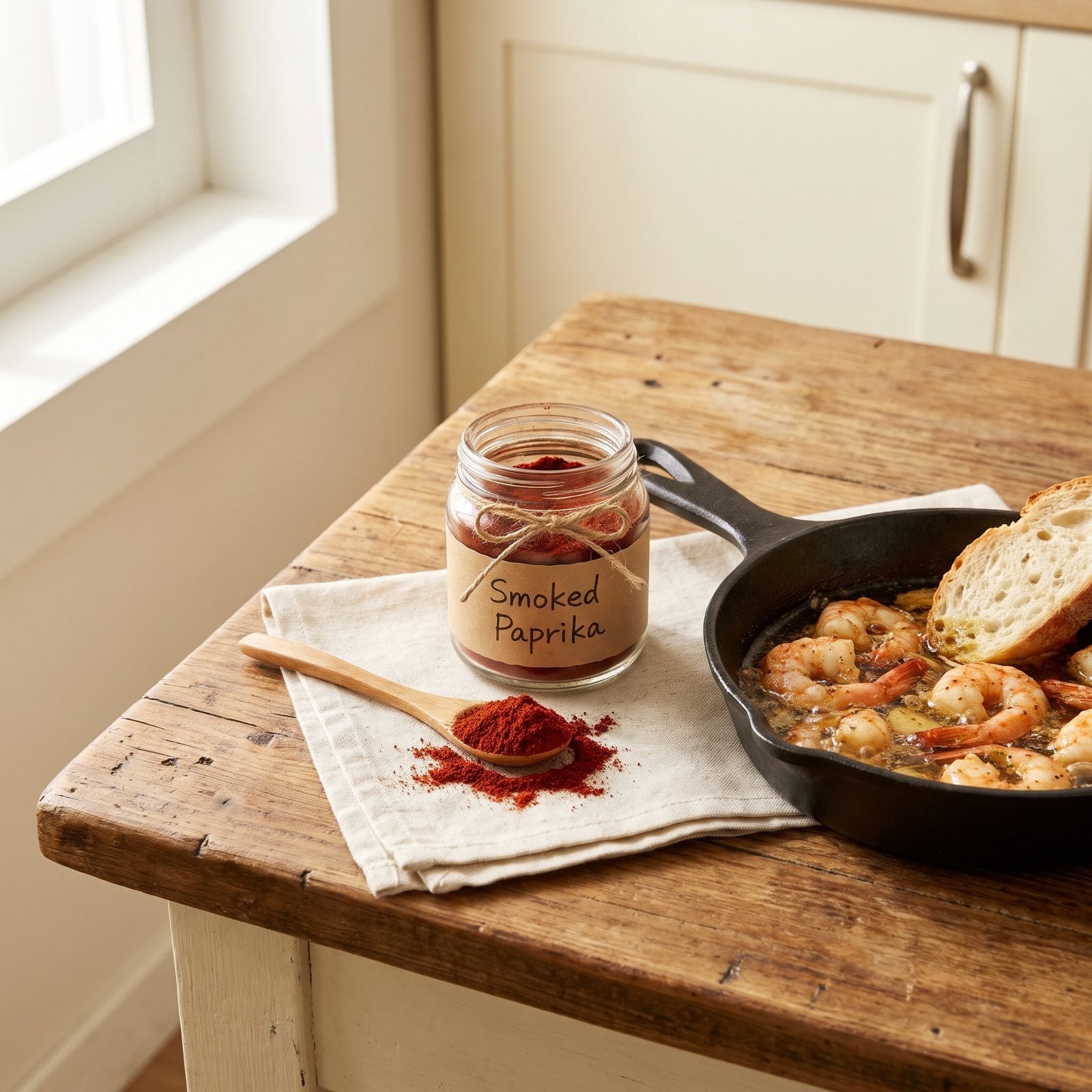
Smoked paprika is the closest thing to a grill in a jar, and I kept it in heavy rotation long before I understood why it worked. The peppers get dried over smoldering oak in La Vera, Spain, so the smoke bakes straight into the powder. One spoonful hands a pot of beans, a rub for chicken thighs, or a Sunday gravy that backyard-fire depth you’d otherwise chase for hours over actual coals.
Buy the Spanish stuff labeled pimentón de la Vera. Then pick your lane — dulce if you like it sweet, picante if you want the heat. Here’s where people blow it: they dump it into dry heat, and it scorches into bitterness in seconds. Bloom it in warm oil off the flame, or stir it into something wet, and the color goes red and round and generous instead.