Would you like to save this?
The barista knows something about you before you finish speaking. Not your name. Something older than that.
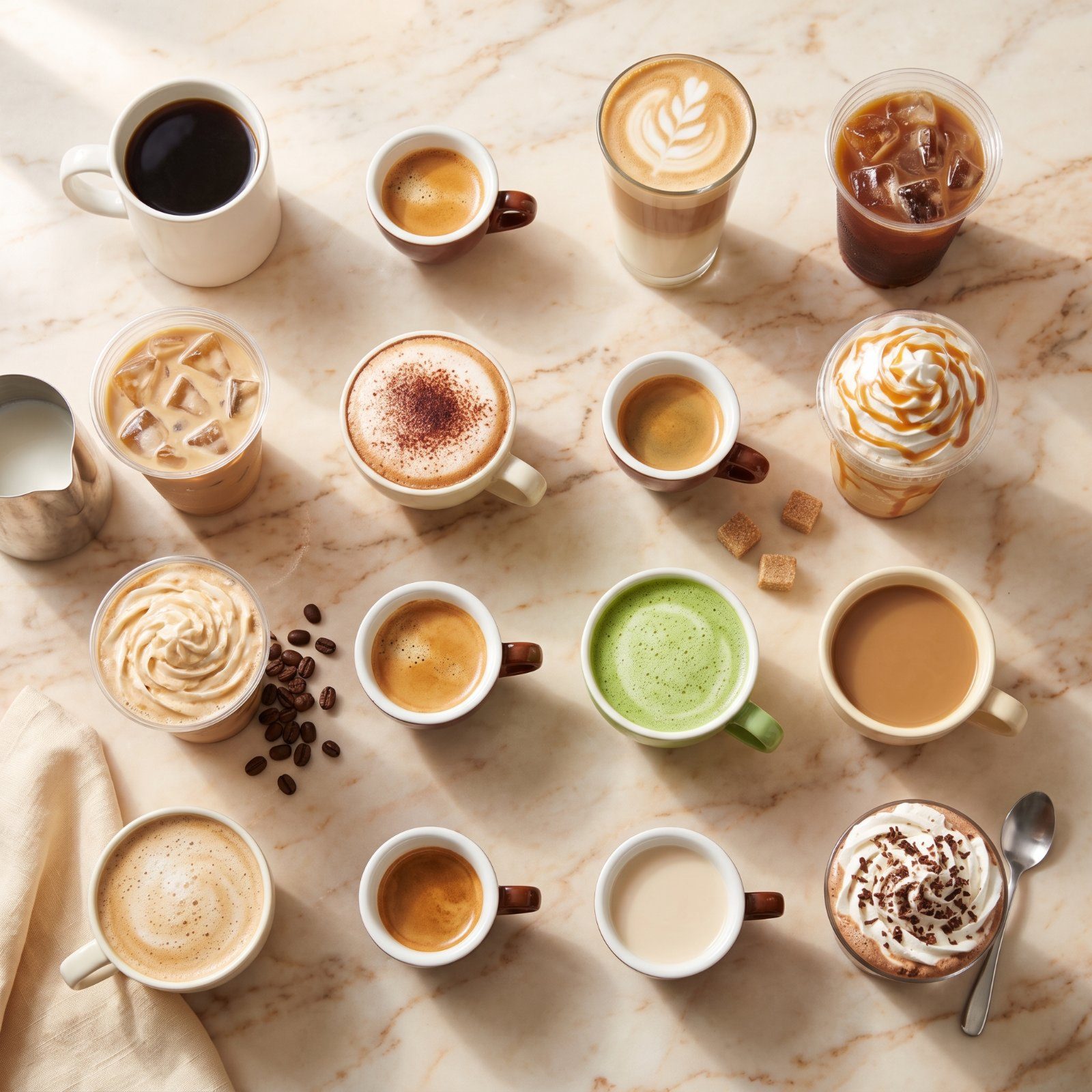
You’ve watched it happen. Someone orders a triple-shot oat milk latte, extra hot, no foam, and the person behind them in line makes a small face they think nobody caught. We read each other by our cups, and we always have. The plain black drinker gets filed one way, the eleven-modification person another, and everyone quietly believes their own order is the normal one.
Here’s what makes this fun: the readings are wrong just often enough to be interesting. The black-coffee stoic isn’t always uncomplicated. The ‘surprise me’ person is handing over more than a decision. A stack of orders and the little personality tells behind them, none of it scientific, all of it strangely accurate. Find yours below. Try not to feel too seen.
The Coffee Order You Rattle Off Without Thinking (And What Your Autopilot Says About How You Actually Move Through a Room)
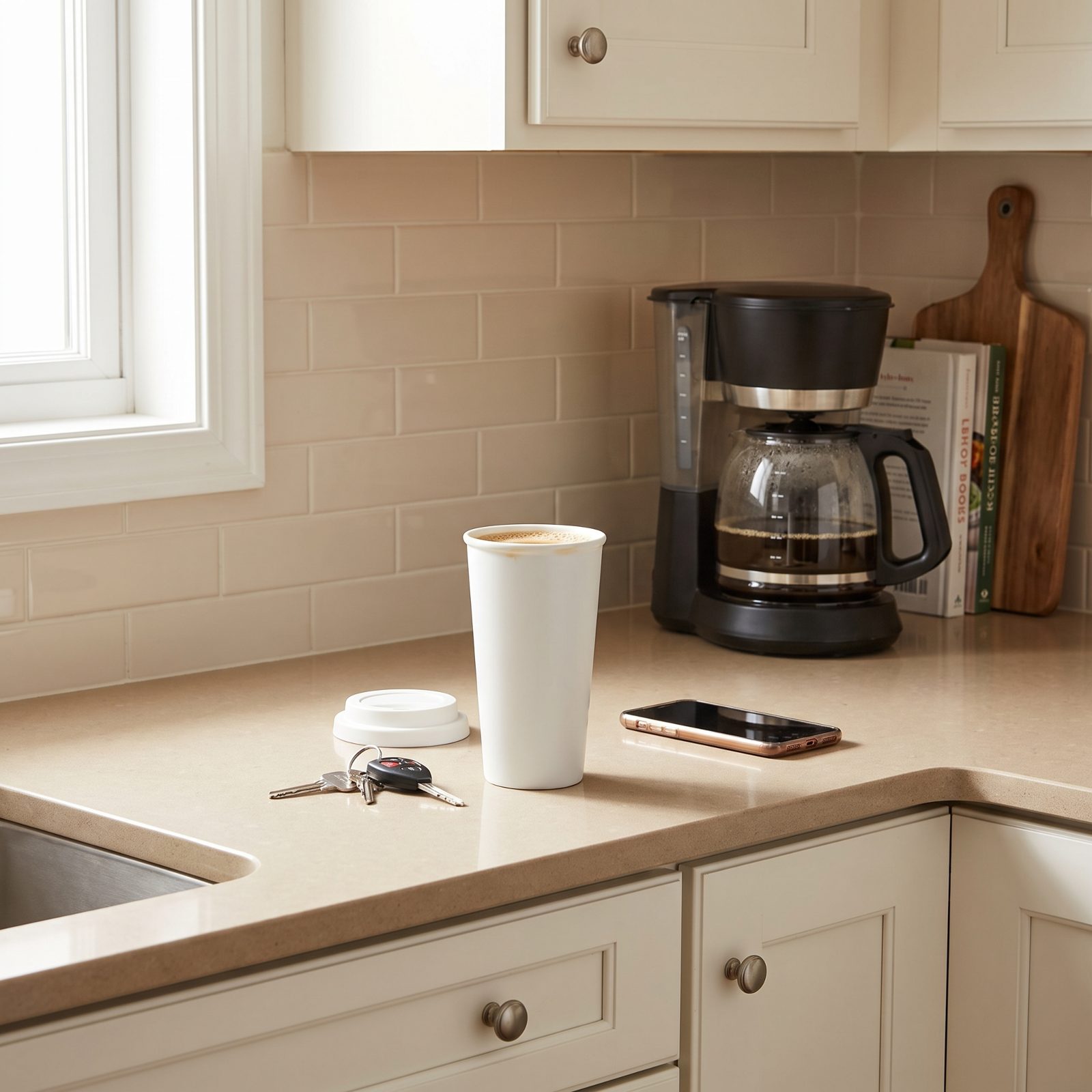
You don’t decide it. Your mouth already knows. Medium, oat, no foam, and it’s out before the barista finishes asking. That reflex is the tell, not the drink.
Ordering the same thing every day quietly removes one small decision from a brain already juggling too many, which psychologists call cutting down on decision fatigue Source. It’s the same instinct that had Steve Jobs and Barack Obama wearing the same thing daily, because willpower runs down like a muscle and they wanted it spent on bigger calls Source.
So the autopilot order isn’t boring. It’s a person who has decided where their attention is worth spending, and it isn’t at the register. Watch how they walk in — straight to the counter, eyes already on the door they’ll leave through. The drink is just the receipt for a mind that lives three moves ahead.
Why the Black-Drip-Coffee Person Is Almost Never as Uncomplicated as the Cup Suggests

No milk. No sugar. Nothing to hide behind. The black-coffee drinker looks like the simplest read in the café, and that’s exactly where people get it wrong.
Here’s the fun part everybody butchers online. A 2015 University of Innsbruck study did find that a taste for bitter things lined up with darker personality traits, sadism and psychopathy chief among them Source. Cue a decade of headlines calling your uncle a psychopath for drinking his coffee straight.
Read the fine print, though. The correlations were tiny, a statistical whisper, not a diagnosis Source. And it was a broad love of bitterness that mattered, not the single cup of black coffee itself Source. What tolerance for bitter probably reflects is comfort with intense sensory input, closer to sensation-seeking than villainy. So no, they’re not plotting anything. They just have a higher threshold for the harsh notes most people rush to soften. Uncomplicated cup, complicated wiring.
The One Espresso Detail That Tells the Whole Café You Have Somewhere to Be (Even When You Don’t)
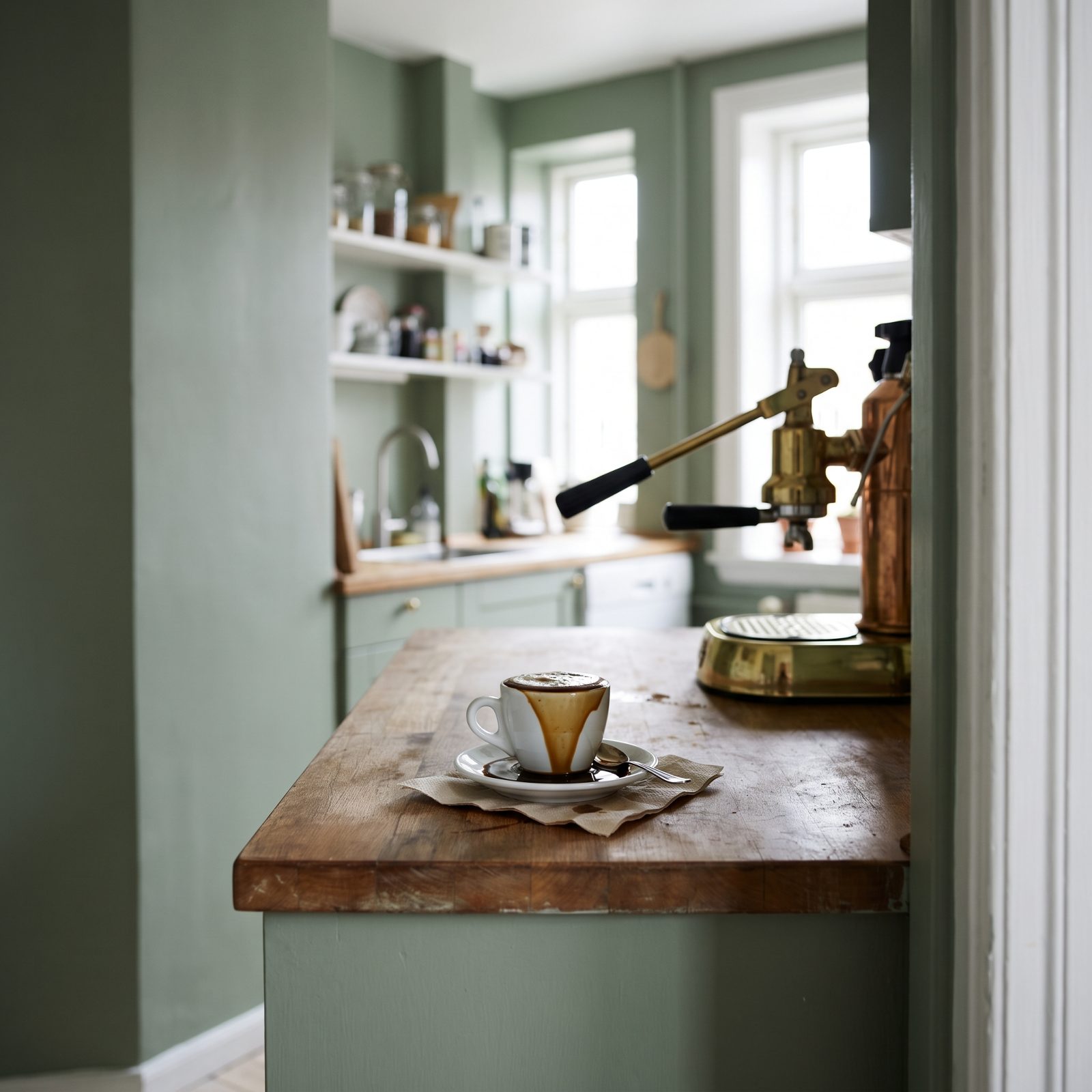
It’s the standing. The single shot, thrown back at the counter, not carried to a table. No chair pulled out, no lid, no walk. Down in two seconds and gone.
Espresso itself reads as bold and direct, the pick of people who like things plain and don’t mind the bite Source. But drinking it standing at the bar is a posture as much as a drink. It announces motion. The day is already in progress, and the café is a pit stop, not a destination.
Half the time there’s nowhere urgent to be. That person just prefers to feel like there is. Identity dressed as efficiency. And honestly, we get it — there’s a small dignity in refusing to sit, in treating your own free afternoon like it has stakes.
The Order With Eleven Modifications, and the Quiet Need It’s Actually Announcing
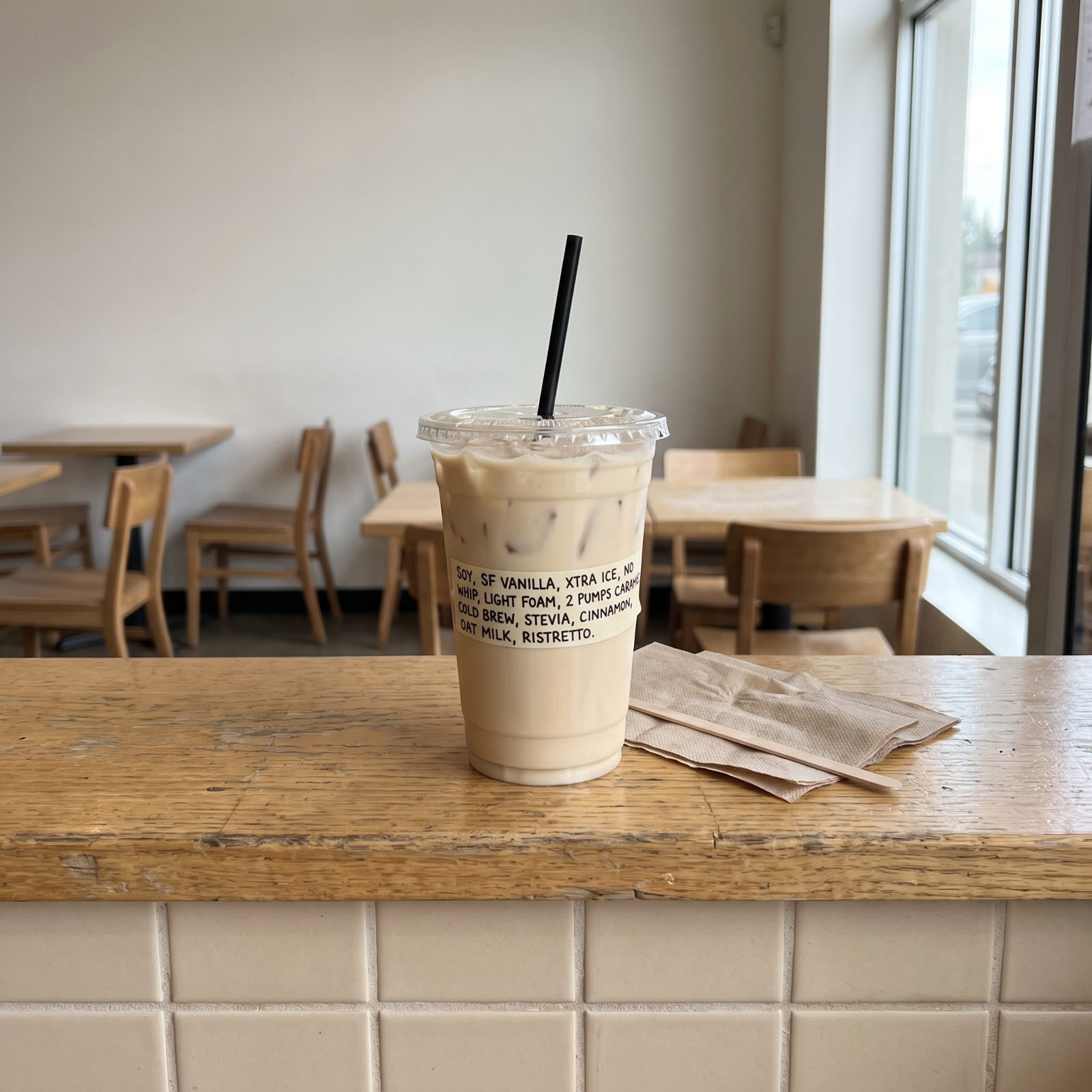
Half-caf, oat, two pumps sugar-free vanilla, extra hot, light foam, in a for-here cup even though it’s to go. The barista writes fast and says nothing. The person behind you sighs. And the order keeps going.
Clinical psychologist Ramani Durvasula’s survey of café-goers found that people who build these highly specific orders tended to run more controlling, perfectionistic, and detail-obsessed Source. The modifications aren’t fussiness for its own sake. They’re a small, portable zone of control in a life that mostly refuses to be controlled.
Think about who tends to do this. Often someone managing a lot they can’t dictate, so the one thing they get to specify down to the pump, they specify down to the pump. The drink is the announcement: here is the one square foot of the world I get to run exactly right. There are worse things to need.
What the Person Who Says ‘Surprise Me’ Is Really Handing Over at the Counter
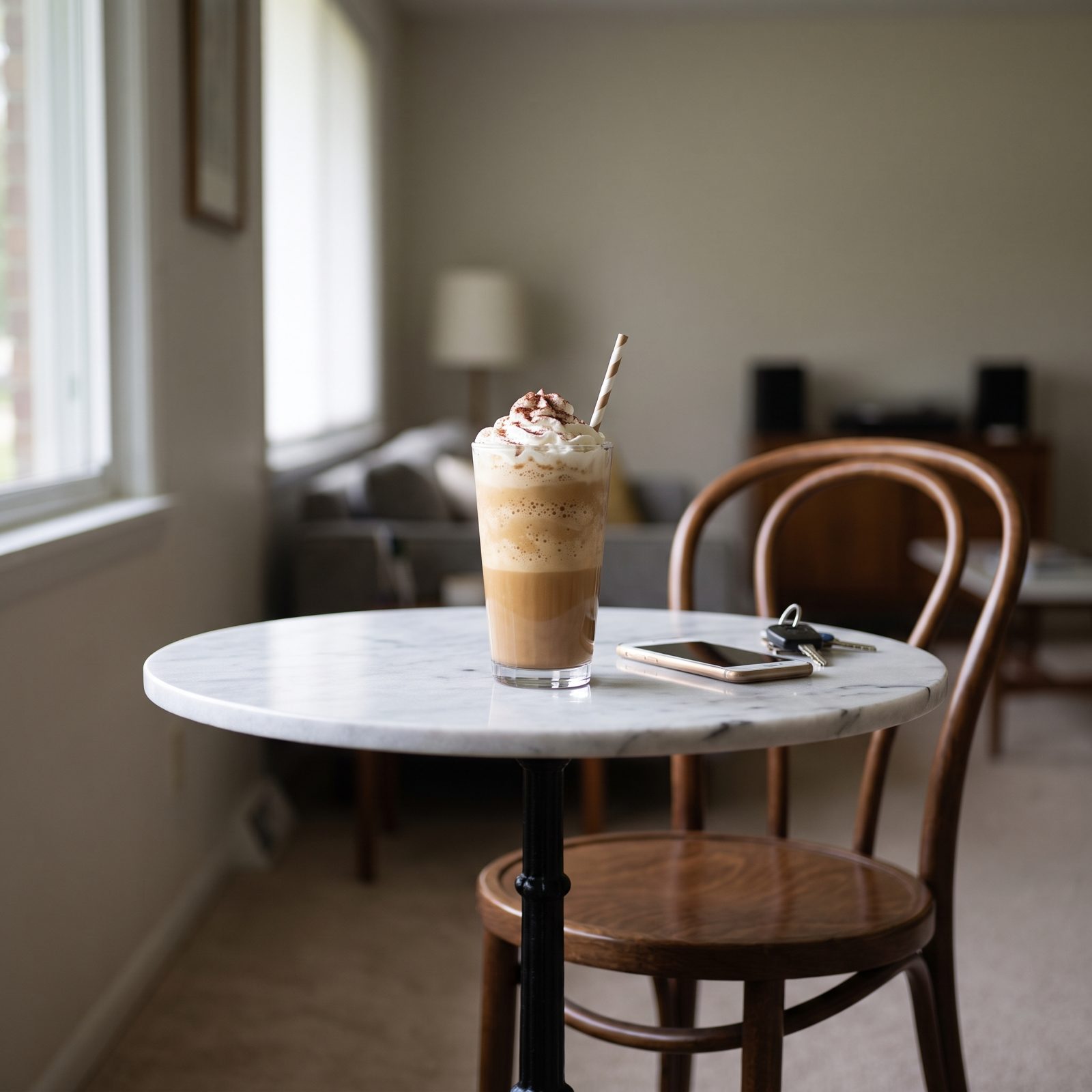
Two words, and the whole transaction flips. “Surprise me.” The barista blinks, then grins, because nobody hands them the wheel like that.
Iced and blended and spontaneous drinkers already skew bold and imaginative in the survey data, drawn to novelty and comfortable with a little recklessness Source. “Surprise me” is that trait turned all the way up. Not indecision — trust, offered to a stranger, over something as low-stakes as a drink.
What they’re really handing over is control, on purpose, to feel the small thrill of not knowing. In a life where most of us white-knuckle every choice, that’s a quiet flex. They’ve decided the fun is in the reveal. Sometimes they get a lavender oat thing they’d never have picked. Sometimes they hate it. Either way they got a story, which was the actual order all along.
The Latte-Art Photographer at Table Three, and the Thing Psychologists Noticed About People Who Shoot Before They Sip
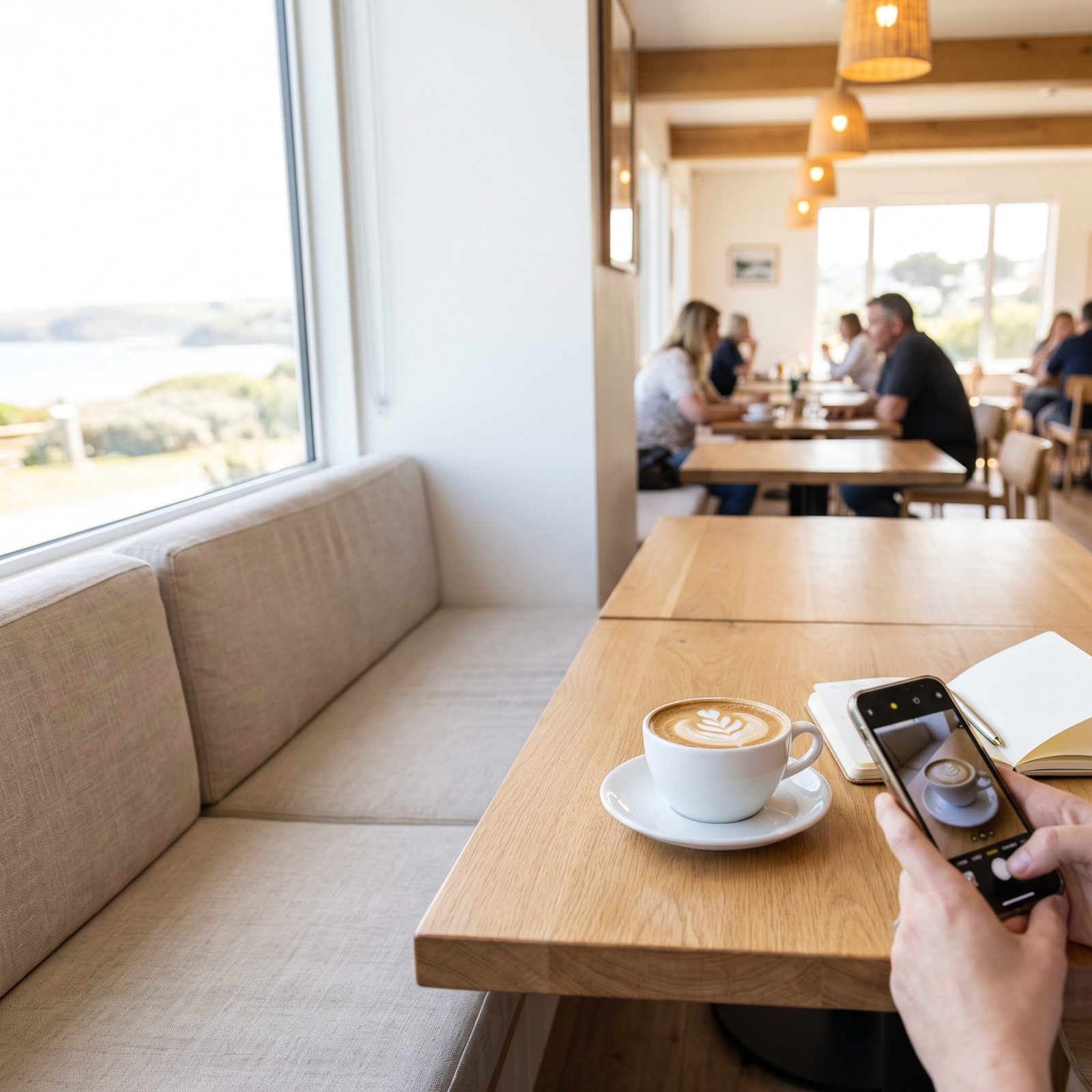
The rosetta lands. The phone comes out before the spoon does. Two angles, one from above, and only then does the cup meet a mouth. You’ve watched this at every café with a window seat.
Easy to roll your eyes at. But researchers found something odd: taking a photo before eating creates an intentional delay that engages the senses and builds anticipation, which can genuinely make the food taste better Source”. A separate 2022 study found people recalled the emotions of a meal more vividly when they’d photographed it, because the image strengthens autobiographical memory Source.
So the table-three photographer isn’t just performing. They’re front-loading pleasure and building a memory anchor at the same time. The one taking the photo often savors the cup more than the one who dove straight in. Annoying, maybe. But they may be enjoying their coffee more than you’re enjoying yours.
Why the Extra-Hot Request Hides a Personality Trait Nobody Puts on a Dating Profile
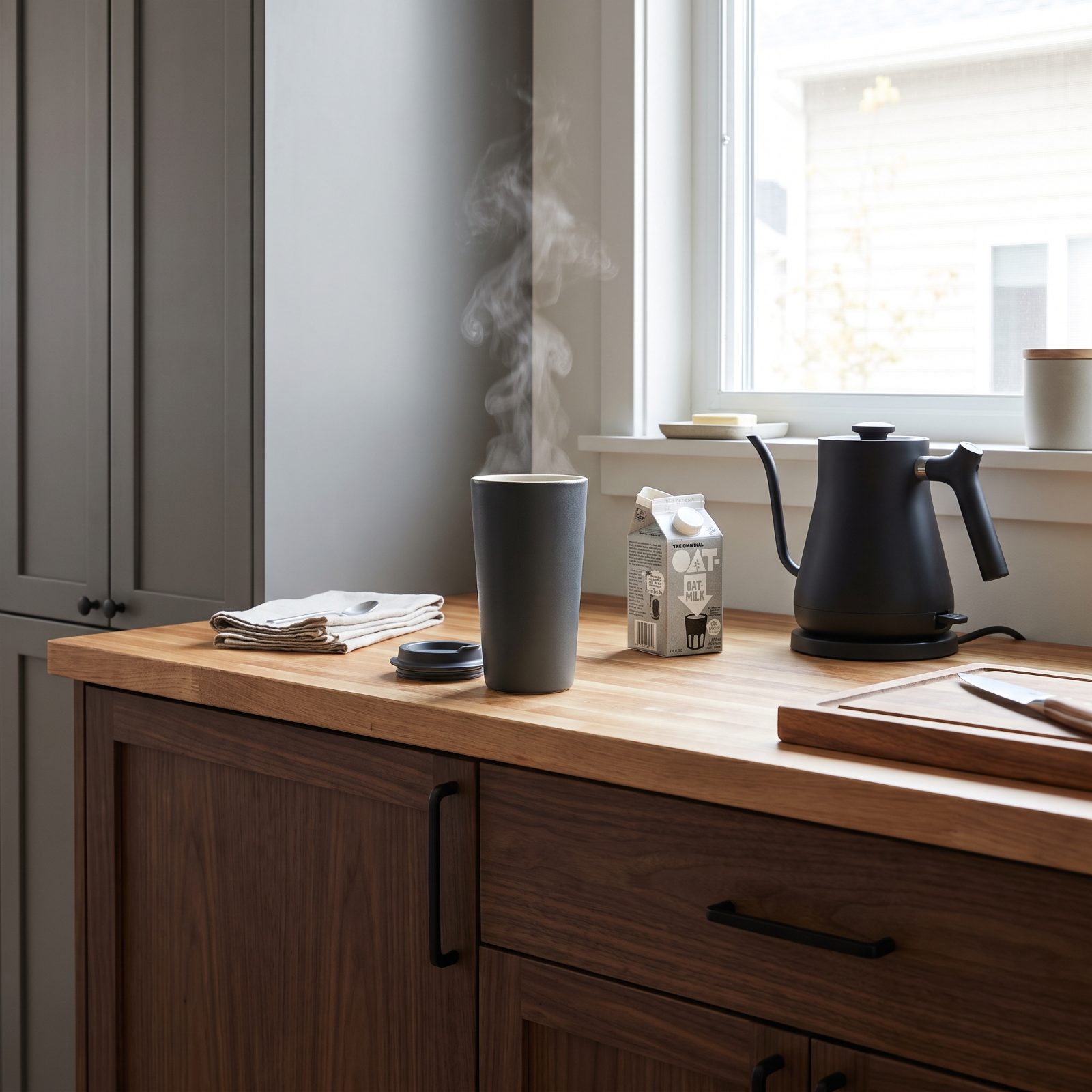
“Extra hot, please.” Said politely but firmly, every single time. It’s the one modification that comes with a follow-up if the barista forgets, and it reveals more than the person means to give away.
Very specific requests around temperature and preparation tend to cluster with perfectionism and a need for things done a particular way Source. Extra-hot is the tell inside the tell — someone with an exact internal standard for how the world should be delivered, and enough spine to state it out loud to a stranger.
Nobody writes “has firm standards and will send it back” on a dating profile. But there it is, steaming in the cup. It reads as high-maintenance. It’s closer to self-respect with a thermometer. They know what they want, down to the degree, and they’ve stopped apologizing for asking. Frankly, more of us could stand to.
The Decaf Orderer After 4 p.m., and the Small Act of Self-Control That Reveals More Than a Résumé
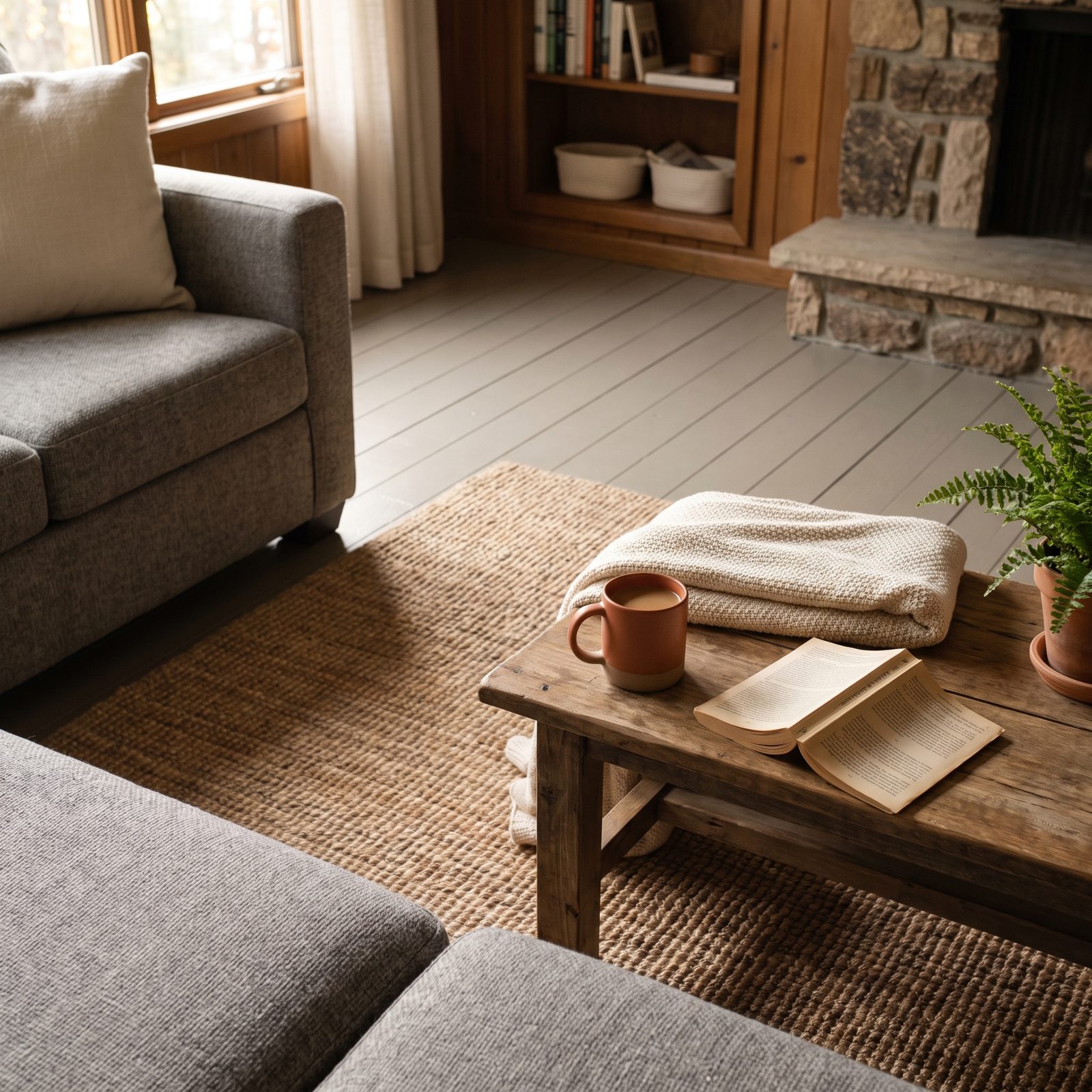
Late afternoon, the café half-empty, and someone orders a decaf. On purpose. Knowing full well it’s the coffee equivalent of a non-alcoholic beer.
Durvasula’s survey put decaf and alternative-milk orderers in the controlled, self-disciplined, health-conscious column, the people who make the careful choice even when nobody’s watching Source. The 4 p.m. decaf is that trait caught in the wild. They want the ritual, the warm cup, the pause. They’ve just done the math on tonight’s sleep and decided the caffeine isn’t worth it.
That’s a whole personality in one order — someone thinking about a version of themselves six hours out and acting on their behalf. Same muscle that shows up in decision fatigue research, defaulting to the wiser path when it would be easier not to Source. A résumé lists what someone did. The after-4-p.m. decaf shows how they treat their own future self when the stakes are tiny and no one would ever know. That tells you plenty.
The Person Who Orders the Same Thing at Every Café in Every City (And What That Loyalty Is Quietly Protecting)
Would you like to save this?
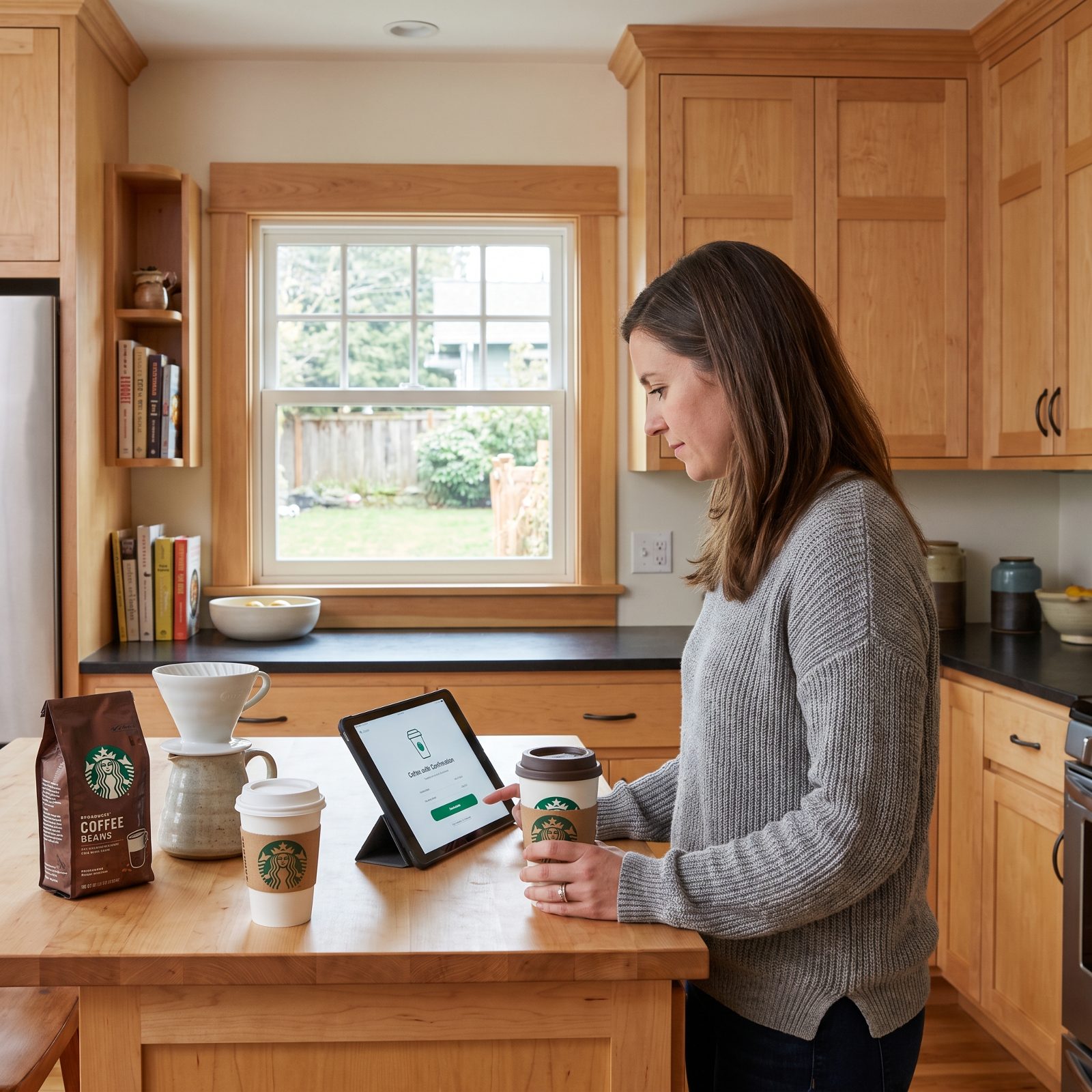
Same medium latte. Newark, Lisbon, a gas-station espresso machine in the middle of Nevada. The menu changes and the order doesn’t. People read this as a lack of adventure. It’s closer to the opposite.
When everything around you is unfamiliar, one fixed choice does a lot of work. Your brain runs on cues, and a repeated order is a cue it already trusts. Research on habit formation finds the brain prefers stable environments where a familiar cue signals what comes next, which is exactly why disruption and travel break routines so hard. The same-order person isn’t refusing to explore. They’re keeping one thing steady so they can handle everything that isn’t.
Plenty of people do this for years and tell themselves it’s about the coffee. It isn’t. It’s about walking into a strange room and knowing one sentence that will come out right.
Why the Oat-Milk Switch Says Something Different Than the Almond-Milk Switch
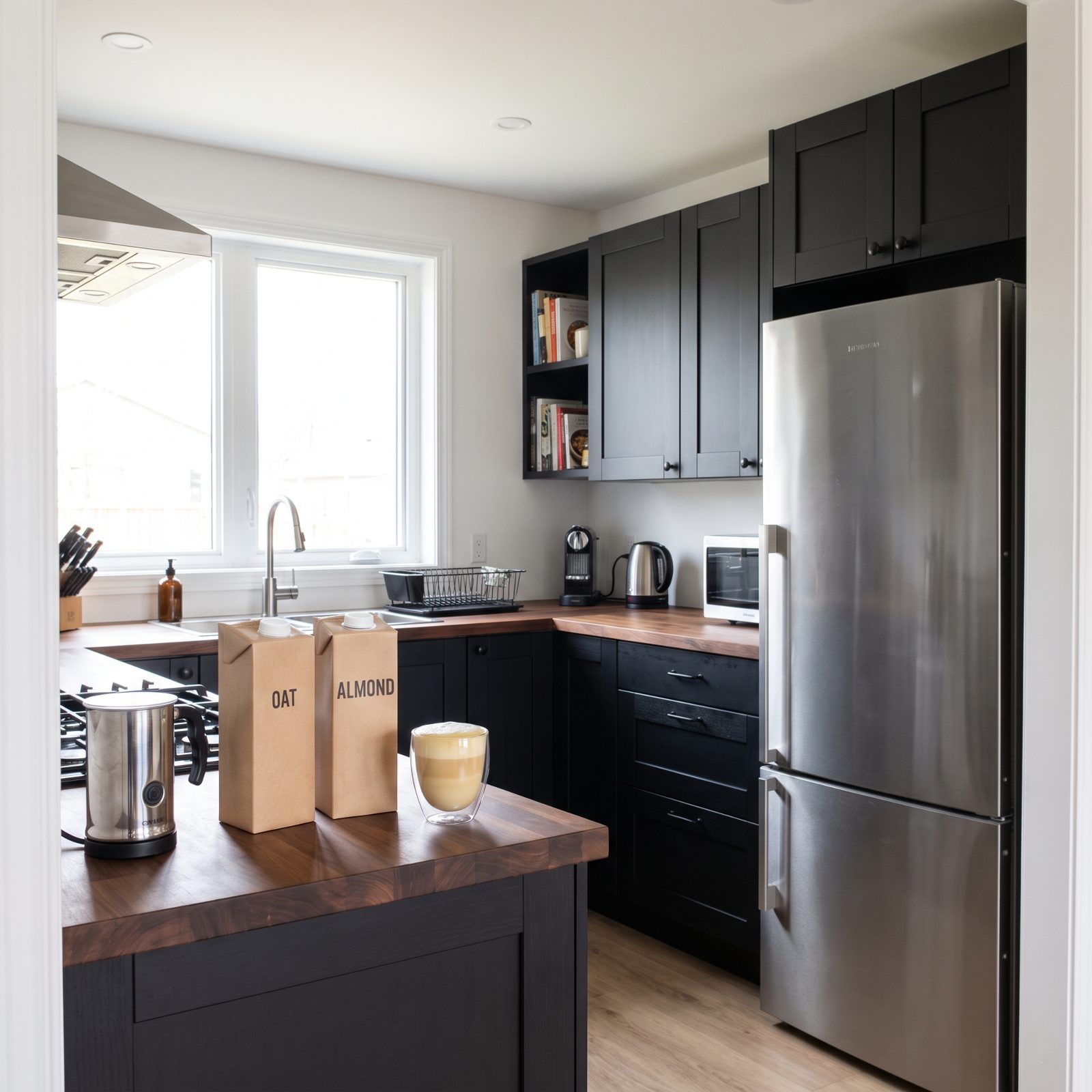
Two people skip dairy. One reaches for oat, one reaches for almond. Small choice, and yet they tend to run in different directions.
Oat milk shows up as a texture play. It froths thick, it goes creamy, it holds up in a flat white without going thin. The oat switcher usually didn’t want to give anything up — they wanted the same mouthfeel by another road. Almond arrived earlier as the lighter, cut-the-calories move, and it carries a whiff of restraint the oat crowd rarely shares.
None of this is a verdict on a human being. It’s a reading, and a loose one. But the tell holds up more than it has any right to. Ask an oat drinker and an almond drinker to describe why, and the oat person talks about how it feels in the cup while the almond person talks about what it doesn’t have. Two different appetites, one dairy case.
The Iced-Coffee-in-January Drinker, and the Contrarian Streak Hiding in Plain Sight
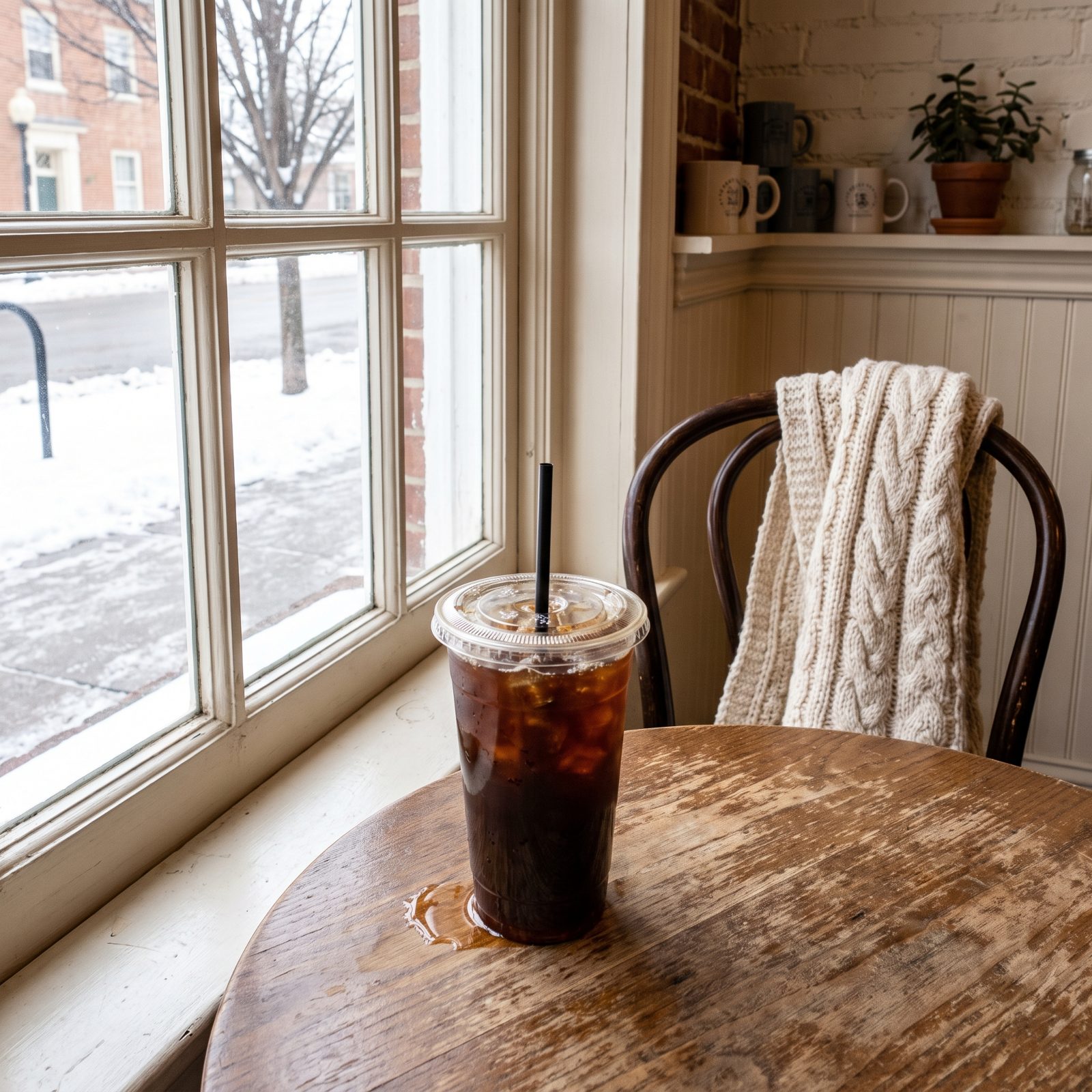
Twenty degrees out. Wind coming off the parking lot. And there they are, cupping a sweating plastic cup of iced coffee like it’s the middle of July.
This isn’t stubbornness for its own sake. The year-round iced drinker has usually decided, at some level, that the calendar doesn’t get a vote on what they want. Weather is a rule everyone else follows. They opted out. It reads as a small, cheerful refusal — the kind of person who orders the breakfast plate at four in the afternoon and doesn’t feel a thing about it.
There’s a warmth-and-body angle too. Some people run hot, some just prefer the taste cold and never registered the season as relevant. But watch the reaction when someone points it out. The genuine iced-in-winter drinker isn’t embarrassed. They’re a little pleased. Getting caught being contrary is half the fun, and they know it.
What Ordering ‘a Small’ When You Mean ‘the Largest They Make’ Reveals About How You Were Raised
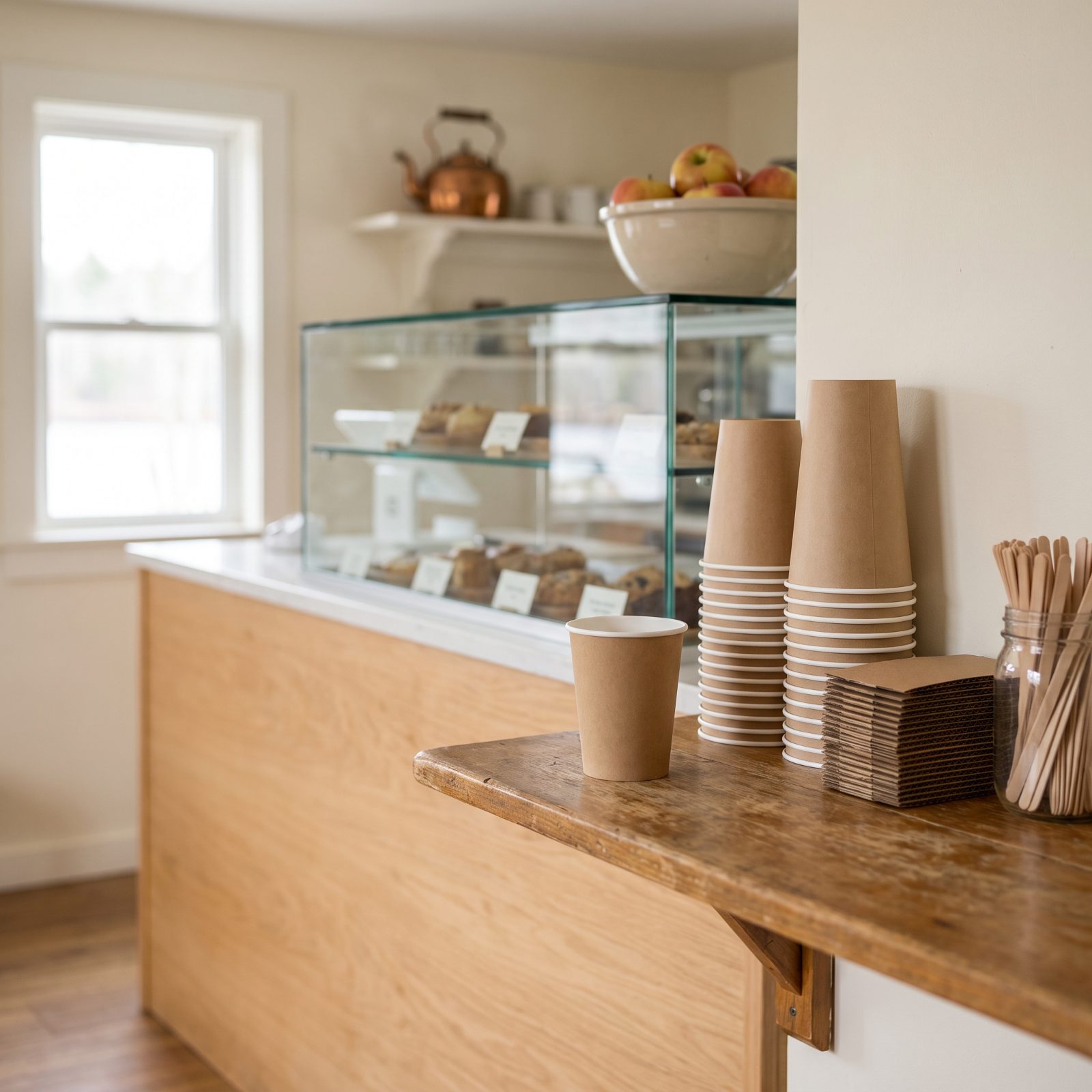
They want the big one. They order the small. Then they nurse a sense that the big one would have been greedy.
This one runs deep, and it usually traces back to a kitchen table decades ago. If you grew up in a house where wanting more was quietly discouraged, where you took the smaller piece and called it fine, that lesson doesn’t leave when you turn forty. It just relocates to the coffee counter. Ordering a small becomes a reflex of modesty, a way of not taking up too much, even when nobody’s counting anymore.
The tell is the aftermath. The genuine small-orderer eyes their cup, watches it empty in a few minutes, and feels a flicker of regret they’d never admit to. Predictable habits get their grip early. Work on predictable habits notes how thoroughly the body learns to anticipate the next step without conscious negotiation, and old modesty is one of those steps that runs itself.
The Sugar-Loaded Order Everyone Judges, and the Warmth It Might Actually Be Chasing
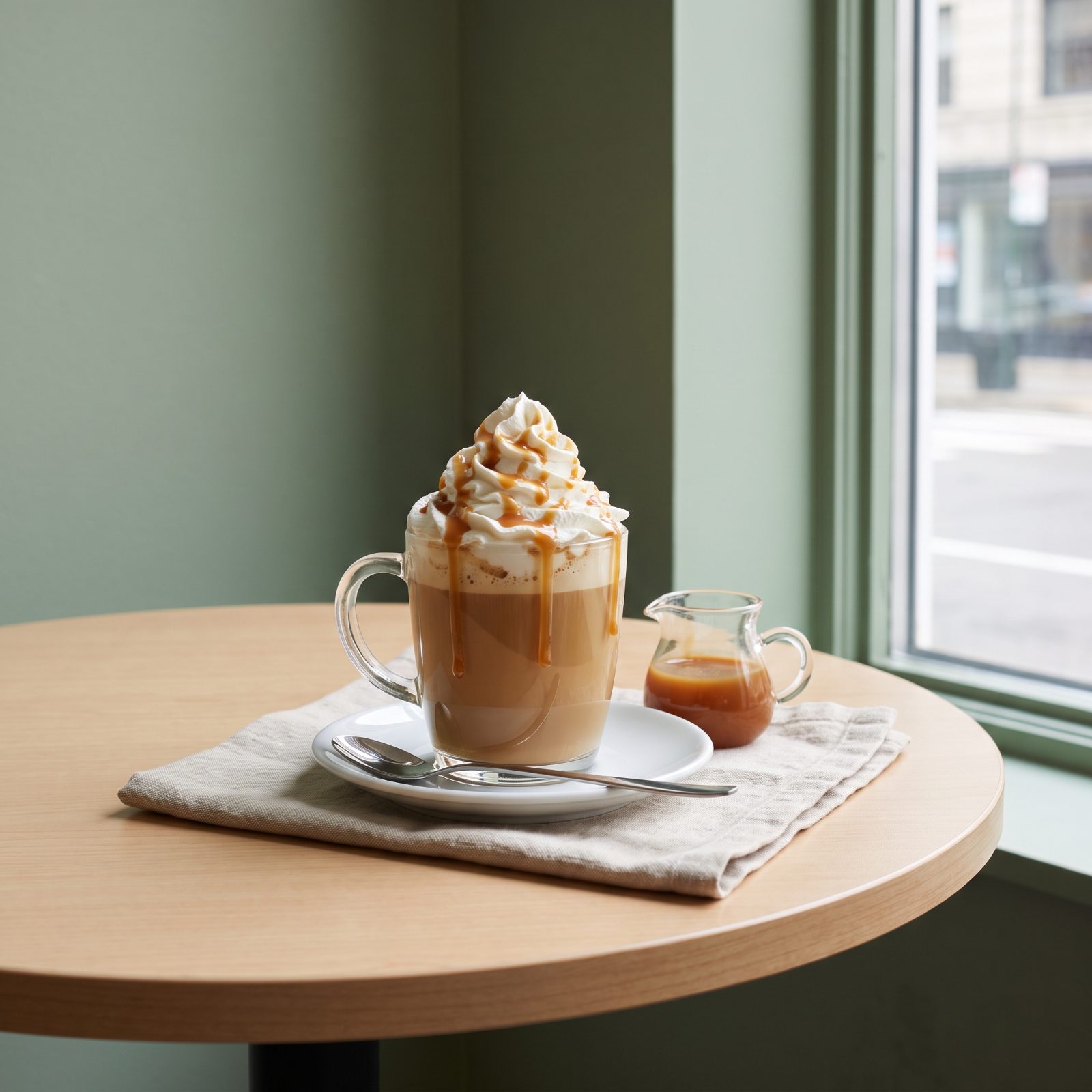
Four pumps of caramel, extra whip, a drizzle on top. Somebody in line always makes a face. That face misses the point entirely.
The very sweet order gets read as a lack of willpower or a childish palate. What the research keeps finding is stranger and kinder. Sweetness is wired to warmth in us, and not metaphorically. A review on emotion and eating behavior (Source) reports that sweet taste forms an association with warmth and love, and that when people are short on connection, the brain leans toward sweet foods as a stand-in. A separate 2024 JAMA Network Open study found lonelier people showed more brain activity in regions tied to sugar cravings and less in regions tied to self-control.
So the elaborate sweet drink might be doing a job. Not indulgence. Comfort, ordered by the ounce. Next time someone eye-rolls at the caramel drizzle, keep that to yourself.
The Person Who Asks the Barista Their Name, and the Social Instinct Researchers Keep Underestimating
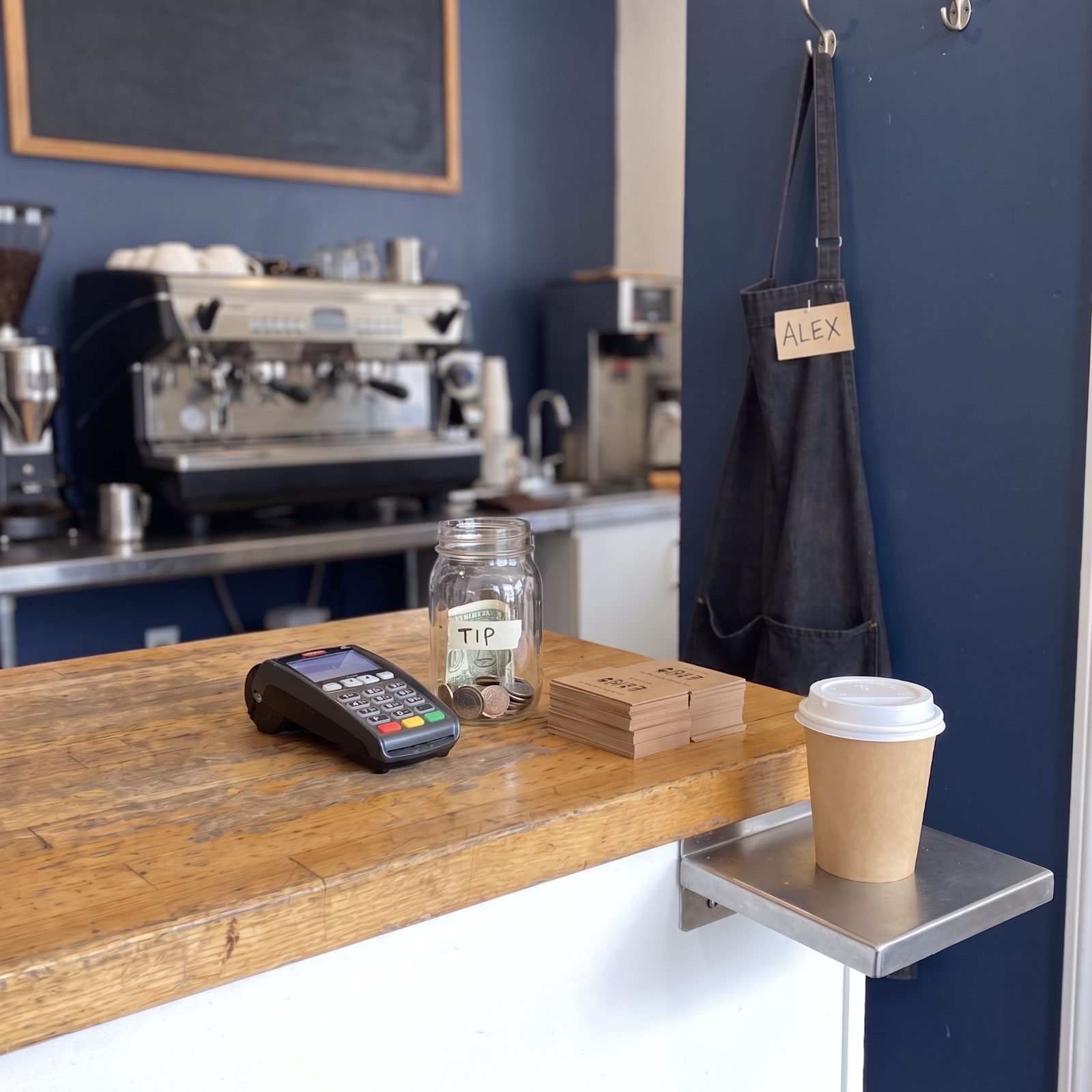
They lean in a little. Ask how the shift’s going. Actually catch the name on the apron and use it. Everyone behind them in line thinks they’re just chatty, but they’re doing something the science takes more seriously than the line does.
Psychologists call these weak ties — the low-stakes acquaintances on the edge of your life. In a field study at a coffee shop, Gillian Sandstrom and Elizabeth Dunn found that customers who smiled, made eye contact, and had a brief exchange with the barista left in a better mood than those who kept it strictly efficient, and the effect ran through a felt sense of belonging. Their broader work found people report more happiness and belonging on days (Source) with more of these small interactions.
The name-asker isn’t killing time. They’re topping up a reservoir most of us let run dry. And they tend to be the least lonely people in the room, which is no accident.
Why the ‘Just a Drip, Black, Nothing In It’ Answer Is Sometimes a Whole Personality Test You Just Passed
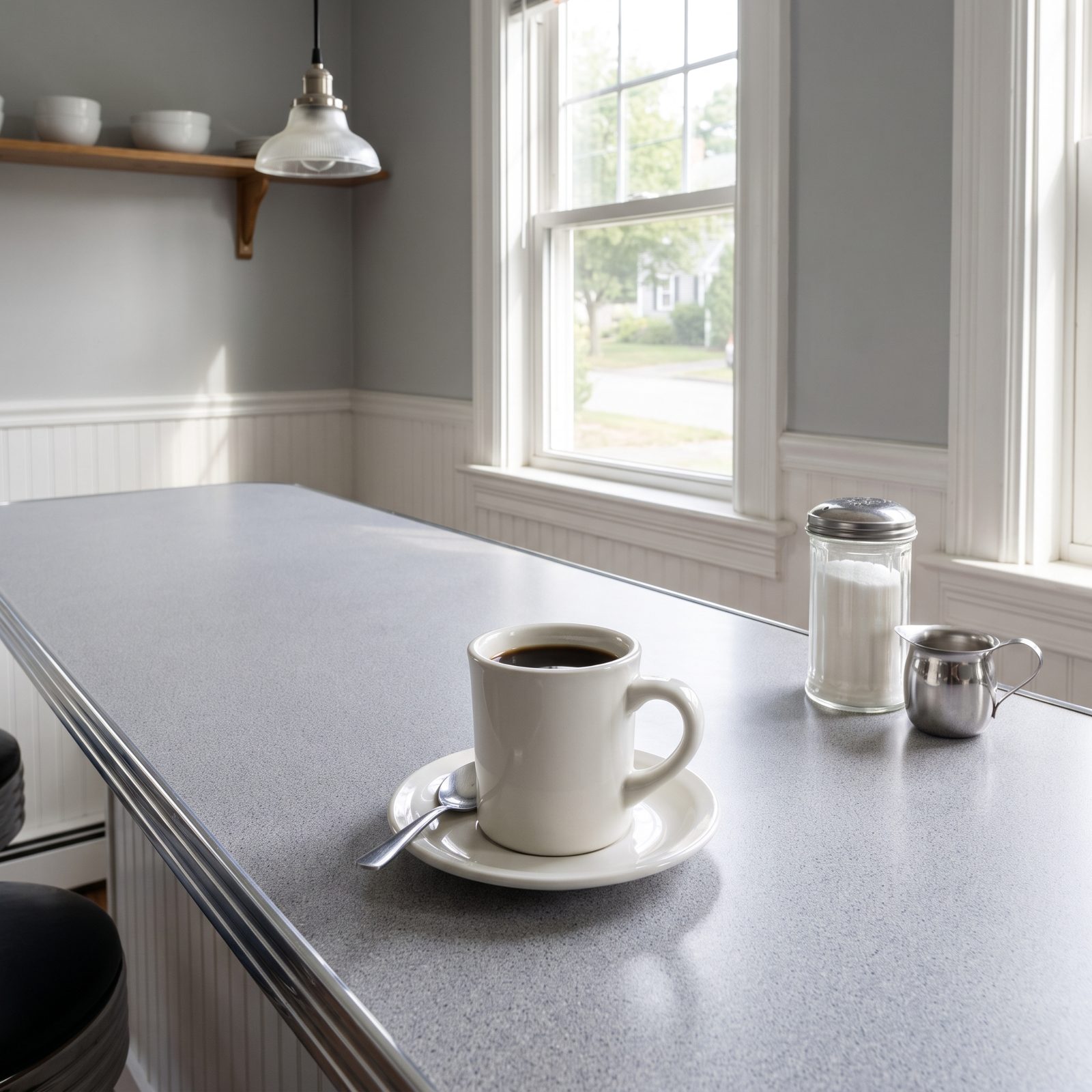
No milk. No sugar. No size debate. “Just a coffee, black.” It sounds like the absence of a preference. It’s usually the loudest preference in the room.
This drinker has stripped the ritual down to the thing itself and decided that’s enough. Sometimes it’s frugality. Sometimes it’s a palate that genuinely reads the roast and doesn’t want it buried. And sometimes it’s a quiet flag planted in the ground: I am not a fuss, I do not need the drink to do anything but wake me up. There’s a plainness to it that’s almost a personality by itself.
Worth noting who tends to order this way. Often the same people drawn to a steady, unfussy routine — the ones for whom repetition isn’t stagnation but ground to stand on. One essay on the psychology of routine (Source) argues that structure is one of the main ways meaning gets built and held over time, not the absence of a life but the frame that holds one together. Black drip, every day, is that idea in a cup.
The order tells you less about the coffee than about the person who refuses to complicate it. Nothing in it. That’s the whole idea.
The Bottom Line
Here’s what your coffee order actually says about you: nothing fixed, and that’s the point. Every cup is a small, honest broadcast of what you needed the moment you stepped up to the counter — speed, comfort, control, connection. The order isn’t the person. It’s the person’s current, and currents shift with the day. So next time you rattle off your usual, pause for half a second and ask what you’re really ordering, because the answer changes, and noticing the change is the closest thing to knowing yourself in real time.