
There’s a crock of flour and water on a lot of modern counters right now, bubbling like it’s got somewhere to be. Our grandparents would know it on sight. They’d know the chicken carcass in the freezer bag, the jar of soaking beans, the Sunday pot of something that fed the whole street. These weren’t hobbies back then — they were how you got from Monday to Friday without running the pantry dry. The ones below are worth knowing again.
Please note that some of the images in this article were created with the assistance of AI.
43. Keeping a Sourdough Starter Alive

You name it. That’s the first sign you’ve gone too far, and also the first sign you’re one of us. A jar of flour and water, fed every day, somehow becomes a thing you feel responsible for — like a houseplant that talks back.
Depression kitchens kept a starter going because yeast cost money and this didn’t. You captured what was already floating in the air and the flour, fed it, baked with it, and fed it again. The loop never ends, which is exactly the point.
I killed my first three starters by neglect and overthinking, in that order. The fourth one is older than some of my kitchen appliances. It asks for almost nothing and gives back a loaf. Hard to beat that deal.
42. Turning One Whole Chicken Into Several Meals
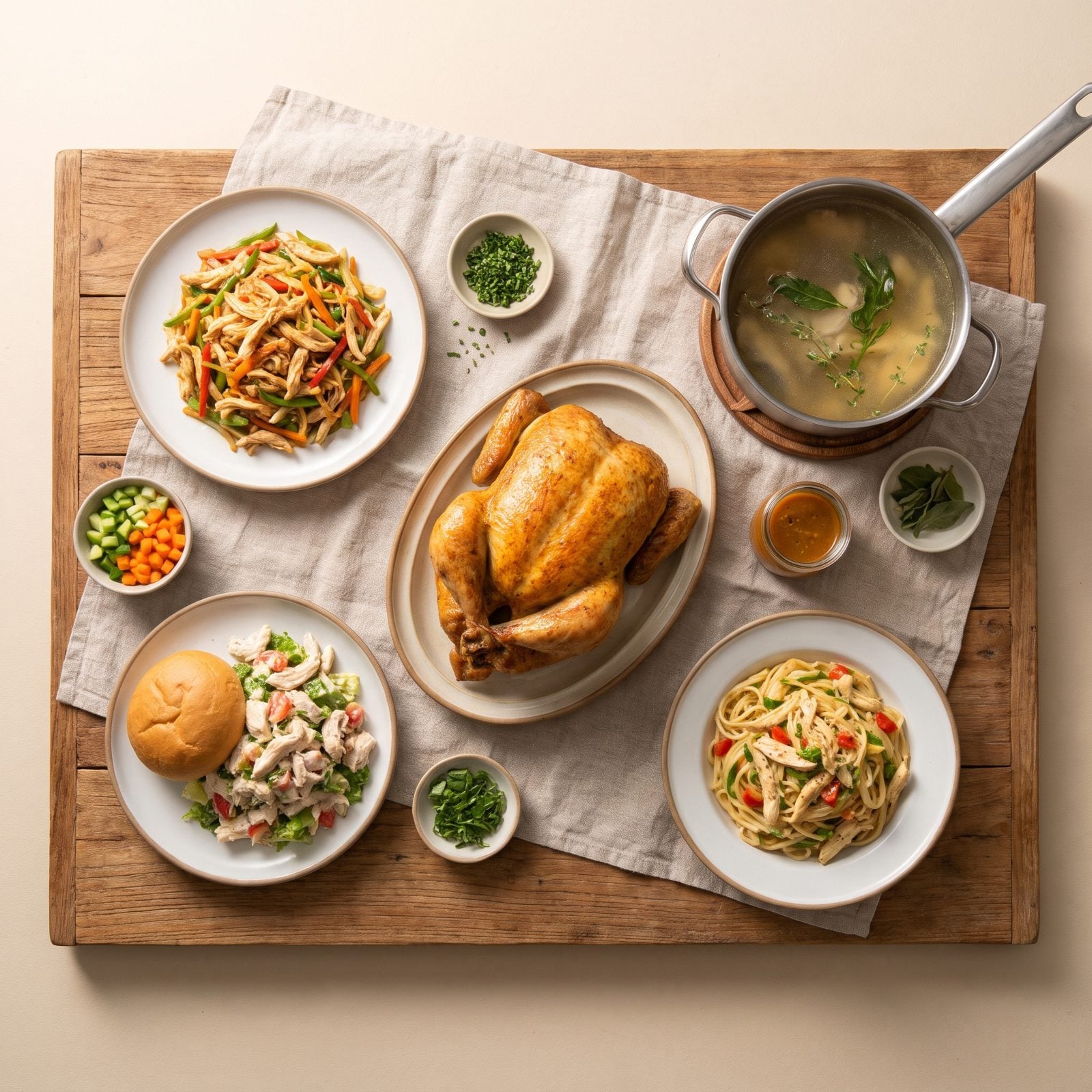
One bird, handled right, is at least three dinners and a pot of stock. Roast it Sunday and eat the legs. The breast becomes sandwiches or a salad, and whatever’s left gets shredded into a pot of something with rice.
Then the carcass goes to work, which we’ll get to. Nothing walks out of this kitchen uneaten.
This was survival math in the thirties, and honestly the flavor beats any of the pre-cut, plastic-wrapped options stacked at the store. A whole chicken costs less per pound and feeds you longer. I buy the small ones because they’re cheaper and the meat is sweeter. That’s the whole trick.
What Our Readers Say
- When Piaci Pizza readers loved a food photo and tapped a reason, comfort topped the list at 30%, and 15% picked nostalgic.
- Meal photos with a timeless look got hearts from our readers 83% of the time, compared with 77% for the other images in the same articles.
From Piaci Pizza reader polls and votes.
41. Making Stock From Bones and Vegetable Trimmings
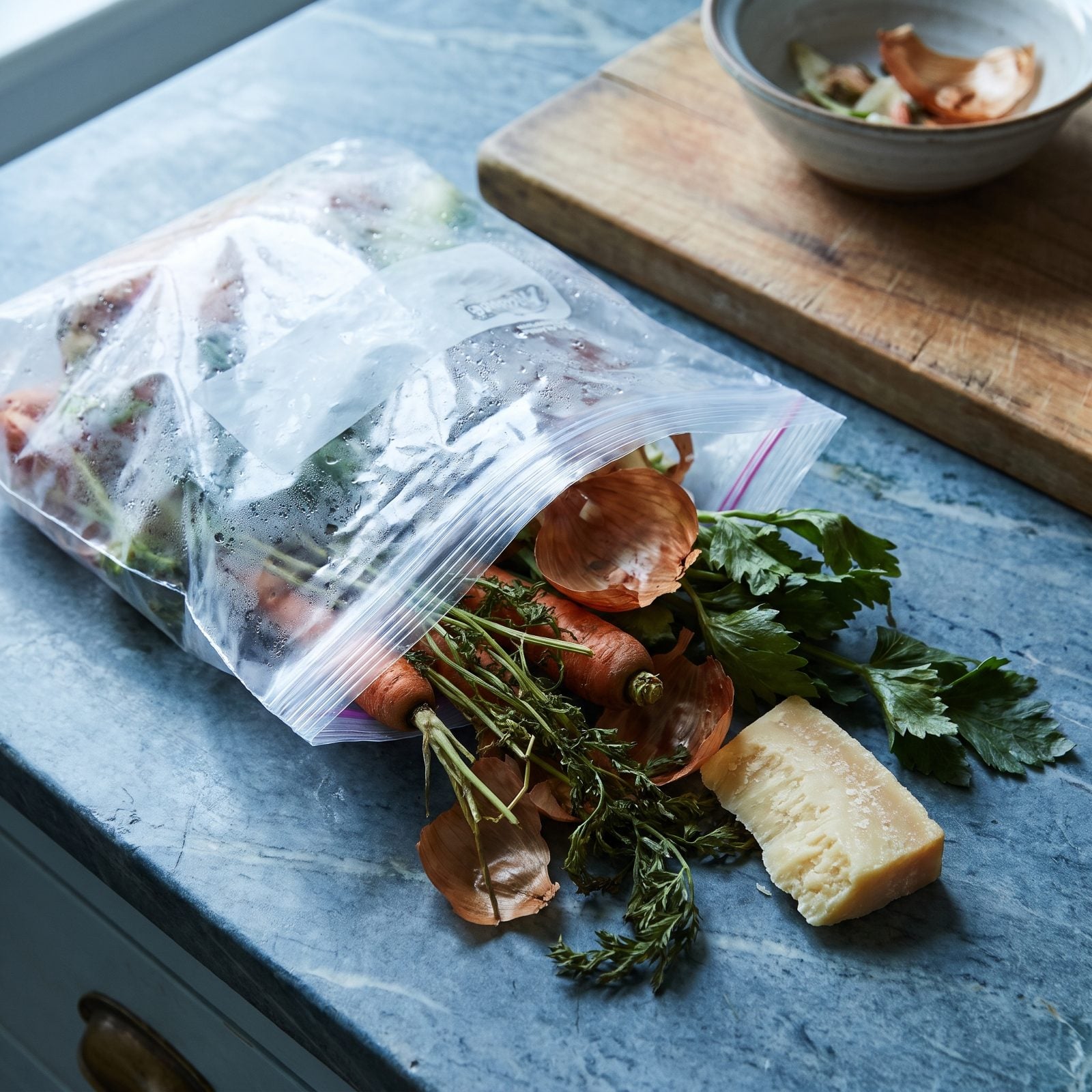
There’s a bag in my freezer that would make no sense to a stranger. Carrot ends, celery leaves, onion skins, a parmesan rind, the bones from last week’s bird — all of it waiting.
When the bag is full, it becomes stock. You simmer it low for a few hours and your whole place smells like a Sunday from forty years ago.
The scraps were headed for the bin. Now they’re the base of three dinners. I will die on this hill: homemade stock ruins the store-bought kind for you forever, and that’s a fair trade.
40. Soaking Dried Beans Instead of Buying Cans
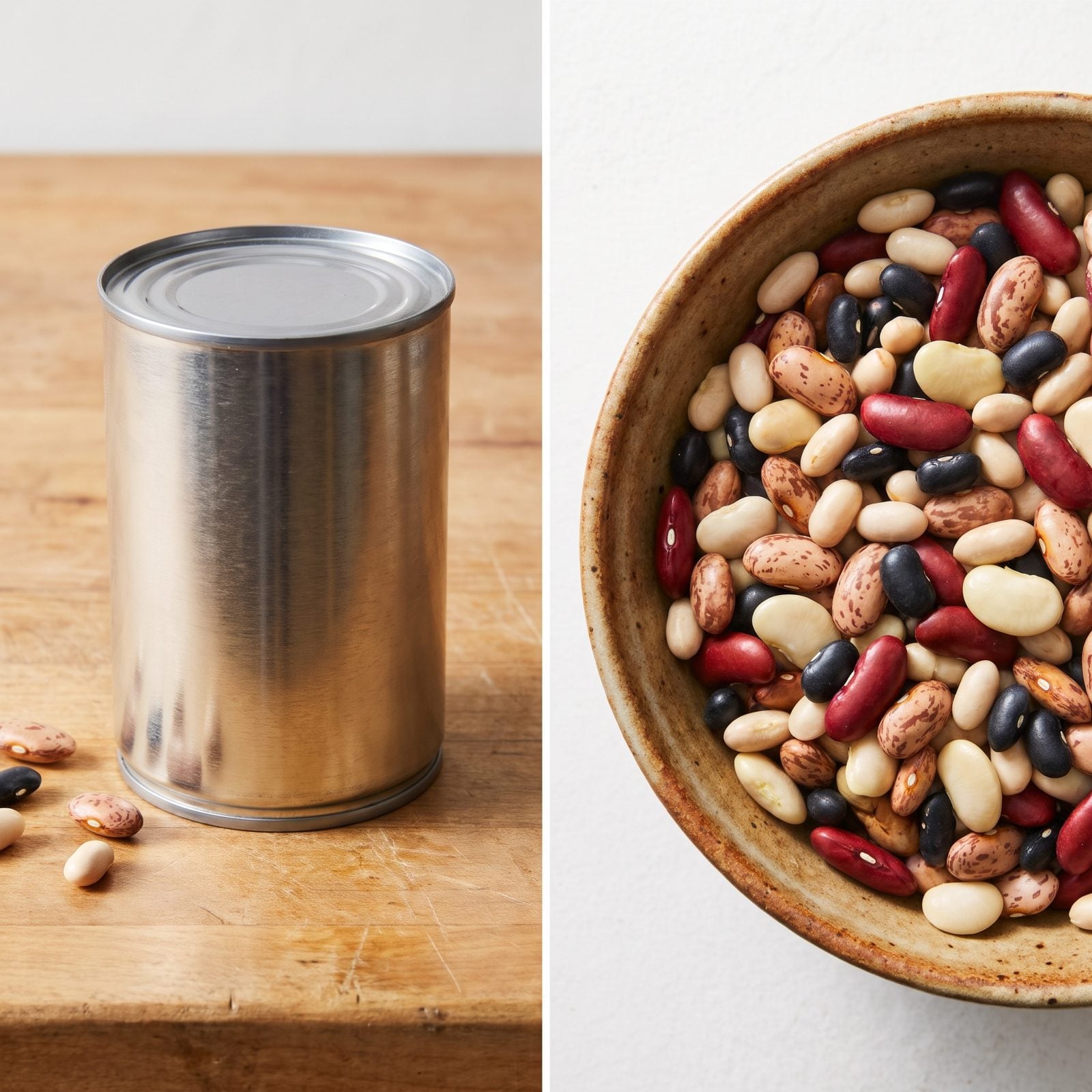
A bag of dried beans costs almost nothing and makes several cans’ worth. That math was obvious in 1933, and it’s just as obvious now — we’d mostly forgotten it.
You soak them overnight in a bowl of water and by morning they’ve doubled. Simmer with an onion, a bay leaf, maybe a ham bone if you’ve got one. The texture comes out creamier than anything from a can, and you control the salt.
I used to think this was too much effort. Turns out it’s five minutes of actual work spread across a day you’re home anyway. The pot does the rest while you ignore it.
39. Serving a Regular Meatless Supper
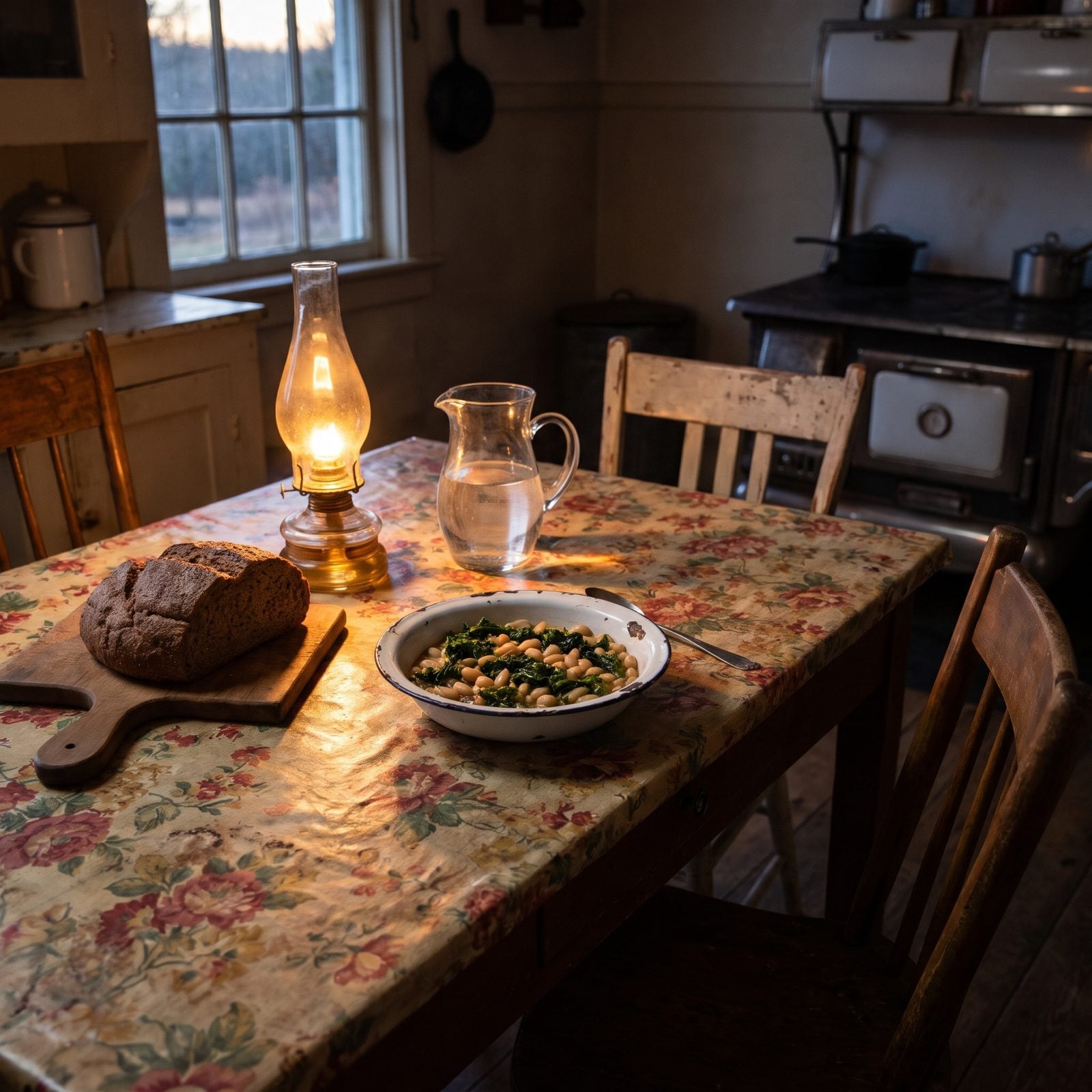
One night a week with no meat on the plate. Our grandparents called it getting by. We call it Meatless Monday and act like we invented it.
Beans and rice. A big skillet of potatoes and eggs. A pot of lentils with whatever vegetables are going soft. The meal is cheaper by a mile and nobody walks away hungry.
Here’s what nobody warns you about: meat stops being the event. Suddenly the potatoes get interesting. You start caring about how you season things, because there’s nothing to hide behind.
38. Stretching Ground Meat With Oats or Breadcrumbs
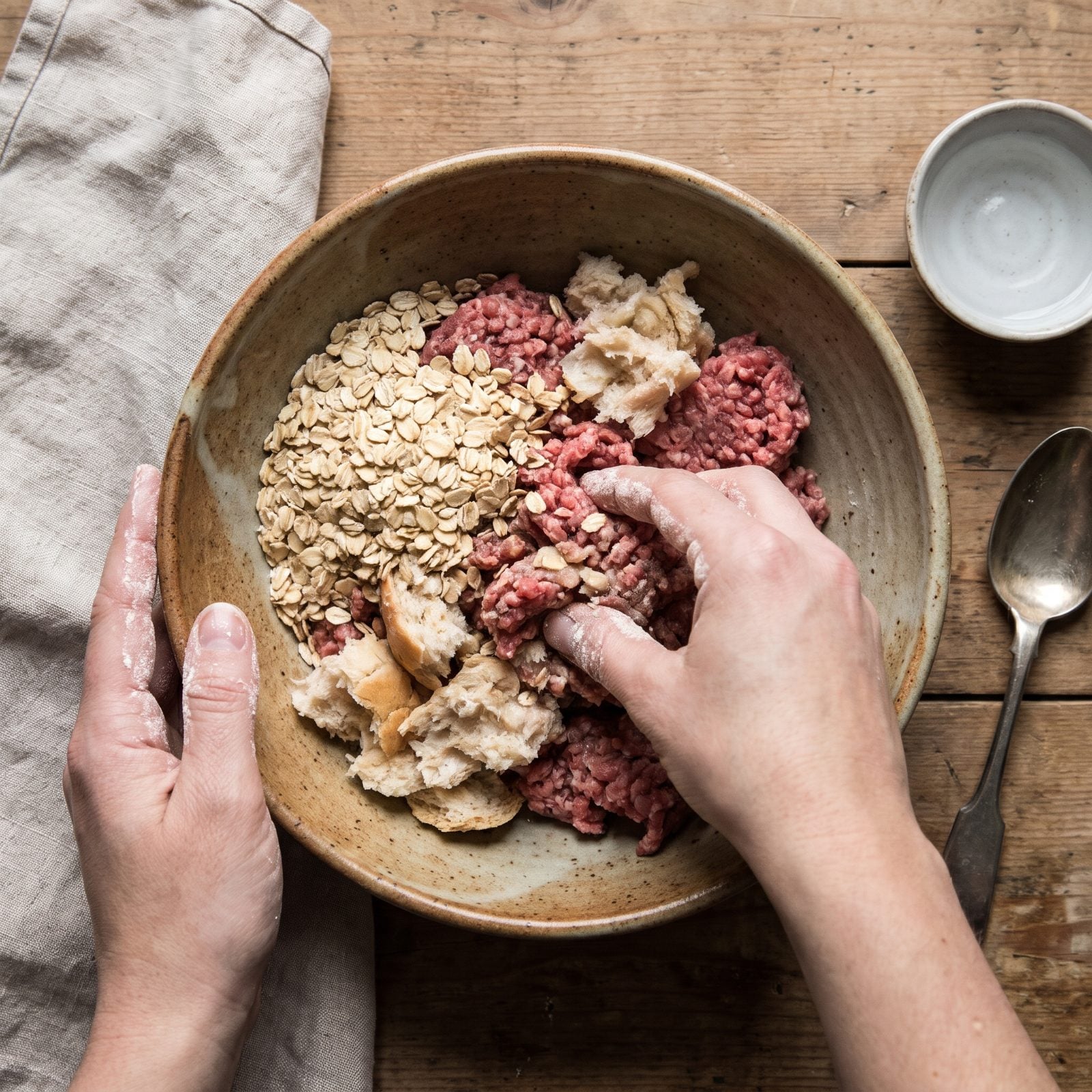
A pound of ground beef feeds four people, or six if you know the old trick. Oats, breadcrumbs, a soaked slice of bread — they vanish into the mix and stretch the meat without anyone noticing.
Meatloaf was built on this. So were meatballs and burgers in lean years. The filler holds moisture, so the finished thing often comes out more tender than straight meat would.
I add oats to my meatballs now and I’m not ashamed of it. Half a cup turns one batch into a batch and a half. That’s a free meal hiding in the cupboard.
37. Turning Stale Bread Into Crumbs or Croutons
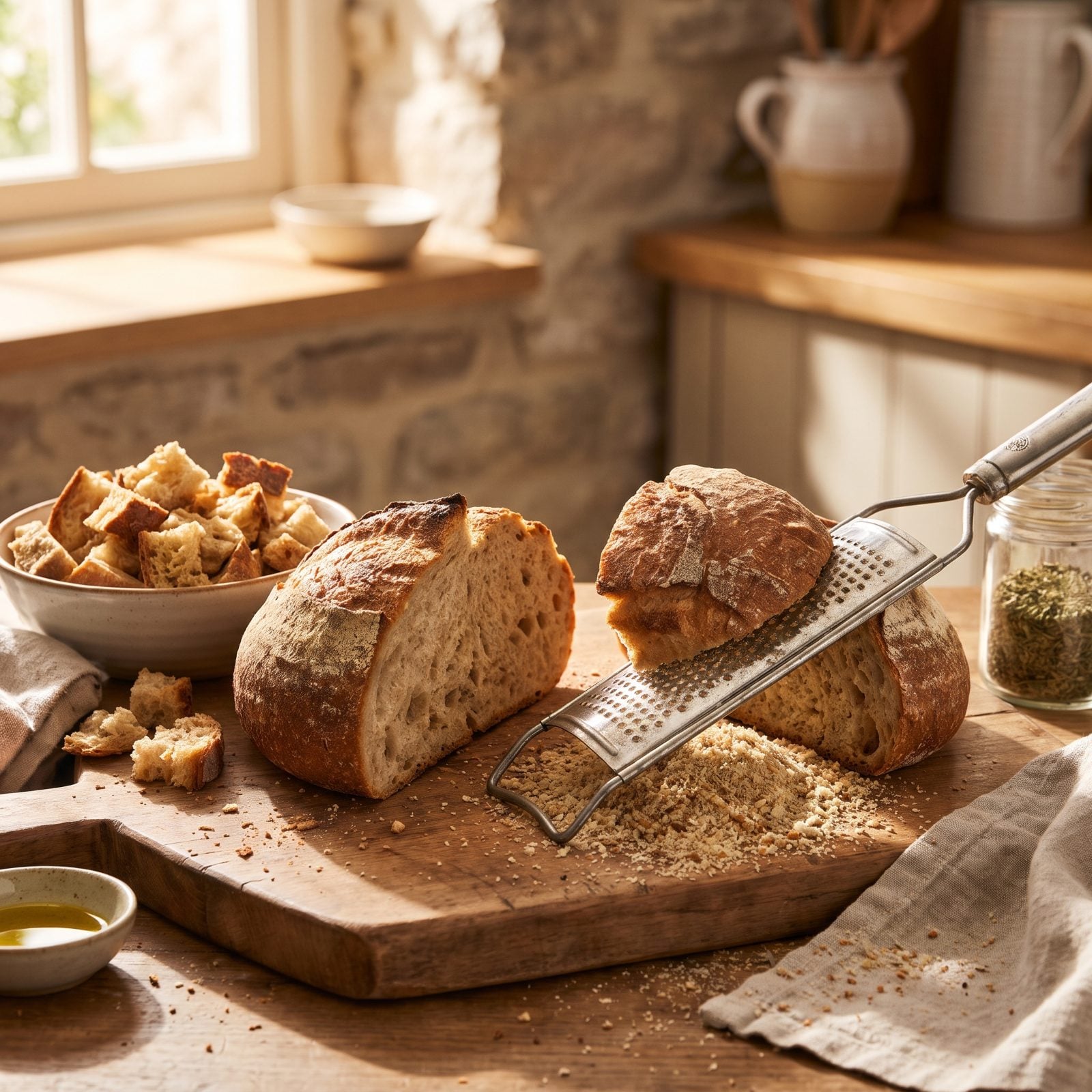
Stale bread isn’t waste. It’s two future ingredients that haven’t happened yet.
The soft, going-dry loaf becomes breadcrumbs in a quick spin of the processor. The sturdier heels get cubed, tossed in oil, and baked into croutons that put the bagged kind to shame. Both store for ages, and both cost you nothing but a few minutes.
Throwing bread away always stung, even before I understood why. Now the ends of every loaf go in a bag in the freezer until there’s enough to do something with. Problem solved, permanently.
36. Baking Bruised Fruit Into Cobblers and Pies
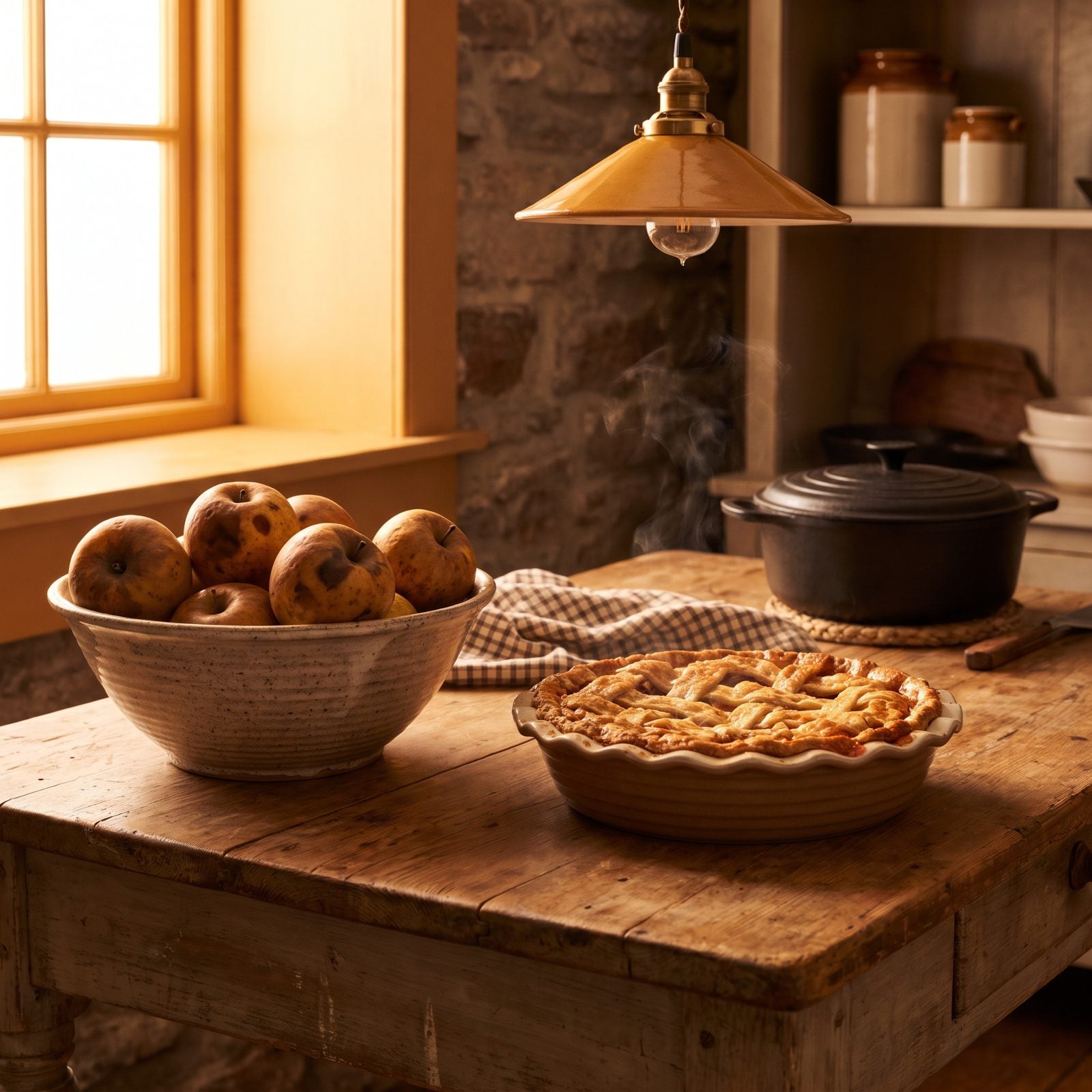
That bowl of apples nobody wants to eat because they’ve gone soft and spotty? That’s a pie waiting to happen.
Bruising is just the fruit telling you it’s ready to be cooked. You cut around the bad bits, toss the rest with sugar and a little flour, and bake it under biscuit dough or a crust. The oven doesn’t care that the peaches were ugly.
Depression cooks never let fruit rot on the counter. They turned the sad end of the fruit bowl into dessert, which feels like a small act of defiance. I think about that every time I rescue a pound of peaches that were headed for the bin.
35. Simmering Wilted Vegetables Into Soup
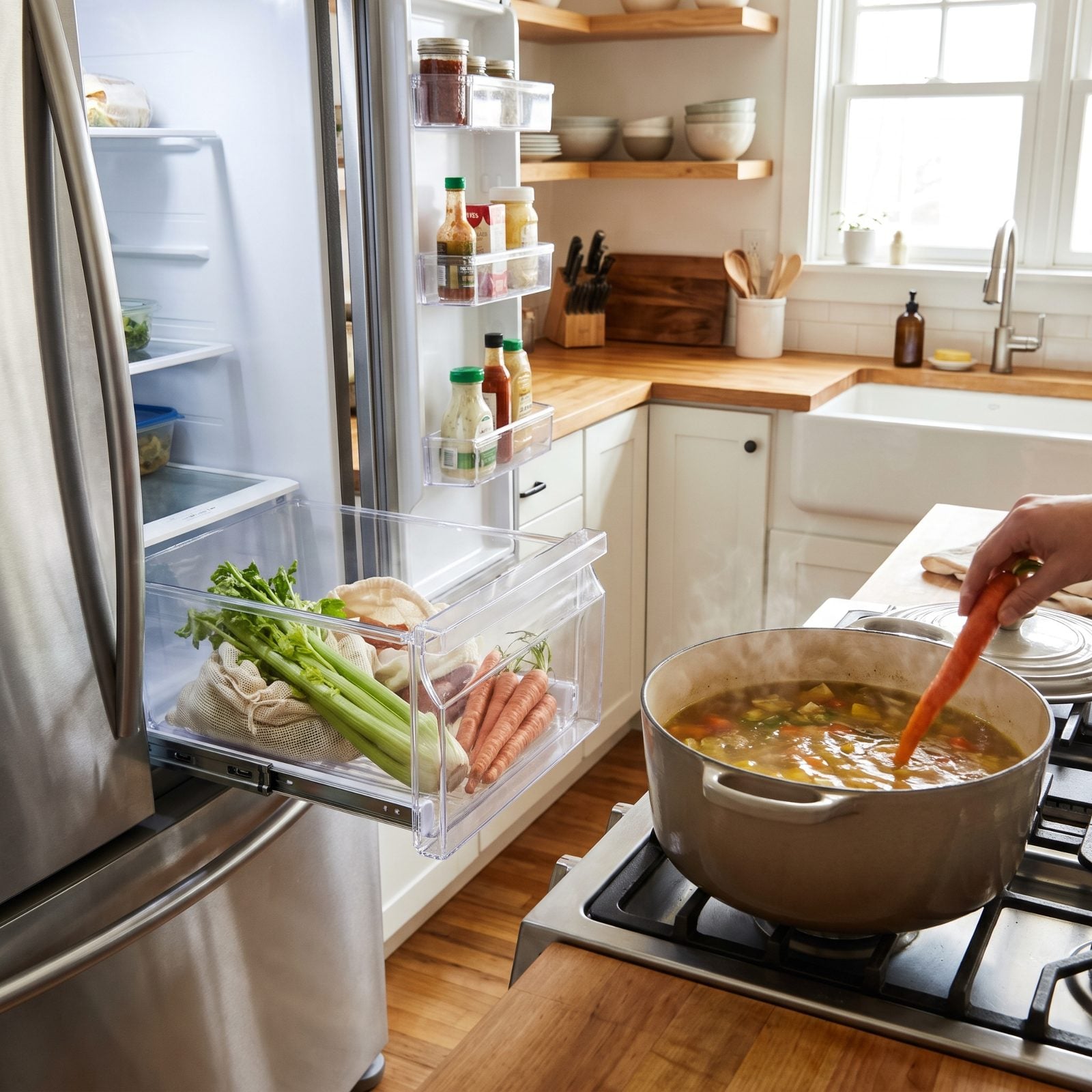
The crisper drawer is where good intentions go to wilt. We’ve all opened it to find limp celery and carrots that have lost their snap.
None of that matters in a pot of soup. Texture is irrelevant once everything’s simmered for an hour, and the flavor’s still there — sometimes concentrated by the softening.
Rummage the drawer, chop whatever’s fading, dump it in a pot with stock. An hour later it’s dinner, and you cleared out the fridge at the same time. Two jobs, one pot.
34. Preparing One-Pot Stews for the Entire Family
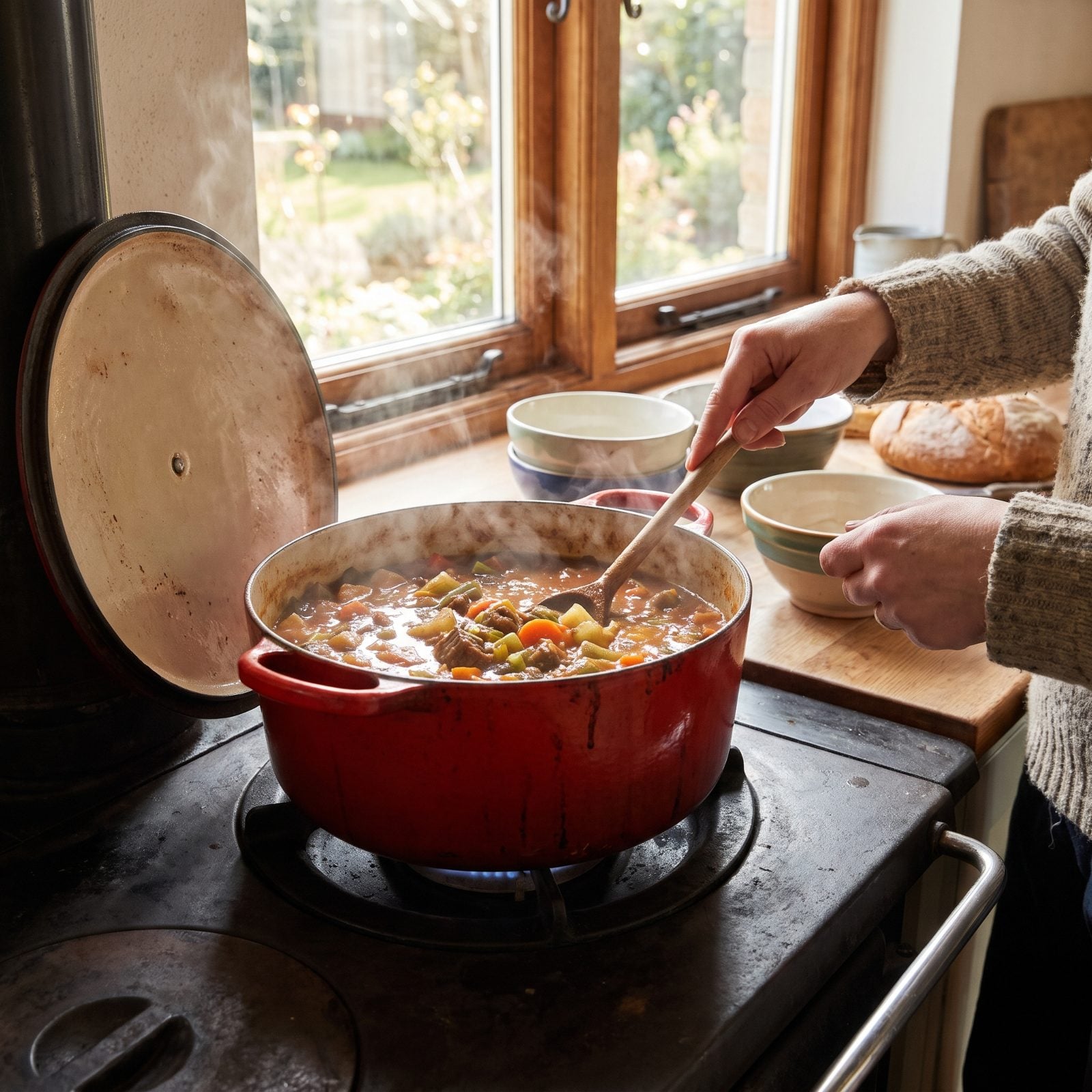
One pot. One burner. Enough to feed everyone at the table and send someone home with leftovers. The stew was the workhorse of the lean years, and it’s still undefeated.
You brown the cheap cut, the one that needs time, then let it go low and slow with whatever vegetables you’ve got. The tough meat turns tender while the potatoes thicken the whole thing, and you barely touch it after the first twenty minutes.
There’s a reason this dish outlasted every food trend of the last ninety years. It stretches a little meat across a lot of plates, uses up the odds and ends, and tastes better the next day. Our grandparents weren’t suffering through these meals. They were eating well on almost nothing, and so can we. Grab a pot and go try it.
In our readers’ votes, meals shown in a skillet or pot got hearts 85% of the time, more than the 78% for other images in the same articles.
33. Coaxing Cheap Cuts Into Tenderness Over Low Heat
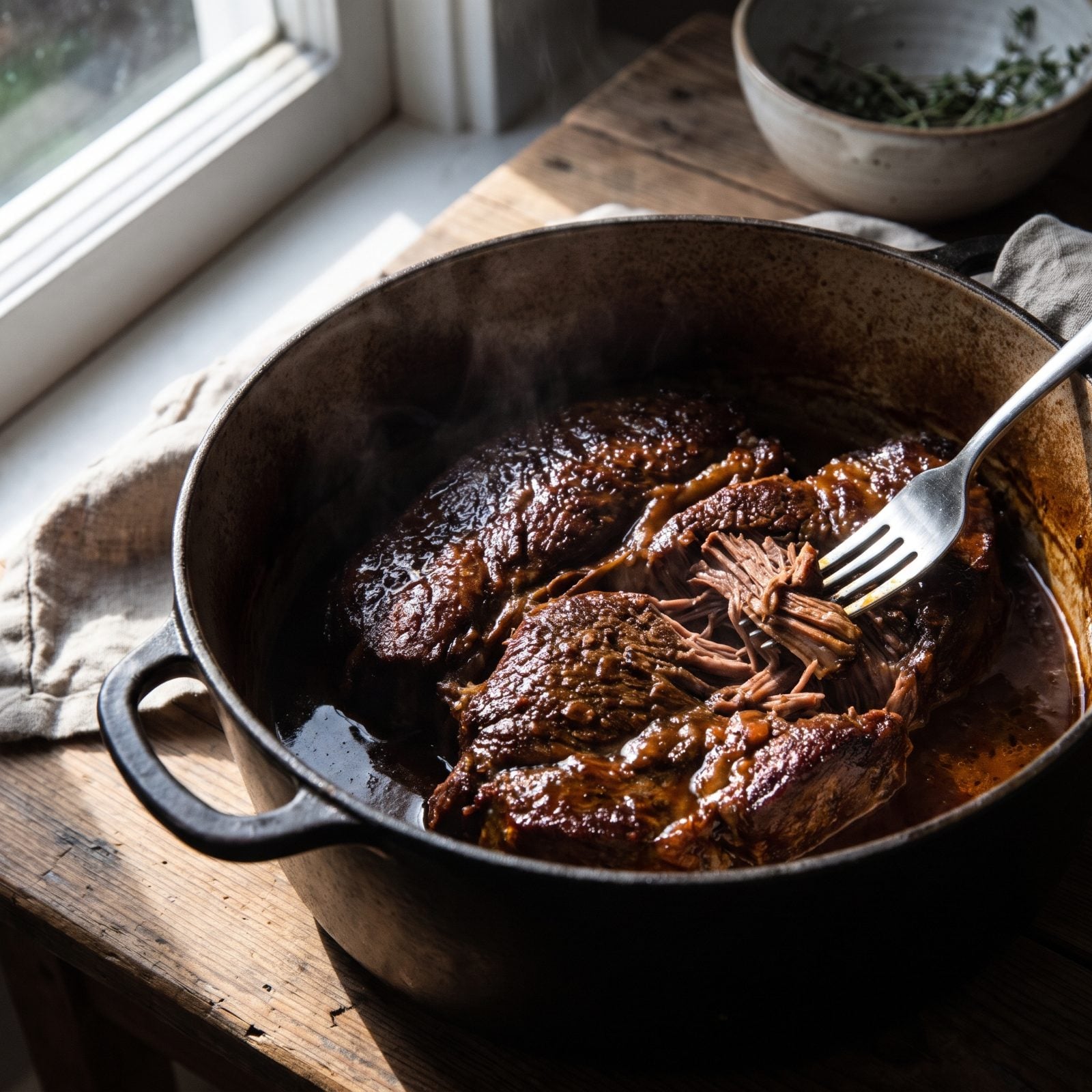
Tough cuts are cheap for a reason, and that reason is exactly why they’re coming back. Chuck, shank, shoulder — the cuts marbled with connective tissue that falls apart into silk when you give it time instead of heat.
Four hours on low, barely a simmer, and a seven-dollar roast feeds a family for two days. I ignored braising for years because I thought it was fussy. It’s the opposite. You do five minutes of work, then walk away while the pot does the labor and you go live your life.
32. Starting the Morning With a Real Pot of Oatmeal
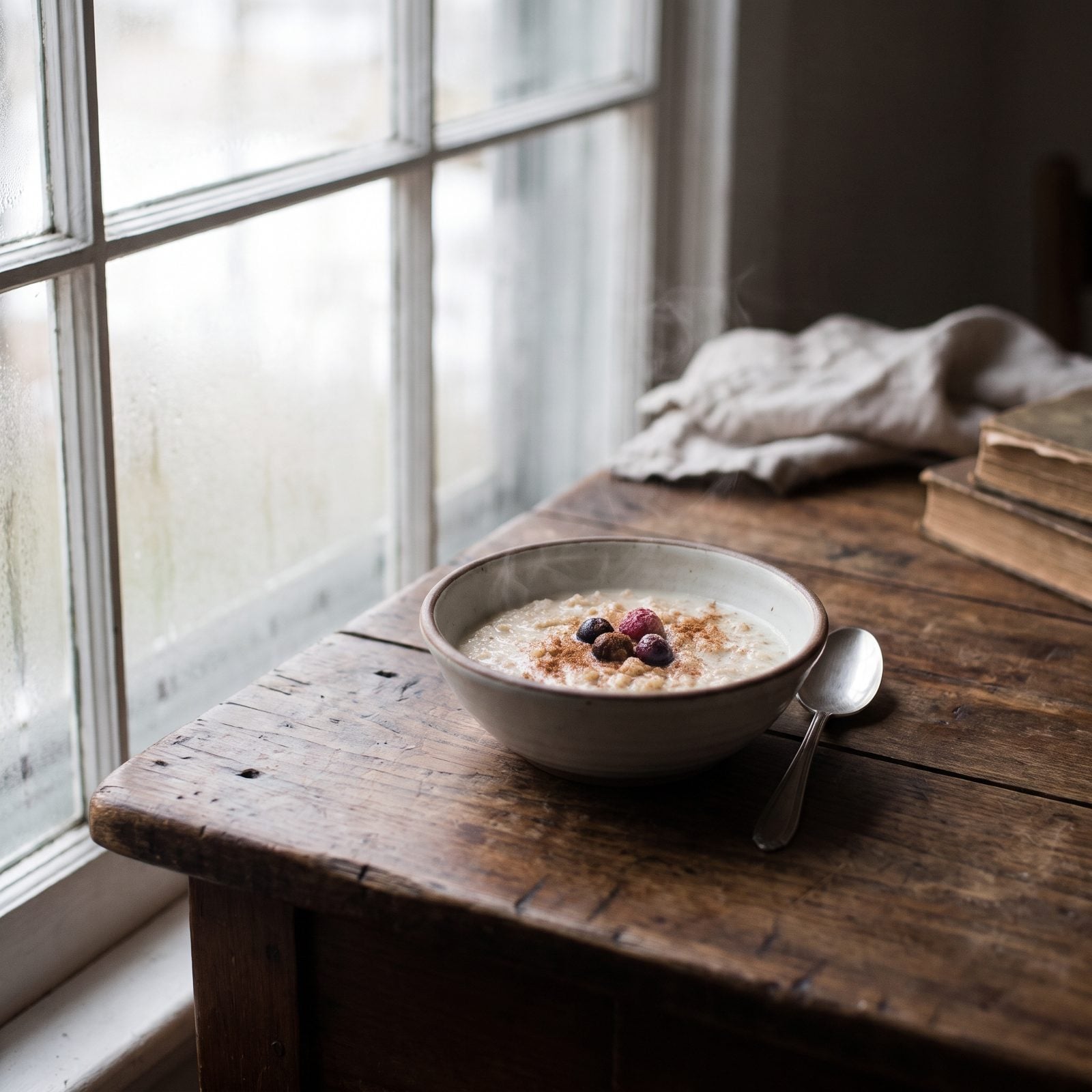
A bowl of oatmeal costs pennies and keeps you full until lunch. That’s the whole argument, and it’s a strong one.
Rolled oats, water or milk, a pinch of salt, fifteen minutes on the stove — not the paper packet with the dust of fake maple inside it, but the real pot, thick enough to stand a spoon in, topped with whatever you’ve got: brown sugar, a bruised apple, a handful of raisins going hard in the back of the cupboard.
31. Filling Suppers Built on Cornmeal and Polenta
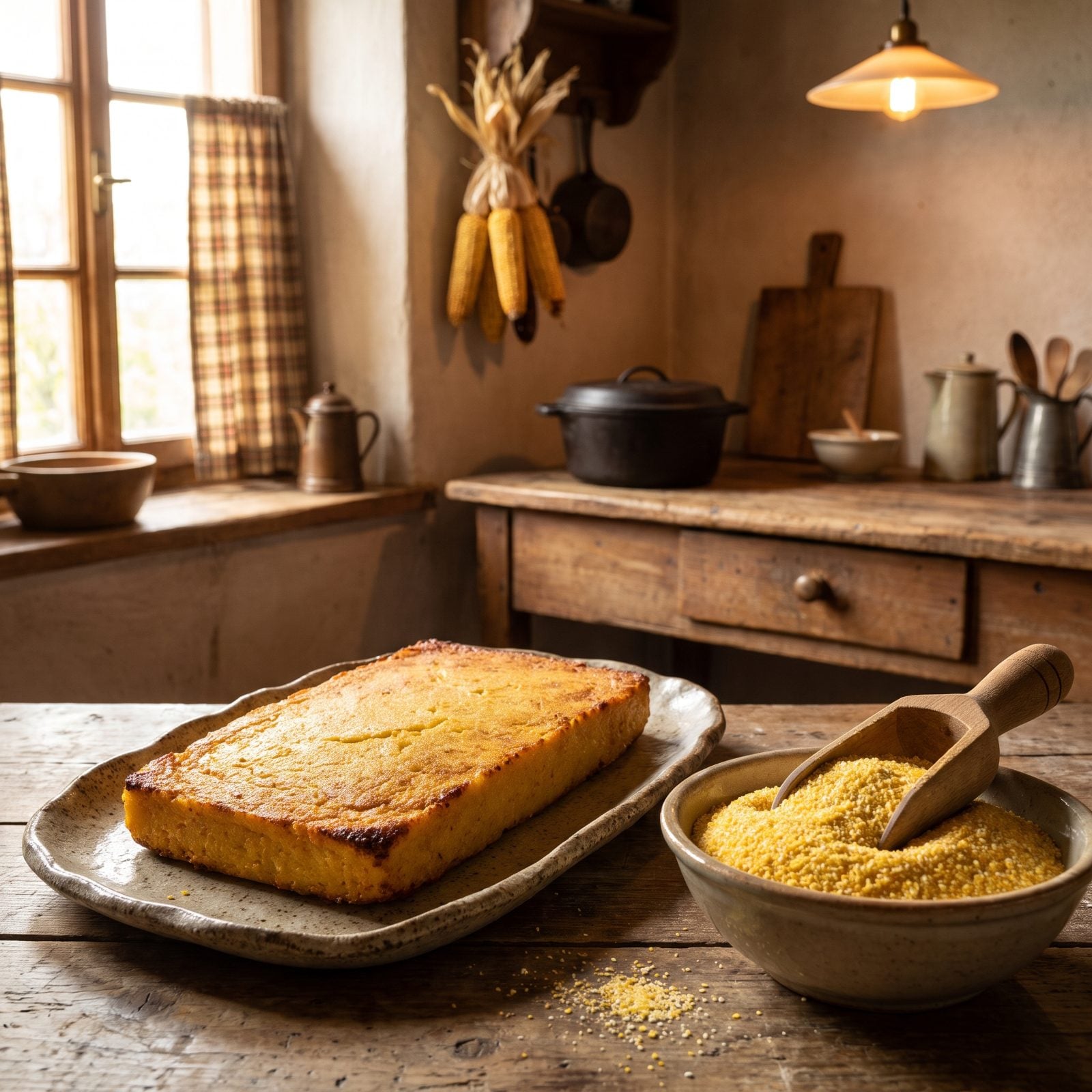
Cornmeal fed a lot of families through hard years. Cheap as anything, endlessly flexible, filling in a way that sticks with you.
Soft and creamy from the pot one night. Poured into a pan, chilled, then sliced and fried crisp the next. Cornmeal mush, polenta, whatever your grandmother called it — the same humble bag of ground corn doing double shifts.
It’s having a quiet comeback on restaurant menus at eighteen dollars a plate, which is funny, because the whole thing costs about forty cents to make at home.
30. Rolling Out Homemade Egg Noodles by Hand
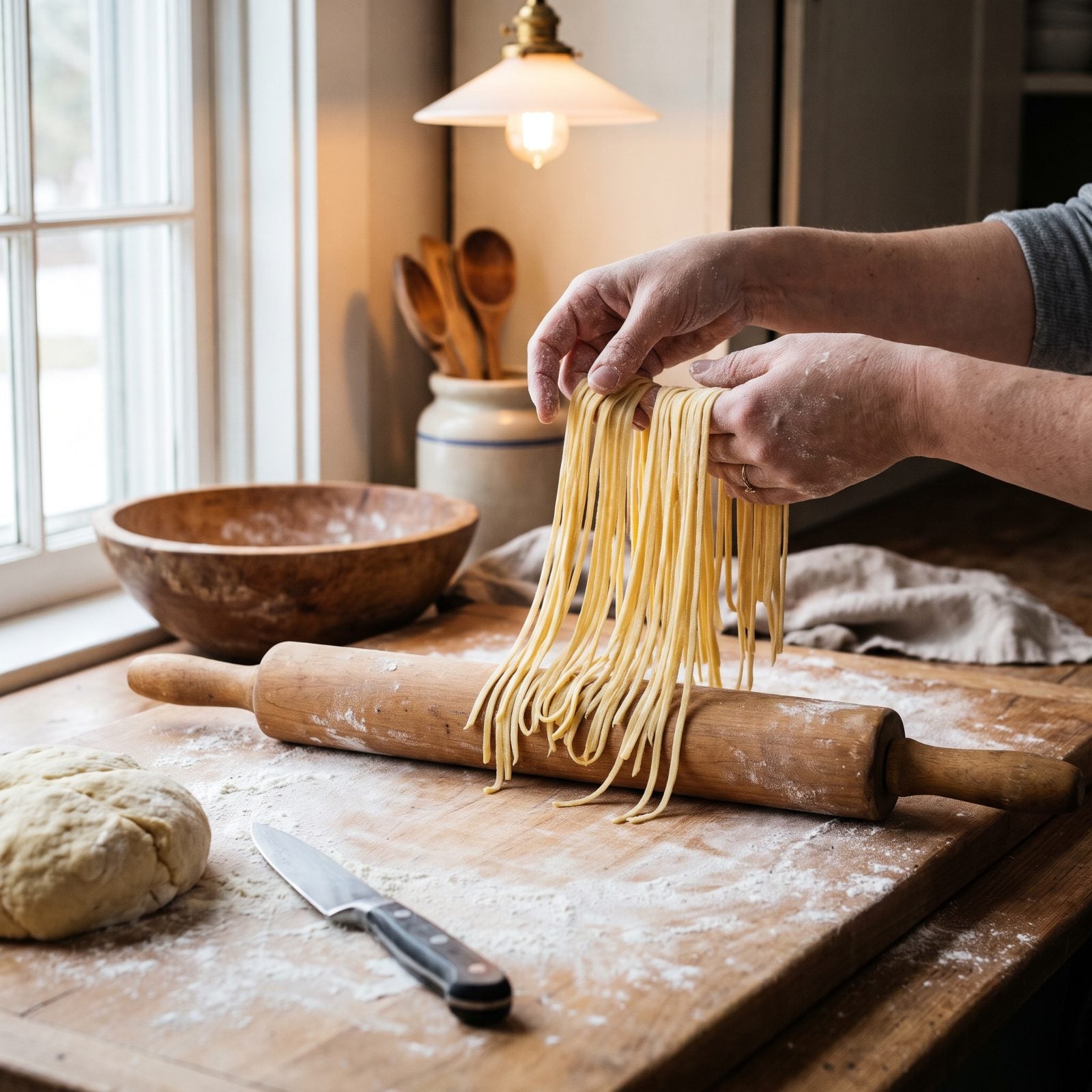
Flour, eggs, a little salt, a splash of water. That’s the entire ingredient list for noodles that cost a quarter of the boxed kind and taste like something your great-aunt would recognize.
You roll the dough thin, let it rest, then slice it into ribbons with a knife. No machine required, though one helps. And the dough feels alive under your hands in a way dried pasta never promised.
29. Making Pie Crust From Scratch With Cold Hands
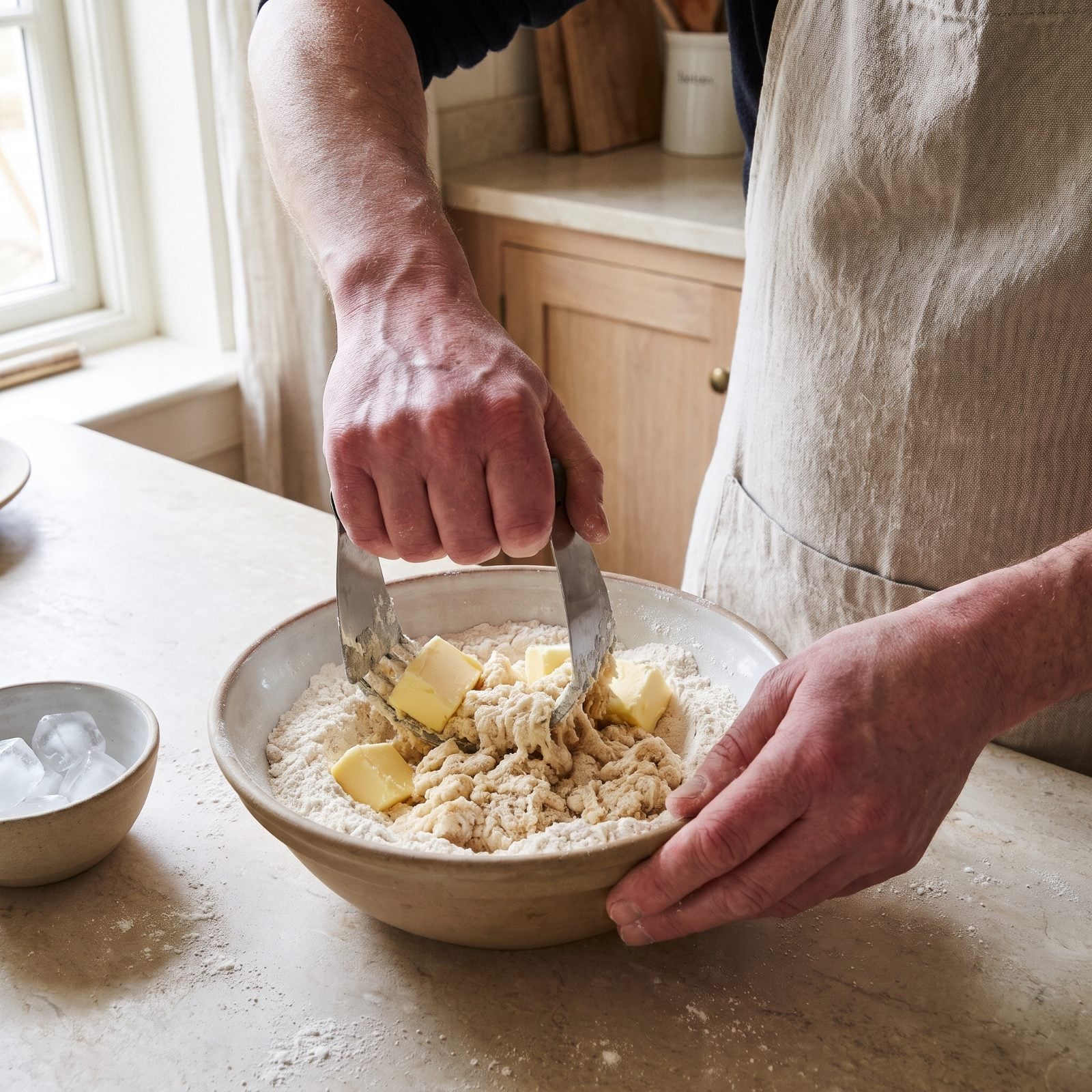
Store-bought crust is one of those conveniences we paid for without noticing the price. Flour and fat and a little cold water make a crust for a fraction of the cost, and once you’ve done it a few times, it takes less time than driving out to buy the frozen one.
Keep everything cold. Cold butter, cold water, cold hands if you can manage it. Work it fast, don’t overthink it — a flaky crust is really just fat that didn’t have a chance to warm up.
I ruined plenty of crusts learning this. Overworked, tough, sad. Then it clicked, and now I can’t buy the frozen kind without feeling a little guilty.
28. Popping Corn in a Covered Pot on the Stove
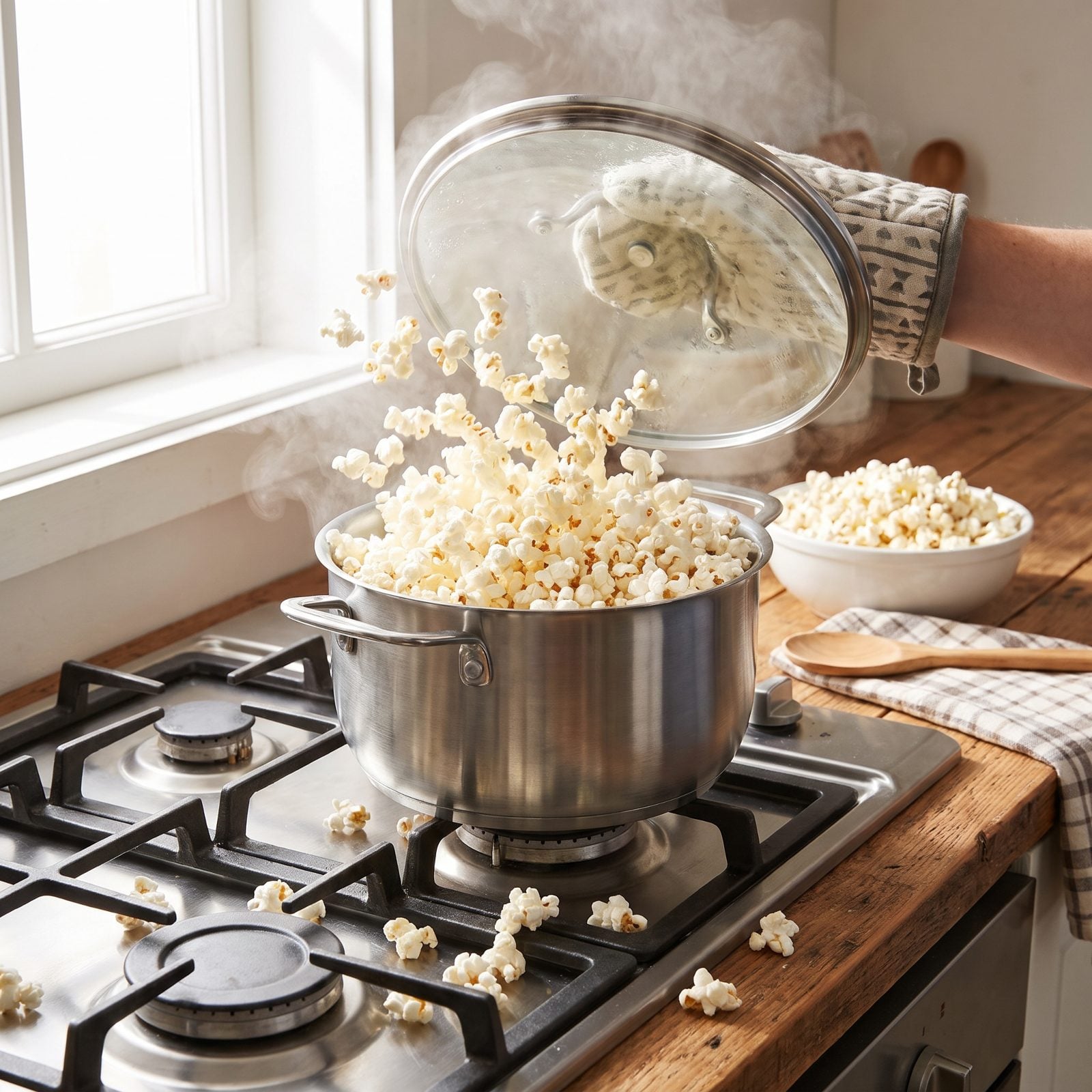
A jar of popcorn kernels costs almost nothing and makes an absurd number of bowls. The microwave bags cost more and taste like the inside of a chemistry set.
Oil in a heavy pot, a few kernels to test the heat, then the rest with the lid on, shaking it as it goes. Lift that glass lid too early and a cloud of steam and popcorn comes flying out, scattering kernels across the counter. The sound alone brings people into the kitchen. Real butter, real salt, done in four minutes.
27. Planning the Week’s Meals Before You Shop
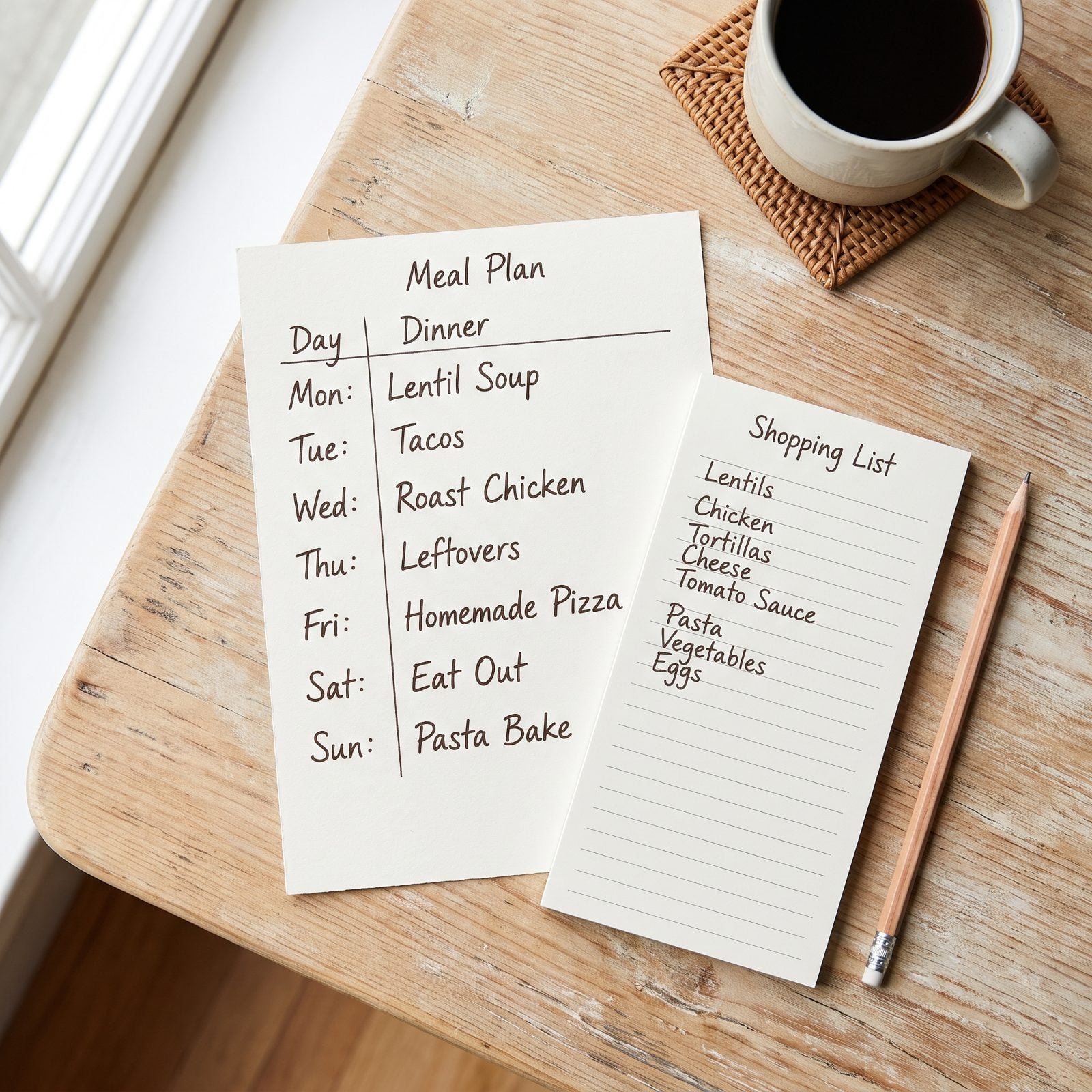
Our grandmothers didn’t wander the store hoping for inspiration. They knew Monday was soup, Wednesday was the roast stretched into hash, Friday used up whatever was left. The plan came first, the shopping second.
This is the single habit that saves the most money, and it’s free. You write down what you’ll cook, you shop only for that, and the impulse buys never make it into the cart. The store is designed to make you forget your plan. Walking in with one written down is how you win.
26. Scooping Rice, Flour, and Oats From the Bulk Bins
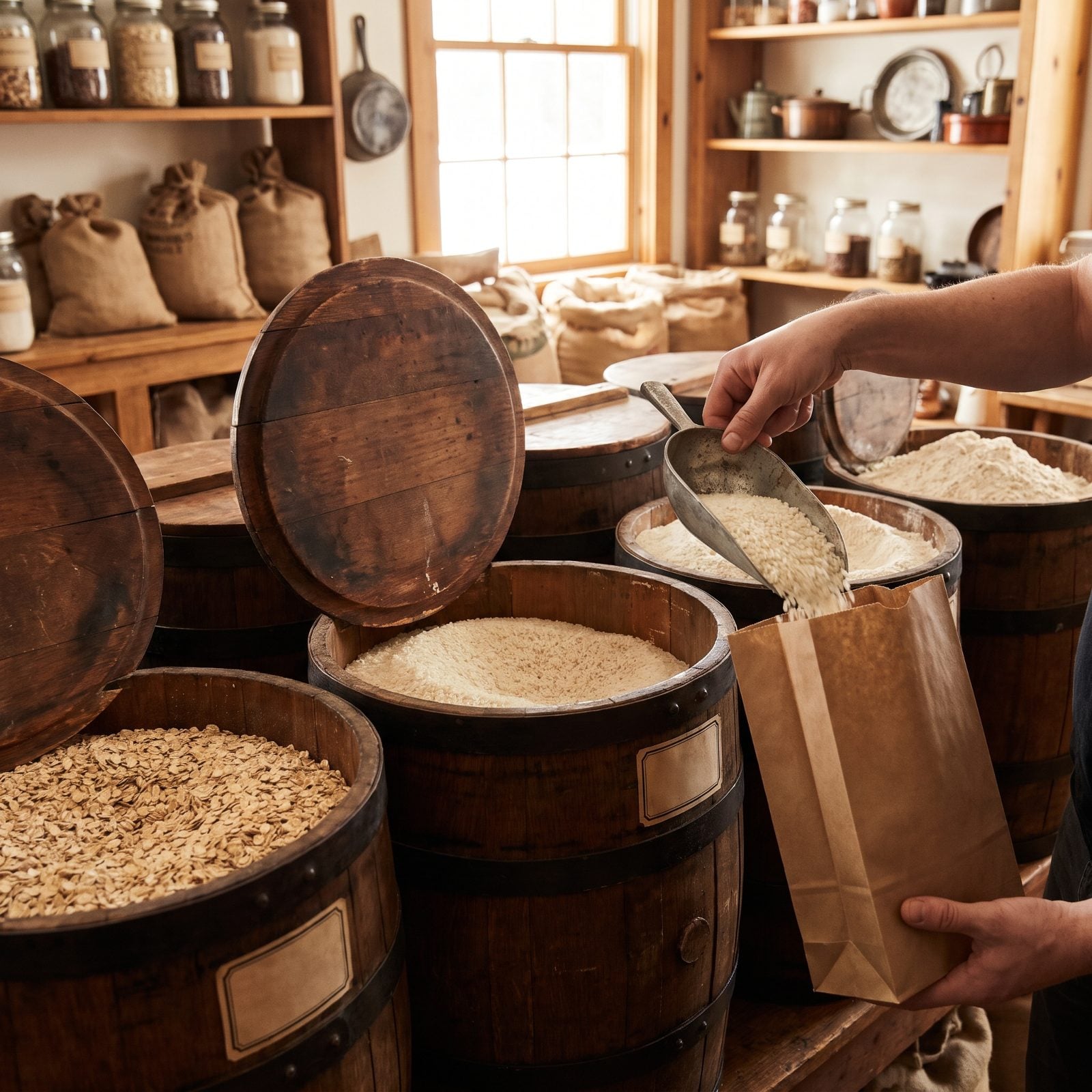
Bulk bins are the old general-store barrel in modern clothing. You buy exactly what you need, you skip the packaging you’re paying for, and staples like rice and flour and oats drop in price when you buy them loose.
Pour them into glass jars at home and the pantry does something to your head. You can see what you have. You stop buying the third bag of flour because you forgot about the first two.
It’s a small thing that quietly shaves the grocery bill week after week — the kind of boring habit that actually adds up. Go fill a jar.
25. Stocking Basic Ingredients Instead of Convenience Foods
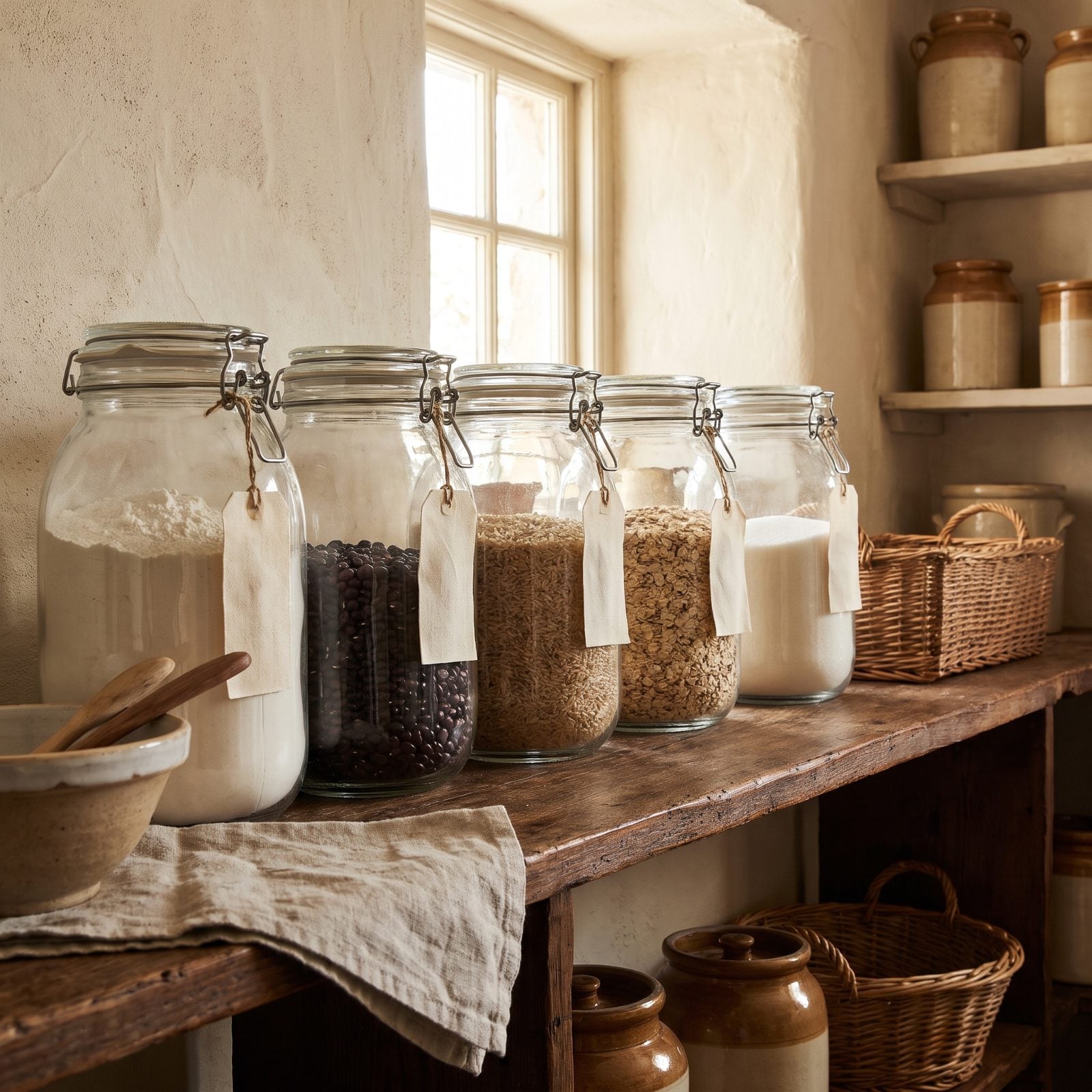
The 1930s cook didn’t keep a freezer full of heat-and-eat trays. She kept flour, beans, rice, oats, sugar, and fat, then built a hundred meals out of them. That’s the habit coming back fast.
A pantry of raw ingredients does two quiet things. It drops your cost per meal hard, because you’re buying the material and not the labor, and it forces a little cooking skill back into your hands — which is the part that actually sticks.
I resisted this for years because I figured it meant more work. It doesn’t. It means fewer decisions at 6pm, because the answer is always some version of beans, grain, and whatever vegetable is about to turn.
24. Scheduling a Pantry-Challenge Week Before Restocking
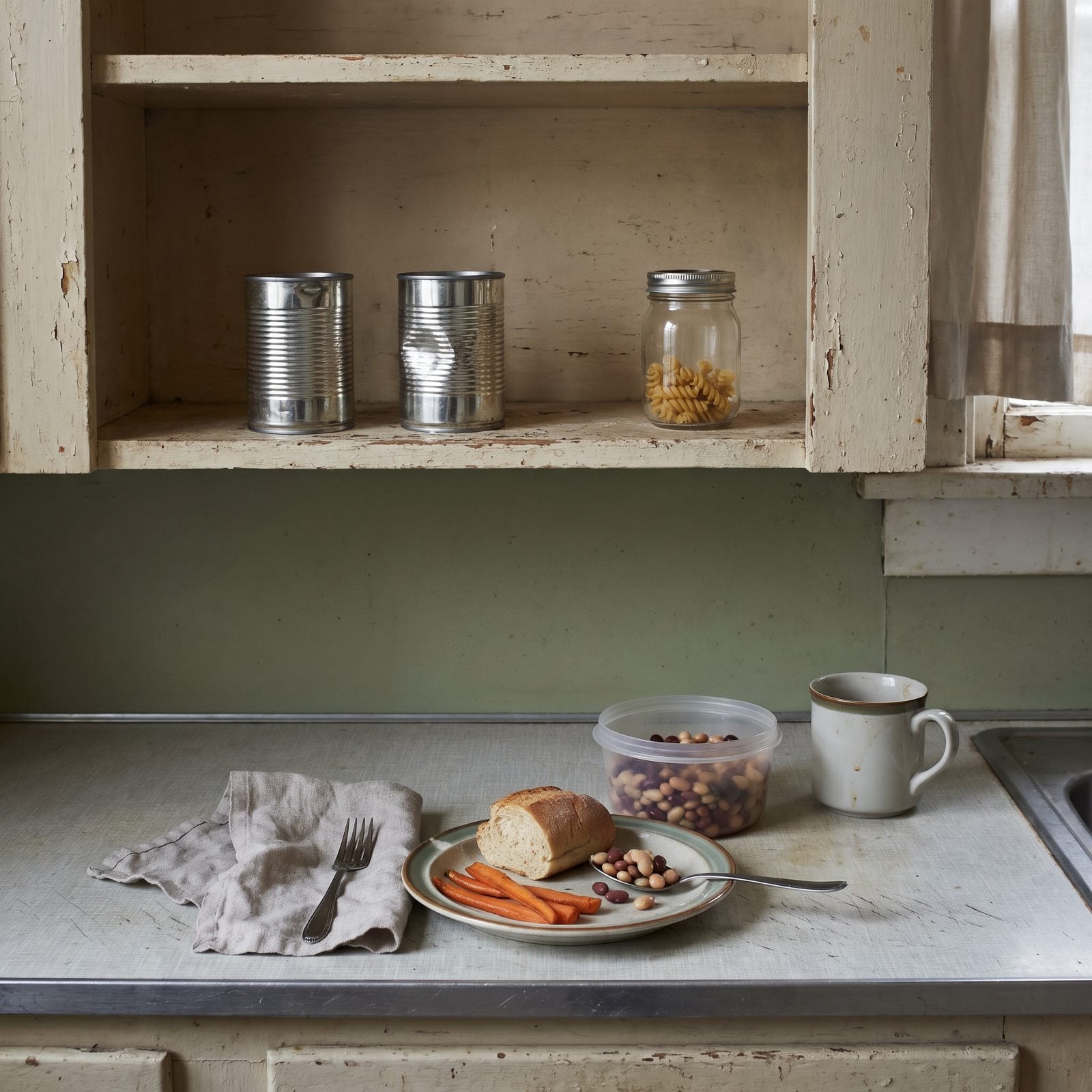
Before you drive to the store, cook the house empty first. That’s the pantry challenge, and Depression kitchens ran on it out of necessity, week after week.
You pick a stretch — usually five to seven days — and you cook only from what you already own. No top-up shopping. The freezer bag of mystery soup gets eaten. The three-quarters jar of rice finally hits zero.
What surprises people is how much is already in there. Most of us shop against a vague sense of scarcity that isn’t true. A pantry week shows you the real inventory, and it almost always buys you an extra trip’s worth of groceries you didn’t need to buy.
23. Choosing Produce That Is Naturally in Season
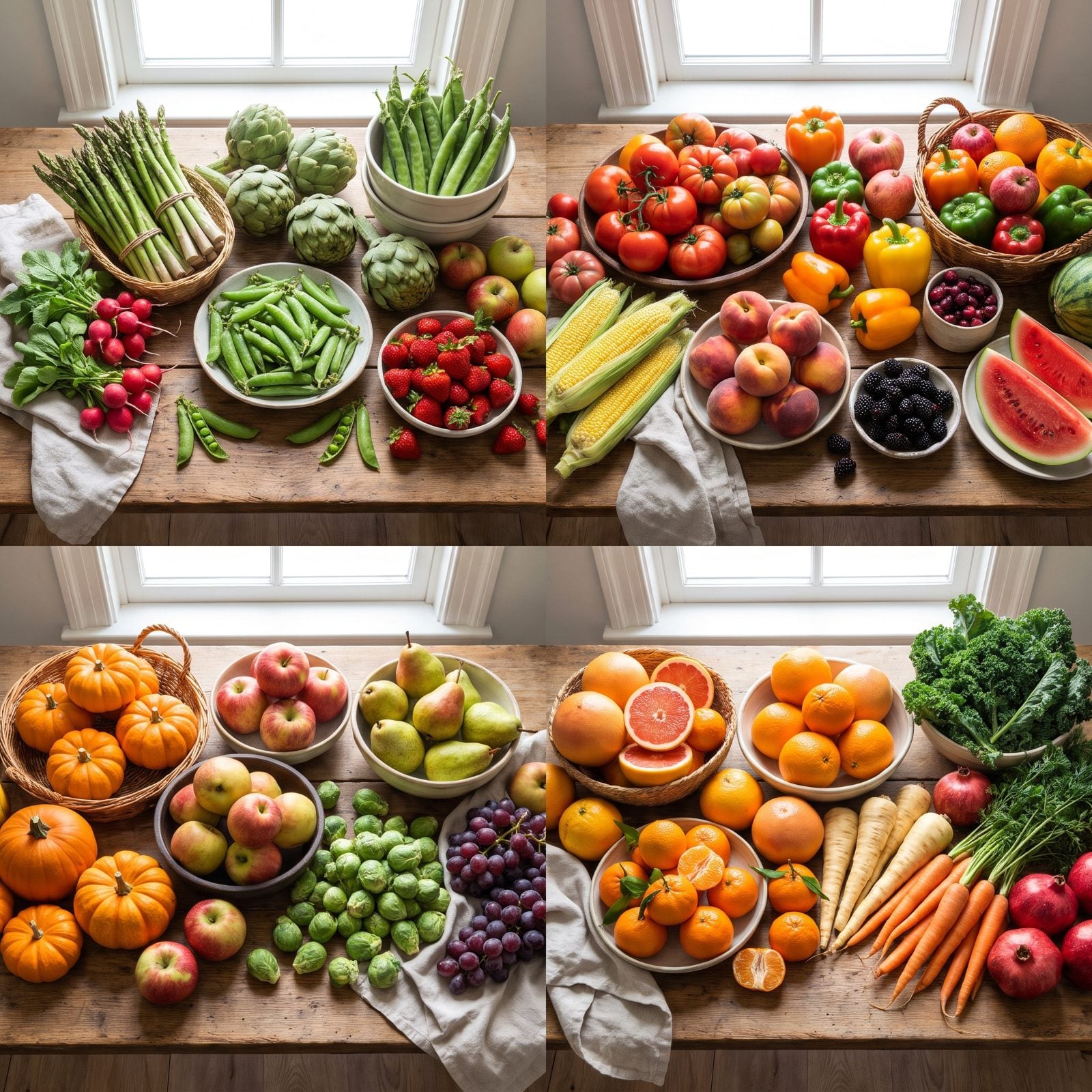
Strawberries in January taste like cold water and cost like a small luxury. Our grandparents didn’t fight that fight. They ate what the calendar handed them, and the food was cheaper and better for it.
Seasonal produce is the whole thrift strategy in one move. When tomatoes flood the market in August, they’re half the price and twice the flavor of the hard pink ones trucked in during winter.
Eat with the season and your grocery bill rises and falls right along with supply. You also rediscover that food has a rhythm — a small pleasure we traded away for having everything available all the time.
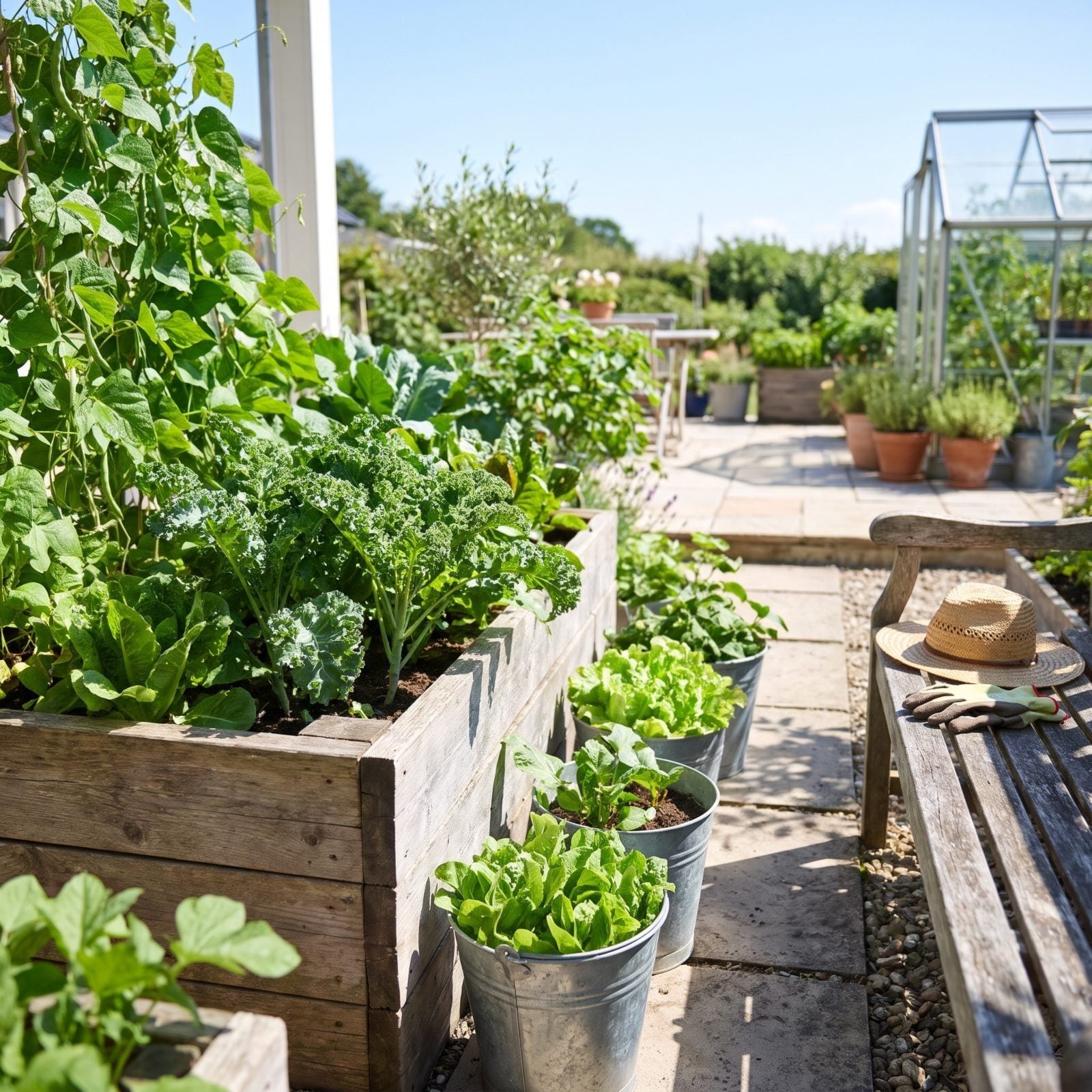
22. Growing Vegetables in a Backyard Kitchen Garden
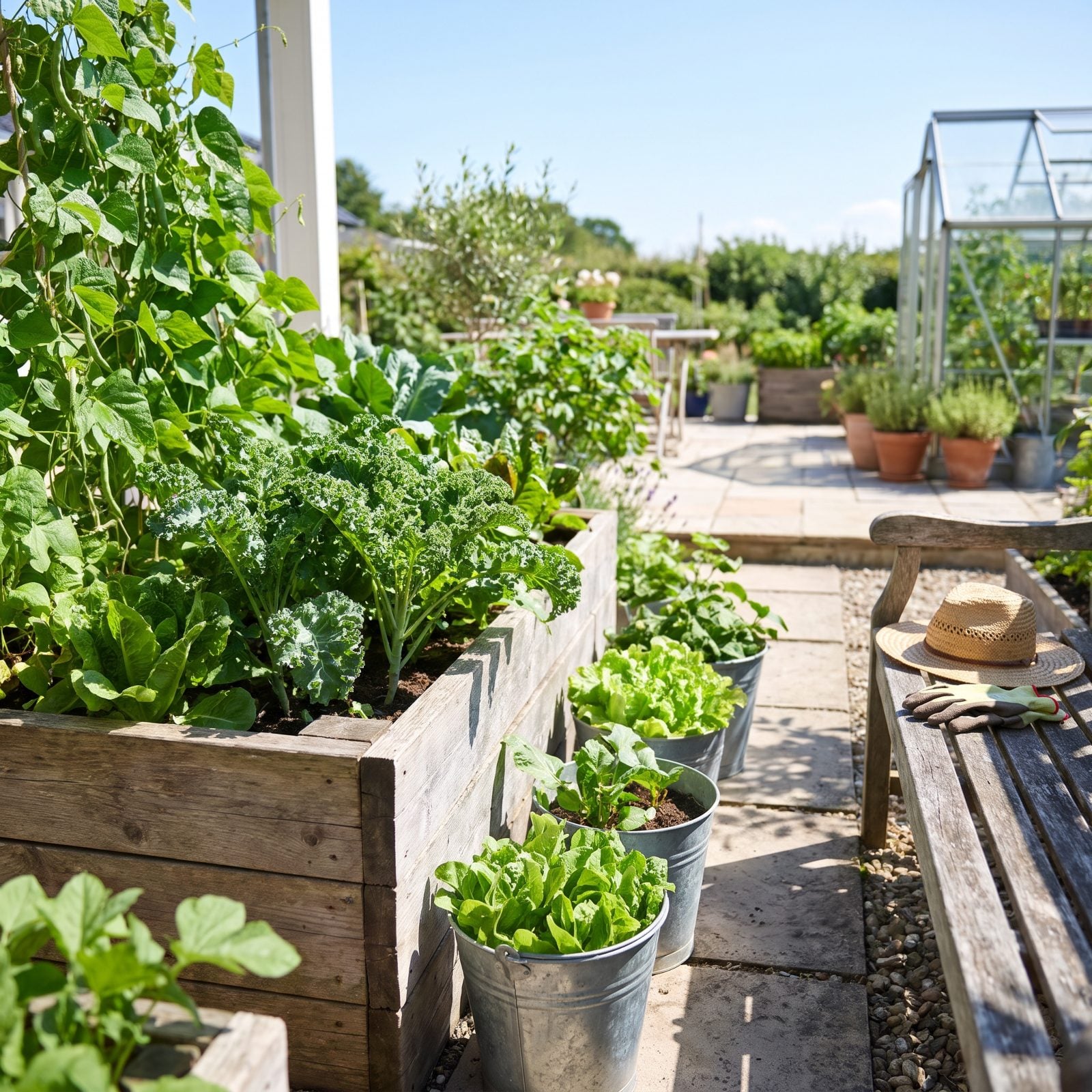
You don’t need an acre. A few raised beds, a sunny fence line, even a cluster of buckets on a balcony will throw off more tomatoes and lettuce than you expect.
The 1930s kitchen garden wasn’t romance, it was arithmetic. A packet of seeds costs less than a single grocery tomato and gives you a summer’s worth. The funny part is that the payoff lands exactly when seasonal prices are already lowest.
I’ve killed plenty of plants, so I’ll say it plainly: start small. Grow the things you actually eat and the things that are expensive to buy. Herbs, salad greens, and tomatoes earn their keep faster than almost anything else.
21. Saving Seeds From the Best Garden Produce
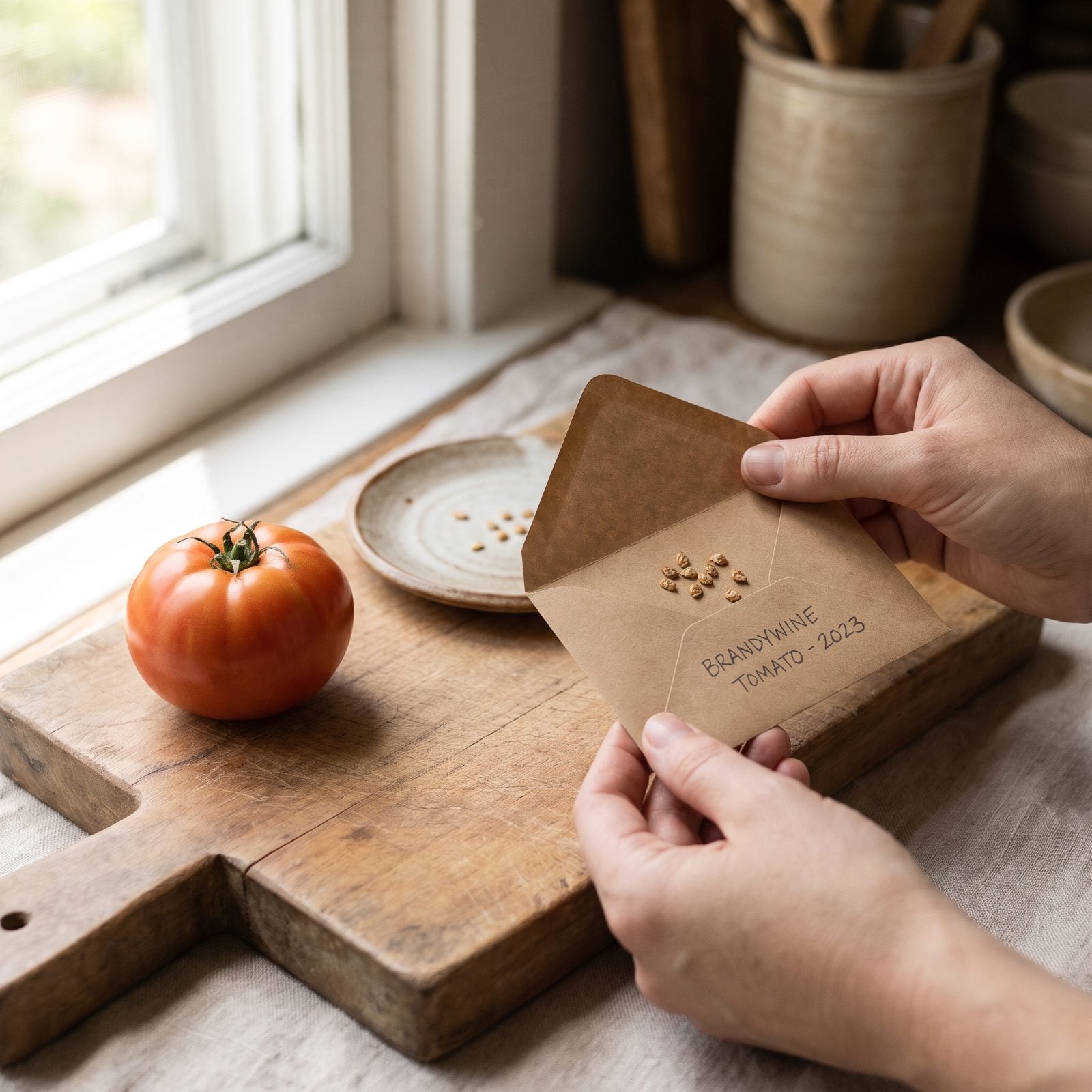
Pick your best tomato. Not the prettiest — the best tasting. Scoop the seeds, let them dry, and tuck them into a labeled envelope. That’s next year’s garden for free.
Seed saving was second nature back when buying seeds every spring wasn’t a given. It’s slowly coming back among people who realize they’ve been throwing away the most valuable part of the plant all along.
One caveat worth knowing: save from open-pollinated or heirloom varieties, not hybrids, if you want the next generation to grow true. A quick label on the envelope keeps you from guessing come April.
20. Water-Bath Canning High-Acid Summer Produce
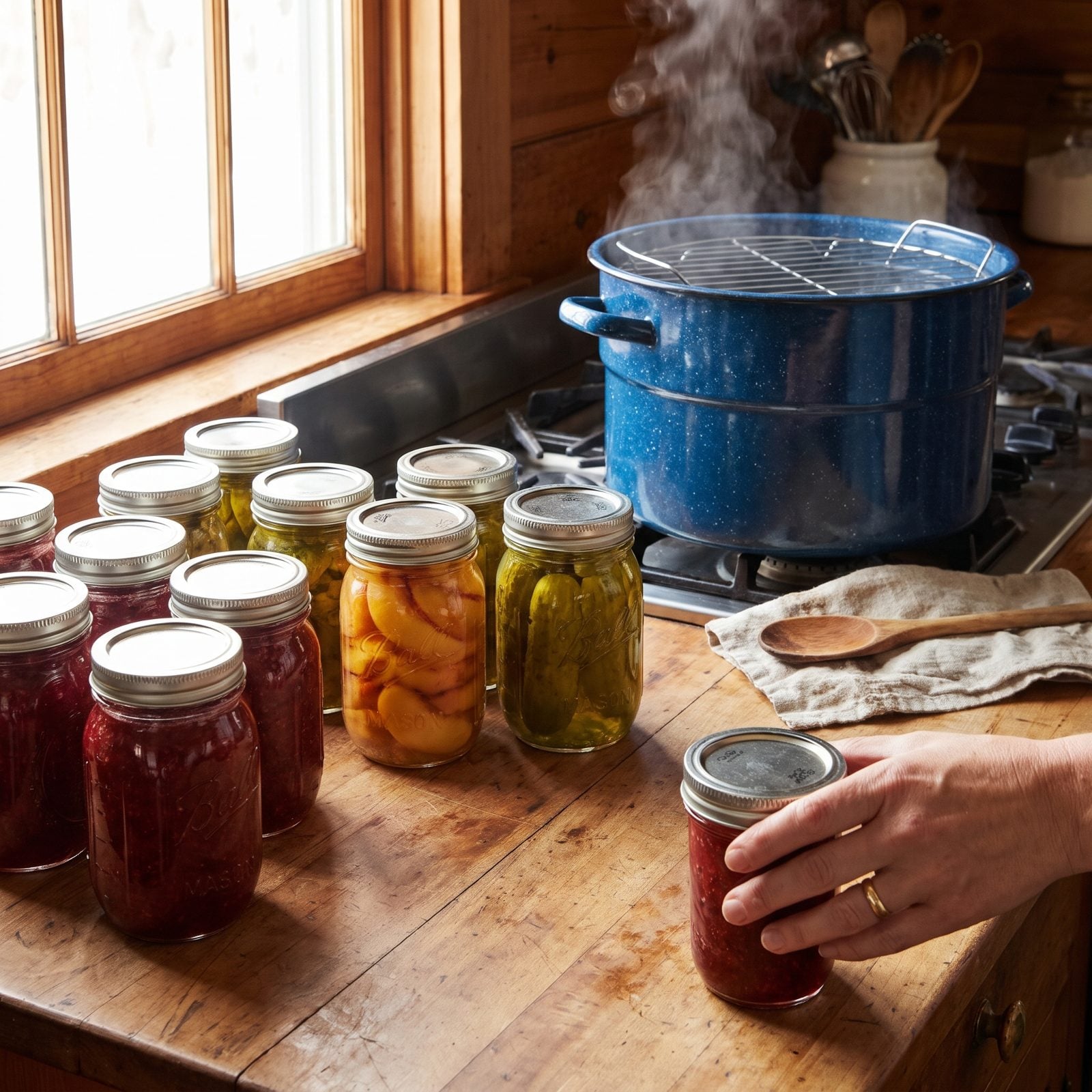
That little ping as a lid seals is one of the most satisfying noises in a kitchen. It means you just locked August into a jar until February.
Water-bath canning works for high-acid foods: tomatoes, peaches, pickles, jams. You pack sterilized jars, submerge them in boiling water for a set time, and the seal does the rest. No special pressure equipment — just a big pot and patience.
This was survival food during the 1930s. Now it turns up in kitchens that could easily afford store-bought canned tomatoes but would rather have twelve jars that taste like a specific summer afternoon.
According to a former extension health specialist who wrote a university guide to home canning, “Water bath canning is used for preserving foods with high acid levels such as most tomatoes, pickles, relishes, jams, jellies, and marmalades.”
19. Making Refrigerator Pickles From Extra Vegetables
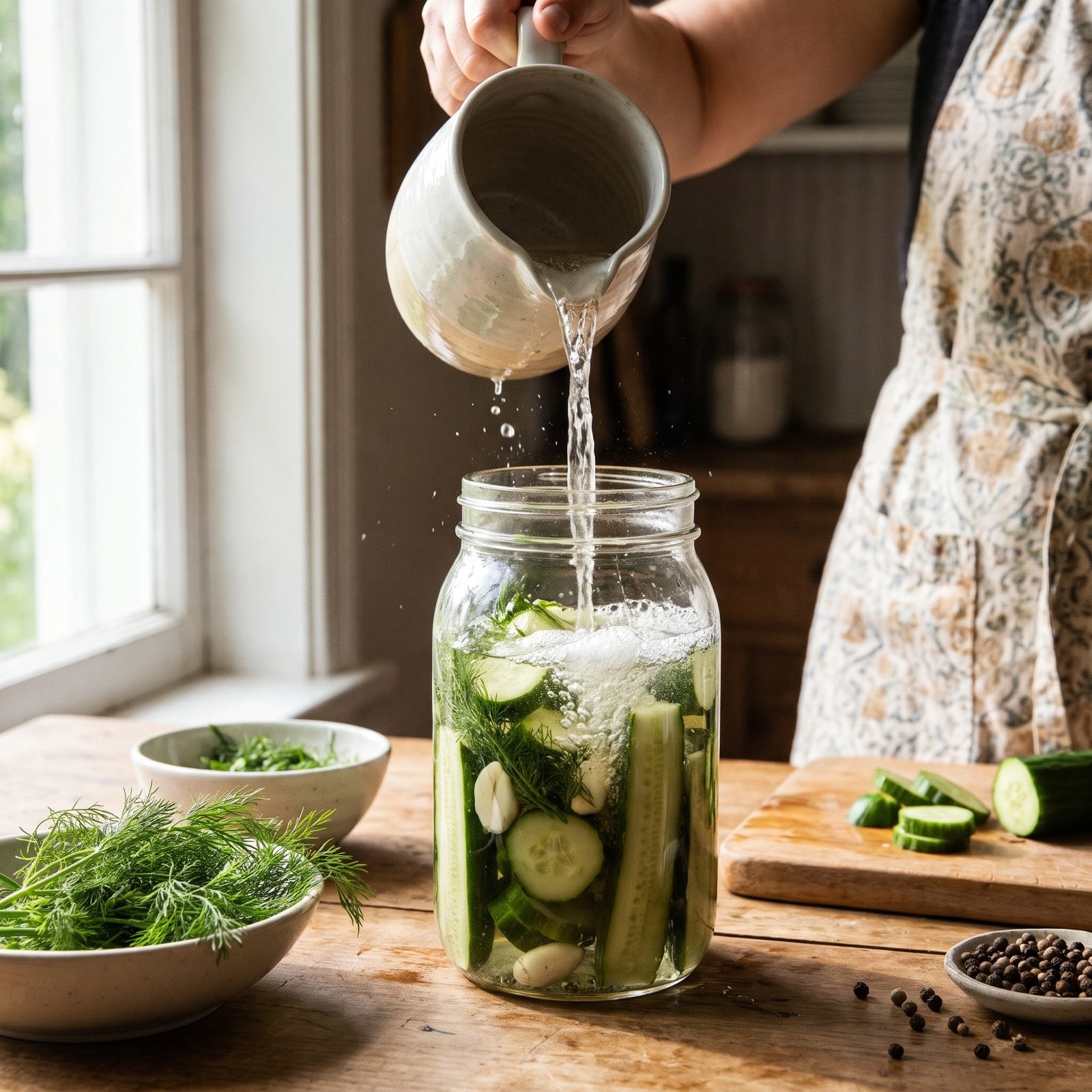
No canning kit required here. You slice whatever vegetable is about to go limp, cover it in a warm vinegar brine, and park the jar in the fridge. Ready in a day, good for weeks.
Refrigerator pickles are the gateway preservation habit. Half a cucumber, a lonely carrot, the last of the red onion — all rescued before the compost gets them. That’s the Depression instinct exactly: nothing good goes in the bin.
Vary the spices and you never get bored. Dill and garlic one week, mustard seed and a chili the next. It’s the most forgiving thing on this whole list, which is why I’d tell anyone to start here.
18. Fermenting Cabbage Into Homemade Sauerkraut
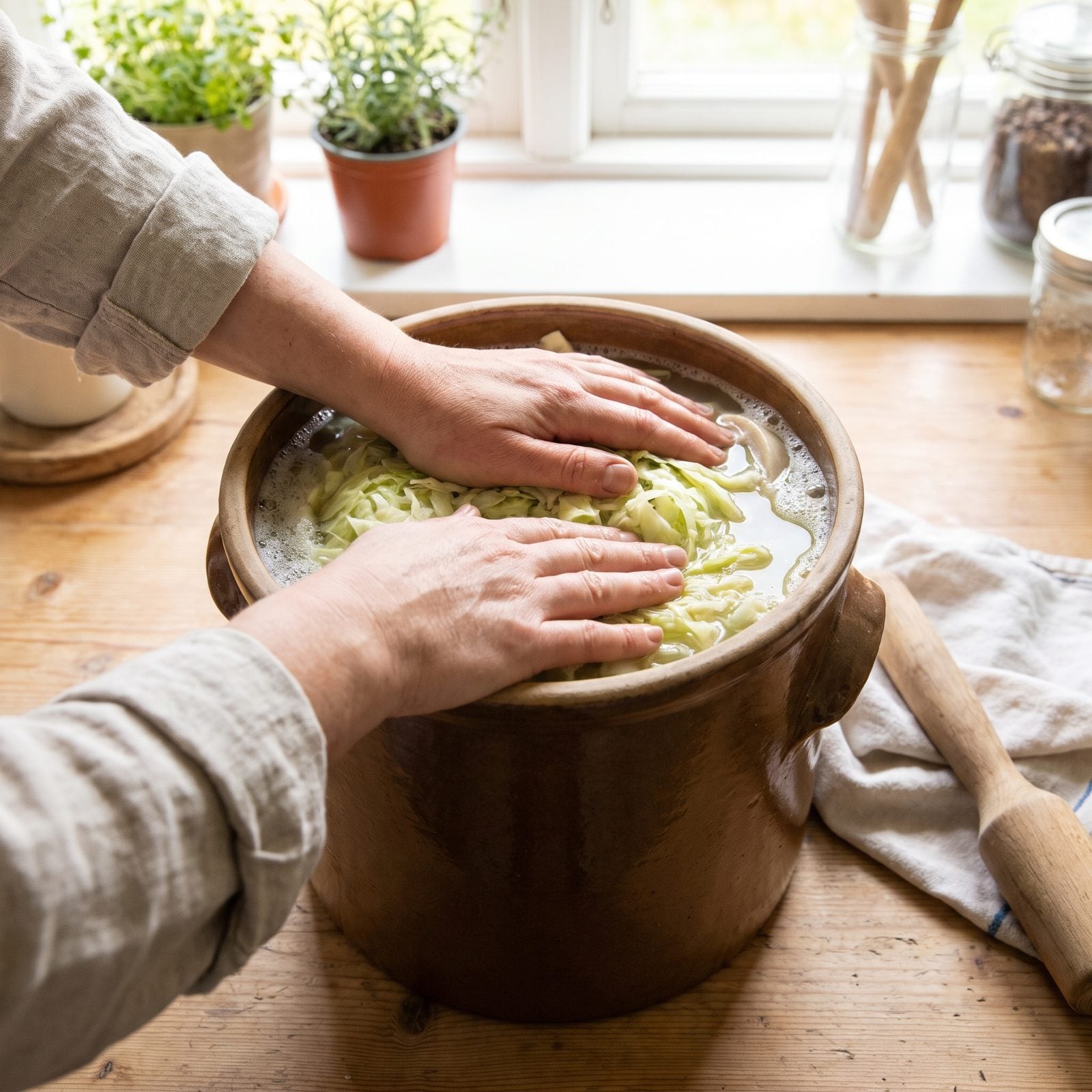
Shred a cabbage, salt it, pack it tight under its own brine, and wait. The cabbage does the work. In a week or two you’ve got sauerkraut, and you spent almost nothing to get it.
Fermentation is the oldest trick in the book, older than the Depression by centuries, but the 1930s kitchen leaned on it hard because it needs no fuel, no machine, no electricity. Just salt, time, and a weight to hold things down.
A head of cabbage and a spoonful of salt turn into food that keeps for months. That’s not a recipe, it’s a small act of defiance against waste.
The payoff is tangy, crunchy, and genuinely good for your gut. Keep the cabbage submerged, skim anything that floats, and it mostly minds itself.
In an extension post that includes a sauerkraut recipe, a retired food safety specialist notes that “Fermentation of food and beverages has been around for centuries as a safe way to preserve food.”
17. Turning Peak-Season Fruit Into Jam
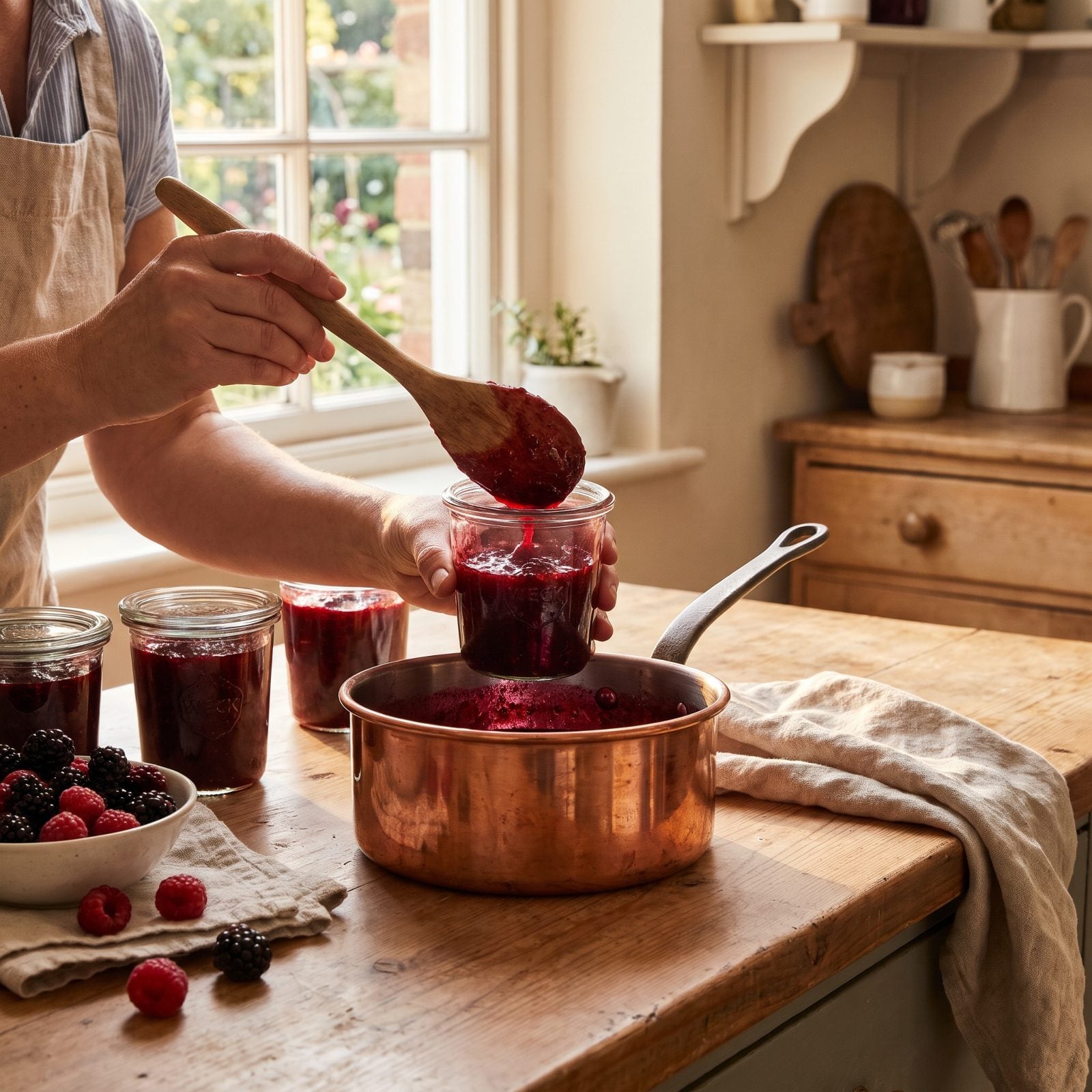
When fruit is cheapest and most abundant, it’s also most perishable, which is exactly the problem jam was invented to solve. Catch the glut, cook it down with sugar, and you’ve stretched a two-day fruit into a year’s worth of toast.
Berries in June, peaches in July, apples in the fall — each has a window where it’s dirt cheap and perfect. A flat of strawberries at peak costs less than a few supermarket cartons and turns into a shelf of jars.
And it’s a forgiving preservation to start with. An imperfect set just means a looser jam, which is still delicious on anything.
16. Dehydrating Apple and Pear Slices
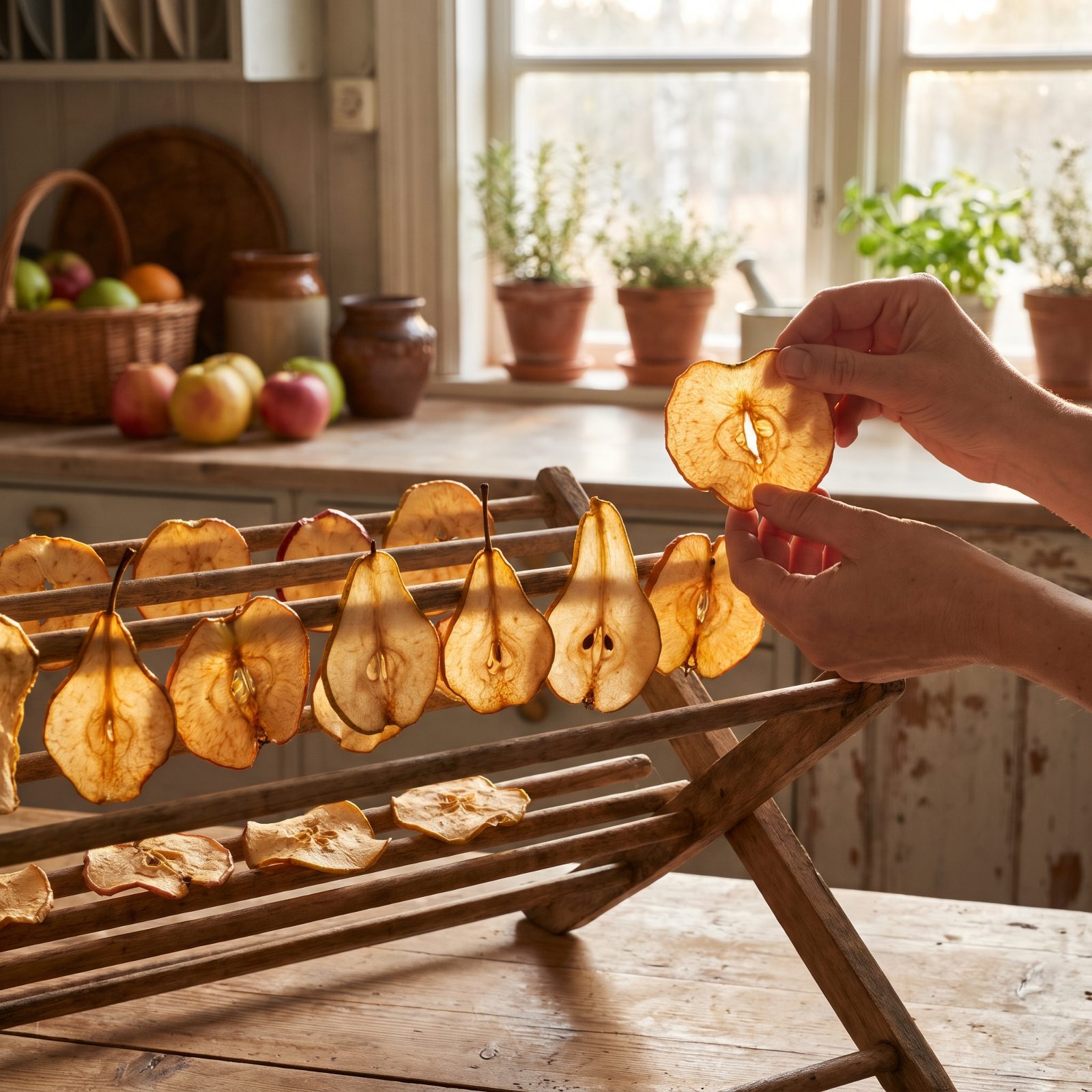
Slice an apple thin, dry it low and slow, and the water leaves while the flavor concentrates into something chewy and sweet. No sugar added, no preservatives, just fruit that stopped being perishable.
Dehydrating is the lightest-footprint preservation of the bunch. The 1930s cook strung fruit by the stove or set it out in the sun. A low oven or a cheap dehydrator does the same job on your schedule.
Dried apple and pear rings keep for months in a jar and make a snack that beats anything wrapped in a shiny bag. They’re also how you handle a tree or a grocery sale that gave you far more fruit than you could eat fresh. And honestly, the house smells incredible while they dry — nobody warns you about that.
15. Storing Potatoes and Onions in a Cool, Dark Place
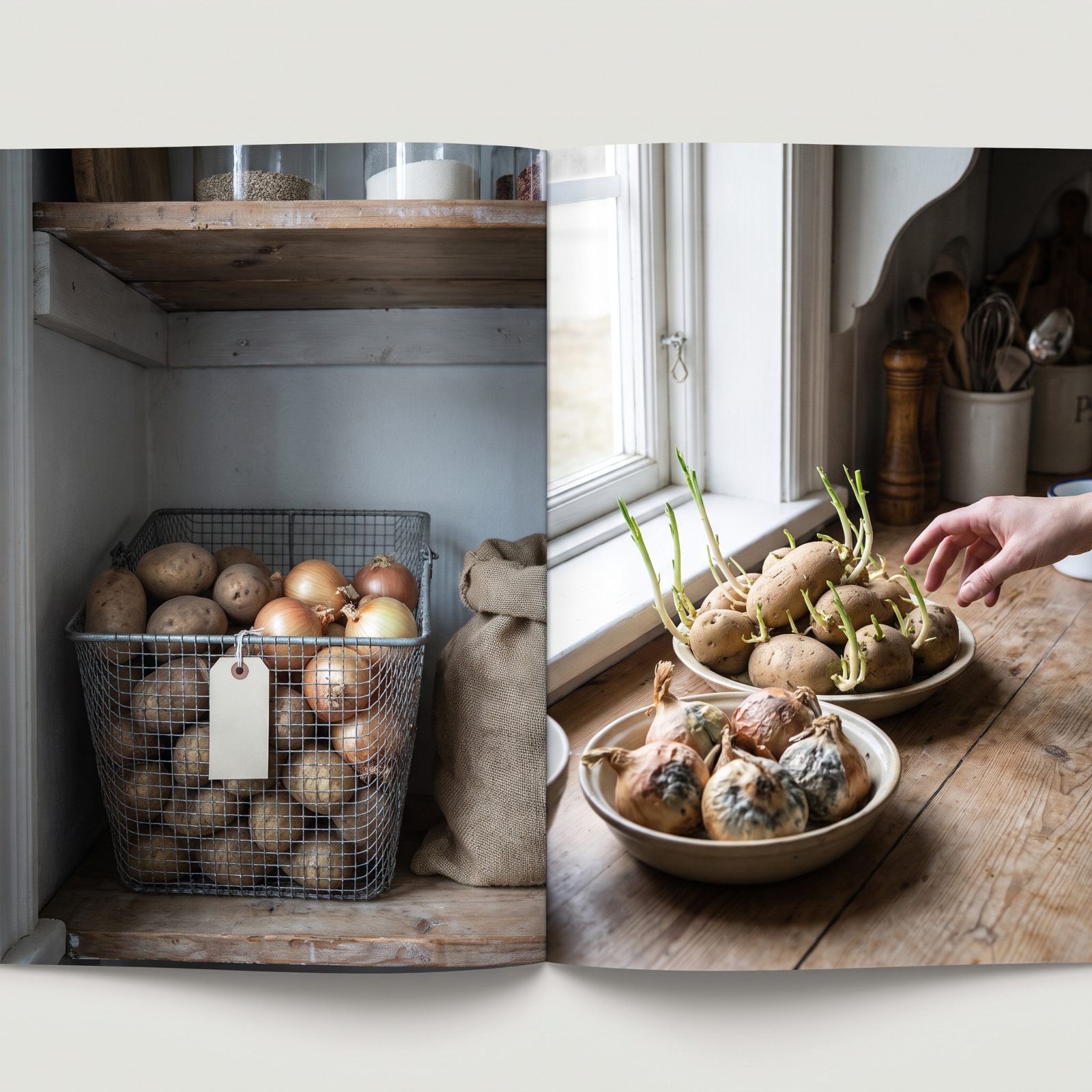
Potatoes in the fridge turn sweet and gritty, and onions left on the counter sprout and soften. The old method solved both problems before anyone had a crisper drawer to misuse.
Keep them somewhere cool, dark, and dry — a lower cupboard away from the oven, a basement shelf, a basket in the pantry corner. And give them airflow. Onions give off moisture and gases that make potatoes sprout faster, which is why Grandma kept hers in an open wire basket, where the air could carry that moisture away instead of trapping it.
Answering a gardener who wanted to put a fresh harvest in the fridge, an extension expert confirms that “The starch does change to sugars at refrigerator temperatures.”
14. Washing and Reusing Glass Food Jars
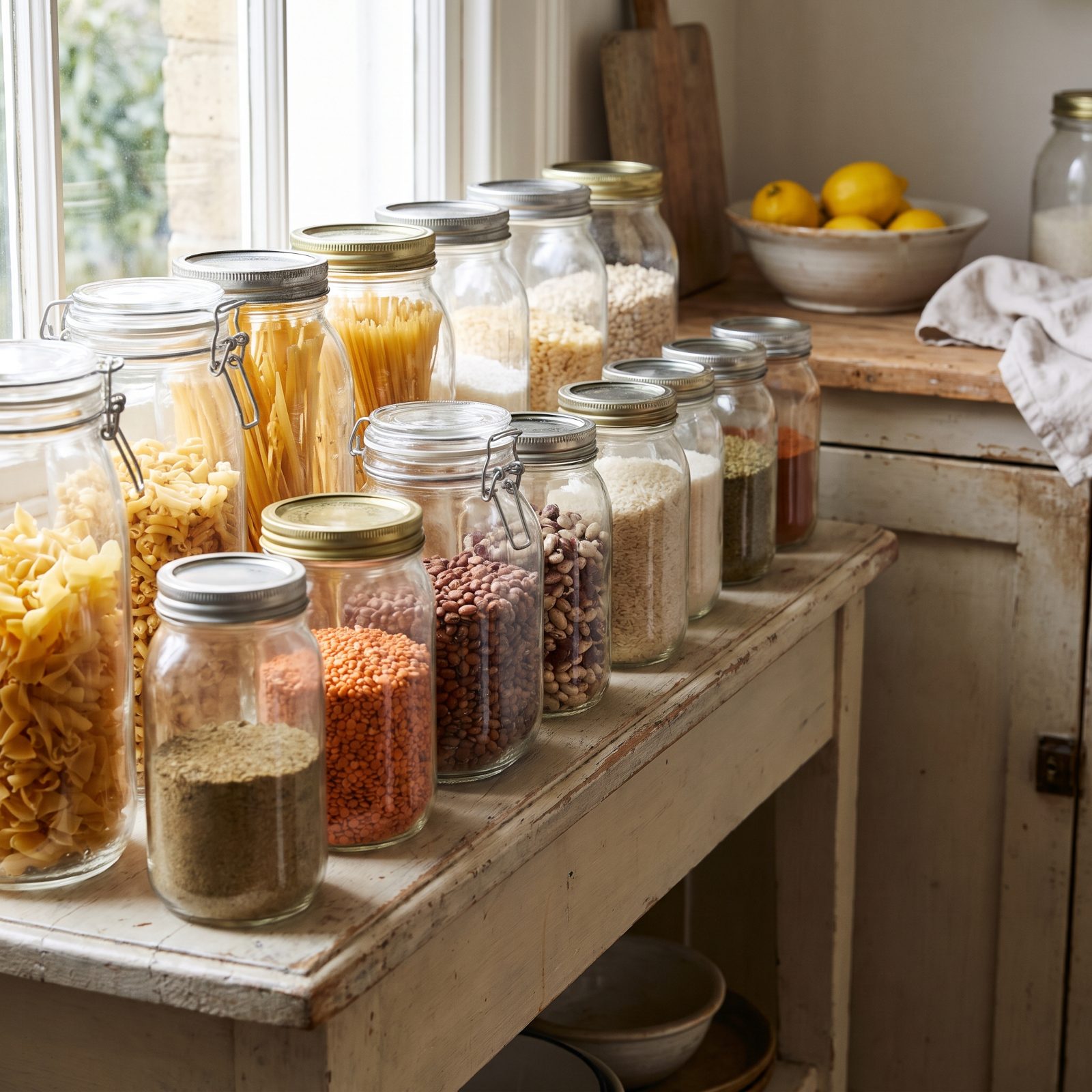
That pasta sauce jar is a free storage container pretending to be trash. Soak the label off in warm water, run it through the dishwasher, and you’ve got a sealed, see-through vessel for leftovers, dry goods, and bulk-bin finds.
I hoarded these for years and felt slightly unhinged about it until I realized I’d stopped buying storage containers entirely. Glass doesn’t stain, doesn’t cling to garlic smell, and goes straight from fridge to microwave. The lids even stack.
Build a small collection and your pantry starts looking like one of those aspirational photos — except you spent nothing.
13. Replacing Paper Towels With Flour-Sack Cloths
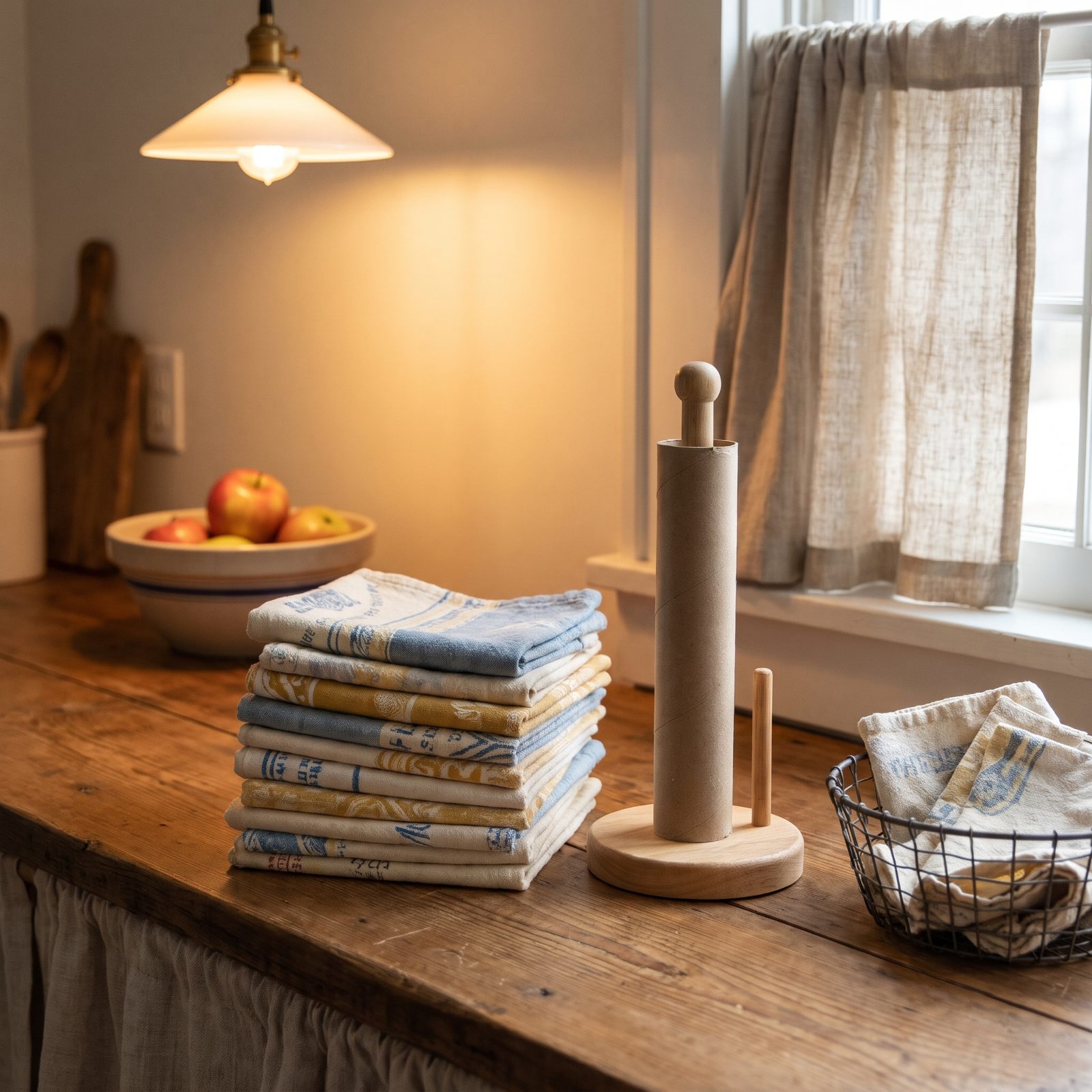
A roll of paper towels lasts a week and then you buy more, forever. Flour-sack cloths were the original kitchen rag: thin, lint-free cotton that dries dishes, covers rising dough, strains stock, and polishes glass without leaving fuzz behind.
They launder flat and dry fast. Keep a basket of them by the sink and a smaller stack for the really grim jobs you’d rather bleach than treasure.
12. Composting Peels, Coffee Grounds, and Eggshells
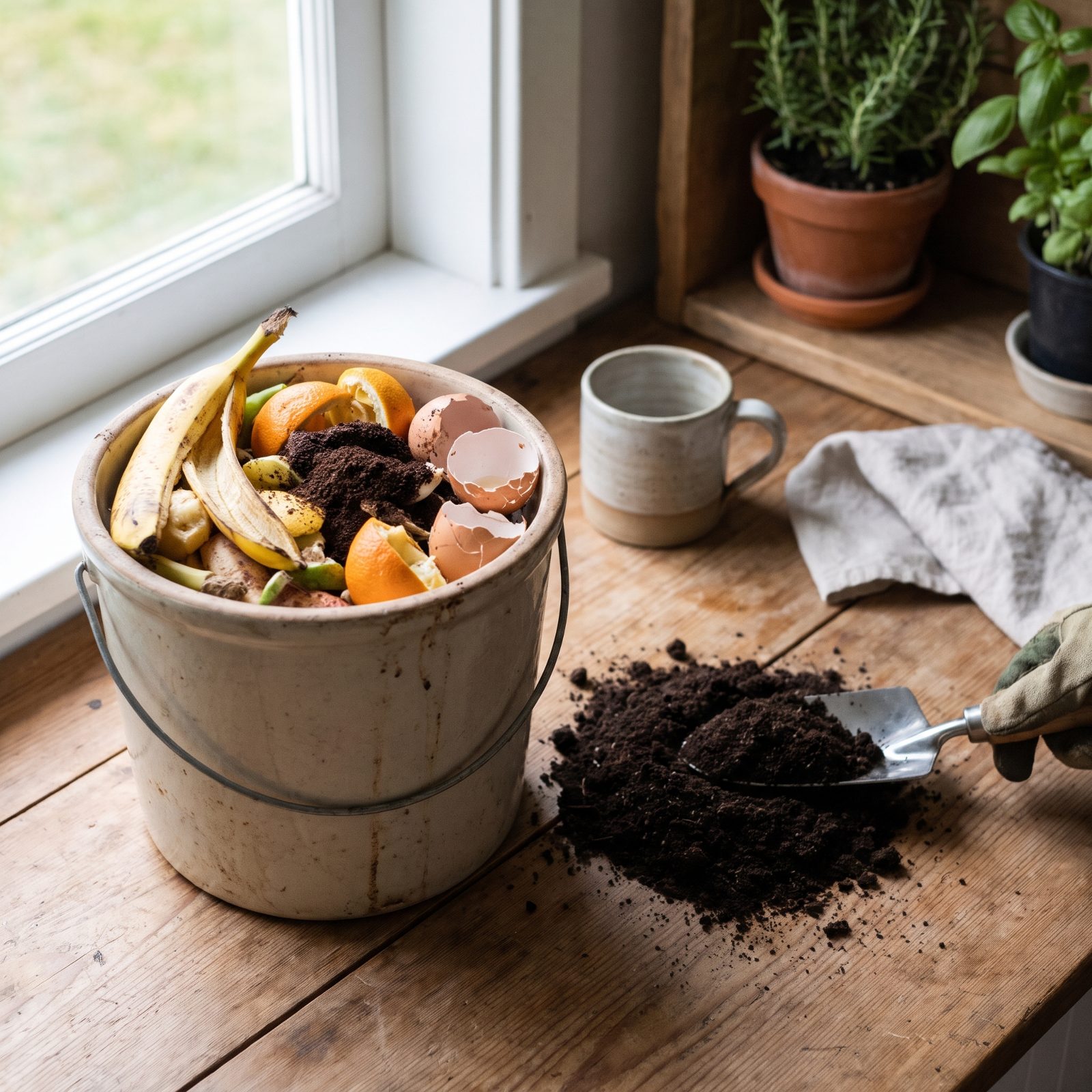
Half of what hits the trash can isn’t garbage. It’s next year’s garden soil, sitting in a bag waiting to stink up the kitchen instead.
An open crock on the counter catches peels, coffee grounds, eggshells, and veggie scraps all day. Empty it into a backyard bin or a municipal green cart when it fills. The grounds and shells break down into dark, crumbly compost that feeds tomatoes better than anything off a shelf.
No yard? A countertop worm bin or a community drop-off works. The point is simply not sending food to a landfill where it rots into methane instead of dirt. Grandma called it the scrap pail. We call it composting and act like we invented it.
11. Rotating Pantry Goods With the Oldest in Front
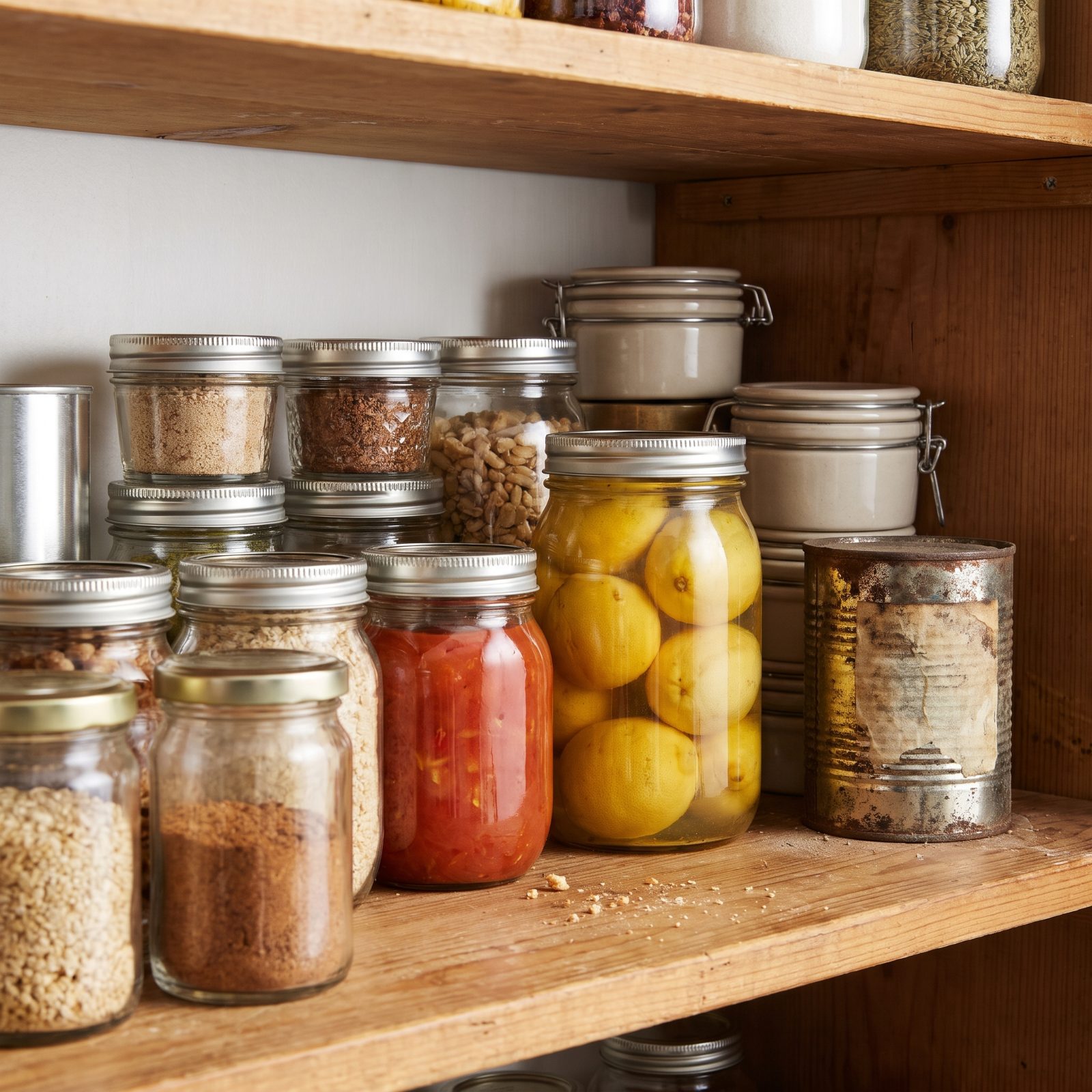
Every household has a can of something expired years ago pushed to the back of a shelf, forgotten and mysterious. That’s the exact waste the old rotation habit prevents.
When you unpack groceries, move the older stock forward and put the new behind it. Grocery stores have done this on every shelf for a century because it works. First in, first out. You eat the oldest thing first, nothing dies in the dark, and you stop buying your third jar of cumin because you couldn’t see the first two.
10. Using a Pressure Cooker to Save Time and Fuel
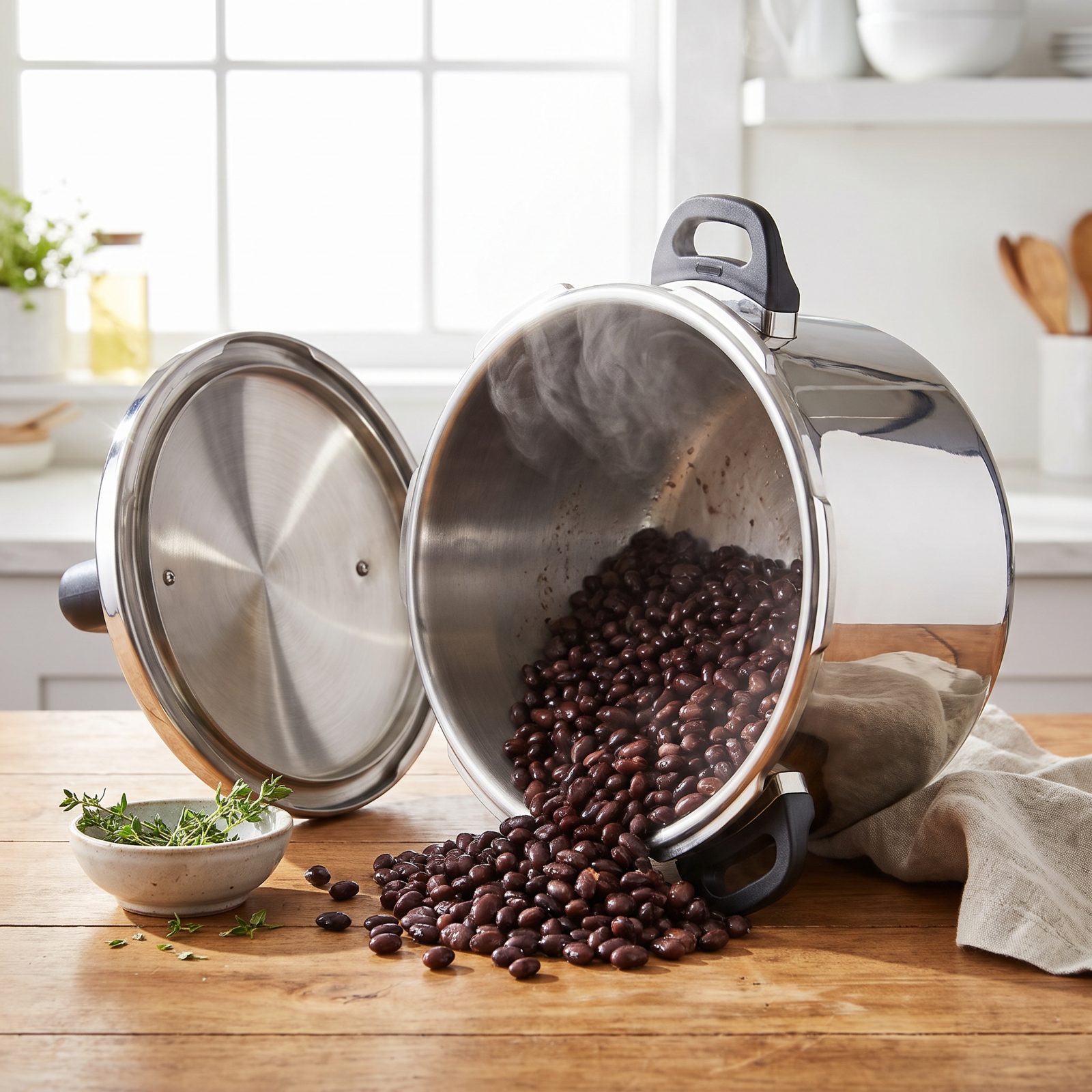
Dried beans in a pressure cooker go from rock-hard to tender in under an hour — no overnight soak, no pot simmering half the afternoon and heating the whole house.
That was the Depression-era appeal and it still holds. Less fuel, less time, cheaper cuts of meat turned fork-tender, dried legumes bought for pennies instead of canned for dollars.
The modern electric versions did a lot to bring these back, which is fine, though a plain stovetop model does the same job for less money and lasts about forever. Tough cuts, tough beans, dense grains. The ingredients nobody wants to babysit are exactly the ones this handles best.
9. Seasoning Cast-Iron Cookware Instead of Replacing It
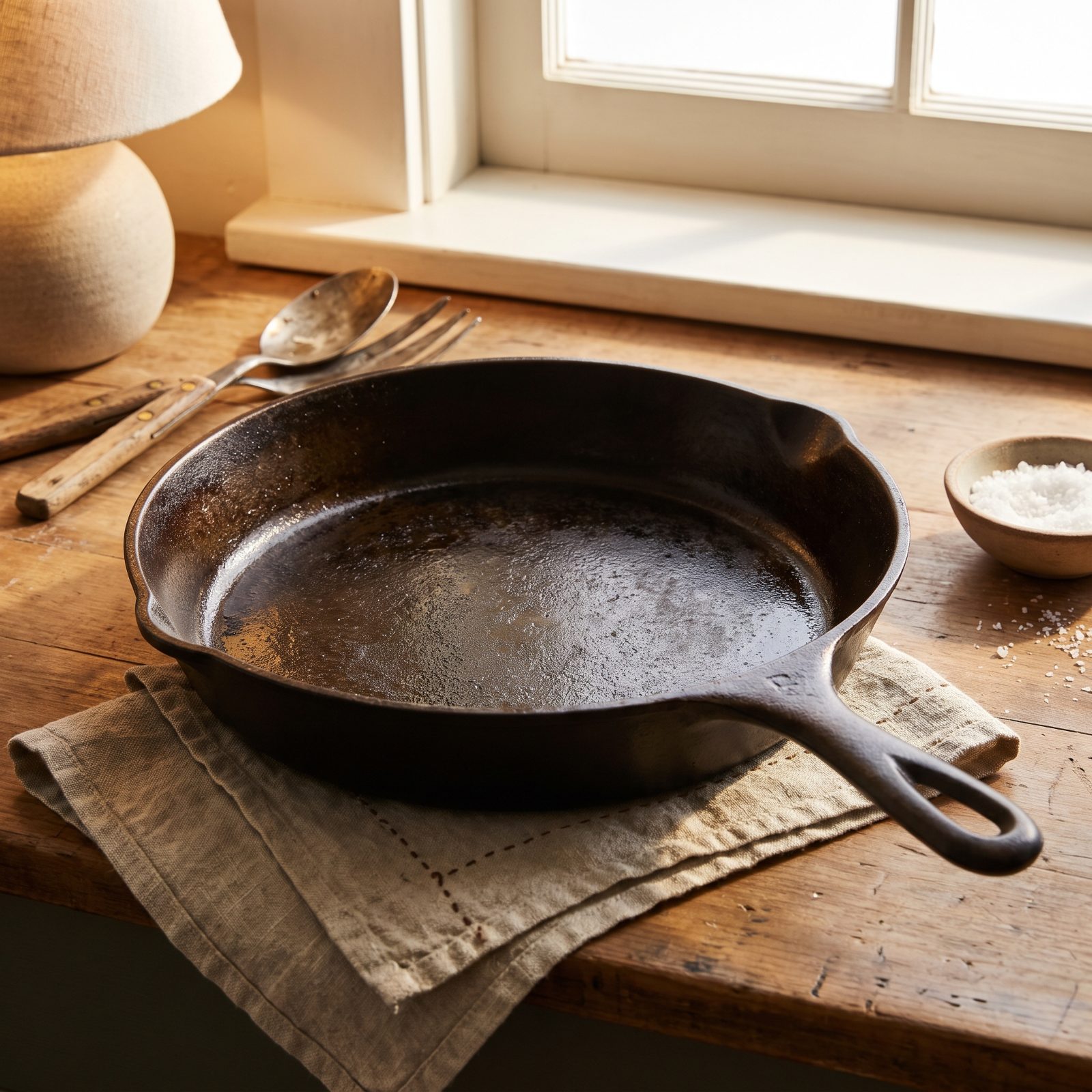
A cast-iron skillet is the one pan you can neglect, abuse, and still hand down to someone. Rust it, scratch it, leave it in the sink overnight by accident. None of it is permanent damage. A scrub, a dry, a thin coat of oil baked into the surface, and it’s reborn.
Nonstick pans flake and get thrown out every couple of years. Cast iron just gets better the more you cook on it, building a slick black patina from years of use.
After restoring skillets that survived a wildfire, a longtime cast-iron cook advises that “The easiest way to keep your cast iron seasoned is to clean, dry, and oil immediately after cooking every single time.”
8. Sharpening Dull Kitchen Knives at Home
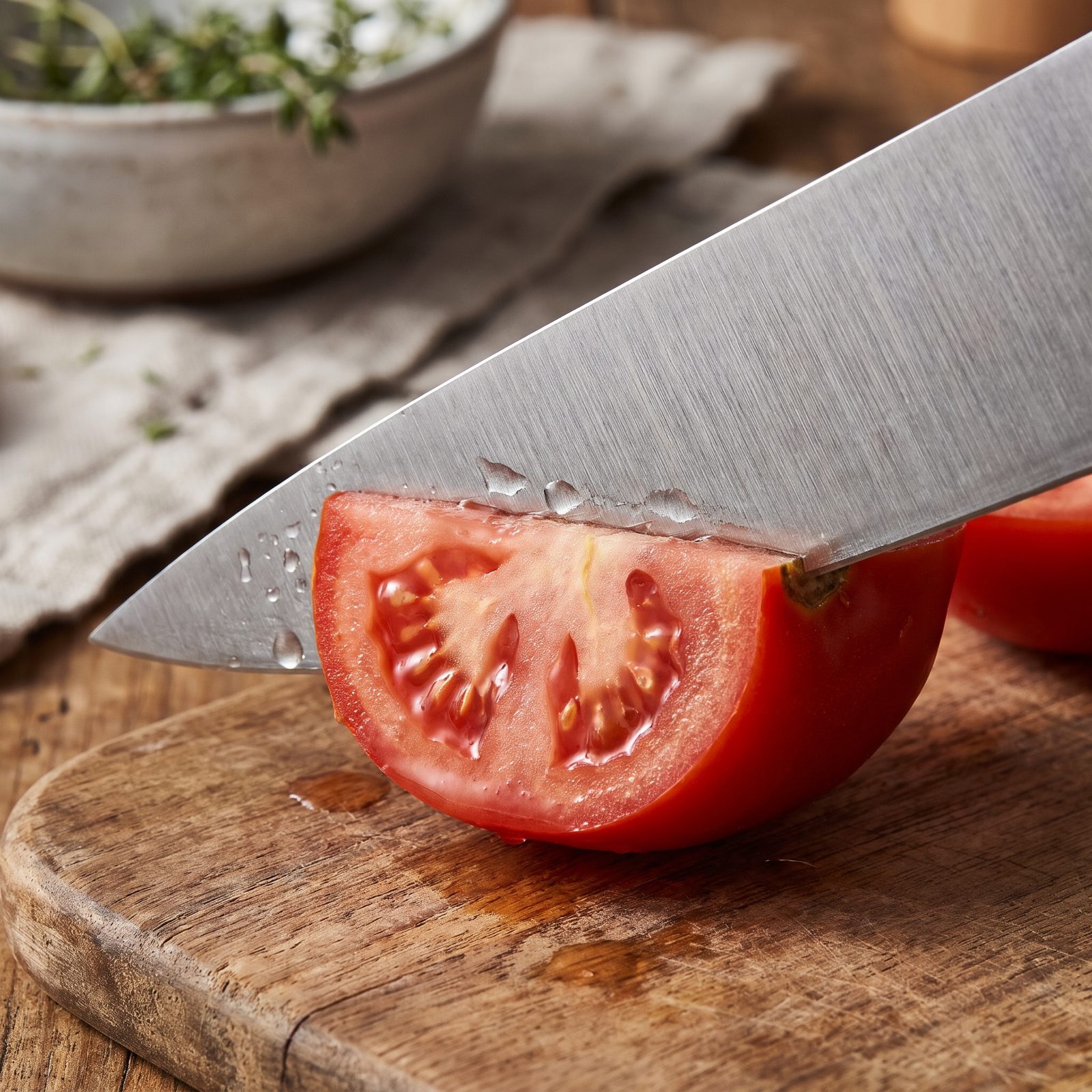
A dull knife is the one that cuts you. It slips off the tomato skin instead of biting in, and your hand pays for the laziness.
People used to keep a whetstone or a honing steel in the kitchen and actually use it. No appointments, no mail-away sharpening service, no replacing a perfectly good knife because it stopped cutting. A few passes on a stone and the edge comes back.
Getting the angle right takes practice. I was terrible at it for a while, dragging the blade like I was sawing wood. But a sharp knife makes every other job faster and safer, which is a handsome return on about ten minutes of fumbling.
7. Repairing Small Appliances Before Replacing Them
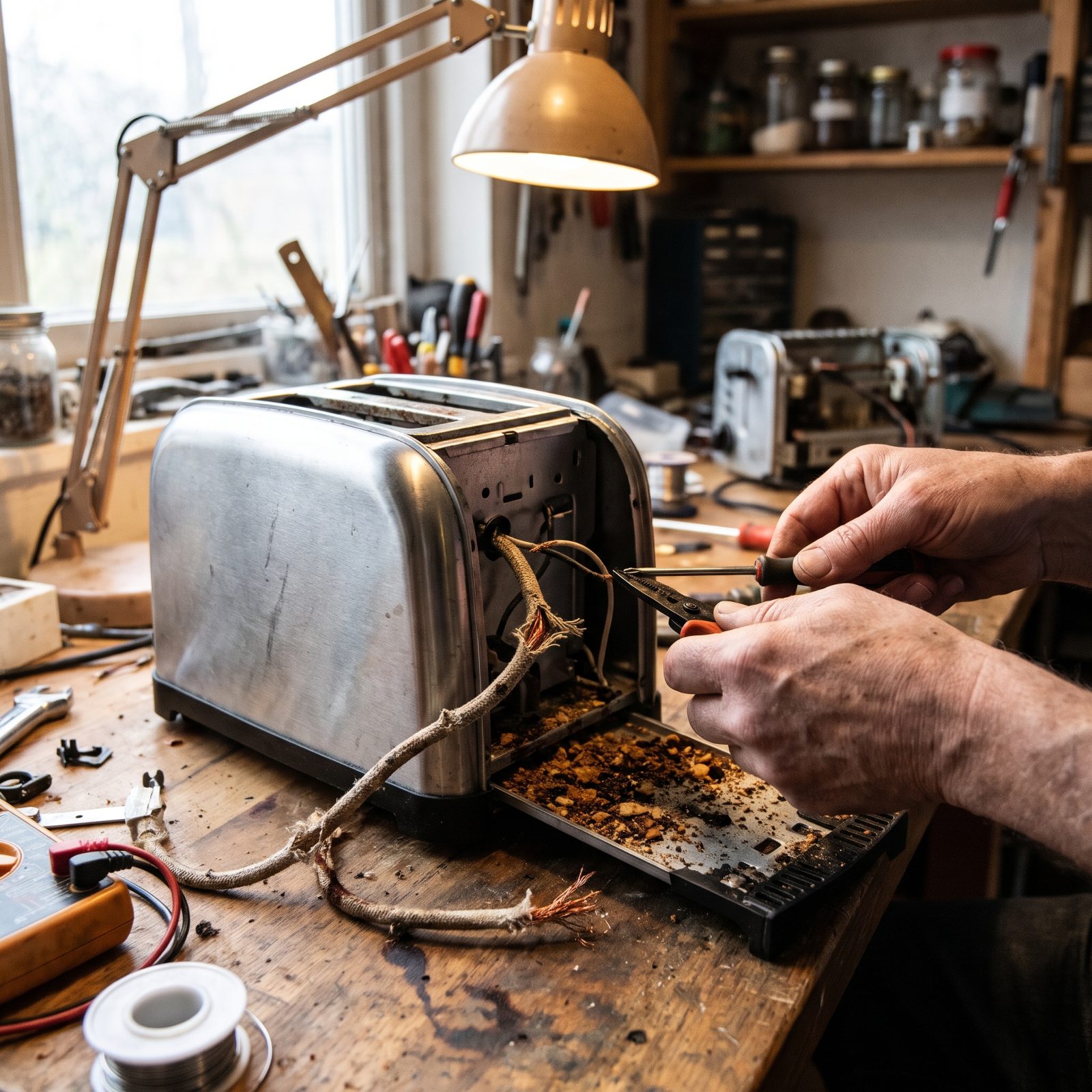
A toaster dies because of a frayed cord or a crumb tray packed solid, not because toasters are disposable. We just got trained to treat them that way.
The old instinct was to open the thing up first. A loose wire, a worn cord, a clogged vent, a cheap part you can order and swap in twenty minutes. Repair videos for nearly every small appliance now exist for free, which is the one genuinely good thing the internet did for this habit.
Not everything is worth saving. But reach for the screwdriver before the trash can, and you’ll keep more than you’d guess.
6. Cleaning Counters With Vinegar and Baking Soda
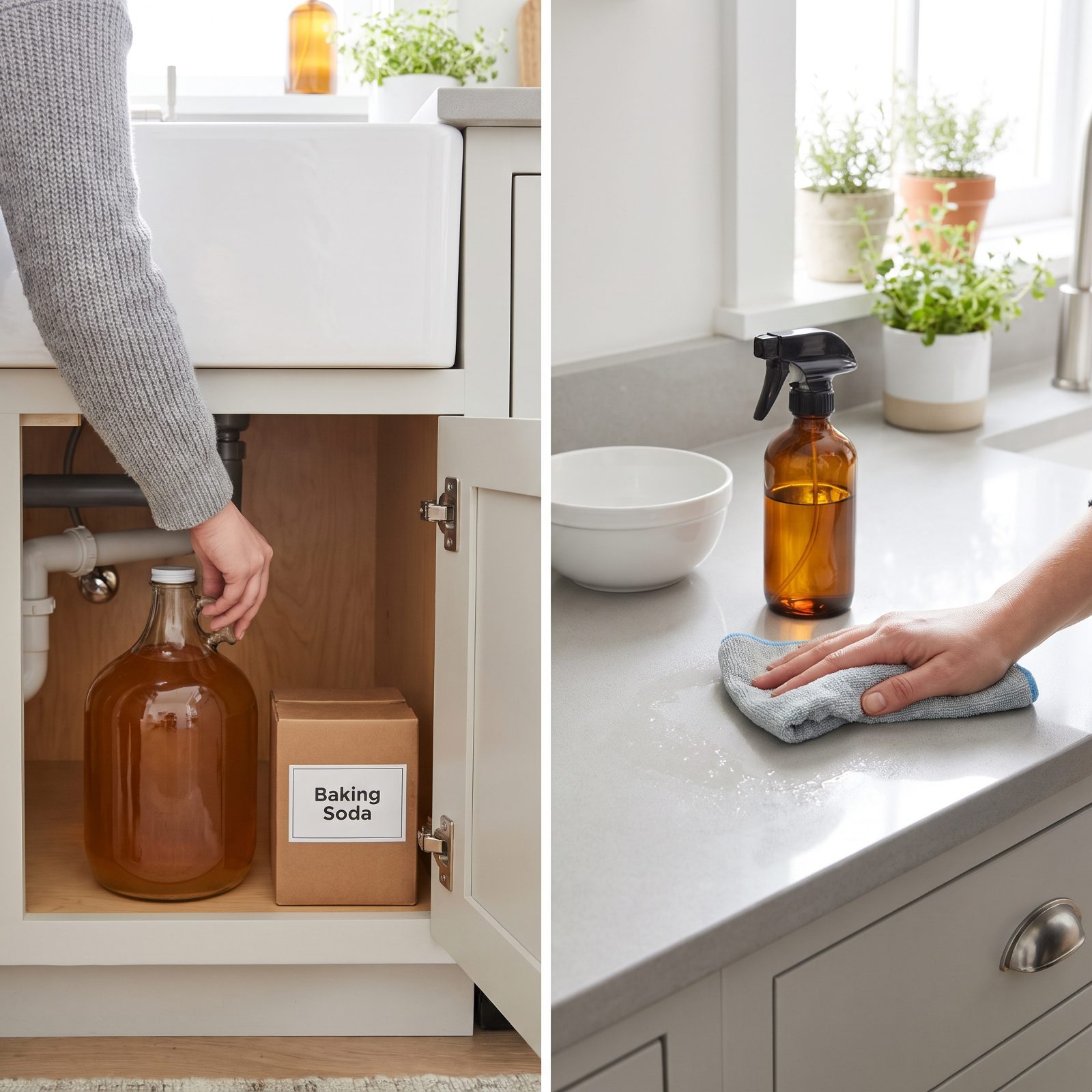
Your grandmother’s cabinet under the sink held two things that did most of the work: a jug of apple cider vinegar and a box of baking soda. No separate spray for glass, counters, grease, and grout — just the two cheap staples that have outlasted every product with a cartoon mascot on the bottle.
The method is dead simple. Wipe the counter with vinegar, sprinkle baking soda on anything stuck or stained, let it fizz, scrub, rinse. Costs pennies, and you already have both in the pantry.
I fought this for years because I figured cheap meant weak. It doesn’t. The counters come up clean and the kitchen smells like nothing, which is exactly what a clean kitchen should smell like.
5. Baking Several Dishes During the Same Oven Session
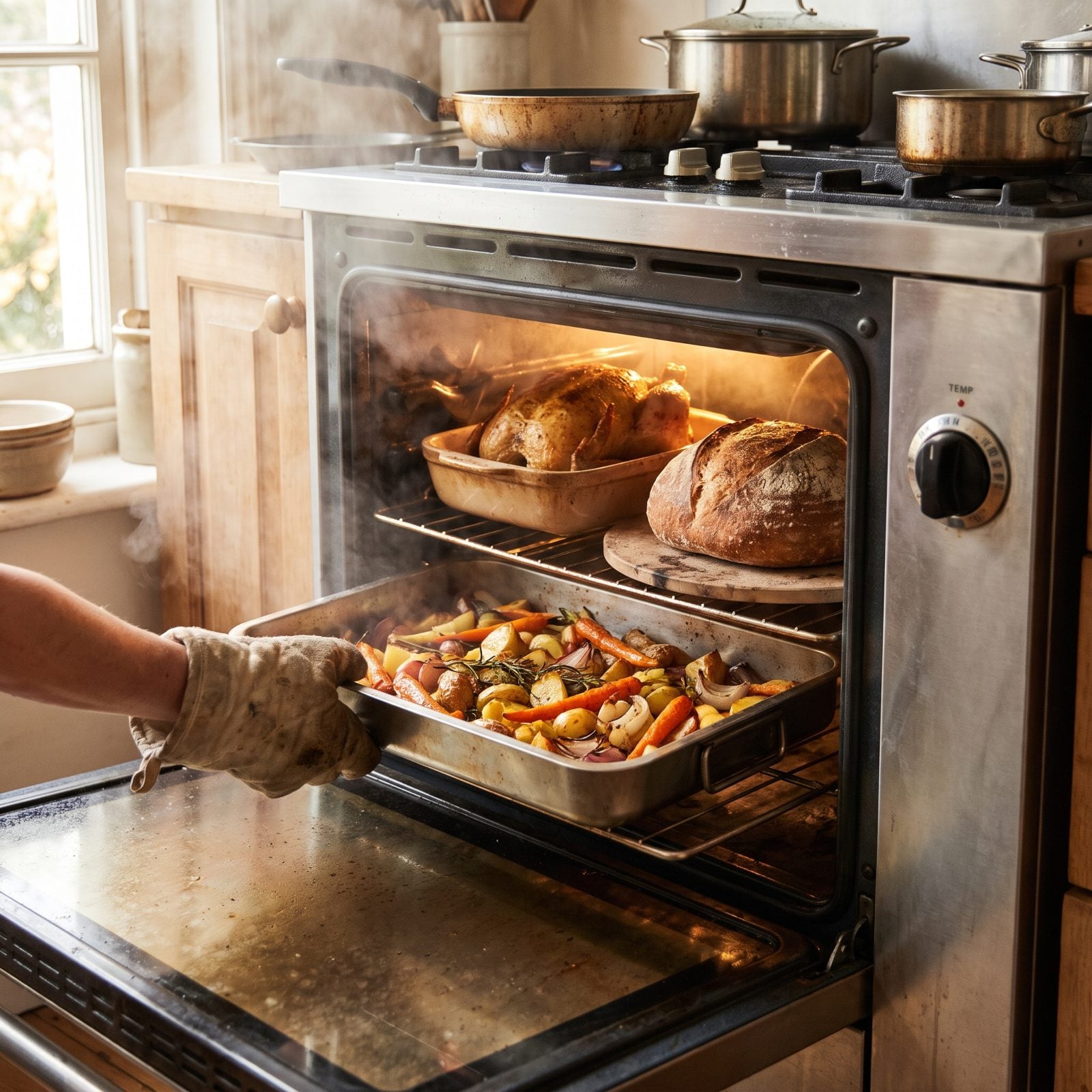
Heating an oven to roast one chicken and nothing else is like driving a van to pick up a single envelope. The energy’s already spent. You may as well fill the box.
The old habit was to bake everything at once — bread, a casserole, a tray of vegetables, maybe a batch of cookies riding out the last of the heat as it cooled. One session, several meals.
It takes a little planning. You line up what can share a temperature, stagger what can’t, and work the racks. The payoff? A week’s worth of cooking done in an afternoon, plus a kitchen that smells like a bakery for the price of one preheat.
4. Batch-Cooking Staples for Multiple Meals
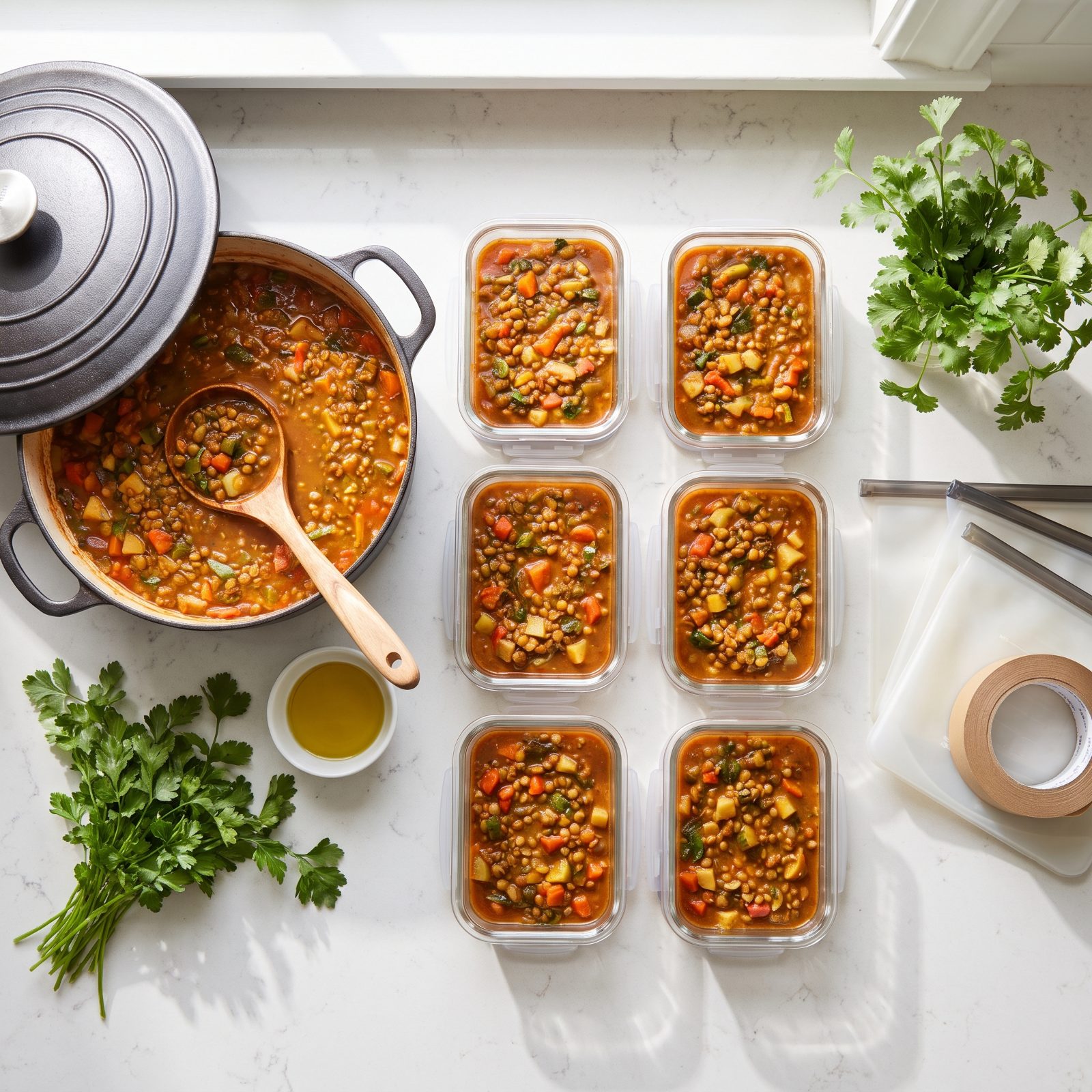
Cook the base once, eat from it all week. That was the whole strategy, and it still beats most meal-kit subscriptions on price and on sense.
A pot of dried beans. A batch of rice or grain. A deep pot of tomato sauce that starts as pasta on Monday and becomes the bones of three other meals by Thursday. You’re not cooking five dinners from scratch — you’re building blocks and assembling.
I used to think I didn’t have time to cook. Turns out I didn’t have a system. Batch-cooking is the system, and it hands busy people the thing they actually want: dinner already mostly done.
3. Brewing Coffee at Home Instead of Buying It Out
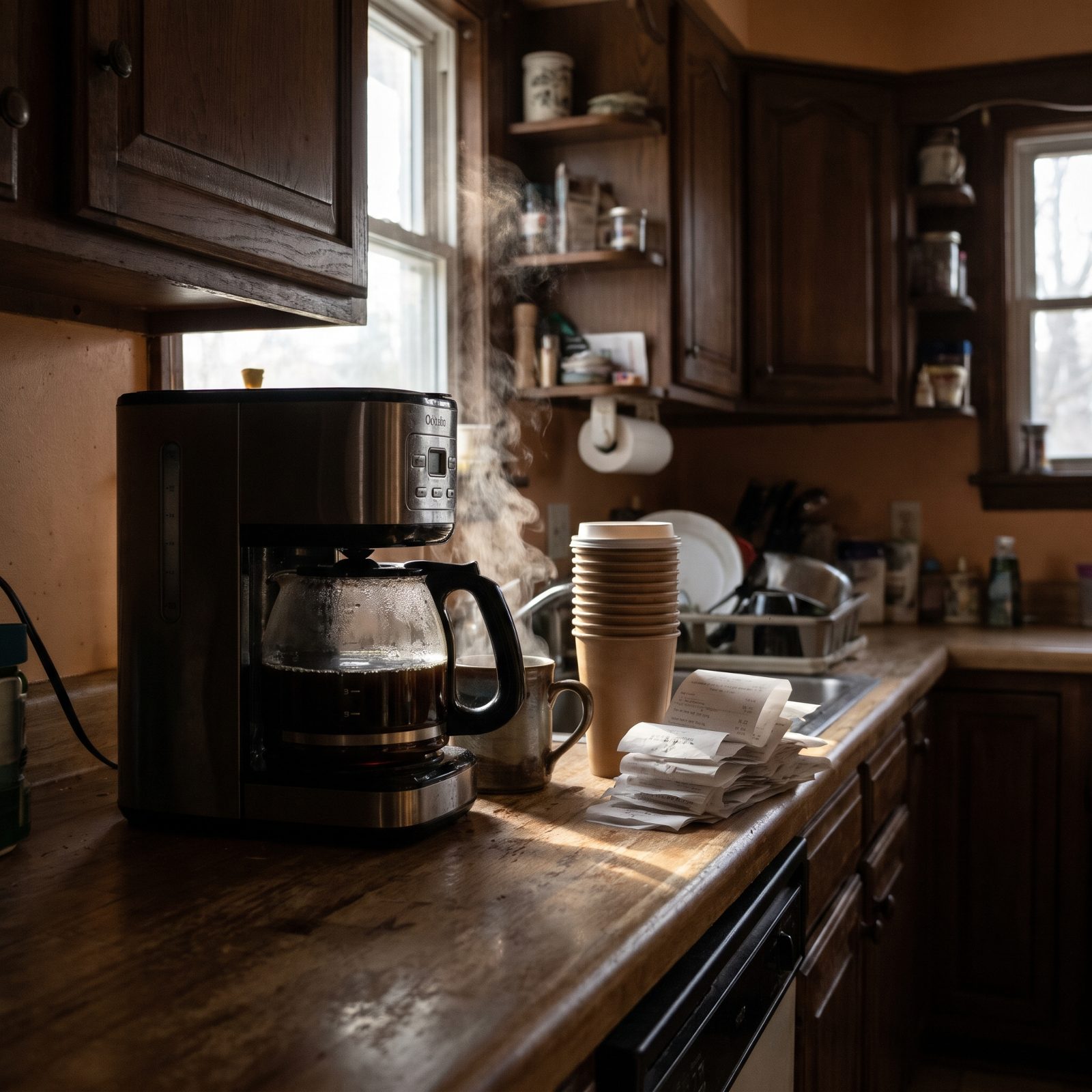
The math on coffee out is brutal once you run it. A five-dollar cup every weekday is a hundred-odd dollars a month, well over a thousand a year, for something you can make at home for cents a cup.
The Depression-era kitchen didn’t debate this. Coffee got made on the stove in a percolator, poured into a thick mug, and that was the ritual — no line, no tip jar, no name spelled wrong on a paper cup.
I’m not against the occasional cup out. I’m against doing it on autopilot and wondering where the money went.
2. Sharing Large or Expensive Cooking Equipment With Others
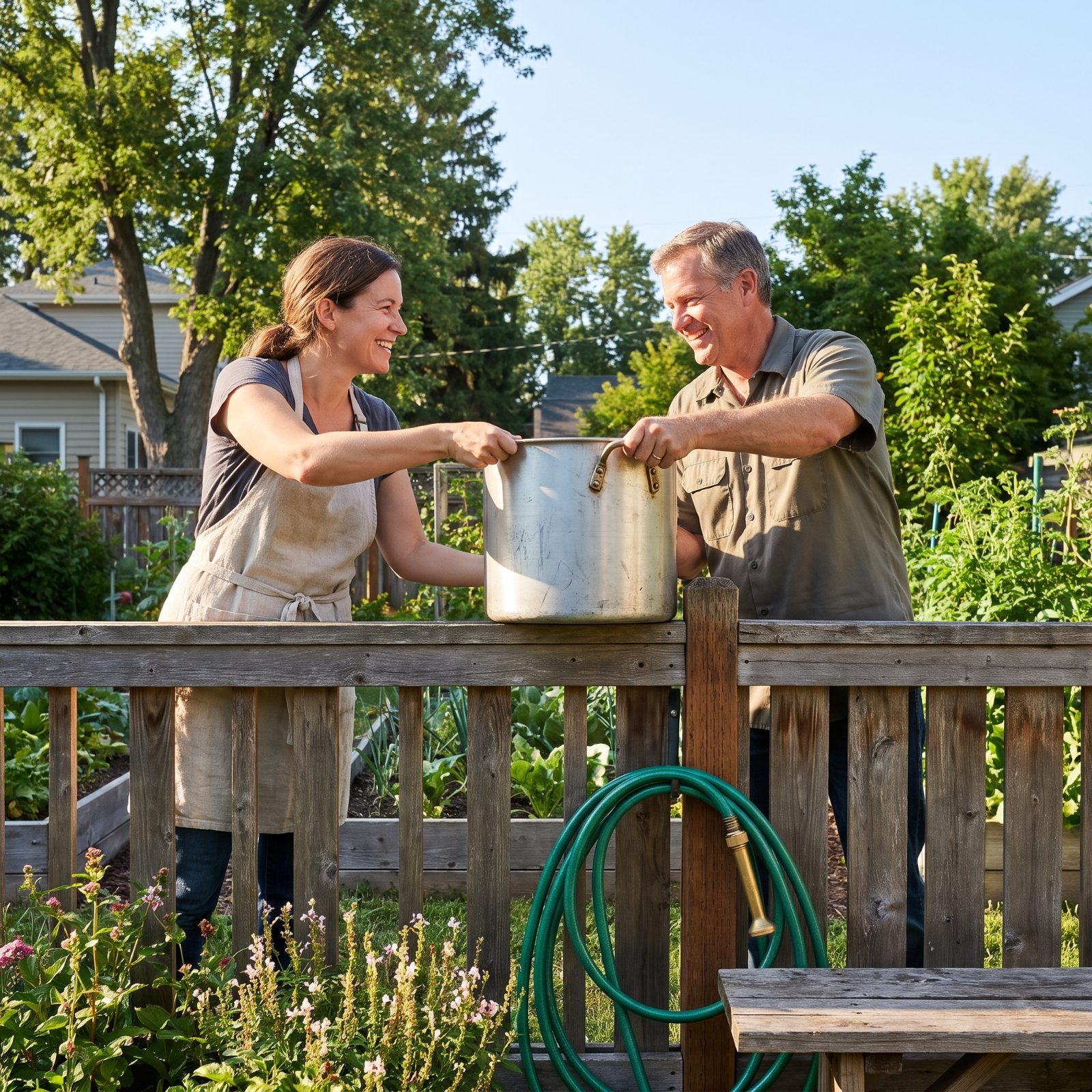
Nobody needs a canning pot more than three weekends a year. Same goes for the big roaster, the ice-cream churn, the stand mixer that lives in a cabinet eleven months out of twelve.
The old neighborhoods ran on lending. You borrowed the big pot for the tomatoes, returned it clean, and handed over your own oversized thing when someone asked. One expensive item served a whole block instead of sitting idle in every kitchen on the street.
There’s a quiet trust in it too. Handing someone your good pot says you expect to see it again, and mostly you do.
1. Trading Excess Garden Produce With Neighbors

Every summer garden produces the same thing: too much of one vegetable at exactly the moment your neighbor’s does the same. You’re drowning in zucchini. Two doors down they can’t give away tomatoes. The fix writes itself.
Trading produce kept families fed through lean years without a dollar changing hands. Your surplus was someone’s dinner, theirs was yours, a basket left on a porch or a bag handed over the fence — no ledger kept, because the whole point was that nobody counted.
Grow one thing in excess on purpose this year. Cheapest way I know to meet the people on your street.