Would you like to save this?
Ask a line cook what they won’t touch on their own menu and watch them get real quiet, then lean in. The kitchen sees things the dining room never does. The fish that came in Thursday and sat on the pass until Sunday night, the “truffle” oil that never met a truffle, the steak somebody abused into leather because they wanted it well-done in the middle of a Saturday rush. None of this is gross, exactly. Most of it is math, timing, and a supply chain working against you. Here are the plates the people who cook for a living tend to leave for someone else.
25. Raw Oysters Far from a Reliable Supply Chain
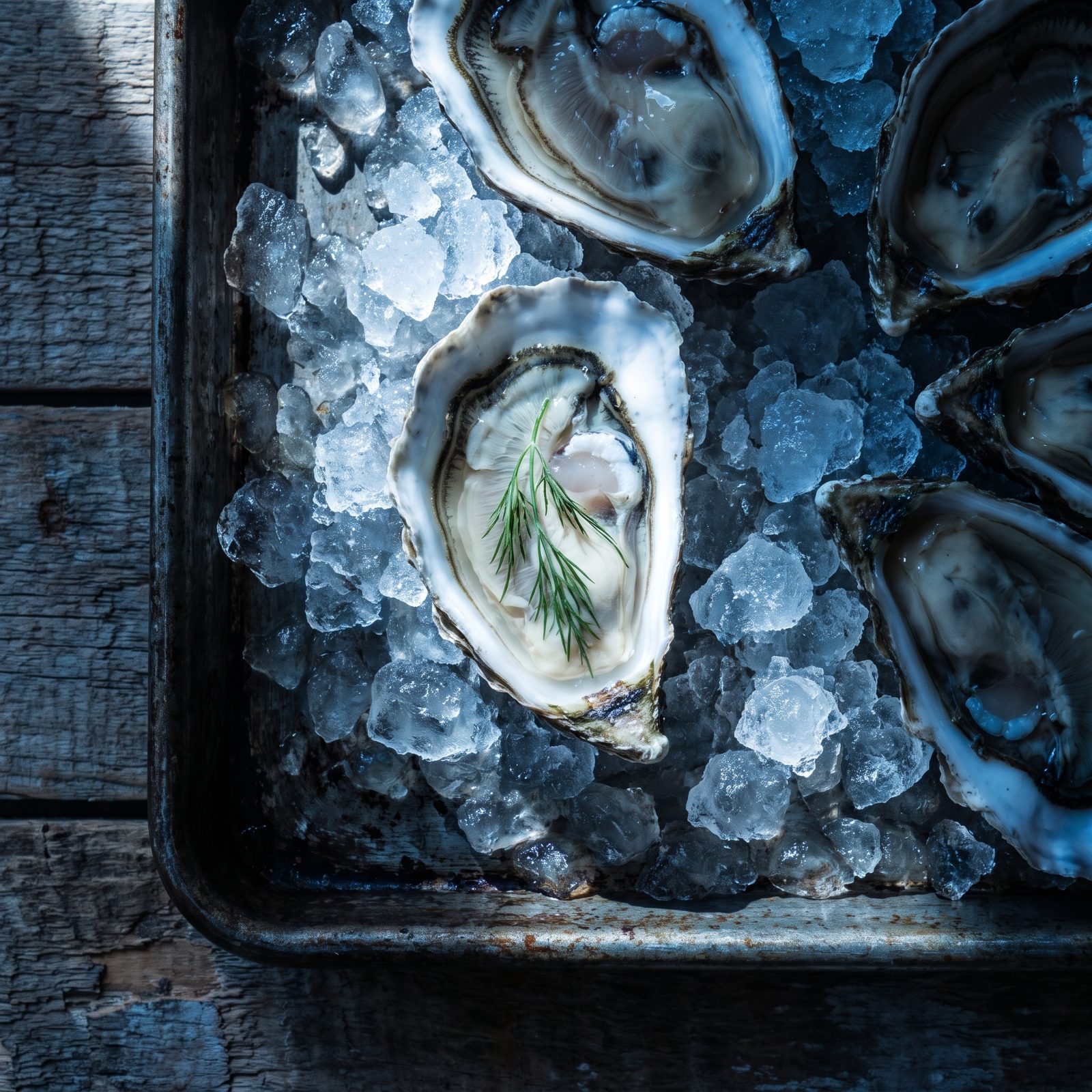
Oysters are a geography problem. Fresh ones near the coast are a joy. The same oysters trucked three states inland and held for a few days? That’s a gamble, and the kitchen knows exactly how long that last case has been sitting in the walk-in.
A good oyster smells like clean seawater, and the liquor should run clear rather than milky. Watch the ice too. If it’s melting into a warm puddle by the time the plate reaches you, the handling story was already shaky before you sat down.
24. The Monday Fish Special
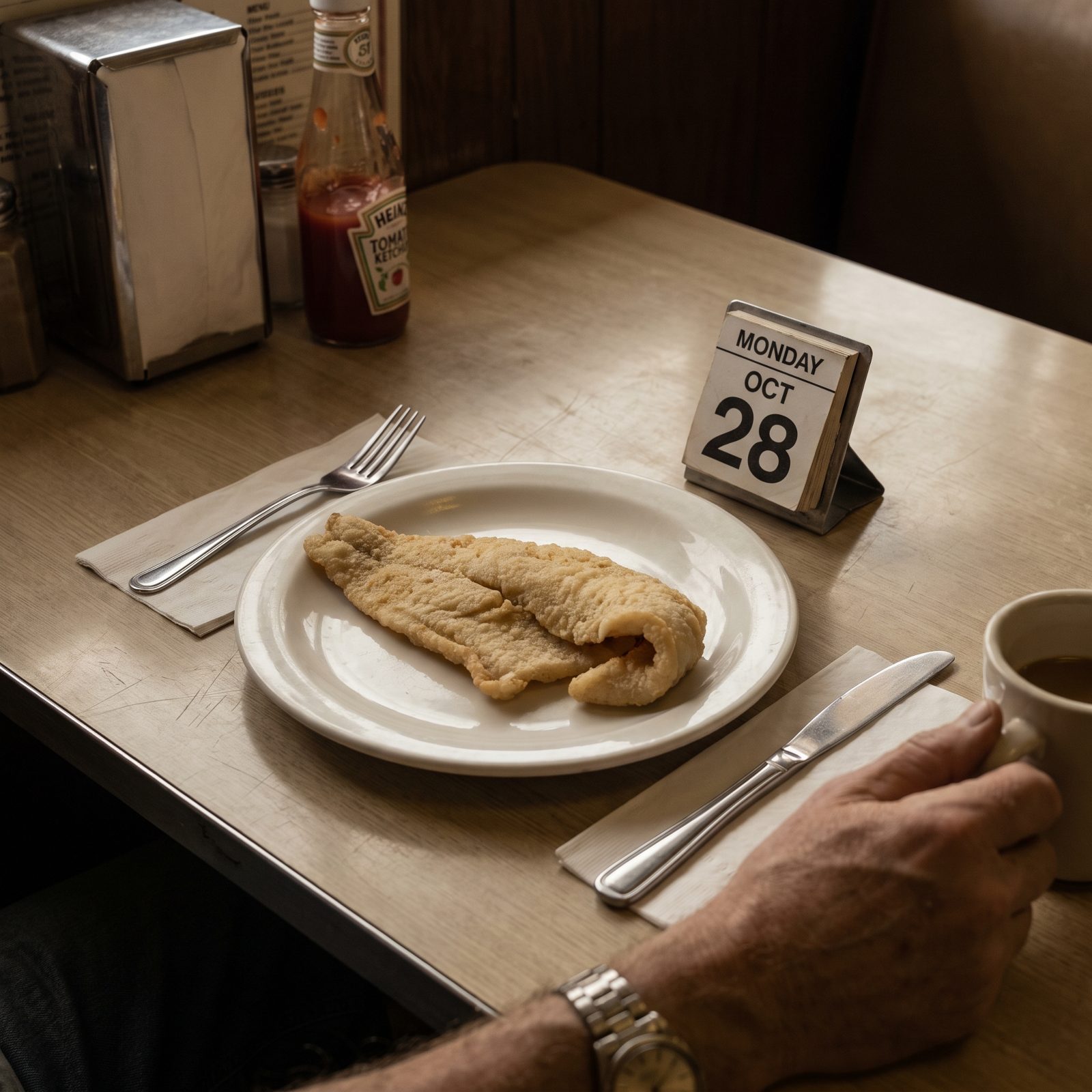
Most restaurants get fish deliveries a few times a week, and almost nobody delivers on Sunday. So do the math on Monday.
That Monday special is often Thursday or Friday’s fish that needs to move before the new order shows up. Which isn’t automatic danger — a well-run kitchen rotates stock properly. But a heavy sauce on a Monday fish special is sometimes a disguise rather than a flavor choice. If the plate arrives drowning in butter and lemon, ask yourself what it’s covering.
23. Well-Done Premium Steak
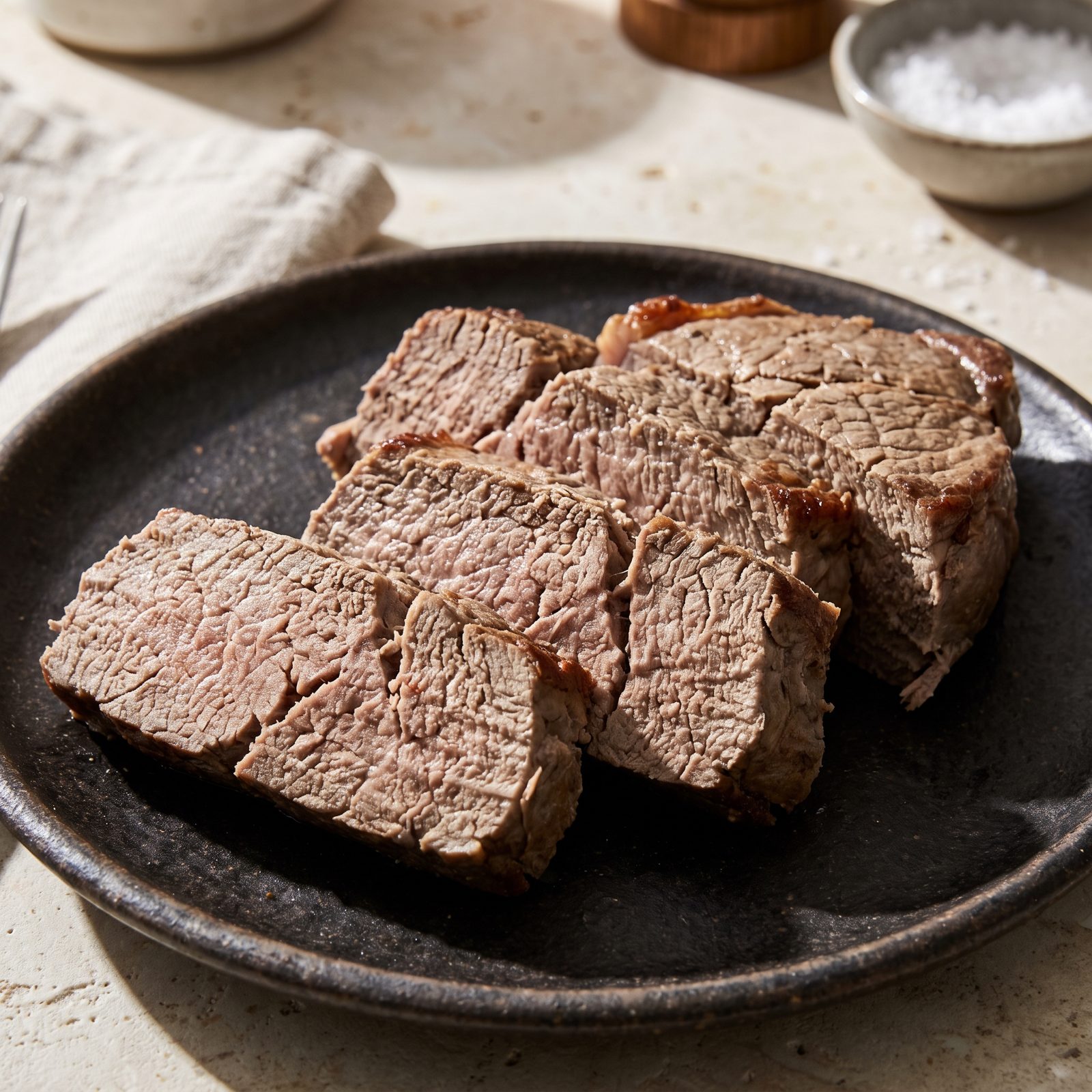
This is the one that makes chefs wince. Order a well-done prime cut and you’re paying filet prices for something that cooks down to the texture of a catcher’s mitt.
The marbling that justifies the price is fat, and fat renders out the longer it cooks. Take a ribeye to well-done and all that money melts right off the plate. Worse, some kitchens quietly route the lesser cut to the well-done ticket — because why burn the good one when the guest can’t tell the difference at that point anyway?
22. Truffle Fries Made with Synthetic Truffle Oil
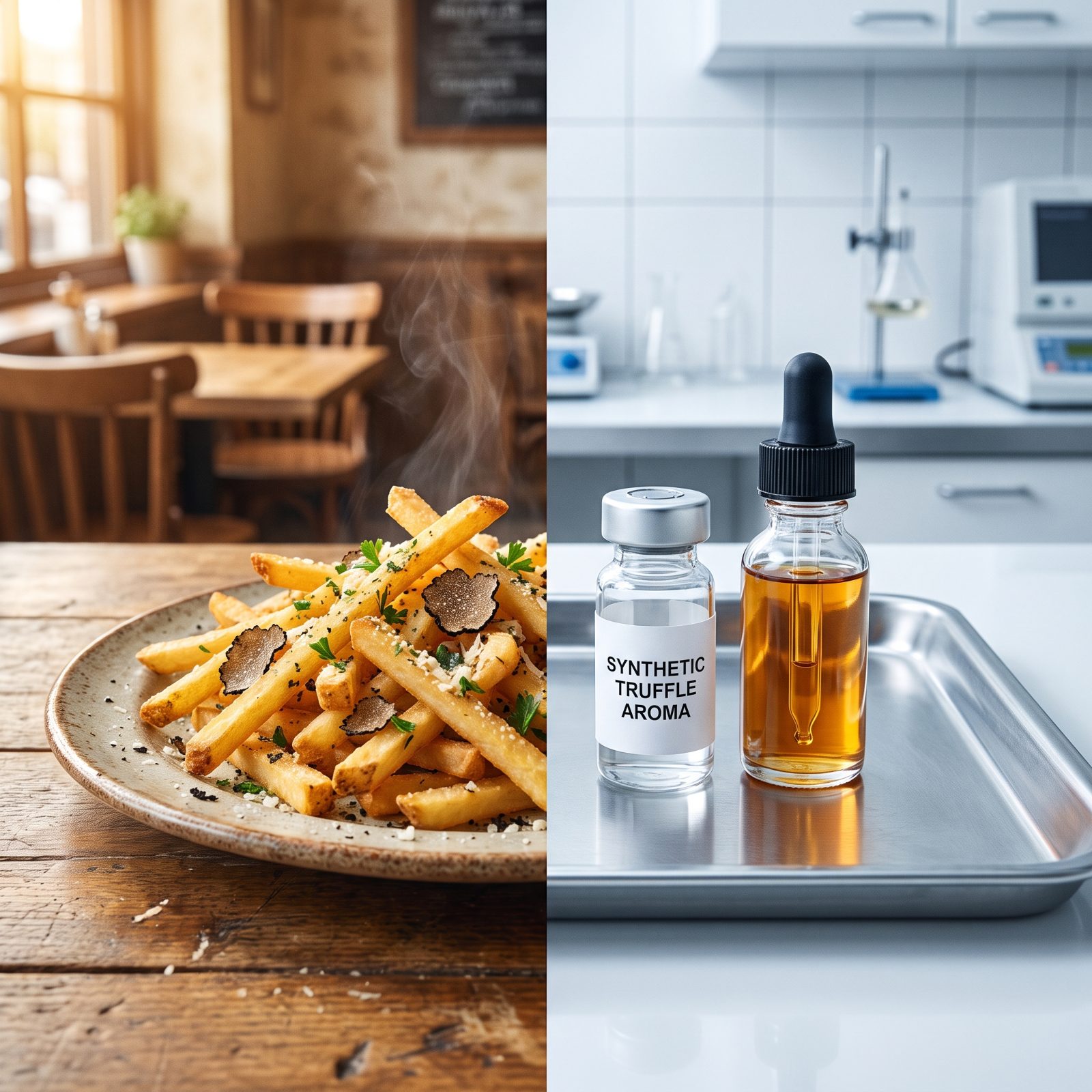
Almost all the truffle oil on a menu never touched a truffle. The aroma comes from a lab compound called 2,4-dithiapentane, and once you clock the smell, you can’t stop noticing it.
No scandal here — it’s just not what most people think they’re paying a premium for. Real truffle is seasonal, wildly expensive, and shaved tableside. The synthetic stuff costs pennies.
21. Tuna Tartare at a Low-Turnover Restaurant
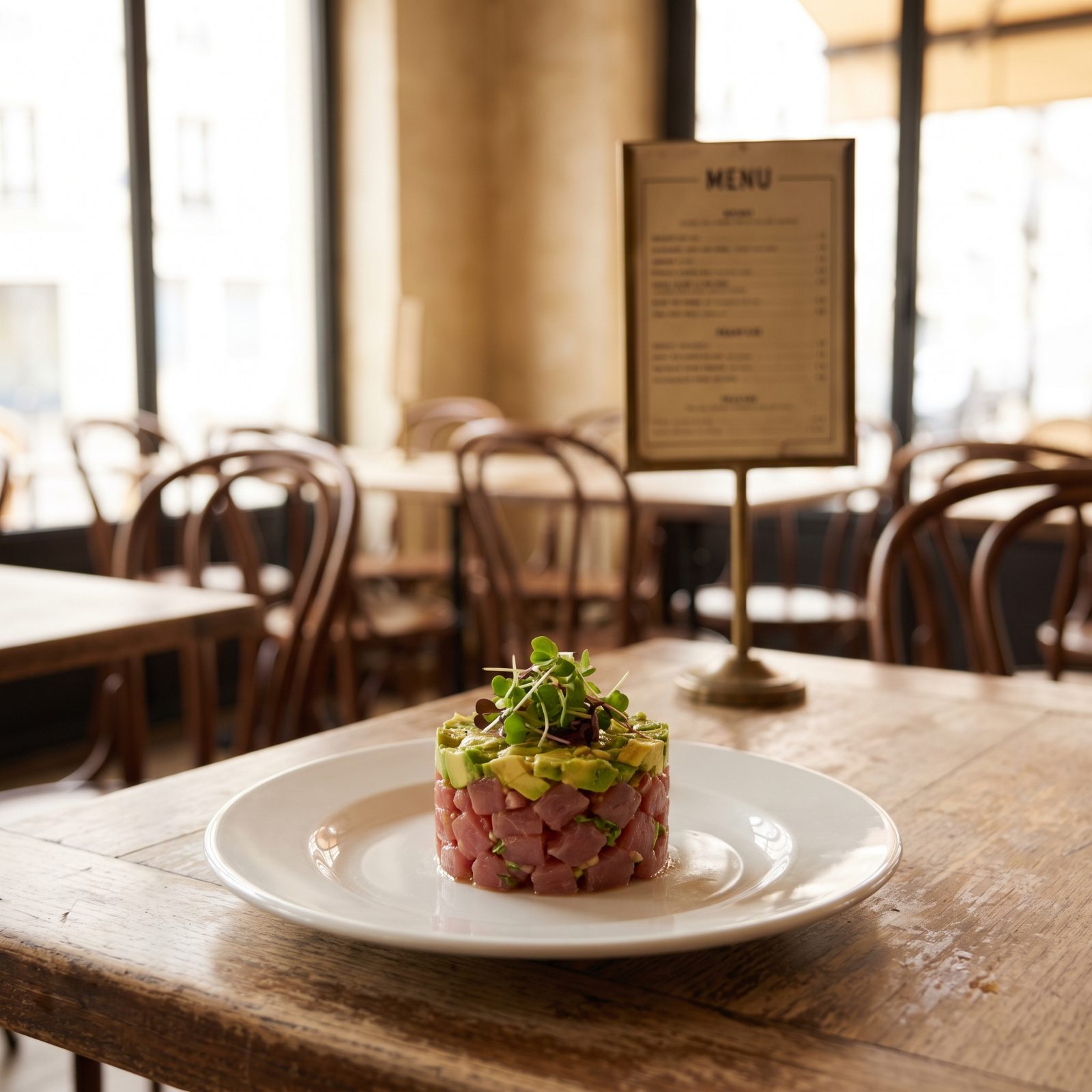
Raw fish is a turnover game. A busy sushi spot burns through its tuna fast, so it’s fresh by default. A quiet bistro that sells three tartares a week is a different story entirely.
Fresh raw tuna is a clean ruby red. Once it starts to turn, it goes brownish and dull, and the kitchen’s answer is usually a heavier soy glaze or more sesame to mask it. Honestly, the best tell is just the room. Empty dining room, raw fish special, long pause before you order it — that’s your signal.
20. Mussels Served with Several Closed Shells
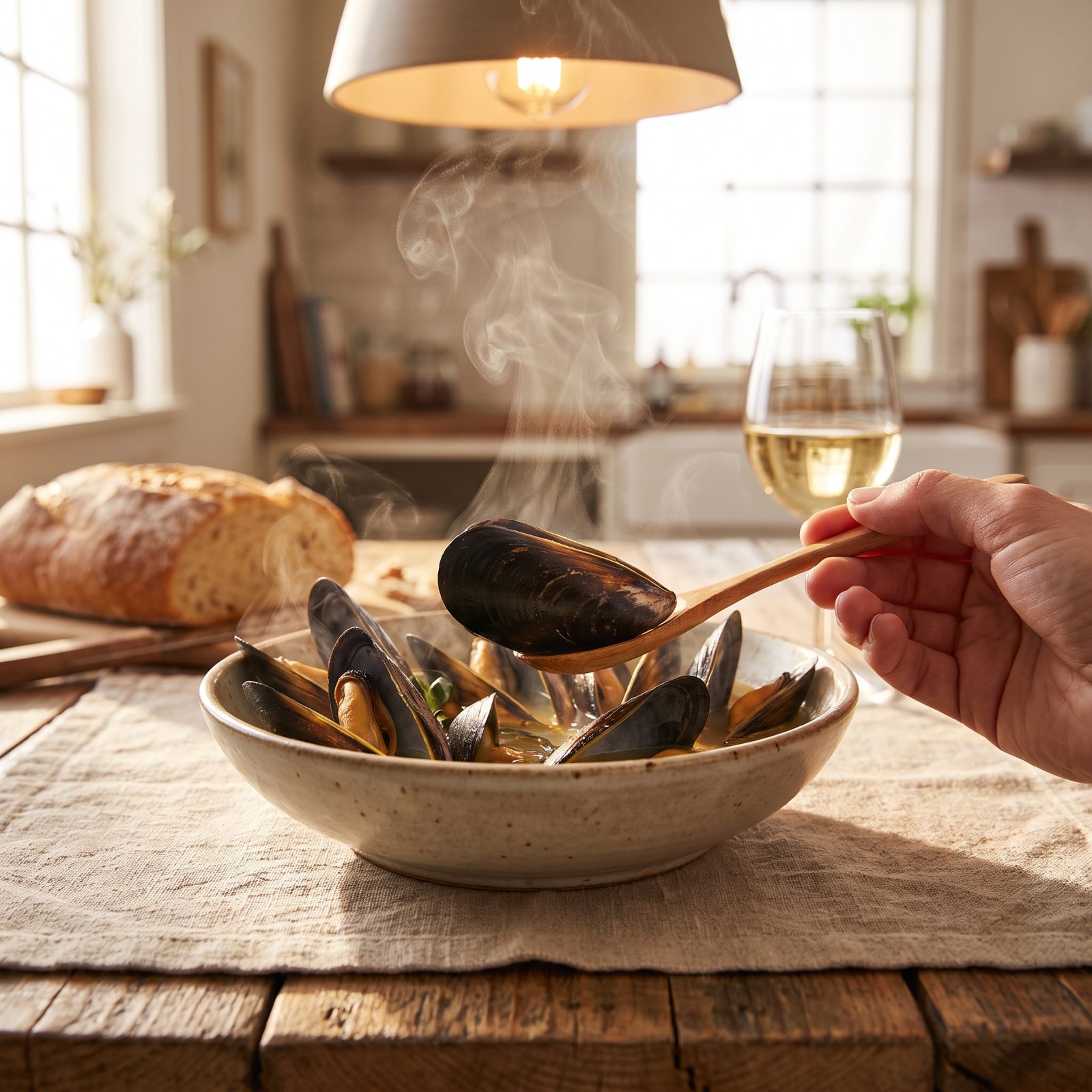
The old rule says a mussel that stays shut after cooking was dead before it hit the pot. It’s not ironclad — some live mussels just cook stubborn. But a bowl with several closed shells tells you the kitchen didn’t sort them before serving.
That sorting is basically the whole job with shellfish, and a cook who skips it on the easy stuff is telling you something about the rest of the station. Push the shut ones to the side and don’t force them.
19. Risotto Promised in Under Ten Minutes
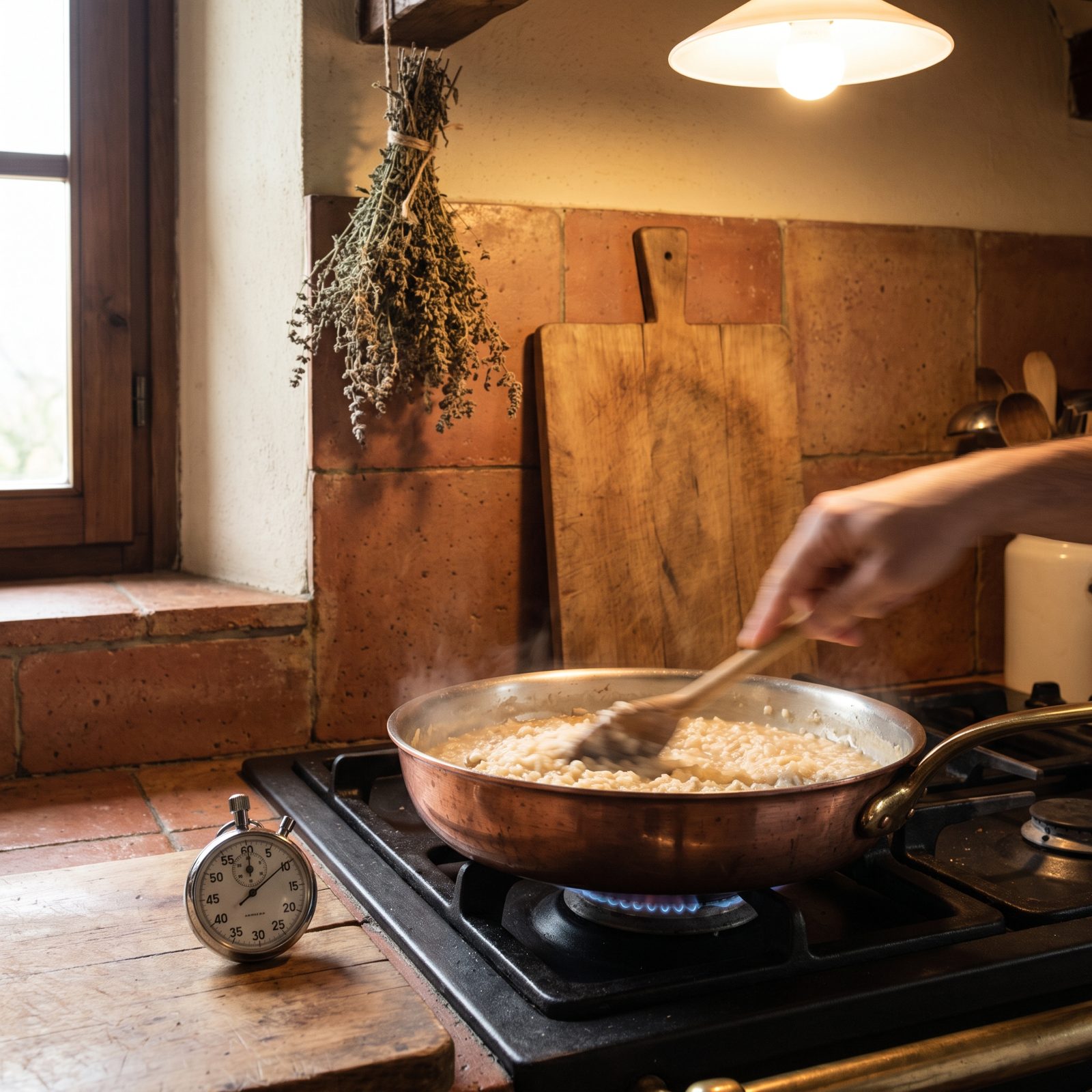
Real risotto means roughly twenty minutes of standing at the stove, stirring, ladling in stock a little at a time. There’s no shortcut worth taking.
So when risotto lands at your table ten minutes after you ordered during a packed service, it was par-cooked earlier and finished to order. Sometimes that’s fine. Often it means a gummy, over-thick texture instead of the loose, flowing “all’onda” that proper risotto should have. Tilt the plate. If it holds its shape in a stiff mound instead of spreading, it was reheated.
18. The Catch of the Day Without a Named Species
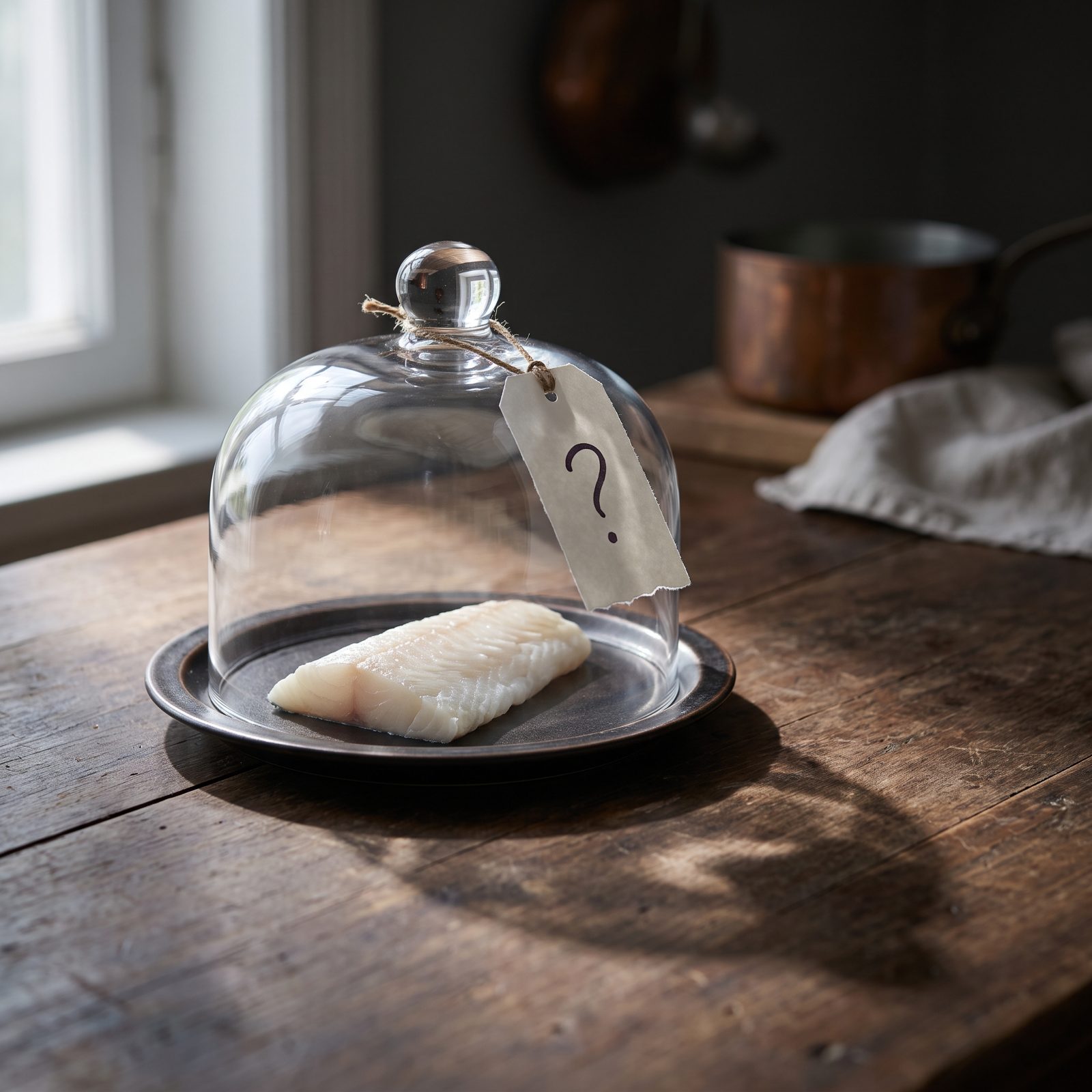
“Catch of the day” sounds romantic. A boat, a dawn haul, the freshest thing in the building. And sometimes it’s precisely that.
But a special that never names the fish is worth a question. A kitchen proud of its catch will tell you it’s branzino or halibut or whatever came in that morning. Vagueness can mean it’s whatever needs to sell fastest, or a lower-cost fish wearing a premium-sounding label. Ask the server what it is and where it came from — the confidence of the answer tells you more than the menu ever will.
17. Carbonara Made with Cream and Pre-Cooked Bacon
Would you like to save this?
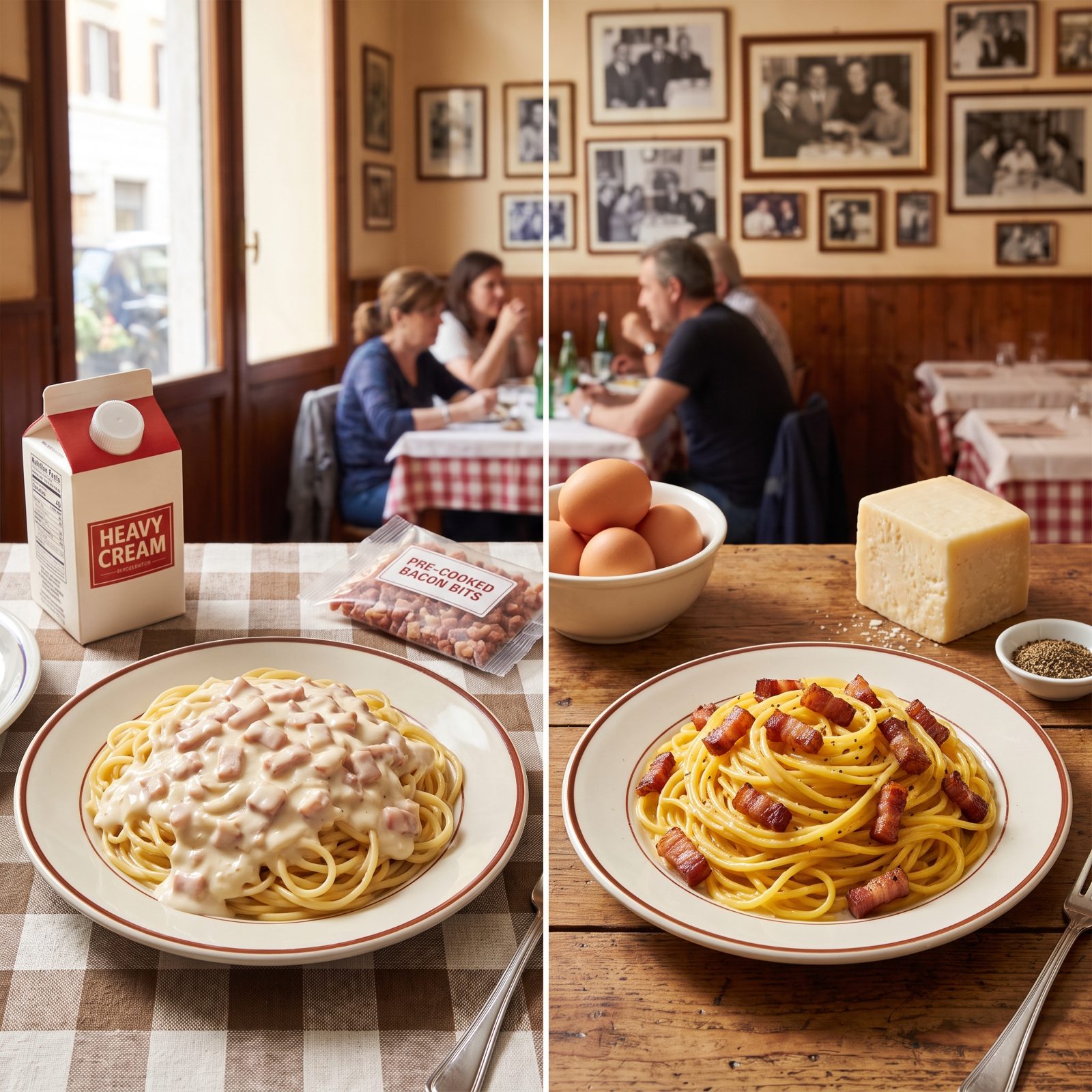
Classic carbonara has no cream. None. The silk comes from egg yolk, pecorino, pasta water, and guanciale fat, emulsified off the heat.
When a kitchen reaches for cream and a bag of pre-cooked bacon bits, it’s choosing shelf stability and speed over the real thing. The result comes out heavier, gluier, and flatter than it should. It won’t hurt you — it just isn’t carbonara, and anyone who’s made the genuine version can taste the shortcut in one bite.
The cream is there to cover for a kitchen that doesn’t trust itself to emulsify egg and cheese without scrambling it.
16. The Most Expensive Wagyu Add-On
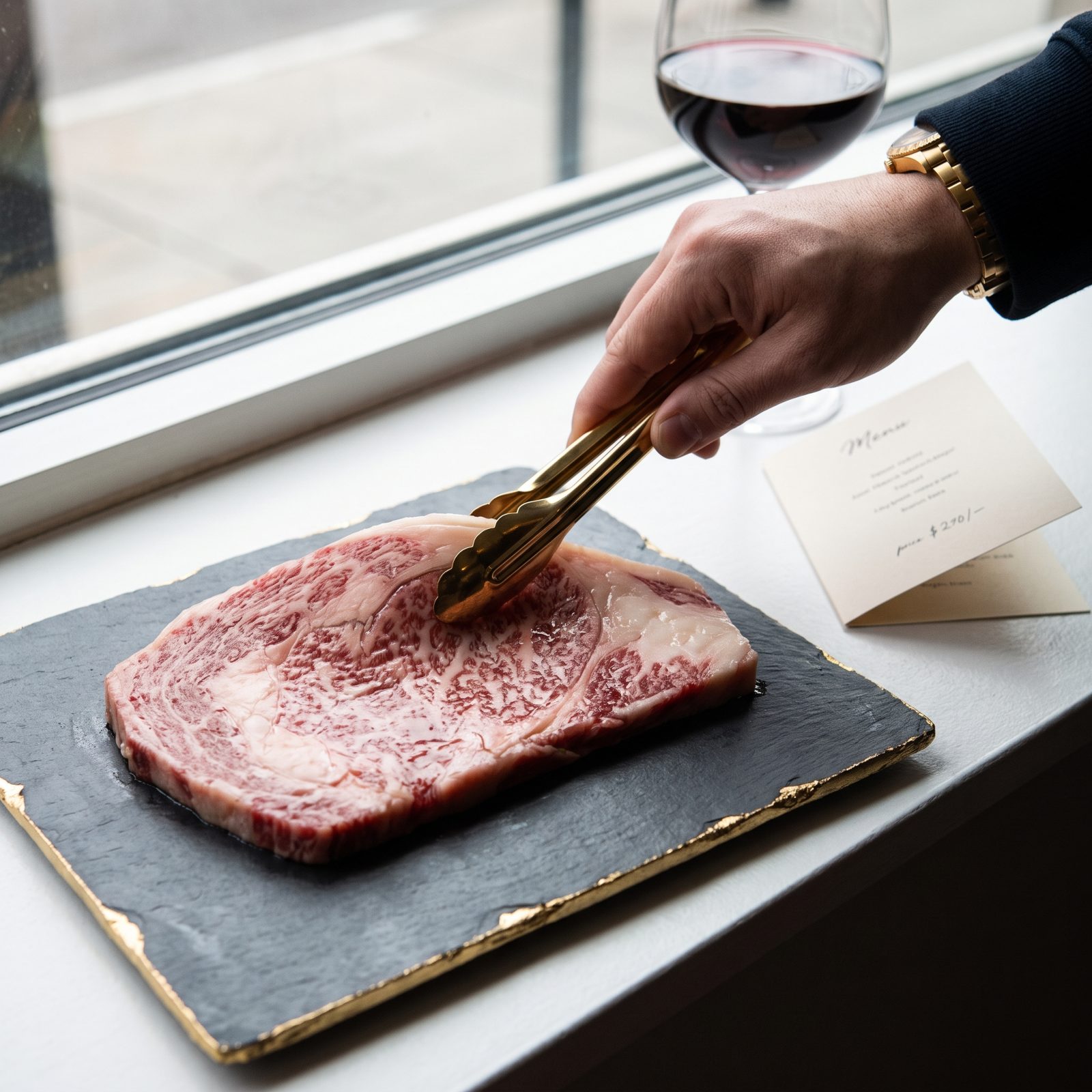
“Wagyu” on a menu covers a huge range, and the price doesn’t always match what lands on the plate. True Japanese A5 is one thing. American wagyu crossbred with Angus is another, and both get called “wagyu” with a perfectly straight face.
The add-on is where the margins hide. A small “wagyu” supplement at a steep upcharge is often the lowest-grade version of the name, portioned tiny, leaning entirely on the word to justify the cost.
15. Lobster Mac and Cheese With Barely Any Lobster
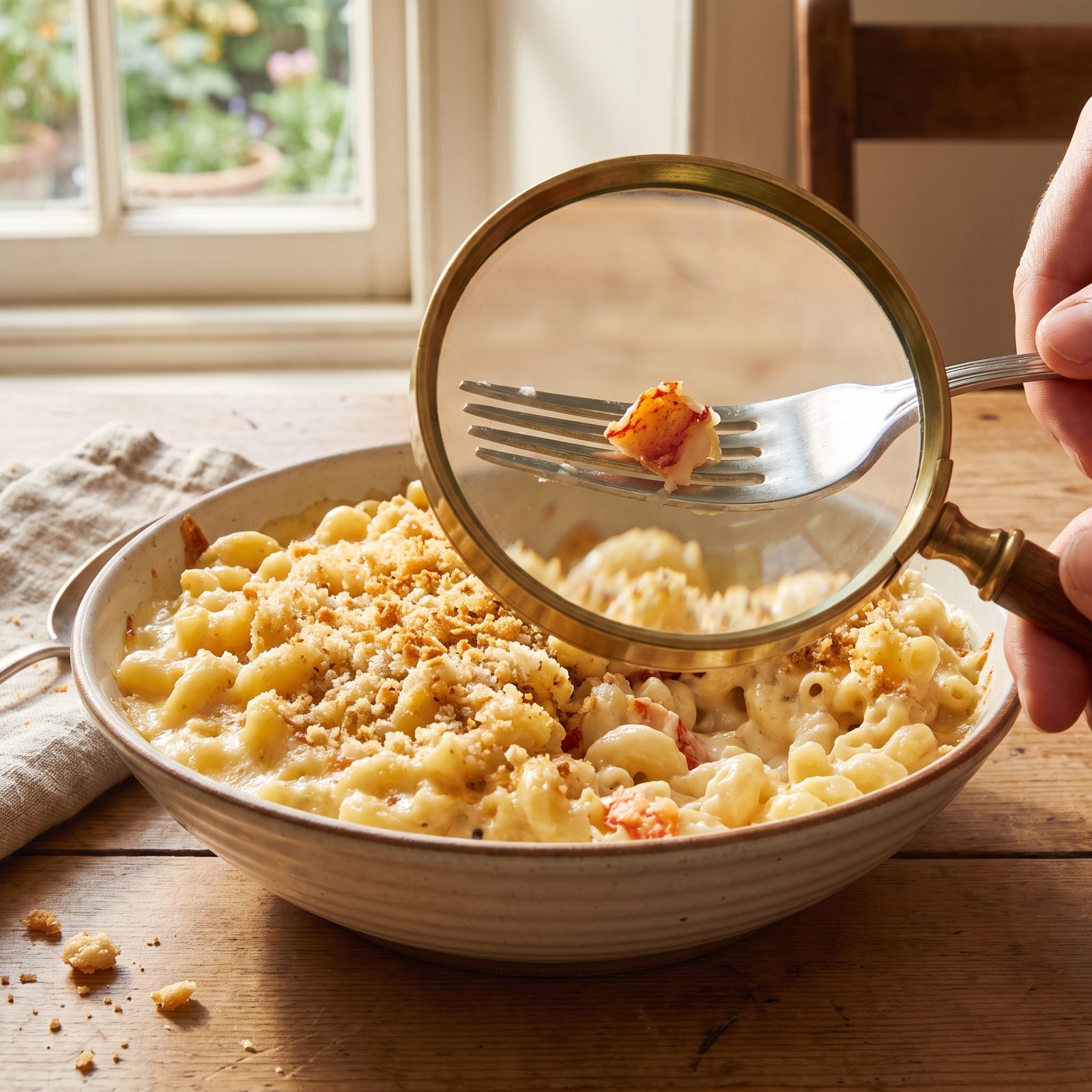
The word lobster on a menu carries a fat markup before a single claw touches the pan. That’s the whole game. You pay for the name, and the kitchen keeps the shellfish count low enough that most diners never notice until they’re halfway through a bowl of very good macaroni with three sad pink flecks in it.
Lobster is expensive and perishable, which makes a dish that buries it under breadcrumbs and cheese the perfect place to stretch it thin. So ask how much is actually in there. The pause tells you everything.
14. Eggs Benedict During the Brunch Rush
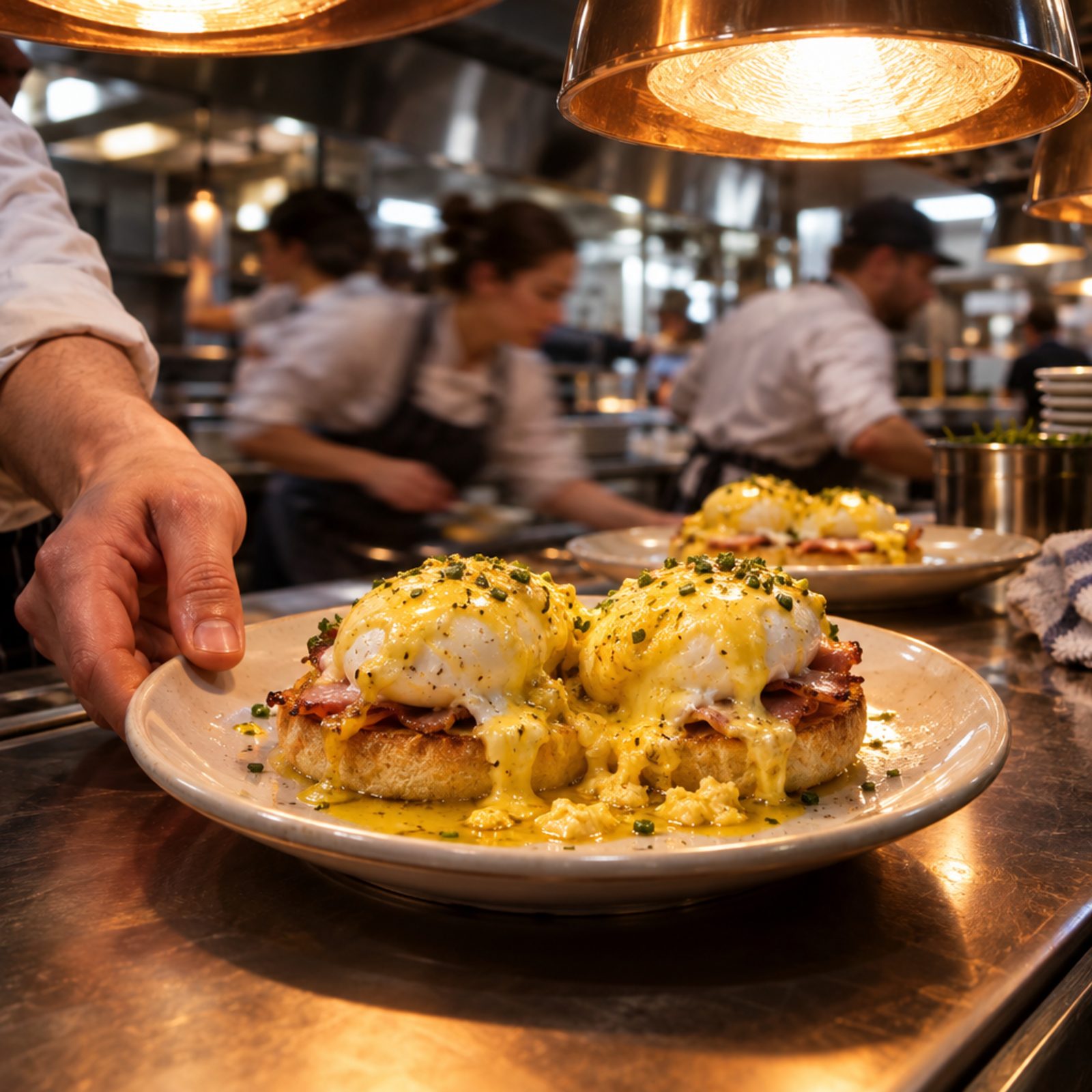
Hollandaise is a bully of a sauce. It demands to be made fresh, served fast, and held in a temperature window so narrow that most restaurants simply can’t manage it when forty tables order at once.
During a packed brunch, that emulsion sits in a warming bath far longer than it should, slowly breaking down, thickening, and losing its lift. What lands on your plate is a sauce that has split into a runny, curdled pool, over eggs poached well in advance that carry the texture of regret.
Chefs who know this order benedict on a quiet weekday, never at noon on Sunday. The dish is only as good as the ten minutes before it reaches you.
13. Buffet Scrambled Eggs Near Closing Time
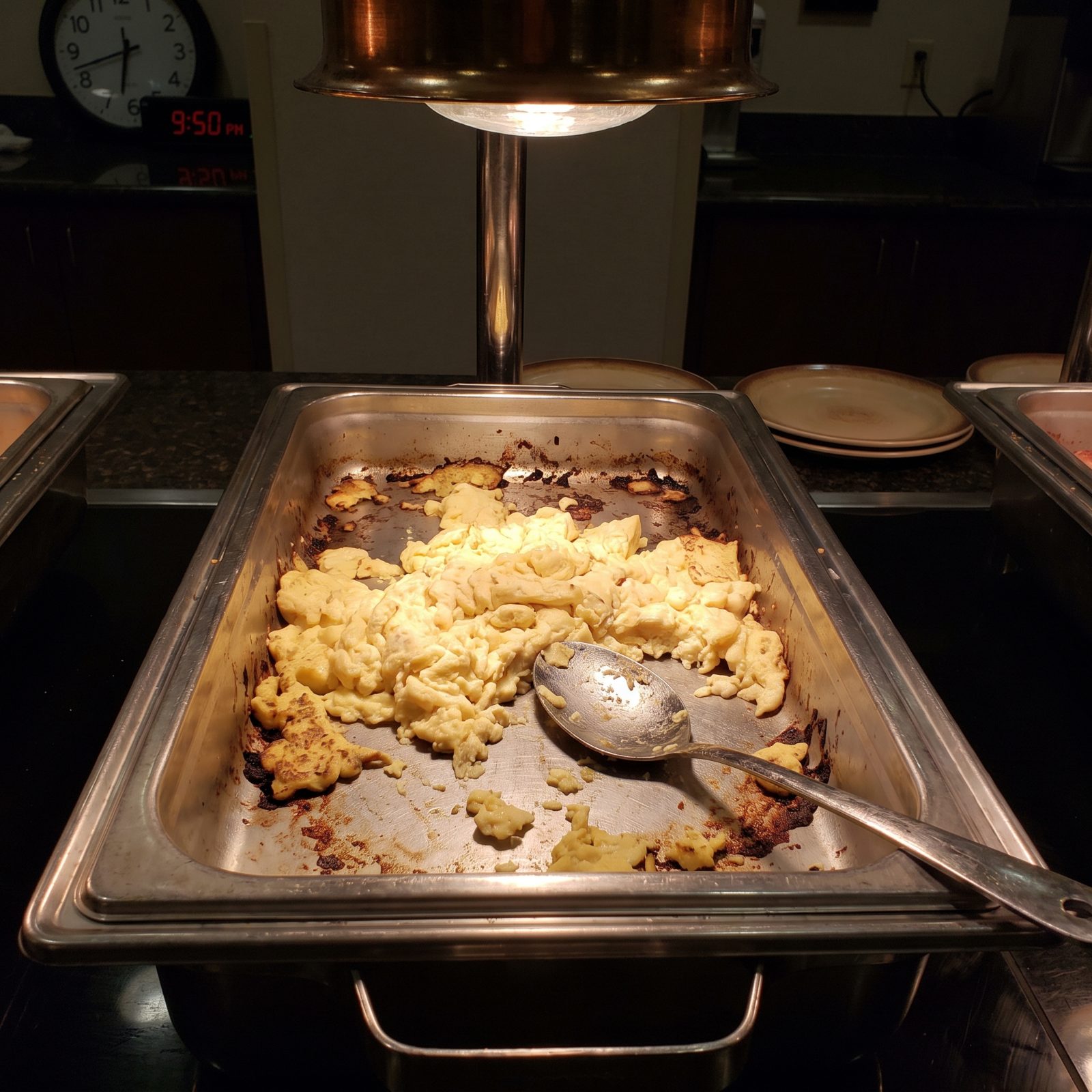
Eggs held in a chafing dish are on a clock, and that clock runs out well before the buffet closes. Near the end of service you’re staring at the batch that’s been under a heat lamp longest, drying out, sometimes turning that faint green-gray at the edges where sulfur and iron quietly react.
None of it will hurt you. It just tastes like it gave up an hour ago.
12. Chicken Breast at an Ambitious Tasting Restaurant
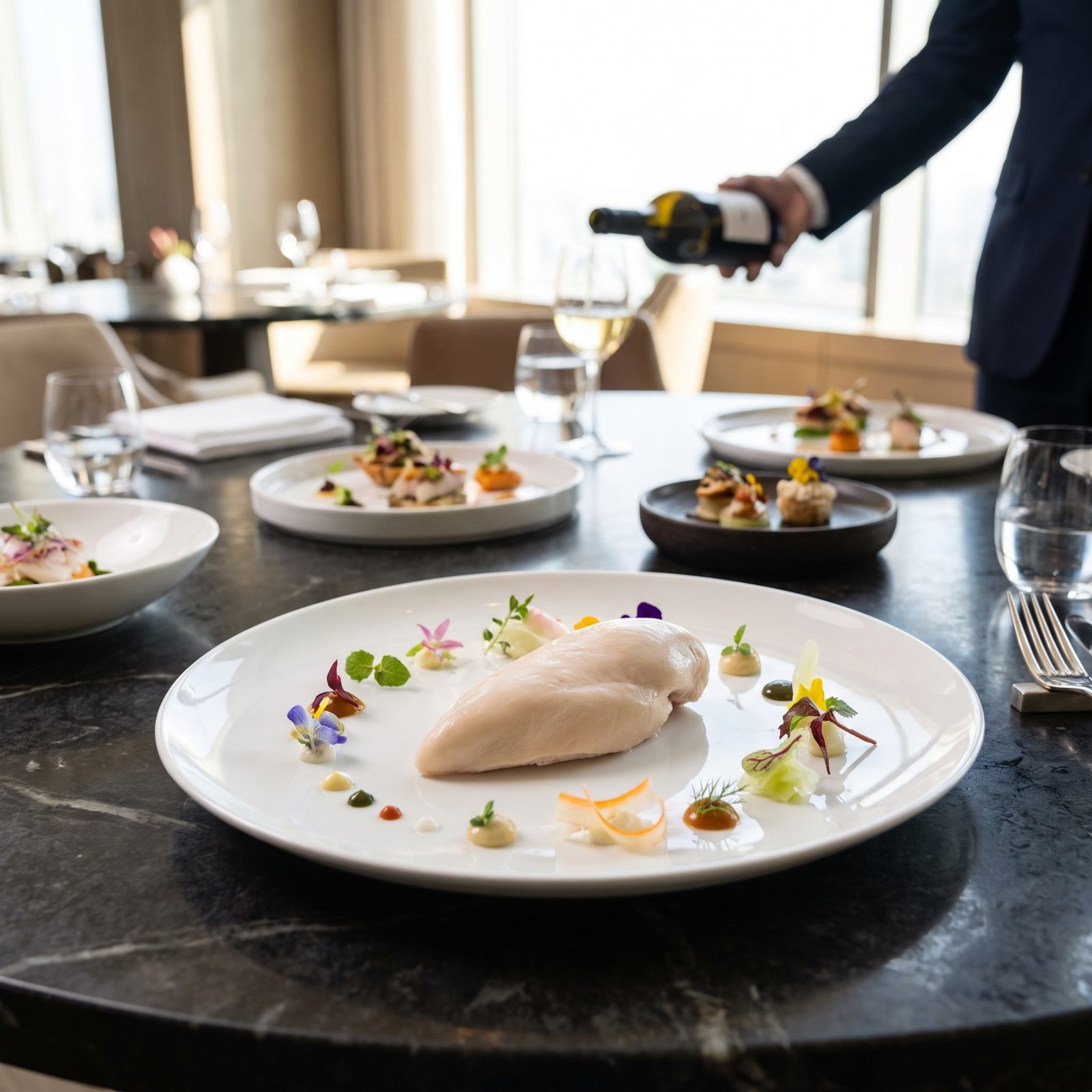
Here’s a cranky opinion we’ll stand behind. If a kitchen is doing wild, interesting things with every other protein and the chicken breast is just sitting there, that’s the dish the chef cared about least.
Chicken breast is the safe order — the one for the diner dragged along who doesn’t want an adventure. At a place swinging for the fences, it tends to be an afterthought, cooked competently, plated politely, and made by nobody who was excited about it.
You came to taste what the kitchen can actually do. Ordering the breast is like going to a jazz club and requesting the national anthem.
11. Caesar Salad With Bottled Dressing at a Premium Price
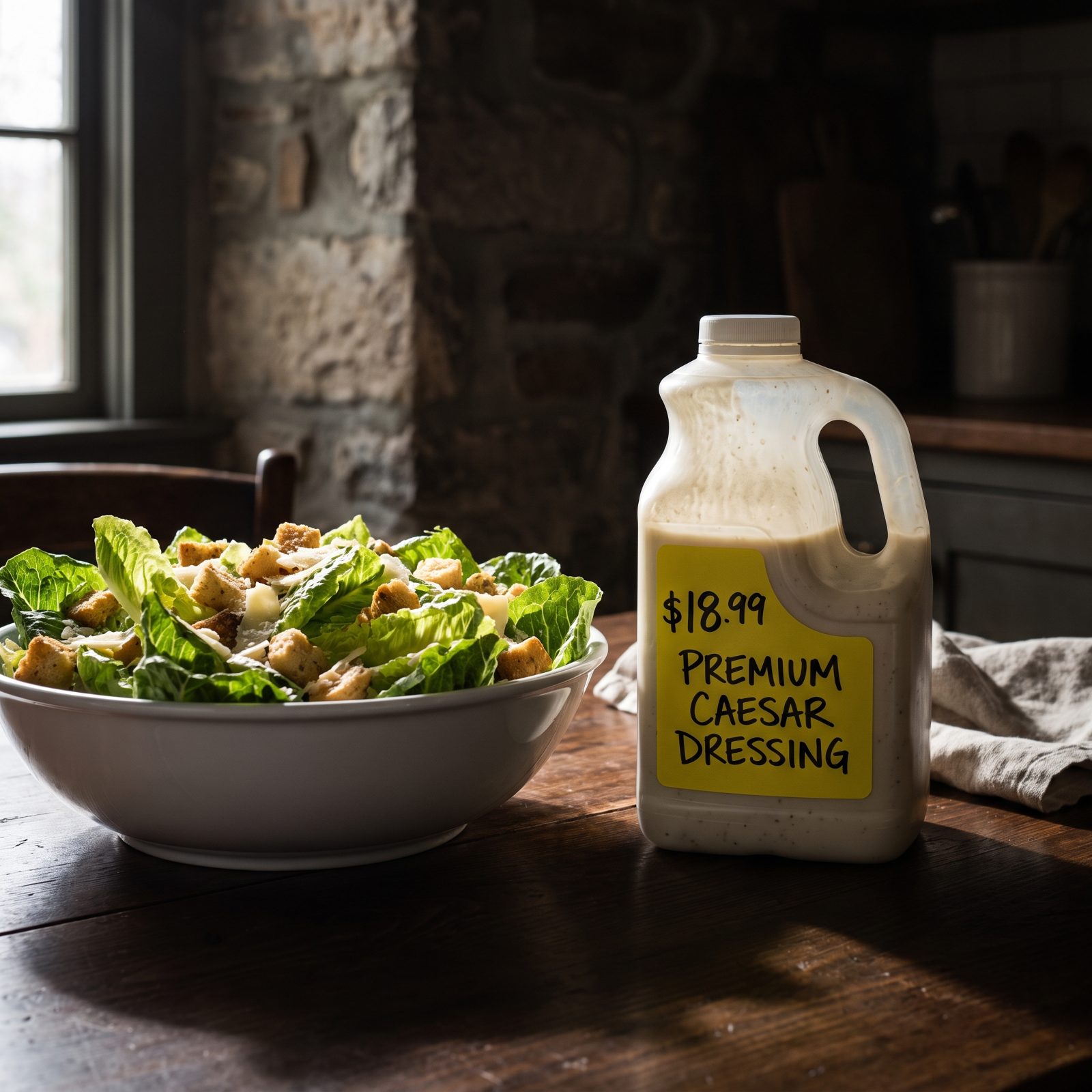
A real Caesar is garlic, anchovy, egg yolk, lemon, and parmesan whisked into something alive. The bottled version is a sweet, uniform paste that comes in a plastic jug labeled “Premium Caesar Dressing” and priced at $18.99, as if a sticker could make it fresh.
The tell is texture. Fresh dressing clings unevenly and smells sharp, while the bottled stuff coats every leaf in the same glossy monotone and tastes faintly of sugar.
If the menu charges steakhouse money for a salad, the dressing should at least have been made that morning.
We’ve sent a Caesar back for this exact reason. No regrets.
10. Anything Smothered in an Unexplained House Sauce
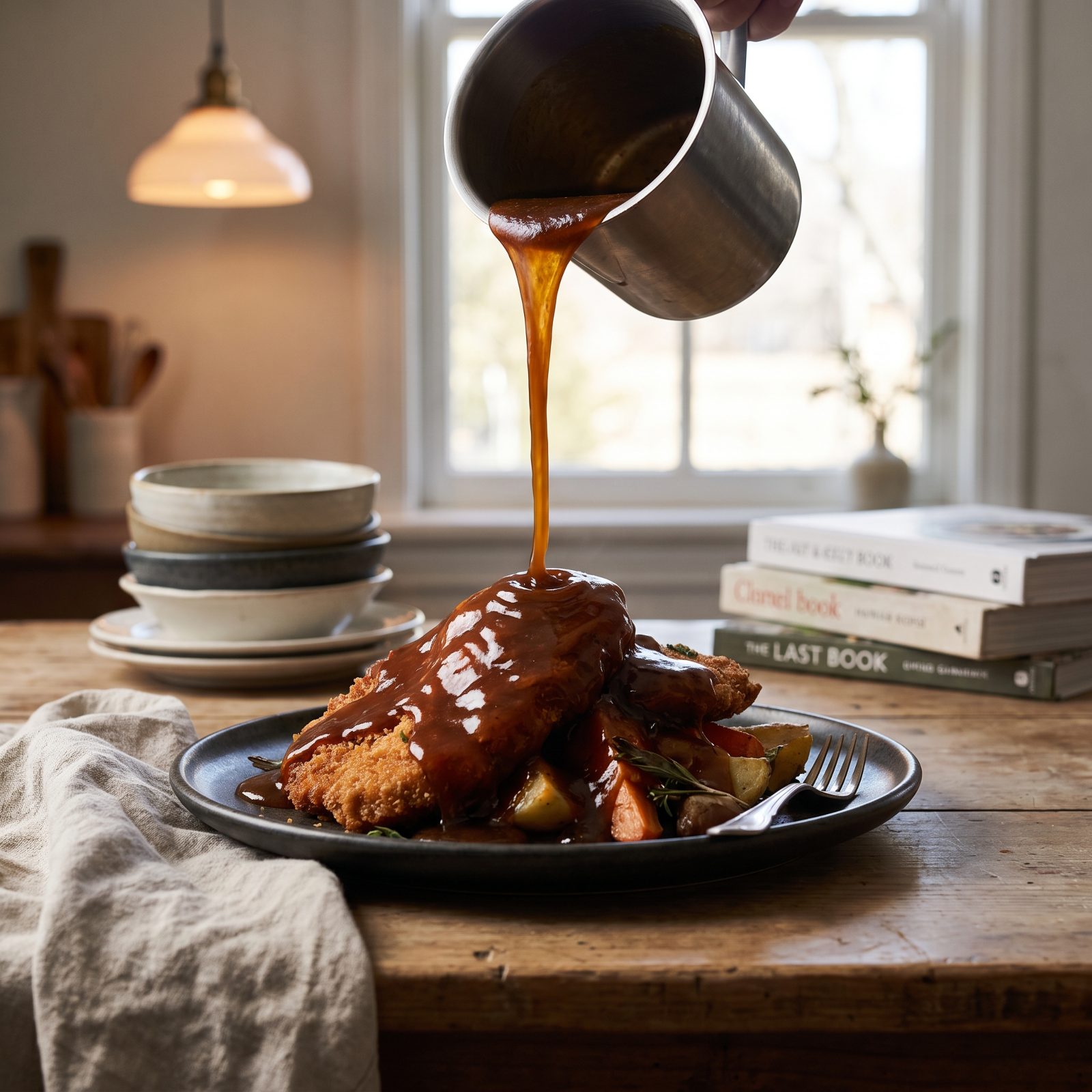
Sauce is seasoning until it becomes a disguise. When a dish arrives drowned in something the menu only calls a house sauce, with no further explanation, a trained eye reads that as a cover rather than a flourish.
A generous pour can hide a protein that’s a day past its best, slightly overcooked, or just mediocre to begin with. The flavor becomes the sauce. That’s the point.
9. A Giant Menu’s Lone Regional Specialty
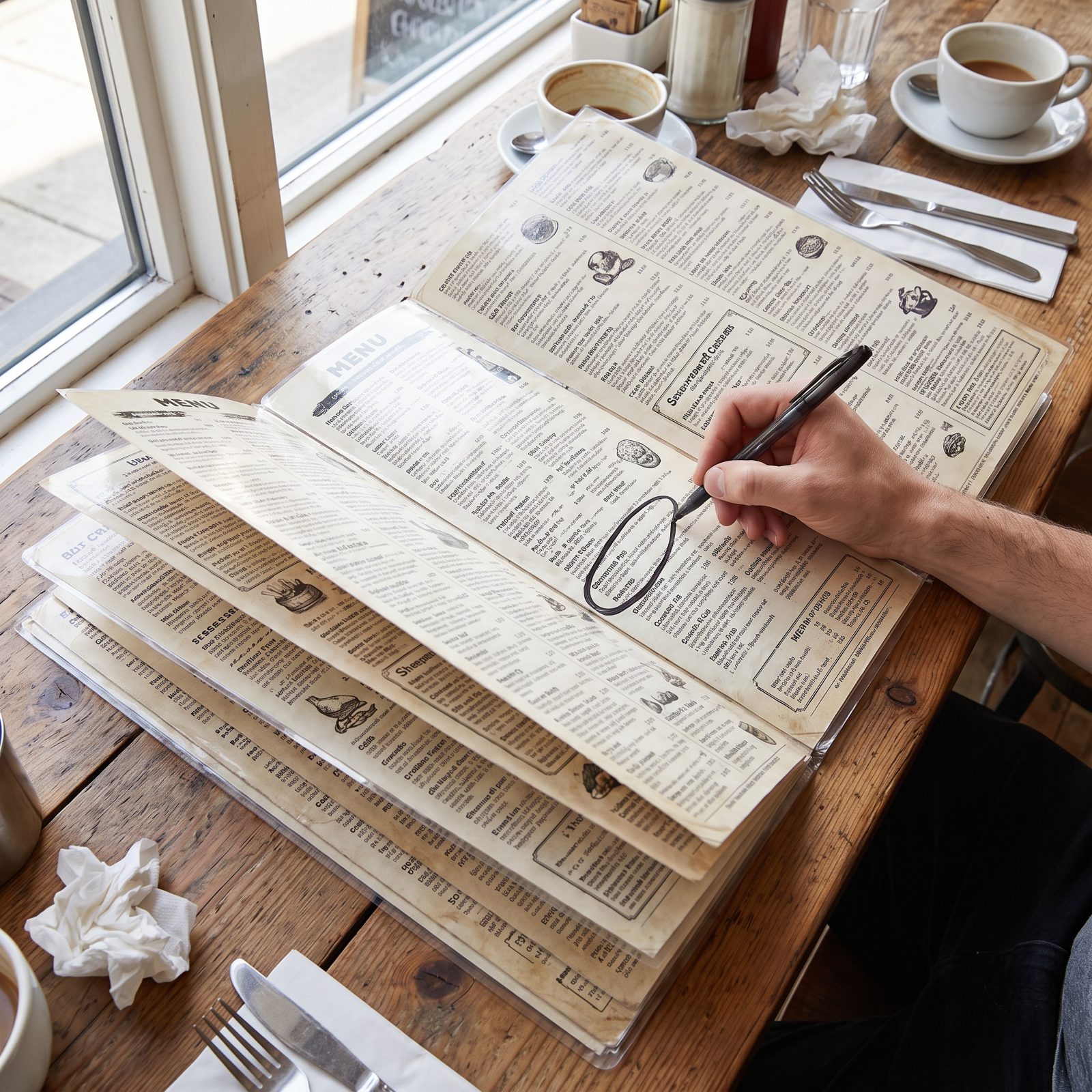
A menu with ninety items has to freeze and pre-portion nearly everything just to survive. And in that ocean of options, the one proud regional specialty — the paella at the burger joint, the gumbo at the pasta place — is almost never ordered.
Which means its ingredients sit longest, its recipe gets the least practice, and the cook making it hasn’t touched it in a week. Rarely ordered food is old food. In a huge kitchen, old food is the rule rather than the exception.
Order what a place actually sells a hundred times a night. That’s the dish they can’t afford to get wrong.
8. Sushi Rolls Buried Under Spicy Mayonnaise
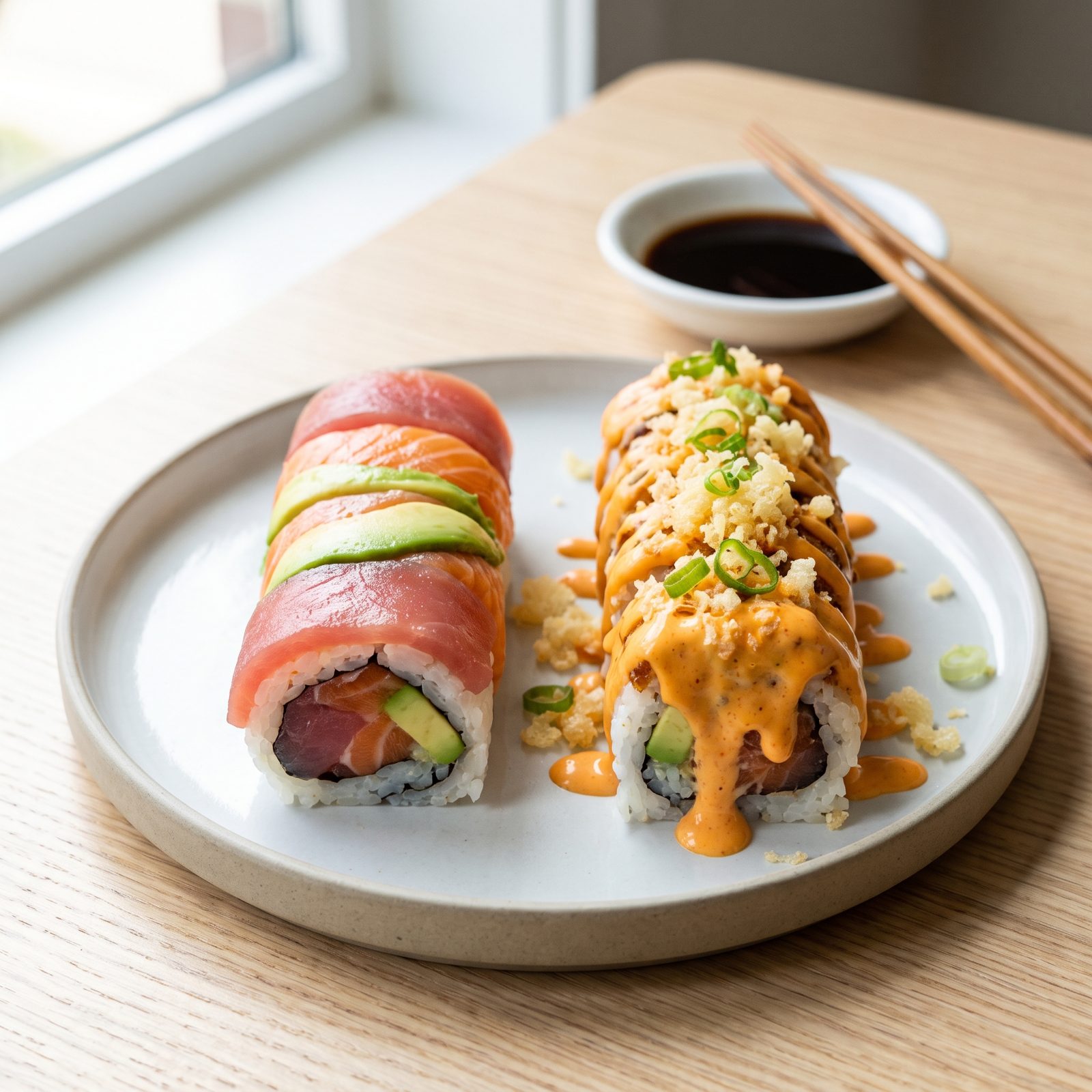
Great fish gets served naked because it has nothing to hide. The moment a roll vanishes under spicy mayo, eel sauce, and a confetti of tempura crunch, the kitchen is telling you the fish is no longer the star of its own dish.
Those loaded rolls are often built from trim — the small offcuts left after the good fillets head to sashimi and nigiri. The sauce isn’t a flavor choice at all. It’s a filing system.
7. Pre-Sliced Avocado Toast During Slow Service
Would you like to save this?
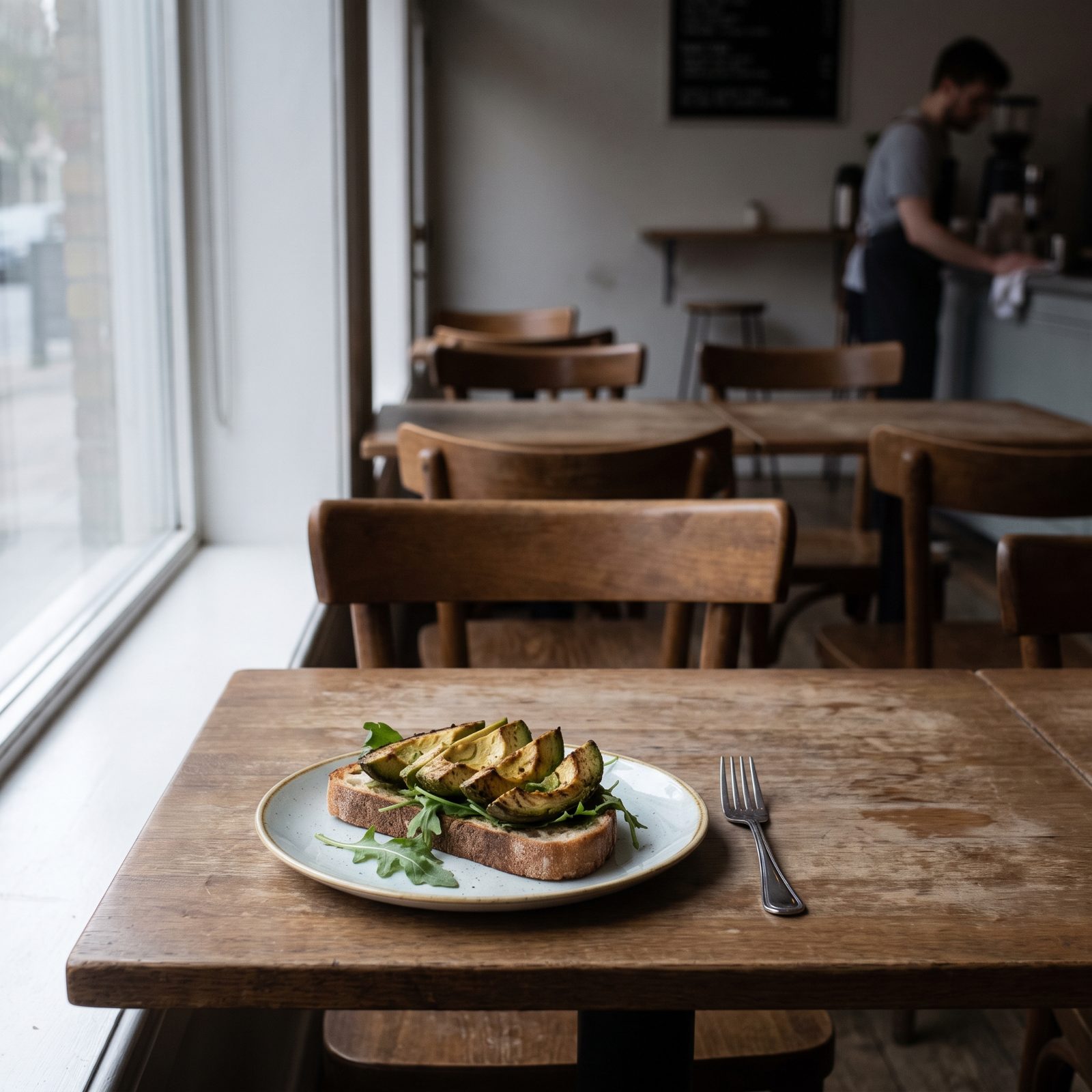
Avocado starts browning the instant it meets air, which makes pre-sliced avocado a gamble on a slow afternoon. When a cafe is dead quiet, that fanned-out avocado may have been cut an hour ago, its edges turning gray-brown under a hopeful drizzle of chili oil.
It won’t harm you. It just tastes flat and looks tired, which at eighteen dollars a plate feels like an insult.
6. Nachos Built Too Tall to Eat Evenly
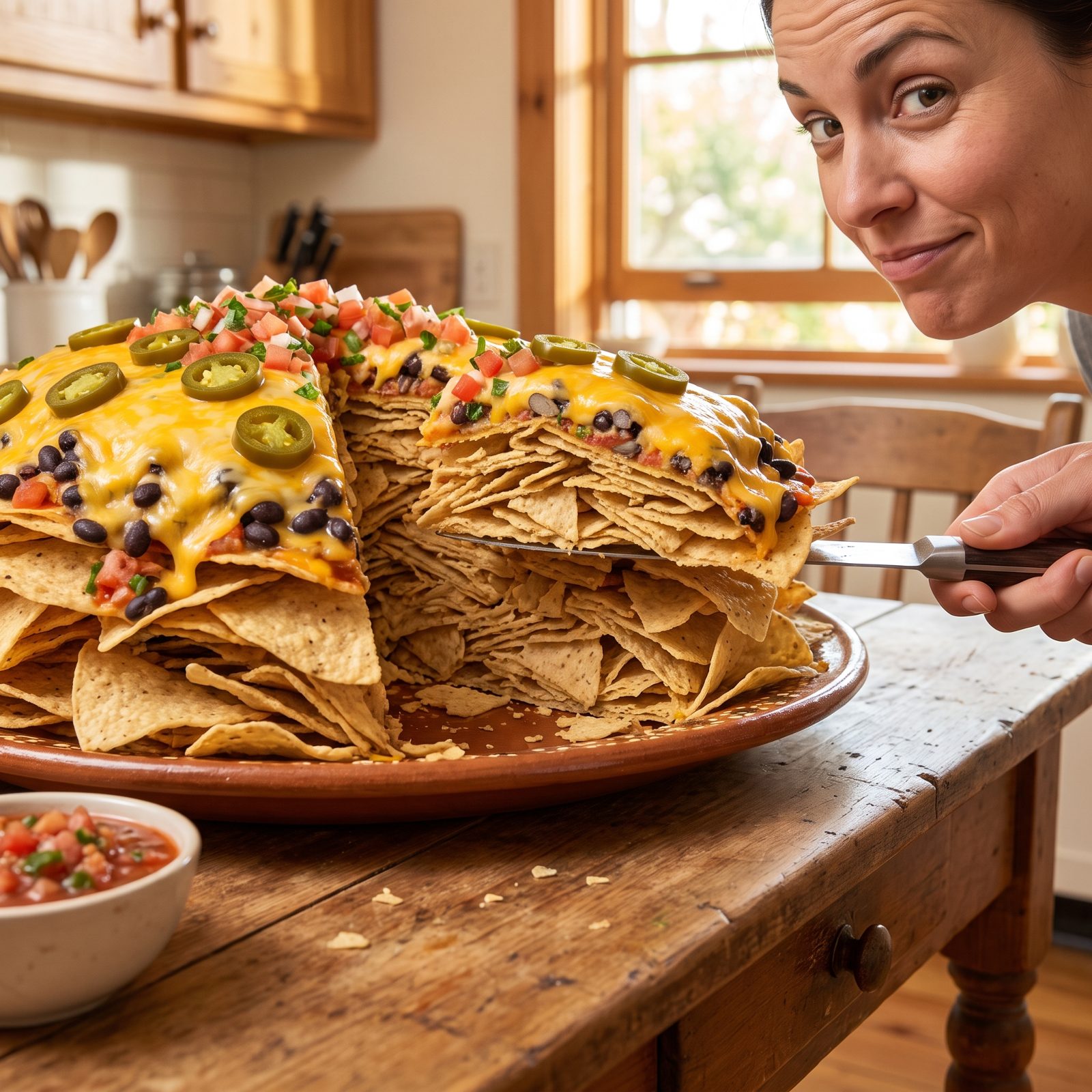
A nacho mountain is an optical trick. All the cheese, meat, and toppings live on the top two inches, and underneath waits a sad quarry of bare chips that nobody ordered and everybody abandons.
Height is theater. It looks generous, photographs well, and lets a kitchen use a fraction of the toppings a flat, layered plate would need. You eat the good third and leave the rest.
The best nachos come built in sheets, every chip earning its place. The worst are a volcano — hollow and disappointing the second you dig past the crown. End of rant.
5. Soup of the Day When the Day Is Friday
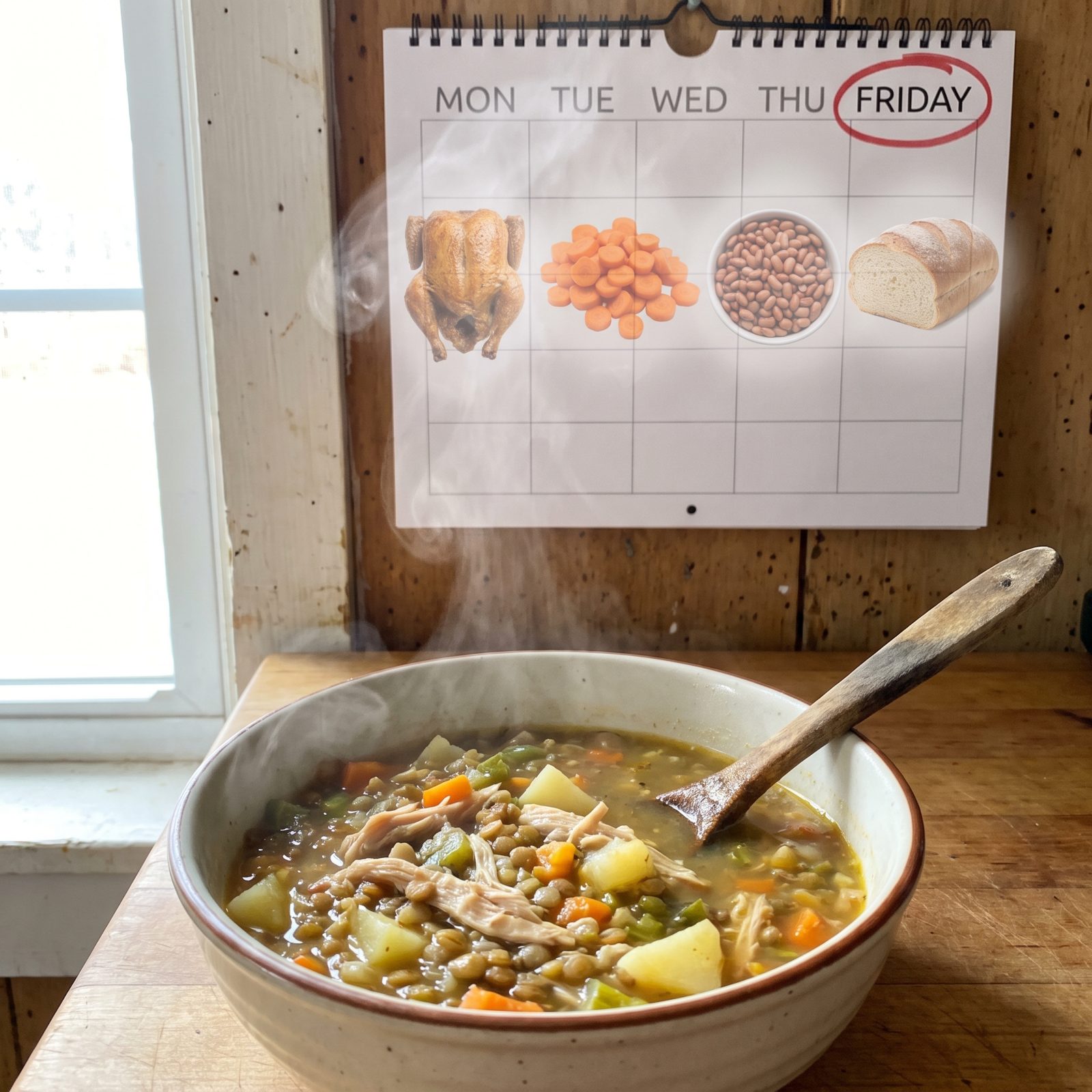
Soup of the day is often soup of the week wearing a new hat. That cream of mushroom on Monday becomes a base for Tuesday, gets stretched Wednesday, and by Friday it’s the kitchen’s clearing house for everything the walk-in needs to use up before the weekend delivery lands.
Nothing dangerous about it, assuming the kitchen rotates properly. But the flavor flattens, the texture thickens into paste, and the vegetables that started out crisp have long since surrendered. Order it early in the week. Or find a place that only makes a small batch and sells out. A pot that never seems to run dry is trying to tell you something.
4. The Dessert That Shows Up Suspiciously Fast and Frozen
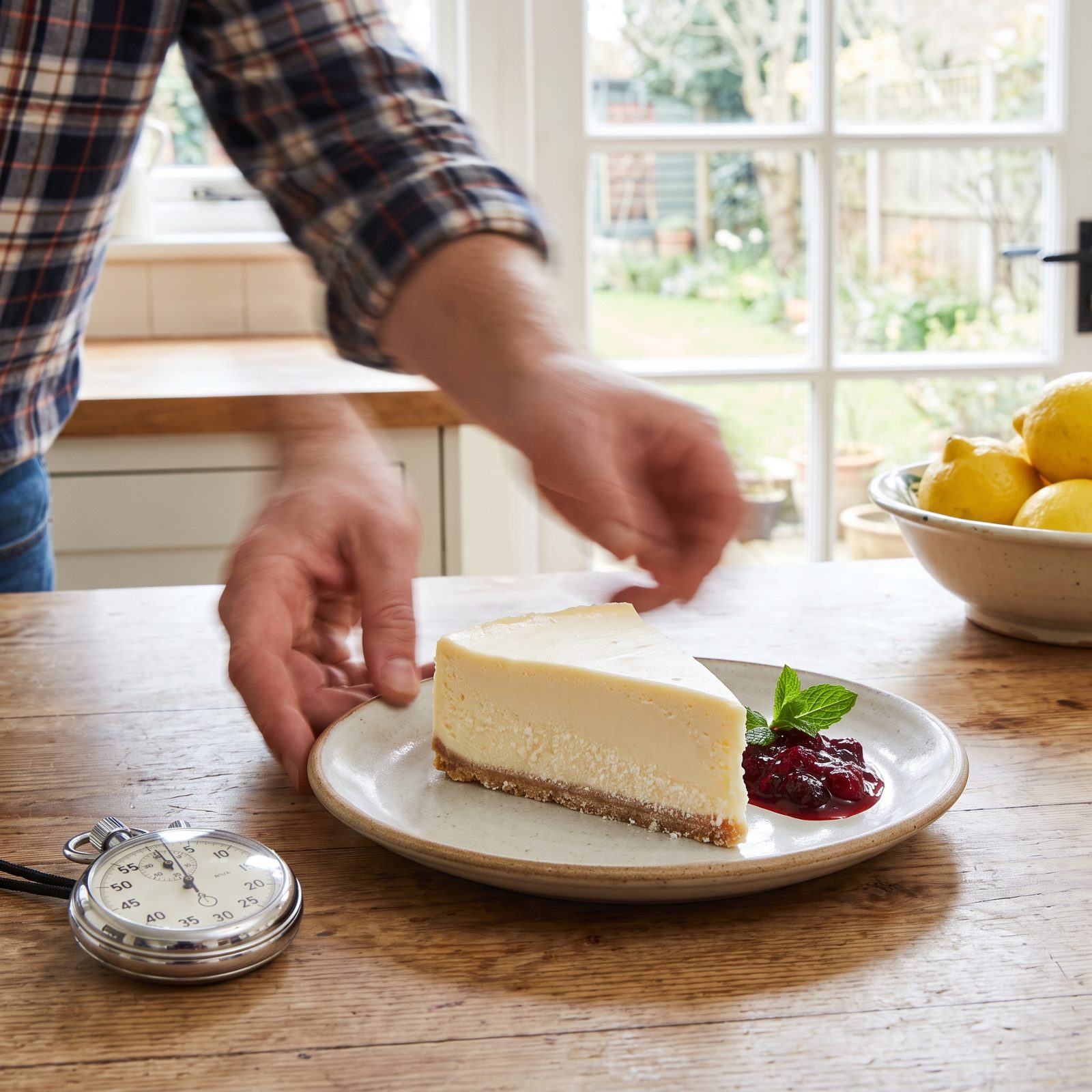
You know the moment. You order dessert, and ninety seconds later a perfectly geometric slice of cheesecake or chocolate torte lands at the table. No kitchen bakes that fast. That slice came in frozen, pre-cut, and thawed on a shelf.
Frozen desserts aren’t automatically a crime — plenty of good restaurants buy quality ones and never apologize for it. The tell is when a place pretends otherwise, or when the thaw goes sideways: a chilly center, a weeping plate, raspberries that look like they’ve been crying. Pastry is where a real kitchen gets to brag. When it shows up clearly outsourced and sloppy, that tells you the care stopped at the entrée.
3. Crème Brûlée With No Crack to It
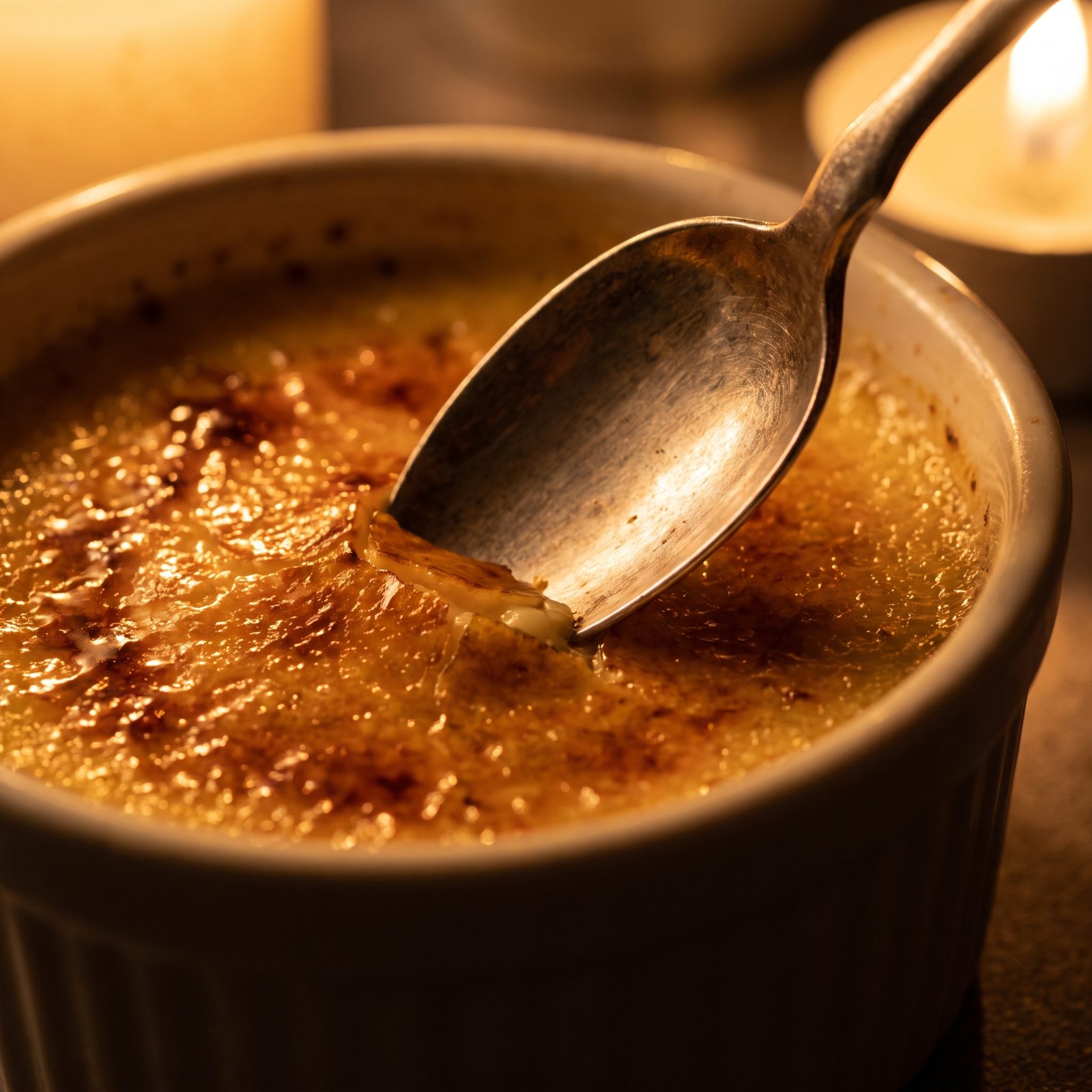
The whole magic of crème brûlée lives in the first second. The spoon taps the top and it shatters like thin ice. That snap only happens if the sugar was torched to order, moments before it reaches you.
Torch it too early and the caramel drinks up moisture from the custard underneath. Crust goes soft. Damp. Grainy. You end up with a dessert that tastes fine but has lost its entire reason to exist. No crack when you tap it? Then the kitchen torched a whole tray during prep hours ago and left them sitting under the pass.
2. Molten Chocolate Cake That Beat the Clock
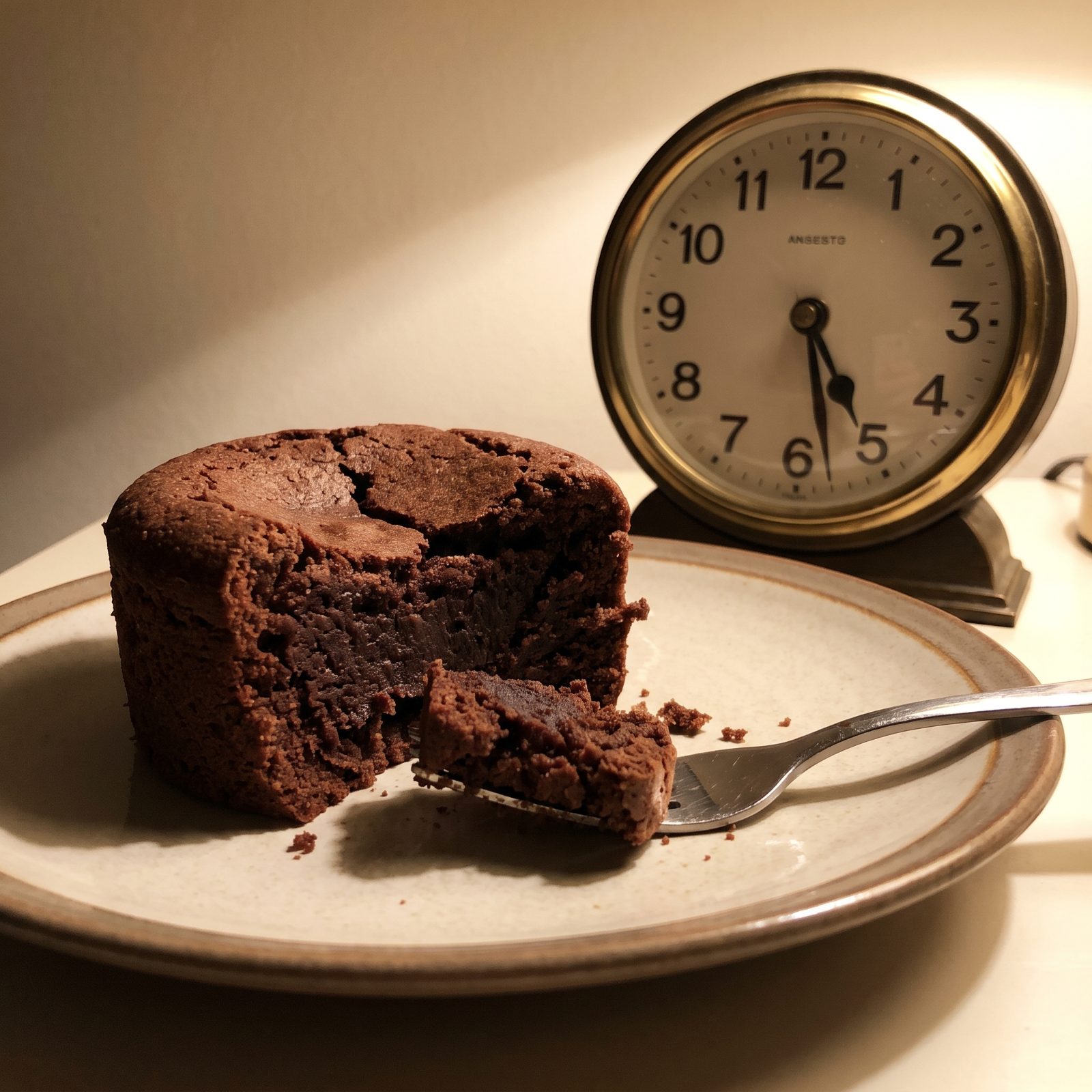
A real molten cake needs eight to twelve minutes in a hot oven. There’s no shortcut on that. So when it arrives five minutes after you ordered it, something is off.
Either the kitchen par-baked a batch and reheated yours in a microwave, or they pulled a frozen pre-made puck and warmed it up. Both tricks give you a center that’s either chalky and set or thin as chocolate milk. The genuine article flows slow and thick, like warm fudge finding its footing. If yours raced across the plate the moment you cut in, it never had a real center. Just a soft middle and a good story.
1. The Special Your Server Can’t Describe
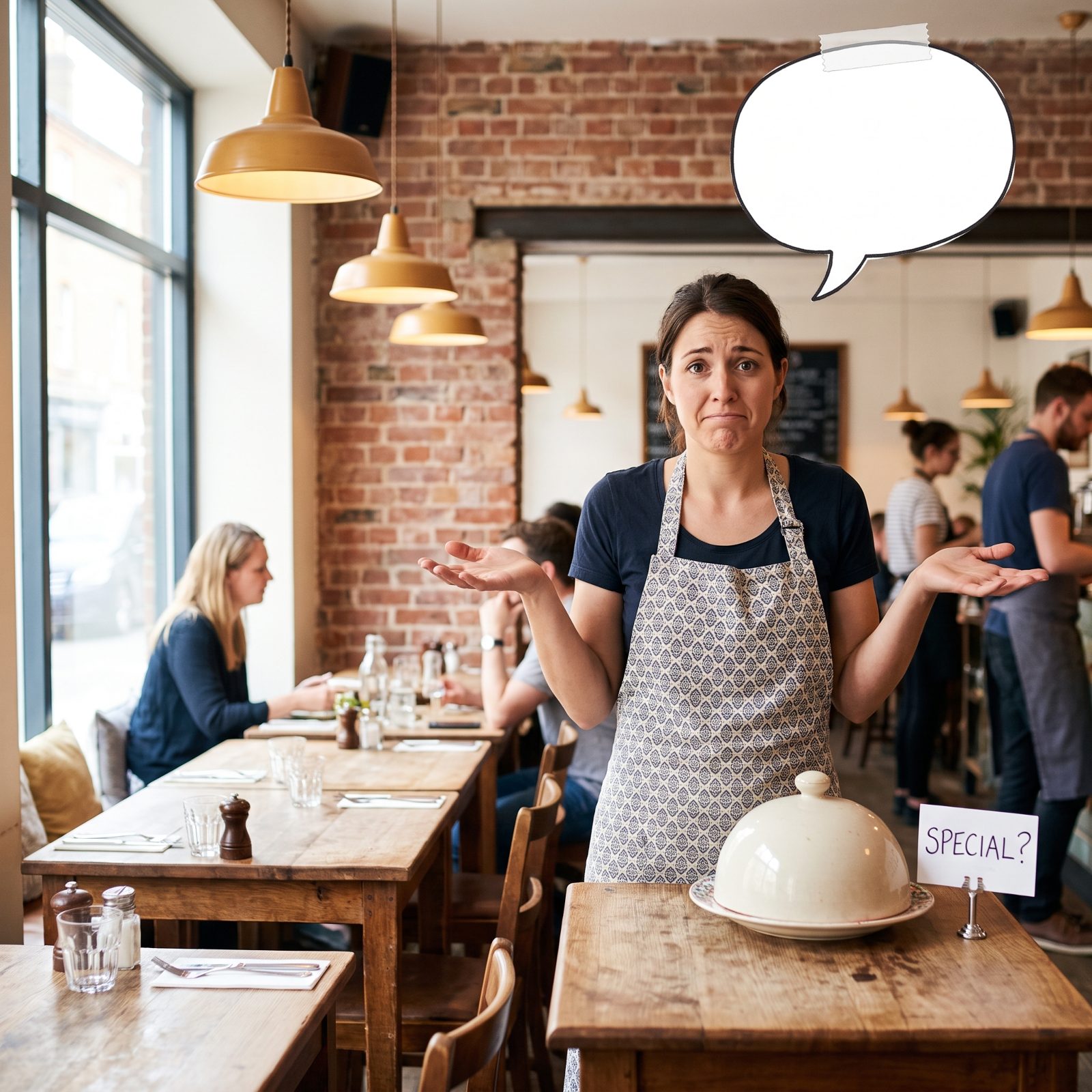
A good special is the kitchen showing off with something great that came in fresh that morning. A bad one is the kitchen clearing inventory before it turns. The difference? It’s written all over your server’s face.
When they can rattle off exactly what it is, how it’s cooked, and why the chef is fired up about it, trust it. When they stall, guess, or mumble “it’s, um, like a chicken thing with a sauce,” nobody briefed them and nobody’s proud of it. Watch the sauce, too. A thick drape over a protein is frequently there to cover up something the chef would rather you not examine too closely.
A special nobody can explain is usually a problem nobody wanted to throw away.