Would you like to save this?
A pizza with four ingredients hides nowhere. No bacon-ranch drizzle to cover a flat crust, no barbecue chicken burying a sauce that tastes like a can. When a pizza looks simple, every decision shows — and that’s exactly why the great ones are great. The dough that sat in a cold kitchen for three days. Onions somebody stirred for an hour. Olive oil poured on after the bake instead of before. These pizzas look like anybody could make them. They couldn’t. Here’s what’s going on under that modest surface.
44. Margherita With a 72-Hour Fermented Crust
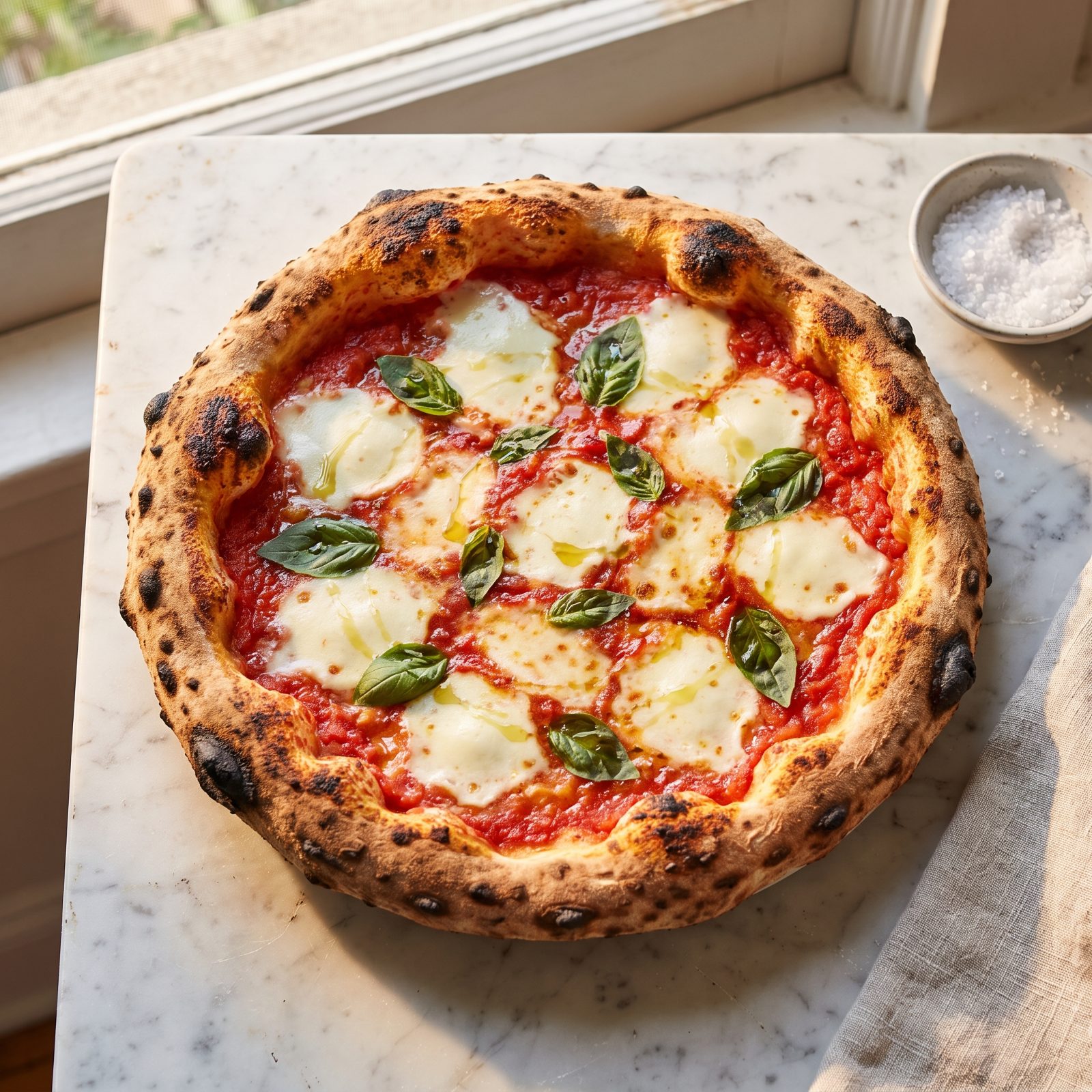
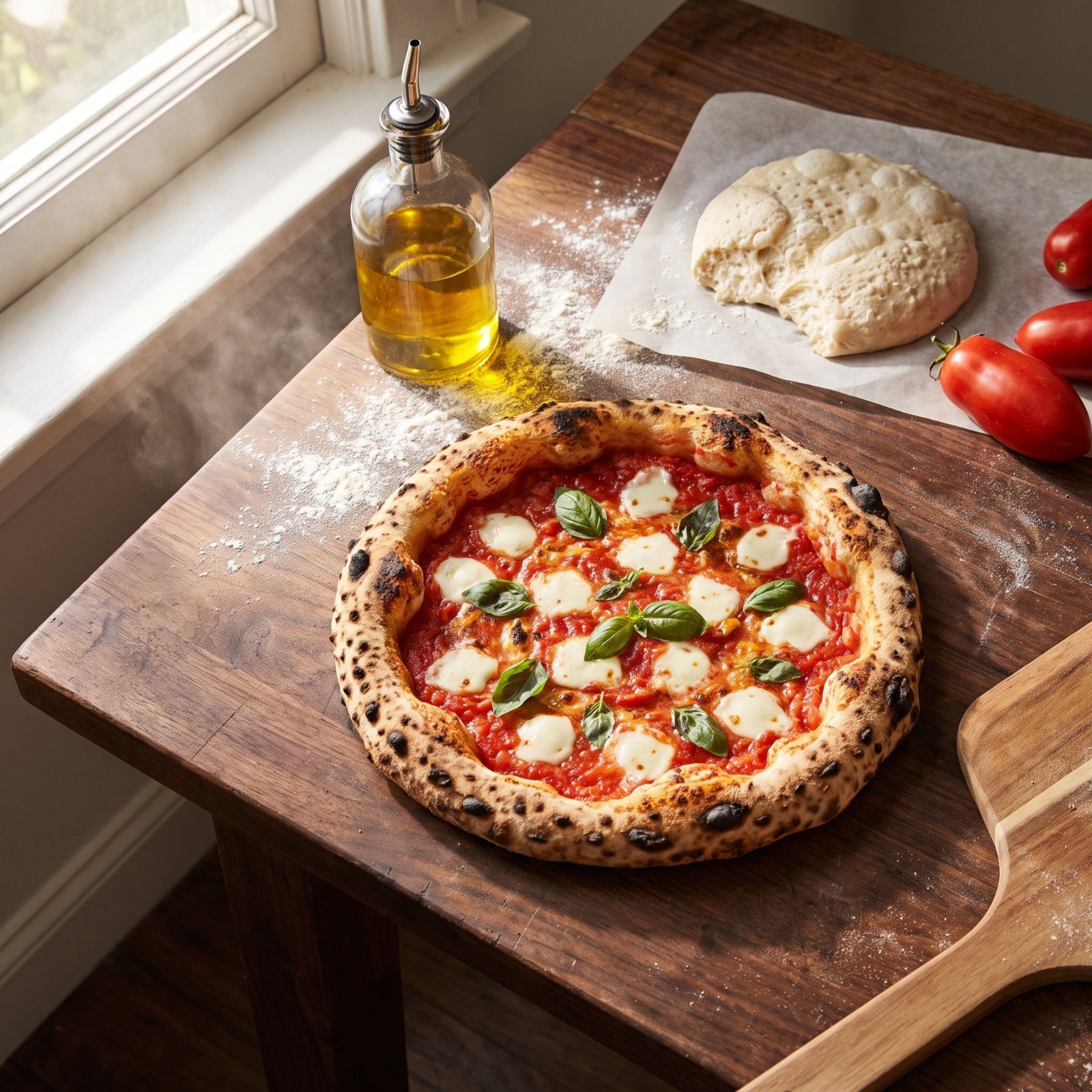
Give a dough three days in the cold and something shifts. The yeast works slow, the gluten relaxes, and the flavor turns from flat and bready into something closer to sourdough with a nutty edge. Fermentation does the heavy lifting while the baker just waits.
The tell is the crumb. Tear the puffed rim and you’ll find an open, irregular honeycomb — big holes, thin walls. A rushed same-day dough can’t manage that. It bakes up dense and tight no matter how hot the oven runs, and you can taste the shortcut.
43. Cheese Pizza Baked Until the Mozzarella Blisters
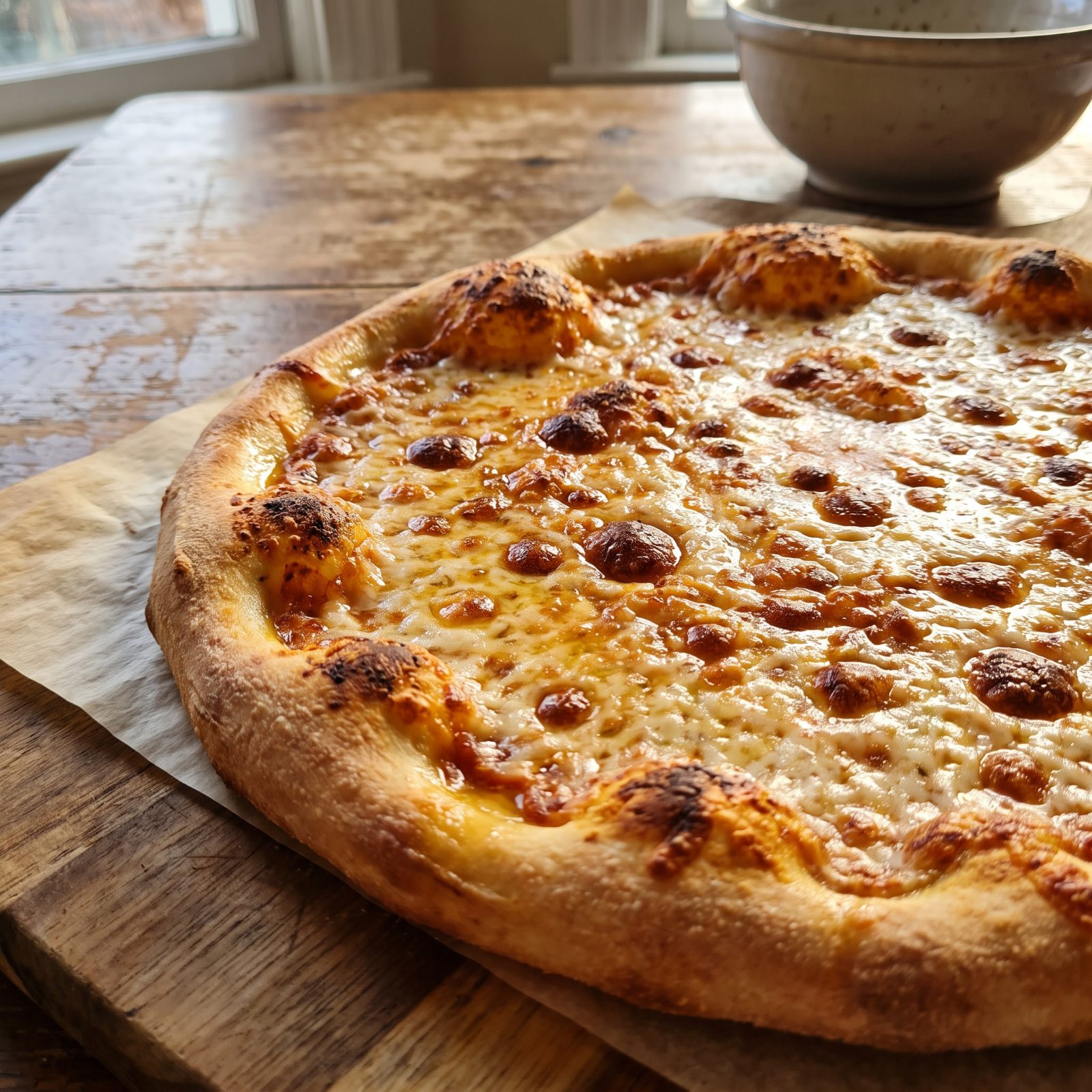
A cheese pizza is a test nobody can cheat. There’s no topping to hide behind, so the browning is the whole show. Those dark blisters on the mozzarella aren’t burns — they’re the Maillard reaction, the same chemistry that makes toast taste better than bread.
Most places pull a cheese pie too early, scared of color, and hand you pale, rubbery cheese that squeaks. The good ones leave it until the surface freckles amber and the edges go lacy and crisp against the pan. That little bit of bravery is the whole difference.
42. Potato Pizza With Paper-Thin, Overlapping Slices
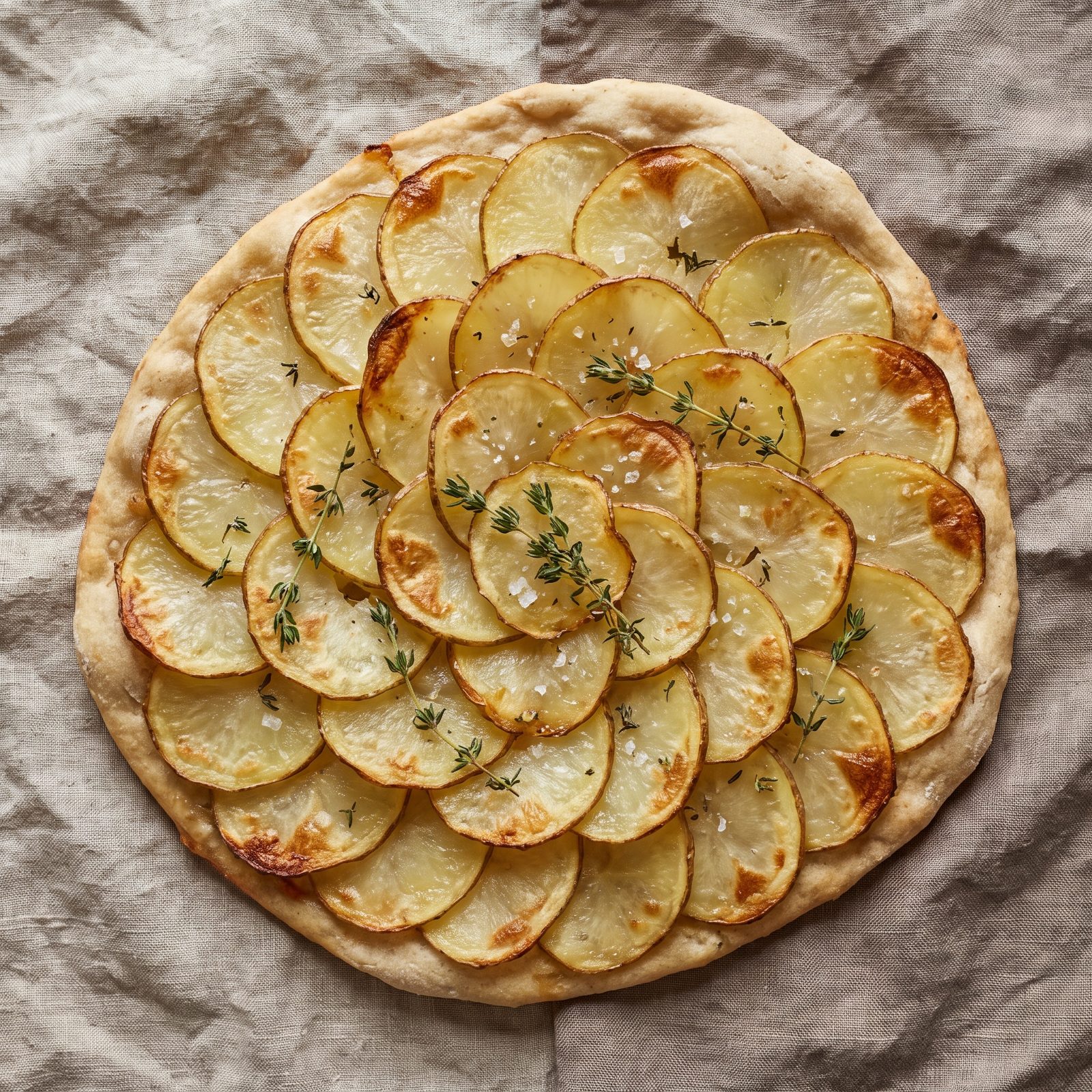
Potato on bread sounds like too much starch on starch, and done wrong, it is. Everything lives in the slicing. Cut those Yukon golds thin enough to go translucent and they crisp at the edges while staying tender underneath, almost like a gratin that forgot its cream.
Slice them thick and you get raw, waxy coins on a soggy crust. So the whole thing hangs on a mandoline and a little patience. Rosemary, good oil, flaky salt — nothing else.
41. Mushroom Pizza Made With Dry-Seared Cremini
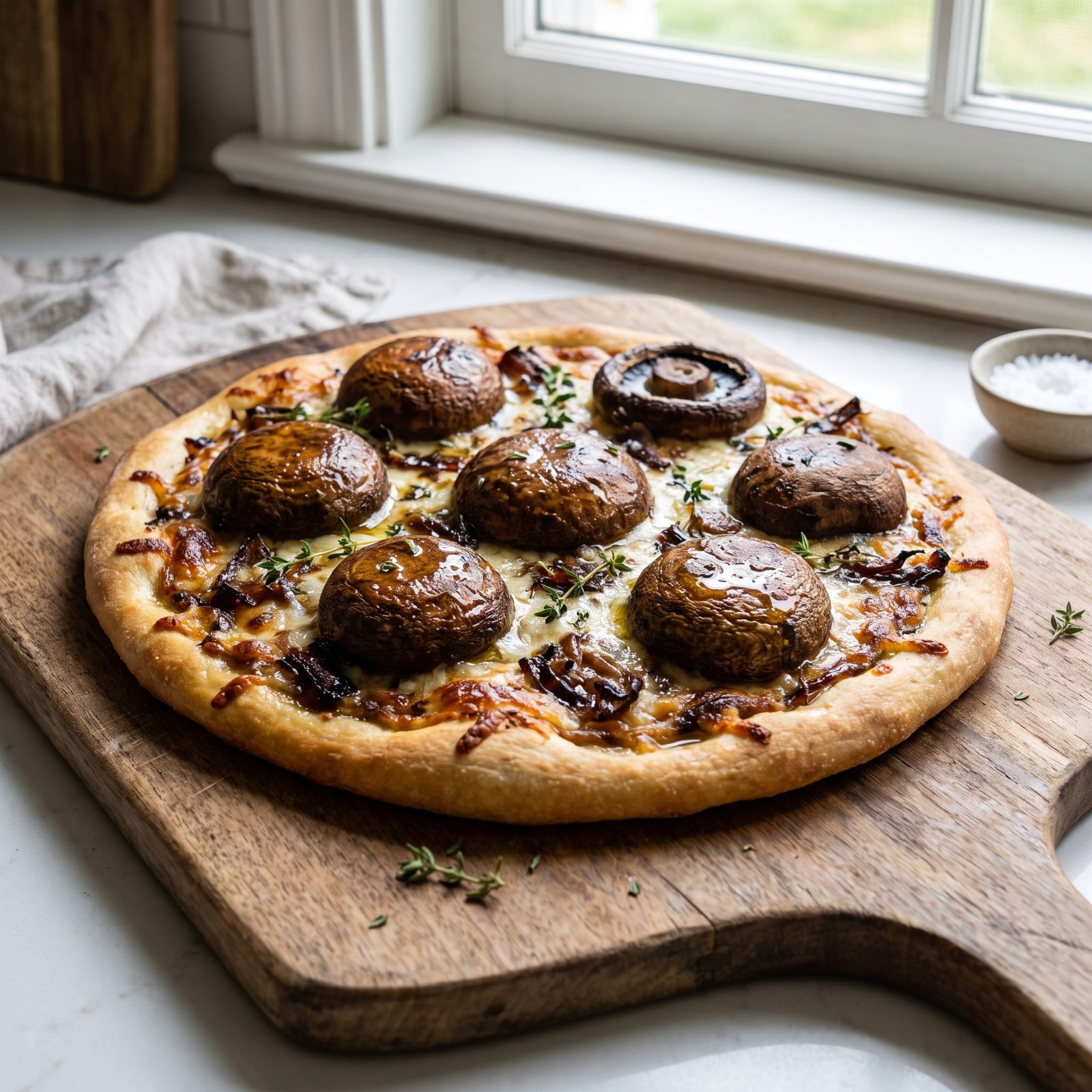
Raw mushrooms are mostly water, and water ruins a pizza. Pile them on uncooked and they weep all over the cheese, leaving a puddle and a soggy crust. You’ve eaten that pizza. Everyone has.
Sear them first in a dry hot pan and you drive off the moisture while concentrating everything that makes a mushroom taste like a mushroom. They shrink by half, go deep brown, pick up crisp edges. One extra step before anything touches the dough, and the payoff is huge.
40. Grandma Pizza With Sauce Spooned Over the Cheese
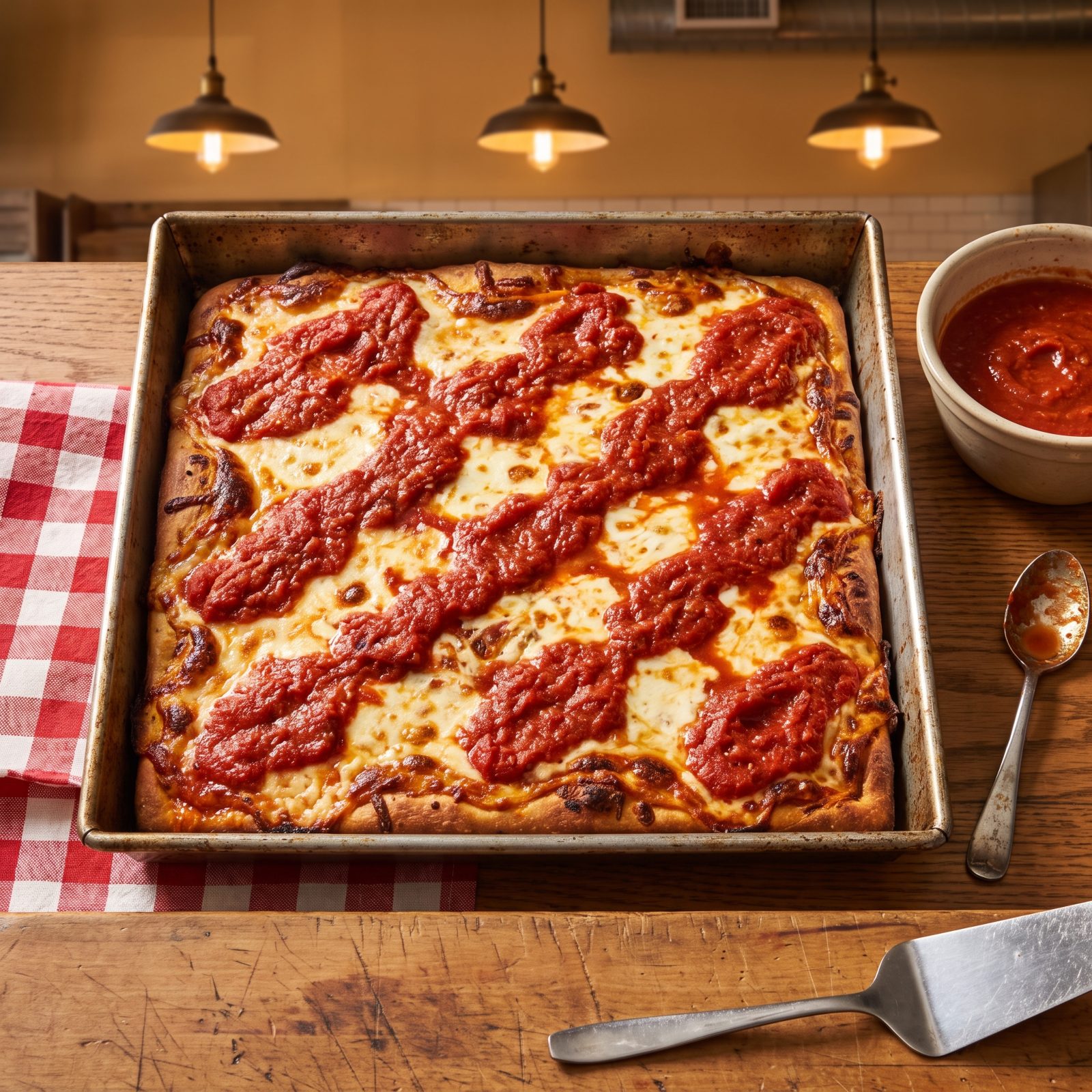
The cheese goes down first. The sauce goes on top. That backward order is the whole identity of a grandma pie, and it’s no accident.
Spooning raw, bright sauce over the cheese keeps it fresh and tangy instead of cooked-down and dull, while the cheese seals the dough so it stays crisp. The thin dough pressed into an oiled steel pan fries from the bottom up, and those lacquered, crunchy corners are the best bite on the whole tray. Regulars fight over them.
39. White Pizza With Whipped Ricotta and Sea Salt
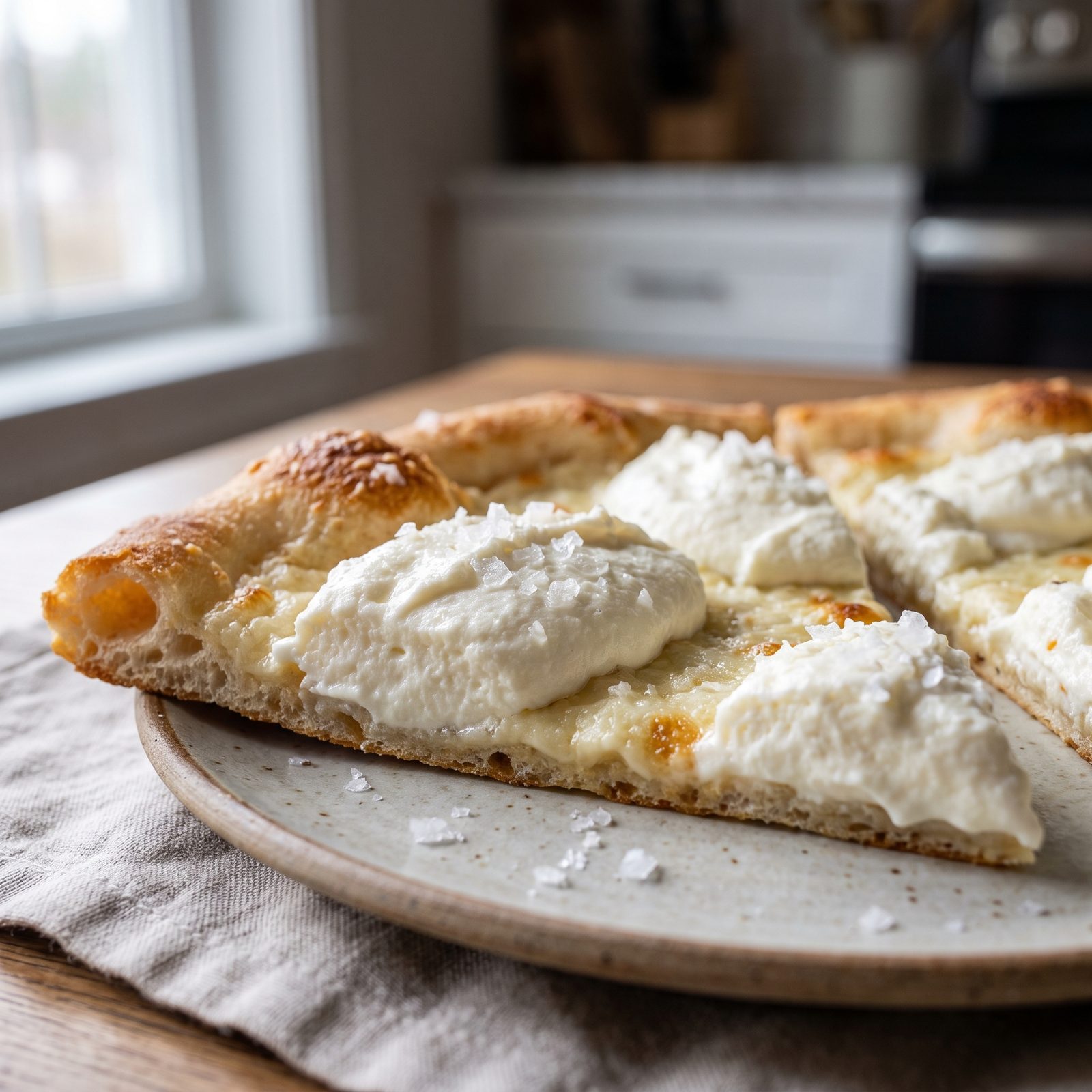
Ricotta straight from the tub lands in sad, grainy lumps that dry out in the oven. Whip it first with a little oil and salt and it turns airy and spreadable, closer to a cloud than a curd.
Then there’s the salt. Finish with flaky sea salt after the bake rather than mixing it in, and you get little bursts of crunch and brightness that hit the tongue directly. Those two small moves are why one white pizza tastes rich and the next tastes like wet cheese on bread.
38. Tomato Pie Finished With Olive Oil After Baking
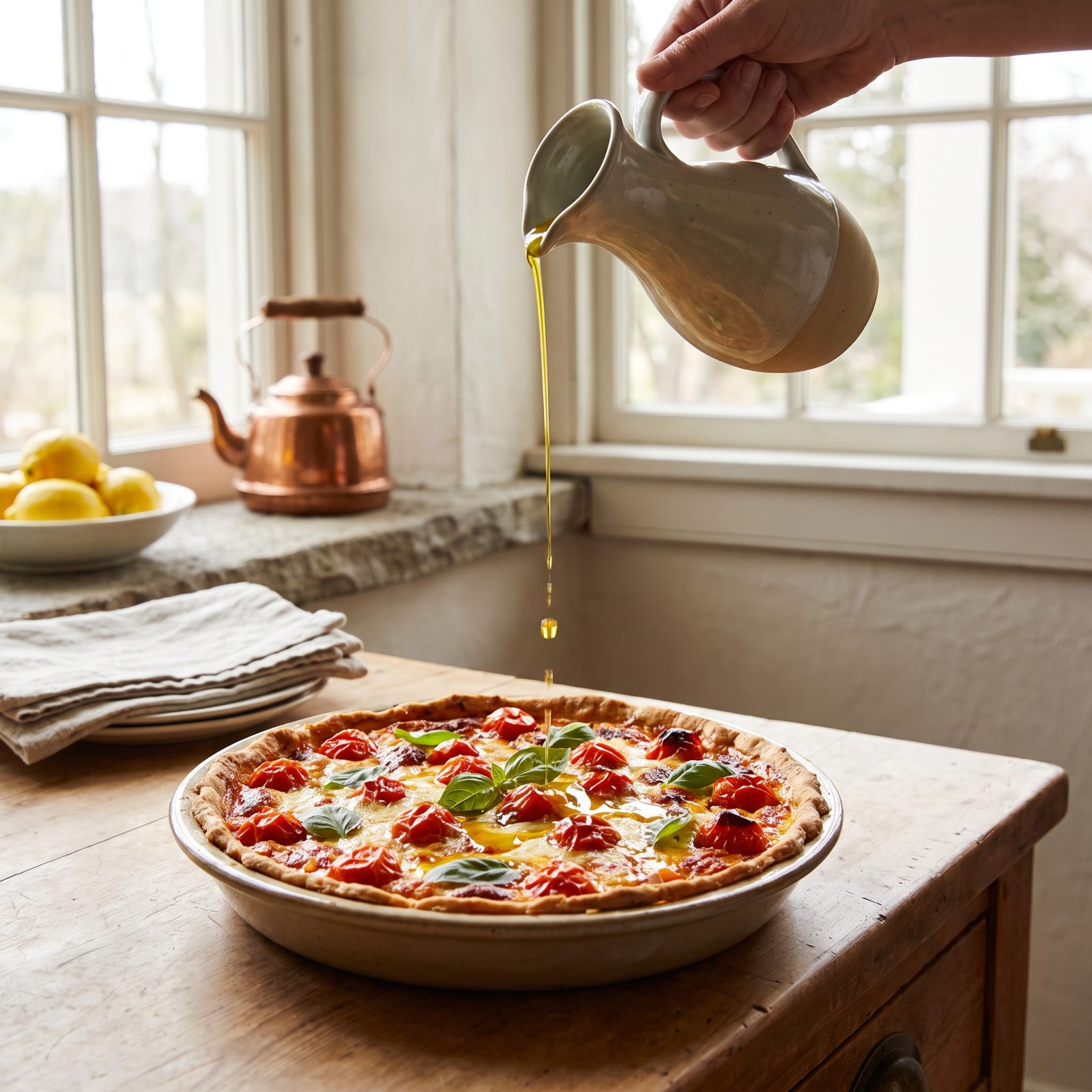
Heat destroys raw olive oil. All those grassy, peppery notes in a good bottle cook right off in a hot oven, leaving greasy, flavorless fat. So you save it.
A tomato pie goes in without its oil, then gets a generous pour the second it comes out. The oil hits the hot surface, wakes up, and holds onto every bit of its character. Same logic as salting a steak at the table instead of burying it in a stew.
37. Marinara Pizza With Garlic Bloomed in Olive Oil
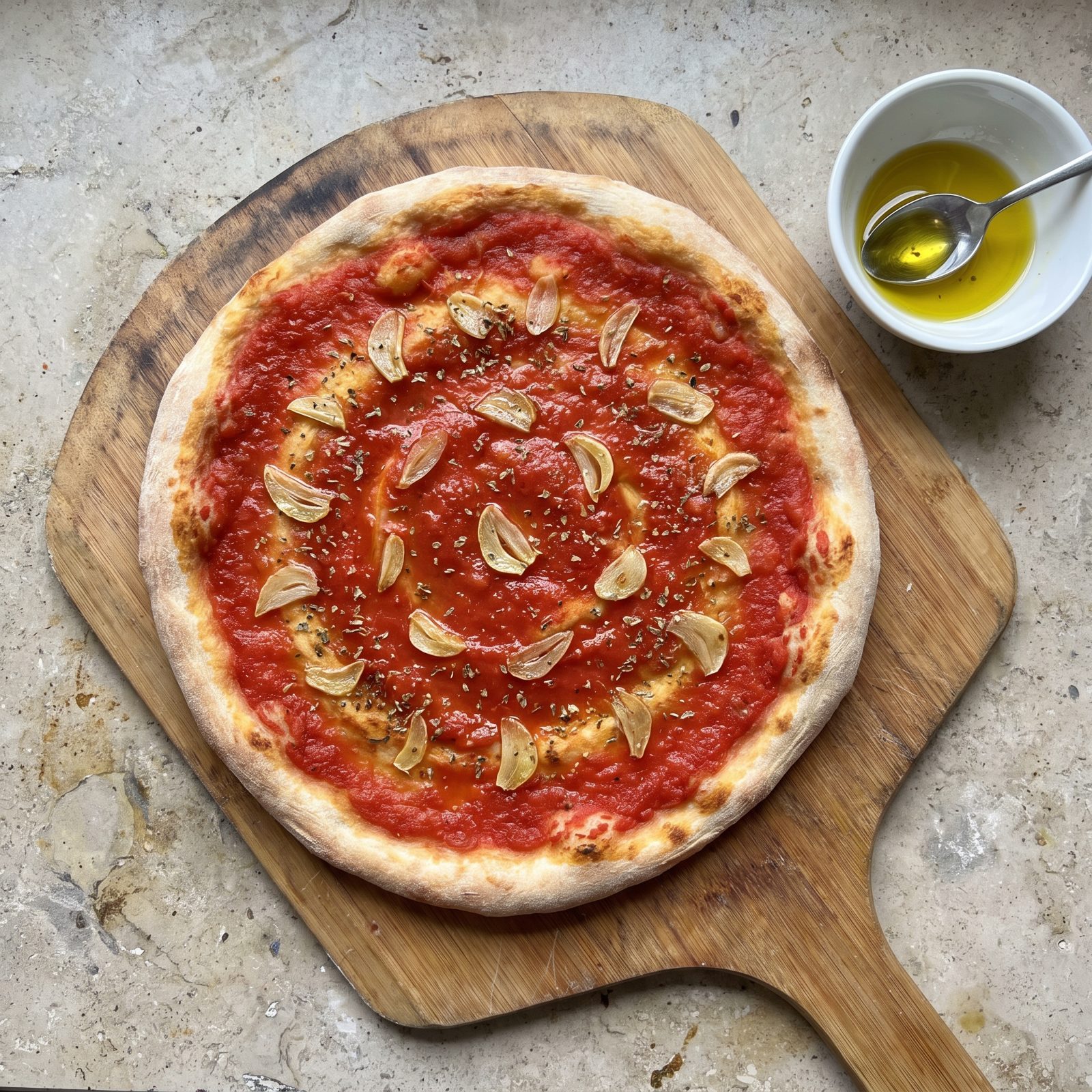
No cheese, nowhere to hide. A marinara pizza is tomato, garlic, oregano, oil, and dough — which means the garlic had better be handled right.
Scatter raw garlic on top and it turns acrid and sharp in the oven. Bloom it first in warm oil and it mellows into something sweet and golden, flavoring the oil as it goes. Now every bite carries garlic instead of random hot bitter spots. On a pizza this bare, that one habit is the whole meal.
36. Onion Pizza With Slowly Caramelized Yellow Onions
Would you like to save this?
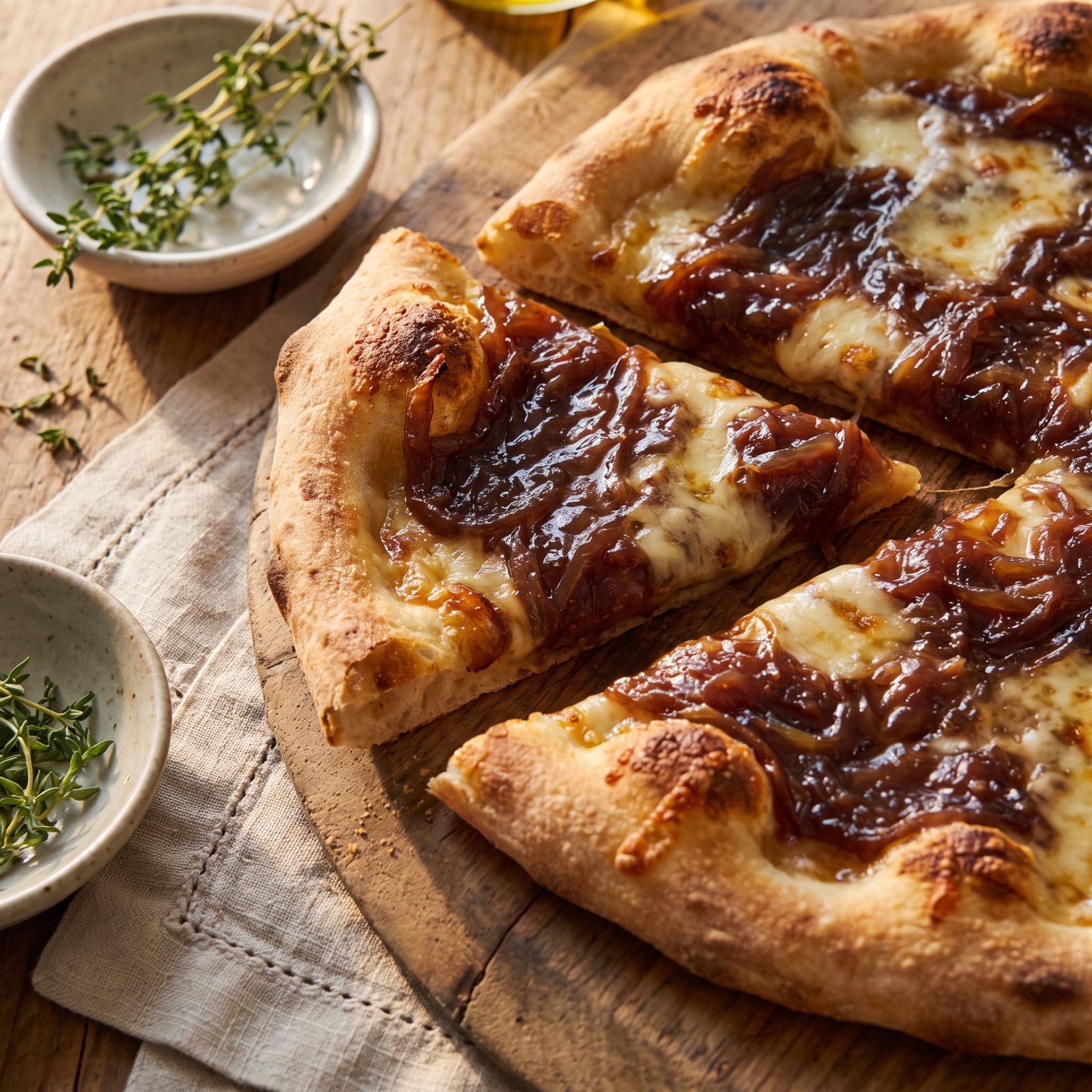
You cannot rush an onion. Crank the heat to hurry it along and you get bitter, scorched bits instead of sweetness. Real caramelization wants low heat and the better part of an hour, a stir now and then while the slices slowly collapse into something jammy and mahogany-dark.
That long cook breaks down the onion’s sharp sulfur compounds and caramelizes its natural sugars, so what was eye-watering and harsh turns nearly to candy. Spread over a pizza, those onions bring a depth no raw ring ever could. The patience is the recipe.
35. Pepperoni Pizza With Crisp, Cupped Edges
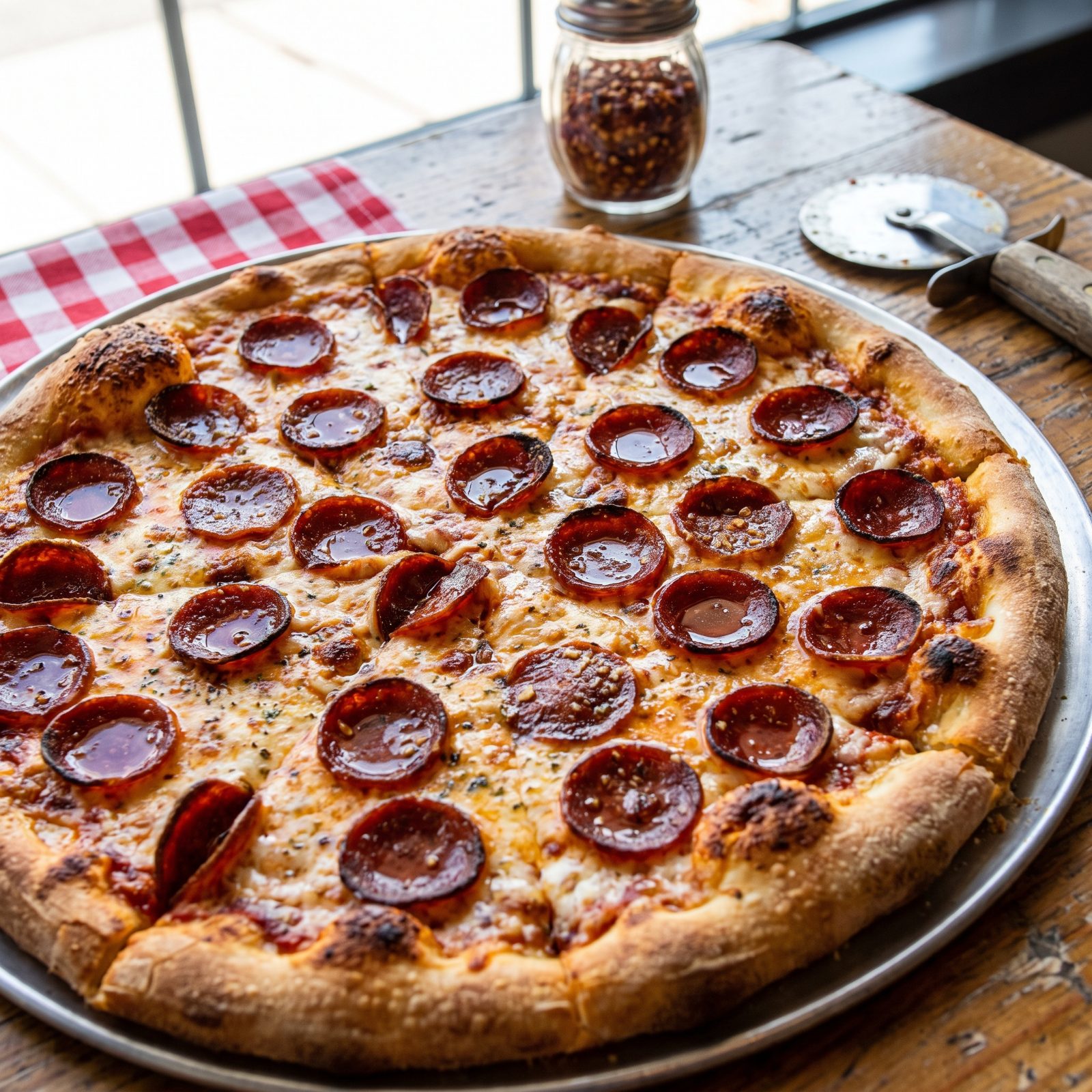
The cup is the point. Those curled pepperoni edges with a little pool of orange oil in the center aren’t a happy accident — they come from natural-casing pepperoni cut small, which shrinks and curls as it bakes while flat deli stuff just lies there limp.
Each crisp cup renders its own fat, frying the pepperoni from underneath and concentrating the spice. The browned edge goes smoky, almost like the burnt tip of good sausage. One pizza has texture and depth. The other has rubbery discs. Same topping, completely different world.
A flat slice of pepperoni steams. A cupped one fries in its own fat. That is the whole argument.
34. Sausage Pizza With Hand-Torn Fennel Sausage
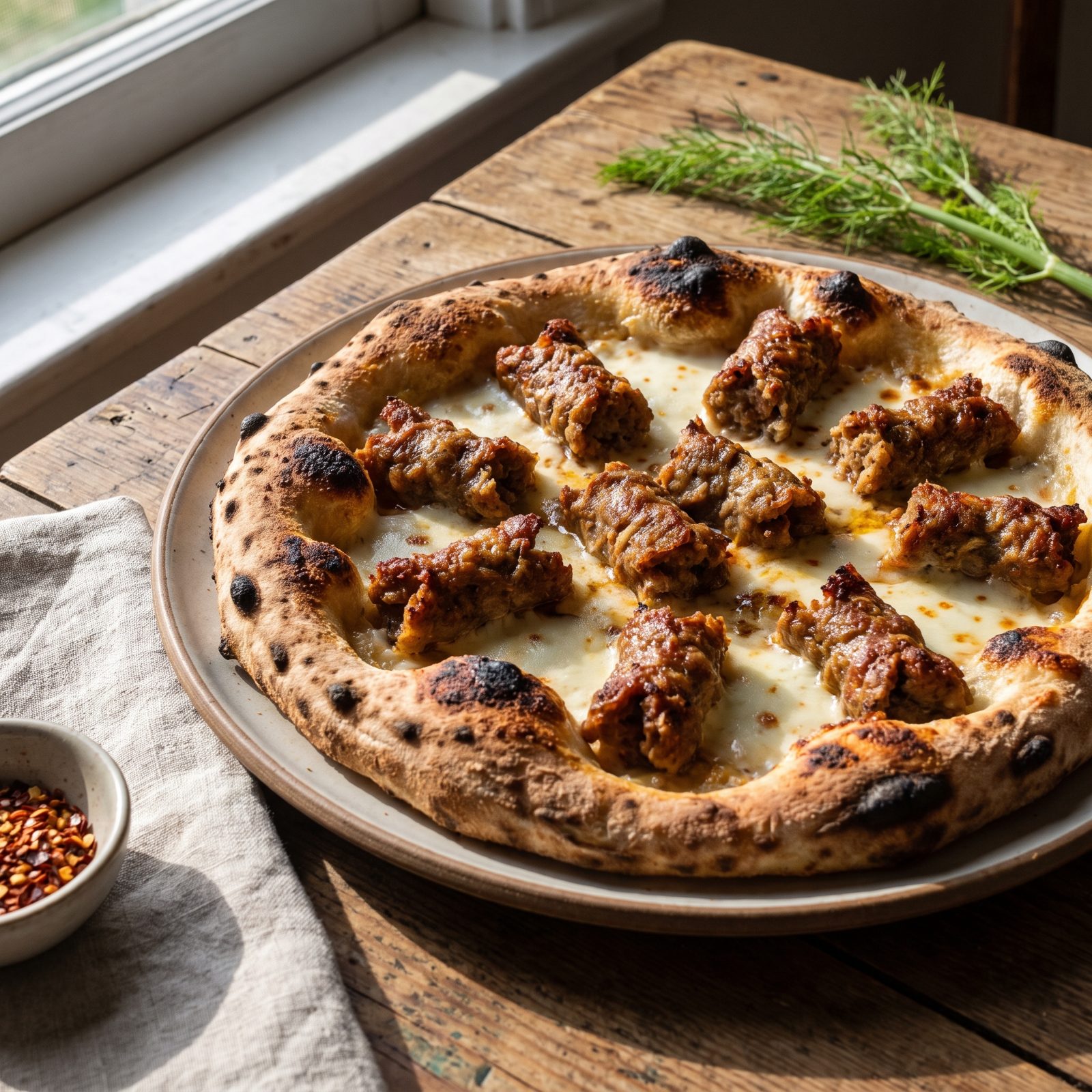
The sausage is torn, not sliced, and that one choice changes everything. Pre-sliced sausage bakes into neat uniform coins that taste like a decision made by a machine. Tear it instead and you get craggy edges, pockets that crisp against pockets that stay soft, and a whole lot more surface for the heat to chew on.
Fennel is the quiet hero here. It cuts the fat, perfumes the slice, and tells your brain this is Italian before you’ve finished the first bite.
33. Anchovy Pizza Balanced With Bright Lemon Zest
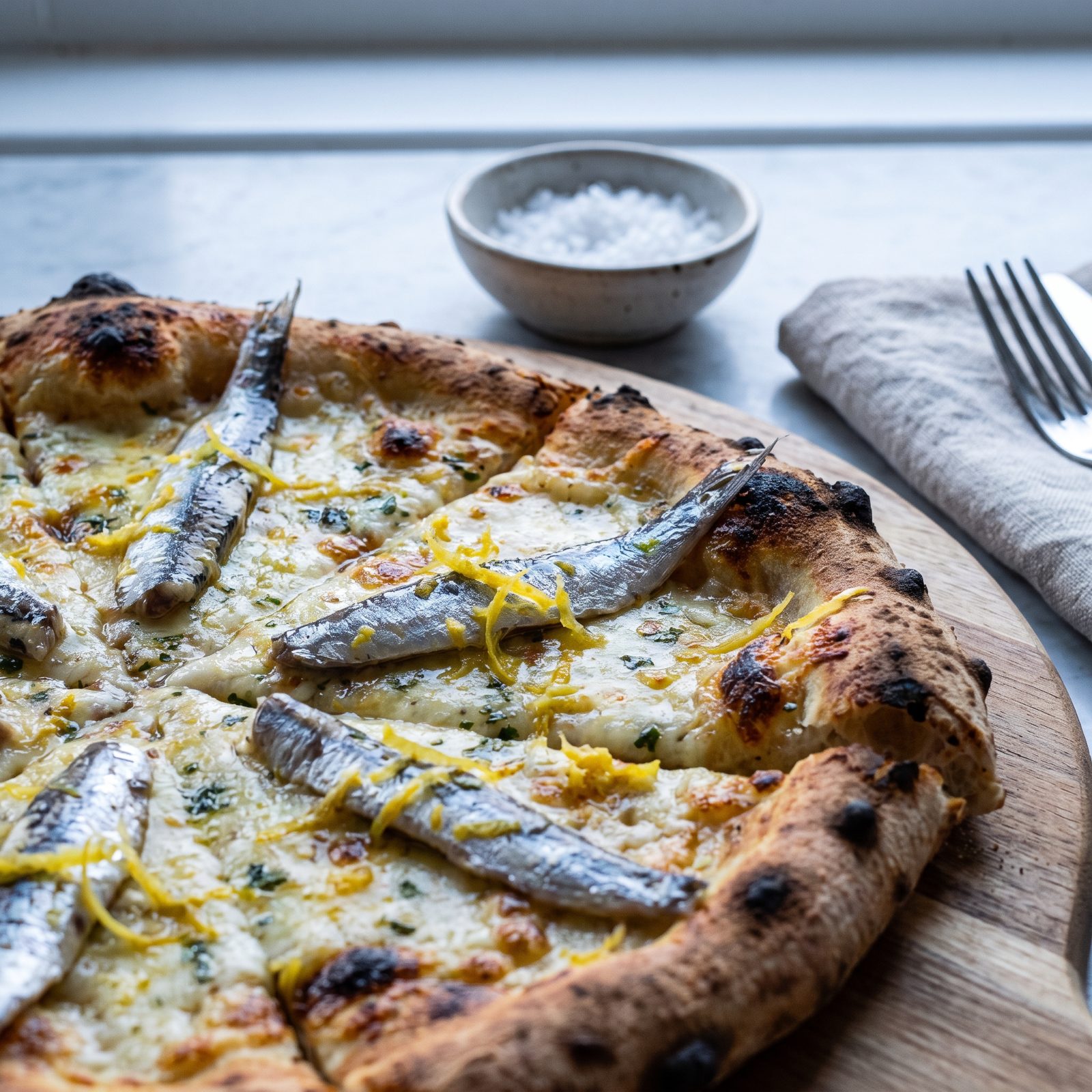
Anchovies get a bad reputation from people who only ever met the ones that sat in a hot buffet for three hours. The good ones, packed in salt or decent oil, are a different food entirely — savory, deep, a little funky in the best possible way.
Lemon zest is what makes it work. Anchovy on its own can flatten a slice into one salty wall, but a scatter of zest lifts it, brightens the whole thing, and keeps the salt from running the show. I was skeptical the first time I watched someone do it. Wrong, as it turns out.
32. Fresh Mozzarella Pizza With Properly Drained Cheese
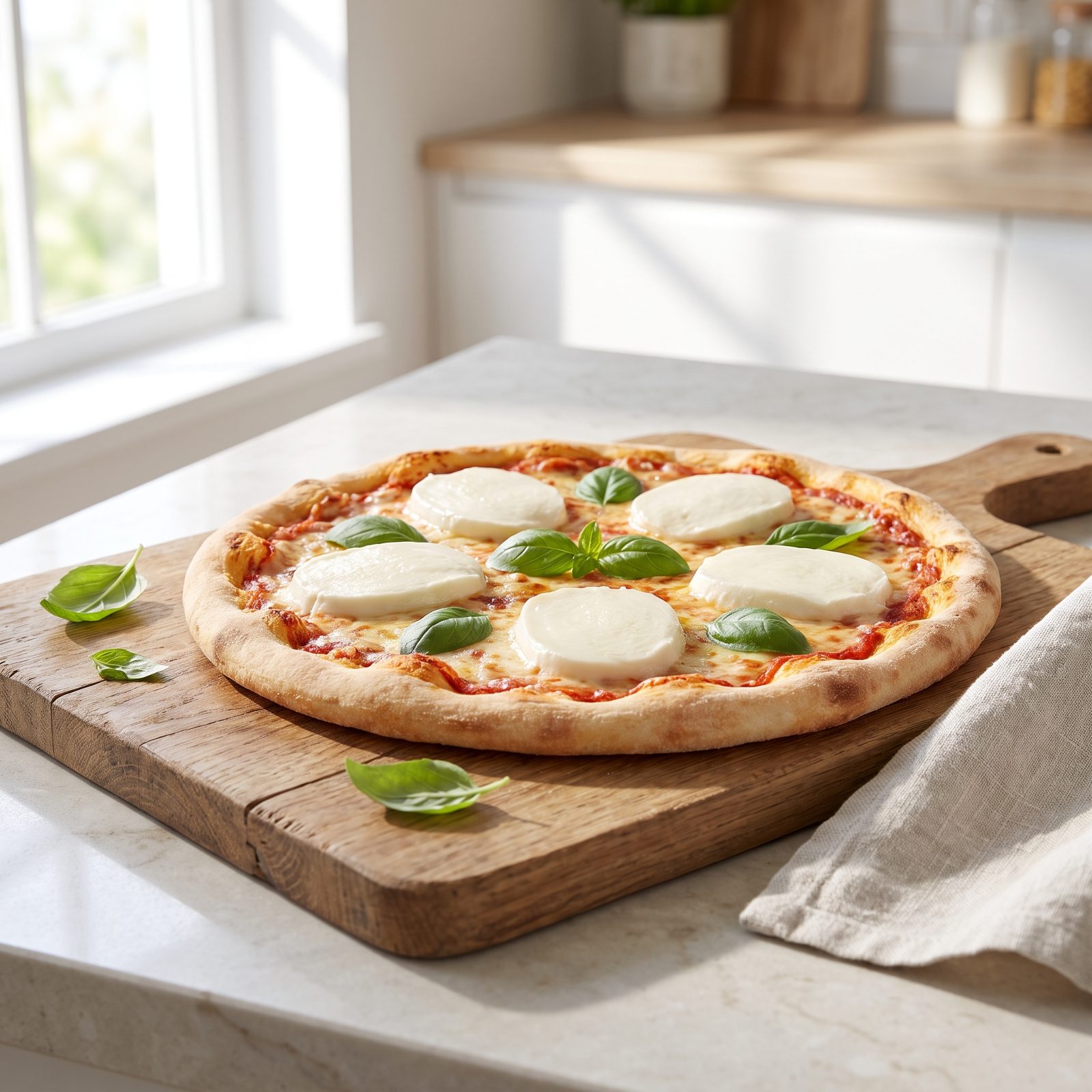
The gap between a great fresh mozzarella pizza and a soggy mess comes down to a kitchen towel and twenty minutes.
Fresh mozzarella holds a startling amount of water. Dump it on straight from the tub and it weeps all over your pie, flooding the center and steaming the crust soft. So tear it, let it drain on paper towels, press out the moisture, then bake. The cheese sets into glossy pools instead of a puddle.
31. Pan Cheese Pizza With Frico Around the Edges
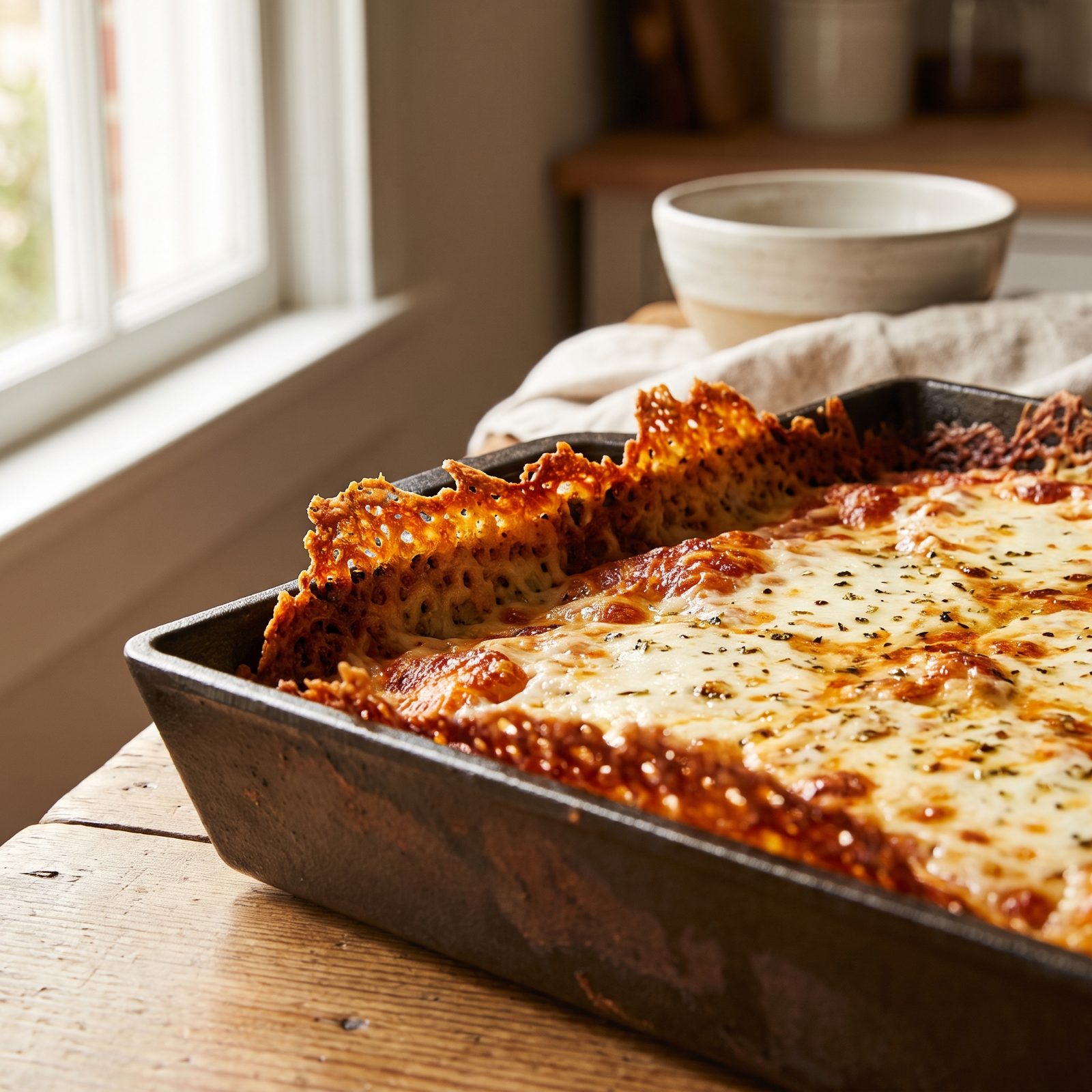
Everybody fights over the corner pieces, and they’re right to. That’s where the frico lives.
Frico is just cheese pushed to the edge of the pan, where it fries against the hot metal into a crackly, dark-amber lace. Best part of a Detroit-style pie, and it costs nothing. You only have to let the cheese touch the wall and trust the heat.
Get it right and the edge shatters when you bite it, then gives way to the soft steamy crumb underneath. That contrast is why pan pizza exists. And the people who scrape the crispy bits off to make it “neater”? They’ve lost the plot entirely.
30. Rosemary Pizza Finished With Flaky Salt
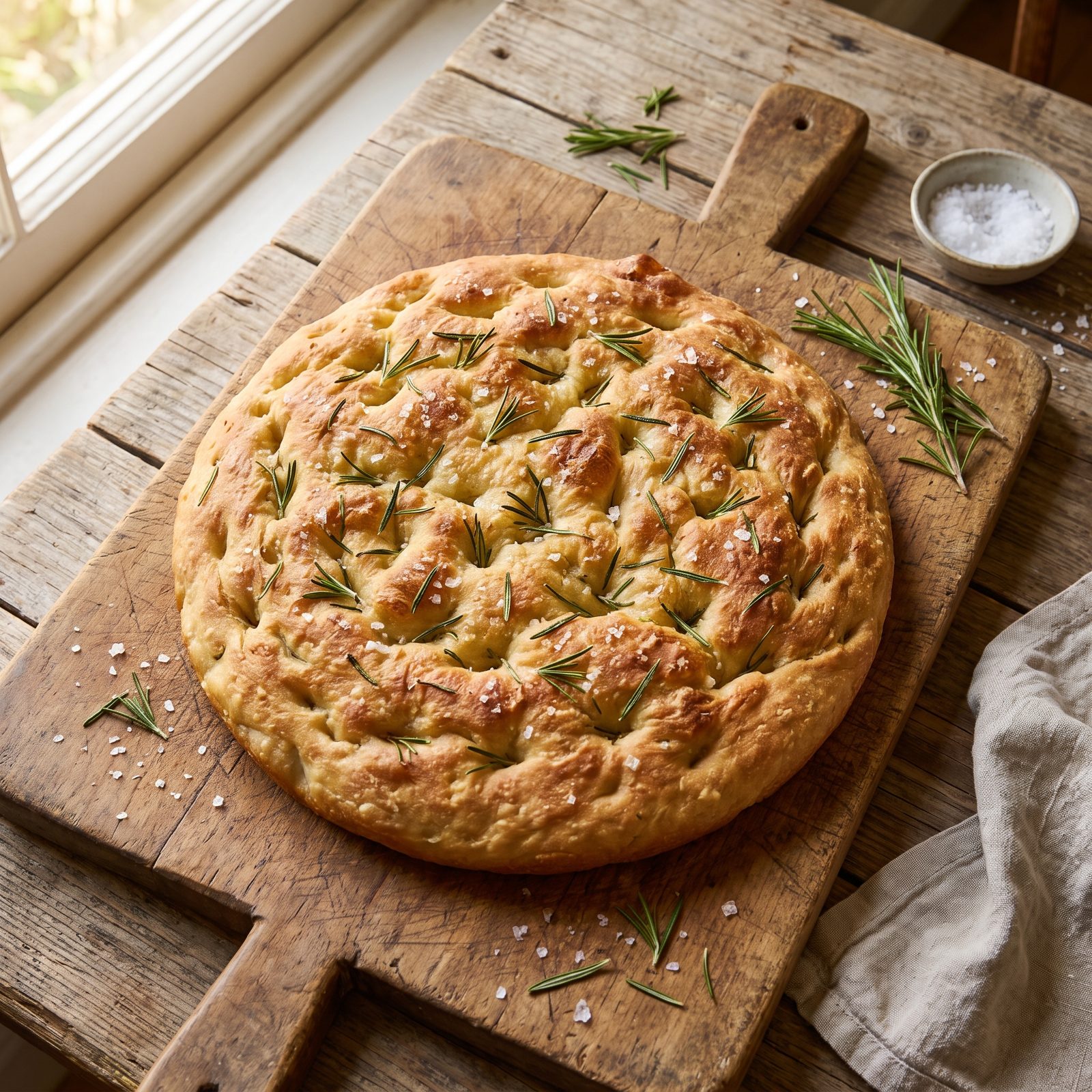
No cheese, no sauce, barely any toppings — and a rosemary pizza done right can still be the best thing on the table.
This is a pie that hides nowhere. The dough has to be exceptional: properly fermented, airy, a little chewy, because it’s doing nearly all the work. Rosemary, oil, and flaky salt just stand around flattering it.
29. Garlic Pizza With Whole Roasted Cloves
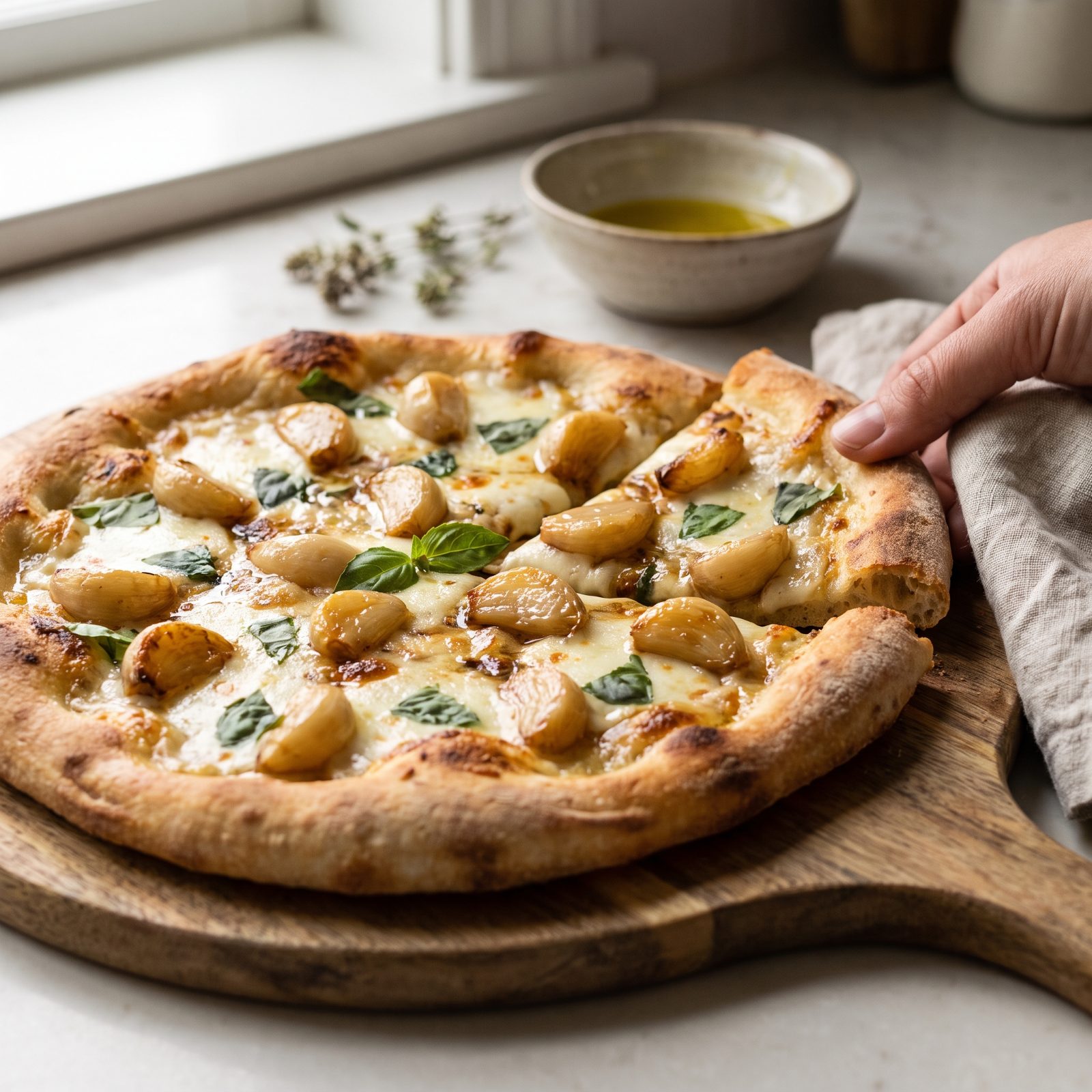
Raw minced garlic on a pizza is an ambush. It burns, it turns bitter, and it sticks with you for two days whether you want it to or not.
Whole cloves roasted first are the opposite. Heat tames them into something sweet, mellow, almost spreadable. You bite one and it’s nutty and soft, not sharp — the difference between garlic yelling at you and garlic having a conversation.
Roasting also keeps the cloves from scorching during the pizza’s short, brutal bake. They go in already cooked, already sweet, just warming through.
28. Basil Pizza With the Leaves Added After Baking
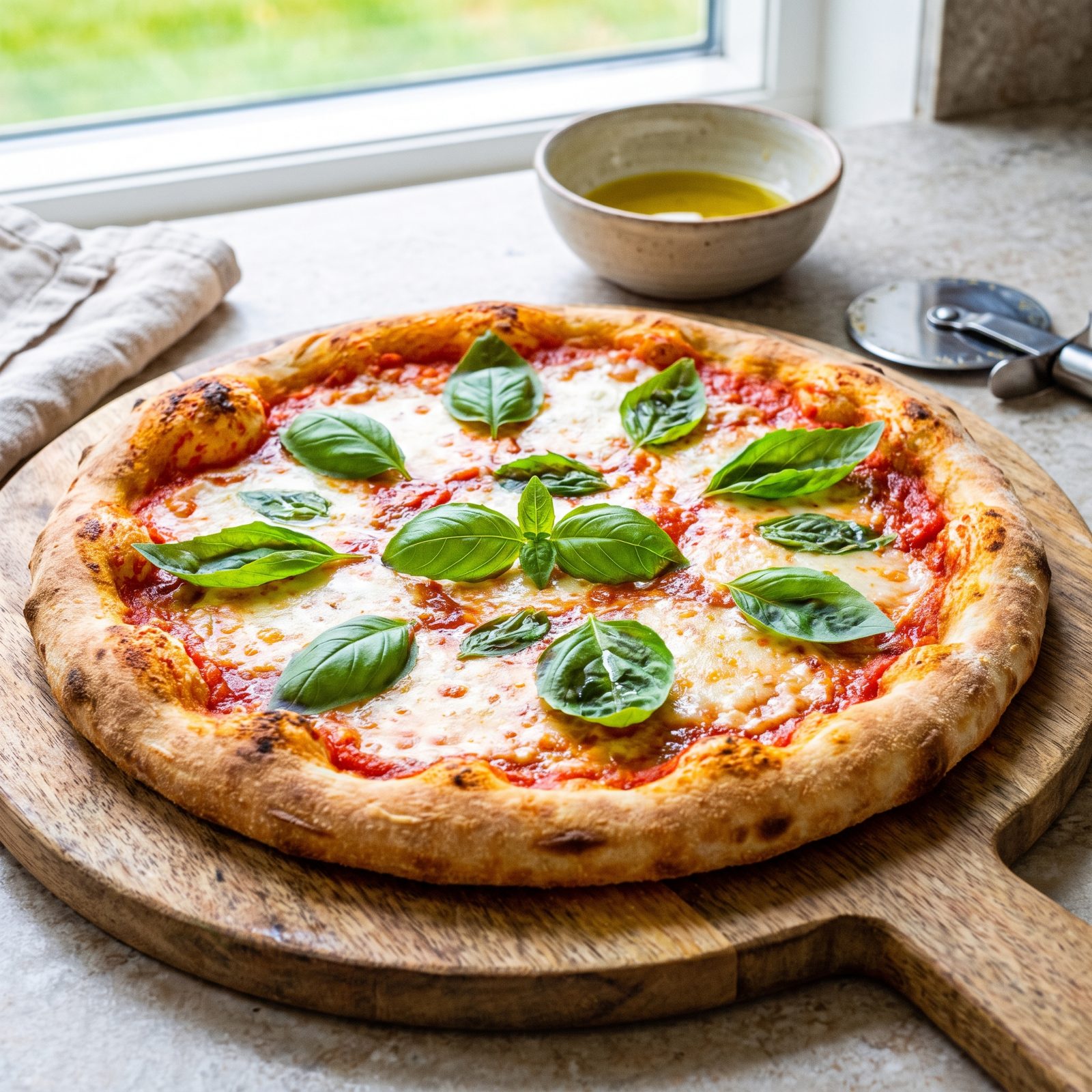
Watch where the basil goes on a bad pizza. It goes under the cheese or on before the bake, which turns those bright leaves into black, bitter, papery flecks. A waste.
Fresh basil hates high heat — thirty seconds in a wood oven and it’s done for. So you hold it back. The pie comes out, you scatter whole leaves across the top while it’s still steaming, and the residual warmth releases the aroma without destroying the leaf.
27. Oregano Pizza With Hand-Crushed Tomatoes
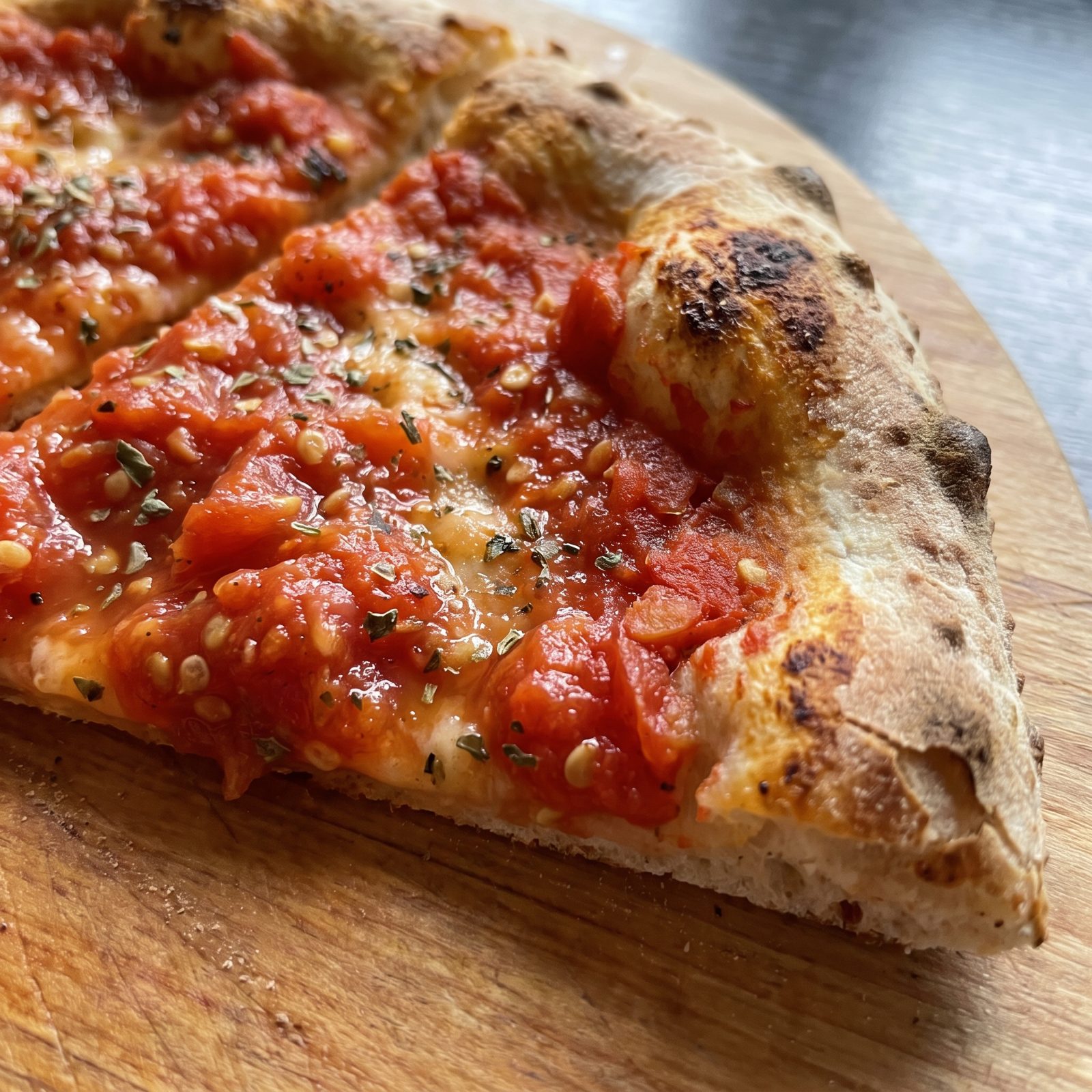
Machine-blended tomato sauce is smooth, even, and a little boring, coating the whole pie in exactly one flavor. Hand-crushed tomatoes give you texture and variation instead — some pieces sweet, some bright with acid, little chunks that hold their shape right through the bake.
Oregano matters just as much. Dried oregano, rubbed between your palms right before it hits the pie, wakes up in a way the stuff that’s been sitting in the jar for two years never will. That piney, faintly bitter edge is what makes a marinara taste like marinara and not just hot tomato.
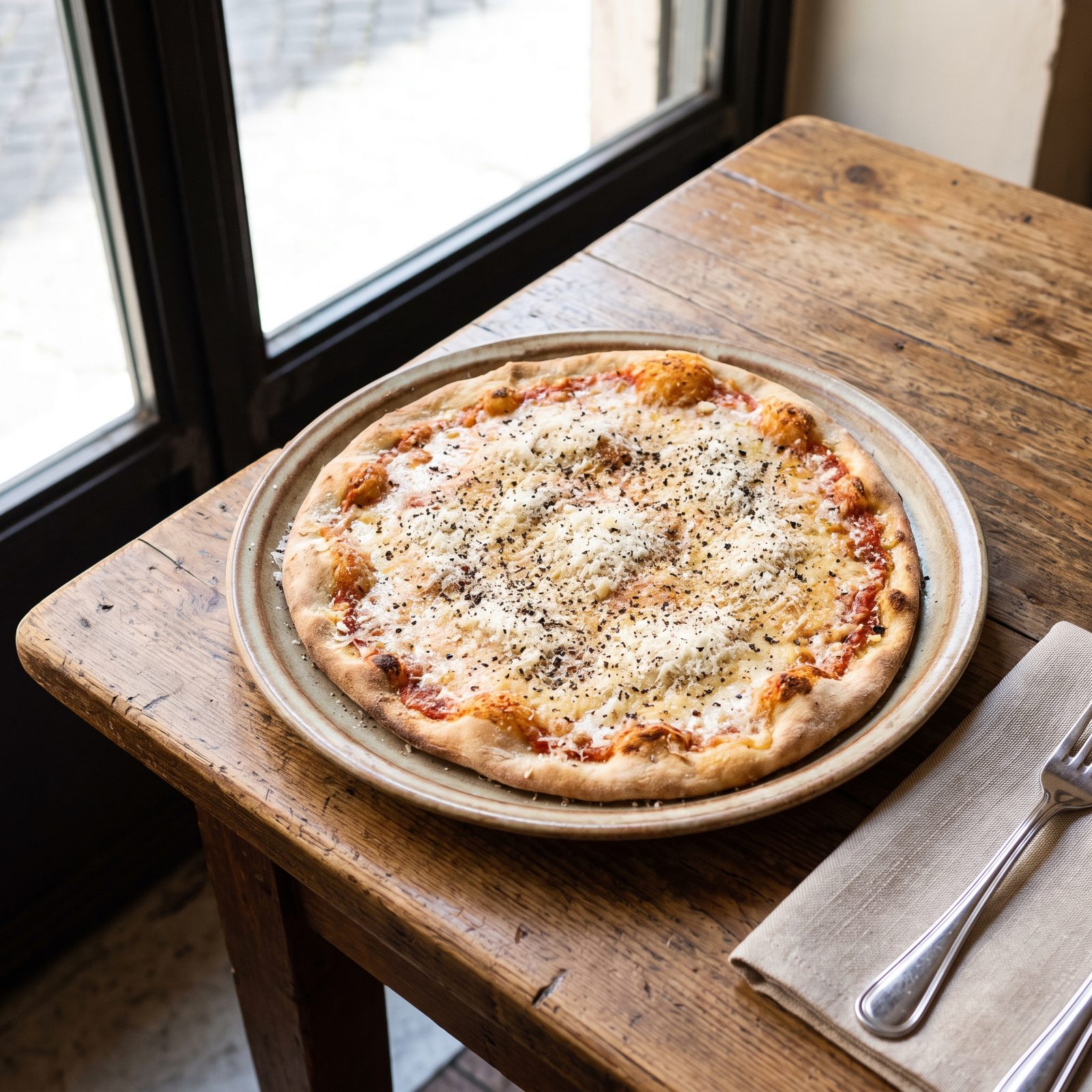
26. Cheese-and-Pepper Pizza Inspired by Cacio e Pepe
Would you like to save this?
Two ingredients: pecorino and black pepper. That’s the whole trick, lifted straight from the Roman pasta dish, and it’s harder than it looks.
Pecorino is sharp and salty, which can tip into harsh if you’re careless. The pepper saves it. Not a dusting — a real crack of coarse black pepper, floral and warm, enough that you feel it at the back of the throat. The two together add up to more than either one alone.
25. Olive Pizza With Crushed Castelvetrano Olives
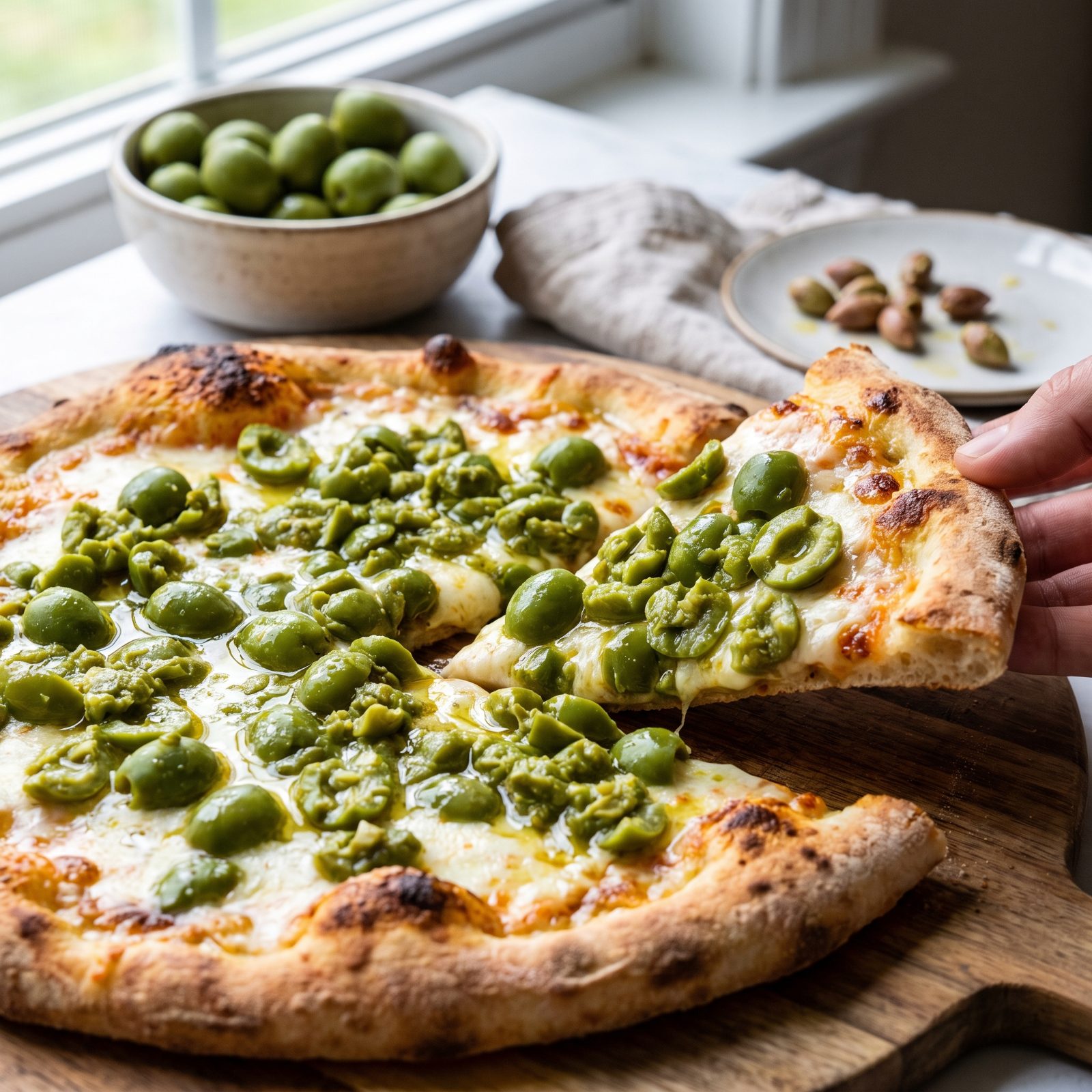
Most pizza olives are those sad black rings from a can — rubbery, salty, faintly metallic. Castelvetranos come from another world entirely. Bright green, buttery, mild, closer to a vegetable than the briny little bombs you’re used to.
Crushing them instead of slicing lets the flesh melt into the cheese and spread its flavor around, instead of sitting in tidy little islands. You get olive in bites you never saw coming.
24. Chili Pizza With Calabrian Chile Oil
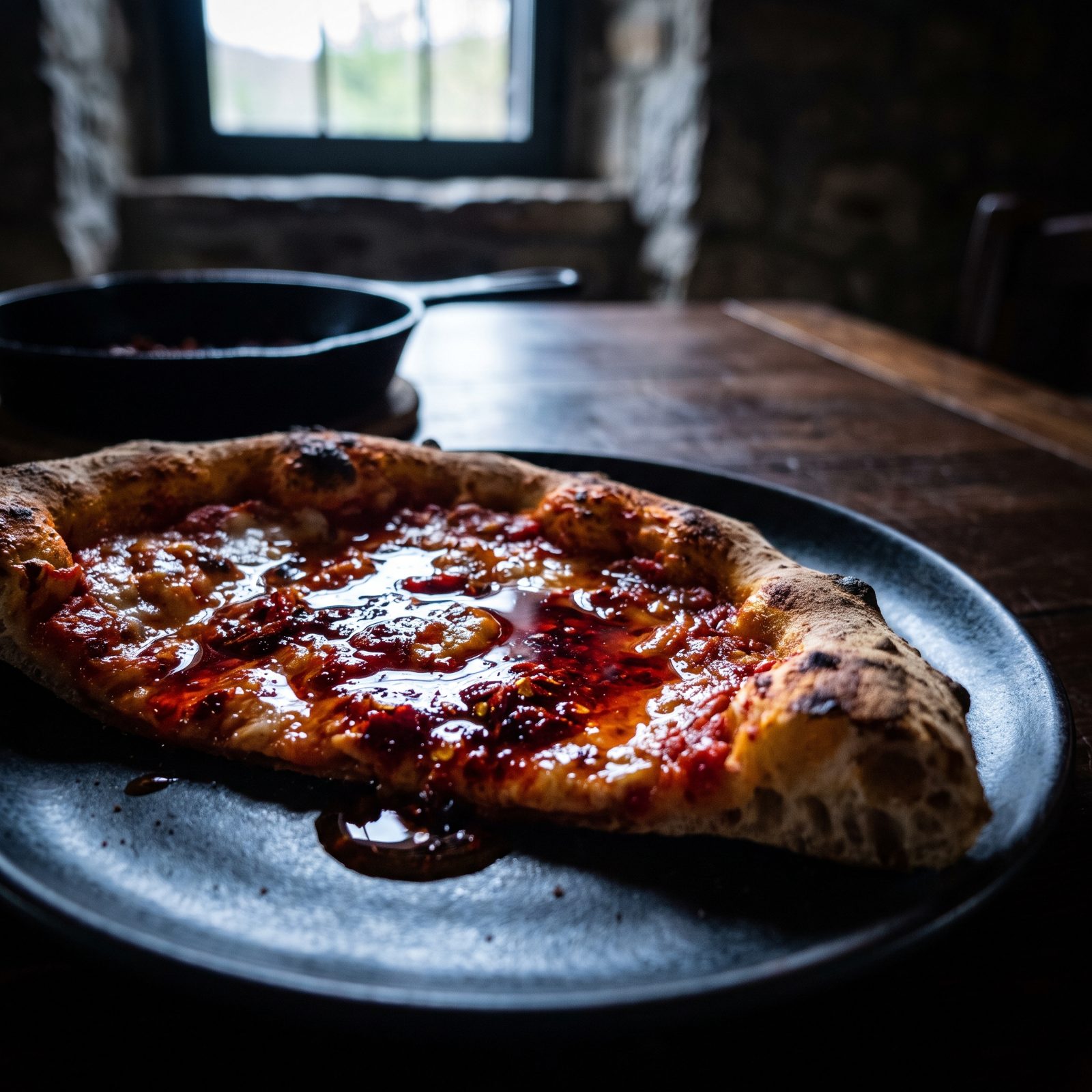
Heat is easy to get wrong. Most places dump chile flakes on a finished pie and call it spicy, and that’s lazy. The trick here is the oil — Calabrian chiles steeped in olive oil carry a slow, fruity burn that builds instead of slaps, and brushed over a dough fermented long enough to taste faintly of beer and bread, it reads as flavor first and fire second.
The dough is the quiet hero. Two or three days of cold fermentation give that cornicione its ballooned, leopard-spotted char and a crumb full of irregular holes. Minimal cheese, one kind of pepper, and nothing else. Restraint carries it.
23. Corn Pizza With Charred Summer Kernels
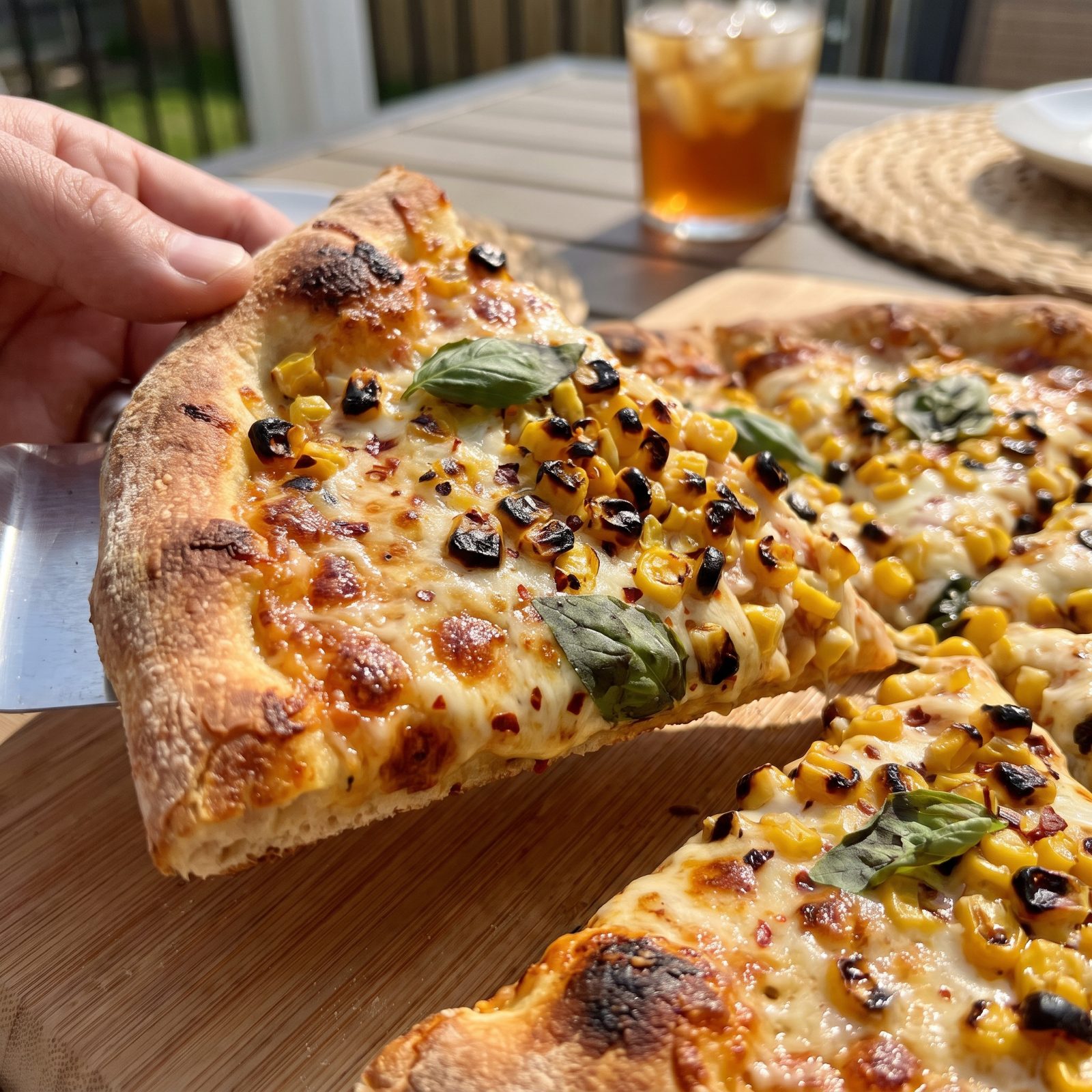
Corn on pizza sounds like a dare. It isn’t. Charred summer kernels, cut off the cob and hit hard in a dry pan first, turn sweet and nutty with little burnt edges that taste like a cookout, and scattered over fontina that melts into lacy brown pools they give you pop and sweetness against the salt.
I used to think corn belonged nowhere near a pizza. I was wrong, and it took exactly one slice at a late-summer place to fix that. Char it before it goes on, so the moisture cooks off and you don’t end up with a soggy middle.
22. Zucchini Pizza With Ribbons Salted Before Baking
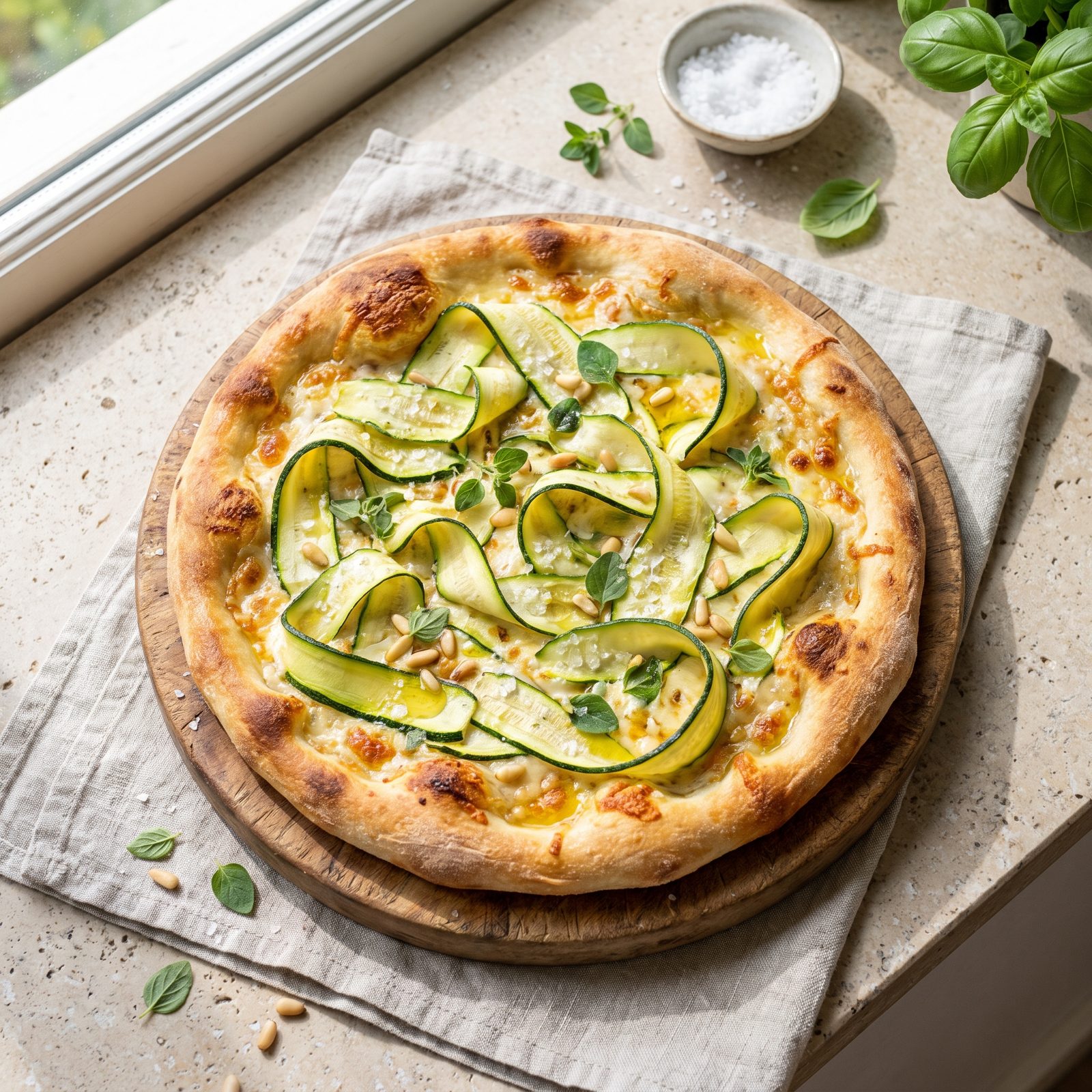
Watery zucchini ruins a pizza faster than almost anything. Raw ribbons steam under the heat, leach liquid into the dough, and you bite into a swamp. The fix is salt and patience — salted ribbons sit, weep out their water, get pressed dry, and only then meet the dough.
What comes out the other side is concentrated and almost sweet, the edges curling and browning in the oven. A dusting of pecorino, a few torn mint leaves, done.
21. Eggplant Pizza With Smoky Roasted Slices
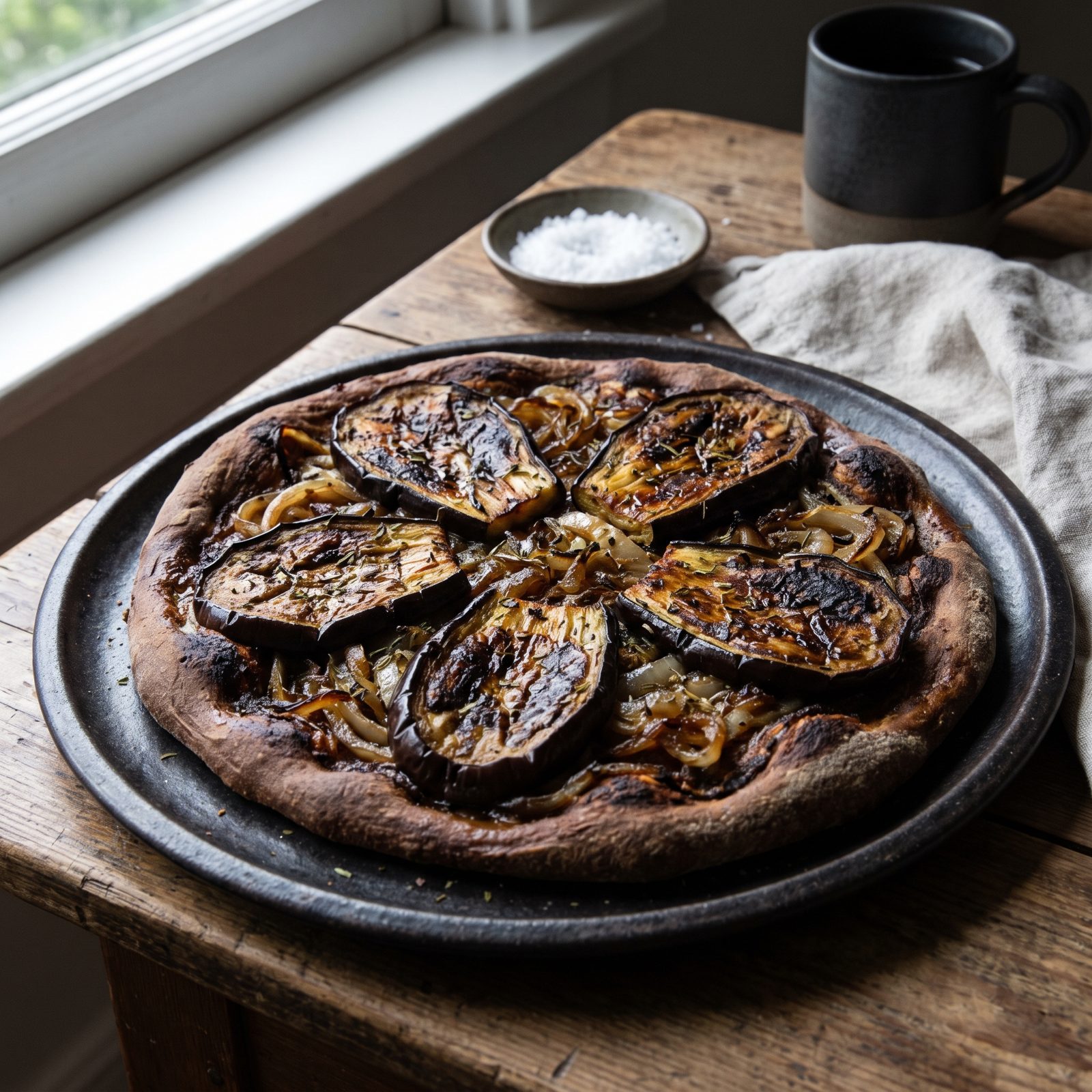
Eggplant is a sponge for flavor and for grease, and a bad cook gives it the grease. Roasted properly — charred over flame or under a hot broiler until the flesh goes silky and smoky — it turns into something closer to meat than vegetable.
Laid over tomato and mozzarella, those collapsed slices bring a smokiness nothing else on the pie can fake. No breading, no frying, no oil-logged mess. Just eggplant that tastes like it’s been somewhere.
20. Broccoli Rabe Pizza With a Bitter-Garlicky Finish
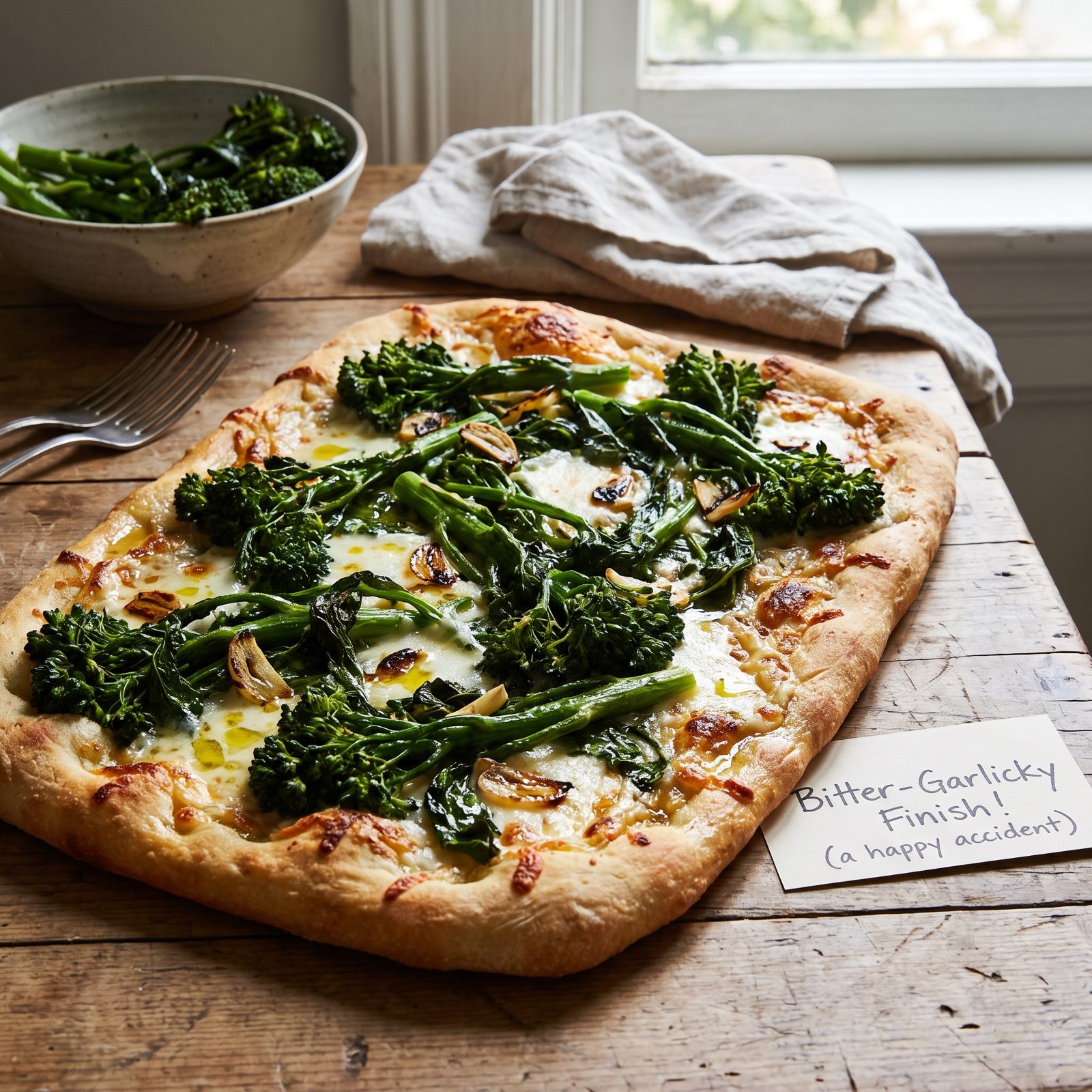
Broccoli rabe is bitter and it should stay that way. The whole appeal is the push and pull between that bitterness, sweet garlic, and the salt of melted provolone. Blanch it, then hit it in a hot pan with sliced garlic and chile until the florets char.
This is the one that separates the real South Philly joints from everybody else. Done right, the bitterness cuts through the richness instead of apologizing for itself. A white pie, no tomato, letting the greens talk.
19. Spinach Pizza With Nutmeg-Scented Ricotta
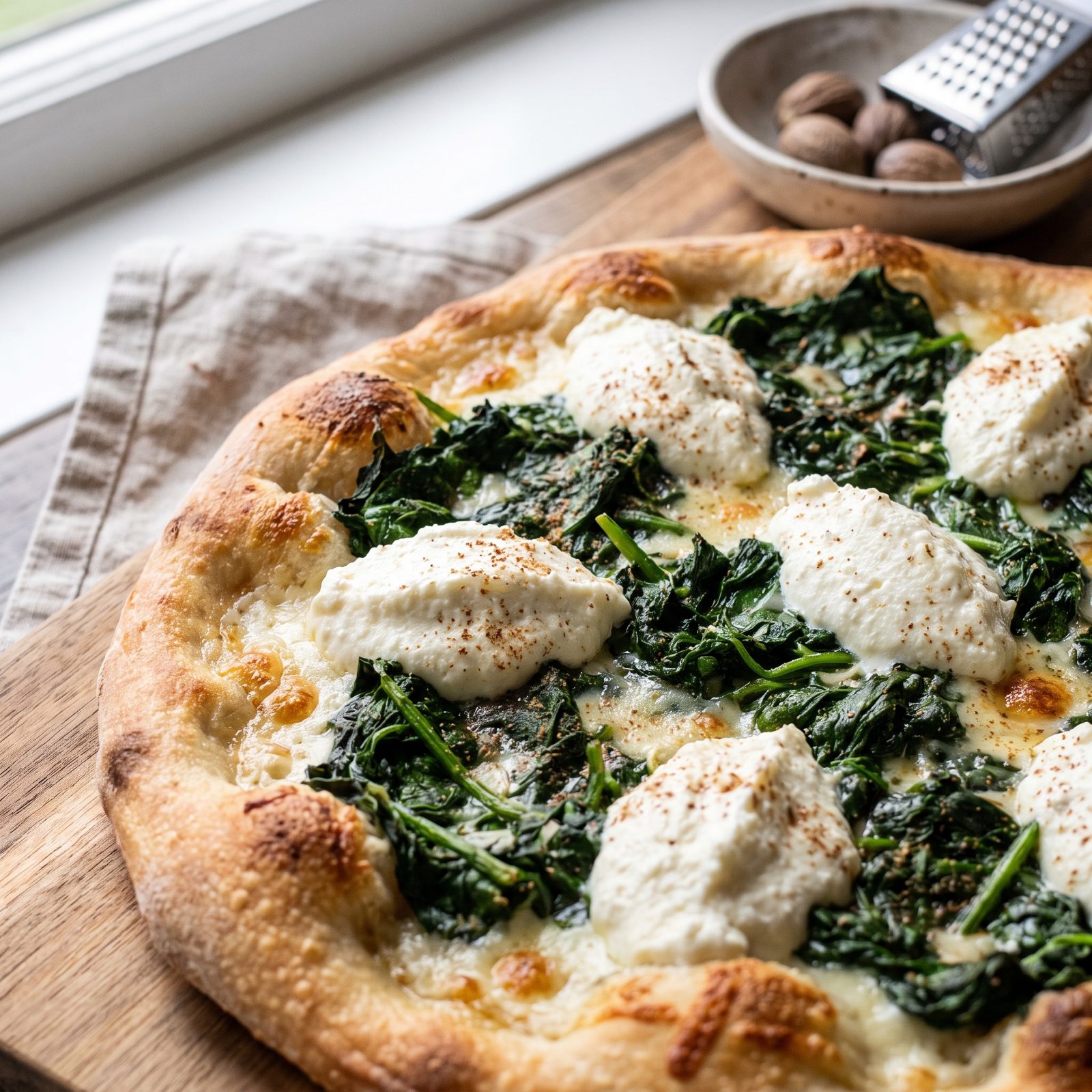
Nutmeg is the ingredient nobody mentions and everybody misses when it’s gone. A whisper of it warms the ricotta and makes spinach taste like more than itself — the old creamed-spinach trick, moved onto dough.
Squeeze the spinach bone-dry first or the ricotta goes grainy and the crust turns gray. Dollops of ricotta, wilted greens, a grate of fresh nutmeg right before it goes in. That’s it. Clean in every bite.
18. Artichoke Pizza With Crisped Outer Leaves
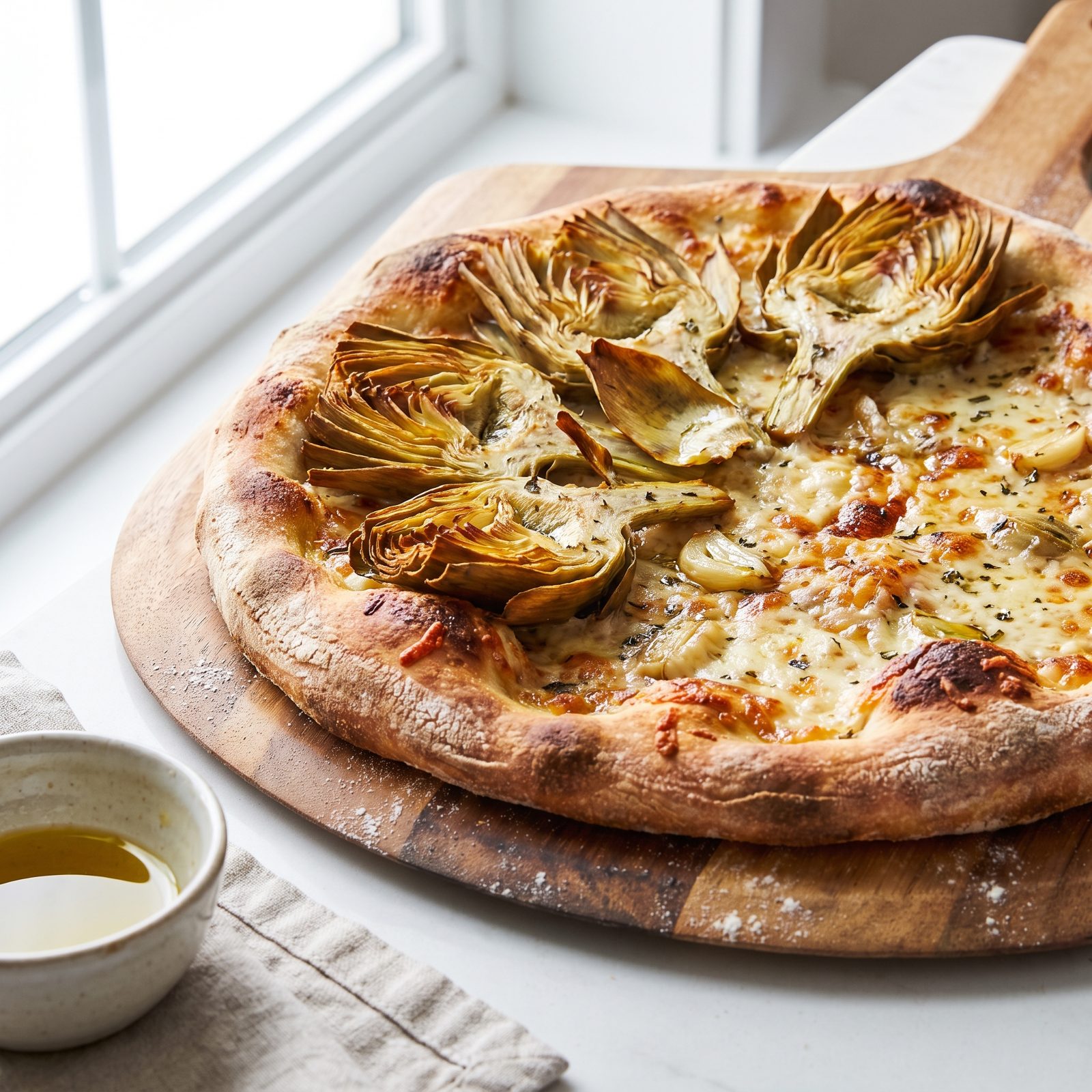
Jarred artichoke hearts are the lazy move — soft and vinegary and all the same texture. Fresh baby artichokes, trimmed and roasted so the outer leaves crisp while the heart stays tender, give you two textures in one bite. Crackle on the outside, silk in the middle.
A little lemon zest cuts the richness, and that contrast of crisped leaf against melted cheese is the thing jars can never do.
17. Cherry Tomato Pizza With Jammy Burst Tomatoes
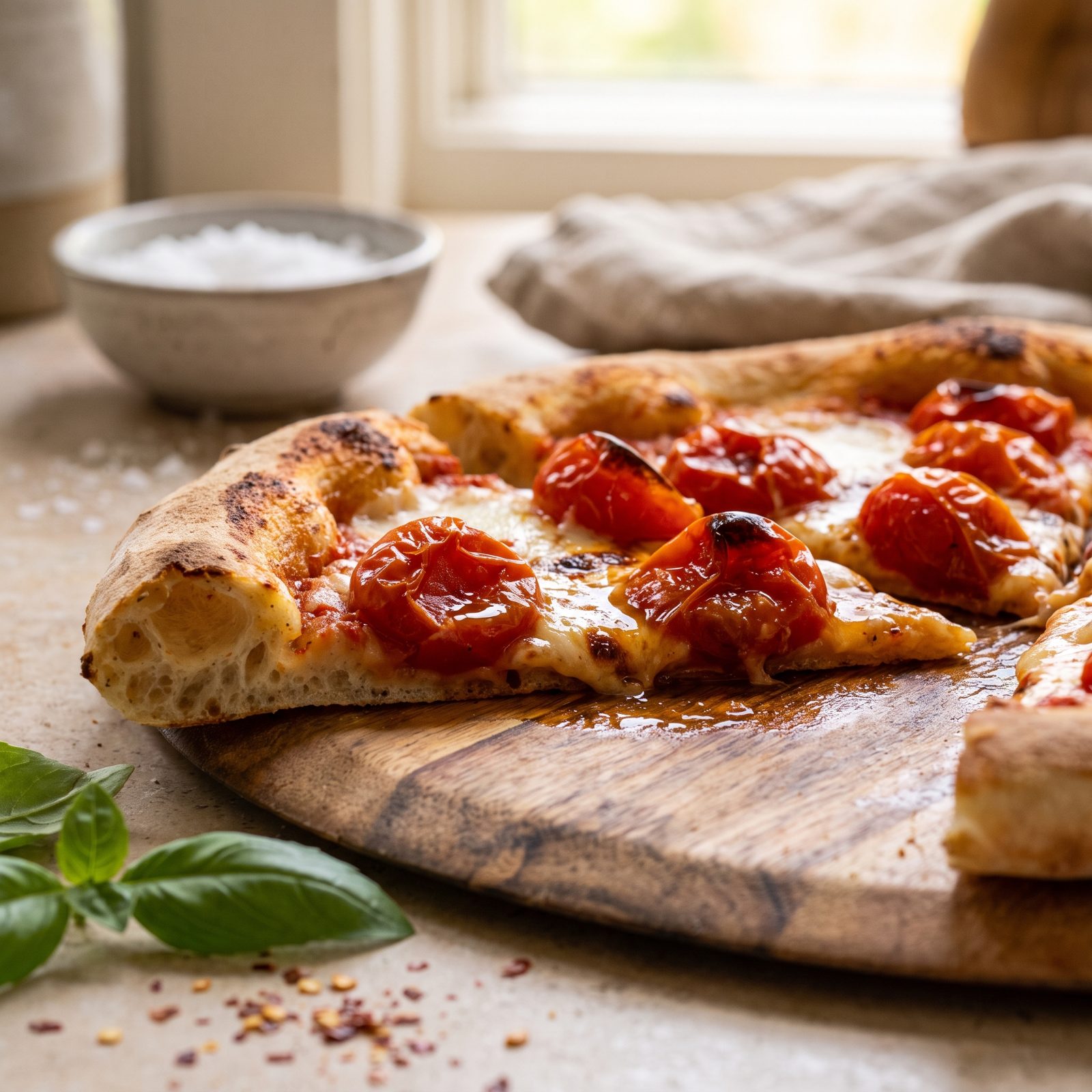
A good tomato beats a complicated one every time. Whole cherry tomatoes, roasted until they split and go jammy, concentrate into little pockets of sweet-tart intensity that canned sauce can only dream about, and when they burst in the oven the juices caramelize into the cheese.
Whole going in, not sliced. Sliced tomatoes weep and steam. Whole ones hold their shape until heat forces them open at exactly the right moment, then collapse into something close to jam.
16. Fennel Pizza With Fronds and Toasted Seeds
Would you like to save this?
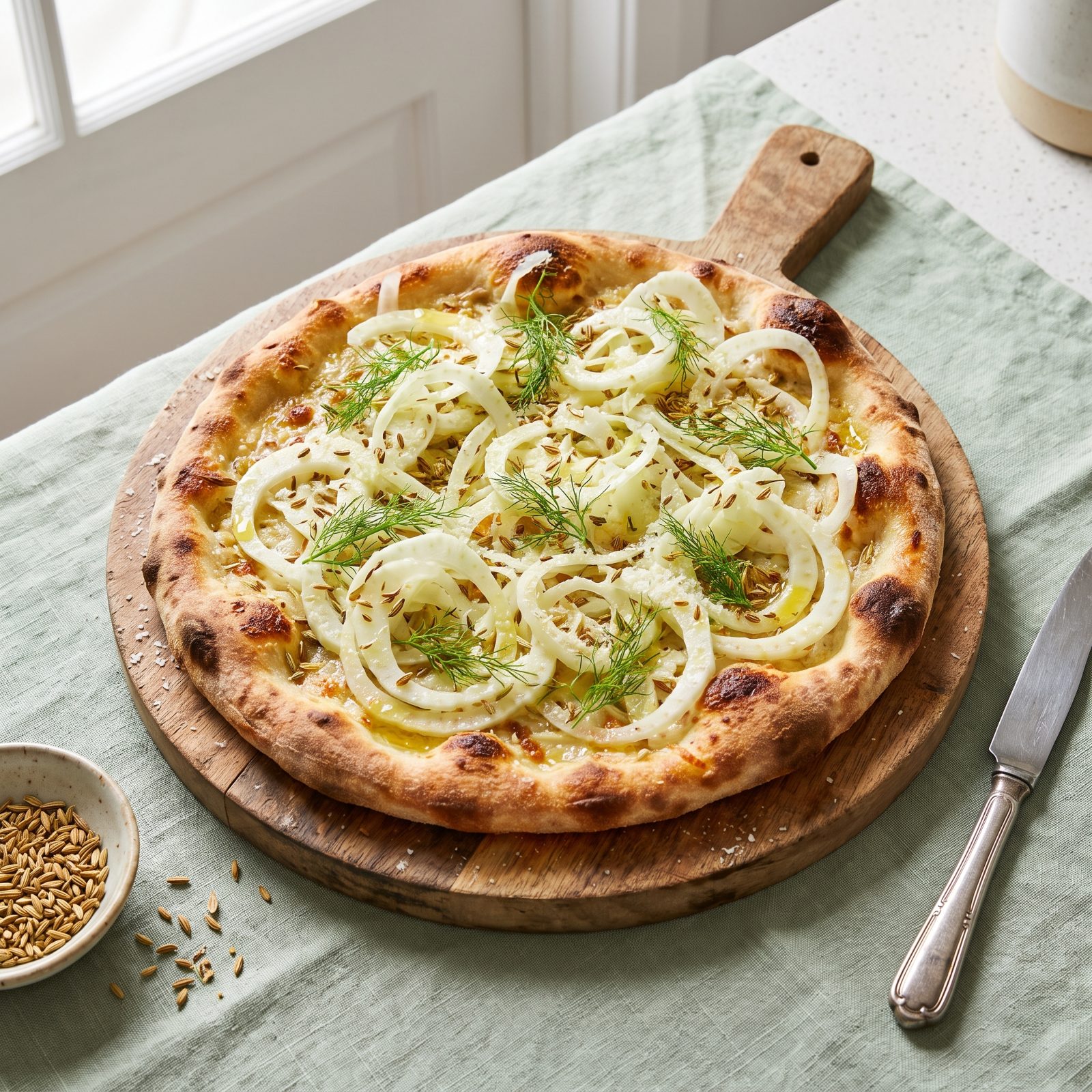
Fennel gets used three ways on one pie, which sounds fussy until you taste it. Shaved thin and roasted, it goes sweet and mellow. The seeds, toasted, bring that anise punch. And the fronds, raw at the end, stay fresh and grassy.
Same vegetable, three different notes, layered so the pizza tastes deeper than its ingredient list suggests. Barely any cheese — fennel doesn’t need the crowd.
15. Leek Pizza With a Creamy Parmesan Base
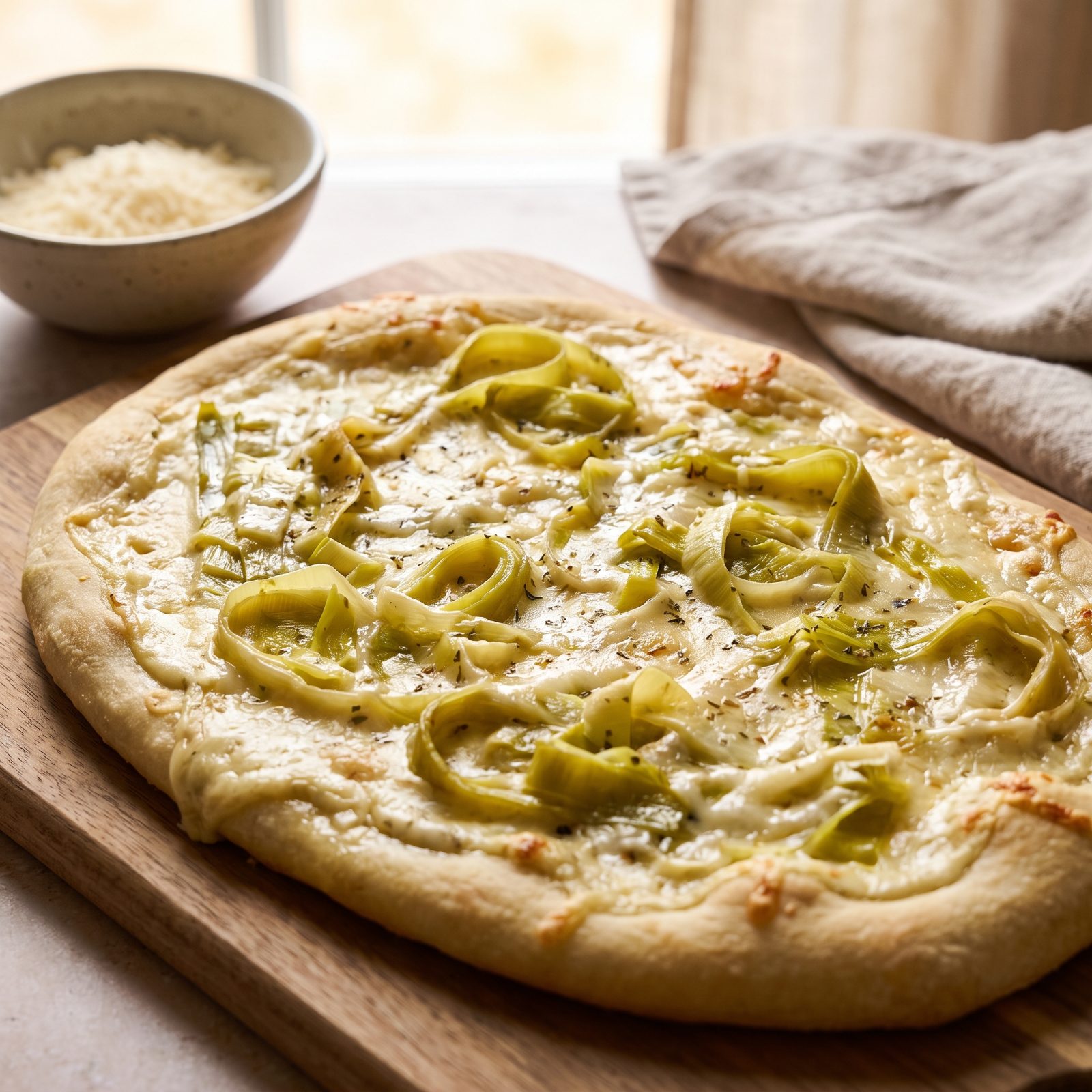
Leeks are sweeter than onions and gentler, but only if you cook them slow and get the grit out first. Braised down until they go silky, laid over a parmesan cream base instead of tomato, they turn a pizza into something that tastes almost French.
No red sauce, no mozzarella blanket. Just that nutty parmesan base, soft leeks, and black pepper. Funny how the simplest-looking pie on the menu is usually the one that takes the most care.
14. Prosciutto Pizza Dressed Only After It Leaves the Oven
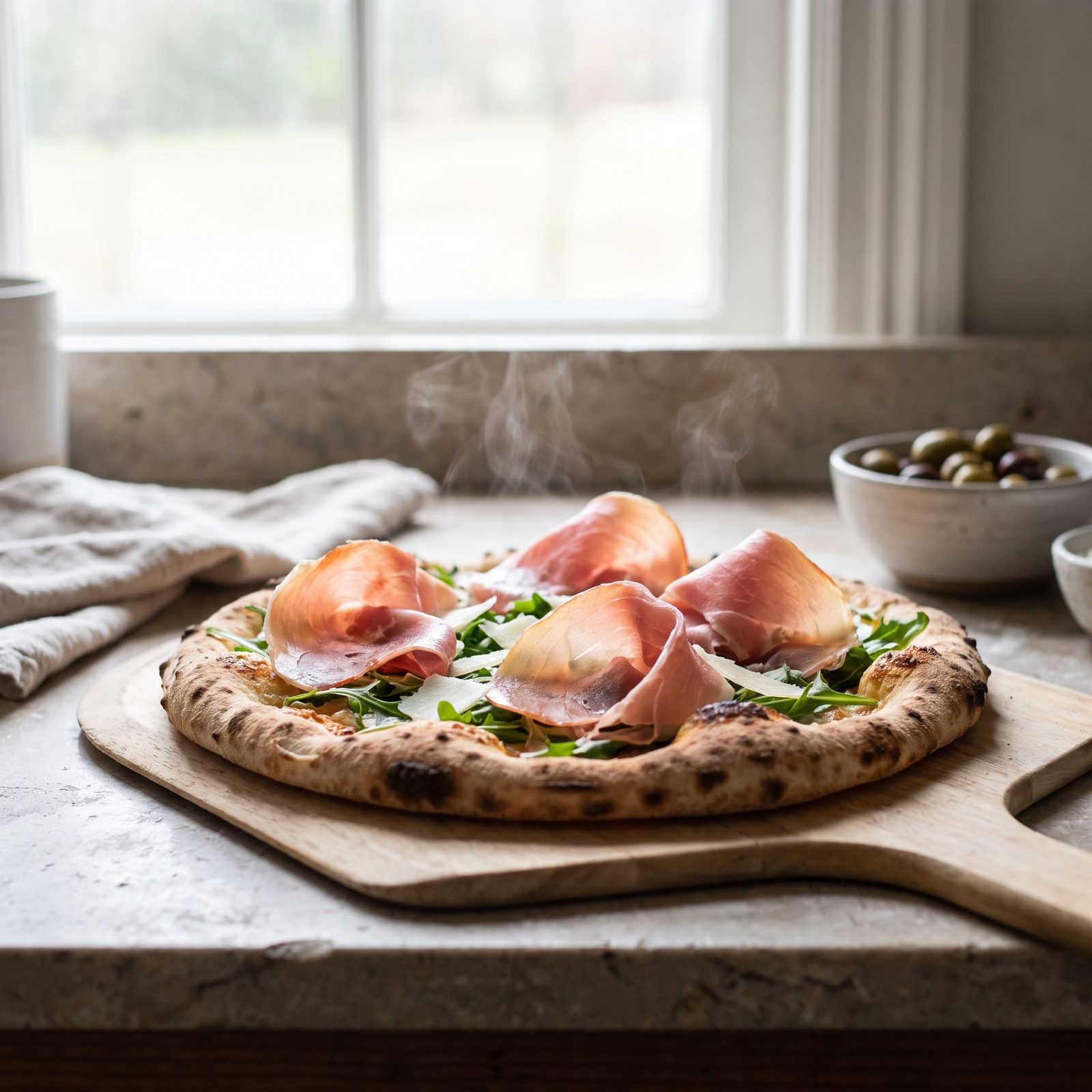
Cook the prosciutto and you ruin it. Ten seconds under broiler heat turns that silky rose into salty cardboard, all the delicate funk baked right out of it. So the good places don’t bother. They bake a plain cheese and tomato base, pull it blistering, then lay the prosciutto across the top where the warmth loosens the fat without scorching it.
One decision, and it separates a pizzeria that understands its ingredients from one that throws everything on and hits the oven. The meat stays supple. Salt and sweet in the same bite.
13. Clam Pizza With Parsley and Garlic
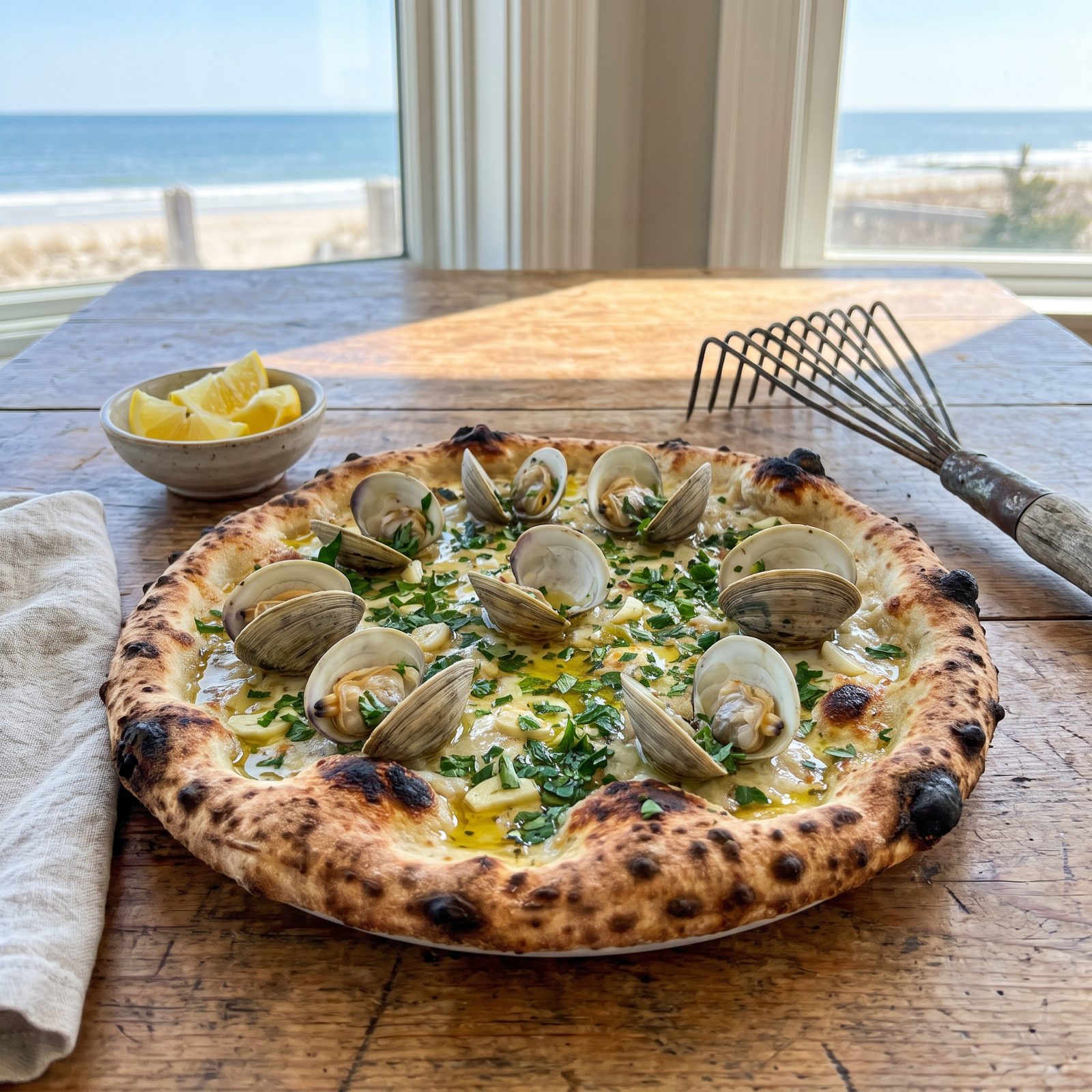
No cheese to hide behind, no tomato to sweeten things up. A clam pizza is dough, garlic, oil, parsley and fresh clams, which means every element has to be right or the whole thing falls apart.
The clams get shucked that day, chopped, and spread thin — too many and it turns to chowder. The crust does the real work, catching the briny juice and the garlic oil, going crackly at the edge. New Haven built a reputation on this one pie. I’ll admit it took me years to understand why a pizza without cheese could be the best thing on the menu.
12. Tuna and Onion Pizza in the Roman Style
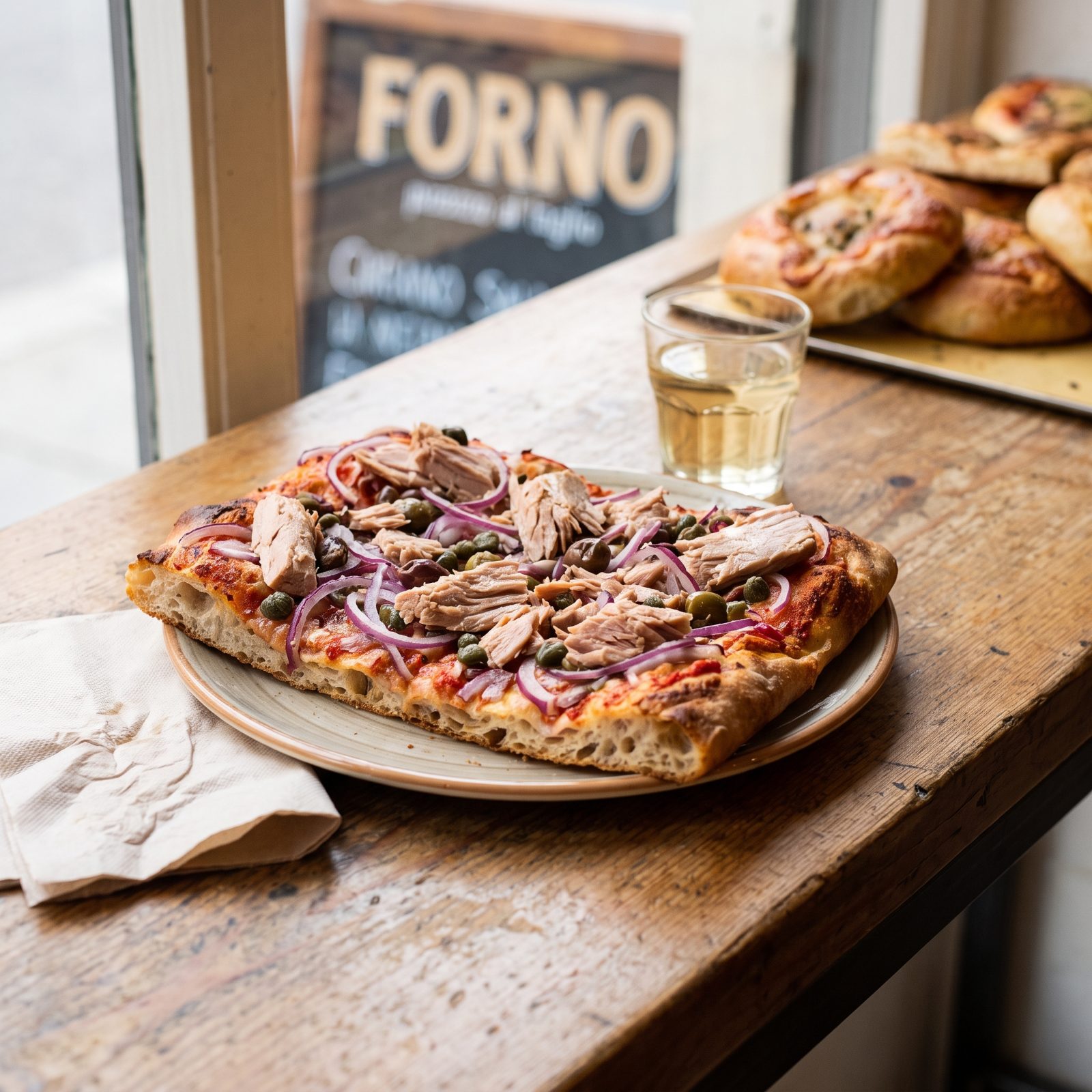
Americans flinch at this one. Tuna on pizza sounds like a dare. In Rome it’s a lunch counter staple, sold by weight, cut with scissors, eaten standing up.
The trick is restraint. Good oil-packed tuna, flaked thin, soft red onion gone sweet in the heat, a few capers for sharpness. The crust underneath is the Roman kind — long fermented, light as anything, shattering at the bottom. Pile it high and you’ve made a sad fish casserole. Lay it light and it makes perfect sense by the second bite.
11. Egg Pizza With a Runny Center Yolk
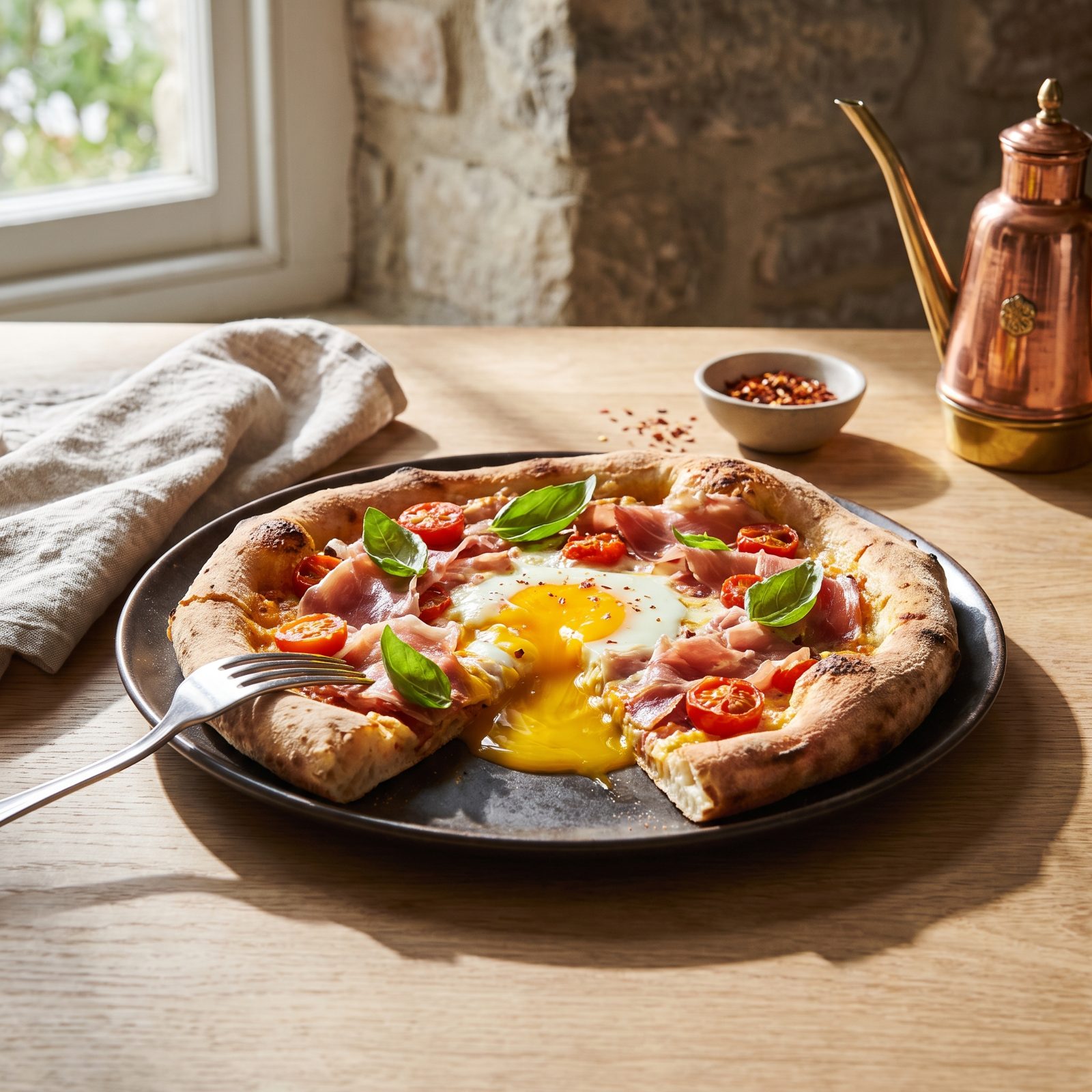
Timing is the whole game. The egg goes on raw and has to come out with the white fully set and the yolk still liquid, which gives the oven maybe a thirty-second window to get it right.
Crack it too early and the yolk hardens to chalk. Too late and the white runs clear and raw across the cheese. A pizzaiolo who nails this every time is reading the oven by instinct, not a timer.
Break the yolk at the table and it runs into the cheese like a sauce you didn’t know the pizza needed. Payoff for all the fuss.
10. Bread-Crumb Pizza With Sicilian Pangrattato
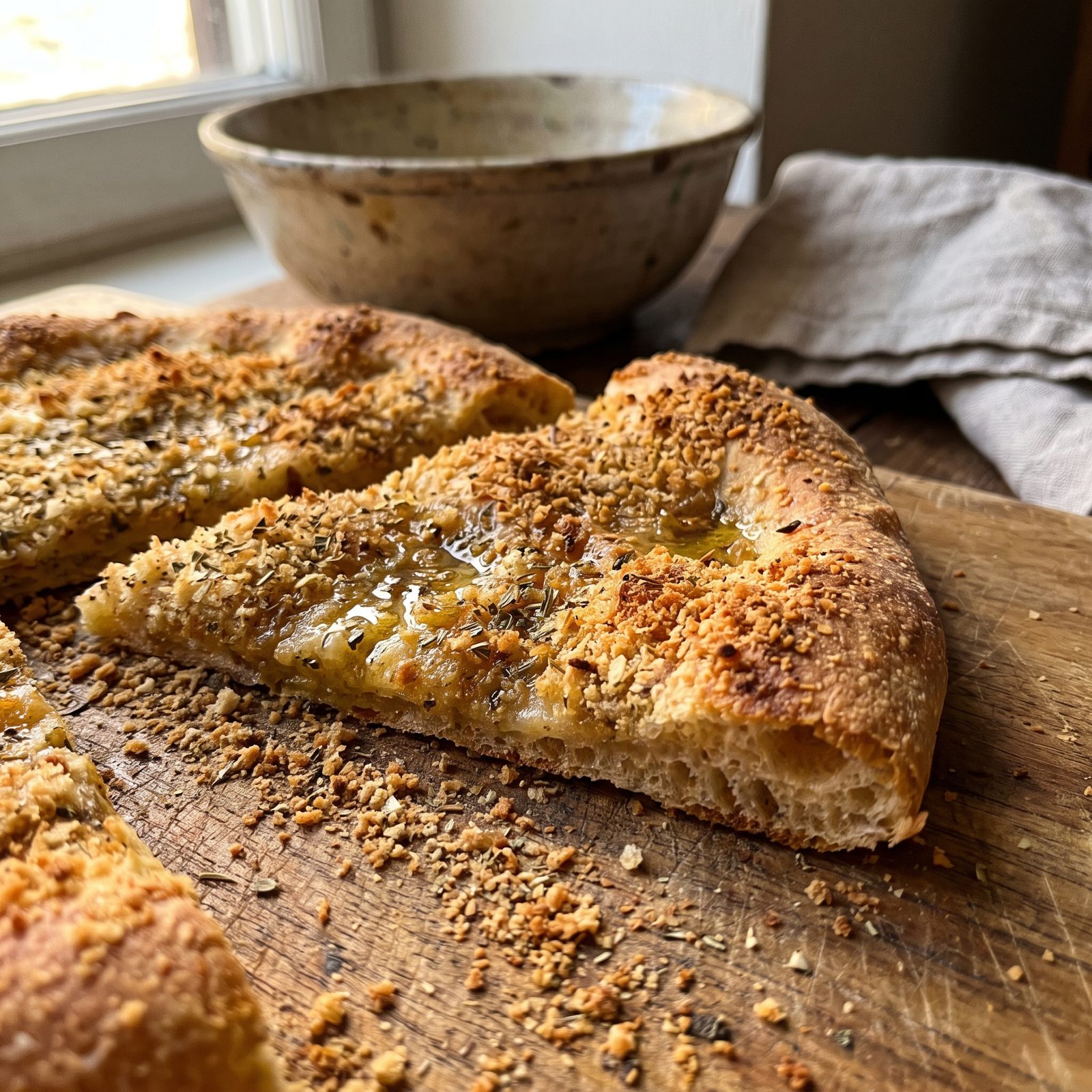
The poor man’s cheese. That’s what pangrattato was in Sicily — toasted bread crumbs standing in for Parmesan when Parmesan cost money nobody had. Scattered over a tomato pizza and crisped in the oven, they go golden and nutty and give you crunch in every bite.
I think it’s one of the smartest moves in all of pizza. Texture, toasty flavor, and the thrift of using up stale bread, all at once. The anchovy and oregano do the seasoning. The crumbs do the magic.
9. Sourdough Cheese Pizza With a Tangy, Open Crumb
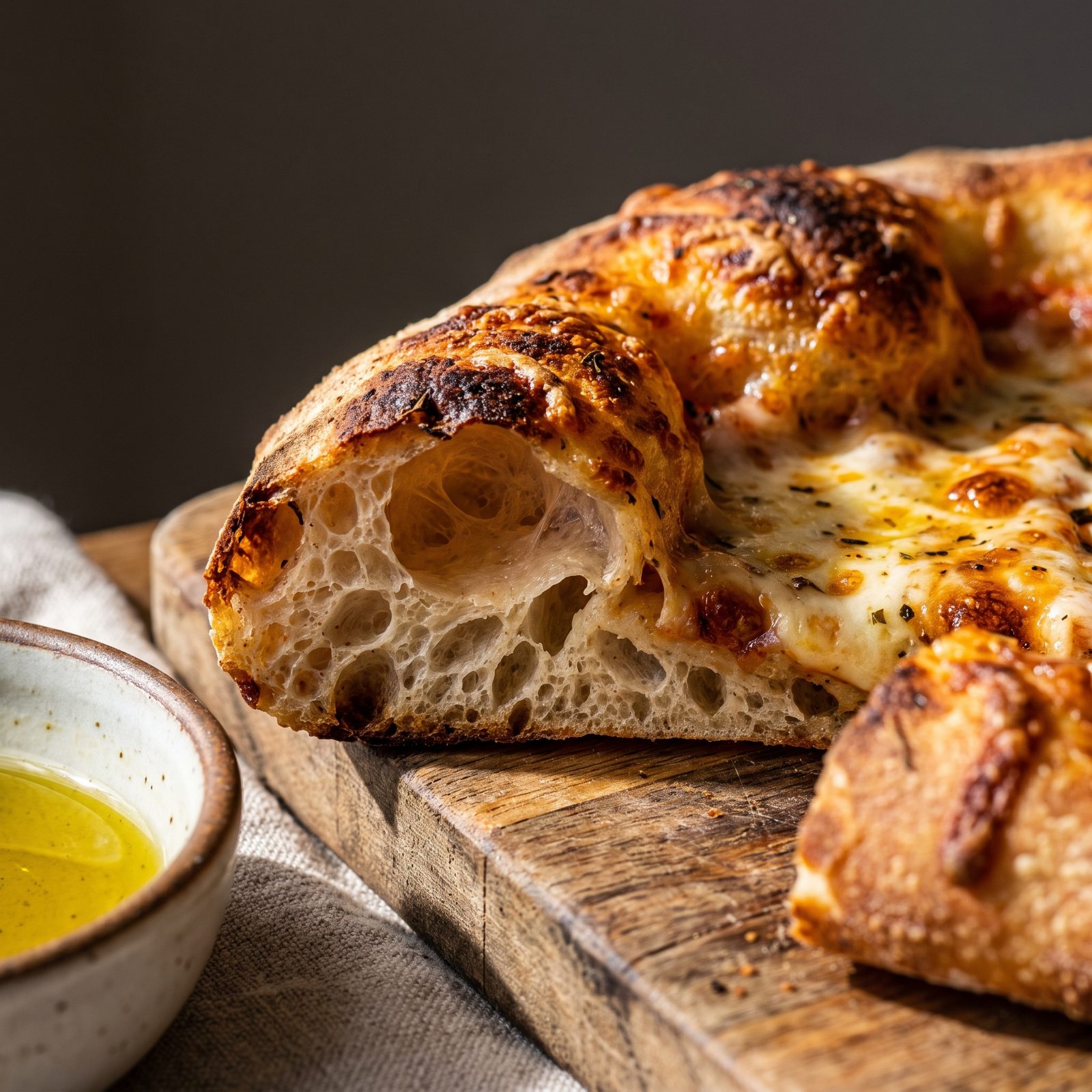
You can taste the time. A sourdough base ferments slow, sometimes two or three days, and that long rest does two things no shortcut can fake: it builds a tang in the crust and it opens the crumb into that big, bubbled, chewy structure the Neapolitans chase.
Top it with nothing but good mozzarella and tomato and the dough stands front and center. The crust stops being a delivery vehicle and becomes the main event.
Honestly, a plain cheese sourdough is a great test for any new pizzeria. If the dough can carry the pie with almost nothing on it, the kitchen knows what it’s doing.
8. Whole-Wheat Tomato Pizza With Toasted-Grain Flavor
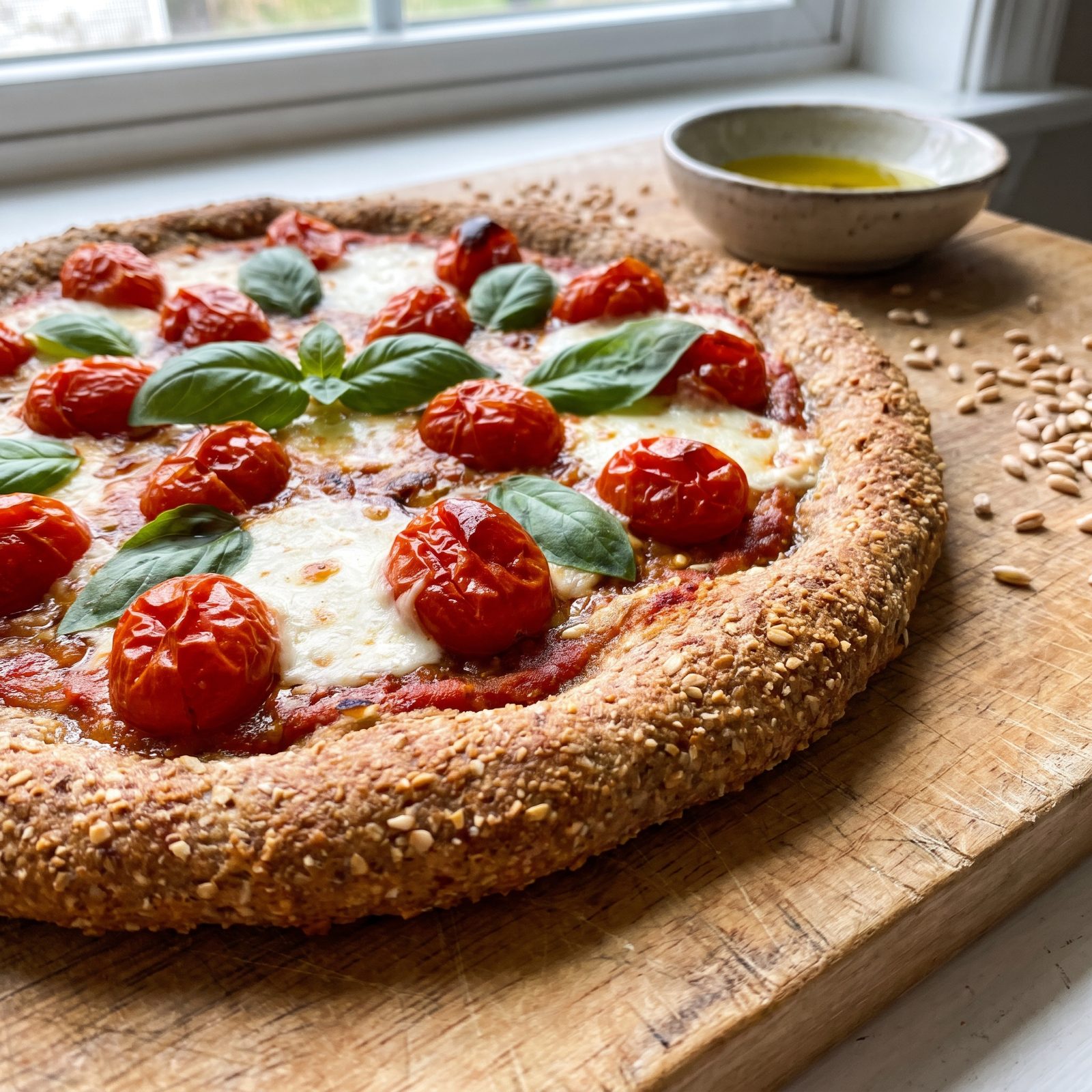
Whole wheat gets a bad name because most of it tastes like a health-food compromise — dense and gritty and vaguely sad. Done right, it’s the opposite. The bran toasts in the heat and gives the crust a nutty, almost roasted flavor white flour can’t touch.
Keep the toppings quiet, just tomato and a dusting of pecorino, and the grain gets room to speak. Deeper, a little earthier, the kind of thing you notice halfway through and go back for.
7. Semolina-Bottomed Pizza With a Crunchy Underside
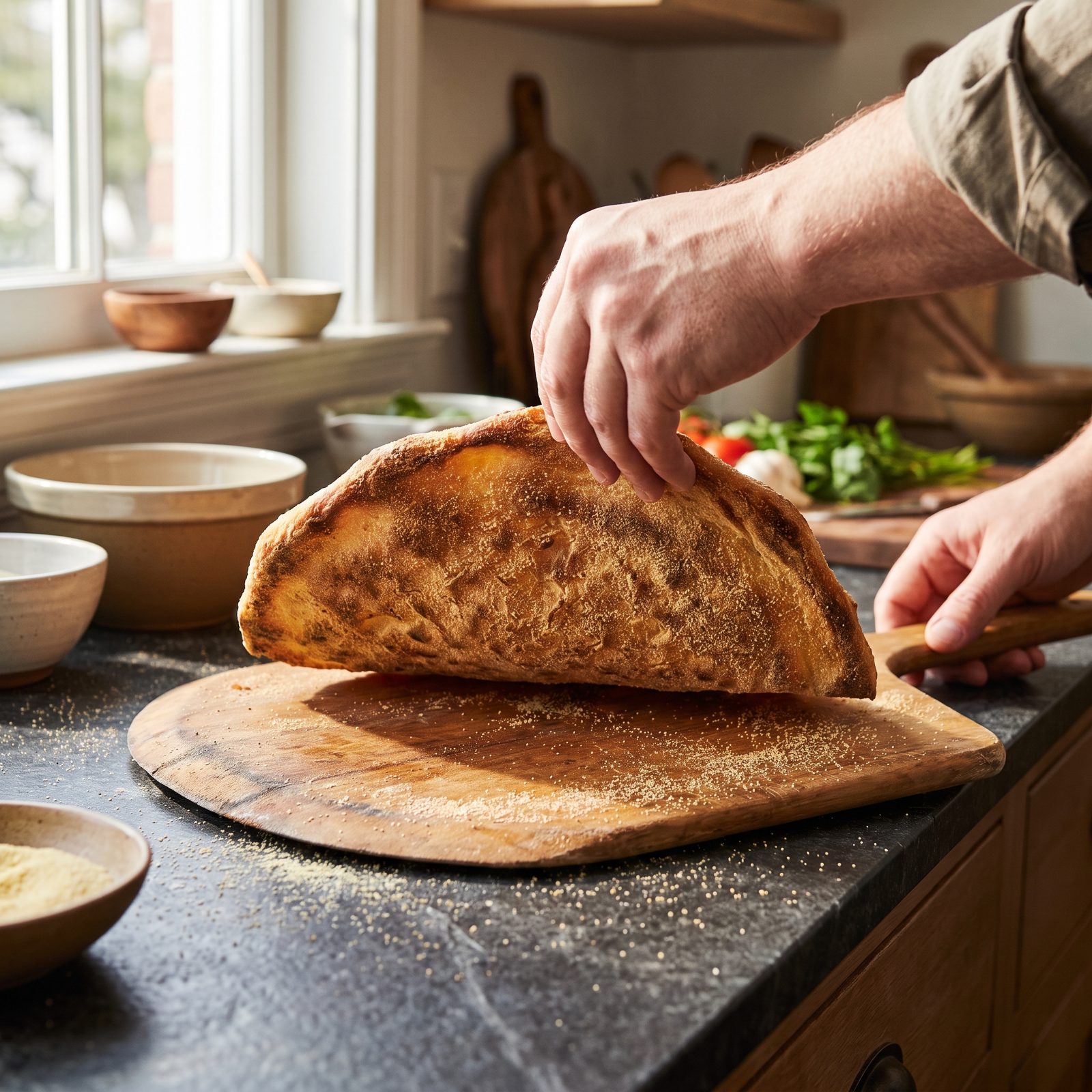
Flip a good pizza over and the bottom tells you everything. Semolina on the peel does two jobs: it keeps the dough from sticking, and it toasts into a crunchy, pebbly crust on the underside that regular flour never gives you.
You feel that crunch before you taste anything. Soft, airy crumb up top, a bottom that cracks like a cracker. It’s a small detail most people never think about, which is exactly why it separates the pizzerias that sweat the details from the ones that don’t.
6. Coal-Oven Cheese Pizza With a Smoky, Leopard-Spotted Crust
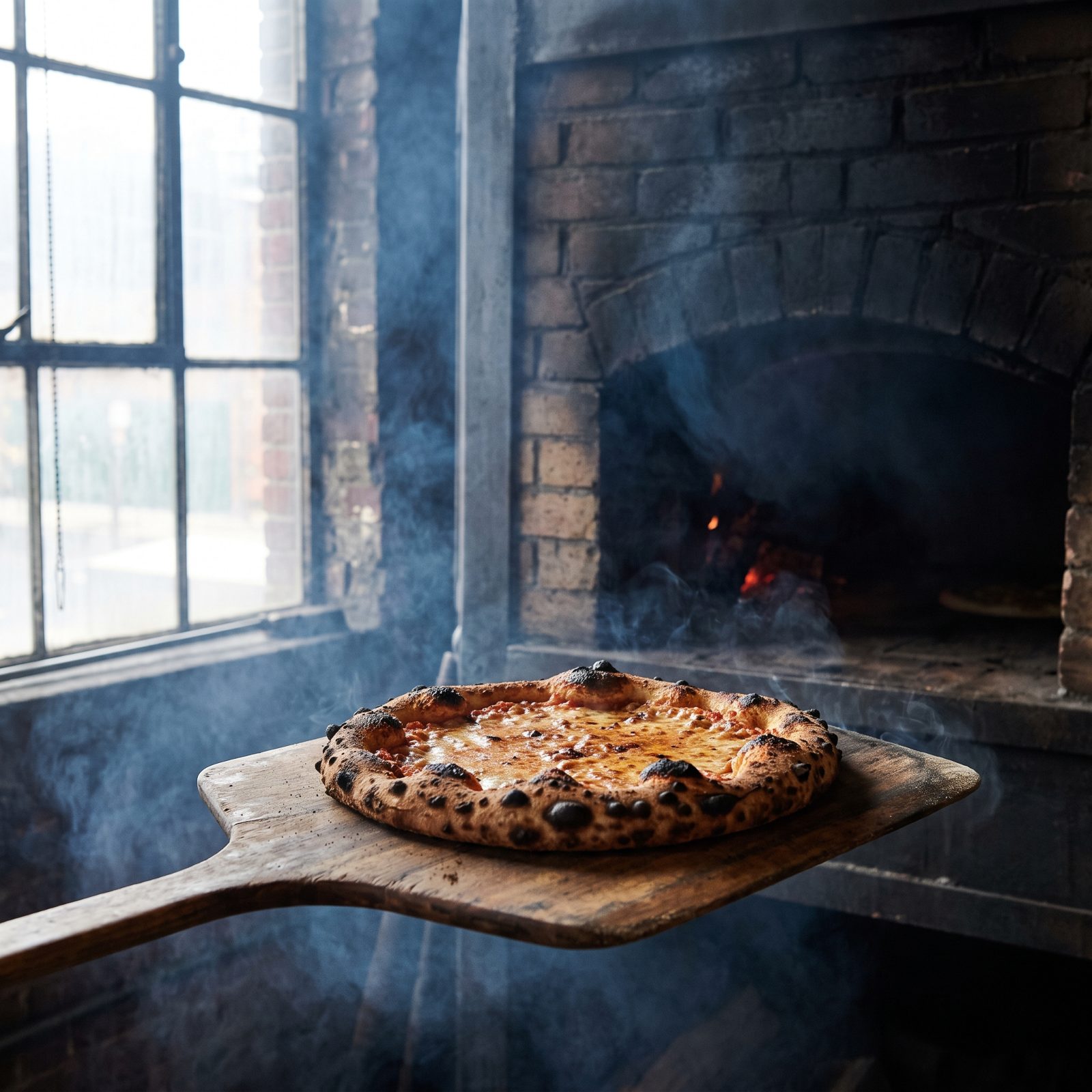
Coal burns hotter than wood or gas, hot enough to scorch a crust in a way nothing else matches. The old New York and New Haven coal ovens run blistering and they stamp the dough with that deep, almost black leopard spotting that carries real smoke.
You can’t fake it. A gas oven gives you a clean, even crust. Coal gives you char with flavor, a bitterness at the edges that plays against the sweet tomato and the milky cheese.
Most of these ovens are a century old, grandfathered past regulations nobody would approve today. When one closes, that exact flavor goes with it.
5. Bar Pie With Cheese Spread Right to the Rim
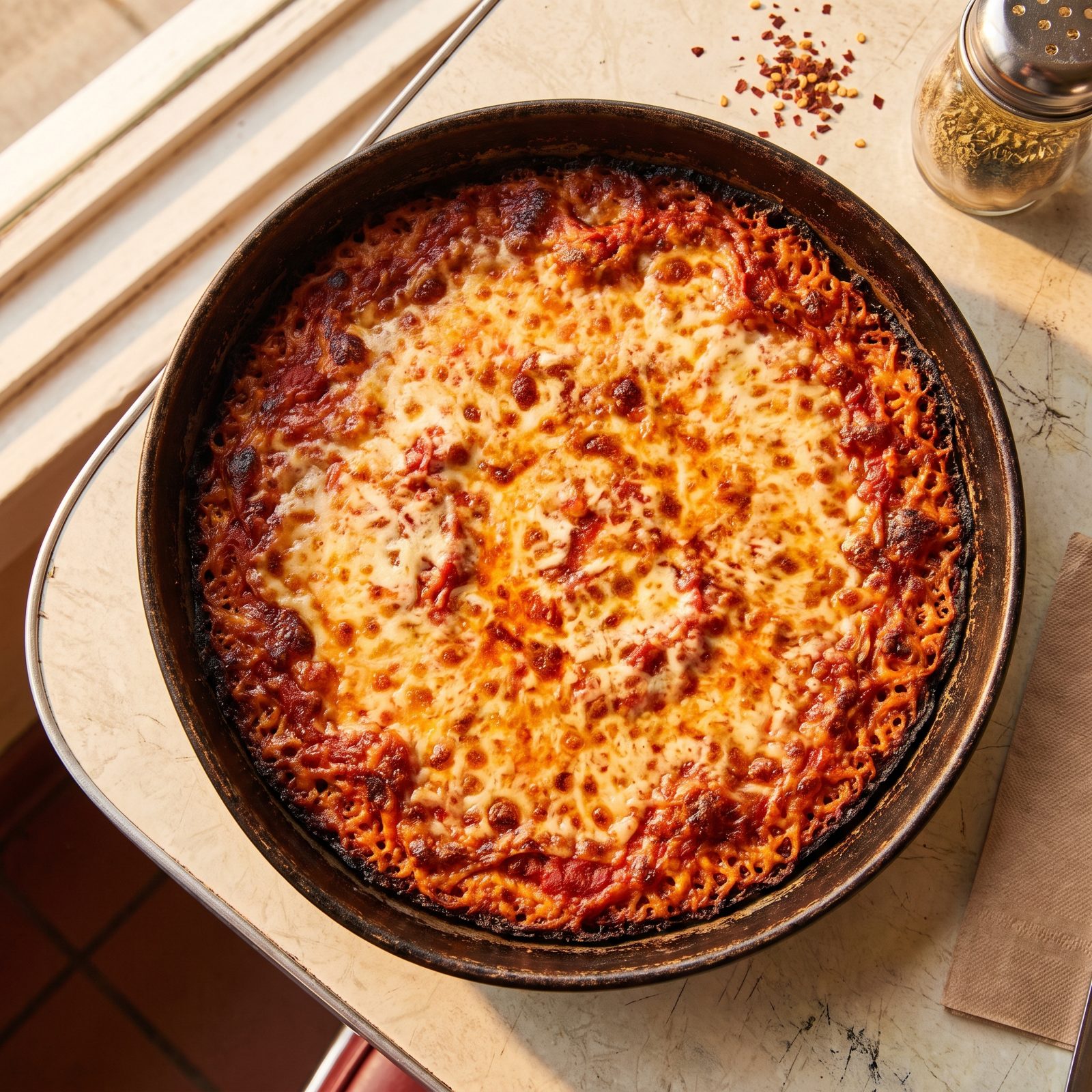
No handle. That’s the point. On a proper Jersey bar pie, the cheese runs clear to the edge of the pan, and where it meets the hot metal it caramelizes into a lacy, browned, slightly bitter crisp. That rim is the best part.
These are small, thin, cracker-crisp, built to eat over a beer with no plate — thin dough, thin sauce, cheese to the rim, cut into little squares. Doing less, with total precision.
I’d take that browned cheese edge over a thick cornicione any day of the week, and I’ll die on that hill.
4. Thin-Crust Tavern Pizza With a Cracker-Like Snap
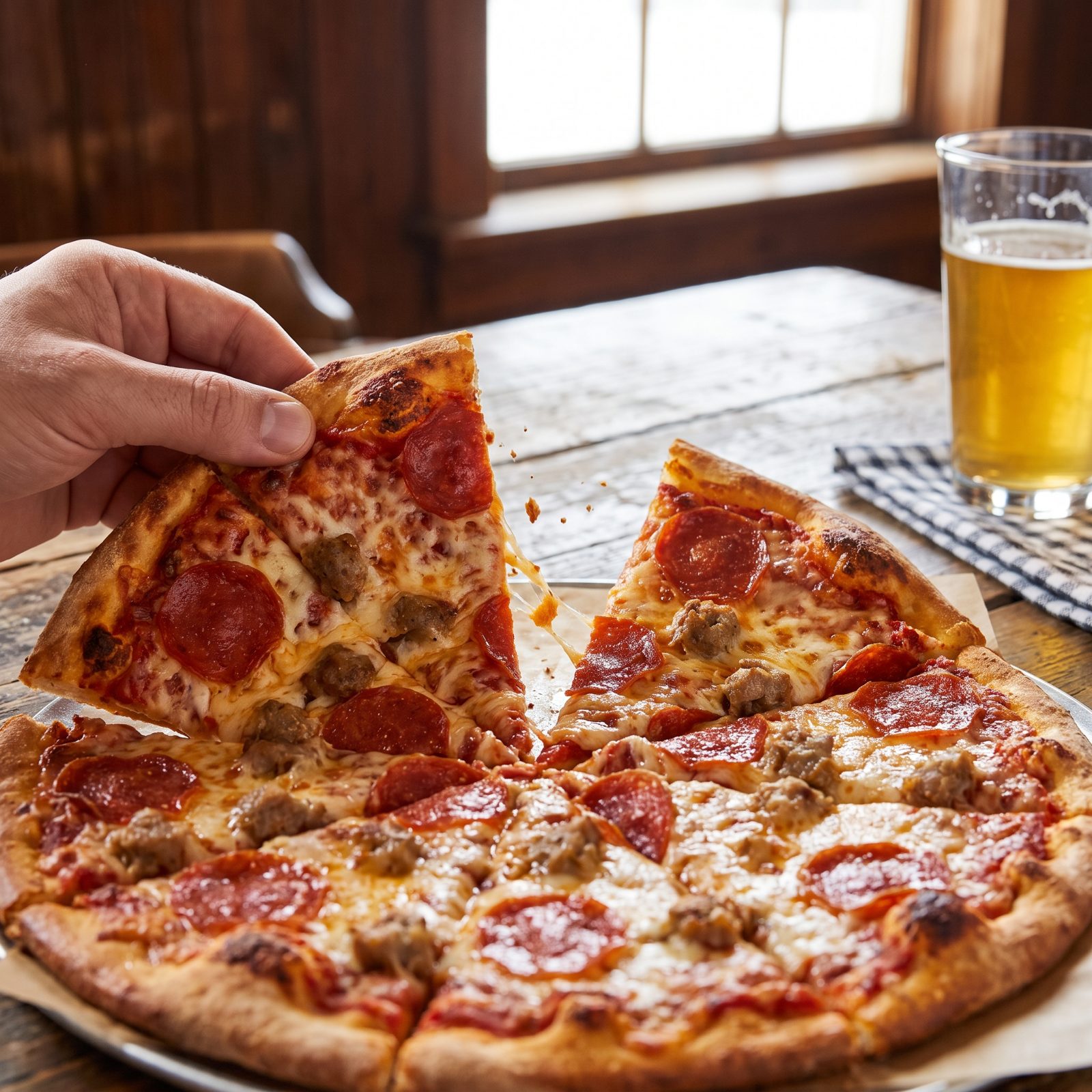
Tavern pizza is the quietest show-off in the room. No puffy cornicione, no theatrics, just a crust rolled thin enough to crack like a saltine and a party cut that lets you eat it one square at a time. The whole thing lives or dies on the bake. Go timid in the oven and you get a flabby, sad disc, but push it properly and the bottom turns dry and biscuity, crisp enough to hold its load without a single droop.
Chicago and Milwaukee have been doing this for decades, and it works because they hold back. A thin coat of sauce. Cheese pushed to the very edge so it caramelizes against the pan. Pepperoni that cups and crisps. Simple, yes, and somehow harder to nail than any deep dish.
3. New York Cheese Slice With a Foldable Center
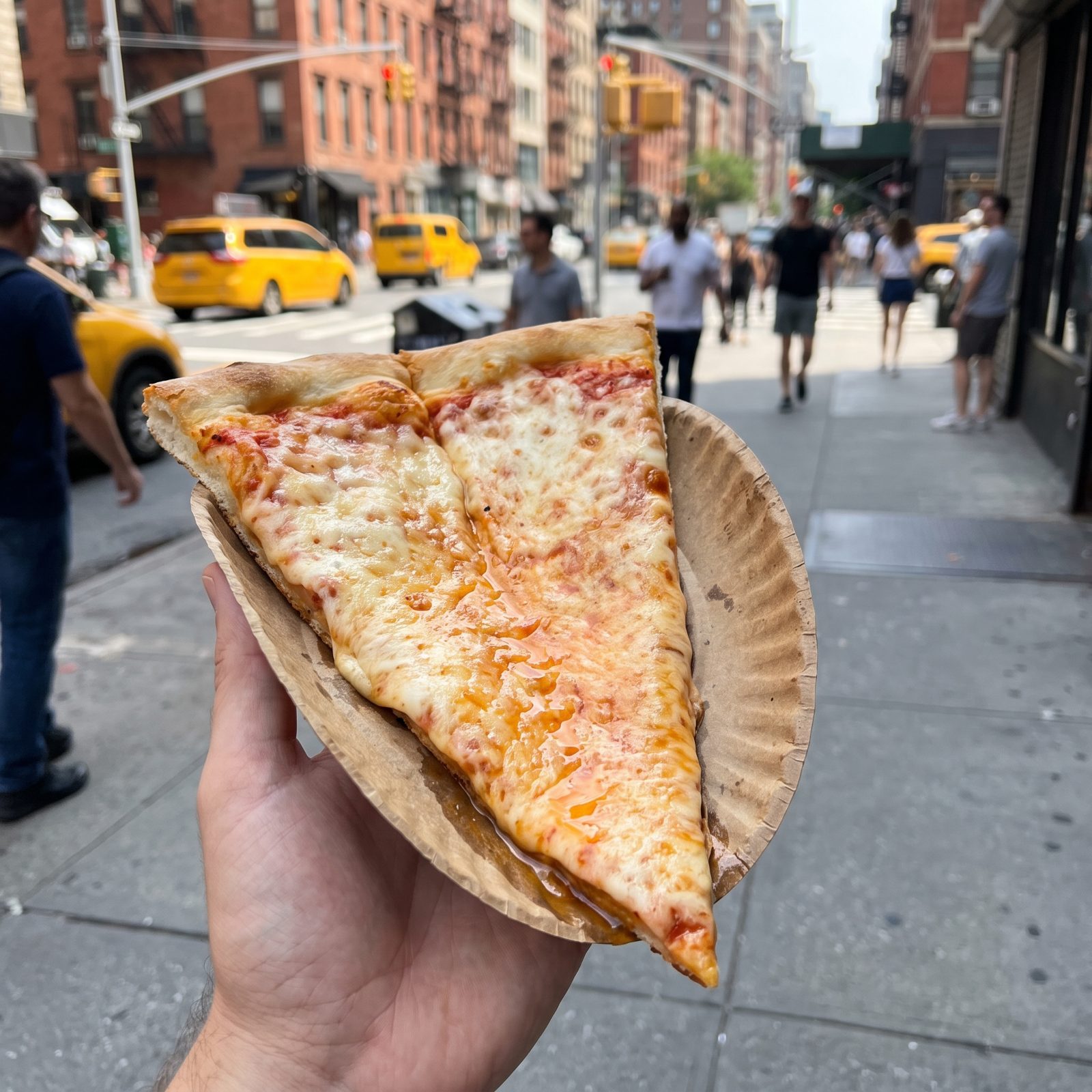
The fold is not a party trick. It’s a structural test. A real New York slice should bend at the crust and hold its shape without cracking or flopping into a wet mess. That balance comes from a high-gluten dough cold-fermented long enough to develop flavor and strength together.
You’ve watched someone grab a slice, crease it with one practiced hand, and walk out the door eating it. That ritual only works because the dough was built for it — crisp enough underneath to carry the weight, supple in the middle, with a crust that puffs just enough to give you a handle. No accident. Pure design, slice after slice.
2. Roman Pizza Rossa With an Olive-Oil-Crisp Base
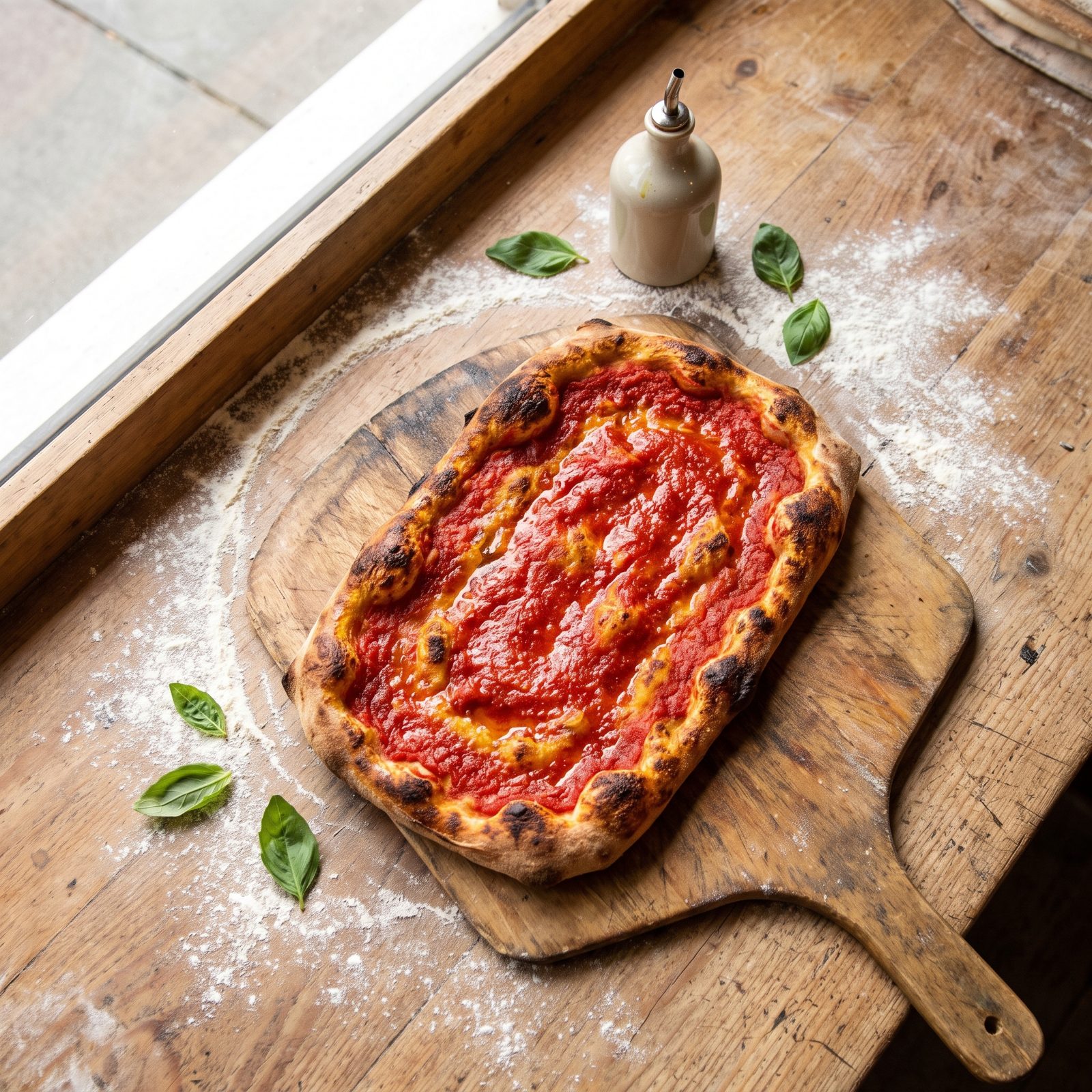
Strip away the cheese and the pizza has nowhere to hide. Pizza rossa is just dough, tomato, oil, and salt, which means every one of those four has to be right. The tomato goes on bright and barely cooked so it tastes like tomato, not sauce. The salt is coarse enough to crunch. And the olive oil, both in the dough and under it, is what shatters the base.
Romans eat this standing up, by weight, cut with scissors and folded into a napkin. Humble street food that happens to demand serious fermentation to get that tall, holey, fried-bottom crumb.
1. Sicilian Tomato Pizza With a Cloudlike Interior
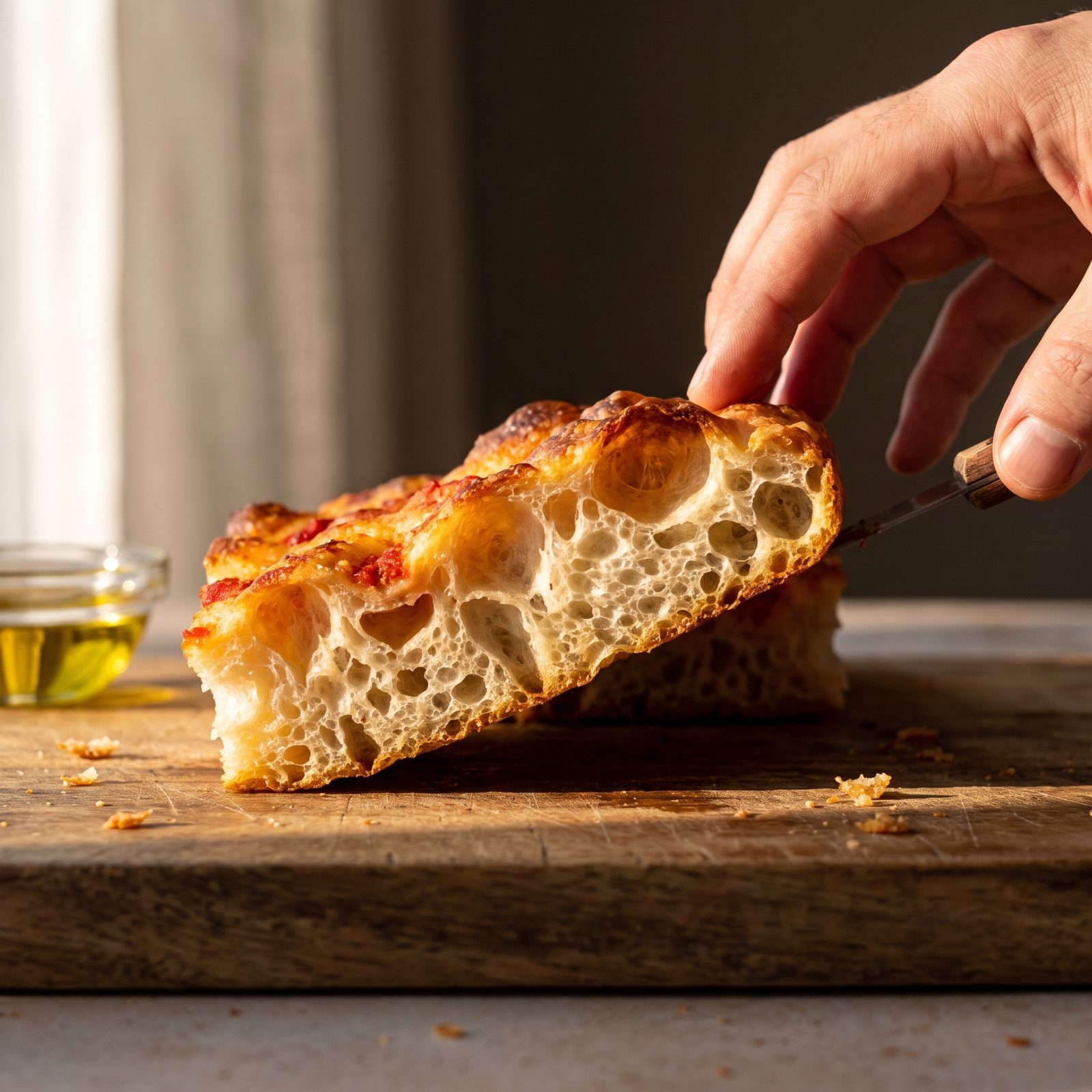
Pick up a proper Sicilian square and you expect it to be heavy. It isn’t. Done right, that thick slab is mostly air — a crumb so open and tender it practically collapses when you press it, sitting on a bottom fried crisp in the oiled pan. That crackling base against the pillow above is the whole payoff.
The tomato goes on top, cooked down and faintly sweet, usually with pecorino instead of a heavy cheese cap, which keeps the focus right where it belongs: on the dough.
A great Sicilian square is proof that bread, not toppings, is where pizza actually gets interesting.
I’ll admit I ignored Sicilian for years, assuming thick meant doughy. I was wrong. The good ones taste like focaccia that went to pizza school.