

The best table in a restaurant isn’t the one by the window. It’s the one in the corner, back to the wall, with a clear view of the kitchen door and a dining companion who’s been told to quit staring at the waiter. Professional reviewing is a strange job built on disguise, discipline, and a stack of receipts the accounting department will later squint at. Behind every three-star verdict sits a set of rules most diners never see. Here’s how the people who judge your favorite spot actually do the work.
Please note that some of the images in this article were created with the assistance of AI.
42. The Publication Usually Pays the Entire Bill
This is the rule that separates a review from an ad. The publication pays. Every course, every cocktail, the tip — all of it comes out of an expense account, not the chef’s generosity.
Sounds obvious until you realize how much food media runs the other way. The free dinner. The hosted tasting. The “come try our new menu” invite that lands in your inbox twice a week. A real critic says no to every one of them, because the moment a restaurant buys your meal it has bought a little piece of your opinion, and readers can smell that from three paragraphs away.
41. Unexpected Freebies Must Be Disclosed or Removed From the Bill
Say the kitchen recognizes you anyway and sends out a surprise course nobody ordered. Now you have a problem.
The honest move is to note it in the review, flag it to the reader, and discount it in the verdict. A free extra dish isn’t the same experience a paying stranger gets, and pretending otherwise is a lie by omission. Some critics ask the server to add it to the bill. Most just tell the reader straight: the kitchen made me this one, so take it with a grain of salt. That kind of transparency is the whole job.
As a Minnesota food critic puts it, “If I write about it or post it on my Instagram, I always will note that I was “invited” and/or the meal was free or comped.”
40. Many Critics Wait for the Opening Frenzy to Settle
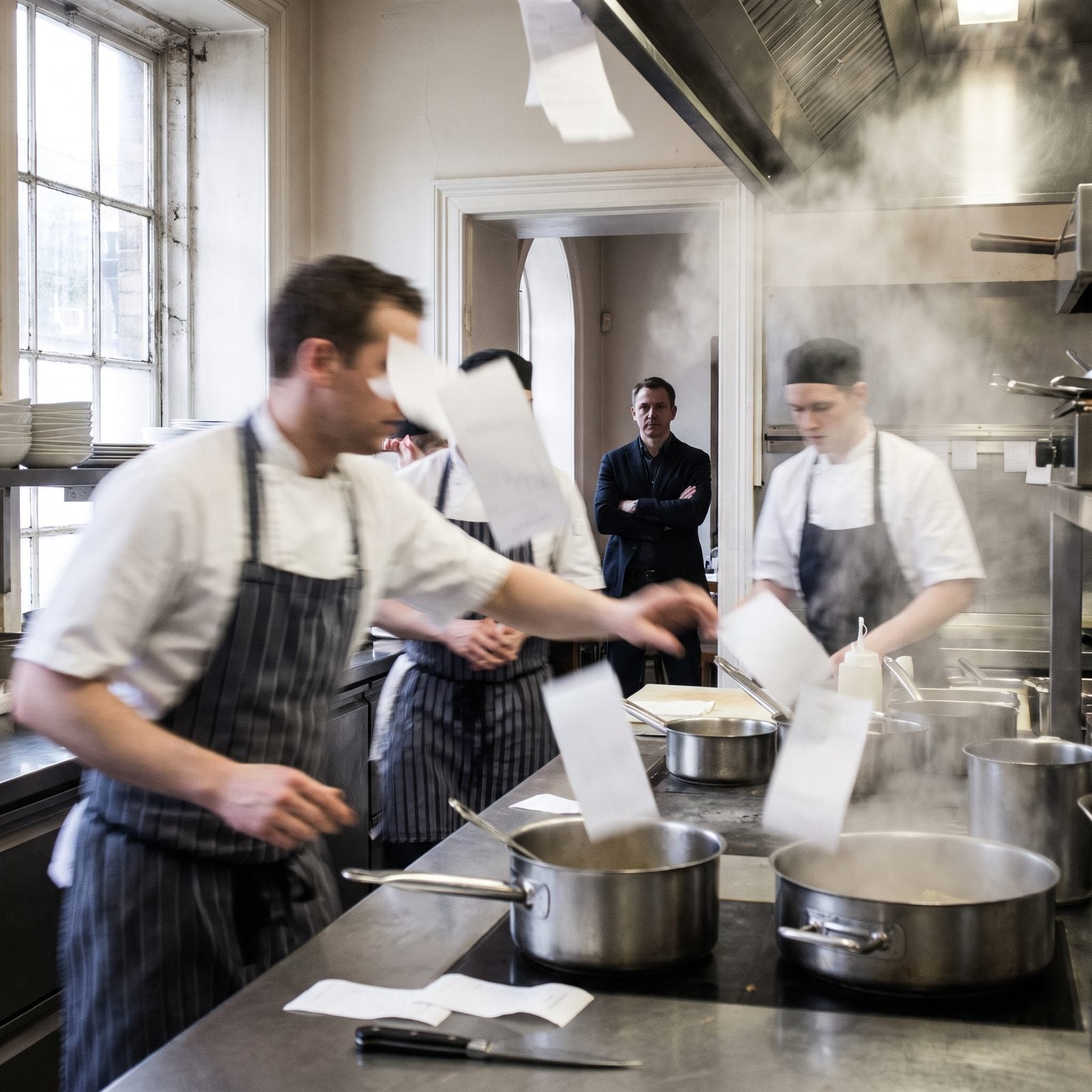
A restaurant on its opening weekend is a restaurant having a nervous breakdown in public. The kitchen’s still finding its rhythm, the servers don’t know the menu, and the point-of-sale system crashes at the worst possible moment.
Fair critics grant a grace period — a month, sometimes six weeks, before anybody starts counting. Judging a place on night two is like grading a band during sound check. The good reviewers wait until the staff stops flinching, then show up and see what the restaurant actually is when nobody’s panicking.
As a Houston restaurant critic puts it, “I go to each restaurant a minimum of three times before I write a review. For a new business, I wait at least a month after it opens.”
39. Multiple Visits Test Whether the Kitchen Is Consistent
One great dinner proves nothing. Anyone can be good once.
At a serious publication the standard is two or three visits minimum — more for a big review — each on a different night with a different crowd. The question was never whether the kitchen can cook. It’s whether it can cook the same thing twice. A risotto that sings on Tuesday and arrives gluey on Saturday tells you the line falls apart under pressure, and that’s exactly what a reader paying full price deserves to know.
38. Lunch and Dinner May Reveal Two Different Restaurants
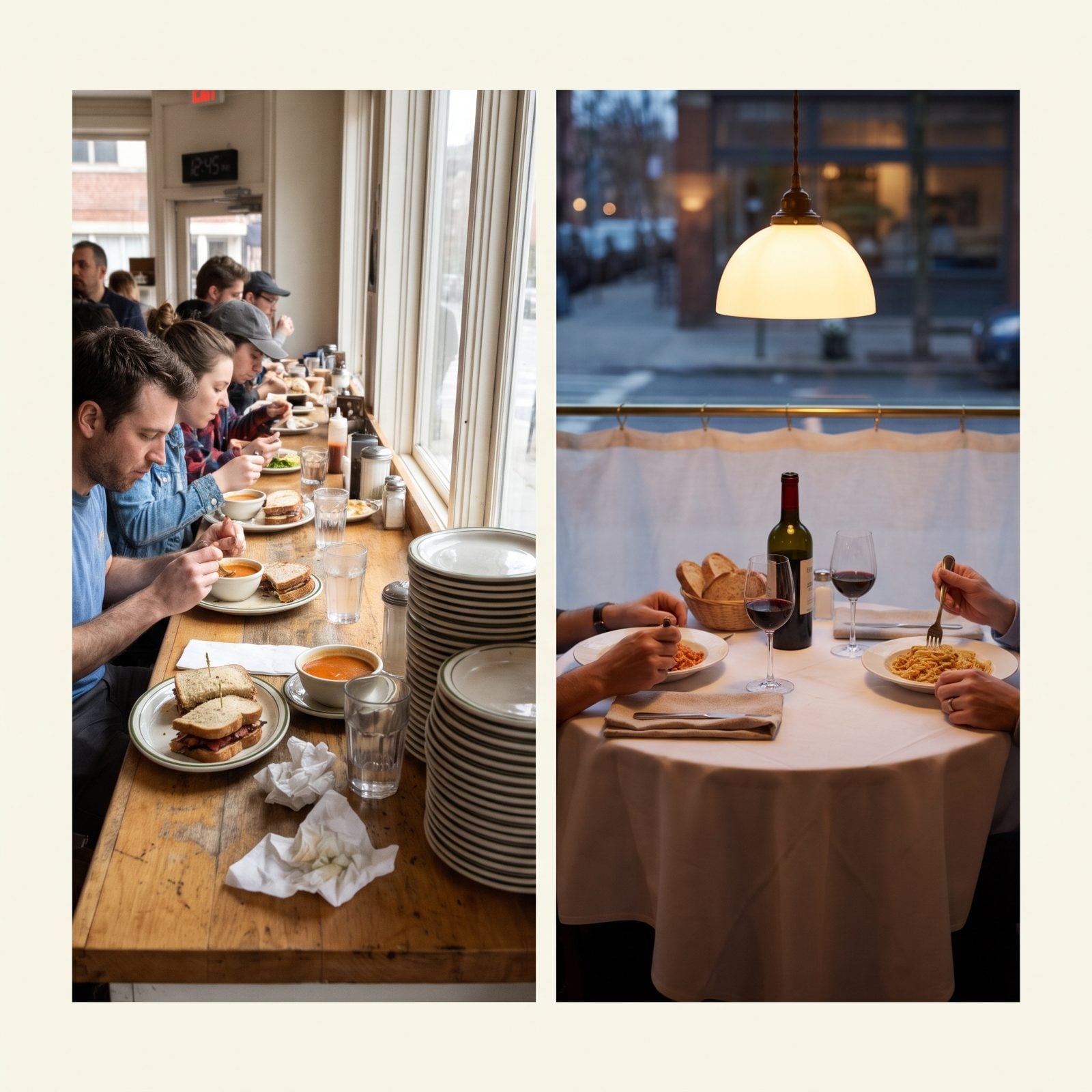
The same kitchen can wear two completely different faces depending on the hour. Lunch might be a rushed, cheaper, dumbed-down version run by a B-team while the chef sleeps off last night’s service, while dinner is the main event — candlelit, careful, every garnish placed with tweezers.
Critics who review a place on its menu alone miss this entirely. Smart ones hit both services, because plenty of restaurants coast at noon and only turn on the charm after dark. Promise a certain standard at lunch, and you’d better deliver it. A good critic will catch you if you don’t.
37. Dining Companions Provide More Palates and More Orders
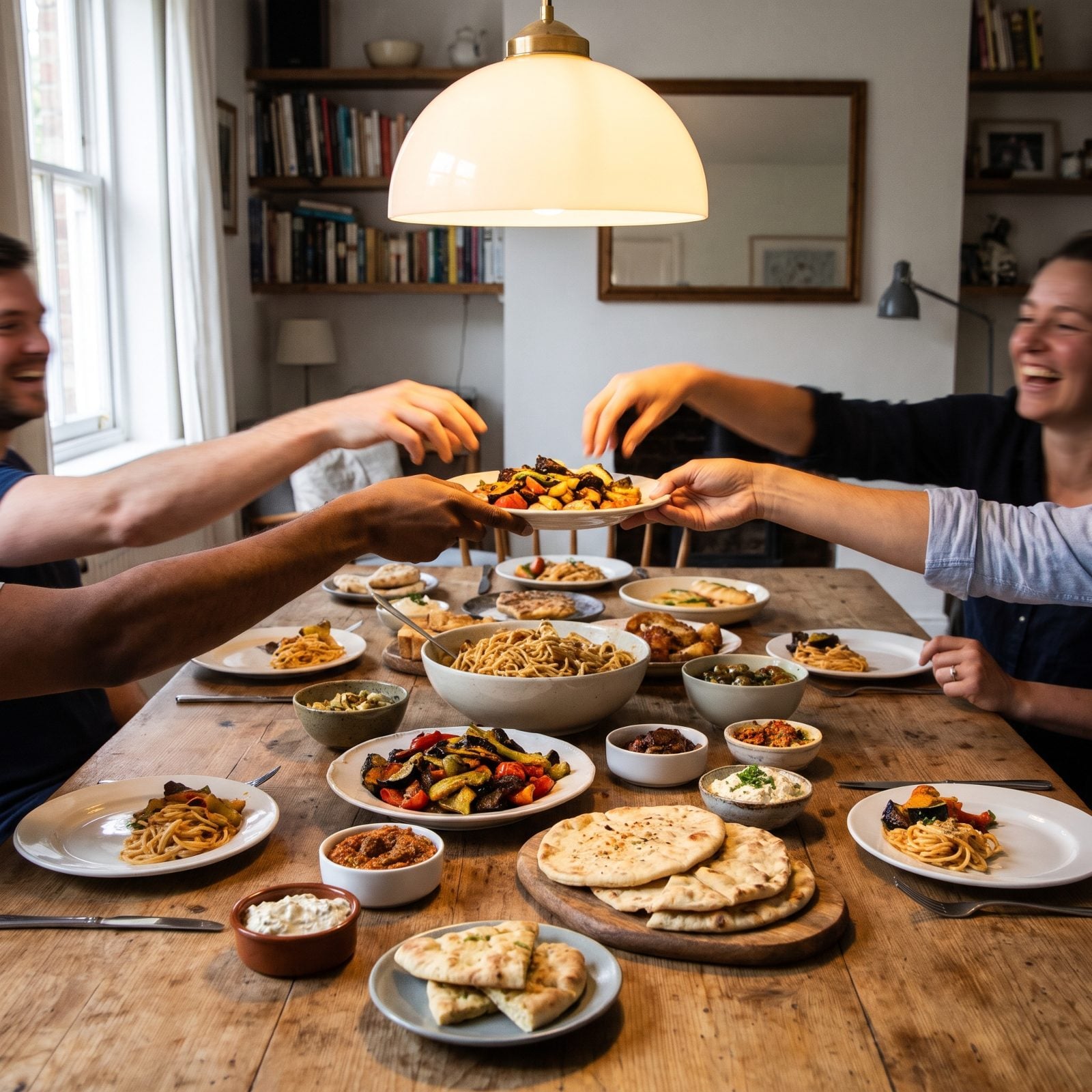
A critic dining alone can honestly try maybe three dishes without looking suspicious or exploding. Bring three friends and suddenly the table covers a dozen plates, every friend chiming in with their own palate.
That’s the real reason critics rarely eat alone. More mouths, more menu covered, more second opinions, and a built-in excuse to order the entire left side of the appetizer list. The verdict only gets stronger the more forks are in the game.
36. Companions Are Briefed to Behave Like Ordinary Customers

Now for the part that ruins dinner for the critic’s friends. You get coached before you walk in. Go ahead and photograph the plates, the way every other table does. Don’t scribble notes. Don’t ask the server what the chef’s name is. And for heaven’s sake, don’t announce that your pal writes about food.
The goal is to look like four normal people out for a nice meal, because the second a table gives itself away, the kitchen starts cooking for show. The best companion a reviewer can have is the one who raves about a dish quietly and snaps a picture of it on their phone like any other diner.
35. Critics Order a Cross-Section of the Menu
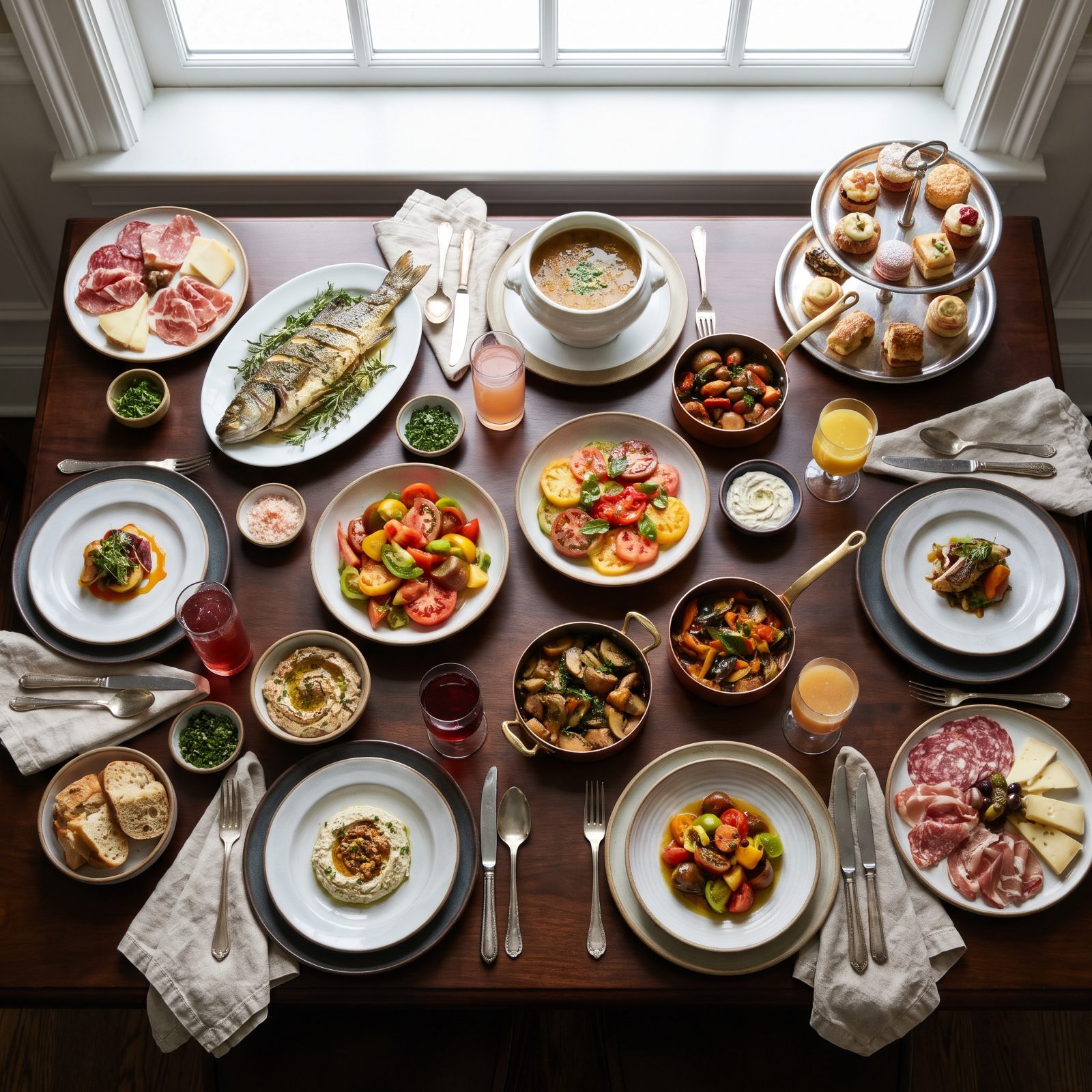
Ordering only the famous dish is lazy reviewing. Of course the signature pasta is good. It’s the signature.
The real test is the cross-section — a starter nobody talks about, the odd fish entree, a vegetable side, the dessert the kitchen clearly phoned in. You spread your order across the whole menu to find the weak link, because a restaurant is only as good as its worst plate on a busy night. Any place can nail its one trophy dish. The ones that nail the quiet, unglamorous plates too are the ones worth your money.
34. Daily Specials Reveal What the Kitchen Does Without a Script
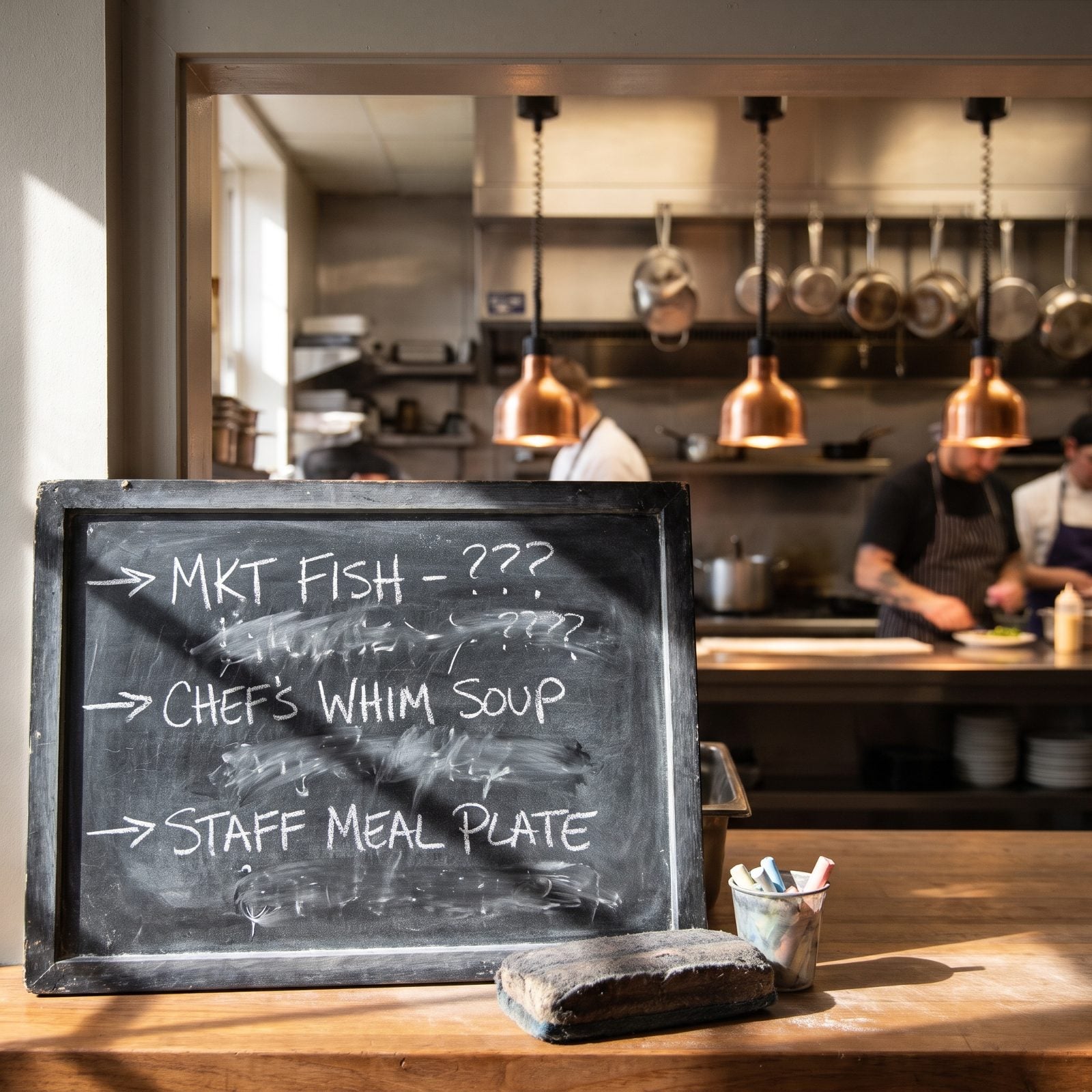
The regular menu has been rehearsed a thousand times. The daily special is live theater, no net.
When a critic orders the special, they’re watching what the kitchen does on the fly, with whatever came in fresh that morning, without a recipe the line has memorized cold. A sloppy special on an otherwise tight menu says the kitchen can only perform the routine. A brilliant one says the chef can actually cook, improvise, think on their feet. That’s the plate that often decides a review — and it’s the one a casual diner almost always skips.
33. Ordering the Same Dish Twice Exposes Consistency Problems
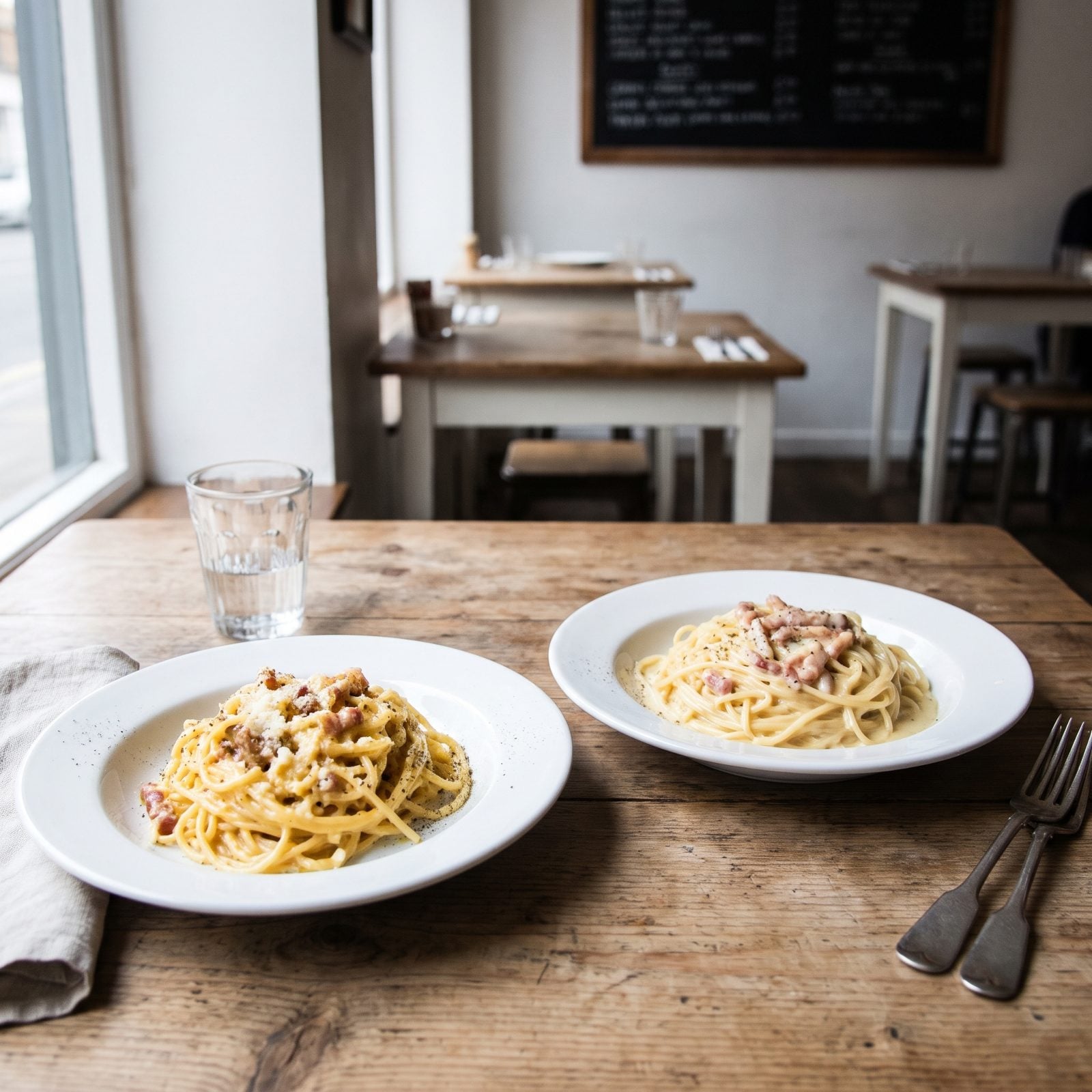
Order one dish once and you learn about that plate. Order it twice, same table, same night, and you learn about the kitchen. The second plate of spaghetti comes out paler, the sauce creamier and looser, its bacon in pale, chunky strips heaped on top instead of the browned, crisp bits tossed through the first. That gap is the whole story.
A great restaurant hits the same mark every ticket, every service. The frauds get lucky once and can’t repeat it. Two orders of the same thing, split between diners, is the cheapest consistency test there is, and the kitchen never sees it coming.
32. Pointless Modifications Are Usually Avoided

Sauce on the side, no onions, swap the fries, extra crispy. A home diner’s reflex. A critic’s mistake.
Change a plate and you’re no longer tasting what the kitchen built. You’re tasting a compromise nobody at the pass believes in. The chef’s intended version is the one on trial, so that’s the one you order, flaws and all. Modifications earn their keep only when you’re testing flexibility rather than flavor.
Asked about the rules for his dinner guests, a Maine restaurant critic says “What I don’t allow people to do is add on a ton of extras. So if we were ordering waffles at Waffle House, I would not allow a dining companion to order them smothered and covered.”
31. Dietary Accommodations Get Judged Only When Actually Tested
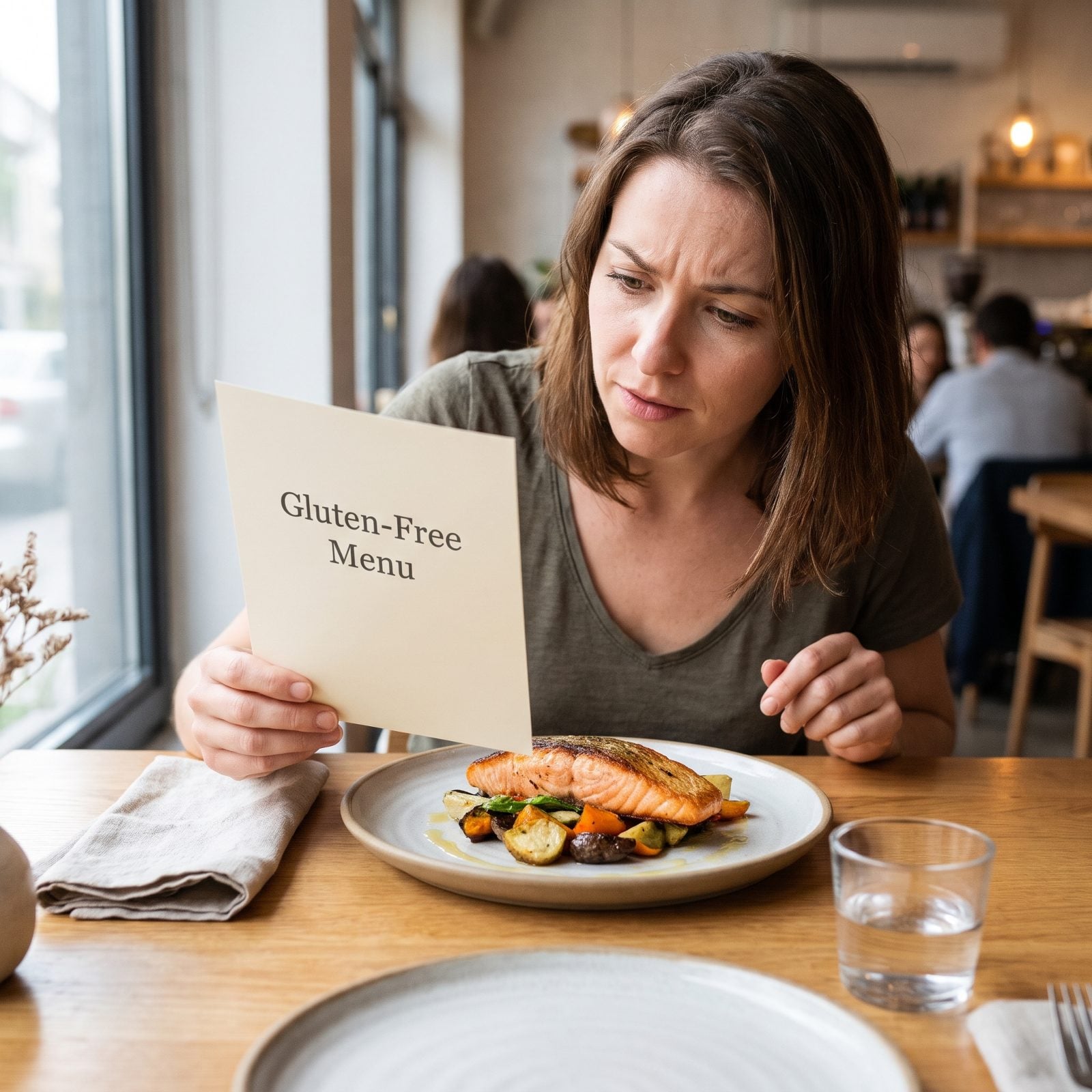
A gluten-free menu printed on nice cardstock proves nothing. What proves something is ordering it, telling the server it’s a real allergy, and watching what comes back.
Does the kitchen send a thoughtful swap, or a sad plate of steamed vegetables that tastes like surrender? Does anyone follow up? An accommodation earns credit only once it’s put to work. Critics with actual restrictions carry a built-in test every single meal, and they know when a place is genuinely careful versus just covering itself.
30. Critics Taste Only a Few Bites of Each Dish
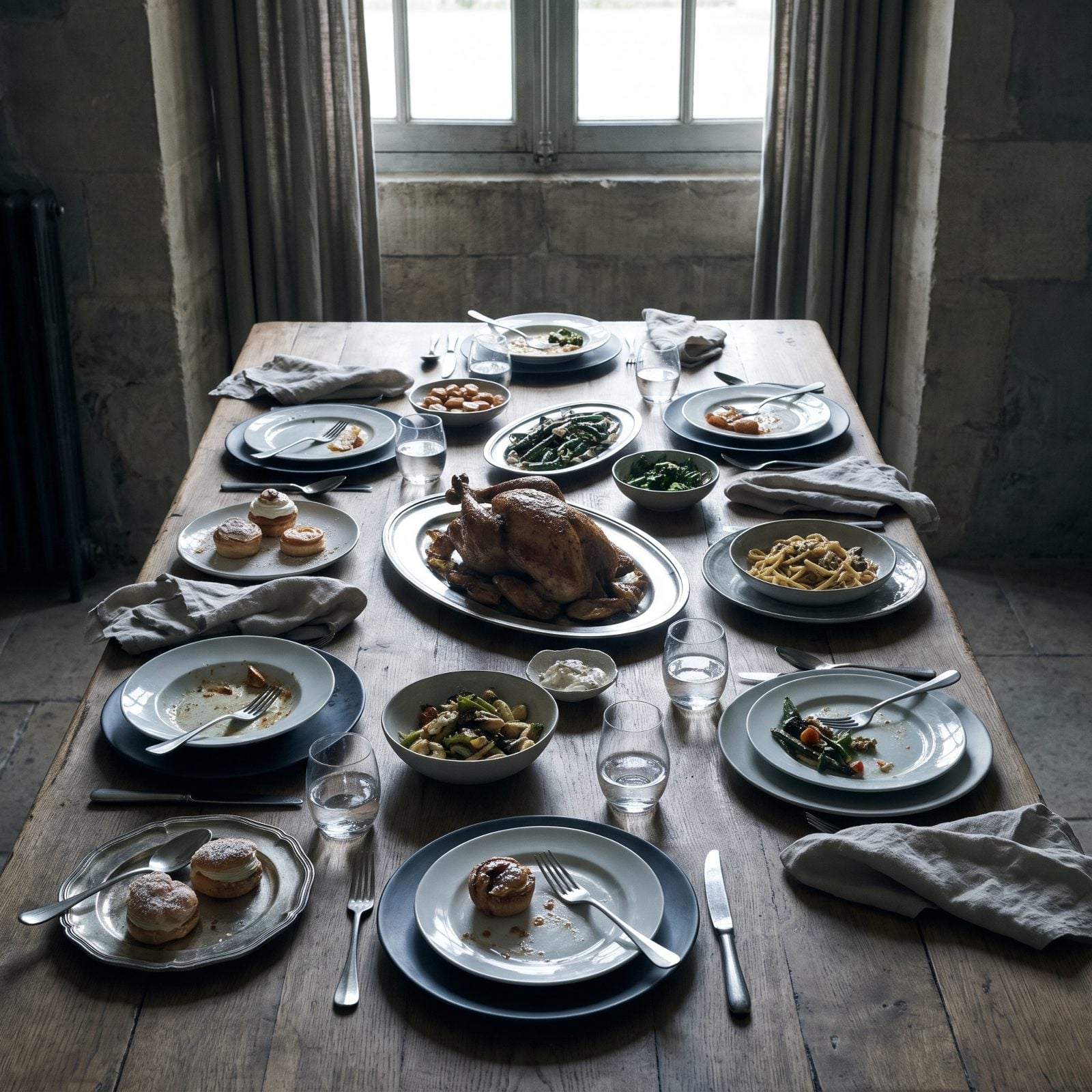
The table looks like a feast. Most of it leaves barely touched.
You can judge a dish from the first few bites. The crust, the seasoning, the temperature, the technique all land in that opening forkful. Eat a whole plate of everything across six courses and you blunt the palate and the judgment both. So the good ones taste, note, and move on, leaving behind the kind of plates that would break a grandmother’s heart.
29. Alcohol Is Paced So It Never Clouds the Evaluation
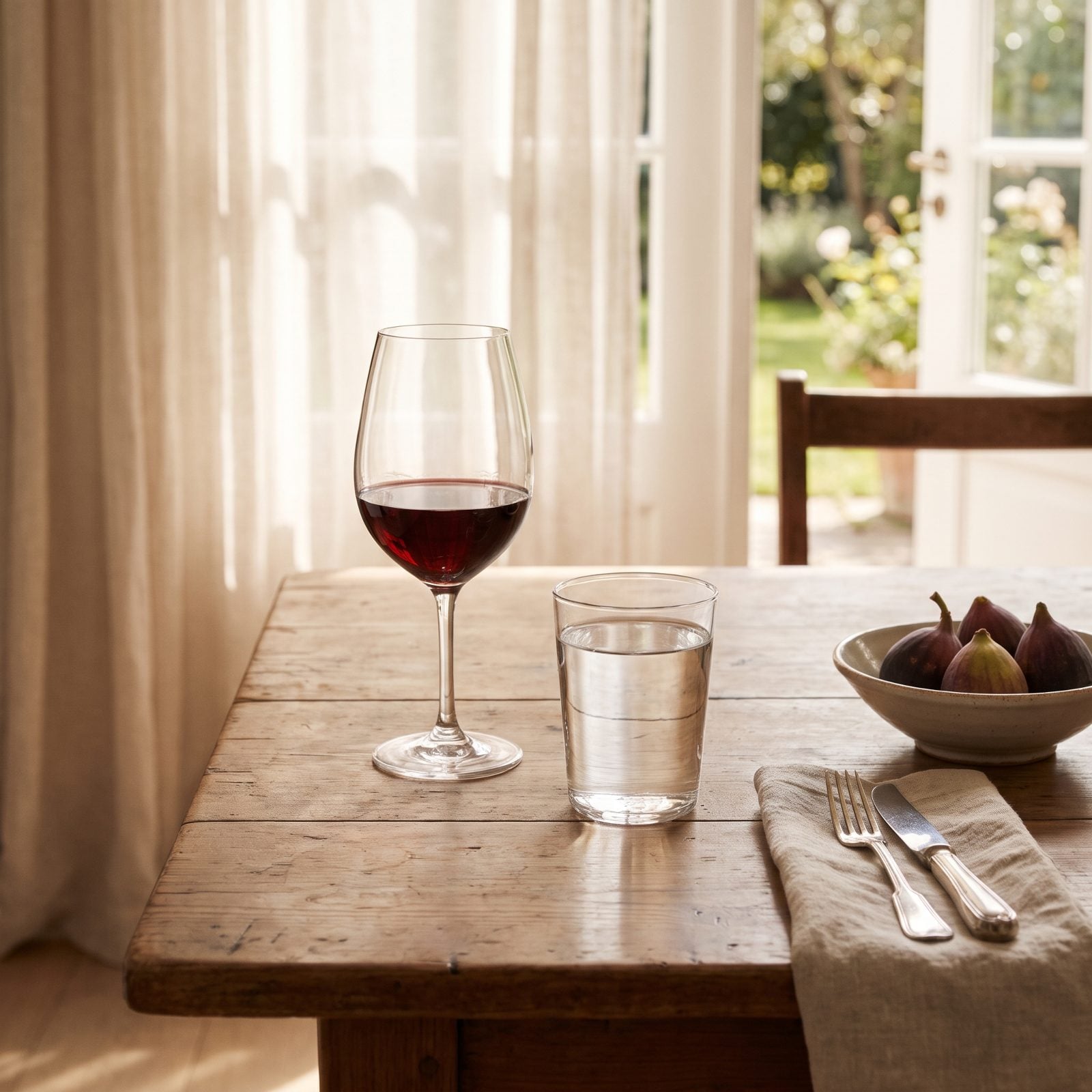
A full wine pairing sounds like the dream assignment. It’s also a good way to decide, by the fourth course, that everything is wonderful.
Drink too much and the palate dulls and the standards soften right when both need to be sharp. Critics sip to assess the pairing and the list, then set the glass down. Water carries most of the night. The sommelier’s choices still get judged, just not through a pleasant blur.
28. Notes Get Typed Discreetly or Scribbled After a Restroom Break
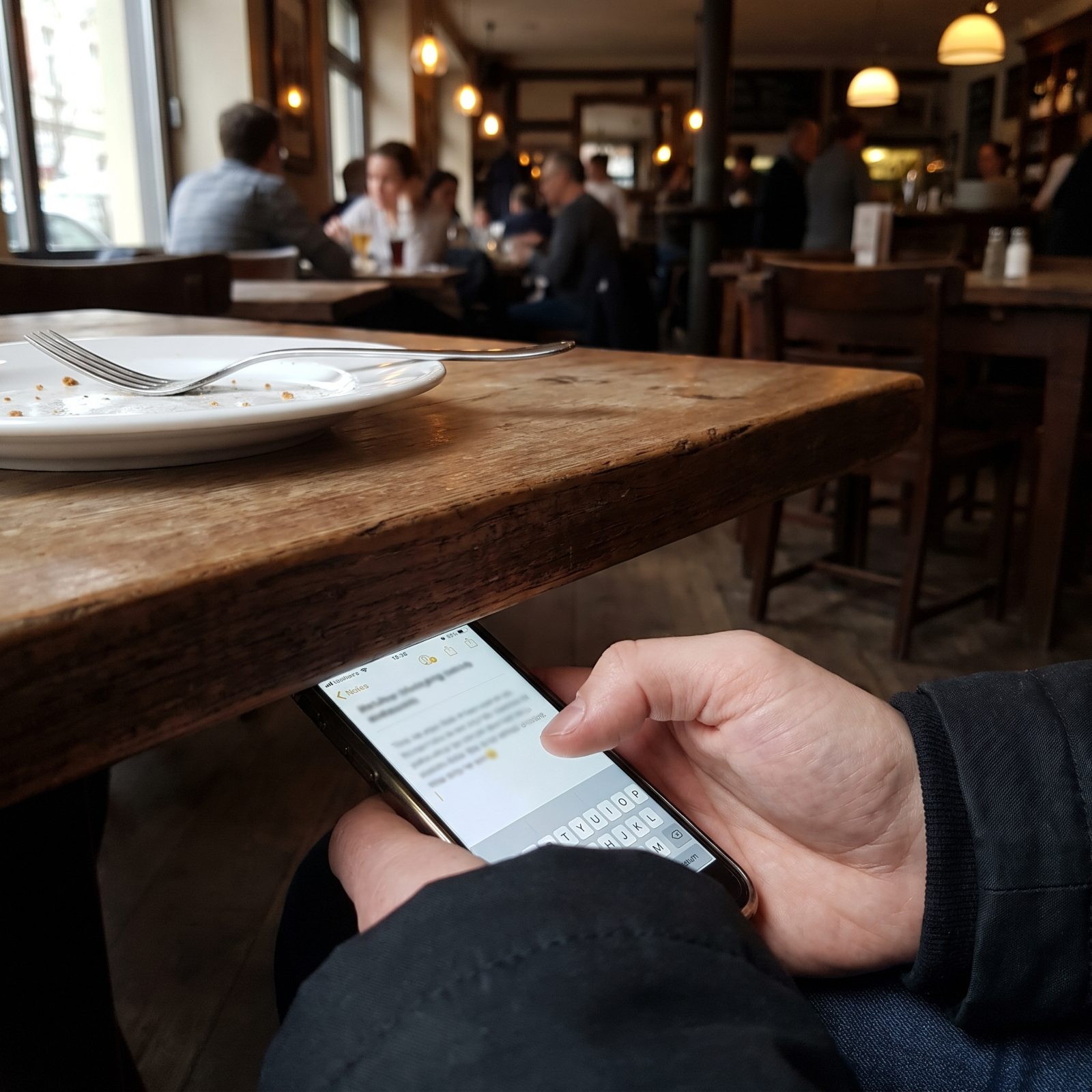
Nobody pulls out a notebook at the table and starts scribbling. That’s how you earn the good bread and the attentive server and a completely useless review.
So the notes go somewhere else. A phone held low, thumbing out shorthand like a text. A quick trip to the restroom to catch the details before they blur. Memory fades fast after four courses, and the difference between a sharp review and a vague one is often just whether someone bothered to write it down while it was still fresh.
27. Timestamps Track the Delays Between Courses
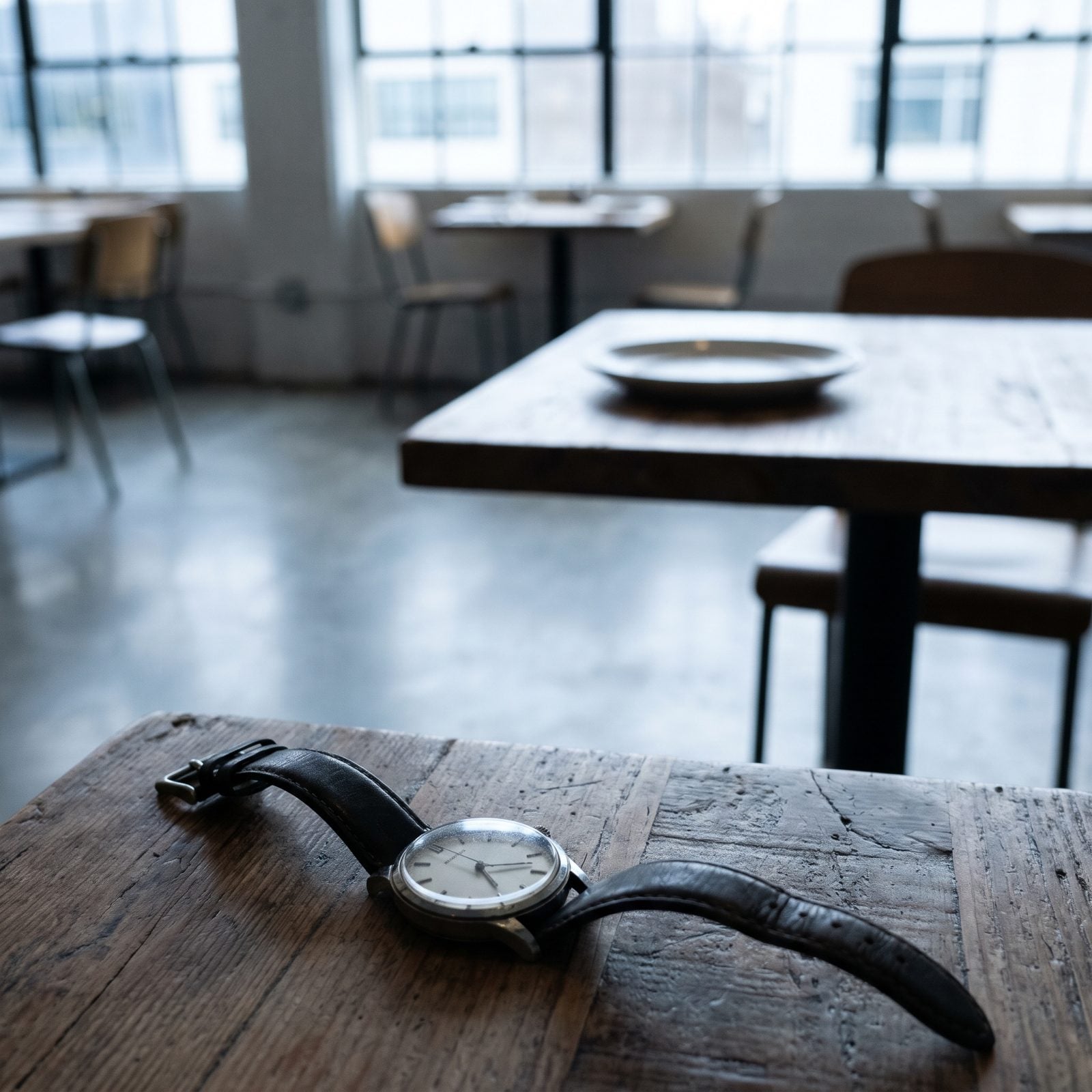
Pacing is invisible until it isn’t. A short wait between courses feels right. A long one feels like the kitchen forgot you exist. Too short, and it feels like they’re rushing you out the door.
Critics clock the gaps, because rhythm is part of the meal. A beautiful plate that arrives ages after the last one has already lost. The timing catches what memory smooths over, and a long silent stretch between courses tells you exactly how a kitchen falls apart under pressure.
26. Serving Temperature Gets Checked the Second Food Arrives
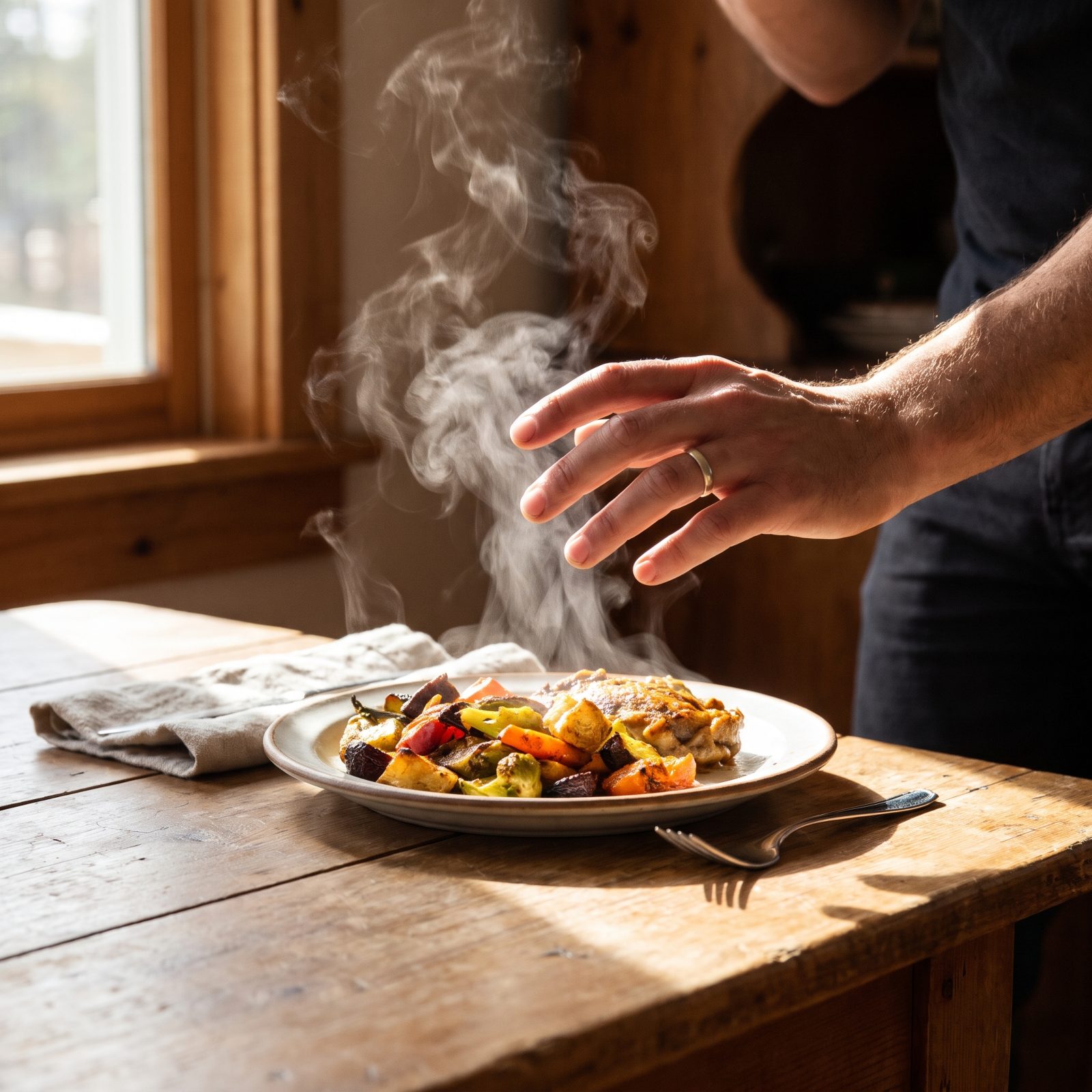
The first thing a critic checks isn’t flavor. It’s heat.
Hot food served lukewarm is the most common sin in the business, and it usually means the plate sat under the pass while the rest of the table’s order caught up. Butter that should be melting sits firm. The sear goes from asset to afterthought. Get the temperature wrong and the dish has already failed before the fork even lands, no matter how good the recipe was on paper.
25. Texture Reveals More Technique Than Presentation Ever Does
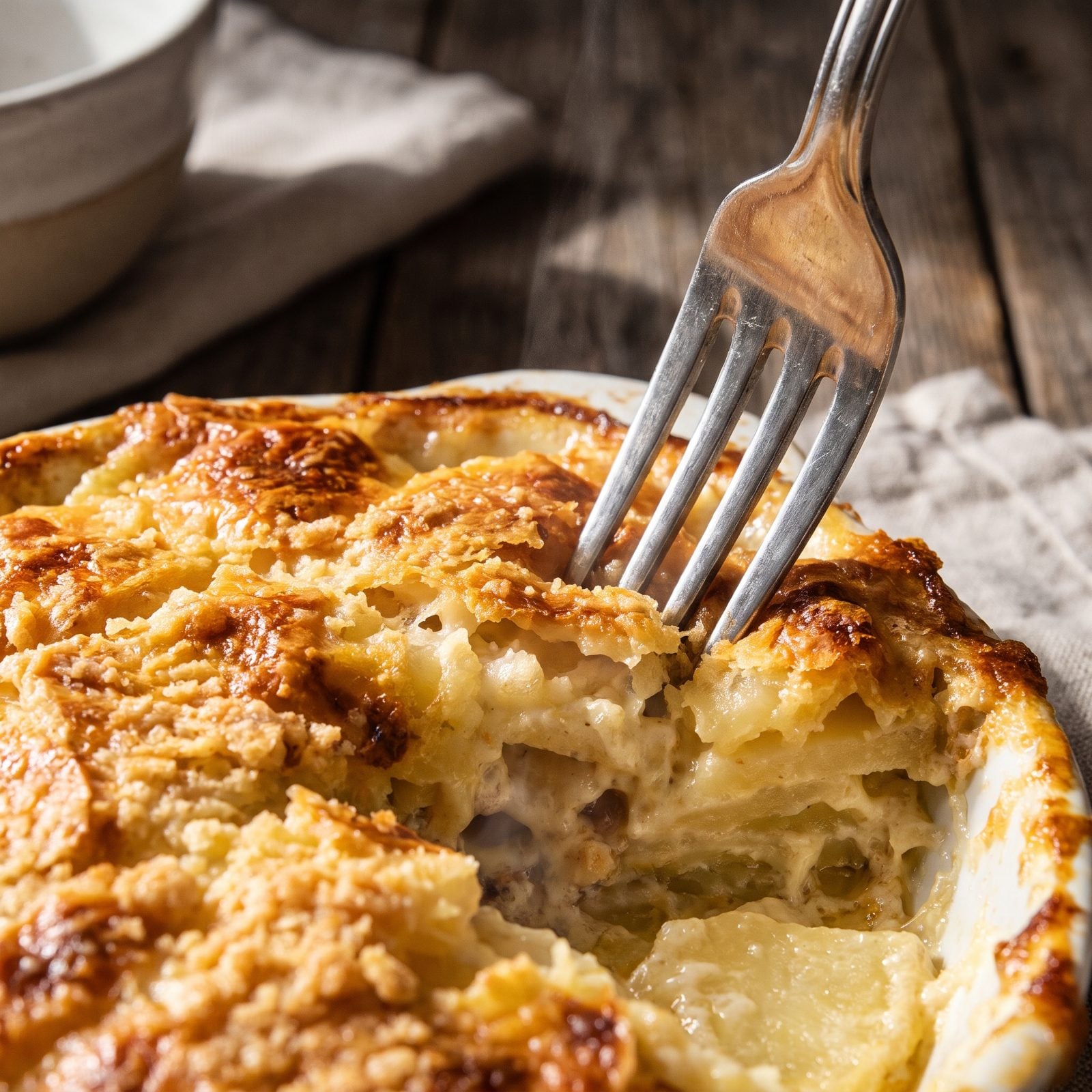
Anyone can make a plate look good. Tweezers, a squeeze bottle, a sprig of microgreens, done. Texture, though? That can’t be faked.
A crust that shatters the right way. A piece of fish that flakes instead of fighting the fork. A custard set to a tremble and not a rubber. These are the fingerprints of real technique, and no amount of artful plating covers for a tough scallop or a gummy risotto. The camera loves presentation. The palate only trusts texture.
The prettiest plate on the table is often the one hiding the most.
What Our Readers Say
- When Piaci Pizza readers loved a food photo and told us why, comfort was the top reason at 30%, while “looks good” came in at just 16%.
From Piaci Pizza reader polls and votes.
24. Requested Doneness Tests Whether the Kitchen Is Actually Listening
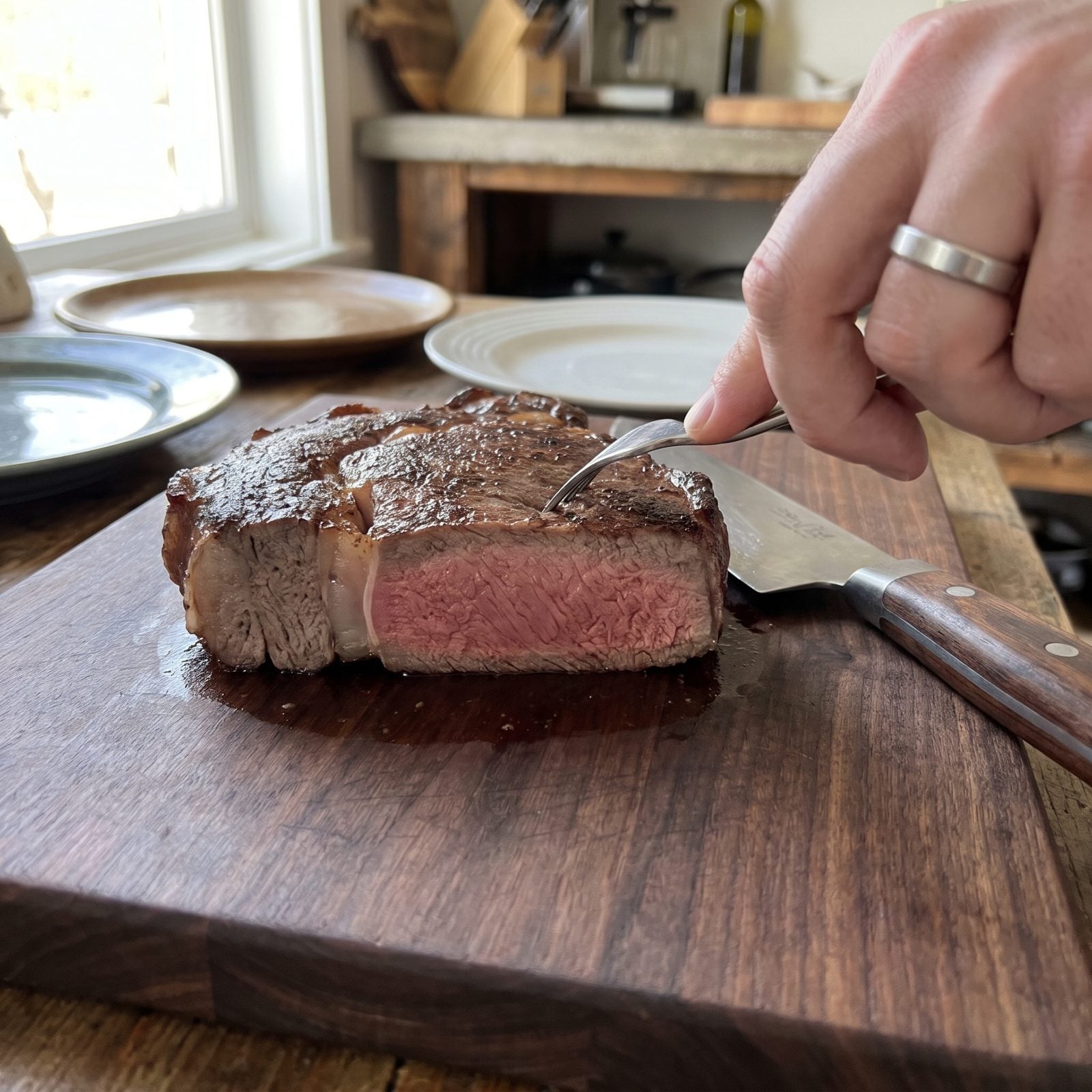
Ask for medium-rare and you’ve handed the kitchen a small, honest test.
The steak comes back gray and tight, they weren’t listening. Comes back cold-red in the middle, they rushed it. Hits that warm pink band edge to edge, and somebody back there knows what they’re doing and cared enough to do it right. A requested doneness is a message to the line, and whether it comes back correct tells you how a kitchen handles the hundred small instructions it gets every single service.
23. Nonalcoholic Drinks Now Receive Serious Scrutiny
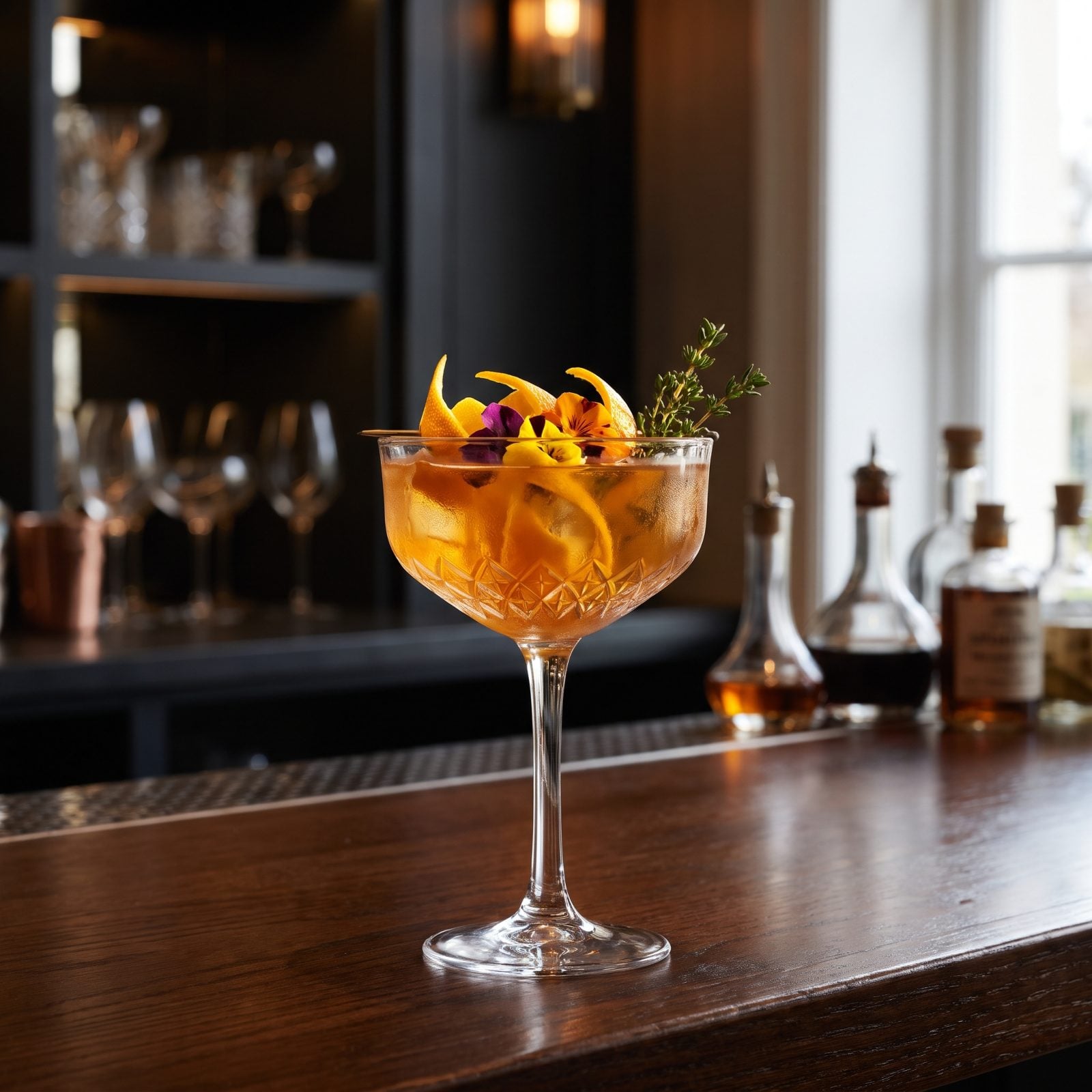
The zero-proof menu used to be an afterthought — a token mocktail priced like an apology. That’s over. A serious review now holds the house soda, the alcohol-free spritz, and the non-caffeinated infusion to the same standard as the wine pairing.
Why? Because people are ordering them on purpose now, and a $14 drink that tastes like watered-down syrup is a problem worth noting. A kitchen that can balance acid and sweetness in a sauce can do it in a glass too. We check whether anyone bothered.
22. The Plate Is Compared With the Menu’s Exact Promise
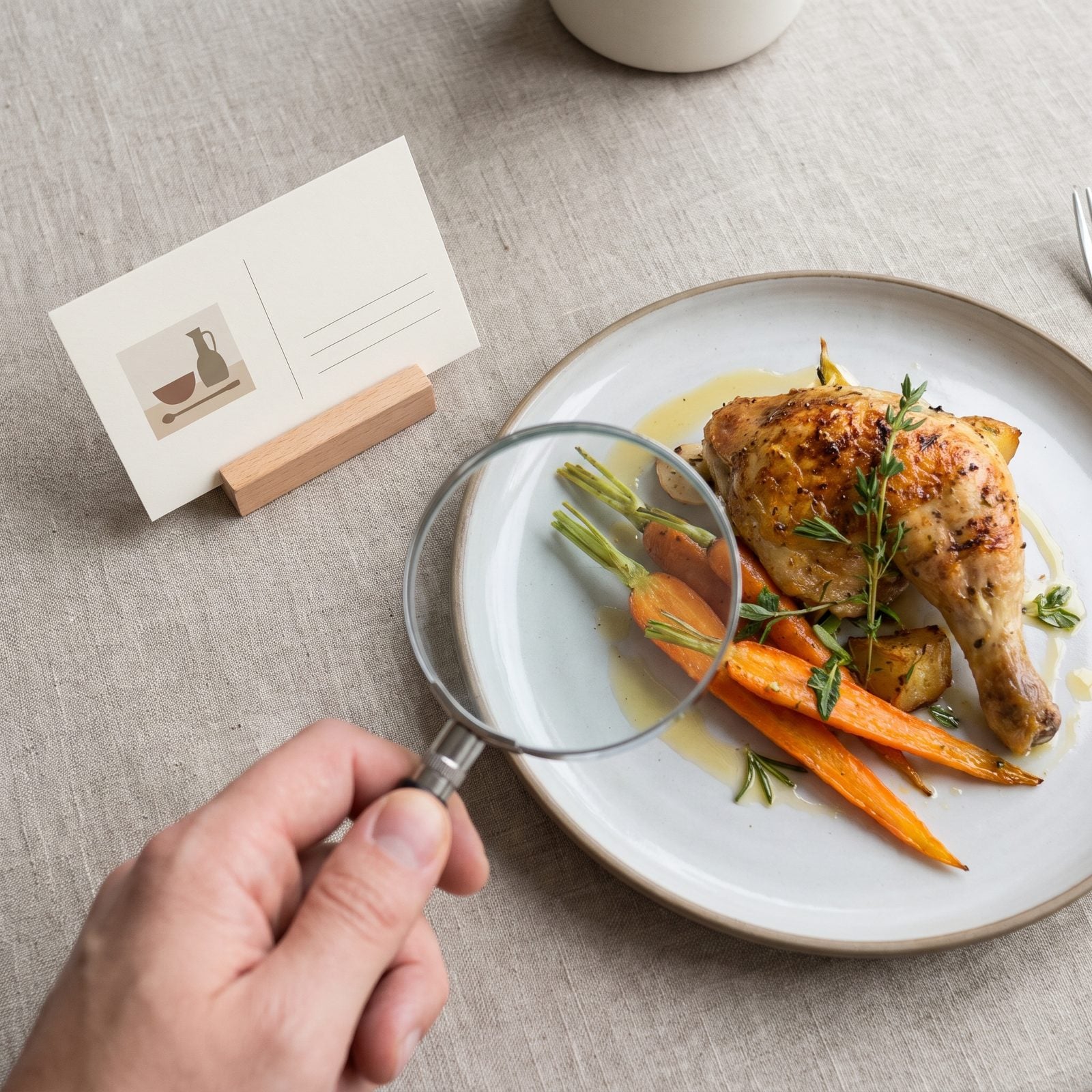
A menu is a contract. If it says “slow-braised eight hours,” the meat had better fall off the fork, and when it promises “charred,” there should be actual char — not a timid grill mark hedging its bets.
Here’s how it goes: read the description first, eat, then go back and read it again. That gap between what the words promise and what lands on the plate is where a kitchen reveals itself. Fancy adjectives covering for thin execution get caught fast.
21. Premium Ingredient Claims Must Be Evident on the Plate

“Wagyu” on a menu means nothing without proof on the plate. The term gets stretched to cover beef that never saw Japan, and “truffle” sometimes just means truffle oil — usually a lab-made aroma compound with no actual fungus in it anywhere.
So when a kitchen charges a premium for A5, saffron, or real Parmigiano-Reggiano aged two years, the marbling and the color and the aroma all have to back it up. Can’t taste the thing you paid extra for? Then the claim is decoration. We’ve sent back more than one “truffle” dish that smelled like it came from a bottle.
Ingredients matter to diners too: when our readers disliked a food photo, ingredients were the second most common reason they gave, at 30%, behind only “not for me”.
20. Local and Sustainable Sourcing Claims May Be Verified

“Farm to table” became a slogan before it became a standard, and some kitchens lean on it hard. A careful review doesn’t take it on faith.
Name a specific farm and that farm can be called. Claim line-caught or day-boat fish, and the species and season either line up or they don’t. None of this makes a dish taste better on its own. But a false sourcing claim tells you how a restaurant treats the truth everywhere else.
19. Restaurant Ownership and Financial Connections Matter
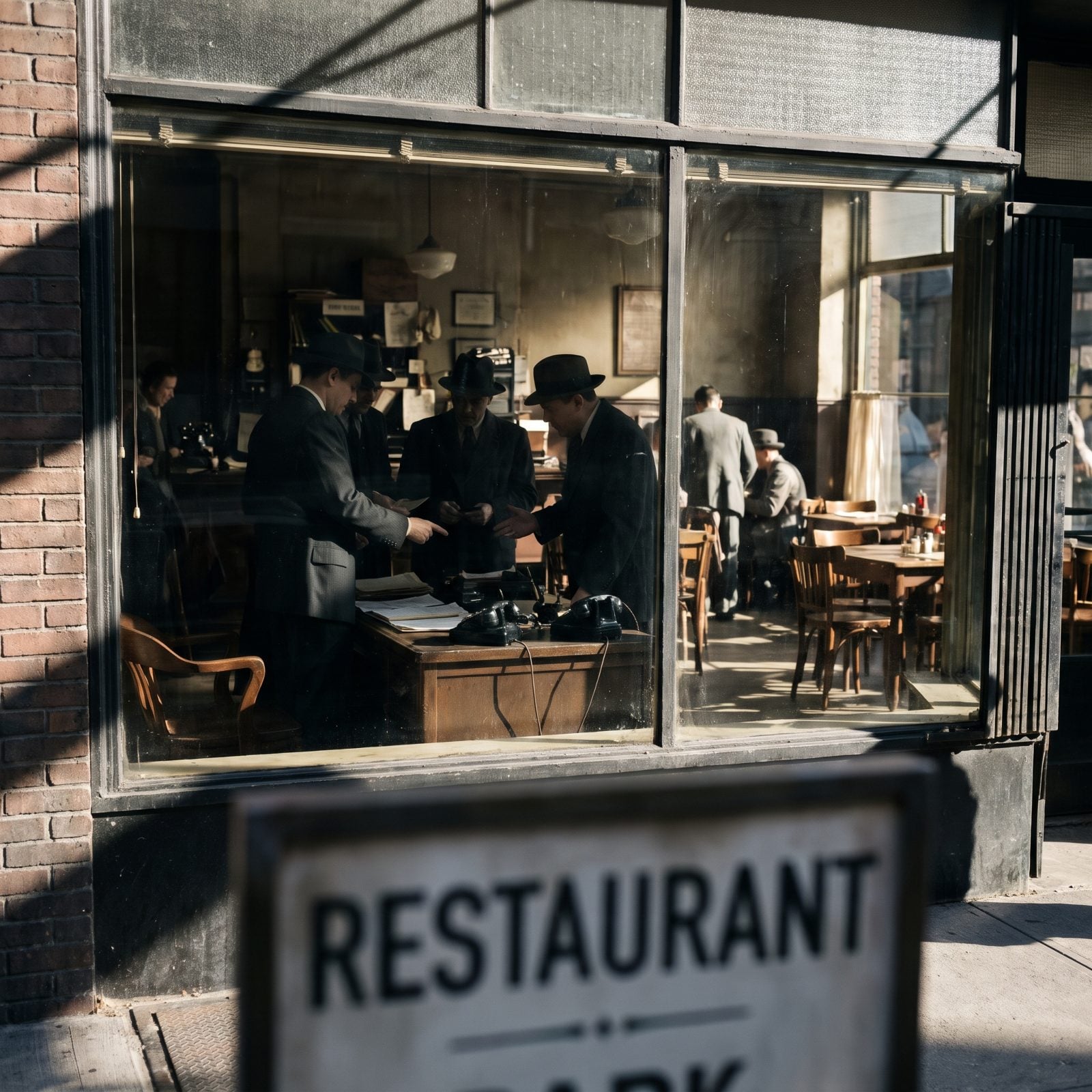
Who owns the place matters more than diners realize. A “new independent gem” that turns out to be the fourth location of a private-equity-backed group changes the whole story.
Ownership flags conflicts, too. When a critic or publication has a financial tie to a restaurant — its investors, its chef — the review is compromised before the first bite. Good outlets disclose or recuse. The reader deserves to know whose money is on the table.
18. Public-Relations Pitches Are Leads, Not Evidence

A polished press release lands in the inbox every day, promising the next big opening and dangling a comped tasting menu with the chef. It’s a tip. Nothing more.
The pitch tells you a place exists. It proves nothing about whether the food is any good. A credible review treats the free dinner invitation as a trap rather than a perk, and pays its own way so the verdict stays honest.
The moment a meal is free, the review is for sale, even if no money changed hands.
17. Service Is Evaluated as a System, Not a Personality Contest
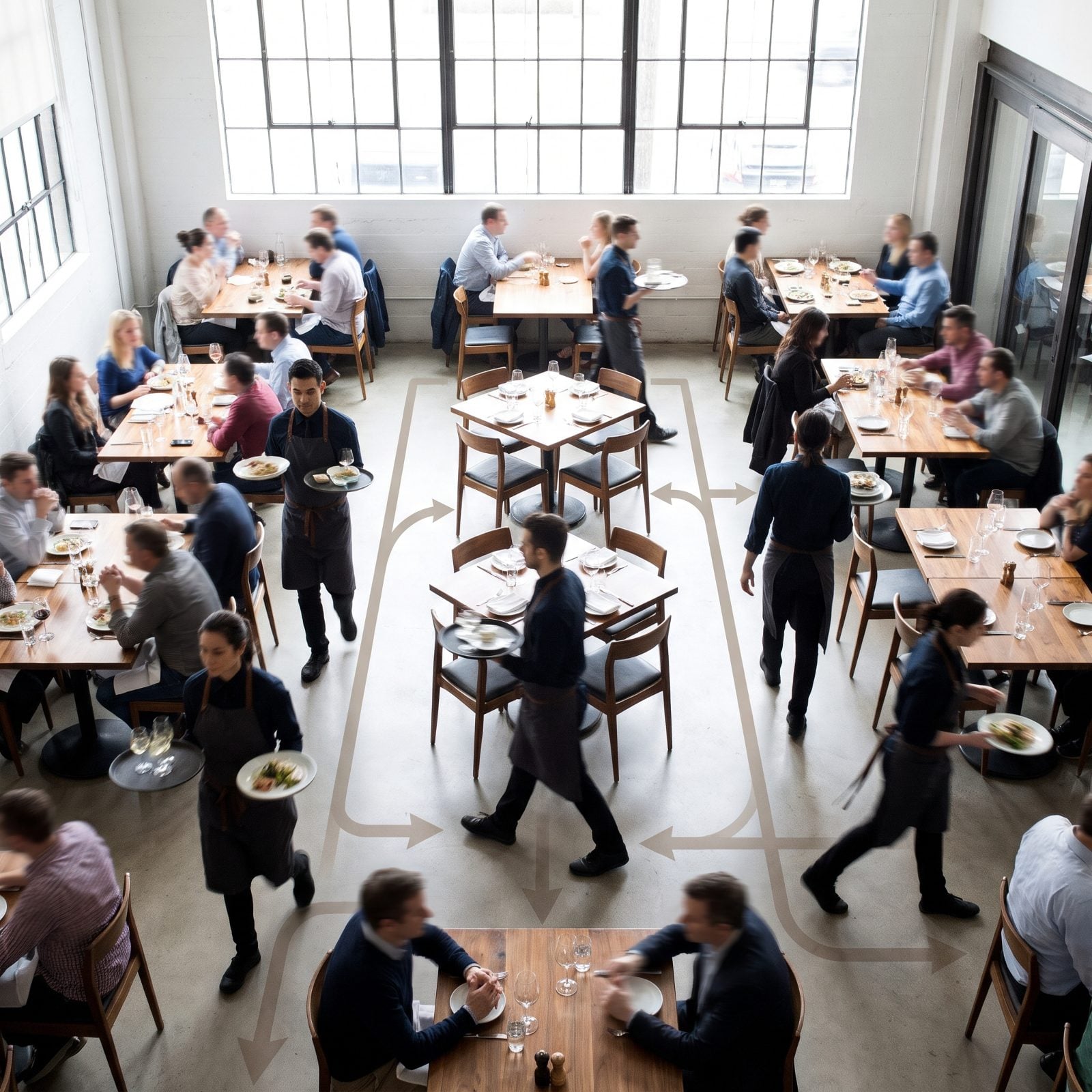
A charming waiter can’t rescue a broken floor. What gets judged is the machine behind the smile — the timing of courses, whether water glasses stay filled, how long an empty plate sits there going cold, whether the kitchen and the dining room are actually talking to each other at all.
Personality is nice. Coordination is the point. A warm server who forgets your order three times is a system failure wearing a friendly face, and we grade the system.
16. How Staff Recover From an Error Can Matter More Than the Error

Every restaurant makes mistakes. The wrong dish arrives, a steak comes out well-done when you asked for medium-rare, a reservation vanishes into the ether. Errors are inevitable, so they aren’t the real test.
The recovery is. Does the staff own it quickly and quietly, or do they argue, stall, and somehow make you feel like you’re the problem? A kitchen that fumbles a dish and then fixes it gracefully often scores higher than one coasting through a flawless but cold evening. We’d rather eat somewhere that handles a crisis well than somewhere praying none ever happens.
15. The Reservation Process Is Part of the Experience

The meal starts the moment you try to book. A website that crashes, a phone that rings out, a confirmation that never shows up — all of it shapes the night before you’ve tasted a thing.
Booking under a plain name tests the real process instead of the VIP lane. Was it easy or hostile? Did they hold the table or seat it late? Hospitality’s first impression is the first interaction, and plenty of great kitchens stumble right there at the front door before the food ever gets a chance.
14. Quoted Wait Times Are Compared With the Actual Wait
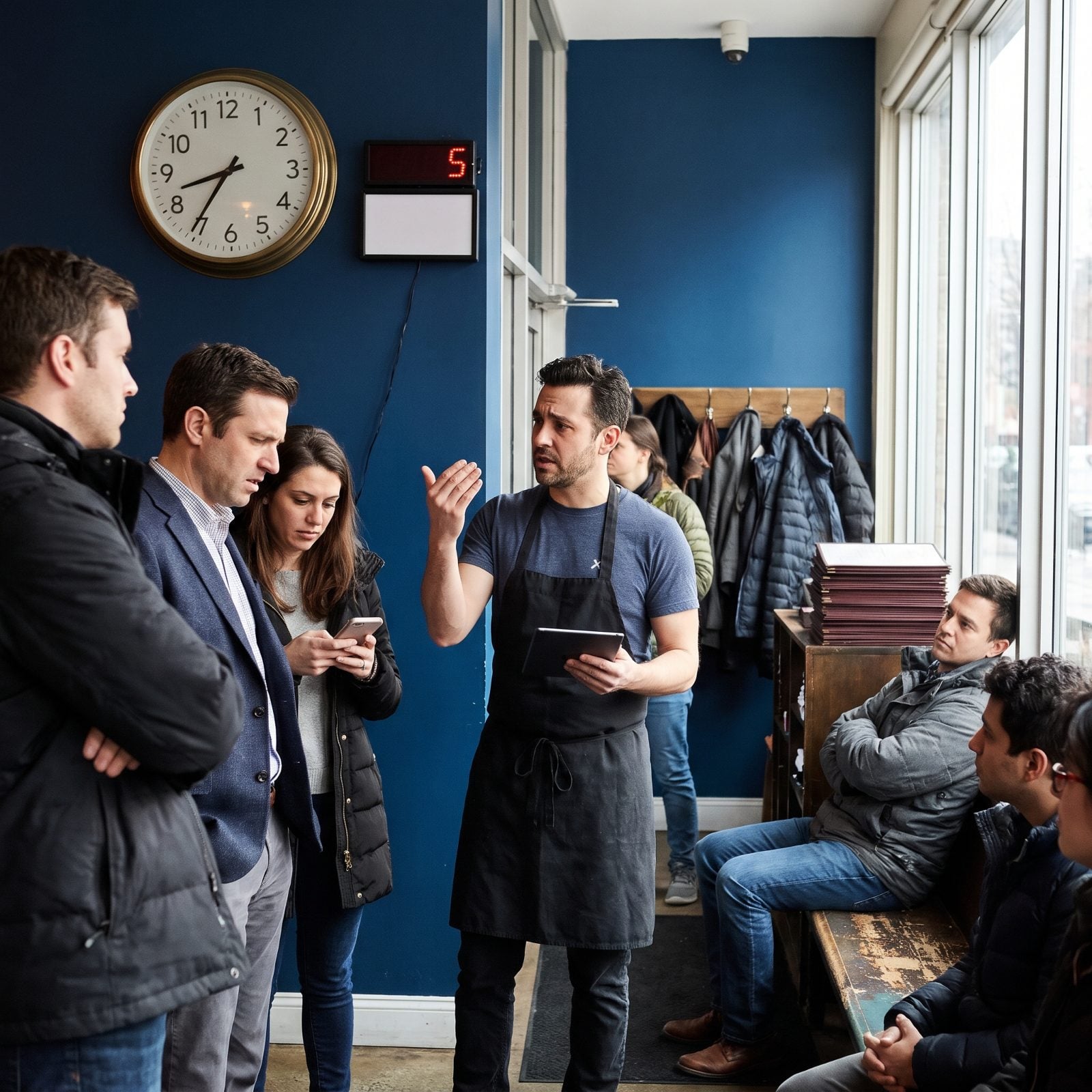
“About fifteen minutes” is the most tested sentence in a dining room. The host quotes a wait, the clock starts, and the gap between promise and reality says plenty about how a house manages its own floor.
Padding a wait to seem busy, or lowballing it to keep you from walking out — both backfire once you’ve actually timed the thing. Honest pacing builds trust. A long wait sold as a short one doesn’t just annoy; it tells you the house either can’t read its own room or figures you won’t notice.
13. A Bad Table Reveals How the Restaurant Treats Guests It Doesn’t Need to Impress
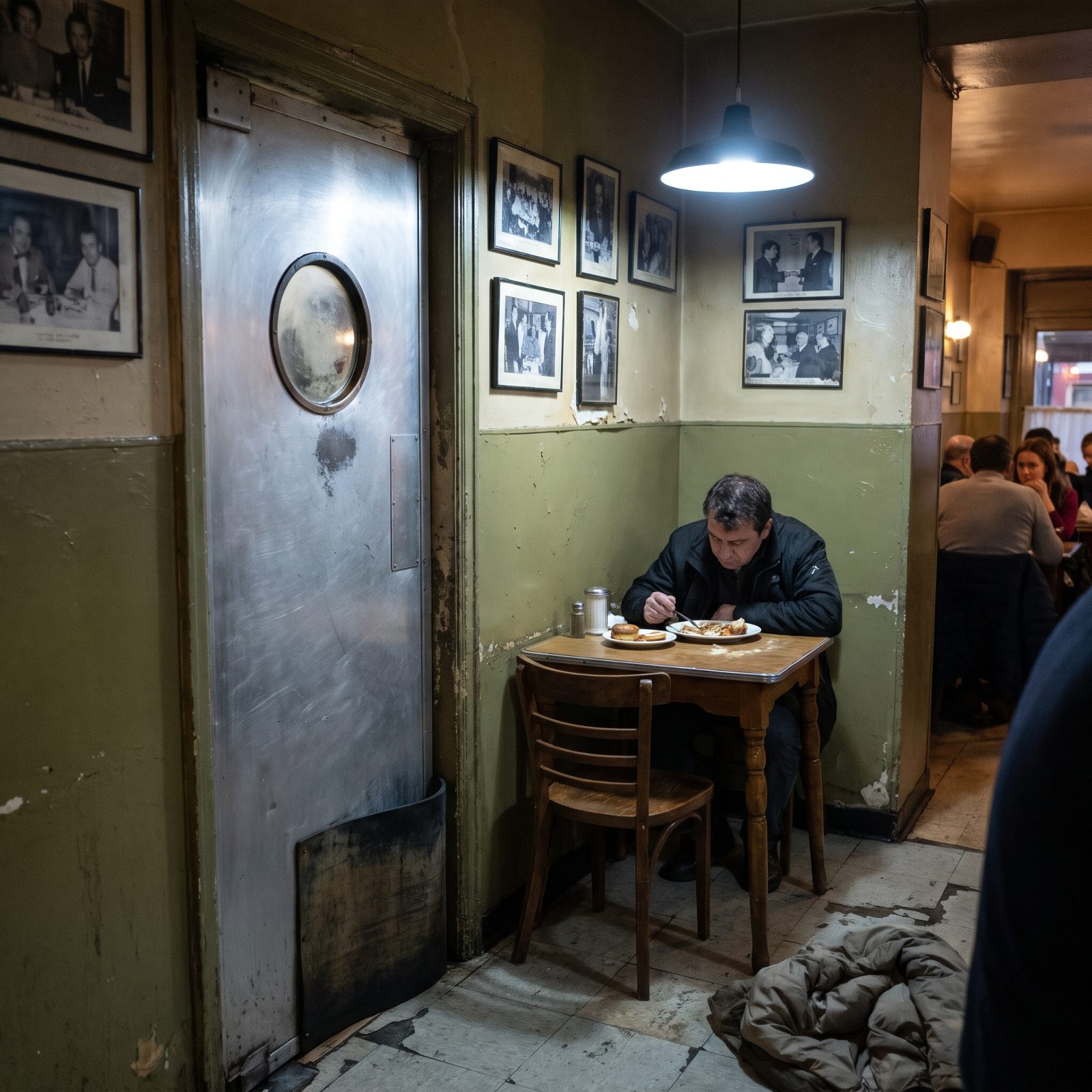
Ask for whatever’s available and you’ll often land the table nobody wants — the one by the kitchen door that opens into your shoulder, or the one parked under the air vent. That’s useful, not insulting. It shows how a place behaves when it figures you don’t matter.
A good restaurant runs the back table with the same care as the window booth, while a lazy one lets the bread go stale and the water glasses sit empty back there. Critics notice the gap. A restaurant that treats its worst seat like its best one has nothing to hide.
12. Noise Is Logged as Part of Whether You Can Actually Enjoy the Meal
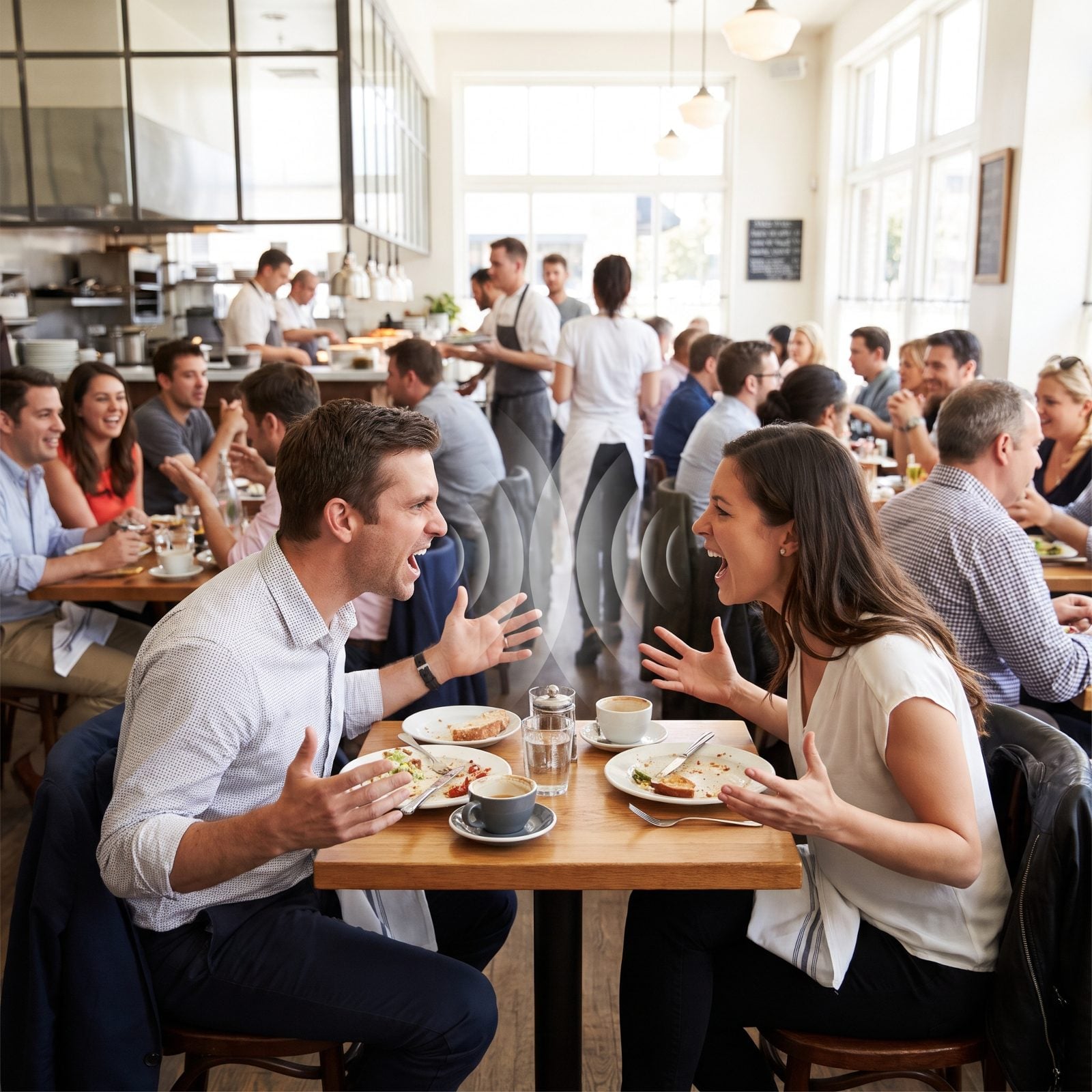
Great food in a room where you have to shout isn’t a great meal. Reviewers weigh noise because dining comfort is part of the product, and a hard-surfaced room with nothing soft to absorb it bounces every conversation and clattering plate straight back at you.
Some critics carry a decibel meter. Most just note whether they could hear the person across the table without leaning in. A restaurant that packed in exposed brick, concrete floors, and a tin ceiling made a choice — and that choice costs you something by dessert.
11. Accessibility Gets Checked Past the Front Door, Not Just at It
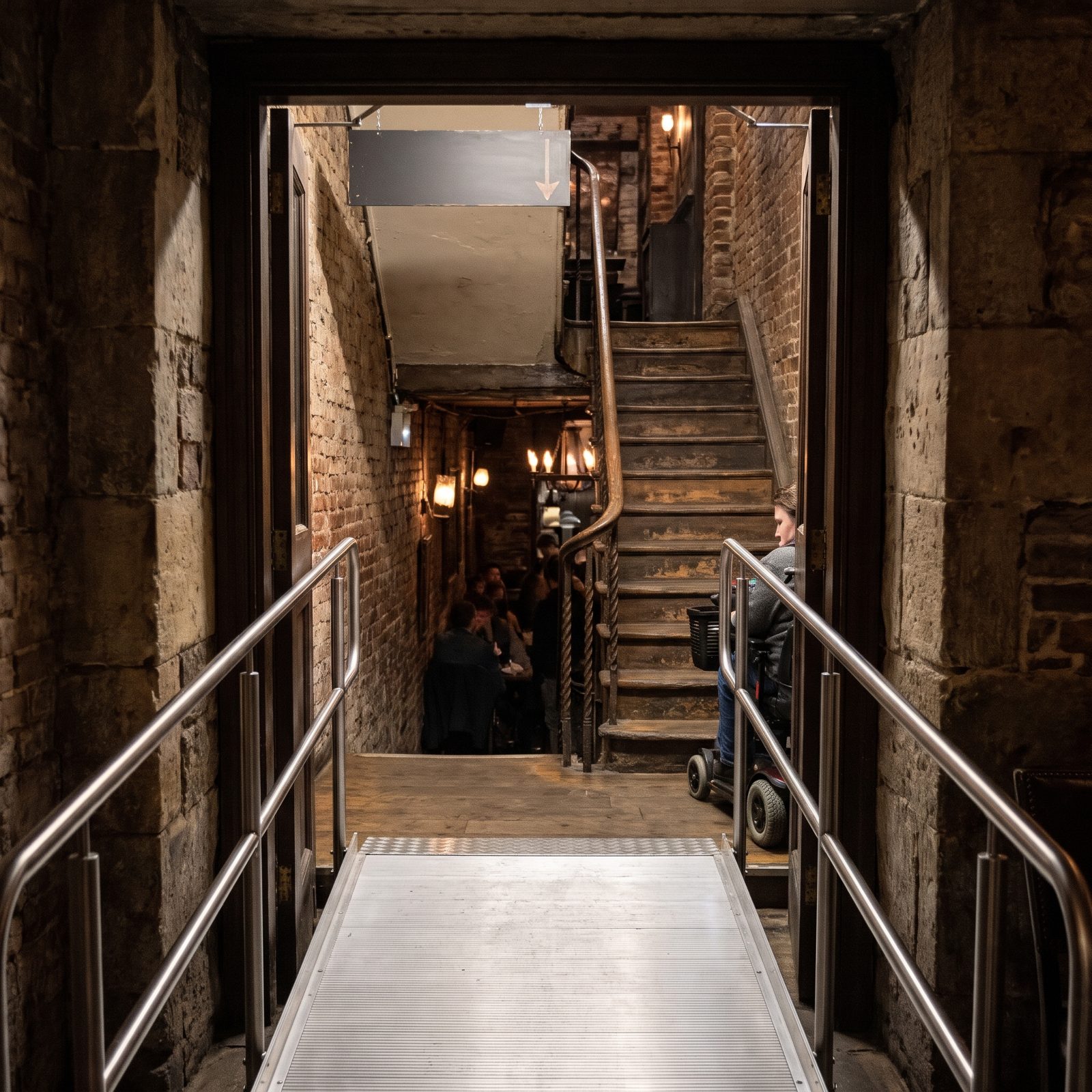
A ramp at the entrance means nothing if the restroom sits down a winding basement staircase. Careful reviewers walk the whole path a guest actually travels — the door width, the step up to the dining room, whether a wheelchair can turn around once it’s inside, how far the bathroom really is.
Older buildings earn some grace, but the review still tells you the truth. You deserve to know before you book whether your parent with a walker can get to the table and back without an ordeal. That detail never makes the pretty photos, so the critic puts it in the words.
10. The Check and the Payment Dance Count Toward the Final Impression
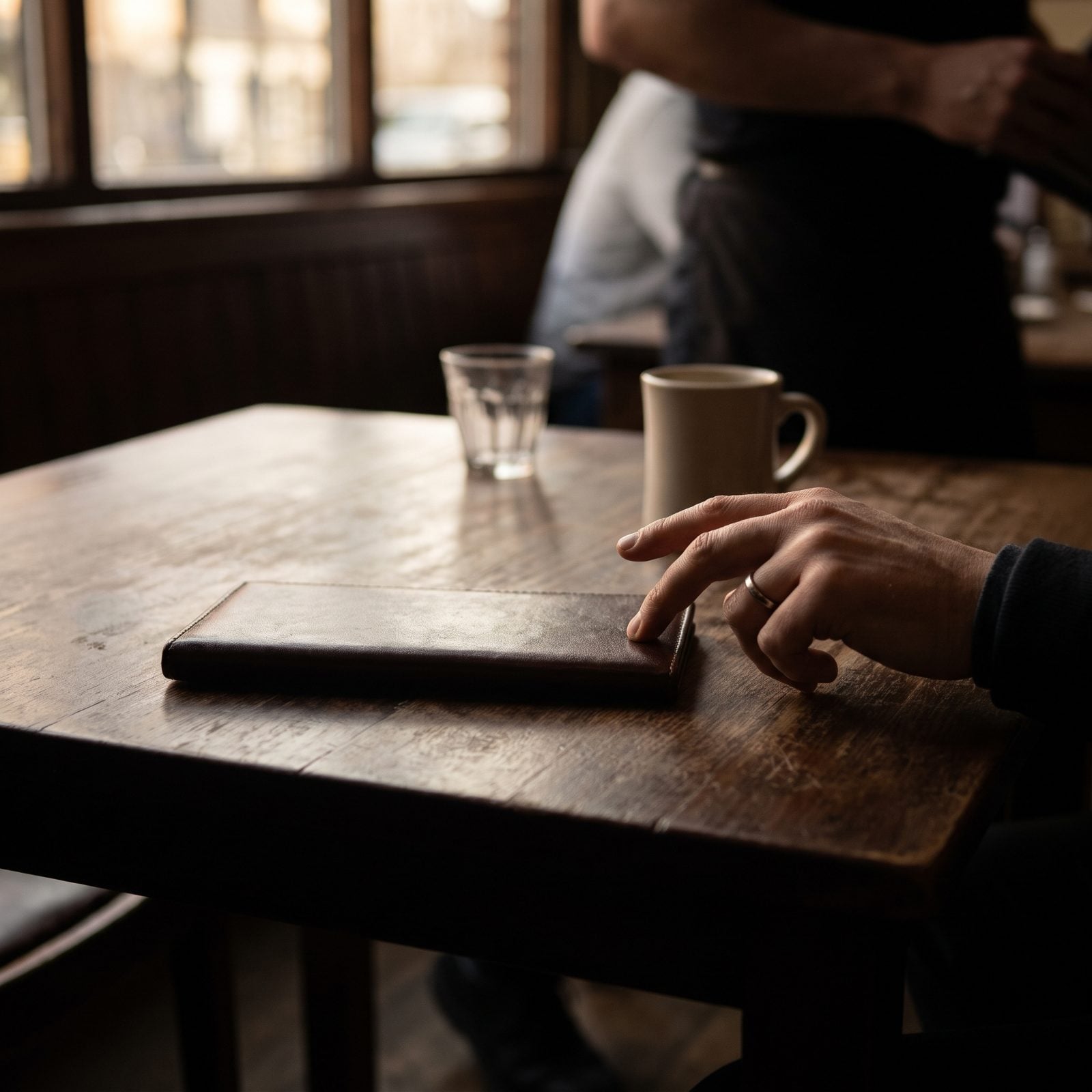
The meal isn’t over when the plates clear. How long the check takes, whether the card comes back promptly, whether a server vanishes the second you want to leave — all of it lands in the notes.
You’ve sat there with your coat on, catching eyes, waving at the air, waiting ten minutes just to hand someone your money. That memory is the last thing you carry out the door, and reviewers know it stains everything that came before. A kitchen can plate a flawless course and still blow the ending at the register.
9. Value Is Weighed From the Whole Bill, Never the Entrée Price Alone
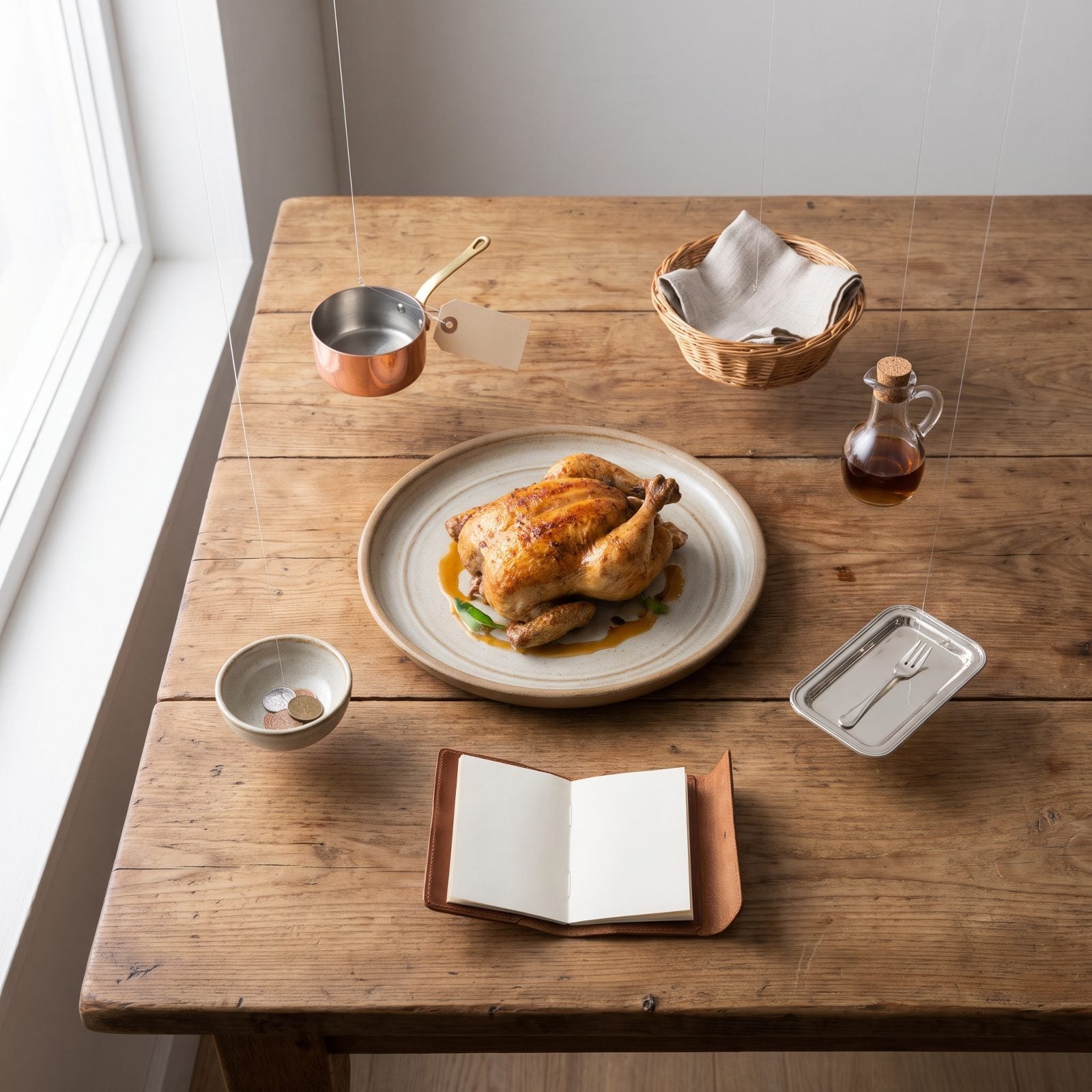
A twenty-dollar entrée sounds reasonable until you count the nine-dollar side that should’ve come with it, the bread that cost extra, two drinks, and the fee at the bottom. Value gets judged from the full tab. That’s the number you actually hand over.
Some restaurants price the main generously and then nickel-and-dime everything around it, while others charge more up front but the dish arrives complete. An honest review tracks what a normal dinner for two really runs — not the lowball figure on the printed card.
8. Expectations Flex With the Price Tier, the Style, and the Block It Sits On
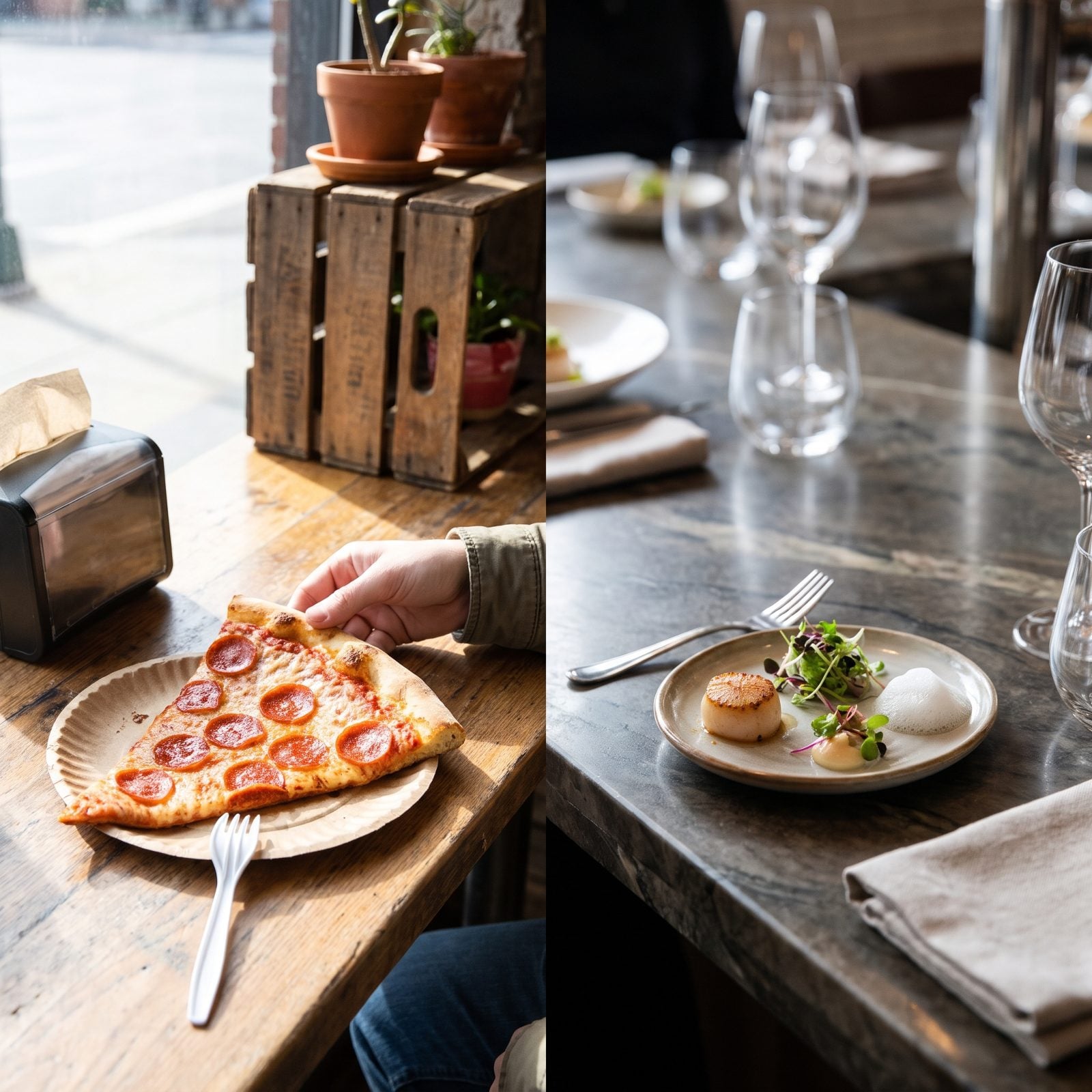
You don’t hold a corner slice shop to the same standard as a tasting-menu room, and neither does a fair critic. Price tier sets the bar. A fifteen-dollar plate of pasta owes you flavor and warmth; a hundred-dollar one owes you precision, service, and a reason to remember it.
Style matters too. A loud, casual joint is supposed to be loud and casual. And the neighborhood counts — a spot anchoring a working-class block gets reviewed as what it is, not measured against downtown fine dining. Grade a corner pizzeria by white-tablecloth rules and you’ve produced something both unfair and useless to the reader deciding where to eat tonight.
7. Star Ratings Follow a Publication’s Own Rulebook, Not a Universal Scale

Three stars at one outlet is not three stars at another. Each publication writes its own rubric — what food is worth, how much service weighs, whether atmosphere and value even factor in. A critic scores against that house standard, not a feeling.
Which is why a glowing paragraph can sit right next to a middling star count, and the reverse happens too. The words carry nuance the number can’t. Read only the stars and you’re getting maybe a third of the actual verdict.
6. The Critic Rarely Writes the Headline You Read First

That punchy headline over the review? Odds are a copy editor wrote it, not the critic. Headlines are their own craft, built to catch your eye on a crowded page, and they’re often the very last thing added before the piece runs.
So a headline occasionally oversells, or sharpens a take the review itself keeps measured. The reporter graded the restaurant. Someone else graded the room for your attention. Read past the big type to the actual words — the real opinion lives in the paragraphs, and it’s usually fairer than the line shouting at the top.
5. Word Limits Force Some Observations Out of the Final Review

A critic might eat eleven dishes across three visits and get maybe four hundred words to say anything about it. The math is brutal. That gorgeous hand-cut pasta, the one that made the whole table go quiet? Cut. The dessert that tried too hard? No room to complain about it.
What survives the word count isn’t always the best or worst thing on the menu — it’s whatever moves the verdict. Readers assume a review is the full experience, when really it’s a highlight reel with most of the reel left on the cutting-room floor.
4. Food Photographers May Visit Separately From the Critic

That photo at the top of the review? It often comes from a completely different visit than the critique below it. The photographer books under the real publication name, sometimes with the restaurant fully aware a camera is coming.
So the dish you see glistening on the page may have been plated by a kitchen on its best behavior, knowing exactly what was happening. The critic, meanwhile, ate anonymously weeks earlier and got whatever a normal Tuesday delivered. Two different nights, one page, and most readers never think to ask.
Piaci Pizza readers gave photos showing a restaurant scene more hearts than the other images in the same articles, 78% against 72%.
3. Documented Errors Can Lead to a Published Correction
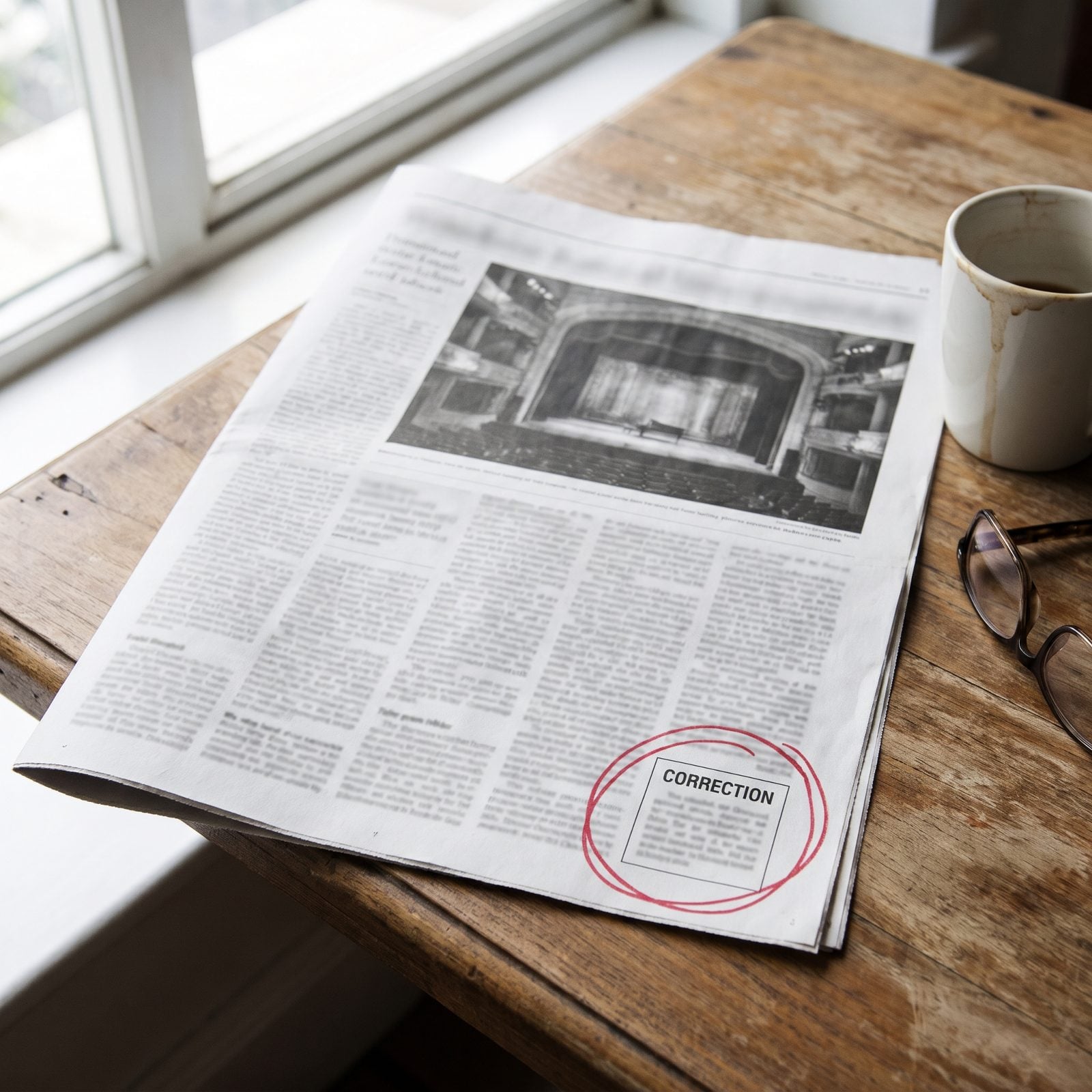
Misname an ingredient, botch a chef’s name, get the opening year wrong — a legitimate publication prints a correction. Not buried. On the record.
Sounds small. It isn’t. A single wrong detail hands the restaurant ammunition to dismiss the whole review, and a critic knows it, which is exactly why the good ones fact-check the boring stuff as hard as the opinions. The opinion is defensible. A factual error is just sloppy, and sloppy travels fast in a town full of chefs who already resent you.
2. Background Interviews Usually Happen After Anonymous Dining
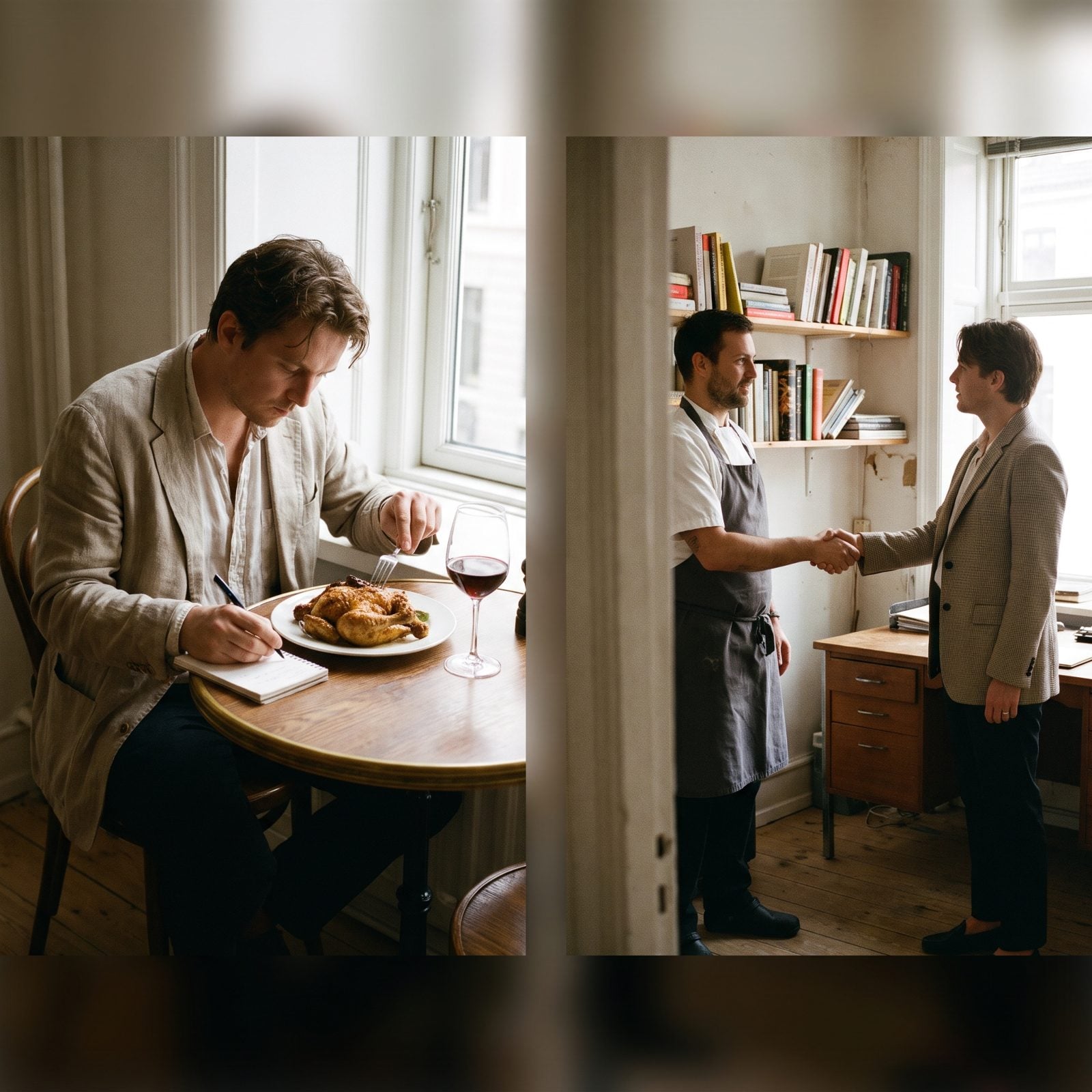
The eating comes first, in silence and disguise. The talking comes after. Only once the verdict is basically formed does a critic call the chef, the owner, the publicist to ask the on-the-record questions.
Why in that order? Because the opinion has to be built from the actual meal, not from a charming forty-minute conversation about the chef’s grandmother in Naples. Charm is a weapon. The good ones eat before they let anyone aim it at them.
1. Kitchen Tours Are Often Delayed Until the Verdict Is Formed
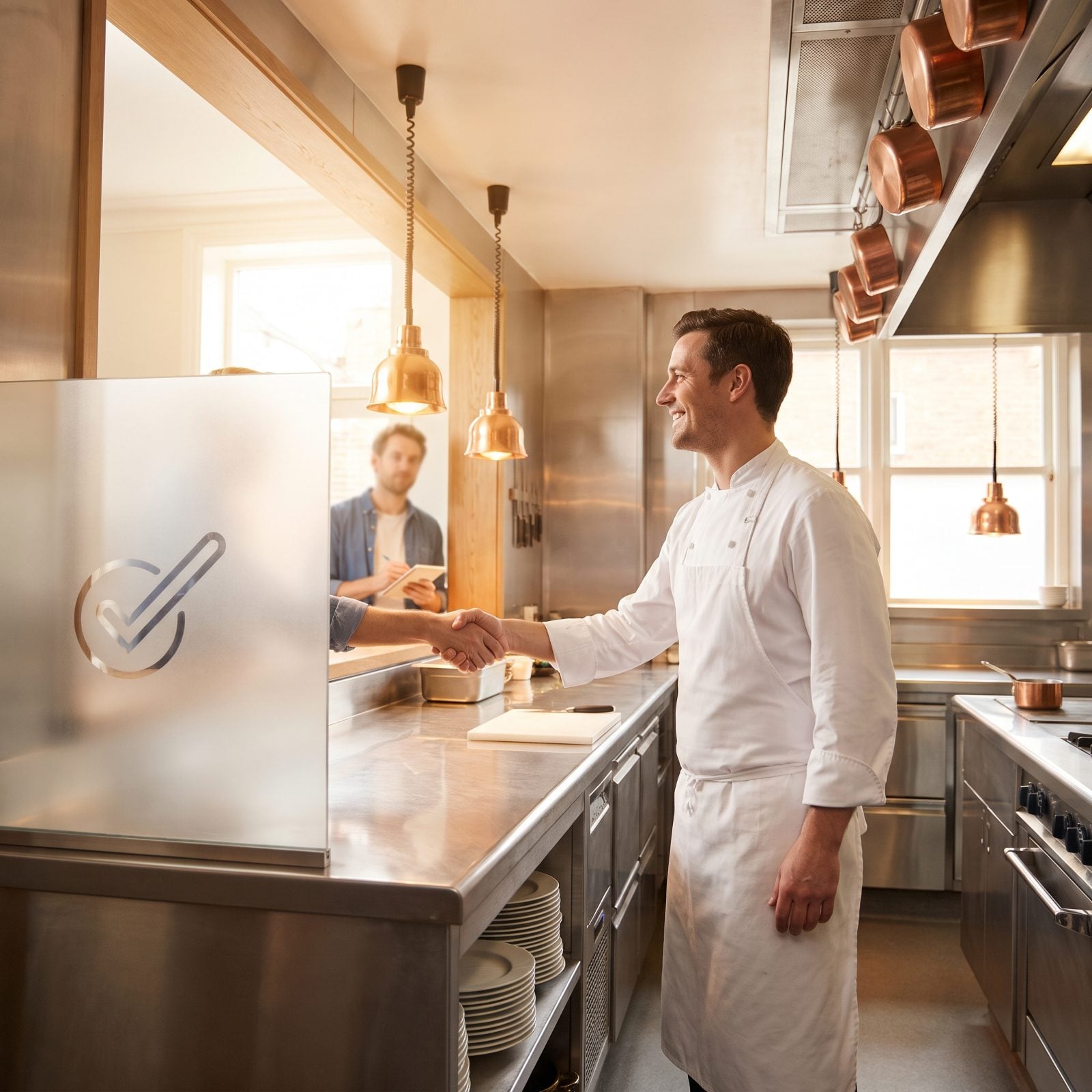
That tour of the gleaming kitchen, the handshake with the chef at the stove, the little behind-the-scenes peek? It almost always comes last, if it comes at all.
Walk the kitchen before you’ve decided and you’ve shaken hands with the person you’re about to judge. Suddenly the mushy risotto feels personal. So the seasoned critic holds the tour until the opinion is locked, keeping goodwill from quietly revising the verdict on the way out.