Would you like to save this?
Ask ten adults what they eat when they are sad, sick, or too tired to think, and you will get ten answers that sound like coincidence. They are not.
The food you reach for at 34, 42, or 58—the one you would never order in front of a date, the one you eat standing at the counter—can act like a coordinate. It points backward to a kitchen, a time of day, a family routine, or a person who was or was not there when you walked in the door.
Comfort-food cravings can be unusually vivid autobiographical clues. They do not diagnose a childhood, but they often carry the people, places, freedoms, and small acts of care that once surrounded the food.
What Buttered Saltines Can Bring Back About Being Sick as a Kid

Saltines. A pat of butter smeared on top with the back of a spoon. Maybe a glass of flat ginger ale beside the bed. If that combination still functions as emergency food, it may be carrying more than blandness.
Comfort-food research suggests that familiar foods can become tied to childhood security and care. Source For some people, buttered saltines recall somebody arriving with something simple enough to keep down. For others, they recall the quiet ritual of getting through sickness with whatever was available.
The care did not have to be elaborate to count. Sometimes it was ninety seconds, a sleeve of crackers, and someone checking back later.
Why Grilled Cheese Can Feel Like More Than Dinner
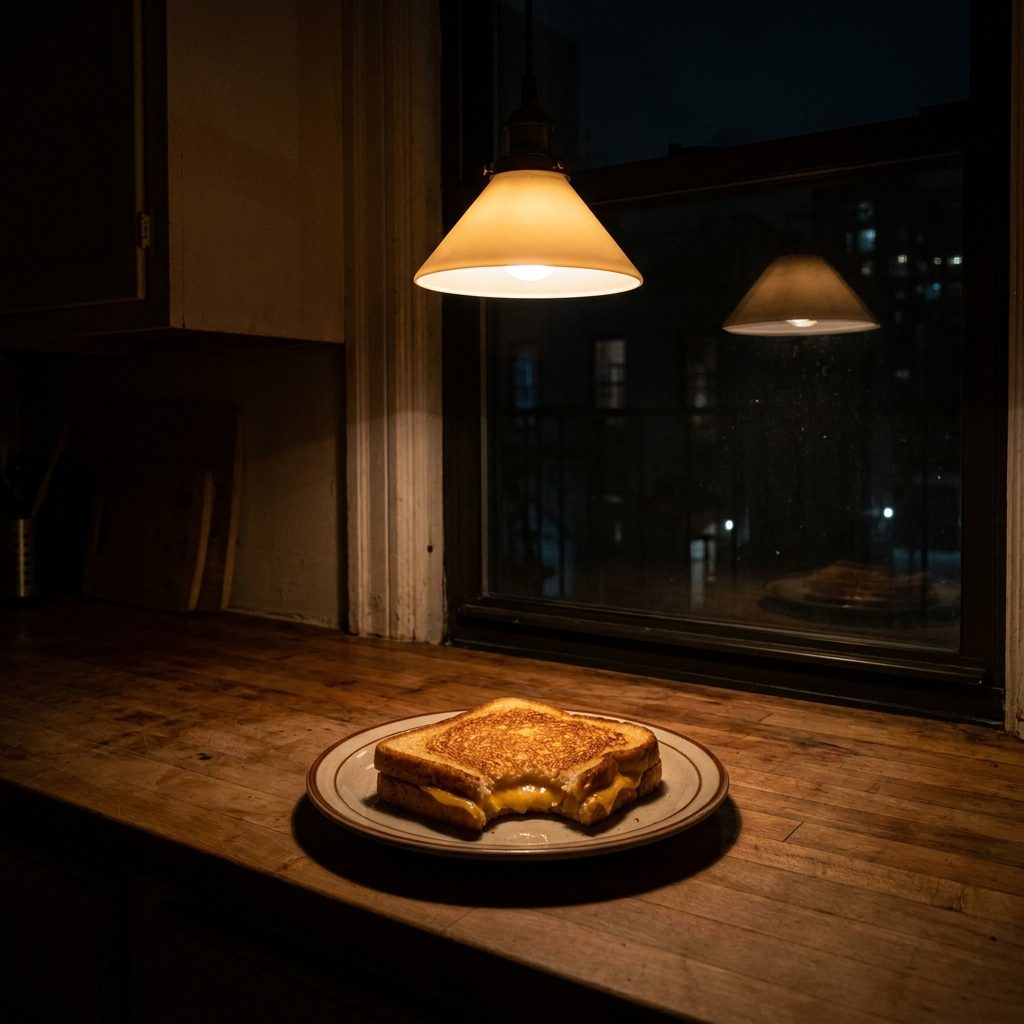
You make dinner at 9:40 p.m. after a bad day, and it is grilled cheese. American cheese on white bread, butter on the outside, cut on the diagonal.
Warmth, salt, fat, and familiarity make grilled cheese easy to associate with comfort, especially when someone once made it for you. Research on comfort food has found that familiar foods can cue feelings of belonging and social connection. Source
The sandwich is quick, predictable, and hard to get wrong. It can return you to a kitchen where dinner was uncomplicated and somebody else handled the pan.
Why Ellio’s Frozen Pizza Still Tastes Like an After-School Afternoon
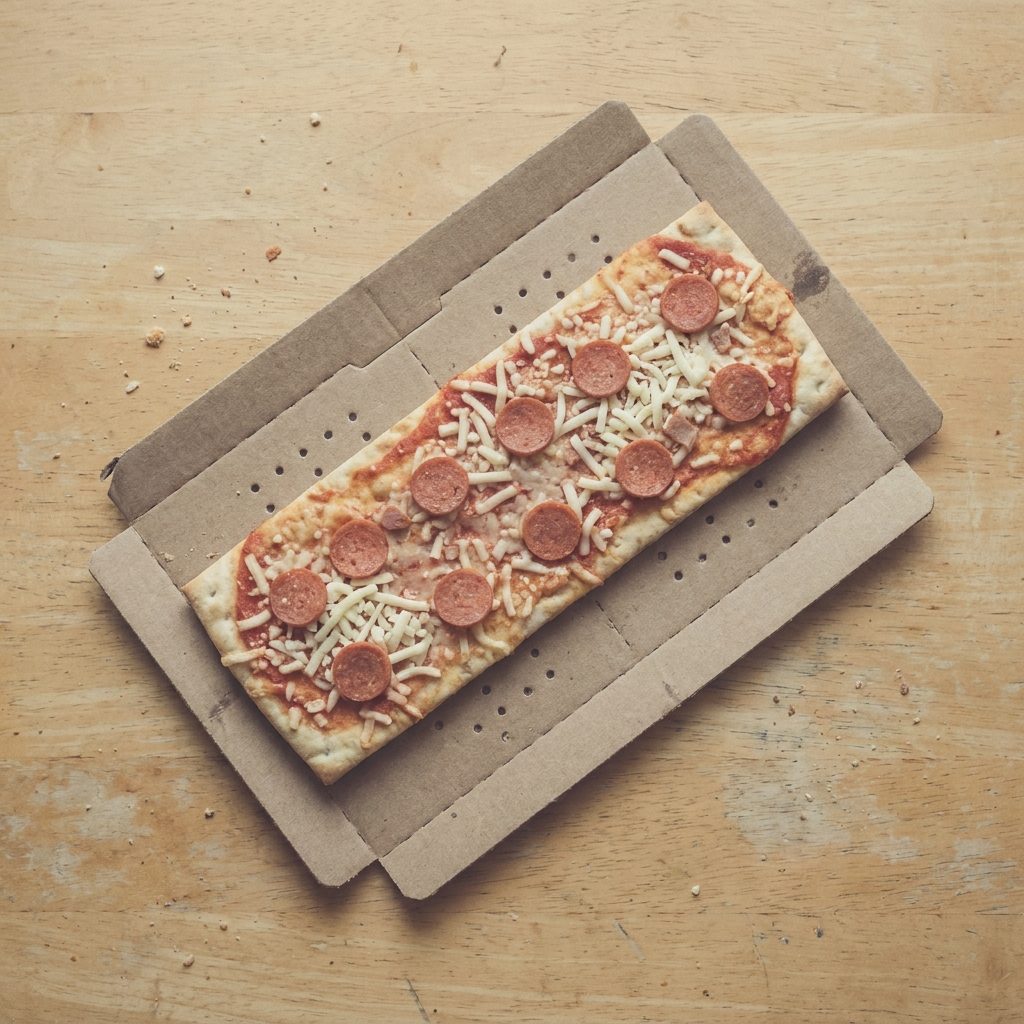
Rectangular. Three pieces to a strip. Thin sauce, orange-browned cheese, and a crust closer to a cracker than a pizzeria pie.
Ellio’s fit the rhythm of a child who could read the box, preheat the oven, and make an after-school snack without much help. Generation X is often associated with latchkey childhoods shaped by changing family structures and rising maternal employment. Source
That does not mean every Ellio’s fan came home to an empty house. It means the pizza was unusually suited to independence: inexpensive, portioned, and predictable. For some adults, the nostalgia includes the pride of learning to feed themselves.
What Cafeteria Square Pizza Brings Back for a Certain Kind of 1980s Kid
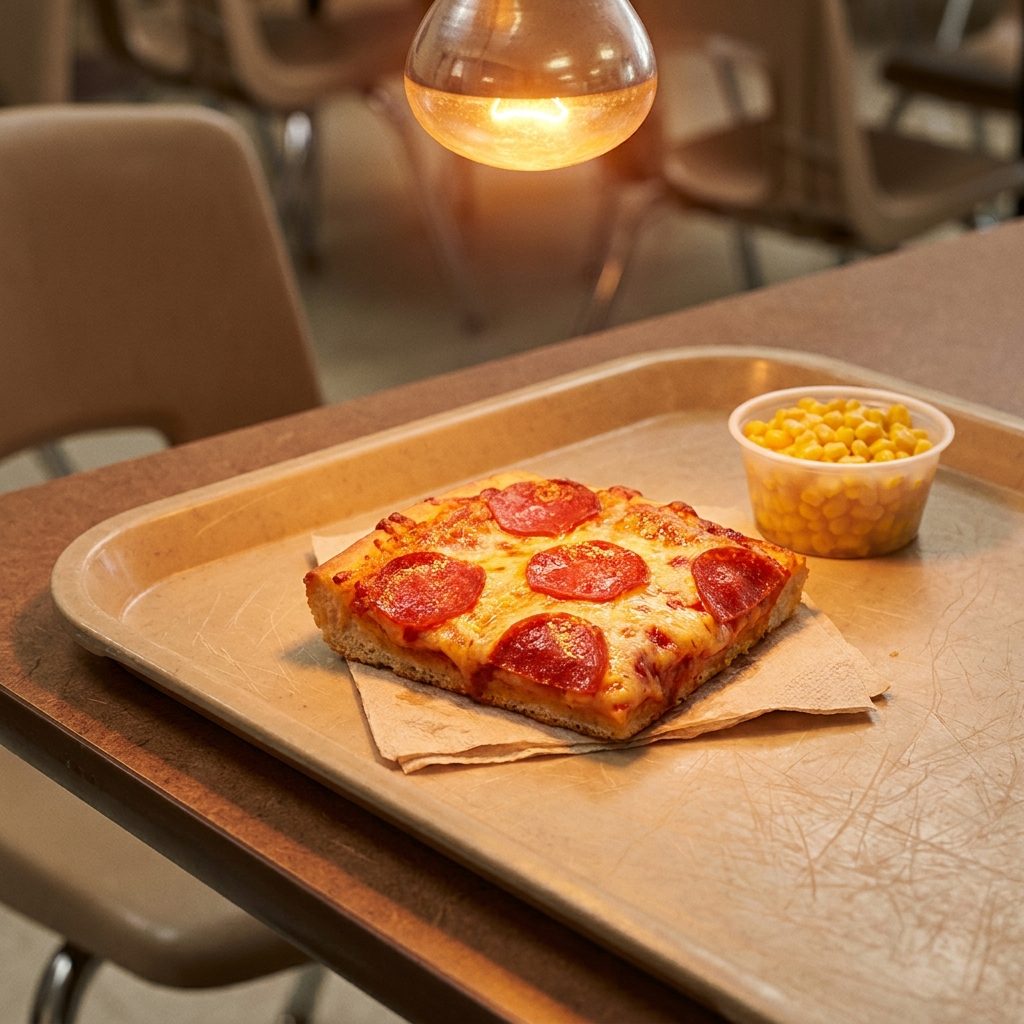
Rectangle. Corner piece if you were lucky. Cheese that had gone slightly rubbery under the heat lamp. A sweet, bready crust cut on a sheet pan.
The craving is often tied less to flavor than to setting: the loud lunchroom, the divided tray, the friend across the table, and the daily ritual of eating inside a crowd. Research on food-evoked nostalgia consistently finds that comfort foods are often linked to shared meals, social connection, and repeated routines. Source
Cafeteria pizza was friendship food. When it returns to mind years later, the table may be doing as much work as the slice.
What Ordering Chicken Fingers at 42 May Be Doing for You
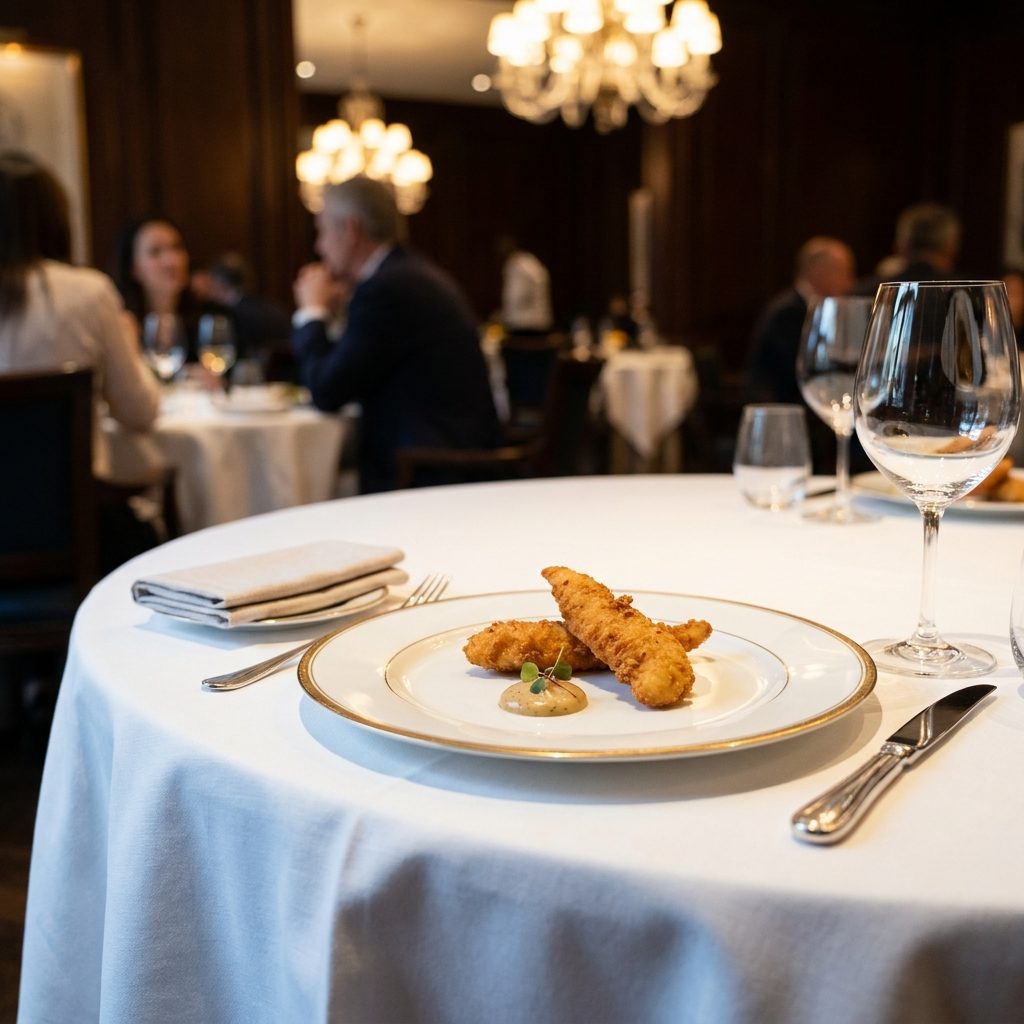
You are at a restaurant with a long menu and real prices. You still ask whether they can make chicken fingers.
For some adults, familiar textures remain easier and more appealing than unfamiliar ones. Johns Hopkins psychiatrist Angela Guarda has discussed adults whose childhood picky eating continued into adulthood, sometimes becoming severe enough to interfere with daily life. Source
For many others, the choice is simpler. Chicken fingers recall a Friday night out, a family restaurant, or a meal that arrived without negotiation. Ordering them can be less a refusal of adulthood than a decision to choose what feels reliably good.
Why Boxed Mac and Cheese Still Tastes Like Independence
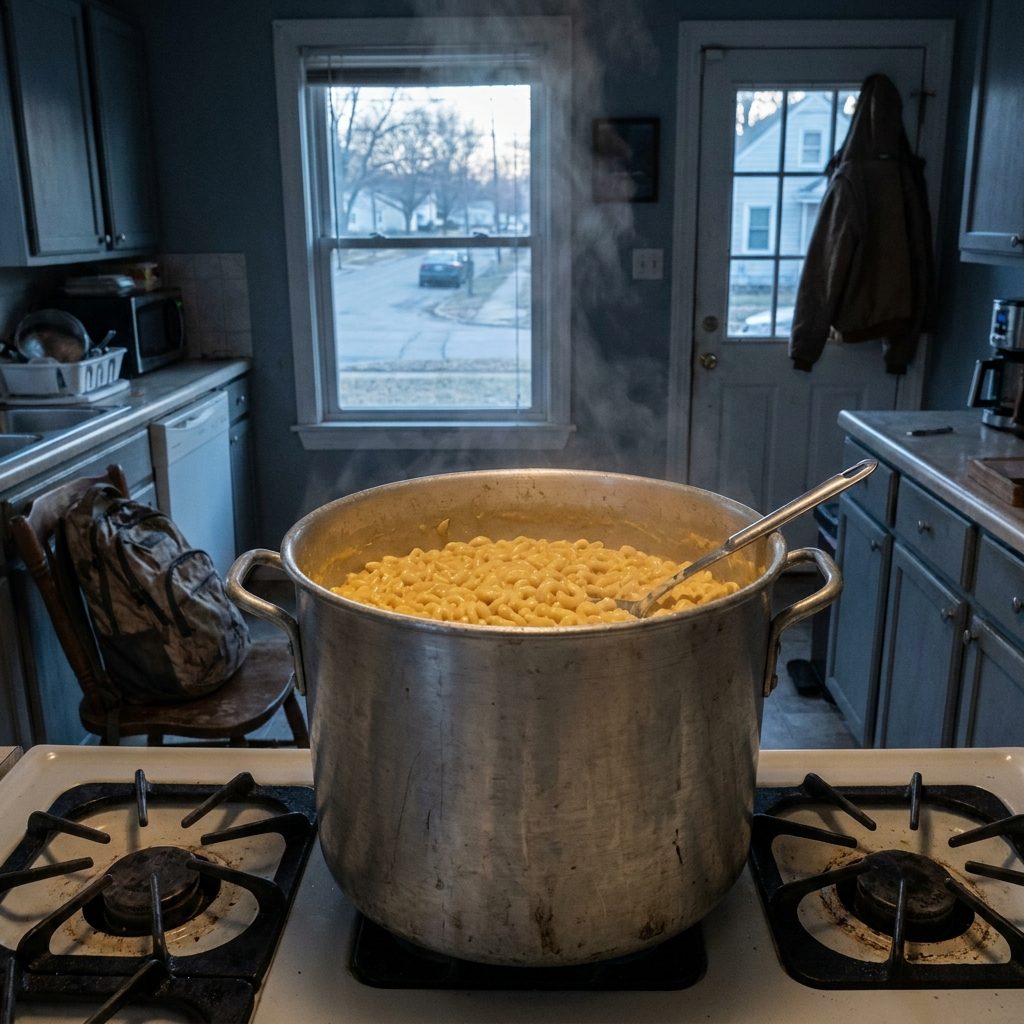
Kraft Mac and Cheese from the blue box. Made in the wrong pot, with too much butter, by a child who learned the sequence by heart.
Generation X is frequently associated with latchkey childhoods shaped by changing work patterns, divorce, and uneven access to after-school care. Source
The blue box fit that life because it was cheap, quick, and easy to repeat. For some adults, the taste is tied to a complicated pride: the memory of handling dinner alone and doing it well enough.
Why Cereal for Dinner Can Feel Honest Instead of Lazy

A large bowl. Two cereals mixed because one box is nearly empty. Cold milk to the brim. Eaten on the couch while the television keeps talking.
Cereal for dinner can recall a childhood in which meals were sometimes improvised rather than planned. It can also represent something simpler in adulthood: the relief of not performing a full dinner when nobody needs one.
For some people, the bowl carries the memory of self-sufficiency. It says, I can feed myself without making the evening into a project.
Why Freezer-Aisle Pizza Snacks Still Taste Like an Unsupervised Afternoon
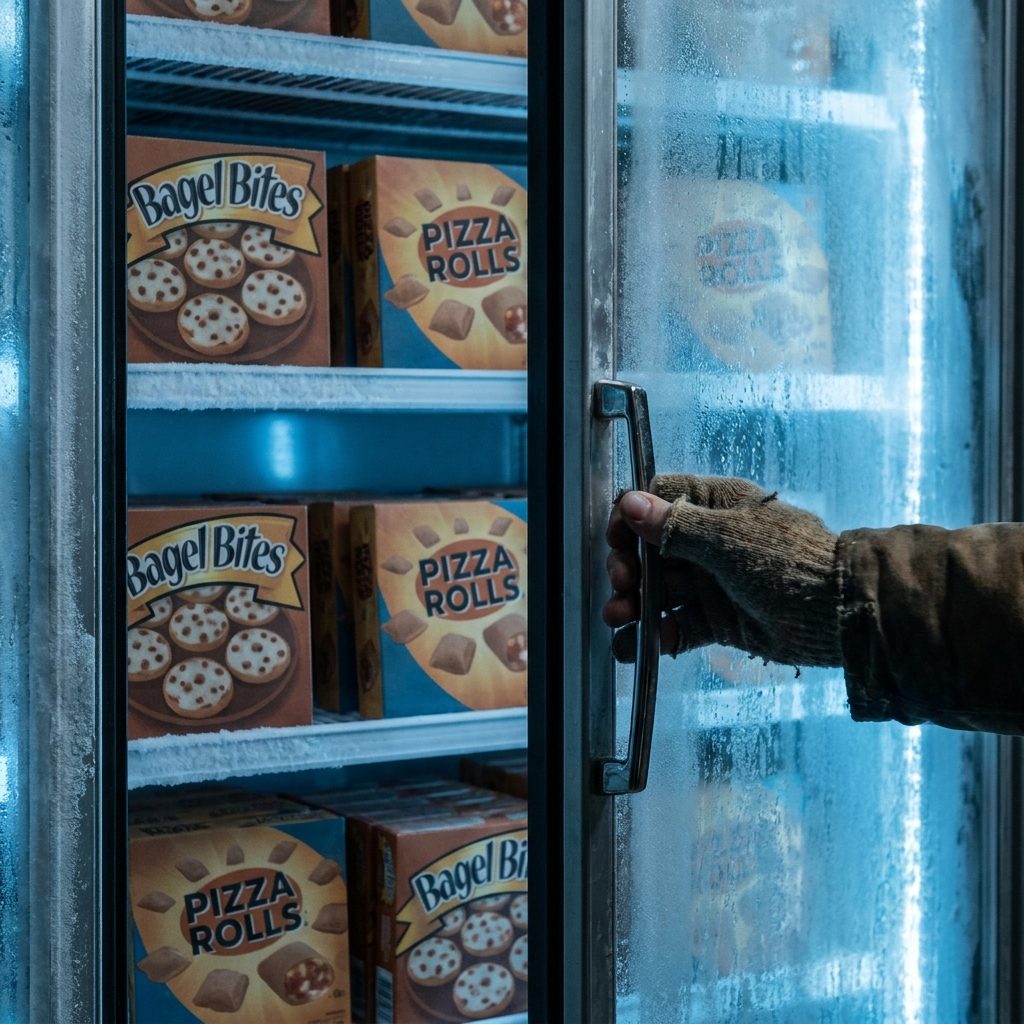
Bagel Bites. Totino’s Party Pizza. Jeno’s Pizza Rolls. These foods were designed to be easy enough for a child to heat with minimal help.
For many children, they became after-school food: something quick, personal, and predictable while adults were still at work or busy elsewhere. The association is not proof of a particular family schedule. Sometimes the freezer was stocked precisely because a parent had planned ahead, which made convenience food as much a sign of care as of a stretched schedule. Either way, the craving can recall the confidence of reading the box, working the toaster oven, and making the afternoon happen on your own.
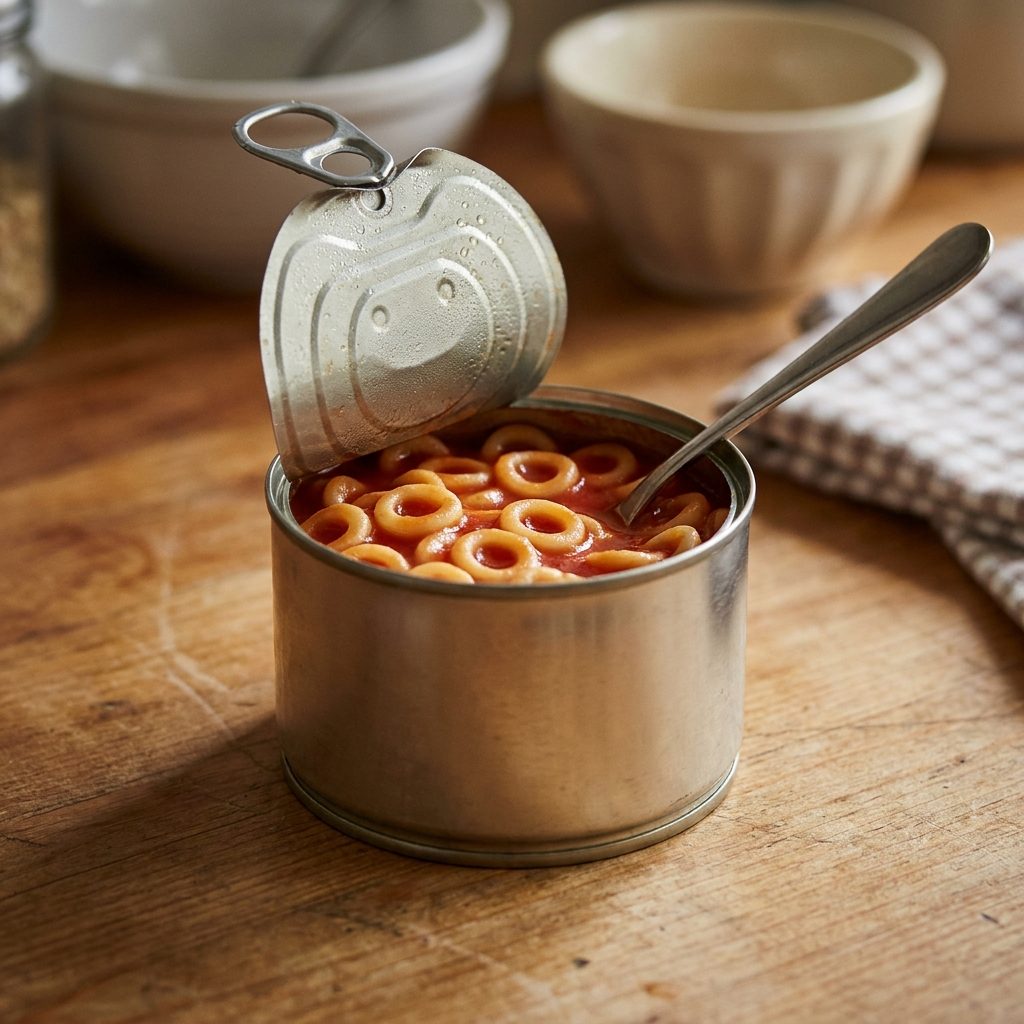
Why a Can of Chef Boyardee Can Feel Like a Time Capsule
Would you like to save this?
The pull-tab lid. The metallic tomato smell. Ravioli that looked exactly like the picture.
Chef Boyardee began as a shelf-stable version of restaurant food created by Hector Boiardi, born Ettore Boiardi, an Italian chef who worked at New York’s Plaza Hotel before building the brand. Source
By the 1980s, the can fit an afternoon when a child needed something fast and familiar. Part of the nostalgia is consistency: the sauce, the pasta, and the flavor barely changed from one kitchen to another, so the meal was recognizable before the lid came off. For some adults, reaching for it now is less about recreating an unsupervised afternoon than choosing a food that still behaves exactly as remembered.
What Frozen Waffles Can Bring Back About Mornings on Your Own
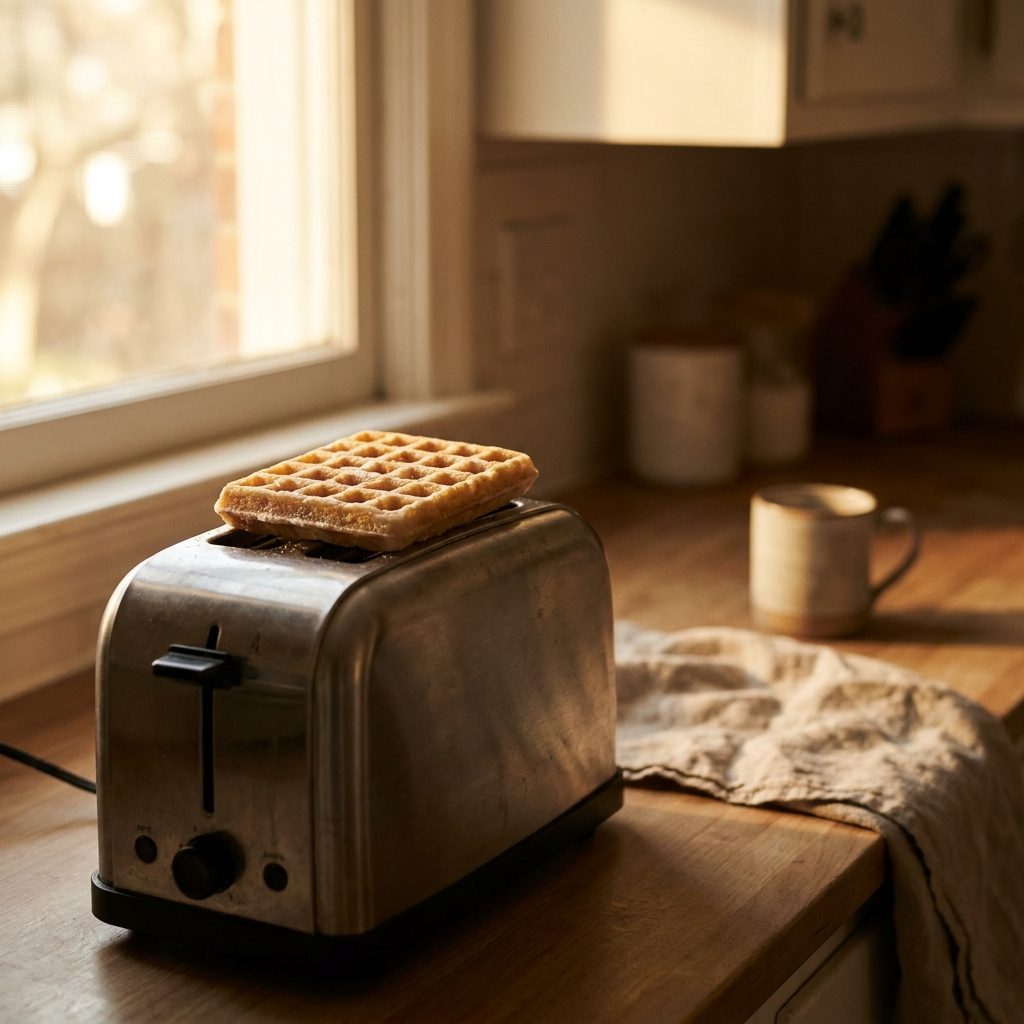
The toaster pops. Two waffles land on a plate. You spread the butter yourself and pour the syrup in a spiral because nobody is there to say it is too much.
For some children, frozen waffles were the breakfast they learned to make while a parent was at work, sleeping after a night shift, or handling another part of the morning. For others, the stocked freezer was evidence that someone had planned for them even if nobody was standing beside the toaster. Source
Comfort foods can recall both connection and competence. A waffle made by a parent carries one memory; a waffle you learned to toast yourself carries another.
Why American Cheese on White Bread Still Tastes Like Home
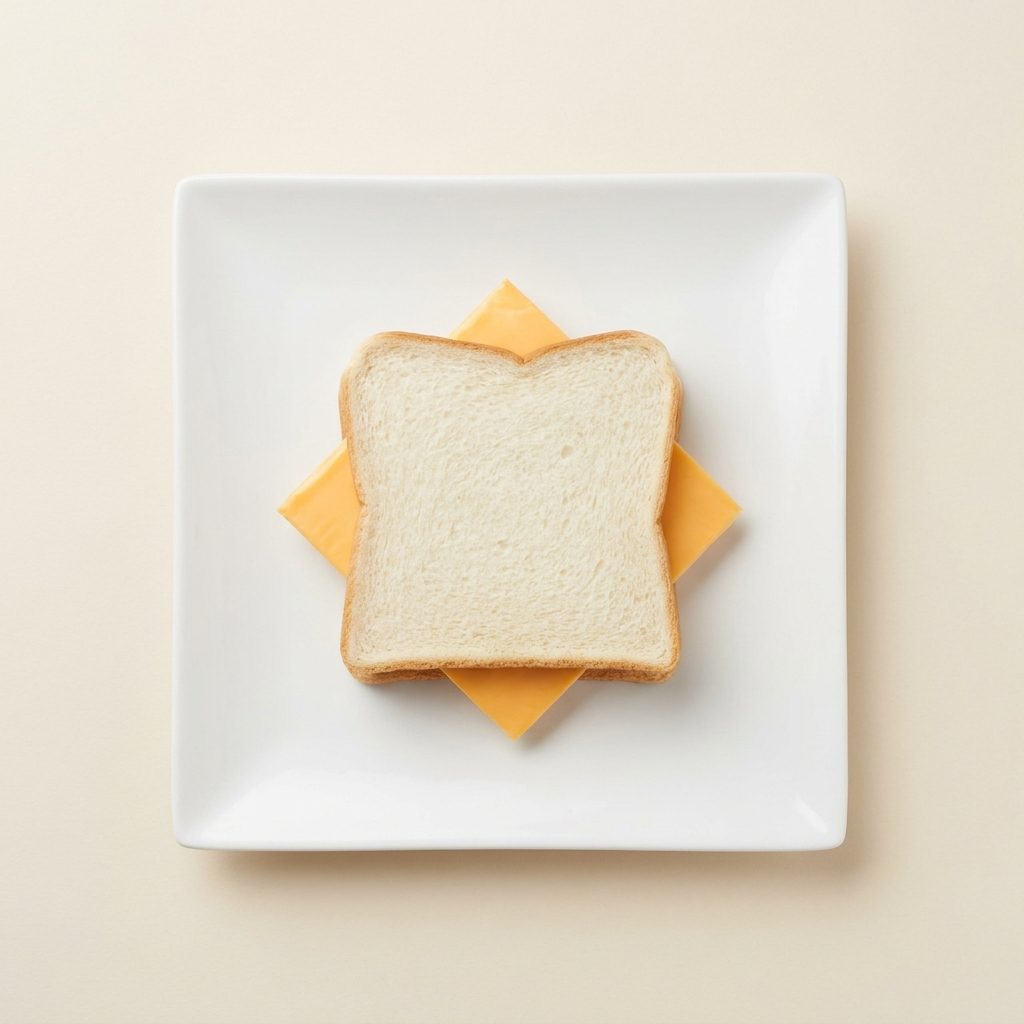
A single orange square between two pieces of white bread can carry more memory than a carefully built sandwich.
Processed American cheese became popular because it was inexpensive, consistent, meltable, and easy to store. It fit school lunches, quick dinners, and working households that needed food to be reliable. Source
If American cheese was part of your childhood, the flavor can still feel complete without being sophisticated.
Why Some Comfort Foods Only Feel Right When You Eat Them Alone
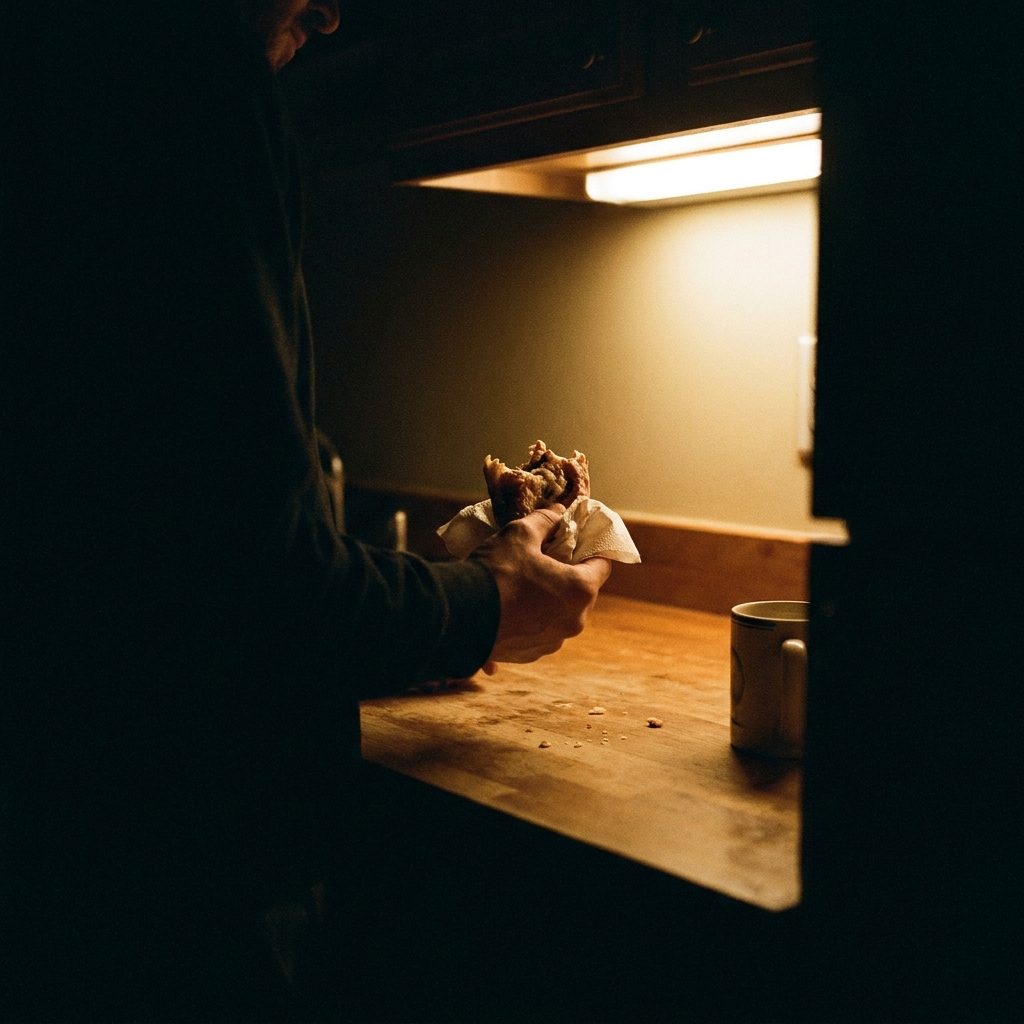
You know the one: buttered saltines crushed into soup, cold pizza rolls at the counter, or boxed macaroni with an extra slice of cheese folded in.
Researchers describe comfort foods as tied to relational memory and belonging. Source Private comfort foods can feel unusually personal because they were never part of a shared family ritual. They belong to a particular age, room, or hour.
Eating them in front of someone else can make the food feel as though it needs an explanation. Alone, it gets to remain exactly what it was.
What a Regional Pizza Chain Can Bring Back About Where You Grew Up
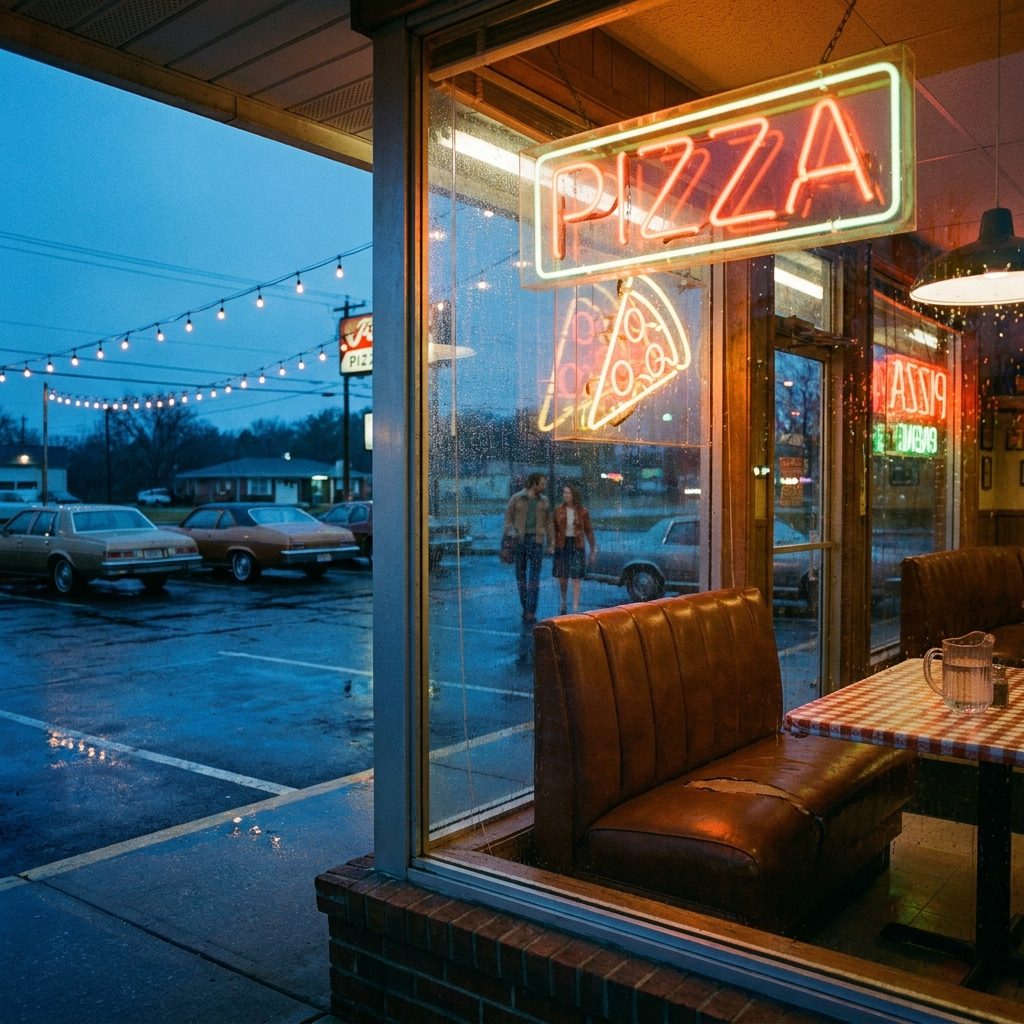
Loyalty to a regional pizza chain is rarely only about the pizza. It is also about the parking lot, the booth, and the font on the menu that your six-year-old brain filed under familiar.
Papa Gino’s in eastern Massachusetts, Buddy’s or Jet’s around Detroit, Round Table in Northern California, Godfather’s across parts of the Plains, Shakey’s across much of the West—each chain became attached to local rituals.
Comfort-food research suggests that these attachments often involve the people, places, and routines surrounding the meal. Source The regional chain may have been the backdrop for a team dinner, report-card treat, or Sunday lunch.
That is why defending the chain can feel oddly personal. You may be defending the place it occupied in your life as much as the pizza.
Why Food Eaten During Custody Exchanges Can Become Comfort Food Later
For some children of divorce, certain foods become attached to the movement between homes: drive-thru fries, a gas-station snack, or pizza from the place near the exchange point.
Research suggests that divorce and separation can disrupt family meals and eating patterns for some children. Source That does not create one universal comfort food, but it can make food eaten in transit unusually memorable.
The meal may have functioned as a small effort to make an awkward Wednesday feel normal. Years later, the smell of the bag can bring back both the tension and the care.
Why Some People Reach for Sweet Comfort Food and Others Reach for Salty
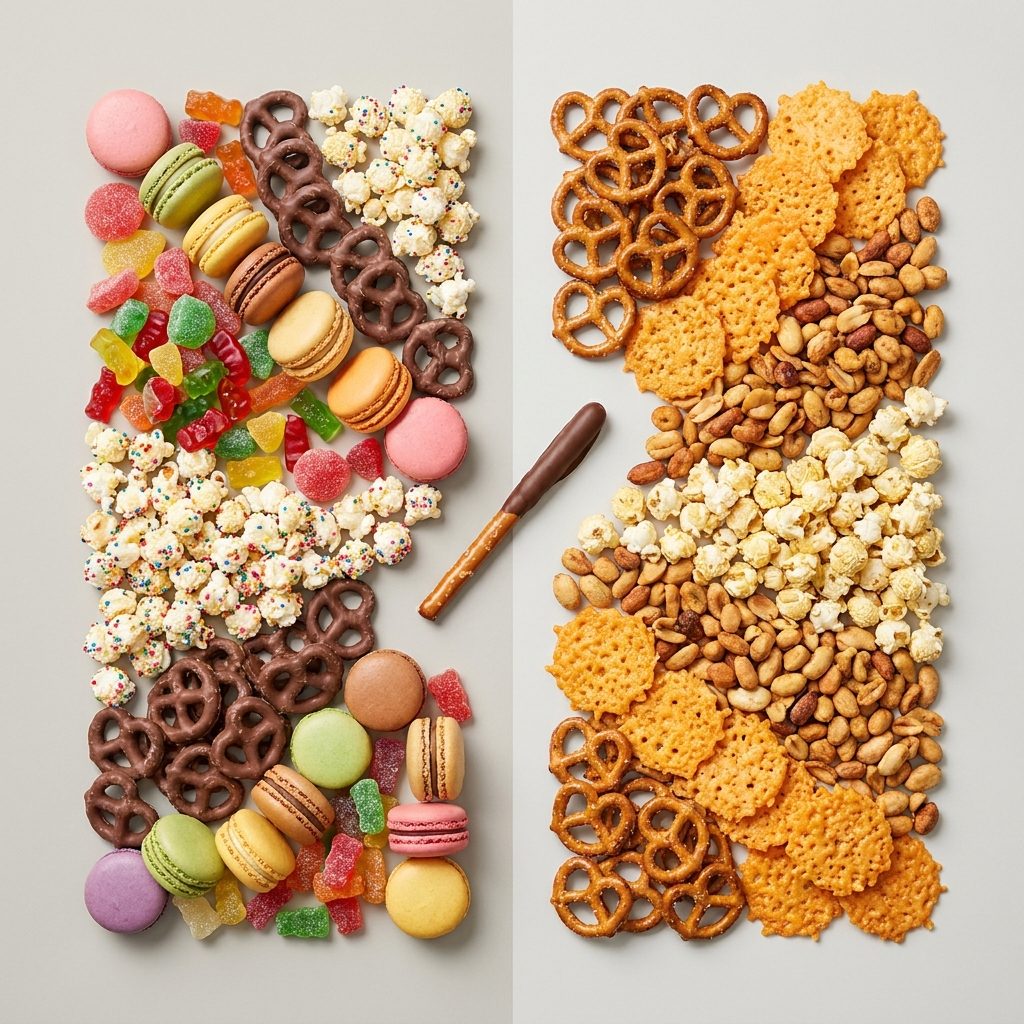
After a hard week, one person reaches for ice cream and another reaches for pizza. That looks like simple preference, but early household habits can help shape what feels comforting.
Research suggests that comfort foods are often the foods attached to positive moments, rewards, rituals, and familiar routines, and those associations vary sharply by family and culture. Source
A household where dessert marked celebration may create one set of associations. A household where Friday night meant chips, pizza, or popcorn may create another. The split is not diagnostic, but it can point back to the rituals that gave the food its meaning.
What the Way You Make Boxed Mac and Cheese Can Bring Back
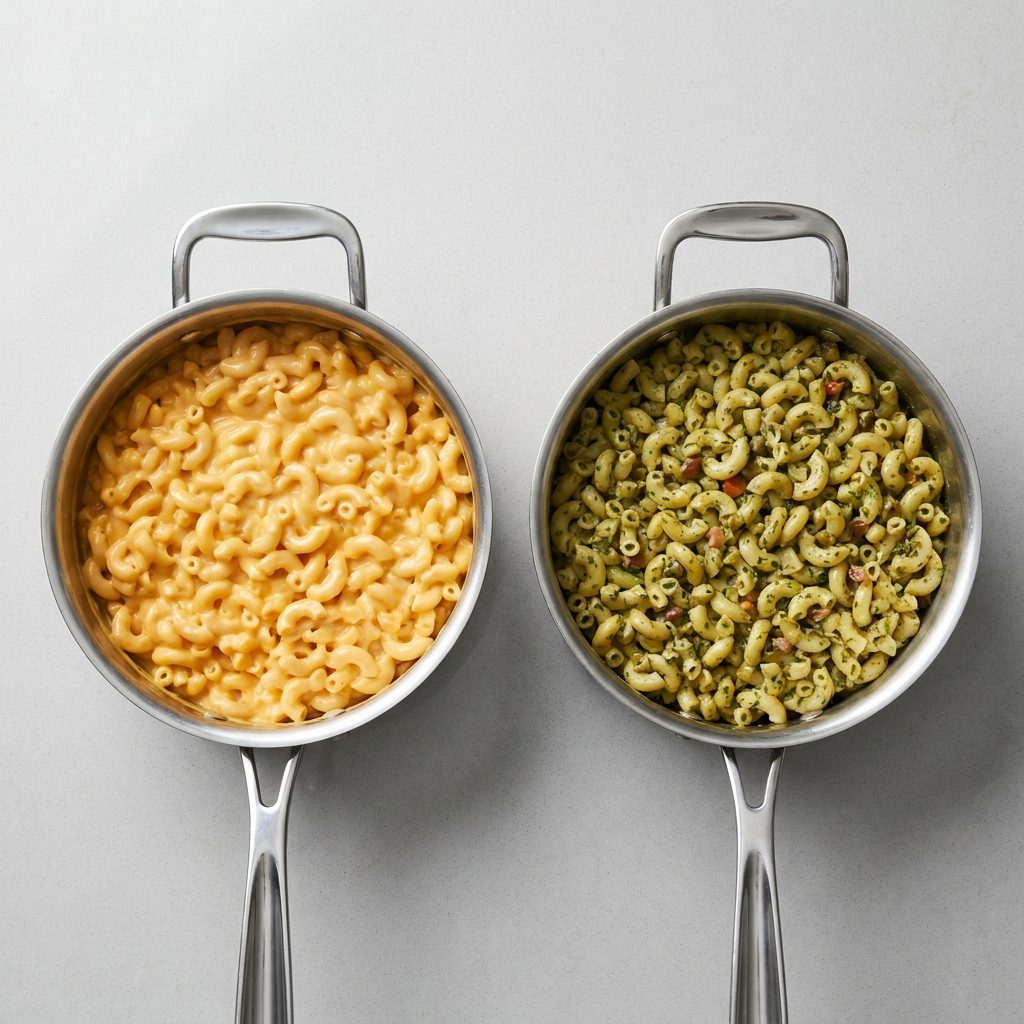
Do you make boxed macaroni and cheese exactly as it was made for you, or the way you wish it had been made?
Extra butter. No butter. Milk measured carefully, or water because the milk was gone. Hot dogs sliced in. Straight from the pot.
A 2015 study in Appetite found that securely attached participants who experienced a threatened sense of belonging rated comfort food more favorably than those who did not, an effect the researchers linked to reduced feelings of loneliness. Source
That does not turn the recipe into a clinical test. It does suggest that recreating a familiar version can cue memories of belonging, while changing the recipe can be a way of making the food fit the life you have now.
What Cold Pizza for Breakfast Can Bring Back About the House You Grew Up In
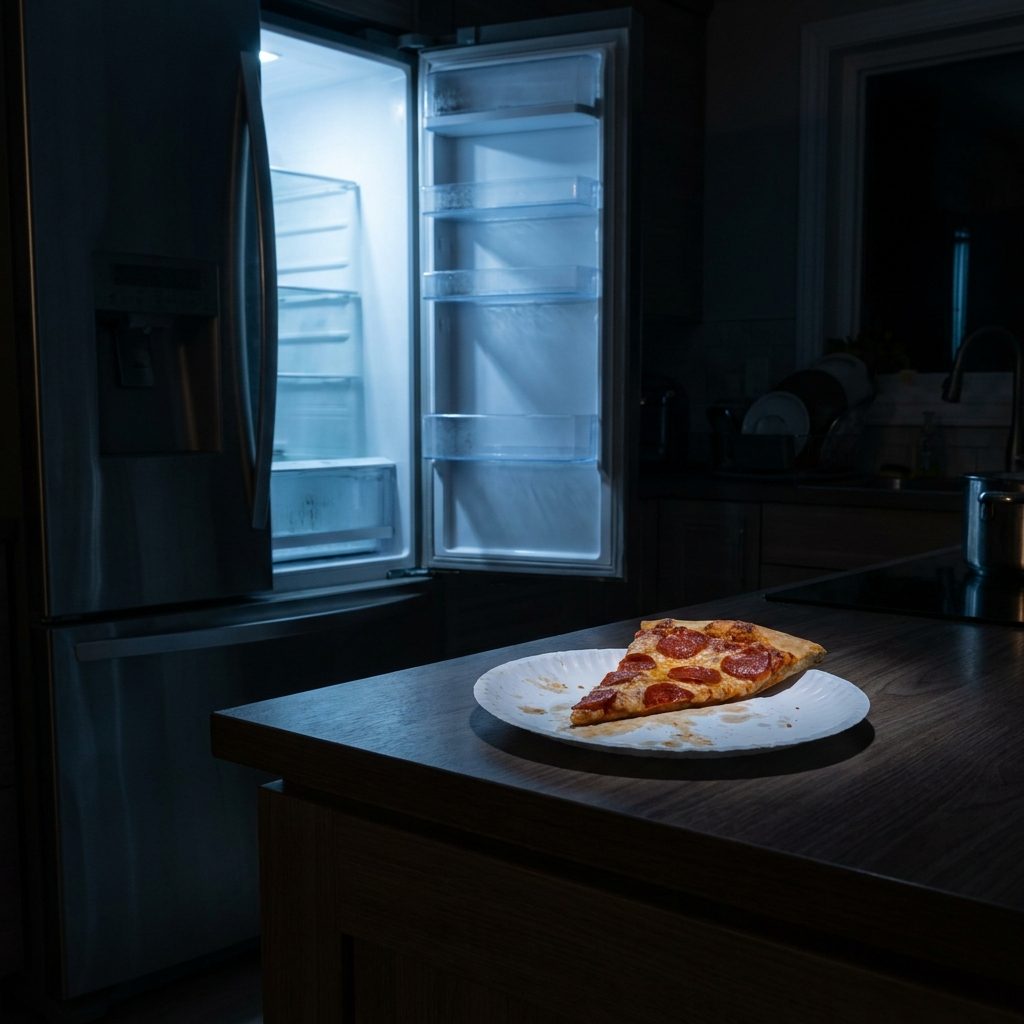
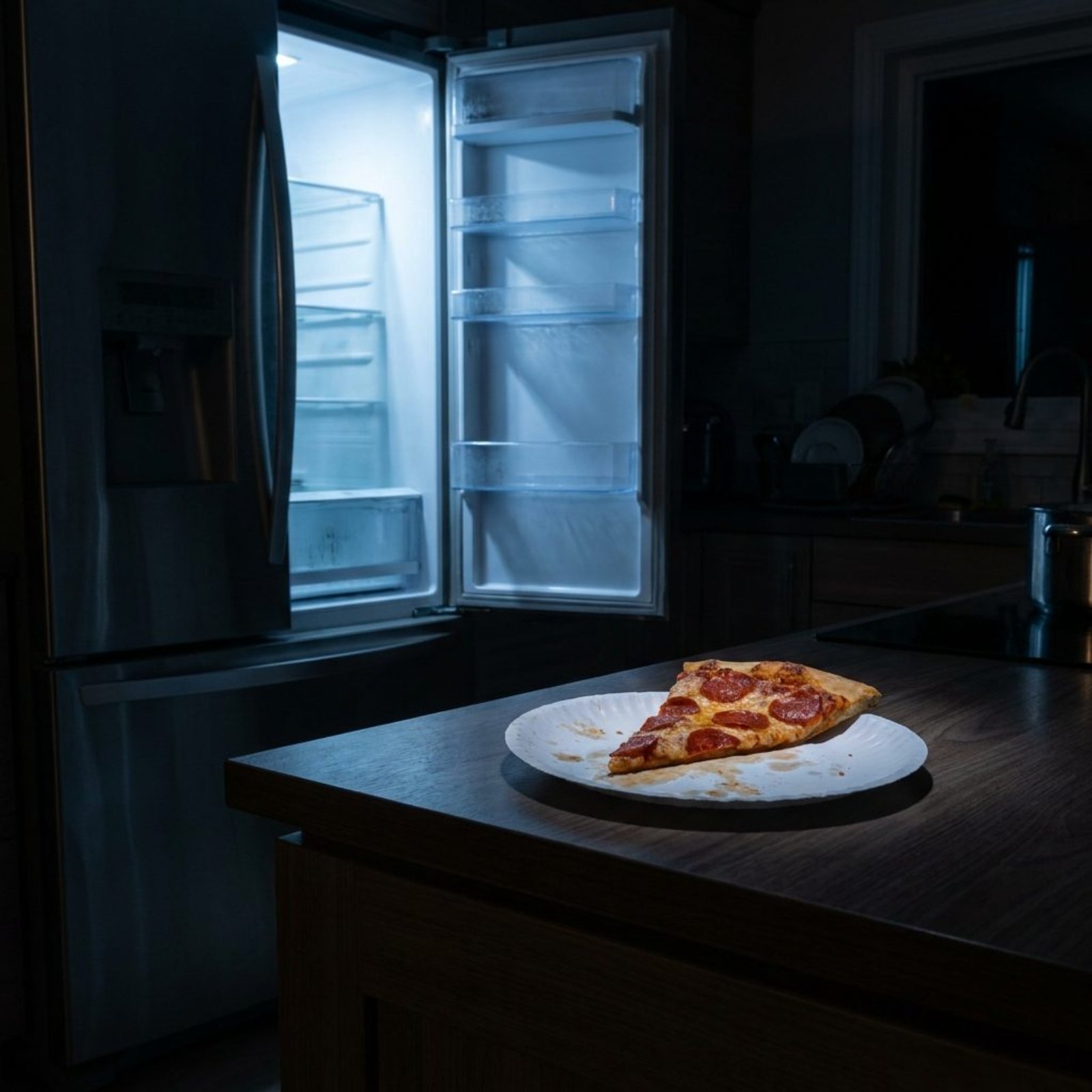
The refrigerator opens at 7:04 a.m. A slice of pepperoni sits on a paper plate, curled at the edge and cold enough to make the cheese firm.
For some people, cold pizza recalls a kitchen with loose breakfast rules, where leftovers were fair game and nobody insisted that morning food look like breakfast. Research on family food memories suggests that shared meals and familiar leftovers can carry emotional shorthand for household warmth. Source
The memory may be less about class or supervision than permission: the feeling that you could open the refrigerator, choose for yourself, and keep moving.
What a Specific Birthday Pizza Can Bring Back About Feeling Celebrated
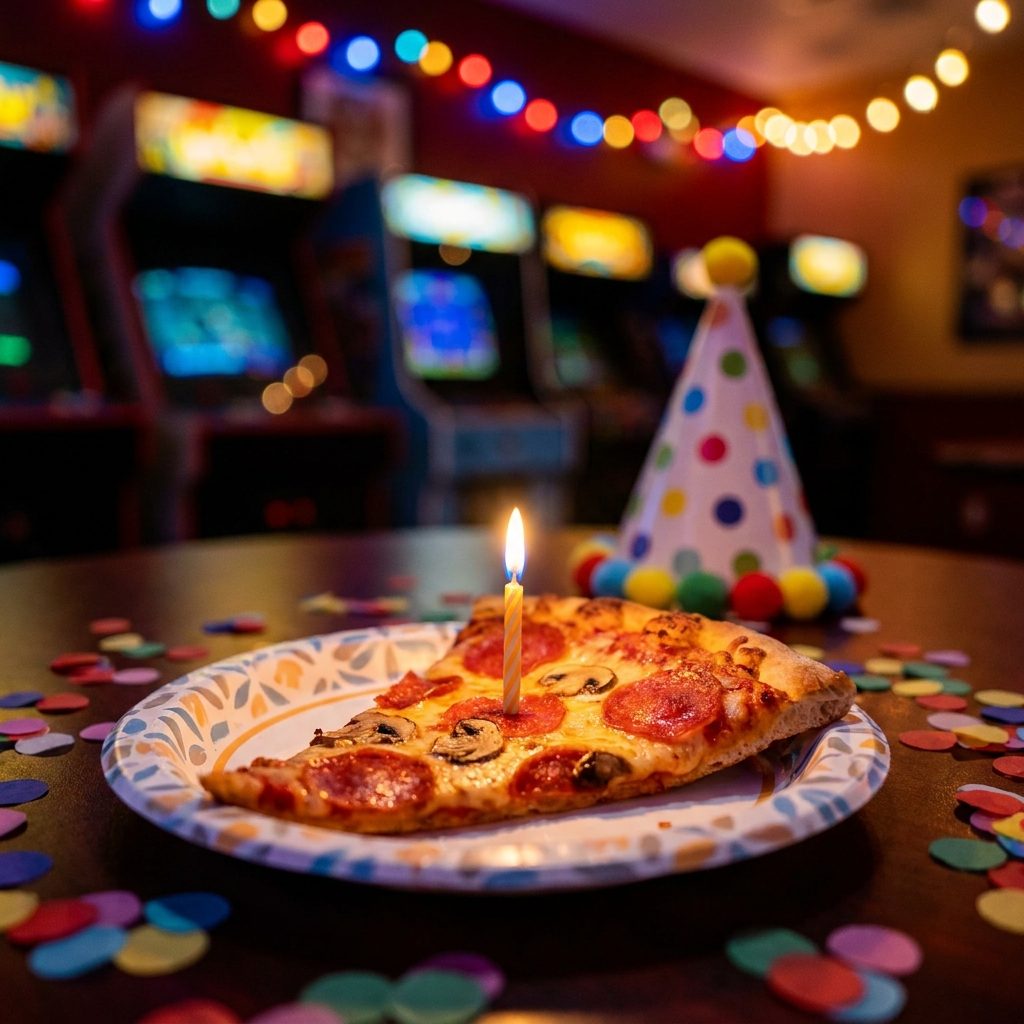
Some people can still taste the exact pizza from a particular birthday. Not the cake. The pizza.
Food tied to celebratory and bonding moments can become especially memorable because the meal is tagged with social meaning. Source
That does not prove how celebrated someone felt overall. It does explain why one crust, one dining room, or one cardboard box can remain vivid for decades. Ordering the same pizza later can re-create a small piece of the ceremony.
Why Food Eaten in Front of the TV Can Become Comfort Food
Would you like to save this?
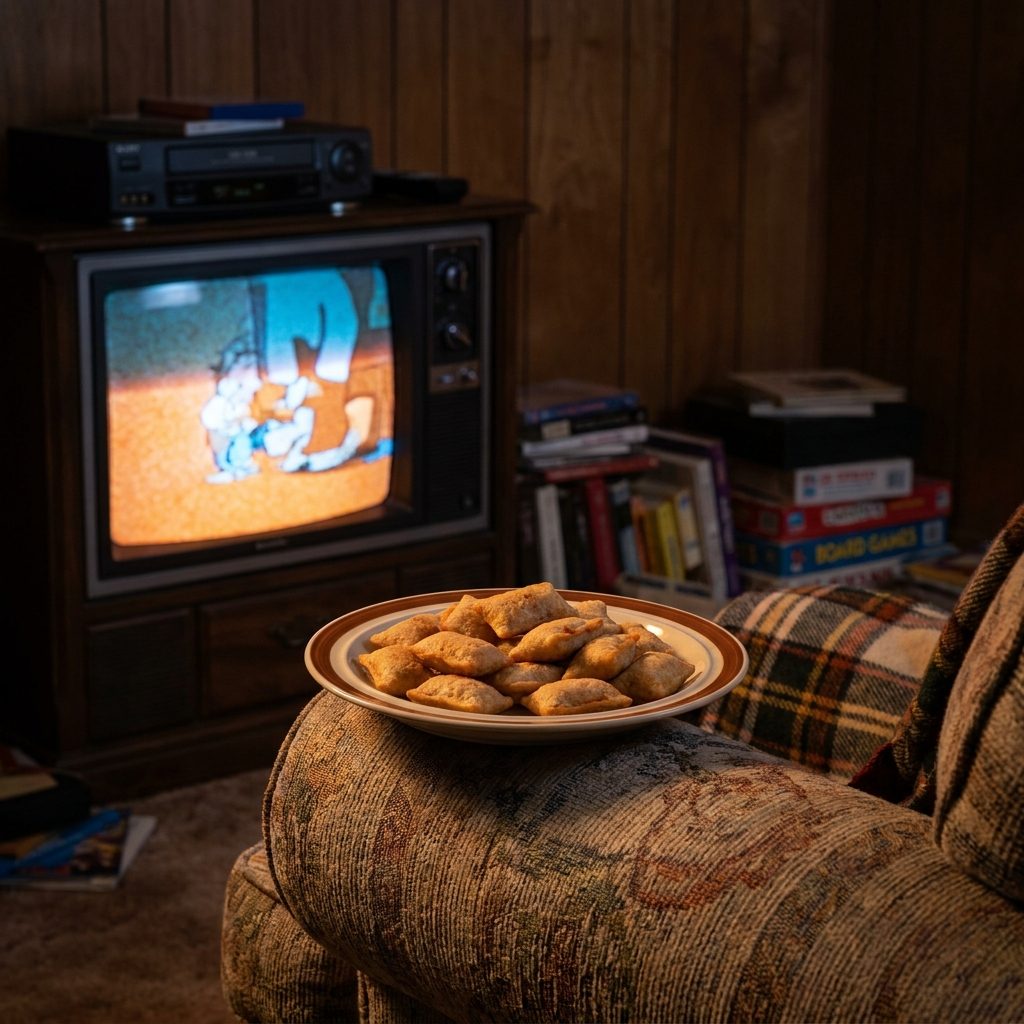
TV dinners. A tray balanced on your knees. Whatever came out of a box or a freezer bag, eaten off a paper towel because the plates were still in the sink.
Foods repeatedly eaten in front of a favorite show can become attached to the couch, the soundtrack, and the relief of an evening when nobody expected much. Convenience foods became common in American households because they were easy to prepare and easy to eat away from the table. Source
What returns later may be the whole scene: the warmth of the couch, the parent who was tired, and the quiet agreement that everyone could relax.
Why Pizza for One on a Tuesday Can Feel Like Care
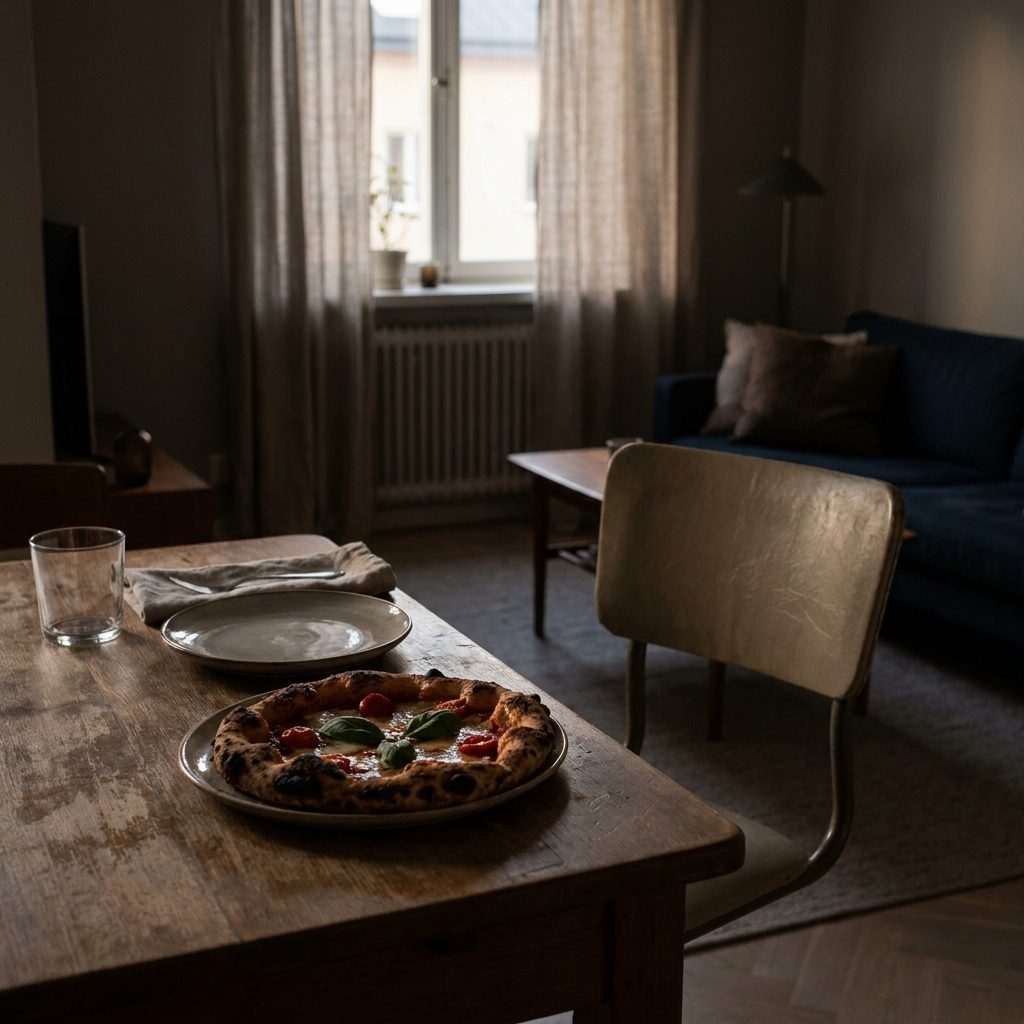
Weekend pizza is social. Friday pizza is ritual. Tuesday pizza for one can be something else: a decision to make an ordinary night easier.
Psychologists studying comfort food have found that familiar foods can provide emotional benefit when they prompt memories of relationships and routines. Source
For some adults, ordering delivery alone re-creates the small kindness once represented by a box arriving at the door. For others, it is simply dinner. Both can be true.
How Emotional Feeding Can Shape Comfort Eating Later
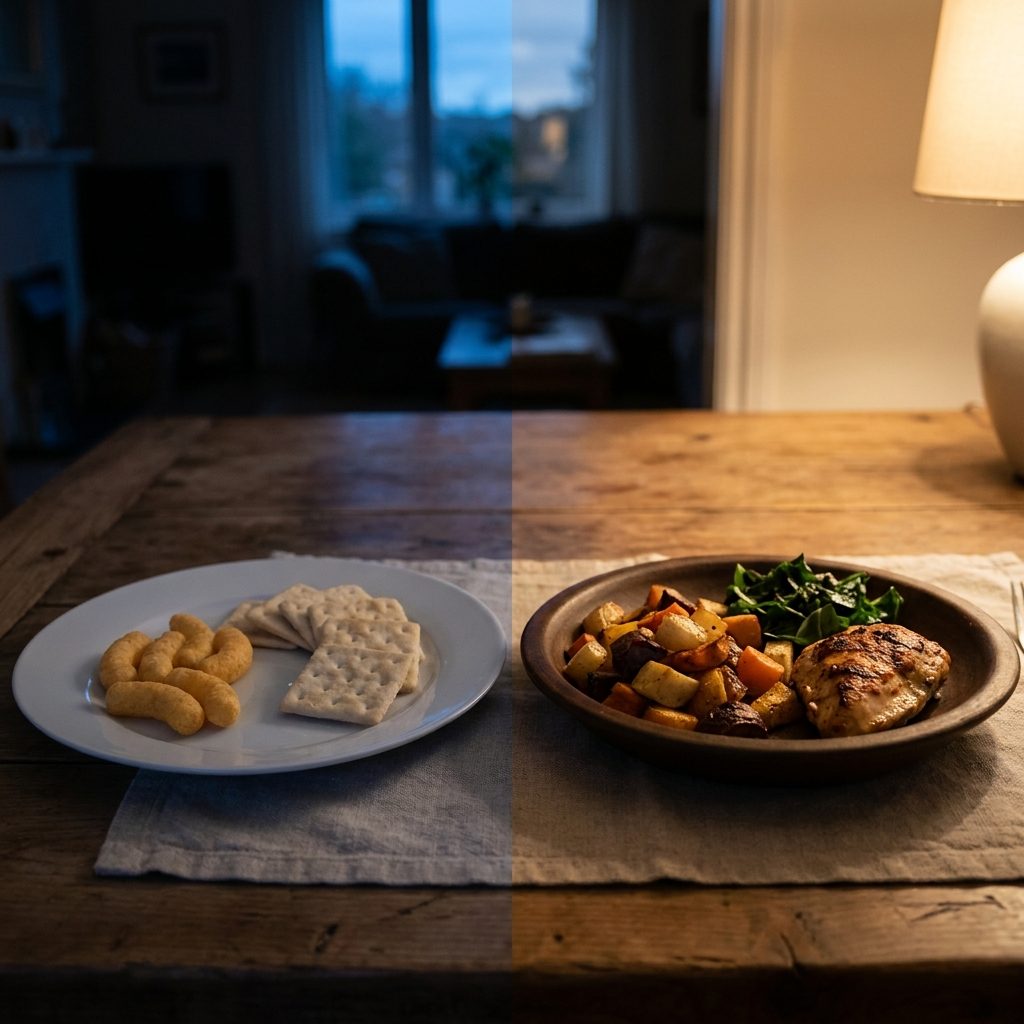
Food can satisfy hunger, create connection, and calm distress. Trouble starts when it becomes the only reliable regulator.
A Norwegian study followed 801 children from age 4 through age 10 and found a reciprocal relationship between parents using food to soothe emotions and children developing more emotional eating over time. Source
That does not divide childhoods neatly into “fed” and “nourished.” Parents can be loving, attentive, and still use food to calm a difficult moment. The useful distinction is whether food was one source of comfort or the only one.
What Your Go-To Comfort Food Can Suggest About Your Childhood
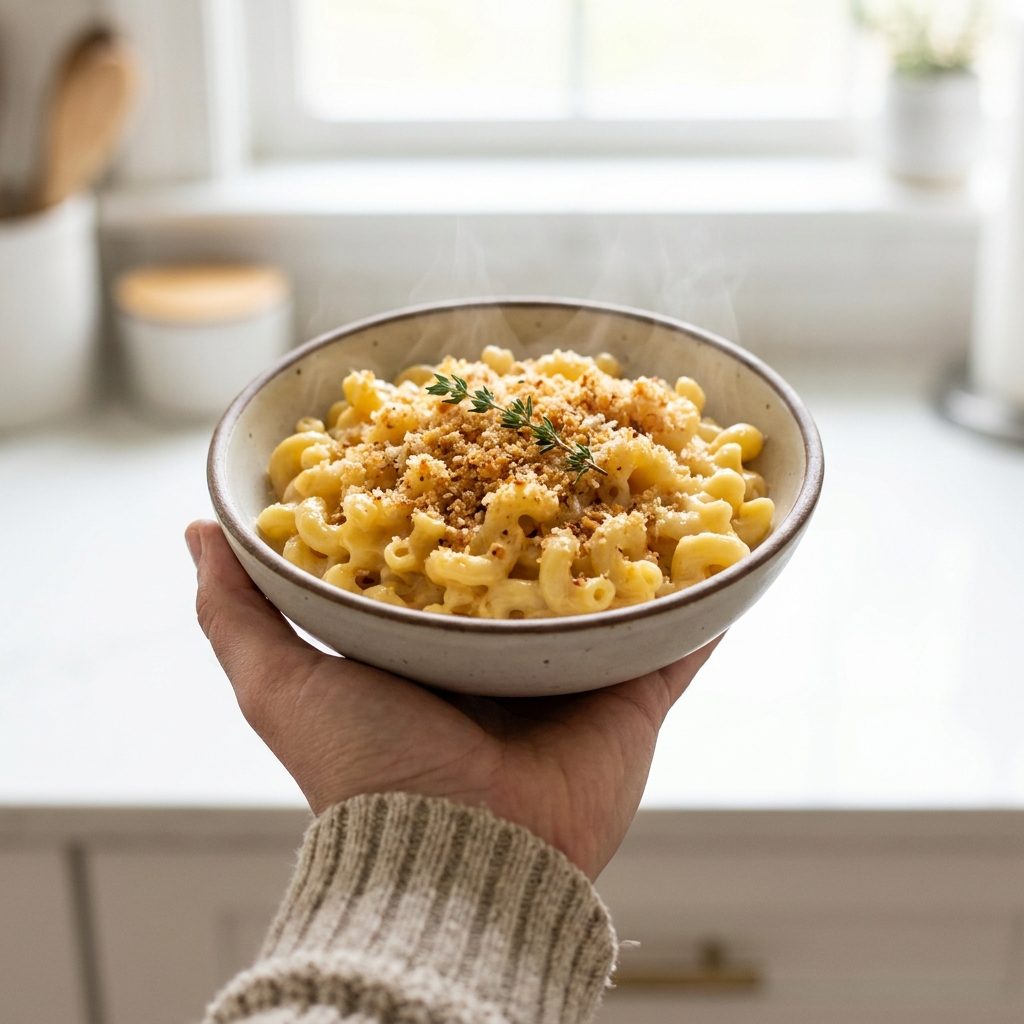
Hand someone your comfort food and they may learn something about your childhood—not the whole plot, but the texture.
A frozen pizza eaten from the pan on Friday says one thing. A grandmother’s Sunday sauce says another. Canned ravioli at the counter says a third. None is lesser. Each carries a setting.
What the Food May Be Telling On
- Who cooked. A parent, grandparent, microwave, or you.
- What the kitchen sounded like. Television, laughter, arguments, radio, or silence.
- What the food meant that year. A treat in one house, a practical staple in another.
Anthropologists and food researchers find that adults across cultures often attach emotion to dishes from childhood, while the dishes themselves vary by region, class, and family. Source
The plate cannot tell a stranger everything. It can still tell them where to begin asking.
The Bottom Line
Your comfort food is not only tracking what tasted good. It is tracking the people, routines, freedoms, absences, and small acts of care that surrounded it. Some cravings point to a moment when somebody fed you. Others point to the moment you learned to feed yourself.
The next time you reach for cold pizza, chicken fingers, or boxed macaroni and cheese, do not shame the craving. Notice which part of your history arrived with it.