
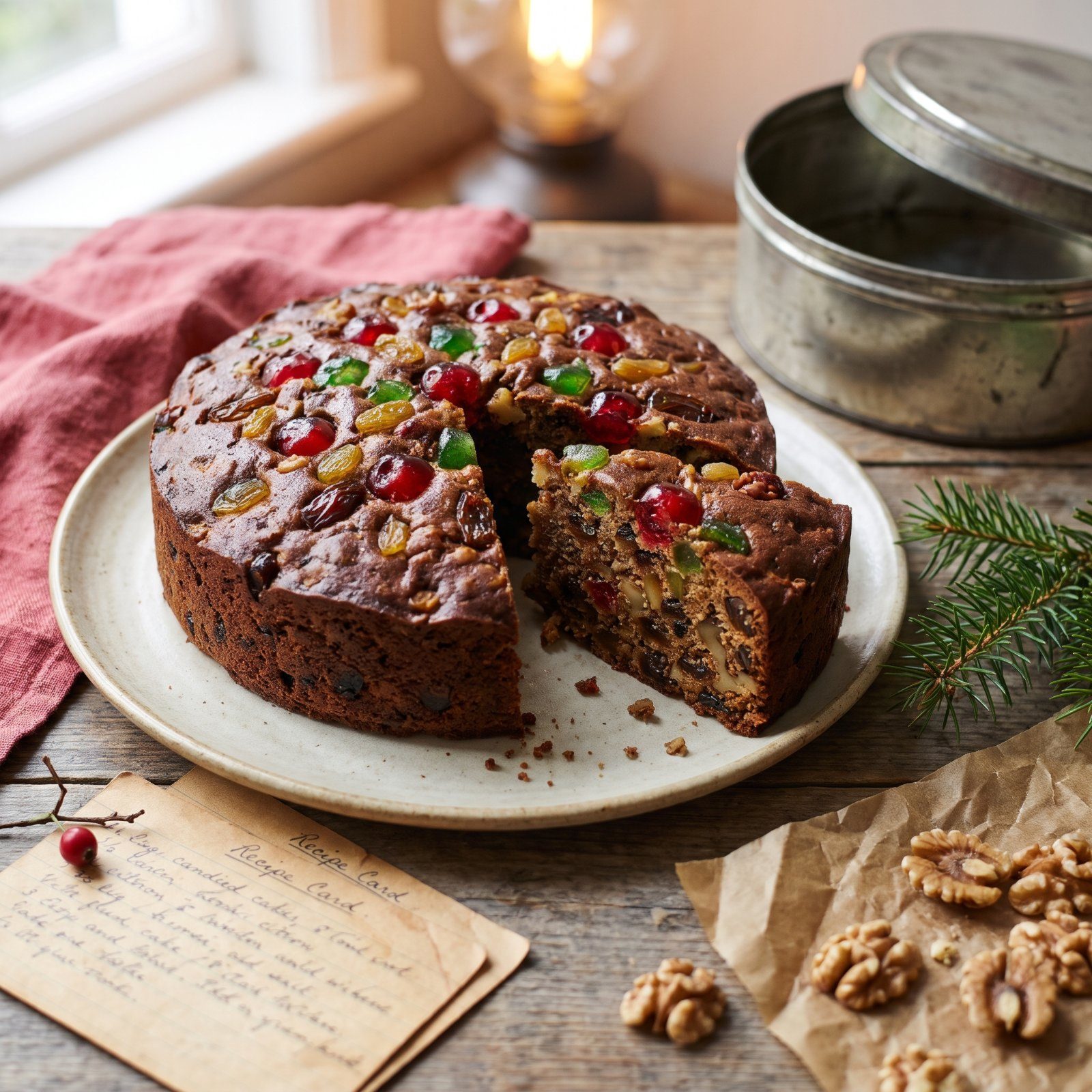
The box of recipe cards smelled like cedar and old flour before we even opened it. Fruitcake gets dunked on every December, usually by people who’ve only had the shrink-wrapped kind that could prop open a door. That version earned the jokes. The homemade one didn’t, and that’s a distinction most people never get to make. We pulled a single card from the stack — dark with age, spotted with butter — and decided to make it exactly as written. No shortcuts, no substitutions, no apology. What came out of the oven changed our mind about the whole thing. Here’s how a real 1960s Christmas fruitcake comes together, start to finish.
Please note that some of the images in this article were created with the assistance of AI.
23. The Faded 1960s Recipe Card That Started It All
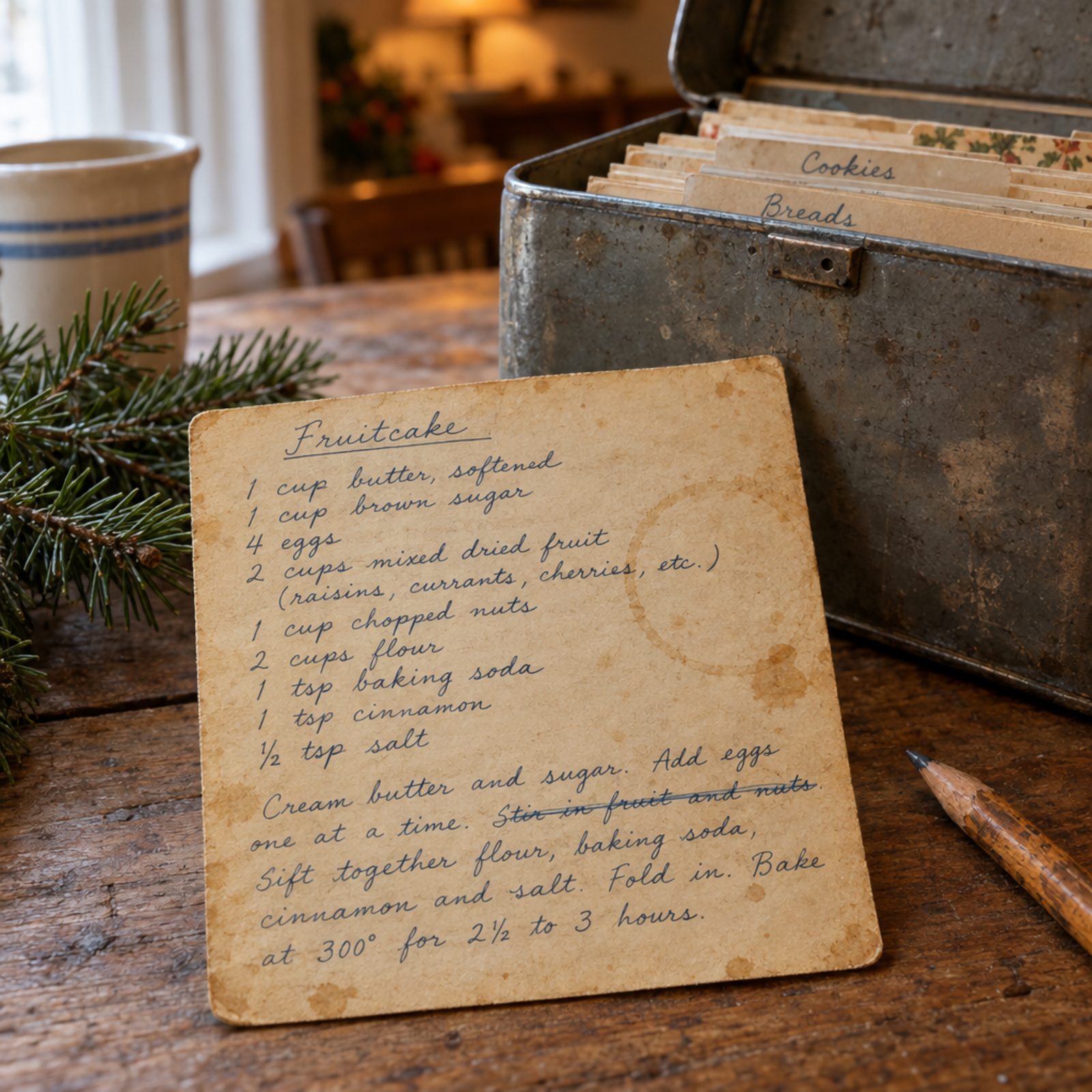
Every good fruitcake starts with a card somebody else wrote. Ours had the measurements in that confident cursive nobody uses anymore, plus one line, “Stir in fruit and nuts,” struck clean through. No pan size listed. You were apparently supposed to know.
That’s the thing about these old cards. They assume you already have hands in a kitchen, not a phone propped against the flour canister, and the instructions run short because the person reading them was never a beginner.
22. The Jewel-Box Lineup of Candied Fruit
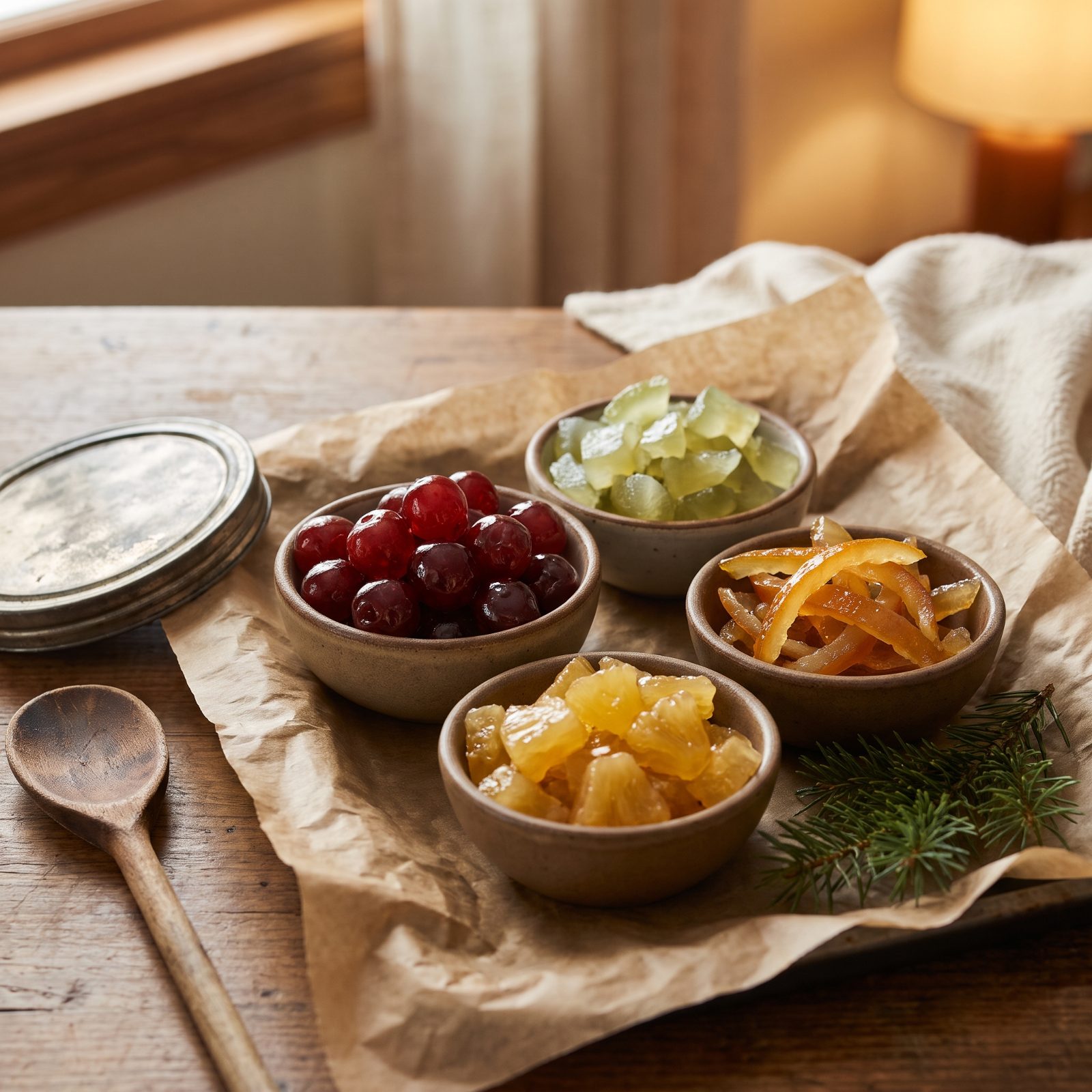
Here’s where fruitcake gets its reputation, for better and worse. The cheap versions lean on candied fruit dyed the color of highway cones. The good ones use fruit with actual flavor underneath the sweetness: real candied cherries, citron with its faint bitter edge, orange peel that tastes like orange.
We sorted ours into bowls like a color wheel. Ruby, soft green, amber. It looked like a jewelry drawer somebody raided, and that visual is half the appeal. A slice of this cake is a cross-section of little stained-glass windows.
When our readers disliked a food photo, ingredients were the second most common reason after a simple “not for me”, a reminder that what goes into the bowl really matters.
21. Raisins Bring Natural Sweetness and Chew
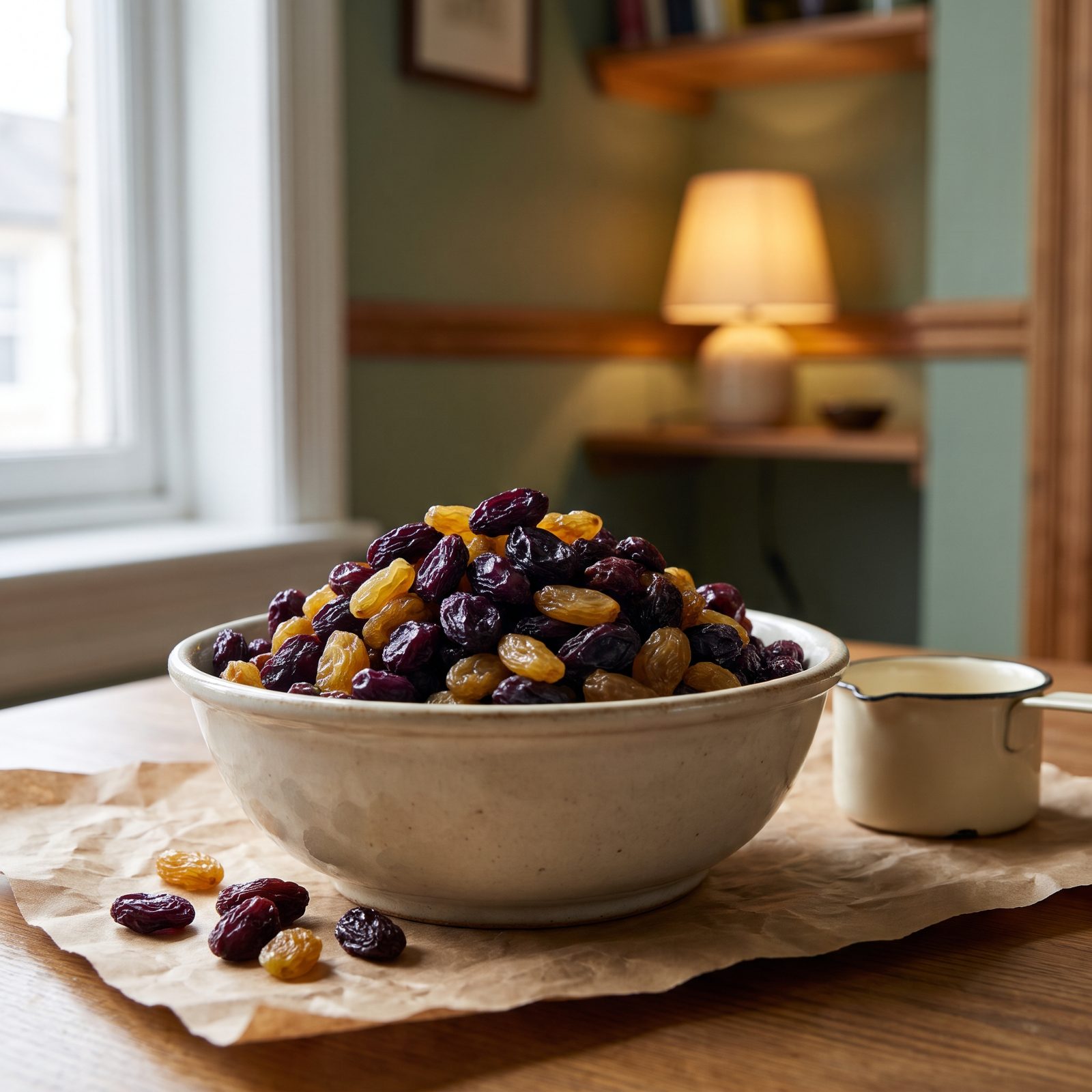
Raisins do the quiet work. They don’t announce themselves like the cherries do, but they’re the reason every bite tastes sweet without a single extra spoonful of sugar going in.
The card called for both dark raisins and golden ones, and we’ll admit we almost skipped the golden as fussy. Big mistake. The darker ones go deep and almost winey. The golden stay bright and a little tart. Together they keep the cake from collapsing into one flat note of sweet.
20. Chopped Dates Add Caramel-Like Richness
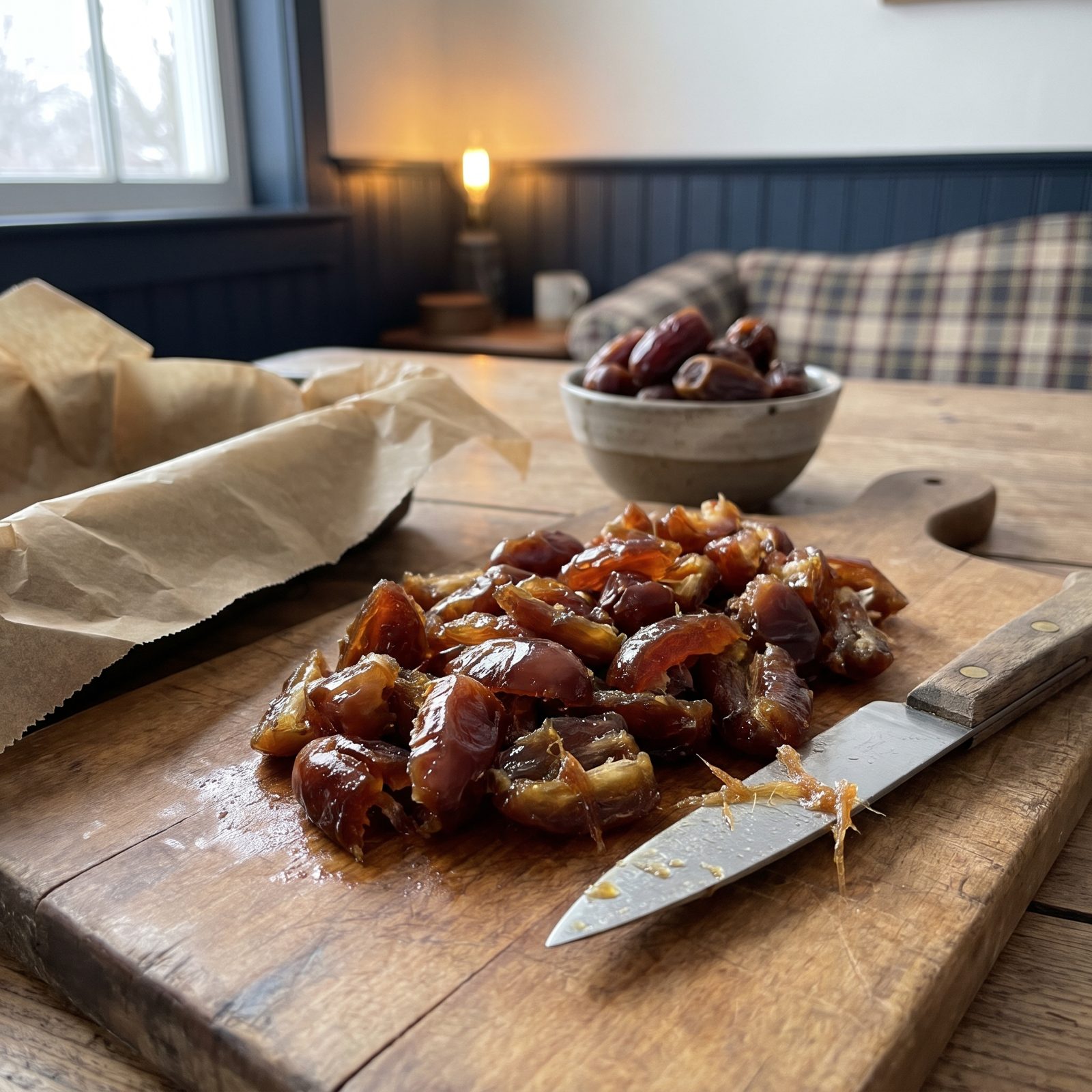
Dates are the secret ingredient nobody credits. They melt into the batter as it bakes and leave behind pockets that taste almost like caramel, dark and a little smoky around the edges.
Chopping them is a sticky, annoying job. The knife gums up, the fibers cling, and you’ll want to rinse the blade twice. Worth every bit of it. The richness they add is what separates a fruitcake that tastes like a holiday from a sugar cookie with ambitions.
19. Toasted Nuts Break Up the Dense Crumb
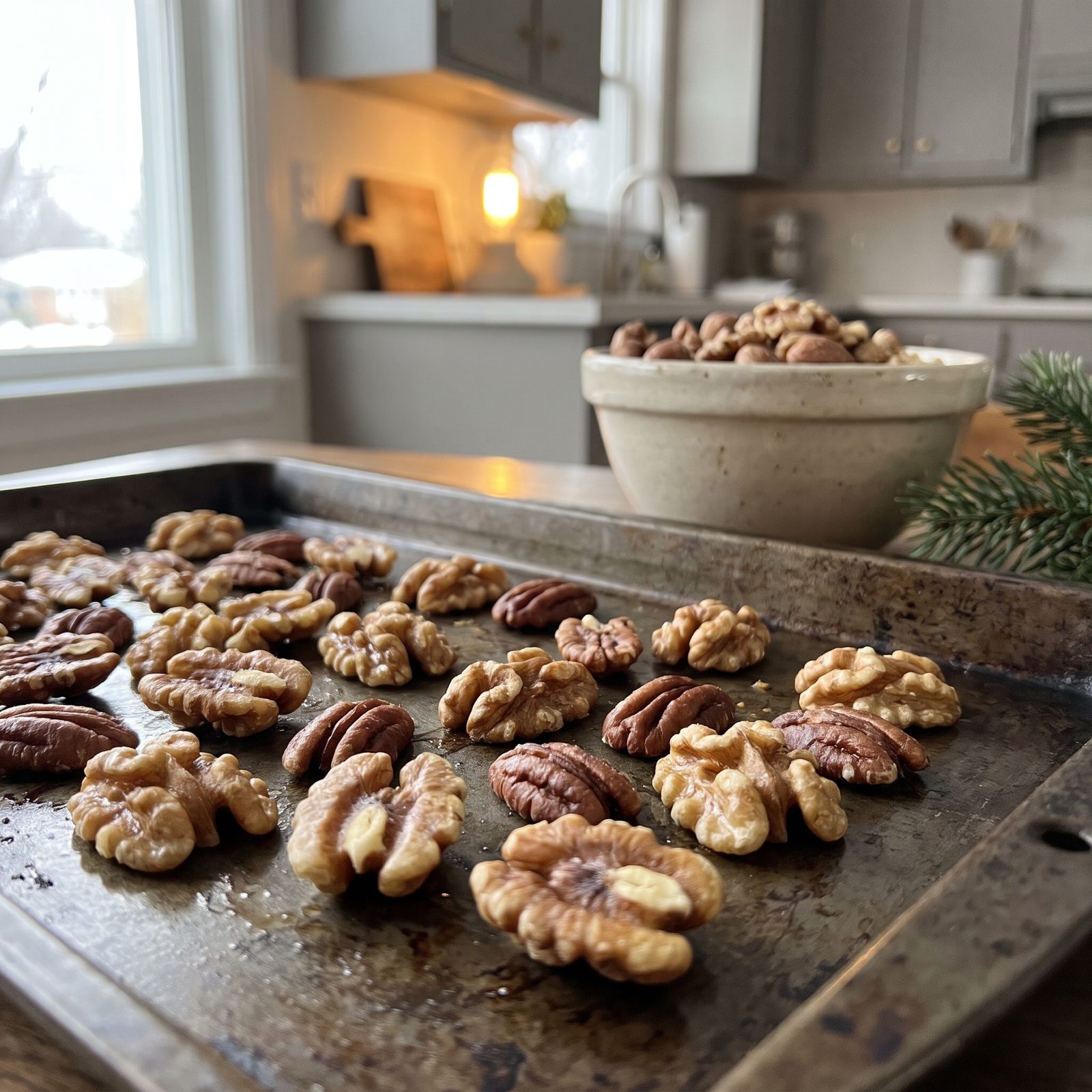
Without nuts, a fruitcake is just sweet density all the way through. The walnuts and pecans give it texture, the crunch that keeps each bite from turning into one long chew.
Toast them first. Non-negotiable, and I will die on this hill. Raw nuts in a long-baked cake go soft and flavorless. A few minutes in a dry pan until they smell like warm bark, and they hold their snap right through the baking. The kitchen smells incredible at that moment, too.
18. Warm Baking Spices Create the Christmas Aroma
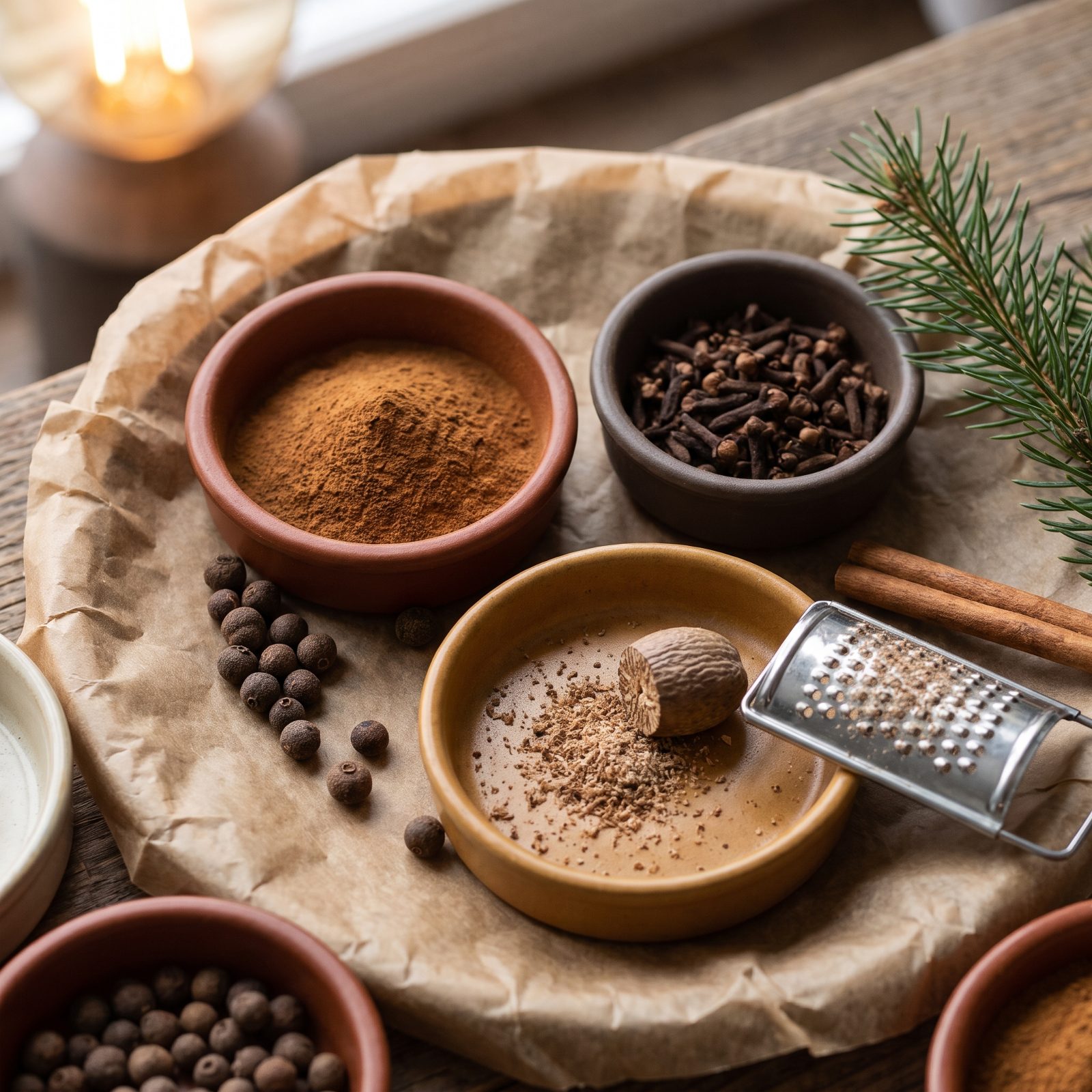
Cinnamon, clove, nutmeg, allspice. That quartet does the heavy lifting on the smell that fills a house in December and signals, instantly, that something good is happening.
Freshly grated nutmeg over the pre-ground stuff made a bigger difference than I expected. The card didn’t specify, but I’d bet whoever wrote it grated it by hand because that’s all there was.
What Our Readers Say
- When Piaci Pizza readers loved a food photo and tapped a reason, comfort came out on top at 30%, with nostalgia and ingredients close behind at 17% each.
From Piaci Pizza reader polls and votes.
17. Molasses Gives the Cake Its Deep, Dark Color
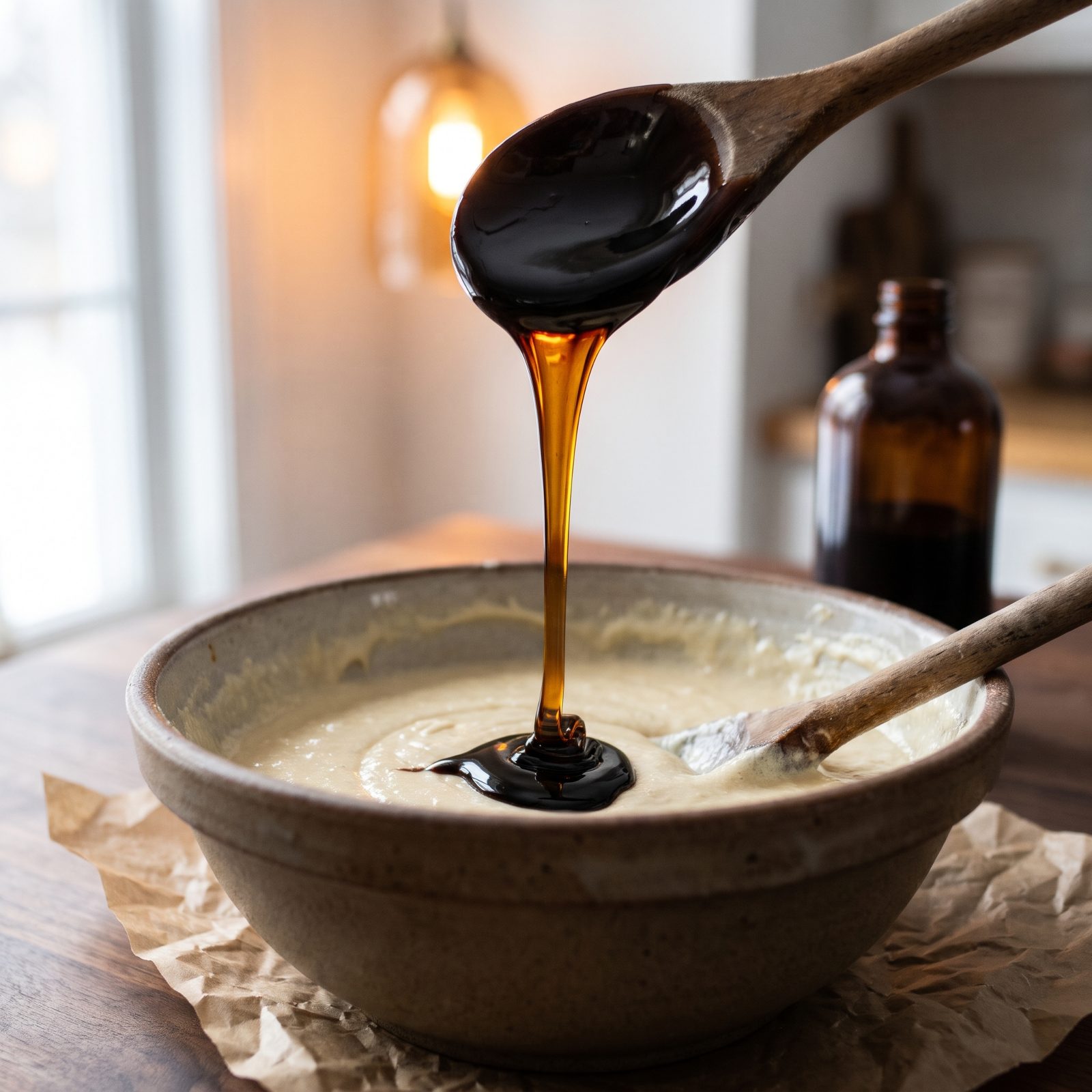
A spoonful of molasses is why a proper fruitcake looks almost black at the center instead of the sad beige of its grocery-store cousin. Small in volume, enormous in effect.
It also brings a bitter, mineral depth that keeps all that fruit sugar in check. Pour it in slow and watch the batter go from pale to bruised-brown. That color alone tells you this is going to taste like something, not just sweet.
16. Creaming the Butter and Brown Sugar by Hand
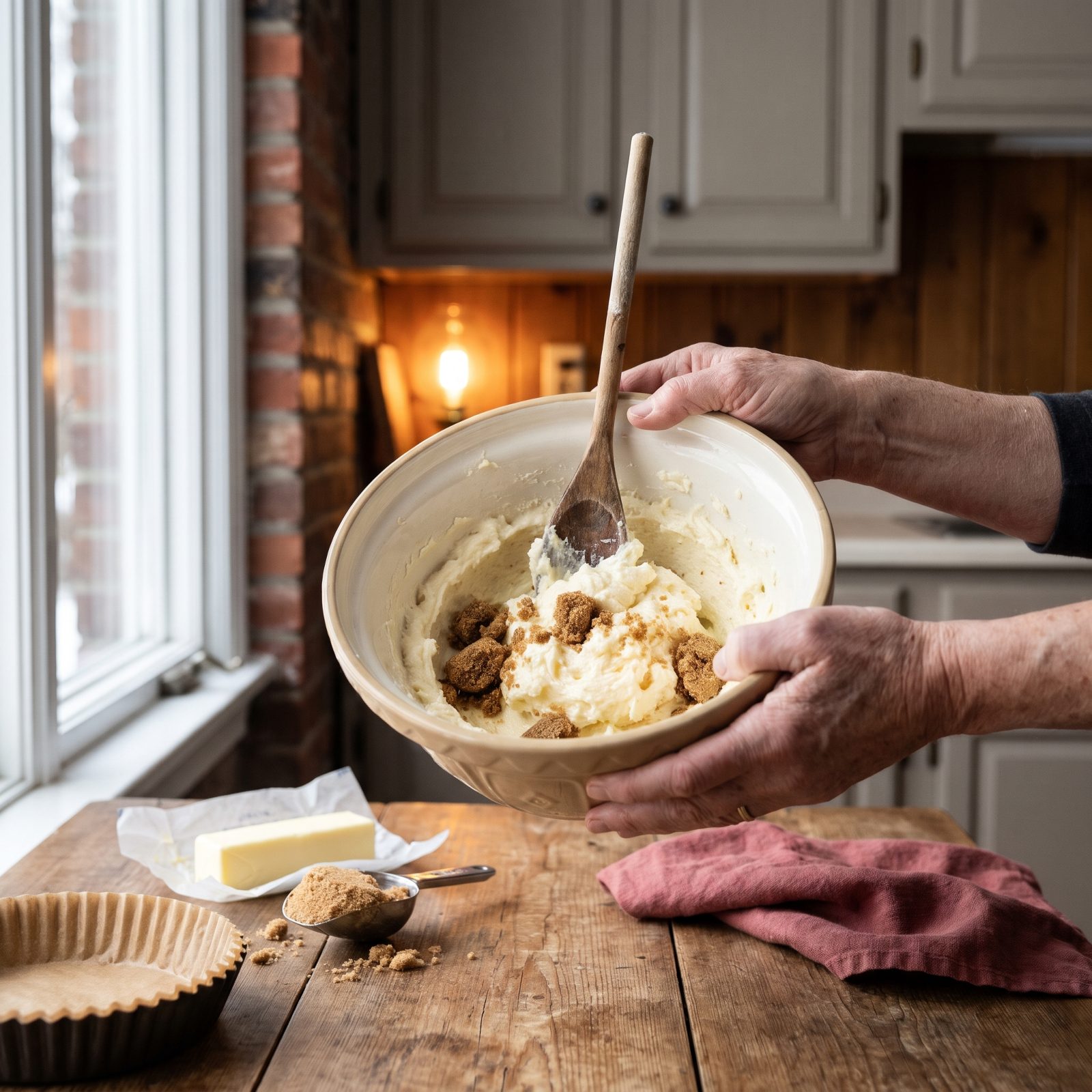
No stand mixer on the card, obviously. You creamed butter and brown sugar with a wooden spoon and your own arm until it went pale and fluffy, and it took a while.
I timed it out of curiosity. Close to ten minutes before the gritty brown sugar gave way to something soft and airy. Your wrist aches. But there’s a rhythm to it, and you understand the cake differently once you’ve put that kind of work into the base — the air you beat in now is the lift the whole dense thing relies on later.
15. Adding the Eggs One at a Time
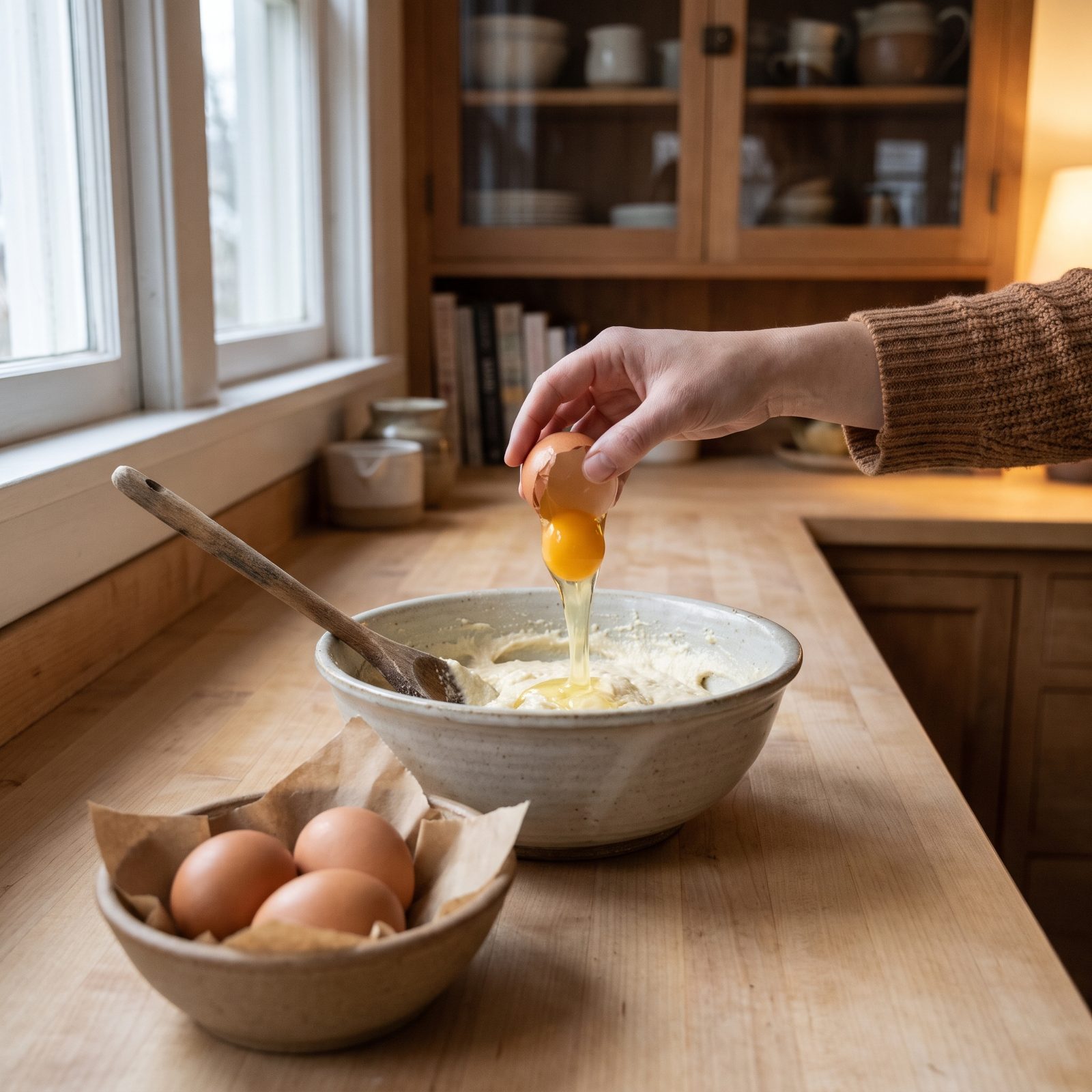
One at a time, beating fully between each. The card underlined this, and now I understand why.
Dump all the eggs in at once and the batter curdles, splitting into a greasy, lumpy mess that never quite recovers. Add them slow and each one gets folded into the fat before the next arrives, so the batter stays smooth and glossy. It’s a small patience most people skip, and it decides whether you get a fine crumb or a broken one.
14. Dredging the Fruit Keeps It Evenly Suspended
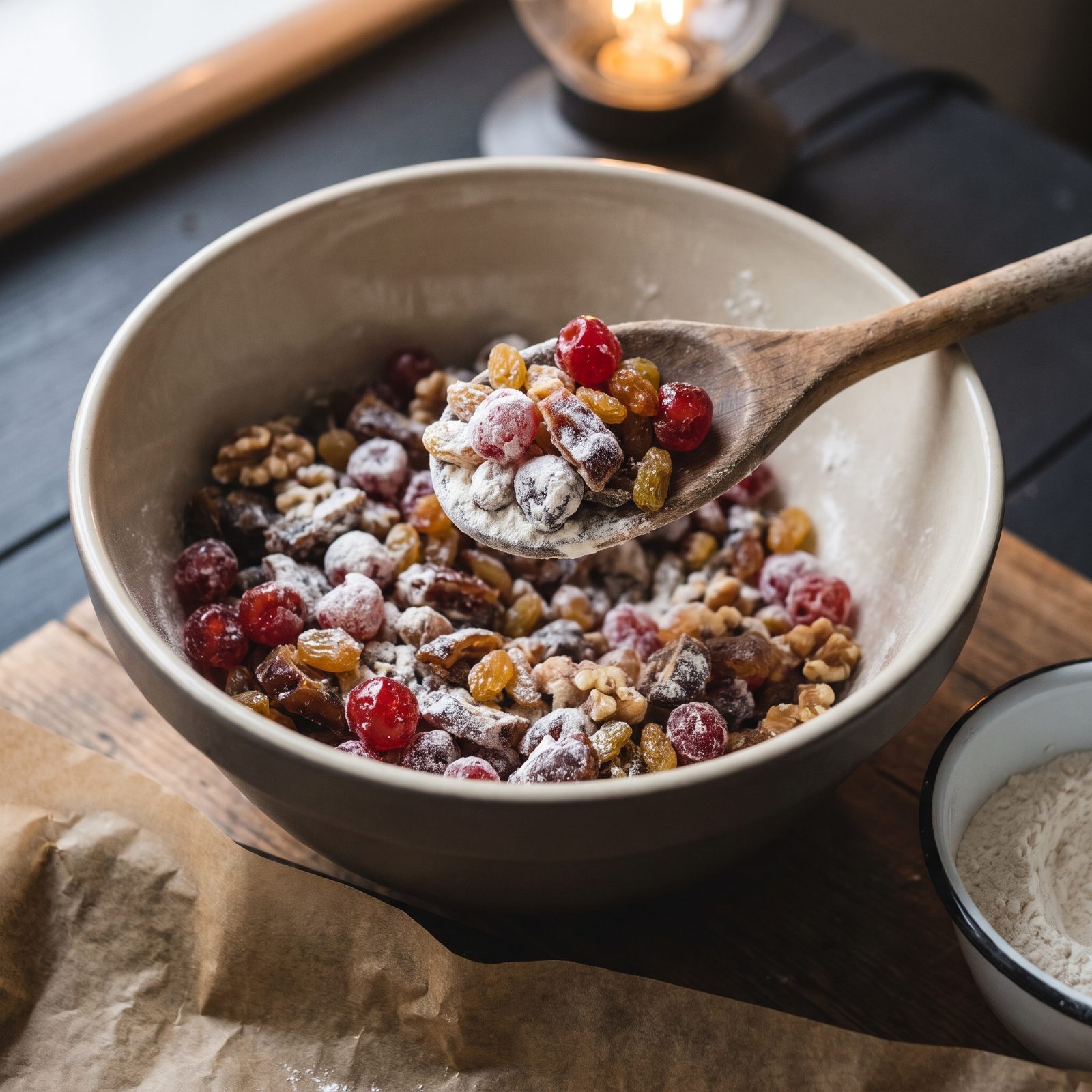
A simple trick, and the one that separates a real baker from a hopeful one. You toss all that fruit in a little flour before it goes into the batter.
Skip it and every cherry, date, and raisin sinks straight to the bottom during the long bake, leaving you a cake that’s all plain crumb on top and a fruit sludge beneath. The flour coating gives the fruit something to grip, so it hangs suspended through the batter like it froze mid-fall.
Cut the first slice and every jewel of fruit sits exactly where it should. That’s not luck. That’s a dusting of flour nobody ever sees.
13. Lining the Cake Pan With Brown Paper
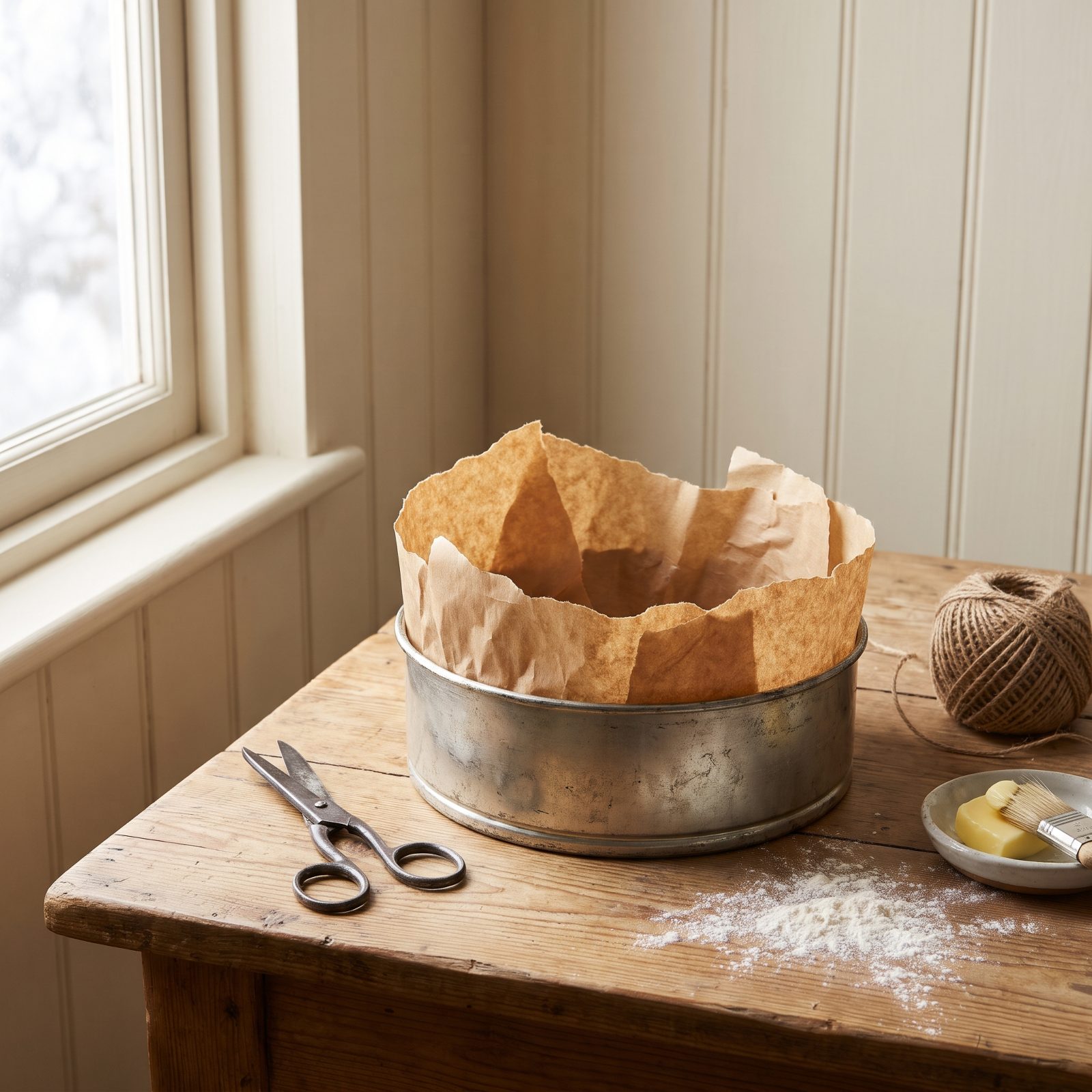
Here’s the step that separates the people who’ve burned a fruitcake from the people who haven’t. A sheet of brown paper, crumpled to soften it and pressed loosely into the tin, its ragged edges standing proud above the rim like a collar.
The paper insulates. Over the hours a fruitcake sits in the oven, the outer edge would scorch black long before the center set if the metal touched the batter directly. The old cooks knew this, and many kept a ball of string handy to tie a band of brown paper around the outside of the tin too, like wrapping a parcel.
12. Decorating the Top Before It Goes Into the Oven
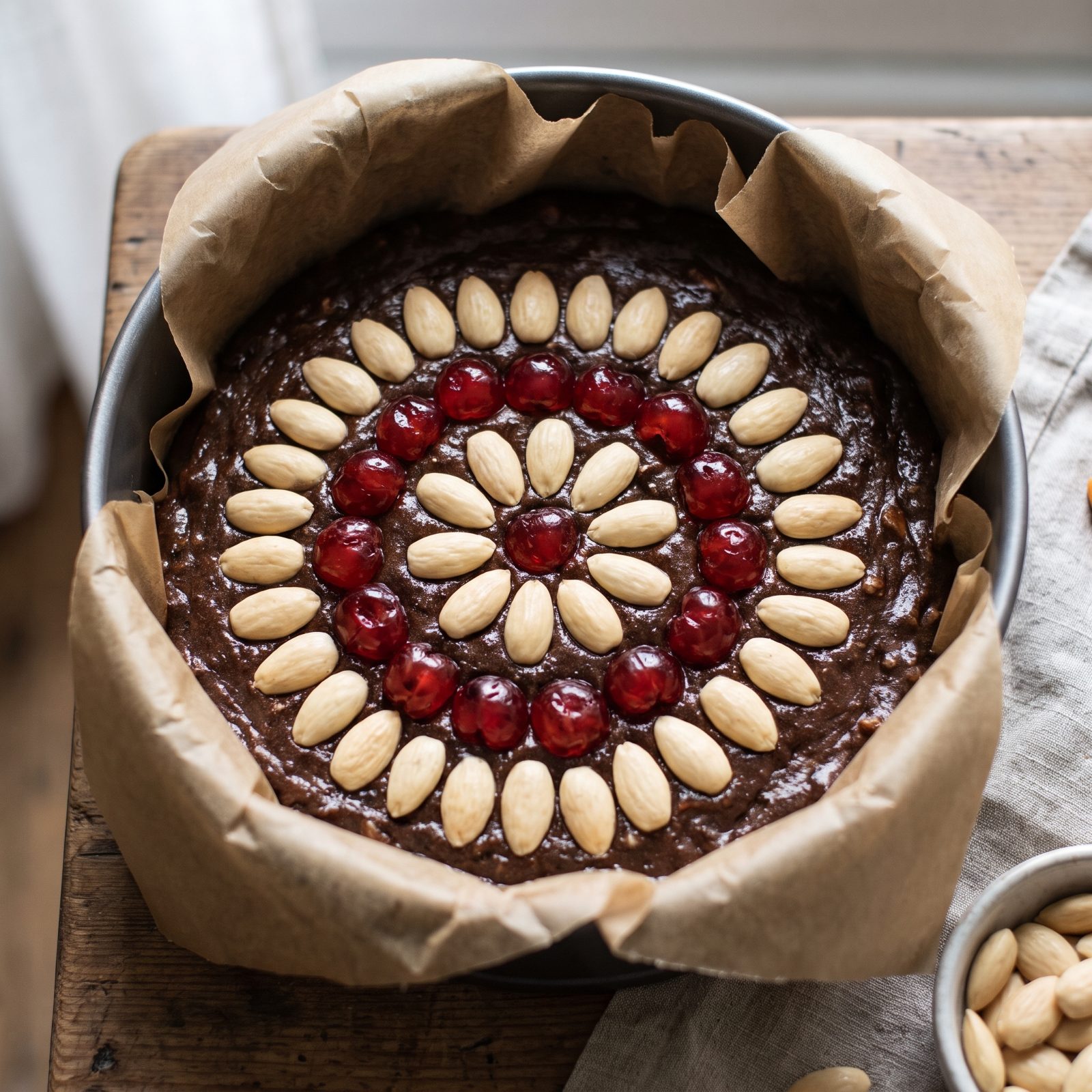
Whole blanched almonds, laid out in rings across the top, pressed just into the surface so they’d toast and gild as the cake baked. Some cooks slipped halved cherries between them for color.
It’s a small vanity, and I love it. This was never an iced cake. The decoration was the batter’s own crown, baked right in, and it told you the thing was handmade before you ever tasted a crumb. You could read the maker’s patience in how even those almond rings sat.
11. The Low-and-Slow Bake That Prevents Scorching
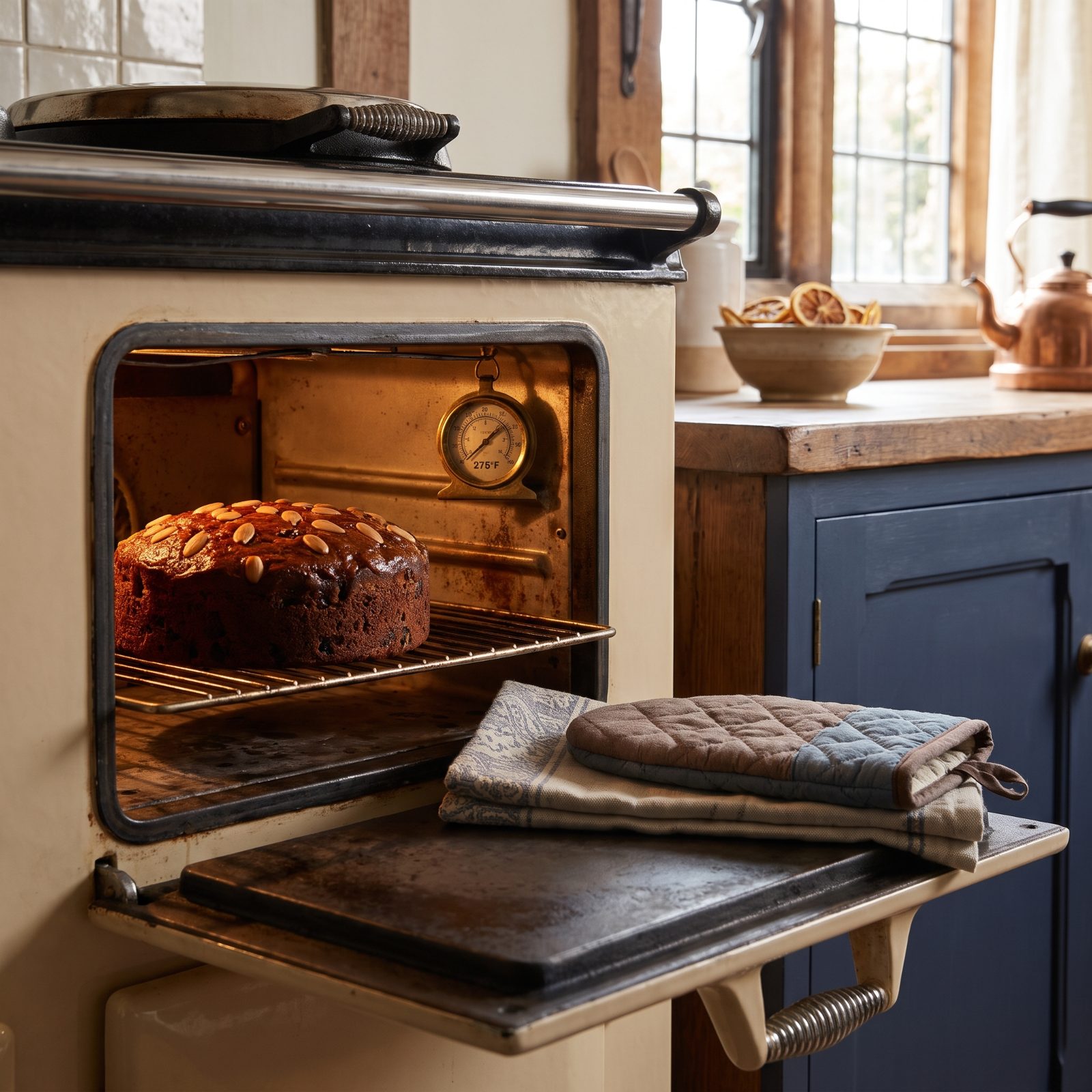
Hours. Not minutes. A fruitcake this dense bakes at a low temperature for a long stretch, sometimes three hours or more, and there’s no rushing it with a hotter oven.
Crank the heat to save time and you get a cake that’s charcoal at the edge and raw batter in the middle. The low heat lets the center creep up to temperature before the sides have a chance to scorch. I got impatient with my first one and paid for it. Low and slow isn’t a suggestion — it’s the entire physics of the thing.
10. Testing Doneness With a Wooden Skewer
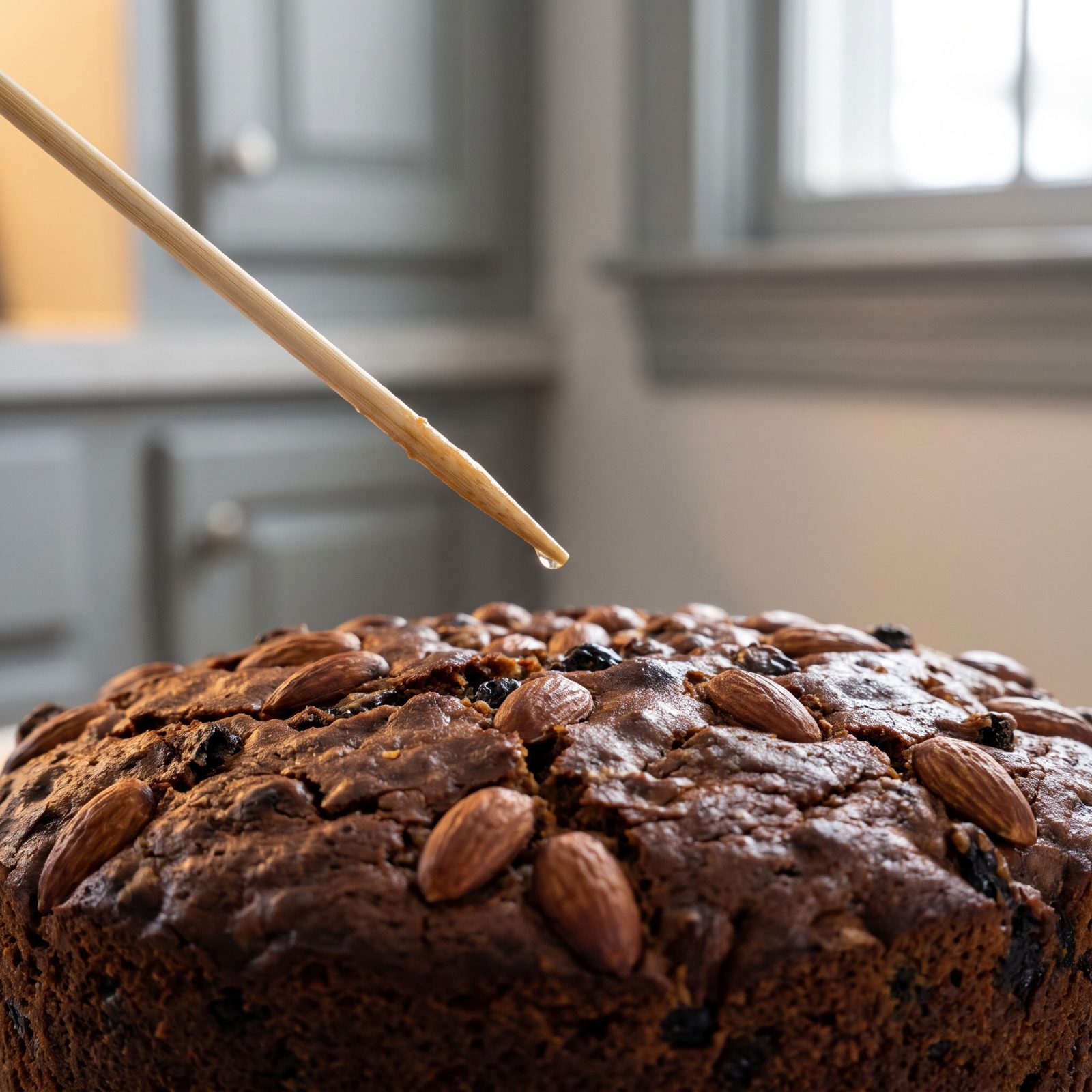
No timer tells you a fruitcake is done. A wooden skewer does. Push it into the center, pull it out, read it.
Clean means ready. A few dry crumbs clinging is fine. But if it comes out wet and smeared, the middle’s still batter and back it goes for another stretch. The surface fools you, dark and firm on top while the center’s barely holding together underneath.
9. The First Brandy Brushing After Baking
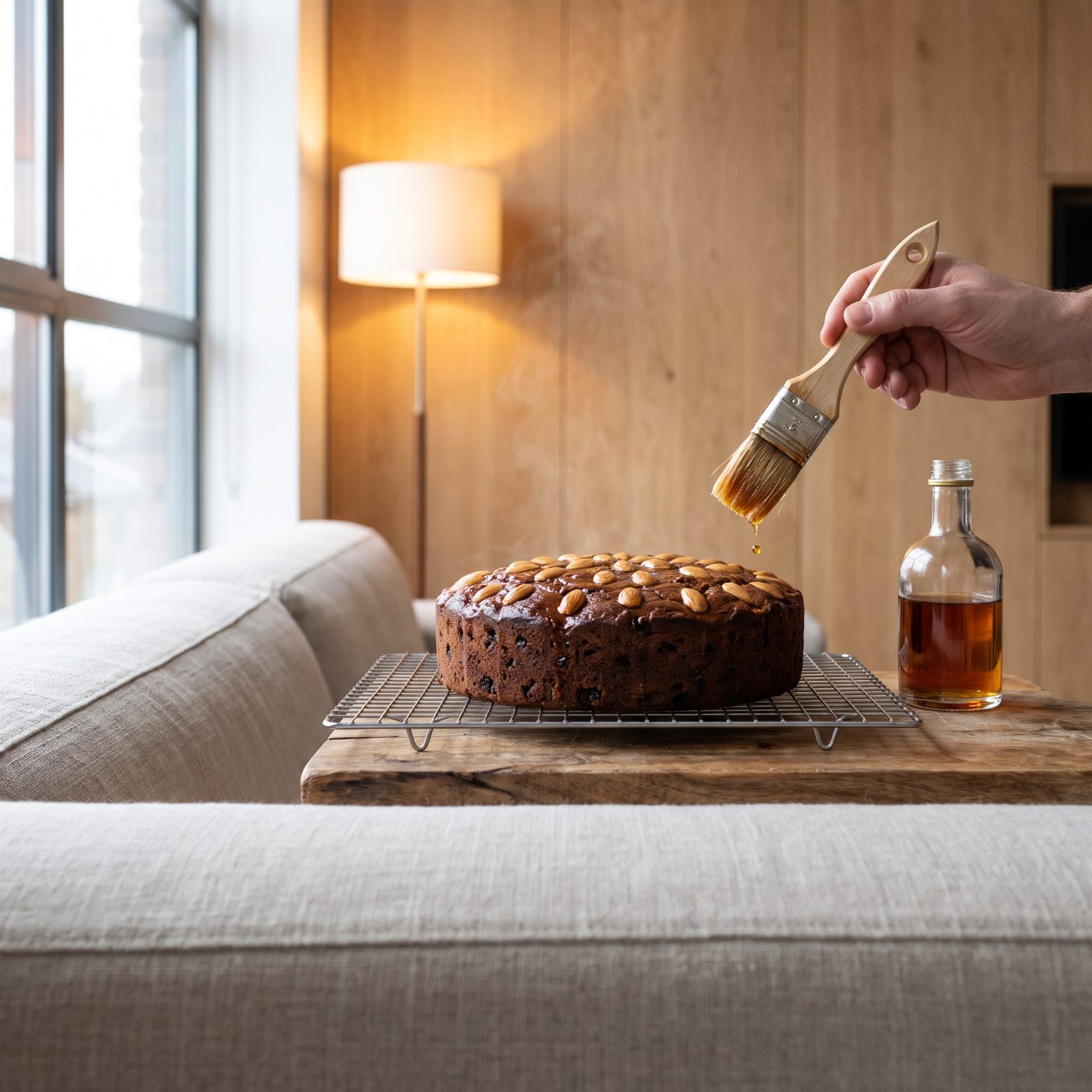
While it’s still warm, the first brushing goes on — a generous slick of brandy, worked across the top with a pastry brush, soaking straight into the open crumb.
You can smell it change. The warm cake pulls the spirit in, the alcohol softening the edges and starting the slow preservation that’ll carry the cake through weeks of storage. This first feed is the big one. The cake is thirstiest now, fresh from the oven, and it drinks like it means it.
The brandy isn’t a flavor you add at the end. It’s a habit the cake keeps all winter.
8. Wrapping the Cake for Its Long Winter Rest
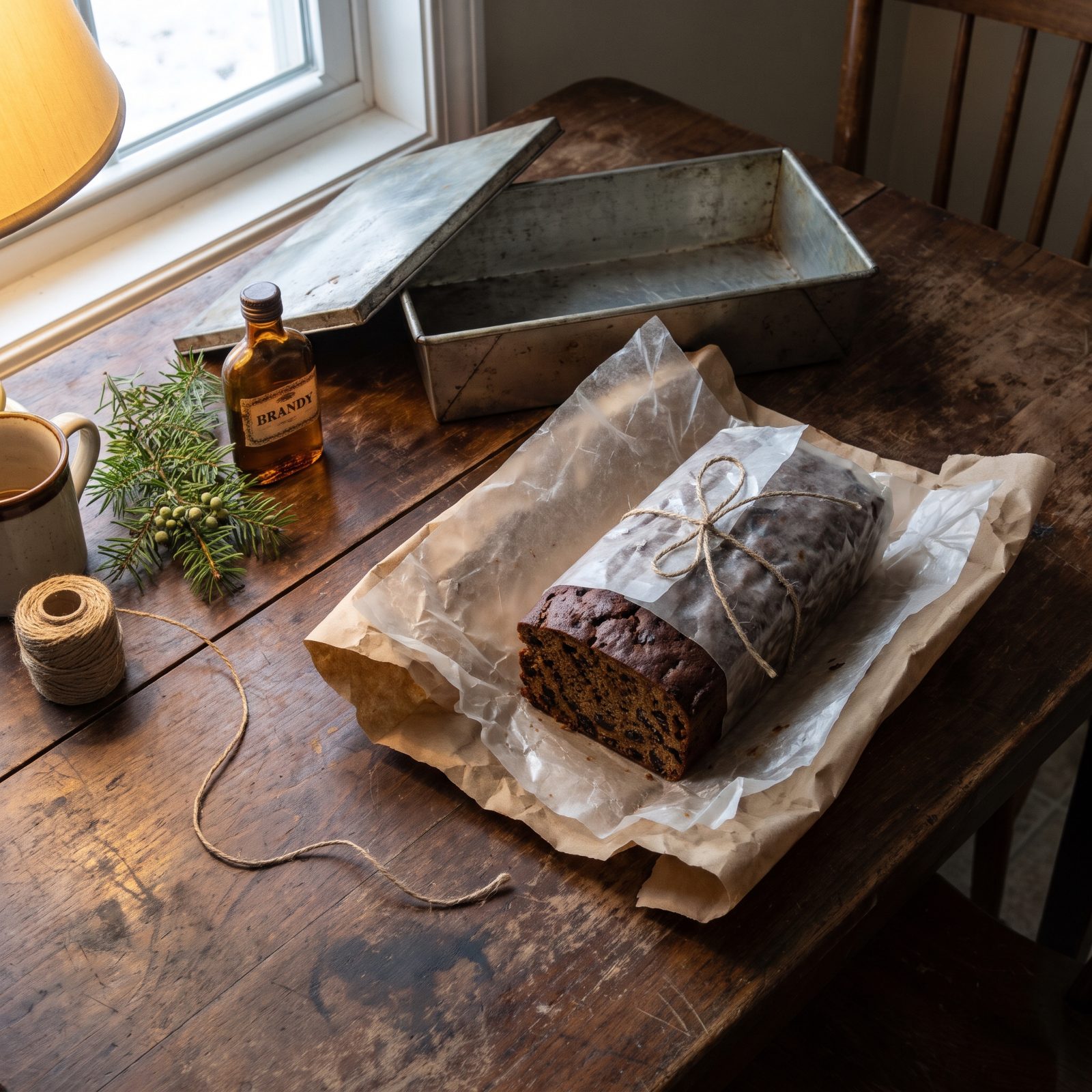
Once cooled and fed, the cake disappears. Wrapped first in waxed paper, then brown paper, then tucked into a metal tin with a tight lid and set somewhere cool and dark.
The pantry shelf. The back of a cupboard. Wherever it wouldn’t get forgotten but wouldn’t get bothered either. This is where it all happens, and it happens by doing absolutely nothing — the flavors marry, the crumb settles, the brandy spreads evenly through the whole dense mass over days and weeks of quiet.
7. Feeding the Fruitcake as Christmas Approaches
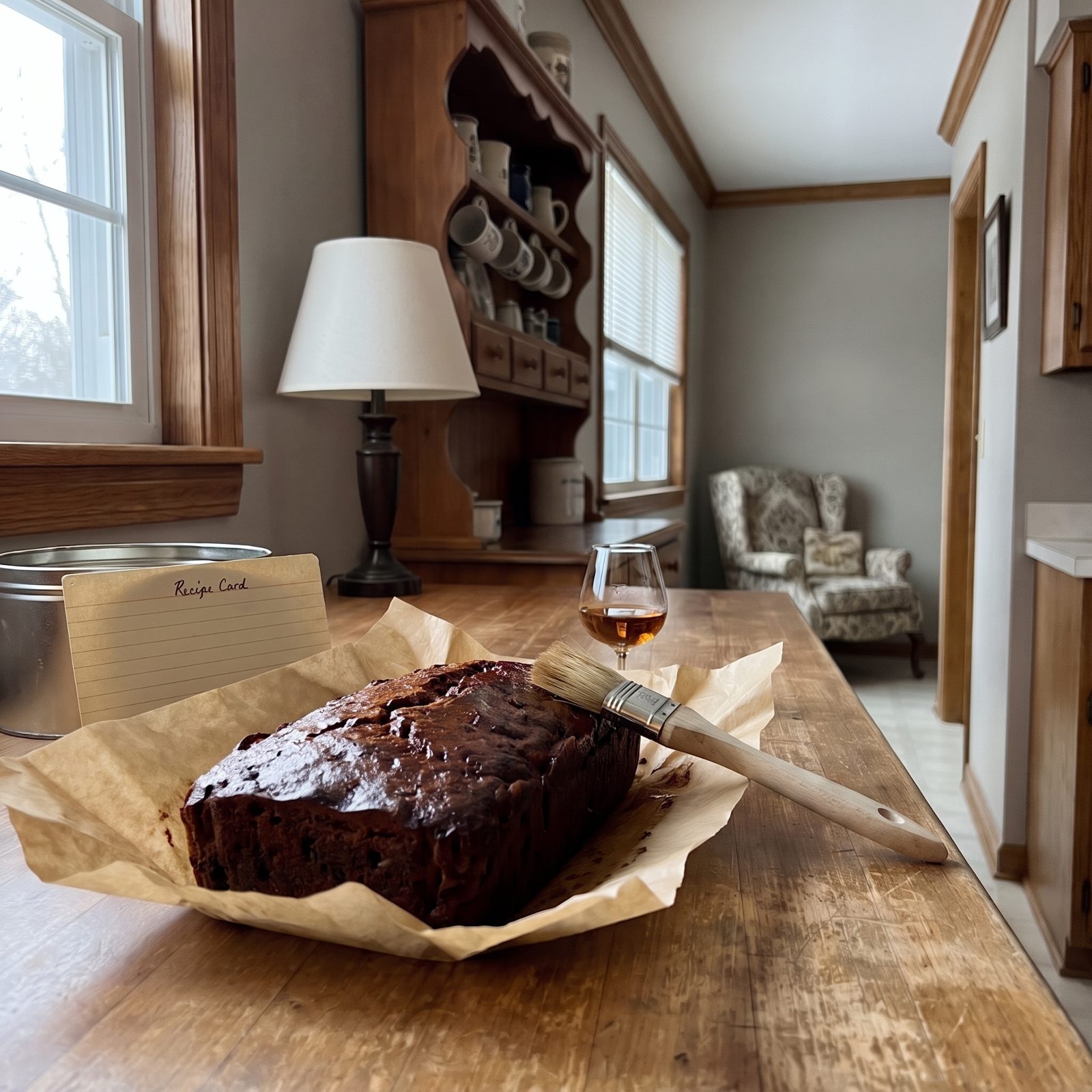
Once a week, the tin comes out. Unwrap, brush on another measure of brandy, wrap back up, return to the shelf — week after week as Christmas draws near.
This is the part I think people miss most about the old way. It’s a small appointment with the cake, a reason to walk to the pantry on a dark evening each week and check on something you’re making for people you love. The cake doesn’t need you to rush. It just needs you to show up a handful of times.
6. The Reveal After Weeks in the Tin
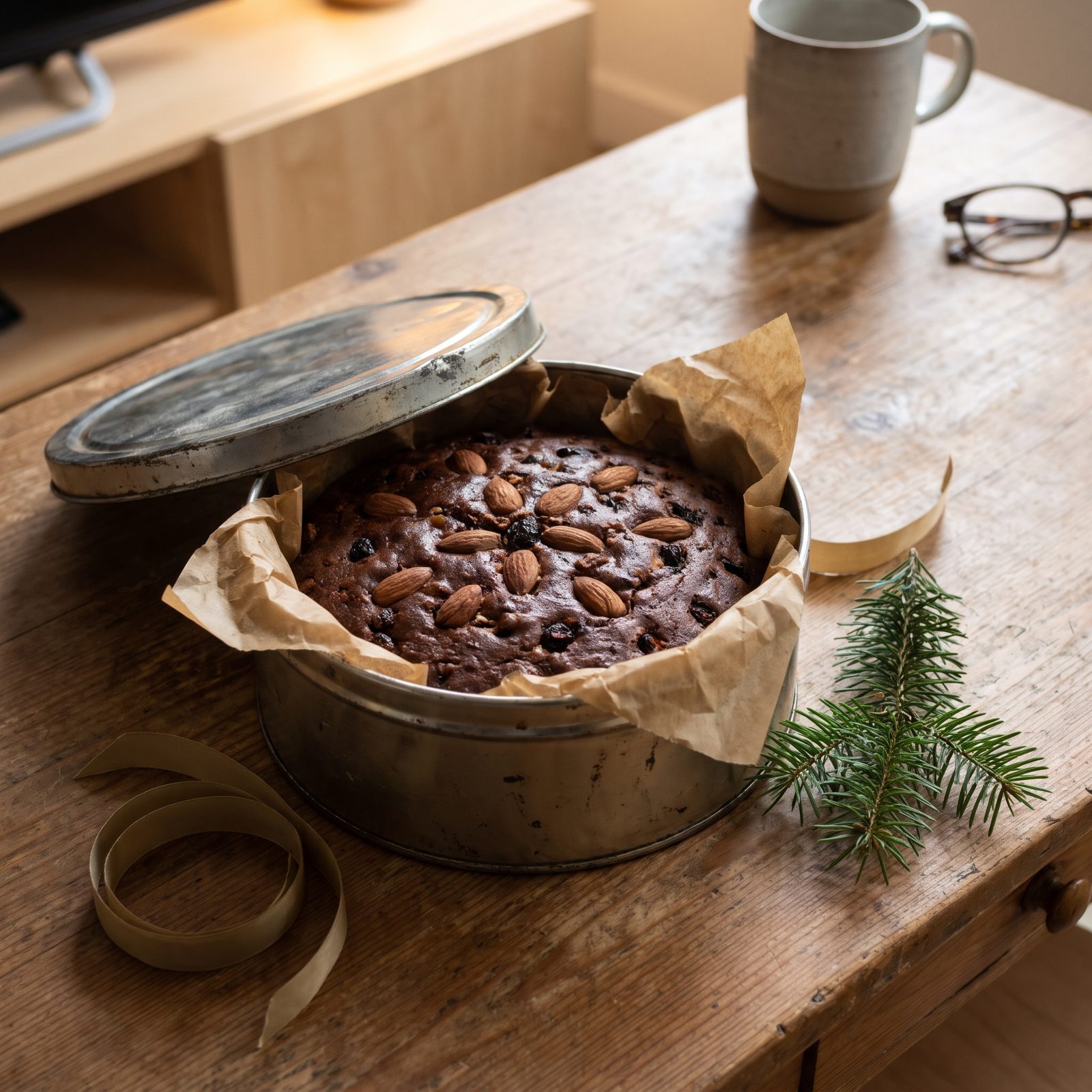
Lifting the lid is its own moment. Weeks of waiting, and there it is, darker than when you put it away, the whole kitchen catching that deep boozy-sweet smell the second the paper peels back.
You half expect it to have gone wrong. It hasn’t. The cake has firmed and deepened into something that genuinely tastes better than the day it baked — which almost nothing else in cooking can claim. That’s the reward for all the patience, and it lands every time.
5. A Thin Slice Reveals the Mosaic Interior
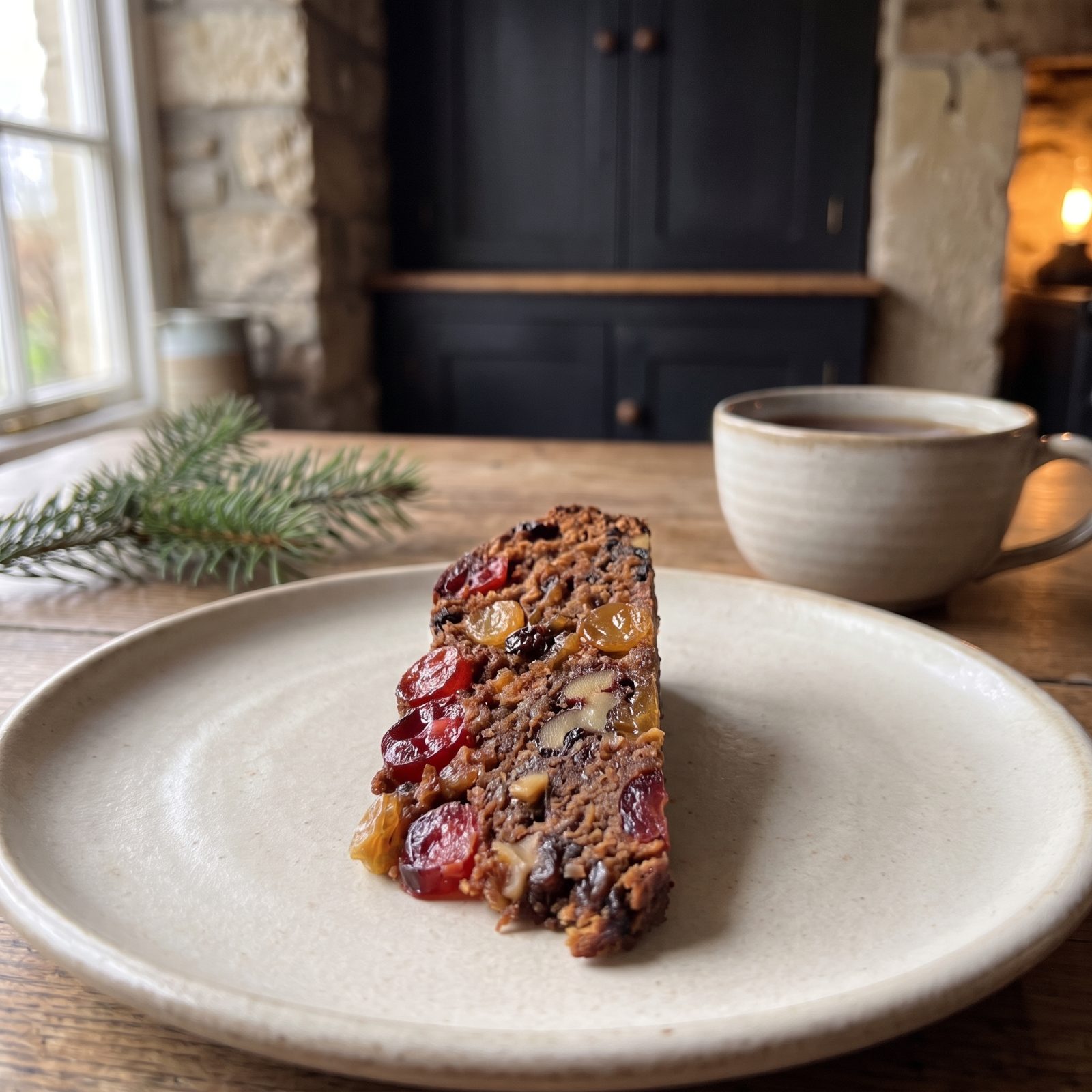
Cut it thin. This is not cake you serve in slabs. A narrow slice with a sharp knife, and the cut face opens like a stained-glass window.
Ruby cherries, dark raisins, pale walnut, all held in a crumb so moist it almost shines. You taste the fruit first, then the brandy, then the warm spice underneath, and it lingers longer than any sponge ever could. Serve it with a strong cup of tea and let people sit with it. The fruitcake that gets mocked all year earns its respect in exactly one thin slice.
4. Candied Cherries Taste Better in Context
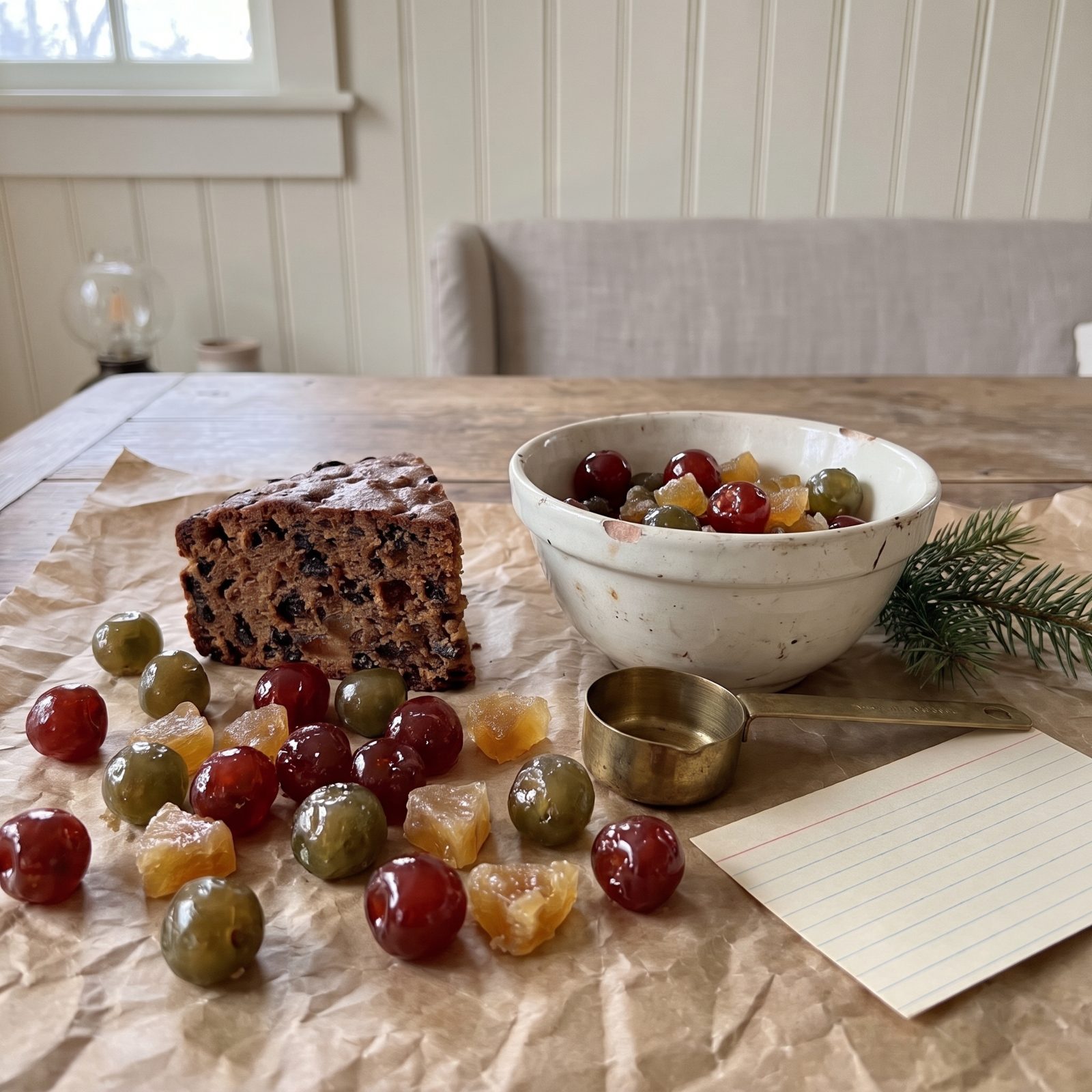
Eaten straight from the tub, a candied cherry is almost offensive. Pure sugar with a dye job, the kind of thing you pick out of a scoop of spumoni and set on the edge of the plate.
Bake it into a fruitcake and something changes. Surrounded by nuts, spice, and the bitterness of dark crumb, that aggressive sweetness turns into a bright little jolt — it stops being candy and starts being a counterpoint.
I used to think the cherries were the problem with fruitcake. Turns out they were just in the wrong room.
3. Sharp Cheddar Makes a Surprisingly Good Partner
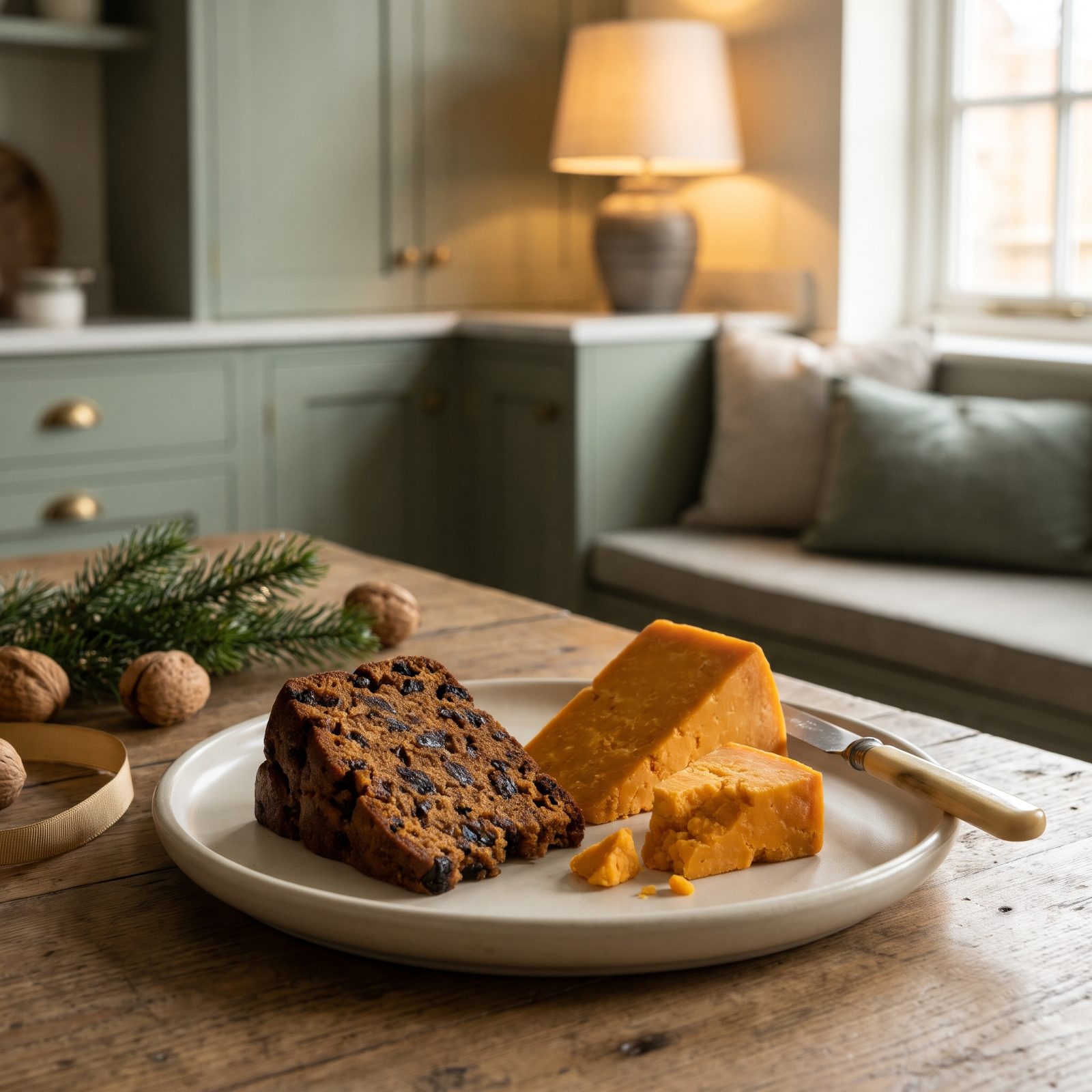
This sounds wrong until you try it. Sharp cheddar next to a dense, sweet fruitcake is an old Northern habit, the same logic that puts a slice of cheese on apple pie.
The salt and the tang cut through all that concentrated sugar. Crumbly cheese against chewy fruit gives you something to work with texturally, too. Get a good aged cheddar — nothing mild, mild just disappears — and it handles the richness without getting lost.
2. Hot Coffee Balances the Fruitcake’s Sweetness
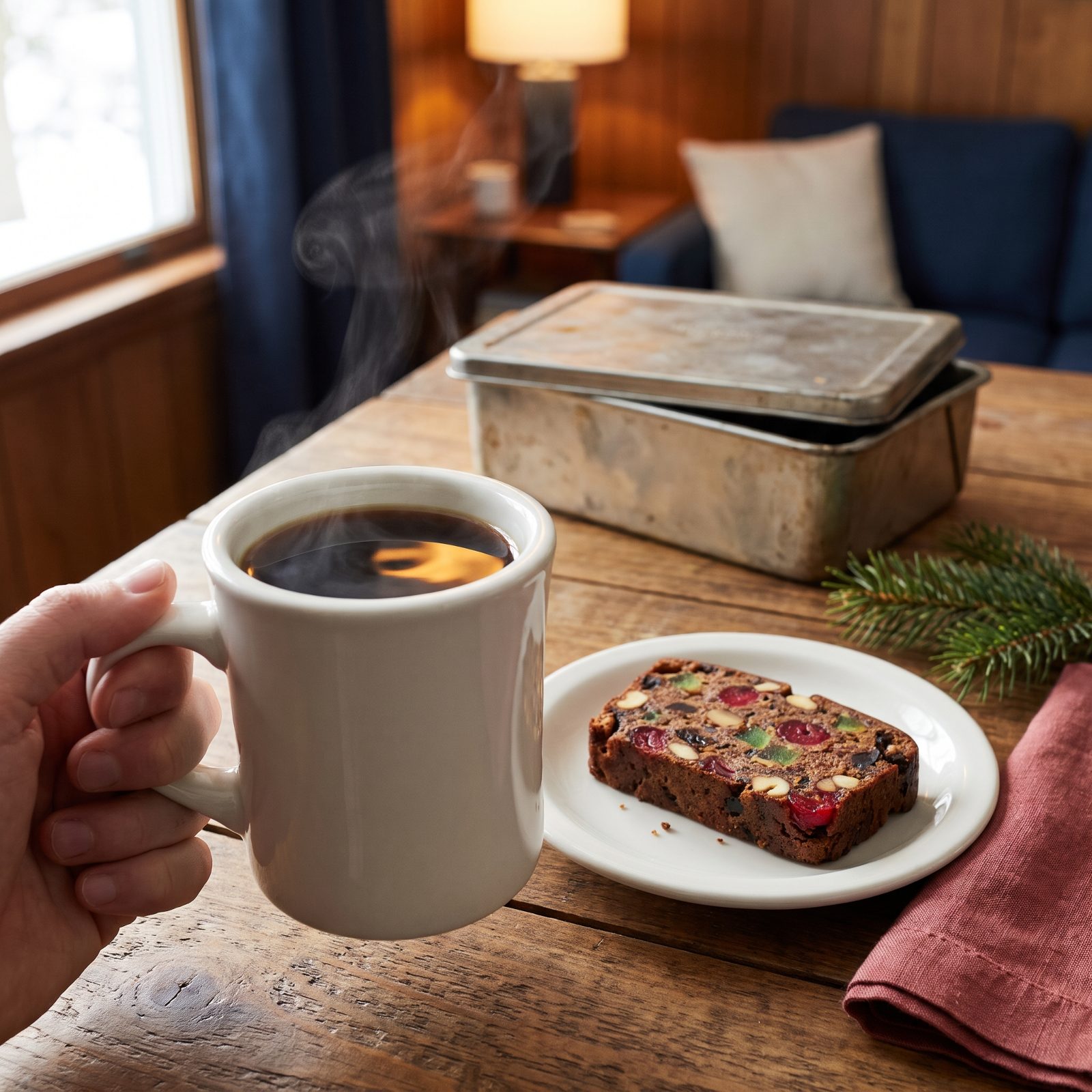
Fruitcake without coffee is just dense sugar. The two were made for each other, and most people figured that out without anyone explaining it.
Black, bitter, hot — it drags the sweetness back down to earth. And the warmth of the cup against the cold density of a slice straight from the tin is half the pleasure. One sip, one bite, repeat until the plate’s empty and you’ve somehow eaten more than you meant to.
1. Why This Fruitcake Is Richer and Better Than Its Reputation
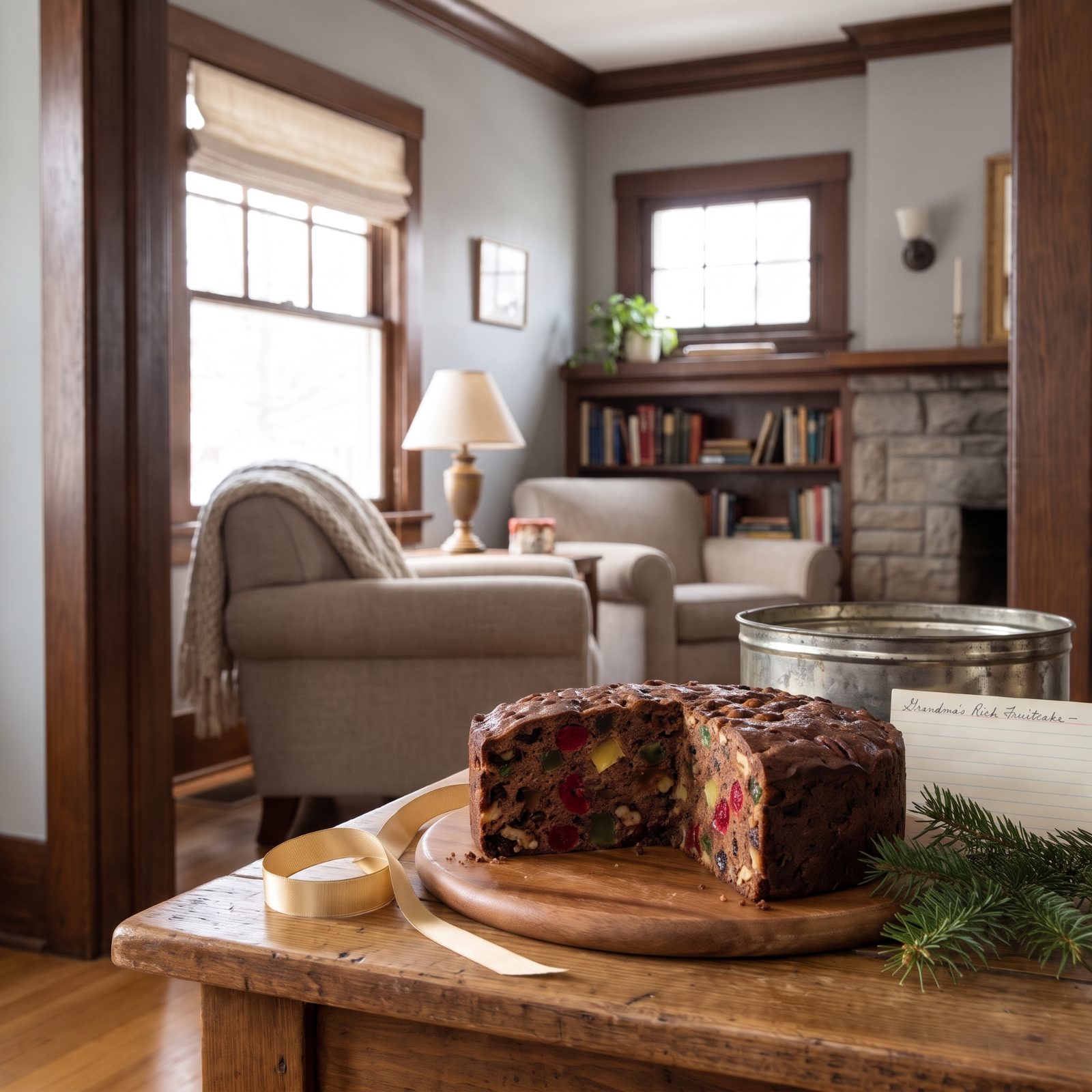
Fruitcake became the national punchline somewhere along the way, and it mostly earned that from the bad ones. The mail-order bricks. The gummy supermarket logs full of fruit nobody could identify. Those cakes deserved every joke thrown at them.
A real one — built from a recipe somebody actually cared about, rested properly — is a different animal. Bright fruit, a moist and spiced crumb, nuts for backbone. It slices clean and keeps for weeks.
The problem was never fruitcake. The problem was the ones made without love and sold by the truckload.
Taste a good one and the joke stops being funny. You start to understand why people guarded these recipes and passed them down on index cards gone soft at the corners. That’s not a cake you throw away. That’s a cake you ration.