
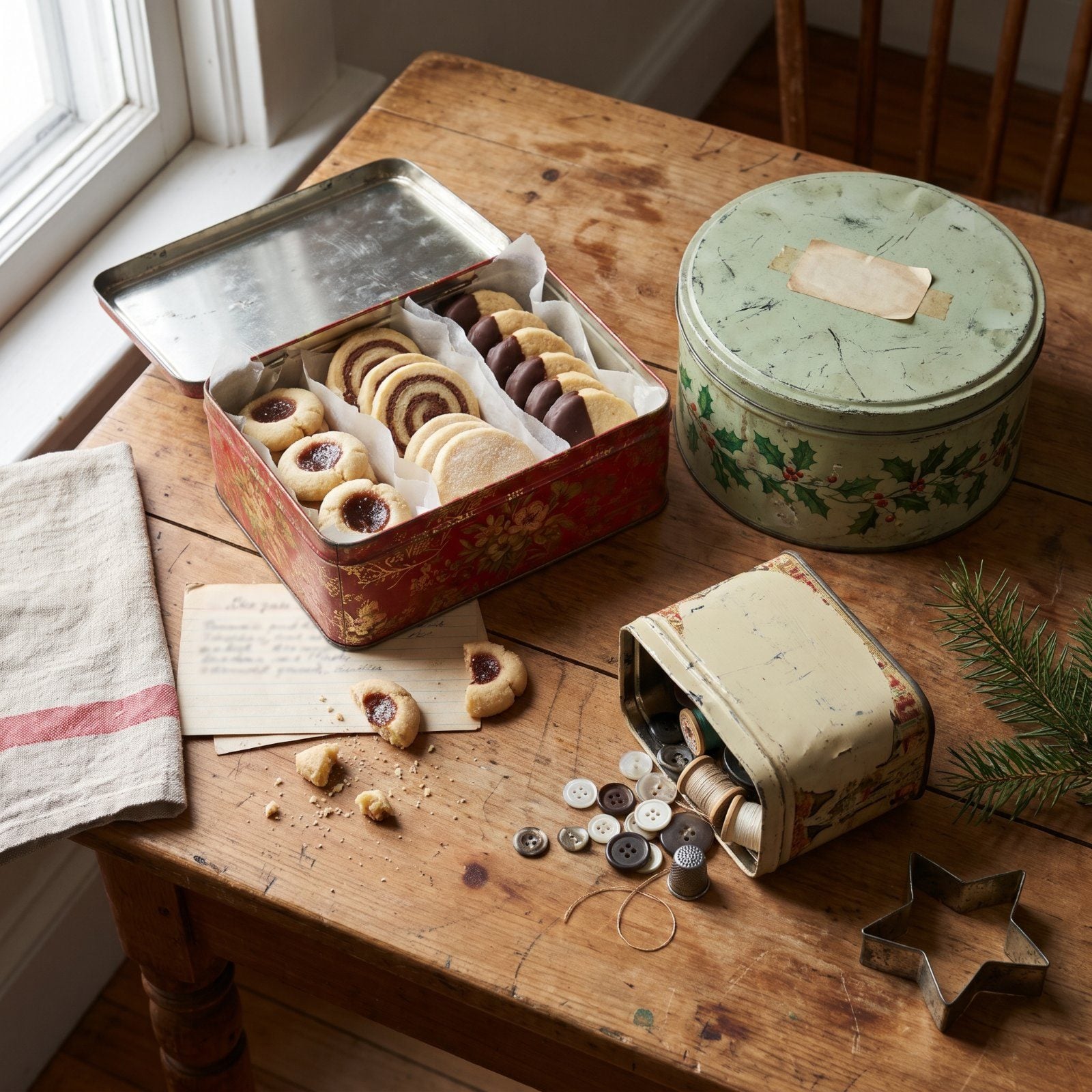
Somewhere in a kitchen cabinet, behind the slow cooker nobody uses, there’s a tin with a lid that no longer fits quite right. It might hold cookies this December. More likely it holds buttons, thread, and a stray AA battery. Either way, your hands know its weight before your eyes find it.
Please note that some of the images in this article were created with the assistance of AI.
Here’s the strange part. That tin was never just a tin. The way it was stacked, saved, labeled, guarded, refilled, and passed around said more about your family’s feelings on thrift, hospitality, scarcity, and love than most things anyone ever said out loud, and we filed it away without knowing we were reading it.
So what were we actually learning every time that lid came off? More than you’d guess. Some of it still lives in your chest.
12. Why the Exact Rattle of a Butter-Cookie Tin Lid Can Pull You Back to a Kitchen That No Longer Exists
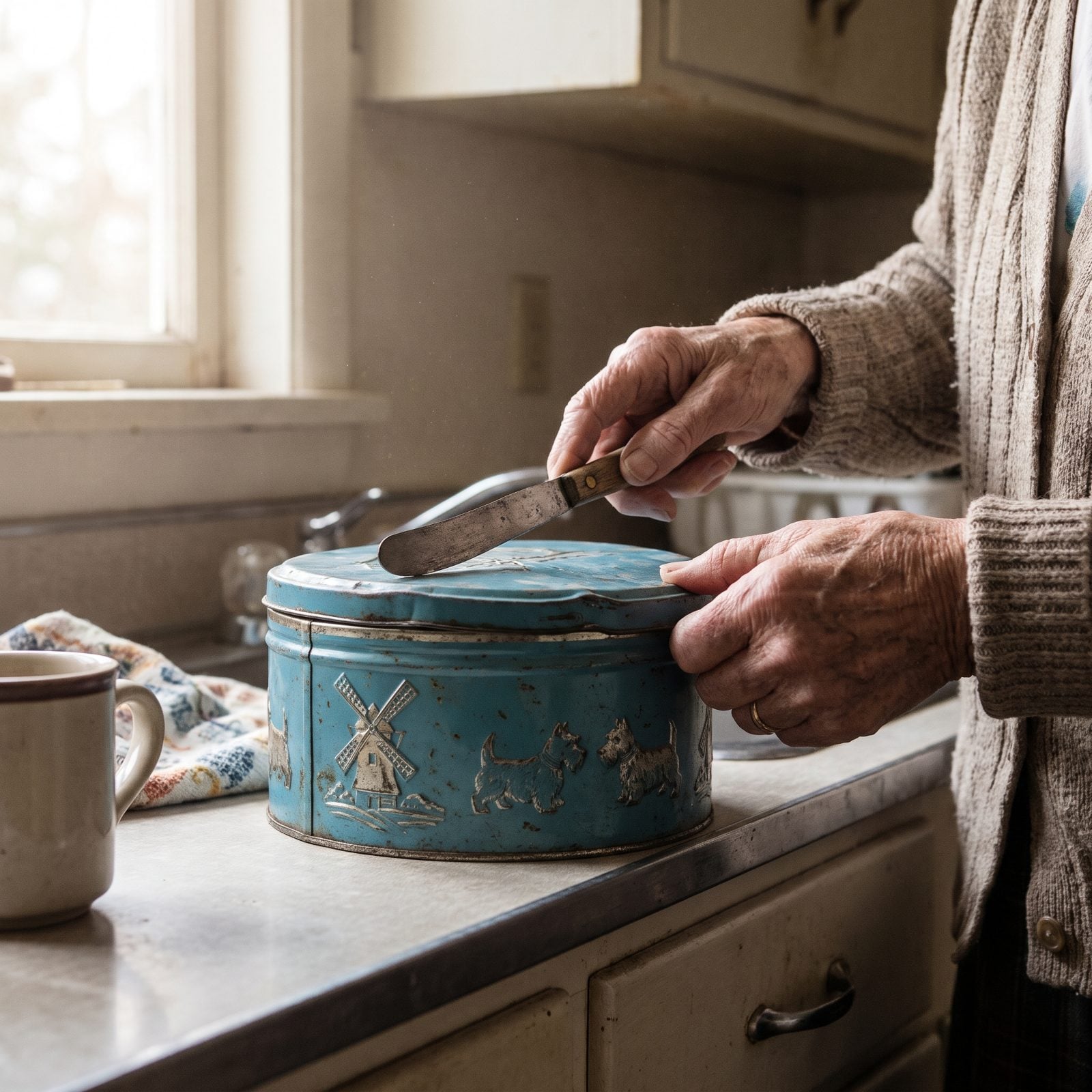
That blue tin. Scottie dog on the lid, or a windmill, or a sleigh. You pried the lid with a butter knife because your fingers never worked, and it gave with a hollow metallic pop that you can still hear right now. Nobody taught you that sound. It taught itself to you, over years of Decembers.
Here’s the part that surprises people. The lid-rattle isn’t nostalgia for cookies — it’s a retrieval cue, and cues like this get built in childhood because so much of early life is new and emotionally loaded. Research on the Proust effect notes that repetitive, potent, novel sensory events during childhood form unusually durable emotional associations, since a higher share of childhood experiences are meaningful and new.
So the tin lid got filed as an event, not an object. Open it today and the kitchen reassembles around you — the counter height, whoever stood at the stove, the specific slant of light. All of it, from a sound a cookie tin makes.
11. The Reason a Tin That Never Once Held Cookies Is the Most Emotionally Loaded Object in the House
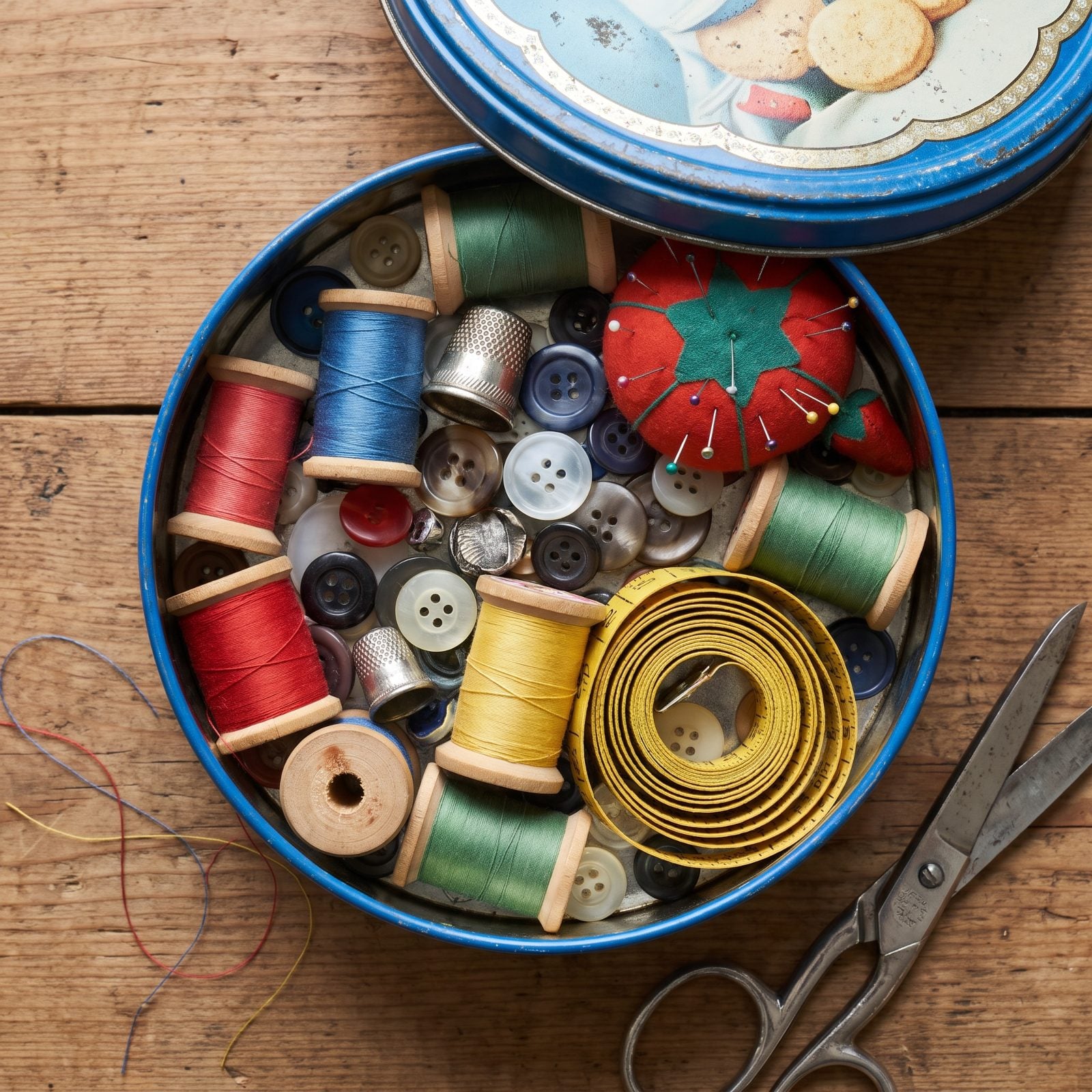
You reached for the butter cookies and got a needle and thread instead. Spools, a thimble, loose buttons, a tape measure curled like a snake. Every family had this tin, and every kid got fooled by it at least once.
The bait-and-switch is the whole point. A cookie tin repurposed for sewing supplies carries two stories at once — the celebration it was bought for, and the thrift that kept it in service for twenty years after. That double meaning is exactly why it sticks. A 2021 qualitative study of American childhood food memories (Source) found that these memories tend to carry both family cohesion and family adversity in the same frame, shaped deeply by a household’s economic conditions.
As a sewing kit maker puts it, “Nearly ever child has experienced the disappointment of opening a biscuit tin, only to discover mum or grandma has stashed all sorts of sewing supplies in there.”
10. The Smell That Hit You the Second the Lid Came Off (And Why Your Brain Filed It Deeper Than Any Christmas Morning)
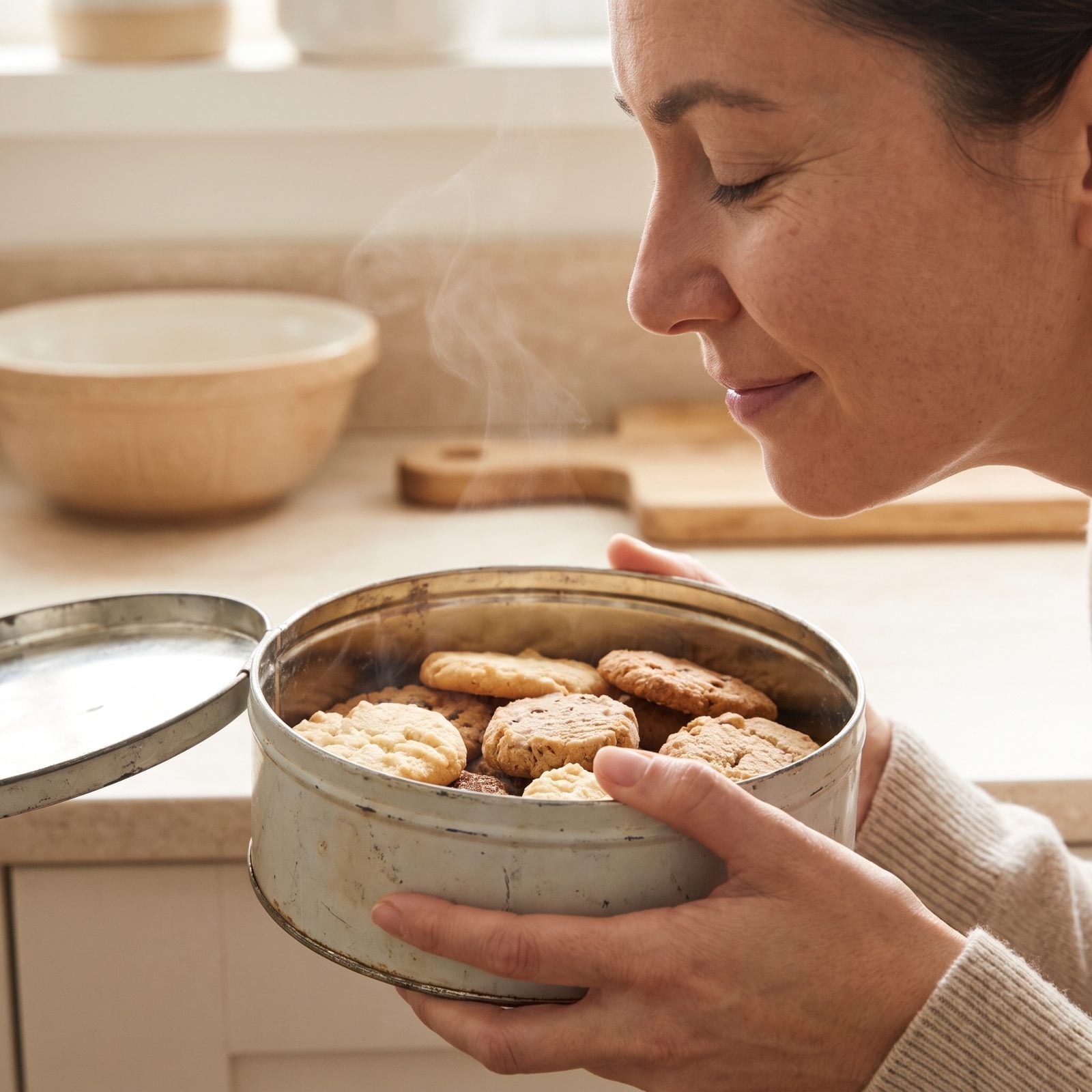
Butter, vanilla, a faint tin edge, and something like warm cardboard. That exact blend came off the tin the instant the lid lifted, and no candle, no bakery, no modern tin has ever matched it.
There’s a reason the smell outlasts the photographs. Odor-cued memories route through the olfactory bulb directly into the amygdala and hippocampus, the brain’s emotion and memory hubs. A 2023 review of the Proust effect (Source) found that memories triggered by taste and smell are especially self-relevant, arousing, and familiar, and carry a warmer emotional tone than memories pulled up by other means.
Christmas morning lives mostly as pictures. The tin lives in your nose. And one is far harder to lose.
Summing up the research on smell and memory, a multisensory perception researcher notes “Odor-evoked autobiographical memories can appear more vivid, clear, and detailed than other memories.”
What Our Readers Say
- When Piaci Pizza readers loved a food photo and tapped a reason, comfort came first at 30%, and nostalgia still made the top four at 15%.
From Piaci Pizza reader polls and votes.
9. Why the Household That Refused to Throw the Tin Away Was Telling You Something About the Depression It Never Lived Through
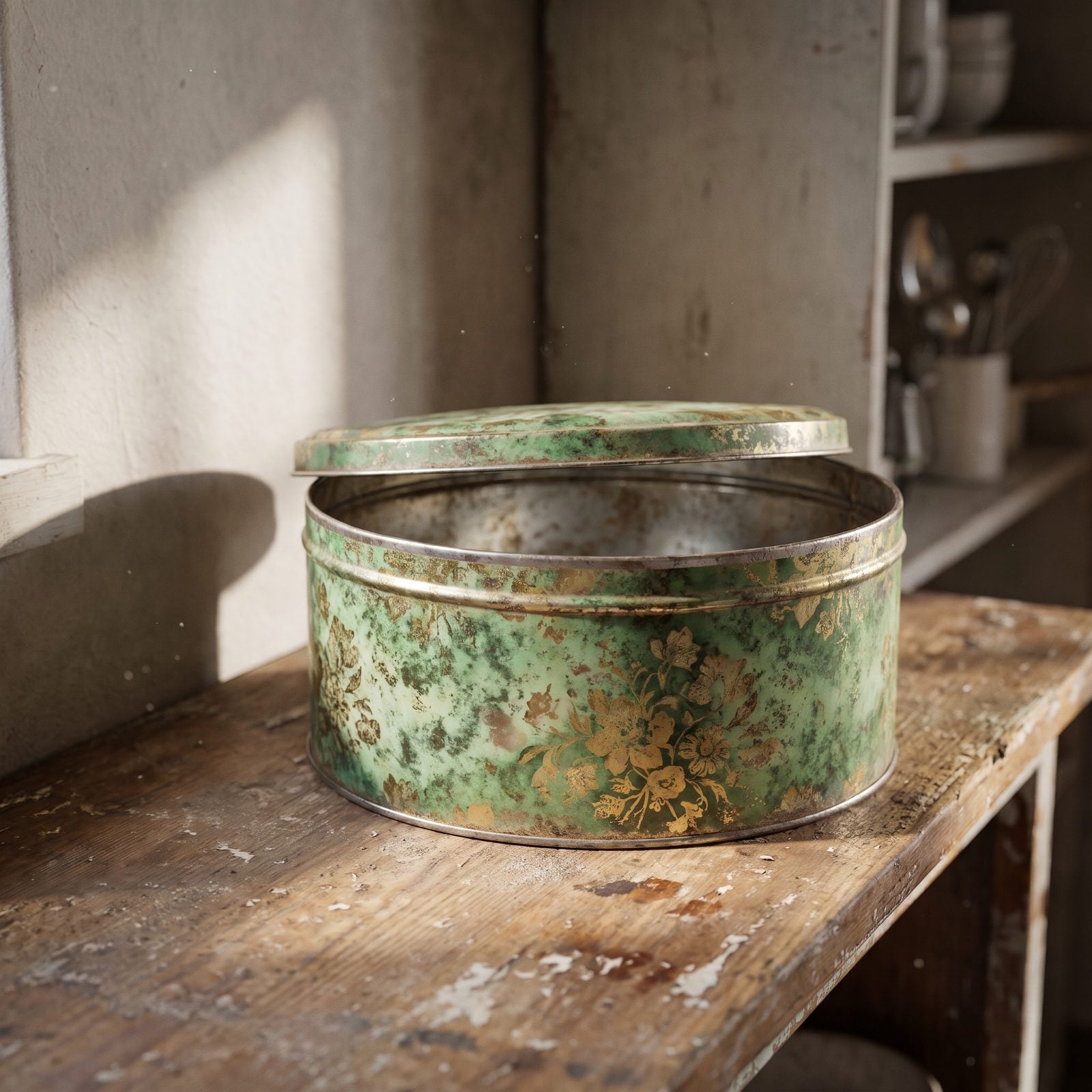
The cookies were gone by New Year’s. The tin stayed thirty years. It outlived the couch, the car, maybe the marriage, and it got a job: nails in the garage, spare change, old photographs, rubber bands saved for reasons no one could name.
Here’s the quiet thing. The people keeping that tin often never lived through the Great Depression. They inherited the instinct anyway. An account collecting frugal habits passed down from Depression-era relatives (Source) describes grandparents who kept jars of sorted buttons and towers of washed-out containers, and children who absorbed the never-waste reflex like an accent, without ever being handed the rule directly.
So the saved tin is a fossil of a hard decade, carried forward by people who only knew it secondhand. You weren’t being taught to be cheap. You were being handed a nervous system.
8. The Unspoken Rule About Which Cookies You Were Allowed to Take First, and What It Taught a Whole Generation About Scarcity
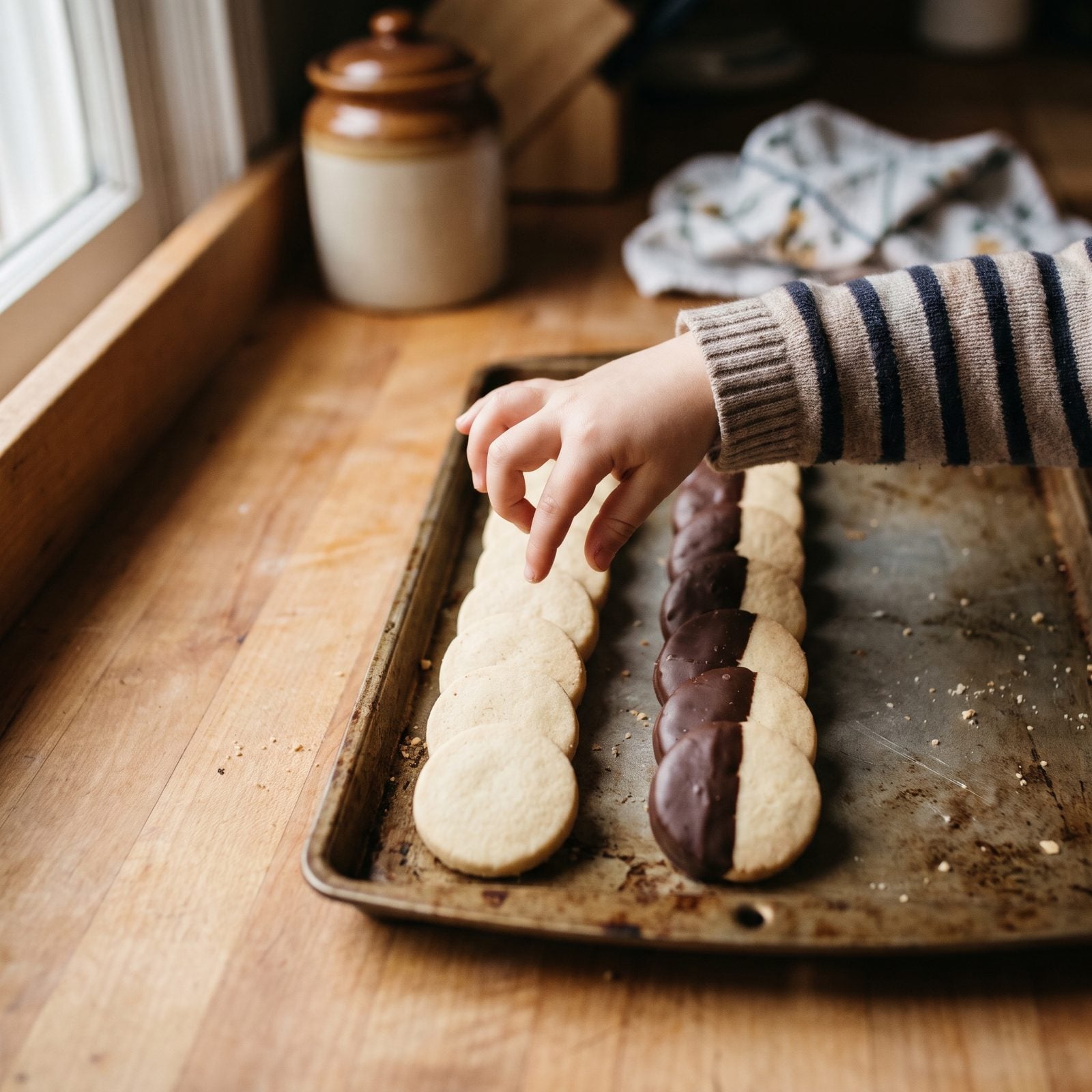
You knew the chocolate-dipped ones were not for grabbing. Nobody posted a sign. You just understood: take a plain shortbread, leave the good ones for company, and don’t touch the top layer until an adult opened it for guests.
That tin ran on rules of scarcity and hospitality that nobody ever spoke aloud, and the lesson landed hard — the best things get saved for someone else. Childhood food memories carry this kind of social weight because food becomes a language for what a family values. Research covered by Psychology Today found that the emotional memories tied to childhood food, and the atmosphere around it, quietly become part of your adult sense of self.
7. How the Wax Paper Between the Layers Became a Love Language Nobody Named
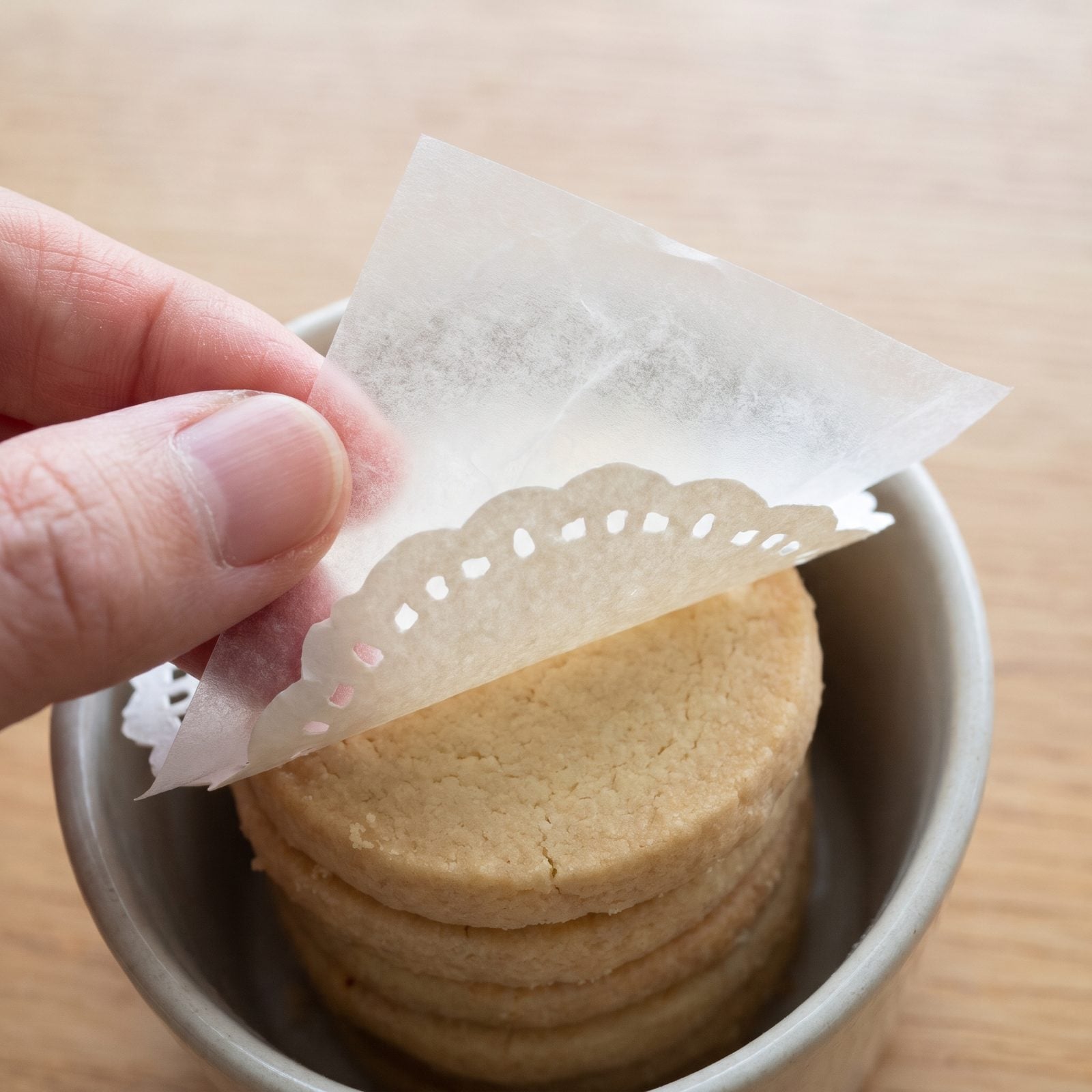
Between every layer, a cut square of wax paper. Sometimes a paper doily. Sometimes a torn piece of a bakery bag, pressed flat and reused. It kept the jam cookies from bleeding onto the shortbread, and it took an extra ten minutes nobody had to spend.
That’s the tell. The wax paper was effort with no audience, care you’d never see unless you looked. Childhood food memories cling to exactly this — the small acts of provision that read as affection long after the taste is gone. A 2021 study of childhood food memories (Source) found that people connected memories of food provision and preparation to care and nurturance, binding the food itself to the affectionate relationships around it.
Nobody ever said the wax paper meant anything. It meant everything. That was the deal with that whole generation: the love went in sideways, folded between the layers, and you were supposed to find it there yourself.
6. The One Tin That Came Out Only for Company, and What That Said About Who Counted as Family
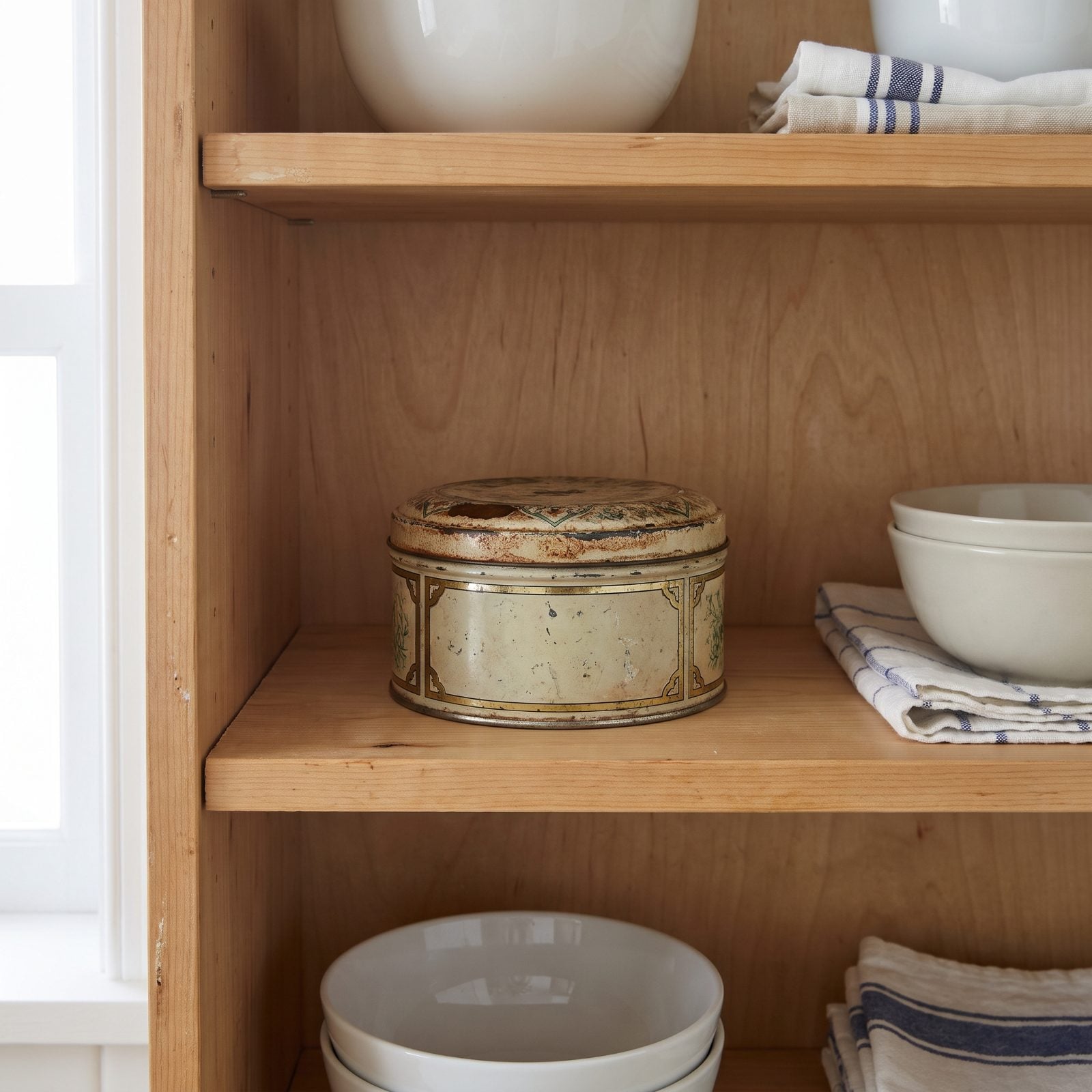
There was the everyday tin. And then there was the good tin, kept in the high cabinet, brought down only when certain people came through the door. You learned fast who rated the good tin and who got the Tupperware on the counter.
That distinction drew the family’s real map. The good tin marked the inner circle, the people a household wanted to feed well and be seen feeding well. And the ritual of bringing it out did something measurable to everyone in the room. Work by Constantine Sedikides and Tim Wildschut across 28 countries (Source) found that shared nostalgic ritual reliably increases social connectedness, the sense of belonging and being loved, in every culture tested.
So the good tin wasn’t about the cookies either. It was a household saying, out loud without words, you belong at this table. Some people spent whole childhoods waiting to be worth the good tin. Some never found out they already were.
5. Why the Handwritten Label Taped to the Lid Still Makes Your Chest Tighten Decades Later
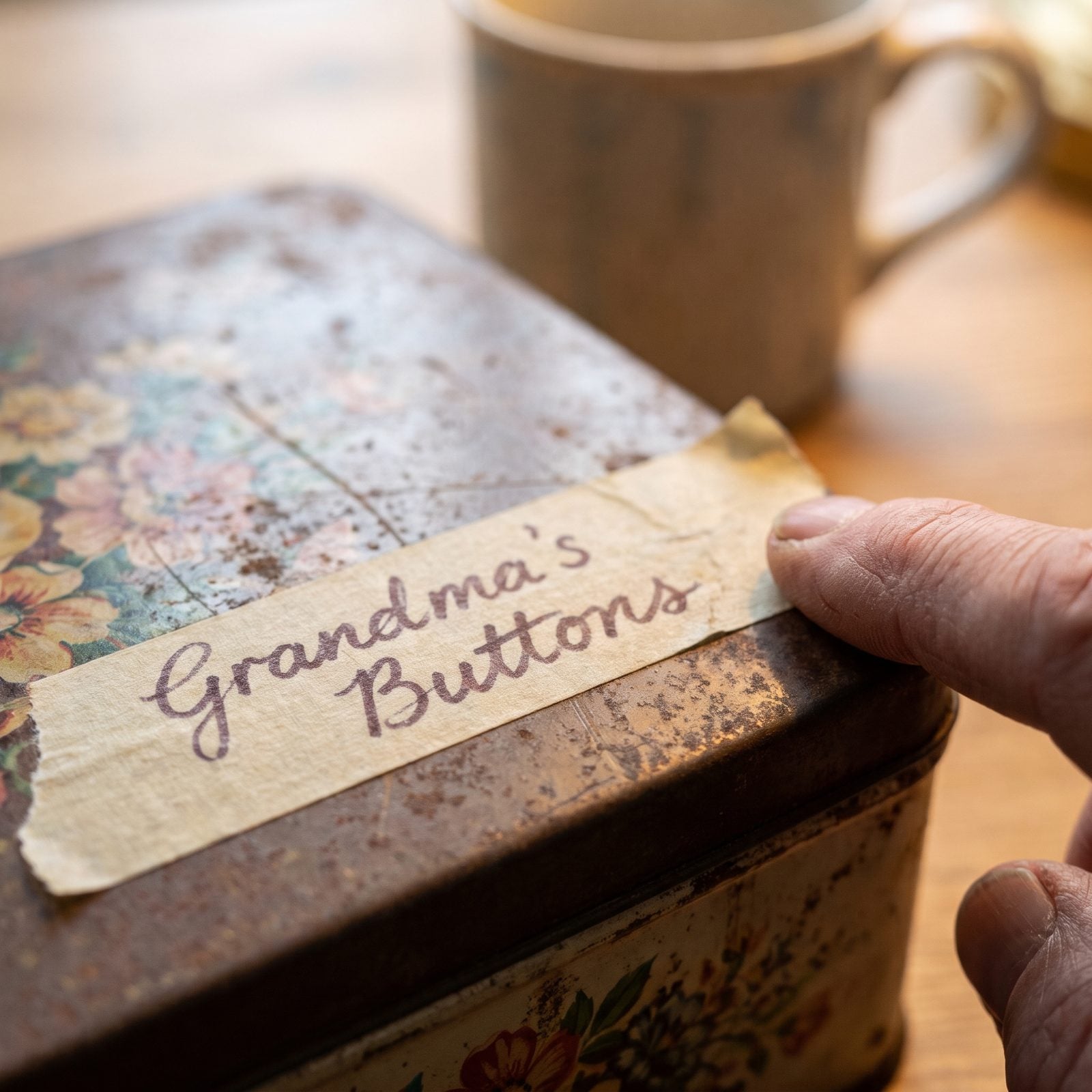
It’s not the buttons. It’s the strip of masking tape across the lid, two words in your grandmother’s looping cursive: Grandma’s Buttons. You could pick that handwriting out of a thousand samples, and that matters more than the label itself.
Handwriting is a behavioral fingerprint. The slant, the pen pressure, the size of the letters all carry traces of the person and even their emotional state, which is why researchers have built entire databases to study emotion encoded in script. Source The label wasn’t trying to be sentimental. It was a quick logistical note about what was inside and which tin held the buttons, and that’s exactly why it lands now. Nobody performs their handwriting on a piece of masking tape. You’re seeing them unguarded, mid-task, needle and thread close at hand.
4. The Psychology of the Tin That Traveled Door to Door Every December (And Came Back Expecting to Be Refilled)
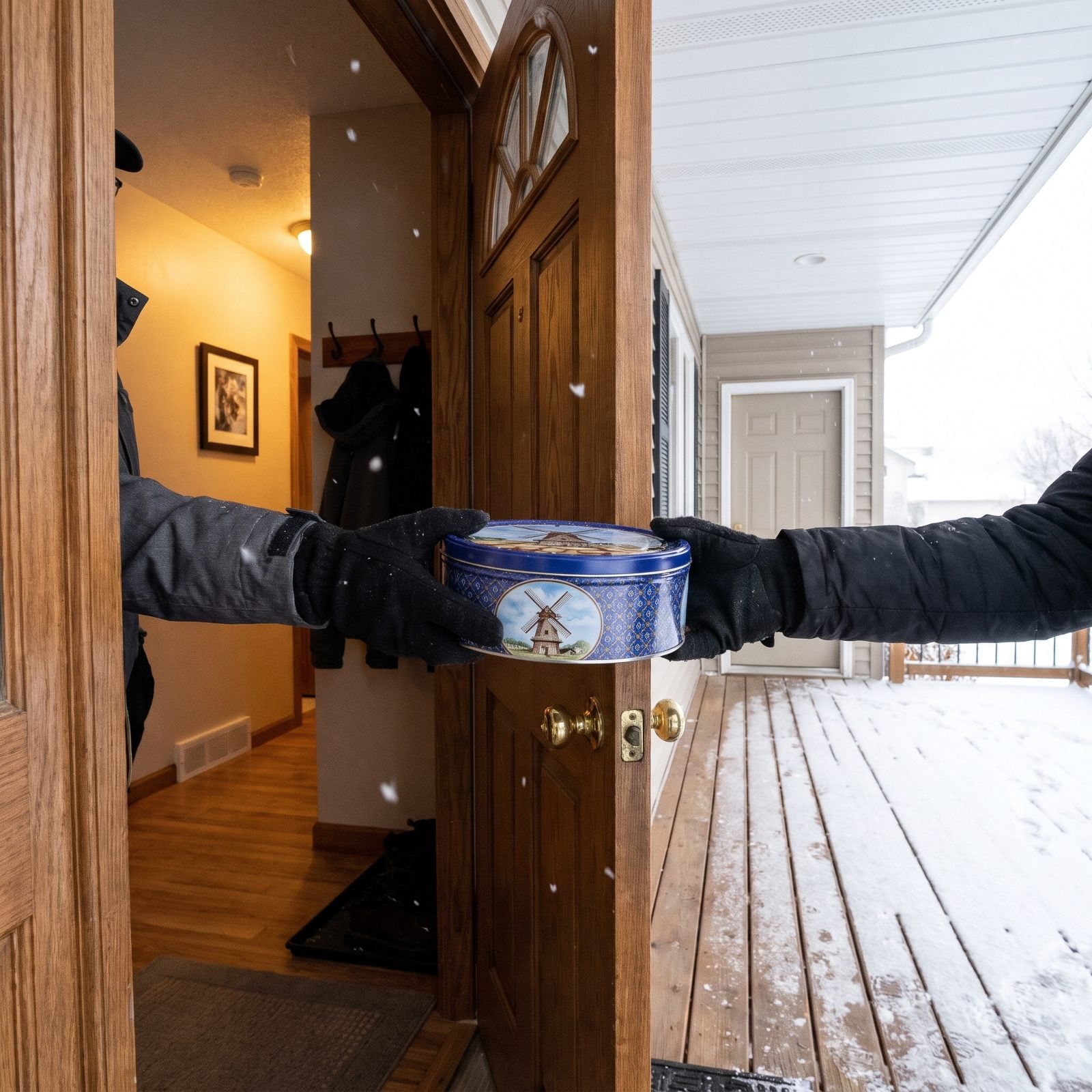
You knew whose tin was whose. The Danish butter-cookie tin with the blue windmill belonged to the neighbors two doors down. The rectangular one with the sleigh scene was your aunt’s. These tins circulated the block like library books with an unspoken due date, and everybody understood the rule: an empty tin that came back to you was asking to be refilled.
That ritual did real work. Holiday rituals are one of the few reliable engines families have for maintaining ties, especially among relatives and neighbors who don’t see each other often. Source The tin was the physical proof of the loop. Food traditions passed down through recipes and shared dishes create an intergenerational continuity and a sense of belonging. Source So when a tin came back to your door, slightly dented, smelling faintly of someone else’s kitchen, it carried a message that had nothing to do with cookies: we’re still in this together, and your turn’s coming.
3. What It Meant When the Store-Bought Assortment Sat Right Next to the Homemade Ones
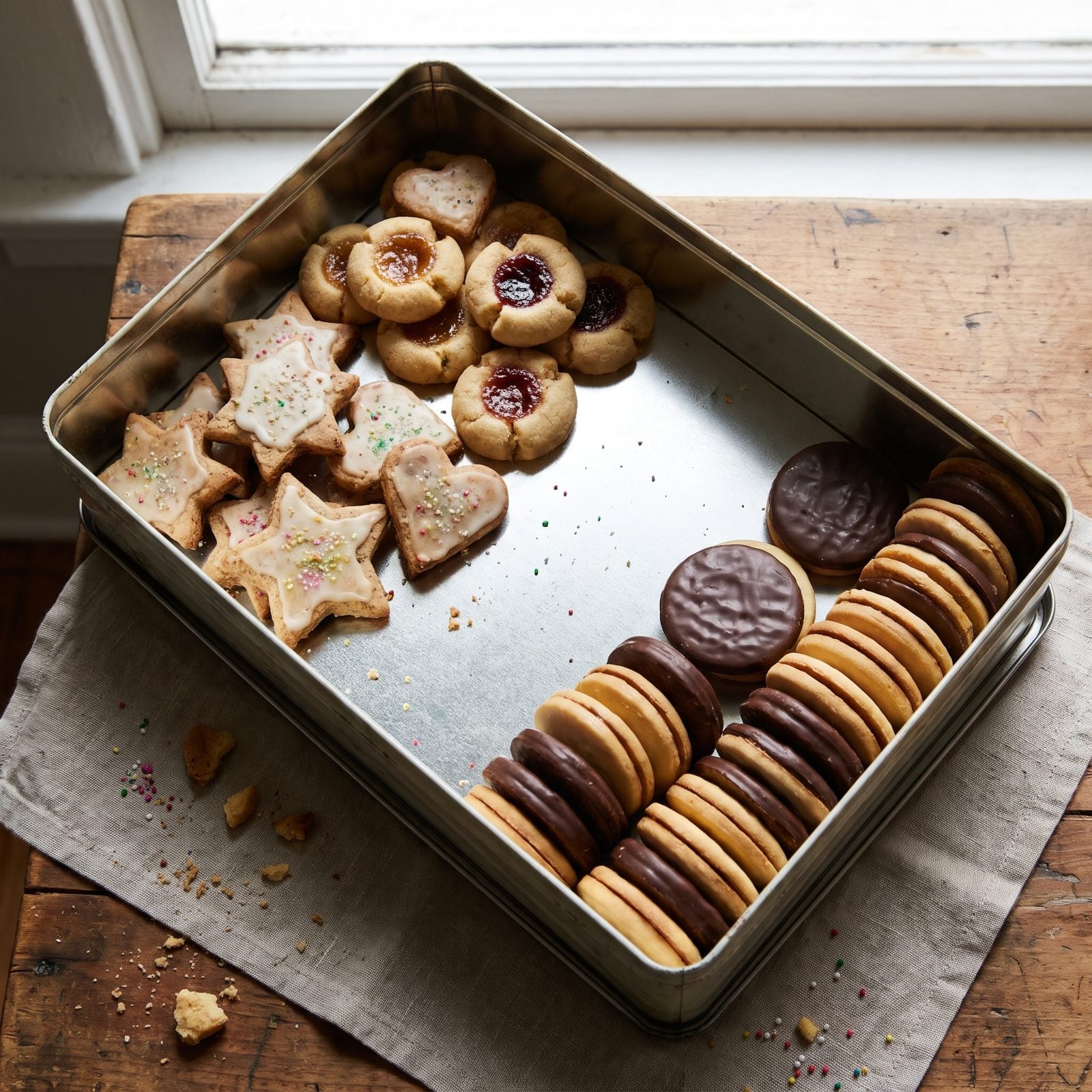
Open the tin and there it was: a top layer of homemade cutouts, maybe some thumbprints with jam, and filling the other half, long neat rows of chocolate-coated and plain sandwich cookies straight from a box. Nobody apologized for the store-bought ones. Nobody pretended they were homemade either. They just sat there together, and that honesty told you something about the whole household.
A tin like that was a small statement about hospitality on a budget. The homemade cookies said we made time for you. The store-bought ones said we also made sure there’d be enough. Thrift and generosity aren’t opposites in a family that knows how to stretch a December. Food rituals rated as genuine family expressions, rather than performances, produce higher family satisfaction. Source A tin that mixed effort and shortcut was the least performative thing in the house.
Looking back, that mixed tin is almost a portrait. Priorities, resources, and the quiet refusal to let pride get in the way of feeding people.
2. The Dented, Scratched, Repainted Tin That Outlasted Everyone, and the Quiet Grief It Carries Now
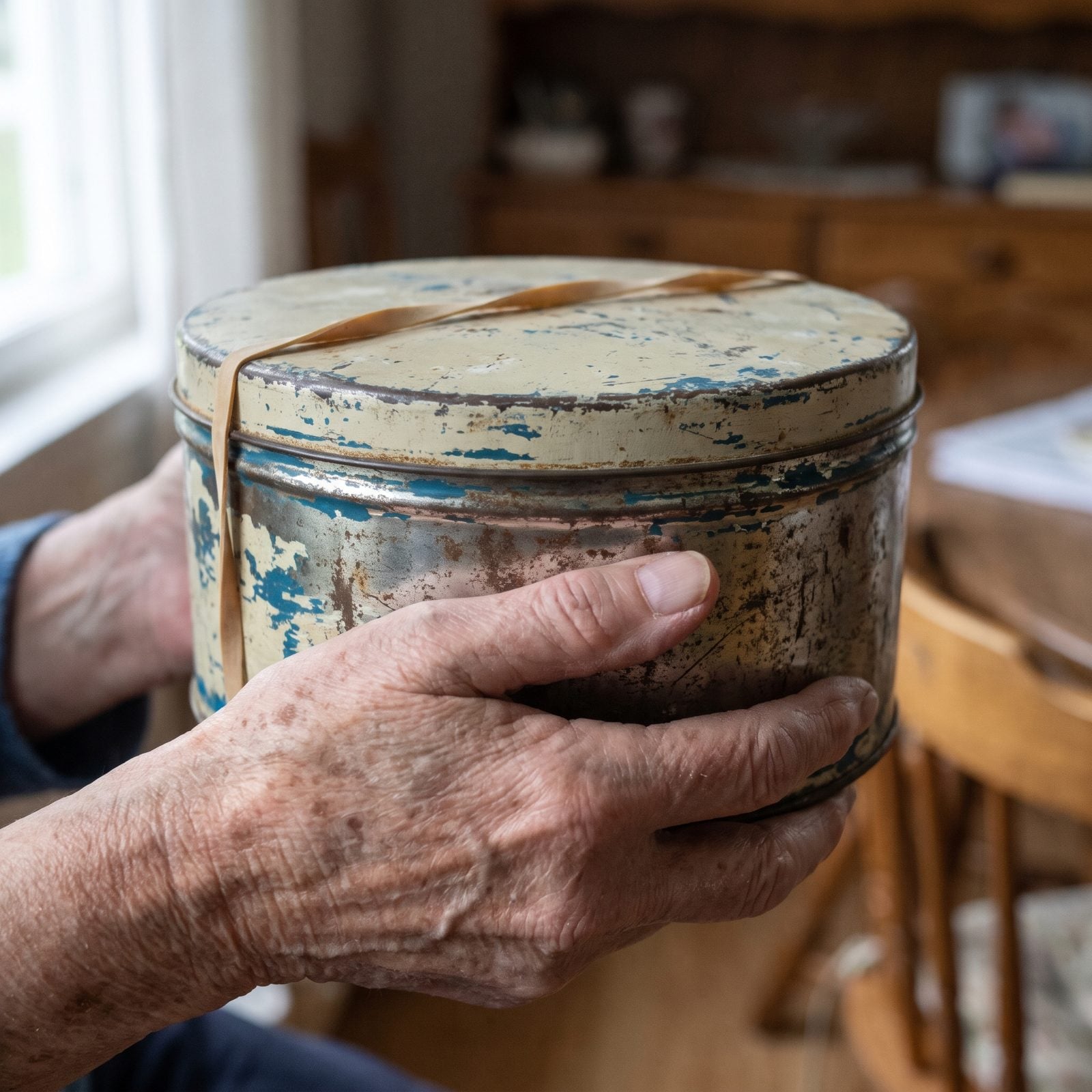
You know the one. The lid doesn’t quite seat anymore, so somebody wrapped a rubber band around it years ago. The paint’s worn to bare metal at the corners where a hundred thumbs pried it open. At some point a layer of the original design flaked off and somebody just left it. That tin has outlived a kitchen, a move, maybe the person who bought it.
Here’s why you can’t throw it out. Neuroscience research shows that losing a cherished object activates the same brain regions involved in social rejection and physical pain, so the distress is real, not irrational. Source The psychologist Russell Belk called this the extended self: we fold our possessions into our sense of who we are, which is why discarding one can feel like discarding a piece of yourself. Source
And the wear is the whole thing. A polished edge shows where a thumb rested; a repair recalls a decision to keep rather than replace. Source Every scratch is a December you can’t name but somehow still carry.
1. Why the Kid Who Got to Pick the Tin Off the Shelf Remembers It More Than the Cookies Themselves
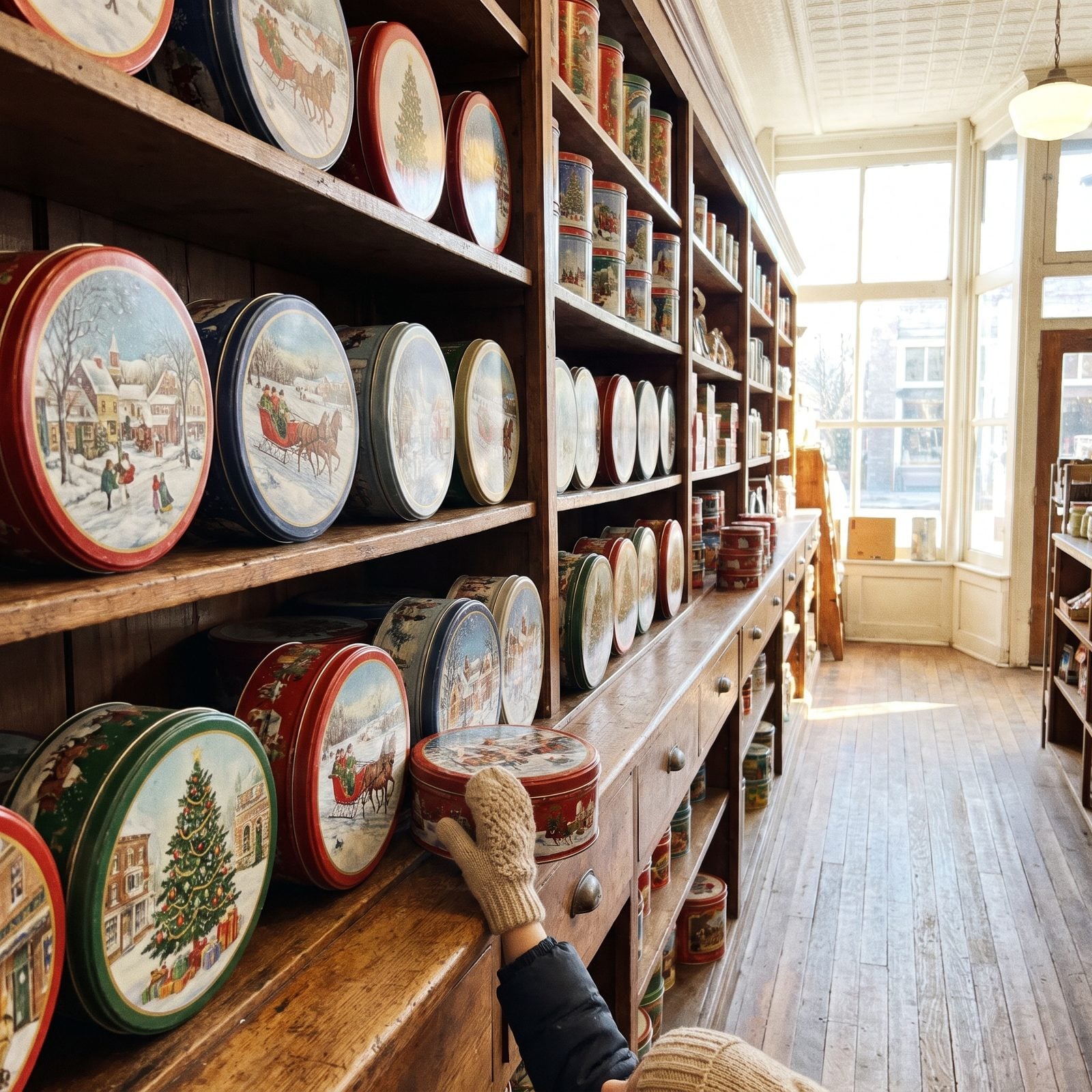
You remember the drugstore aisle in early December. The towers of tins, each one shouting a different winter scene, and the single question that mattered: which one gets to be ours this year? If you were the kid who got to choose, you still remember the red one with the cardinal, or the gold one shaped like a drum, more vividly than any cookie that ever went inside it.
That’s not an accident of a sweet tooth. Research on family rituals suggests that when children get to help design or adapt a tradition, even through small choices, the ritual’s developmental payoff goes up significantly. Source Choosing the tin made you a participant instead of a spectator. You weren’t just receiving the holiday. You were building it.
The cookies got eaten in an afternoon. The choice got encoded as yours. One of those is a snack. The other is a small, permanent entry in the story of who you were in that family.
The Bottom Line
The tin was never about the cookies. It was the one object your family trusted to hold what they couldn’t say out loud, the care, the hierarchy, the scarcity, the love that went unnamed because naming it felt like too much. Go find the tin, or the memory of it, and let yourself say the thing it was quietly saying for all those years.