Would you like to save this?
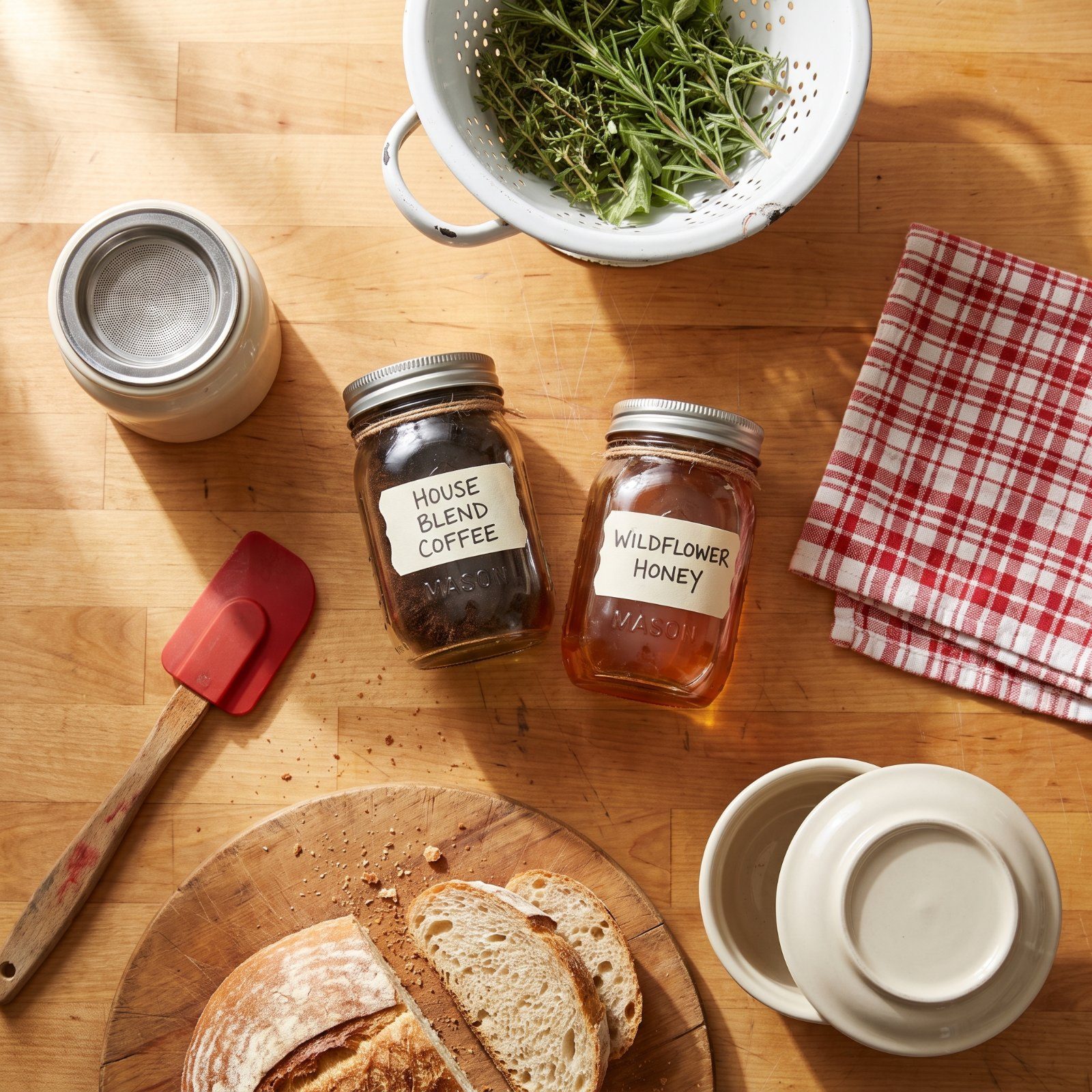
Somewhere along the line we decided that saving a jar of bacon grease made you a hoarder and buying a new roll of parchment every week made you modern. Bad trade. The grandmothers who ran kitchens on one income knew things that TikTok is now rediscovering and calling ‘zero-waste.’ None of it requires a gadget or a subscription, most of it costs nothing, and the flavor you get back beats the shortcut every time. Here are the ones worth bringing back, no apology for the mason jars required.
27. Keeping a Bacon-Grease Jar by the Stove
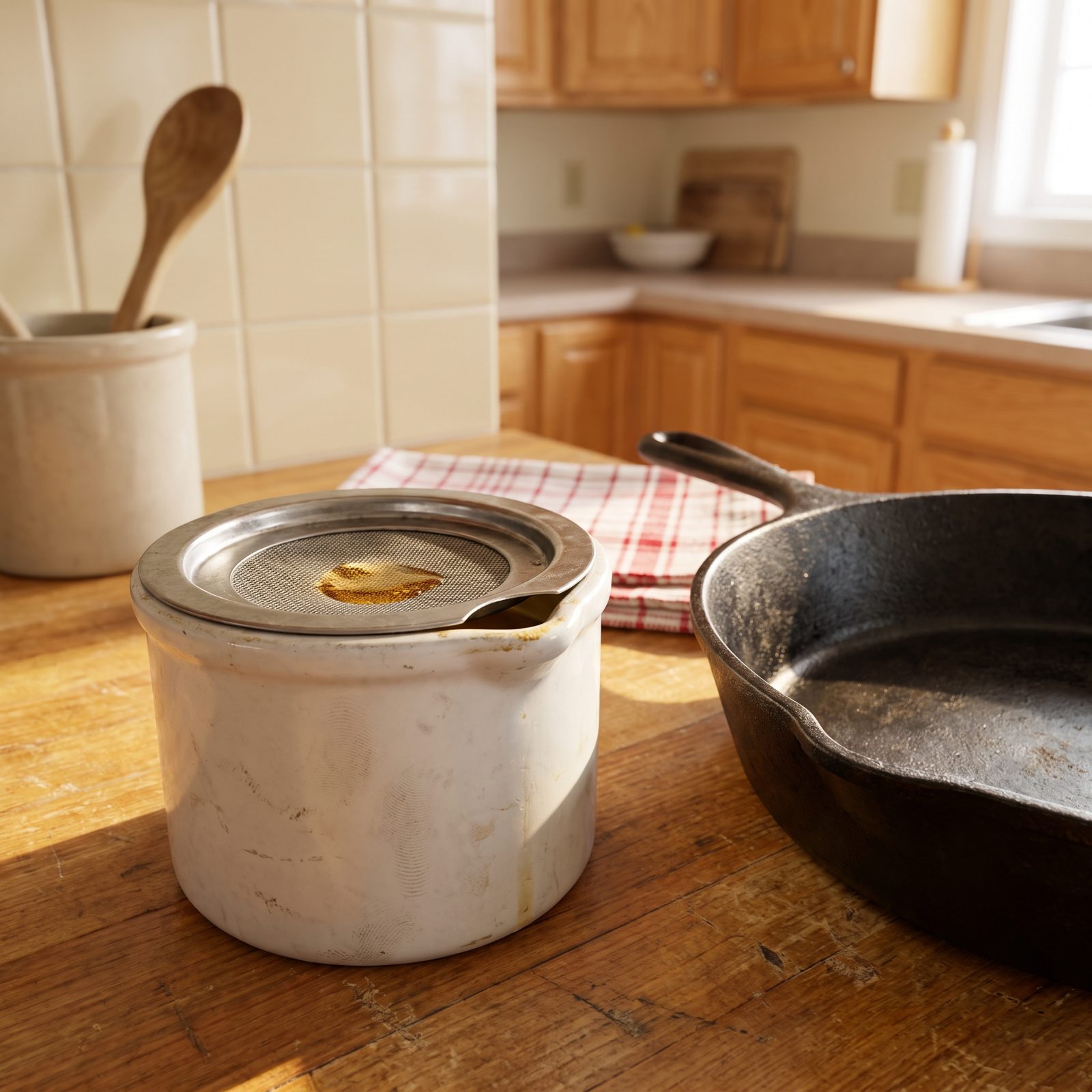
Pour hot bacon fat through a fine strainer into a jar and you’ve just banked the best cooking fat in the house for free. It lives at room temperature for weeks, longer in the fridge. Fried eggs, roasted potatoes, cornbread, the first swirl in a pot of greens — all of it gets better.
The mistake people make is skipping the strain. Leave the burnt bits in and the whole jar goes rancid fast. Strain it clean and it keeps like a saint.
26. Saving Bones and Vegetable Trimmings for Stock
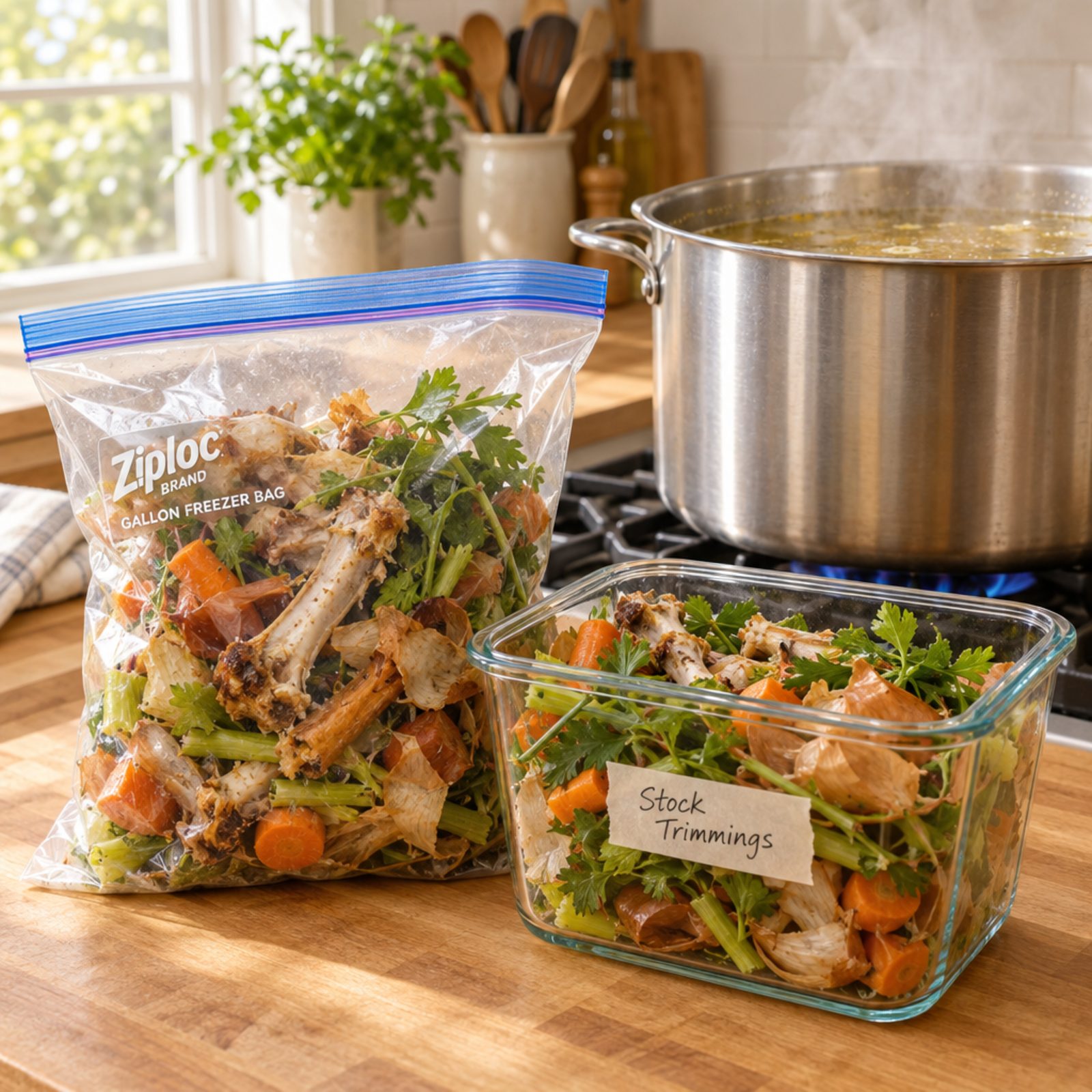
Keep a bag in the freezer. Carrot ends, onion skins, celery tops, the carcass from Sunday’s chicken, mushroom stems that would’ve gone in the trash — when the bag’s full, it’s a pot of stock that would cost you real money at the store and tastes nothing like the stuff in the box.
Store broth is mostly salt and a sad whisper of chicken. Yours has the gelatin that makes a sauce cling to the spoon, which is the difference between soup that’s fine and soup that fixes a cold.
25. Saving Butter Wrappers to Grease Baking Pans
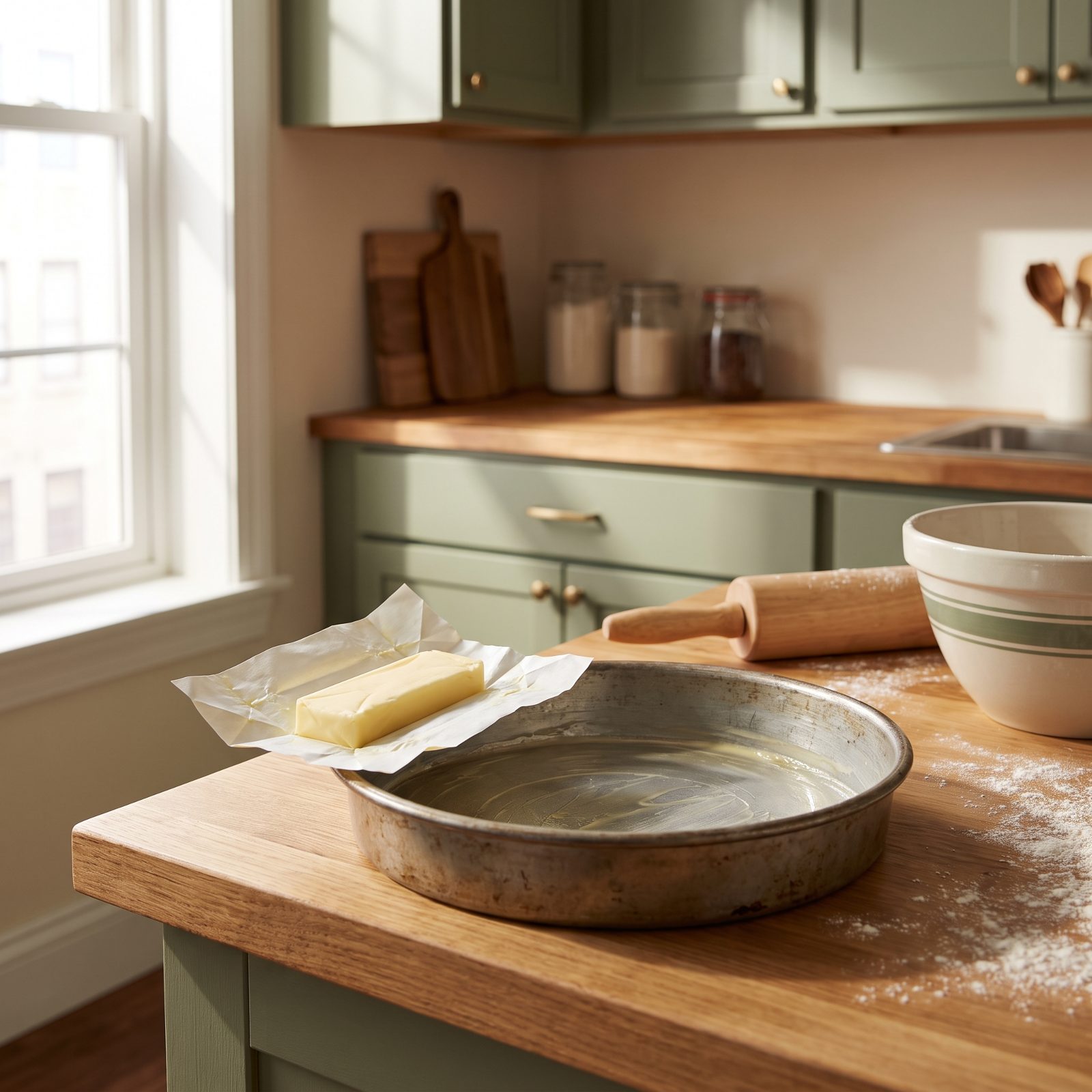
There’s always a thin film of butter clinging to the inside of the wrapper after you’ve unwrapped a stick. Fold it butter-side-in, tuck it in the fridge door, and you’ve got a free pan-greaser ready for the next cake or batch of rolls.
No cooking spray, no wasted pat of good butter. The paper does the job and it does it better, because you can get right into the corners of a loaf pan.
24. Covering Bowls with Plates Instead of Plastic Wrap
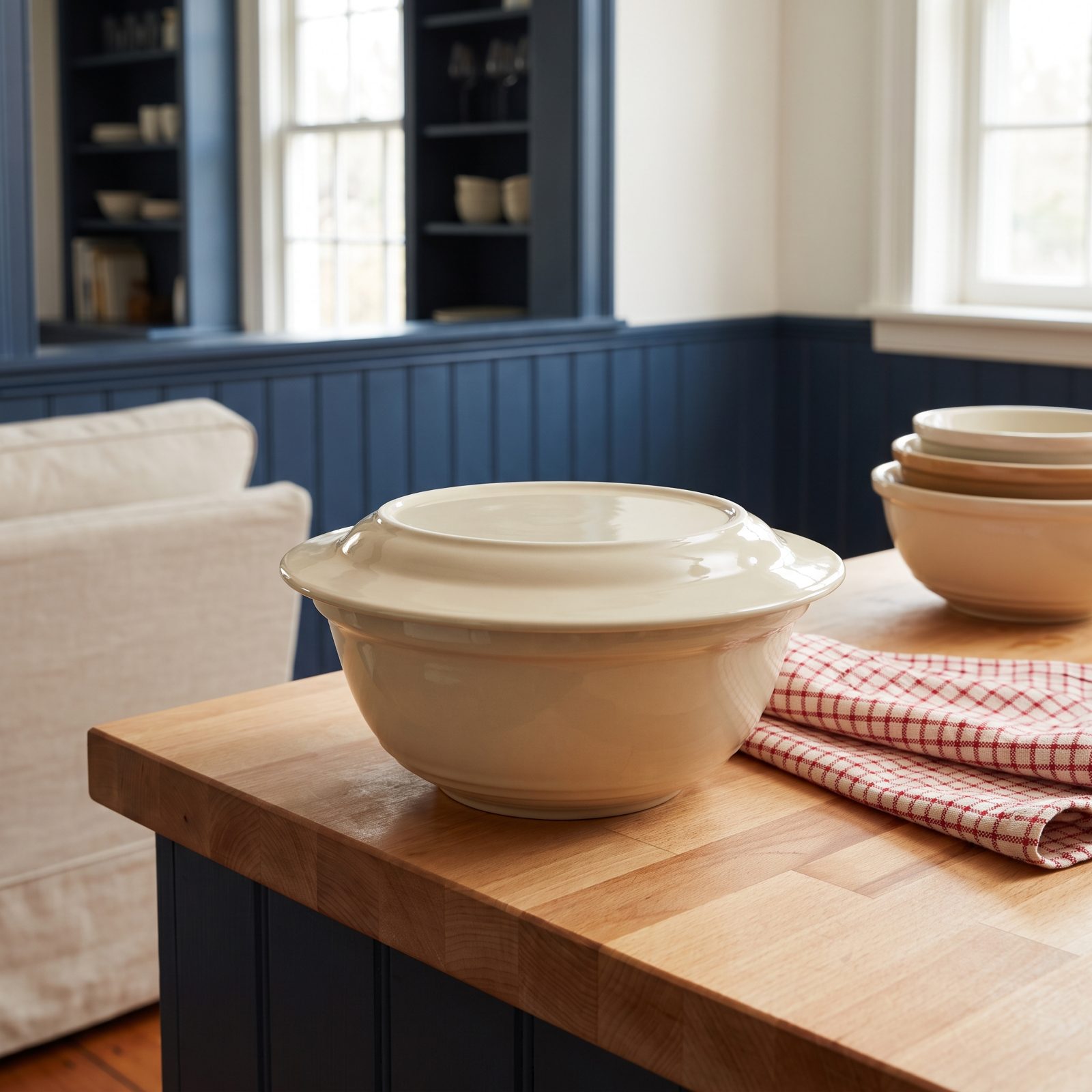
A plate on top of a bowl does everything plastic wrap does, then goes in the dishwasher instead of the landfill. Dough proofing, leftovers resting, a bowl of cut fruit in the fridge — the seal holds a day or two, which is all most things need.
And you already own the plates. No drawer full of half-used rolls that never tear on the perforation and always stick to themselves.
23. Washing and Reusing Sturdy Food Bags
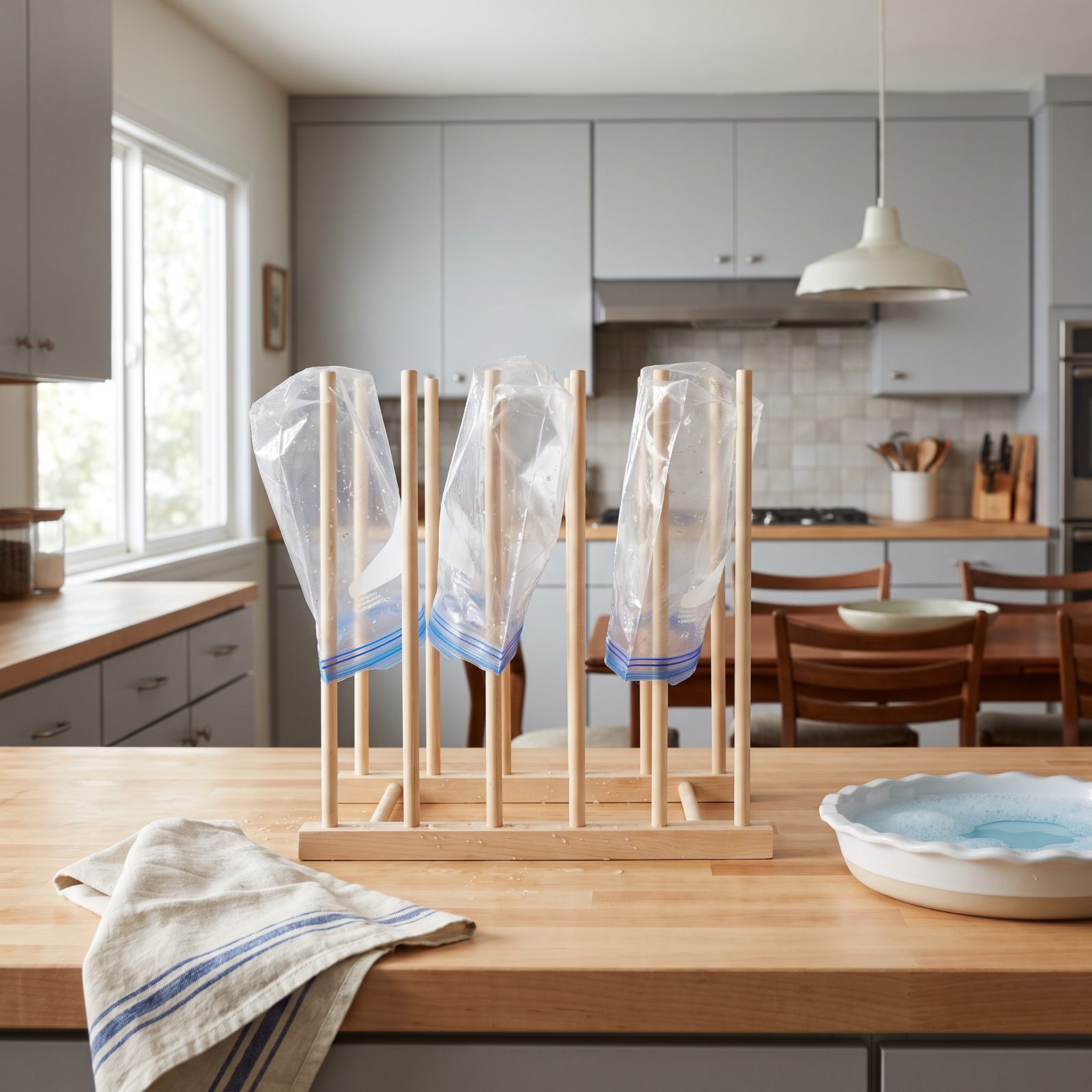
Not every bag. The one that held raw chicken goes in the trash, no debate. But the bag that held frozen berries, shredded cheese, or dry crackers? Turn it inside out, wash it, dry it over a bottle rack, and it has another three or four lives in it.
A box of freezer bags costs more than people admit when they’re buying a fresh box every two weeks. Wash the sturdy ones and you buy a box a year instead.
22. Using a Rubber Spatula to Scrape Every Jar Clean
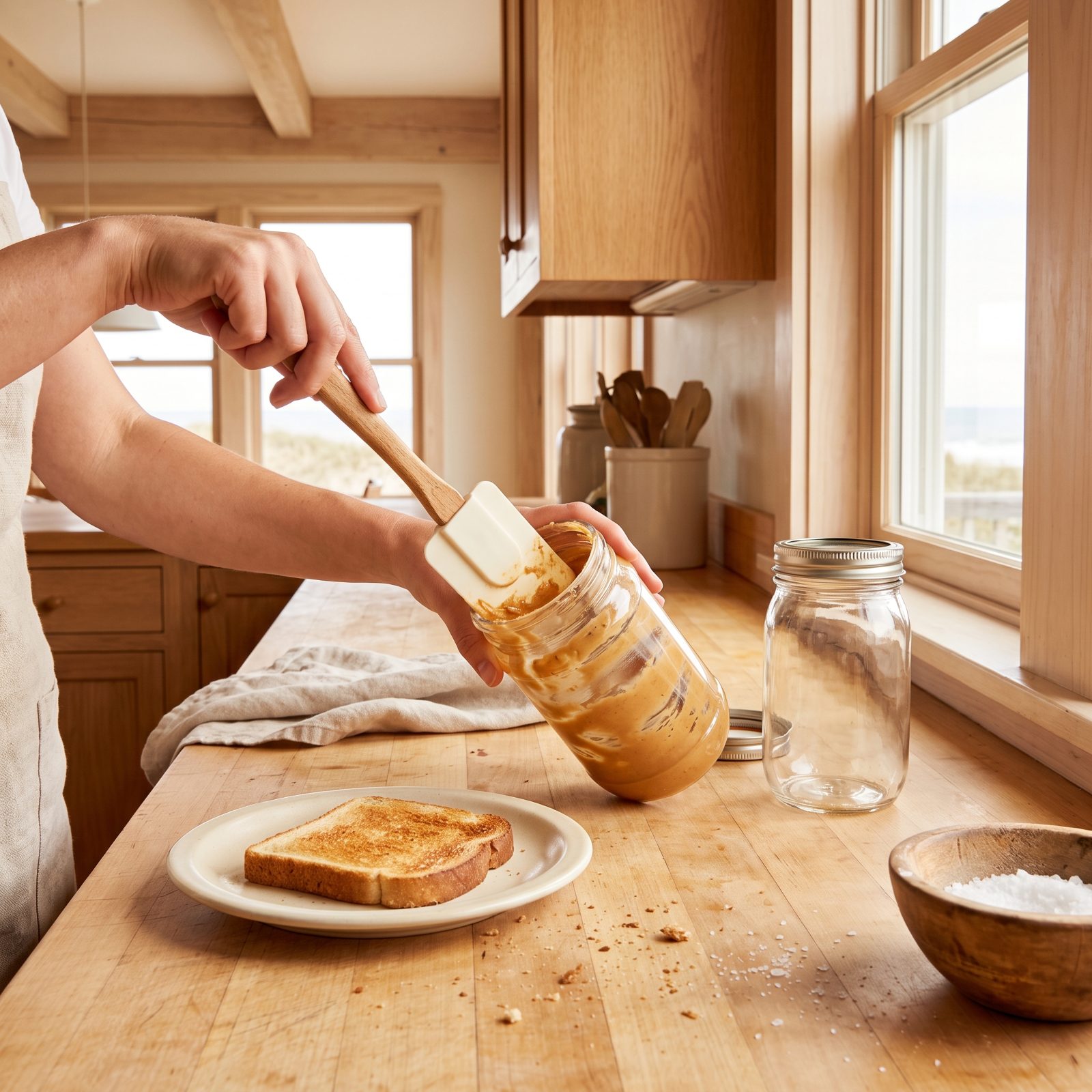
Watch how much tomato paste, mustard, mayo, and jam gets thrown out because people quit on the jar when the knife can’t reach. A flexible rubber spatula gets into the corners a knife can’t touch, and you pull another full tablespoon out of nearly every container.
Doesn’t sound like much. Do it across every jar, every week, for a year, though, and you’ve bought yourself an extra jar of most things for free.
21. Keeping Pickle Brine for Dressings and Marinades
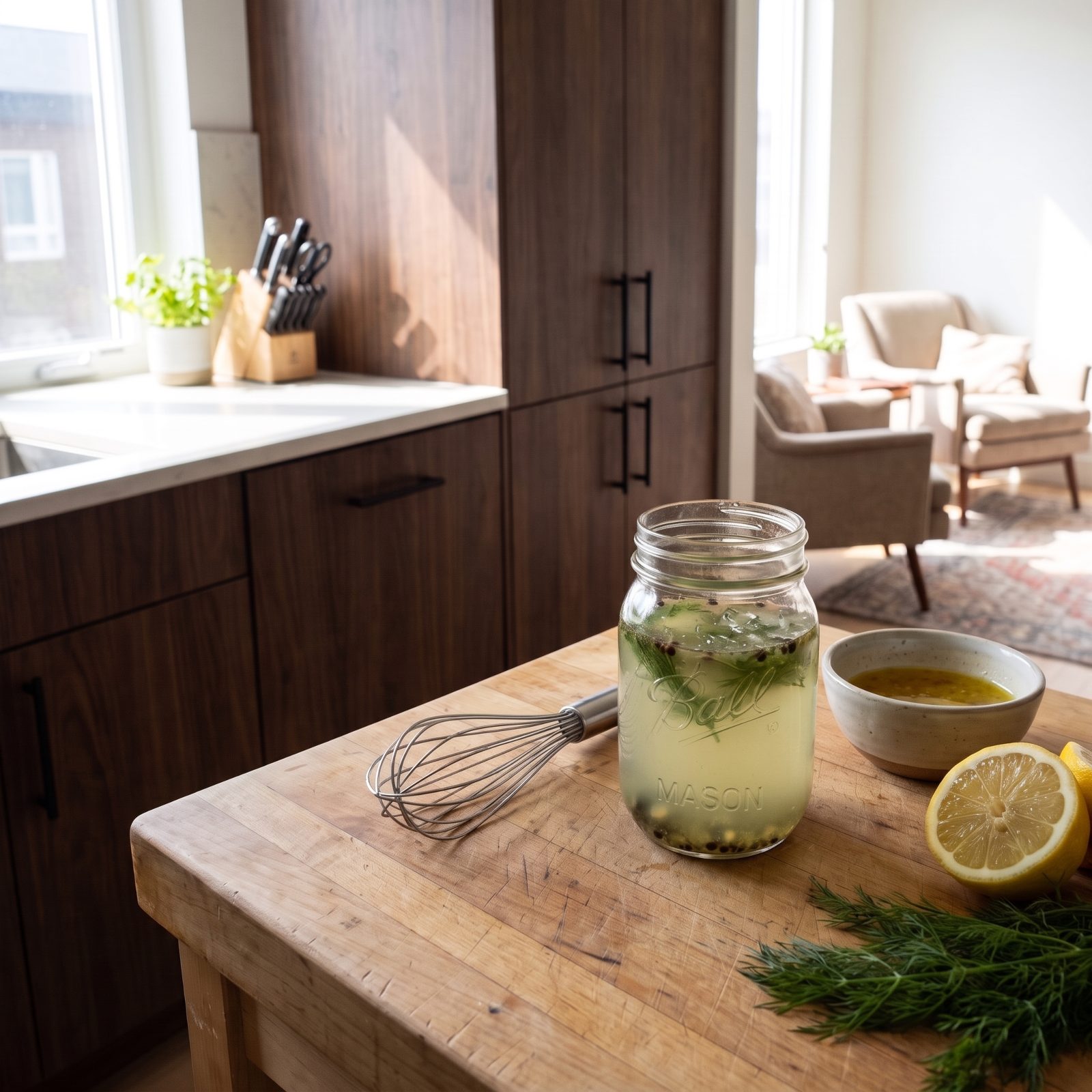
That brine left in the empty pickle jar is already seasoned vinegar — salt, dill, garlic, peppercorns, the works. Whisk it with oil for a dressing. Pour it over chicken thighs as a marinade. Use it to quick-pickle a sliced onion in twenty minutes.
Most of us ignore this for years and pour gallons of it down the drain. The brine is the part you paid for as much as the pickles. Throwing it out is like keeping the box and tossing the gift.
20. Reviving Wilted Greens in Ice Water
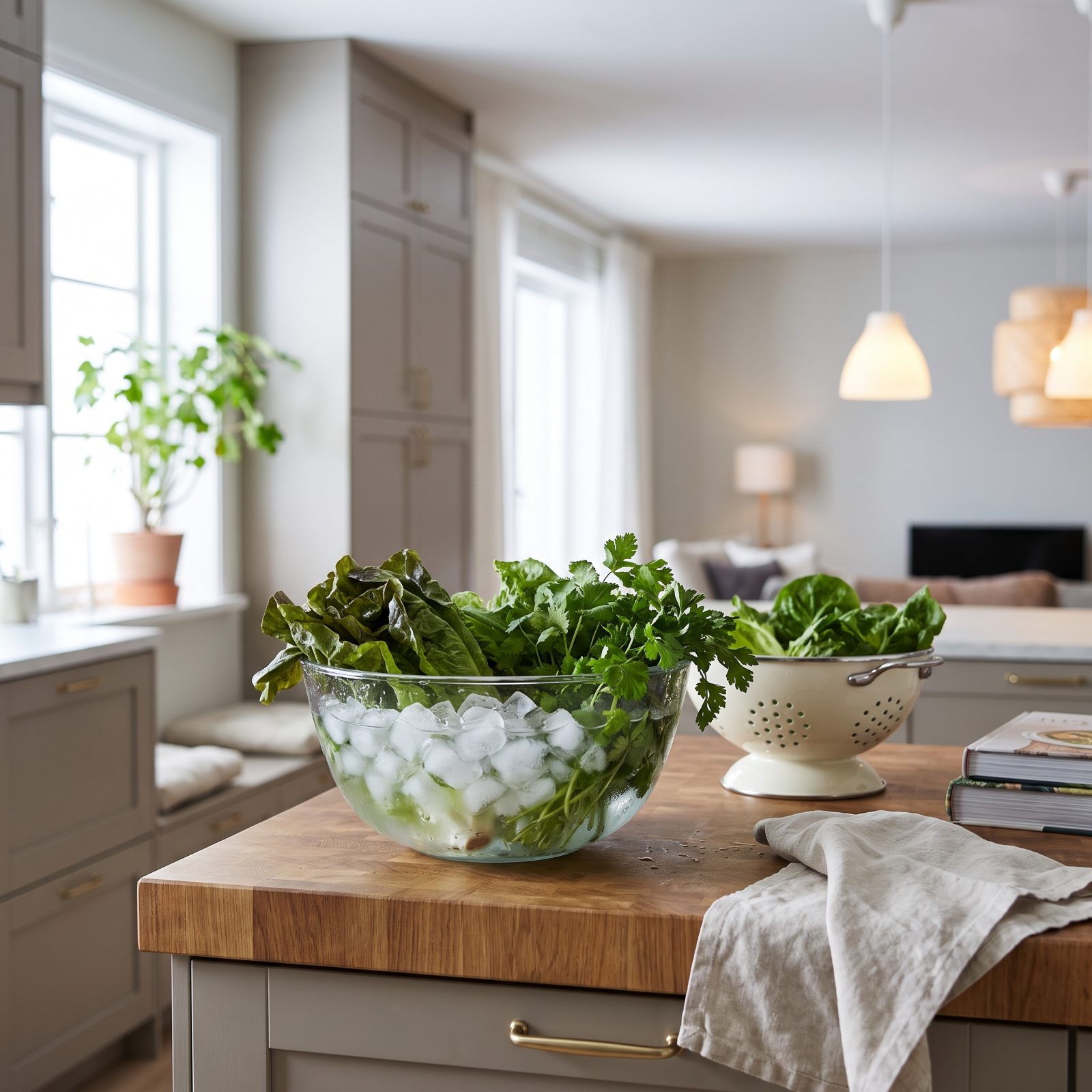
Limp lettuce isn’t dead. It’s thirsty. Trim the stem ends and drop the greens into a bowl of ice water for fifteen or twenty minutes and they drink back up, cell by cell, until they snap again.
Same trick saves herbs, celery that’s gone bendy, and carrots that lost their crunch. That sad bunch of parsley you were about to toss comes back from the brink.
19. Freezing Bread Before It Goes Stale
Would you like to save this?
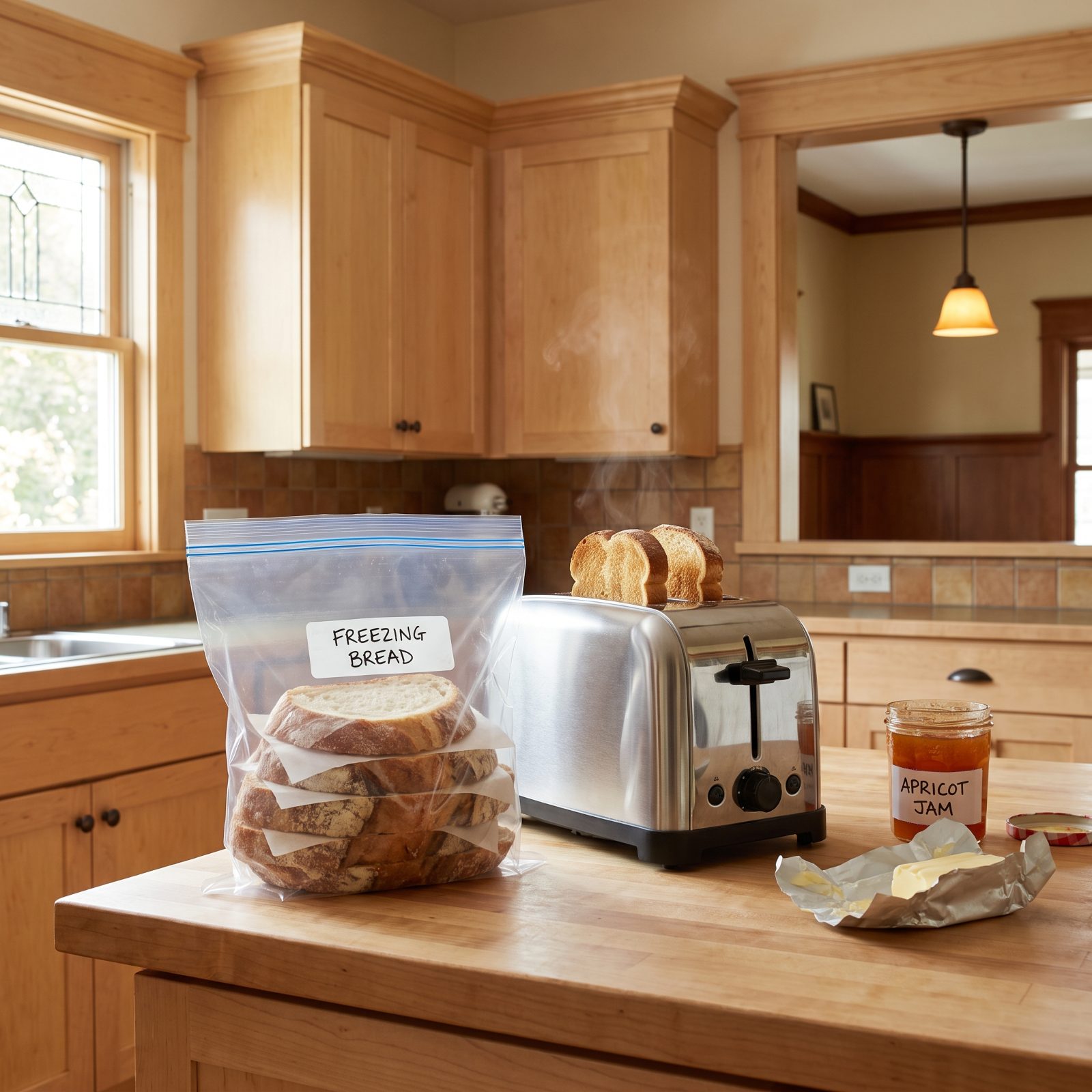
Half a loaf always goes hard before you finish it. So don’t wait. The day you buy it, slice it, bag it, and freeze what you won’t eat in two days. Frozen at its peak, it toasts up tasting fresh for weeks.
The freezer stops time. Stale bread is just bread drying out in the open, and you can shut that process off whenever you decide to.
18. Turning Stale Bread into Crumbs
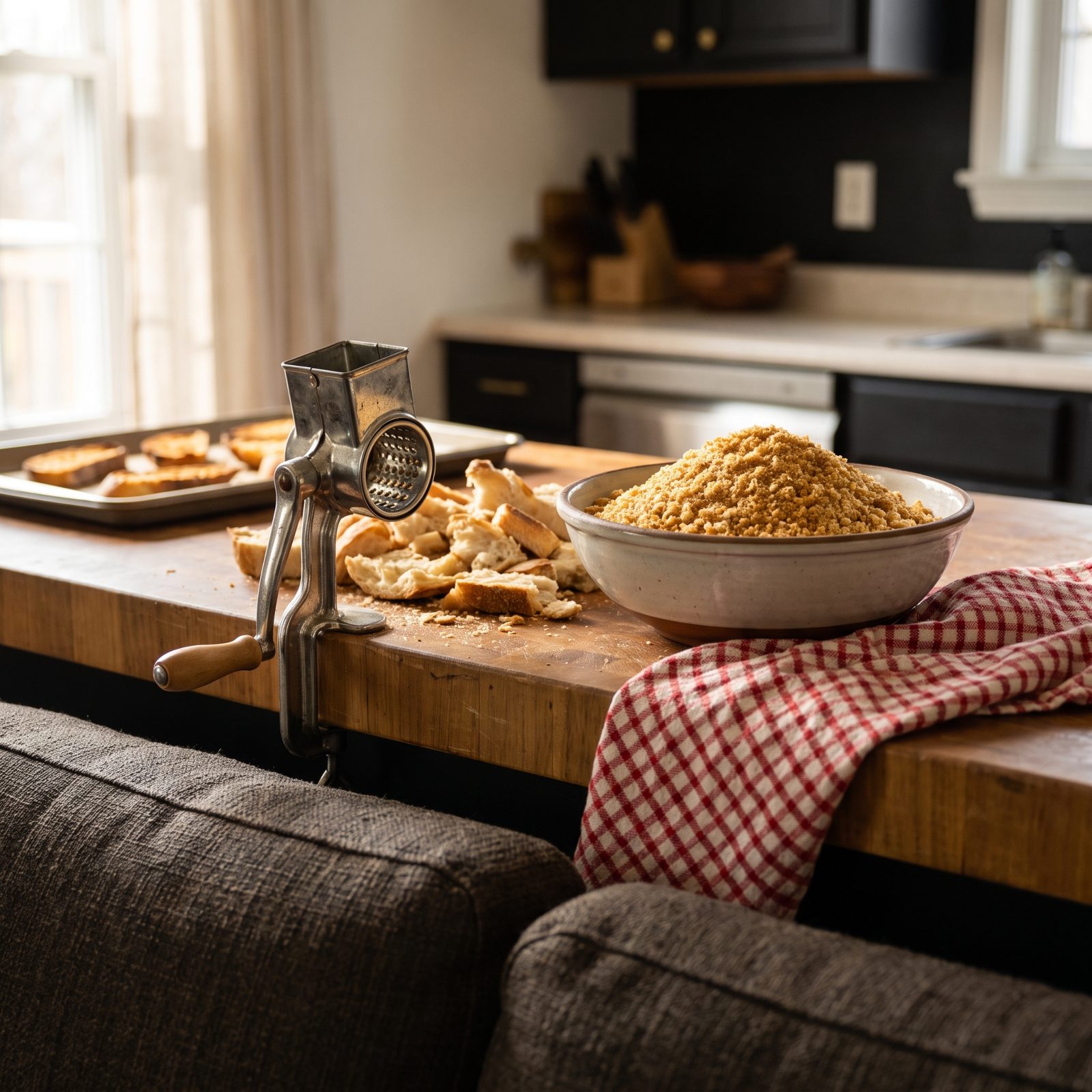
The heel nobody wants, the slice that got too hard to toast, the ends of a baguette. Blitz them, toast them low in the oven, and you’ve got breadcrumbs that beat the sawdust in the canister every time. Freeze them and they keep for months.
Meatballs, mac and cheese topping, breaded cutlets, a crunchy finish on a casserole. The bread you were about to throw out becomes the thing that makes your next three dinners better. And that’s the thread running through all of this — nothing good leaves the kitchen until it’s done its work.
17. Making Soup to Clear Out the Crisper Drawer
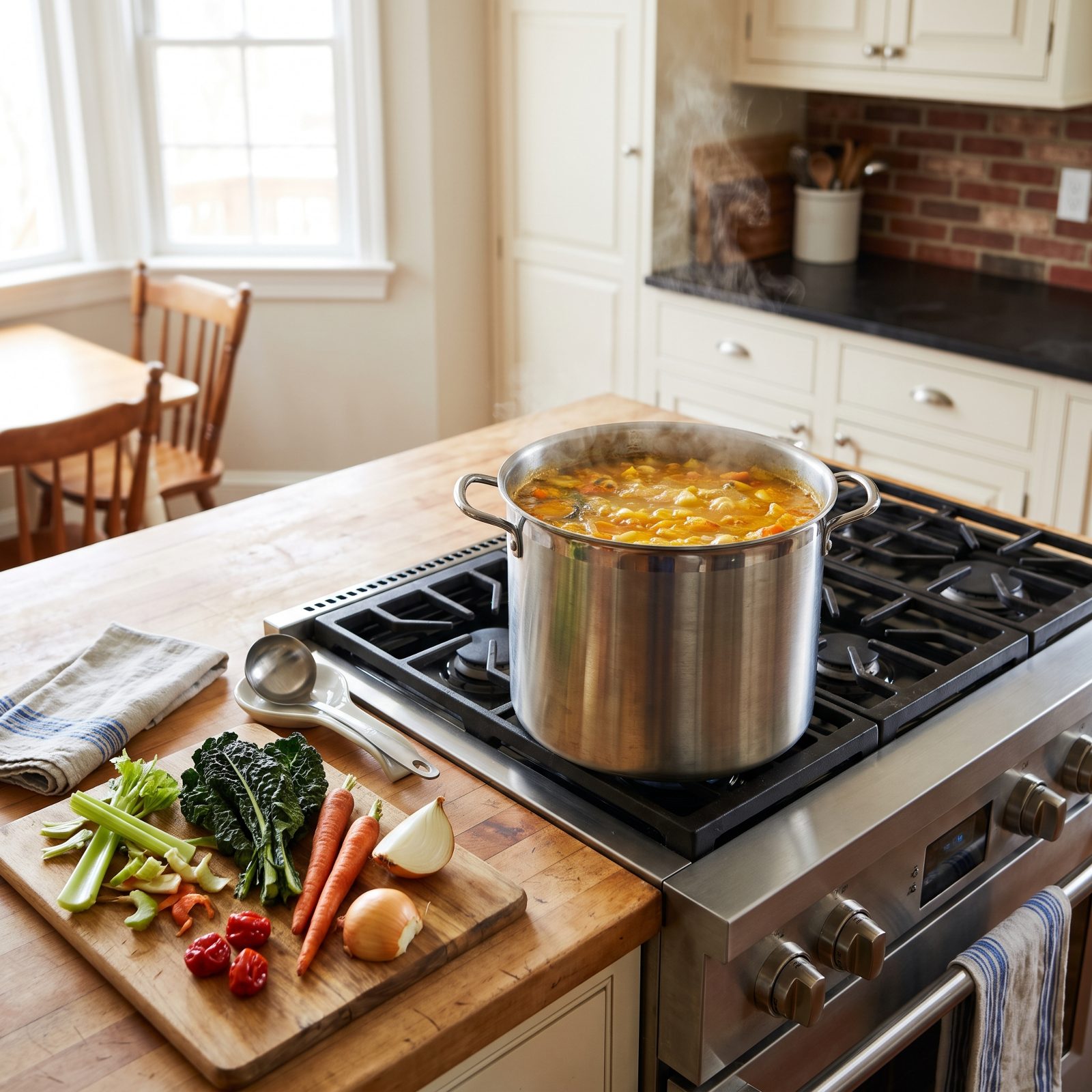
The crisper drawer is where good intentions go to die. You bought the kale with a plan, the plan evaporated, and now it’s limp and you feel a little guilty every time you crack that drawer open.
Soup fixes all of it. Wilting vegetables don’t need to be pretty — they need to be soft, and you’re about to make them softer on purpose. A half onion, three tired carrots, the celery that’s gone bendy, a handful of whatever greens are on their last legs. Into the pot. Nobody tasting the bowl can tell you were rescuing produce from the brink.
16. Saving Pan Drippings for Gravy
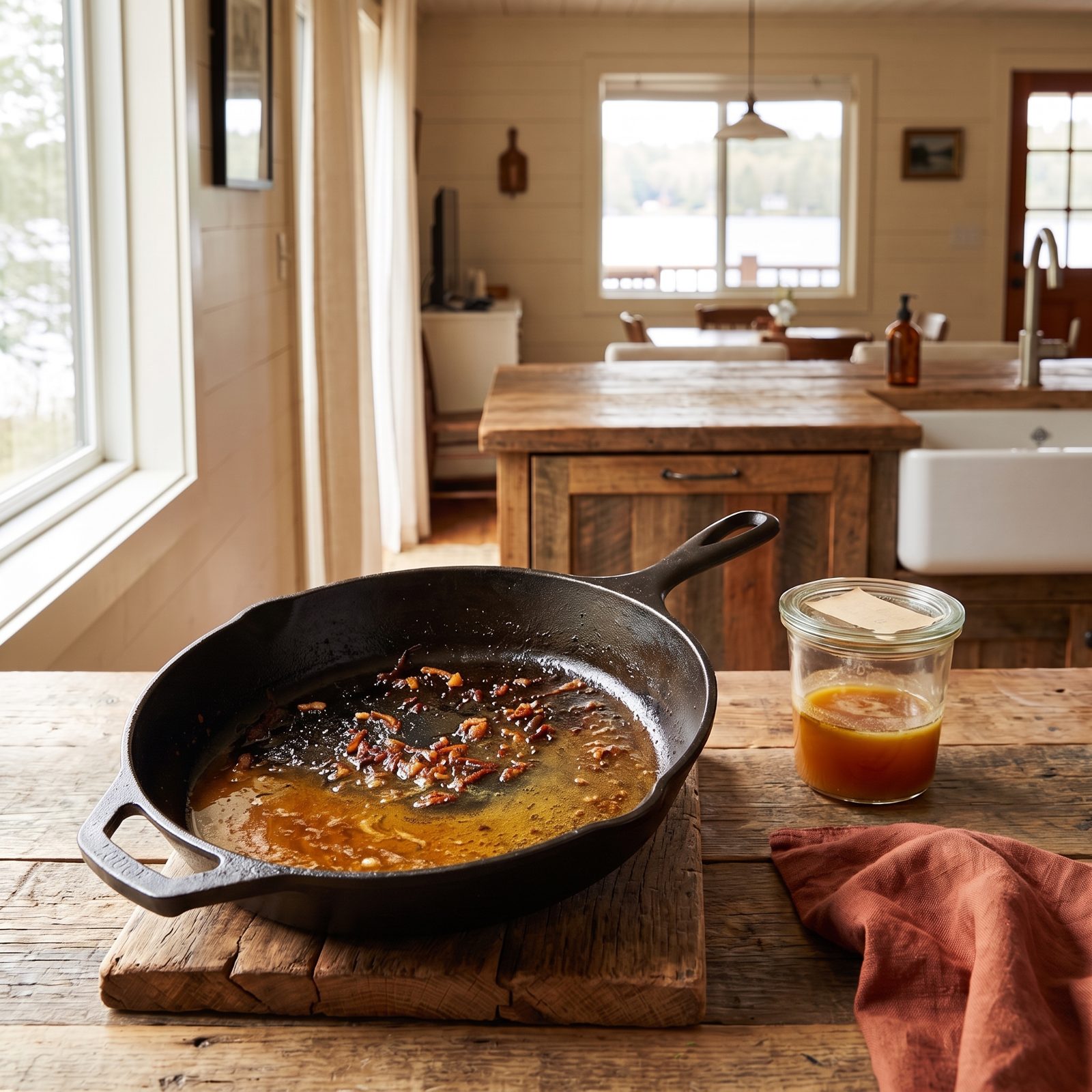
Those brown bits stuck to the bottom of the pan? That’s the whole point of the pan. People scrub them away like evidence of a crime, when really it’s flavor, concentrated and free, and pouring it down the drain means tossing the best part of whatever you just cooked.
Splash in some liquid, scrape with a wooden spoon, and the fond lifts right off into a gravy no powdered packet has ever matched. Whatever drippings you don’t use today go in a small jar in the fridge. They’ll make your next batch of roasted potatoes taste like somebody who knows what they’re doing was in the room.
15. Soaking Beans Overnight
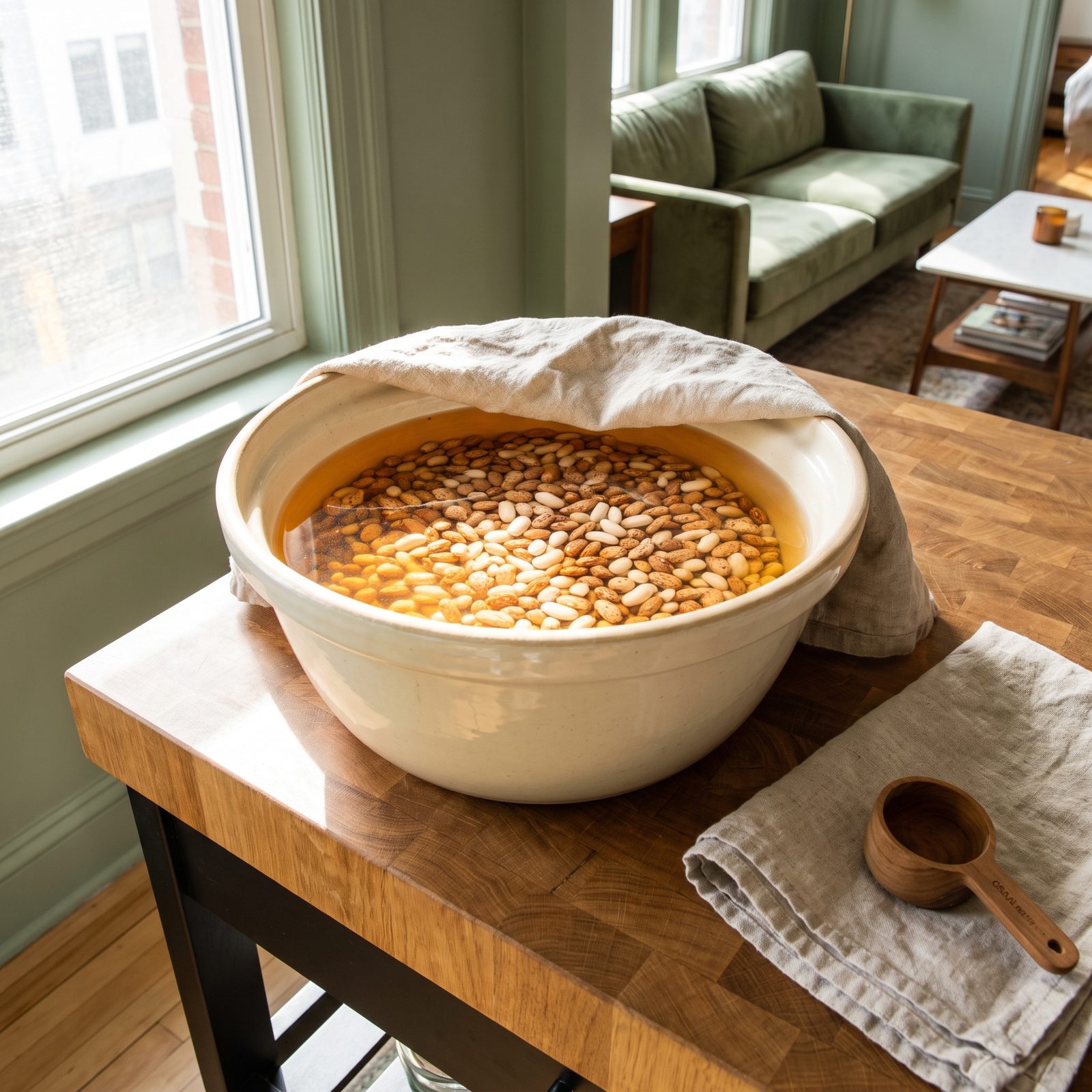
Canned beans cost far more than dried ones, and they’re mushier. That’s the trade people make for not thinking ahead the night before.
A bowl of water and a handful of beans takes under a minute to set up before bed. By morning they’ve plumped, and they cook faster and more evenly, holding their shape instead of collapsing into paste. The soak also knocks out some of the stuff that makes beans hard on your stomach. Reason enough right there.
14. Planning Meals Around the Weekly Store Flyer
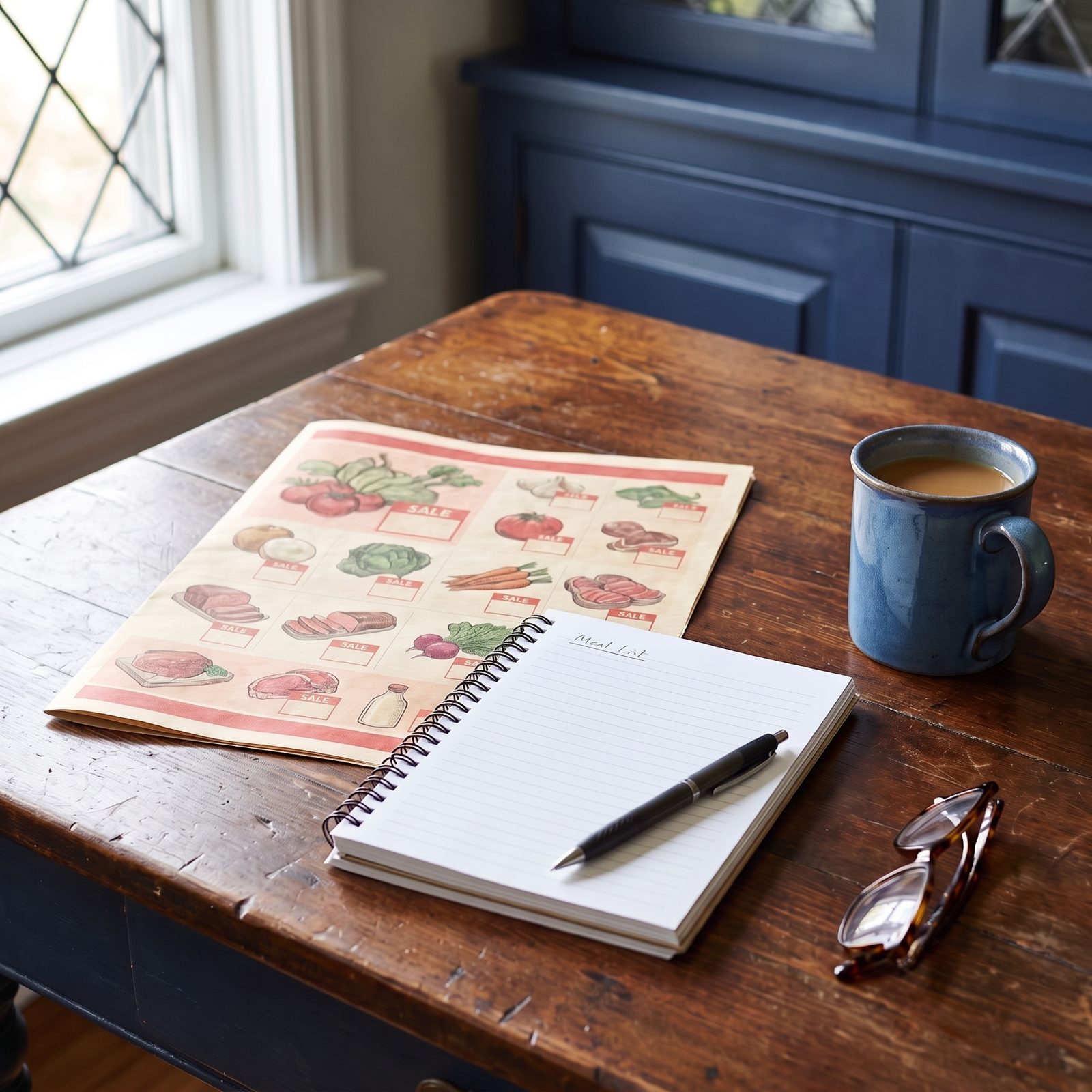
Shopping first and cooking second is how you end up with four bell peppers and no plan. The old way runs the other direction. Find out what’s cheap this week, then decide what to eat.
Chicken thighs on sale? Chicken week. Squash practically free? Soup and roasted sides for days. It feels backwards until the first time you cut your bill by a third without eating anything worse. Letting the sale dictate the menu isn’t being cheap — it’s making someone else’s loss-leader do your meal planning for you.
13. Rotating Older Cans to the Front
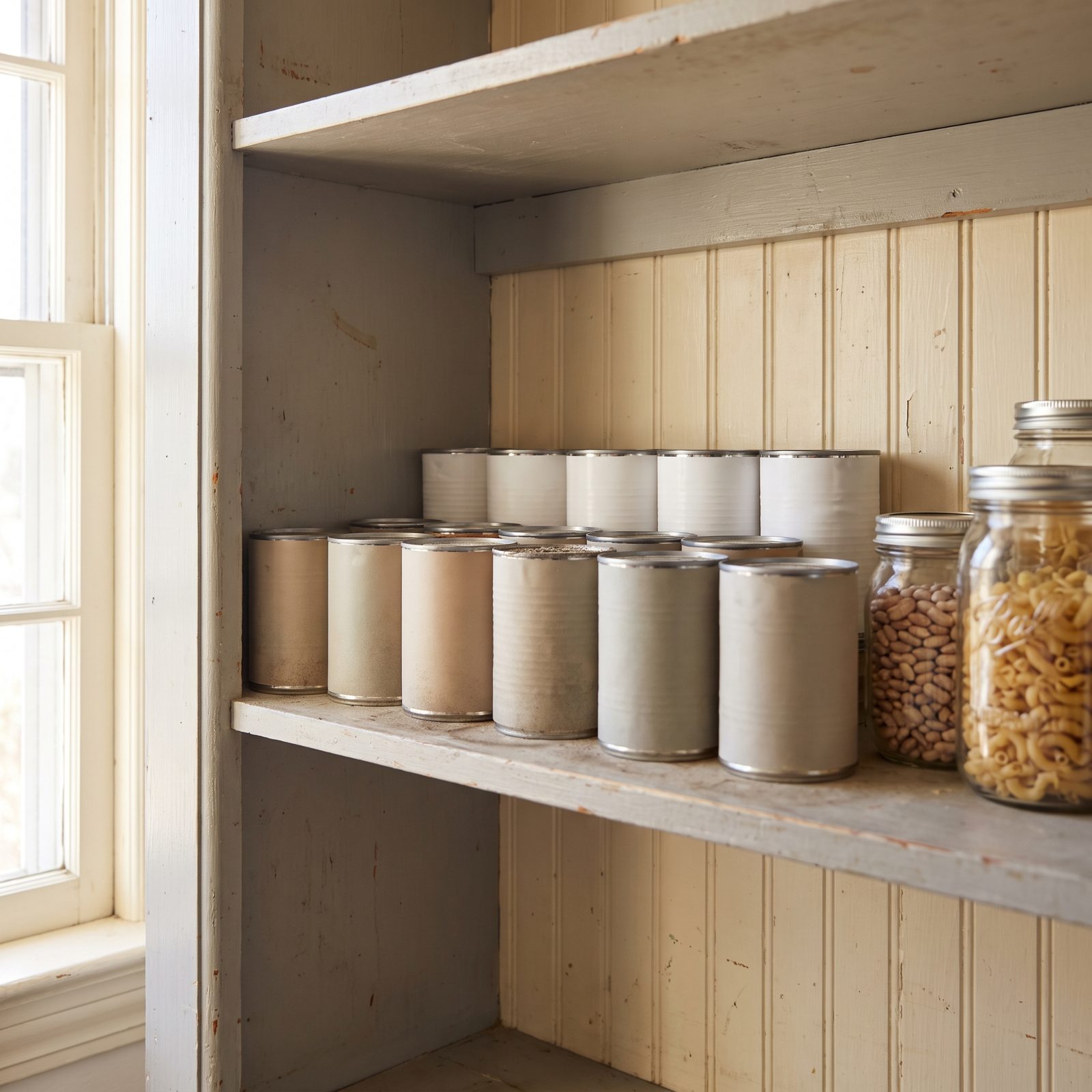
First in, first out. Grocery stores live by it, because food that expires on the shelf is money set on fire. Your pantry works the same way — it just happens quietly in the dark where you never see it.
New cans to the back, older ones slide forward. Thirty seconds while you unload the bags. And the payoff? Never again finding a dented can of chickpeas two years past its date hiding behind the newer stuff, never again standing there wondering whether it’s still fine.
12. Dating Every Freezer Package
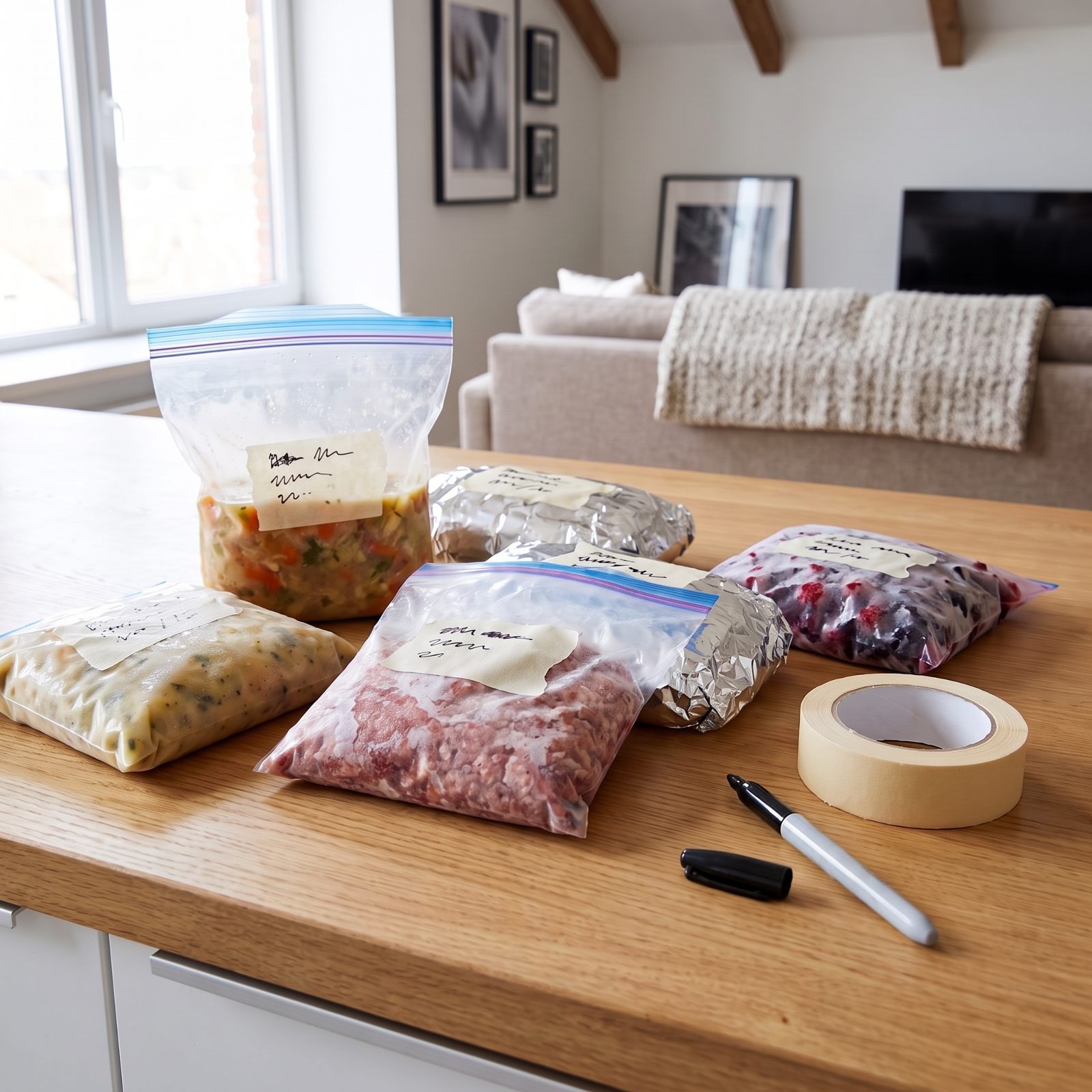
Frozen mystery meat is a lie your past self told your future self. Was that ground beef from March or last October? Chili, or bolognese? You can’t tell, so you leave it, and it slowly becomes freezer-burned archaeology.
A strip of masking tape and a marker end the guessing. Even a quick scrawl on the tape beats a blank bag, as long as future you can still read the contents and date: ten seconds, done. A freezer isn’t a pause button. It’s a slow clock, and labels are how you stay ahead of it.
11. Keeping an Inventory on the Chest Freezer Lid
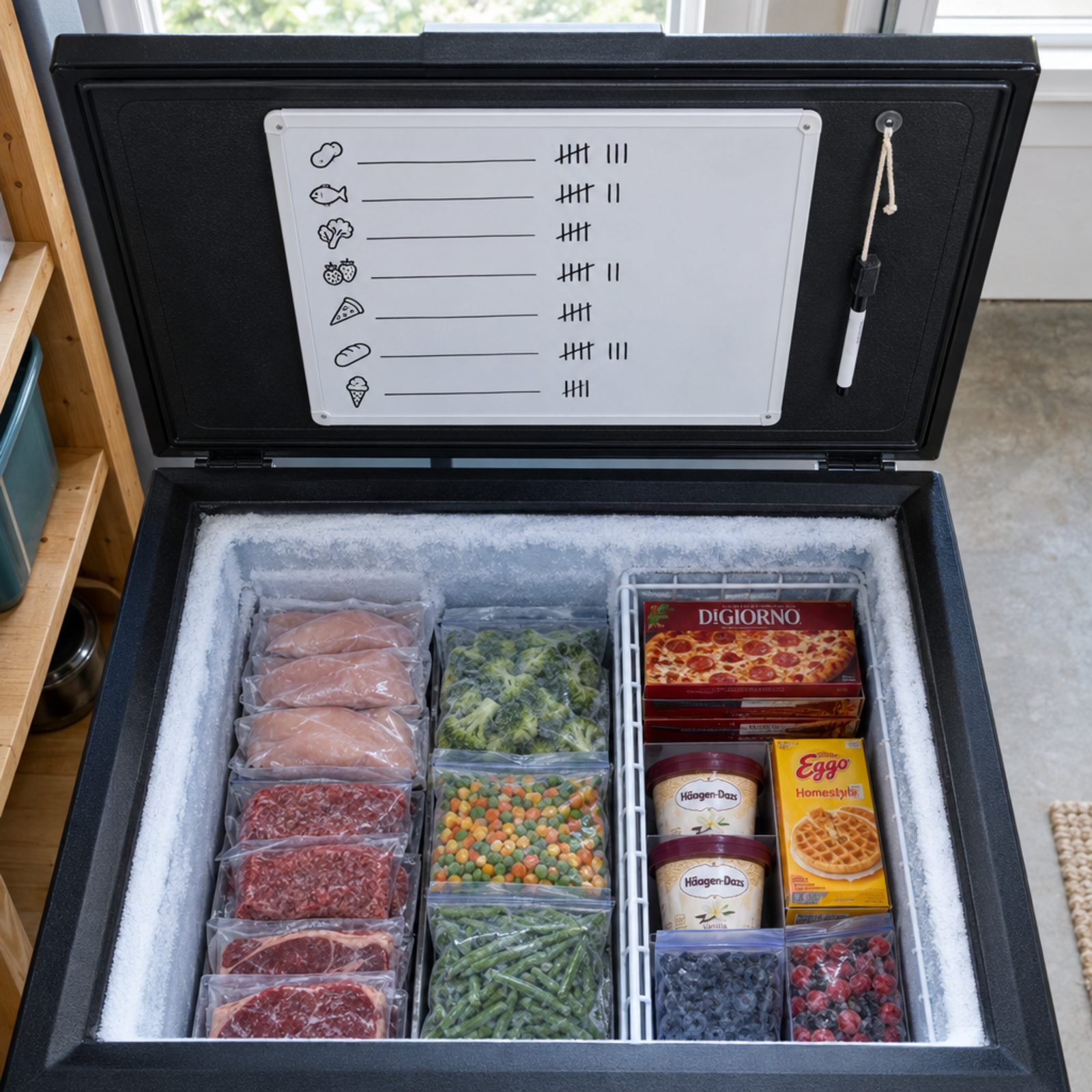
A chest freezer is a black hole with a lid. Things go in. They do not come out, because you forgot they were there, and now there’s a casserole at the bottom that predates the pandemic.
A running list taped or mounted to the lid solves the whole thing — you add when you freeze, cross off when you use. Suddenly it’s a place you shop from instead of a place food goes to be forgotten. Freezing only pays off if you eat the stuff later, and later only works if you remember what’s down there.
10. Keeping a Small Scrap Bowl Beside the Cutting Board
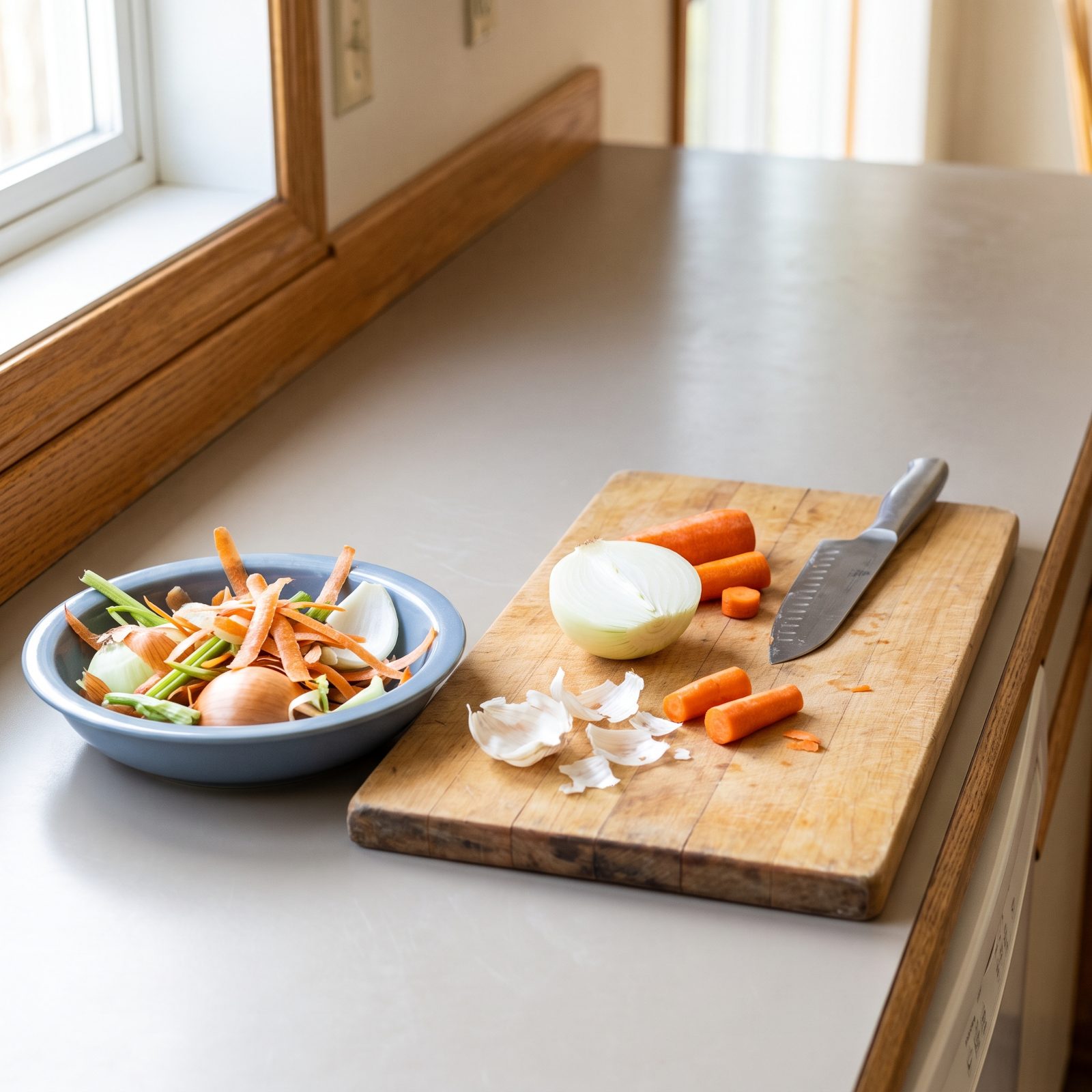
Watch anyone who cooks a lot and you’ll notice the bowl. One small vessel parked next to the board, catching peels and ends and stems as they go — no trips to the trash can mid-chop, no scraps migrating across the counter, no crumbs underfoot.
It keeps the work surface clean enough to actually use, and when you’re done the whole mess leaves in one trip. Onion skins and carrot tops and celery ends can go straight into that freezer soup container too. Smallest habit on this list. Quietly one of the best.
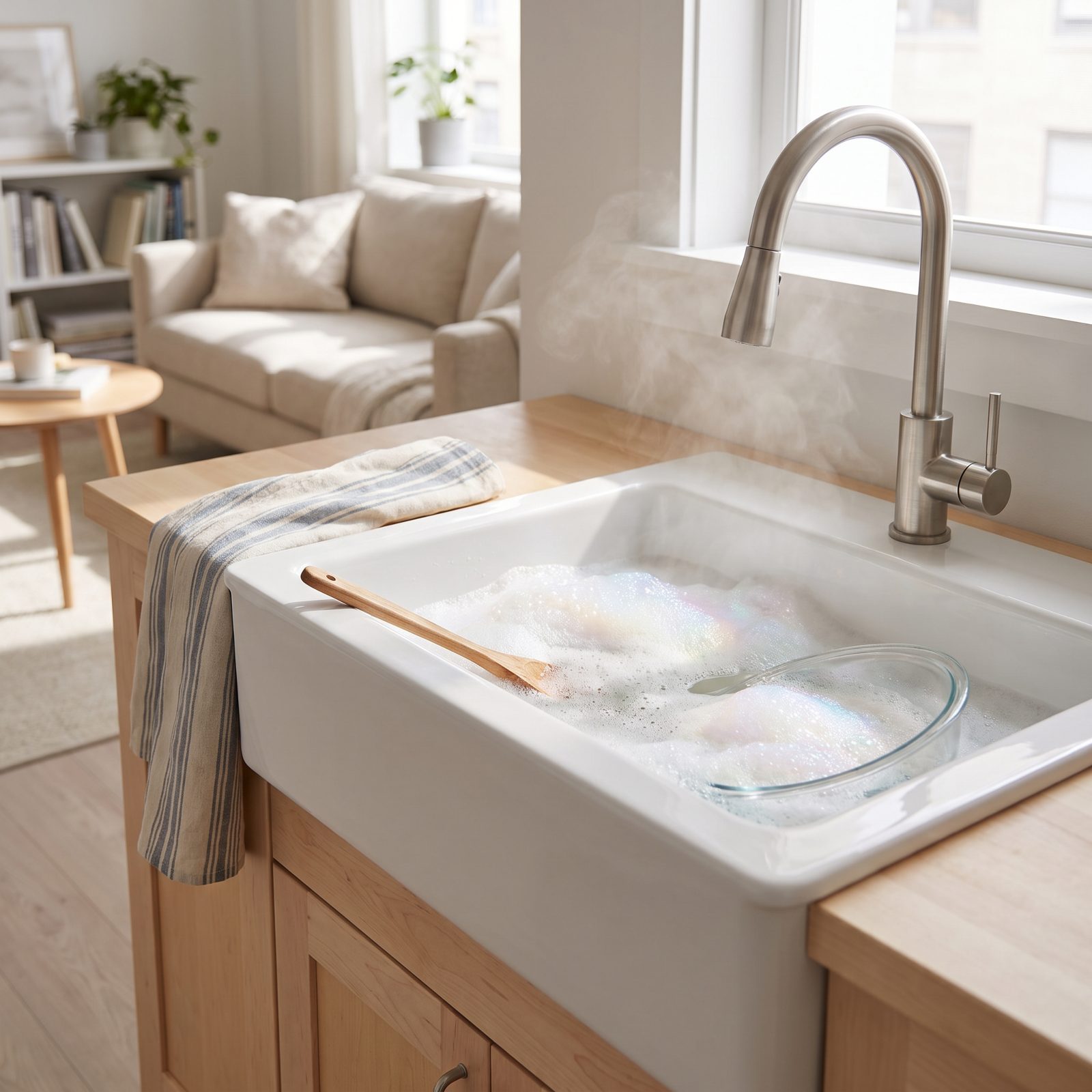
9. Filling the Sink with Hot Soapy Water Before Starting
Would you like to save this?
Clean as you go starts before you cook a single thing. A sink of hot soapy water waiting means every bowl and spoon gets a quick dunk the second you’re done with it, instead of piling into the mountain you’ll resent later.
Dried-on batter is a scrubbing project. Batter that’s been soaking since the moment you set the bowl down wipes clean with a thumb. By the time dinner’s on the table, most of the dishes are already handled, and the kitchen doesn’t feel like a second job waiting to ambush you.
8. Air-Drying Dish Towels in Direct Sunlight
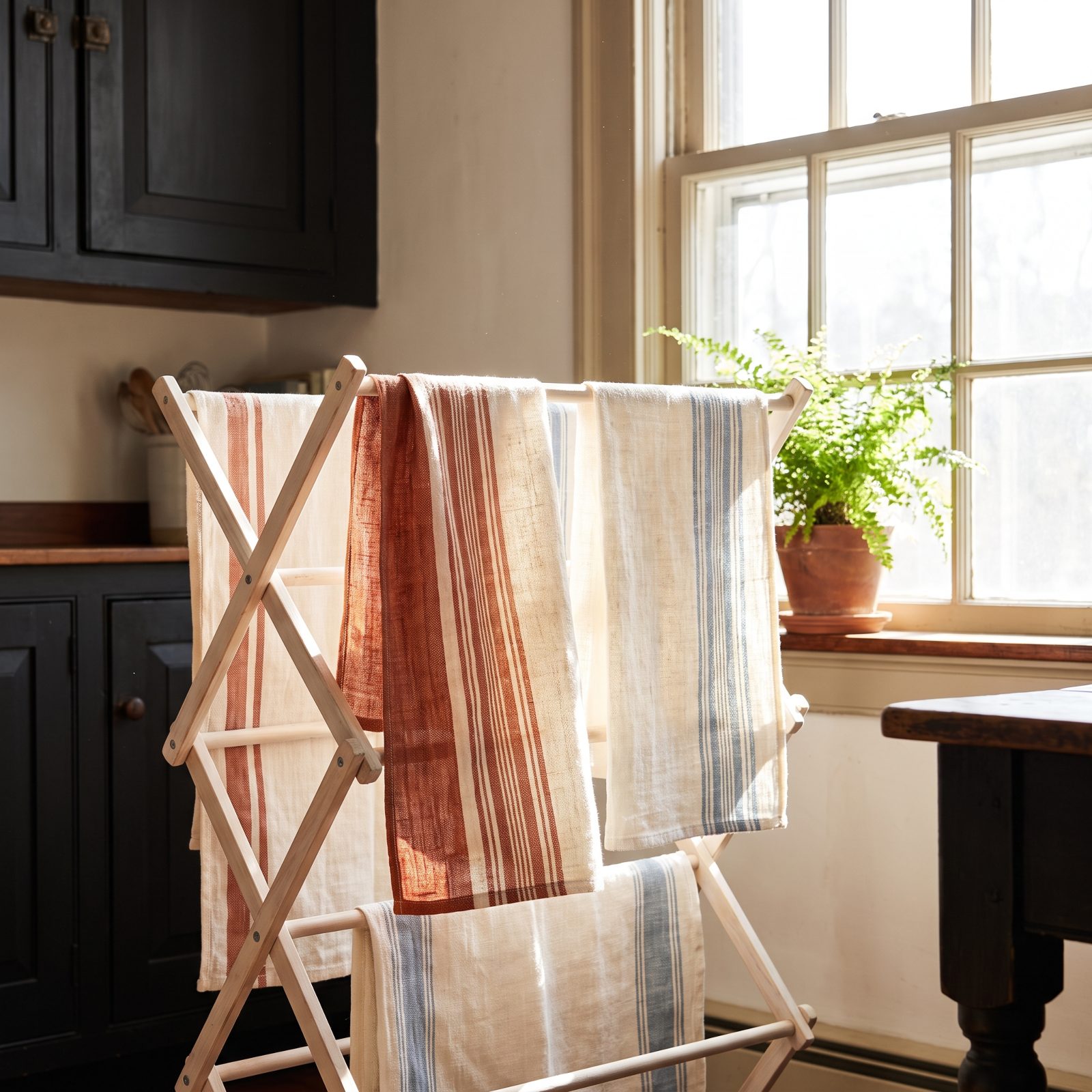
A damp towel wadded up on the counter is how a kitchen starts to smell faintly of mildew. You notice it, you can’t place it — it’s the towel.
Sunlight is the fix nobody charges you for. Hung flat in direct light, towels dry fast and the sun knocks out the bacteria behind that sour smell, no bleach required. They come in stiff and smelling like a clean breeze, which no fabric softener has ever actually managed to fake. We’ll die on this hill: a sun-dried kitchen towel is a small daily pleasure, and a dryer-fluffed one is just warm.
7. Warming the Serving Bowls Before Dinner Hits the Table
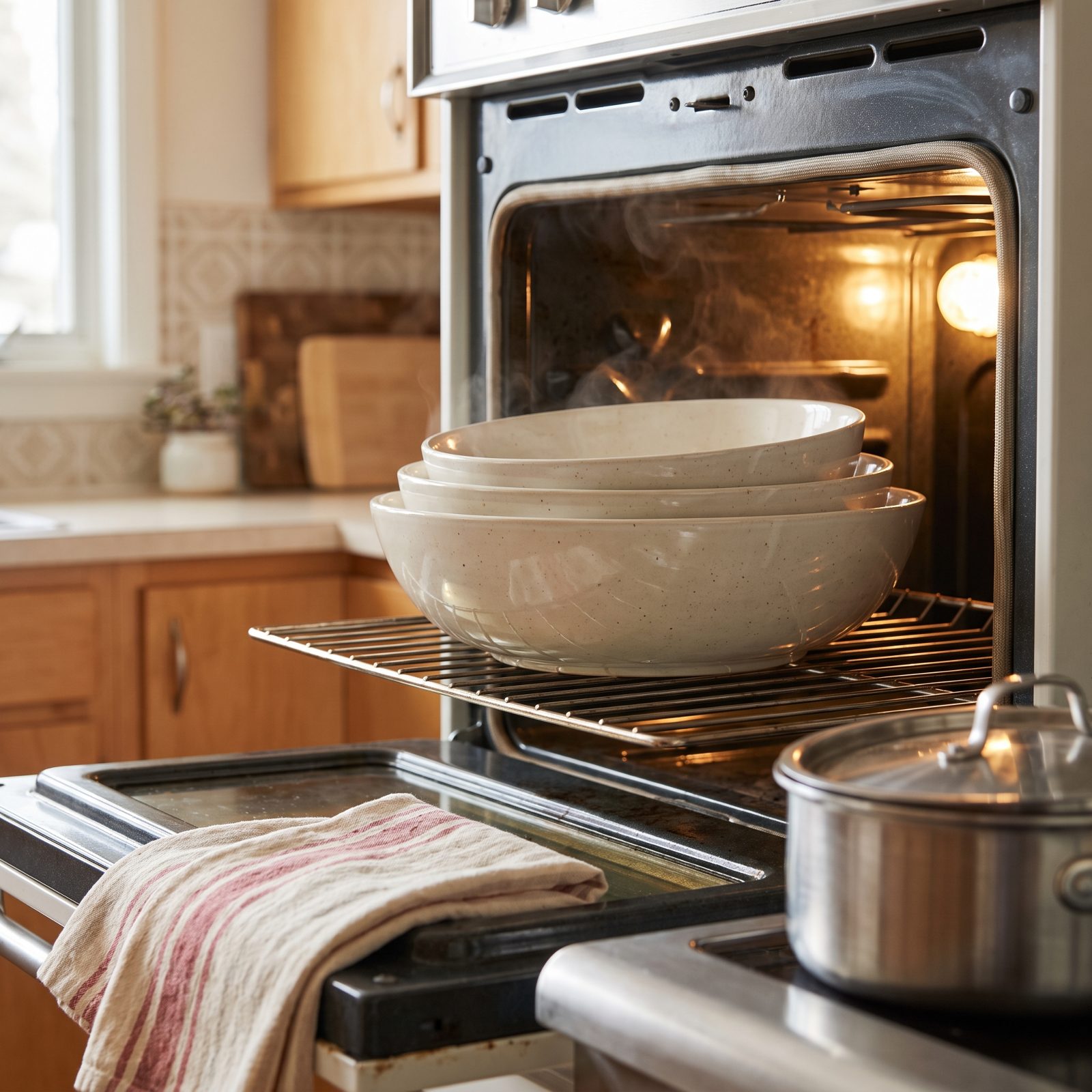
Cold ceramic steals heat the second food lands on it. Spoon mashed potatoes onto a bowl straight from the cupboard and the bottom layer goes lukewarm before the serving spoon makes its second round. A warmed bowl buys you ten extra minutes of hot food — matters a lot when dinner runs late and somebody’s still washing their hands.
Costs nothing to do. A low oven, a sink of hot water, or a few minutes under the running tap and a dry-off. We blamed our oven for cooling food too fast for years. The oven was fine. The bowls were the problem.
6. Rolling Dough on a Pastry Cloth Instead of Bare Counter
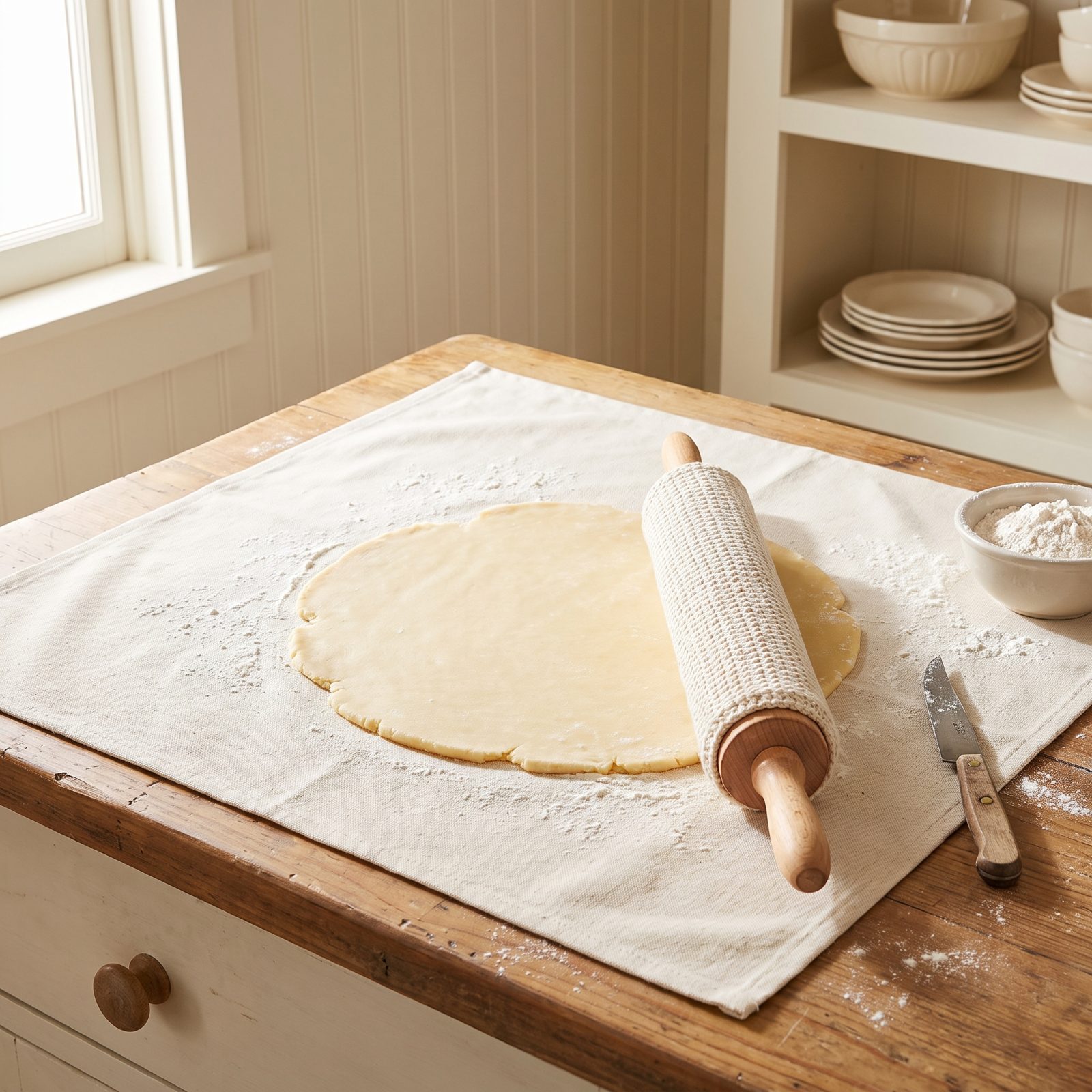
A floured pastry cloth is the difference between dough that lifts clean and dough that tears into your hands. The canvas holds just enough flour in its weave to stop sticking, so you’re not dumping cup after cup onto the counter — which is exactly what toughens a crust.
It rolls up, shakes out, lives in a drawer. No scrubbing dough cement off granite. Everyone who switched to silicone mats and bare stone gave up something that worked better and cost about four bucks.
5. Covering Rising Dough With a Damp Tea Towel
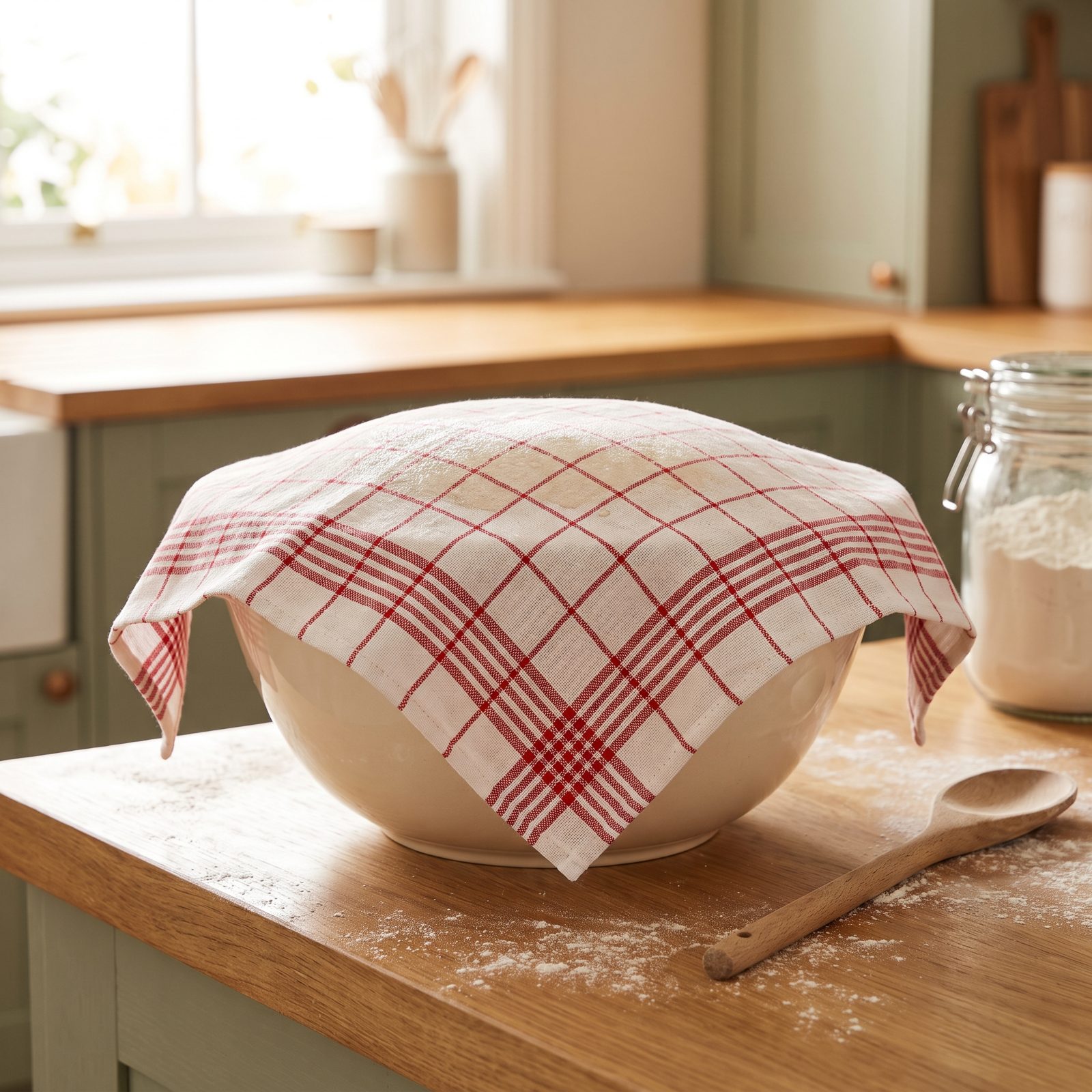
Dough needs humidity while it rises. Leave it uncovered and the top dries into a leathery skin that never fully bakes out, leaving a tough streak right under the crust. A damp towel traps moisture against the surface and keeps the whole thing supple.
Plastic wrap does the job too, and then it’s in the bin. The towel gets rinsed and used again tomorrow. Over a year of baking, that’s a lot of plastic you never had to buy.
A wrung-out towel is the cheapest proofing box you’ll ever own.
One warning. Wring it out properly. A soaking towel sticks to the dough and pulls the top clean off when you lift it — learned that one with a ruined batch of rolls.
4. Testing Frying Oil With a Cube of Day-Old Bread
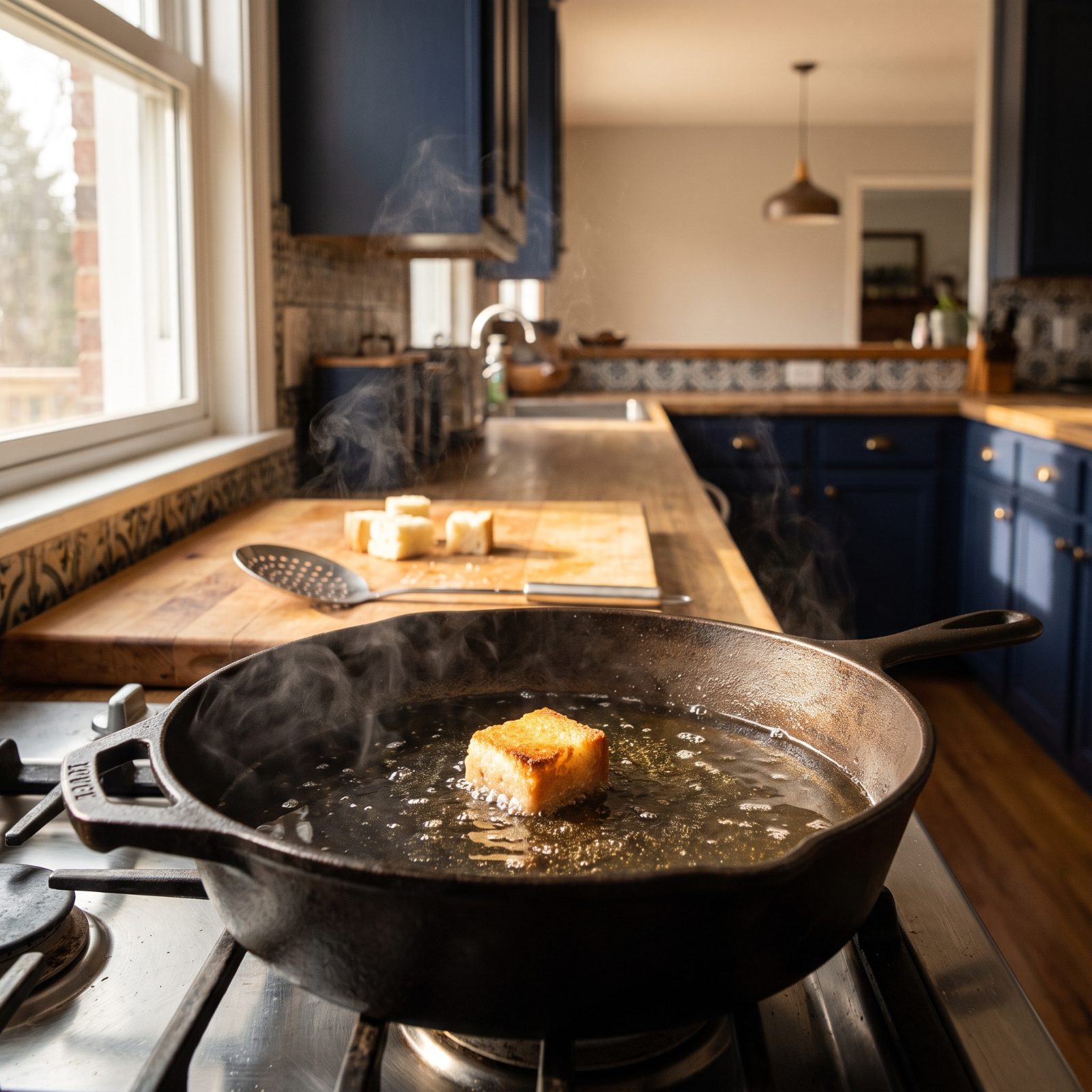
No thermometer? Drop in a cube of bread. Browns in about a minute and your oil is sitting around the right range for most frying. Too fast means too hot. Nothing happens, you wait.
We won’t pretend it’s precise. A thermometer gives you the actual number, but the bread cube works when you can’t find the thermometer — which in our kitchen is most nights. And it answers the one question that counts: is this oil ready or not?
3. Keeping a Handwritten Substitution Chart on the Cabinet Door
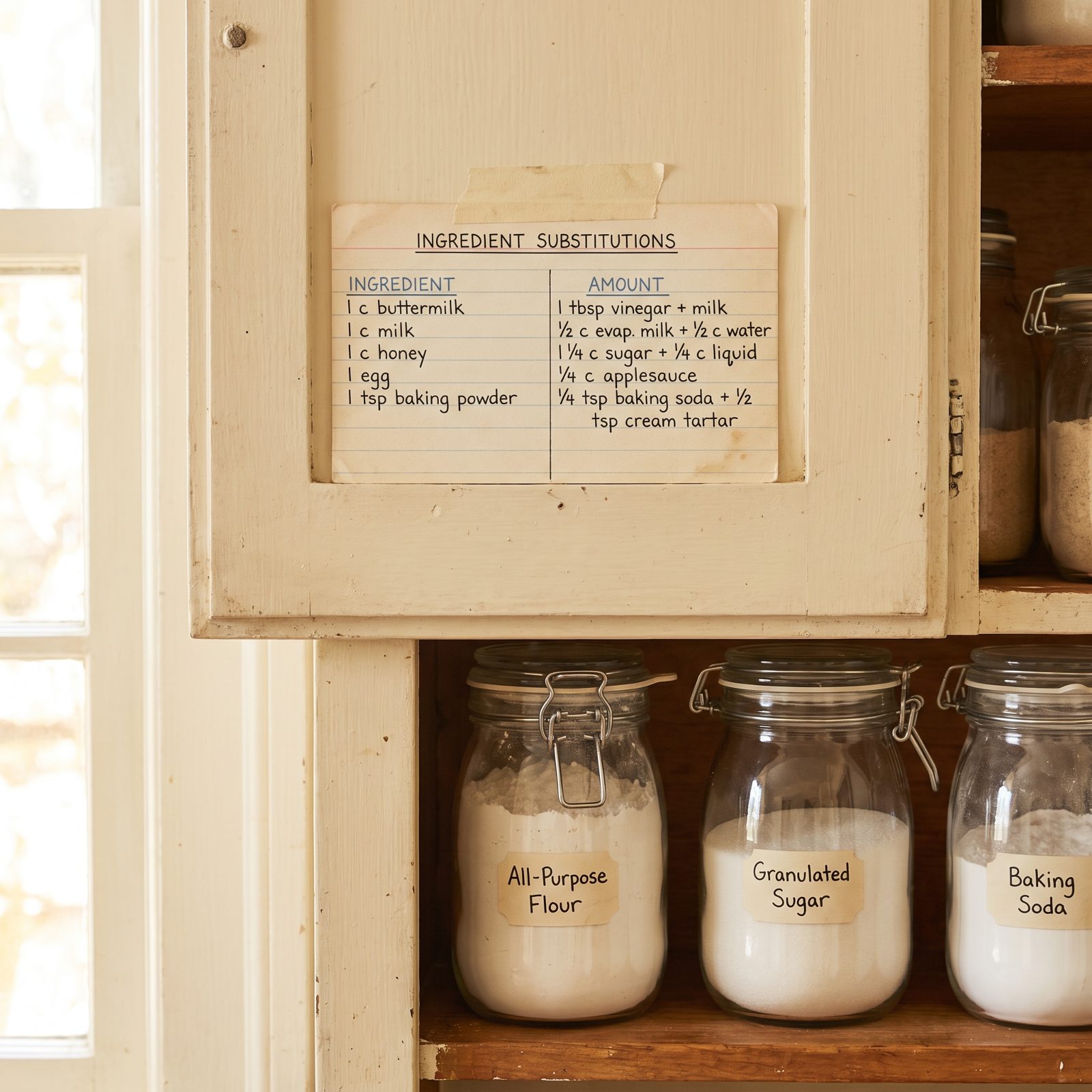
You’re mid-recipe and out of baking powder. The old cooks never reached for a phone, because they already knew baking soda plus cream of tartar steps right in. A card taped to the front of the cabinet door puts every common swap where your hands already are, flour and all, no screen to unlock.
Baking powder. A missing egg. Shortening when you’ve run out of butter. Write down the ones you actually hit, and you save both the trip to the store and the half-finished batter left sitting while you dither.
2. Setting the Breakfast Table the Night Before
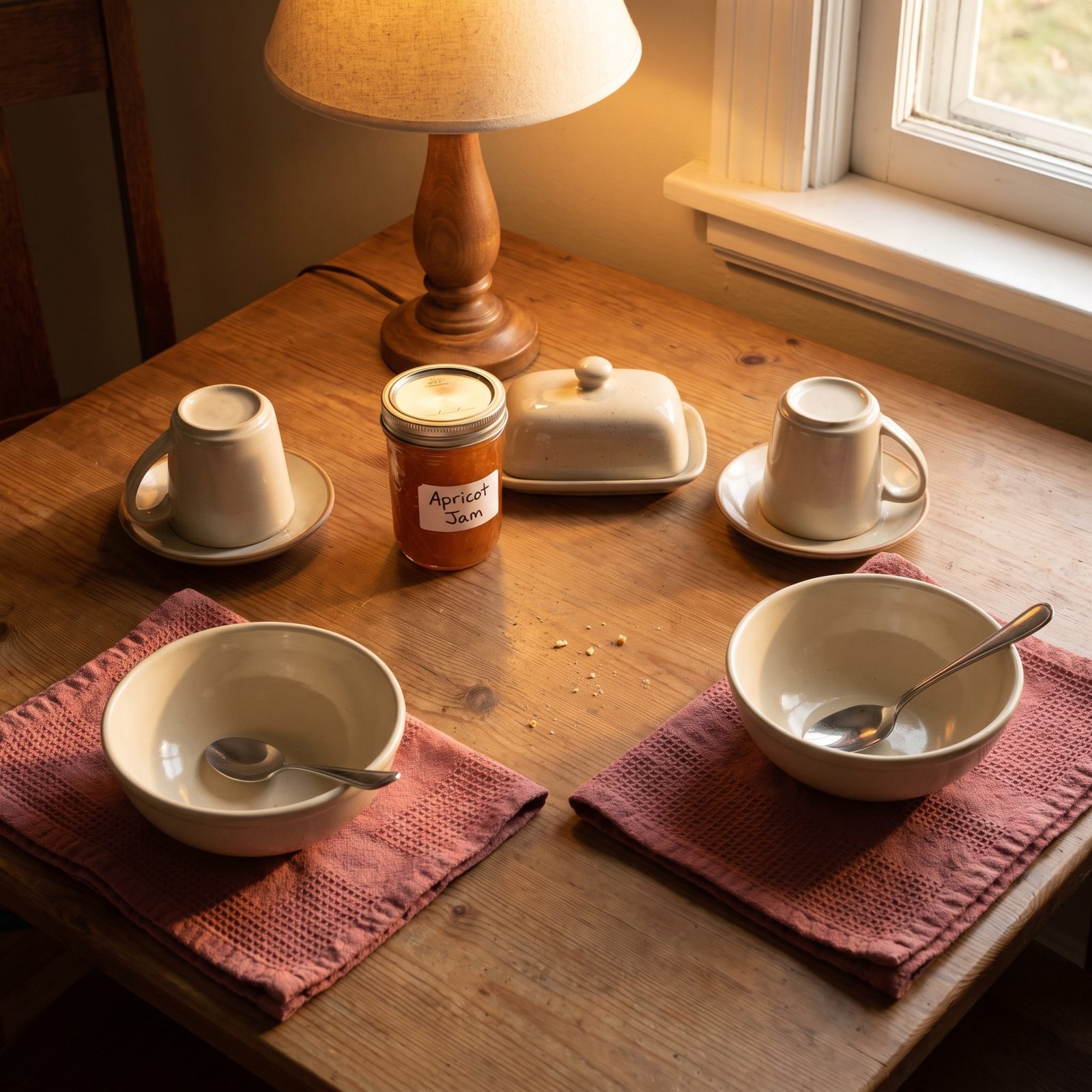
Looks fussy. Feels like something out of a 1950s homemaking pamphlet. But the morning you stumble into a kitchen where the bowls are already out and the mugs are turned down on their saucers is the morning nobody skips breakfast for a gas-station pastry.
There’s the money angle, right there. A set table at seven a.m. means you eat what’s already in the house. All the fuss really does is shove ten minutes of decision-making from your groggiest hour into your most capable one.
1. Measuring Shortening by Water Displacement
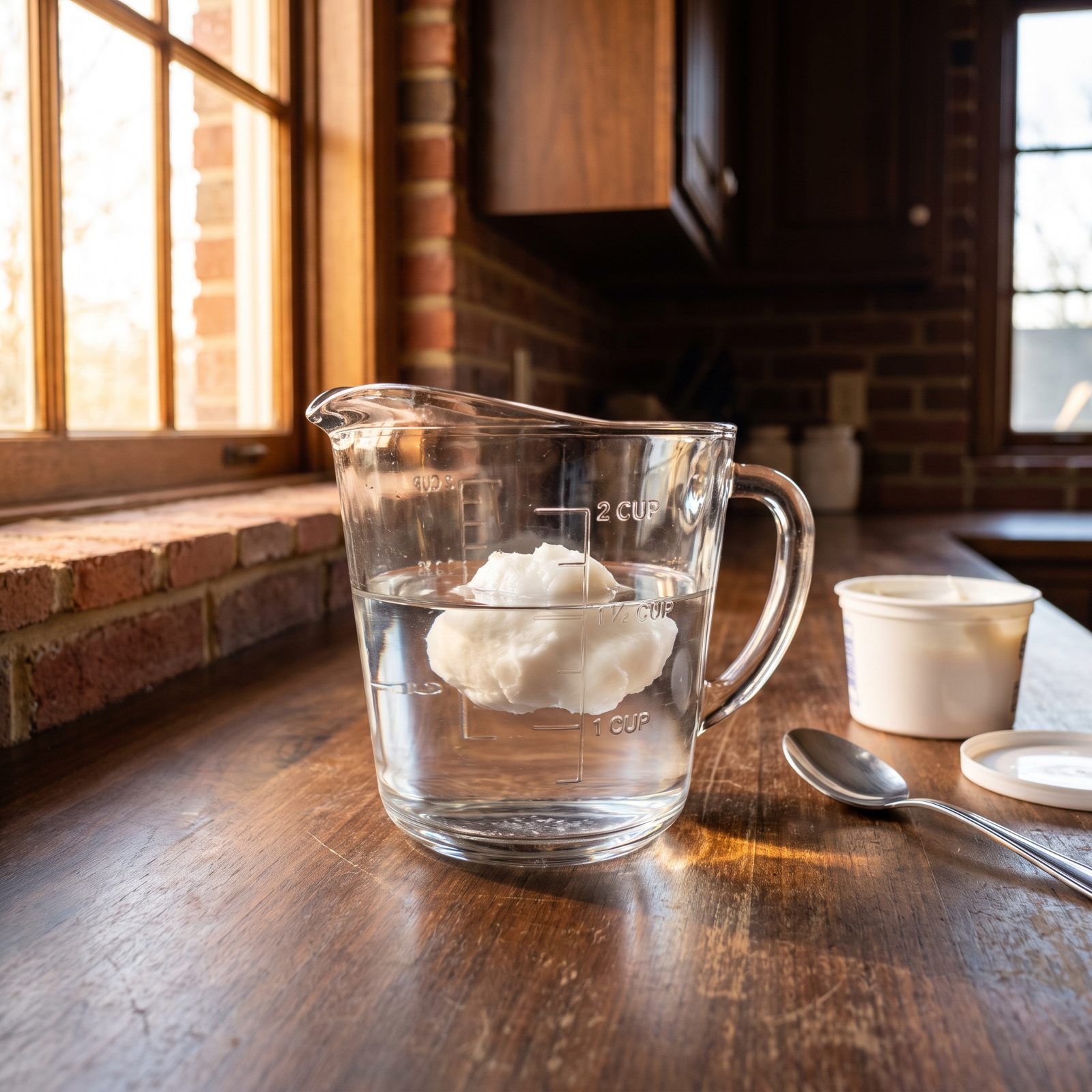
This one’s clever. Packing solid shortening into a measuring cup is messy guesswork, and scraping it back out wastes a good spoonful stuck to the sides. So instead you fill a jug to a set line with water, then drop shortening in until the water rises by the amount you need. Pour off the water and the exact measure is sitting there, clean, ready to lift out.
Say the recipe wants half a cup. Fill to one cup, add shortening until the water hits one and a half. Half a cup, measured, with nothing clinging to the cup and nothing wasted.