
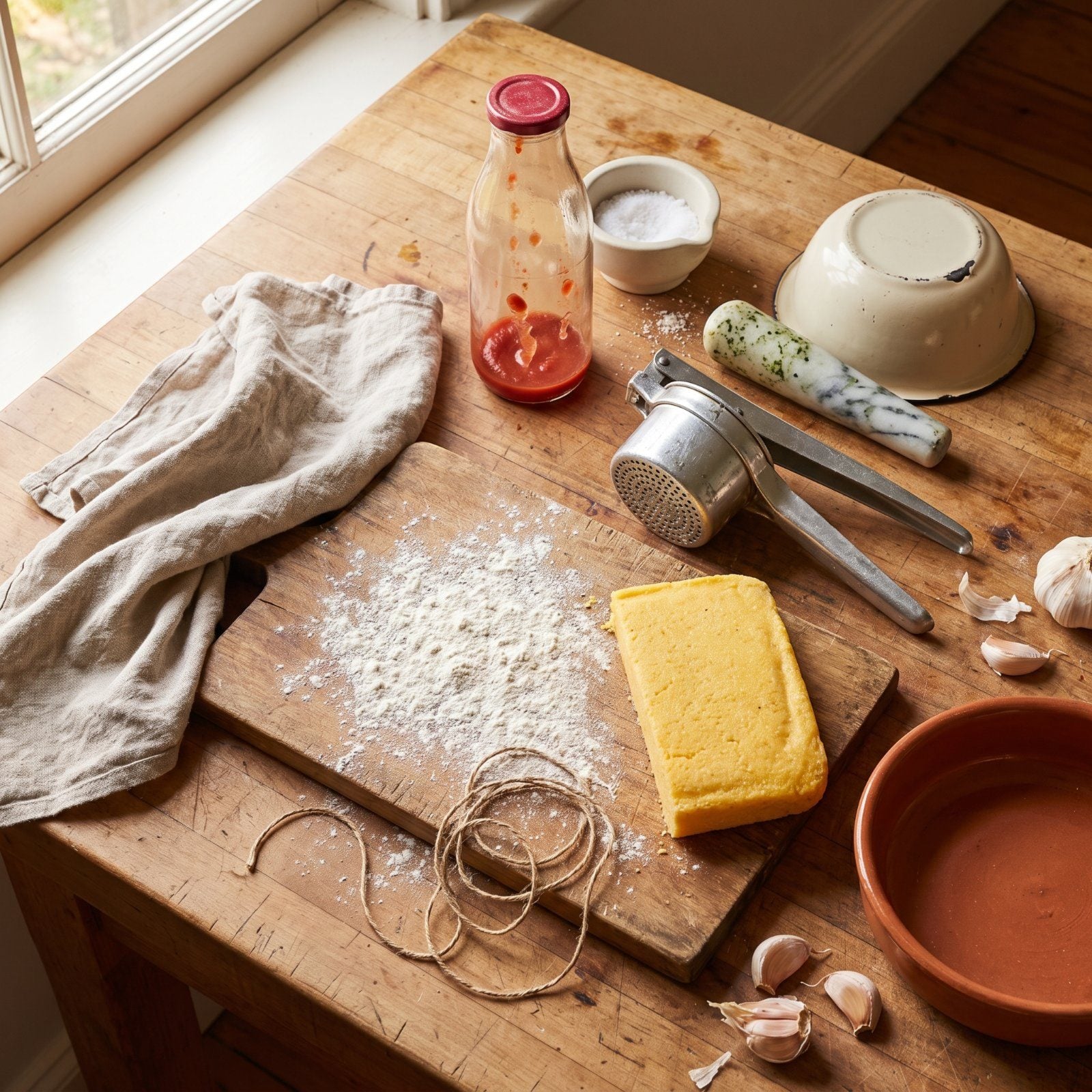
No recipe card ever said “cut the polenta with a string.” It didn’t need to. You stood at the counter, you watched, you got shooed away, and you watched again. The best Italian and Italian-American kitchen moves lived in the hands of whoever was cooking, passed over a hot stove with a grunt and a correction. They vanished the moment the person who knew them stopped showing up at the stove. Here are the ones worth catching before they go.
Please note that some of the images in this article were created with the assistance of AI.
26. Cut Firm Polenta With Thread Instead of a Knife
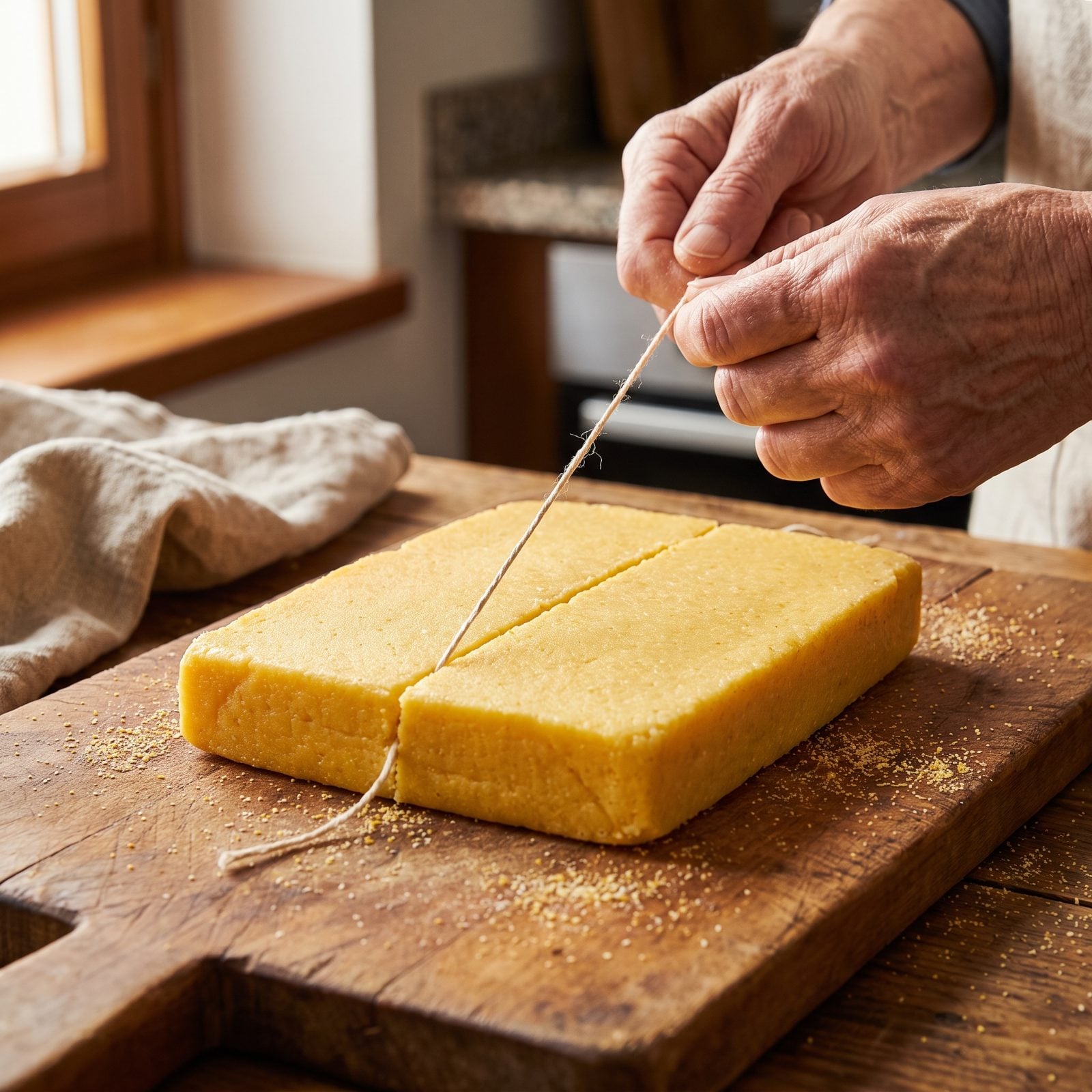
A knife drags firm polenta. The blade compresses the edge, the slab tears, and you end up with a smear instead of a clean slice. Thread doesn’t push. It passes. You hold a length of twine taut, press it down through the slab, and draw it through, and the polenta parts without being bruised.
Old cooks grabbed whatever string was handy, often the same twine that had trussed the Sunday roast. Each piece comes away with a face smooth enough to fry or grill without catching.
25. Check Rolled Pasta by Looking for a Hand’s Shadow Through It
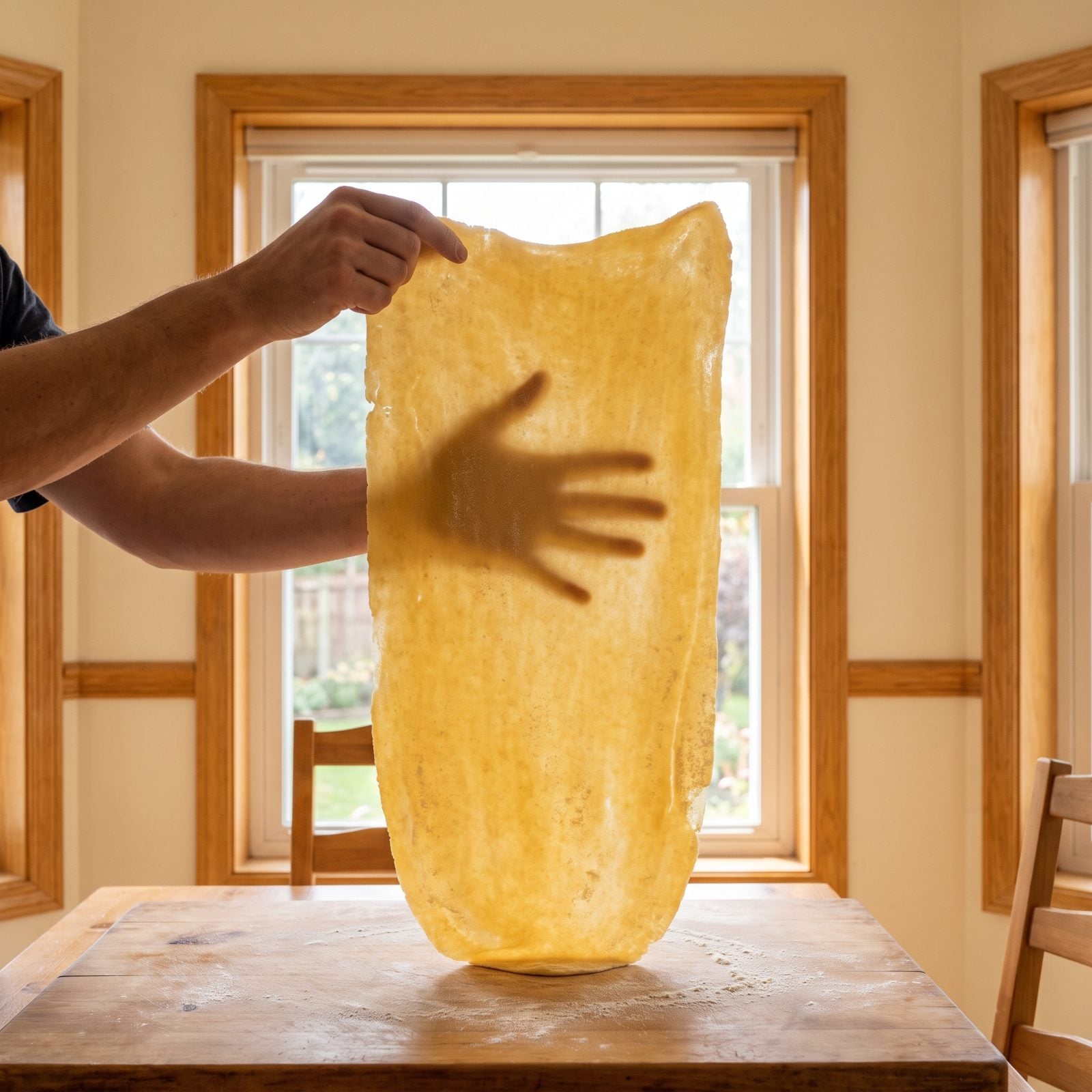
Nobody had a millimeter gauge in the drawer. The test was simpler and a little strange: hold the rolled sheet up to the window and look for your own hand through it. See your fingers moving behind the dough? Done. Still a solid wall? Keep rolling.
Thickness is the whole argument with fresh pasta. Too thick and it turns gummy, too thin and it dissolves in the water. The shadow test skips the ruler and reads the dough directly, which is how most of these things worked.
24. Rice Hot Potatoes Onto a Cloth So Excess Steam Can Escape
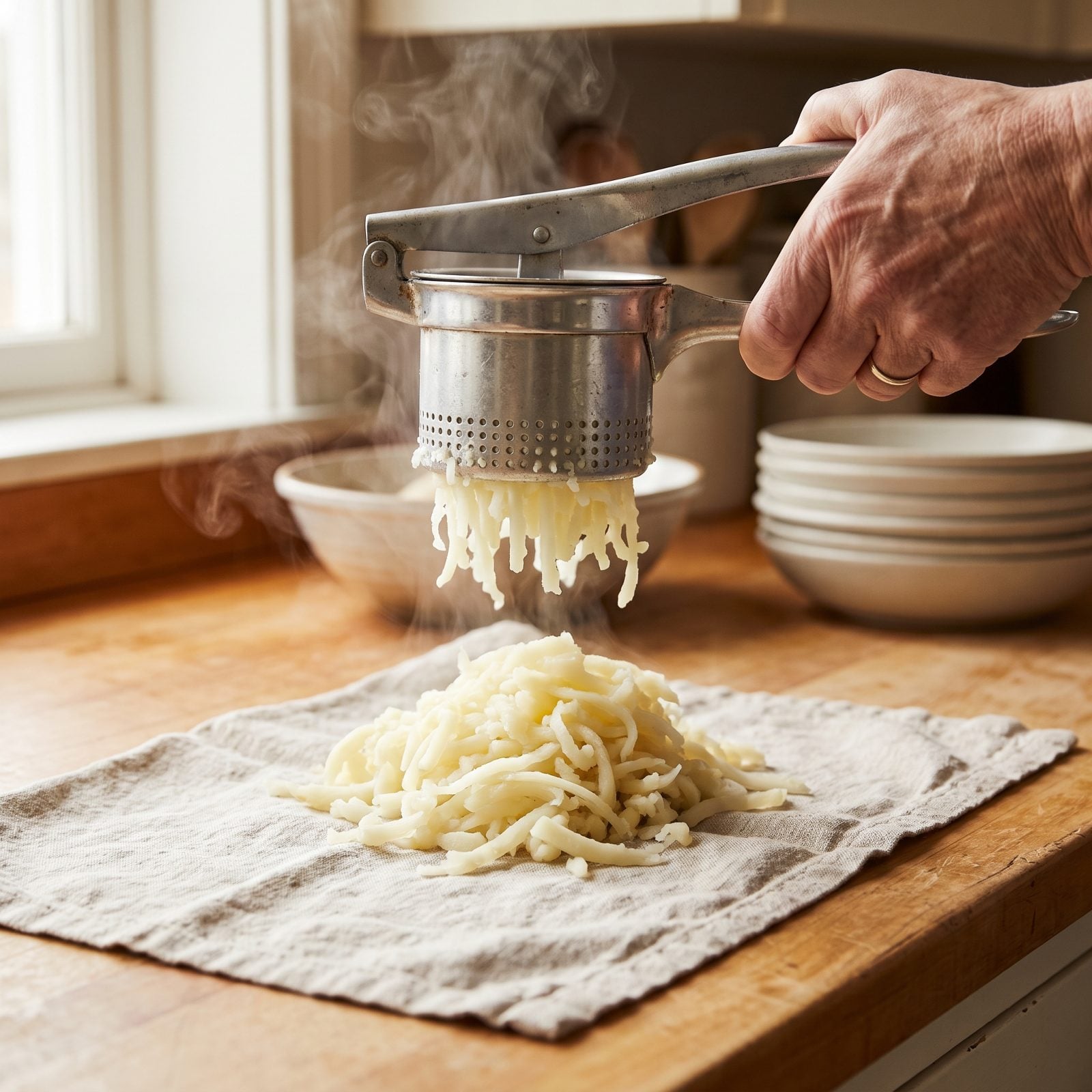
Gnocchi fails for one reason more than any other. Wet potato. Mash a hot boiled potato in a bowl and you trap the steam inside the mash, which is just water you’ll have to cancel out with extra flour, and extra flour means dense, chewy gnocchi that sink like dumplings.
Rice the potato while it’s hot, straight onto a spread cloth, and the steam leaves as it goes. The ribbons cool loose and dry. Then you add flour.
23. Turn Stuffed Pasta While It Dries So the Bottom Does Not Become Damp
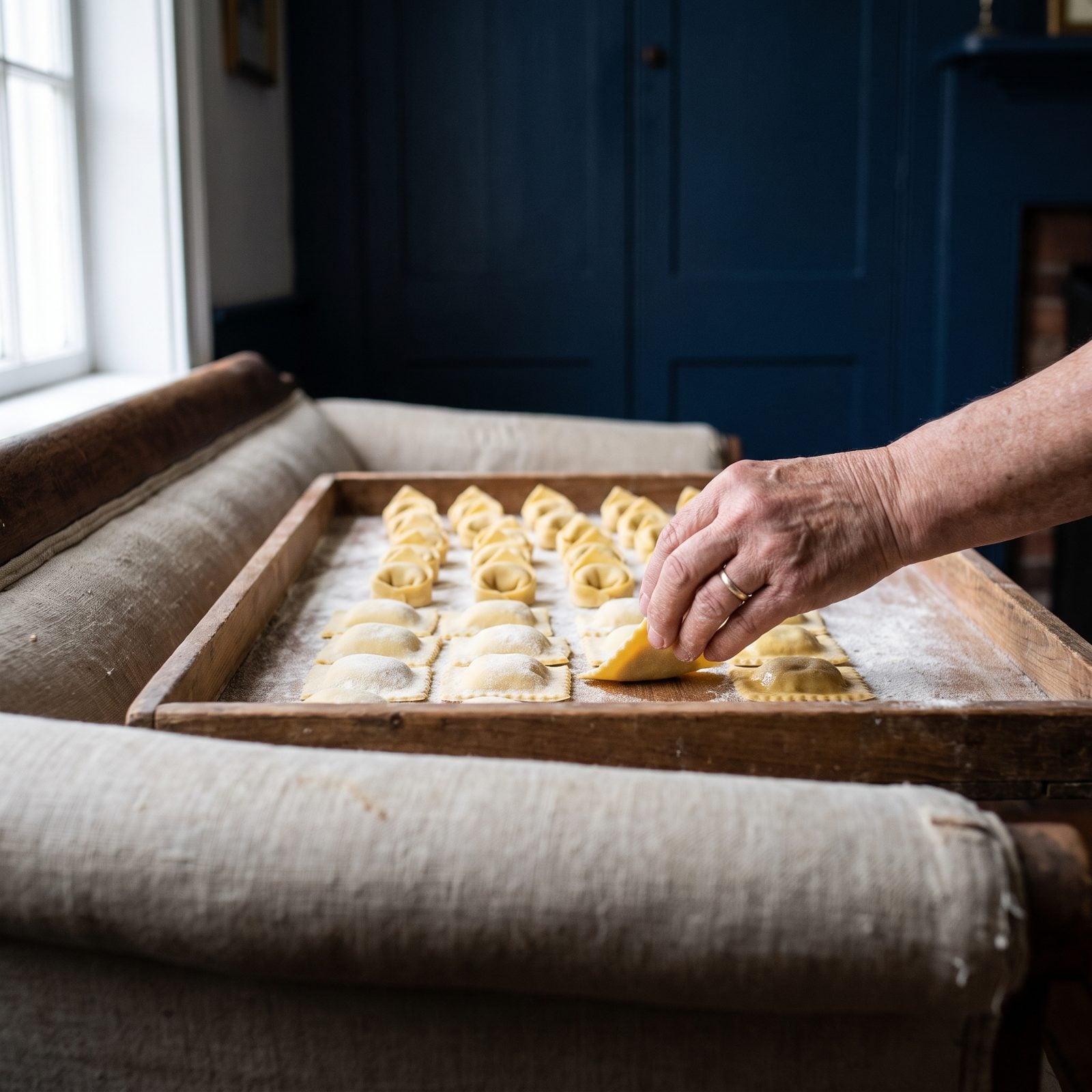
Leave filled pasta sitting still on a board and the bottoms sweat. Moisture from the filling seeps down, pools against the wood, and glues the pieces flat. By the time you go to cook them, the undersides have gone soft and some have split clean open.
The fix is boring and it works. Every so often, as they dry, flip them. A cook passing through would turn a few on the way to the sink without a second thought. Nobody announced it. You just noticed, eventually, that the pieces left face-down were the ones that stuck.
22. Cover Resting Pasta Dough With an Inverted Bowl
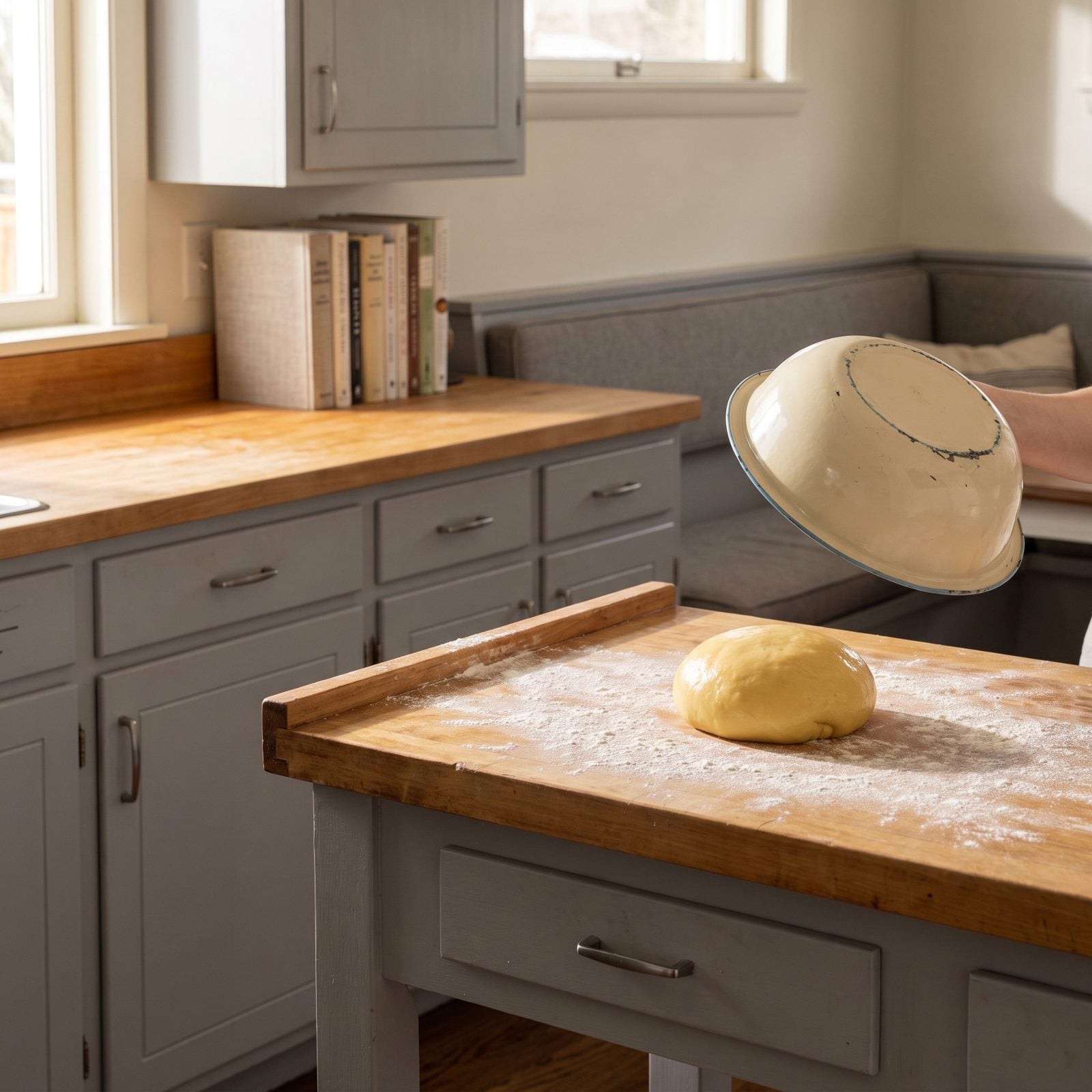
Plastic wrap is a recent arrival. For generations the move was an overturned bowl, and honestly it’s still the better one. It traps just enough of the dough’s own humidity to keep the surface from drying into a crust, without sealing it airtight the way plastic does.
And a crusted surface is a genuine headache. Those dry patches never fully relax back in, so they turn up later as tough streaks when you roll. The bowl keeps the dough breathing while it rests. Lift it after half an hour and you’ve got dough that’s supple, even, ready to work.
What Our Readers Say
- When Piaci Pizza readers loved a food photo and tapped a reason, “nostalgic” and “comfort” tied for the top spot at 22% each, ahead of simply “looks good.”
From Piaci Pizza reader polls and votes.
21. Rub a Cut Garlic Clove Around the Serving Bowl
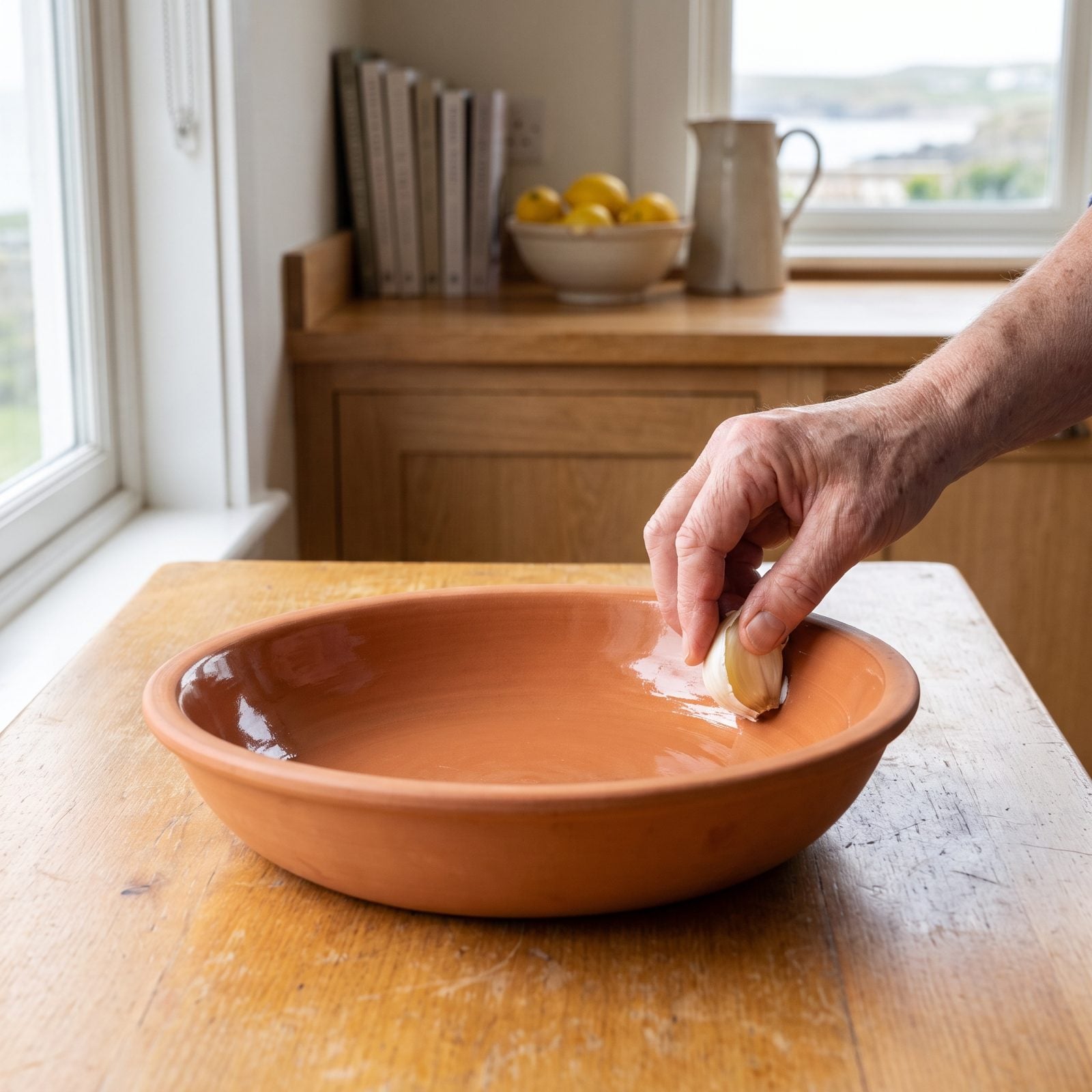
This one looks like nothing and pulls a lot of weight. Before the pasta or salad goes in, take a cut clove and swipe it around the inside of the empty bowl. Whatever lands there picks up the faintest whisper of garlic, present but never sharp.
It’s the difference between garlic as a flavor and garlic as a ghost. You can’t point to it, but the dish tastes more finished.
20. Rinse the Passata Bottle With Water and Add Every Last Drop
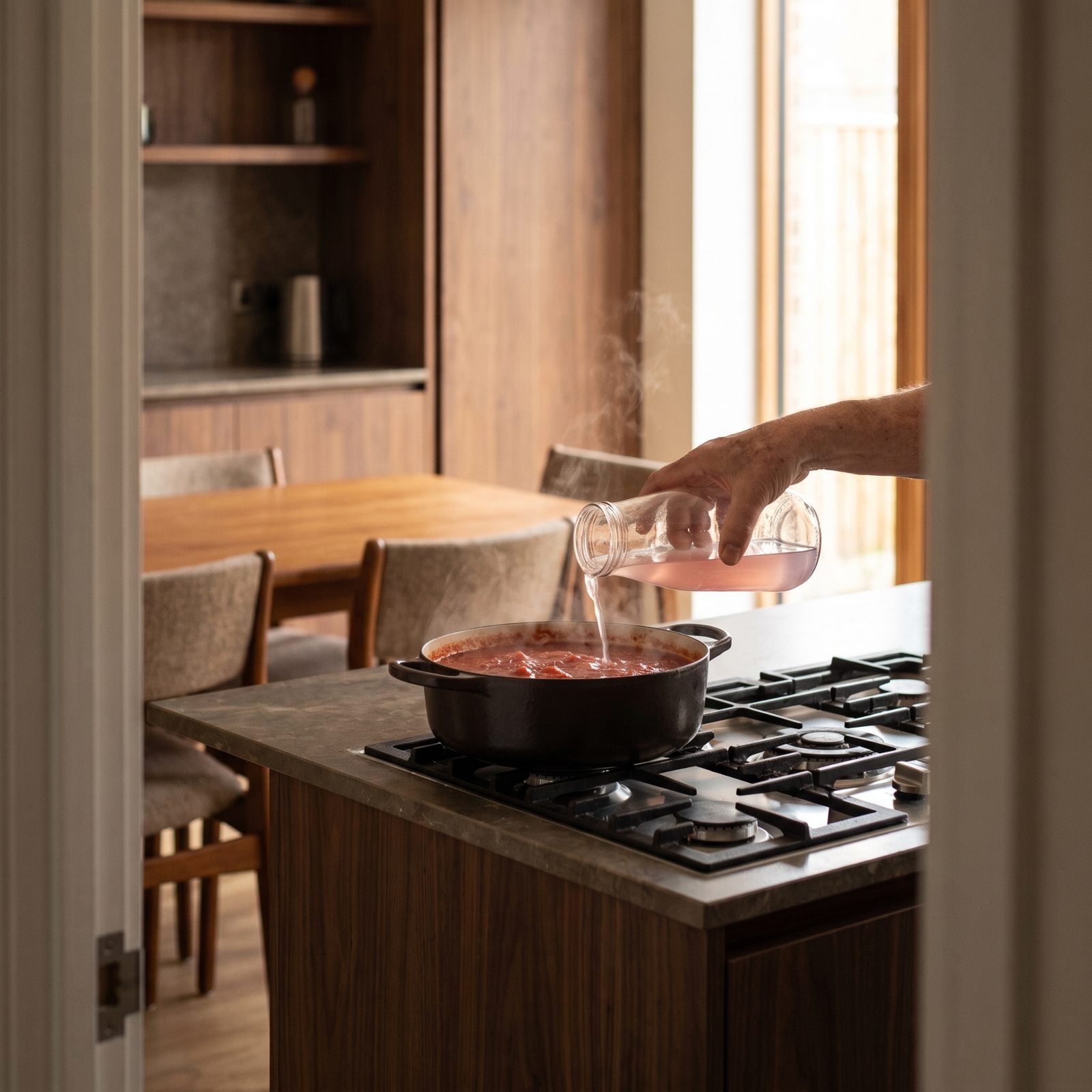
Watch an old cook finish a bottle of passata and they never just toss it. A splash of water goes in, the cap goes back on, two hard shakes, and the pinkish rinse gets poured into the pot. The tomato clinging to the glass goes right along with it.
Part of it is thrift, the real kind, learned by people who counted every jar. But the water earns its keep too. A sauce that cooks long wants a little liquid so it simmers without scorching, and this is liquid that already tastes of tomato instead of watering things down.
19. Hold Back Some Flour Until the Dough Reveals What It Needs
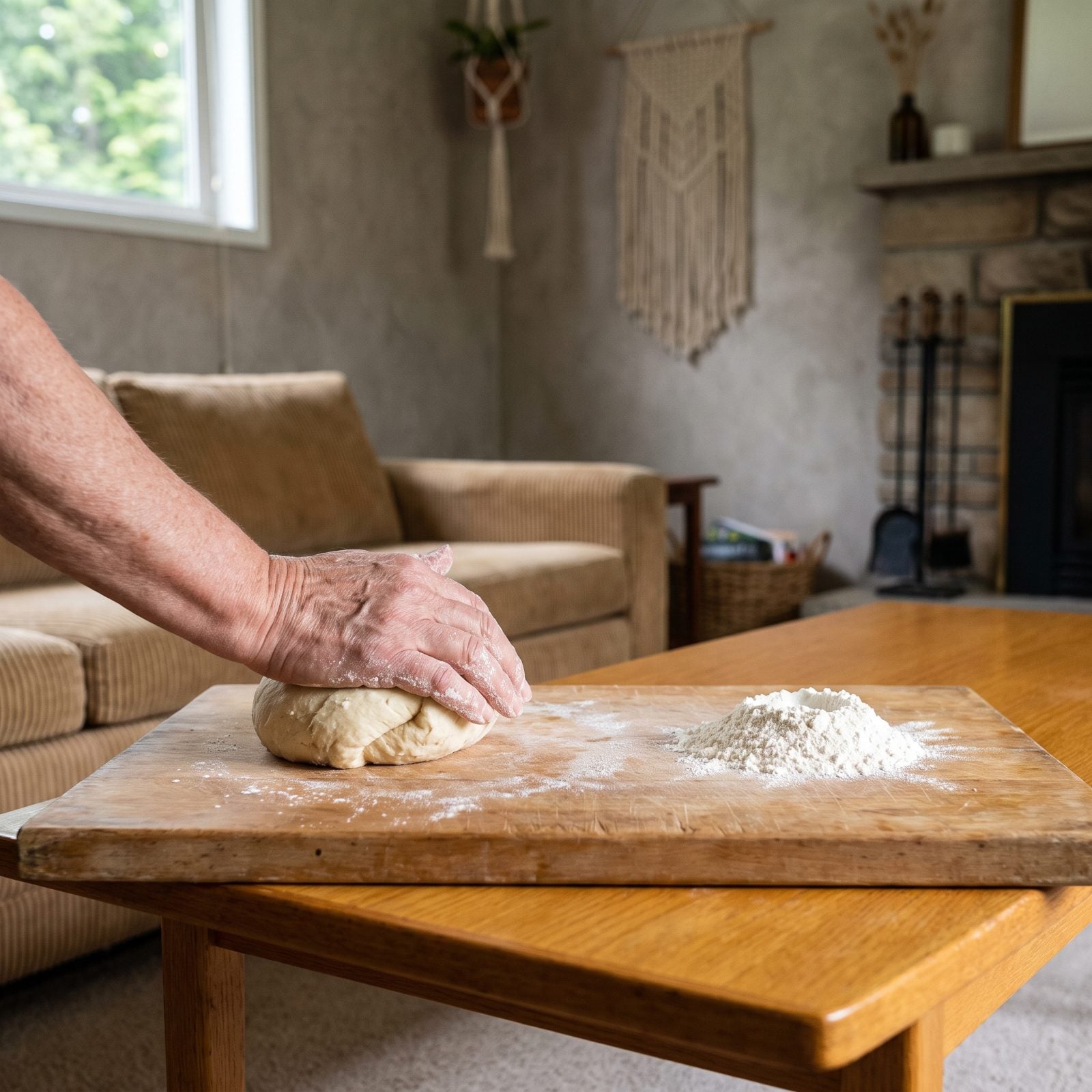
Recipes give you a flour number because they have to print something. The cook who taught by hand had a different rule: hold back a handful and wait.
Flour changes. A humid July day, an older bag that’s soaked up moisture, eggs that run large — all of it shifts how much the dough wants. Dump in the full amount and you can’t take it back out. Add it slowly and the dough tells you when it’s had enough, right about when it stops sticking to your fingers and starts feeling like an earlobe.
18. Boil Gnocchi Potatoes in Their Jackets to Limit Water Absorption
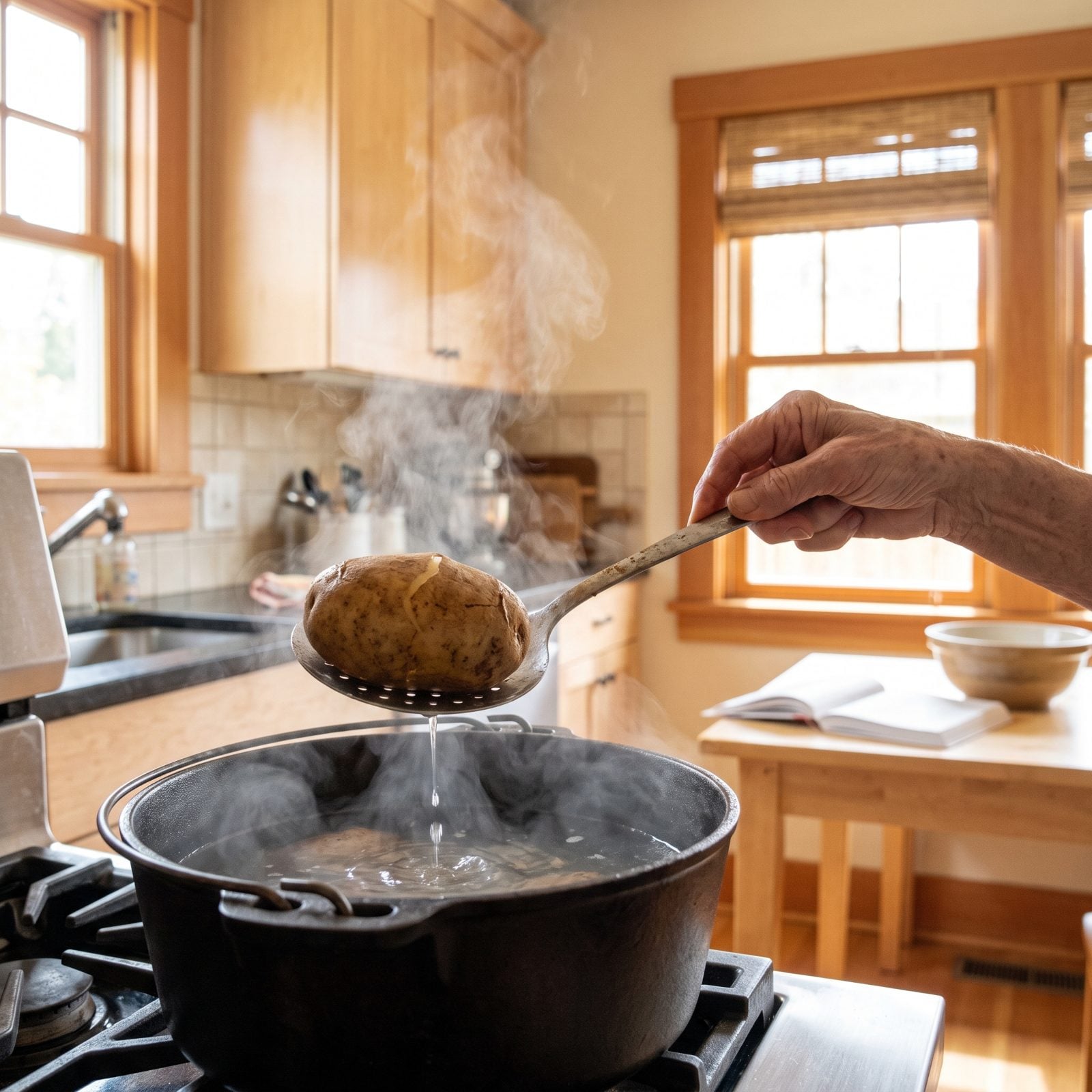
Peel a potato, cube it, boil it, and you’ve made yourself a potato sponge. Every cut surface drinks water the whole time it cooks. For mashed potato, nobody cares. For gnocchi it’s the whole ballgame — light versus leaden.
Boil the potato whole in its skin and most of that water stays out. The jacket acts as a seal. You peel it after, while it’s hot, and rice it onto the cloth. Drier potato, less flour, lighter gnocchi. It takes longer, and it’s worth every minute.
17. Grind Garlic With Coarse Salt Before Making Pesto
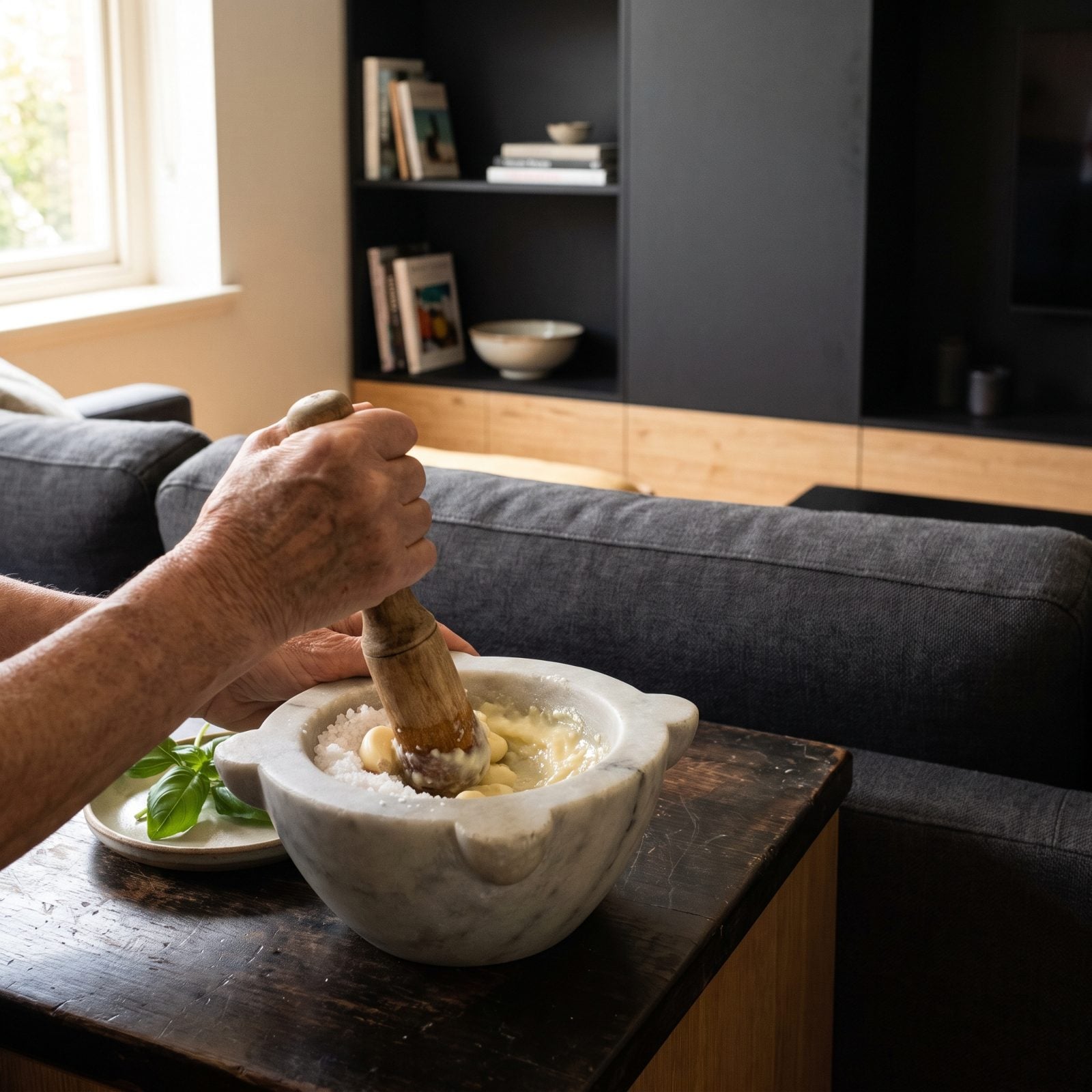
Real pesto was never blended, and the first move was always garlic with a pinch of coarse salt, ground together before anything green went near the mortar. The salt crystals act like grit on sandpaper. They catch the garlic and shred it into a smooth paste instead of letting it slide around the stone whole.
A blender turns garlic bitter by chopping and heating it all at once. The mortar bruises it slowly and keeps it sweet. Break the garlic down first, then the pine nuts, then the basil, and the whole thing comes together glossy.
The name says it. Pesto comes from pestare, to pound. The machine was never part of the plan.
16. Run Tomatoes Through a Food Mill Instead of Blasting Them in a Blender
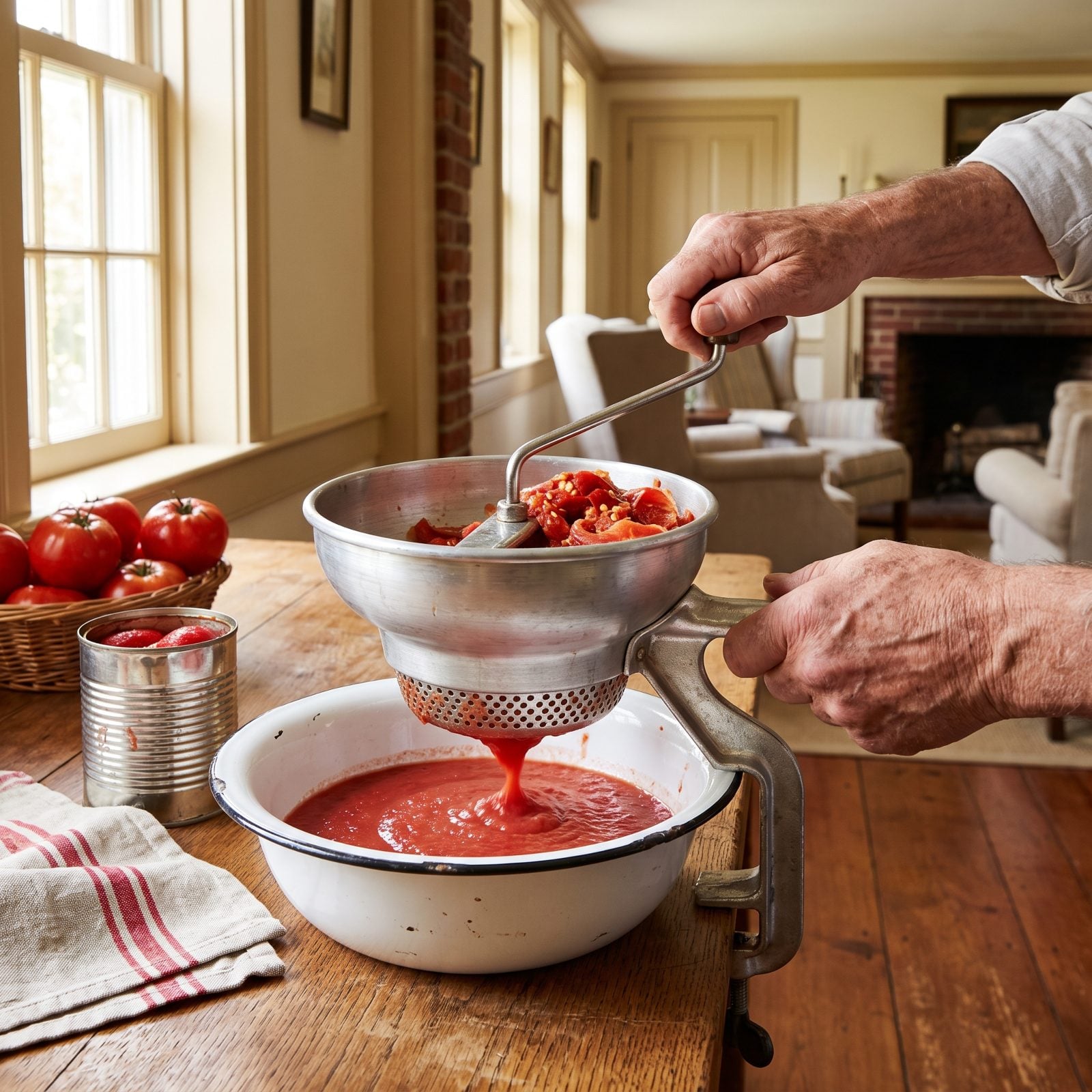
A blender does one thing wrong that ruins sauce. It whips air into the tomatoes and shreds the seeds, and you end up with a pink, frothy, faintly bitter purée that tastes like it’s trying too hard. A food mill presses the pulp through and leaves the skins and seeds behind, so the sauce comes out dense, deep red, and never sour.
Most people have never touched one. A shame, because it does in ninety seconds what no gadget with a motor can fake.
15. Crush Canned Tomatoes by Hand to Hunt Down the Tough Cores
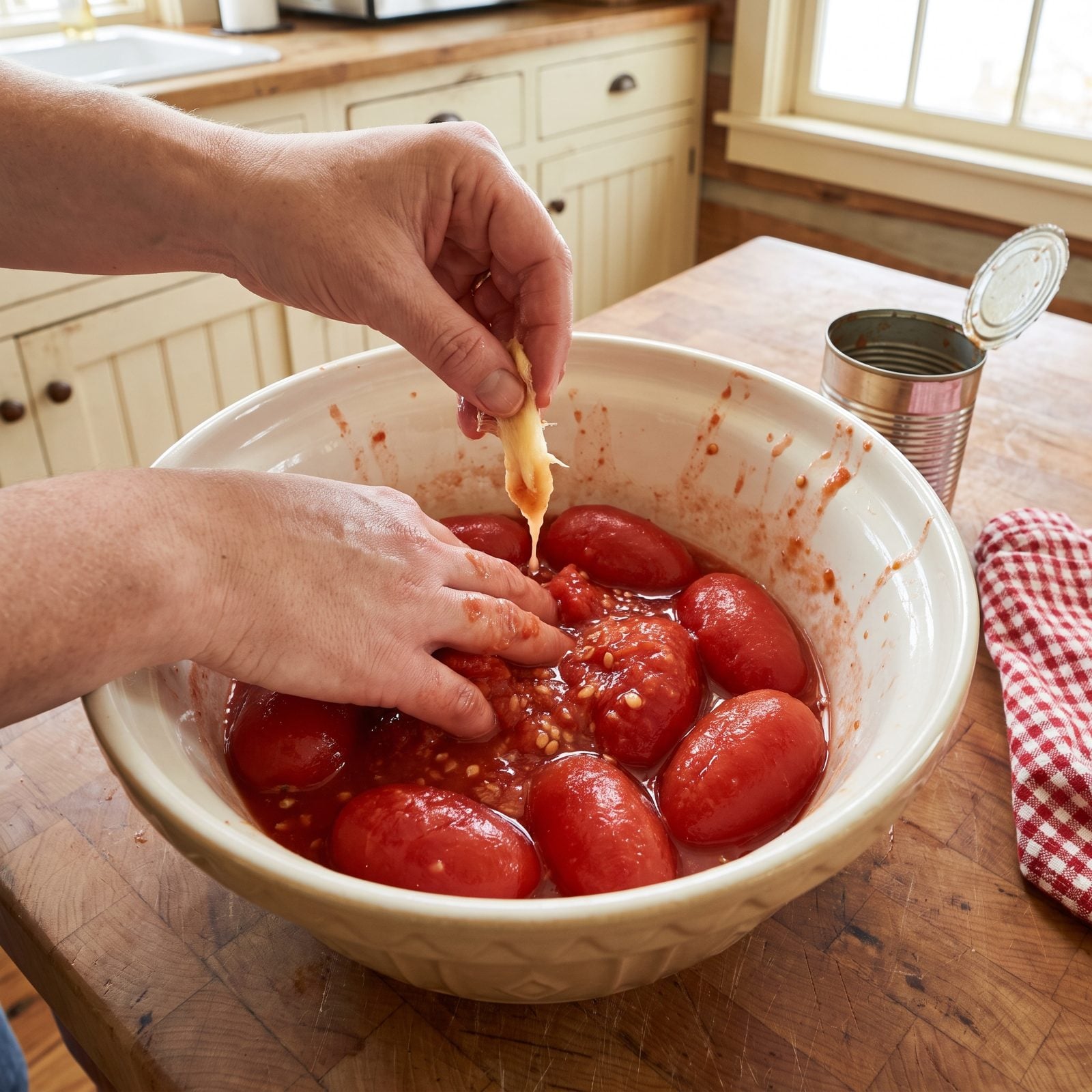
Whole canned tomatoes beat crushed or diced, and the reason is control. You decide the texture, and you catch what the machines miss.
Every can has a few duds — hard, pale cores near the stem end that never break down and show up in the finished sauce like little bones. Nobody mentions them because the people who crush by hand just pluck them out without thinking, fingers doing the sorting while the mind wanders. Squeeze each tomato, feel for the firm bit, pinch it off, toss it. The sauce comes out even. That’s the whole secret.
14. Simmer Basil Stems in the Sauce, Then Fish Them Out Before Serving
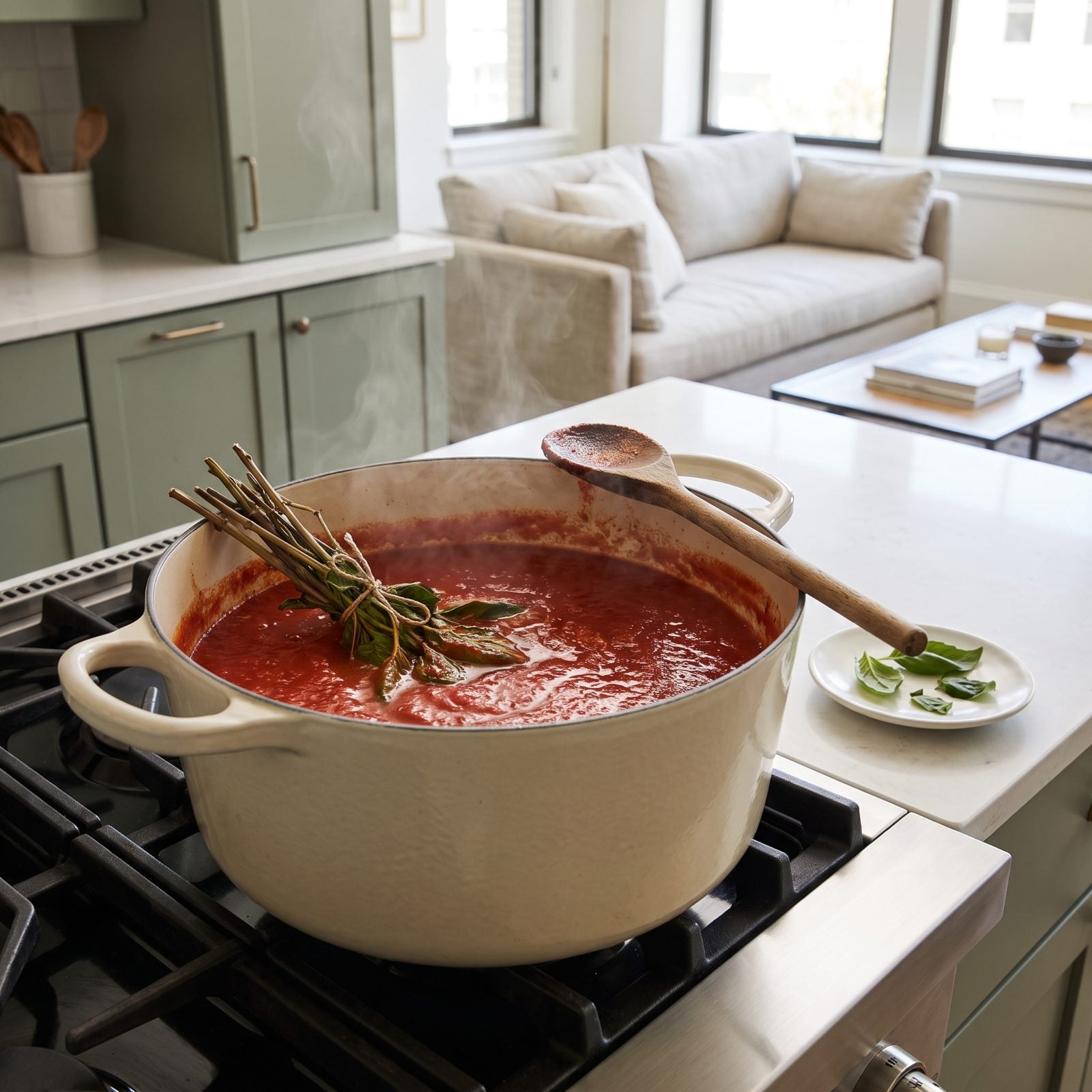
The leaves go in at the end. The stems go in from the start. Two different jobs.
Those woody stalks carry a cleaner, almost peppery basil note that holds up to a long simmer, something the delicate leaves give up and burn away. Tie them in a little bundle so you can pull the whole thing out before the sauce hits the table. You get the perfume without a pile of blackened green shreds floating in your marinara.
13. Hoard Your Parmesan Rinds for Soups, Beans, and Long Ragù
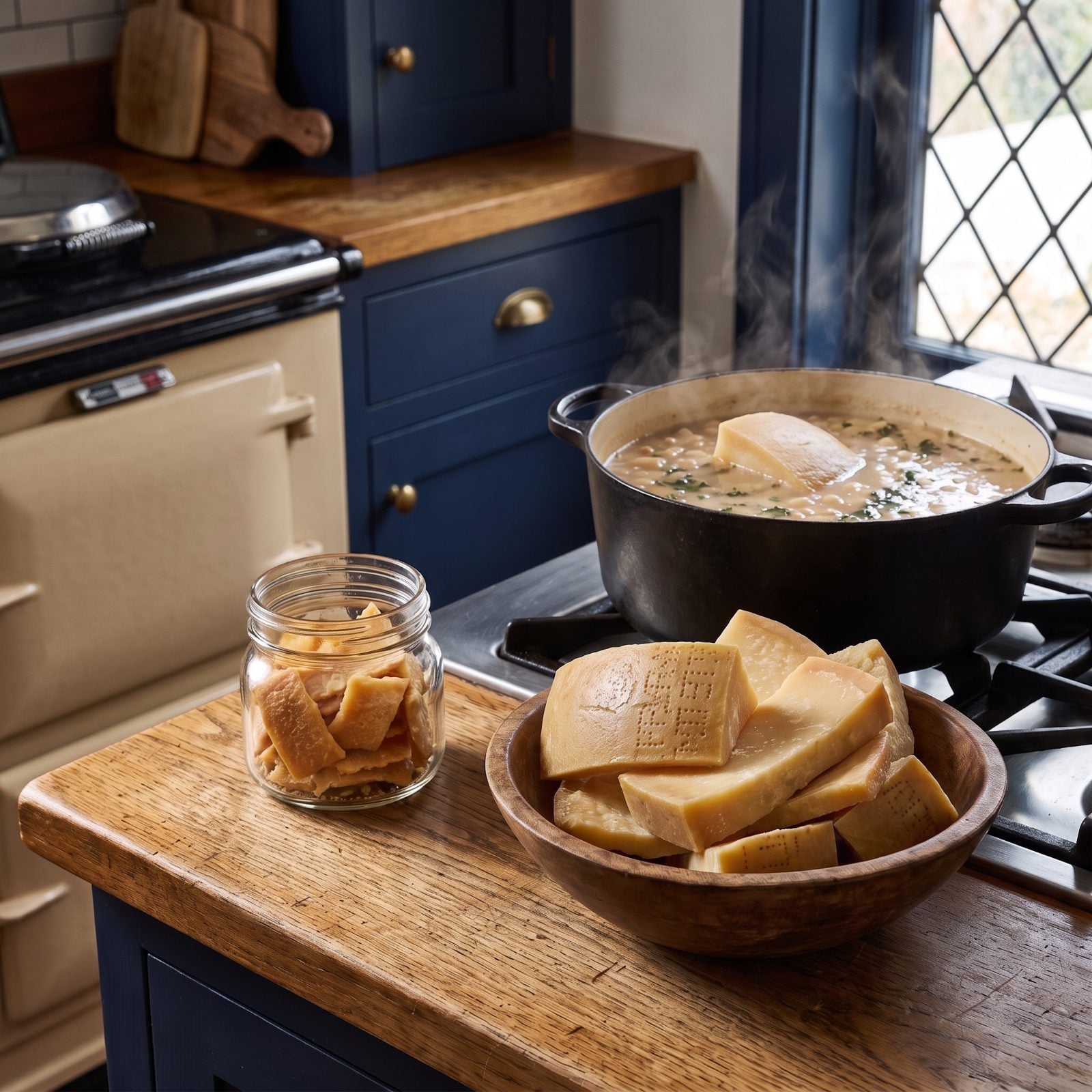
Throwing away a cheese rind is throwing away flavor you already paid for.
Drop one, or even a thick wedge end, into a pot of beans, minestrone, or a ragù that’s going to cook for hours. As it simmers, it softens and releases a savory, nutty backbone into the liquid, turning gelatinous and giving the whole pot a body you can’t add at the last minute. Fish out whatever’s left before serving, or let the brave among you eat the chewy remnant straight from the spoon. Keep a bag of rinds in the freezer — they last for ages.
12. Bloom Saffron in Warm Stock Before It Ever Touches the Rice
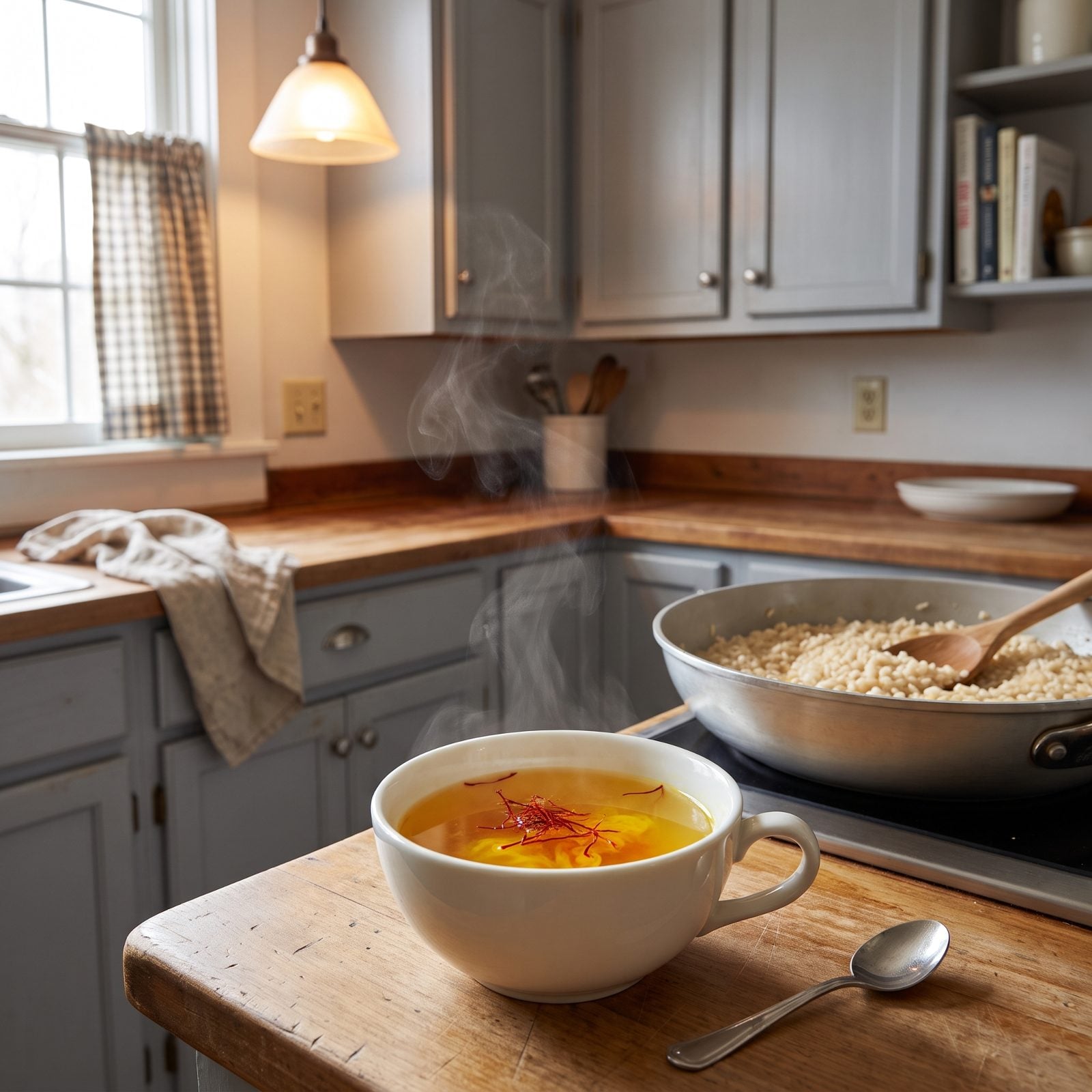
Saffron thrown straight into risotto gives you half the color and a fraction of the flavor. The threads need coaxing.
Steep them in a little warm stock first, a few minutes while you start the rice. The heat and liquid pull the color and aroma out so they spread evenly through every grain instead of clumping gold in one corner. Add the bloomed liquid near the end of cooking. That’s how risotto alla Milanese gets its even, glowing yellow and that faint honeyed, hay-like scent people can’t quite name.
11. Press the Air Out of Ravioli Before You Seal the Edges
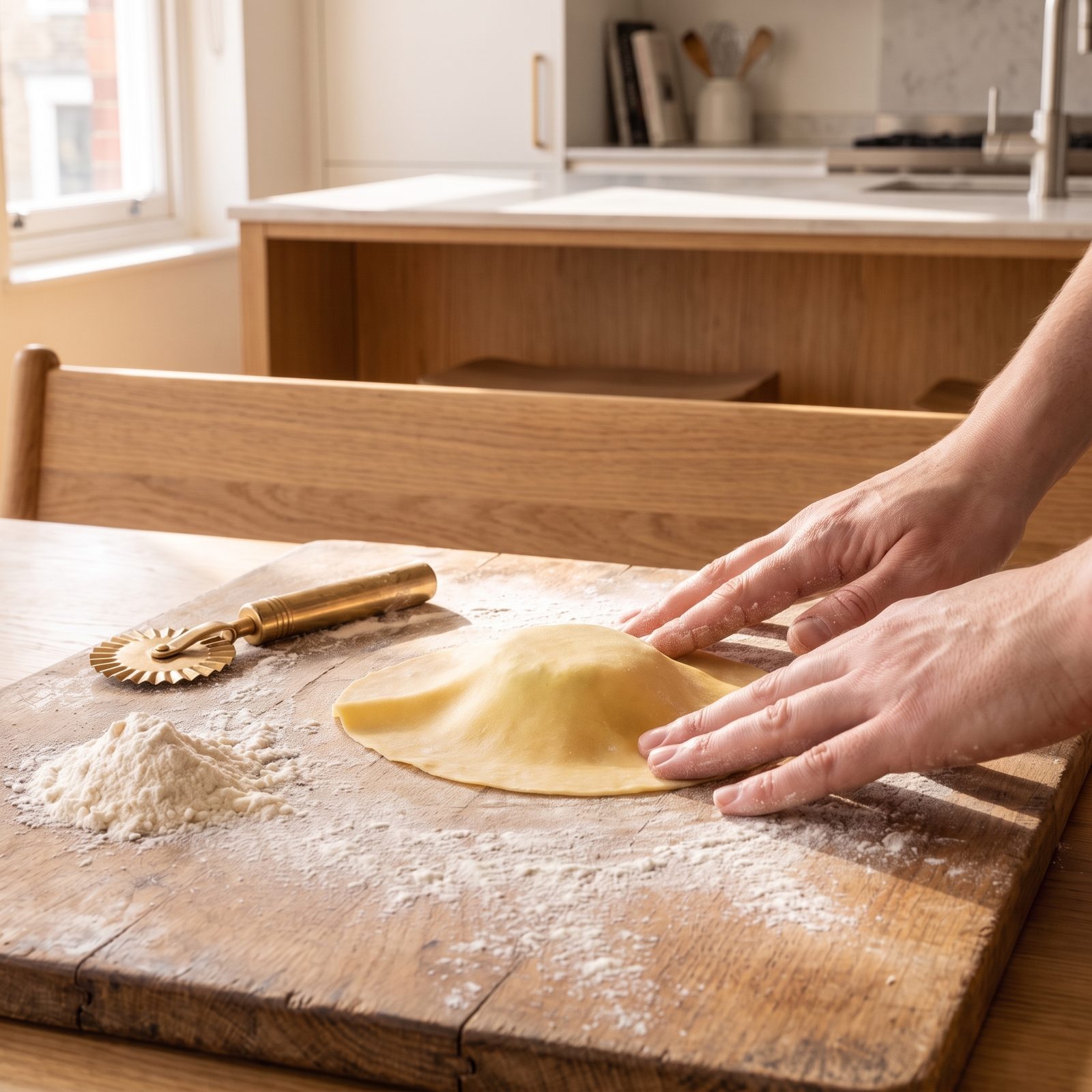
A ravioli with air trapped inside is a ravioli that bursts. The pocket inflates in boiling water, the seams give way, and your filling ends up swimming in the pot.
Before you press the edges shut, cup your fingers around the filling and ease the air out toward the open side. Then seal. It feels fussy the first time. After a dozen, your hands do it on their own, and your ravioli come out of the water whole instead of hollow and sad.
10. Melt Anchovies Into Hot Oil Until They Vanish Completely
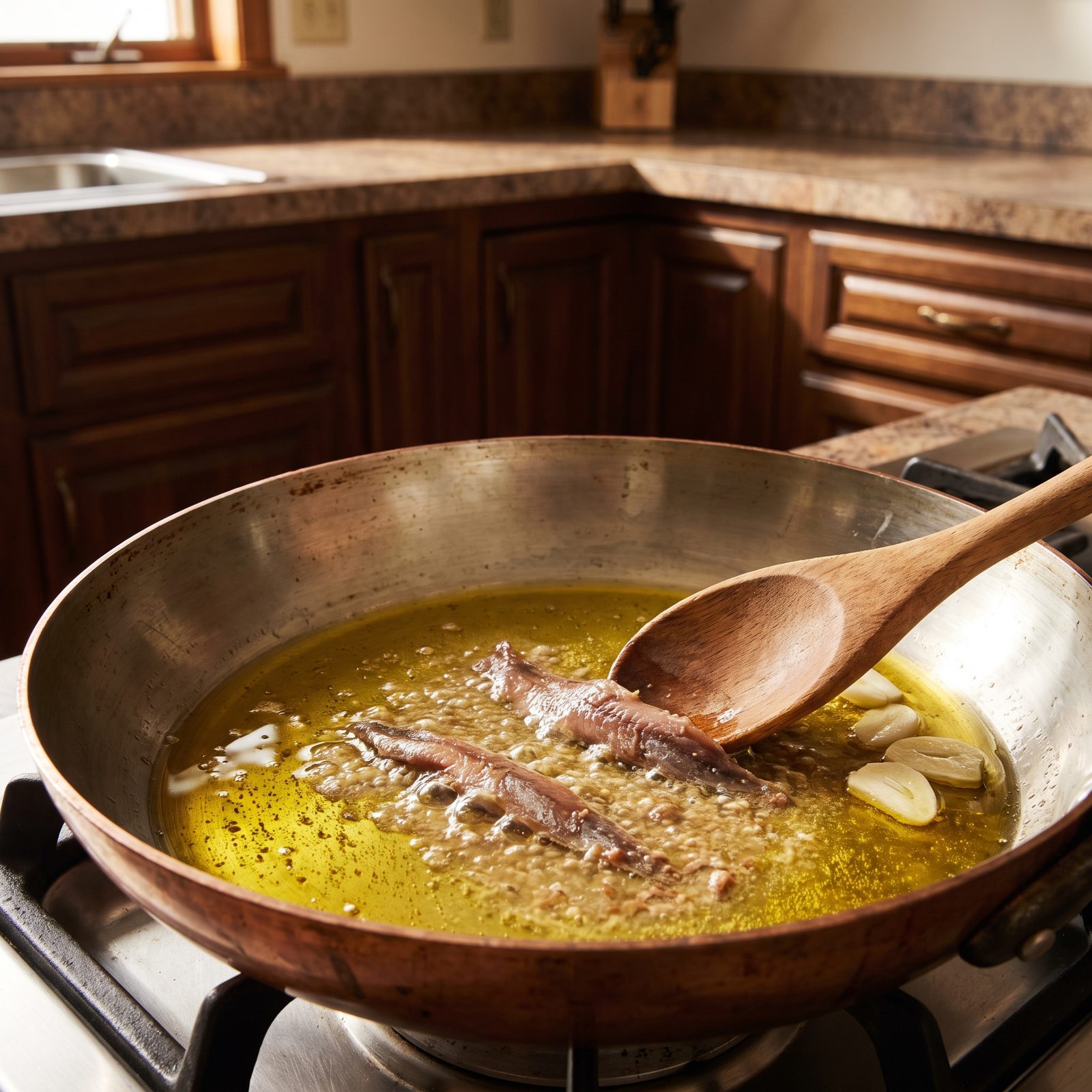
People who swear they hate anchovies have eaten a hundred dishes built on them without knowing it.
Warm the fillets slowly in oil and press them with a spoon. They fall apart, dissolve, and disappear. What’s left isn’t fishy at all — it’s a deep, salty undertone that makes everything taste more like itself. This is the quiet engine behind puttanesca, under countless braises, under broccoli rabe. The anchovy does its work and then gets out of the way.
9. Soak Stale Bread, Then Wring It Out Like a Dishcloth for Meatballs
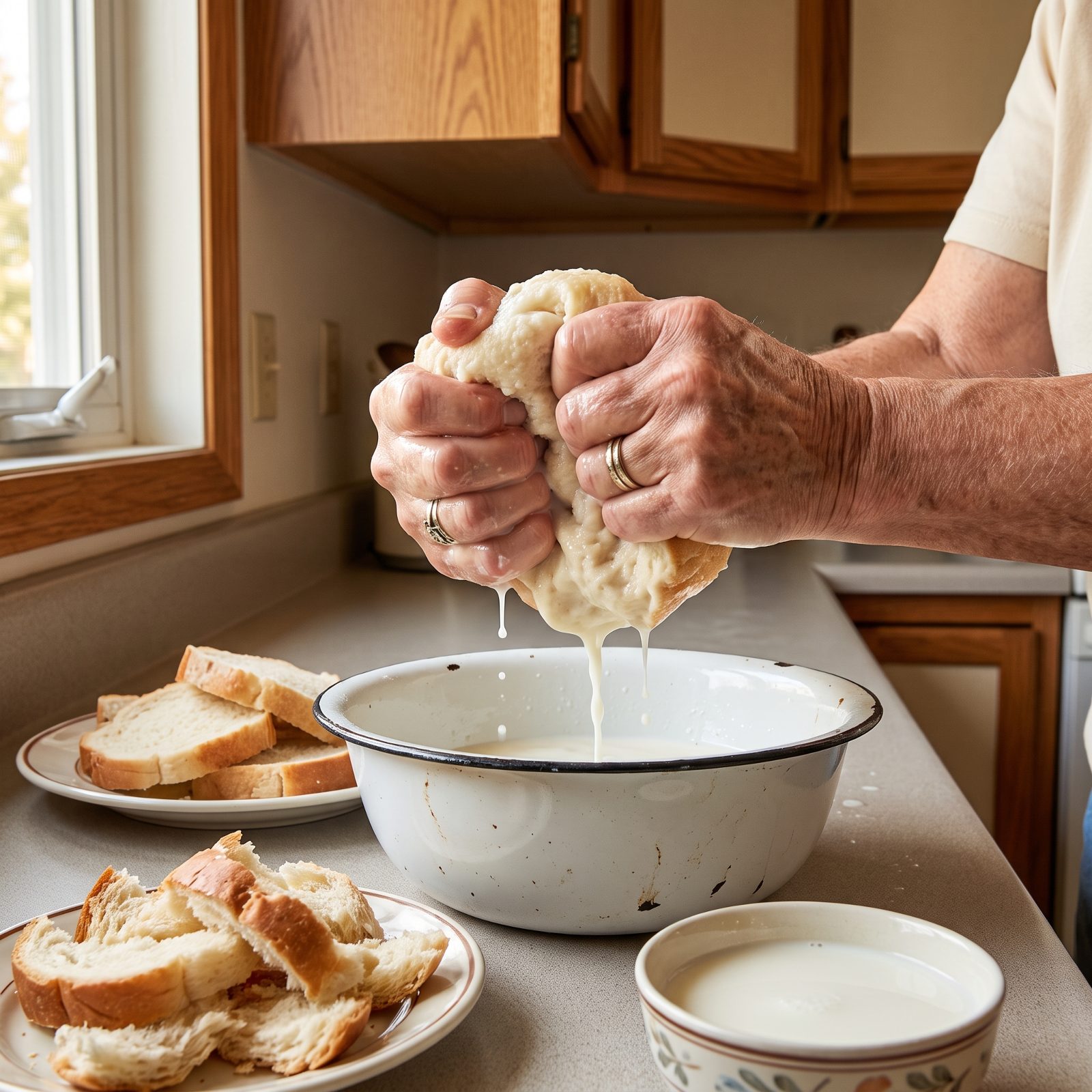
Breadcrumbs make dry meatballs. Soaked bread makes tender ones. The difference is the panade, and it’s the oldest move in the red-sauce playbook.
Tear up stale bread, soak it in milk or water until it’s soggy, then squeeze out most of the liquid with your hands so you’re left with a soft paste. Work that into the meat. It holds moisture through cooking and keeps the meatballs light instead of dense and bouncy. Stale bread was never garbage in these kitchens — it was an ingredient waiting for its turn.
8. Fry a Tiny Test Patty Before You Commit the Whole Batch
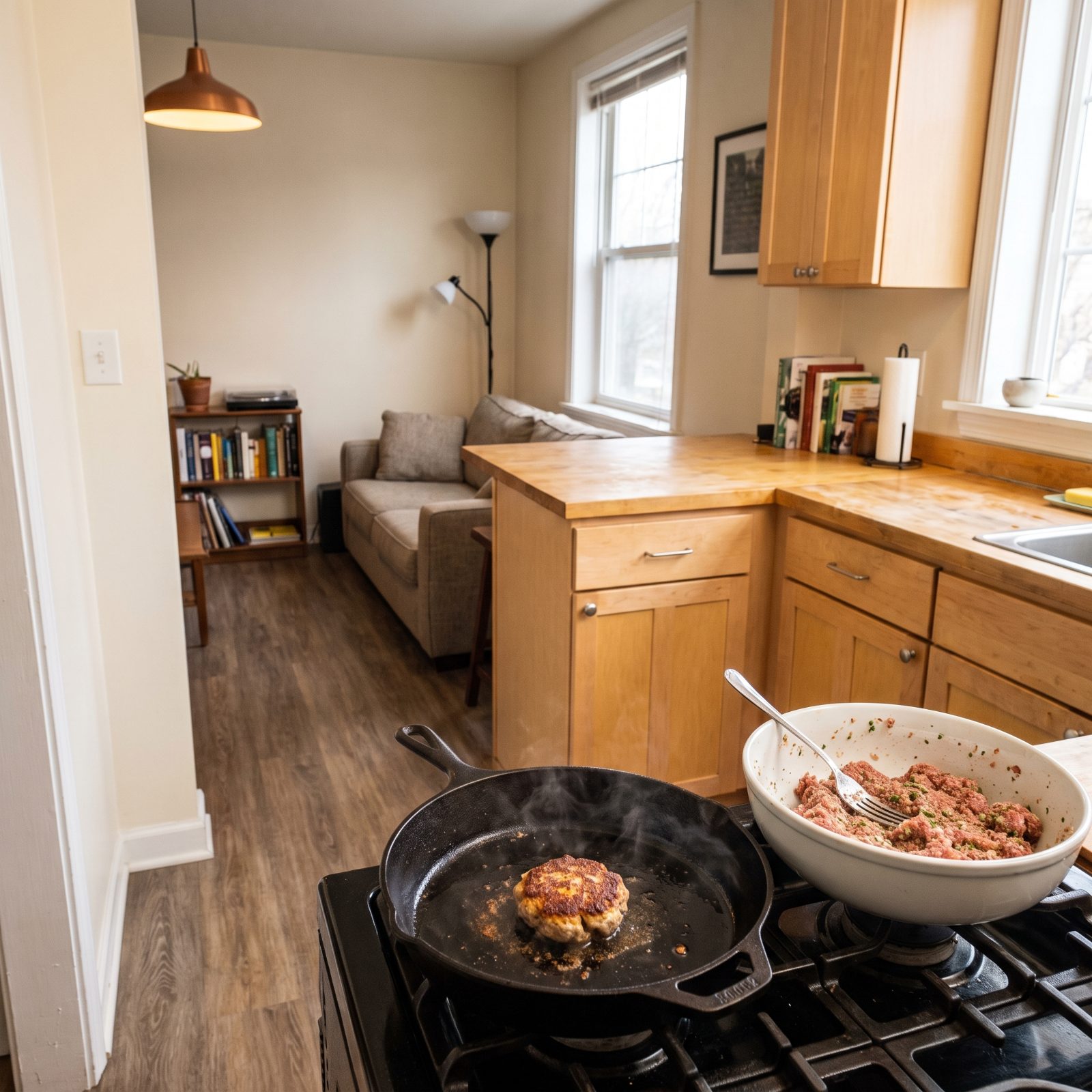
You can’t taste raw meat to check the salt. So you don’t guess. You cook a little piece.
Pinch off a bit of the meatball or sausage mixture, flatten it, and fry it fast. Taste. Too flat? More salt. Missing something? More garlic, more pepper, whatever it’s asking for. Adjust the whole batch before a single meatball goes in the pan. Two minutes of work saves you from a tray of under-seasoned mush you can’t fix after the fact.
7. Let Breaded Cutlets Rest So the Coating Actually Holds On
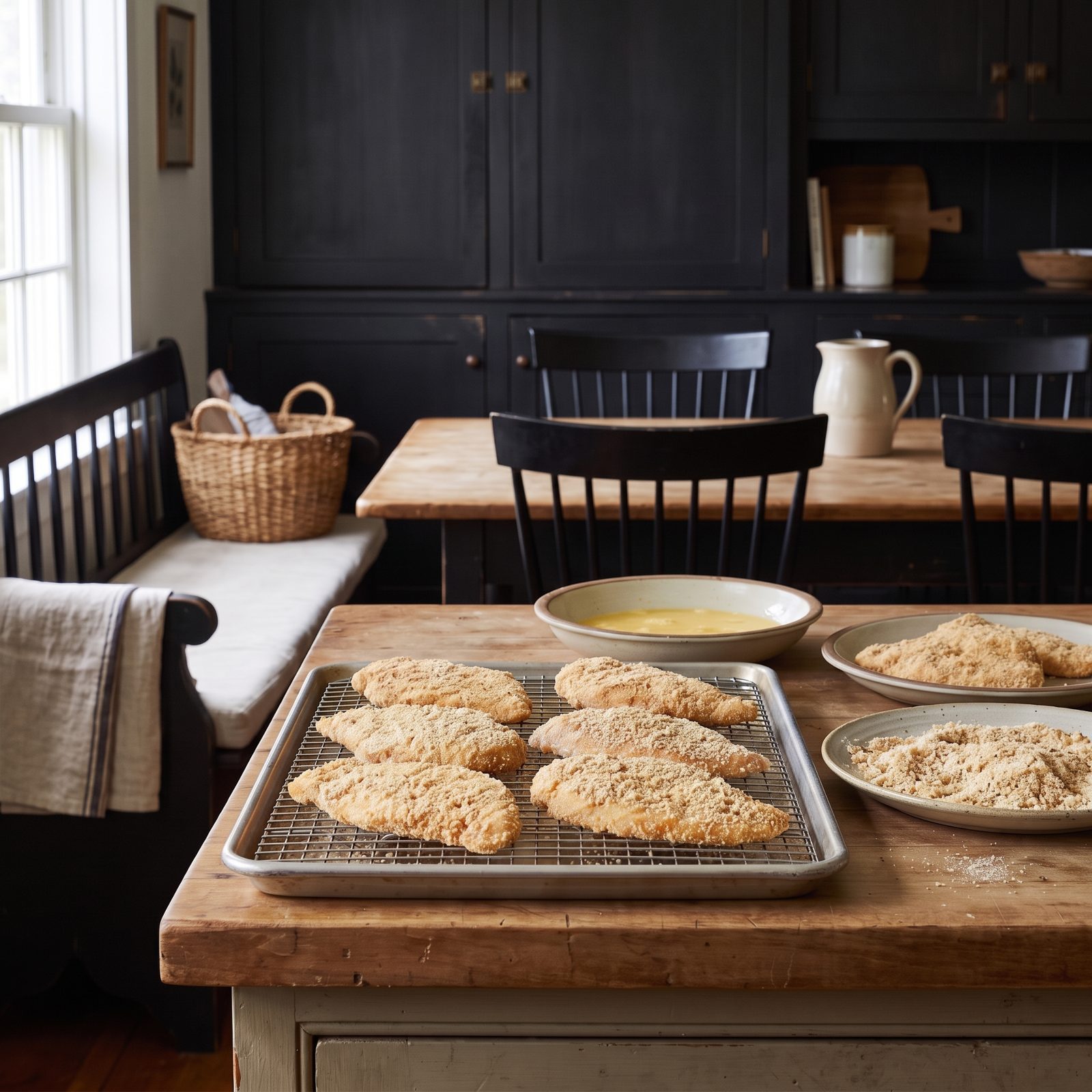
Breaded, then straight into the pan, and the coating slides right off into the oil. Everyone’s had the cutlet that looks naked on one side.
The fix is patience. Bread the cutlets, then let them sit for fifteen or twenty minutes before frying. The egg wash underneath sets, the crumbs grip the surface, and when the cutlet hits the hot oil the whole crust stays put and crisps into one solid golden-brown layer, ready to drain on a rack. Skip the rest and you get a bare, glossy patch where the crumbs slipped away instead of a proper cotoletta.
6. Salt and Squeeze Zucchini Before It Goes Into Fritters or Ravioli
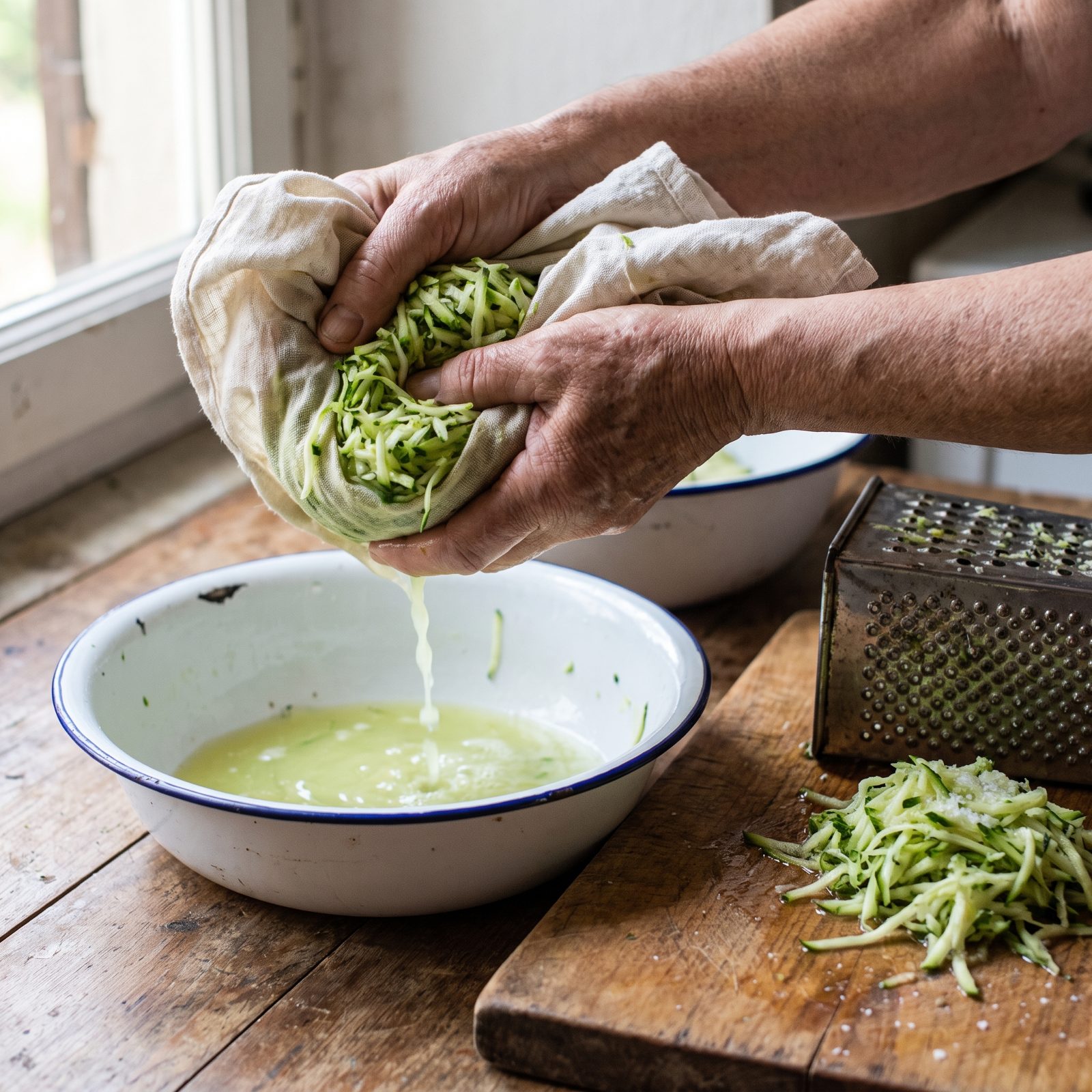
Skip this step and your fritters fry into soggy pancakes that steam from the inside out. Zucchini is mostly water, and salt is how the older cooks pulled it off without a single recipe telling them to. A light scatter of salt, twenty minutes of waiting, then a hard squeeze in a dish towel until the liquid runs clear.
The amount of water that leaves a couple of grated zucchini surprises people every time — that water is what stands between a fritter with crisp edges and a limp, greasy disc.
5. Let the Beans Rest in Their Own Broth Before They Hit the Bowl
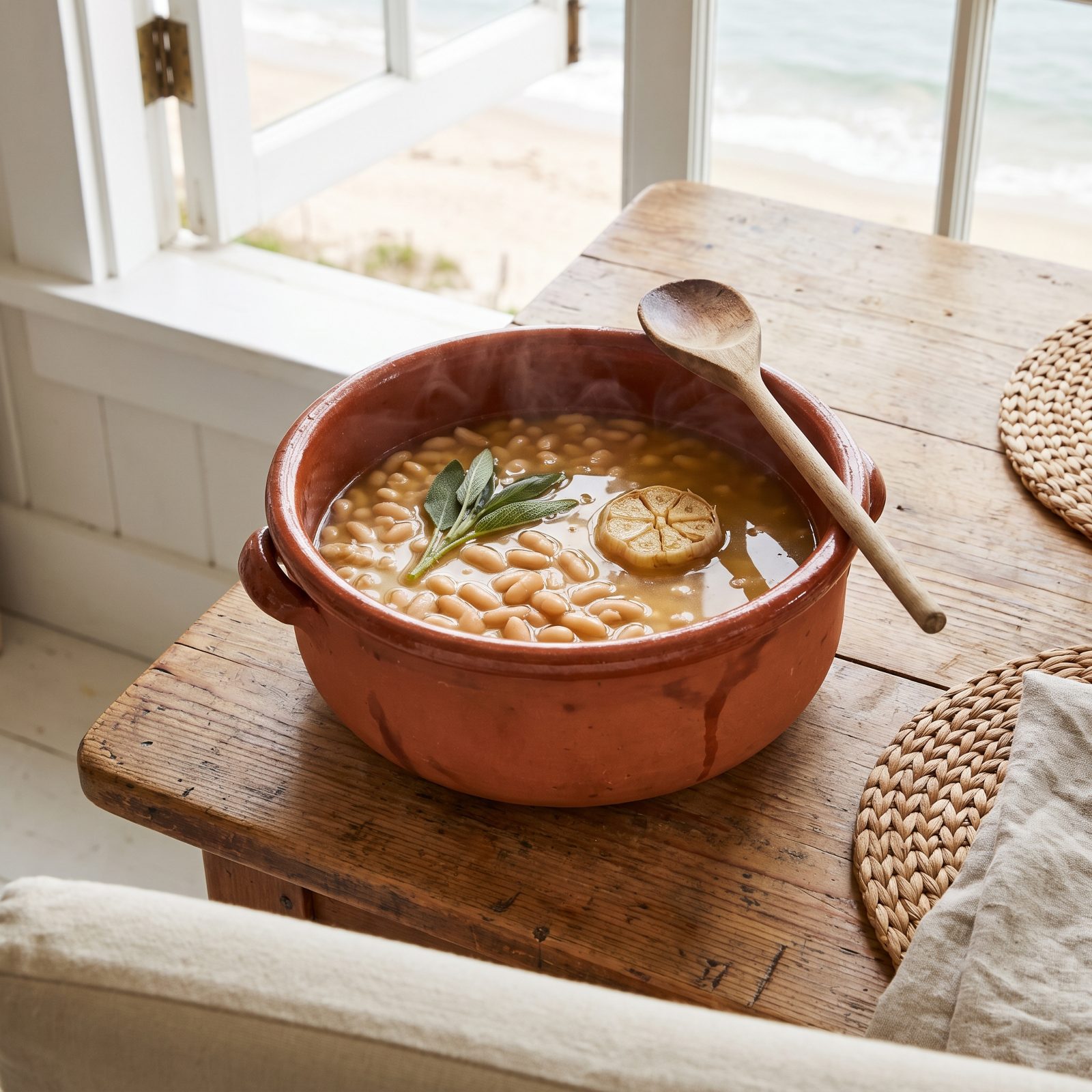
Pull the pot off the heat and walk away for twenty minutes. The beans keep drinking their own liquid as they cool, and the texture settles into something creamy that no amount of extra boiling can give you.
Drain them straight off the stove and they come out chalky and split. That starchy, faintly cloudy broth does real work, which is why nobody who grew up with a bean pot ever threw it out — it thickens soups, loosens sauces, and keeps the beans from drying to pebbles between the pot and the table.
4. Warm the Serving Bowl With a Ladle of Pasta Water First
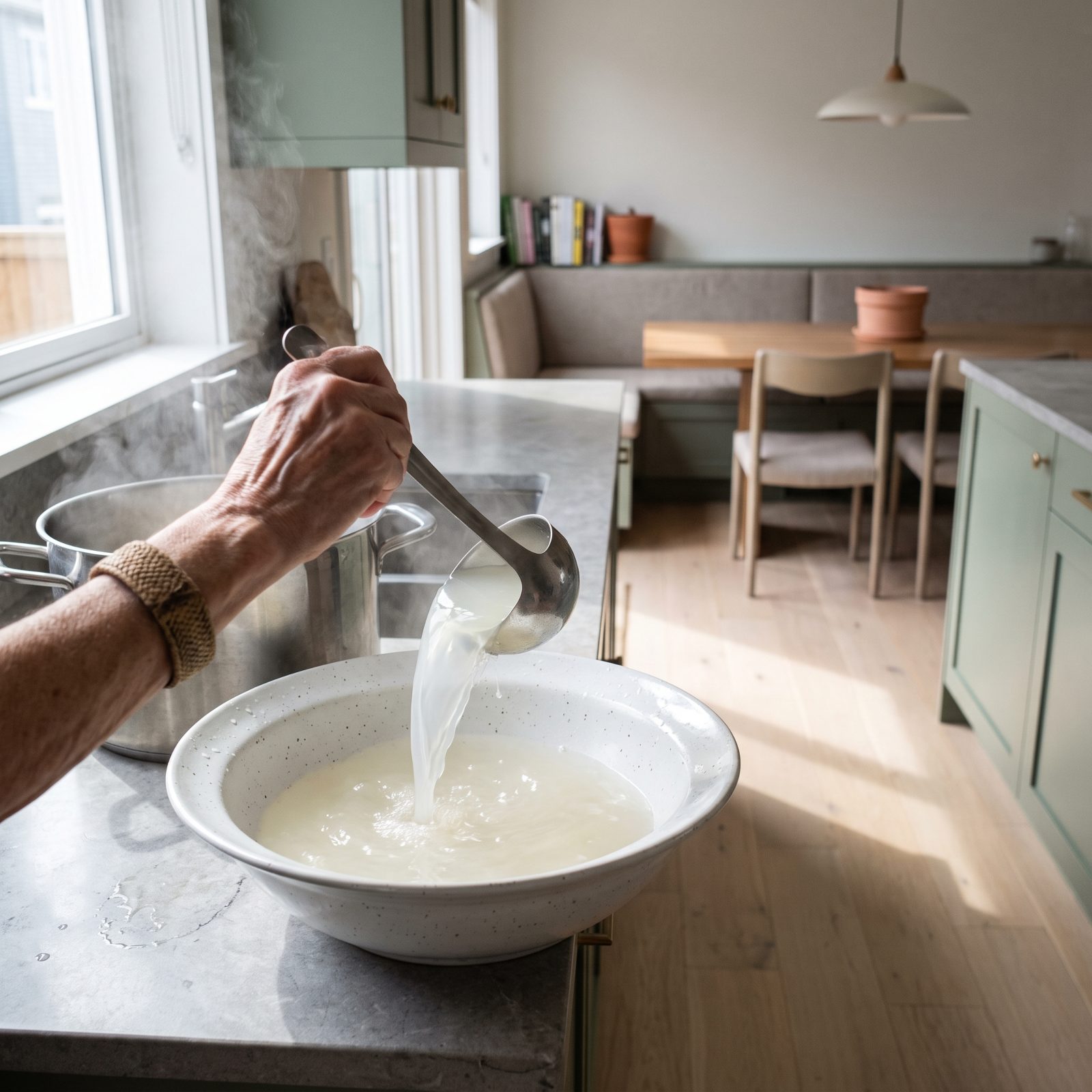
A cold bowl is a quiet saboteur. You cook the pasta right and toss the sauce right, then you tip it all into a room-temperature bowl and watch it lose ten degrees before it ever reaches the table.
The fix never made it into cookbooks because it was too obvious to the people doing it. Slosh a ladle of hot pasta water around the empty serving bowl, swirl, dump it out, then plate. The ceramic holds the warmth and the pasta arrives hot instead of merely warm.
3. Add the Grated Cheese Off the Heat So It Melts Instead of Seizing
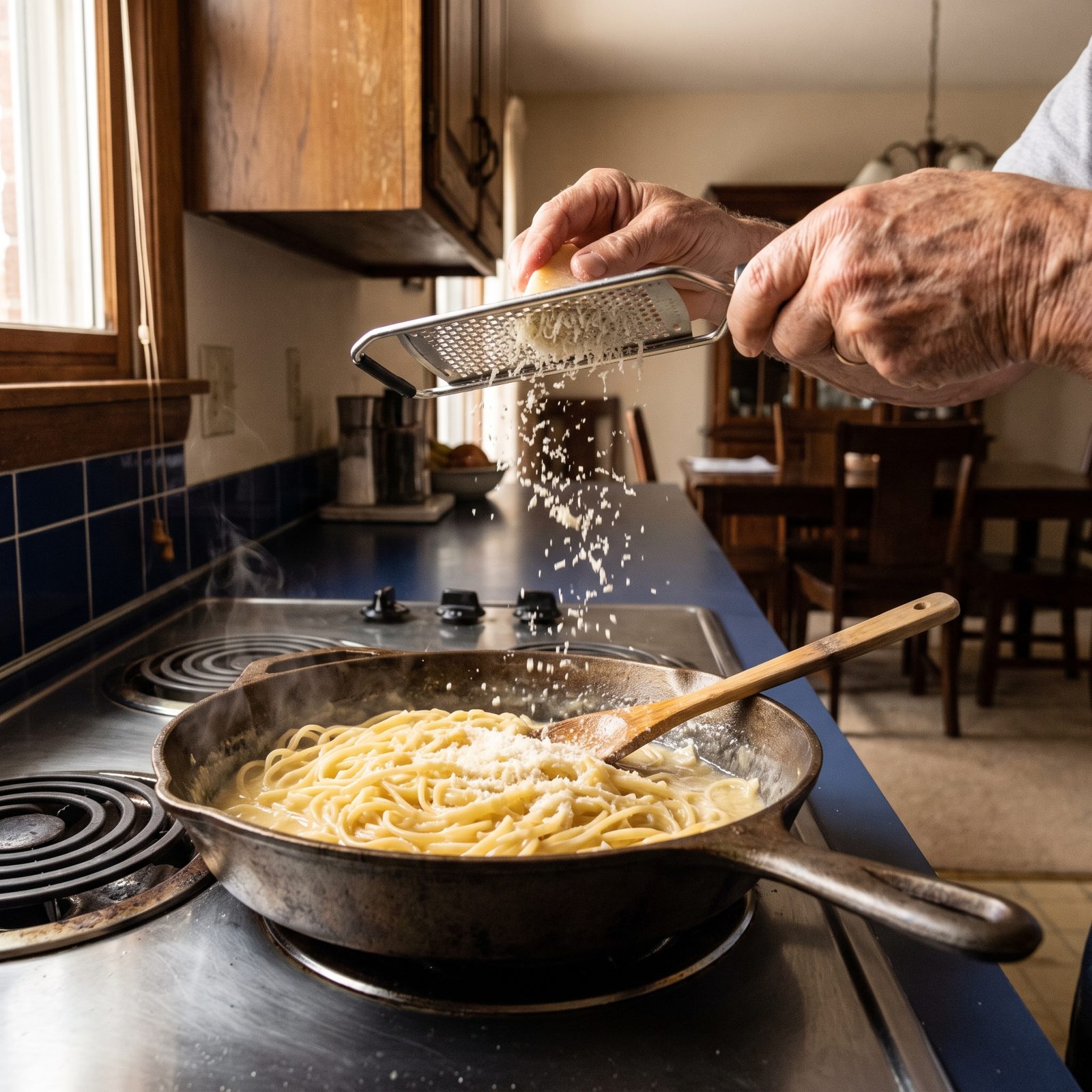
Dump Pecorino or Parmigiano into a screaming-hot pan and you get a rubbery knot stuck to the bottom. Every grandmother knew to kill the flame first, and most of them couldn’t have told you why beyond “it ruins otherwise.”
The reason is simple. Direct high heat makes the cheese proteins tighten and the fat split, which is exactly the clumping you’re fighting. Off the heat, with a splash of starchy pasta water and some vigorous tossing, that same cheese turns into a glossy coat.
2. Rub Dried Oregano Between Your Palms Before It Goes In
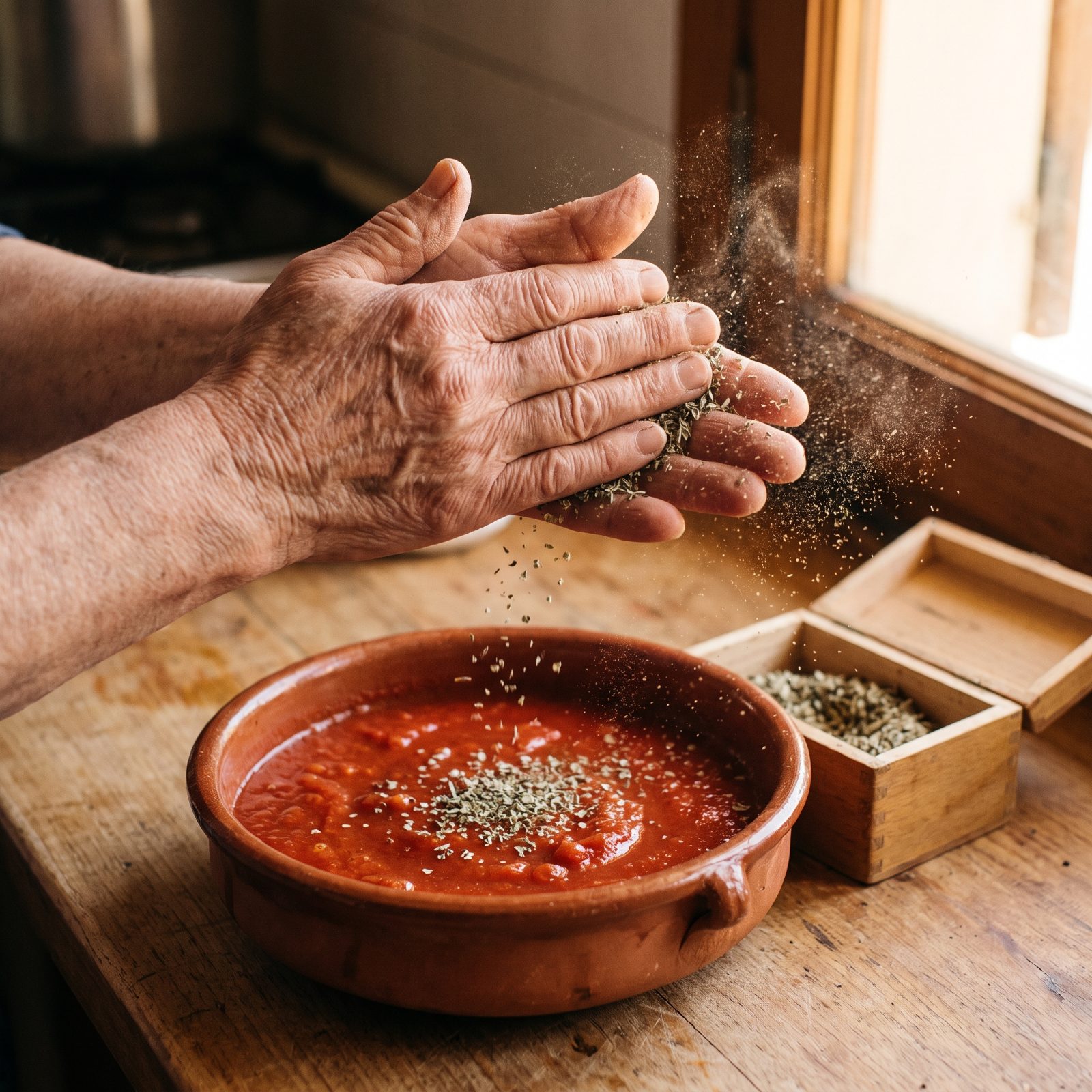
Watch anyone who learned to cook by watching, and they do this without thinking: a pinch of dried oregano crushed hard between two palms before it ever touches the pot.
Dried herbs lock their oils inside brittle leaves. The friction and warmth of your hands cracks them open, so the aroma blooms on contact instead of sitting inert in the sauce. Oregano you can smell versus oregano that’s just there. Big gap.
1. Pull the Moka Pot Off the Flame Before It Starts to Sputter
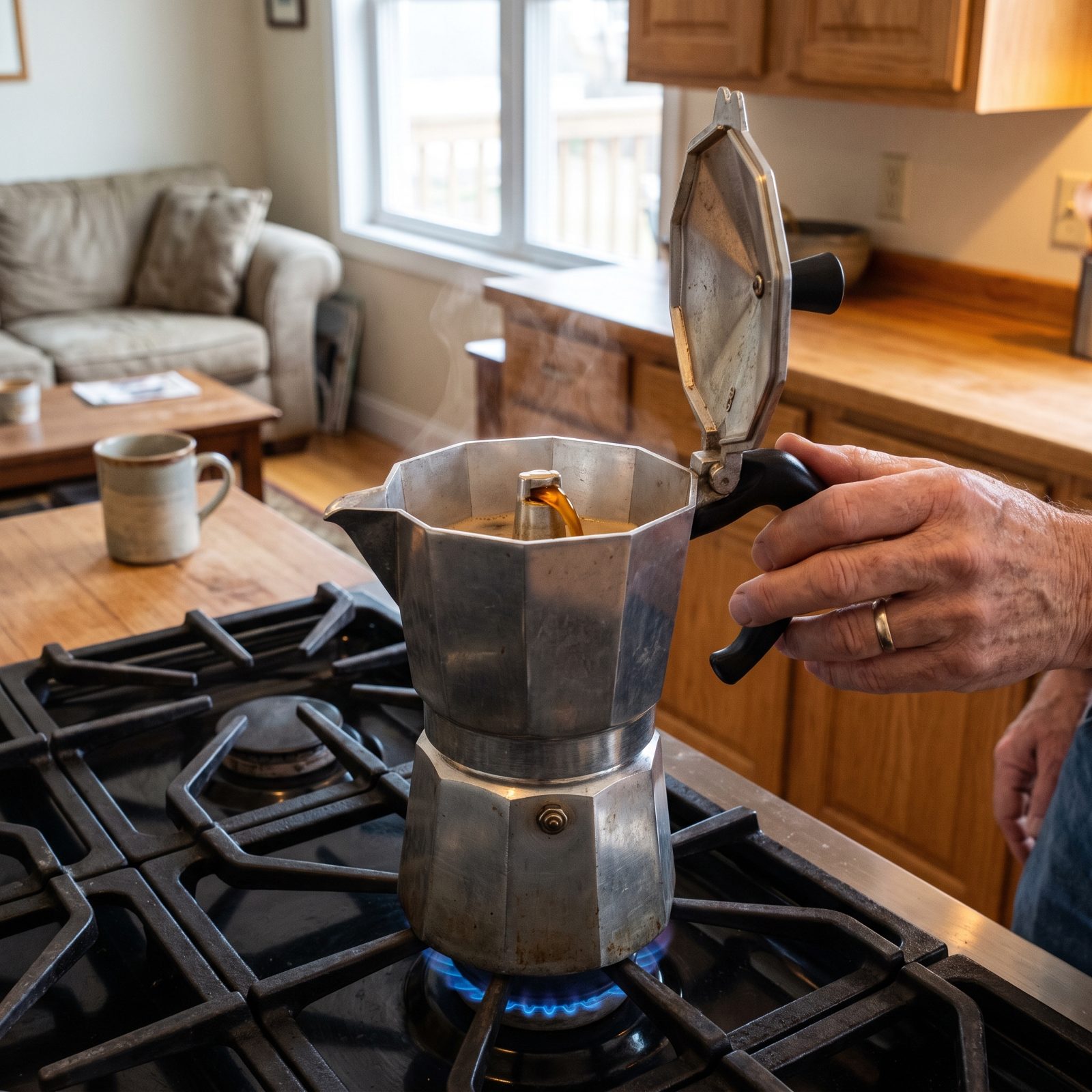
The sputter is the warning, not the finish line. When a moka pot starts hissing and spitting, the water underneath has nearly run dry and it’s forcing scorched steam through the grounds — which is where that bitter, burnt taste comes from.
So catch it earlier. Keep the lid open, watch for the coffee to rise into the top chamber in a steady caramel-colored stream, and lift the pot the moment the flow turns pale and starts to gurgle. Some cooks even run the base under the cold tap to stop the brew dead.