Would you like to save this?
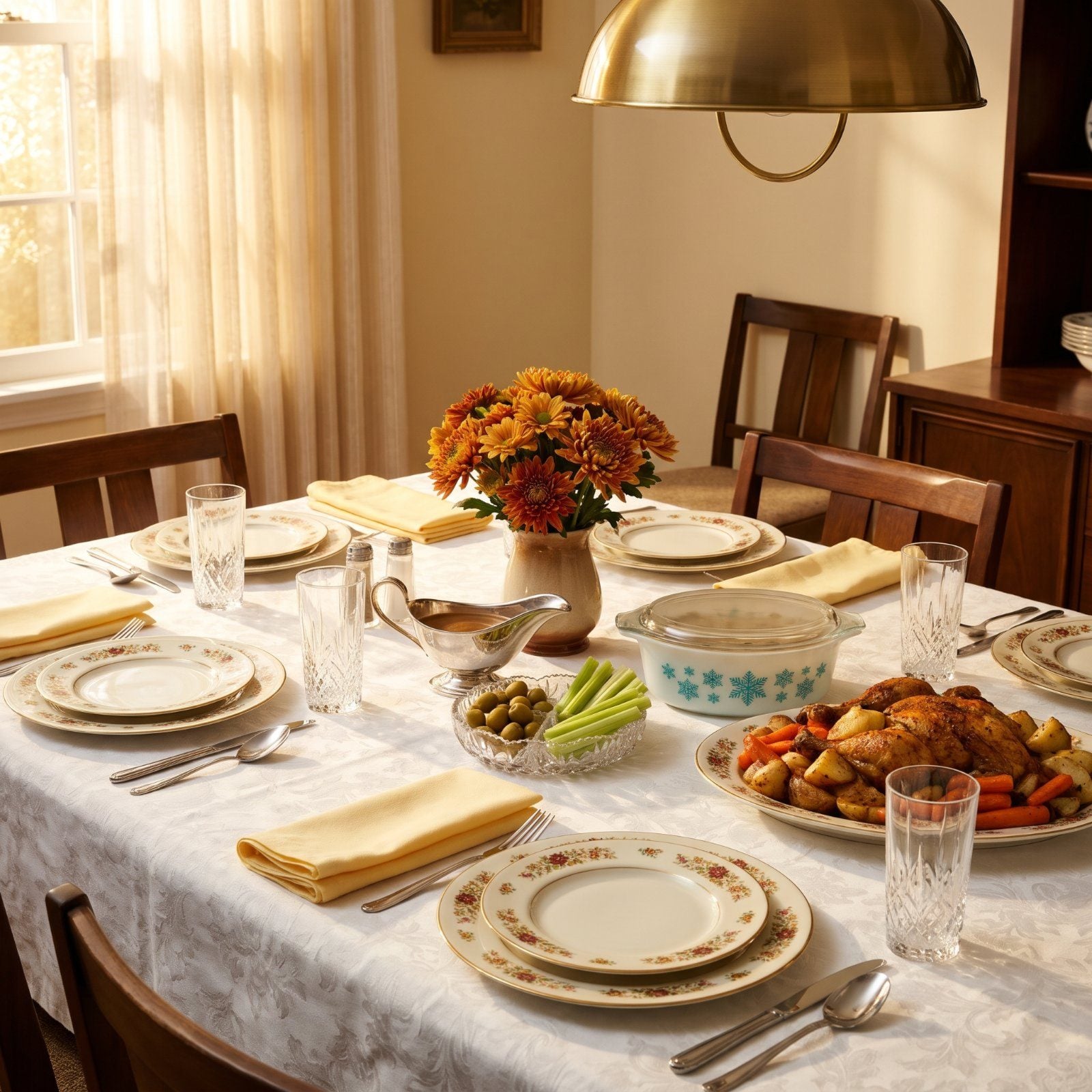
The smell hit you before you saw anything. Pot roast that had been going since church let out, carrots gone soft in the drippings, a kitchen window fogged from the inside.
Please note that some of the images in this article were created with the assistance of AI.
Sunday dinner in the 1960s was a production. The good china came down, somebody got sent to the cellar for the folding chairs, and the whole week seemed to orbit around that one meal. Most of them have quietly slipped off the rotation. Here are the ones worth dusting off, from the casseroles that fed six on a budget to the roasts that meant company was coming.
39. Yankee Pot Roast With Carrots and Potatoes
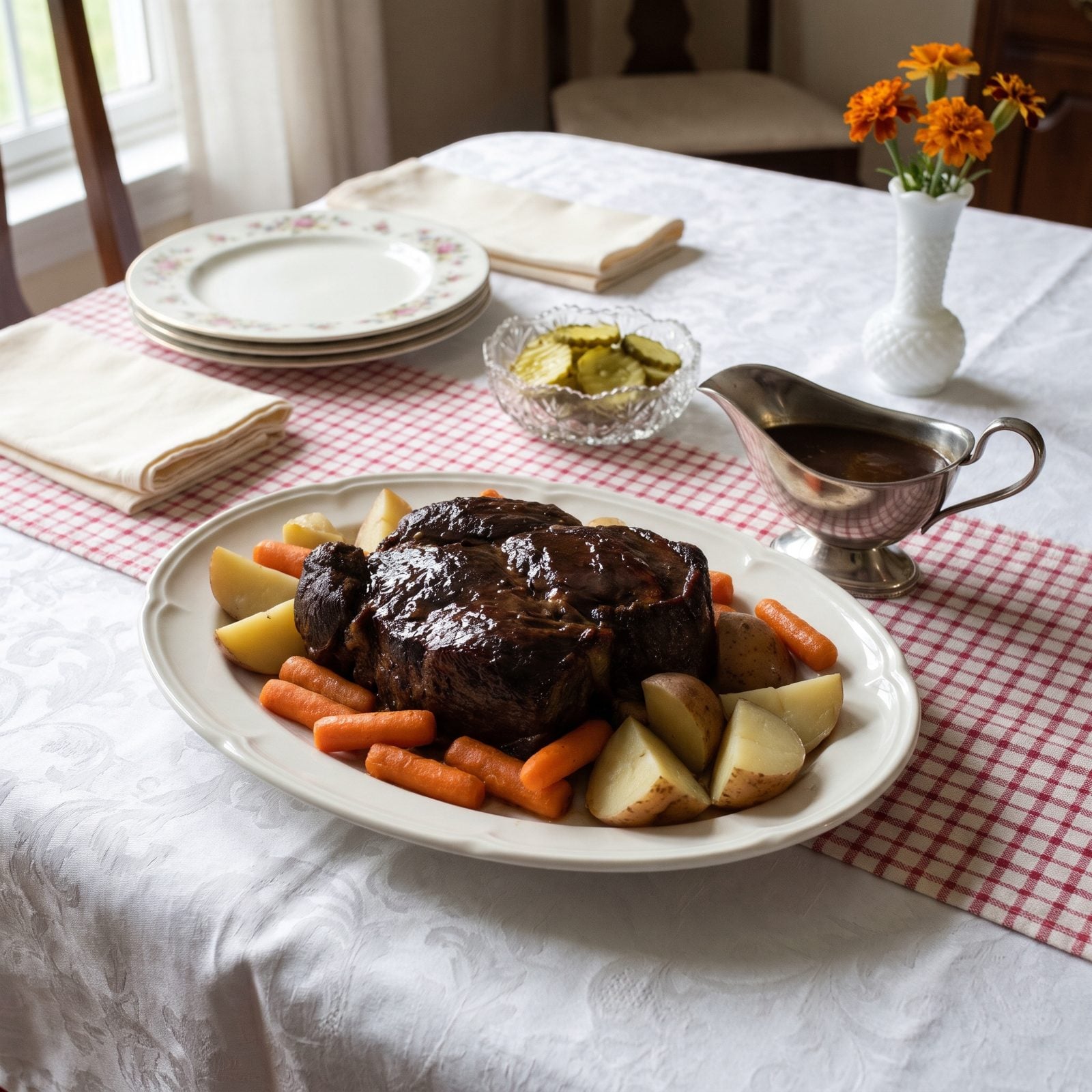
This is the dish that ran the whole afternoon. You sear a tough chuck roast hard in a Dutch oven, then leave it to go slow for hours until it’s tender enough to carve into neat, juicy slices. The carrots and potatoes go in late so they hold their shape instead of dissolving.
People rush it now. That’s the mistake. Pot roast is not a weeknight animal — it wants low heat, a tight lid, and enough patience to walk away. And the payoff? Gravy you could drink, built from nothing but the browned bits and the vegetables breaking down.
38. Southern Fried Chicken With Cream Gravy
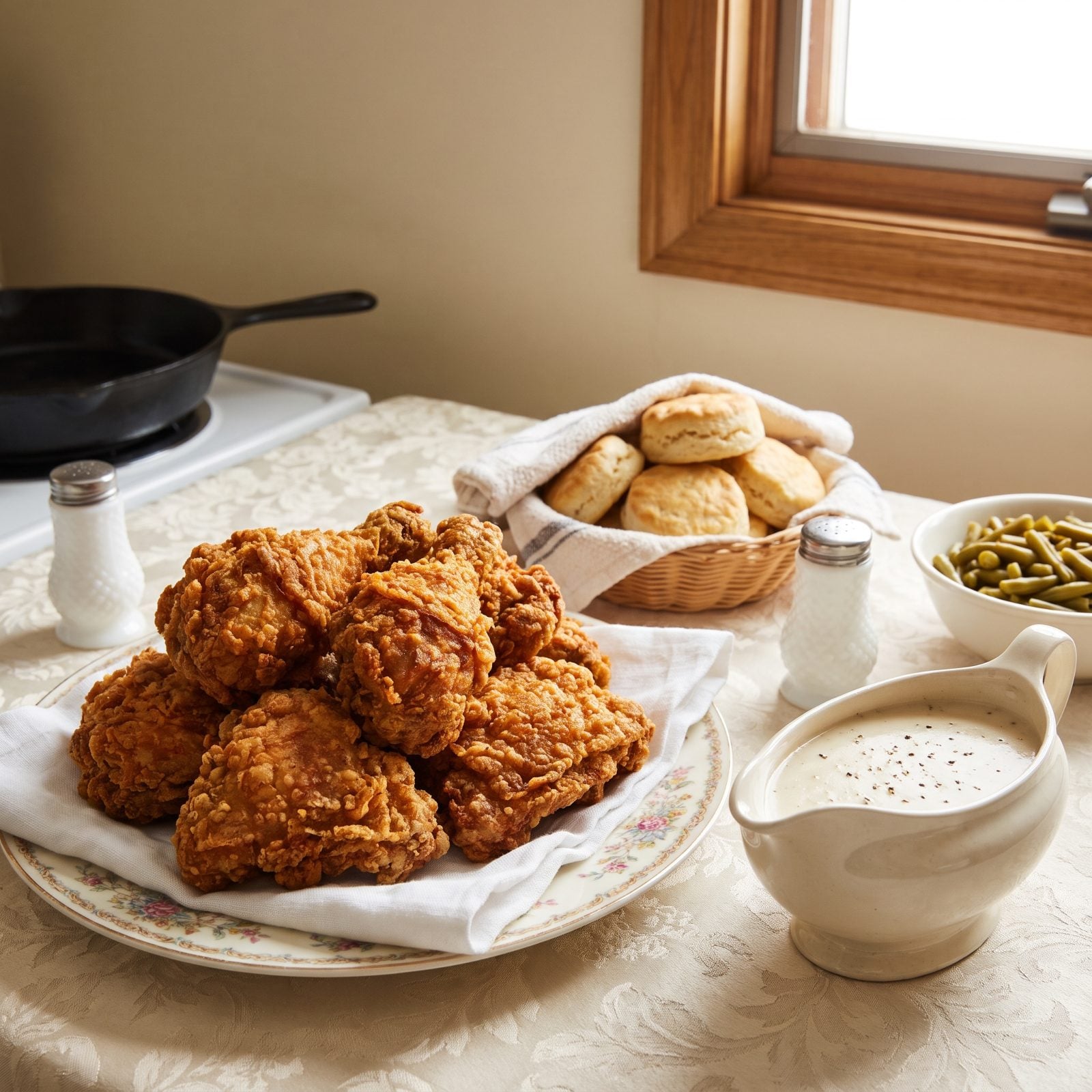
Real cream gravy starts in the skillet you just fried in. Pour off most of the fat, leave the browned crumbs stuck to the bottom, whisk in flour and milk, and scrape everything loose. That’s where the flavor lives. Skip the drippings and you get wallpaper paste.
The chicken itself wants a buttermilk soak overnight and a crust that goes on in two passes — flour, then egg, then flour again. Fry it in a cast-iron skillet at a steady medium, not screaming hot. Plenty of cooks have ruined chicken chasing a darker crust faster. The inside stays raw and the outside burns. Low and patient wins.
37. Pineapple-Glazed Ham With Scalloped Potatoes
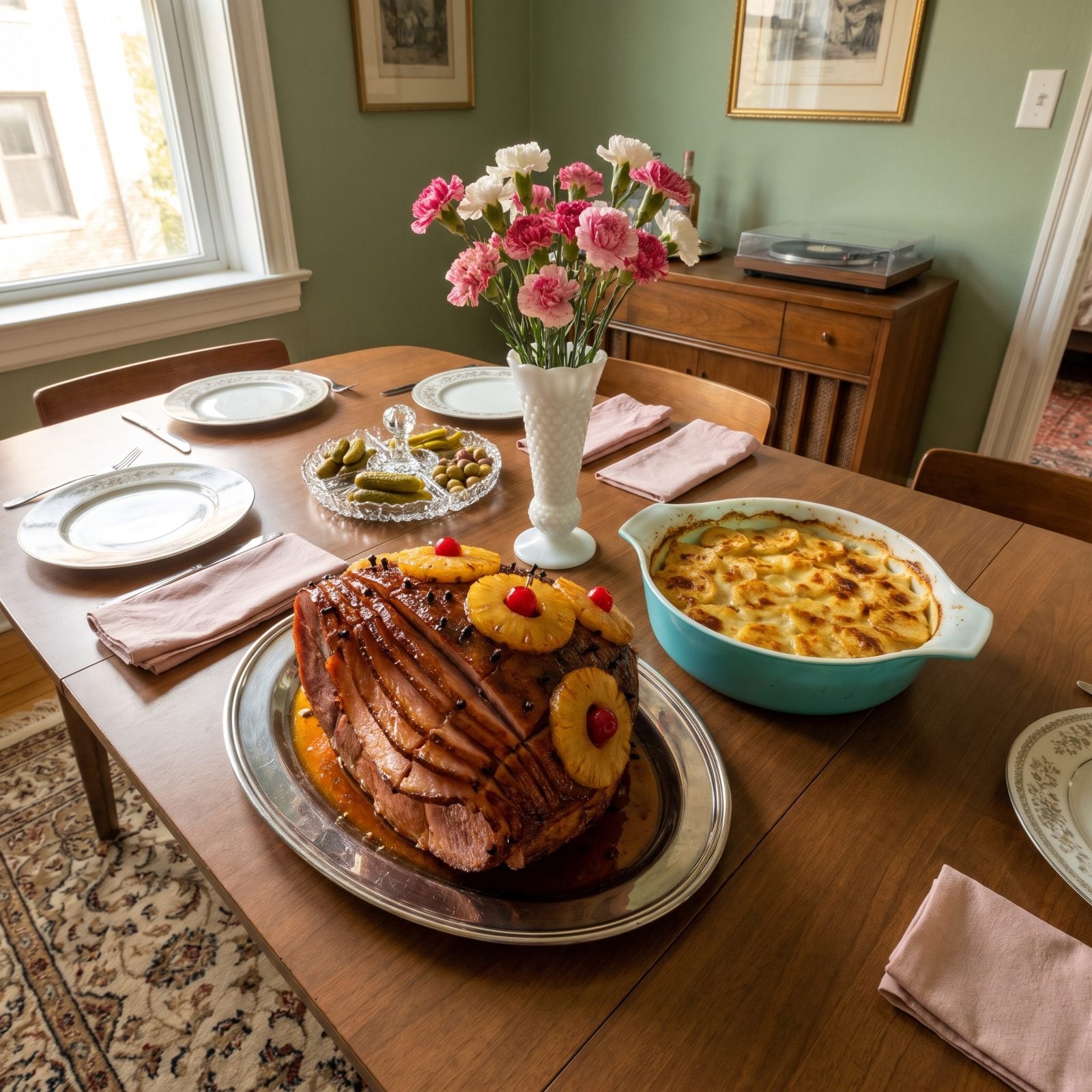
The pineapple ring and cherry garnish looks like a costume now, but there’s logic under it. The acid in the pineapple cuts the salt of the ham, and the brown-sugar glaze caramelizes into something between candy and crust.
Your real job is not drying it out. A fully cooked ham only needs warming through, basted every twenty minutes, pulled at 140 internal and no higher. The scalloped potatoes alongside are the sleeper hit: thin-sliced russets, layered with a flour-thickened milk and plenty of pepper, baked covered until soft then uncovered until the top browns.
36. Glazed Meatloaf With Mashed Potatoes and Peas
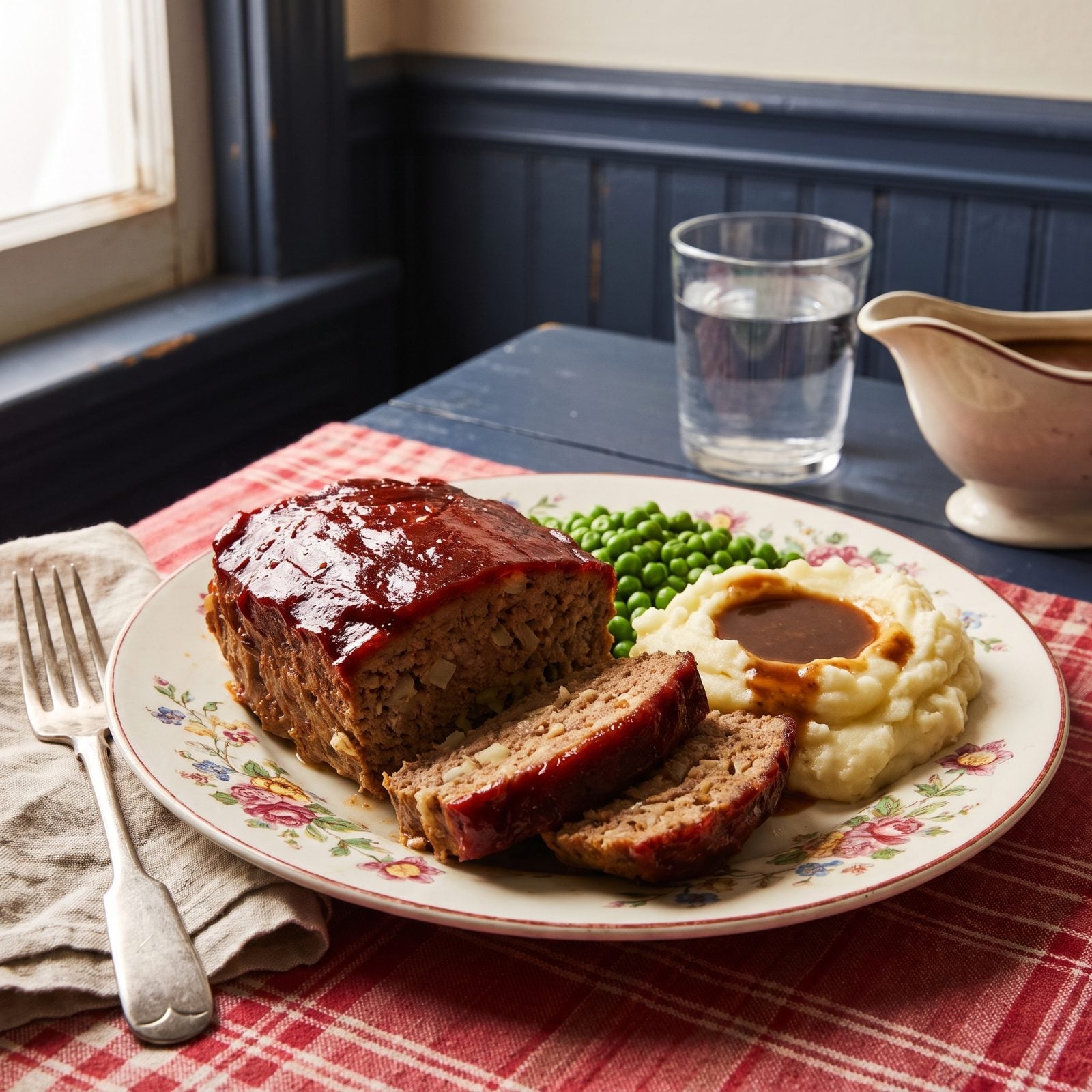
Everybody has eaten a dry, dense meatloaf that felt like punishment. The fix is nothing fancy. You need a panade — bread or crackers soaked in milk, mixed in before the meat gets overworked. That trapped moisture keeps it tender instead of turning into a brick.
Use a mix of beef and pork if you can, keep the glaze on the sweet-tart side with ketchup, brown sugar, and a splash of vinegar, and brush it on twice. Once before baking, once in the last fifteen minutes so it sets into a shine. The mashed potatoes and peas aren’t negotiable. That plate is the whole point.
35. Roast Beef With Yorkshire Pudding
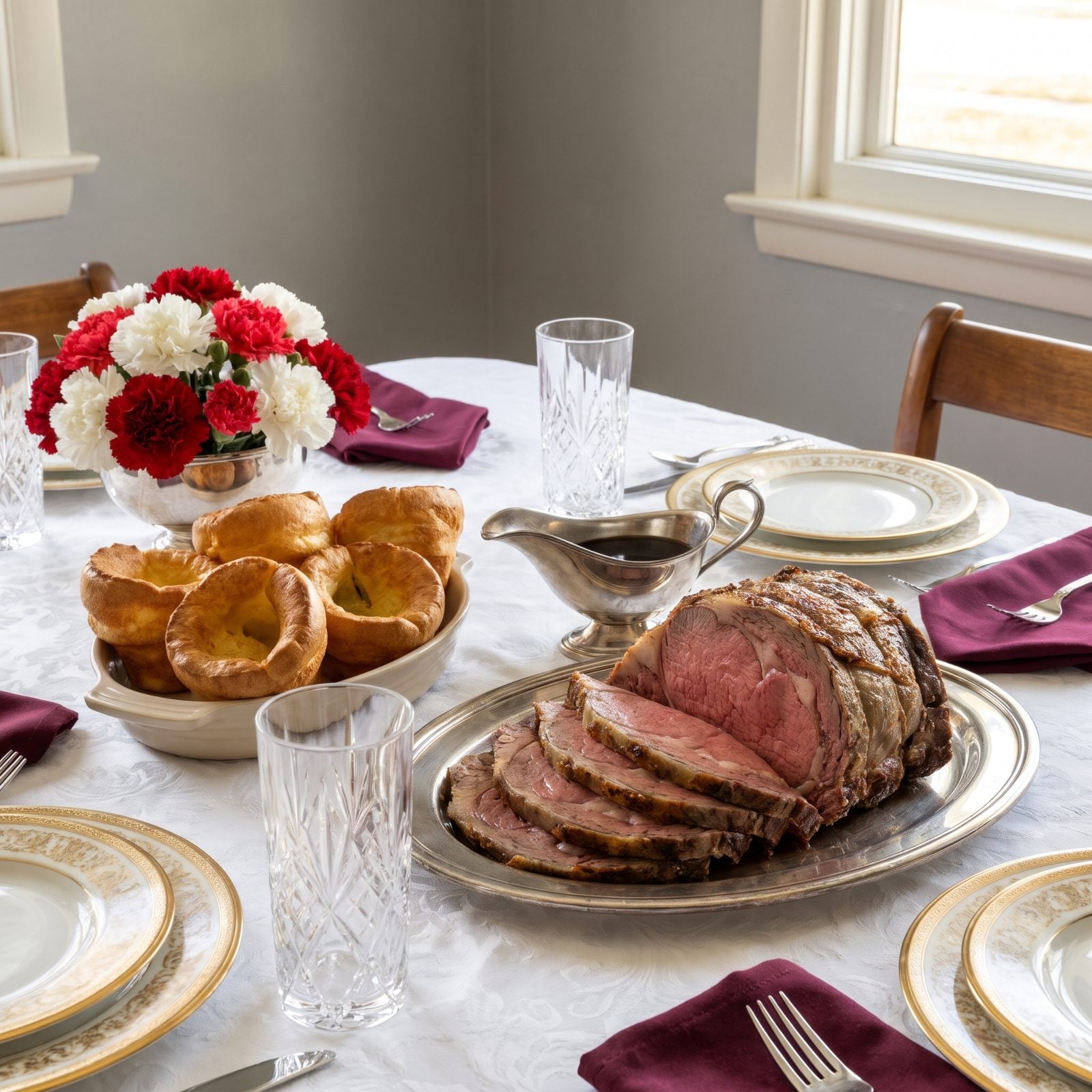
This was the dinner that meant someone important was coming. A rib roast is not cheap, and the Yorkshire pudding takes a confidence most home cooks have lost. Both are easier than they look if you stop fighting them.
Roast the beef at a high blast to set the crust, then drop to low and cook to temperature, not time. Pull it at 125 for medium-rare and let it rest a full twenty minutes under foil. The puddings go into screaming-hot beef drippings in the pan, and you do not open that oven door. They need the trapped steam to climb.
The rest is not optional. Carve it early and the juice runs onto the board instead of staying in the slice. That’s the difference between a roast and a disappointment.
34. Roast Turkey With Sage Dressing and Giblet Gravy
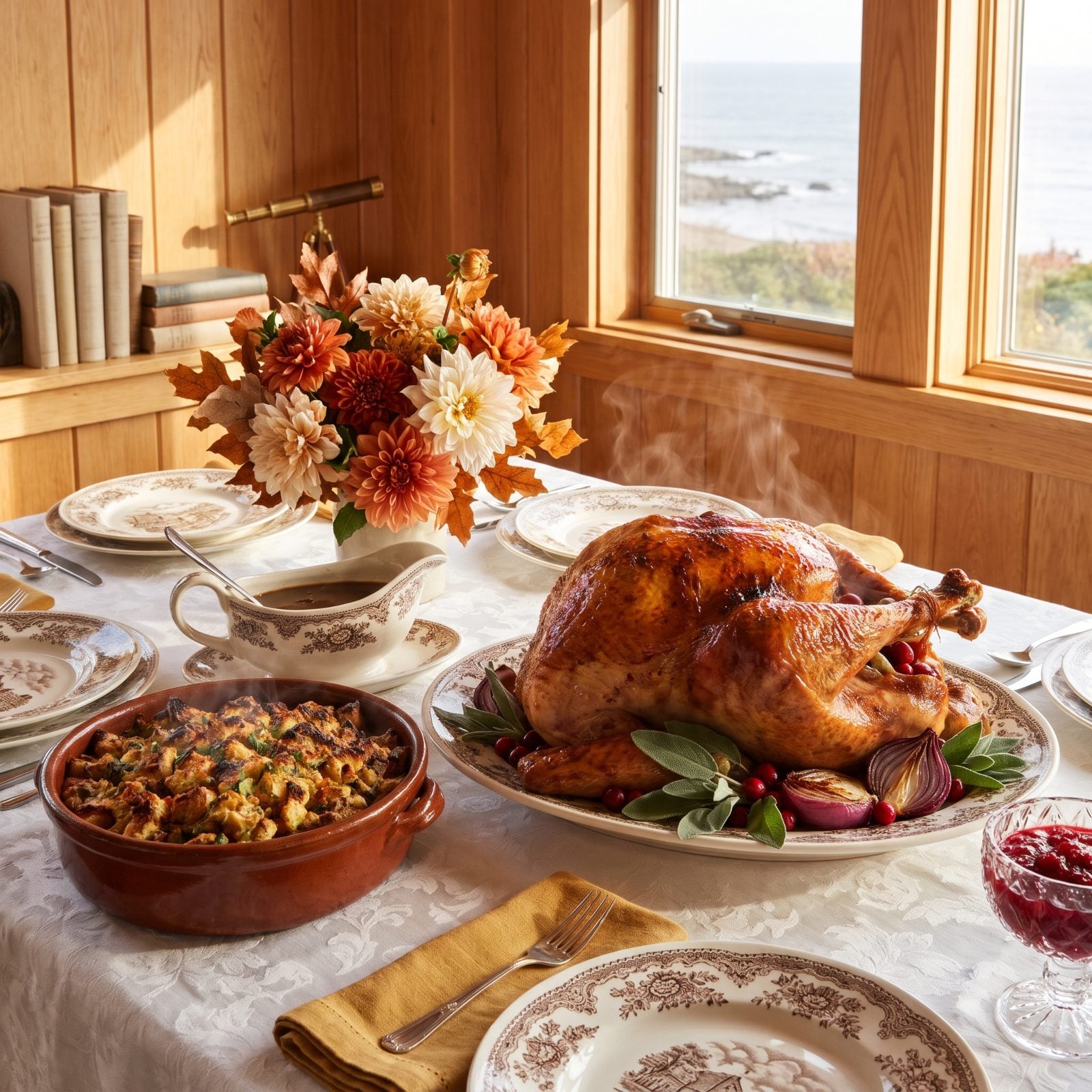
Turkey wasn’t just a November thing in a lot of 1960s houses. A big Sunday with family in town called for the bird, and the giblet gravy was the real treasure, built from the neck and organs most people now toss.
Dry brine the turkey a day ahead, salt under and over the skin, and let it sit uncovered in the fridge so the skin dries out and crisps. Roast breast-down for the first stretch if you want the white meat to stay moist. The sage dressing lives or dies on good stock and enough butter. Dry dressing is a crime, and it usually comes from trying to use up stale bread without enough liquid.
33. Chicken and Dumplings With Buttered Green Beans
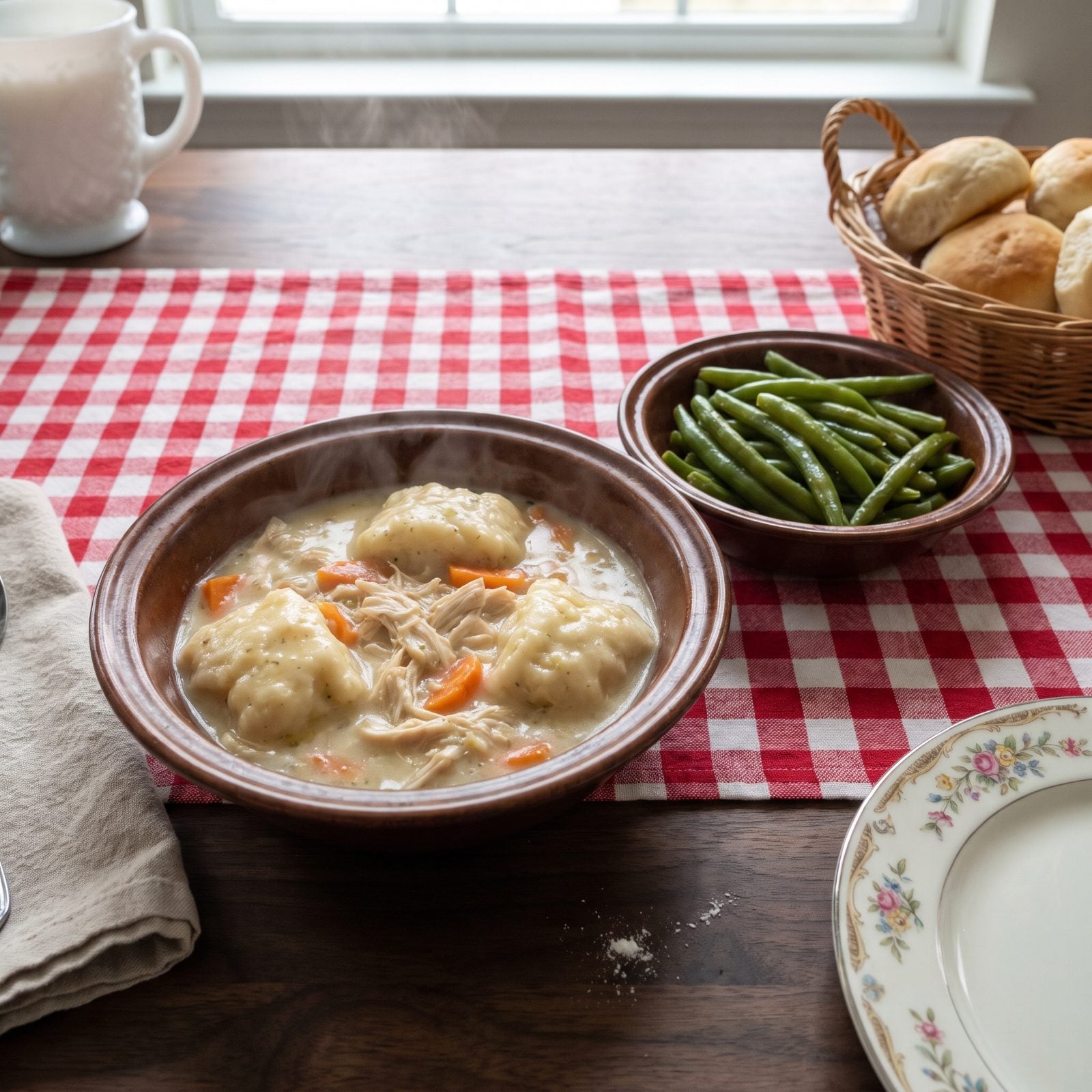
Poor-folks food that outclasses half of what’s on a fine-dining menu. A whole chicken stewed down with aromatics, the meat pulled and returned, and dumplings dropped onto the simmering surface to steam into clouds.
Here’s where people go wrong. They boil the pot hard once the dumplings go in. Rolling water tears them apart and leaves you with cloudy gruel. Keep it at a bare simmer, lid on, and do not peek for fifteen minutes. The steam does the lifting.
What Our Readers Say
- When Piaci Pizza readers loved a food photo and tapped a reason, “comfort” came out on top at 26%, followed by “nostalgic” at 19%.
From Piaci Pizza reader polls and votes.
32. Swiss Steak in Tomato-Onion Gravy
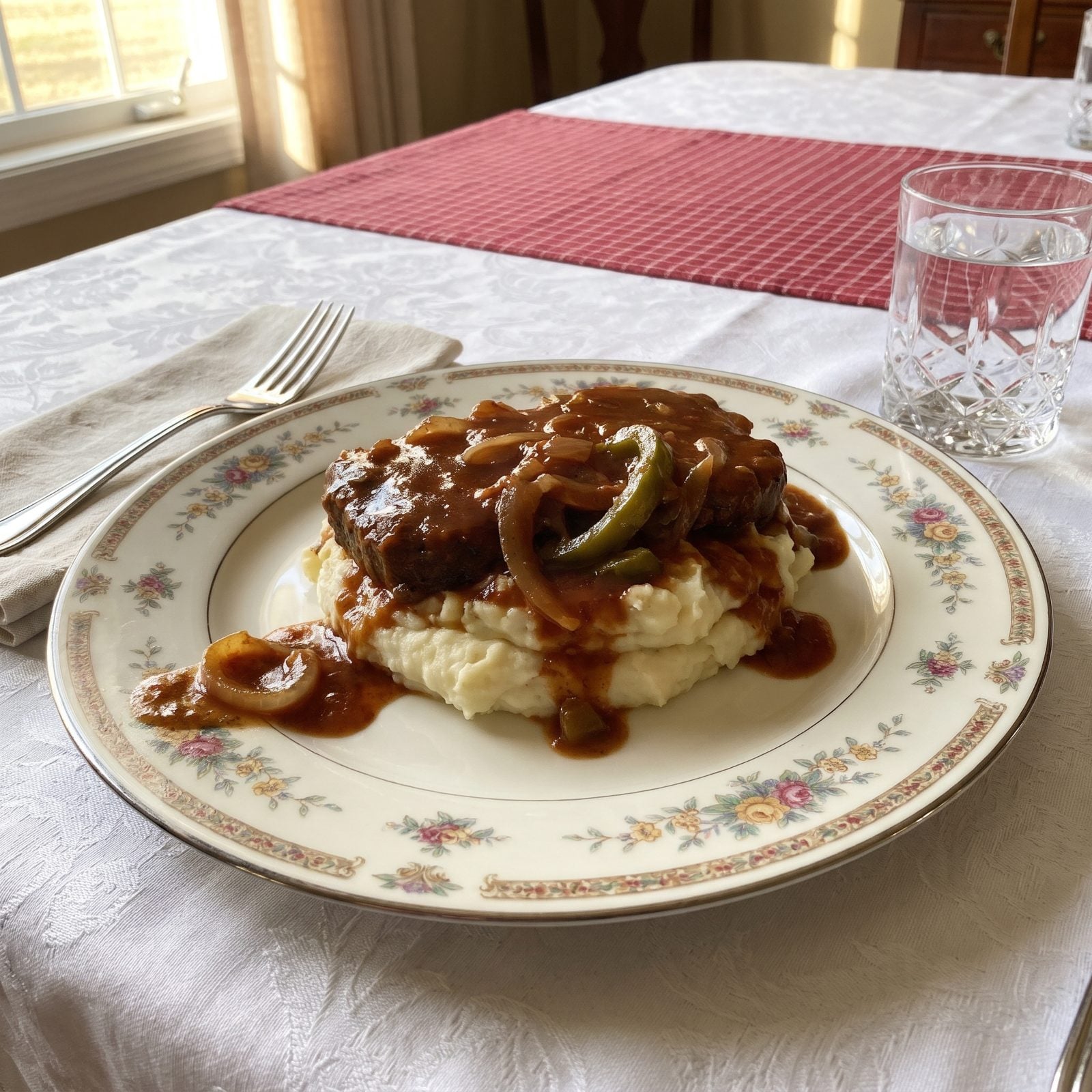
The name throws people. No Switzerland involved. “Swiss” refers to swissing, the old practice of pounding a tough round steak with a mallet to break the fibers down. That pounding is step one and it matters.
Dredge the flattened steak in flour, brown it hard, then braise it low in a tomato-and-onion gravy for an hour and a half until a fork slides through. The tomatoes bring acid that tenderizes further, and the onions melt into the sauce. Serve it over mashed potatoes or buttered noodles. This was the cut a careful household stretched into Sunday dinner, and it tasted like somebody cared.
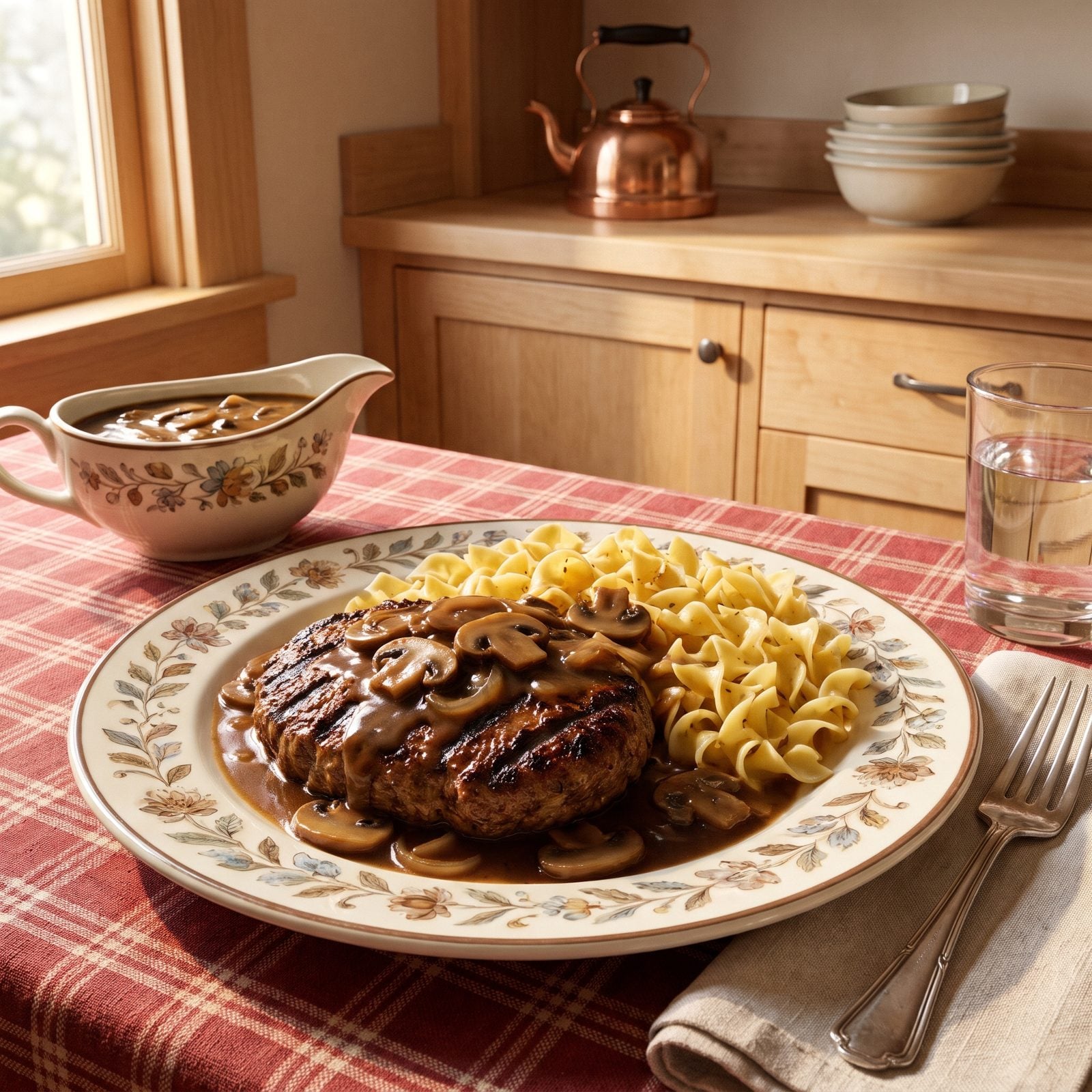
31. Salisbury Steak With Mushroom Gravy
Would you like to save this?
Salisbury steak gets lumped in with TV-dinner sadness, which does the real thing a disservice. Made right, it’s a seasoned ground-beef patty with a proper crust and a mushroom gravy you’d happily eat with a spoon.
Bind the patty with egg and a little breadcrumb so it holds, and get a hard sear before anything else. Then build the gravy in that same pan: mushrooms and onions down until they brown and release their liquid, flour, beef stock, a dash of Worcestershire. Return the patties to finish in the gravy. The browning on both the meat and the mushrooms is where the flavor comes from. Pale mushrooms give pale gravy.
30. Beef Stroganoff Over Buttered Egg Noodles
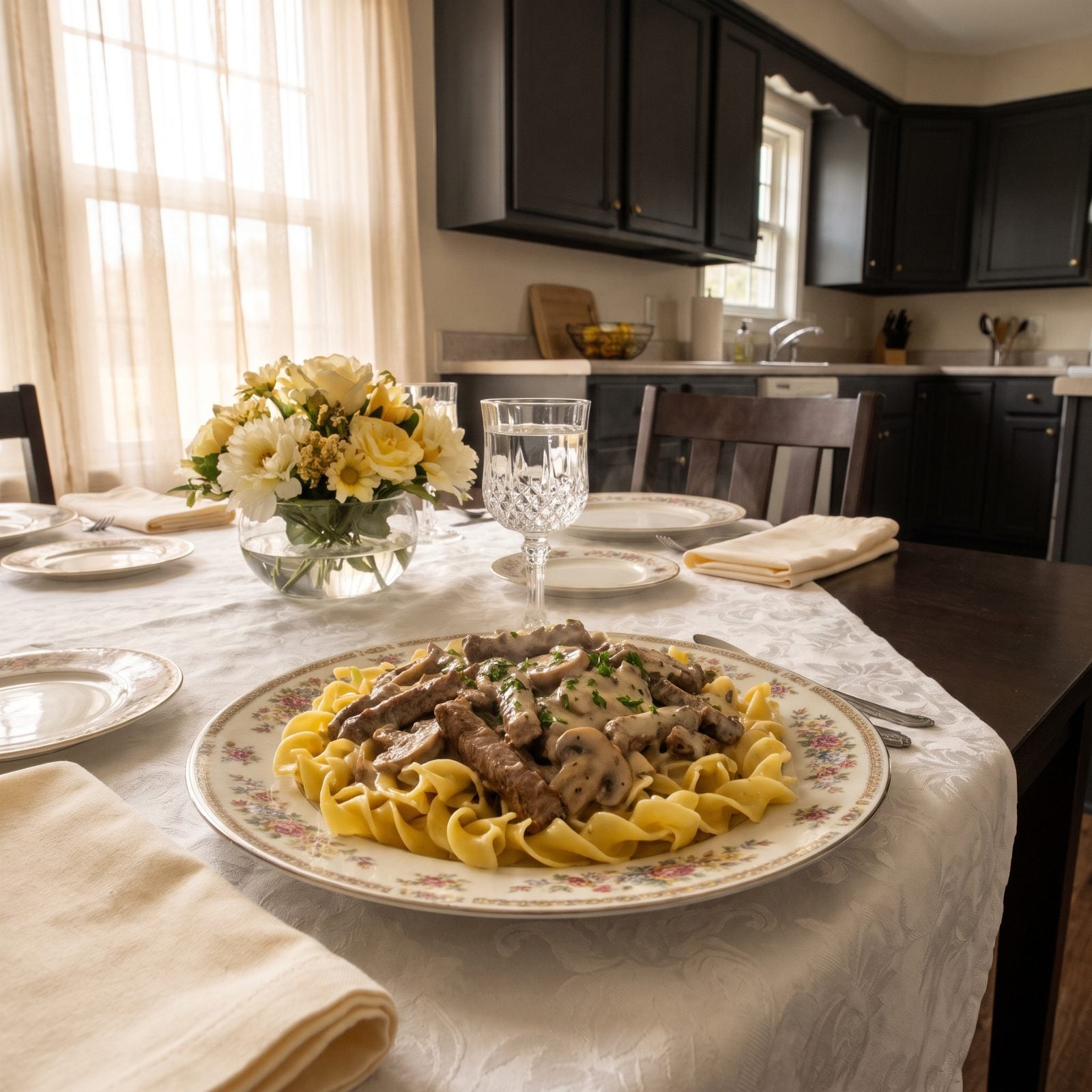
The company dish. A little exotic for 1960s America, a little Russian, the kind of thing a hostess made when she wanted to seem worldly. It still earns the reputation.
Two rules save your stroganoff. First, sear the beef strips fast and hot in batches, then pull them. Overcook that tender cut and no amount of sauce rescues it. Second, the sour cream goes in off the heat at the very end. Let it boil and it curdles into grainy curds, and there’s no coming back from that.
Everything else is forgiving. Brown your mushrooms and onions, deglaze with a little stock, build the sauce, fold the beef and sour cream back in gently, and spoon it over egg noodles tossed in butter and parsley. Serve it the minute it comes together.
29. Chicken à la King in Puff-Pastry Shells
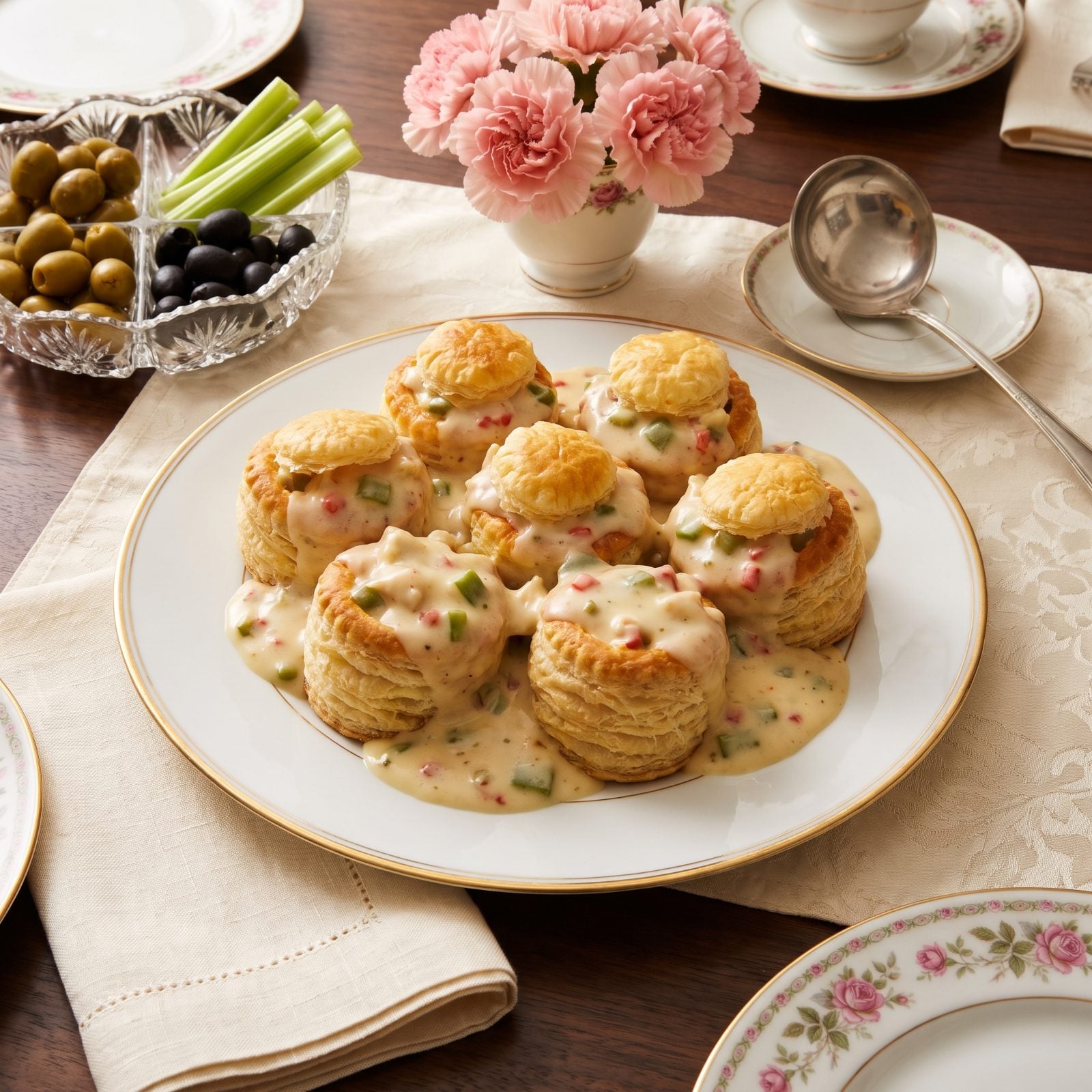
Flaky pastry cups holding a warm cream sauce studded with chicken, mushrooms, and little jewels of pimento. This was the dish you made when the pastor was coming over, or the in-laws, or anyone you wanted to quietly impress without saying so.
The magic is restraint. Don’t drown the chicken — you want sauce that coats a spoon, not soup. Poach the chicken gently so it stays tender, and fold the pimento in at the very end so it keeps its color. Those pastry shells did a lot of heavy lifting, dressing up a humble cream sauce until it felt like an occasion worth putting on a nice blouse for.
28. Tuna Noodle Casserole With a Crushed Potato-Chip Topping
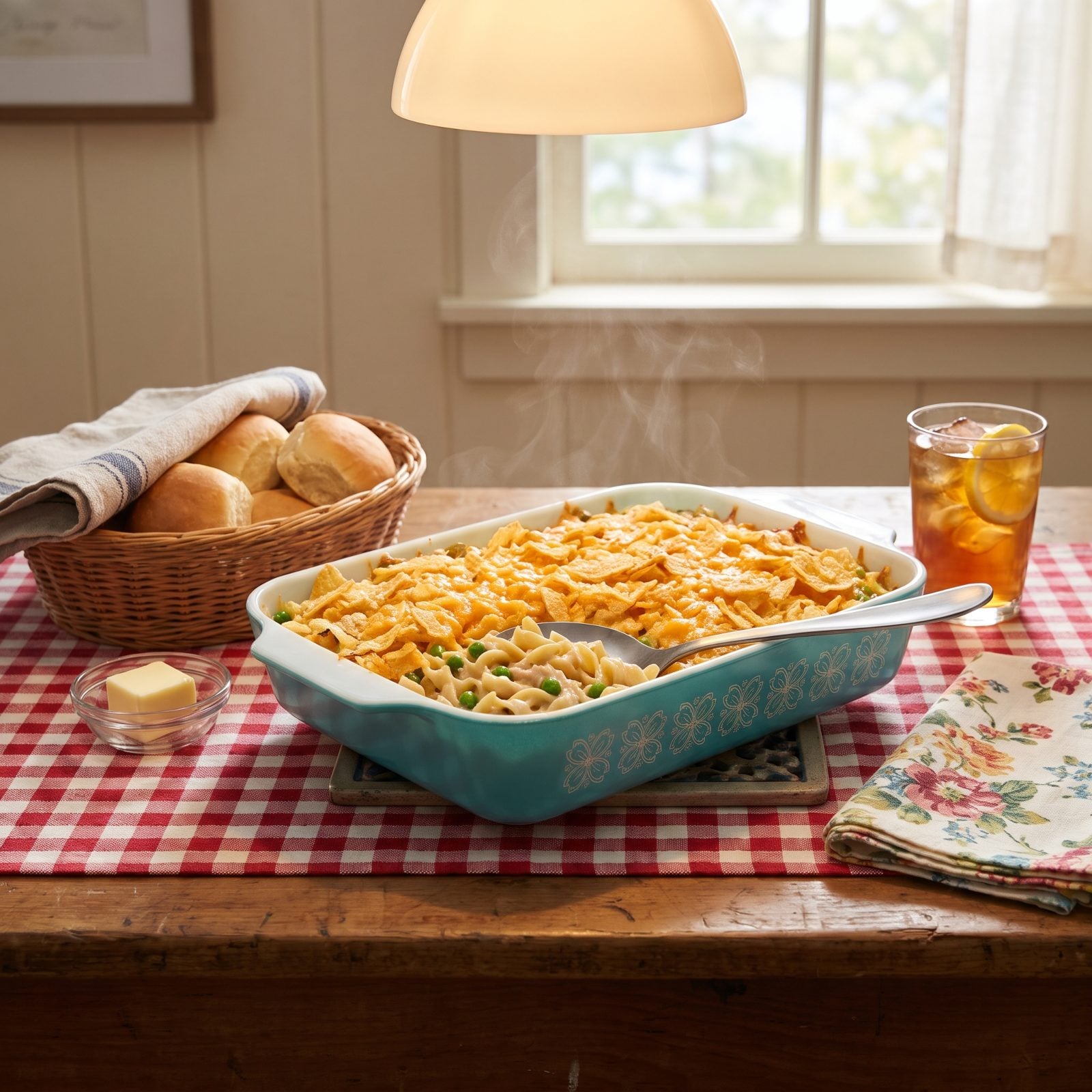
The potato chips are not optional. People try to get fancy with breadcrumbs and end up with something softer and sadder. You want that salty crunch riding on top of the soft noodles underneath, because the contrast carries the whole dish.
Use egg noodles, not elbows, and pull them early since they keep cooking in the oven. Stir in frozen peas straight from the bag. Crush the chips by hand right before they go on so they stay crisp. We’ll admit it — we used to pour the whole bag on. No regrets.
Not everyone is sold on the format, though: in our reader votes, casserole photos got hearts 67% of the time, compared with 74% for other images in the same articles.
27. Chicken Divan With Broccoli Under a Blanket of Cheese Sauce
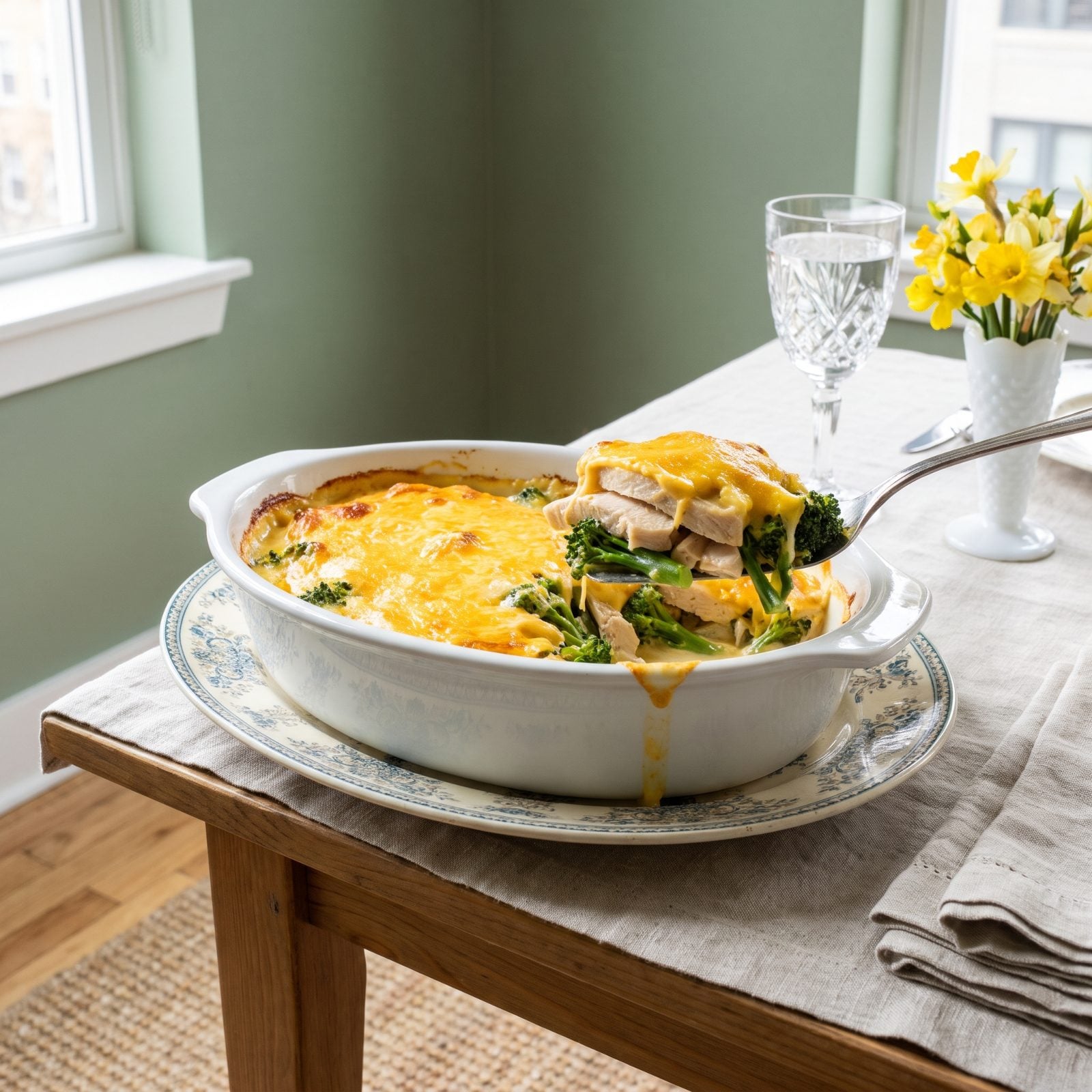
This was the dish that made broccoli respectable at a dinner party. Tender chicken, barely-cooked broccoli, and a cheese sauce rich enough to make a kid eat his vegetables without a fight.
The mistake everyone makes is cooking the broccoli to death before it ever sees the oven. Blanch it two minutes, no more, so it keeps some bite and that true green color. A splash of sherry in the sauce separated the company version from the Tuesday version. And a little curry powder — strange as that sounds — was the secret hiding in a lot of church-cookbook recipes.
26. Beef Burgundy With Pearl Onions
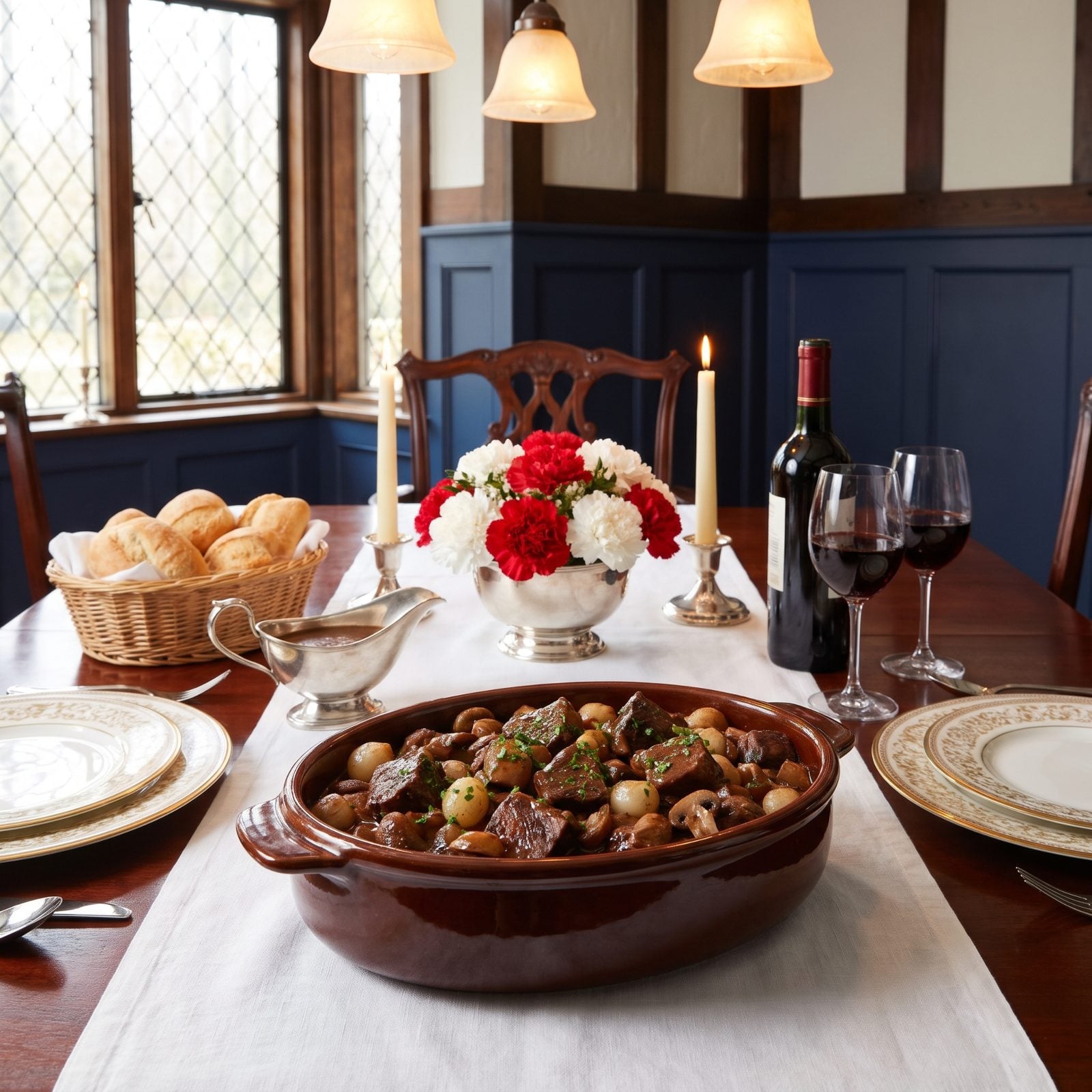
Americans took boeuf bourguignon, ditched the hard-to-pronounce name, and turned it into the dish you served when you wanted the neighbors to know you’d read a cookbook from France. Ambitious, yes. And it earned every bit of its reputation.
Brown the beef in batches. Crowd the pan and it steams instead of searing, and you lose the deep flavor that makes an afternoon of work worth it. Use a wine you’d actually drink. Add the pearl onions and mushrooms near the end so they don’t dissolve into the sauce. Low and slow is the only way through this one — rush it and you’ve wrecked it.
25. Stuffed Bell Peppers With Rice and Ground Beef
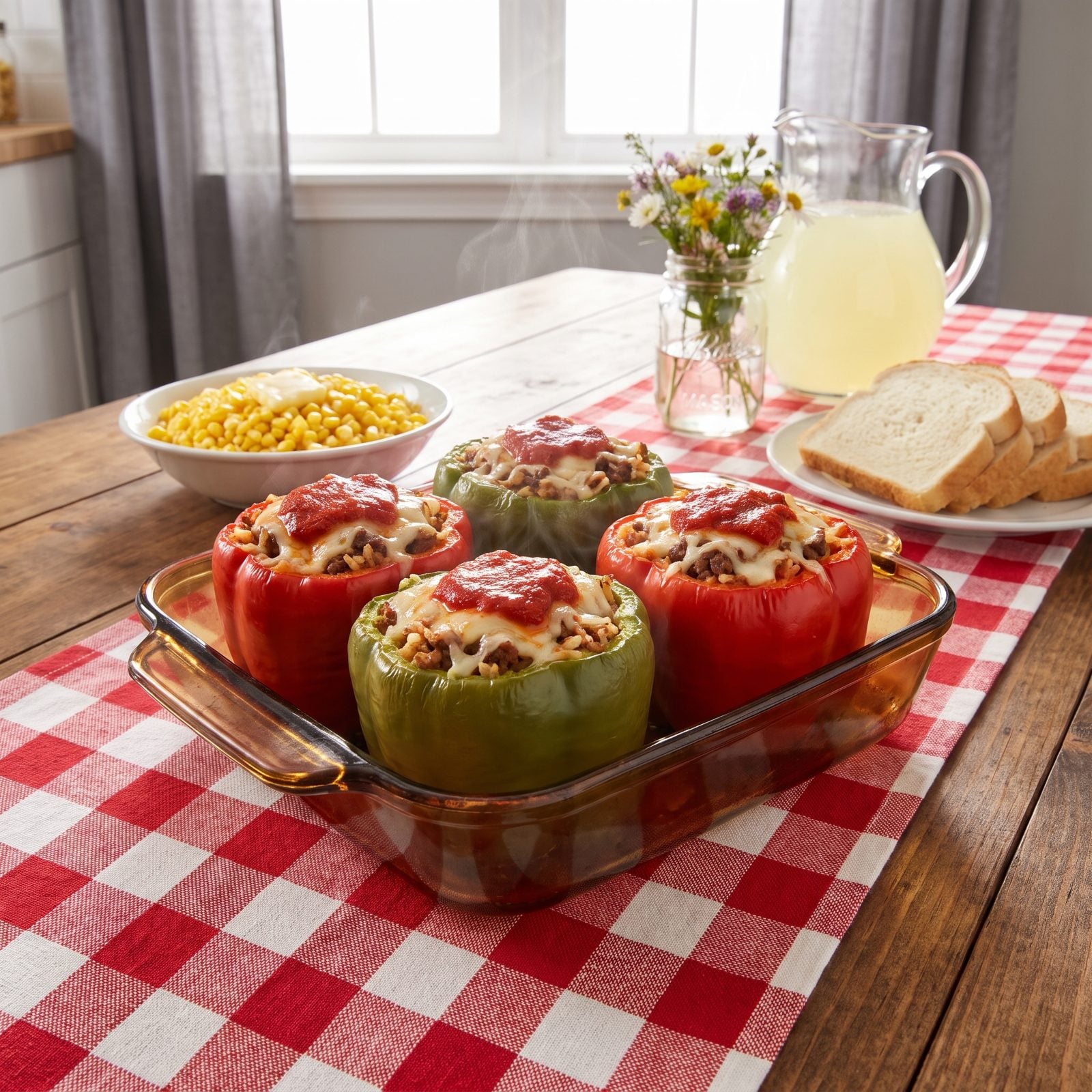
A whole meal standing upright on the plate, which is partly why mothers loved it. Meat, rice, and vegetable in one edible package, and it stretched a single pound of ground beef across the whole family.
Here’s where people go wrong: raw peppers that stay crunchy and fight your fork. Parboil them five minutes first so they’re tender enough to cut. Cook the rice before it goes in the stuffing — it won’t finish inside the pepper. A little tomato sauce in the pan keeps everything from drying out.
24. Pork Chops With Applesauce and Braised Red Cabbage
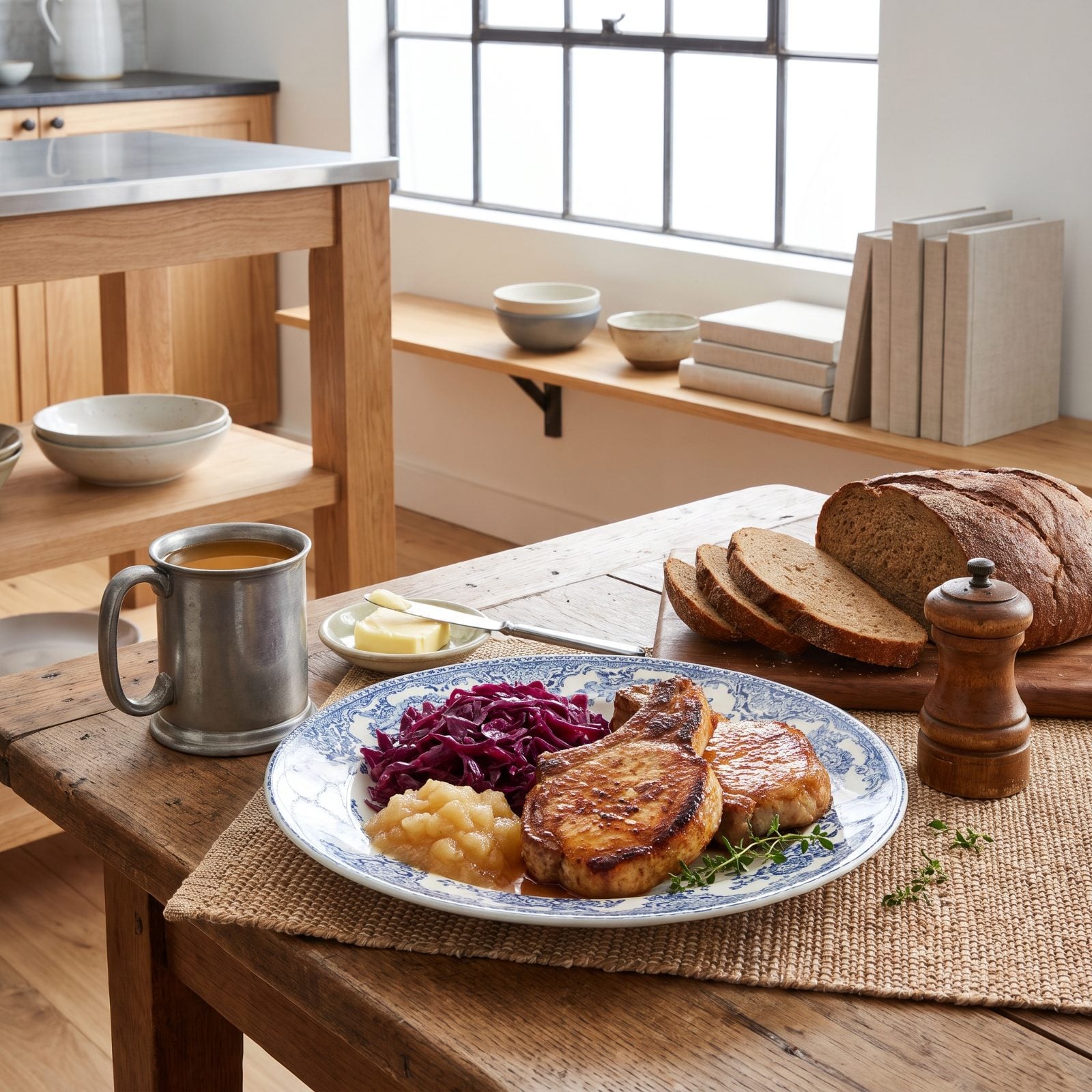
The sweet-and-savory play that showed up on Sunday tables with German and Scandinavian roots in the family. Caramelized pork, tart applesauce, and tangy braised cabbage all arguing on the same plate — in the best possible way.
Dry the chops before they hit the pan. Wet pork won’t brown, and that golden crust is where the flavor lives. Don’t cook them to shoe leather, either. Pull them when they’re just barely pink in the center and let them rest. The cabbage needs a splash of vinegar and a little brown sugar to hold that vivid color and sharp bite.
23. Veal Parmesan With Spaghetti
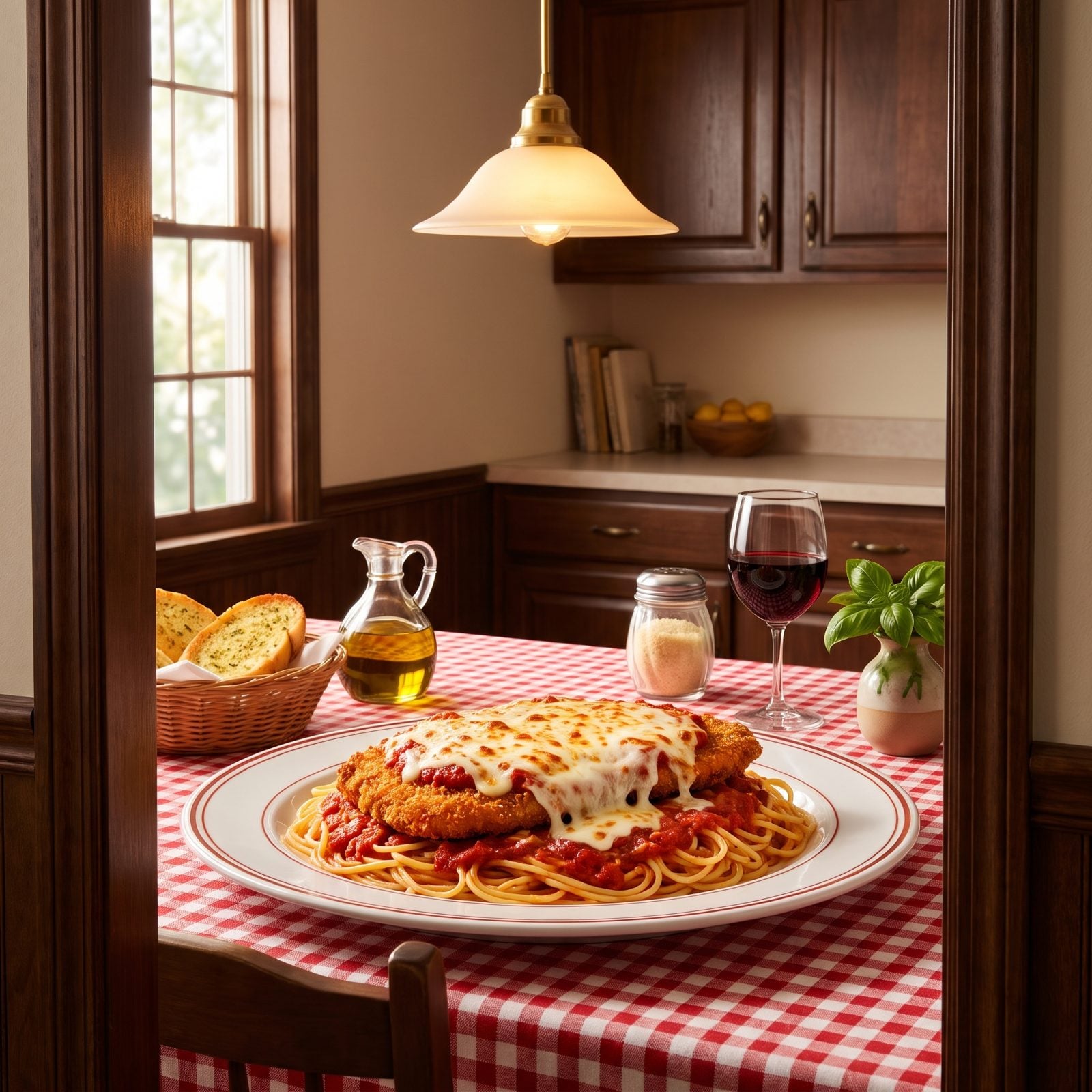
The dish that turned a weeknight cutlet into a reason to light the good candles. Crisp breaded veal, red sauce, molten mozzarella, and spaghetti to catch all of it.
The enemy here is soggy breading. Don’t sauce the whole cutlet before baking. Lay the sauce and cheese on top, leave the edges exposed, and the breading stays crisp underneath while the cheese melts above. Pound the veal thin and even so it cooks fast and tender. Set the cutlet right on top of a bed of sauced spaghetti and serve it straight away, before the steam rising from the pasta softens the crust into mush.
22. Spaghetti and Meatballs With Garlic Bread
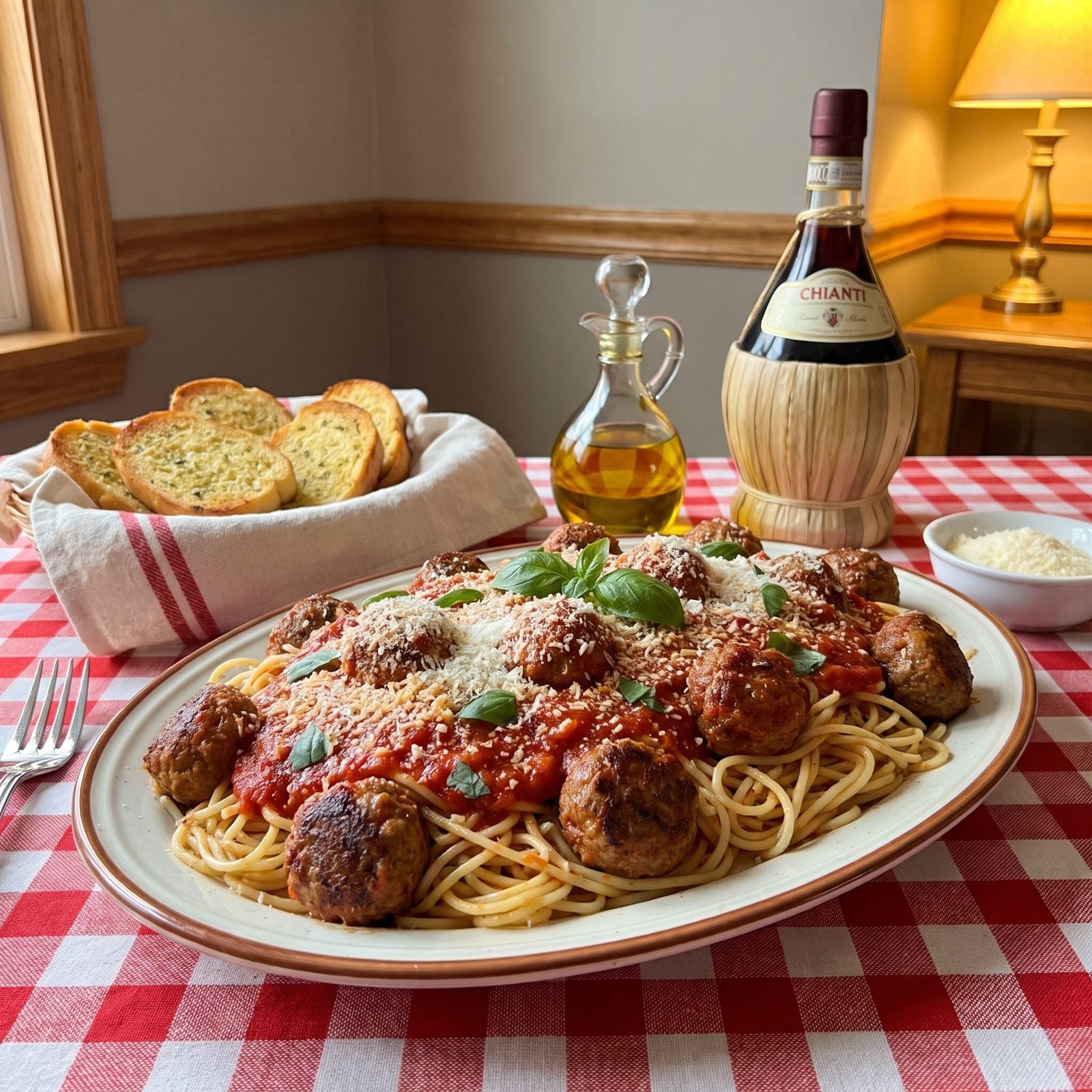
The Sunday dinner that didn’t need to be ambitious because it was already perfect. A mountain of spaghetti, meatballs the size of your fist, and garlic bread to mop the bowl once the pasta was gone.
The meatballs are everything, and the biggest mistake is making them too lean and too dense. You want a mix of beef and pork, soaked bread instead of dry crumbs, and a gentle hand when you roll them. Overwork the meat and you get golf balls. Finish them simmering in the sauce — that’s where they drink in the flavor and hand richness back in return.
21. Three-Cheese Lasagna With Sunday Gravy
Would you like to save this?
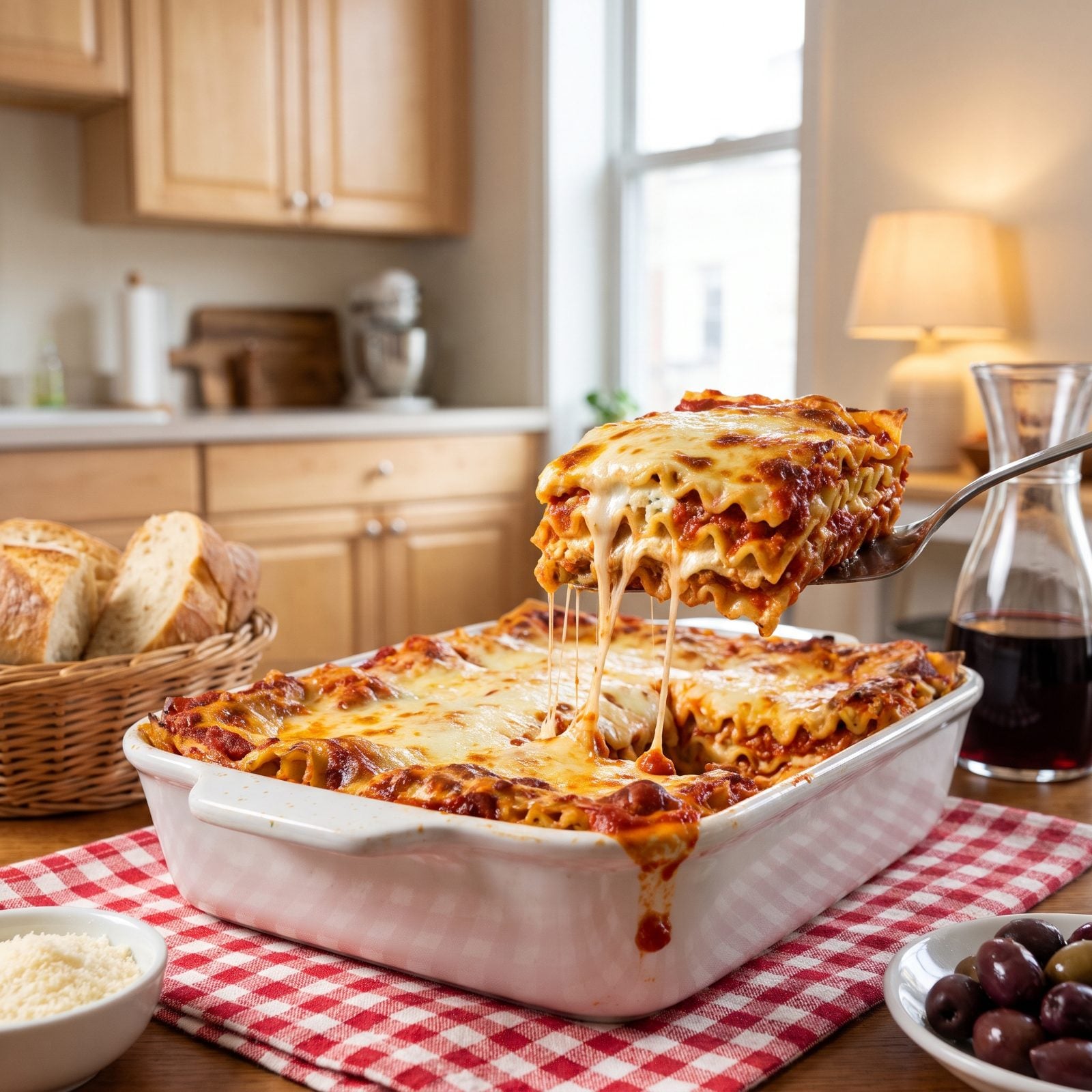
The dish that took all day and fed everyone twice. Layers of pasta, ricotta, mozzarella, parmesan, and a gravy bubbling on the stove since morning. In a lot of households the sauce started before church and finished long after.
Let the lasagna rest at least twenty minutes out of the oven. Cut into it too soon and the layers slide apart into a puddle, and all that work ends up looking like a casserole accident. Drain the ricotta so it isn’t watery. Go easy on the sauce between layers. Lasagna should hold its shape on the plate, not swim across it.
20. Chicken Cacciatore With Peppers and Mushrooms
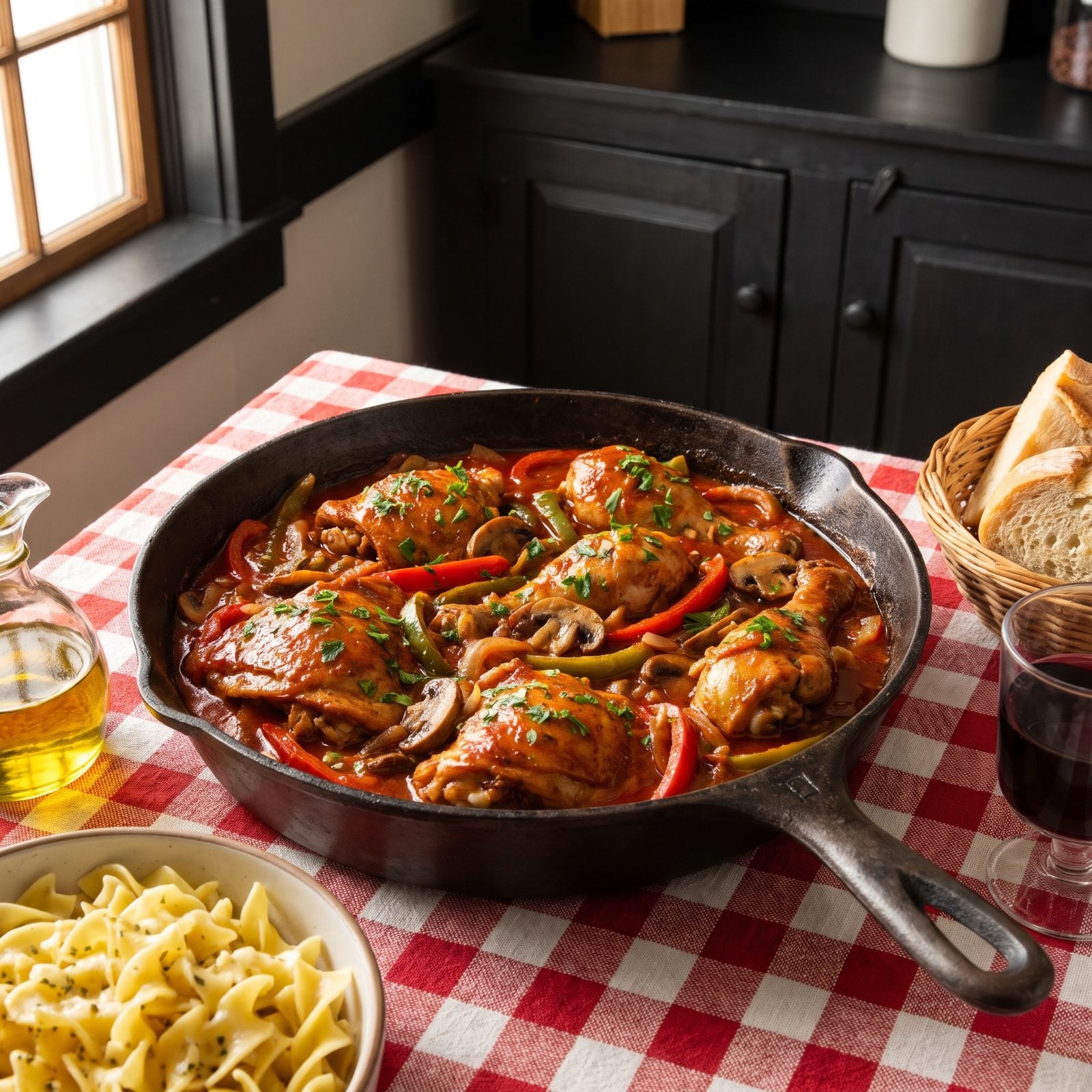
The hunter’s chicken, braised slow with peppers, mushrooms, and tomatoes until the meat nearly falls off the bone. Humble ingredients, long patience, and a result that tasted like somebody loved you.
Brown the chicken skin-side down first and leave it alone until it releases on its own. Fight it too early and you tear the skin and lose the crisp. Then build the sauce in the same pan so you catch every browned bit stuck to the bottom. Use bone-in thighs — breasts dry out over a long braise. Serve it over noodles or with bread, because honestly, that sauce is the whole reason you bothered.
19. Corned Beef and Cabbage With Boiled Potatoes
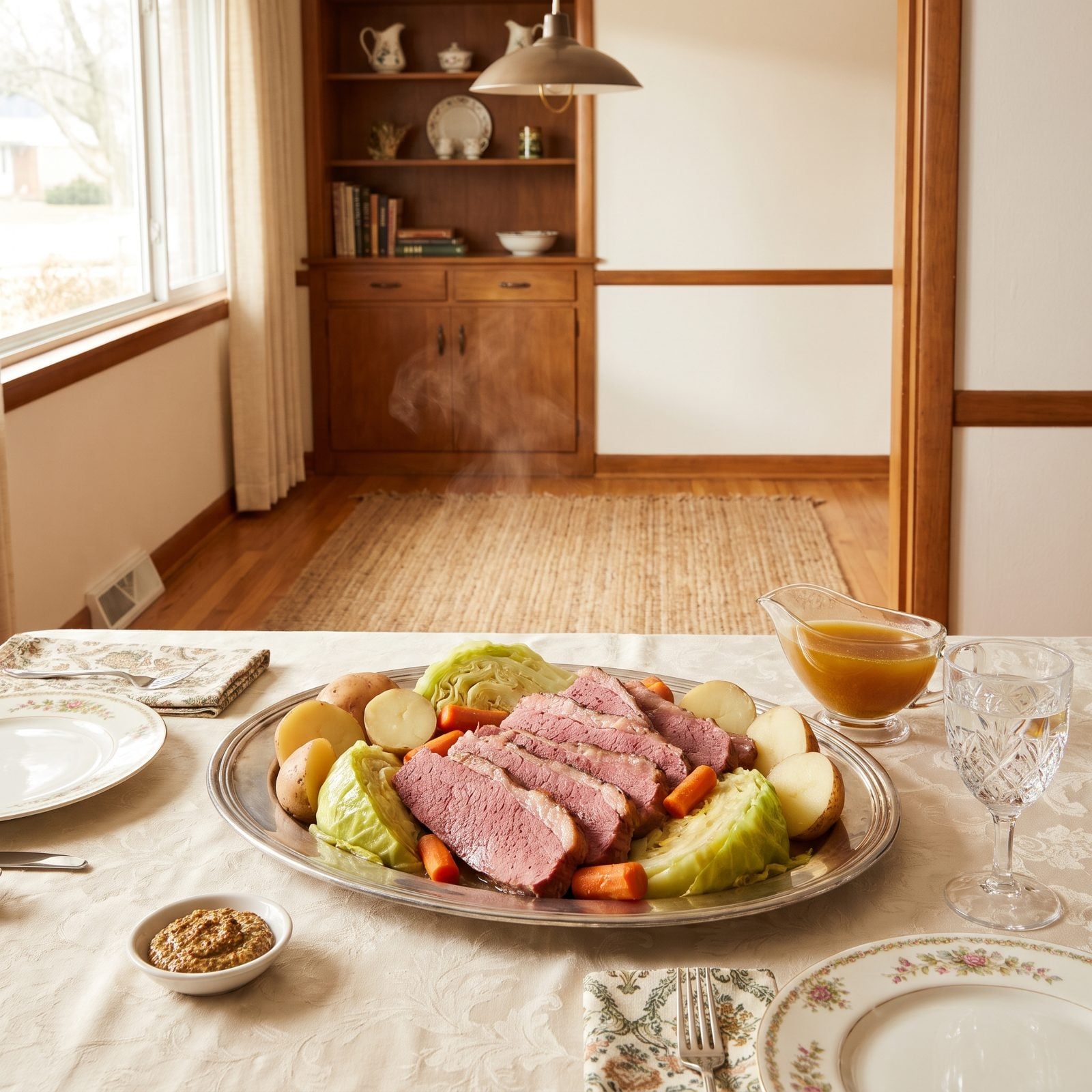
The whole kitchen smelled like it for hours, that low salty slow-braise smell that told you nobody was rushing anywhere. Corned beef wasn’t fancy, which was the point. You nursed the cut along in a pot of its own brine until it sliced like butter against the grain.
The mistake people make now is boiling the cabbage to death with it. Pull your beef, let it rest, then drop the wedges into that spiced liquid for ten minutes so they keep a little spine. Boiled potatoes go in last, soaking up the broth. A smear of grainy mustard on the side and you’re done.
18. Roast Leg of Lamb With Mint Jelly
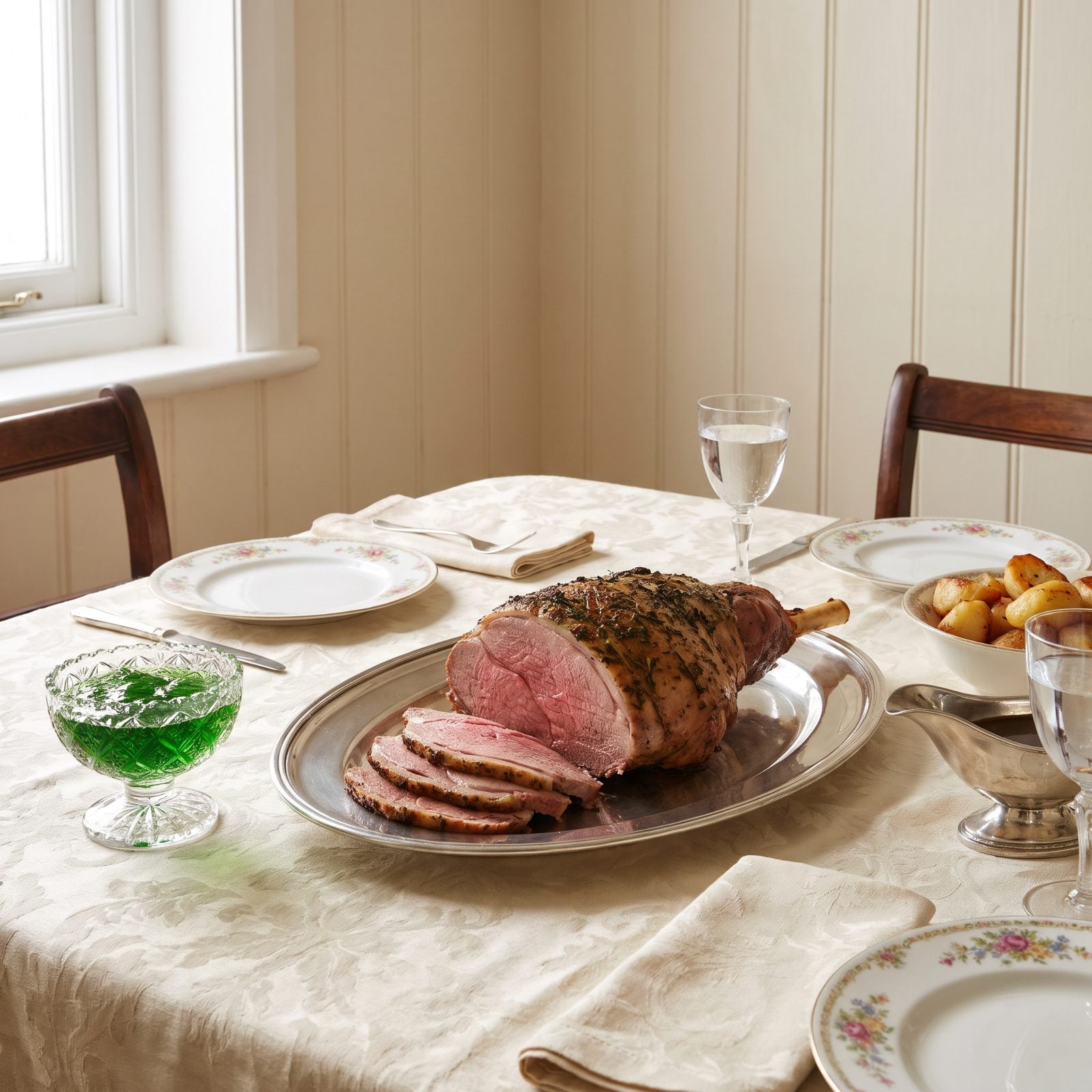
This was the dinner for when someone important was coming. The leg of lamb meant you’d dusted the sideboard and dug out the good gravy boat.
Here’s where most people went wrong: they roasted it gray. Lamb wants a hot start and a medium-rare finish, pulled at 135 degrees in the center and rested a full fifteen minutes before you pick up the knife. Studded with garlic slivers and rosemary, it carves into rosy slices that need almost nothing. And the mint jelly, wobbly and bright green, was the strange sweet counterpoint that somehow made the whole plate make sense. Skeptics, try it before you knock it.
17. City Chicken With Mashed Potatoes
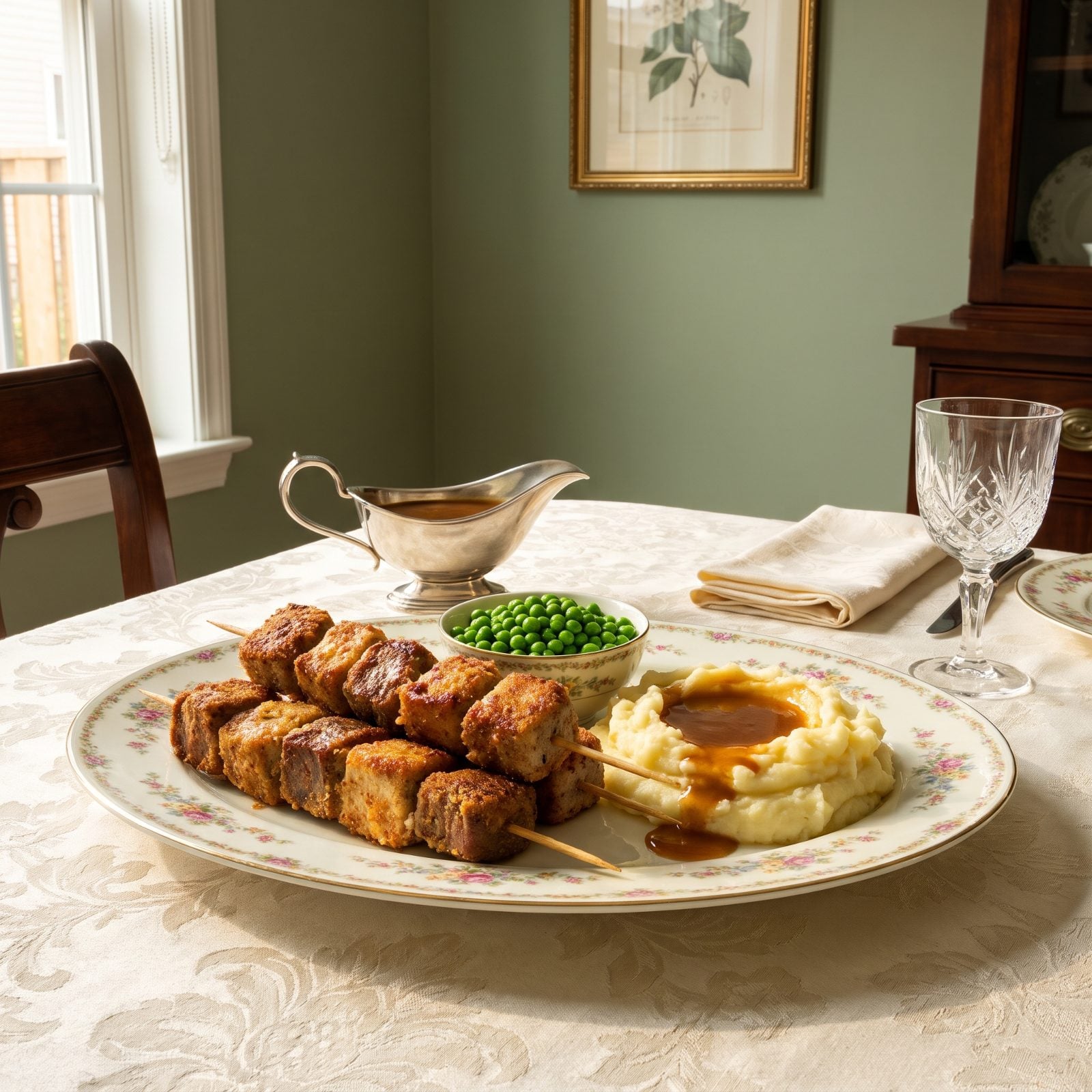
There is no chicken in city chicken. That’s the joke, and also the history. When poultry cost more than pork during the Depression, cooks cubed cheap pork and veal onto skewers, breaded them, and called it chicken to make it feel like a treat. The name stuck long after the economics flipped.
Done right, you brown the skewers in a skillet, then braise them covered in a little stock until the meat goes fork-tender. Mashed potatoes underneath, gravy over the top. It’s humble and wonderful, and we’d take it over most roast chickens any day.
16. Calf’s Liver With Bacon and Onions
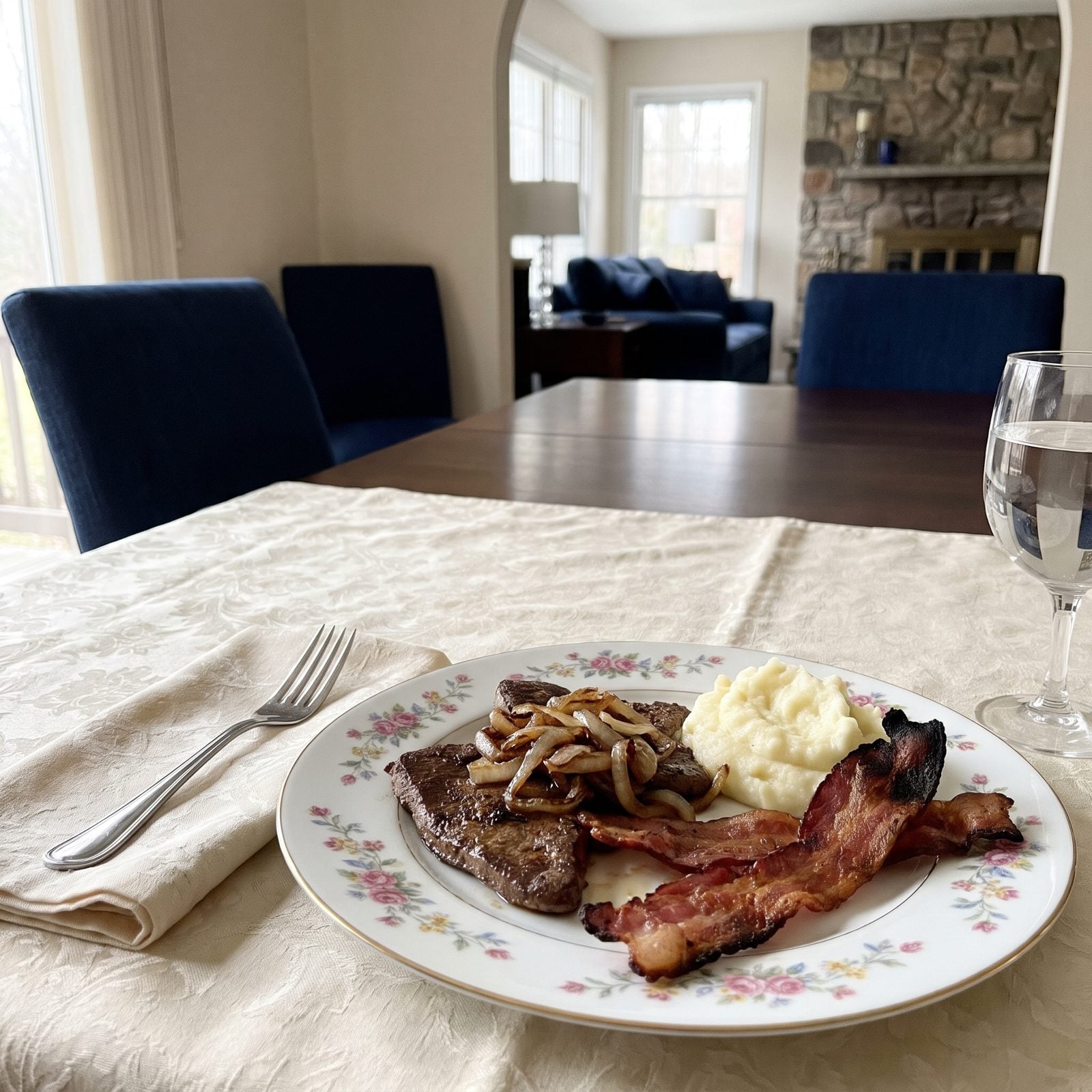
This one lost a generation. Kids pushed it around the plate and swore it off forever, and we were right there with them.
Then we had it cooked properly and understood. The whole crime against liver is overcooking it. Give it ninety seconds a side in the bacon fat, no more, so the inside stays pink and silky instead of turning to shoe leather. Pile on onions cooked slow and sweet until they’re nearly jam, then the bacon on top. The iron tang, the smoke, the sweetness. It all talks to each other on the fork, and if your only memory is the rubbery cafeteria version, you never actually tasted it.
When our readers disliked a food photo, the top reason was simply “not for me” at 37%, with “ingredients” close behind at 29%.
15. Chicken Tetrazzini With Mushrooms and Sherry
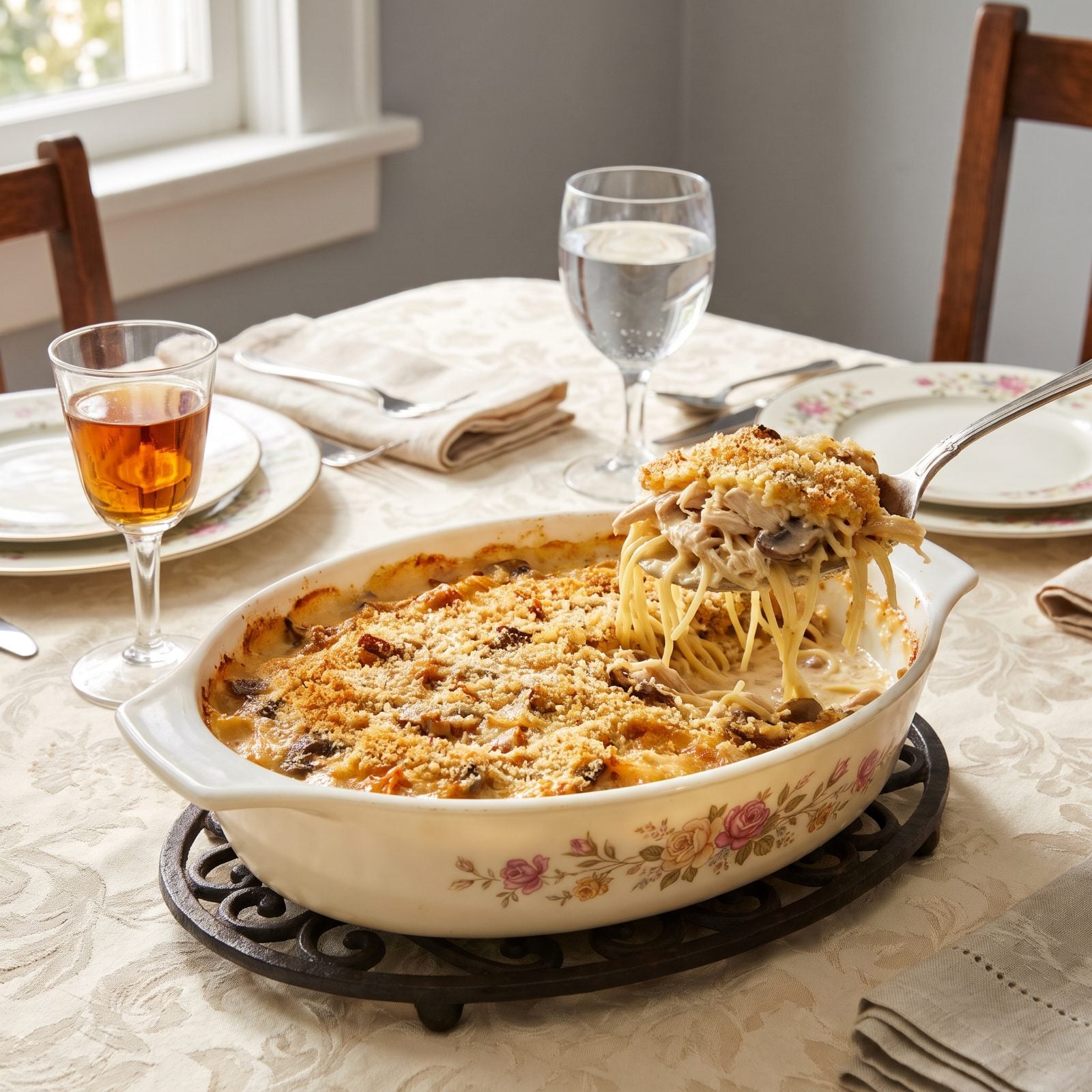
Named for an opera singer, built for Sunday leftovers. Tetrazzini was how you made last week’s roast chicken feel like something you’d serve guests: spaghetti, a cream sauce loosened with sherry, mushrooms, and a crust of parmesan and crumbs browned under the broiler.
The sherry is not optional and it is not for show. A splash of dry sherry cuts the richness of all that cream and gives the sauce a backbone it otherwise lacks. Skip it and the dish goes flat. Use the real thing, not the salty “cooking sherry” parked by the vinegar, and you’ll taste the difference in one forkful.
14. Shrimp Creole Over Steamed Rice
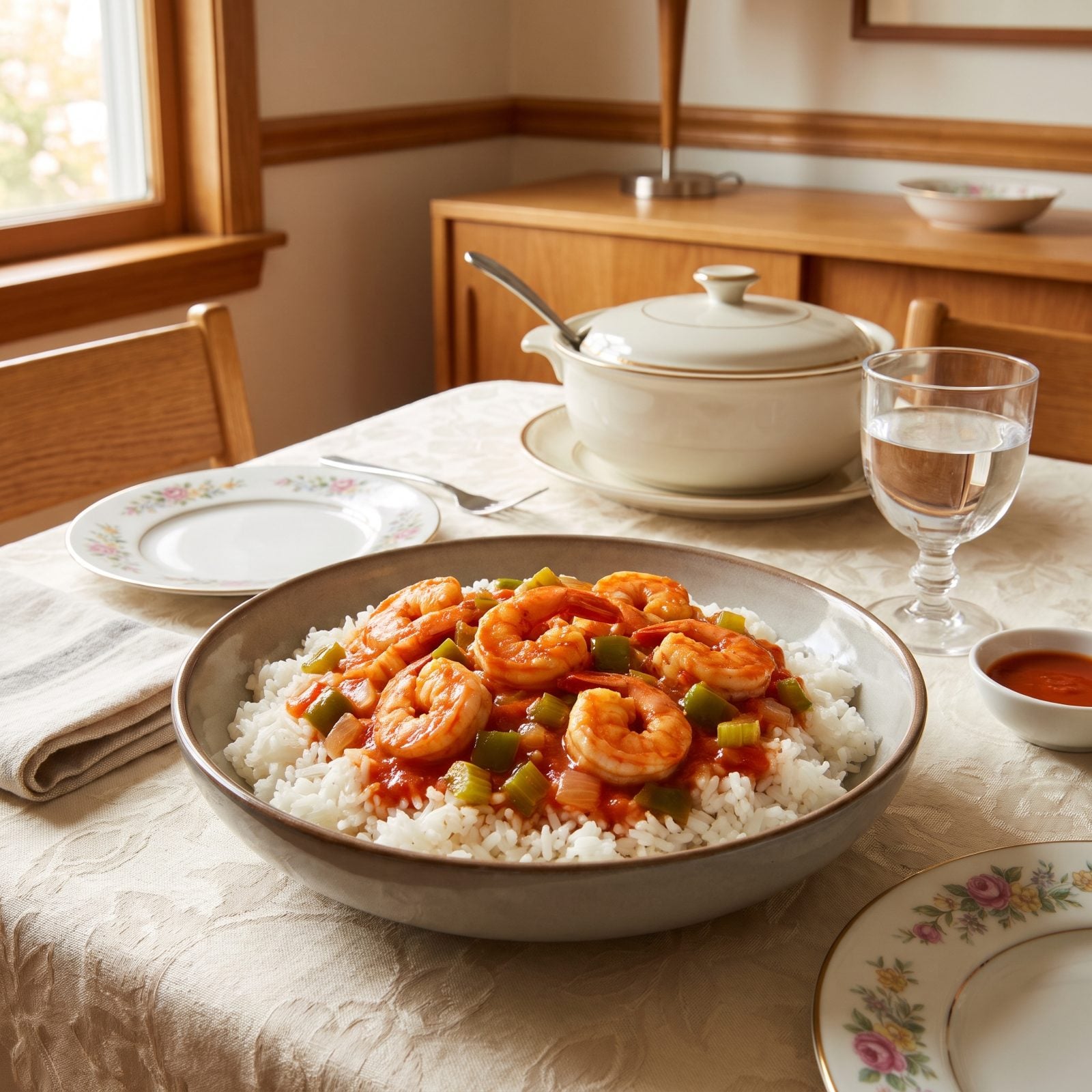
The holy trinity does the heavy lifting here. Onion, celery, and bell pepper, sweated down soft before the tomatoes ever hit the pan, and that base is the whole personality of the dish.
Where people stumble is the shrimp. They let it simmer in the sauce for twenty minutes and end up with little rubber erasers. Shrimp needs the last four or five minutes, period. Build your sauce, let it go thick and deep, then fold the shrimp in right at the end and pull the pot the second they curl pink. Over a scoop of plain steamed rice, hot sauce on the table for whoever wants it.
13. Seafood Newburg in Toast Cups
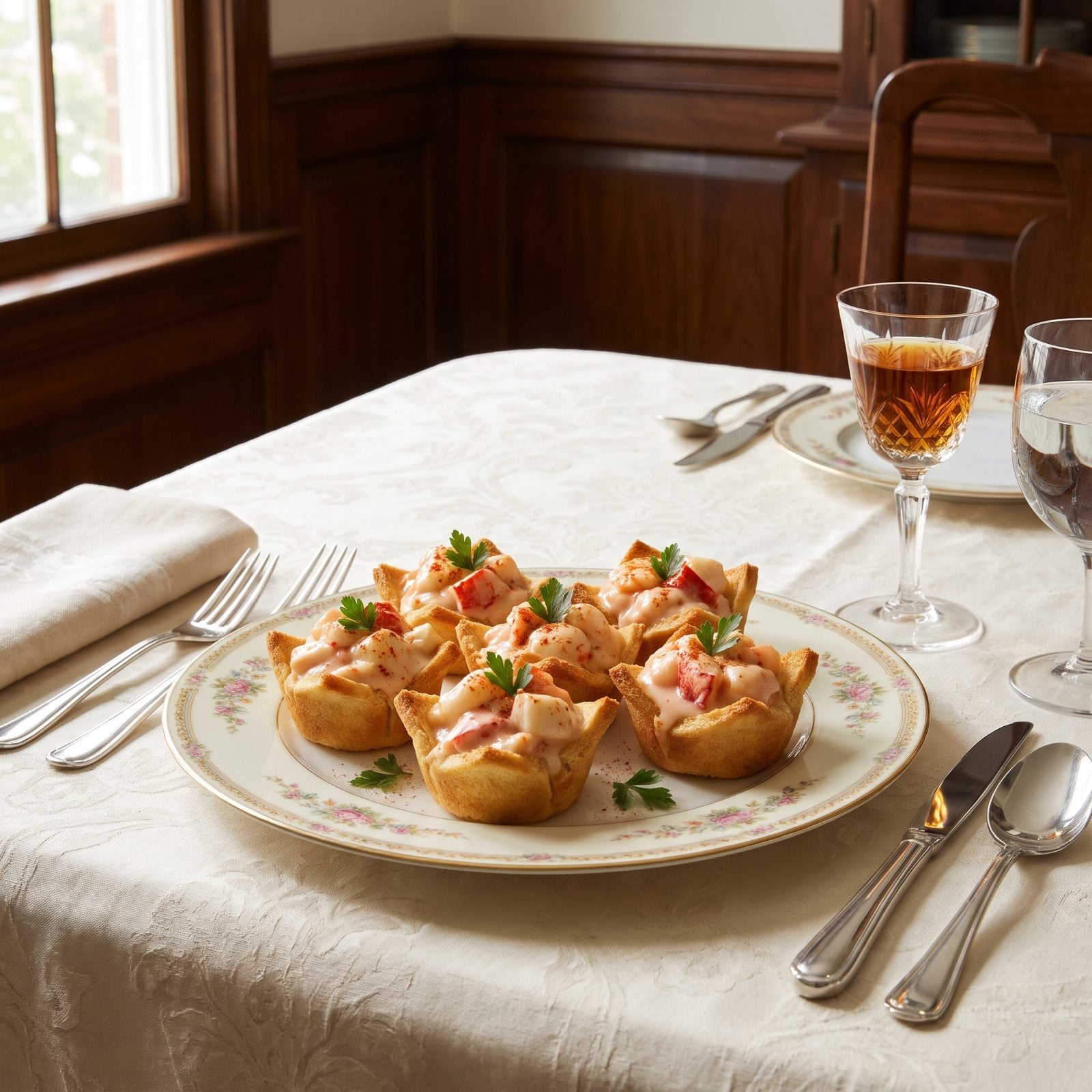
This was the showoff dish. Seafood Newburg in toast cups meant you were trying to impress, and it worked every time it landed on the table.
The sauce is a cream and egg yolk base lifted with sherry, and it is genuinely easy to ruin. Too much heat and the yolks scramble into curds. You temper the yolks with a little warm cream first, keep the pan low and patient, and never let it boil. A gentle hand gives you that silky, blush-colored sauce thick enough to cling to lobster and shrimp. Spoon it into crisp toast cups you’ve pressed into muffin tins and baked golden. Fussy? A little. Worth it? Completely.
Newburg was the dish that told your guests the good silver came out for a reason.
12. Salmon Loaf With Creamed Peas
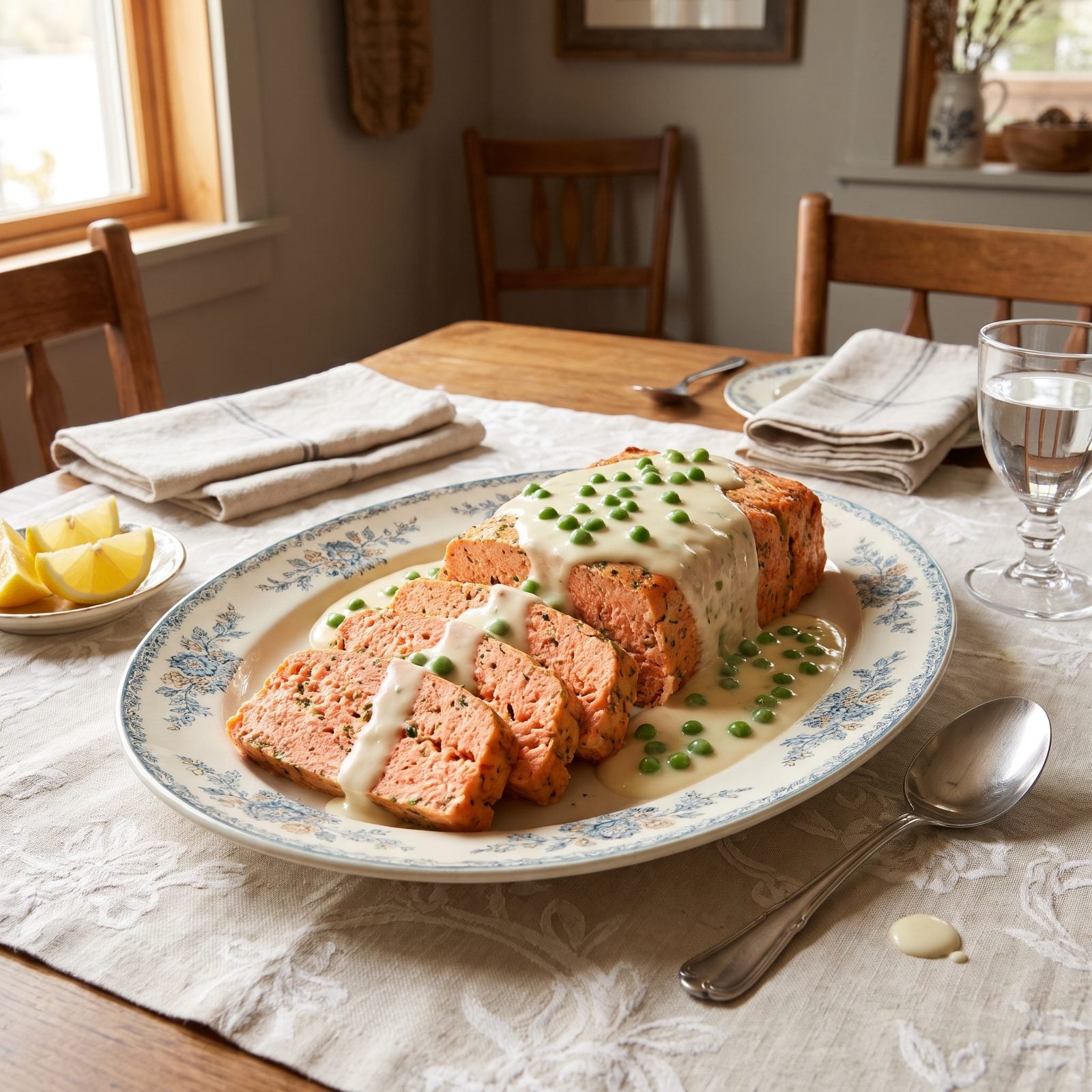
Canned salmon, a few crackers, an egg to bind, and dinner was handled for under a dollar. Salmon loaf was thrift food that never once apologized for it.
The trouble is a dry, dense brick, and it’s nearly always from overbaking and too many crumbs. Go light on the binder, keep the mixture loose and moist, and pull it when the center just sets. Creamed peas ladled over the top aren’t a garnish. They’re the sauce, keeping every bite tender. Modest, a little old-fashioned, quietly good.
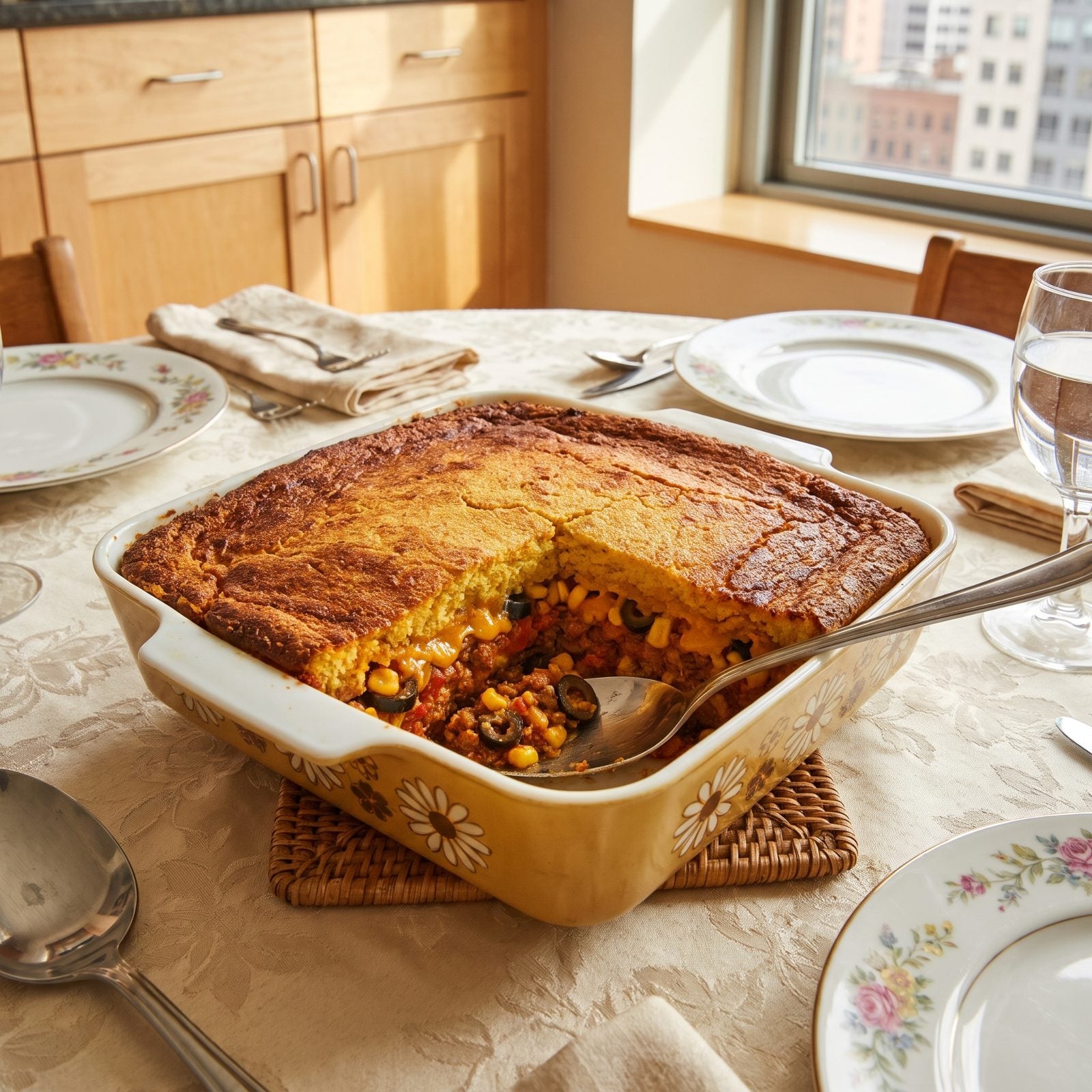
11. Tamale Pie With a Golden Cornmeal Crust
Would you like to save this?
Not a real tamale, not pretending to be one, and honestly all the better for it. Tamale pie took the flavors (spiced meat, corn, olives, cheese) and poured a cornmeal batter over the top to bake into a soft golden lid.
Get that crust right or the whole thing turns to mush. Pour the cornmeal topping on thick enough to set into a real layer, then bake it uncovered so it browns and firms instead of staying wet underneath. Let it rest ten minutes before you cut it so the filling doesn’t flood the plate. One casserole, one spoon, everybody fed.
10. Chicken Pot Pie With a Flaky Pastry Lid
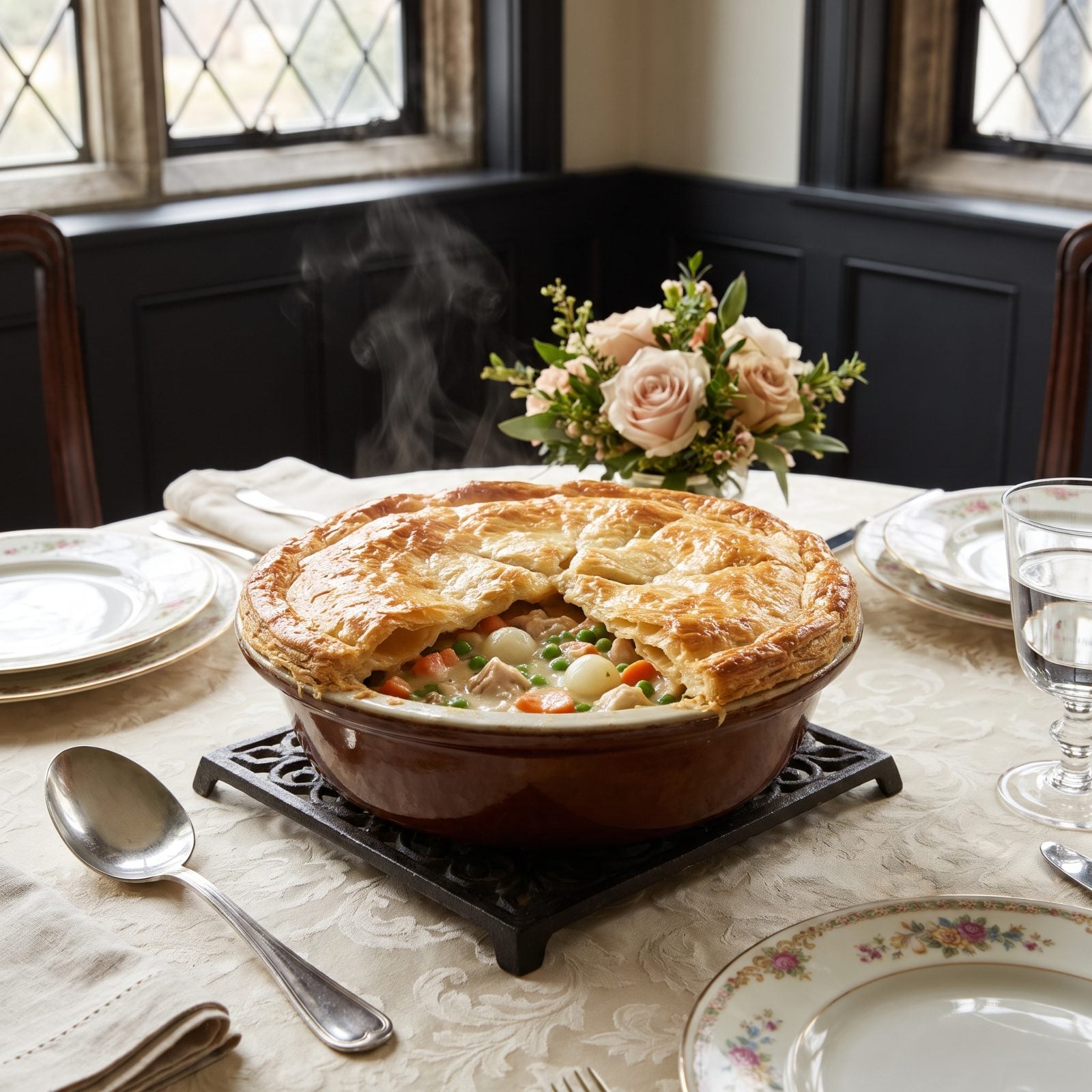
The sound alone is worth the trouble. That first crack through a properly flaky lid, the steam coming up, the smell of thyme and butter. Chicken pot pie earns its place here because it’s the one everybody still loves and almost nobody makes from scratch anymore.
Two things separate the real thing from the sad frozen puck. First, a filling thick enough to hold its shape, not a watery soup that soaks your crust from below. Build it on a proper roux and let it cool before the pastry goes on. Second, an egg wash and a few vents cut in the top, so the lid bakes up burnished and shatter-crisp instead of pale and limp.
9. Chicken Chop Suey Over Crisp Noodles
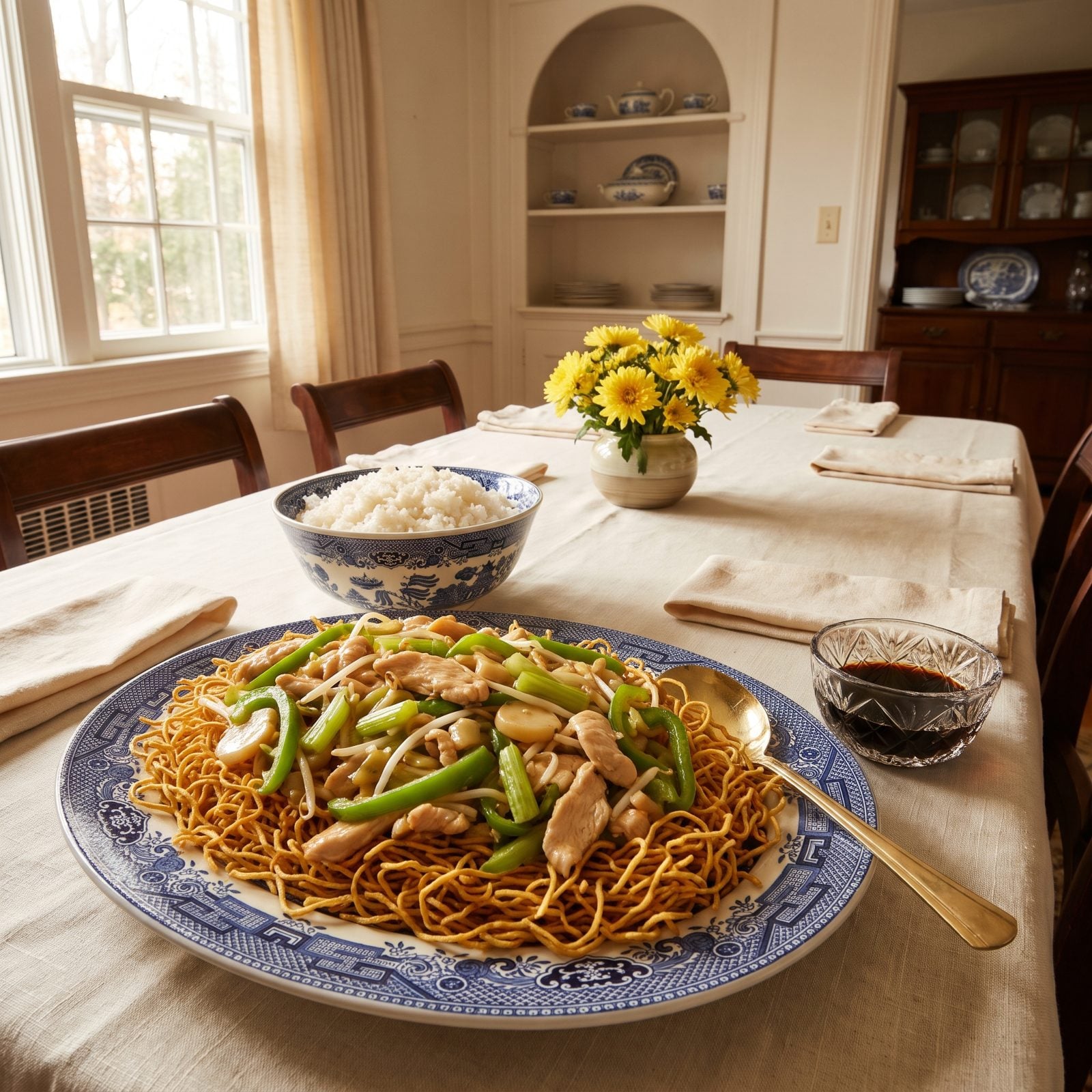
Half the fun of chop suey was the crunch, that first forkful where the fried noodles shattered under the sauce and the bean sprouts still had snap to them. This was American Chinese food the way a 1960s family understood it, cooked at home from a skillet and a can of chow mein noodles, and nobody apologized for a bit of it.
What made it a Sunday dish rather than a Tuesday one? The vegetables. Fresh celery cut on the bias, real water chestnuts, green pepper that kept its bite, chicken sliced thin and cooked fast so it stayed tender. A light sauce thickened with cornstarch, not drowned in it.
8. Sweet-and-Sour Pork With Pineapple
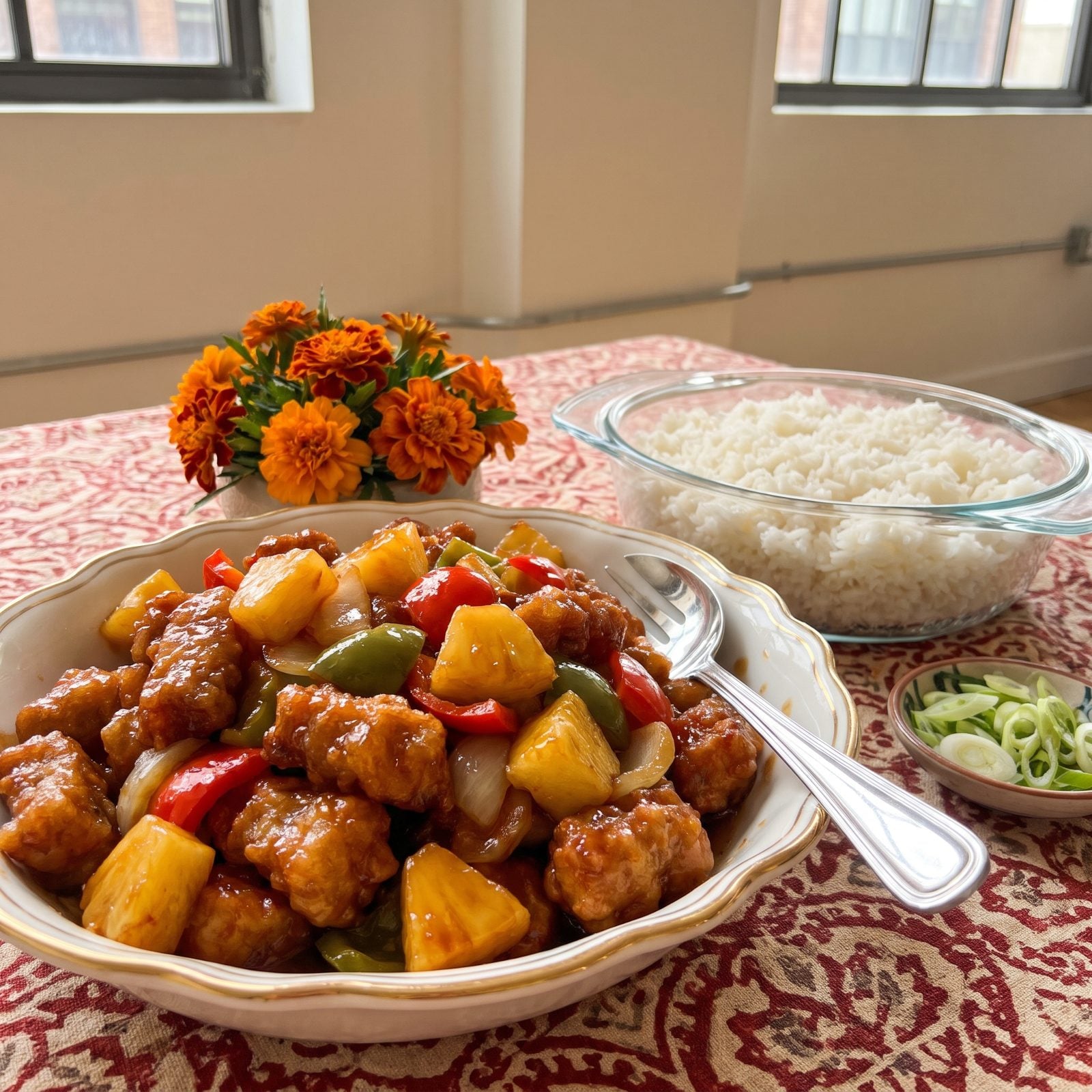
The magic was in the balance. Too much vinegar and your mouth puckered shut, too much sugar and it was candy. Get it right and that sauce clung to the crisp pork like it had somewhere to be.
Pineapple did the heavy lifting, and canned chunks weren’t a shortcut back then, they were the whole idea. The acid cut the richness of the fried pork while the peppers added color, and it all came together in one skillet over a bed of rice. This was what you made when company was coming and you wanted them to know you’d put in the effort.
7. Swedish Meatballs With Buttered Noodles
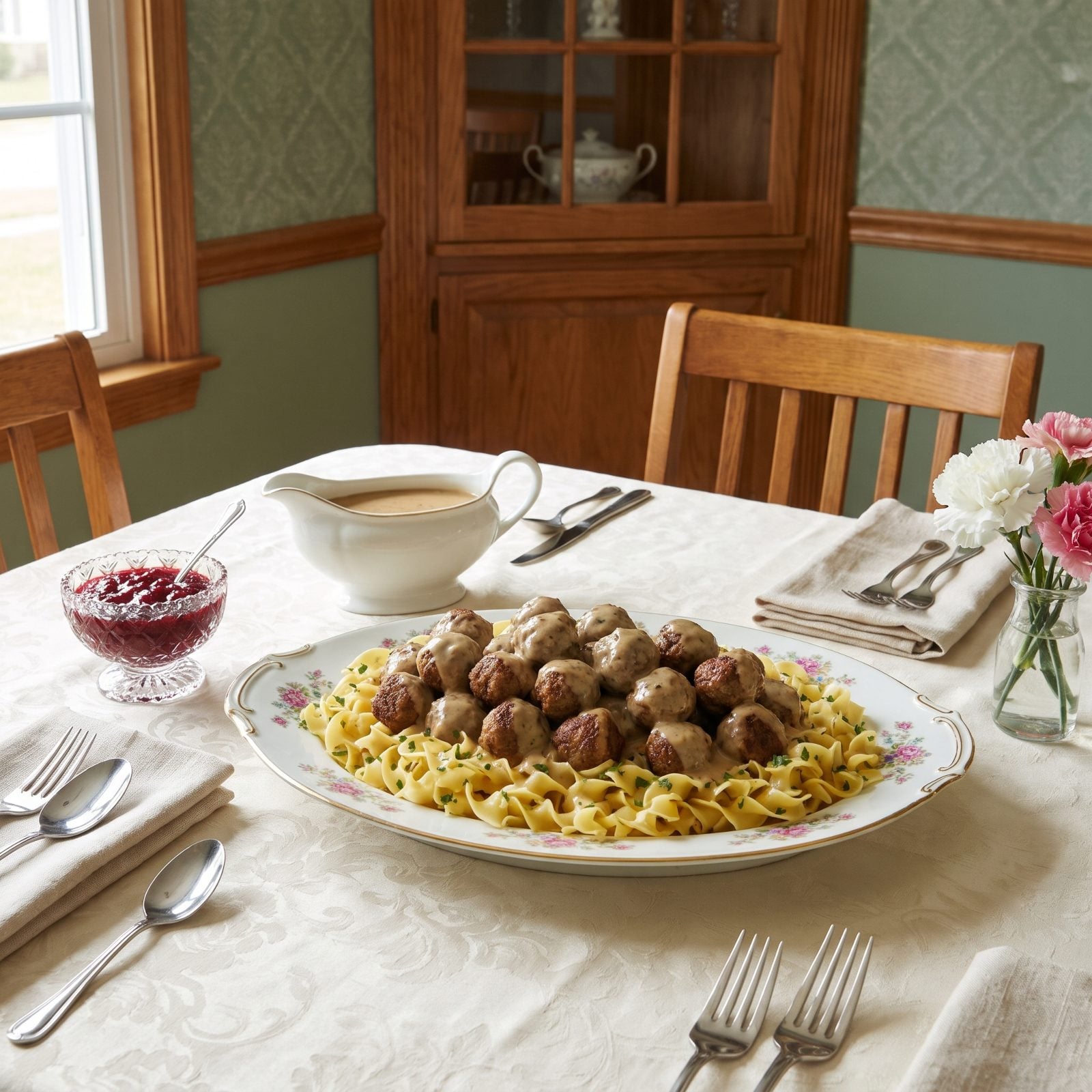
Nobody did a potluck the way a Swedish meatball did a potluck. Small, tender, swimming in a cream gravy the color of old ivory, served over noodles slick with butter. Comfort food that still managed to feel a little fancy, which is a hard trick to pull off.
The secret most people miss? A splash of nutmeg and allspice in the meat, and a gravy built on real pan drippings instead of a packet. The lingonberry on the side wasn’t decoration either. That sharp little bite of fruit woke up every forkful.
6. Chicken Kiev With Green Peas and Rice Pilaf
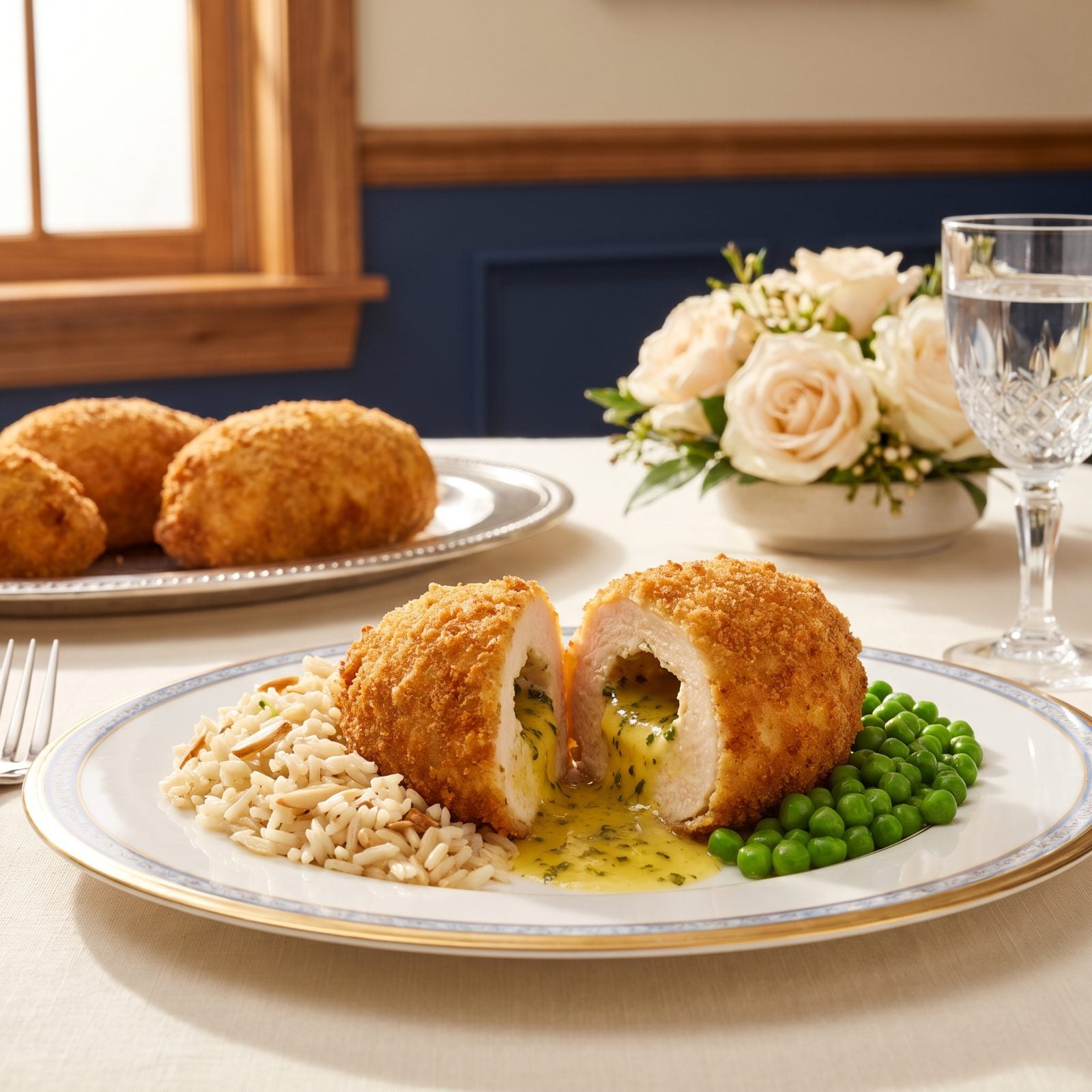
The gasp when the butter spilled out. That was the whole reason you made Chicken Kiev for company. You cut in, that garlicky herb butter came rushing out of the crisp breading, and someone at the table actually said “ooh.”
Ambitious home cooking, the kind you attempted when you wanted to impress without going to a restaurant. You pounded the breast thin, rolled the cold butter inside, breaded it twice so nothing leaked before it should. The rice pilaf and peas were quiet by design, there to let the Kiev do the talking.
5. Duck à l’Orange With Wild Rice
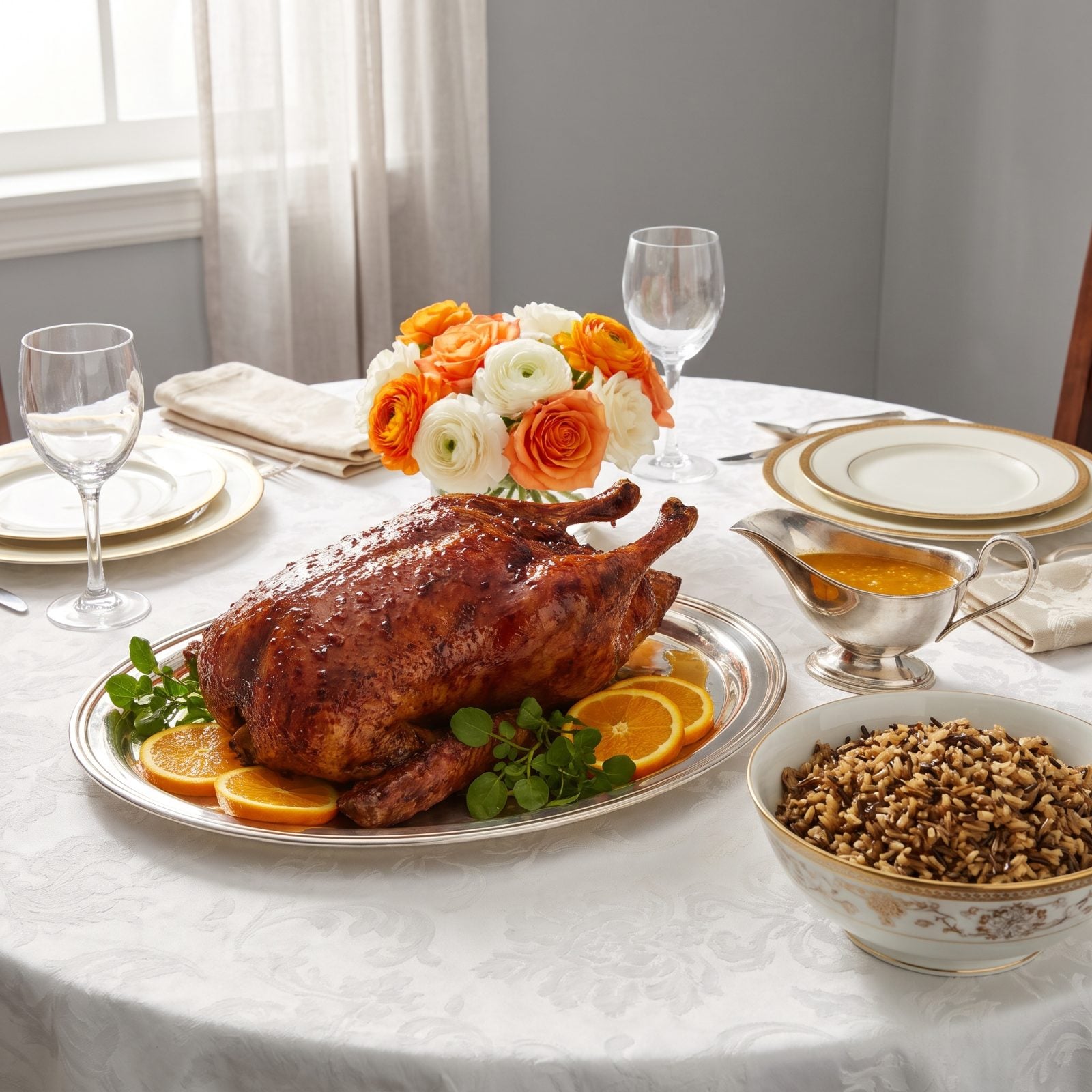
This was the dish that announced you were serious. Duck à l’orange showed up on dinner-party tables in the 1960s like a tuxedo at a backyard barbecue, a little grand, a little showy, and absolutely on purpose.
The sauce did everything. A gastrique of caramelized sugar and vinegar, orange juice and zest, deglazed with the duck drippings until it turned glossy and sharp. That brightness cut right through the rich duck fat. Serve it over wild rice and you had a plate that looked like it came from a continental restaurant with a maître d’ who knew your name.
Some dishes feed a family. This one made a statement, and every host in the neighborhood knew it.
4. Cornish Game Hens With Wild-Rice Stuffing
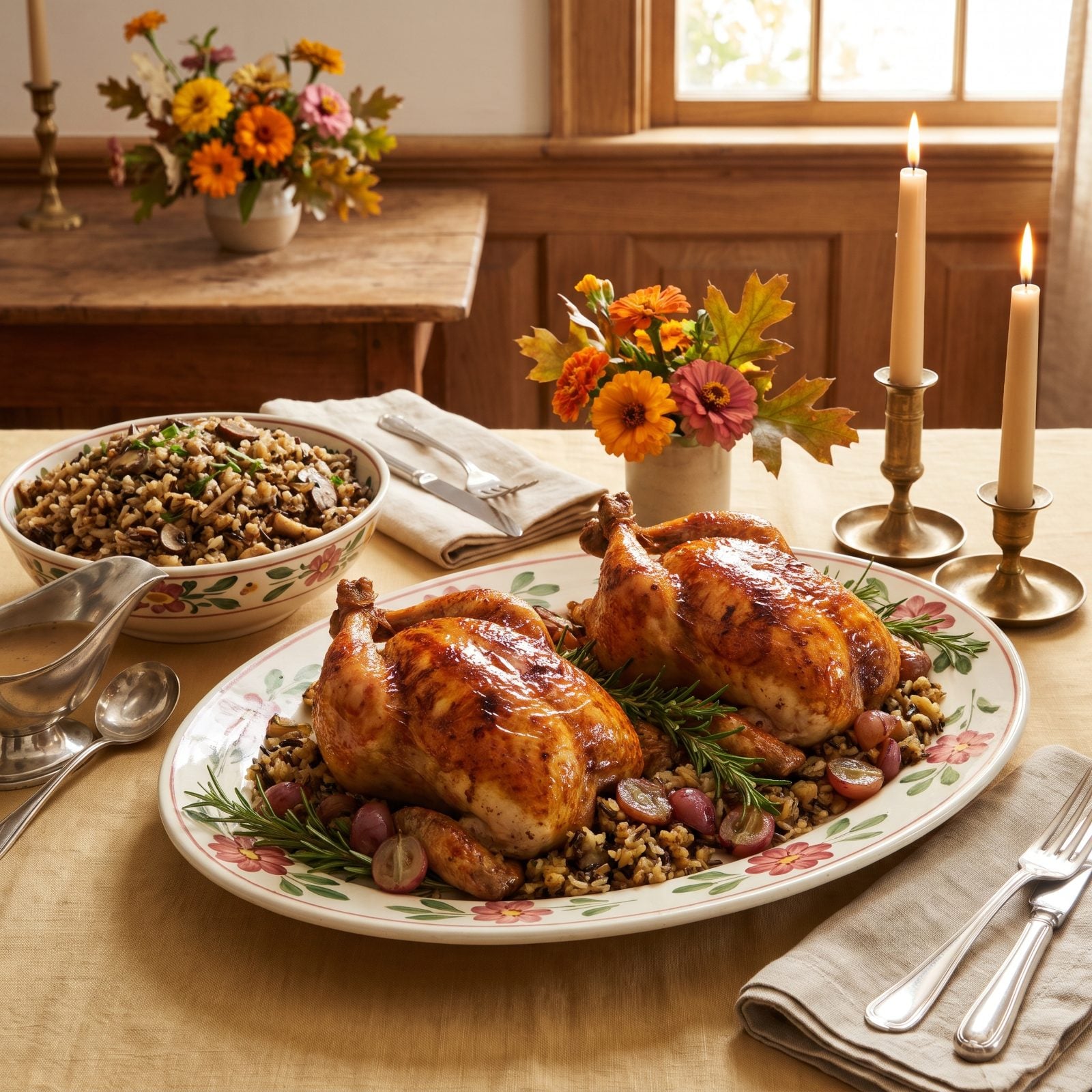
One whole bird per person. That was the quiet luxury of Cornish game hens, and in the 1960s it felt like the height of hosting sophistication.
There’s a reason these worked so well for dinner parties. Each guest got their own little roasted hen, which meant no awkward carving, no fighting over the drumstick, and a plate that looked composed before anyone lifted a fork.
- Individual portions made every guest feel fussed over without extra work for the host.
- The wild-rice stuffing added nutty texture and stretched the meal beautifully.
- Small birds roast fast, so the skin crisped before the meat dried out.
3. Crown Roast of Pork With Apple Stuffing
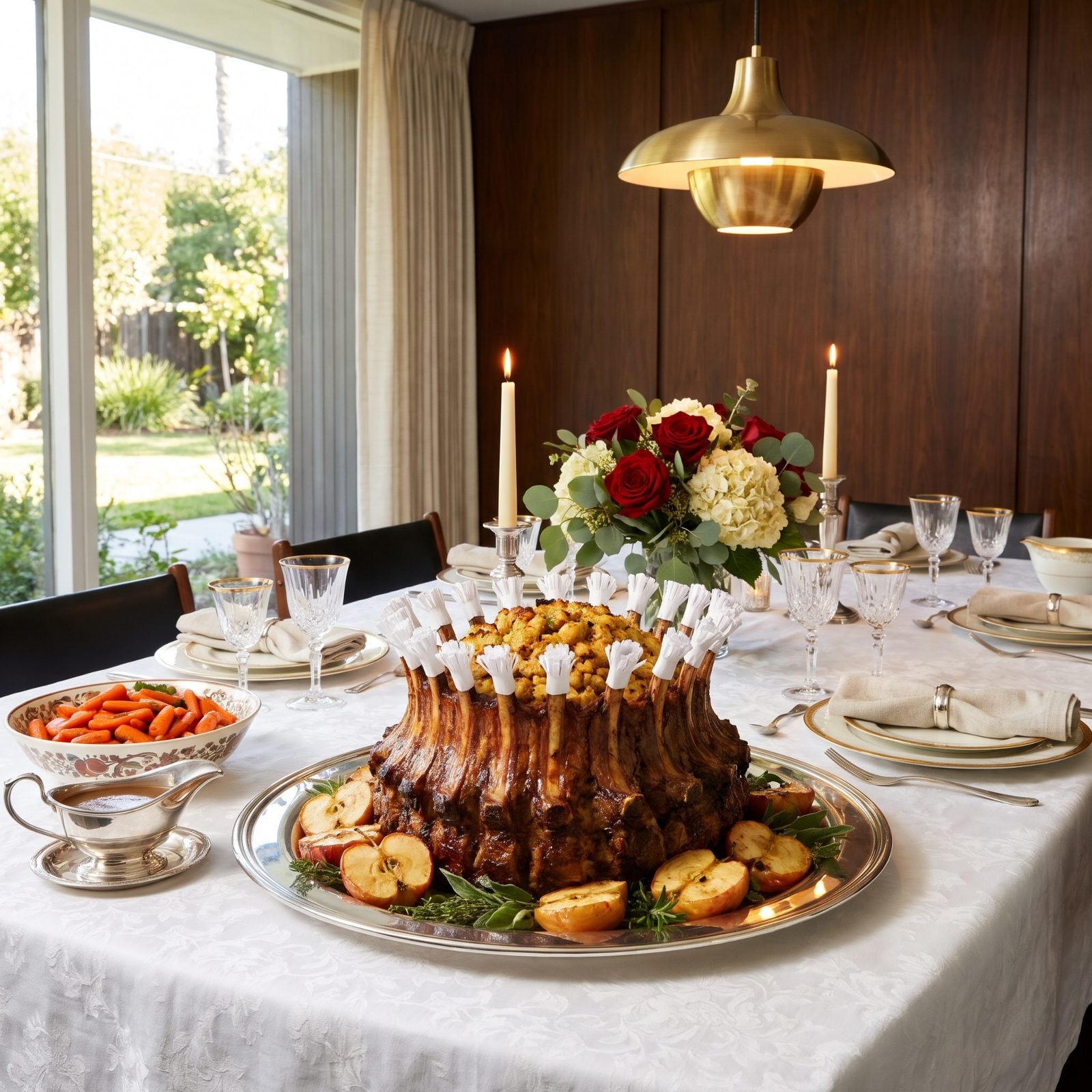
You didn’t make a crown roast. You presented one. The frenched ribs standing up in a circle, the apple stuffing piled in the middle, those little paper frills on the bone tips, it arrived at the table and the conversation stopped.
The ceiling of ambitious home cooking, the dish you asked the butcher to tie up special because you were having the Hendersons over and you wanted them to remember it. The apple stuffing wasn’t just filler. The sweetness and the sage played against the pork the way applesauce always has, only grander.
2. Steak Diane With Duchess Potatoes
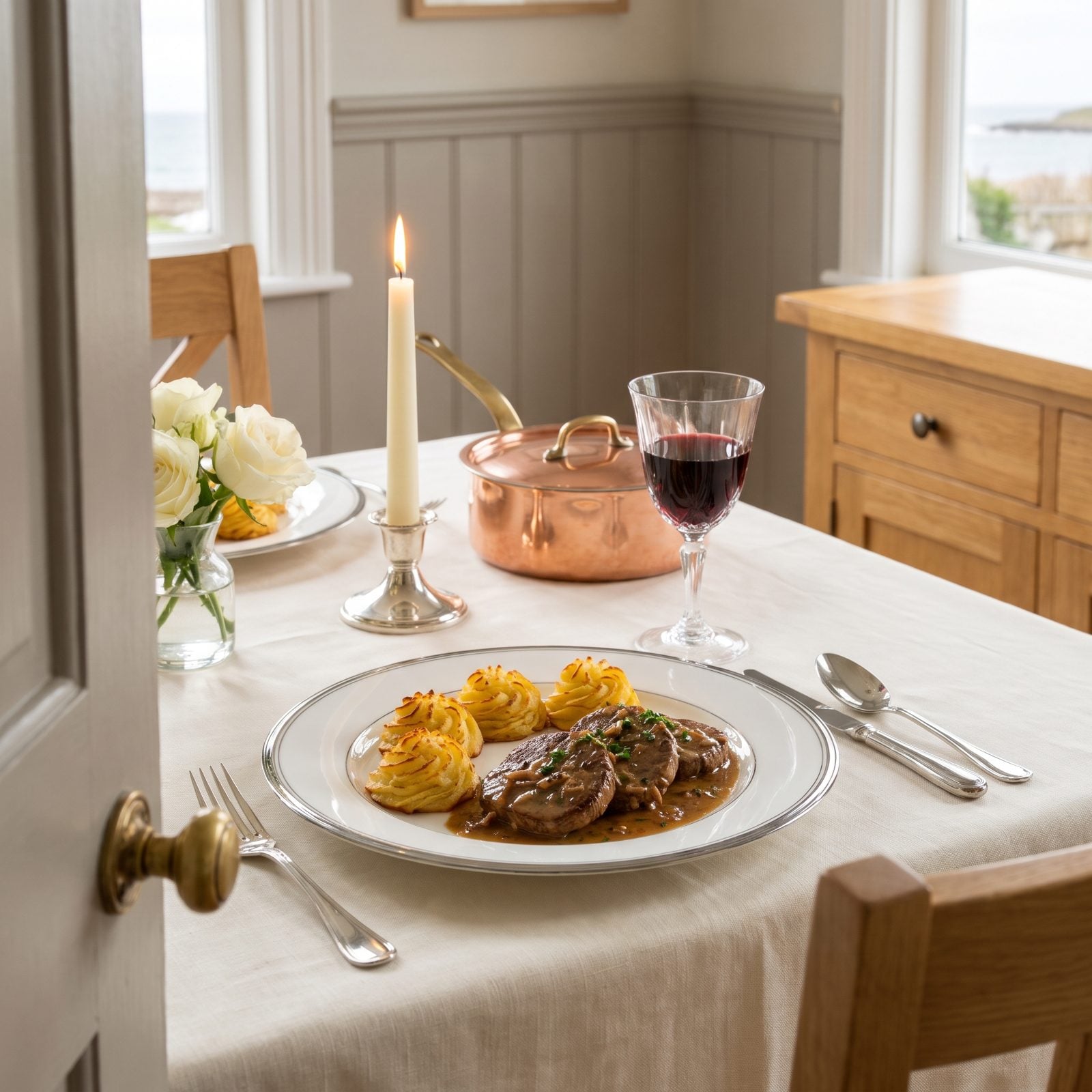
Steak Diane had flair built right in. In the fancier houses it got finished tableside in a chafing pan, a little flame, a little drama, the butter and brandy sizzling while everyone watched.
At home you skipped the fire and kept the flavor. Thin steaks seared fast, then a pan sauce of shallots, mustard, Worcestershire and cream swirled up from the browned bits. And the duchess potatoes were the quiet achievement nobody noticed enough, piped into golden rosettes, crisp at the edges and soft as a cloud inside.
1. Beef Wellington With Green Beans Almondine
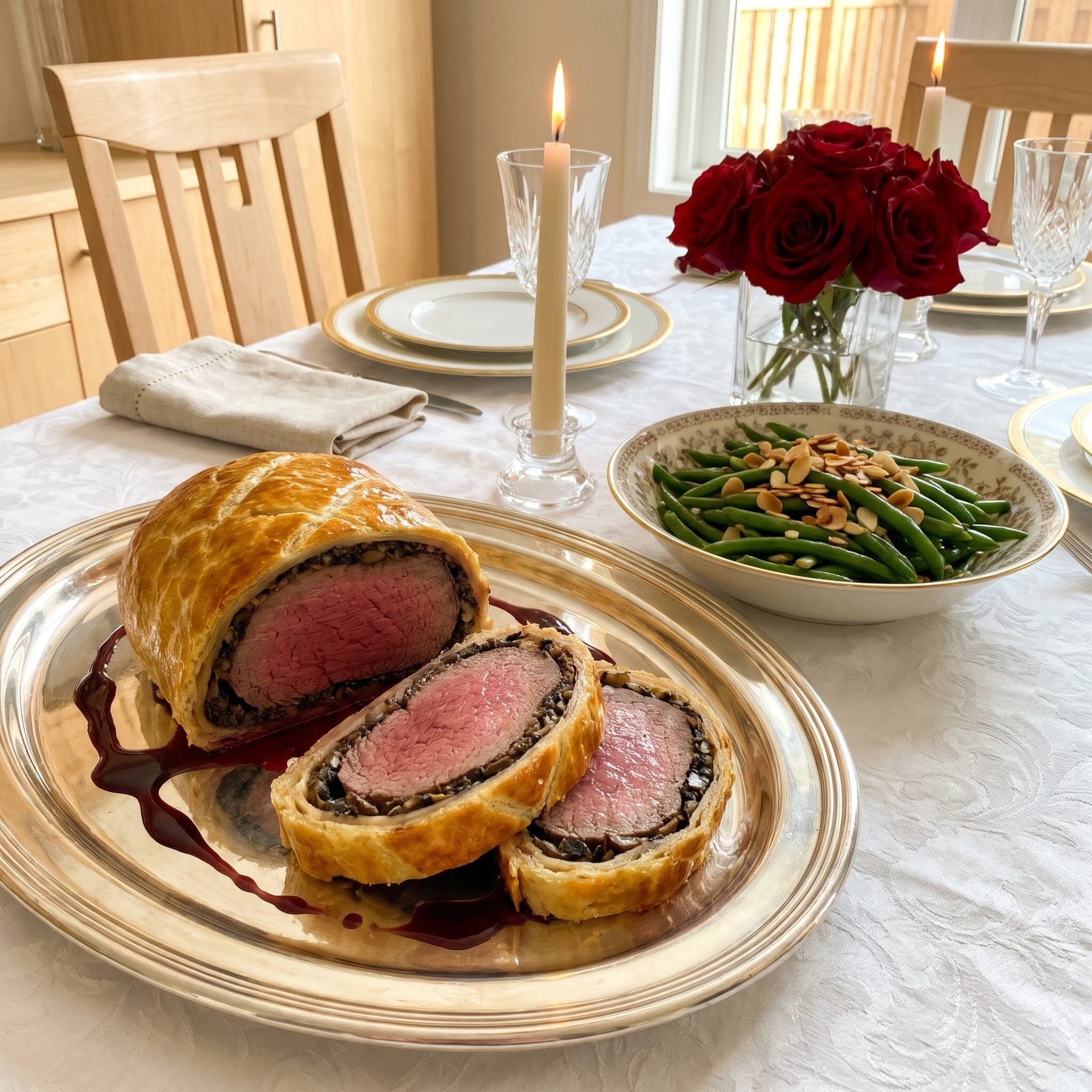
The dish you only attempted when you really meant it. Beef Wellington was the summit, a whole beef tenderloin spread with mushroom duxelles and sealed in puff pastry, and it would humble you if you rushed it.
The terror was always the slice. You cut in and prayed, rosy pink beef, pastry crisp underneath instead of soggy, the mushroom layer holding it all together. When it worked, nothing finer came out of a home oven. The green beans almondine kept it honest, a little crunch and butter and toasted almond to balance all that richness.