Would you like to save this?
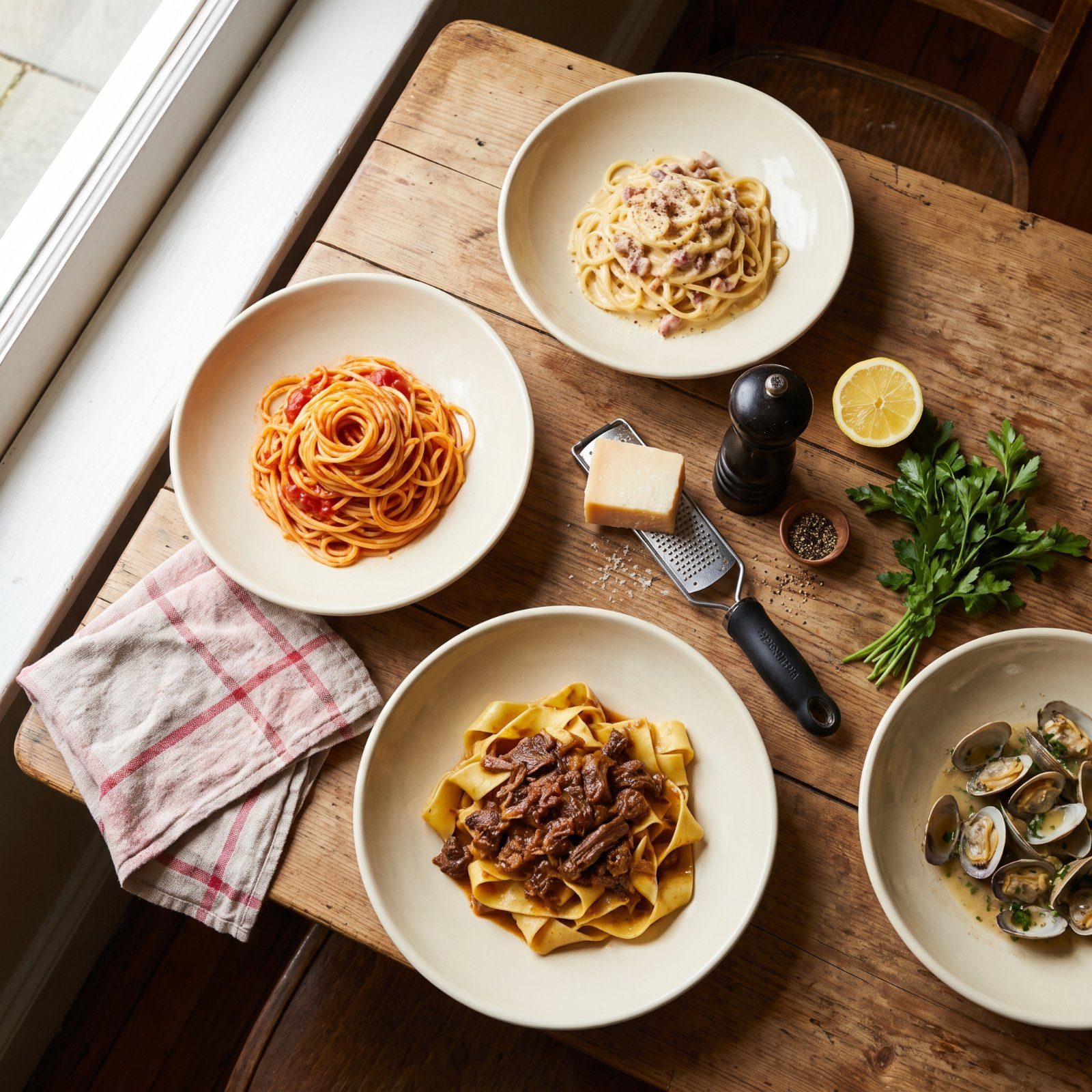
The gap between a restaurant plate of pasta and the dry, sauce-puddled version you make at home almost never comes down to the recipe. It’s texture. How the sauce clings to the noodle, whether the cheese stays creamy, how much starchy pasta water gets whisked back in at the last second. We cooked these classics side by side and watched exactly where the home versions came apart — the shape, the finishing move, the way one ingredient got handled or mishandled. Each dish teaches a principle you can actually see in the bowl. Get these right and nobody at your table asks where the sauce went.
43. Carbonara With a Silky Egg-Yolk Coating
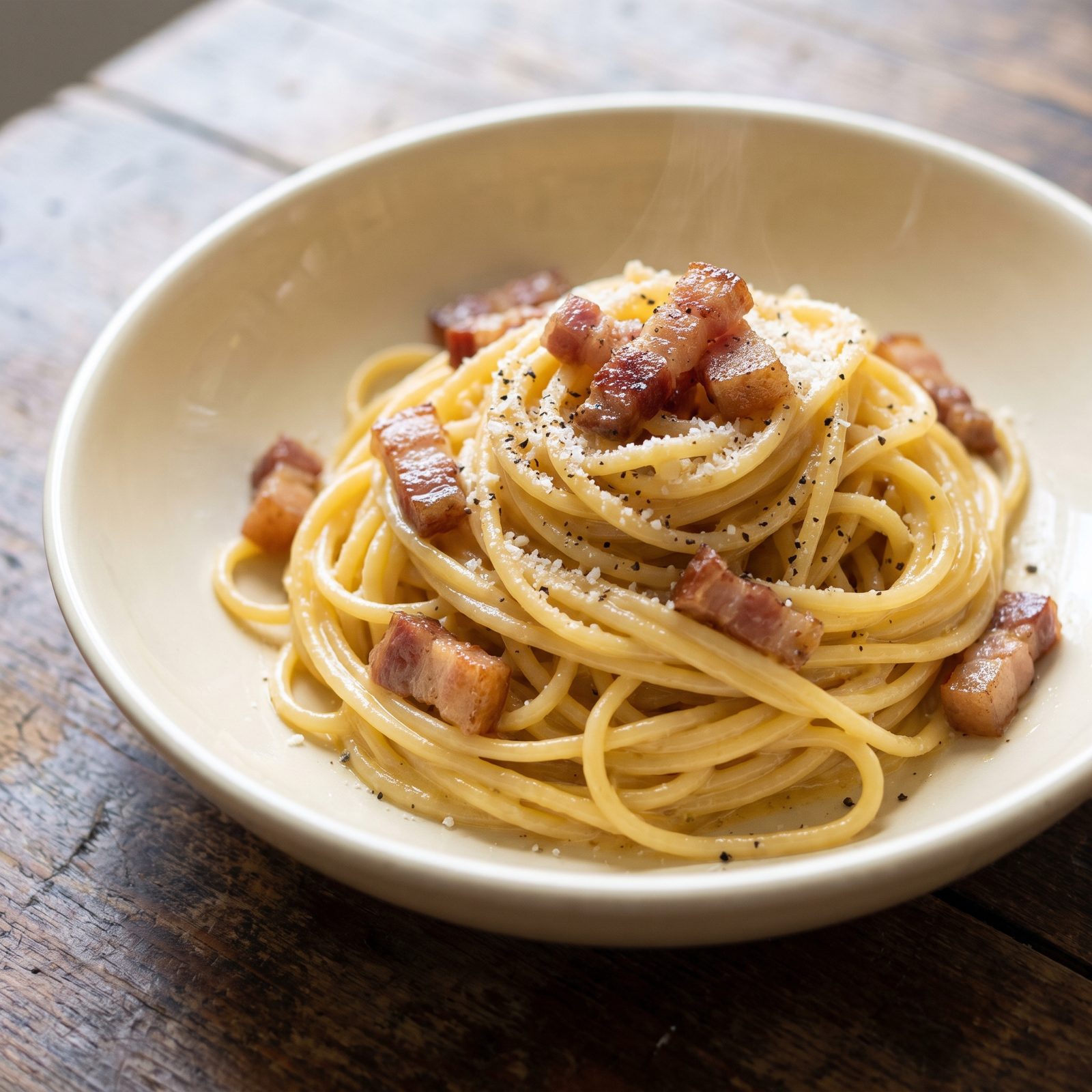
The cream is the tell. A real carbonara never sees any, and yet the home version almost always does — because cream is the panic button you hit when the eggs scramble. And they scramble because the pan was still screaming hot when the yolks went in.
Off the heat. Always off the heat. The residual warmth of the pasta plus a splash of starchy water is all you need to thicken yolks into that glossy coating that hugs every strand. Watch it on the plate: restaurant carbonara flows a little, it never sits there in a yellow puddle looking defeated.
42. Cacio e Pepe Without Clumped Cheese
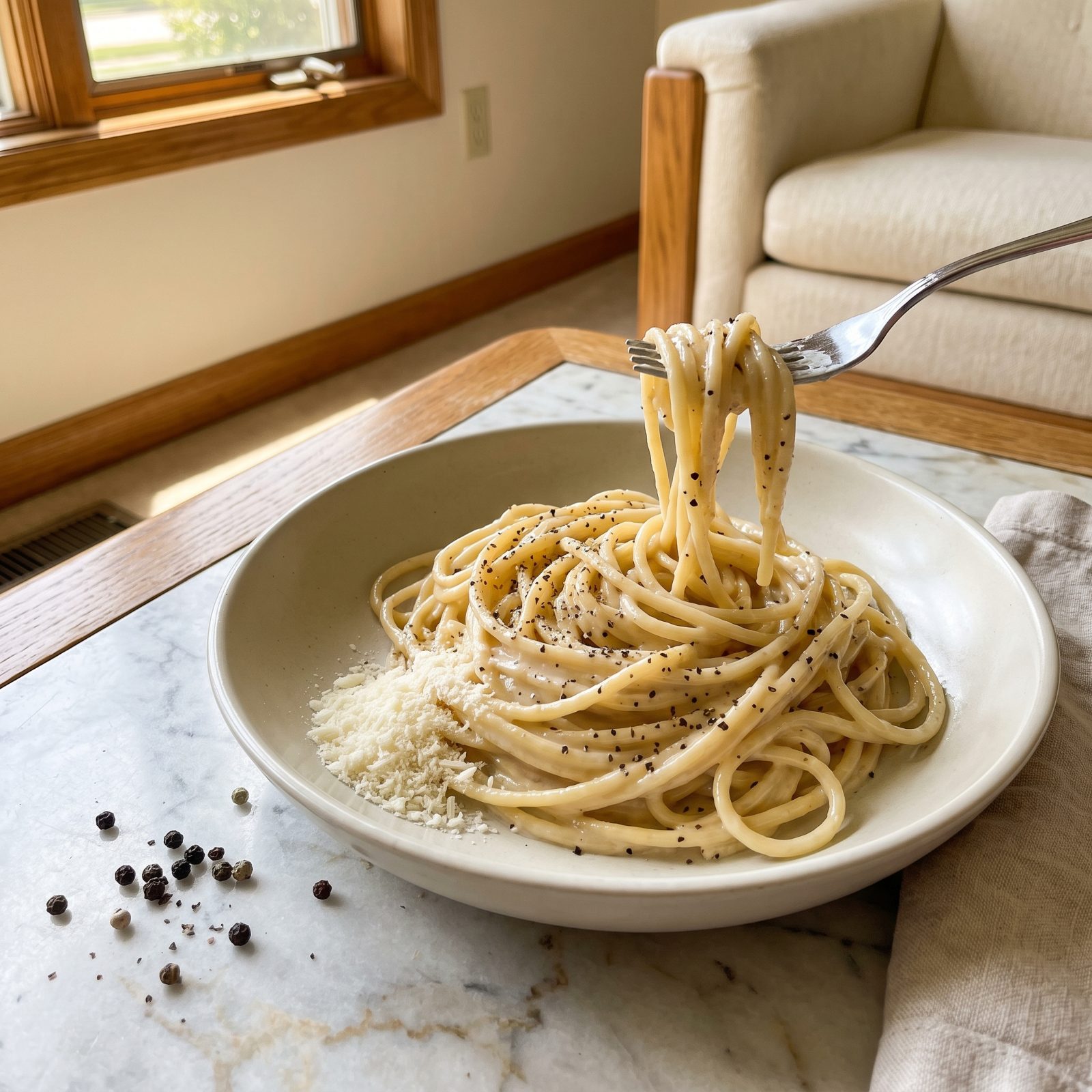
Three ingredients and somehow the hardest dish on this list. The cheese seizes into a rubbery ball at the bottom of the pan, and suddenly you’ve got buttered noodles with a cheese golf ball rolling around in them.
Heat is the enemy. Pecorino hates a boiling pan. You want the pasta water cooled slightly, the cheese worked into a paste first, and the whole thing tossed low and fast so the starch suspends the cheese instead of letting it clench up. That smooth, clingy sauce in the photo is emulsion doing its job. The clumped version? Heat winning.
Toast the black pepper in the dry pan before anything else goes in. It wakes the whole thing up.
41. Spaghetti Pomodoro With Glossy Emulsified Sauce
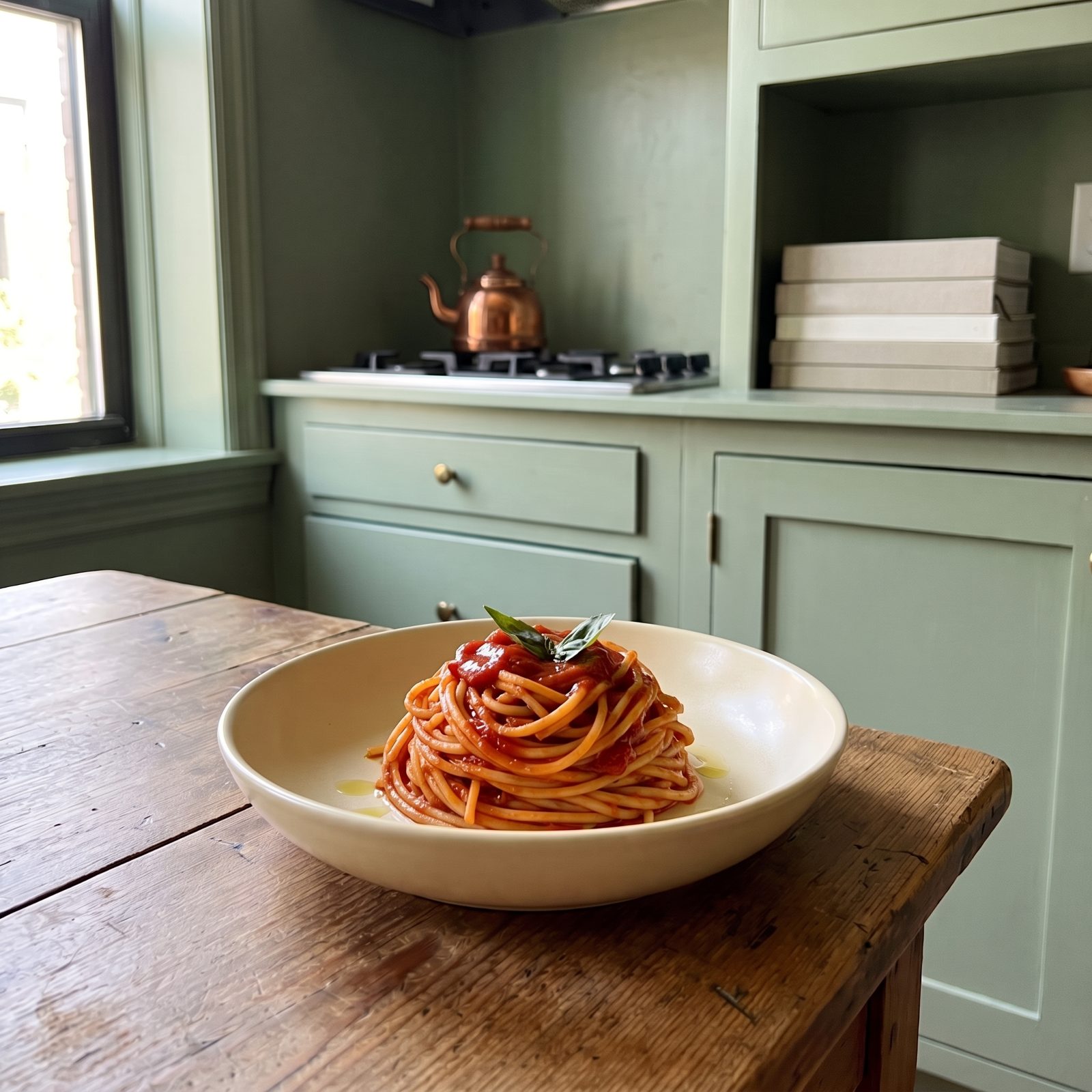
You’ve eaten the watery version. Pale sauce in a pink puddle, noodles on one side, liquid on the other, like the two of them had a falling out at dinner.
The fix is finishing the pasta in the sauce, not on top of it. Drag the spaghetti into the pan a minute early, add a ladle of pasta water, and toss hard until the starch marries the olive oil and tomato into something glossy. That emulsion is the dish. A good pomodoro barely needs more than tomatoes, garlic, oil and basil, so the technique carries every bit of the weight.
40. Pappardelle With Slow-Braised Short Rib
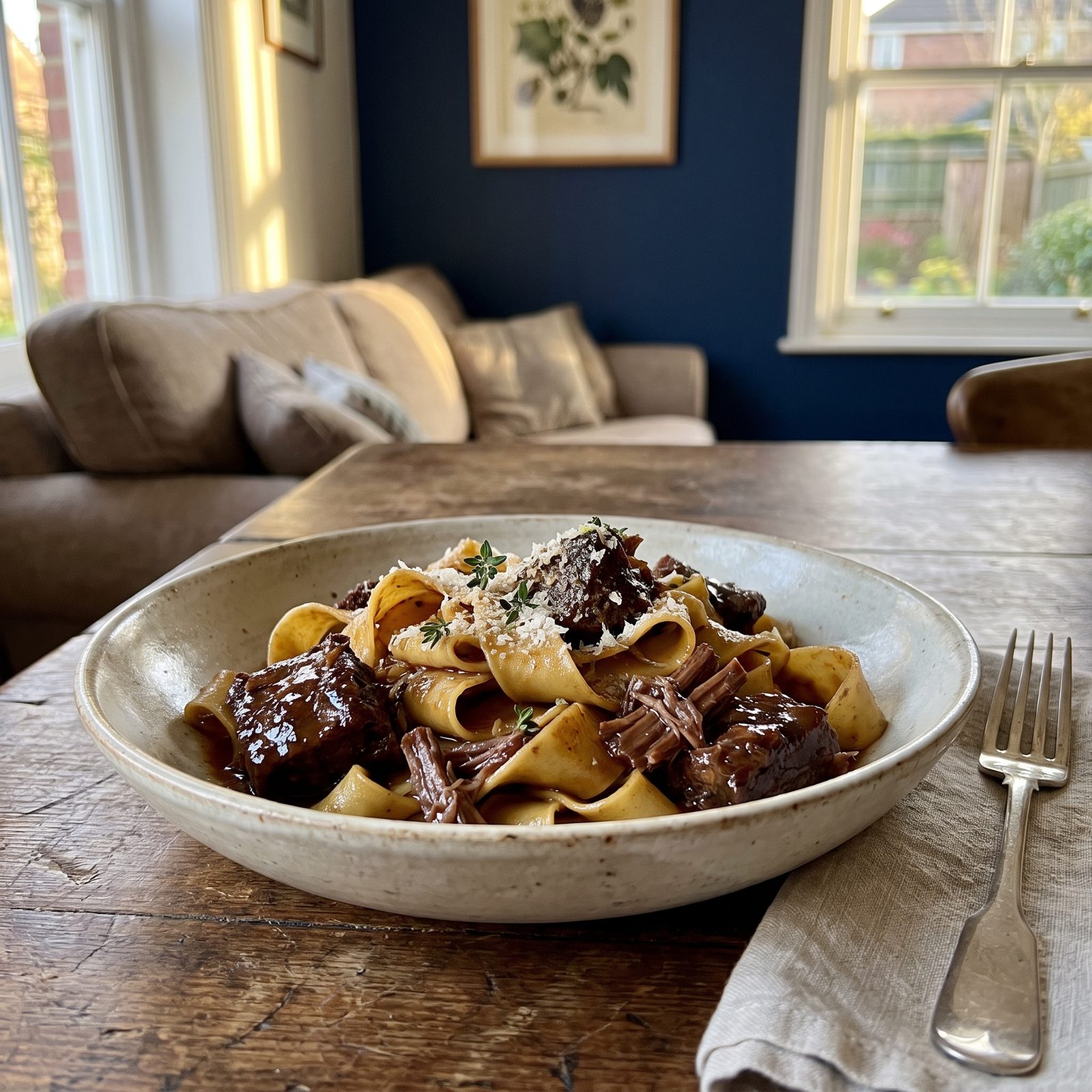
Wide noodles for heavy sauce. That’s the whole logic behind pappardelle, and it isn’t arbitrary. A thin strand can’t hold a chunk of braised beef — it just slides off and sulks at the bottom of the bowl.
The flat, broad ribbon gives the glaze something to grab, and that glaze is what you get from a braise run long and slow, until the liquid reduces to something sticky enough to varnish the pasta. Rush it and you get watery meat sauce. Give it three hours and the collagen melts down into a glaze that coats every ribbon.
39. Linguine With Clams and Briny Pasta Water
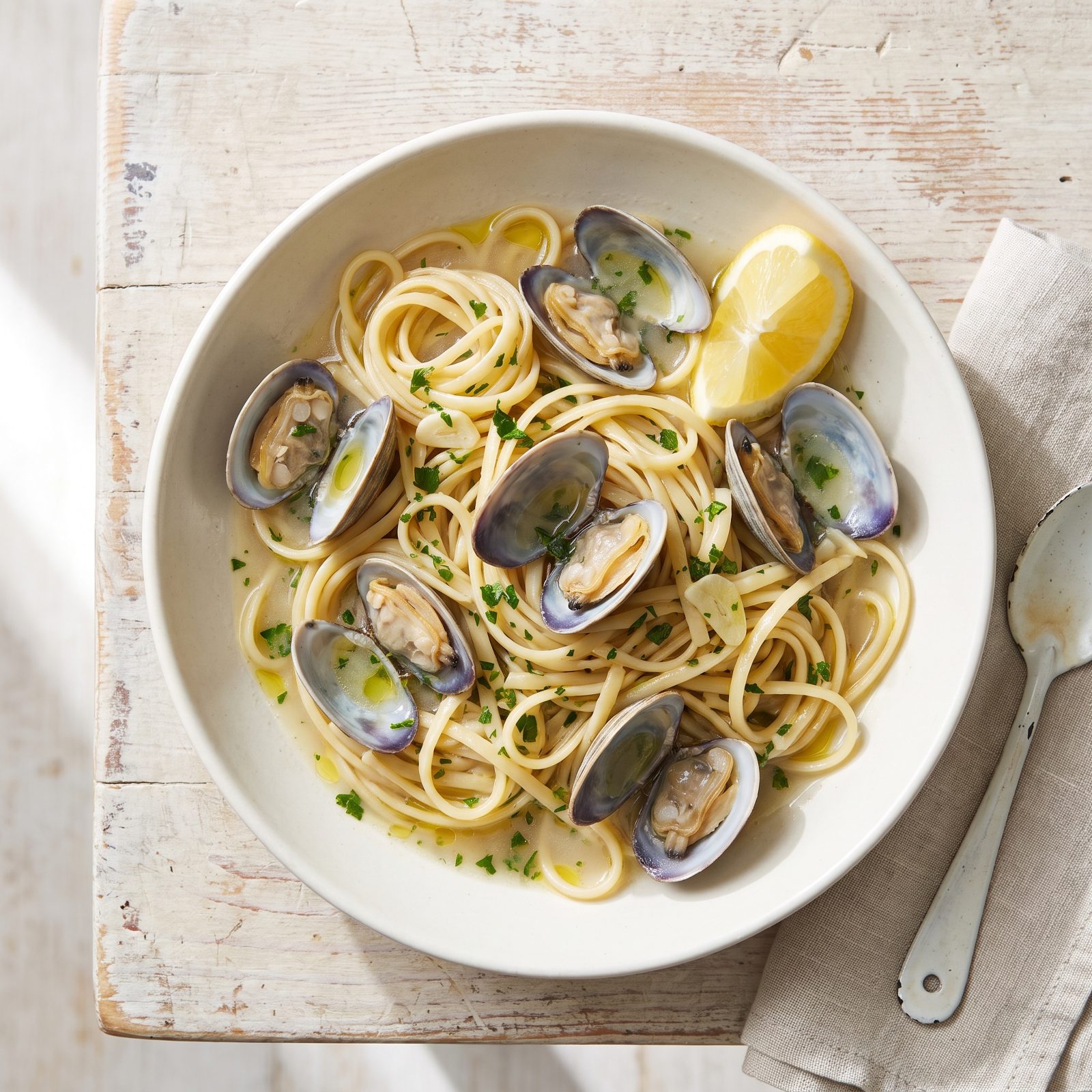
The clams give you their liquor. Throw it away and you’ve thrown away the sauce.
When the clams open in the pan they release a salty, oceanic broth, and that liquid plus a little pasta water is the entire flavor base — no cream, no cheese, nothing to muddy it up. The common home mistake is draining everything and serving dry linguine with the clams sitting on top like a garnish nobody asked for.
Finish the pasta right in that briny liquid so it drinks up the flavor and emulsifies into a light, glossy coating. And salt the pasta water with a lighter hand than usual, because the clams are already bringing plenty of their own.
38. Lasagna With Distinct, Even Layers
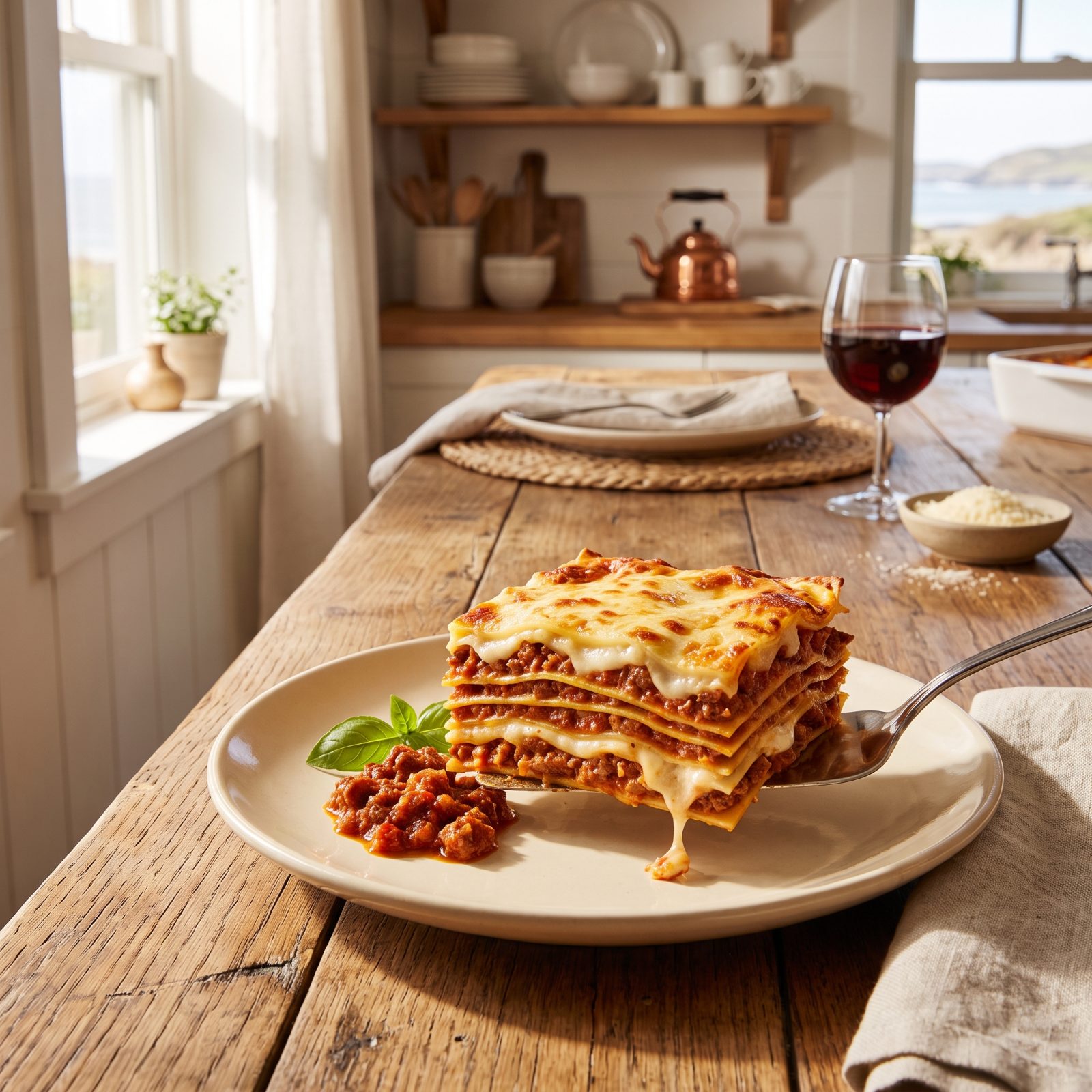
A good lasagna stands up on the plate. The sad version slides into a landslide the second you cut it — soupy, shapeless, too much liquid and not enough patience.
Distinct layers come from sauce that’s thick enough to hold, pasta that isn’t drowned, and a rest after baking so everything sets before the knife goes in. That ten-minute wait is the step everyone skips because the house smells too good to wait. Those clean stripes of ragu and bechamel in the photo? That’s the reward for sitting on your hands.
Restraint with the sauce per layer matters more than people think. You want to taste each stratum, not blend the whole thing into one red smear.
37. Penne alla Vodka With Concentrated Tomato Flavor
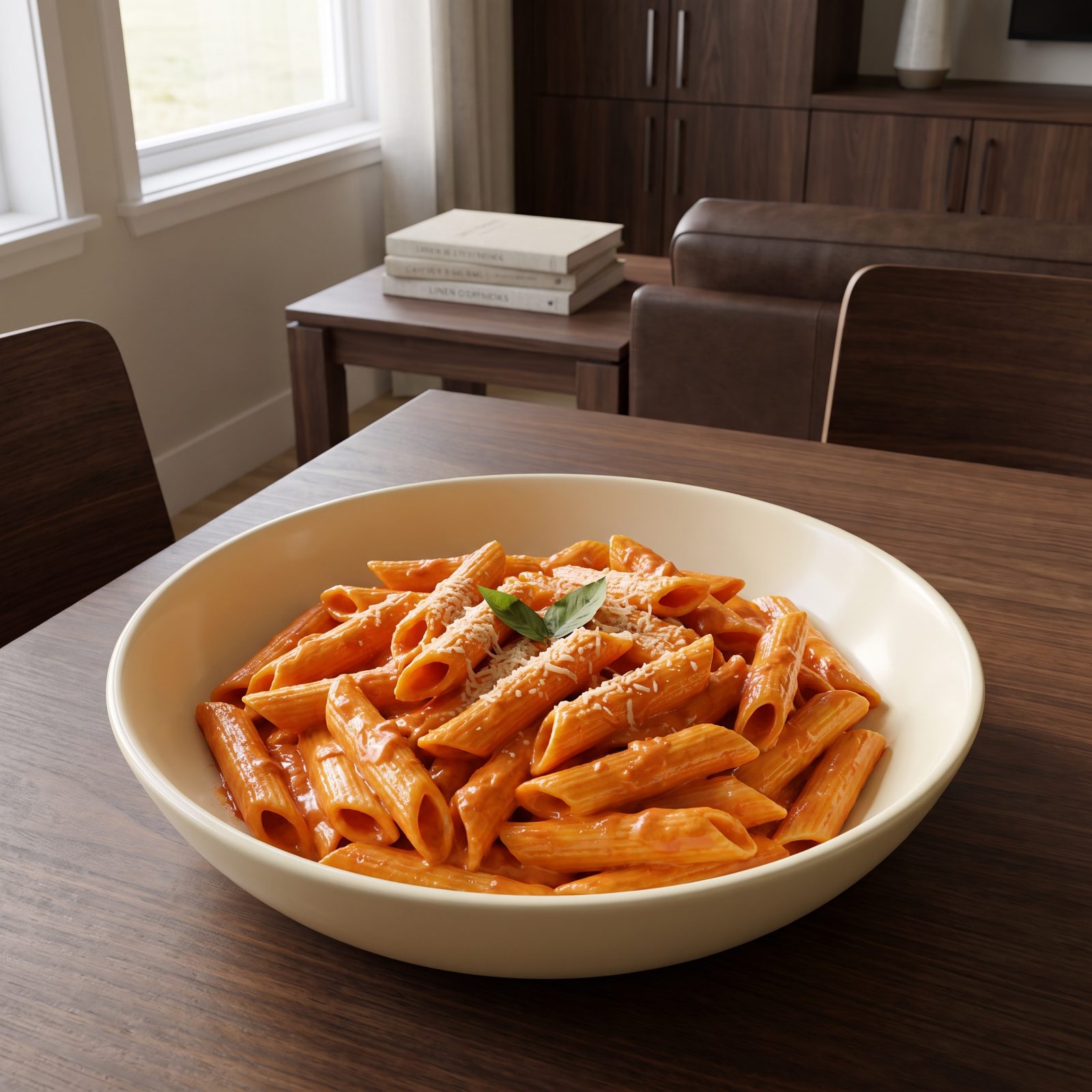
That coral color isn’t from the cream. It’s tomato paste cooked hard until it darkens and turns sweet, and that’s the exact step everyone rushes past.
Caramelizing the paste in oil before anything else concentrates the flavor and kills the tinny raw-tomato taste that makes weak vodka sauce taste like warmed-over soup. The vodka itself pulls out flavor compounds that neither water nor fat alone can reach, which is why it earns a spot in the dish. Ridged penne traps the velvety sauce in its grooves, so every bite carries the same richness.
36. Aglio e Olio With Properly Toasted Garlic
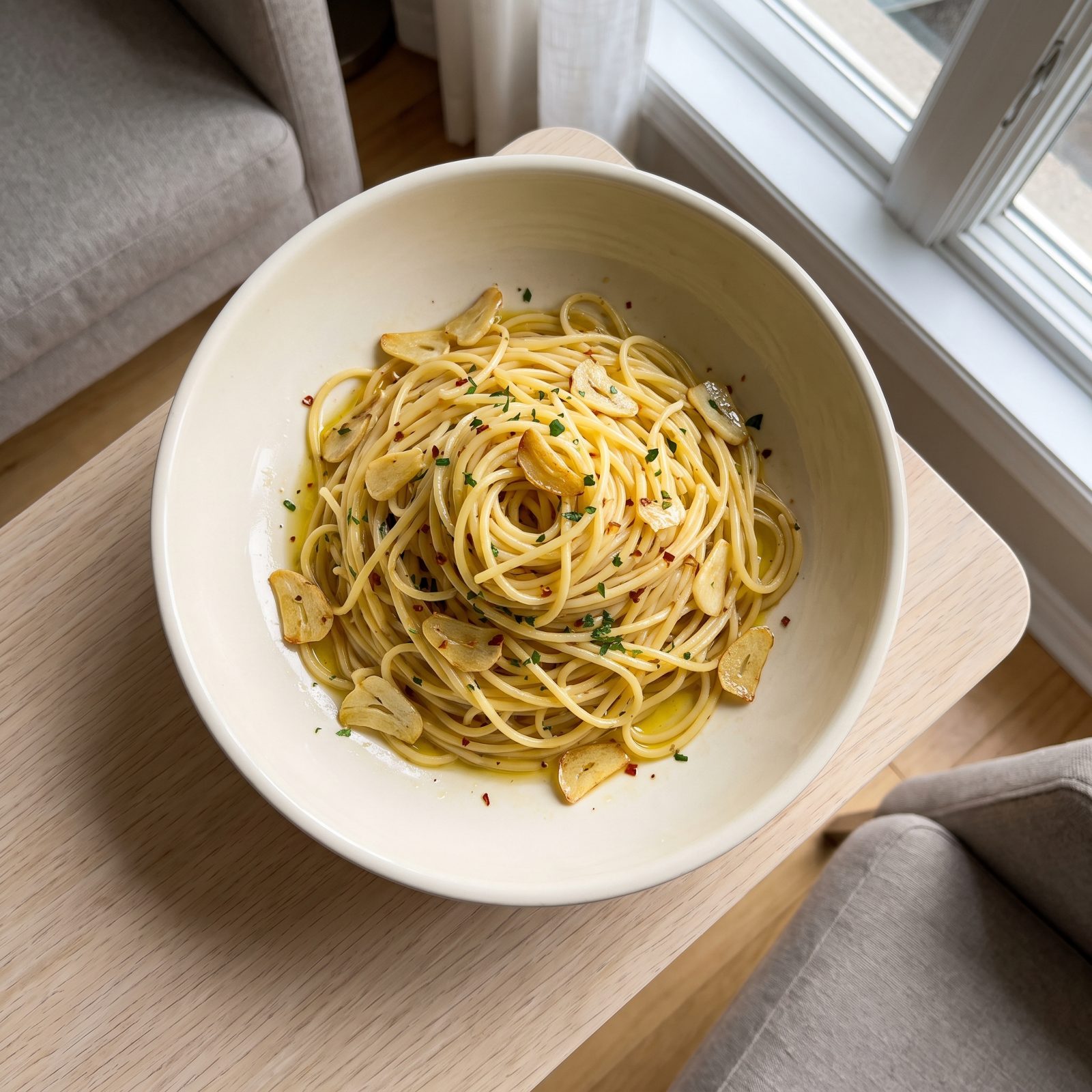
Four ingredients and a pan, and the whole thing lives or dies on how the garlic smells at one specific moment. One degree too far and golden becomes bitter brown, with no walking it back. Burnt garlic ruins everything in the bowl.
Low and slow, gentle oil, and pull it off the heat the instant it turns pale amber. The garlic perfumes the oil, then a splash of pasta water whisked in turns that oil into a glossy sauce that coats the strands instead of sliding off into a greasy slick at the bottom.
This is the dish that teaches you to respect emulsion, because there’s nowhere for a mistake to hide.
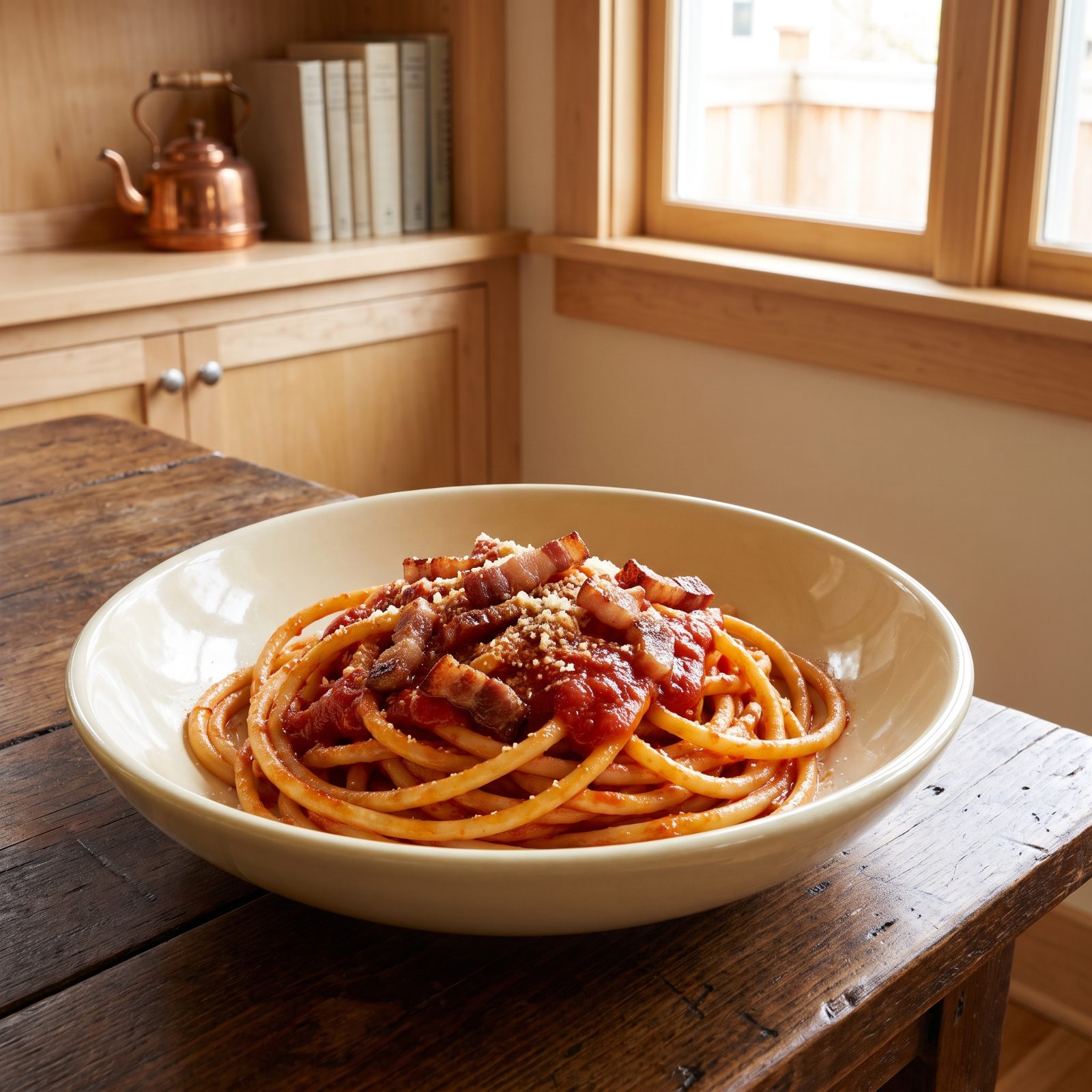
35. Amatriciana With Rendered Guanciale
Would you like to save this?
The fat is the flavor. Render the guanciale slowly until the edges crisp and the fat runs clear, and that rendered pork fat becomes the base the tomato sauce gets built on. Cook it fast and hot and you get tough, dry nuggets and a sauce that never finds its depth.
Bucatini is the move here because the hollow center carries sauce through the strand, not just around it. Pecorino at the end, no onion in the strict version, and the rendered fat doing the heavy lifting.
Guanciale. Not pancetta, not bacon. I know substitutions happen in real kitchens, but the cured jowl has a sweetness and a fat quality the others just can’t match.
34. Rigatoni Bolognese With Sauce Inside Every Tube
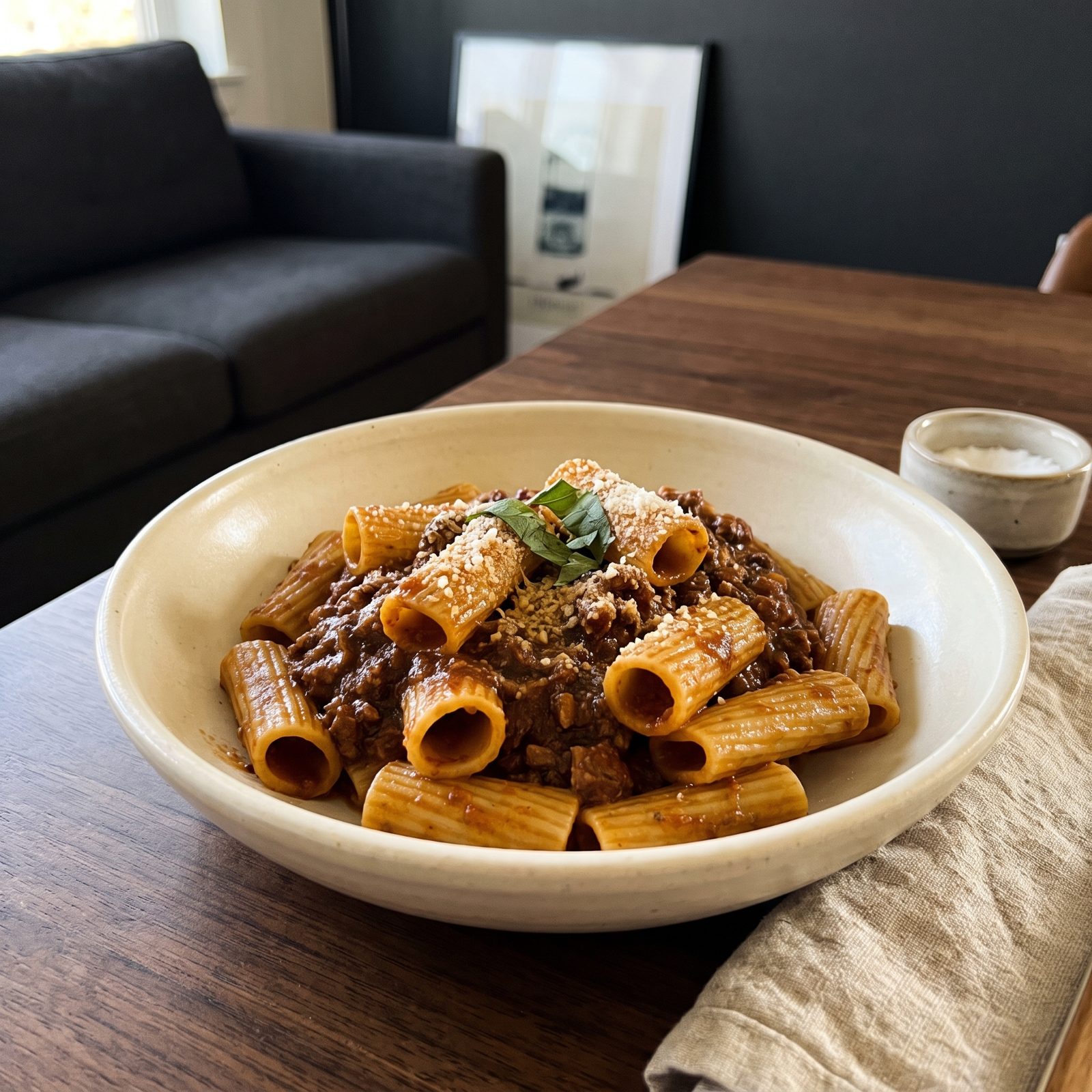
The shape is a container. That’s the quiet genius of rigatoni with bolognese — those wide ridged tubes catch the ragu inside and out, so every bite delivers sauce from two directions at once.
But the tubes only fill if the ragu is the right consistency. Too thin and it drains straight through. Too thick and it never gets in. You want a ragu reduced long enough to be glossy and clingy, then tossed hard with the pasta so it works its way inside.
A real bolognese simmers for hours, until the meat goes soft and the milk and wine cook down into the sauce. The reward is tubes packed full, not noodles wearing a thin brown coat.
The sauce inside the tube is the difference between a plate that looks right and one that eats right.
33. Bucatini With Anchovy and Toasted Breadcrumbs
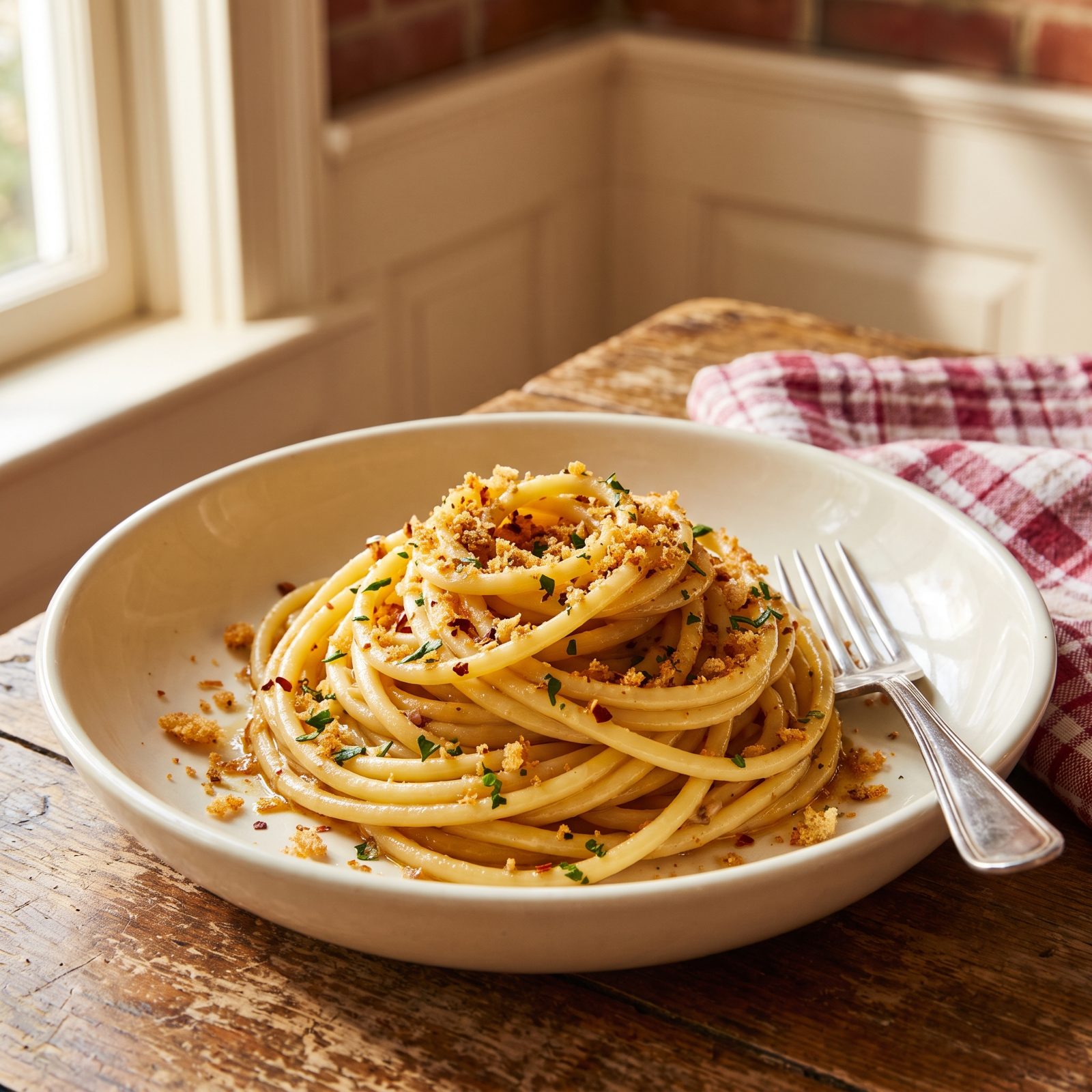
Anchovy is the quiet one. It melts into the warm oil until nobody can name it — they just taste depth and reach for more. You’re not serving fish. You’re serving the memory of salt.
And the breadcrumbs matter more than anyone expects. Toasted in the pan until they smell like the crust of good bread, they give the dish teeth: soft pasta, crunchy crumb, slick sauce, three textures riding one forkful.
32. Spaghetti With Fresh Crab and Lemon
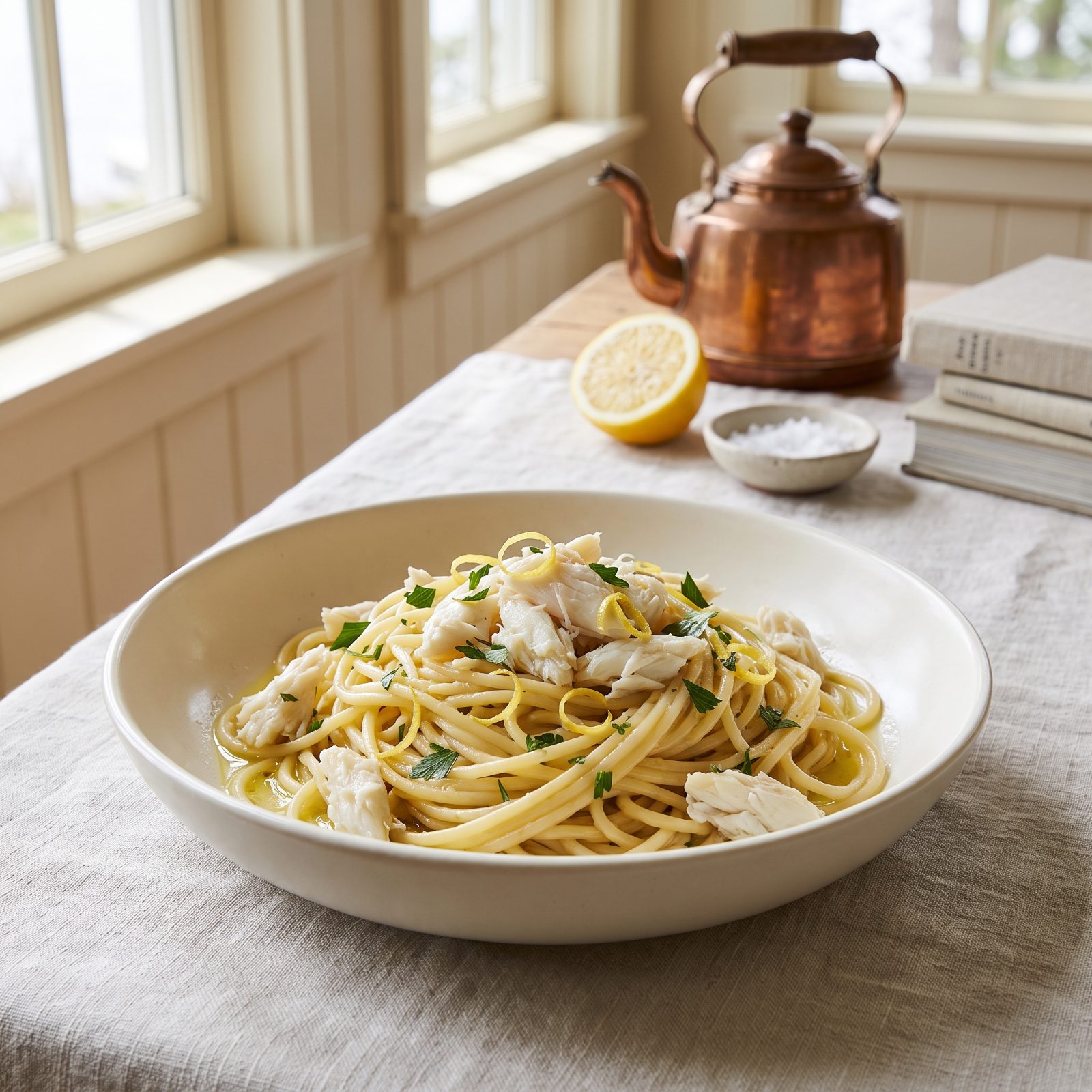
Crab is expensive and shy. Cook it hard and you’ve thrown money in the bin, so the restaurant move is to fold it in at the very end, off the heat, letting the warmth of the pasta do the carrying rather than a flame.
Lemon does the lifting — a squeeze and a little zest wake up the sweetness of the crab without burying it under acid. Keep the sauce thin on purpose. You want to see the pasta, not drown it.
31. Fettuccine Alfredo Emulsified Without Heavy Cream
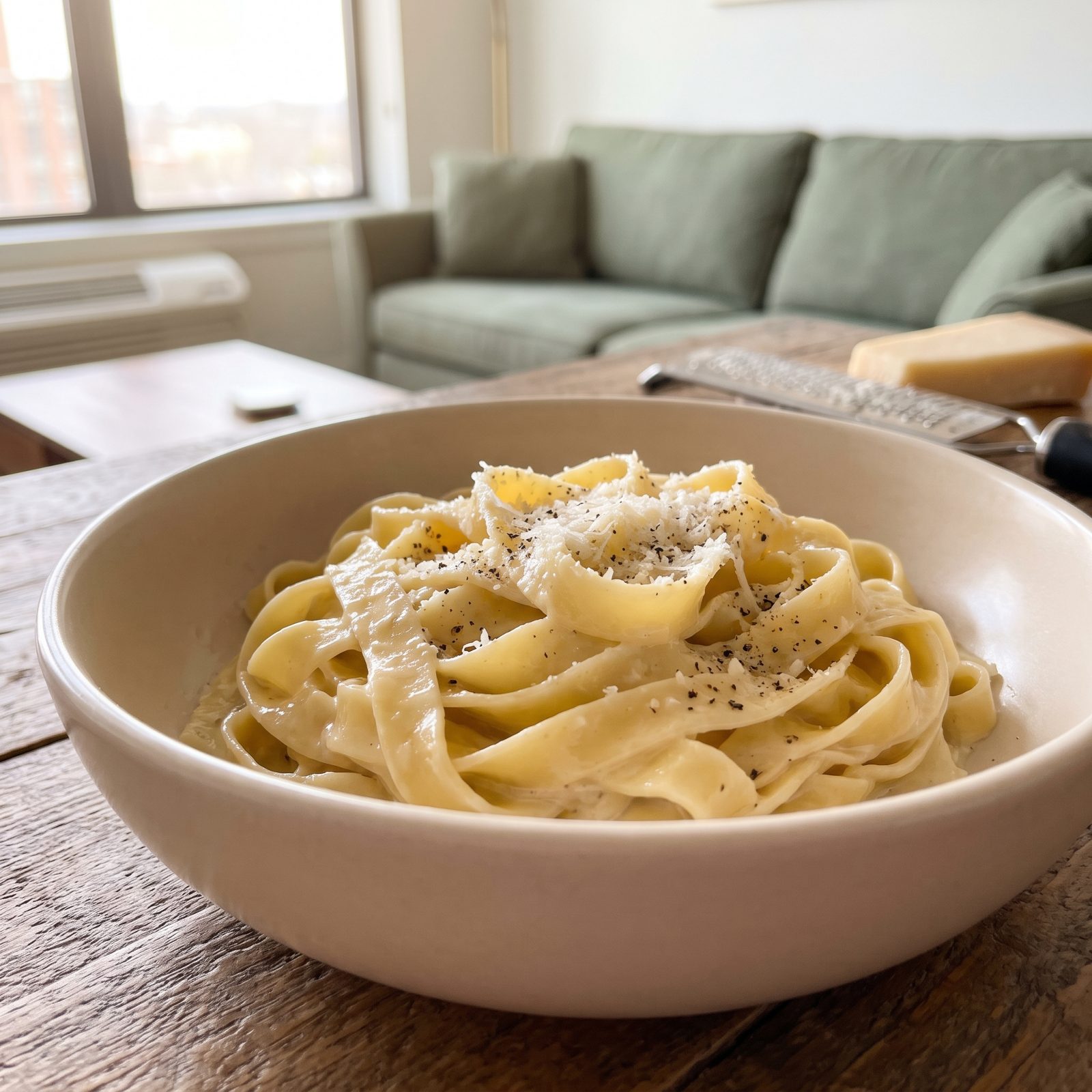
The cream was never supposed to be there. The original Roman plate is butter, young Parmesan, and the water the pasta cooked in, whipped together until it turns to silk. Cream is the shortcut Americans added because it’s harder to break.
Where most people go wrong: the pasta water is the glue. That cloudy, salty liquid full of starch binds the fat to the cheese into one glossy coat. Tip it down the drain and your Alfredo splits into a greasy puddle every single time.
30. Trofie With Mortar-Pounded Basil Pesto
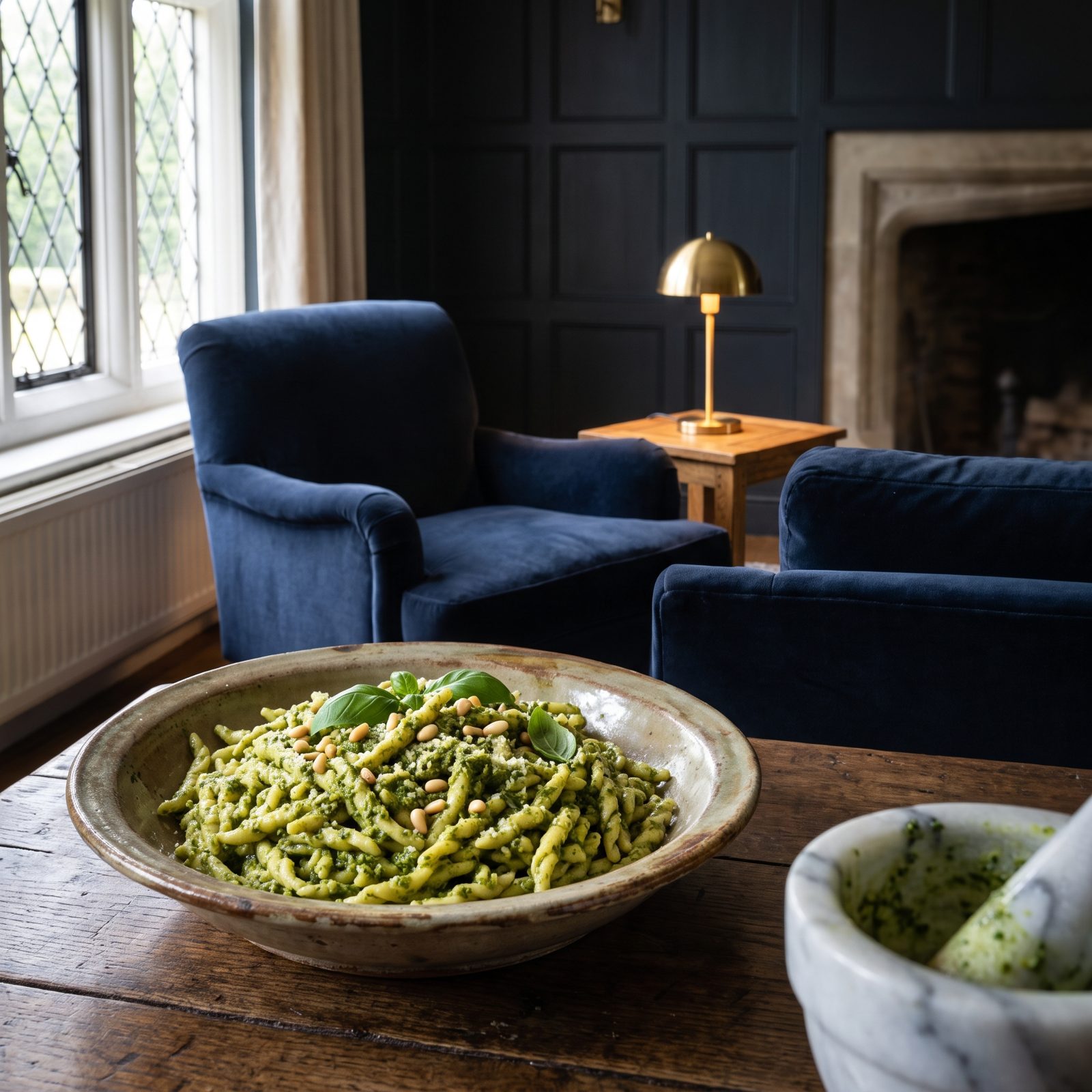
A blender makes a smoothie. A mortar makes pesto. The difference is heat — blades spin fast enough to bruise the basil and turn it bitter and army-green, while stone pounding crushes slow and cold, keeping that electric green and the raw perfume of the leaf.
Trofie’s little twisted shape grabs the sauce a smooth noodle never could. Every ridge holds pesto. It’s the pasta Liguria built around this exact sauce, and the pairing is no accident.
29. Orecchiette With Broccoli Rabe and Sausage
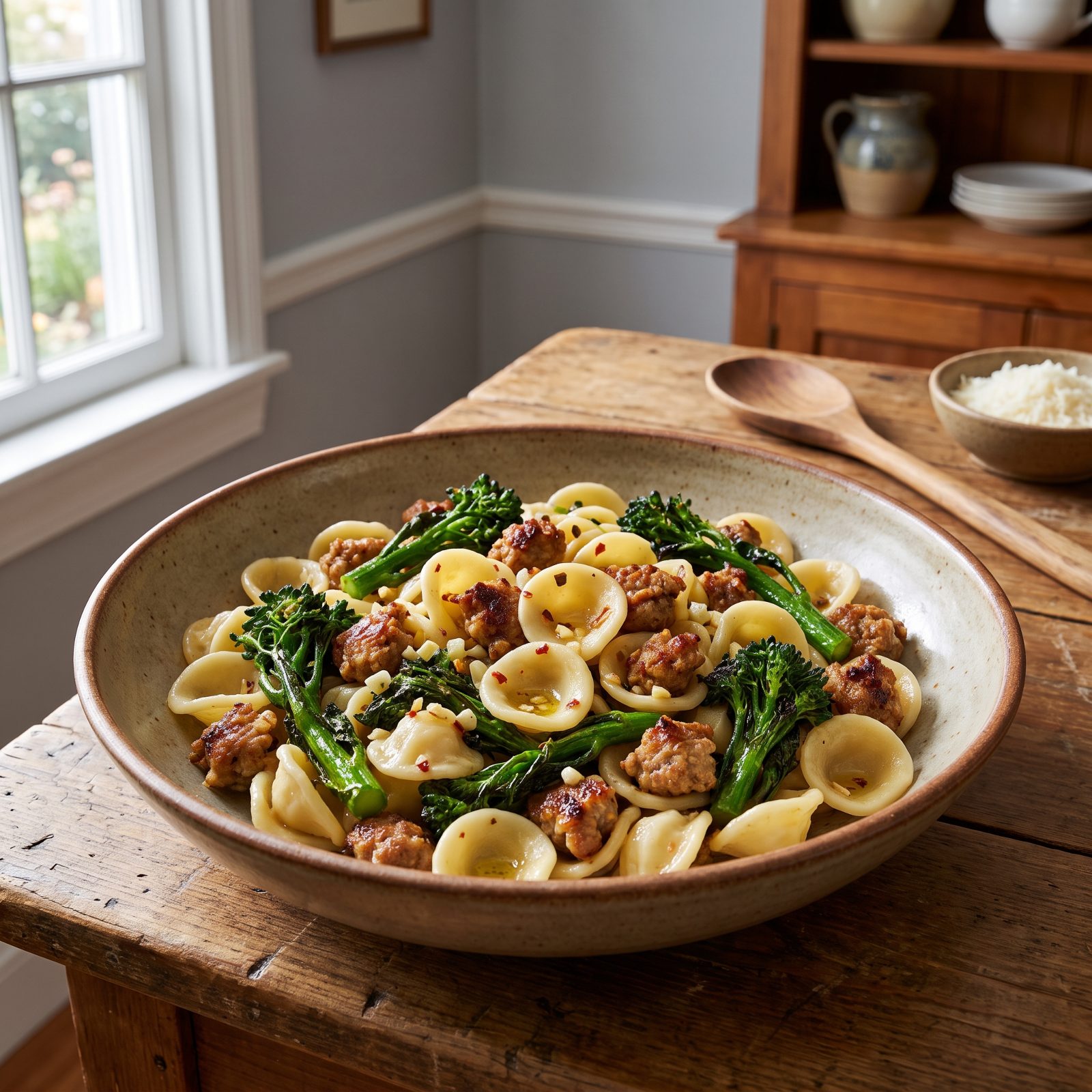
Bitter is the point. Broccoli rabe fights back a little, and that edge is exactly why it works against sweet, fatty sausage. Blanch the bitterness clean out and you’ve got a sad green nothing.
The orecchiette earns its keep too. Those tiny cupped shapes scoop up the sausage crumbles and the garlicky oil, so you get a full bite instead of chasing loose bits around the bowl. This is Puglia on a plate, and Puglia knew what it was doing.
28. Gnocchi With Crisped Edges and Sage Butter
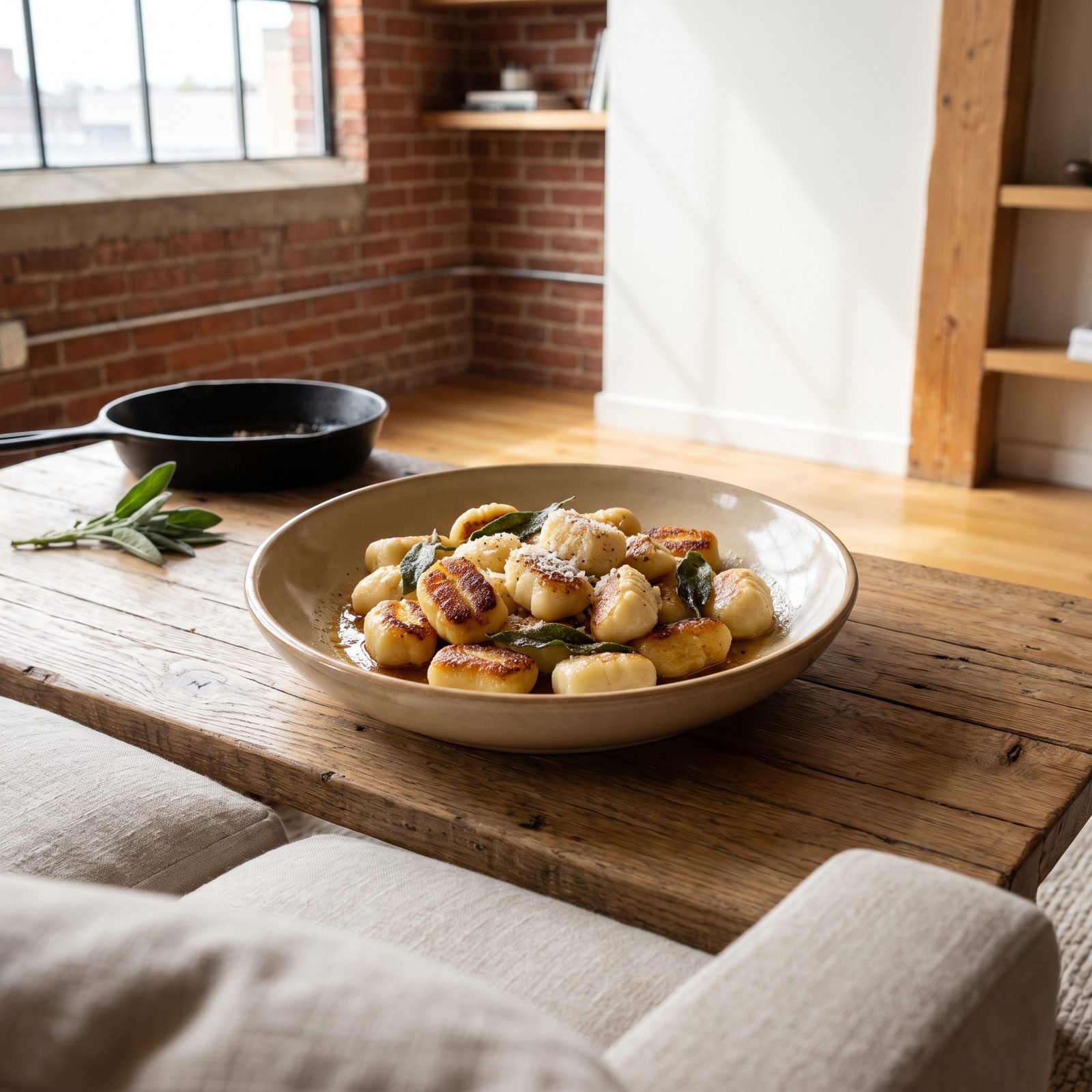
Boiled gnocchi are fine. Boiled-then-seared gnocchi are a different animal entirely — that minute in a hot pan builds a golden crust on one side while the inside stays like a cloud. Soft and crisp in the same bite.
Brown butter and sage is a two-ingredient sauce that tastes like it took effort. Let the butter go past yellow into nutty amber, drop whole sage leaves in to fry crisp, and suddenly your kitchen smells like somewhere with cloth napkins.
27. Tortellini Served in Clear, Flavorful Broth
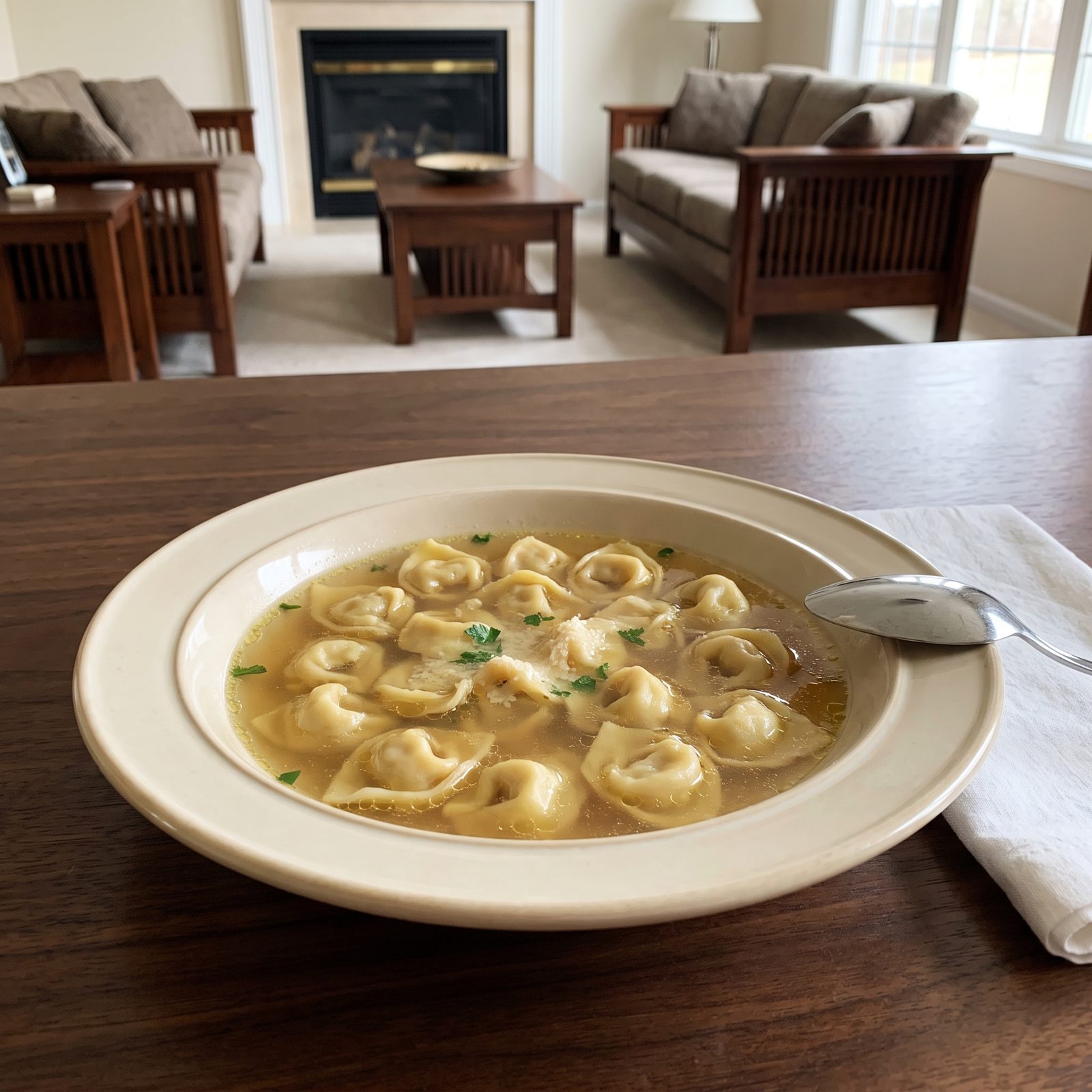
No sauce. No cheese blanket. Just tortellini swimming in broth so clear you could read a newspaper through it, and that clarity is the hardest part to pull off.
Cloudy broth means it boiled too hard. The honest version comes up slow, barely trembling, skimmed again and again until it’s gold and clean. This is tortellini in brodo, the Christmas dish of Emilia-Romagna, built on restraint rather than richness.
26. Agnolotti With a Reduced Pan Sauce
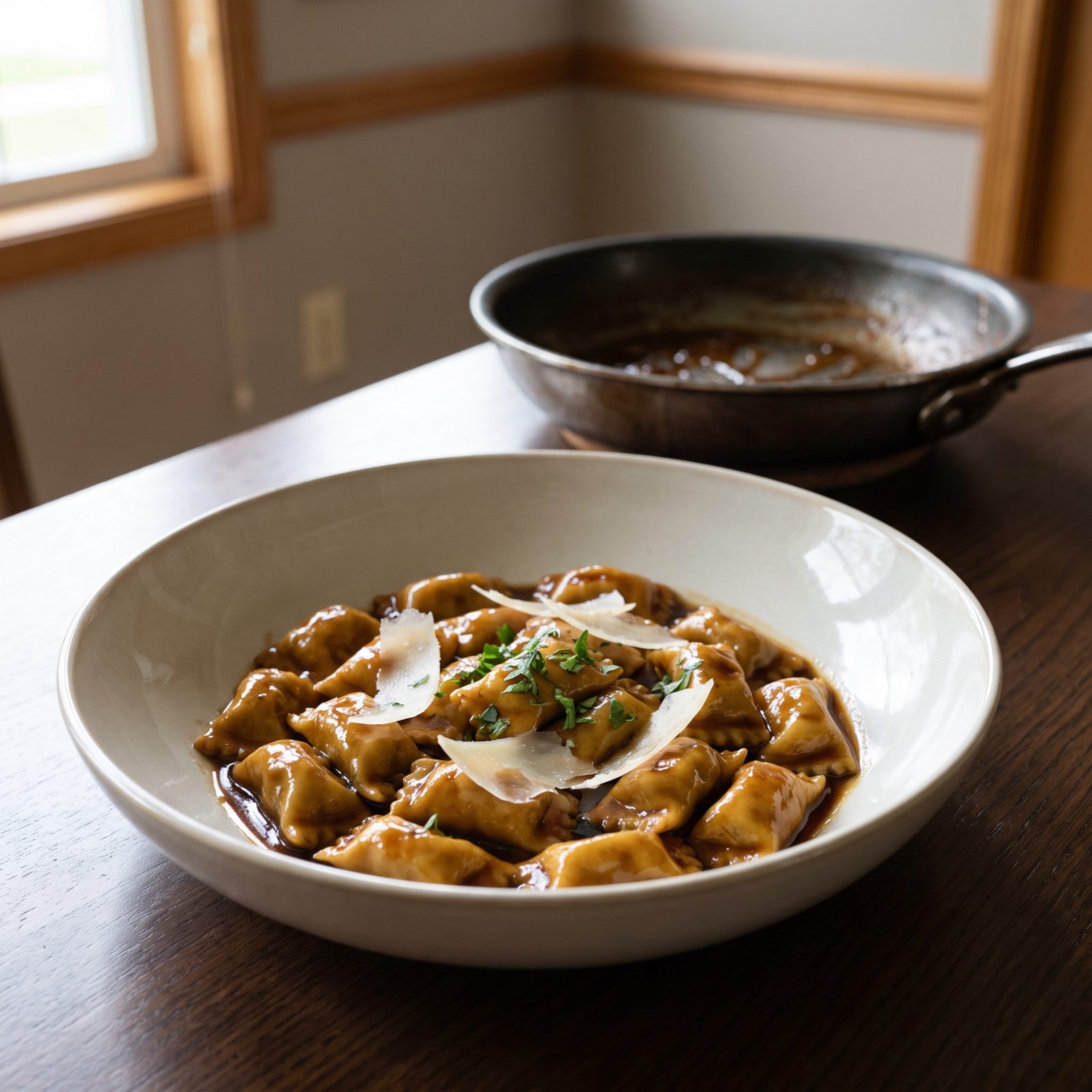
A pan sauce is just liquid that got patient. You deglaze the pan, add a splash of stock or wine, and let it reduce until it goes thick and glossy enough to coat a spoon. That gloss is what makes stuffed pasta look like it wandered in from a white-tablecloth kitchen.
Toss the agnolotti in it for the last thirty seconds so each pillow picks up a lacquered coat. Drown them in a bowl of thin sauce instead and you’ve buried all that careful filling under a flood.
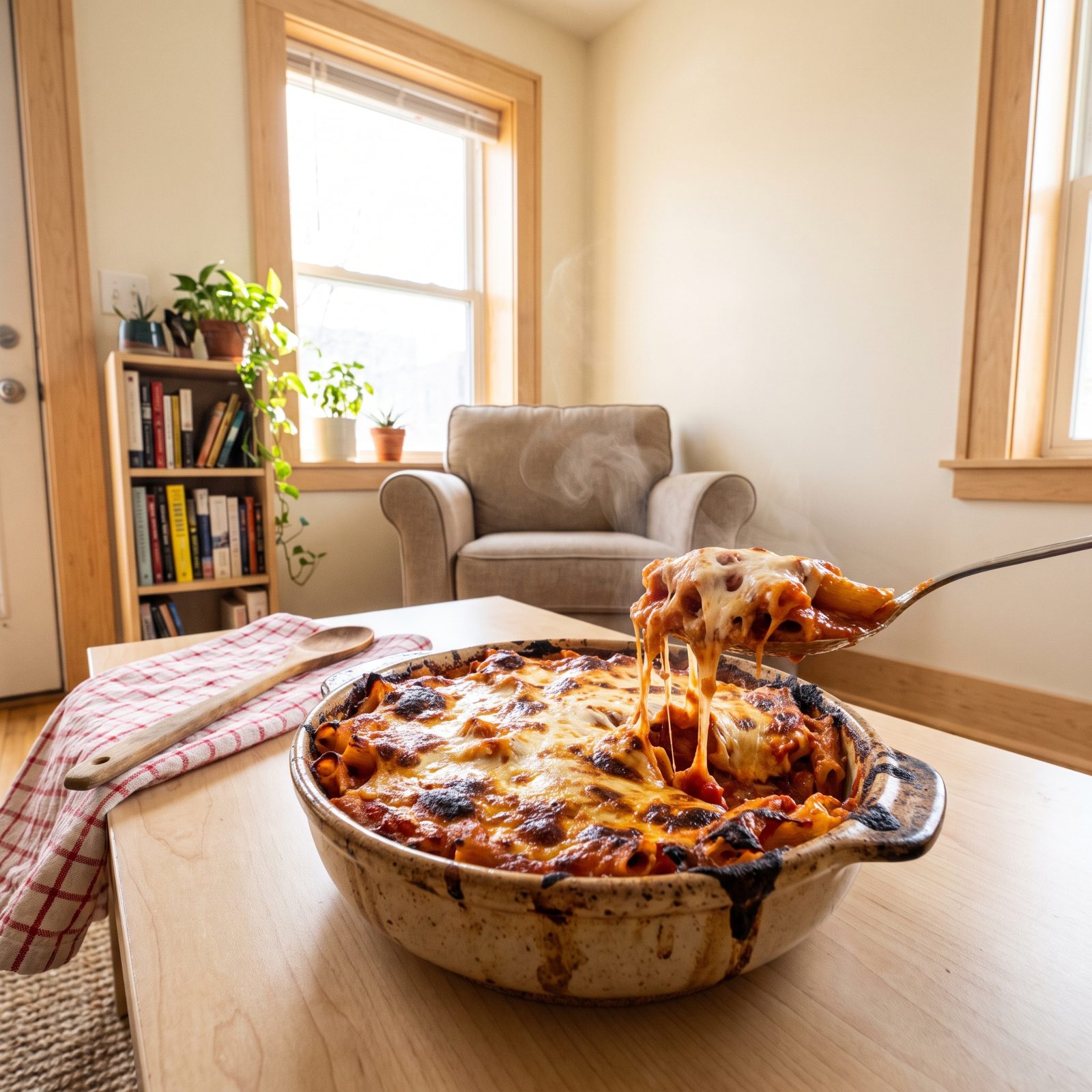
25. Baked Ziti With Creamy and Crisp Textures
Would you like to save this?
Baked ziti lives or dies on contrast. The top should go brown and crisp where the cheese catches the heat; the inside should stay creamy and loose, sauce still clinging to the tubes. One uniform texture and it’s just a casserole.
The usual mistake is too much sauce and not enough rest. Let it sit ten minutes out of the oven. It firms up, so a serving holds its shape instead of sliding across the plate in a red puddle.
24. Stuffed Shells With Well-Drained Ricotta
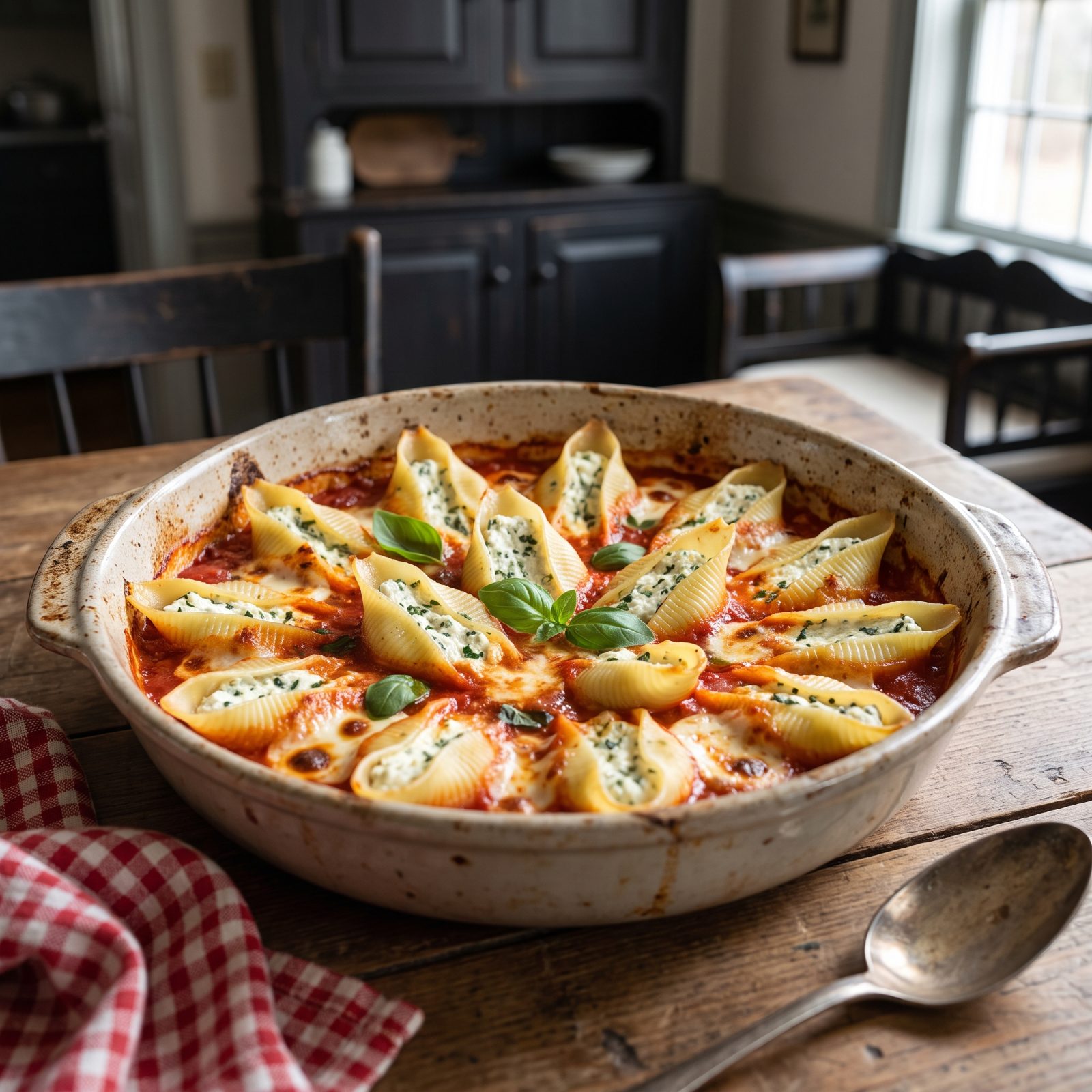
Watery ricotta is why so many stuffed shells turn out soupy. The cheese sits in a tub full of its own liquid, and if you spoon it in straight, all that water leaks out in the oven and floods the dish.
So drain it first. A few hours in a lined strainer pulls the moisture out, the filling stays firm, and it holds its shape when you cut in. The gap between a shell that stands proud and one that collapses comes down almost entirely to water you got rid of early.
23. Macaroni and Cheese With a Smooth Mornay
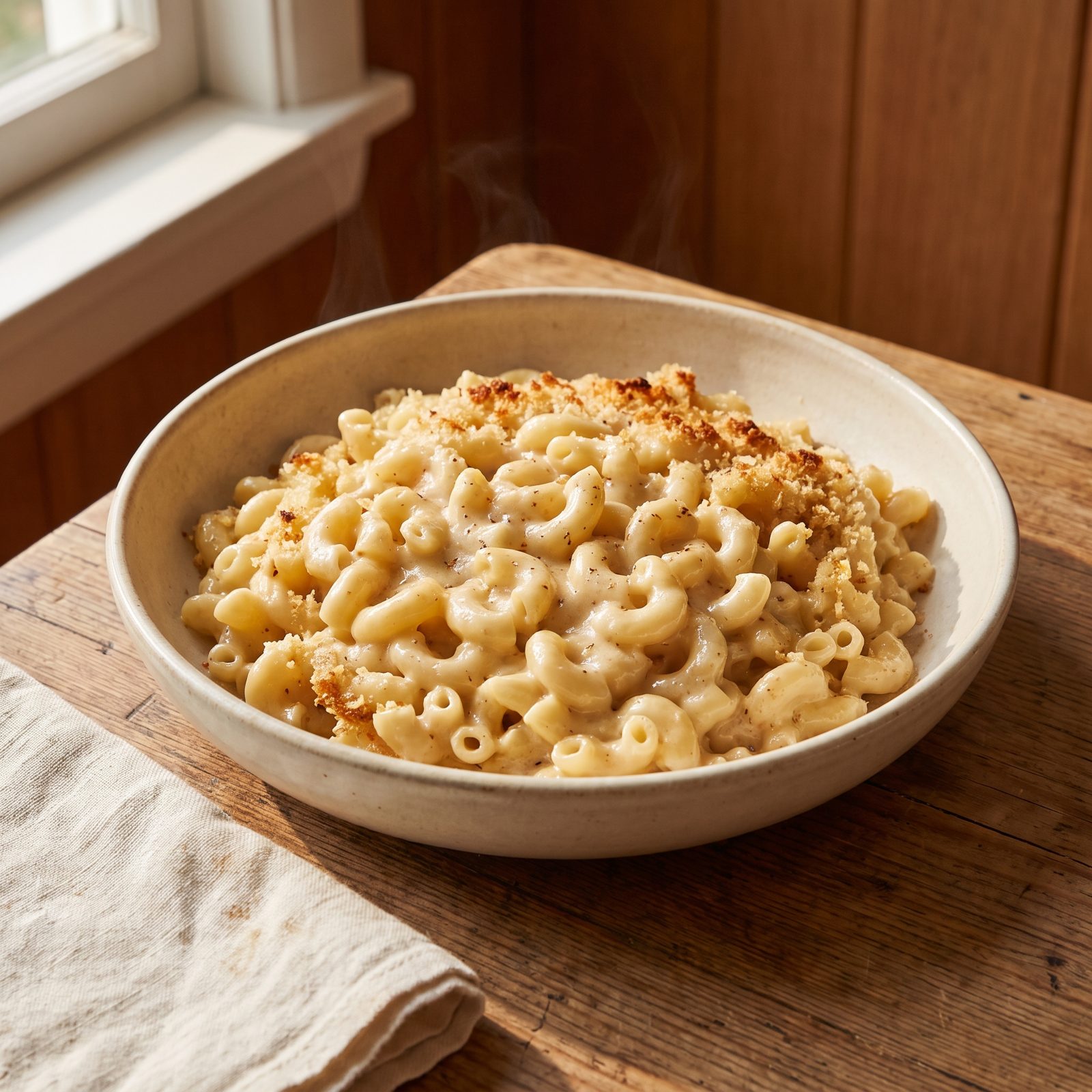
The box version taught a whole generation that mac and cheese means neon powder and a prayer. A Mornay sauce says otherwise. You build a roux, whisk in milk slow, and melt the cheese off the heat so it never seizes into a grainy mess.
The test is the cling. Good Mornay coats the back of a spoon and drapes every elbow without sliding off into a puddle, while grainy sauce means the cheese got too hot. I’ve ruined it that way more times than I’ll admit.
22. Pasta al Limone With Fragrant Zest and No Curdling
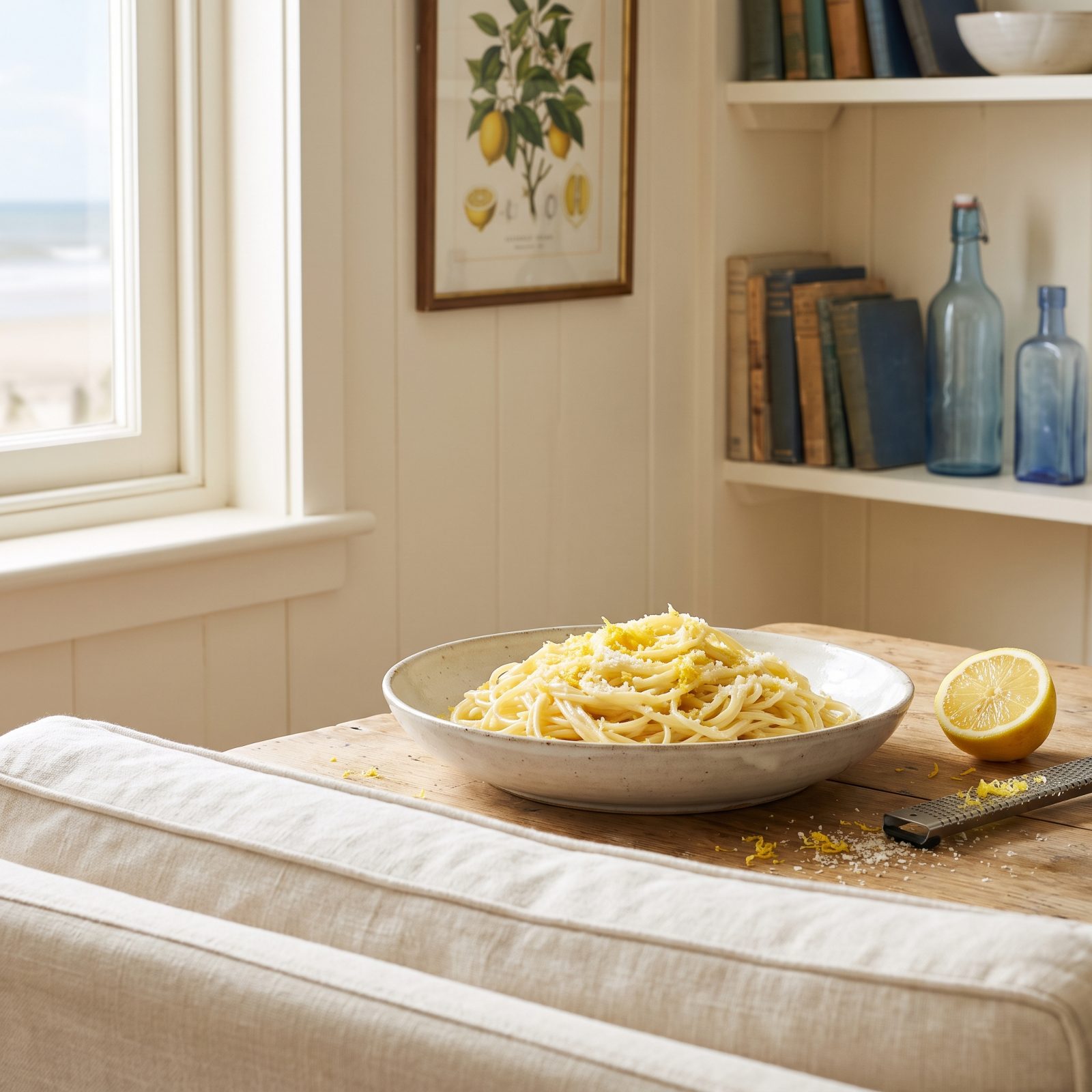
Lemon and dairy are a fussy pair. Add acid too fast to hot cream and you get curds instead of sauce, which comes down to temperature and timing rather than luck.
Emulsify the lemon juice into butter and starchy pasta water first, then fold in the cheese off direct heat. Zest goes on at the very end so the oils stay bright — cooked-in zest turns dull and bitter.
21. Spaghetti With Burst Cherry Tomatoes
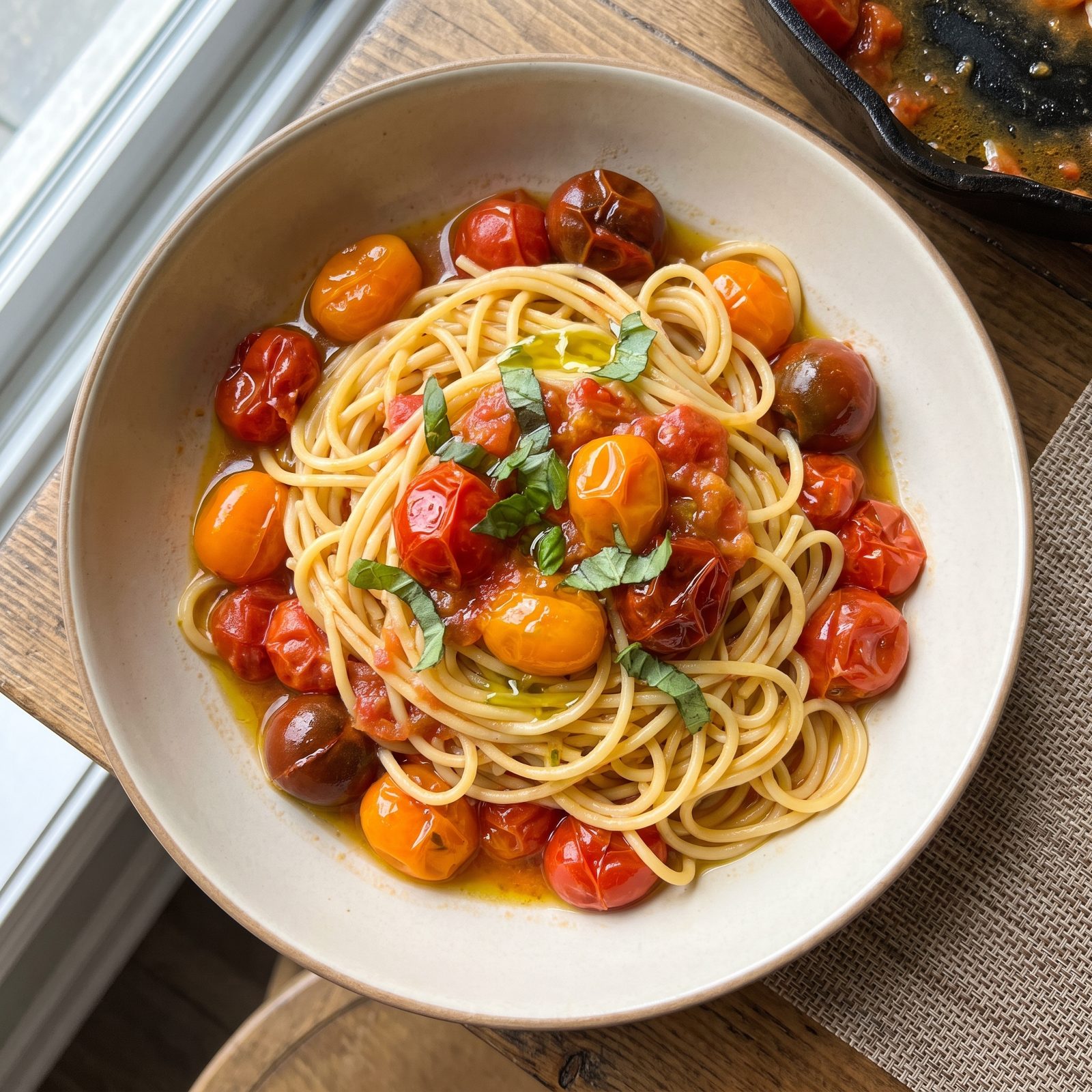
Jarred sauce has its place. This isn’t it. Let cherry tomatoes blister in hot oil until the skins split, and they release a sauce that tastes like summer for almost no effort.
The smart move is pressing a few against the pan so their juice meets the oil and starchy water. That light emulsion coats the spaghetti instead of sitting in a watery heap at the bottom of the bowl.
Whole tomatoes stay intact for a pop of acidity while the burst ones build body. You want both in the same forkful.
20. Paccheri With Slow-Cooked Eggplant
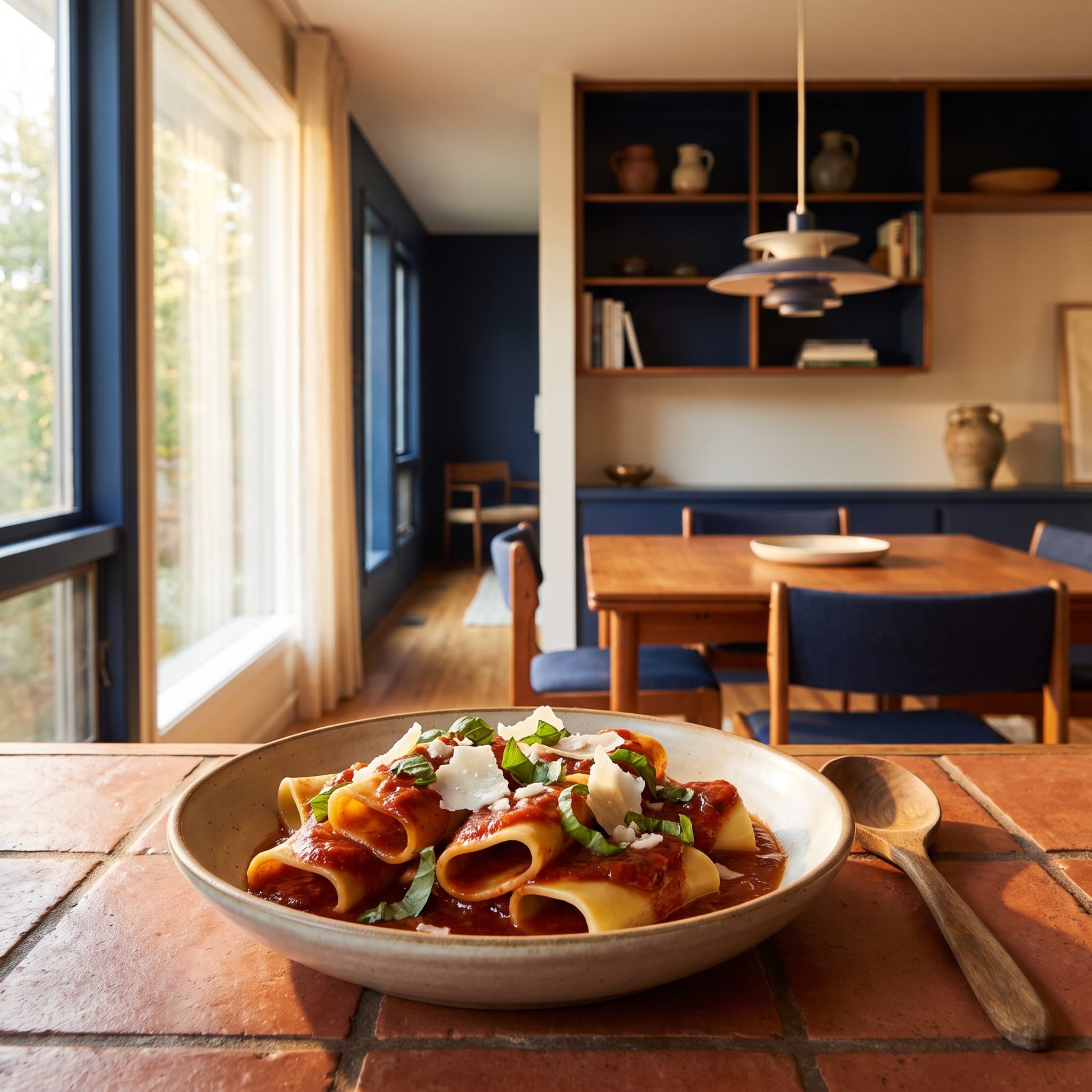
Big tubes need a sauce with weight. Paccheri are wide enough to swallow chunks whole, which is exactly why rushed eggplant ruins the dish — undercooked, it goes spongy and bitter.
Slow cooking breaks the eggplant down until it melts into the tomato, turning silky and almost sweet. That texture coats the inside of each tube so every bite delivers sauce from two directions.
19. Casarecce With Pistachio Pesto
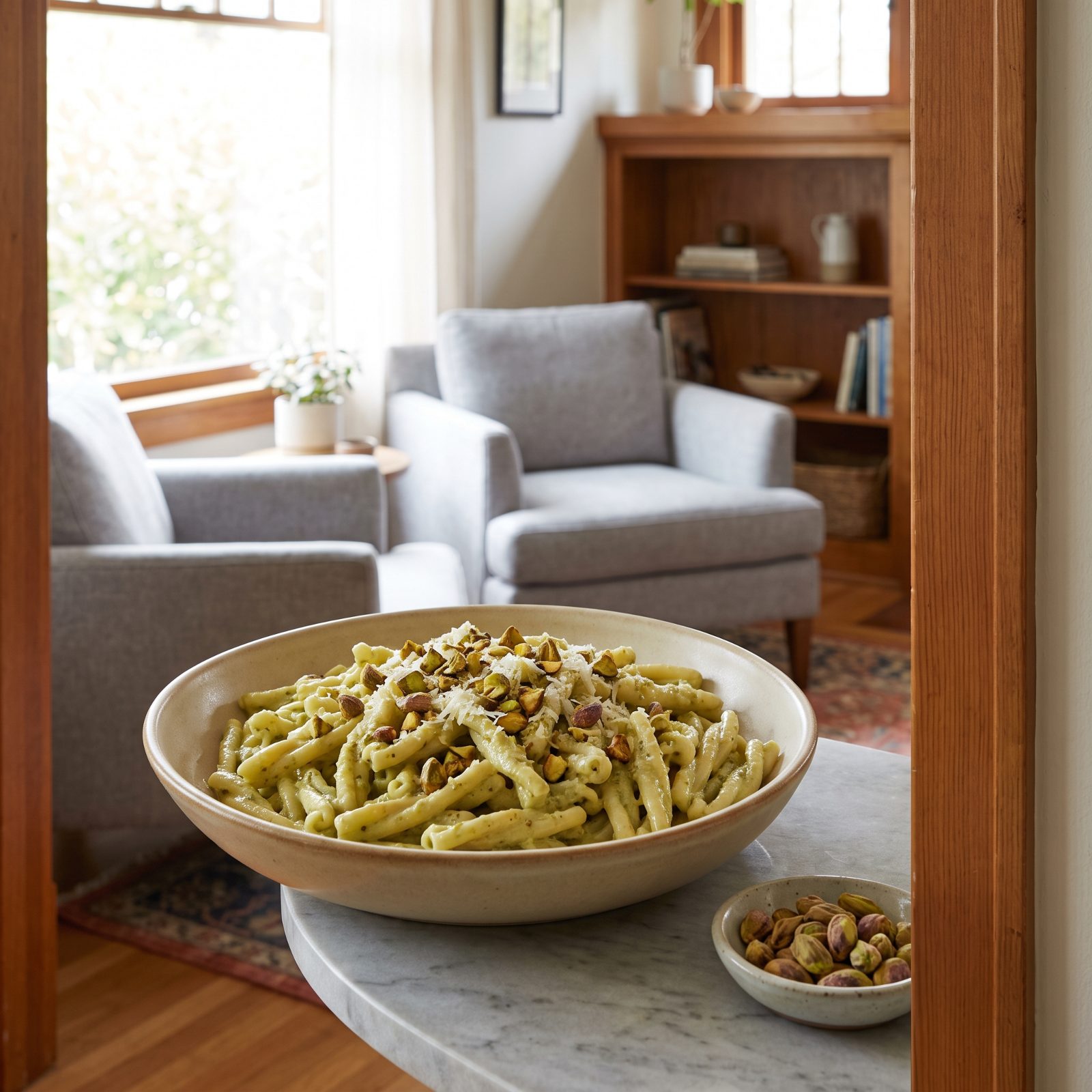
Pistachio pesto is basil pesto’s richer cousin, and Sicily guards the recipe like family silver. The nuts grind into something closer to a cream than a paste.
Casarecce earns its spot because those rolled twists trap sauce in their folds. A smooth pasta would let a thick pesto slide right off. The grooves hold it.
A splash of pasta water loosens the pesto so it coats rather than clumps, and the chopped nuts go on last for the crunch a fully blended sauce can’t give you.
18. Gemelli With Sweet Corn and Basil
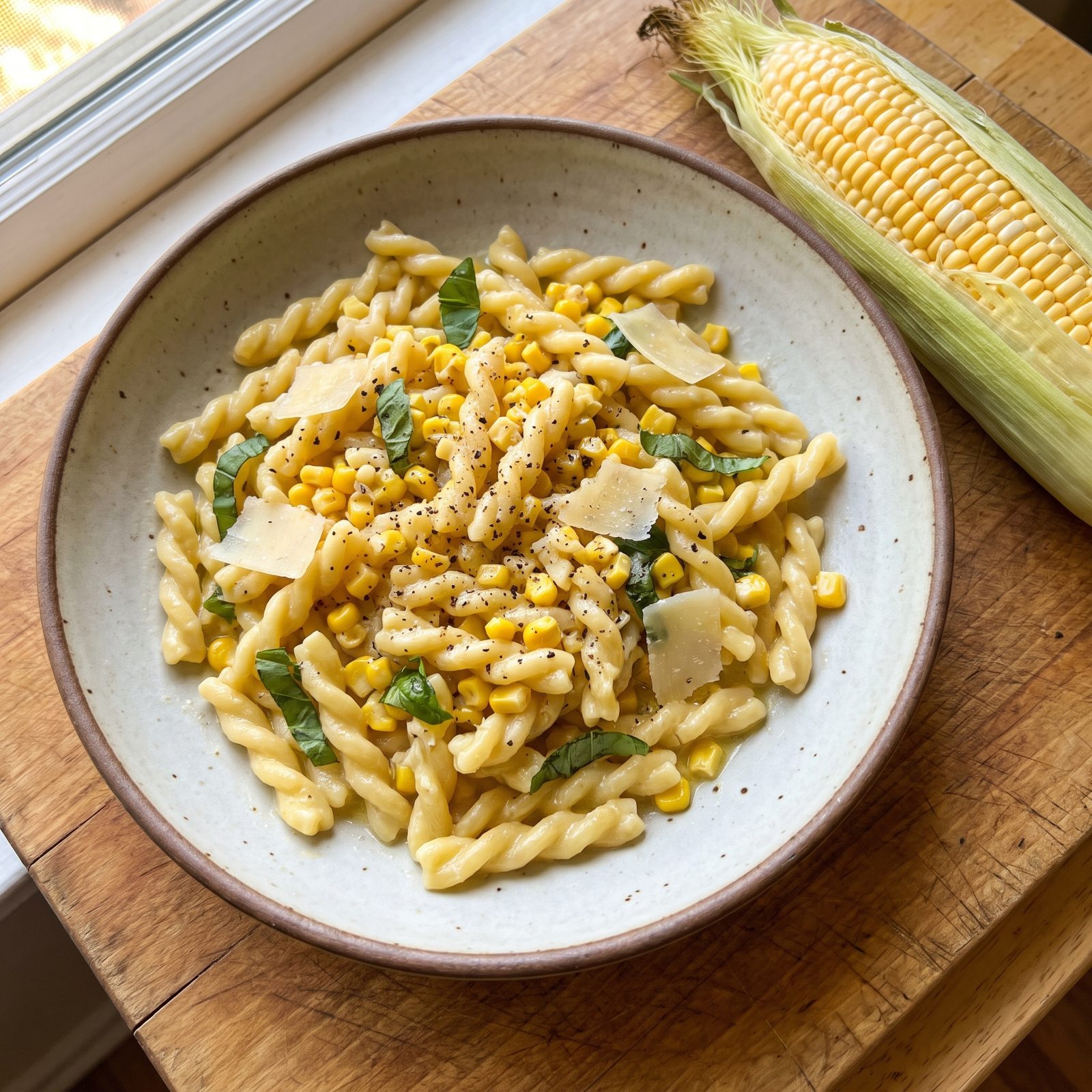
Late-summer corn barely needs cooking. Scrape the cobs after cutting the kernels and you get corn milk — a starchy sweet liquid that turns butter into a sauce without a drop of cream.
Gemelli’s tight twists catch kernels in their crevices so you don’t chase them around the bowl. Basil goes in off the heat so it stays green and fragrant instead of wilting to brown.
17. Radiatori With Mushroom Ragù
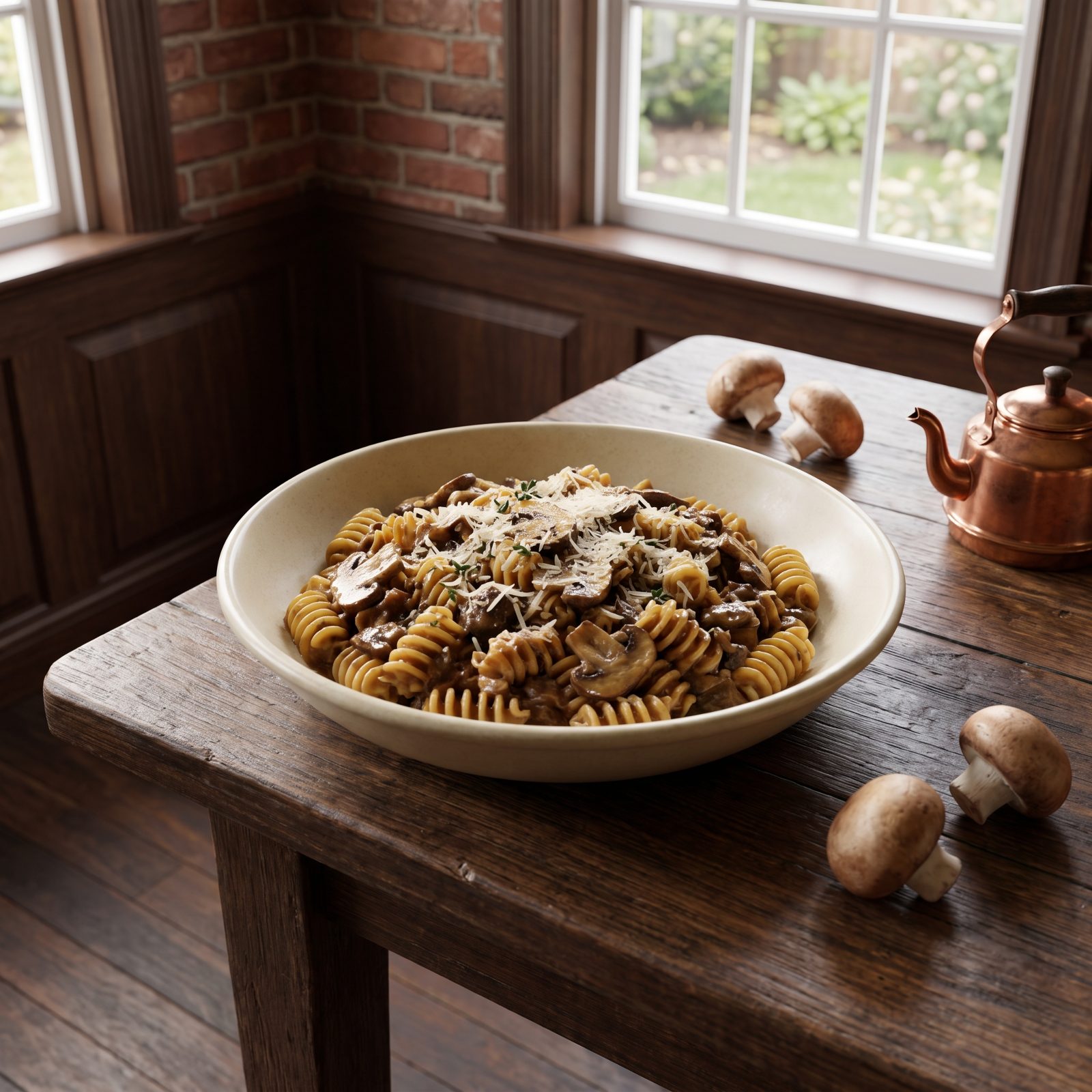
Radiatori were practically built to hold ragù. Those ruffled ridges exist to grab thick sauce and refuse to let go, which makes them a quiet genius move here.
The mushrooms need to brown hard first, not steam. Crowd the pan and they weep water and go gray. Give them room and they develop the deep savory note that makes a meatless ragù taste like it has meat in it.
The shape isn’t decoration. It’s a tool for catching sauce, and radiatori are the best tool in the drawer.
16. Mafaldine With Caramelized Fennel
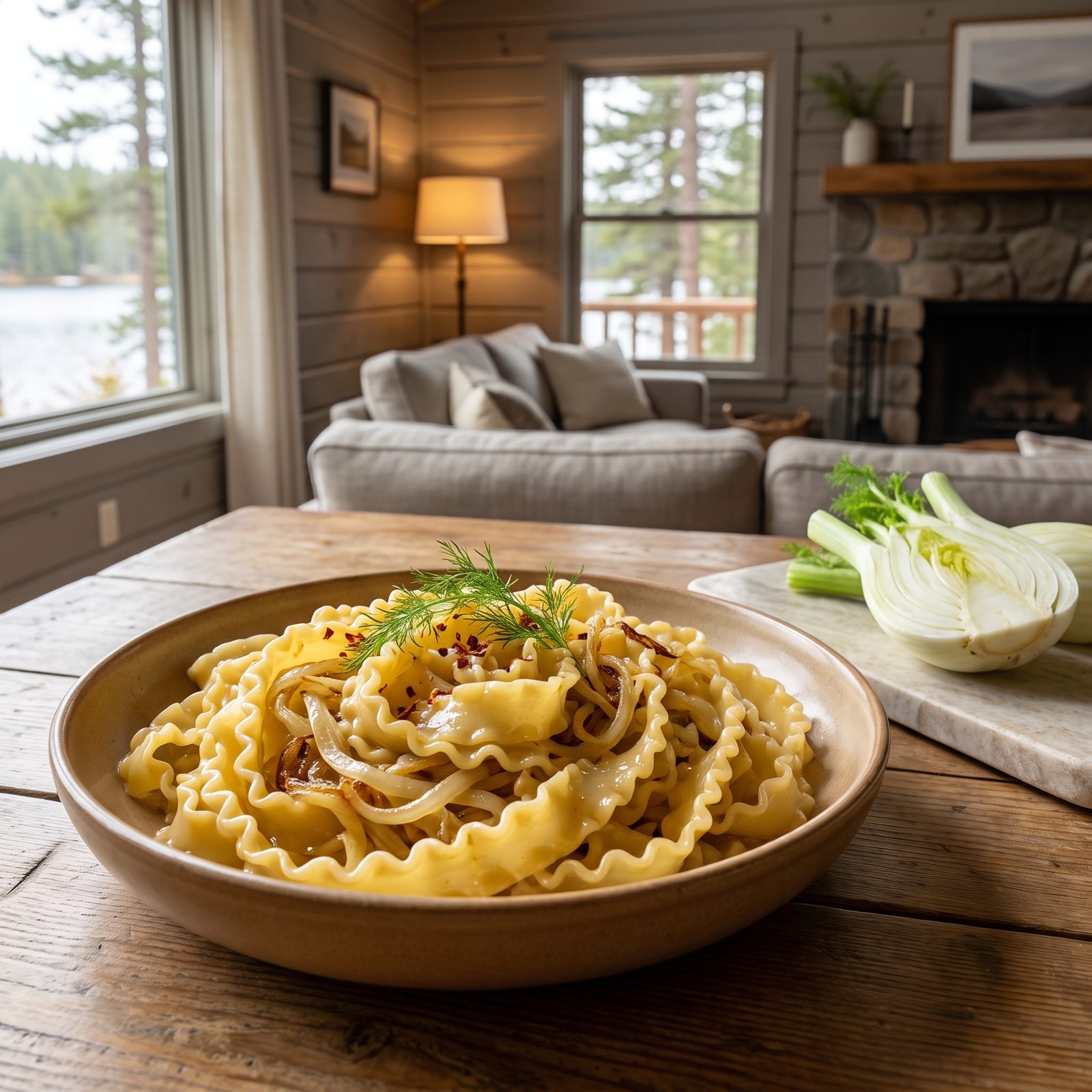
Raw fennel is sharp and licorice-loud. Cook it slow and it turns sweet, soft, almost unrecognizable. That patience is the entire dish.
Mafaldine ribbons have fluted edges that trail sauce like a ruffled hem, and the caramelized fennel tucks into those waves so the sweetness threads through every bite rather than clumping in one spot.
15. Mezze Rigatoni With ‘Nduja and Tomato
Would you like to save this?
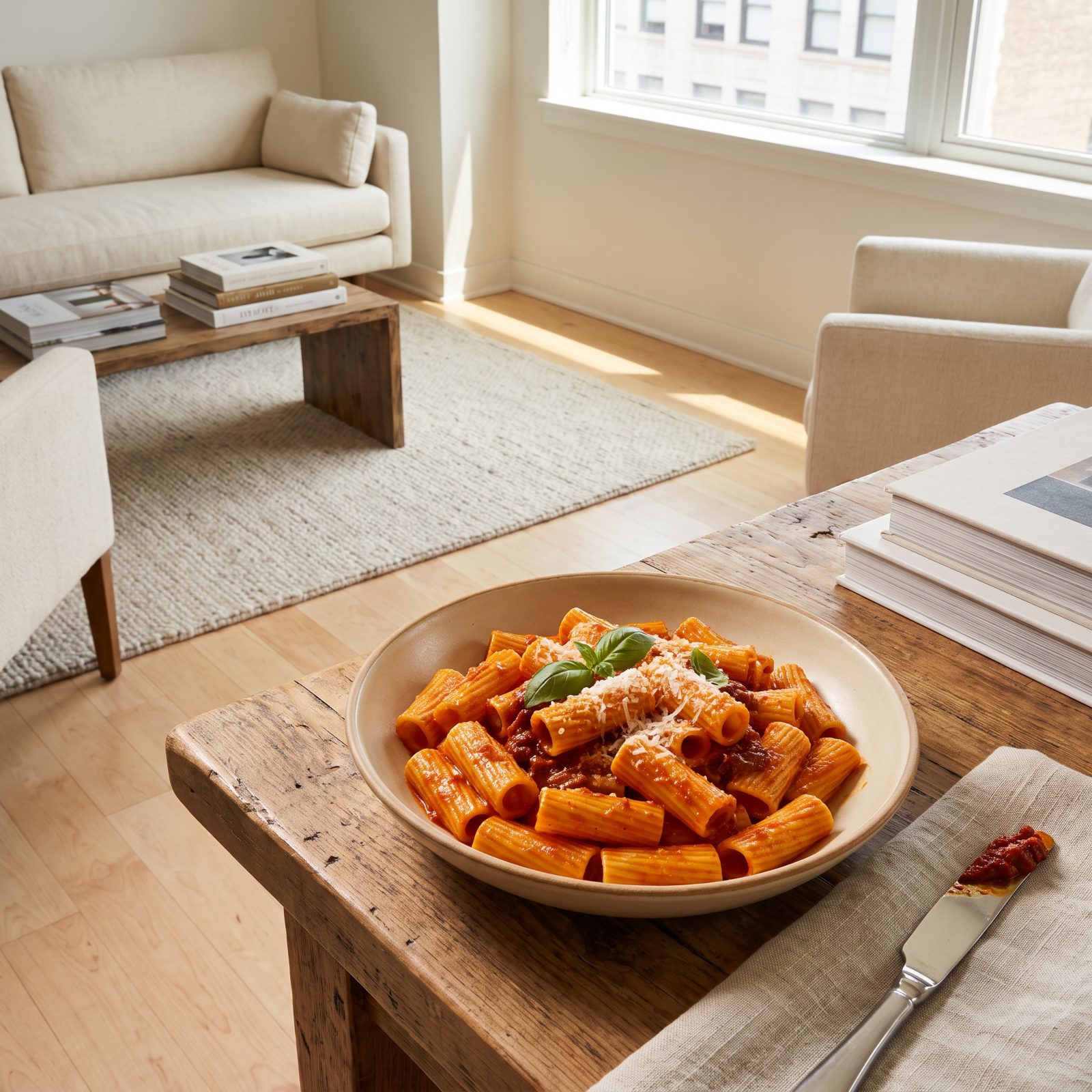
‘Nduja is Calabria’s spreadable chili salami, and it melts into tomato like it was born for the job. The fat carries the heat and the paprika right into the sauce.
Mezze rigatoni, the shorter cut, have ridges outside and hollow centers that scoop the chunky sauce as you eat. A smooth tube would let all that spice run off.
14. Calamarata With Tender Squid
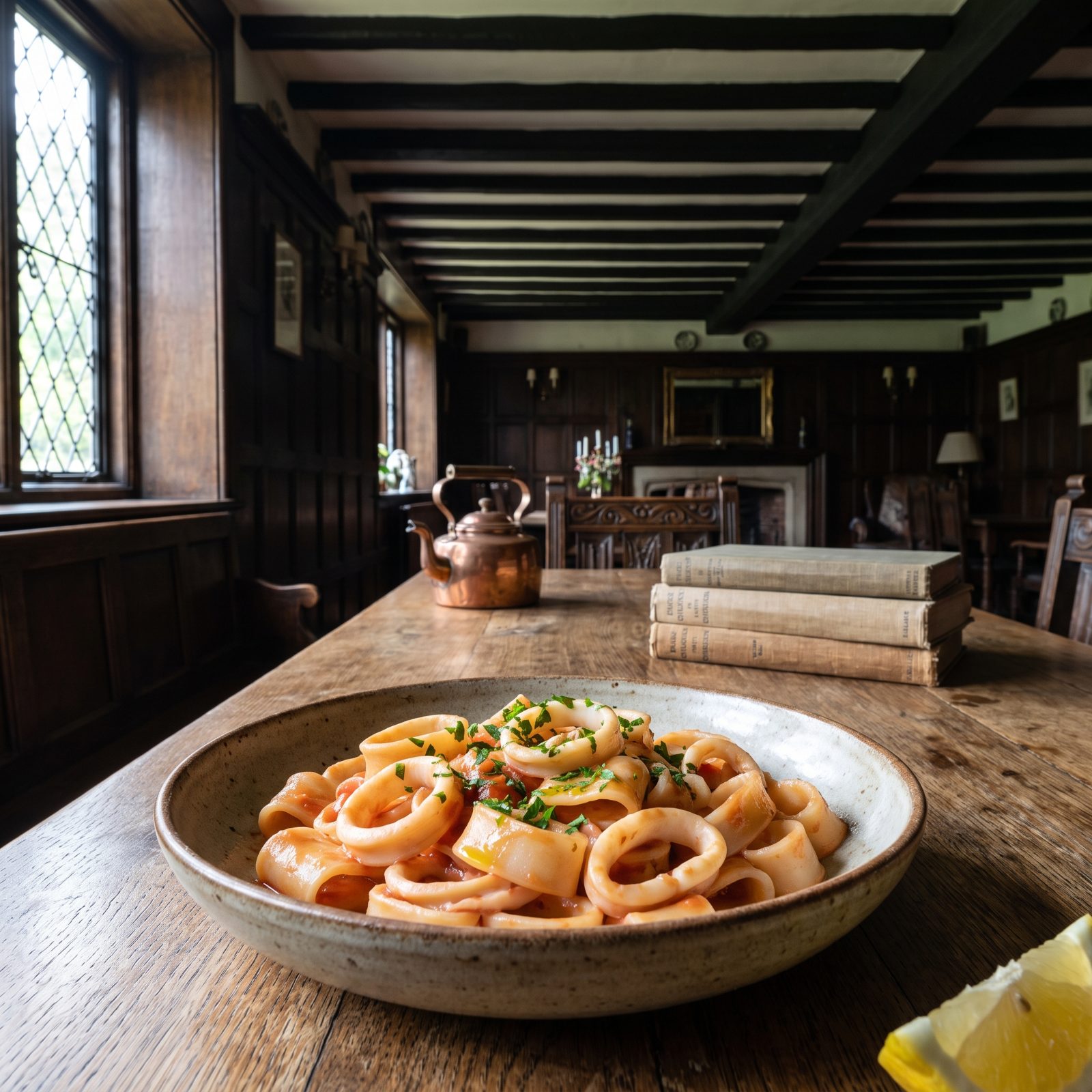
The whole joke of calamarata is that the pasta rings look exactly like the squid rings they’re served with. Half visual pun, half brilliant pairing.
Squid cooks in two speeds: a couple of minutes, or forty. Anything in between turns it to rubber. The sauce stays light so the squid’s sweetness and the briny edge come through instead of getting buried.
You want the pasta and the squid the same size on the fork, so each bite is a little guess at which ring you just caught.
13. Black Squid-Ink Spaghetti With Garlic and Chile
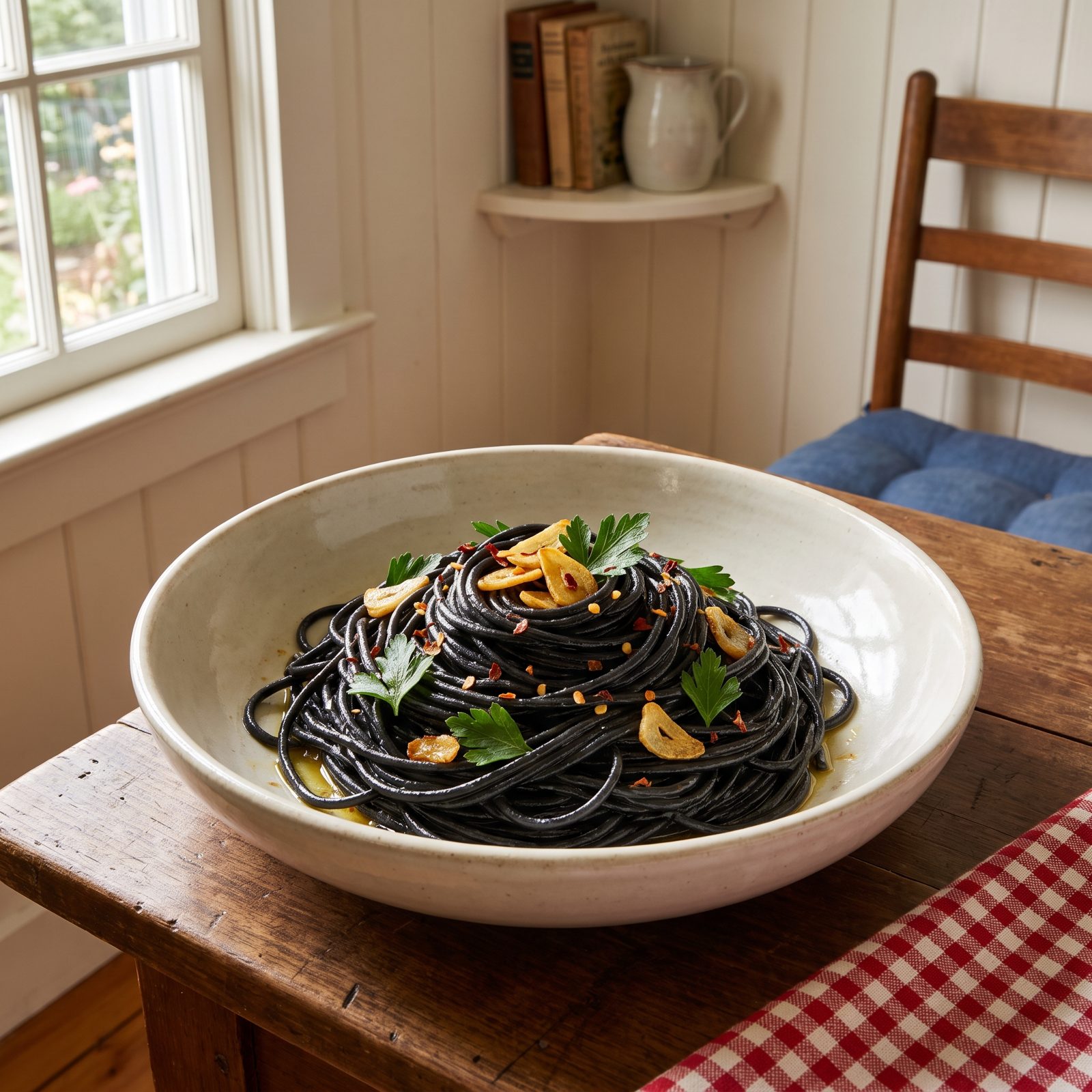
The drama is free. Black strands against a pale bowl do the work no garnish could, so you keep the finishing minimal. Twirl it into a nest instead of flopping it flat, and fry the garlic to gold, never brown — burnt garlic goes bitter, and ink hides nothing.
Here’s the trick: the emulsion. Whisk a little pasta water into the garlic oil until it clings to every strand instead of pooling at the bottom. You want sauce that coats, not swims.
12. Fresh Egg Tagliolini With Truffle Butter
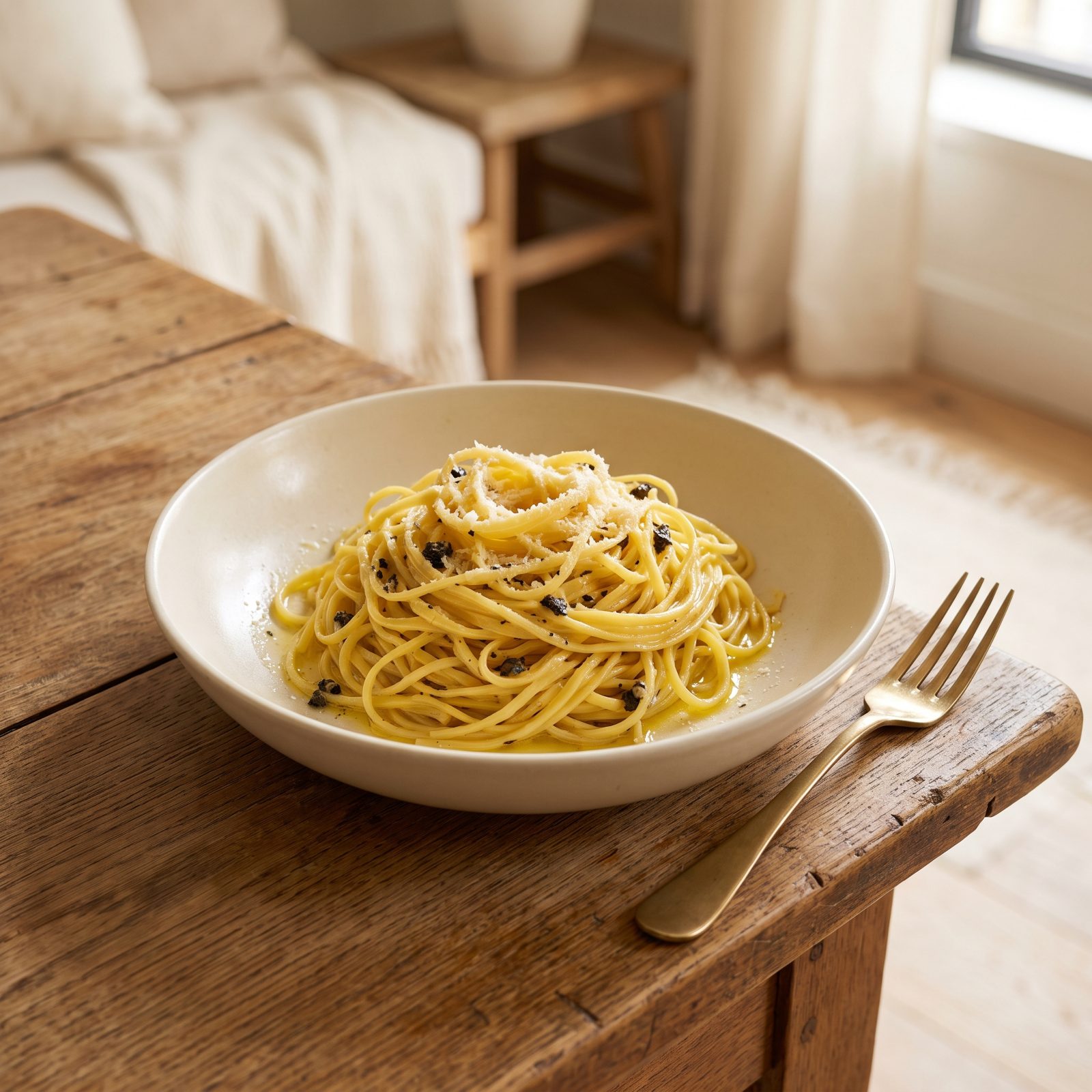
Thin egg pasta drinks butter the way good bread drinks warm olive oil, and that’s the whole point. Tagliolini has nothing to hide behind. So the strands have to be silky and the butter sauce has to emulsify into something that glazes rather than greases, which is a harder line to walk than it sounds — a split second too long and you’ve got an oil slick with cheese floating in it.
Fewer ingredients, more precision. Truffle, butter, cheese, a splash of the starchy cooking water, and that’s your list. The color alone tells you it’s rich: pale gold deepening wherever the sauce settles into the nest.
11. Saffron Malloreddus With Sausage
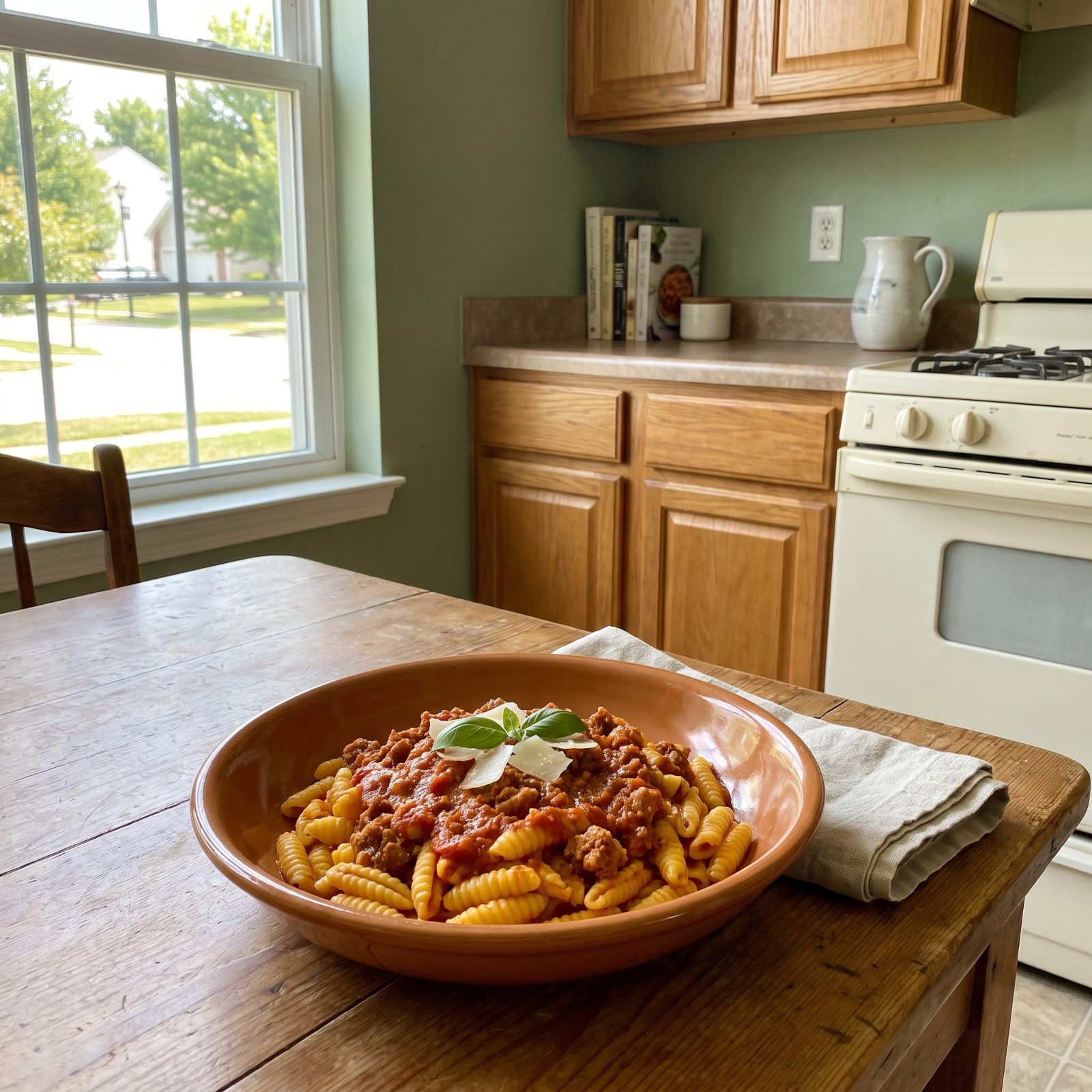
Those little ridges are structural, not decorative. Malloreddus is built to trap a chunky sausage sauce in every groove, which is exactly why a smooth cream sauce would slide right off and waste the shape.
The saffron warms the dough to deep gold before any sauce arrives. Match a hearty shape to a hearty sauce and the plate looks substantial without piling it high.
10. Bigoli With Anchovy and Onion
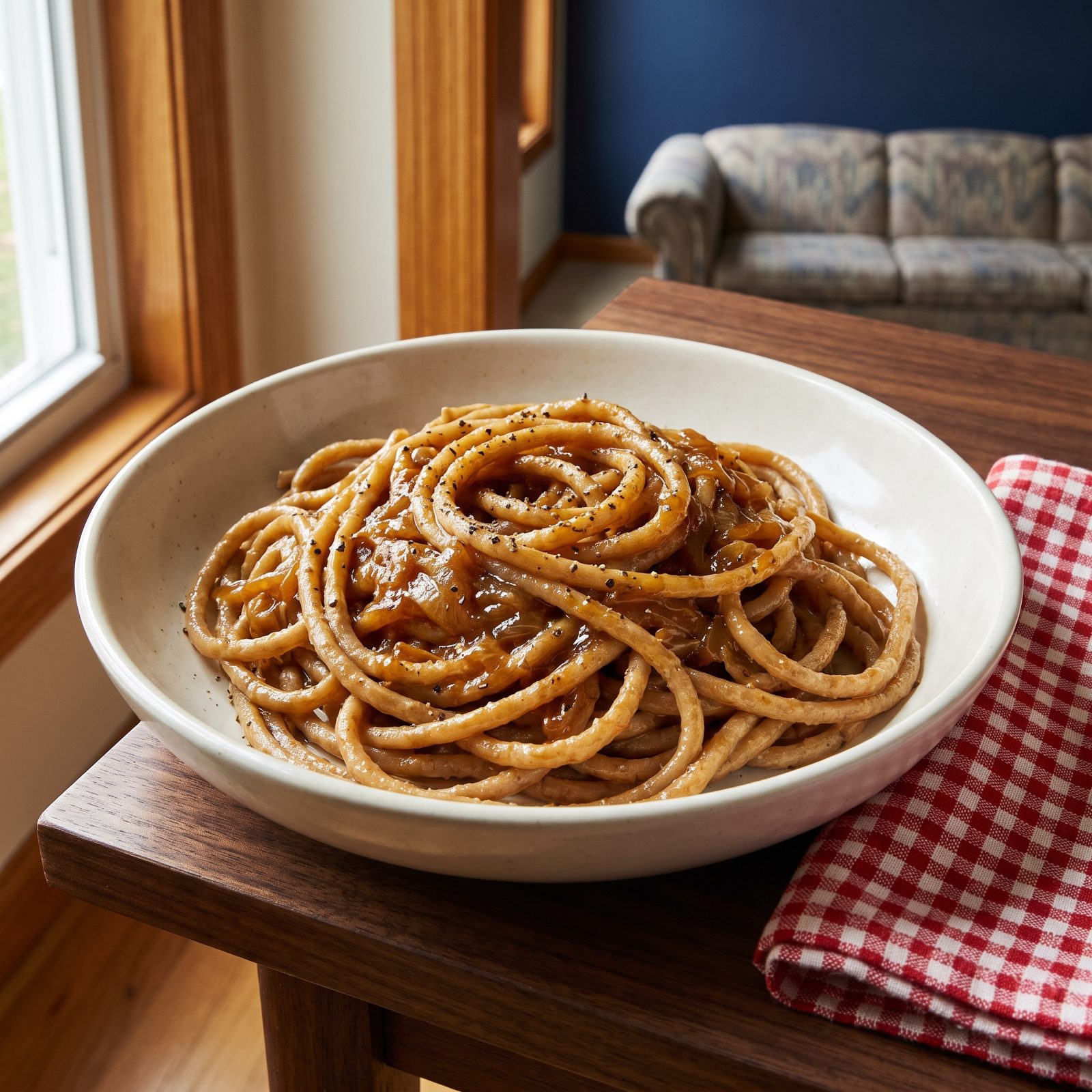
The anchovy vanishes. Cook it low with sweet onions until it melts into something savory and deep, and nobody at the table ever points at a fillet. The treatment does its job quietly.
Bigoli is rough and porous on purpose. That bronze-die texture grabs a humble sauce that would slip right off smoother pasta. Humble ingredients, careful handling — and the bowl still looks like it cost something.
9. Garganelli With Prosciutto and Peas
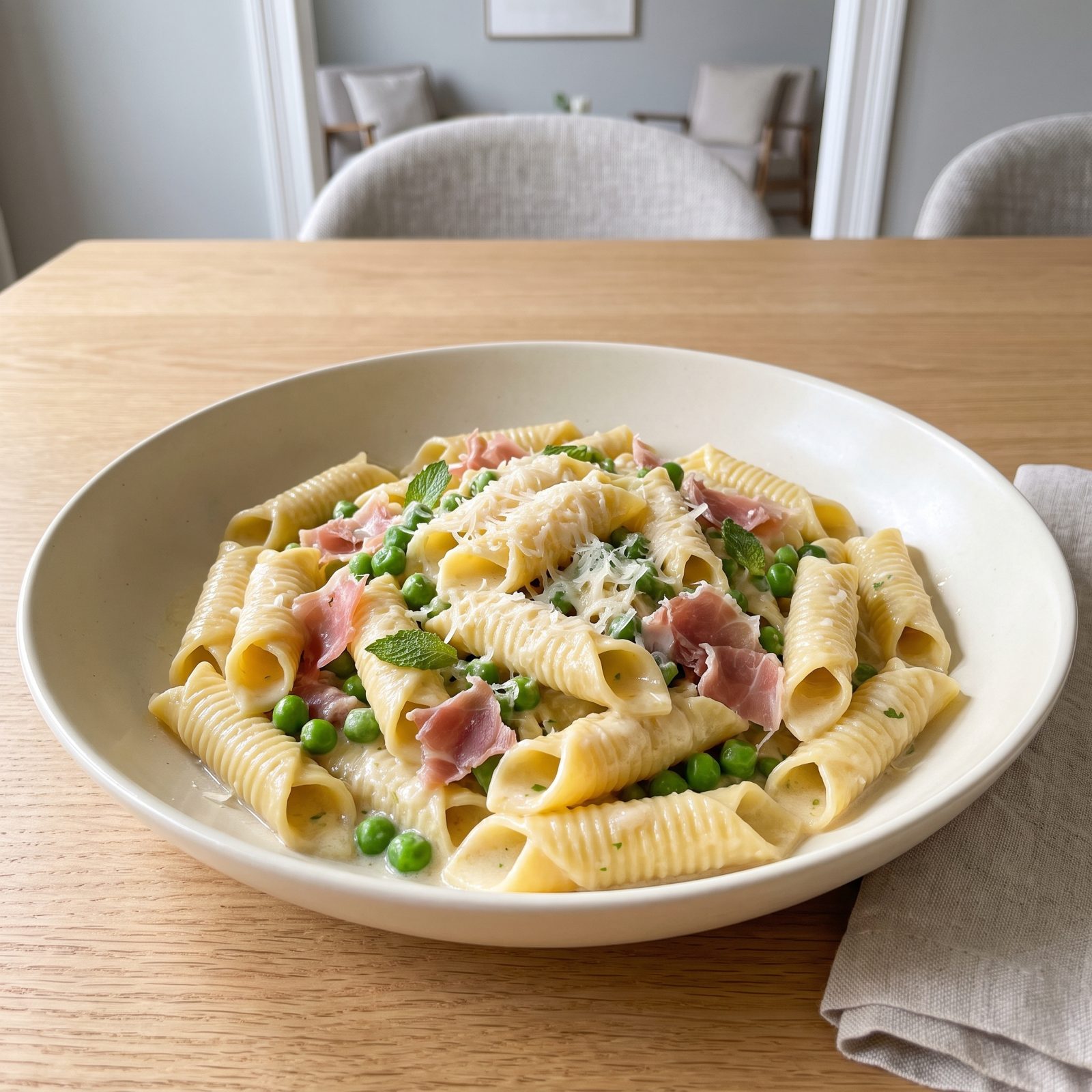
Color sells this one before the fork does. Pink prosciutto, green peas, pale cream, all against a light bowl — spring on a plate even in February.
The prosciutto goes in late, torn not chopped, so it stays silky instead of turning to leather. Garganelli’s hollow ridged tubes catch just enough cream in their grooves. Go easy on the sauce and it stays glossy, never gluey.
8. Bucatini With Roasted Cauliflower and Capers
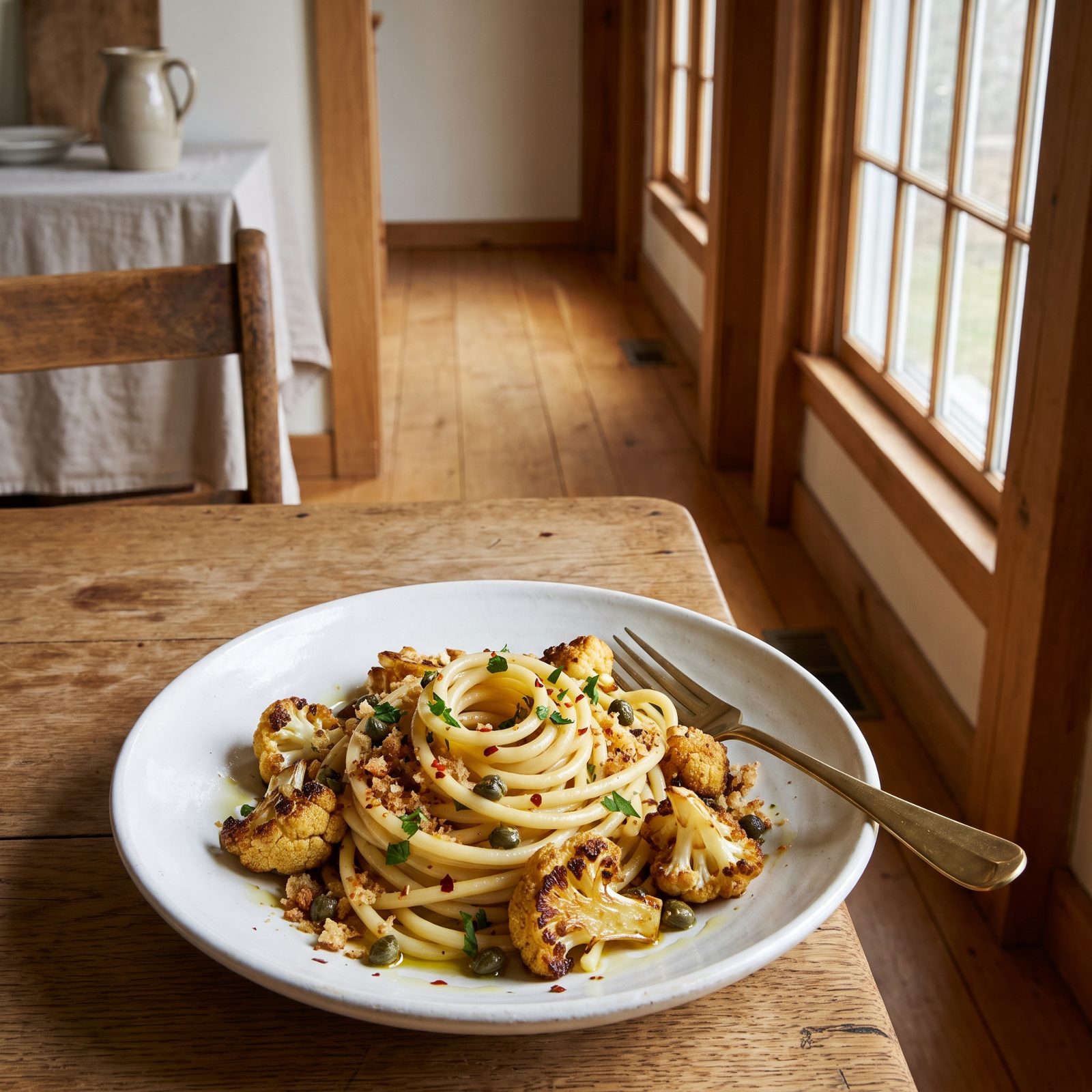
Roast the cauliflower until the edges go nearly burnt. Steamed cauliflower is sad and gray. Roasted, it turns nutty and caramelized, and suddenly a vegetable pasta tastes like something you’d happily pay for.
Capers bring the salt-brine hit that keeps the whole thing from going one-note, and toasted breadcrumbs add crunch against the chewy bucatini. The hollow strand pulls a little oil up its center, which is why bucatini feels richer than it reads on paper.
7. Orzo Finished Like Risotto
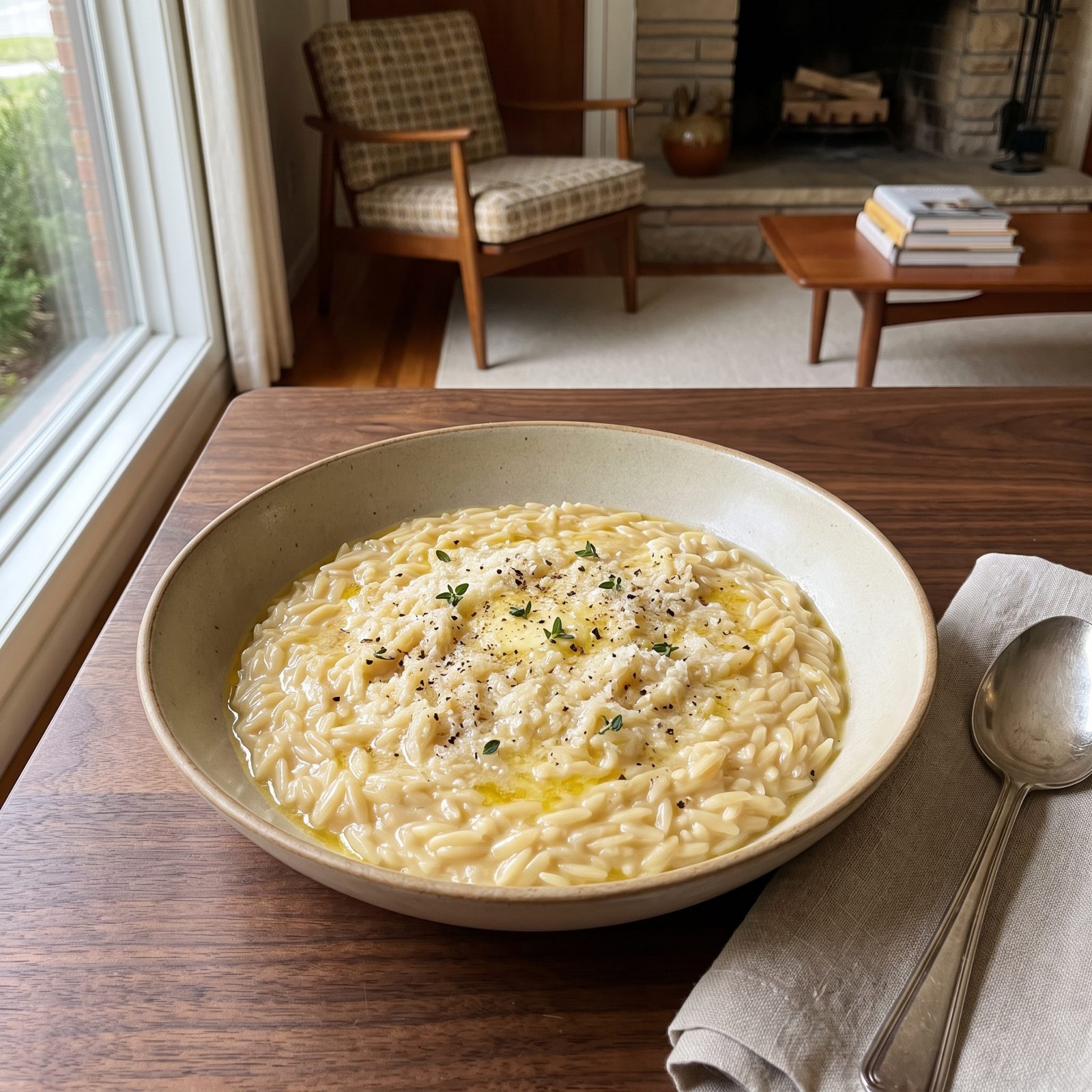
Orzo isn’t rice. Treat it like it is anyway and the payoff is real. Toast it first, add hot stock a ladle at a time, keep stirring, and the little grains release their starch into a creamy base that no splash of cream could fake.
The test is the spoon drag. A proper risotto-style orzo spreads back slowly, loose but not soupy, surface shining. Too stiff and it reads like a leftover side dish. Too wet and it’s soup.
6. Ditalini With Creamy White Beans
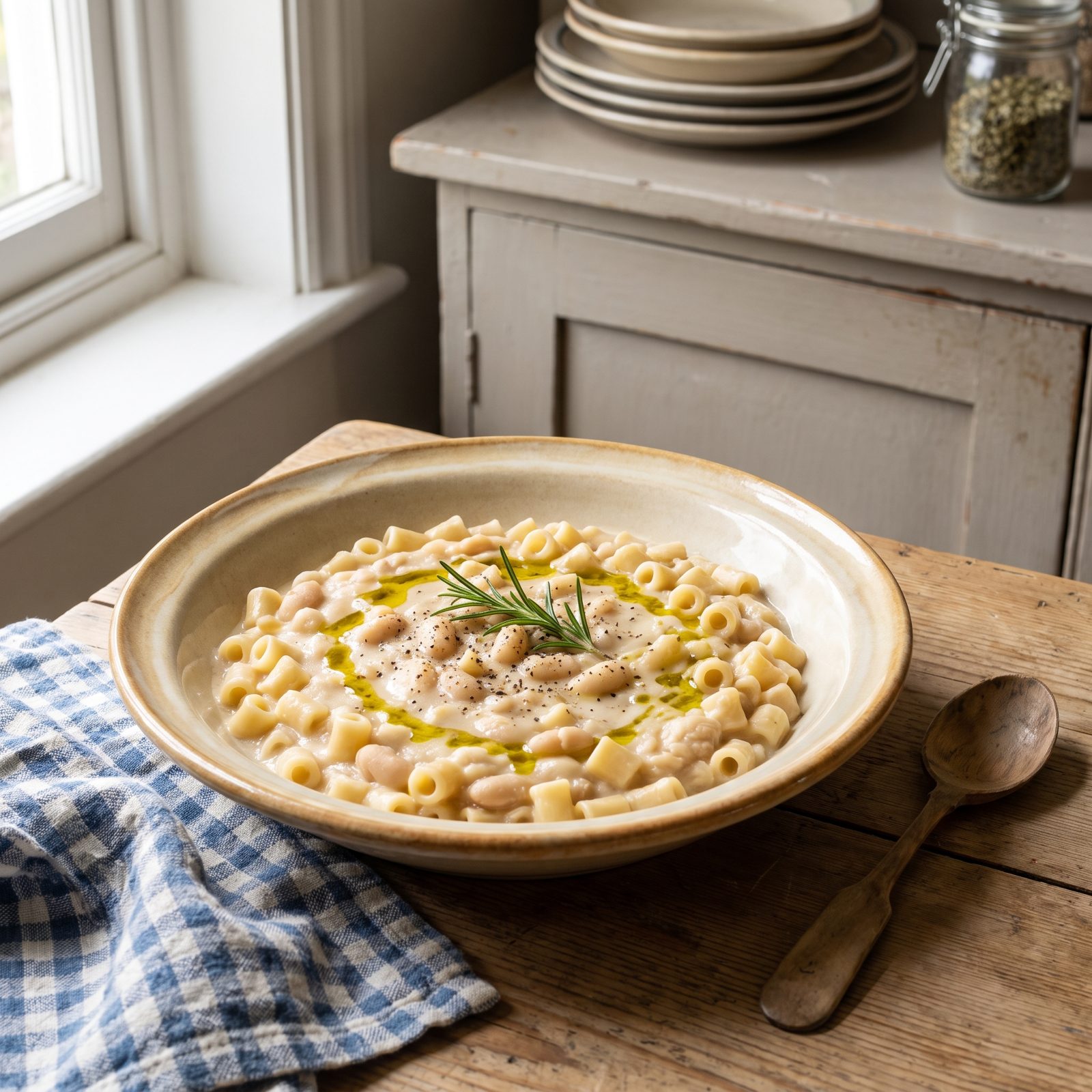
Mash half the beans, leave half whole. That one move is the whole dish. The mashed beans turn the liquid into a silky base that clings, while the whole ones give you something to actually bite. All creaminess and you’ve made baby food. All whole beans and it’s a watery soup nobody asked for.
Those little ditalini tubes sit right at the scale of the beans, so every spoonful carries both. A thread of green olive oil on top and you’re done.
5. Pastina With Parmesan and a Jammy Egg
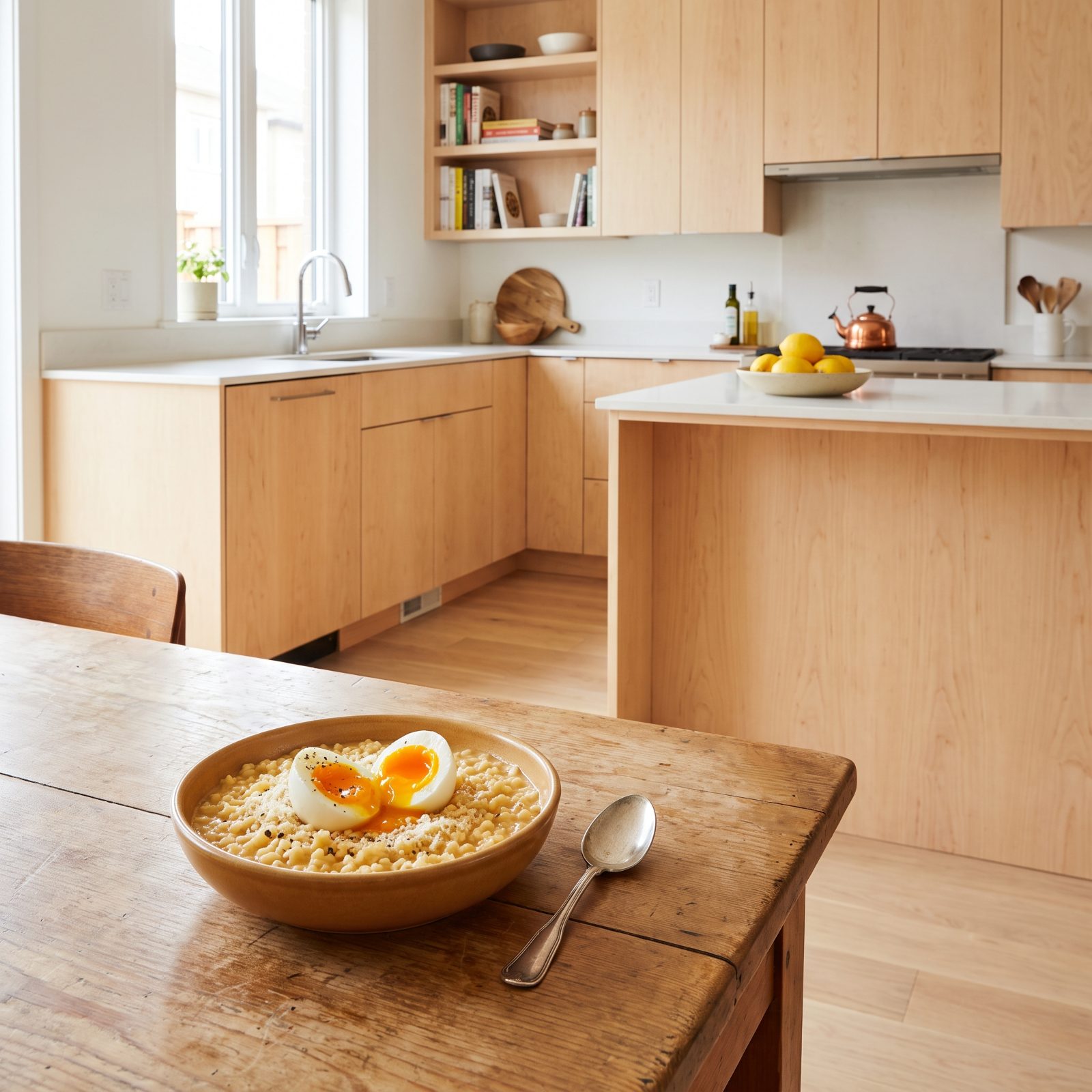
This is the bowl you ate when you were sick as a kid, grown up and dressed up in a nicer dish. Pastina cooked loose and creamy, heavy with Parmesan, and then the jammy egg lands on top.
Cut the egg so the yolk breaks the moment your spoon hits it. That orange ooze over pale pasta is your only garnish and your whole visual. Comfort food that looks intentional and costs almost nothing to make.
4. Rigatoni With Roasted Red Pepper Sauce
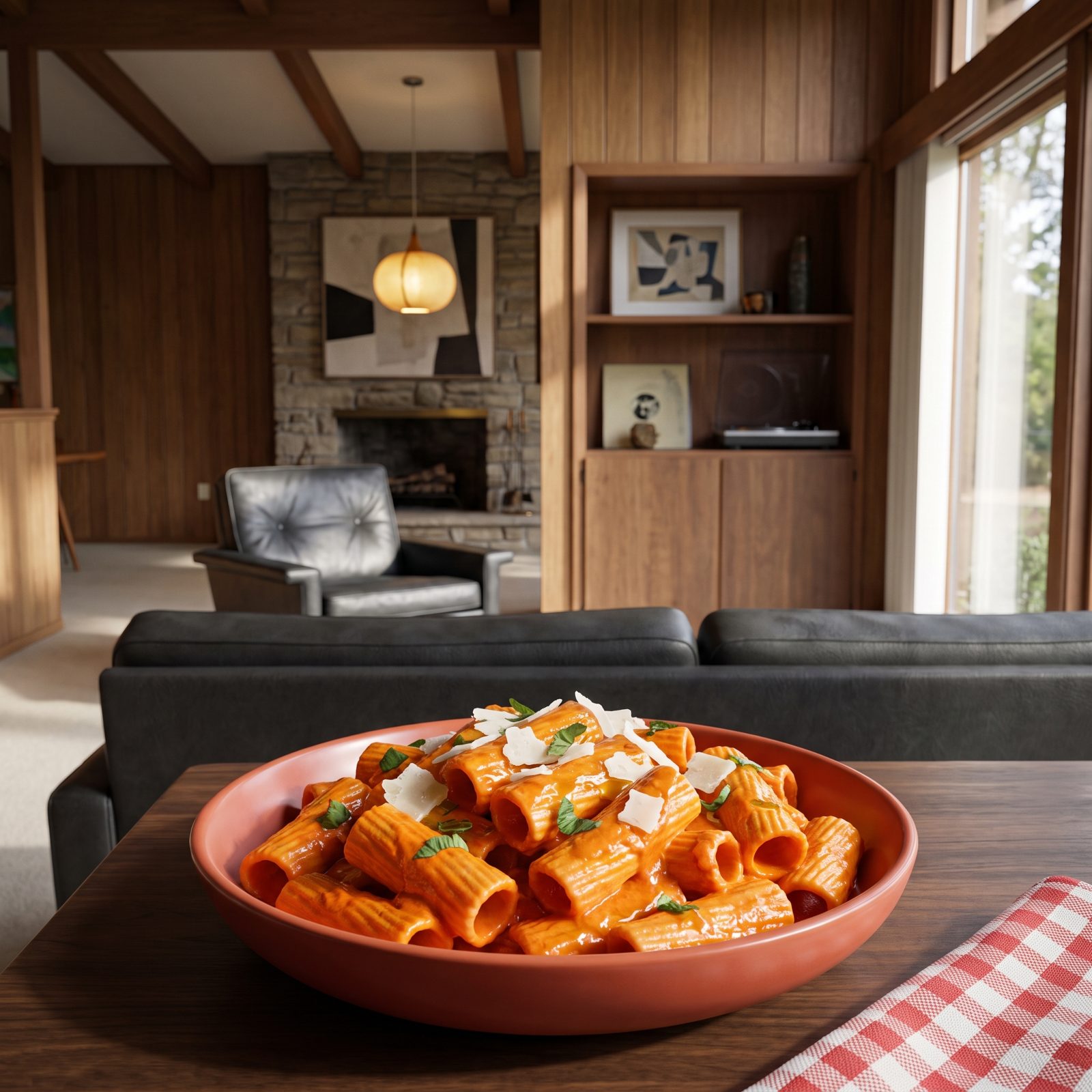
That coral color is pure roasted pepper — no food dye, no cream. Char the peppers until the skins blister and blacken, peel them, blend them smooth, and the sauce comes out a warm orange that looks like it’s trying too hard. It isn’t.
Rigatoni is the right partner. Big ridged tubes grab the velvet sauce in their grooves and inside the hollow, so every bite carries a full load. A shave of ricotta salata cuts the sweetness and finishes things clean.
3. Linguine With Zucchini Melted Into Its Own Creamy Sauce
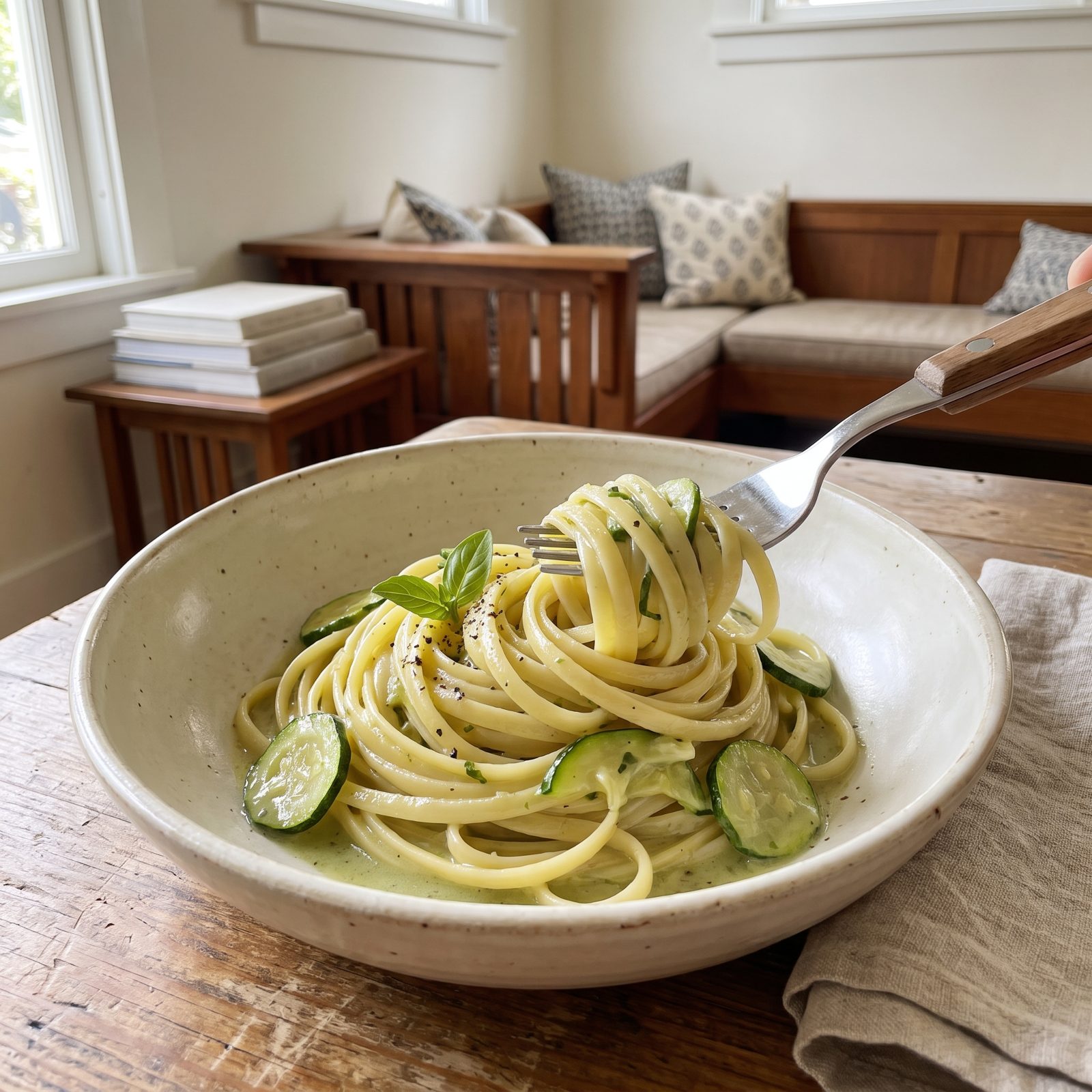
No cream in sight, yet the sauce behaves like it. Zucchini cooked long and slow gives up its water, breaks down, and turns into a silky coat that grips every strand of linguine. The restaurant version never looks wet — it looks bound, which is the whole trick.
Home cooks pull the zucchini too early and end up with crunchy coins floating in oily water, a plate that slides apart on the fork. Patience is the ingredient nobody lists on the recipe card. Let it collapse. Just let it go.
2. Penne With Gorgonzola and Walnuts Toasted Until They Smell Like Autumn
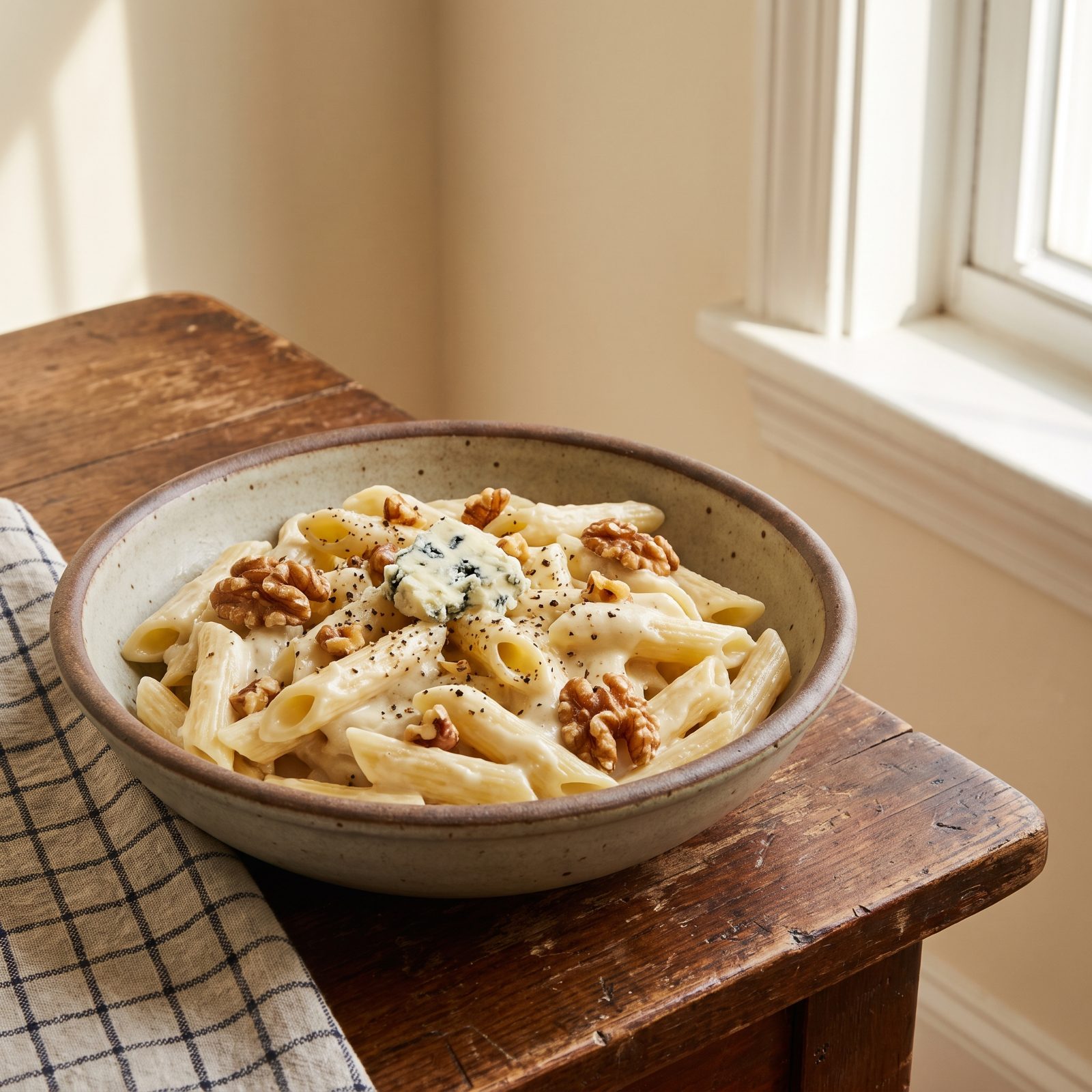
The ridges on penne rigate exist for exactly this sauce. Gorgonzola melts into something thick and clinging, and those grooves trap it instead of letting it slide off a smooth tube. The shape isn’t decoration. Somebody designed that pasta to hold onto a heavy sauce, and here it earns its keep.
Toast the walnuts. I mean actually toast them, until the kitchen smells like a bakery in October — not pale raw ones straight from the bag. Raw walnuts taste faintly bitter and go soft in the sauce. Toasted ones stay crisp and turn sweet, and that contrast against the salty, melting cheese is why anyone bothers with the dish.
Go easy on the gorgonzola. A little reads luxurious. Too much reads like you dared yourself.
1. Tagliatelle With Duck Ragù and a Whisper of Orange Zest
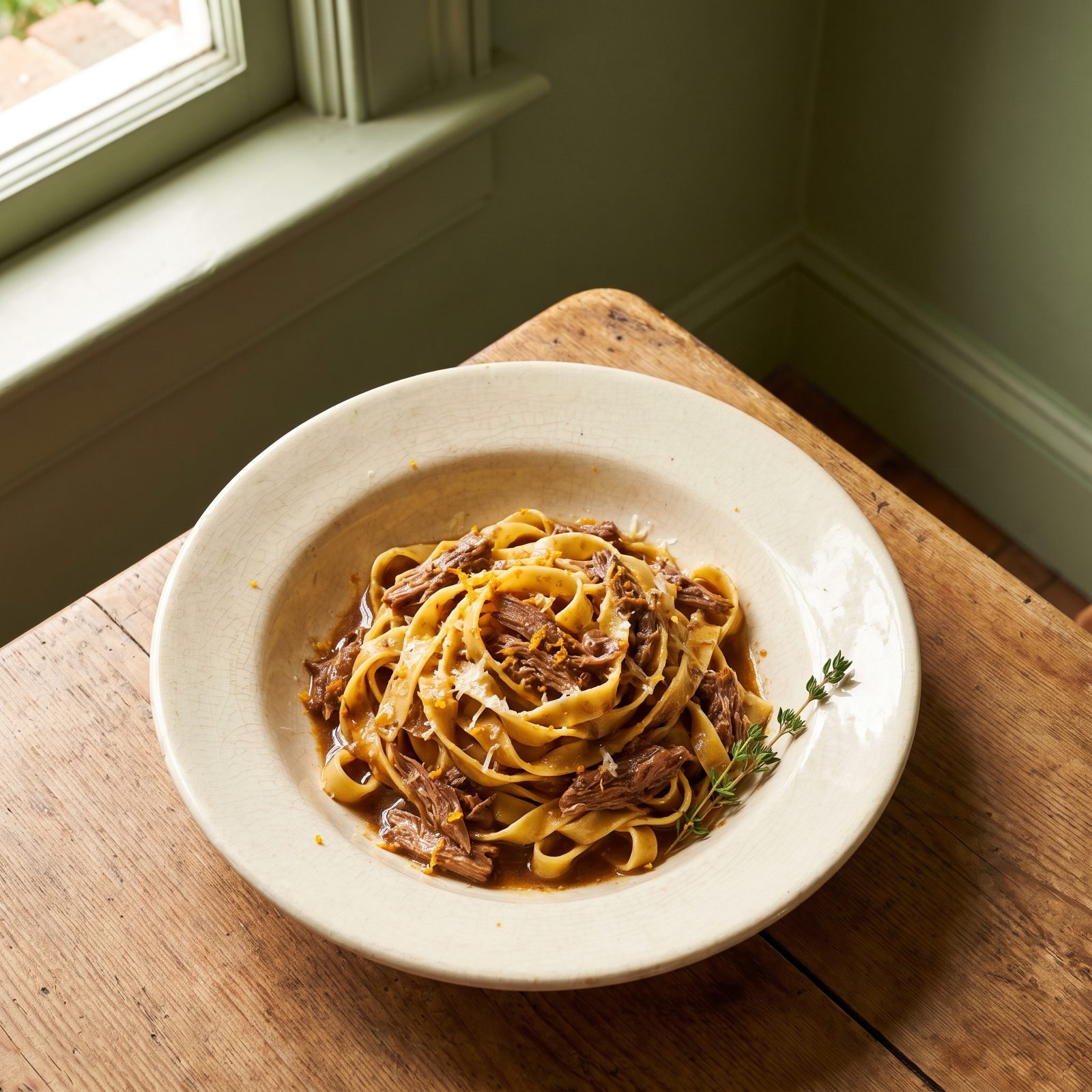
Flat, wide ribbons for a heavy, meaty sauce — that’s the match. Tagliatelle has the surface area to carry shredded duck without the whole thing sliding into a puddle at the bottom of the bowl. Spaghetti would betray this ragù in thirty seconds.
The orange zest is where the restaurant version pulls ahead. Grated fresh at the very end, right on top, it cuts through the richness of the duck fat and keeps the plate from feeling heavy. Add it at the start and it cooks out to nothing. Add it at the finish and the citrus oil stays loud.
Treat the duck gently. Pull it into shreds, don’t chop it into cubes. Ragù is about tenderness, not geometry.