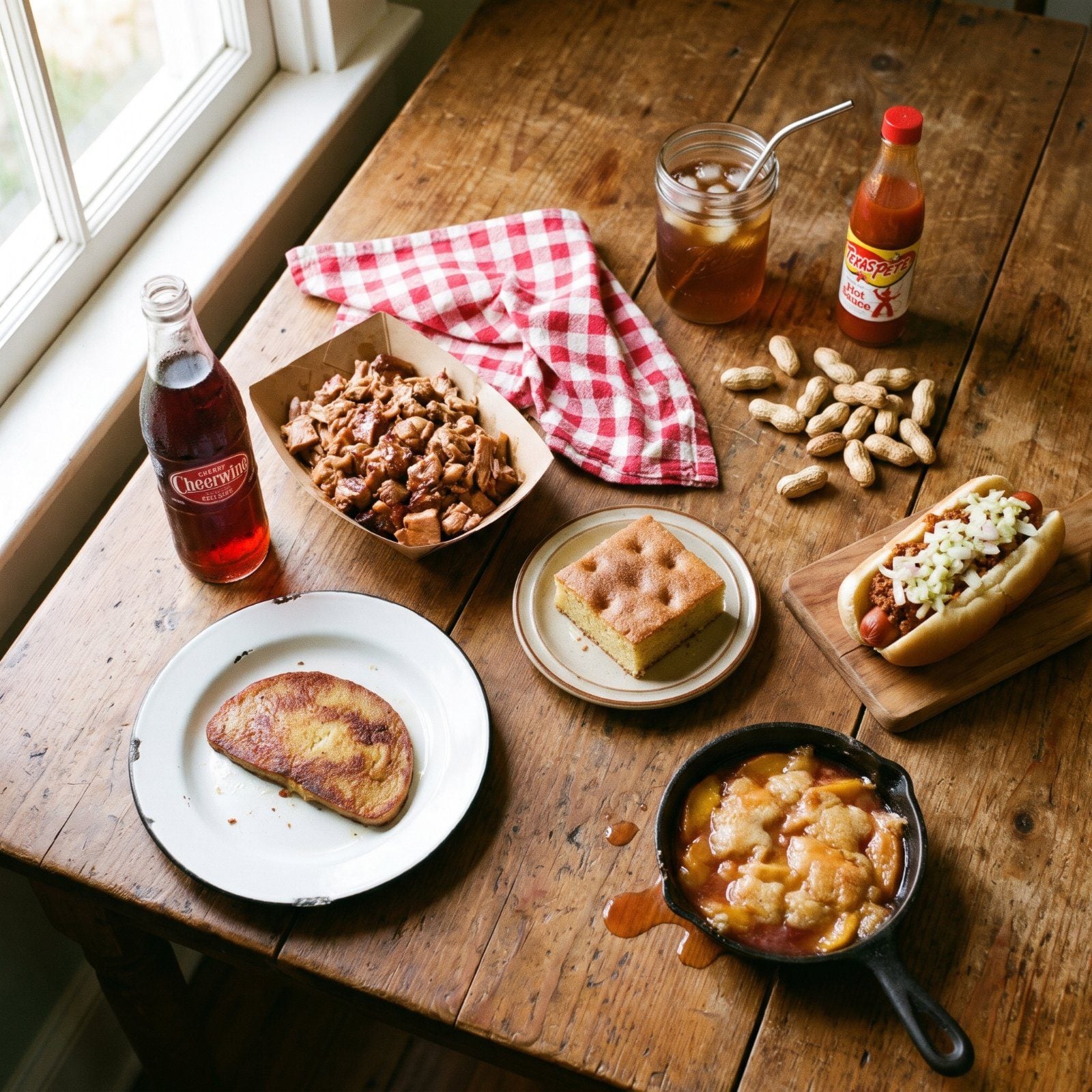
Ask someone from Ohio to explain a hot dog “all the way” and watch the confusion settle in. North Carolina eats on its own terms, and half the state can’t agree with the other half about what barbecue even means. There’s a cherry soda older than your grandparents, a breakfast meat made from pig liver and cornmeal, and a doughnut light that stops traffic. The flavors below make transplants squint and natives grin.
Please note that some of the images in this article were created with the assistance of AI.
23. Eastern-Style Whole-Hog Barbecue (Ayden)
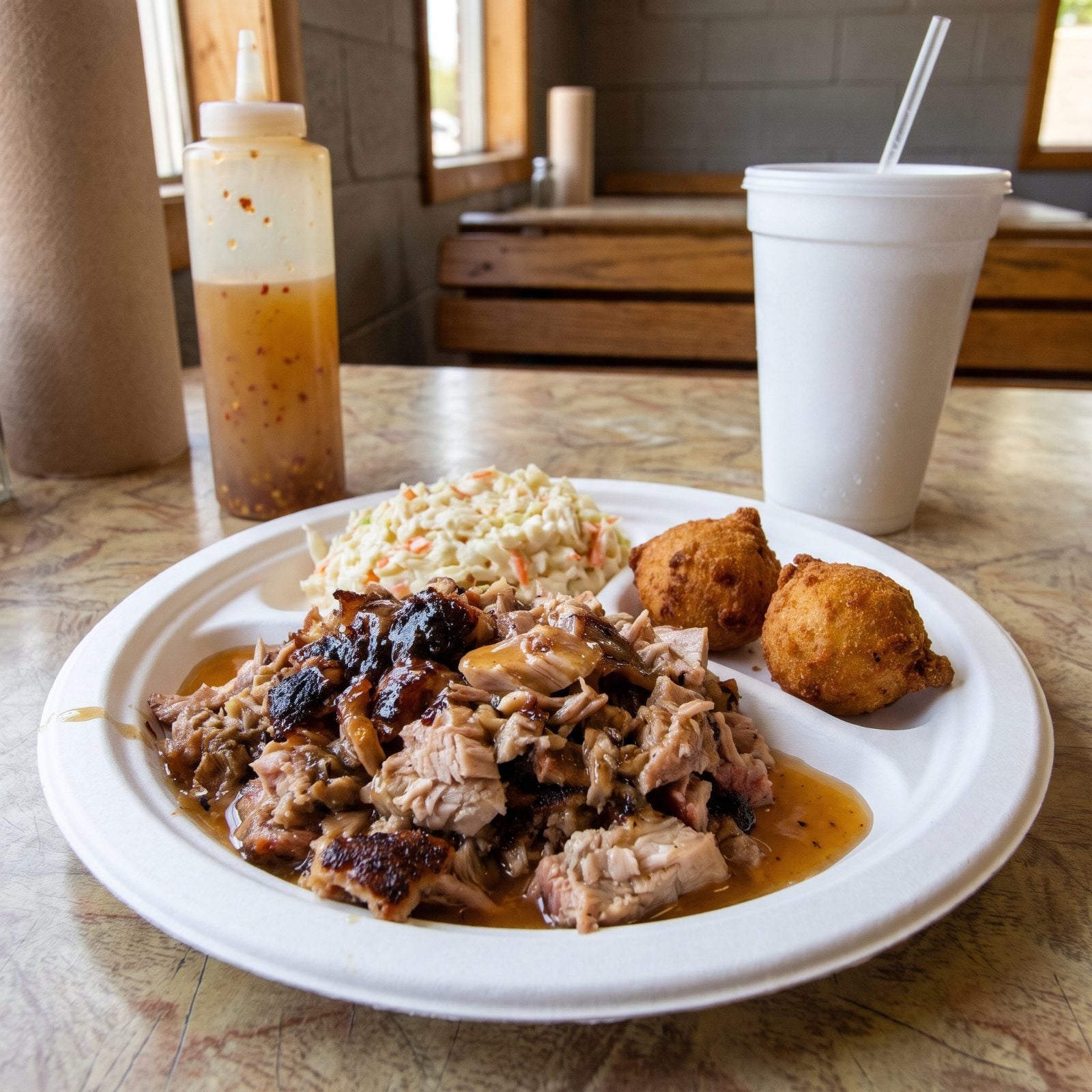
The hog goes in whole. That’s the whole argument, really. Eastern North Carolina barbecue cooks the entire pig, chops the meat fine, crispy skin and all, and dresses it with a thin, fiery sauce of vinegar and red pepper with no tomato in sight.
Ayden takes this seriously, and so does anyone east of Raleigh who grew up on it. The slaw comes creamy with mayonnaise, the chopped pork soaks up that thin sauce, and the first taste is sharp enough to make a newcomer flinch before they go back for a second forkful.
22. Lexington-Style ‘Dip’ and Red Slaw (Lexington)
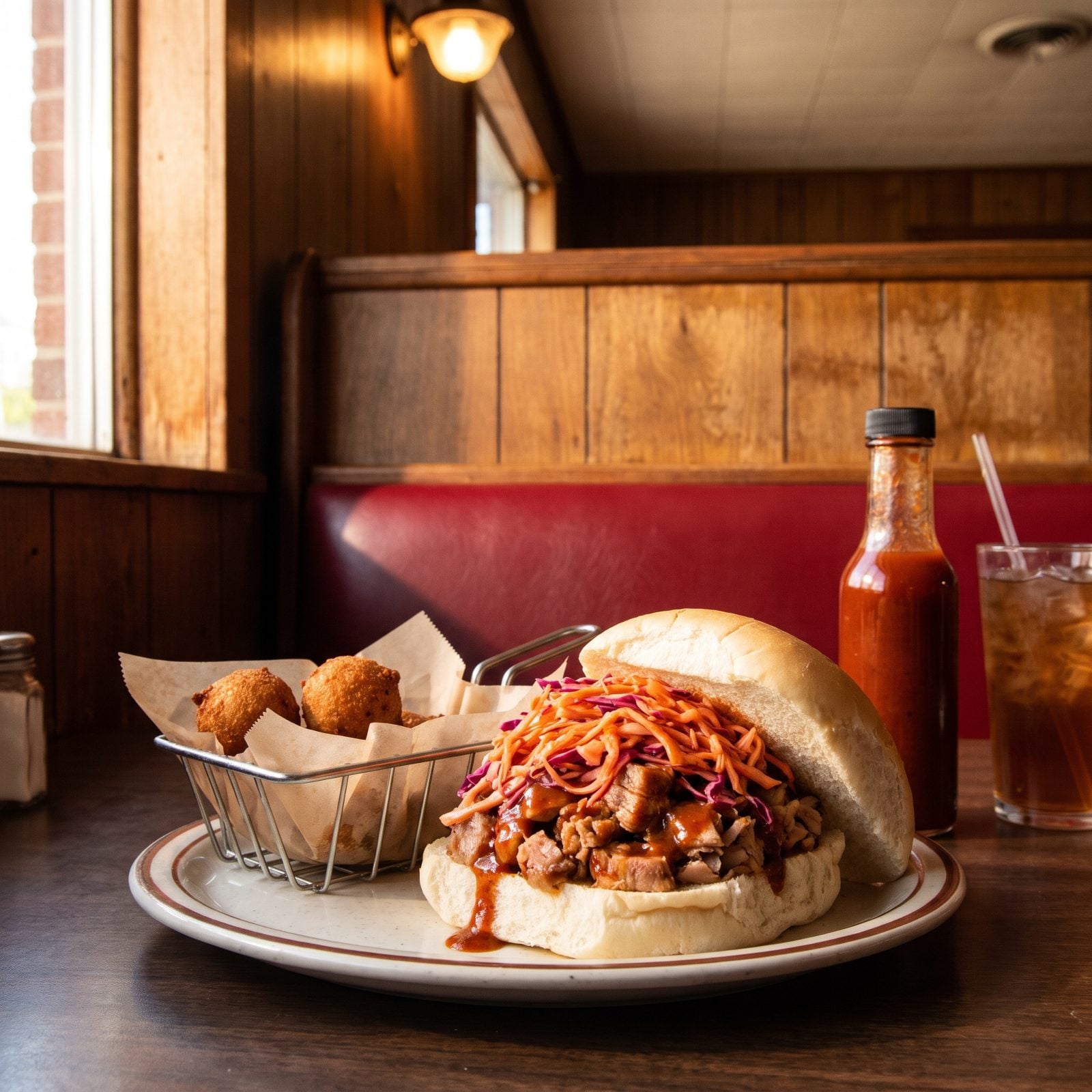
Drive a few hours west and the whole thing changes. Lexington barbecue uses only the pork shoulder, never the whole hog, and the sauce picks up tomato and red pepper flakes. They call it “dip,” and it’s still a thin, vinegar-based sauce, just tinted red with a little ketchup.
The real giveaway is the slaw. A bright, crunchy tangle of chopped cabbage tinted red with the same vinegar-and-ketchup dip. Not a drop of mayonnaise. Pile it on the chopped shoulder, tuck it into a bun, add hushpuppies on the side, and you’ve got the sandwich Lexington will defend to its last breath.
21. Cheerwine, the Burgundy Cherry Soda (Salisbury)
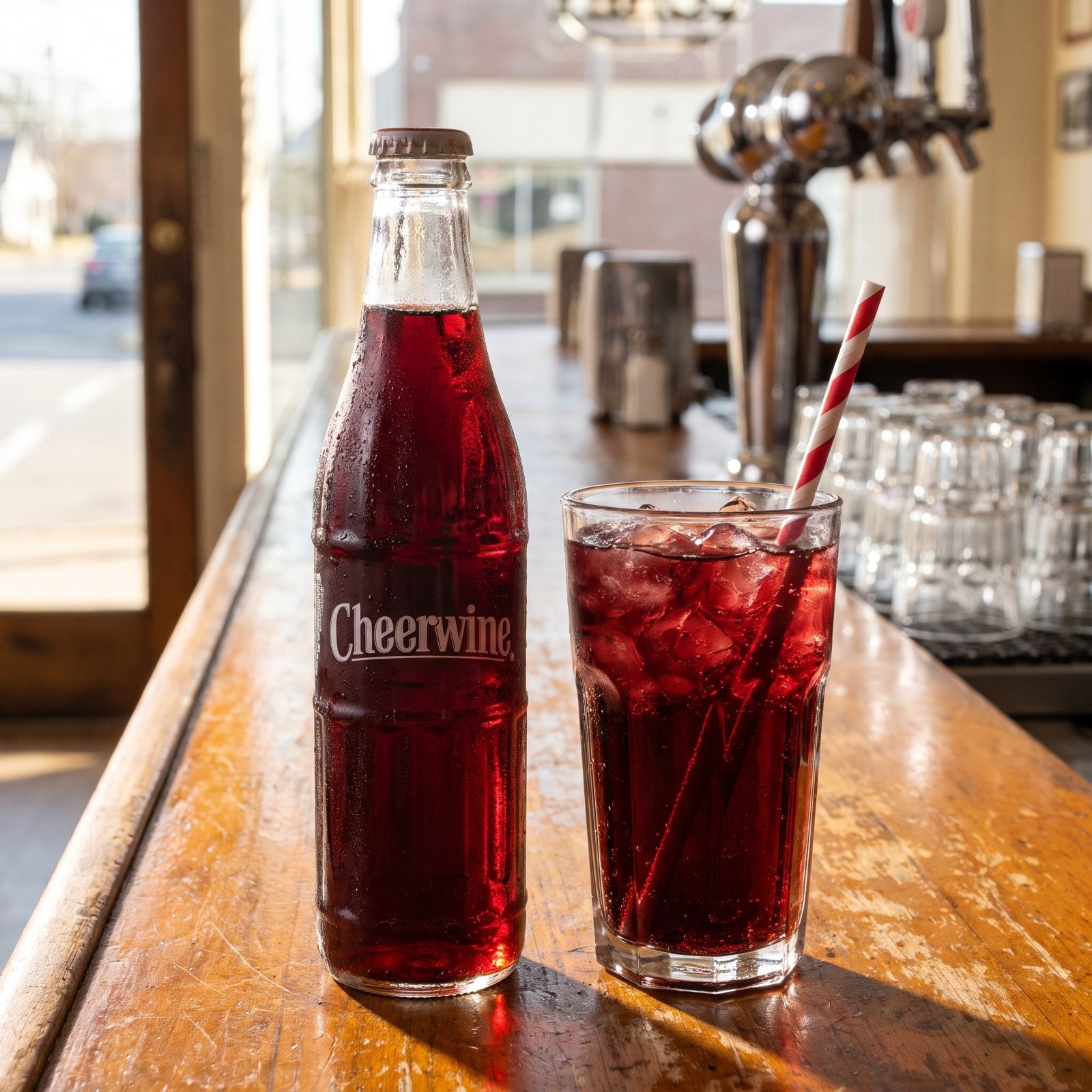
It’s not wine, and there’s no alcohol in it, which trips up every first-timer who hears the name. Cheerwine is a cherry soda the color of a good burgundy, and it’s been bubbling out of Salisbury since 1917.
L.D. Peeler cooked it up during a wartime sugar shortage, stretching what he had by adding wild cherry flavoring to a lower-sugar cola. The company calls it the oldest soft drink in America still run by the same family, now past the hundred-year mark. Order one outside the Piedmont and you’ll get a blank look. In Salisbury, nobody blinks.
20. Livermush and Its Eastern Cousin, Liver Pudding (Shelby)
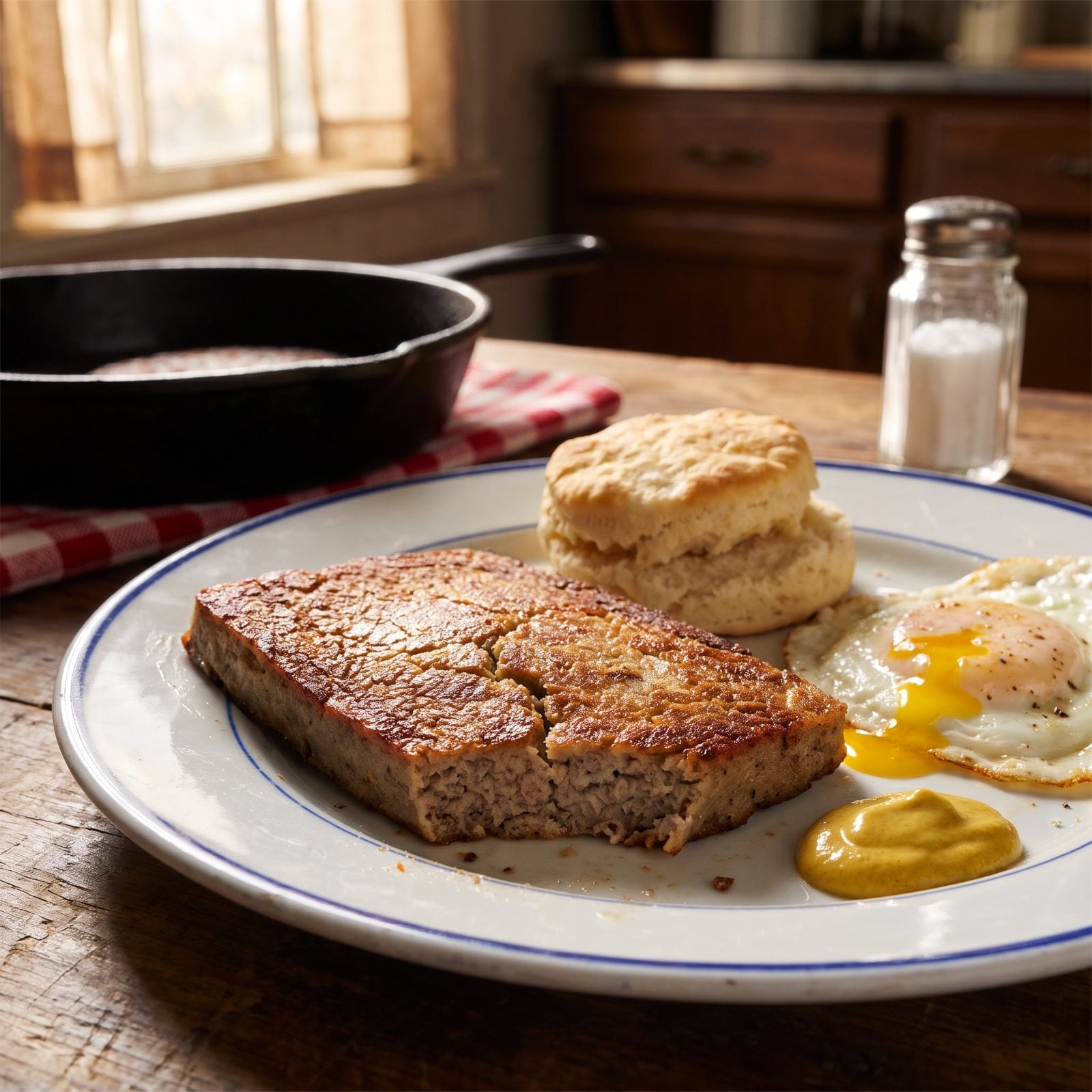
Pig liver, pork head meat, cornmeal, and spices, pressed into a loaf, sliced, and fried crisp in a hot skillet. Say that to someone from away and watch the polite smile freeze. Say it to someone in Shelby and they’ll ask whether you take mustard or syrup on yours.
Livermush is a Western Carolina thing. Its eastern cousin, liver pudding, runs softer and shows up more often around the coast. In 2012 the General Assembly made Shelby’s festival (now called Mush, Music & Mutts) the official fall livermush celebration, and the next one lands October 17, 2026, in Uptown Shelby. Mack’s Liver Mush kicked the whole thing off back in 1985.
Fair warning for anyone hunting the eastern version right now: Neese’s liver pudding has been tough to find since the USDA suspended ready-to-eat production at its Greensboro plant in September 2025, though Raleigh-based Jesse Jones Brand bought Neese’s in June 2026 and says liver pudding will return to shelves.
What Our Readers Say
- When Piaci Pizza readers loved a food photo and told us why, comfort was the top reason at 30%, with nostalgia and ingredients not far behind.
- When our readers disliked a food photo, the top reason was simply “not for me” at 39%, followed closely by the ingredients at 30%.
From Piaci Pizza reader polls and votes.
19. Surry County Sonker (Mount Airy)
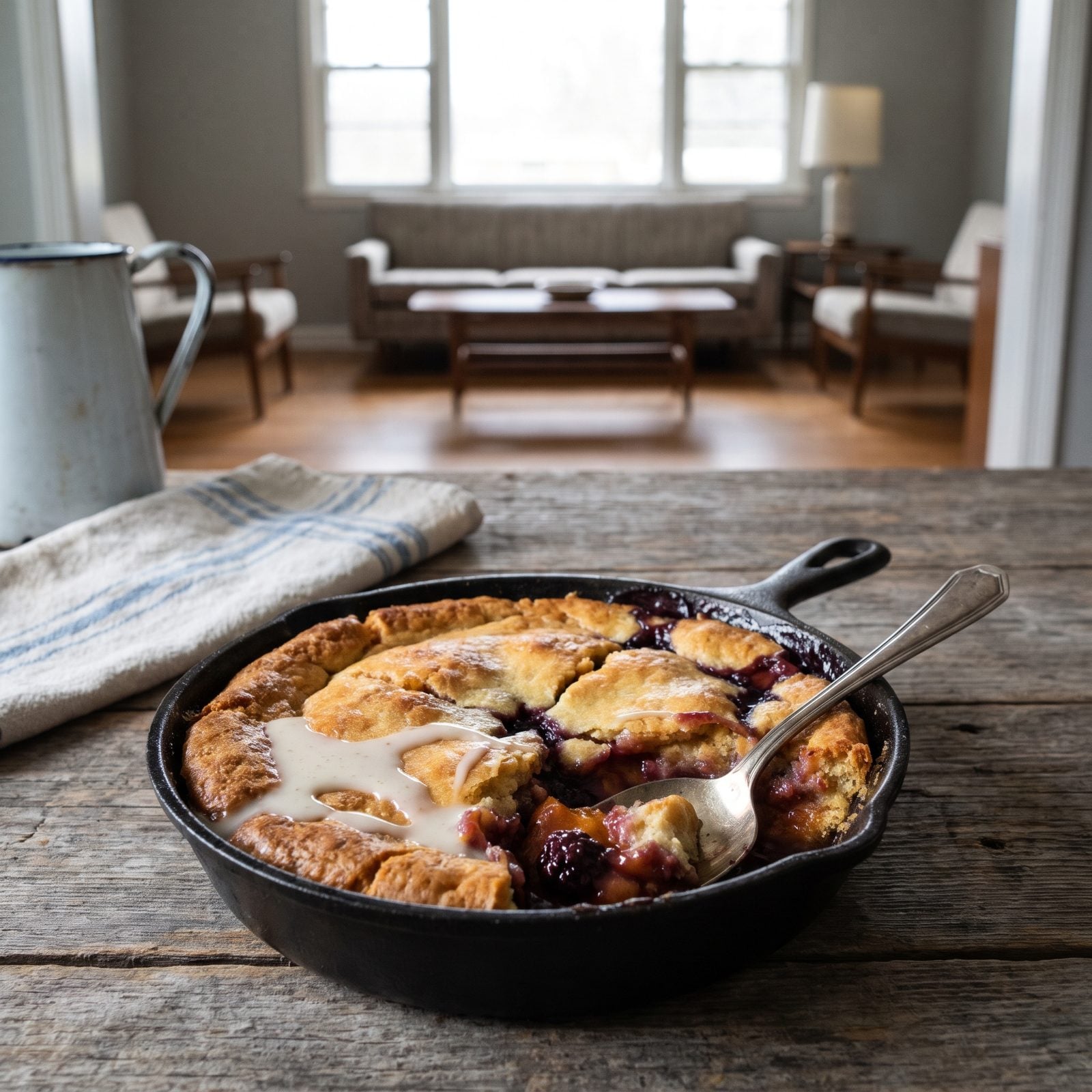
You won’t find sonker anywhere but Surry County, and that’s exactly how Surry County likes it. Picture a cobbler’s deeper, juicier cousin, baked with fruit or sweet potato under a thick crust and often finished with a pour of sweet milk dip over the top.
The Surry County Historical Society throws a Sonker Festival every fall at the Edwards-Franklin House on Haystack Road outside Mount Airy. The 44th ran on October 4, 2025. There’s even a Sonker Trail of restaurants and bakeries, each swearing their version is the one worth driving for. I’ve never met a sonker I wanted to split with anyone.
18. Moravian Sugar Cake (Winston-Salem)
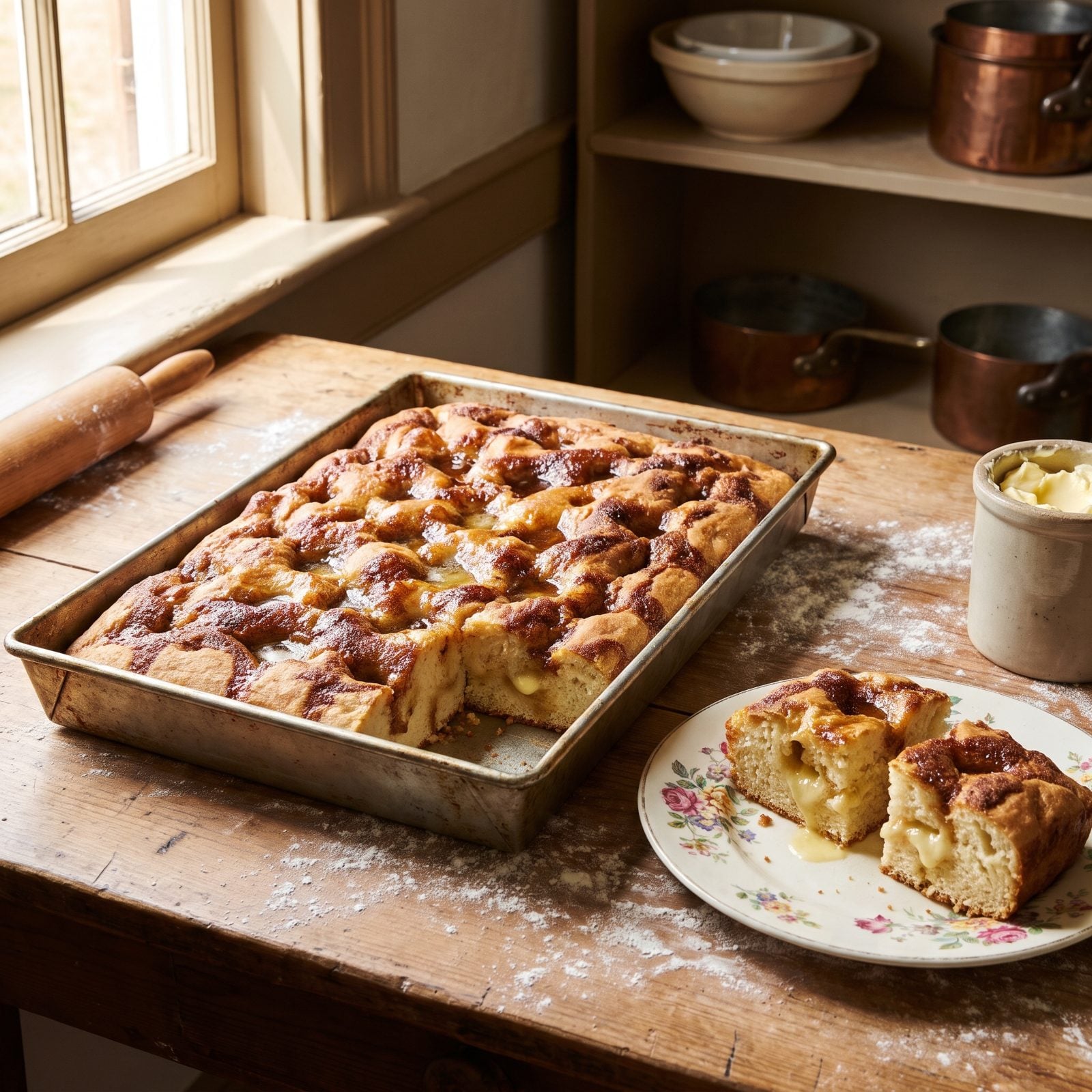
The secret is mashed potato. It goes right into the yeast dough, which is why Moravian sugar cake stays so tender it nearly melts. The top gets dimpled all over, and every dimple fills with butter, brown sugar, and cinnamon that caramelize in the oven into dark, sticky pools.
It came over with the Moravian settlers of Old Salem, a descendant of German butter cake. For generations it was a Holy Week and Easter tradition, then it crept into Christmas, and now Winston-Salem treats it as a breakfast staple it can’t live without. A well-known recipe traces back to Old Salem’s Winkler Bakery, worth hunting down if you want to bake one yourself.
17. The Carolina Hot Dog ‘All the Way’
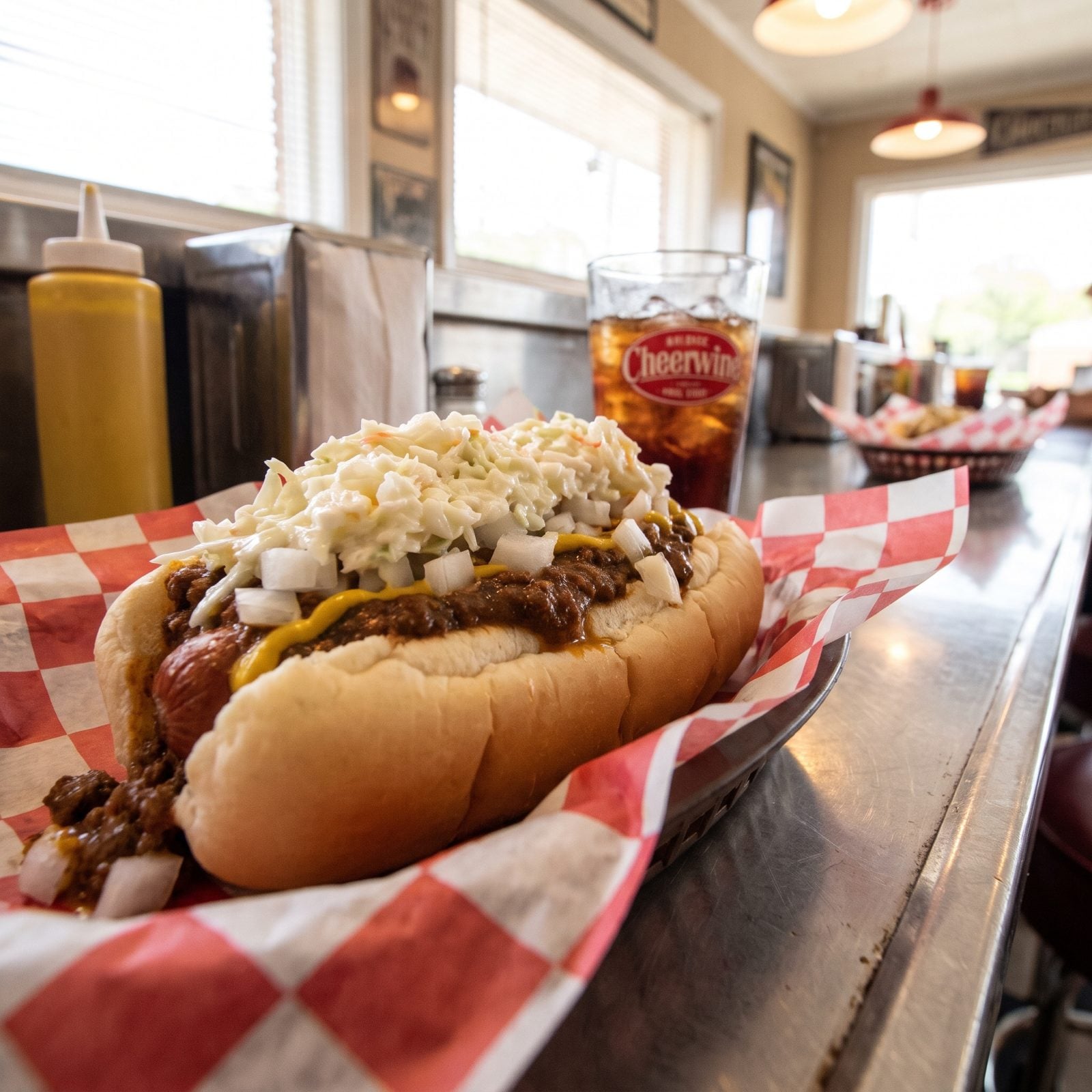
Order a hot dog “all the way” in North Carolina and here’s what lands in front of you: chili, slaw, onions, and mustard. Ask for the same thing in Chicago and you’ll get a lecture and no slaw.
“Carolina style” means chili, coleslaw, and onions, a standard the state shares with South Carolina, so no, we can’t claim it all for ourselves. The slaw is the part that throws people. A sweet, creamy mound sitting right on top of the chili sounds odd until you taste it, and then the plain mustard dog you grew up on feels a little naked.
16. Texas Pete, the Hot Sauce That Isn’t From Texas (Winston-Salem)
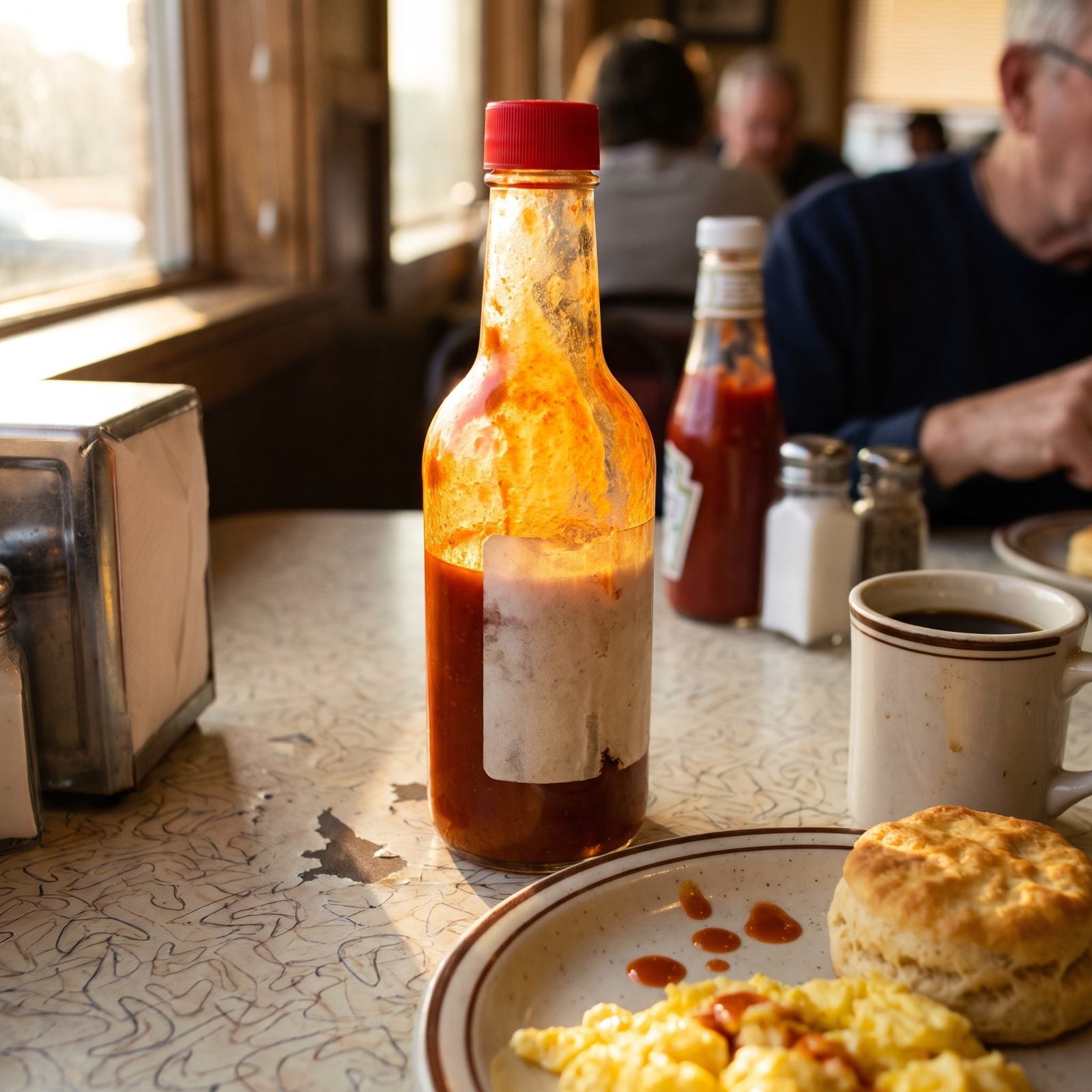
Here’s a fact that annoys at least one Texan a day: Texas Pete is made in Winston-Salem, North Carolina, and always has been.
It started in 1929 as a spicier take on the Garner family’s barbecue sauce, built from hot red peppers, vinegar, and salt. The “Texas” was marketing, a nudge toward spicy Mexican-style heat, while the “Pete” came from Harold Garner’s nickname. It’s been pouring out of Winston-Salem ever since, still owned by the founding family’s descendants. North Carolinians have been quietly letting the name slide for the better part of a century.
15. Calabash-Style Seafood (Calabash)
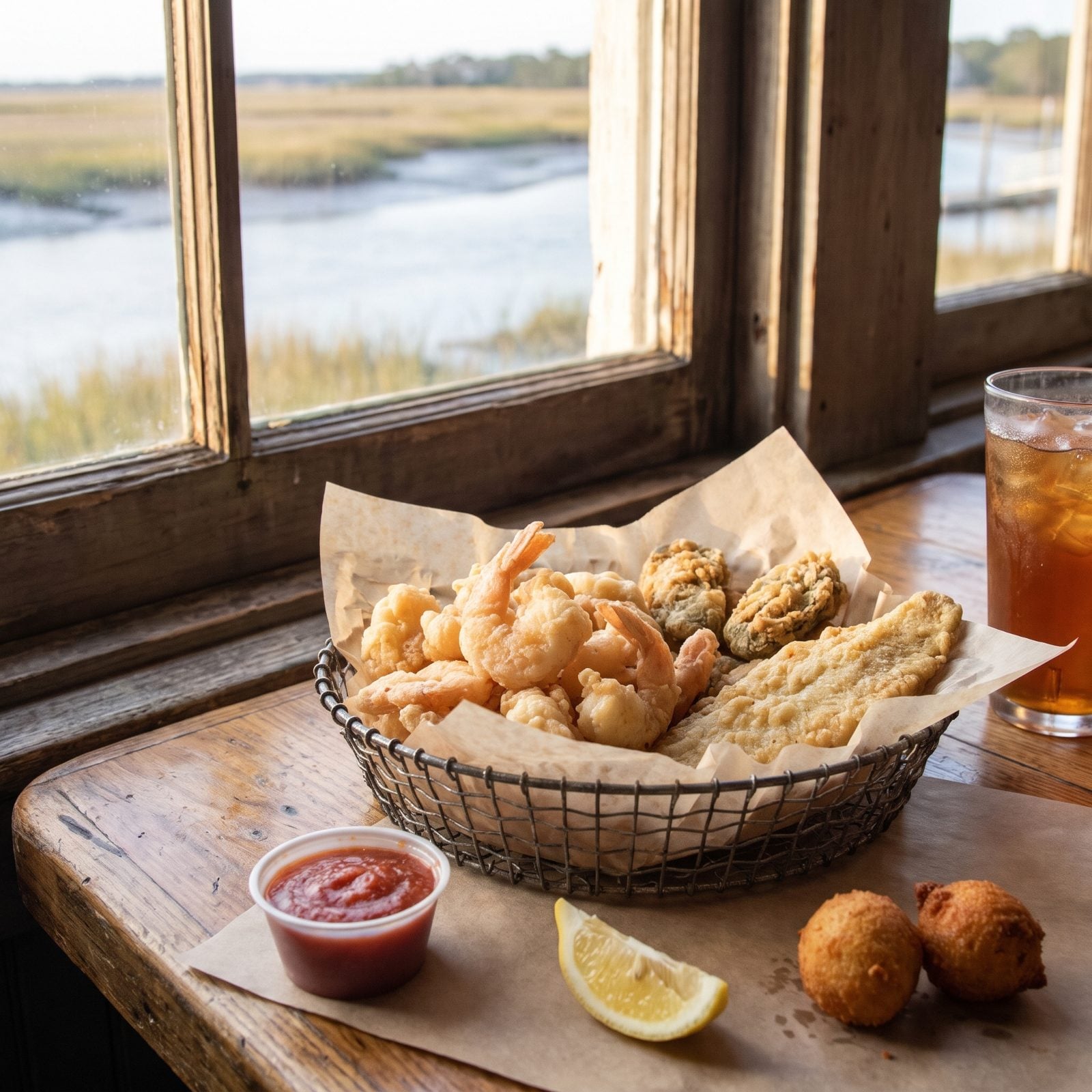
Calabash is barely a dot on the map, a fishing town tucked into the far southwest corner of Brunswick County on the Calabash River. But a New York Times food editor once called it the “Seafood Capital of the World,” and the name stuck.
The style is the thing: shrimp, oysters, and flounder in a thin, light batter, fried fast so the crust stays delicate and the seafood sweet. The first famous restaurants opened in the early 1940s, and plenty of coastal menus up and down the Carolinas still say “Calabash-style” to mean exactly this.
Jimmy Durante ate here in the 1940s and signed off his shows with “Goodnight, Mrs. Calabash, wherever you are.”
14. Ayden-Style Collards
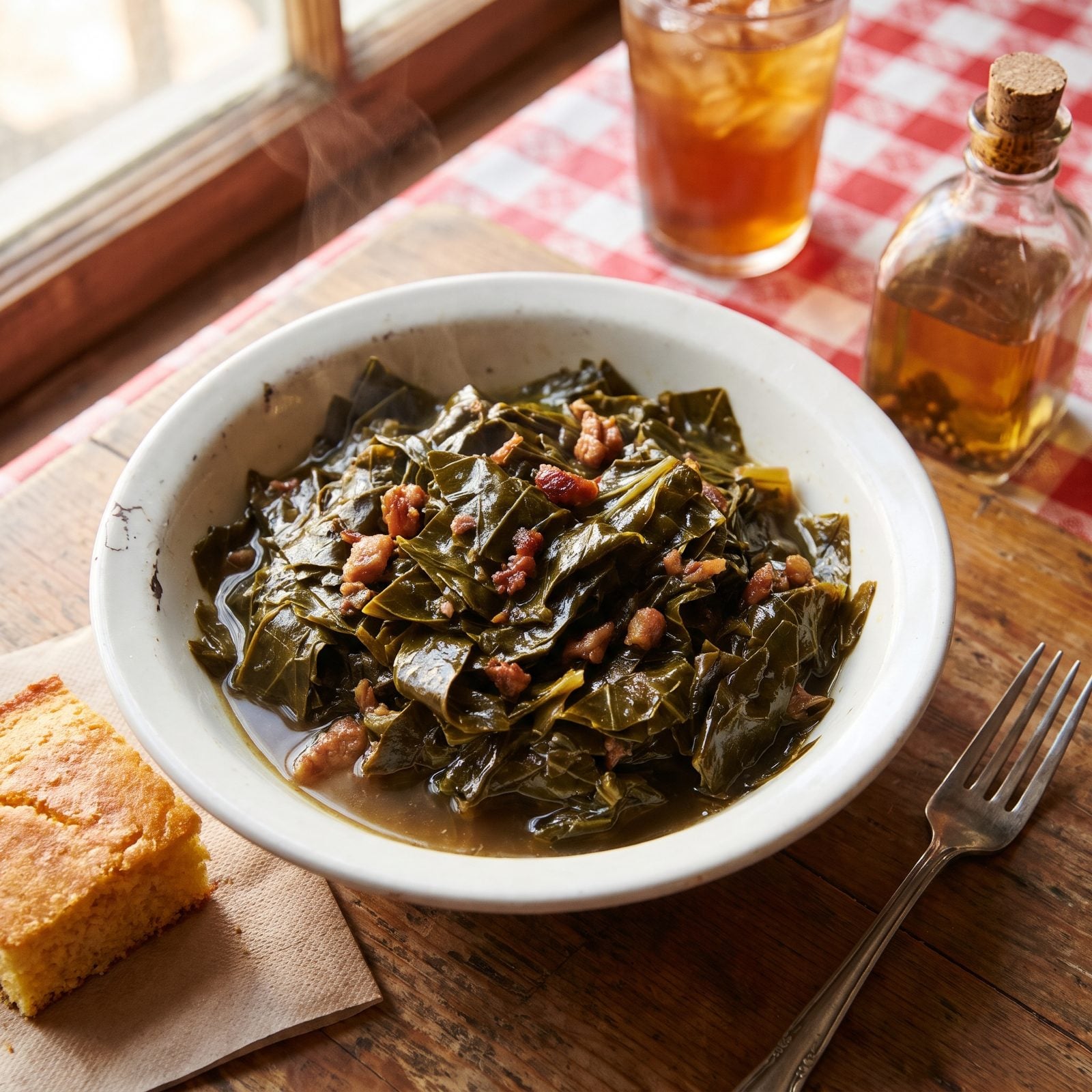
Ayden takes its collards seriously enough to throw a festival over them. The Ayden Collard Festival has run since 1975, landing on the Saturday in September after Labor Day, with a parade, a pageant, street dances, and the main event: a Collard Eatin’ contest.
The 2026 dates are September 11 and 12 in historic downtown Ayden, over in Pitt County, and the town marked the festival’s 50th year with a three-day run. Slow-cooked greens with a little pork, a splash of pepper vinegar, and a wedge of cornbread, it’s the kind of plate that tastes like somebody’s grandmother made it, because somewhere in Pitt County, somebody’s grandmother did.
13. Ocracoke Fig Cake, the Dessert That Grows in Somebody’s Backyard
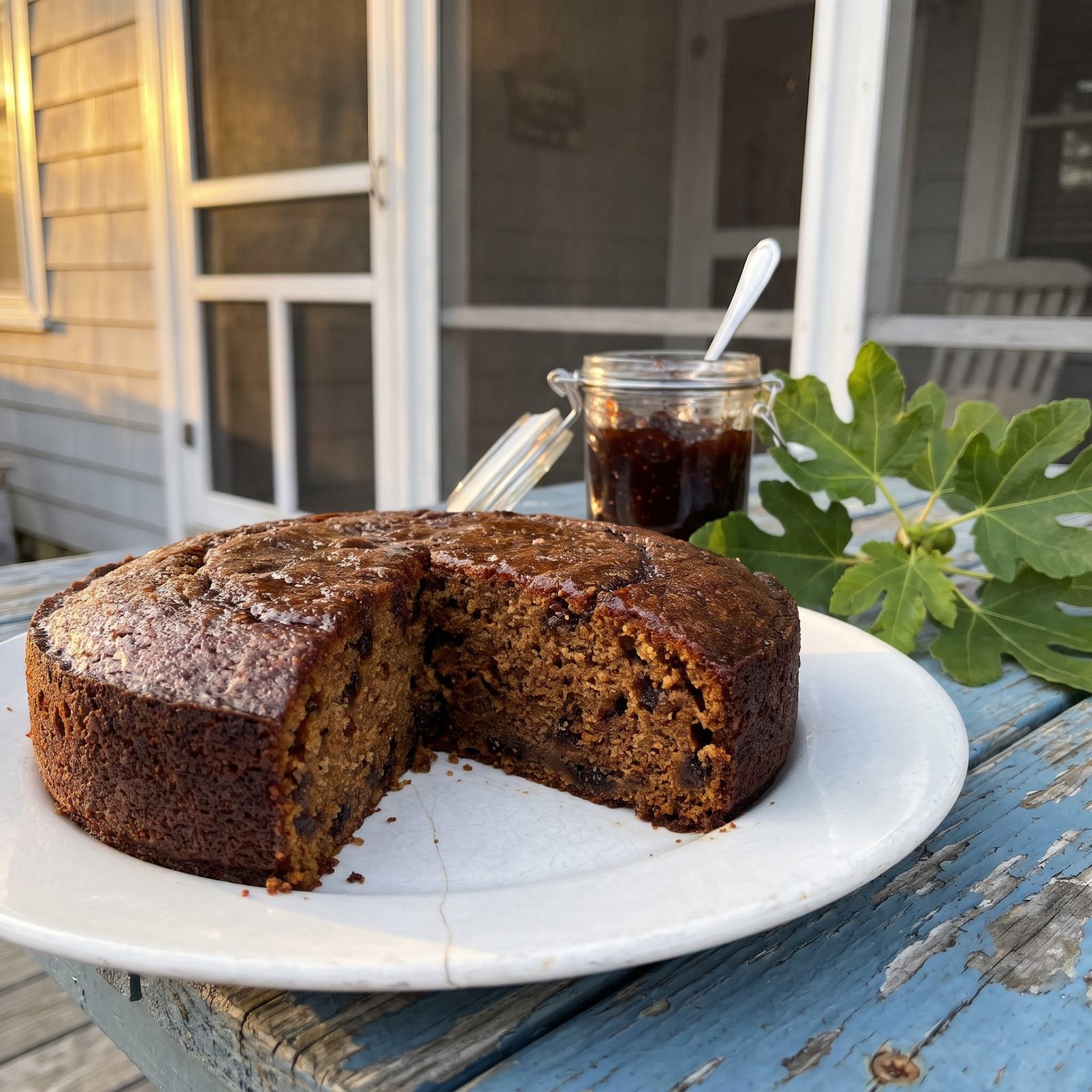
On Ocracoke Island, fig trees grow in yards all over the village, some of them gnarled and older than the houses beside them. When the figs come in during late summer, island cooks put up preserves. A good share of those jars ends up folded into fig cake.
It’s a dark, moist spice cake built on those preserves, often with buttermilk and chopped nuts, and it tastes like the island’s back porches. Outsiders picture a fancy bakery dessert. Ocracokers picture a neighbor’s tree and a pot of figs simmering on the stove. The island even throws a Fig Festival in August, and nobody there finds that odd.
12. Hatteras Clam Chowder and Its Stubbornly Clear Broth
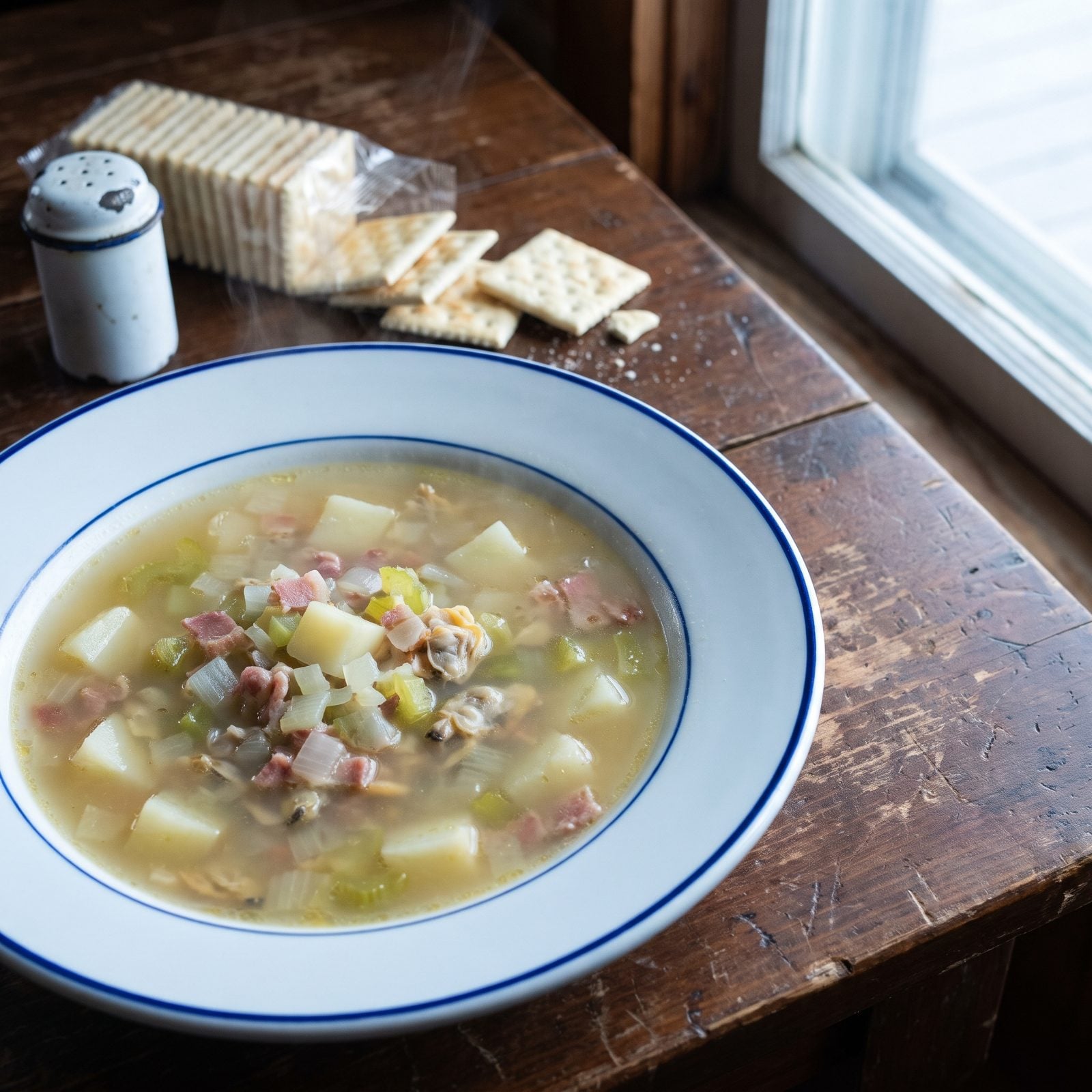
New England wants it creamy. Manhattan wants it red. Hatteras Island wants neither, and won’t apologize. Outer Banks clam chowder is a clear broth of clams, potatoes, onions, and a bit of salt pork or bacon, seasoned with plenty of black pepper and not much else.
Visitors sometimes send it back thinking the kitchen forgot the cream. They didn’t. Old-timers will tell you milk and tomato only cover up the clams, and the whole point is to taste the sound the clams came out of. Have it with a pack of saltines, and the thin broth starts to make perfect sense.
11. Chicken and Pastry, Where the Dumplings Lie Flat
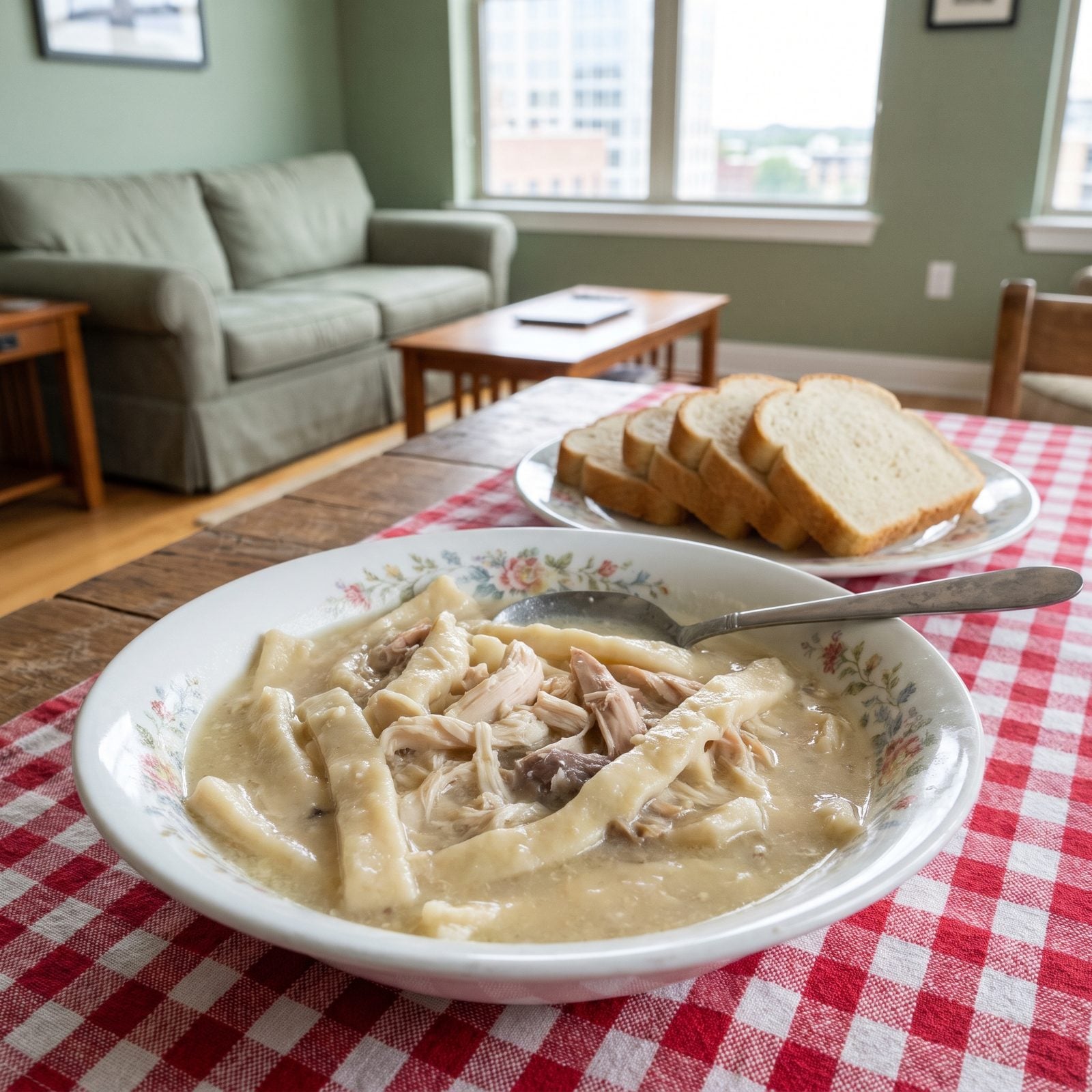
Say “chicken and dumplings” in much of the country and people picture fluffy biscuit-dough balls bobbing in the pot. In eastern North Carolina, a lot of folks call the dish chicken and pastry, and the dough comes rolled thin, cut into flat strips, and simmered right in the chicken broth until it goes tender and a little slick.
It’s closer to a thick noodle than a dumpling, and the broth turns rich and cloudy from the flour. This is church-supper food, funeral food, the pot that shows up at your door when somebody’s sick. Call it dumplings in front of the wrong grandmother and you’ll get corrected before you get a bowl.
10. Eastern Carolina Fish Stew With Eggs Cracked Right on Top
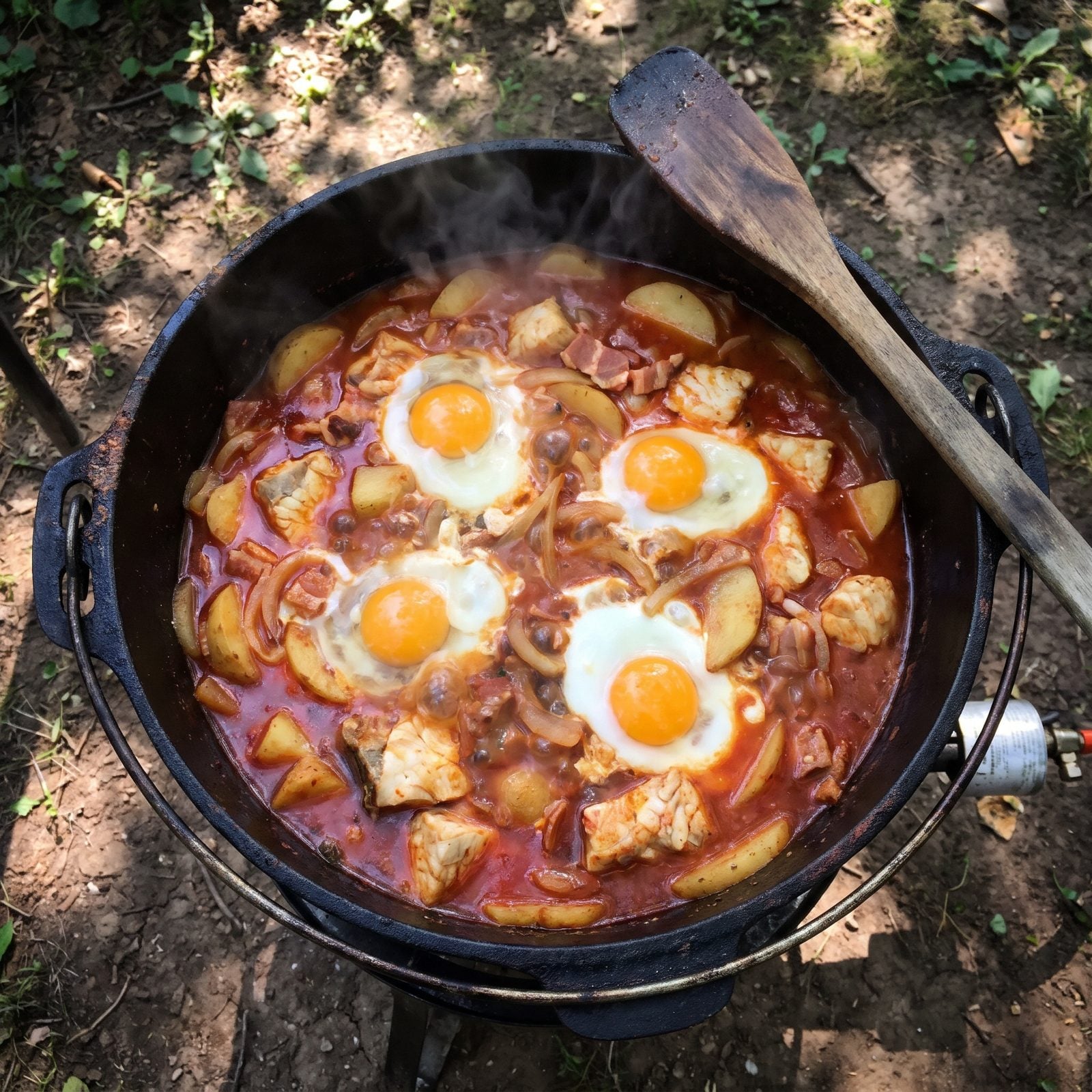
Down east, a fish stew isn’t something you order. It’s an event. Fish, often rockfish or catfish, gets layered in a big pot with potatoes, onions, and bacon or fatback, then simmered in a red, peppery broth. Near the end, the cook cracks whole eggs right on top and lets them poach in the stew.
That egg is the part that stops newcomers cold. Then they dip a slice of plain white bread into the broth, break the yolk over the fish, and quit asking questions. These stews feed whole crowds at fundraisers and family gatherings, cooked outside in a cast-iron pot big enough to bathe a toddler.
For what it’s worth, our readers gave meal photos with a polished restaurant look fewer hearts than the other images in the same articles, 64% versus 72%.
9. Bojangles’ Bo-Berry Biscuits, the Charlotte Sugar Fix
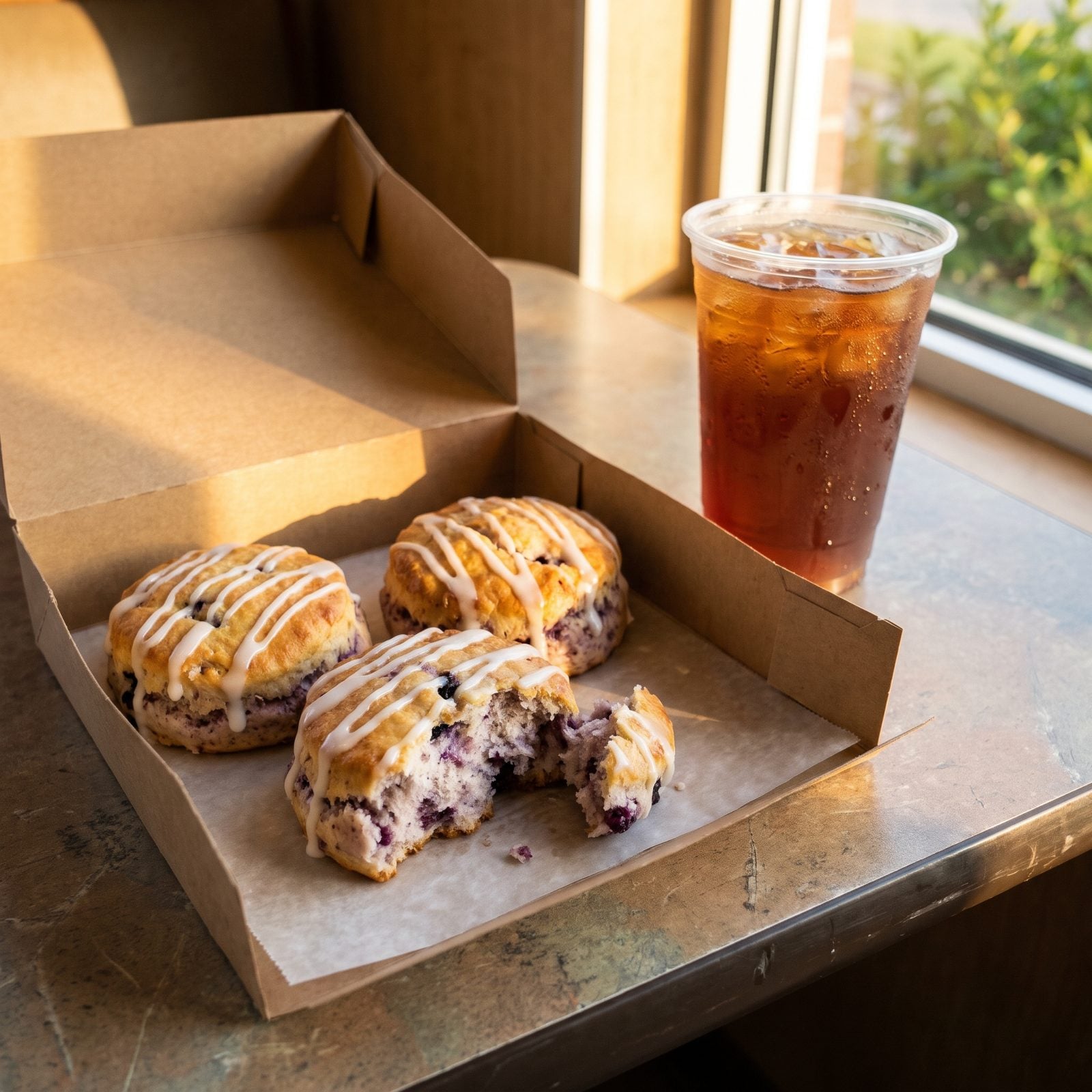
Bojangles started in Charlotte in 1977, and the chicken gets plenty of love. But a lot of North Carolinians would trade the whole box for a Bo-Berry Biscuit: a buttermilk biscuit dotted with blueberry bits and drizzled with sweet icing.
Out-of-towners look at it like a pastry that wandered into the wrong restaurant. Is it breakfast? Dessert? A biscuit with an identity crisis? Around here, it’s all three, eaten out of a paper sleeve in a parked car with a sweet tea sweating in the cupholder. One bite of the warm, flaky crumb against that sugar glaze and the confusion fades fast.
8. The Cook Out Tray, a Whole Meal for Pocket Change
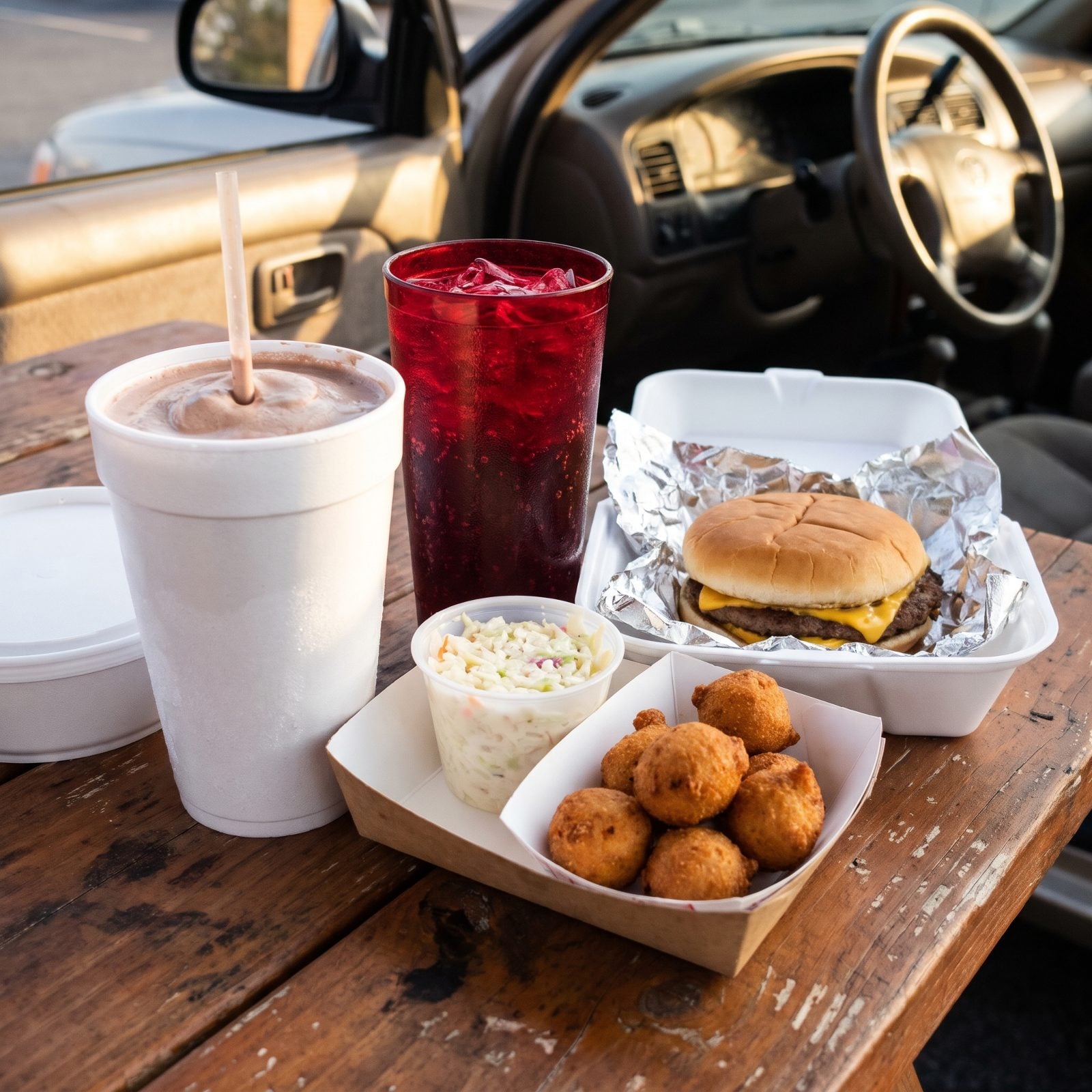
Cook Out opened in Greensboro in 1989, and its tray has been confusing visitors ever since. You pick a main, like a burger, a barbecue sandwich, or chicken strips, then two sides and a drink. The sides are where it gets strange: hush puppies, sure, but also a corn dog, a chicken wrap, or a quesadilla. Yes, that counts as a side.
The price is the other jaw-dropper, low enough that a car full of teenagers can eat for less than a single meal costs at plenty of sit-down spots. Add one of the long list of thick milkshake flavors and you’ll understand why late-night drive-thru lines here wrap around the building.
7. Nabs, the Nickel Cracker That Fed Charlotte
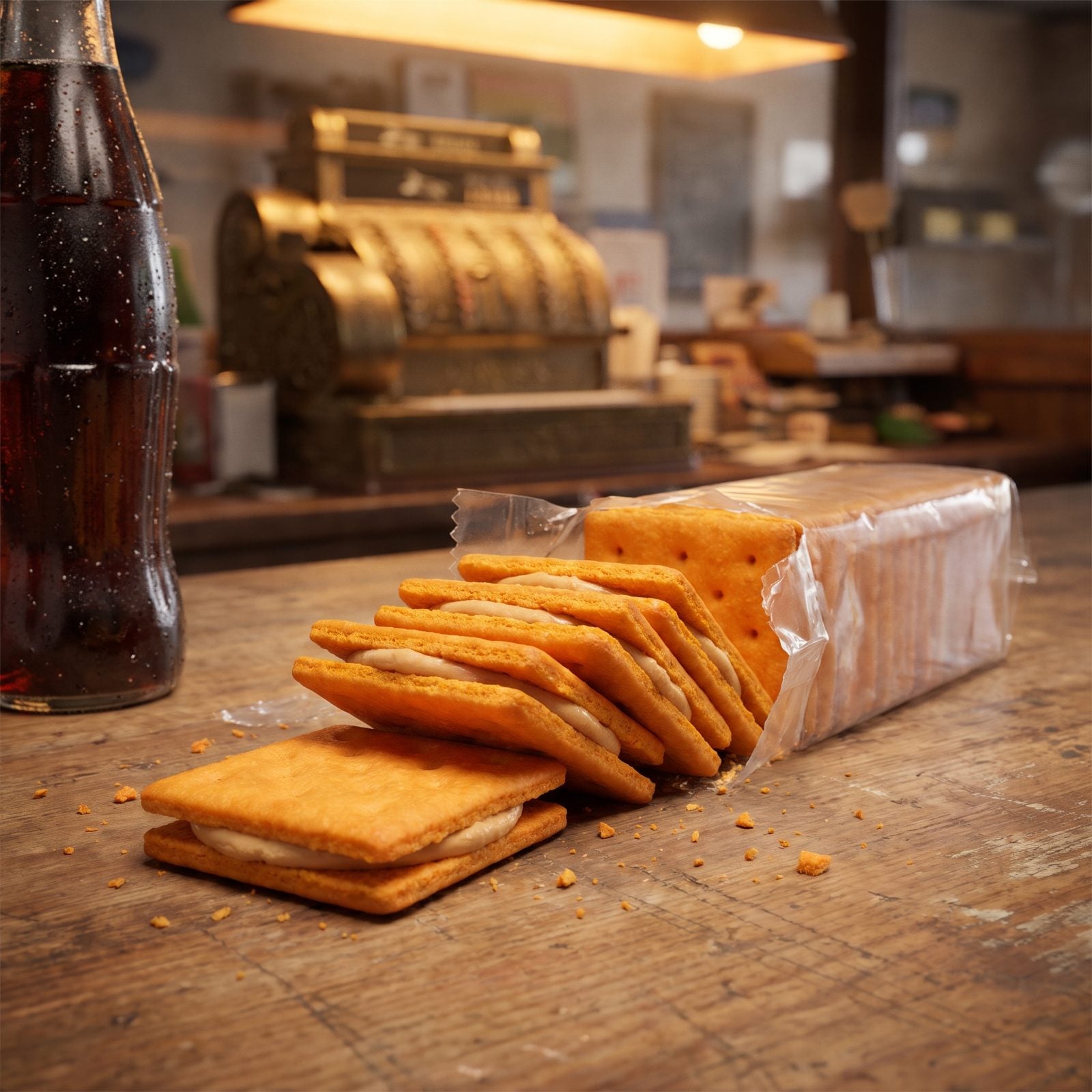
In North Carolina, any long sleeve of peanut butter sandwich crackers is “Nabs,” no matter whose name is on the wrapper. The word traces back to the National Biscuit Company, but the habit belongs to Charlotte, where Lance started out in 1913 selling peanuts and soon peanut butter crackers.
For decades a pack cost a nickel, and those orange crackers got mill workers, farmhands, and truckers through long afternoons. Ask a transplant to grab you some Nabs and watch them stand in the gas station aisle looking lost. Natives know exactly what to do: grab a pack, grab a cold soda, and call it lunch.
6. Mt. Olive Pickles From the Corner of Cucumber and Vine
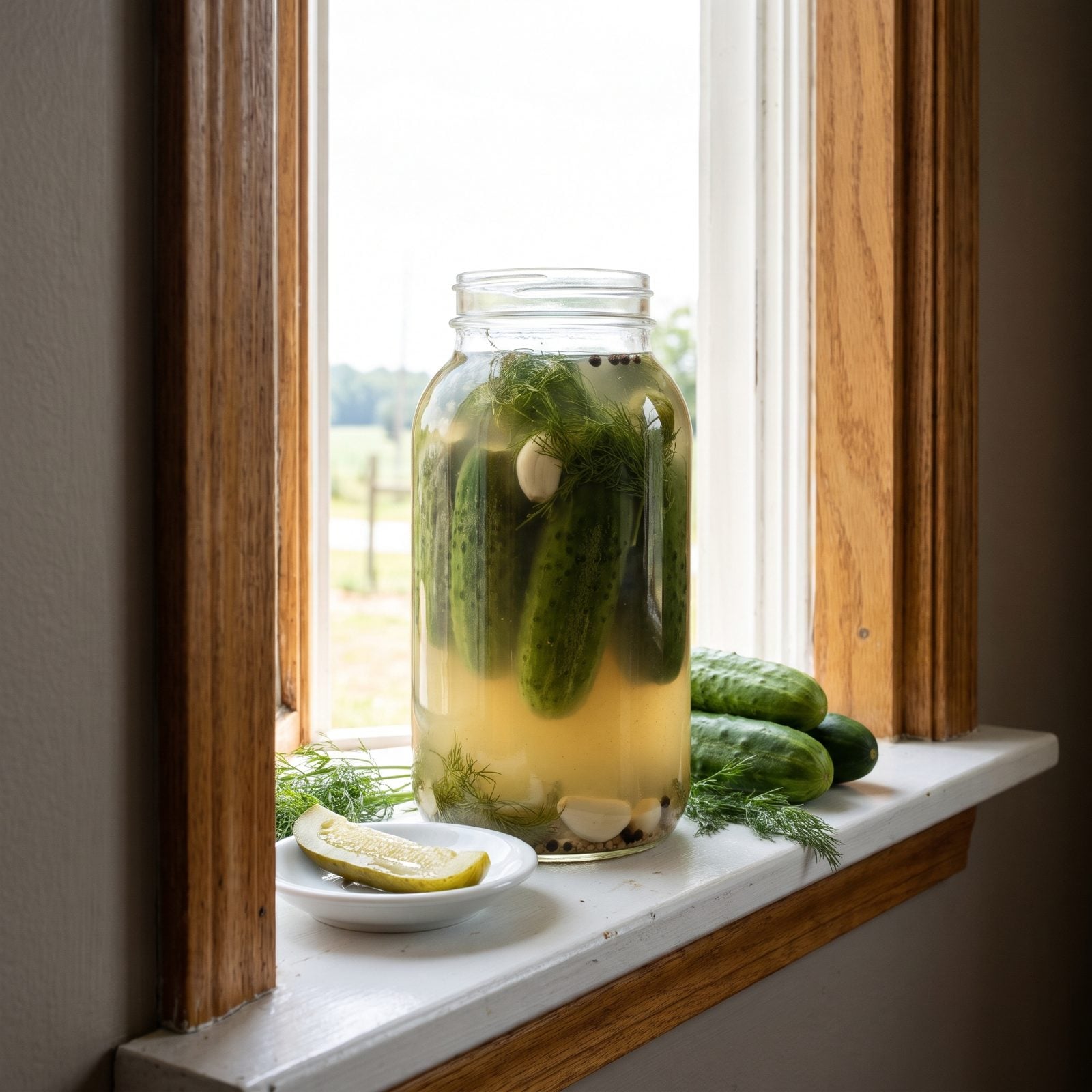
The Mt. Olive Pickle Company has been packing cucumbers in the small Wayne County town of Mount Olive since 1926, and its home sits at the corner of Cucumber and Vine. That’s real, and the town is proud of it. Its jars line grocery shelves across the country.
What outsiders don’t get is how far the town takes it. Every New Year’s Eve, Mount Olive drops a giant lighted pickle at 7 p.m., which lines up with midnight Greenwich Mean Time, so everyone can celebrate and still get to bed early. In spring, the North Carolina Pickle Festival fills the streets. Nobody here thinks any of this is a joke, and the pickles are good enough to back them up.
5. Sweetpotatoes, One Word, Because North Carolina Grows More Than Anyone
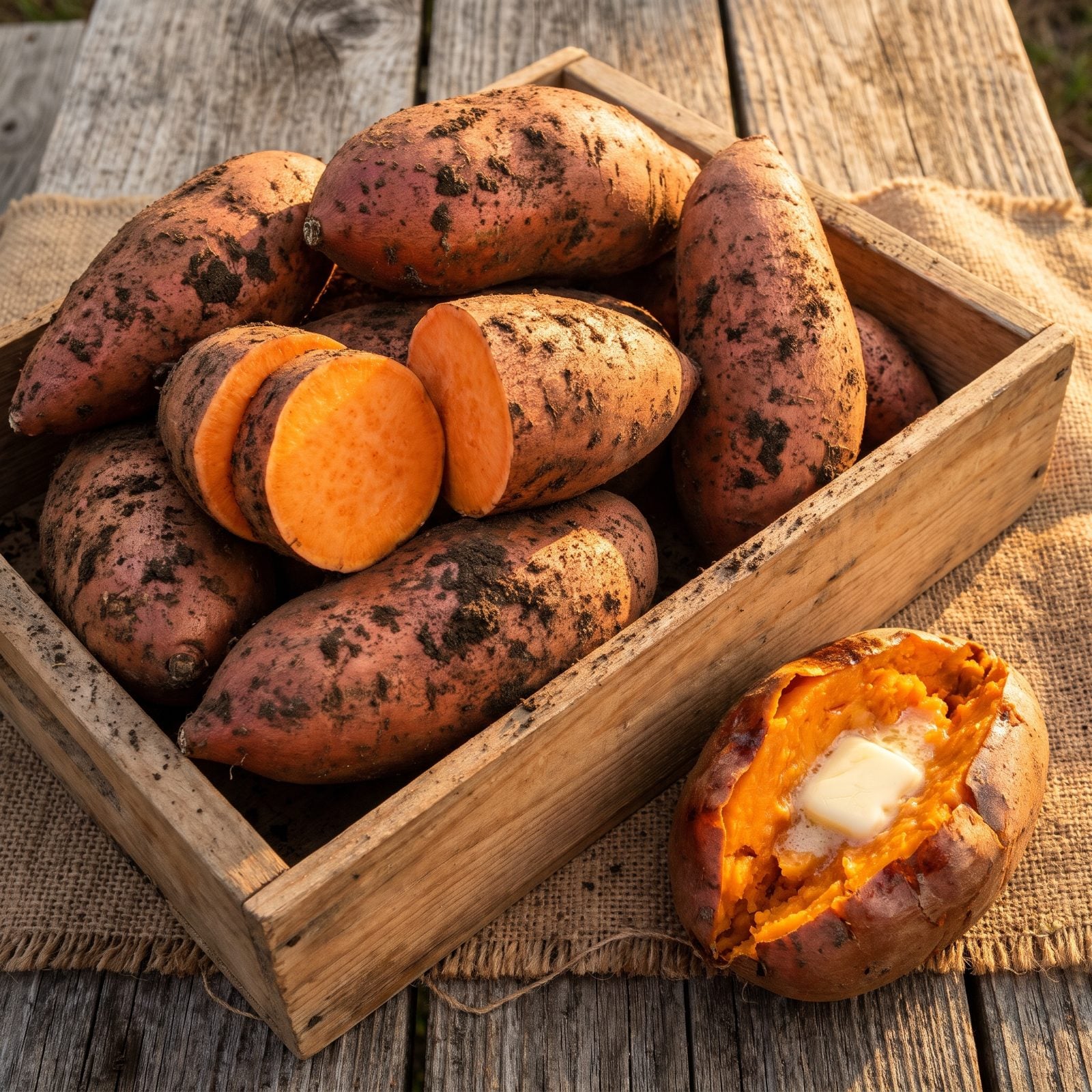
North Carolina grows more sweet potatoes than any other state, by a wide margin, typically half or more of the country’s entire crop. The state’s growers spell it “sweetpotato,” one word, and they’ll tell you it’s a different plant from a true potato, so it deserves its own name.
The legislature made it the official state vegetable in 1995, and in the eastern counties the harvest comes in by the truckload every fall. Here it shows up baked, candied, fried into fries, mashed into pie, and tucked into biscuits. Visitors think of it as a Thanksgiving side. In North Carolina, it’s on the table every week of the year.
4. Scuppernongs and the Four-Hundred-Year-Old Mother Vine
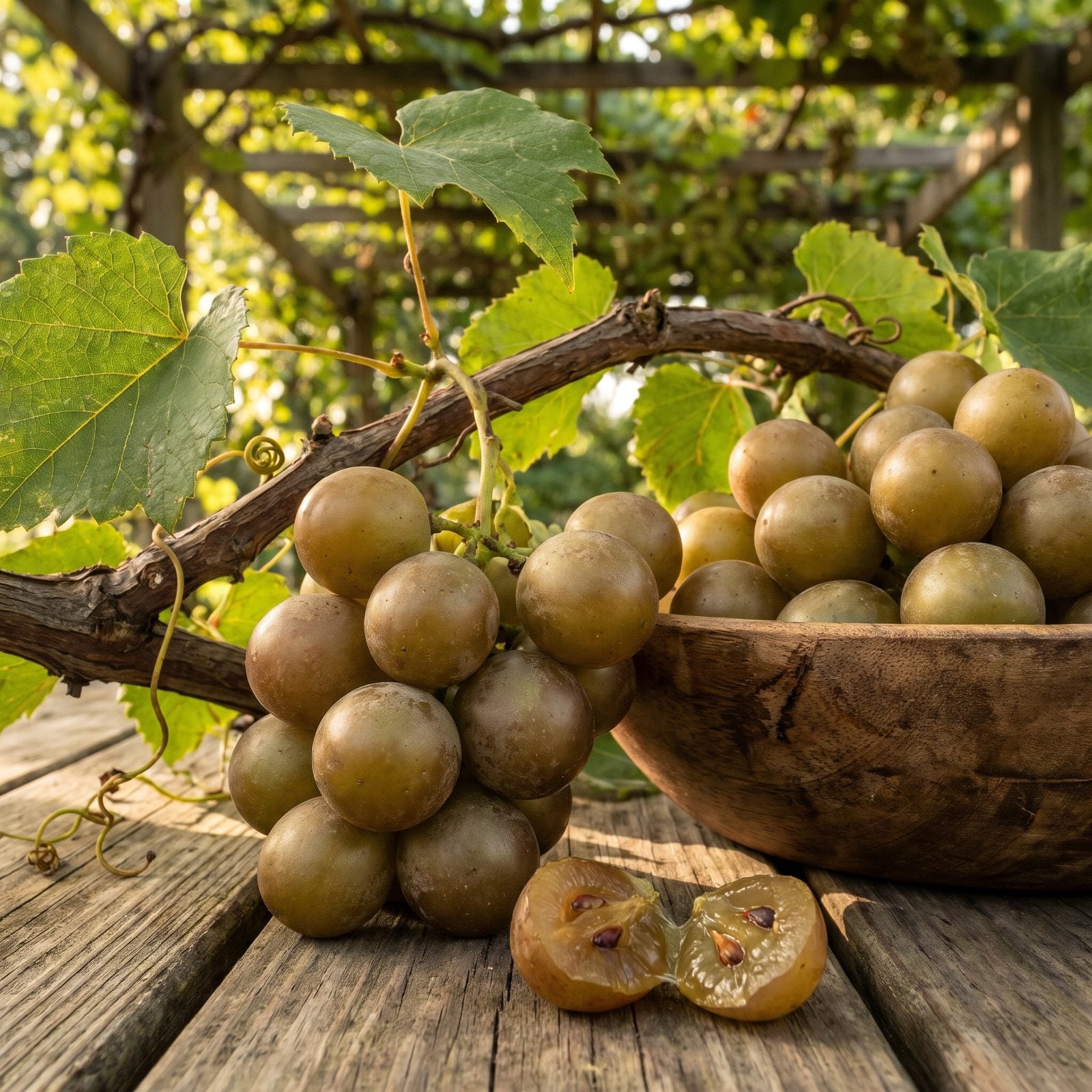
Bronze-green, thick-skinned, about the size of a cherry tomato. Here’s the catch nobody warns you about: you don’t eat the skin. You squeeze the sweet pulp straight into your mouth and spit the rest, which tends to mystify anyone handed their first one.
North Carolina named the scuppernong its official state fruit in 2001. It takes its name from the Scuppernong River, and it built Southern grape-arbor culture long before anyone planted a vineyard for sport.
Pick one in late summer, bite the hole, and you get something musky and floral that no supermarket table grape ever managed. Then it clicks. You see why folks here refuse to call it anything else.
3. Persimmon Pudding, the Thanksgiving Dessert You Can’t Rush
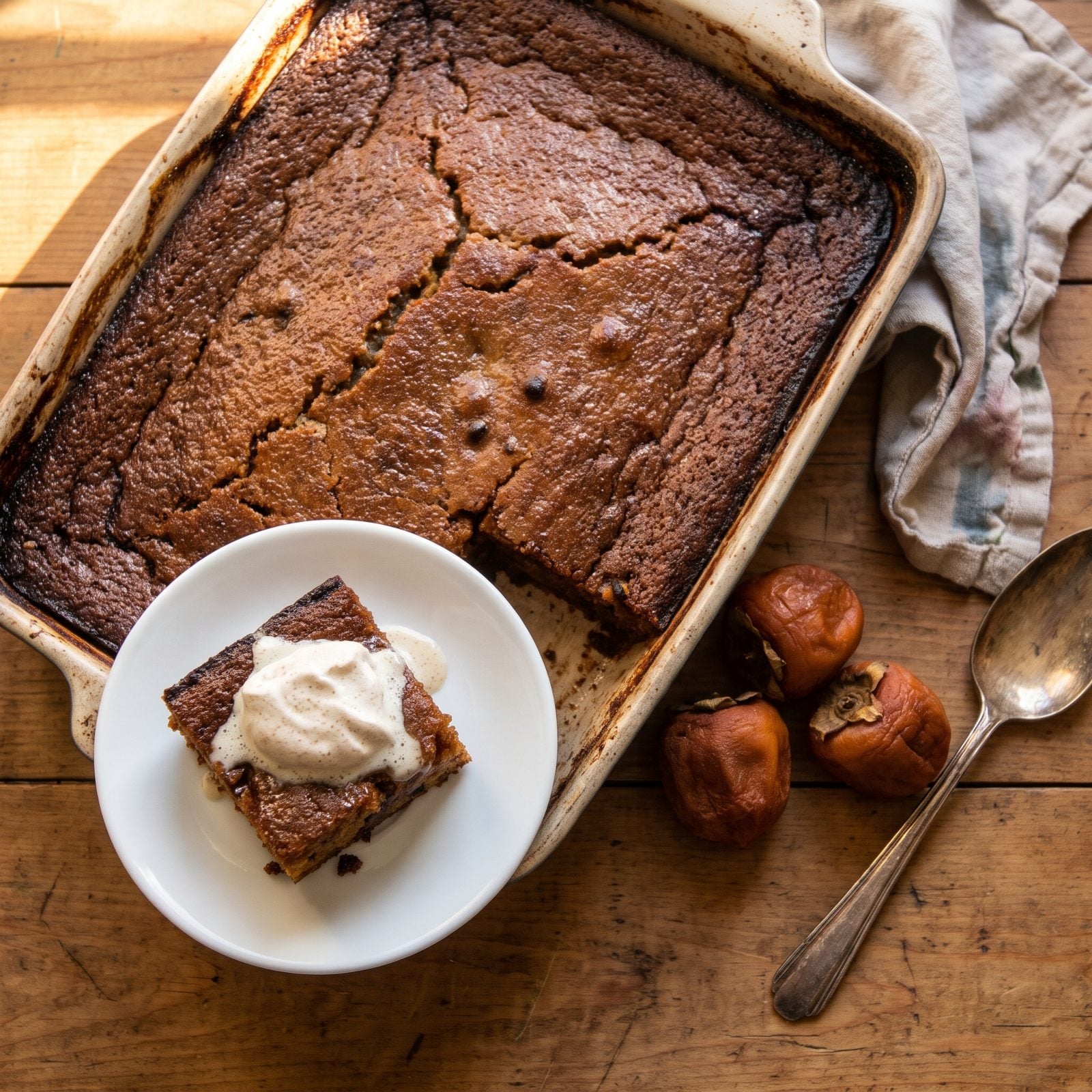
Bite an underripe American persimmon once and you’ll never forget it. The tannins dry your whole mouth out like a wool sock. Wait until the fruit goes soft, wrinkly, and almost mushy, though, and it turns honey-sweet. That patience is the whole recipe for persimmon pudding.
Piedmont cooks push the ripe pulp through a colander or food mill, then bake it with buttermilk, sugar, and warm spices into something denser than cake and softer than bread. It comes to the Thanksgiving table in squares, usually with whipped cream. Newcomers expect a jiggly pudding cup. What they get is closer to a spiced, custardy brownie.
2. Ramps, the Wild Mountain Leek That Clears a Room
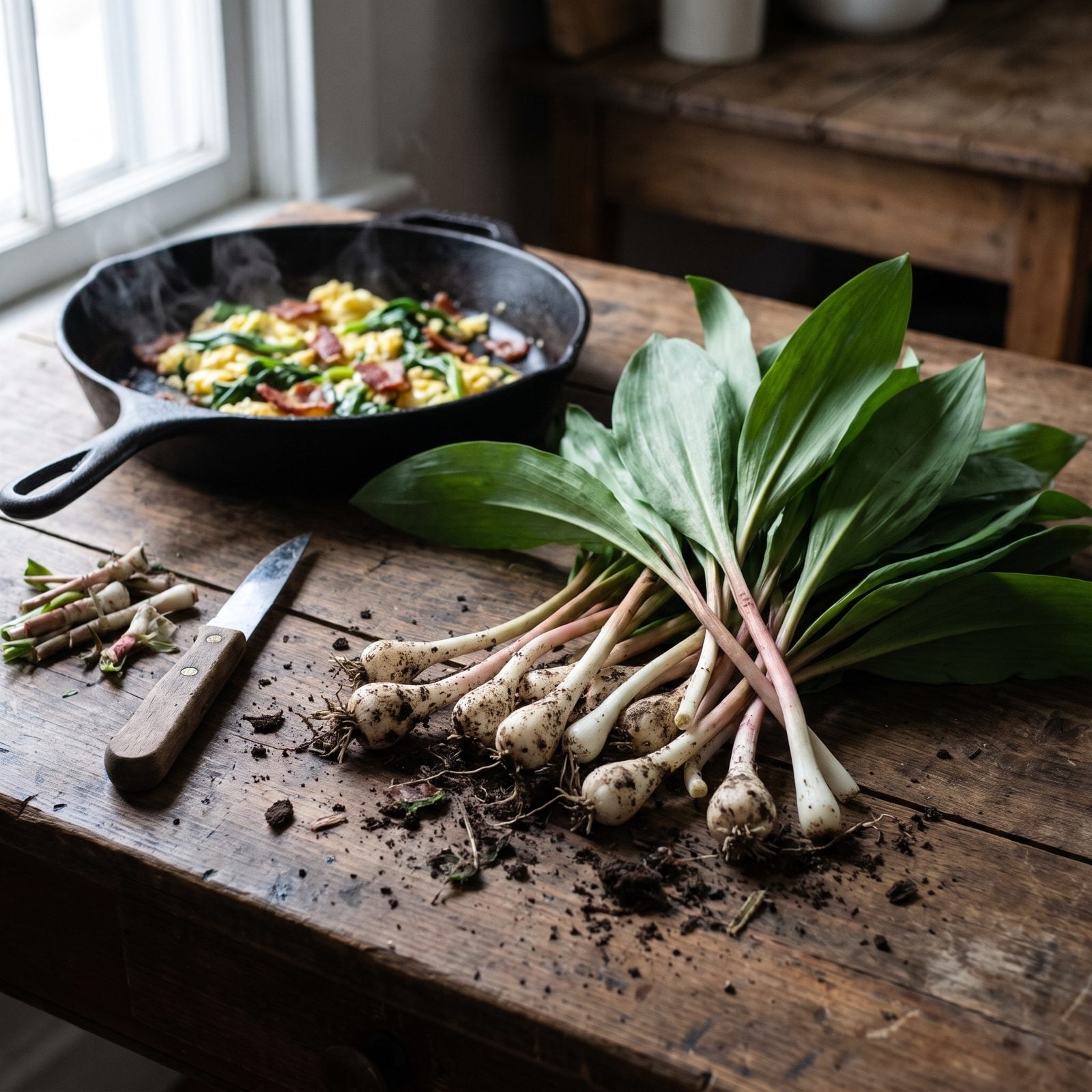
You smell them before you taste them, and then you taste them for days. Ramps are wild leeks that shove up through the leaf litter in the North Carolina mountains every spring, and the people who hunt them — ramp-eaters, they’re called — have been at it long enough to earn the name.
Up in Haywood County, the Ramp Convention has pulled crowds together since the early 1930s. Over in Cherokee, the spring Rainbows & Ramps festival puts plates of ramps next to trout yanked from local streams. And there’s something exactly right about that pairing: the sharpest green thing in the whole forest sitting beside a fish somebody caught that morning.
Fair warning if you’ve never had them. The garlic-onion punch hangs on your breath and, so they say, your skin. Mountain people wear it like a badge. I’d eat a plate of them fried with eggs and not apologize to a soul.
1. The Krispy Kreme Hot Light, North Carolina’s Original Dinner Bell
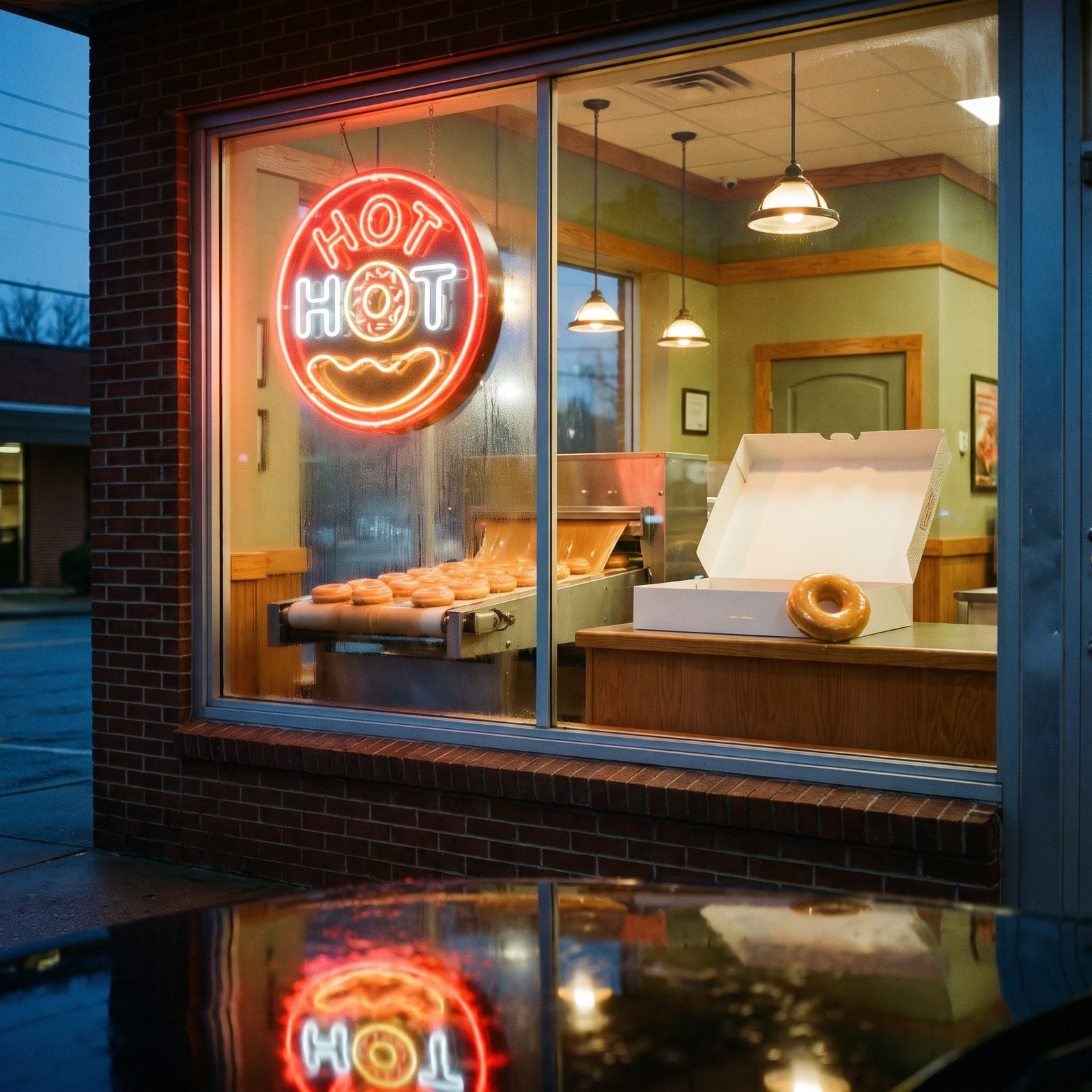
When the Hot Light glows, you turn in. Locals treat that red neon “Hot Now” sign like a dinner bell nobody voted on but everybody obeys. It means the yeast-raised doughnuts are rolling off the glaze waterfall right now, hot and barely holding their shape.
Vernon Rudolph started frying these in a rented building in Winston-Salem on July 13, 1937, and a plaque marks the original spot. The shop at 259 S. Stratford Road posts its Hot Light hours — mornings and evenings, daily. Twice a day, then, the smart people in that town quietly rearrange their plans.
A hot Original Glazed barely survives the drive home. The glaze is still warm enough to smear the inside of the box, and the doughnut just folds the second you bite it. Cold ones are fine. Hot ones are a whole different food, and I will die on that hill.