
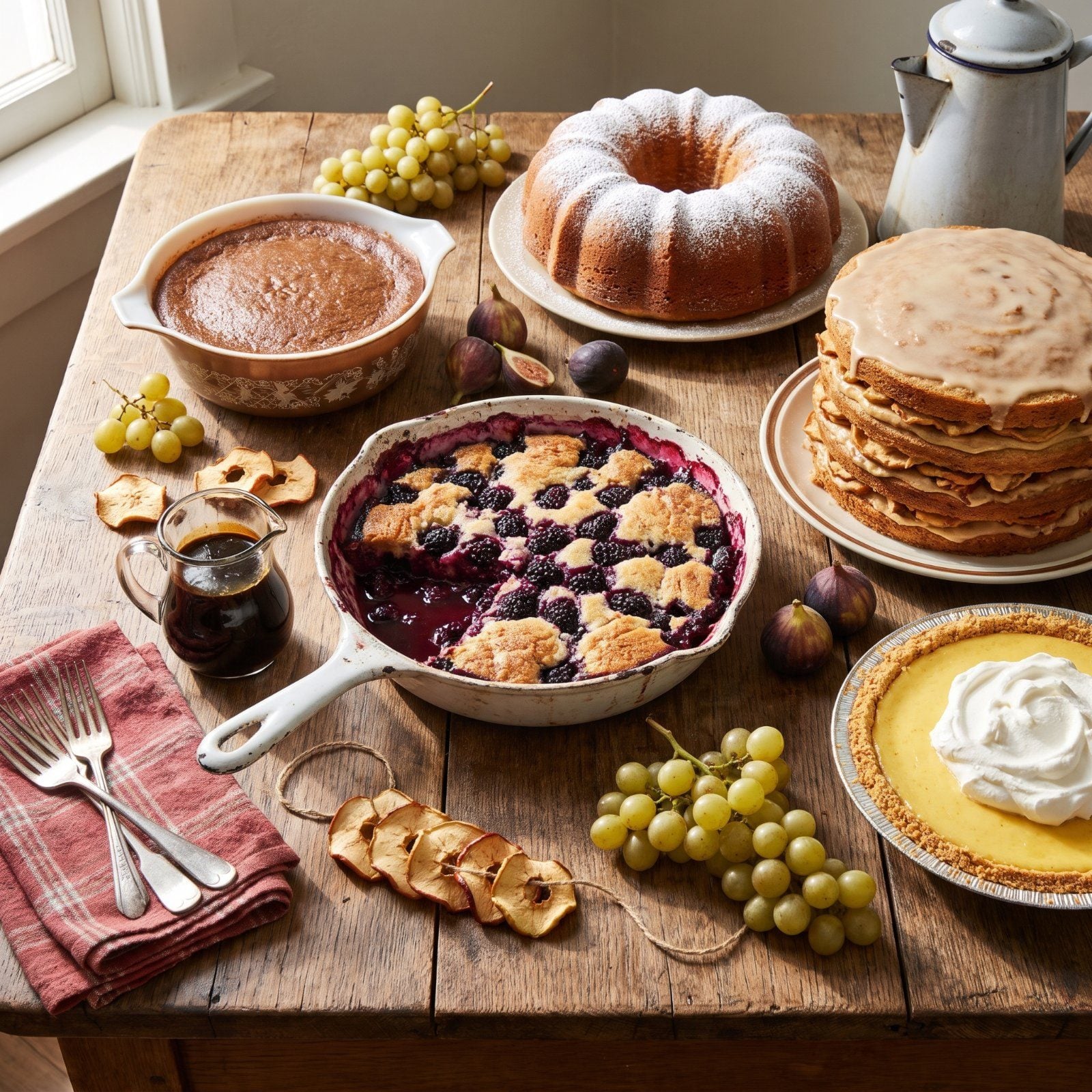
Somewhere in Surry County right now, a woman is mixing fruit into loose dough and calling it sonker, because that’s what her grandmother called it, and her grandmother’s grandmother before that. These are the desserts North Carolina almost forgot — pies thickened with grape skins, cakes sweetened with homemade fig preserves, puddings made from fruit you have to let the frost soften first. Every one of them belongs to a town, a church basement, a family recipe card. Here’s where they come from, and why they deserve a comeback.
Please note that some of the images in this article were created with the assistance of AI.
15. Surry County Sonker, the Cobbler With Its Own Trail (Mount Airy)
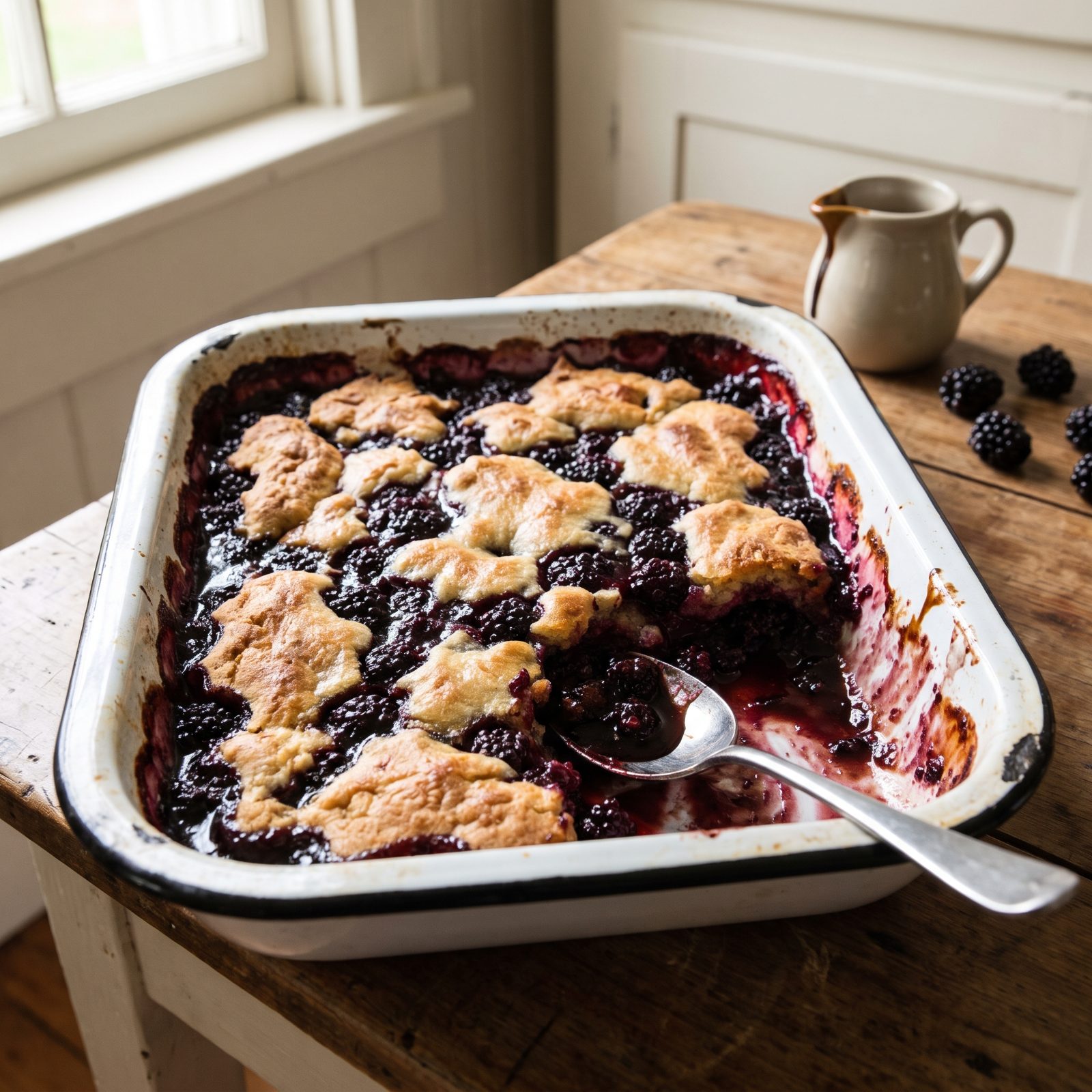
Sonker isn’t a cobbler, though it looks like one, and it isn’t a pie either, though Surry County folks have been making it since the 1800s and will correct you fast on both counts. You mix the fruit straight into loose dough and bake the whole thing deep, then sweeten it however your family does. Maybe sugar. Maybe molasses. Maybe something nobody’s telling.
Mount Airy, Elkin, Dobson and Pilot Mountain anchor the Surry Sonker Trail, started in 2015 so you could taste your way across the fillings — blackberry, peach, apple, strawberry. The sweet potato sonker at Heaven’s Scent in Elkin was the one people came back for. And some cooks skip the oven entirely, making a stovetop dumpling version instead.
14. Moravian Sugar Cake and the Legend of the Thumb (Winston-Salem)
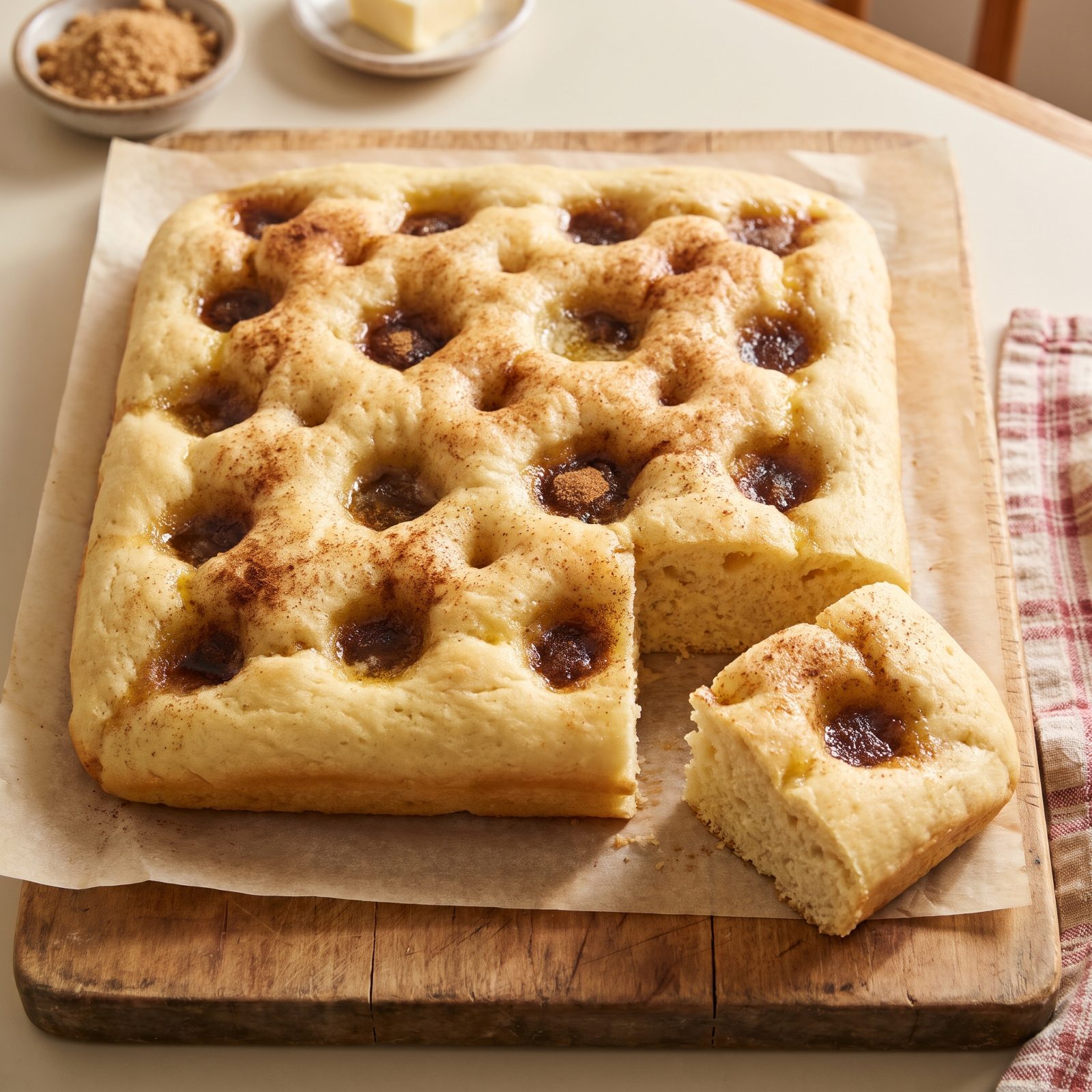
Best served warm, and the Moravians who carried the recipe into the Winston-Salem area back in 1753 knew it. The trademark is those deep pockets pressed into the dough, each one flooded with butter, brown sugar and cinnamon until the top goes glossy and dark.
Local lore says Moravian men once sized up a wife partly by her thumb. Bigger thumb, bigger pockets, better cake. Make of that what you will. Dewey’s, Winkler, and Wilkerson’s all sell it around town, and Dewey’s version slips mashed potato into the dough, which is why it stays so tender. Churches across the state still bake it for fundraisers, and the recipe has barely budged in two and a half centuries.
13. Mrs. Hanes’ Paper-Thin Moravian Ginger Cookies (Clemmons)
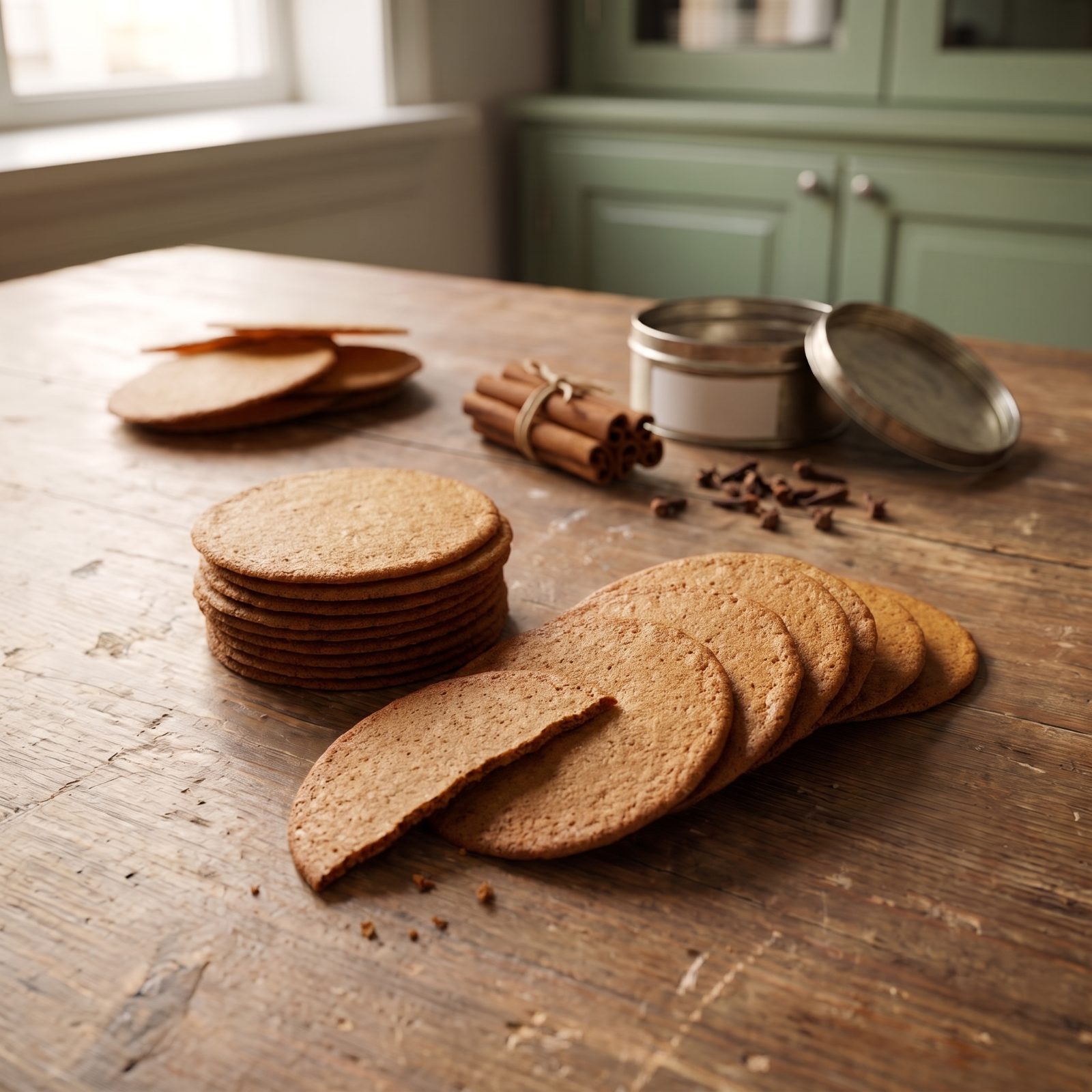
These cookies are paper-thin and crisp. Break one in half and you’ll hear a sharp, clean snap. At Mrs. Hanes’ Moravian Cookies in Clemmons, workers hand roll, hand cut and hand package their dough by the ton every year at 4643 Friedberg Church Road, and the traditional ginger is the one that started it all.
Six flavors come out of that bakery — sugar, lemon, black walnut, chocolate, butterscotch, and the ginger. You can take a tour and watch it happen. Oprah named them a favorite back in 2010, which is the kind of thing a family bakery earns, not buys.
What Our Readers Say
- In Piaci Pizza readers’ votes, photos of baked desserts got hearts 81% of the time, compared with 76% for the other images in the same articles.
- When our readers loved a food photo and said why, comfort was the top reason, with nostalgia and ingredients close behind.
From Piaci Pizza reader polls and votes.
12. Atlantic Beach Lemon Pie and Its Salty Cracker Crust (Atlantic Beach)
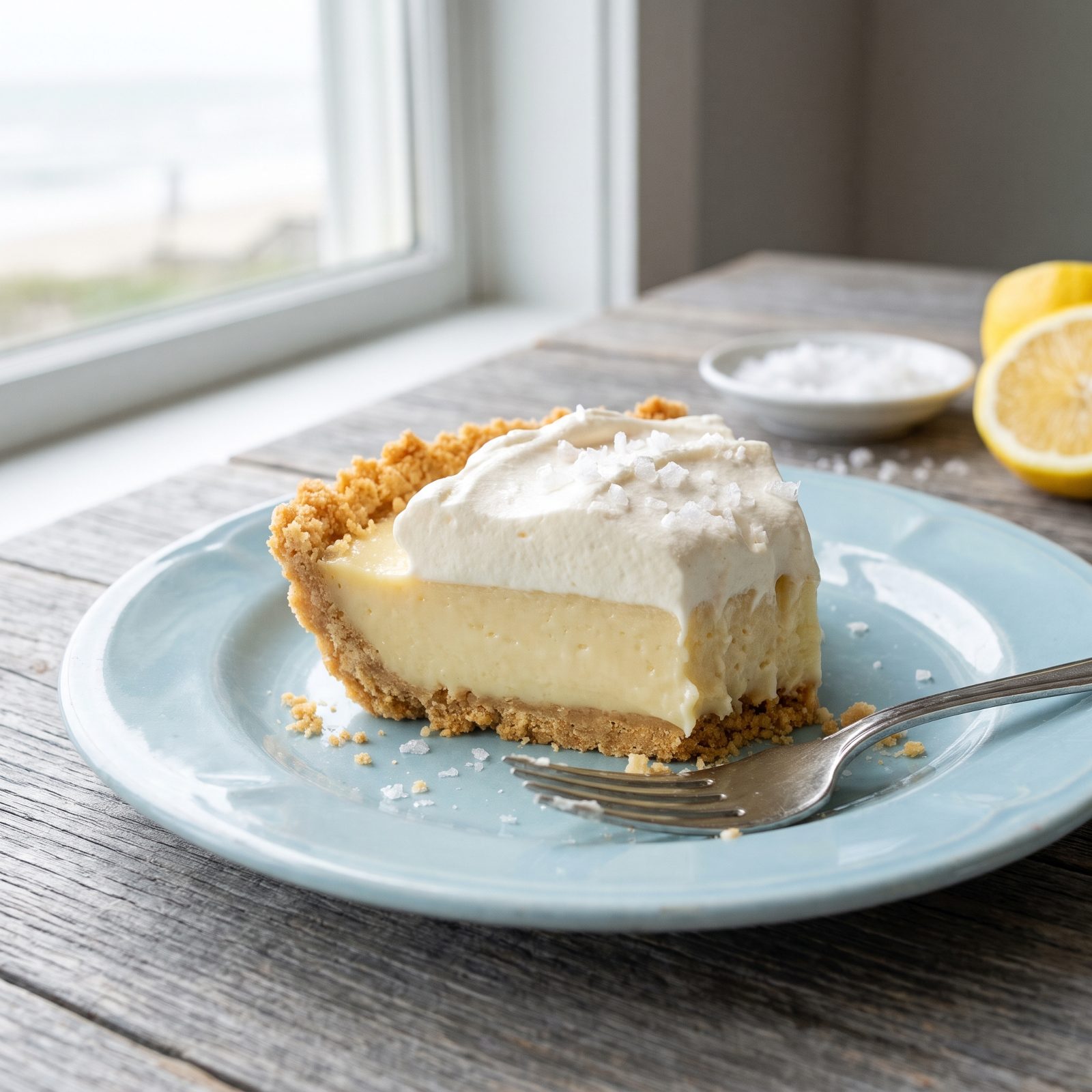
Old coastal wisdom held that dessert after seafood would make you sick, with exactly one loophole: lemon pie. So North Carolina seafood joints served it — sometimes as the only dessert on the whole menu.
The signature is that crust. Crushed Ritz or saltines, salty and crumbly against the tart custard. The original wore a meringue cap. Chef Bill Smith, who grew up in New Bern, brought the recipe back in 2011 for a Southern Foodways Alliance event while cooking at Crook’s Corner in Chapel Hill, and his version uses a saltine crust and whipped cream dusted with coarse sea salt. Heads up, though: Crook’s Corner closed in June 2021, so don’t go chasing it there.
11. Ocracoke Fig Cake From 200-Year-Old Bushes (Ocracoke Island)
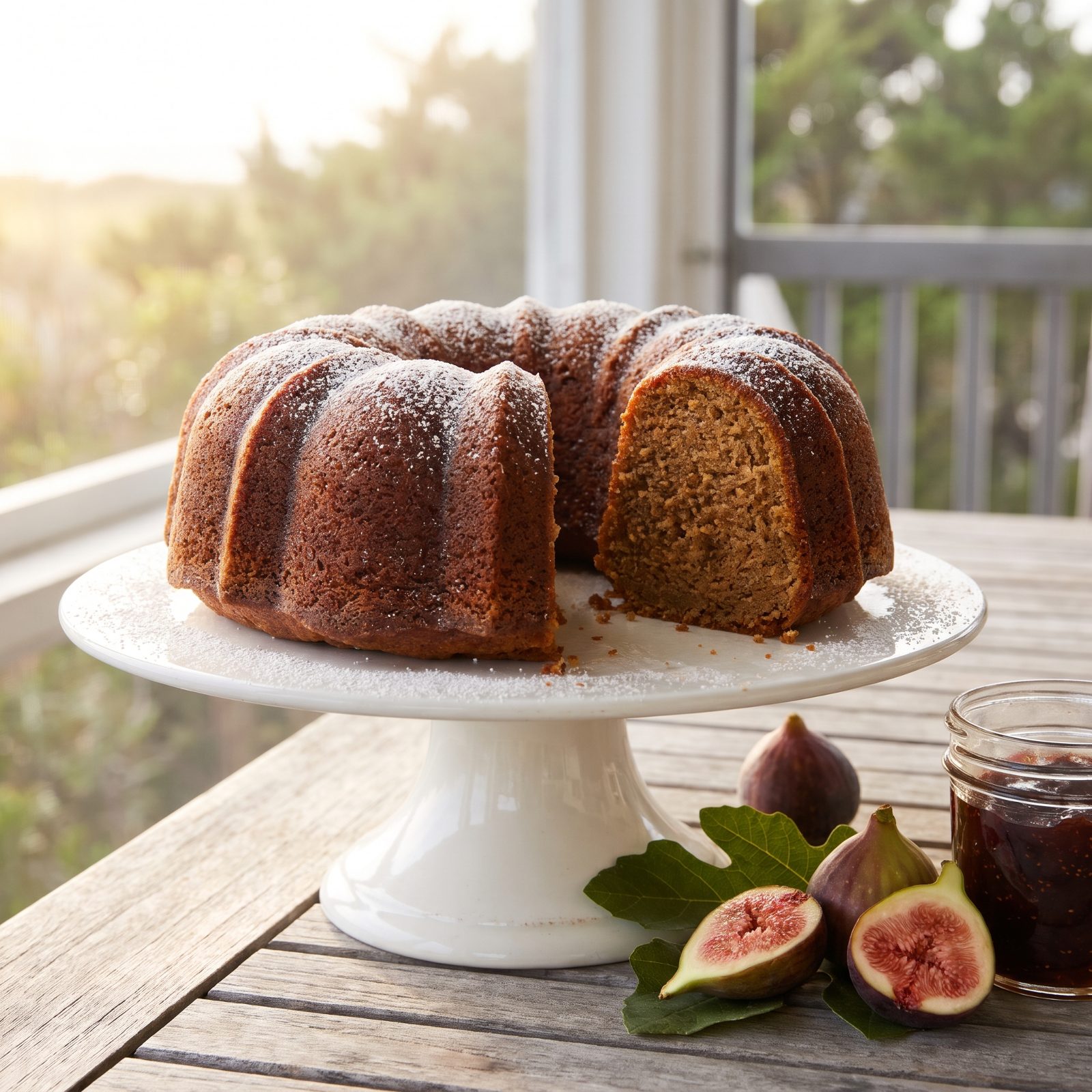
Fig bushes cover Ocracoke, some of them more than 200 years old, hanging on through sandy soil, salt air and hurricanes that take everything else. The cake that comes from them is a Bundt, close to a spice cake, sweetened with homemade preserves made from fruit off those ancient bushes.
Every August the island throws a free Fig Festival, and the recipe contest still keeps a traditional fig cake category. Other Outer Banks towns make their own versions, but you have to take a ferry to taste the Ocracoke one — which is probably why it stayed so distinctly its own.
10. Persimmon Pudding, the Dessert That Waits for Frost (Guilford County)
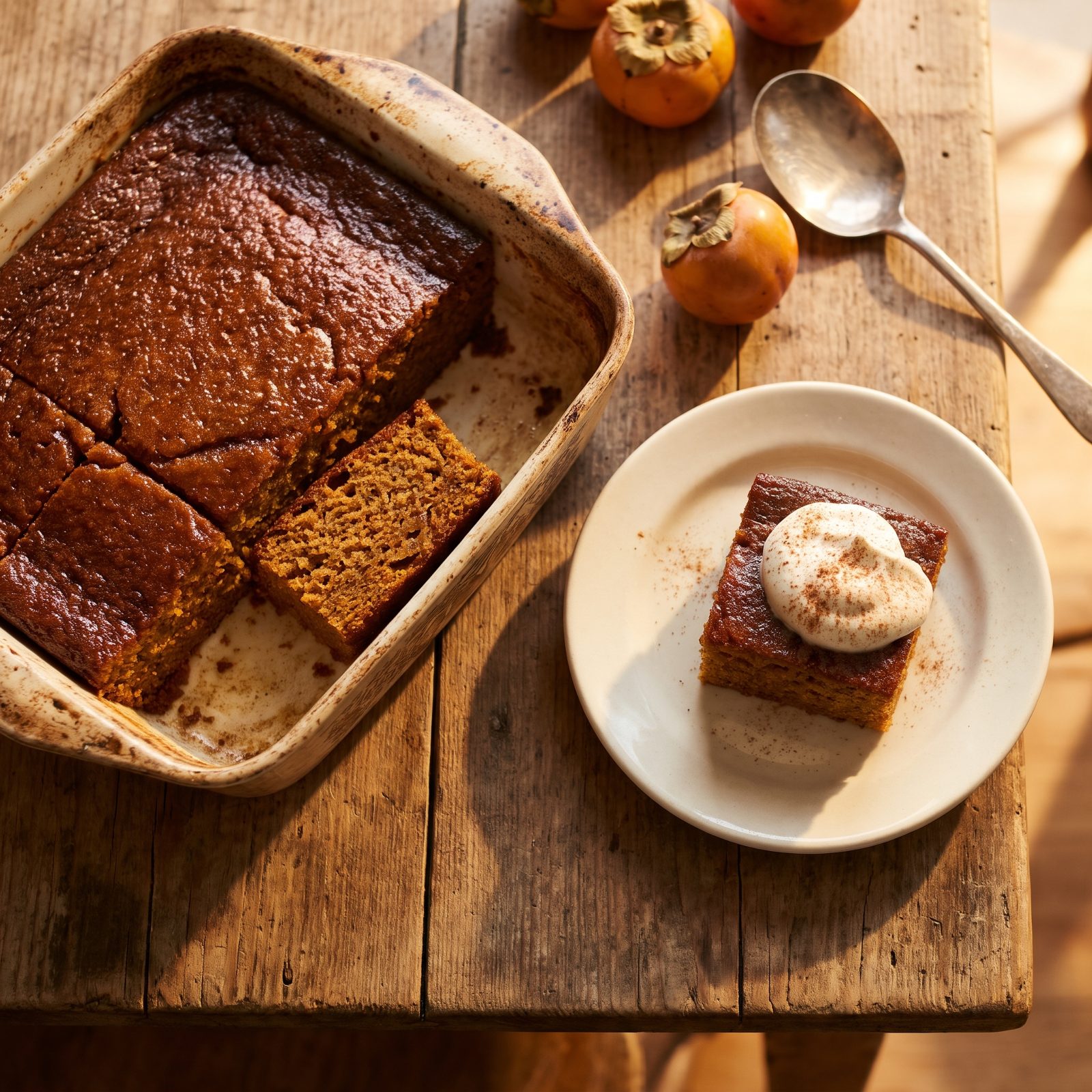
The persimmon worth remembering is the small native American one, not the big firm Asian kind in the grocery store. The NC Folklife Institute says that little native fruit holds the deepest memories for North Carolinians, and anyone who’s bitten an unripe one knows exactly why you wait.
Persimmons have to ripen fully, sometimes not until the first frost, or they pucker your whole face. The pudding bakes dense and dark, almost like a cake. An early-1900s family recipe from the Folklife Institute goes in a 9×13 pan for about an hour. The Colfax Persimmon Festival near Oak Ridge built itself around the stuff for 14 years before holding its final festival in 2021.
9. Pawpaw Pudding, North Carolina’s Forgotten Native Fruit (Valle Crucis)
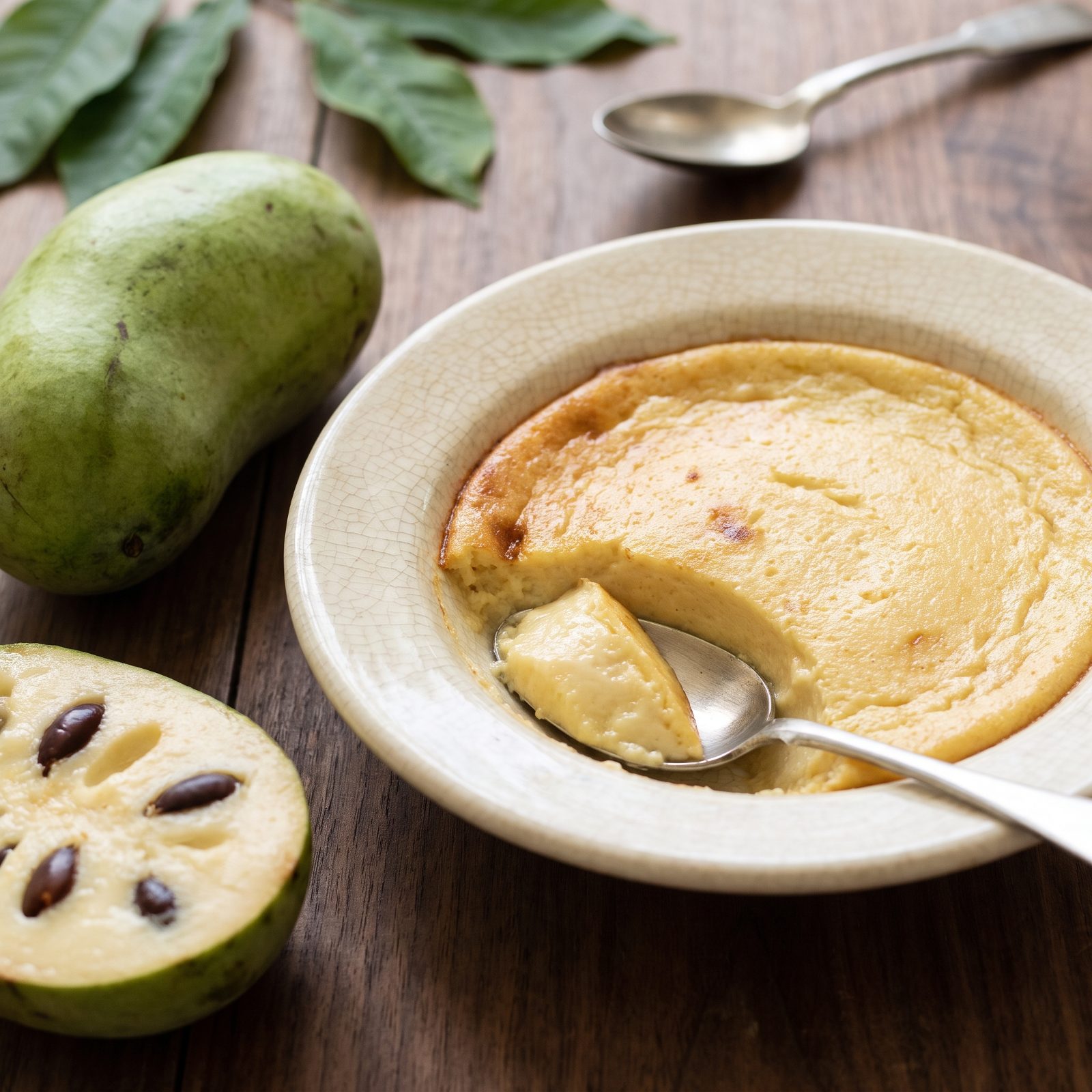
The pawpaw grows wild in all 100 North Carolina counties, and almost nobody eats it anymore. That’s a shame, because it tastes like a cross between a banana and a mango and grows for free in the woods. Early explorer John Lawson wrote that Native people “make rare puddings of this fruit” — maybe the oldest dessert endorsement in the whole state.
Over Yonder, a restaurant that used to be in Valle Crucis (it closed there in 2025 and reopened as Over Yonder Boone), once made pawpaw pudding with fruit from a Watauga County grower. Because the fruit grew wild, the pudding was a holiday treat plenty of families could afford even when money was tight. I’d put this one at the top of the revival list, honestly. Free fruit, lost recipe, native to everywhere around here.
8. Scuppernong Grape Hull Pie, Made From the State Fruit (Eastern NC)
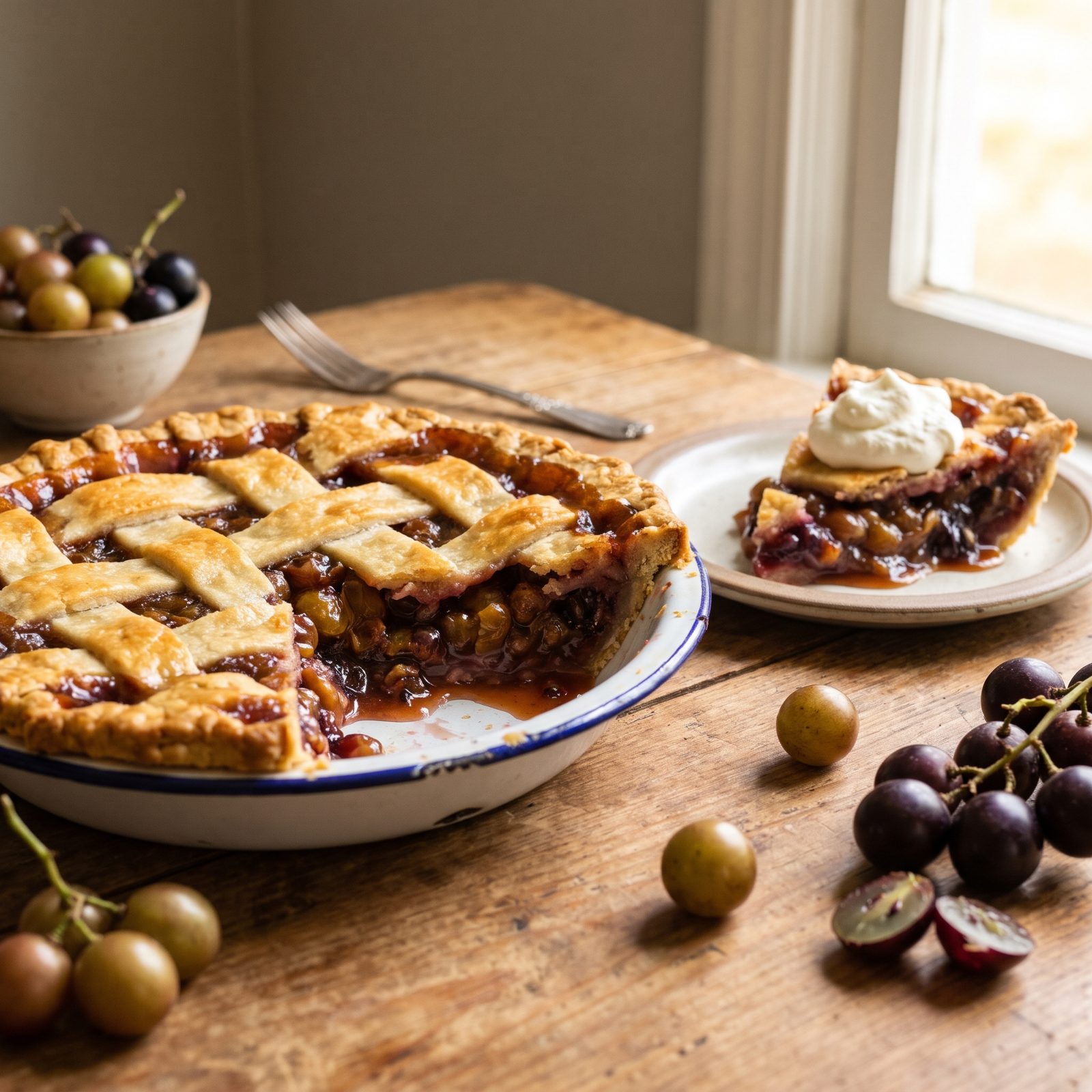
In 2001 the General Assembly named the scuppernong North Carolina’s official state fruit, which is the kind of honor a grape has to earn. Grape hull pie uses the thick skins — the hulls — of muscadines or scuppernongs, the part most people throw away. Waste nothing. That was the whole idea.
It’s a fall pie, made when the muscadines come in. The NC Department of Agriculture publishes a grape hull pie recipe, and NC State Extension shares it, so this one’s easy to track down and bring back to your own kitchen. Nothing else tastes quite like it — that musky, jammy, slightly wild grape flavor baked under a golden crust.
7. Dried Apple Stack Cake, the Mountain Wedding Cake (Western NC)
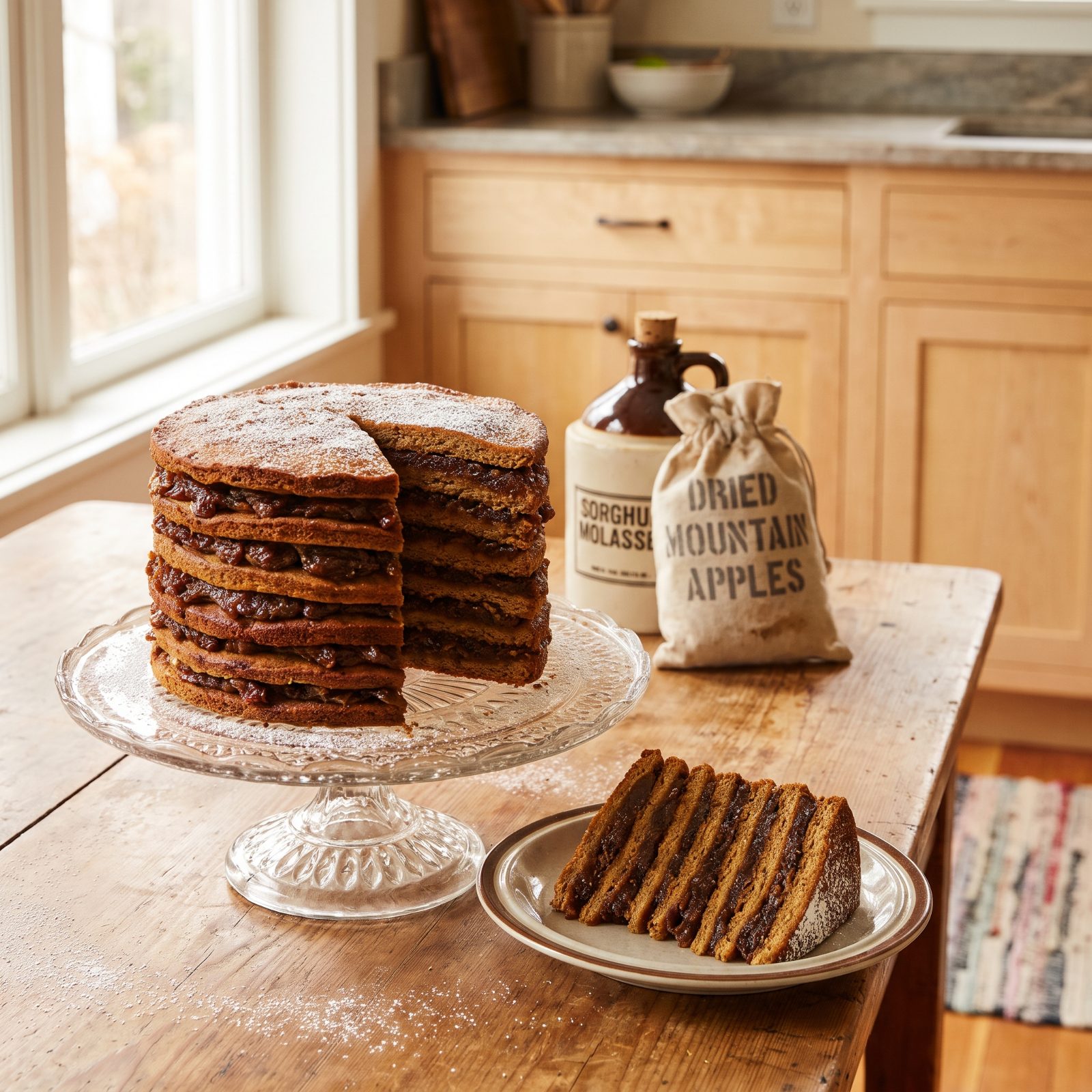
Count the layers. This one has seven or eight thin ones, sorghum-sweetened, held together with a thick dried-apple filling that soaks into the cake as it sits. Our State calls it the recipe most rooted in Appalachian mountain culture, and you can taste the whole mountain economy in it.
It caught on in North Carolina mountain kitchens once flour became easy to get, roughly a century after the mid-1700s. It was the favorite cake for mountain weddings, and here’s the part that gets me: as the story goes (Our State thinks it’s more legend than fact), guests each brought a layer, and the bride’s family supplied the filling to stack them all together. A community built the cake, one layer per household. Try finding a modern wedding tradition that beautiful.
6. Eastern NC Applejacks, the Fried Apple Hand Pie (Goldsboro)
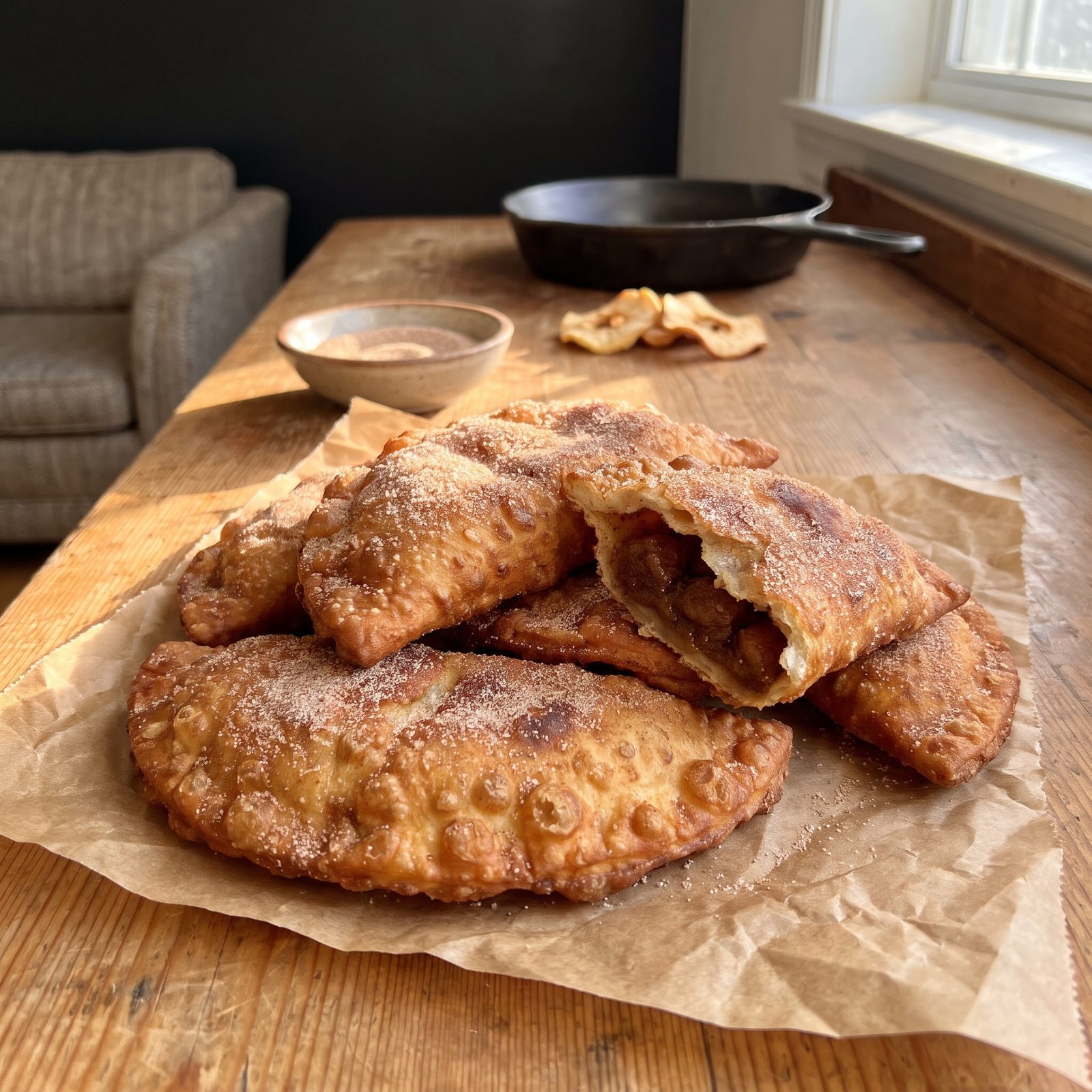
In eastern North Carolina an applejack isn’t a drink. It’s a crisp fried apple hand pie — dried apples rehydrated and tossed in cinnamon sugar, folded into dough and fried to order until the crust blisters.
Members of Faith Church sold thousands of them in a single year at the Wayne Regional Agricultural Fair, frying to order with lines running deep. And that’s the real test of a dessert, isn’t it — people standing in a fair line for a hand pie. Up in the mountains, Justus Orchard’s Apple House Bakery does its own fried apple pie, so the state’s got the thing covered end to end. Eat it hot, burn your fingers, don’t care.
5. Black Walnut Pound Cake With Penuche Frosting, The Mountains’ Signature Slice
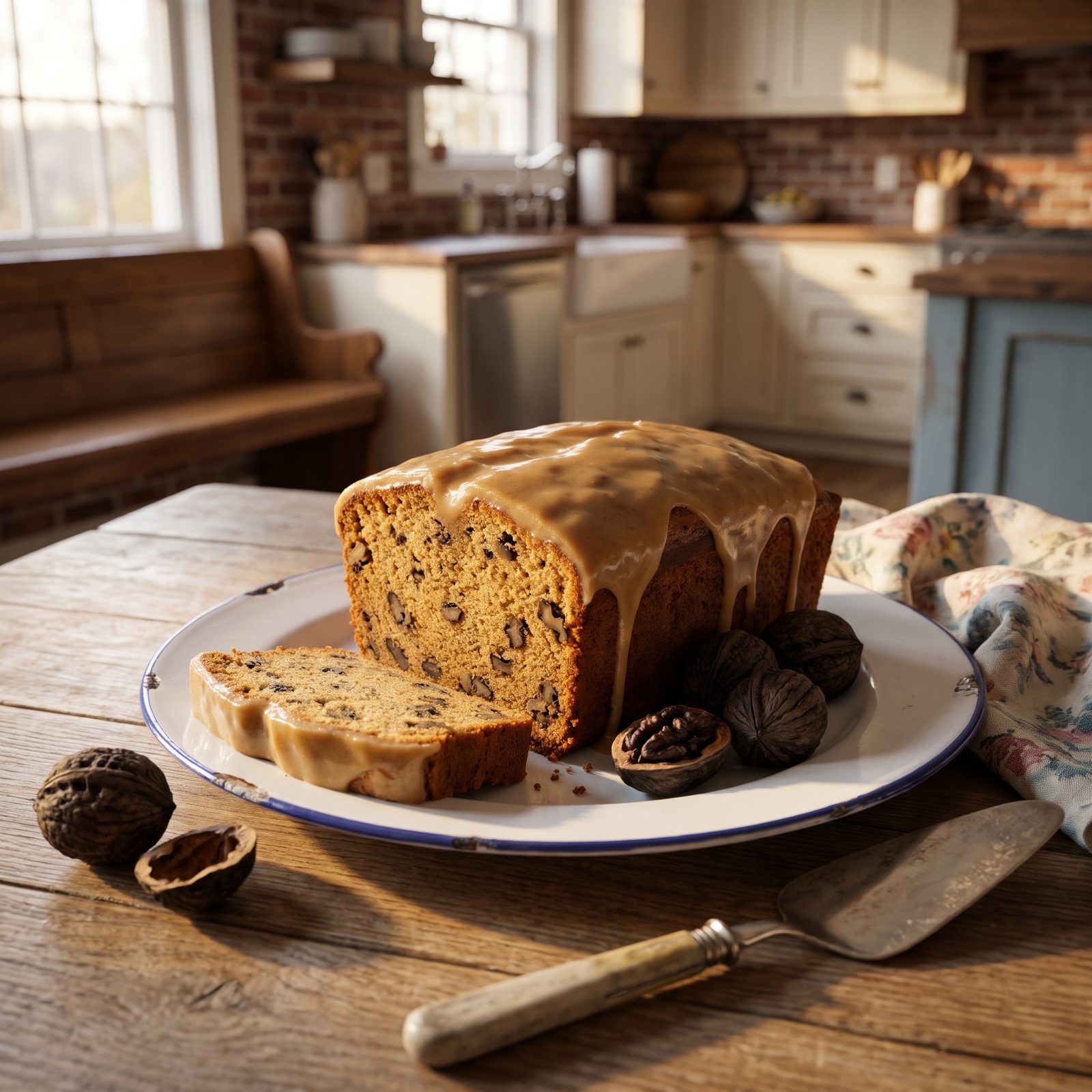
Black walnuts are not the mild, pale walnuts in the baking aisle. They grow wild across the North Carolina mountains, they drop in fall wrapped in green husks that stain your hands brown for days, and their shells are so hard that people have been known to crack them with hammers, rocks, or the tire of a parked truck. The flavor that comes out is bold, earthy and a little wild. You either love it or you don’t.
Folded into a dense, buttery pound cake, that flavor runs through every slice. Then comes penuche frosting, which is essentially brown sugar fudge poured warm over the top, where it stays glossy and soft and runs down the sides in long, caramel-colored drips. Brown sugar and black walnut together taste like autumn in the hills. This was the cake for homecomings and holiday tables, made with nuts somebody picked up off the ground and spent an evening cracking. That’s a lot of labor, and you can taste every minute of it.
4. Cheerwine Pound Cake From Salisbury, The Piedmont’s Soda-Pop Cake
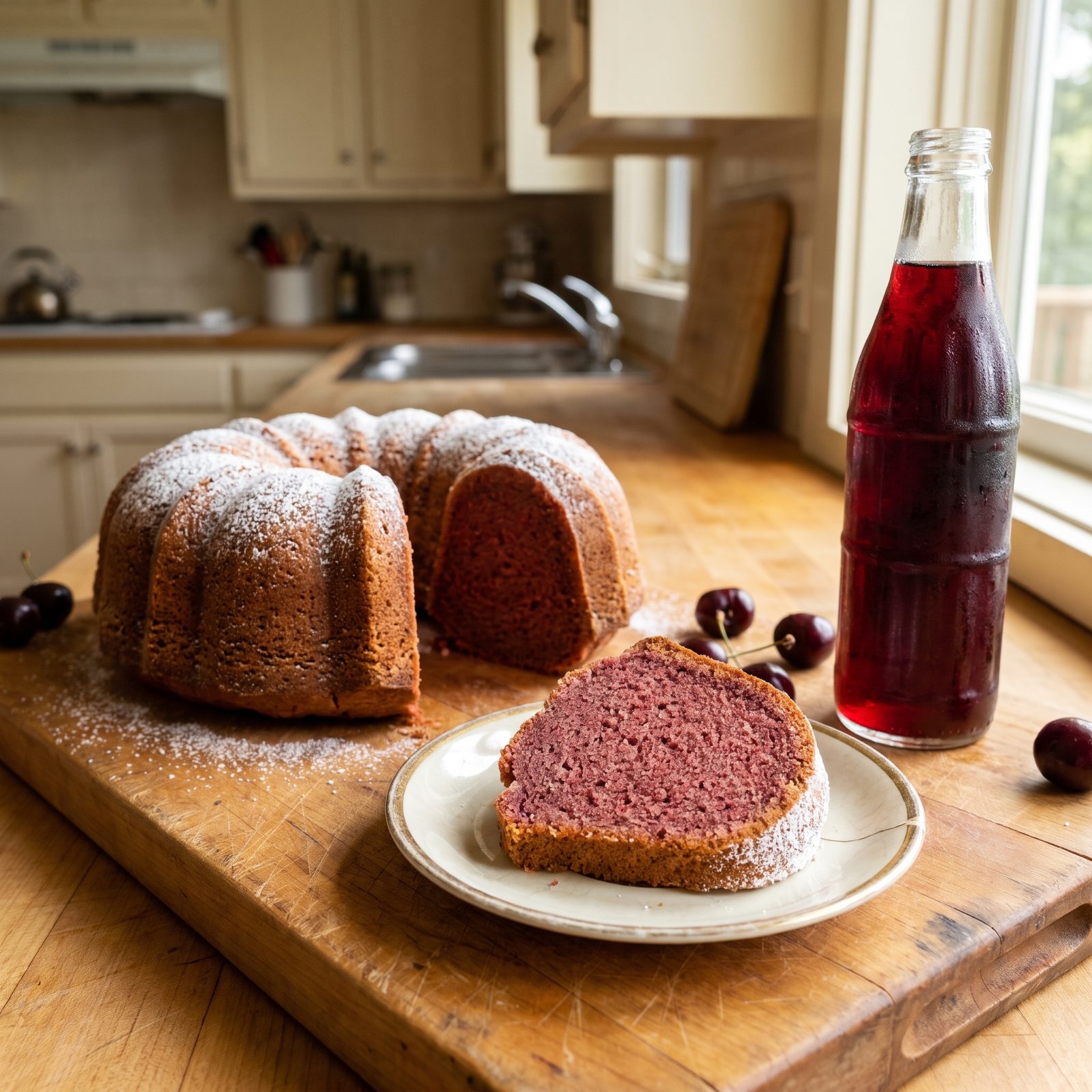
Cheerwine was born in Salisbury in 1917, a deep burgundy, wild cherry soda that has been the Piedmont’s pride ever since. Locals will tell you it isn’t a cherry Coke, isn’t a Dr Pepper, and isn’t something you can properly explain to anyone from out of state. You just hand them one.
Somewhere along the line, home bakers started pouring it into cake batter. Cheerwine pound cake uses the soda in the batter and usually again in a glaze, so the cake comes out with a soft cherry note, a faint pink tint and a sticky, sweet top. It’s the kind of recipe that lives on church cookbook pages and potluck tables, right alongside the old Coca-Cola cake it obviously takes after. Salisbury throws a whole festival for the soda these days. The cake deserves a seat at the front of that party.
3. The Angus Barn Chocolate Chess Pie, Raleigh’s Steakhouse Legend
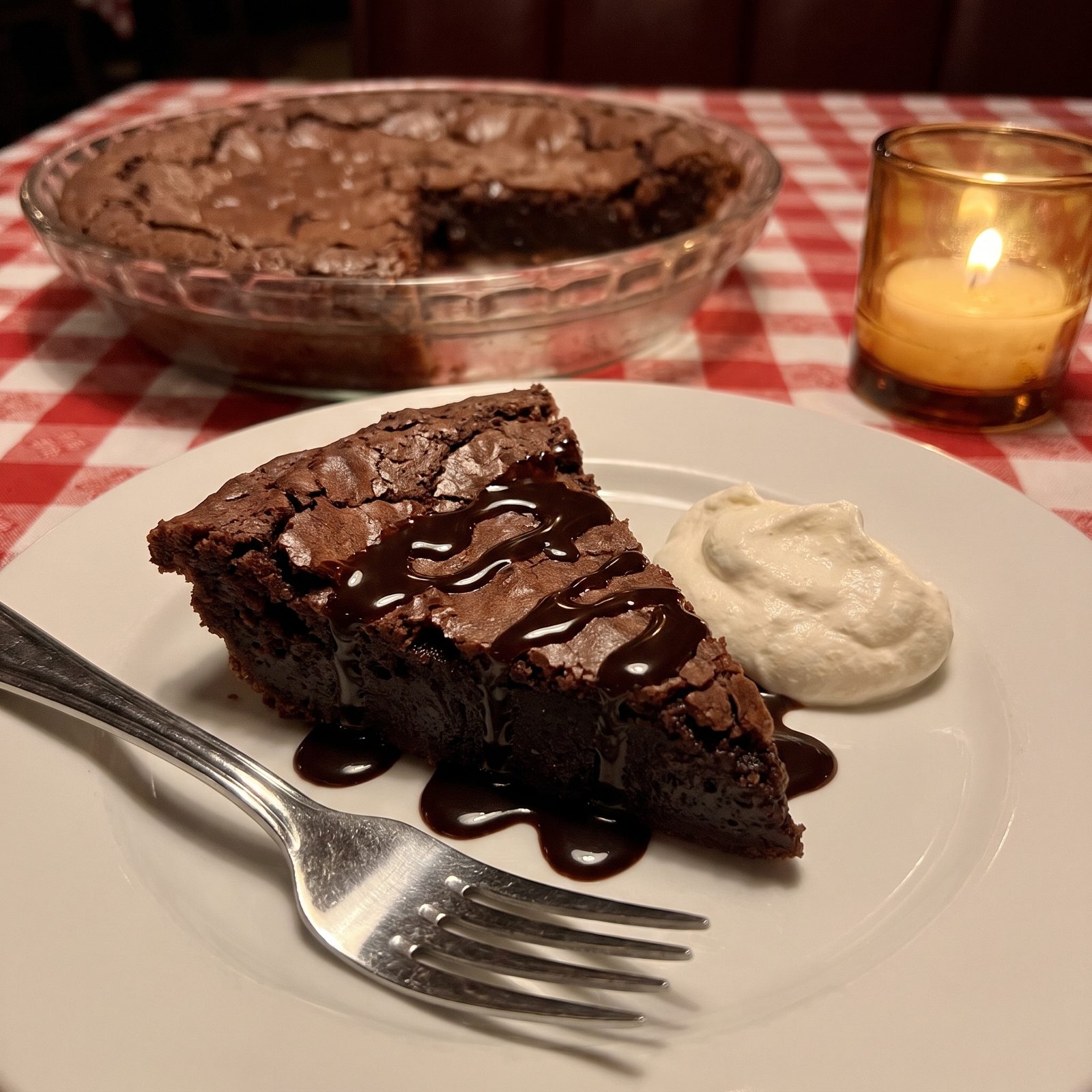
The Angus Barn opened in 1960 out on the edge of Raleigh, a big red barn of a steakhouse that became the place North Carolinians went for anniversaries, promotions and every other excuse to dress up. People talk about the steaks and the famous wine cellar. Then they talk about the chocolate chess pie.
Chess pie is old Southern simplicity: eggs, sugar, butter, a little cornmeal or flour, baked until the top crackles. Add chocolate and you get something between a brownie and a custard, fudgy in the middle with a thin, shiny crust on top. The Angus Barn’s version became so tied to the restaurant that plenty of folks plan the whole meal around saving room for it. It’s proof that an old church-supper pie can hold its own at the fanciest table in town. Bake one at home and you’ll understand why nobody skips it.
2. Blanchard’s Peanut Pie, Lumberton’s Lost Prom-Night Dessert
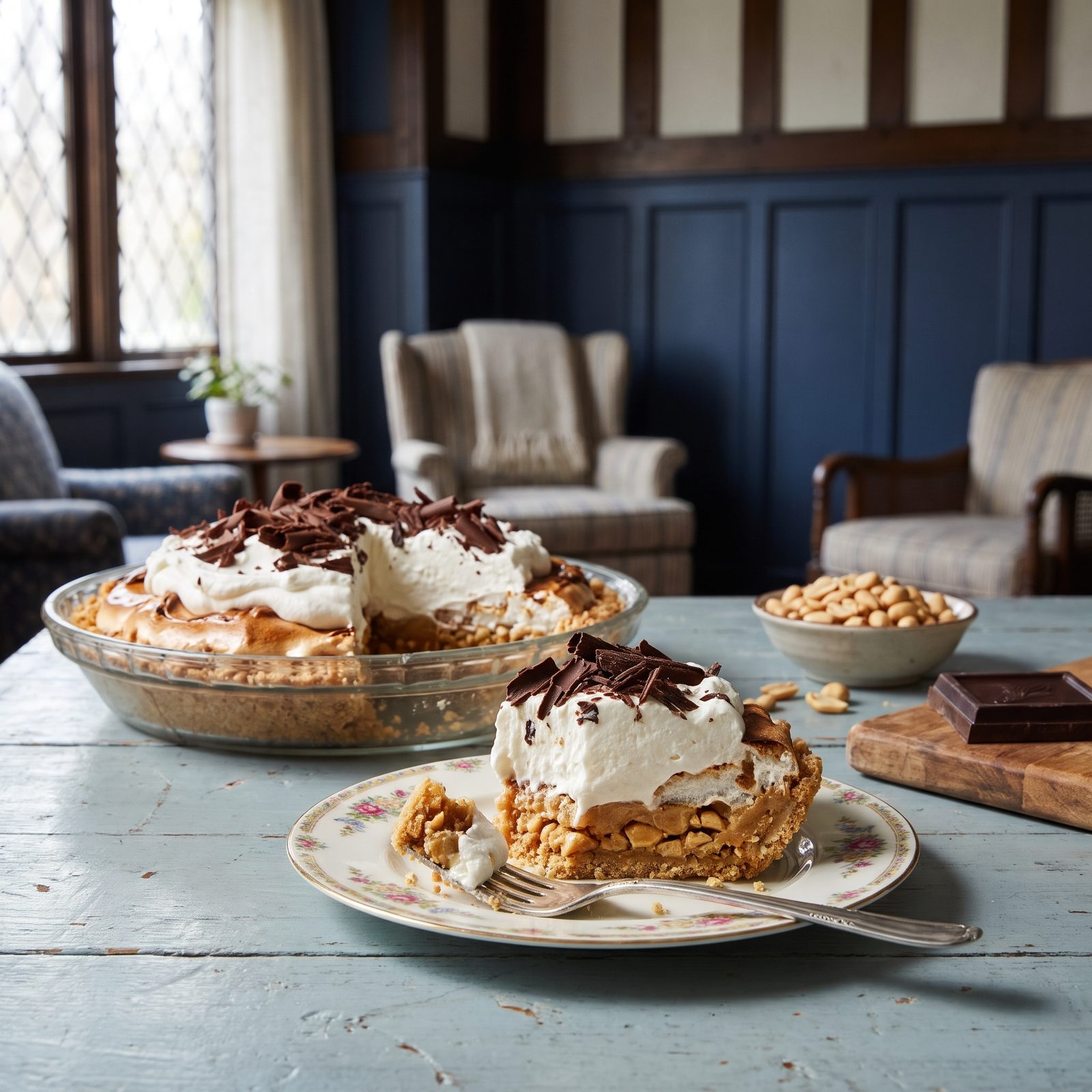
Peanut pie is pecan pie’s country cousin, and in southeastern North Carolina it makes perfect sense. Lumberton sits in Robeson County, in the heart of the state’s peanut-growing country, where the crop was always cheaper and closer to hand than pecans. Swap one nut for the other, fold peanut butter and chopped peanuts into a silky cream filling, pile on whipped cream and chocolate curls, and you’ve got a pie that tastes like roasted peanuts and chocolate all at once.
Blanchard’s is the name attached to Lumberton’s version, the kind of local spot people remember for dressed-up nights out, prom nights included. The pie lives on mostly in memory now, which is exactly why it belongs on this list. Here’s the thing, though: the recipe isn’t hard. Peanut butter, chopped roasted peanuts, sugar, cream, a graham cracker crust, whipped cream and a bar of dark chocolate for curls. Make it once and you’ll wonder why pecan ever got all the attention.
1. Sweet Potato Pie, The Fried-Chicken-Dinner Finisher
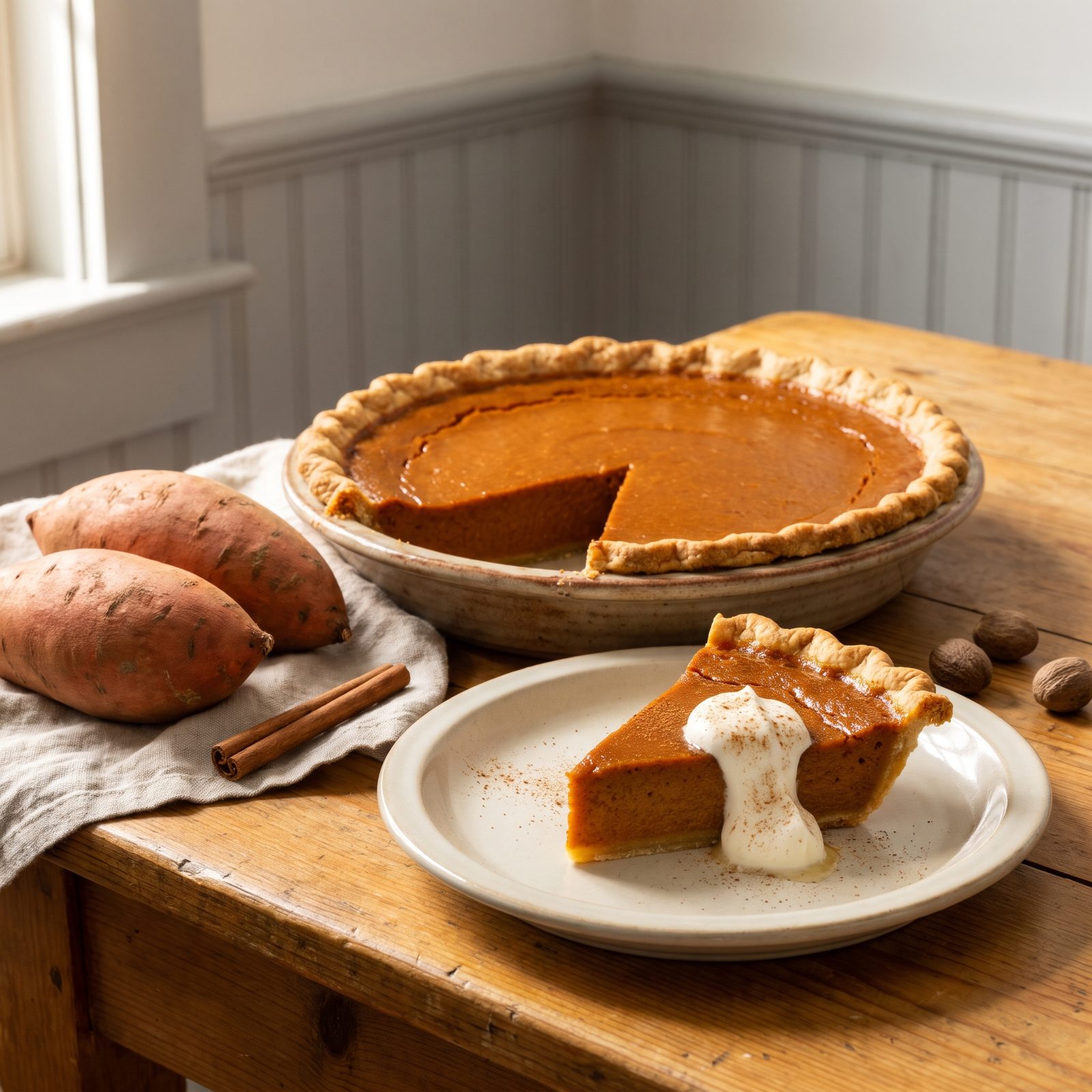
Fried chicken, collards, mac and cheese, and then sweet potato pie. That’s how a proper Sunday dinner or church homecoming wraps up in plenty of North Carolina homes. The pie is smoother and more deeply flavored than pumpkin, the filling roasted or boiled sweet potatoes mashed with butter, sugar, eggs, evaporated milk, and a warm hit of nutmeg and cinnamon.
The roots run deep in African American Southern cooking, where the pie was a staple long before it showed up on a restaurant menu. Every family guards its own version. Some go heavy on nutmeg, some add a splash of vanilla or lemon, some swear by a little bourbon. It never really left, but it gets crowded out by store-bought desserts too often. Bake it from scratch with North Carolina potatoes and it’s a different pie entirely.
Our readers have a soft spot for that kind of spread too: casual family-style table photos got hearts 82% of the time, versus 78% for other images in the same articles.