Would you like to save this?
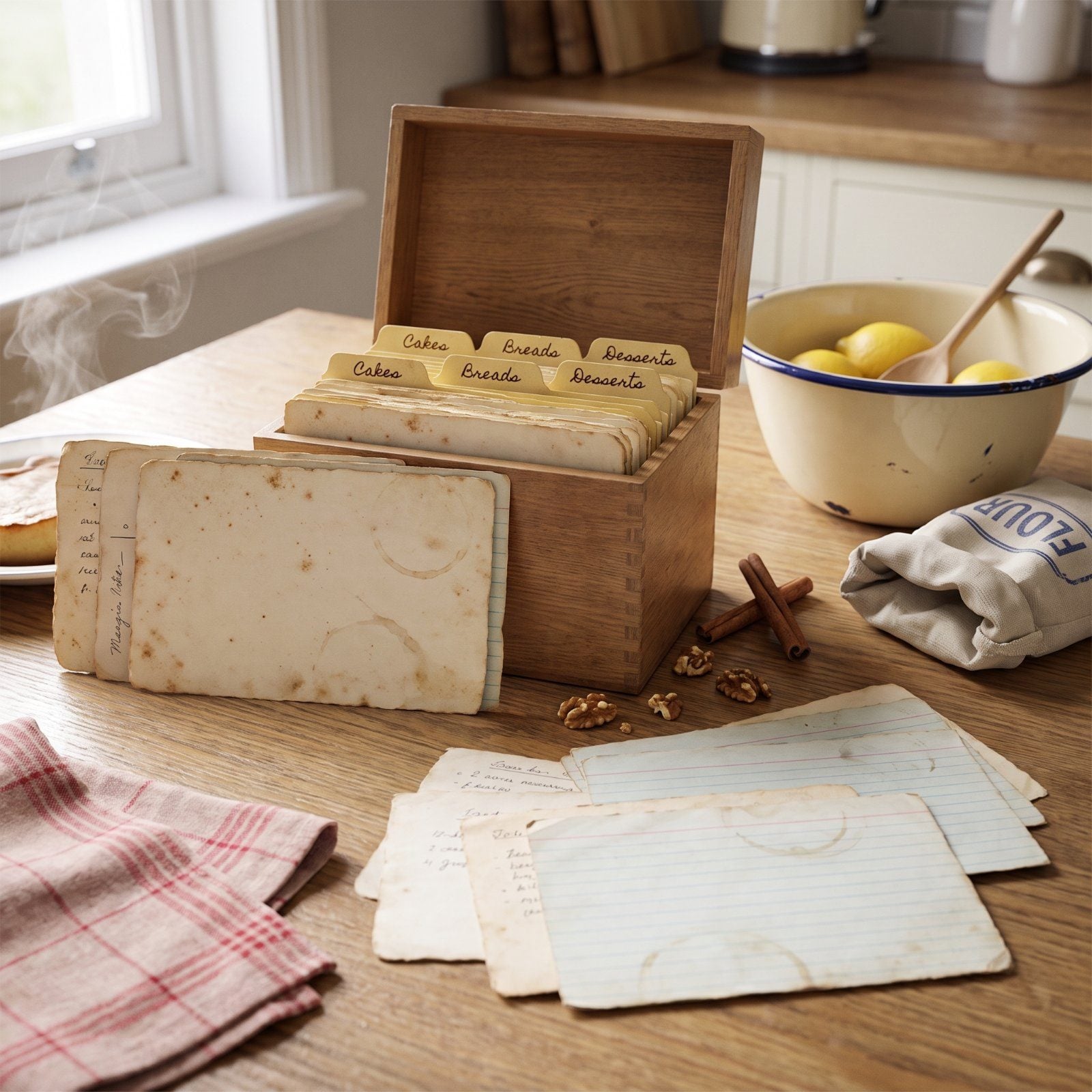
Open an inherited recipe box and the spatter marks tell you which cards got used. Grease rings on the corners, a pencil note in the margin reading “needs more cinnamon.” The ones below aren’t curiosities to gawk at. They earned their stains because they fed people cheaply, held up on a weeknight, and tasted good enough to ask for again. Depression-era thrift and mid-century ingenuity produced some genuinely clever cooking, and these cards survived the cull for a reason. They still cook beautifully.
Please note that some of the images in this article were created with the assistance of AI.
39. Tomato Soup Spice Cake
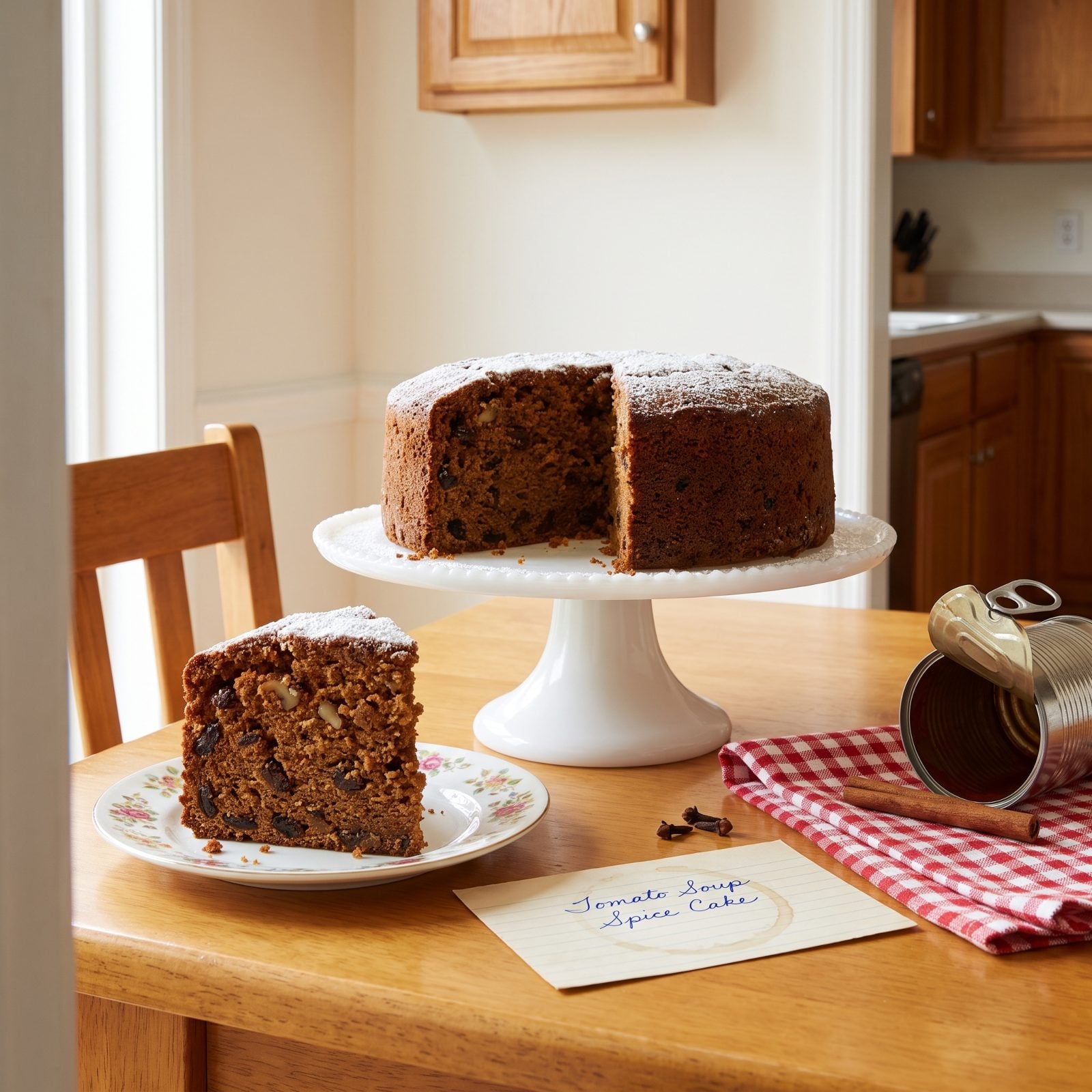
Nobody at the table will guess the secret ingredient, and that’s the whole trick. Condensed tomato soup does double duty here: the acidity activates the baking soda for lift while the moisture keeps the crumb tender for days. What you taste is cinnamon, clove, and nutmeg, deepened by a savory undertone you can’t quite name.
It hit its stride in the Depression, when a can of soup cost less than a carton of eggs and stretched a cake further. Frost it with cream cheese if you want. Plain, with a dusting of sugar, is how most cards wrote it down.
38. Cracker Mock Apple Pie
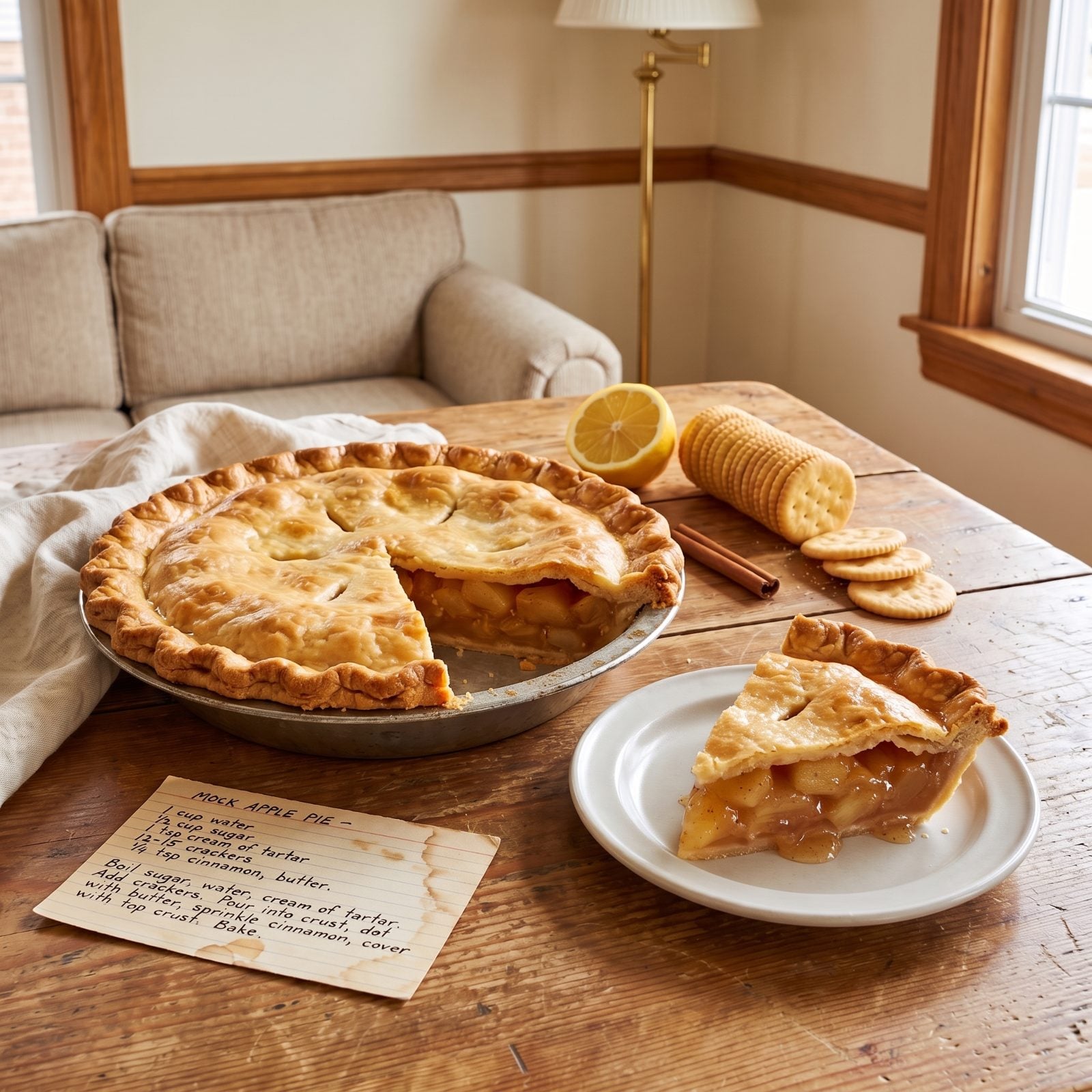
Cut into it blind and you’d swear there were apples in there. There aren’t. Buttery crackers broken into a hot sugar syrup soften into tender pieces, and the cream of tartar boiled into it fakes apple’s tartness so well that the illusion holds even for skeptics.
This one earned its keep when the orchard was far off or a winter pantry ran low on fruit. The surprise is the texture — the crackers hold just enough bite to read as fruit rather than mush. Serve it warm, with a scoop of vanilla on top to finish the con.
37. Potato Candy
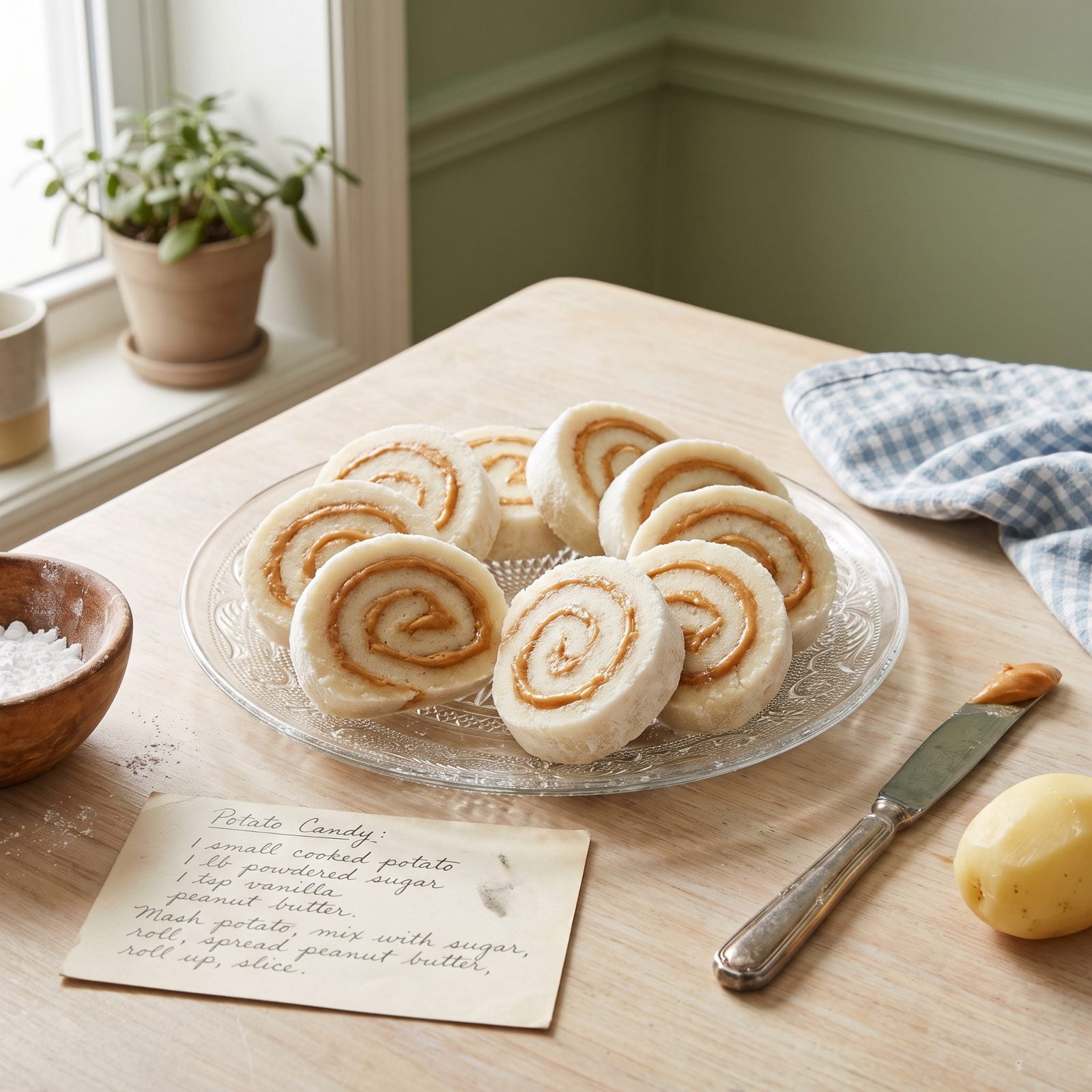
One small boiled potato. That runs the whole thing. Mashed smooth and cooled, it dissolves into a startling amount of powdered sugar, and the moisture binds a pliable white dough you roll flat, spread with peanut butter, and coil into a pinwheel.
The slices come out tender, sweet, and oddly sophisticated-looking for something built on a spud. Kids made this on rainy afternoons because the dough behaves like edible clay. Fair warning — it’s dangerously easy to eat the whole log before it sets.
36. City Chicken
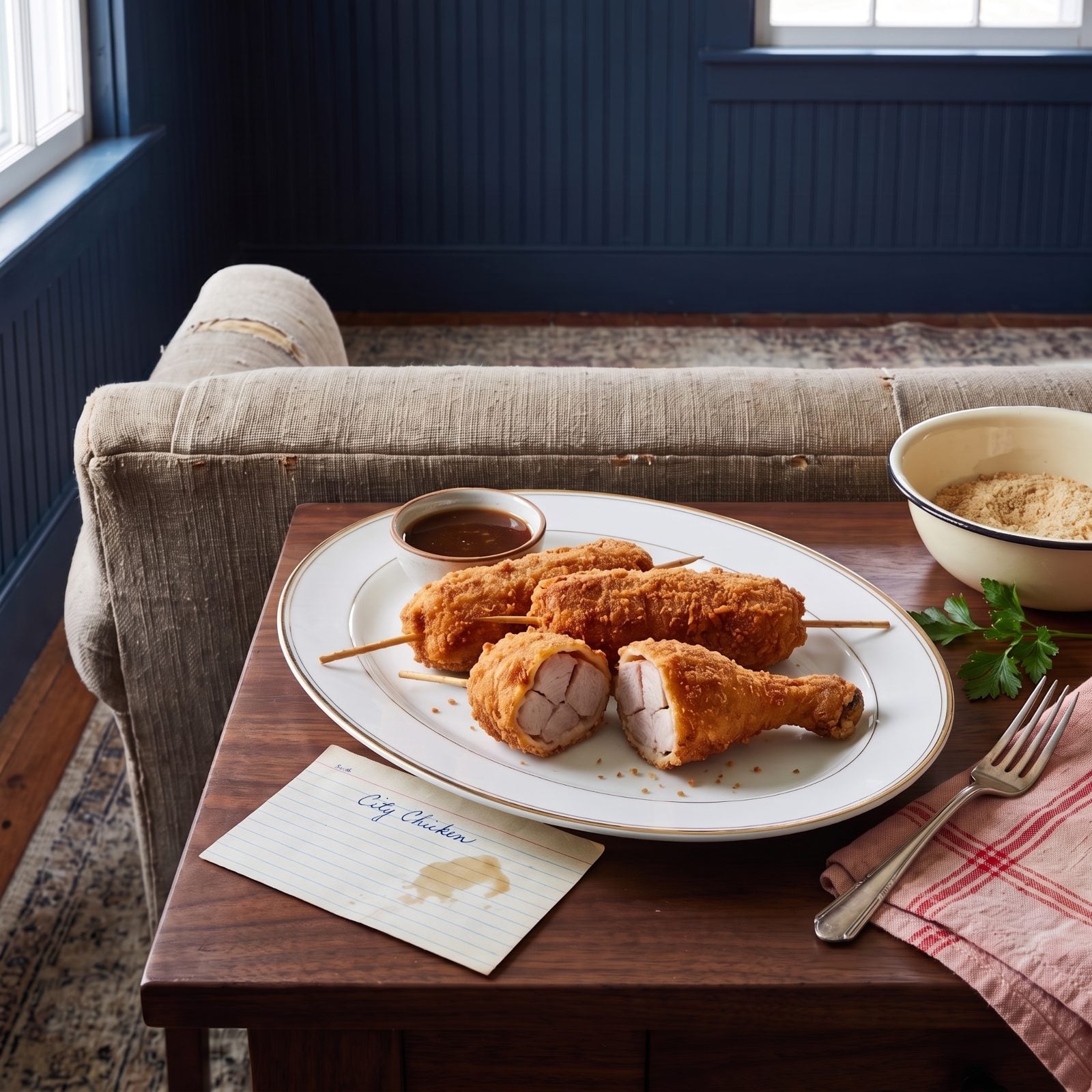
There is no chicken in city chicken, which confuses everyone exactly once. Cubes of pork and veal get threaded tightly onto wooden skewers, breaded, browned, then braised slow until fork-tender, shaped to echo a drumstick, knobby knuckle and all.
It was born in the industrial Midwest, where pork and veal cost less than poultry and a butcher would sell you the scraps for next to nothing. The payoff is real: crisp crust, juicy inside, a nostalgic Sunday-dinner heft.
35. Vinegar Pie
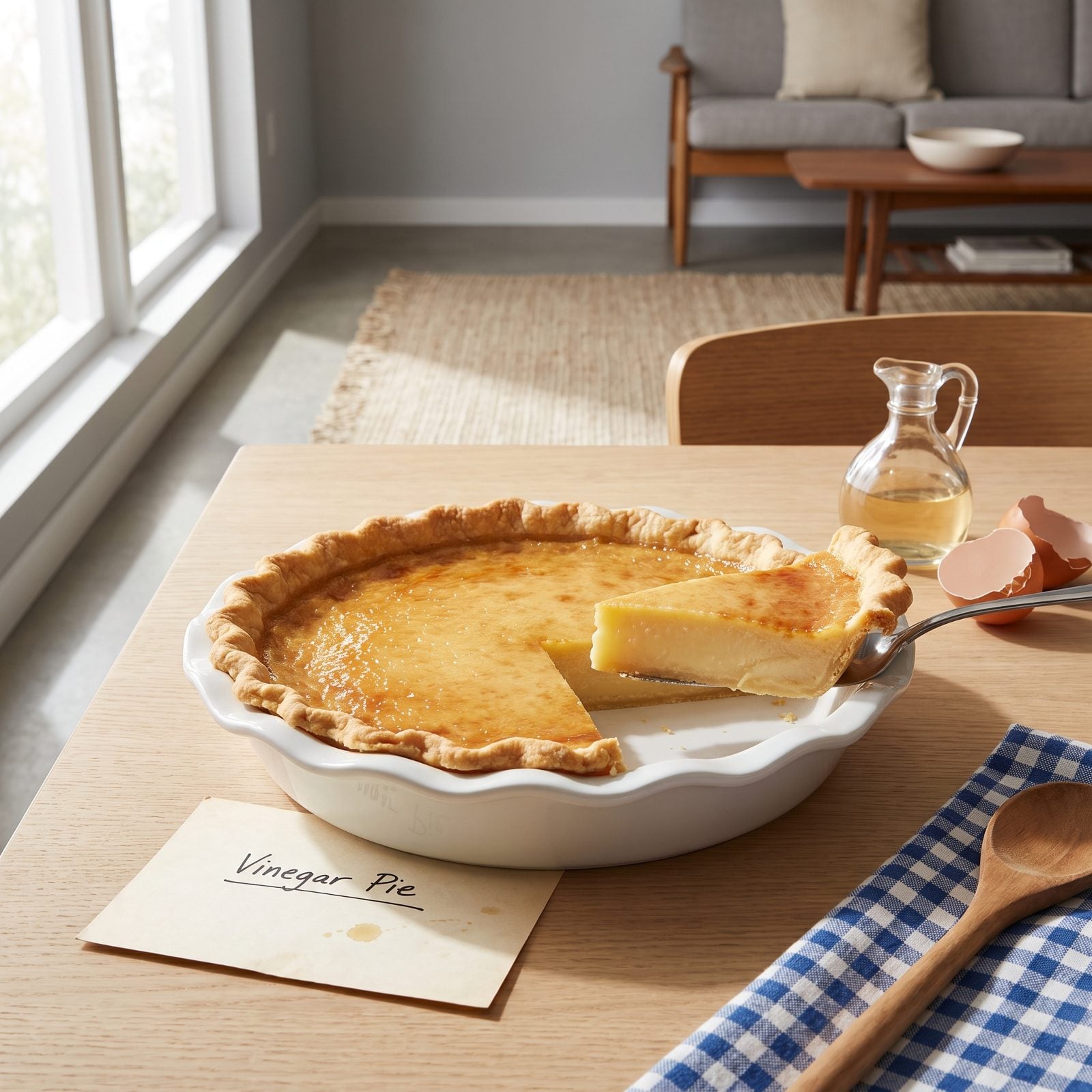
A splash of vinegar in a pie sounds like a mistake. It isn’t. The acid cuts the sugar the way lemon would, which mattered because for much of the year citrus simply wasn’t around. What you get is a silky custard with a bright, almost tart finish that keeps the sweetness in line.
Pioneer and Depression kitchens leaned on this one hard. Flour, sugar, eggs, butter, a little vinegar, done — and it bakes into something far more refined than that list suggests. Chill it and the flavor settles into something you’ll keep thinking about.
34. Coffee Gelatin
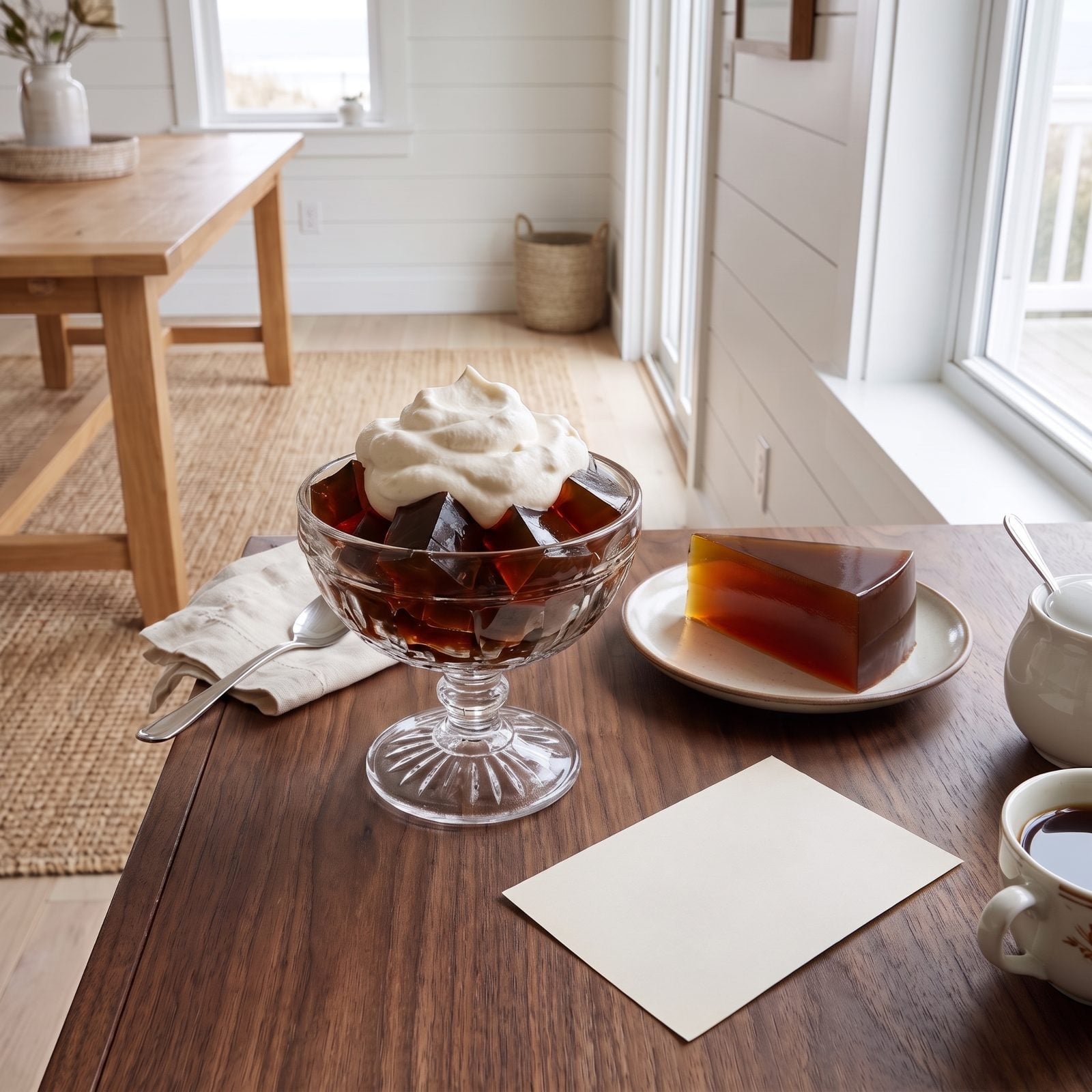
Strong brewed coffee, sweetened, set with gelatin, and cut into cubes under a drift of whipped cream. Cool, wobbly, grown-up, and nothing like the fluorescent gelatin molds of the same era.
New England kept this one alive longest, and honestly it deserves wider love. The bitterness of real coffee plays against the cold sweet cream so that the whole thing feels like dessert and after-dinner coffee folded into one dish. Make it a day ahead. It only improves.
33. Prune Whip
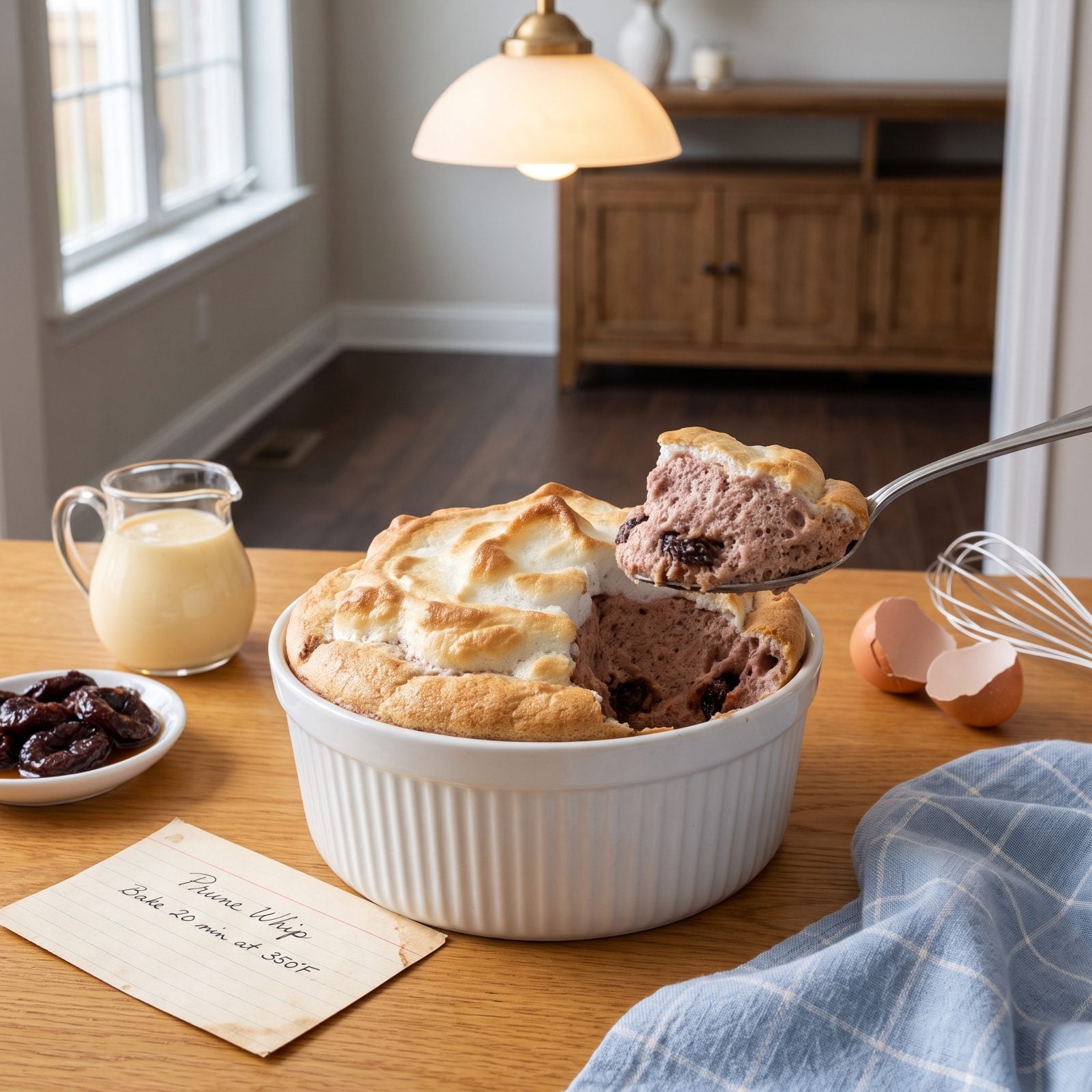
Stewed prunes have a reputation problem, and this recipe quietly solves it. Fold the pulp into stiff egg whites with a little sugar and lemon, then bake until it puffs into something light, warm, and almost meringue-like.
The fruit’s deep sweetness anchors all that air, and a thin pour of custard sauce over the top makes it a proper dessert. It was a favorite in hospital and boarding-house kitchens — cheap, soft, easy to digest. Don’t let that history fool you. It’s genuinely good.
32. Pineapple Cheese Casserole
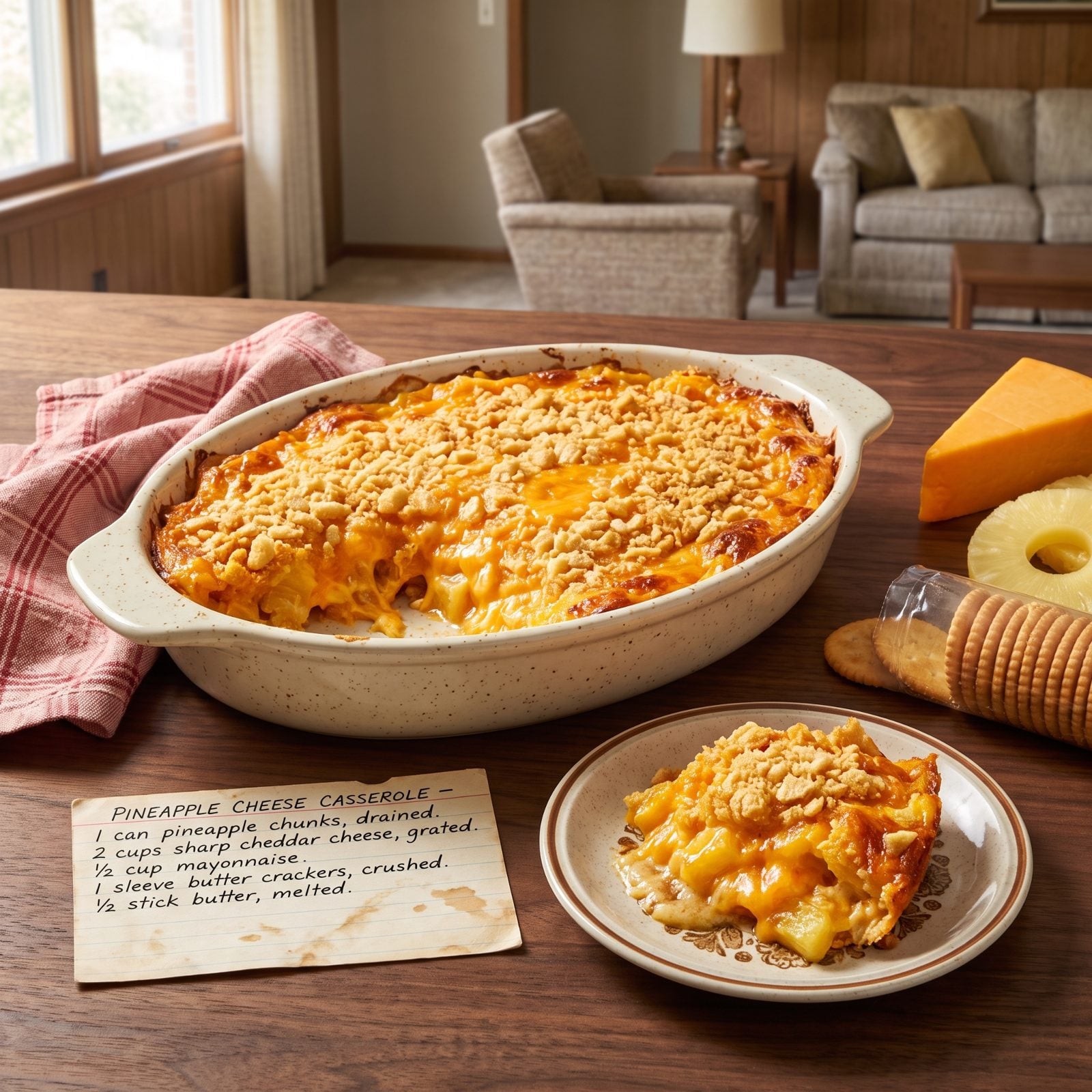
Sweet and sharp in the same forkful, and it absolutely works. Pineapple chunks and sharp cheddar bind in a creamy mayonnaise mixture, then bake under a lid of crushed butter crackers until the top turns deep gold and crisp.
Southern cooks served this as a side at holiday tables, where it sat somewhere between a vegetable and a dessert and got requested as both. The cheddar has to be sharp, not mild, or the pineapple runs away with it. Hot from the oven is non-negotiable. Reheated, it loses the crunch that makes it sing.
31. Snow Pudding
Would you like to save this?
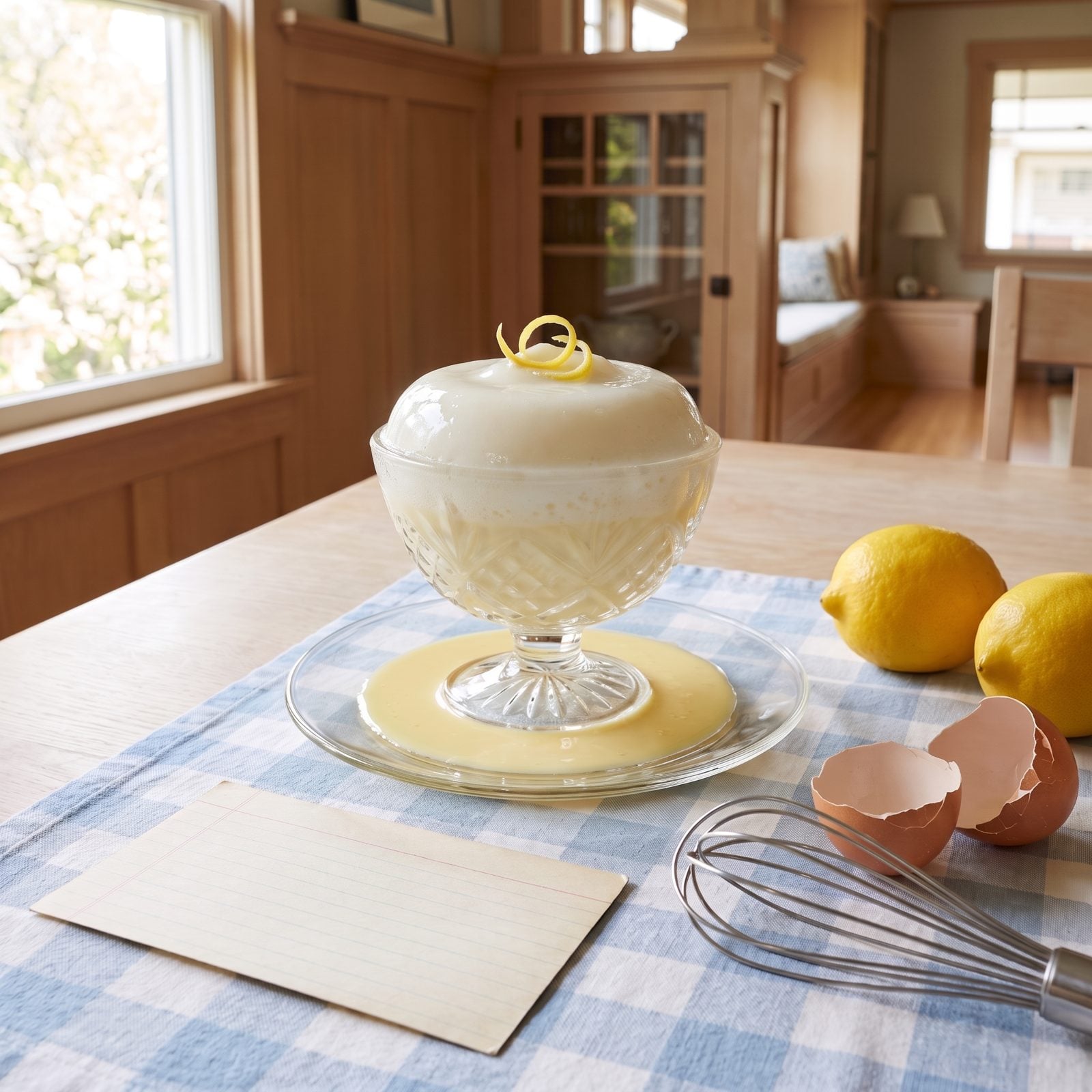
Whip gelatin with egg whites and lemon until it triples in volume and turns snow-white, then chill it into a dessert that trembles when you set the bowl down. A custard sauce is traditional — here it pools on the saucer around the foot of the glass — and yes, it’s worth the extra bowl.
The lemon keeps it from being cloying, and the texture is the point — it melts the second it hits your tongue. Victorian cooks prized it as a light finish after a heavy meal, and it still does that job better than almost anything.
30. Porcupine Meatballs
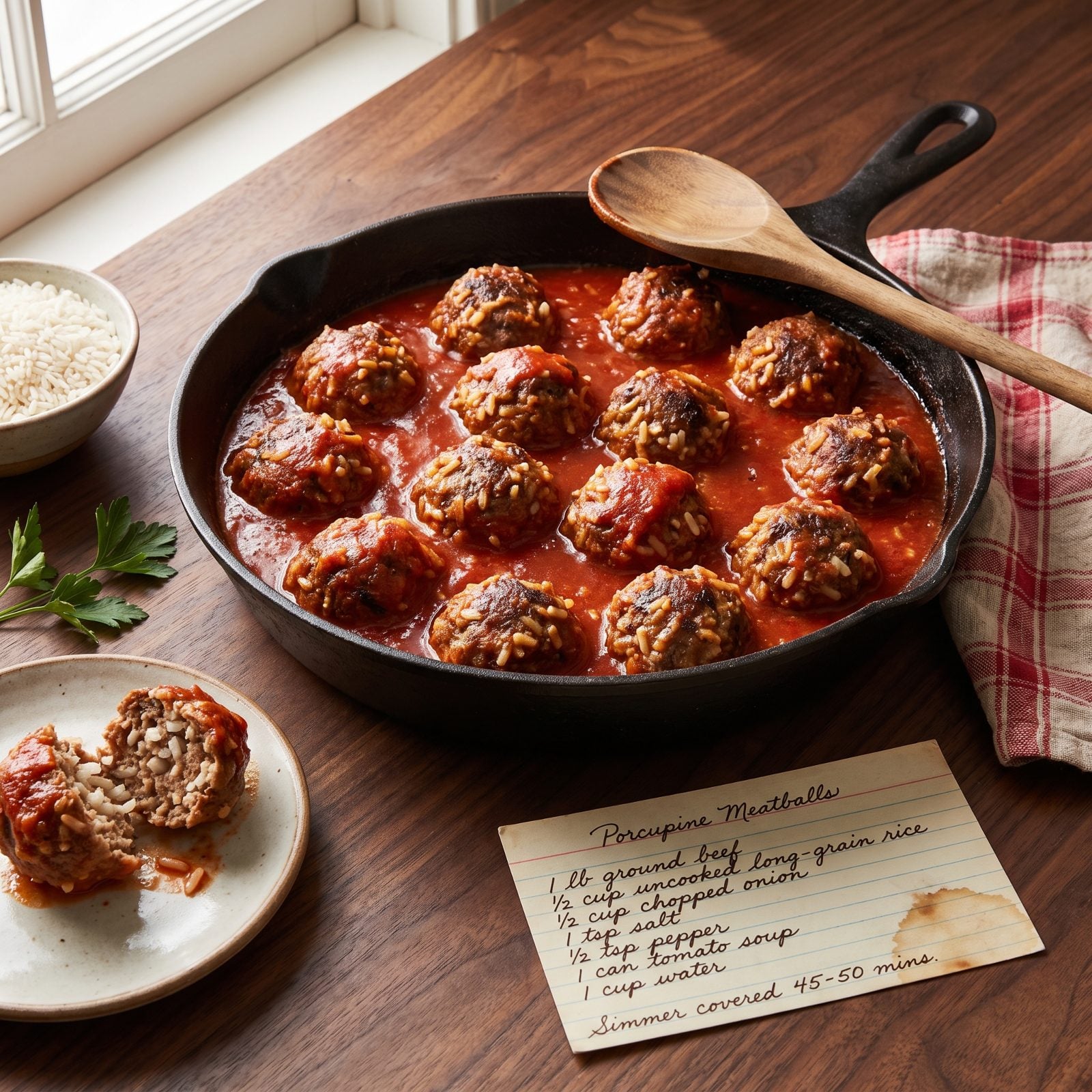
The name does the describing. Raw rice mixed into the meat pokes out as the meatballs cook, standing up like little quills, and the whole batch simmers right in the tomato sauce instead of browning separately.
That’s the clever part. The rice absorbs the sauce and cooks inside the meatball, which stretches a pound of beef across a crowded table and means one pan instead of three. It’s the kind of weeknight dinner that got written down because a tired cook needed it to be easy and good at the same time. It still is both.
29. Wacky Cake: The Chocolate Cake You Mix Right in the Pan
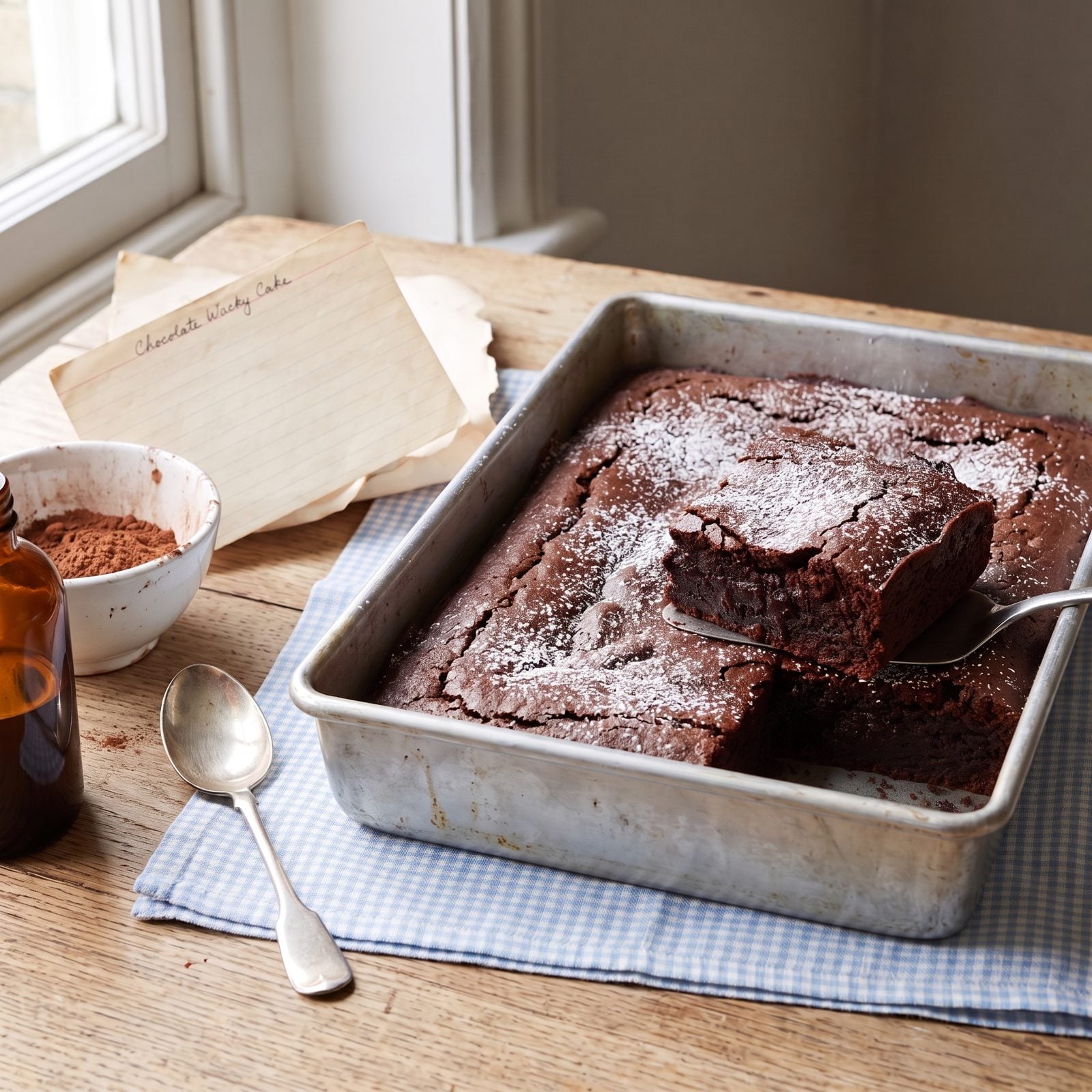
No eggs, no butter, no bowl to wash. Wacky cake came out of the Depression, when the pantry was thin and bakers figured out that vinegar and baking soda could do the leavening work all by themselves. You dump the dry stuff straight into the pan, poke a few little wells, pour in the wet ingredients, vinegar included, and stir. The whole recipe fits on a single handwritten index card. Nothing to cream, nothing to fold.
And somehow it works. The crumb comes out dark and damp, almost fudgy, the kind of cake that tastes better on day two if it ever survives that long. Kids loved making it because the vinegar-and-soda fizz was basically a kitchen science experiment you got to eat. A dusting of powdered sugar and you were done — no frosting required, though plenty of grandmothers added it anyway.
28. Lemon Sponge Pudding That Splits Itself Into Two Desserts
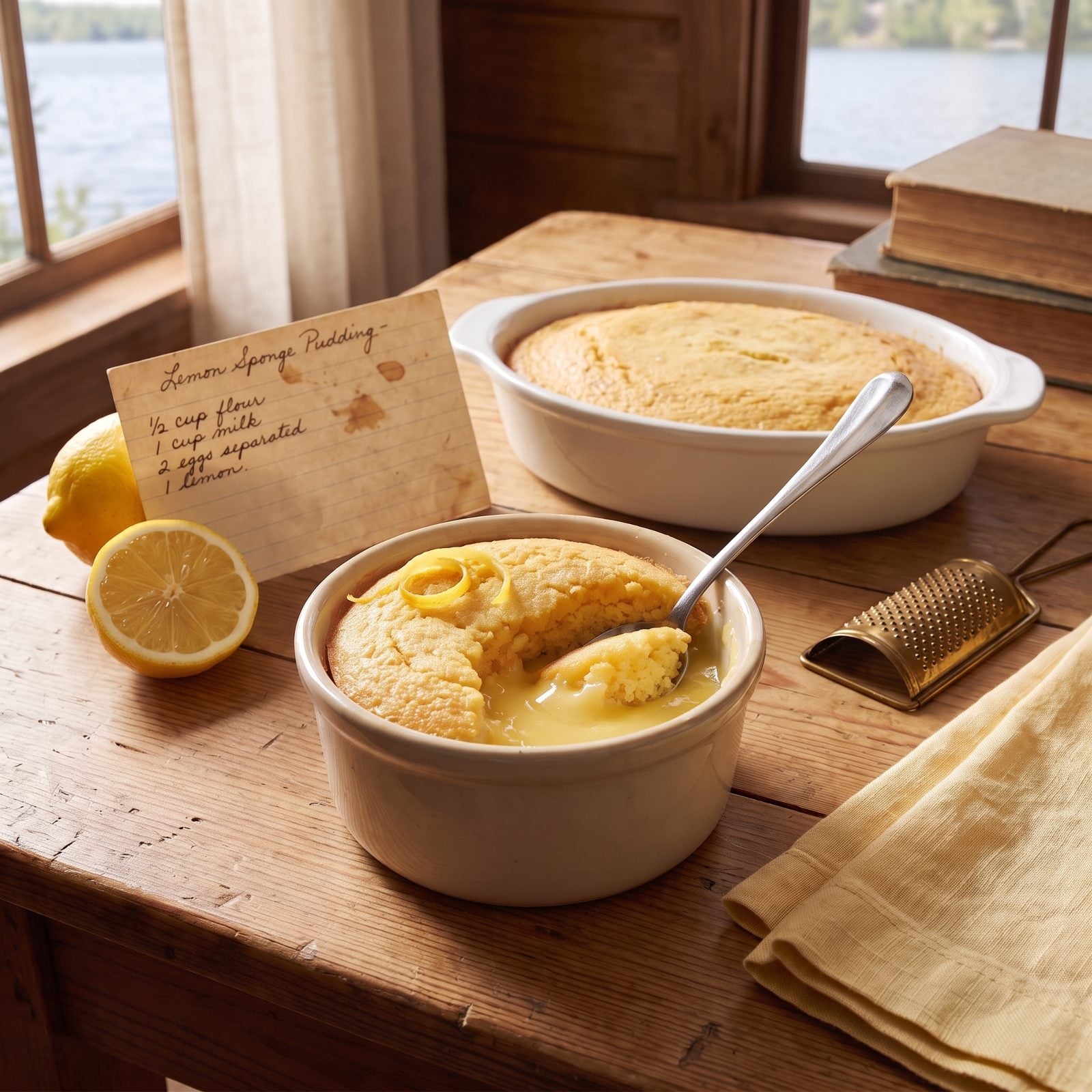
Here’s the trick that made grandmothers look like wizards. You mix one batter, slide it into the oven, and it separates on its own into two completely different textures. The top sets into a light, airy sponge. Underneath, a pool of glossy lemon custard forms where the heaviest part sank during baking. One dish, two desserts, no sleight of hand required.
The science is simple enough — the thin batter can’t hold itself together as it bakes, so the dense custard drops to the bottom while the egg whites puff up top. The flavor is bracingly tart, bright as a sunlit kitchen window. Served warm in little ramekins or scooped from a big baking dish, it felt fancy without actually being any trouble. That contradiction was the appeal.
27. Spoon Bread: The Cornmeal Bake You Scoop Instead of Slice
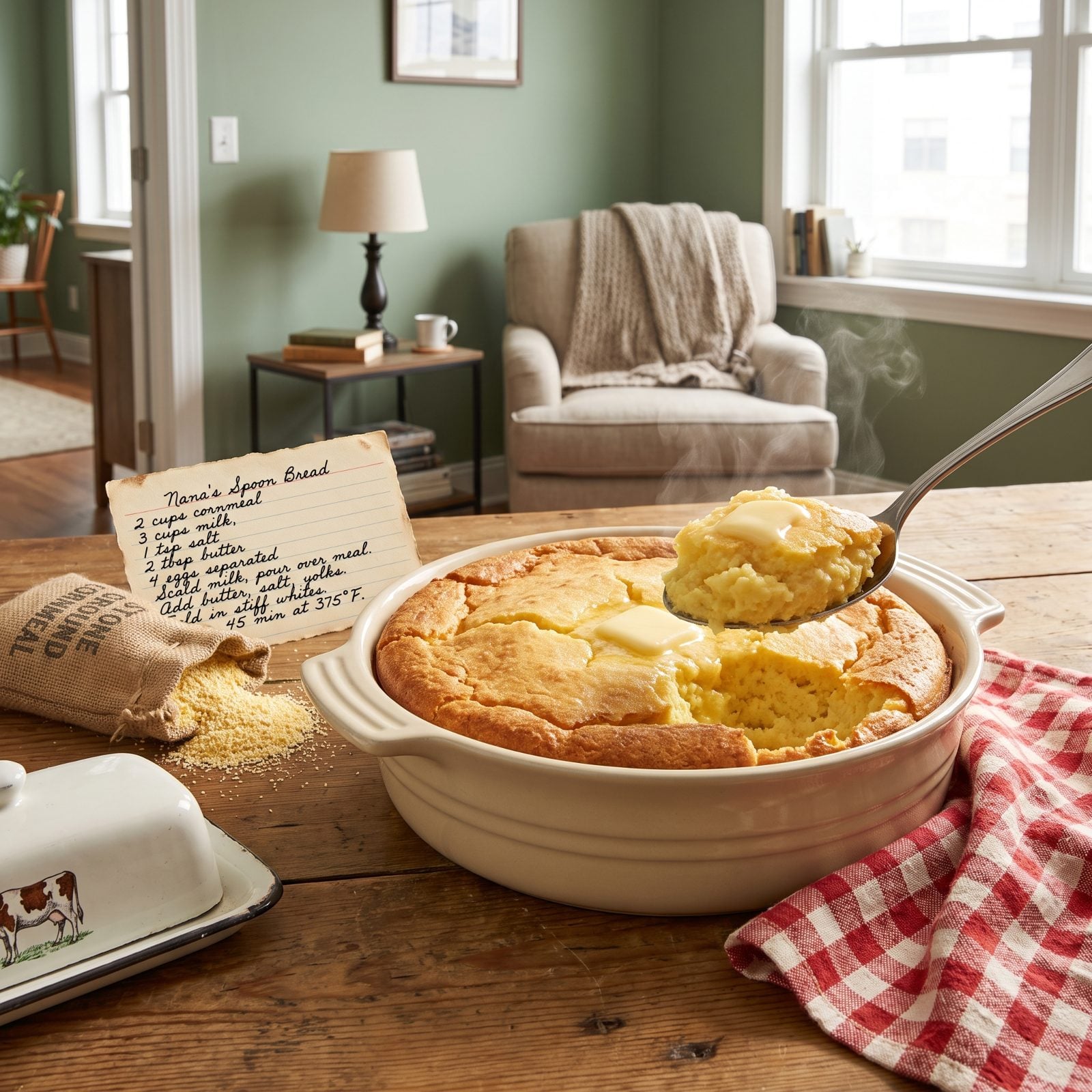
Call it cornbread’s softer cousin. Spoon bread never firms up enough to slice, and that’s the whole idea — it lands somewhere between a soufflé and a bowl of grits, custardy in the middle with a puffed golden crust on top. You don’t cut it, you scoop it, straight from the dish onto the plate while it’s still steaming.
Southern tables kept this one going for generations. A pat of butter melting into the hollow your spoon leaves behind, maybe a drizzle of honey if you were feeling indulgent. It showed up alongside fried chicken and ham, soaking up gravy like it was born for the job. The texture throws people who expect dense cornbread — this is loose, almost pourable at the center. Once you’ve had it hot from the oven, the sliceable stuff feels a little boring by comparison.
26. Glazed Ham Loaf Under a Brown Sugar and Mustard Crust
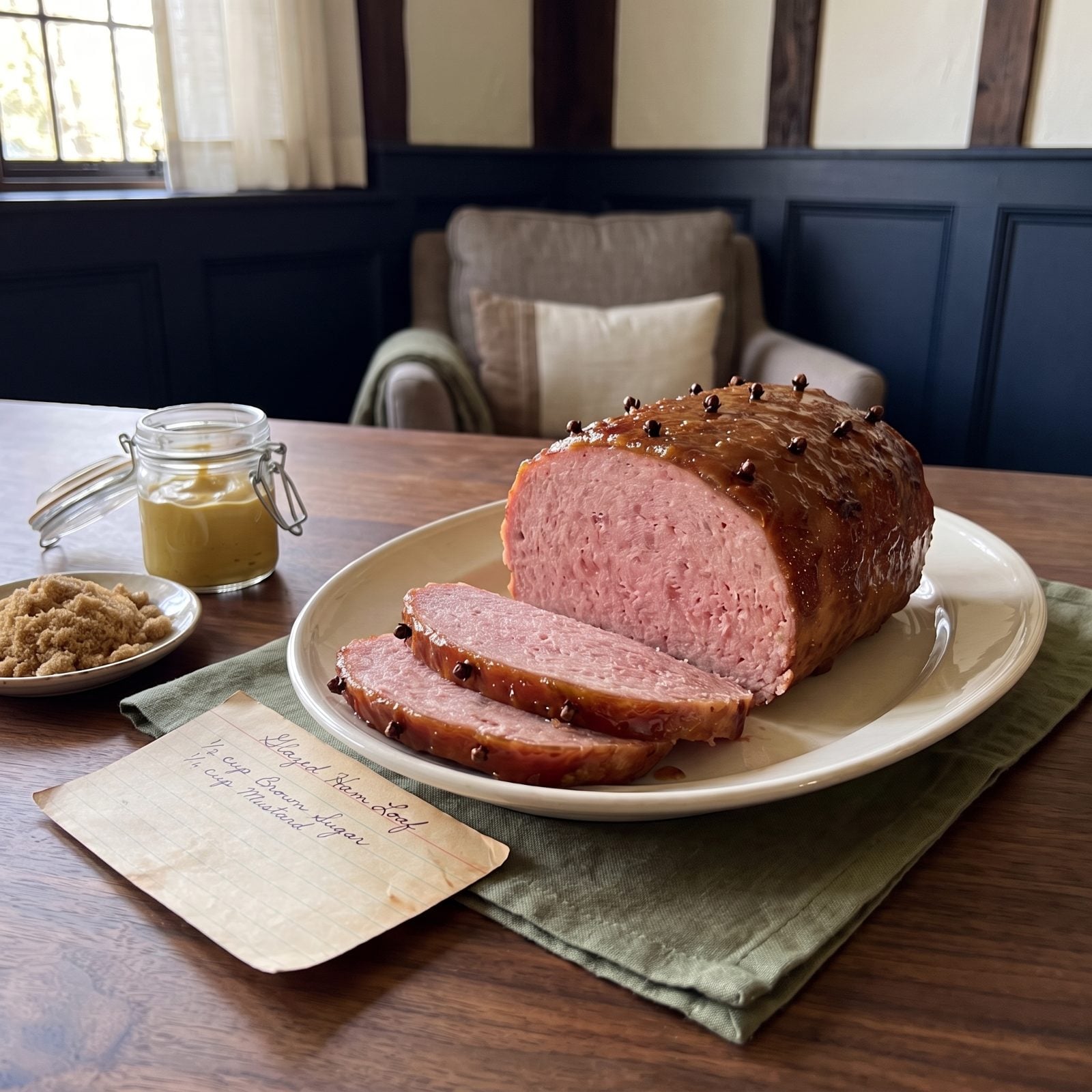
A baked ham loaf showed up when there was company coming. The cook mixed ground ham and pork, packed it into a loaf, then baked the whole thing under a lacquer of brown sugar and mustard that turned sweet and sticky in the oven. The leftovers from Sunday dinner found a second life in sandwiches all week, which is exactly how thrifty cooks liked it.
What set it apart was that glaze. Brown sugar caramelized against the tang of yellow mustard, with whole cloves pressed into the top for good measure. Sliced and fanned on an ironstone platter, it had a rosy pink interior that looked almost festive. Butchers used to sell ham loaf mix already ground together, which tells you how many families kept this in regular rotation. Try finding that at the meat counter now.
25. Scalloped Oysters: The Holiday Casserole Nobody Makes Anymore
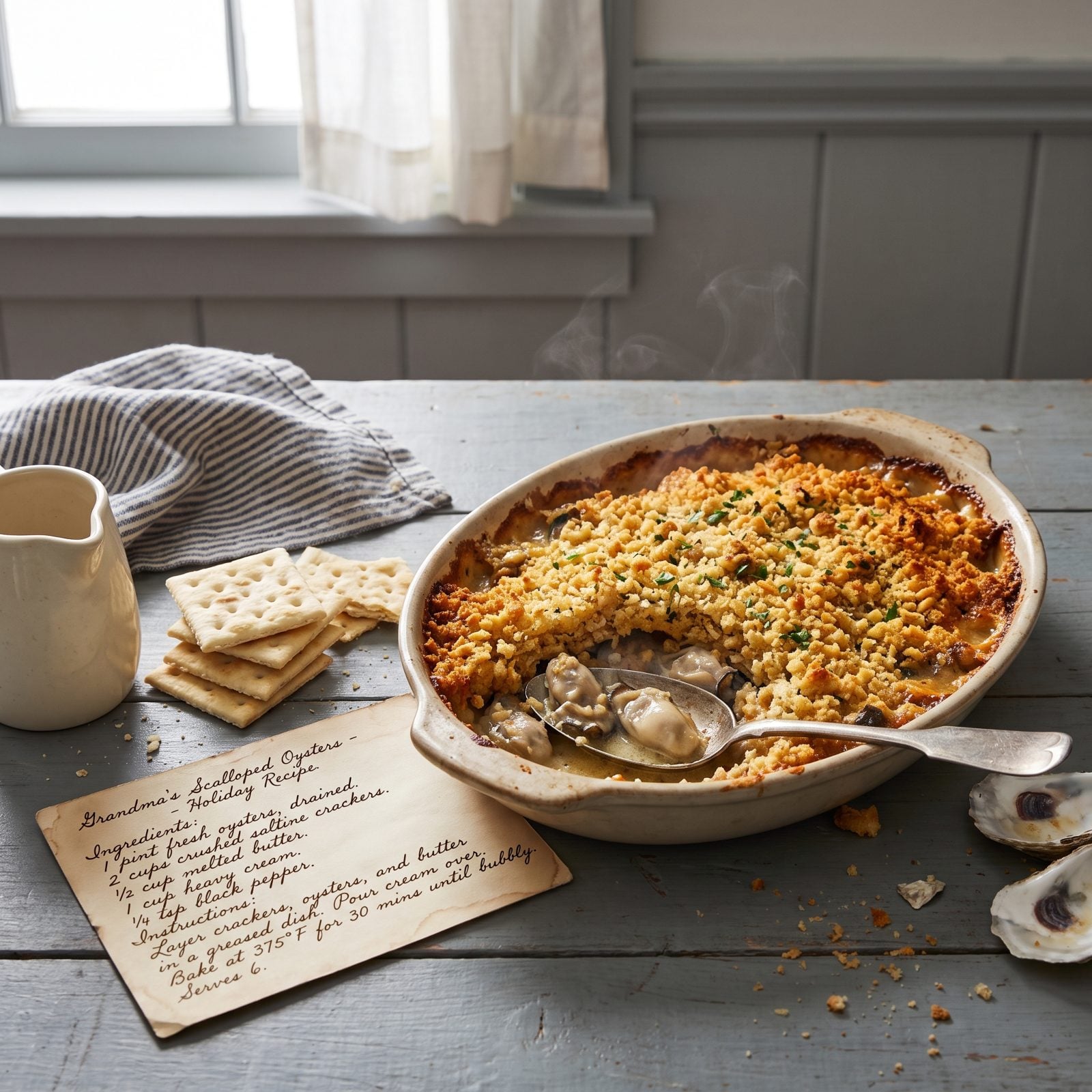
This was the dish that meant it was a holiday. Scalloped oysters landed on Thanksgiving and Christmas tables for decades, layered in a shallow dish with crushed crackers and cream, then baked until the top went golden and the oysters turned plump underneath. Grandma guarded her ratio of crumbs to cream to oysters like a state secret.
Somewhere along the way it mostly vanished. Oysters got pricier, tastes shifted, and a lot of families let the recipe quietly lapse. A shame, really, because done right it’s rich and briny and nothing else on the table comes close. The crackers soak up the cream and oyster liquor into something halfway between a stuffing and a custard. If you’ve got an aunt who still makes it, guard her phone number.
24. Copper Pennies: The Make-Ahead Marinated Carrot Salad
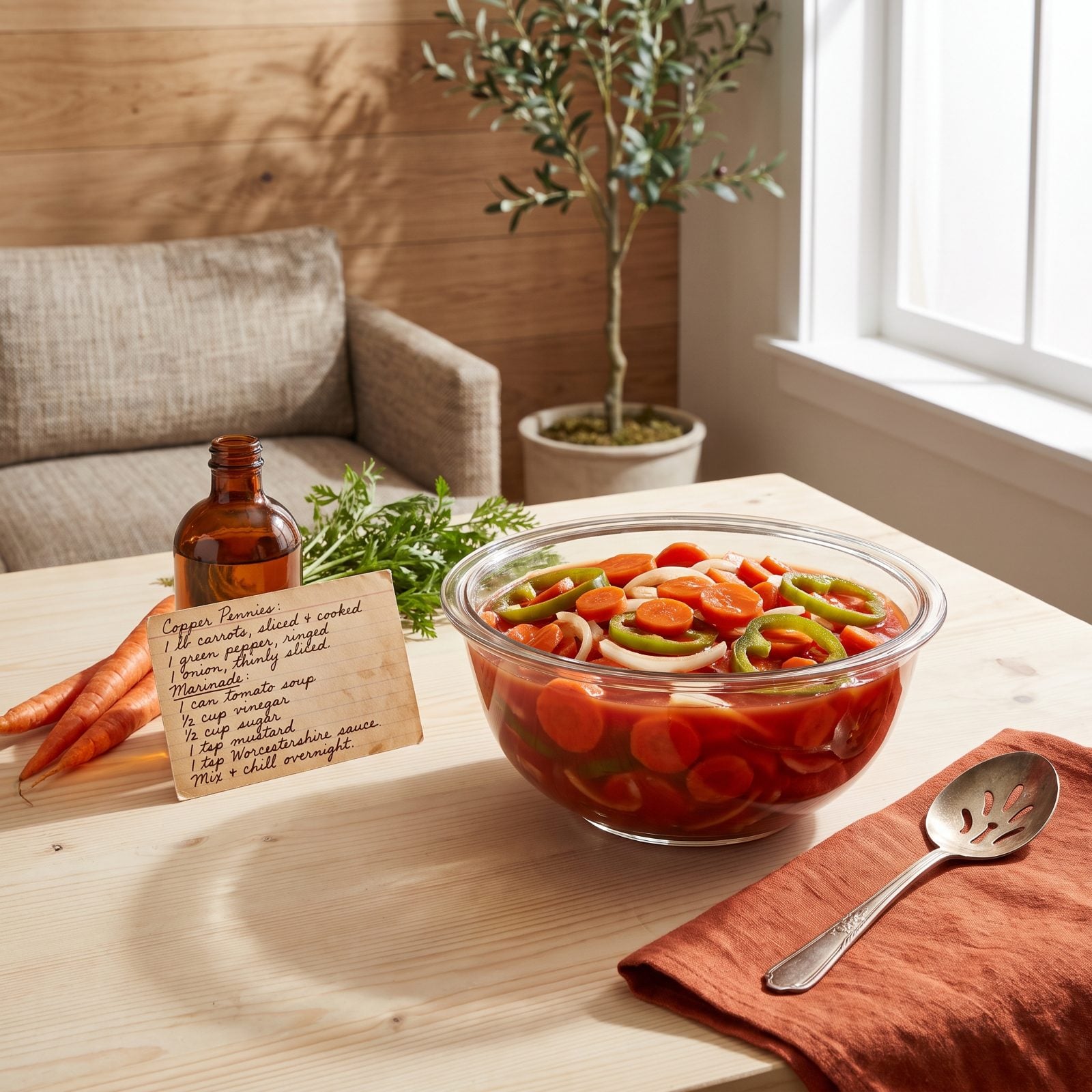
The name came from how they looked — orange carrot coins stacked up like a jar of pennies. Someone sliced carrots into rounds, simmered them just soft, and drowned them in a sweet-and-sour bath of tomato soup, vinegar, sugar and oil, with green pepper and onion thrown in for crunch. Then it sat in the fridge overnight, getting better the whole time.
That make-ahead quality made it a potluck staple. You could build it two days early and it only improved, the carrots drinking up the tangy marinade until every bite had punch. Church suppers, summer picnics, the covered-dish circuit — copper pennies showed up everywhere, usually in the same cut-glass bowl someone’s mother had gotten as a wedding present. Condensed tomato soup in a salad dressing sounds strange until you taste it. Then it just makes sense.
23. Molasses-Baked Lima Beans With a Slow, Savory Depth
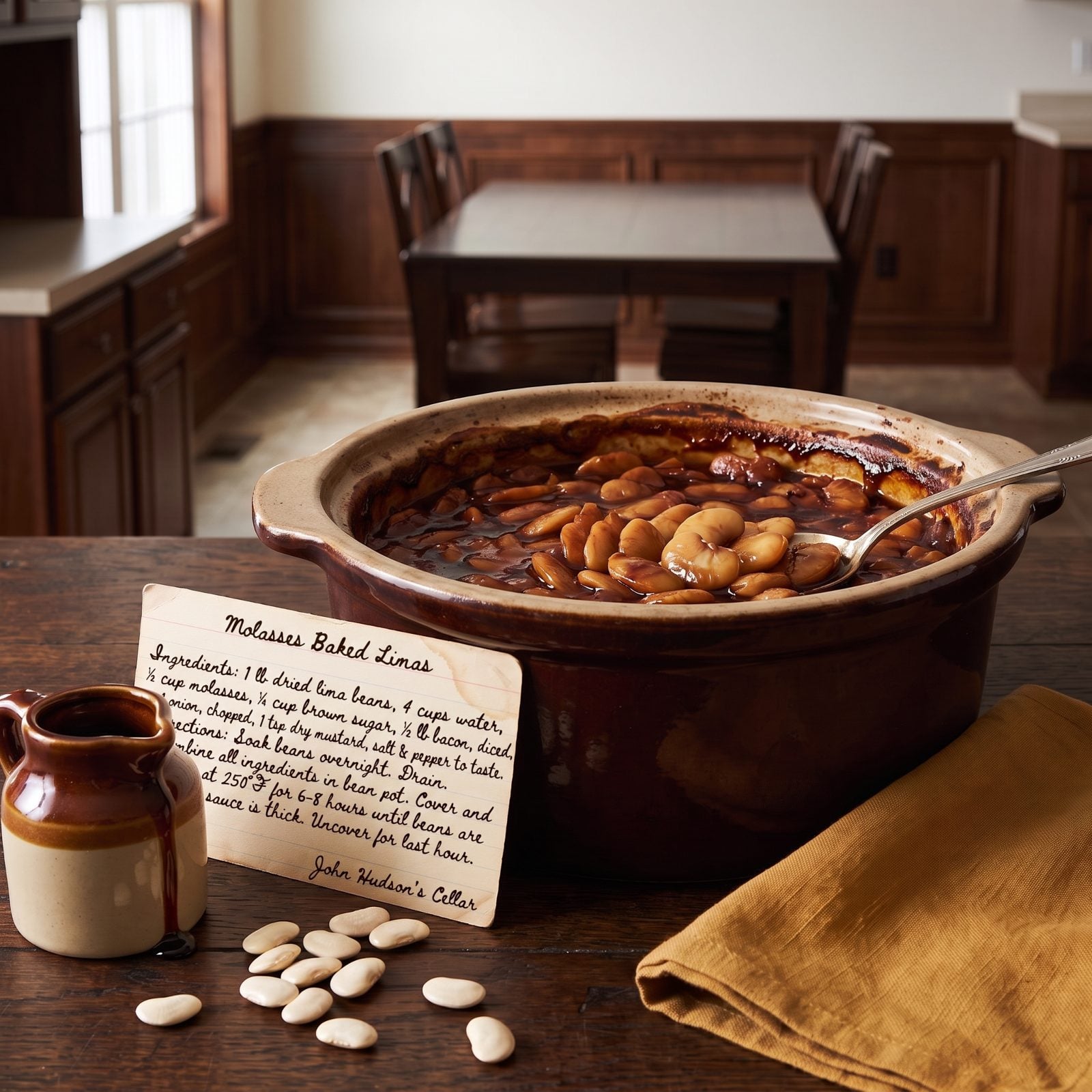
Everybody knows baked beans. Fewer people remember when lima beans got the same long, slow treatment. Big butter beans baked for hours in dark molasses, the sauce cooking down to a glossy mahogany while the top crusted up at the edges. It took most of an afternoon and hardly any attention, which was the beauty of it.
The molasses did the heavy lifting, lending a deep, smoky-sweet backbone that plain beans never had. Some cooks tucked in salt pork or a ham hock; others kept it meatless for the church crowd. Either way it came out of the oven in a heavy stoneware pot that had probably been doing this exact job since before anyone at the table was born. Served hot in winter, it stuck to your ribs in the best possible way.
22. Creamed Chipped Beef on Toast, the Old Standby Breakfast
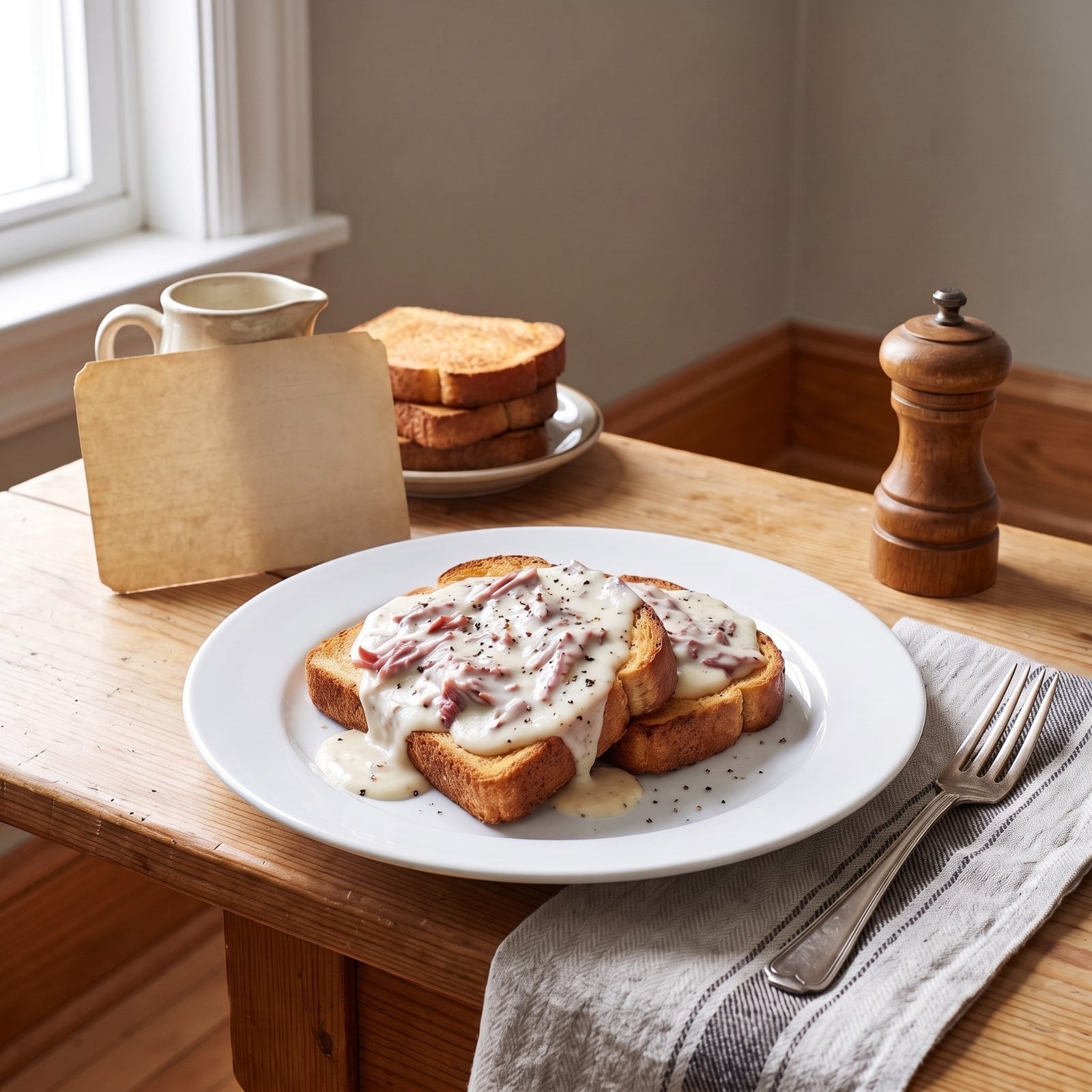
Let’s not pretend it was glamorous. Creamed chipped beef was thin slices of salty dried beef, torn up and stirred into a peppery white sauce, then poured over toast. Cheap, filling, fast. Army mess halls served so much of it that soldiers gave it a nickname I can’t print on a family website, and the name stuck for the rest of their lives.
But here’s the thing — plenty of those same soldiers came home and kept eating it, because it reminded them of something. A dad would make it on a Saturday morning, cracking black pepper over the top, and the kids either loved it or stared at it in horror. The good version depends entirely on the sauce: too thick and it’s paste, too thin and it runs off the toast. Get it right and it’s genuinely comforting, strange as that sounds for creamed dried beef.
21. Deviled Ham Spread With Mustard, Relish and a Warm Kick
Would you like to save this?
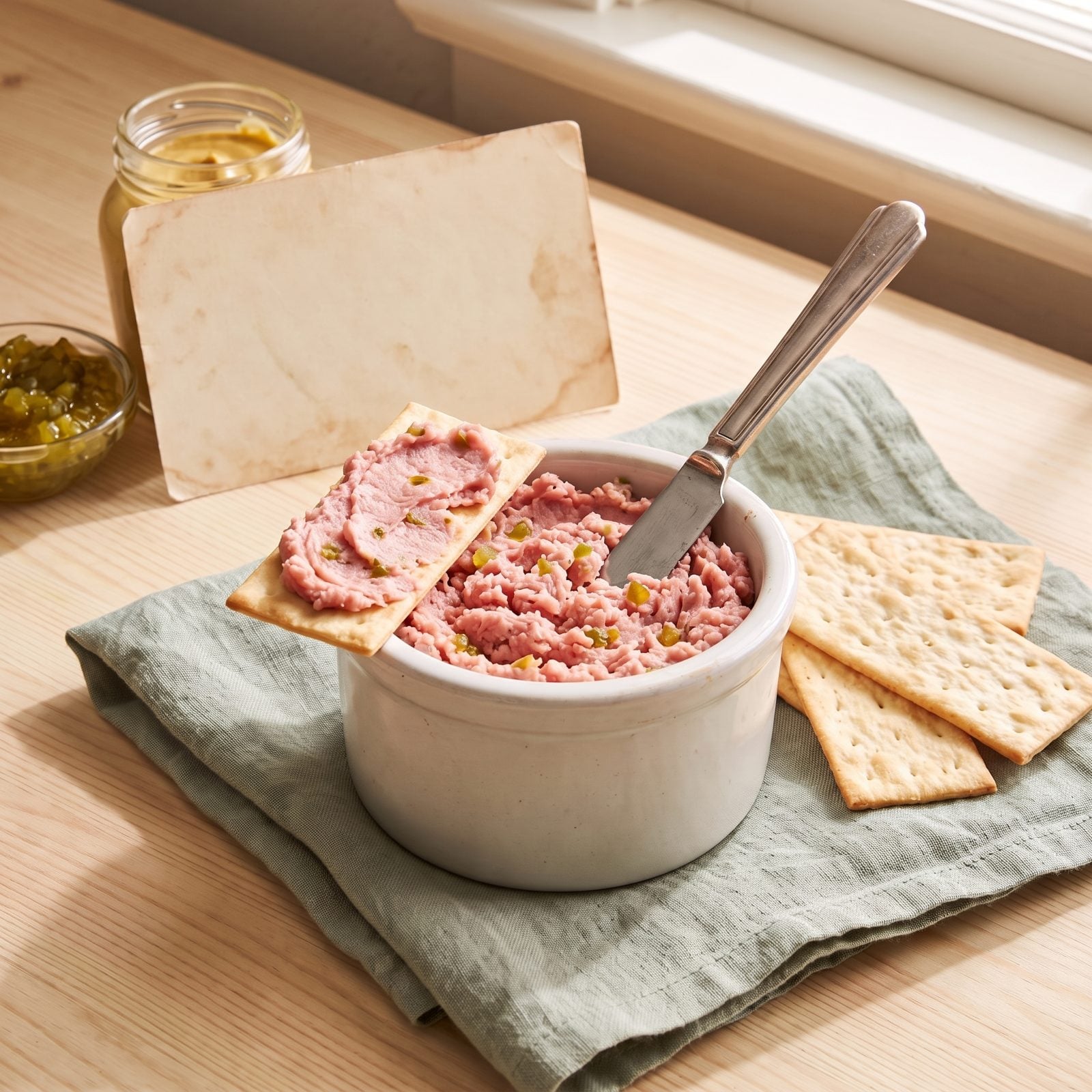
Before deli counters and fancy charcuterie, there was a little crock of deviled ham on the table and a sleeve of crackers beside it. Cooks ground up leftover ham fine, then spiked it with mustard, sweet pickle relish, and then a second spoonful of mustard for that warm kick the name promised. You spread it thick on a saltine and that was lunch, or a snack, or whatever the afternoon called for.
You could buy it in those tiny tins wrapped in white paper, but the homemade version was better and everybody knew it. The relish gave it a bright, sweet contrast against the salty ham, and that extra mustard snuck up on you a beat later. It turned up in lunchboxes as sandwich filling and on card tables at every gathering. Humble stuff, but the kind of humble people actually missed once it faded out.
20. Classic Clam Dip That Actually Tastes Like the Sea
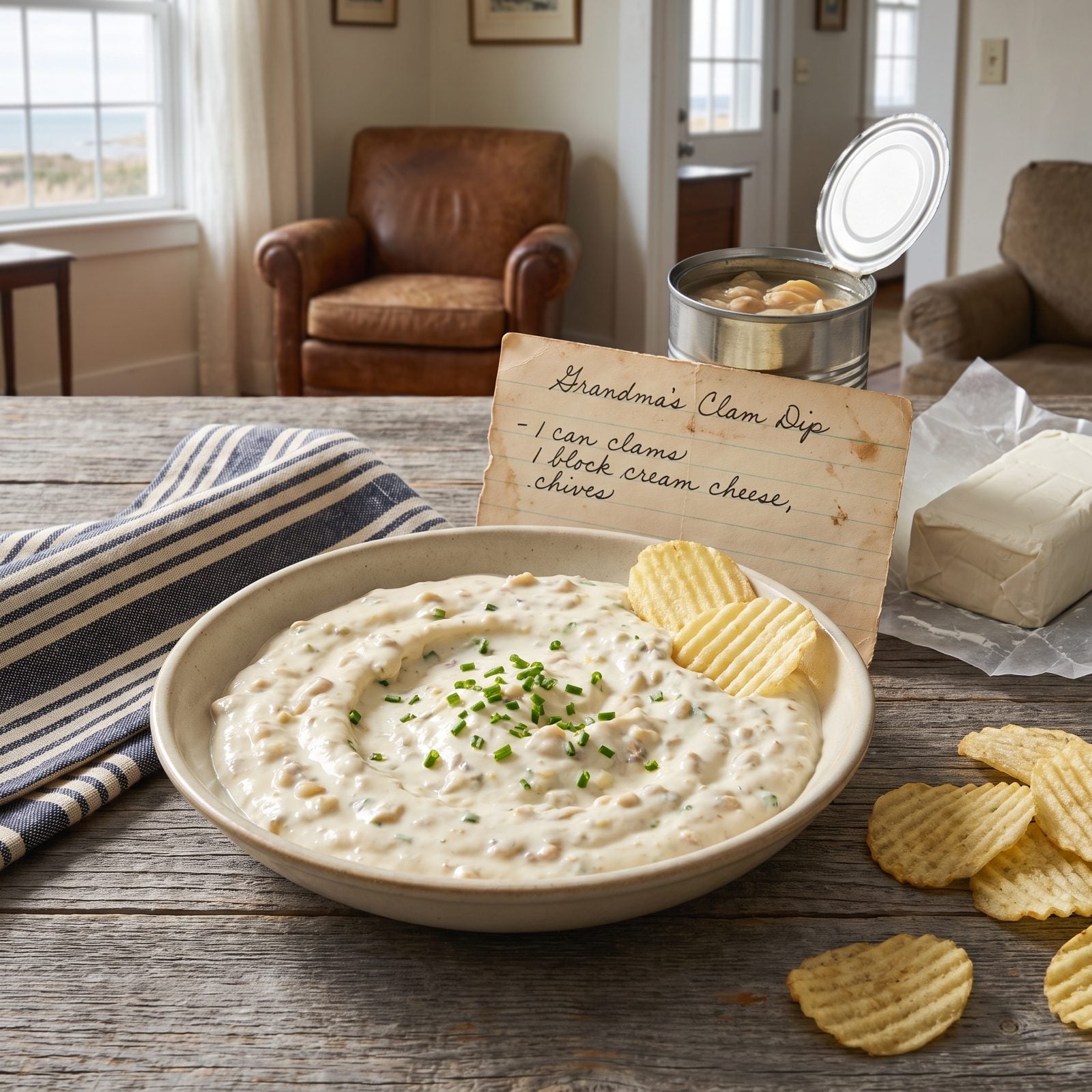
The star of a thousand cocktail parties. Clam dip was softened cream cheese beaten smooth, a can of whole clams chopped and folded in with some of the juice, a squeeze of lemon and a handful of chives. That was it. People stirred it up in five minutes flat and set it next to a bowl of ridged chips, and it disappeared before the ice in the drinks had melted.
Canned clams got a bad rap, but in this dip they earned their keep — tender little bits that gave the whole thing a real taste of the sea, briny and faintly sweet. The ridged chips mattered. Flat ones snapped under the weight and left you fishing around in the bowl. Mid-century hosts treated this as their go-to, the recipe scrawled on a card and passed to the next generation along with the bowl it lived in. Simple, a little retro, still better than most things you’d buy in a tub today.
19. Party Rye Pizzas: The Two-Bite Snack That Ruled Every Card Table
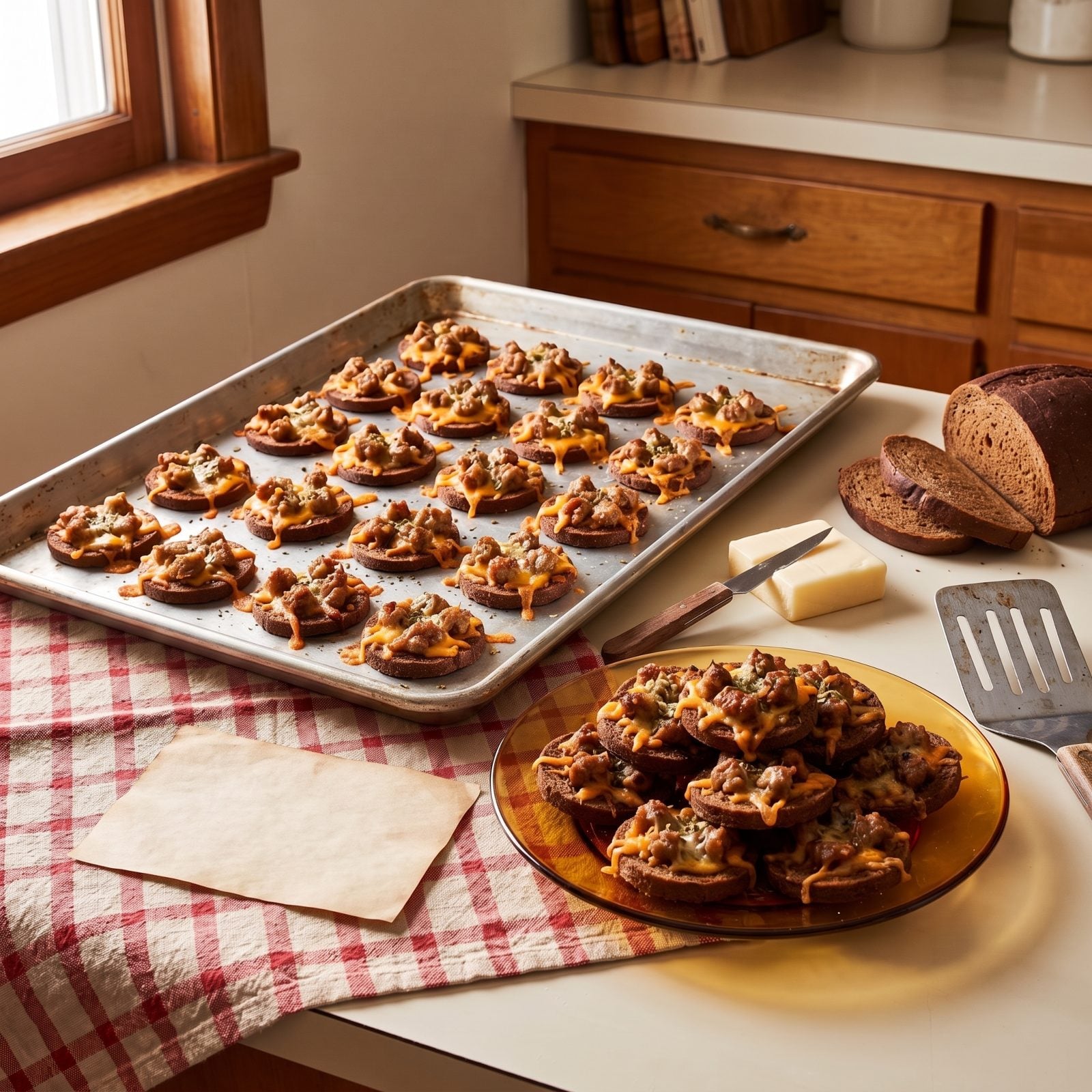
The smell gave it away before the tray ever hit the table. Browned sausage, sharp cheese, a little garlic, all piled on thick little rounds cut from a full dark loaf of rye, so dark they could pass for chocolate cookies at a glance.
The topping was a skillet job. You stirred ground sausage, grated cheese, maybe a spoon of ketchup or a shake of oregano until it spread warm like mortar, then piled it on the rye and ran it under the broiler and watched it go bubbly and dark at the edges. Each one disappeared in two bites, which is the whole trick. Nobody felt guilty taking six.
They freeze beautifully before baking, which is why your grandmother always had a bag of them ready for whoever showed up.
18. Cheese Straws: Sharp Cheddar Pastry With a Dramatic Twist
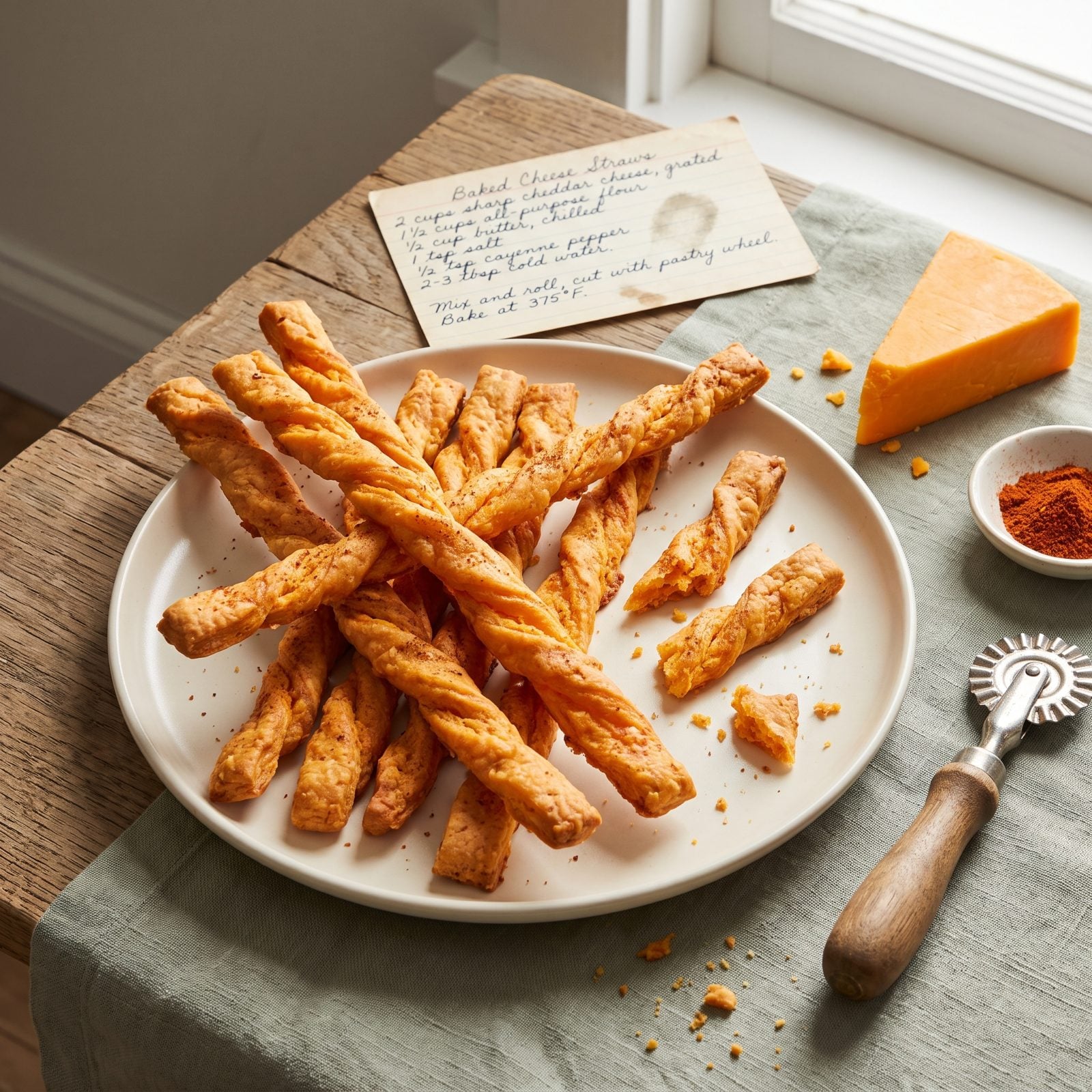
Cheese straws separate the patient cooks from the rest of us. The dough is stiff, the cheese has to be grated fine, and the whole thing wants to crumble right when you need it to hold a shape. Worth every minute.
Sharp cheddar, flour, butter, a hard pinch of cayenne, rolled flat, cut into strips with a fluted pastry wheel and twisted into long crisp spirals. They bake up salty and brittle, and there’s a slow heat on the back end that sneaks up on you around the third one. In the South they show up at weddings, funerals and football parties alike — which tells you everything about how far one recipe can travel.
Store them in a tin and they stay crisp for days. The dramatic shape is half the point. Nobody ever made these round.
17. Impossible Cheeseburger Pie: The Batter That Builds Its Own Crust
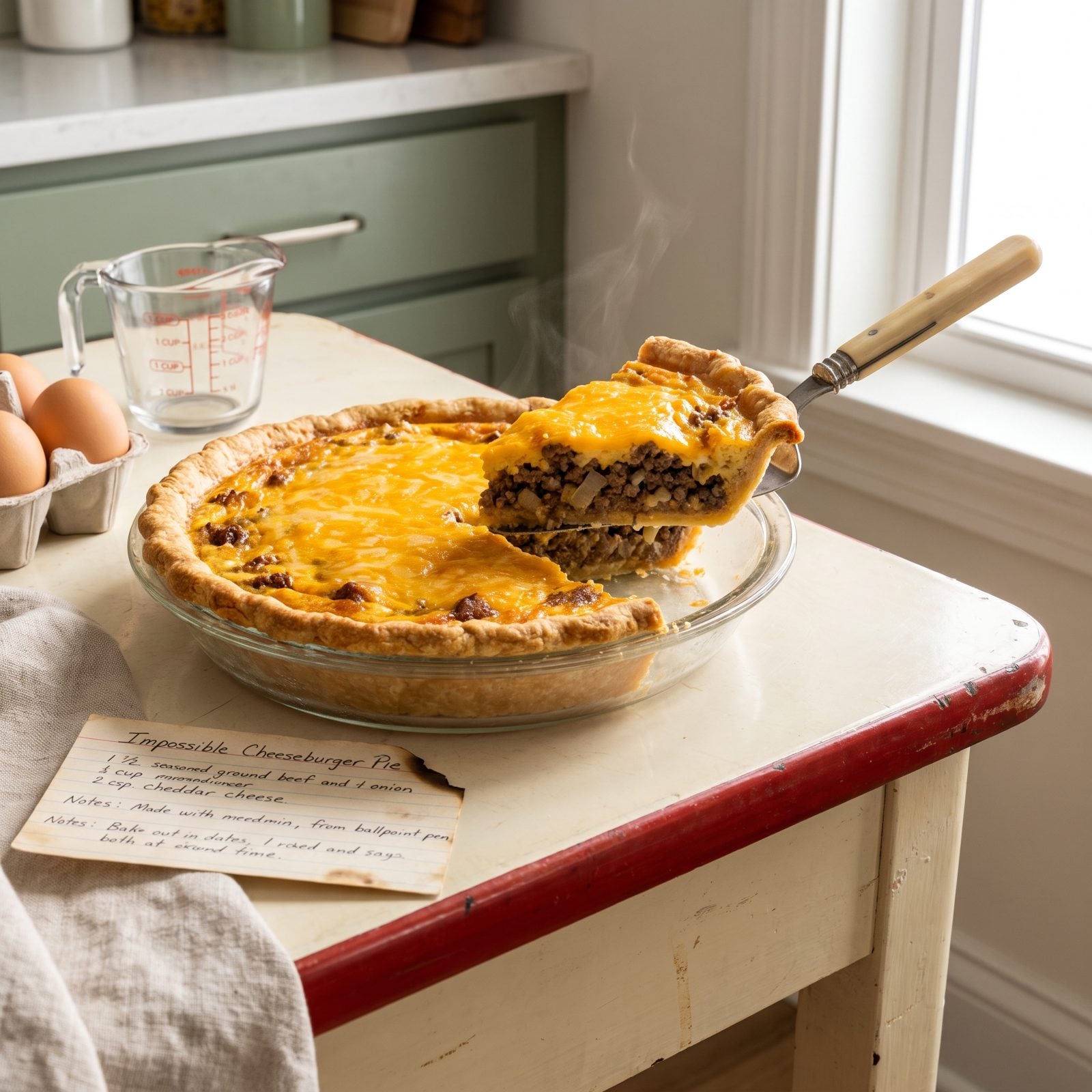
Here is kitchen magic that feels like a trick the first time you do it. You brown a little beef and onion, spread it into a greased pie plate, cover it in cheese, then pour a thin pancake-ish batter over the whole thing and shove it in the oven. The batter sinks, firms up around the filling, and bakes into its own golden crust.
Every home cook who owned a certain box of baking mix had this card. It fed a family for the price of a pound of ground beef on a Tuesday when nobody had the energy for anything fussier.
16. Tamale Pie: Chili-Spiced Meat Under a Golden Cornmeal Lid
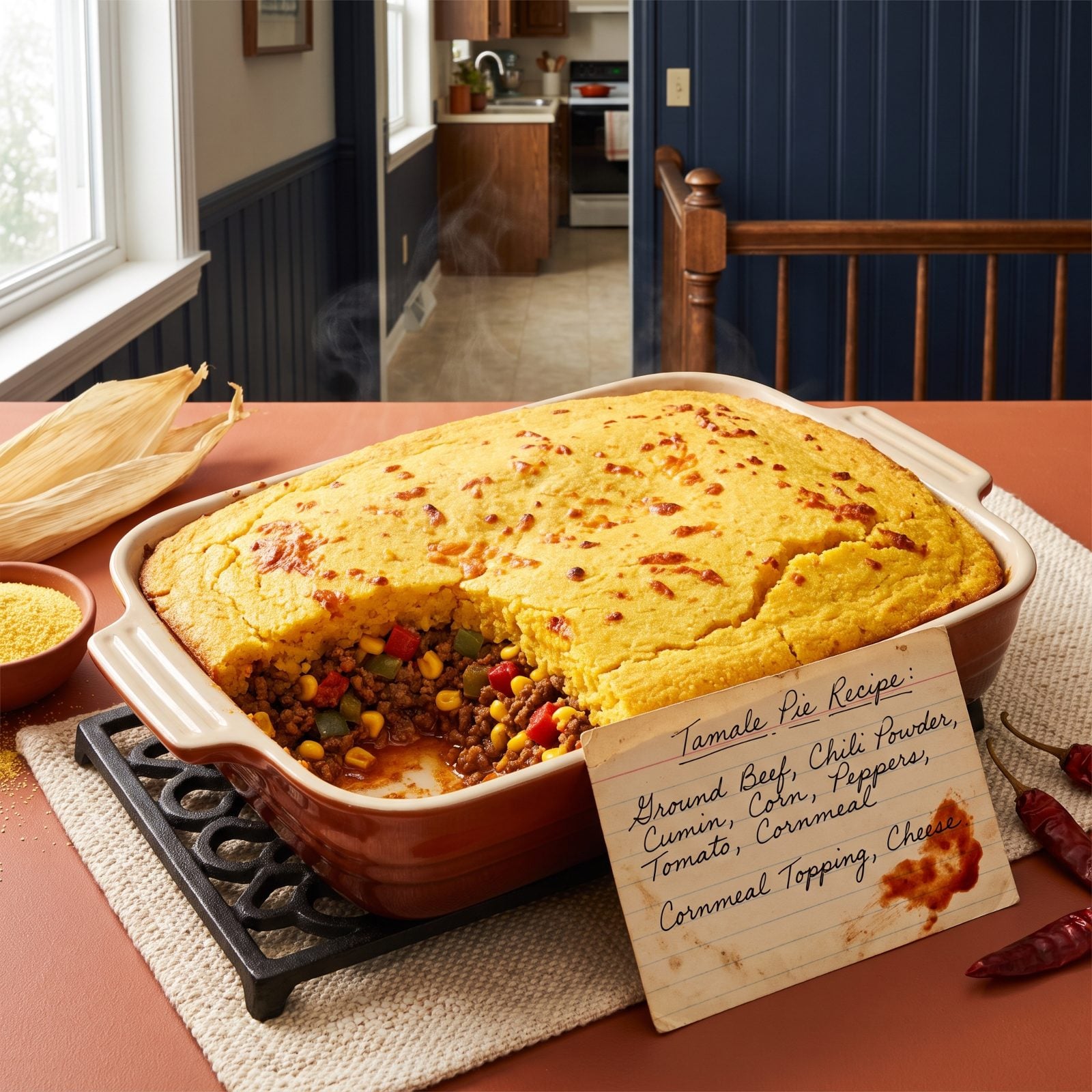
Tamale pie takes the flavor of a tamale and skips the part that eats your whole afternoon. No masa to spread, no husks to wrap and tie, no steaming in batches. You build a spiced meat chili in the pan, spread cornmeal batter over the top, and let the oven do the rest.
The topping bakes into a golden lid — firm on top, soft where it meets the filling. Underneath, the beef goes rich with chili powder, cumin, corn and whatever peppers were in the house.
Depression-era cooks loved it because cornmeal stretched a little meat a long way. It still does. This one earns a weeknight slot and deserves one.
15. Shipwreck Casserole: One Dish, Everything You Have, No Rules
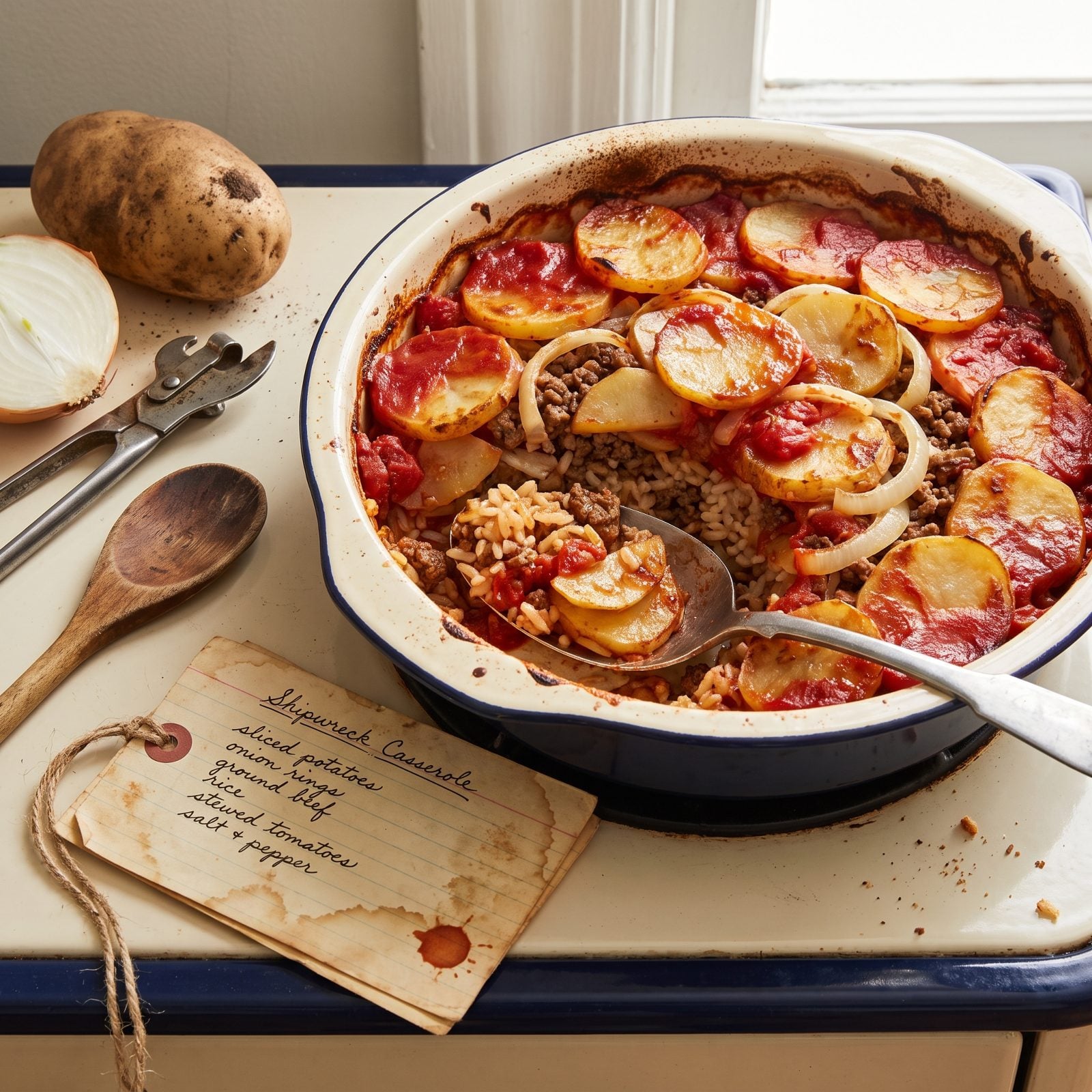
The name tells you the spirit of the thing. Everything goes overboard into one pot and sinks together into dinner. Raw seasoned beef and rice on the bottom, then onions, then sliced potatoes on top, all doused with a can of tomatoes and left to cook low and slow until the potatoes brown and it melds into one thing.
No browning, no pre-cooking, almost no dishes. You layer it cold and walk away for an hour and a half. That is the entire appeal, and it is a good one.
14. Chicken à la King: Cream Sauce That Makes Toast Feel Like an Occasion
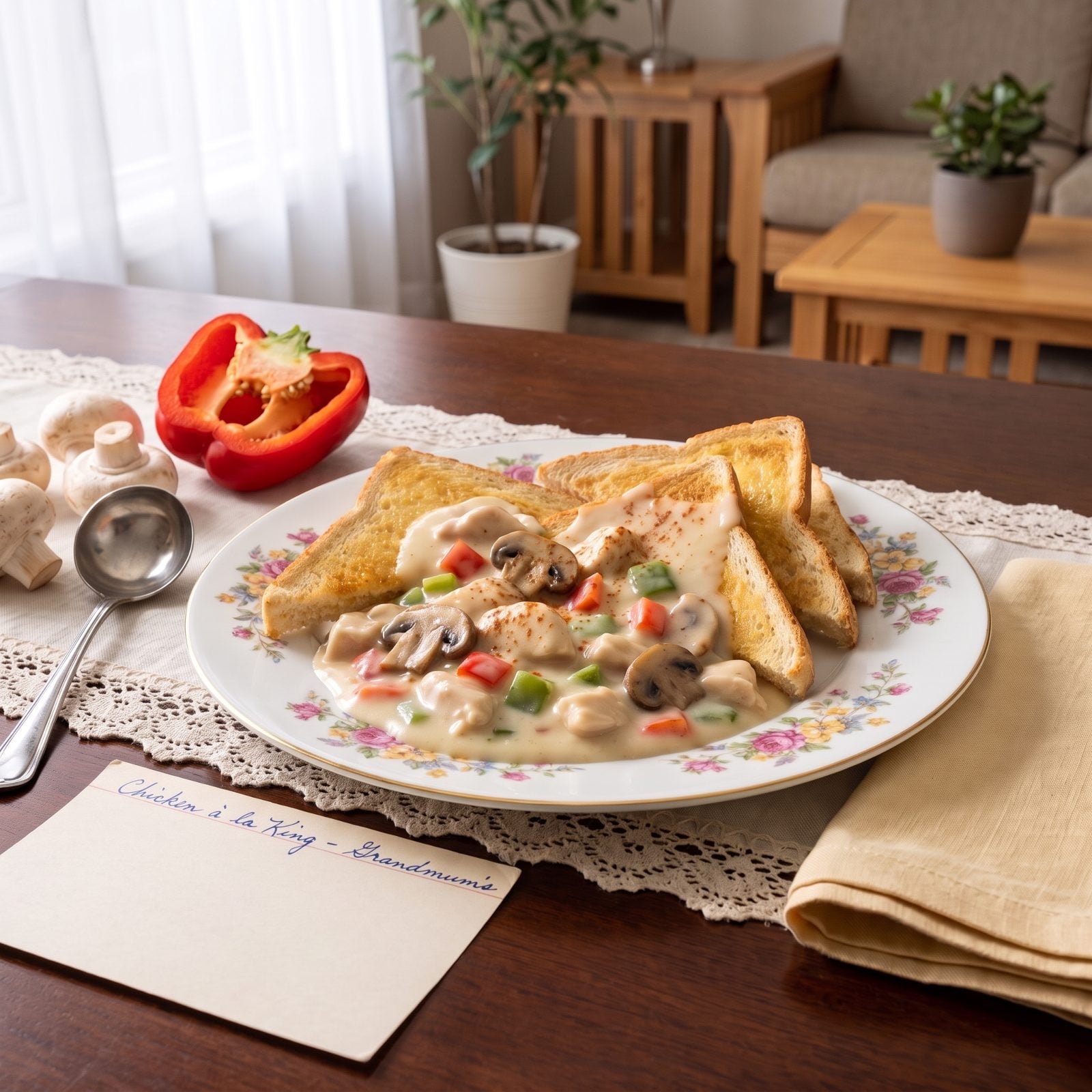
There was a stretch of the twentieth century when chicken à la King was the thing you served to impress company — and the whole dish sat on top of a piece of toast. That contrast still charms me. Something this creamy, delivered on the humblest possible base.
The sauce is a basic velouté given a lift: butter, flour, broth, cream, then chicken, mushrooms and sweet peppers folded through. A splash of sherry if you had it. Spoon it over toast points, split biscuits, or rice.
It is the ideal home for leftover roast chicken, and it reheats like a dream. Fancy food that started as thrift. Most of the best dishes did.
13. Salmon Croquettes: Canned Fish, Crisp Edges, Soft Savory Middle
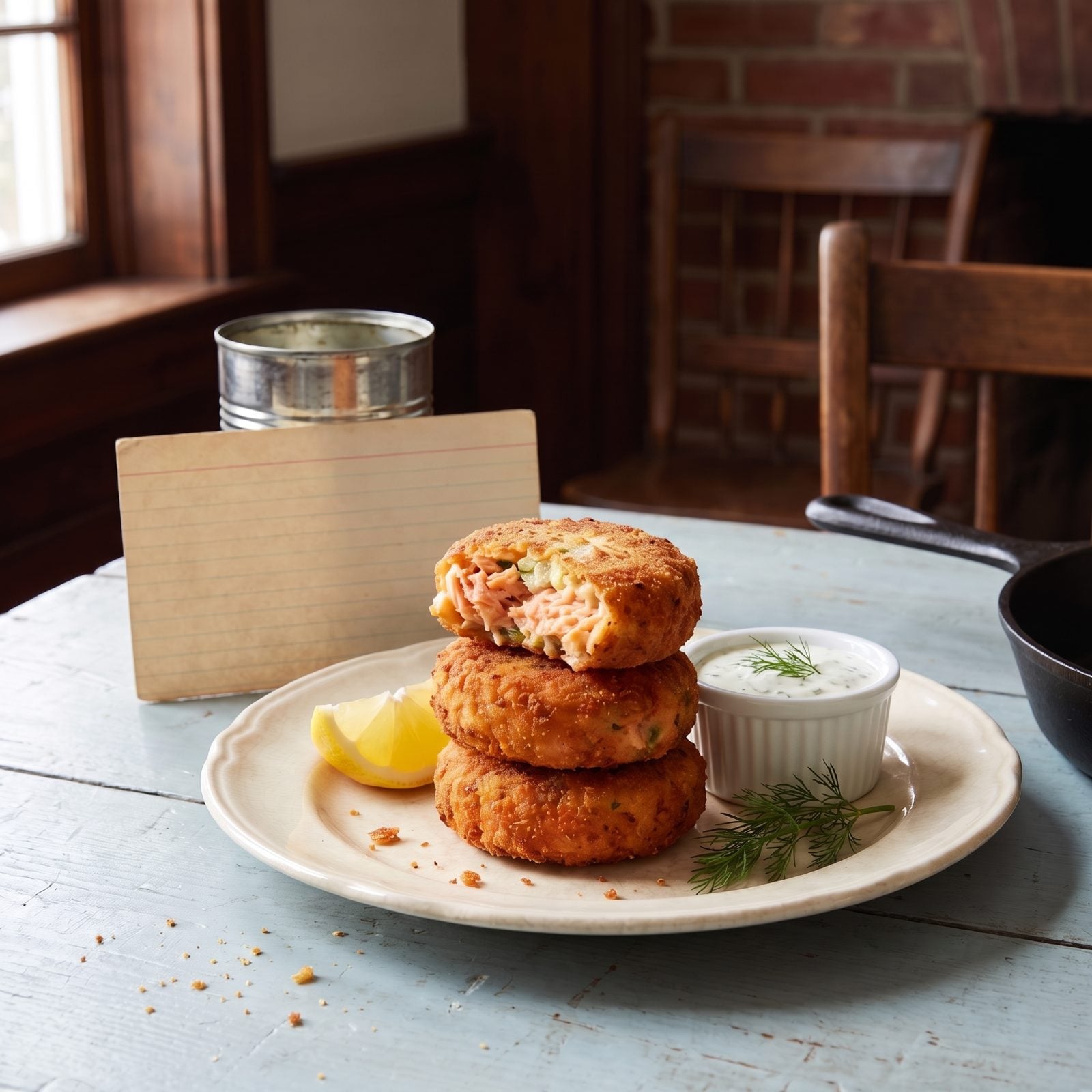
A can of salmon, an egg, some crushed crackers or a spoon of flour, a grated onion if you felt ambitious. That is the whole shopping list, and it turns into something far better than the parts suggest.
You mix it, shape patties, and fry them in a hot skillet until the outsides go deep gold and crackly while the middle stays tender and flaky. A squeeze of lemon, a dab of something creamy on the side, and dinner is handled for pennies.
Plenty of kids who swore they hated fish ate these without complaint, mostly because they tasted like the crisp fried edge more than the sea. Thrifty, fast, genuinely good. Keep two cans in the pantry and you are never truly without a meal.
12. Funeral Potatoes: Creamy, Crunchy, and Welcome at Any Gathering
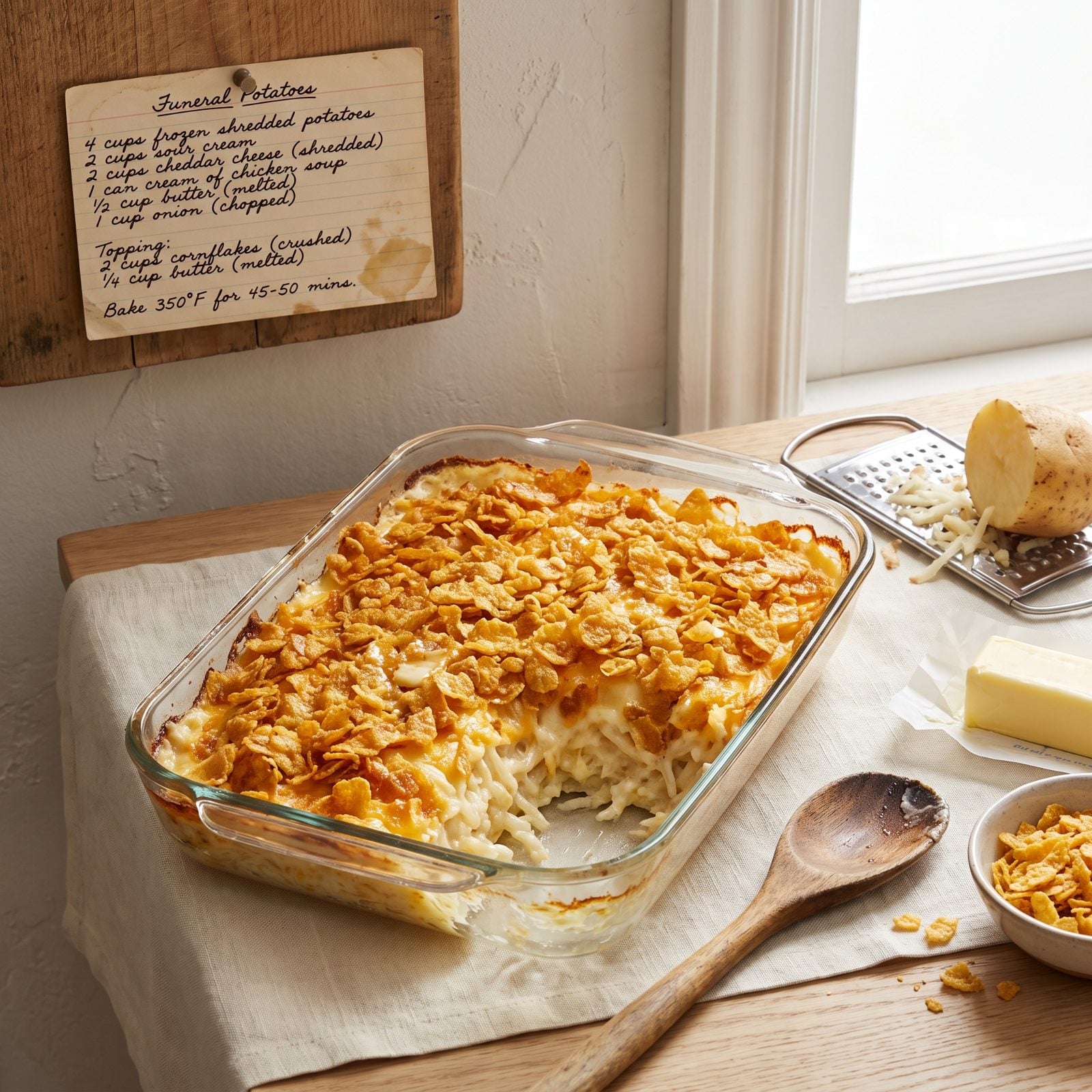
The name is grim. The dish is pure comfort. Shredded potatoes bound in a creamy, cheesy sauce, topped with buttered cornflakes or crushed crackers, baked until the crust shatters over the soft middle.
They earned the name because church ladies brought them to funeral luncheons by the panful, sturdy enough to sit on a crowded table and feed a grieving crowd. But there is nothing funereal about them. Set them next to a holiday ham and they vanish first.
Any casserole that can comfort a mourner and crown a Christmas table has earned its spot in the recipe box.
The topping is the whole argument. That crunch against the creamy potatoes is why people go back for a second scoop they did not plan on.
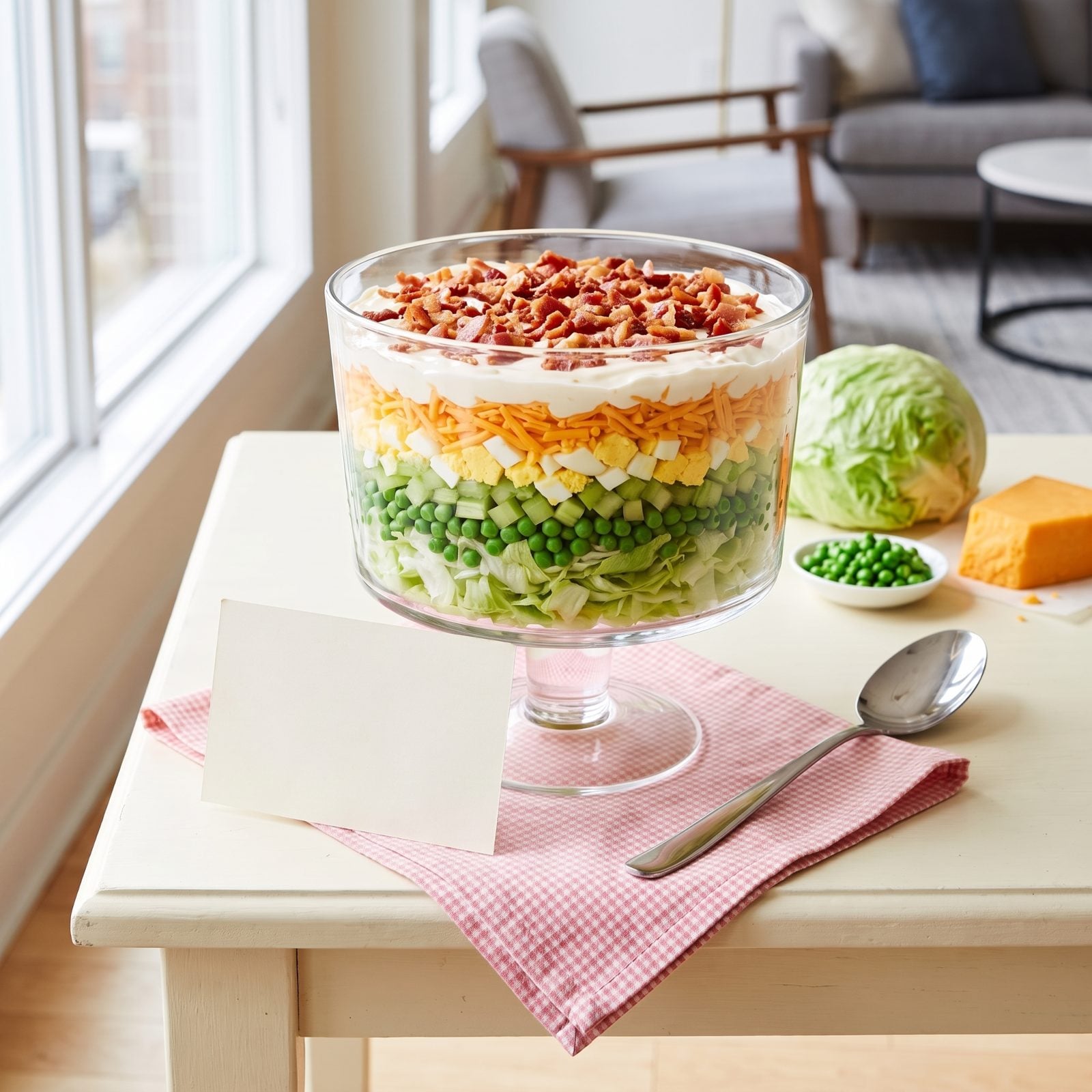
11. Seven-Layer Salad: The Bowl Is Part of the Show
Would you like to save this?
This one made the serving bowl the centerpiece. You layer it in clear glass so every stripe shows: lettuce, peas, celery, chopped egg, cheese, then a mayonnaise seal poured right across the top, then bacon. And you do not toss it until the moment you serve.
That mayo lid does real work. It keeps the whole thing crisp overnight in the fridge, which is how it became the make-ahead star of every summer potluck and backyard spread.
10. Lime Gelatin and Cottage Cheese Salad: The Boldest Card in the Box
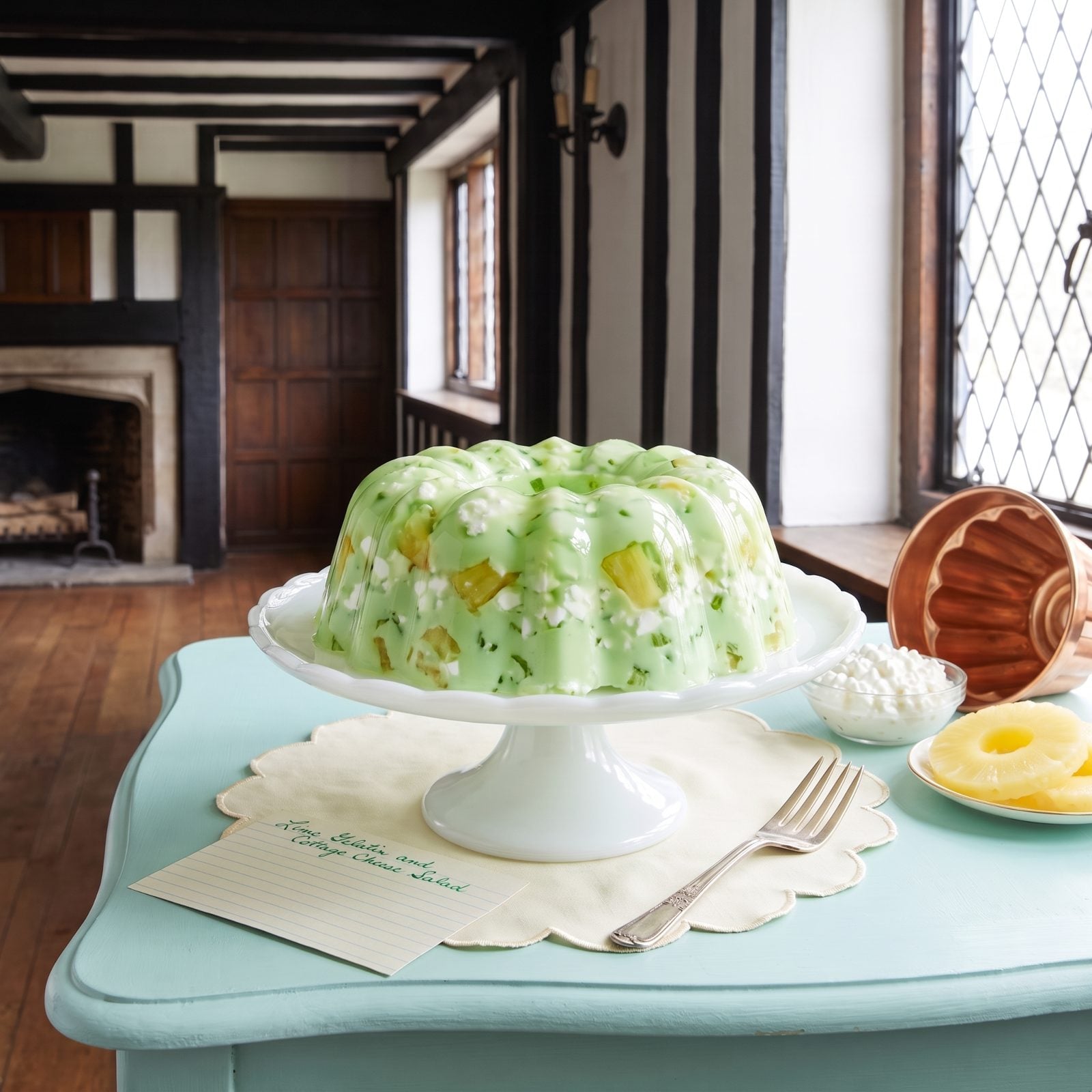
No tour of the recipe box is honest without a molded gelatin salad, and this is the one that went all in. Lime gelatin, cottage cheese, crushed pineapple, sometimes a handful of celery or nuts, whipped together and set in a mold until it could stand on its own.
It landed somewhere between salad and dessert — tangy and creamy and sweet at once, served cold on a lettuce leaf like it belonged there. Which, for a few decades, it absolutely did.
Love it or not, it defined an era of American home cooking, back when a copper mold was a point of pride and a jiggly green dome meant the hostess had a trick up her sleeve. Chill it hard, unmold it clean, and let it wobble its way back onto your table. Some cards deserve a second life just for the nerve of them.
9. Tomato Aspic, the Molded Starter That Earned Its Own Plate
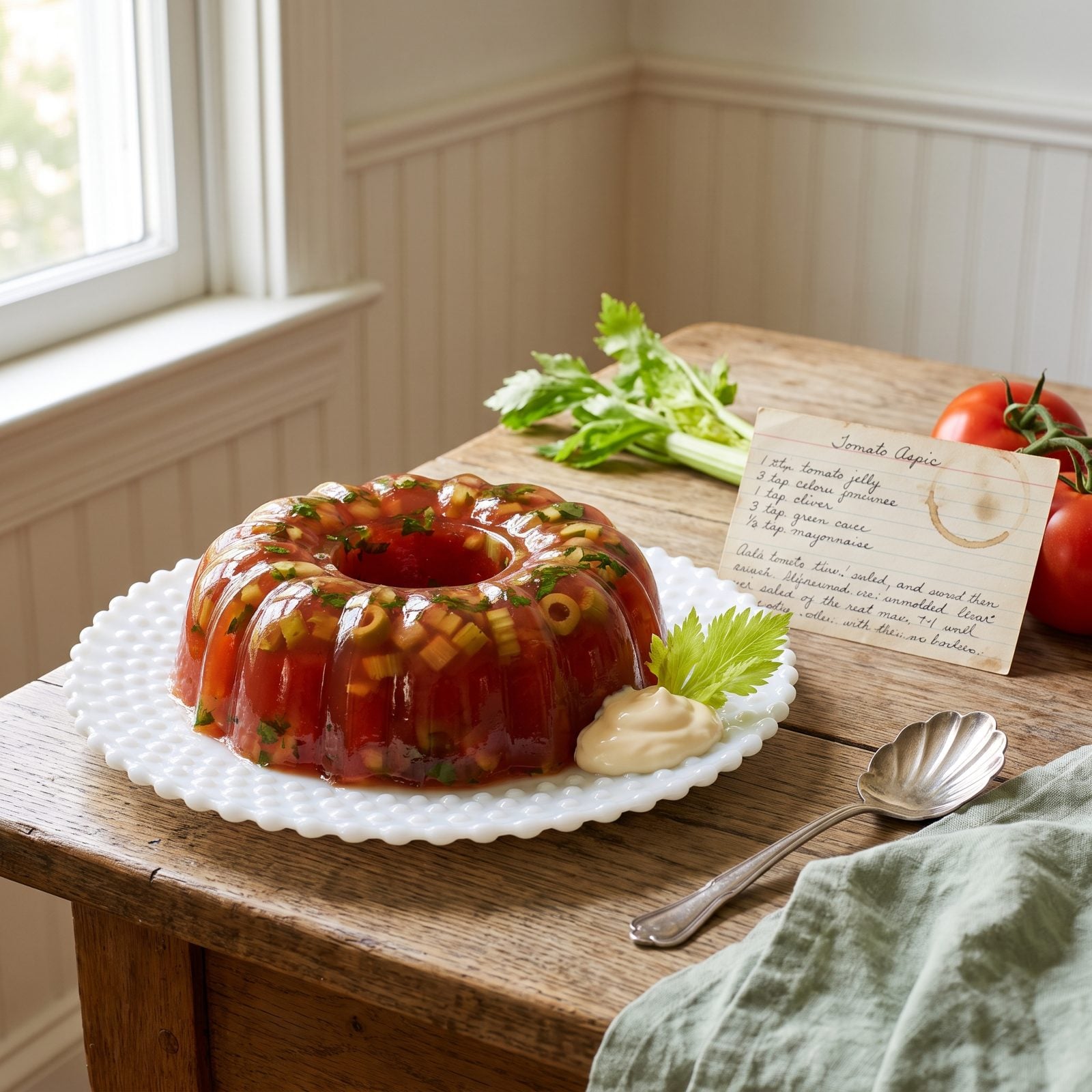
Start here, because most people have already written it off. Tomato aspic sounds like a dare and tastes like the best part of a bloody mary set to a wobble. Seasoned tomato juice, a little lemon, a hit of Worcestershire, celery and herbs folded in before it sets.
Served cold on a milk-glass plate with a spoon of mayonnaise and a sprig of celery leaf, it does the work of a salad and a first course at once. Make it the night before. It wants the time.
8. Frozen Fruit Salad You Slice Like a Loaf
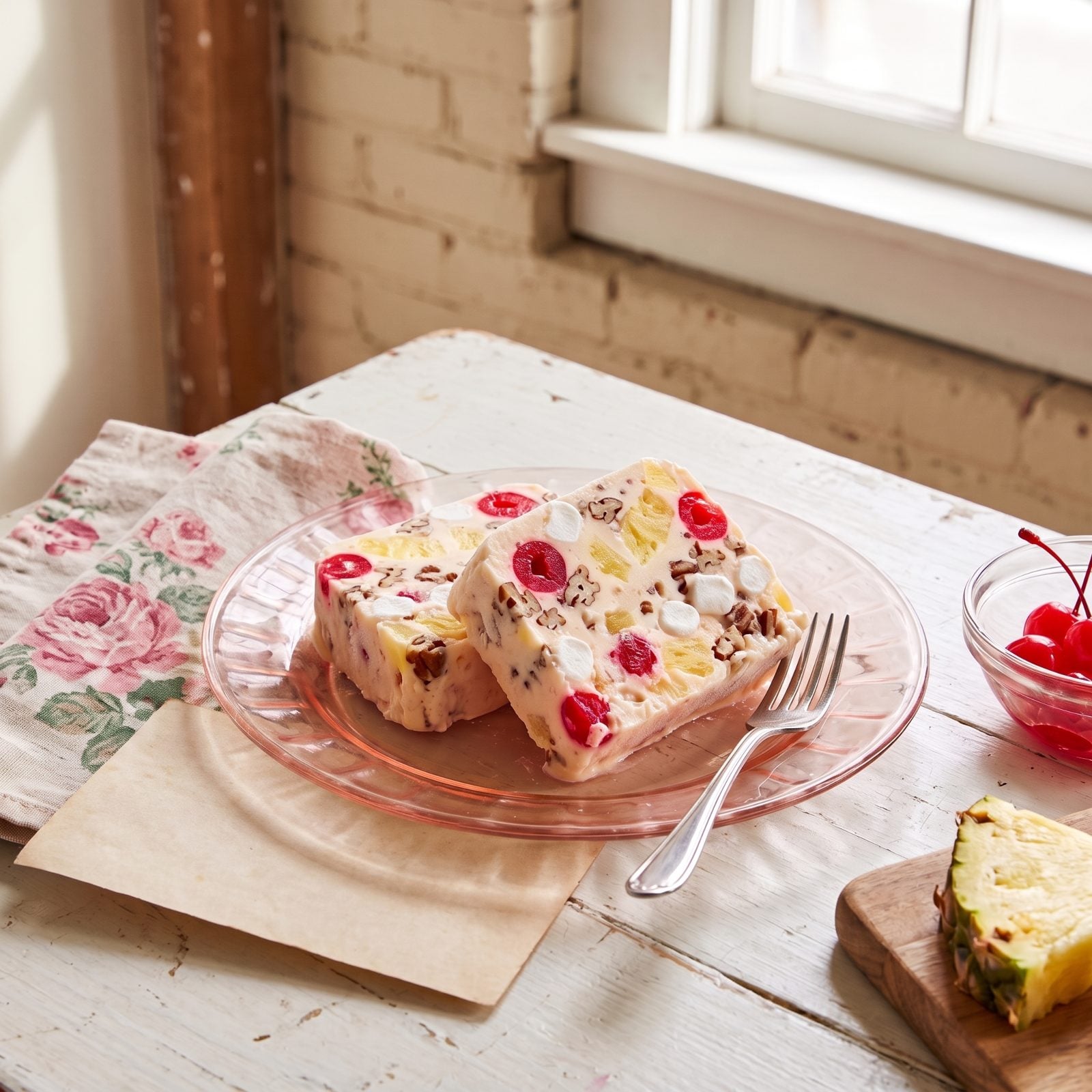
The genius here is timing. You make it, you forget about it, and it waits in the freezer for days without complaint. When company shows up you slice it like a terrine and nobody suspects you did the actual labor back on Monday.
Fruit, whipped cream or softened cream cheese, a handful of nuts, maybe cherries and pineapple, all pressed into a loaf pan and frozen solid. It softens just enough on the plate to eat with a fork. Pretty, cold, and almost impossible to overthink.
7. Strawberry Pretzel Salad, Three Layers That Shouldn’t Agree and Do
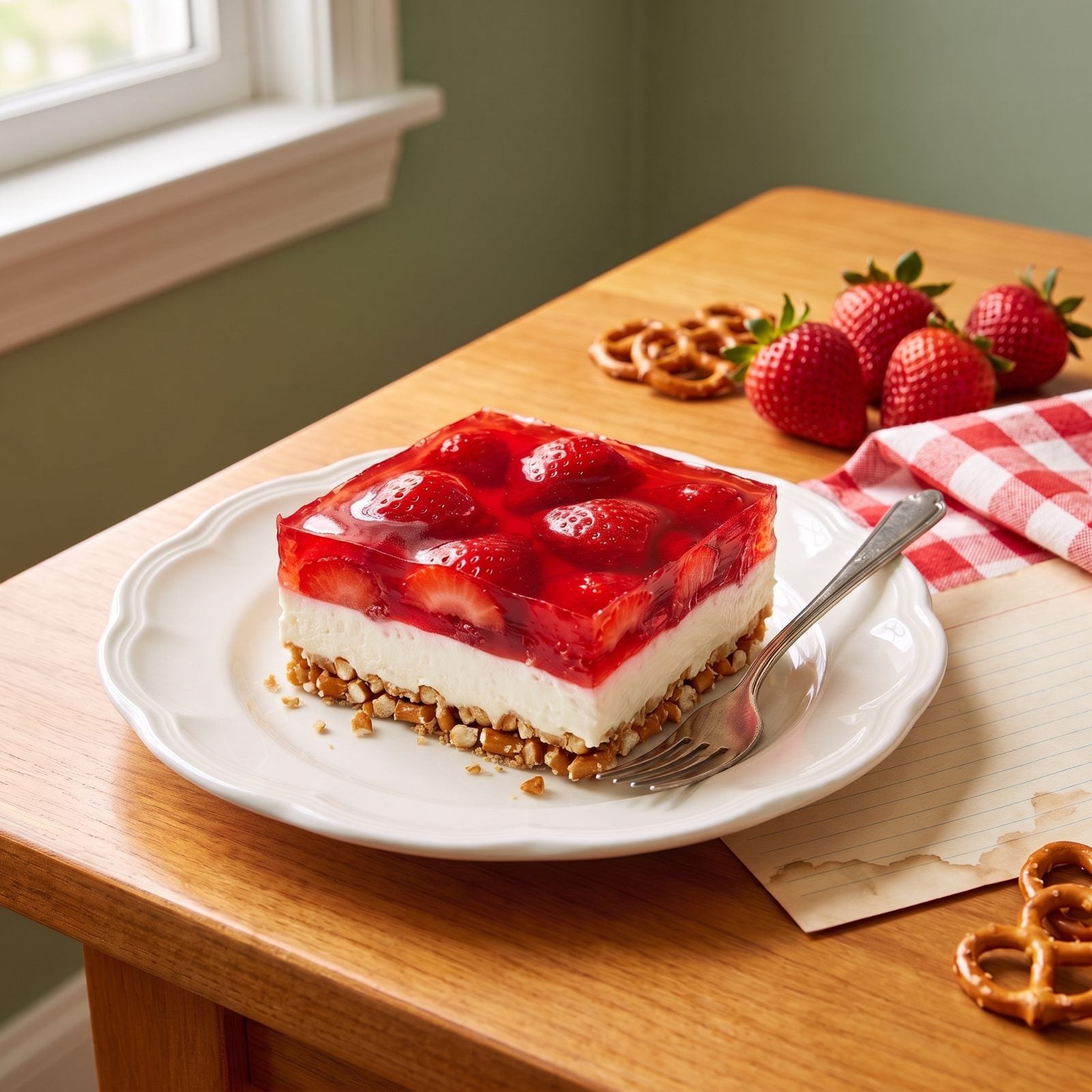
Three layers, three textures, one argument you’ll lose happily. Salty pretzel crust on the bottom, a dense sweet-tangy cream cheese middle, and strawberry gelatin set with real berries on top. It gets filed under salad, which is a lie everyone agreed to keep telling.
Here’s the part nobody wrote on the card: let the gelatin cool until it’s syrupy but not quite set before you pour it over the cream cheese. Too hot and it melts the middle into the crust. I learned that the slow way, with a pan that turned into pink soup.
6. Chocolate Wafer Icebox Cake, the Dessert the Refrigerator Builds for You
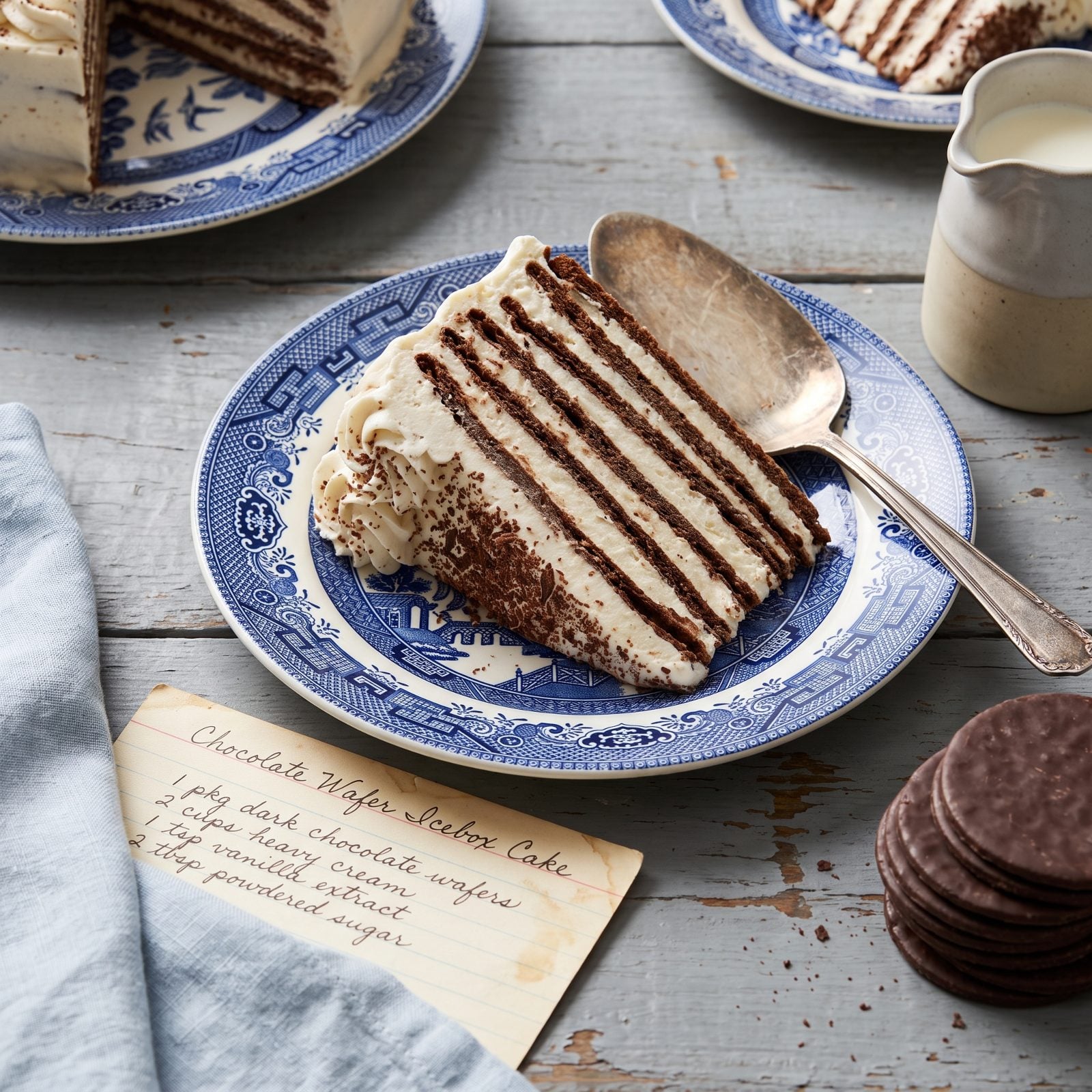
Barely a recipe at all. Spread whipped cream between crisp chocolate wafers, stand them up into a log or stack them tall, cover and leave overnight.
By morning the wafers have drunk up all that moisture and gone soft, so a knife slides through the whole thing like real cake. Cut on the diagonal and you get those zebra stripes of dark and pale that look like you fussed over them. You didn’t. The icebox did.
5. Grasshopper Pie, Supper-Club Green in a Cookie Crust
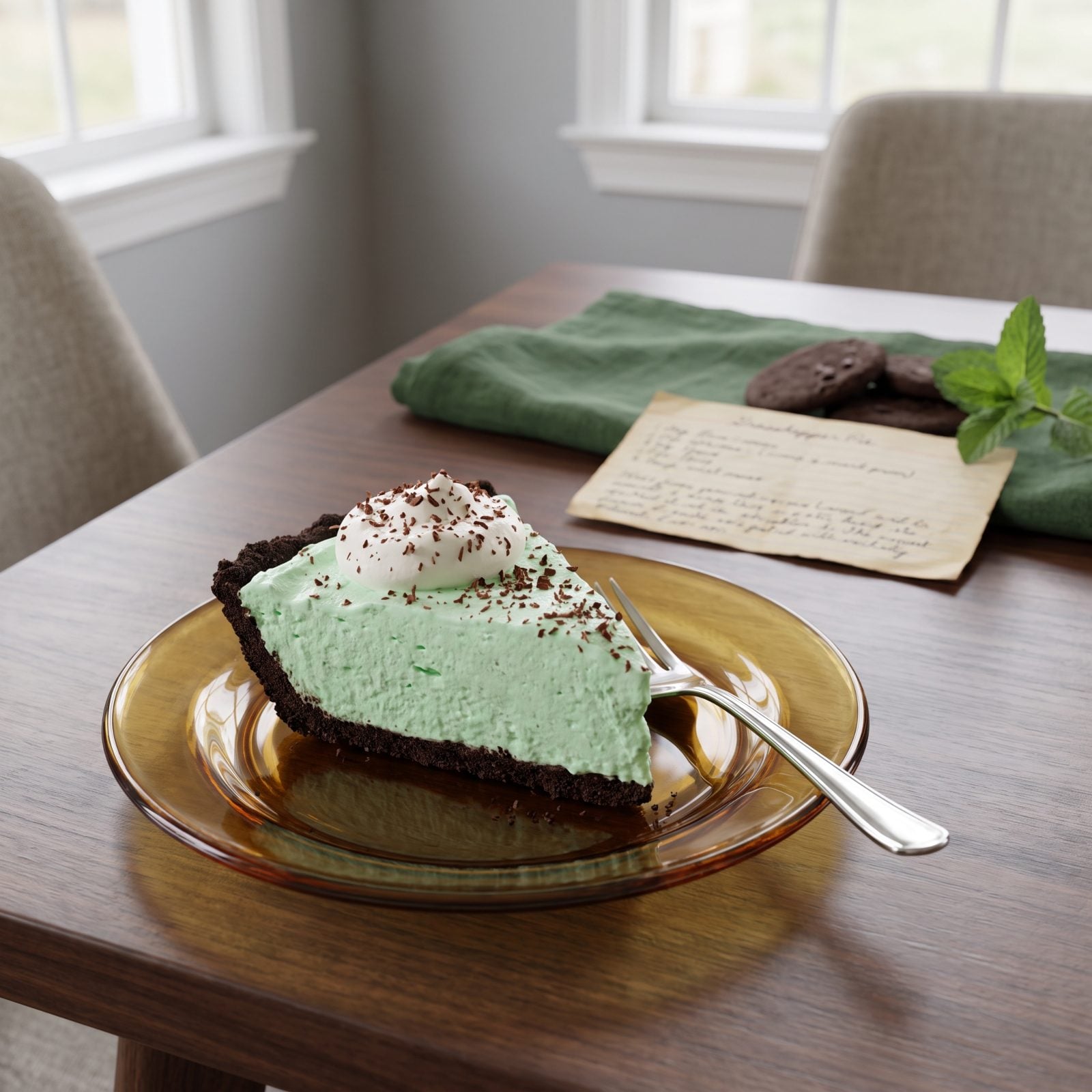
This is the one that smuggles a little glamour into a home kitchen. Mint-chocolate filling, pale green and barely sweet, floating in a dark cookie crust. It belongs to the era of wood-paneled supper clubs and Friday dinners that ran late.
The green came from crème de menthe, and the cloud came from marshmallow folded into whipped cream. Serve it cold, cut it thin, and watch the whole table forget how old they are.
4. Oatmeal Cake With a Broiled Coconut Topping That Does the Showing Off
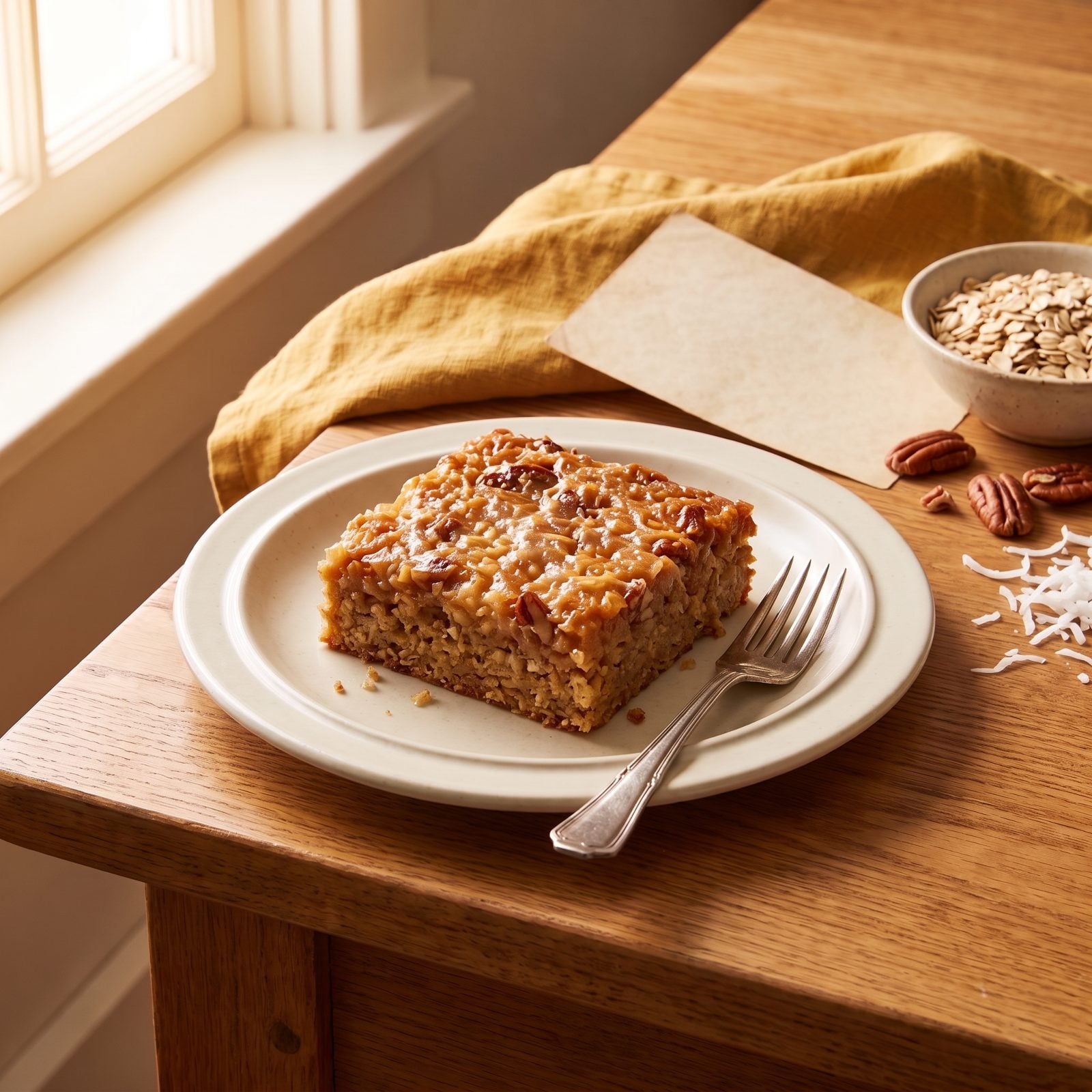
The cake is humble on purpose. Soaked oats make it tender and a little dense, the kind of snack cake you’d pack in a lunch pail and nobody would blink.
Then comes the topping. You spread butter, brown sugar, coconut and chopped pecans over the warm cake and slide it under the broiler for a minute. It bubbles, caramelizes and sets into a crackly lid. Watch it like a hawk, though. Coconut goes from toasted to scorched in about the time it takes to answer the phone.
3. Apple Pandowdy, the Pie That Refuses to Behave
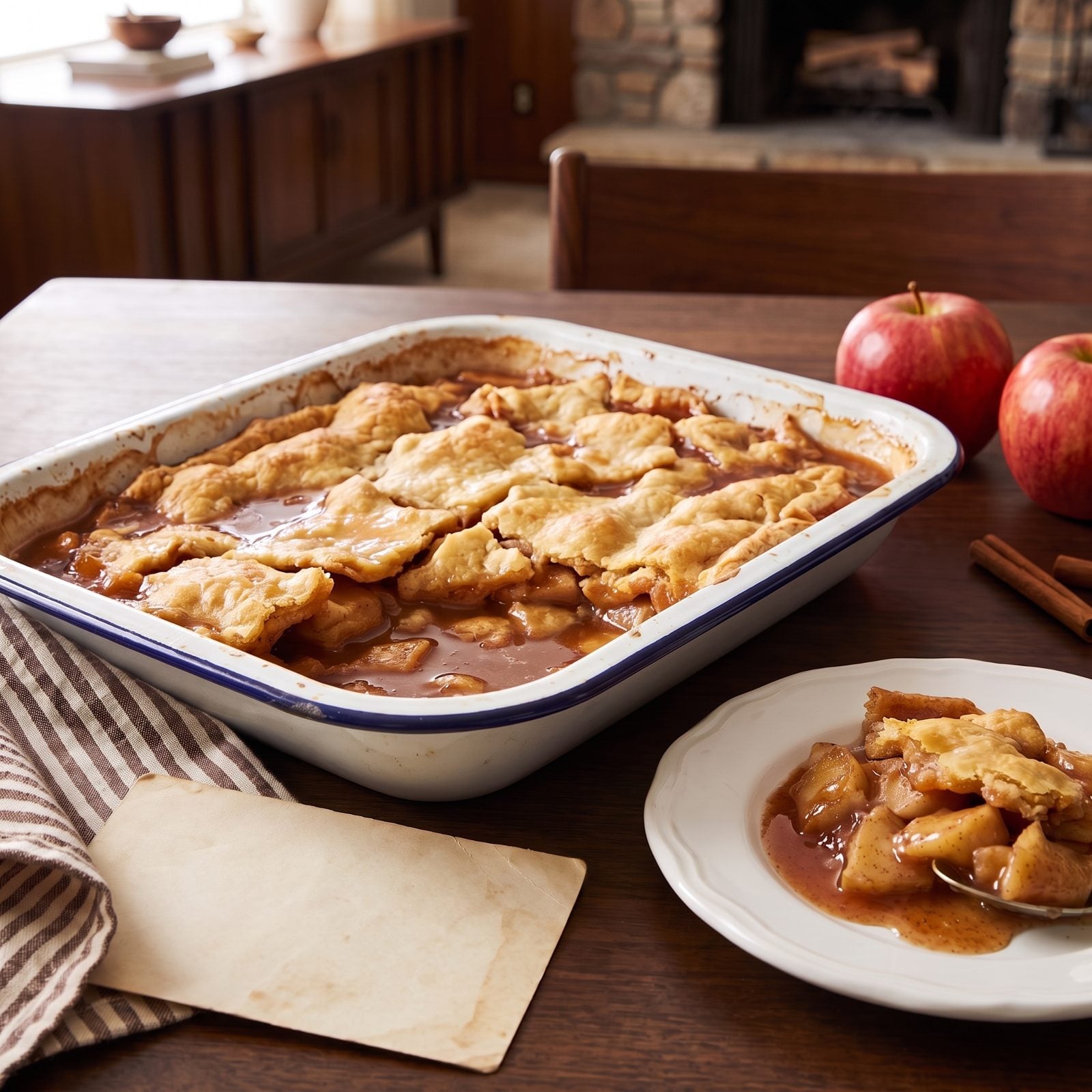
Pandowdy is apple pie that gave up on being neat and got better for it. You lay a pastry lid over the spiced fruit, bake it, then take a knife and break the crust apart, pressing the pieces down into the bubbling juice so they soak it up.
That breaking-up step is called dowdying, and it’s the reason the thing exists. Some pieces stay crisp, some go soft and jammy. It looks like a mess and eats like a dream, warm, with a scoop of vanilla melting into the cracks.
2. Date Pinwheel Cookies, a Spiral in Every Slice
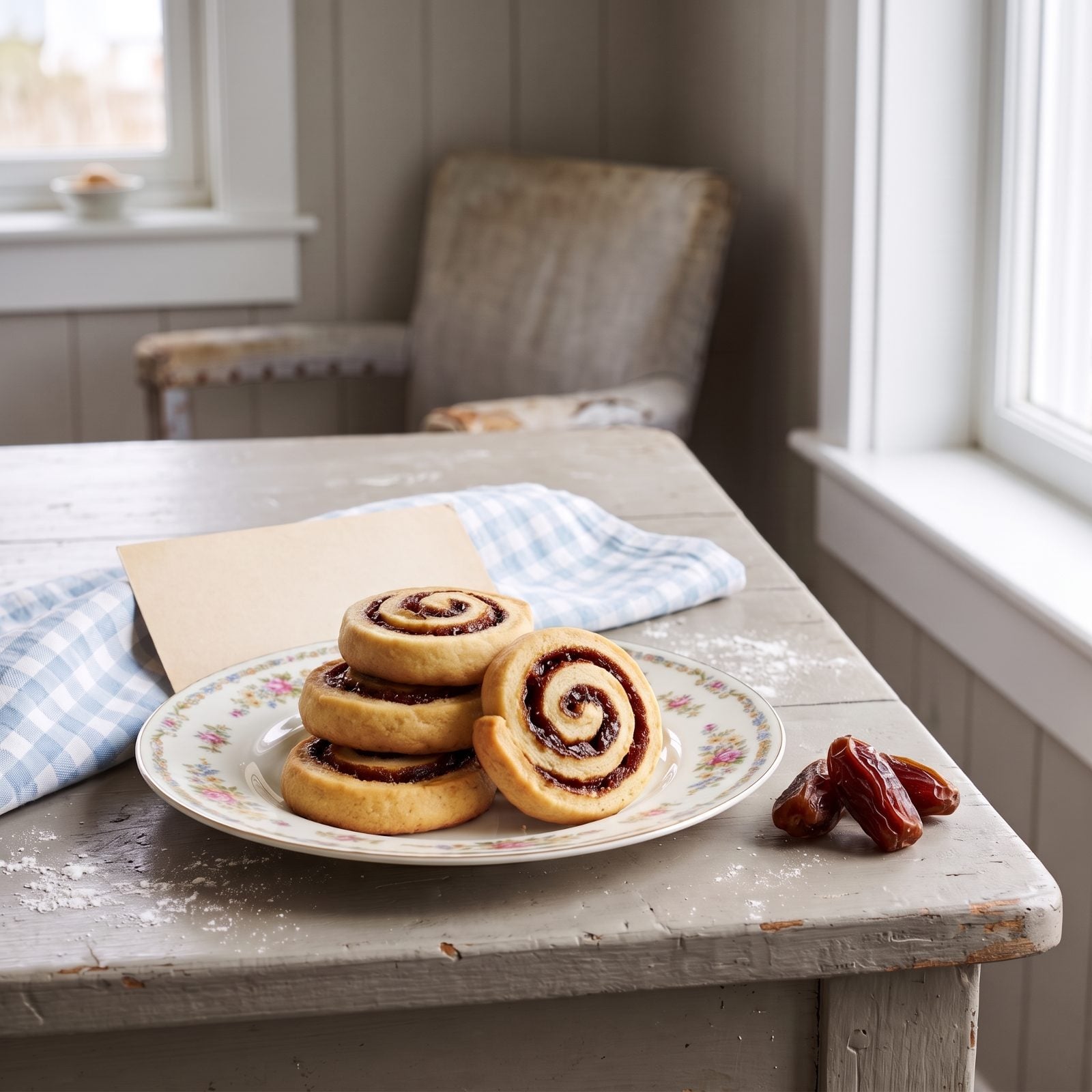
These were a holiday-tin staple back when a tin of cookies actually meant something. You roll out buttery dough, spread a cooked date filling across it, roll it up like a jelly roll and chill the log overnight. Then you slice, and every cookie shows off its own perfect spiral.
The dates cook down into something close to caramel, dark and sticky and not too sweet. The dough is barely sugared, which is correct. A little patience with the chilling and the slicing, and they come out looking like you knew what you were doing.
1. Penuche Fudge, Brown Sugar’s Answer to Chocolate
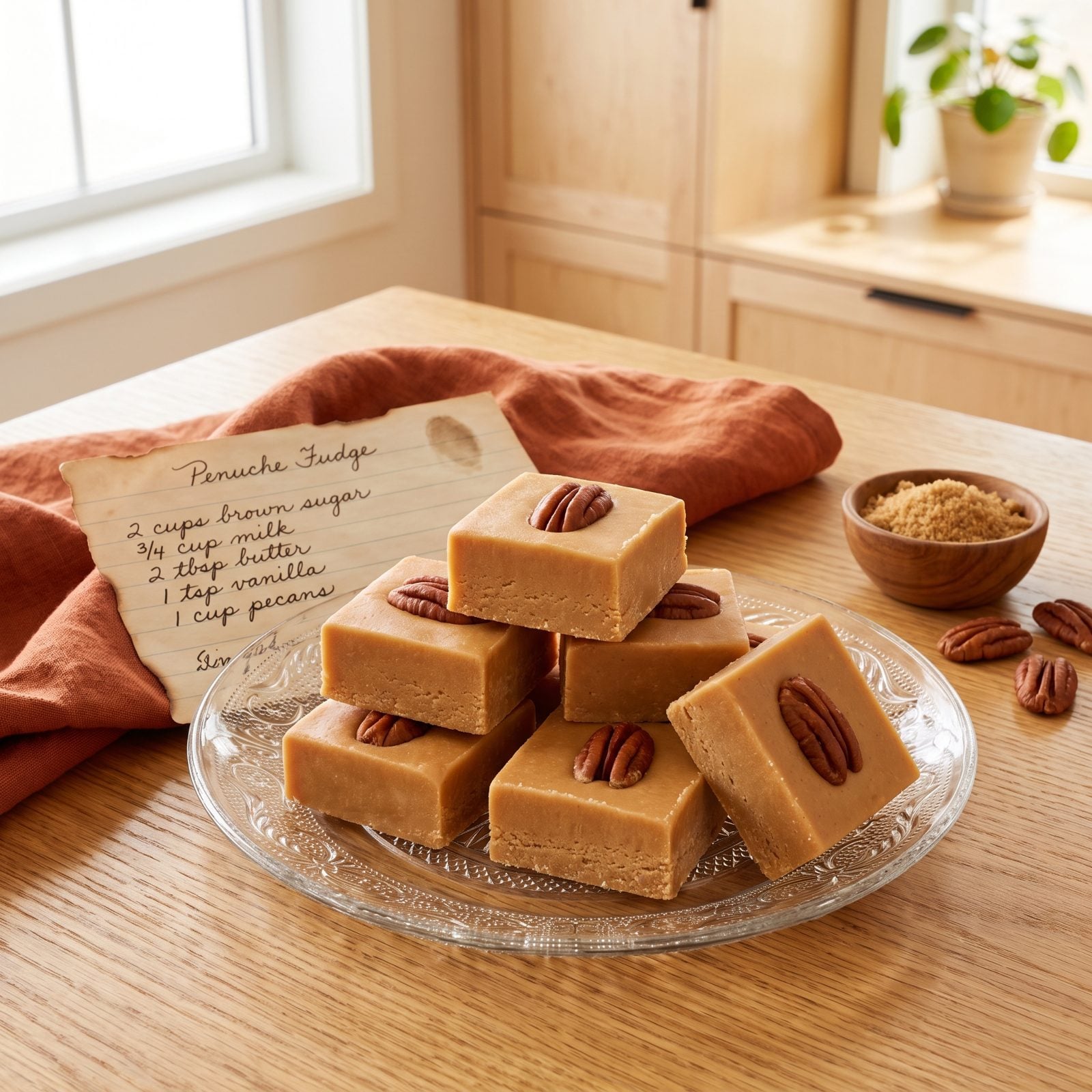
Penuche is what happens when fudge skips the cocoa and leans all the way into brown sugar. The flavor lands somewhere between fudge and caramel, buttery and deep, with a butterscotch edge that chocolate fudge never gets near.
It’s a candy-thermometer recipe, and it rewards you for respecting it. Soft-ball stage, then you beat it until it loses its shine and thickens. Stop too soon and it won’t set. Beat too long and it seizes right there in the pan. I’ll admit I’ve thrown out a batch or two. When it works, though, it’s the best thing on the holiday plate and the first to vanish.