Would you like to save this?
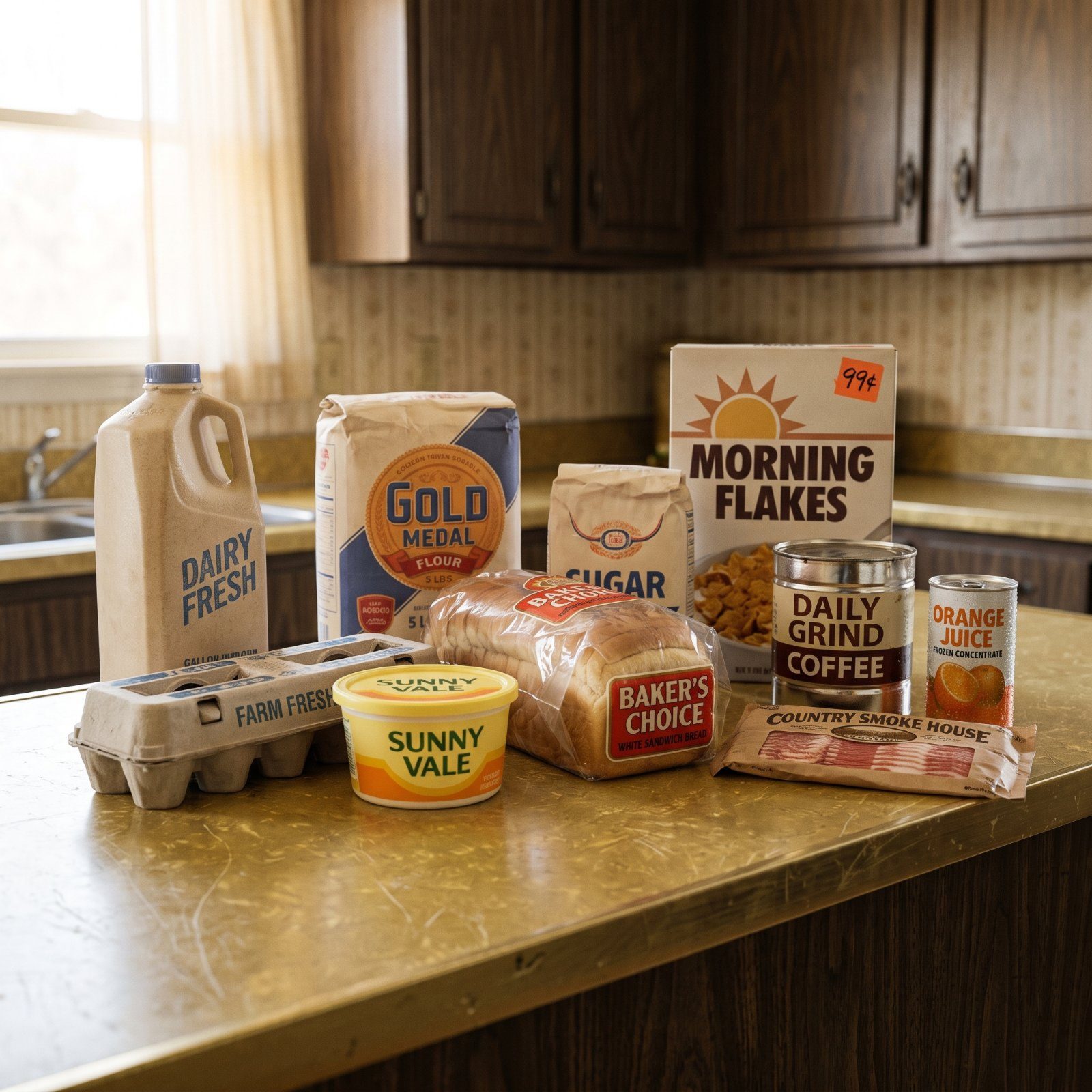
A gallon of milk cost about 78 cents and nobody thought twice about it. The receipt fit in your palm. You’d unpack the brown paper bags onto a gold-flecked Formica counter and the whole week’s food would stand there in cartons and cans, none of it fancy, all of it exactly what dinner was going to be.
Please note that some of the images in this article were created with the assistance of AI.
This is what an ordinary weekly shop looked like in the middle of the country, middle of the decade, for a middle-income family. The items that ran the house.
42. One Gallon of Whole Milk in the Waxed Carton
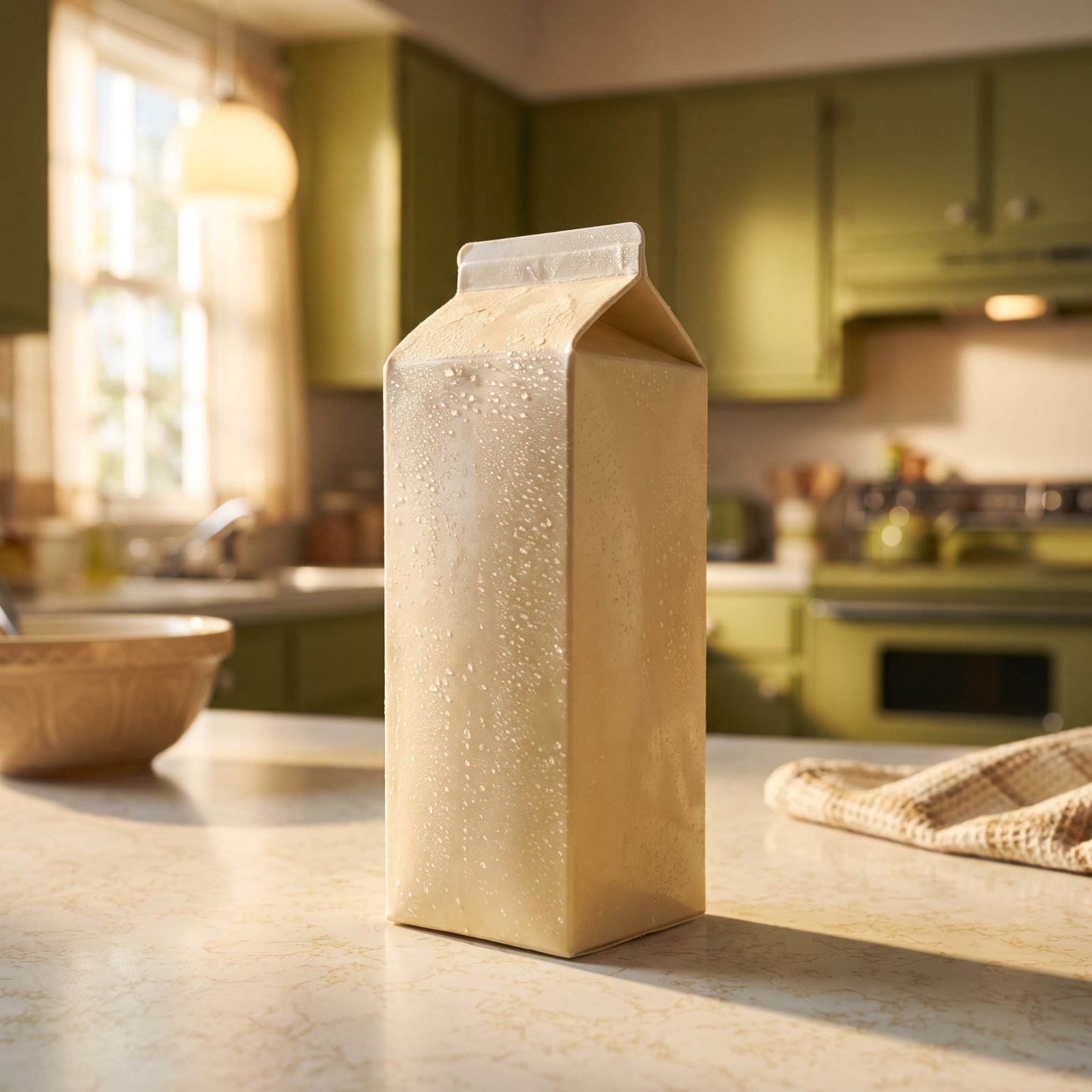
Whole milk was the only milk. Two percent existed but nobody in the house was thinking about it. This carton got poured over cereal, splashed into coffee, drained by kids after school, and gone before the week was out.
The gable top you pulled apart with two thumbs and it never opened clean the first time. You bought it because the family went through it. Cheap, filling, on the table three times a day.
41. A Dozen Large Eggs in the Molded Carton
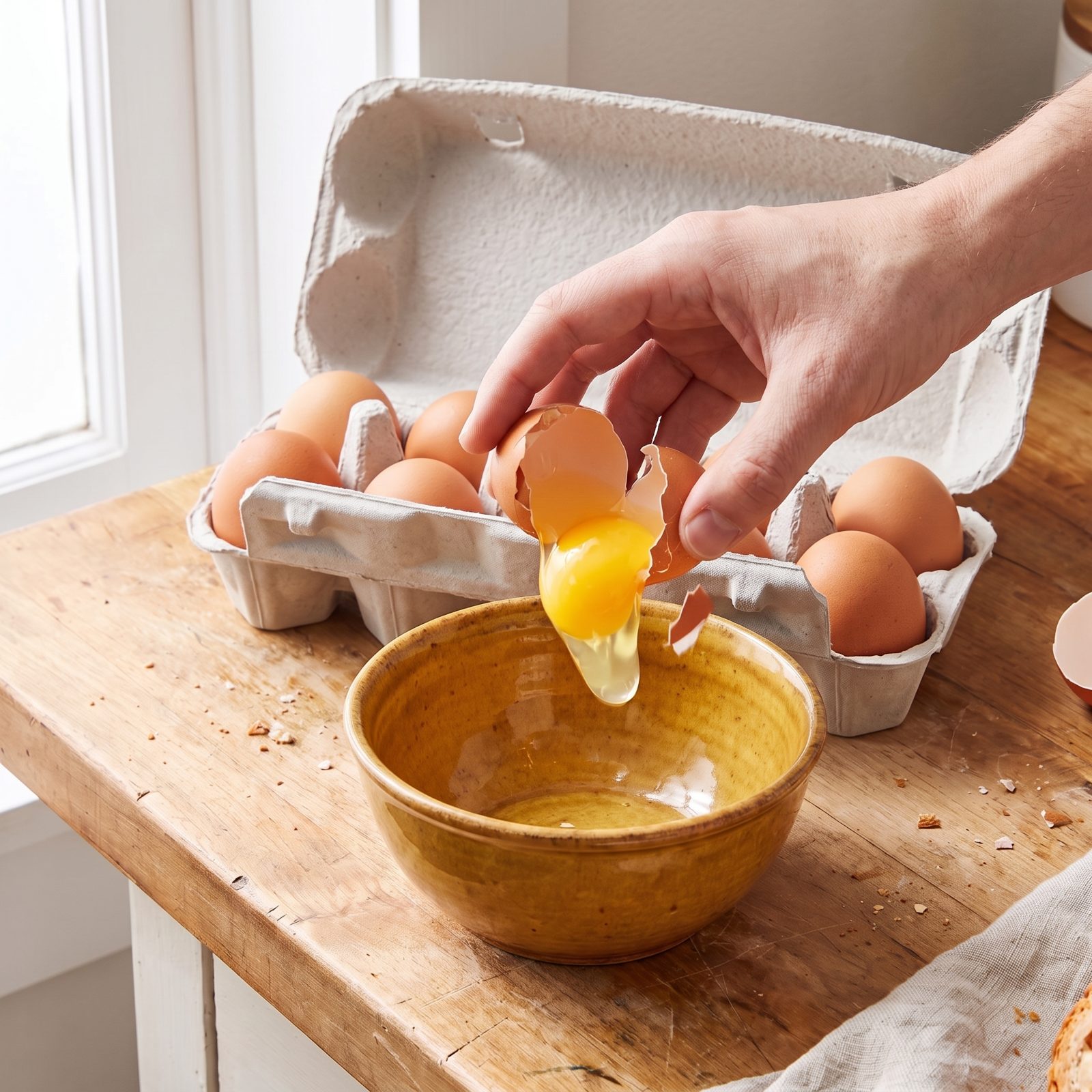
Eggs did the heavy lifting. Scrambled on a Tuesday, folded into a Sunday cake, cracked into a meatloaf you’d never have guessed. The dozen was a workhorse before anyone worried about cholesterol counts.
You checked for a cracked one by lifting each in its cup and giving the carton a little rock. Everybody did that. And everybody still got home with one glued to the cardboard.
40. A Tub of Soft Margarine, Because Butter Was for Company
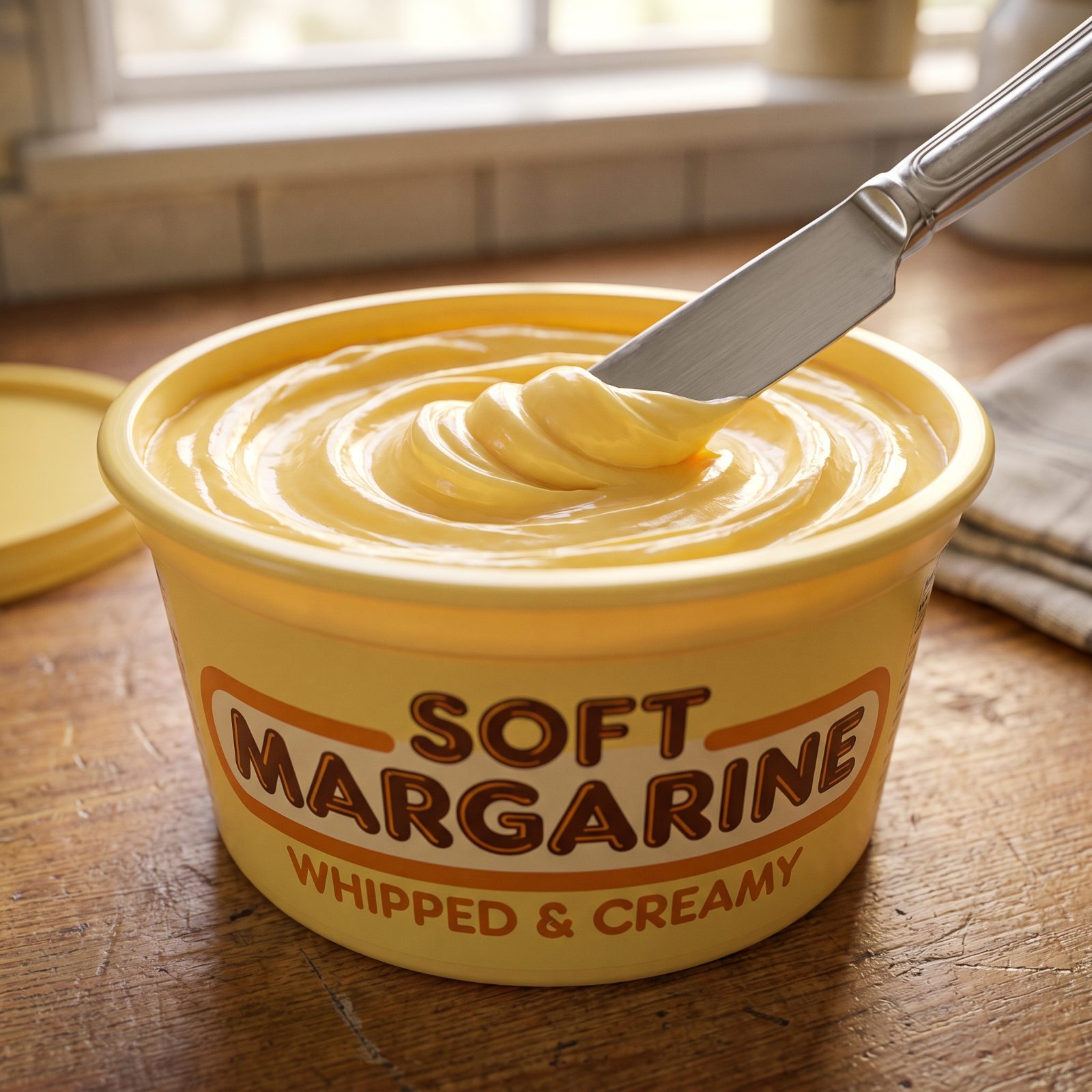
Margarine won the 1970s kitchen. It spread straight from the fridge, cost less than butter, and the commercials swore it was the smart choice. So the tub lived in the door, and the butter, if there was any, waited for Thanksgiving.
The lid never snapped back on right. You’d find it half-cocked, toast crumbs pressed into the surface, and somehow that bothered nobody.
39. A Loaf of Soft White Sandwich Bread
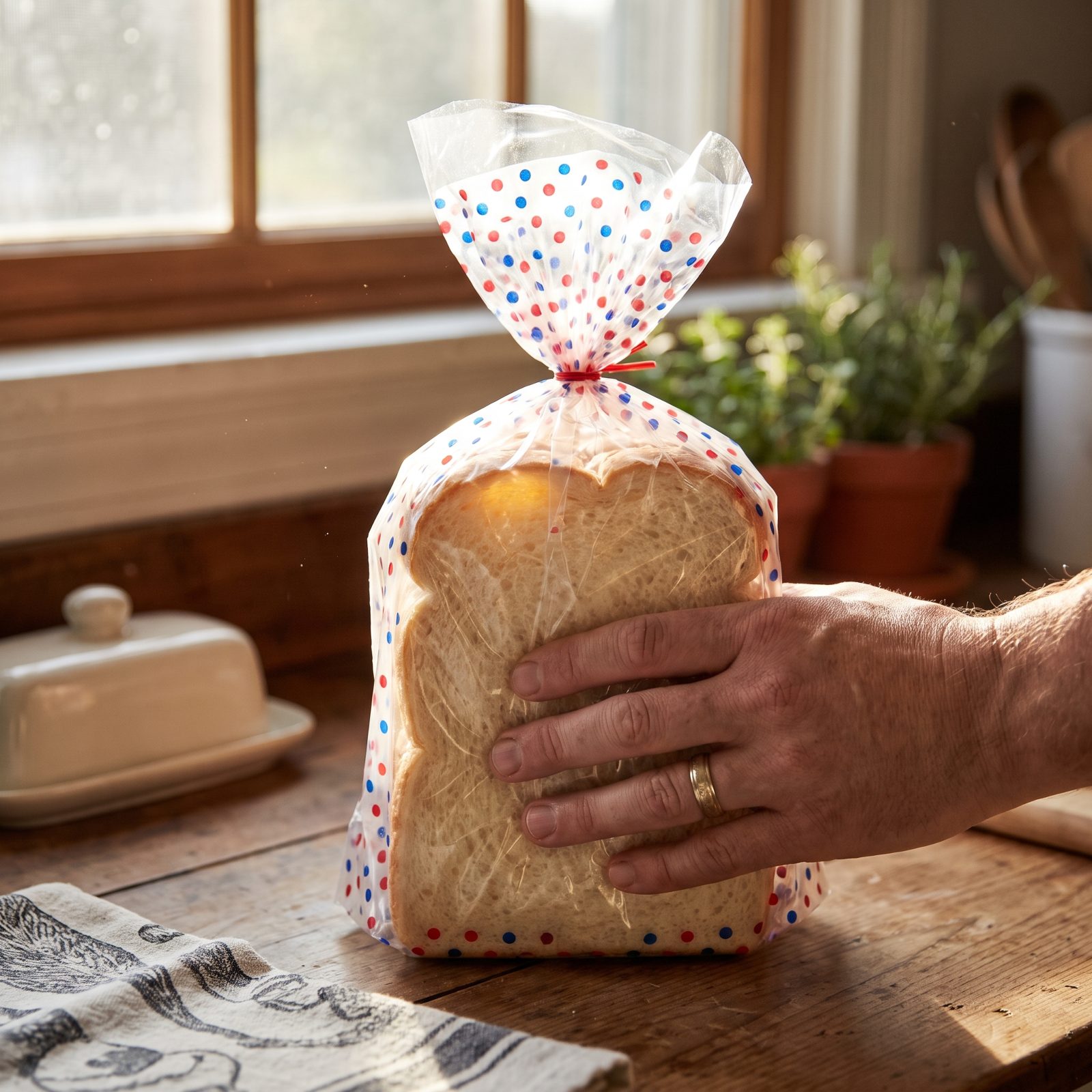
Squeeze-soft, white as a cloud, gone in bologna sandwiches by Thursday. This was the bread that pressed flat under a thumb and sprang right back, the bread that made a peanut butter and jelly a kid would trade for.
Nobody in 1975 was reading the ingredient panel. The twist-tie color told you the day it was baked and that was the whole nutrition conversation. It toasted well, stacked well, and the heel always got left in the bag until it went hard.
38. A Five-Pound Paper Sack of All-Purpose Flour
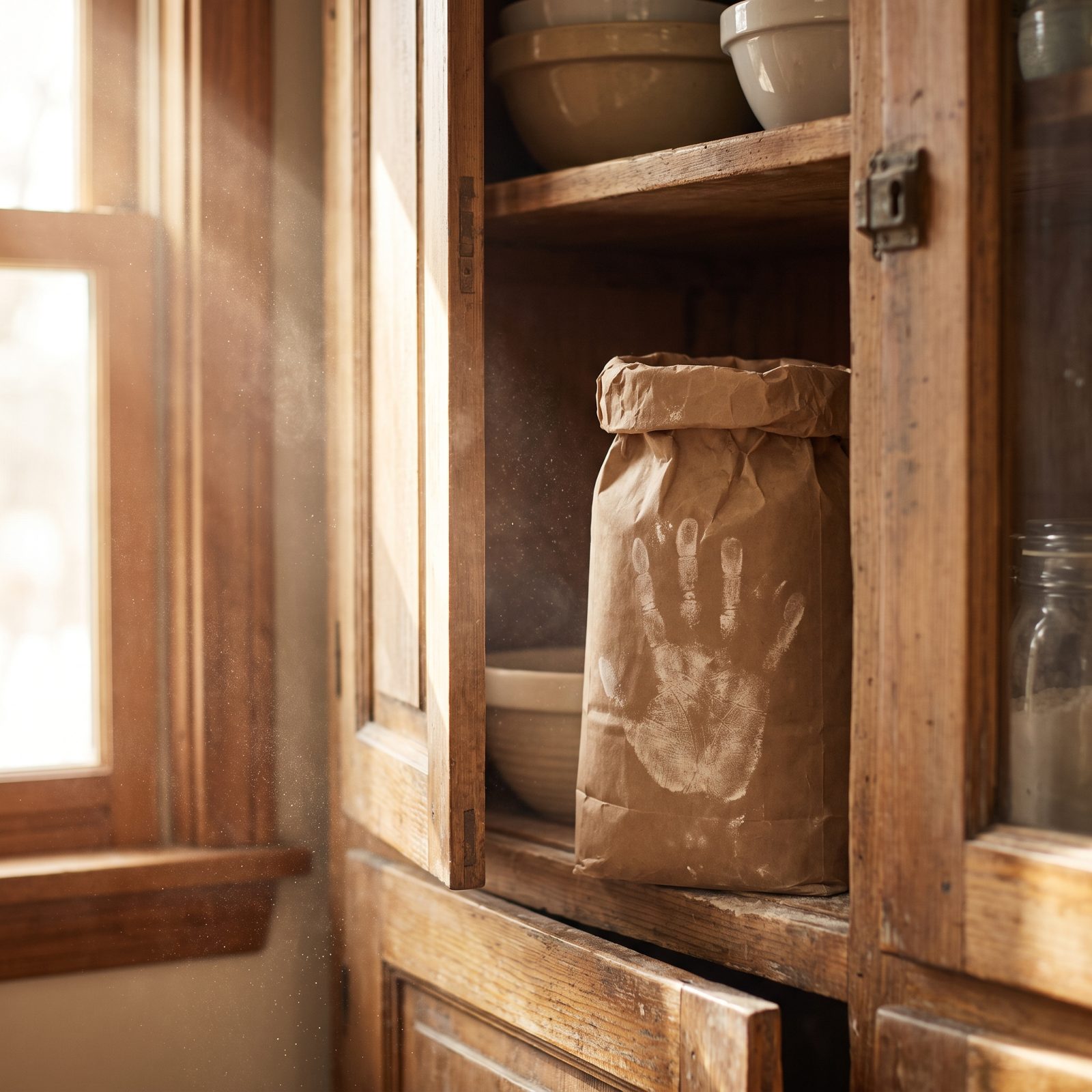
The flour sack sat in the cabinet and picked up a floury handprint every time you reached past it. It made the biscuits, thickened the gravy, dredged the pork chops, and rolled out into the Sunday pie crust.
Five pounds felt like a serious commitment. Once opened it never folded shut right, so you clipped it or, more likely, just let flour dust the shelf below. Baking from scratch wasn’t a hobby yet. It was Tuesday.
37. A Five-Pound Bag of Granulated Sugar
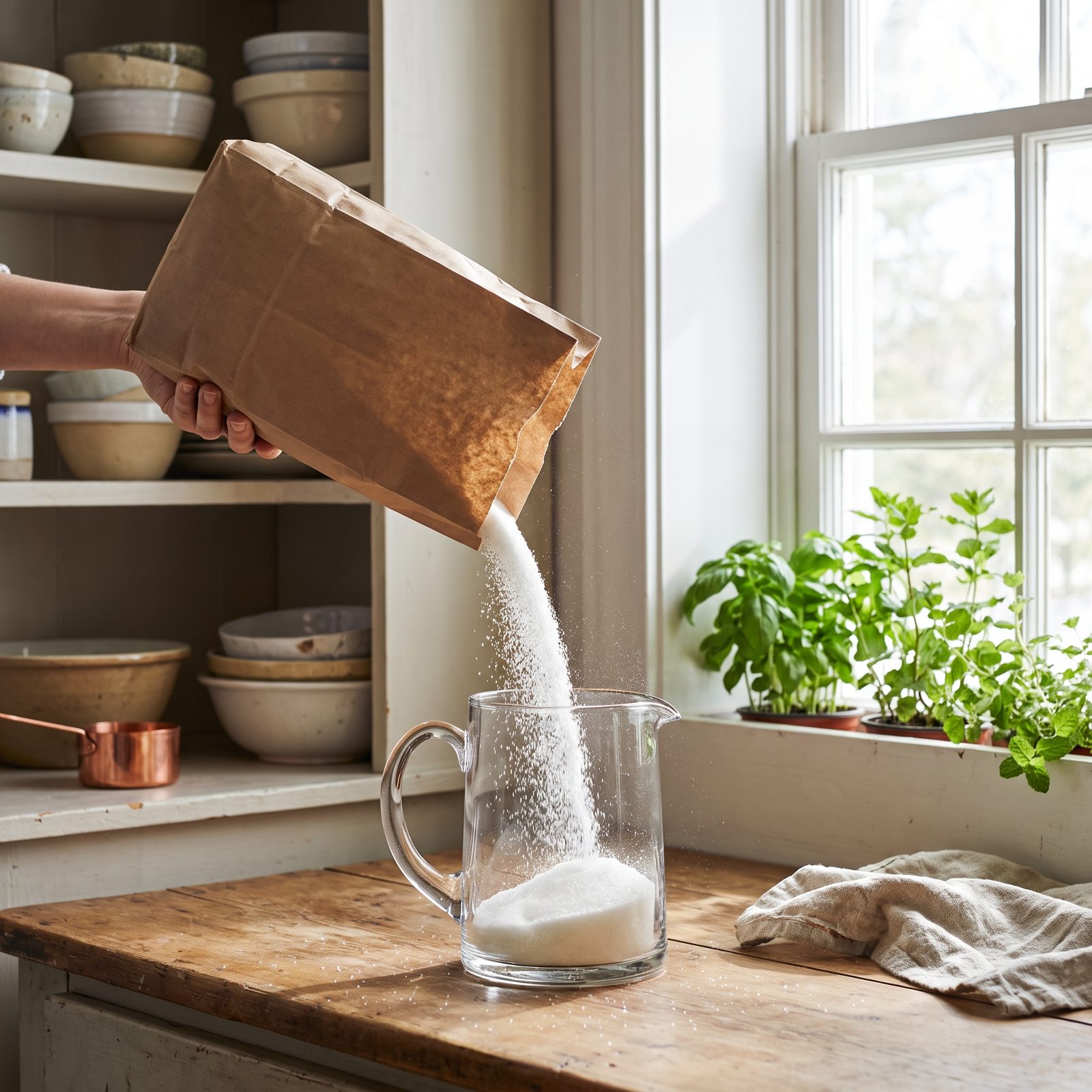
Sugar went everywhere and nobody flinched. Into the coffee, over the grapefruit, into the Kool-Aid pitcher, and by the cupful into whatever was going in the oven that afternoon.
Five pounds sounds like a lot until you remember the sweet tea and the birthday cakes and the way half the recipes in the church cookbook started with a cup of it. The bag lived next to the flour and looked exactly like it, which is how you occasionally grabbed the wrong sack mid-recipe. Ask anyone who baked back then — it happened more than once, and the cake still got eaten.
36. A Big Box of Corn Flakes for the Breakfast Table
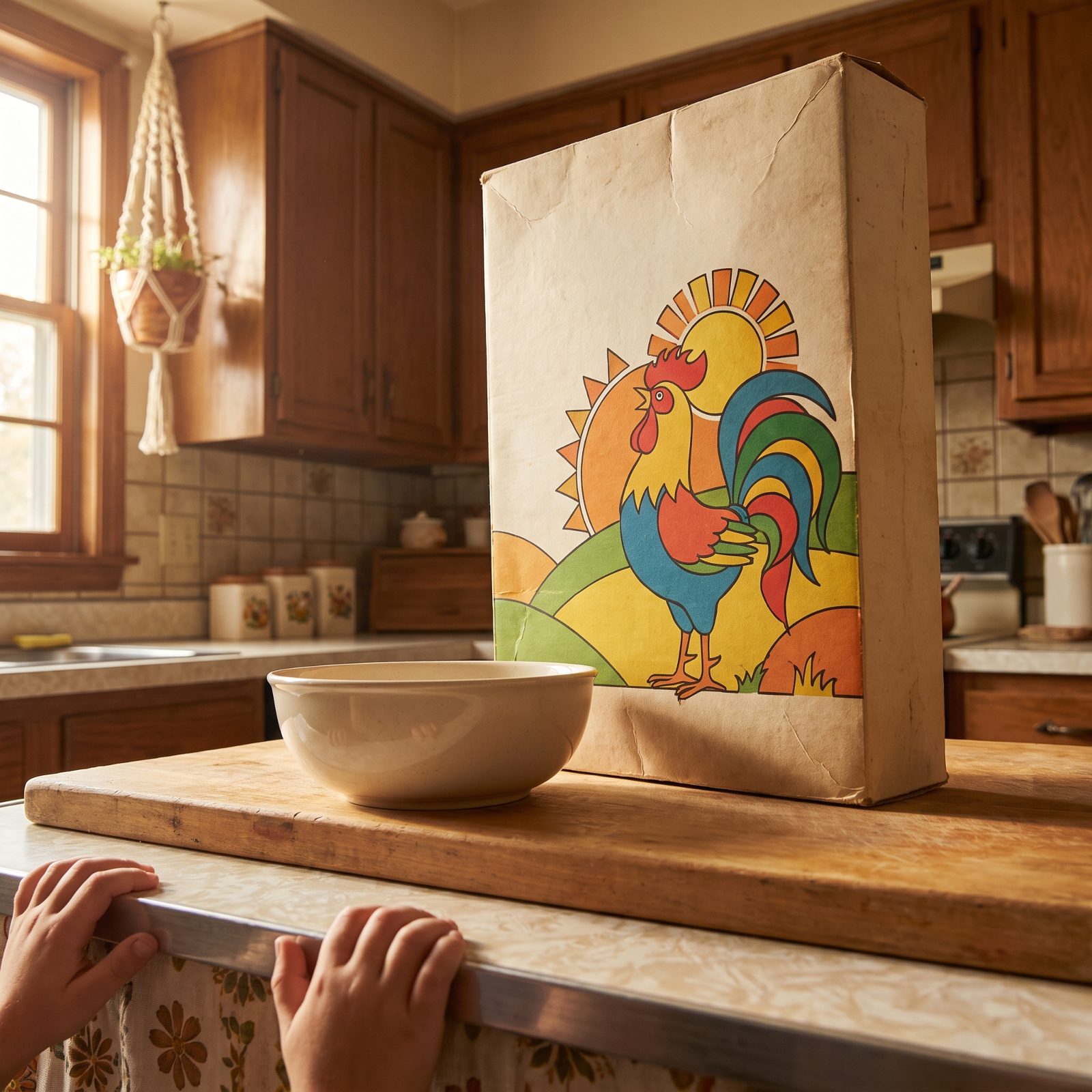
The big box fed a week of breakfasts and a fair number of after-school snacks nobody admitted to. Plain flakes, a splash of that whole milk, a spoon of sugar over the top, and you were out the door.
The waxed inner bag never rolled back down neatly, so the flakes at the bottom went a little soft by Friday. Fine. Somebody ate them dry by the handful anyway.
35. A Can of Ground Coffee That Ran the Mornings
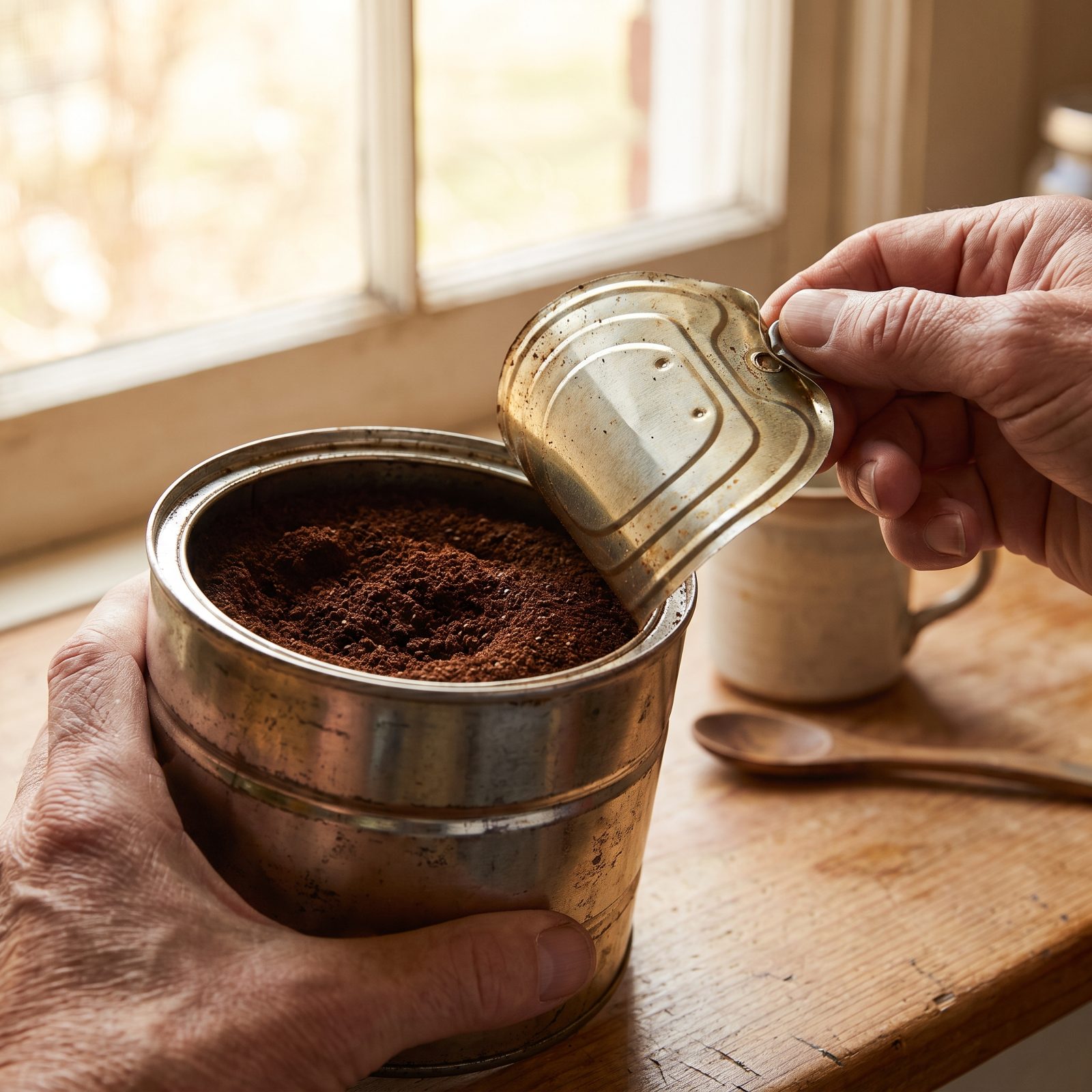
The coffee can was the sound of morning. That thin metal key strip peeling back the lid, the rush of ground coffee smell, the percolator ticking on the stove. Adults ran on it and the kids just breathed it in.
You didn’t grind beans and you’d never heard the word barista. You scooped from the can into the basket and let it burble. When the can emptied it went straight to the garage to hold nails and screws — a good coffee can was too useful to throw out.
Every garage in America had at least one empty coffee can full of mystery hardware.
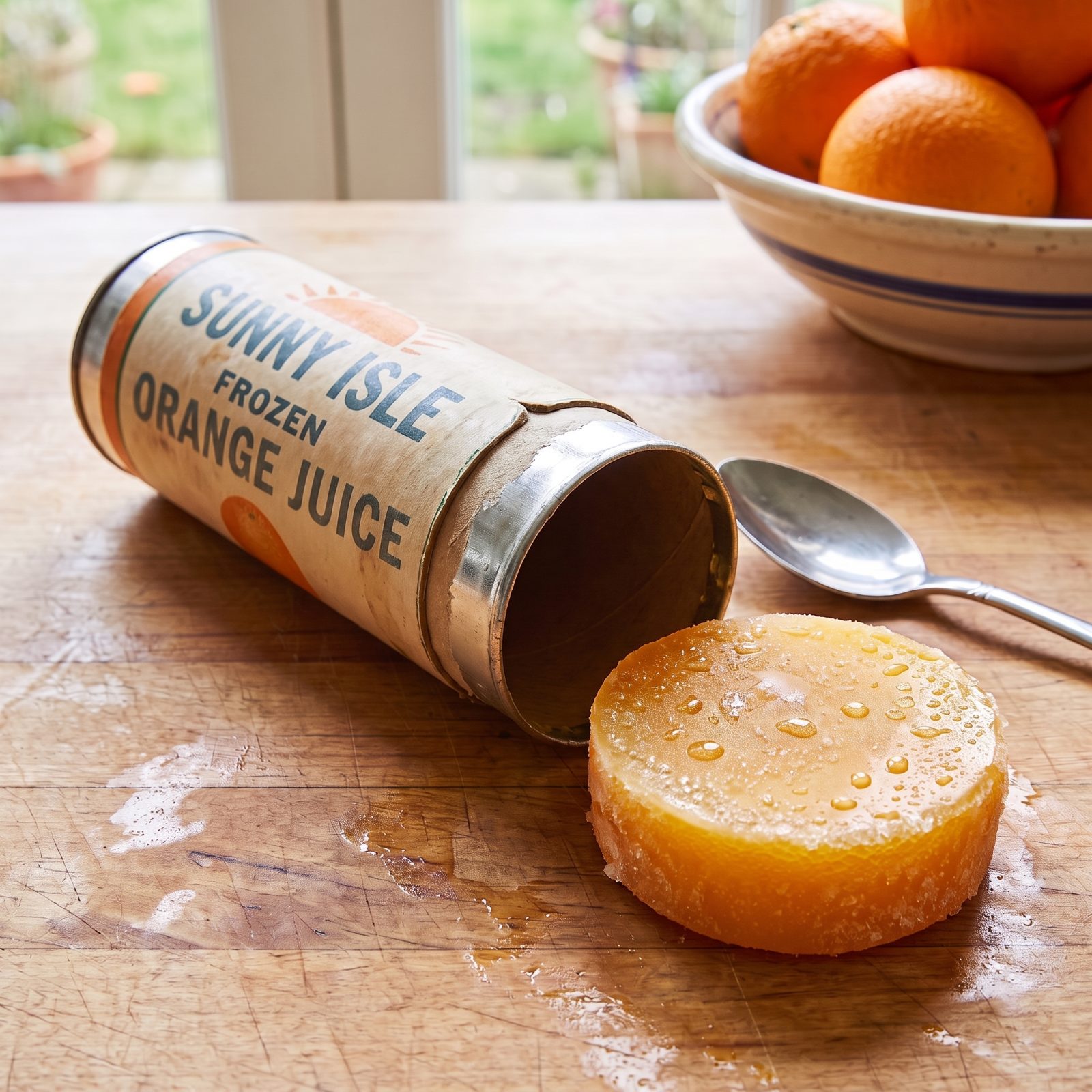
34. Frozen Orange Juice Concentrate You Stirred to Life
Would you like to save this?
Orange juice came frozen in a little cardboard tube, hard as a hockey puck. You thumbed off the metal end, plopped the frozen orange plug into the pitcher, added three cans of water, and stirred until your arm gave out.
There were always a few stubborn chunks that refused to dissolve and floated in the first glass. Fresh-squeezed was for rich people and hotels. This was juice, and it did the job.
33. A Package of Sliced Bacon for the Weekend
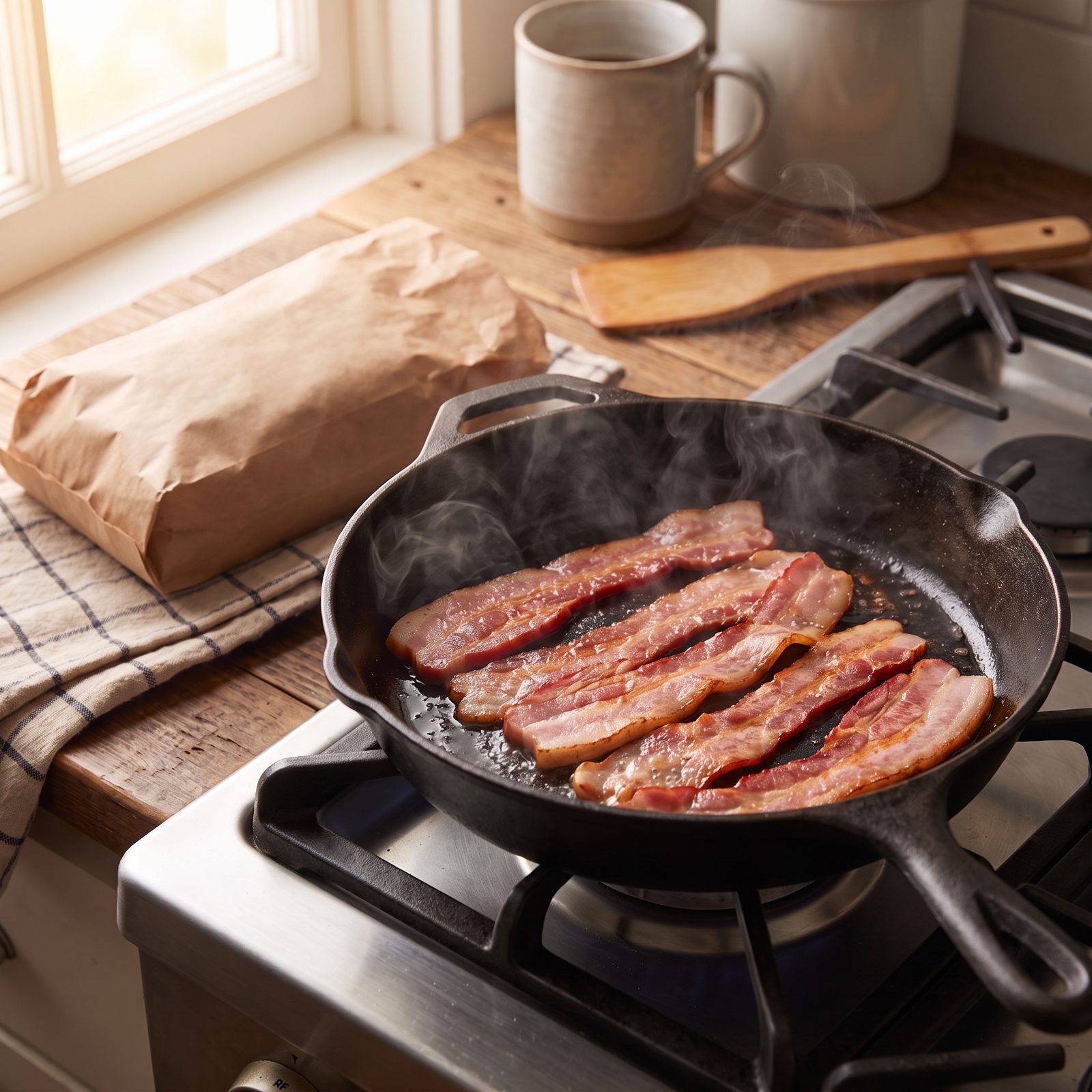
Bacon was a weekend event. Weekday breakfasts were cereal and toast, but Saturday meant the skillet came out and the whole house woke up to the smell of it.
The package came wrapped in brown paper and the slices always stuck together in a slab you had to pry apart one at a time. And nobody drained the grease. It went into an old coffee can by the stove and got used again, because that’s what you did with bacon grease.
32. A Three-Pound Chuck Roast
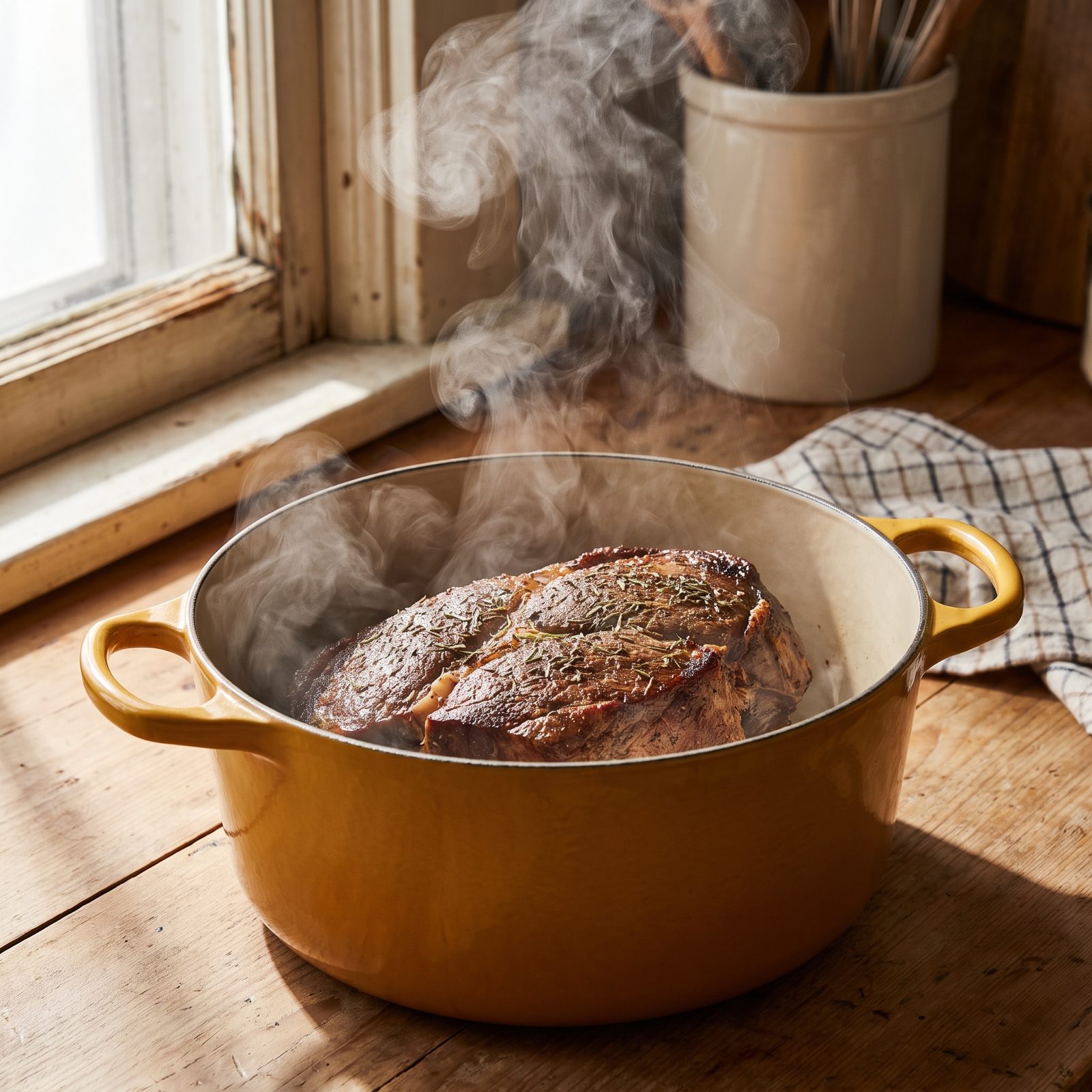
Sunday started with the chuck roast because a chuck roast needed the whole afternoon. Into the Dutch oven it went with onions and a little water, lid clamped down, and there it stayed in a low oven until that tough shoulder muscle finally gave up and shredded under a fork.
Three pounds was math, not indulgence. It fed everyone Sunday, then the leftovers turned into hash or a sandwich come Monday. Cheap because it was stubborn — and every mother in America knew stubborn meat plus time equals dinner.
31. One Whole Frying Chicken
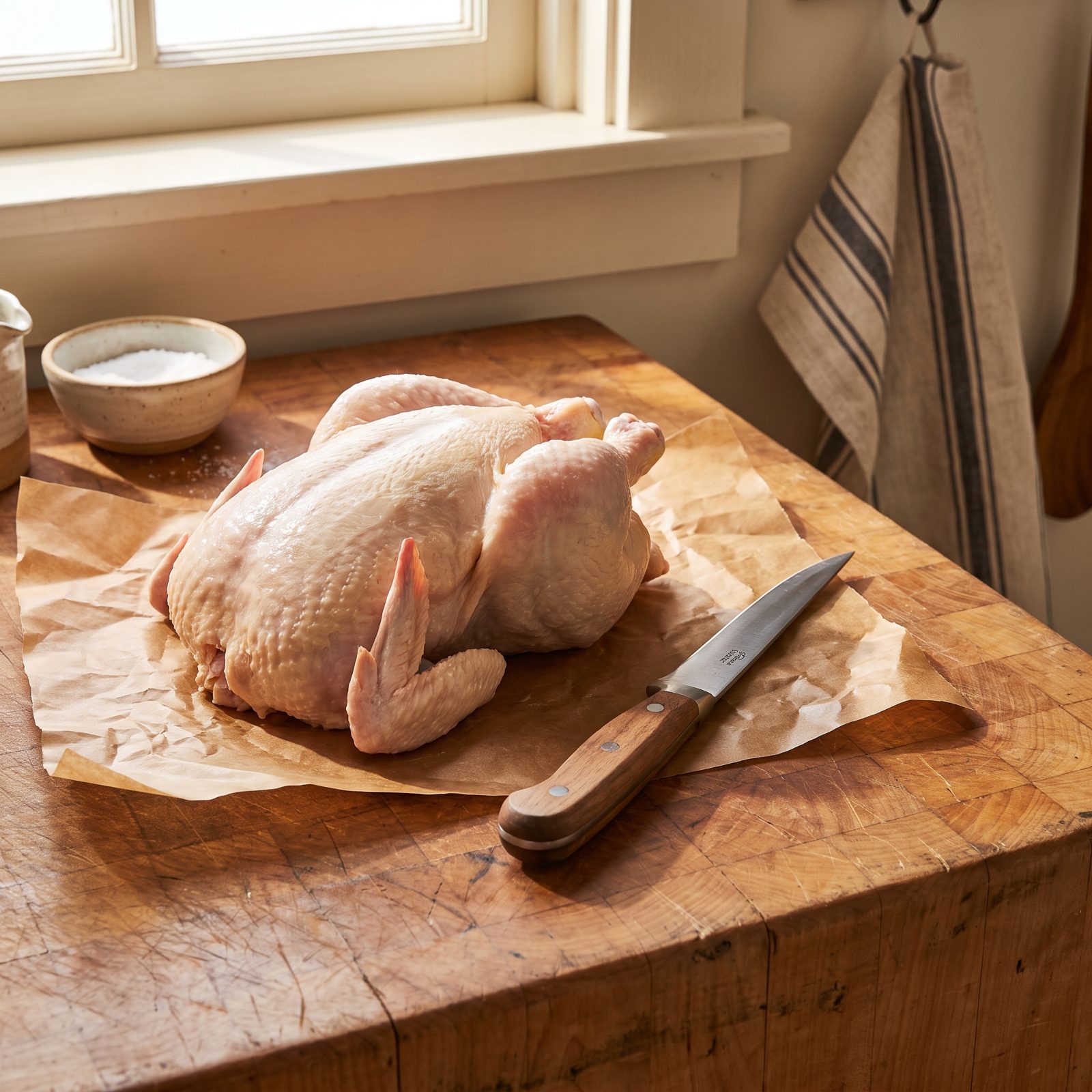
A whole bird was the thriftiest chicken you could buy, and everybody knew how to break it down without a chart. You fried it, roasted it, or dropped the whole thing in a pot and made soup that stretched three more meals.
The kids fought over the drumsticks. Somebody always got stuck with the back, which everybody pretended wasn’t a real piece. And nothing went in the trash — the carcass became stock before the week was out.
30. Two Pounds of Ground Beef
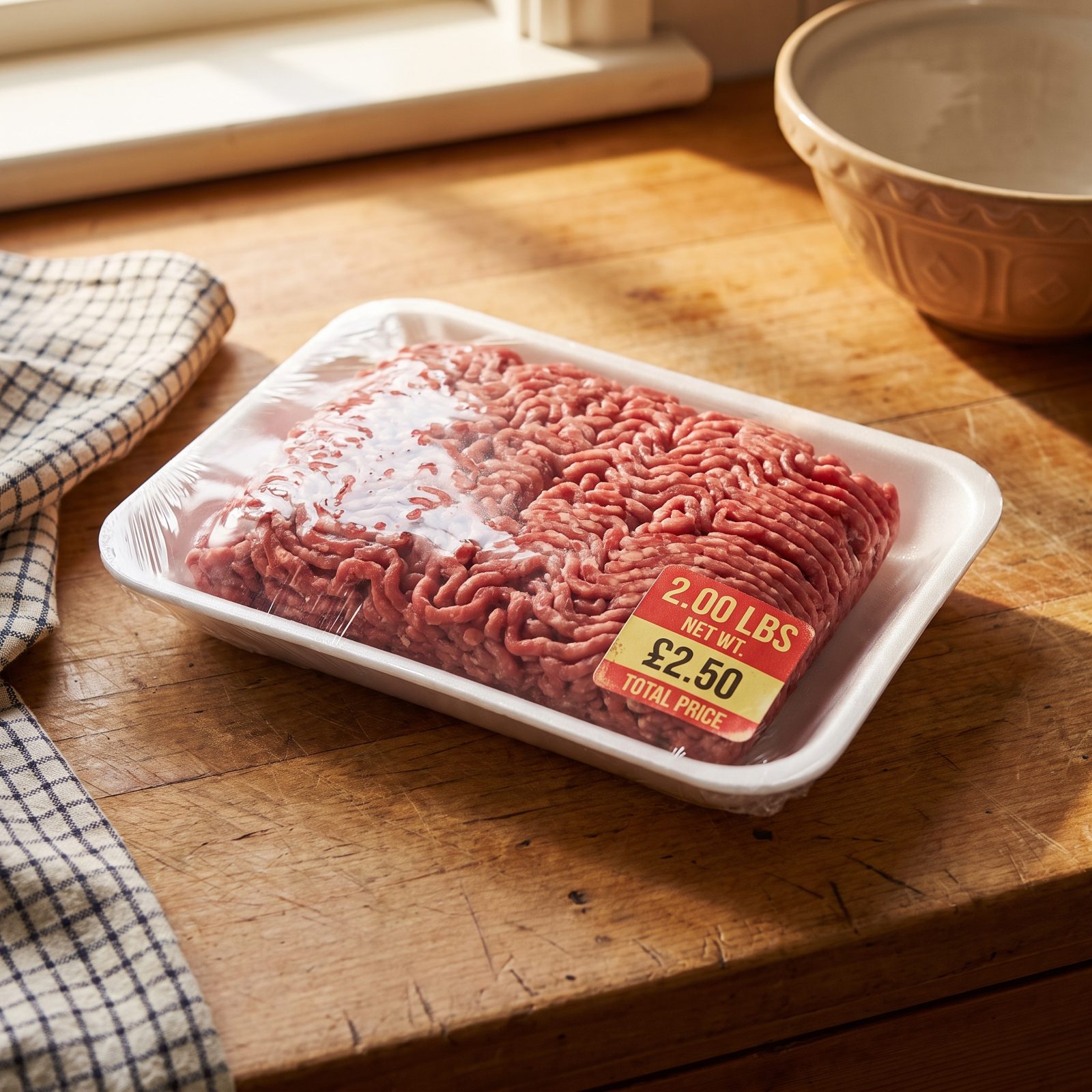
Ground beef was the workhorse. Two pounds became meatloaf on Tuesday, sloppy joes on Thursday, and a skillet of hamburger-and-macaroni on whatever night the week fell apart. It carried more dinners than anything else in the cart.
You browned it and drained the fat into an old coffee can that lived by the stove — a can that filled slowly all month while nobody questioned it. Cheap protein, endless uses, and it never once sat in the freezer wondering if it had a purpose.
29. A Package of Pork Chops
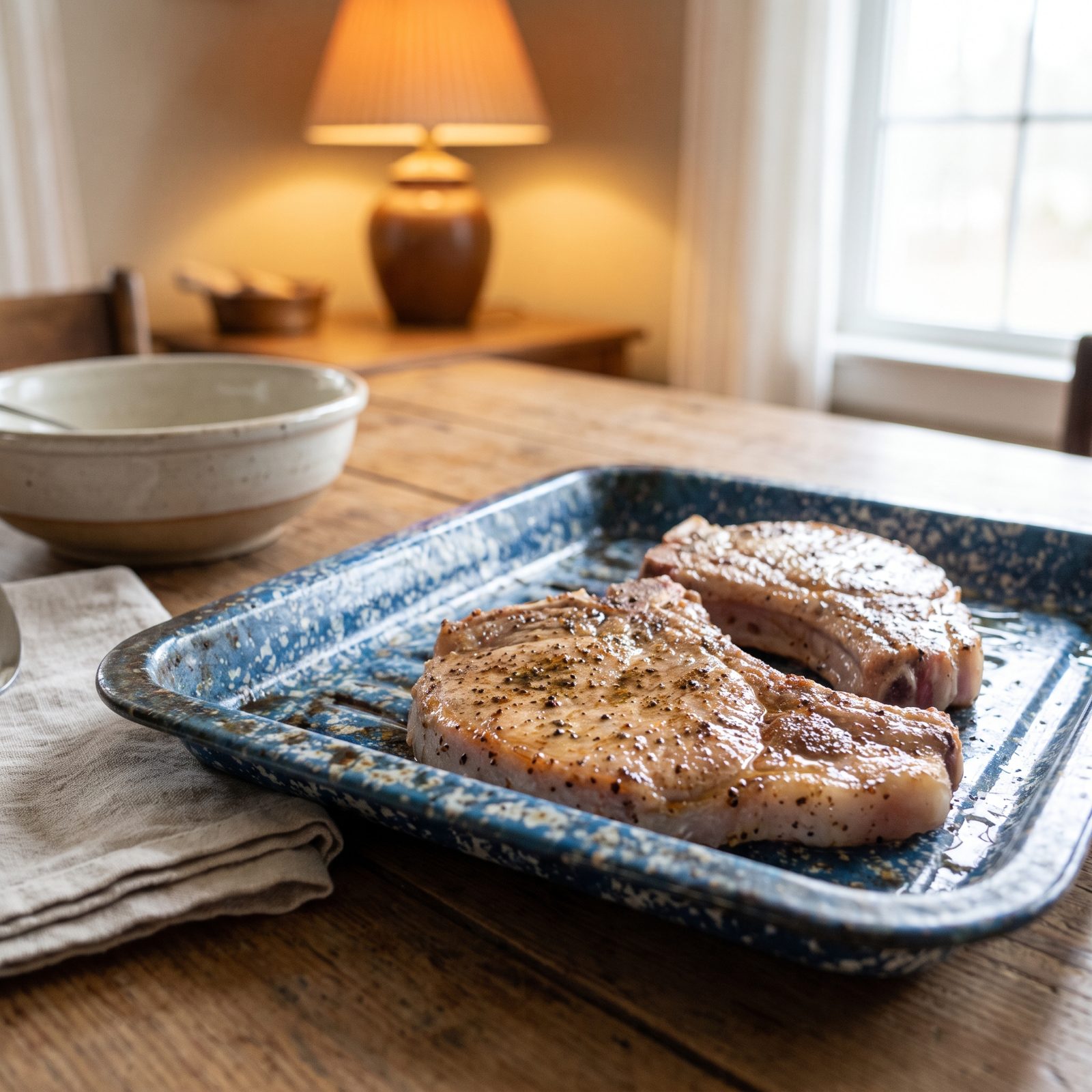
Pork chops meant a proper sit-down dinner without the Sunday-roast commitment. They hit the skillet or the broiler, browned at the edges, and landed on the plate next to applesauce because that pairing was practically the law.
They came thin back then. Look away for a minute and they turned to shoe leather. A little overcooked was just how pork chops were, and everybody ate them anyway.
28. Two Cans of Tuna
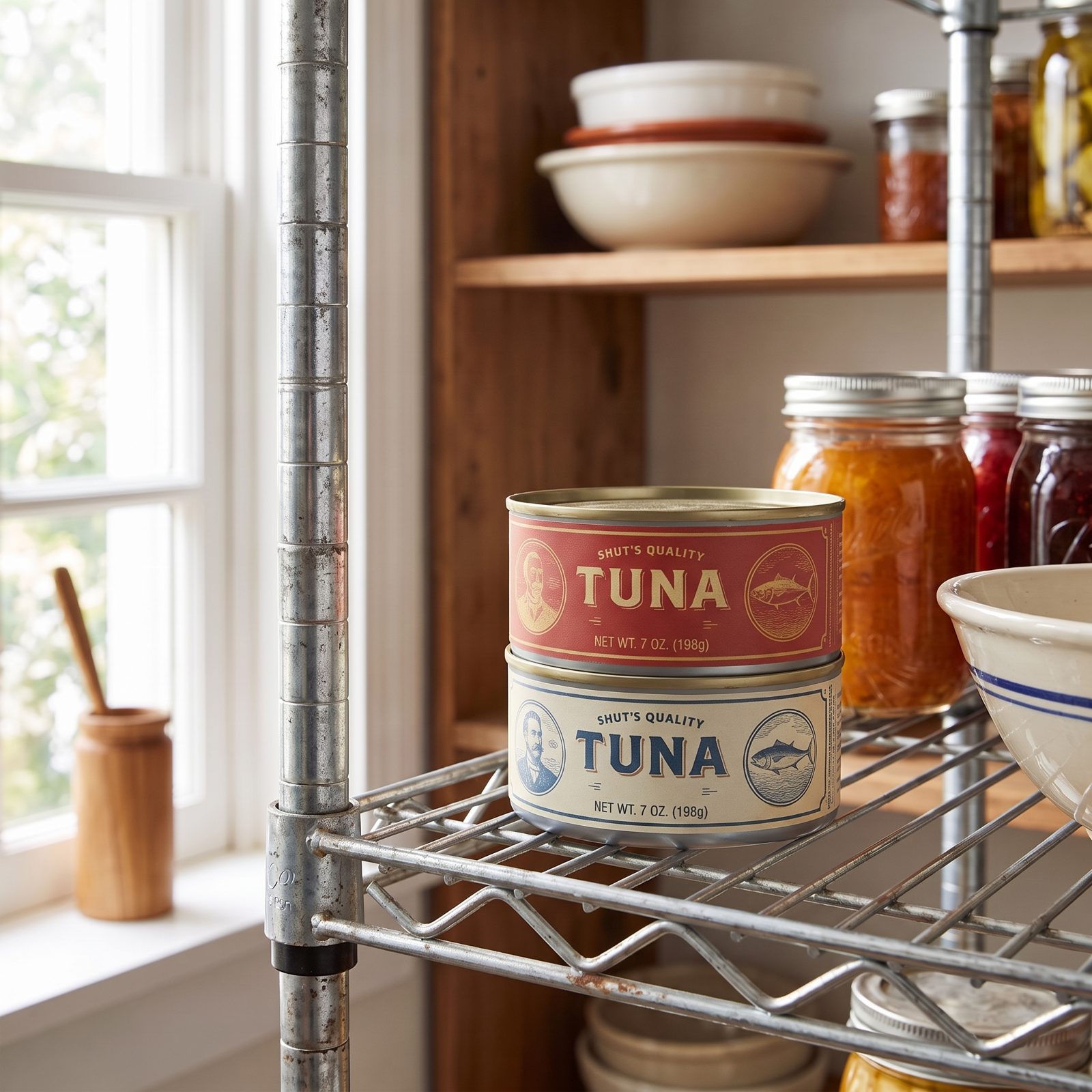
Two cans of tuna were the pantry’s insurance policy. They sat on the shelf for months, and when the week ran thin they became sandwiches, or a casserole with noodles and a can of cream soup and crushed potato chips on top.
You opened them with the hand-crank opener and pressed the lid down to drain the water into the sink. Then you mixed the flakes with mayonnaise, right in the can with a fork if nobody was watching. Cheap protein that never spoiled — the Friday lunch of a nation.
27. A Package of Sliced Bologna
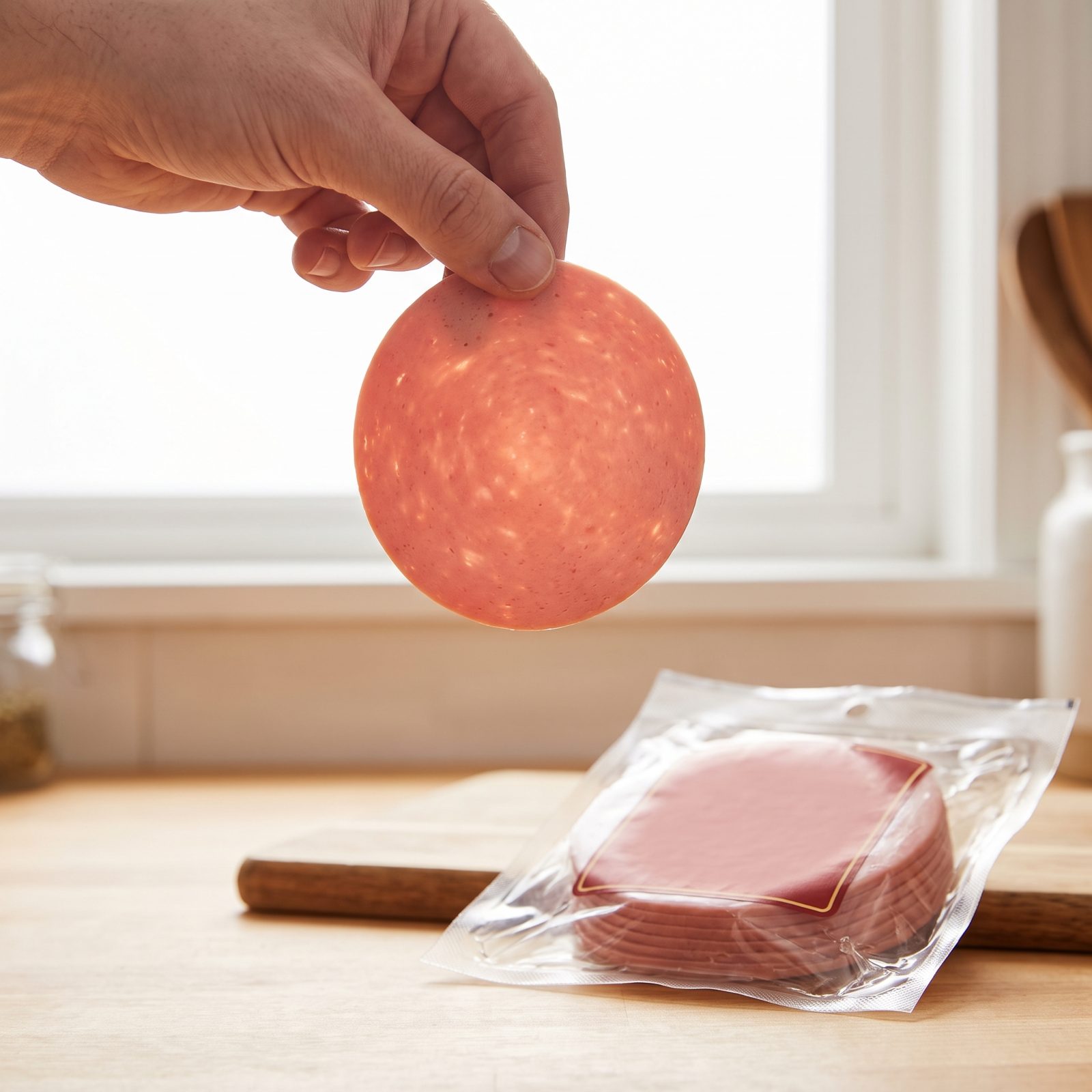
Bologna was lunch. Not fancy lunch, not Sunday lunch — just the reliable pink circle that went between two slices of white bread with a swipe of mustard and got wrapped in waxed paper for the lunchbox.
Every kid had the same debate: fry it until the middle domed up in the pan, or eat it cold and folded. No wrong answer, only a strong opinion.
26. A Block of American Cheese
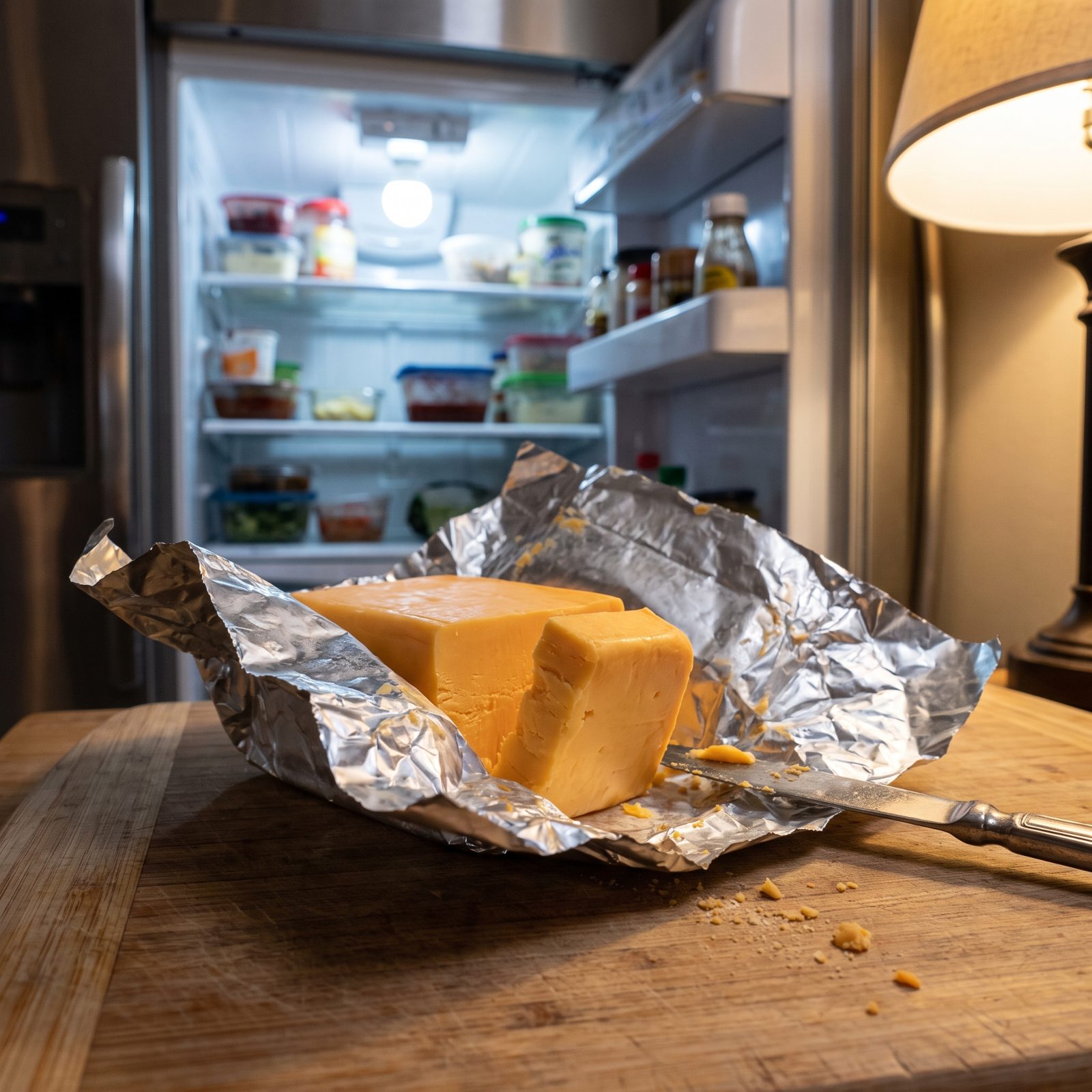
The block of American cheese was the melting cheese, the sandwich cheese, the cut-a-chunk-off-and-eat-it-standing-at-the-counter cheese. Orange, mild, and forgiving, it did whatever the recipe asked without complaint.
Grilled cheese leaned on it entirely, and so did the macaroni your mother made from scratch — the kind where the cheese went in a pot with milk and turned glossy. Not sophisticated. Better than sophisticated. It worked every single time.
25. A Package of Hot Dogs
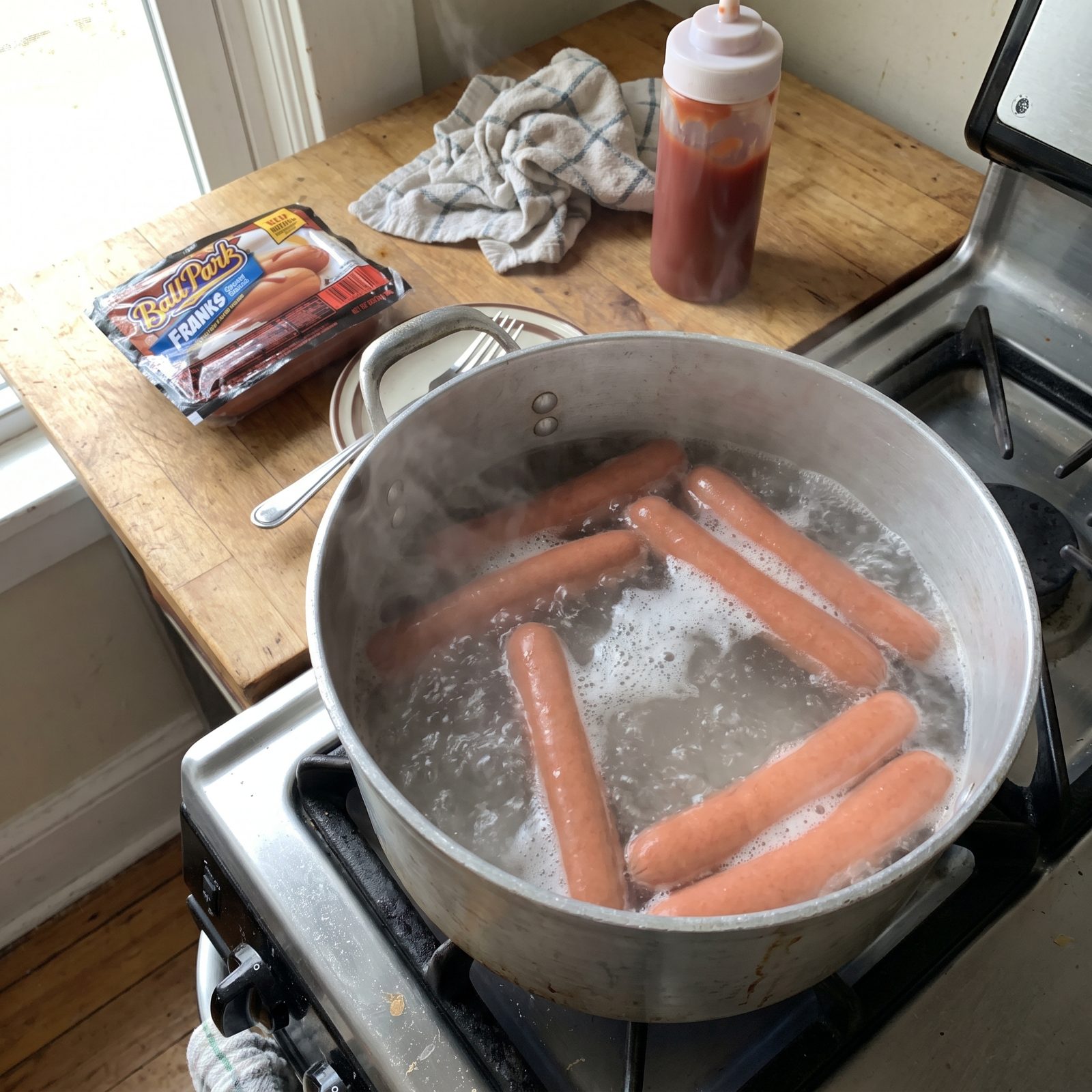
Hot dogs were the answer to the question nobody wanted to think hard about. Boil a pot of water, drop them in, and dinner happened in six minutes flat. Summer nights ran on them.
There were always ten dogs and, cruelly, only eight buns — a math problem the whole country lived with and nobody ever solved. You either doubled up somebody’s plate or ate the last two on folded bread and got on with your life.
24. A Bag of Hamburger Buns
Would you like to save this?
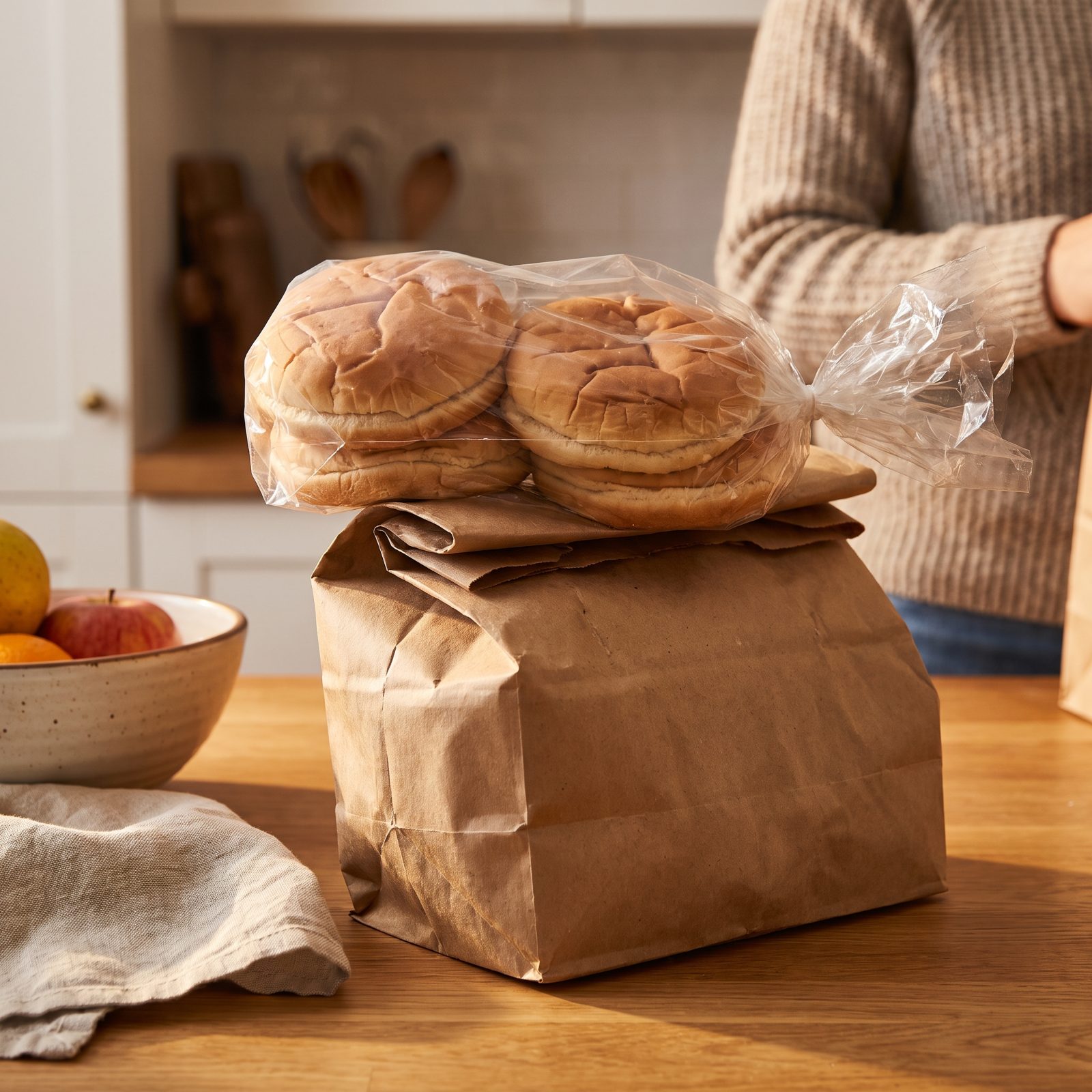
The bag of hamburger buns rode on top of the grocery sack so it wouldn’t get crushed, and it usually got crushed anyway. Soft, pale, faintly sweet — it existed for exactly one purpose and did it well.
Here’s the move every father swore by: toast them face-down in the pan where the burgers just cooked. A little butter, a little browning, and the whole thing got better for it. Alright, that one’s worth doing.
23. A Ten-Pound Bag of Potatoes
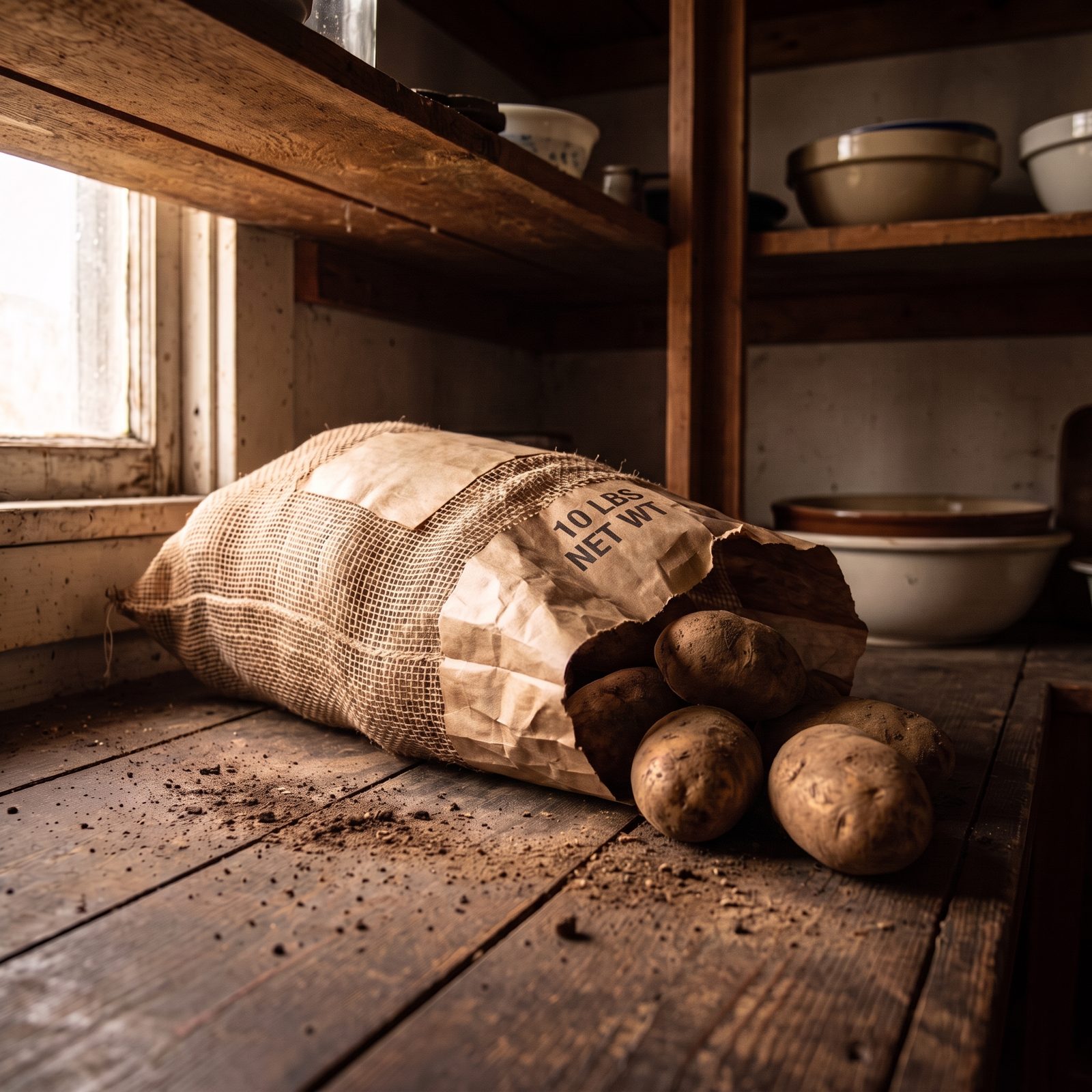
Ten pounds of potatoes was the foundation the whole cart stood on. They lived in the pantry, or in a bottom cupboard where they slowly sprouted if you forgot about them, and they stretched every dinner that needed stretching.
Mashed with butter, sliced into scallops, cut into fries, boiled and thrown in with the pot roast. A ten-pound bag cost almost nothing, and it filled a plate when the meat was running short. That was the whole idea.
22. A Three-Pound Mesh Bag of Yellow Onions
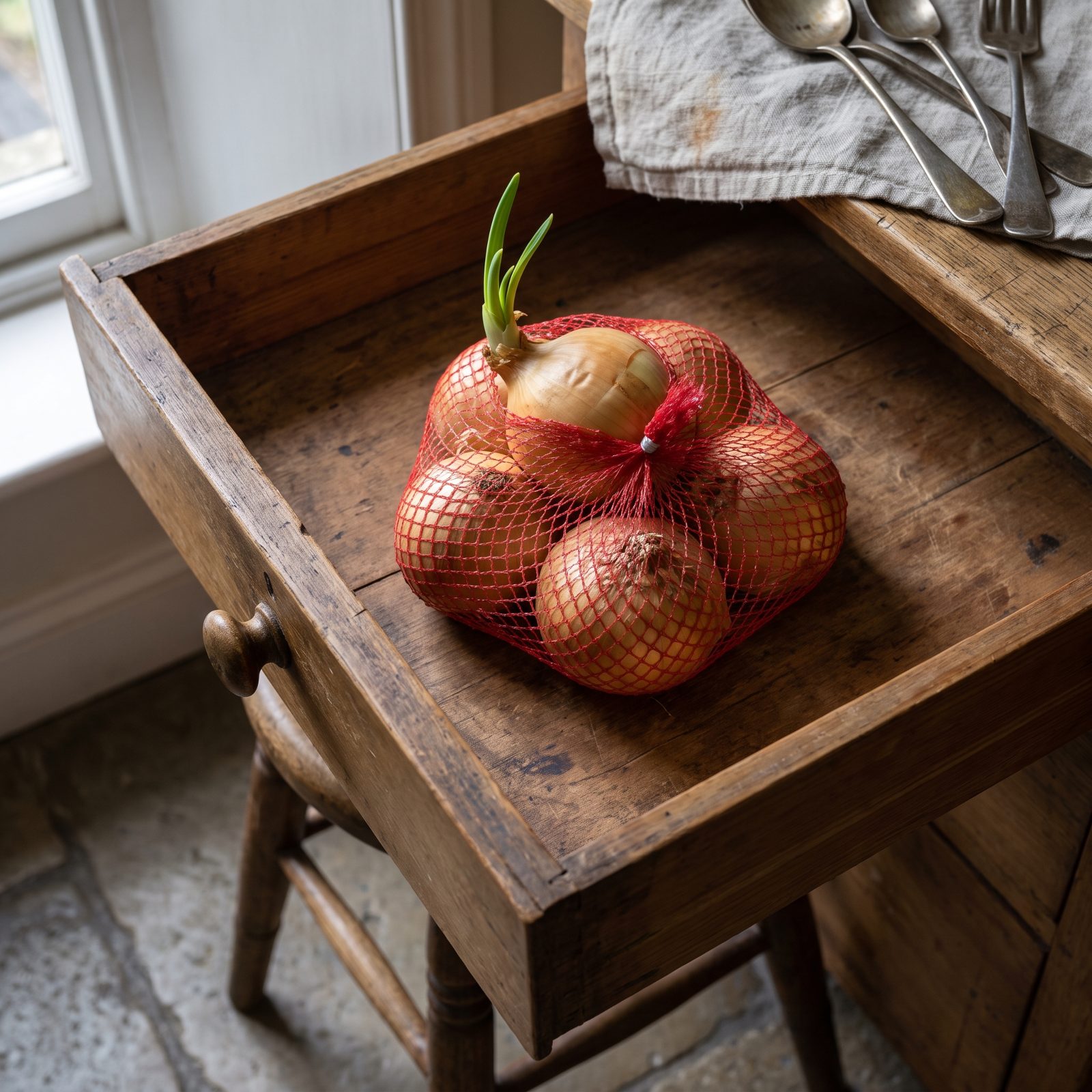
Every kitchen had a bag of these going soft in a bottom drawer. Onions were the cheapest flavor money could buy, and a family of four went through them like water. You diced one into almost everything — the meatloaf, the pot of beans, the Sunday gravy, the Tuesday goulash.
The mesh bag had its own small ritual. You’d reach in, feel for the firm ones, and quietly leave the sprouting one for next week. A three-pound bag ran maybe a quarter and lasted all week long.
21. A One-Pound Cellophane Bag of Carrots
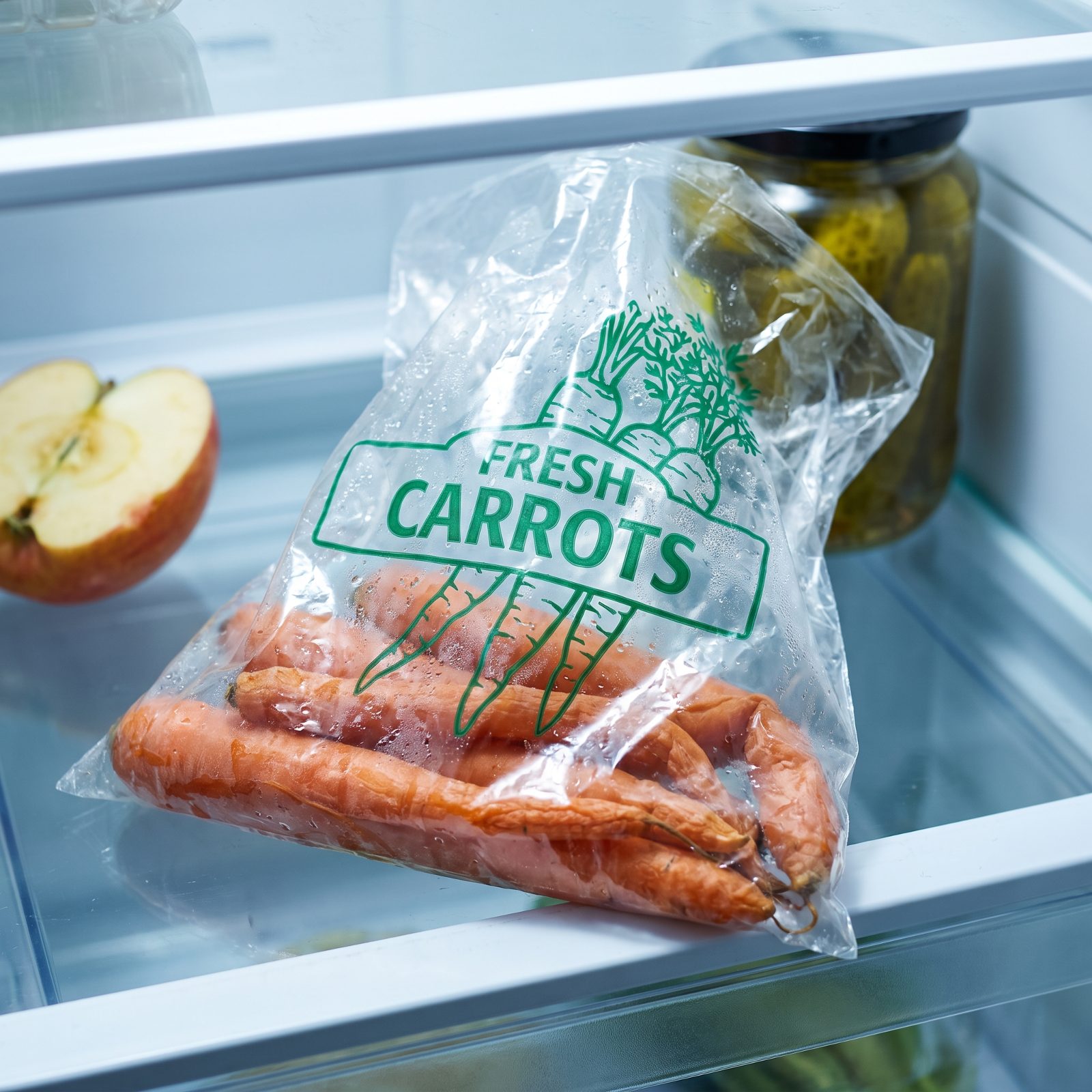
Carrots were the workhorse vegetable, cheap and nearly immortal in the crisper drawer. You bought the bag, forgot about it, and it forgave you.
Half went into the pot roast, sliced into coins that turned sweet and soft against the beef. The rest got cut into sticks for the kids’ lunches or grated raw into a bowl with raisins and a spoonful of mayonnaise. That carrot-raisin salad showed up at every potluck in America, and somebody always brought it.
20. A Bunch of Celery, Leaves Still On
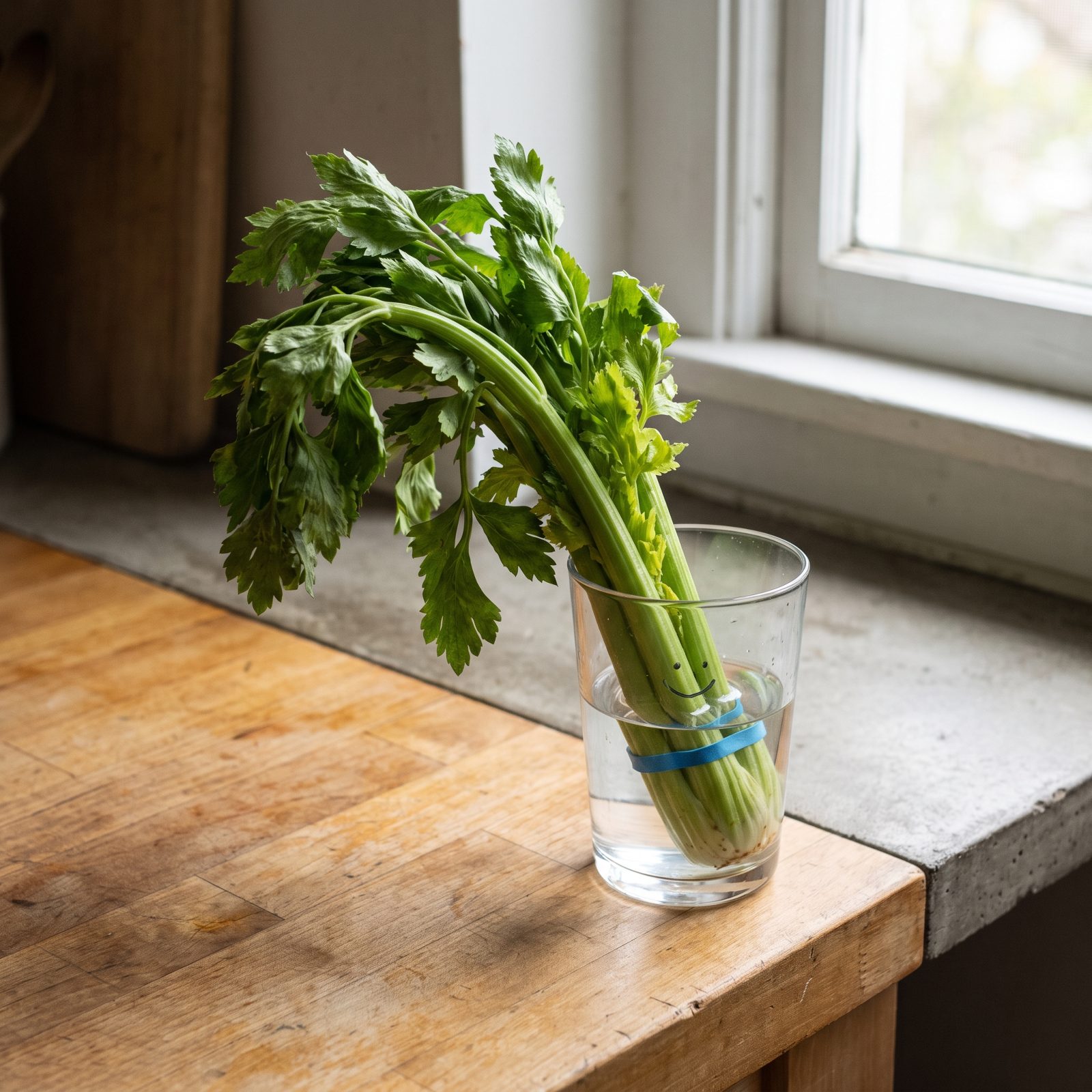
Celery was never really the point. Nobody bought a bunch because they were craving celery. You bought it because it was the third leg of the mirepoix, the aromatic base that made soup taste like soup.
The outer ribs went into the stockpot with the onion and carrot. The tender inner stalks got filled with peanut butter or that squeeze-can cheese and set out when company came. And the leaves? Most people tossed them. They were the secret to a good chicken broth.
19. A Head of Green Cabbage the Size of a Softball
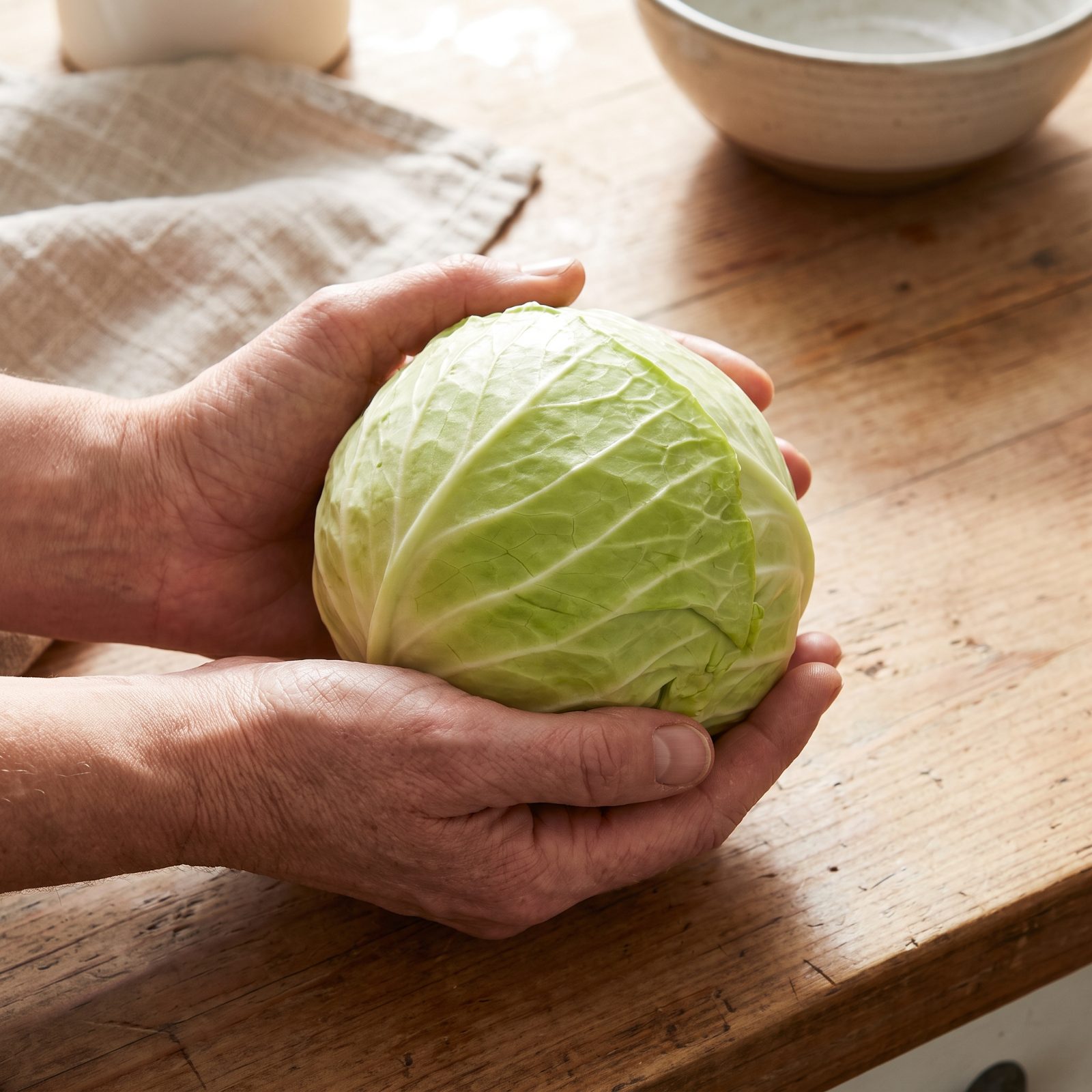
A cabbage cost pennies and fed a crowd, which is exactly why it turned up on the counter every single week. It was the vegetable you bought when the budget was tight and the family was big.
Shredded fine, it became a bowl of coleslaw next to the fried chicken. Boiled with a chunk of corned beef, it filled the house with a smell you either loved or fled. Stuffed with rice and ground beef, it stretched half a pound of meat into dinner for six.
18. A Head of Iceberg Lettuce, Wrapped in Crinkled Plastic
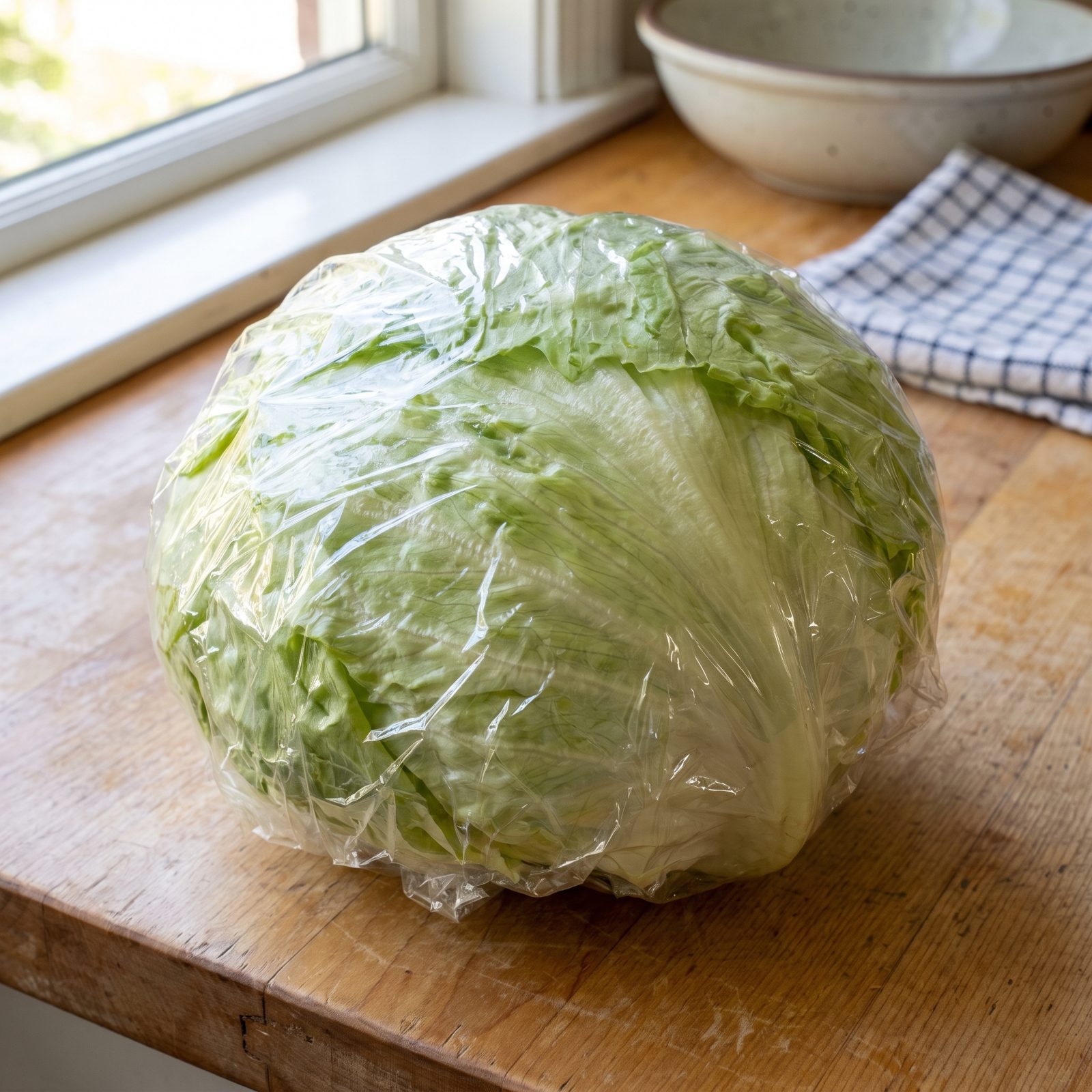
Iceberg was the only lettuce most families knew, and nobody thought that was a limitation. It was crunchy, it kept for two weeks, and it built the wedge salad that anchored dinner.
You quartered it, laid it on the plate, and drowned it in bottled French or that thick orange Thousand Island. The whole appeal was the cold snap of it against the dressing.
Arugula and spring mix were still twenty years away from the American table. This was salad, full stop.
17. A Carton of Fresh Tomatoes, Slightly Underripe
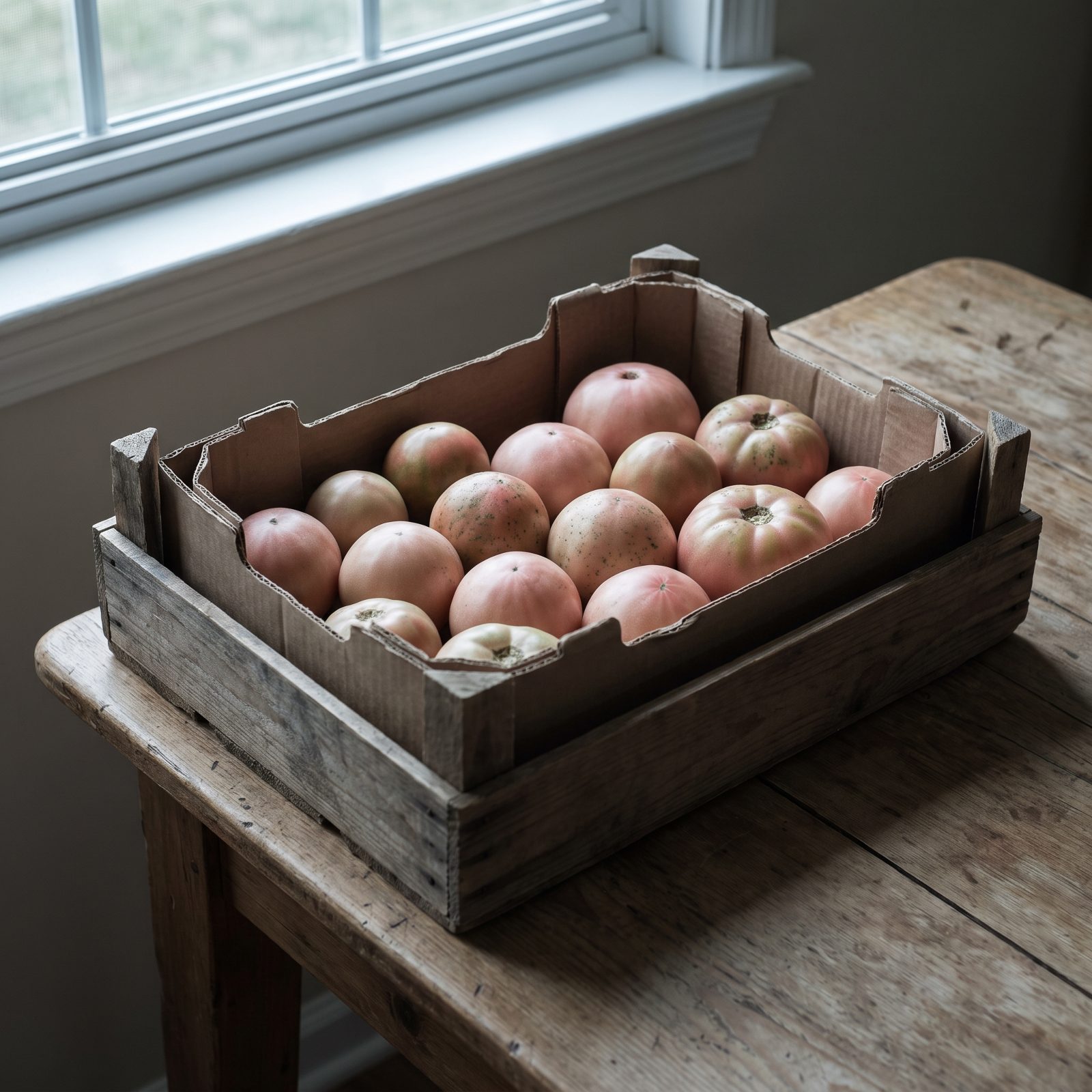
Winter tomatoes were a bit of a gamble. They came pale and firm in a cardboard tray, picked green somewhere far away and trucked north, and you set them on the windowsill hoping they’d redden up before Sunday.
They rarely tasted like the garden tomatoes of August. But sliced thick with salt on a BLT, or diced into the salad, they did the job. And come July, when the backyard vines finally came in loaded, the whole family remembered what a tomato was actually supposed to taste like.
16. A Box of Frozen Peas, Beaded With Frost
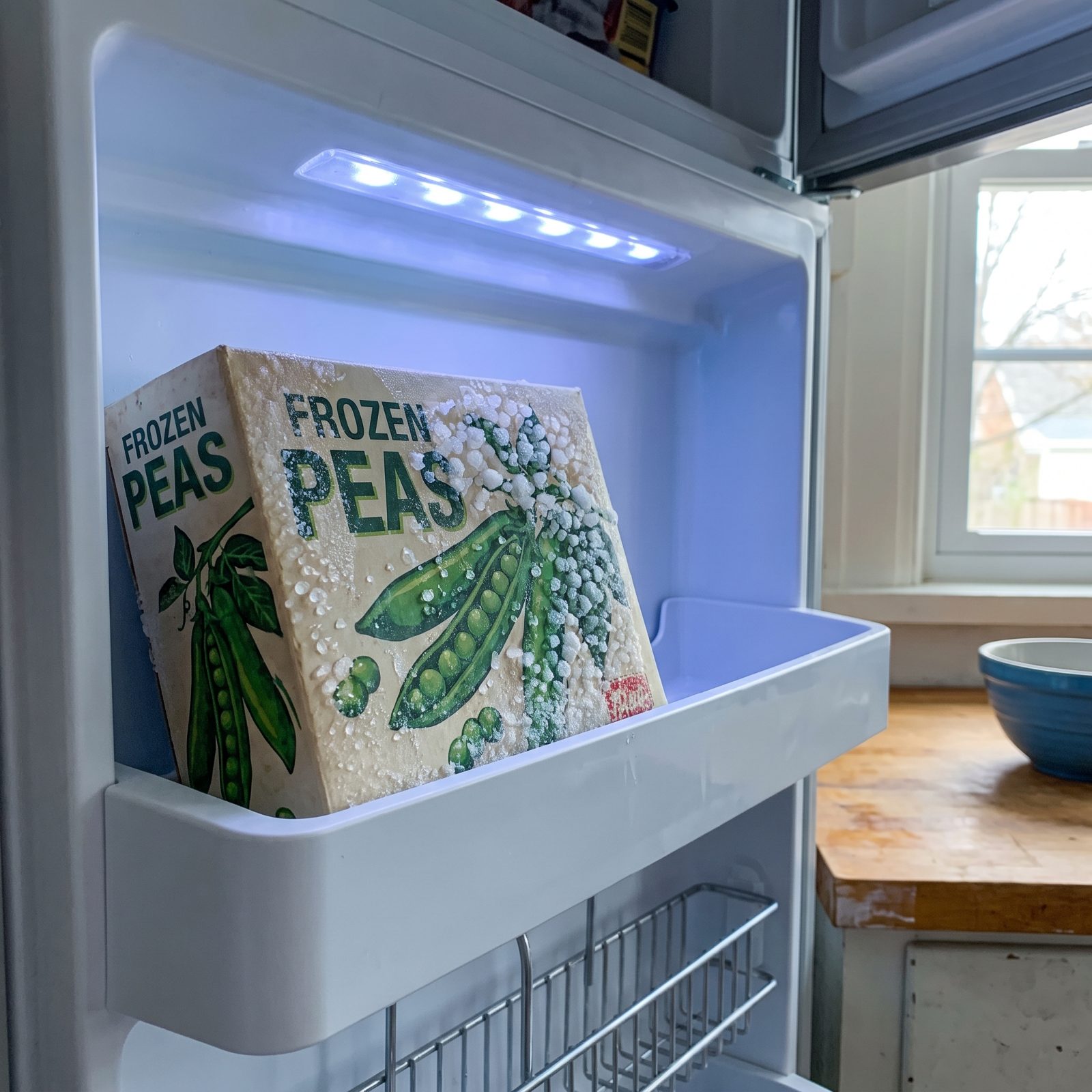
The freezer always held a box or two of these, standing at attention in the door. Frozen peas were the vegetable you served when there wasn’t time to think about it.
You dumped them in a saucepan with a pat of margarine, let them go bright green, and they landed on the plate next to the meatloaf. They also went into the tuna casserole and the pot pie and the beef stew — little green dots of nutrition that made a beige dinner look intentional.
15. Two Cans of Condensed Tomato Soup
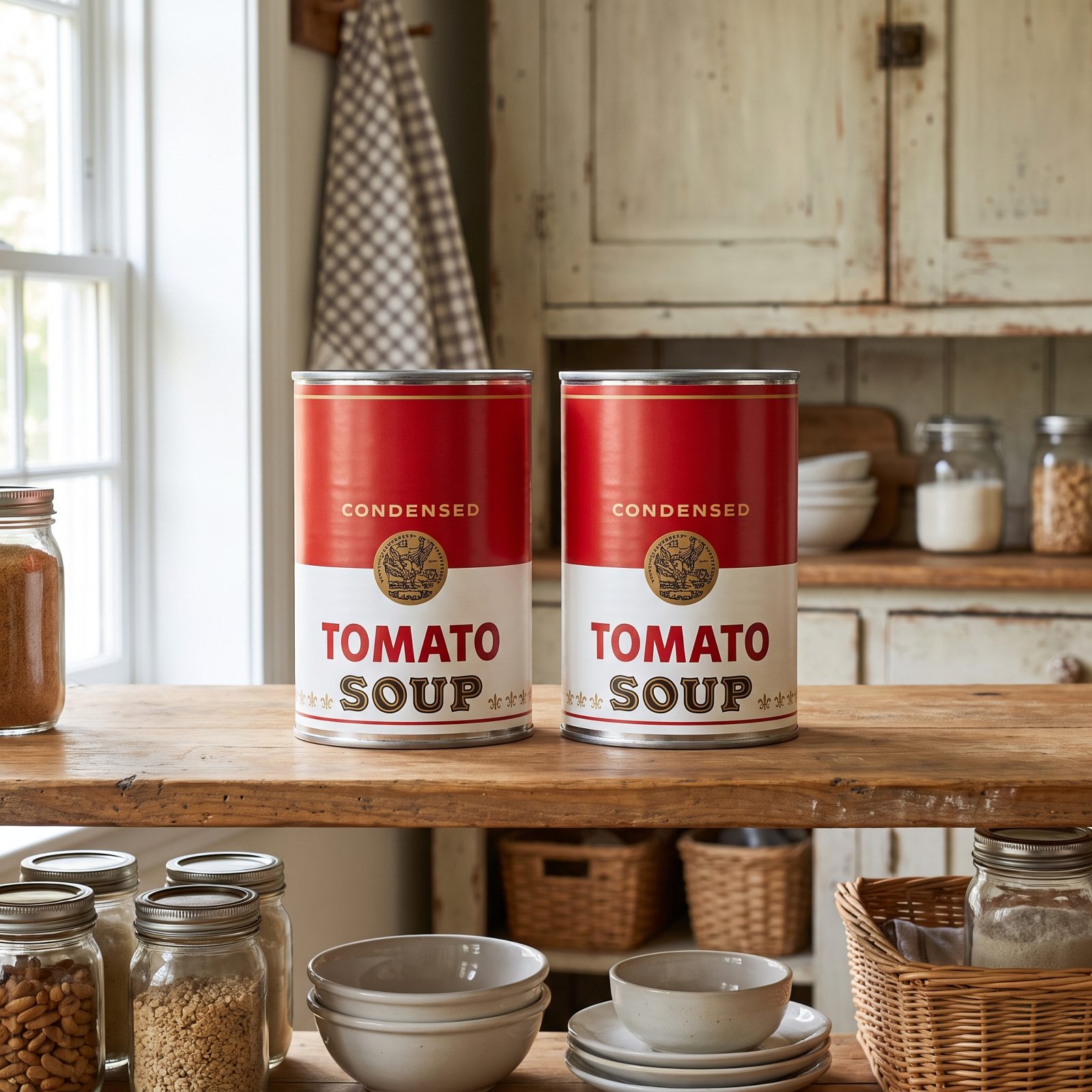
These two cans did more work than you’d ever guess. Condensed tomato soup was pantry insurance, the thing you kept a stack of because it turned into a dozen different dinners.
One can plus a can of milk was lunch, ladled hot next to a grilled cheese griddled in margarine. The other can wasn’t soup at all. It was the sauce in the Swiss steak, the binder in the meatloaf, the mystery ingredient in half the church-cookbook casseroles.
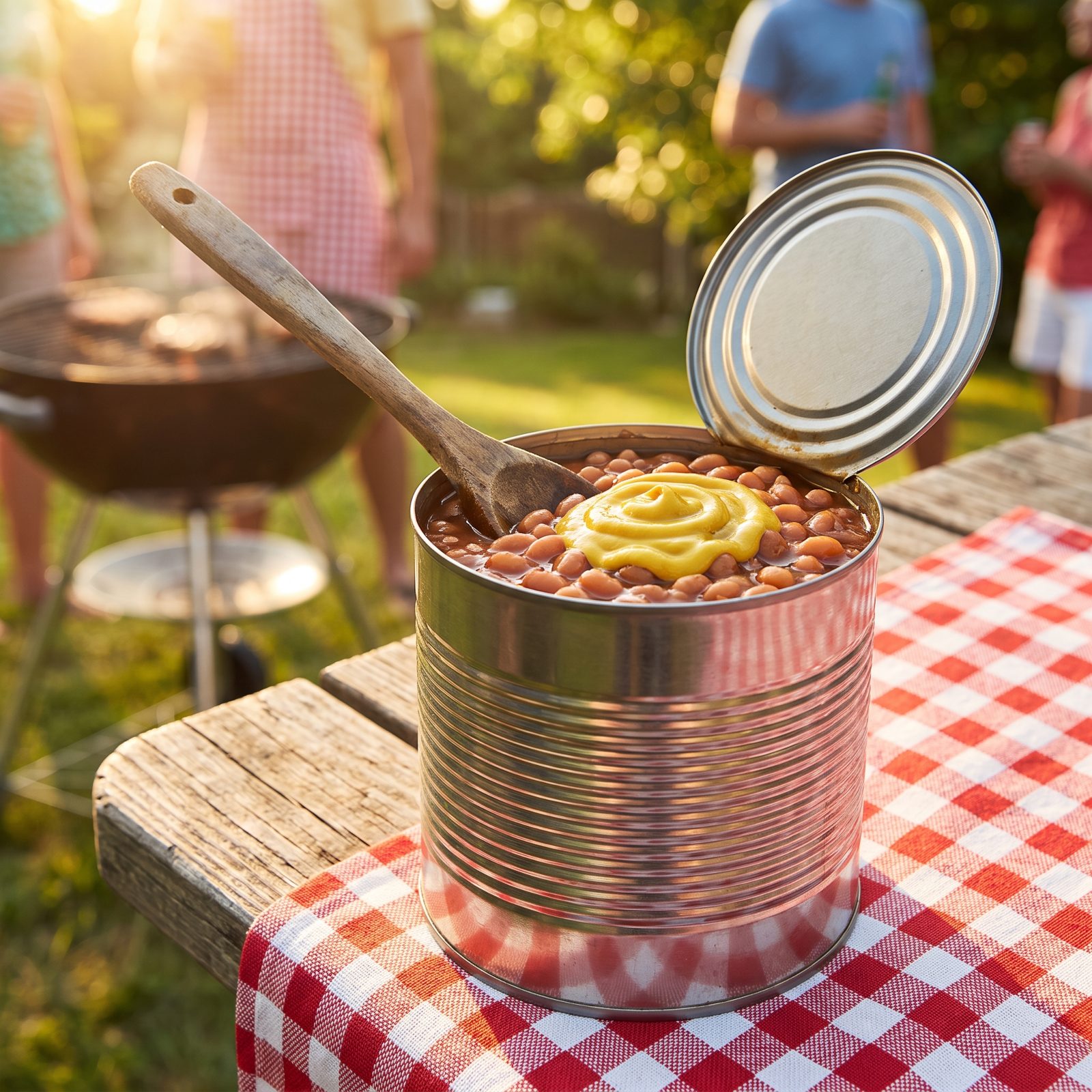
14. A Large Can of Pork and Beans
Would you like to save this?
The big can of pork and beans was the summer cookout in a cylinder. You cracked it open, doctored it with mustard, brown sugar, and a splash of ketchup, and baked it in a dish until the top went sticky.
That lone cube of white pork fat floating on top? A running family joke. The piece nobody wanted and everybody noticed. Served alongside hot dogs, it stretched a cheap meal into a satisfying one.
13. A One-Pound Box of Spaghetti
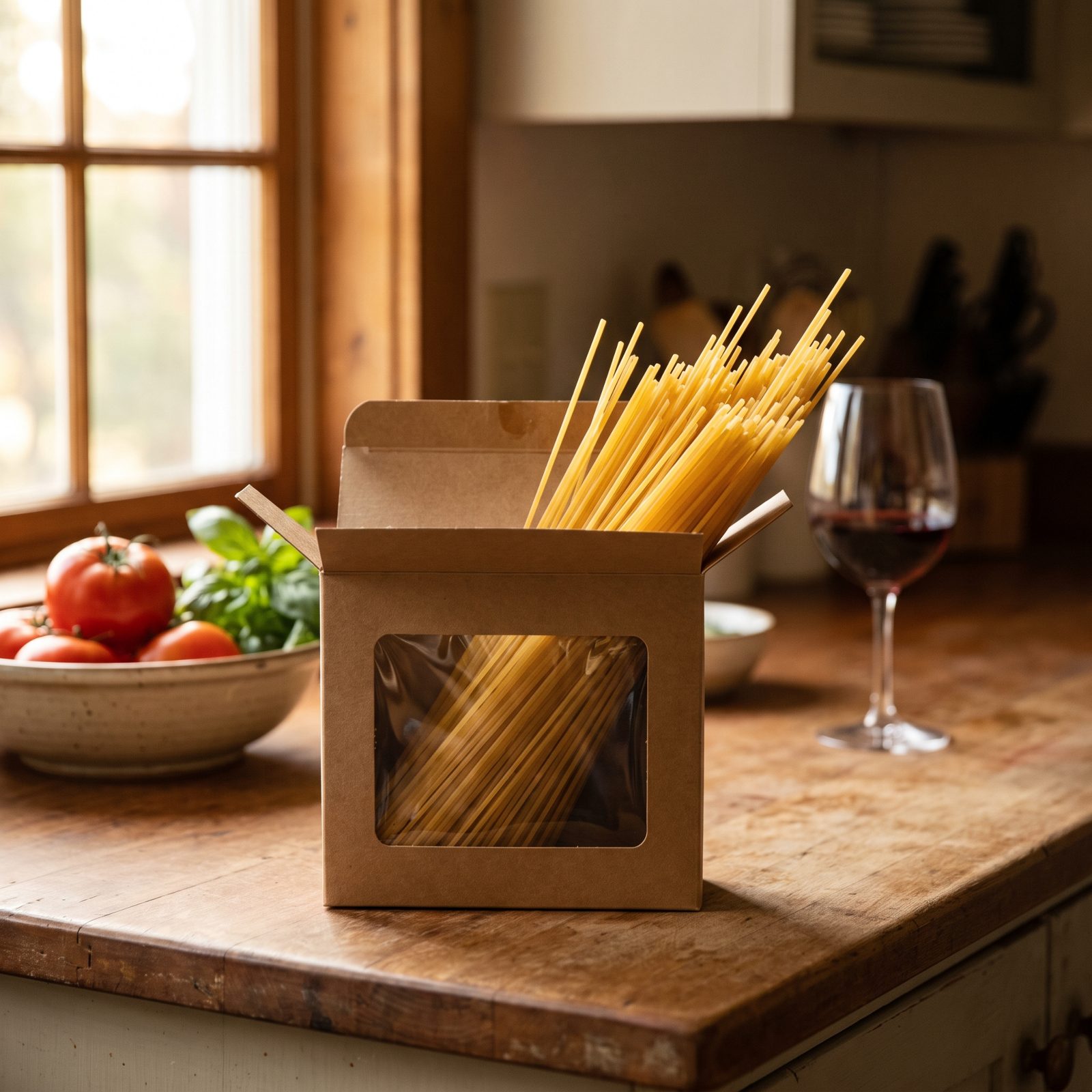
The spaghetti box closed out the week, because Friday or Saturday almost always meant a pot of red sauce on the stove. Cheapest way going to feed everyone and still send them to bed full.
You browned a half pound of ground beef, dumped in a jar of sauce or a can of the condensed tomato, and let it bubble while the water came to a boil. The kids set the table the moment they smelled the garlic bread going under the broiler.
12. A Box of Yellow Cake Mix
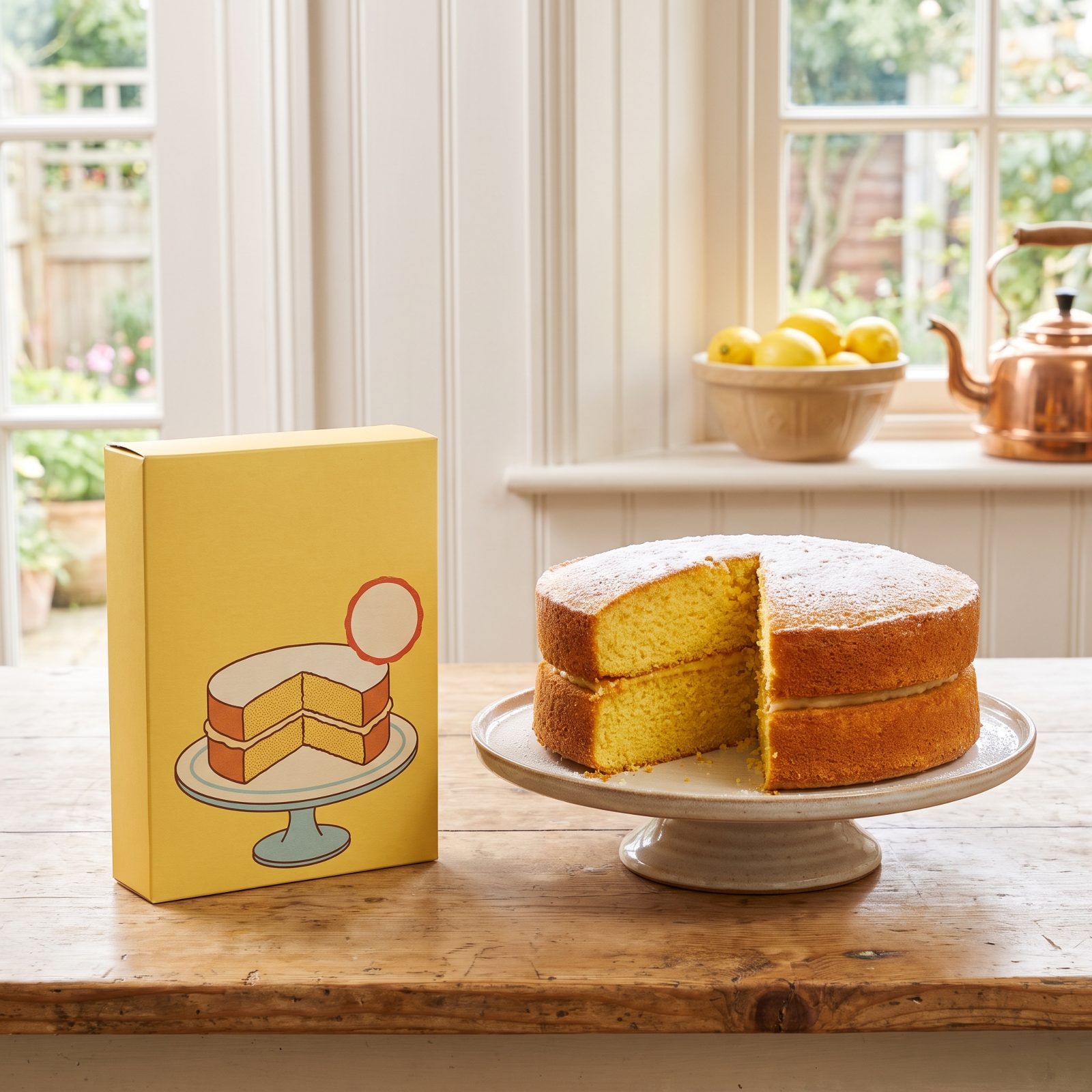
Box cake was the great equalizer of the 1970s kitchen. Two eggs, some oil, a cup of water, and suddenly you were a baker. Nobody’s grandmother would admit to using it, and everybody’s mother had two boxes tucked in the cupboard.
The yellow variety showed up for birthdays, church bake sales, and those Tuesday nights when somebody just wanted cake for no reason at all. Cheaper than a candy bar is today. And that faint vanilla-chemical smell hitting the oven heat? Instant time travel.
11. A Jar of Peanut Butter
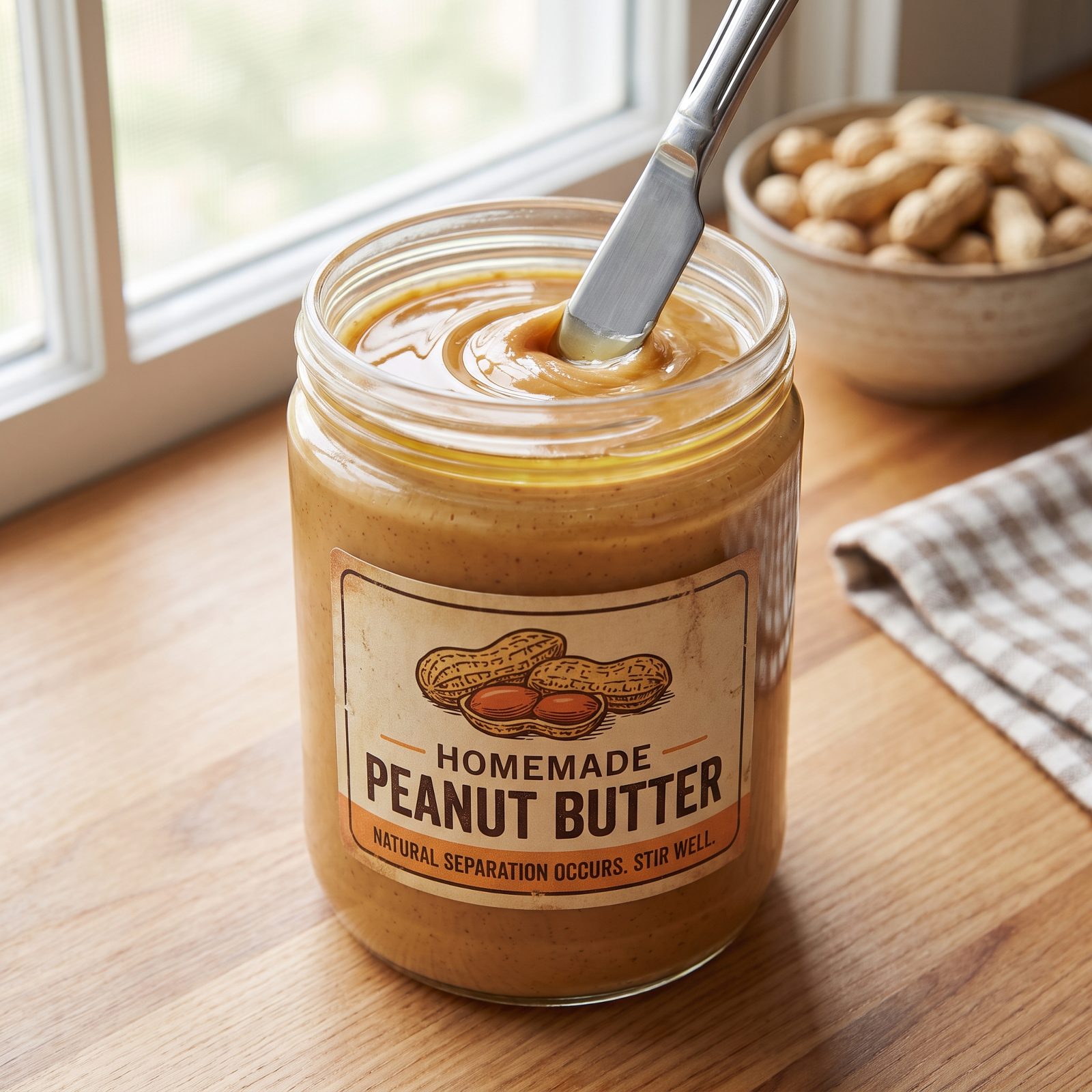
The jar with the thin oil slick on top you had to stir back in with a butter knife, usually getting some on the counter for your trouble. Peanut butter was the workhorse of the American lunchbox, half of the sandwich that got packed maybe two hundred times a school year.
Glass jars, real weight in your hand. You could hear the suction pop when you cracked a fresh one. And the last spoonful scraped off the bottom tastes better than any other — no questions taken.
10. A Jar of Grape Jelly
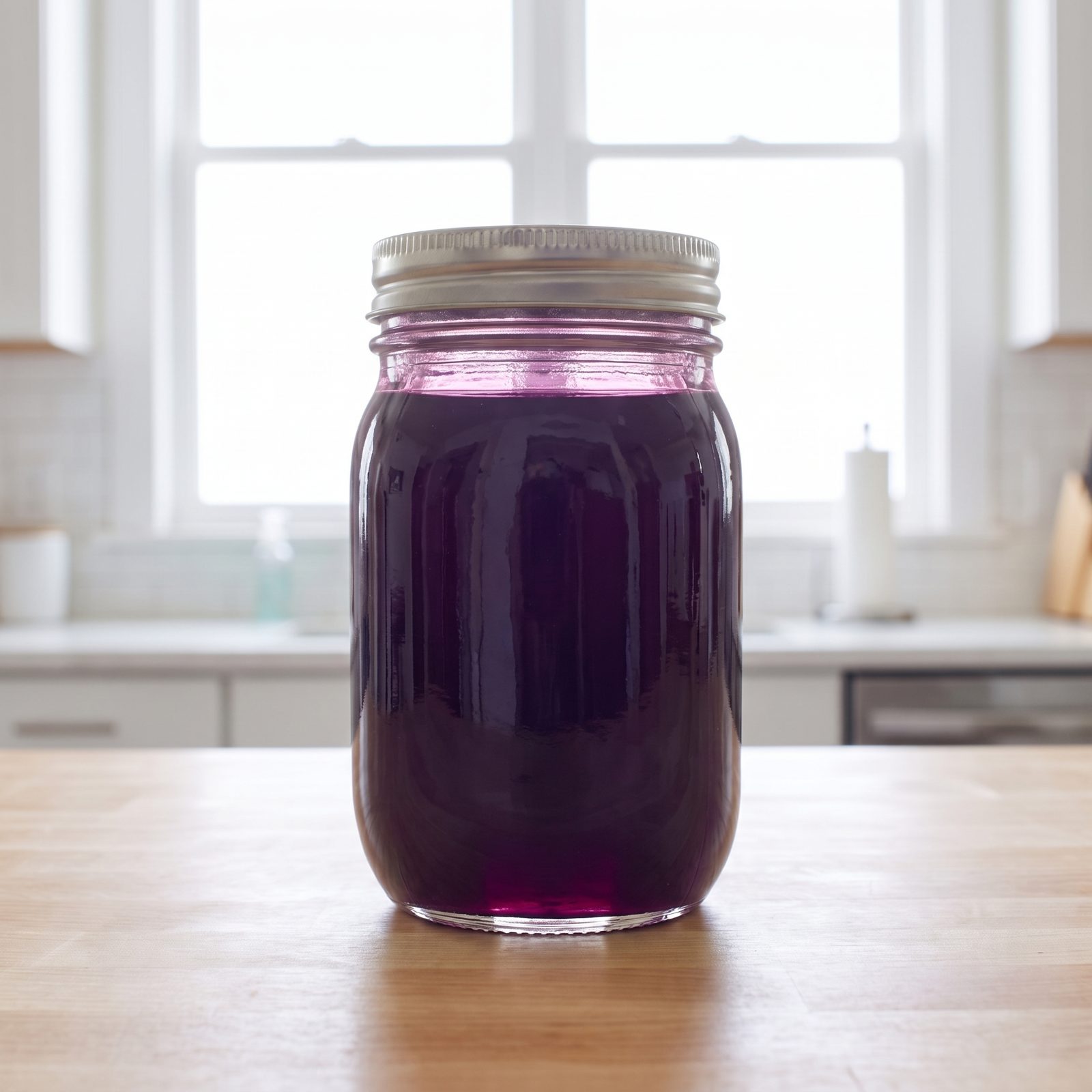
Grape jelly was purple in a way no actual grape has ever been, and that was part of the charm. It wobbled when you tipped the jar and went onto the bread in one glossy sheet.
It rarely traveled alone. Peanut butter’s constant companion, the two of them stationed side by side in the cupboard like an old married couple. A dollar or so bought a jar that lasted most of a month.
9. A Bottle of Ketchup
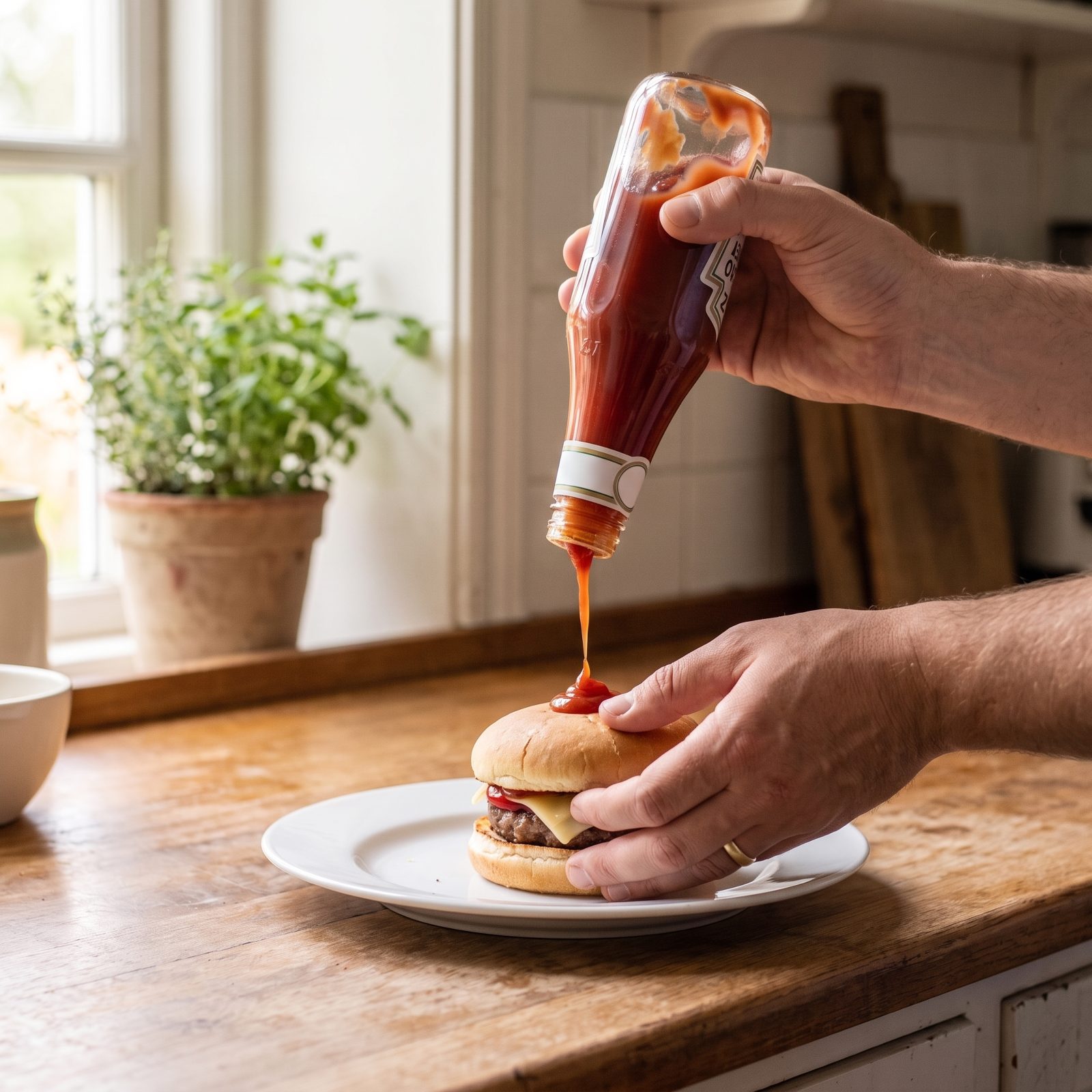
The glass bottle you had to hit on the bottom, or slap on the neck, or stand upside down and wait out like a standoff. Everybody had a technique, and everybody’s technique was wrong.
Ketchup went on everything a kid would eat and half the things they wouldn’t — meatloaf, eggs, the questionable Tuesday casserole. That first stubborn refusal followed by a sudden red avalanche onto the plate is a sound memory as much as a taste one.
8. A Jar of Dill Pickles
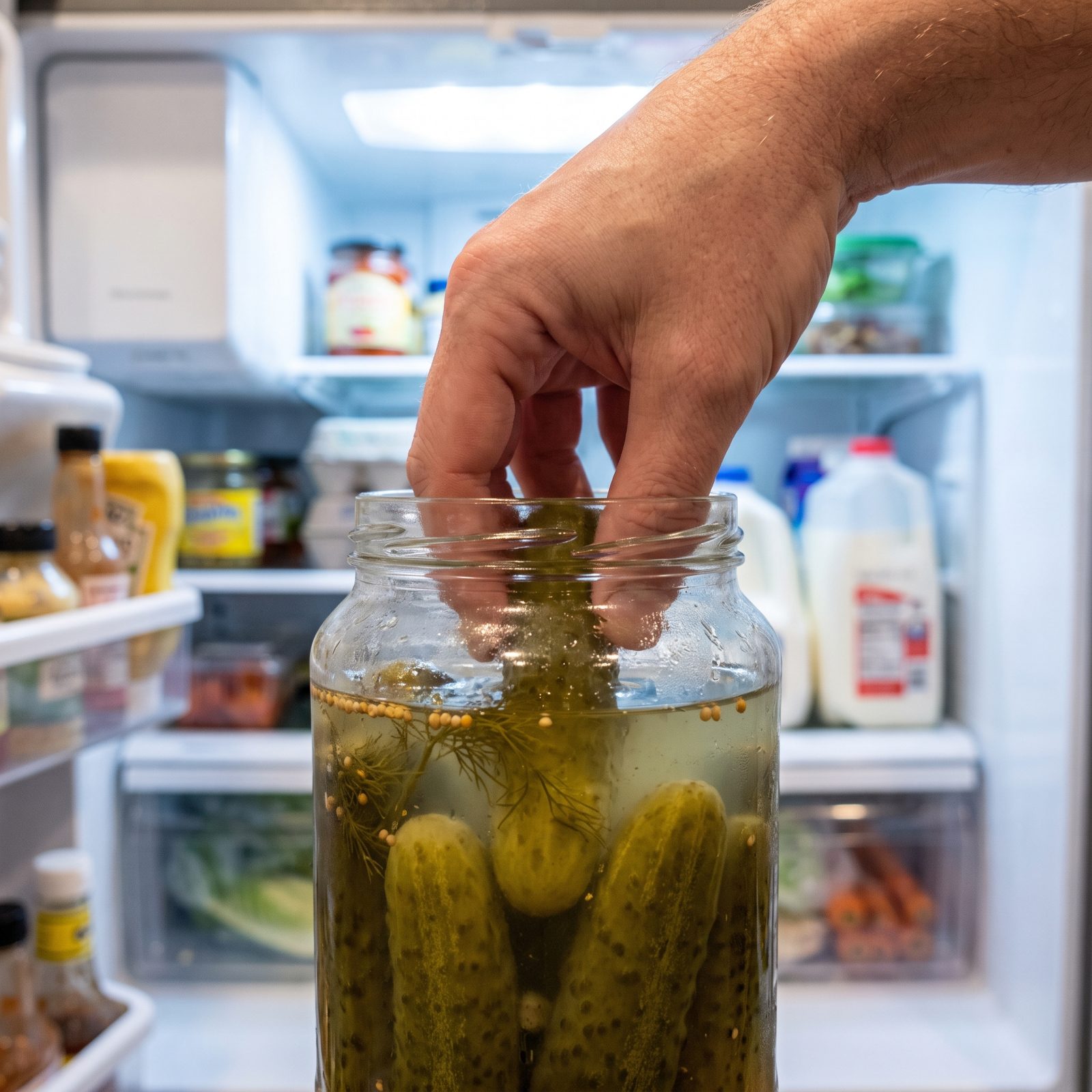
Reaching in with your bare fingers because nobody could ever find the fork. The pickle jar lived in the fridge door and got opened at odd hours, usually by someone standing over the sink.
Whole dills in cloudy brine, sharp enough to make you squint. They came alongside the sandwich, chopped into the potato salad, or eaten straight, because a pickle at 9pm is one of life’s small permissions. And that brine that got saved and never used, but never poured out either.
7. A Bag of Red Delicious Apples
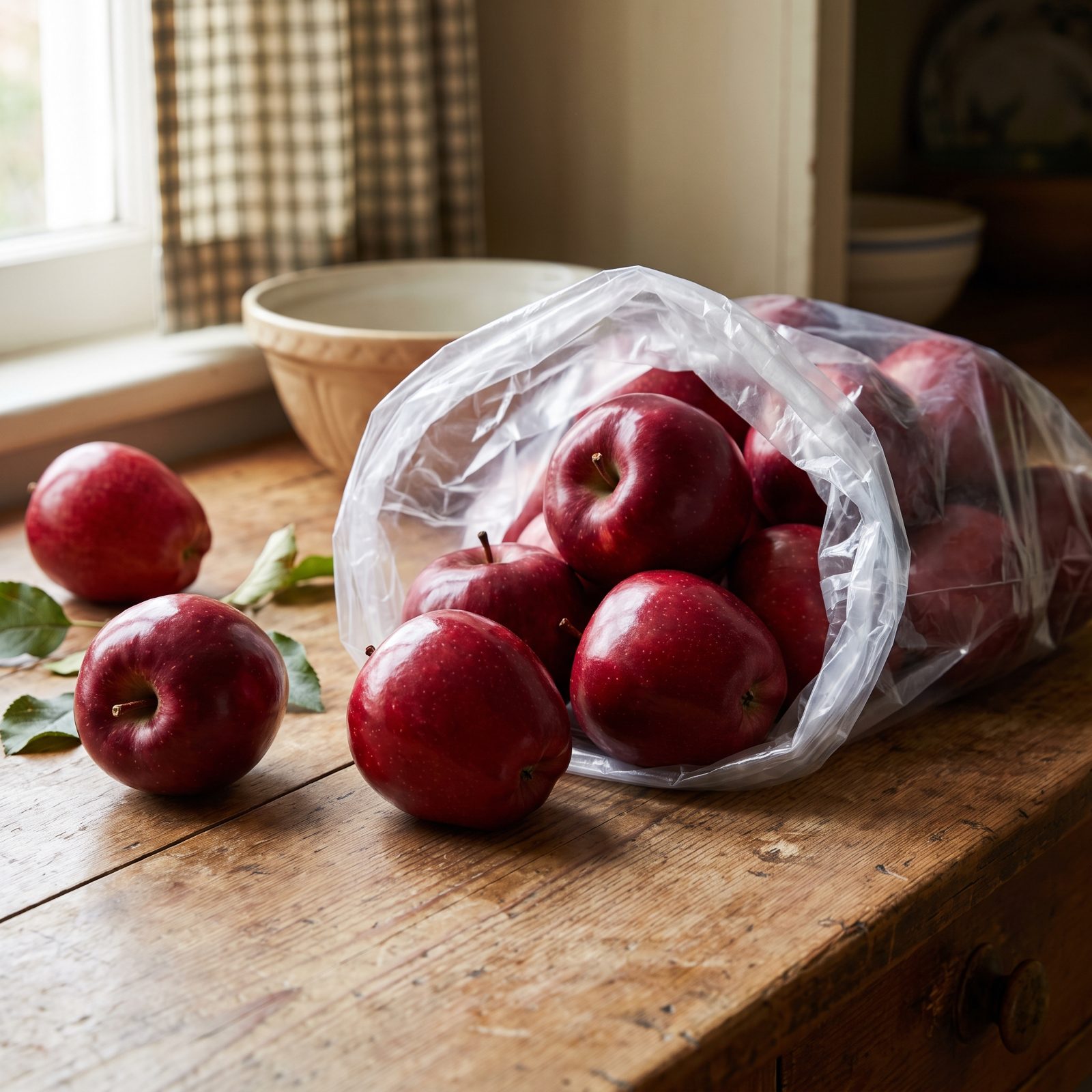
Before the produce aisle offered fifteen apple varieties, there was basically one that mattered, and it was deep red with that odd five-pointed bottom. Red Delicious ruled the fruit bowl for decades.
They went into lunchboxes and got half-eaten and browned by recess. Mostly they sat in the bowl looking better than they tasted, which was arguably their whole job. A bag cost pocket change, and there was always one at the bottom gone soft that somebody eventually had to deal with.
6. A Bunch of Bananas
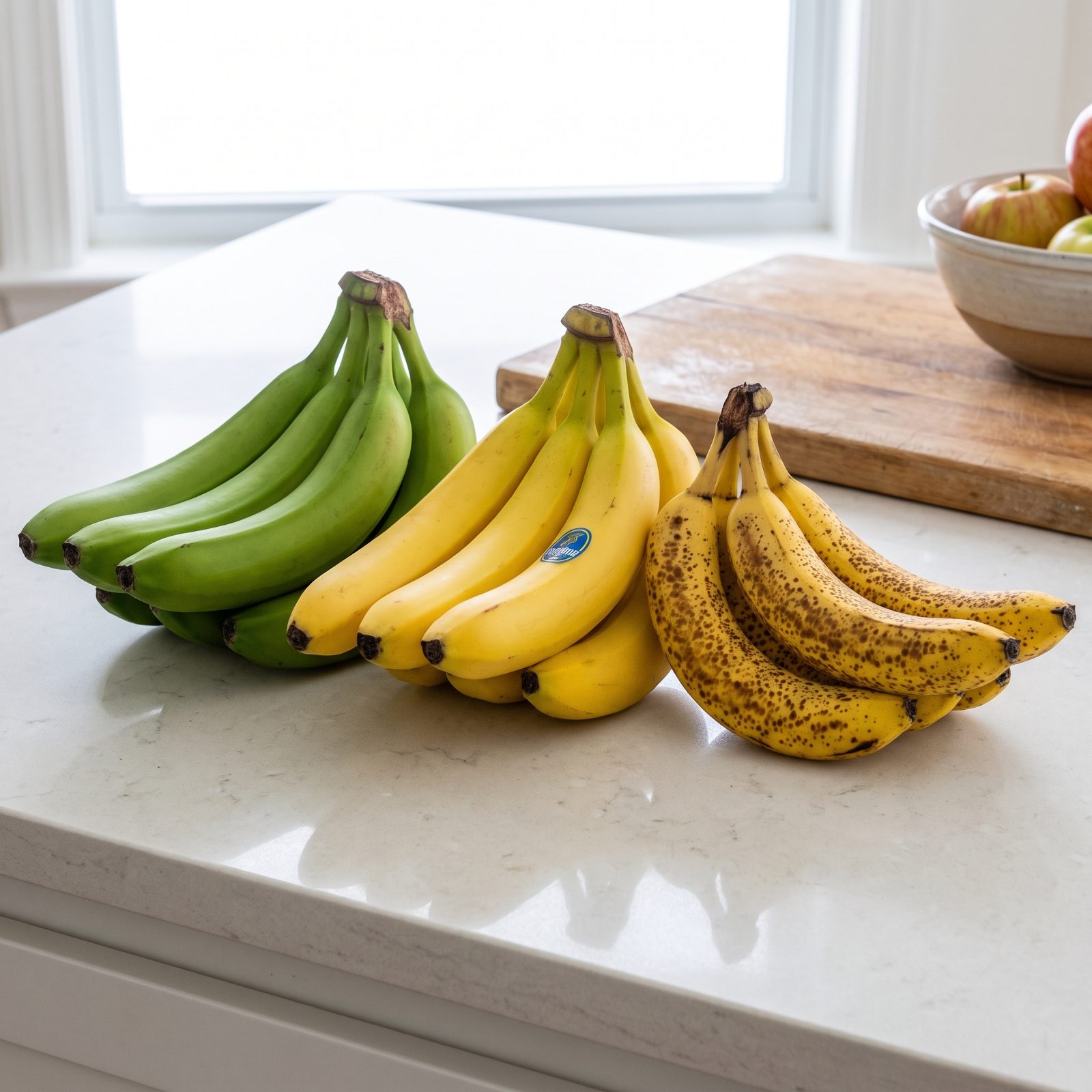
Bananas came by the bunch and sat on the counter racing the clock. Green on Monday, perfect Wednesday, freckled and doomed by Friday.
They rode along in lunch bags and got squashed against the sandwich. Sliced onto cereal, mashed into weekend pancakes. And the too-ripe ones nobody would touch? Those became banana bread, which is the only reason banana bread exists at all.
5. A Can of Sliced Peaches
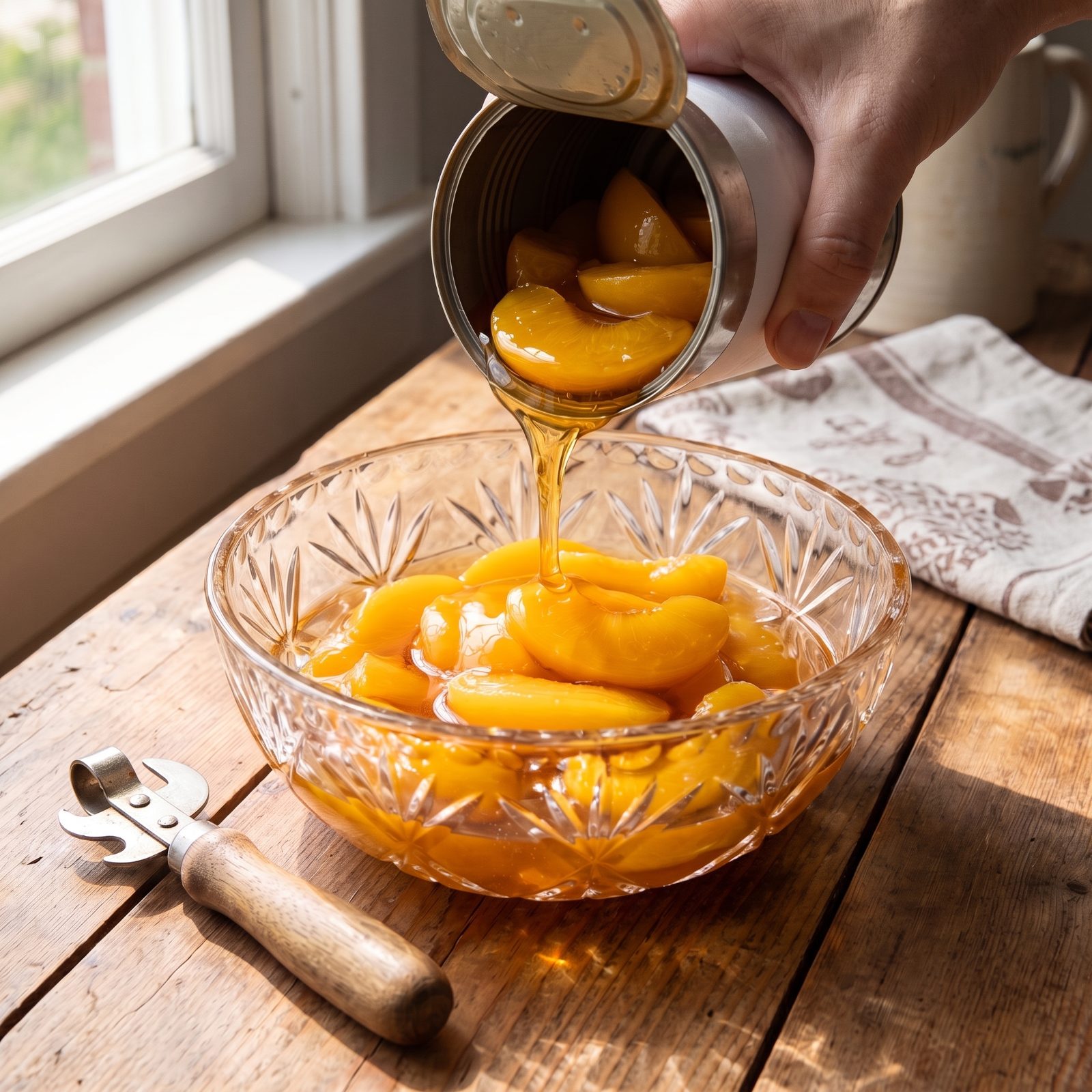
The can opener working its slow way around the rim, then peaches in heavy syrup sliding into a glass dish. Dessert, or a side, or the thing spooned over cottage cheese on a diet week.
Canned peaches were summer stored in a tin, there in February when nothing fresh was worth eating. That sweet syrup at the bottom of the bowl got drunk straight, every time, no exceptions.
4. A Box of Gelatin Dessert
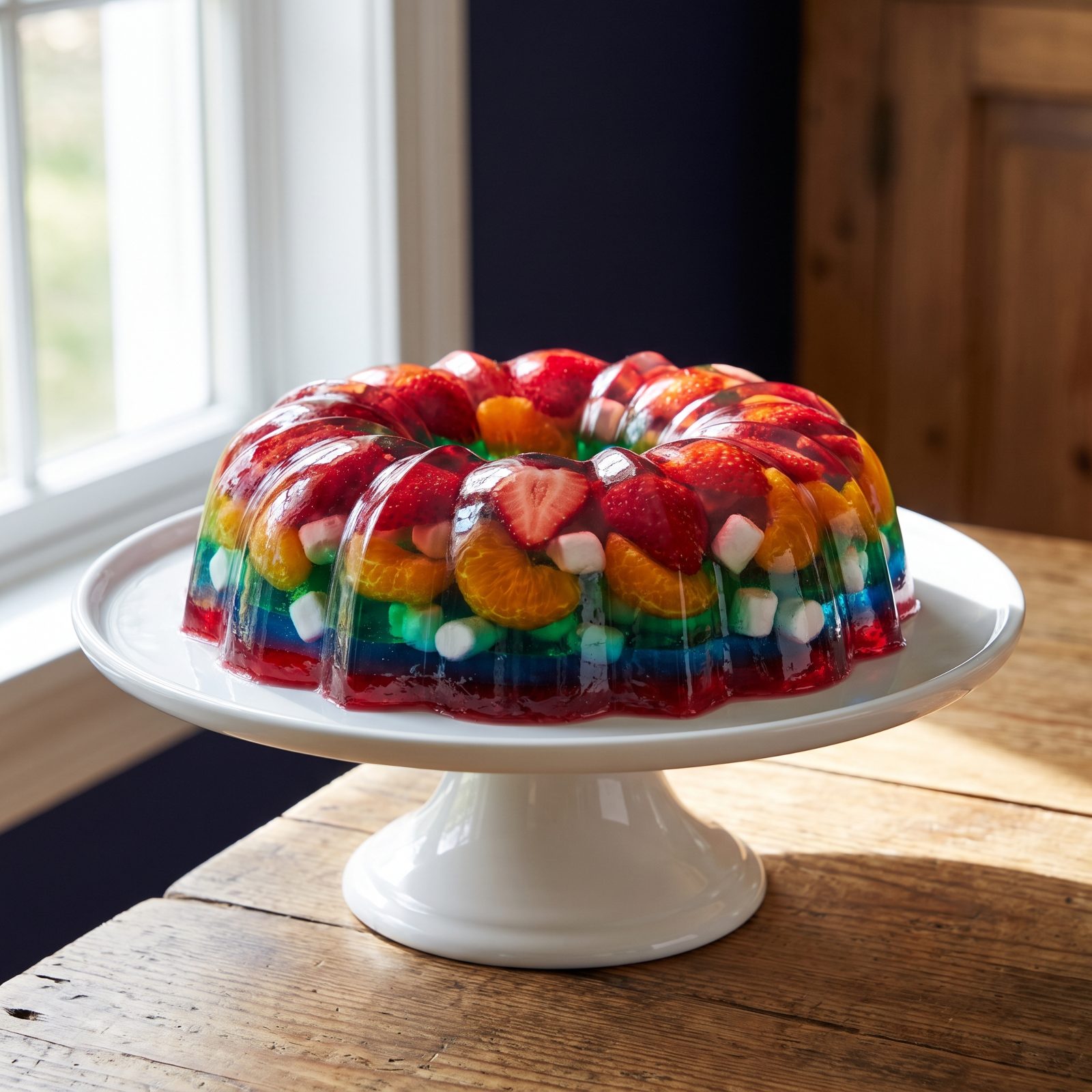
Gelatin was less a dessert than a canvas. Fruit suspended in it, mini marshmallows folded through, occasionally something savory that should never, ever have happened. The box weighed almost nothing and cost almost nothing.
Mixing it was a lesson in patience nobody had. You checked the fridge every twenty minutes, poking it, willing it to set. The wobble on the spoon was half the fun, and the mold shaped like a ring or a fish came out for company.
There was always room for it, which was the whole marketing point, and it worked on an entire generation.
3. A Large Bag of Potato Chips
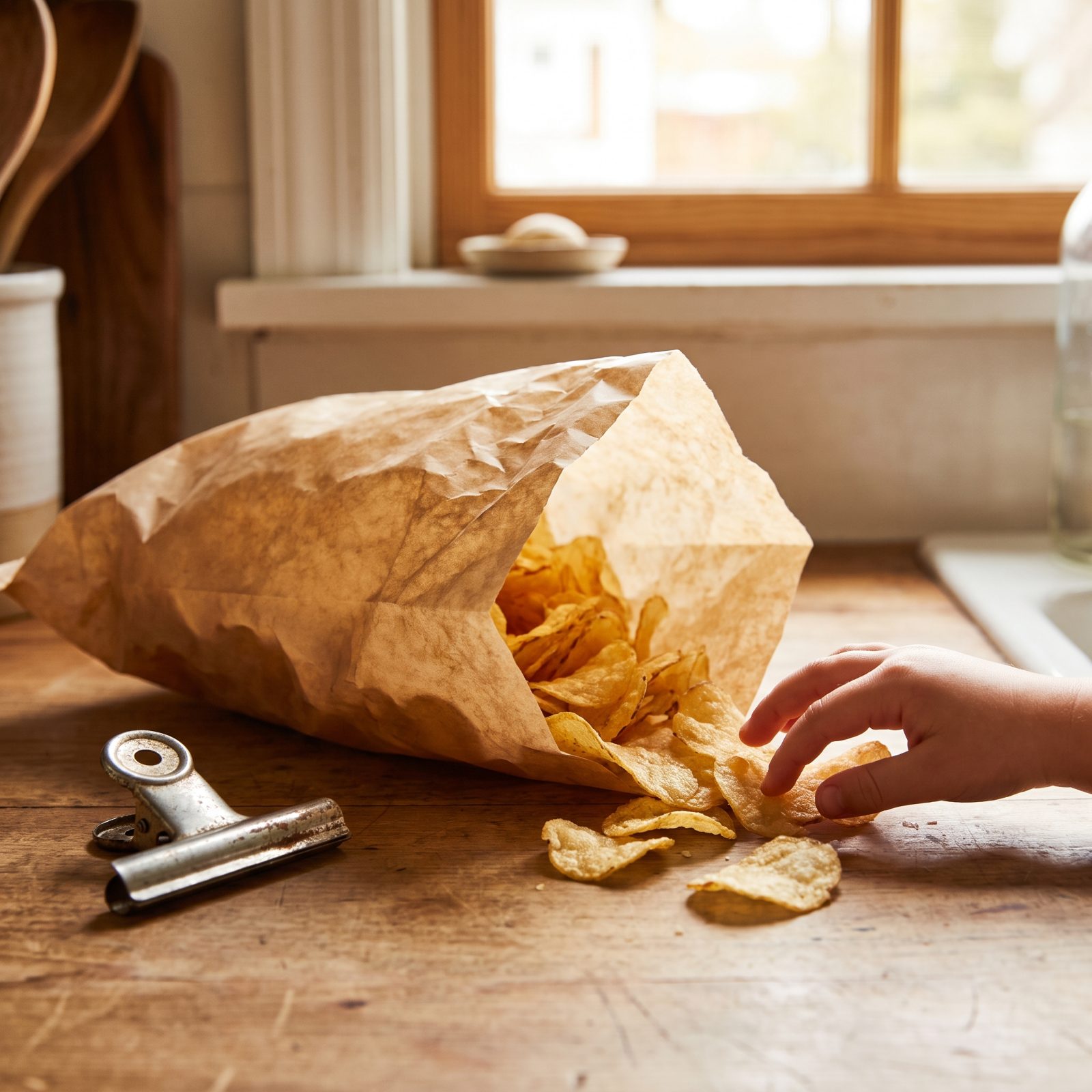
The waxed-paper bag crinkled loud enough to give you away in the next room. You rolled the top down after and clipped it, or just folded it, and the chips went stale by Thursday regardless.
Chips rode along with every sandwich, showed up at every card game, got poured into a bowl when the neighbors came over. Those greasy crumbs at the bottom, tipped straight into your mouth over the sink, were the reward for finishing. Hardly anybody ever resisted that move.
2. The Blue Cardboard Package of Chocolate Sandwich Cookies
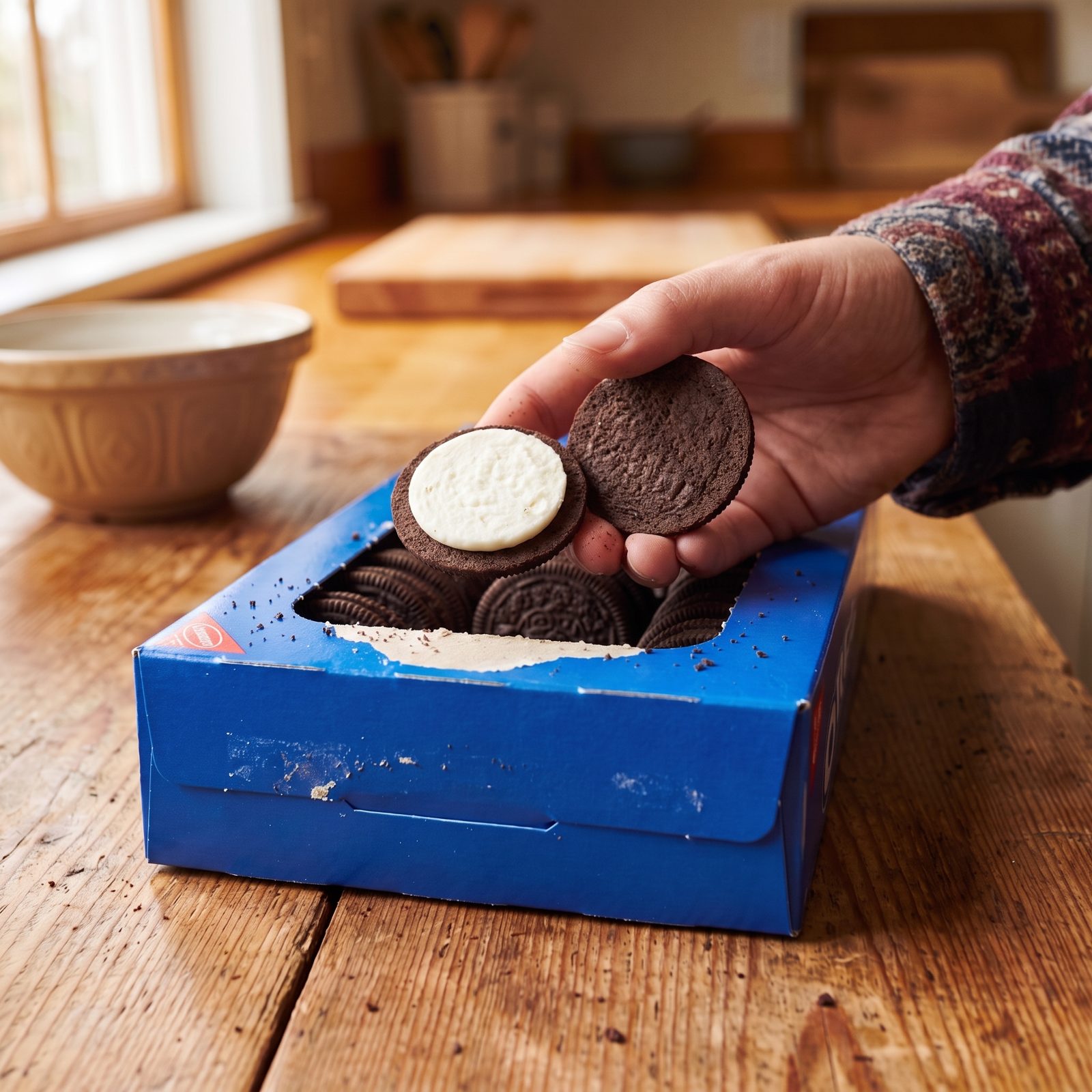
Every kid figured out the same three approaches, and you know exactly which one you were. Twist and eat the cream first, or eat it whole, or dunk it in milk until it went soft enough to lose in the glass. The package cost around 59 cents and lived in the cabinet above the stove, which meant a chair had to be involved after school.
These weren’t a treat you begged for. They were just there — a background staple of the weekly shop, wedged between the saltines and the graham crackers. Mom bought them without thinking, you ate them without thinking, and somehow that’s what made them home.
1. The Half-Gallon of Vanilla Ice Cream in the Waxed Rectangular Carton
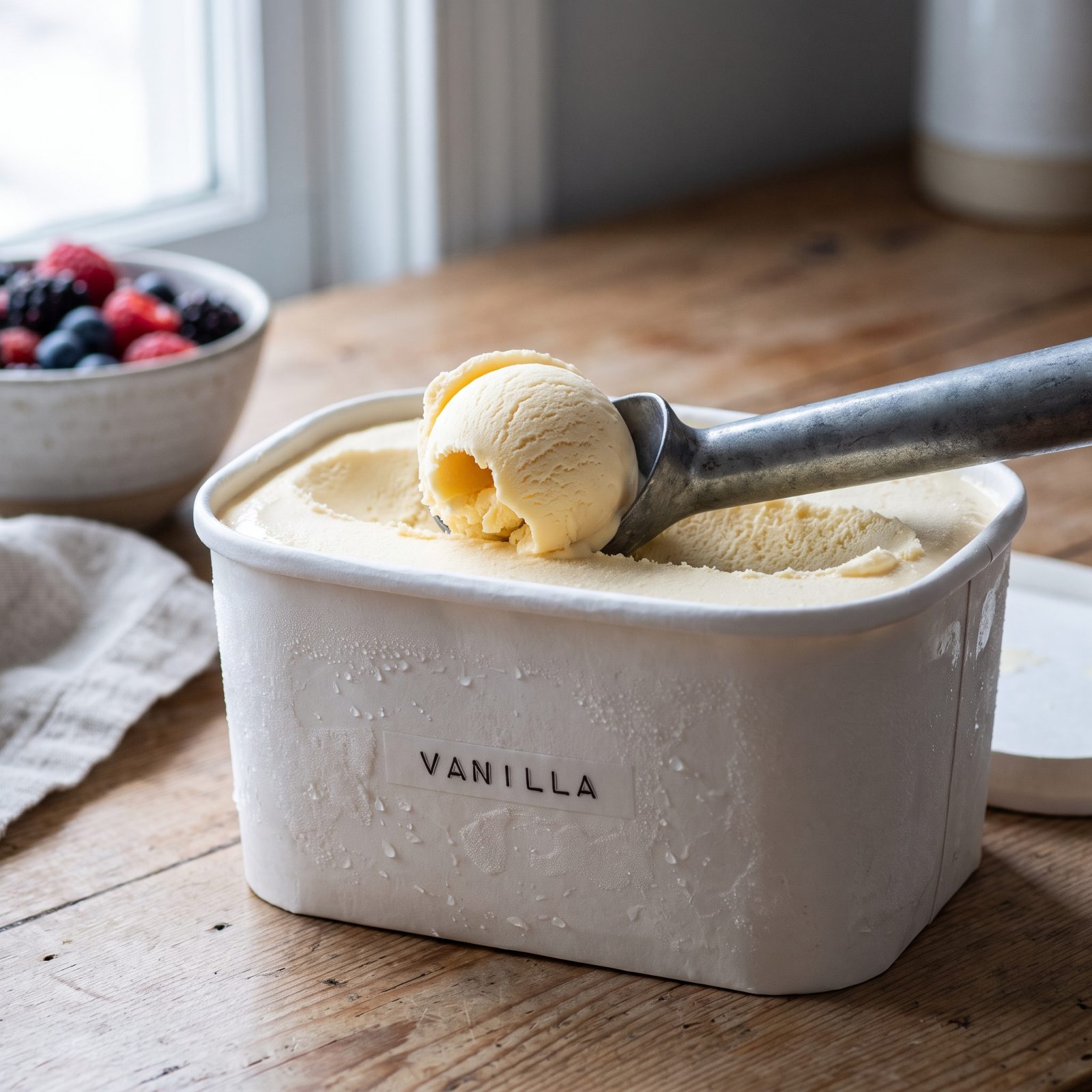
The half-gallon was the appliance of desserts. Nothing fancy, nothing you’d call a splurge — just a cold rectangular brick of vanilla waiting in the freezer to get pressed into service. On top of pie, next to warm brownies, or straight from the carton with a spoon when nobody was looking.
The waxed cardboard always went soft at the corners from being opened and refrozen a hundred times, and you had to lean into the scoop with real weight because the freezer ran cold and the stuff came out in shards before it warmed up. Around 89 cents bought a whole week of after-dinner options.
Vanilla wasn’t the boring choice. It was the one that went with everything else in the house.
Plain vanilla deserves a defense. Chocolate syrup, root beer, a warm cobbler, a birthday — it carried all of it without complaint, which is more than you could say for most things in that freezer.