
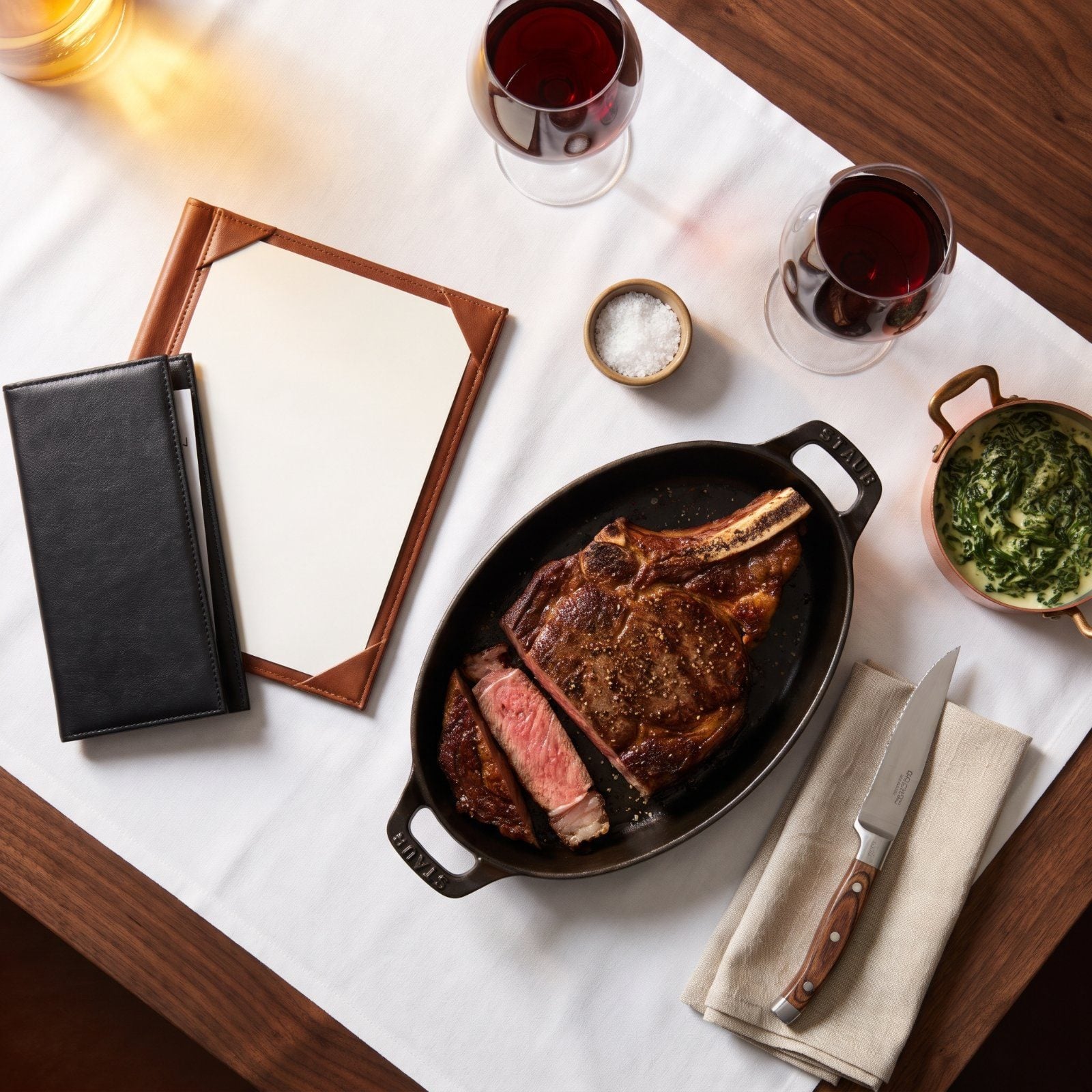
The best-run steakhouse in town can’t save a meal that goes sideways before the bread basket lands. Most of what goes wrong at a white-tablecloth dinner has nothing to do with the kitchen. It’s small stuff — the timing of a reservation, the way a temperature gets reported, a cut that sold out at seven. Servers watch the same honest mistakes play out night after night, and nearly all of them are fixable in a sentence. Here are the ones worth knowing before you pull the chair out.
Please note that some of the images in this article were created with the assistance of AI.
38. Eating Half the Steak Before Reporting a Temperature Problem
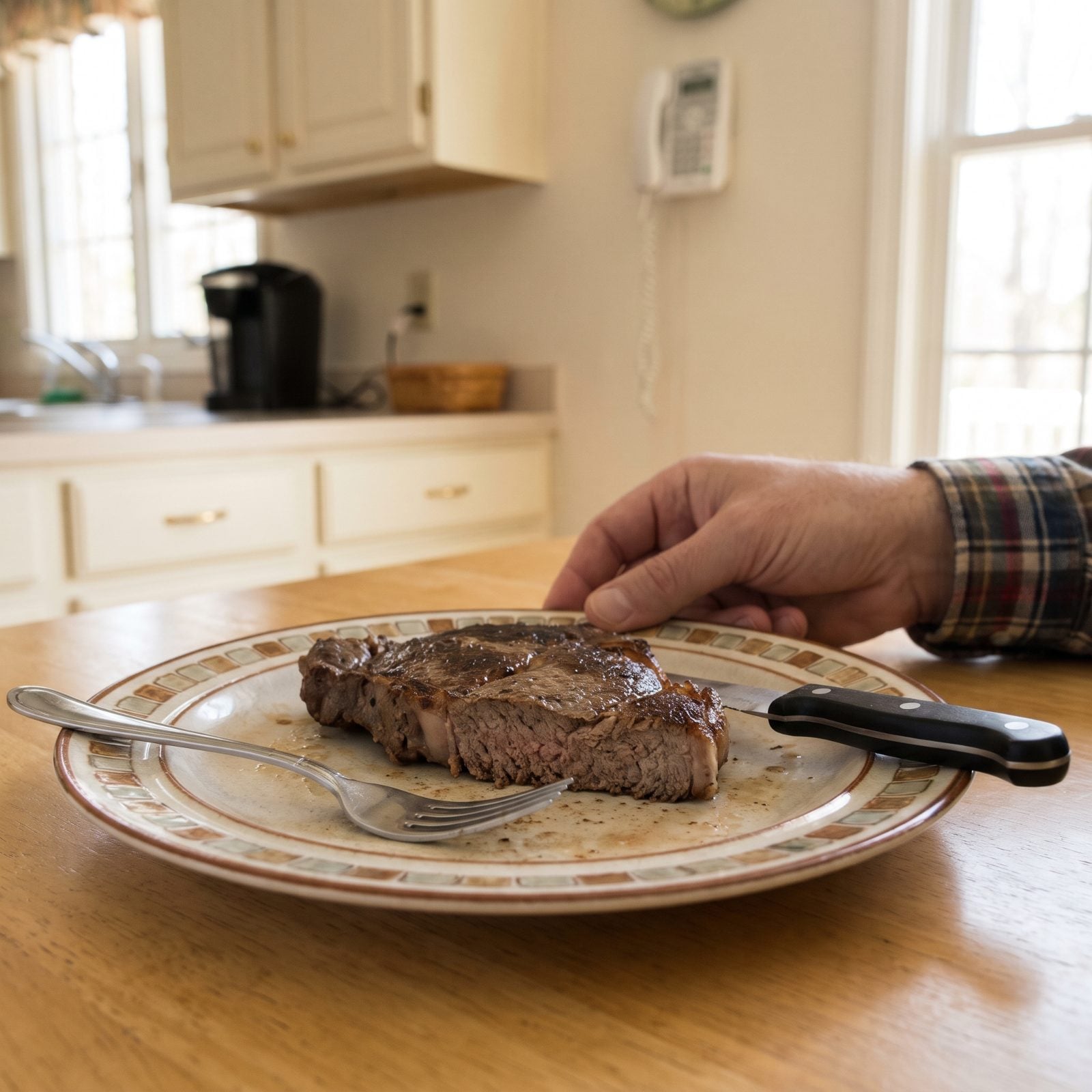
You ask for medium-rare and it hits your plate closer to medium-well, so you decide to tough it out, work through half of it, then mention it to whoever cooked once the plate is mostly gone. Now there’s a problem with no good solution. The cook can easily put a steak back in the pan, but they can’t recook a steak you already ate.
Cut into it soon after it lands. A real pink center shows fast, and so does the absence of one. Wrong doneness? Say so while the plate is still full. A good kitchen would rather throw it back on the heat than have you leave the table disappointed, and they can only do that if you speak up before the evidence is in your stomach.
37. Showing Up Before the Full Party Arrives
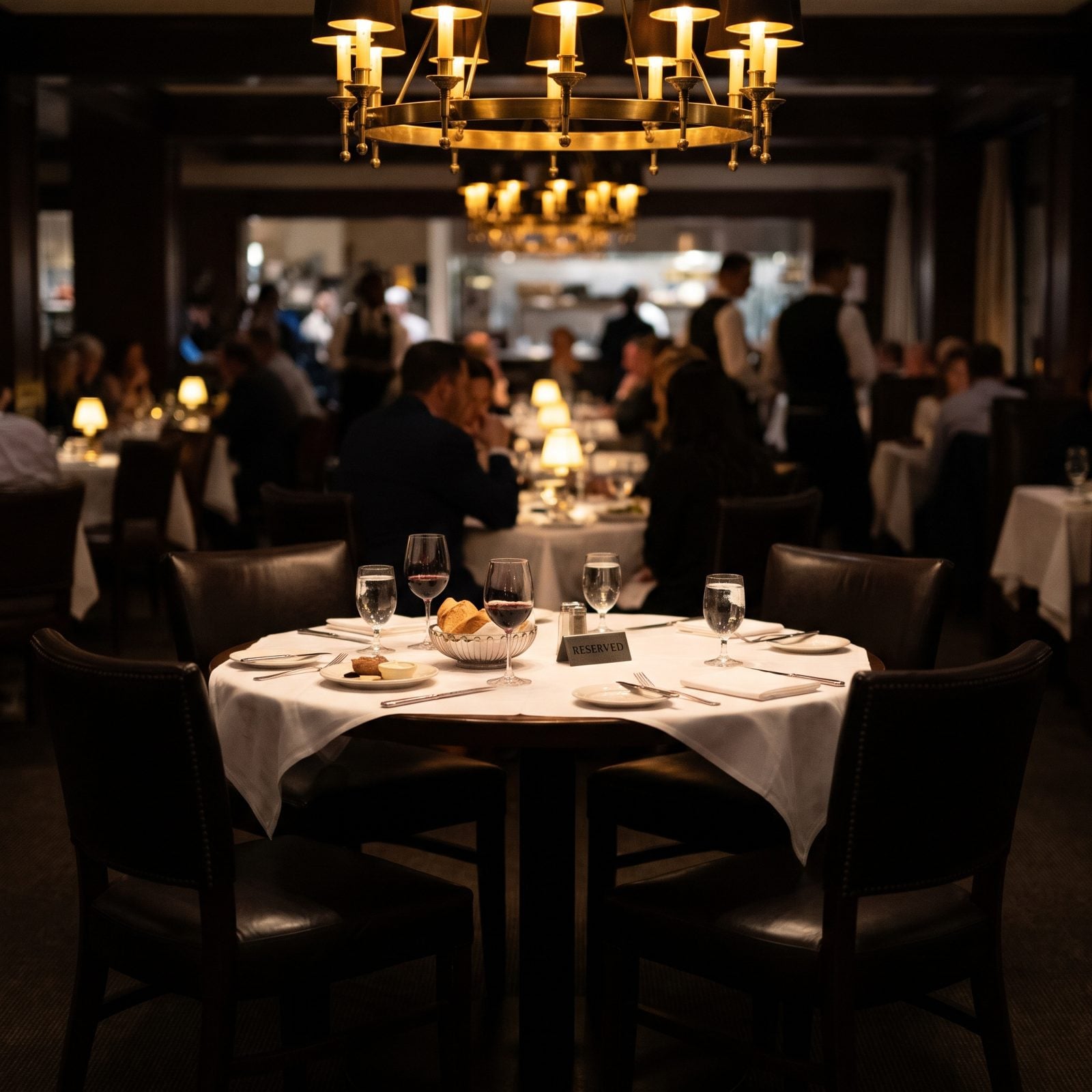
Half your group walks in on time, the other half is twenty minutes out, and everyone expects to be seated right now. Here’s the snag most people don’t see: plenty of steakhouses won’t seat a partial party during a full service. That table is held for the whole six, and a two-top parked in it for twenty minutes throws the entire floor plan off.
Policies vary, and some places will seat you anyway. But if you’d rather not loiter by the host stand, send the early arrivals to grab a drink at the bar. You’ll have a cocktail in hand instead of an awkward lobby shuffle, and the kitchen won’t start a clock on an incomplete table.
36. Failing to Call When the Reservation Is Running Late
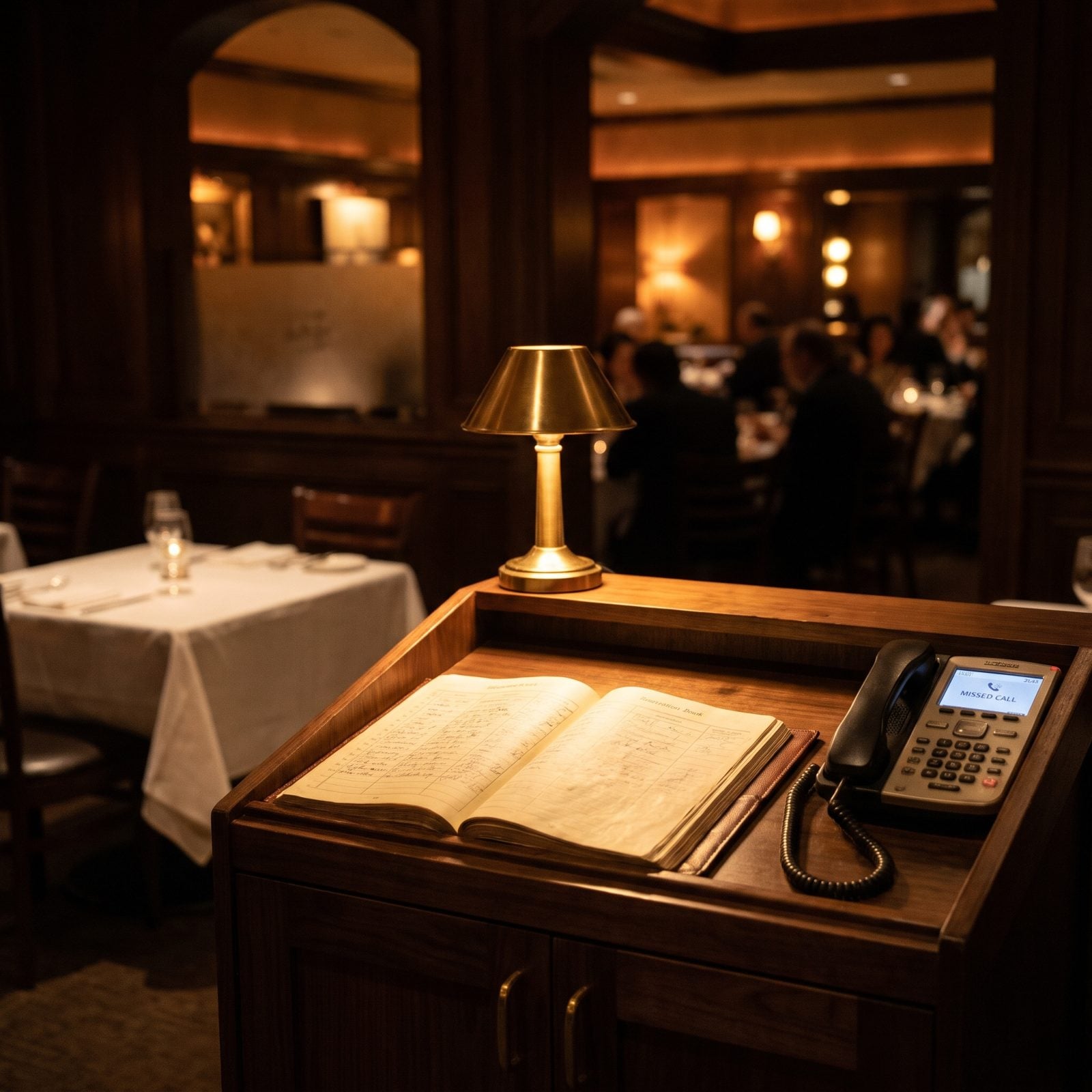
Traffic happens, and nobody at a steakhouse resents a late guest. What they quietly resent is silence. A table held past the booking window with no phone call is a table they can’t give to the walk-in couple at the door, and that’s revenue sitting empty in a room where every seat earns its keep.
Running fifteen minutes behind? Call. Most places hold the reservation that long anyway, but the courtesy buys you goodwill and often the exact table you wanted. Push past twenty with no word and the booking may quietly release. A thirty-second call protects your whole evening.
35. Assuming a Booth Request Is a Guaranteed Reservation
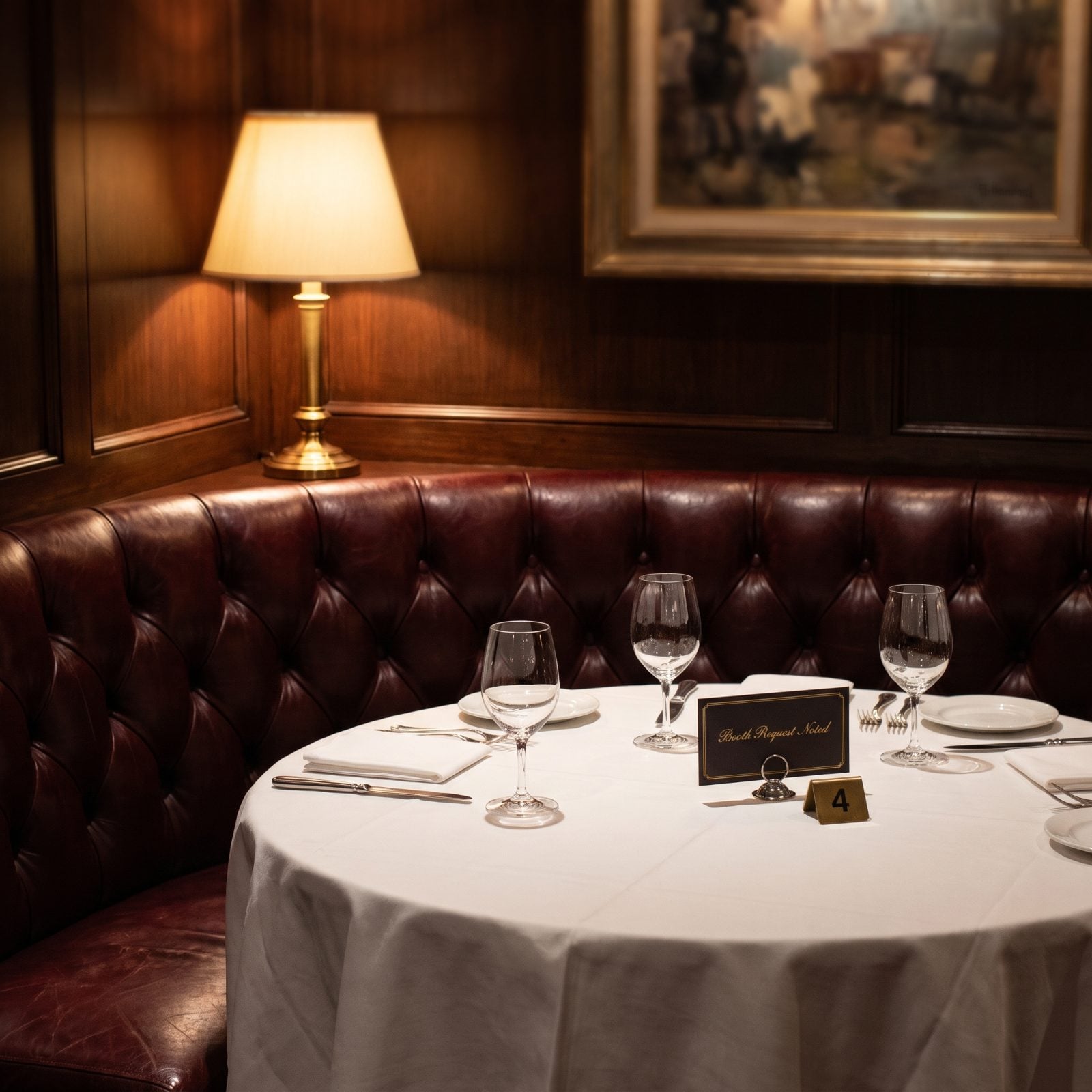
You asked for a booth when you booked. You arrive picturing that curved leather corner, and instead you’re shown a lovely table smack in the middle of the room. Disappointment follows, and sometimes a little friction at the host stand.
A booth is a request, not a reservation. Most restaurants note it and do their honest best, but booths are limited and they turn on whoever’s already sitting in them. If the four-top in your booth lingers over dessert, the booth isn’t free. Full stop.
So flag it as a preference, ask politely whether one might open up, and mention you’re happy to wait a few minutes at the bar if that’s what it takes. Framed that way, the odds tip in your favor.
34. Assuming Every Steakhouse Is Designed for a Quick Meal
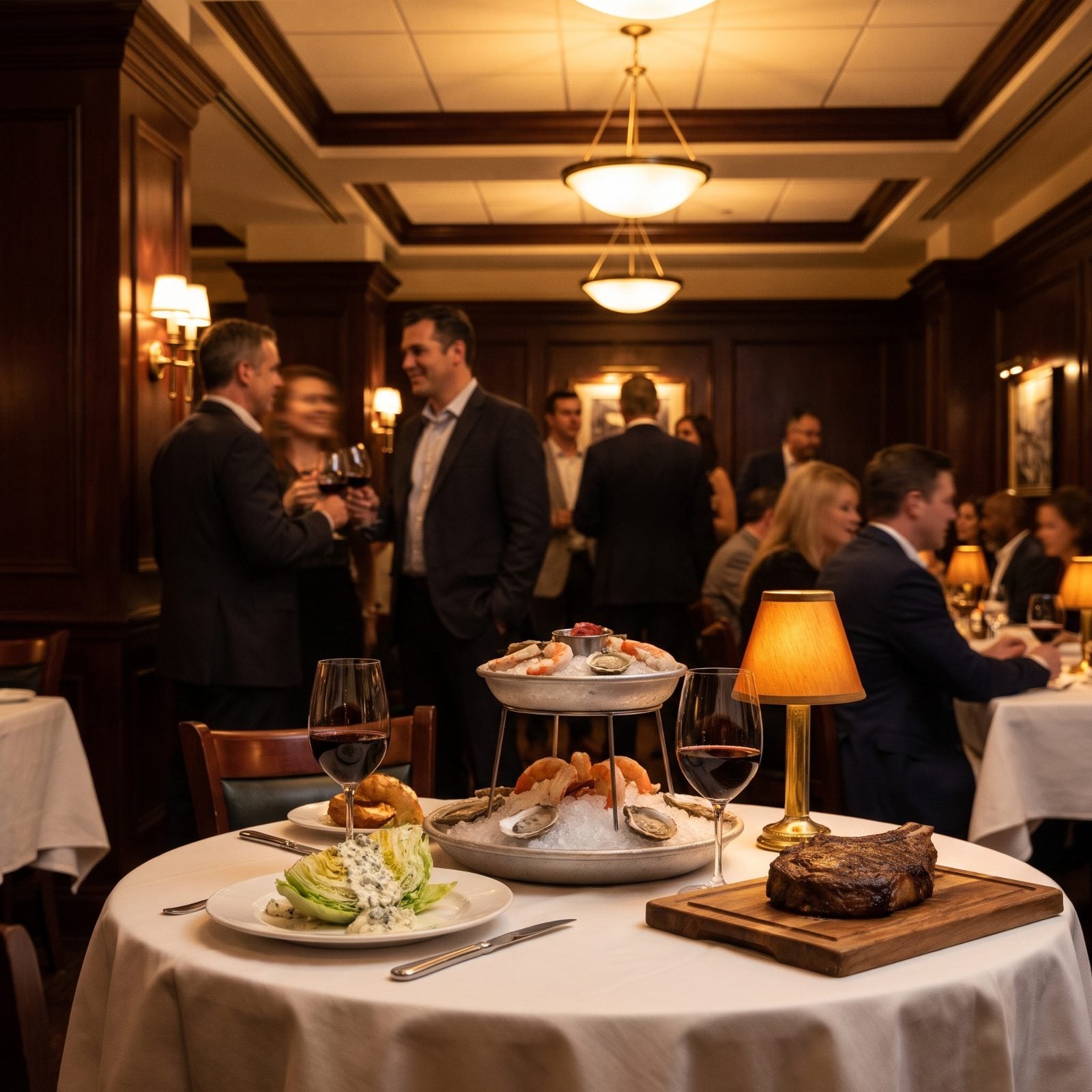
A proper steakhouse dinner runs two hours by design — the drink order, the appetizer course, the salad, then a thick cut that takes real time to cook and rest. Walk in at 6:45 expecting to be out the door by 7:30 for a movie, and the night is built to frustrate you.
This isn’t a diner. The pacing is the product. If you’re on a hard clock, say so at the start and the server can tighten the sequence, skip courses, maybe fire the entree early. But don’t drum your fingers through a kitchen’s natural rhythm and call it slow service. Book the place when you’ve got the evening to give it.
What Our Readers Say
- Piaci Pizza readers have a soft spot for a good dining room: photos of restaurant scenes got hearts 81% of the time, versus 72% for the other images in the same articles.
- In our readers’ heart votes, main-course photos also drew more hearts than the other images in the same articles, 79% compared with 75%.
From Piaci Pizza reader polls and votes.
33. Letting the Server Recite Specials Without Asking Prices
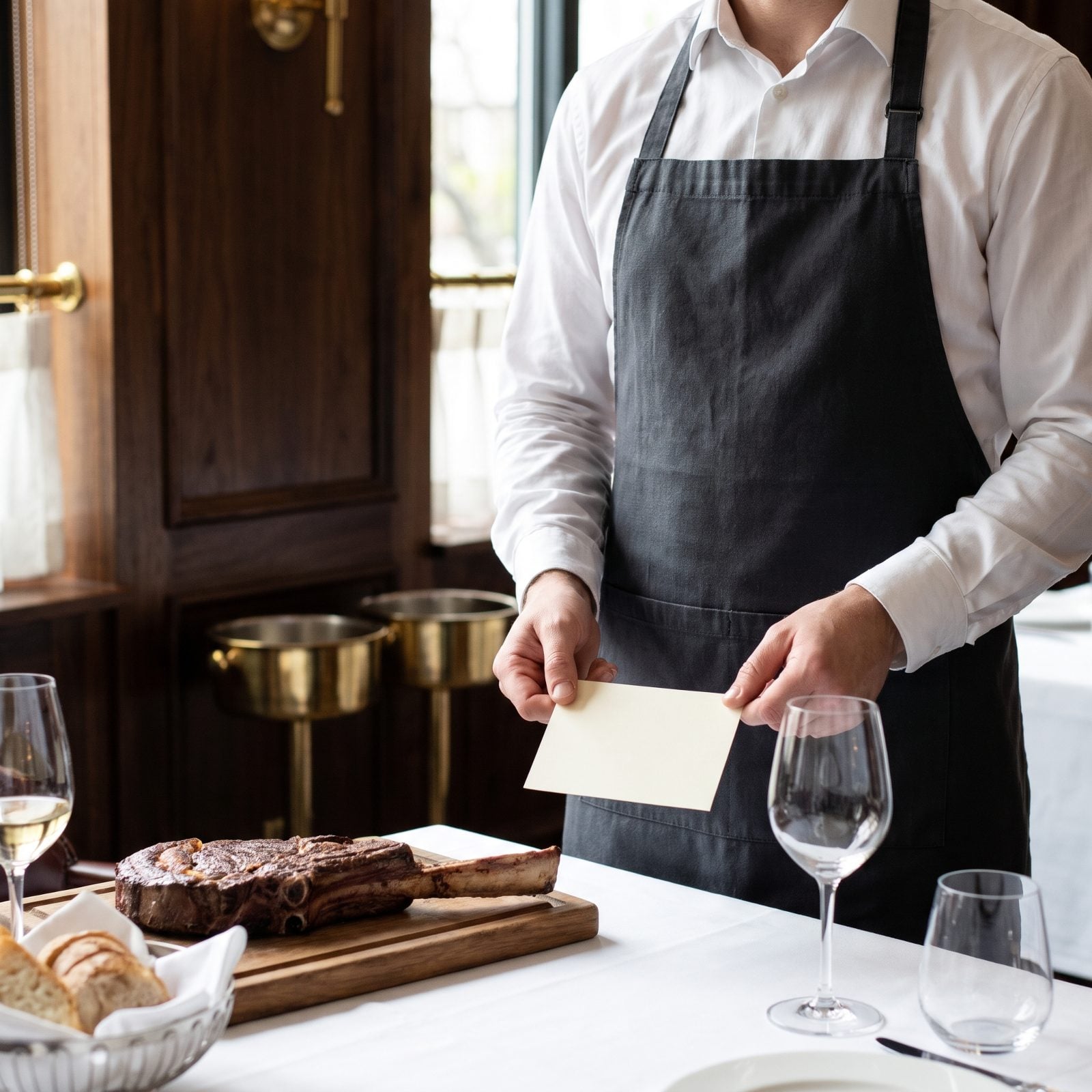
The server glides over and describes the evening’s special in loving detail. A dry-aged cut flown in that morning, finished with a bordelaise, truly a stunner. One word never comes up: the price. You nod, you order, and the number lands on the check like a surprise guest.
Steakhouse specials often run well above the printed menu, sometimes by a lot. Asking “and how’s that priced?” isn’t cheap or rude — it’s what regulars do without blinking. The server expects the question and answers it in stride. The only awkward moment is the one that shows up later, when you’re staring at the bill.
32. Ordering Before Hearing Which Cuts Have Sold Out
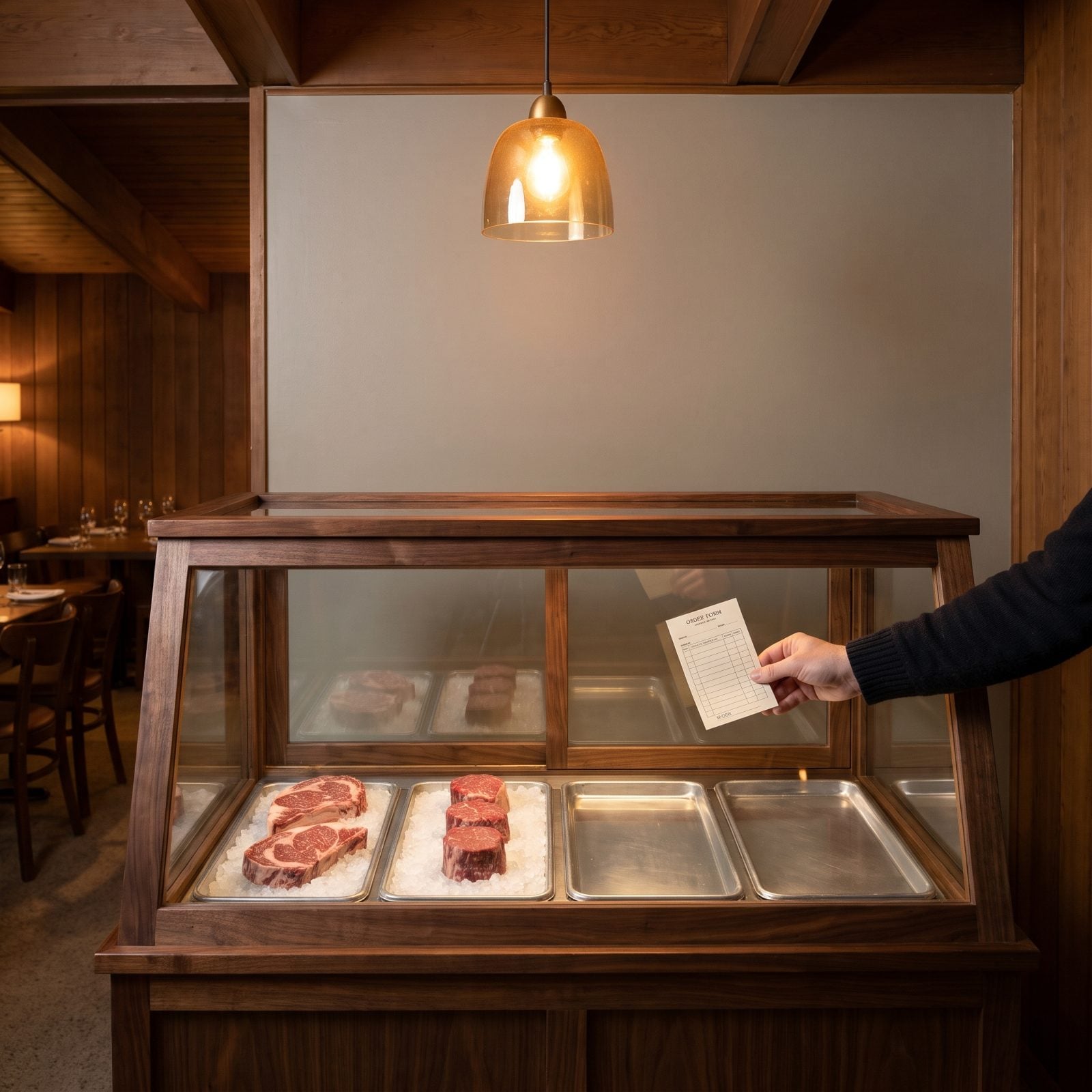
You’ve had your heart set on the bone-in ribeye since the car ride over. You announce it to the table, build the whole dinner around it, and then the server gently tells you it sold out an hour ago. Now you’re ordering off the back foot, deflated and rushed.
Dry-aged and specialty cuts run out nightly. A steakhouse breaks down a finite amount of beef, and the popular cuts go first. Ask early: “What’s running low tonight?” Servers know exactly what’s thin and will tell you straight. One quick question lets you plan around reality instead of learning the hard way that your ribeye left with the 7 o’clock seating.
31. Confusing USDA Prime With Prime Rib
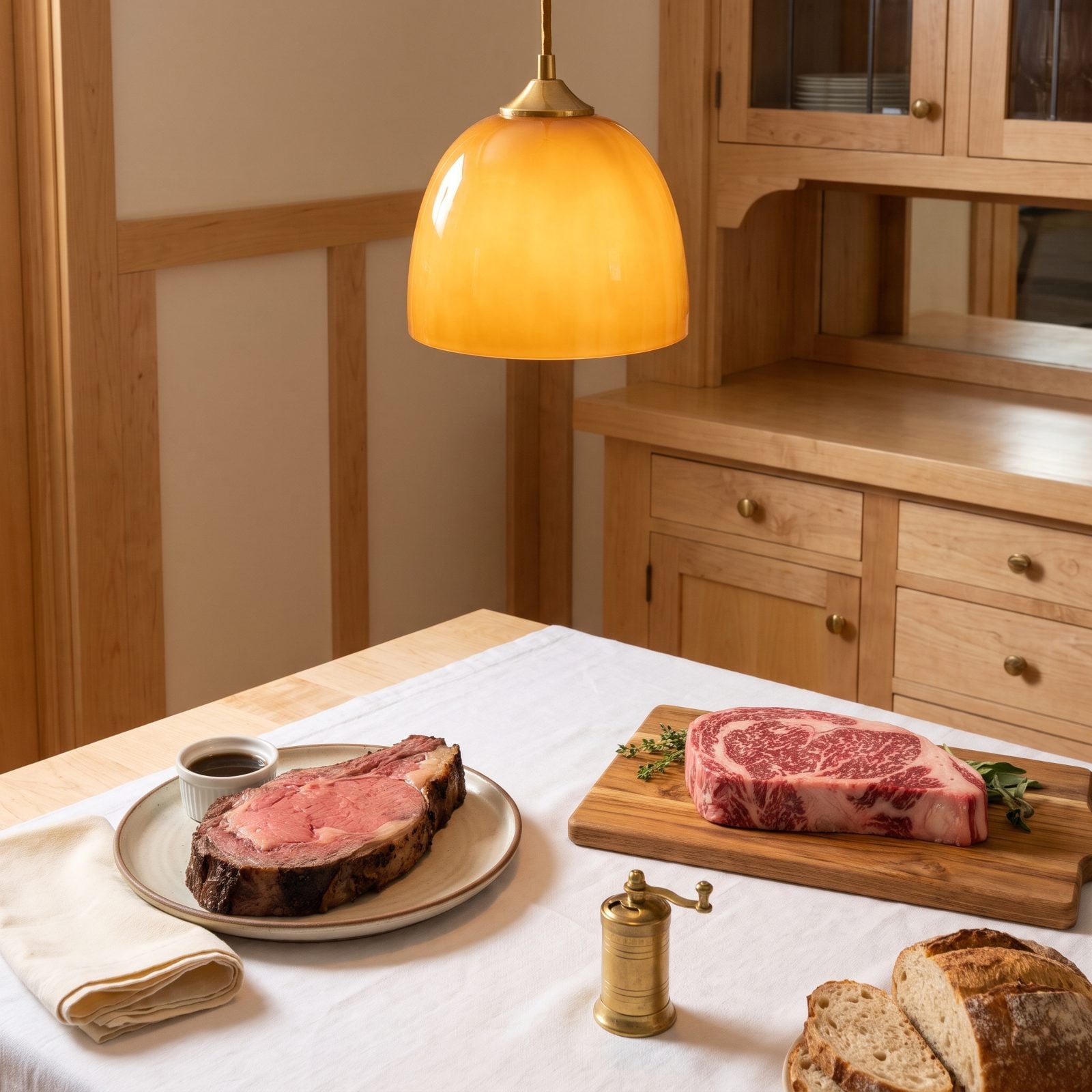
These two sound like twins and aren’t even cousins. USDA Prime is a grade, the top tier of beef the government hands out based on marbling and age. Prime rib is a cut — a roast from the rib section, usually slow-cooked and sliced to order. One describes quality, the other describes a piece of the animal.
Here’s where it bites: your prime rib may or may not be USDA Prime beef, and plenty of excellent prime rib is graded Choice. Ask which grade the kitchen uses if quality is your concern. Don’t assume the word “prime” on the menu guarantees the top grade in the bite.
In a local food column asking whether prime rib is really prime beef, a restaurant co-founder and chef says top-end choice-grade prime rib is the better option, since it still comes from the primal cut and costs less.
30. Assuming Filet Mignon Is the Most Flavorful Cut
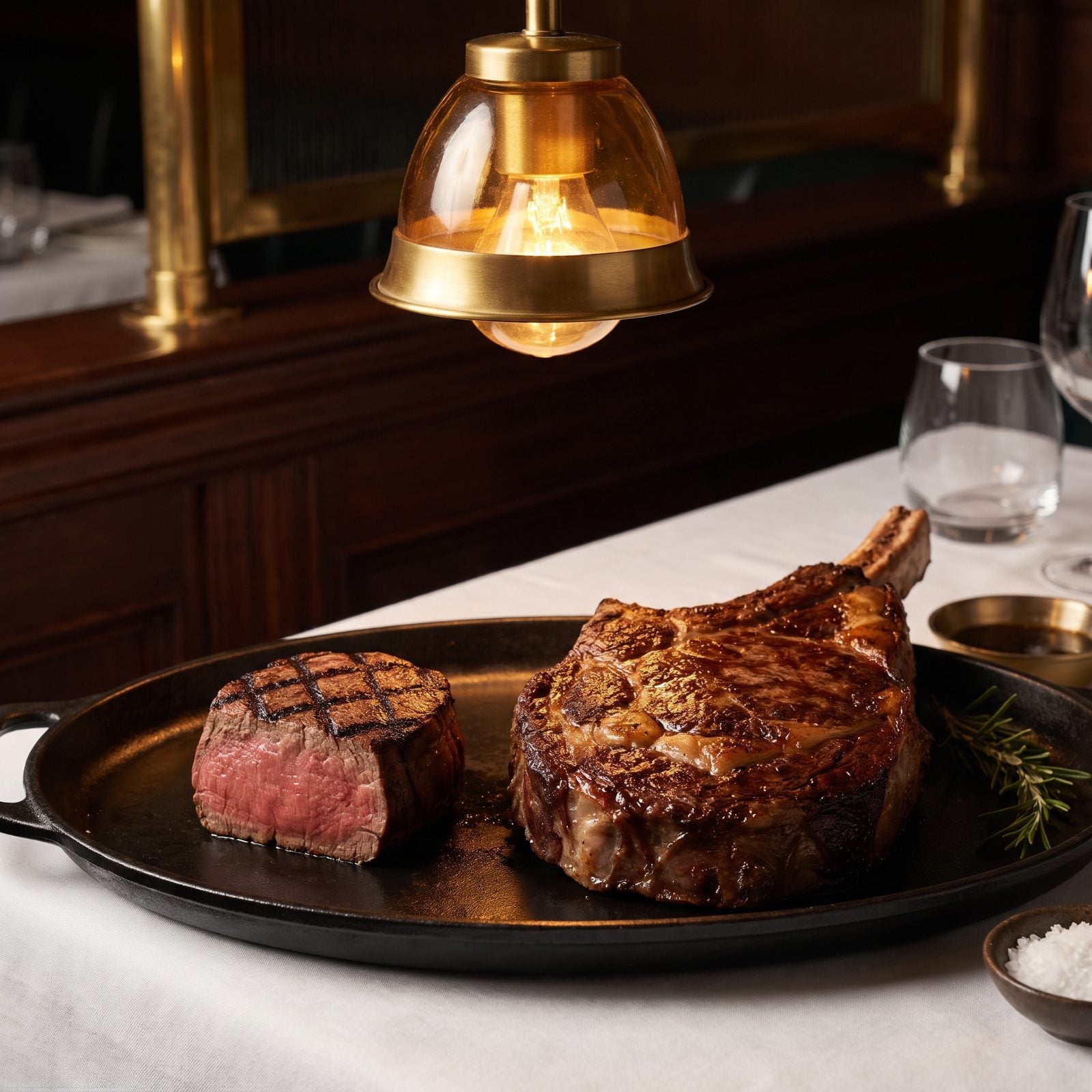
Filet mignon carries the prestige, the premium price, and the reputation as the “best” steak on the menu. It earns most of that on texture — it’s the most tender cut going, buttery and fork-soft. But tenderness and flavor aren’t the same thing, and on pure beefy flavor the filet usually loses.
The ribeye and the strip carry far more intramuscular fat, and fat is where beef flavor lives. That marbling renders into the deep, mineral, almost nutty taste steak lovers chase. Want the tenderest bite? Order the filet and enjoy it. Want the most flavor for the money? The ribeye wins nearly every time. Servers watch guests default to the filet out of habit and quietly wish they’d ask what they’re actually after — softness, or taste.
29. Ordering a Ribeye and Expecting a Lean, Clean Bite
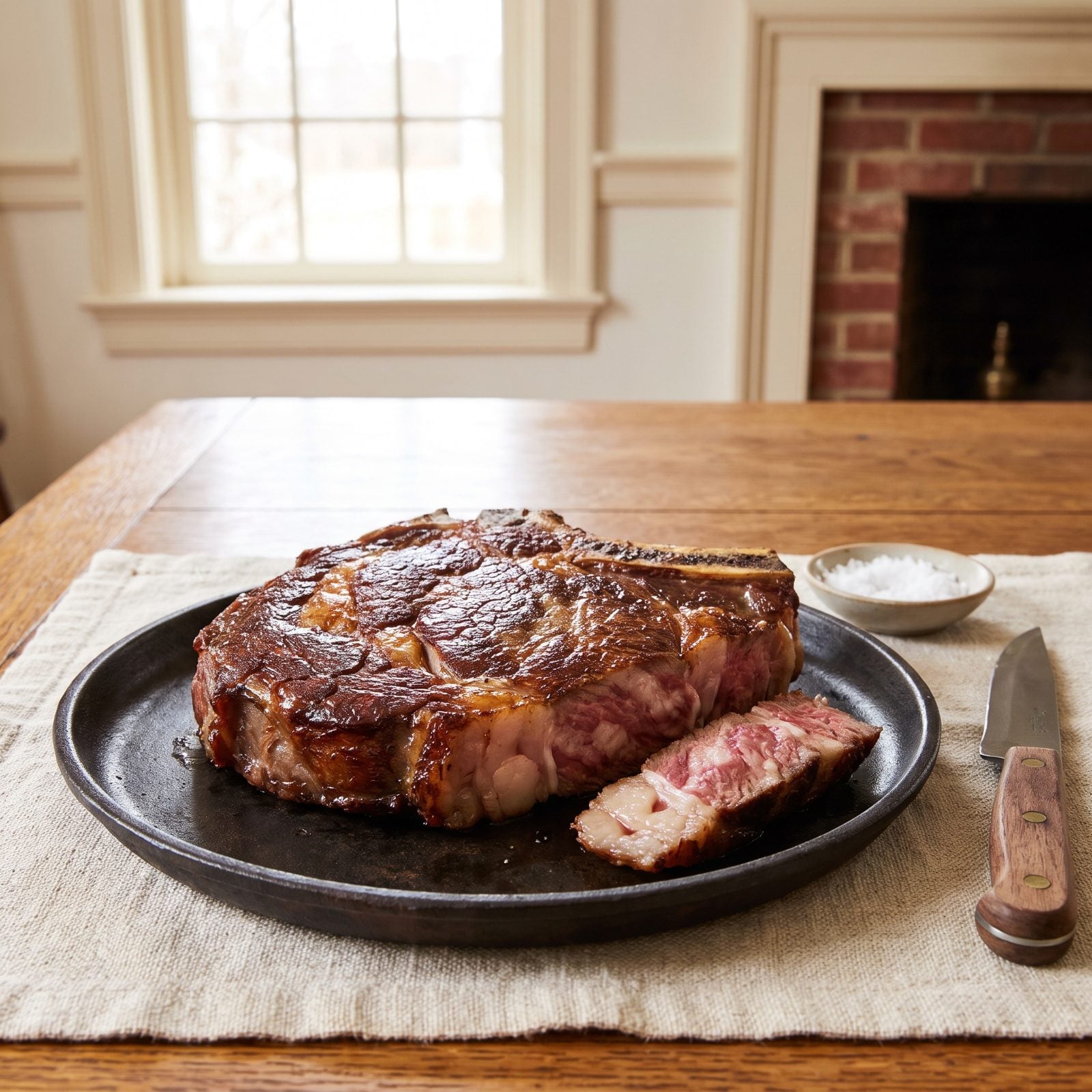
You order the ribeye picturing a tidy, lean slab, then it shows up threaded with pale veins of fat and you start wondering if you got stuck with a bad cut.
You didn’t. The ribeye comes from the rib section, and all that intramuscular marbling is exactly what you’re paying for. It melts as it cooks and bastes the meat from the inside, which is why a ribeye tastes like butter and a filet tastes like, well, nothing much.
Want lean? Order the filet. Order the ribeye and you lean into the fat instead. Ask for medium-rare plus or medium so the marbling fully renders. A medium-rare ribeye with firm, waxy fat is a common letdown, and it’s easy to dodge.
28. Ordering a Porterhouse Without Knowing You’re Getting Two Different Steaks
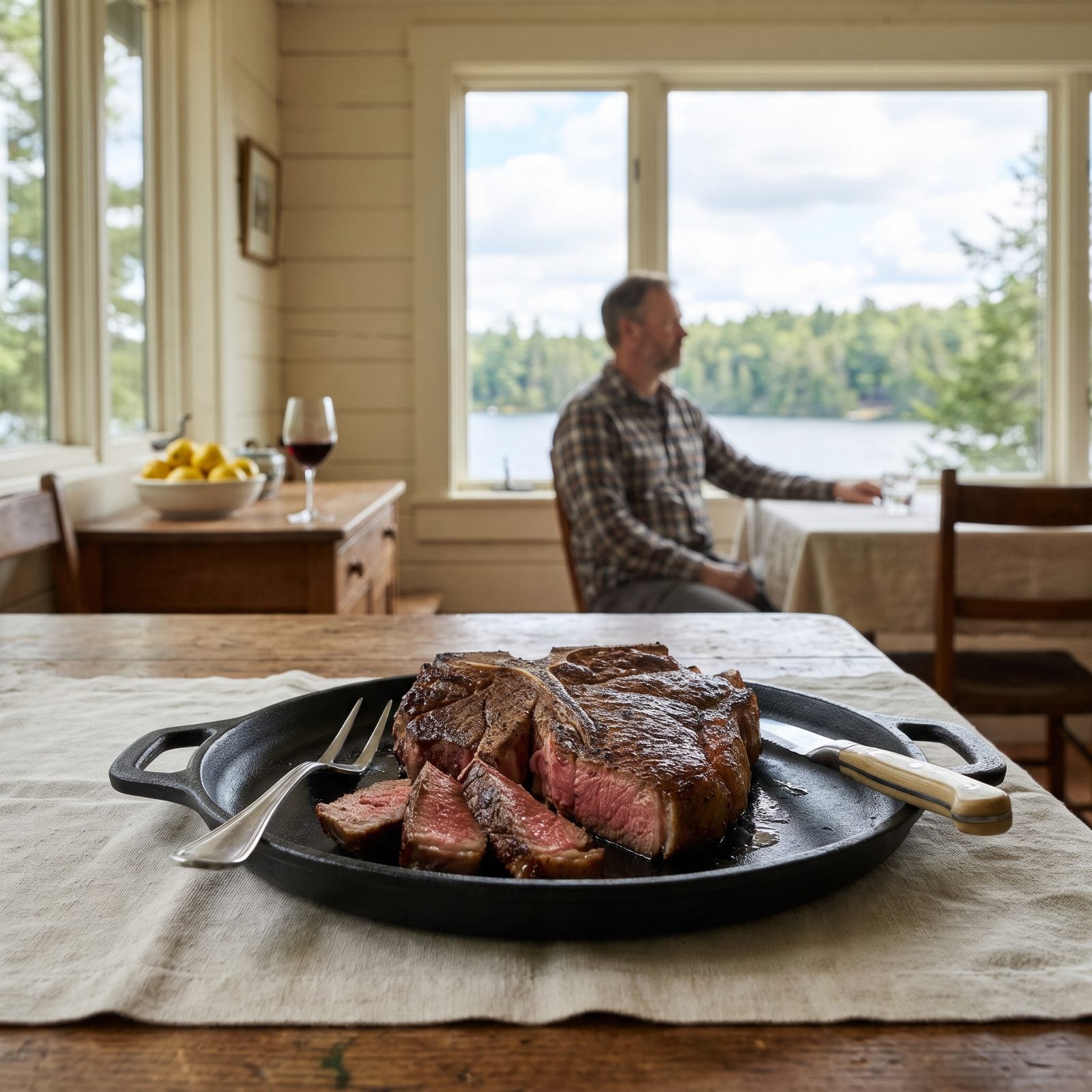
A porterhouse looks like one impressive steak. It’s actually two, joined at the bone: a New York strip on the larger side, a filet mignon on the smaller.
And here’s where people get caught. Those two muscles cook at different rates. The tenderloin is lean and finishes faster, so a kitchen chasing a perfect strip can leave the filet side past where you’d want it. Order it and just expect it, because the filet will usually run a notch more done than the strip no matter what.
Tell your server if you care more about the filet, and ask the kitchen to pull it on the earlier side. Then share it. The porterhouse was built for two plates and a bottle between them.
27. Paying Tomahawk Prices and Forgetting Half the Weight Is Bone
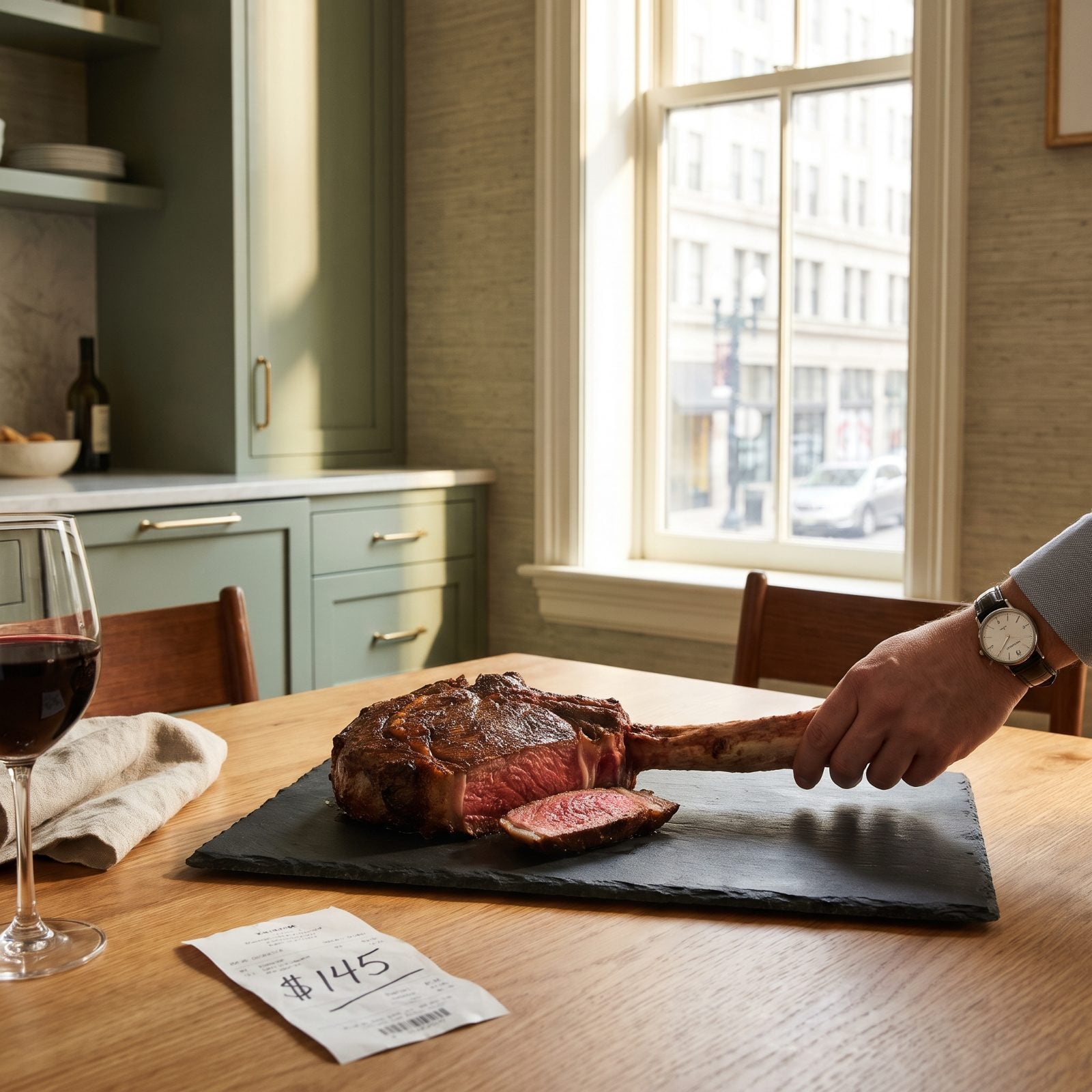
That towering bone is why the tomahawk ends up on every table’s phone camera. It’s also why the edible portion surprises people who thought they were buying over four pounds of beef.
A big tomahawk can carry a sizable chunk of its weight in bone. You paid for a showpiece, and a good bit of that weight stays on the board when you’re done. Nothing wrong with that — as long as you knew going in.
Treat it as a shared plate. Two or three people, maybe four if there are big sides coming. Ordering one per person because the menu lists it by total weight is how a table ends up overstuffed and overcharged.
26. Expecting Prime Rib to Chew Like a Grilled Steak
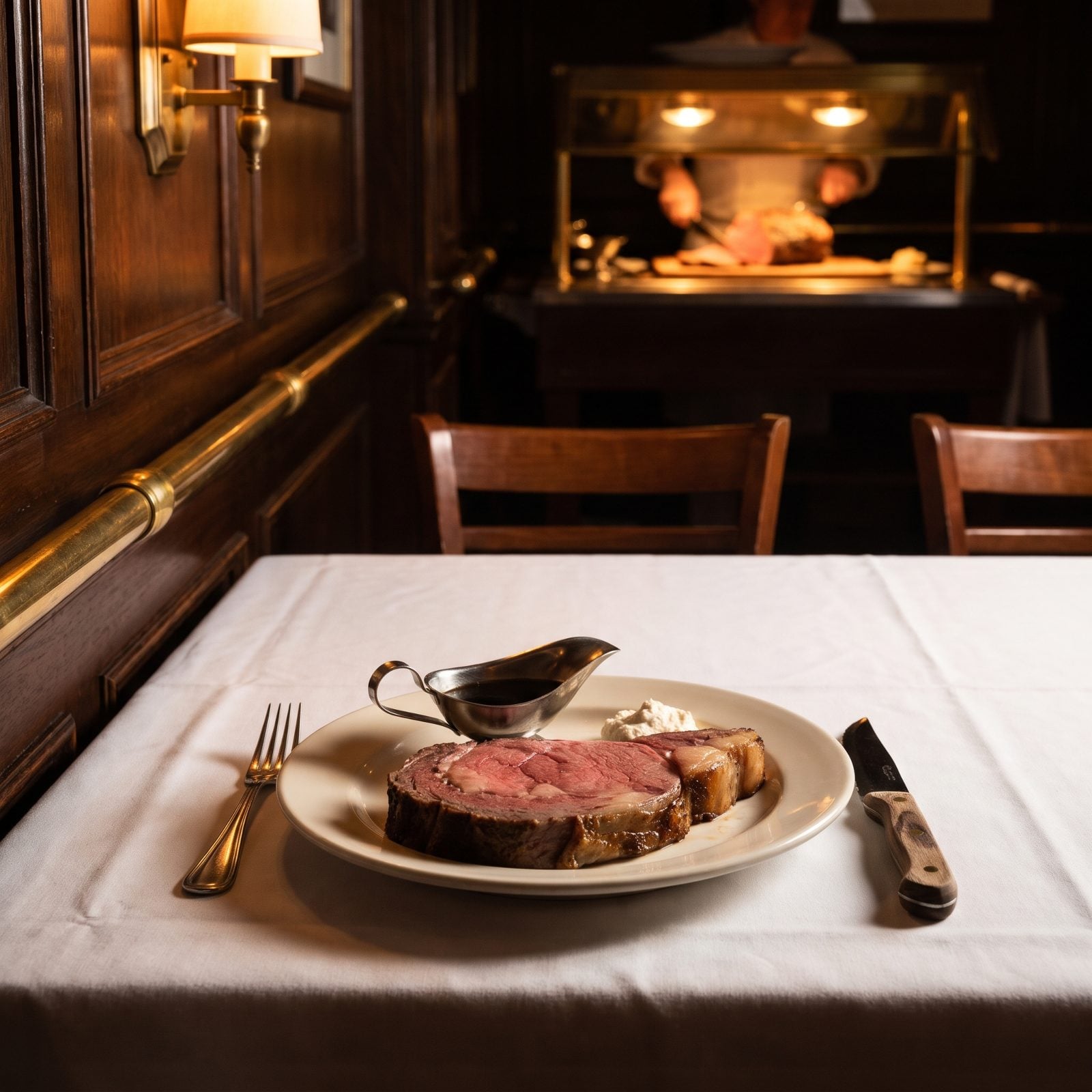
Prime rib and a grilled ribeye come from the same place, but they eat nothing alike, and anyone expecting a charred, firm steak tends to feel let down by a slab of slow-roasted beef.
Prime rib is a roast. Cooked low and gentle to a uniform rose from edge to center, then carved. The texture is tender and soft, almost sliceable with the side of a fork, carrying that mild jus flavor rather than a smoky, caramelized crust.
Want sear and char? Order a steak. Want silky, roast-y, horseradish-and-jus comfort? Order the prime rib and let it be what it is. Ask for an end cut if you like more browned exterior and rendered fat.
25. Ordering Japanese Wagyu in a Full Steakhouse Portion
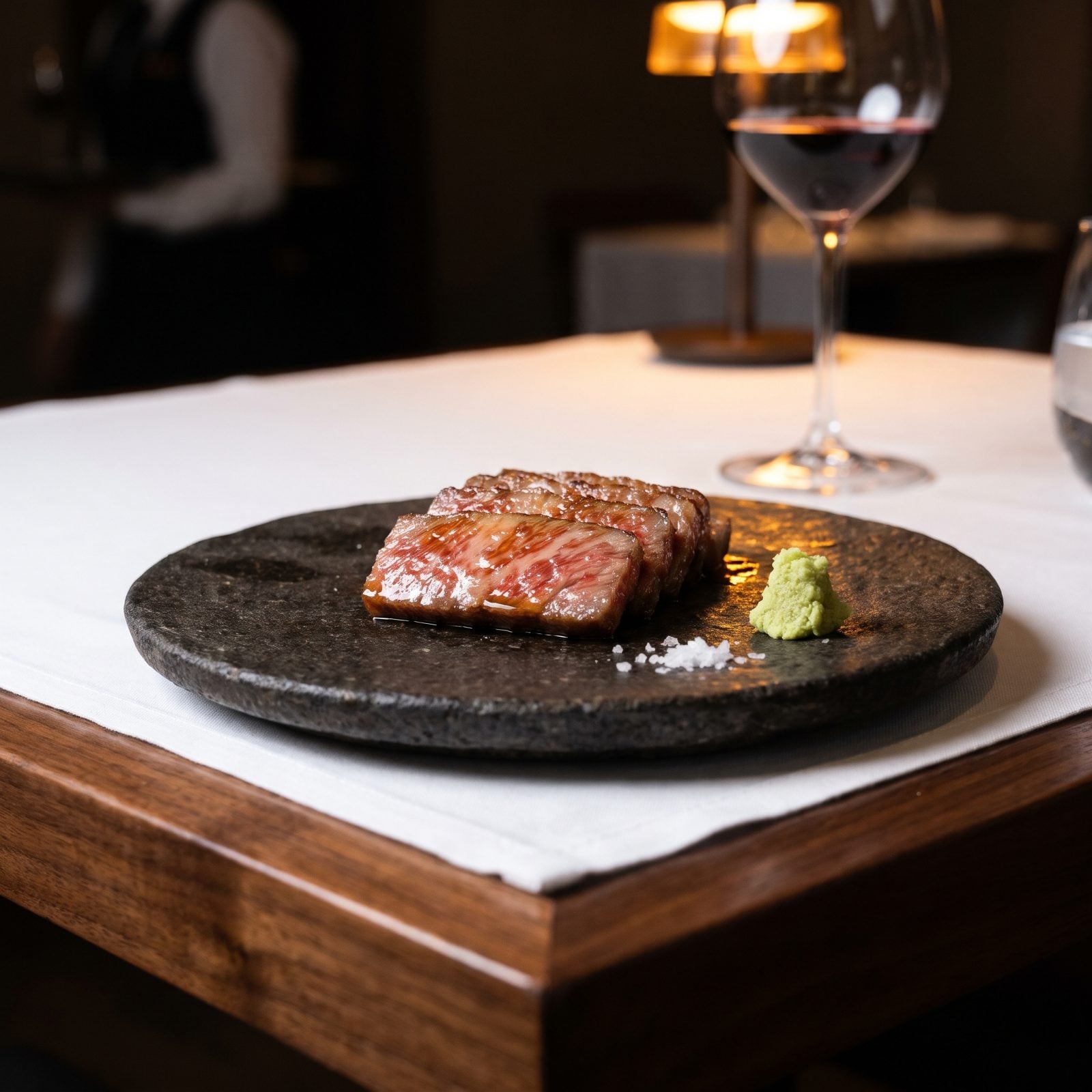
People see wagyu on the menu, picture a 16-ounce slab, and order like it’s a Tuesday ribeye. Then they can’t finish three ounces of it.
True Japanese A5 wagyu is so densely marbled it eats more like foie gras than steak. The fat renders at a low temperature and coats your whole mouth. A few bites in, you’re full in a way lean beef never manages, which is exactly why it gets sold in small portions.
Order it as a shared course — two or three ounces, seared hard and fast, cut into thin ribbons. Salt, maybe a little wasabi, nothing else. Save your appetite for an American cut if you want volume. Wagyu is a taste, not a meal.
Advising wagyu novices not to buy too much, a steakhouse culinary director cautioned “You won’t be eating the same kind of volume as if you were just buying a normal eight-ounce sirloin steak, say.”
24. Mistaking Dry-Aged Flavor for Something Gone Off
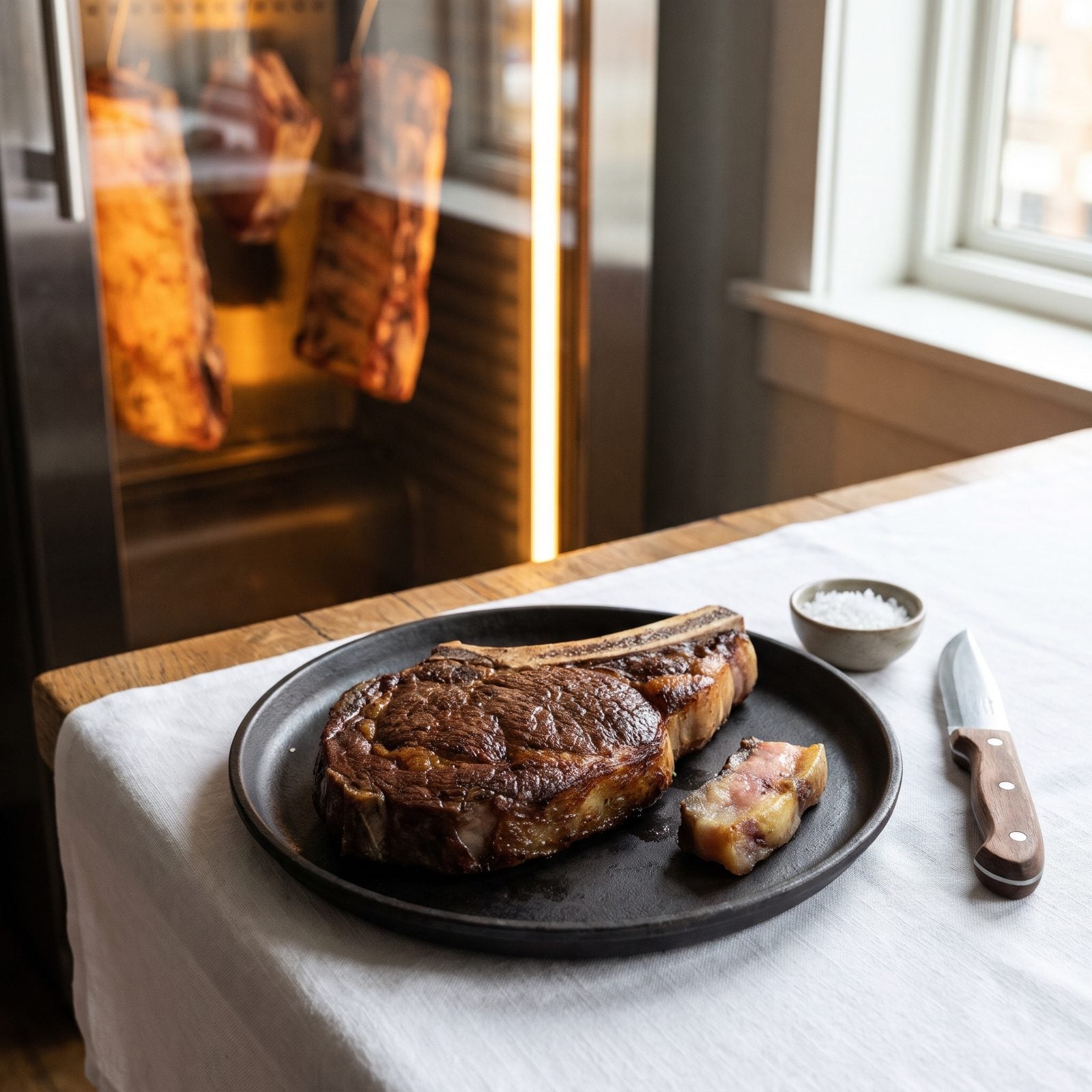
First time with a dry-aged steak, plenty of folks take a bite, catch that deep, funky, almost cheese-and-nut note, and quietly wonder if the kitchen served them something past its prime.
It’s supposed to taste like that. Dry-aging hangs beef in a controlled cold room for weeks while moisture evaporates and the flavor concentrates, and natural enzymes slowly break down the muscle and tenderize it. That intensity — sometimes described as blue-cheese or roasted hazelnut — is the entire reason it costs more.
Prefer a clean, mild, straightforward beef flavor? Order a wet-aged or fresh cut and you’ll be happier. Go dry-aged and you should walk in expecting that big, savory funk. It’s a feature.
Dry-aged beef isn’t spoiled. It’s beef that spent a month getting more interesting.
23. Ordering by Ounces and Ignoring How Thick the Steak Will Be
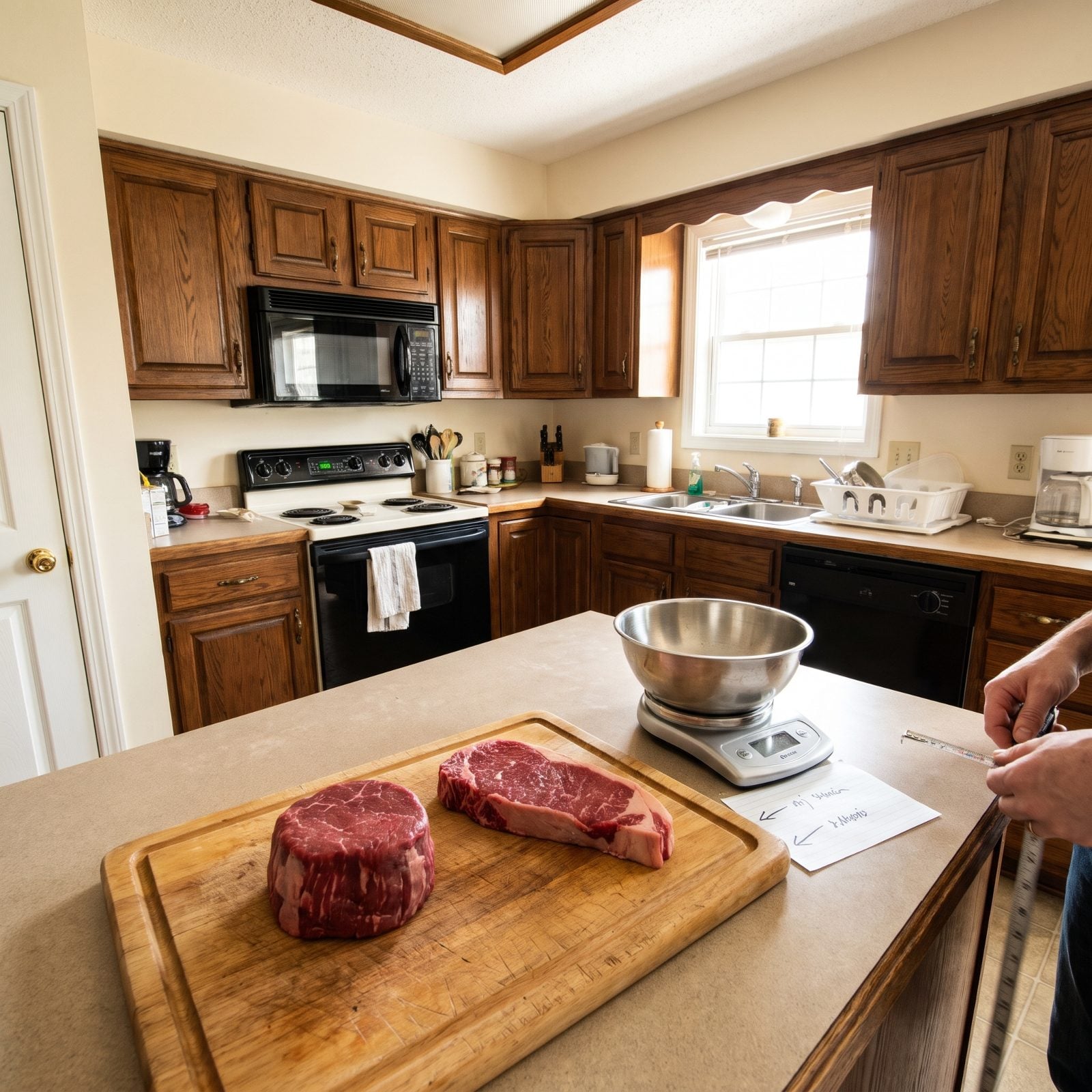
Two steaks can both say 8 ounces and hand you completely different dinners. One’s a tall, compact cut. The other is spread wide and thin. Same weight, different experience entirely.
Thickness is what decides how a steak cooks and eats. A thick cut holds a juicy, evenly colored center and takes a proper sear without overcooking, while a thin 8-ounce steak cooks through fast, loses that rosy middle, and gives you more gray band than pink.
So ask your server how thick the cut comes before you order by weight alone. If you want a steak that stays rare and juicy in the center, you want thickness — roughly an inch and a half or more. Ounces tell you how much. They don’t tell you how it’ll eat.
22. Saying ‘Pink but Not Too Pink’ Instead of Naming a Temperature
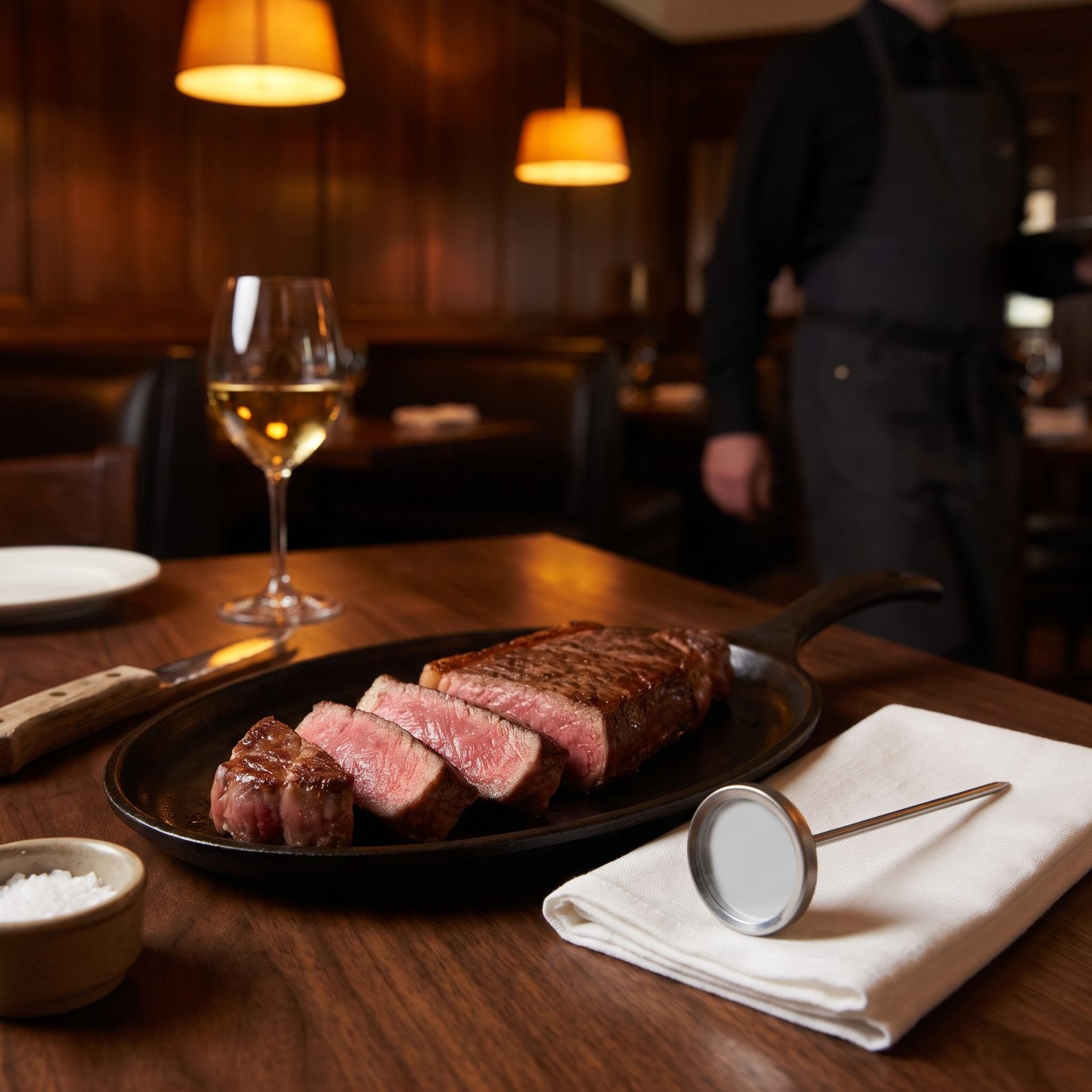
“A little pink but cooked through.” Every kitchen has heard it. Every kitchen has to guess what you actually mean.
Vague doneness is how you end up disappointed through no one’s fault. Your idea of “pink” and the cook’s might sit fifteen degrees apart. Words like pink, done, and just a little red mean different things to different people, so the result becomes a coin flip.
Give a target the kitchen can hit. Medium-rare is about 130 to 135 degrees. Medium is 135 to 145. Say the temperature or the standard name, and all the guesswork vanishes.
21. Expecting Medium-Rare to Mean Bright-Red and Cold in the Middle
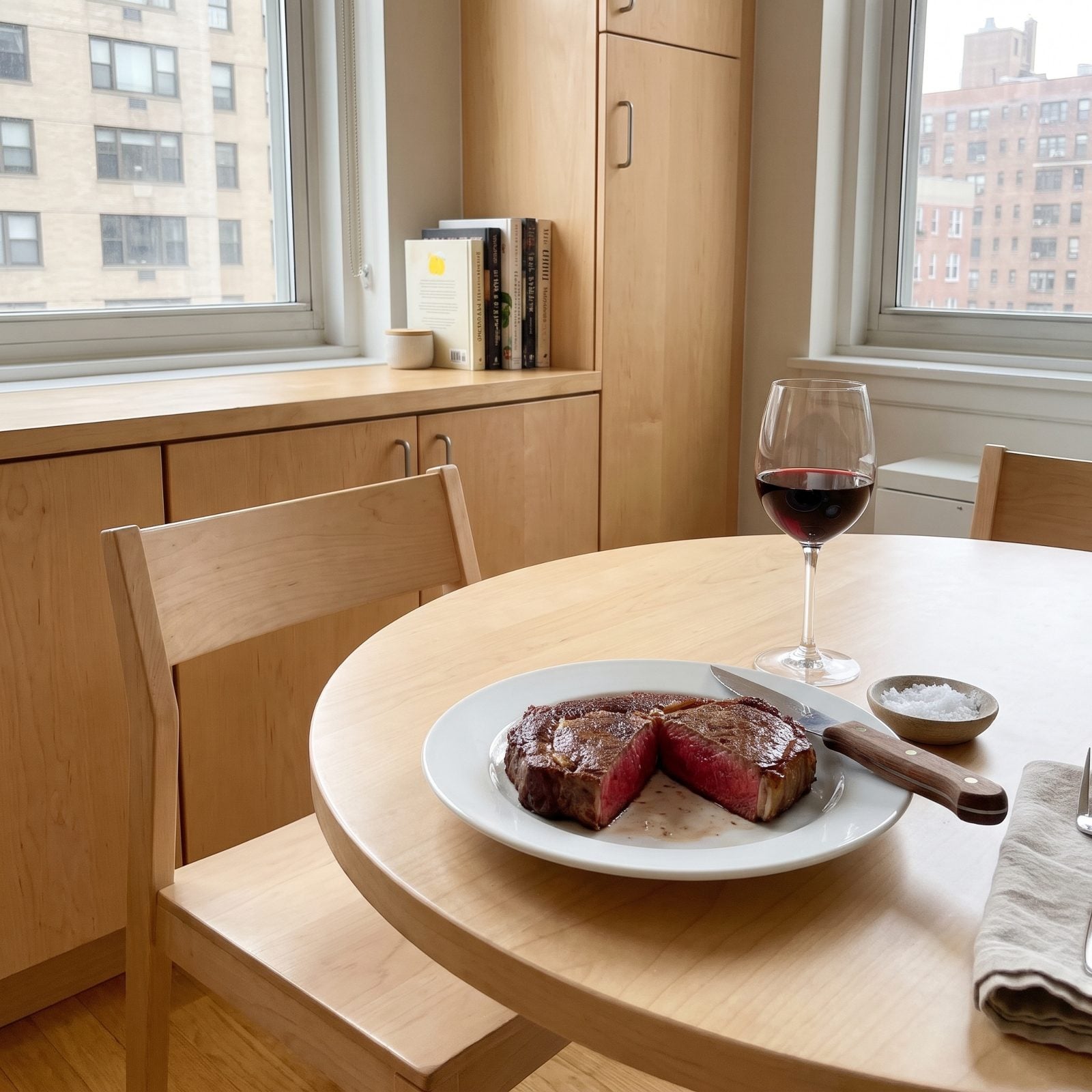
A fair number of people order medium-rare expecting the center to be cold and vivid red, almost raw. Then it arrives warm and rosy pink, and they’re convinced it got overcooked.
Medium-rare is warm in the middle, not cold. The center should run a soft pink to light red and heated through, around 130 to 135 degrees. That bright, cool, almost-raw center you’re picturing? That’s actually rare, closer to 120 to 125.
If you genuinely want that cool red middle, order rare and say so clearly. And if medium-rare keeps coming out “too done” for you, the honest answer is you prefer rare. Name it and the kitchen nails it every time.
Walking readers through steak doneness, a cooking school chef-owner asks “Did you know that in a restaurant the definition of a rare steak is that it is cold in the middle?”
20. Asking the Kitchen to Rush a Thick Steak
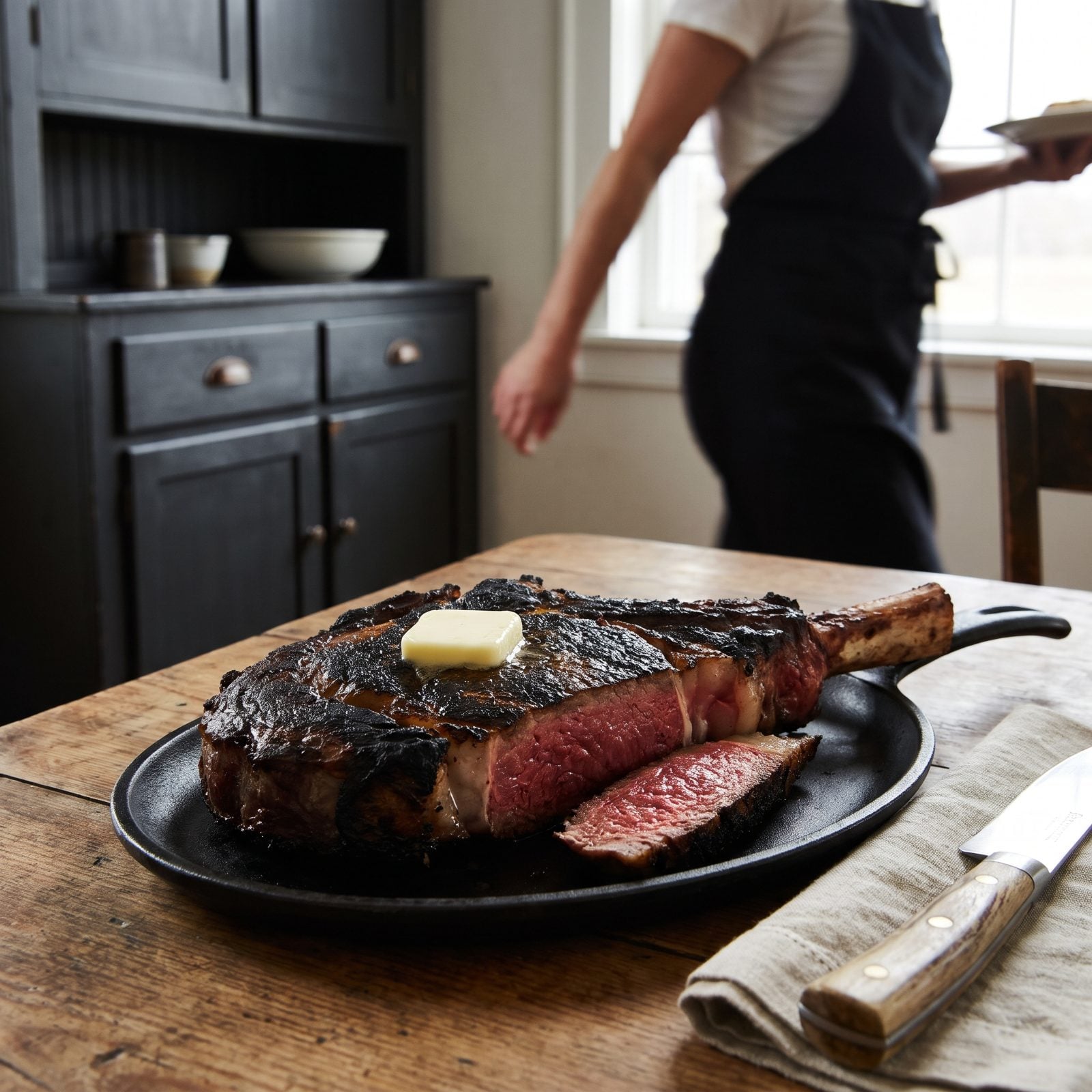
You’re hungry, you’re in a hurry, so you ask the kitchen to speed up your 20-ounce bone-in. Understandable. Also the fastest way to get a steak that disappoints.
Thick cuts need time, and they need a rest. Rushing one means cranking the heat to force the center up to temperature, which scorches the outside before the inside catches up, and skipping the rest means all those juices spill onto the plate the moment you cut in, leaving the meat drier than it should be.
Pressed for time? Order a thinner cut that cooks quickly and honestly. Save the big bone-in for a night you can give it twenty-five minutes plus a rest. Good steak is not a fast transaction, and the best kitchens won’t pretend otherwise.
19. Ordering Well-Done and Expecting the Juiciness of Medium-Rare
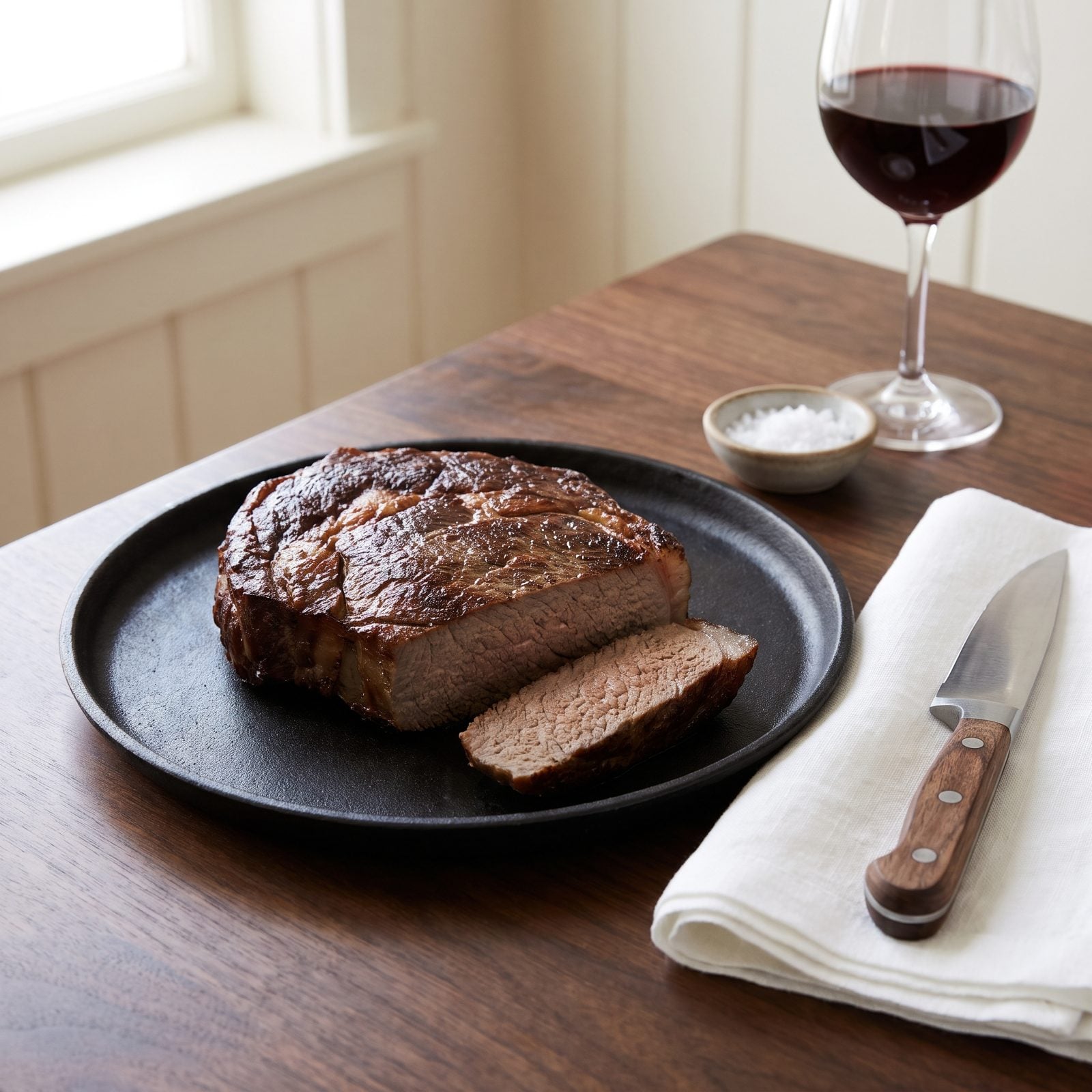
You asked for well-done, then stared at the plate wondering where the juice went. Servers wish you knew the plain truth: cooking a steak past 160 degrees squeezes nearly all the moisture out of the muscle fibers, and what’s left is firm, dry, chewy. That’s not the kitchen failing you. That’s physics doing exactly what you ordered.
Want a steak cooked through but still tender? Ask for medium, which lands around 140 to 145 degrees and holds a warm pink center. Or go for a fattier cut like ribeye, where the marbling renders and gives you some give even under high heat. A well-done filet starts out lean and only fights you harder.
18. Requesting Pittsburgh-Style Without Knowing It Means Charred Outside
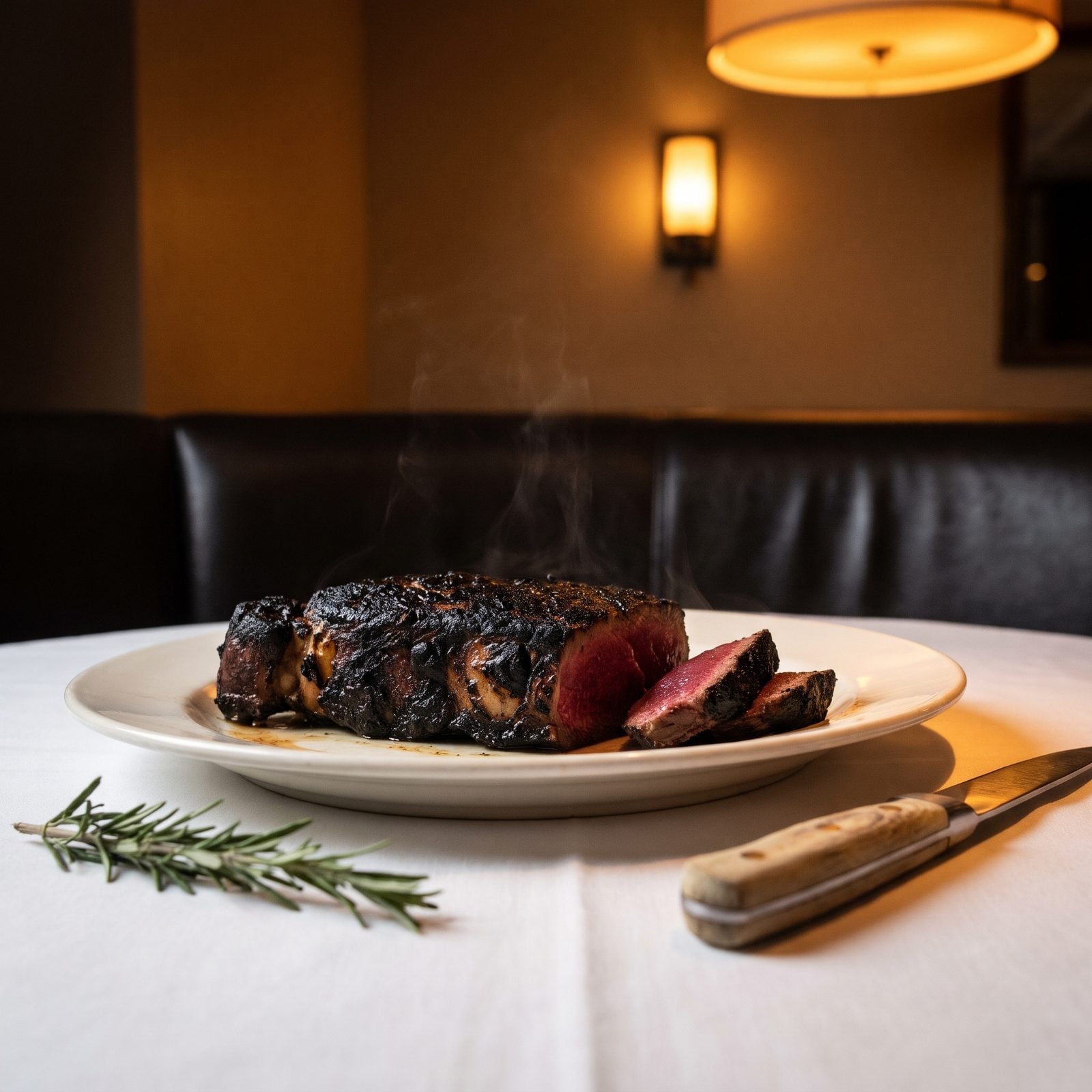
Pittsburgh-style is a trap for the unprepared. The name sounds fancy, so people order it to seem in the know, then recoil when a steak lands black on the outside and barely warm in the middle. That charred crust over a cool rare center is the whole idea. It came from steelworkers slapping meat onto scorching surfaces, searing the outside hard while the inside stayed almost raw.
Know what you’re signing up for before you say the words. If you love a heavy char but want the center actually cooked, tell your server you’d like a dark sear on a medium-rare steak instead. That gets you the smoky crust without the jolt of a rare interior. Servers would much rather hear the real request than watch a plate come back untouched.
17. Cutting Into the Edge Instead of the Center to Check Doneness
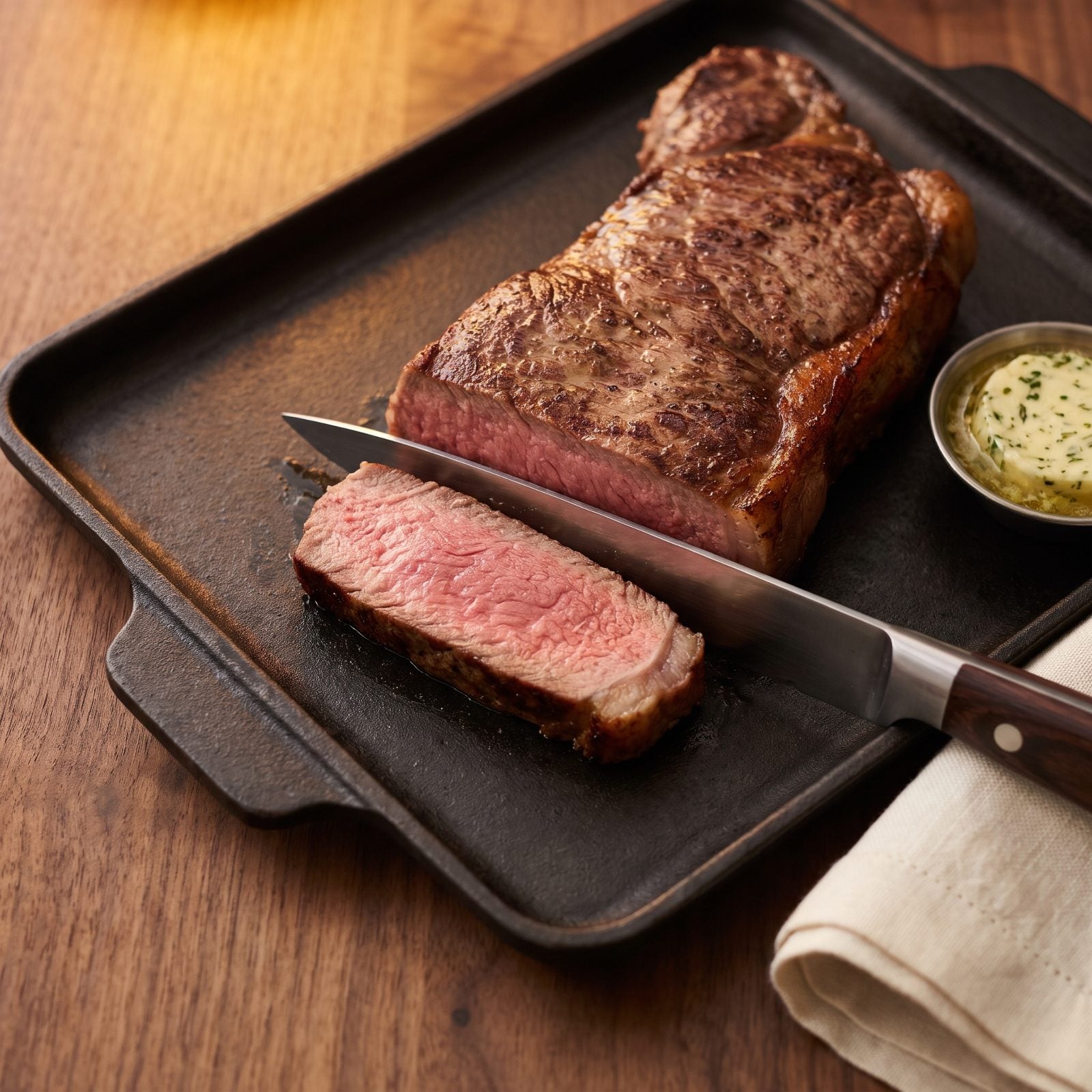
Slicing into the thin edge of your steak to peek at the color tells you nothing useful. The edge cooks faster and darker than the middle, so you’ll see brown where the center is still perfectly pink, panic, and send a good steak back for no reason at all.
Cut into the thickest part, straight through the center, where the true doneness lives. That’s where the kitchen aimed its temperature. One clean slice there shows you the real gradient and saves everyone a round trip.
16. Drowning an Expensive Steak in Sauce Before the First Bite
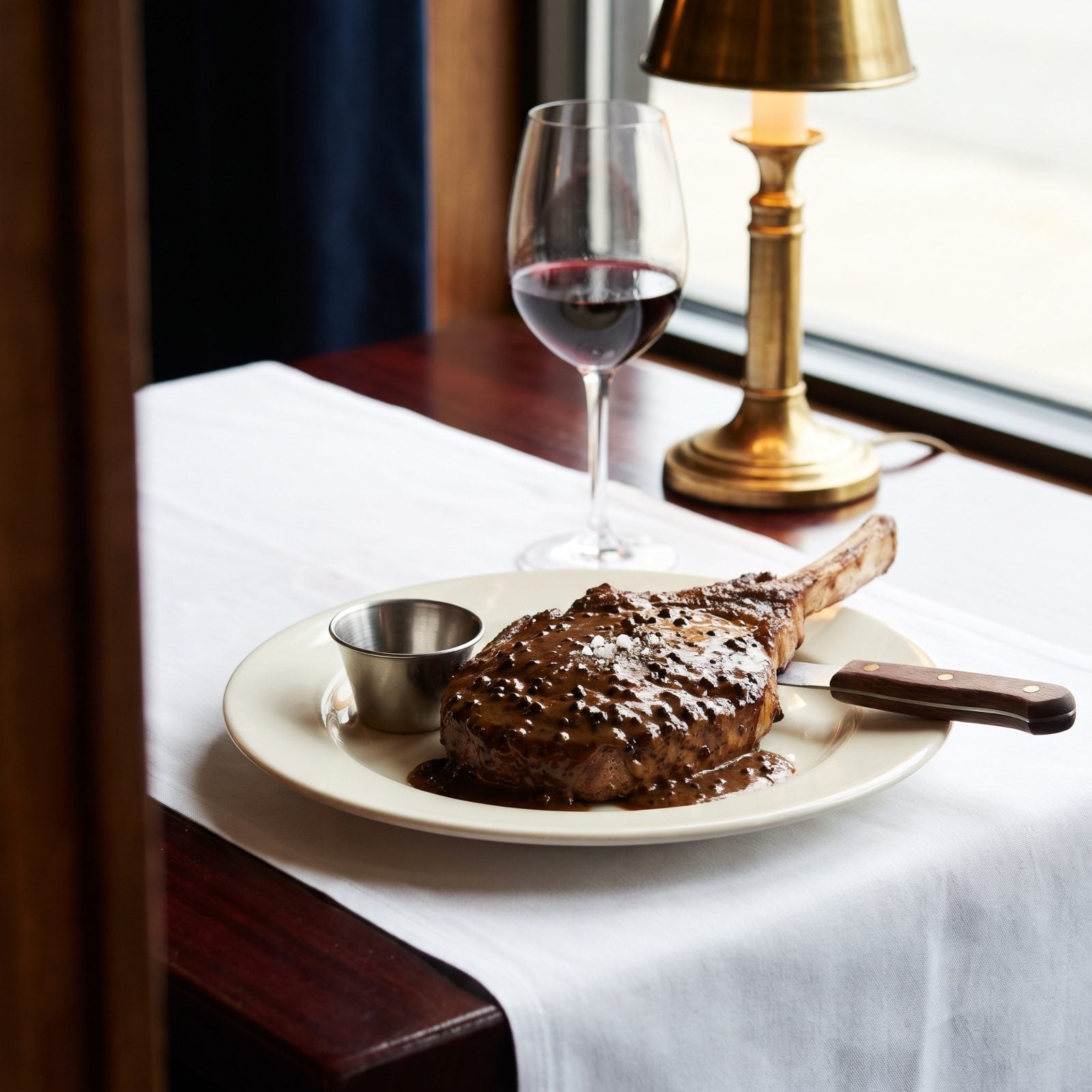
Something quietly bothers every good server: a guest orders a pricey dry-aged cut, then floods it with steak sauce before tasting a single bite. A place that ages its beef and seasons it right is handing you flavor the kitchen worked to build, and burying it under a bottled sauce drowns every bit of that nutty, mineral depth you paid for.
Taste it clean first. Just the meat, maybe a flake of salt. Still want sauce? Ask for it on the side and dip, so you control each bite. You might find you don’t reach for it at all. And if you do, nobody’s judging — we just hate to see good beef go unmet.
The better the steak, the less it needs. A great kitchen seasons so you can skip the bottle entirely.
15. Failing to Mention a Dairy Allergy Before Ordering
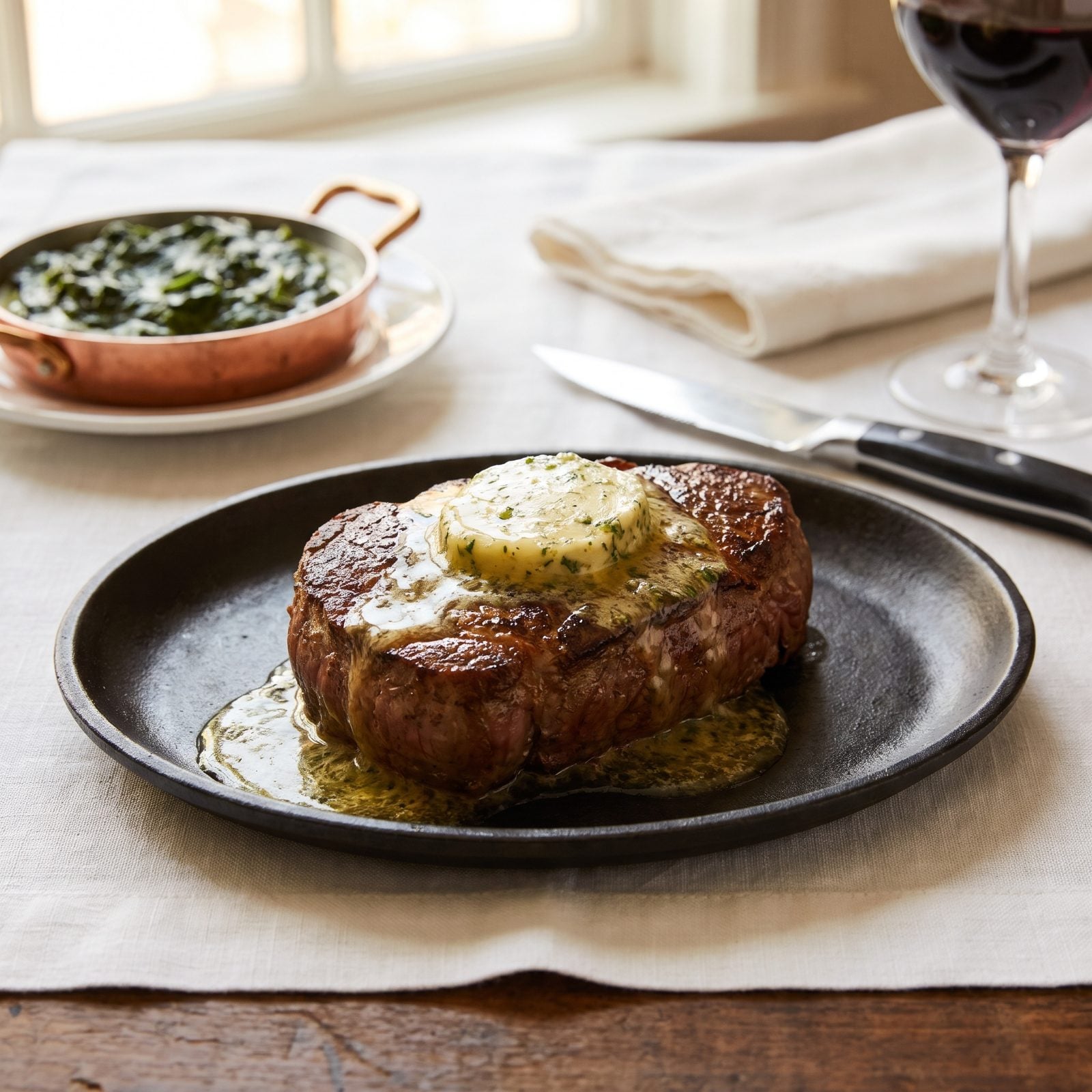
Butter hides everywhere in a steakhouse, and that’s the part people miss. Kitchens often finish steaks by basting them in butter, swirl it into the mashed potatoes, build the creamed spinach on heavy cream, and crown the plate with a melting compound butter you never ordered. Have a dairy allergy and wait until the food arrives to mention it? Half the menu was already a problem.
Say it when you order, clearly, to your server. Ask which dishes touch butter or cream, because the honest answer is most of them. A good kitchen will sear your steak dry in a clean pan and steer you to the sides that are safe. But only if they know before the ticket hits the line.
14. Treating a Shared Grill as Safe for Severe Allergies
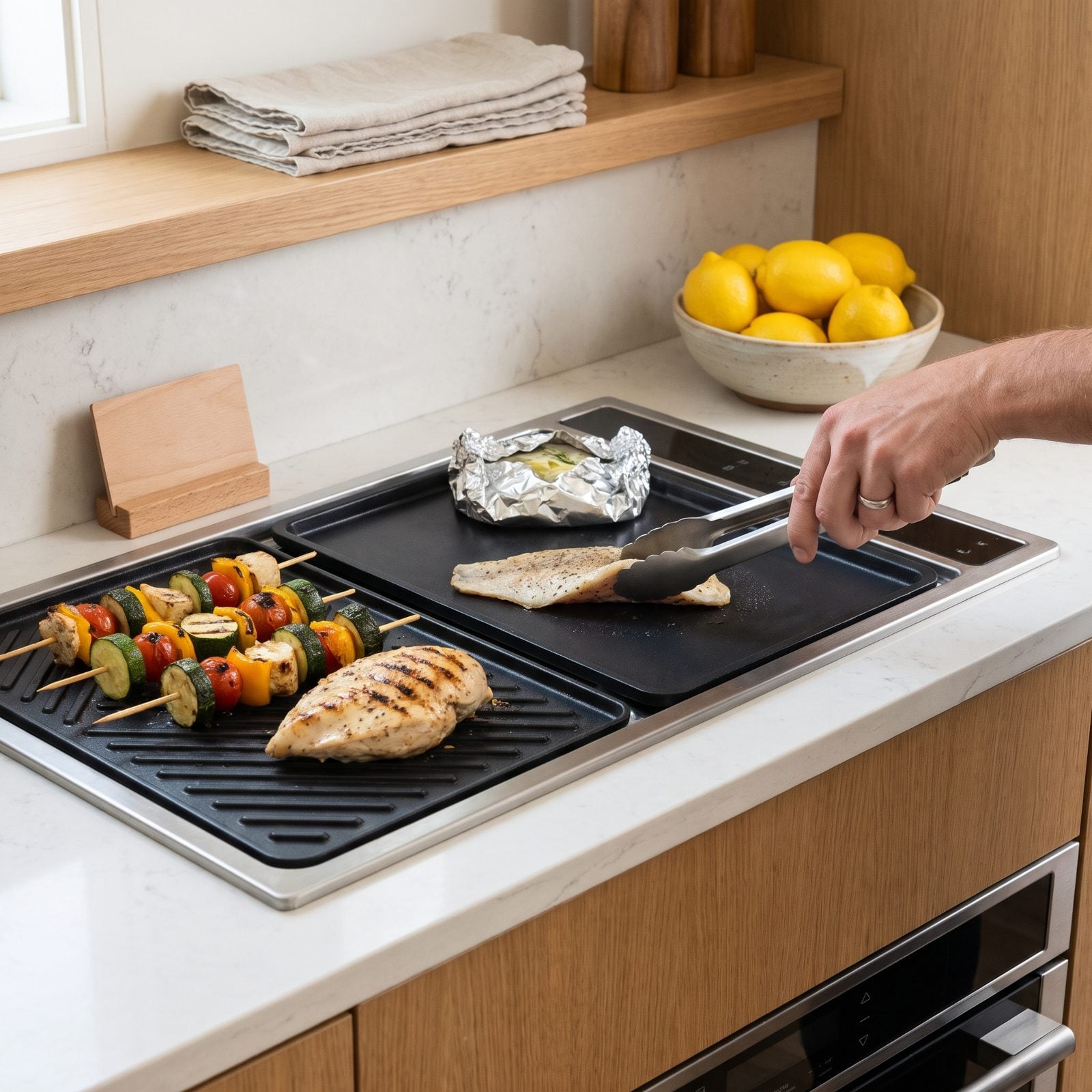
A steakhouse grill is a shared surface, and for a severe allergy that matters enormously. The same grates sear shellfish, fish, and butter-basted cuts all night long, and even a spotless kitchen drags trace proteins across that metal. If your allergy is the kind that lands people in the ER, a steak cooked on the main grill isn’t truly clean — no matter how careful the line cook is.
Tell your server the severity, not just the allergy. Ask whether the kitchen can cook your protein on a separate clean surface or a dedicated pan. Most serious steakhouses can and will, but it takes a heads-up and sometimes a few extra minutes. The staff would much rather slow down than deal with an epinephrine pen.
13. Forgetting That Many Steakhouse Sides Are À La Carte
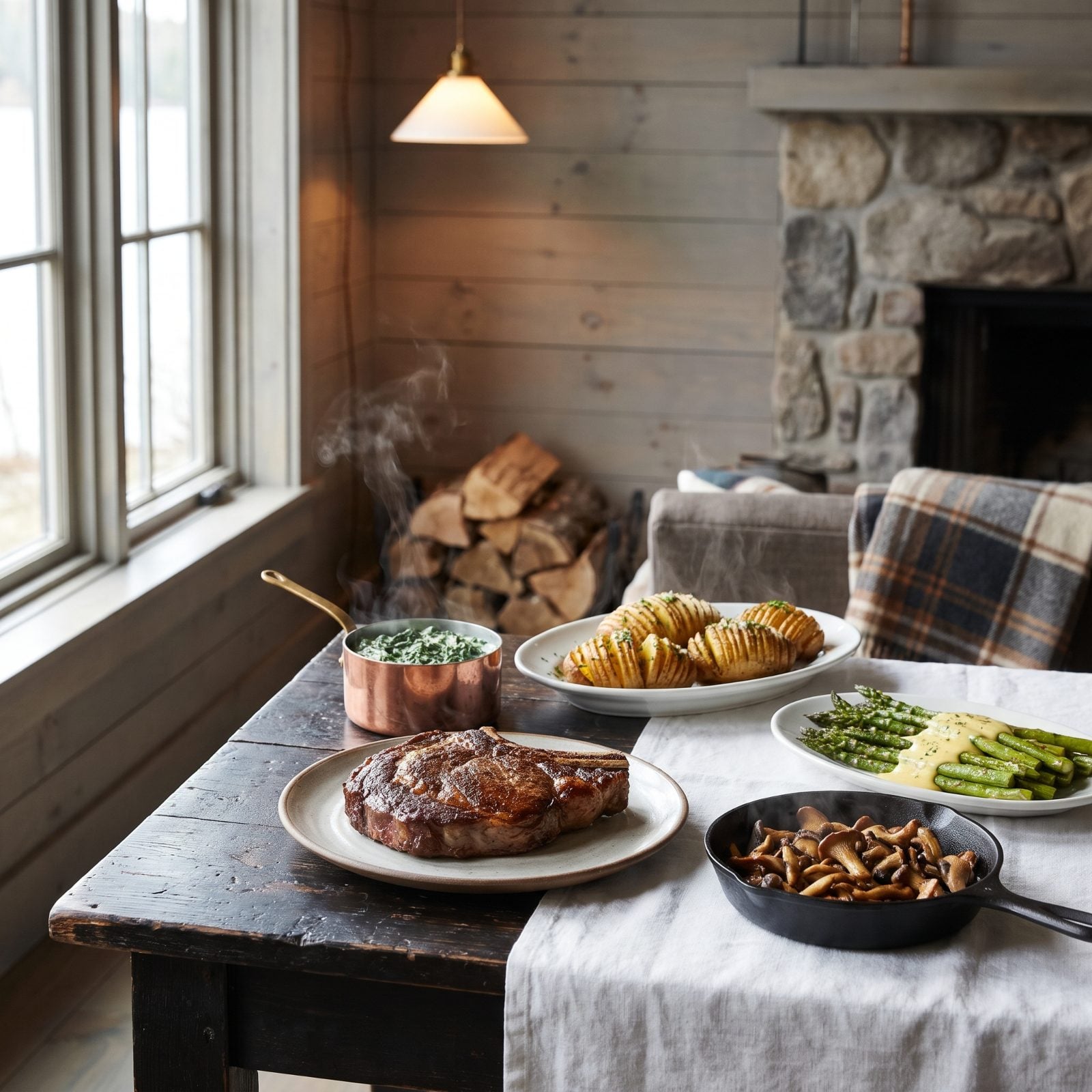
At a traditional steakhouse, the steak comes alone. No potato tucked alongside, no vegetable smuggled onto the plate, just the meat you ordered. Everything else lives on its own section of the menu, priced one by one, and newcomers get caught off guard when a bare steak arrives and the check later counts every side they added.
This is the old-school model, and it isn’t a trick. It lets you build the meal you actually want. Glance at the sides section before you order and notice they each carry a price. Budget for one or two, decide whether you’re splitting, and the total will hold no surprises.
12. Ordering One Side per Person Without Asking About Portion Size
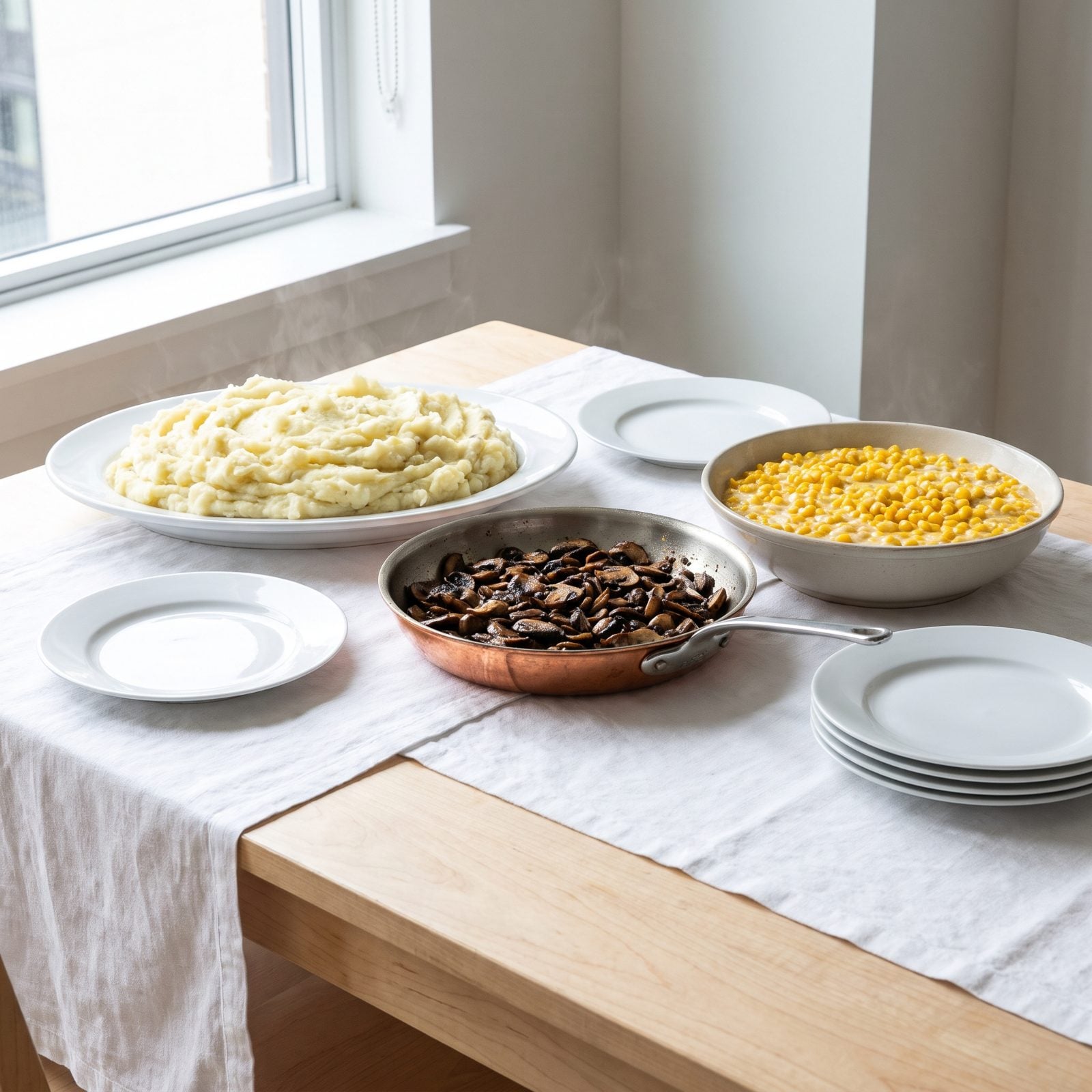
Classic steakhouse sides are built for the table, not one person. A dish of creamed spinach or mashed potatoes often feeds three or four easily. Order one apiece and you end up with a mountain of leftovers and a swollen bill, staring at four nearly full bowls nobody can finish.
Ask your server how big the sides run before you commit. They’ll tell you straight, because they’d rather you leave happy than overstuffed and sore about the cost. For a table of four, two or three shared sides usually covers everyone with room to spare.
11. Failing to Coordinate Appetizers With Long-Cooking Steaks
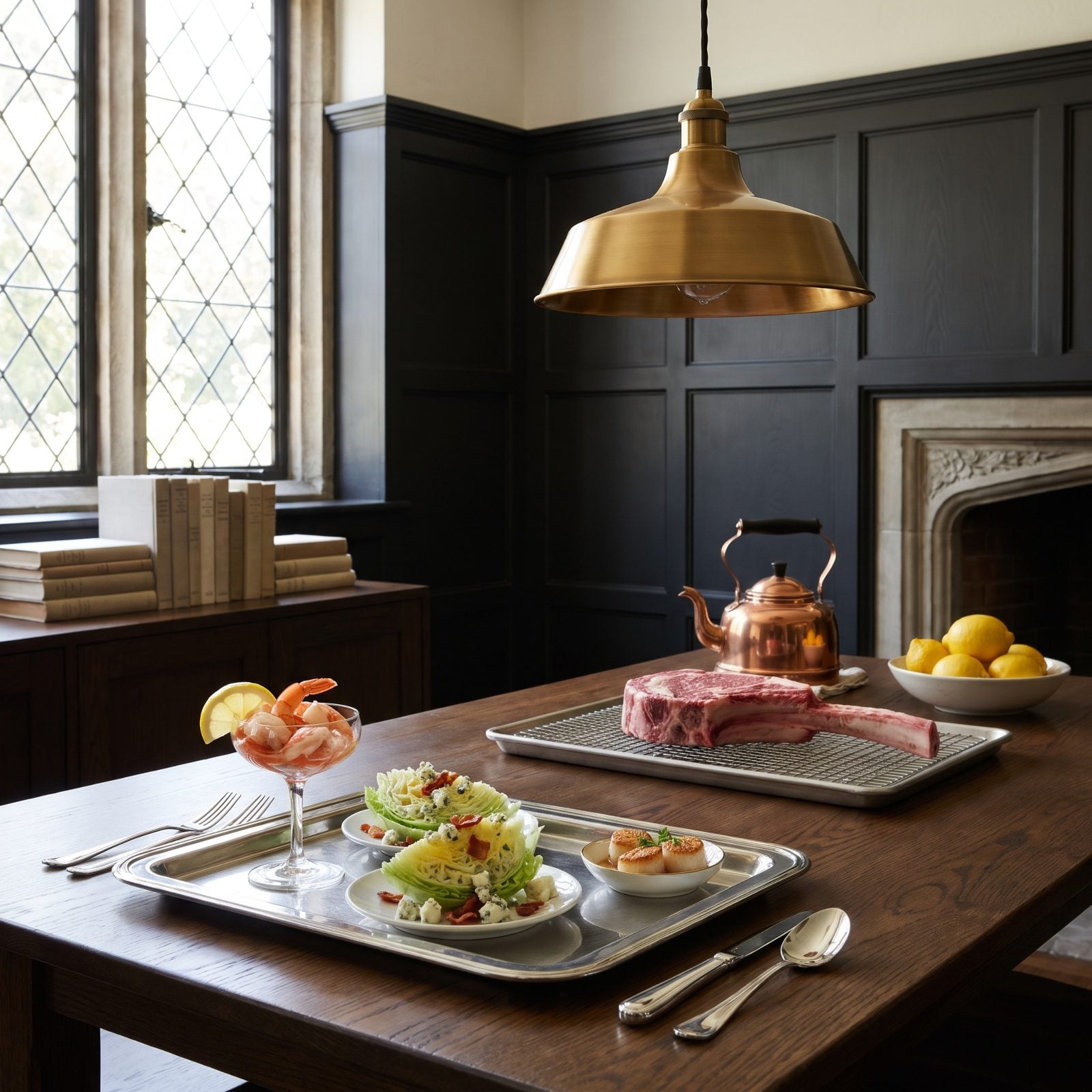
A thick bone-in ribeye or a chateaubriand takes a good while to cook properly, and that timing matters more than people expect. Skip the appetizer, order only the big steak, and you may sit staring at bread for a long stretch while the kitchen does its job right. Then the steak lands and you’re too hungry to taste it.
Order a starter that fills the gap. A shrimp cocktail, a wedge salad, anything that arrives early and gives you a first course while the main cooks. It also lets you ask the server to pace the courses, so the steak shows up when you’re ready rather than the second you sit down. Good timing is half the pleasure of a steakhouse dinner.
10. Failing to Tell the Server That Entrées Should Arrive Together
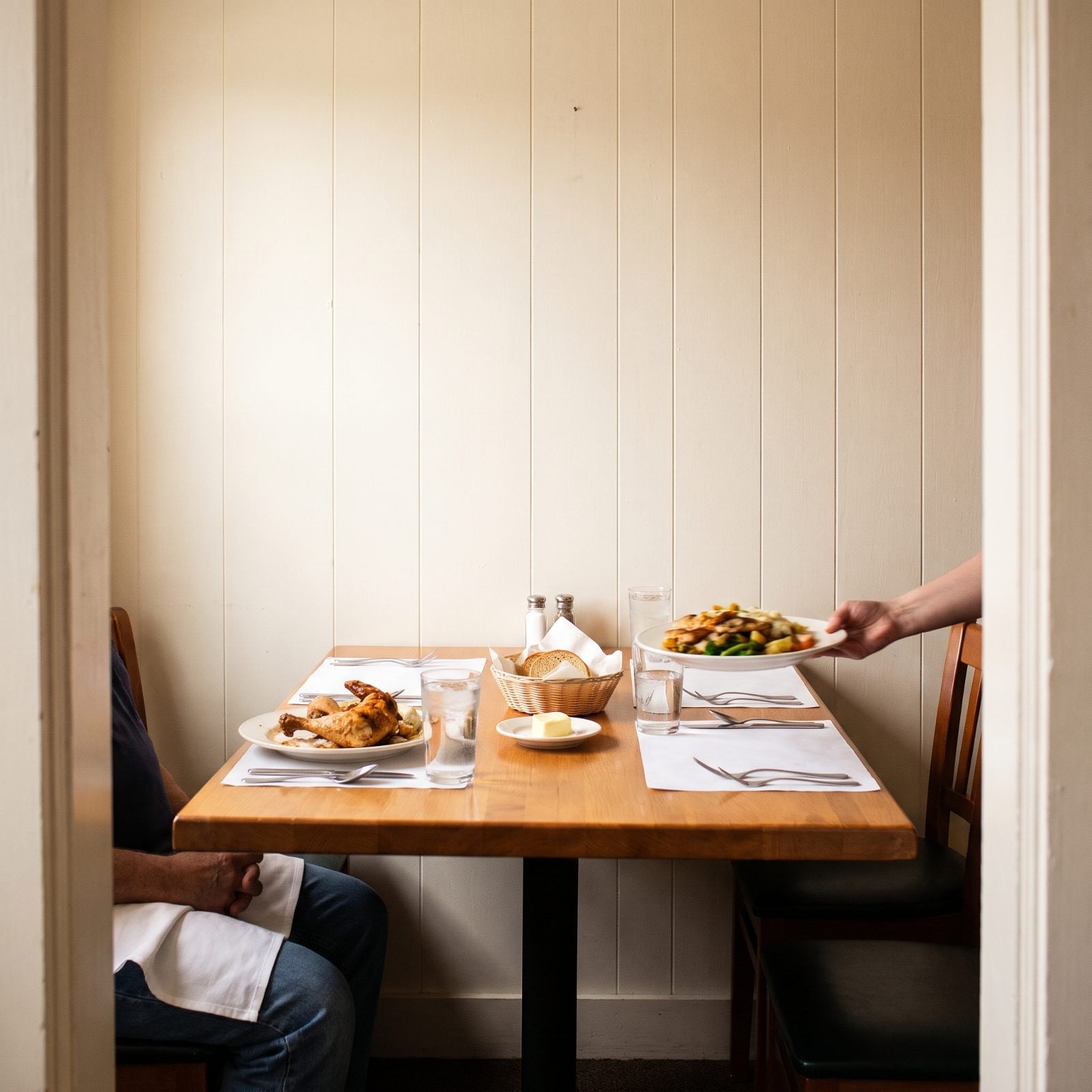
A kitchen doesn’t read minds. If you want the whole table’s food landing together, say so when you order instead of hoping silently while your entrée goes cold waiting on everyone else.
Most people never think about this part. A steakhouse line fires each dish on its own clock, and a well-done sirloin and a rare filet start at completely different times. Without a heads-up, the cooks plate things as they finish, and your table arrives in three separate waves.
So say it early. “Can we have all the entrées come out together?” Nine words. The expediter builds the whole ticket around that one sentence, and nobody sits there buttering bread while someone else eats.
9. Expecting Steaks With Different Doneness Levels to Arrive at the Exact Same Moment
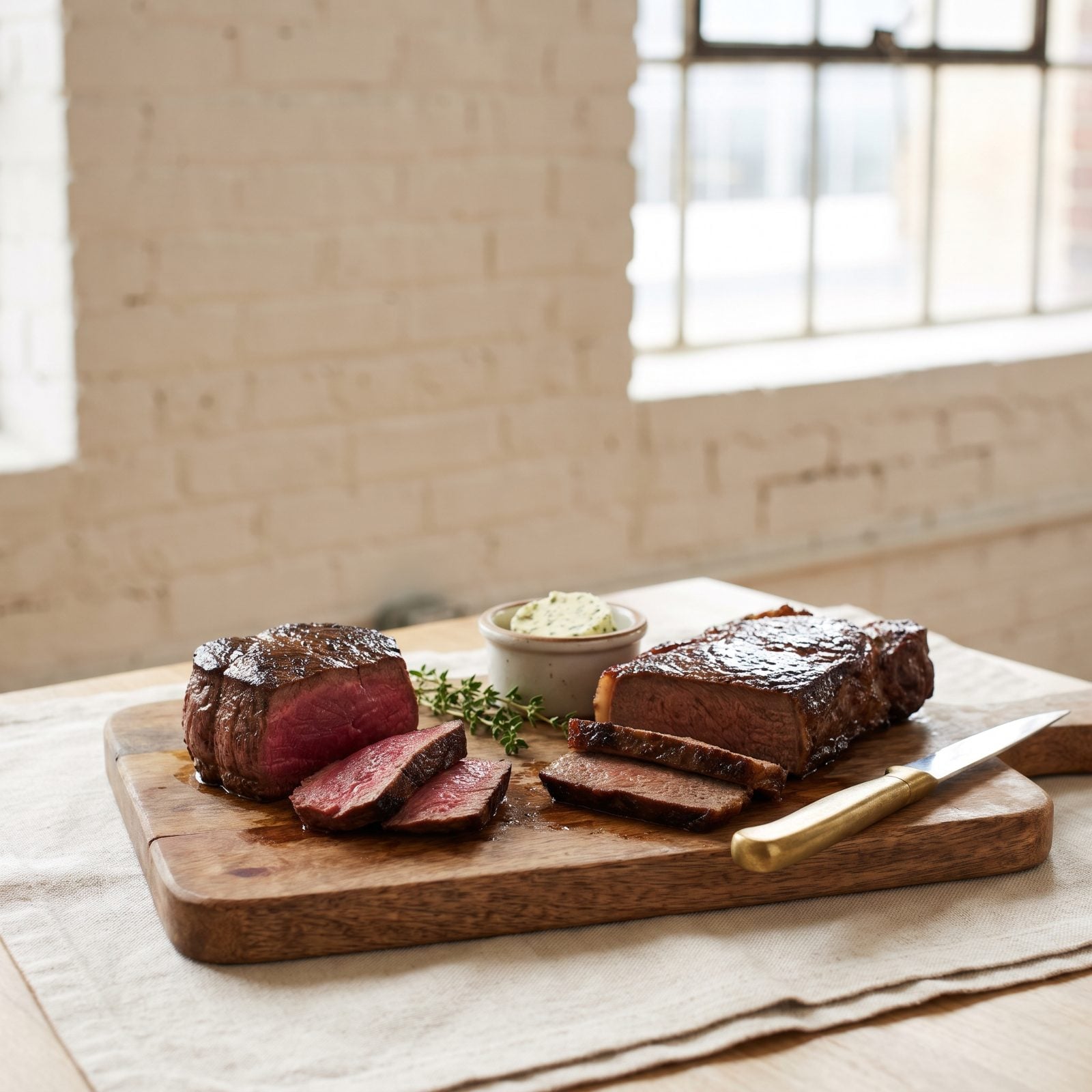
Rare and well-done do not finish on the same clock. A rare filet might need eight minutes, while that same cut cooked well-done can run past twenty. That’s physics, not neglect.
When the table orders a spread of doneness, the kitchen either rushes the well-done until it’s rubbery or holds the rare until it’s lukewarm by the time it reaches you. Something always gives.
Good servers already know this and will set your expectations if you let them. Ask, “Will these come out close together, or should we expect a gap?” Then relax. A steak that rested two extra minutes under a heat lamp beats one yanked off the grill before its time.
8. Touching a Sizzling Plate After the Server Warns It Is Hot
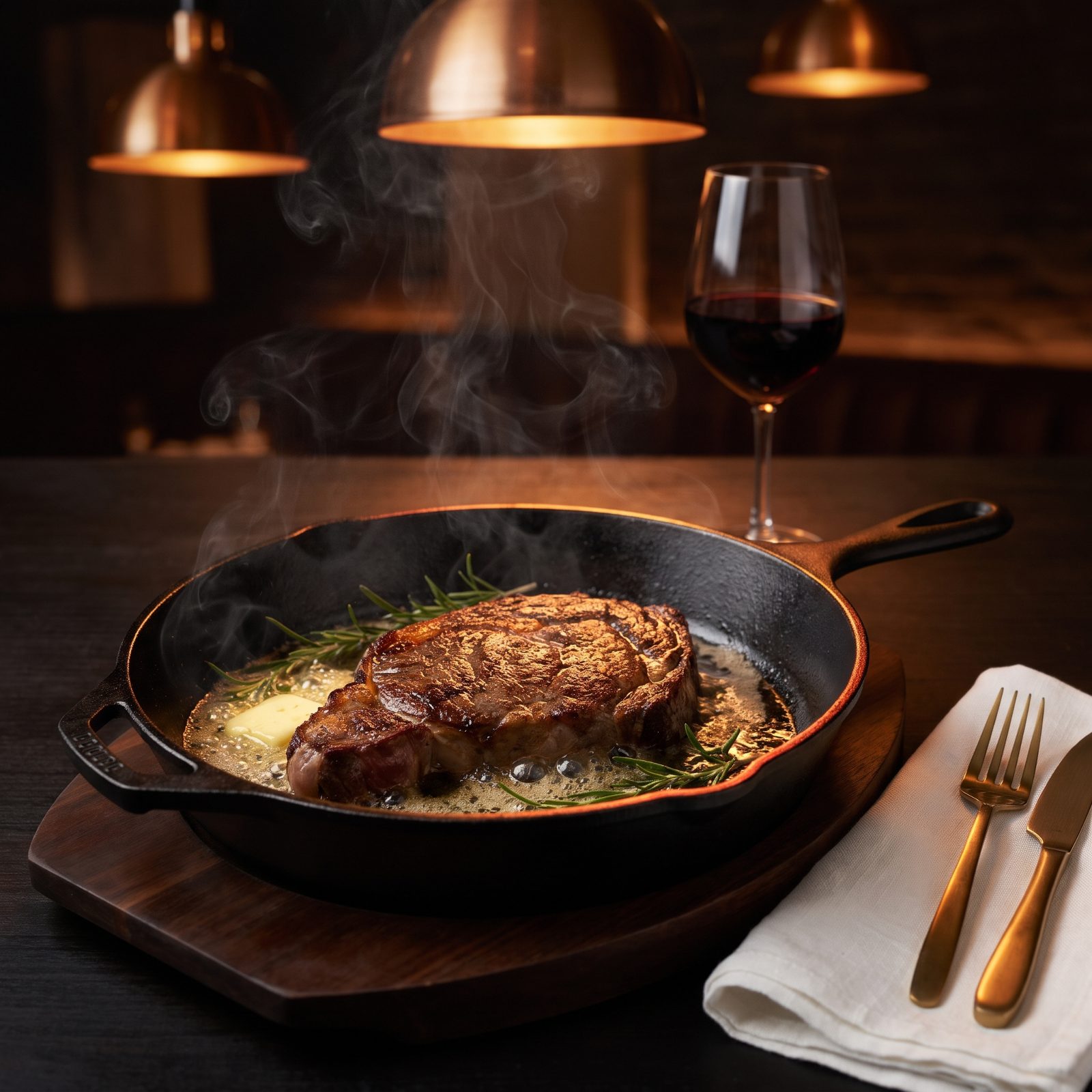
When a server says “careful, the plate’s hot,” they mean genuinely dangerous hot. Cast iron off a 500-degree broiler holds that heat for ages, and the little sizzle you love is the same heat that leaves a welt on your palm.
People hear the warning and still reach to nudge the plate an inch. The server watches it happen and winces, because they already know what’s coming.
Let it sit where it’s placed. Need it moved? Ask. Your server has a folded towel and the muscle memory to handle it, so keep your fingers on the rim of your water glass instead.
Our readers clearly like that sizzle too: photos of food served in a skillet or pot got hearts 86% of the time, versus 79% for the other images in the same articles.
7. Moving Plates While the Server Is Setting Down Heavy Trays
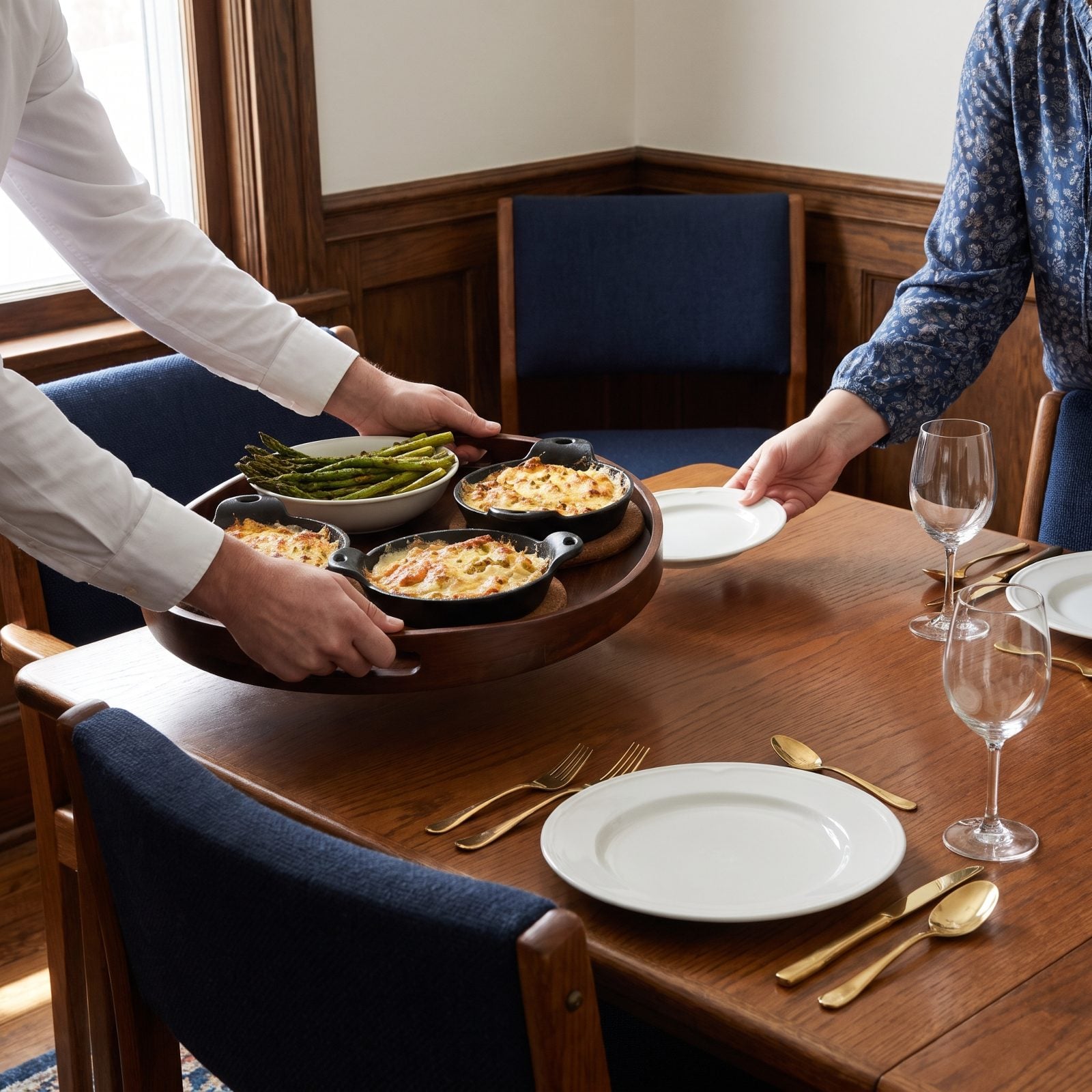
Watch a server set down a tray stacked with cast-iron plates and sides. It’s a balancing act of real weight distributed just so. The second a guest grabs a plate off that tray to “help,” the balance shifts and everything on it wants to slide toward your lap.
The instinct is kind. The execution is risky.
Sit still and pull your hands back. Let the server work plate by plate in the order they planned, and if you want to clear space, do it before the tray arrives, not during. They’ve carried thousands of these. Trust the choreography.
6. Stacking Used Plates and Hiding Silverware Between Them

Stacking your plates feels like a courtesy, but at a steakhouse table it backfires. Silverware balanced on a crumb-dusted plate stacked atop the others slides, clatters, and sometimes hits the floor when the server lifts the whole tower to carry it to the kitchen.
There’s also a quiet signal you’re stepping on. Fork and knife laid together across the plate, handles at four o’clock, tells whoever clears the table you’re finished. Stack everything and you erase that language entirely.
Leave the plate where it sits. Rest your cutlery across it when you’re done. Clearing goes smoother one plate at a time, without a Jenga tower of stacked white plates.
5. Waiting Until the Bill Arrives to Request Separate Checks or Multiple Payments
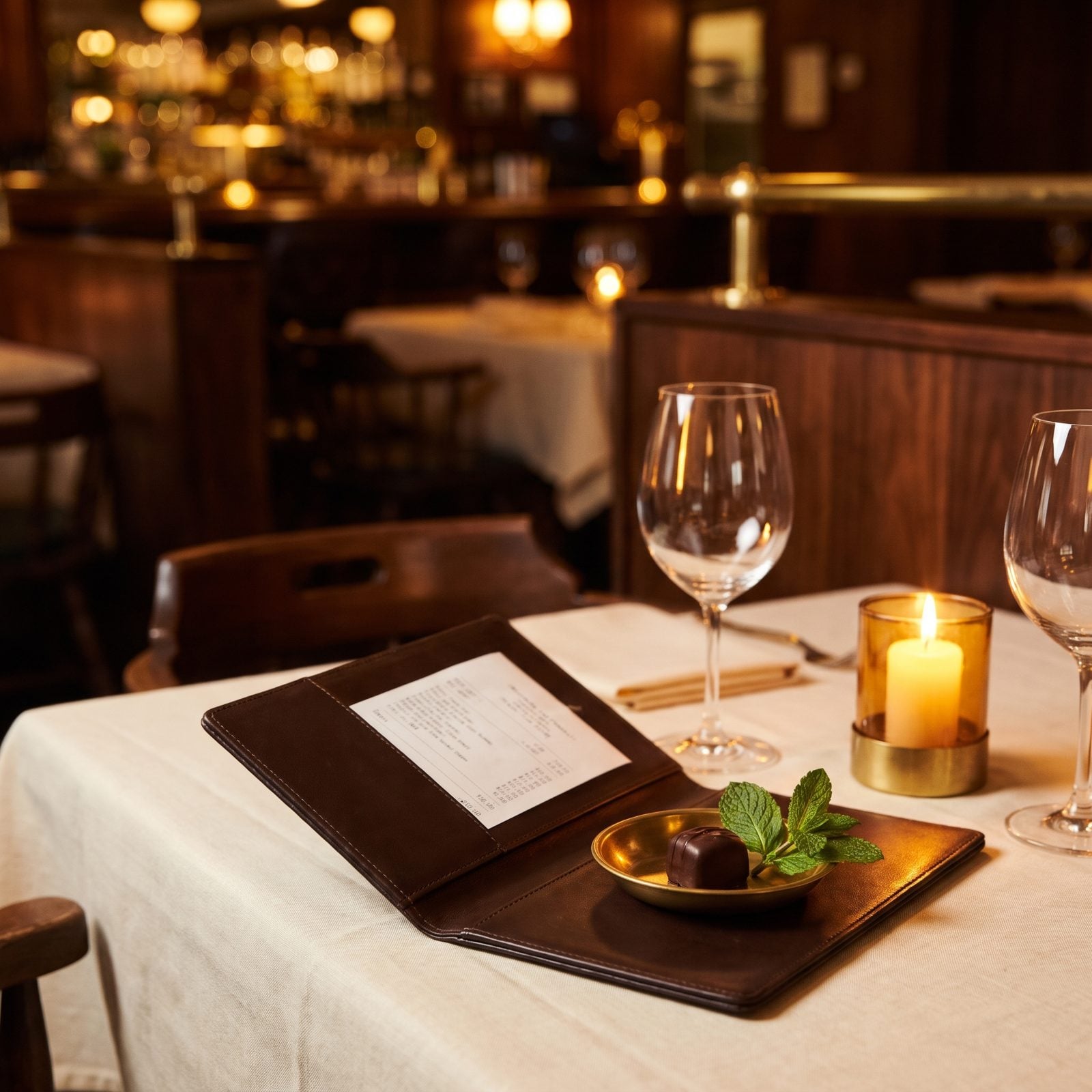
Splitting a check after it’s printed means voiding the whole thing and re-entering every item by seat, often across two or three POS screens, while a line of other tables waits on the same server. It’s doable. It’s just slow, and it turns the smooth end of your meal into a long logjam.
Flag it at the start instead. “We’ll be on separate checks tonight.” The server rings each person’s order to their own tab from the first drink, and when the bill comes, it’s already sorted. You’re out the door while the other version is still arguing over who had the second bottle.
Writing about what servers wish diners knew, a former restaurant server advises “If everyone intends to pay for their own food and drinks, asking for separate checks at the beginning of the meal makes everyone’s life easier.”
4. Tipping Only on the Discounted Total After a Comp
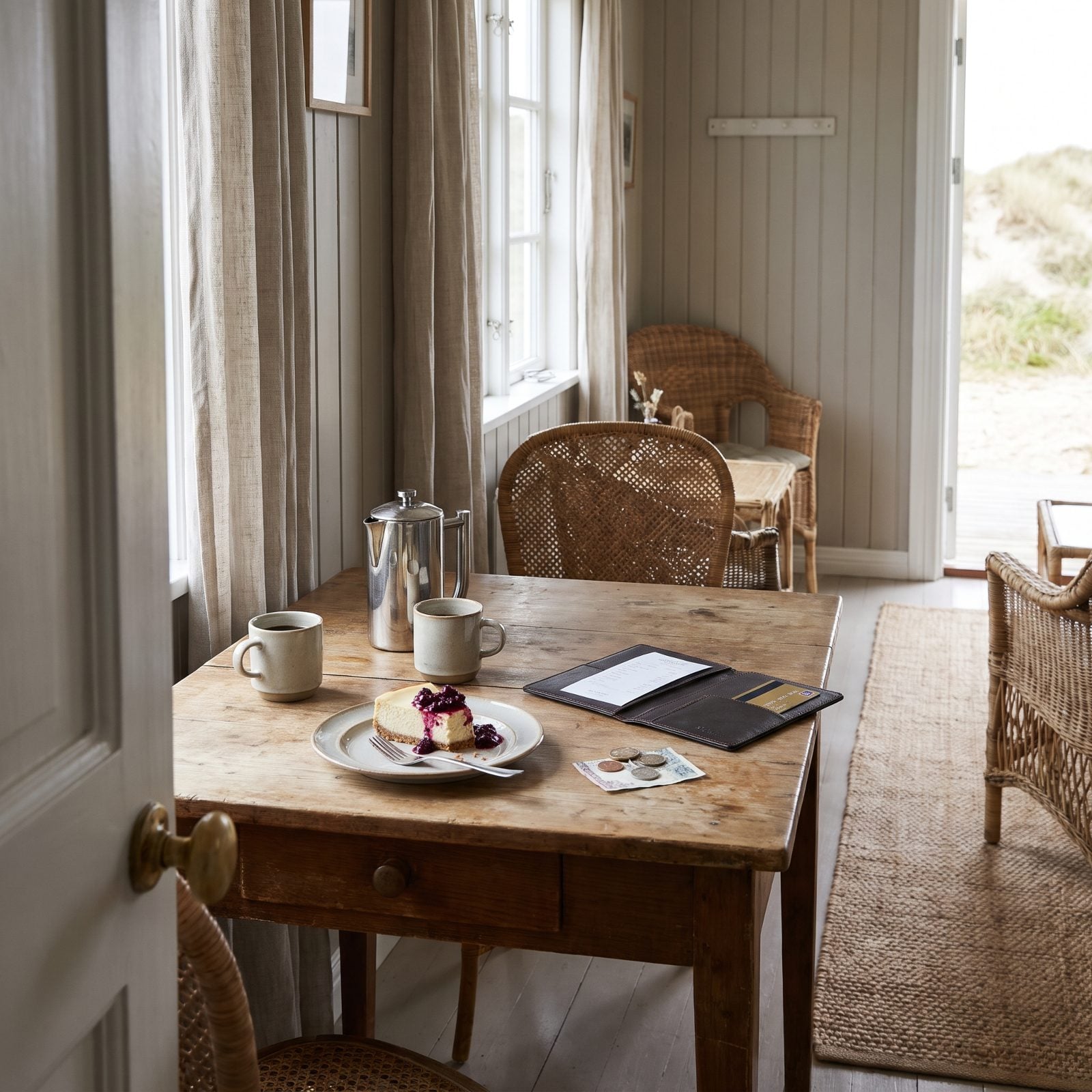
A manager comps your appetizer or sends a dessert to smooth over a slow kitchen. Lovely gesture. Then the bill shrinks, and the tip gets calculated off the smaller number.
Here’s what gets missed: your server still carried every plate, poured every glass, and did the full labor of your table. The comp came off the restaurant’s margin, not their effort, so tipping on the reduced total quietly docks their pay for a problem they probably didn’t cause.
Tip on what the meal would have cost before the discount. If the check says the apps were free, add their value back in your head and tip on that. The service didn’t get cheaper just because the food did.
3. Asking the Sommelier for Wine Without Sharing a Budget
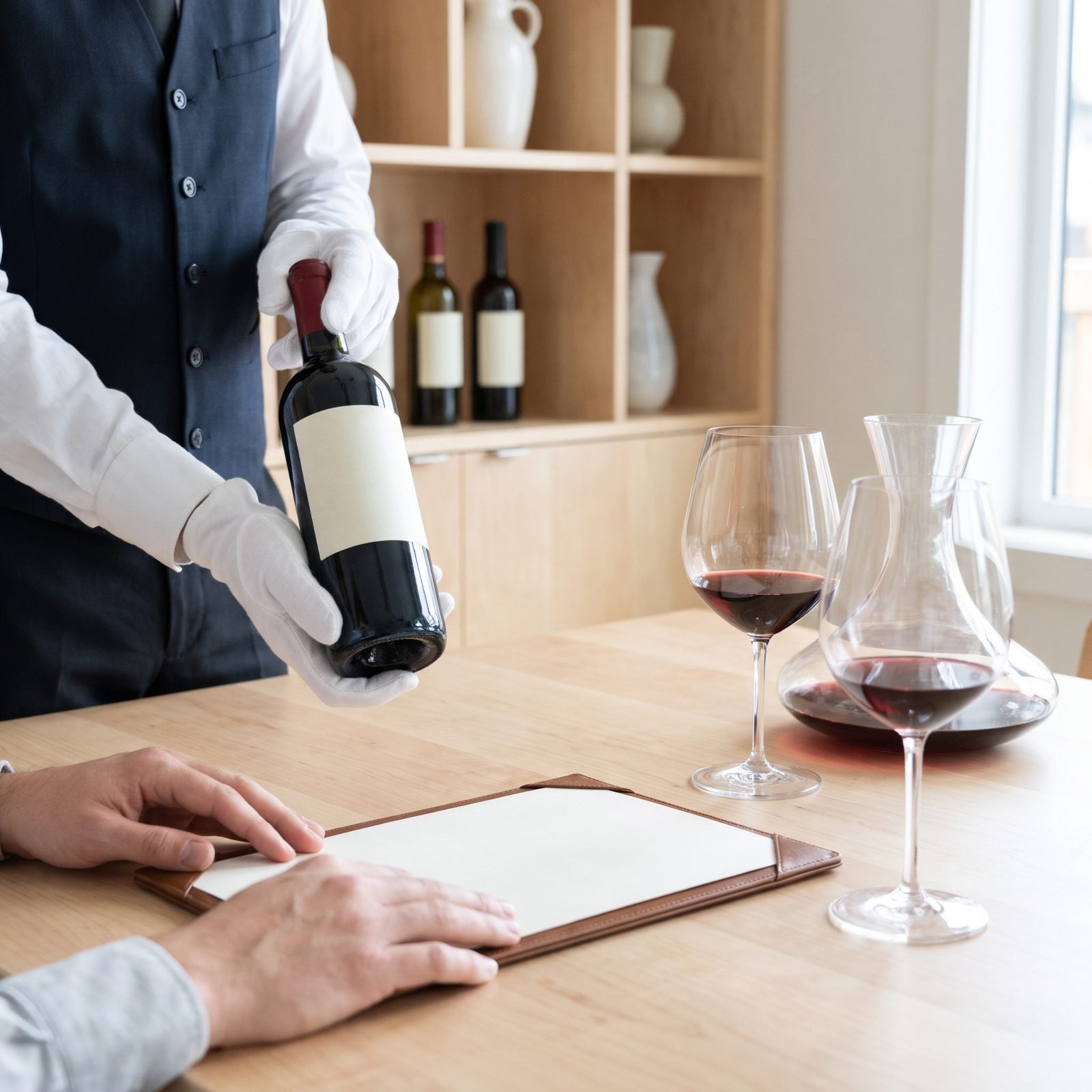
You ask the somm for “a good red to go with the ribeye” and say nothing about price. Now they’re guessing. Aim too high and you’re squirming at the bill. Aim too low and it looks like they underestimated the table. There’s no comfortable read.
The fix is painless and nobody blinks at it. Point at a price on the list and say, “something around here.” Discreet, specific, done.
A real sommelier loves this. Give them a number and a dish, and they’ll find you the most interesting bottle in that range, usually something off the beaten path you’d never have picked yourself. The budget doesn’t limit them. It’s the thing that lets them do their best work.
Dismissing wine-list pricing myths, a head sommelier tells diners “Just let them know how much you’d like to spend, and they’ll find you the right bottle.”
2. Bringing Wine Without Checking the Corkage Policy
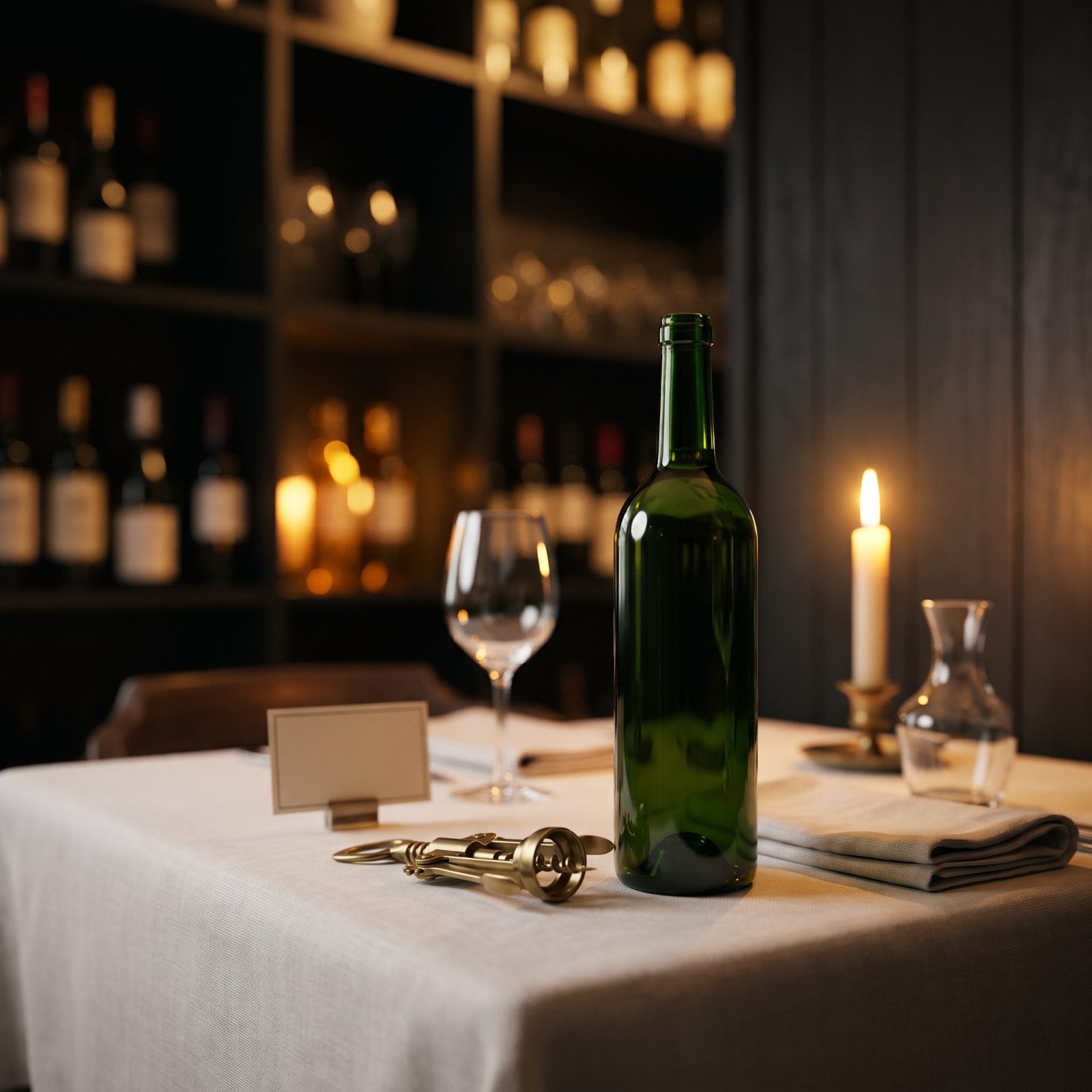
Carrying in a special bottle for an anniversary feels like a perfect move. Then you learn the place either doesn’t allow outside wine at all or charges a corkage fee that stings more than you expected. Awkward start to a celebration.
One phone call clears it up. Ask two things when you book: do you allow corkage, and what’s the fee? Some houses welcome it warmly. Others cap how many bottles, or waive the fee if you also buy a bottle off their list.
And if you do bring one, don’t bring something that’s already on their menu. That’s the one move sommeliers genuinely frown on. Bring the bottle that means something, pour the server a taste, and the whole table ends up happier.
1. Springing a Proposal on the Staff With Zero Warning
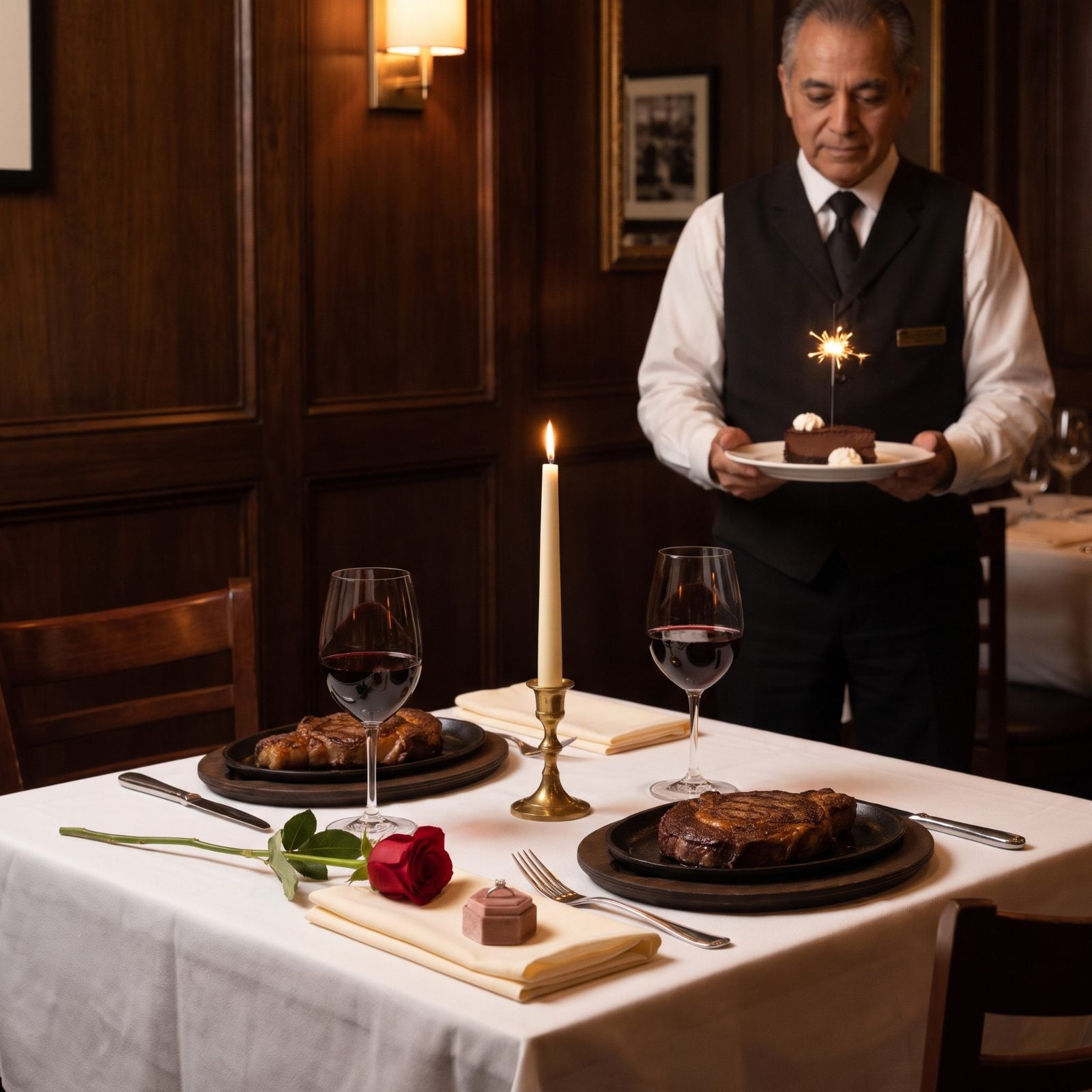
A proposal is a beautiful thing. A proposal sprung on the kitchen at 8:40 on a Saturday — with a surprise champagne tower, a hidden ring in the dessert, a photographer tucked behind a column, and a request to dim the whole room — is a logistics problem nobody got the chance to solve.
Servers know something most guests don’t. The sparkler, the plated-dessert reveal, the perfectly timed pour all take setup, so when it lands cold the staff is scrambling and the moment you wanted to be perfect comes out hurried instead.
Call ahead. Drop a note when you book, or catch the host on the way in, and the whole team quietly builds the night around you. Servers love being in on it — they just can’t read your mind mid-rush.