
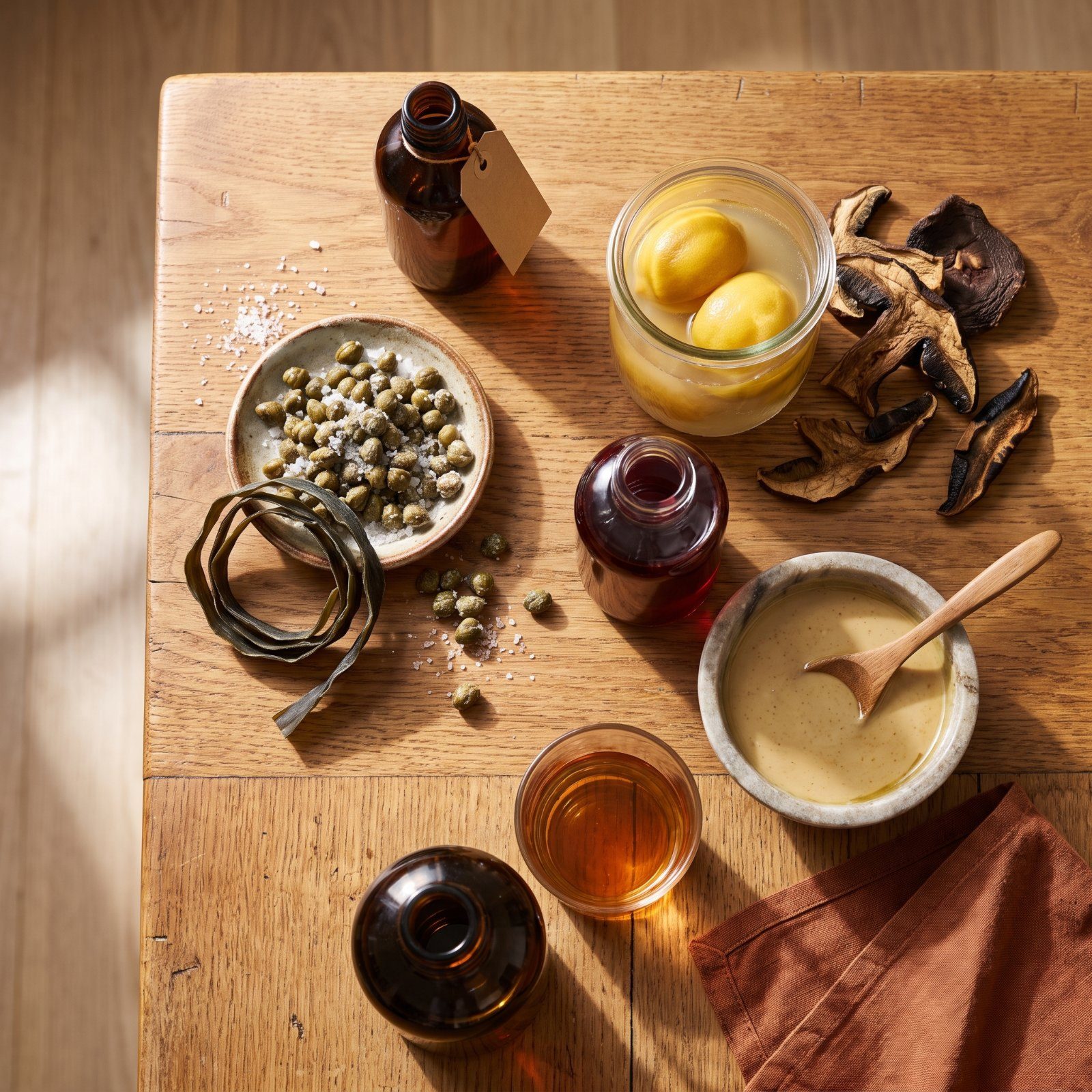
Somewhere in the back of most kitchens sits a bottle of fish sauce that smells like a chemistry accident, parked next to capers that taste like vinegar and regret. The food was never the problem. The ingredients were. A handful of pantry staples carry the entire flavor load of a dish, and the cheap versions quietly sabotage everything built on top of them. Swap even two or three for the real thing and dinner stops tasting like effort and starts tasting like someone actually knew what they were doing. Here are the staples where the premium bottle earns its price every single time.
Please note that some of the images in this article were created with the assistance of AI.
46. Colatura di Alici: Anchovy Essence That Works by the Drop
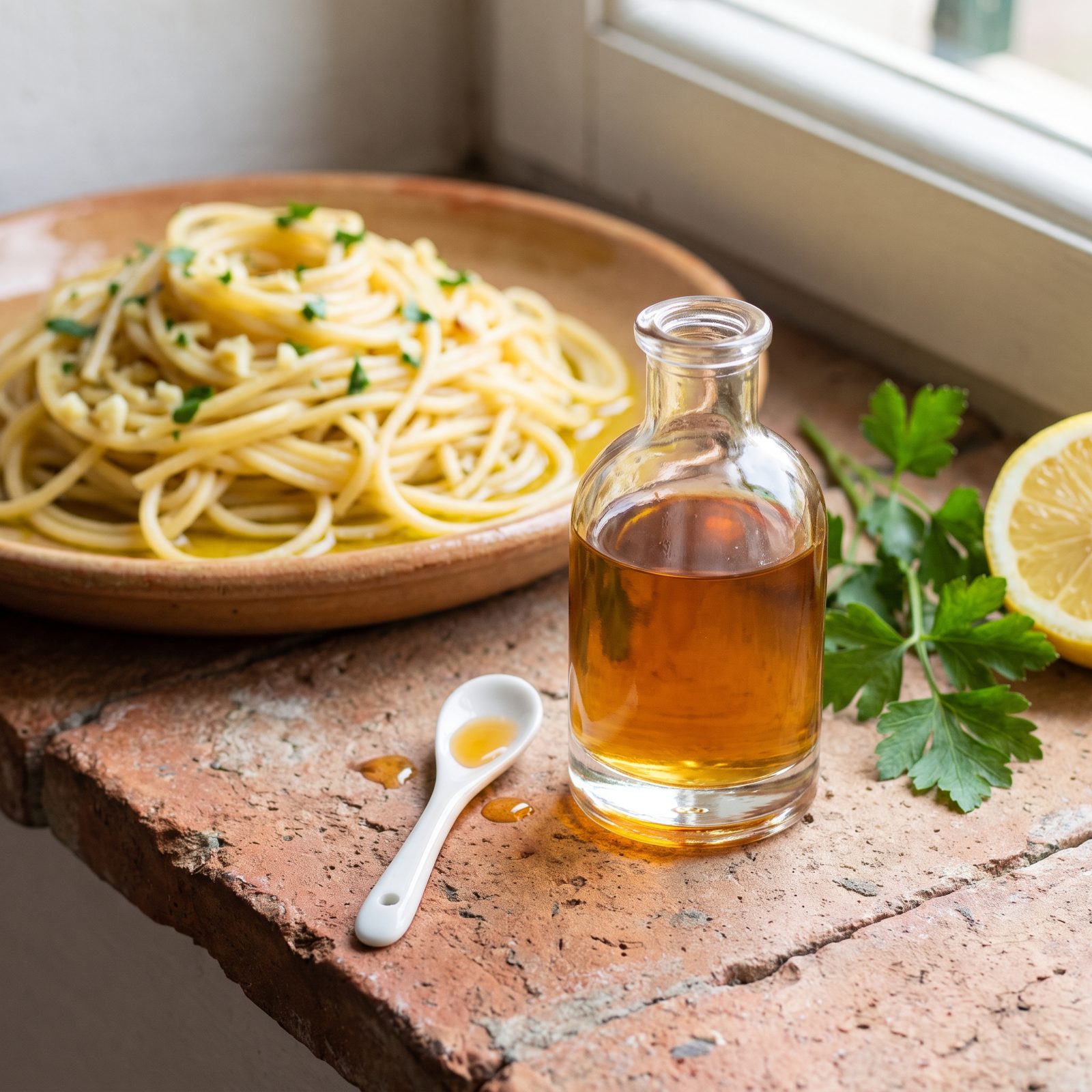
This is the liquid that drips from anchovies pressed and aged in wooden barrels for months, a trick the Romans figured out ages ago. The good stuff runs clear amber, not murky brown, and it carries no fishy stink at all — just a clean wave of salt and savor that disappears into whatever you put it on.
A few drops over pasta with garlic, oil, and parsley, no cheese needed, and the whole plate tastes like it simmered half the afternoon. Overdo it and everything turns to brine, so treat the bottle like it costs what it does.
45. Salt-Packed Capers: Firm, Floral, and Worth the Rinse
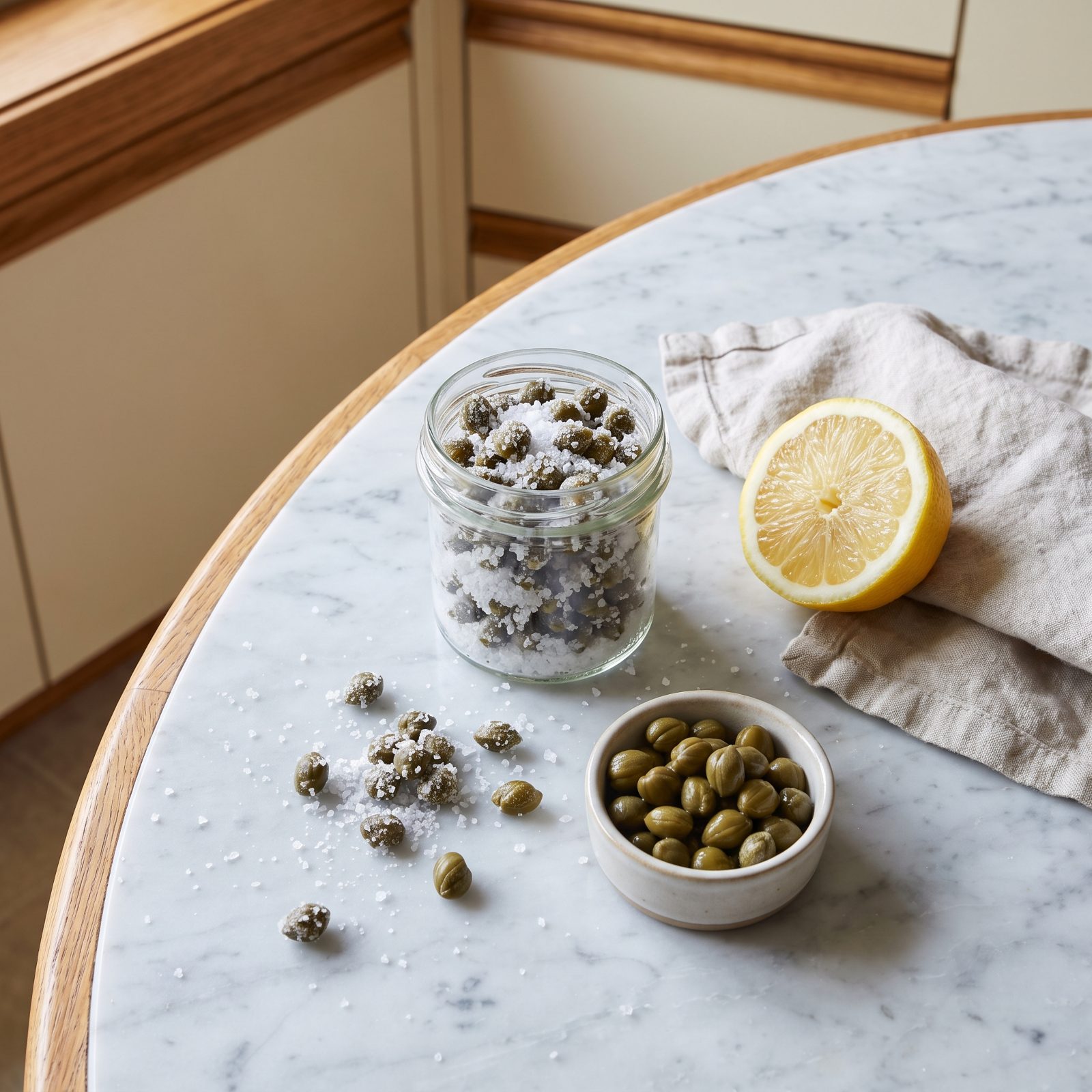
Brined capers drown their own flavor, coming out soft and sour and tasting mostly of the jar. The salt-packed kind get cured dry instead, which keeps them firm with a floral, almost mustard-seed note that actually survives the heat of a pan.
You rinse them first, sometimes soak them ten minutes, and that extra step scares people off. It shouldn’t. Toss them whole into a puttanesca or crisp them in hot oil until they burst open like little blossoms, and suddenly you understand why the dish exists.
44. Thick-Cut Kombu: The Kelp That Makes Water Taste Like Dinner
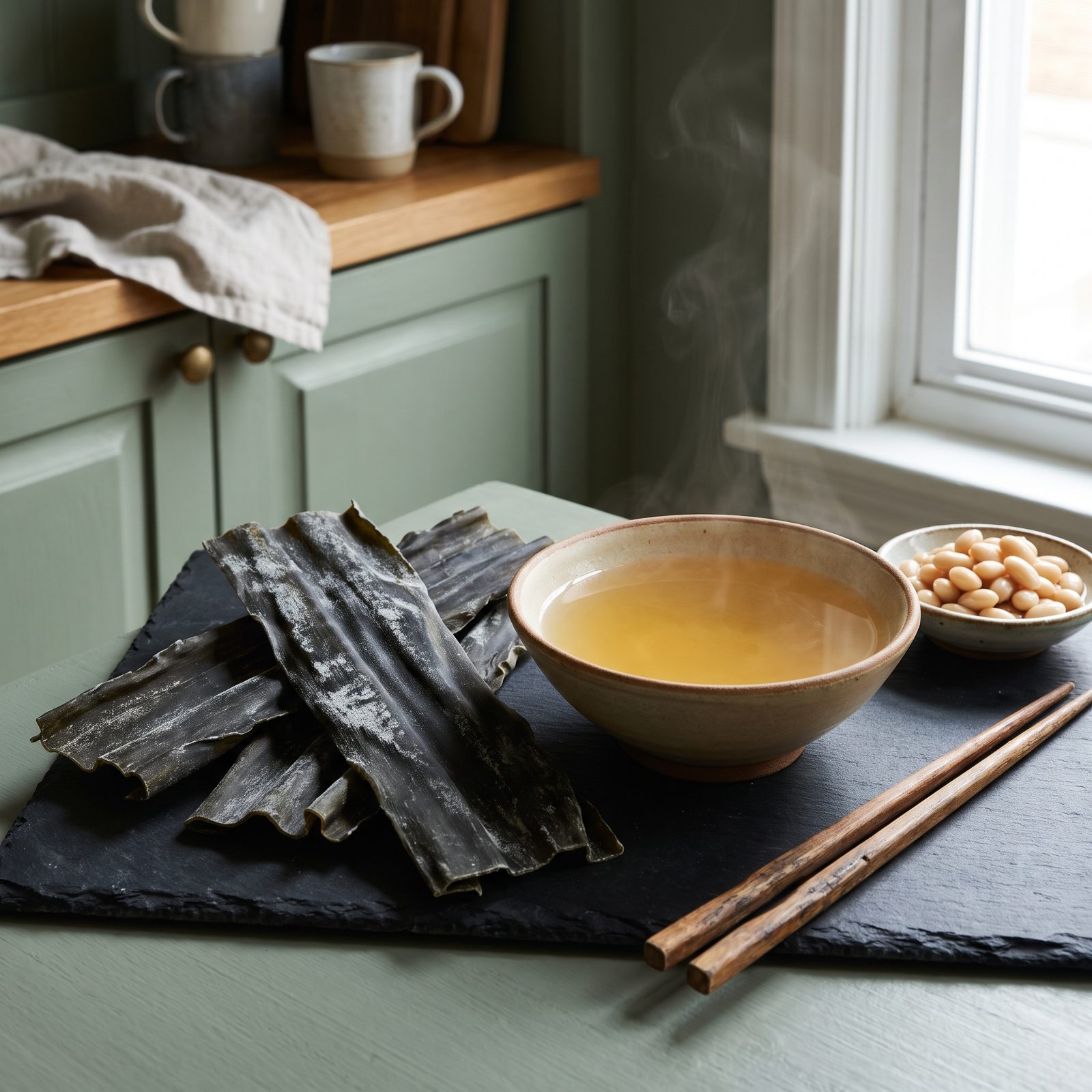
That white powder on good kombu isn’t dust, and please don’t scrub it off. It’s glutamic acid — the natural savoriness crystallized right on the surface, and it’s exactly what you’re paying for.
Thick-cut kelp from cold northern waters releases far more of it than the thin papery stuff. Drop a strip into the pot while you’re cooking beans and they come out rounder, deeper, almost meaty. A gentle steep makes dashi that tastes like the ocean behaved itself for once.
43. Whole Preserved Lemons: Tender Rinds With Citrus Turned Up Loud
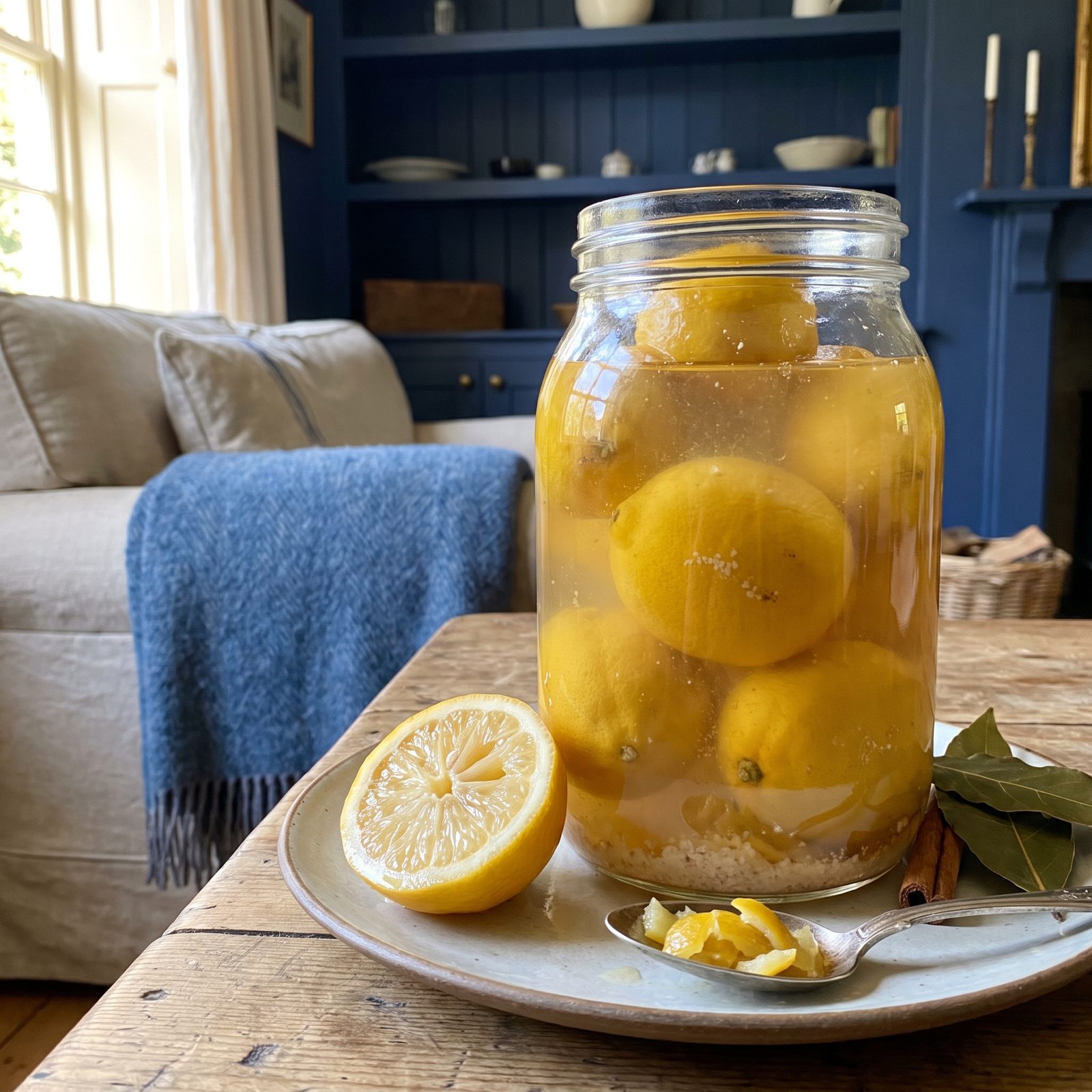
The magic lives in the rind, not the juice. Months in salt break down the peel until it’s tender enough to eat, and the bitterness that makes fresh zest sharp just vanishes, leaving something concentrated and almost perfumed.
Honestly, the jarred stuff cured properly beats anything you could rush at home. Scrape out the pulp, chop the soft skin fine, and fold it into a tagine, roast chicken, or a grain salad. One spoonful does what a whole lemon’s worth of zest can’t.
42. Whole Dried Porcini: Big Intact Slices for a Cleaner Broth
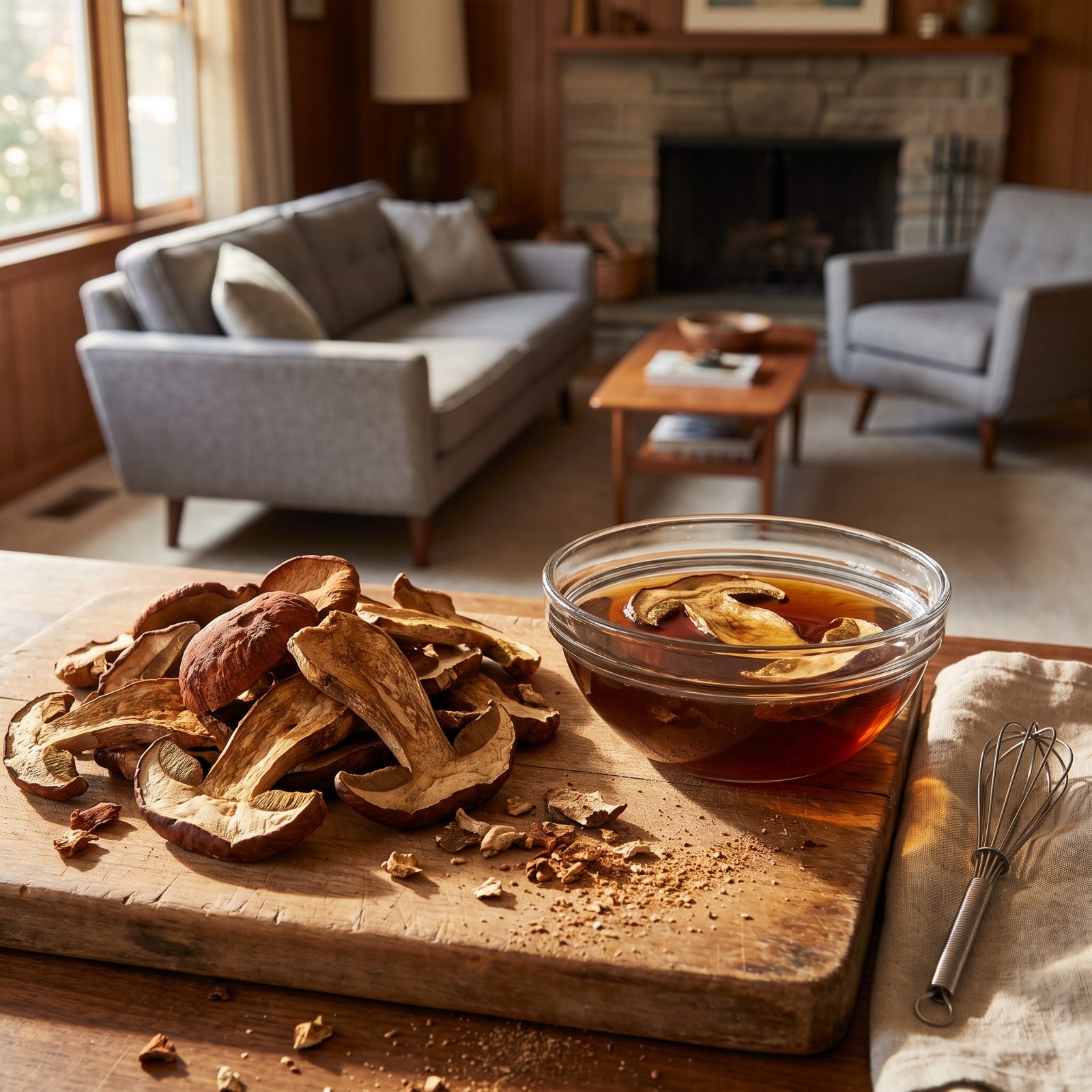
Grade matters more than people think. Cheap porcini show up as broken bits and dusty crumbs that cloud your soaking liquid with grit and bitterness. The big intact slices, graded higher for good reason, give off a clean woodsy broth you’ll want to hoard.
Soak them in warm water, lift the pieces out so the sediment stays behind, and strain that liquid through cloth. The broth alone can carry a risotto. The rehydrated slices? A bonus at that point.
41. Pure Pomegranate Molasses: Tart Fruit Without the Sugar Rush
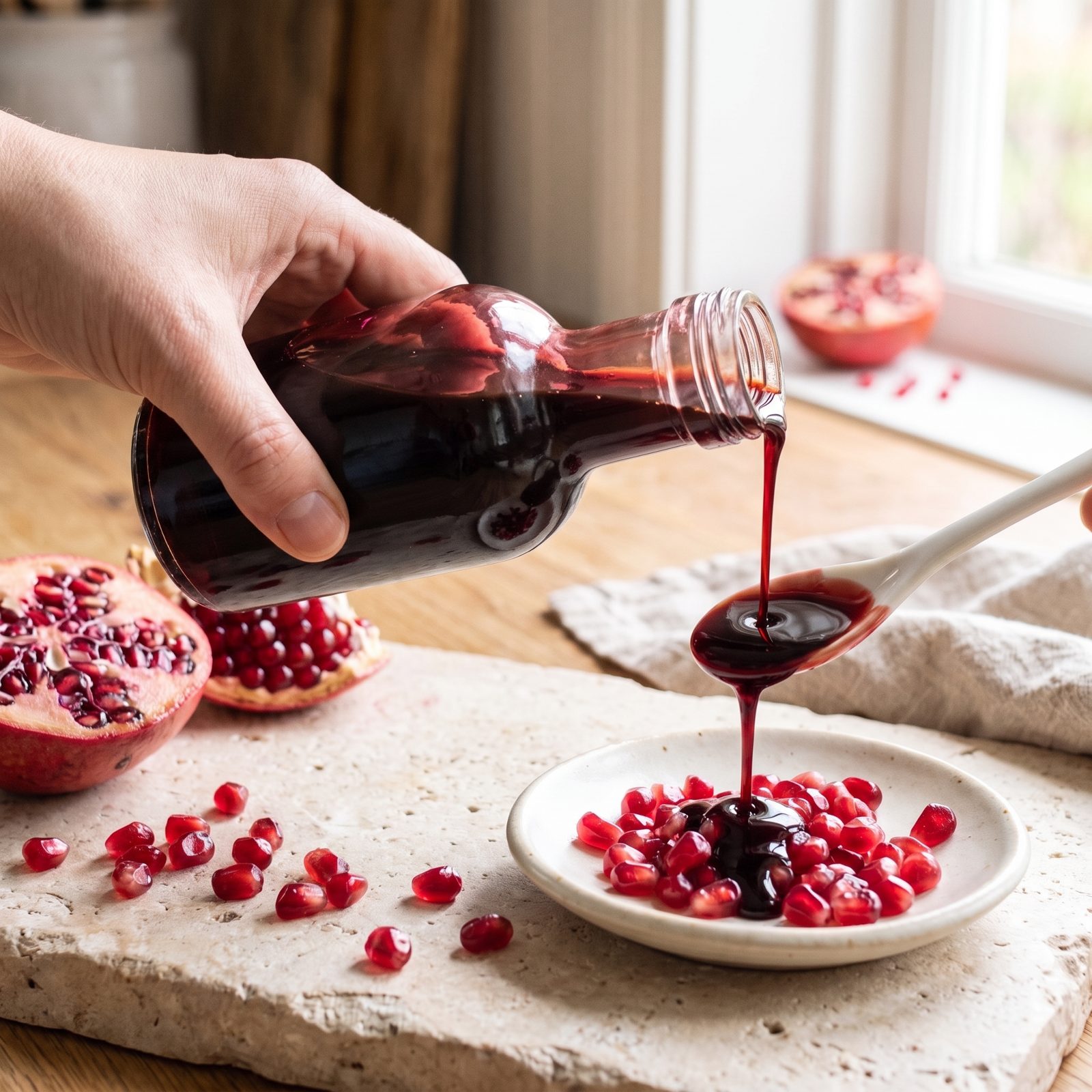
Read the label and run if sugar shows up before pomegranate. The good bottles are nothing but reduced pomegranate juice, so they taste tart and dark and complicated, not just sweet and sticky.
That sourness is the whole draw. A spoonful whisked into a dressing, brushed over roasting vegetables, or stirred into a stew brings a fruity acidity lemon can’t match. Cheap versions are basically fruit-flavored corn syrup, and they’ll flatten everything into one note.
40. Stone-Ground Tahini: Pourable, Pale, and Never Bitter
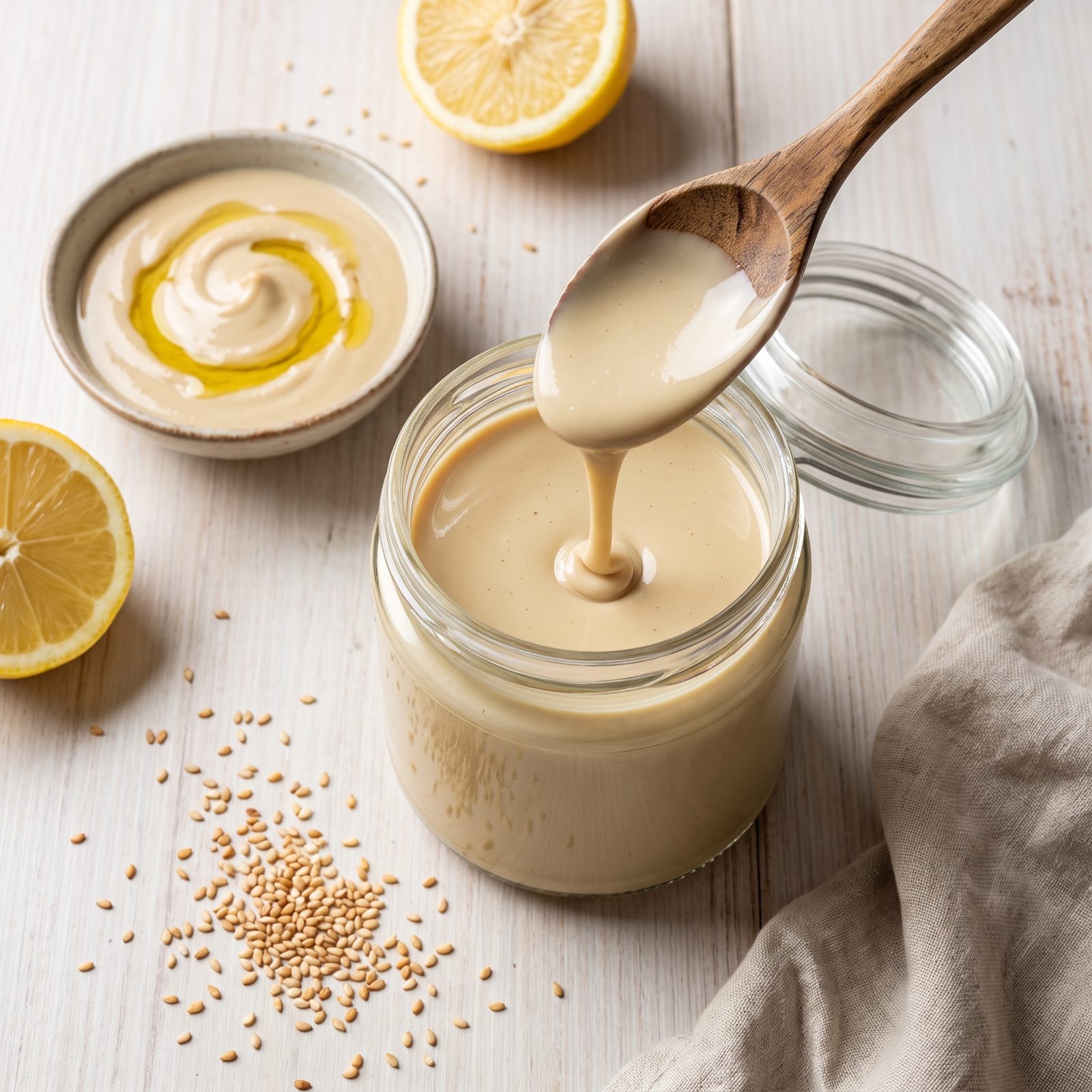
You can tell good tahini before you taste it. It pours. Cheap brands separate into a concrete layer at the bottom under a slick of oil, and the paste itself tastes scorched and bitter.
Careful stone-milling keeps the seeds from overheating, so the paste stays pale, fluid, and faintly sweet — the version that makes hummus silky and dressings creamy instead of chalky.
39. Long-Fermented Fish Sauce: Clean Savory Punch, Not a Stink Bomb

The label worth reading lists anchovy and salt, and not much else. A high first-press fish content, usually flagged as a protein number, means the sauce fermented long and slow from actual fish rather than getting bulked up with water, sugar, and additives.
Hold it to the light. The best bottles glow clear reddish-amber, and the flavor comes out savory and clean rather than harsh. A splash deepens a stir-fry or a braise without ever announcing itself as fish. The cheap stuff just tastes like salty punishment.
38. Chinese Black Vinegar: Malty Depth Where Acidity Usually Lives
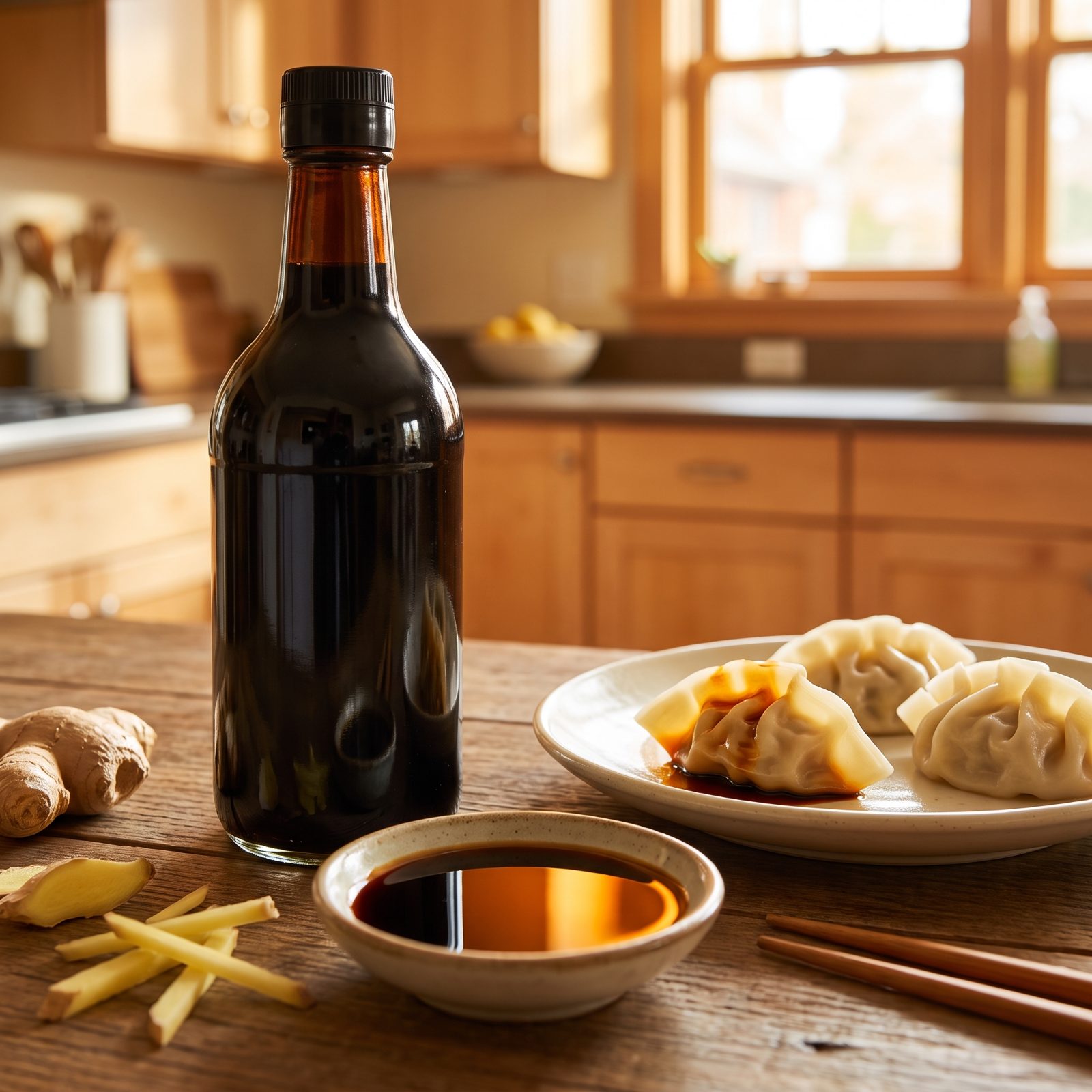
This reads less like vinegar and more like a very old balsamic that took a different road. The best versions, aged from fermented glutinous rice or sorghum, come out dark and malty with a smoky, almost woody edge.
Younger bottles just hit you with sourness and quit there. A longer-aged one brings real depth, which is why a little in a dumpling dipping sauce with ginger, or splashed into a braise, tastes like far more than its price. Zhenjiang vinegar is the benchmark most cooks chase.
37. Solera-Aged Sherry Vinegar: Nutty Complexity for Dressings
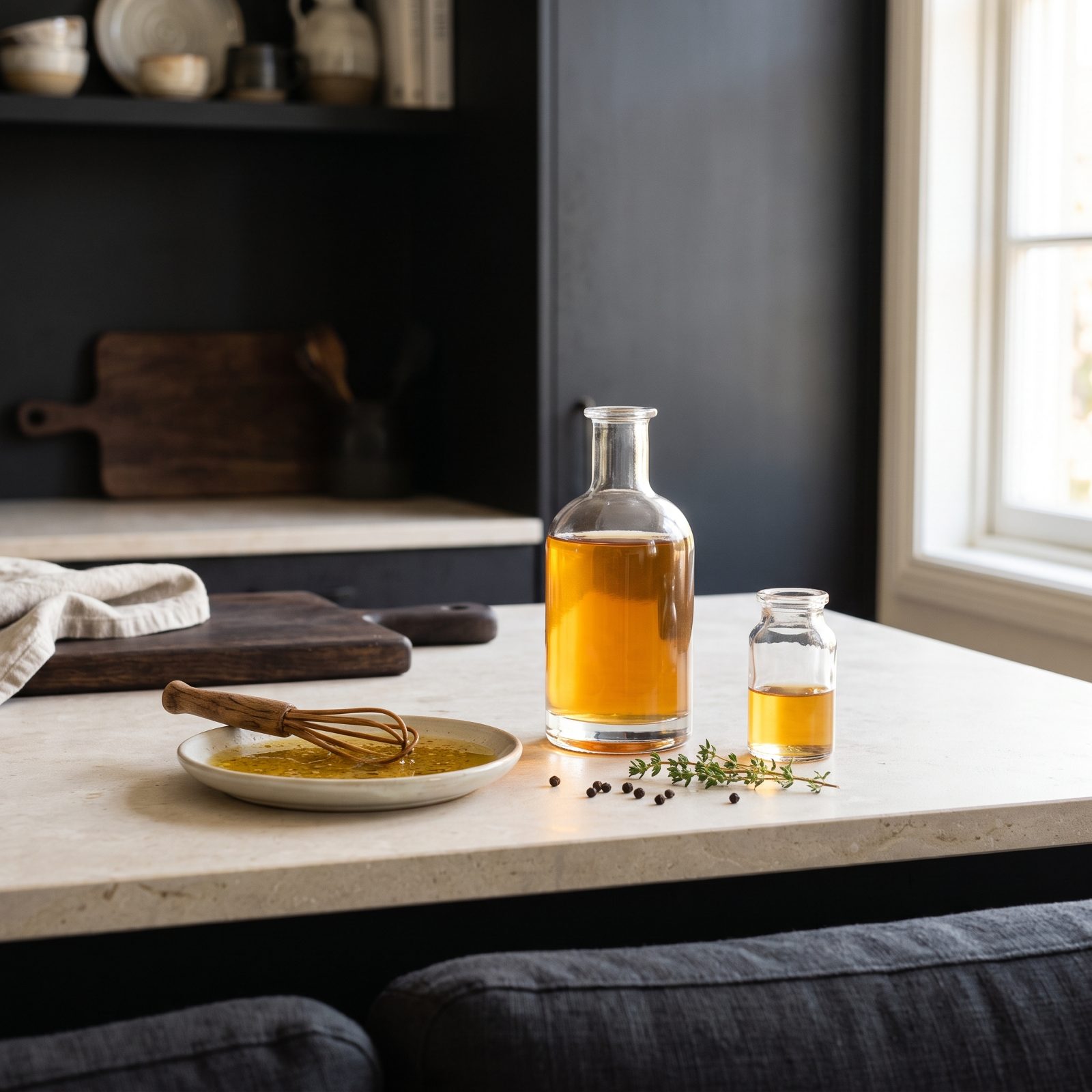
The word solera is doing a lot of work on these labels, and it pays to know why. It means the vinegar aged in a stacked system of barrels in Spain, blending older and younger stock over years until it turns nutty, round, and faintly sweet.
Young sherry vinegar is just sharp. A properly aged one gives a vinaigrette enough backbone to make a plain salad taste composed, and a few drops finish a pan sauce beautifully. If you splurge on one bottle all year, make it this.
36. High-Grade Saffron Threads: A Pinch Does the Work of a Spoonful
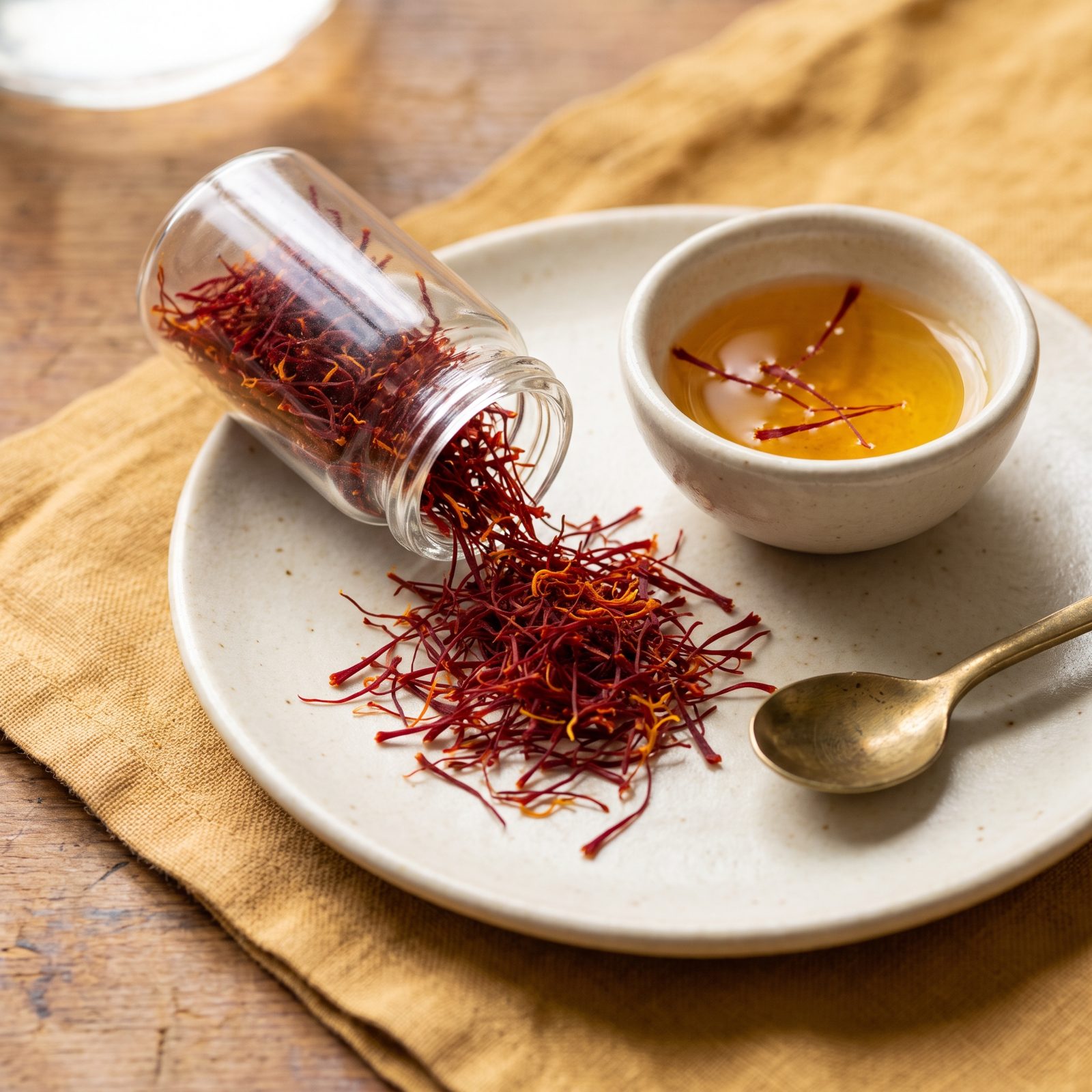
Cheap saffron is mostly the yellow part of the thread, the tasteless styles, padded out with dye and sometimes safflower pretending to be the real thing. The good stuff is nearly all deep-red stigma, the potent end, and you can tell by the color before you even smell it.
One pinch of high-grade threads steeped in warm water turns a whole pot of rice gold and floral. The same amount of weak saffron gives you a sad yellow and nothing on the nose. Expensive by the gram, dirt cheap by the dish.
35. Oil-Packed Anchovy Fillets: The Umami Bomb That Disappears Into the Sauce
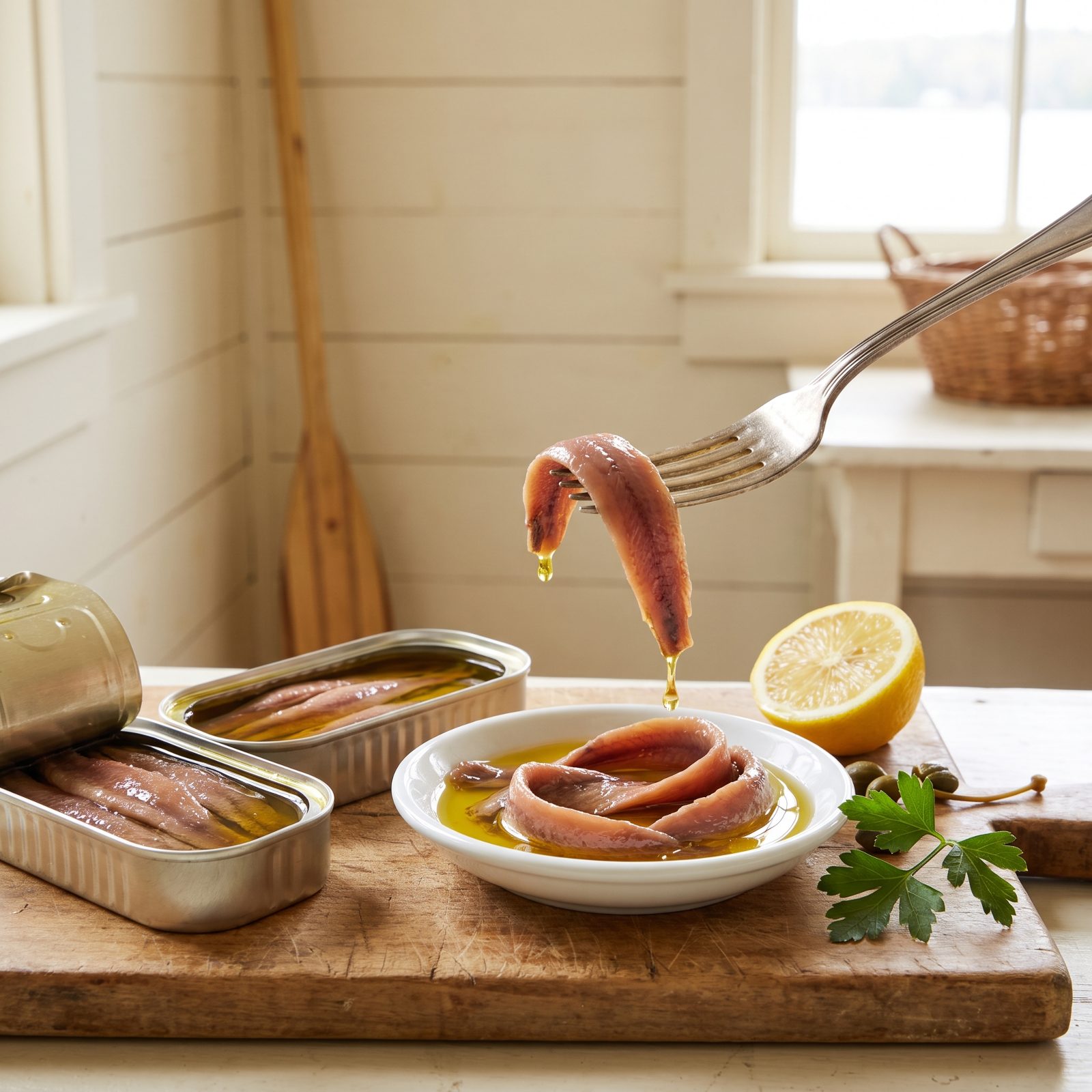
Half the people who say they hate anchovies have only met the bad ones. Bargain fillets are brittle, over-salted, and taste like the inside of a tackle box.
Better anchovies, packed whole in olive oil and properly cured, stay plump and dissolve into a warm pan without a trace. They don’t make food taste fishy. What they do is make a Caesar dressing taste like Caesar, a tomato sauce taste rounder, a plate of garlicky greens taste like it came from somewhere good. The fish vanishes. The depth stays.
34. Oil-Packed Tuna Fillets: When Tinned Fish Tastes Like an Actual Meal

Water-packed tuna is a protein delivery system. Nobody ever made a sandwich with it and called it dinner.
Spanish and Italian-style tuna packed in olive oil is a different food entirely. The fillets come out of the tin in big, rosy, meaty flakes that hold their shape on a plate instead of shredding into paste. Dress it with lemon and olive oil over white beans, or fork it onto good bread, and it reads as a meal rather than a lunchbox default.
33. Canned Smoked Oysters: The Underrated Tin With Real Wood-Smoke Flavor

Smoked oysters have a reputation problem, and most of it comes from flabby, mushy tins that taste like liquid smoke and little else.
A good tin is a revelation. The oysters hold their plump shape instead of collapsing, and the smoke tastes like actual wood rather than a flavoring poured on at the end. On a cracker with a squeeze of lemon, they’re the best cheap luxury in the cupboard. Nobody talks about them, and honestly that’s half the fun.
32. Whole Calabrian Chiles: Fruity Heat That Balances Instead of Just Burning
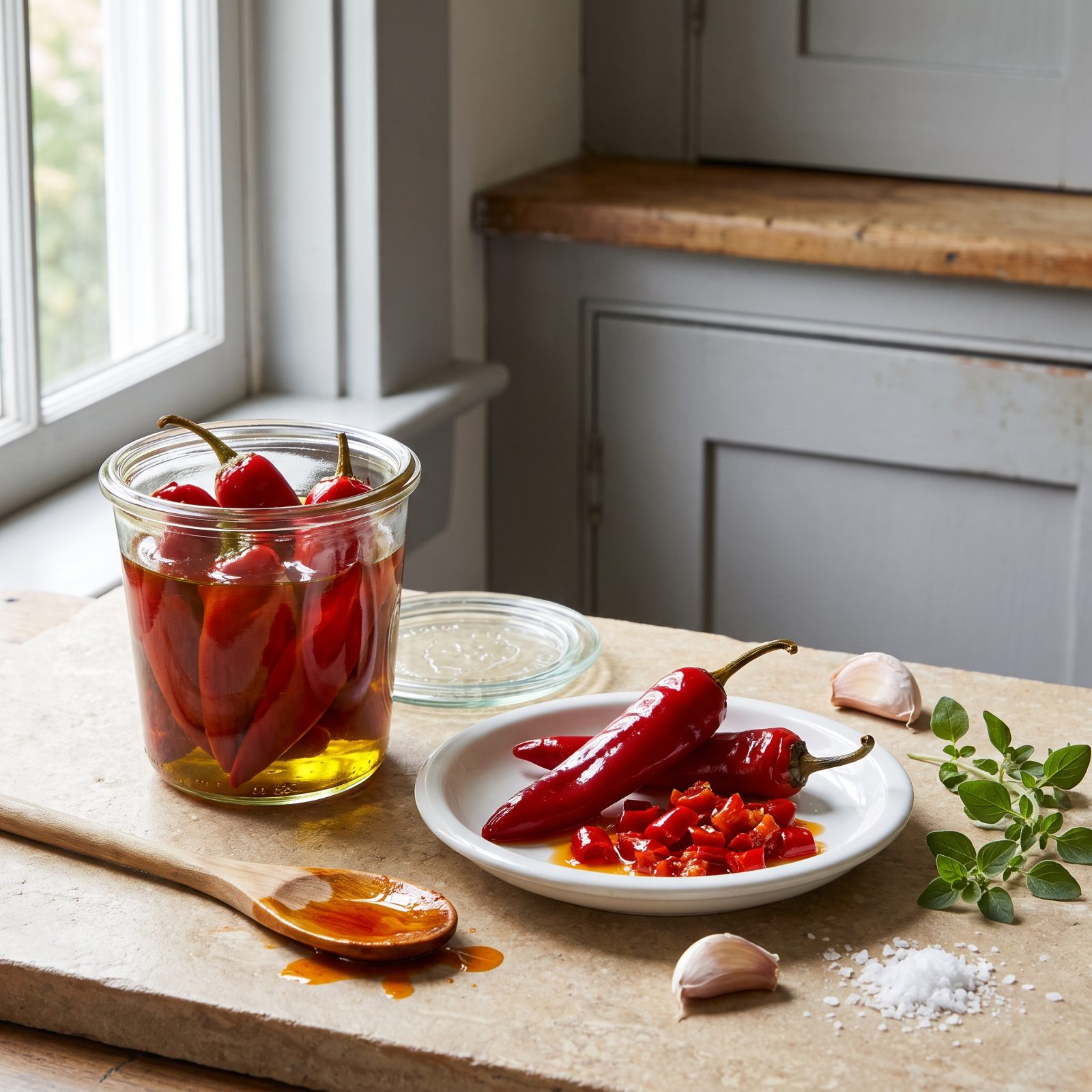
Chili crisp gets all the press. Calabrian chiles quietly do more.
Packed whole in oil, the good jars give you heat that comes with fruit and acidity behind it, so the spice has somewhere to go. The chiles stay firm, not sludgy. Chop one into a pasta, smear it on a sandwich, or stir a spoonful into a braise and you taste the difference between a pepper that’s just hot and a pepper that actually tastes like something. The oil left in the jar is a free bonus seasoning.
31. Naturally Fermented Gochujang: The Slow-Built Depth You Can’t Fake
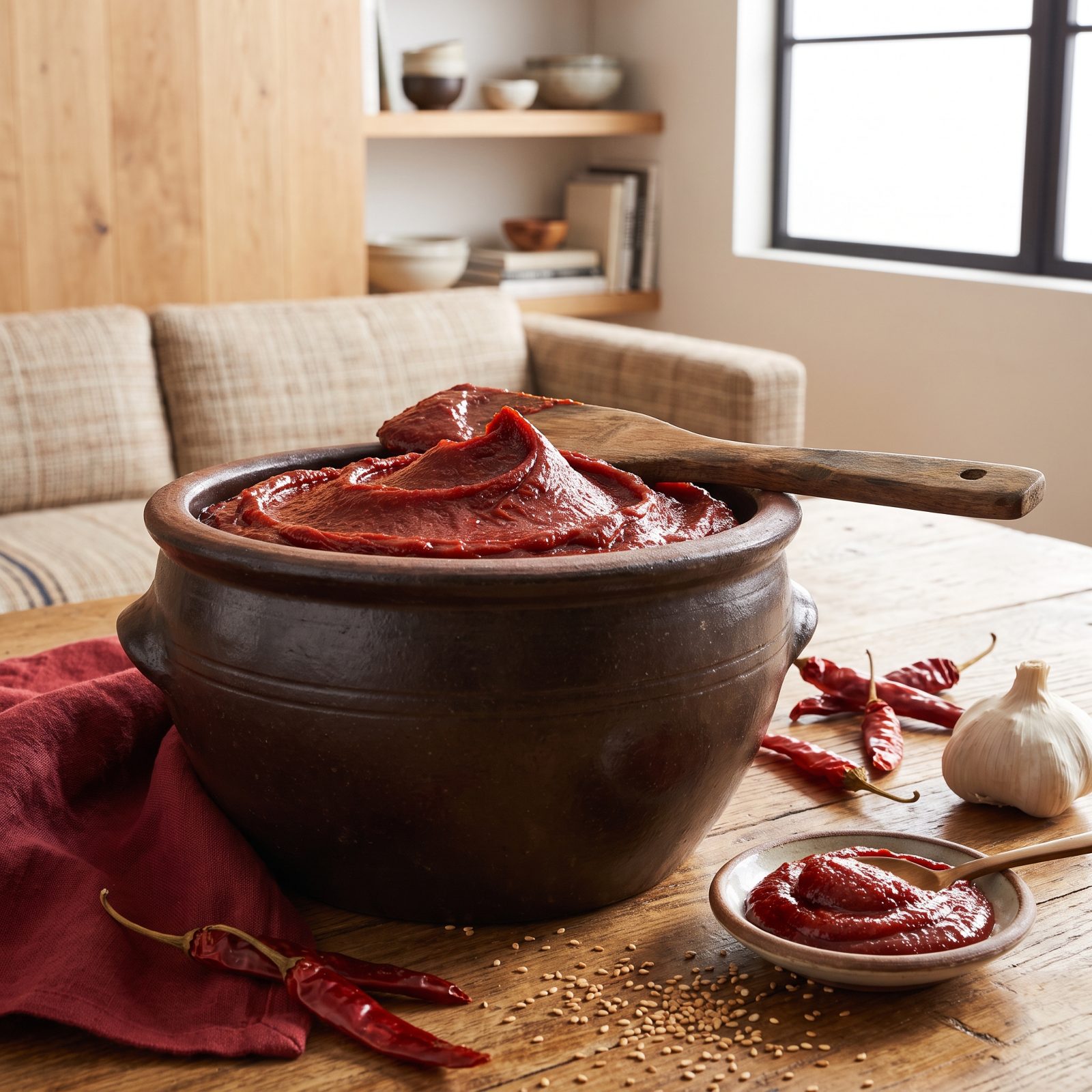
Read the label on a cheap gochujang and you’ll find corn syrup near the top and not much fermentation anywhere.
The traditionally fermented stuff is built slowly, the way it’s been made for generations, and it tastes like it. Sweetness, heat, and a deep savory funk all come layered instead of competing, so a spoonful seasons a whole pot. It doesn’t just add spice. It adds the background complexity that makes a stew or a glaze taste like it simmered all day, even when it didn’t.
30. Traditional Harissa: Where the Peppers Matter More Than the Burn
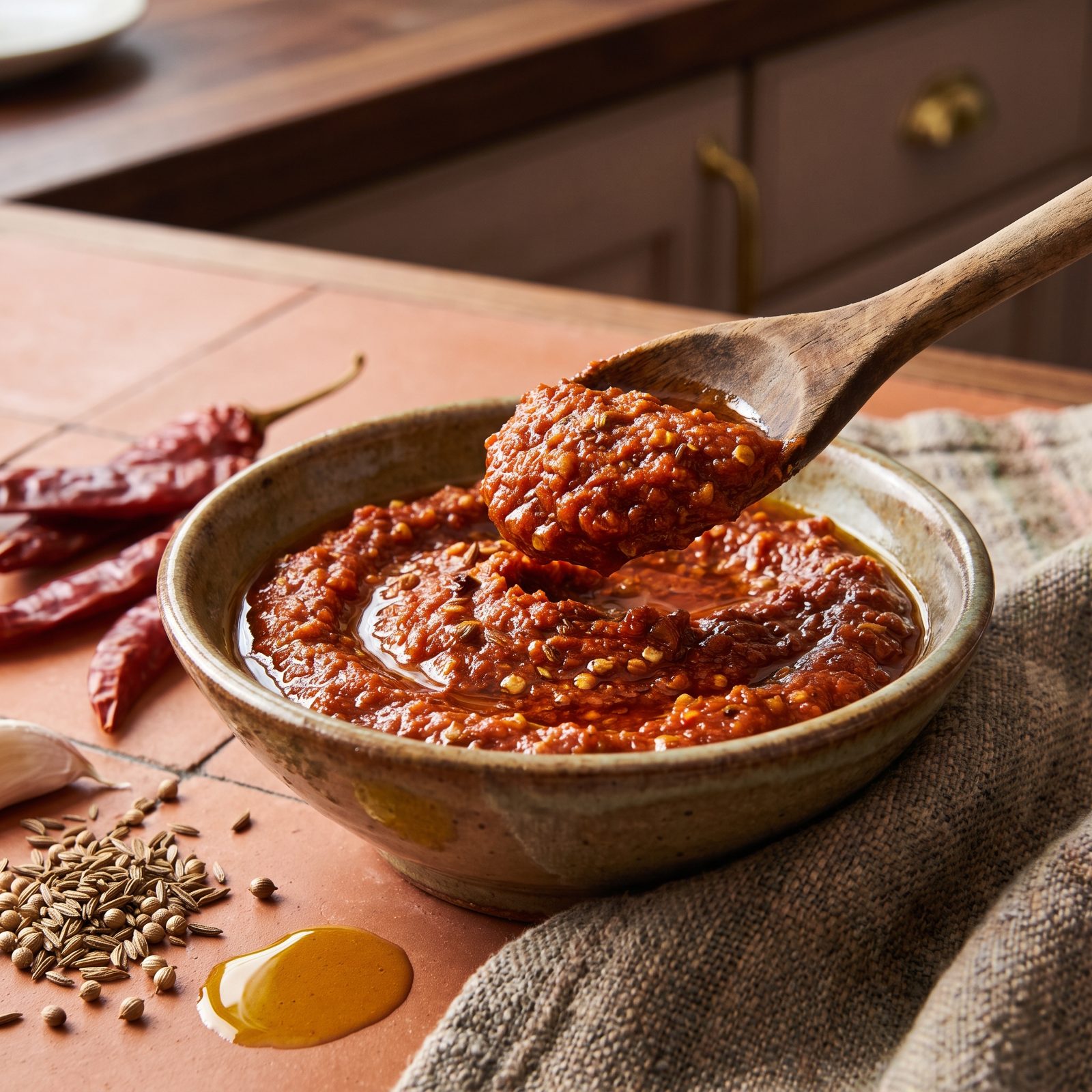
People reach for harissa expecting a face-melting chili paste and miss what it’s actually good at.
The best versions aren’t about raw heat at all. They’re about the peppers, roasted dried chiles with real character, backed by caraway, cumin, coriander, and garlic ground together into something warm and layered. A spoonful stirred into a soup or rubbed on chicken brings smoke, spice, and a faint bitterness that reads as depth. Cheap harissa just tastes like red and hot. The traditional kind tastes like a place.
29. Premium Thai Curry Paste: More Aromatics, Less Paste, Bigger Flavor
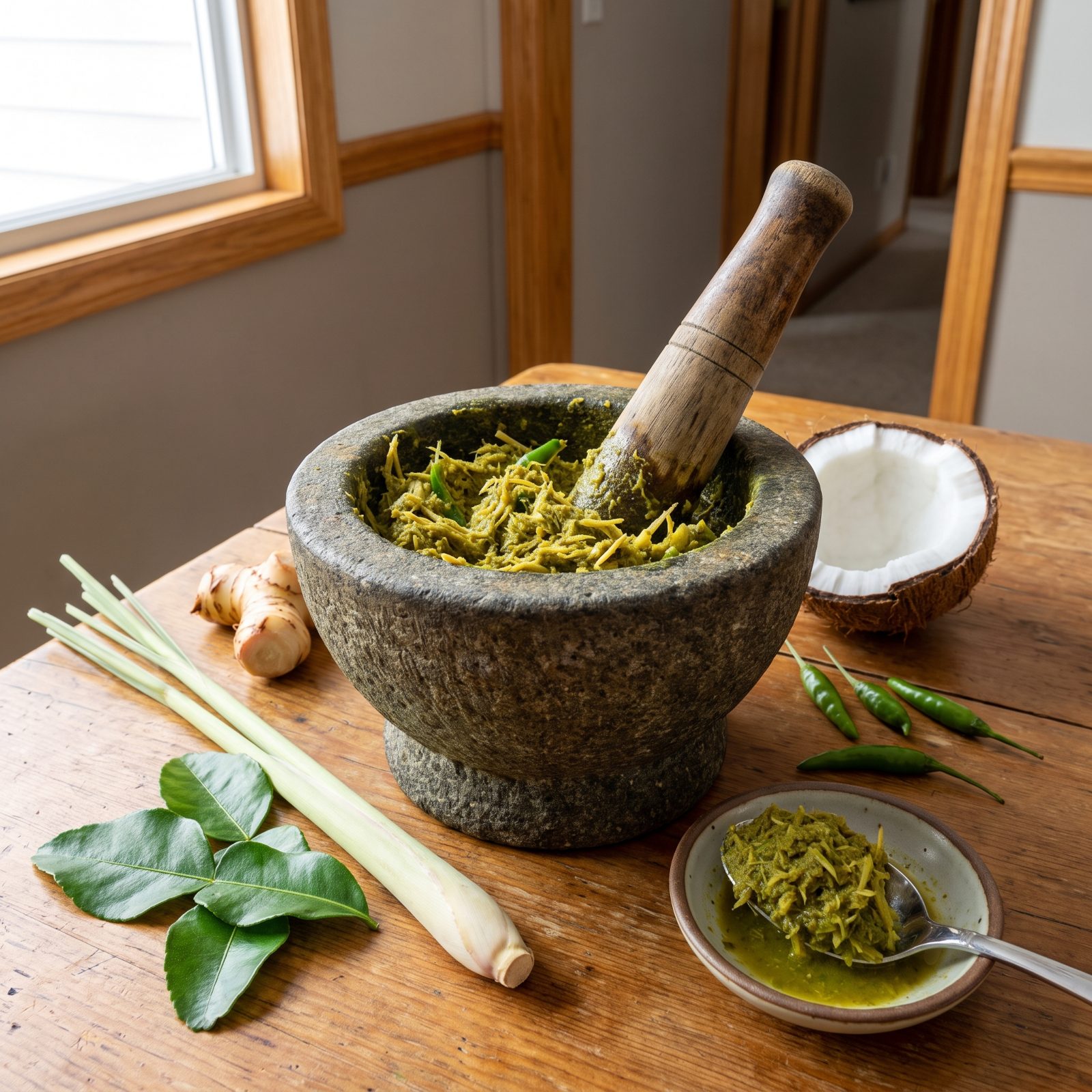
A good Thai curry paste is mostly aromatics. Lemongrass, galangal, makrut lime, chiles, shrimp paste, all pounded into something you can smell the second the lid comes off.
Cheaper pastes stretch those aromatics with fillers and salt, so you use more and still end up with a thinner, flatter curry. The concentrated stuff goes the other way. A smaller spoonful fries up fragrant in coconut cream and carries a whole pot. You taste individual notes instead of a generic warm blur, and you go through the jar slower. Better and more economical at the same time.
28. High-Fat Cocoa Powder: The Reason Your Brownies Taste Flat
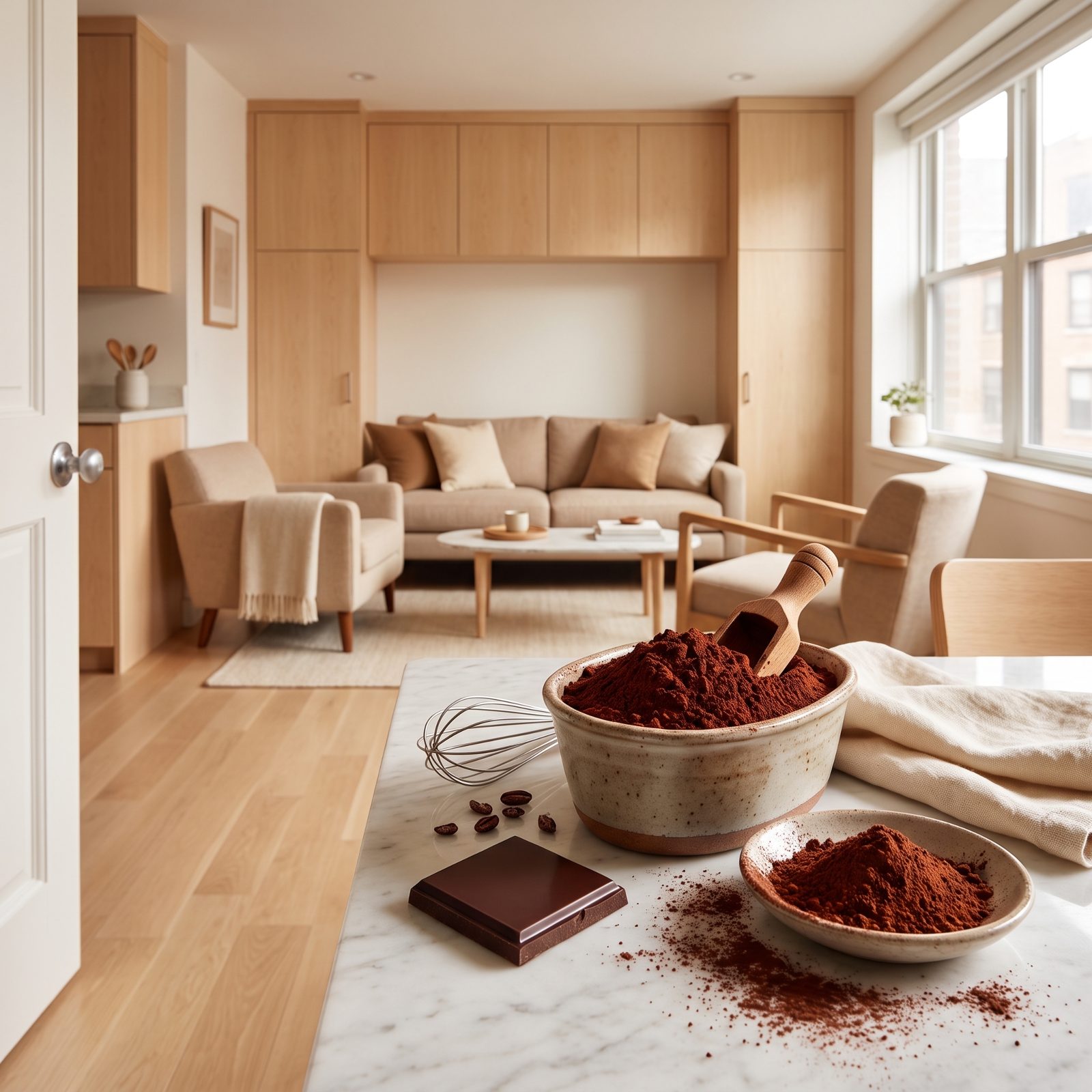
Most supermarket cocoa has had the fat pressed out of it, which is fine for color and lousy for flavor.
Higher-fat cocoa powder, the kind with more cocoa butter left in, carries aroma the way the lean stuff never can. Brownies come out fudgier and deeper. Hot chocolate tastes like melted chocolate instead of brown water. The flavor compounds in cocoa are fat-soluble, so when you strip the fat you strip the taste along with it. That’s the whole thing in one sentence, and it fixes every flat-tasting chocolate dessert you’ve ever made.
27. Pure Vanilla Extract: Hundreds of Aromas Imitation Will Never Touch
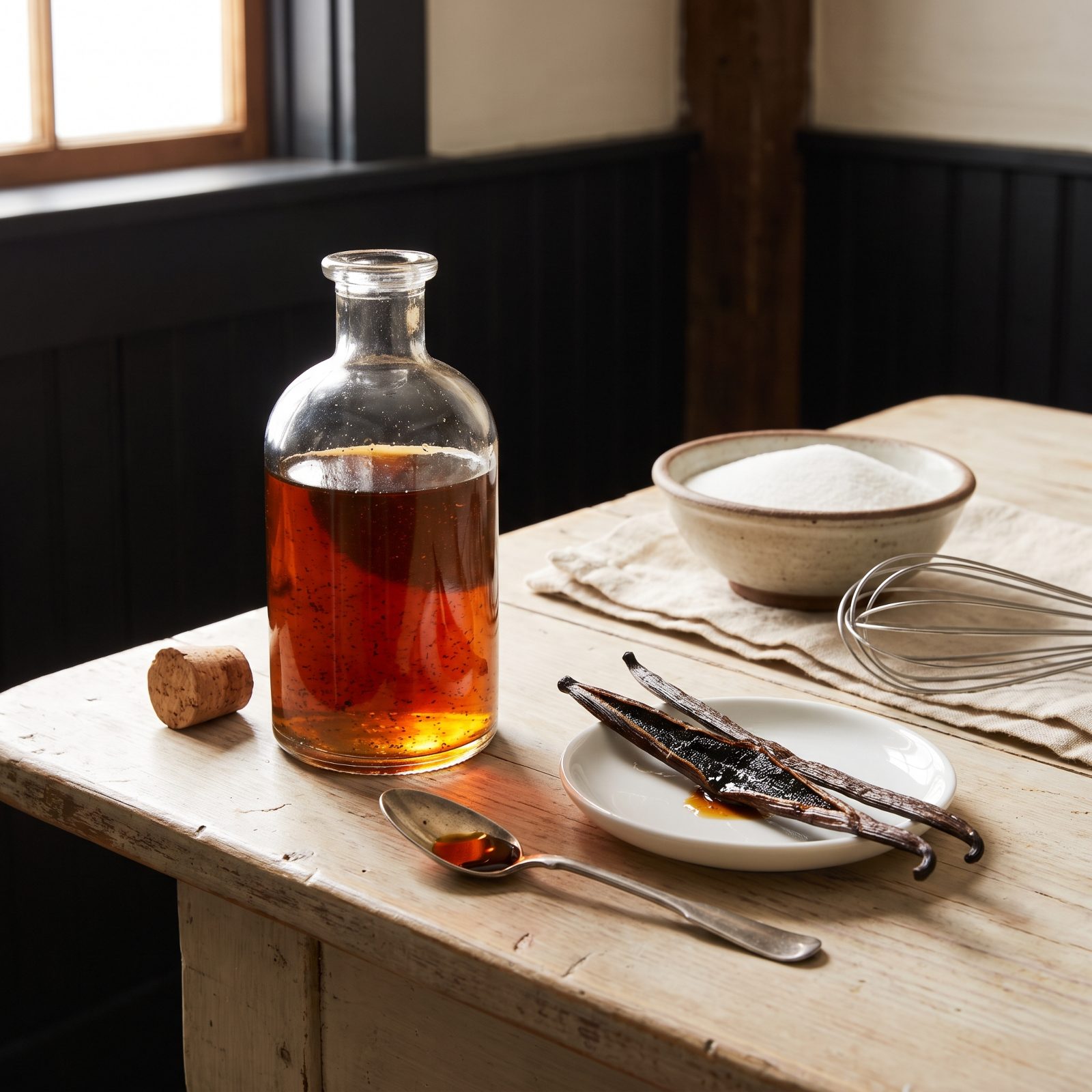
Imitation vanilla is one compound, vanillin, doing a solo impression of a full orchestra.
Real vanilla extract brings hundreds of aromatic compounds, which is why it tastes rounded and floral and a little boozy where the fake stuff tastes sharp and one-note. In anything cooked hot, you might get away with imitation. But in a custard, a buttercream, a whipped cream, anywhere the vanilla isn’t baked to death, the real thing is the difference between a dessert that tastes finished and one that tastes almost there. It costs more. Per use, it’s still the cheapest upgrade on this entire list.
26. High-Cacao Dark Chocolate That Carries a Whole Dessert
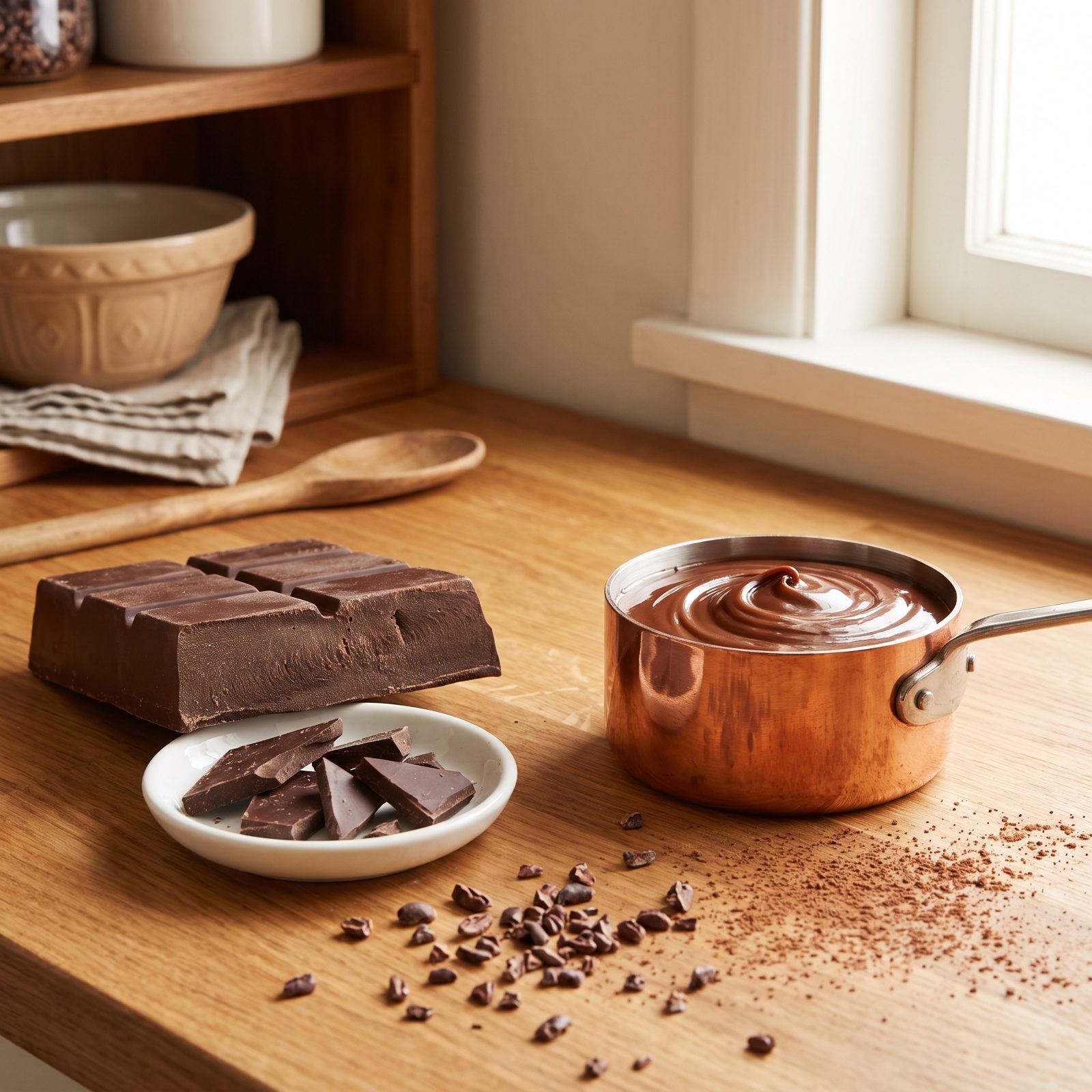
The number on the wrapper does real work. A bar at 70 percent cacao has more cocoa solids and less sugar, so it melts into ganache that sets firm and tastes like actual chocolate rather than sweetened wax. Cheap baking chocolate thins out and seizes. The good stuff emulsifies clean.
You notice it most anywhere chocolate is the whole show: a flourless cake, a ganache tart, a pot of hot chocolate that coats the spoon. Buy the bar, chop it yourself, skip the chips. Chips are engineered to hold their shape, which is exactly what you don’t want when you’re trying to melt something.
25. Aged Basmati Rice With Grains That Stay Separate
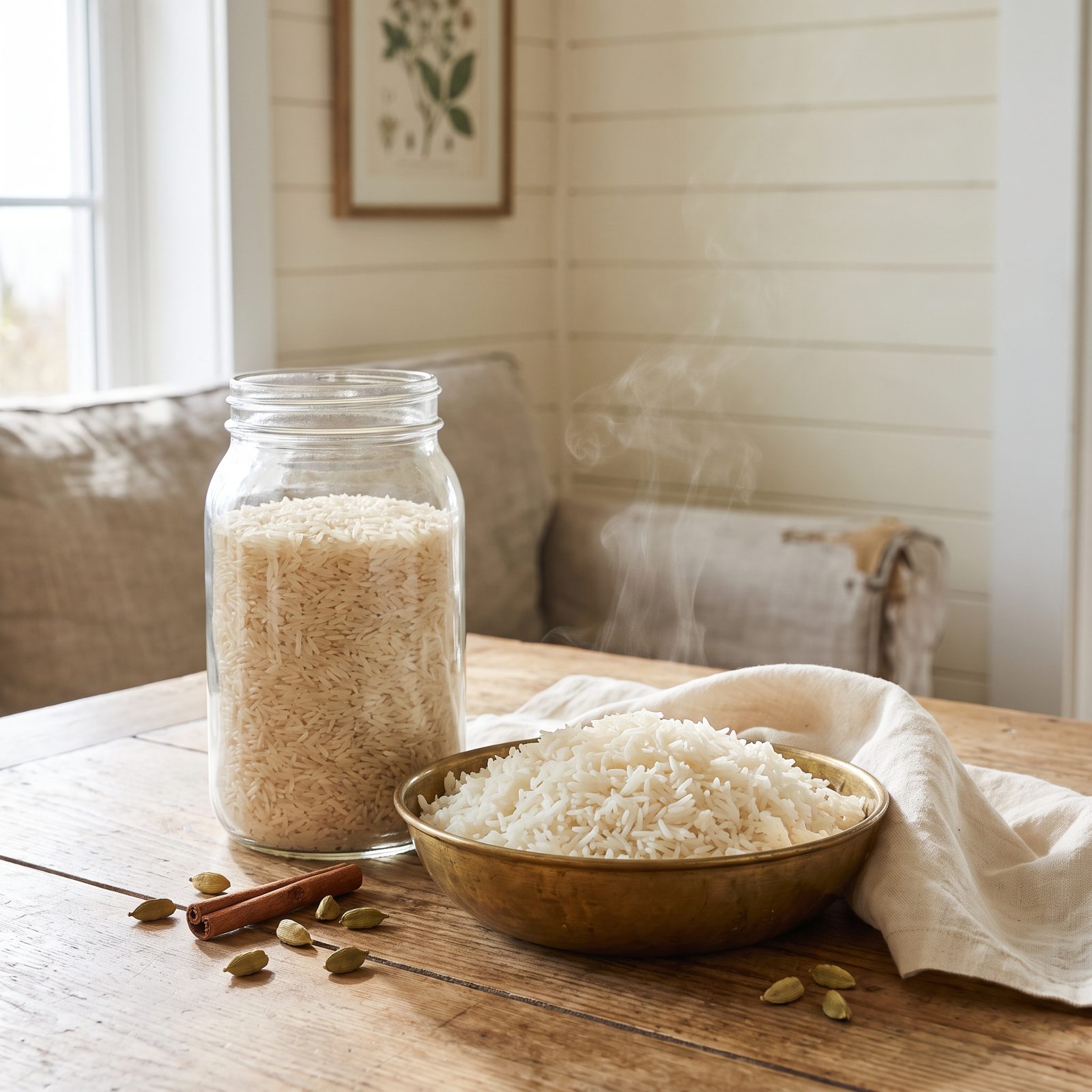
Basmati that’s been aged a year or two cooks into something fresh rice simply can’t touch. Drying out the grain changes its starch, so the cooked rice stretches long, stays loose, and smells faintly of popcorn and flowers. Fresh-harvest basmati clumps and turns gummy. It fights you.
Look for the words aged or extra-long on the bag, and be ready to pay more. Worth every cent for biryani, or any pilaf where separate grains are the entire ambition.
24. Bronze-Die Pasta That Grabs the Sauce and Holds On
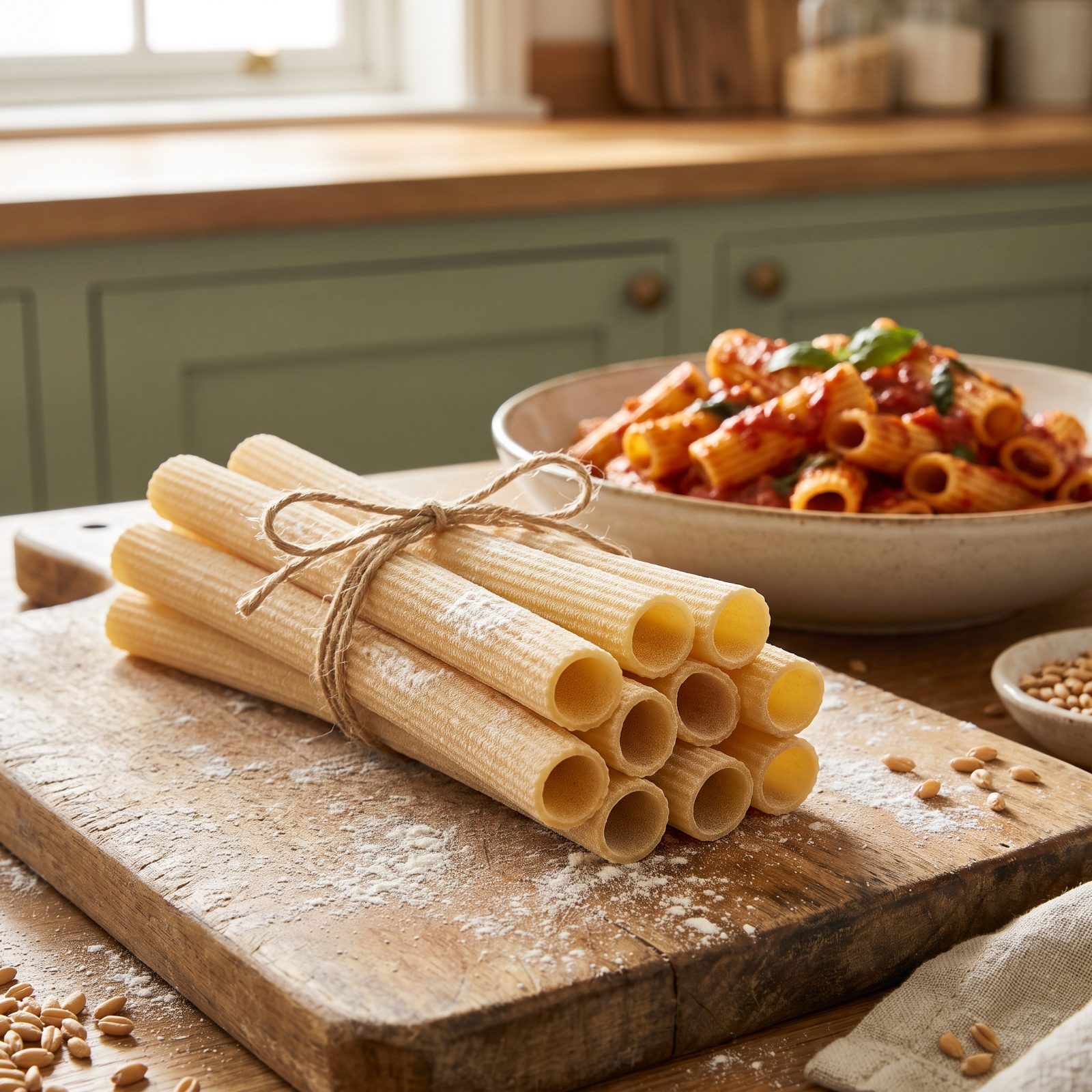
Run your thumb over cheap pasta and it’s slick, almost polished. That shine comes from Teflon dies that shove the dough through fast and smooth, and sauce slides right off the result.
Bronze dies work rougher and slower. They leave microscopic grooves and a chalky, matte surface that catches sauce like velcro. You can see it on the plate — the sauce dresses the noodle instead of pooling sadly at the bottom of the bowl. Bit toothier, too. That’s the point.
23. Certified San Marzano Tomatoes With Balance You Can Taste
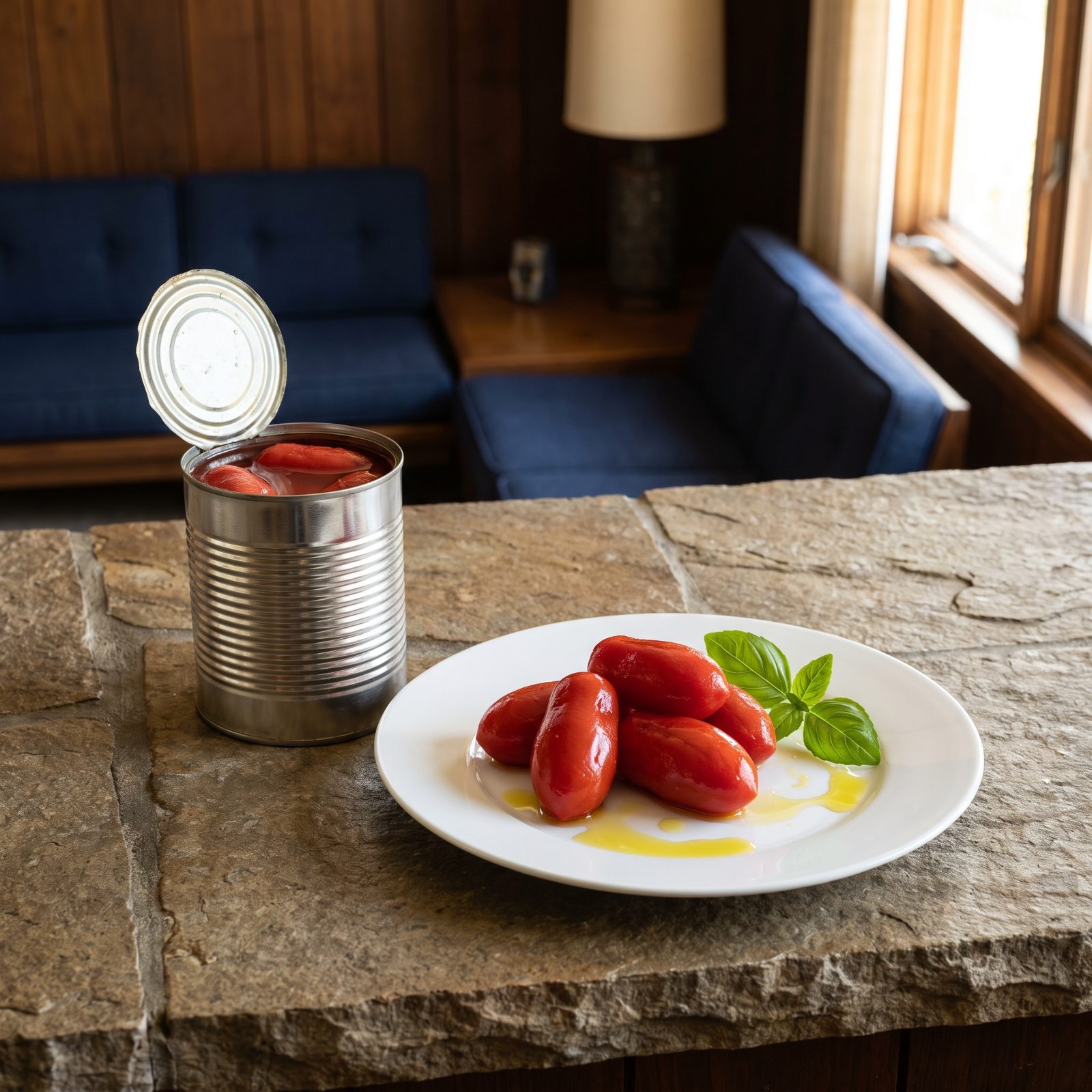
The real ones carry a DOP seal and come from volcanic soil near Naples, grown and packed to a strict standard. That matters because San Marzano tomatoes run sweet with low acidity and few seeds, so a sauce needs almost nothing from you. No sugar to fix sourness. No long cook to tame it.
Plenty of cans say San Marzano and mean a variety grown anywhere at all. Check for the certification stamp and the growers’ consortium mark. A pricier can that reduces to a sweet, clean sauce in twenty minutes beats a bargain can you have to doctor for an hour.
22. Double-Concentrated Tomato Paste That Caramelizes Fast
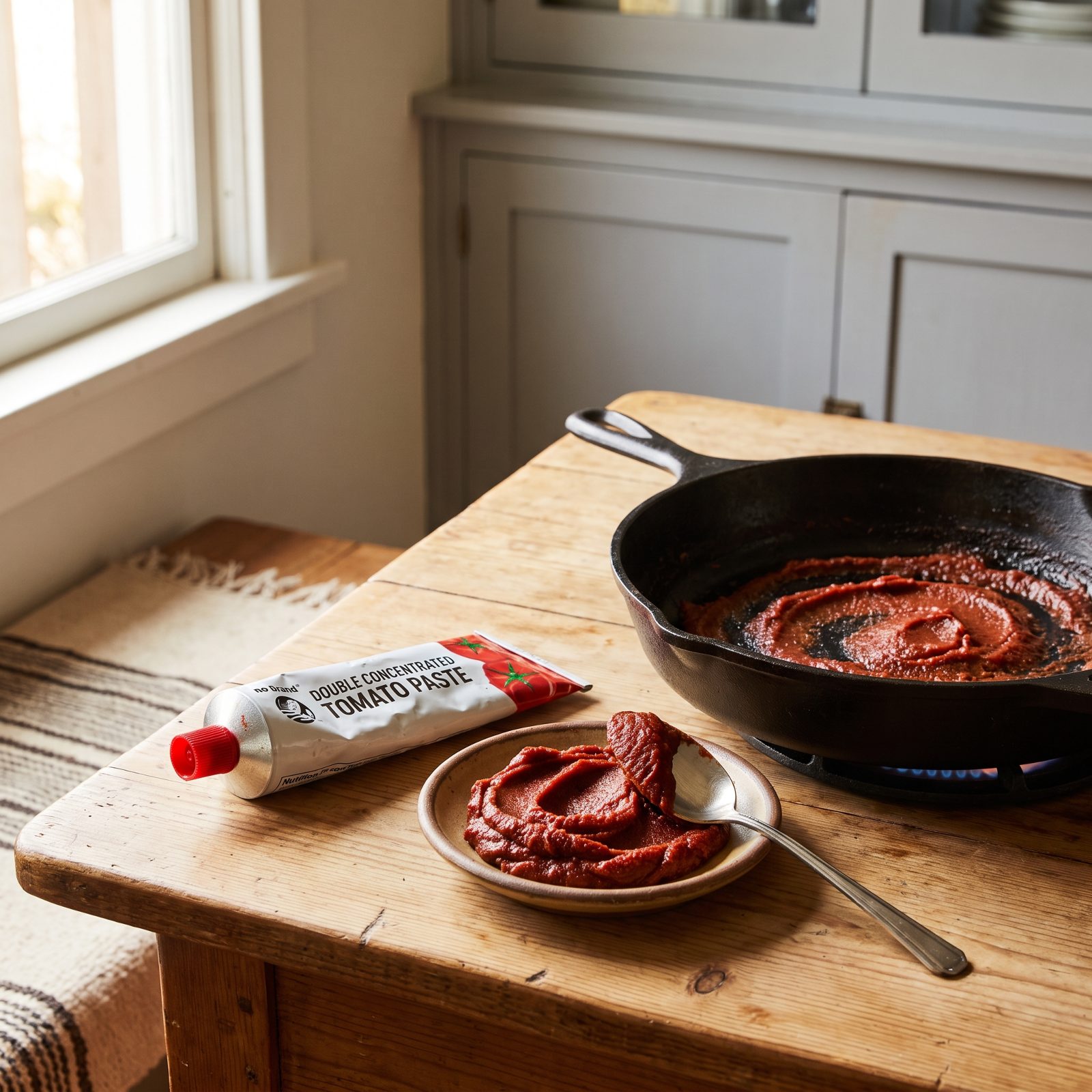
Thin paste is mostly water doing a tomato impression. The concentrated stuff, often sold in a tube, is dense enough to hold its shape on the spoon.
Here’s why it matters. Fry paste in oil before adding liquid and the concentrated kind browns and deepens in a minute or two, because there’s no water sitting there that needs to boil off first. You get that dark, almost meaty sweetness that gives a sauce its backbone. Watery paste just sits there and steams at you.
21. Heirloom Dried Beans That Cook Even and Taste Like Something
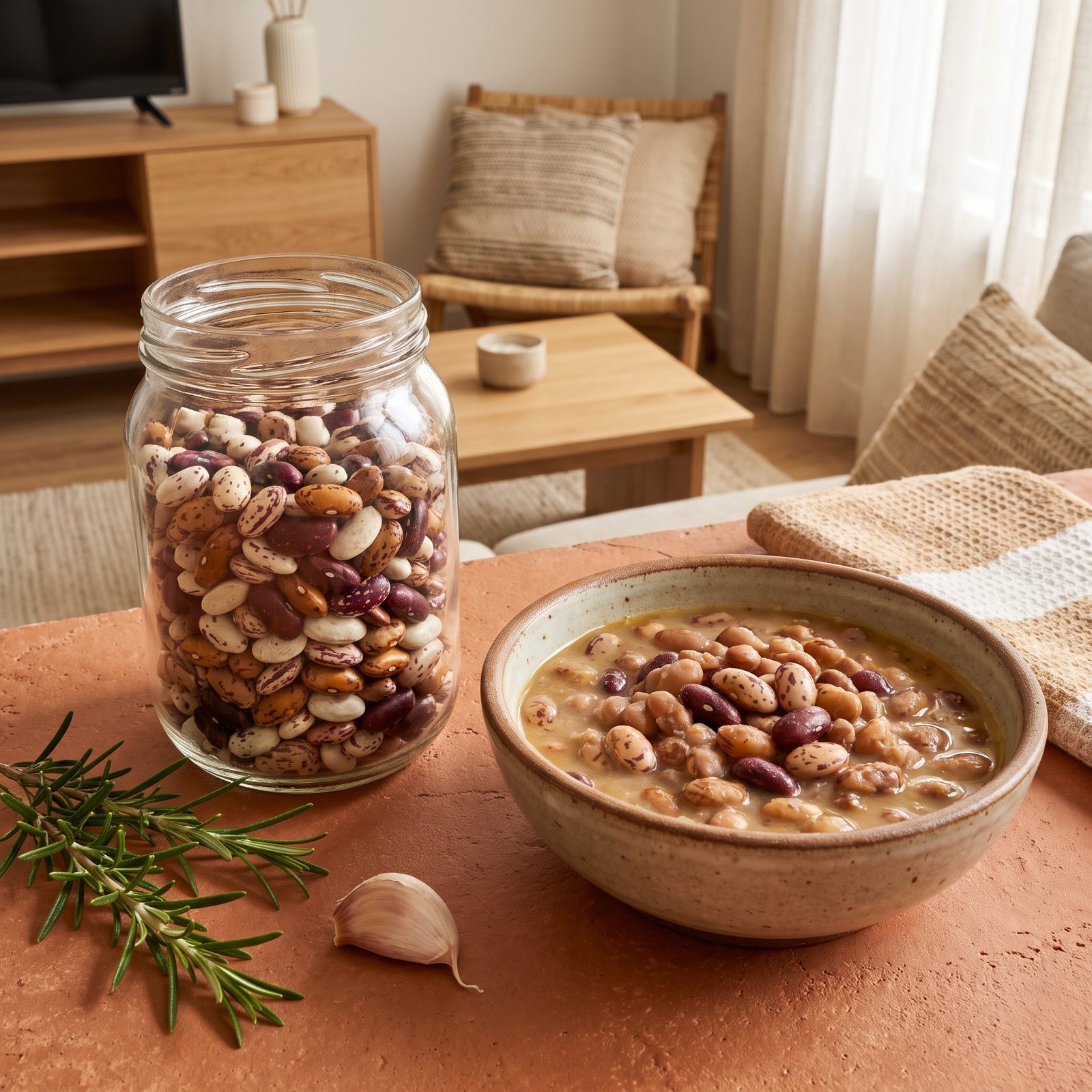
Nobody tells you dried beans have a harvest date, and it matters enormously. Beans that have sat on a grocery shelf for years cook unevenly, stay chalky in the center, and taste faintly of cardboard. Some never fully soften no matter how long you simmer them.
Recently harvested heirloom beans are a different food entirely. They cook to a creamy, even tenderness and have real flavor — nutty, mineral, distinct by variety. The cooking liquid turns into a broth worth drinking straight. Yes, they cost more than the dusty bag. They’re also the rare case where the upgrade is dramatic.
20. Full-Fat Coconut Milk That Makes a Curry Rich Instead of Thin
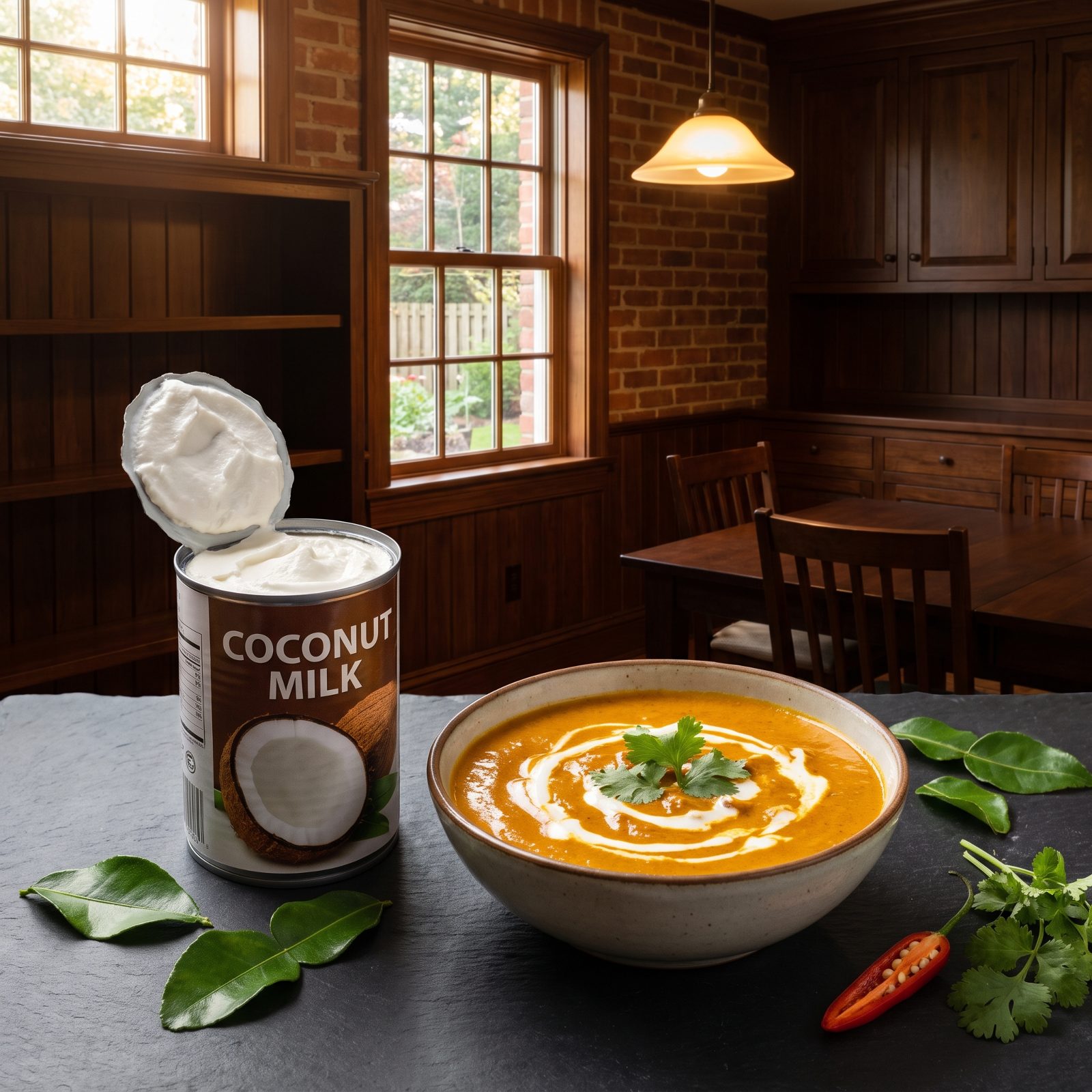
Shaking the can before you buy teaches you nothing. Read the label. Good coconut milk lists coconut extract and water, high coconut content, no thickeners quietly standing in for missing fat.
Thin, watery coconut milk gives you a sad, broken curry that never pulls together. The full-fat kind carries spice, bodies up a sauce, and separates into that glossy layer you fry the curry paste in. That fried-paste step is where a lot of the flavor hides, and you can’t do it without real coconut cream.
19. Whole Sardines in Olive Oil With Firm, Clean Flesh
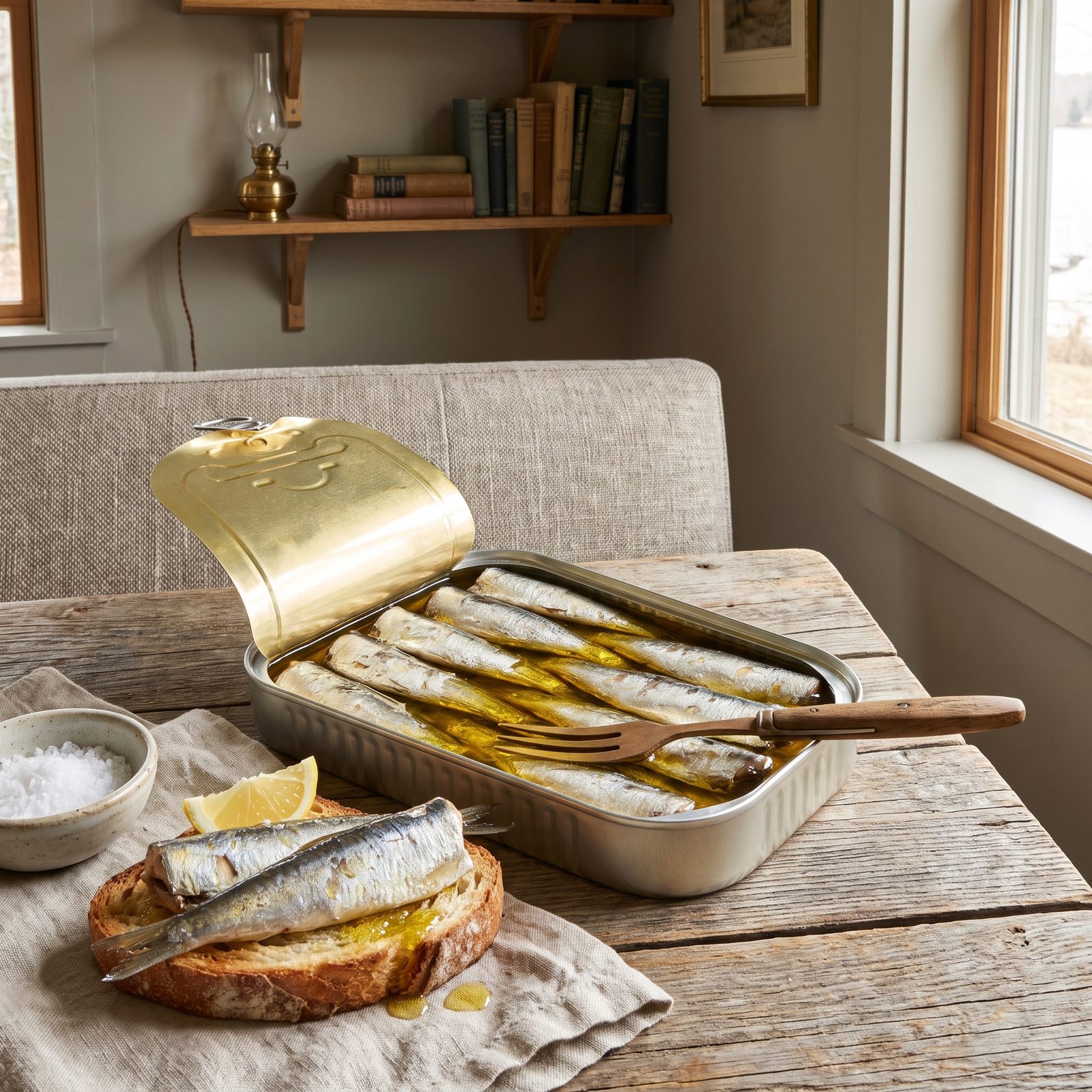
Cheap tinned sardines collapse into mush the moment the lid peels back. The careful ones hold their shape — firm fillets, silver skin intact — because the fish were handled well and packed with a little breathing room in good oil.
You taste it immediately. Clean, briny, faintly sweet, and no bitter oily aftertaste trailing behind. On toast with lemon, or folded into pasta with garlic and chili, the better tin is the whole dish. Spend here. A $2 tin versus a $6 tin is the difference between a chore and a treat.
18. Gelatin-Rich Boxed Stock That Turns to Jelly in the Fridge
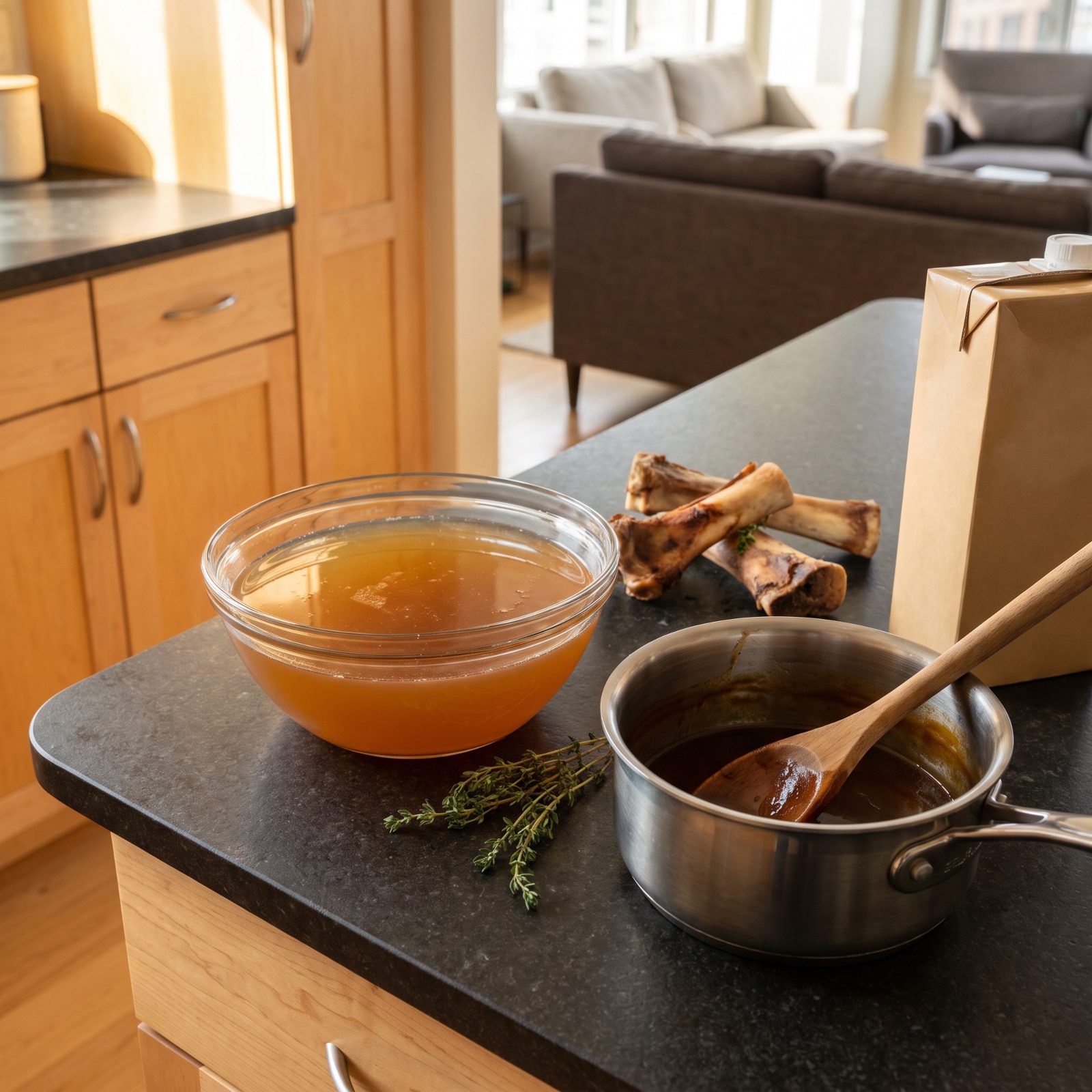
The test is simple, and the box won’t volunteer it. Chill good stock and it sets like a soft jelly, because real bones simmered slowly give up collagen that turns into gelatin. That gelatin is what gives a sauce body — the glossy, lip-coating richness you cannot fake with salt.
Most supermarket stock is colored, salted water that stays liquid cold. It’ll season a soup and that’s the end of its talents. Reduce it hoping for a sauce and you just get salty water for your trouble. Find the brands that gel. Those are the ones worth reducing.
17. Traditional Dijon Mustard With Real Heat and Bite

Proper Dijon is made with brown mustard seeds and verjus or wine, and it carries a sinus-clearing sharpness the bland yellow stuff never gets near. That bite is a tool. It cuts through fat, wakes up a vinaigrette, and holds an emulsion together so your dressing doesn’t split on you.
The cheap jar is mostly acidity and turmeric color with no real mustard punch underneath. One spoonful of good Dijon in a pan sauce or a dressing does the work of three ingredients. One of the cheapest upgrades on this whole list, and one of the most useful.
16. Naturally Brewed Soy Sauce, Aged for Months Instead of Hours
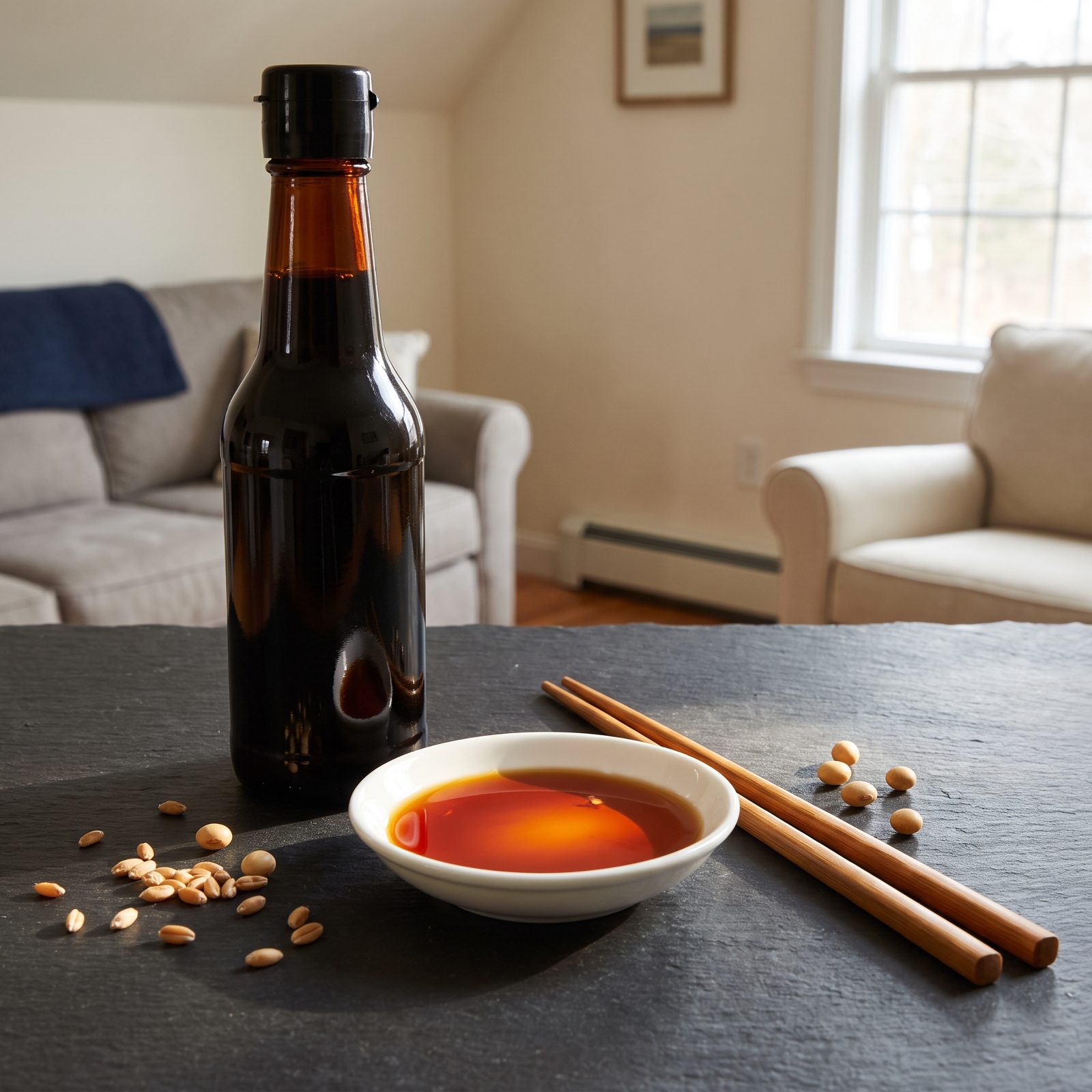
Read the label. If it says hydrolyzed vegetable protein and caramel color, you’re buying a flavor impression, not the real thing. Naturally brewed soy sauce spends months letting koji mold, soybeans and wheat break down into something with real depth, and hundreds of flavor compounds show up over that stretch. The chemical version skips straight to salty-brown in a day.
You taste it most in the places soy sauce is supposed to disappear into — a dipping sauce, a glaze, a bowl of plain rice. The cheap stuff hits one note. The brewed stuff rounds out, turns slightly sweet at the back, and stops tasting like salt water.
15. Long-Fermented Miso With Years in the Barrel
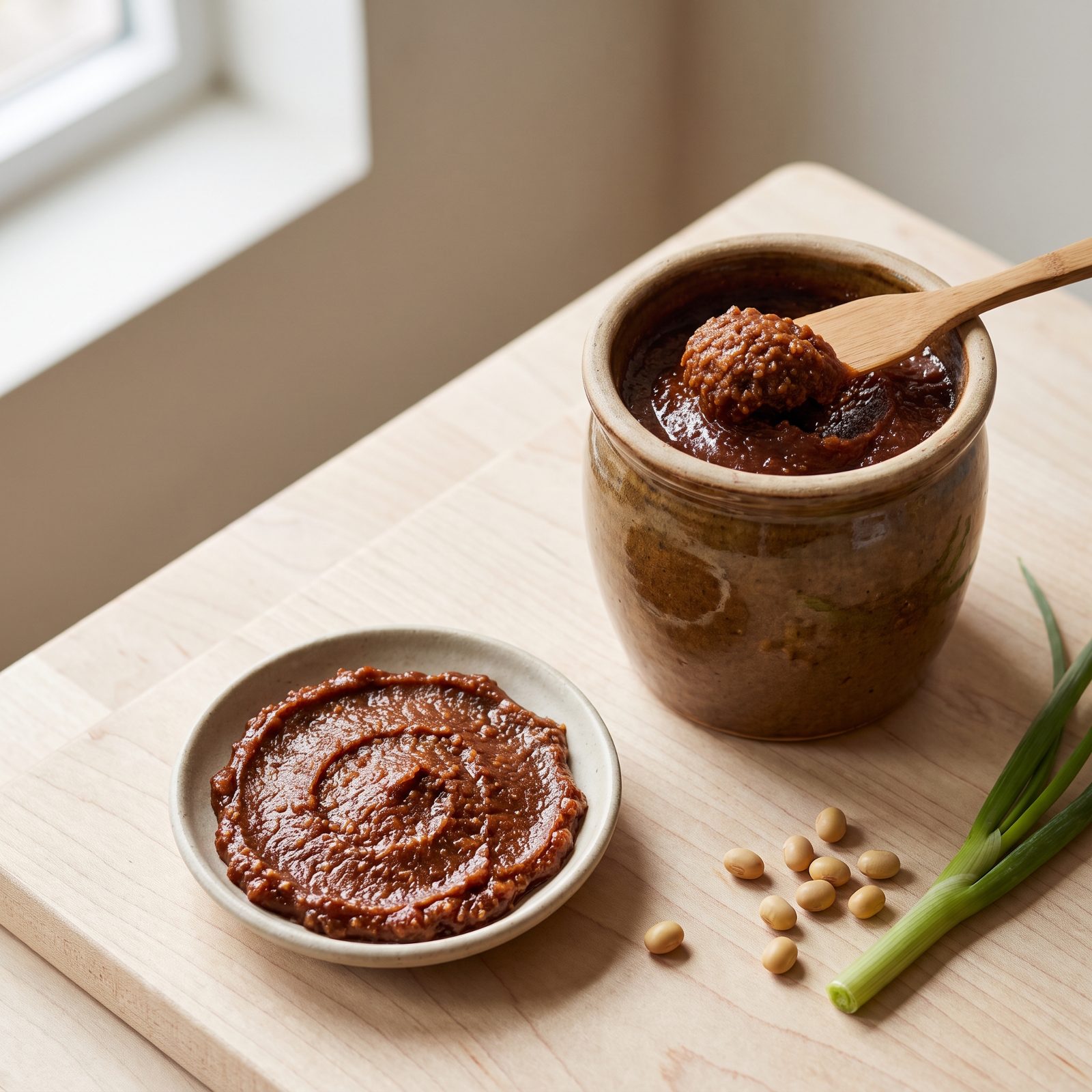
Miso is beans and salt and time, and the time is the part you’re paying for. A young white miso ferments for weeks and tastes mild, almost sweet. A dark red miso aged a year or two develops a funk and a savory weight that no shortcut can fake. Color tells you most of the story — darker means longer, saltier, more complicated.
Stir a spoonful into soup or a braise and you get depth that reads almost meaty, where the mass-market tubs rushed off the line taste thin by comparison. Keep it refrigerated and it holds for months, slowly getting better instead of worse.
14. Fresh Extra-Virgin Olive Oil That Still Tastes Peppery
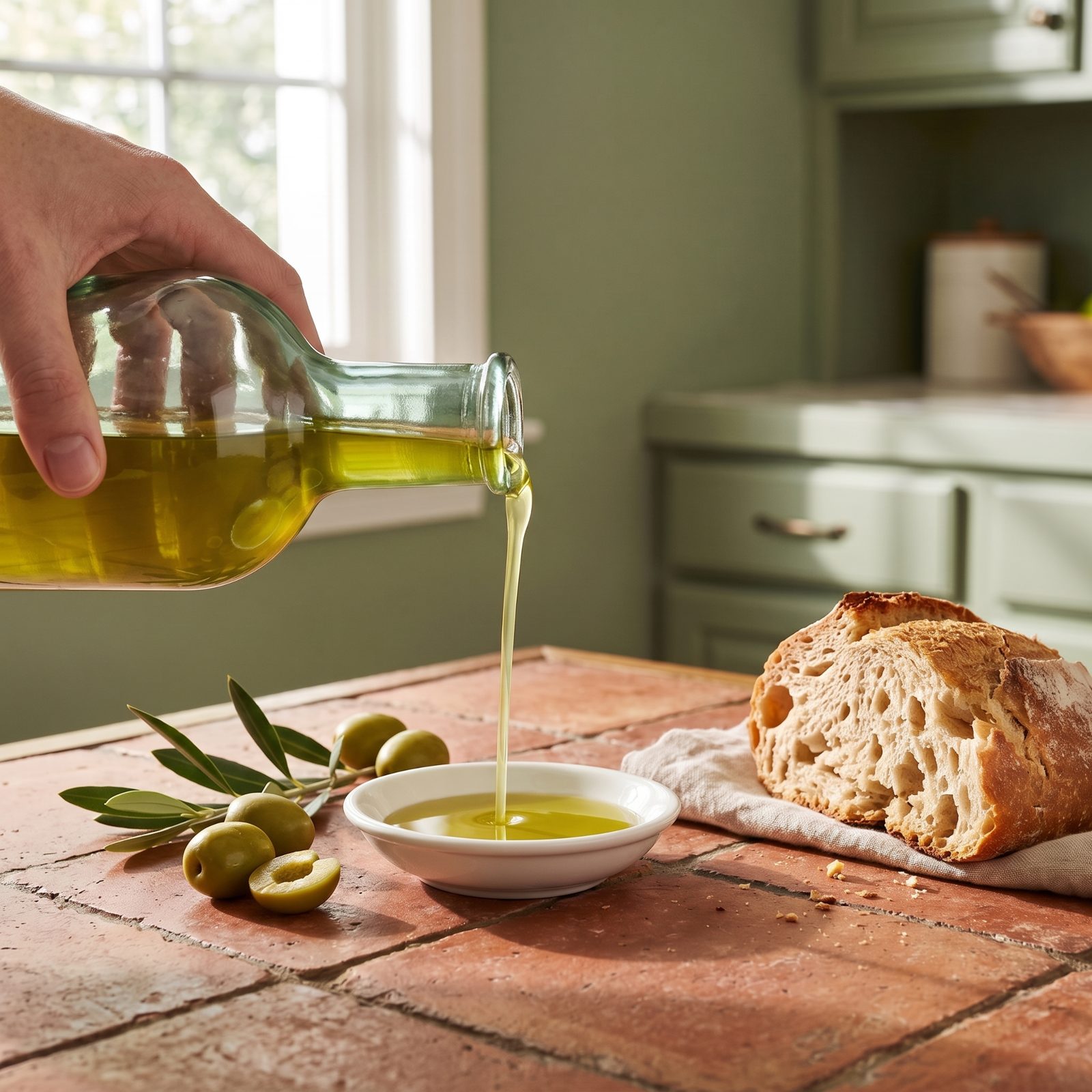
Good olive oil should make you cough a little. That peppery catch at the back of your throat is a compound called oleocanthal, and it means the oil is fresh and the olives were handled well. The bland, greasy stuff in the clear plastic jug has lost all of it, usually to age and air.
Buy it in a well-corked glass bottle, check for a harvest date, and use it before it tires. Drizzled raw over beans, fish or a salad, fresh oil tastes grassy and alive. Heat it in a pan and a lot of that nuance burns off — which is exactly why the finishing drizzle matters more than the cooking.
13. Pure Toasted Sesame Oil, Where a Few Drops Do the Work
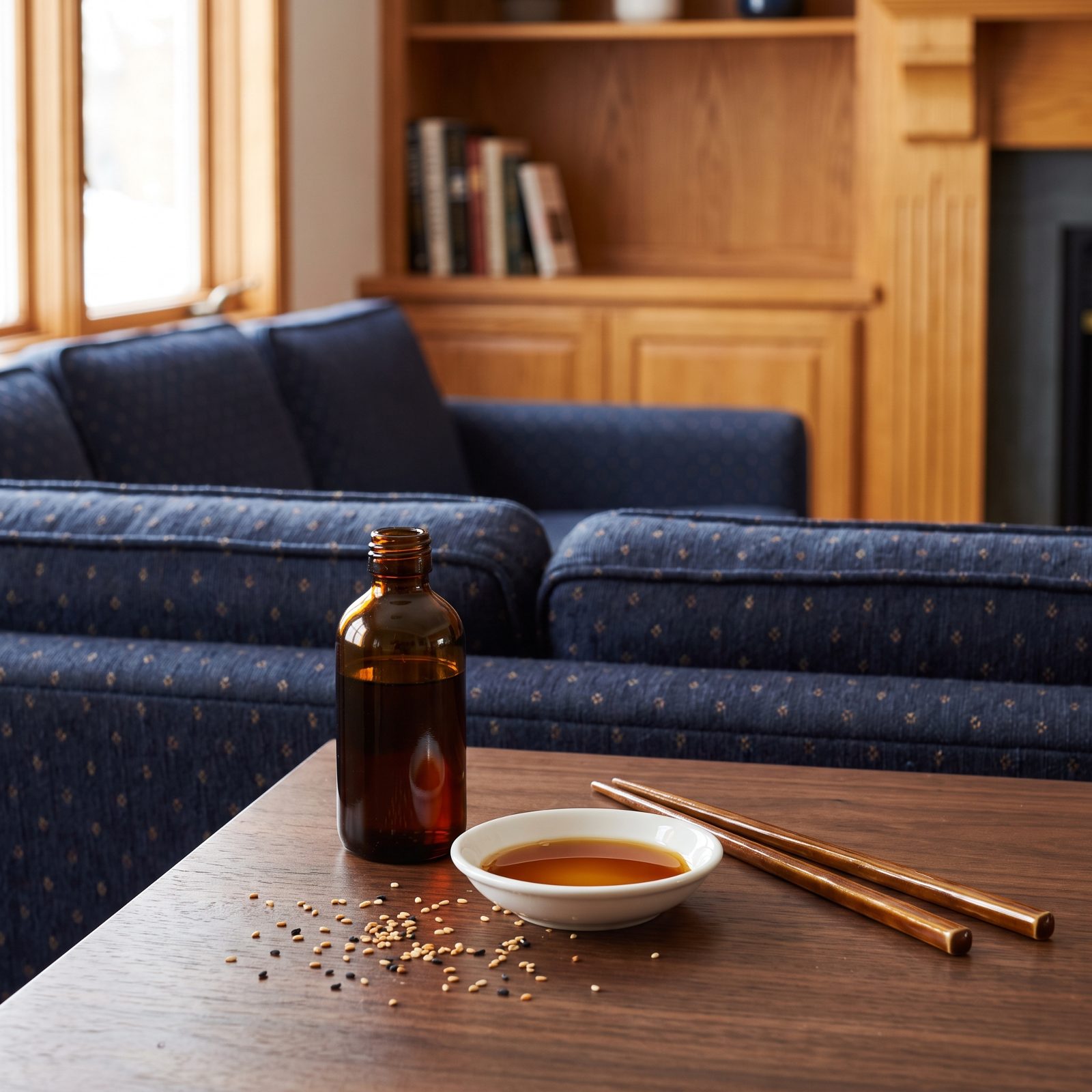
This is a finishing oil, not a cooking oil, and people get that wrong constantly. Toasted sesame oil is pressed from roasted seeds, which is where that deep nutty aroma comes from. Pour it into a hot wok and the fragrance vanishes in seconds. A few drops at the very end, off the heat, and the whole dish smells like a good restaurant.
The pale, untoasted stuff is nearly flavorless and a waste of the name. Go for the dark amber bottle, and treat it like a seasoning you measure in teaspoons, not tablespoons.
12. Pure Maple Syrup Boiled Down From Forty Gallons of Sap
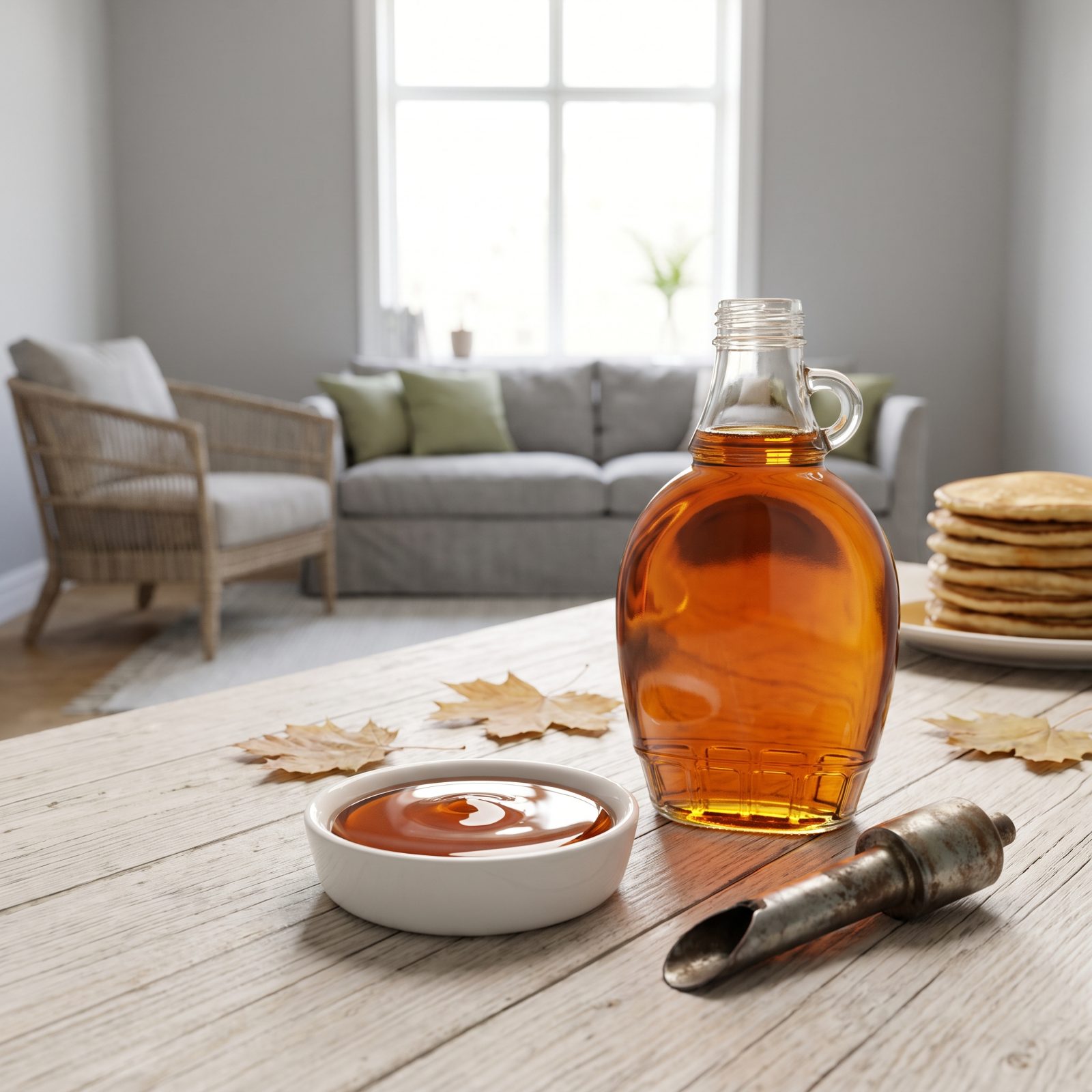
The log-shaped bottle on many grocery shelves is corn syrup with caramel coloring and a little artificial flavor. It costs less for a reason. Real maple syrup is tree sap boiled down at a ratio of roughly forty to one, and that concentration is where the vanilla, the caramel, and the faint woody edge come from.
Darker grades carry more of that character and hold up better in cooking. Spike a glaze, a vinaigrette, or roasted squash with real syrup and you get complexity. The imitation just goes sweet and flat.
11. Whole Black Peppercorns, Ground the Moment You Need Them
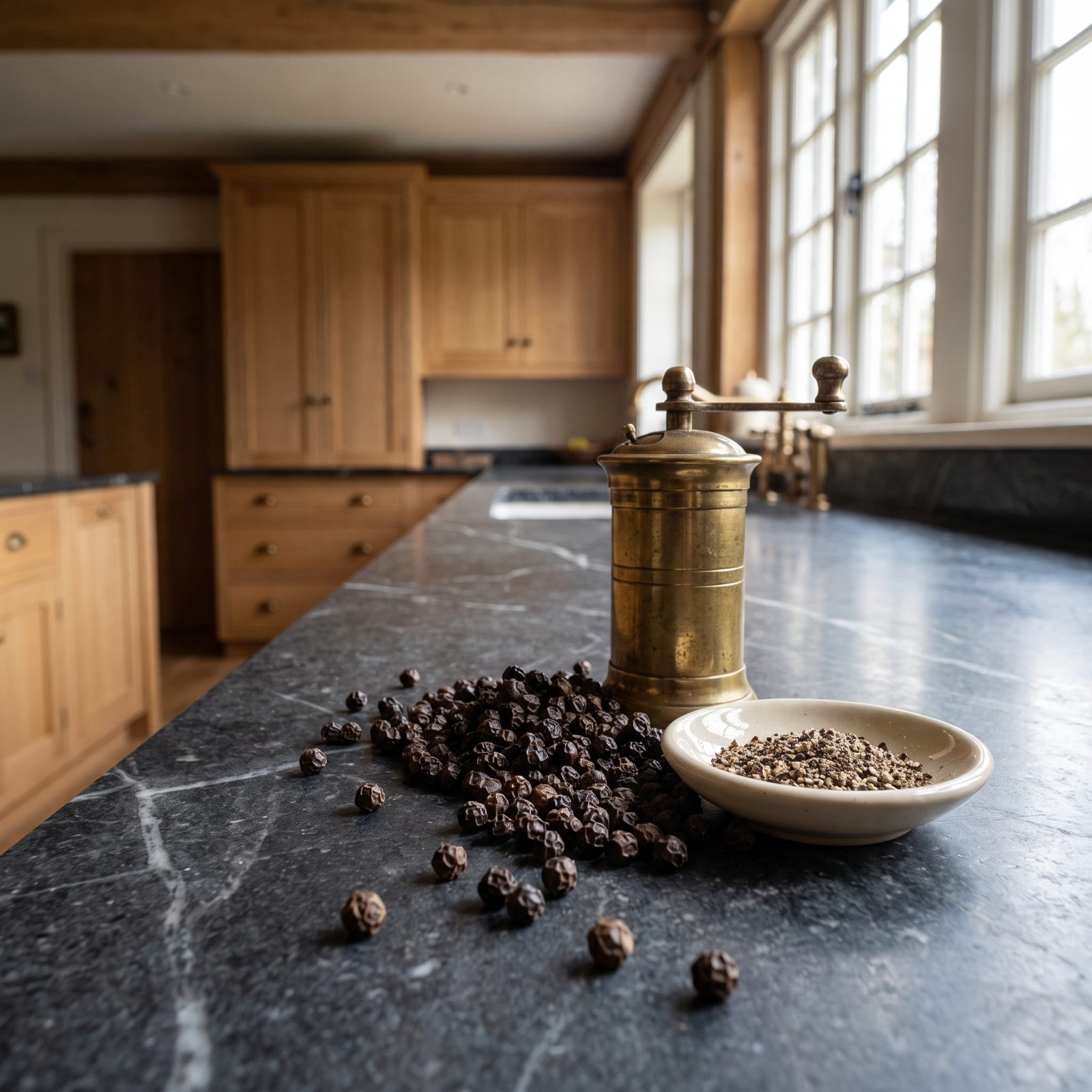
Pre-ground pepper is dust with a memory of flavor. The volatile oils that give pepper its citrusy snap and heat start fading the moment the corn is cracked, so by the time it reaches that little tin, most of the life is gone. Whole peppercorns hold onto it until you grind them.
Buy dense, fresh ones and crack them over the plate. The difference is loud — bright, aromatic, with a heat that reads as more than just spicy.
10. Ceylon Cinnamon, the Delicate Bark That Isn’t Really Cassia

Most of what Americans call cinnamon isn’t cinnamon at all. It’s cassia, a cheaper, harder, redder bark with a hot, one-note punch. True Ceylon cinnamon comes from Sri Lanka, and the quills are thin and fragile, rolled in papery layers like a tiny cigar you could crush with your fingers.
The flavor is softer and more fragrant, less aggressive, with floral and citrus notes hiding behind the sweetness. In anything delicate — a custard, a rice pudding, a cup of tea — that subtlety shows. Cassia would stomp all over it.
9. Genuine Smoked Paprika Dried Over Oak Fires
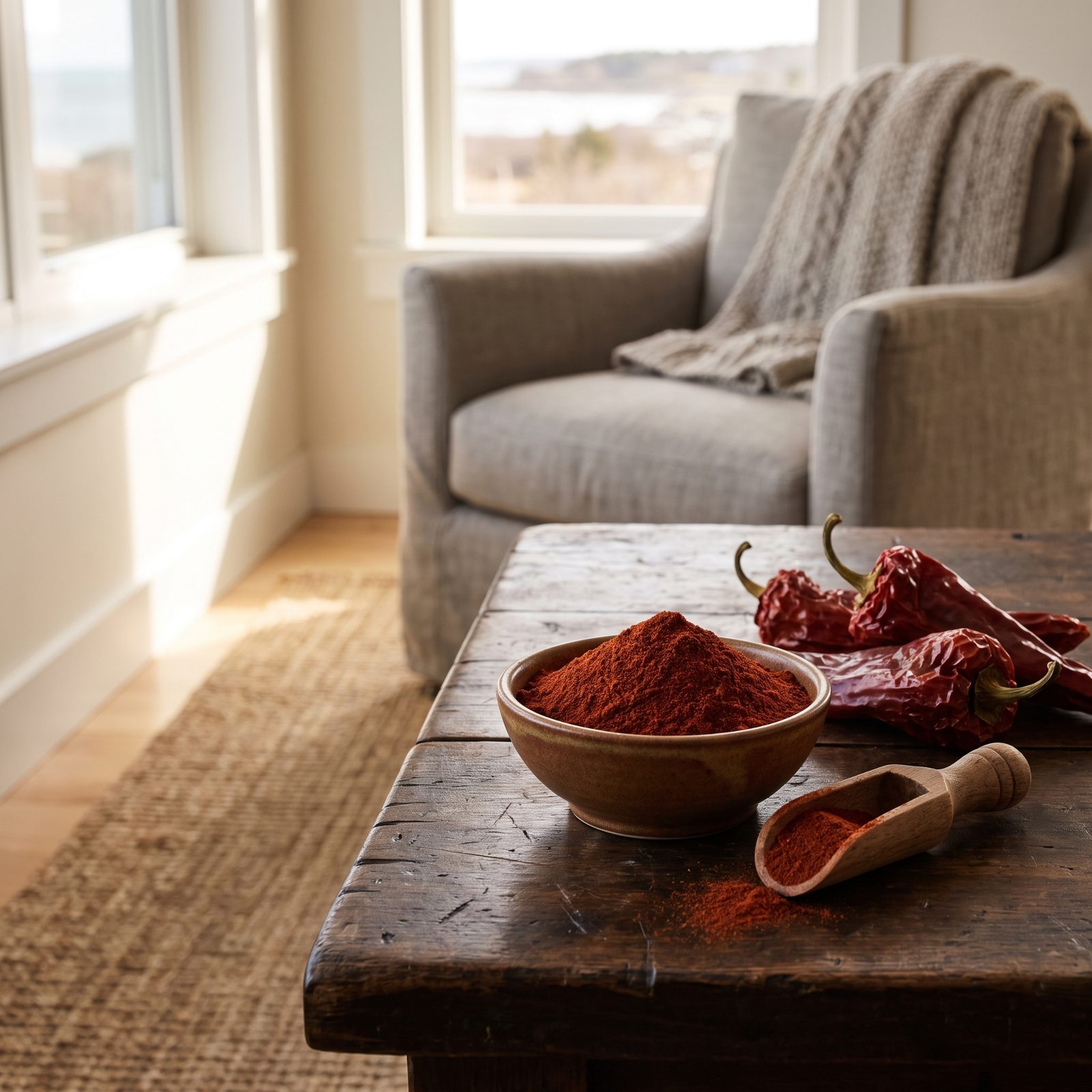
Real Spanish pimentón gets its smoke the slow way: peppers dried for weeks over smoldering oak before they’re ground. That’s the flavor doing the heavy lifting in a paella or a pot of beans — a deep, fruity smokiness you simply cannot get any other way.
Plain paprika, or the ones that sneak in liquid smoke, taste thin and one-dimensional next to it. Look for the word smoked and a Spanish origin. A little goes far, and it brings warmth and backbone to dishes that would otherwise fall flat.
8. Green Cardamom Pods That Guard Their Own Fragrance
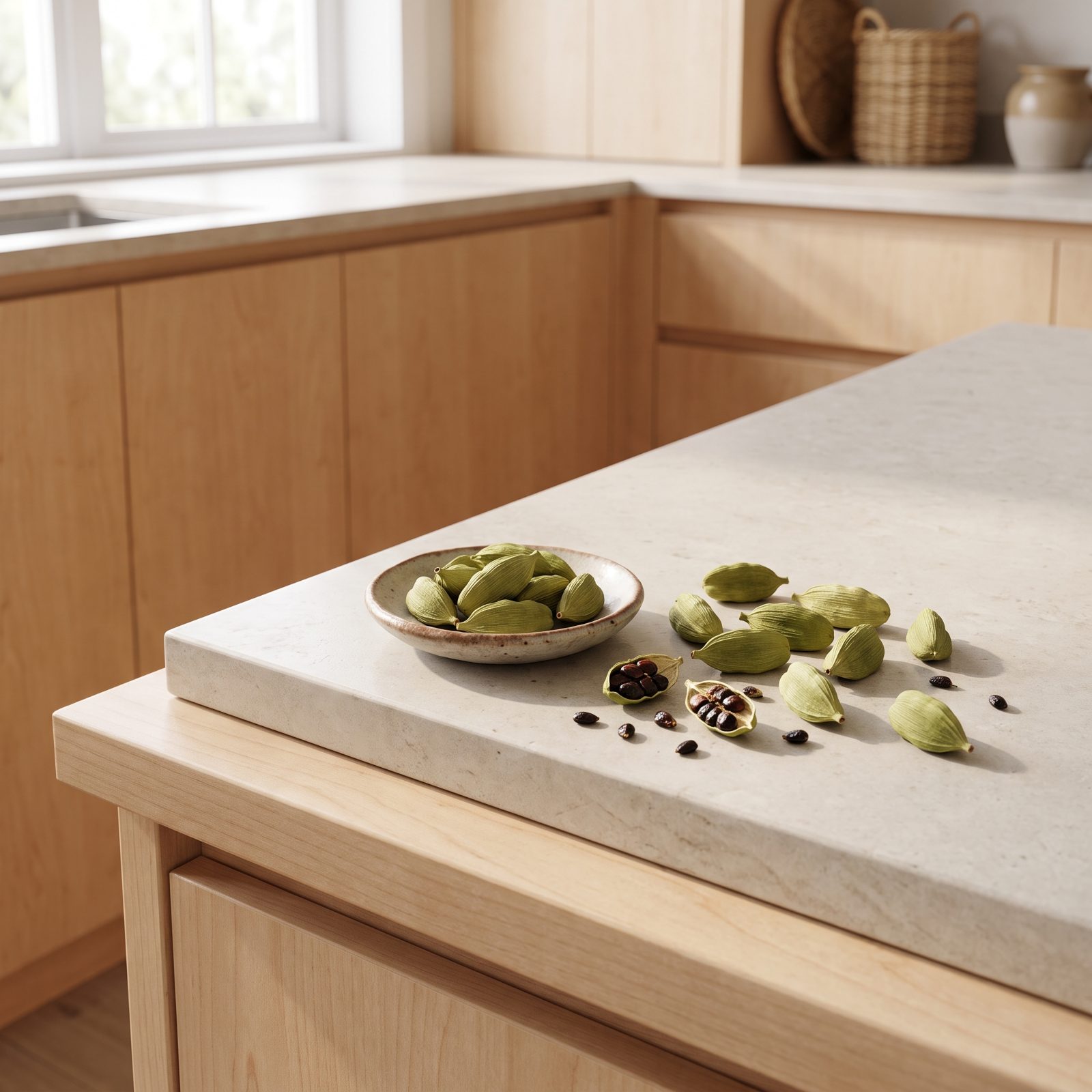
The pod is a lock, and the seeds inside are what you actually want. Cardamom’s fragrance is intense and fleeting, so the green husk acts as a seal, keeping those oils potent until you crack it open. Buy ground cardamom and you’re buying something that was already losing its soul in a factory.
Plump, bright-green pods mean freshness. Crush them just before cooking and the smell fills the kitchen — floral, resinous, a little citrusy. In a rice dish or a slow-simmered chai, that aroma does all the work.
7. Sicilian Dried Oregano Still Clinging to Its Stalks

Sold on the stalk, flowers and all, this is oregano that smells like something the second you crush it in your palm. Sicilian and southern Italian oregano is dried with the tender leaves and flower buds intact, and that’s where the concentrated, almost minty-peppery fragrance lives.
The green sawdust in the supermarket jar is a different plant entirely, often a Mexican variety, bland from sitting too long. Rub the real stuff between your fingers over a pizza or a tomato sauce and the whole dish wakes up.
6. Whole Dried Chiles That Still Bend Without Snapping
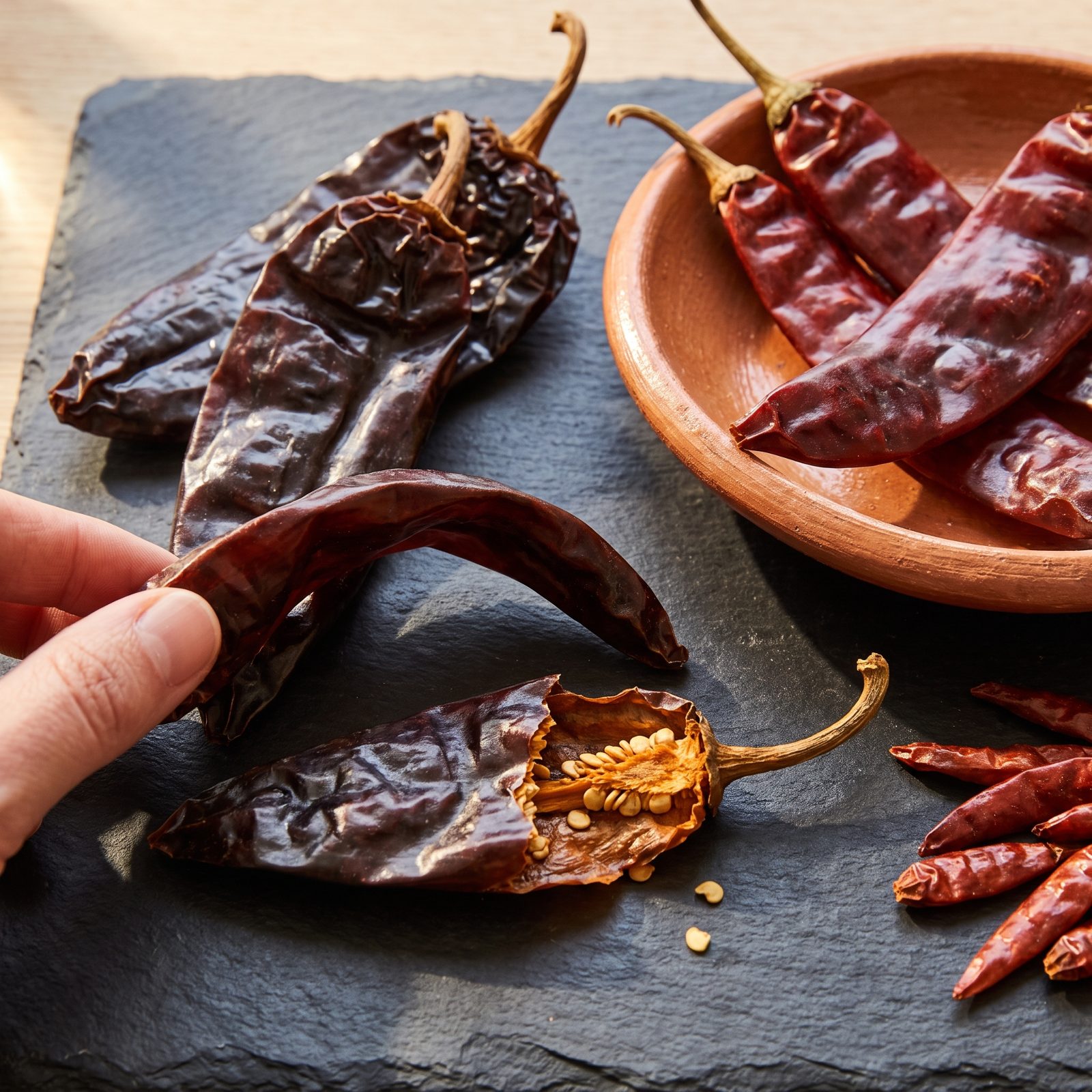
Here’s the tell nobody checks: a good dried chile bends. It folds over your finger like old leather and springs right back. The brittle ones that shatter into dust inside the cellophane have been sitting on a shelf since the last administration, and they taste like it.
Whole pods hold onto the fruit. An ancho tastes of raisin and coffee, a guajillo brings bright berry tang, and a pasilla goes dark and almost chocolatey. Grind those into a sauce and you get layers. Grind the pre-ground supermarket stuff and you get a flat red smell of dust.
5. Pure Ground Sumac With Nothing Else in the Jar
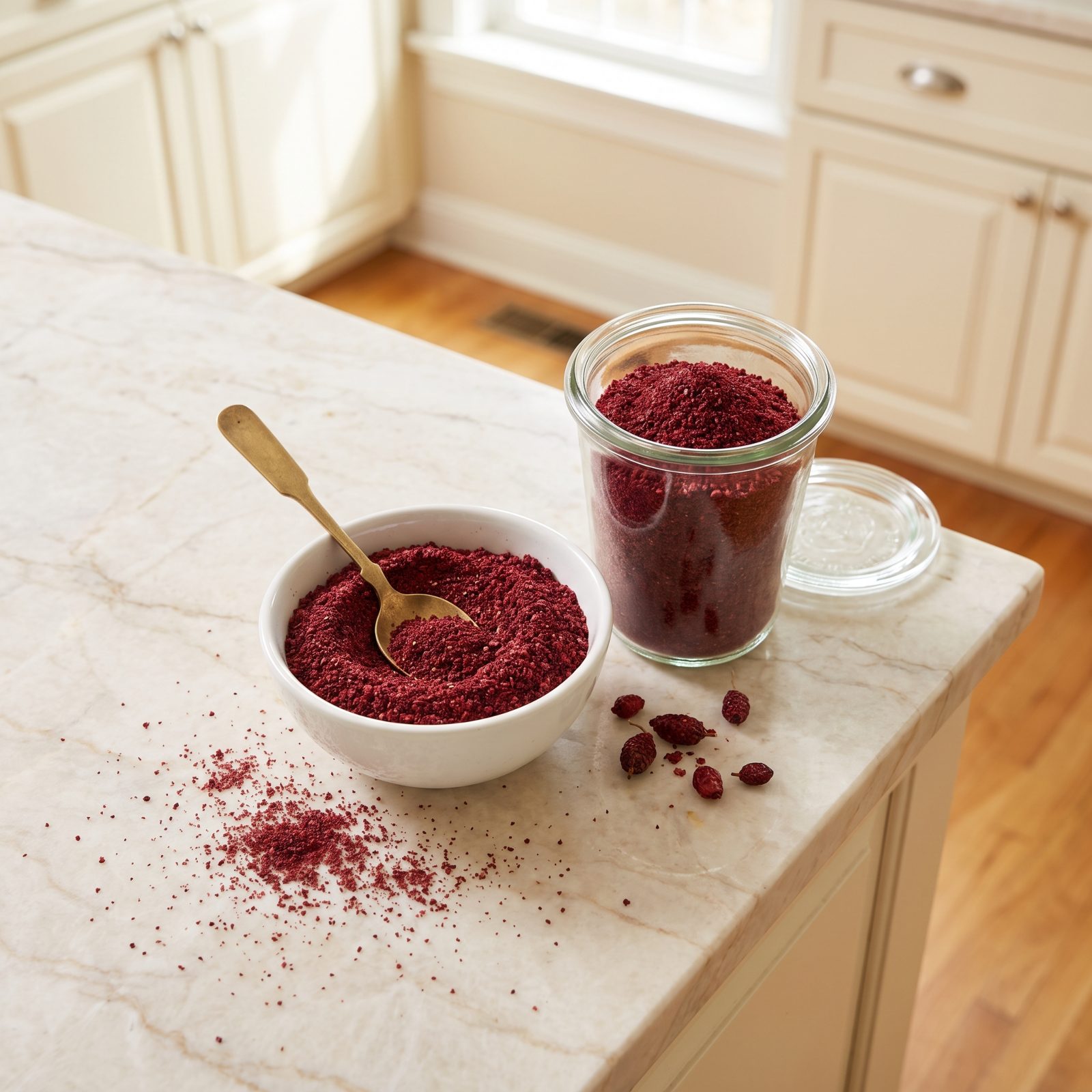
Shake a jar of cheap sumac and watch it fall like sand, pale and pinkish. That’s salt and citric acid stretching a little real sumac into a lot of fake profit. Read the ingredient list, and if it names anything besides sumac, put it back.
The real stuff is dark crimson, almost damp-looking, smelling like dried cranberry and lemon zest at the same time. A pinch over roasted chicken or a bowl of hummus adds a sour brightness no lemon can match, because it hits the tongue without adding any wet. That dry tartness is the whole trick.
4. Naturally Cured Olives That Taste Like Their Own Variety
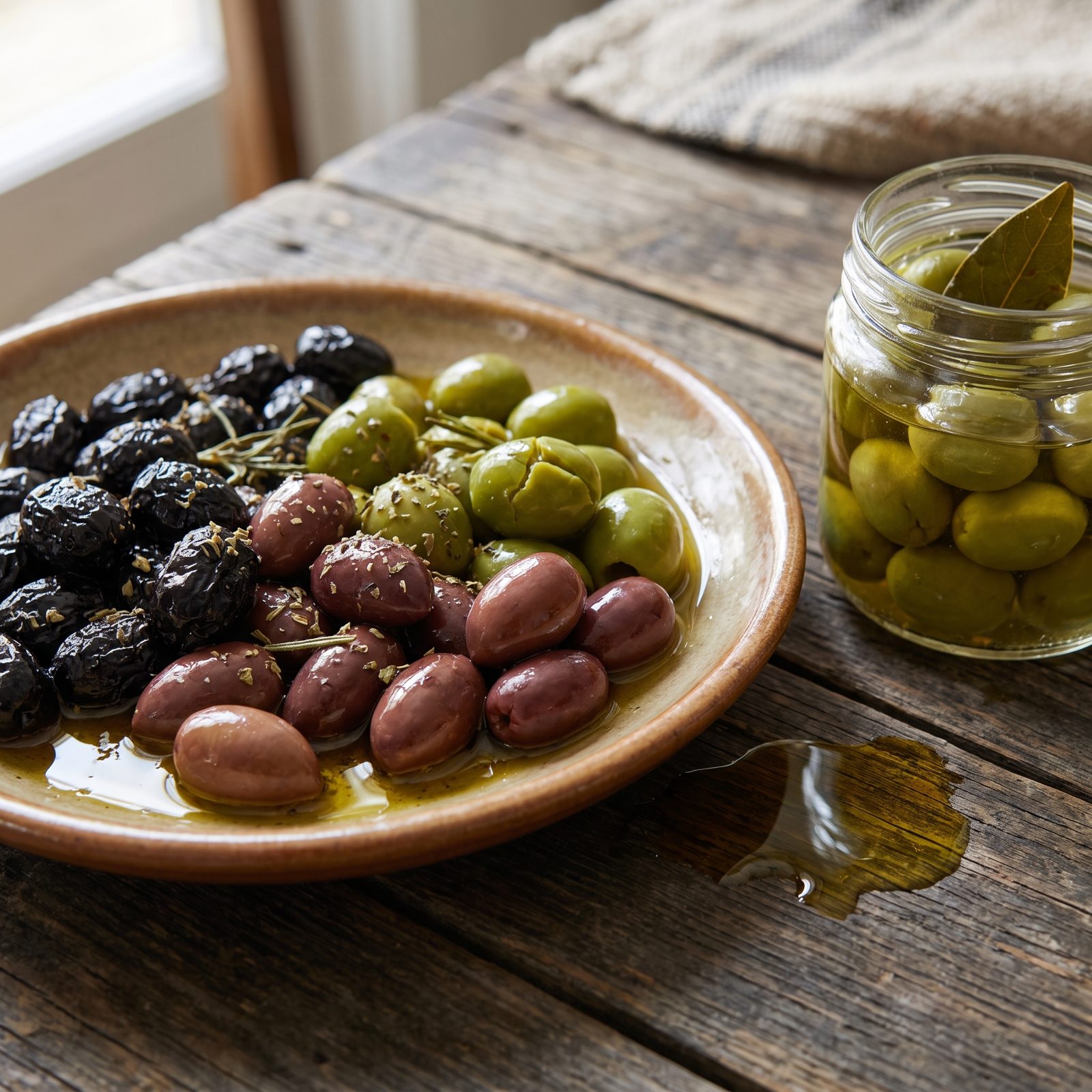
Canned black olives are a food-shaped object, not an olive. They get picked green, treated with lye, pumped with air and iron to turn them that uniform corpse-black, then sealed in a can where they lose any memory of the tree they came from. They have the texture of a pencil eraser and taste like the salt they’re floating in.
Natural curing takes months. Brine, oil, or salt pulls the bitterness out slowly, and the variety survives the process. A Kalamata still tastes winey and sharp. A Castelvetrano stays buttery and crisp, while a good oil-cured black olive goes wrinkled and intense, almost meaty.
3. Mediterranean Pine Nuts Worth Checking the Country of Origin
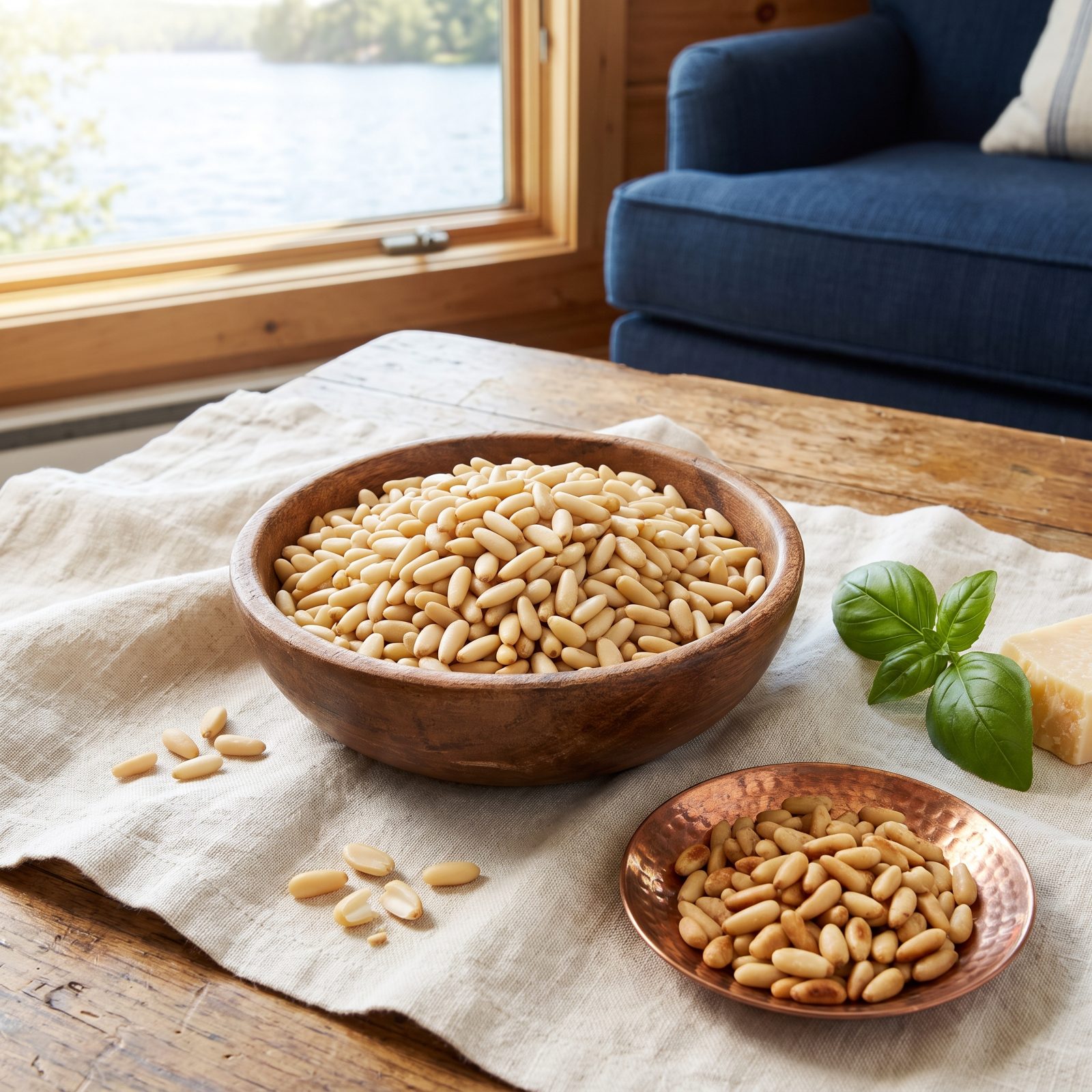
Not all pine nuts are pine nuts, which sounds absurd until you’ve had the cheap ones. The long, slender Mediterranean kind come from the stone pine and taste creamy and buttery, with a faint resinous sweetness that makes pesto worth the effort.
The short, stubby, triangular ones are usually a different species shipped in from far away, and some of them leave a bitter metallic aftertaste that lingers for days. It even has a name among people who’ve been burned by it. Flip the bag over and check the origin. Shape matters here more than almost anywhere else in the pantry.
2. Fresh Masa Harina Made From Properly Nixtamalized Corn
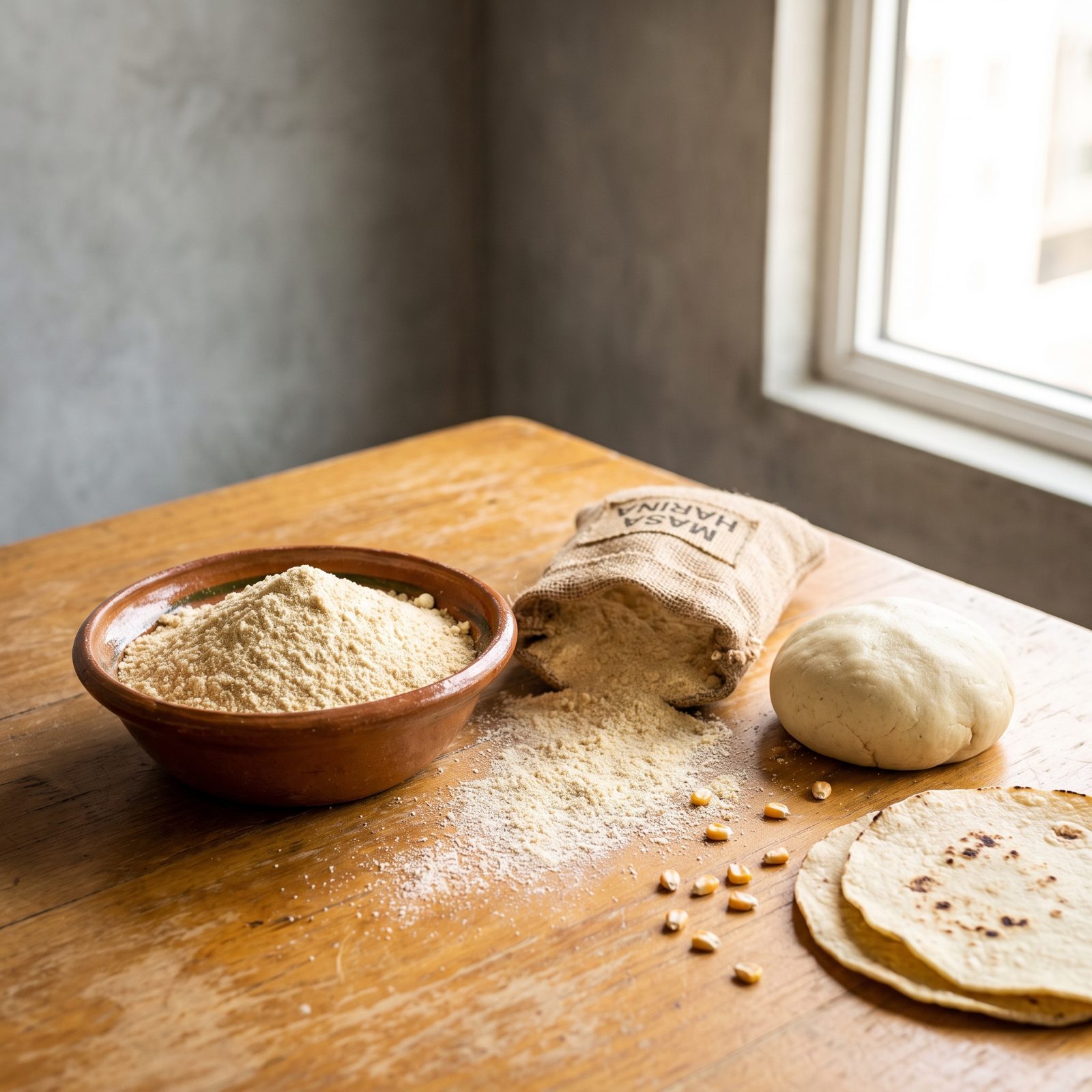
Corn flour and masa harina aren’t the same thing, and the split happens before the corn ever gets ground. Nixtamalization soaks dried corn in an alkaline solution, which loosens the hulls, unlocks the nutrients, and shifts the flavor into that unmistakable toasty-sweet aroma that makes a tortilla smell like a tortilla.
Skip that step and you’ve got cornmeal, full stop. Masa harina that’s been properly treated and recently milled gives you tamales with body and tortillas that puff on the comal instead of cracking. Stale masa smells of nothing and tears the second you fold it.
1. Freshly Roasted Whole Coffee Beans With a Date on the Bag
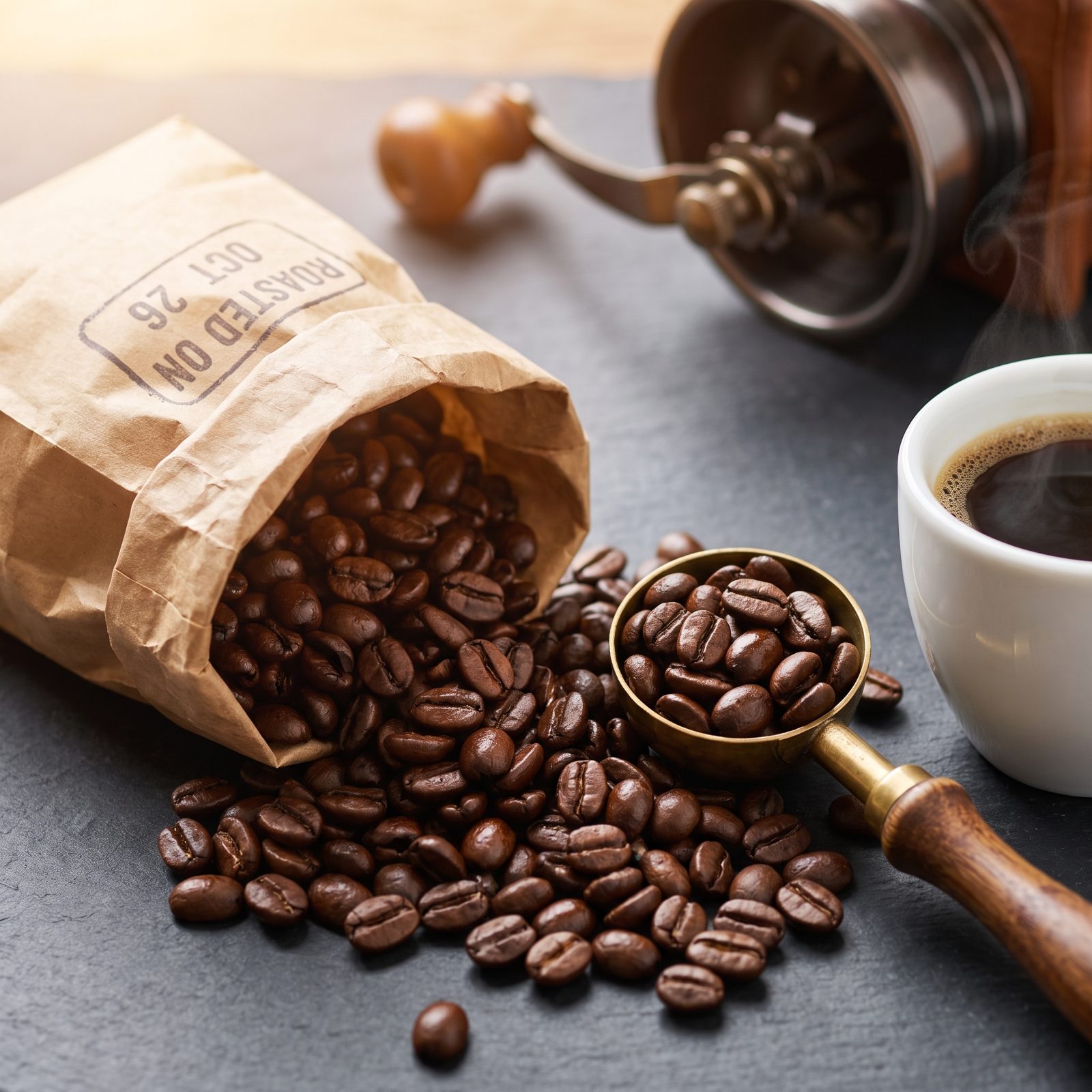
The bag in the grocery aisle with the pretty mountain on it has no roast date, and that’s no oversight. It’s months old. Coffee starts shedding its aromatics the moment it’s roasted, and ground coffee sheds them in minutes.
Whole beans with a recent roast date, ground right before you brew, give you the fruit and florals and caramel that make specialty coffee cost what it costs. Pre-ground coffee from a can? Flavored brown water with a caffeine delivery system bolted on.
You can smell the difference across the kitchen the second the grinder stops.