
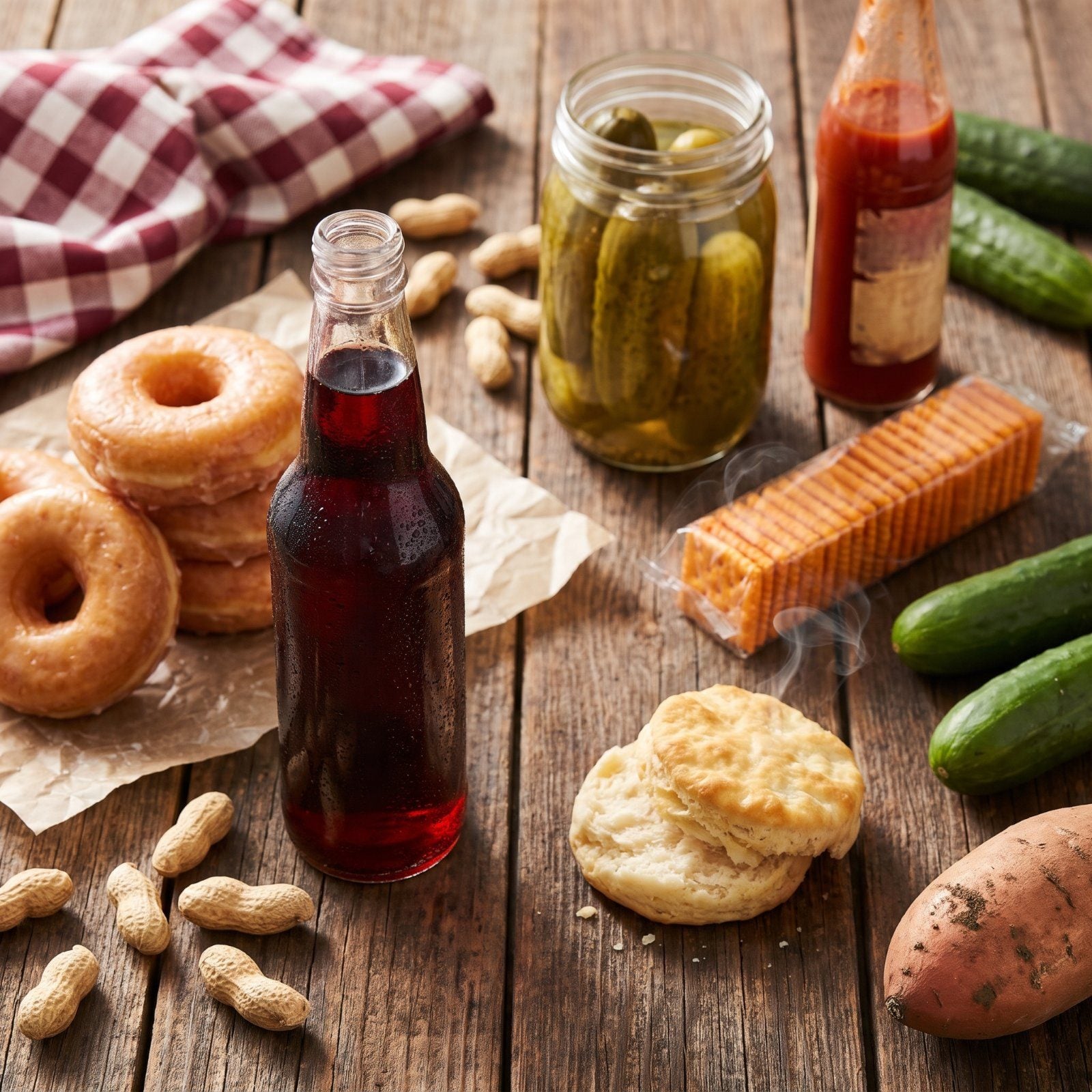
A pharmacist mixing syrup behind a soda fountain in New Bern had no idea he was building an empire. Neither did the food broker stuck with a quarter-ton of peanuts in Charlotte. North Carolina keeps feeding the whole country and barely bothers to take credit. Walk any grocery aisle and you’re looking at this state’s accidents and side hustles — soda born during a sugar shortage, doughnuts sold hot through a hole hacked in a bakery wall. Here are the real towns, the real people, and the stories behind foods you grew up with and never knew came from here.
Please note that some of the images in this article were created with the assistance of AI.
15. Krispy Kreme Cut a Hole in the Wall for Hot Doughnuts in Winston-Salem
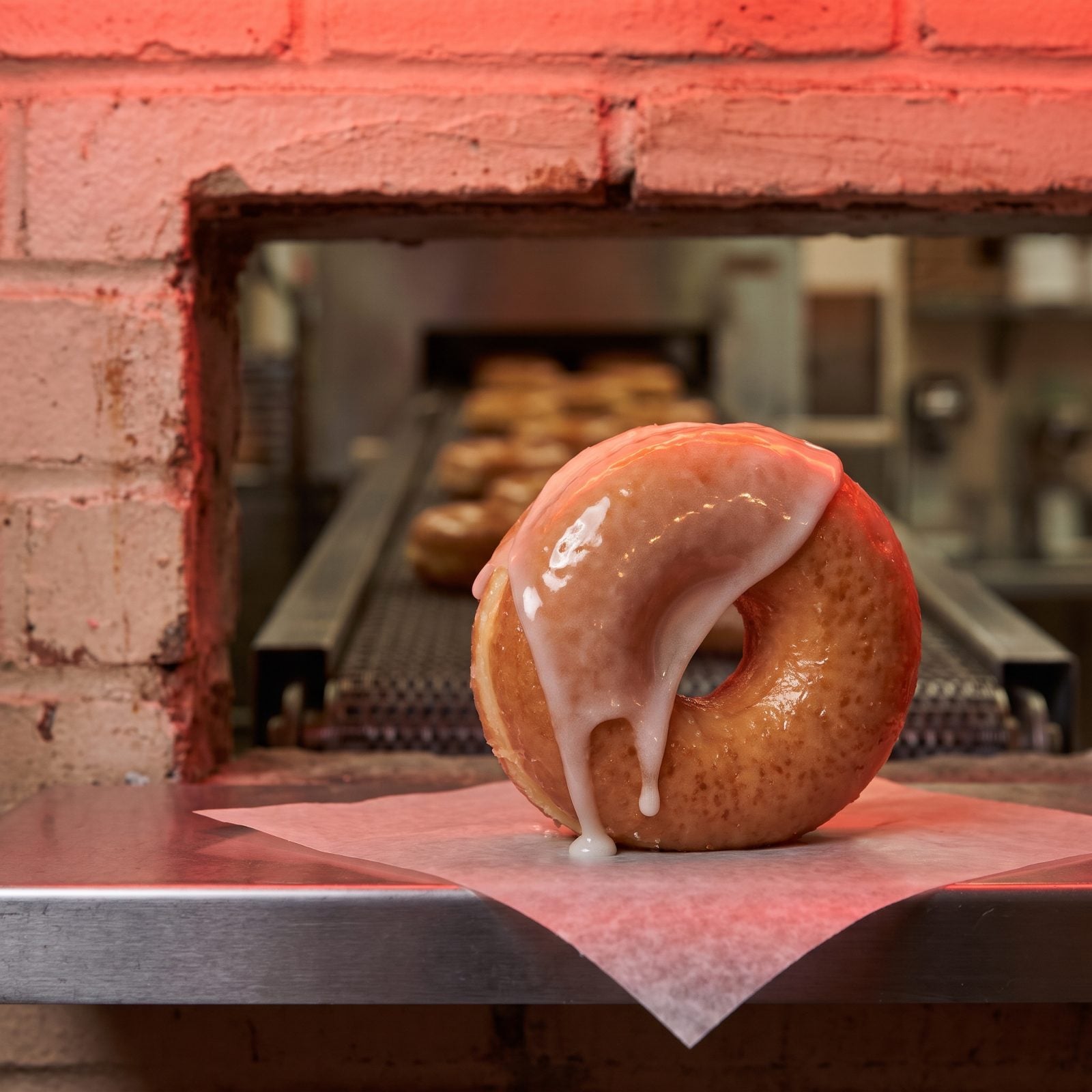
July 13, 1937. Vernon Rudolph started frying yeast-raised doughnuts in a rented building in Winston-Salem. He’d bought a secret recipe off a French pastry chef down in New Orleans, and the name Krispy Kreme came packaged right along with it.
At first he only sold wholesale to grocery stores. Then the smell got out, and people kept showing up wanting them hot, straight from the fryer. So Rudolph did the simplest thing imaginable: he cut a hole in the bakery wall and sold directly to whoever was standing on the sidewalk. That hole built a national chain. The Smithsonian now keeps the company’s records, with talks about the donation going back to 1997.
14. Cheerwine Came Out of a Sugar Shortage in Salisbury
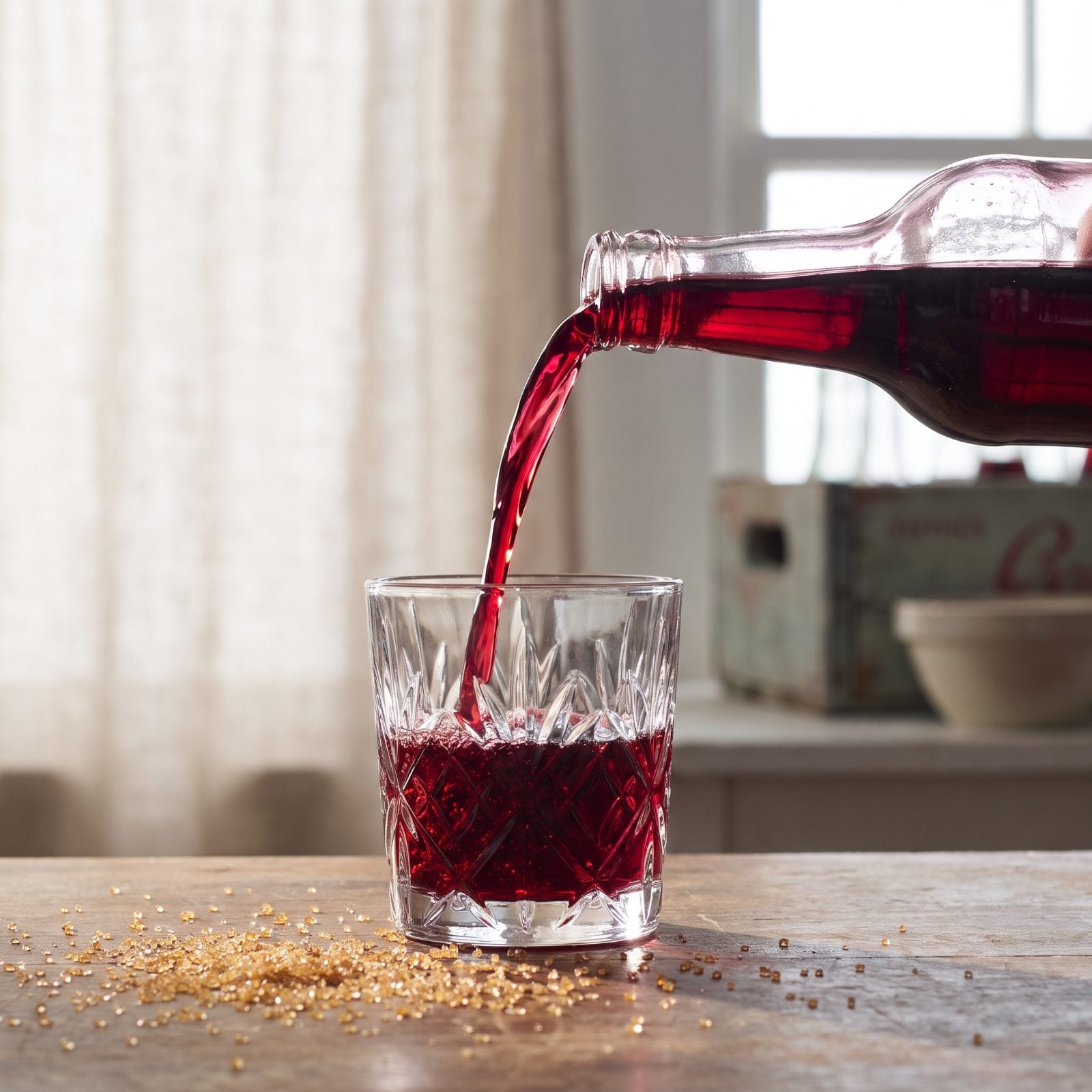
A sugar shortage is a strange thing to thank for a soft drink. But L.D. Peeler created Cheerwine in Salisbury in 1917, right in the thick of one, working with less sweetener than he wanted and a wild cherry flavor he’d bought off a traveling salesman out of St. Louis.
The name comes from the color — that deep burgundy — and the cheery kick of the flavor. The company calls it the oldest soft drink still run by the same family. In 1953 it picked up a fairly famous customer: Dwight Eisenhower, the first president on record to drink one.
A magazine profile of the founder’s great-grandson, who leads the company today, recounts that the drink was born in 1917 when a World War I sugar shortage pushed its creator to experiment with cherry flavoring.
What Our Readers Say
- When Piaci Pizza readers loved a food photo and tapped a reason, comfort came out on top at 30%, with nostalgia close behind ingredients and looks.
- When our readers disliked a food photo, the top reason was simply “not for me” at 39%, ahead of the ingredients at 29%.
From Piaci Pizza reader polls and votes.
13. Texas Pete Is From Winston-Salem, Not Texas
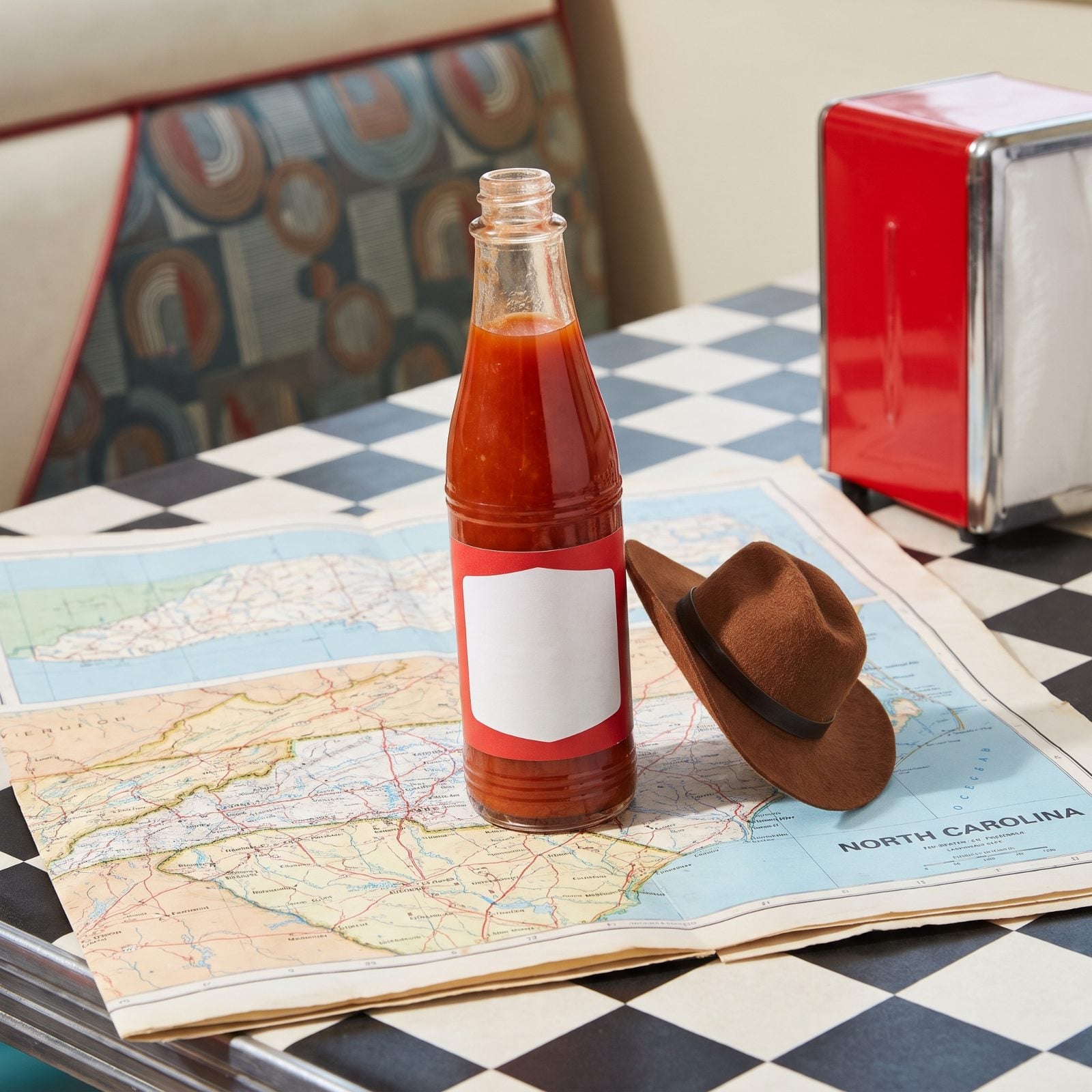
Here’s the joke that became a lawsuit. Texas Pete has never had a thing to do with Texas. Sam Garner and his sons introduced it in 1929, made right there in Winston-Salem, where they ran a barbecue stand called the Dixie Pig.
The TW Garner Food Company still makes it in Winston-Salem today. The Texas name was pure marketing, cowboy flavor in a bottle, and it worked so well that decades later the brand actually got sued over it. North Carolina hot sauce wearing a Texas hat. I love that it’s that honest about being fake.
12. Mt. Olive Pickles Still Sits at the Corner of Cucumber and Vine
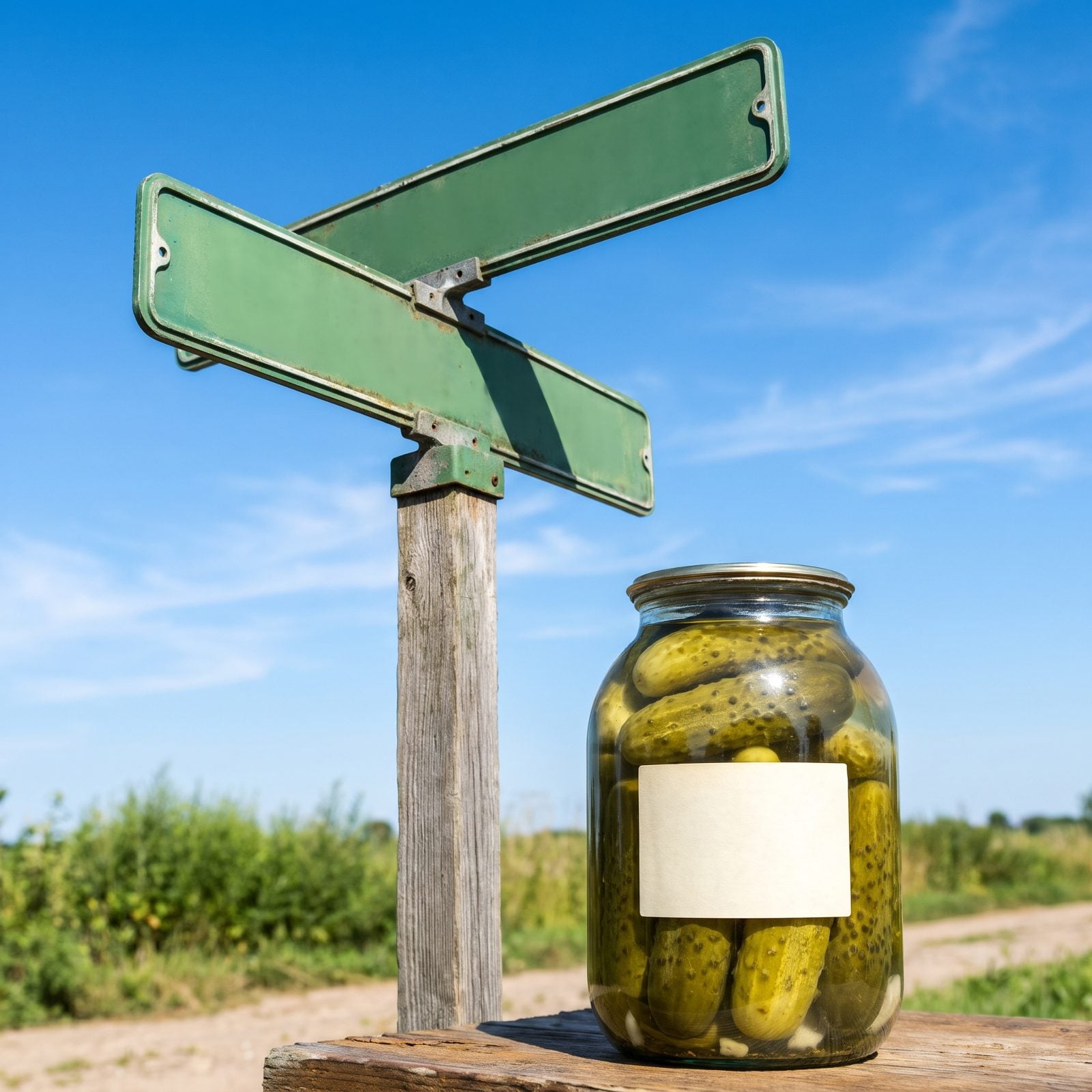
The address tells you everything. The plant sits at the corner of Cucumber and Vine Streets in Mount Olive. You cannot make that up.
The company was officially founded in January 1926, growing out of work by Lebanese immigrant Shirkrey Baddour and his friend George Moore, who’d started packing surplus local cucumbers a few years before. It began in one 3,600-square-foot building with 37 shareholders. NCpedia calls it the largest independent pickle company in the country, turning out roughly 150 million jars a year. From one small building to all that, on surplus cucumbers nobody else wanted.
11. Lance Peanut Butter Crackers Started With 500 Pounds Nobody Ordered
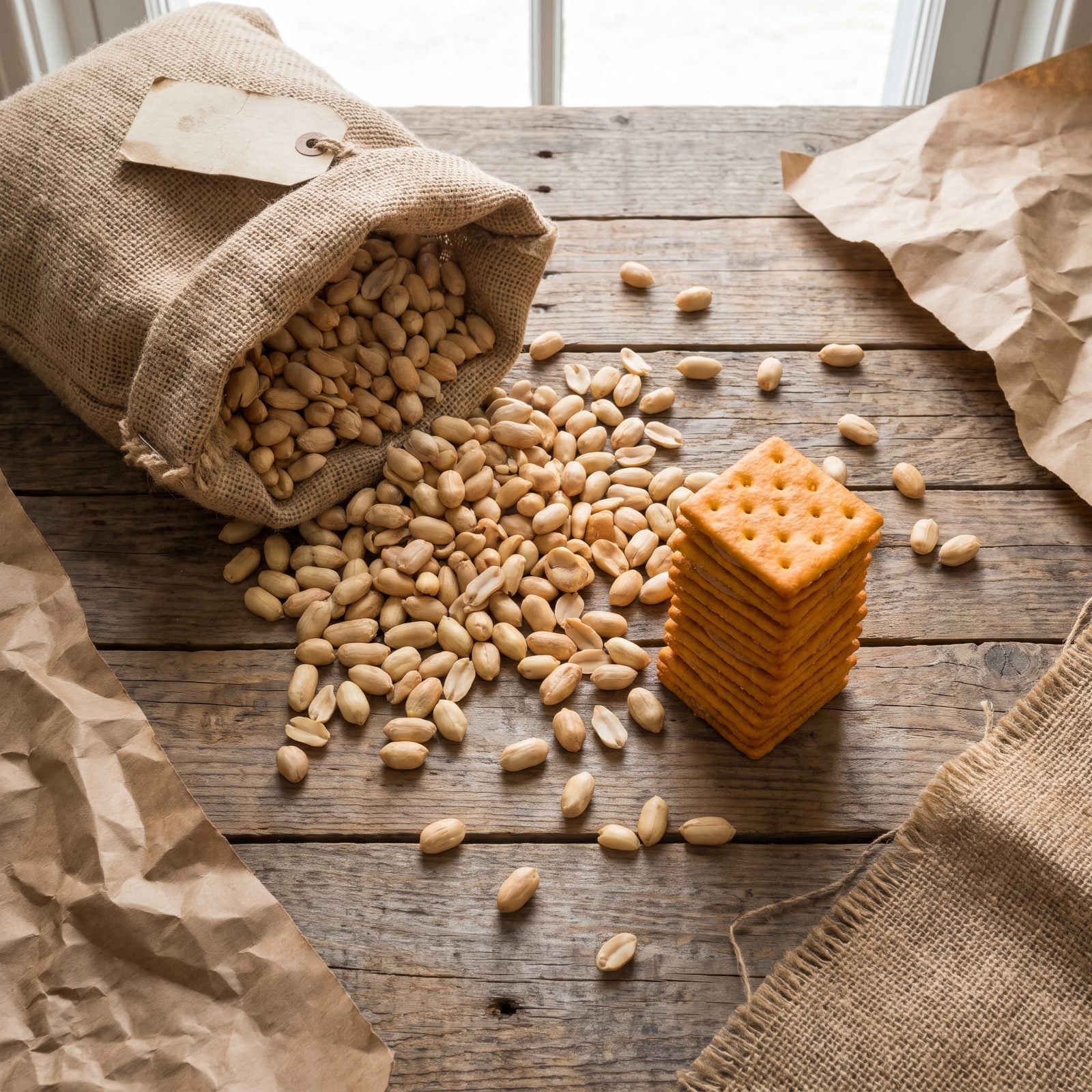
Food broker Philip Lance got stuck with 500 pounds of Virginia peanuts in Charlotte in 1913. A deal collapsed, and there he was, holding a quarter-ton of peanuts nobody wanted.
So he roasted them and sold them in nickel bags. Then came the part that mattered: his wife Mary and their daughters are credited with first spreading peanut butter between two crackers, around 1915. That’s the whole product right there, dreamed up at a kitchen table out of a mistake.
Lance sold its products for a nickel apiece clear up until March 6, 1970. The company merged with Snyder’s of Hanover in 2010.
10. Bojangles Opened in Charlotte as a Walk-Up With No Seats
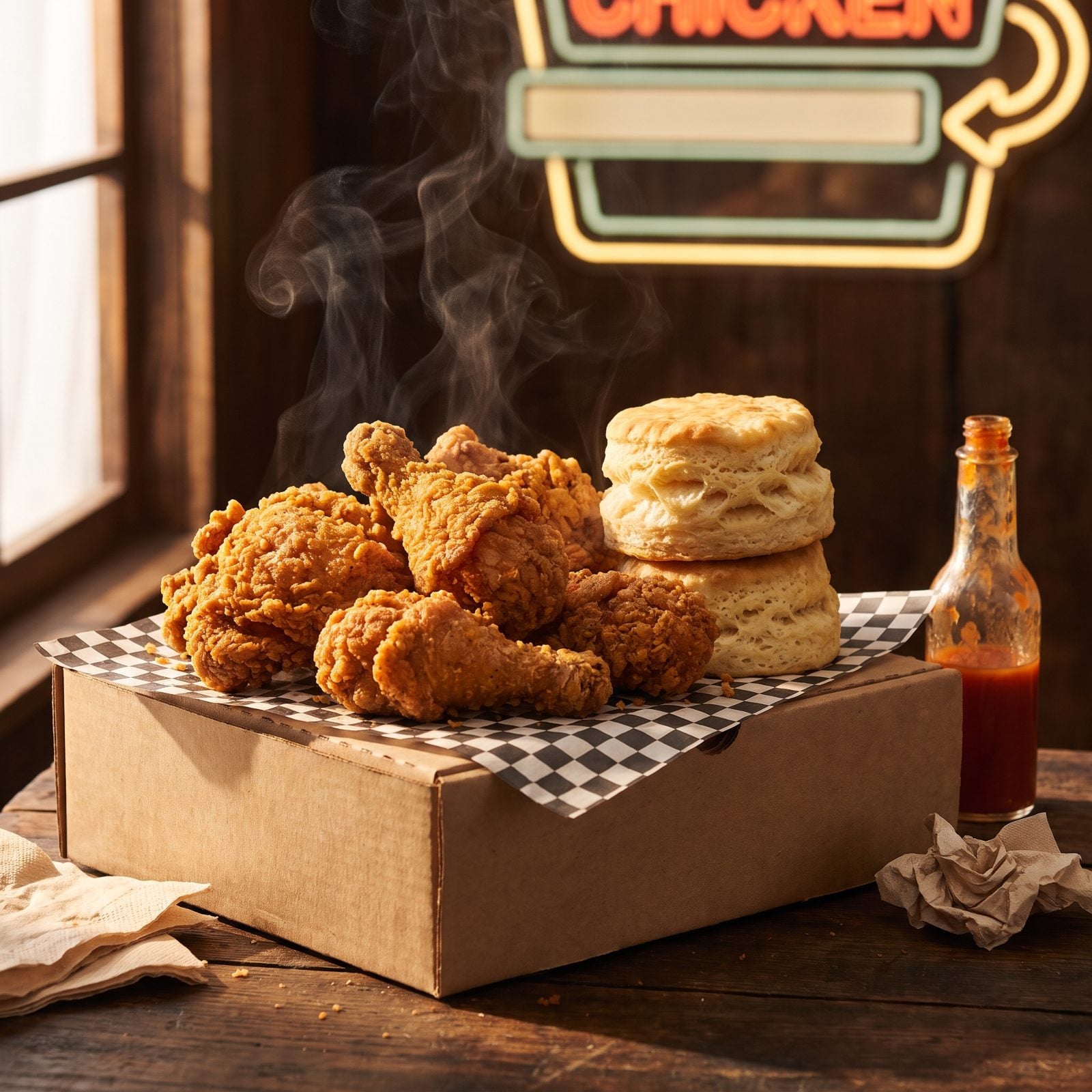
July 6, 1977. The first Bojangles’ Famous Chicken ‘n Biscuits opened in Charlotte, founded by Jack Fulk and Richard Thomas. No dining room, no tables — walk in, grab your box, go.
They franchised it the very next year. The state history blog credits that distinctive seasoning for setting it apart from every other fried chicken outfit, and honestly, anyone who’s had a Cajun biscuit at seven in the morning knows exactly what that means.
9. Hardee’s Was Born in Greenville After a Trip to a Greensboro McDonald’s
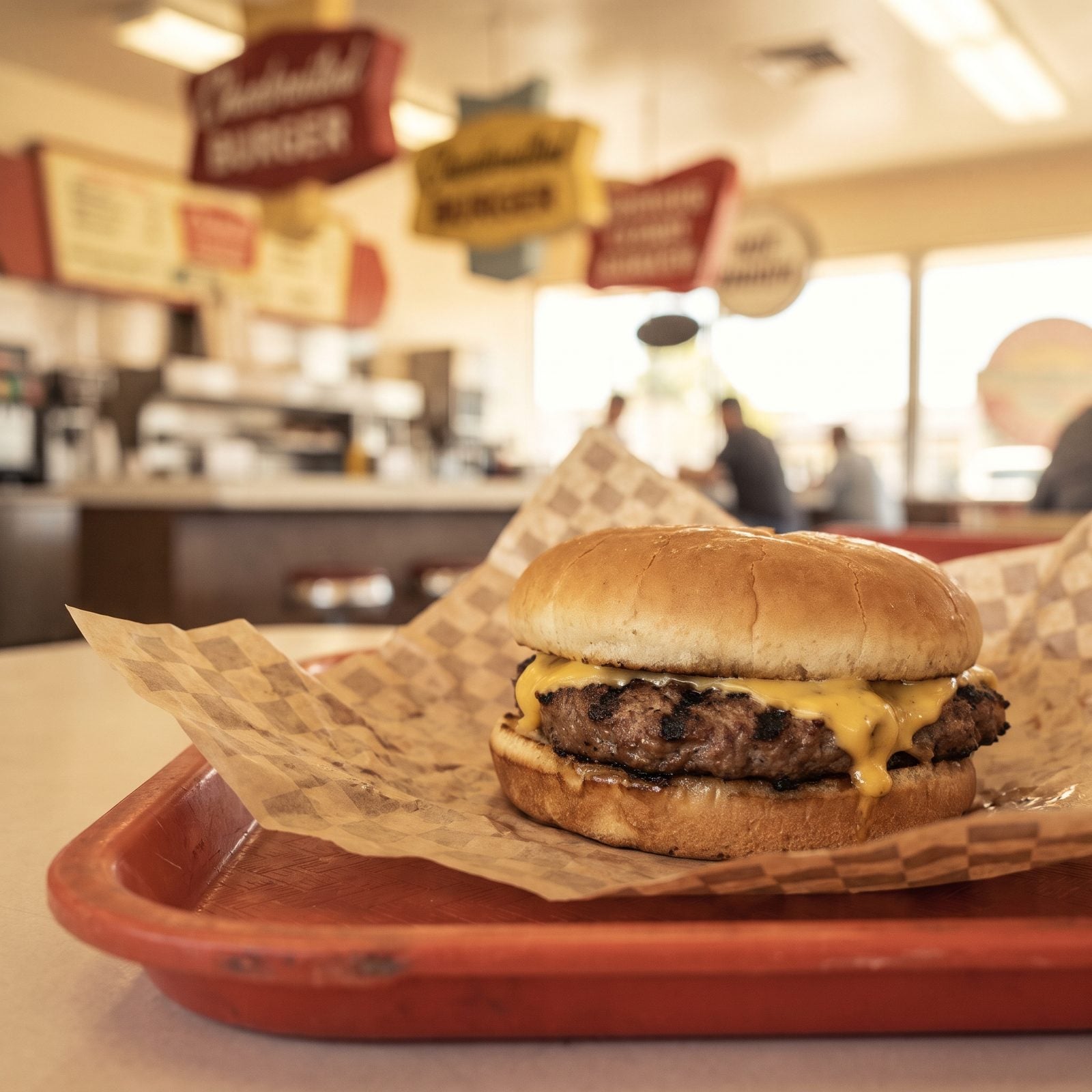
Wilber Hardee opened the first Hardee’s Hamburgers in Greenville in September 1960 — limited menu, fast service, low prices, the whole formula.
He got the idea after visiting the McDonald’s in Greensboro, the first one in the state, where hamburgers ran 15 cents. Rocky Mount businessmen Leonard Rawls and Jim Gardner opened the second Hardee’s up in Rocky Mount. And here’s the part that stings. Hardee sold his own share in 1961 for $20,000. He put his name on it, then cashed out before it became a giant.
8. Cook Out Started on Randleman Road in Greensboro
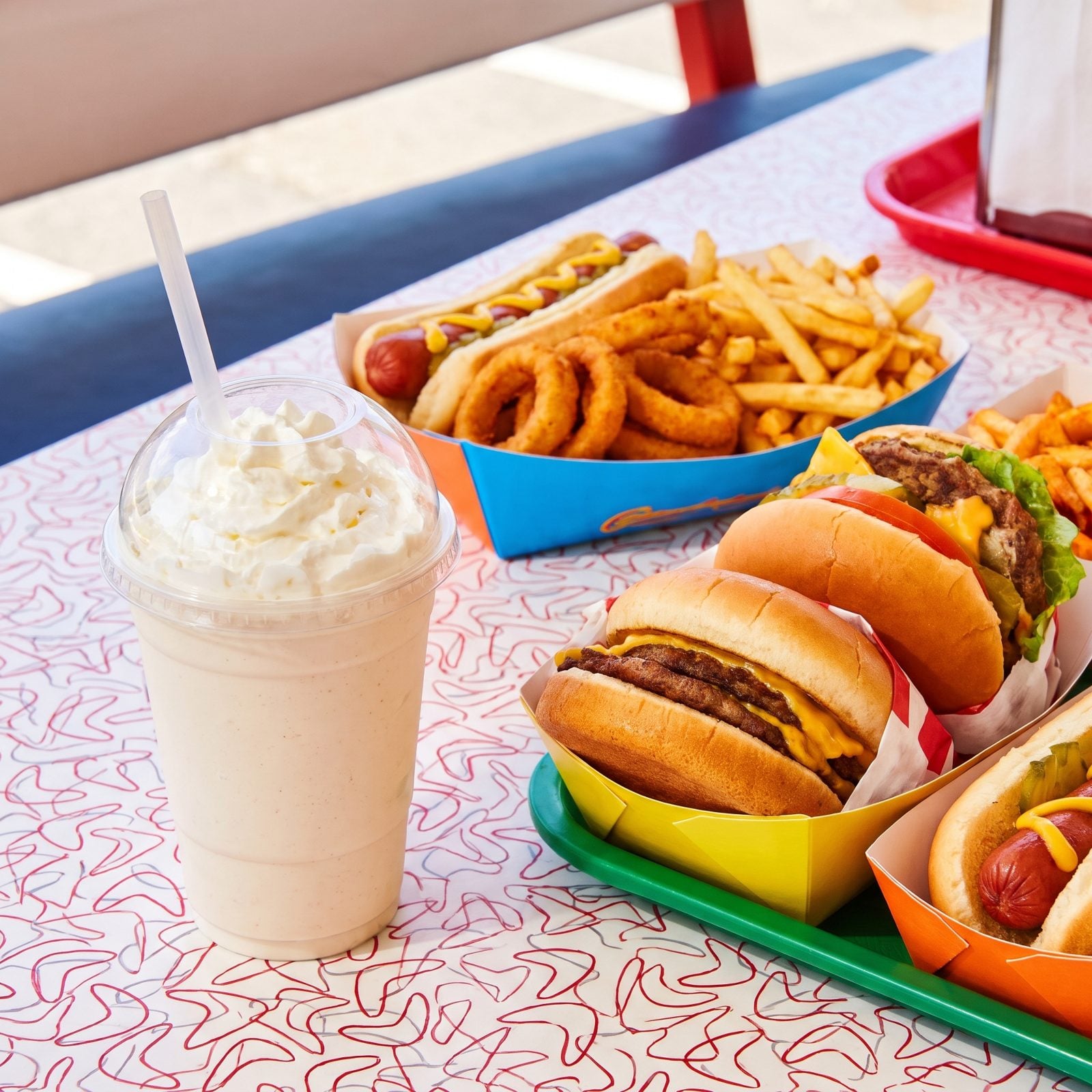
Cook Out is the baby of this group, which catches people off guard when they assume it’s been around forever. It started in 1989 on Randleman Road in Greensboro.
The first location with actual indoor seating didn’t show up until 1996, over on North Main Street in High Point. The company says its meat gets ground, pattied, and delivered to every store daily — which is where that “Always Fresh, Never Frozen” line comes from. A drive-thru tray loaded with a cheeseburger, hush puppies, and a shake you can’t finish? That’s a very specific Carolina rite of passage.
7. Biscuitville Was a Pizza Shop First (Yes, Really)
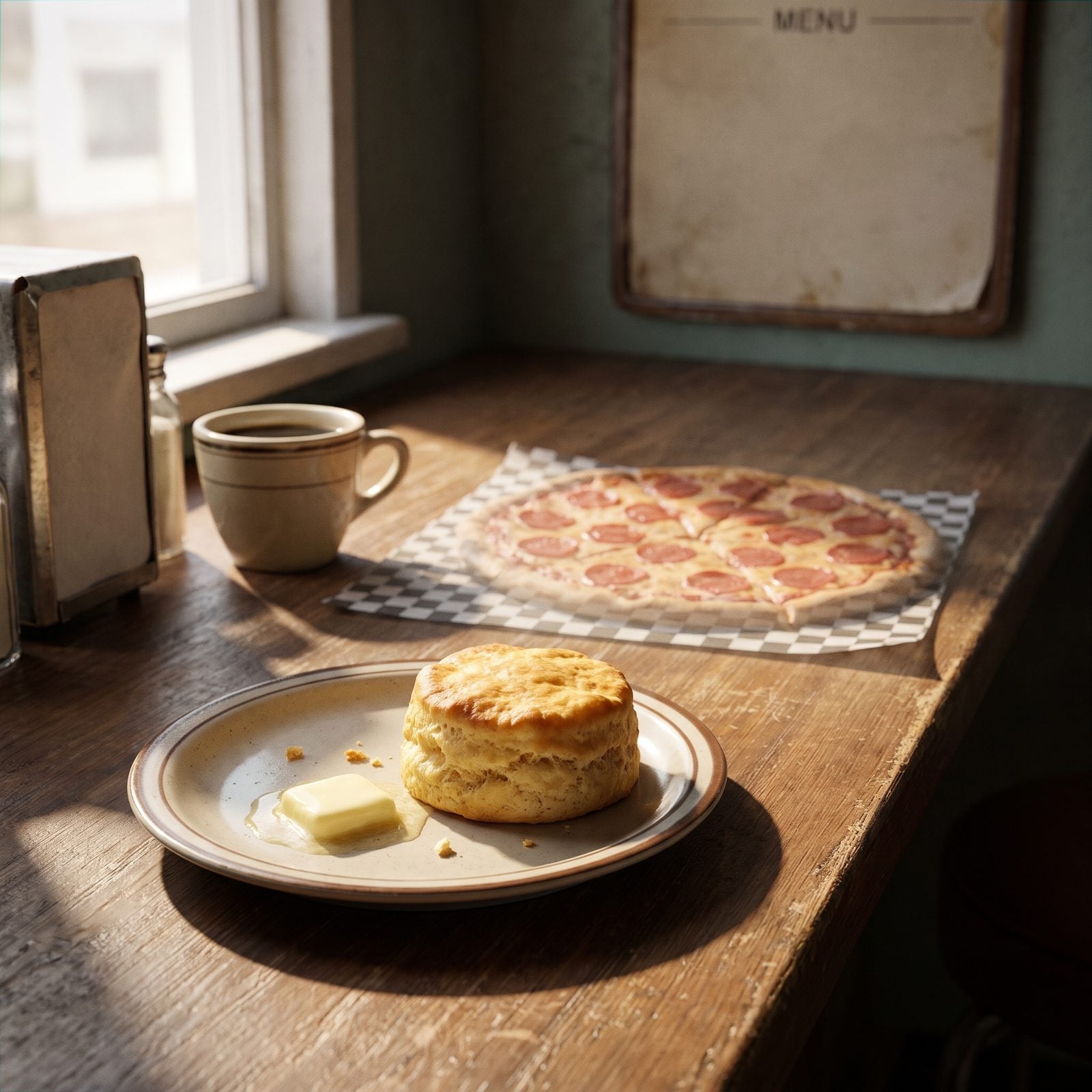
This one has the best plot twist on the list. In 1966, former flour salesman Maurice Jennings started the chain in Burlington as Pizzaville, selling takeout pizza out of a couple of bread-and-milk stores he already owned.
Biscuits came along later, added to pull in a little morning business. They worked so well the whole thing flipped. The first biscuit-only store opened in 1975 — in Danville, Virginia, so I’m not counting that as the Carolina part — and eventually every Pizzaville became a Biscuitville.
The Jennings family still owns it. Headquarters moved from Graham to Greensboro in 2007. A pizza joint that turned into a biscuit institution, all because folks kept showing up hungry at breakfast.
6. Golden Corral Started as a Fayetteville Steakhouse, Not a Buffet
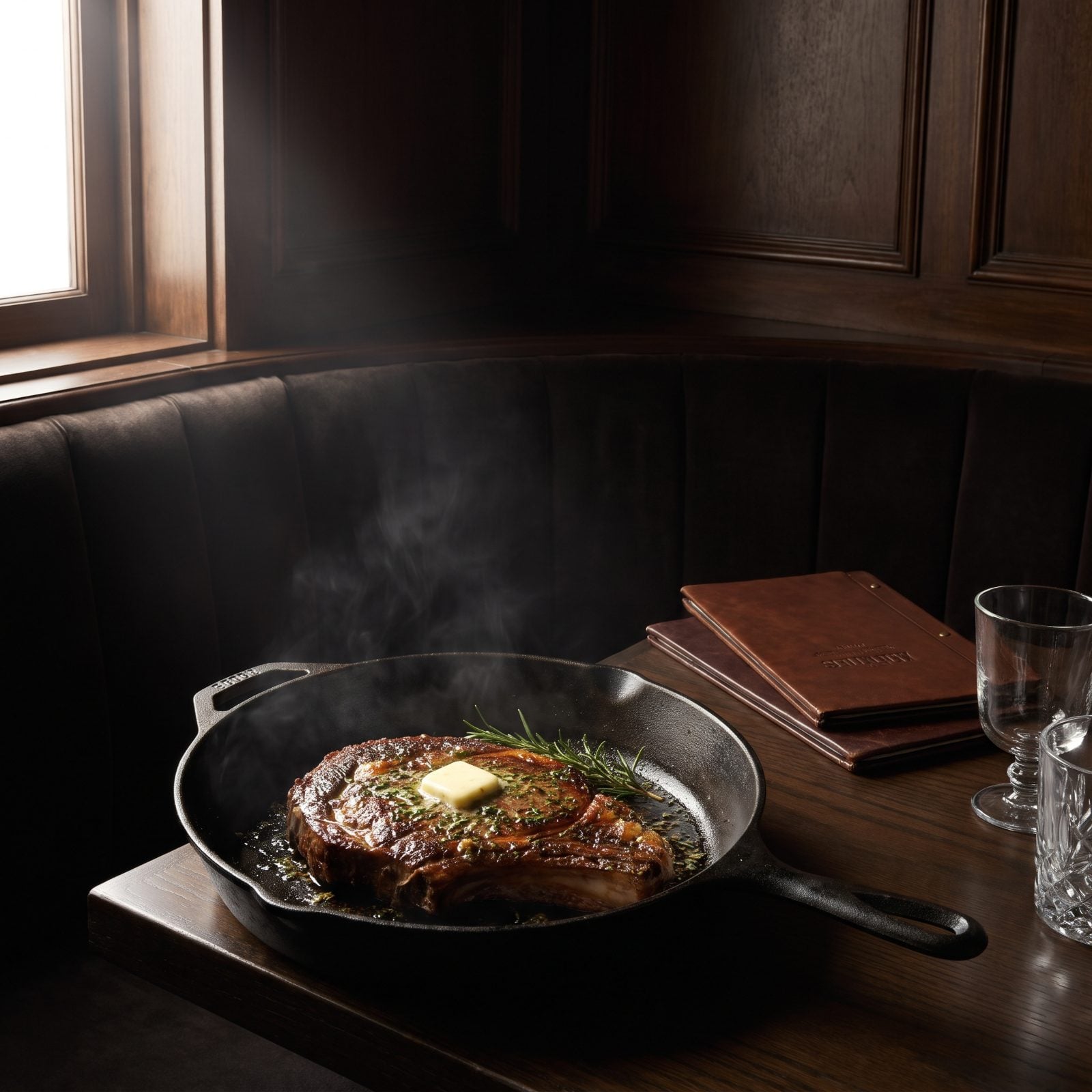
Before the endless buffet, before the chocolate fountain, Golden Corral was a steakhouse. James Maynard and William Carl opened the first one on Bragg Boulevard in Fayetteville on January 3, 1973. You walked in, ordered a steak, sat down. Simple as that.
Then the buffet came along and rewired the whole brand. Funny how that works — the thing a place is famous for now is almost never the thing it opened as.
5. Lexington-Style Barbecue, Chopped Over Hickory and Never Pulled
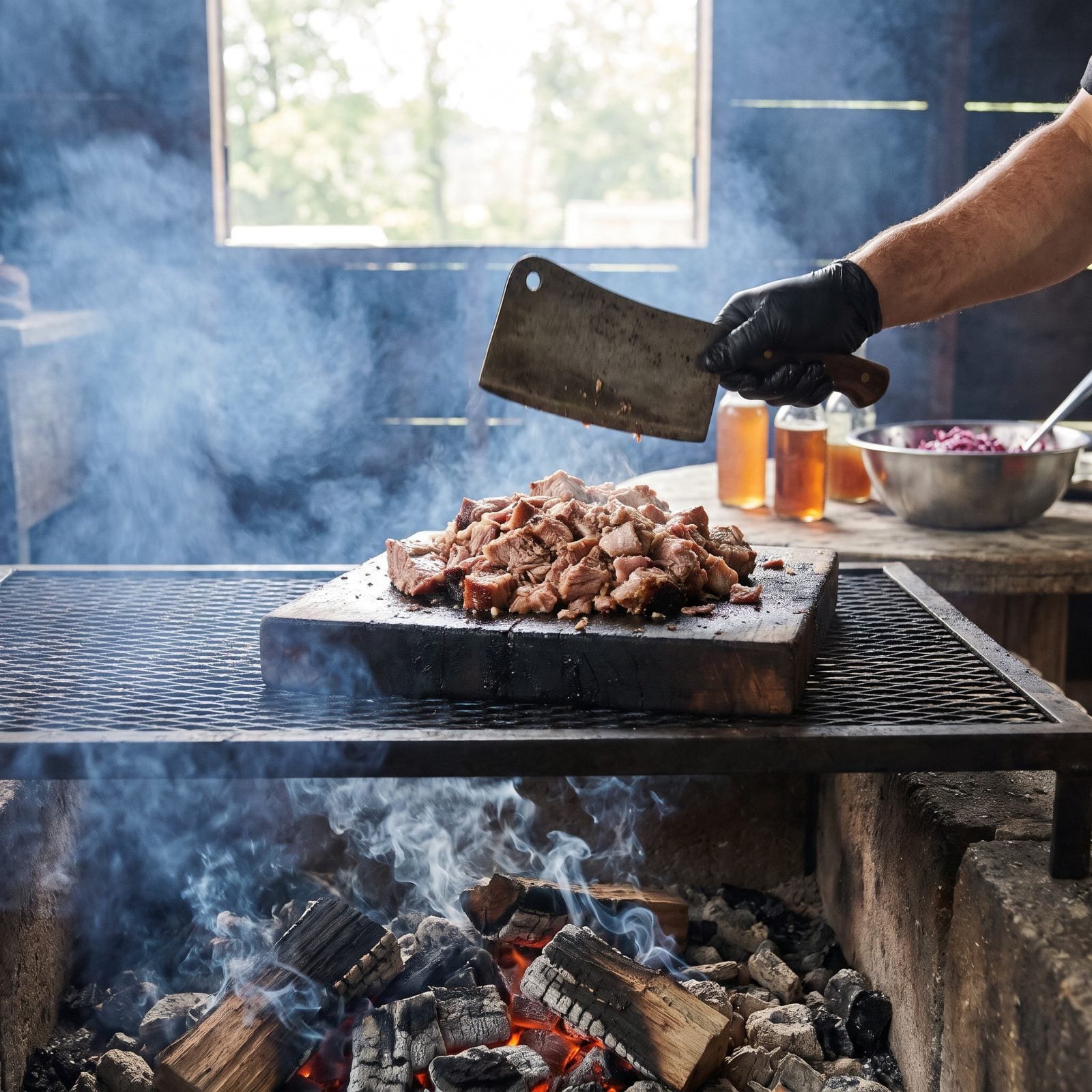
Here is where people from out of state get it wrong. Lexington barbecue is pork shoulder, pit-cooked slow over wood coals, chopped or sliced. Never pulled. Say pulled and watch a local flinch.
The sauce isn’t thick, either. It’s a tangy vinegar-based “dip,” and the slaw is red and tomato-based, nothing like the creamy stuff. Visit NC traces the style back to the early 1900s.
Lexington Barbecue, known around town as “Lexington No. 1” or “The Honeymonk,” has smoked shoulders over hickory since 1962, and every October the city’s Barbecue Festival draws as many as 200,000 visitors. I will die on this hill: the red slaw makes the sandwich.
Explaining what goes into the pits, a third-generation barbecue owner says “It’s brick ovens and pork shoulders—not whole hog or Boston butt, but Smithfield shoulder”
4. Atlantic Beach Pie, Born From a Chapel Hill Kitchen
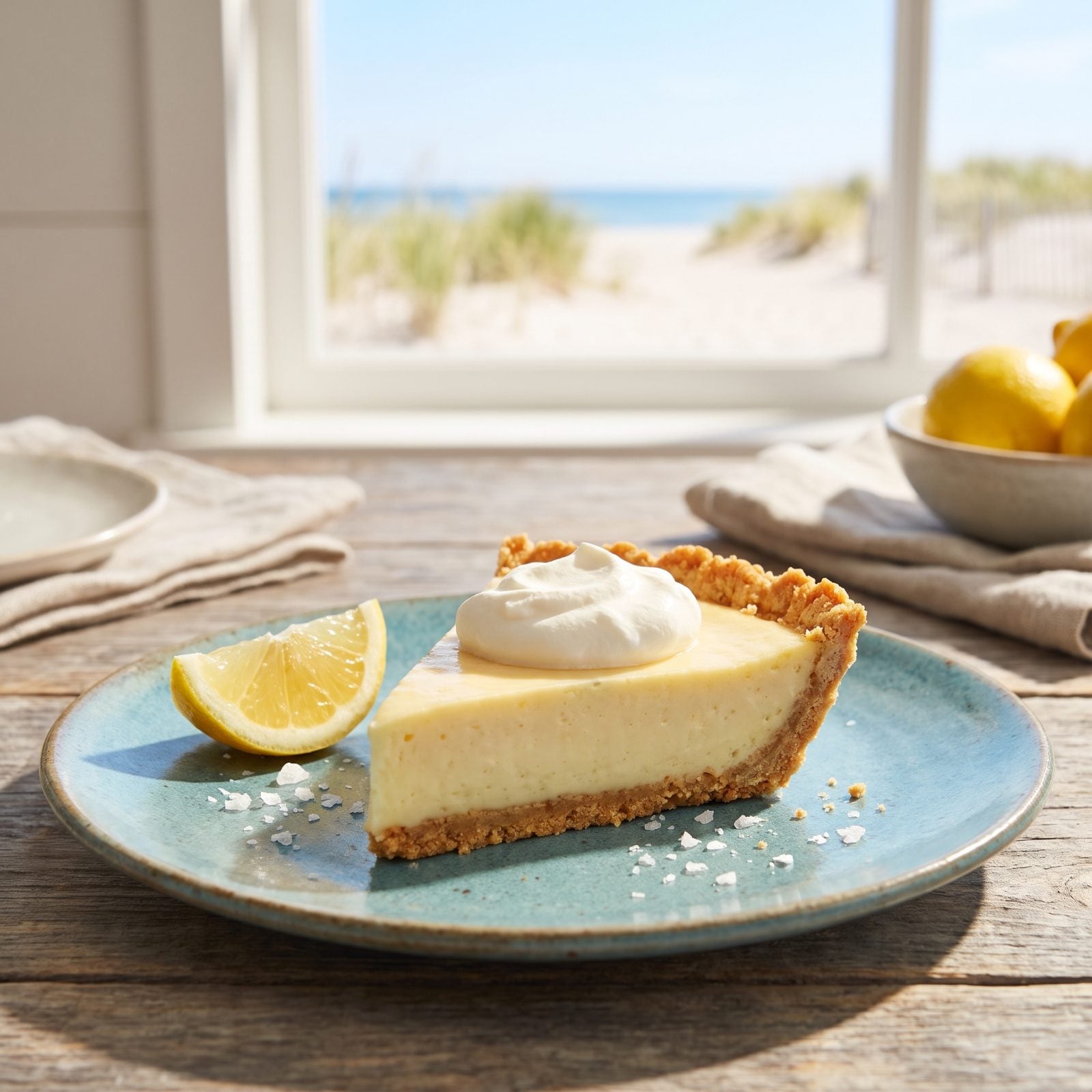
Chef Bill Smith of Crook’s Corner in Chapel Hill built this pie out of memory. He was chasing the lemon pie he ate on childhood beach weekends, and while working on it he made a few phone calls and dug through old church cookbooks for help.
It all comes down to the crust, made from crushed saltines, which gives you that sweet-salty tension against the tart lemon custard. He first served it to a Southern Foodways Alliance group, then put it on the menu, and NPR’s All Things Considered later spread it everywhere.
Thinking back to the coastal lemon pie of his New Bern childhood, the chef who revived it writes “The best thing about the pie wasn’t the lemon flavor, but its salty, cracker-crumb crust — made with Ritz or saltine crackers”
3. Livermush, the Foothills Specialty With Its Own Festivals
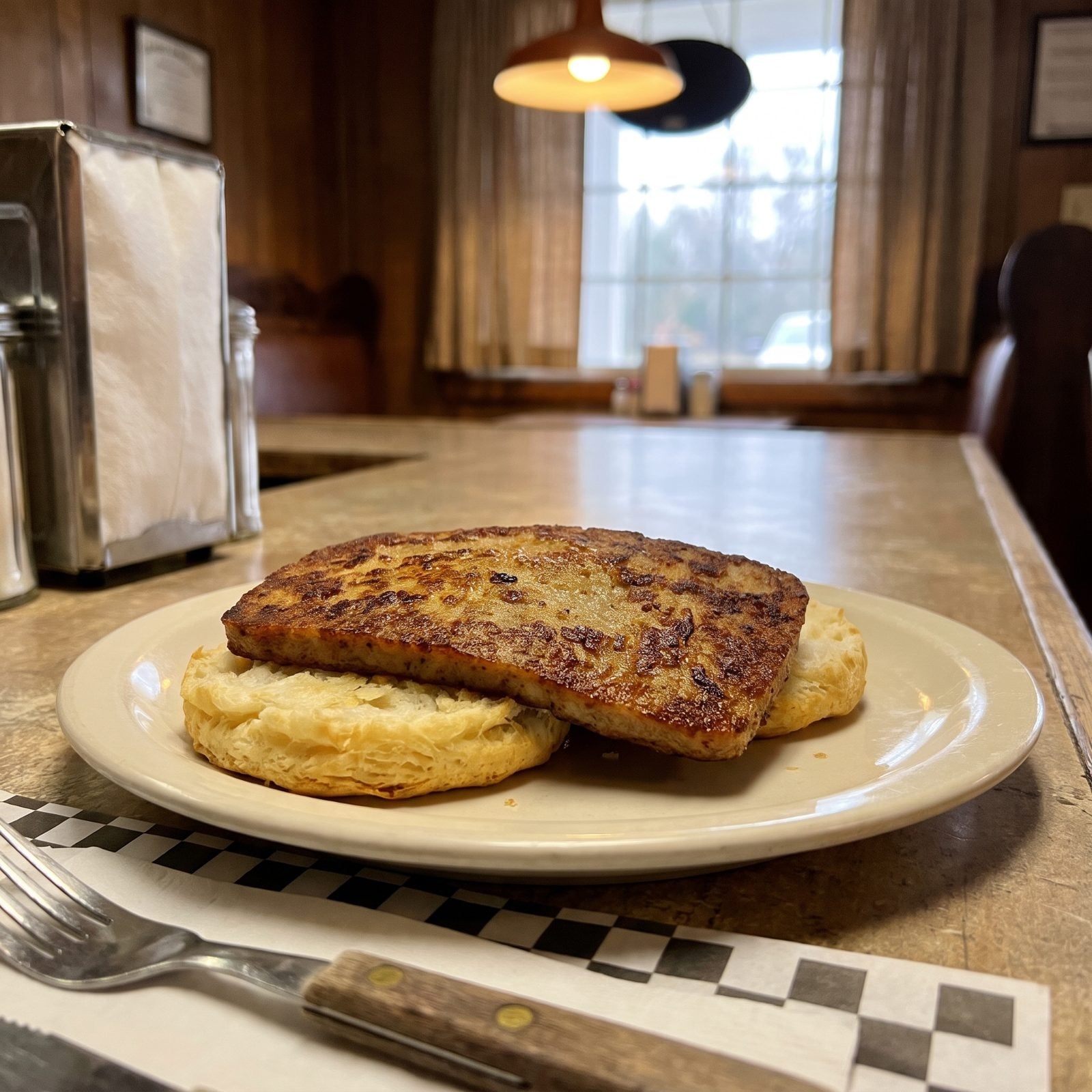
Livermush is exactly what it sounds like, and the people who love it love it hard. Fried crisp, slapped on a biscuit with mustard or an egg, it’s a foothills breakfast staple that outsiders eye warily and then quietly finish.
Shelby takes it seriously. Mack’s Liver Mush restaurant kicked off the Shelby Livermush Festival back in 1985. These days it goes by “Mush, Music & Mutts,” and the 2026 NC Liver Mush Festival is set for Saturday, October 17, in Uptown Shelby.
Marion runs its own one-day livermush festival every June, sponsored by Hunter’s Liver Mush and going strong since 2007. Two towns, two festivals, one unapologetic love for a pan of fried pork offal.
Remembering how livermush took off in the Depression, a third-generation livermush maker says “At one point, there were four families in an eight-mile radius supporting their families selling livermush”
2. Scuppernong Grapes and the 400-Year-Old Mother Vine on Roanoke Island
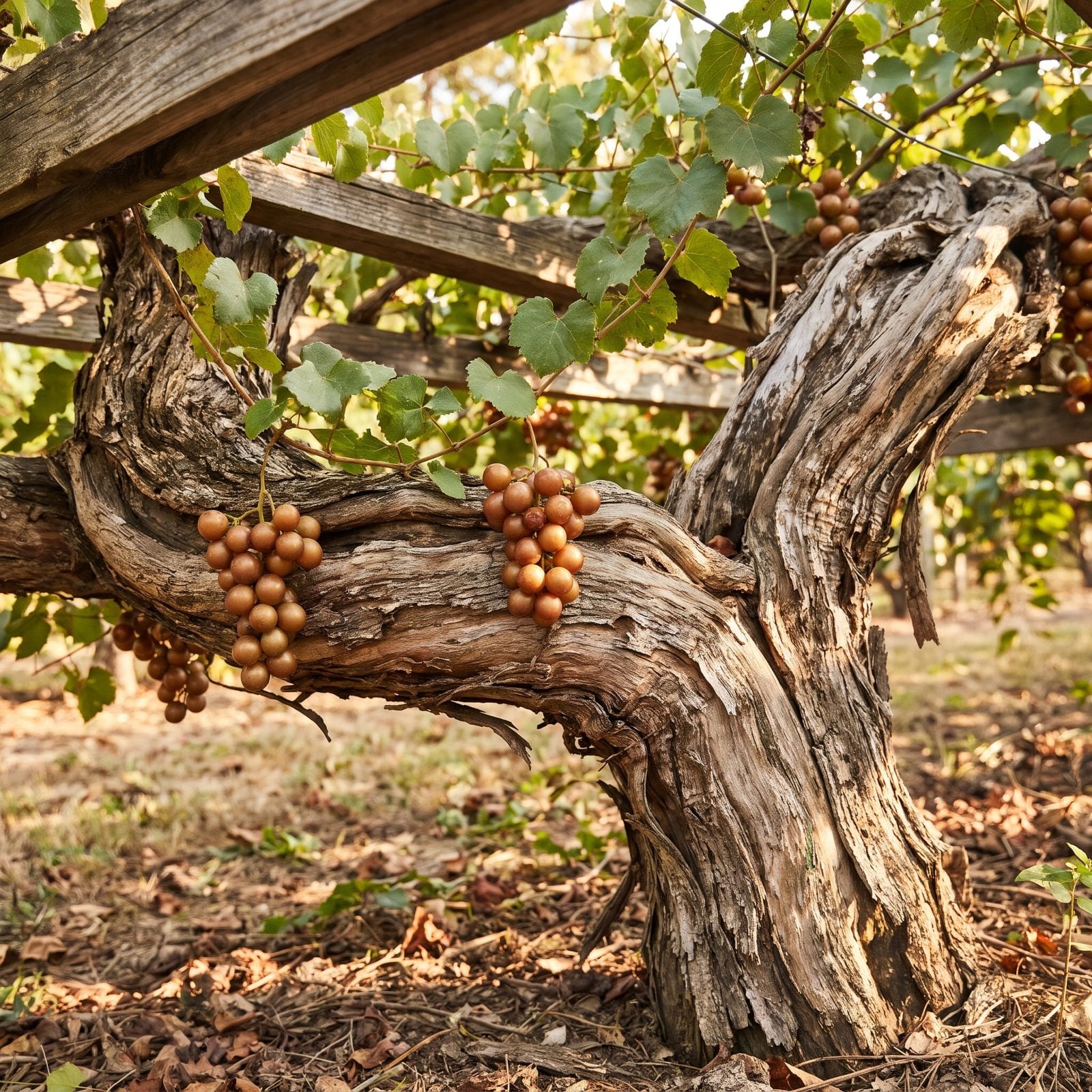
The scuppernong was the first grape actively cultivated in the United States, and North Carolina named it the official state fruit in 2001. It takes its name from the Scuppernong River, which winds through Tyrrell and Washington counties.
The headliner is the Mother Vine on Roanoke Island, estimated at more than 400 years old and sprawling across half an acre. Half an acre, from one plant. Let that sit for a second.
Even Thomas Jefferson got in on it, ordering a 30-gallon barrel of scuppernong juice in 1823. Bronze, thick-skinned, musky-sweet — this grape was here before almost everything else on this list.
1. North Carolina Sweet Potatoes, the Crop That Feeds the Country
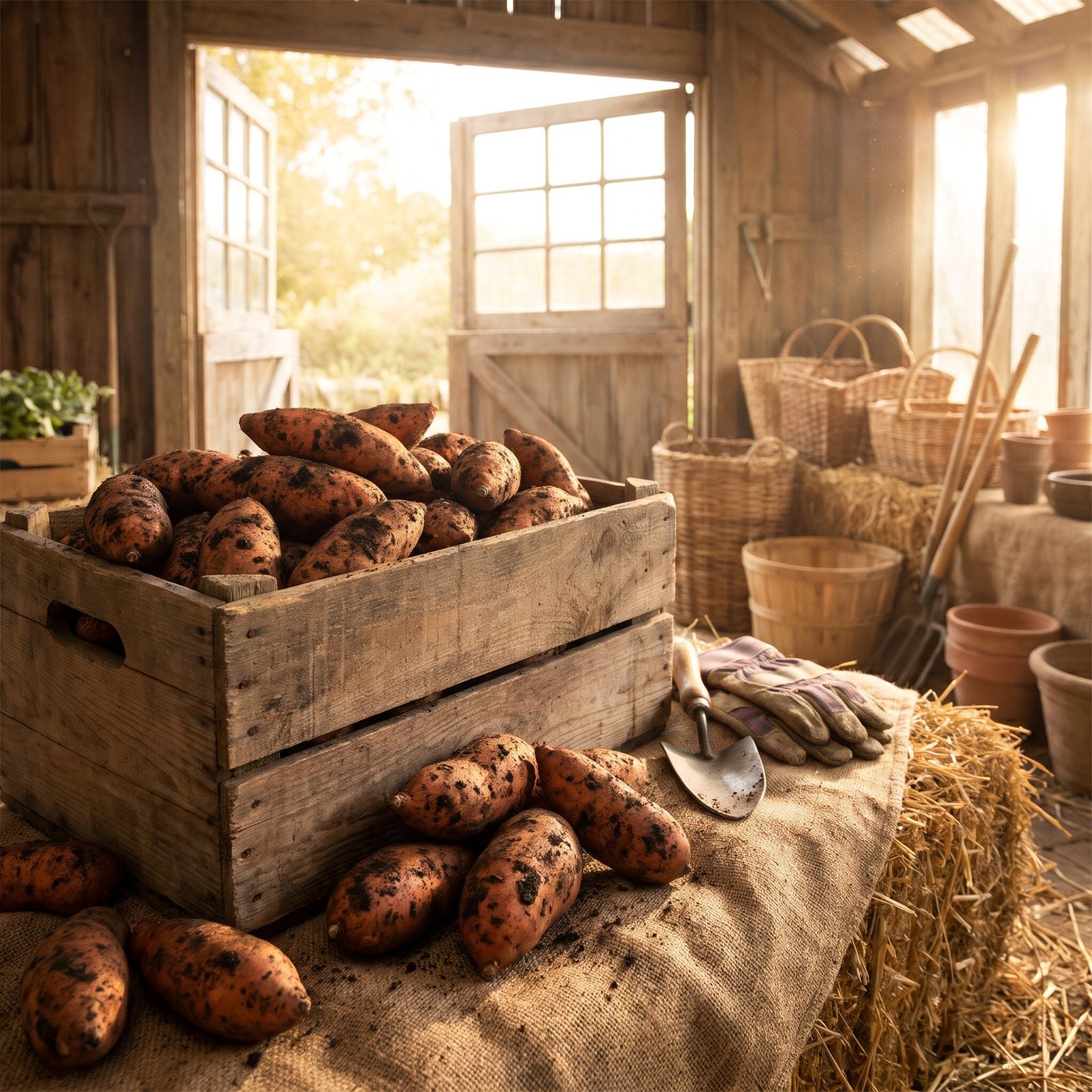
The sweet potato is North Carolina’s official state vegetable, and the state grows more of them than anybody else in the country. One NC State Extension article pegged North Carolina at more than 40 percent of the national supply, and the NC SweetPotato Commission puts it at nearly 60 percent.
That’s not a small claim. USDA figures show the state harvested nearly 95,000 acres in 2016, with the top counties clustered in the eastern flatlands — Sampson, Johnston, Wilson, Nash.
So next time a sweet potato lands on a Thanksgiving table somewhere across the country, odds are decent it started in North Carolina dirt. Not a flashy origin story. Just a steady one, acre after acre.