Would you like to save this?
Four ingredients. That’s cacio e pepe. Pasta, pepper, cheese, and the starchy water you were about to pour down the drain anyway. It shows up on menus at twenty-four dollars and people pay without blinking. Nobody at the table wants to hear this, but the markup usually isn’t a scam. You’re not just paying for cheese. You’re paying for the guy who knows how to keep it from clumping, plus the rent on the dining room, the linen napkin, and the person refilling your water. We took dishes with famously cheap ingredients and pulled the markup apart to see what you’re really buying.
30. Cacio e Pepe: Four Ingredients, One Very Skilled Wrist
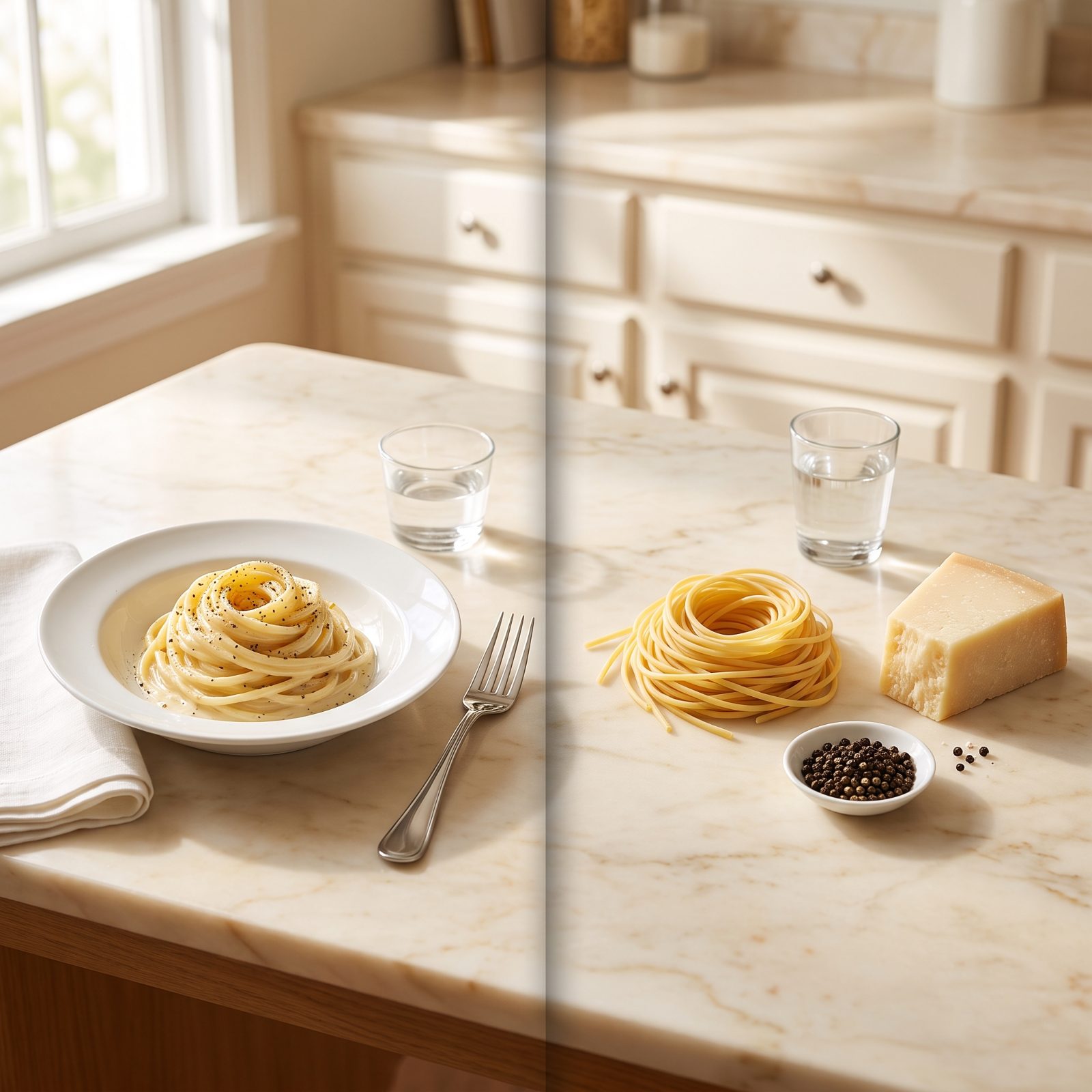
The ingredients cost about three dollars, but the technique costs everything. Cacio e pepe breaks if you rush it. Cheese hits water that’s too hot and you get a rubbery clump instead of silk. What restaurants really charge for is the wrist that knows the exact second to pull the pan off the flame.
We ruined this dish four times at home before it clicked. That’s what the markup buys you: someone who already wrecked it four hundred times so you don’t have to.
29. Truffle Parmesan Fries: When a Bottle of Oil Does the Talking
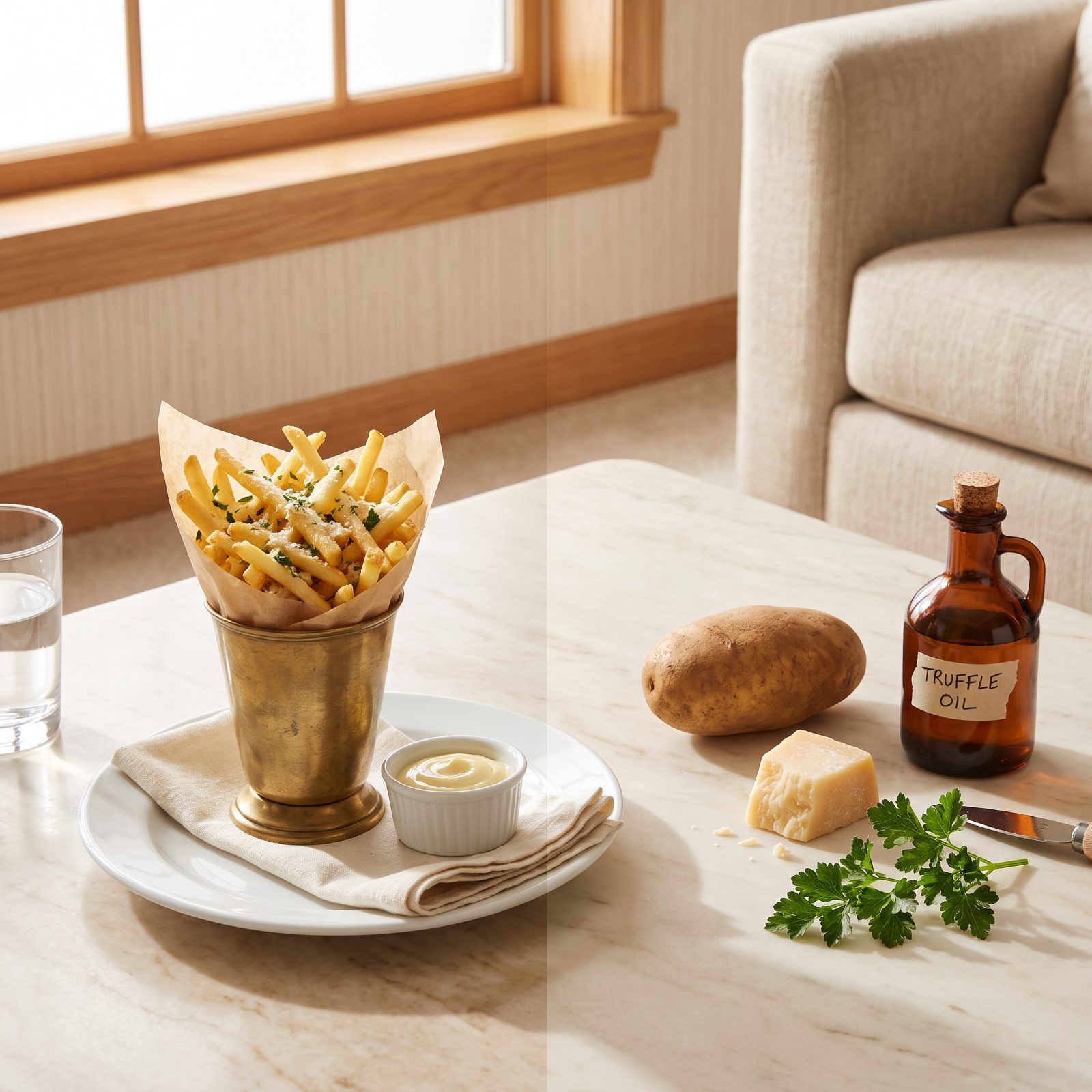
The little secret behind most truffle fries? That isn’t truffle. It’s truffle oil, and truffle oil is usually a lab-made compound called 2,4-dithiapentane. A potato costs pennies. The word “truffle” on the menu is worth roughly nine bucks.
You’re paying for the fryer running at the right temperature, the oil changed on a schedule, and the smell that hits you before the plate lands. Fair enough. Frying at home means a pot of hot oil, a splatter mess, and a kitchen that smells like a state fair for two days.
28. Buttermilk Pancakes: The Cheapest Batter in America, Marked Up the Most
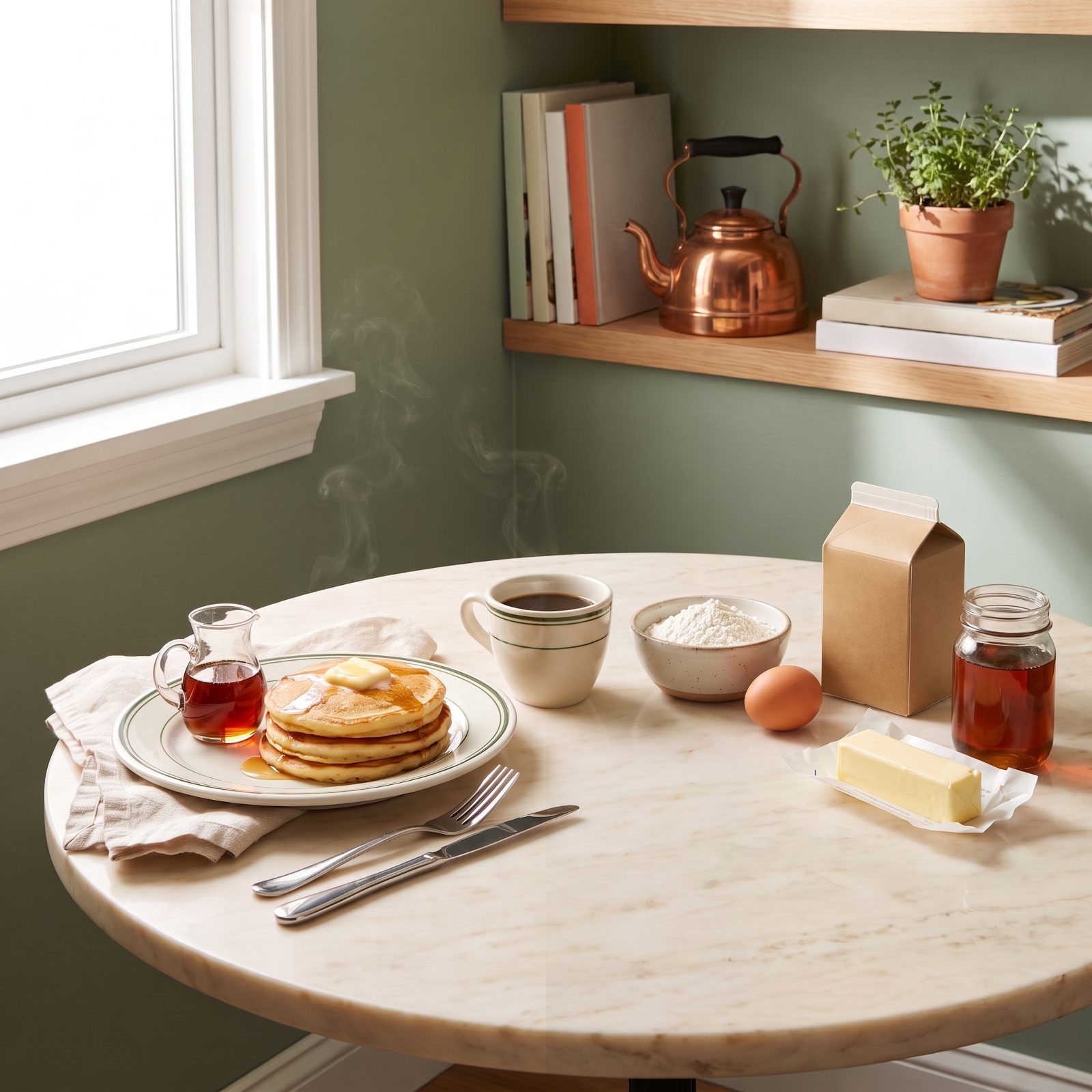
Flour, egg, buttermilk, a little sugar. You could feed a family of four on what a single restaurant stack costs, which is why pancakes carry one of the ugliest markups on any breakfast menu and everyone quietly knows it.
So what are you actually buying? The griddle. A flat-top holds even heat across a whole surface, which is why the diner stack browns perfectly and yours has one pale disc and one scorched one. Plus the coffee that keeps coming. Plus the booth you get to sit in without touching a single dish afterward.
27. Classic Margherita Pizza: Dough, Tomato, Cheese, and 900 Degrees
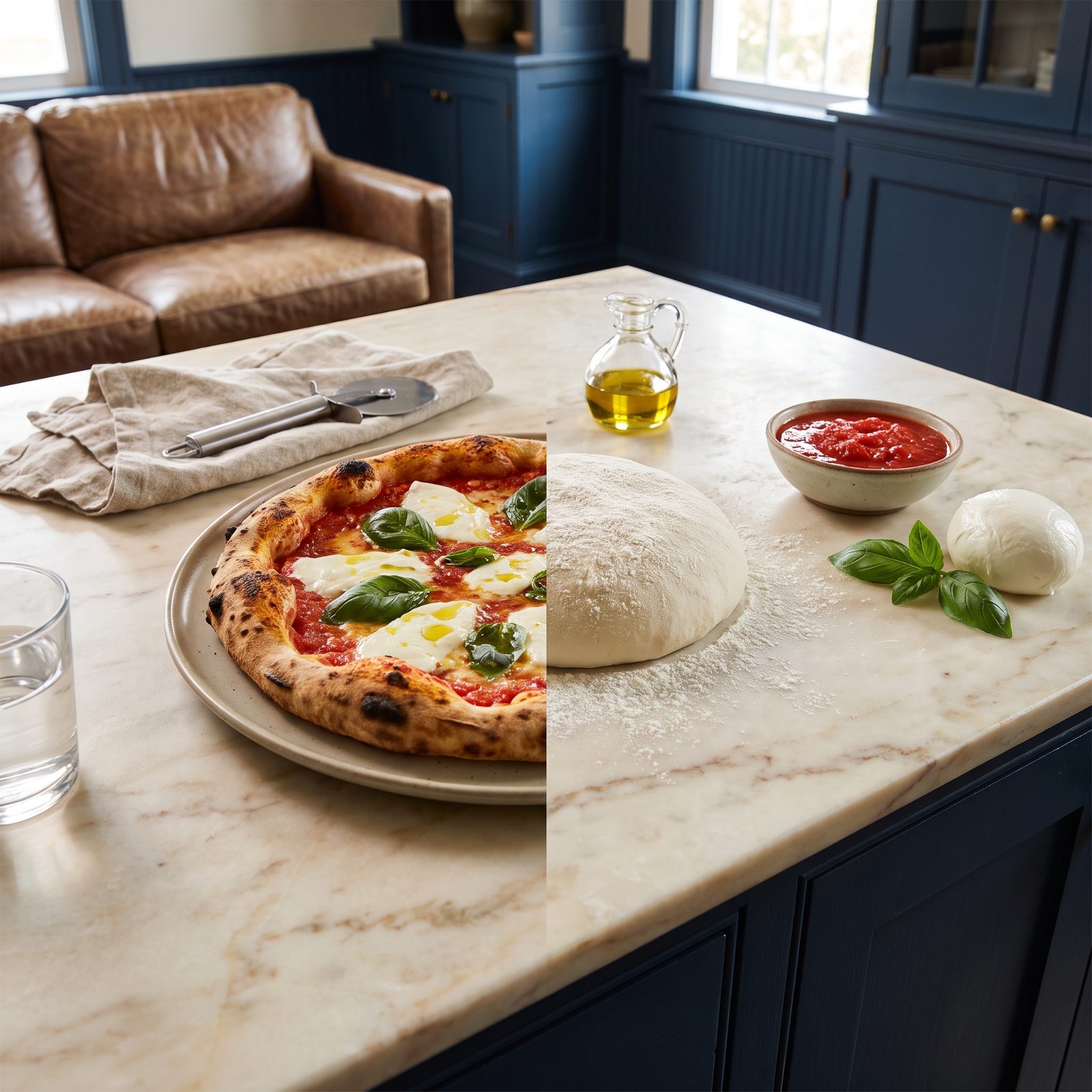
The ingredients on a margherita are almost insultingly cheap. Flour and water for the dough, a ladle of crushed tomato, a ball of mozzarella, basil. Maybe five dollars if you’re being generous with the good cheese.
The price is the oven and the years. A wood-fired oven runs near 900 degrees and costs more than a used car. The dough was made yesterday and left to rise slow. And the guy stretching it learned by wrecking a thousand pies. Heat you can’t make at home, skill you can’t buy in a bag. That’s the whole bill right there.
26. Avocado Toast with a Poached Egg: The Millennial Punchline That’s Actually Fair
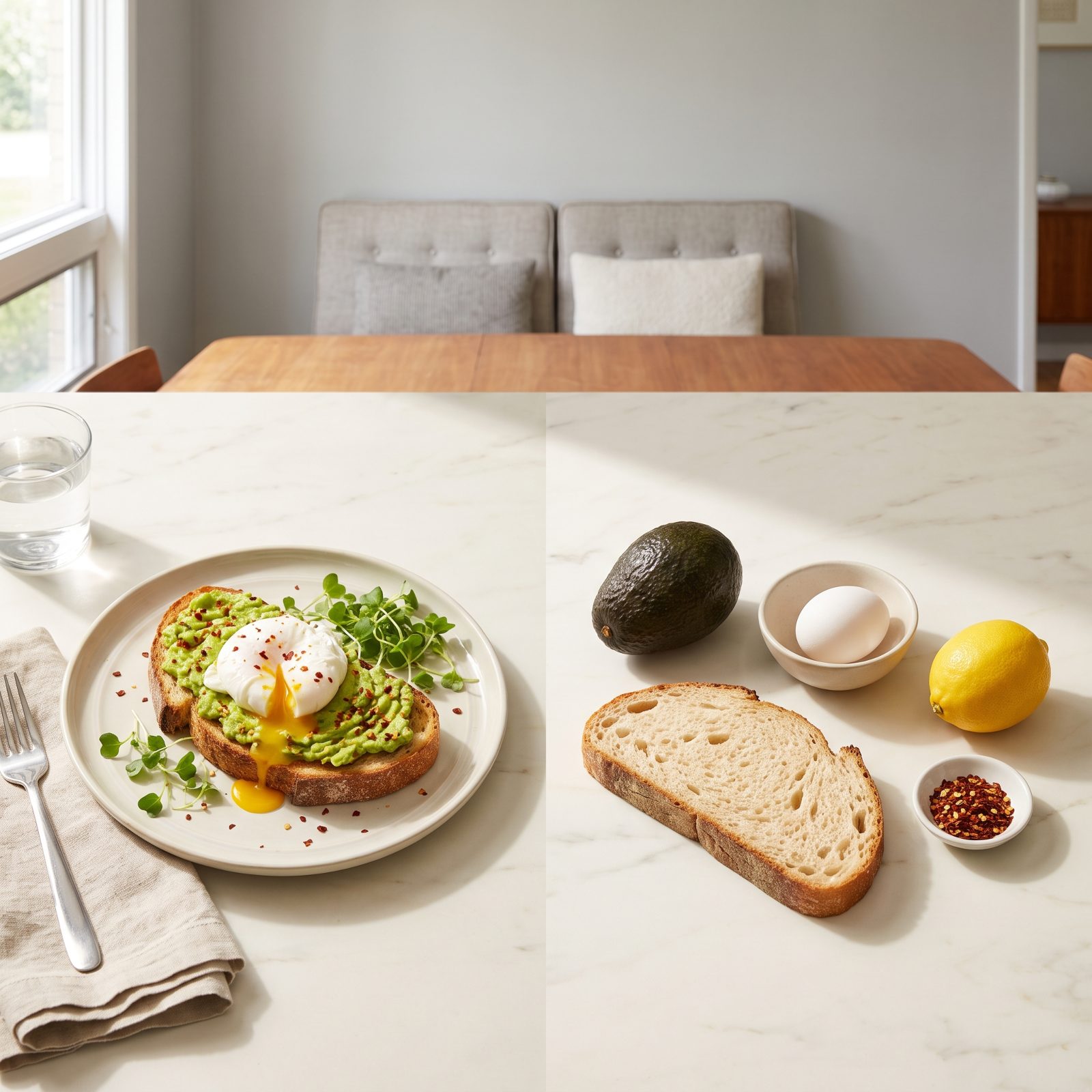
People love to mock the fourteen-dollar avocado toast. Then the poached egg shows up and the joke falls apart. Poaching an egg so the white holds and the yolk stays liquid is genuinely hard, and a busy kitchen does it to order, one at a time, without breaking a single yolk.
Avocados are a gamble too. Rock hard on Tuesday, brown mush on Wednesday. A restaurant eats that loss. You buy one, get it wrong, and there goes your toast.
25. The Three-Egg Cheese Omelet: Fifty Cents of Eggs, Six Dollars of Nerve
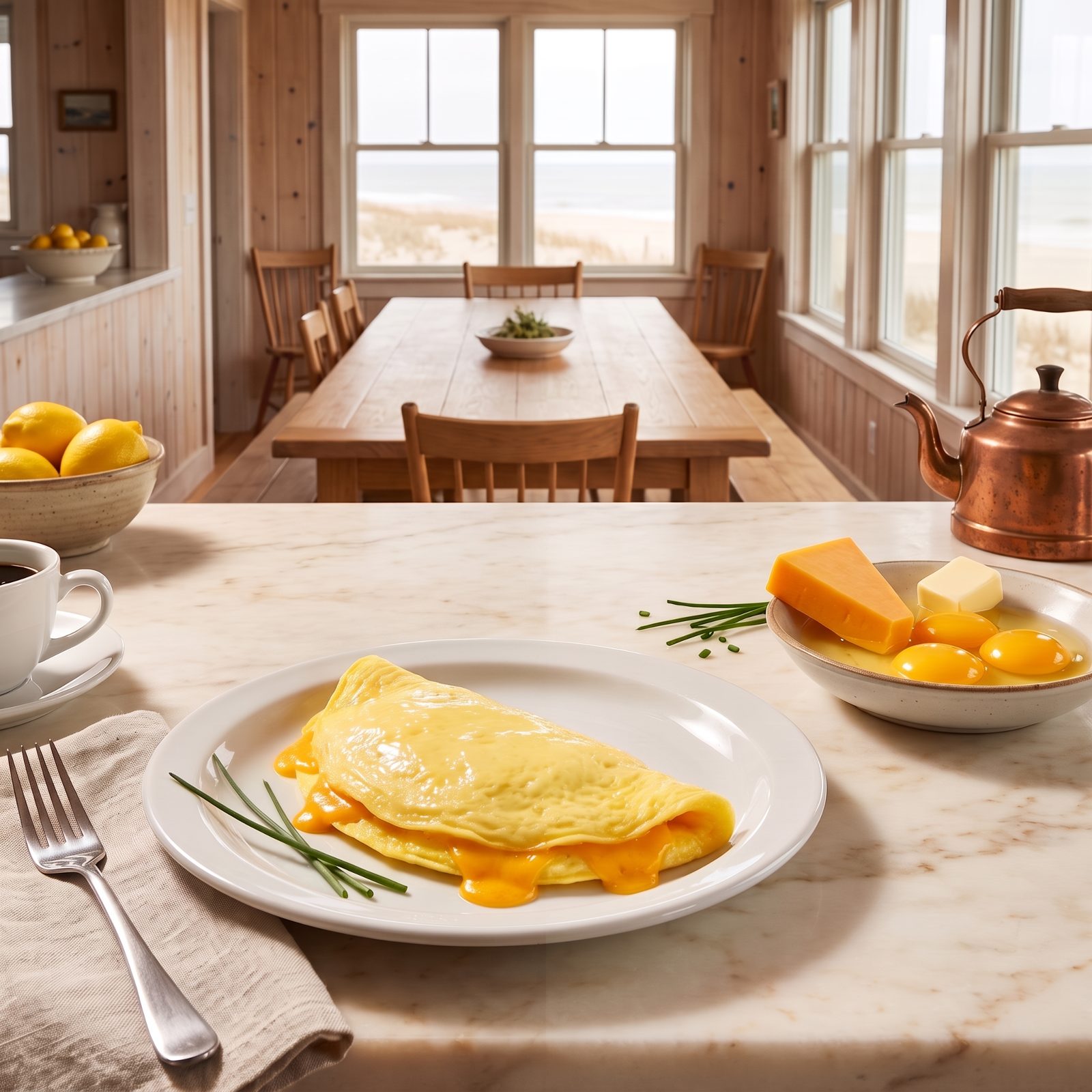
Three eggs and a handful of cheese, maybe seventy-five cents. Then look at the omelet the diner sends out: pale gold, no brown spots, folded in half, still soft inside.
That pale color is the whole trick. A perfect omelet has zero browning, which means low heat, constant motion, and a cook who won’t walk away. Most of ours come out rubbery and freckled because we crank the burner and check our phone. The markup is patience. And honestly, patience is worth six bucks.
24. Eggs Benedict: The Sauce That Ate the Menu Price
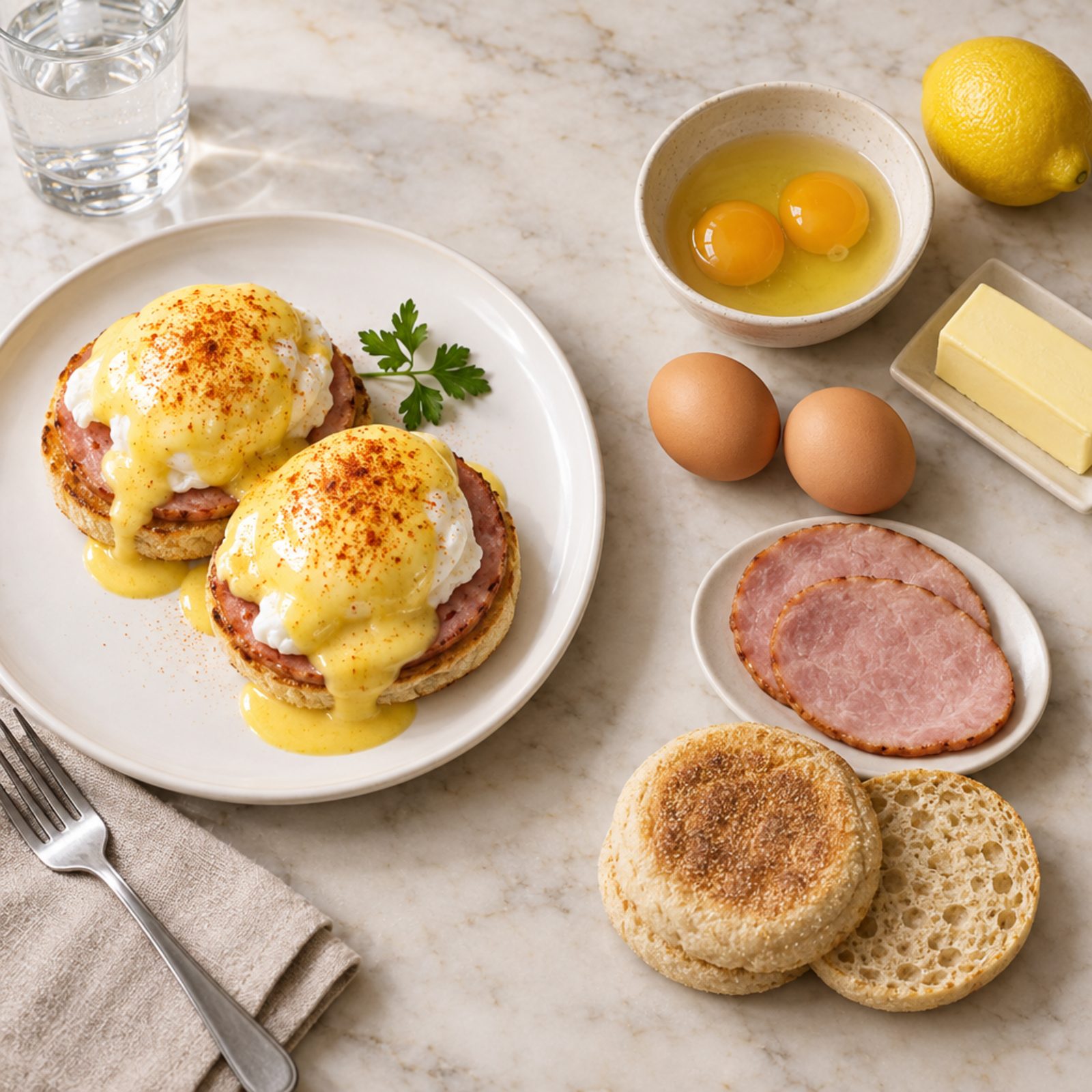
Eggs Benedict is the boss level of breakfast. You poach eggs, you make hollandaise, and hollandaise splits if you look at it wrong. Emulsify the butter into egg yolk too fast and the whole thing turns into a greasy mess.
A kitchen makes hollandaise fresh, holds it at exactly the right temperature so it doesn’t break or grow bacteria, and spoons it over eggs poached to order. Three difficult things at once, on a busy Sunday, forty tables deep. The ingredients are pocket change. What you’re paying for is a small, fragile miracle happening on a schedule.
23. Restaurant Mac and Cheese: The Box Costs a Dollar, So What Gives?
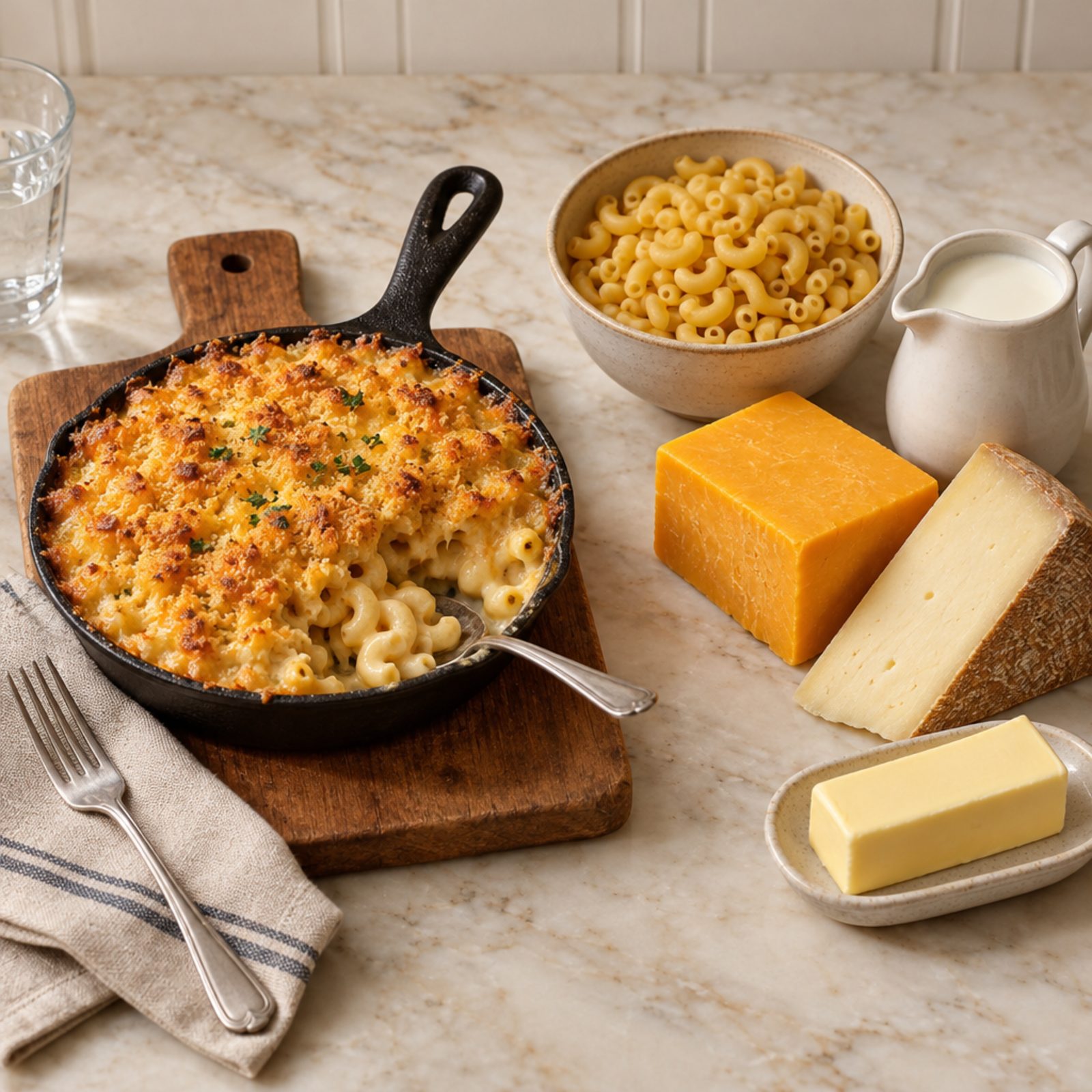
Yes, the boxed stuff is a dollar. Restaurant mac and cheese isn’t that, and the gap is real. Good versions lean on three or four aged cheeses, a proper béchamel base, and a broiled crust that costs oven time and attention.
Here’s where the markup earns its keep: real cheese sauce breaks and grains up if the heat’s wrong. The kitchen builds a stable roux so the sauce stays creamy from the pass to your table. Velvet versus grease, basically. Cheese is also just expensive right now, and a good aged cheddar is doing most of the heavy lifting.
22. Caesar Salad with Grilled Chicken: Lettuce, Basically, and Yet
Would you like to save this?
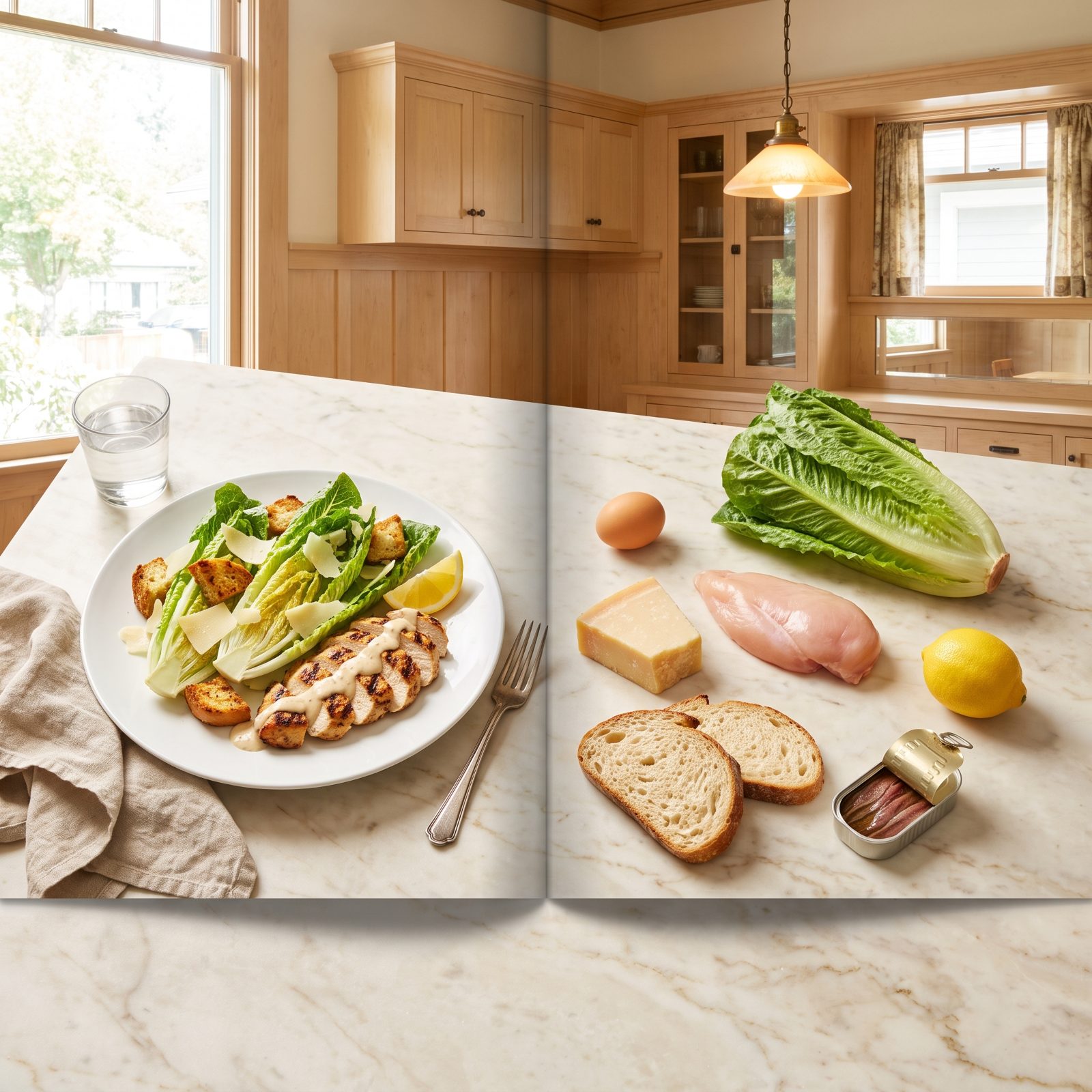
Romaine, cheese, croutons, dressing, and a piece of chicken. On paper it’s a cheap plate. On the check it’s often the priciest salad on the menu, and the chicken is where most of your money actually goes.
Grilling a chicken breast so it stays juicy instead of turning to dry sawdust takes real timing. Then add house-made dressing (a proper Caesar uses raw egg, anchovy, and garlic, whisked to order at the better places) and croutons cut from yesterday’s bread. Lettuce is nearly free. The rest is labor stacked on labor.
21. The Iceberg Wedge: A Quarter of a Cheap Head of Lettuce for Twelve Dollars
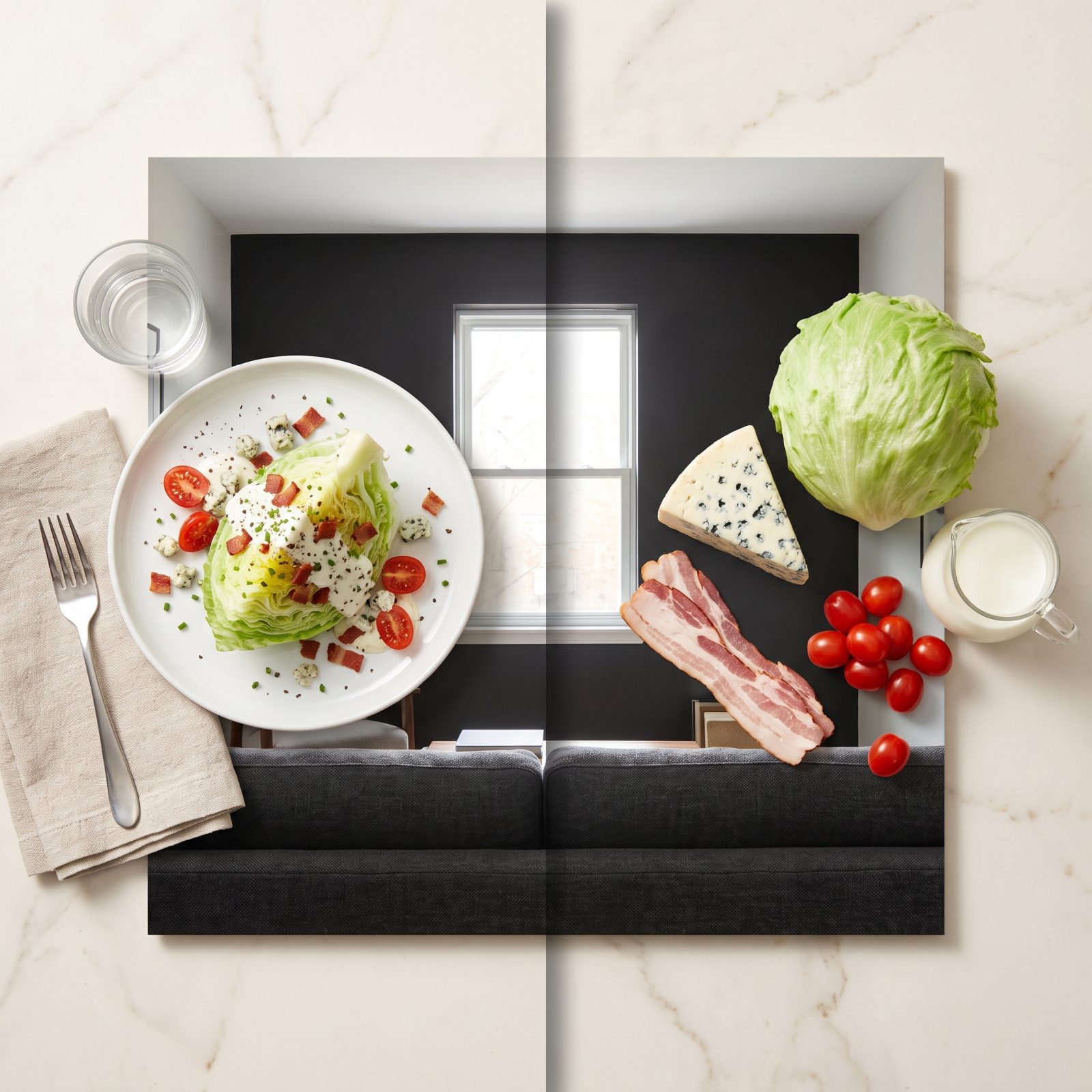
The wedge is the boldest markup on this whole list. It’s a quarter of the cheapest lettuce there is. A whole head runs a couple bucks, and the wedge alone can hit twelve.
But the plate around it isn’t cheap. Blue cheese is pricey and gets crumbled generous. Bacon is rendered and chopped. The dressing is house-made buttermilk-and-blue, not squeezed from a jug. And then there’s a quiet steakhouse tax: the wedge lives on menus where atmosphere, white tablecloths, and a waiter who can recite the wine list all get folded into every price. You’re renting the room.
20. Tomato Basil Soup: The Eight-Dollar Bowl of Canned Tomatoes
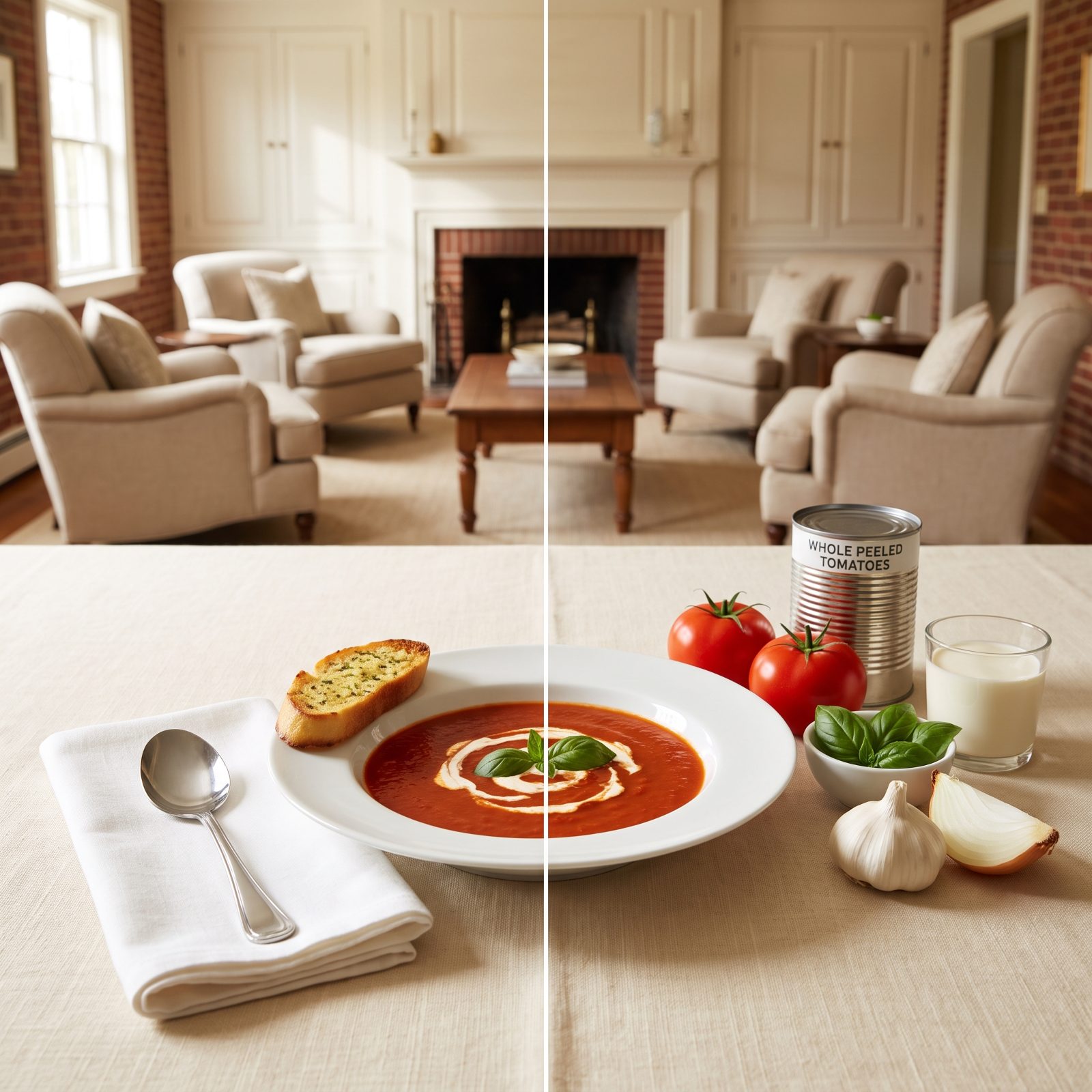
Nobody wants to hear it, but the tomatoes in your restaurant soup probably came from a can. And that’s fine. Good canned tomatoes make a genuinely better soup than sad winter fresh ones, so this isn’t a cheat, it’s technique.
The ingredients run a couple of dollars a bowl and the menu says eight. That gap buys you a cook who stood over the pot so nothing scorched, a blender that didn’t come out of your cabinet, a bowl someone else washes, and a chair you got to sit in. The crostini? Free labor you’d never bother with at home.
19. French Onion Soup: You’re Paying for the Patience You Don’t Have
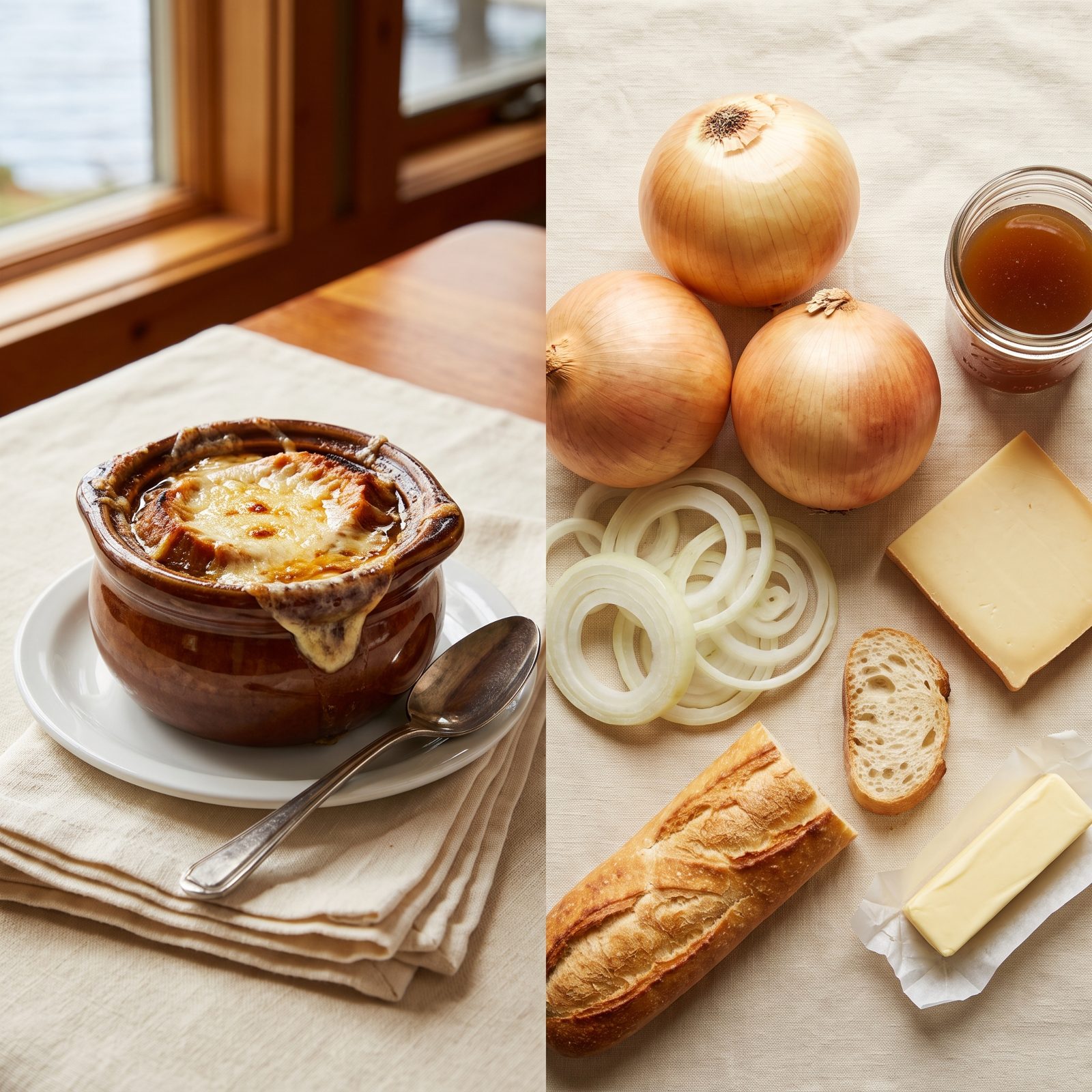
Three onions cost about a dollar. This is the cheapest soup on this list by ingredient and often the most expensive on the menu. The joke writes itself.
Here’s the truth: onions take the better part of an hour to caramelize properly, and most home cooks quit around the fifteen-minute mark because they think brown means done. Restaurants don’t quit. They also own a broiler that fuses Gruyere to a crock without setting off the smoke alarm, and that cheese pull is the whole show. Both are a nuisance at home.
18. Loaded Baked Potato: A Dollar Spud With a Twelve-Dollar Costume
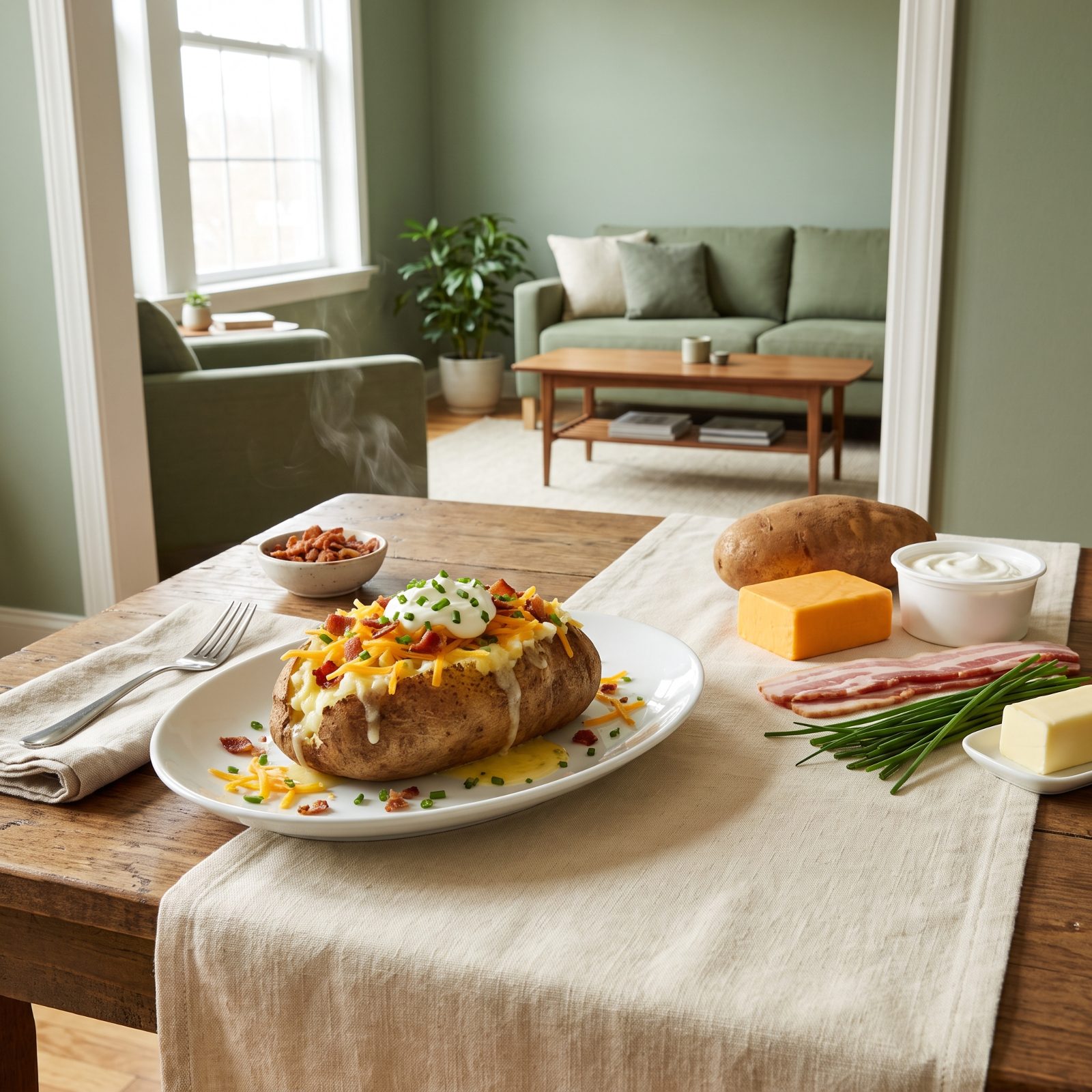
A russet potato costs about fifty cents, and once it’s loaded the menu asks eleven or twelve. This one stings because there’s no clever technique hiding in it. You already know how to make this.
What you’re really buying is the assembly of six toppings you’d never keep on hand all at once, plus a potato baked long enough to go fluffy instead of gummy. Botch that part and you know it. Nuke the thing and you get a dense hockey puck. An oven takes an hour, and most weeknights nobody has the hour.
17. Fried Mozzarella Sticks: The Frozen Truth Behind the Golden Crust
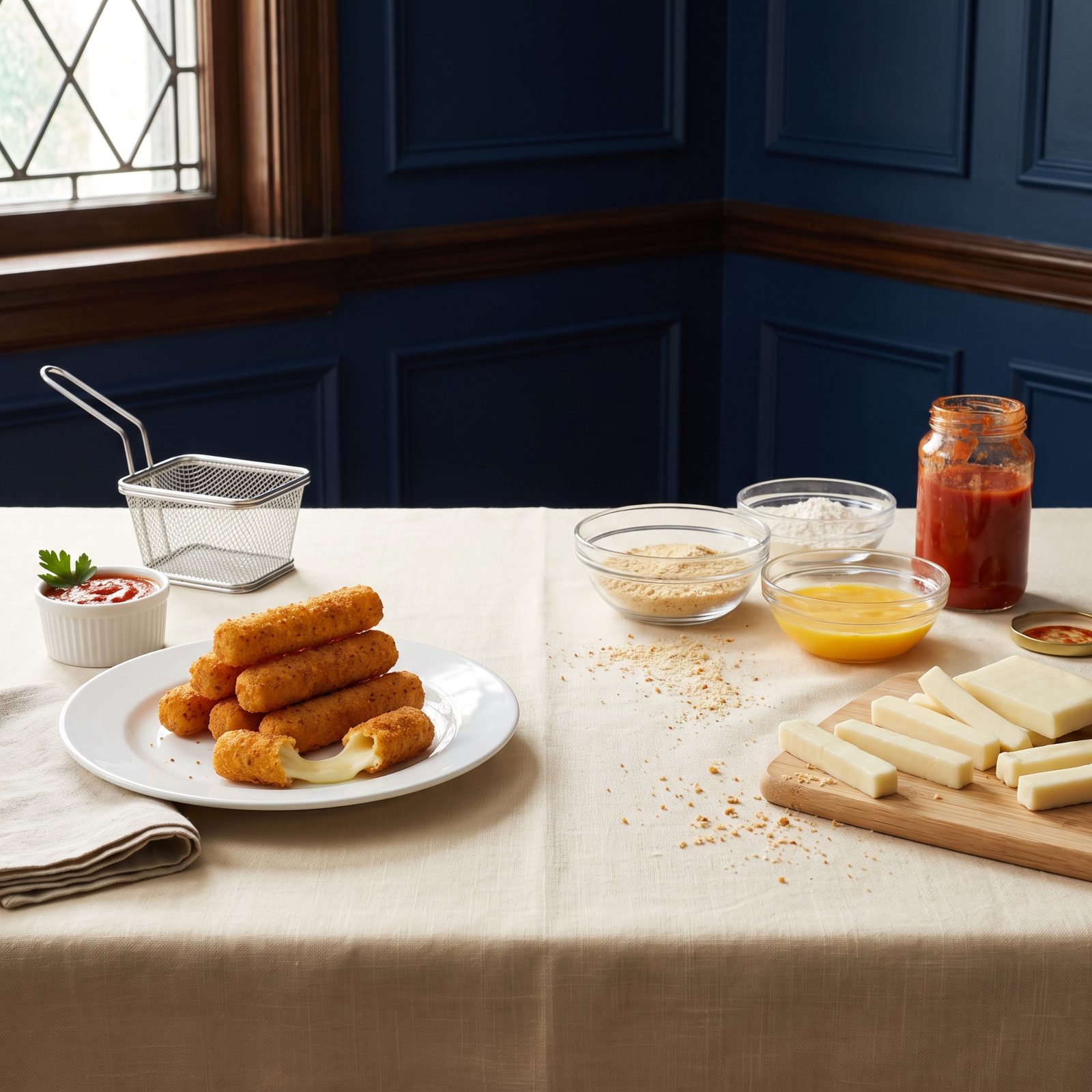
Most restaurant mozzarella sticks come out of a freezer bag, and I’m not even mad about it. Freezing is what lets the cheese stay solid long enough to fry without exploding into a greasy puddle. The bag costs the kitchen maybe a dollar for a plate that sells for nine.
Make them from scratch and you’ll understand the markup fast. Cutting cheese, three-stage breading, freezing, then frying at exactly the right temperature or the crust burns before the middle melts. It’s a full afternoon and a smell that hangs around your kitchen for two days.
16. Spinach and Artichoke Dip: Cheap Frozen Greens Dressed Up in Cream
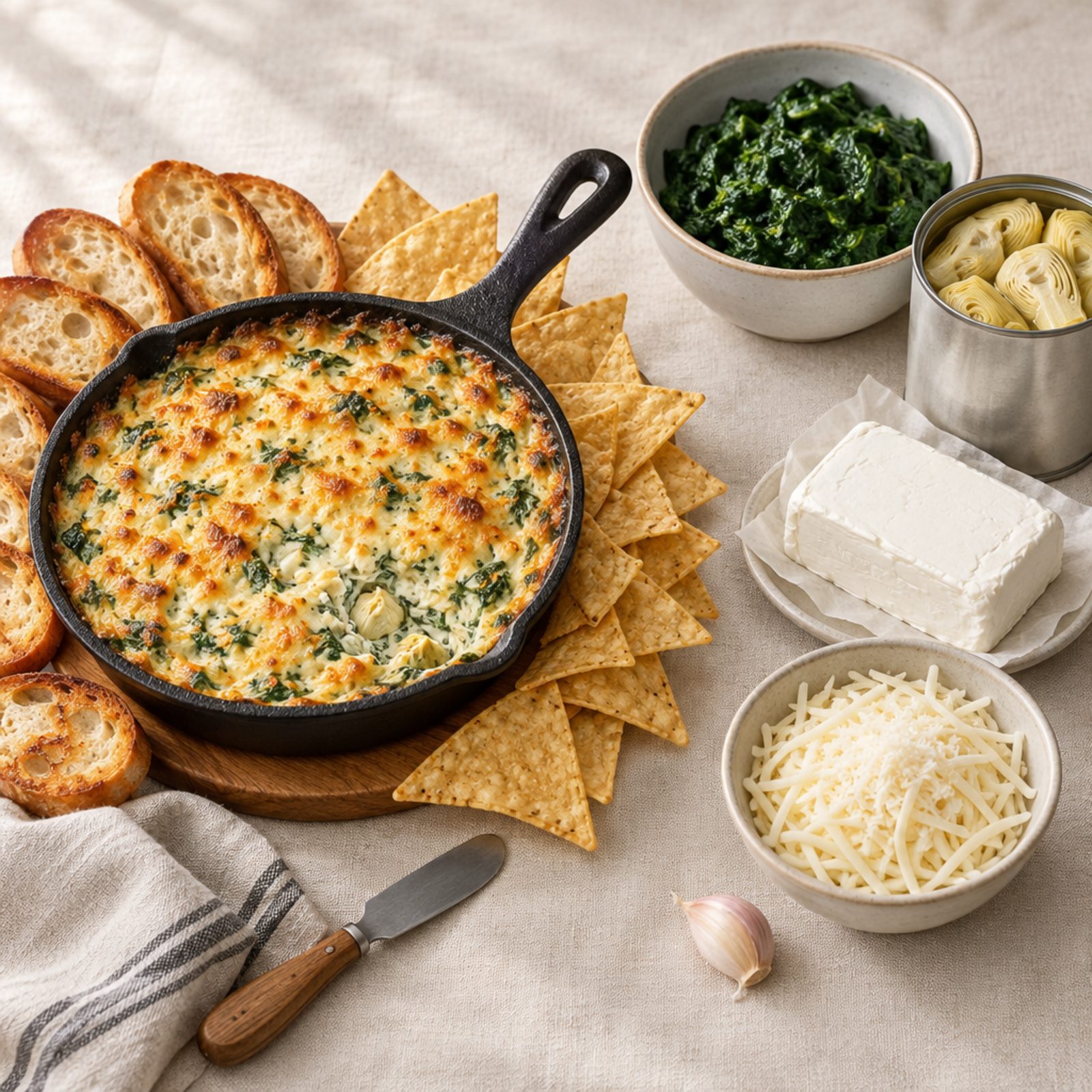
Frozen spinach, canned artichokes, a lot of cheese and cream cheese. Costs a few dollars a serving. Shows up on the menu around ten or eleven.
The markup here is almost pure convenience plus that hot cast-iron presentation. Anyone can make this dip. You order it out because you don’t want to buy a whole block of cream cheese and three kinds of shredded cheese for one appetizer, then have the leftovers taunting you from the fridge all week.
15. Guacamole With Tortilla Chips: The Avocado Math That Makes You Wince
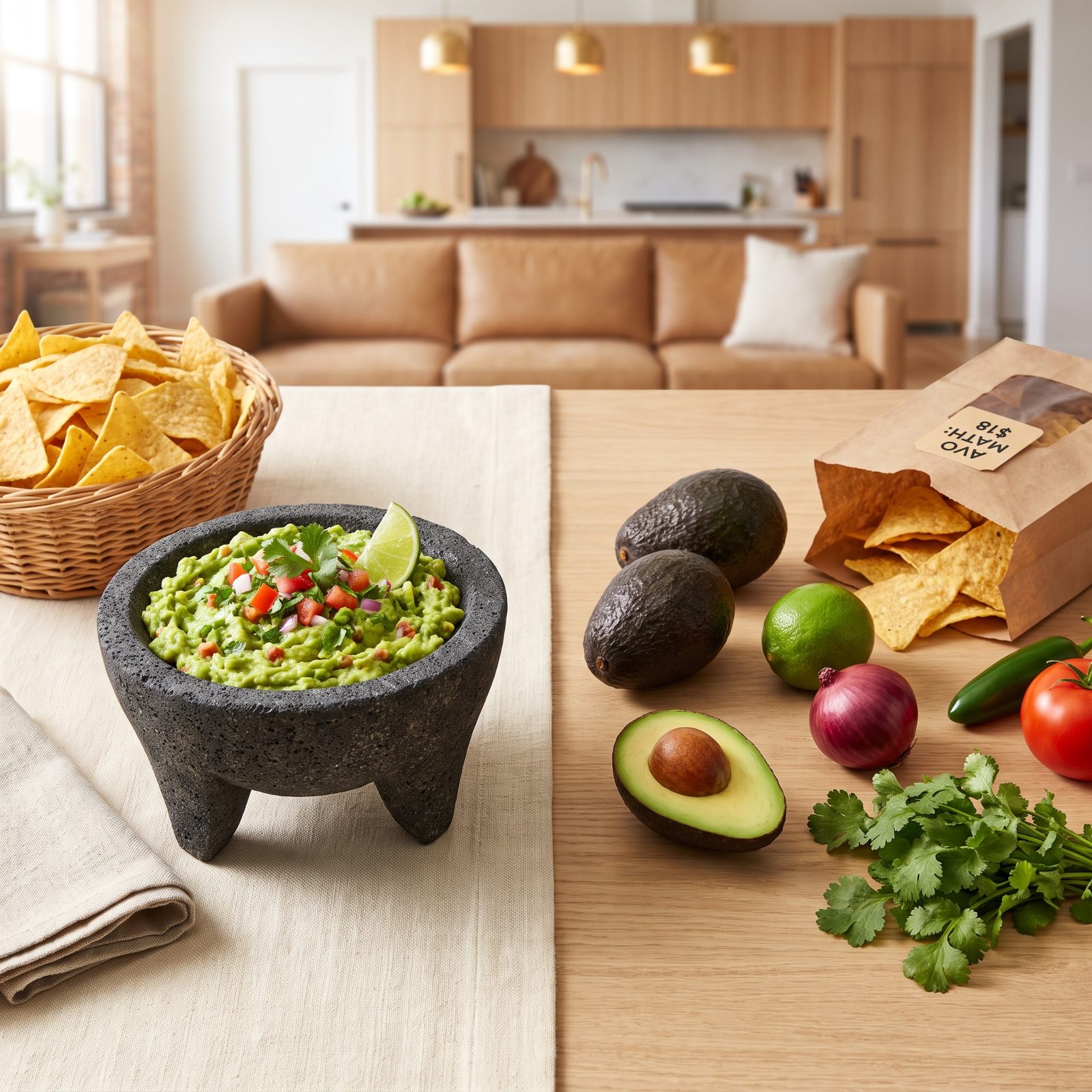
Guacamole is the one dish here where the ingredient cost is genuinely high, because avocados aren’t cheap and they’re only good for about a day and a half. That volatility is exactly what you’re paying to avoid.
A restaurant buys avocados at the right ripeness in volume and makes the guac fresh, so you never get the sad brown lid you find on your homemade batch the next morning. The tableside molcajete version costs more still, and that’s pure theater. You’re buying the show. Honestly, the show is fun.
14. Cheese Quesadilla: Two Tortillas and a Handful of Cheese for Nine Bucks
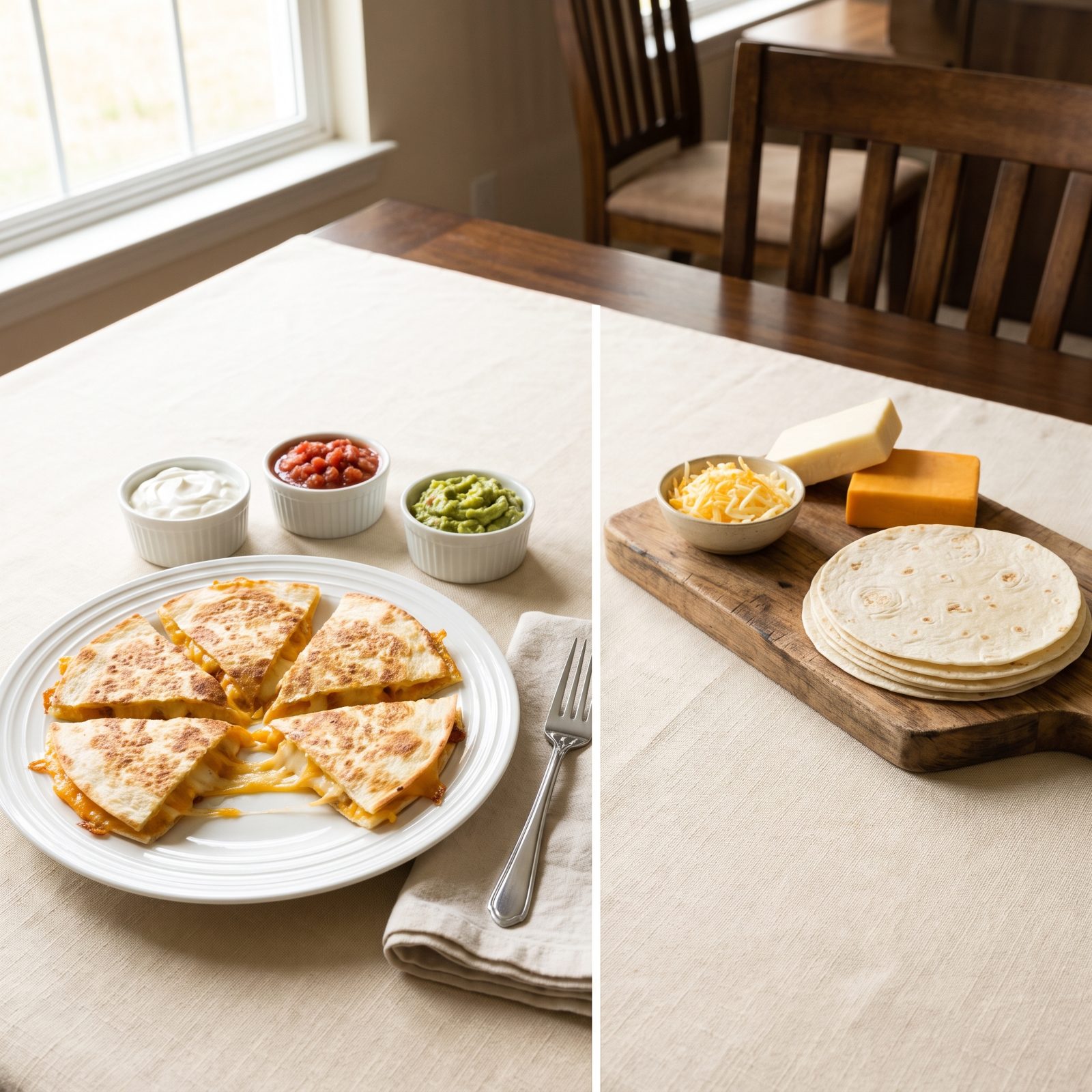
This is the most honest markup on the list because there’s nothing to hide. Two tortillas, a handful of cheese, maybe a dollar-fifty to the kitchen, and it sells for eight or nine.
You’re not paying for skill here. You’re paying for the building. Rent, lights, the server, the health inspector, insurance, all of it. Every dish carries a slice of the overhead, and the quesadilla is where the whole machine gets laid bare. It’s the item that reminds you a menu price was never really about the food.
13. Classic Cheeseburger and Fries: Where the Fries Are Doing Heavy Lifting
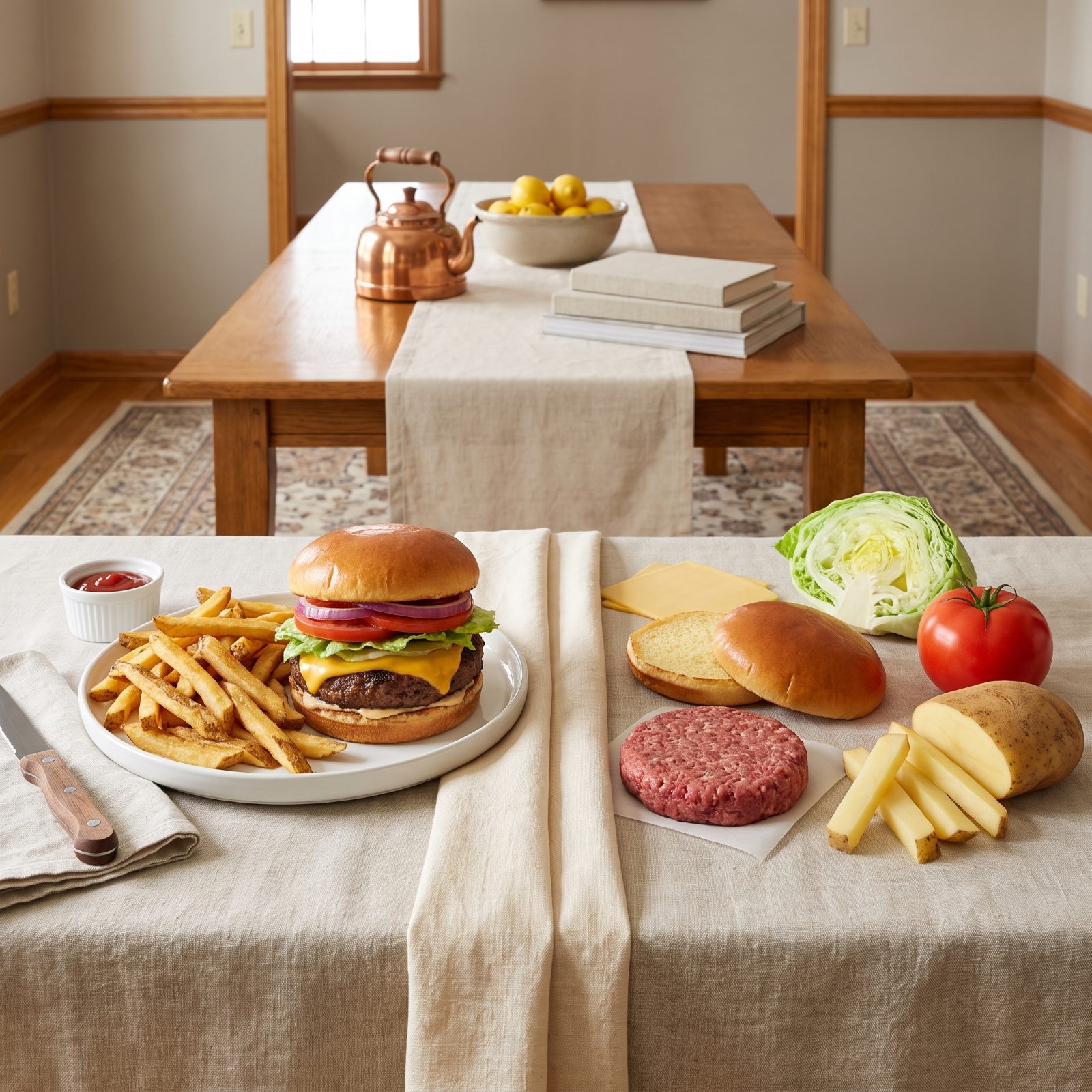
The patty and bun are cheap. The markup’s still fair, though, because a screaming-hot flat-top puts a crust on that beef your home stove can only dream about.
The fries are the sneaky part. Real hand-cut fries mean peeling, cutting, soaking, and double-frying, which is why the good ones taste incredible and why nobody makes them at home twice. That labor is buried in the burger price, invisible, and it’s the single most underrated thing you’re paying for.
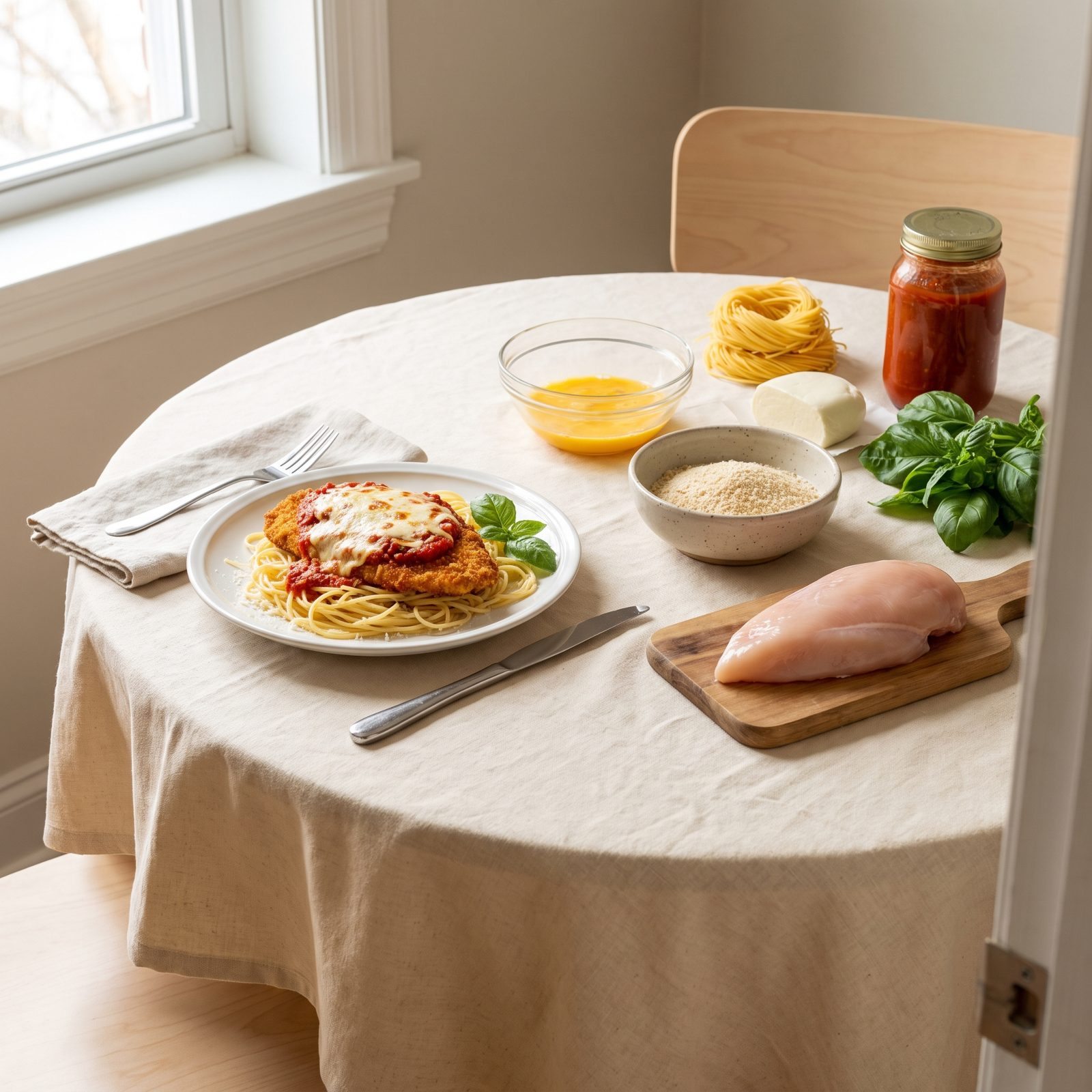
12. Chicken Parmesan With Spaghetti: A Cutlet, a Jar of Sauce, and Real Skill
Would you like to save this?
Here the markup gets more honest, because chicken parm is genuinely a lot of work. Ingredient cost sits in the four-to-five-dollar range. The menu often lands somewhere near twenty.
Pounding the cutlet even, breading it in three stages, frying it crisp, saucing without turning the crust to mush, then getting the cheese to brown at the exact moment the pasta finishes: that’s real kitchen coordination. A home cook can pull it off, sure, but you’ll dirty every pan you own and be scrubbing marinara off the stove at midnight. Some of the markup you earn back by never cleaning that mess.
11. Ricotta Gnocchi With Brown Butter: Cheap Ingredients, Terrifying Technique
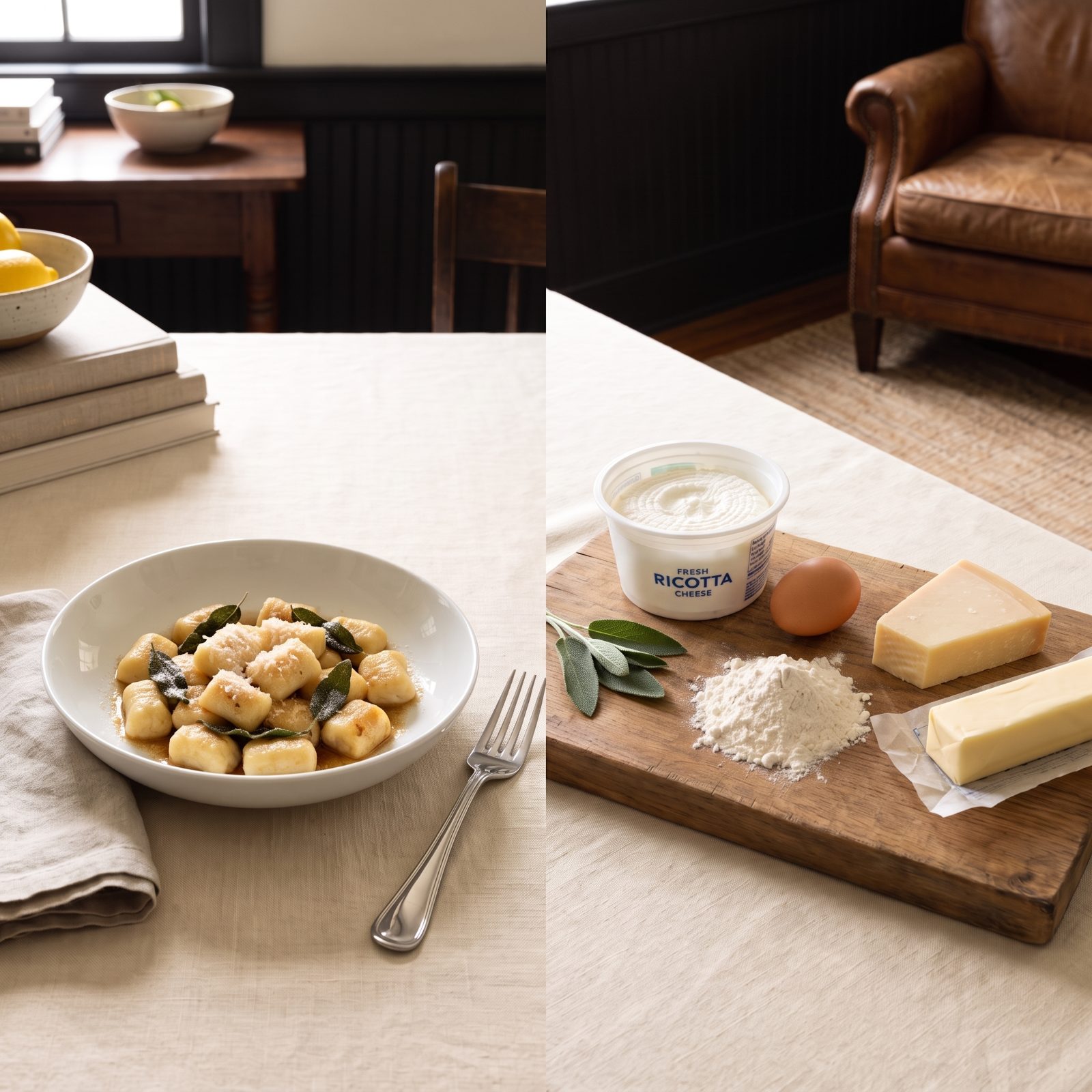
Ricotta, flour, an egg, butter, sage. The ingredients cost almost nothing and sound almost insultingly simple. This is one of the biggest markups on the list relative to what’s in the bowl, and it’s completely justified.
Gnocchi is a trap. Too much flour and they’re rubber bullets. Too little and they dissolve in the water. Getting them pillowy takes a feel that takes years to develop, the kind of thing a line cook ruins a hundred batches learning. And brown butter walks a razor’s edge between nutty and burnt in about ten seconds flat.
You’re not paying for ricotta. You’re paying for the decade someone spent learning to handle it. Best deal on the whole menu, if you ask me.
10. Mushroom Risotto: A Dollar of Rice, Eighteen Minutes of Standing
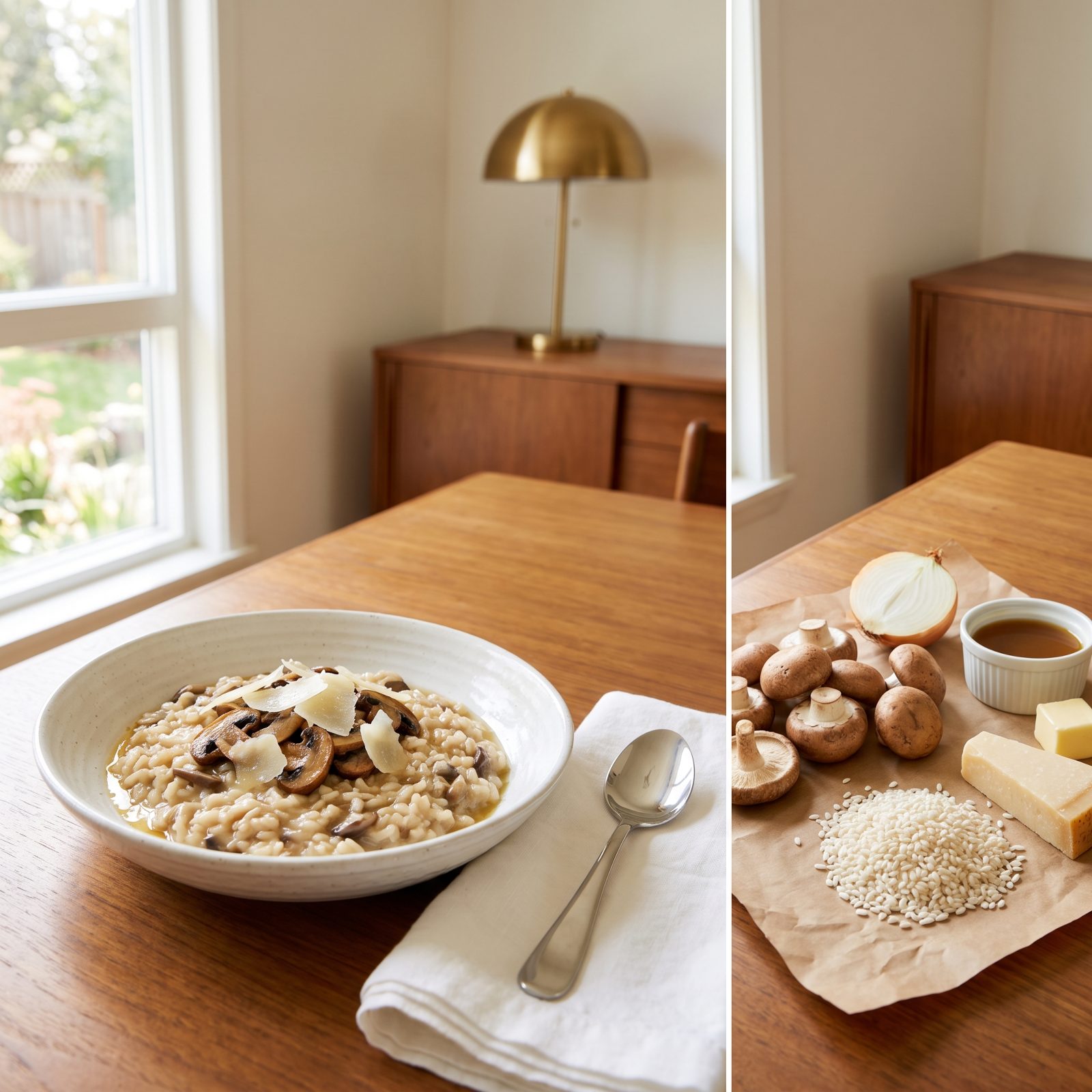
Nobody tells you the real cost of risotto is a person’s arm. Arborio rice runs a couple bucks a pound, and the mushrooms and stock don’t break the bank either. What you’re actually renting when you order it is somebody who cannot walk away from the pan.
Risotto gets stirred, ladle by ladle, for the better part of twenty minutes, and it goes gluey the second you ignore it. A line cook chained to one order can’t be firing three others. That undivided attention is the whole ticket, which is why the price never seems to line up with the grocery receipt.
9. Butternut Squash Ravioli: You’re Paying Someone Not to Own a Pasta Roller
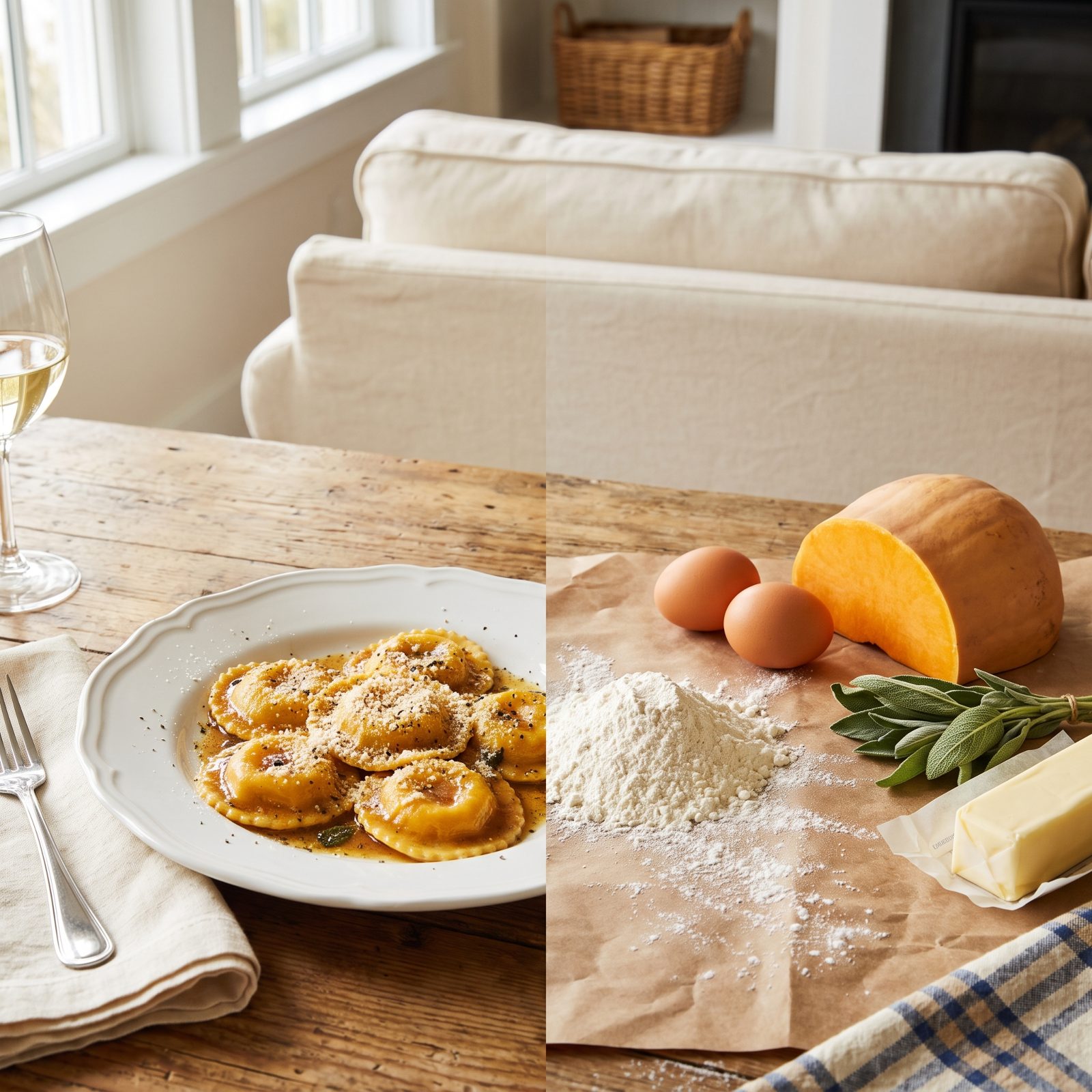
Flour, eggs, a squash, a stick of butter. Ten dollars covers it with change left over. That same plate sits closer to twenty-four on a menu, and the reason is stuck to somebody’s fingers in the back.
Fresh ravioli means rolling dough thin enough to read a newspaper through, piping the filling, sealing every piece so it doesn’t burst in the water, then trimming the edges. Call it an hour of skilled hands before a single order goes out — and the squash gets roasted first, on top of all that. You’re not paying for the ingredients. You’re paying for somebody’s afternoon.
8. Chicken Marsala: The Wine in the Pan Costs More Than the Bird
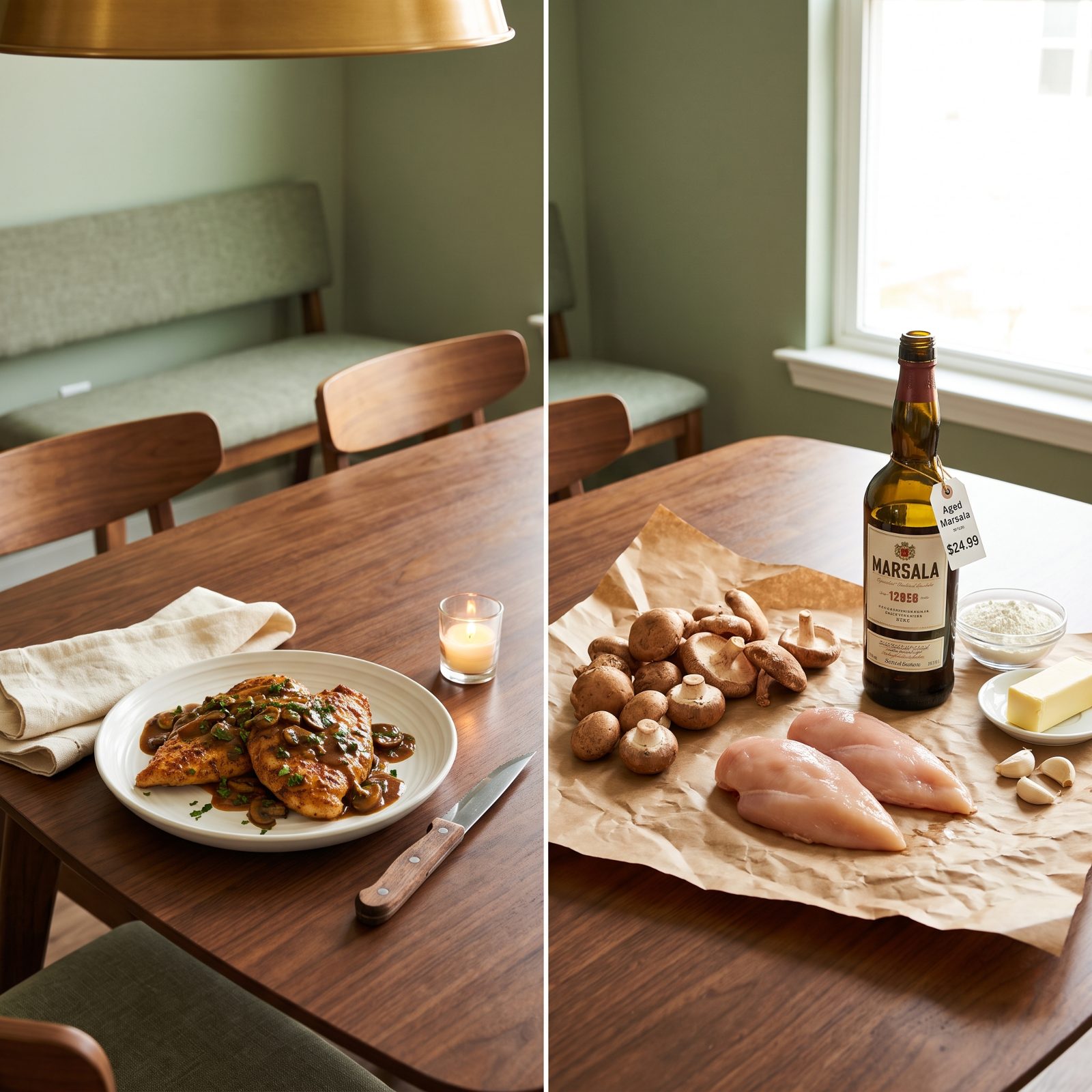
Chicken is cheap. It has always been cheap. The trick with marsala is that the flavor lives entirely in the sauce, and the sauce eats real money.
You pound and dredge the cutlets, sear them, then deglaze with actual marsala and reduce it down with mushrooms and butter until it turns silky. Restaurants buy the good bottle, not the cooking swill off the grocery bottom shelf, and they burn through plenty of it. Then add the reduction time, the fond scraping, the finish. The bird’s just a bystander. All the meal happens in the pan.
7. Grilled Pork Chop and Mashed Potatoes: Simple Food, Serious Room Rent
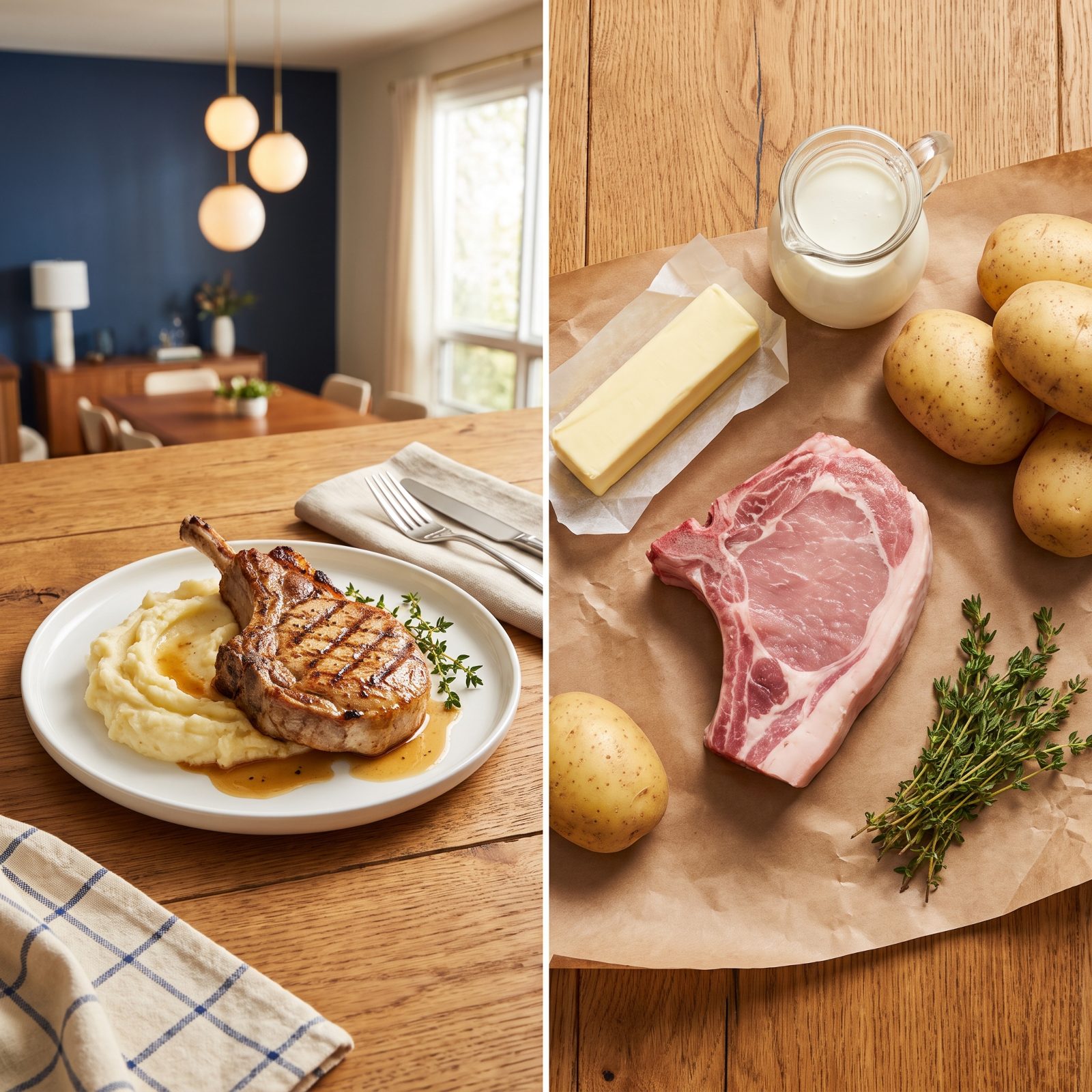
A chop and some potatoes. This is the dish that looks the most like a rip-off and hides the most overhead.
The food really is basic, and the ingredient cost really is low — but here’s where you stop paying for the plate and start paying for everything around it. The lit room. The chair. The bathroom that’s actually clean. The server topping off your water, the grill line running hot all night. A dish this plain carries the whole building on its back, which is exactly why it’s on the menu at that number.
6. Fish and Chips: You’re Renting the Fryer and the Guy Watching It
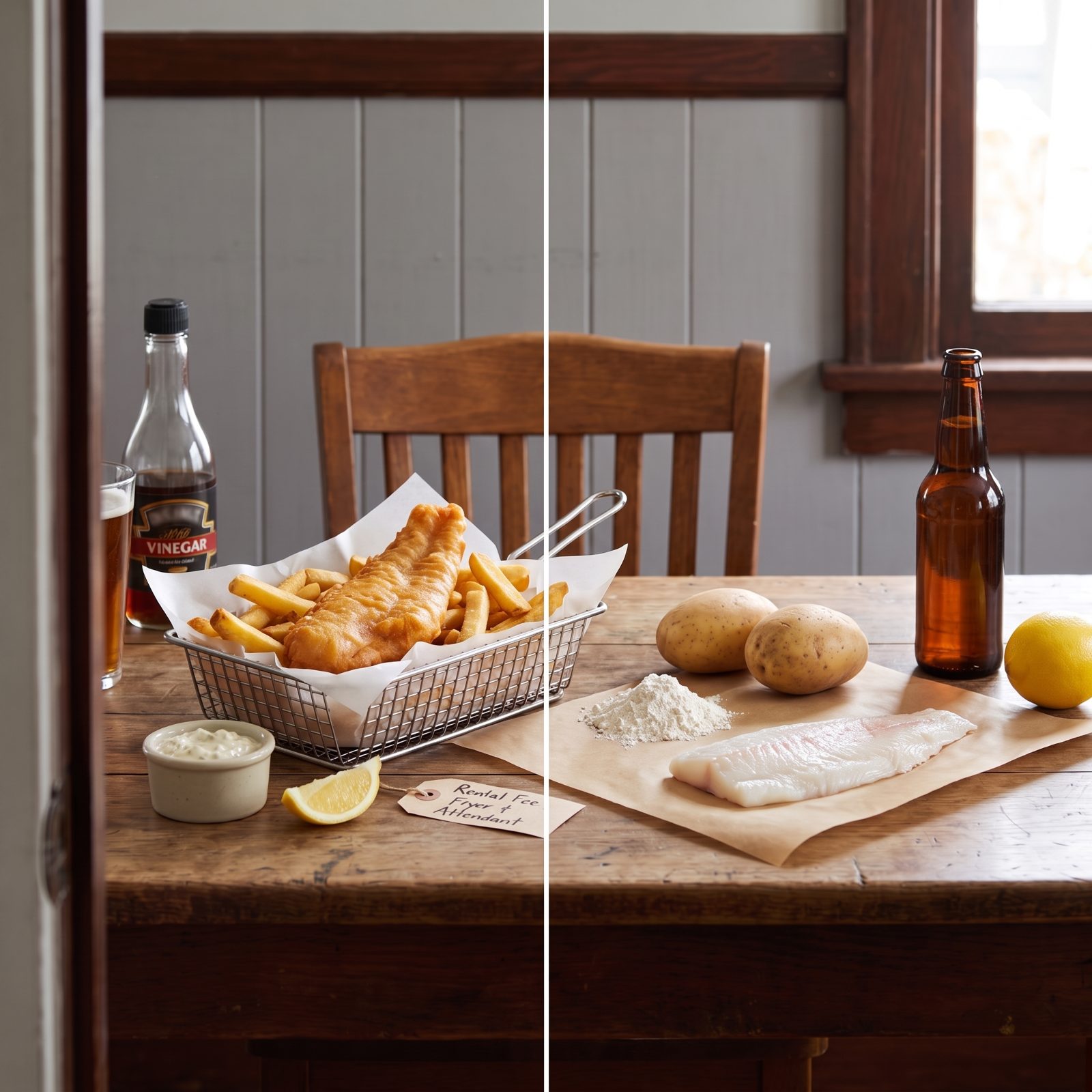
Fresh white fish and a few potatoes don’t cost much until you factor in the fryer, and the fryer is the whole story of this dish.
A commercial deep fryer is expensive to buy, expensive to run, and a genuine fire hazard to babysit. The oil gets filtered and swapped constantly. Somebody has to batter to order so it stays crisp instead of turning to soggy cardboard on the walk to your table, and the potatoes get cut, soaked, then double-fried. A machine, a system, and a person, all folded into one plate that looks deceptively humble.
5. Fried Calamari: Cheap Squid, Expensive Timing
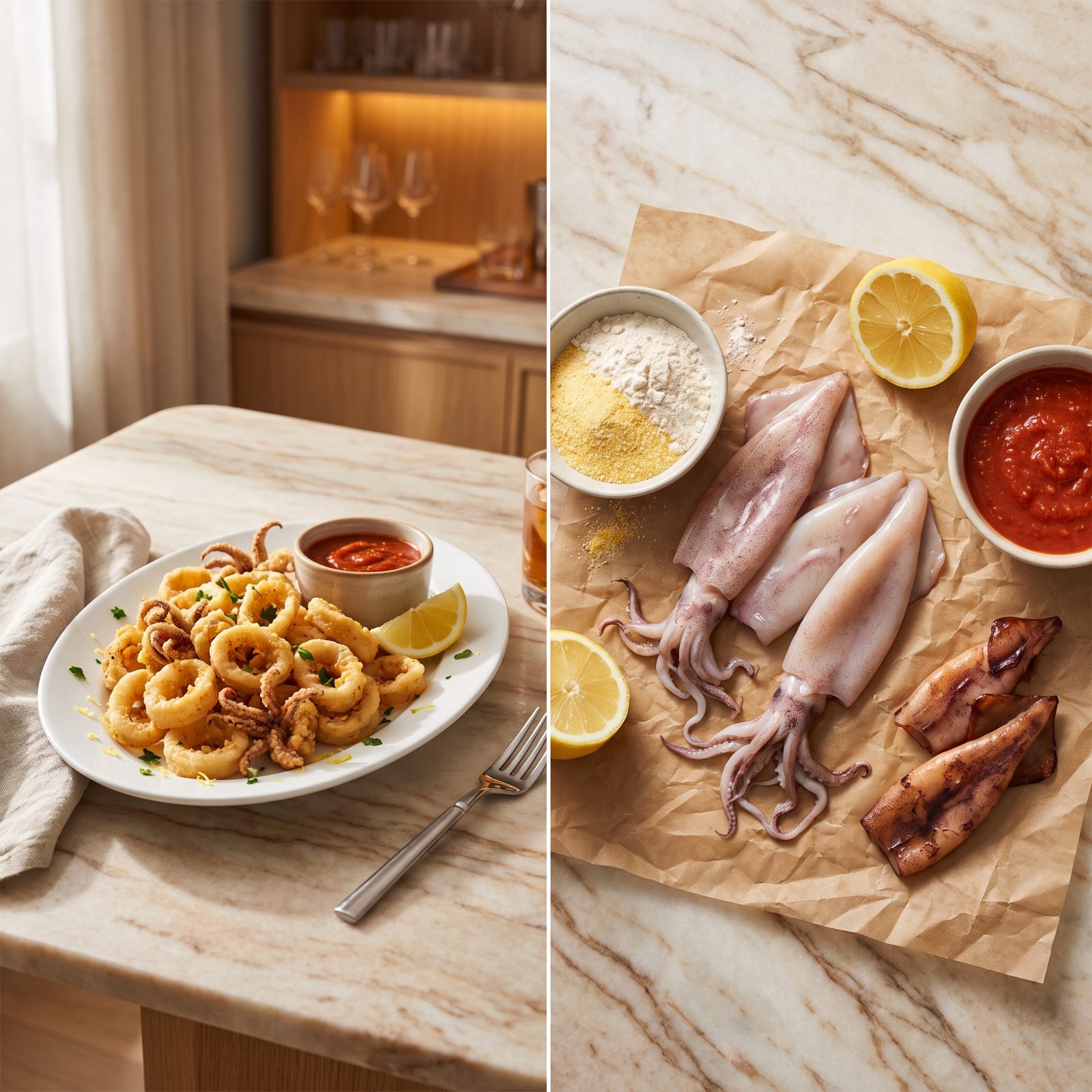
Squid is one of the cheapest proteins in the case, and that’s the punchline every server has heard a hundred times. The markup on calamari is legendary, and none of it is about the squid.
Cook it thirty seconds too long and it turns to rubber bands. Getting it tender and crisp at once is a knife’s edge of timing, done to order, in a hot fryer that costs money just to keep running. Then there’s the cleaning, the dredging, the marinara made from scratch if the place is any good. What you’re paying for is the person who nails that window every single time.
4. Shrimp Scampi over Linguine: Garlic, Butter, and a Whole Lot of Labor
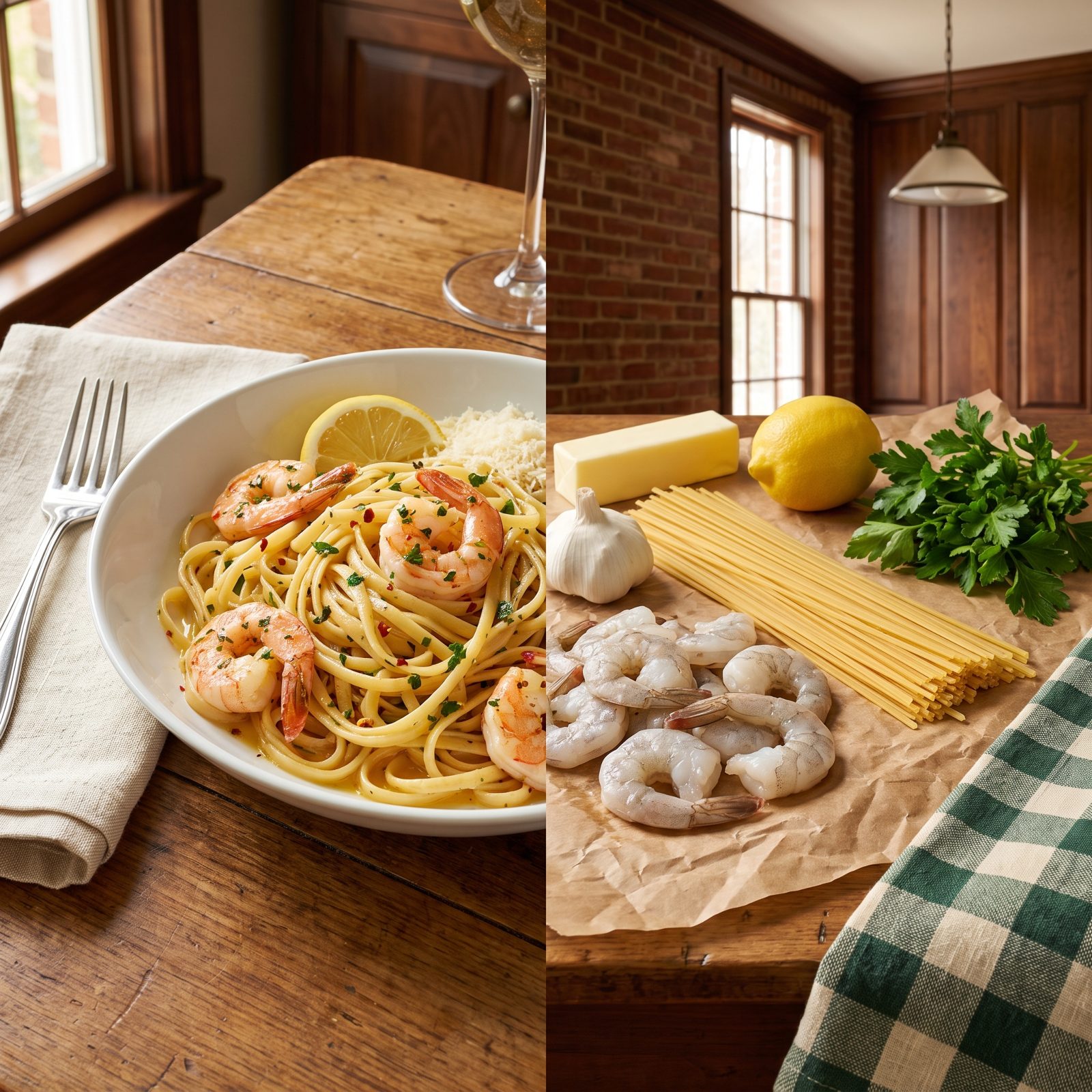
Shrimp carries the cost here, no question. But even good shrimp at home lands well under the menu price of a scampi plate, and the gap fills in with everything that happens fast and can’t be faked.
The pasta cooks fresh to order. The garlic gets minced, never spooned from a jar. That sauce is a live emulsion of butter, wine, and pasta water that breaks the moment you rush it, and the shrimp cook in seconds, timed to hit the plate the instant they’re done. Nothing about scampi survives a heat lamp. It’s all à la minute, all hands, start to finish.
3. Chocolate Lava Cake: The Molten Center Is a Kitchen on a Stopwatch
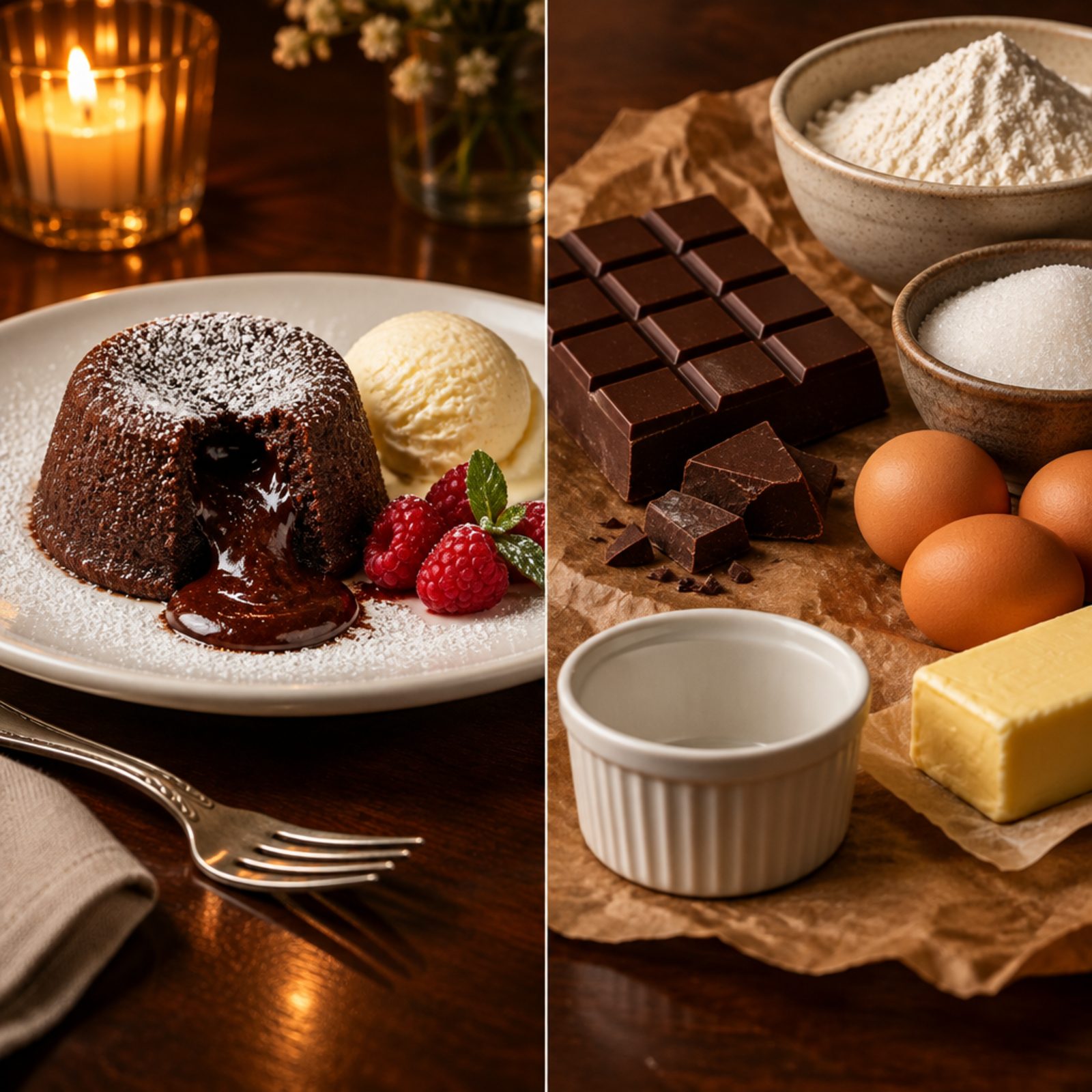
Chocolate, butter, eggs, sugar. A batch costs almost nothing. So why does one little cake run nine bucks?
Because that molten center is a countdown, and thirty seconds too long in the oven leaves you with regular cake and a burned bottom. Kitchens often portion them ahead, then fire each one to order and pray the timer cooperates. The margin for error is tiny, the failure rate gets folded right into the price, and when it works it’s the last thing you remember about the whole meal. That’s worth something, and they know it.
2. New York Cheesecake: A Slice of Something That Took Two Days
Would you like to save this?
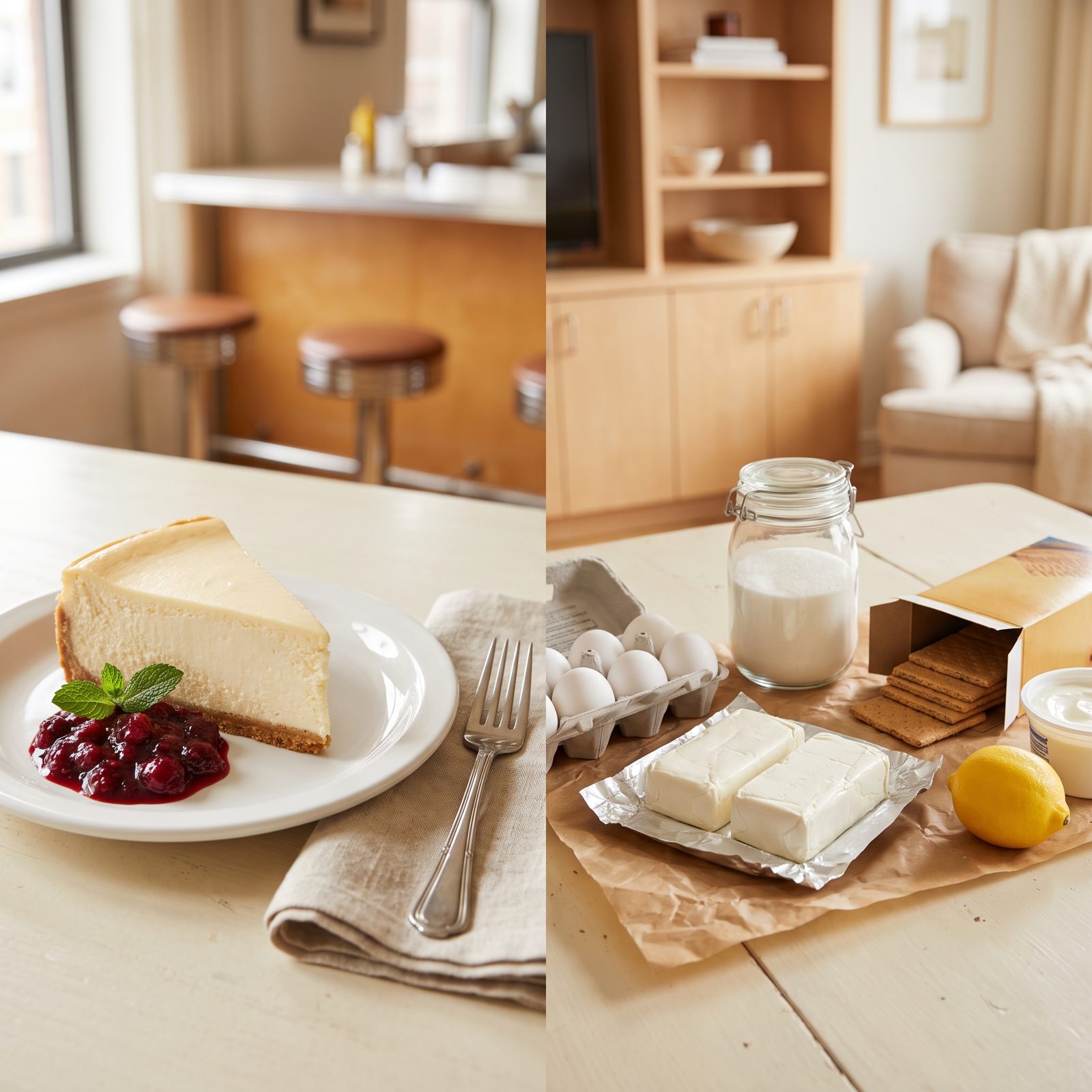
Cream cheese, eggs, sugar, a graham crust. Anybody can shop for it. Almost nobody wants to make it, and that reluctance is the entire markup.
Real New York cheesecake bakes low and slow in a water bath so it won’t crack, then cools, then chills overnight before it’s even sliceable. Two days of clock time tying up oven space and fridge space for one dessert. A single slice is a fraction of that effort, sure, but the effort is real and so is the wait. You get the payoff and skip the two-day commitment.
1. Warm Brownie Sundae: The Cheapest Ingredients, the Fattest Margin
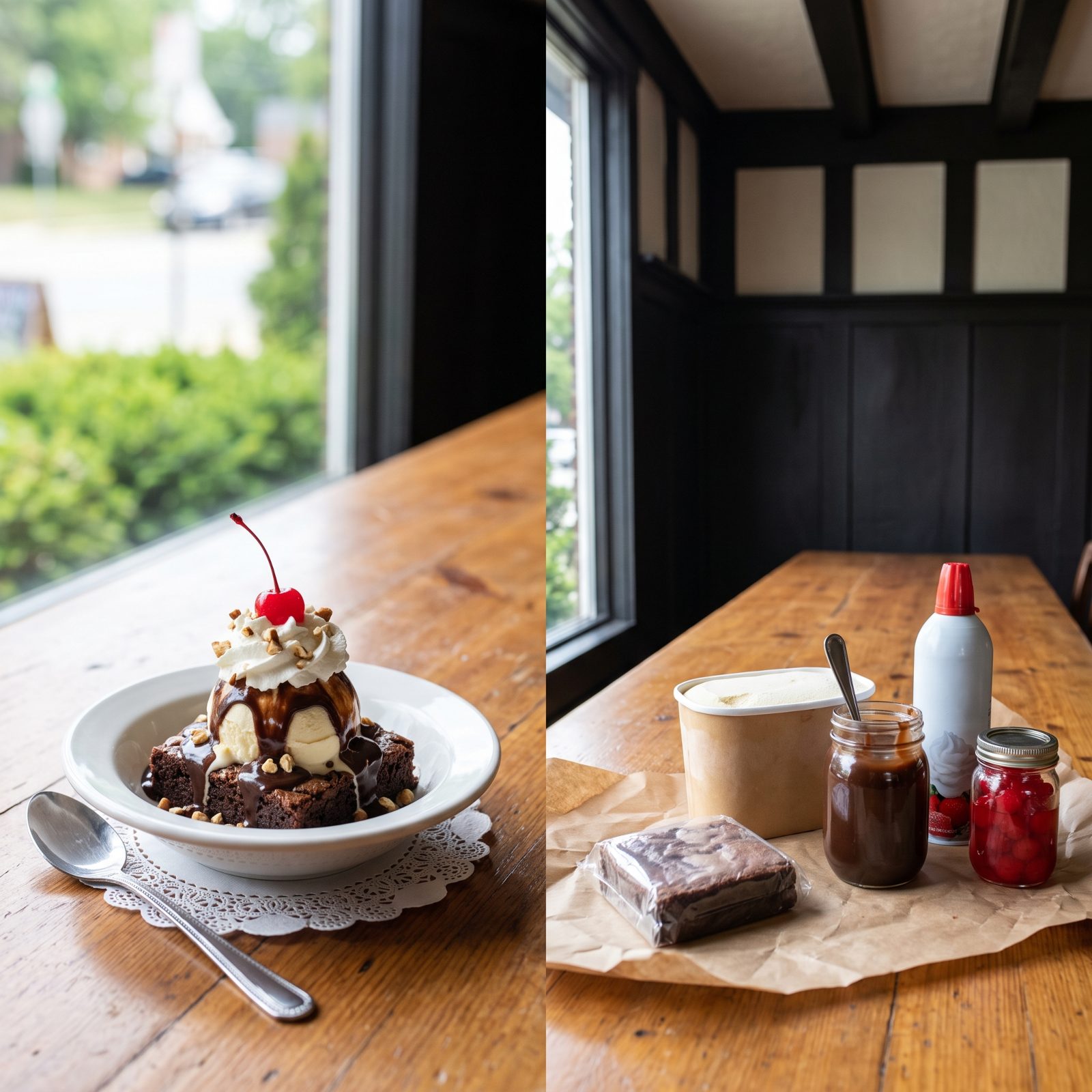
This is the honest one. A brownie, a scoop of ice cream, some fudge from a jar — it costs a restaurant next to nothing and carries one of the fattest margins on the menu.
Look closer, though. The brownie’s warmed so the ice cream just barely starts to slump against it. It’s plated to look like more than it is, all fudge and whipped cream and a cherry on top, and it lands at the exact moment you’ve stopped being hungry but haven’t stopped wanting something sweet. That timing, plus the little bit of theater, is the actual product. The ingredients are just the excuse to bring it over.