
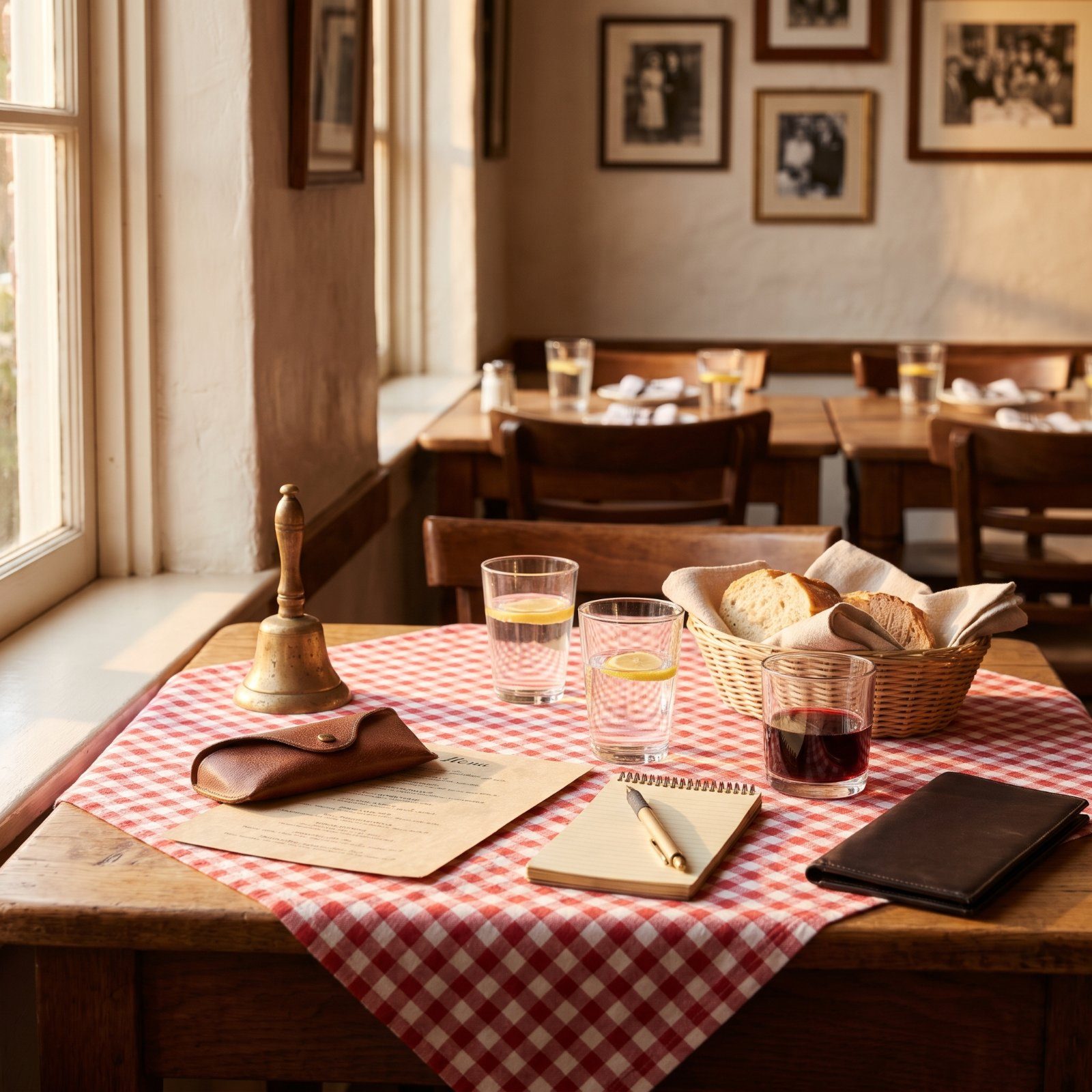
The best table in any restaurant gets claimed at 5:15 on a Tuesday, and almost nobody under fifty knows it. Decades of eating out teach you things the apps never will: how to sidestep the noise, dodge the surge pricing, skip the forty-minute wait at the hostess stand on a packed Saturday. These aren’t fussy rules. They’re small decisions made ahead of time that turn a meal from a logistical scramble into something you actually enjoy. Here are the quiet moves that keep a dinner out pleasant, affordable, and free of surprises you never signed up for.
Please note that some of the images in this article were created with the assistance of AI.
43. Claim the Early Dinner Seating
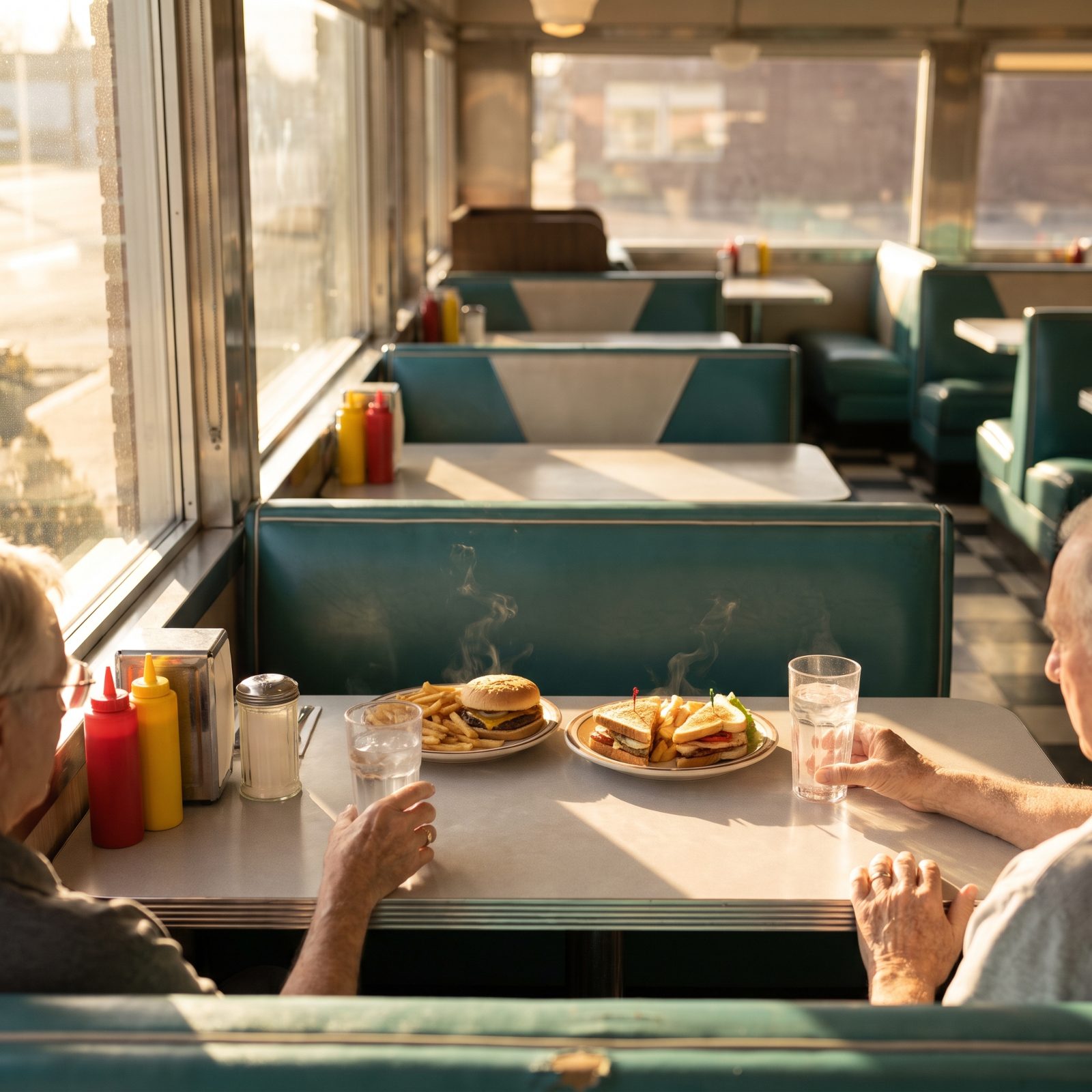
The 5:30 table is the quiet secret everyone pretends not to want. Walk into a half-empty dining room and the whole experience changes. The kitchen isn’t slammed yet, your server has time to actually talk to you, and the food comes out faster because you’re not stacked up behind forty other tickets.
And the money part is real. Plenty of places run early-bird menus or happy-hour pricing before six — the same plates at a lower number. You get the calm room and the smaller check, while the folks who booked the 8:15 are paying full freight just for the noise.
On booking times, a top British chef says eating early is better because the kitchen is still unstressed at the start of service and has fewer orders to juggle.
What Our Readers Say
- Piaci Pizza readers like seeing a dining room in action: photos of restaurant scenes got hearts 79% of the time, compared with 71% for other images in the same articles.
- When our readers loved a food photo and tapped a reason, comfort came out on top at 30%, ahead of ingredients and simply looking good.
From Piaci Pizza reader polls and votes.
42. Call the Restaurant Instead of Trusting the App
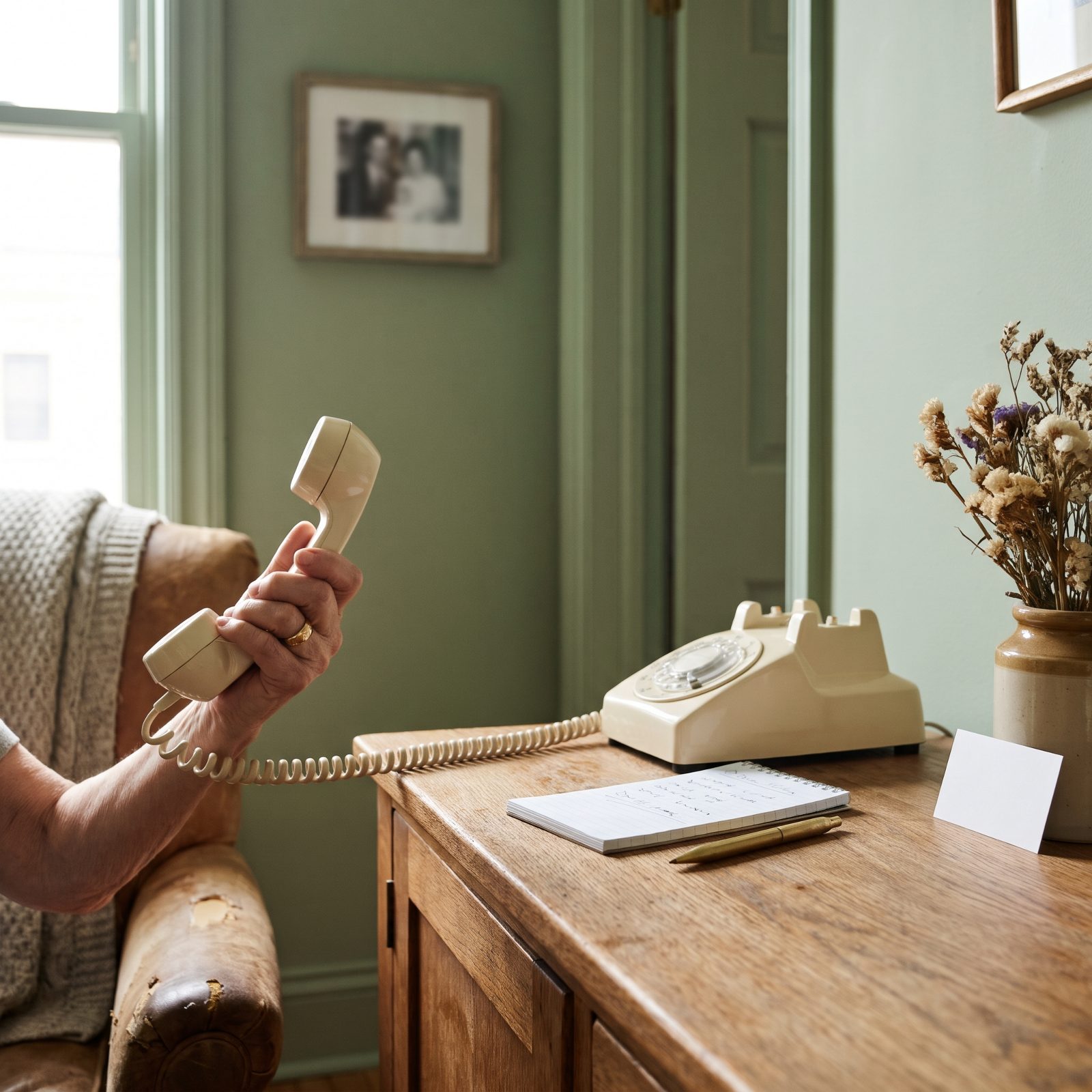
Apps lie by omission. The hours are wrong, the “book now” button sells a table that doesn’t exist, and nobody tells you the kitchen closes at nine on Tuesdays. A thirty-second phone call clears all of it.
You also get a human who remembers you. Ask about the specials, mention it’s an anniversary, request the booth by the window — none of that fits in an app. The person answering the phone can make your whole night better, and they often do, for free.
41. Request a Quiet Table When You Reserve
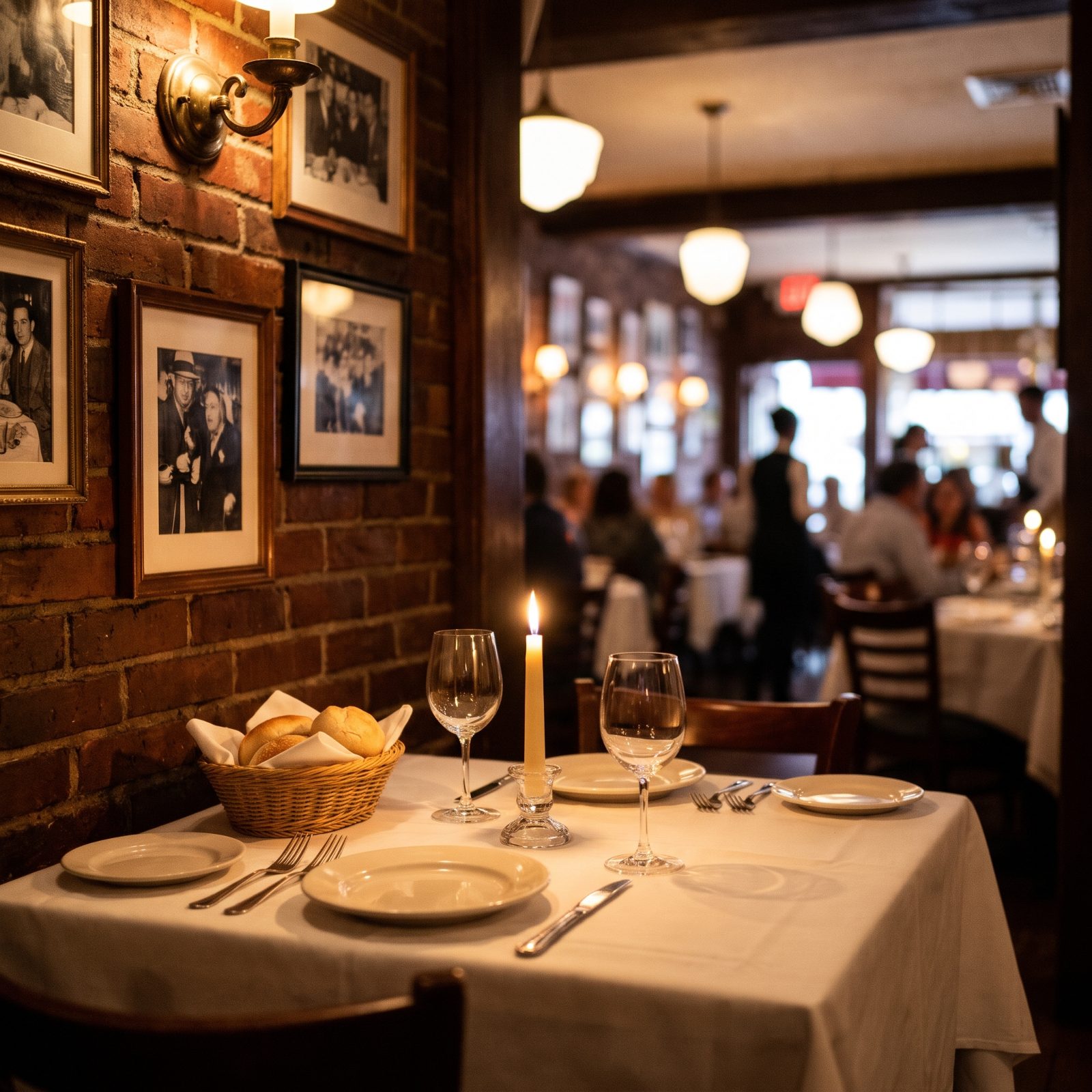
Ask for a quiet table when you book and you’ll usually get it — away from the kitchen doors, the bar, the server station, the big party that’s three bottles deep by seven.
Hearing the person across from you is the whole reason to eat out together. A corner table or a spot along a back wall makes conversation possible instead of a shouting match over clattering plates. Nobody ever regretted asking. Worst case, they say they’ll see what they can do.
40. Confirm Whether the Place Has Stairs
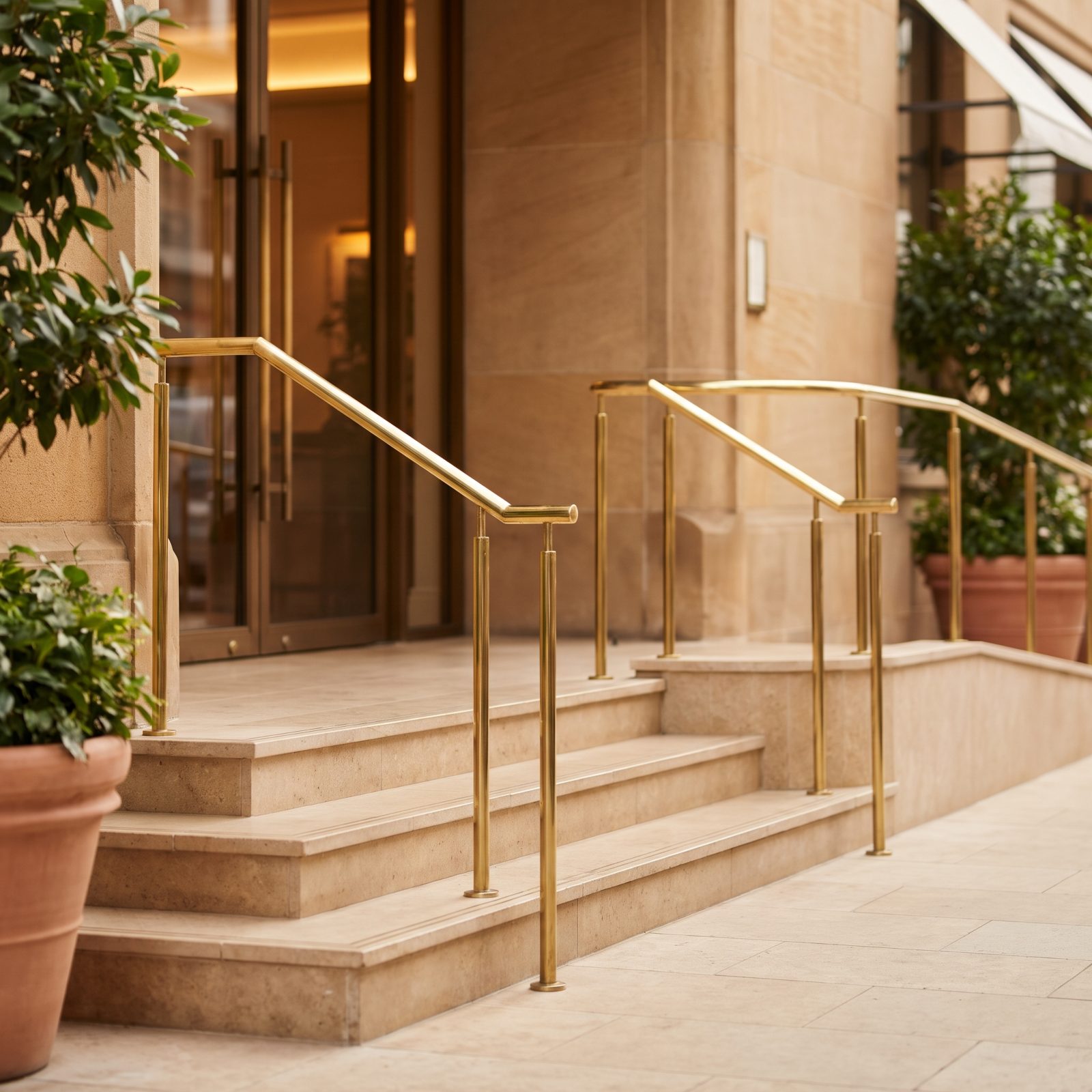
Nothing ruins arriving at a restaurant like discovering the dining room is up a flight of narrow stairs with no rail — or that the only restroom is down in a basement you’d need a map to find.
So ask ahead. Is there a ground-floor entrance, a rail, a restroom on the same level? One question saves the whole evening from turning into a negotiation at the door. A good restaurant answers happily, and the way they answer tells you plenty about how they’ll treat you all night.
39. Book a Reservation Even on a Slow Weeknight
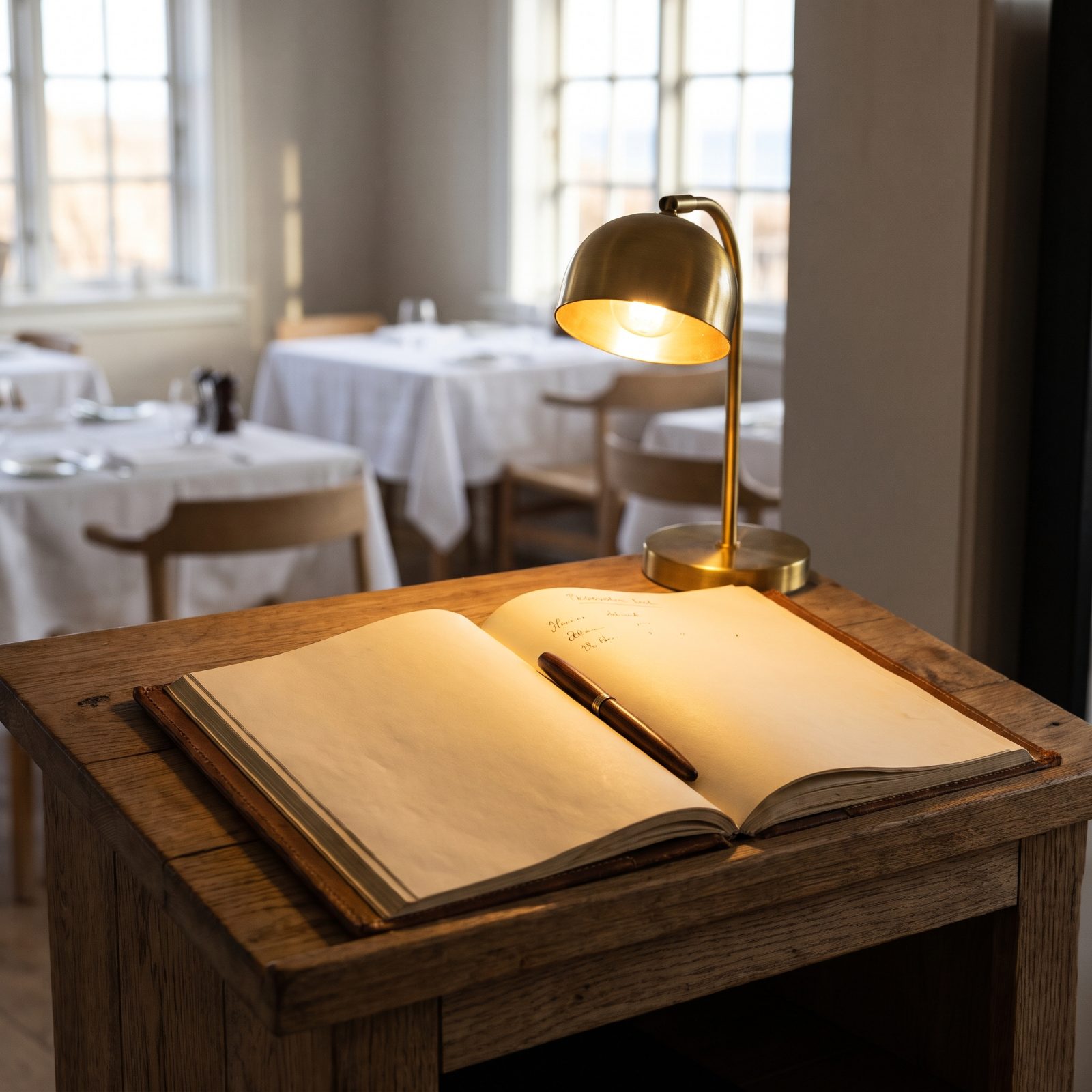
“We’ll just walk in” works until it doesn’t. A private party you didn’t know about, a short-staffed kitchen, a sudden rush — and then you’re standing at the door on a random Wednesday being told it’s a forty-minute wait.
A reservation isn’t fussy. It’s a promise the restaurant made to hold a seat for you, and holding people to their promises is a fine habit.
It also tells the restaurant to expect you, which means they plan for your table instead of scrambling to find one.
38. Show Up Ten Minutes Early
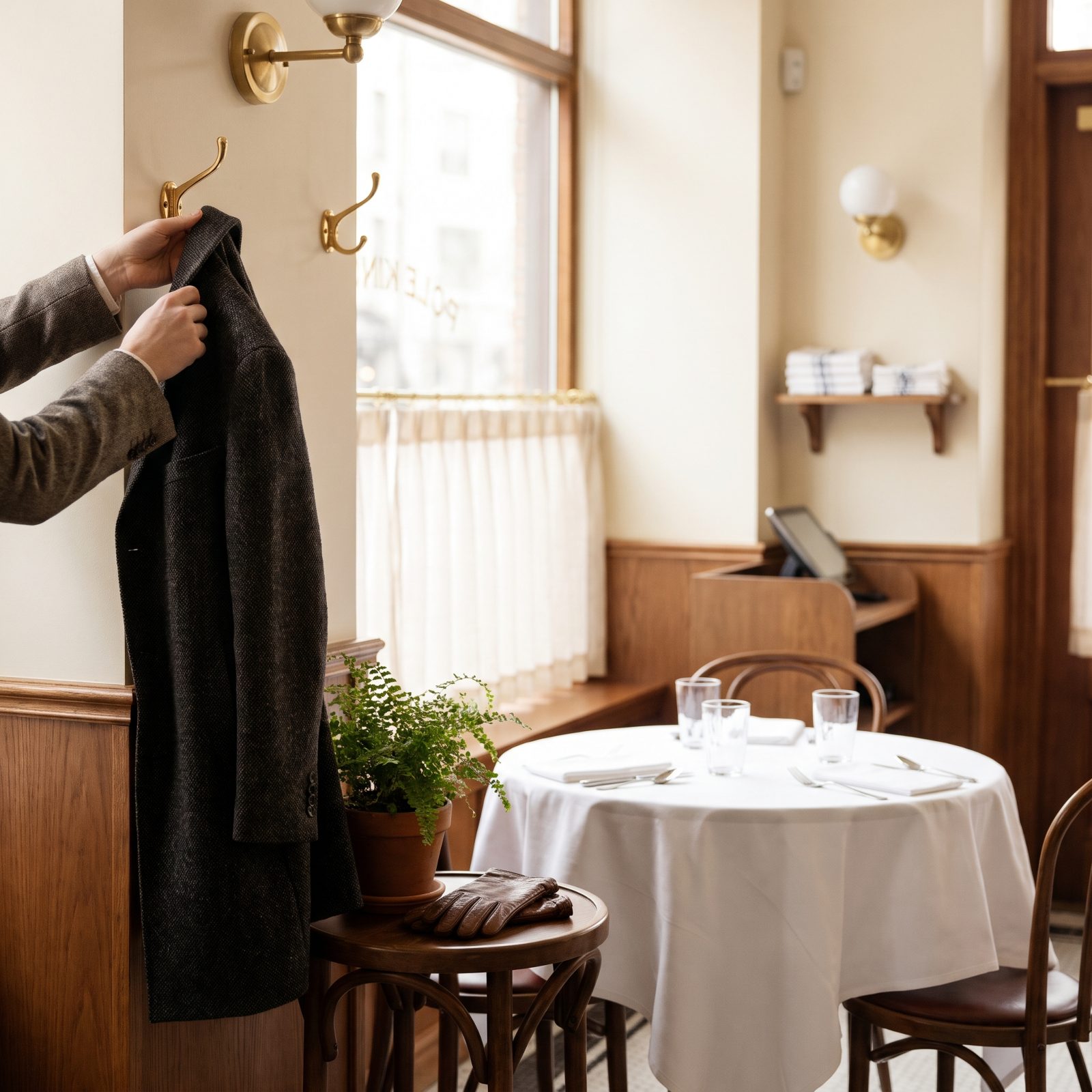
Arriving ten minutes early isn’t really about being early. It’s about not being rushed. You walk in calm, hang your coat, and settle into the chair before any pressure starts.
You also get first pick when a table isn’t quite ready. The host can quietly steer you toward the better booth instead of the cramped two-top by the door. Being gracious and on time buys small favors all evening.
37. Eat Out on Weekdays, Not Saturday Nights
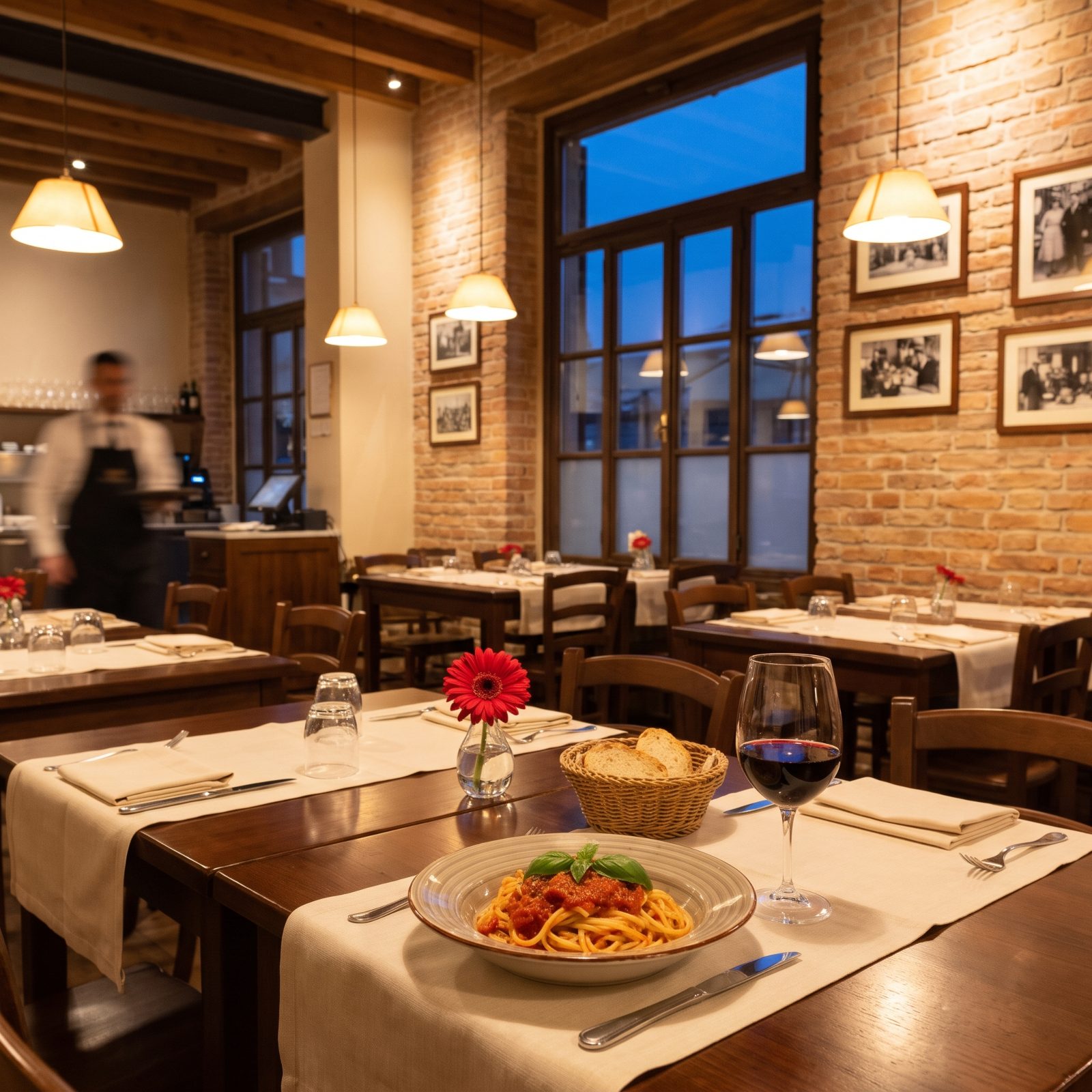
Saturday night is when restaurants are at their worst and their priciest. Loudest room, longest waits, slowest kitchen, most harried staff — and you pay a premium for the privilege of being crammed in.
Tuesday through Thursday is that same restaurant running at half the pressure. The chef isn’t buried, and the server has twenty minutes instead of five. Some places quietly discount midweek to fill seats. Same food, calmer room, friendlier check. Let the weekend crowd keep the chaos.
36. Make Lunch the Main Restaurant Meal
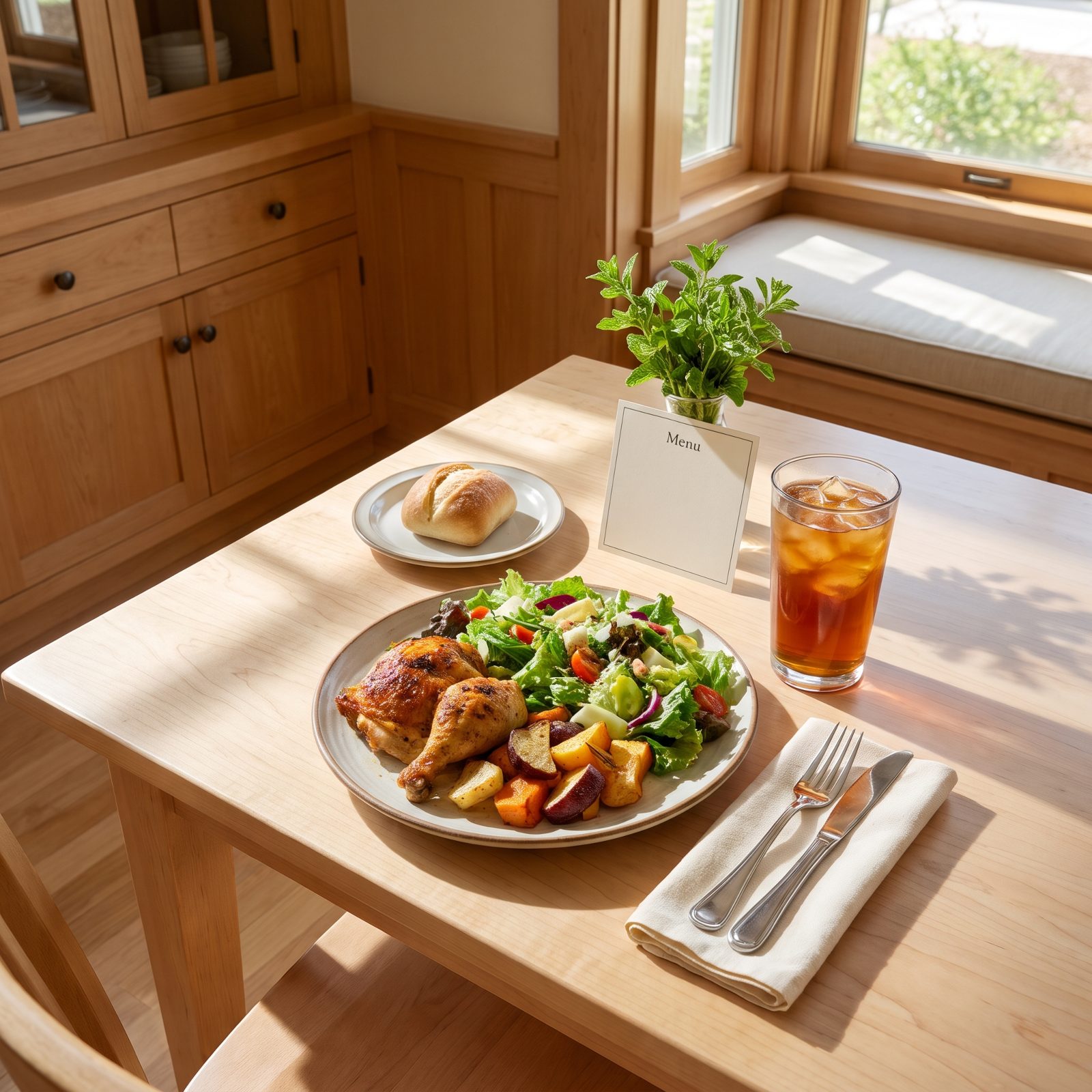
The lunch menu is the dinner menu with the prices shaved off. Often the exact same dishes, the same kitchen, the same chef, several dollars cheaper per plate.
Daylight helps too. You can read the menu without a phone flashlight, see your food, and drive home before dark. A big midday meal and a light supper sits easier at night than the reverse. And the fancy place that’s impossible to book at eight? There’s a lunch table wide open at noon.
35. Dress One Notch Nicer Than Required
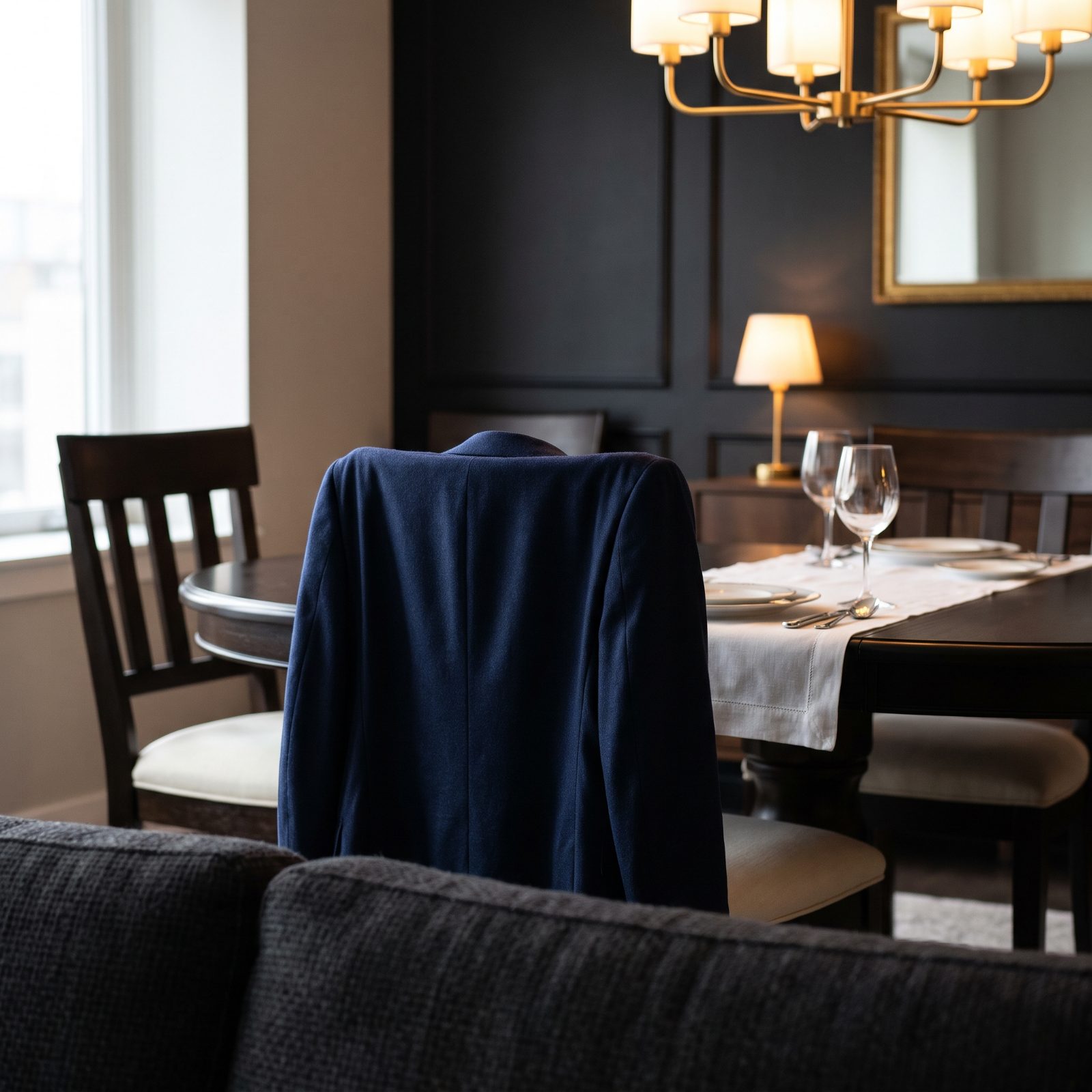
A pressed collar changes how a room treats you. Not because anyone’s judging, but because effort reads as respect, and restaurants return it — the better table, the warmer greeting, the server who checks back a little more often.
You don’t need a tie. A clean jacket, decent shoes, something that isn’t what you wore to the hardware store. Dressing one step up signals you came to enjoy the evening, not just refuel. The staff picks up on it instantly. So does the person across the table.
34. Bring Reading Glasses for the Menu
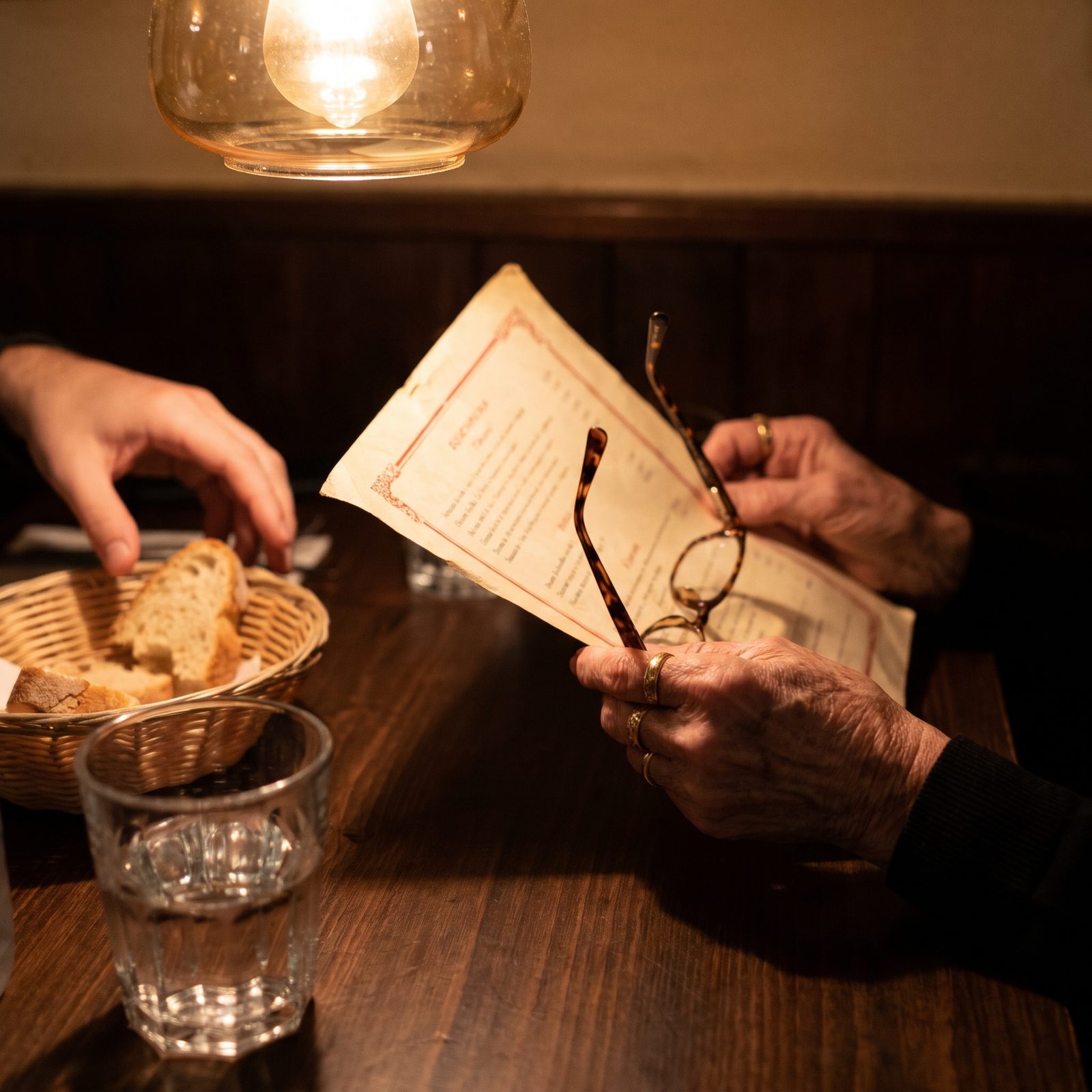
Nothing kills the opening minutes of a meal like holding the menu at arm’s length and pretending you can read it. The lighting in half these places was apparently set by someone who reads by candlelight for fun. A cheap pair of readers in your pocket means you order what you actually want instead of pointing at whatever your eyes can halfway make out.
It also means you catch the small print — the cramped descriptions under every dish, the fine print running along the bottom of the page, all the details that blur together without help.
33. Carry a Sweater Into an Air-Conditioned Dining Room
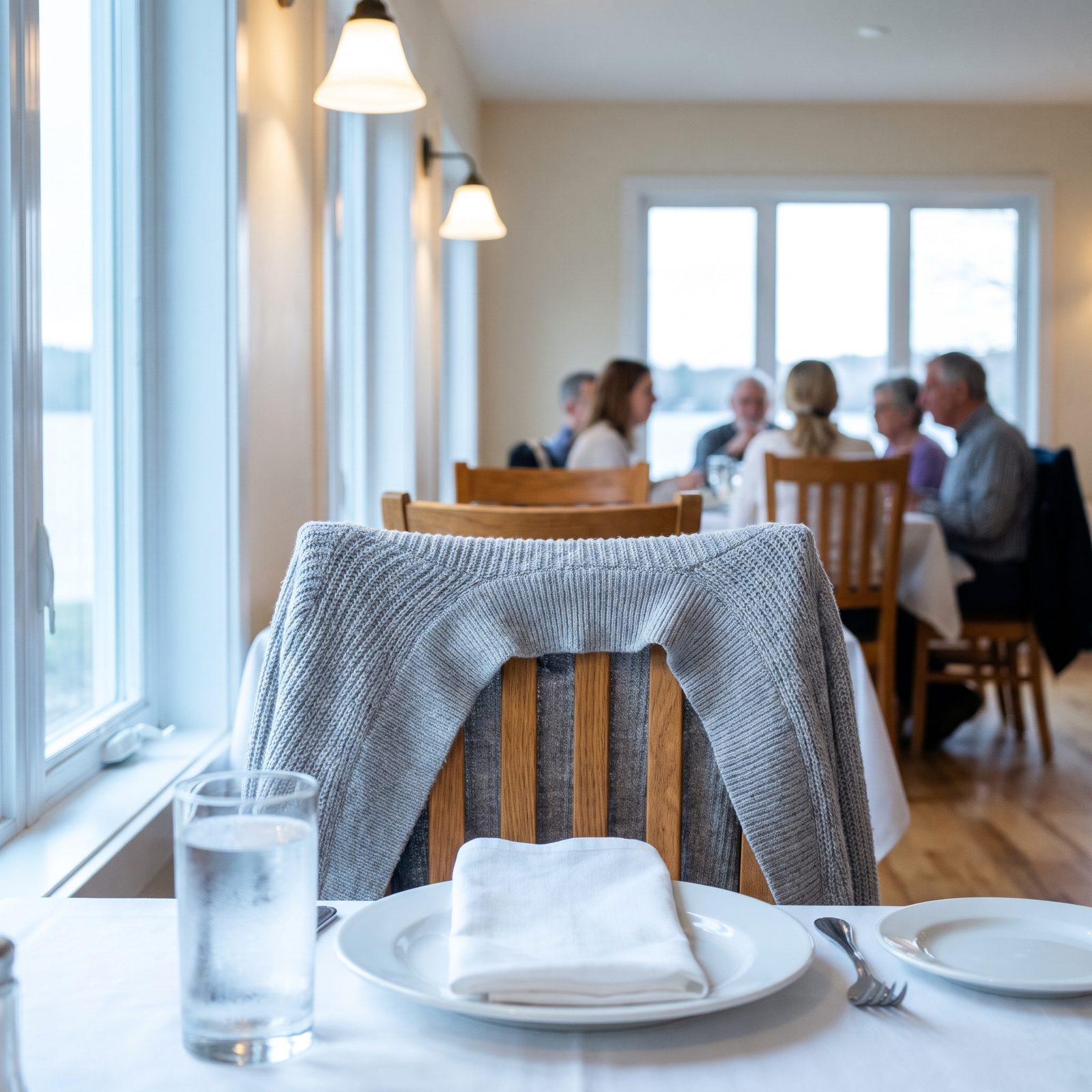
Restaurants run their air conditioning like they’re trying to hang meat. You feel fine walking in off a hot sidewalk, then forty minutes later you’re hunched over your plate shivering and blaming the soup for going cold too fast. A light cardigan over the chair back solves it before it starts. You stay warm, you stay loose, and you’re not the one flagging down a busy server to go hunt for the thermostat.
32. Keep a Few Small Bills in Your Wallet
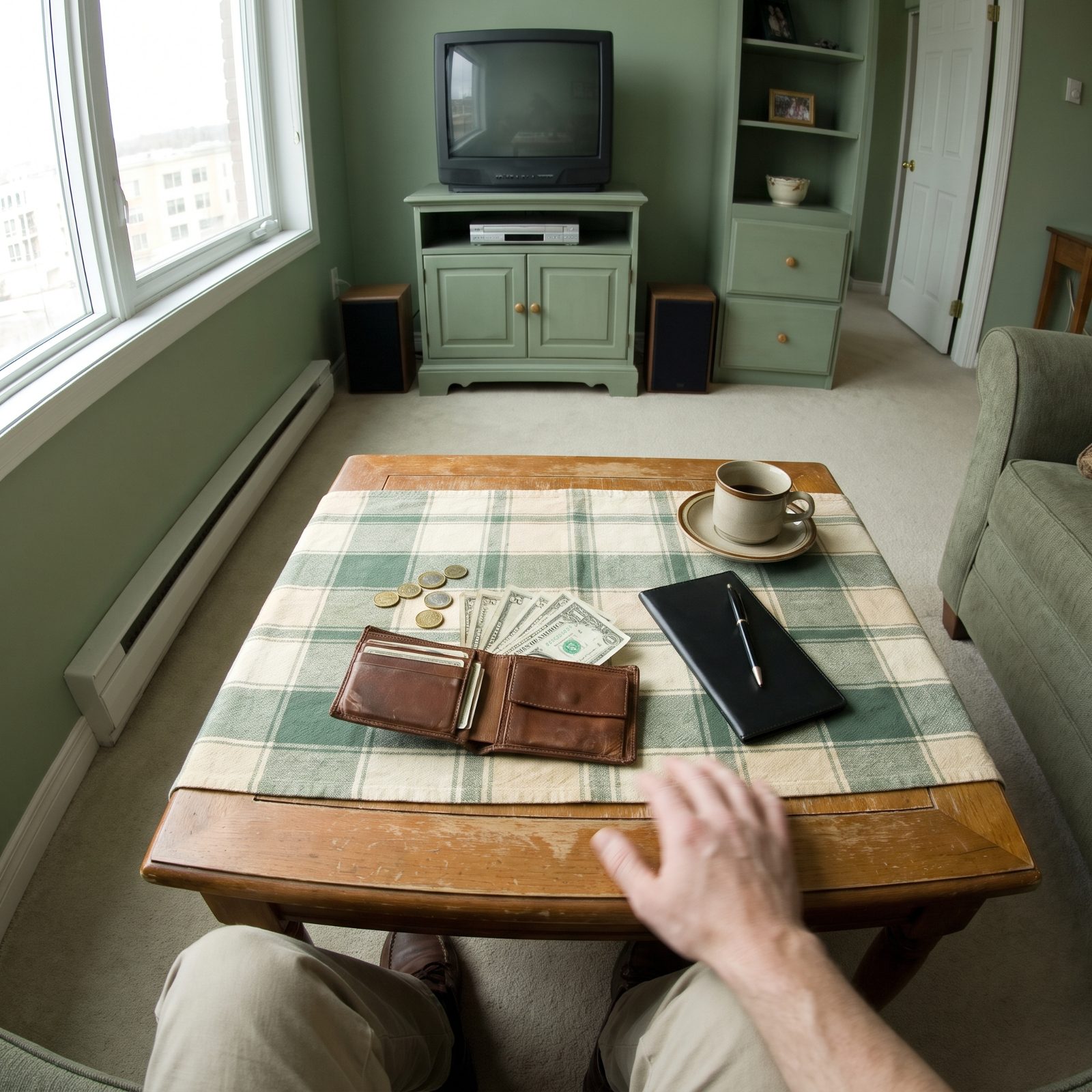
Tipping on a card is fine until the machine spins its little wheel and asks you to pick a percentage while the server watches the screen too. Small bills skip all that. You leave the right amount in cash, the person who waited on you keeps every cent of it, and nobody’s doing math under pressure.
Same goes for the valet, the busser who refilled your water six times, the kid clearing the table. A folded bill handed over quietly buys more goodwill than any app ever has.
31. Bring the Coupon Even If It Feels Uncool
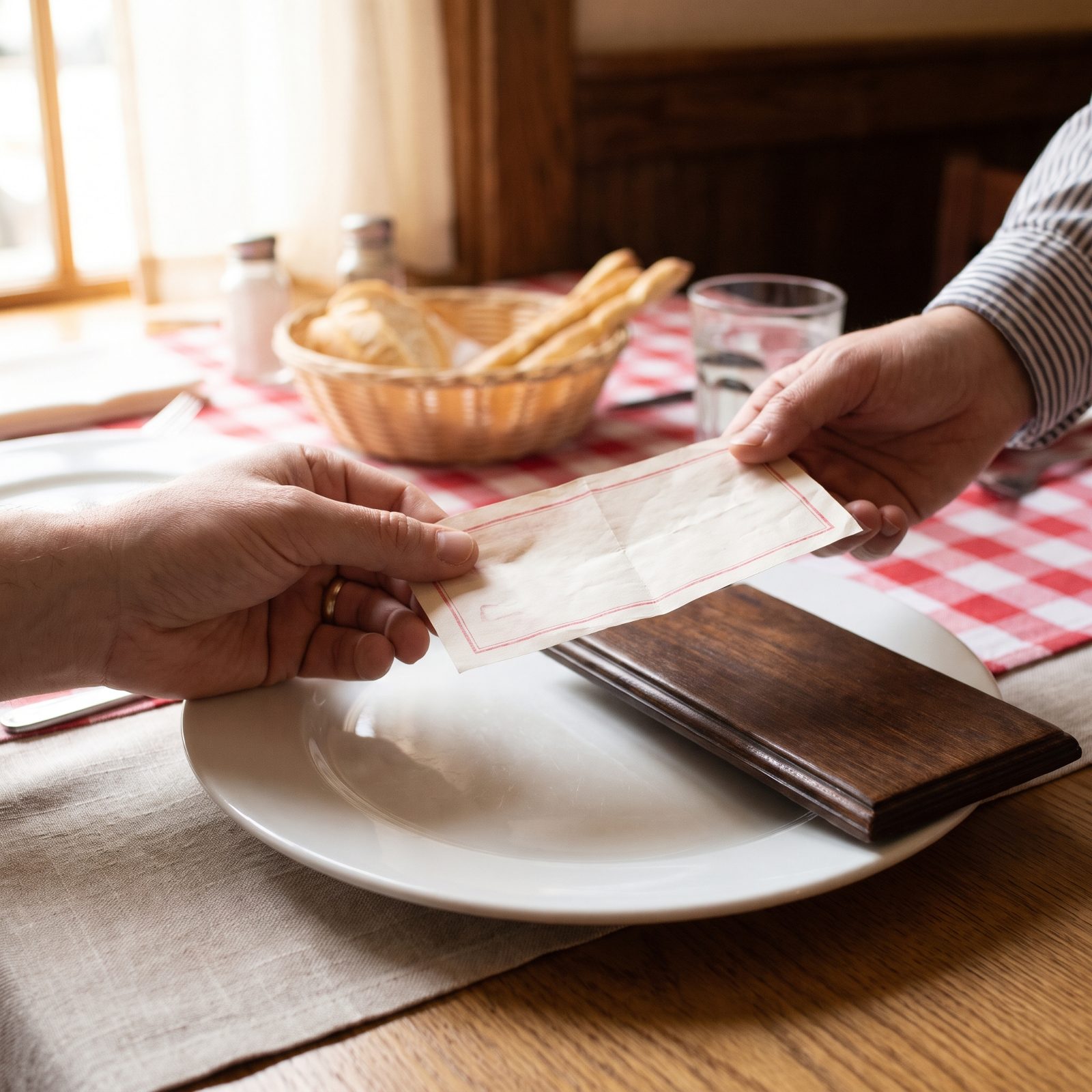
Somewhere along the way people decided a coupon marks you as cheap. Wrong. It marks you as someone who likes keeping their own money. The restaurant mailed the thing to you hoping you’d come in — using it is the whole reason it exists.
Hand it over as soon as the check lands, before the server runs your card, so there’s no awkward recalculation. Ten dollars off is ten dollars that was yours the moment you walked through the door.
30. Ask About the Senior Discount
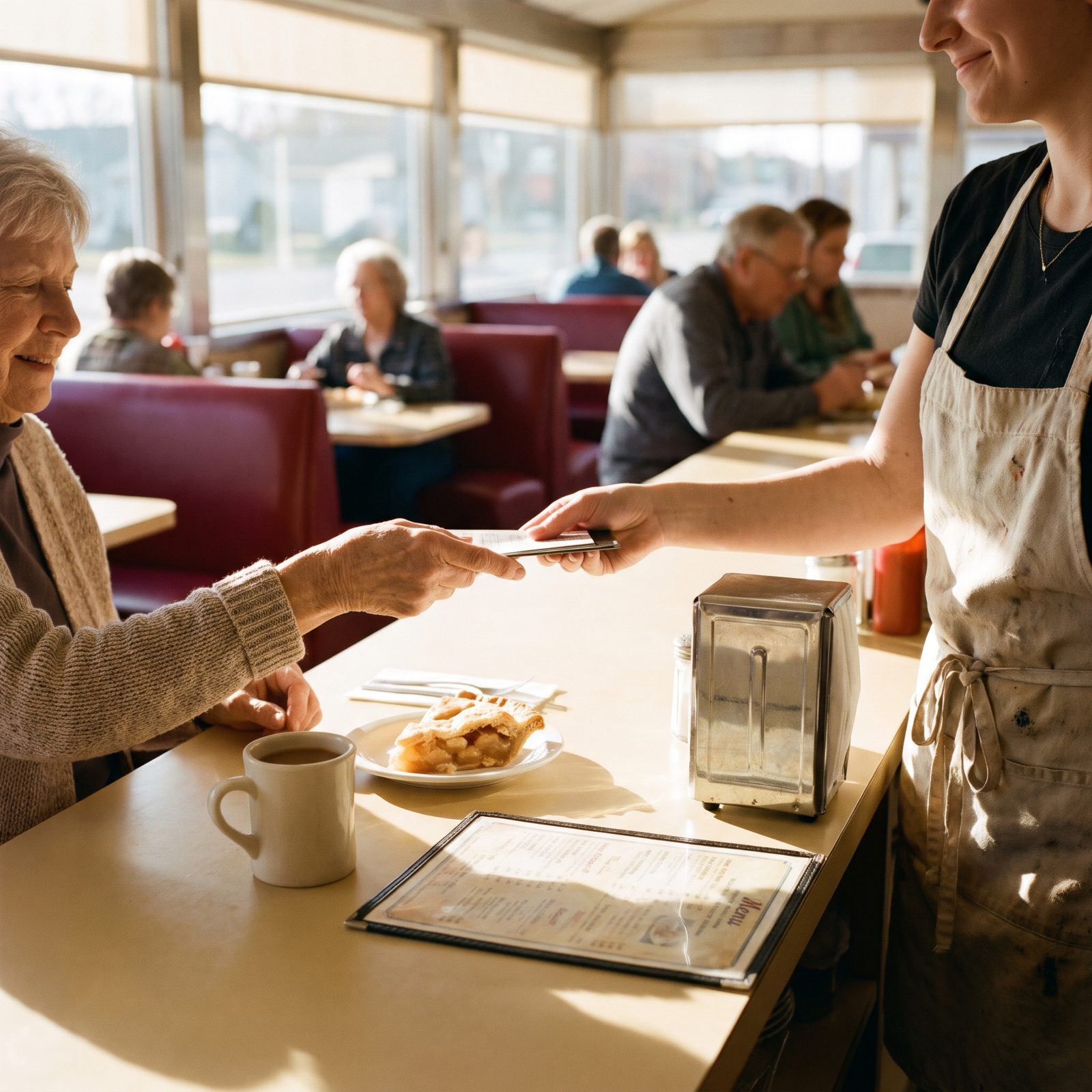
Plenty of places quietly knock a little off for older diners and never advertise it, because advertising it would mean giving it to everyone who asks. So ask. The worst answer is a polite no, and you’ve lost nothing but the three seconds it took.
Diners, cafeterias, family chains, pancake houses — the discount is often sitting right there, unclaimed, because people are too proud or too distracted to say the word.
29. Use Gift Cards Before They Get Forgotten
You know the drawer. The one by the phone with the takeout menus and the dead batteries. There’s a gift card buried in there with a few bucks left on it from a birthday two years back, slowly turning into the restaurant’s money instead of yours.
A lot of gift card value never gets redeemed because people simply forget they have it. So carry the half-used one. Spend it down. The balance is real cash — treat it that way.
28. Choose the Seat With the Best Lighting
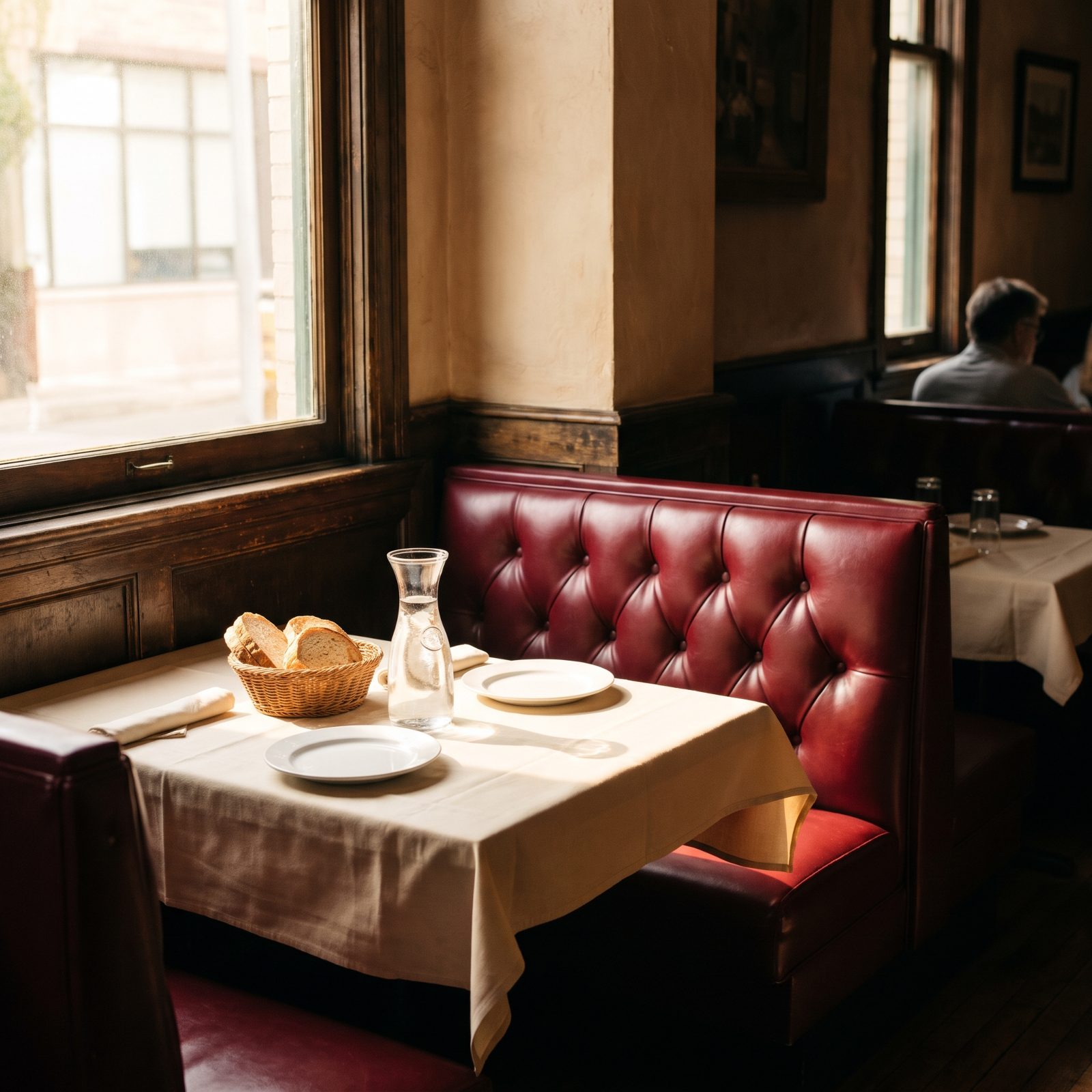
When the host says “anywhere you like,” that’s not small talk. That’s a choice. Take the table by the window or under the good light, not the dim one wedged by the kitchen door where you’ll be reading the menu by feel.
Good light means you see your food, read the check without hunting for your phone flashlight, and actually look at the person across from you. The dark romantic corner is overrated when you want to see what you’re eating.
27. Wait Until Everyone Is Served Before Eating
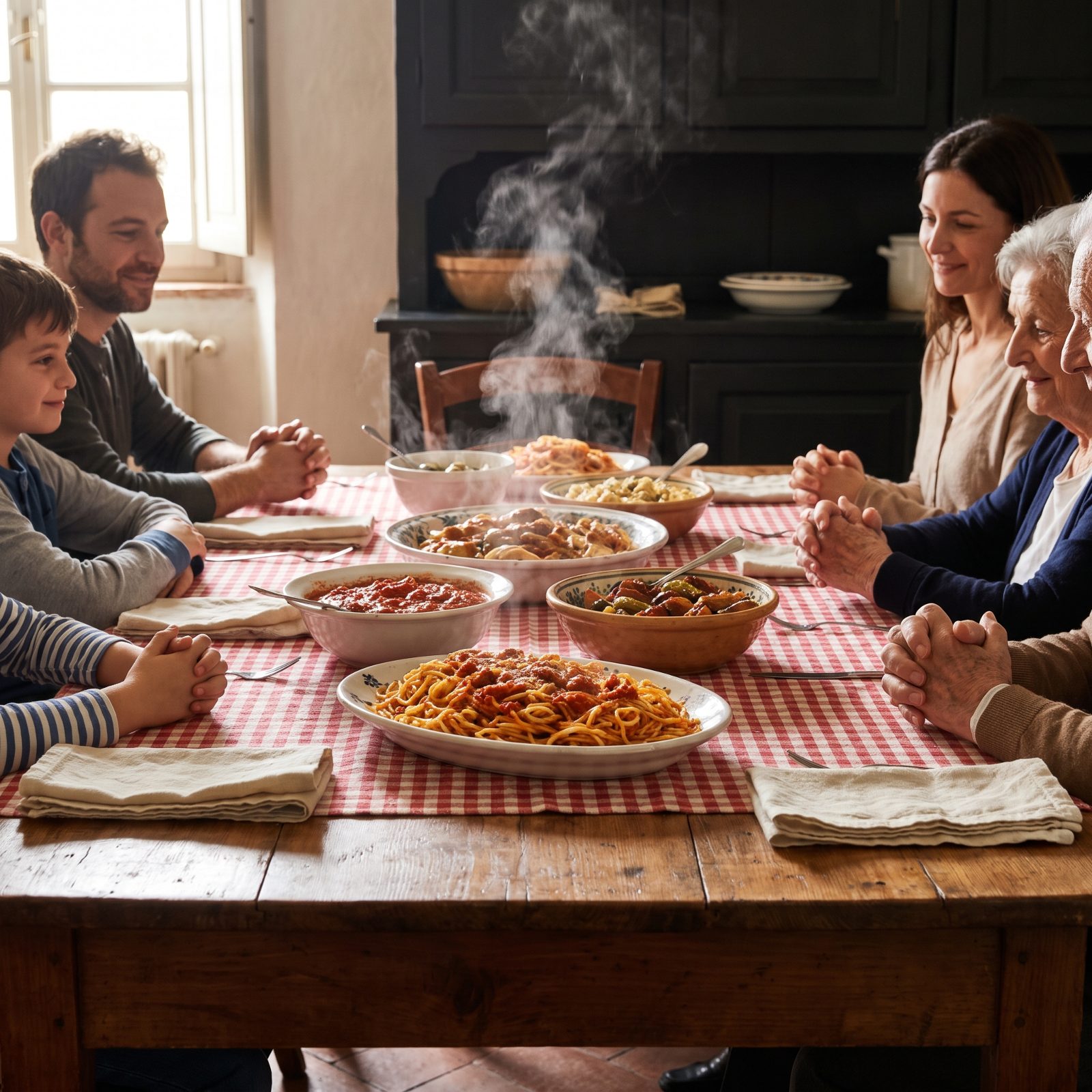
One plate comes out early, hot and good, and the person in front of it has two choices: dig in while everyone else watches, or wait the ninety seconds until the table is whole.
Waiting isn’t stiff formality. It’s a small signal that a meal is a shared thing and not a race. The food stays hot enough, the gesture lands, and the table starts together — which is how a good meal is supposed to go.
26. Ask for Things to Be Passed Instead of Reaching Across
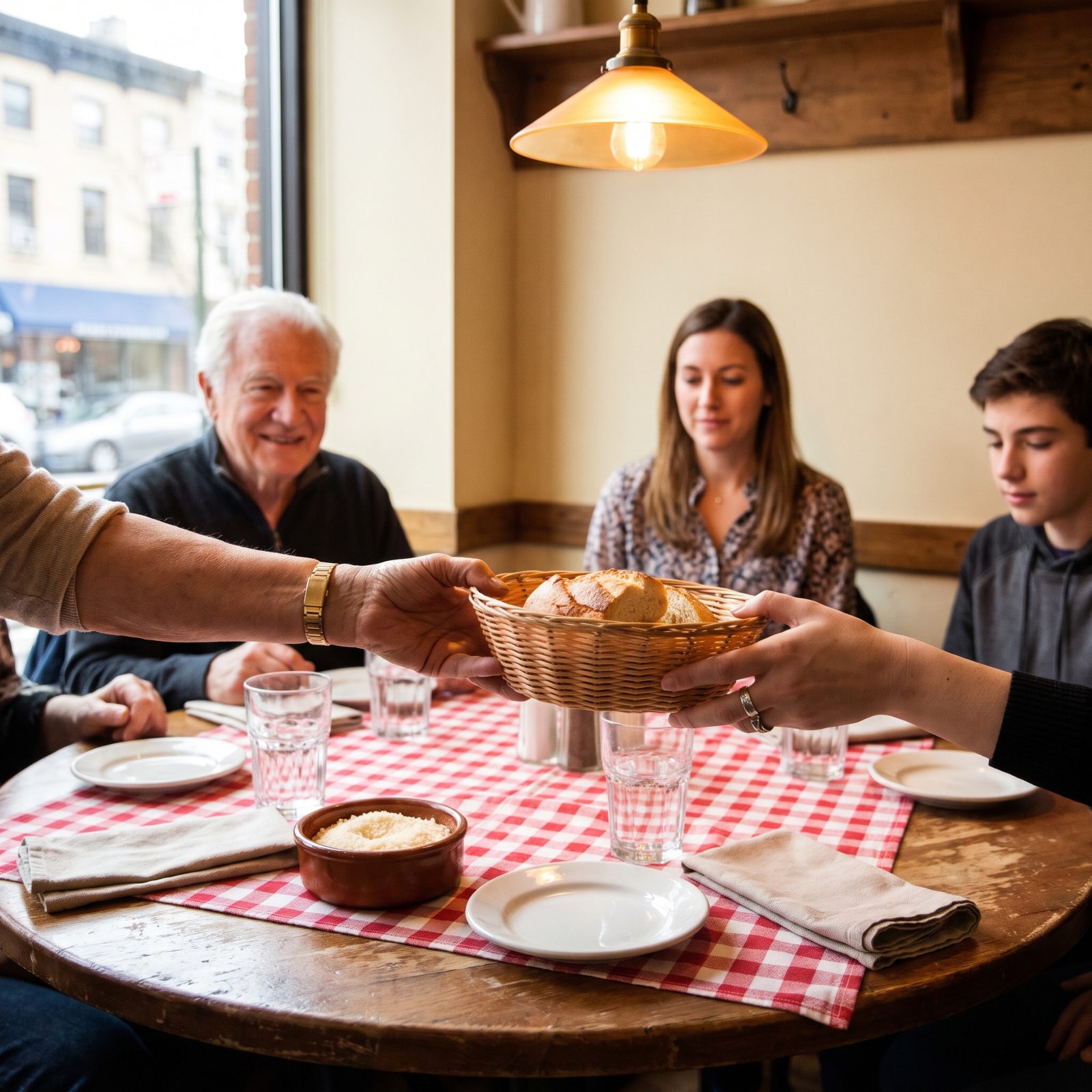
Reaching across a table turns a sleeve into a hazard and a shared meal into an obstacle course. Ask for the salt instead, and three good things happen at once: nothing gets knocked over, the person next to you feels useful, and the whole table slows down half a beat.
Sounds minor. It isn’t. A meal where people hand each other things has a completely different rhythm than one where everyone lunges for what they want — one feels like dinner, the other like a buffet line.
25. Taste First, Salt Second
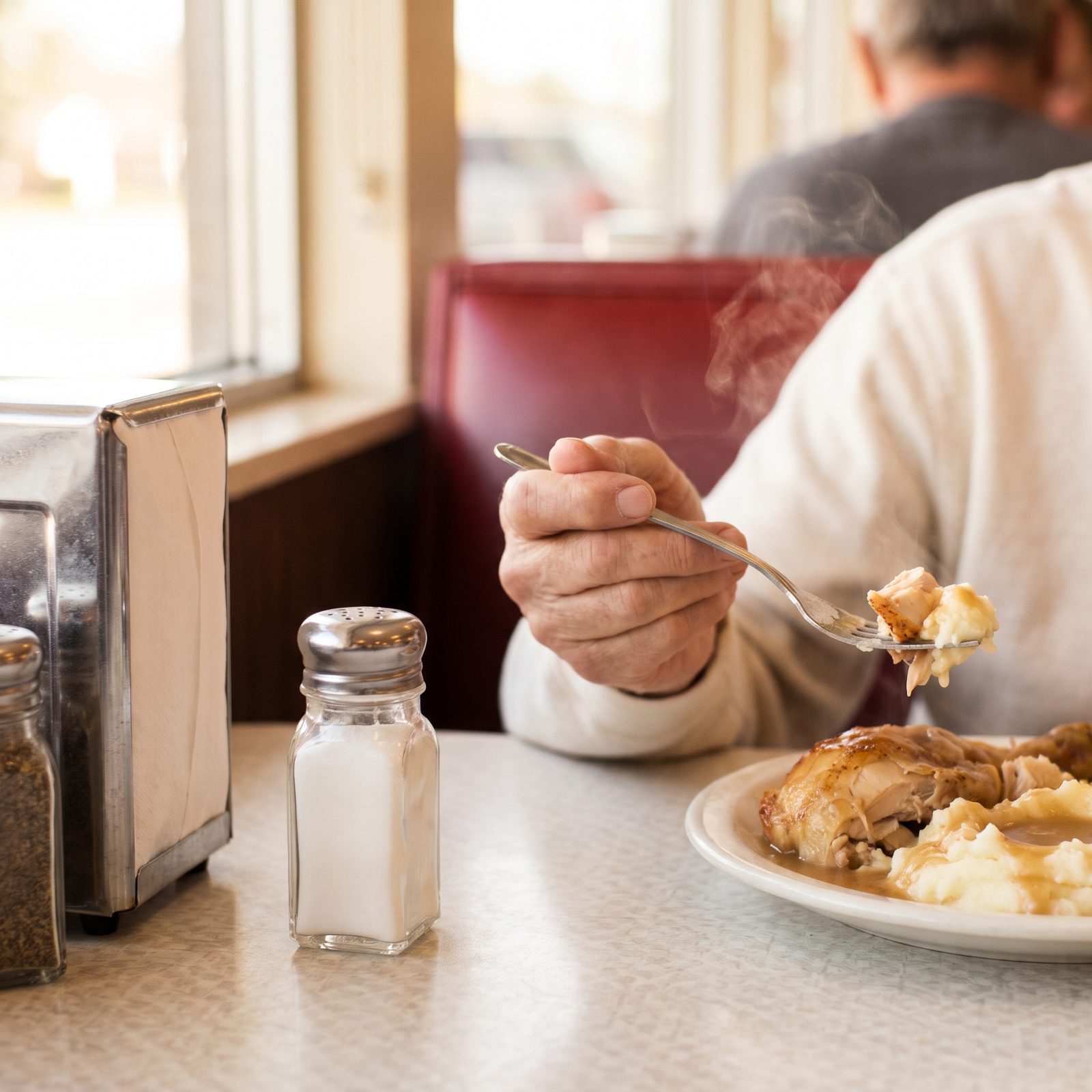
Grabbing the salt before the first bite is a confession: you already decided the kitchen got it wrong. Most of the time, they didn’t.
A cook seasons as the food goes along, so salting a finished plate on top just buries that work under a sharp top note. Taste it first. Half the time you’ll leave the shaker alone, and your blood pressure will quietly thank you.
Asked whether it’s rude to request salt, a culinary school chef instructor says “Requesting additional salt at a fine dining restaurant is not rude, but I do think there is something to be said for tasting a dish as the chef intended before adjusting”
24. Order What the Place Is Known For
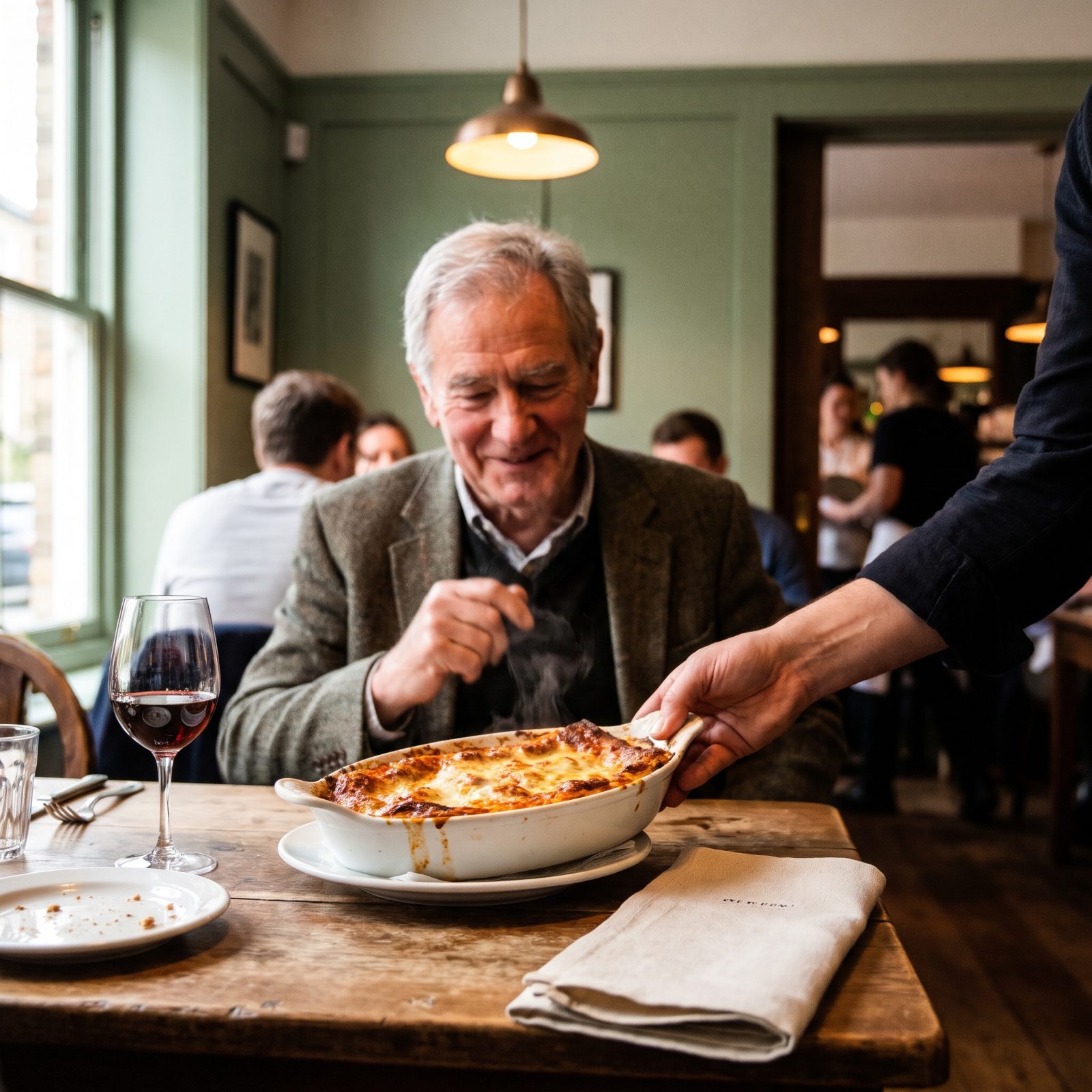
Every restaurant has one dish it was built on. The sign out front might as well be named after it — that’s what the kitchen makes forty times a night, the one the regulars drive across town for.
Order it. Not because you lack imagination, but because that’s where the kitchen’s heart and muscle memory live. The experimental special might be great. The house specialty is a sure thing, and there’s wisdom in knowing the difference.
23. Ask What the Kitchen Actually Makes From Scratch
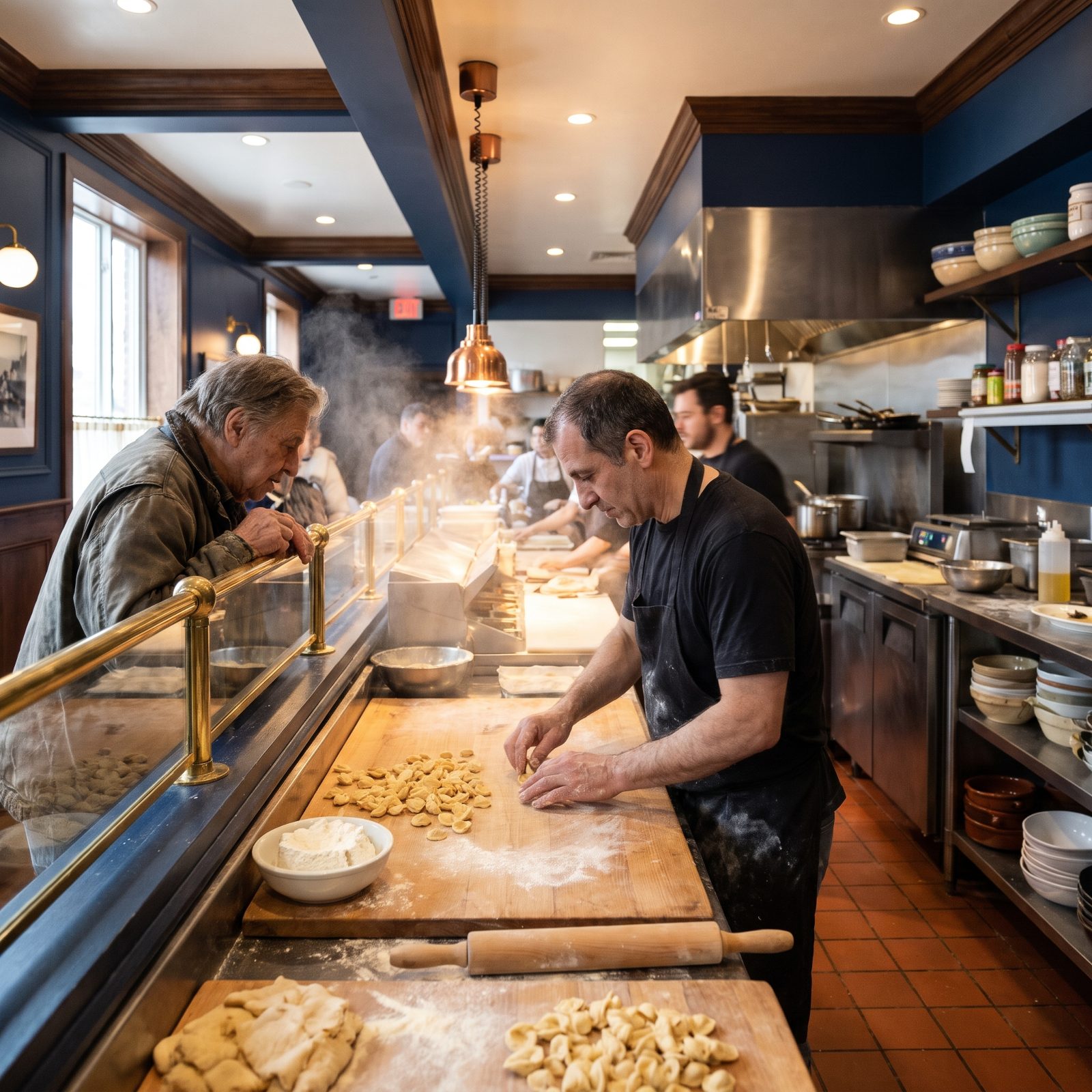
The sauce might come from a jar. The gnocchi might come from a freezer box. You can’t always tell by looking, and the menu certainly won’t say.
So ask. A good server knows exactly what the kitchen does by hand and is usually glad to tell you, because the honest answer sorts the real cooking from the reheating. Order the thing they make themselves — that’s where the money and the care actually went.
22. Nail Down the Market Price Before You Say Yes
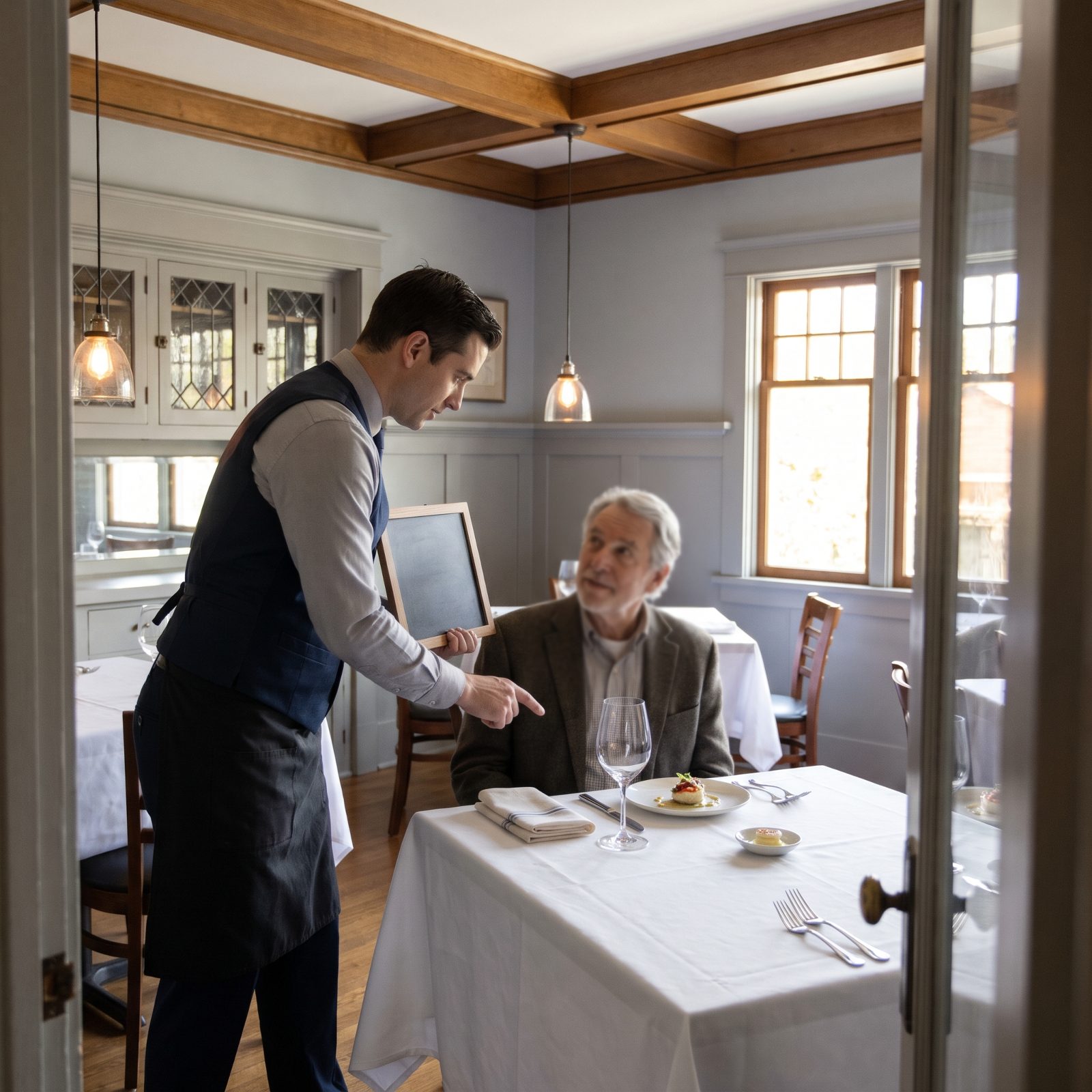
“Market price” on a menu is a polite way of saying the number might surprise you. Nobody over 60 has ever been shy about asking what it is before the lobster lands on the table.
There’s zero embarrassment in it, and a good server tells you plainly and thinks nothing of it. The only awkward moment is the one that happens later, when an eye-watering fish shows up and you weren’t expecting it.
21. Find Out How Big the Portions Really Are
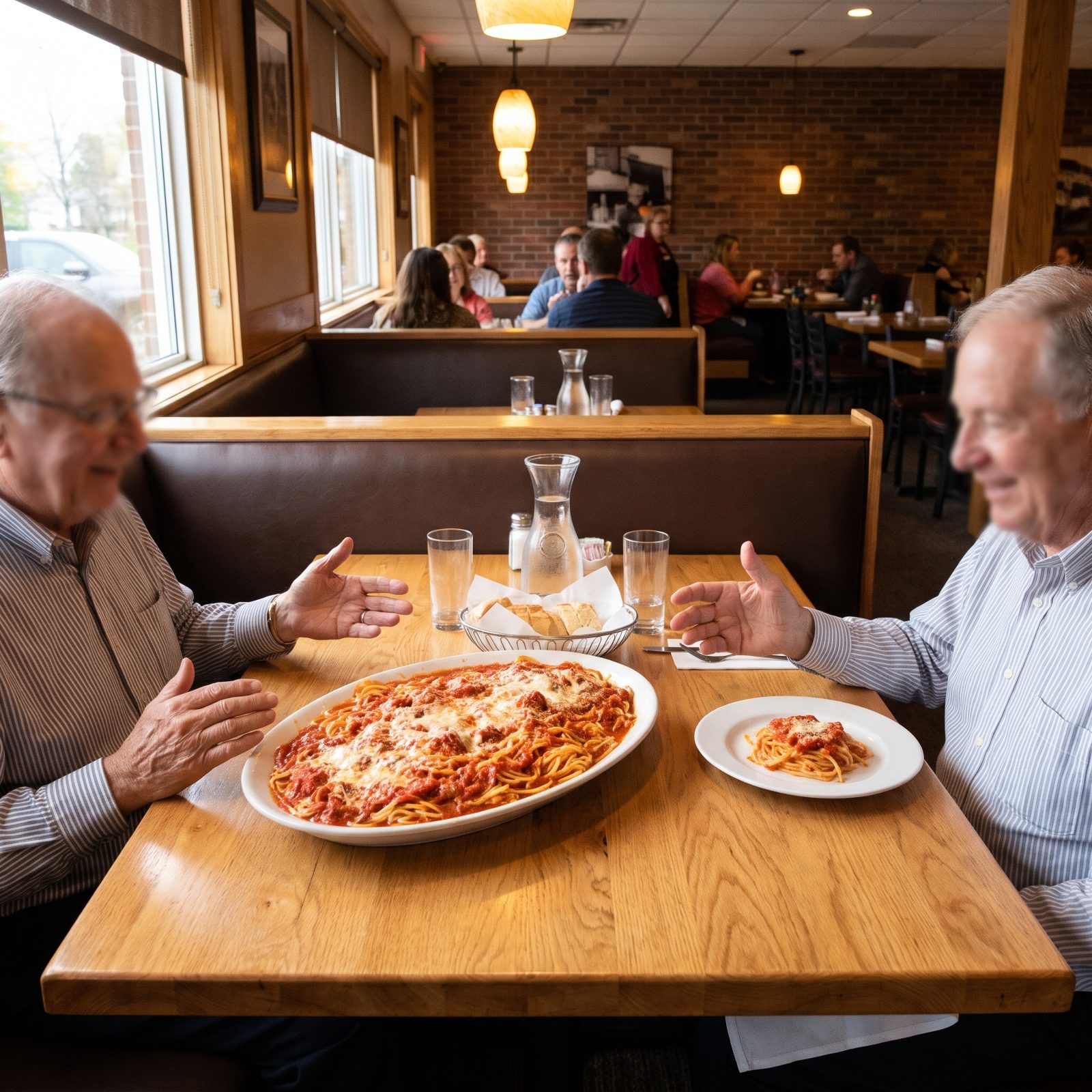
Some kitchens plate like they’re feeding a lumberjack. Others serve a tasteful little stack that leaves you circling back to the bread basket, and you can’t tell which from the price.
A quick question to the server saves you from two mistakes: ordering three courses when one would founder you, or ordering a single plate when you’ll leave hungry. Fewer leftovers scraped into the trash, too — its own small victory.
20. Really Listen When They Rattle Off the Specials
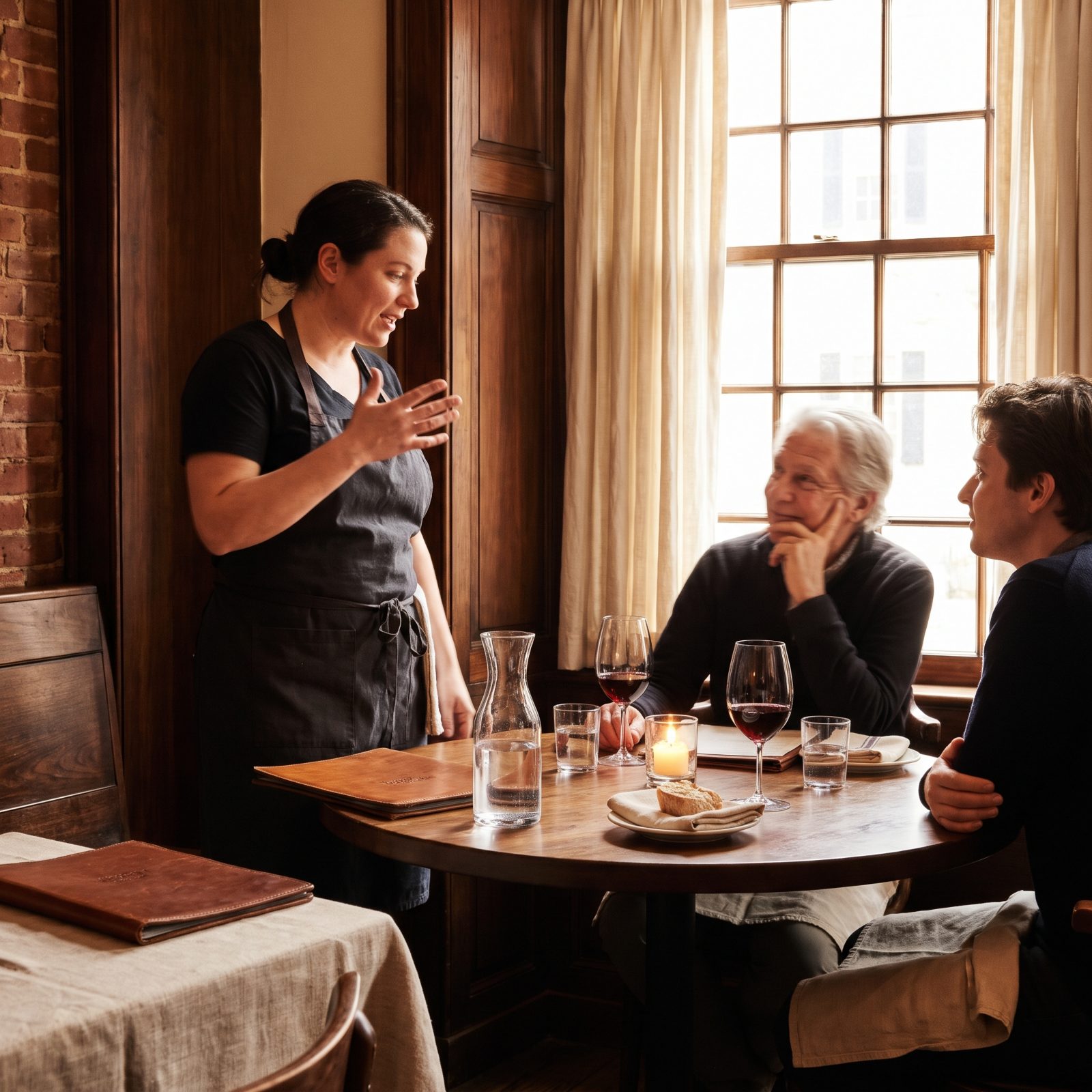
The specials are the kitchen talking to you directly. That’s the fish that came in fresh this morning, the dish the chef wanted to cook today — rarely on the printed menu by accident.
And half the table tunes out the whole recitation and grabs the laminated card instead. Don’t. Listen all the way through, because the best plate of the night is often the one the server just described, and it’s gone by nine.
19. Split One Appetizer Around the Whole Table
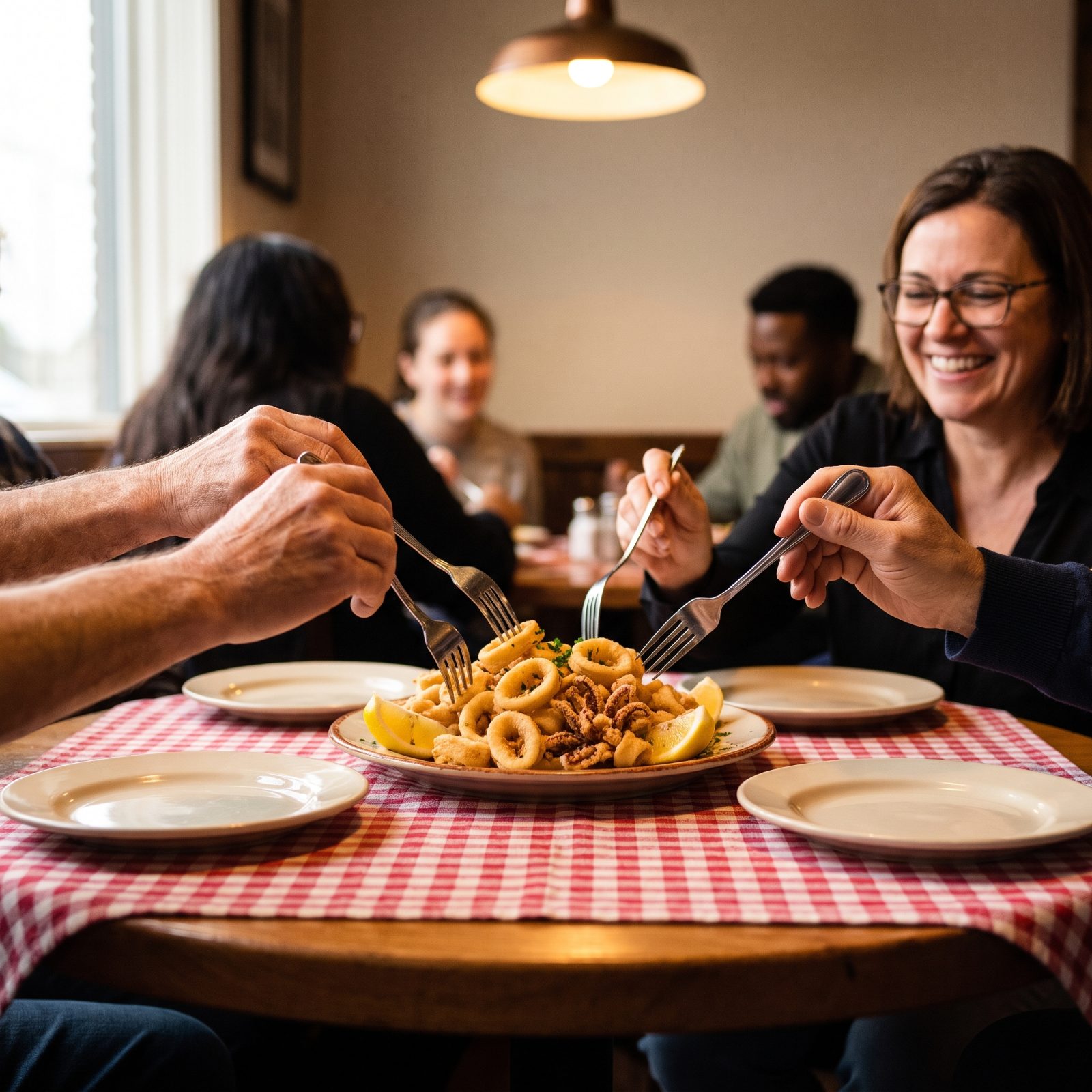
One appetizer for the table instead of four separate ones is a quiet little piece of genius. Everybody gets a taste, nobody fills up before the main event, and the bill doesn’t balloon before you’ve even started.
There’s a social thing happening too. A shared plate in the middle pulls everyone toward the center. People lean in, pass the serving spoon, make room — the meal starts as a group instead of four strangers eating side by side.
18. Take the Prix Fixe When It’s Simply a Better Deal
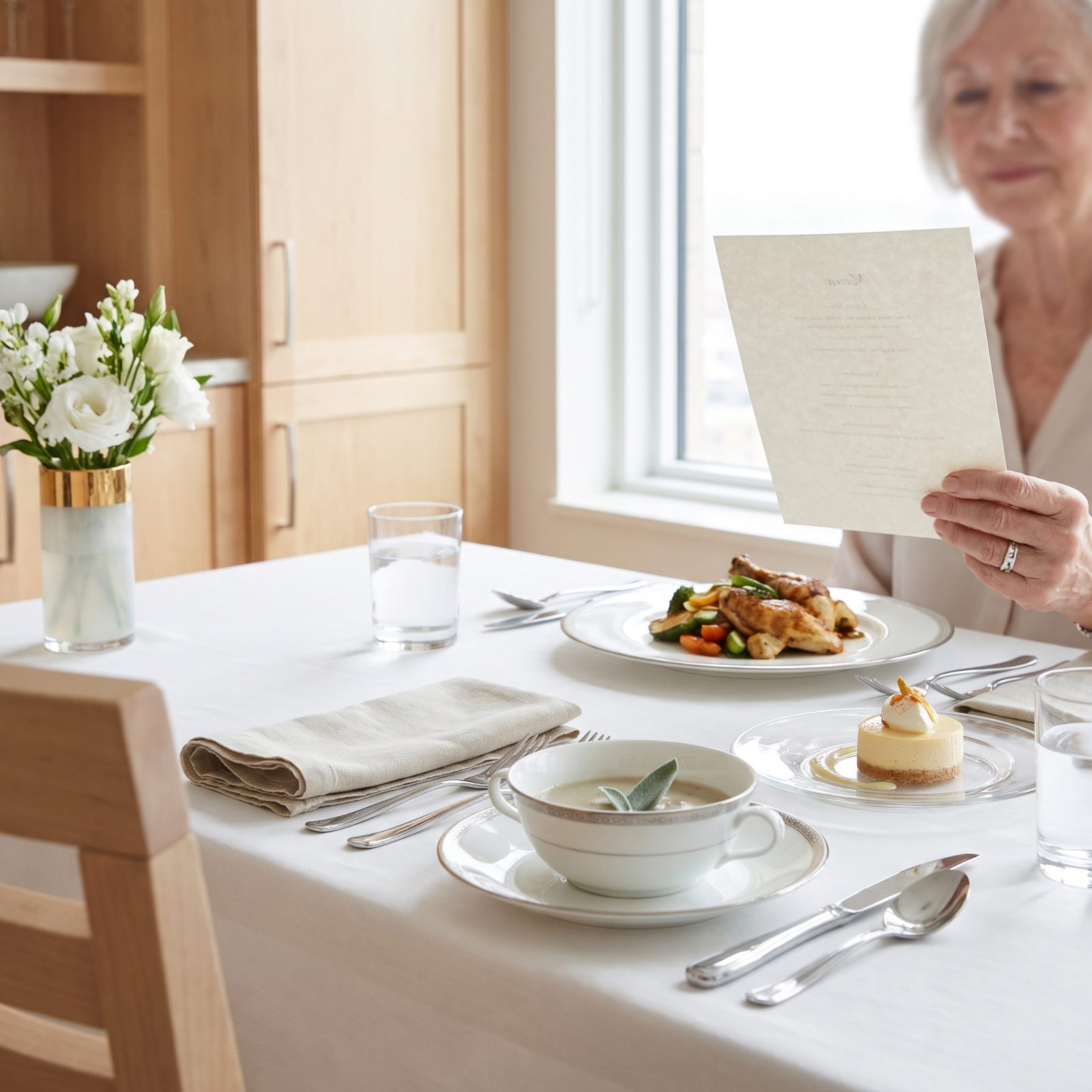
A fixed-price menu isn’t a trap, and it isn’t a splurge by default either. Often it’s three courses for less than two would cost ordered à la carte. The math just sits there, waiting for someone to notice.
So do the quick arithmetic before you wave it off. If the dishes you’d pick are already on it, you’re getting dessert thrown in for free. That’s not settling — that’s reading the menu the way it was meant to be read.
17. Order the House Wine and Stop Chasing Labels
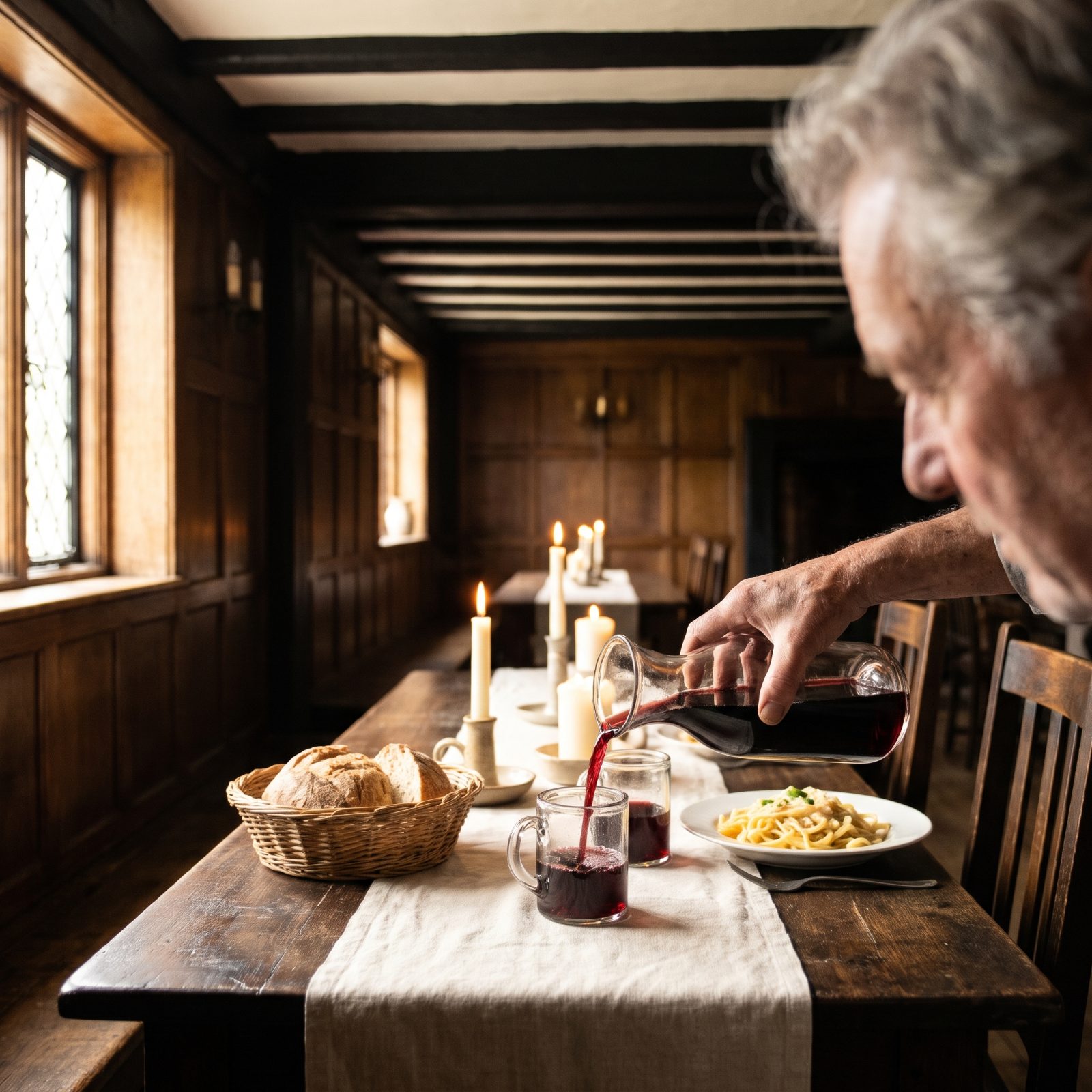
The house wine is the one the restaurant actually drinks with its own food. They picked it to go with the menu, they buy it by the case, and they price it to keep you ordering a second glass.
Nobody at the table is grading you on the label. A carafe of the house red poured around for everyone beats an anxious scan down the by-the-bottle list every time. Spend the saved money on dessert instead. Trust me on this one.
16. Order Tap Water Before the Bottled Upsell Lands
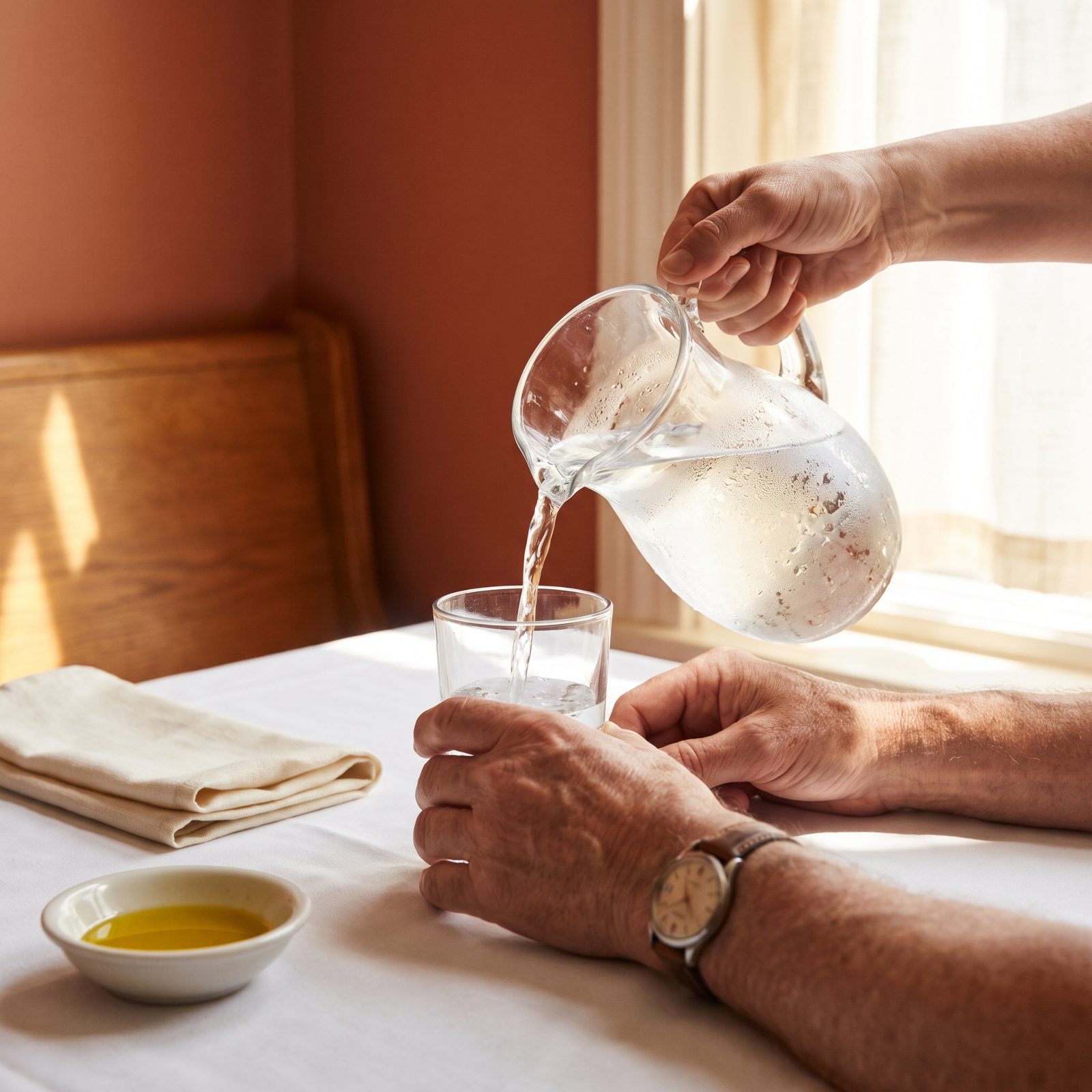
Bottled water is the easiest few dollars a restaurant will ever make off a distracted table. The server asks “still or sparkling?” as if those are the only two options on earth, and half the room just nods along. Ask for tap, though, and you get the same water the kitchen cooks with — cold, free, and topped up without a second thought.
No shame in it. A seasoned diner says “tap is fine, thank you” before the question even finishes landing, and the whole thing moves right along.
15. Keep the Dressing and Heavy Sauce on the Side
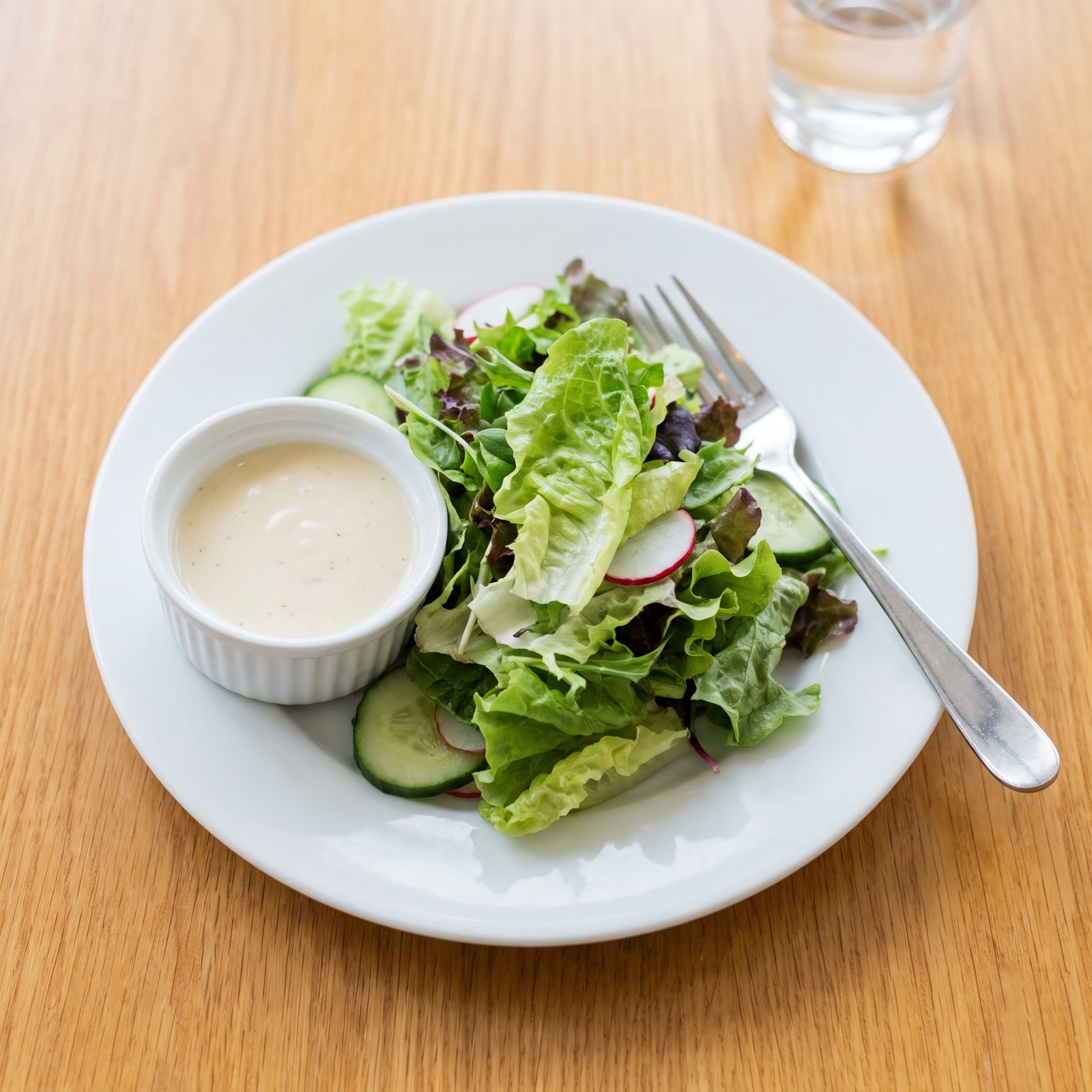
A kitchen will drown a salad to make it look generous. By the time you’ve eaten half, the bottom leaves are swimming and you’ve taken on twice the oil you wanted. Ask for it on the side and you control the pour.
Same deal with a heavy ragu or an Alfredo ladled over pasta before it ever reaches your table. On the side means you dress to taste, and the leftovers travel home without turning to mush. Call it fussiness if you want. I call it getting the dish you actually ordered instead of the one the line cook threw together on autopilot.
14. Ask for the Bread Basket Warmed, Not Just Dropped
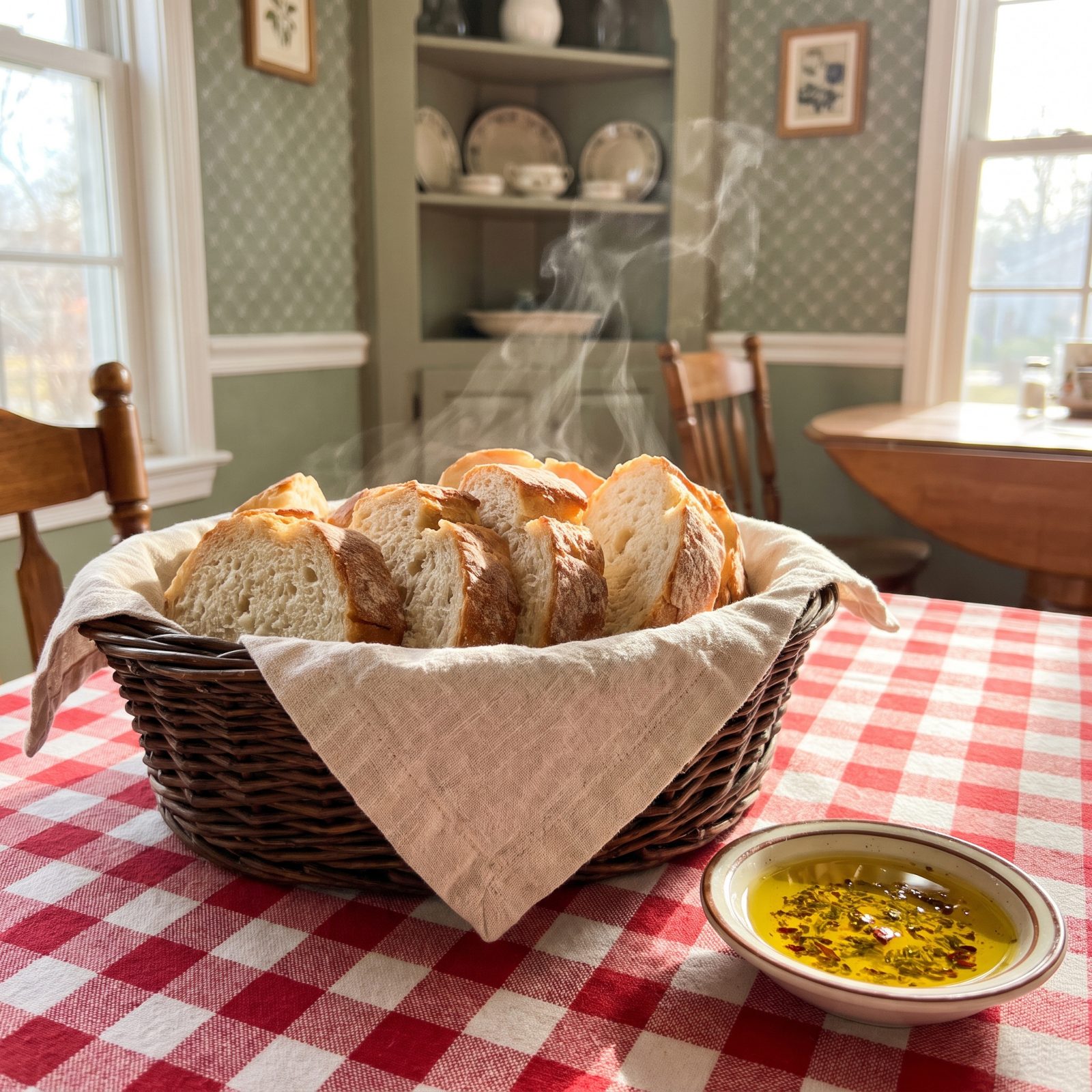
Cold bread is a missed opportunity, and most kitchens will warm it gladly if you just ask. Thirty seconds under a salamander turns a stale-ish roll into something worth the butter.
Asking can feel like a bother. It isn’t. A warm basket buys you a few pleasant minutes before the meal proper, which slows the whole table down in the best possible way.
13. Resist the Urge to Rebuild the Dish From Scratch
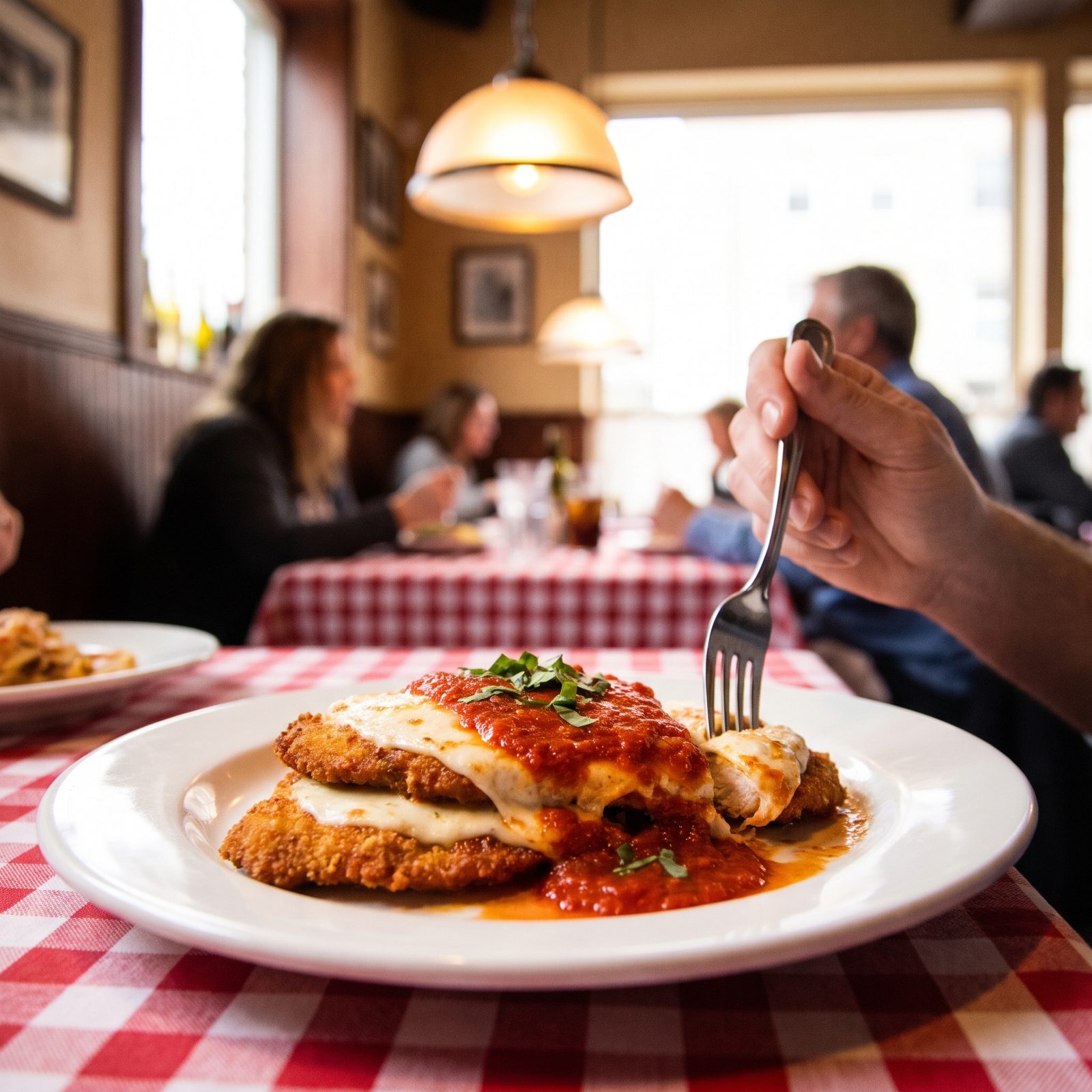
Every dish on a good menu was built by someone who tasted it a hundred times. Swap the sauce, cut the garlic, hold the cheese, change the starch, and tack on three more substitutions — now you’re asking the kitchen to cook a recipe that doesn’t exist.
Experienced diners know the difference between a dietary need and a full redesign. They flag the one thing that matters and let the rest ride. Food comes out better, the kitchen stays happy, and nobody’s waiting forty minutes while the line sorts out some custom build. Trust the cook a little. That’s half of why you came.
12. Catch the Server’s Name and Actually Use It
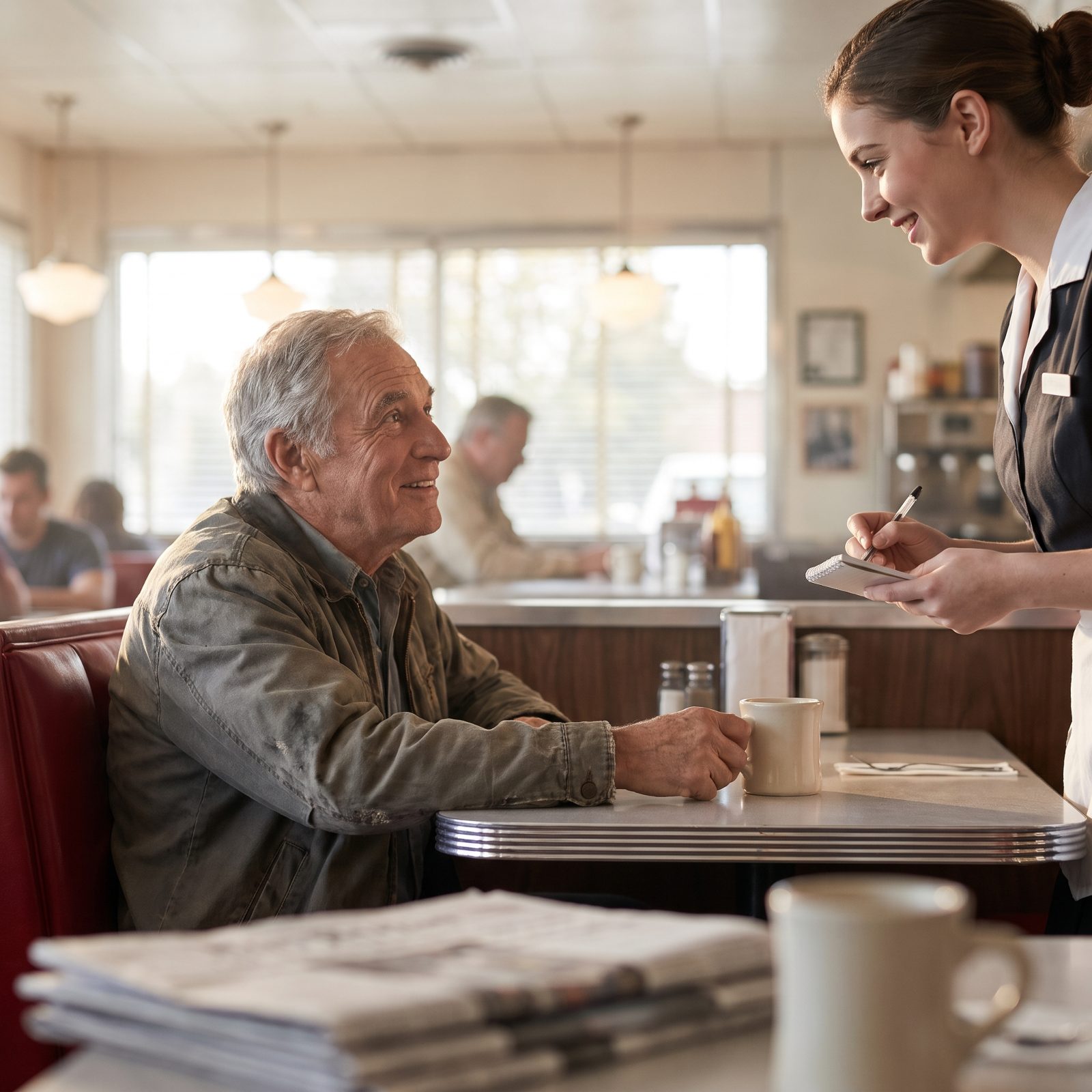
“Thanks, Marcus” lands differently than “excuse me.” It takes two seconds to catch the name when a server introduces themselves, and it quietly changes the entire tenor of the night.
A server juggling nine tables remembers the one that treated them like a person. You’ll get refills faster and your questions answered without a sigh. None of it is manipulation — it’s just how humans work.
11. State an Allergy Plainly, Once, With No Drama
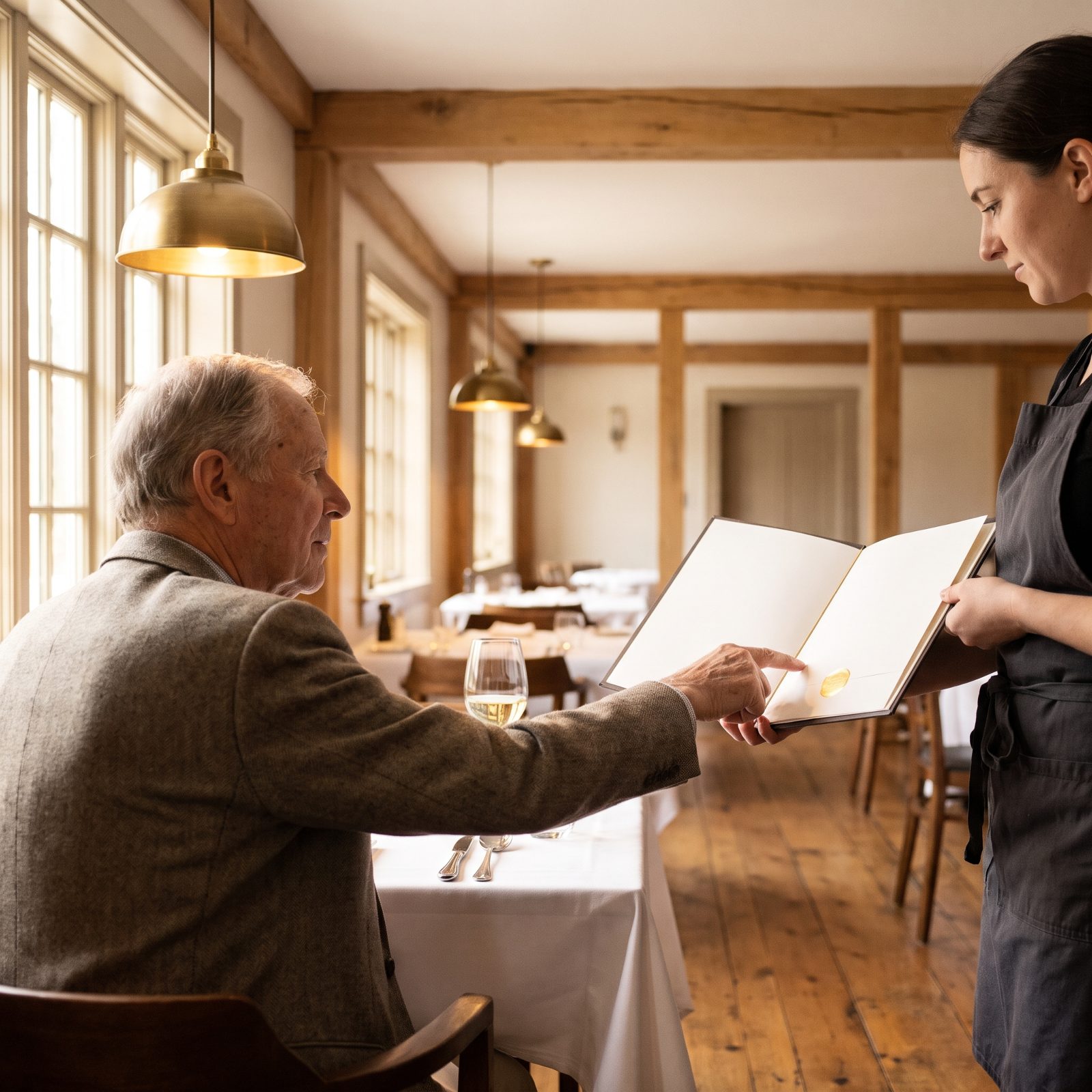
A real allergy deserves real seriousness, and the way to get it taken seriously is to say it clearly and calmly, not to panic the table. “I have a shellfish allergy, it’s serious, please let the kitchen know” does more than a flustered speech ever could.
Say it when you order. Repeat it once if the dish is complicated. Then trust the staff to carry it back. Calm clarity reads as credible. A frantic delivery, oddly, makes people take it less seriously, not more — and older diners who’ve managed a condition for decades have it down to a single sentence.
10. Flag a Problem Plate Immediately, and Quietly
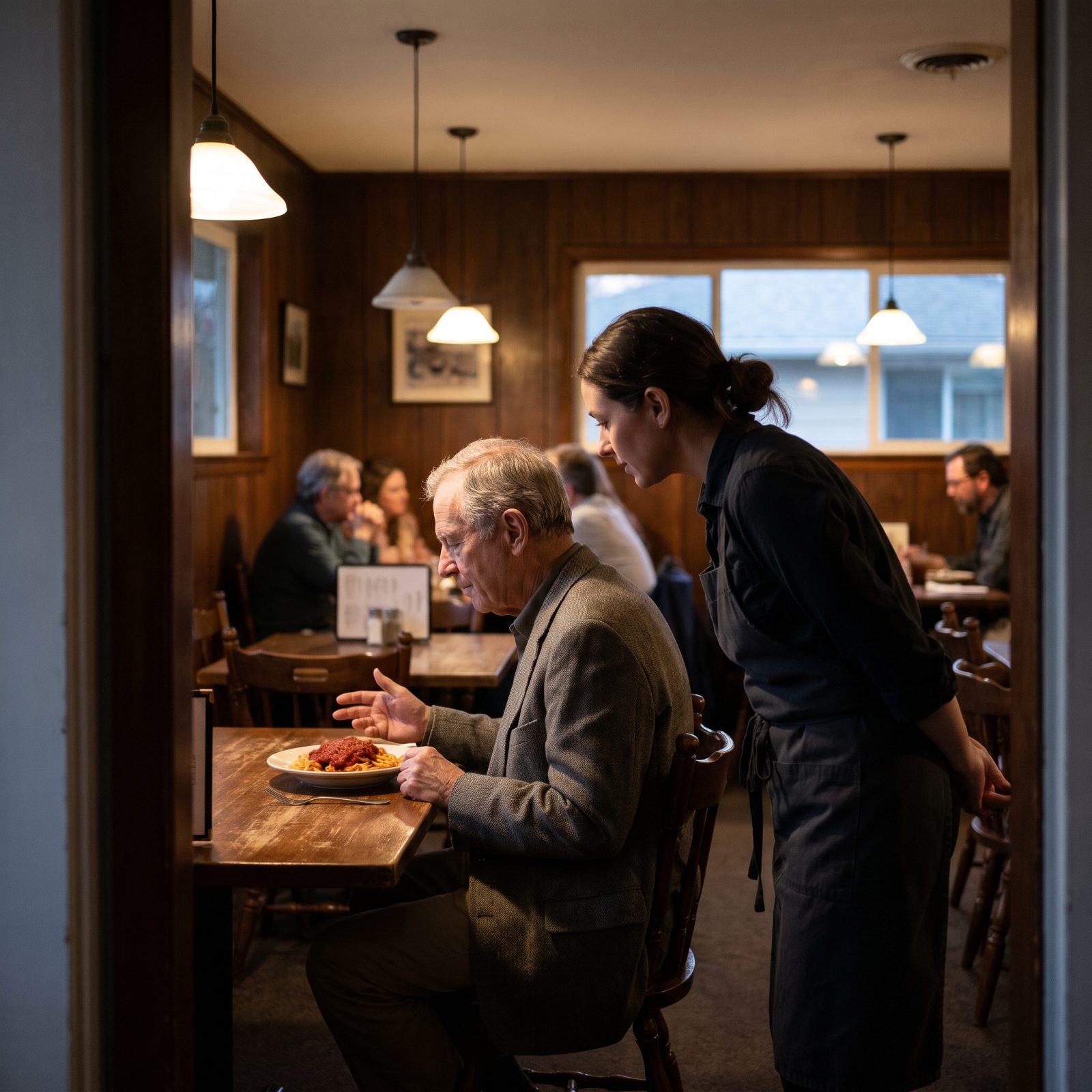
If the fish is off or the steak came out gray when you asked for pink, the time to mention it is the first bite — not after you’ve polished off two-thirds and suddenly want it comped.
Quietly catch the server, name the problem, let them fix it. No lecture, no raised voice, no audience. A kitchen can only make it right if it knows in time, and a calm heads-up gets you a cheerful remake. The table that eats the whole thing in silence, then grumbles at the register, gets nothing but a shrug. And deserves the shrug.
9. Tuck Your Bags and Coats Where Nobody Trips
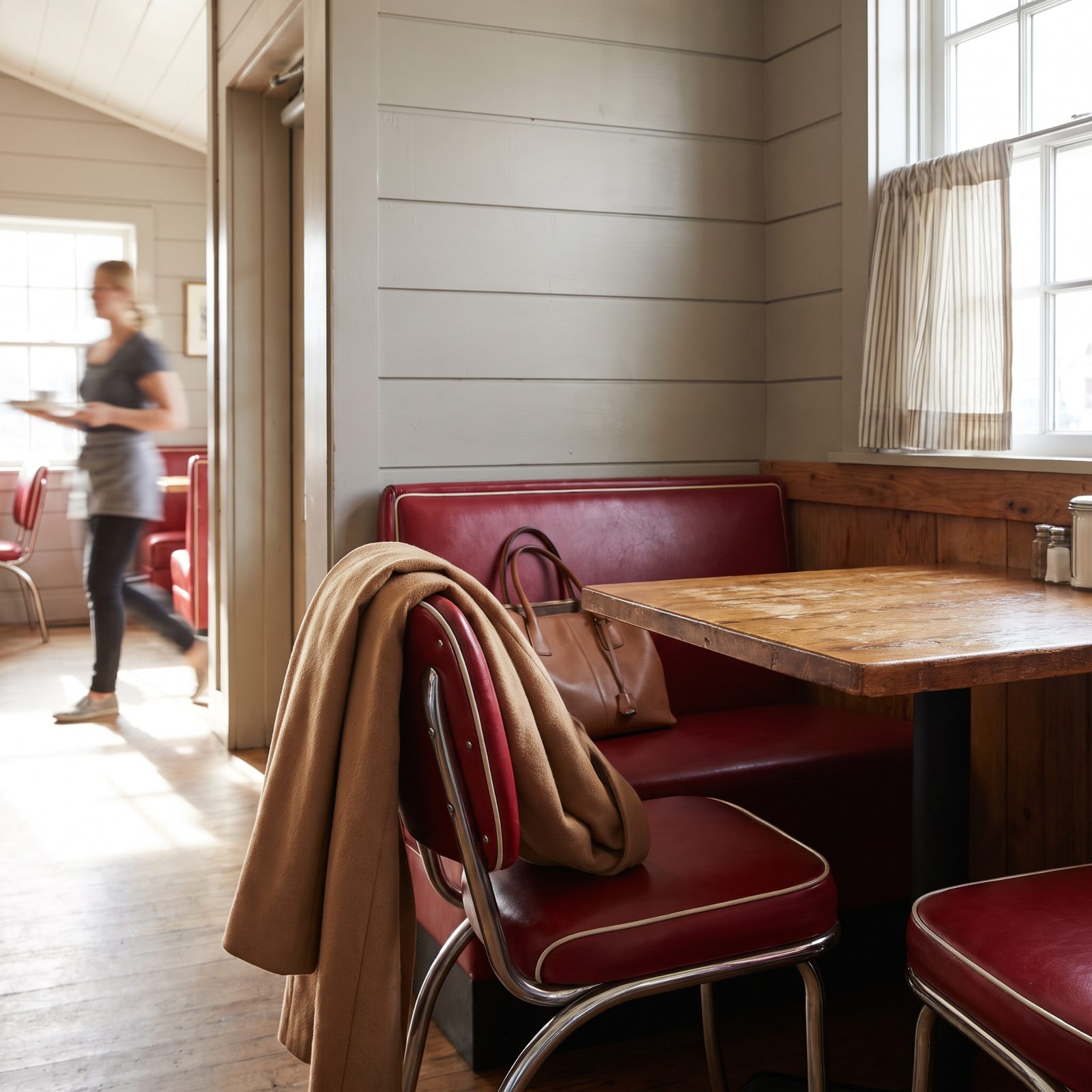
A purse strap snaking into the aisle is a sprained ankle waiting to happen, and the person who trips over it will be carrying a tray of hot soup. So: coats on the chair back, bags on the seat or under the table, canes hooked out of the walkway.
It’s a small discipline that keeps the whole room moving and spares a server a nasty spill. People who’ve waited tables themselves never forget this one.
8. Leave the Dirty Dishes Exactly Where They Are
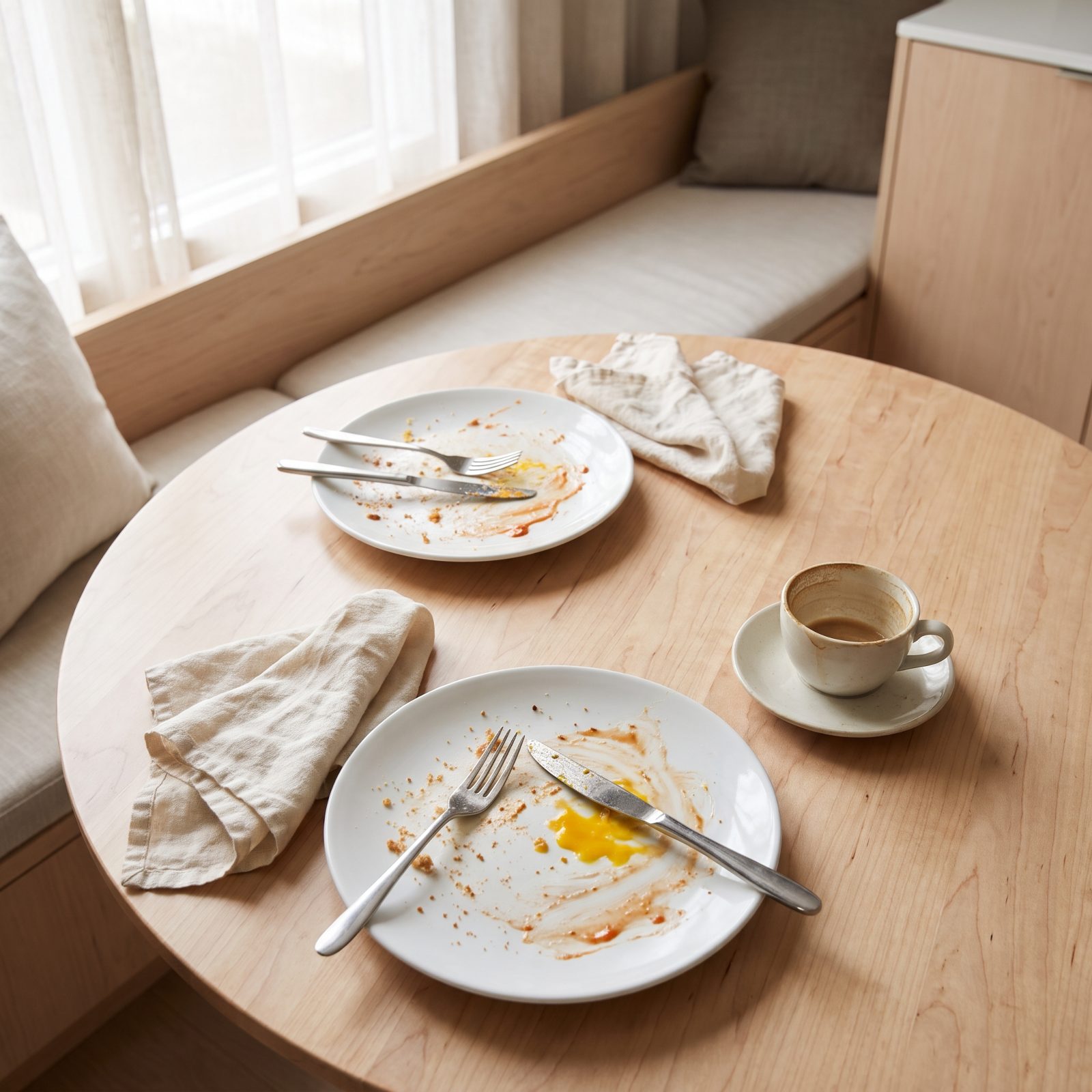
Stacking your plates feels helpful. It isn’t. Servers are trained to clear a certain way, balancing and scraping as they go, and a wobbly tower of your own design throws off their whole system — sometimes dumping sauce on a sleeve.
Leave the dishes be. Want to help? Nudge them slightly toward the table’s edge and that’s plenty. The seasoned diner learned this the hard way, probably after watching a good server wrestle a greasy stack they never asked for.
Asked about stacking plates, a veteran restaurant service captain says “As much as we appreciate the effort to assist us, it really just makes it harder for us to clear and clean a table.”
7. Save Room for Coffee Instead of Rushing the Check
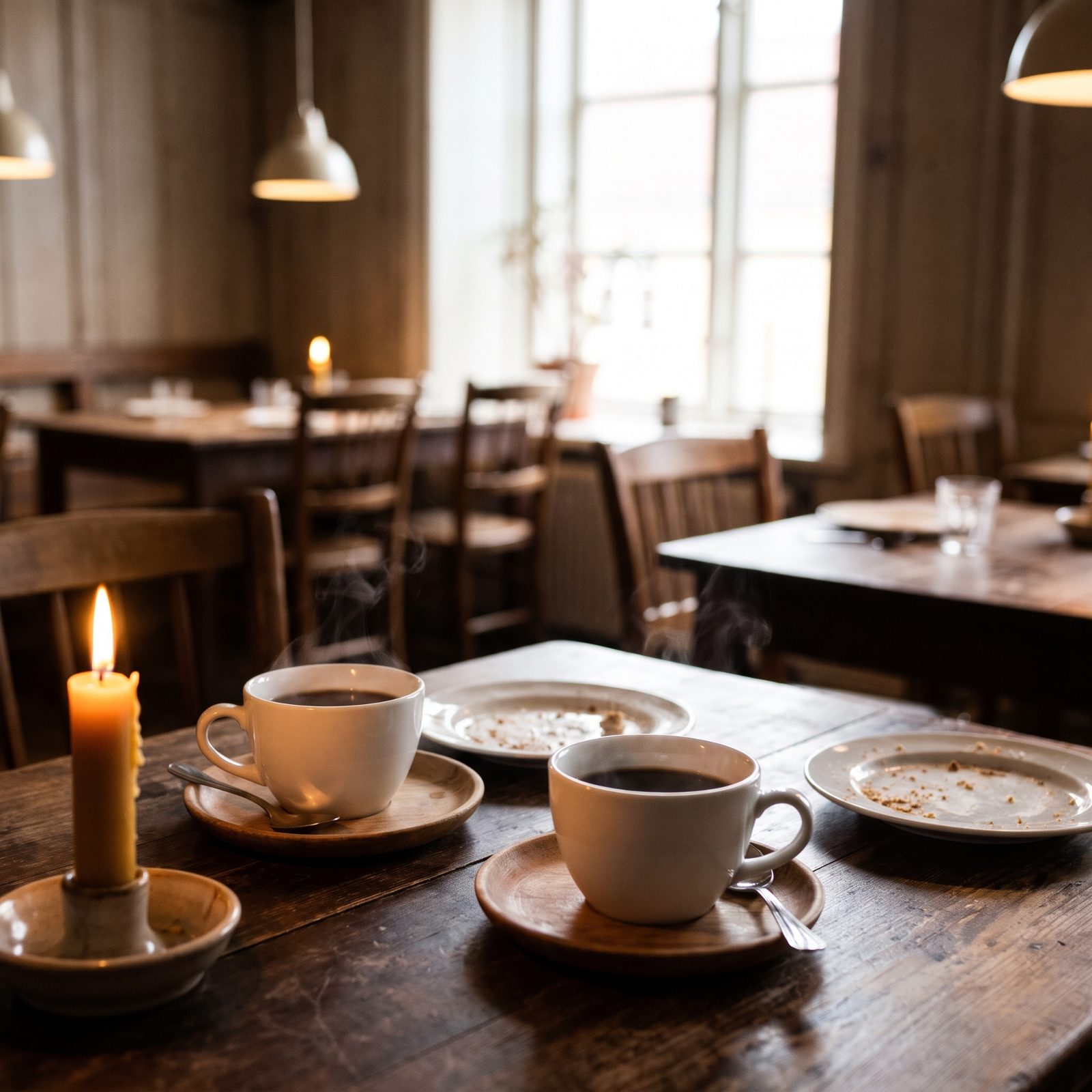
The meal doesn’t have to end when the last fork goes down. Ordering coffee after dinner buys you twenty unhurried minutes, settles the stomach, and turns a transaction back into an evening.
It also signals you’re in no rush to bolt, which, pleasantly enough, means nobody rushes you with the check. A cup of good coffee costs a couple of dollars and stretches the best part of the night. People over sixty understood long ago that the point of going out was never just the eating.
The food is the reason you came. The lingering is the reason you keep coming back.
6. Split One Dessert Among the Table
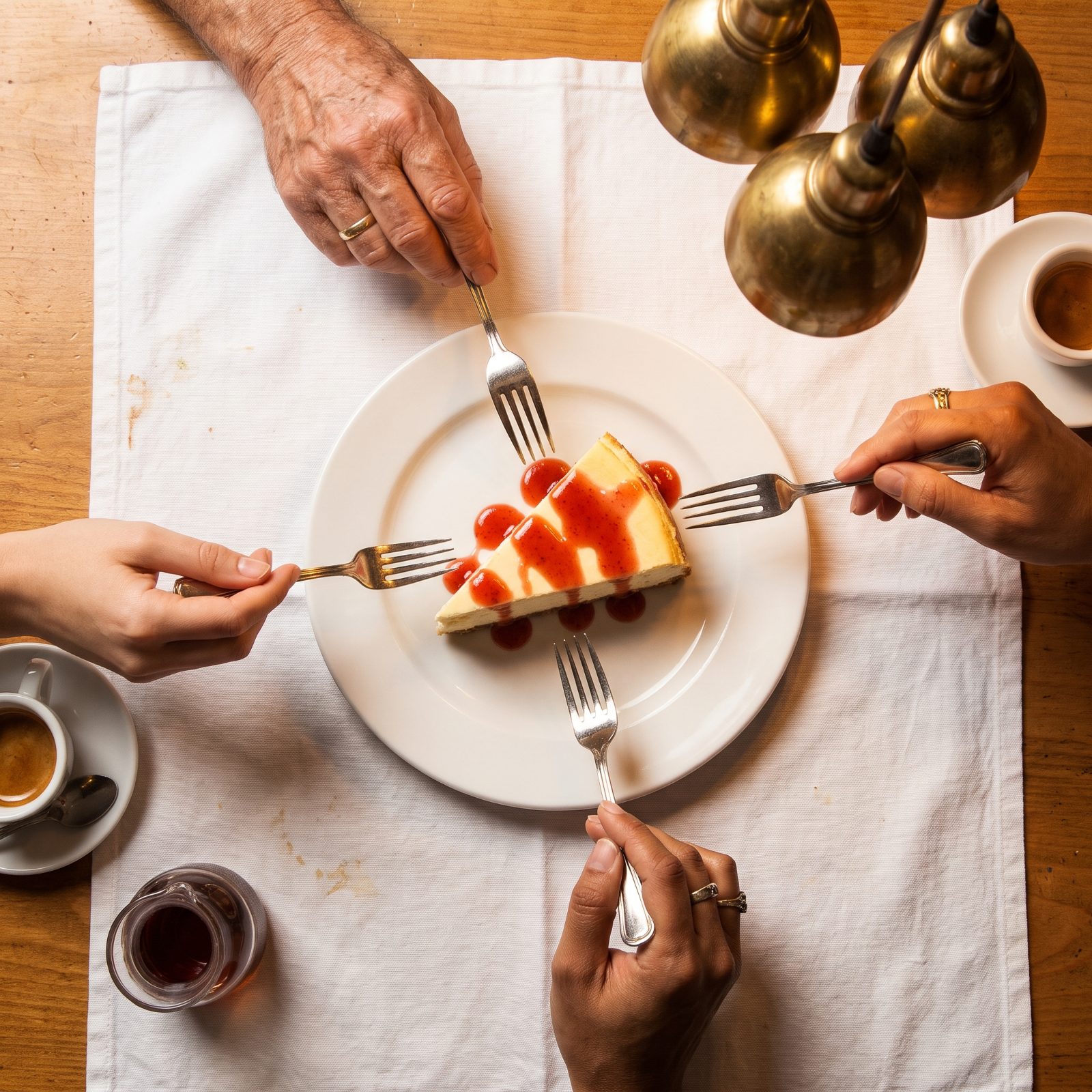
One cheesecake, four forks, three bites apiece, and nobody rolls out the door regretting it. The math is obvious once you’ve done it: a single dessert runs you eight or nine bucks instead of a small fortune, and you still get the taste you came for.
Something social happens too. Reaching into the same plate turns a table into a conversation — the quiet ones lean in, and suddenly the dessert is the reason to stay another twenty minutes.
5. Ask for Half the Entrée to Be Boxed Early
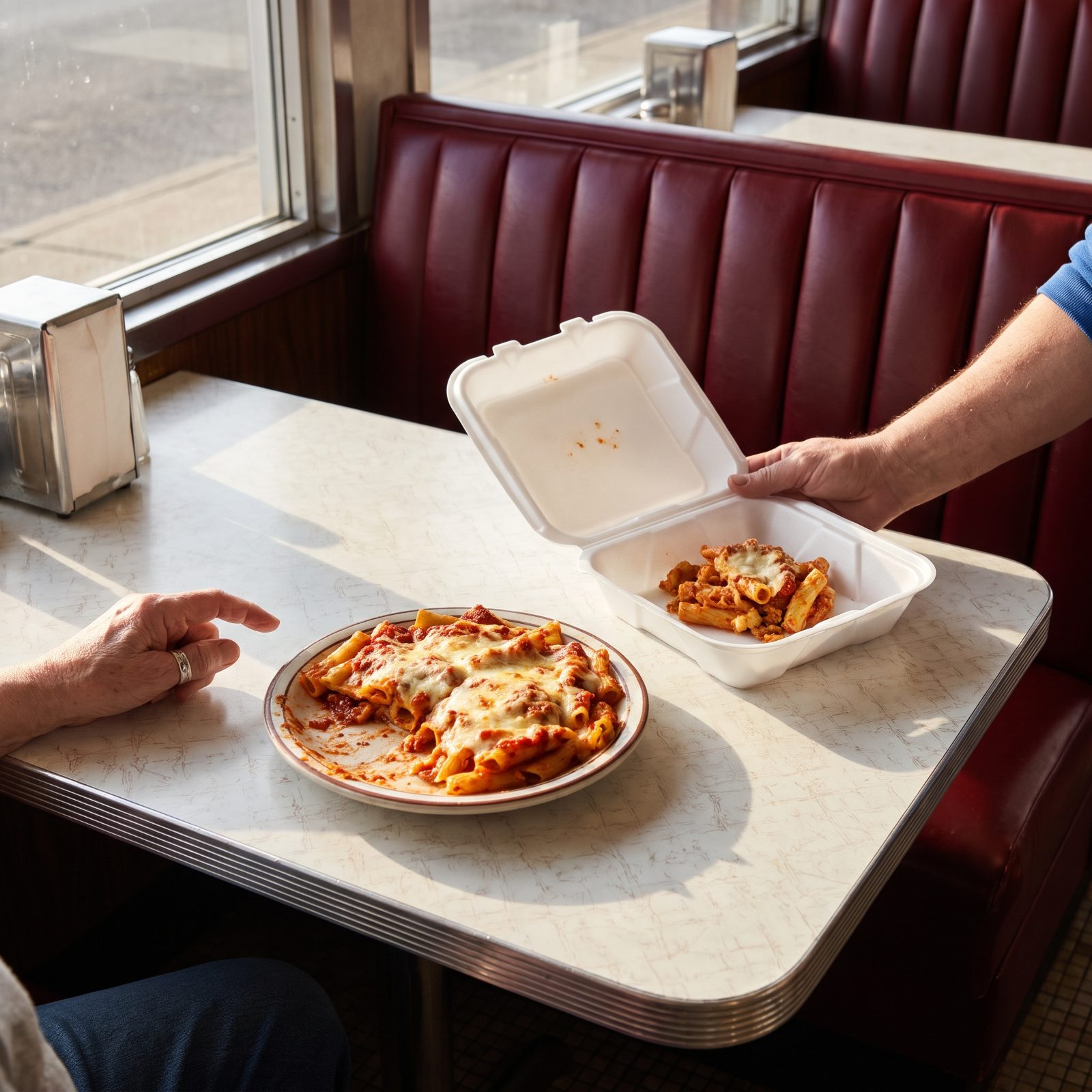
Restaurant portions got heroic sometime in the last few decades, and the smart move is admitting it before you start eating. Ask the server to box half the moment the plate lands. Out of sight, out of mouth.
You eat a sensible amount, skip the overstuffed misery, and walk out with a free second meal. It can feel like admitting defeat. It isn’t. It’s portion control that happens to be delicious tomorrow.
4. Turn Restaurant Leftovers Into Tomorrow’s Lunch
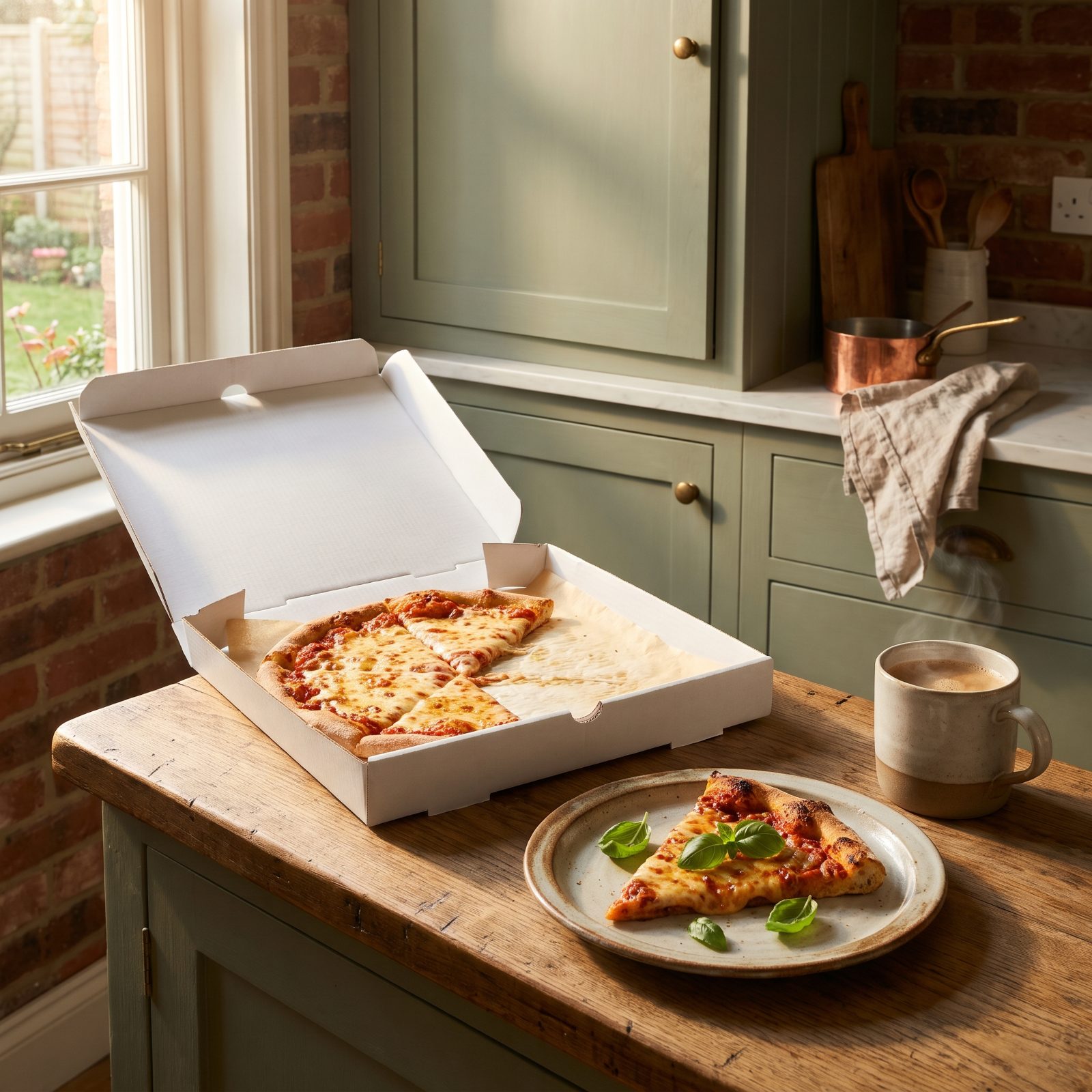
Last night’s eggplant parm, crisped in a hot pan the next day, beats whatever sad sandwich you were going to throw together. Here’s the secret nobody tells you about leftovers: a night in the fridge mellows the sauce, and the reheat crisps the edges past where they started.
Treat the doggy bag as a plan, not an afterthought. One restaurant dinner quietly becomes two meals, and your grocery run shrinks a little.
3. Bring a Reusable Container for Leftovers
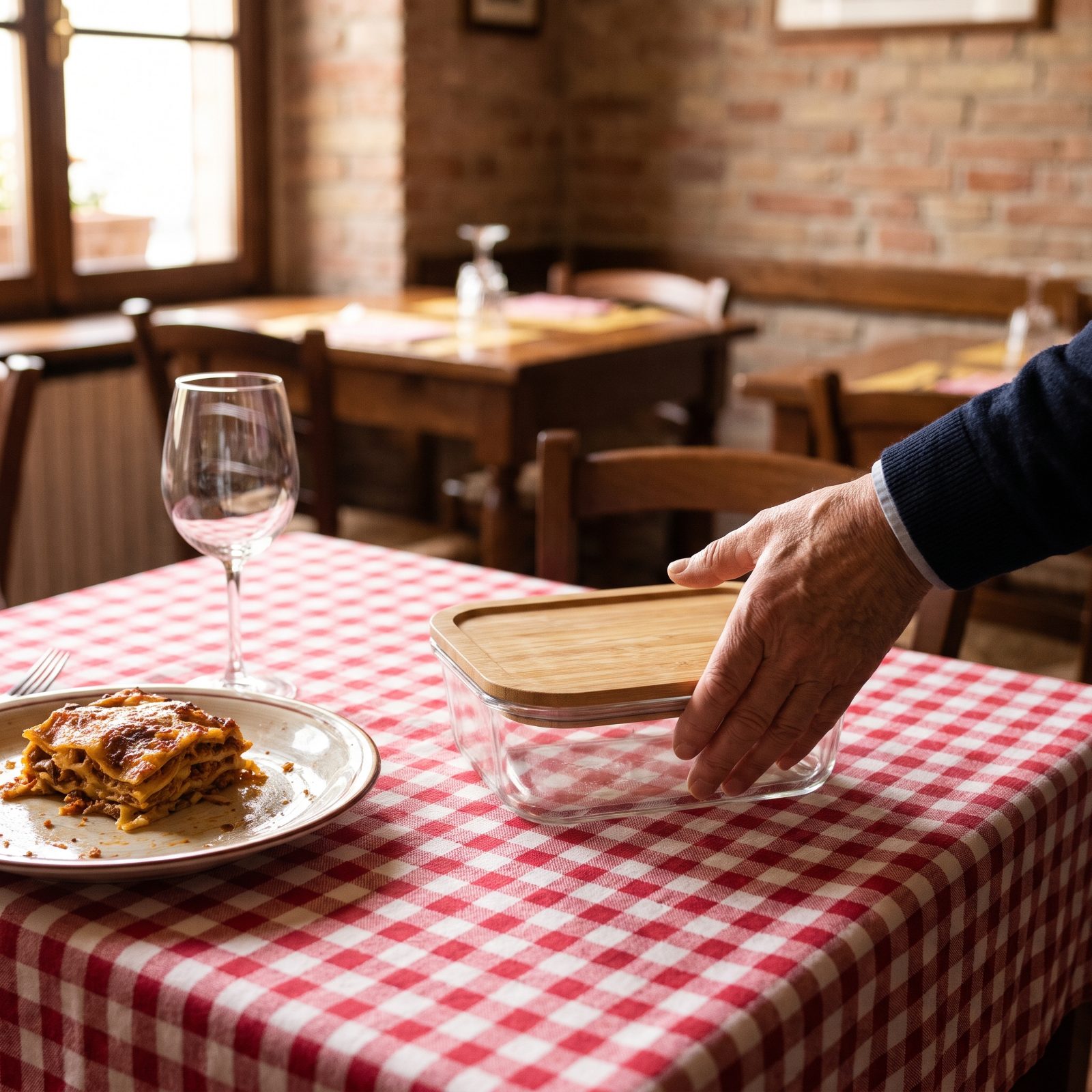
A clean glass container with a bamboo lid lives in the car and comes in when the meal looks big. No foam box sliding around the floorboard, no foil leaking marinara onto the upholstery. The glass leftover container reheats better too — straight into the microwave, none of that plastic worry.
Servers barely blink at it anymore. You hand it over, they fill it, done. It’s the kind of small, unbothered move that only confidence makes look natural.
2. Thank the Server With a Specific Compliment
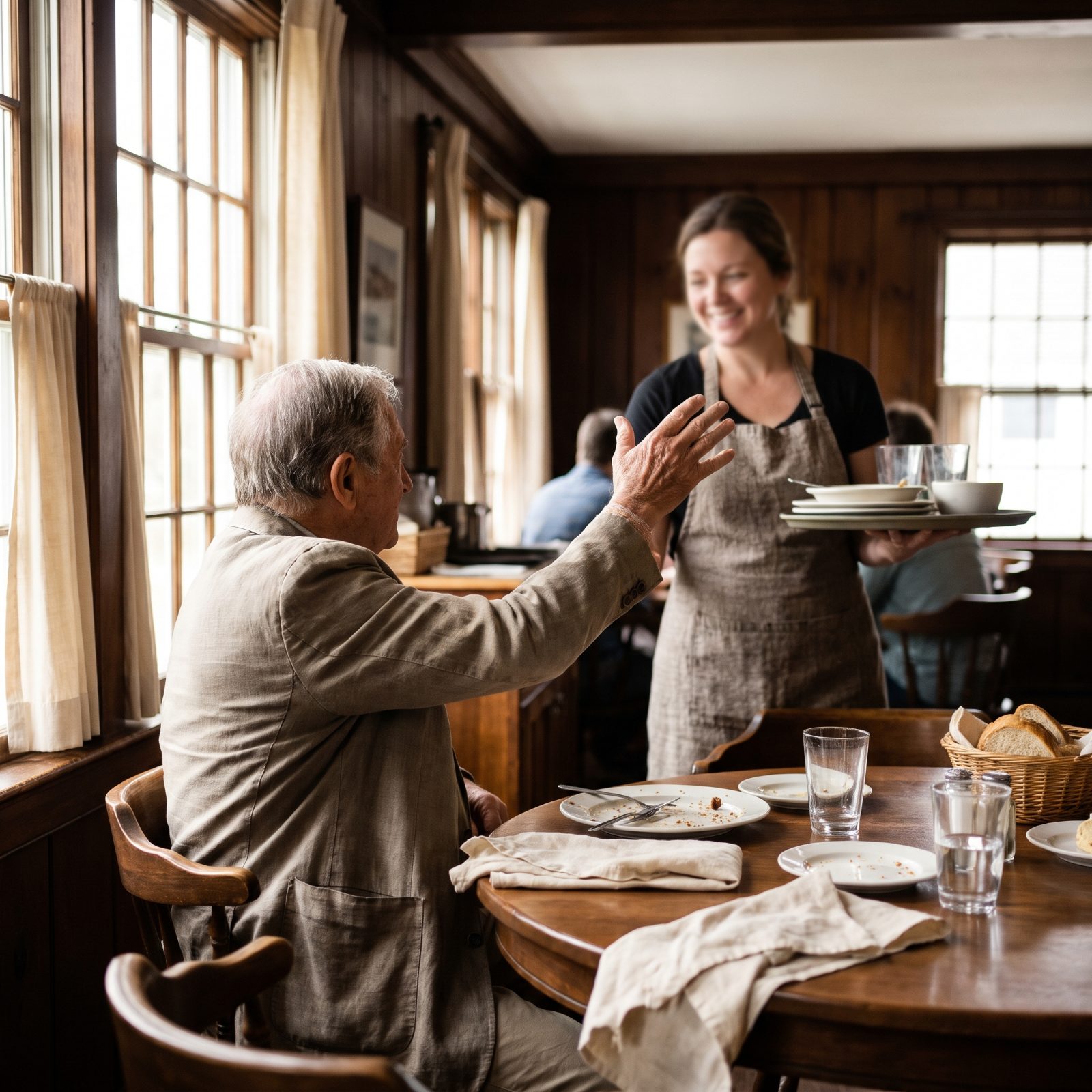
“You timed the courses perfectly” means more than “everything was great.” One is noise. The other tells the server you actually clocked them doing their job well.
Specific thanks costs nothing and changes the whole last five minutes of the meal. People who feel seen treat you differently, and you’ll feel it the next time you walk in.
1. Make the Next Reservation Before Leaving
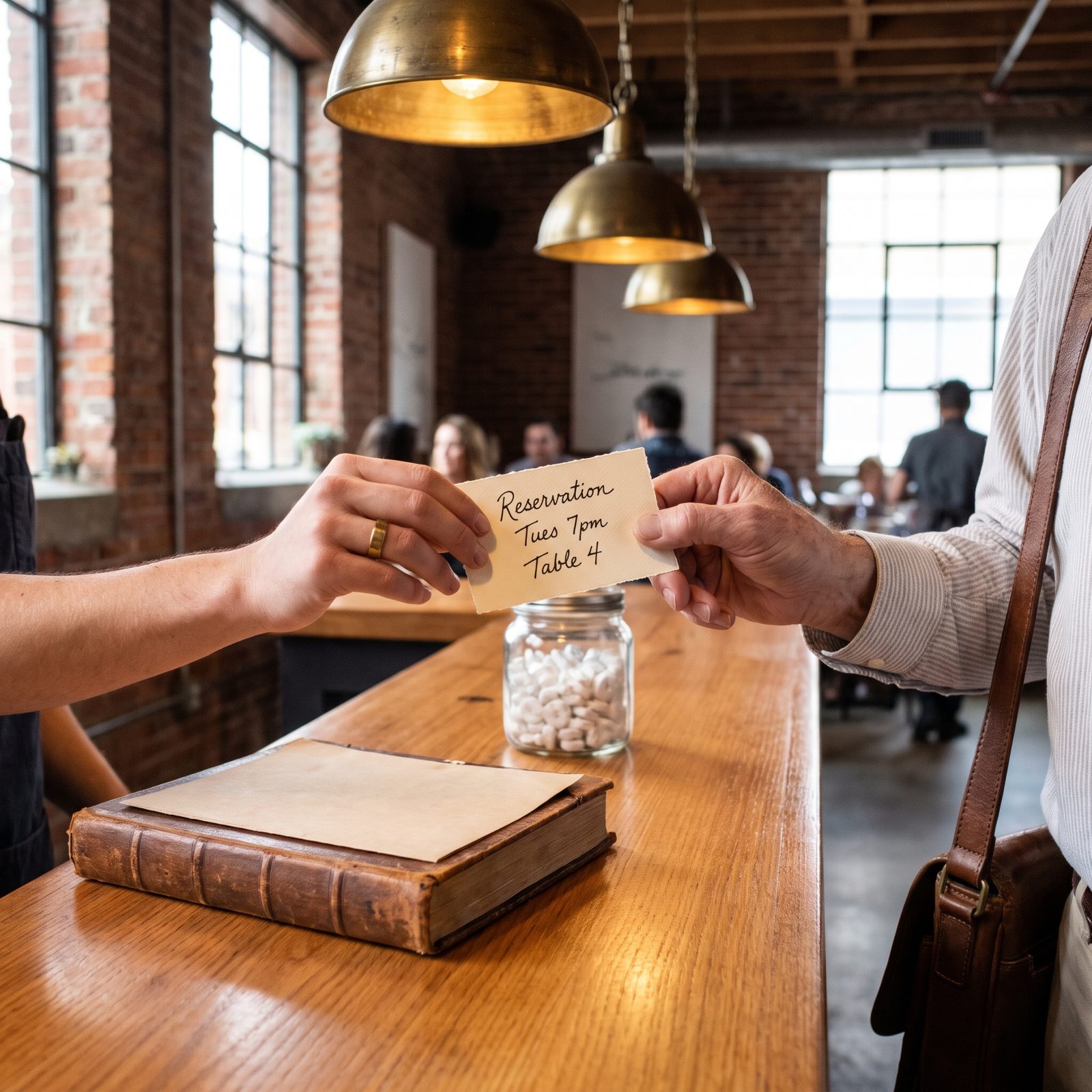
Book the next table on your way out, while the night is still good and the host is standing right there. You lock in the Tuesday 7pm slot before anyone else grabs it, and you give yourself something to look forward to before you’ve even reached the car.
It also tells the staff you’re coming back, which is the best thing a regular can say. Regulars get the good table. No secret there — it’s just a habit most people never bothered to form.