Would you like to save this?
Watch someone order at a deli counter long enough and a pattern shows up. The person who asks for white bread, ham, cheese, nothing else. The one who rattles off eleven modifications before the guy behind the counter has picked up the knife. The grown adult who orders a grilled cheese with total conviction.
None of it is random. The sandwich you reach for when nobody’s judging is carrying more of you than you’d think, and psychologists who study food choice and personality have the receipts. The minimalist and the tower-builder aren’t just hungry in different ways. They’re wired differently, raised differently, soothing something different.
We lined up the most recognizable orders and read each one like a palm. Some will feel uncomfortably accurate. One of these is yours. Let’s find out what it’s been telling the counter staff about you this whole time.
The Order So Plain It Takes Nerve: What a White-Bread Ham and Cheese Reveals About the People Who Refuse to Perform at Lunch
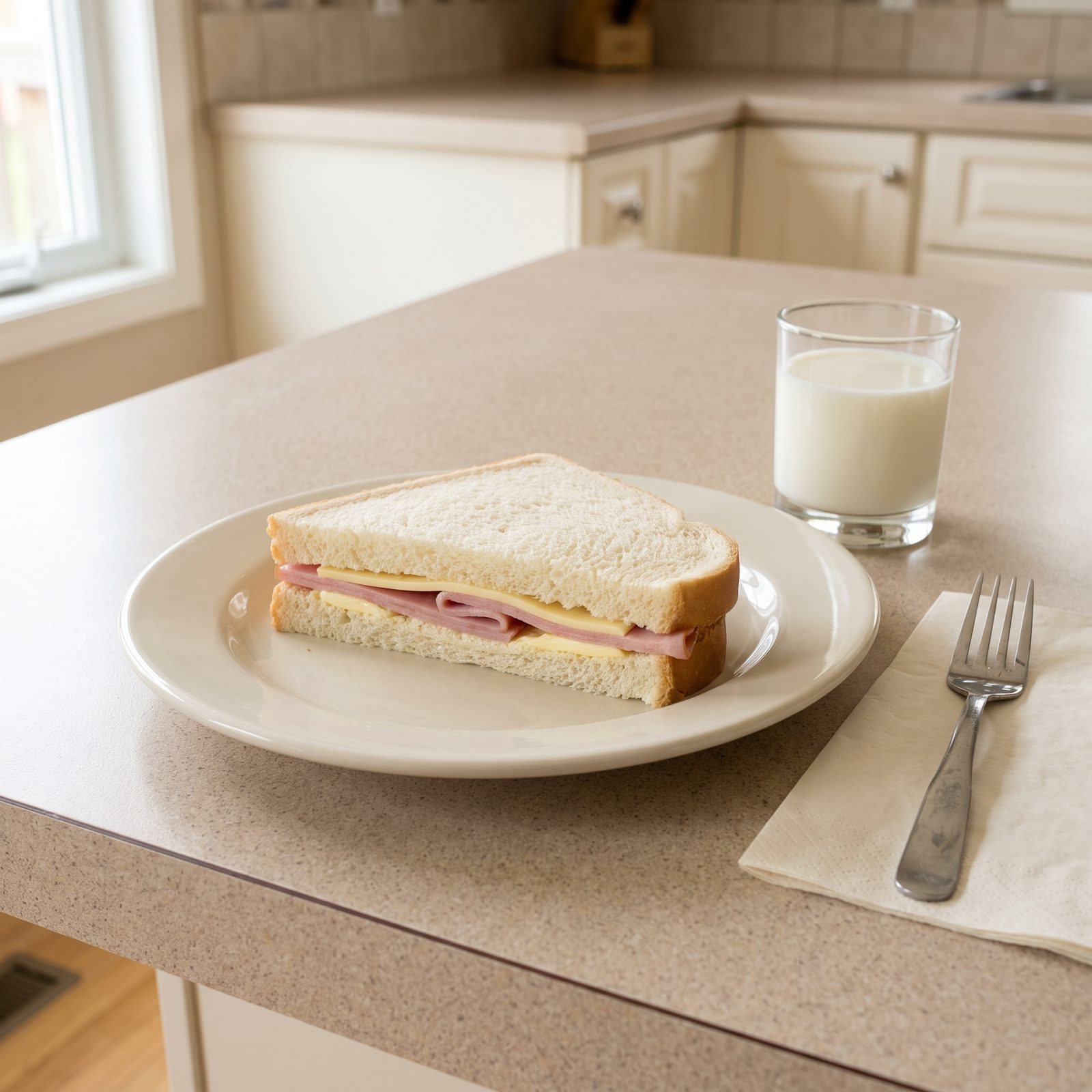
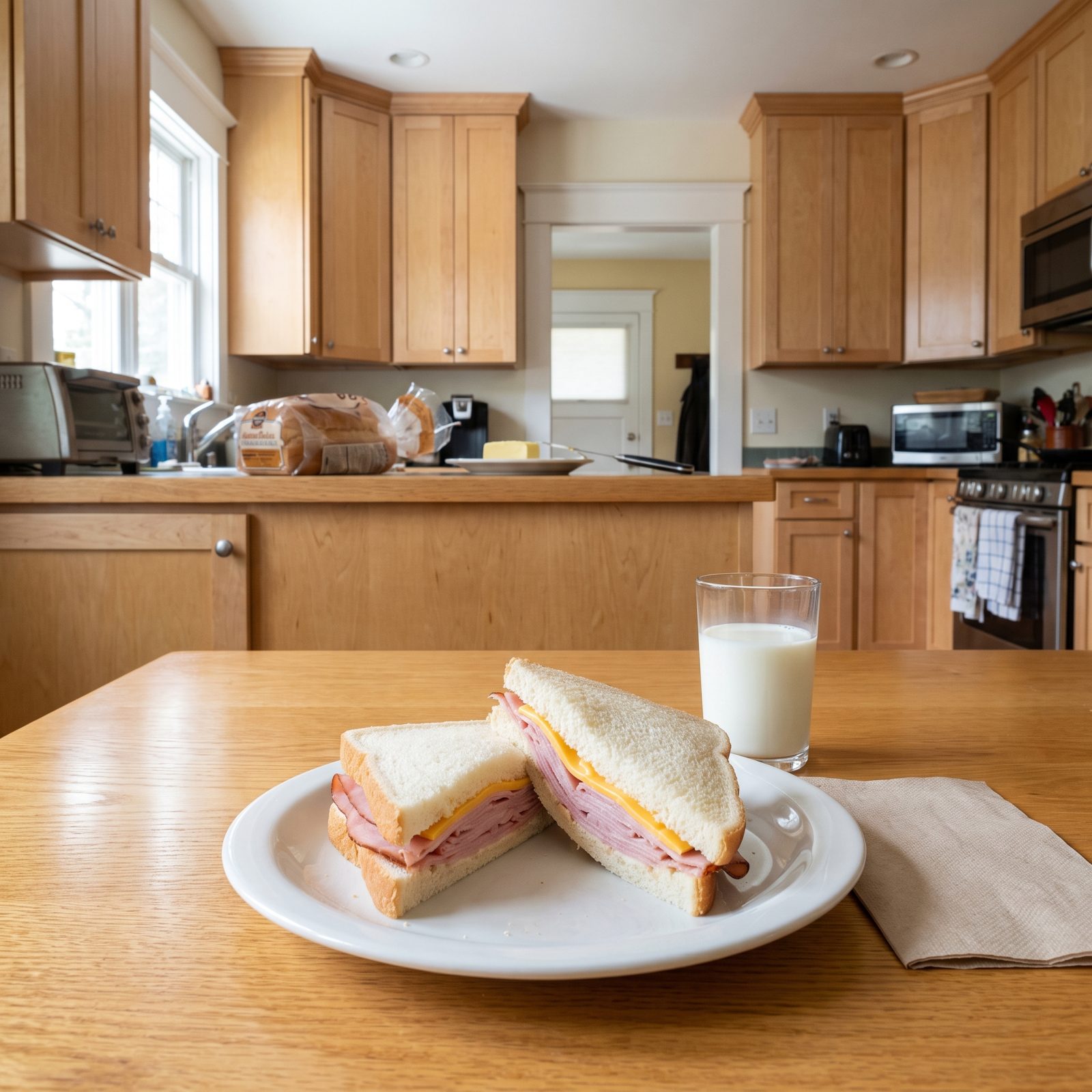
Two slices of soft white bread. A fold of boiled ham, one square of American, maybe a swipe of butter. No lettuce putting on airs, no artisanal anything. The person who orders this at a deli full of foot-long creations is making a quiet statement, and it isn’t about hunger.
It’s about refusal. In a room where everyone else is performing their palate, they’re not auditioning. One roundup of the psychology behind consistent orderers notes that people who stick to their choice regardless of who’s at the table usually aren’t performing for approval. The plain sandwich is the comfort-food version of knowing exactly who you are.
And there’s a deeper pull underneath. Research covered by Knowable Magazine found that comforting foods soothe us less through flavor and more through the memories and people they carry. A white-bread ham and cheese is a 1962 school lunch. It’s your mother’s kitchen. The plainness isn’t a lack of imagination. It’s a direct line home.
Why the Person Who Builds a Six-Inch Tower of Pastrami Isn’t Actually That Hungry (And What They’re Really Feeding)
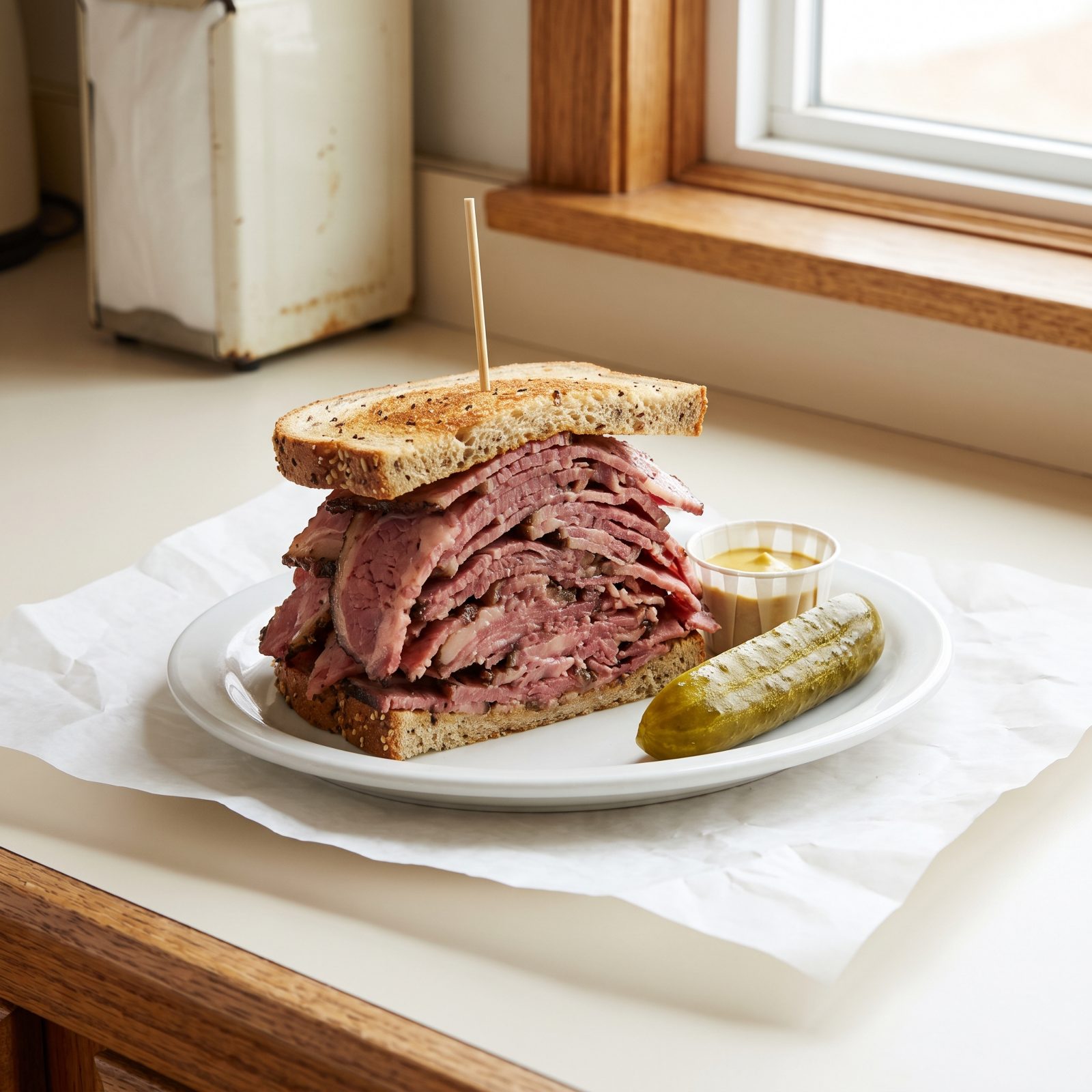
You’ve seen the sandwich. A rye roll barely containing six inches of hand-sliced pastrami, the kind you have to compress with two hands and a plan just to get your mouth around. Nobody finishes it in one sitting. That’s not the point.
The towering deli build is abundance made visible. It says more arrived than anyone could possibly need, and that excess is the whole comfort. For a generation raised on the memory of the overstuffed New York deli counter, that height is a feeling before it’s a lunch.
Here’s the twist: the appetite being fed is mostly emotional. Four 2025 studies in Cognition and Emotion by Chelsea Reid and colleagues (Source) found that nostalgic food delivers its comfort by strengthening a sense of connection to other people, not through the food itself. The pastrami tower is a Sunday-after-synagogue table, a grandfather who ordered loud and tipped well, a deli that may not even exist anymore. The person isn’t hungry for meat. They’re hungry for the room it came from.
The ‘Hold the Mayo, Add the Mustard, Light on the Onions’ Order and the Quiet Need It’s Been Satisfying Since the 1970s Deli Counter
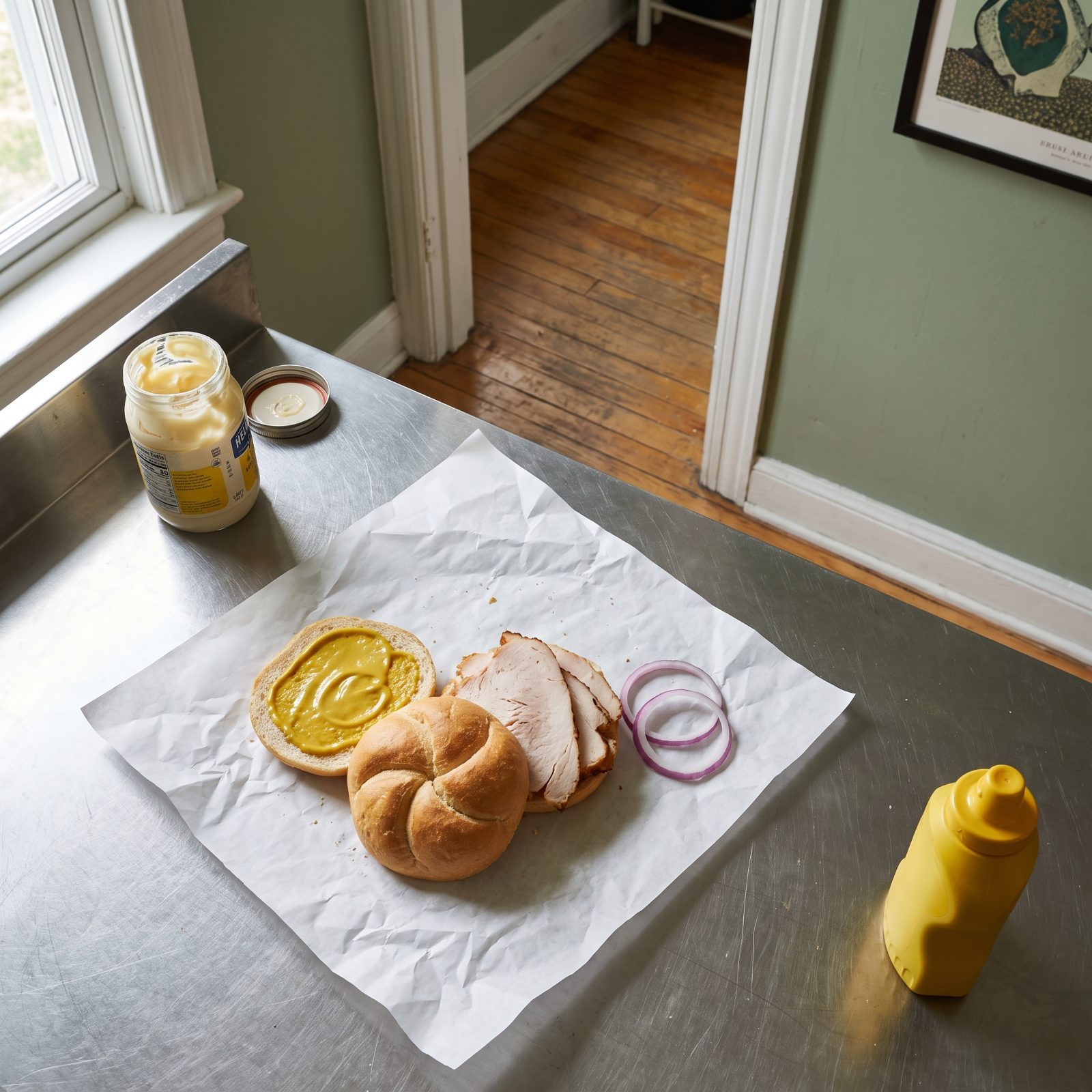
Three modifications before the sandwich maker even reaches for the bread. Hold the mayo. Add the mustard. Light on the onions. The person placing this order knows exactly how the thing should land in their mouth, and they’re not leaving it to chance.
It reads as fussiness. It’s actually something softer: a need for control in the one small arena where control is free. A Forbes piece on the psychology of restaurant personalization (Source) frames two needs at the heart of custom ordering, the desire to avoid being overwhelmed and the desire for autonomy, the plain satisfaction of “I’m in control.”
At a 1970s deli counter, where the guy behind the glass worked fast and remembered regulars, the custom order was also a relationship. It said I come here enough to have opinions. Decades later, the specific order survives as a tiny ritual of being known. The modifications aren’t about the onions. They’re about being a person whose preferences land exactly as stated, in a world that mostly doesn’t ask.
What It Means When Someone Always Gets the Exact Same Sandwich for Thirty Years Straight
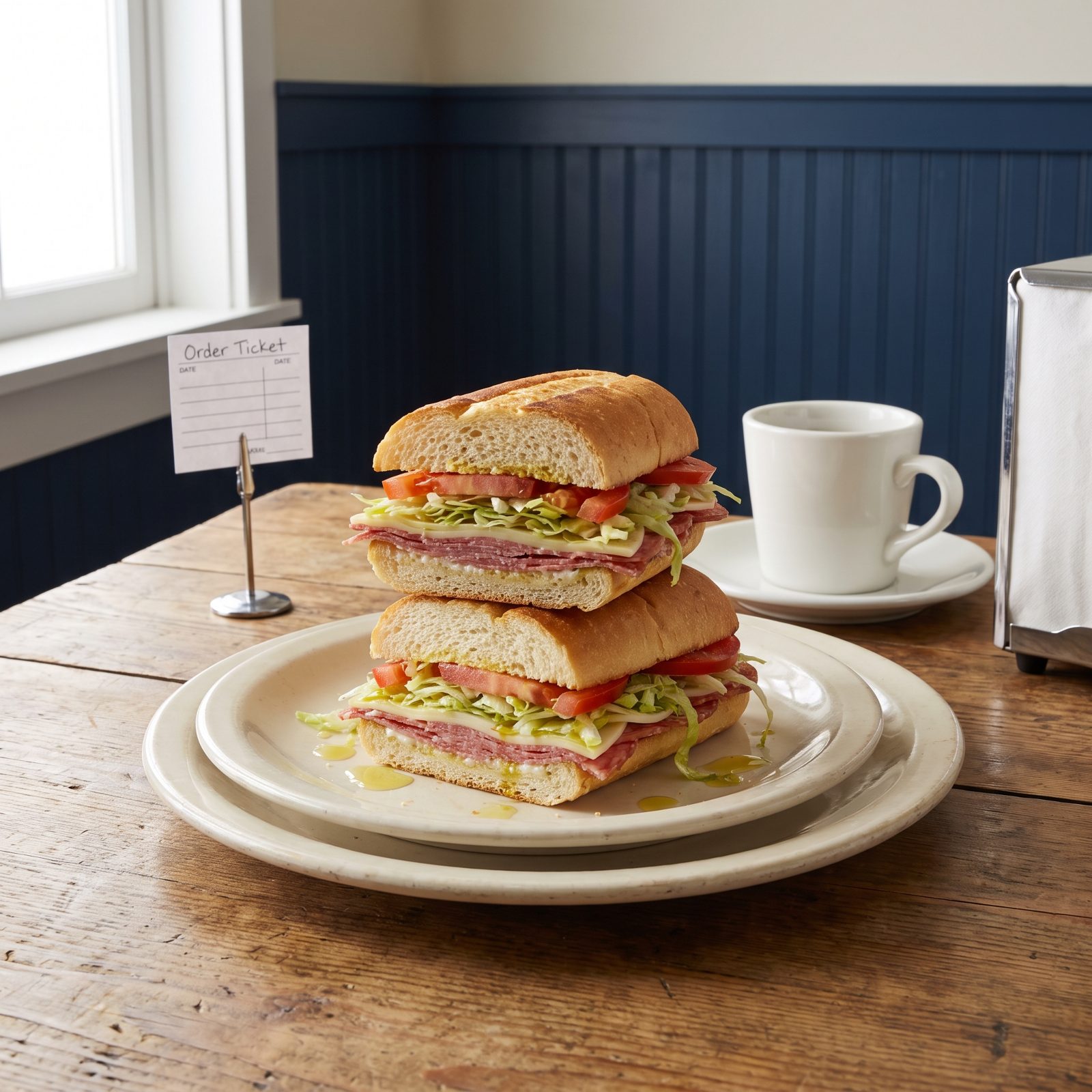
Same roll. Same meat. Same order, placed the same way, at the same counter, since Clinton was in office. The server doesn’t even write it down anymore.
People treat this like a lack of imagination. It’s closer to a quiet form of self-knowledge. Writing on the traits of lifelong repeat orderers points out the difference between indecision and intention. The thirty-year sandwich isn’t someone who can’t choose. It’s someone who chose, decades ago, and was right.
There’s a stability reading too. A piece on the psychology of ordering the same meal (Source) links the habit to people who value predictability and prefer choices whose upsides and downsides are already known. No gamble, no disappointment, no wasted lunch.
And honestly? There’s something moving about it. A sandwich eaten the same way for thirty years is a thread running through every version of you who ever ordered it. The job you had then. The people at the table who are gone now. You’re not just eating lunch. You’re checking that the thread still holds.
The Grilled Cheese Adult: The Psychology of Ordering the One Thing You Ate at Age Six
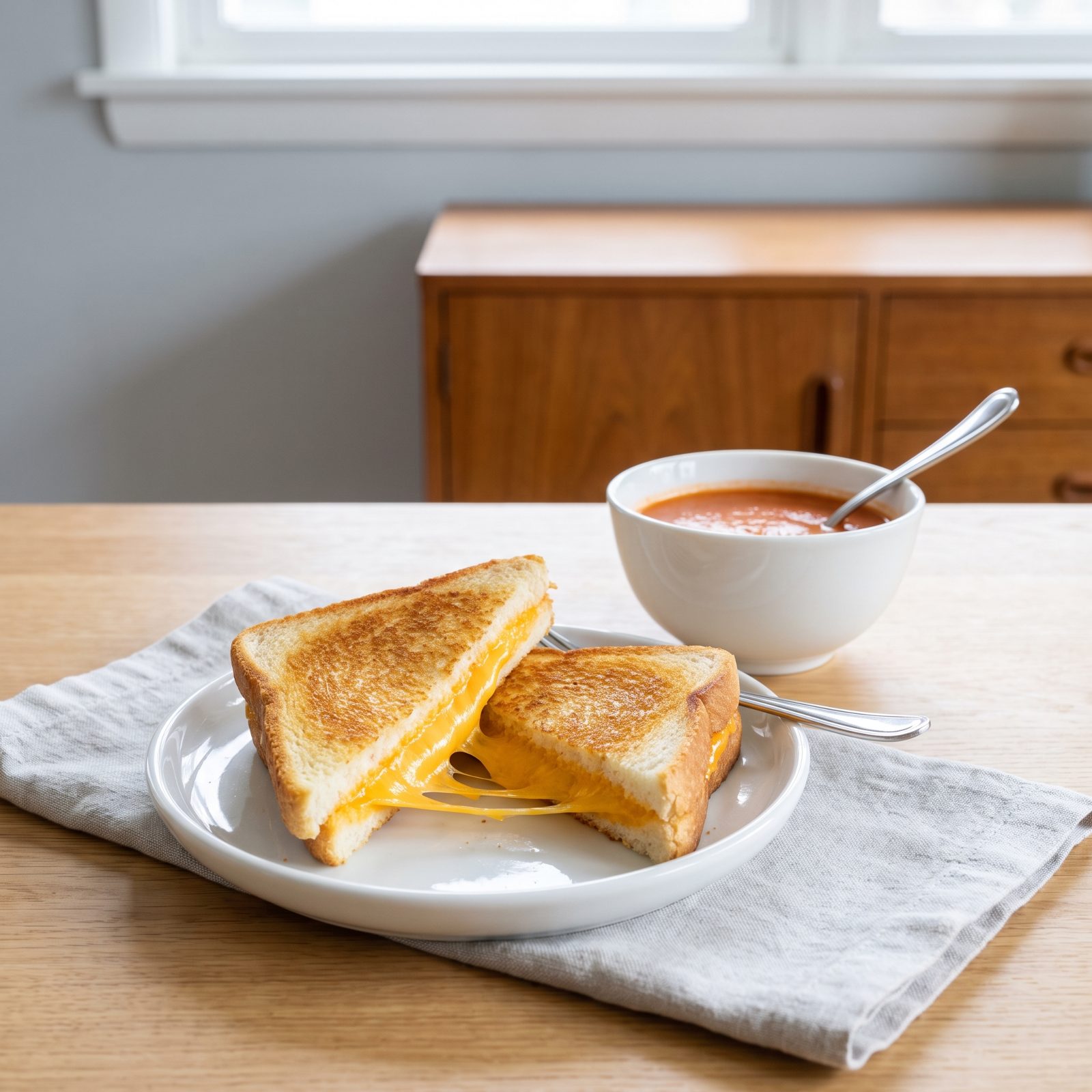
A grown adult, menu full of options, orders the grilled cheese. Golden butter-crisped bread, cheese pulling in a thread when you lift it, maybe cut corner to corner the way a parent once cut it. It’s the most childlike thing on the board and they order it without a flicker of embarrassment.
This is comfort food working exactly as designed. The term itself goes back to psychologist Joyce Brothers, generally credited with coining “comfort food” in a 1966 newspaper column (Source), describing adults under stress reaching for the foods they associated with childhood. The grilled cheese is that instinct made edible.
What’s actually happening is time travel through the senses. The buttery smell, the specific give of the bread, pulls up age six faster than any photograph could. And the research suggests the pull isn’t really the cheese. It’s who made it. The grilled cheese adult isn’t being juvenile. They’re reaching, mid-week, for a table where someone else was in charge and everything was fine.
Why the Meatball Sub Eater Makes Peace With the Mess (And What That Says About Their Whole Approach to Risk)
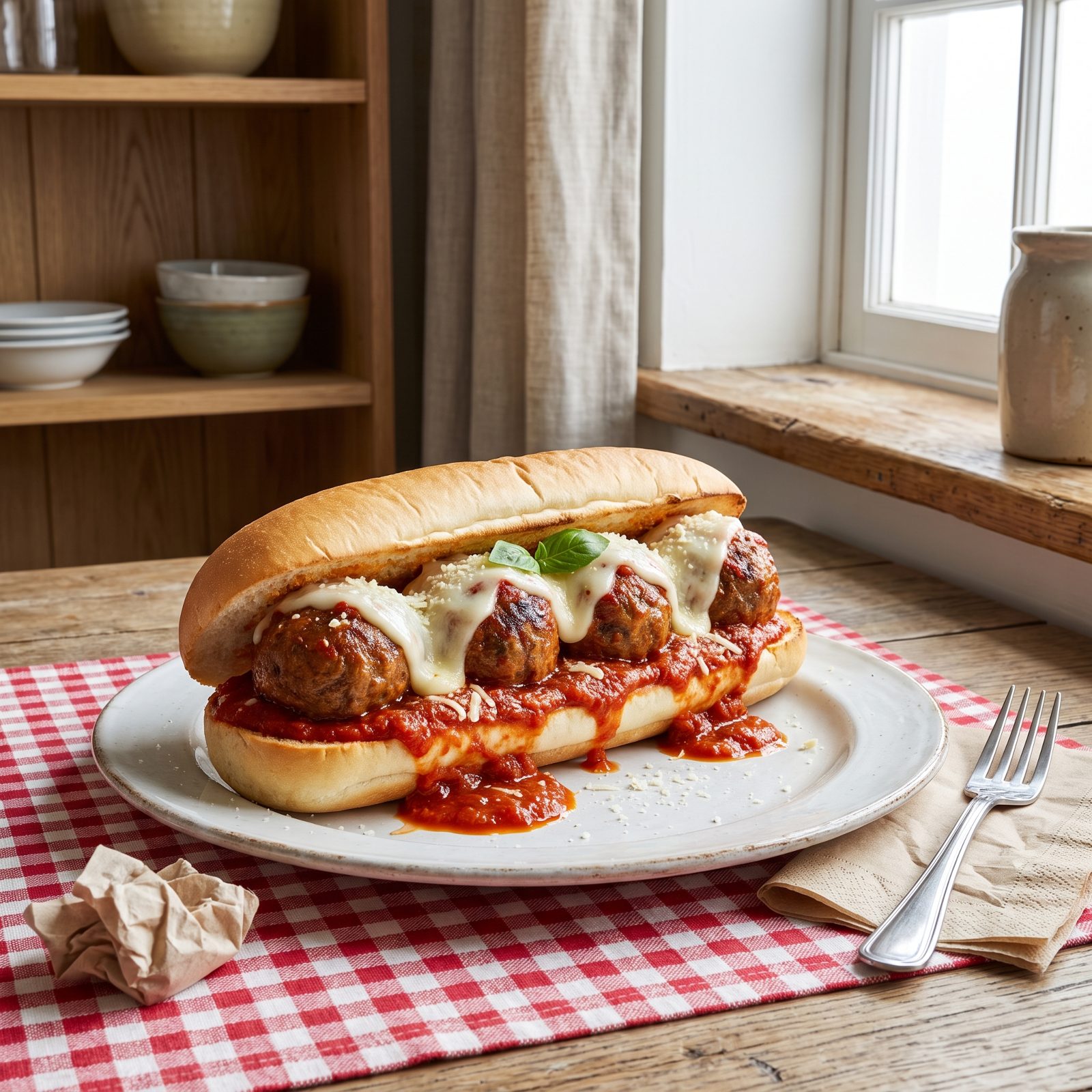
There is no clean way to eat a meatball sub. Sauce down the wrist, a meatball making a break for the plate, a napkin situation that’s really more of a napkin campaign. The person who orders it anyway has already decided the mess is part of the deal.
That’s a whole posture toward risk, served on a hero roll. The club-sandwich orderer wants everything contained. The meatball sub orderer accepts that the good stuff is messy and dives in regardless. It tracks with the broader research reviewed by Psychology Today (Source), which found real, if modest, links between food choices and personality traits. The willingness to order the hardest thing to eat says something about tolerance for things not going tidily.
And it’s deeply Italian-American in its logic. Red sauce was never meant to be neat. It was meant to be generous, and generosity spills. The meatball sub eater isn’t careless. They’ve just worked out that the people who refuse to get sauce on their hands tend to miss the best part.
The Club Sandwich and the Secret Language of People Who Can’t Choose Just One Thing
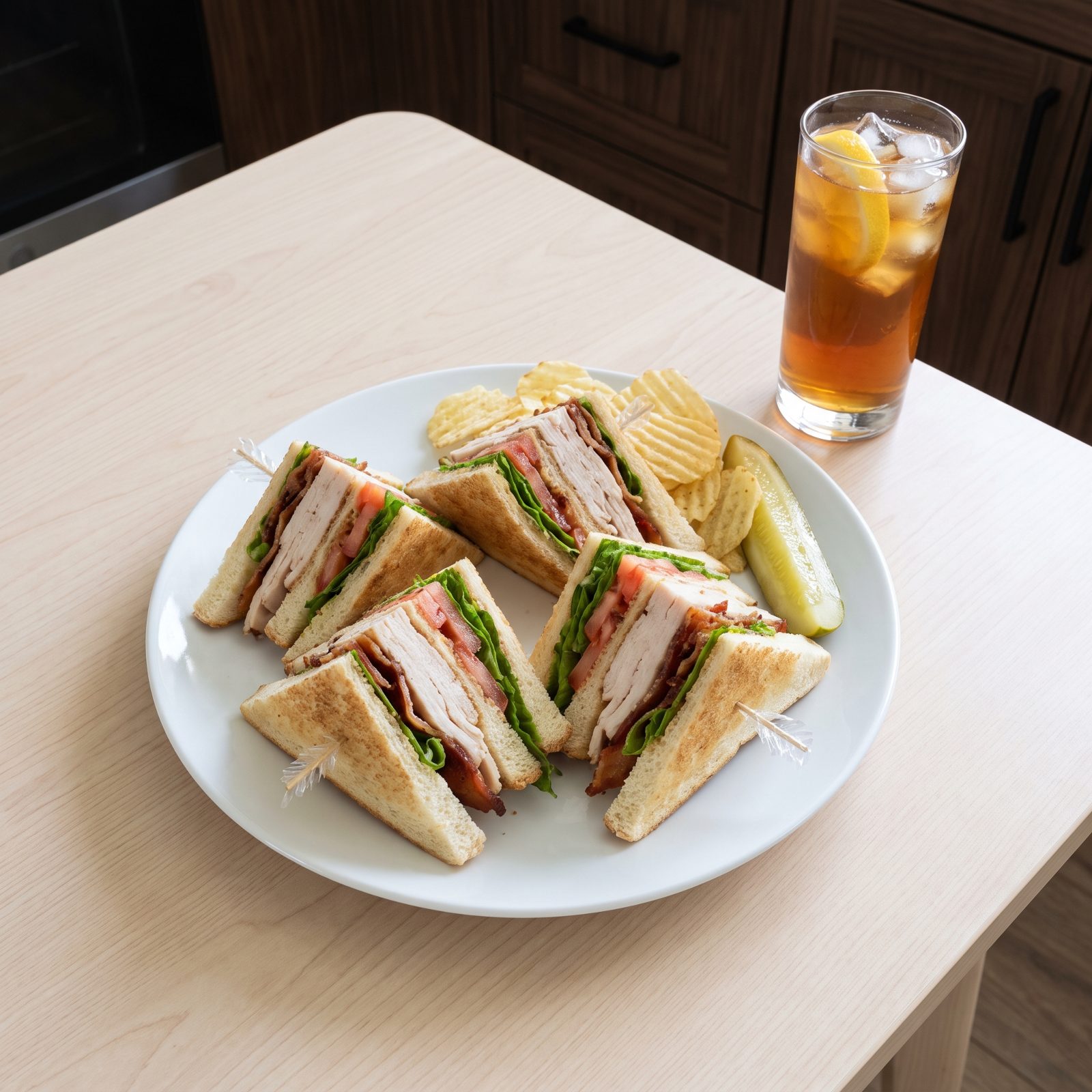
Three slices of toast, held together with frilled cellophane picks, hiding a layered negotiation inside: turkey and bacon, lettuce and tomato, a little of everything, cut into four neat triangles. The club sandwich is what you order when you refuse to pick.
And refusing to pick is its own personality. Where the plain ham-and-cheese orderer has narrowed life to one certainty, the club orderer wants the sampler, the buffet compressed into a single handheld. A piece on how food choices map to character (Source) ties variety-seeking at the table to openness to experience, the trait linked to people who want range over routine and get restless with the same thing twice.
There’s a social read, too. The club is the hotel-coffee-shop order, the business-lunch order, the “I want to be pleased on several fronts at once” order. The four little picks and the four tidy triangles are the giveaway: this is someone who wants abundance, but organized. Everything, please. Just cut it into manageable pieces.
The Italian Combo Orderer: What Loading Five Meats on One Roll Says About How Someone Was Raised
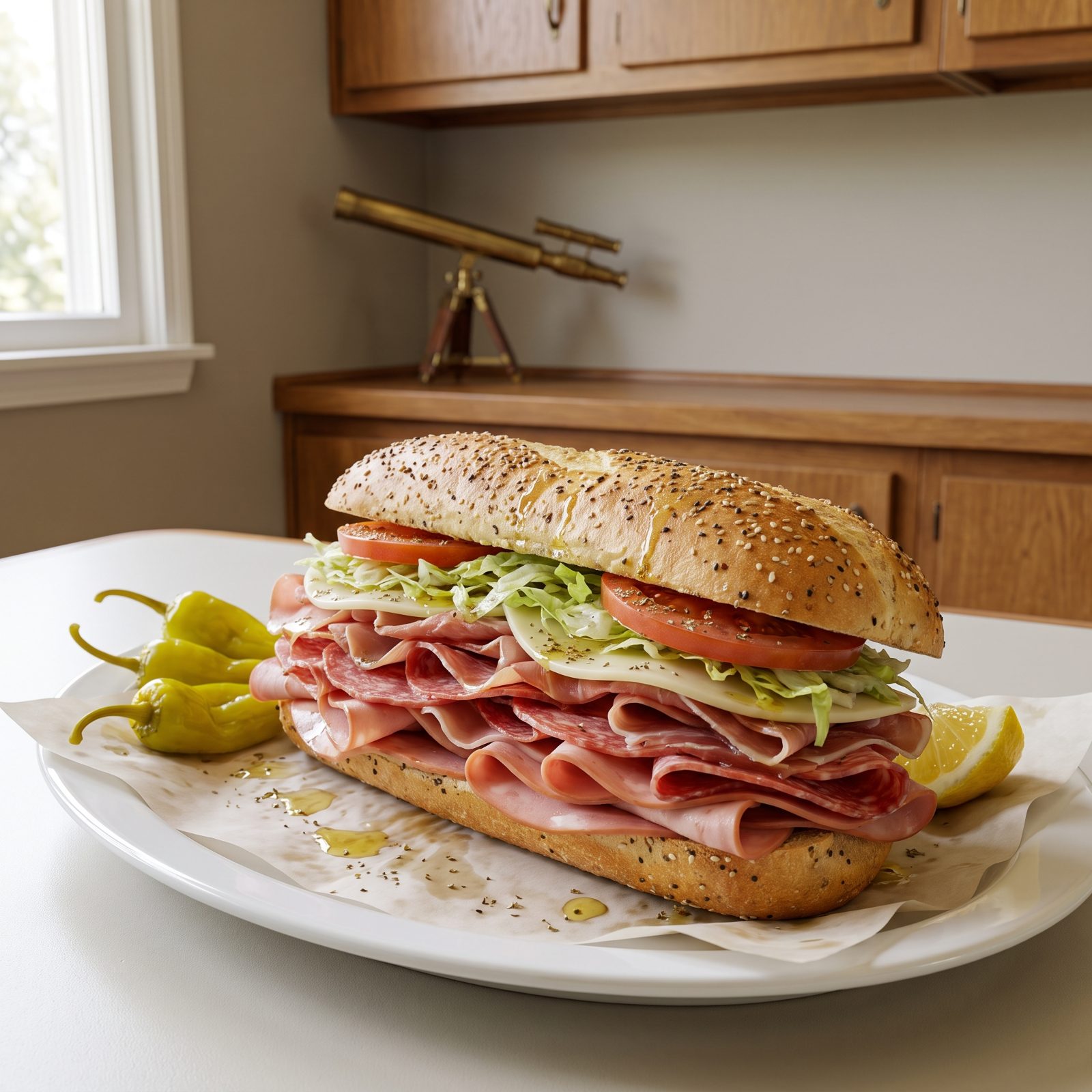
Mortadella, capicola, salami, prosciutto, ham, all on one seeded roll with provolone, shredded lettuce, oil and vinegar and a shake of oregano. Five meats where one would do. The Italian combo orderer isn’t being greedy. They were raised this way.
This is less a personality tell than a lineage tell. The overstuffed combo is the sandwich of a household where the answer to “is this enough food?” was always, structurally, no. Where feeding people generously was how love got said out loud. The Cognition and Emotion studies on food nostalgia and connection (Source) found that the comfort of a meaningful food comes largely from the sense of belonging it restores, the people it puts back in the room.
So the five meats aren’t an appetite. They’re a table full of relatives, a corner salumeria where the owner knew your grandfather, a way of eating that says you come from somewhere. You can tell a lot about how someone grew up by whether a sandwich with one meat strikes them as sufficient or faintly sad. Oregano and oil-and-vinegar aren’t garnish here. They’re a dialect.
Why Some People Need the Sandwich Cut on the Diagonal and Genuinely Can’t Eat It Any Other Way
Would you like to save this?
Hand someone a sandwich cut straight across the middle when they grew up on triangles, and watch their face fall half an inch. They won’t say anything. But something is off, and they feel it before they can explain it.
The diagonal cut is a childhood imprint more than a preference. A triangle gives you a pointed corner to bite first, more crust-free surface, and the sense that this is the good version, the one someone made with a little extra care. Rectangles are what you got when the person slicing was in a hurry. Deep down, the diagonal eater is reaching for a feeling, not a shape.
Food preferences built in early childhood tend to hold for decades because the brain links certain foods and food rituals to pleasure and comfort long before we can question them. Source
The Veggie-Only Build at the Deli Counter and the Low-Key Rebellion Hiding Inside It
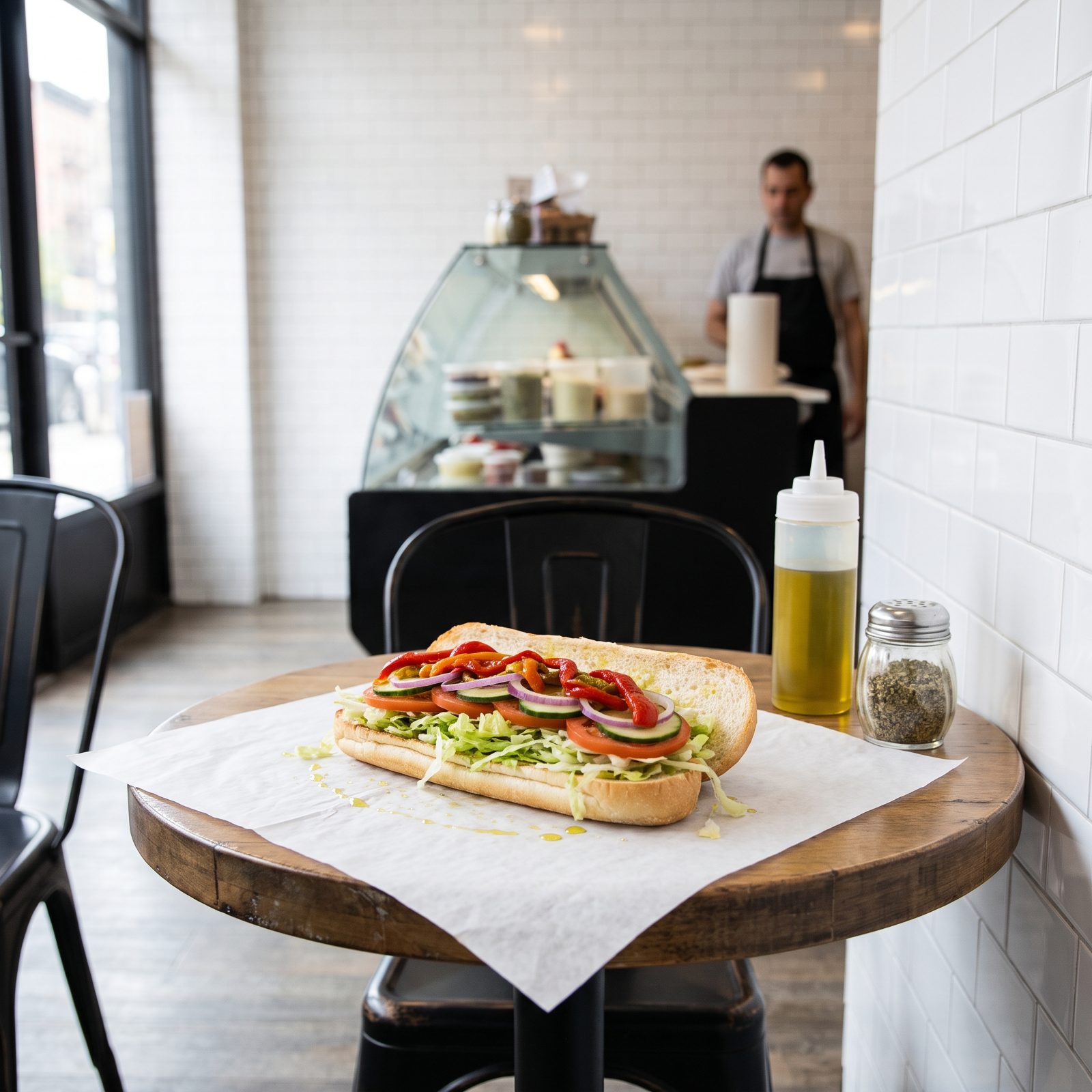
Lettuce, tomato, cucumber, onion, roasted peppers, a little oil and vinegar, hold the meat. The person ordering this at a deli counter stacked with pastrami and capicola is making a quiet statement, whether they mean to or not.
Part of it is openness. People who score high on openness to experience gravitate toward produce, variety, and builds that break from the default. Source But there’s a social layer underneath. Ordering the veggie build in a meat temple is a soft refusal to go along with the room, done without a speech. No lecture, no sign, just a sandwich that doesn’t match the counter behind it.
The veggie-only orderer is usually comfortable being slightly out of step. They don’t need the group’s approval on the plate in front of them. That’s a specific kind of self-possession, and it shows up in more than lunch.
What the ‘Surprise Me’ Order Tells You About a Person’s Relationship With Control
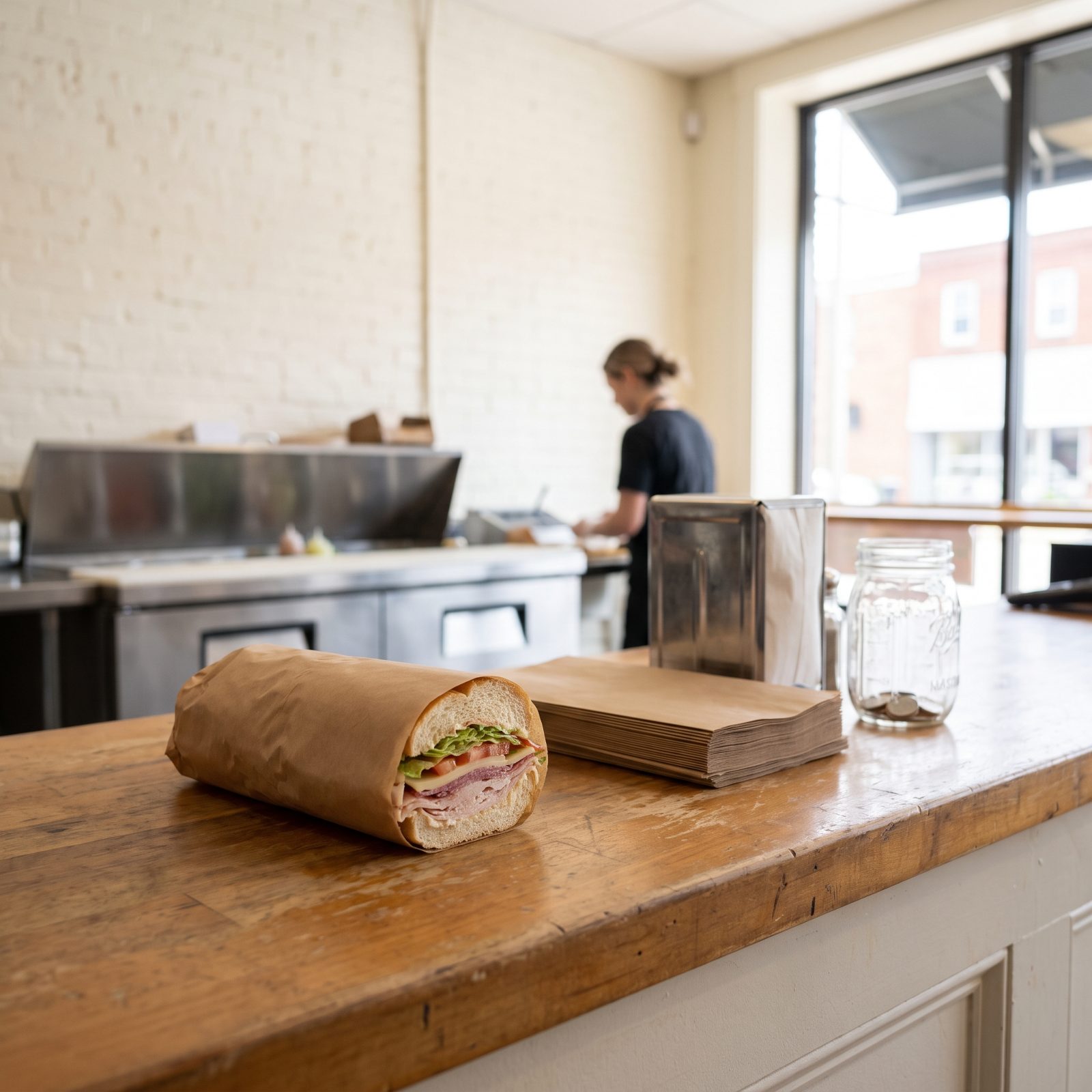
“Just make me whatever’s good.” Five words that sound easygoing and are anything but simple.
Psychologists treat the ability to choose as close to a basic human need. Sheena Iyengar has argued that choice isn’t only the feeling of being in control, it’s something closer to a biological necessity, and restricting it affects us at a deep level. Source So handing your choice to the person behind the counter is a real act, not a shrug.
Two very different people place this order. One has so much trust and so little ego about lunch that giving up the decision costs them nothing. The other is quietly exhausted by decisions and is outsourcing one more. Both are telling you where their control goes and where it doesn’t.
Watch what they do with the result. The person who eats it happily no matter what is the real article. The one who inspects it and winces wanted control the whole time and just didn’t want to admit it.
The Tuna Salad Loyalist and the Comfort of the Unglamorous Choice
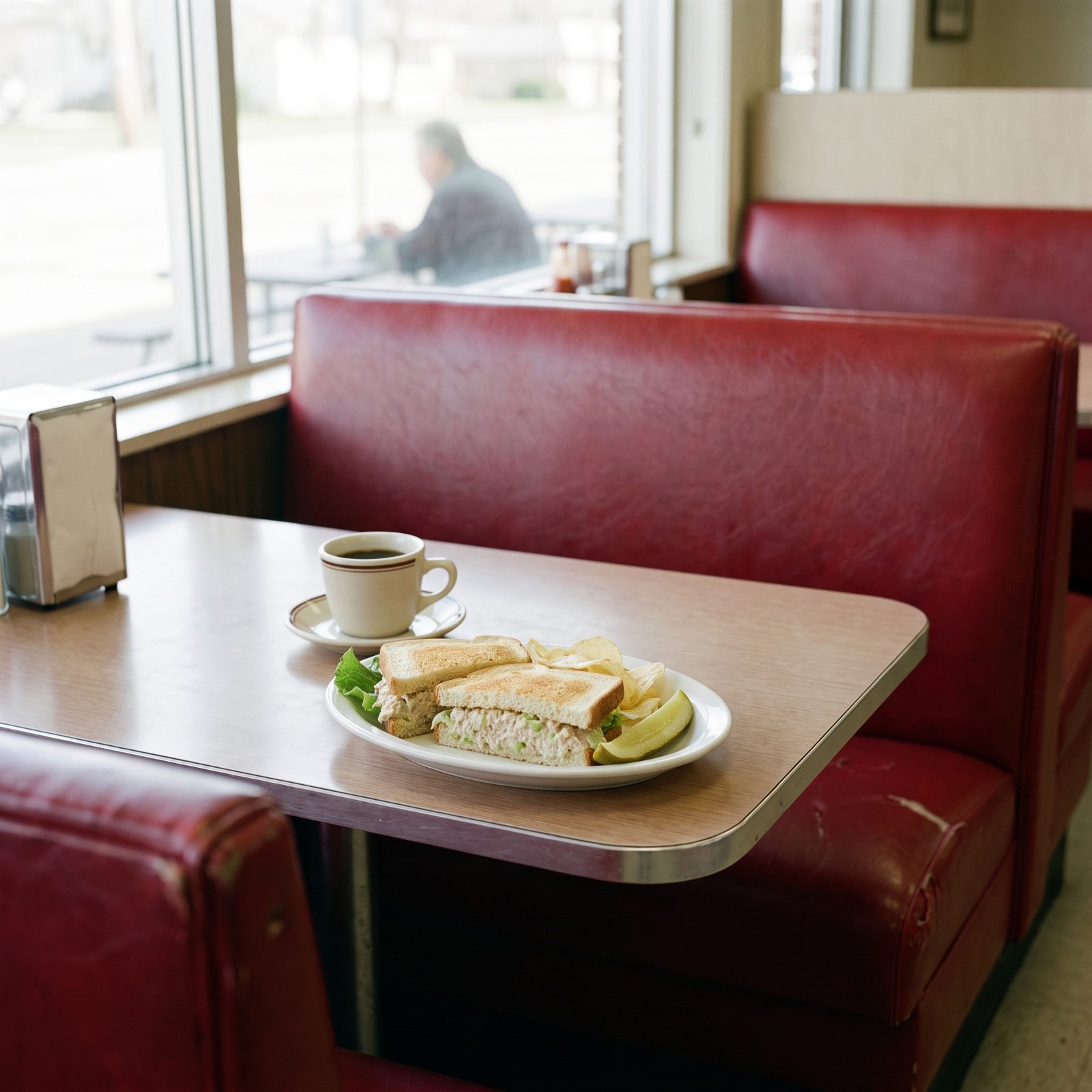
Nobody orders tuna salad to impress anyone. That’s the whole point.
The tuna loyalist walks past the roast beef, the specials board, the thing with four cheeses, and lands on the same soft, mayo-bound scoop on toast they’ve had for twenty years. This is comfort-food behavior in its purest form, and comfort food runs on conditioning. Brian Wansink’s research found that people cognitively tie important past associations to specific foods, which is why certain choices pull us back toward a steadier, earlier feeling. Source That bond tends to form early and strengthen across a lifetime, especially in childhood. Source
The tuna loyalist isn’t bored. They’ve simply decided that lunch is not where they go looking for excitement. They get their novelty elsewhere and let the sandwich be the safe thing. There’s a quiet confidence in needing nothing from your food except that it shows up the way it always has.
Why the Person Who Dissects Their Sandwich Before Eating It Is Doing Something Deeper Than Eating
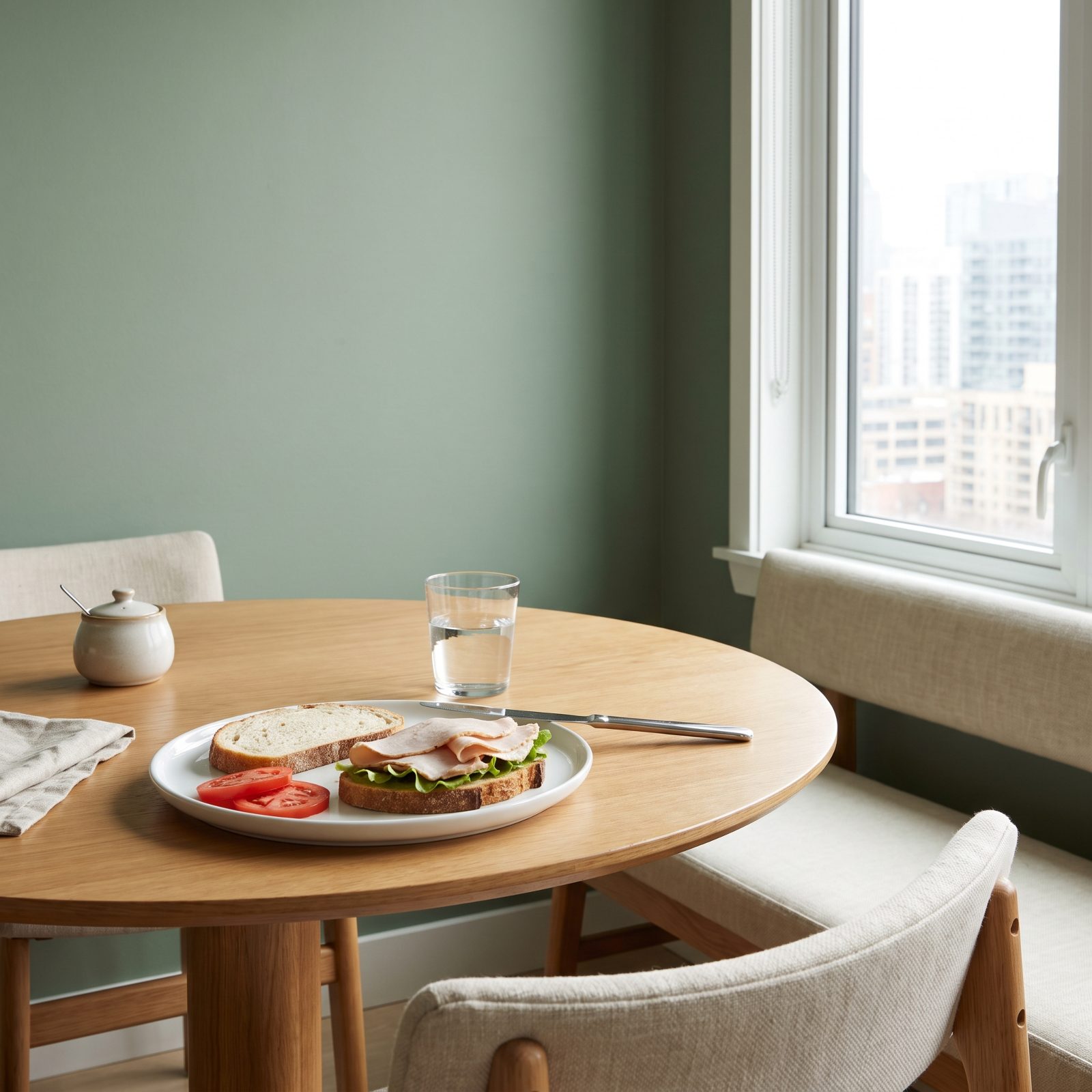
You’ve watched this one across a lunch table. The sandwich arrives, and instead of picking it up, they open it. Lid off. Tomato relocated. Onion scraped to the side or banished entirely. A quick survey of what’s actually in here, conducted like an inspection.
This isn’t fussiness for its own sake. It’s a person who wants to know the terms before they commit. Food decisions are among the ones most tied to our sense of control, and research links successful self-control in food choice to the brain’s prefrontal regions that weigh options before acting. Source
The dissector is usually someone who reads the fine print, checks the bill, and doesn’t love surprises sprung on them. Taking the sandwich apart is a tiny version of how they move through everything: look first, adjust, then proceed on their own terms.
The Foot-Long Orderer Who Eats Half and Saves Half: A Personality Reading of Delayed Gratification
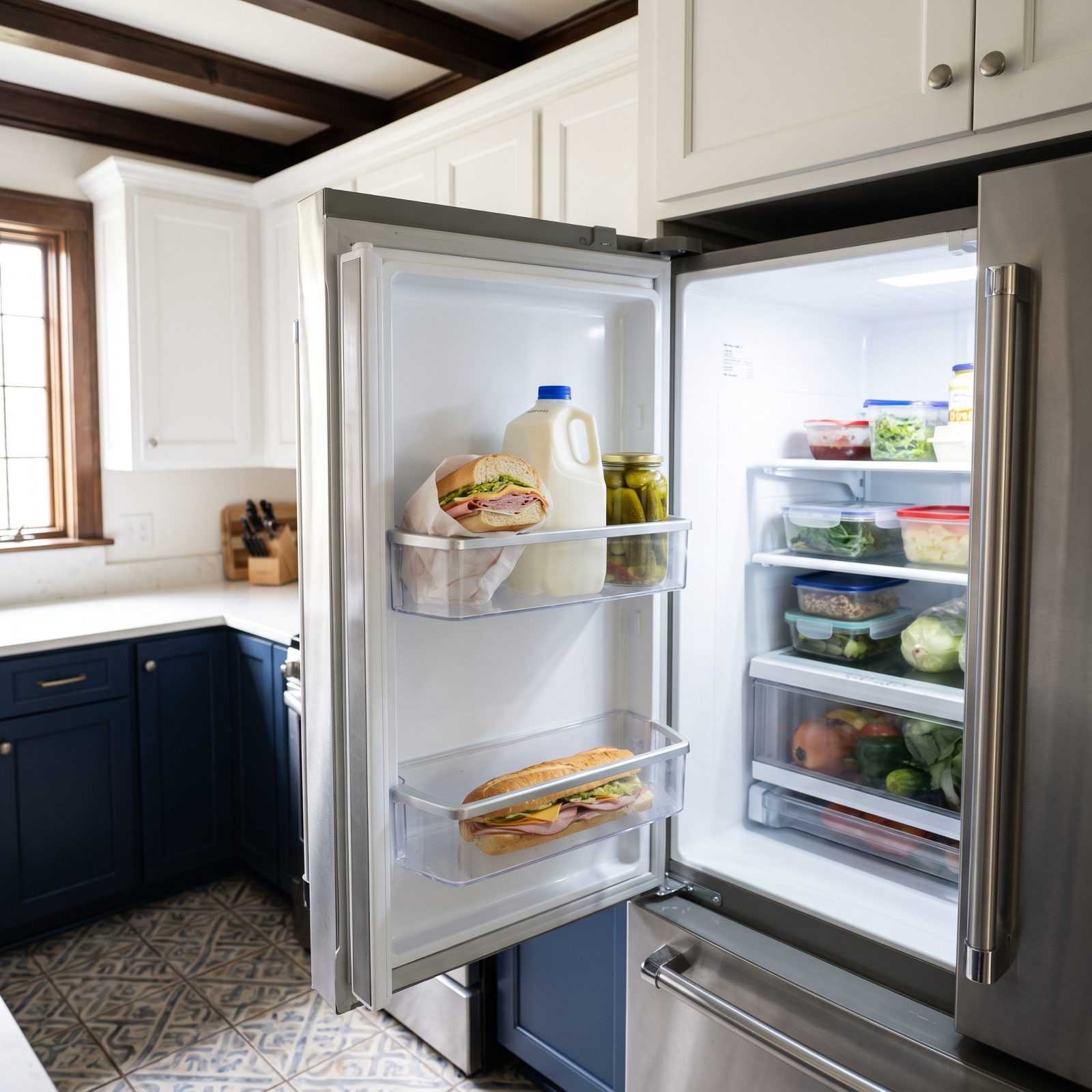
They order the full foot-long, eat exactly six inches, wrap the rest, and put it in the fridge for tomorrow. You already know someone like this. They probably also have leftovers from three nights ago, labeled.
This is delayed gratification in its everyday clothing. The famous marshmallow studies started with kids choosing between one treat now or two if they waited, a test of self-control and the ability to hold out for a bigger payoff. Source The half-saver is running their own version at lunch, trading the full hit now for a guaranteed second meal later.
Worth a caution, though. Recent replication work found the marshmallow test doesn’t reliably predict adult outcomes the way the pop version promised, so don’t read too much into it. Source Saving half your sub doesn’t mean you’ll be rich. It mostly means you plan, you don’t like waste, and future-you is a person you actually take care of.
The Toasted-or-Not Decision and the Surprising Thing It Predicts About Temperament
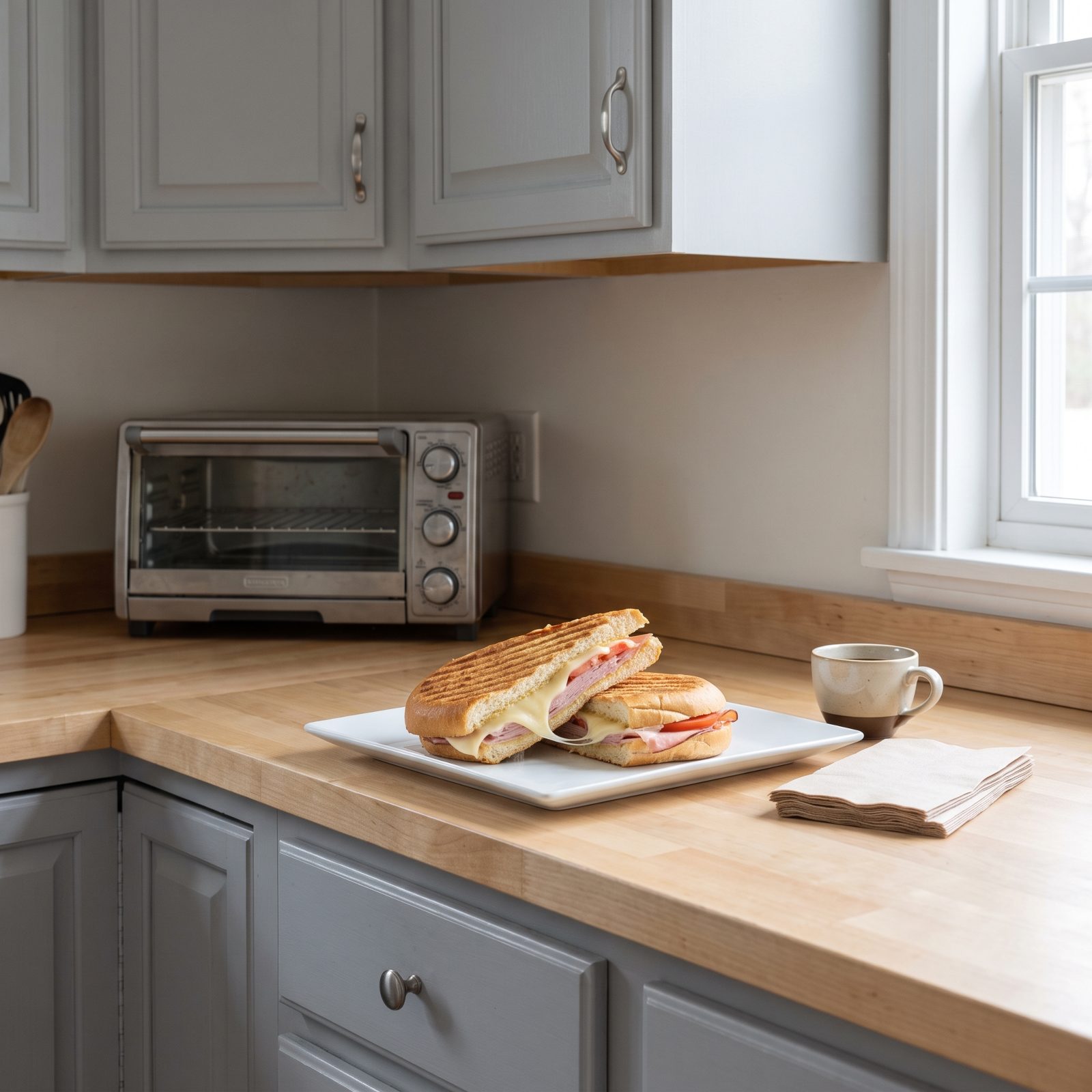
“Toasted?” It’s the fastest question at the counter and the one people answer without thinking. Which is exactly why it’s revealing.
The toast camp wants transformation. Warm bread, melted cheese, a crisp edge, the sandwich improved from its raw state. The no-toast camp wants the thing as it is, cool and soft and unmessed-with. Openness to new experience tends to show up in who seeks variety and sensory change versus who prefers the familiar, routine version of a food. Source
The toast-everything person often runs a little warmer and more willing to tinker. The never-toast person tends to know what they like and sees no reason to heat it up and risk soggy tomato. Neither is right. But the speed of the answer matters more than the answer. The ones who pause, weigh it, and change their mind depending on the filling are usually the same people who overthink the easy calls everywhere else.
The Bottom Line
Here’s the truth underneath all these builds: your deli order is a miniature of how you negotiate desire against restraint when you think no one’s grading you. The plain orderer and the everything-tower builder aren’t opposites, they’re both answering the same quiet question of how much of themselves they’re willing to put on the counter in public. Next time you order, notice the half-second before you speak; that pause is where the real you lives.