Would you like to save this?
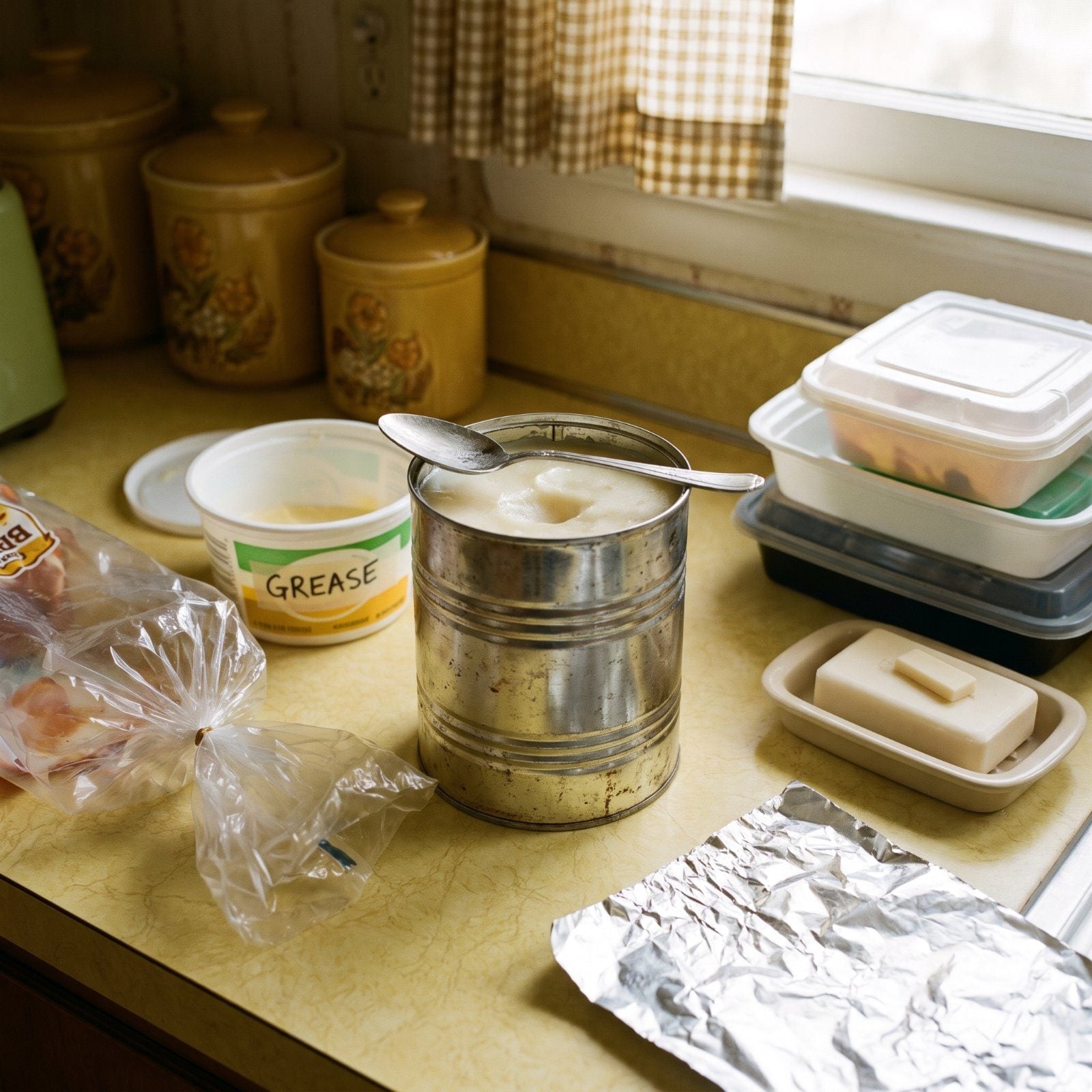
The coffee can by the stove didn’t hold coffee. You knew that before you could tie your shoes. It held bacon grease gone the color of candle wax, and it was treated like a family heirloom. Growing up frugal wasn’t a hardship you understood at the time — it was just the weather, the background condition of everything. Containers got second lives and food got third ones, and nothing left the house without someone deciding out loud whether it could be used again. These were the small rituals of a kitchen run by people who remembered doing without, and who never once apologized for it.
Please note that some of the images in this article were created with the assistance of AI.
27. The Coffee Can of Bacon Grease That Lived by the Stove
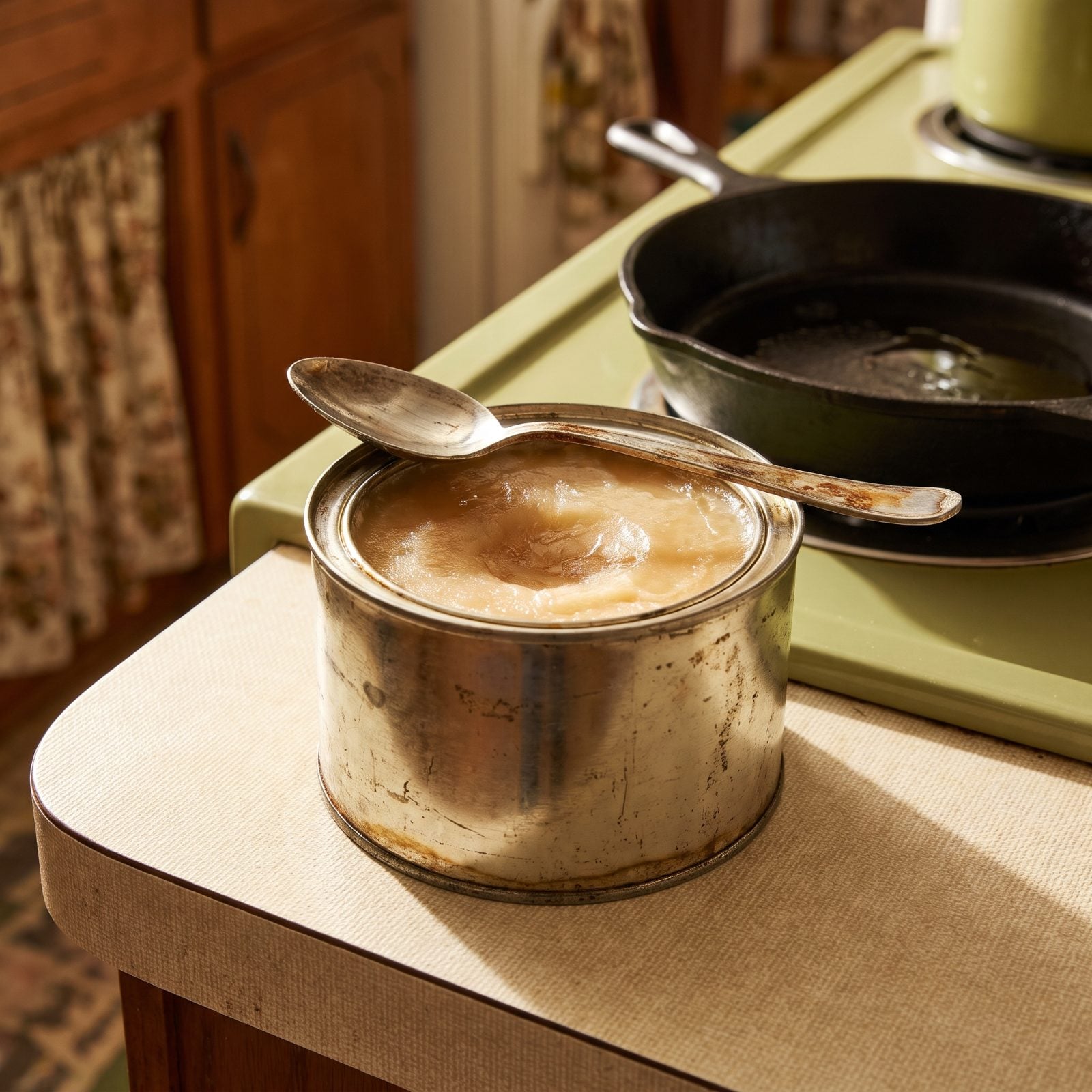
That grease was gold. You rendered it down from Sunday bacon, strained it through a bit of cloth if your people were fancy, poured it into the can, and let it set. Then it fried eggs, started a pot of greens, greased a pan for cornbread. Nobody called it a cooking fat — it was just how food got made to taste like something.
The can never got washed out. It got topped off, and the layer at the bottom could’ve dated to a presidency nobody remembered.
26. Bread Bags Rinsed, Dried, and Promoted to Sandwich Duty
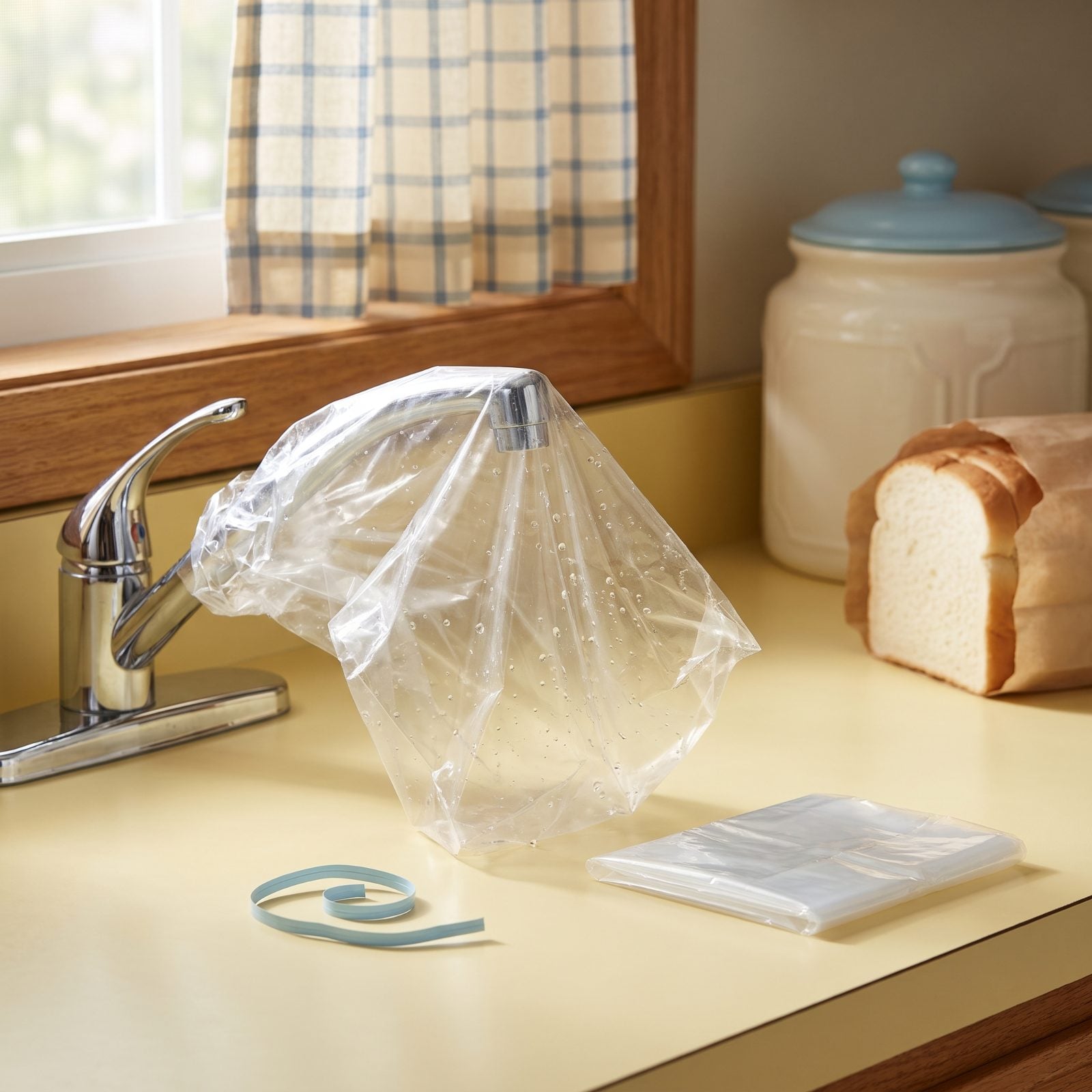
Empty the loaf, rinse the bag, shake it out, hang it on the dish rack or the faucet, and by morning it was a sandwich baggie. The bread sometimes left a ghost of itself inside — a dusting of crumbs you learned to ignore.
Store-bought zip bags existed. They just weren’t for people who already owned a perfectly good bag that cost nothing. I still cannot throw a bread bag away without a flicker of guilt, and I will die on that hill.
25. The Saturday Casserole Built Entirely From Fridge Refugees
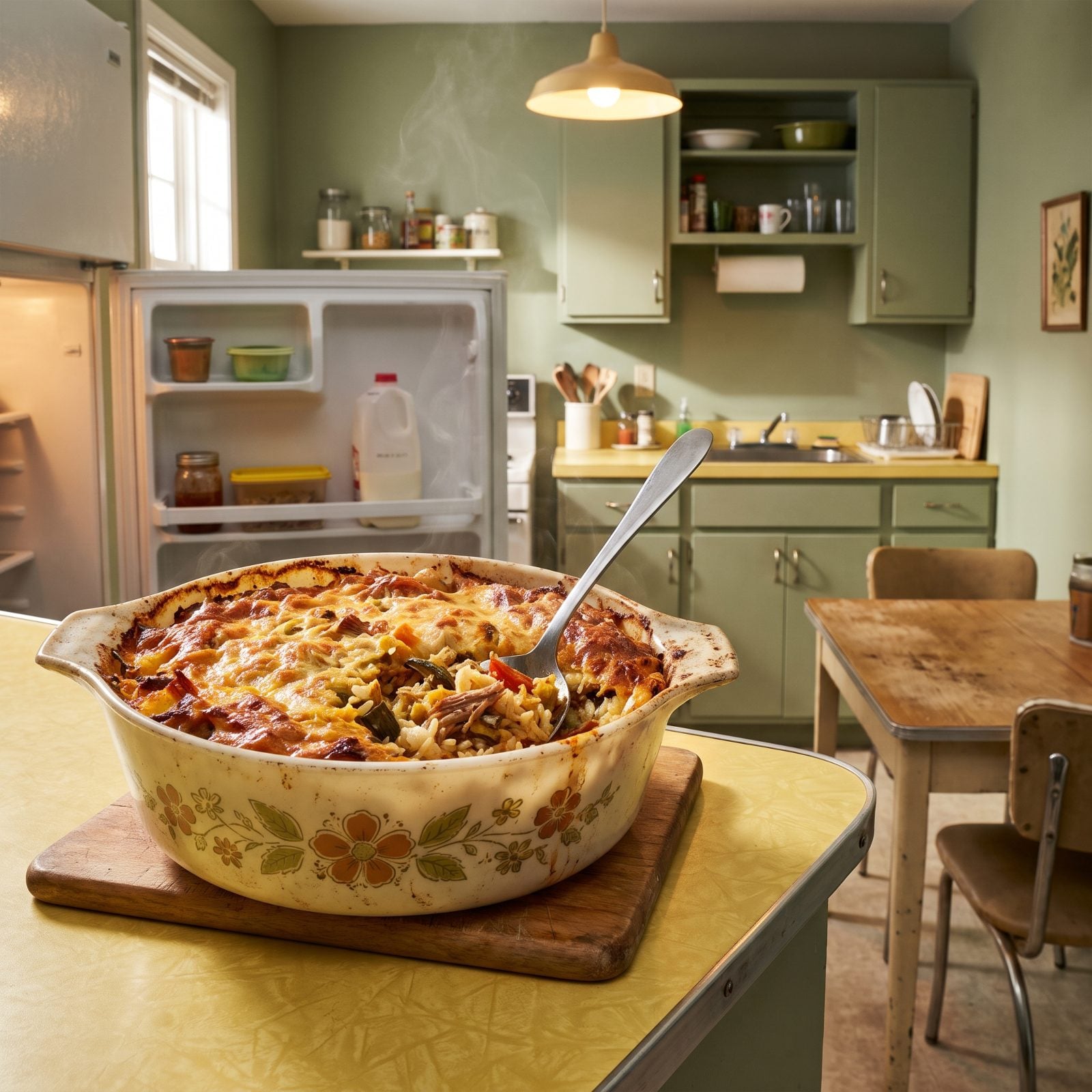
Nobody knew what was in it, and asking was rude. Saturday was when the fridge got cleared, and whatever hadn’t been eaten got layered into a dish, topped with crushed crackers or a slab of cheese, and baked until it held together. Monday’s peas. Wednesday’s rice. Half a thing of corn. A splash of cream of mushroom to glue it all into one decision.
It had no name because it had no recipe. You ate it, you liked it fine, and you never saw that exact dish again as long as you lived.
Not everyone shares the fondness: casserole photos got hearts 67% of the time from our readers, a little fewer than the 73% for other images in the same articles.
24. The Butter Tub That Was a Decoy for Leftover Soup
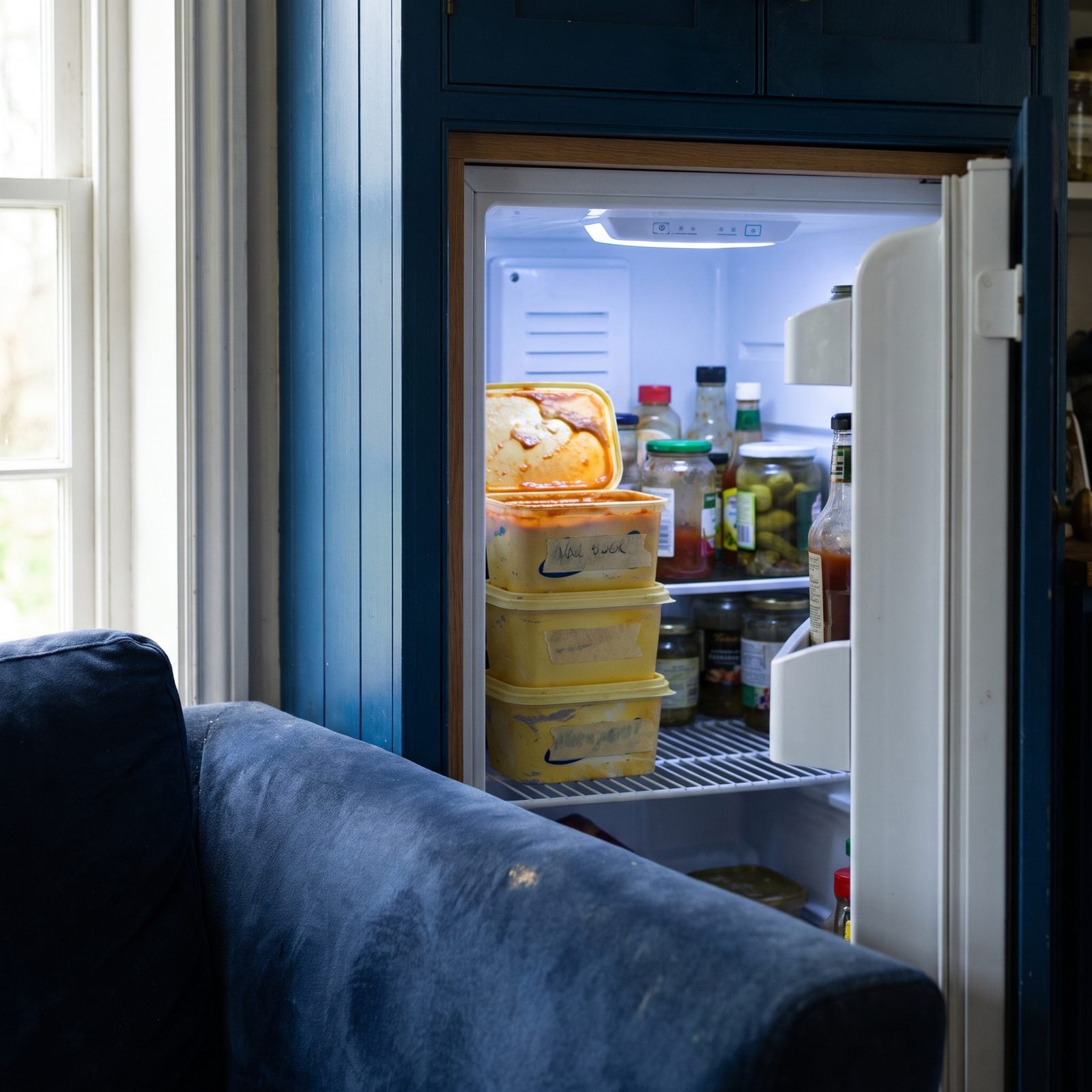
You reached for butter. You got vegetable soup. Every margarine tub in that fridge was lying about its contents, and you learned to pry the lid and check before you got your hopes up.
The container outlasted the butter by years, becoming the official cup of the leftovers, stacked in a leaning tower nobody dared reorganize.
23. Aluminum Foil Rinsed Under the Tap and Hung to Dry
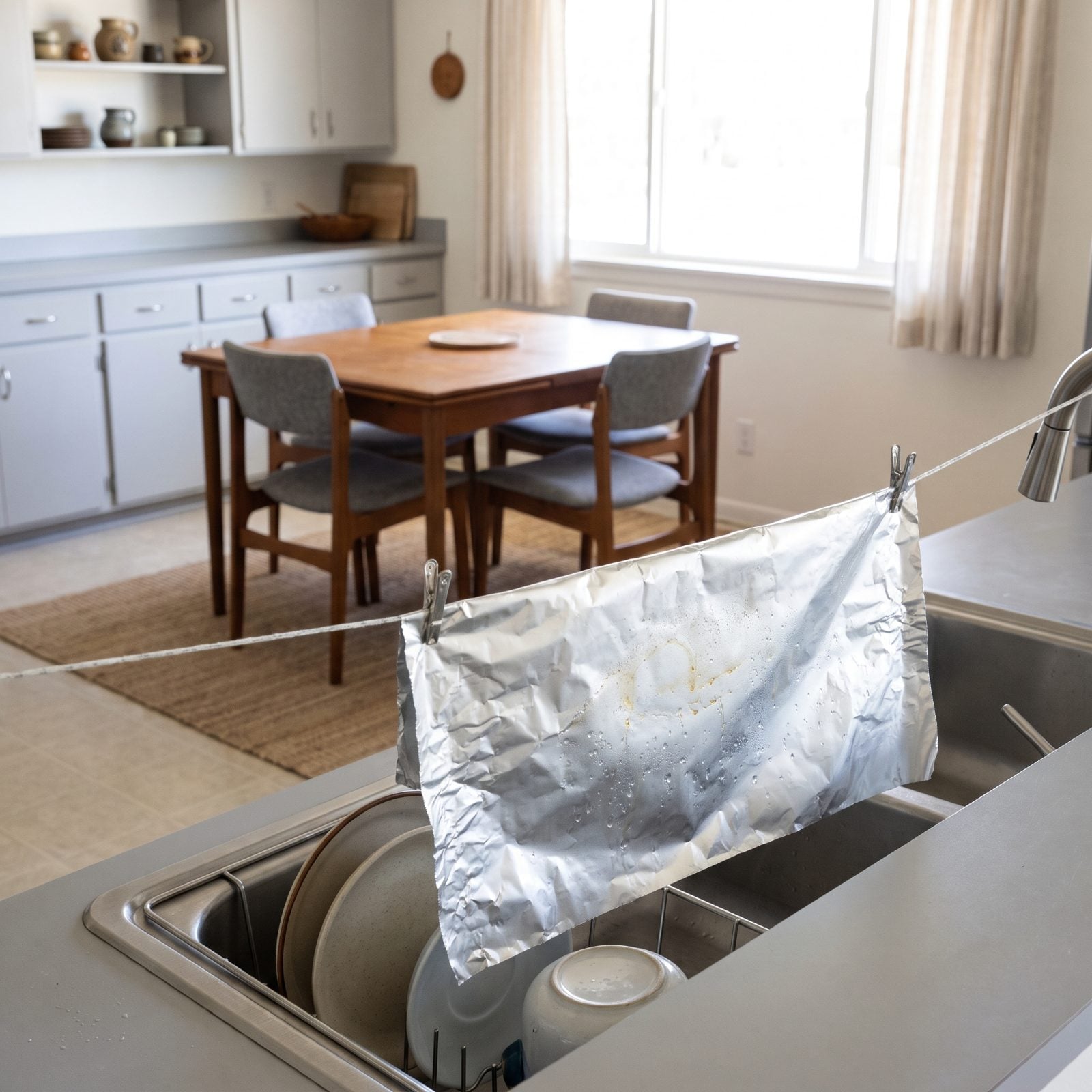
Foil wasn’t a one-time thing. It got peeled off the leftovers, rinsed under the faucet, smoothed flat against the counter with the side of a hand, and hung to dry like a little silver flag of thrift.
By the third or fourth life it was mostly wrinkles, holding the shape of everything it had ever covered. You could tell the reused sheets from the fresh roll instantly. And you never once got the fresh roll for a plate of leftovers.
22. The Last Sliver of Soap Pressed Onto the New Bar
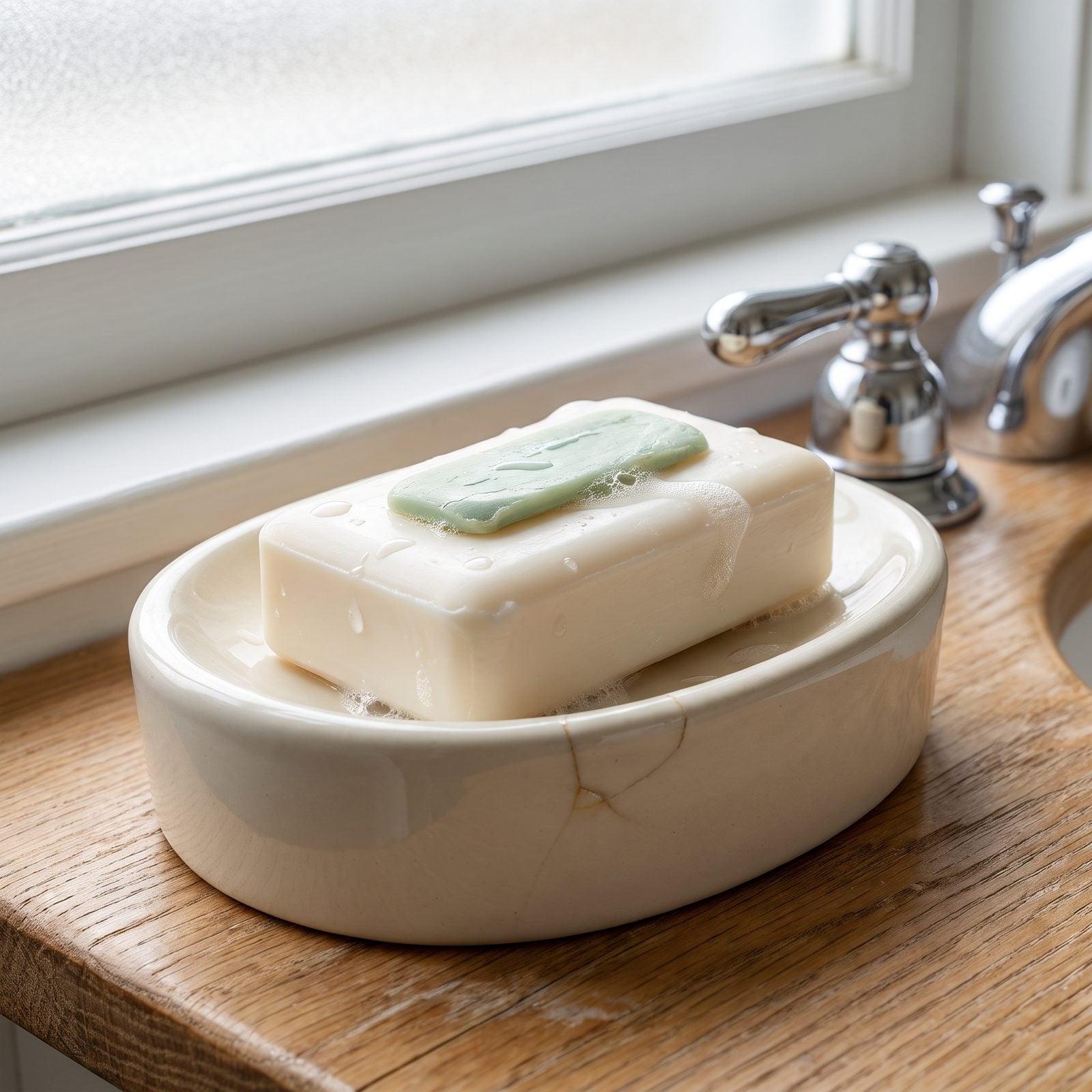
No bar of soap was allowed to die with dignity. When it got down to a thin curling sliver, you wet it, wet the new bar, and smashed them together until they fused into one lumpy Frankenstein bar.
For a day or two it looked ridiculous — a little barnacle stuck to the new soap. Then it blended in and nobody could tell. Waste nothing, not even the part too small to hold.
21. Sunday’s Roast That Came Back as Soup by Wednesday
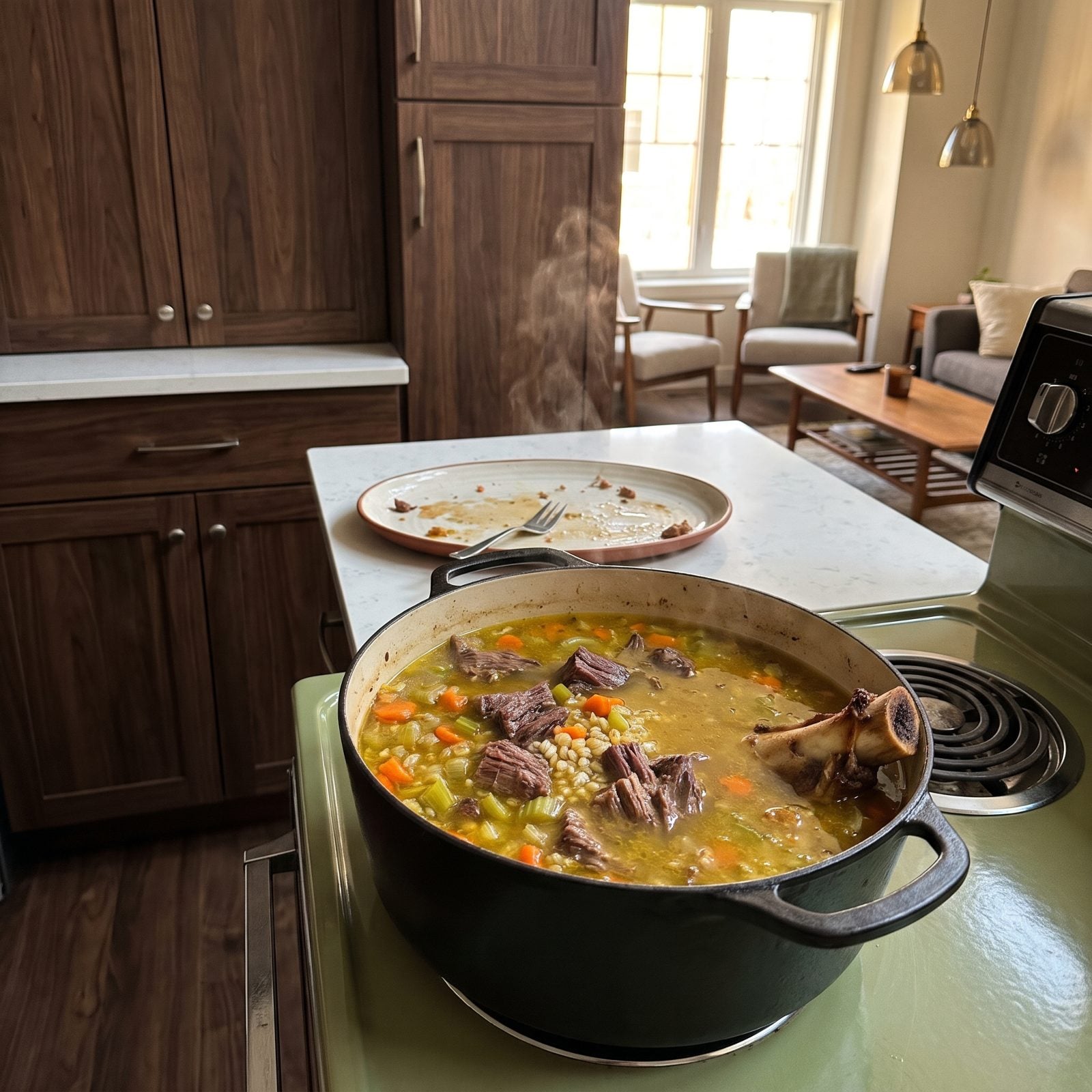
The roast that fed everyone on Sunday wasn’t done feeding anyone. Monday it was sandwiches, Tuesday it was hash, and by Wednesday the leftover meat, the bone, and every orphaned vegetable went into a pot of water and simmered into soup.
One roast carried the week. People now call this meal planning and act like they invented it. Your family just called it not throwing away perfectly good meat.
What Our Readers Say
- When Piaci Pizza readers loved a food photo and tapped a reason, comfort and nostalgia topped the list, at 23% and 21%.
From Piaci Pizza reader polls and votes.
20. Bread Heels Reborn as Croutons and Thanksgiving Stuffing
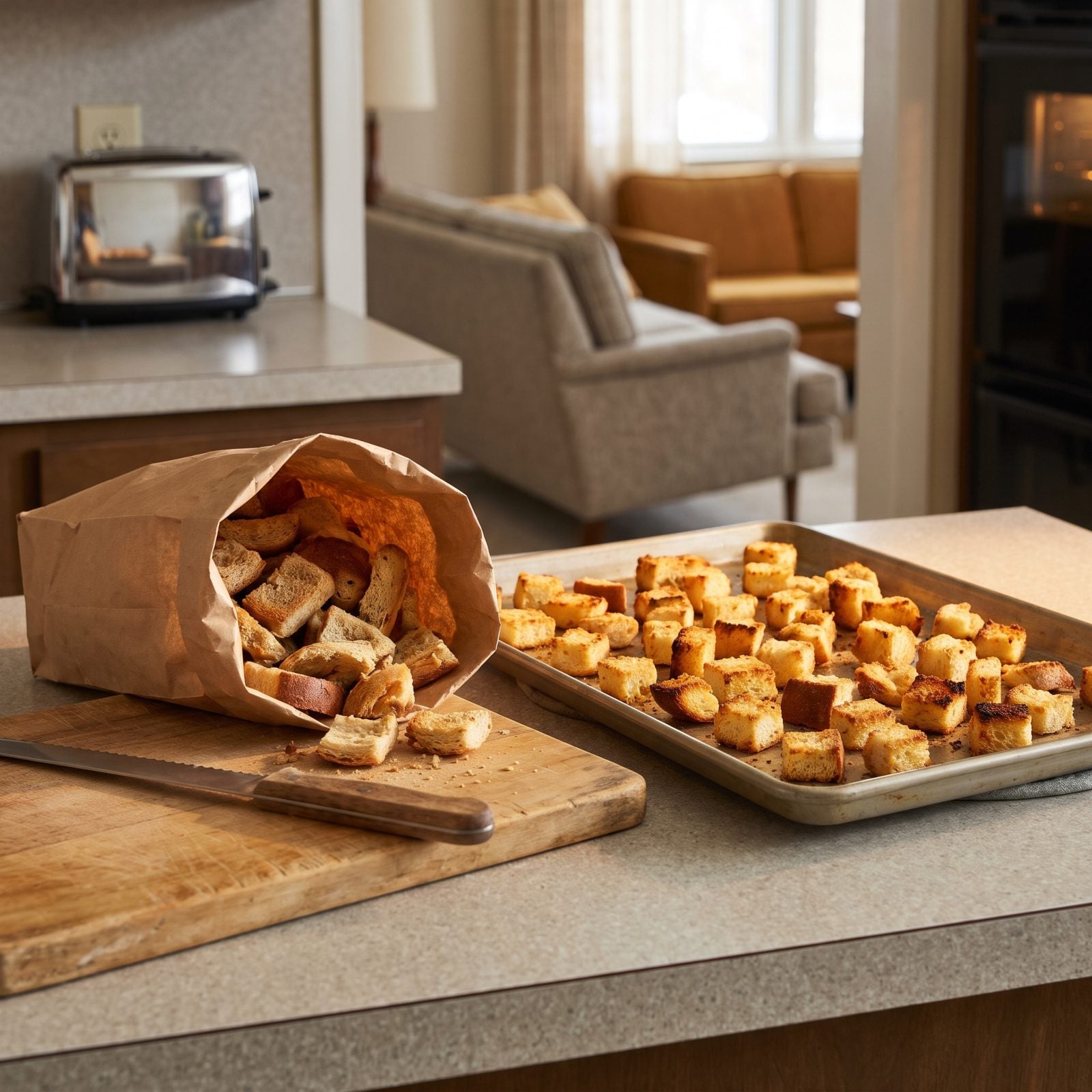
The heel of the loaf got no respect at the table and total respect in the kitchen. Nobody wanted to eat it, so it went into a bag that lived in the freezer, filling up slowly, one unloved end at a time.
Then came the payoff. Cubed and toasted with butter, it crowned soup and salad. Come November, that whole stockpile became stuffing, and suddenly the crusts everyone had turned their nose up at were the star of the holiday table.
19. The Leaning Tower of Takeout Containers Masquerading as Tupperware
Would you like to save this?
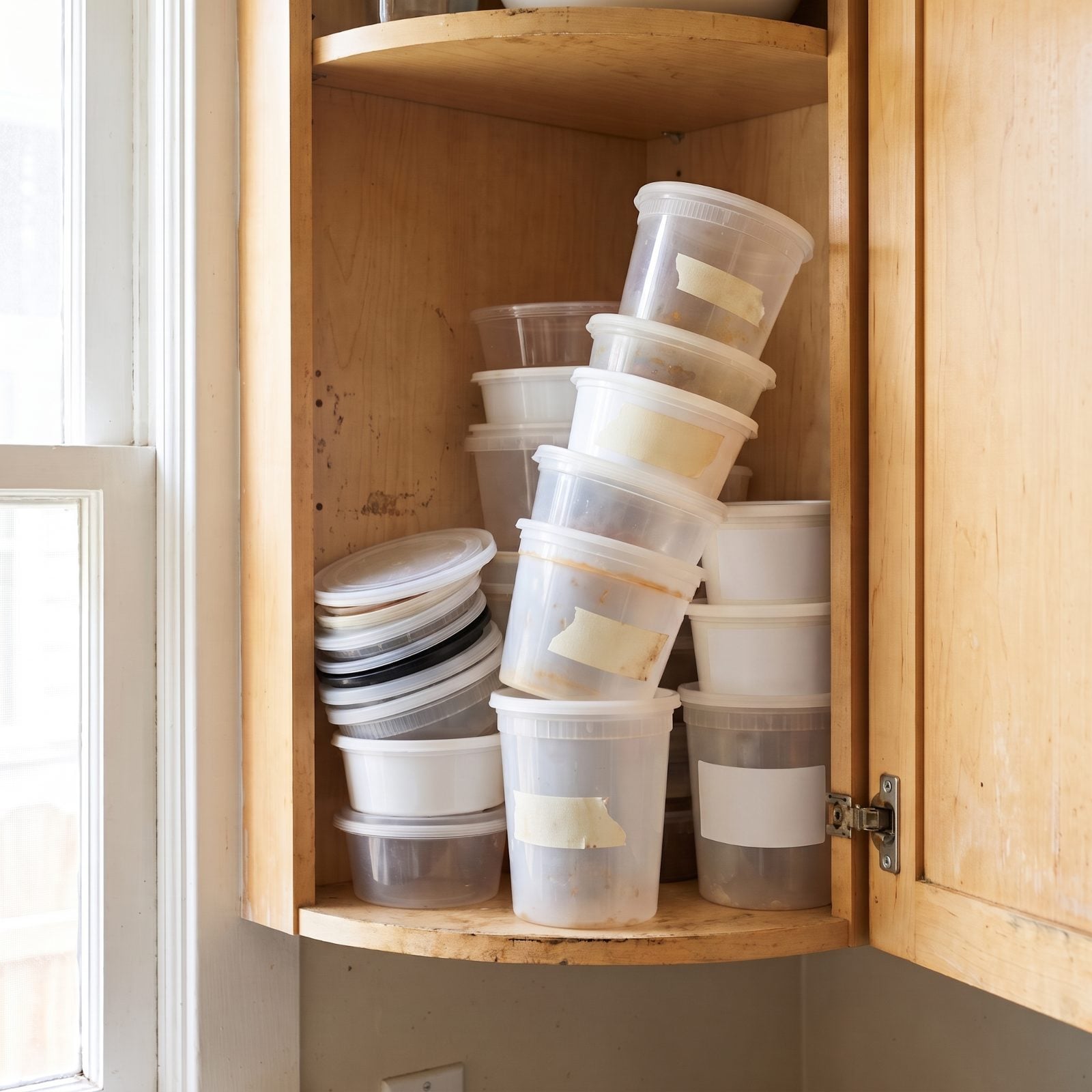
Open the wrong cupboard and you risked an avalanche. Cottage cheese cartons, deli tubs, the quart soup tubs from the Chinese place — many still streaked with old food, all stacked into a geological record of every meal ordered in the last three years.
The lids never matched the bottoms. Finding a pair was a small daily miracle. And yet throwing one out was unthinkable, because that was a free container, and free was the most important word in that kitchen.
18. Vegetable Scraps Quietly Simmering Into Stock on the Back Burner
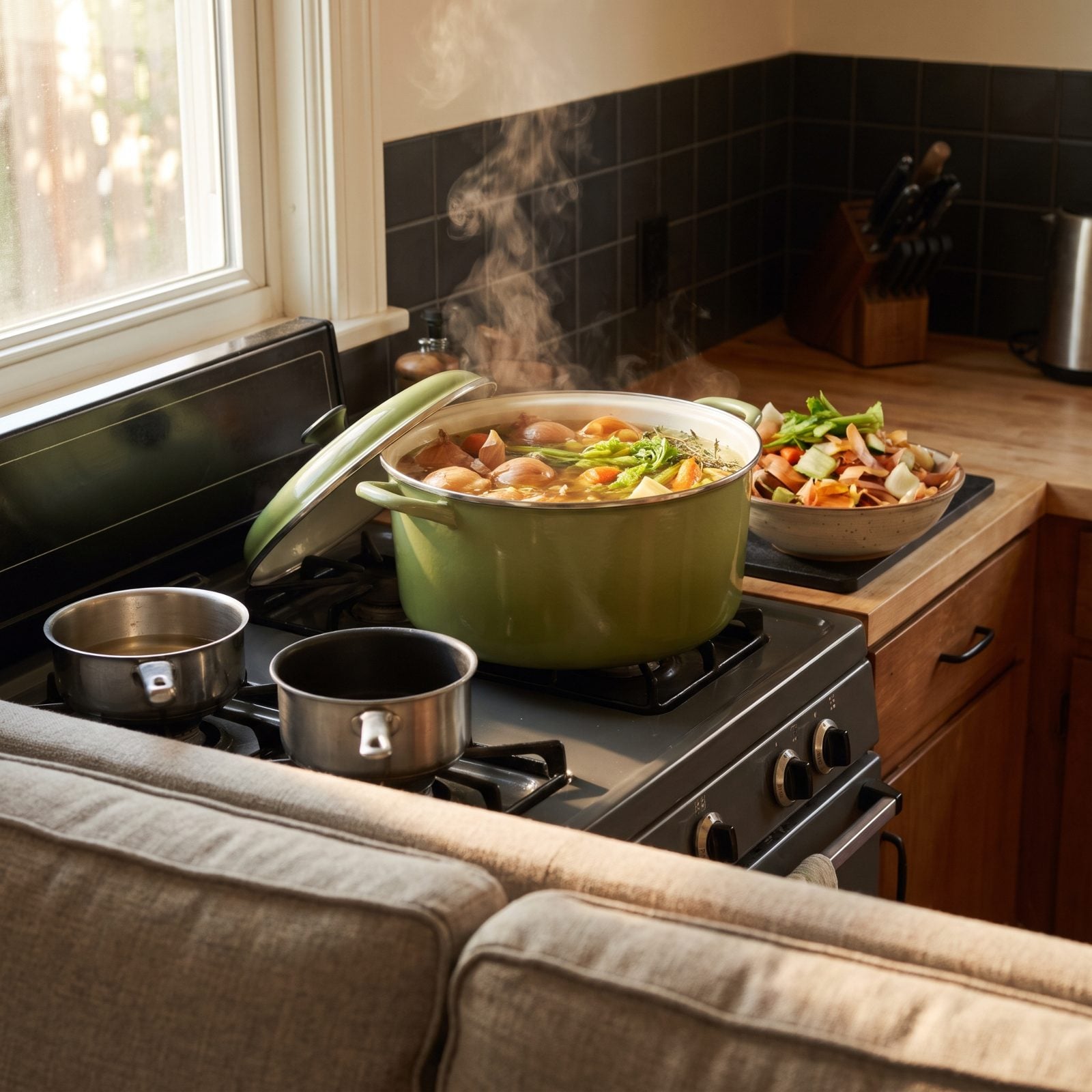
The back burner was where thrift went to quietly work. Onion skins, carrot nubs, celery tops, the stems off the parsley — all of it went into a pot of water that murmured away for hours while the real cooking happened up front.
By evening you had a jar of golden stock and a kitchen that smelled like somebody loved you. The parts other people threw in the trash were the parts that made everything else taste like home.
17. Watered-Down Ketchup and Shampoo Shaken for the Last Drop
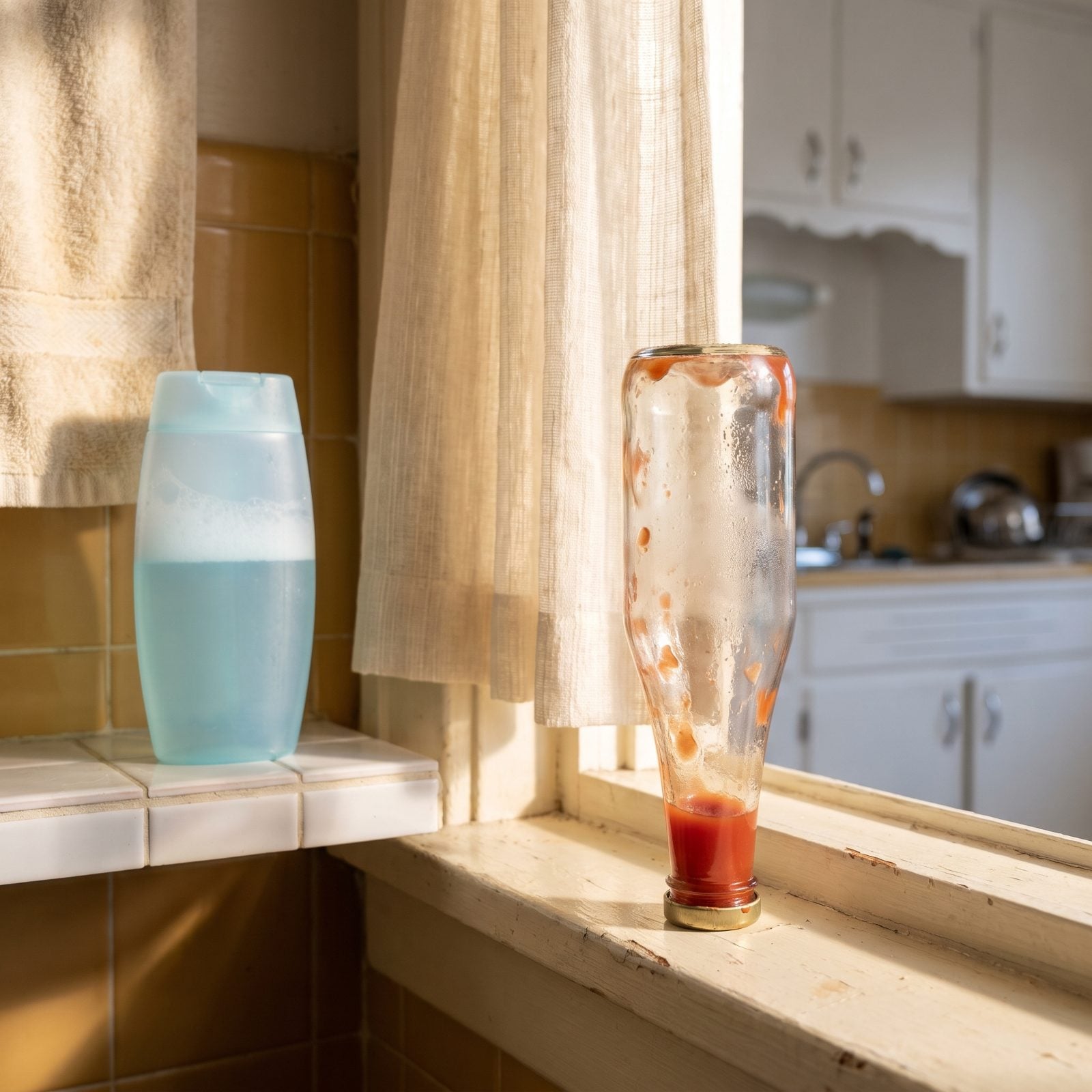
The ketchup never ran out. It just got thinner. A splash of warm tap water, the cap back on, a vigorous shake, and suddenly there was another week of ketchup that tasted faintly of nothing. Shampoo got the same treatment — you’d lather up with what was basically cloudy water and call it a wash.
Nobody admitted this was happening. You just knew the last third of every bottle was a lie.
16. Jars of Every Shape Saved ‘In Case We Need Them’
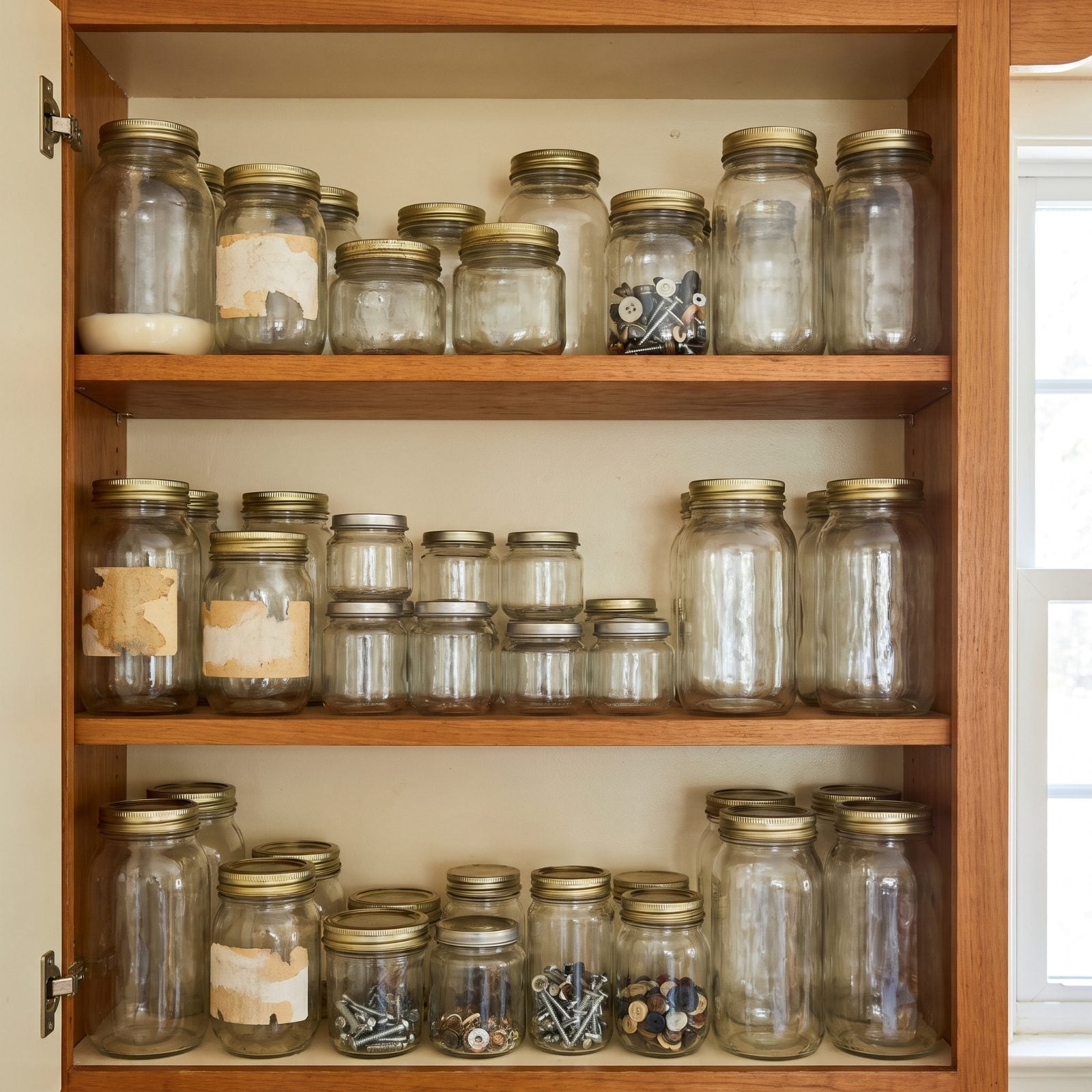
Every jar was a possibility. Spaghetti sauce jars, scrubbed clean, sat beside a battalion of empty Ball jars in the cabinet by the window. Pickle jars, mayonnaise jars, a little stack of baby-food jars — all of them lined up and waiting.
They were saved for a hypothetical future that mostly never came. Leftover soup, maybe. Loose nails in the garage. Overflow from a garden that didn’t exist. The use was never really the point. Throwing out a perfectly good jar just felt like a small crime.
15. A Drawer Overflowing With Rubber Bands and Twist Ties
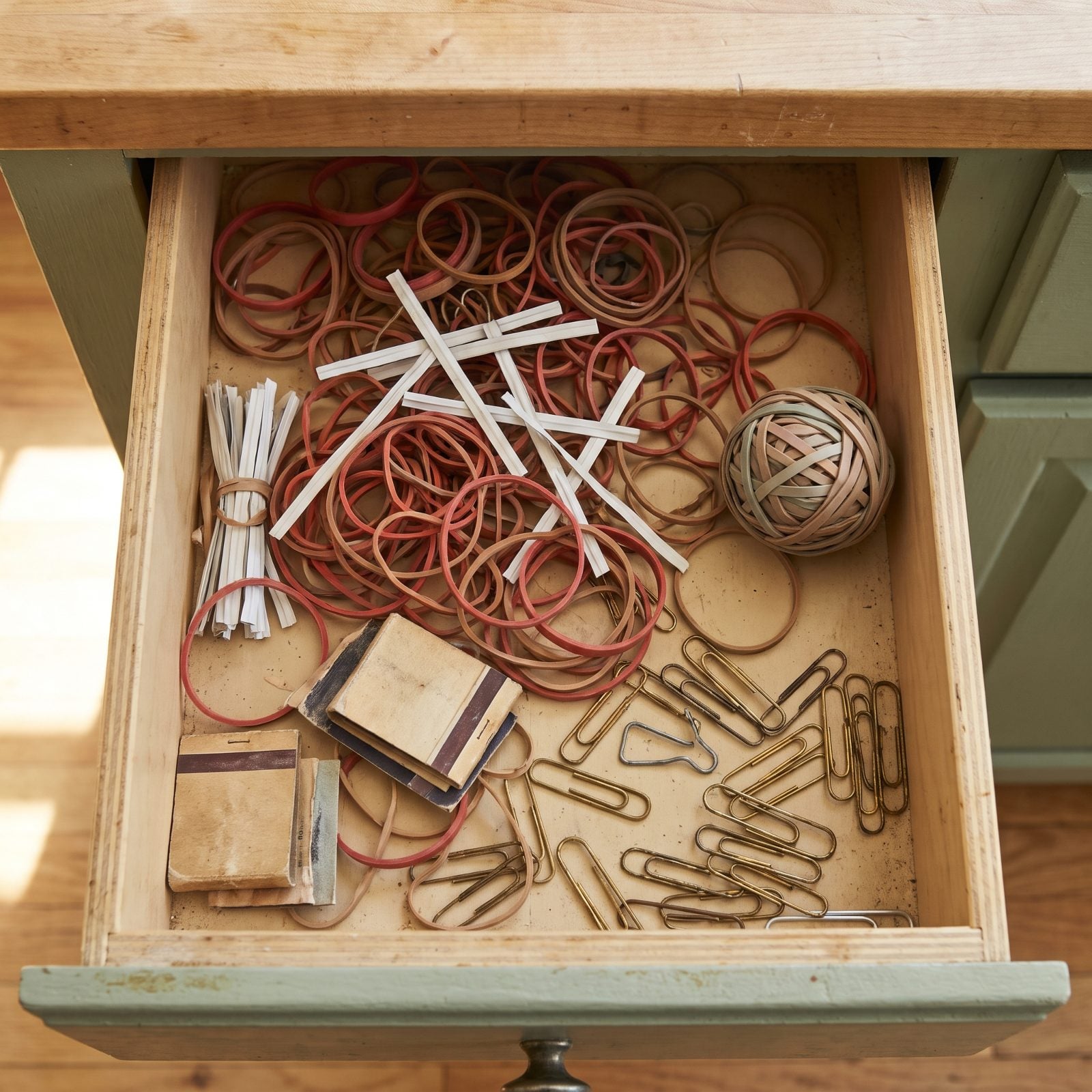
Somewhere in every one of these houses lived The Drawer. You opened it to find a pen and instead found a geological record of saved-but-useless things: rubber bands gone brittle, twist ties by the hundred salvaged off bread bags and produce, a single key to a lock that no longer existed.
The rubber band ball was the crown jewel — years of accumulation wound into something the size of a grapefruit, and nobody ever actually pulled a band off it.
14. Overripe Bananas Mashed Into Banana Bread, Never Thrown Out
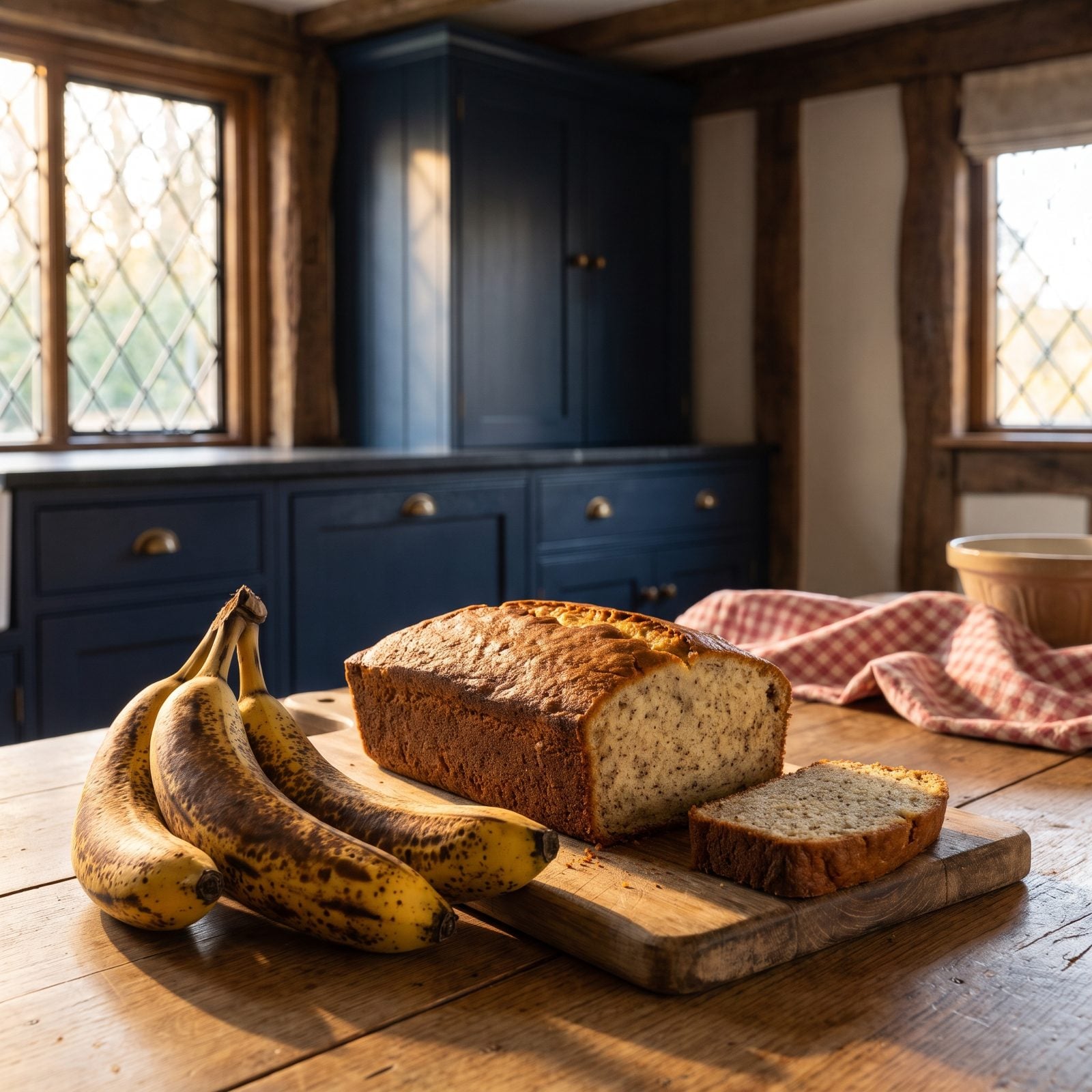
A banana going brown wasn’t garbage. It was an IOU. Those blackened, freckled, half-mushy bananas that nobody would peel and eat got mashed into bread, and suddenly the thing you were about to throw out was the best smell in the house all weekend.
There was a quiet science to it. The uglier the banana, the sweeter the loaf. The ones on the edge of liquefying made the best bread, and you learned to see rot as readiness.
13. Hand-Me-Down Clothes Passed Through Every Cousin
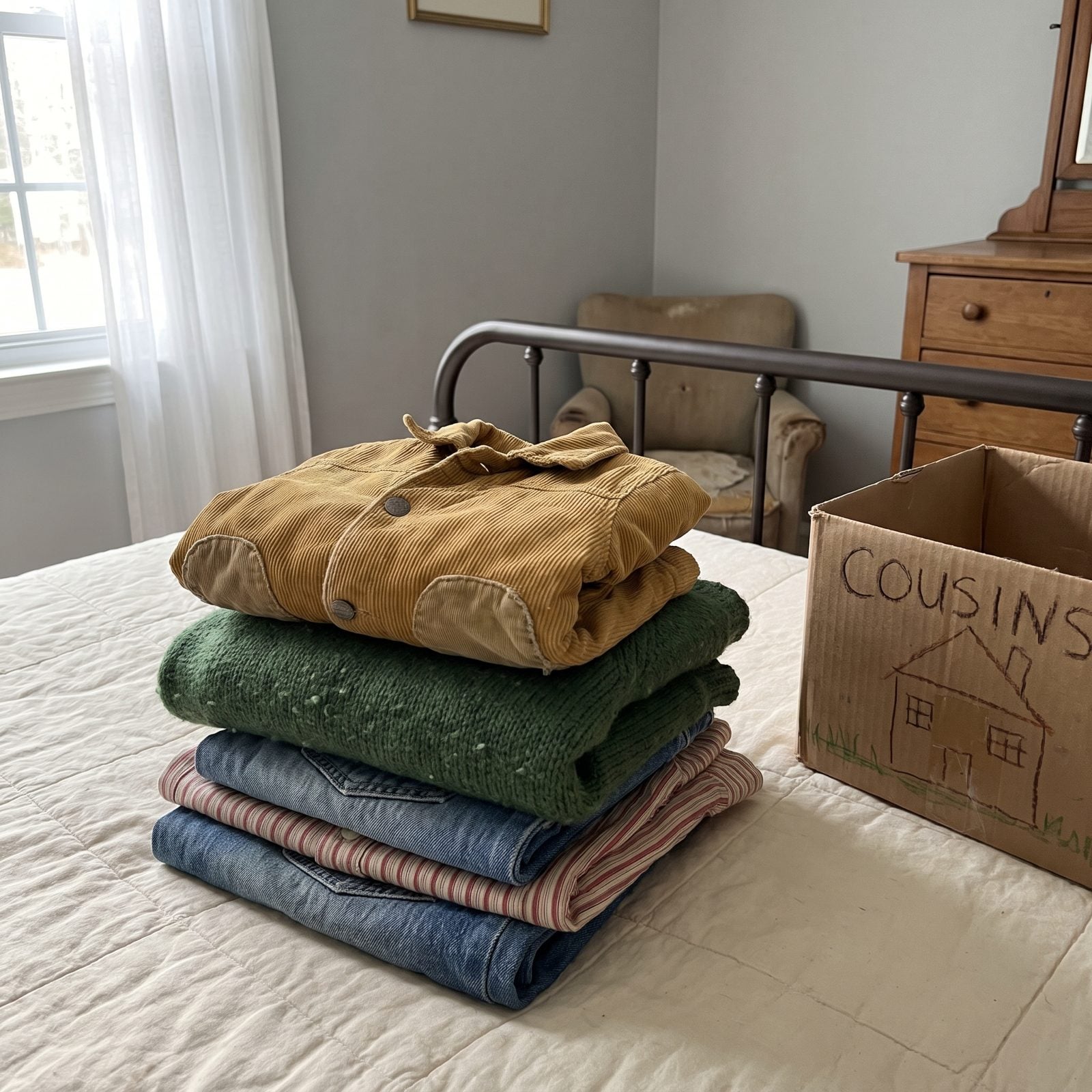
Your winter coat had a résumé. It started on the oldest cousin, worked its way down through three or four kids, and arrived at you with the sleeves already rolled by somebody else’s mother.
You could read the history in the garment. A patch here. A hem let down and sewn back up twice. A name written in the collar that wasn’t yours. By the time a shirt reached the youngest kid in the family it was less clothing than heirloom, and there was a strange pride in wearing something that had outlasted four childhoods.
12. Dinner Leftovers Portioned Straight Into Tomorrow’s School Lunch
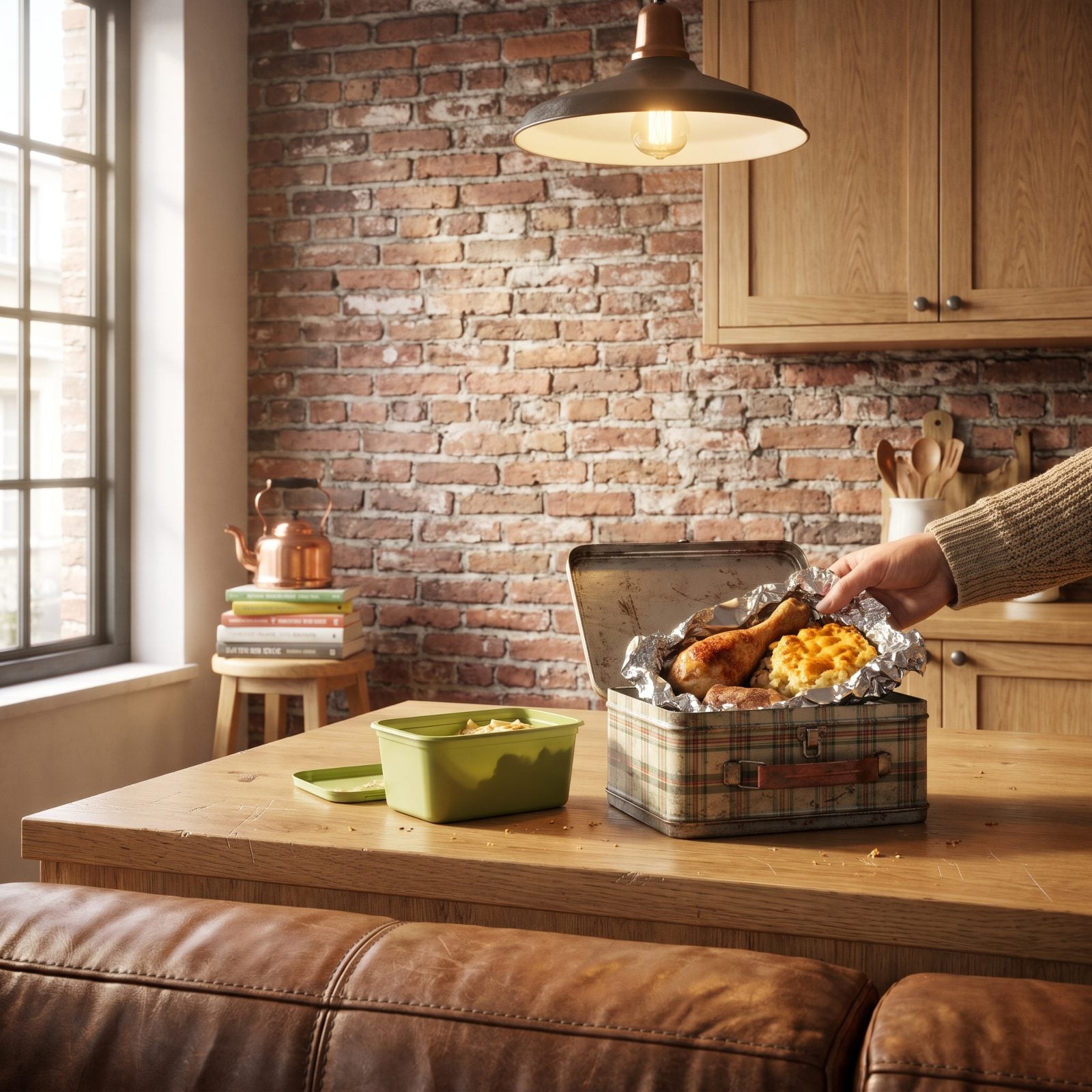
Dinner wasn’t over when the plates were cleared. The real work began when tonight’s casserole got scooped into a margarine tub for tomorrow’s lunch. Cold meatloaf. A wedge of last night’s lasagna. Whatever was left, repackaged and sent to school in a tub that once held something else entirely.
You knew other kids had sandwiches. You had a tub of mystery dinner and a fork from the kitchen drawer, and by lunchtime it was honestly kind of great.
11. A ‘Good’ Jacket Patched at the Elbows for Years
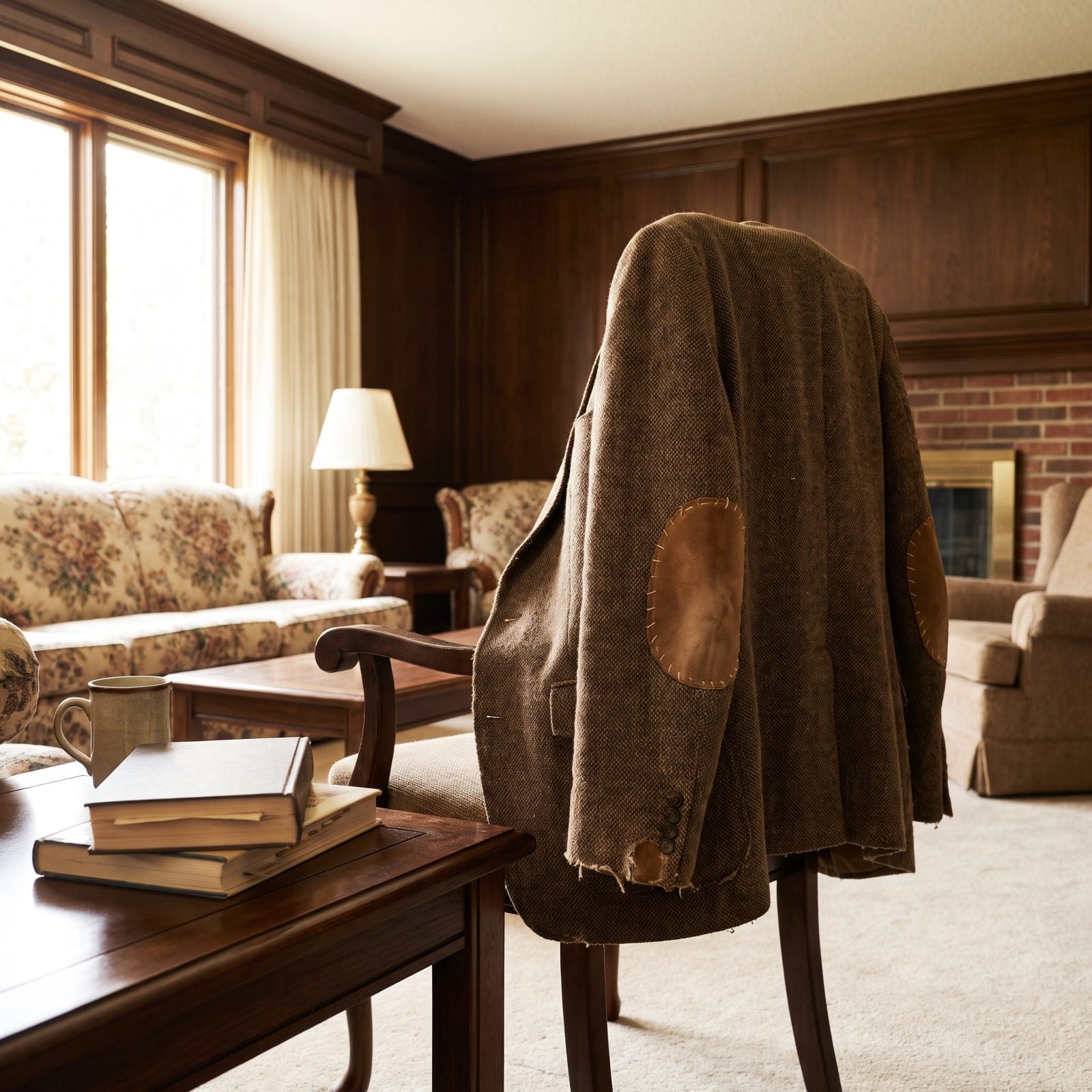
There was always one good jacket. The one for church, funerals, parent-teacher nights. And it stayed the good jacket for roughly fifteen years, long after the elbows wore through.
The fix was patches — oval leather or suede ones sewn right over the holes, which somehow made the jacket look dignified instead of worn out. What started as a repair became the whole look. That jacket outlived cars. It outlived haircuts. It was going to be buried with somebody.
10. The Thermostat Guarded Like a National Treasure
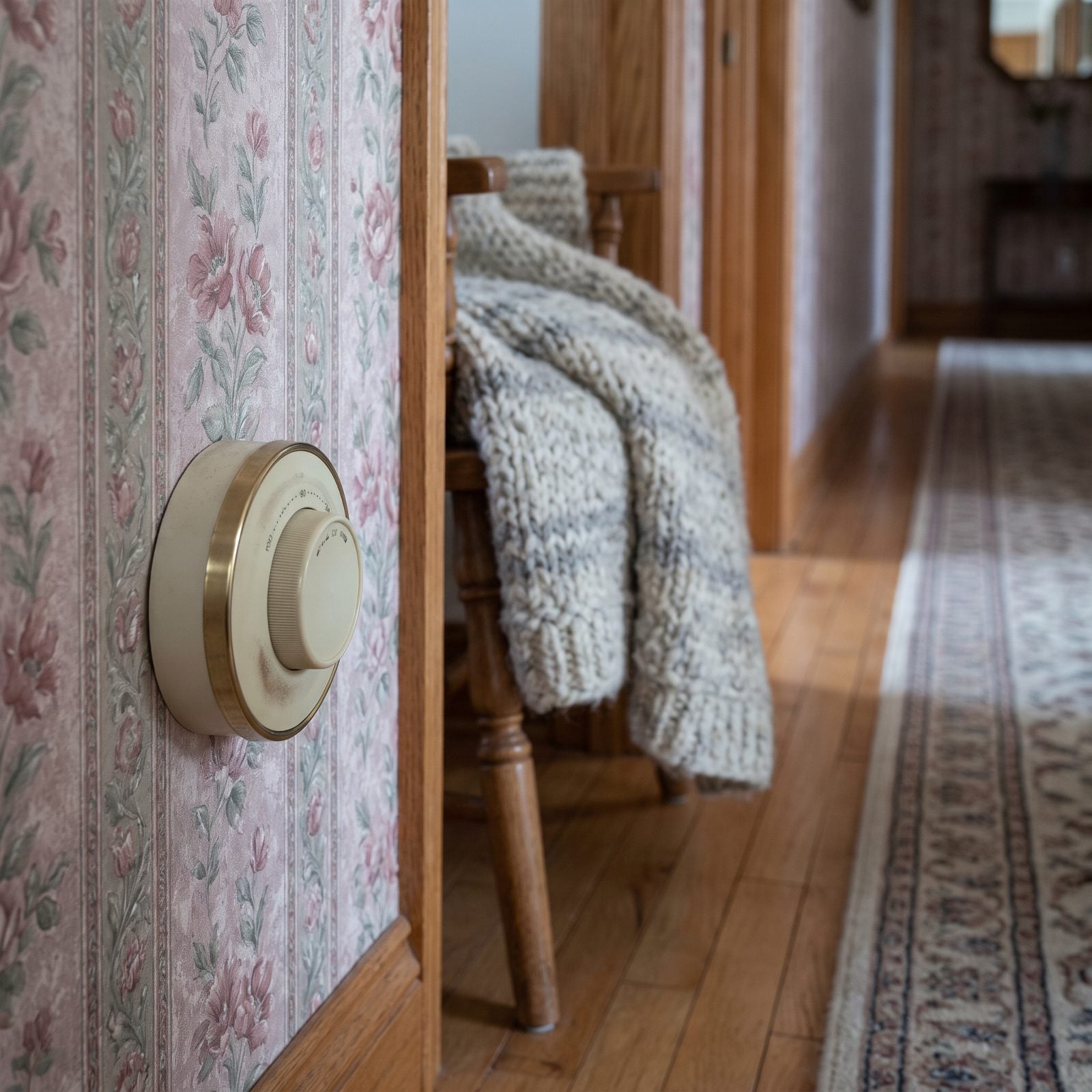
Touch the thermostat and face consequences. It lived at one sacred number all winter, usually a temperature that required a sweater, two socks, and a blanket to survive. Nudge it up two degrees and somebody would appear within minutes, nudging it right back.
The response to being cold was never heat. It was “put on a sweater.” Or “go run around.” Or the classic, “you’re not cold, you’re just sitting still.” The furnace ran on principle, not comfort.
9. Napkins Torn in Half to Make Them Last Twice as Long
Would you like to save this?
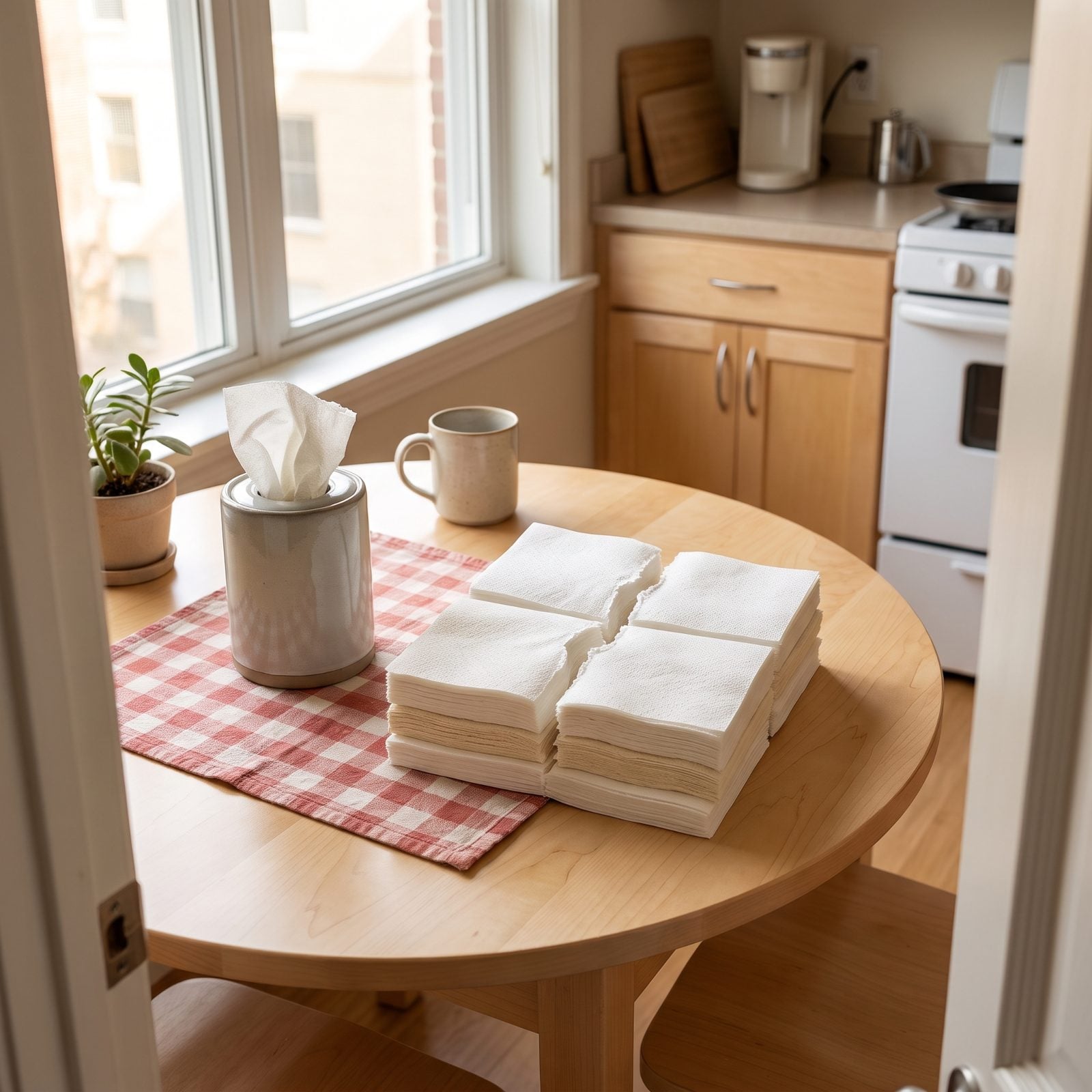
A whole napkin was an extravagance. Why use one when half would blot a mouth just fine? So the napkins got torn down the middle, doubling the stack, and you learned to wipe your hands on a ragged little half-square that frayed at the tear line.
At restaurants you’d watch people pull three napkins at once and feel a small, confused outrage. Three? For one meal? Who raised these animals.
8. Pizza Crusts Saved and Fried Up as Breakfast
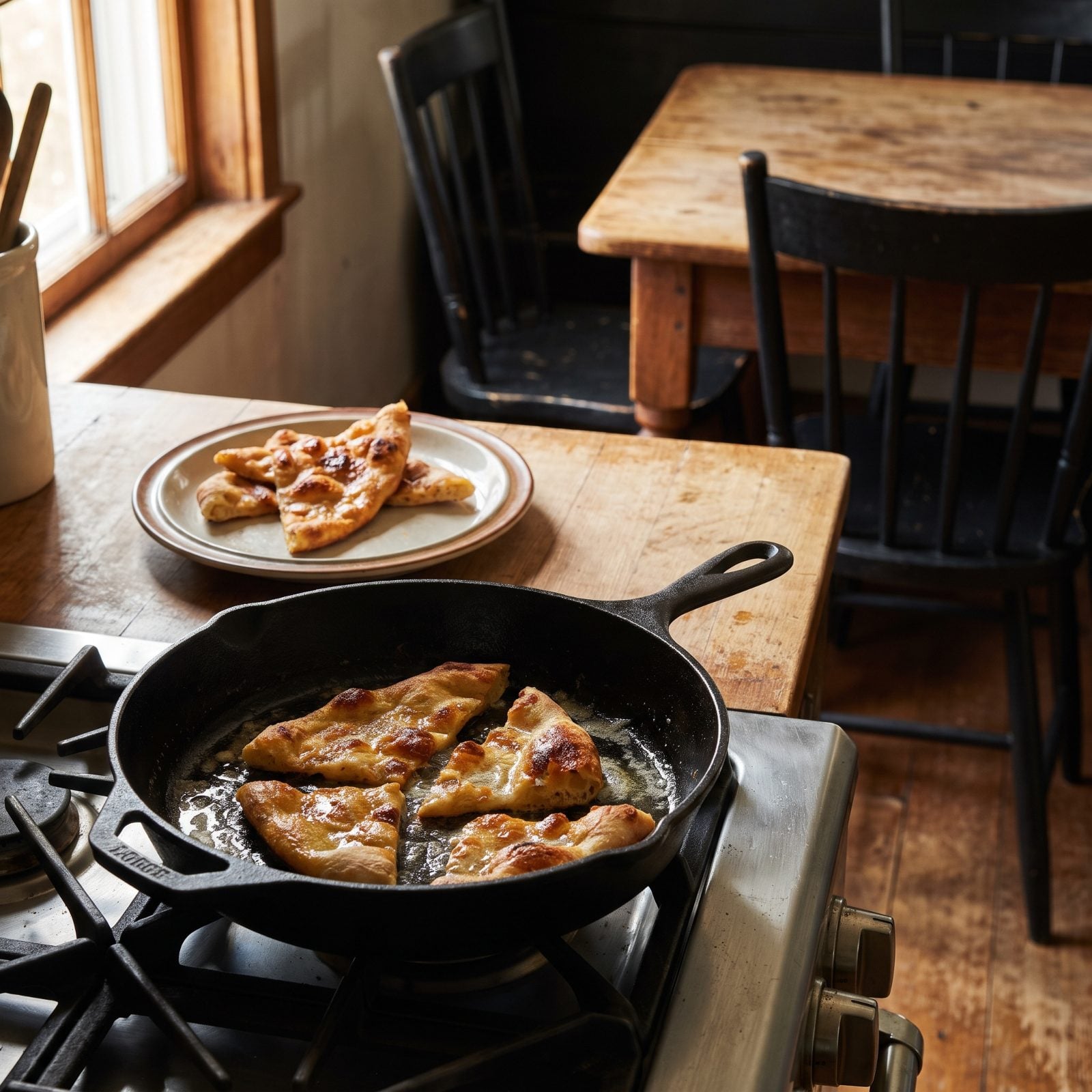
You didn’t throw out leftover pizza crust. You didn’t even finish it at dinner. You cut the plain crust into triangular wedges, stacked them on a plate, and they waited for their real moment — the next morning, fried in a pan with a little butter until the edges blistered.
It made no sense and total sense at once. Nobody wanted the crust at dinner, and everybody wanted it crisped up at breakfast. Leftover bread that got a second, better life in a skillet.
7. The Plastic Bag Stuffed With a Hundred Other Plastic Bags
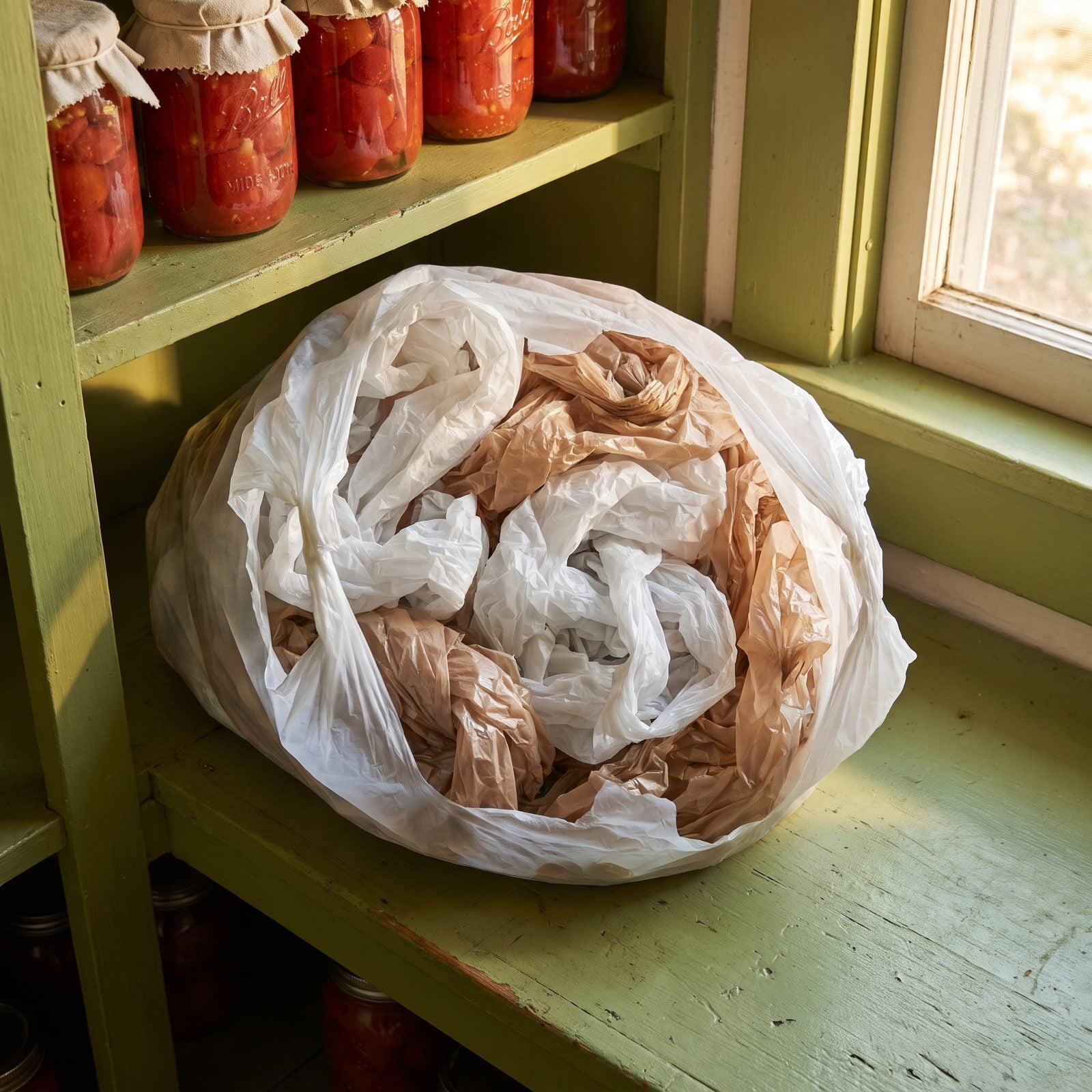
Every house had the bag. The mother bag. The one that lived under the sink or wedged beside the fridge, so overstuffed it looked like it was breathing. You didn’t throw a grocery bag away — you balled it up and fed it to the big one, because someday you’d need a bag, and buying bags when you already owned four hundred was the kind of thing that got you a long look.
They lined trash cans and carried wet swimsuits home from the pool. They wrapped shoes for packing. A plastic bag had at least three jobs ahead of it before anyone would dream of letting it go.
6. Pickle Juice That Never Got Poured Down the Drain
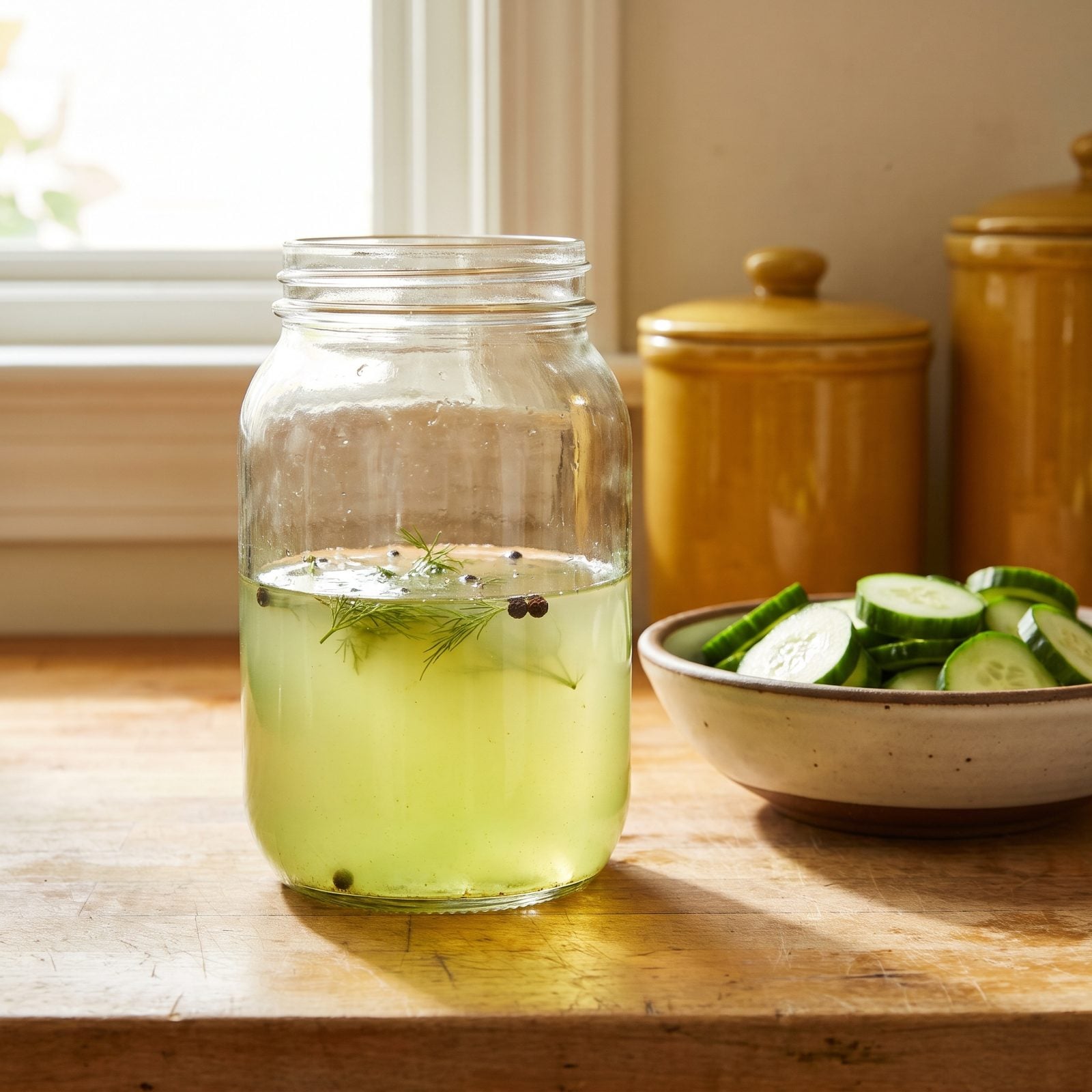
The last pickle came out of the jar and the juice stayed in. Obviously. You don’t drain perfectly good brine. That cloudy green liquid became the home for the next cucumbers off the vine, or it got poured over hard-boiled eggs, or splashed into potato salad because somebody figured out it tasted good and cost nothing.
Honestly, these people were decades ahead of the curve. Half the fancy restaurants now charge extra for a “pickle-back” and brine-cured eggs. Your grandmother was doing it in a repurposed mayonnaise jar for free.
5. The Frankenstein Candle Built From a Jar of Burned-Out Stubs
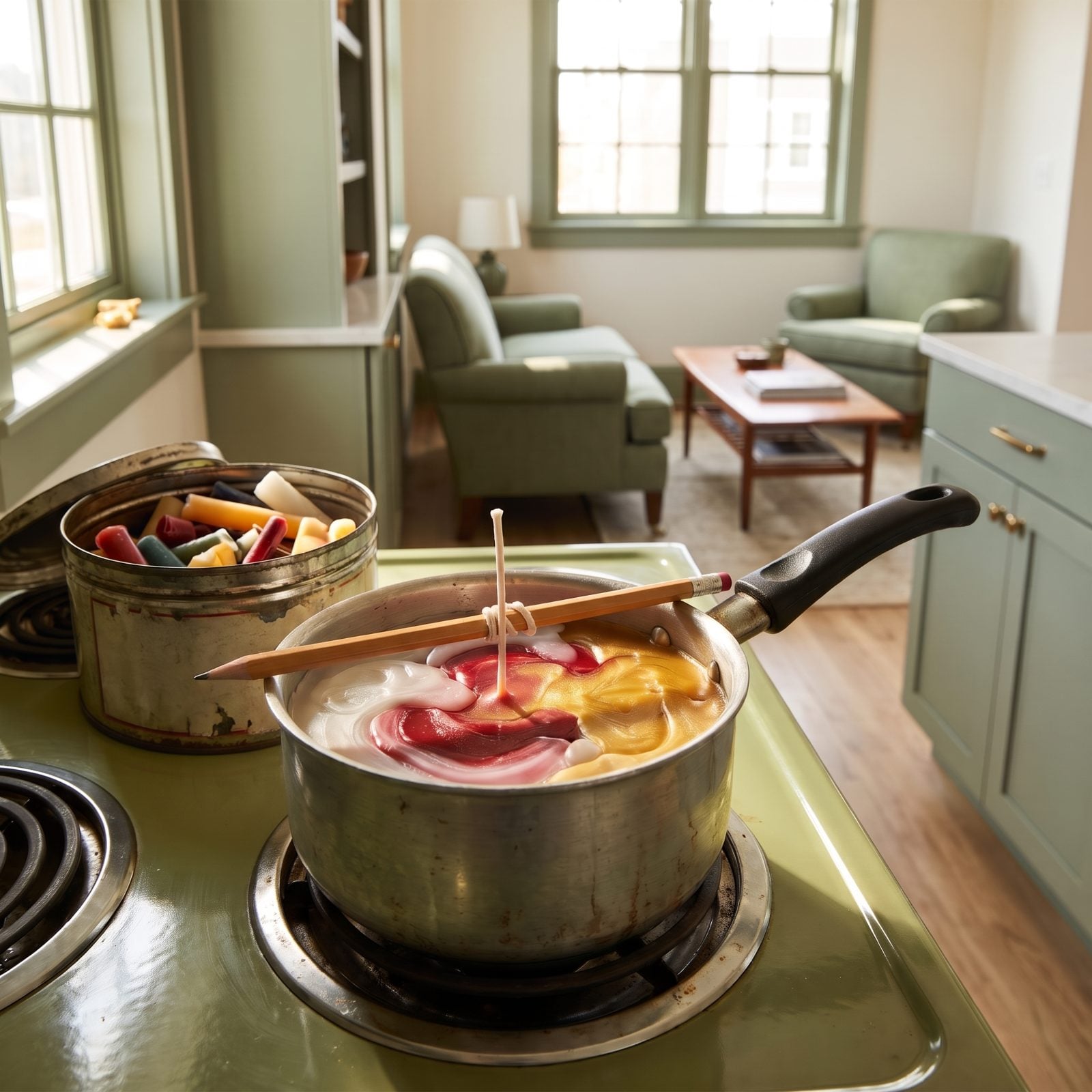
Birthday candles burned too short to hold. Christmas tapers melted to nubs. The emergency candles half-used from the last power outage. None of it got tossed — it all went into a coffee can until there was enough to melt down into one mottled, multicolored lump with a new wick stuck in the middle.
Did it look good? No. It looked like something from a fever dream, and it smelled faintly of every holiday at once. But it burned, and it cost nothing, which settled the matter.
4. Egg Cartons Saved for Crafts, Seedlings, and the Neighbor With Hens
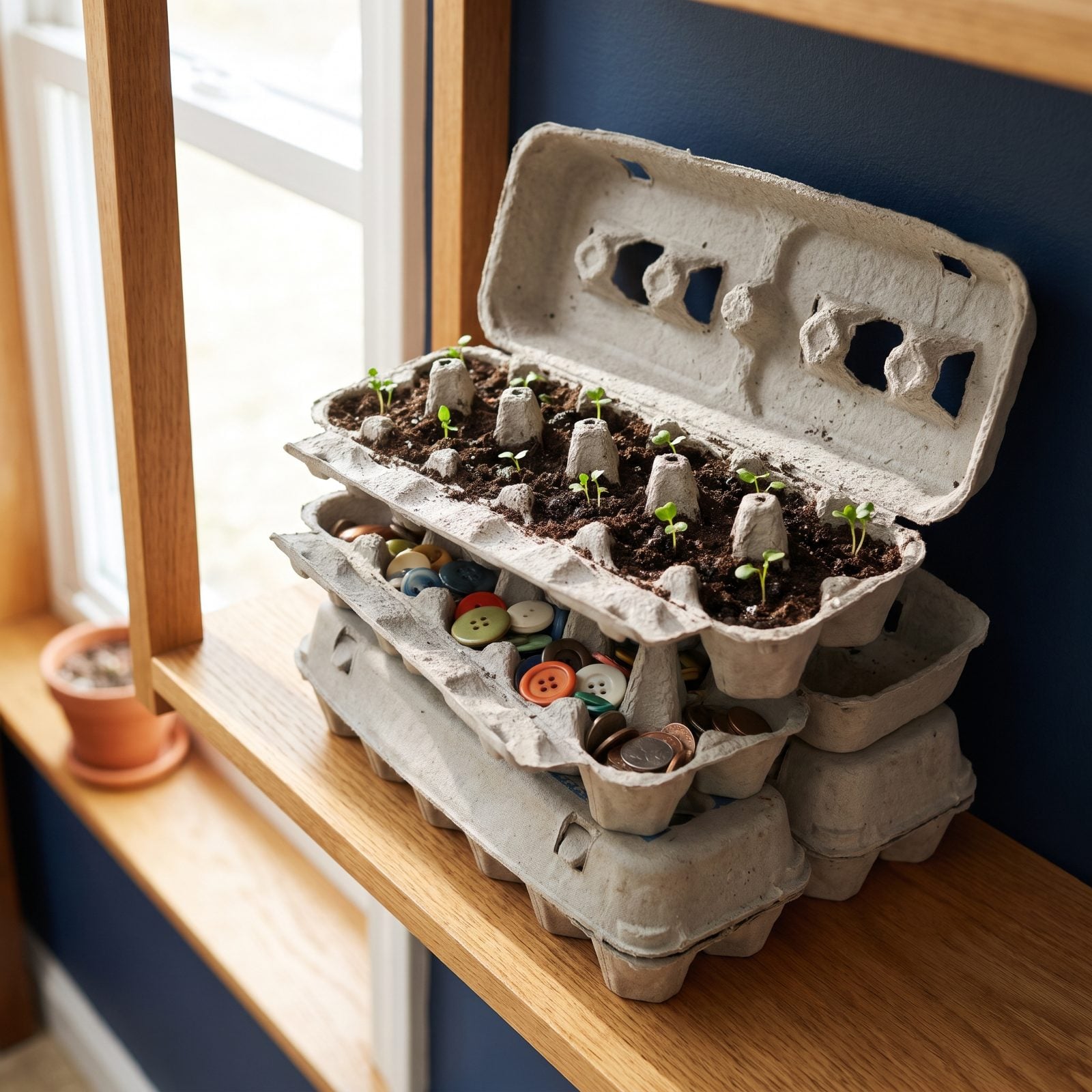
You did not throw out an egg carton in that house. Nobody announced the rule — everybody just knew it. Egg cartons became paint palettes, bead organizers, little starter pots for tomato seedlings on the windowsill, and the standing offering to whichever neighbor kept chickens. In exchange you got fresh eggs, which meant more cartons, which you also saved.
The cycle never ended. There was always a stack of them somewhere, waiting for a purpose that would absolutely arrive.
3. Lights Snapped Off the Instant You Cleared the Doorway
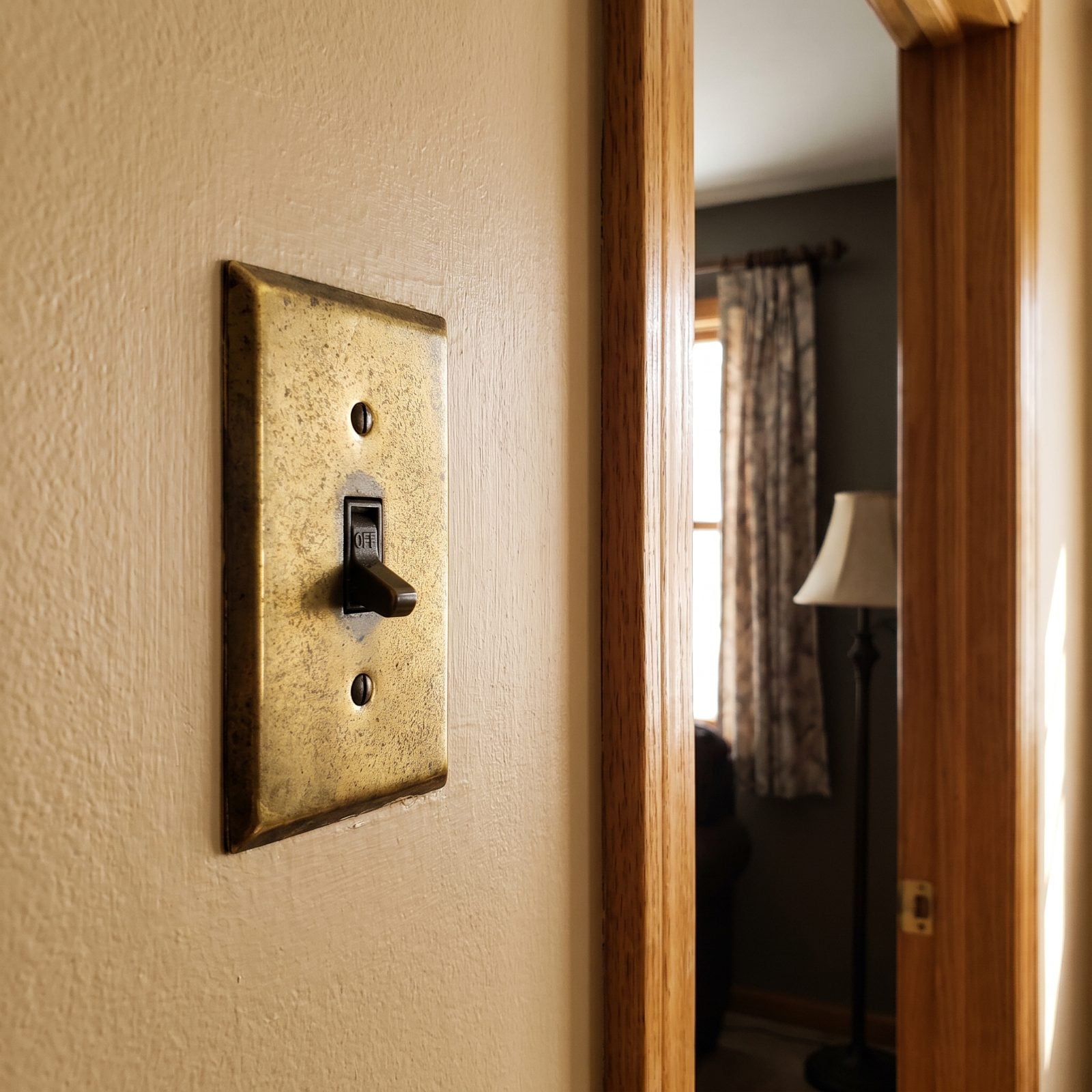
You learned fast that leaving a room with the light on was a crime. The voice came from two rooms away, every time. “Were you born in a barn? Lights off!” A lit, empty room was money burning on the ceiling, and the electric bill was a document discussed with real feeling at that house.
You still do it. Forty years later, you walk out of a room and your hand finds the switch before your brain catches up. That’s not a habit. That’s training.
2. Wrapping Paper Peeled Off Gently and Folded for Next December
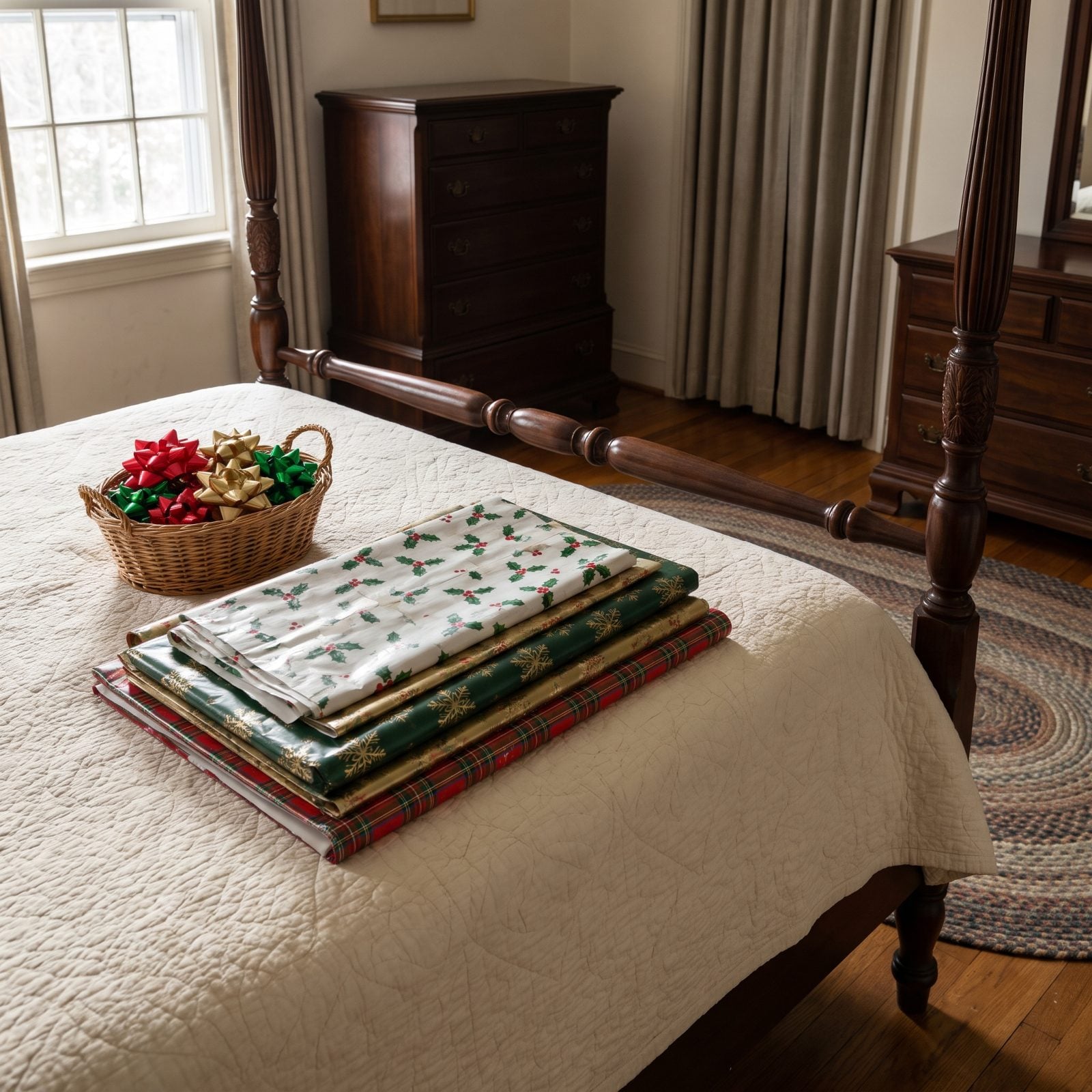
Christmas morning had two kinds of people. The ones who tore into their presents, and the ones gently working a fingernail under the tape so the paper came off in one unbroken sheet. In a waste-not house, the second kind ran the show.
The paper got smoothed on the table, folded along its creases, and stacked in a drawer with last year’s. Same with the bows and the gift bags. A gift bag in that family outlived most cars, and you could trace its history by the layers of old name tags peeled off the front.
1. Stale Chips Crisped Back to Life in the Oven
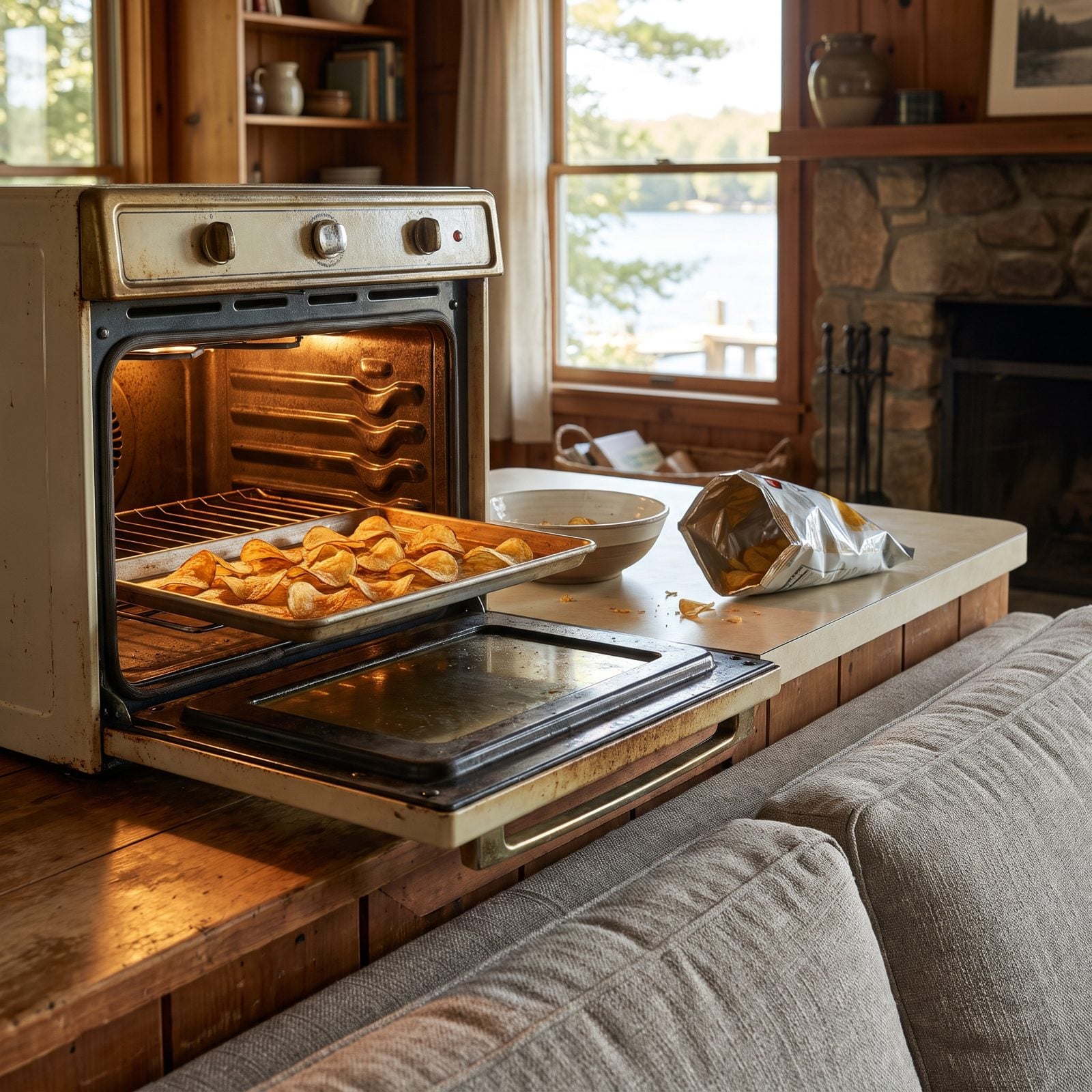
Chips went stale. They did not go in the trash. A few minutes in a warm oven on a baking sheet and they came back crisp, sometimes crisper than new, because heat chases the moisture right out of them. It genuinely works, which is the frustrating thing. The people doing it looked like misers and were secretly correct.
The same trick rescued stale crackers, flat cereal, and bread gone a little hard. In a house where food cost real worry, nothing got tossed just because it had wilted a little overnight.