Would you like to save this?
The best meal I had last year came from a place with a hand-lettered sign and a screen door that didn’t quite shut. No valet, no reclaimed-wood anything, just a line of regulars who clearly knew something I didn’t. Here’s the sad truth: restaurants that pour money into the dining room usually spend less in the kitchen. The great ones give themselves away through small, honest signals posted right out front. Learn to read them. Here are the clues that a plain building is hiding a serious cook, before you ever open the menu.
32. A Short, Focused Menu Is Posted by the Door
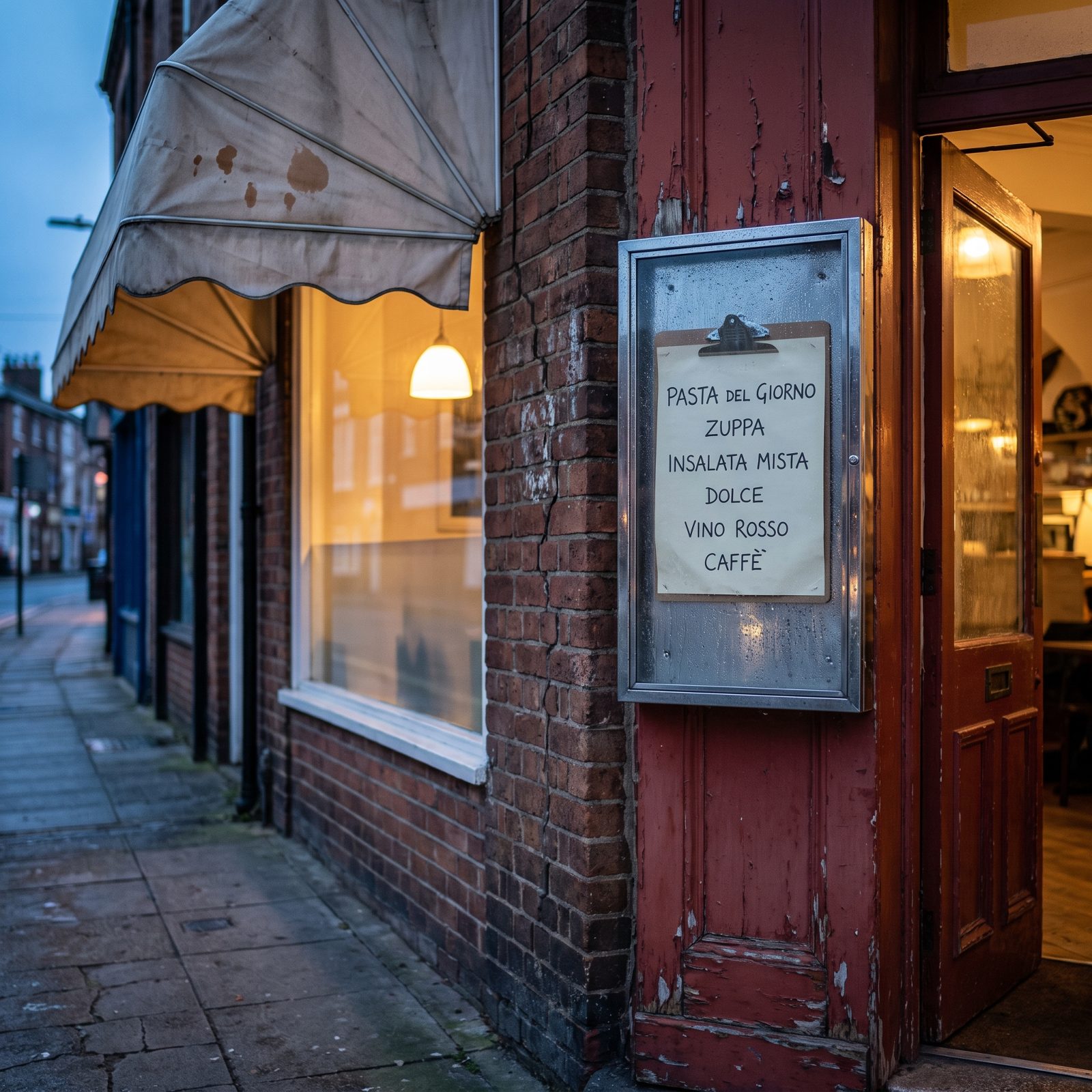
Count the lines. A menu you can read in thirty seconds belongs to a kitchen that cooks instead of reheats. Eighty dishes means a walk-in full of frozen components and a microwave doing the heavy lifting. Twelve dishes means somebody is buying fresh, prepping daily, and tossing what doesn’t sell.
The shorter the menu, the more I trust the place. A diner offering pad thai and lasagna and fajitas in the same breath is confessing it masters none of them.
31. The Specials Board Is Rewritten by Hand Each Day
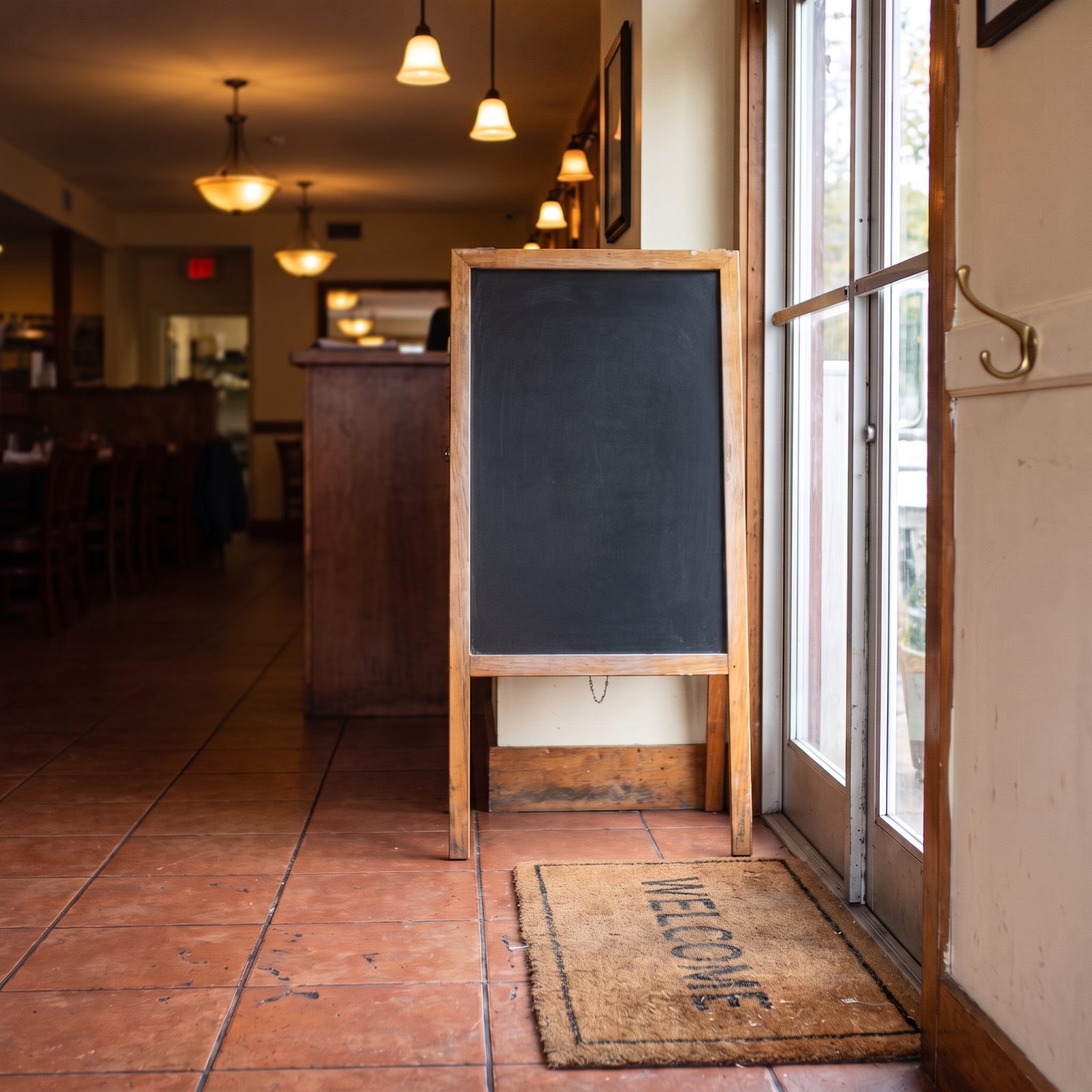
Chalk dust and eraser ghosts on a specials board mean the menu moves with the market. Yesterday’s fish is gone because they got something better this morning.
Printed laminated specials that never change are a lie wearing a costume. A handwritten board is harder to fake — somebody stood there with a stub of chalk and committed to what they actually bought that day.
30. The Popular Dish Is Honestly Crossed Off as Sold Out
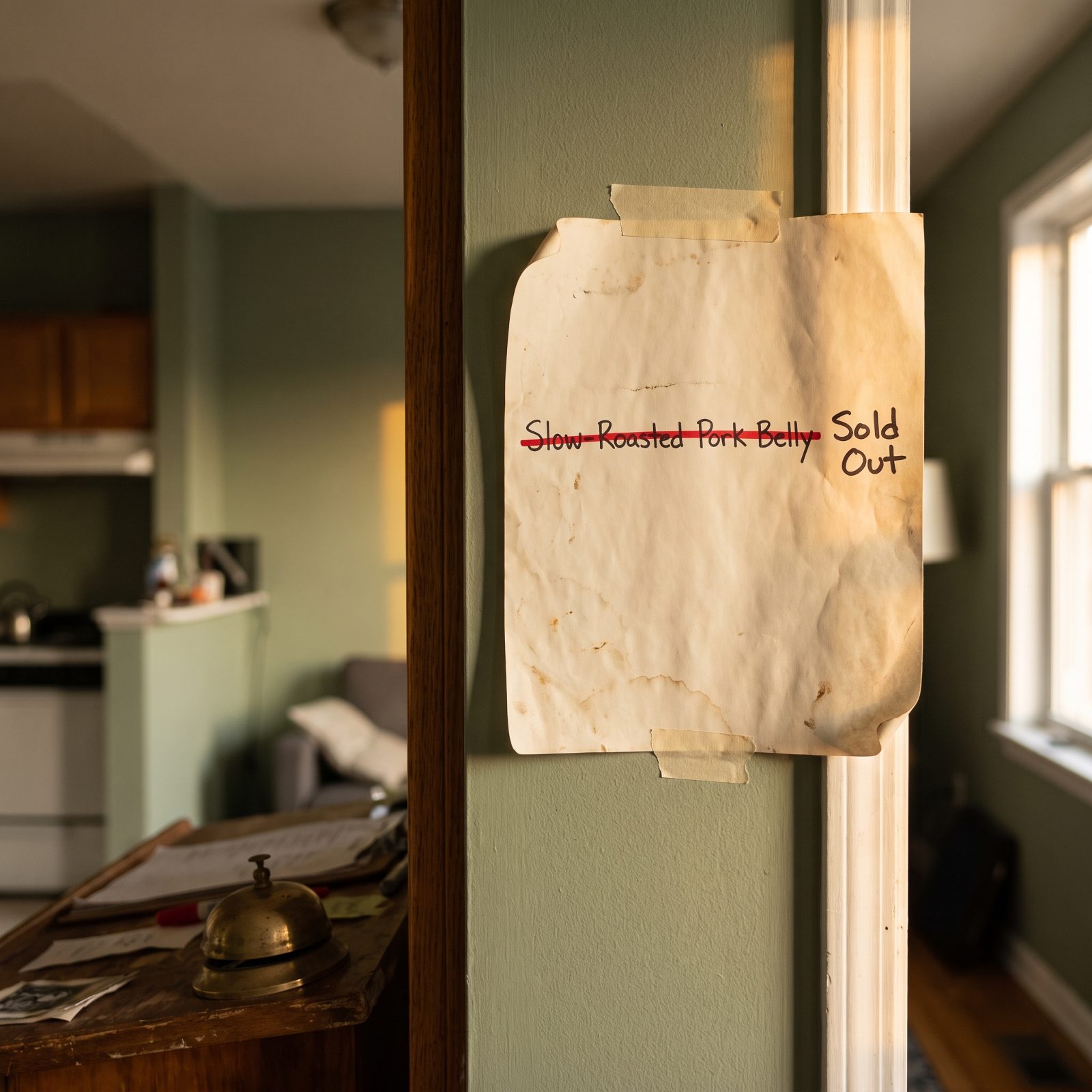
A sold-out sign is a brag disguised as an apology. It tells you two things at once: people love that dish enough to clear it out, and the kitchen refuses to fake it with a frozen backup when the real thing runs dry.
Chains never sell out. They can’t — that’s the whole idea of a chain. But the plain little place that runs out of its braised short rib by 8 p.m.? It cooked a finite, real amount and let demand decide the rest.
29. One House Specialty Towers Over Everything Else
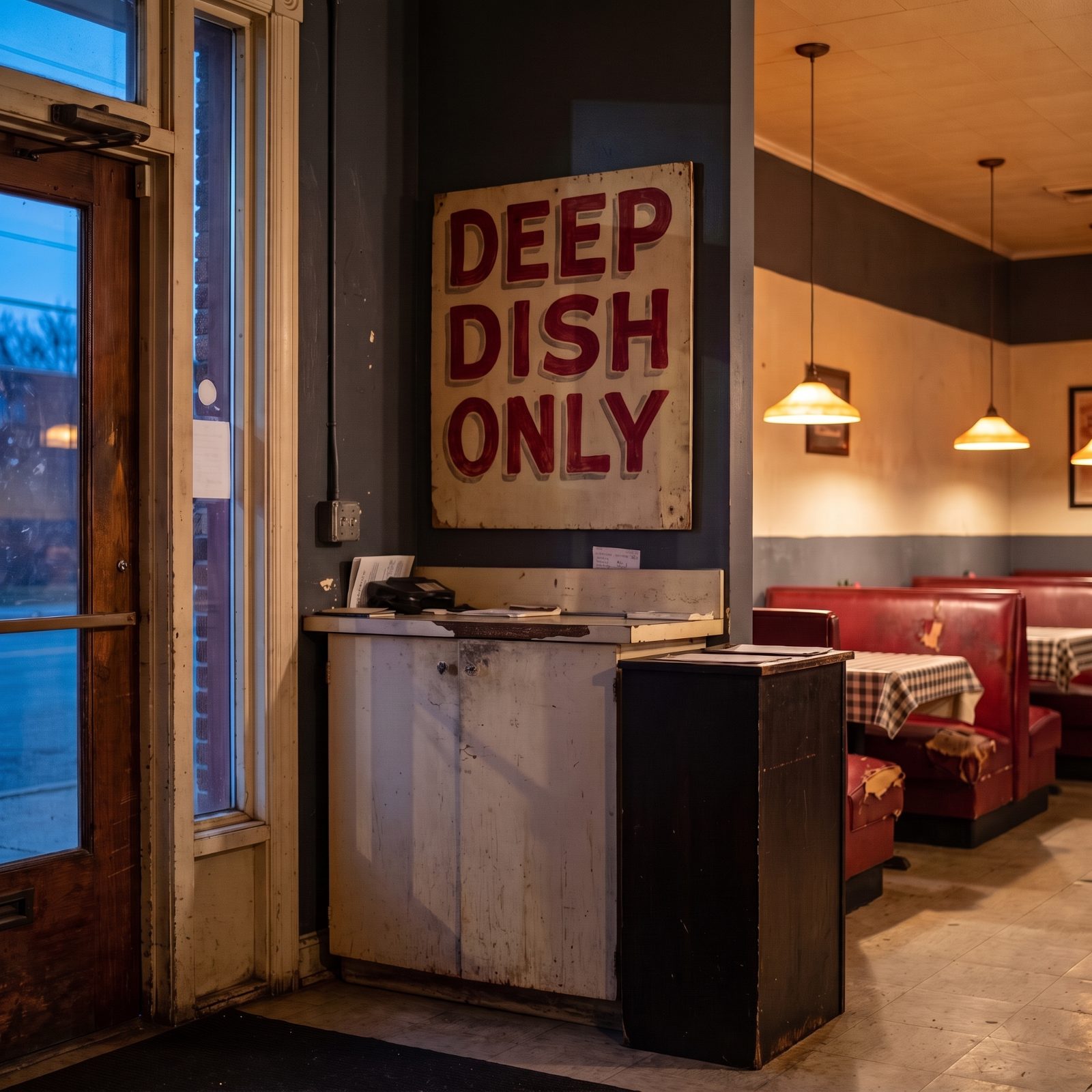
When a menu is built around one hero dish and everything else reads like a supporting cast, you’ve found a specialist. The clam pie. The porchetta sandwich. The Sunday gravy. The rest of the page exists so the table member who won’t order the specialty still has something to eat.
Jack-of-all-trades menus make me nervous. A place that puts its name next to a single dish is staking its reputation on getting that one thing more right than anyone nearby. Order the thing they’re known for. Always. Every single time.
28. Regional Dishes Are Named With Precision, Not Vaguely
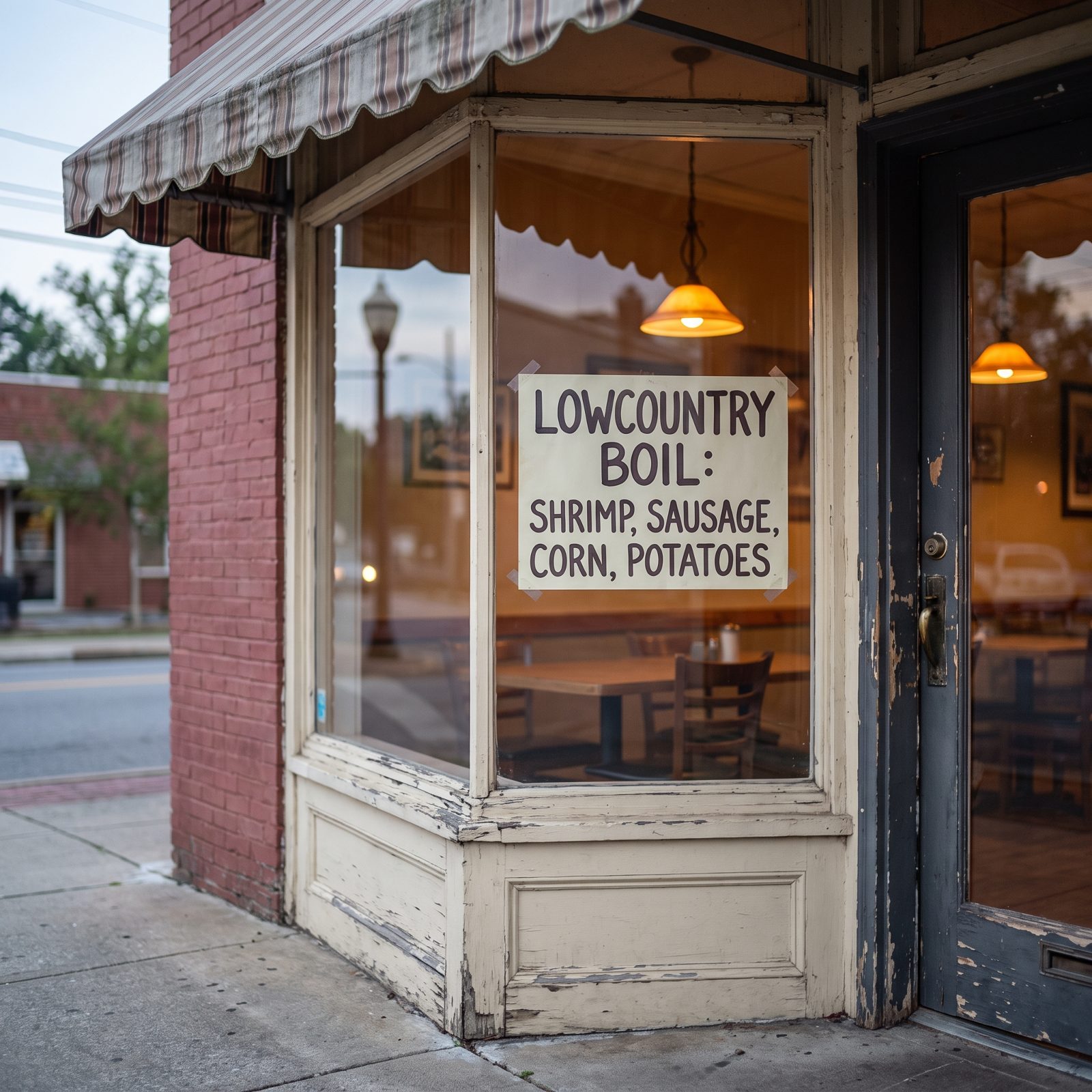
There’s a world of difference between “meatballs” and a dish named for the town it came from. Specificity is a tell. It means someone in that kitchen cares about the lineage, the exact cut, the grandmother who got it right first.
Generic names hide generic cooking. Spell out the region, the method, the original name instead of flattening it into something safe, and that’s confidence. They’re betting you’ll notice the difference, and they’re usually right.
27. The Hours Are Short, Odd, and Deliberate
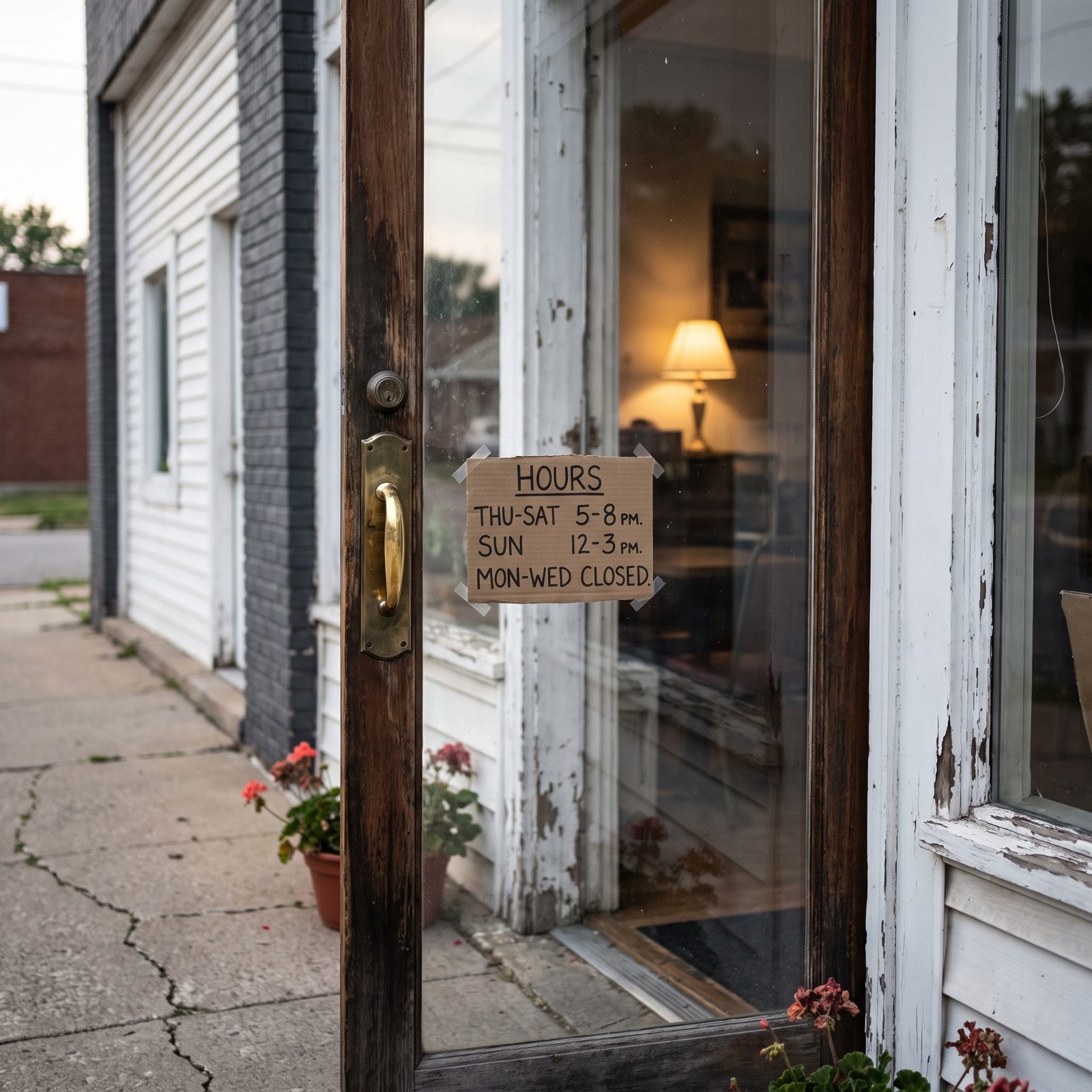
Closed Mondays and Tuesdays. Lunch only Thursday through Saturday. Dinner four nights, then dark.
Restrictive hours usually mean the cooking is too labor-intensive to run seven days without quality slipping. A place that closes early isn’t lazy — it’s protecting the thing you came for. The joints open twenty hours a day across every holiday are optimized for traffic, not flavor. Limited hours are a kitchen admitting it has a ceiling and choosing to stay under it.
26. The Host Gives You an Honest Wait, Not a Flattering One
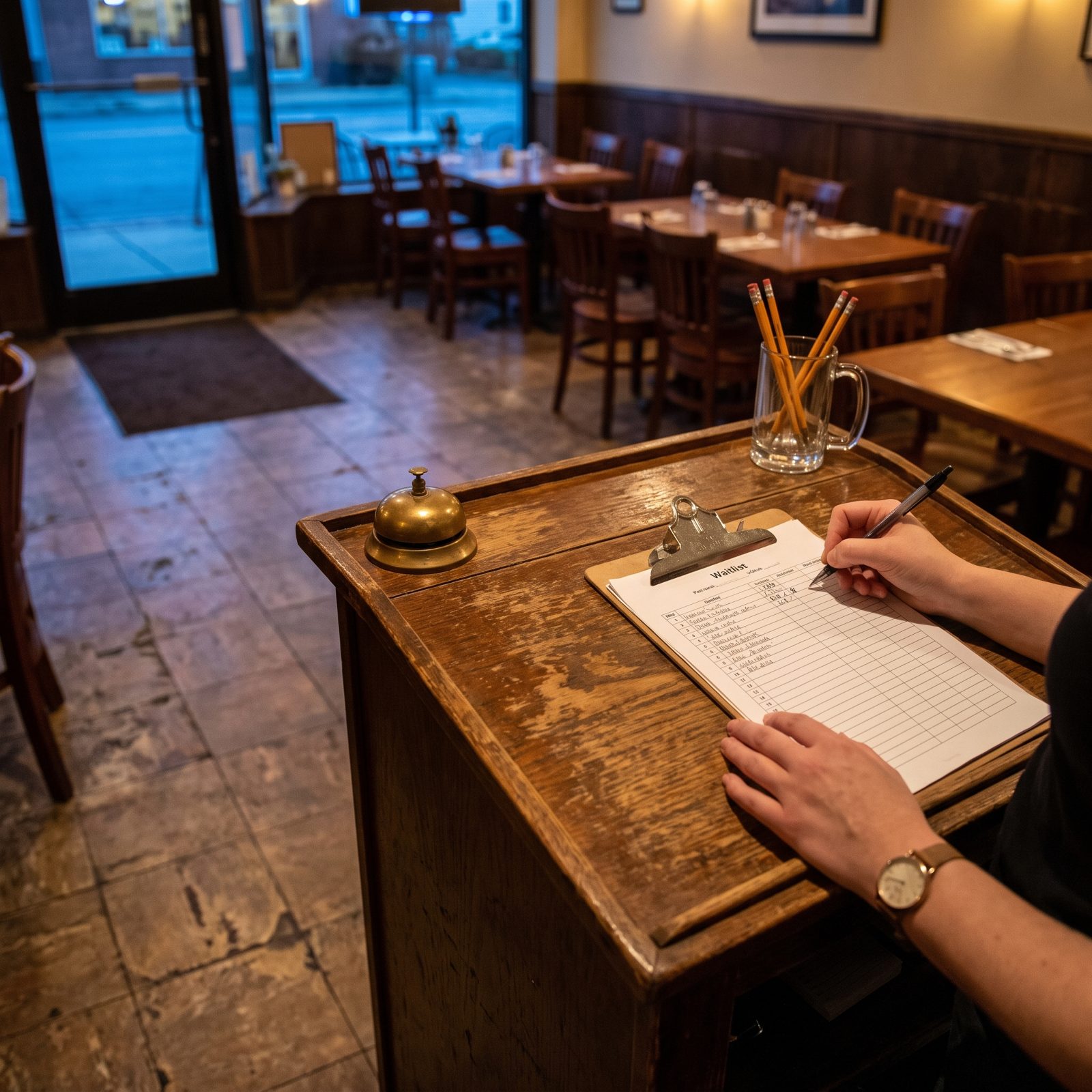
“It’ll be about forty minutes, maybe more” from a plain little room beats “right this way” at a slick one every time. Honesty about the wait signals a place that respects your time because it respects its own food enough not to rush a table.
The flattering estimate, the one that shrinks the wait to keep you from leaving, is a sales tactic. An honest one trusts the food to be worth standing around for.
25. Takeout Orders Leave in a Calm, Organized Stream
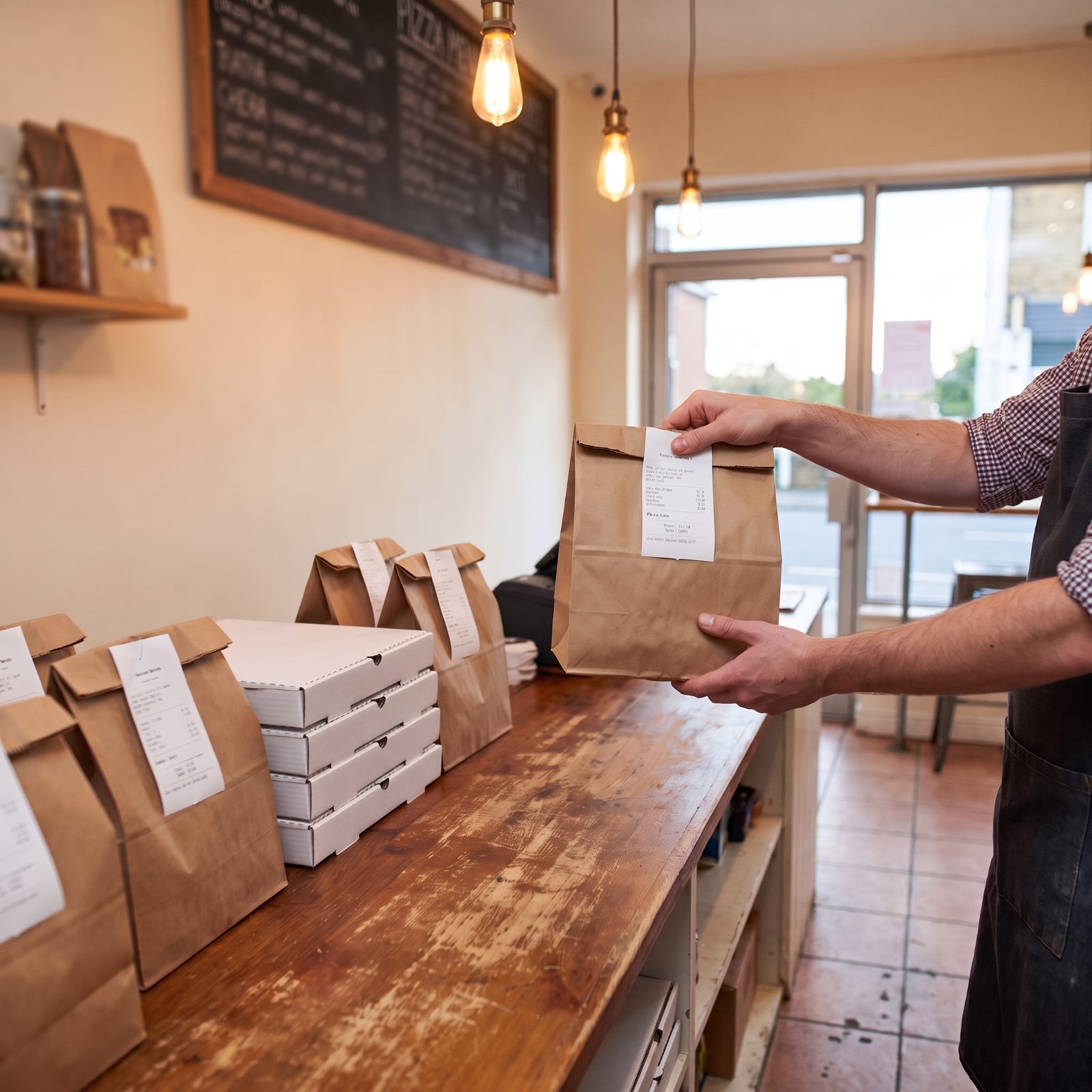
Watch the takeout counter for two minutes. Bags going out in a steady, labeled, unhurried rhythm means the kitchen has rhythm too. Chaos at the counter means chaos behind it.
A calm stream of orders leaving means the place has regulars who order ahead because they already know what they want. Repeat business is the hardest thing in this industry to earn, and you simply can’t fake the quiet confidence of a counter that’s handled it a thousand times.
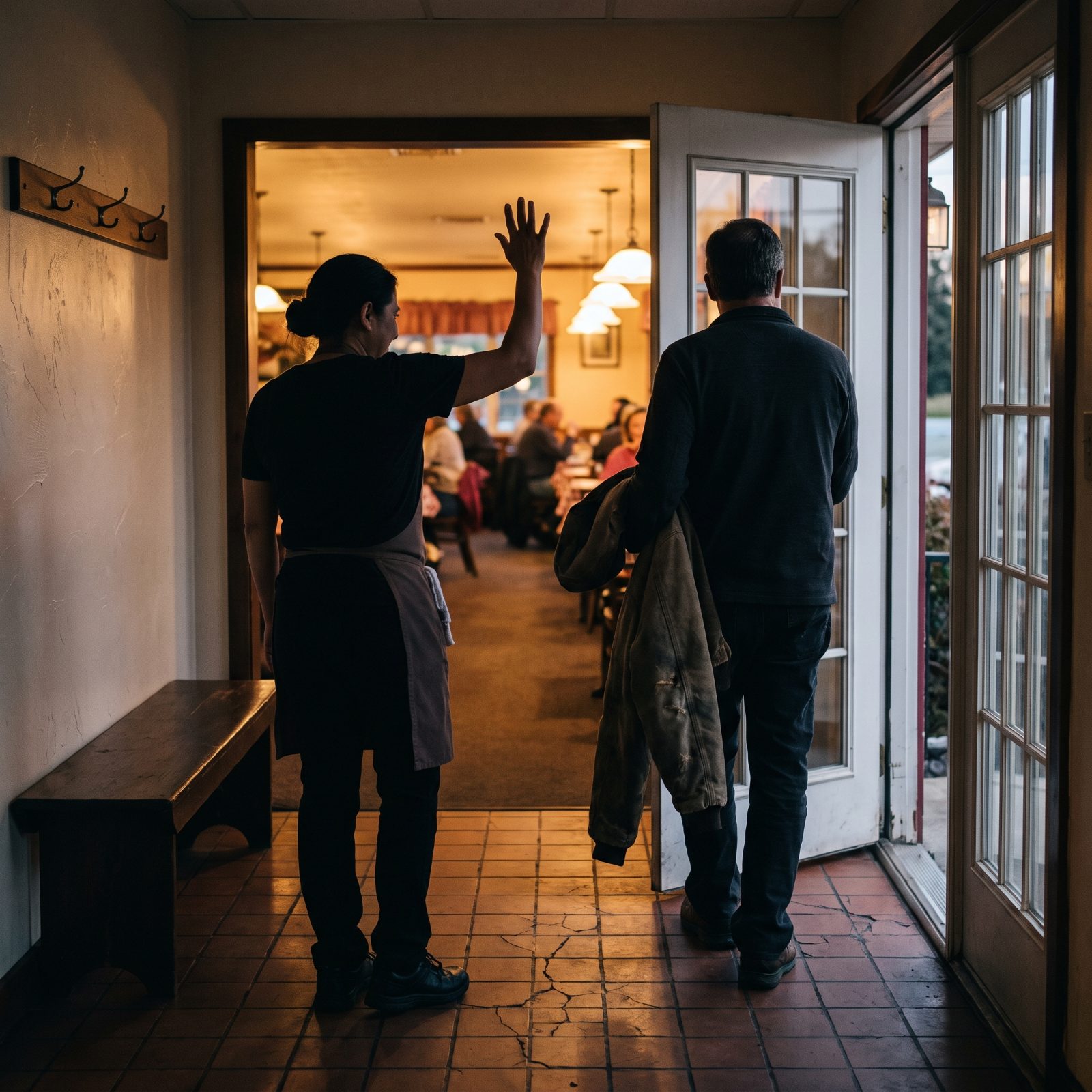
24. Regulars Get Greeted Before They Say a Word
Would you like to save this?
The owner calling someone by name across the room, starting their usual before they’ve even sat down — that’s the loudest quiet signal there is. Loyalty like that gets built one honest plate at a time, over years.
You can decorate a room. You can print a fancy menu. You cannot manufacture a regular. The guy who knows the Tuesday crowd by their orders is sitting on something no amount of money buys. If a plain place is full of people the staff clearly knows, sit down and trust them.
A full room of strangers means good marketing. A full room of regulars means good food.
23. Three Generations of the Same Family Are Waiting Together
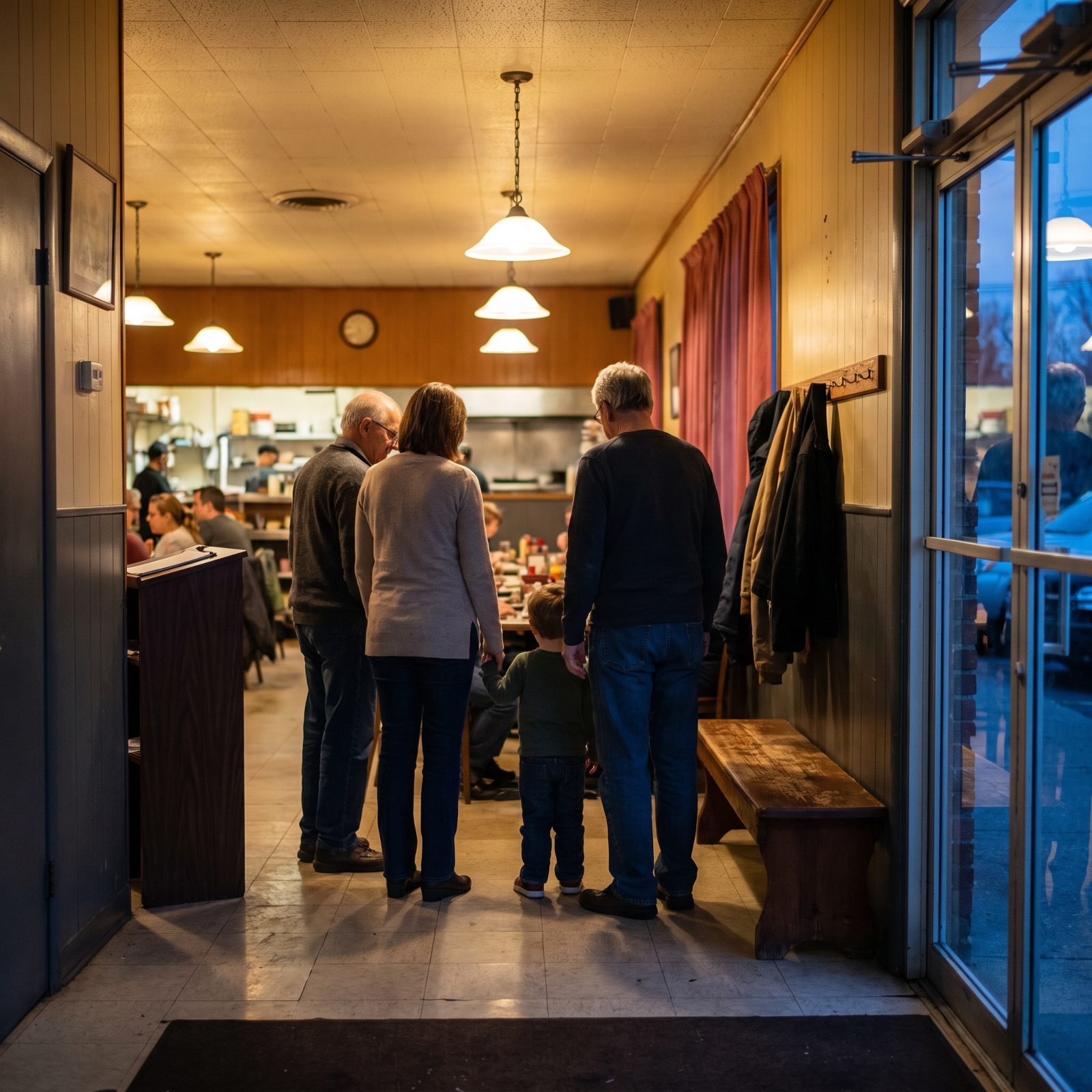
Grandparents, parents, and kids all standing in the same doorway for the same meal tell you something data never could. This isn’t a trendy stop. It’s a tradition, which means it has survived long enough to outlive trends.
A place passed down across generations of customers has pulled off the one thing nearly impossible in food: staying consistent for decades. The dining room might be stuck in another era. Good. That’s the point. Consistency is exactly why three generations trust the same kitchen.
22. Solo Diners Walk In Without Hesitation
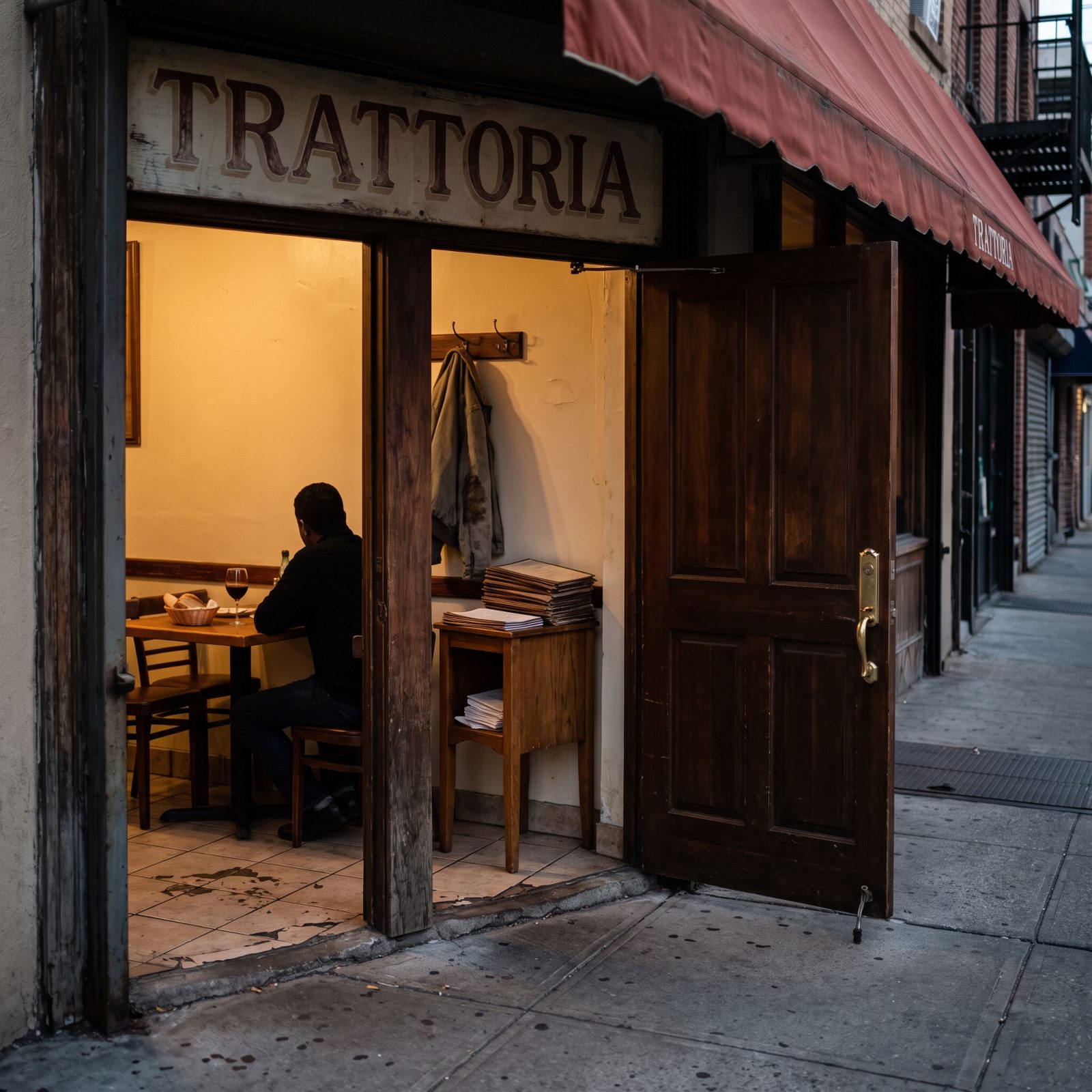
A person eating alone is the most honest customer a restaurant has. No date to impress, no group to hide behind, nowhere to look but the plate. When you see someone sitting solo with a book or just their own thoughts — comfortable, unhurried — that place has earned a regular.
Solo diners don’t gamble. They go where they already know the food won’t let them down, and if three of them are scattered through a plain dining room, you’ve found your table.
21. Nearby Tradespeople Choose It for Their Meal Break
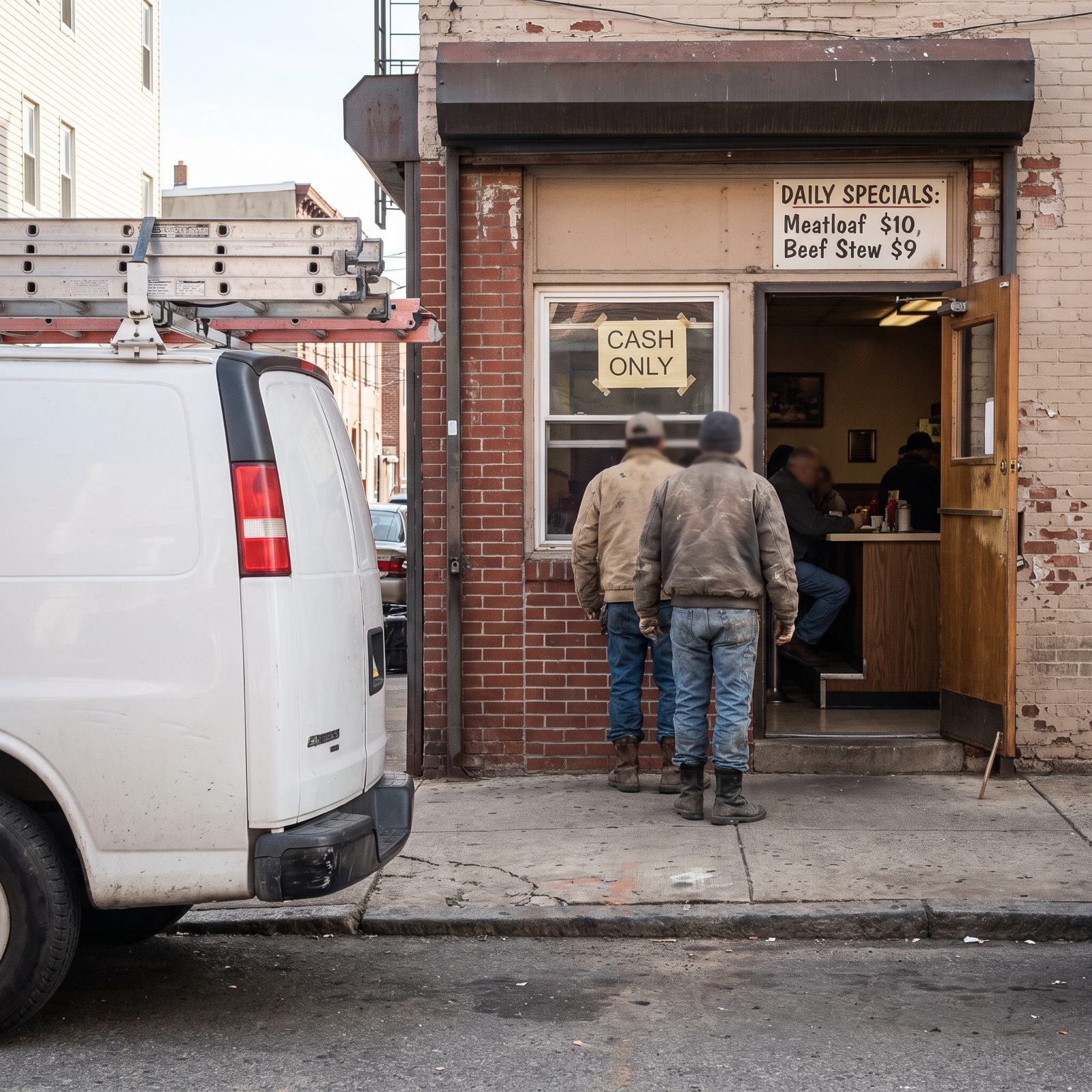
Follow the work boots. Plumbers, electricians, delivery drivers — people who spend their money carefully and their lunch hour wisely. They know every spot within ten minutes of a job site, and they go back to exactly one of them.
Tradespeople want real food, fast, for a fair price, and they’ll never pay for atmosphere they don’t have time to enjoy. A dusty van out front at noon beats any review you could read.
20. Hospitality Workers Are Eating There Off Duty
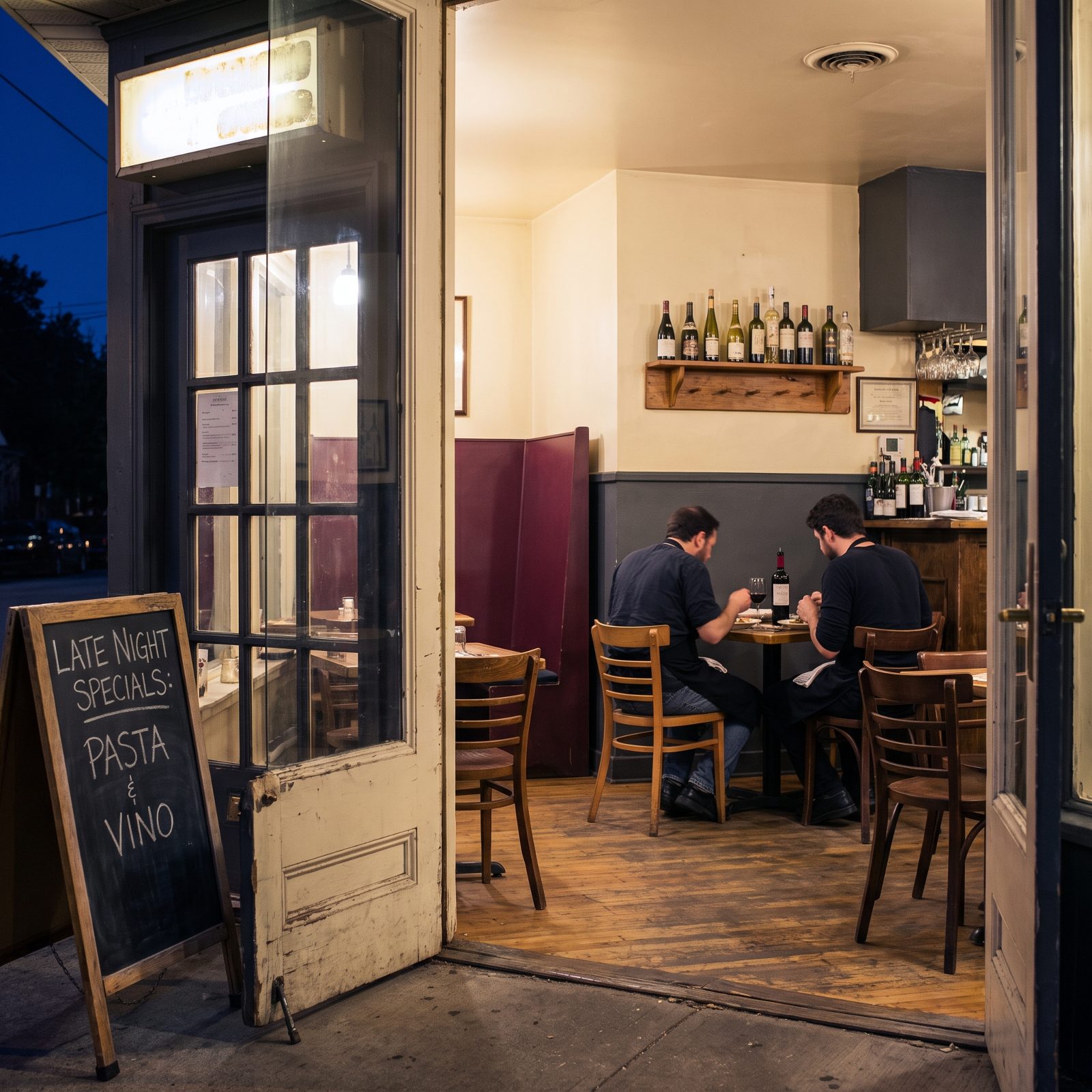
Cooks and waiters eat for free, or close to it, at their own jobs. So when their shift ends and they drive across town to spend their own money somewhere else, pay attention. These are people who know how the sausage gets made, literally, and which kitchens cut corners.
An off-duty chef eating at a plain little place at eleven at night is the single most reliable signal in this entire list. I’ve chased it into some strange parking lots and never once regretted it.
19. Fresh Produce Is Being Delivered Through the Front Door
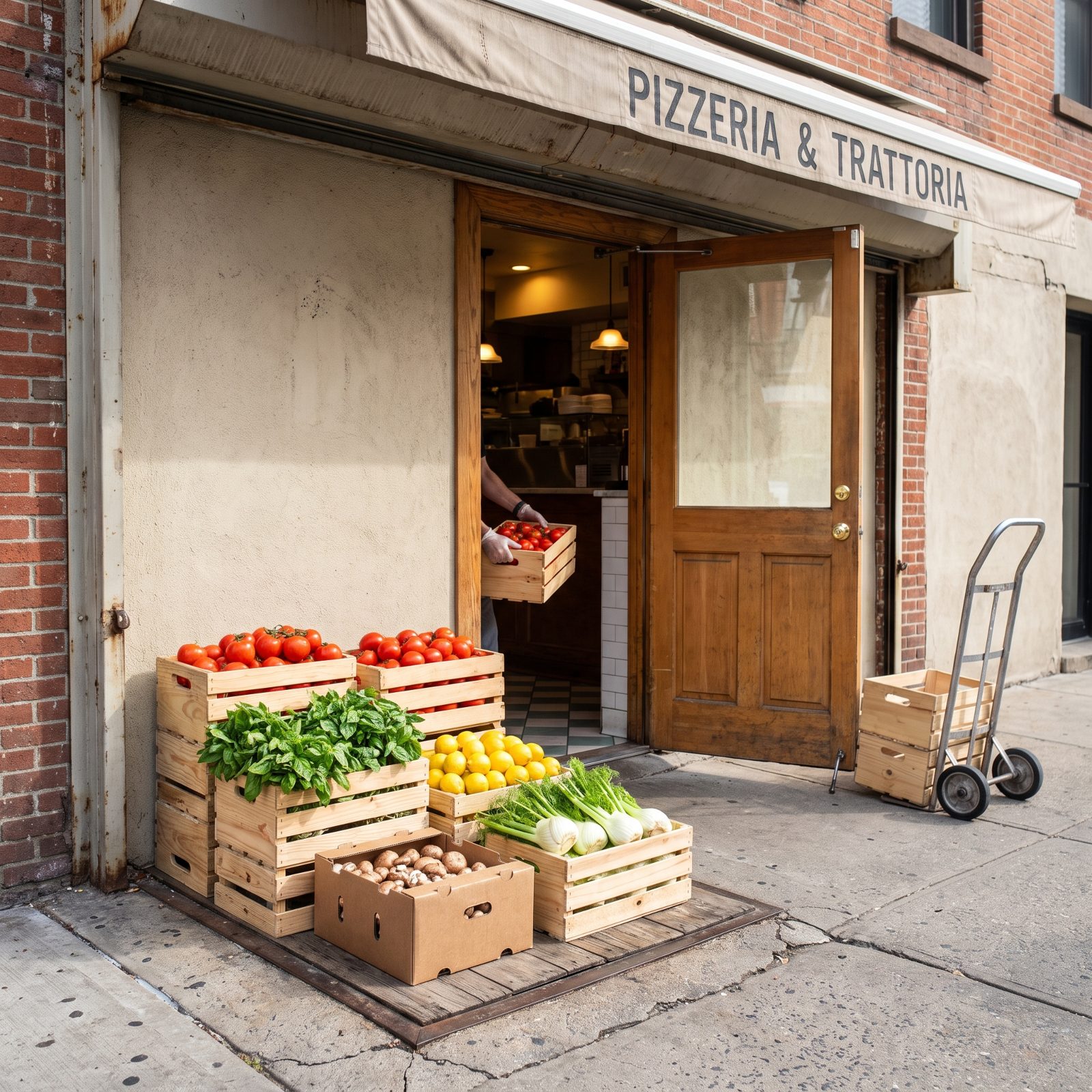
Walk past around ten in the morning and watch what comes through the door. Crates of actual tomatoes, bunches of basil still wet, a crate of lemons, fennel with the fronds still on. That’s a kitchen that cooks from scratch and can’t fake it.
The alternative tells its own story: Sysco boxes, sealed sacks of pre-portioned everything, the freezer truck backing up to the loading bay. Both arrive the same way. Only one leaves a trail of fresh produce on the sidewalk.
18. Flour Sacks and Ingredient Crates Show Real Kitchen Volume
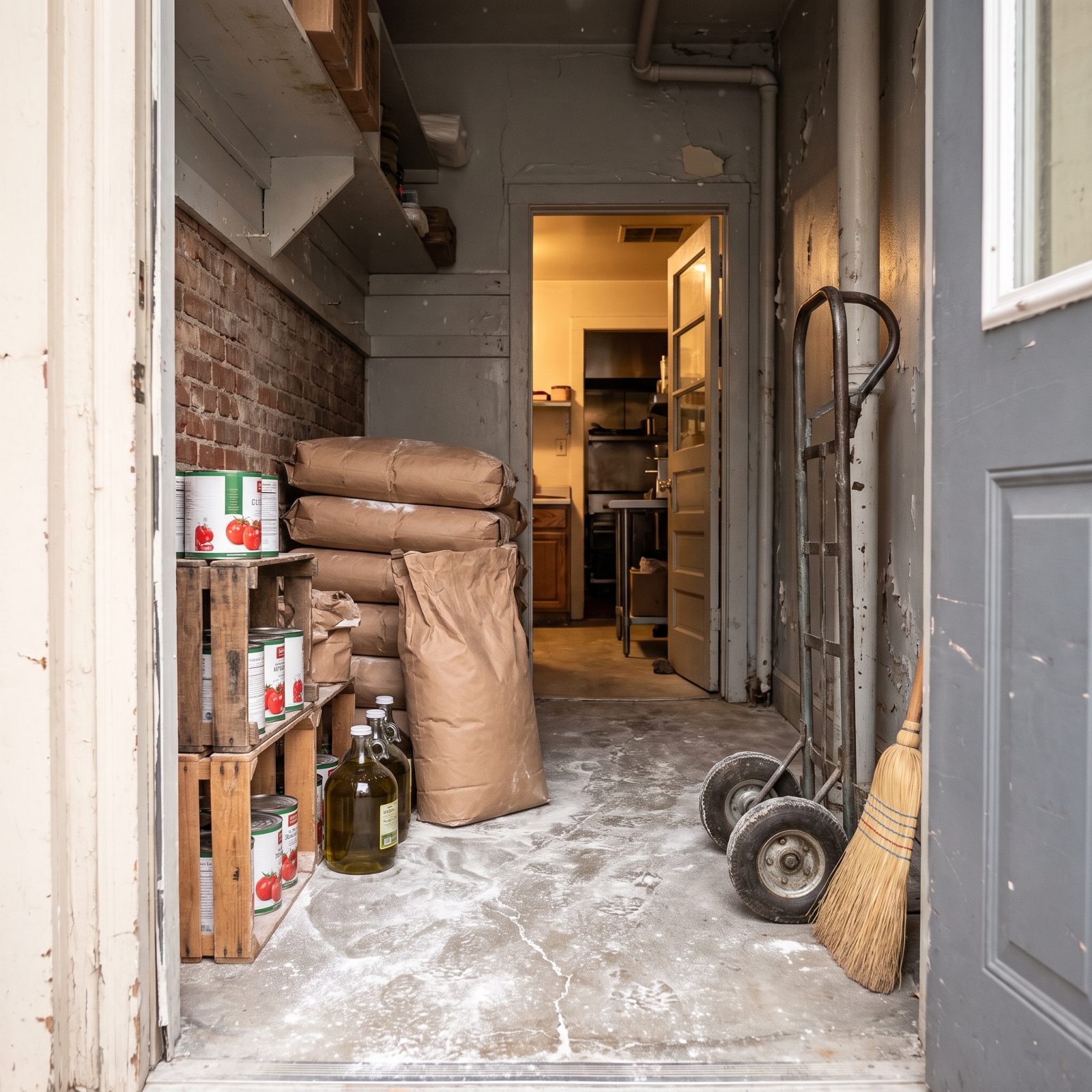
A wall of flour sacks tells you something no menu ever will. This kitchen goes through serious volume, and you don’t stockpile fifty-pound bags unless you’re turning them into dough every single day.
Same goes for the crates of whole tomatoes and the big tins of olive oil stacked by the back. Quantity means turnover, and turnover means nothing sits around long enough to go stale. A packed pantry is a busy kitchen wearing its work clothes.
17. Fresh Bread Is Cooling Near the Entrance
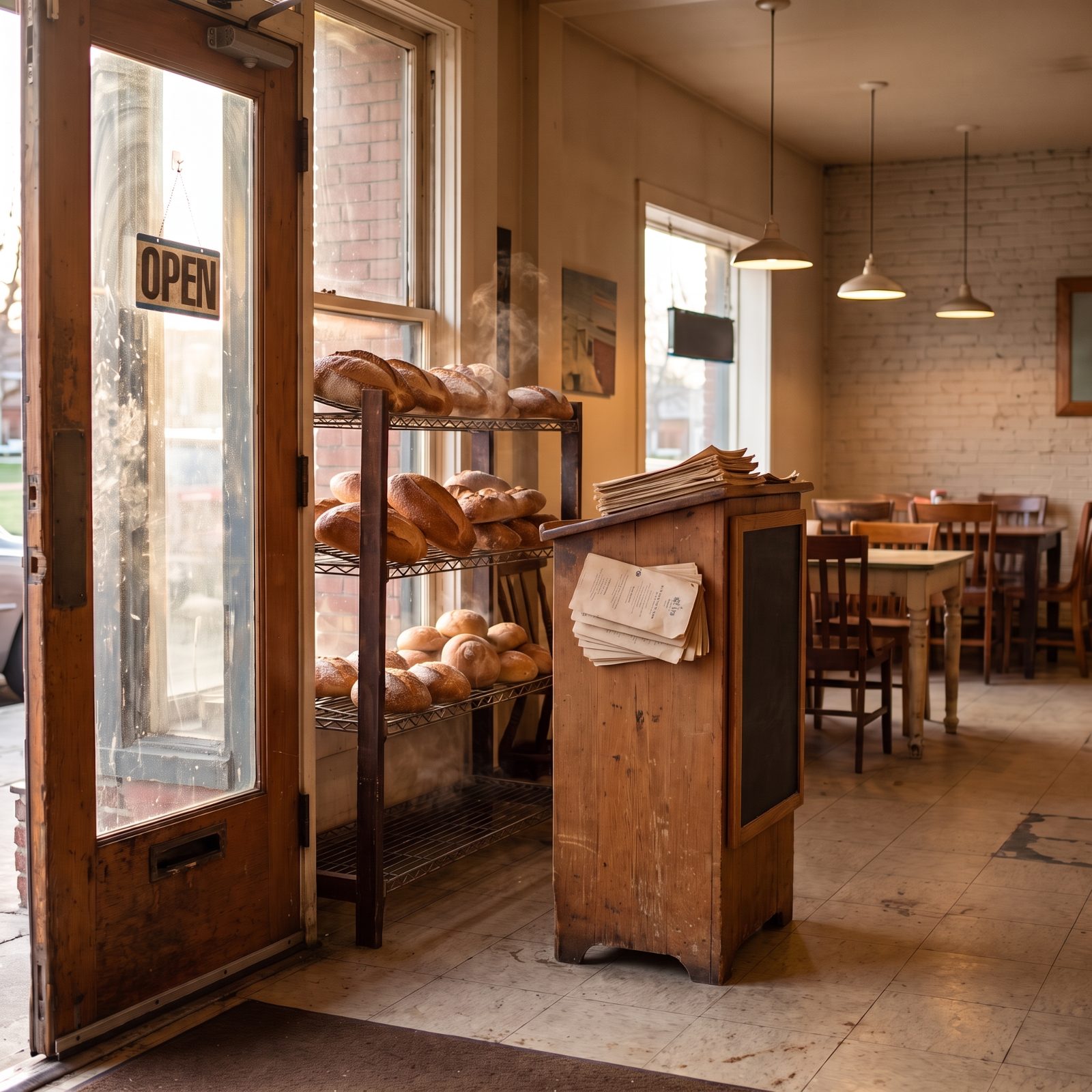
The smell hits you before you’re through the door. Warm bread cooling on a rack near the entrance isn’t an accident — it’s a kitchen so confident in its baking that it puts the proof right where you walk in.
Bread goes stale fast, so a place baking its own has committed to the hardest, least glamorous work in the building. They do it anyway. That tells you everything about how they treat the rest of the meal.
16. Pasta Is Being Rolled Within View of the Door
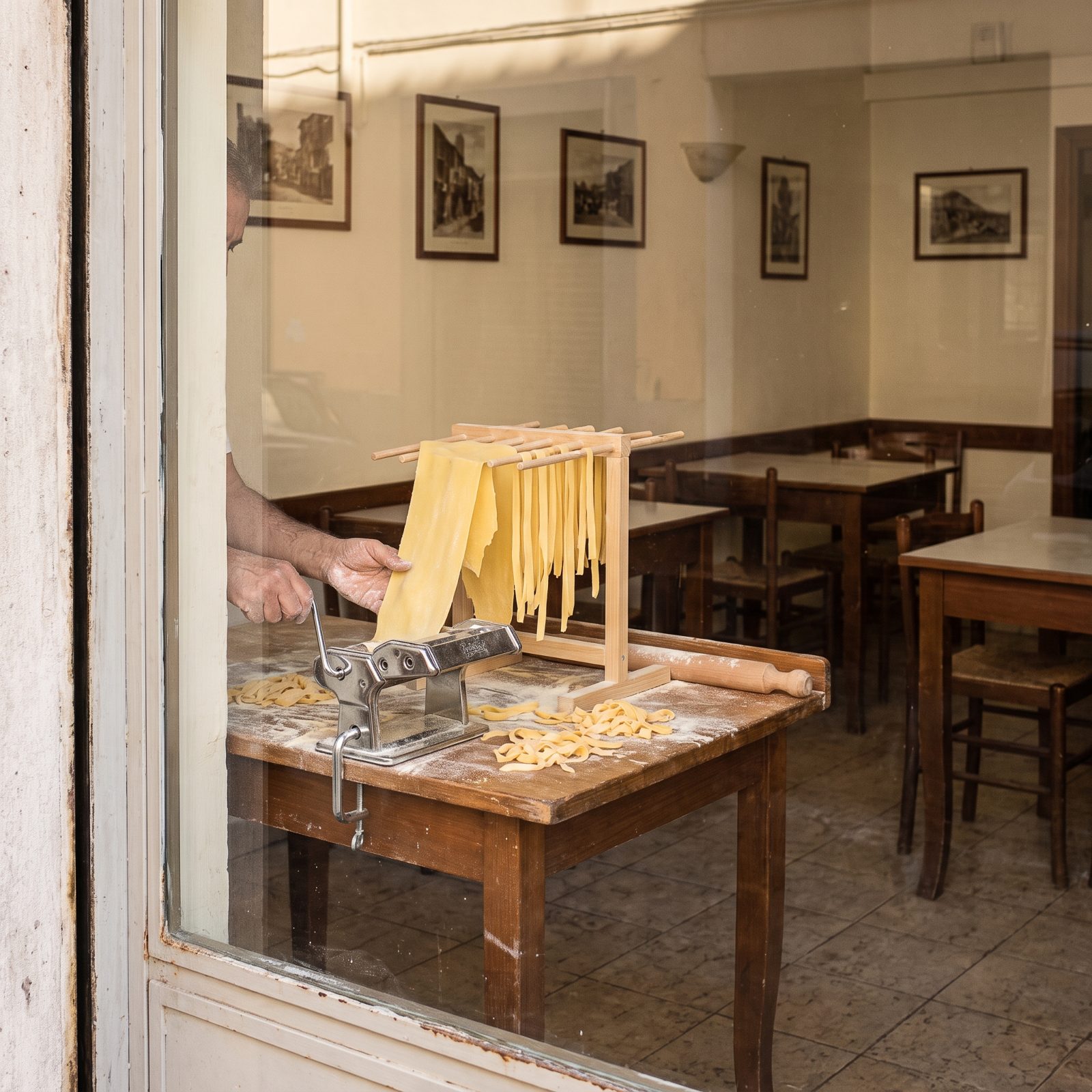
Some places put the pasta machine where you can see it from the sidewalk. Hands cranking dough, ribbons of tagliatelle hung to dry, flour drifting across a worn wooden table. It looks like a performance. It isn’t.
Hand-rolled pasta is slow, messy, and impossible to fake at scale, which is exactly why it’s rare. A kitchen that does it in full view is making a quiet promise about everything that comes after.
15. The Oven Fire Is Bright and Properly Managed
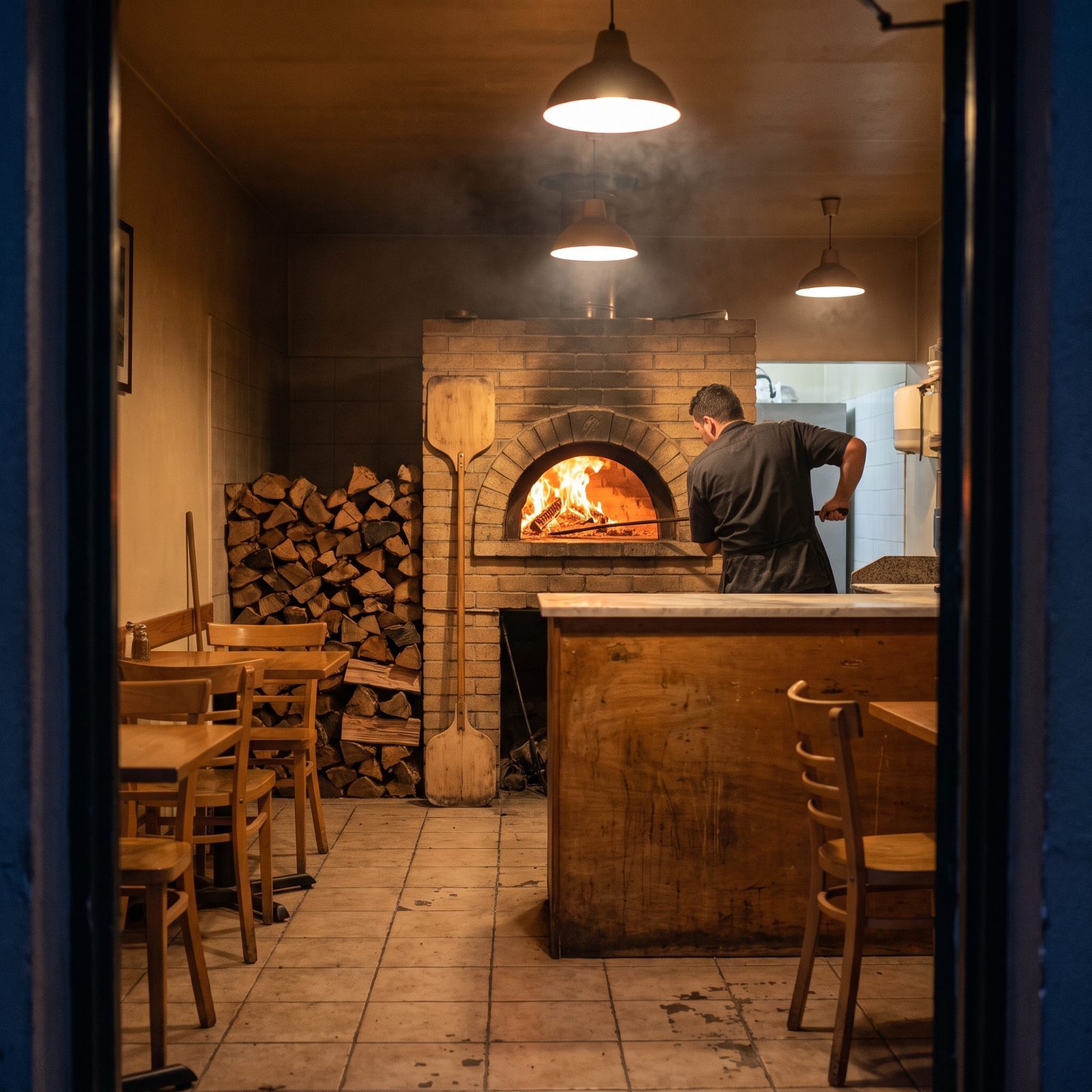
Look at the fire, not the furniture. A wood oven burning clean and bright, the flame licking up one side, a tidy stack of split logs ready to feed it — that means someone back there knows exactly what they’re doing.
A badly managed fire smokes, sputters, and burns the crust before the center cooks. A well-managed one is a steady, controlled roar. That glow visible from the entrance is a cook’s skill made visible, and pizza ovens have been fed the same way for a hundred years.
14. The Open Kitchen Looks Calm During a Rush
Would you like to save this?
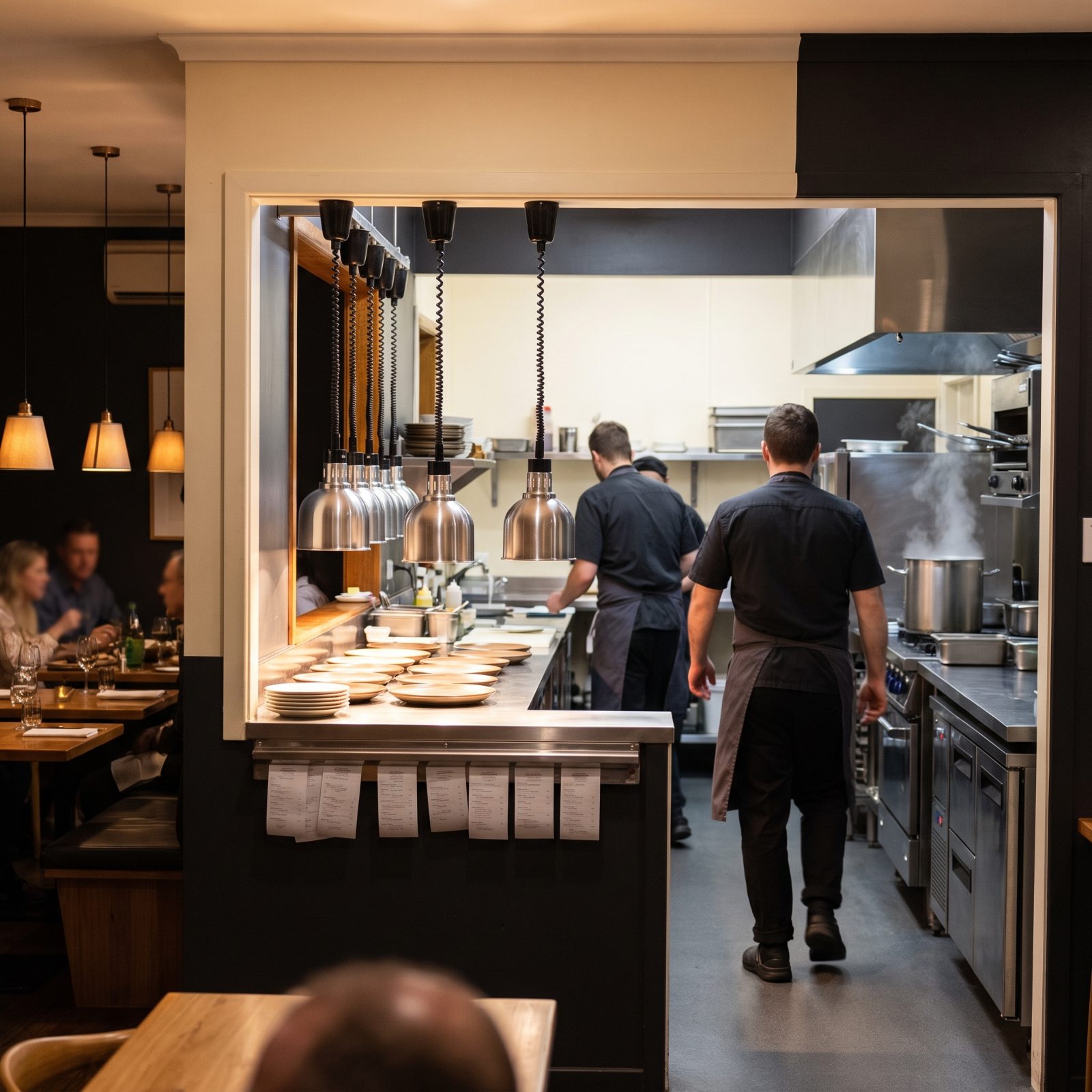
A packed dining room and a calm kitchen is the rarest, best thing you can spot from the host stand. No shouting, no panic, no plates piling up under the heat lamps. Just steady hands and a quiet rhythm.
Chaos in an open kitchen means they’re drowning, and your food will show it. Calm during a rush means the system works, the cooks have done it ten thousand times, and your order is already in good hands before you’ve sat down.
13. Cooks Taste the Food Before It Leaves the Kitchen
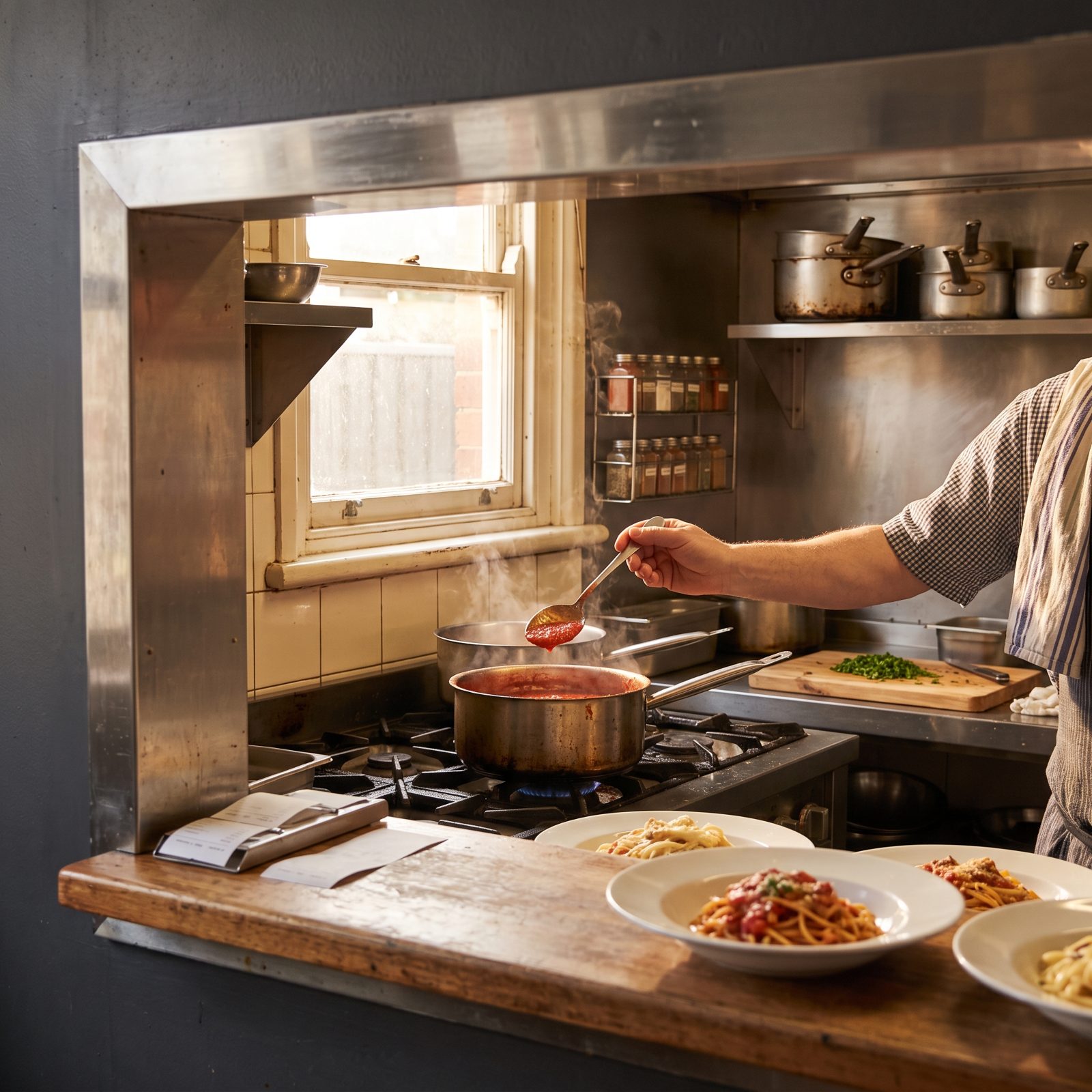
The single most reassuring thing you can catch a glimpse of: a cook tasting the sauce before it goes out. A spoon, a quick dip, a moment of real attention. It means the food leaving that kitchen has to pass through someone who actually cares how it tastes.
Plenty of kitchens plate by memory and send it blind. The ones that taste every batch are correcting, adjusting, refusing to send anything less than right. That small habit — invisible from your table but visible from the door — is the whole difference.
12. The Kitchen Pass Is Clean and Well Organized
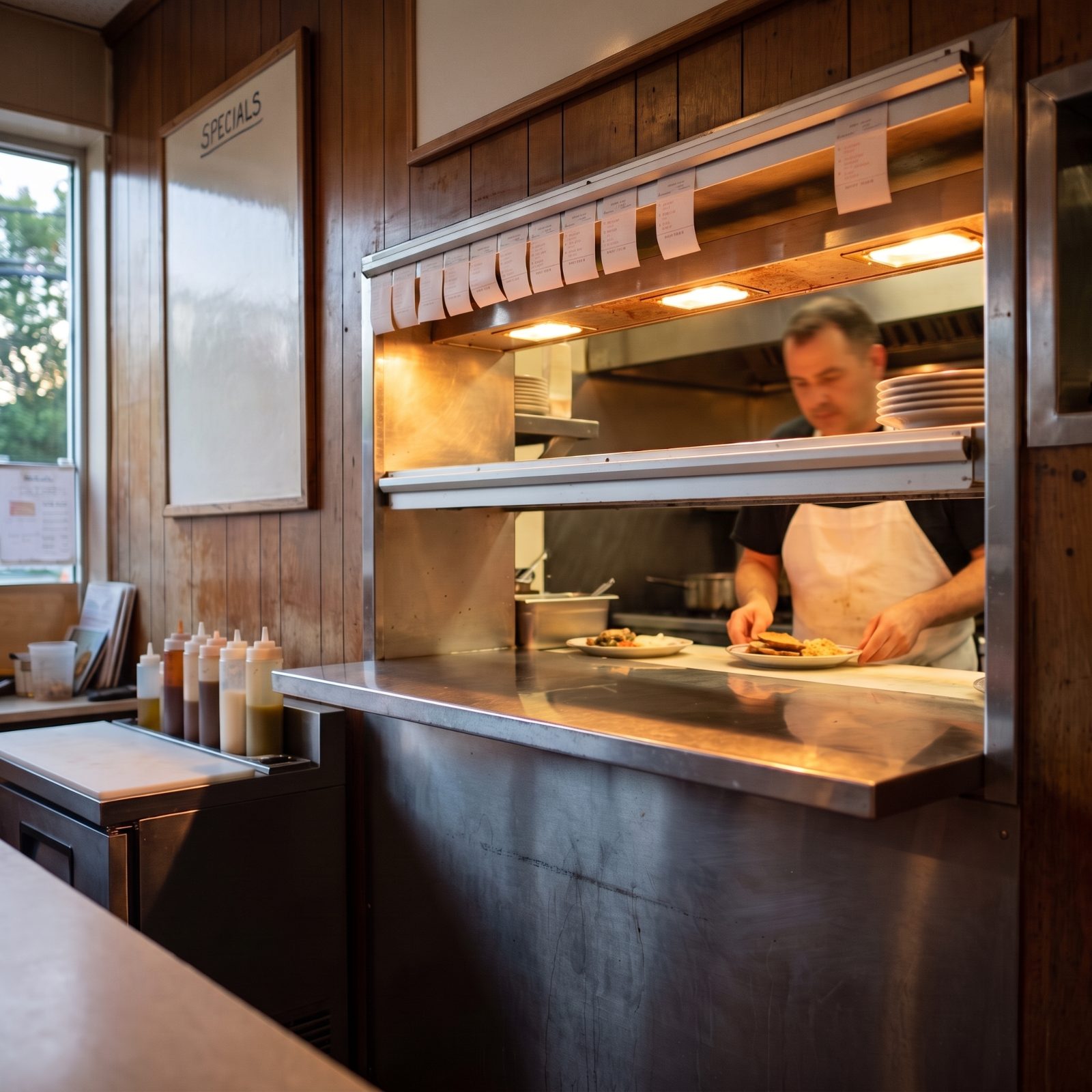
You can read the pass before anyone hands you a menu. Lean a little at the host stand and look. A clean, organized pass means whoever runs expo refuses to let chaos touch the plates — ticket rail in order, squeeze bottles lined up, not a crust of dried sauce on the shelf edge.
I’ve walked out of places where the pass looked like a crime scene. Sloppy pass, sloppy kitchen, and a sloppy kitchen makes your food an afterthought. Order matters most where the pressure’s highest.
11. Staff Move Around One Another Without Confusion
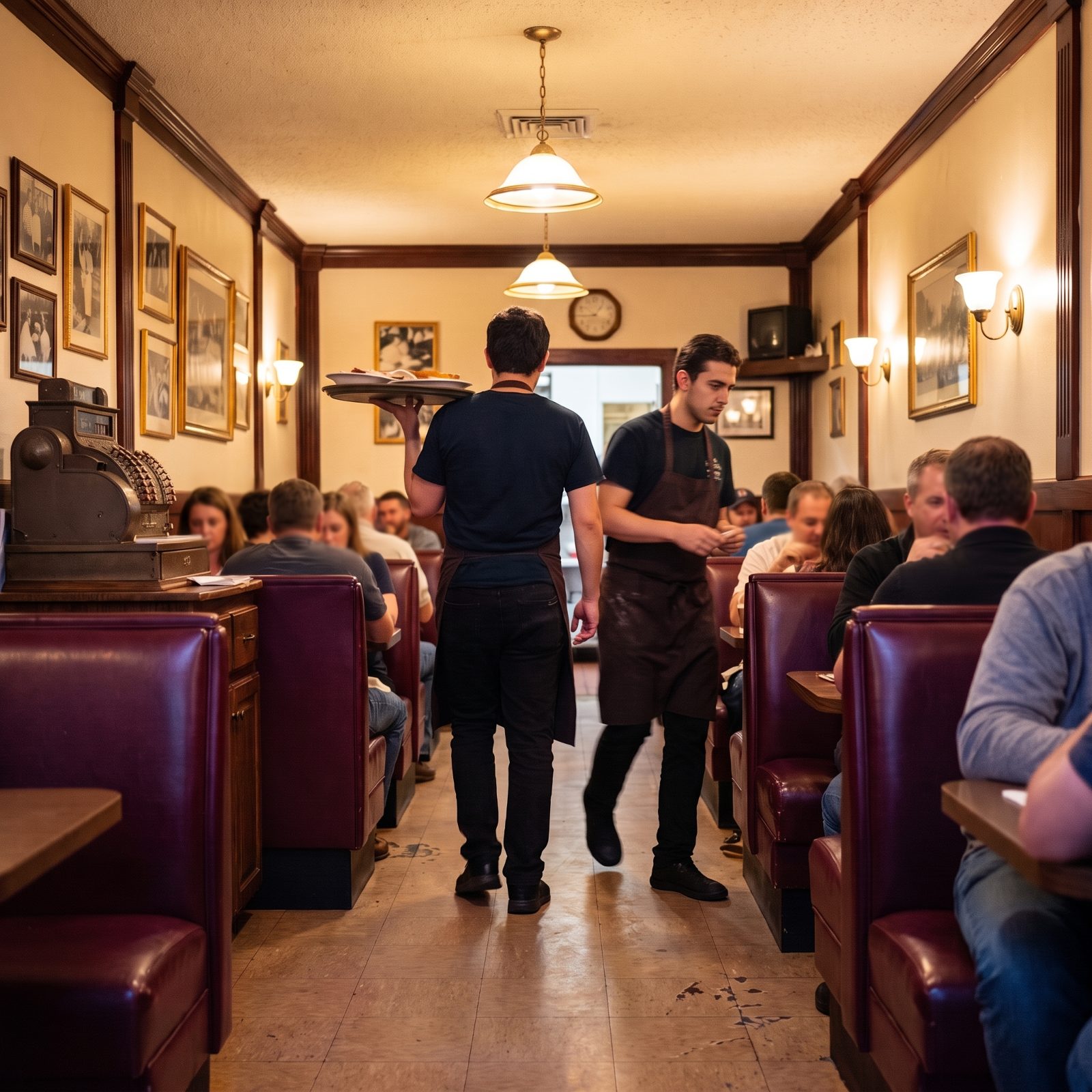
Watch the floor for thirty seconds. In a good room nobody collides — servers turn sideways at the same pinch point because they’ve done it ten thousand times, water gets refilled before you notice it’s low, and nobody’s barking.
That ease is years of the same people working the same shifts. Low turnover is the quiet signal under it. A crew that moves like one body usually cooks like one too.
10. The Food on Passing Plates Looks Consistent
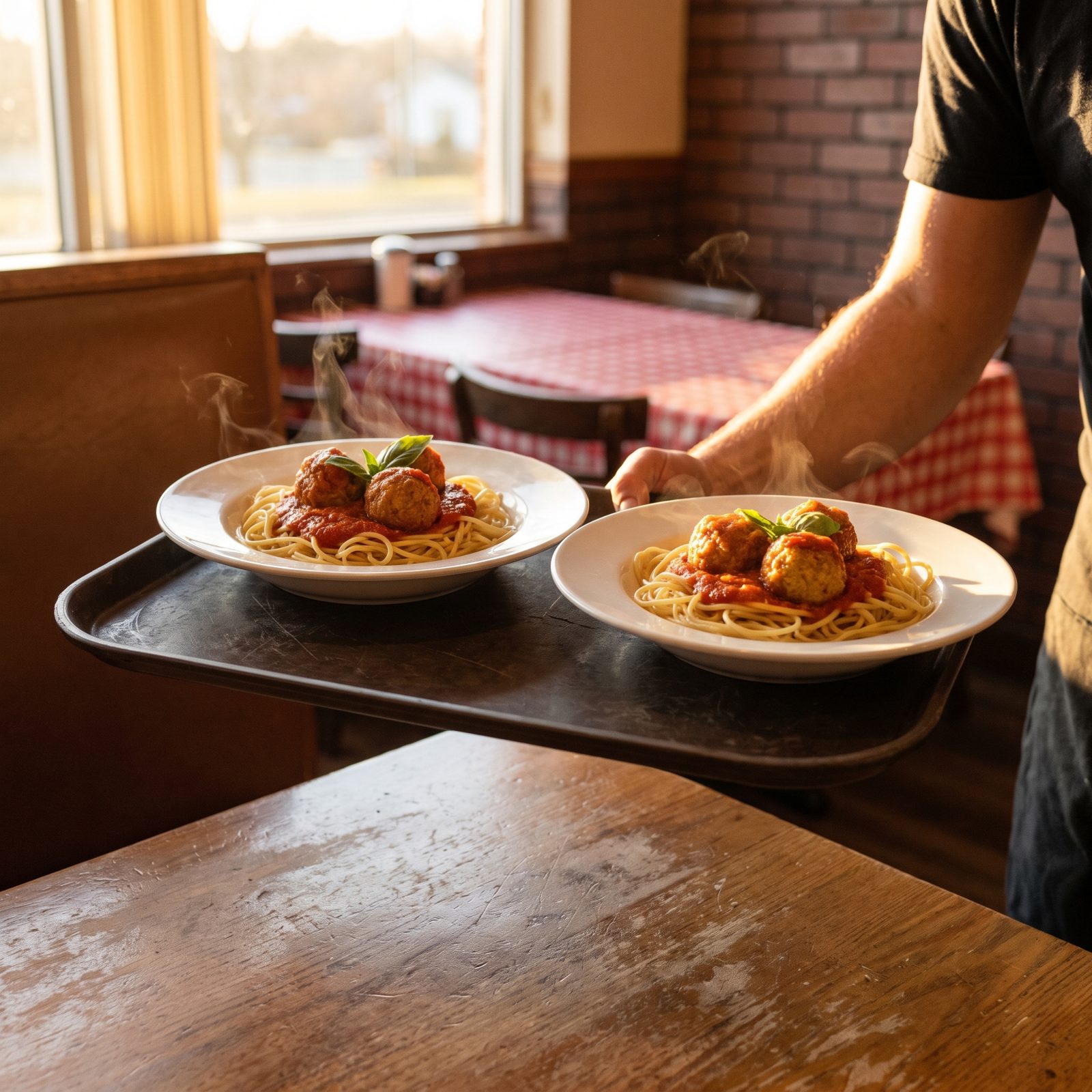
Two of the same dish go by on a tray. Do they match — same portion, same look, same twirl of pasta? That’s the whole game. Consistency means somebody set a standard and holds the line every single plate.
Inconsistent plates mean whoever’s cooking is winging it, and winging it is fine right up until it’s your dinner that comes out wrong.
9. Plates Returning to the Kitchen Are Nearly Empty
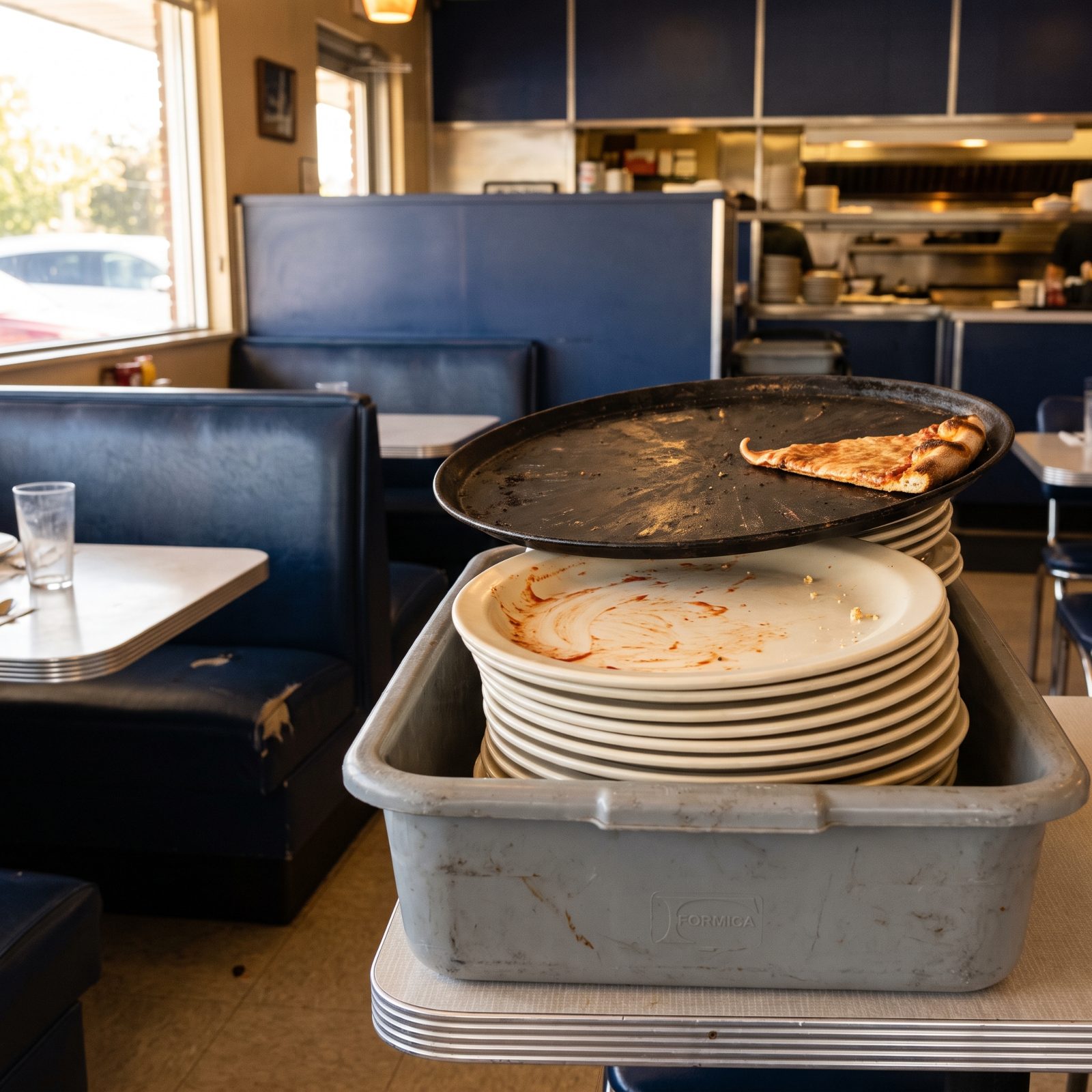
The bus tub tells a truth nobody says out loud. Plates come back wiped clean, people liked it. Come back half full, something’s off and the room knows it even if the Yelp reviews don’t.
Watch the busboy work. Scraped plates, dragged-through sauce, that one crust somebody reluctantly abandoned. A verdict, delivered without a single word.
8. The Current Health Inspection Grade Is Displayed Proudly
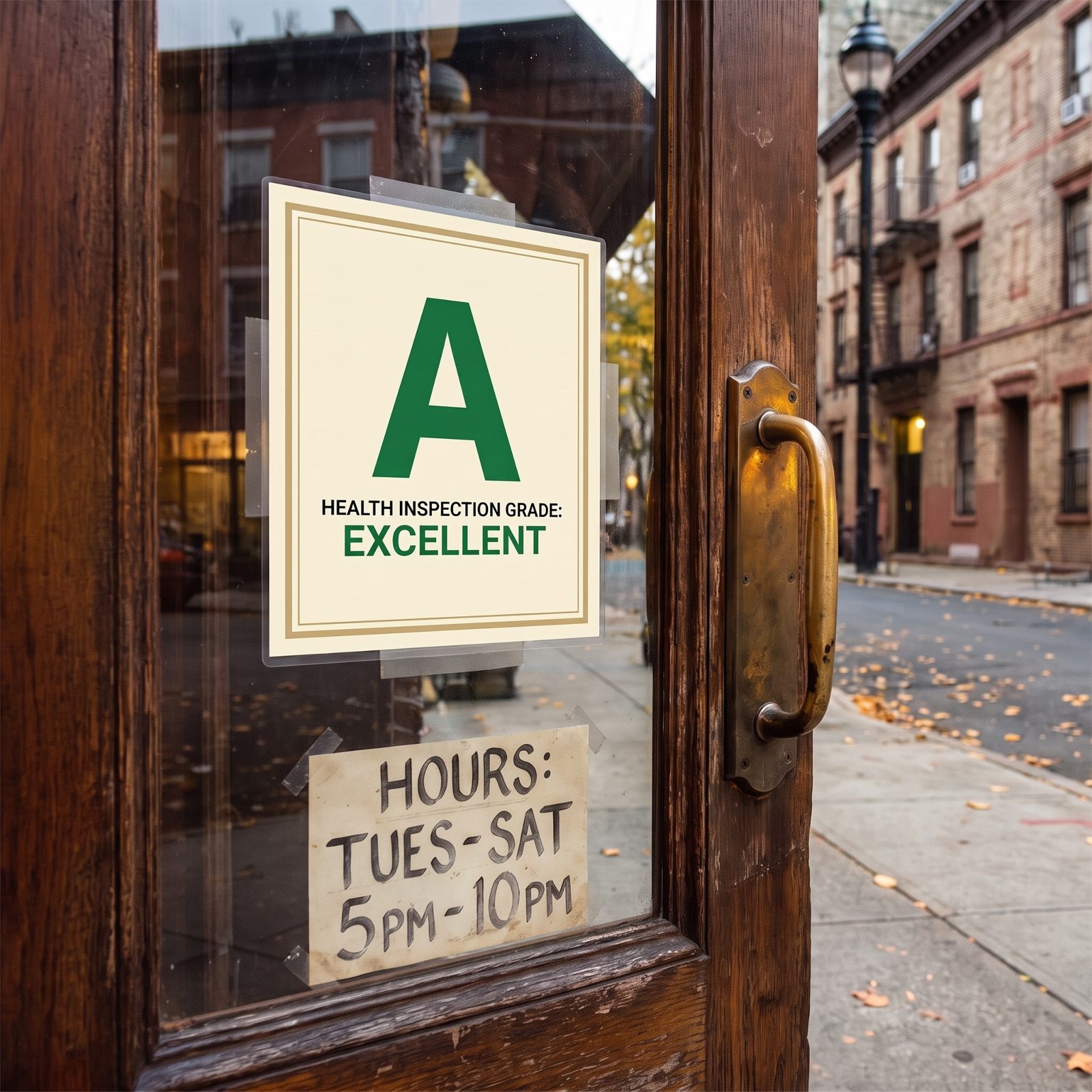
A current grade posted where you can’t miss it is a small act of confidence. The ones who hide it in a back hallway or let it go stale by a year are telling you something, even if they’d never admit it.
The date matters as much as the grade. Recent and high means they got inspected lately and passed clean — a place that keeps its walk-in at temperature on a random Tuesday when nobody’s looking.
7. The Old Sign Is Weathered but Carefully Maintained
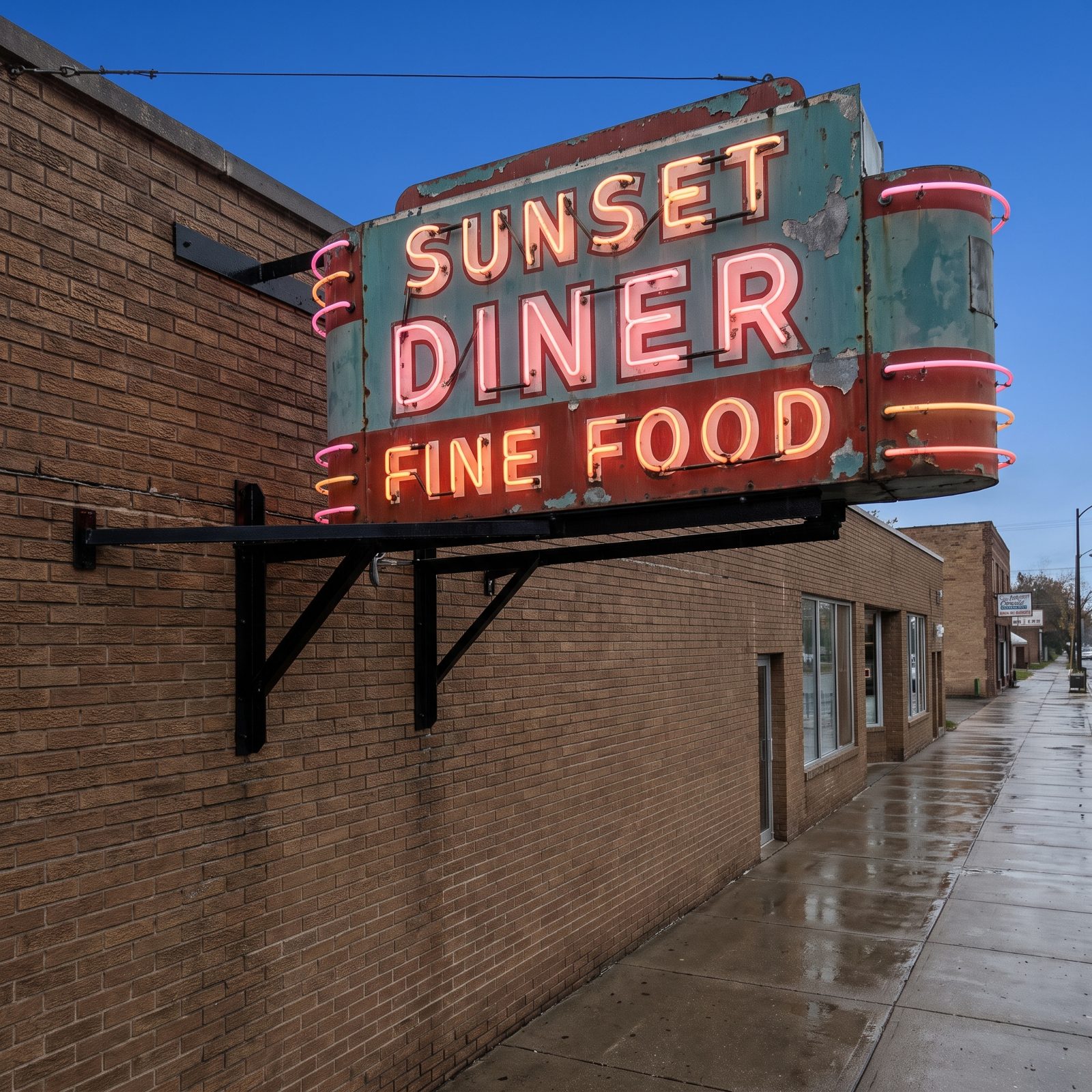
A faded sign isn’t the problem. A faded sign with every neon tube still lit, no dead letters, brackets recently repainted — that’s the tell. Somebody climbs up there and fixes it when it breaks instead of letting it rot.
Fading is time. Neglect is a choice, and the difference reads from across the street once you know to look. A sign older than you are, still glowing whole, means an owner who’s been proud of this place for thirty years and isn’t about to stop now.
6. The Front-Door Glass Is Spotless Despite the Tired Facade
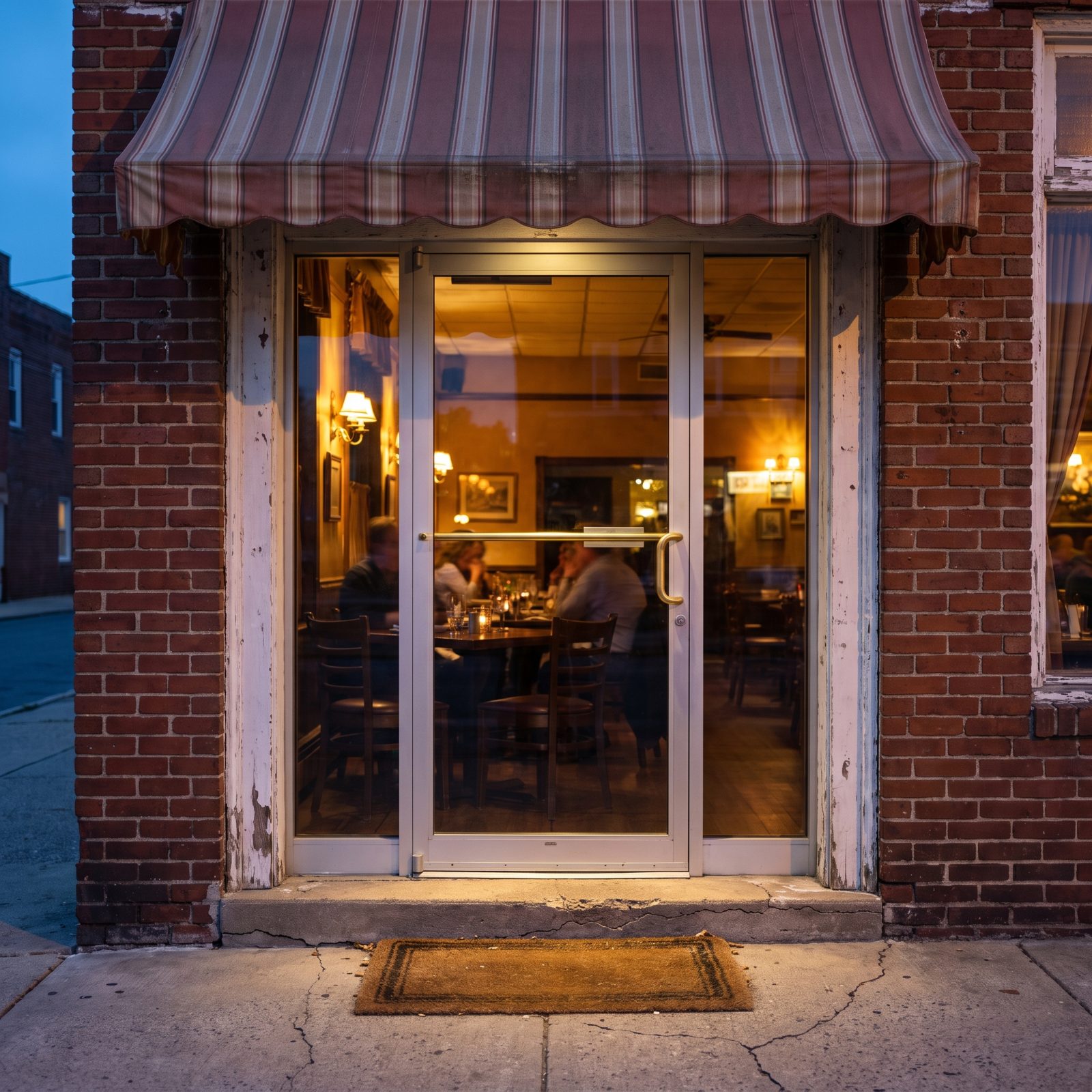
The facade can be forty years overdue for a facelift. The glass shouldn’t be. Someone wipes down that door every morning — it’s the first thing a guest touches and the last thing a lazy operator thinks about.
Spotless glass on a tired building is the whole argument of this piece crammed into one pane. The money went into the food and the daily grind, not the paint job.
5. Old Floors Are Scrubbed and Well Maintained
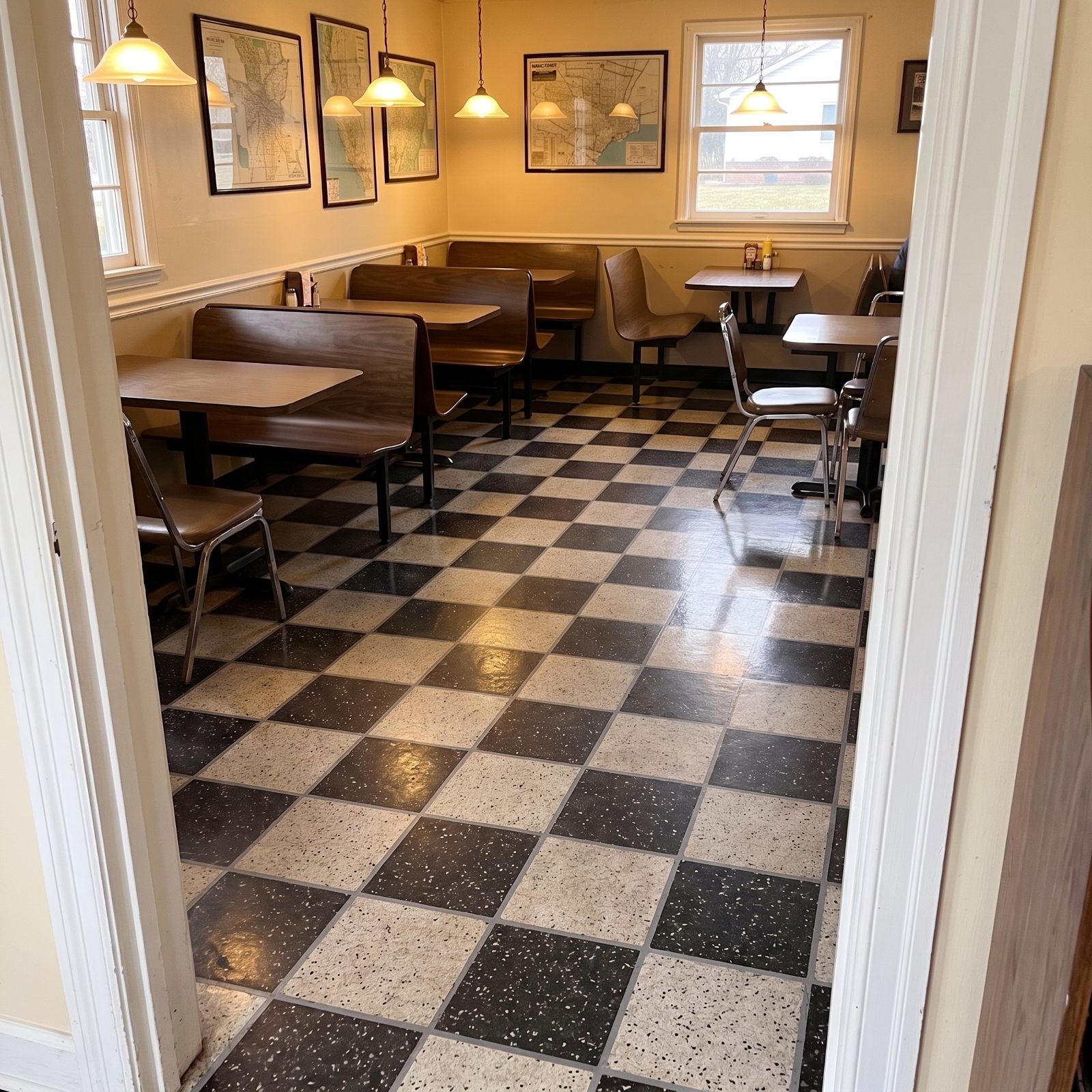
Floors age in ways you can’t hide and can’t fake. The tile will be worn down the center aisle where decades of feet walked. Fine. Look at the grout, look at the corners under the booths — clean there means clean everywhere.
A tired floor that’s actually filthy is a different animal, and once you learn to tell them apart you can’t unsee it.
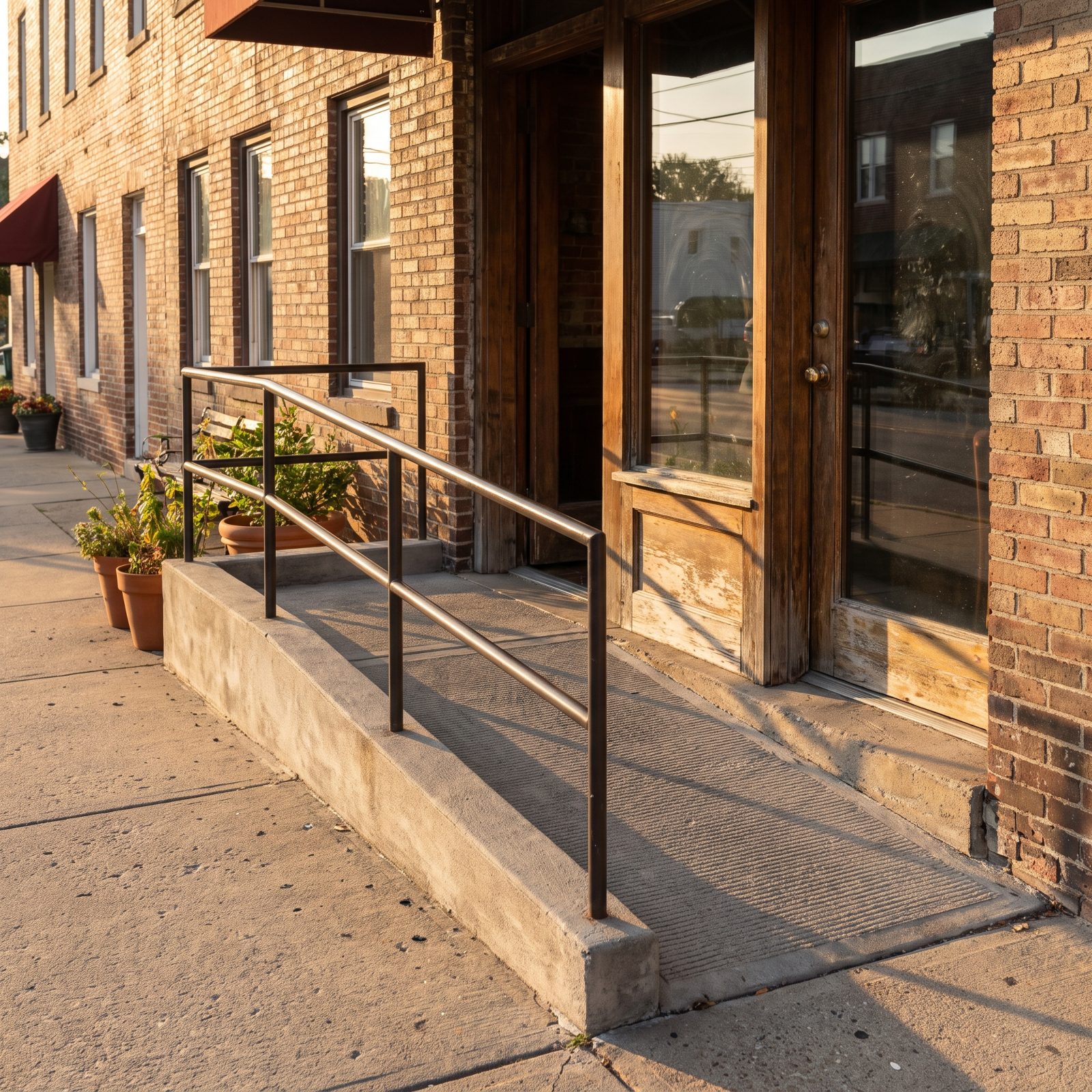
4. Accessibility Features Look Intentional, Not Improvised
Would you like to save this?
A real ramp, built into the entrance with a solid rail, says more than any menu. It means the owner thought about the guest who can’t manage the step, then spent actual money solving it.
The improvised version — a plywood sheet shoved against a curb — says the opposite. People who care about who gets in the door tend to care about what lands on the table once they’re seated.
3. The Staff Can Explain an Unfamiliar Dish Confidently
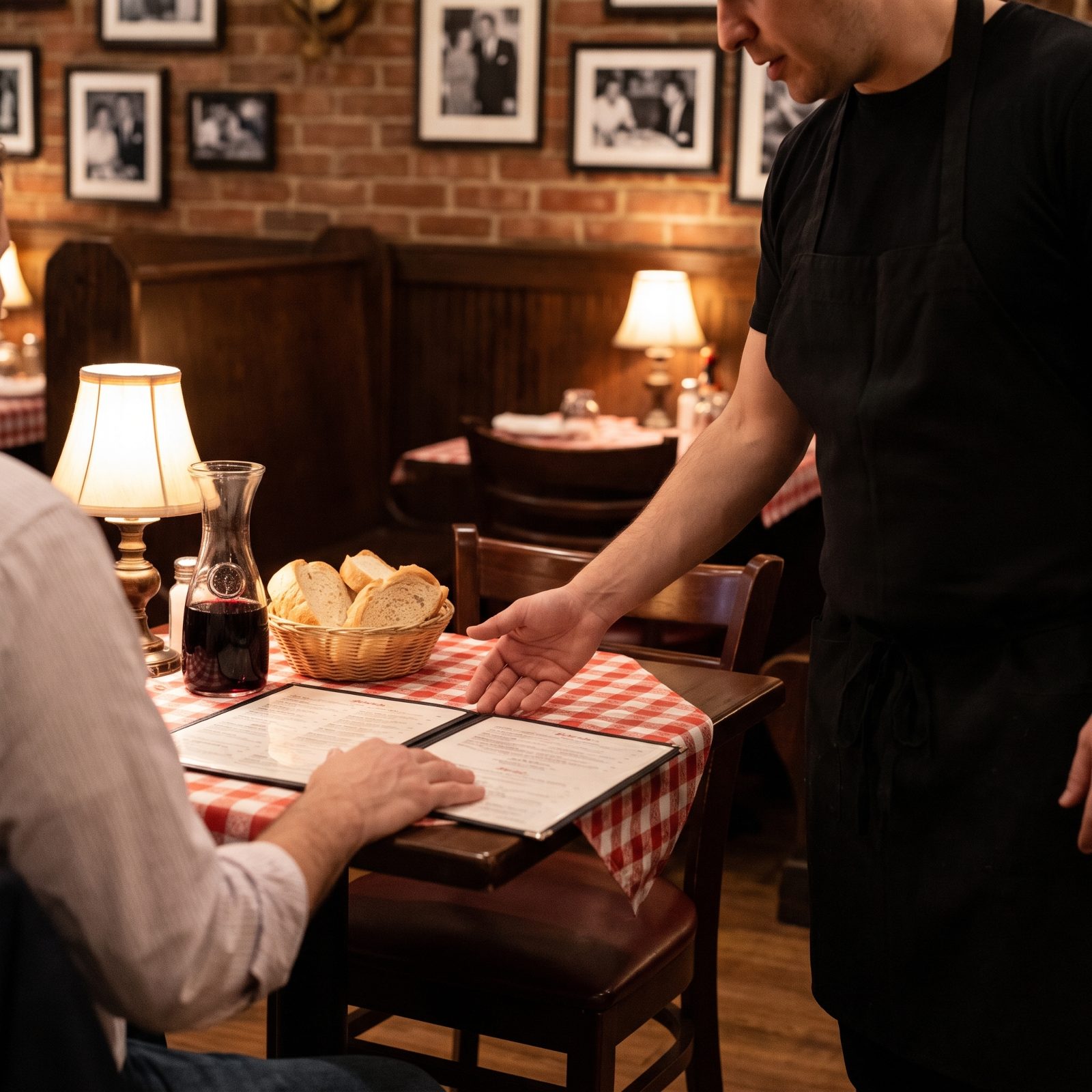
Point at the one dish you’ve never heard of and ask. The answer tells you everything. A server who actually knows — how it’s made, what’s in the sauce, which nonna’s recipe it came off of — works somewhere that talks about its food in the kitchen and out on the floor.
The shrug, the “it’s really good,” the dart off to go ask someone? That’s a place where food is just inventory. Confidence about a strange dish is confidence the strange dish is worth ordering.
2. The Owner Is Helping With Practical Work
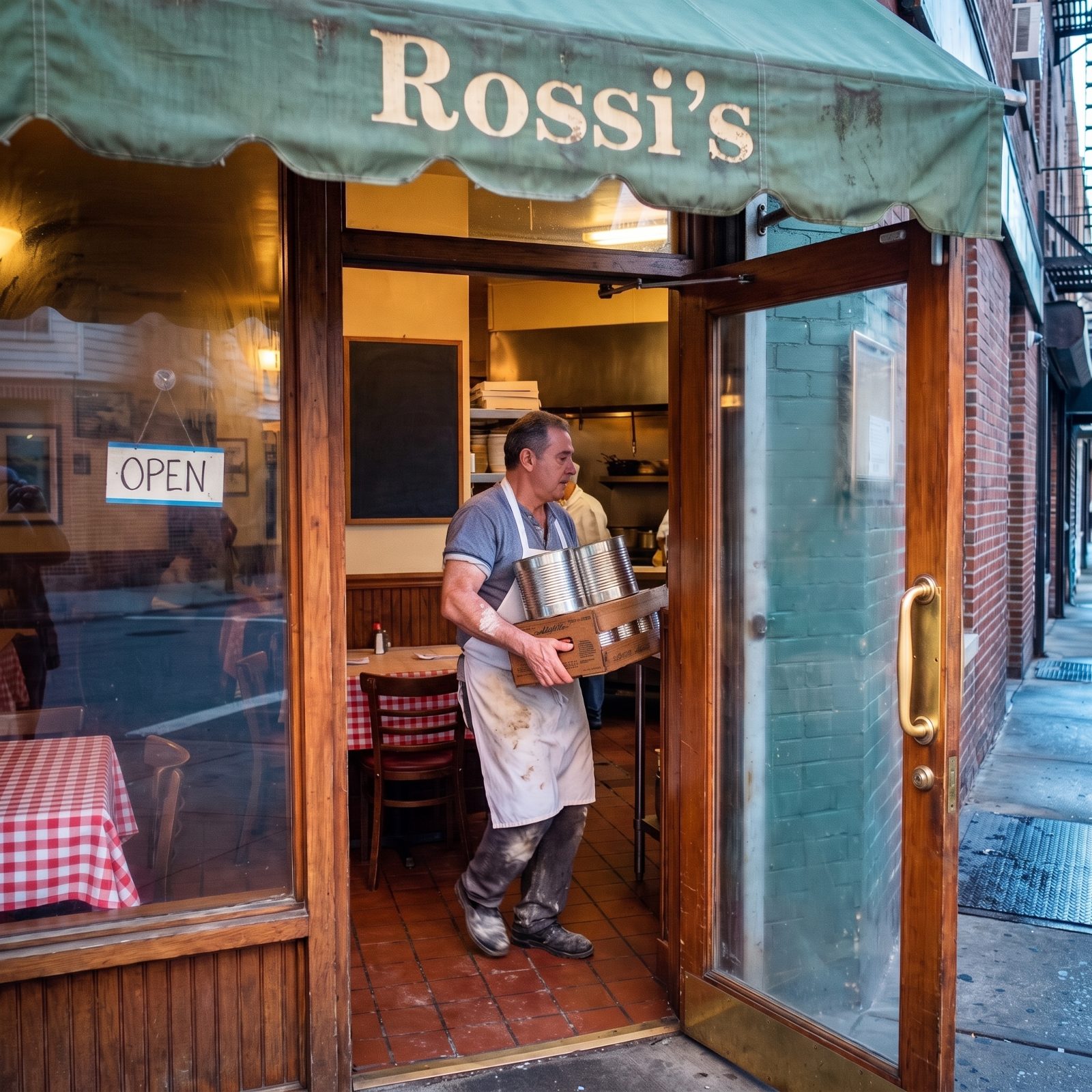
An owner hauling his own box of big tin cans tells you more than any review ever will. The good places are rarely run by somebody sitting in a back office counting receipts — they’re run by the person sweating over the real work, the one who still touches the product because he doesn’t trust anyone else to touch it right.
You can spot it from the doorway. Short sleeves, a stained apron, flour-dusted trousers, a guy who knows exactly where the fifth crate goes because he stacked the first four himself. That kind of hands-on presence usually means the recipes haven’t drifted and nobody’s cutting corners while the boss looks away — because the boss isn’t away. He’s lifting.
1. A Quiet Line of Locals Forms at the Door
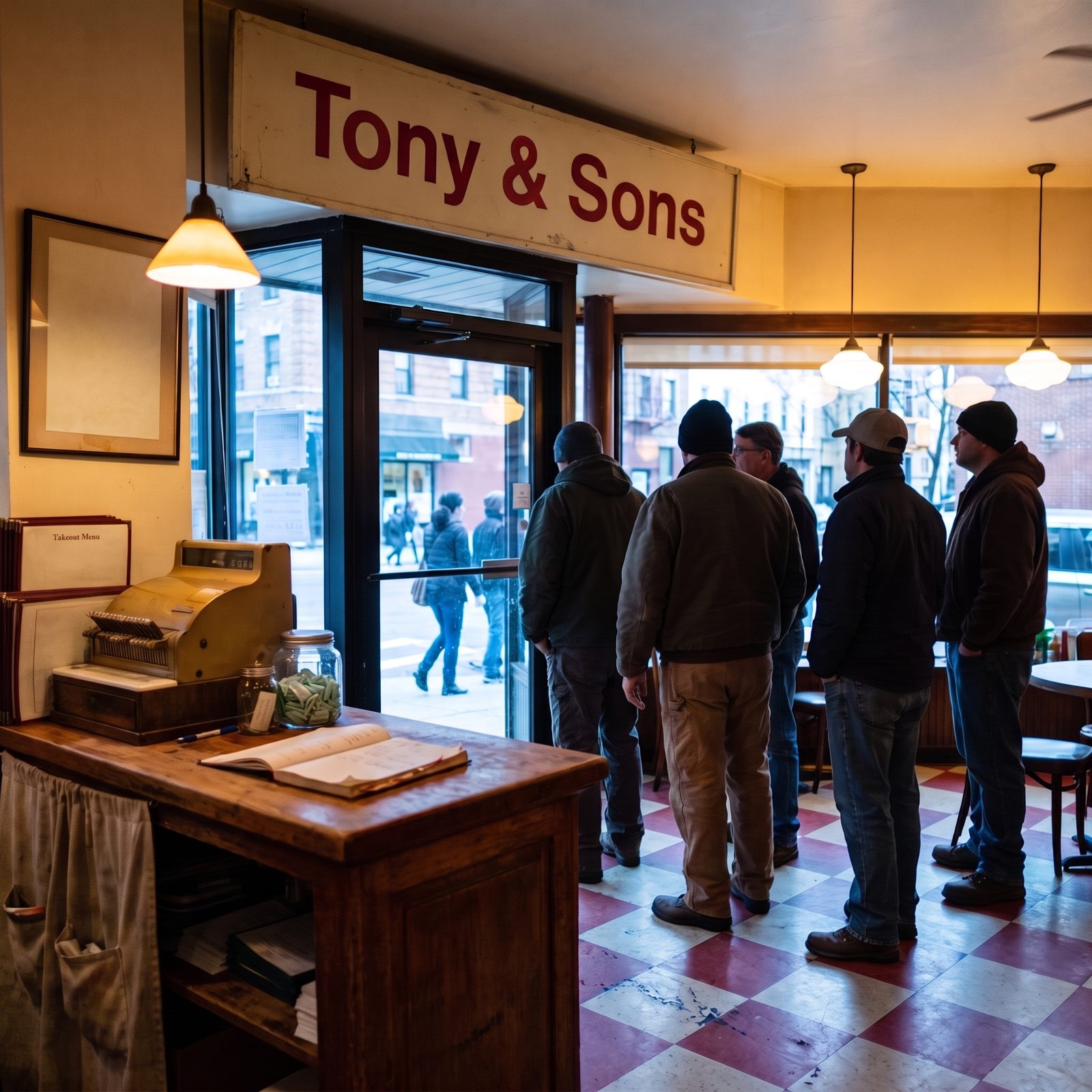
A line outside a loud, flashy place means marketing. A line outside a plain one means something else entirely.
So watch who’s actually standing there. Tourists with their phones out? Be skeptical. But if it’s locals in work jackets who clearly came straight off the job, nodding at the host like they’ve done this a hundred times, you’ve found it. These are people with every cheaper, faster option within a five-minute drive, and they picked the wait anyway.
Nobody waits in line for mediocre food twice. A regular crowd at an unremarkable door is a verdict reached slowly, over years, by folks who have nothing to gain by being there except the meal. That’s the most honest review a restaurant can get.