
Would you like to save this?
A spoonful of powdered gelatin can do what three hours of simmering does. Nobody tells you that until you’ve burned a few dinners figuring it out the hard way. The best home cooks aren’t the ones with the drawer full of expensive knives — they’re the ones carrying a handful of strange little moves they picked up somewhere and never let go of. These habits look odd from the outside, cost almost nothing, and each one fixes a real problem that ambushes a home kitchen on some random Tuesday night.
Please note that some of the images in this article were created with the assistance of AI.
46. Stir Powdered Gelatin Into Quick Sauces for Slow-Cooked Body
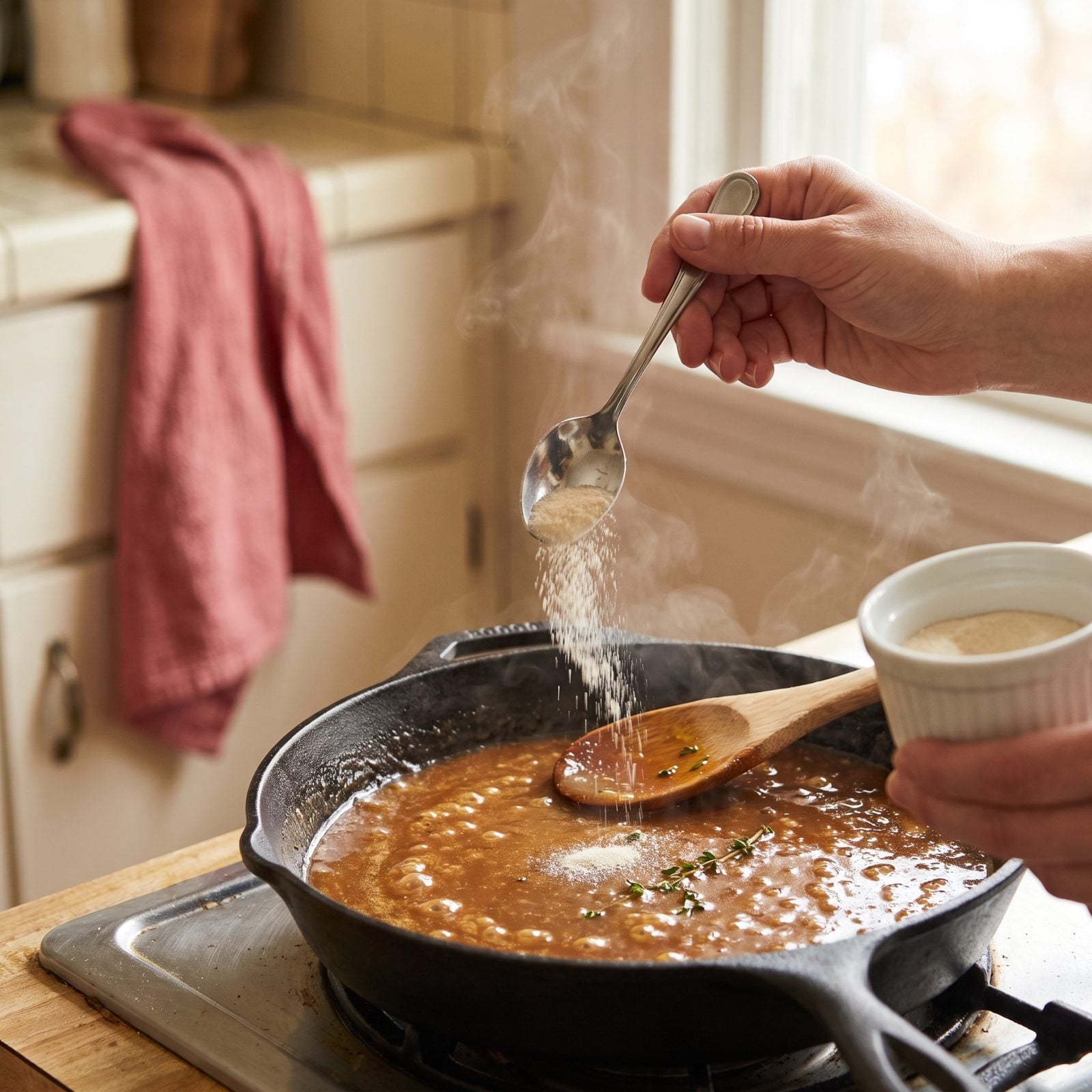
Restaurant sauces have a silkiness that clings to the spoon, and it’s tempting to assume it comes from hours of reduction or a shameless slug of cream. Usually it’s gelatin — the same thing that gives slow-simmered stock its body. Sprinkle a little plain powdered gelatin over a bubbling pan sauce, stir it in, and you get that lip-coating richness without babysitting a pot all afternoon.
It works because gelatin adds viscosity the way long-cooked collagen does. Nobody tastes gelatin. They taste something that feels finished.
45. Cool the Tasting Spoon Before Your Final Seasoning Check
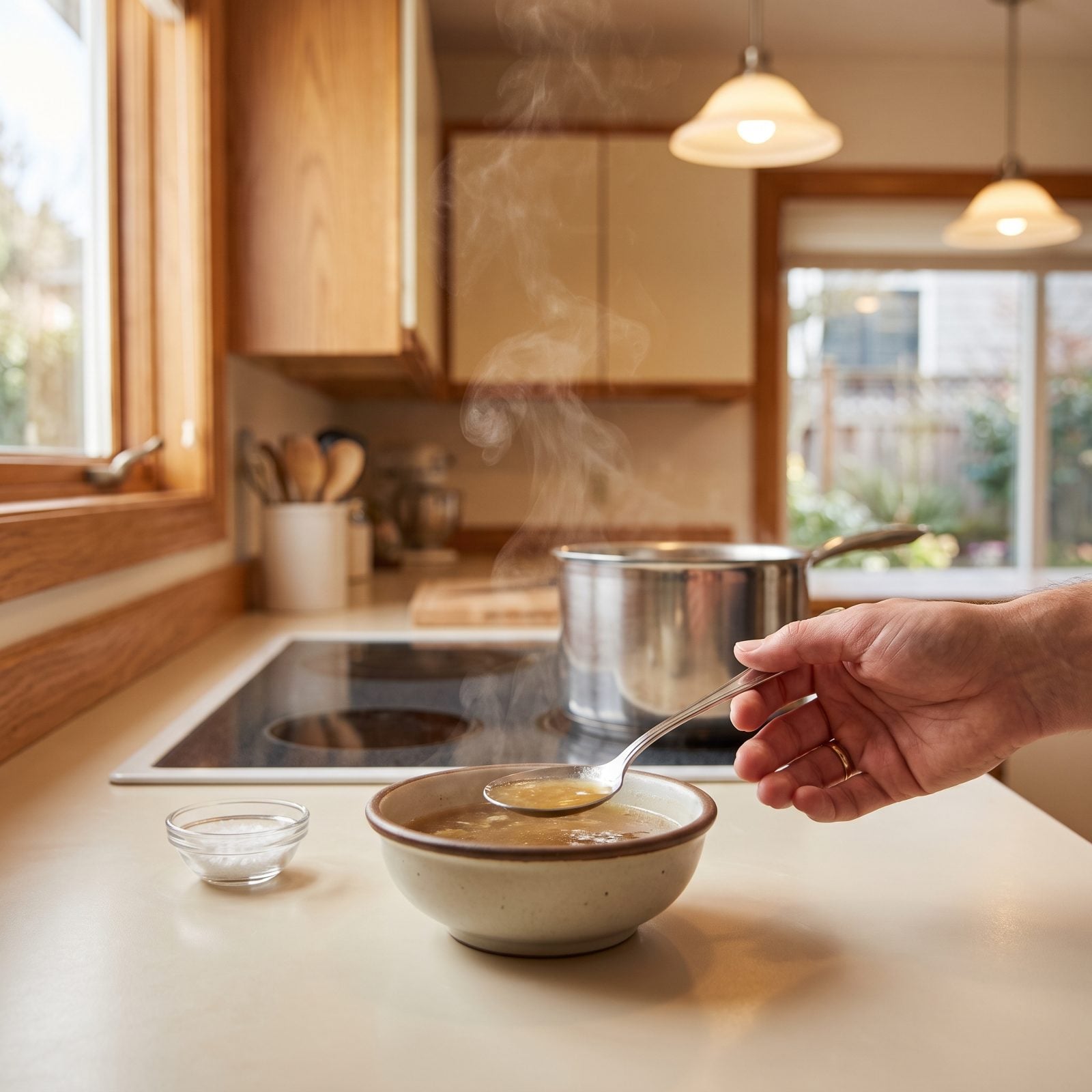
Hot food tastes different than warm food. Heat mutes salt and flattens acid, so the piping-hot spoonful you taste straight off the burner reads underseasoned — and you salt accordingly. Then it cools on the plate and tastes like a salt lick.
Let a spoonful sit for thirty seconds, closer to the temperature you’ll actually eat it at, and you get an honest read. This one small wait has saved more dinners than any fancy flaked salt ever will.
44. Start Mushrooms in a Dry Pan for Real Browning
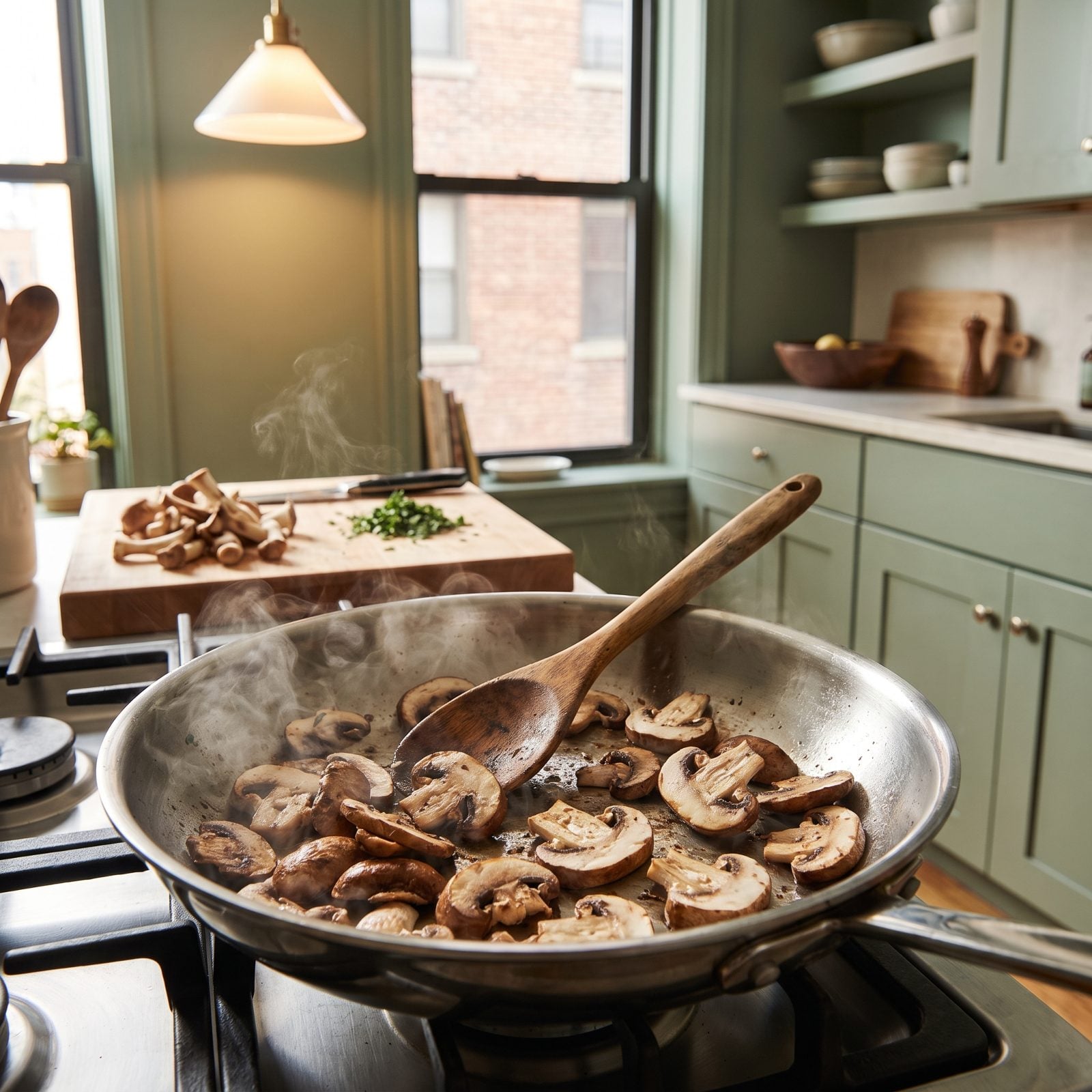
Mushrooms are mostly water, and water is the enemy of browning. Toss them into hot oil and they dump their liquid into the pan, then steam in it, going gray and slippery instead of golden.
So start them in a dry pan over medium-high heat with nothing but the mushrooms. They release their water, it evaporates, the pan goes dry, and only then do they start to brown and firm up. That’s your cue to add butter or oil for flavor. What you get is deeply browned, meaty mushrooms instead of sad boiled ones — and you use less fat getting there.
43. Crumple and Wet Parchment So It Hugs Any Pan
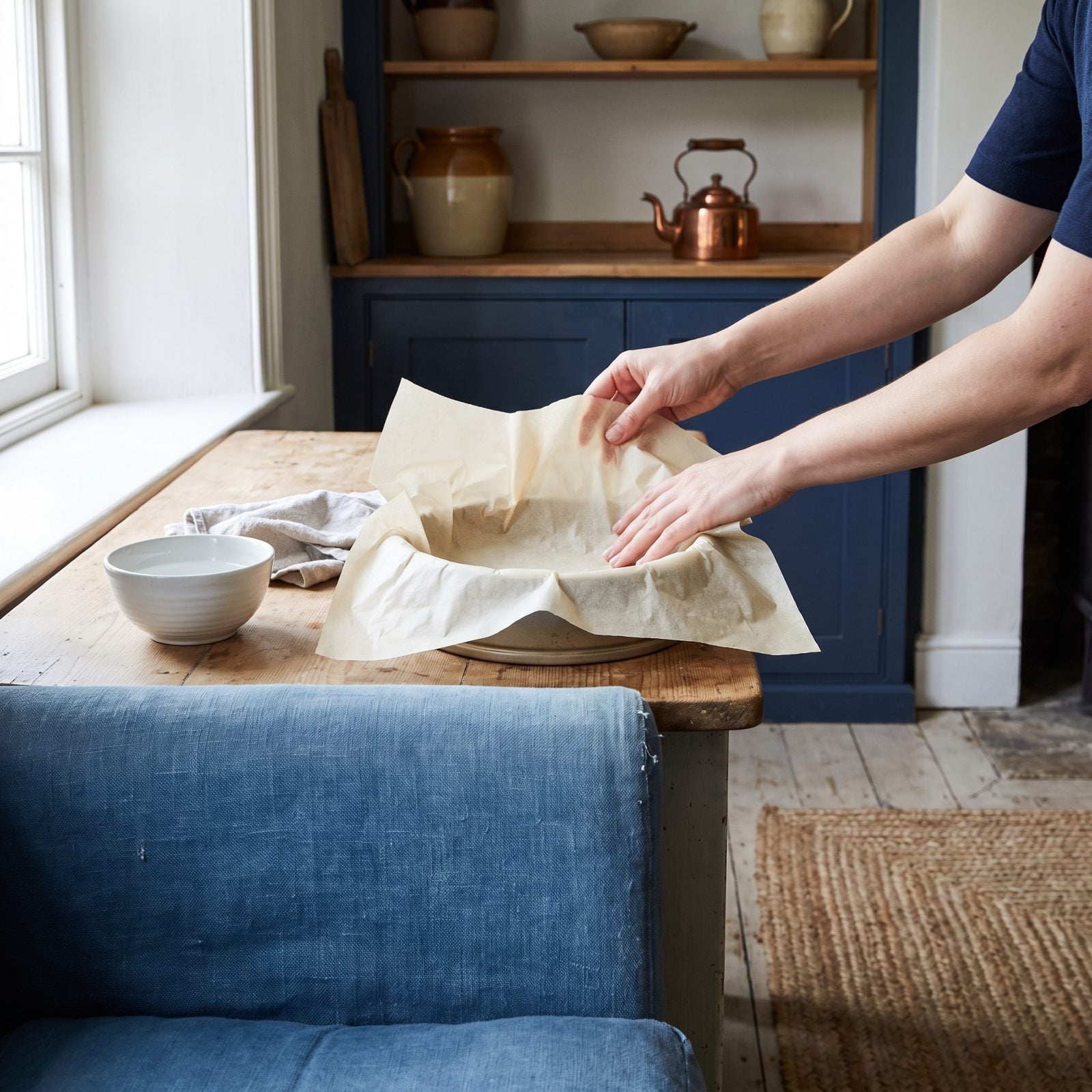
Flat parchment fights you. It curls up at the edges, springs back, flat-out refuses to sit down in a round pan or a loaf tin. The fix is almost insultingly simple: crumple the sheet into a ball, run it under water for a second, then open it back up.
Crumpling breaks the stiffness and the dampness makes it drape. It settles into corners and up the sides of nearly any pan like it was cut to fit, which of course it wasn’t. Four seconds, costs nothing, and it feels like cheating.
42. Add a Pinch of Baking Soda to the Dried Bean Pot
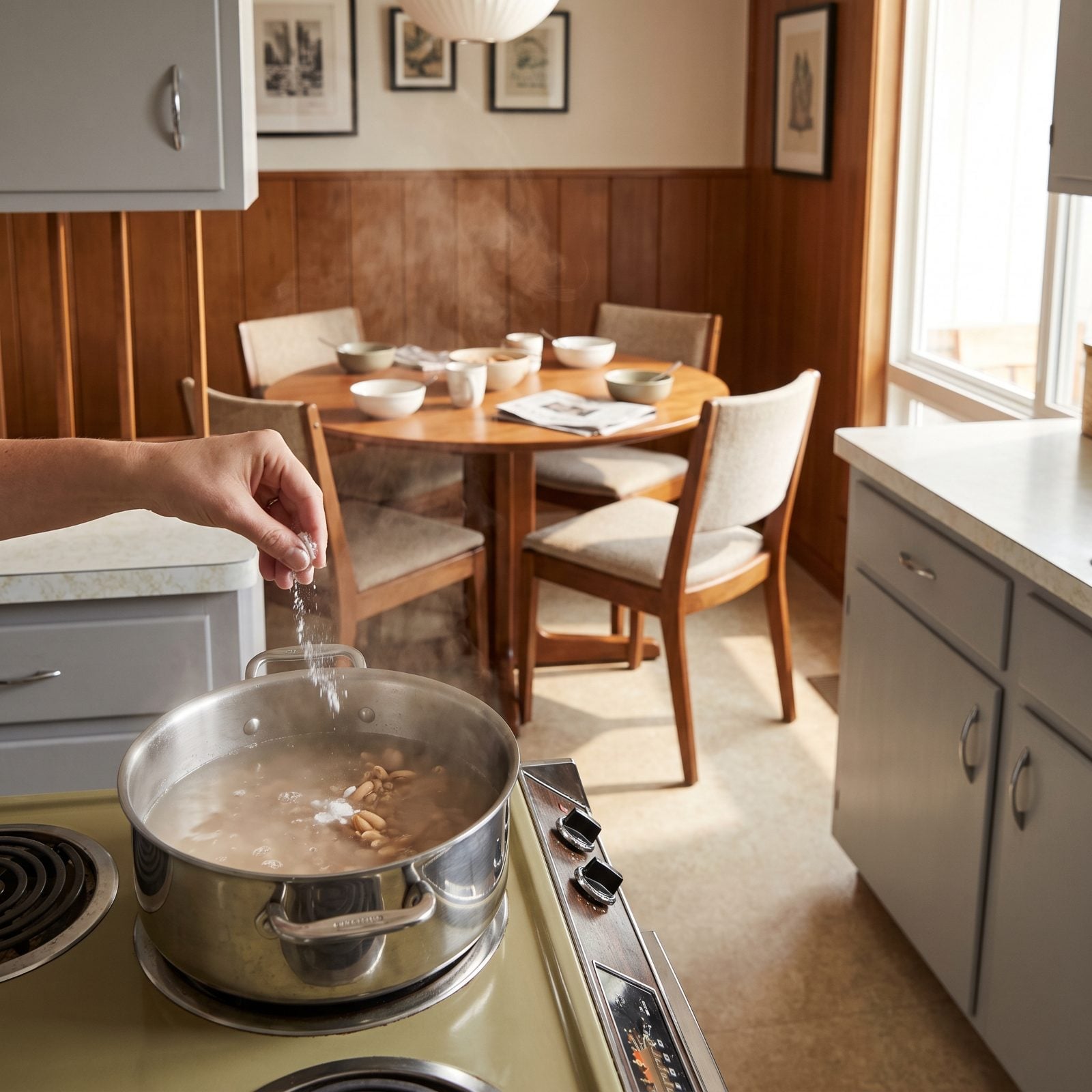
Stubborn beans that stay chalky in the center after an hour of simmering need help no recipe bothers to mention. A small pinch of baking soda in the cooking water raises the pH, which softens the beans faster and more evenly.
Go easy, though. Too much and they turn to mush with a soapy edge and a weirdly slick skin. A genuinely small pinch per pot is the target. It helps most if your tap water runs hard, since hard water fights tenderness. Cheaper and faster than a pressure cooker you’ll use twice and then shove to the back of a cabinet.
41. Separate Eggs Cold, Then Whip the Whites Warm
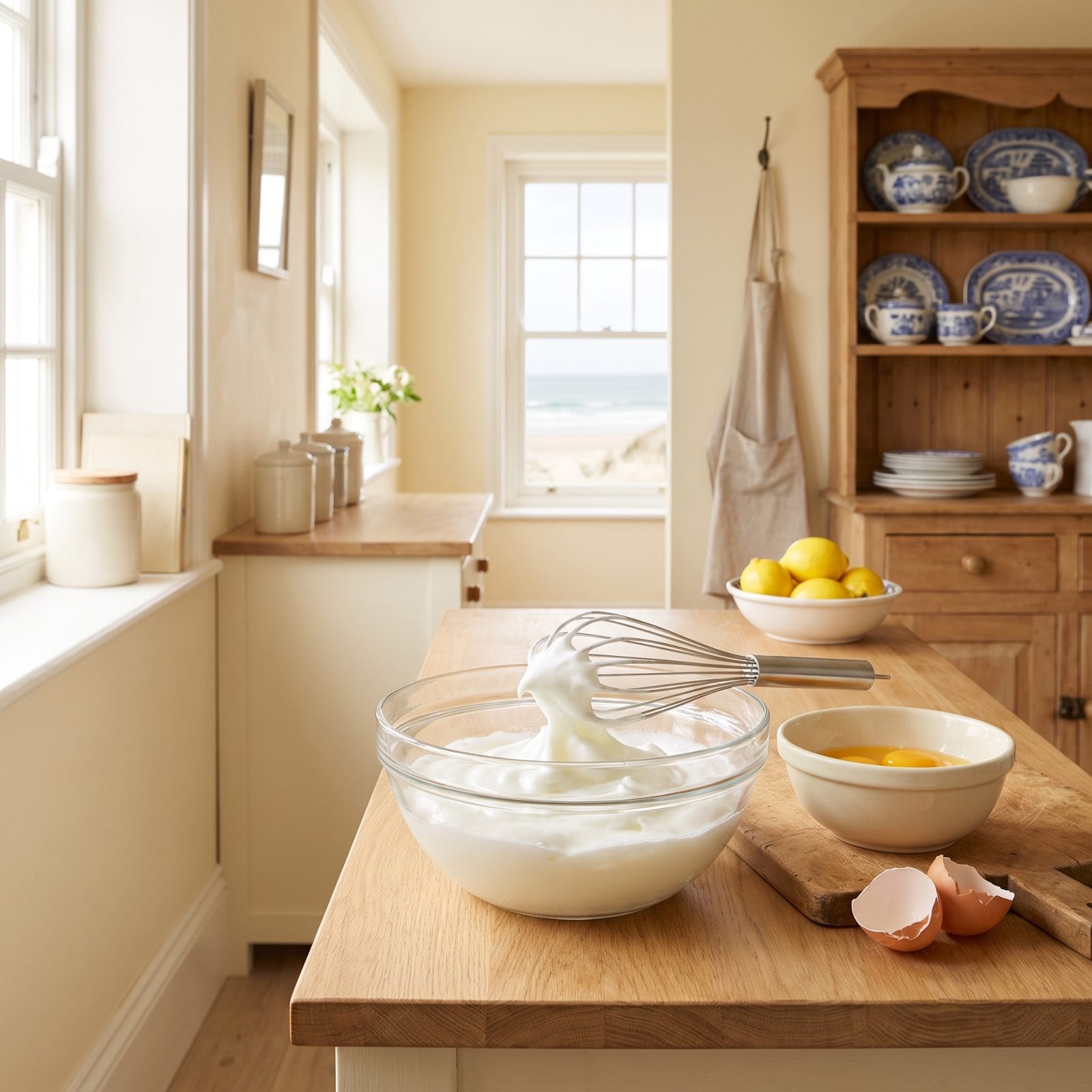
This one feels backwards, so follow the logic. Cold eggs separate clean, because the yolk is firm and less likely to break and bleed into the whites. Even a speck of yolk wrecks a meringue, so cold is the safer bet at the cracking stage.
But cold whites whip up tight and low. Let the separated whites sit out until they lose their chill and they whip faster, higher, fluffier. Separate cold for a clean break, then warm them up for the loft. Two goals, two temperatures, one slightly odd little routine.
40. Measure Your Spices Away From the Steaming Pot
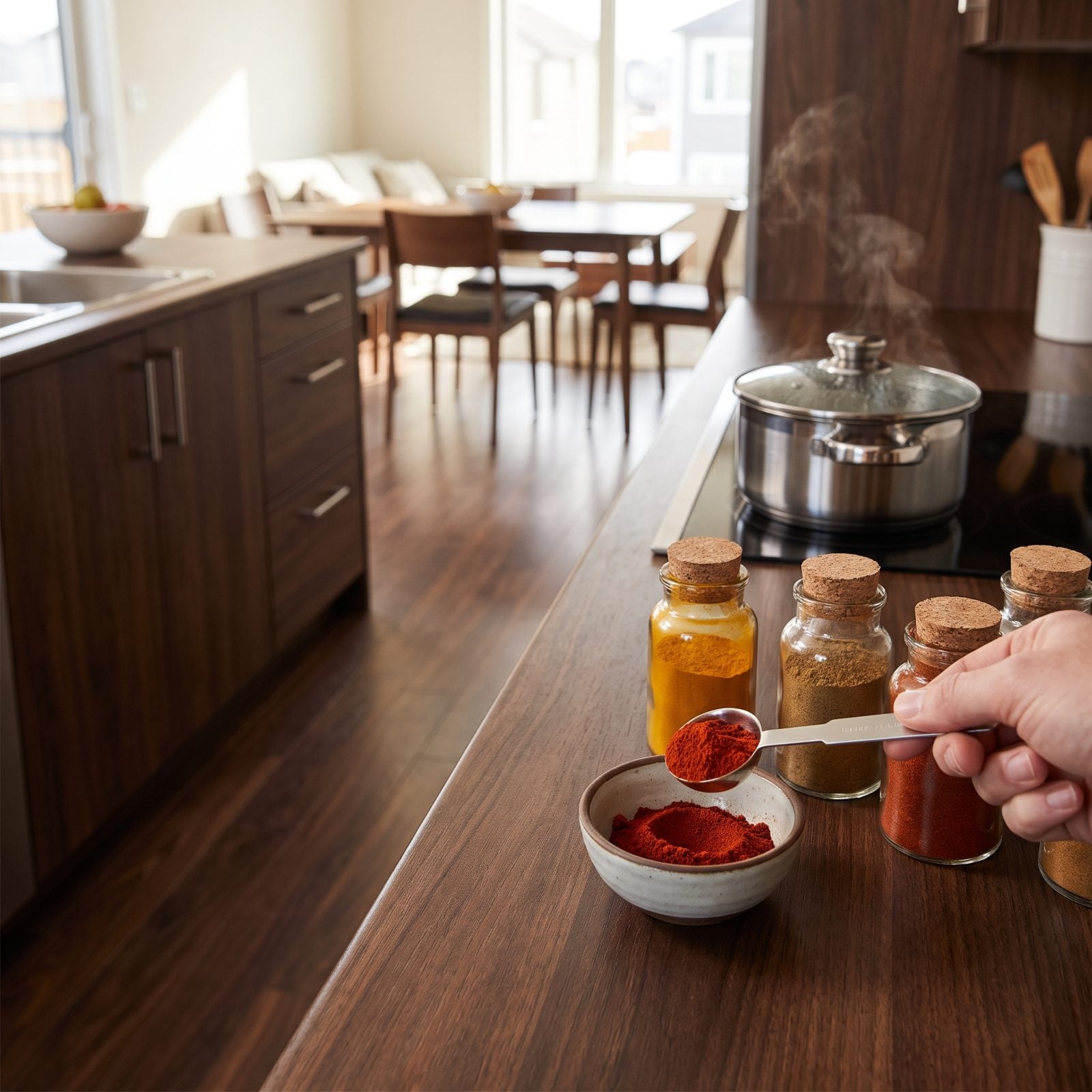
You’ve done this. You hold the open spice jar over the bubbling pot, tip it, and a cloud of steam rolls right up into the jar. A week later that paprika has set into a brick and your whole spice shelf smells faintly of last Tuesday’s chili.
Steam carries moisture, and moisture is what turns loose spices into stale, caked lumps. Measure over a bowl or a plate a step away from the stove, then carry it over. Dry and loose means potent and free-pouring for months longer. A small habit that quietly saves you from tossing half a rack of spices.
39. Pull Part of the Garnish Before the Cooking Starts
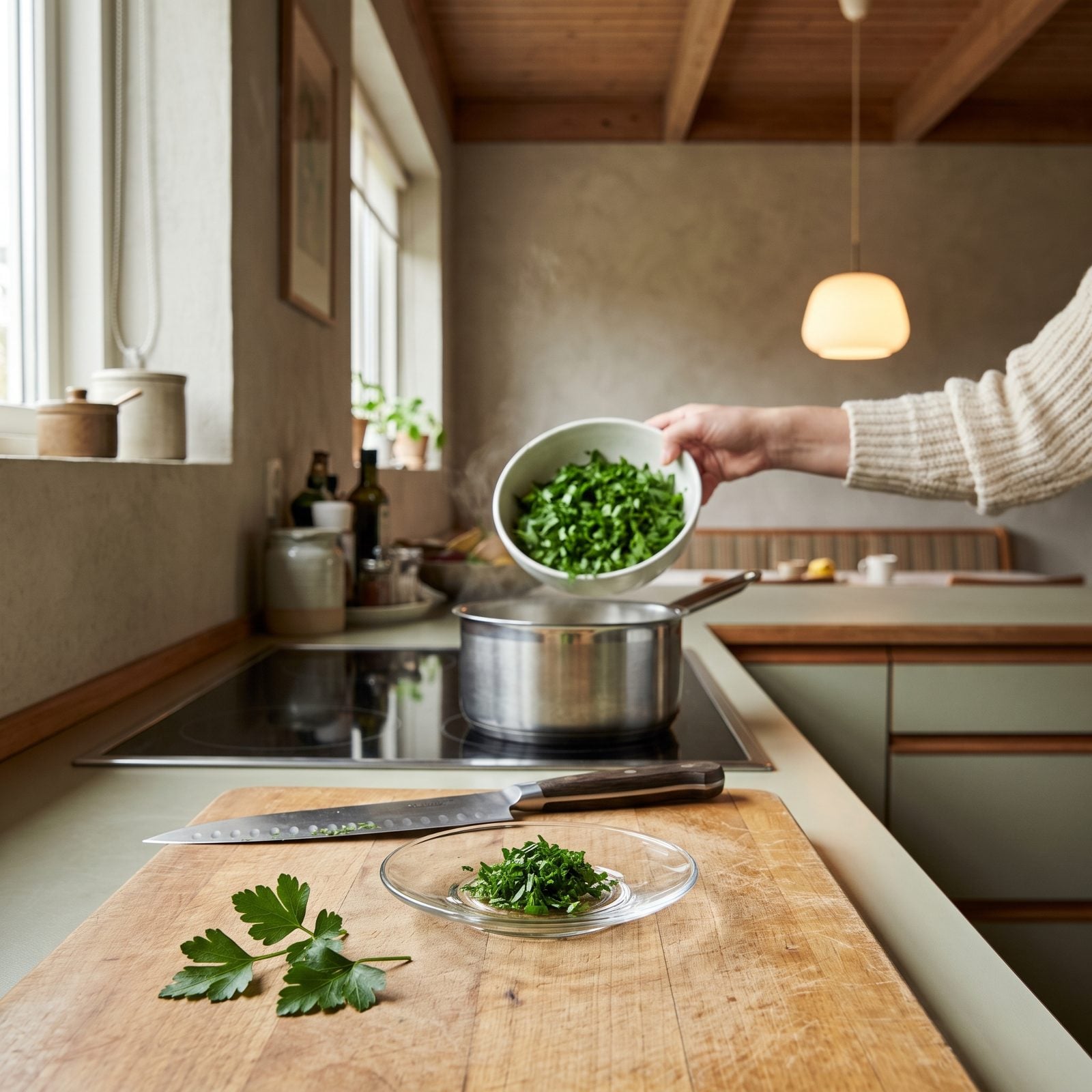
Herbs cooked for forty minutes taste like nothing. That grassy brightness that makes a bowl of soup smell alive just cooks right out. The move most recipes bury: split your herbs. Some go in early for depth, a handful gets held back for the very end or scattered on at the table.
Chop it all at once, then set the finishing portion aside in a small dish before you cook. It’s an organization trick as much as a flavor one. When dinner’s done and the kitchen’s at peak chaos, your garnish is already sitting there, bright and untouched.
38. Shake a Few Drops of Fish Sauce Into Stews and Braises

Would you like to save this?
The bottle smells alarming. The results do not. A few drops of fish sauce in a beef stew, a bolognese, even a pot of chili vanishes completely and leaves behind a deep, savory backbone your tasters will never place.
It’s pure umami — the same glutamate punch you get from aged parmesan or long-simmered bones — except you can add it by the drop. Nobody will know it’s in there. They’ll just notice the stew tastes richer than it has any business tasting after only an hour on the stove.
Used right, fish sauce is invisible. If you can taste the fish sauce, you used too much.
37. Drop a Parmesan Rind Into the Soup Pot
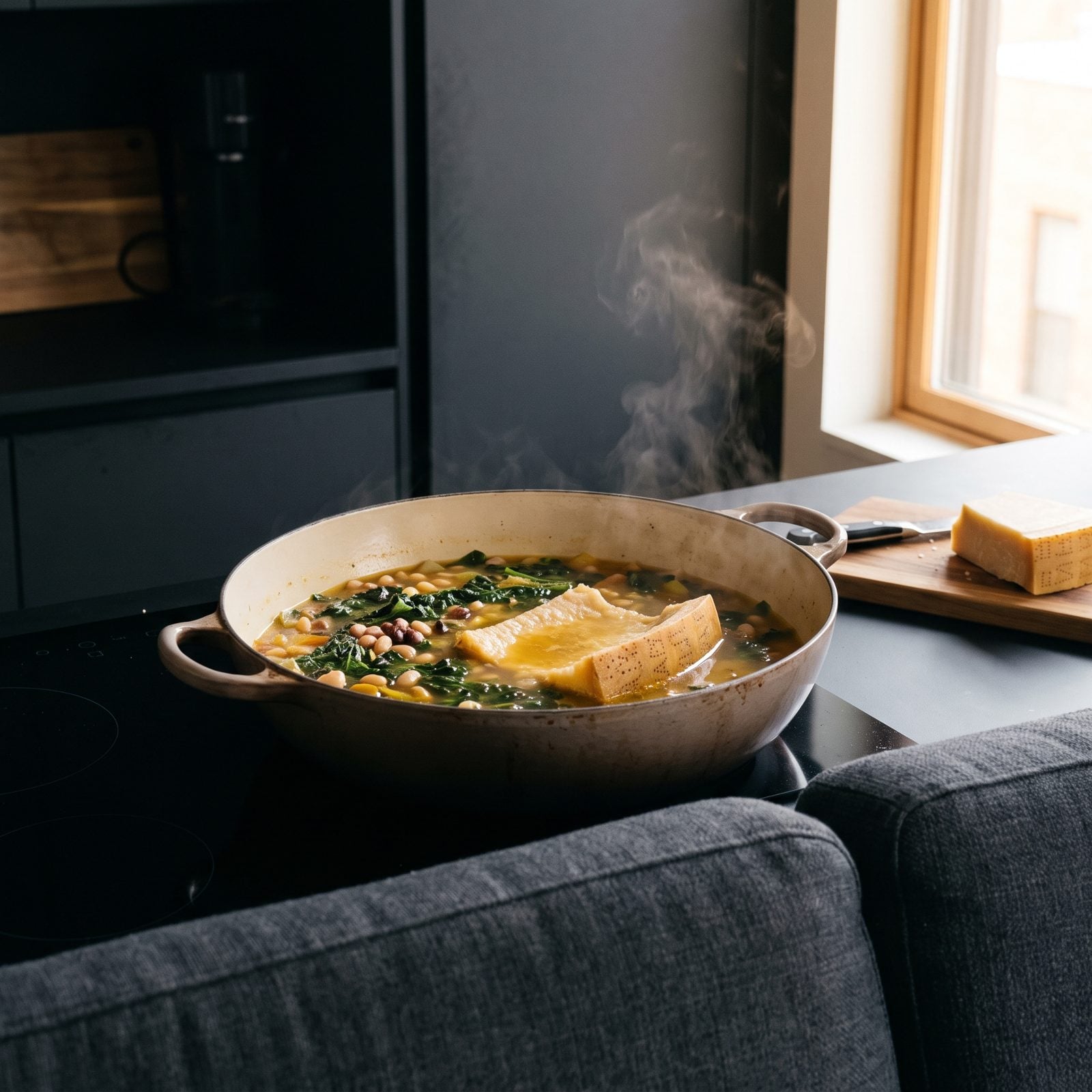
Stop throwing out the hard end of the parmesan. That dry rind nobody wants to grate is a flavor bomb waiting for a pot of soup. Drop it in with the broth, let it simmer, fish it out before serving.
As it warms, it leaks a savory, faintly cheesy richness into the whole pot — the kind of background note that makes minestrone or white bean soup taste like it wandered out of a nonna’s kitchen. Keep a bag of rinds in the freezer and you’ll always have one on hand. Honestly, getting real flavor out of something you were about to trash never stops feeling like a small win.
36. Adds a Pinch of Baking Soda to Onions to Speed Up Browning
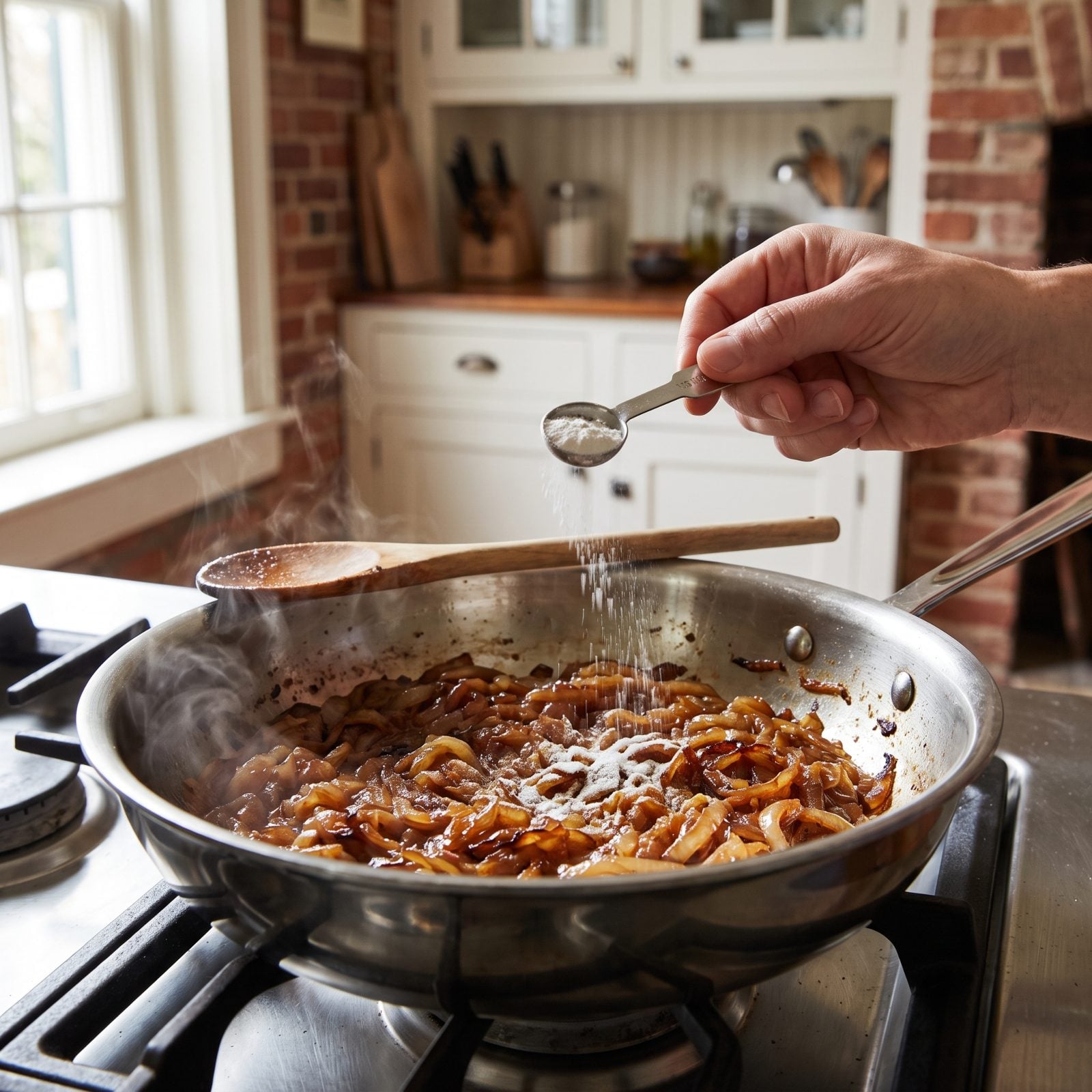
Caramelizing onions the honest way takes close to an hour of patient stirring. A small measuring spoon of baking soda sprinkled over the pan cuts that down dramatically, and it feels like cheating because it basically is. The alkaline environment speeds up the Maillard reaction, so the onions brown in a fraction of the usual time.
The catch nobody mentions: too much and you get mushy, soapy onions with a weird metallic edge. Go light. One tiny measuring spoon for a full pan, not a heaped tablespoon. And expect them to break down softer than usual, which is perfect for soups and jams, less ideal if you want distinct strands.
35. Swirls Cold Butter Into Sauces Off the Heat
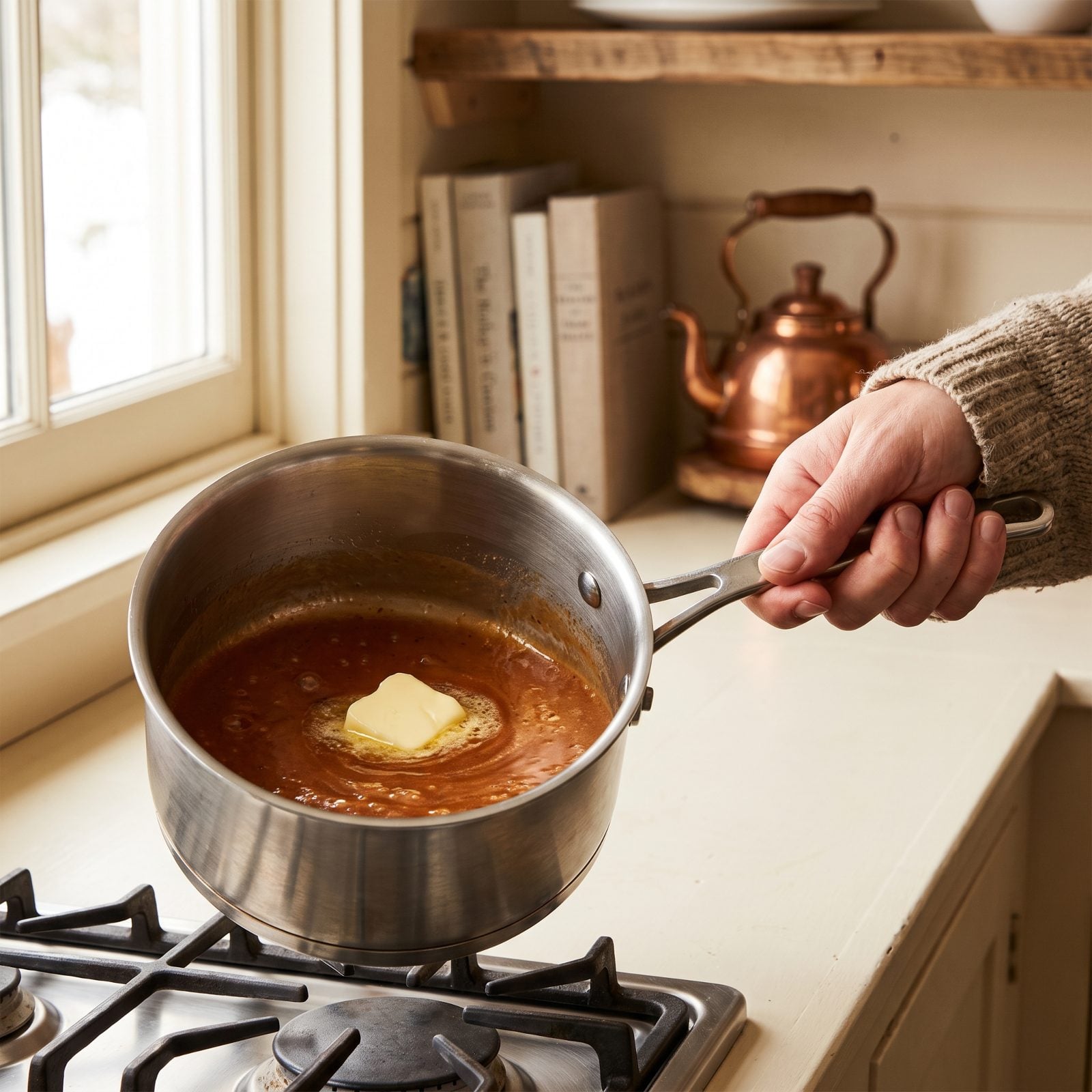
This one is called monter au beurre, and it’s why restaurant pan sauces look like liquid silk while yours looks like a greasy puddle.
Pull the pan off the heat. Drop in cold butter, a piece at a time, swirling constantly. The cold fat emulsifies into the liquid instead of melting into a slick, and you end up with a sauce that clings to the back of a spoon and tastes rounder, richer, less sharp.
Do it over high heat and the emulsion breaks instantly. The whole trick lives in that gap just below a simmer.
34. Calibrates the Food Thermometer in a Glass of Ice Water
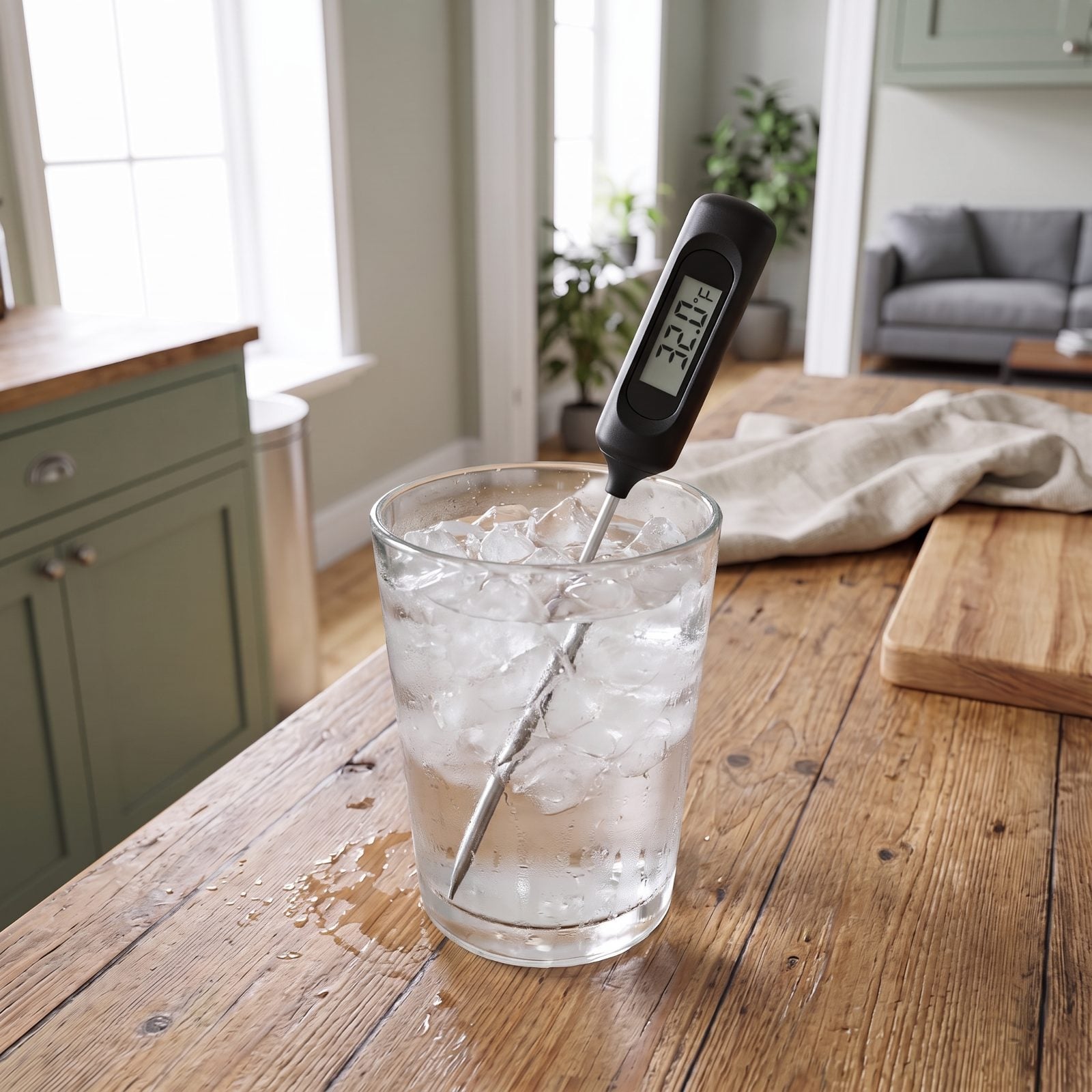
Your thermometer lies, and you’ve probably never checked. Most home cooks trust whatever number pops up and never once test the thing. That matters enormously the day you’re pulling chicken off a grill and guessing whether 161 is really 161.
Fill a glass with crushed ice, top with cold water, stir, and let it settle for a minute. A correct thermometer reads 0°C (32°F) in that slush. Off by a few degrees? Many digital models have a reset, and with the cheap ones you simply learn to adjust for it in your head.
33. Freezes Fresh Ginger for Effortless Fine Grating
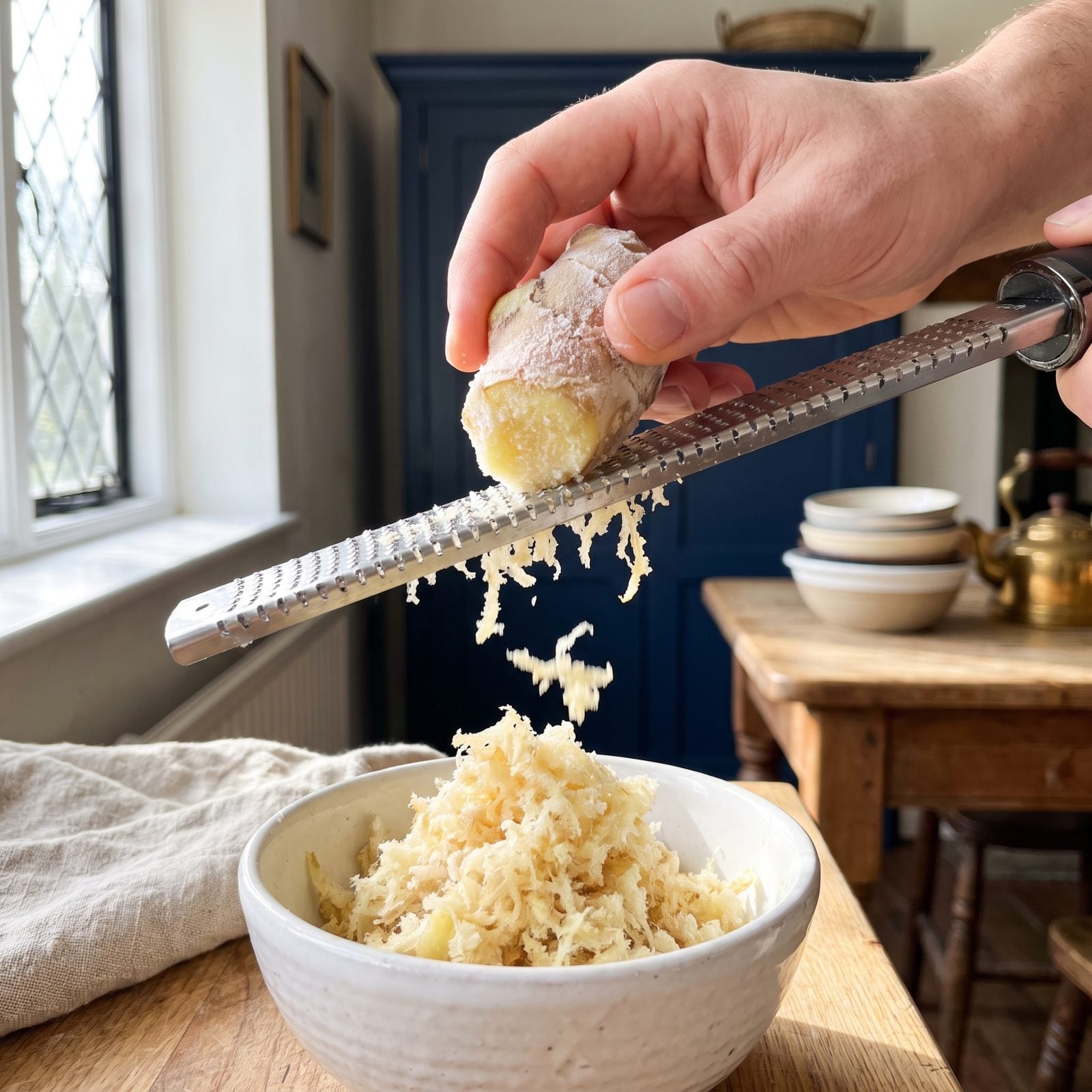
Fresh ginger is a fibrous nightmare to grate. The strings catch, the flesh mushes, and you lose half of it to the grater teeth.
Keep a knob in the freezer and the whole problem disappears. Frozen ginger grates into a light, fluffy pile of shreds because the fibers stay rigid instead of smearing into mush. No peeling needed, either. The skin grates right in and you’ll never notice it, and it thaws into the pan in seconds. Lasts for months in there, too, so there’s no reason to let a shriveled brown stub die in your crisper drawer again.
32. Grates Frozen Butter Straight Into Biscuit and Pastry Dough
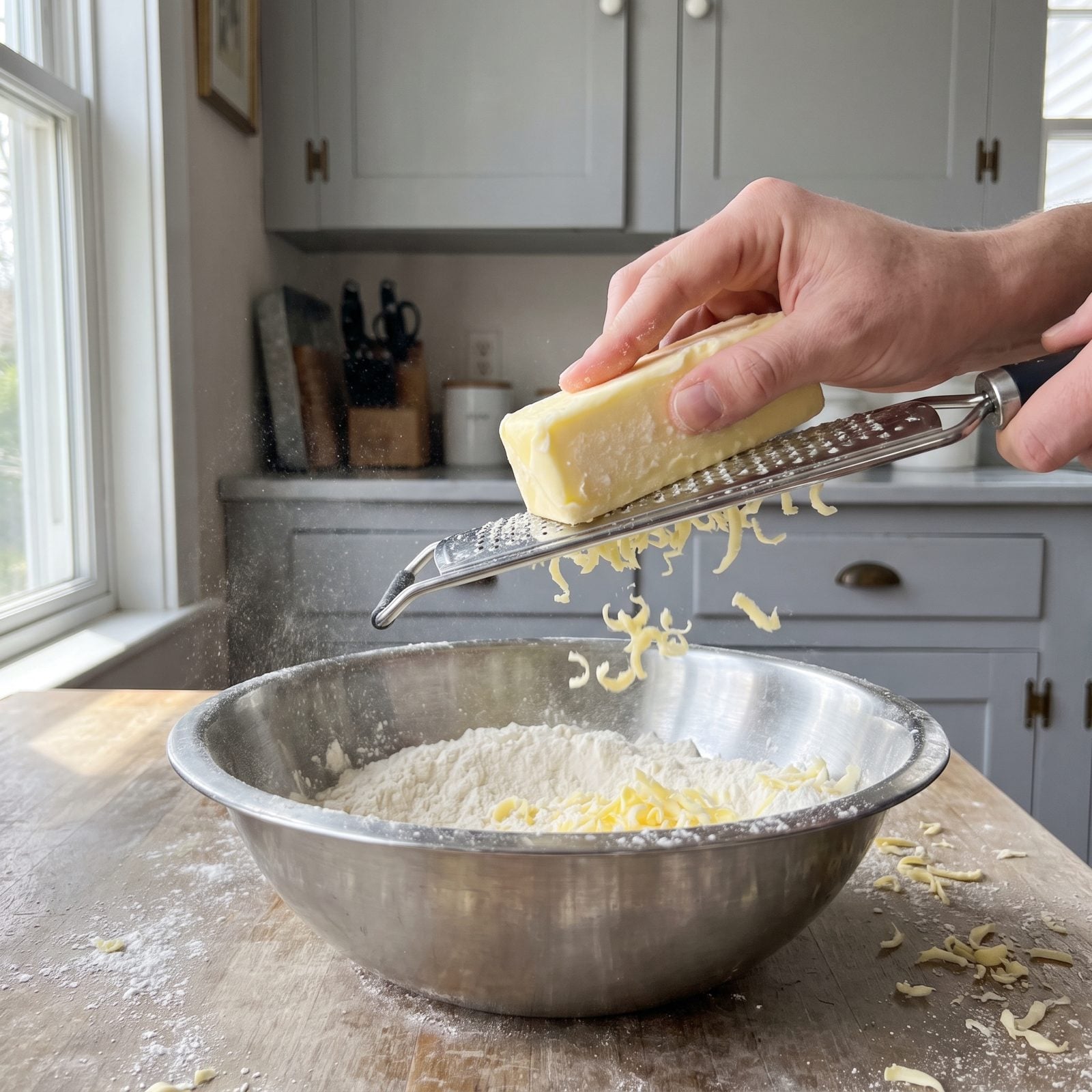
Flaky biscuits depend on cold butter staying in distinct little pieces until the oven hits them. Cut it in by hand and it warms up, smears, and you lose the layers before you’ve even baked.
Grate a frozen stick straight into your flour instead. You get even, pea-sized shreds in seconds — no pastry cutter, no warm hands softening everything. Toss them through the flour and they melt into steam pockets in the oven, which is where flake comes from.
Honestly? This is the move that finally turns dense, sad hockey pucks into biscuits that rise properly.
31. Steams Eggs Instead of Boiling Them for Easier Peeling
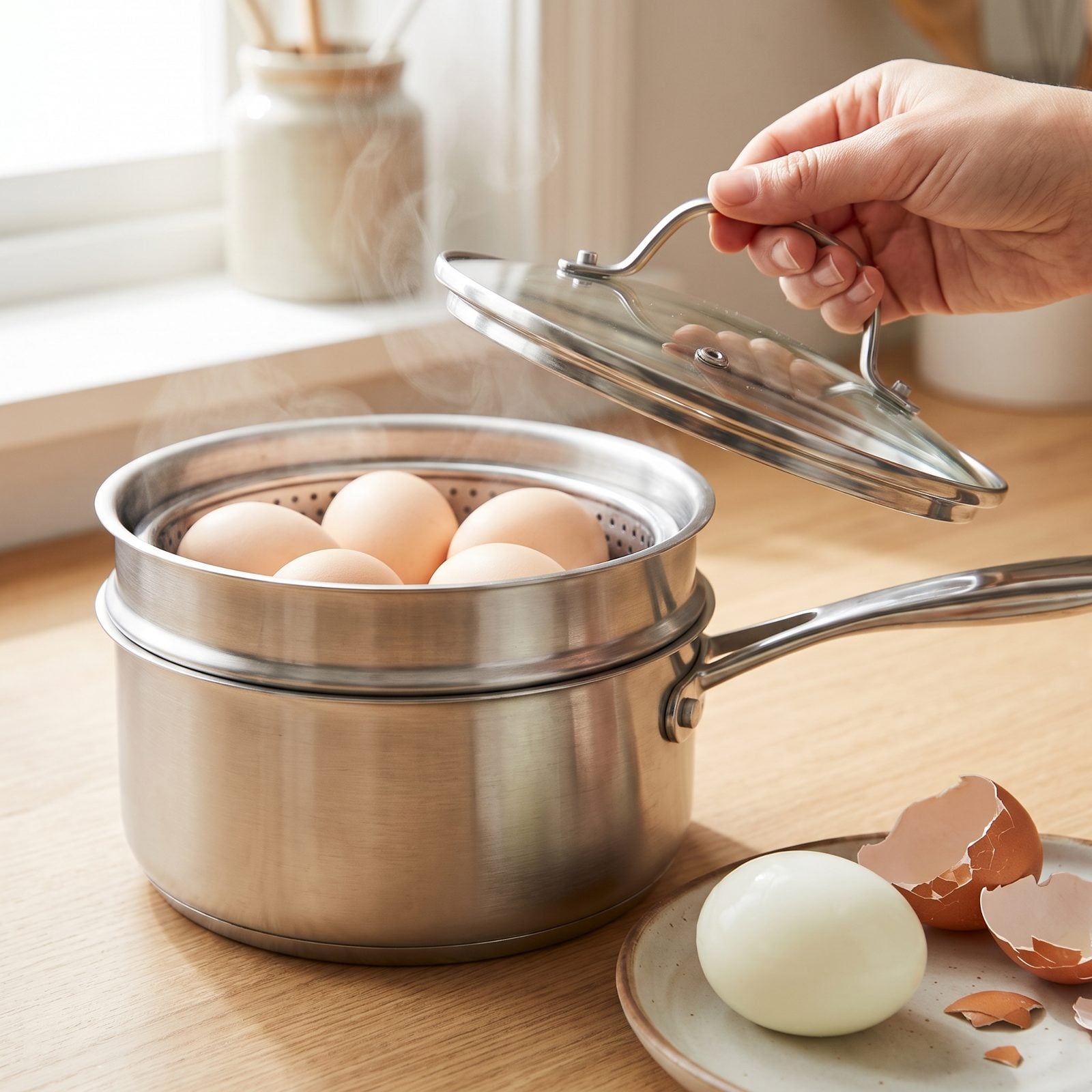
You know the fight with a stubborn shell, the one where half the white tears away and you’re left with a cratered mess? It has a stupidly simple fix.
Steam the eggs instead of boiling them. Set them in a basket over an inch of simmering water, lid on, and let the steam do the work. The gentle heat seems to loosen the membrane from the white, so the shell slips off in big satisfying sheets.
30. Roughens Parboiled Potatoes Before They Hit the Oven
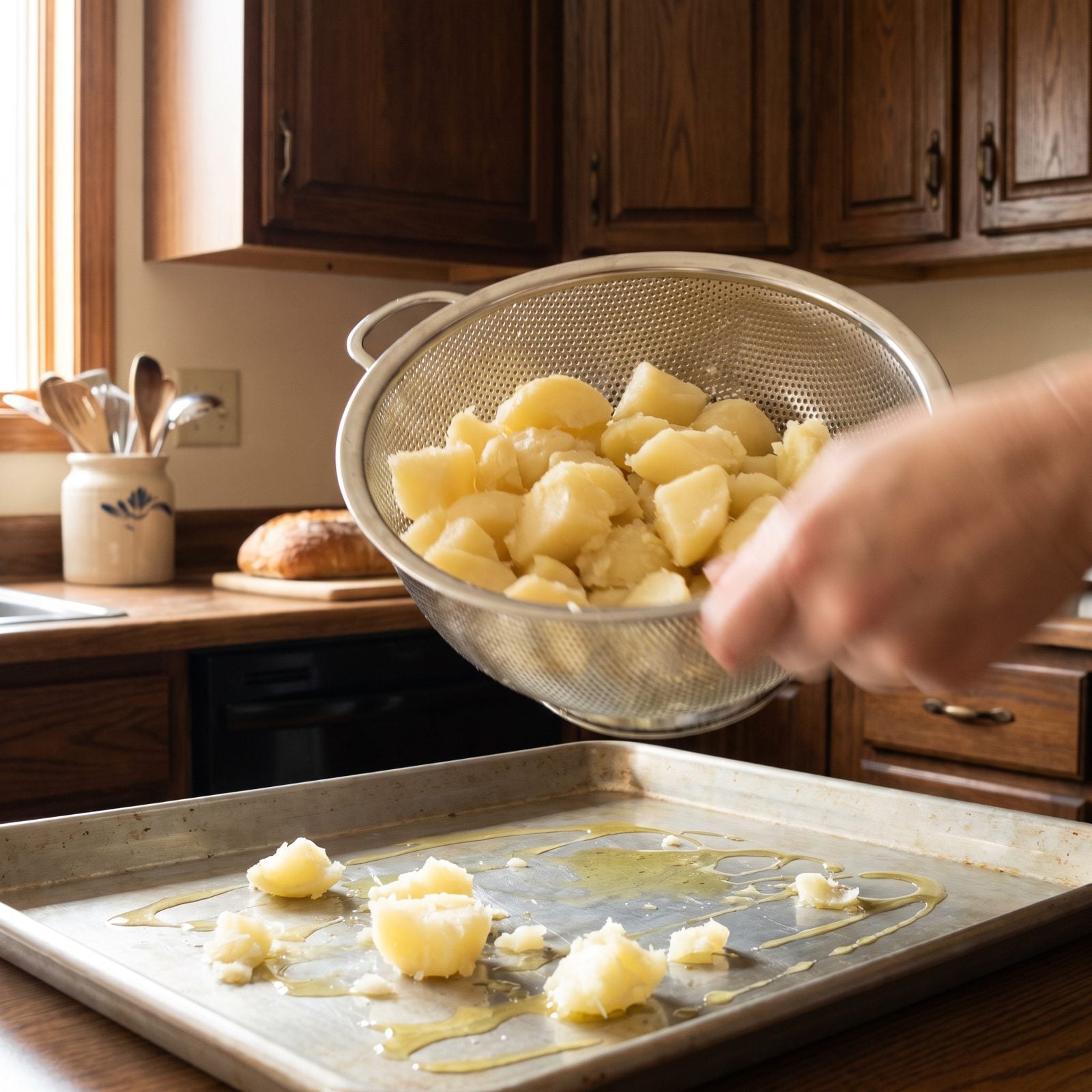
Smooth roast potatoes are a waste of an oven. All that crunch you’re chasing comes from surface area, and smooth skin has almost none.
Parboil the chunks until just tender, drain them, then shake them hard in the colander for a few seconds. The edges break down into a rough, fuzzy coating of broken starch, and that craggy surface crisps into a shattering, golden crust while the inside stays fluffy. Skip it and you get pale, waxy potatoes that never quite get there. The shaking is everything, and it takes about ten seconds.
29. Warms Whole Citrus Briefly Before Juicing
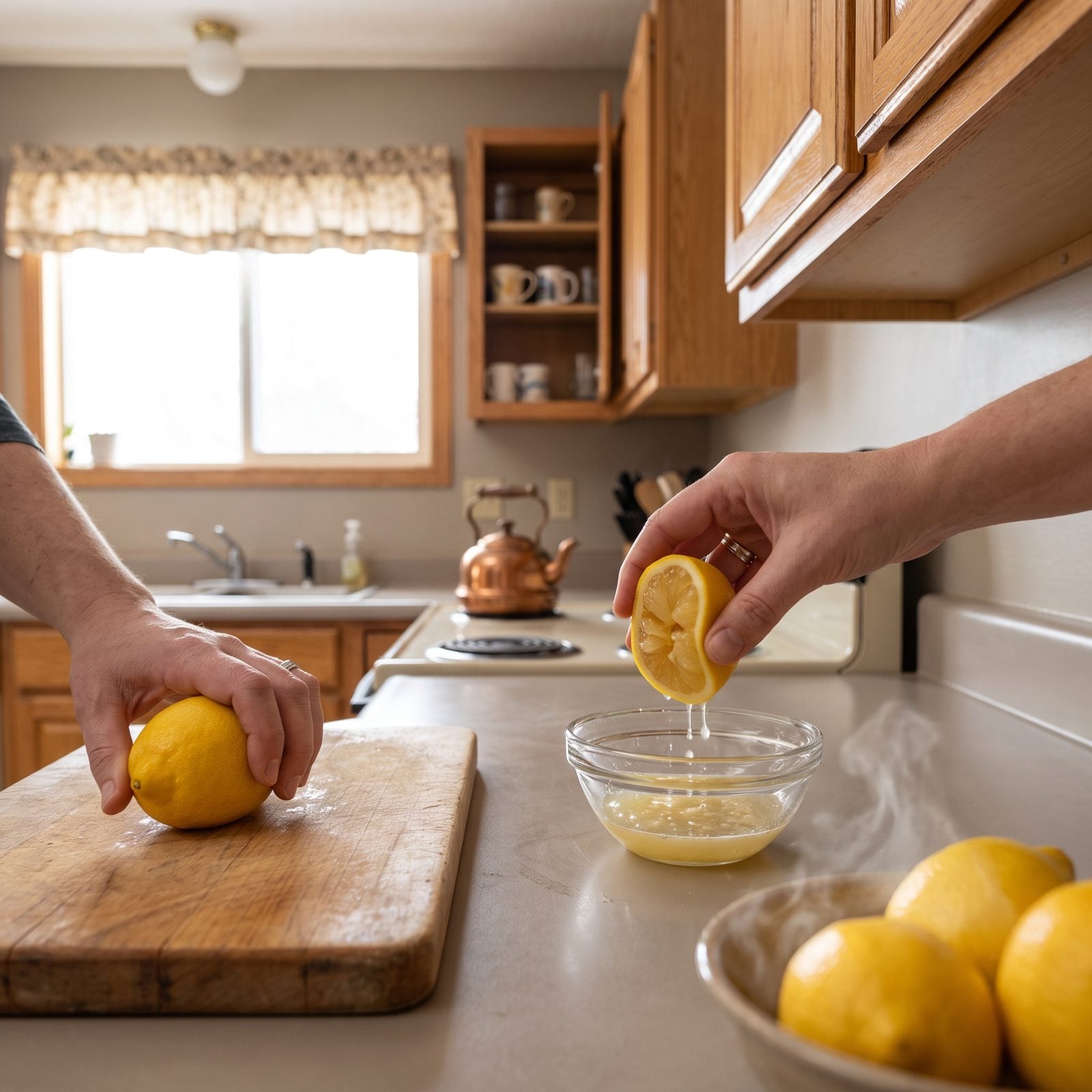
A cold lemon is a stingy lemon. You squeeze with everything you’ve got and get a disappointing trickle.
So warm it first. Fifteen seconds in the microwave, a minute in hot tap water, or just roll it firmly under your palm against the counter. The gentle heat and pressure soften the pulp and break down the little juice sacs inside, so you get noticeably more out of the same fruit. It’s the difference between half a tablespoon and a full one, which matters when a recipe actually wants the acid.
28. Coats Measuring Spoons With Oil Before Sticky Ingredients
Would you like to save this?
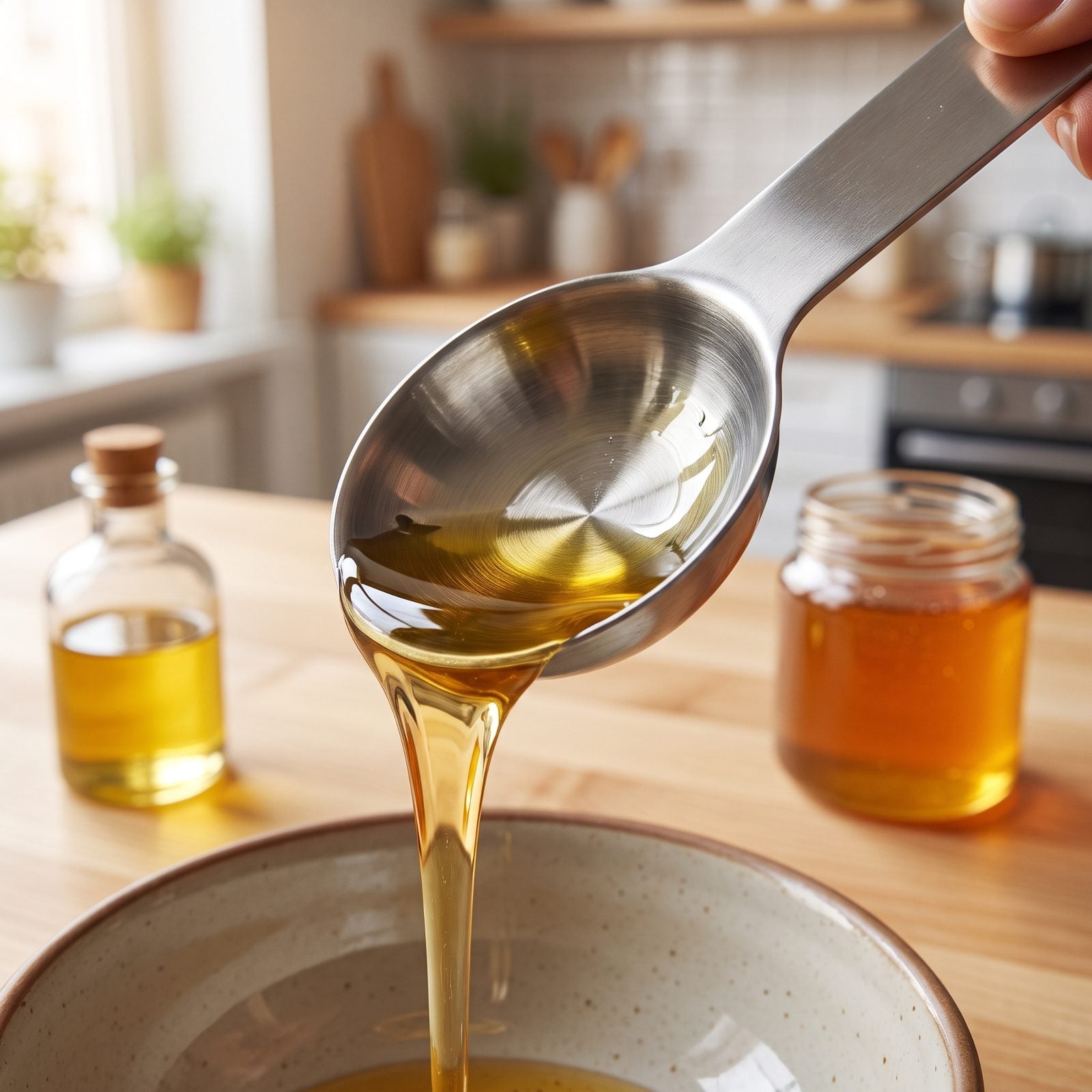
Honey clinging to a measuring spoon is one of those tiny daily annoyances you stopped noticing you were tolerating.
Give the spoon a quick swipe of neutral oil first, or measure your recipe’s oil before the honey in the same spoon. The sticky stuff slides right off, clean. No scraping with a finger, no half a tablespoon welded to metal and lost down the drain. Same works for molasses, maple syrup, peanut butter, anything gummy. A film of fat means it can’t grab the surface, so your measurement is accurate and your spoon washes in one pass.
27. Stores Natural Peanut Butter Upside Down to Stop the Oil Slick
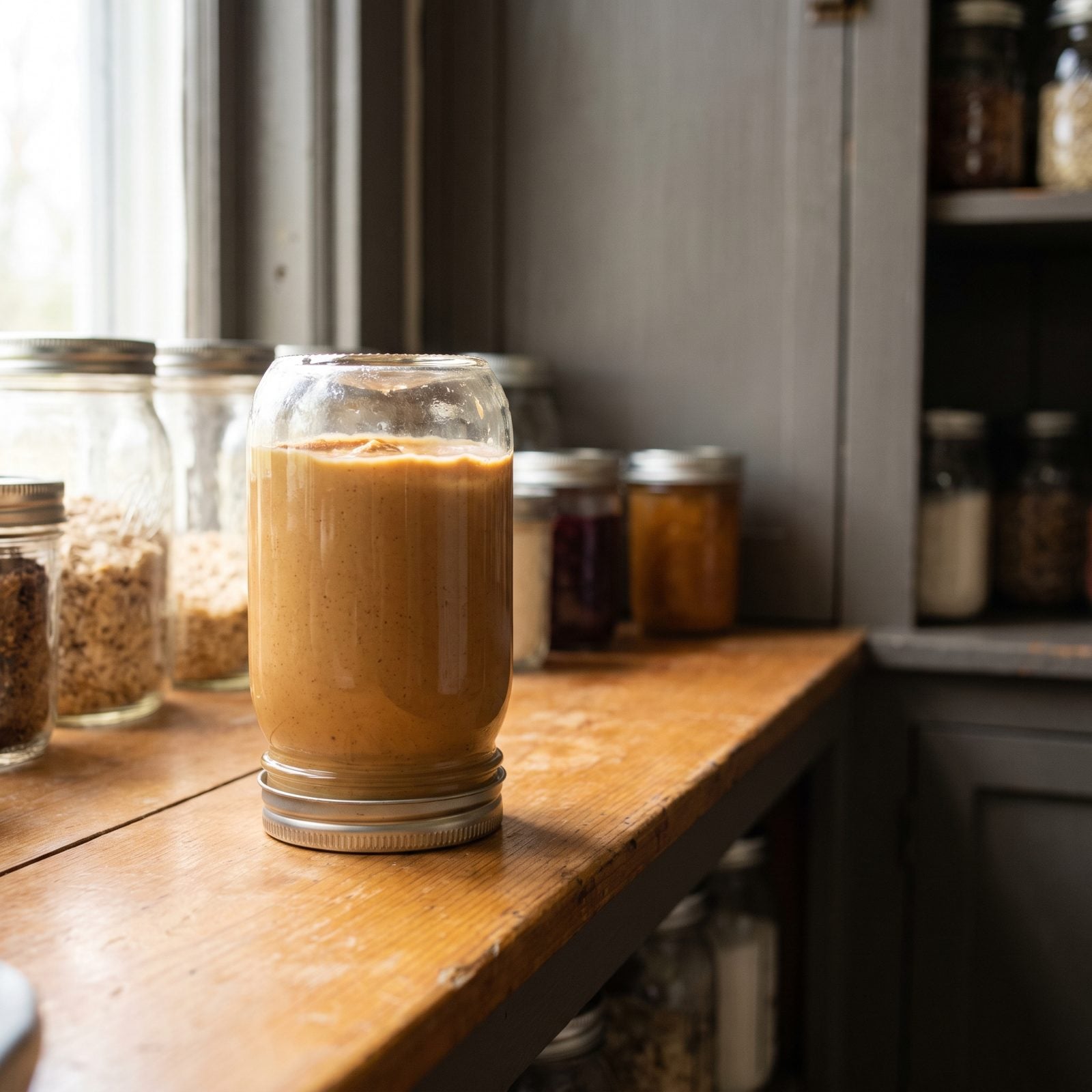
Natural peanut butter separates because there’s nothing in it holding the oil in place. Open a fresh jar and you’ve got an inch of oil on top and concrete at the bottom, and stirring it is a messy, splashy ordeal.
Store it upside down. The oil migrates up toward the base of the jar, which is now on top, so when you flip it right-side up to open it, the oil has to travel back down through the whole jar, redistributing as it goes. You still stir — but it’s a gentle fold instead of a battle.
26. Chill Soft Cheese Briefly Before Grating
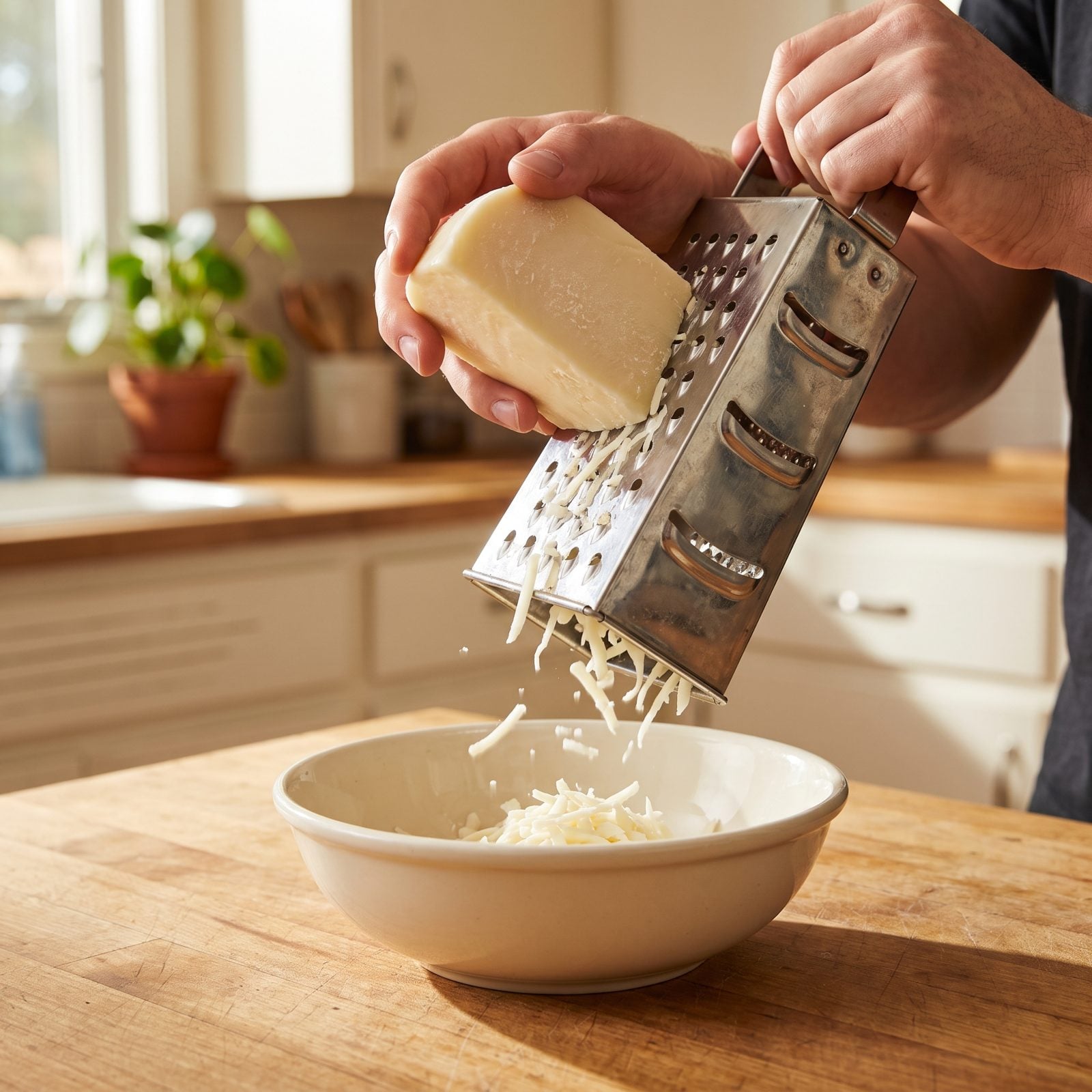
Soft cheese fights the grater. It smears, gums up the holes, and leaves you with a sad paste instead of clean shreds. But fifteen or twenty minutes in the freezer firms up the fat just enough to cut cleanly, and suddenly a block of fresh mozzarella behaves like a well-mannered cheddar.
This matters most for melting. Loose, even shreds spread heat across a pizza or a casserole, while a greasy clump collapses into one oily puddle. A thirty-second decision changes the whole top of the dish.
25. Store Tender Herbs Upright Like Cut Flowers
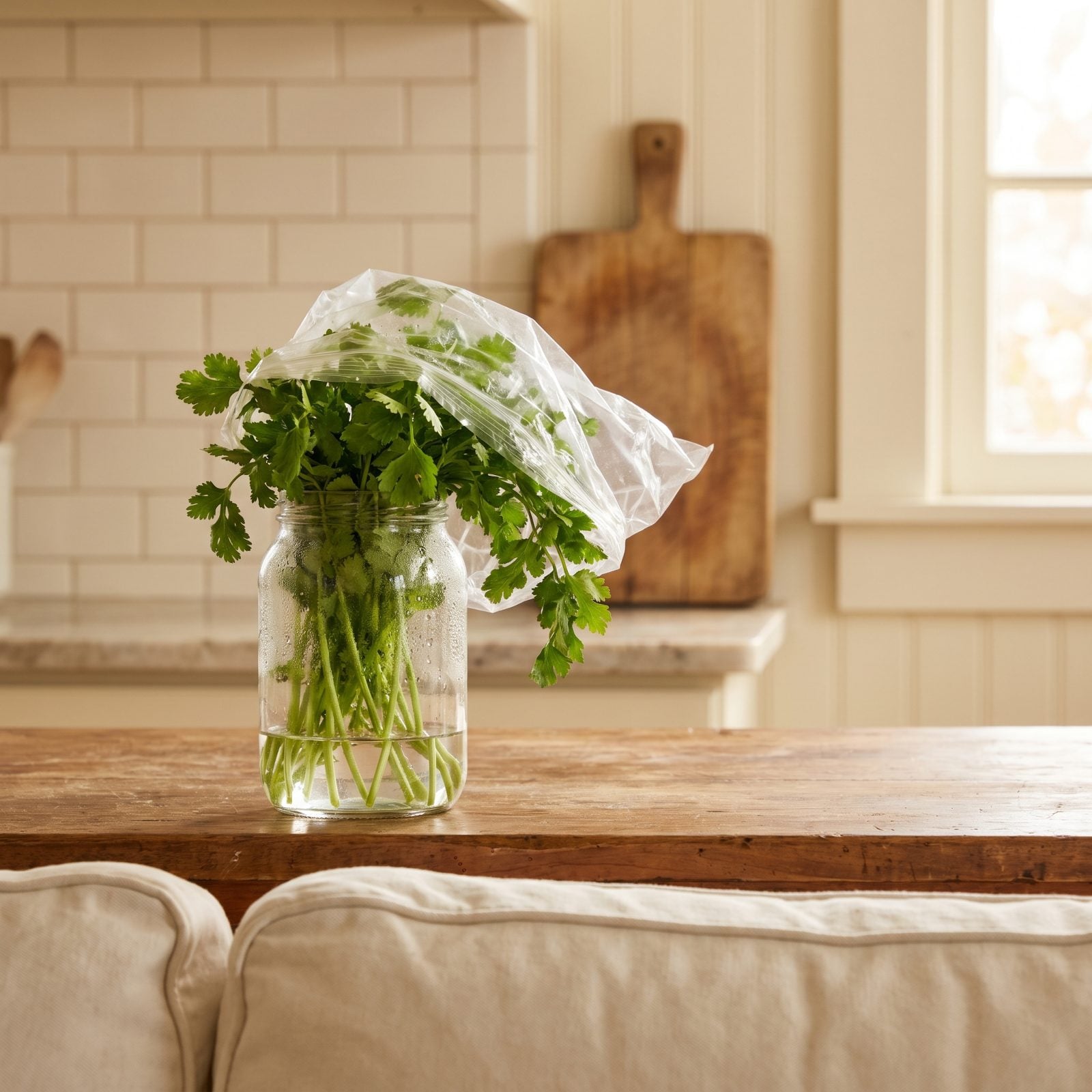
Cilantro and parsley rot in the crisper drawer, fast. Trim the stems, drop the bunch into a jar with an inch of water, and park it in the fridge like a bouquet, then loosely tent a bag over the top. That bunch now lasts a week and a half instead of three days.
Basil gets the same treatment. It hates the cold, so keep it on the counter in water too, out of the fridge entirely, and it’ll stay perky for days.
24. Revive Wilted Greens in a Bowl of Ice Water
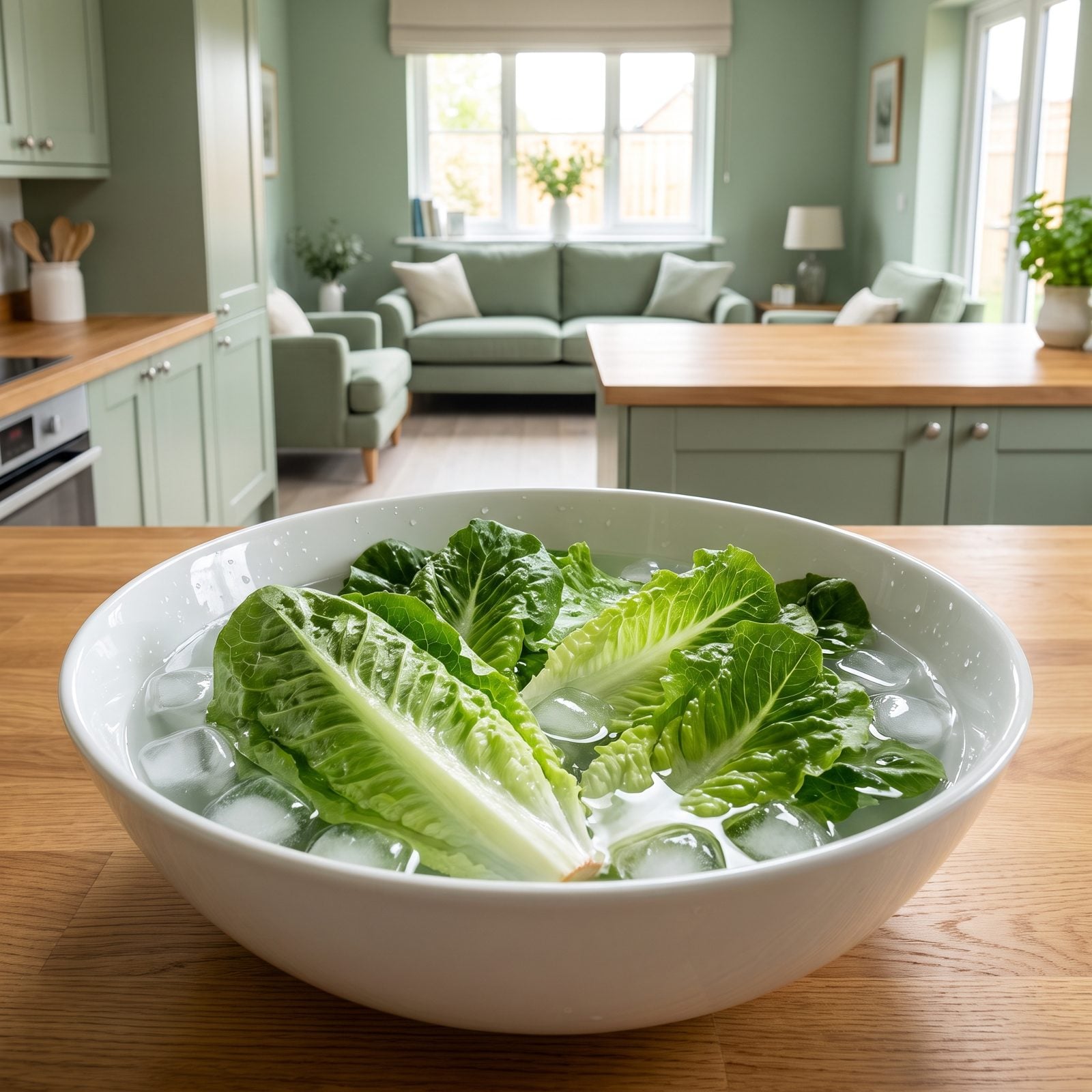
That limp lettuce in the back of the fridge isn’t dead. It’s thirsty. A fifteen-minute soak in ice water pulls water back into the cell walls, and leaves that flopped over go stiff and crisp again.
Works on more than lettuce, too. Wilted celery, tired kale, sad radishes, they all come back. It feels like a magic trick the first time you watch it happen, and it rescues produce you were a breath away from tossing. Just shake off the excess and dry it well before it goes anywhere near a dressing.
23. Store Fresh Mushrooms in a Paper Bag
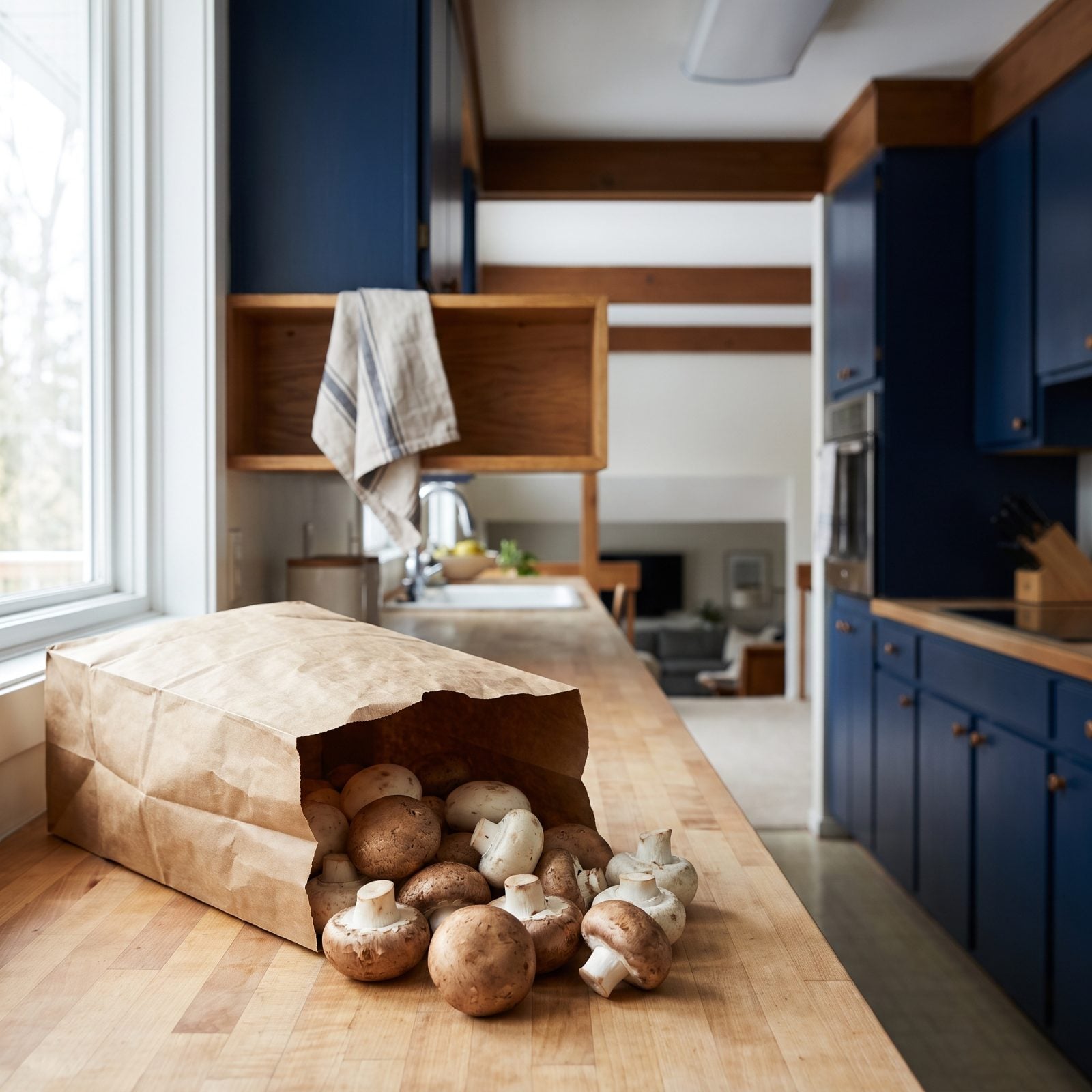
Mushrooms sold in those plastic clamshells sweat themselves slimy. Plastic traps moisture, and trapped moisture is how a firm cremini turns into a gray, sticky mess by Thursday.
A paper bag breathes. It soaks up the excess the mushrooms give off while still keeping them from drying out completely, so fold the top over, slide it in the fridge, and they’ll stay dry and firm for a week or more. Get store mushrooms out of that plastic the day you bring them home.
22. Keep Nuts in the Freezer to Slow Rancidity
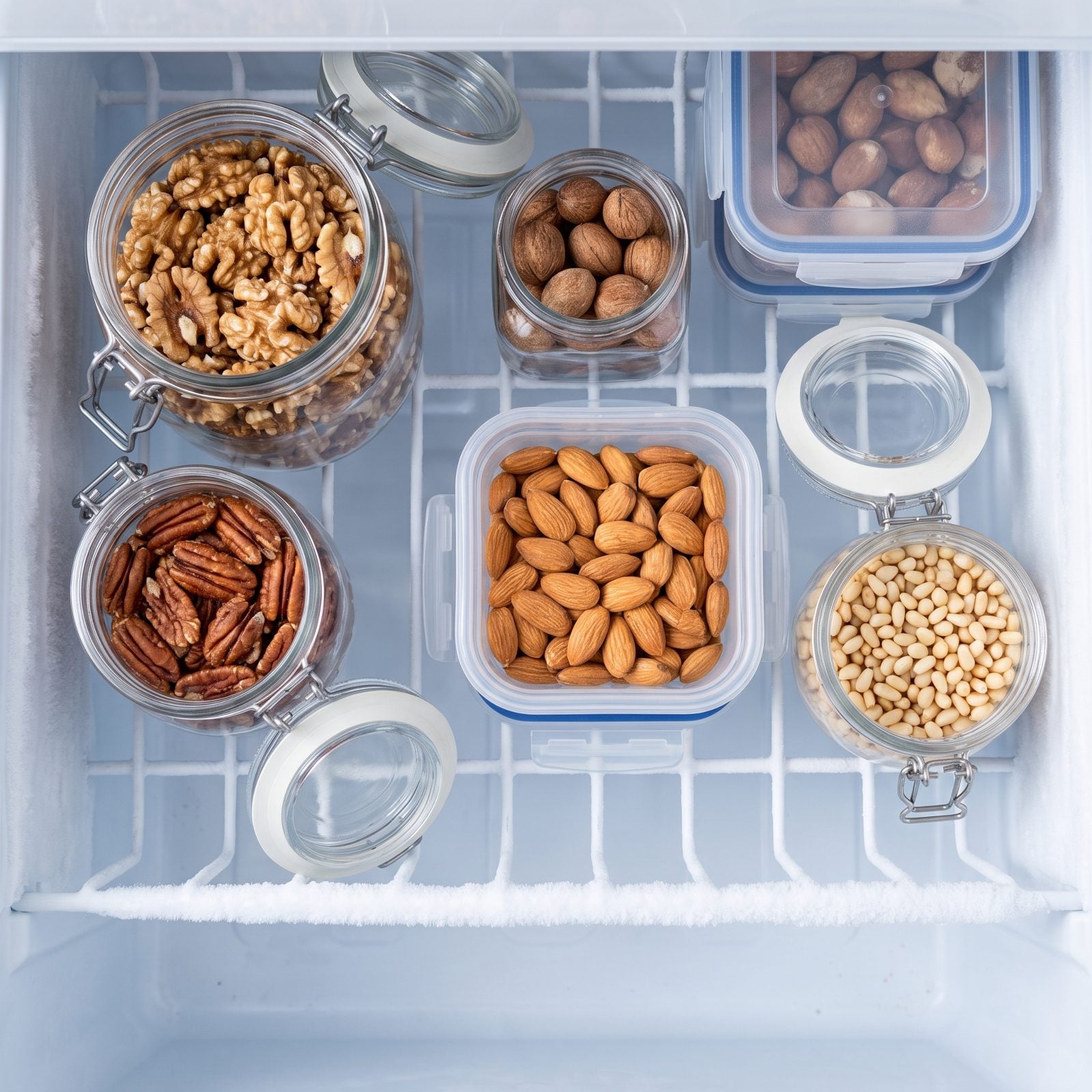
Nuts go rancid. The maddening part is you often can’t smell it until you’ve already ruined a batch of cookies with them. The oils that make nuts taste rich are the same ones that turn stale and bitter at room temperature, and heat and light only speed it up.
The freezer puts the brakes on. Walnuts, pecans, pine nuts, the fragile ones especially, keep for months instead of weeks. No thawing required. Toss them straight into the pan or the batter.
A rancid walnut doesn’t announce itself. It just quietly makes everything it touches taste a little off.
21. Freeze Leftover Tomato Paste in Tablespoon Portions
A recipe wants two tablespoons of tomato paste. The can holds fourteen. The other twelve end up furry at the back of the fridge, every single time.
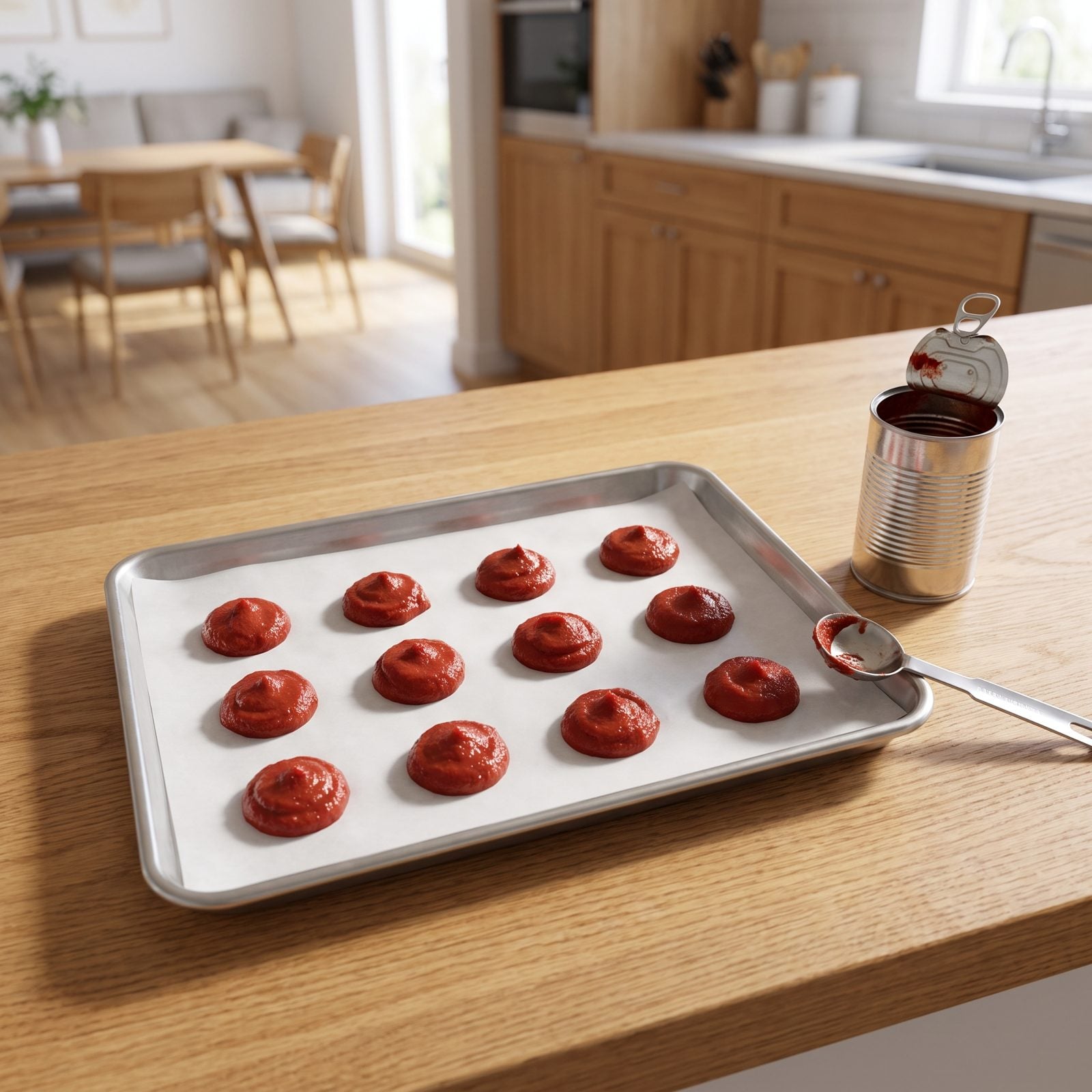
So scoop the leftover paste into tablespoon dollops on a parchment-lined tray, freeze them solid, then bag them up. Next time something calls for a spoonful, you pull out exactly one. No waste, no half-used can, no guilt. The frozen nuggets drop straight into a hot pan and dissolve in seconds.
20. Collect Vegetable Trimmings in the Freezer for Stock
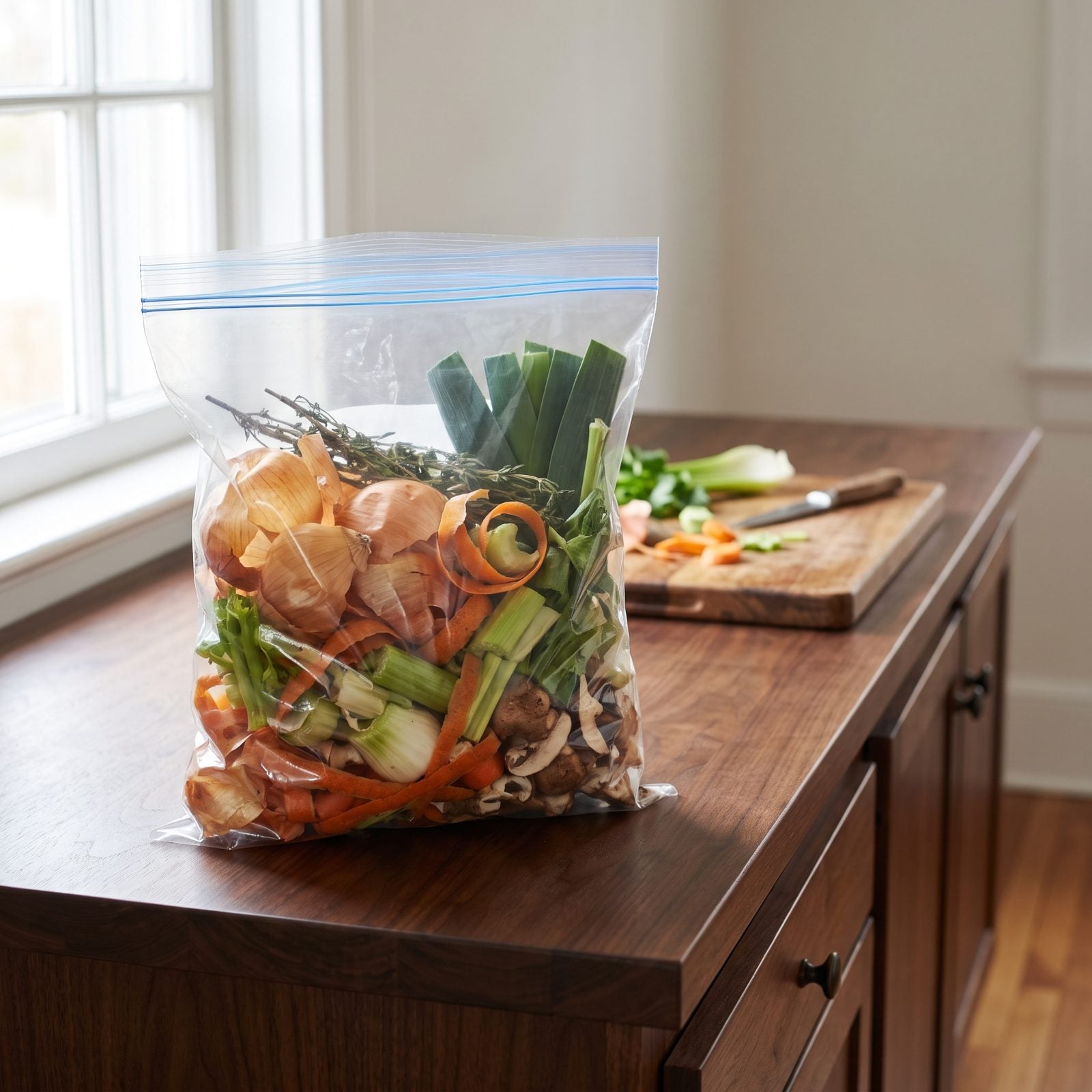
Every onion end, carrot peel, celery butt, and herb stem that hits the trash is free stock you threw away. Keep a bag in the freezer and feed it as you cook, and when it’s full, dump the whole thing in a pot with water and simmer.
A couple of rules keep it honest. Skip anything bitter or funky, meaning no brassica scraps like broccoli or cabbage, which turn sulfurous, and nothing moldy. Carrot, onion, celery, leek, and herb stems are the backbone. The result costs nothing and runs circles around anything in a box.
19. Cool Large Pots of Soup in an Ice-Water Bath
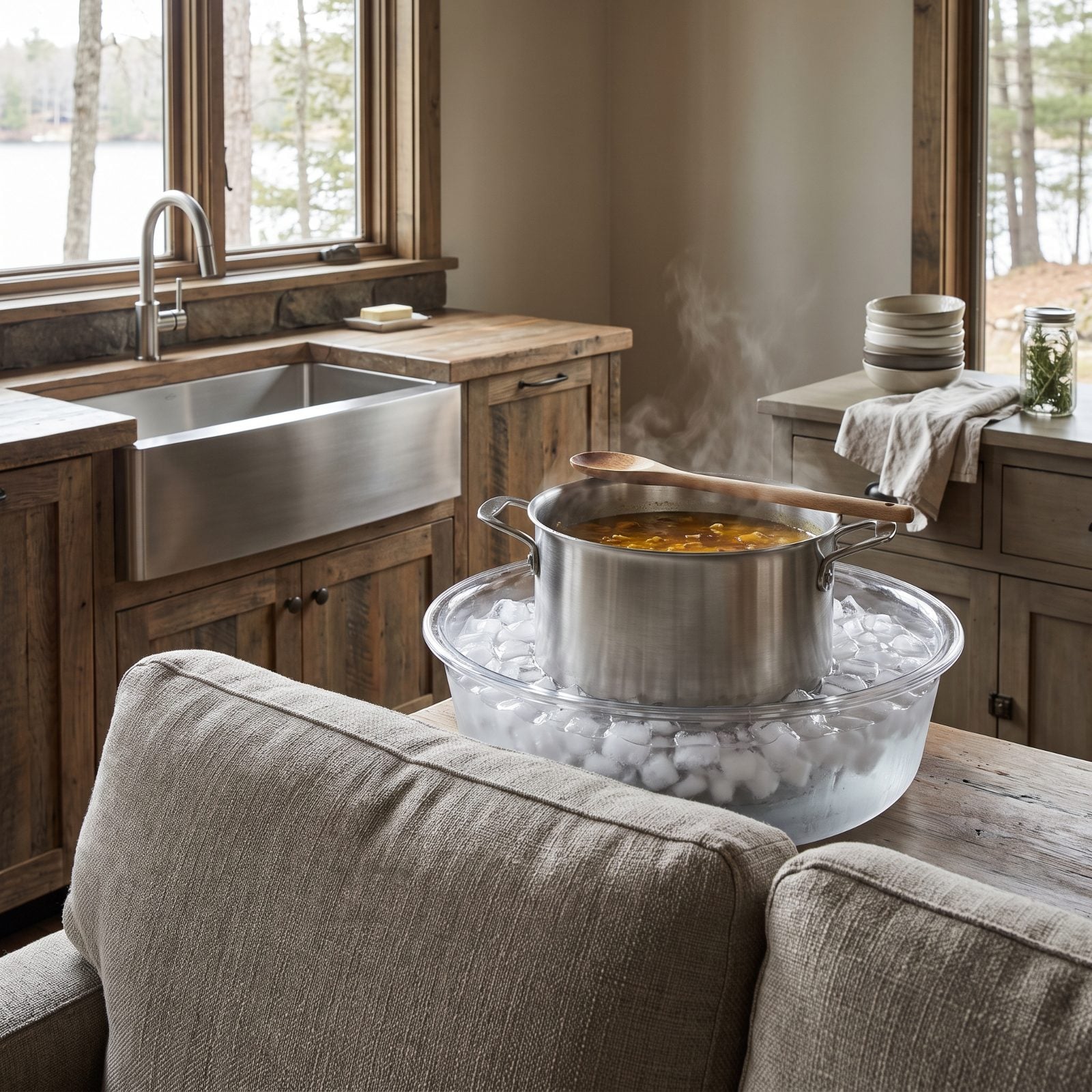
A big pot of soup left on the counter to cool is a slow-motion food safety problem, because the middle stays warm for hours, right in the temperature zone where bacteria throw a party. Shoving the hot pot straight in the fridge is no better. It warms everything around it.
Set the pot in a sink of ice water and stir. The temperature drops fast and evenly, cold enough to refrigerate in a fraction of the time.
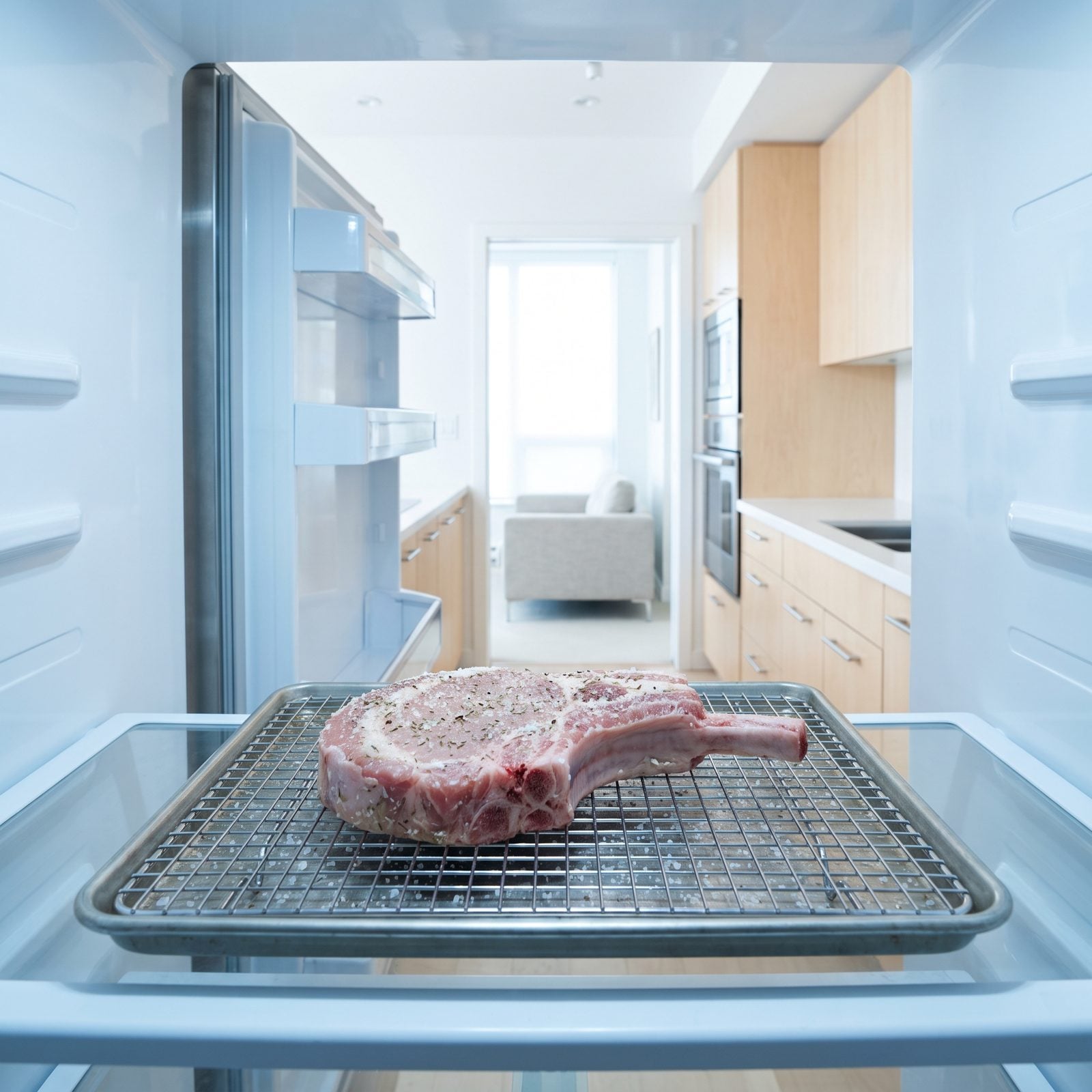
18. Dry-Brine Meat Uncovered in the Refrigerator
Would you like to save this?
Salt the meat the day before, leave it uncovered on a rack in the fridge, and walk away. That’s it. The salt seasons deep into the meat while the open air dries the surface.
And that dry surface is the secret. Wet skin steams instead of browns, but a chicken dry-brined overnight comes out with skin that shatters, something a last-minute salting can’t touch. Steaks, chops, whole birds, roasts, anything you want crisp outside and seasoned all the way through.
17. Preheat the Sheet Pan Before Adding Vegetables
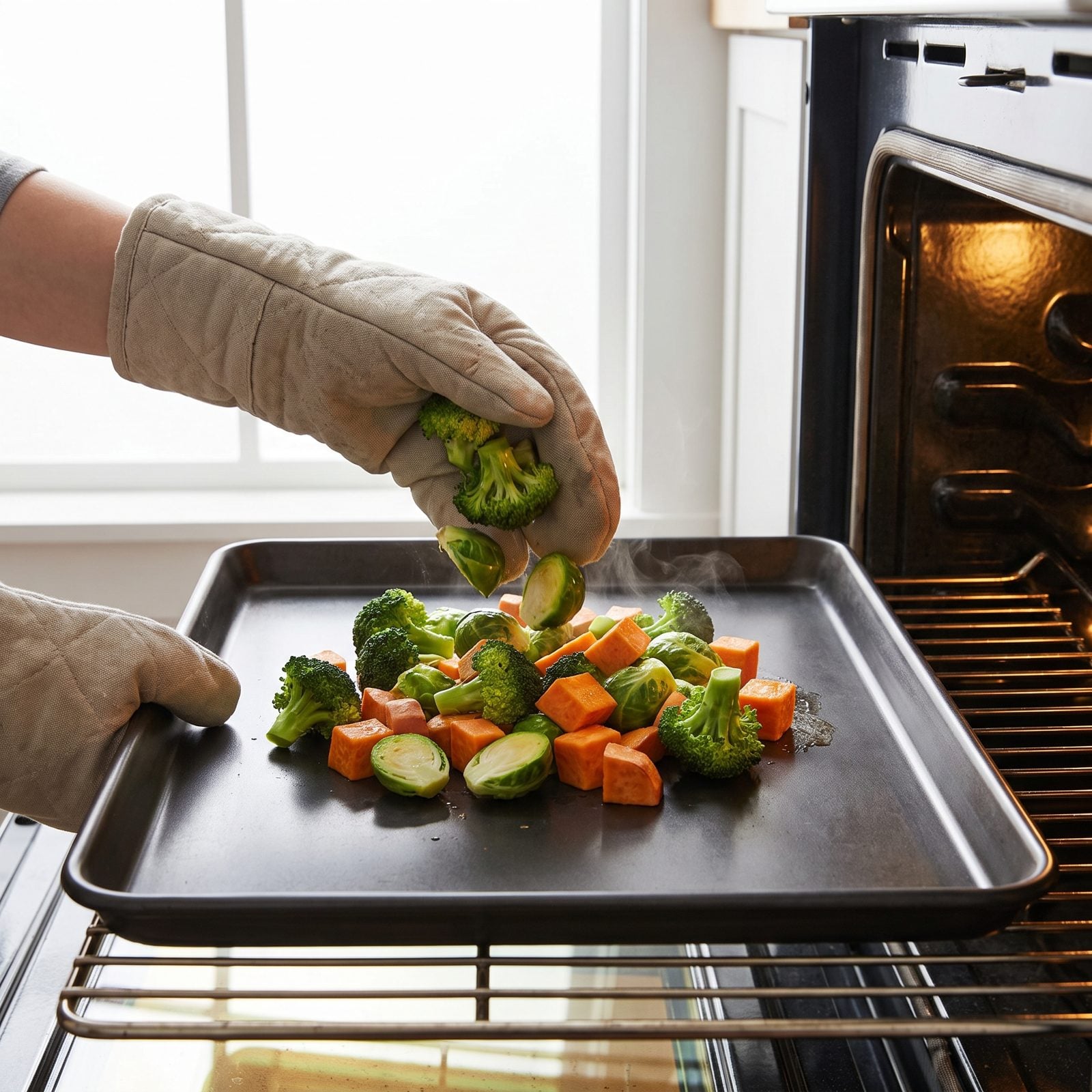
Cold pan, cold start. Vegetables tossed onto a room-temperature sheet pan spend their first several minutes releasing moisture and steaming in it, which is why roasted vegetables so often come out limp and pale.
Heat the empty pan in the oven first. When the oiled vegetables hit that screaming-hot surface they sear on contact instead of stewing, the side touching the metal browning immediately and crisping up. Gray broccoli versus the kind with dark, caramelized edges you pick at before dinner’s even on the table. Pick one.
16. Waiting for Seared Food to Release Itself Before Turning
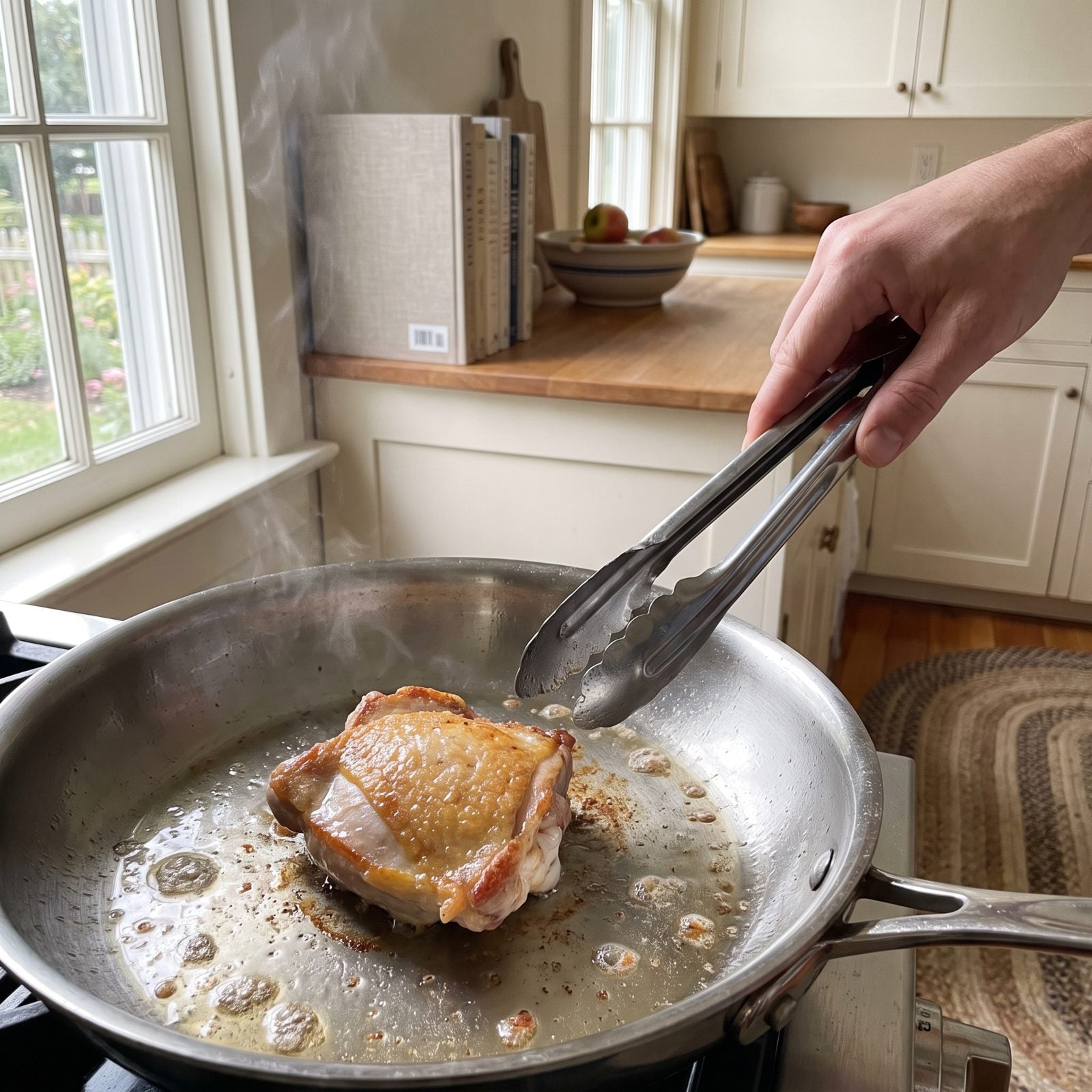
Something many cooks take embarrassingly long to learn: a good crust lets go on its own. Press a steak or a chicken thigh into a hot pan and the protein grabs onto the metal. Flip it too soon and you rip the crust off, leaving half of it welded to the pan and the other half pale and sad.
Give it a minute. When the sear is ready, it releases without a fight and you’ll feel the piece glide when you nudge it. That gliding is the whole signal.
15. Cooking Tomato Paste Until It Turns Brick Red
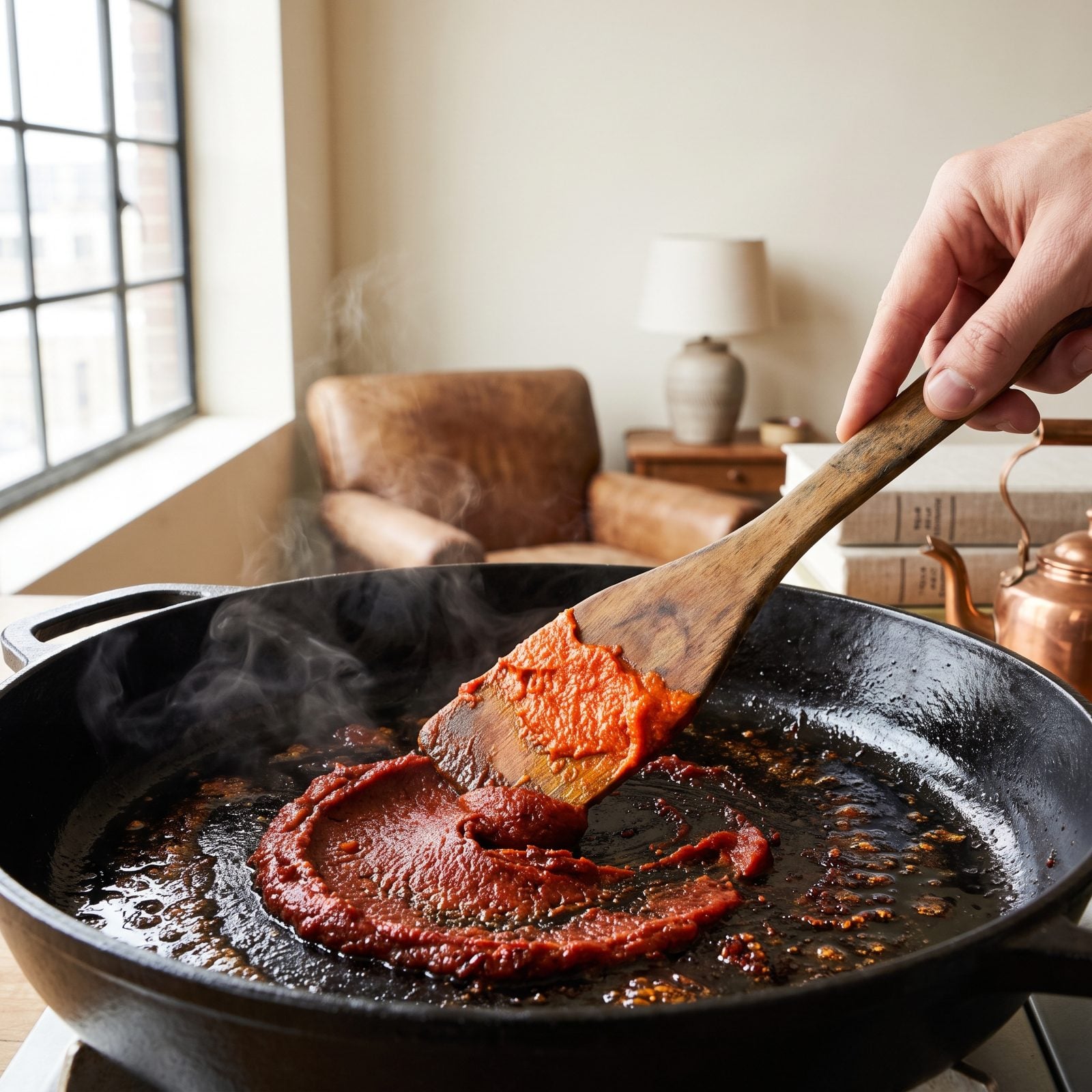
Most people squeeze tomato paste into a pot and move on, which wastes its best trick. Give it a couple minutes alone in hot oil, stirring, and it darkens from that flat orange into a deep brick red. The raw, tinny sharpness cooks off and something closer to roasted sweetness takes over.
You’ll smell the change before you see it — the kitchen goes from acidic to almost meaty. Scrape up the darkened bits stuck to the pan. That’s concentrated flavor, not a mess to avoid.
14. Blooming Ground Spices in Fat Before the Liquid Goes In
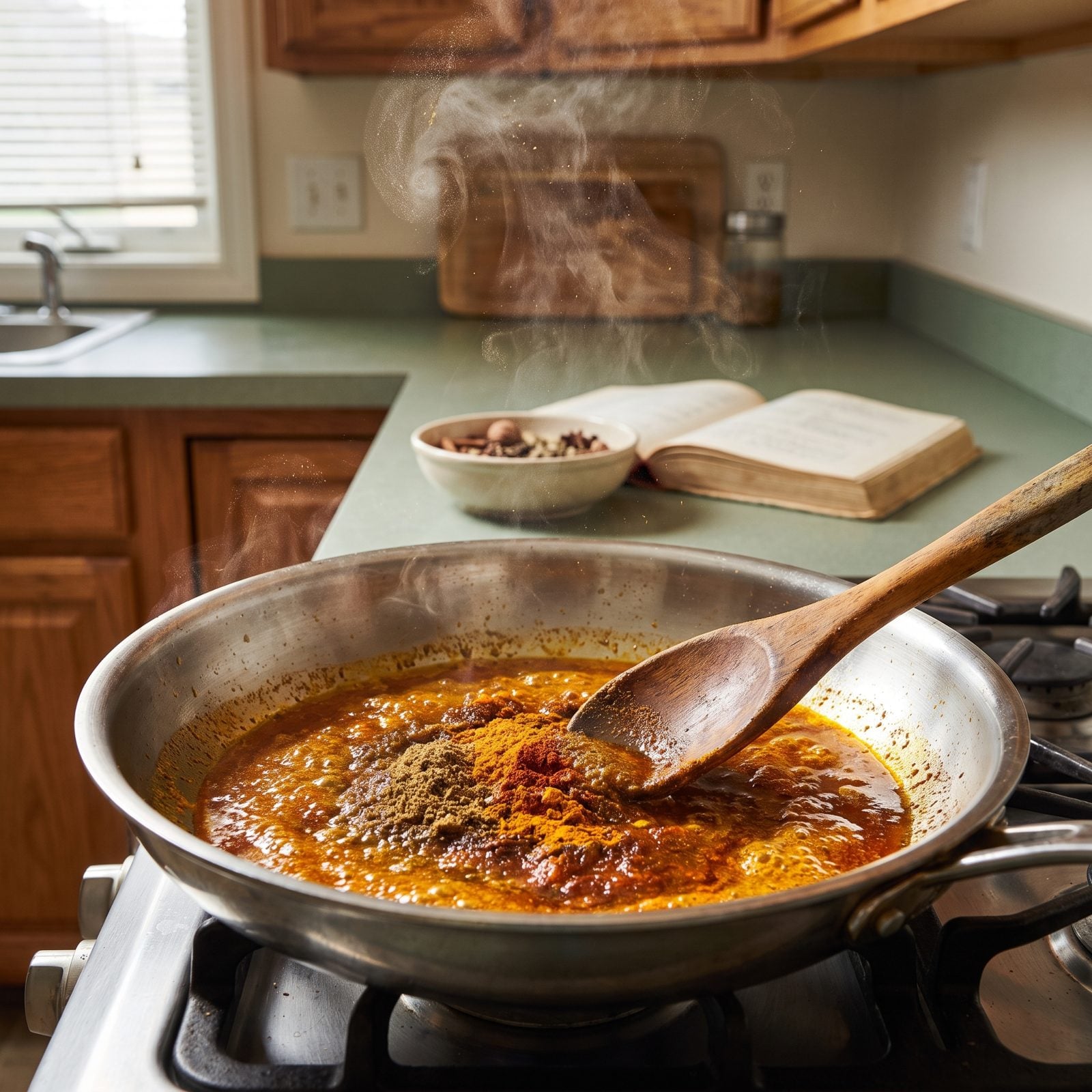
Ground spices dumped onto a bubbling sauce taste dusty and one-note. The same spices dropped into warm fat for thirty seconds first? Different food entirely.
Fat pulls the flavor compounds out of the spice and spreads them through the whole dish. You can smell it happen — the cumin and coriander opening up, the kitchen filling fast. A hard, splattering boil that flings spice up the pan walls won’t fix it either. When you bloom, keep the heat low and the window short. Spices burn in seconds, and burnt spice turns bitter in a way nothing fixes.
13. Toasting Rice and Grains Before They Ever See Water
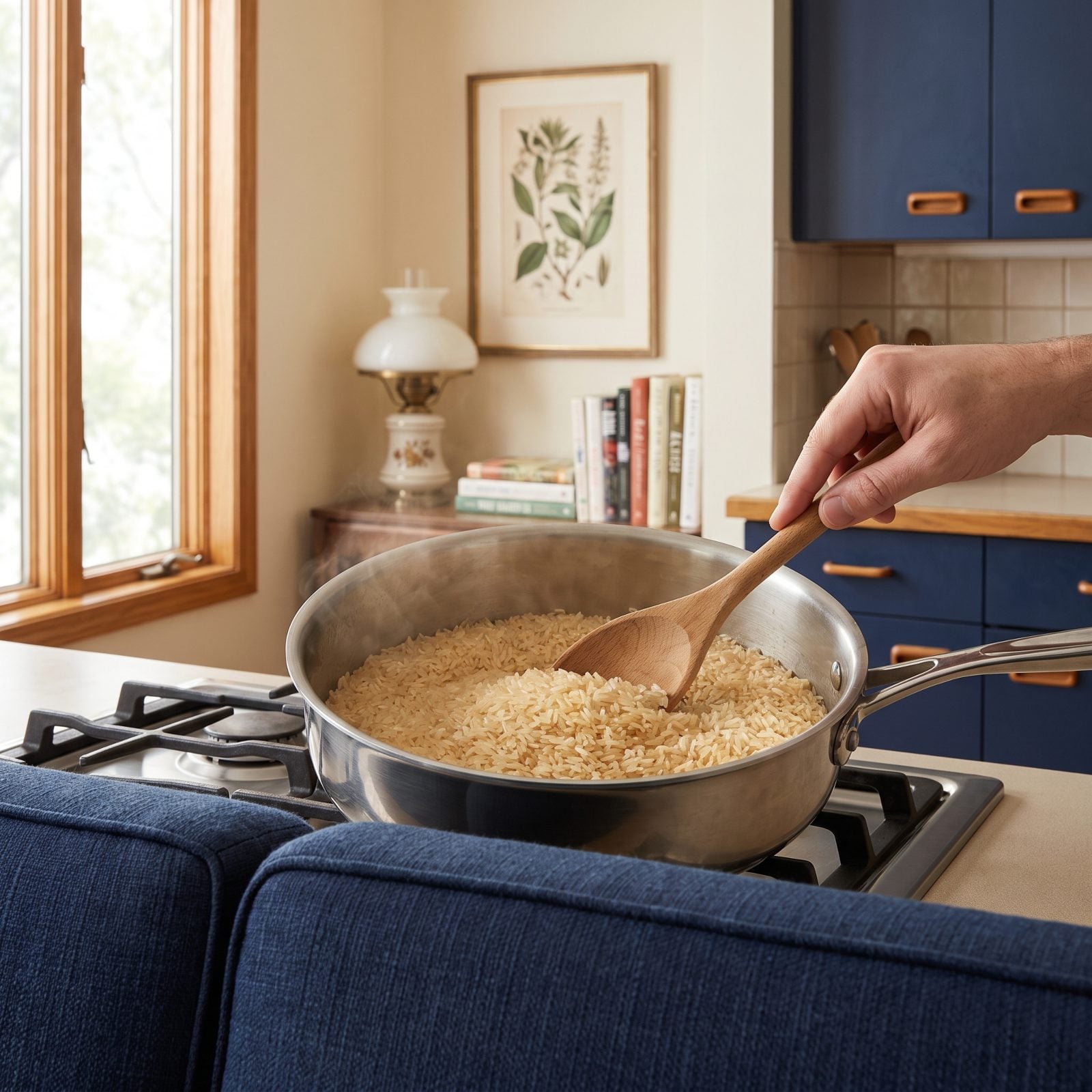
Toasting grain before the liquid goes in is the difference between a pot of mush and a pot of separate, nutty grains. A few minutes in a dry pan or a little oil, stirring, until the rice smells like popcorn and turns slightly golden.
Works for rice, farro, bulgur, even the orzo floating in a soup. The toasting firms up the outside of each grain so they hold their shape instead of swelling into paste. And the flavor jumps — plain rice becomes something you’d actually notice.
12. Letting Cooked Rice Rest Before You Fluff It
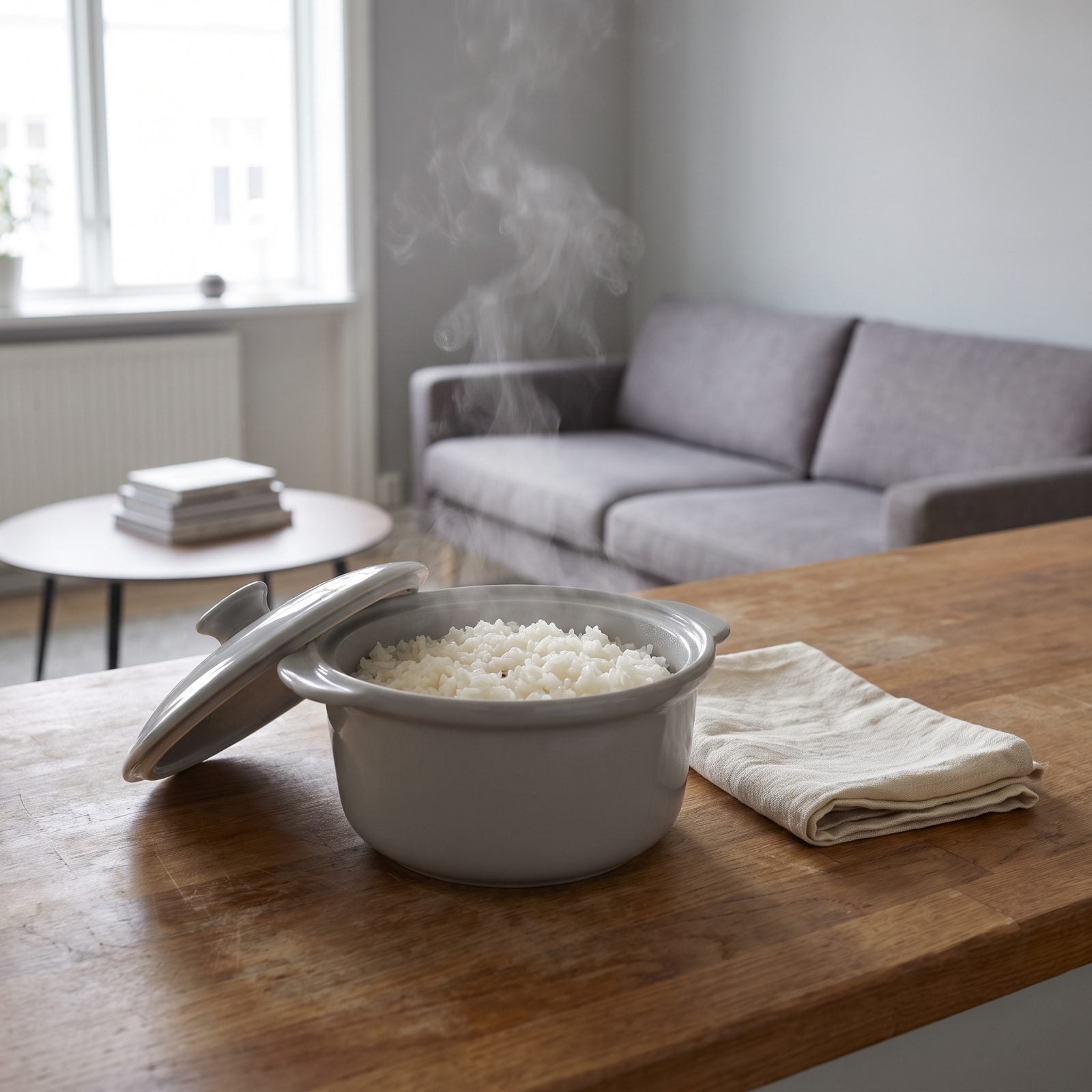
Pull a pot of rice off the heat and the urge is to lift the lid and dig in. Resist that for ten minutes, lid on.
The rest lets the moisture even out through the pot, so the wetter grains at the bottom and the drier ones at the top settle into one texture. Fluff it right away and you crush the grains while they’re still fragile. Wait, and a fork separates them cleanly.
11. Scooping Out Pasta Water Before You Drain the Pot
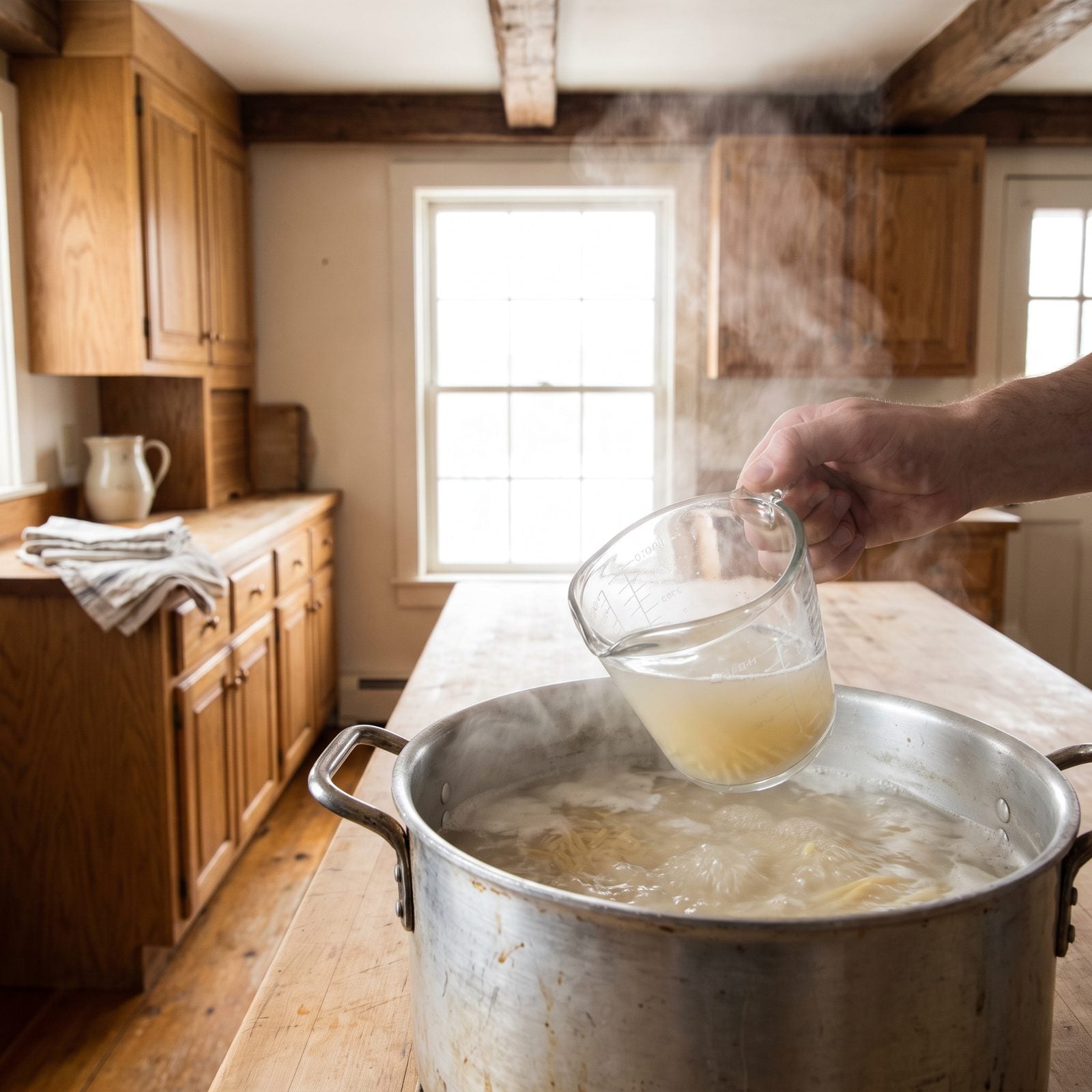
You’ve drained the pasta, watched all that cloudy water vanish down the sink, then reached for the sauce and realized it needs loosening. Too late. Everyone’s done it.
Set a cup by the pot and scoop out some water before you drain. It’s loaded with starch, which is exactly what turns a sauce from oily and separated into glossy and clinging. A splash at a time, stirred in, and the sauce actually coats the noodles instead of pooling at the bottom of the bowl.
10. Pulling Pasta Early and Finishing It Right in the Sauce
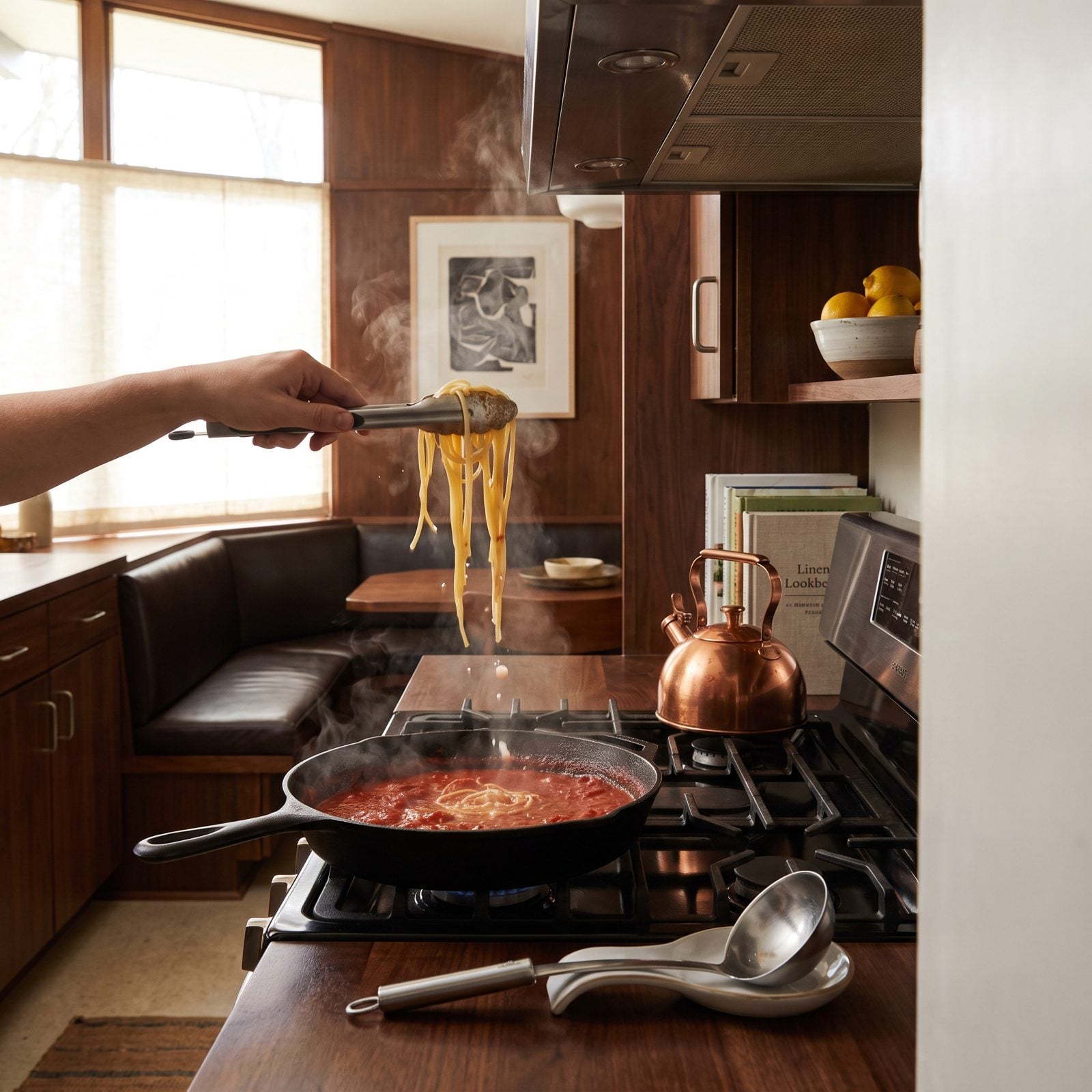
Boiling pasta fully, draining it, then spooning sauce on top is how most of us learned to do it. It also leaves the sauce and the pasta as two separate things sitting next to each other on the plate.
Pull the pasta a minute or two before it’s done, still slightly firm, and drop it straight into the simmering sauce with a splash of that reserved water. Let it finish cooking right there. The noodles soak up the sauce and the starch binds everything together, so you get one unified thing instead of two.
The pasta should finish its cooking inside the sauce, not next to it. That’s the whole secret restaurant kitchens aren’t hiding, they just do it every single time.
9. Warming the Bowls Before the Pasta Hits Them
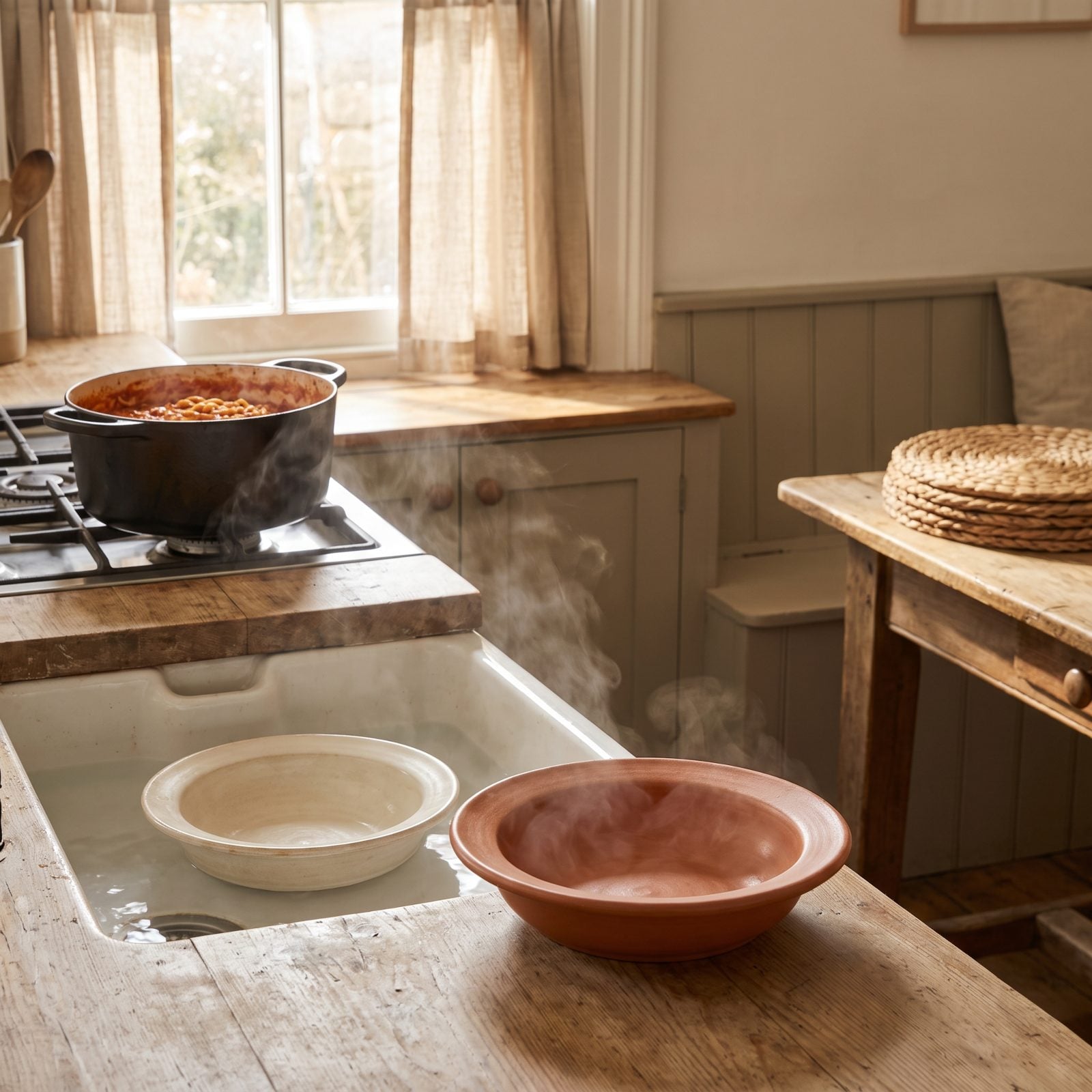
Cold ceramic is a heat thief. You plate a perfect bowl of pasta, carry it to the table, and by the second bite it’s lukewarm because the bowl drank all the warmth out of it.
So run the bowls under hot tap water, or set them near the stove while the sauce finishes. Dry them, then plate. The food stays hot several minutes longer, which matters more than it sounds like it should — few things taste as good tepid as they do hot.
8. Adding Bright Acids at the Very End of Cooking
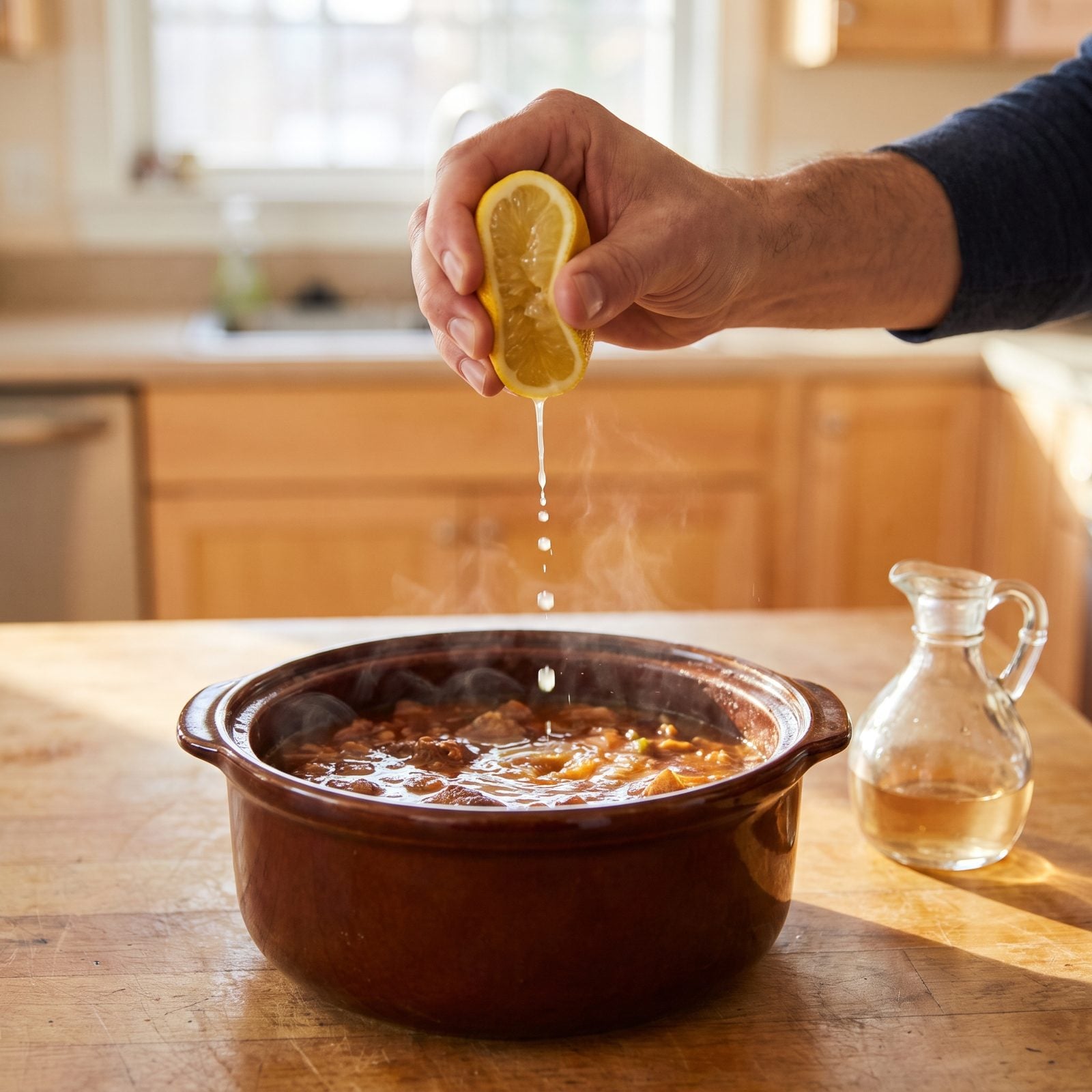
A dish can taste flat and heavy, and the fix isn’t more salt. It’s acid, added right at the end.
A squeeze of lemon, a splash of vinegar, a spoon of pickle brine — it wakes everything up and makes the other flavors read sharper. Timing is everything here. Added early, acid mellows and disappears. Added in the last minute, it keeps its brightness.
7. Soaking Cut Potatoes in Cold Water Before They Fry
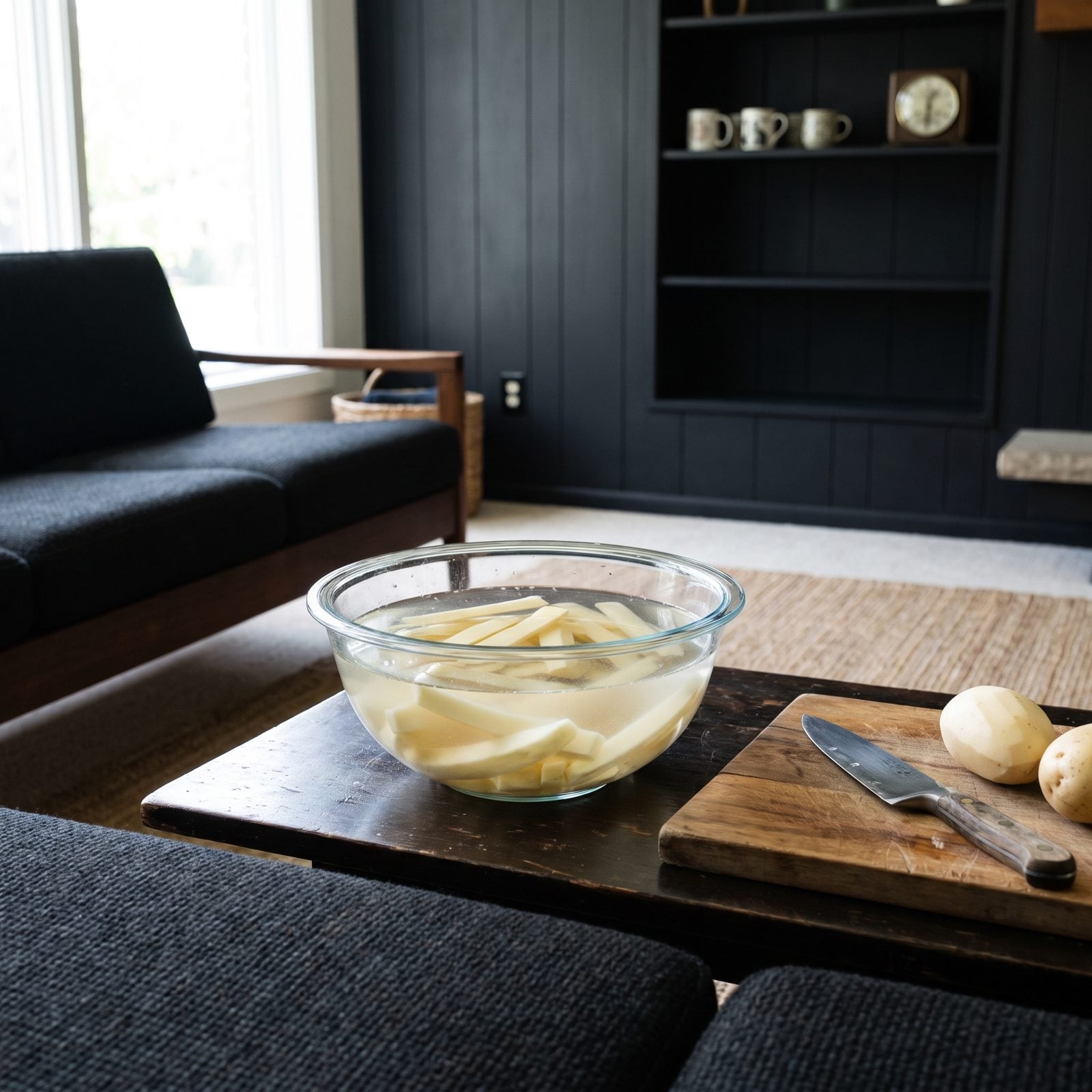
Cut potatoes for fries or roasting and you’ve exposed a lot of surface starch. Leave that on and you get fries that go soft, brown unevenly, and clump together in a sad pile.
Soak them in cold water for at least half an hour, longer if you can. The water pulls the loose starch off the surface, and you’ll watch it turn cloudy. Dry the potatoes well before they cook — wet potatoes steam instead of crisping. The payoff is a crust that actually crunches and an inside that stays fluffy.
6. Rests Pancake Batter Before It Hits the Griddle
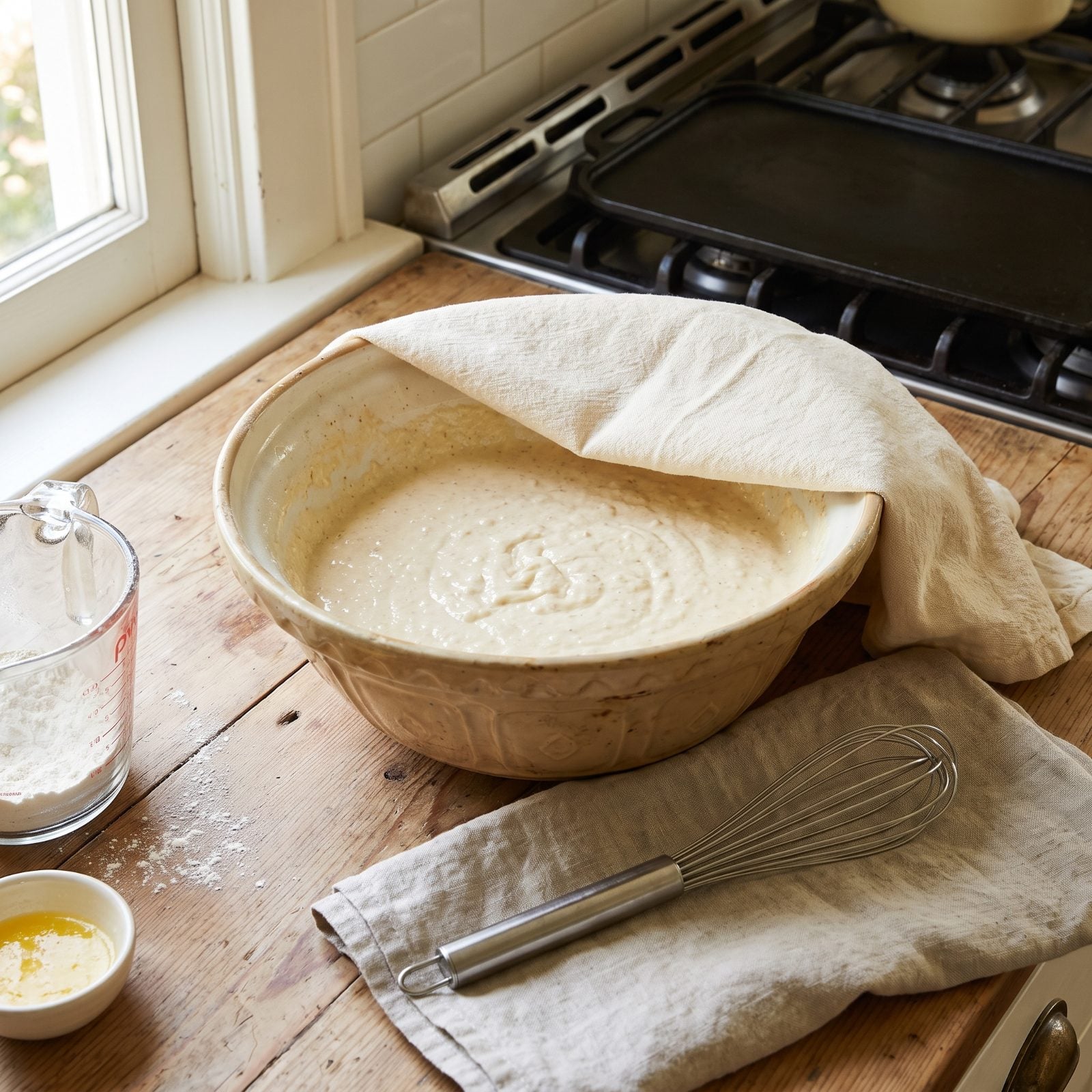
Those lumps you keep trying to whisk out? They’re doing you a favor. Fight them and you build gluten, which gives you flat, chewy pancakes that taste faintly of regret.
Let the batter sit for fifteen or twenty minutes instead. The flour hydrates fully, the gluten relaxes, and the leavening gets a head start on the bubbles that make a pancake tall. It thickens a little as it rests, which is exactly what you want when it hits the hot surface.
5. Chills Cookie Dough Overnight to Tame Spread and Deepen Flavor
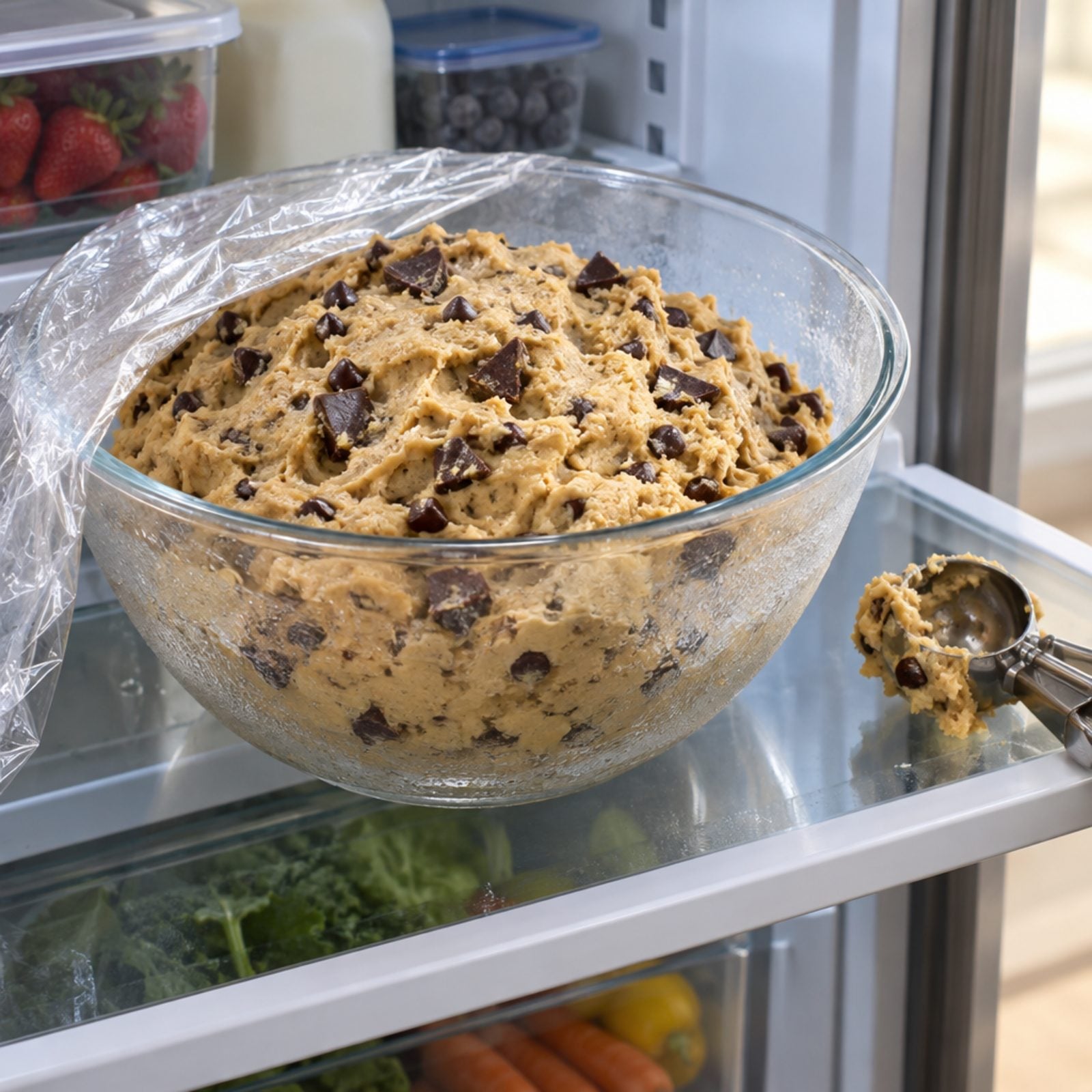
Warm dough is a trap. It feels like progress — you scoop it, you bake it, and it melts into one continental sheet of cookie before the center ever sets.
Chilling firms up the butter so the dough holds its shape in the oven long enough for the structure to catch up. The spread slows, the edges stay thick. And a rest of a day or two lets the flour fully soak up the liquid while the sugars start breaking down, which is where that toffee, almost caramel depth comes from. Cold dough bakes into a better cookie. It isn’t close.
4. Chills the Bowl and Beaters Before Whipping Cream
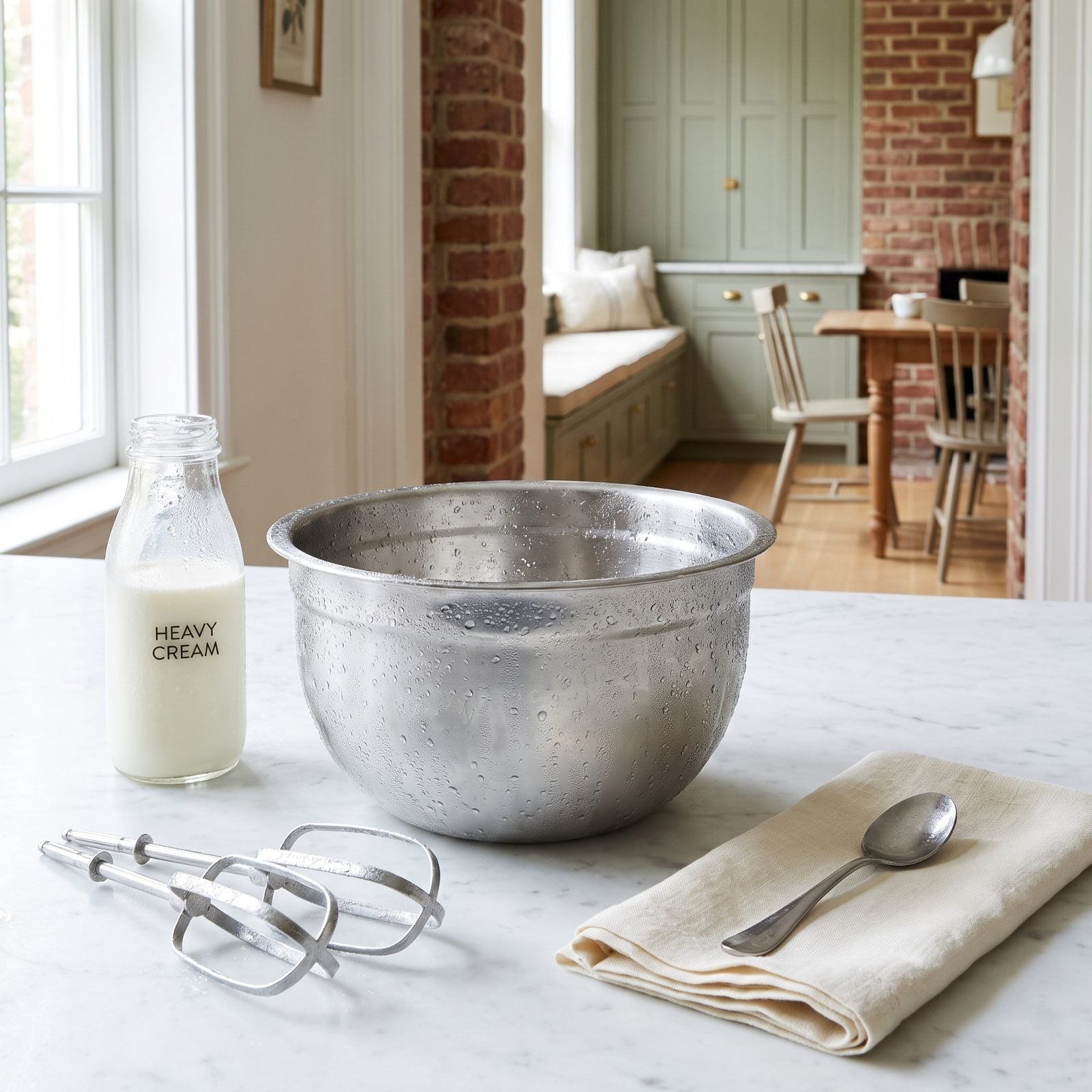
Heat ruins whipped cream. Warm fat refuses to hold air, so you stand there beating and beating while the cream stays soupy — then it suddenly tips into grainy butter the second your back is turned.
So pop the bowl and beaters in the freezer for fifteen minutes first. The cold keeps the butterfat firm, it traps air fast, and it holds those peaks. You cut the whipping time way down and get a cleaner, more stable cloud that won’t weep all over the pie an hour later.
3. Anchors the Cutting Board With a Damp Towel
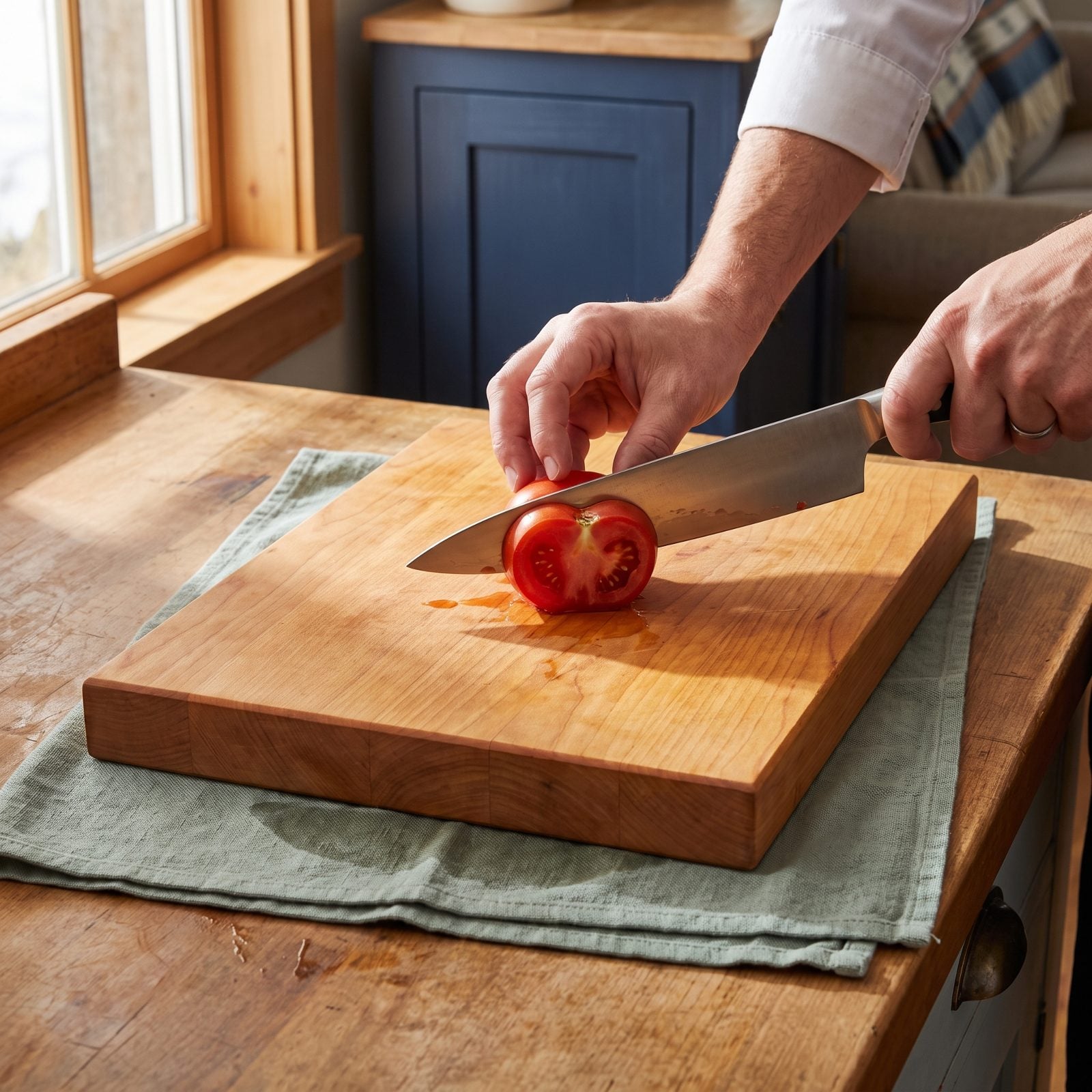
A sliding cutting board is how most kitchen cuts happen. The board drifts, the knife skates, and your attention is on the onion instead of your knuckles.
Wet a kitchen towel, wring it out, lay it flat under the board. It grips like a rubber mat and costs nothing. The board stops moving, your cuts get straighter, and you lose that tense micro-bracing you never noticed you were doing every time you chopped. Easily the cheapest safety upgrade in the kitchen — and the one people skip the longest.
2. Cracks Eggs on a Flat Surface Instead of the Bowl’s Edge
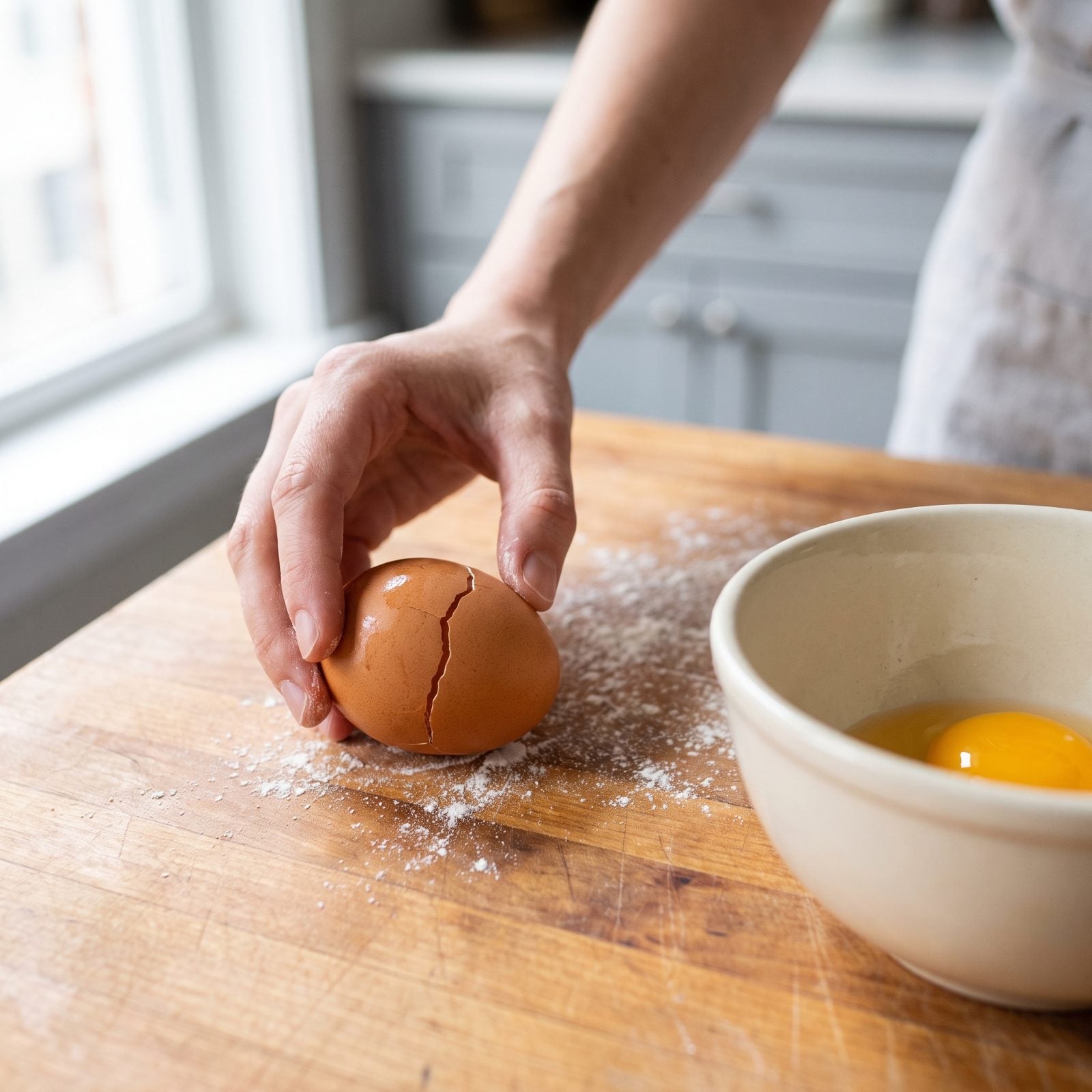
The rim of the bowl is the worst place to crack an egg, and nearly everyone does it there out of pure habit. That sharp edge drives jagged shell inward and shatters the membrane, so you spend the next minute fishing out tiny shards with a fingertip.
Tap it on a flat counter instead. A level surface makes a cleaner crack — one that breaks the shell without pushing fragments into the white. The membrane stays intact, the shell comes apart in two tidy halves, and nothing crunchy ends up in your scramble.
1. Toasts Nuts Before They Go Anywhere Near a Recipe
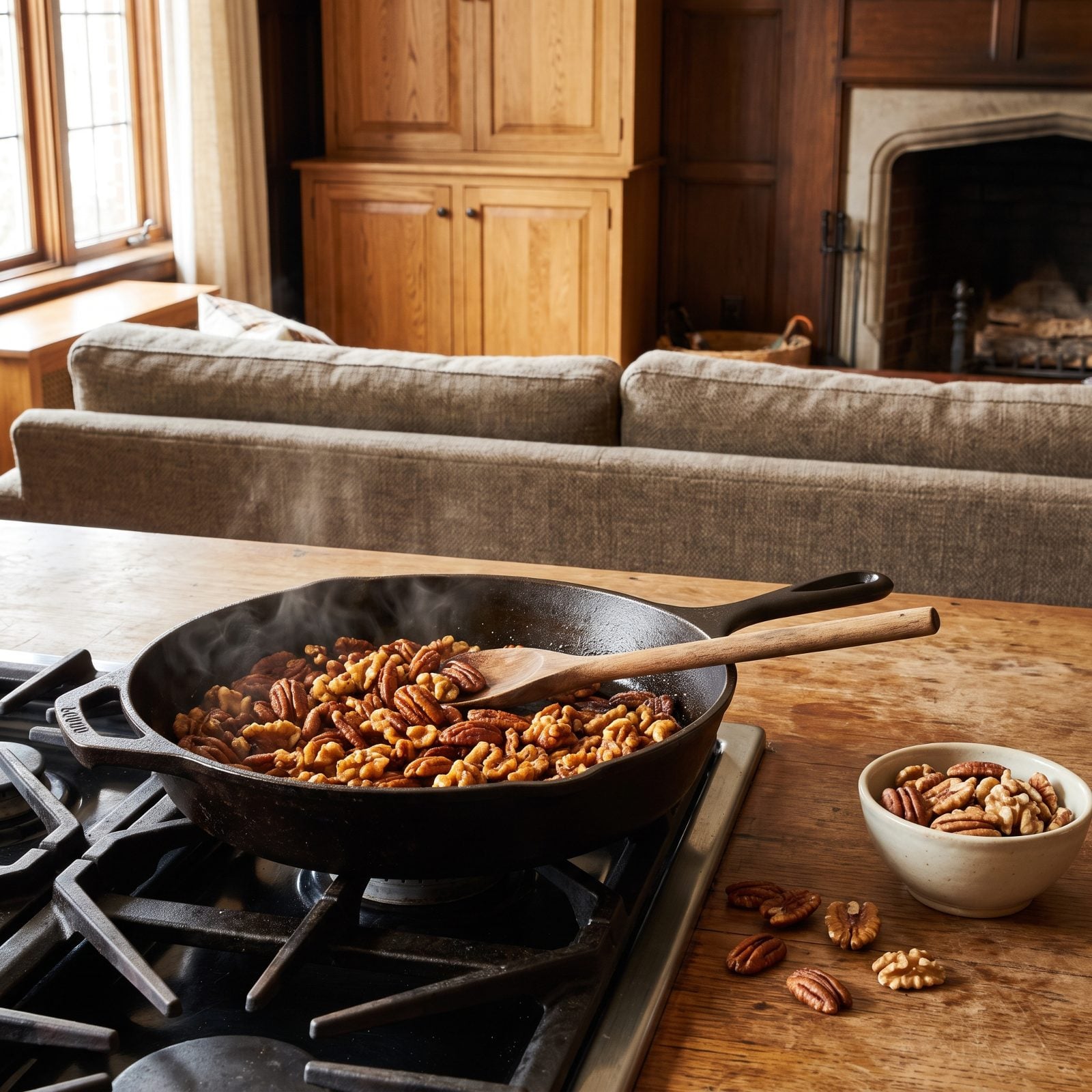
Raw nuts are flavor on standby. They taste faintly of cardboard and go soft the moment they hit batter or dressing, which wastes everything a nut has to offer.
A few minutes in a dry skillet or a low oven wakes the oils up and browns the surface, pulling out that deeper, warmer, almost buttery note. The texture firms too, so they stay crunchy instead of going limp. Toast them before they ever touch the recipe and the whole dish tastes like someone cared.