
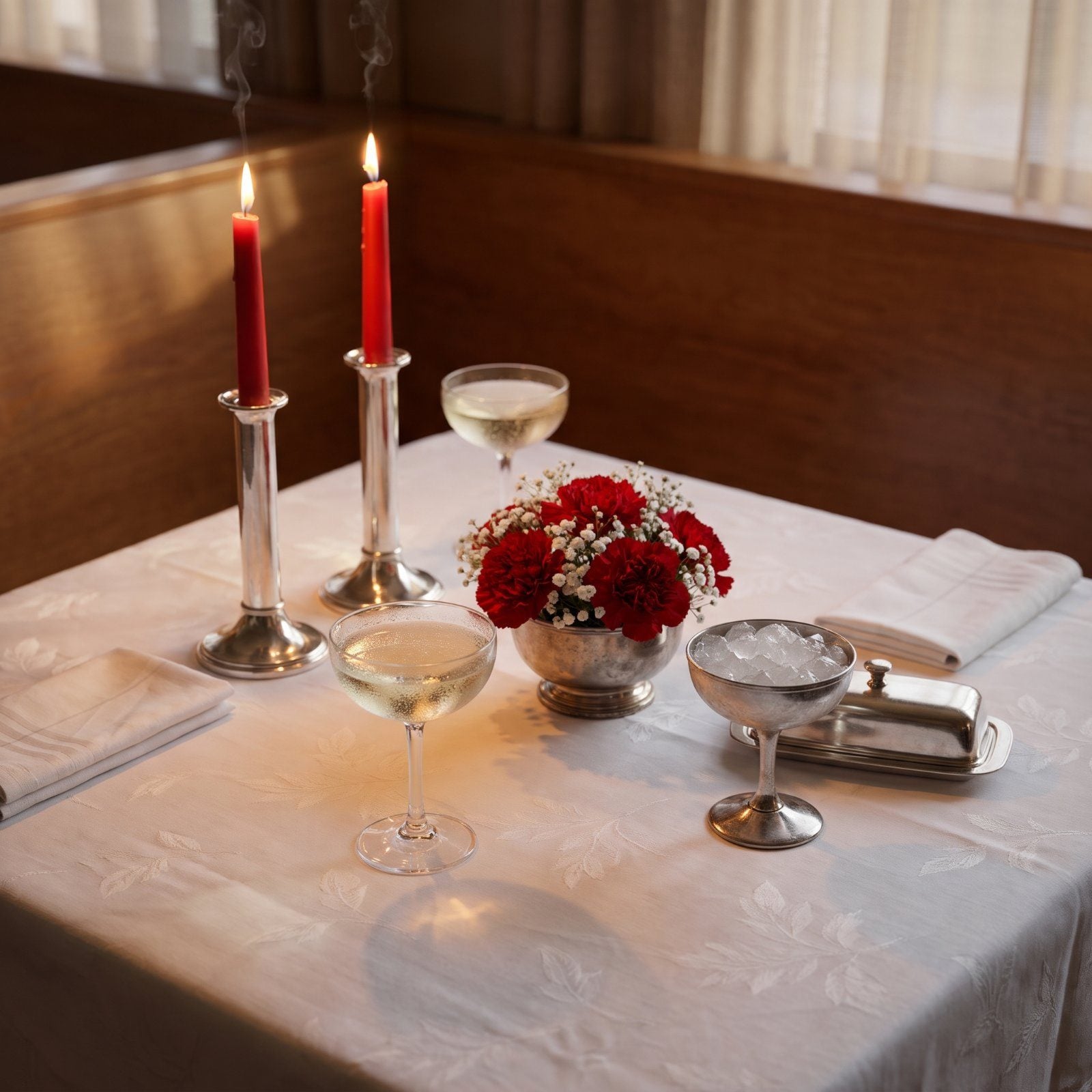
The waiter wheeled the cart over, struck a match, and the whole table went gold for a second. That was the Valentine’s dinner then. Red taper candles, coupe glasses sweating a little, a silver tray coming your way with something flaming on it.
Please note that some of the images in this article were created with the assistance of AI.
At home it was the same show, scaled down. Mom’s good tablecloth, the aspic unmolded that afternoon, the pâté made the night before. What follows is the food that said special occasion back when special occasions still had an order of courses.
27. Oysters Rockefeller Baked on a Bed of Rock Salt
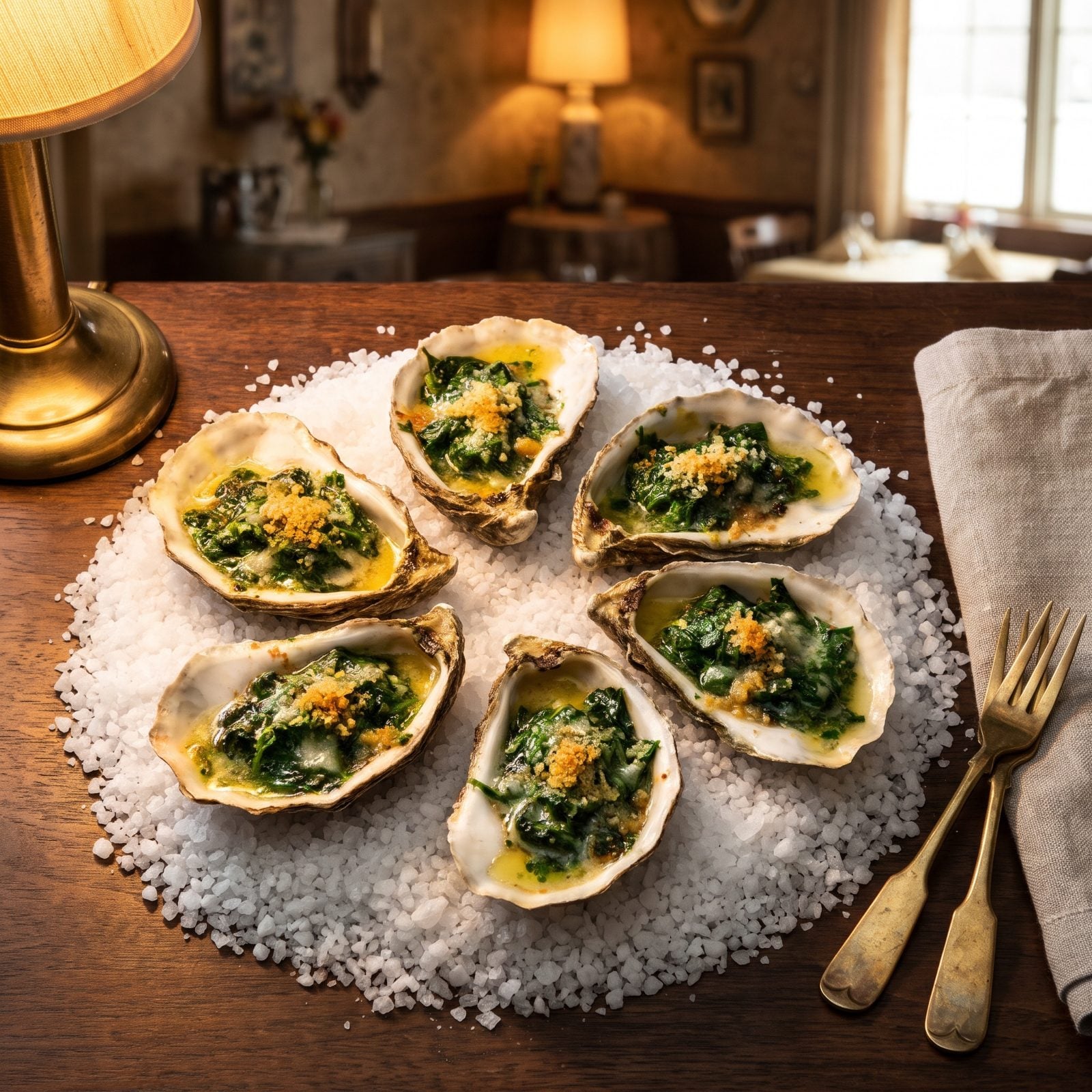
Nobody actually knew what was in the green topping, and nobody at the table asked. Spinach, a little anise liqueur, enough butter to make it worth the name. It arrived hissing on a bed of rock salt so the shells wouldn’t tip, and you ate them with a tiny fork while trying to look like you did this all the time.
The dish was born at Antoine’s in New Orleans in 1899, named Rockefeller because it was rich. By the 1960s every white-tablecloth place had its own version, and ordering it on Valentine’s night meant you were starting the evening right.
In sharing his family’s version of oysters Rockefeller, a descendant of the inventor says family lore holds that the green topping had another green besides spinach, possibly watercress.
26. Shrimp Cocktail Towering in a Footed Glass
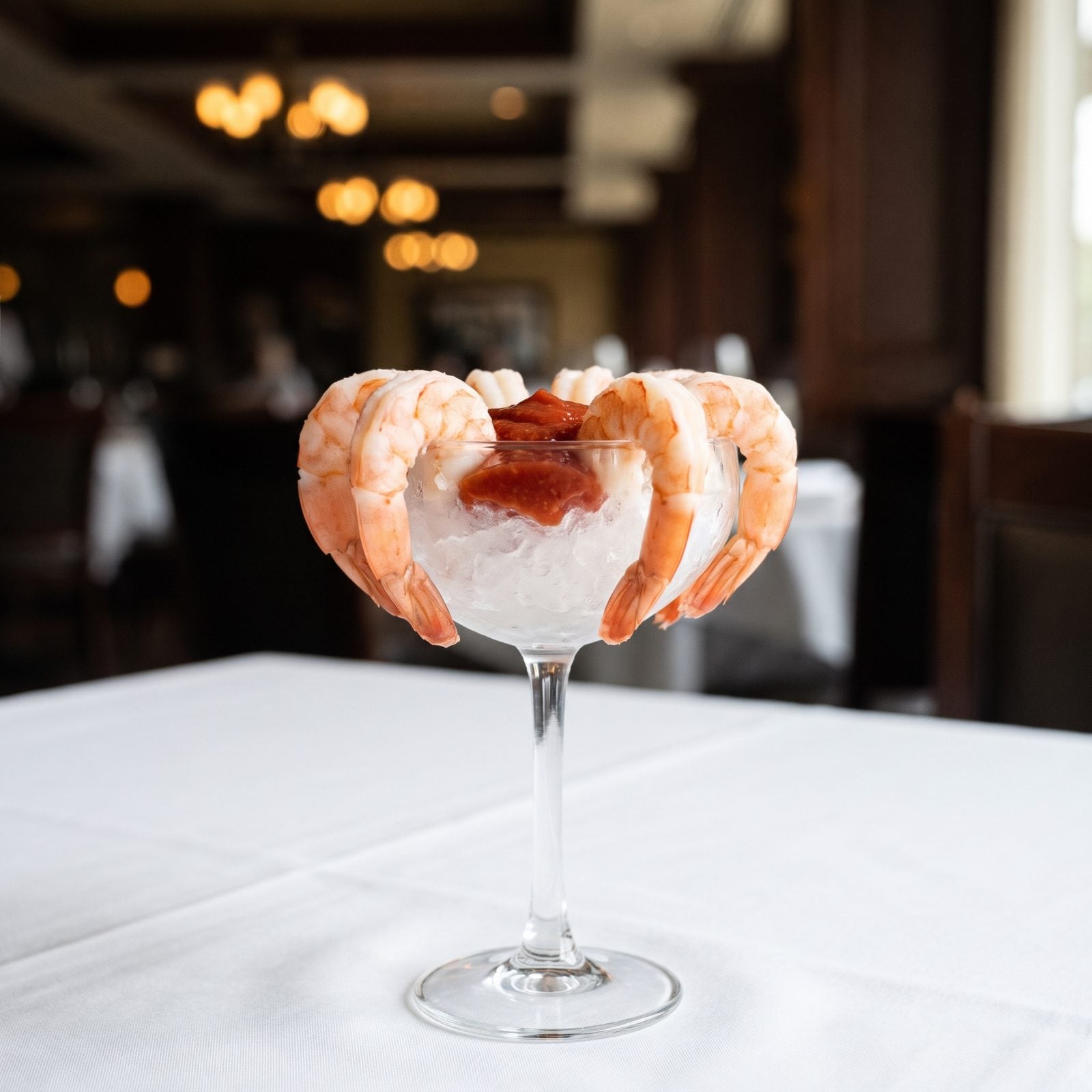
The glass was the whole point. Wide bowl, little pedestal, a hidden chamber of crushed ice underneath so the shrimp stayed cold through the first toast. Six of them hung over the rim by their tails like they were trying to climb out.
You pulled one, dragged it through the horseradish-sharp red sauce, and bit down to the tail. The sauce came in a small pool at the center. Running out of it before you ran out of shrimp? A genuine Valentine’s crisis.
25. Caviar Mounded on Crisp Melba Toast
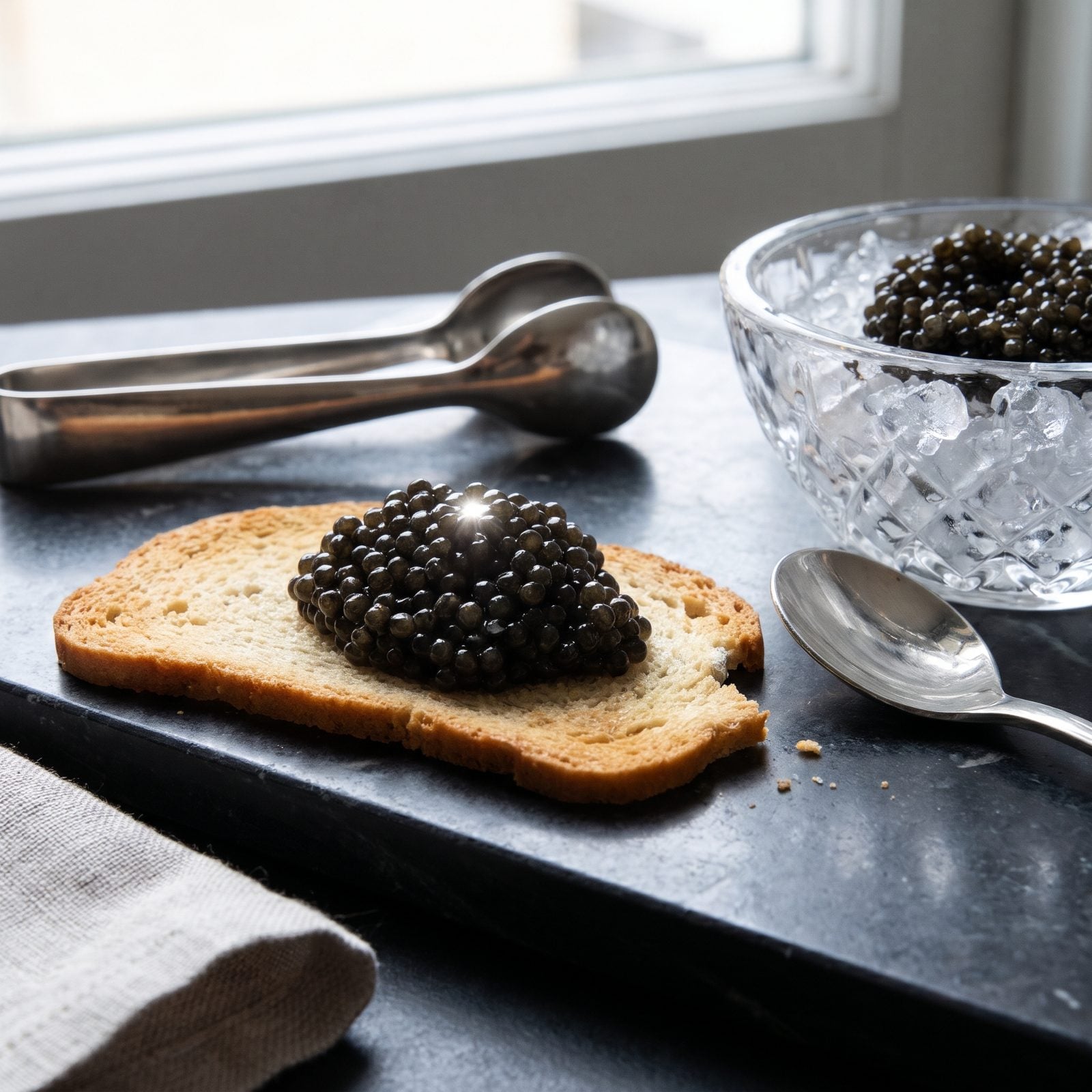
This was the course that made the night feel expensive, even when the tin was small. The caviar sat in a glass bowl buried in ice, and a big shiny silver spoon did the serving, carrying each loaded toast to the plate.
You spread a whisper of it on Melba toast, maybe added minced egg and onion from the silver ramekins, and ate it in two careful bites. The toast had to be bone-dry and thin enough to snap. Soggy toast ruined everything.
24. Chicken Liver Pâté Smoothed Over Toast Points
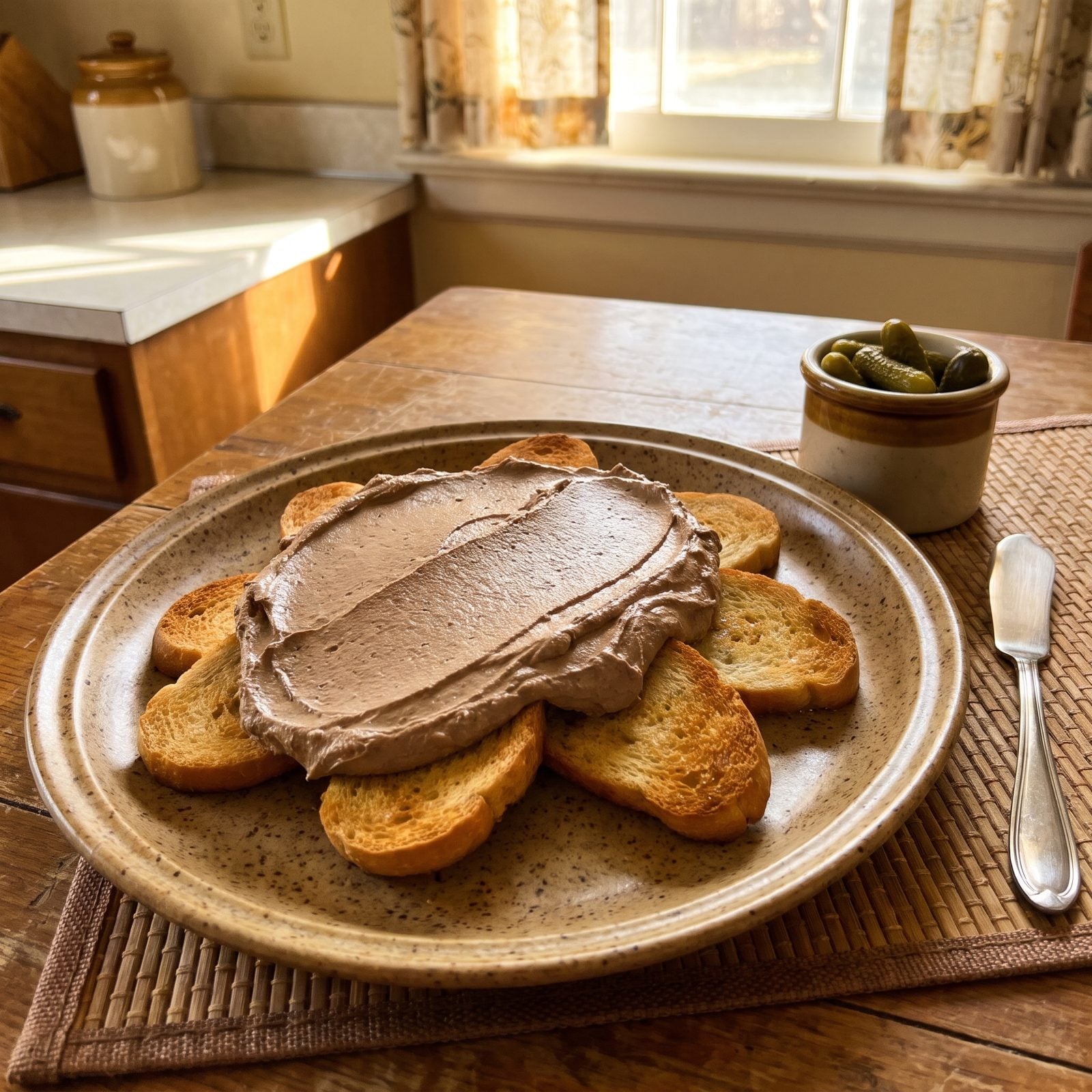
Pâté was the course you could pull off at home without a flaming cart. You made it the night before, pressed it into a crock, sealed the top with a thin cap of butter, and chilled it until the texture went silky.
Served with toast — about nine crust-on half-slices fanned around the plate, all toasted stiff — it felt restaurant-grade even on a woven placemat at the kitchen table. A little cornichon on the side cut the richness. It looked like effort because it was.
What Our Readers Say
- In Piaci Pizza readers’ heart votes, photos showing a full table setting got hearts 78% of the time, compared with 73% for the other images in the same articles.
- When our readers loved a food photo and said why, comfort was the top reason at 30%, and nostalgia made the top four at 15%.
From Piaci Pizza reader polls and votes.
23. Celery Hearts Stuffed With Roquefort
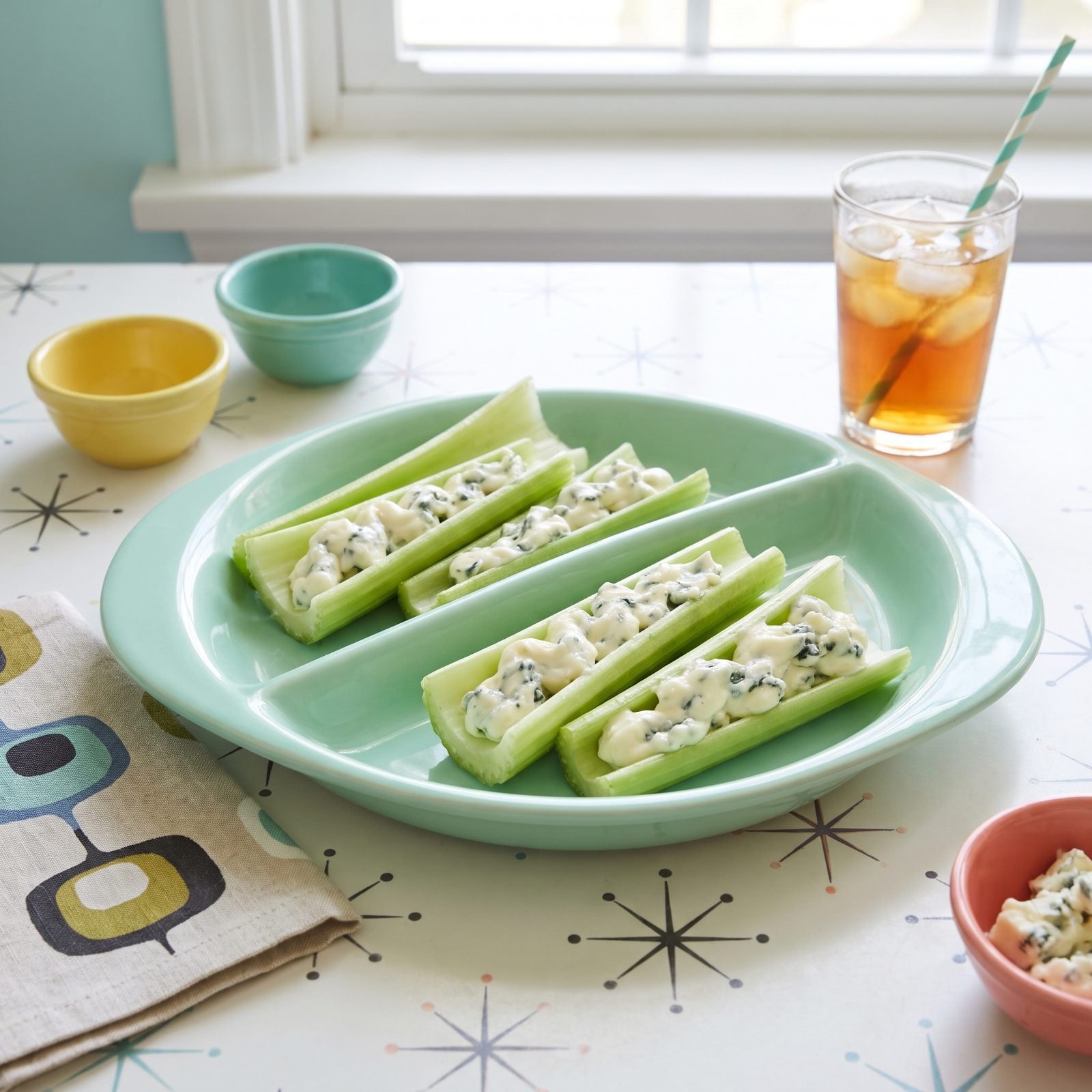
Every relish tray had these, and they were always gone first. Inner celery hearts — the tender pale ones — split and packed with Roquefort mashed into something spreadable, usually loosened with a little cream or softened butter.
The appeal was the contrast: cold crunchy celery against sharp funky blue cheese, its dark blue-green veins showing through the white. They sat out while you poured the first drinks, easy enough that they showed up at home too, usually the first thing set out when company came.
22. Tomato Juice Cocktail With a Rim of Celery Salt
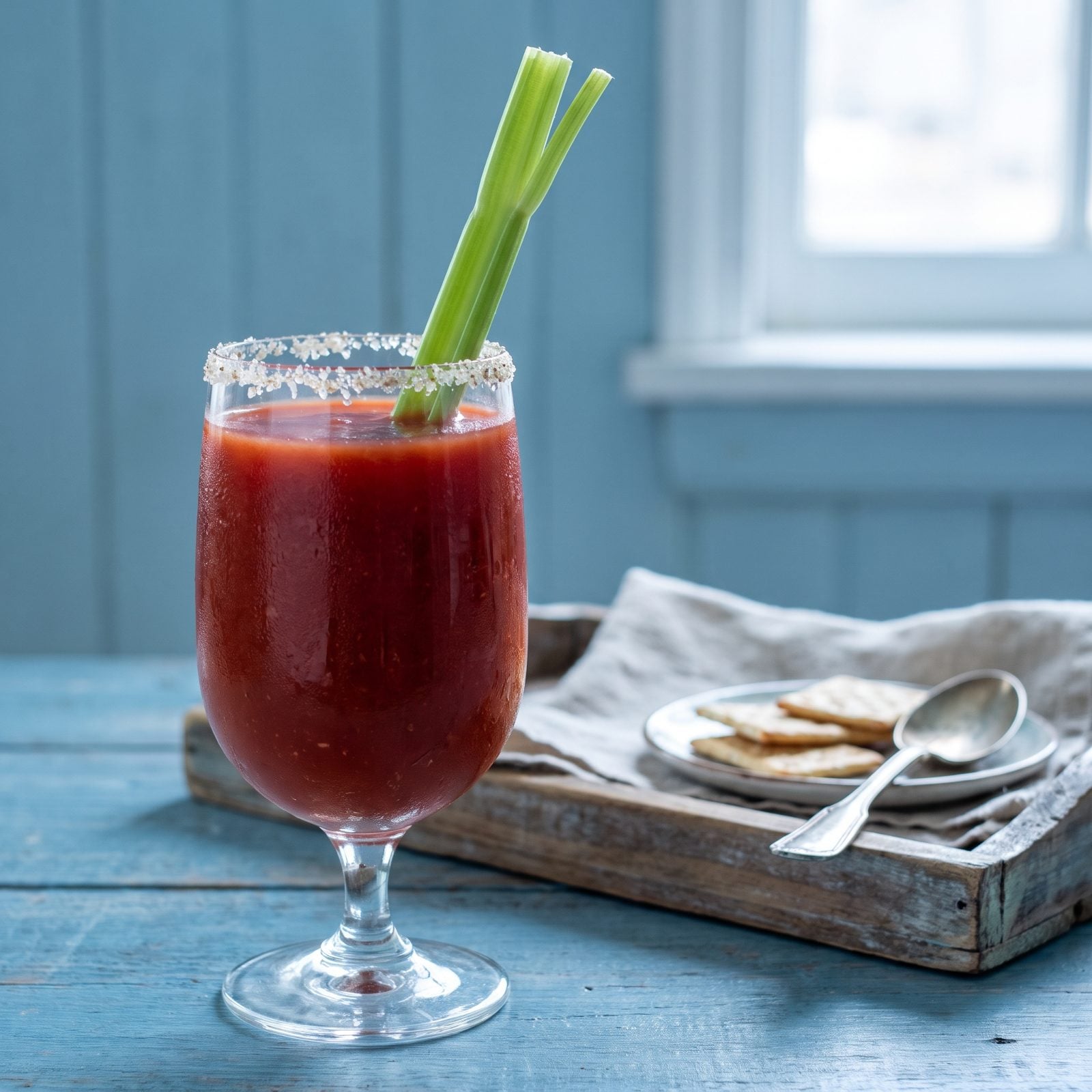
Before the entree, something small and red and cold. Chilled tomato juice in a stemmed glass, a stalk of celery standing in it and celery salt crusted around the rim. It woke up the palate without eating a whole course.
No alcohol in this one, which made it the appetizer everybody at the table could start with. The celery salt did all the work — that savory bite that turned plain juice into something you’d actually chosen.
21. Jellied Madrilène Trembling Under a Squeeze of Lemon
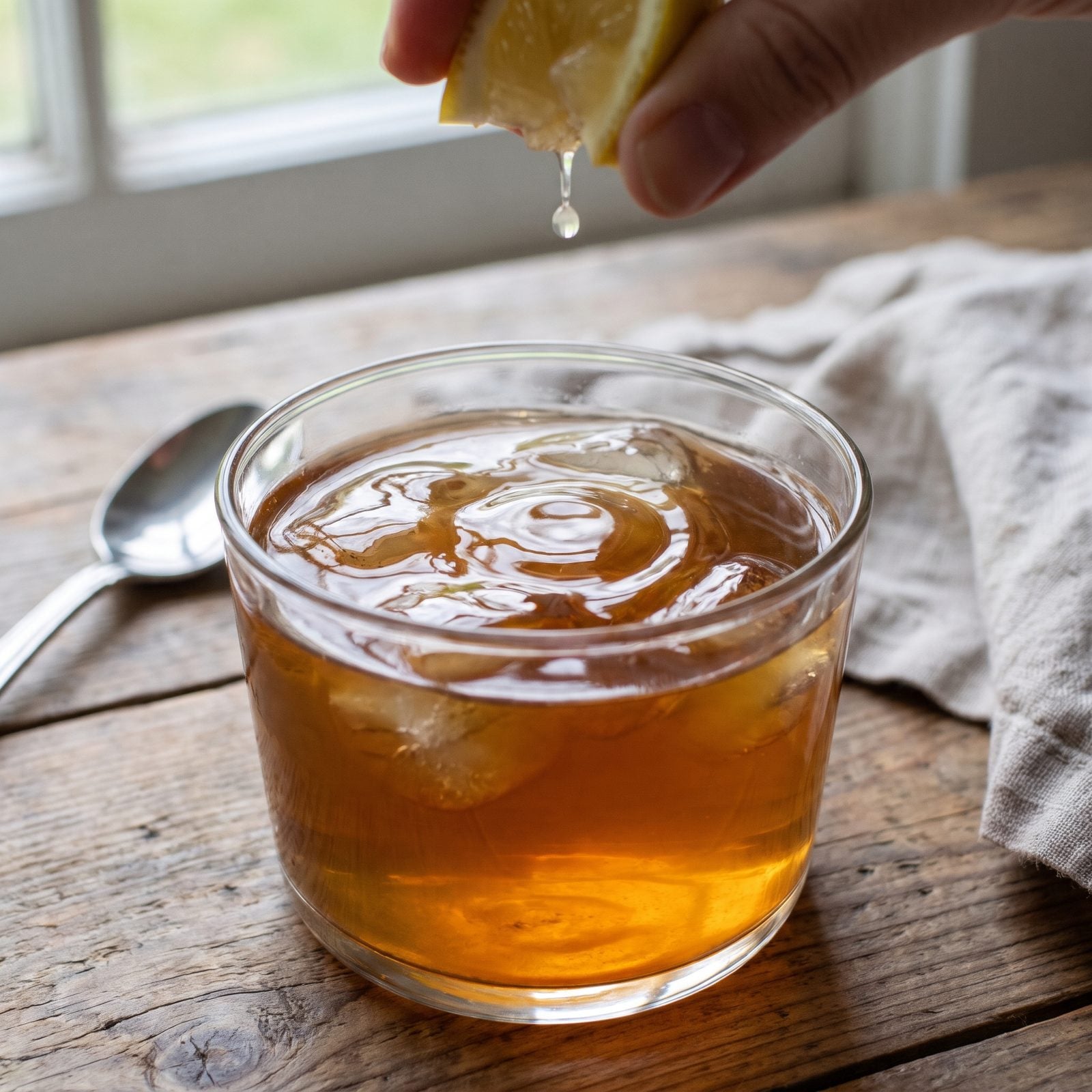
Half jelly, half broth, served cold over ice in a small cup. Madrilène was clear amber-brown consommé, set so loosely it swirled and rippled around the ice when you touched the spoon to it, then melting the moment it hit your mouth.
You squeezed lemon over the top right before eating. Light, a little fancy, and it told the table that whoever cooked knew their way around a classic menu. A hot soup would have steamed up the candlelight. This one stayed cool and clear.
20. Tomato Aspic Unmolded With Shrimp Suspended Inside
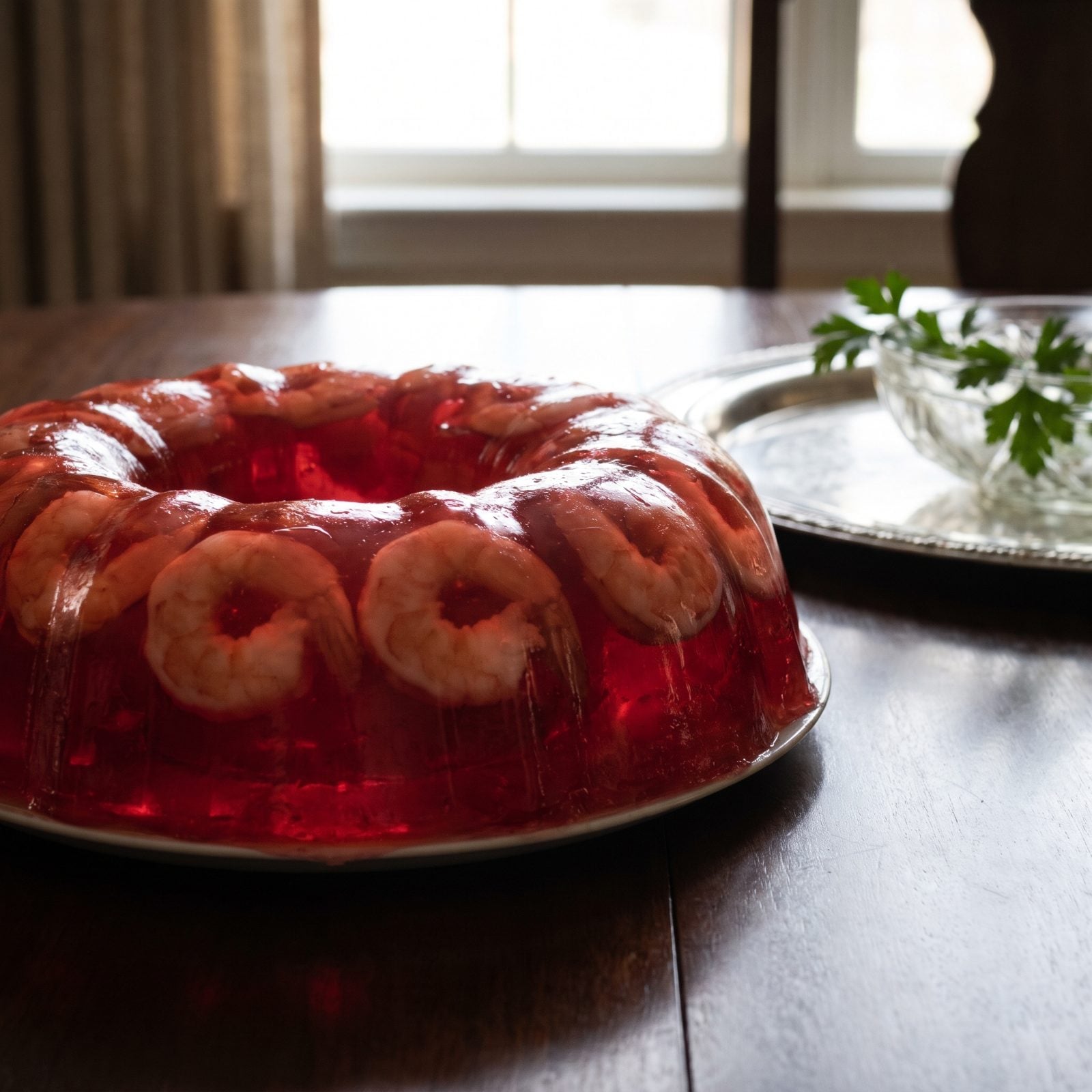
The showpiece of the home dinner, the one that got unmolded that afternoon with a held breath and a quick dip of the mold in warm water. Tomato juice set with gelatin into a glistening red ring, shrimp suspended inside like they’d been frozen mid-swim.
It came out onto a plain white plate, with a sprig of parsley waiting nearby, and sat there jiggling with real menace. People either loved these or they didn’t, but on Valentine’s night it meant someone had planned the meal days ahead. I have a soft spot for a dish that requires you to pray over a mold.
19. Chateaubriand Carved for Two at the Table
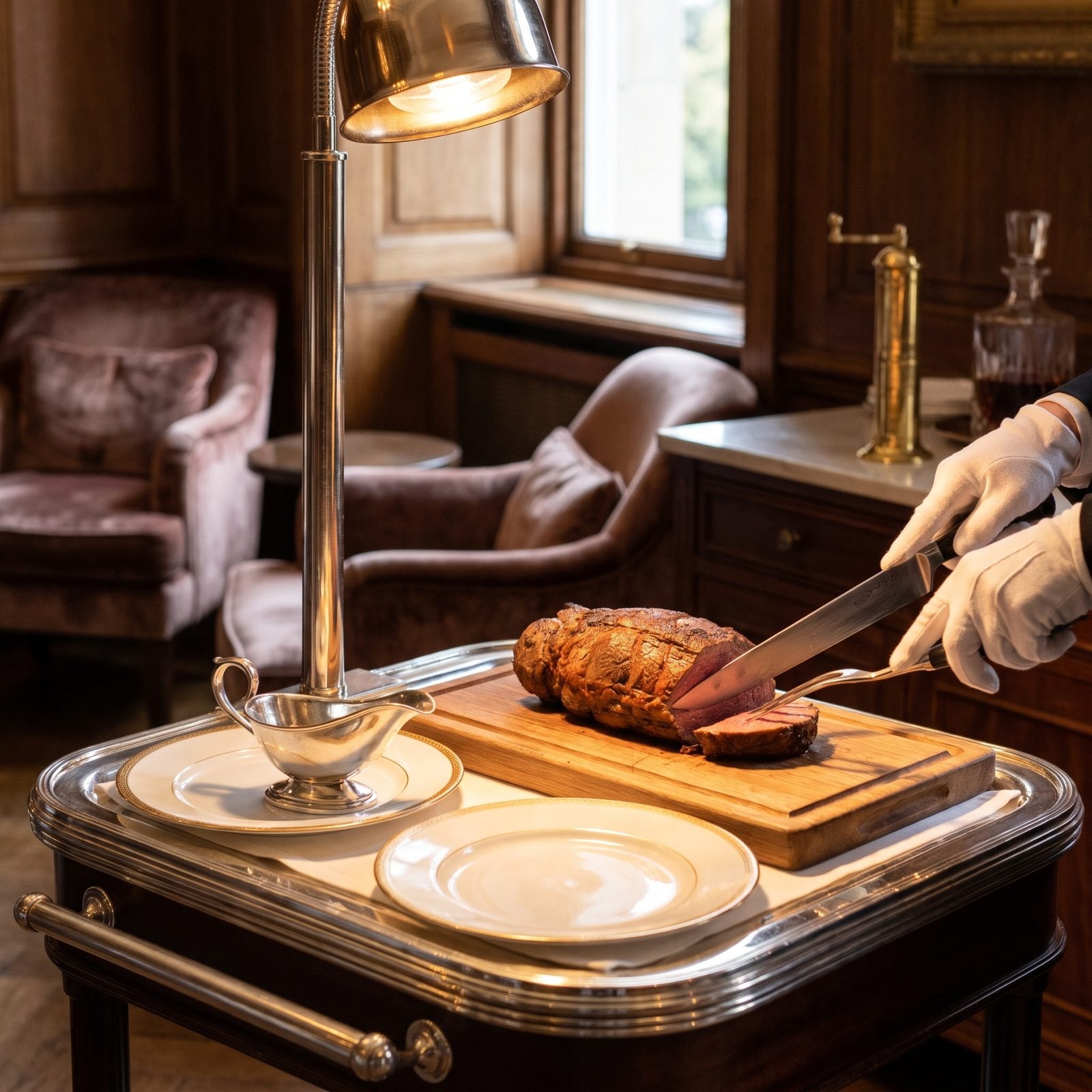
One roast, two people, carved in front of you. Chateaubriand was the center cut of the tenderloin, thick enough to slice into rosy medallions, and the drama lived in the carving. The captain wheeled it over, sharpened his knife against a steel, and portioned it onto your plates while you watched.
Béarnaise on the side, little turned potatoes browned in butter, a few carrots. You ordered it when you wanted the evening to feel like an event rather than a dinner, and sharing one cut off the same roast was the whole romantic idea.
Main courses tend to win our readers over: in their heart votes, photos of them got hearts 79% of the time, against 74% for other images in the same articles.
18. Steak Diane Set Aflame Tableside
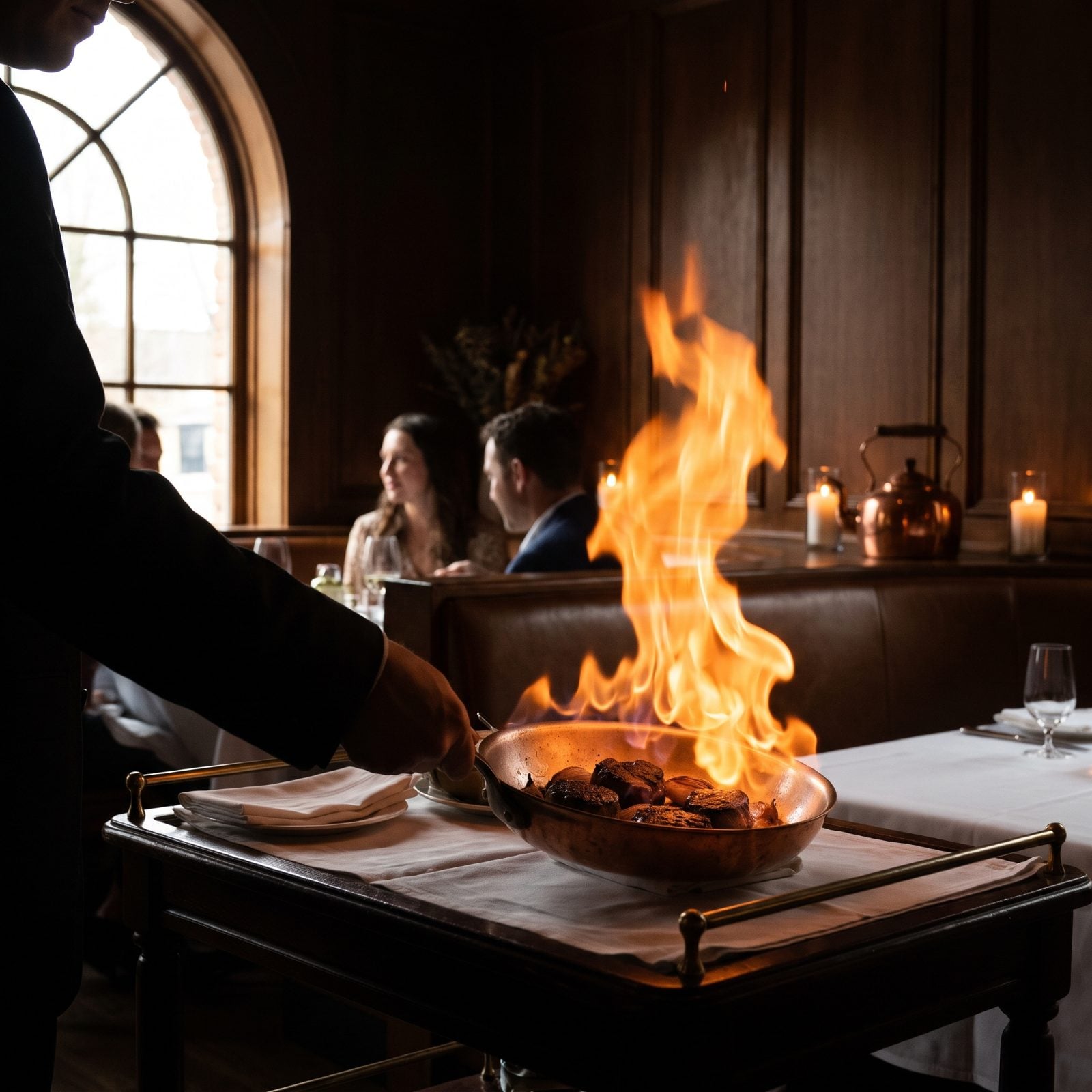
This is the one you remember with your eyes closed. Thick, seared beef medallions in a copper pan of butter, shallots, mustard and Worcestershire, then a splash of brandy and the waiter gripping the pan’s handle until the whole thing went up in a sheet of flame.
The room briefly went orange. Everyone at nearby tables looked. The medallions came to your plate charred dark at the edges, and the fire had done its job before a single bite was taken.
The flambé was never really about the cooking. It was about the moment the table lit up and you both leaned back.
Asked why the retro dish still wows diners, one steakhouse executive chef says “Primarily it’s the sauce and tableside preparation that makes it a special dish”
17. Veal Oscar With Crab and Asparagus
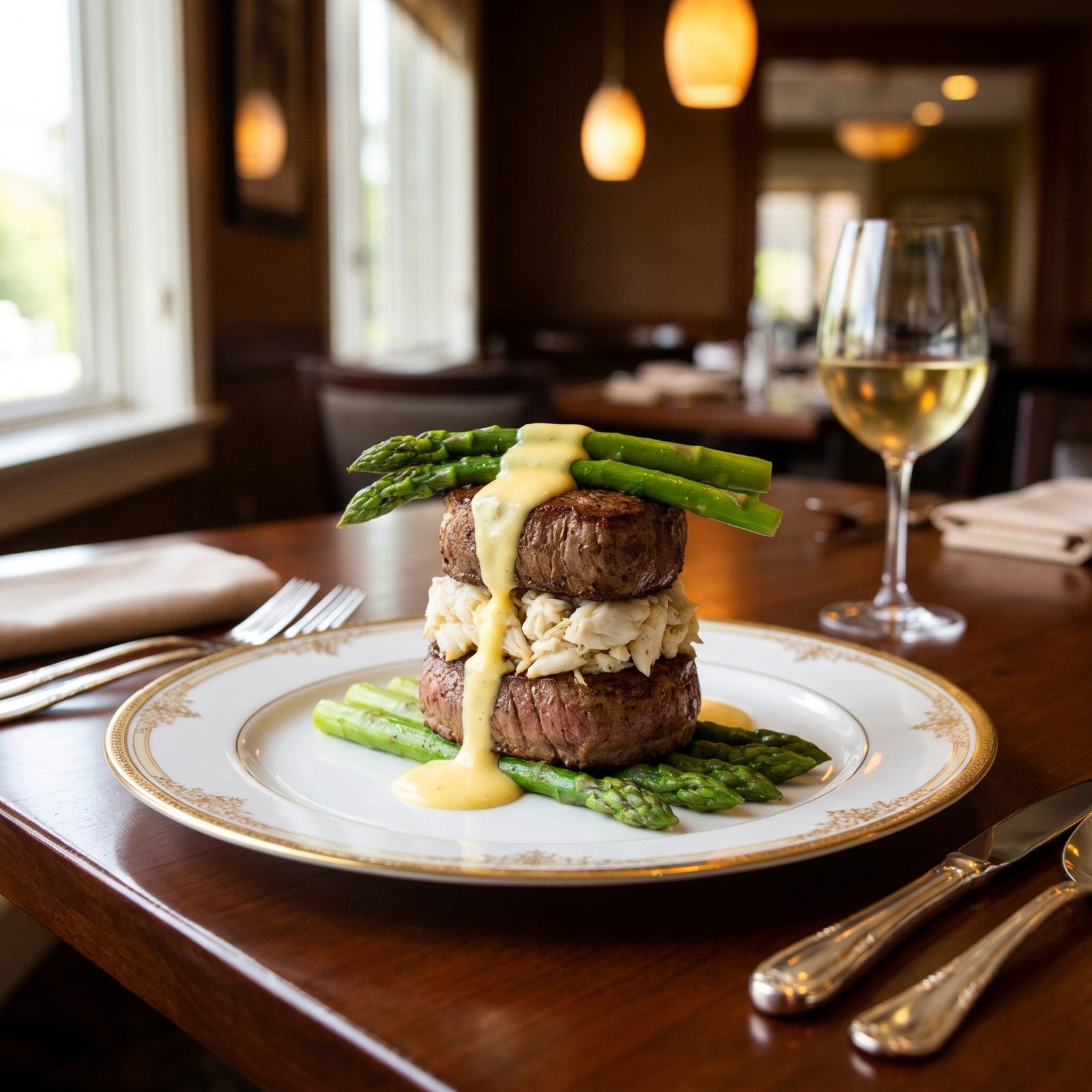
This was the dish that told your date you meant business. Veal Oscar stacked three luxuries on one plate — tender veal, sweet crab, and asparagus — all bound together with béarnaise rich enough to make a candle flicker.
It read as fancy because it was fussy. Named for a Swedish king with expensive taste, it landed on American supper-club menus and never fully left the Valentine’s rotation. The whole thing leaned soft and golden, and it photographed beautifully by candlelight.
16. Chicken Kiev With Herb Butter
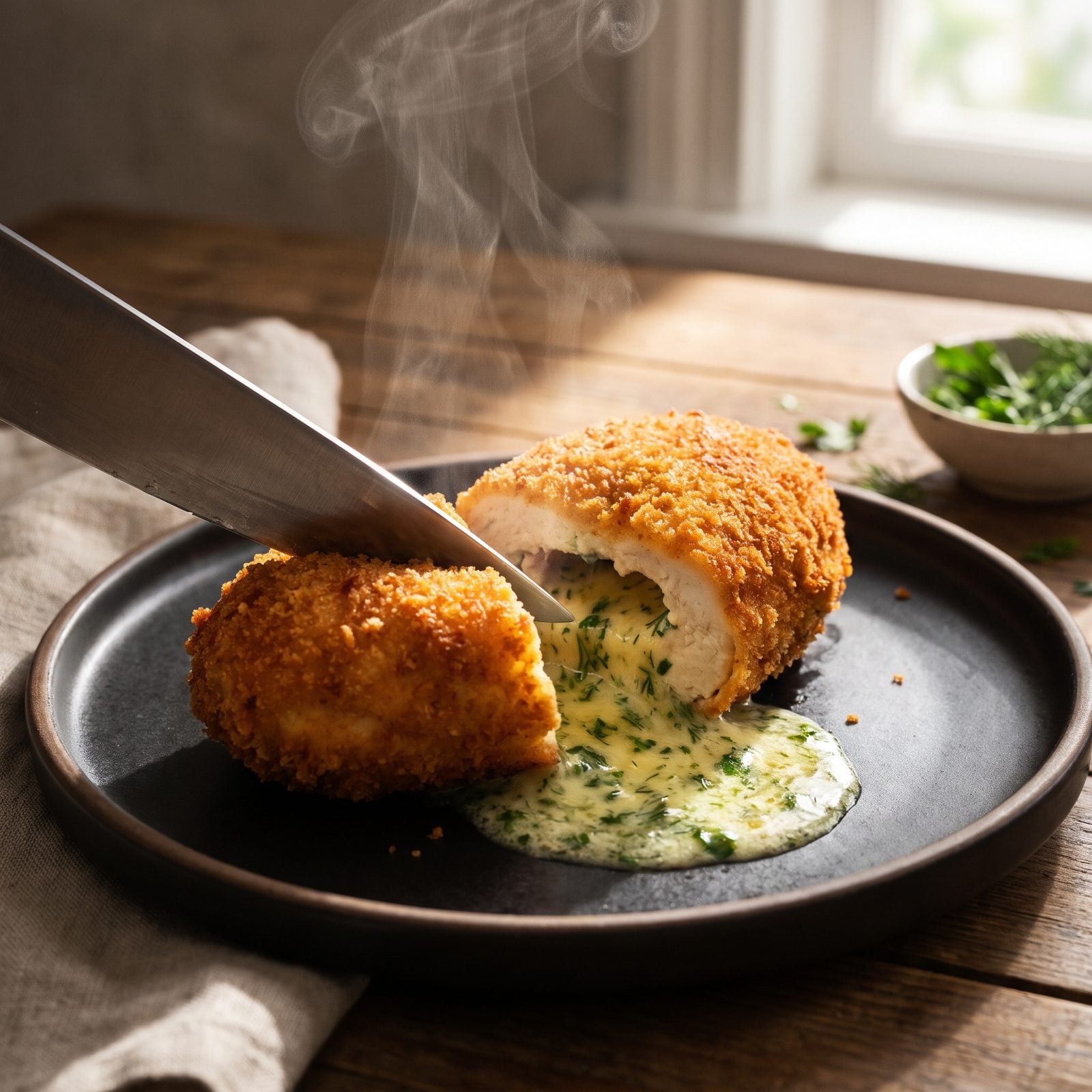
The drama was built right in. You cut into that golden crust and the herb butter came pouring out, a little hidden fountain nobody warned you about the first time.
Chicken Kiev worked as date food because it demanded attention at the table. You slowed down, watched the butter run, and ate carefully so it didn’t squirt across the linen. The crisp, crumb-crusted parcel on a dark plate made it feel like an occasion, and honestly, half the thrill was waiting to see who’d get splashed.
15. Duck à l’Orange
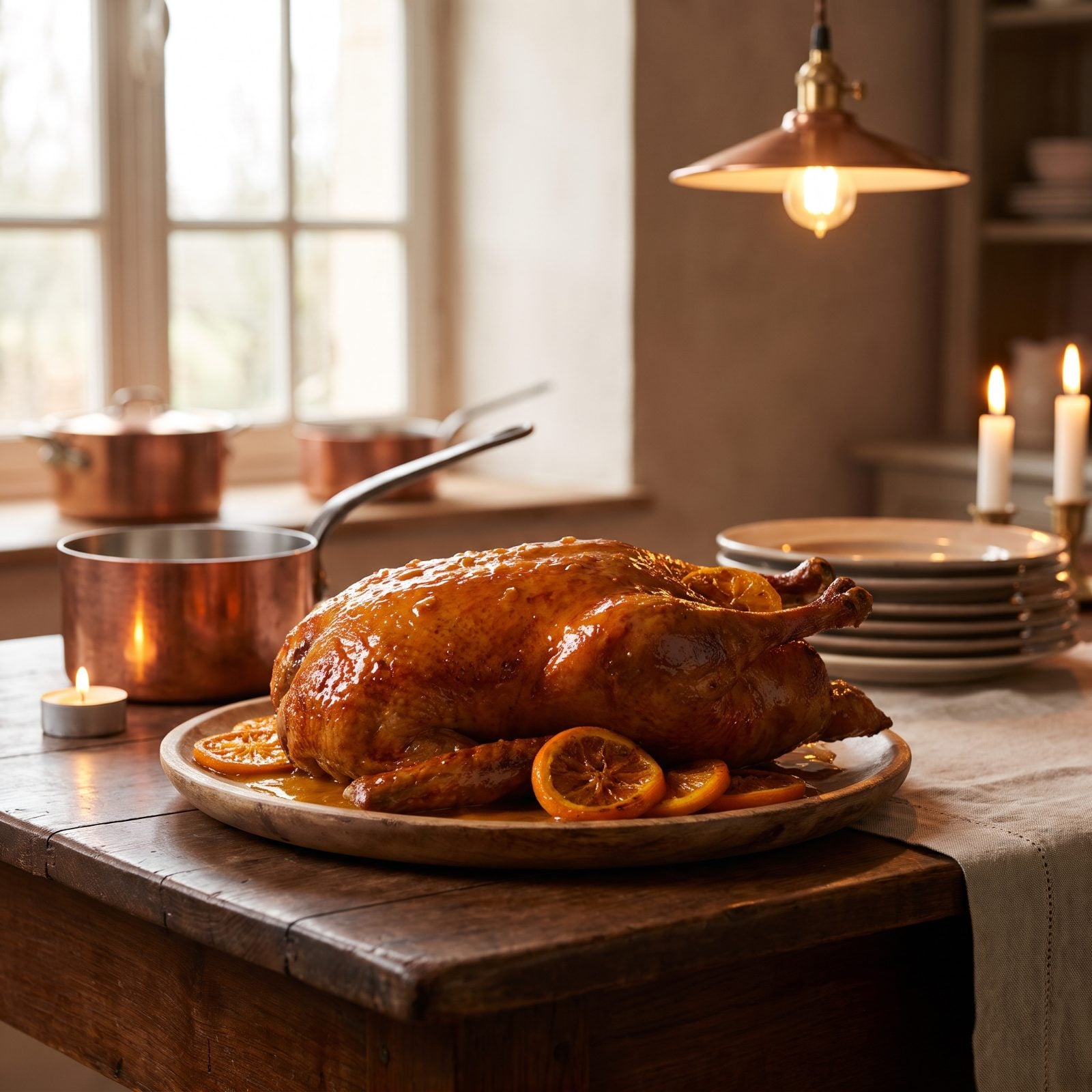
Glossy, amber, and faintly show-offy. Duck à l’orange made a home cook feel like they’d pulled off something French and impossible.
The sauce did all the talking. Bitter orange cut against the fat of the duck, and the whole plate glistened under candlelight like it had been lacquered. It took patience and a willingness to deglaze a pan at the exact right moment, which is probably why it felt so romantic. You only made it for someone you really wanted to impress.
Some dishes are a gift. This one was a declaration.
14. Cornish Game Hens With Wild Rice
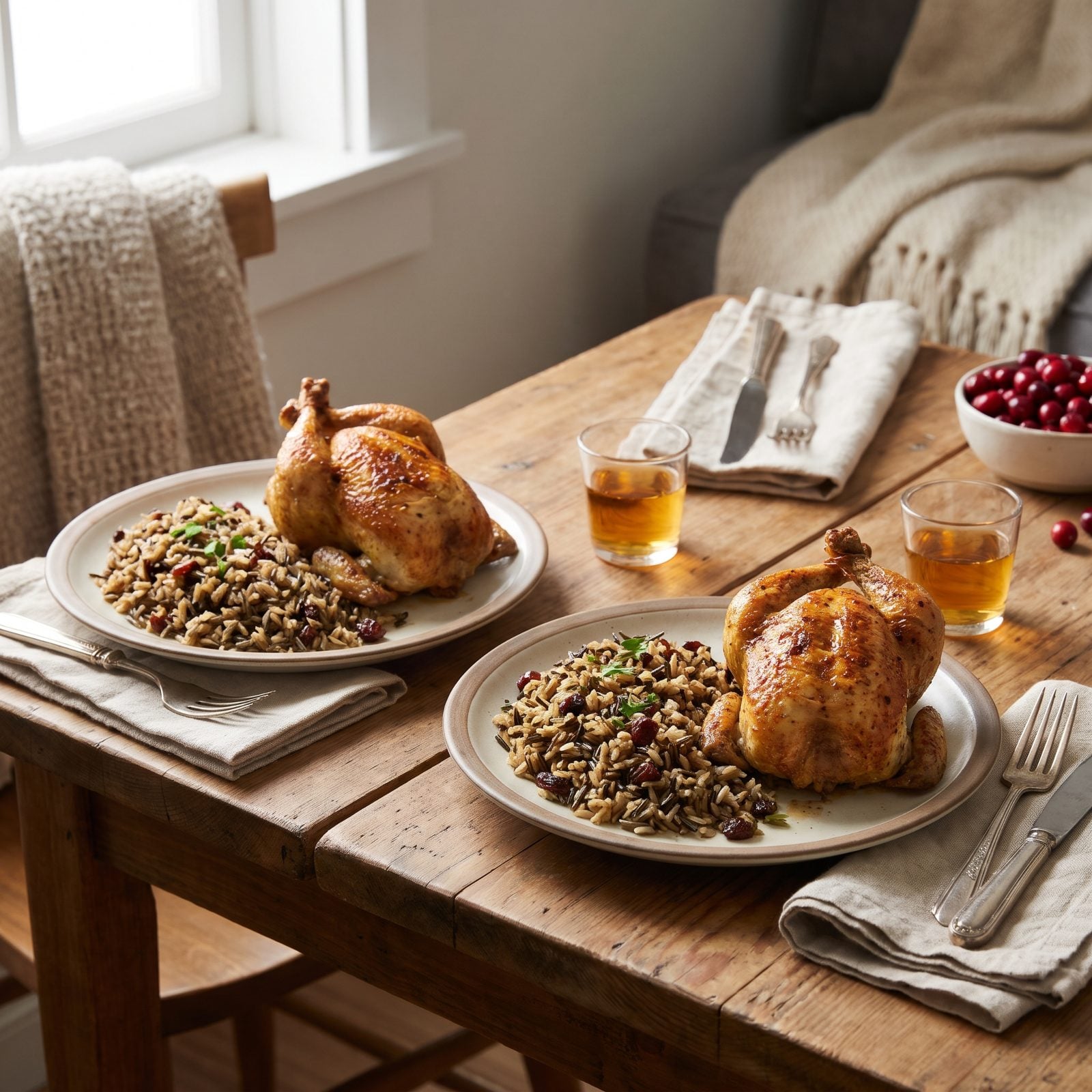
Two tiny birds, one obvious message: this dinner is just for us.
Cornish game hens solved the romance math perfectly. Nobody shared, nobody passed a platter — you each got your own little roasted bird nestled beside a mound of wild rice, and the portion managed to feel generous and private at the same time. They roasted up golden and glossy, a few drippings pooling on the plate beside the wild rice. The scattered parsley leaves and cranberries in the rice on each plate? Pure theater, and that was exactly the idea.
13. Lobster Thermidor
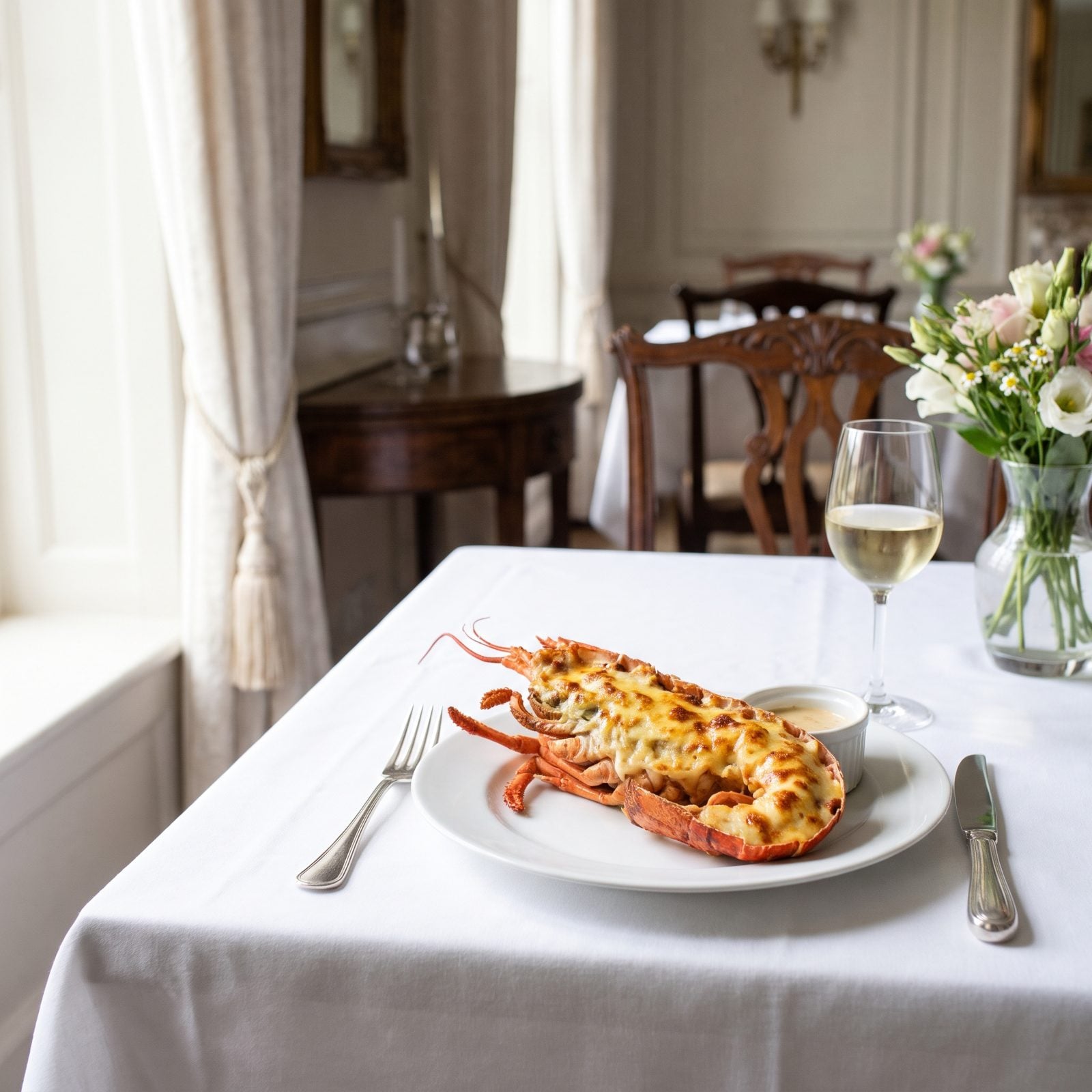
You didn’t order lobster Thermidor on a Tuesday. You ordered it when the night mattered, when the tablecloth was white and the waiter wore a jacket.
Served right in its own split shell, the lobster came swimming in a creamy brandy-mustard sauce under a browned cheese crust. The most theatrical seafood on the menu, and the most expensive, which is exactly why it anchored so many anniversary and Valentine’s dinners. Even the red shell against the pale sauce looked dressed up for the night.
The white tablecloth still earns its place: in readers’ votes, photos with one got hearts 86% of the time, versus 77% for the other images in the same articles.
12. Sole Véronique With Grapes
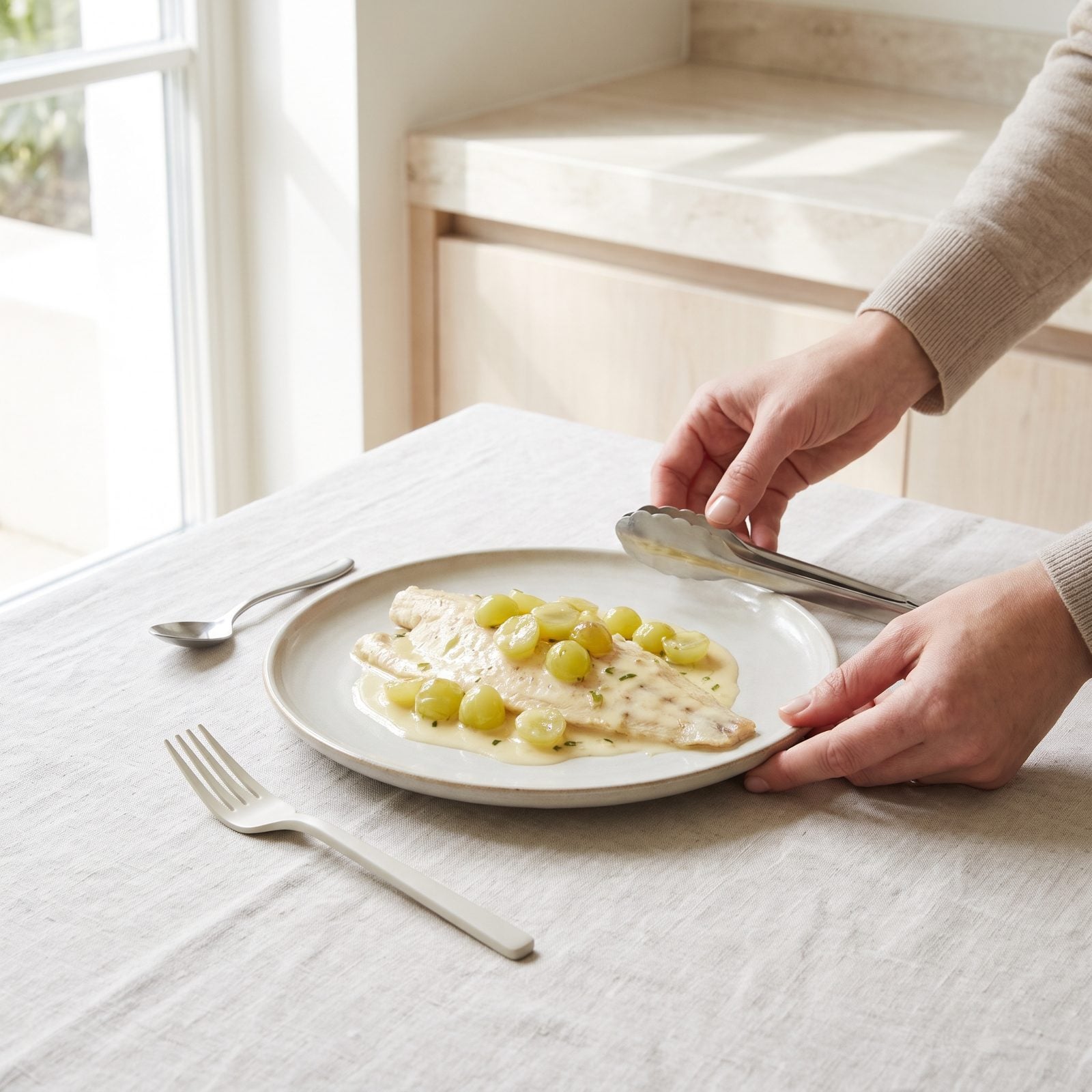
Pale, delicate, and quietly fancy. Sole Véronique was for the couple who wanted elegant without heavy.
Those peeled green grapes were the signature, little jewels of sweetness tucked into a cream sauce against mild white fish. It felt restrained and sophisticated, the sort of plate that let the conversation keep going instead of making you wrestle with your food. And someone had actually peeled those grapes by hand — which told you the kitchen cared.
11. Shrimp De Jonghe
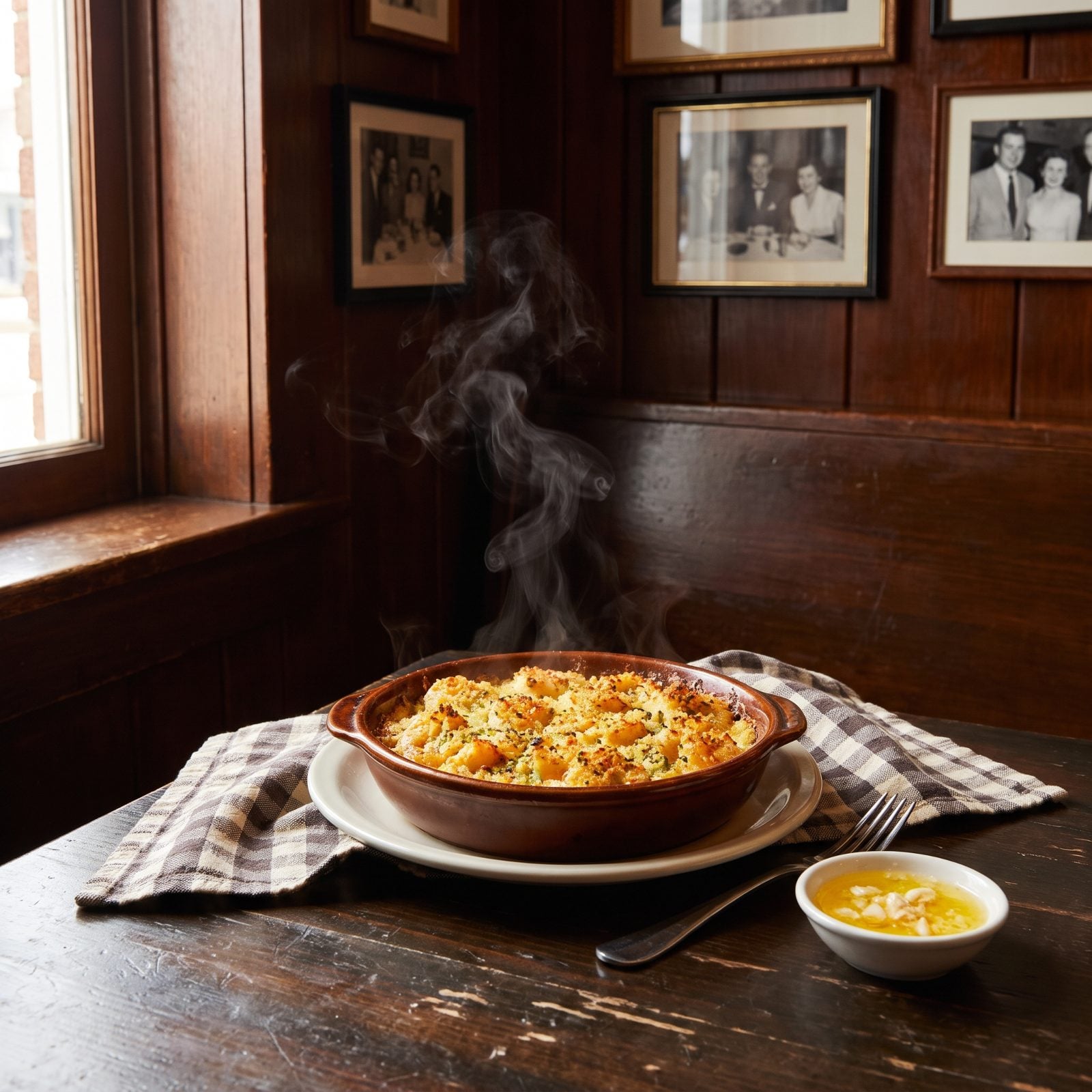
Chicago’s quiet contribution to the romance menu. Shrimp De Jonghe came bubbling out of the oven under a garlicky, sherry-soaked breadcrumb crust that smelled like the night was already going well.
Humbler than lobster, no less beloved. A baked casserole of shrimp and butter and garlic that filled a small gratin dish for two. You scooped it with a spoon, mopped the dish with bread, and nobody judged you for it.
10. Coquilles Saint-Jacques
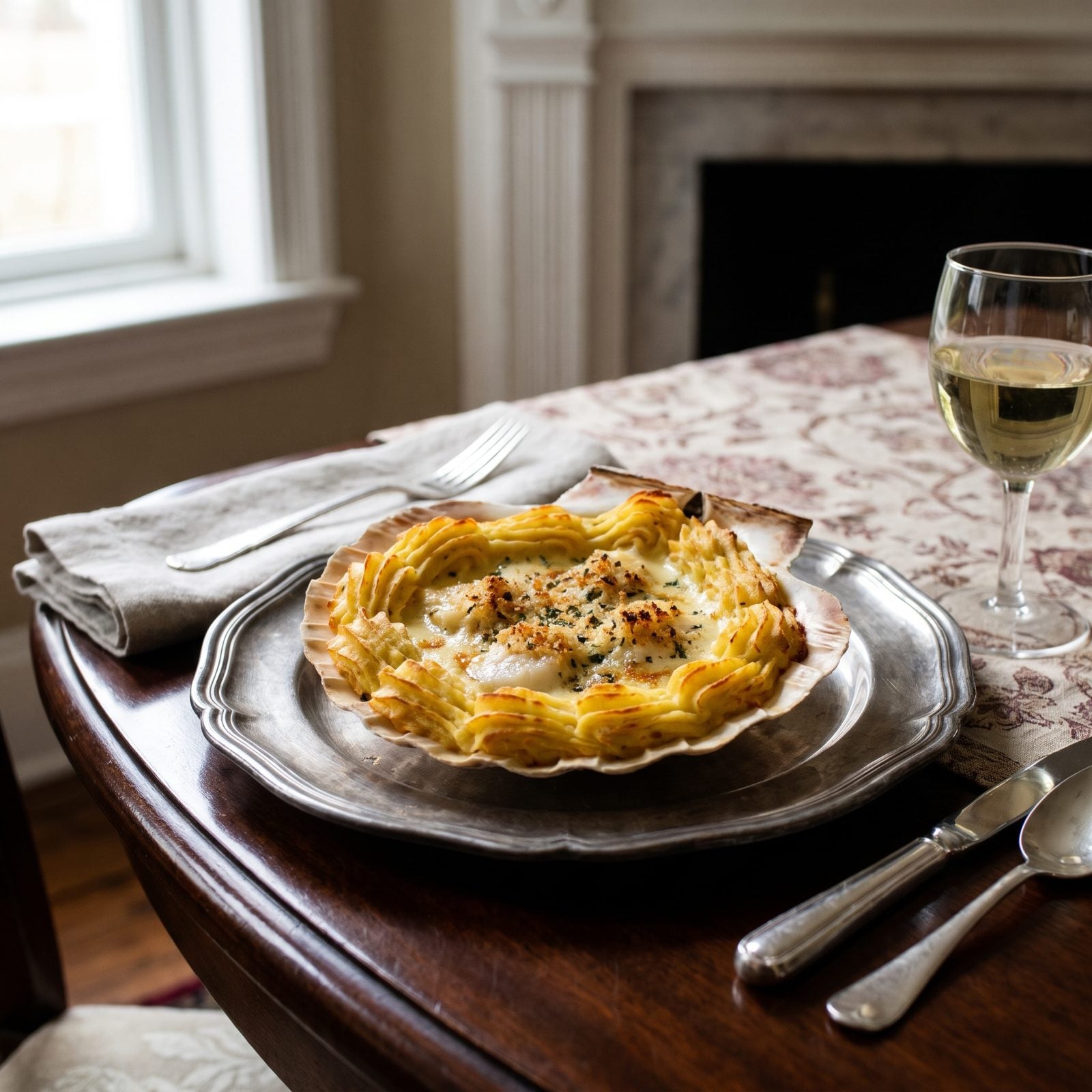
Served in a real scallop shell, with a piped border of potato around the edge like a little crown. Coquilles Saint-Jacques looked like effort, because it was.
The scallops sat in a creamy wine sauce under a browned cheese crust, and the plating did half the romancing. Nothing says you fussed over dinner quite like food that arrives in a shell. French, pretty, and it gave you something to admire before the first bite.
9. Fondue Bourguignonne for Two
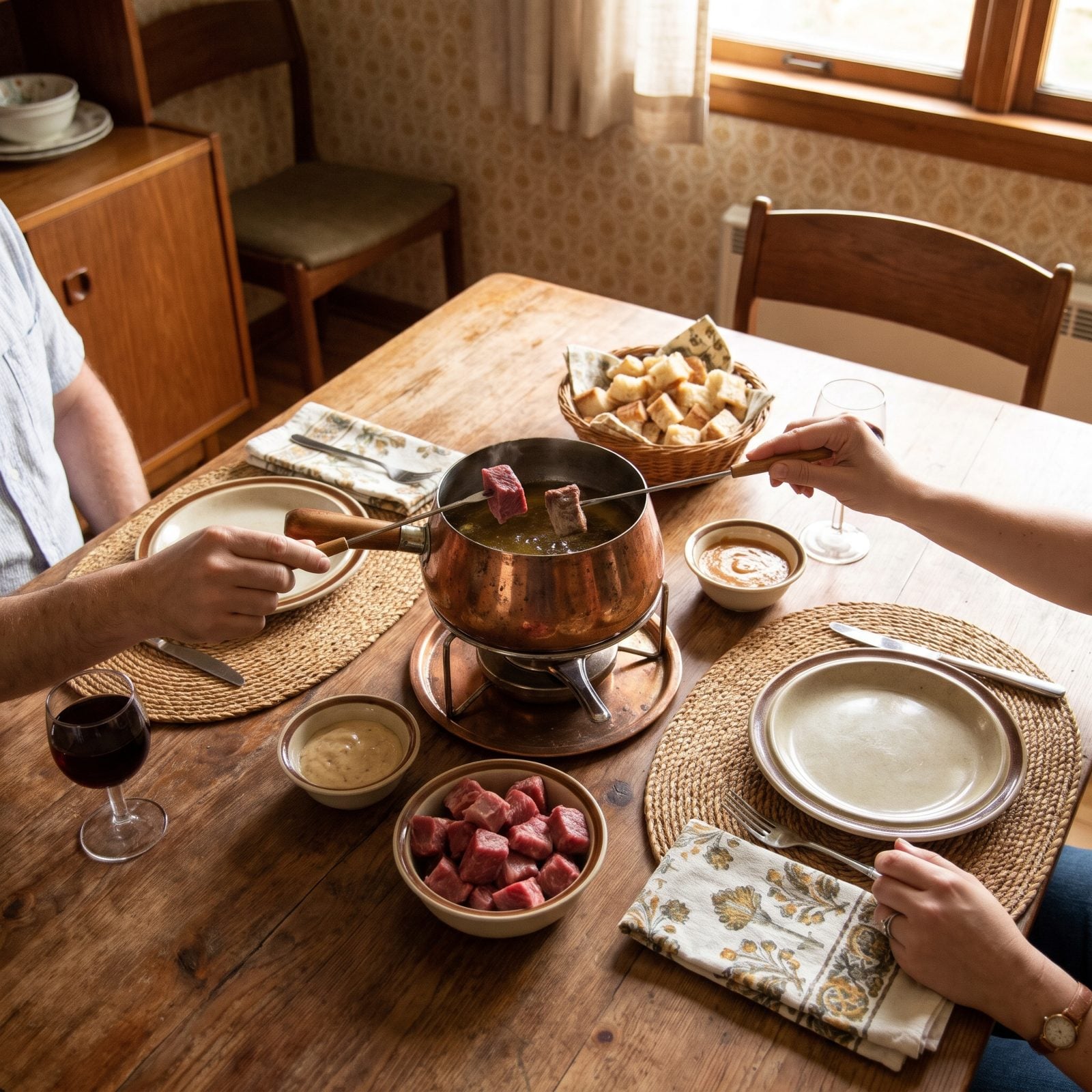
The most hands-on romance on the table. Fondue bourguignonne meant a copper pot of bubbling oil between you, a pile of beef cubes, and a row of little sauces to argue over.
Slow by design. You speared a cube, waited for it to cook, dunked it, and in all that waiting you actually talked to each other. The whole ritual turned dinner into a long, flirty project that stretched the evening out.
8. Baked Alaska for Two
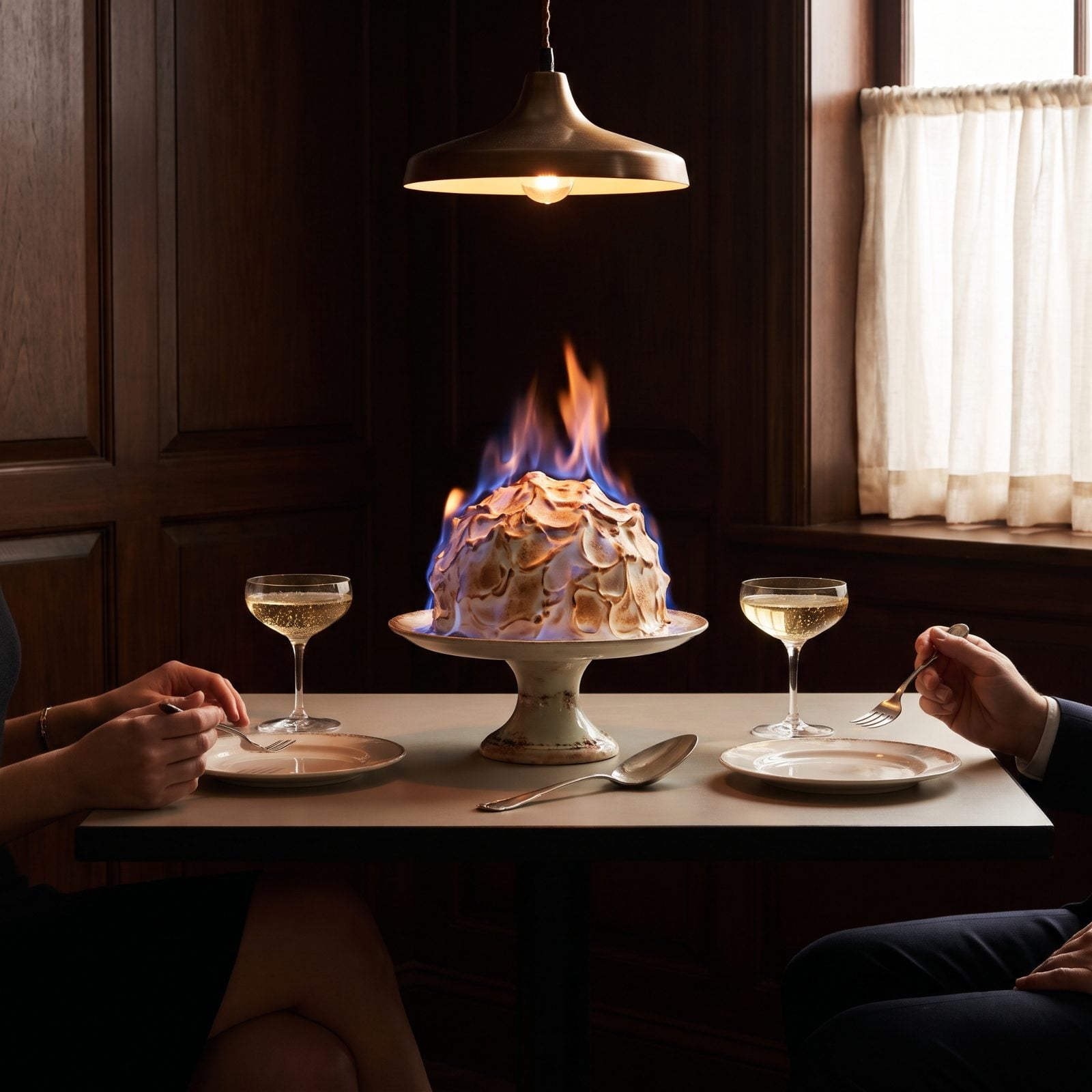
The finale that arrived on fire. Baked Alaska closed the evening with a blaze, meringue torched tableside while ice cream hid impossibly cold inside.
The trick was pure magic the first time you saw it. Hot and golden outside, frozen in the center, lit with a splash of flaming brandy right there at the table. Dessert as a performance — the kind of thing you still talk about years later.
Nothing ended a 1960s Valentine’s dinner quite like a sweet set alight between two coupe glasses of champagne. Go ahead and order the showstopper. That’s what the night was for.
Looking back on the dessert’s heyday, one pastry chef recalls “My first memory of a real-life table-side flaming of the meringue-covered ice cream was shortly after I moved from a commune in California to Fairfield, CT.”
7. Chocolate Charlotte Russe
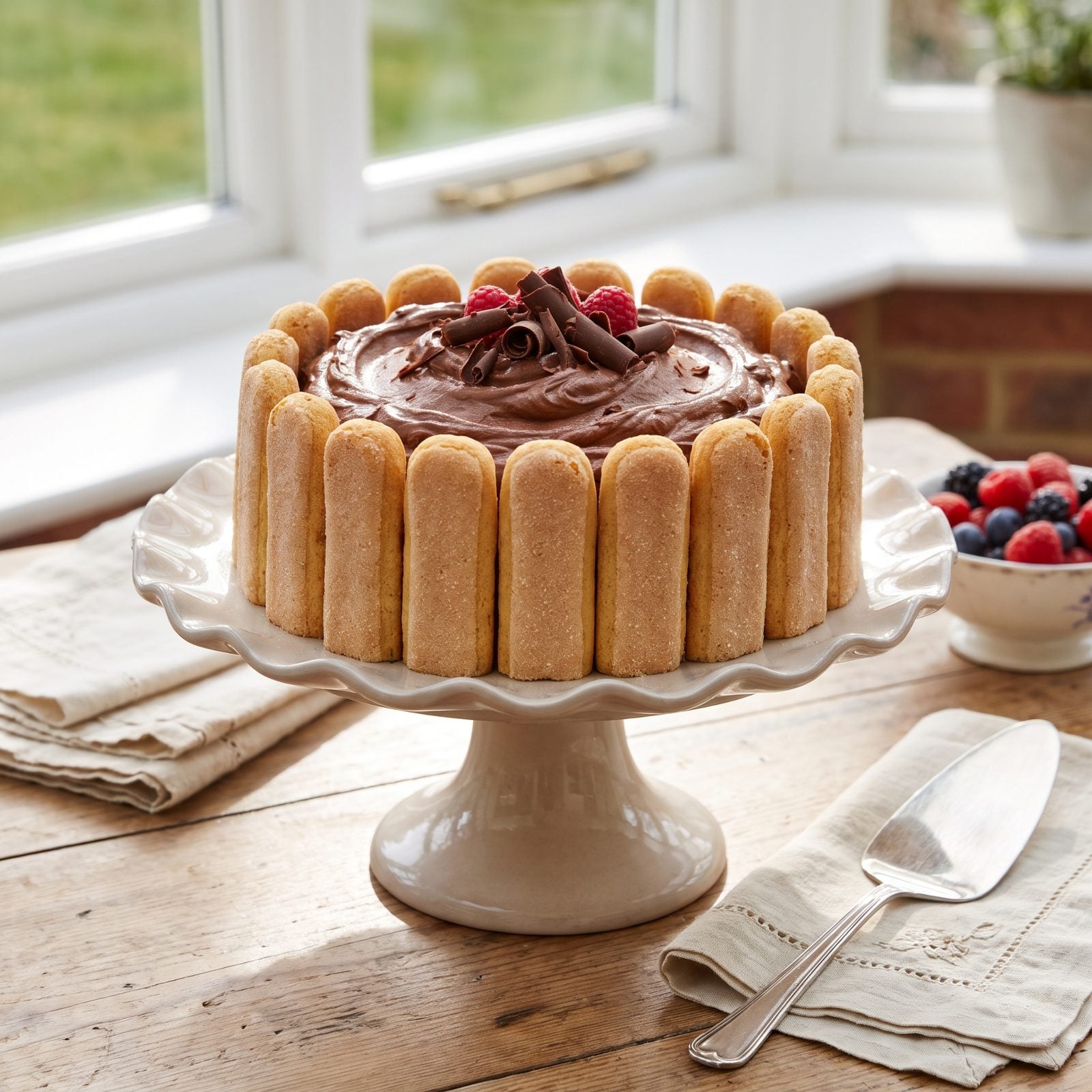
The charlotte russe was the dessert you made when you wanted to show off a little without hiring anyone. A ring of ladyfingers stood up around a chocolate Bavarian cream, packed in snug enough that the whole thing held its shape when you slid it off the mold.
It looked like it took all day. Half the time it came from a mix and set in the fridge while the roast cooked, and nobody needed to know that. You unmolded it at the table and let the gasp do the talking.
6. Heart-Shaped Cherry Gelatin Mold
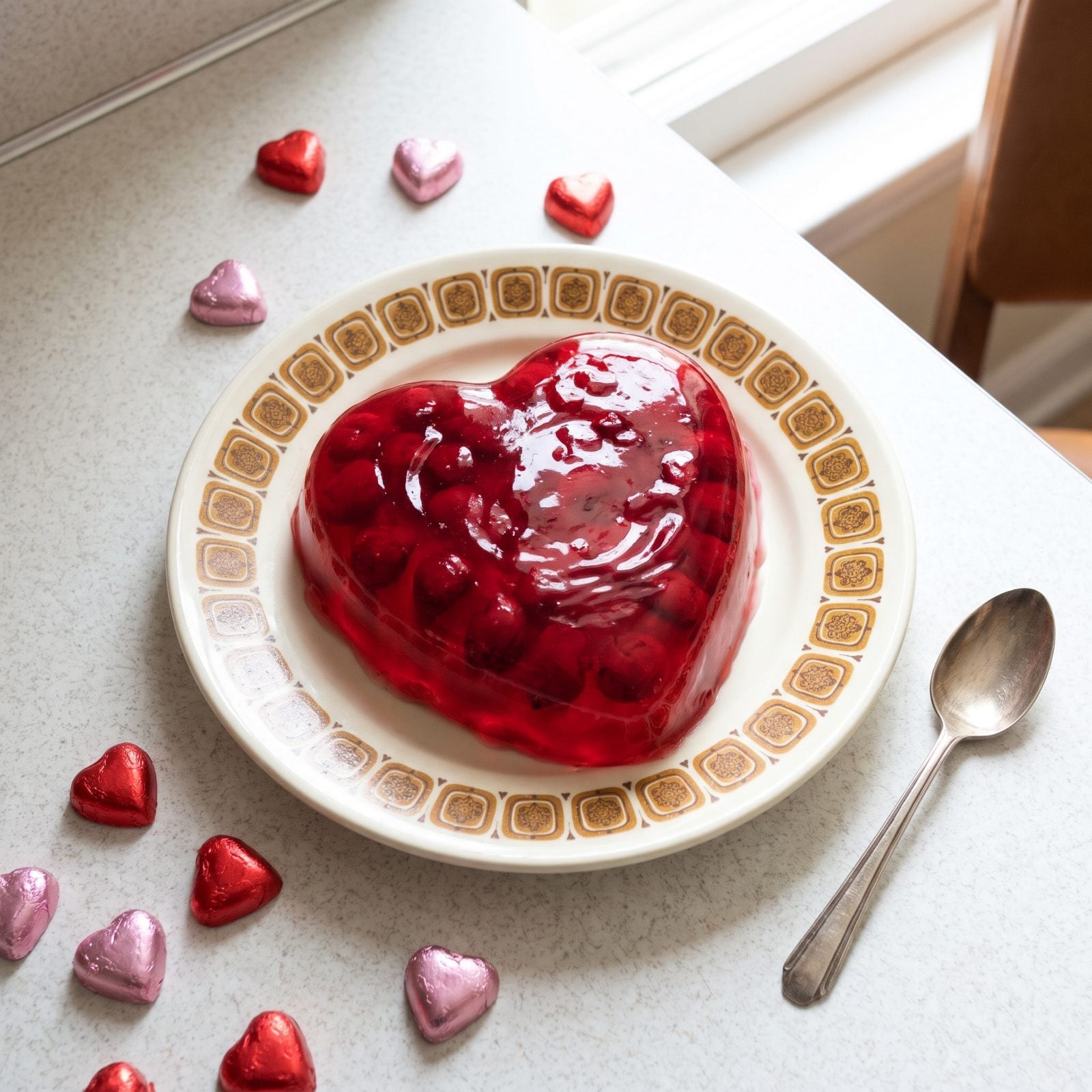
Gelatin was the fun dessert, and the heart mold made it a Valentine.
You bought the aluminum heart mold once and used it every February after. Cherry was the obvious flavor, bright red and faintly sweet, with real cherries suspended inside if you timed the setting right so they didn’t all sink to the bottom.
It wobbled when you carried it in. That wobble was the entertainment. A ring of whipped cream around the base, maybe a cherry on top, and you had a dessert that looked like love and took ten minutes of actual work.
5. Spumoni in Frosted Glass Dishes
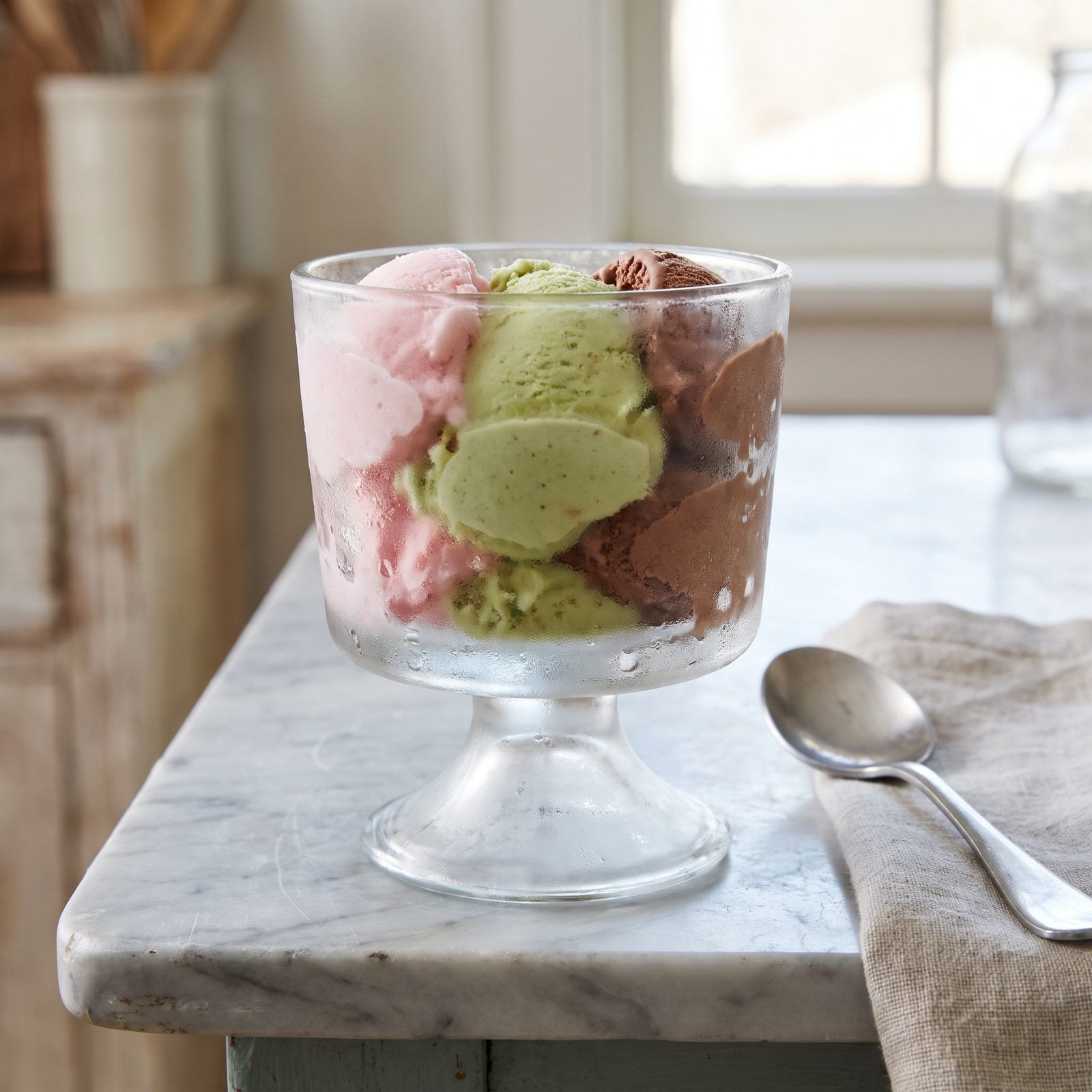
Order spumoni and the waiter brought it in frosted glass so cold the sides fogged up. Three scoops, three colors — green pistachio, pink cherry, brown chocolate — tucked side by side in the dish.
This was dessert at the Italian-American place with the Chianti bottles on the wall and Tony Bennett on the speakers. You didn’t need to understand it. You just dug into all three scoops with your spoon and got a little of everything in one bite.
4. Pink Champagne in Coupe Glasses
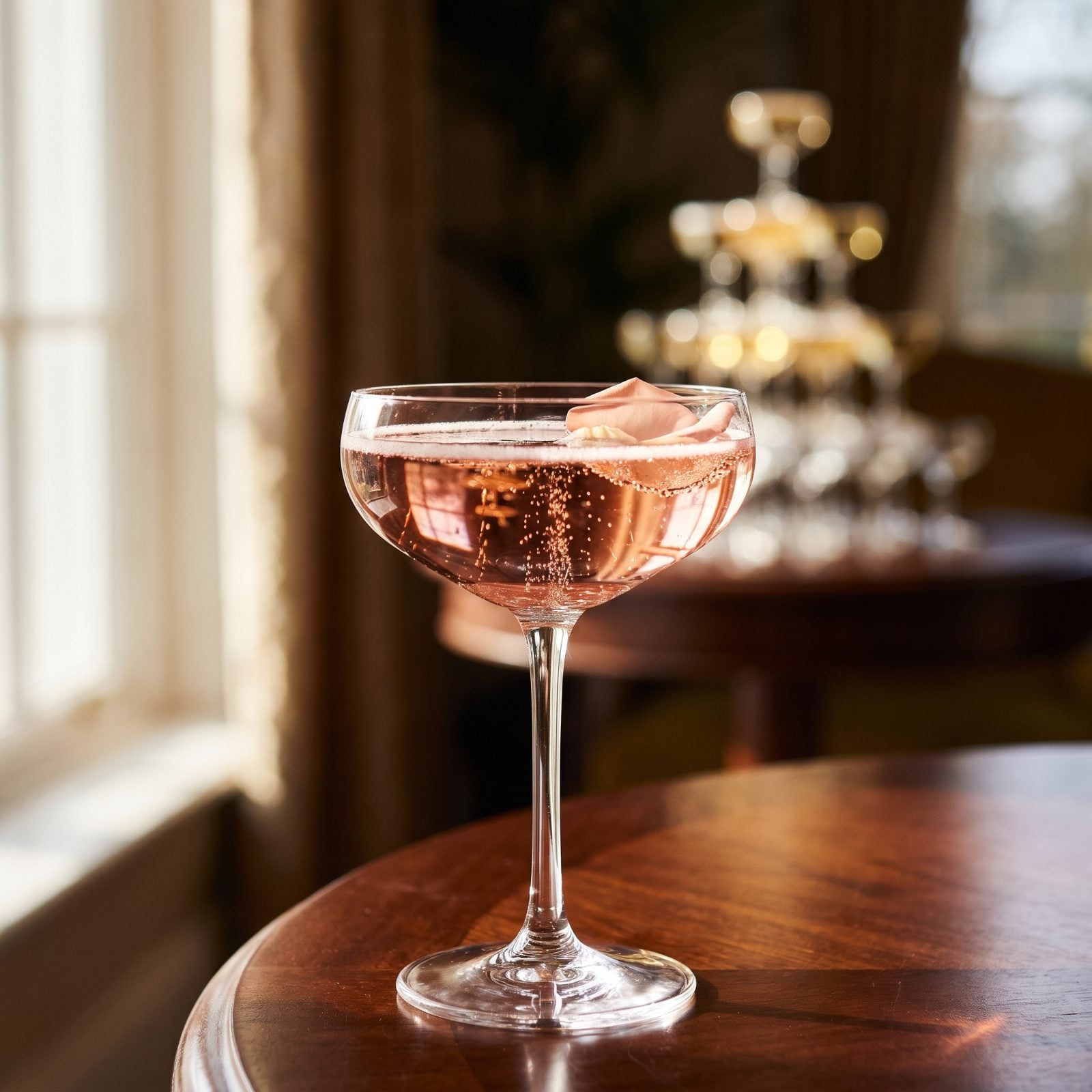
The coupe glass is the one everybody pictures: wide, shallow, stemmed, the glass they stacked into champagne towers in old movies. In the 1960s it was the glass of every celebration, and that was exactly the appeal on Valentine’s night.
Pink champagne made it a special occasion. Pale blush, fine bubbles, poured from a bottle in a silver bucket right there at the table. You clinked the shallow bowls together and half of it threatened to slosh over the wide rim. Nobody minded. The slosh was part of it.
3. Pink Squirrel Cocktails
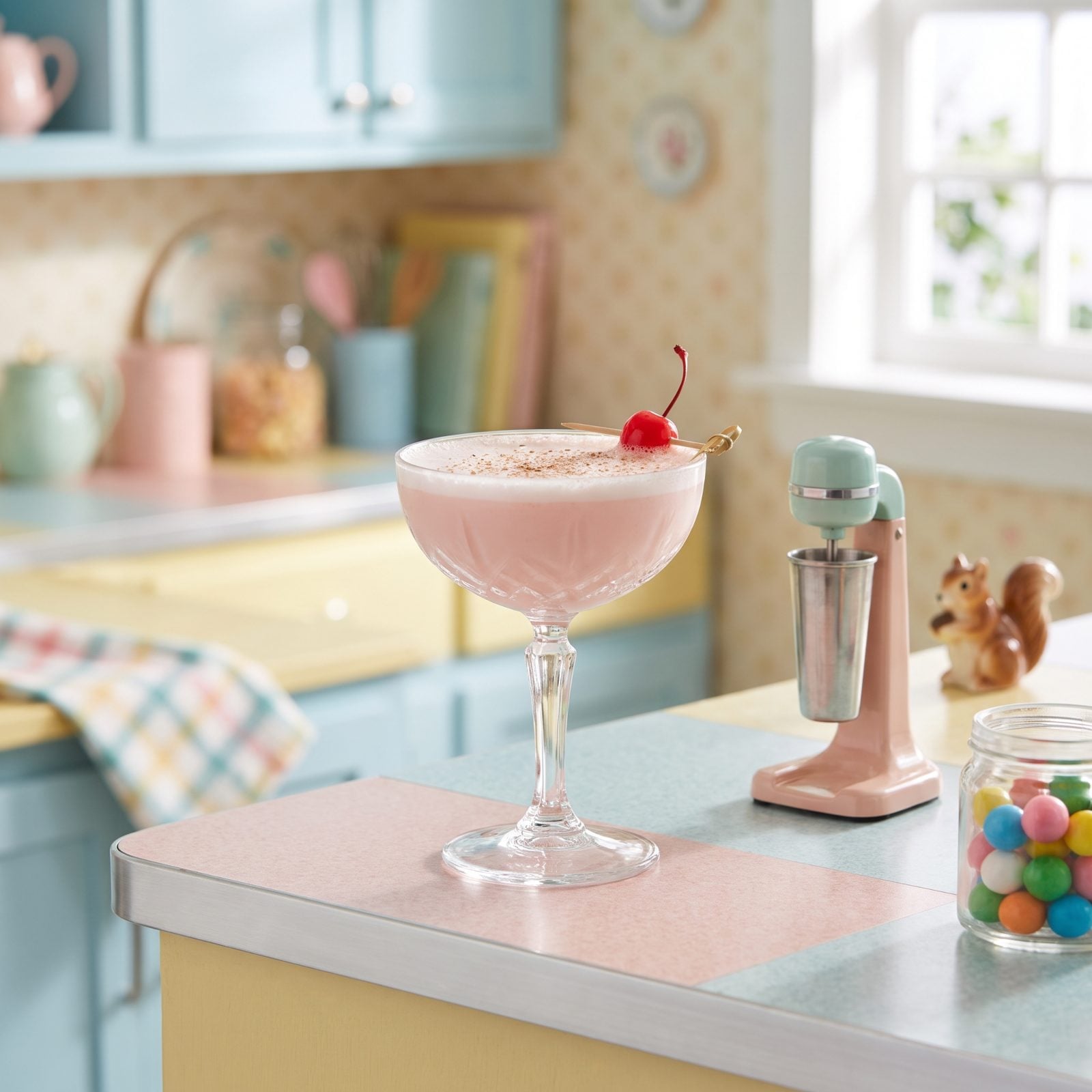
The Pink Squirrel was dessert pretending to be a cocktail.
Crème de noyaux gave it the pink. Crème de cacao gave it the chocolate. Cream and ice in the shaker turned it into something closer to a milkshake with a kick, poured pale and frothy into a coupe with a little nutmeg grated over the top.
It came out of Wisconsin supper clubs and spread from there. On Valentine’s night it pulled double duty: pretty in the glass, sweet enough to skip a second dessert, and just strong enough to loosen the evening up.
2. Sloe Gin Fizzes
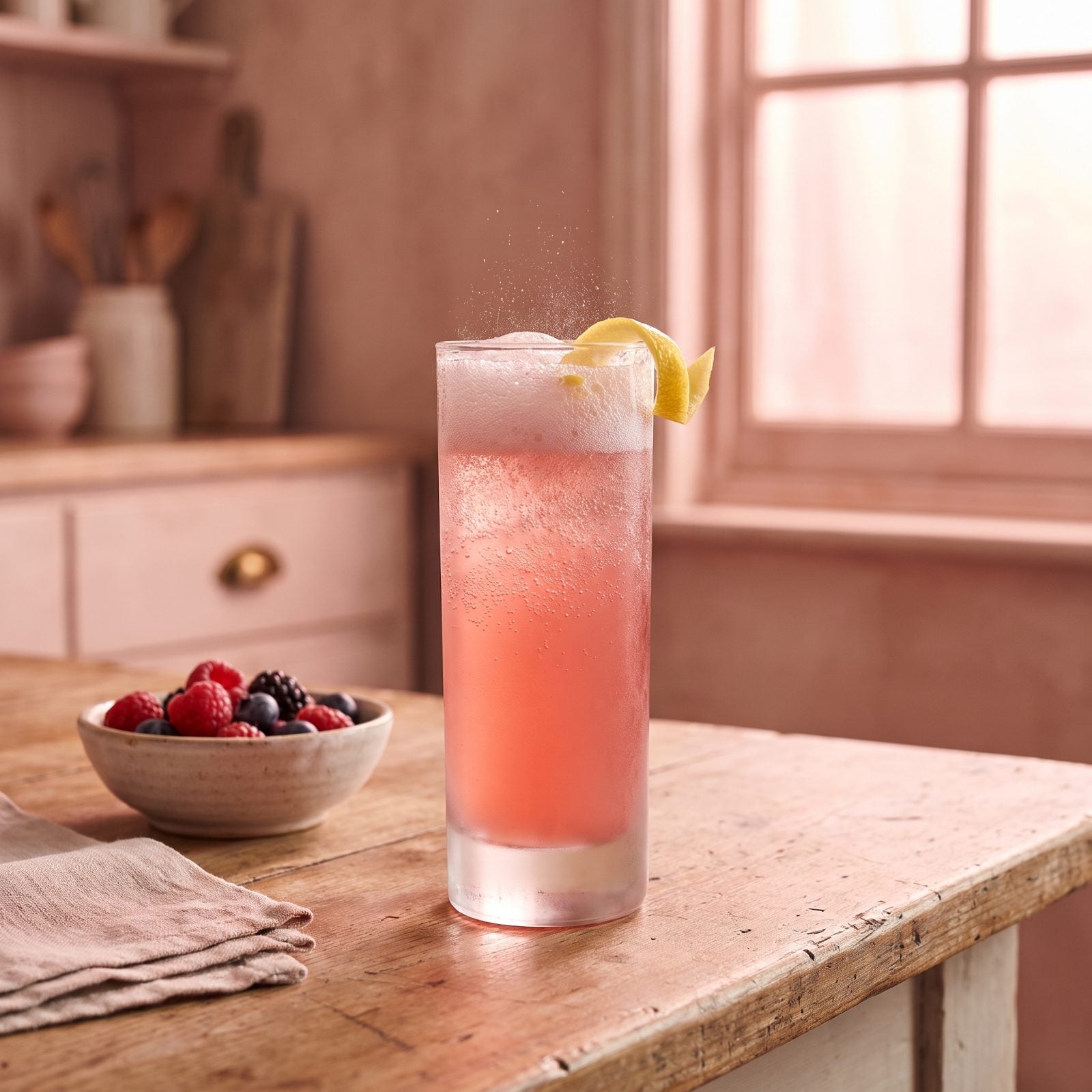
Sloe gin turned the fizz pink, which is how it ended up on so many Valentine tables. The drink itself was simple — sloe gin, lemon, sugar, a long splash of soda from the siphon, served tall over ice with a twist of lemon peel on the rim.
It was light where the Pink Squirrel was heavy. You could nurse one through a whole dinner. And the rosy color at the bottom, fading up into white foam, did half the romancing before you’d taken a sip.
Finding the classic sloe gin fizz too low-proof, one cocktail bartender adds regular gin to strengthen it.
1. Demitasse Coffee With Rock-Candy Sticks
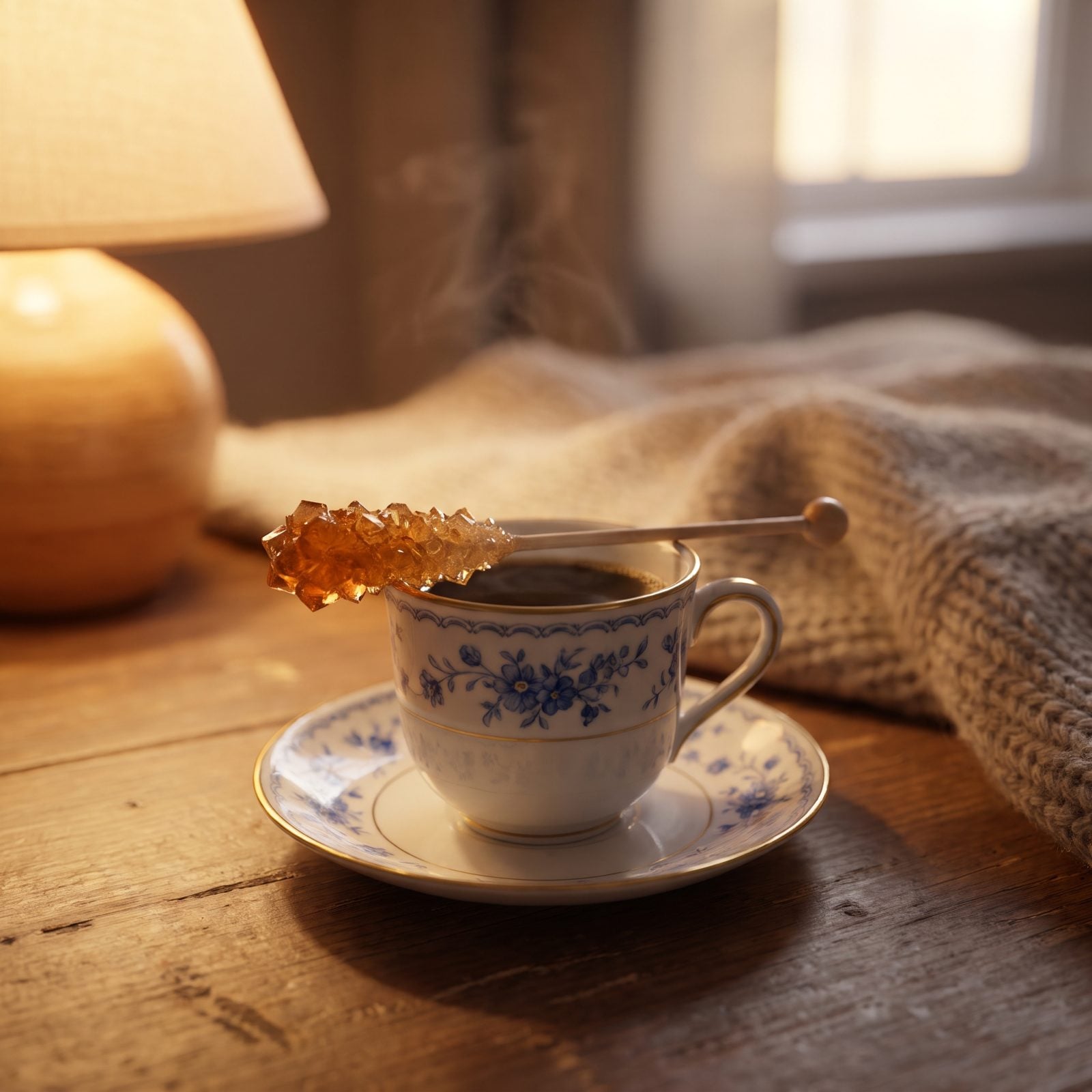
The evening ended small. Not a mug, not a tall cup — a demitasse, a tiny porcelain thing on a saucer, barely two sips of coffee so strong it stood up by itself.
The rock-candy stick was the sweet touch. Amber or pink crystals grown on a stick and laid across the rim to stir and slowly dissolve into the hot coffee. You turned it, the crystals melted, and the coffee sweetened by degrees. Two little cups, two candles burning down, and a quiet way to let the night wind itself out.