
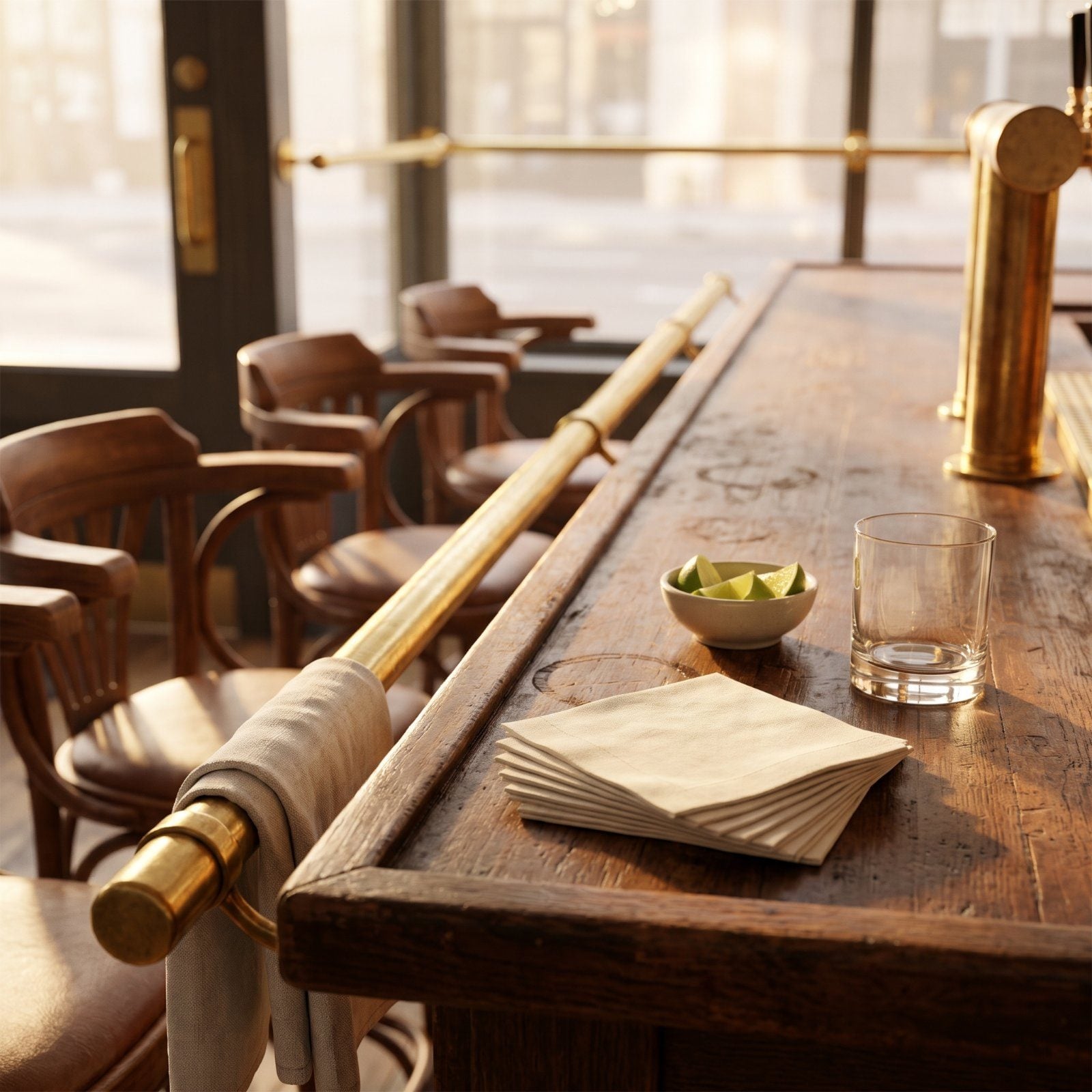
The bartender saw you before you saw the bar. Not in a creepy way — in a professional way, the same way a line cook hears the ticket machine before it prints. By the time you reach the rail, a good one has already filed away a half-dozen things about you. How you walked in, who you came with, whether your night is winding up or already winding down. None of it is written down, and all of it shapes the night. Here are the quiet reads that happen in the ten seconds between the door and your first order.
Please note that some of the images in this article were created with the assistance of AI.
29. Whether You Walk in Like You Own It or Hover at the Door
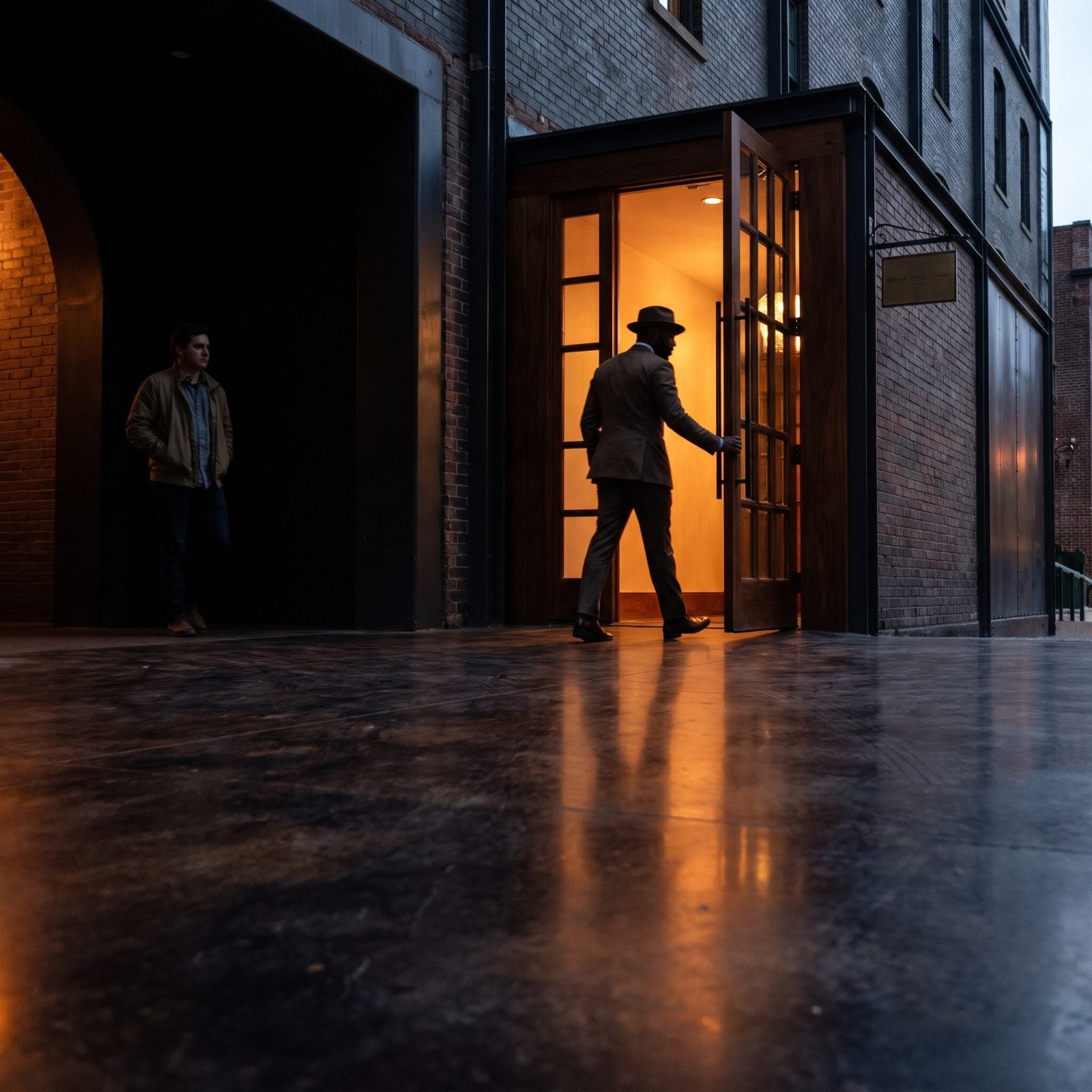
The door tells the first story. A guest who strides in and scans for an open stool reads as a regular-in-training. Freeze just past the threshold, blinking at the dim after all that daylight, and you’re usually new, waiting for someone, or working up the nerve to ask about a table.
Bartenders read the pause less as weakness and more as a cue to come to you. A quick nod, a “grab anywhere you like,” and most of the hesitation dissolves. The confident entrance gets a slower acknowledgment, because confident people usually sort themselves out.
28. Whether You Look Old Enough to Skip the Age Question
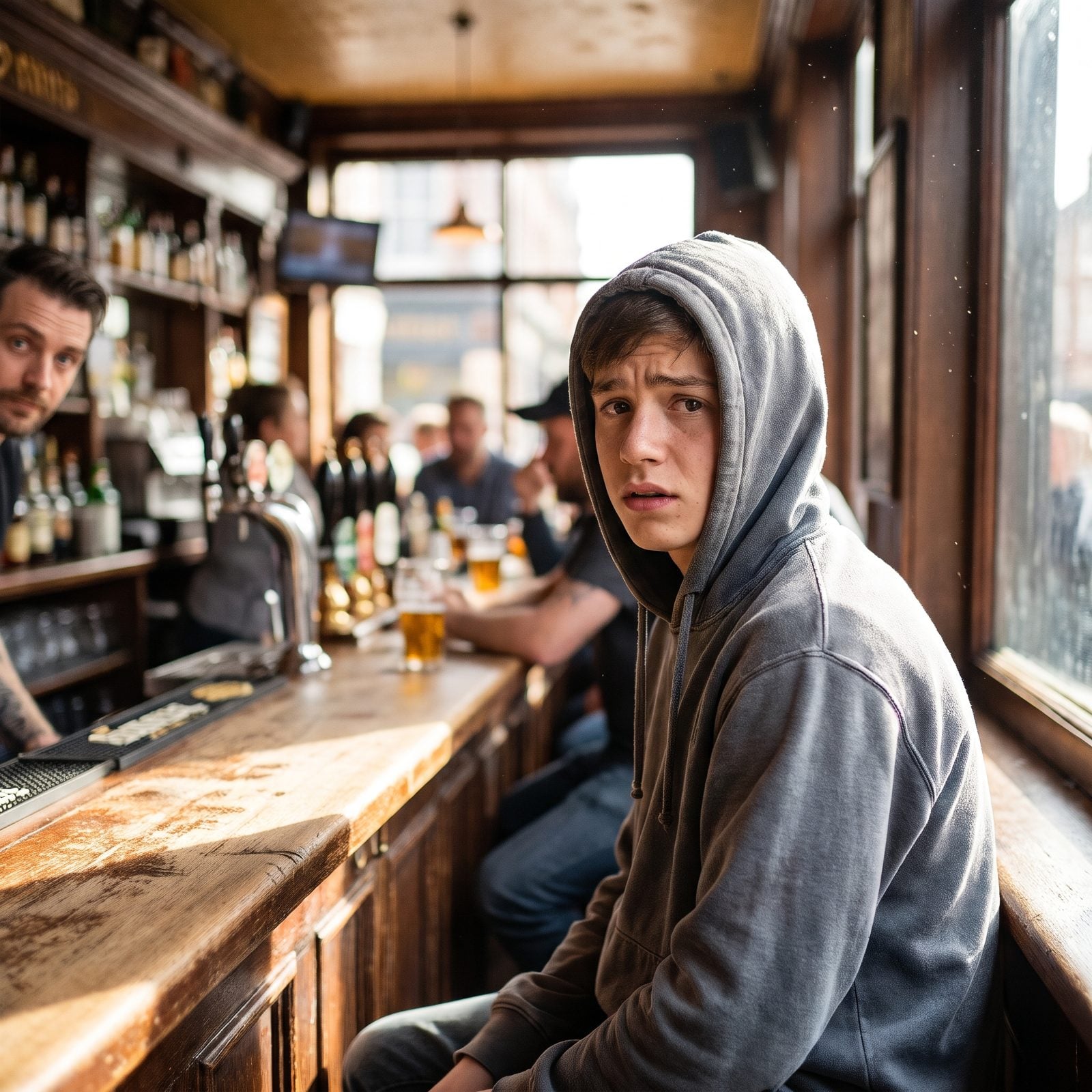
Nobody at the bar is guessing your real age. They’re guessing the angle you present. A baby face in a hoodie triggers a reflexive card check before the first word, while someone with gray at the temples gets waved past the question entirely, even in a bar that cards on principle.
The misread goes both ways. Plenty of fifty-year-olds get asked and love it. Plenty of twenty-two-year-olds have a face that stopped a bartender’s hand halfway to the bottle. It’s a snap judgment made in a crowded room, and it’s wrong often enough that smart venues card everyone and skip the math entirely.
27. Whether Your ID Is Already in Your Hand
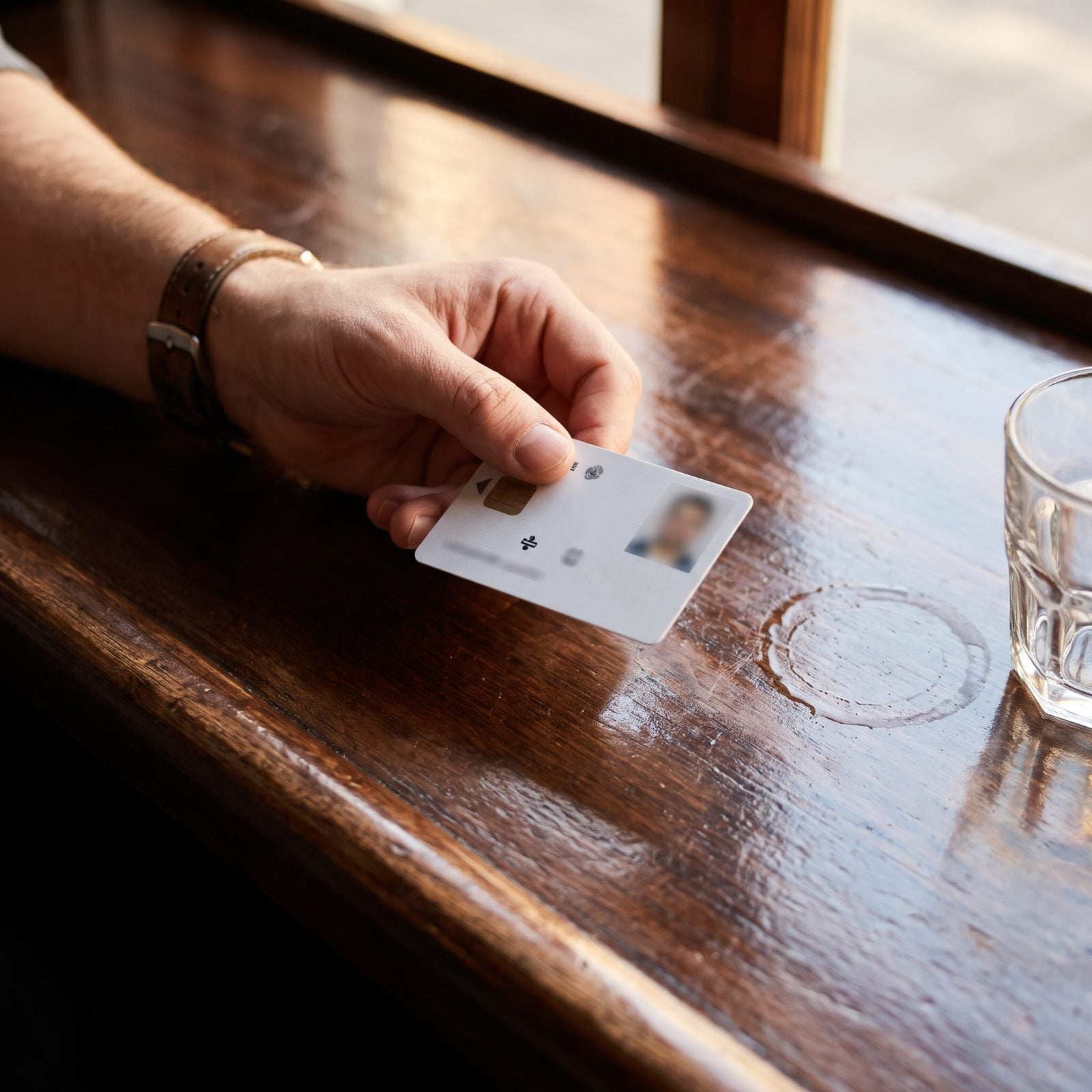
Having your ID out before you’re asked is a small tell, and bartenders notice it. It reads as either seasoned — you know the drill — or slightly anxious, like you expected to be doubted. Both are fine.
What they really clock is the fumble. The person who digs through a bag for ninety seconds while the queue backs up changes the whole rhythm of service. Slide the card across without breaking stride and you signal an easy transaction ahead, and easy transactions are what keeps a busy bar moving.
26. The Wristband or Hand Stamp From the Bar You Were Just At
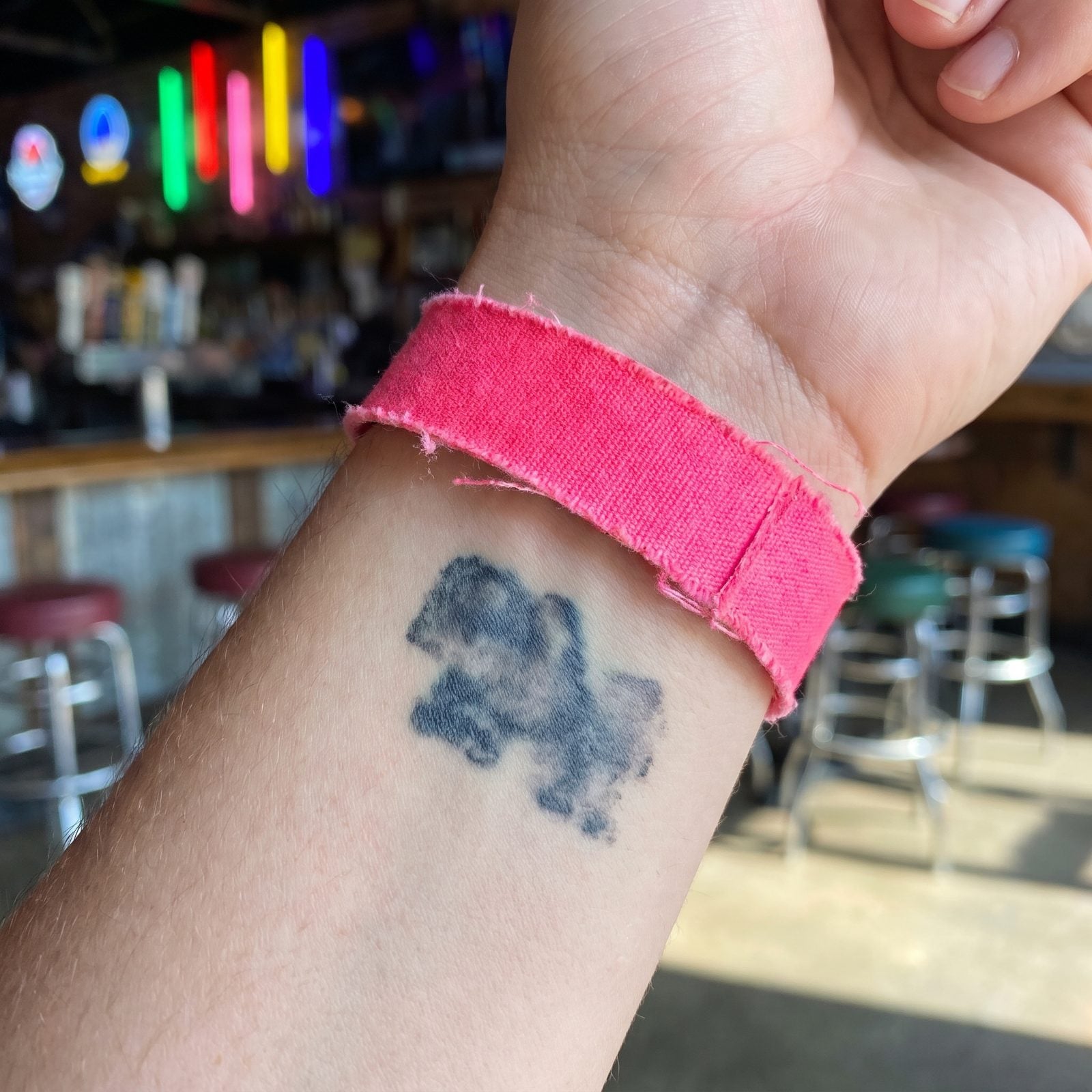
A fresh wristband or a smudged hand stamp is a timeline. It says you’ve been somewhere already tonight, and probably had a drink or two there. Bartenders aren’t counting your sins. They’re calibrating.
It shifts the read on everything else. Loud and animated with no stamp? That’s a group starting their night. Loud and animated with a festival band and a club stamp is a group three venues deep, and that’s worth a slightly closer look before the next round lands. The stamp doesn’t get you refused. It gets you watched a touch more carefully.
25. Any Early Signs That You’ve Already Had Enough
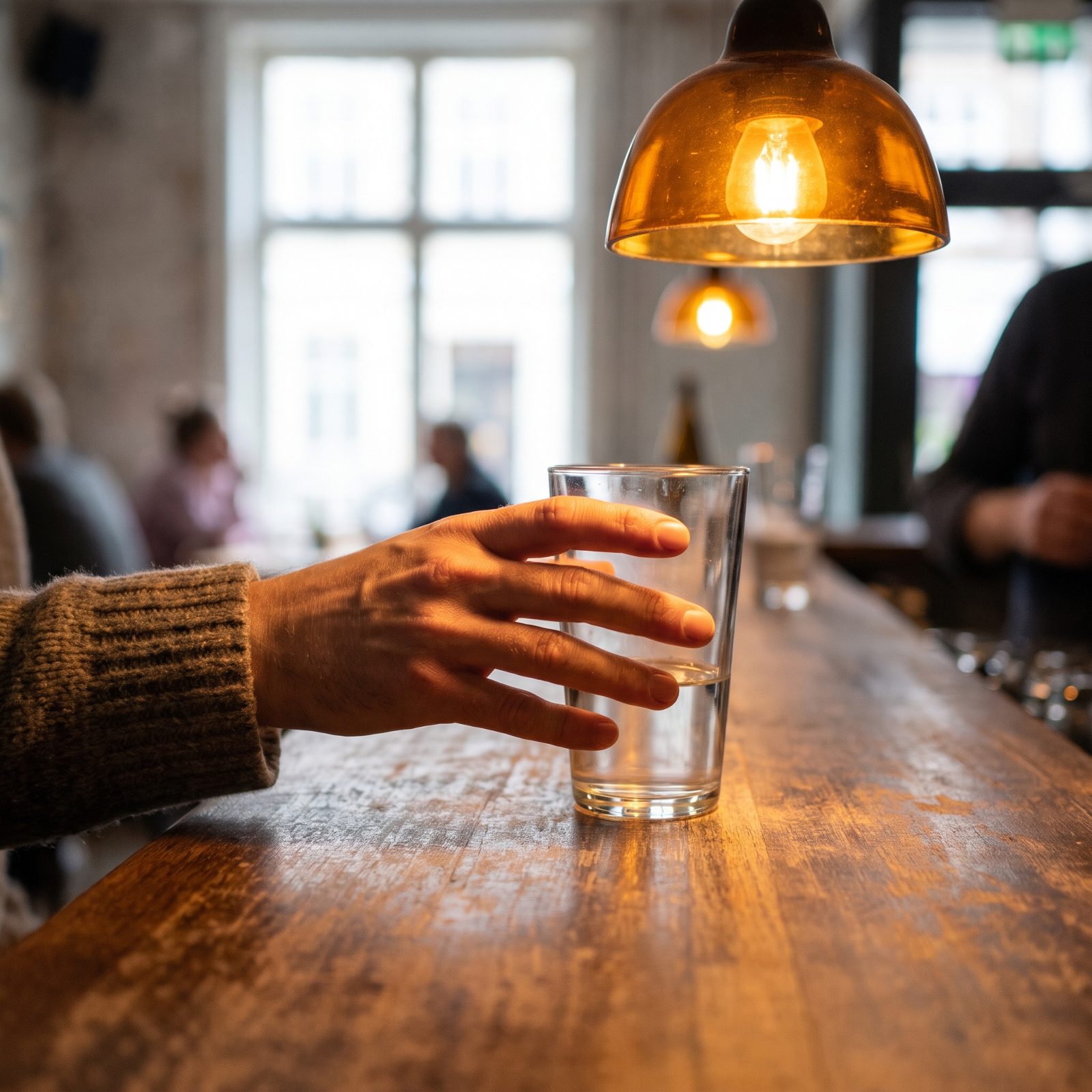
The tells are smaller than people think. Not the staggering drunk from the movies. It’s the hand that reaches for the bar a second early for balance, the volume that doesn’t match the room, the eyes that take a beat too long to focus on the taps.
A bartender registers all of this the moment you cross the floor, long before you speak. And the calculation is legal as much as social, because serving someone who’s already visibly impaired is the kind of thing that costs a venue its license. The friendly “let me get you some water first” isn’t a judgment. It’s self-defense dressed as hospitality.
On how to tell when a guest is close to being cut off, a bar owner and bartender says “I tell my bartenders to look for four major physical components when determining if someone has had too much to drink: bloodshot and glazed eyes, slurred speech, decreased motor control and negative or aggressive interactions with other guests.”
24. How Many of You There Actually Are
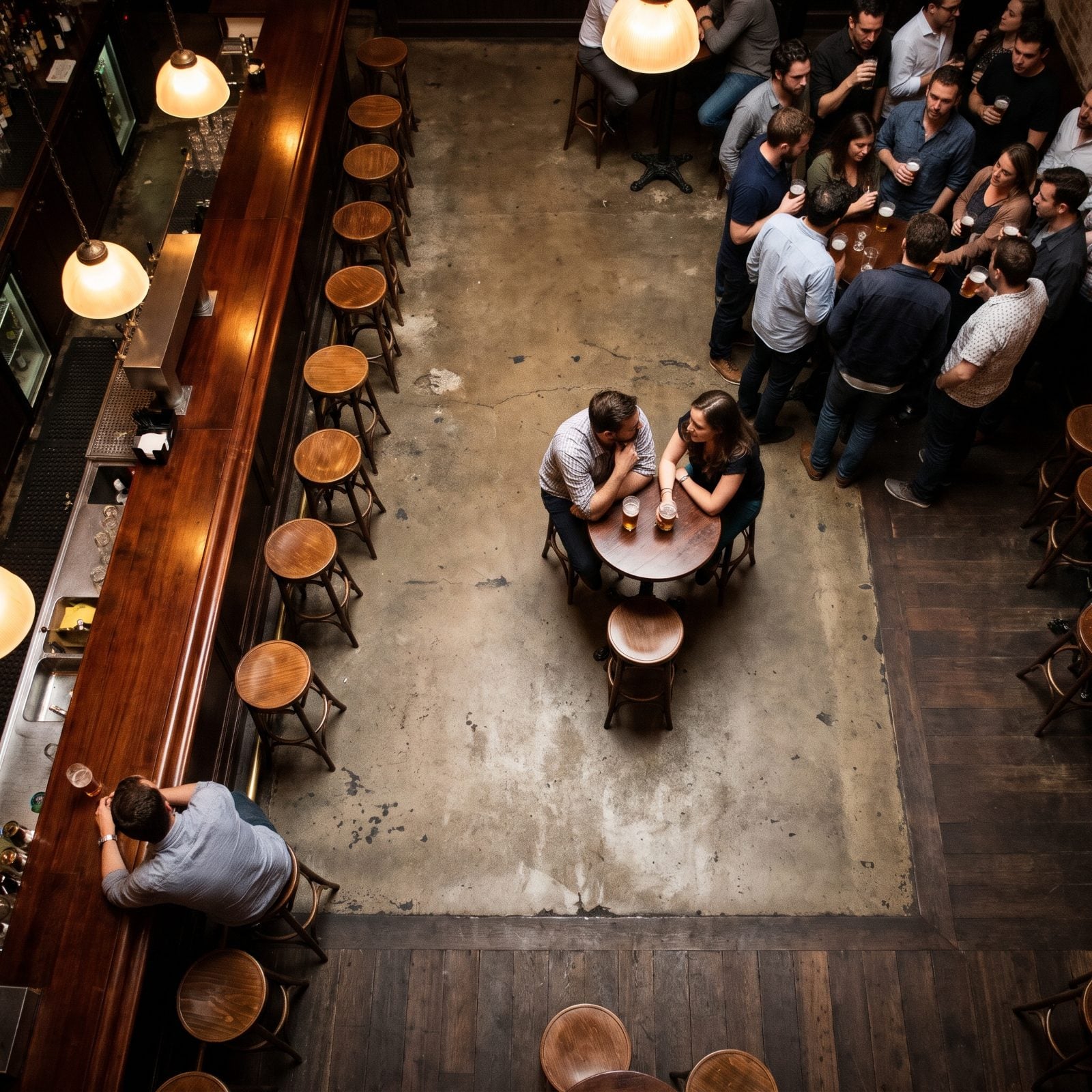
Your party size is logged before anyone says a word, because it changes everything downstream. Two people is a quiet tab and a two-top. Eight is a table that needs combining, a round that’ll take time, and a server who should probably be flagged.
The trickier read is the drifting group — the three who walk in now with four more “right behind us.” Experienced staff clock the stragglers at the door and plan for the real number, not the number currently standing there. Guess your group size right and the bar feels magically smooth. Guess wrong and you’re left waiting while somebody drags chairs over.
23. Whether Something’s Being Celebrated Tonight
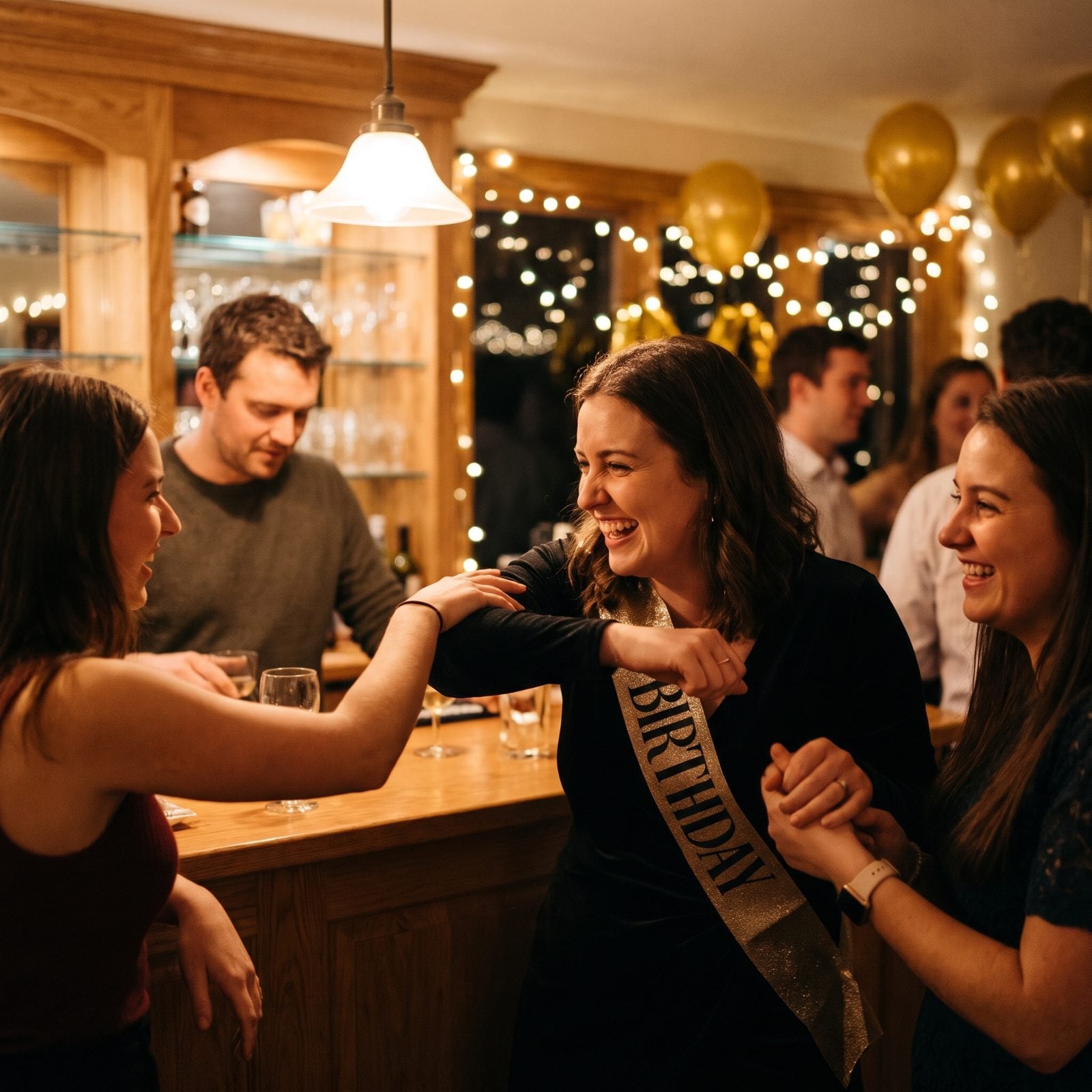
The sash, the balloons, the one person being physically steered toward the bar by laughing friends. Celebration reads instantly, and good bartenders lean into it. A birthday gets a little extra warmth, maybe a candle in something, maybe a comped first round if the owner’s generous.
But the read runs deeper than free stuff. A celebrating group drinks faster, orders in rounds, and tips better when the night goes well. It’s also the group most likely to tip over the line, which is why the same bartender belting out “Happy Birthday” is quietly keeping count. Joy and risk arrive at the bar holding hands.
22. Whether the Mood in Your Group Is Starting to Turn

Bartenders are unofficial barometers of a room. They catch the shift before voices rise: the body that angles away, the arms that cross, the laughter that goes brittle. A group that arrived loose and is quietly tightening up gets watched — not because anyone’s done anything, but because the night just got less predictable.
The best bartenders can feel a table souring from across the room, the way you smell rain before it starts.
The move is usually subtle. Slow the next round. Drift closer so you’re nearby if it’s needed. De-escalation at a bar almost never looks like intervention — it looks like a timely glass of water and a friendly check-in that happens to interrupt the tension.
21. Whether One Person Keeps Pushing Everyone Else to Drink
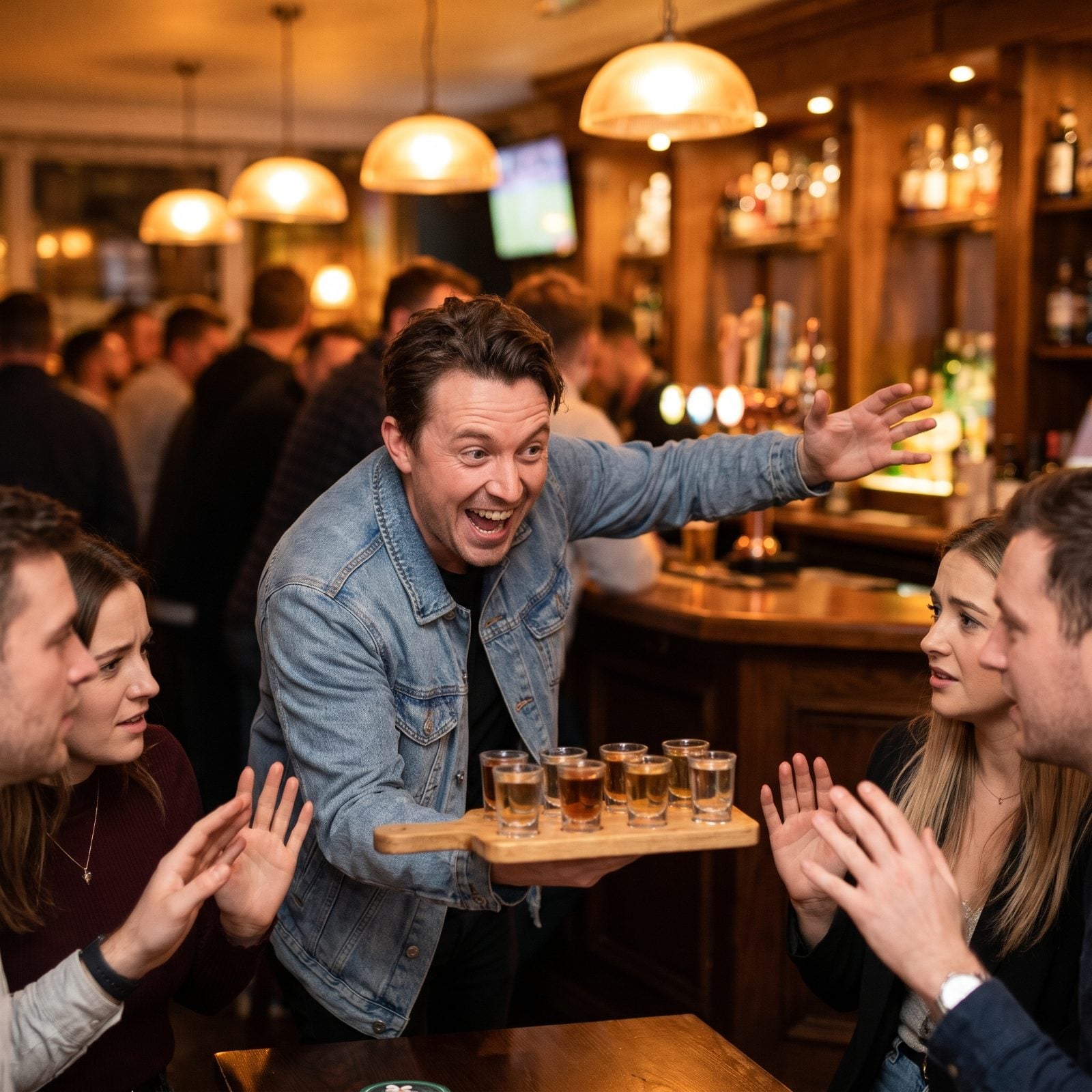
There’s a pattern staff learn to spot. One person ordering rounds for everyone, waving off the “I’m good” from the friend who already looks finished. It’s the dynamic behind half the over-service problems a bar ever has.
Good bartenders quietly side with the person being pushed. “Why don’t I grab you a soda water this round?” gives the holdout an out without making it a scene, and it lets the bar control the pace without a confrontation.
20. How You Treat the Host, the Busser, and the Guy at the Door
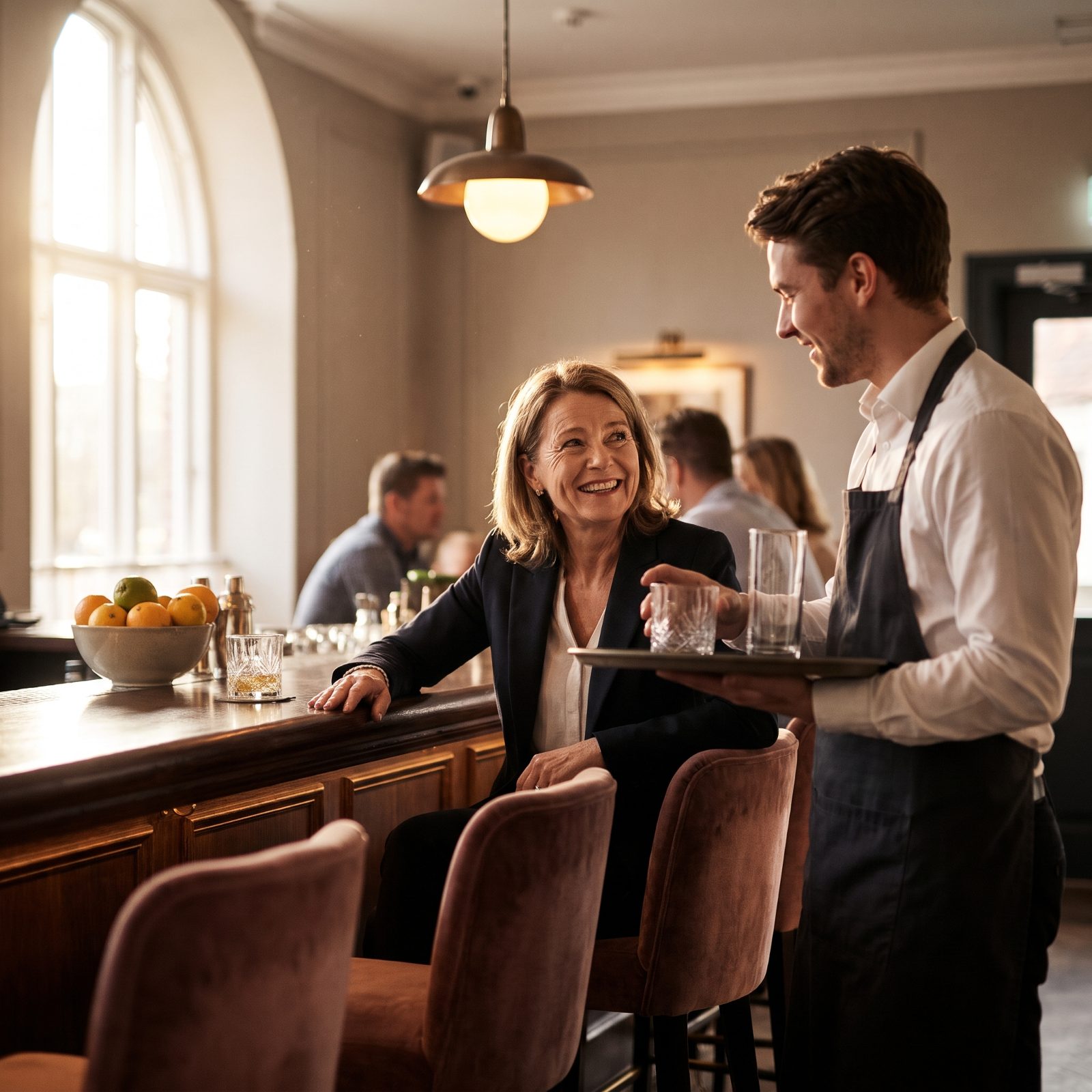
This is the one that matters most, and the one guests least suspect is being tracked. Staff talk to each other. The way you spoke to the host at the door reaches the bartender before you’ve picked a stool, usually in a single raised eyebrow.
Treat the busser like furniture and snap at the host over a ten-minute wait, and you’ve pre-written your own service. Not worse service, exactly. Just service with the warmth dialed down to the minimum the job requires. Be decent to the people clearing plates and holding the door, and you become the table everyone actually wants to take care of.
It costs nothing and changes everything. A “thank you” to the busser is the cheapest upgrade in the whole building.
19. Where You Choose to Sit or Stand
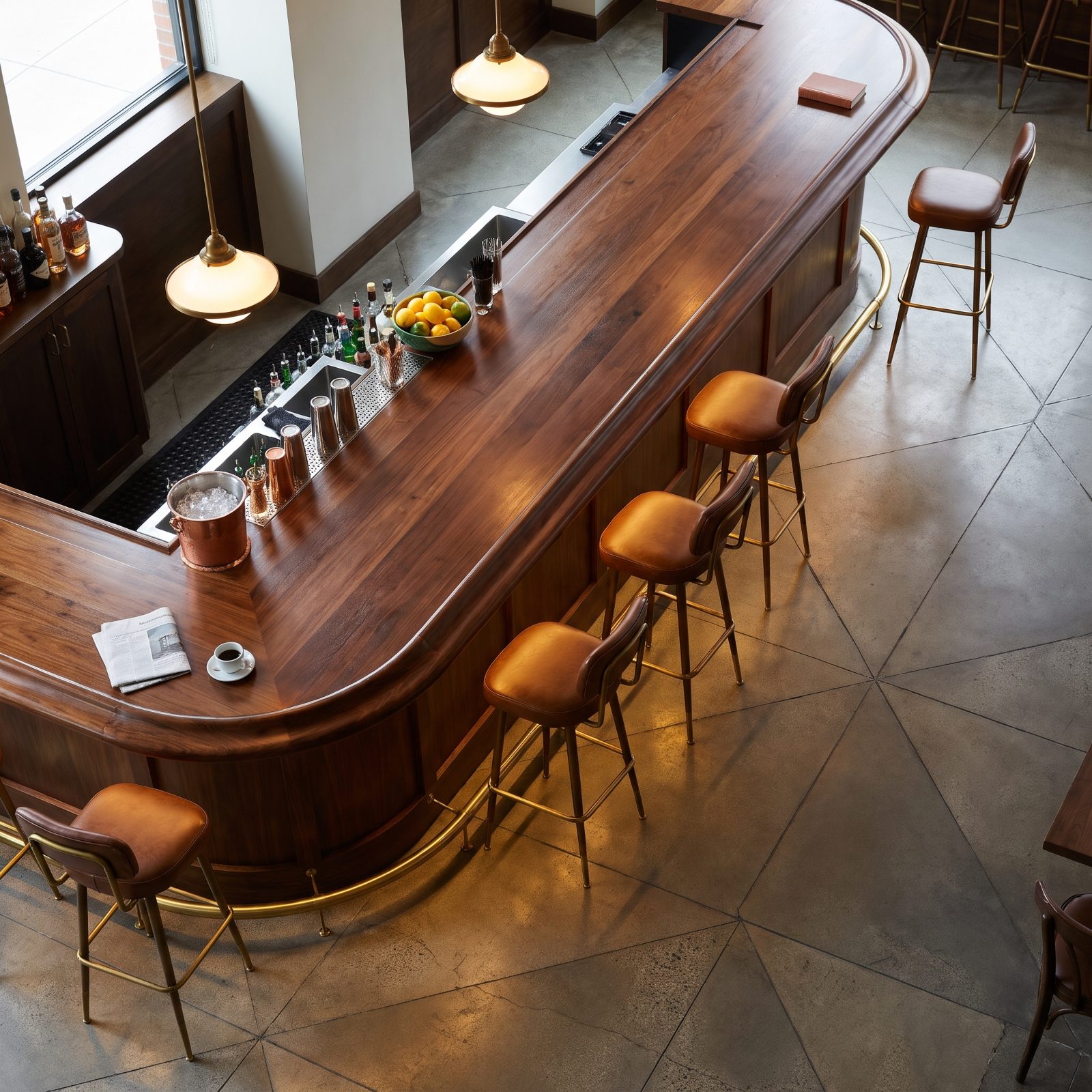
Pick the corner seat near the service station and a bartender pegs you as a talker who wants a connection. Plant yourself dead center with a clear sightline and you’re probably here to order quick and settle in. Take the stool right beside the register, smack in the path of every ticket and every pour, and you’ve just announced you haven’t done this much.
The spot you choose tells them how to pace you before you’ve opened your mouth. A guest who tucks into the end of the rail reads as patient; one who crowds the busiest stretch of the bar reads as needy, fairly or not.
18. Whether You Have Stepped Into the Service Well
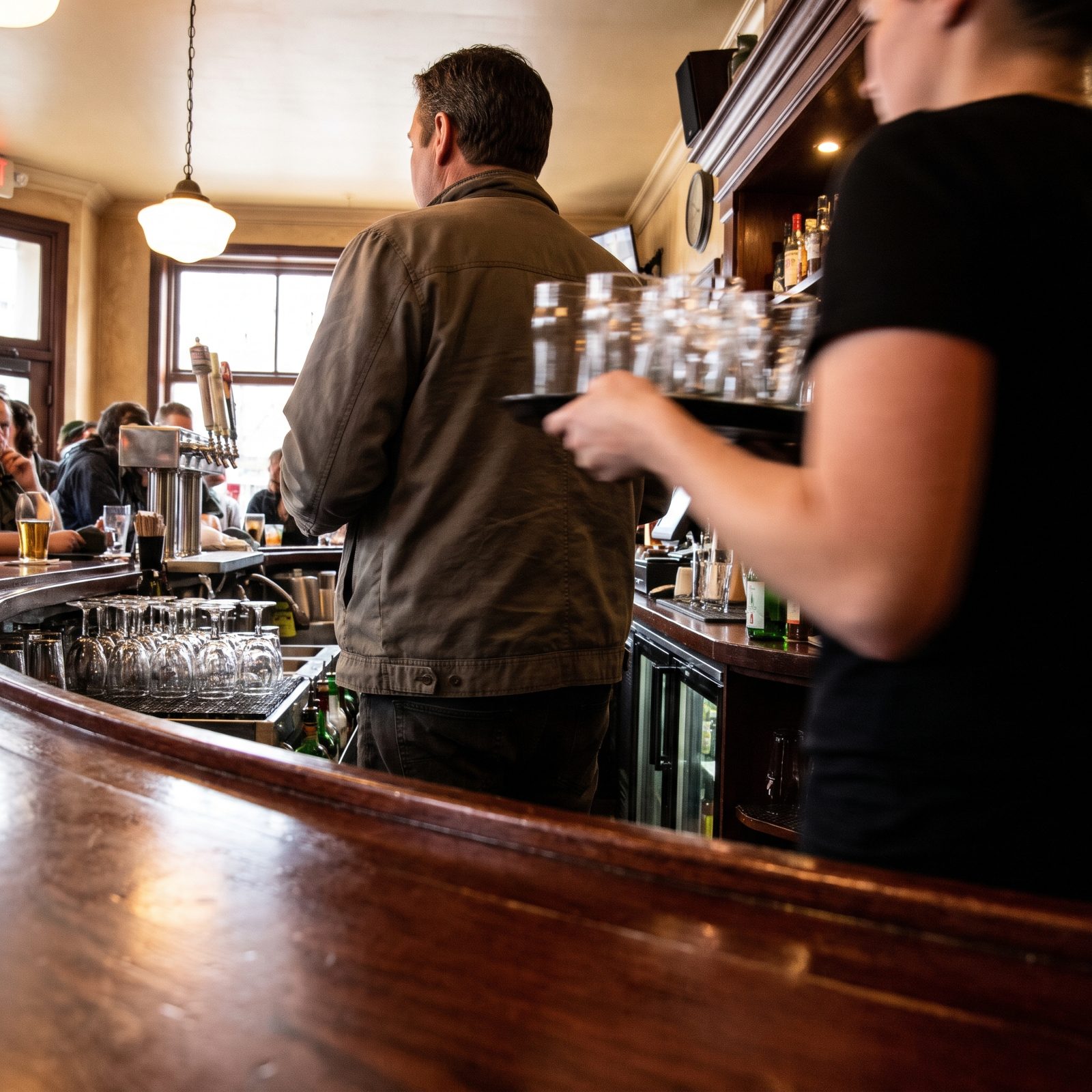
There’s an invisible lane along the bar where servers slide in to grab their drinks, and the bartender guards it like a runway. Lean into it to order and you’ve just parked in the one spot that gums up the entire flow.
Most guests have no clue the service well exists, which is exactly why stepping into it registers so loudly. The bartender catches it instantly, because now every server waiting on a round has to work around your elbow. You won’t get scolded. You’ll just get read as someone who doesn’t know the room.
17. Whether You Respect the Existing Queue
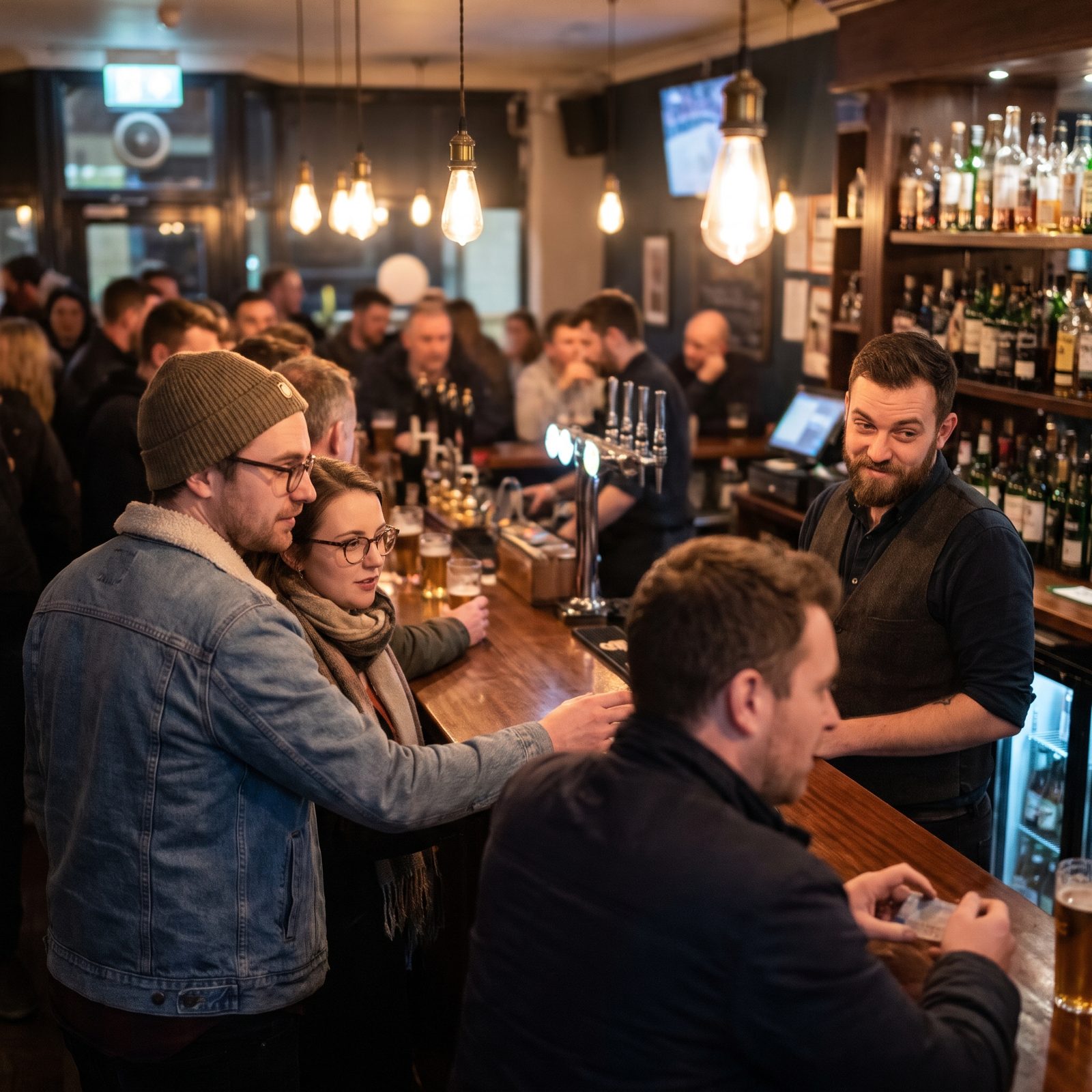
Nothing sorts guests faster than a three-deep bar on a Friday.
A bartender runs a mental list of who arrived when, and they’re better at it than you’d believe. They saw you walk up. They know the couple to your left has been standing there longer. Flag them down with a confident wave and you’ve marked yourself, because the people ahead of you were always getting served first anyway.
The guest who hangs back and lets the order ahead of them finish earns quiet goodwill — and it gets remembered when the next round comes around.
16. Whether You Snap, Whistle, or Wave for Attention
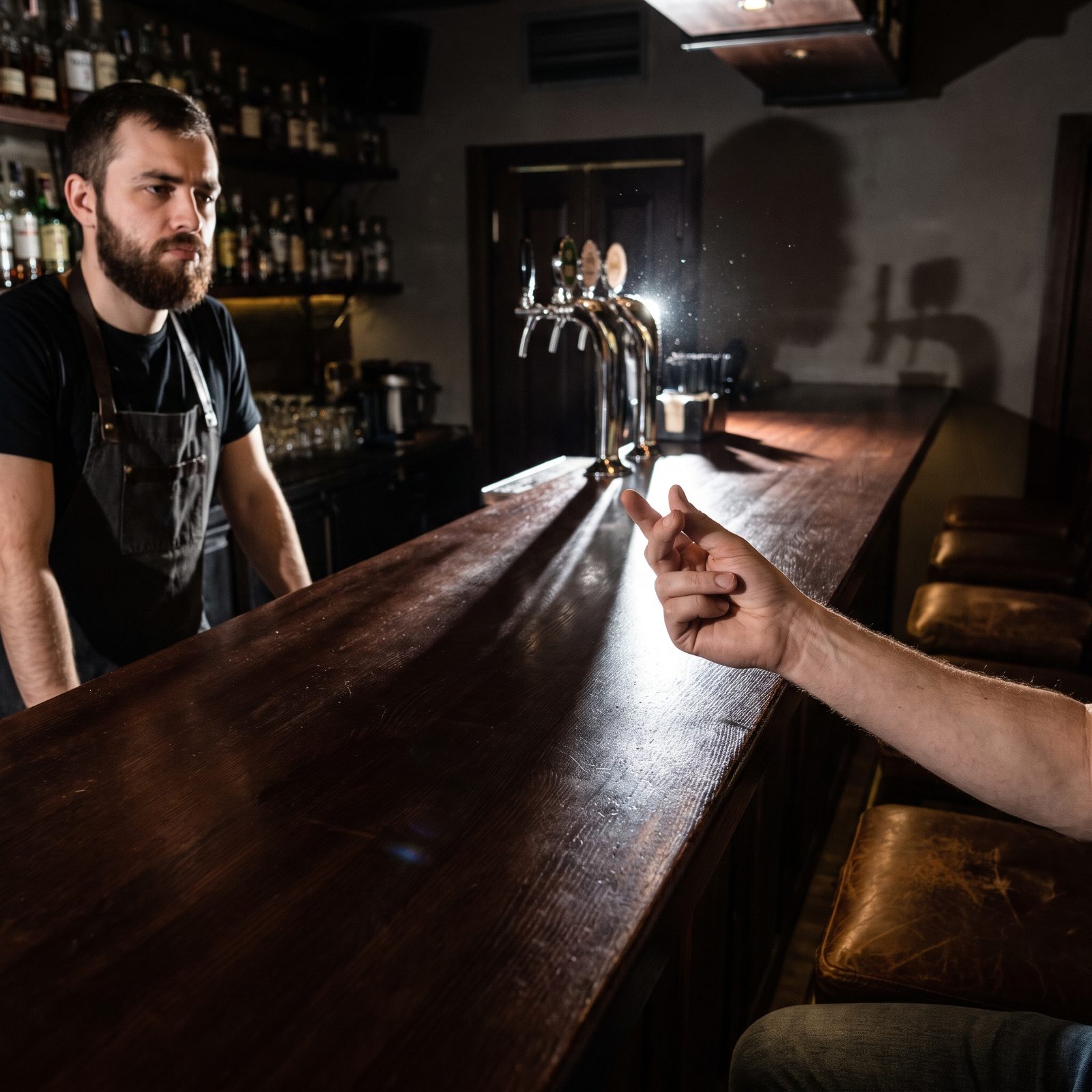
Snapping your fingers at a bartender is the single fastest way to go to the bottom of the mental list. Same with the whistle. Same with that aggressive overhead wave you’d use to flag a taxi in the rain.
None of it speeds you up. Bartenders are trained to notice everyone in their field of vision, and the loud gesture only tells them you think you’re invisible when you almost certainly aren’t. Worse, it reads as contempt — and contempt gets slow service, always.
A raised finger and patient eye contact outperforms a snap every single time, and the bartender will like you for it.
15. How Patiently You Wait to Be Acknowledged
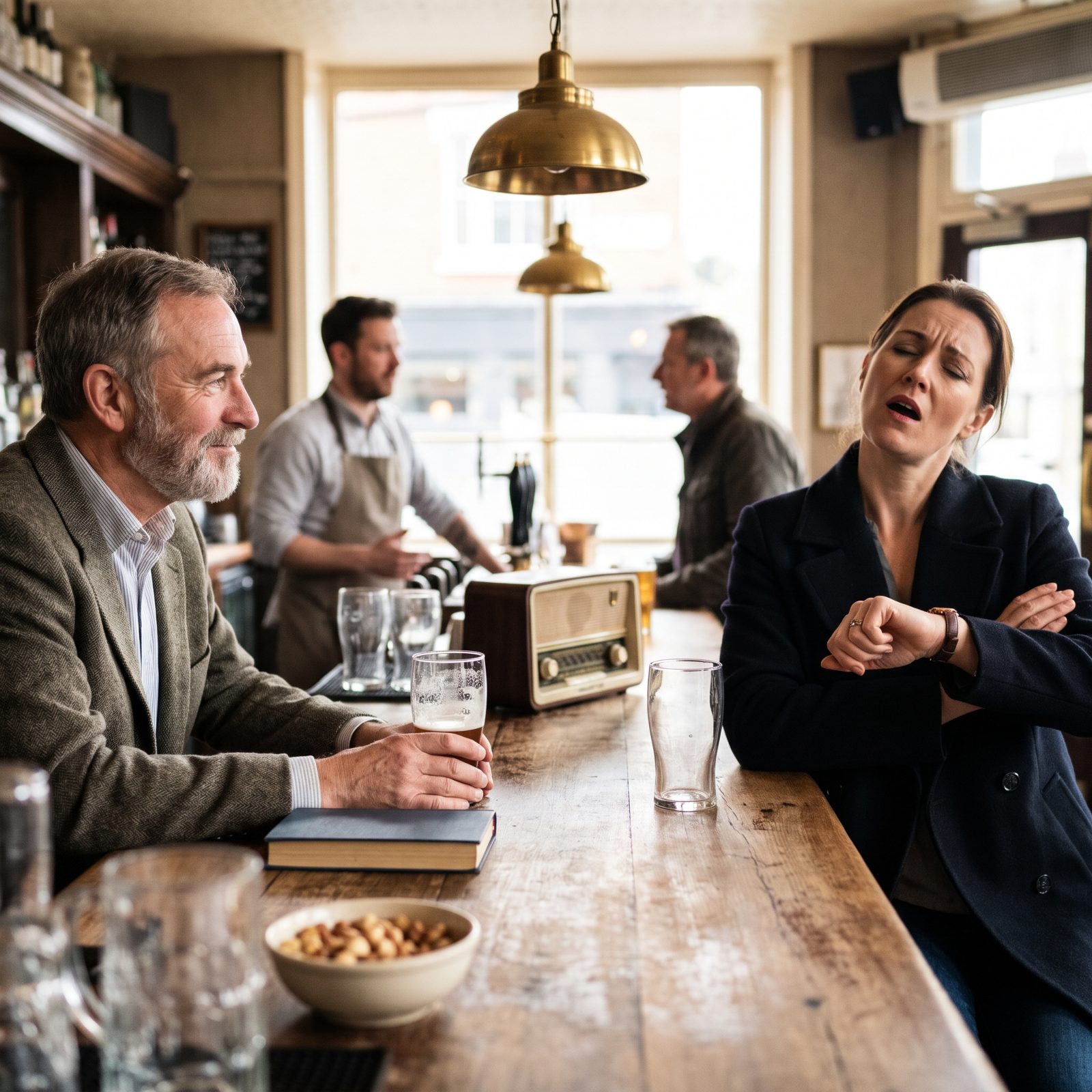
There’s a visible difference between a guest who’s waiting and a guest who’s suffering, and bartenders see both the moment they look up.
The patient one sits easy, menu open, happy to catch an eye when the timing’s right. The impatient one drums their fingers, cranes their neck, sighs at a volume meant to be overheard. Almost nobody realizes the bartender already knows exactly how long you’ve been there — they clocked you on arrival. So the fidgeting doesn’t inform them of anything. It just sours the interaction before a word gets spoken.
14. The Volume of Your Conversation
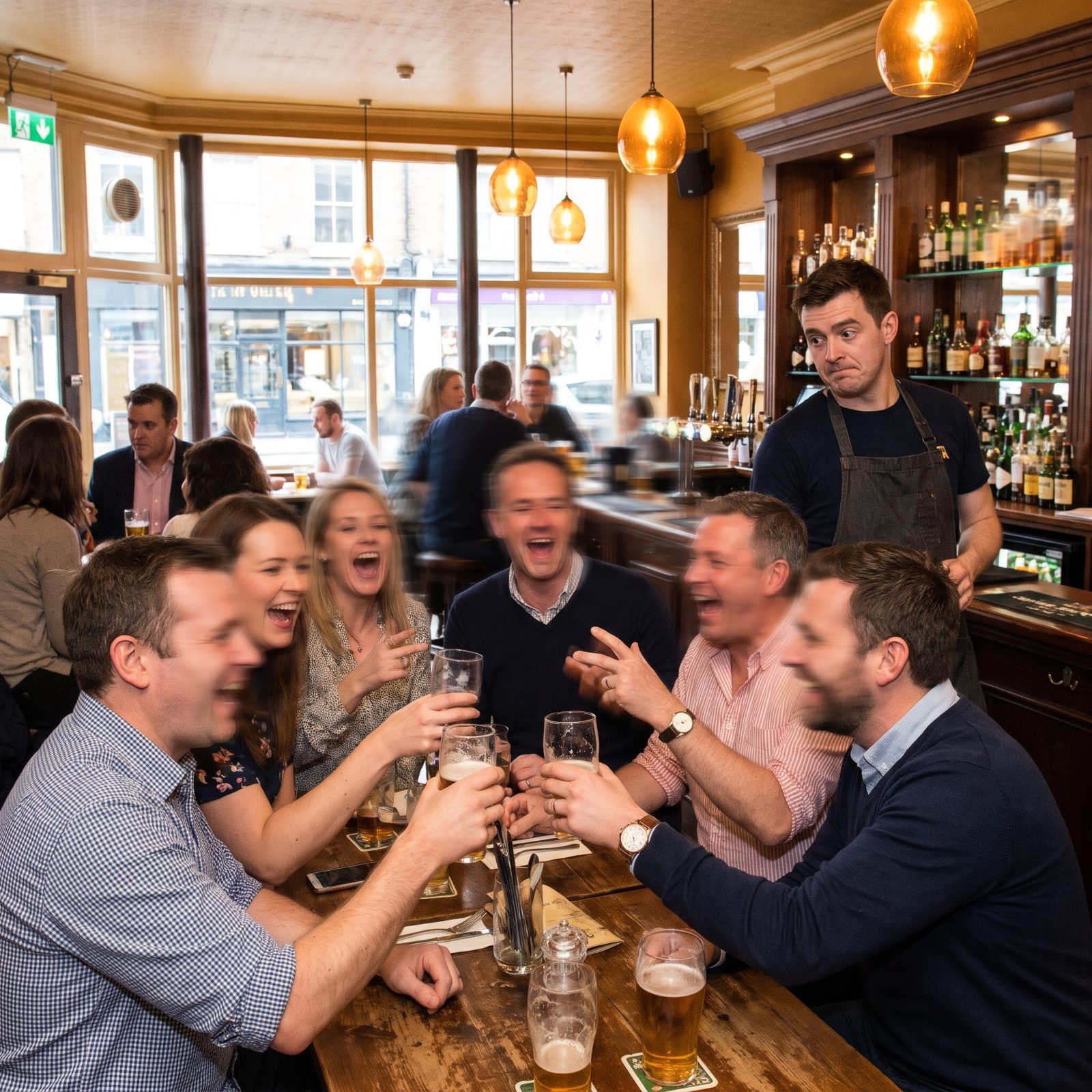
A loud table is a problem a bartender solves before it becomes one for everyone else. They hear your volume climbing long before the couple two seats down starts shooting glances.
Nobody expects a library. A bar is supposed to buzz. But the group that gets a notch louder with every round is quietly telling the bartender the night might end with a cutoff, a complaint, or both. So they start watching. They start pacing your drinks a little slower, and you never notice it happening. Which is the whole idea.
13. Whether You Stay on a Phone Call at the Bar
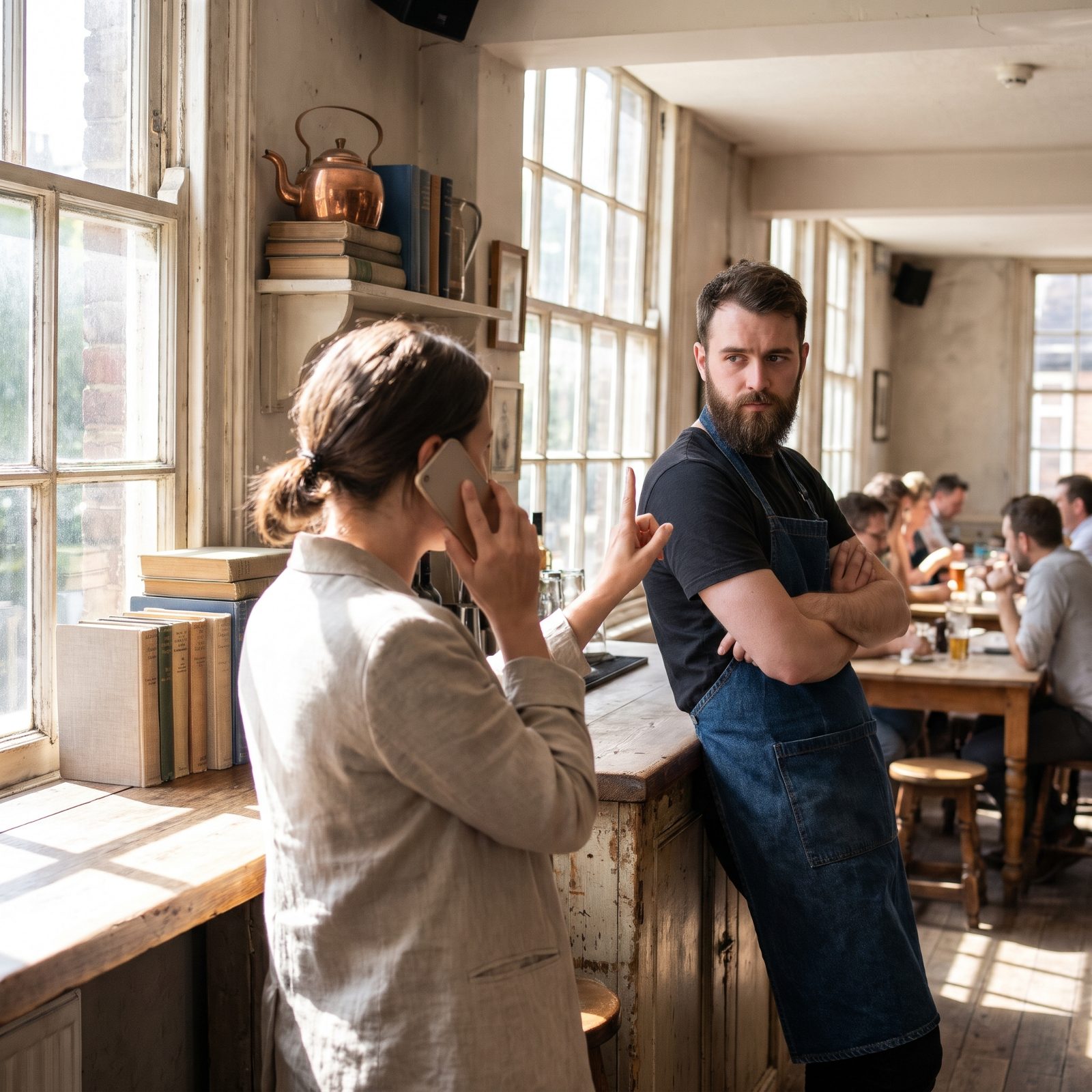
The one-finger pause while you finish your call is a small rudeness the bartender files away on the spot.
They’ve walked over, ready to take your order, and now they’re standing there as furniture while you wrap up a conversation that could’ve happened anywhere. A specific kind of dismissal, and it lands.
What happens next is simple: the bartender moves on. They serve two other people and circle back to you last, because you’ve told them you weren’t ready and that their time is worth less than your call. Order first, then take the call. Basic courtesy, and it keeps you off the bottom of the list.
12. Whether the Staff Already Know You as a Regular
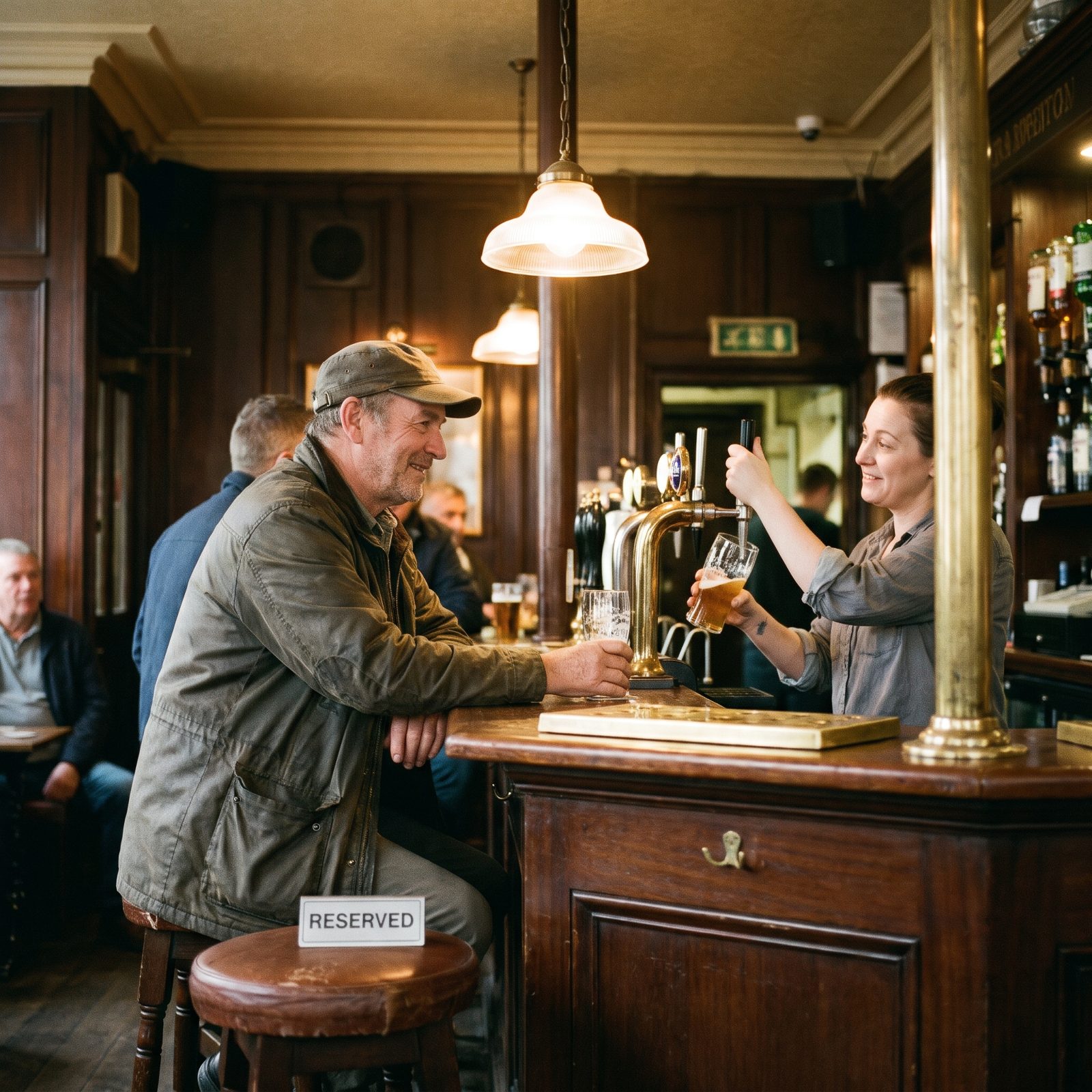
The regular gets a different bar entirely, and everyone who isn’t one can feel it.
They walk in, head for their stool, and the drink is half-poured before they sit. The bartender knows their name, their usual, and whether they want to talk tonight or be left alone. None of that is favoritism. It’s earned, over months of tipping fairly, treating the staff like people, and not being a problem.
And here’s the honest part. Becoming a regular isn’t about showing up often — it’s about how you show up. The guest who’s pleasant, patient, and generous on a dead Tuesday is the one who gets the warm welcome on a packed Saturday. Everything on this list is just a shortcut the staff use until they know you well enough to stop guessing.
11. The Signs You’re Already Running Late
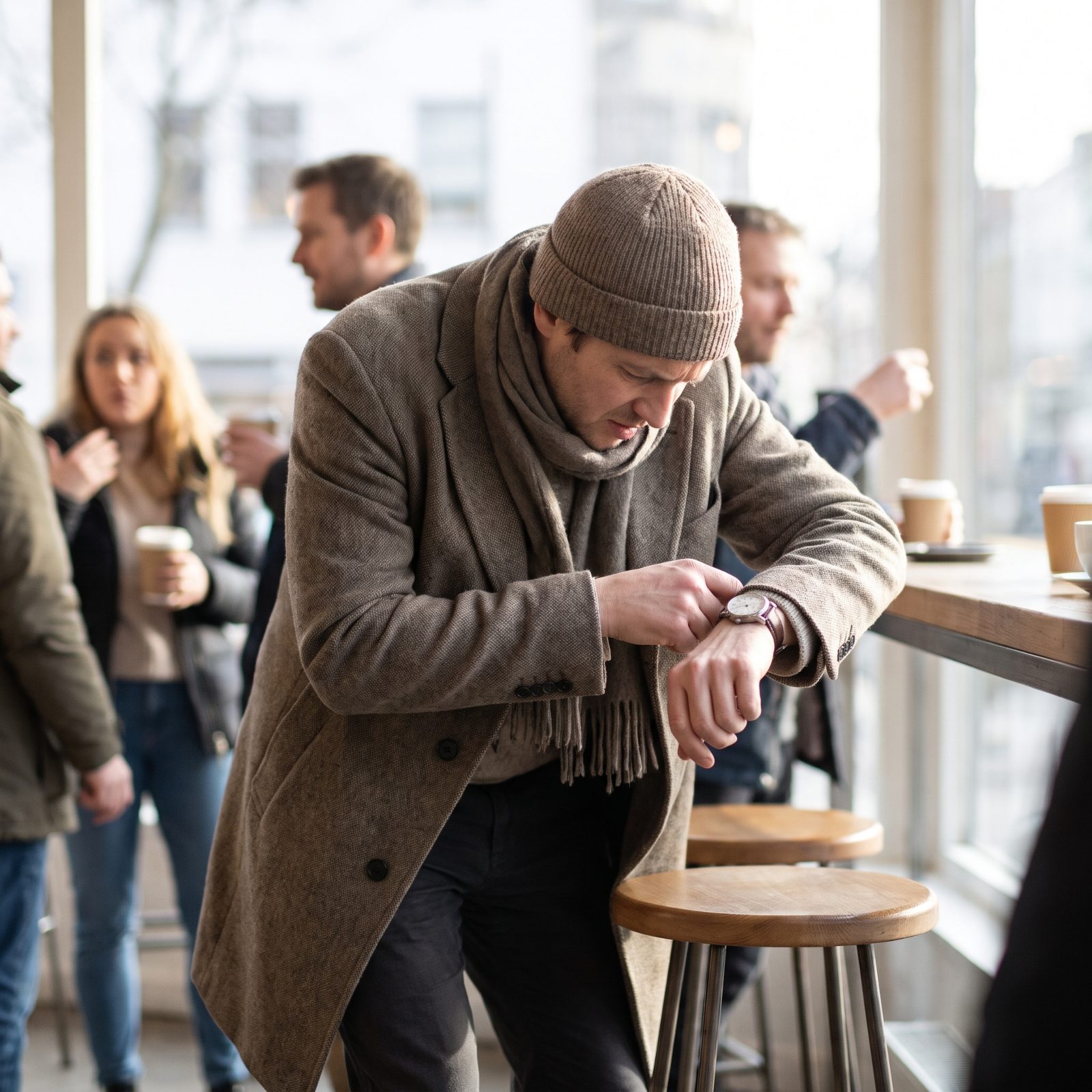
The hurried guest gives it all away in the shoulders. They don’t settle onto the stool so much as hover over it, one foot still pointed at the door and their eyes already flicking to the taps, scanning for the fastest possible drink before they’ve even sat.
A bartender reads this in half a second and bends the whole interaction around it. No chit-chat, none of that “what are you in the mood for” business. They’ll come to you first, pour quick, run the card before you ask. The signal says you want efficiency instead of a relationship, and a good one respects that.
10. Whether Your Cash or Card Is Already in Your Hand
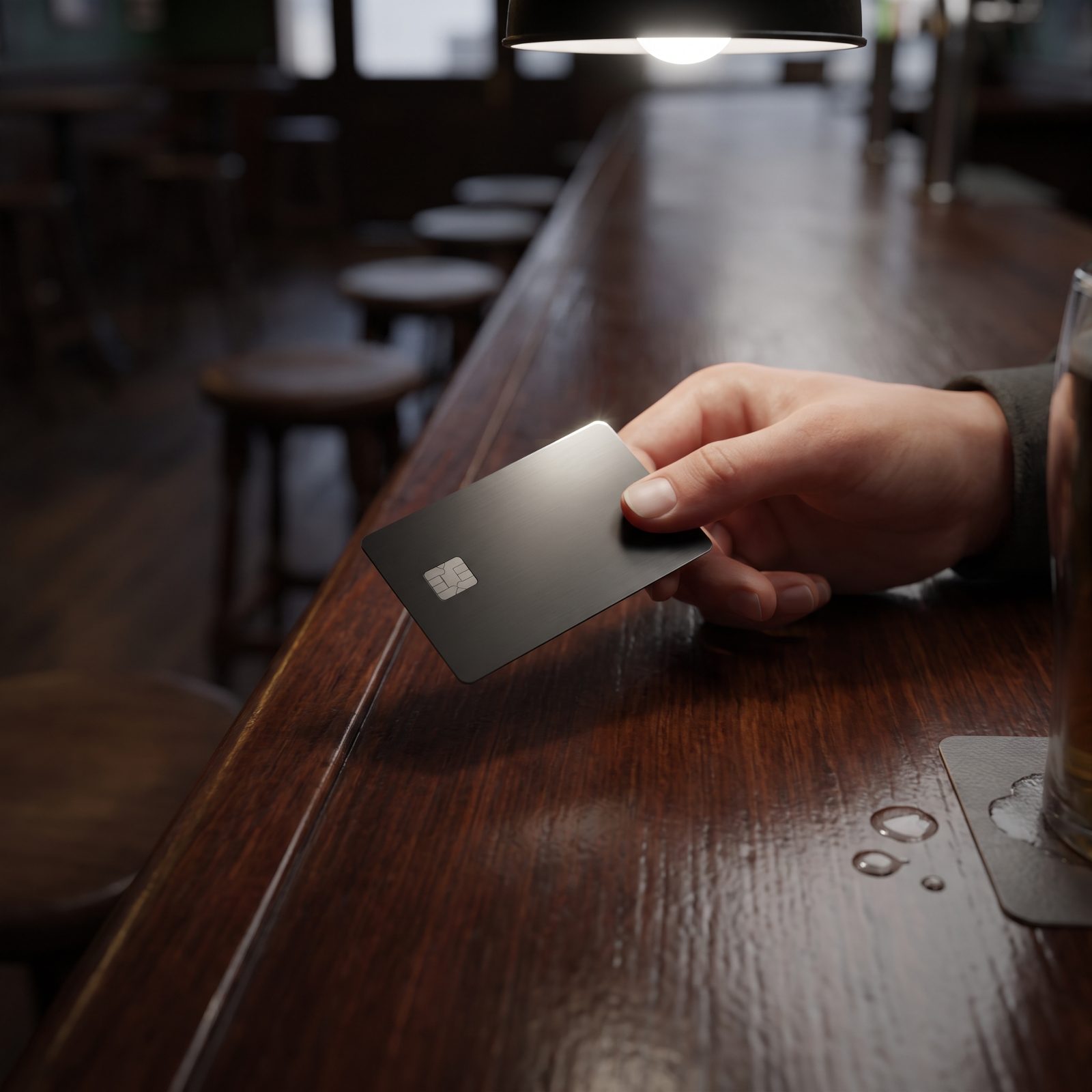
Payment out before you’ve ordered is a quiet little tell, and bartenders love it. Usually it means one drink, in and out, no tab. They clock it instantly and plan around it.
The opposite reads just as loud: the person who orders, drinks, then starts the slow archaeological dig through a bag for a wallet while three people wait behind them. Not rude, exactly. Just unprepared. And believe me, the bar notices who makes the line move and who grinds it to a halt.
9. The Keys That Land on the Bar Top
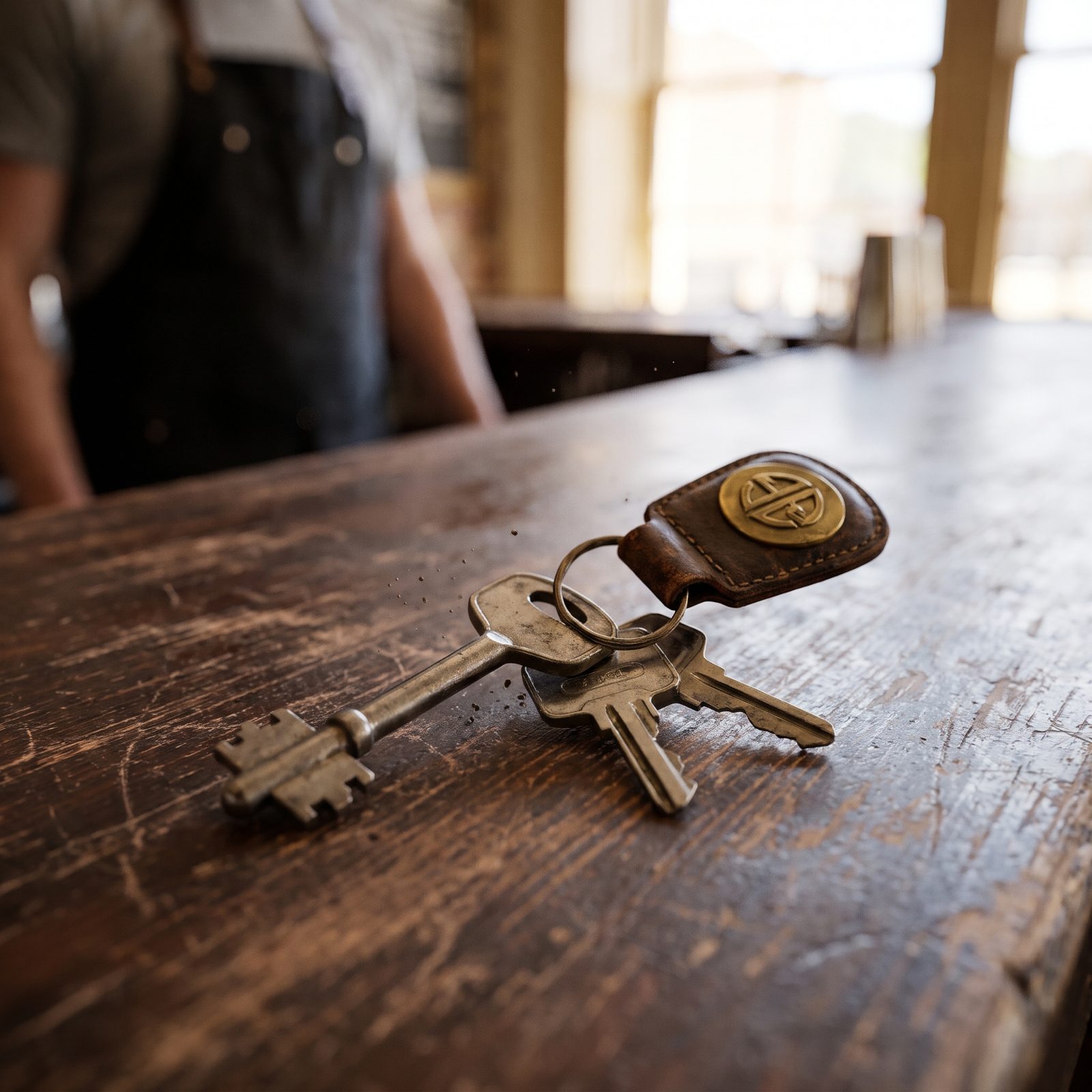
Keys on the bar are a conversation nobody’s having out loud. A bartender sees that fob land and files a small question away: how many of these is this person planning to have, and will I have to say something later?
It’s not judgment — it’s the job. A good bartender keeps a loose mental tab on anyone who’s clearly driving, pacing the pours, maybe sliding a glass of water across unasked. The keys are just the opening line of that whole silent arithmetic.
8. How Many Stools Your Coat and Bag Quietly Claim
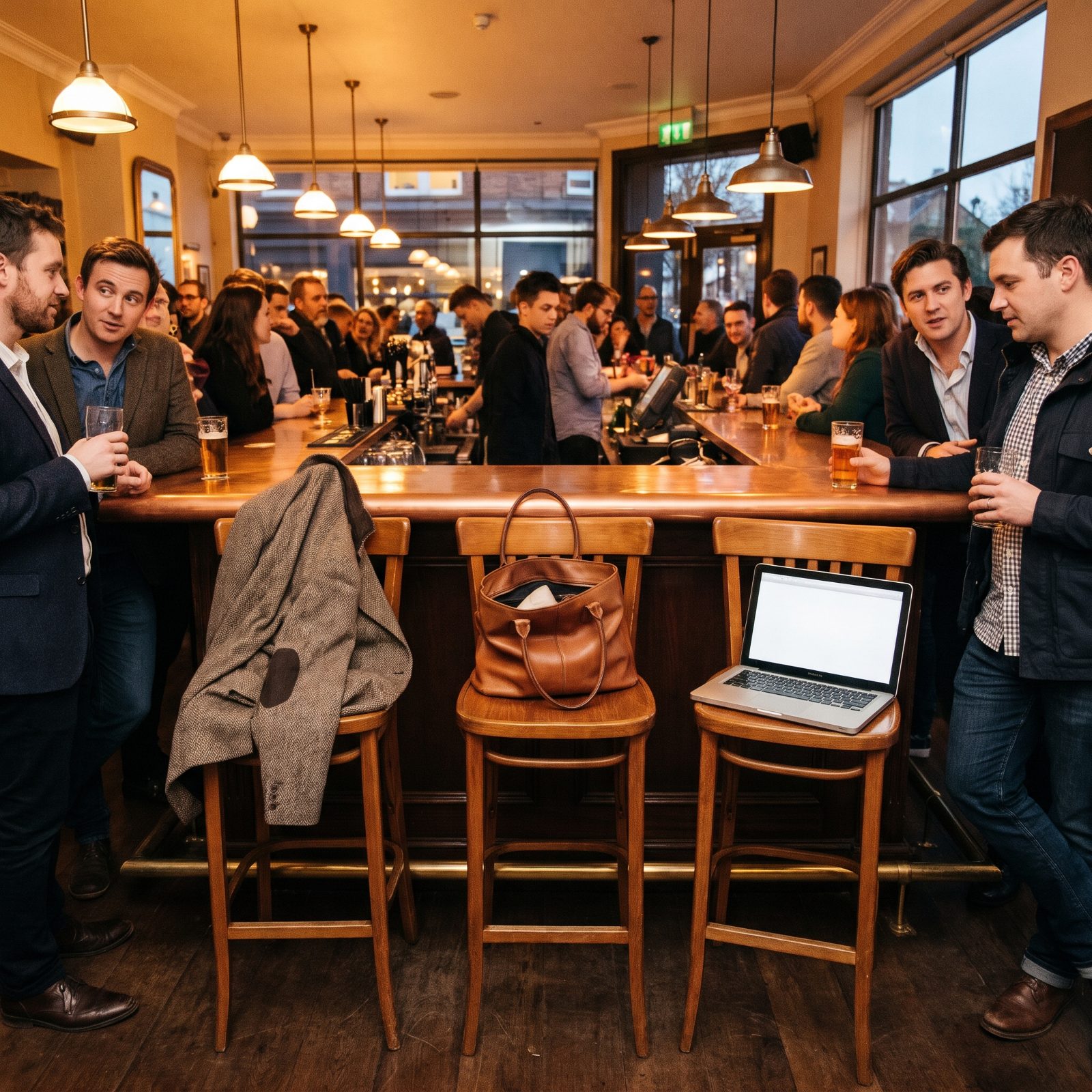
One person, three stools. We’ve all seen it — the coat sprawled across one seat, the bag parked on another, the laptop sleeve claiming a third, all for a single human nursing a single beer on a packed Friday.
Bartenders track seat real estate constantly, because empty stools are money and hogged stools are money left on the floor. Tuck your bag under the rail or hang your coat on the hook and you earn silent goodwill. Build a fortress of belongings and you get remembered too — just not as fondly.
7. Whether You Start Shuffling the Furniture Around
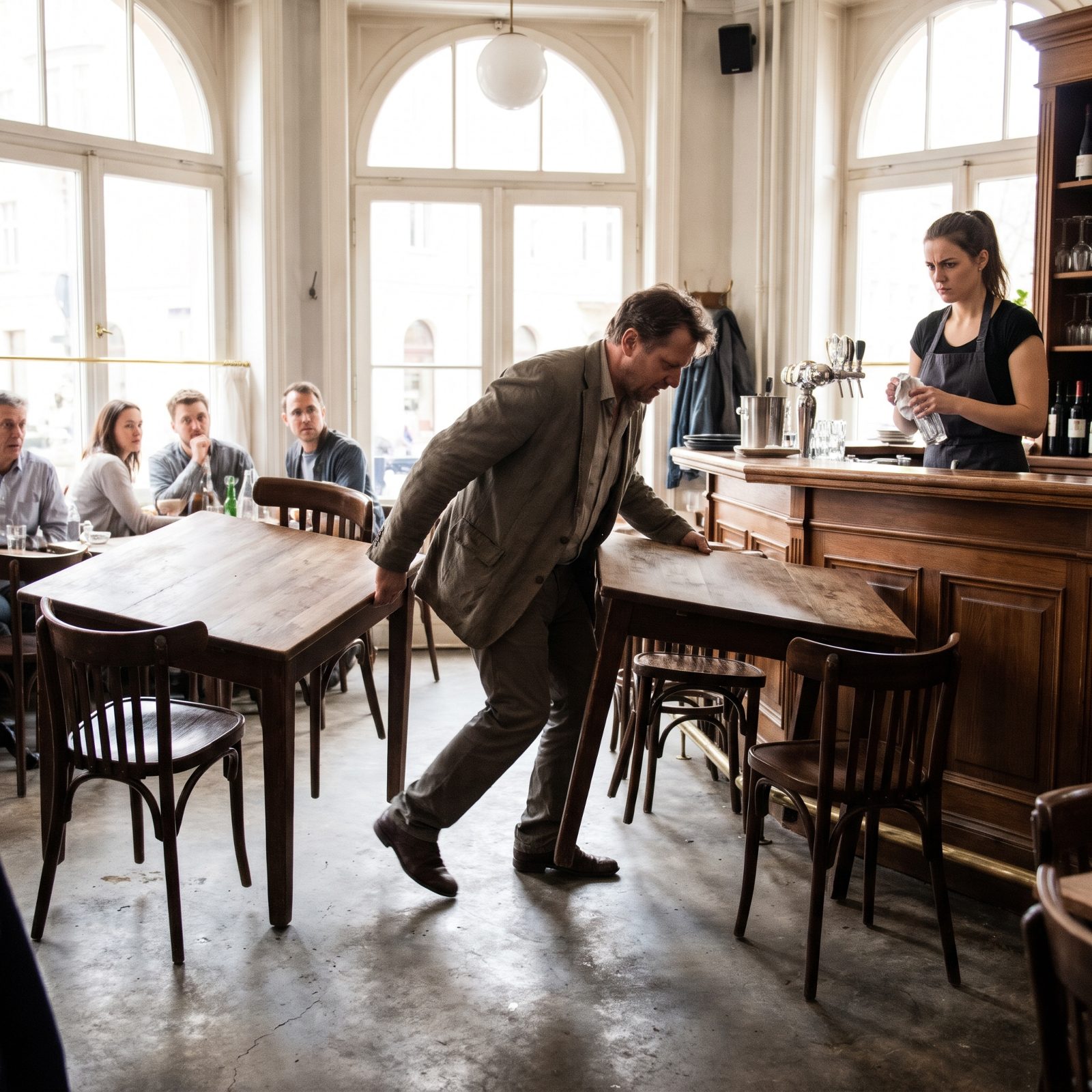
The moment a guest starts dragging tables together or spinning stools around, a bartender’s attention locks on — mostly because they already know which tables are reserved, which legs wobble, and which arrangement the server section depends on.
A quick “mind if we push these together?” changes everything. That one question tells the staff you see the room as theirs, not yours to rearrange. Silence and a scraping chair tells them the opposite, and they’ll be over to reset it the second you leave.
6. The Outside Coffee or Snack You Walked In With
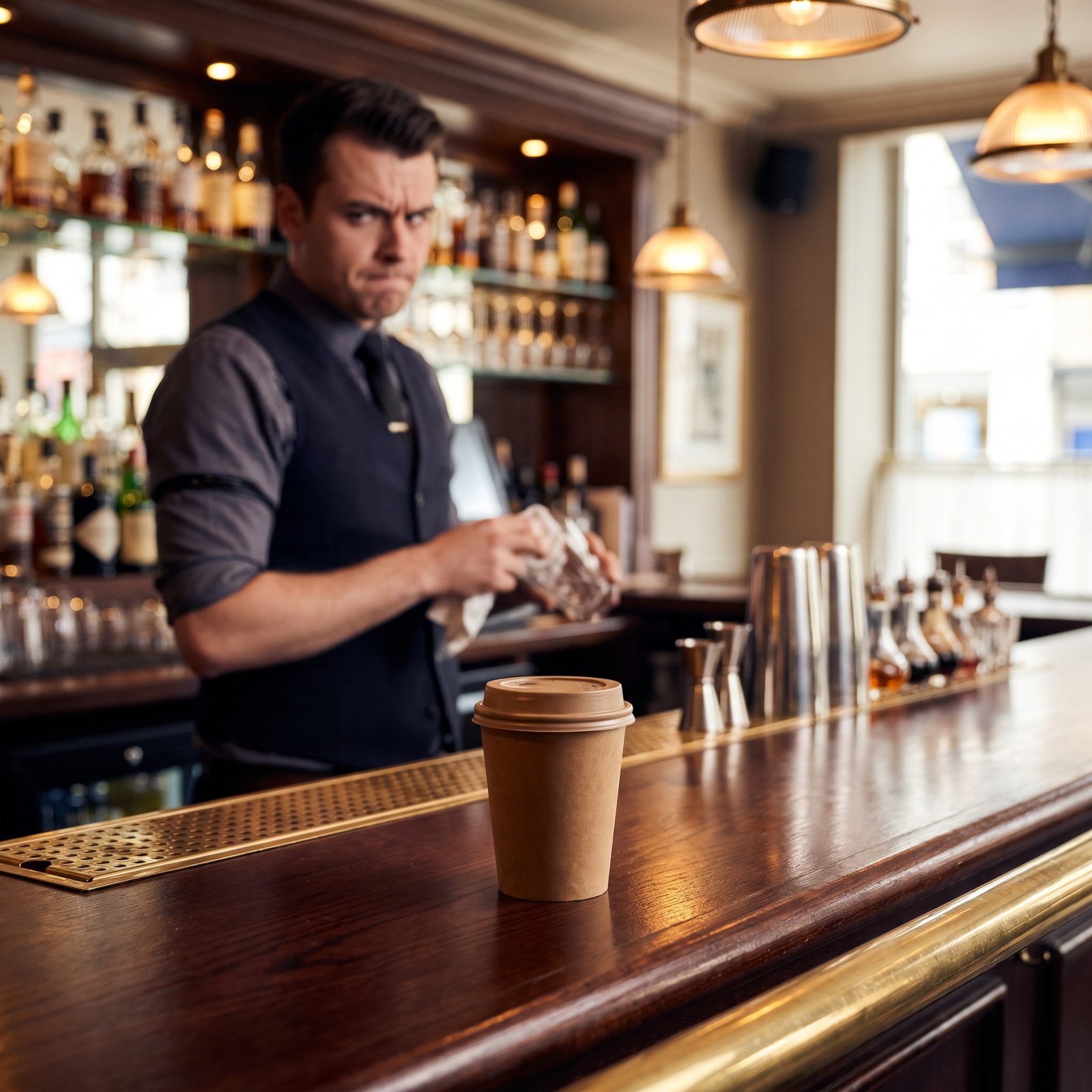
Walking in with a to-go coffee and setting it on the bar is a small move that lands bigger than people realize. Bars run on what they sell you. Sipping something you bought down the block, on their stool, reads as using the room without paying rent.
Most bartenders won’t make a scene. But they’ll note it, and they’ll be quicker to enforce the minimum and less inclined to float you the slow afternoon pour. So finish the outside stuff before you come in. Costs you nothing and buys you a warmer welcome.
5. The Vape You Think Nobody Saw
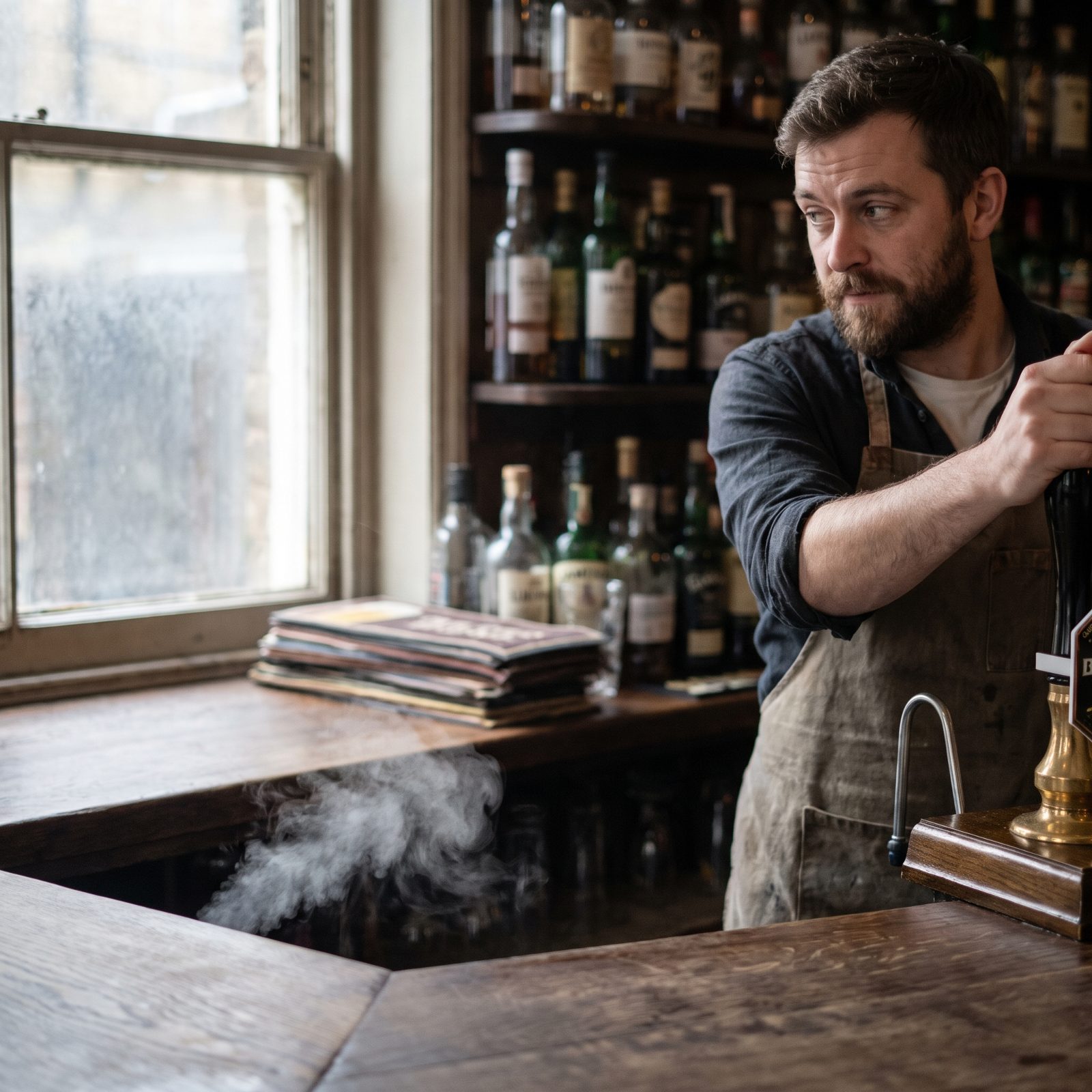
The cloud gives it away every time. People think a discreet hit under the bar is invisible. It isn’t. Bartenders see vapor from clear across the room, and they smell the mango-cotton-candy fog before they even spot the device.
Indoors it’s almost always a hard no, and it dumps the staff into the awkward spot of policing a grown adult — a lousy first note to open on. Need it? Step outside. Everyone, including the bartender who’d rather not have that conversation, will be glad you did.
Describing a guest who kept vaping after being told to stop, a wine bar bartender writes “Three minutes later another sting of mentholated fruit and I see this man surreptitiously sucking on the inside of his sleeve, like a teenager in class.”
4. Whether the Kids in Your Party Are Actually Being Watched
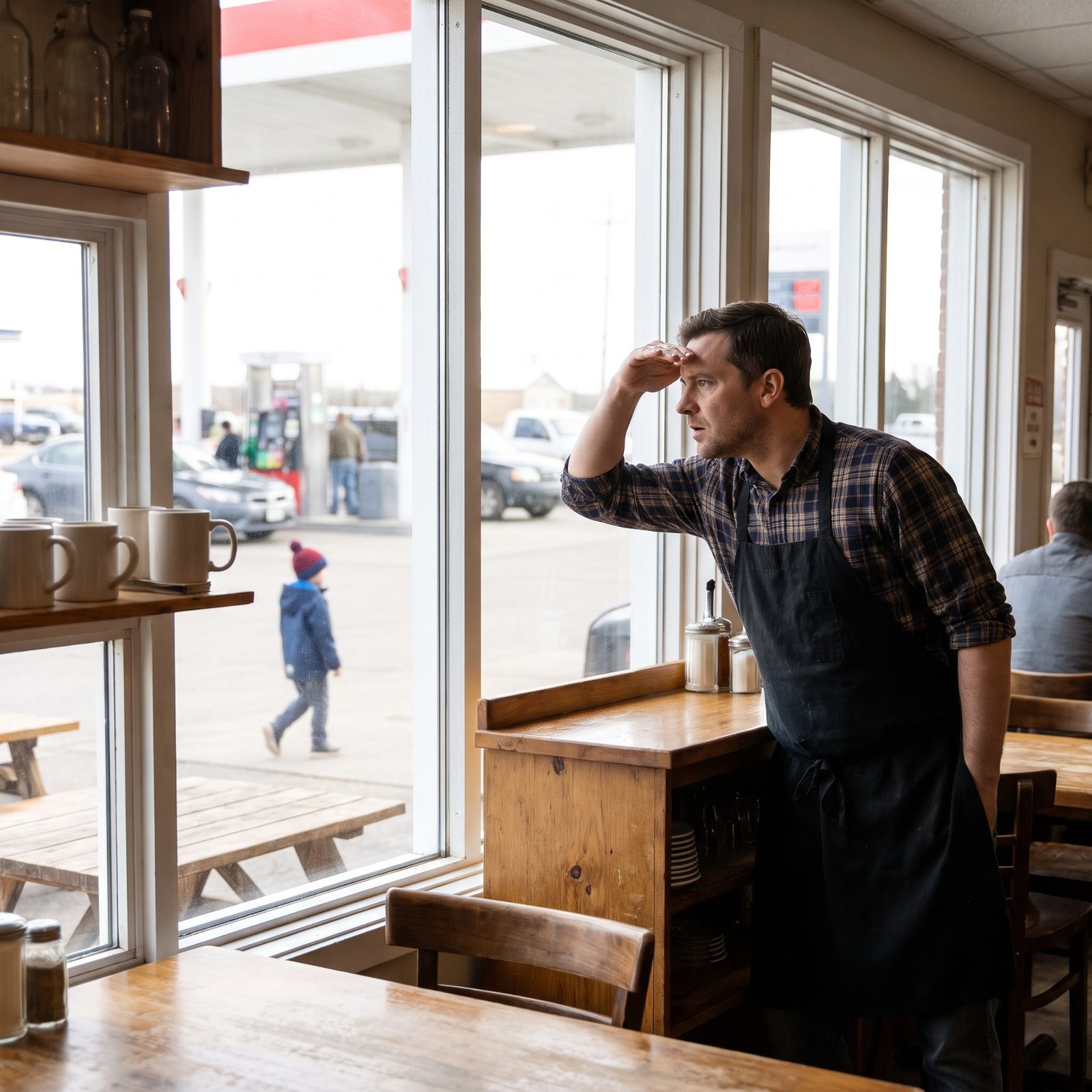
A bartender clocks a kid wandering the room the way a lifeguard clocks a swimmer drifting toward the rocks. Hot plates, broken glass, servers moving fast with full trays — it’s a space built for adults moving with purpose.
Nobody’s anti-children here. But the parent who keeps the little ones close, a hand held while the drinks get ordered, gets read as easy. Treat the bar as a playpen while you settle in and you make everyone’s job harder — and the staff feel it the instant it starts.
3. The Dog Under Your Stool, Service Animal or Not
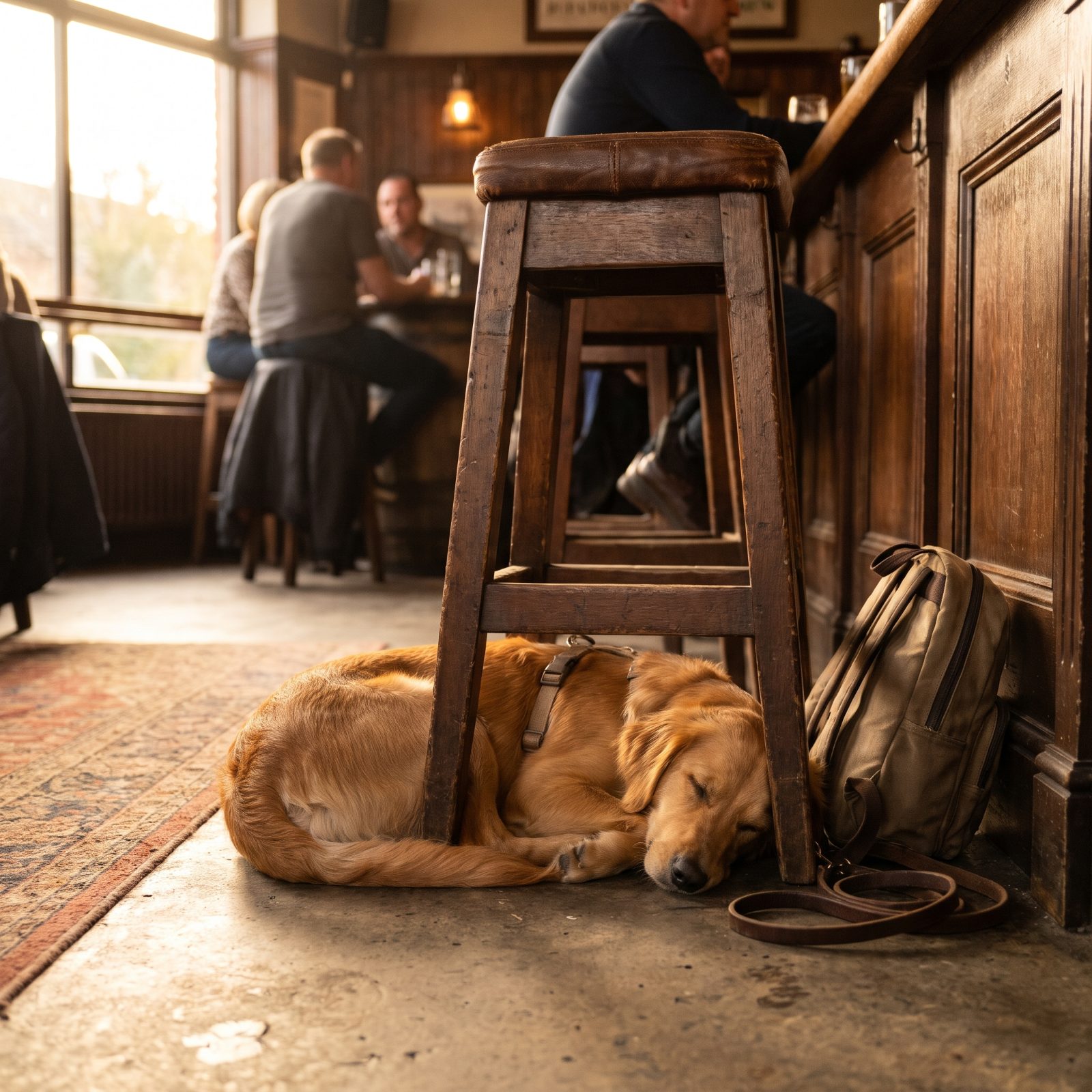
The dog tells a bartender almost as much as the owner does. A genuine service animal tucks in quietly, out of the aisle, locked onto its person and invisible until needed. That earns nothing but respect.
The dog that’s clearly a pet — nosing other guests, tangling its leash across the walkway — drops staff into a legal and practical bind they never asked for. Local rules vary, and most bartenders won’t interrogate you. But how you manage the animal, where you park it, whether it stays calm, that decides the whole tone before you’ve ordered.
2. How You Answer When They Say Hello
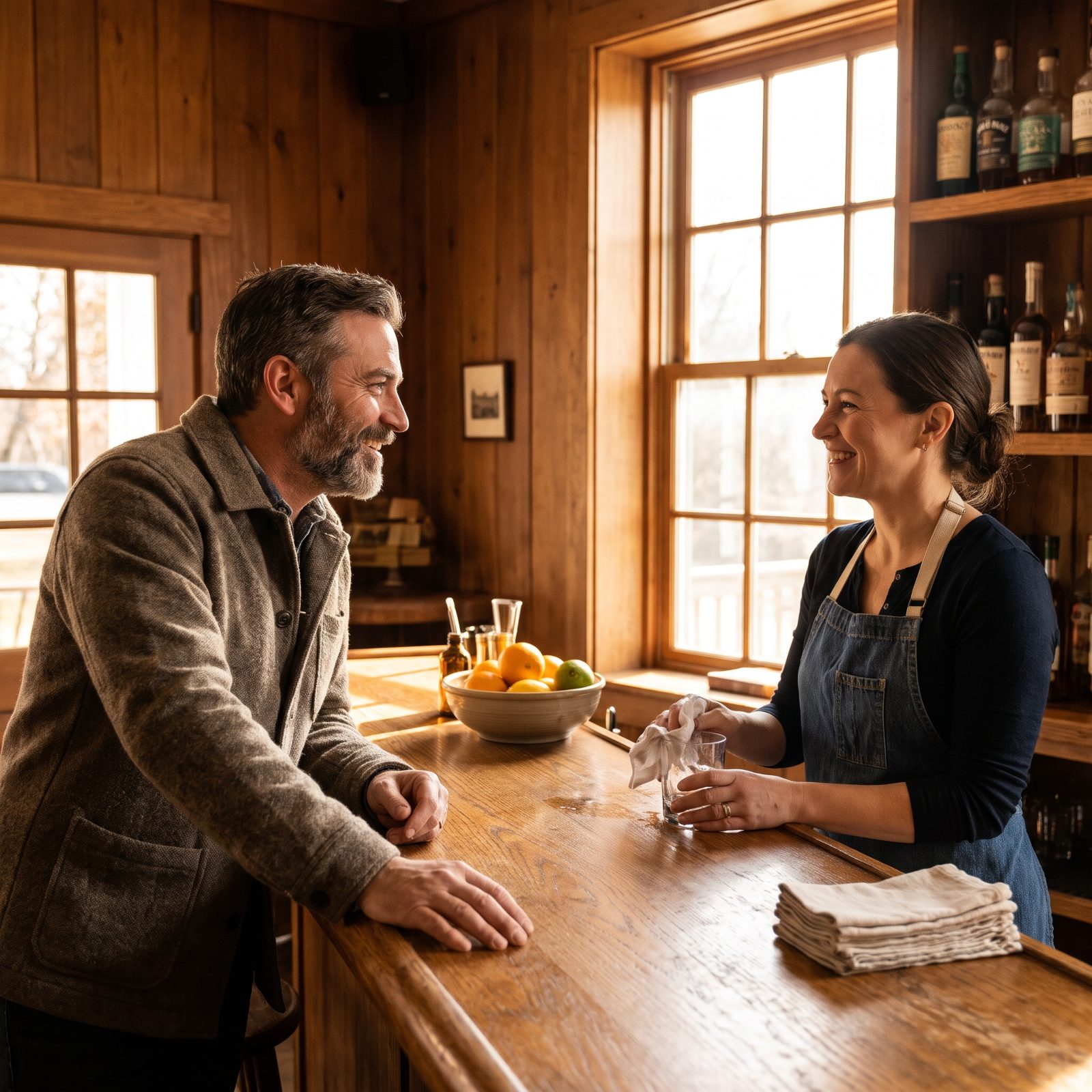
Everything above funnels into this one small moment. The bartender says hi, and your two-second response sets the entire relationship.
Look up, say hey back, and you’ve told them you see a person doing a job — not a vending machine with a pulse. Stay buried in your phone, grunt an order without eye contact, and you’ve told them that too. They’ll still pour your drink. They just won’t go out of their way, won’t remember your usual, won’t slide you the one on the house six months down the line. A greeting returned is the cheapest tip you’ll ever leave, and it pays better than most.
Asked what guests can do better, a working bartender who has served thousands of customers advises “When ordering, greet the server, look them in the eye and include the words "please" and "thank you.”
1. Whether You Are Joining Someone Who Already Has a Tab
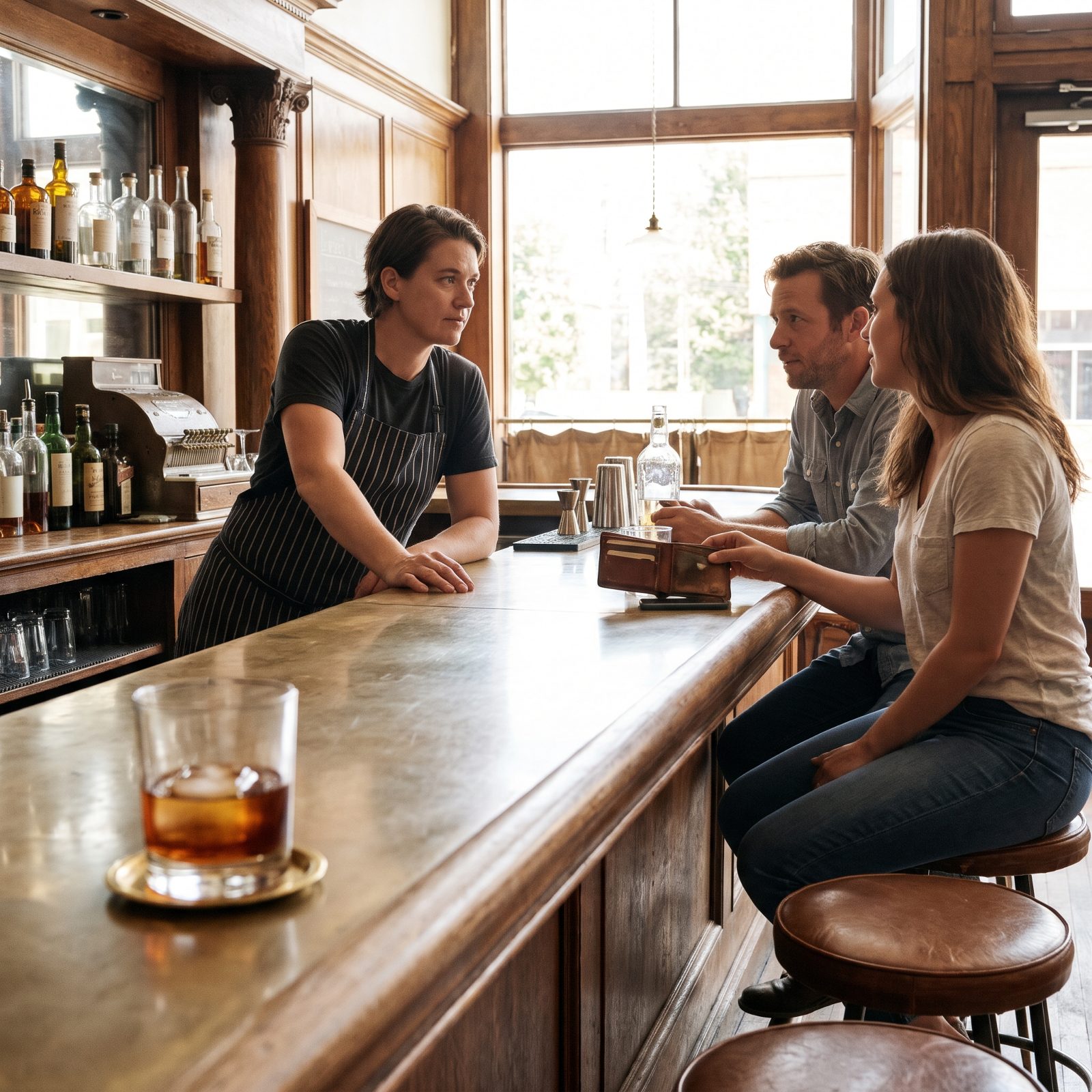
Walk up to someone nursing a half-gone drink and the bartender has already run the math. Are you two together, or did you just happen to land on the stool next to a stranger? They watch how your body angles. Lean toward the person and drag the stool a few inches closer, and they read it instantly: one tab, probably.
This matters more than you’d think, because it decides whether they hand you your own check later or fold your round into somebody else’s running total. Botch it early and you get that awkward shuffle at closing — two people both lunging for the same folder like it’s the last slice at a party.
Good bartenders also clock who ordered first and who’s playing host. The host picks up the pace, orders for the whole table, waves off the separate check. That’s the one they’ll keep half an eye on for the next round — and honestly, the one they remember when you come back.