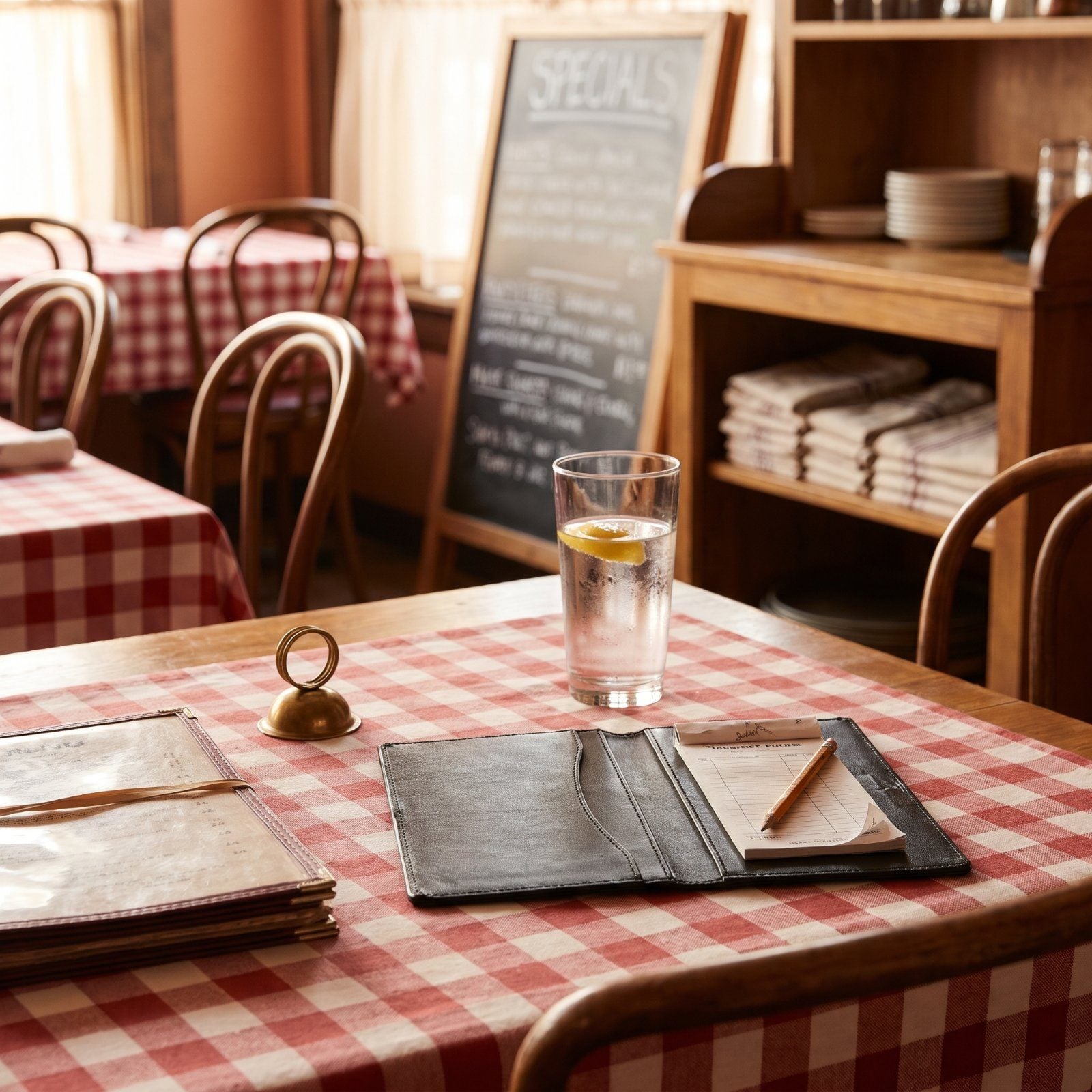
Ask anyone who’s carried a loaded tray through a Friday-night rush what they won’t do as a customer, and the answers come fast. Not because they’re bitter, but because they’ve watched one thoughtless move ripple through a whole dining room. The folks who’ve worked the floor know where the real friction lives: the finger snap, the walk-in at 9:58, the table of three who swear they’re ready to order while nobody’s cracked the menu. These are the moves people who’ve been on both sides quietly refuse to pull. Here’s what they avoid, and why it matters more than you’d think.
Please note that some of the images in this article were created with the assistance of AI.
43. Snap Their Fingers or Whistle for Service
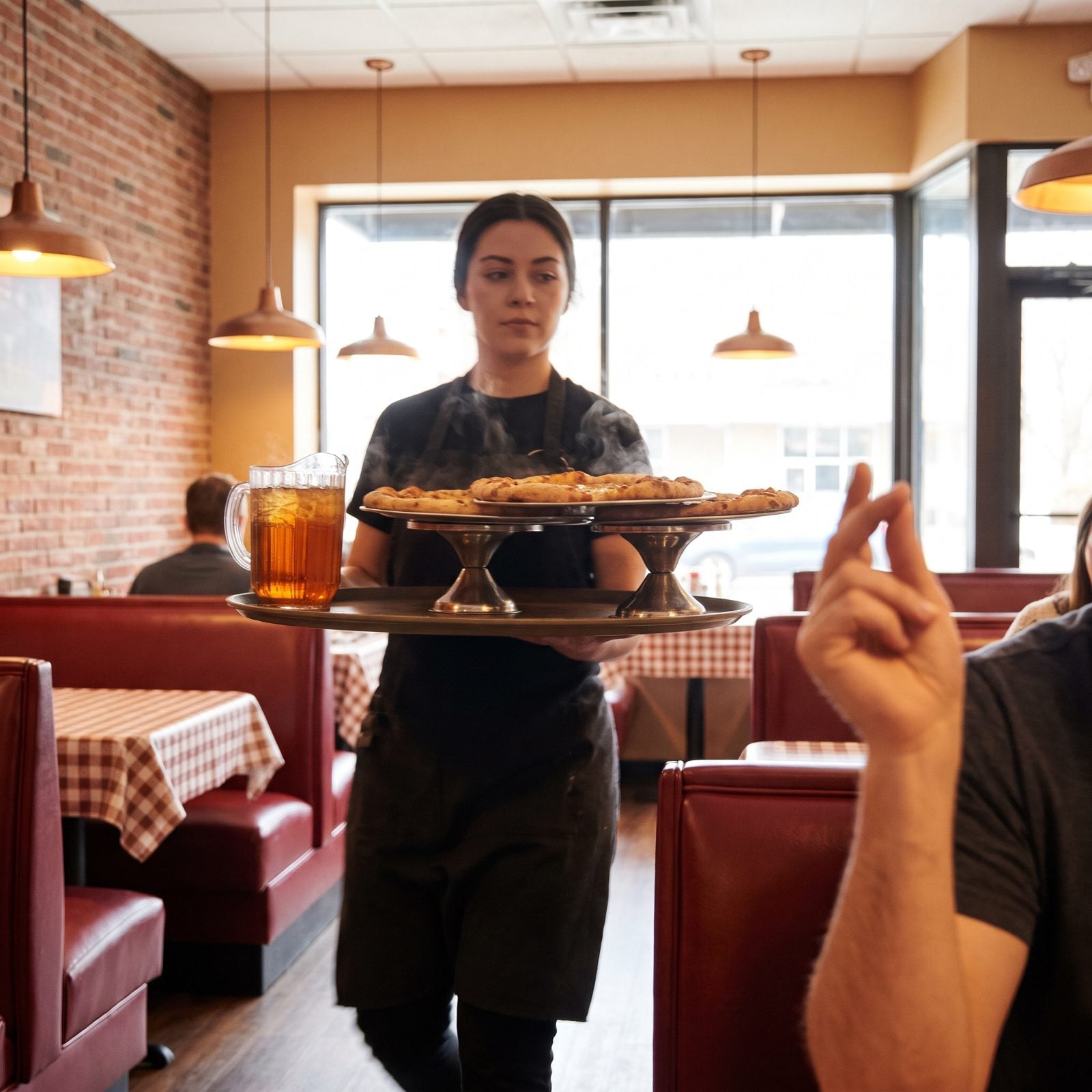
A snap or a whistle treats a server like a vending machine with legs, and anyone who’s worked a section knows it backfires. The person you just summoned like a cab now has every reason to visit your table dead last.
Eye contact does the whole job. A raised hand, a patient look across the room — servers scan constantly, and they clock you the second you look up. Floor veterans use that quiet signal every time. It works. The snap never did.
42. Walk In Just Before Closing for a Leisurely Meal
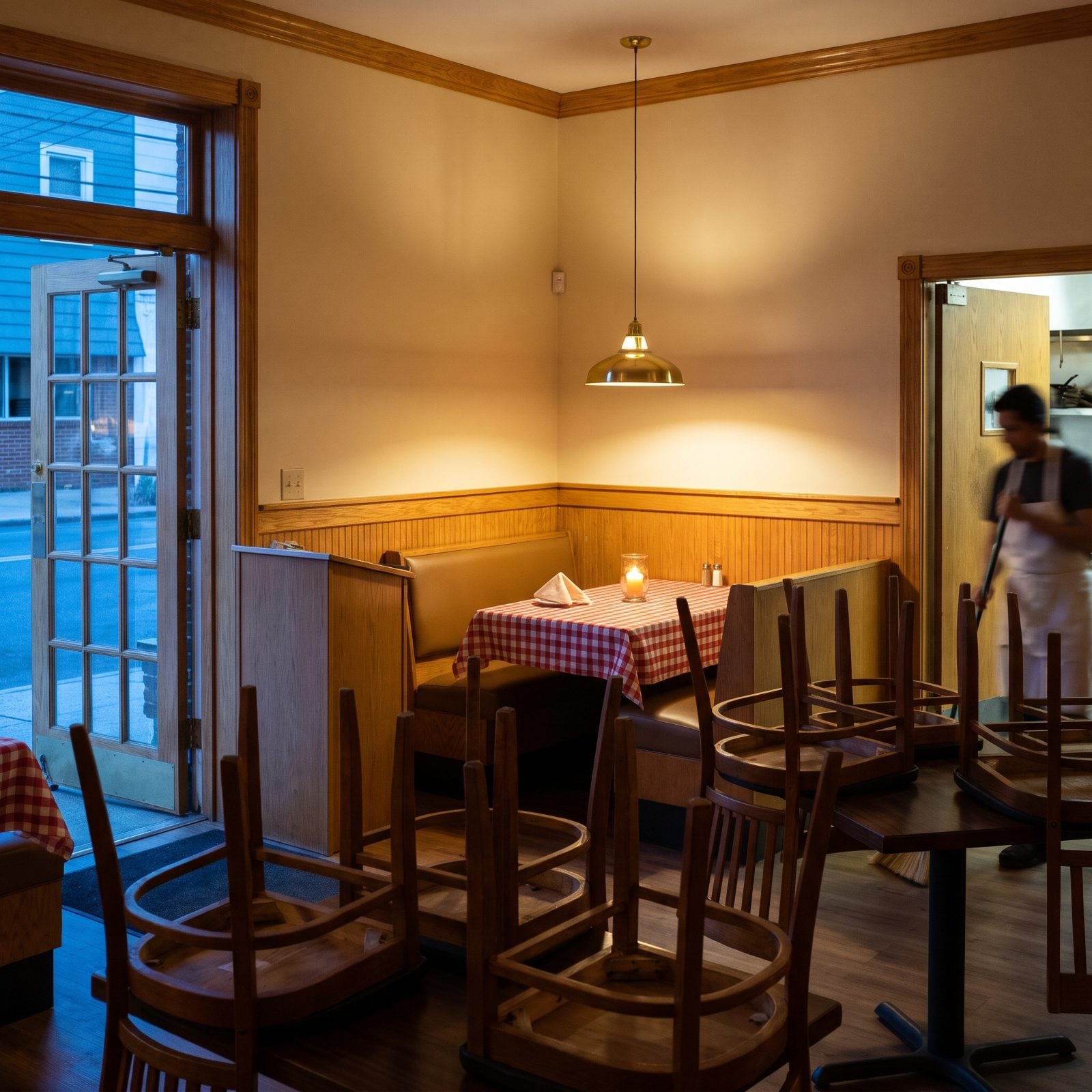
Technically the sign says they close at ten. Realistically, the kitchen’s been breaking down for an hour and the dish pit is halfway clean. Roll in at 9:55 for a three-course sit-down and someone’s getting home at midnight instead of eleven.
People who’ve closed a restaurant keep one hard rule: if you want a relaxed meal, arrive with real time on the clock. Last ten minutes before close? Grab something quick, tip well, and don’t linger past the lights. The staff remembers the kind ones. So will you.
41. No-Show for a Reservation Without Calling
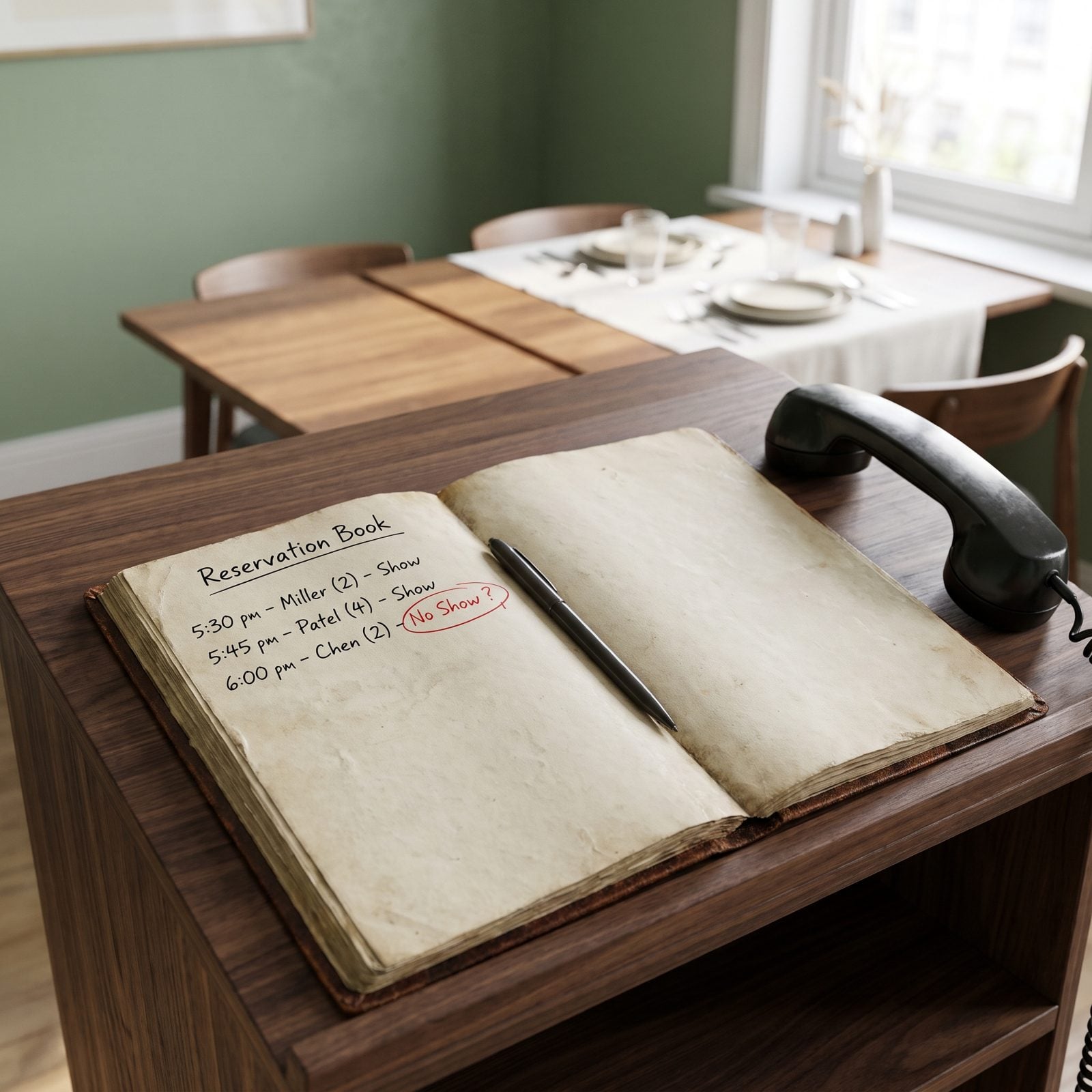
An empty table on a Saturday night isn’t a minor hiccup. It’s money the kitchen staffed for, a slot the waitlist could’ve filled, and a server whose tip just vanished into thin air. Restaurants run on narrow margins, and a no-show reservation is a hole nobody can patch.
Former hosts cancel with a phone call every single time, even five minutes out. Thirty seconds of your evening frees the table for the couple cooling their heels at the door.
40. Bring a Huge Group Without Warning
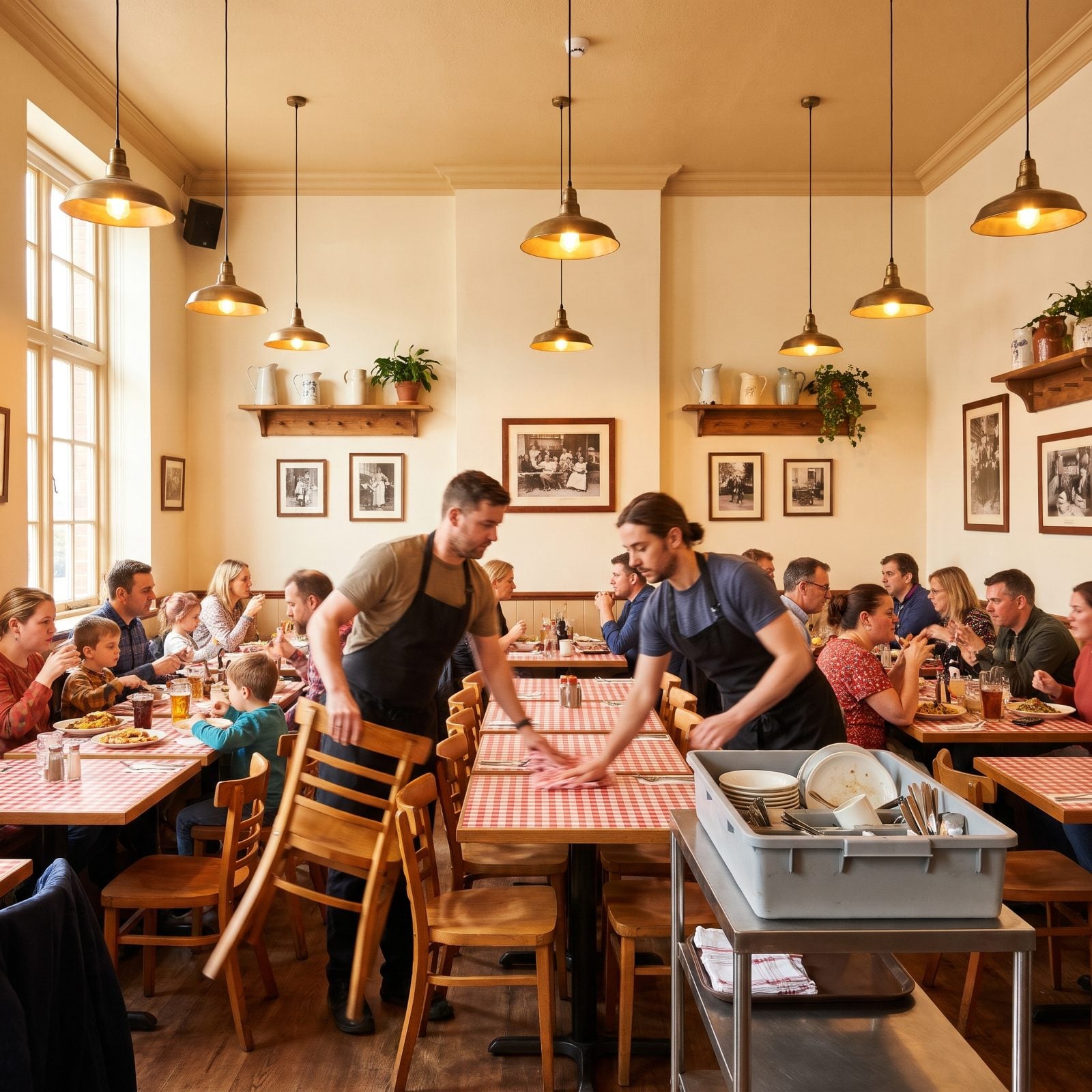
Twelve people showing up unannounced doesn’t just mean more plates. It means shoving tables together, stealing chairs from other sections, firing a wall of orders at a line that was already slammed, and splitting one server’s attention across a crowd. The whole floor warps around a surprise party.
So anyone who’s worked service calls ahead for anything over six. A quick heads-up lets the restaurant set up the right table, staff the station, and prep the kitchen. You get a better meal, and nobody’s scrambling to make you fit.
39. Seat Themselves Without Speaking to the Host
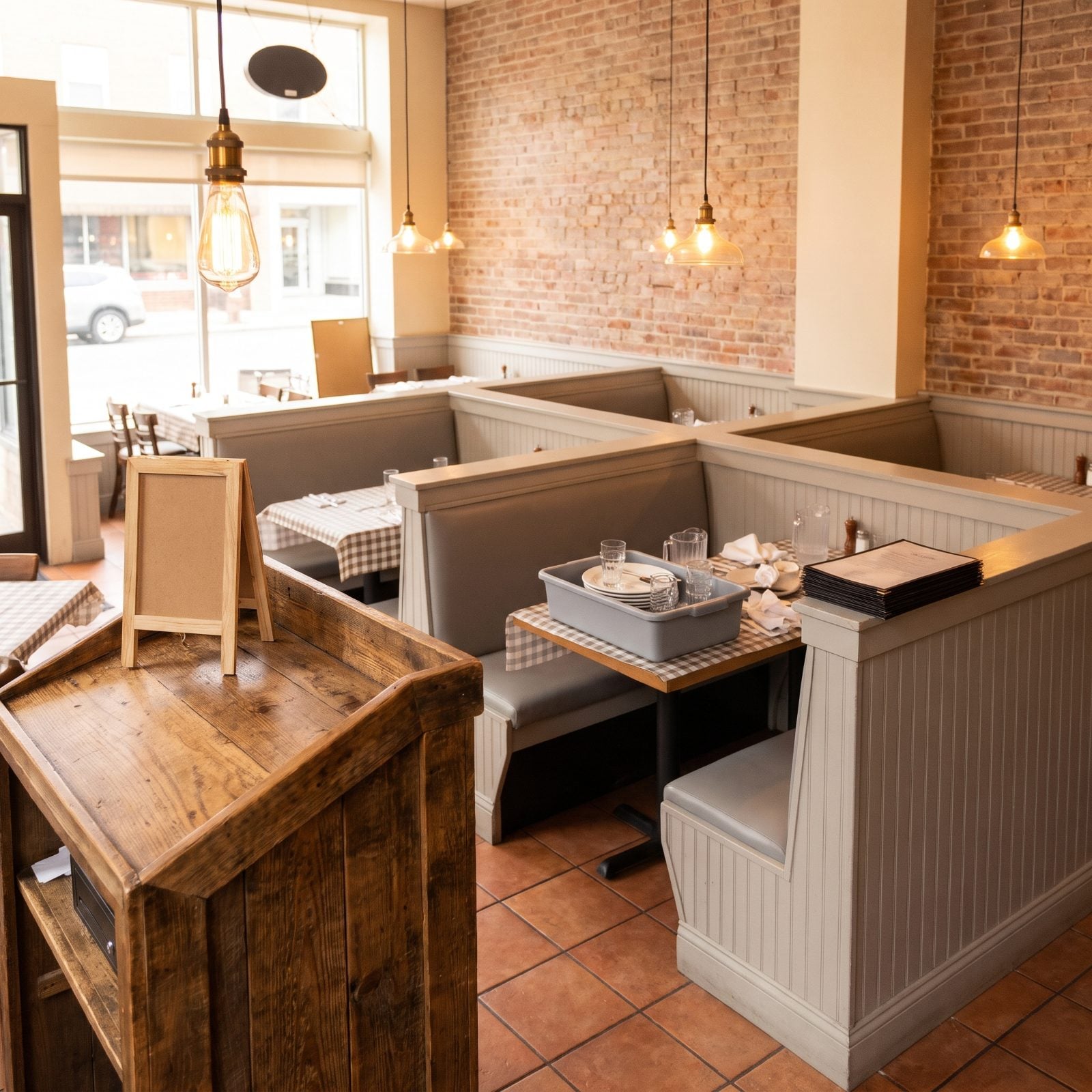
That empty table you spotted might be a dirty one about to be bussed, held for a reservation, or outside the section that’s actually staffed tonight. Hosts aren’t gatekeeping for fun — they’re balancing who’s covering what so no single server drowns.
Walk past the stand and plant yourself wherever you like, and you quietly wreck that math. People who’ve hosted pause and wait, even when the room looks wide open. Ninety seconds of patience keeps the whole floor from falling out of rhythm.
38. Demand a Table Before the Whole Party Arrives
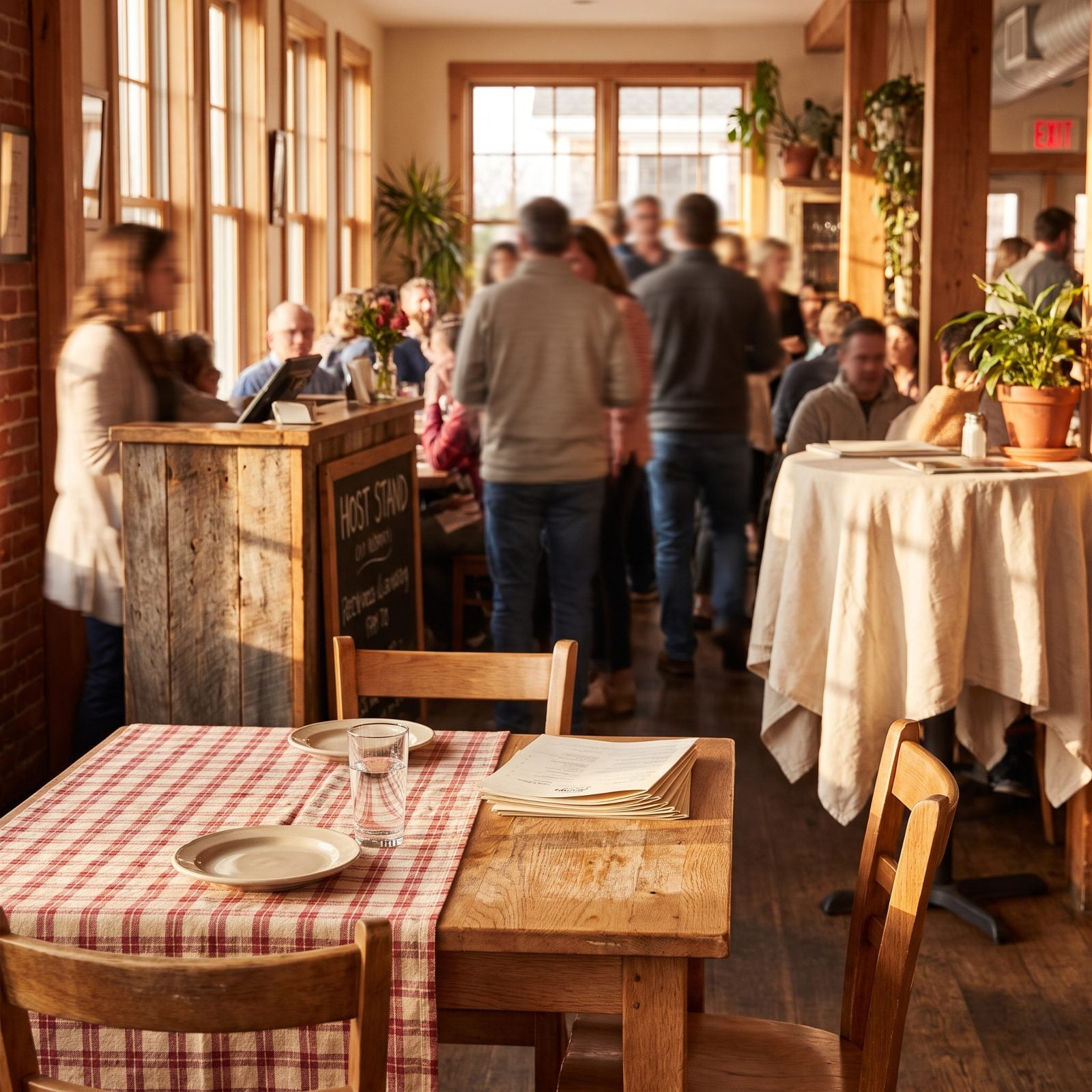
Most restaurants won’t seat an incomplete party during a rush, and it isn’t them being difficult. A half-filled table ties up a four-top while the waitlist grows and three empty chairs stare at the kitchen. The staff can’t turn it, can’t fully serve it, can’t do anything but wait with you.
Folks who’ve worked the floor show up together or wait at the bar until everyone’s there. Simple, fair, and it keeps the line moving for the family who’s been standing by the door for twenty minutes.
37. Block Service Aisles With Bags or Strollers
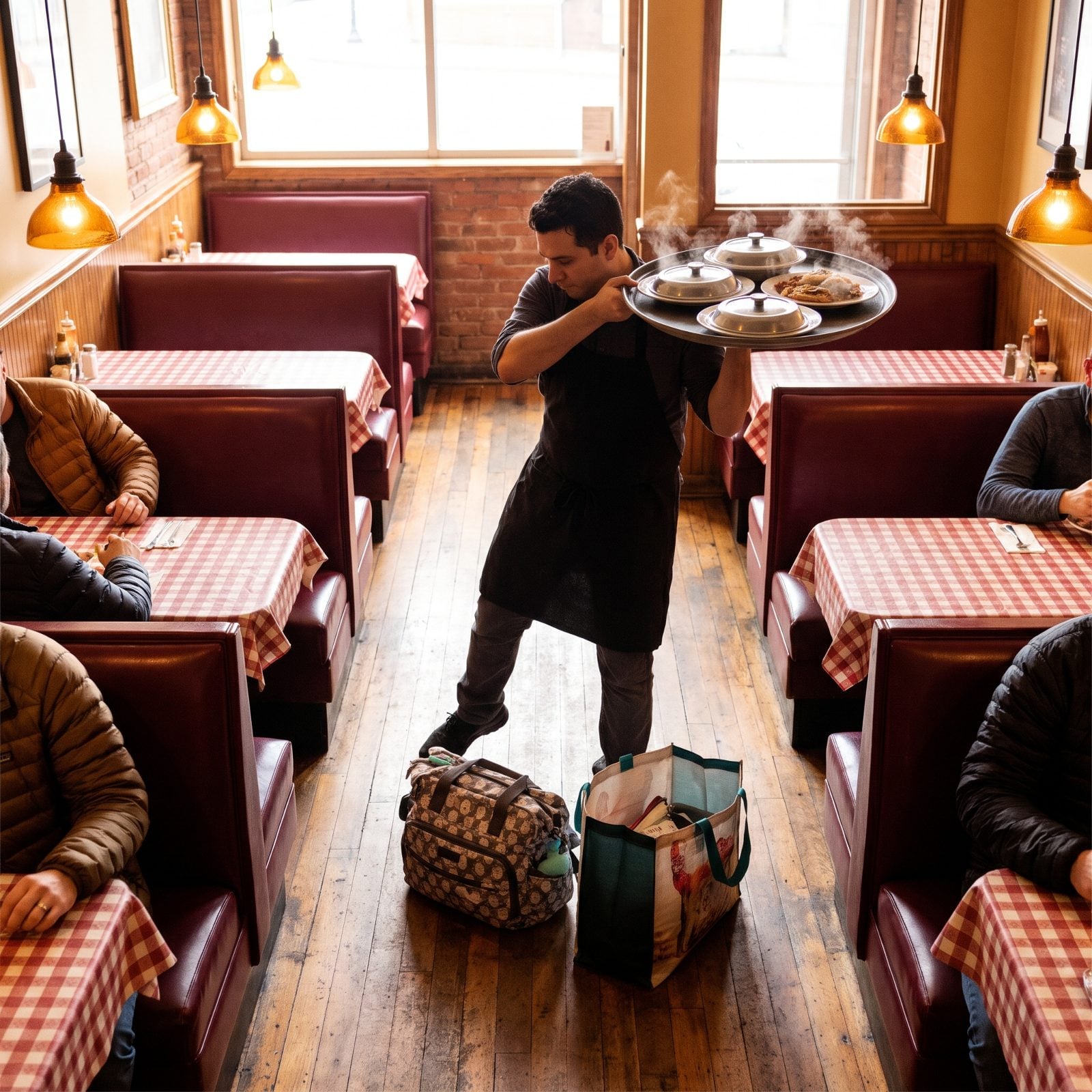
That aisle beside your chair isn’t spare floor. It’s the highway servers use carrying plates hot enough to raise a blister, trays that outweigh a bowling ball, pots of coffee, pitchers of ice water. Sling a bag into the walkway or park a stroller in the lane, and a routine trip becomes a hazard.
Anyone who’s dumped a tray over somebody’s tote tucks everything under the table or against the wall. You only learn that lesson by watching a near-miss happen two feet from your head.
36. Open Outside Alcohol Without Confirming the BYOB Policy
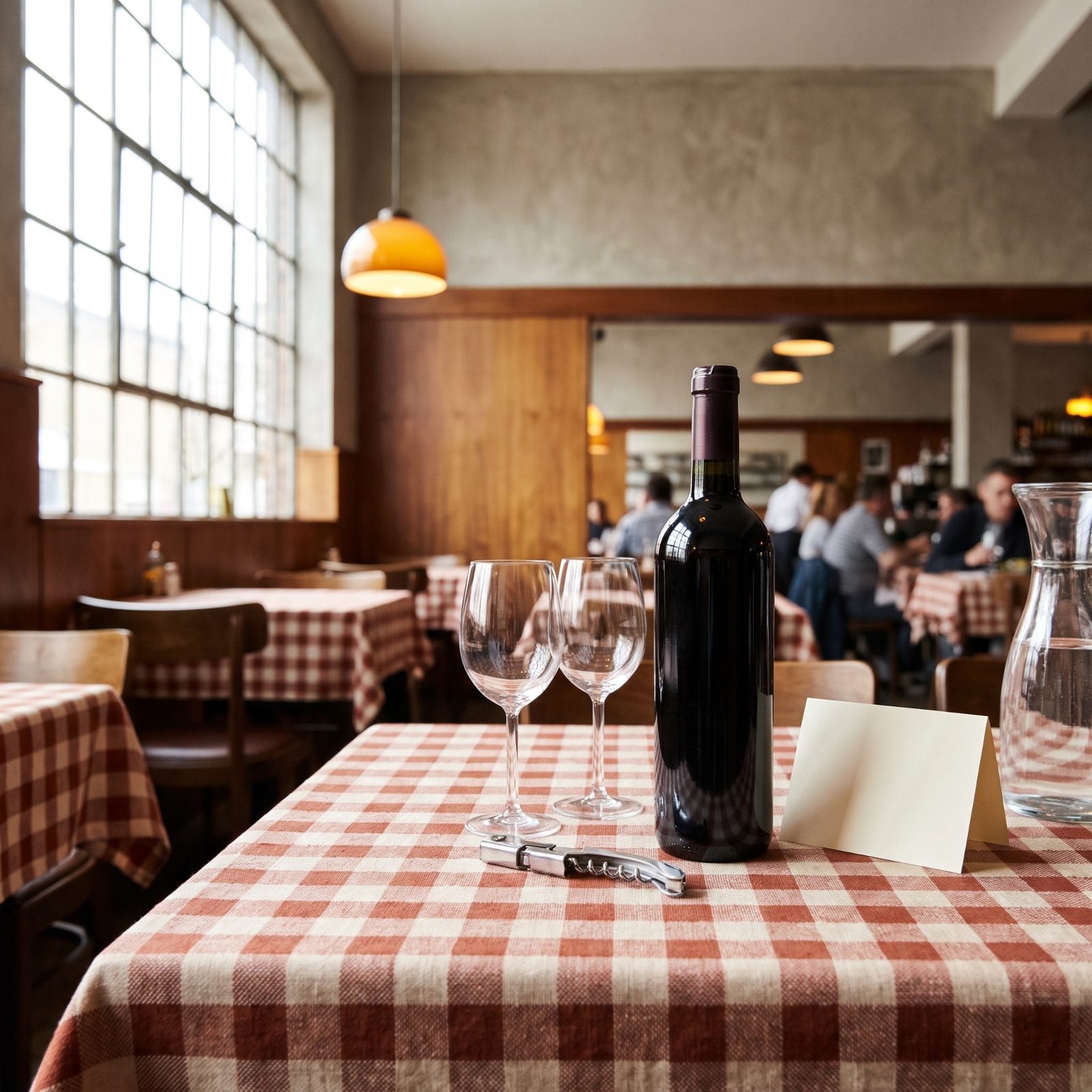
Crack your own bottle at the table and you can put a restaurant’s liquor license at risk, which is no small thing. Plenty of places allow BYOB and happily charge a corkage fee. Plenty of others legally cannot, and a server watching an uncorked bottle appear is now stuck playing the bad guy.
People who’ve tended bar ask first, every time. One question at booking spares everybody the awkward conversation and keeps the restaurant out of trouble it can’t afford.
35. Pass Off a Pet as a Service Animal
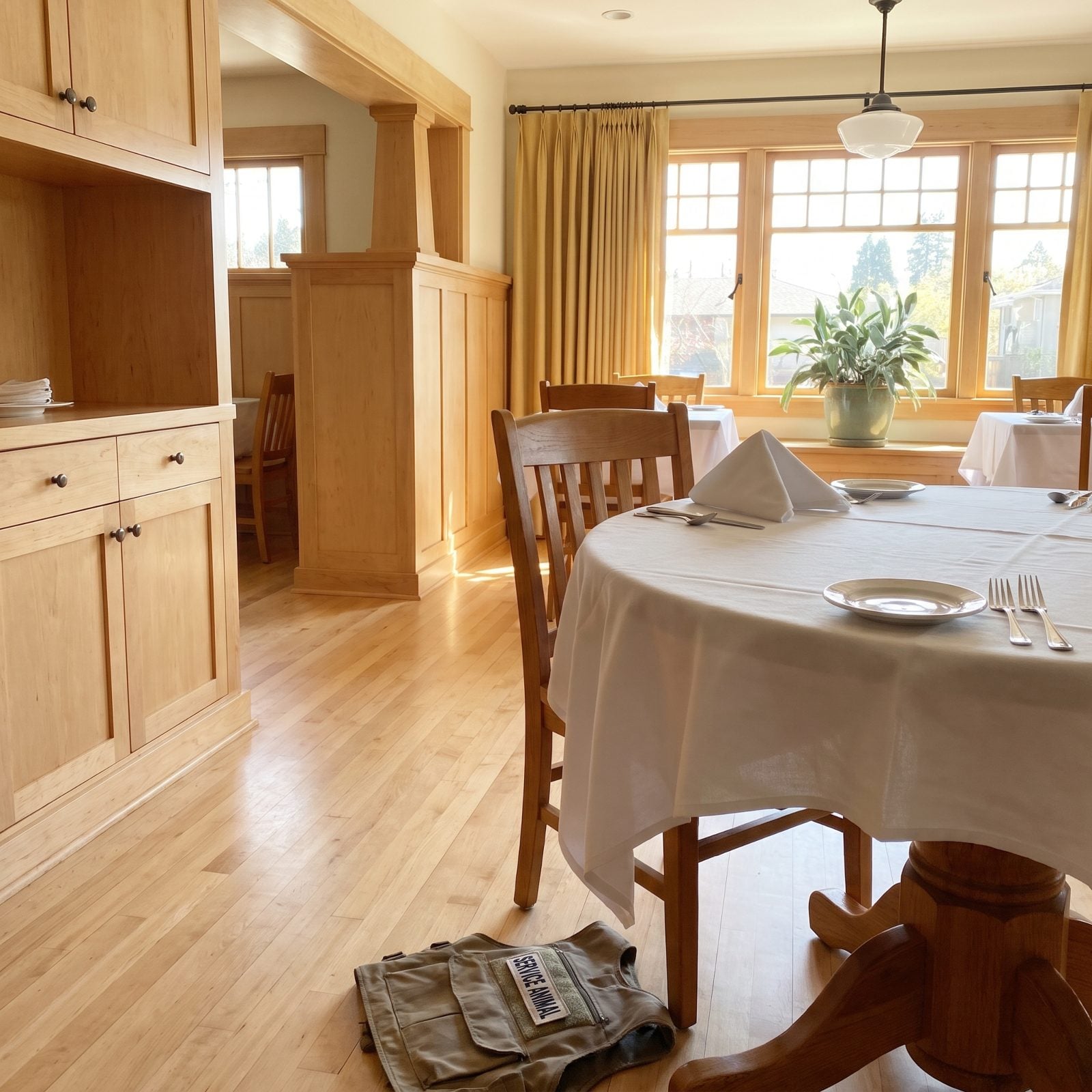
This one crosses a real line. Claiming a pet is a service animal to sneak it into a dining room undercuts the people who genuinely depend on trained working dogs, and it drops staff into an impossible spot. They’re not allowed to ask much, and they’re liable if a health inspector walks in.
Workers who’ve dealt with it quietly resent the move — and not because they dislike your dog. It makes life harder for the person at the next table whose service animal is actually on the job.
34. Say Everyone Is Ready When Nobody Has Read the Menu
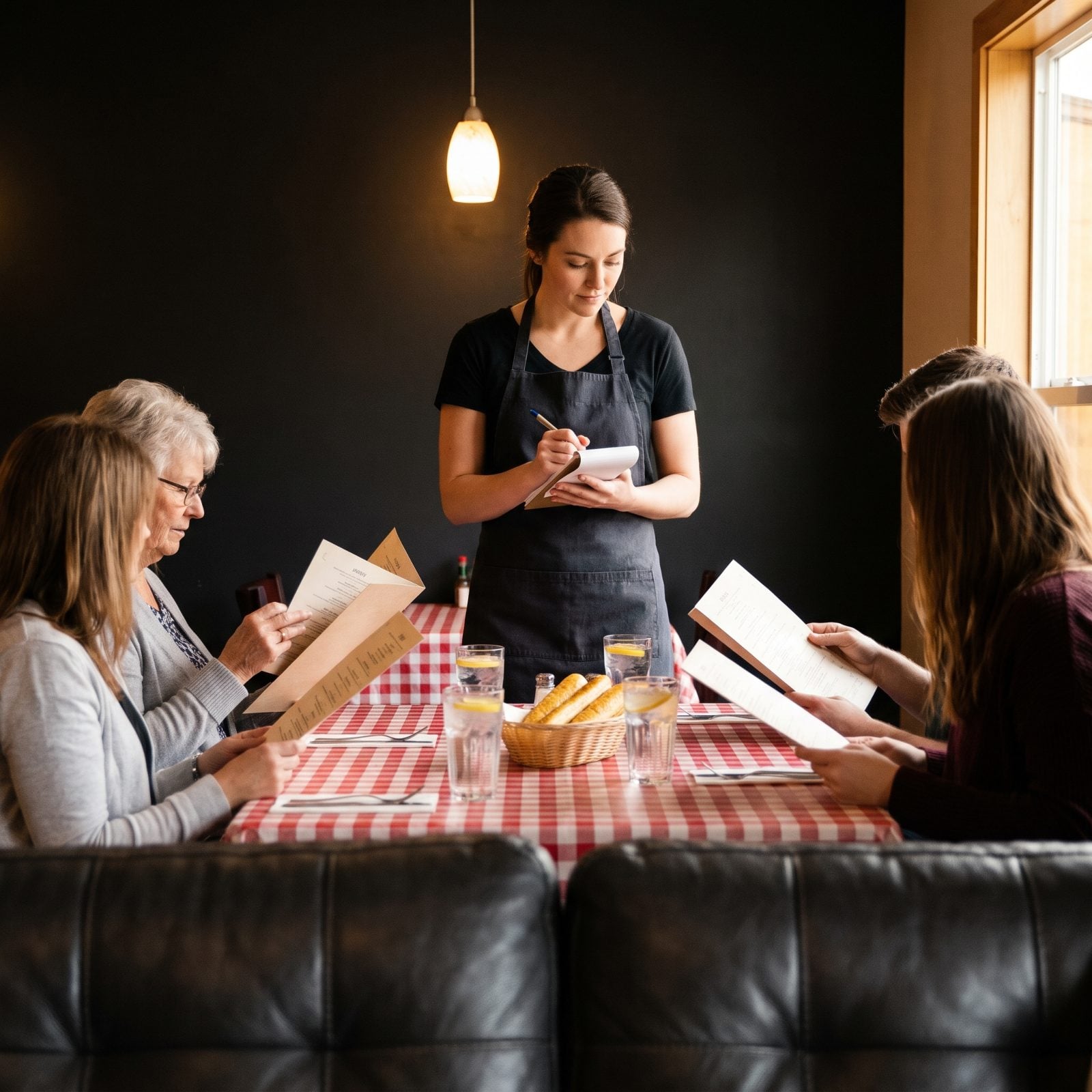
Wave the server over with a confident “we’re all set,” then fall silent while everyone squints at the menu, and you’ve committed a small cruelty. Now they’re hovering at the table, pad open, watching three adults rediscover the concept of appetizers.
They can’t leave without looking rude. They can’t stand there forever. And every second burns time they owe five other tables.
People who’ve waited tables flag the server only when the whole party actually knows what they want. If one person’s still deciding, order drinks first and buy everyone a minute. The kitchen, the staff, and your own meal all run smoother for it.
33. Hiding a Serious Food Allergy From the Server
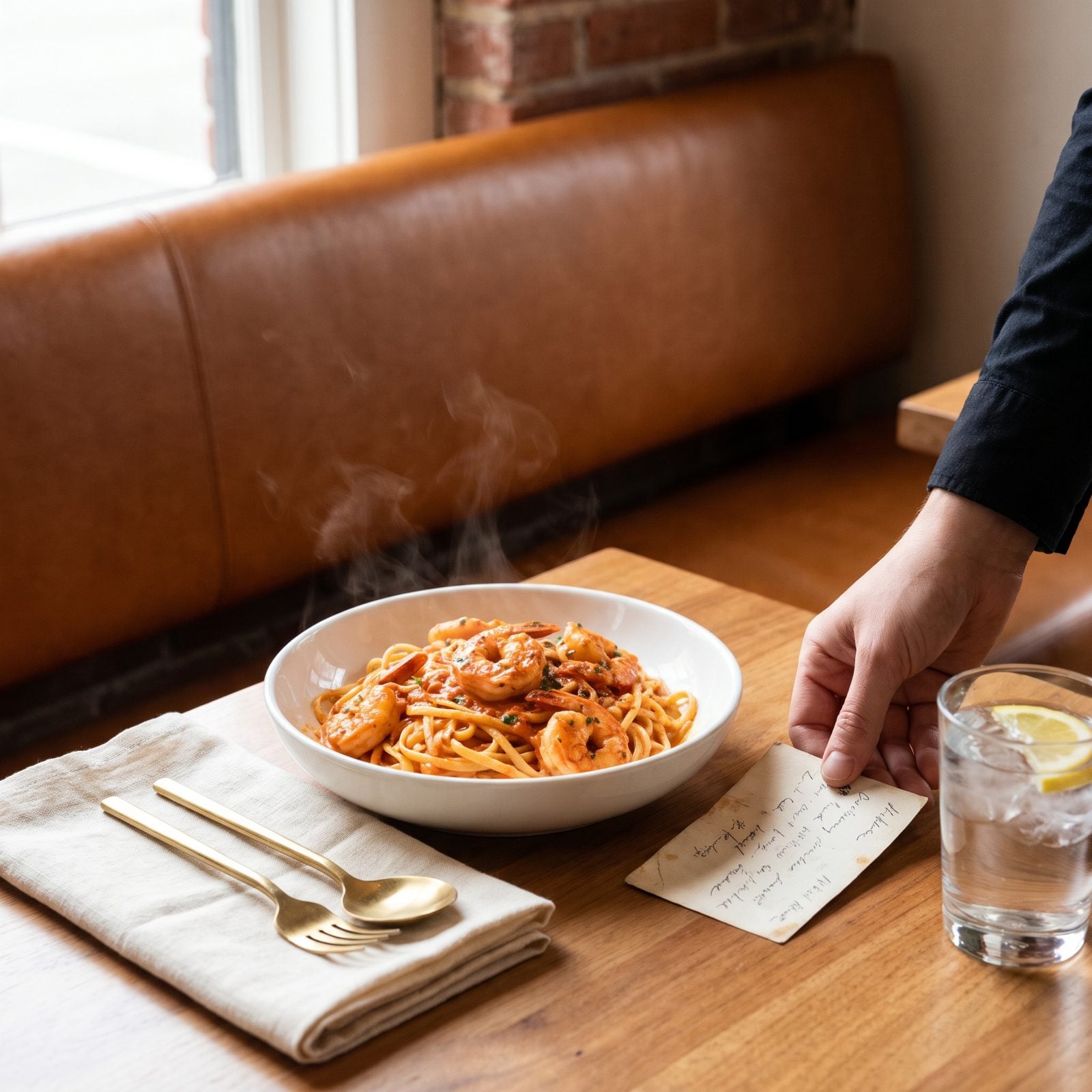
This is the one that keeps line cooks awake at night. A shellfish allergy you don’t mention isn’t a secret — it’s a risk the kitchen never agreed to take.
Servers aren’t being nosy when they ask. That information travels straight to the back, where someone swaps gloves, grabs a clean pan, and routes your plate around the fryer that touched squid an hour ago. Stay quiet and none of it happens. The staff would far rather hear it twice than find out from a paramedic.
32. Calling a Preference an Allergy To Get Your Way
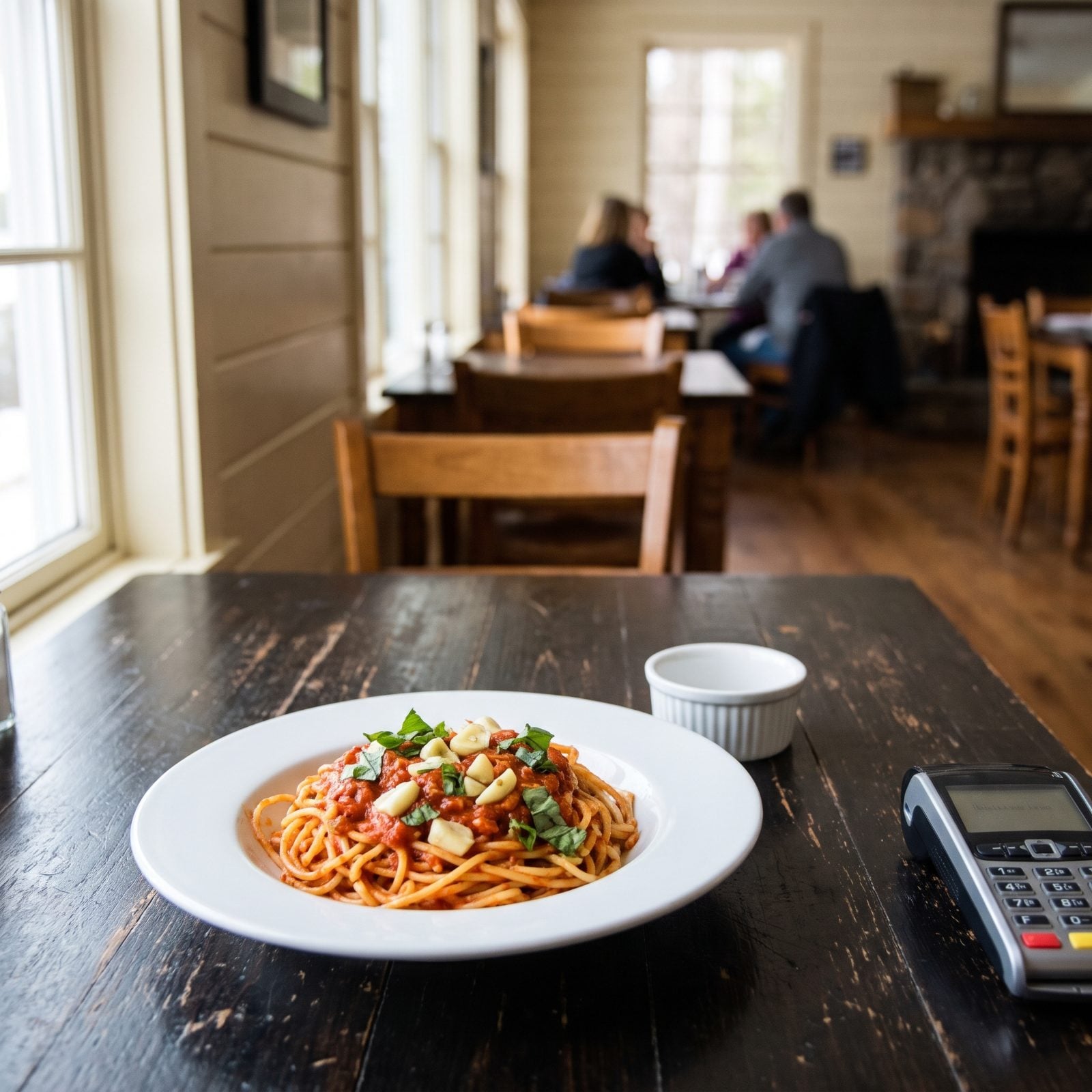
Saying “allergic” when you really mean “don’t care for it” seems harmless. It isn’t.
Here’s what it triggers on the back end. The kitchen treats your ticket as a medical flag — full stop, sanitize, fresh everything, the whole protocol. Do all of that for a garlic preference you could’ve just asked to hold, and you’ve burned real time in the middle of a rush. Worse, you’ve quietly taught that kitchen to take the word less seriously, which is terrible news for the person three tables over whose allergy is the real deal.
Just say you’d prefer it without. Servers hear it a hundred times a shift and nobody blinks.
31. Requesting an Elaborate Off-Menu Invention Mid-Rush
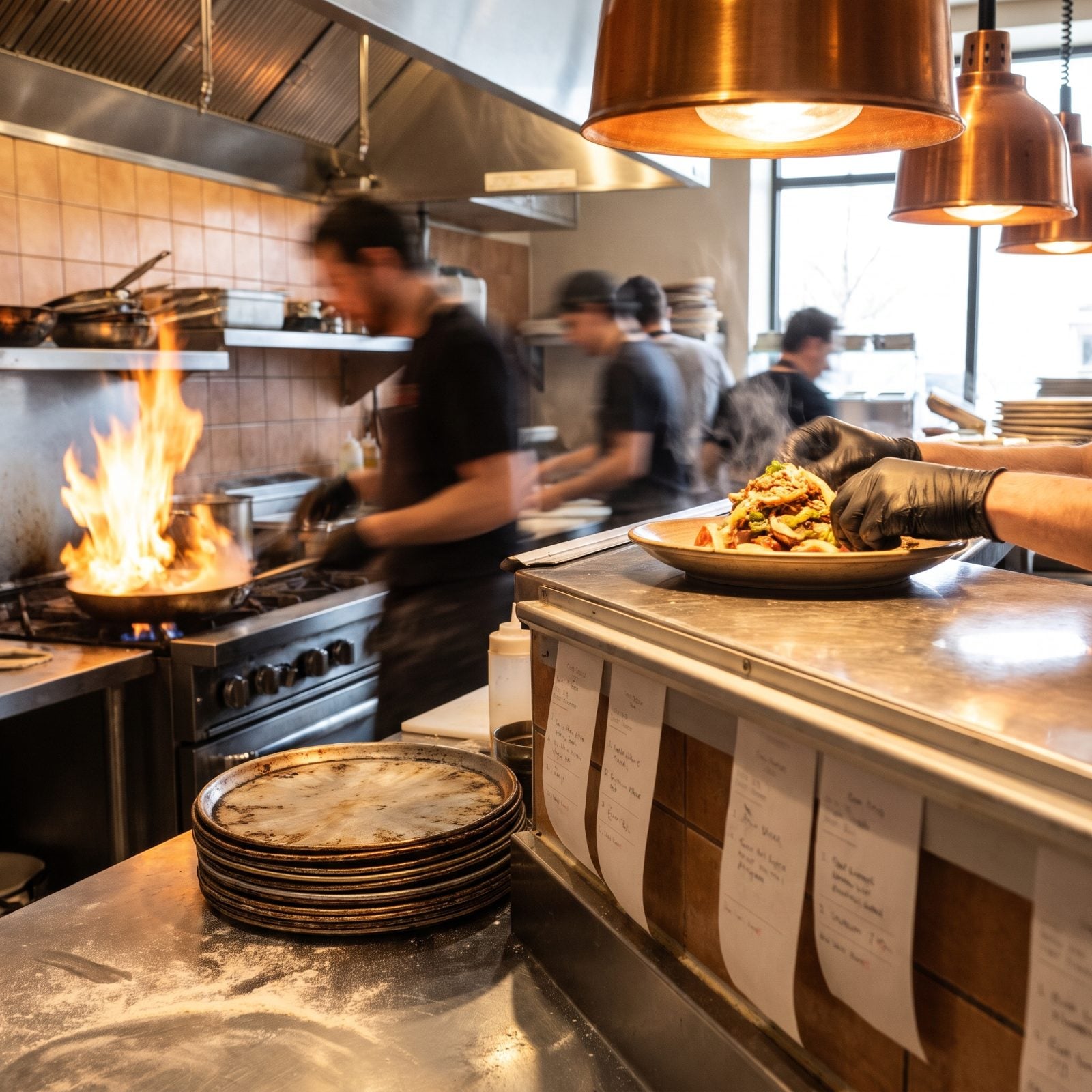
Eight o’clock on a Saturday is not the moment to invent a dish.
A simple swap? Fine — any kitchen rolls with that. But a full off-menu build with three custom components during the dinner slam means one cook has to stop the flow of forty other tickets and puzzle out your creation in real time. Everyone behind you waits. The food runs late, and the whole station bogs down over a single order.
Save the ambitious stuff for a slow Tuesday at two in the afternoon, when a cook actually has room to play along.
30. Insisting on the Dish That Already Sold Out
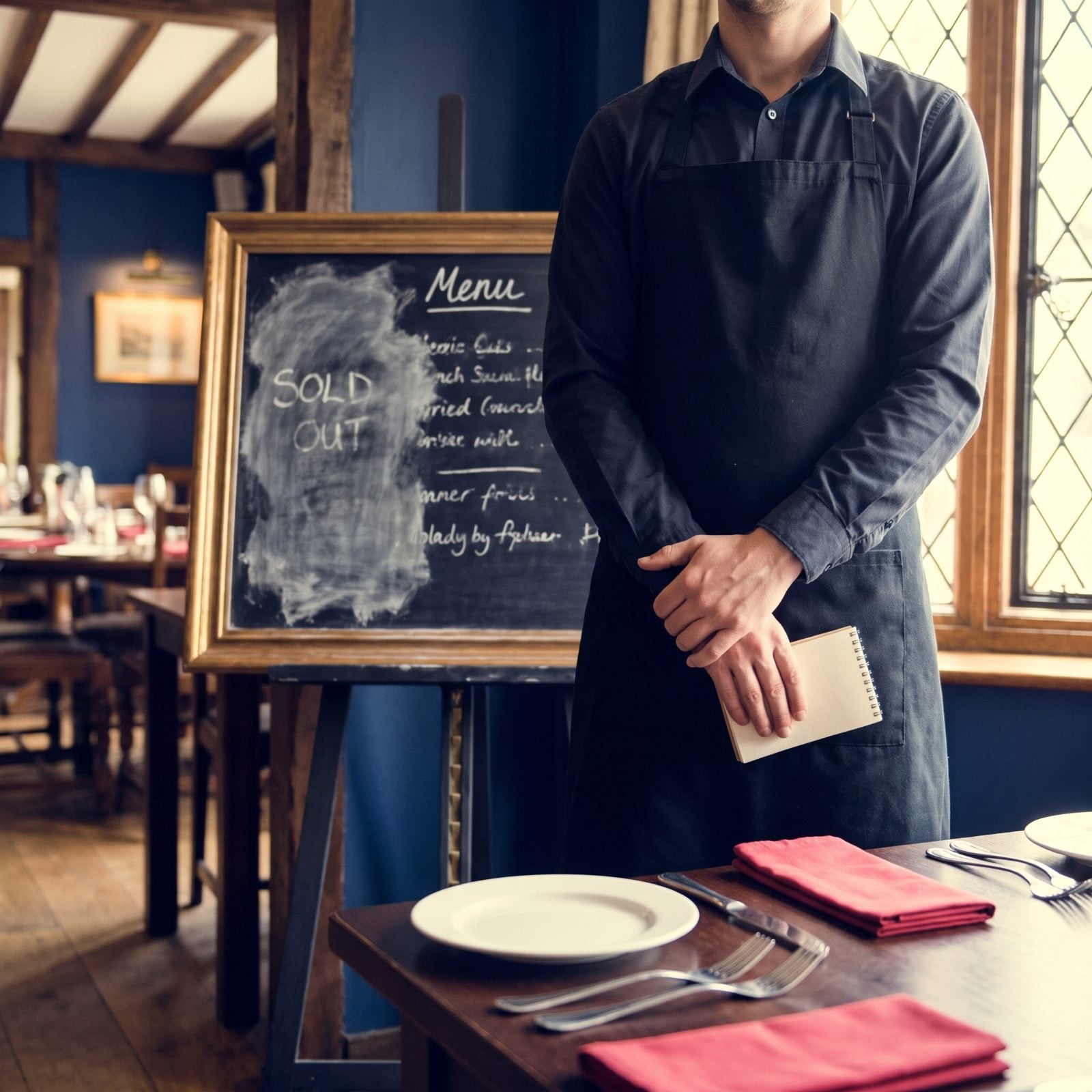
When the server says the braised short rib is gone, it is gone. There’s no secret portion hiding in the back.
Pushing harder doesn’t summon more. It just sends the server back to confirm the same no they already handed you, while your actual dinner sits un-ordered and your table slides further behind. Sold out at nine on a busy night usually means the kitchen nailed their prep and the dish was a hit. Take the win, order the next thing that sounds good, and let them move.
29. Changing Your Order After the Kitchen Fires It
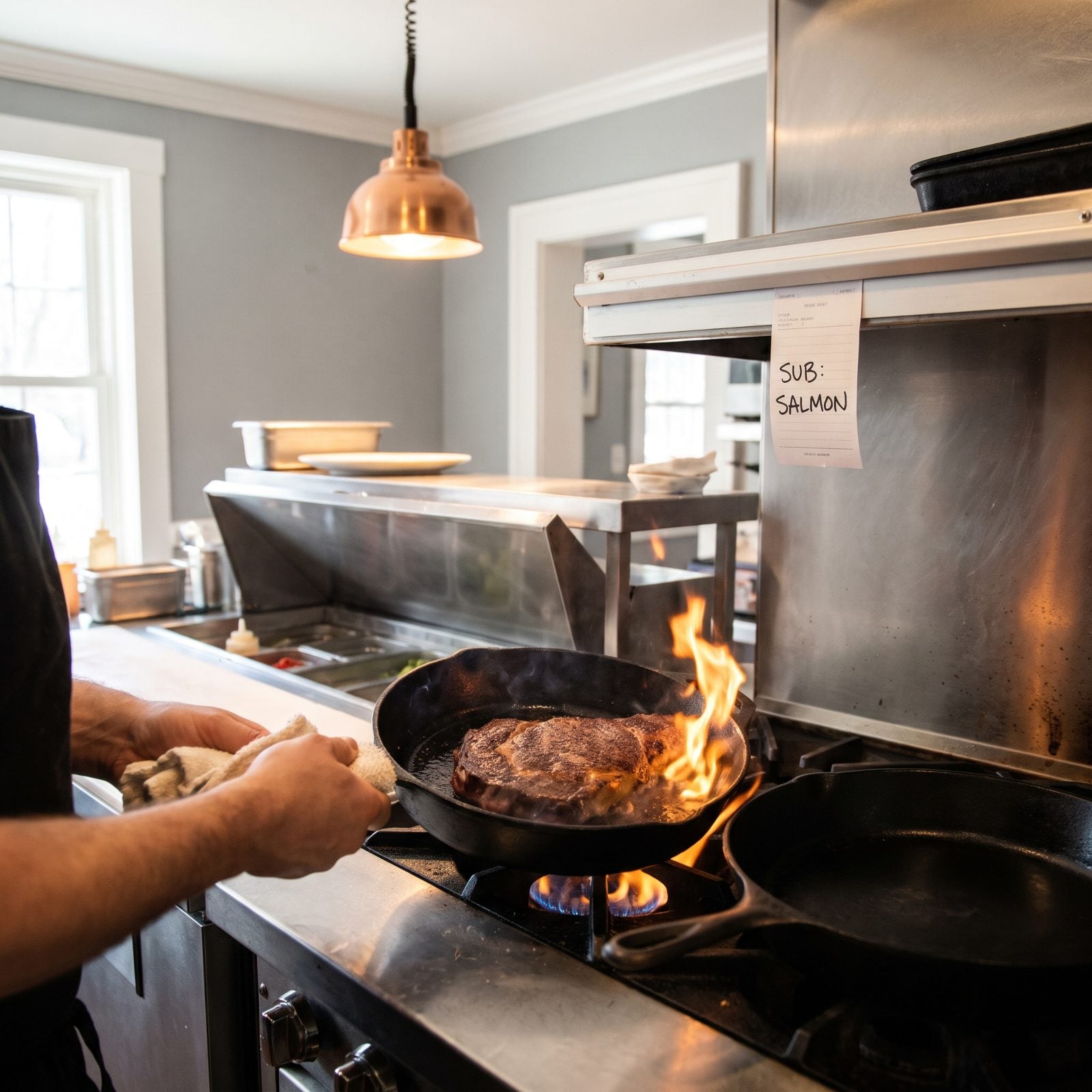
The moment your ticket prints, the kitchen moves. That steak may already be searing in the skillet.
Switch to the salmon after it’s cooking and the first plate becomes garbage, the second plate starts from zero, and you’ve thrown off the timing of everyone else at your table. Real food gets tossed. Real money, too.
28. Ordering One Item at a Time and Sending the Server Back Again
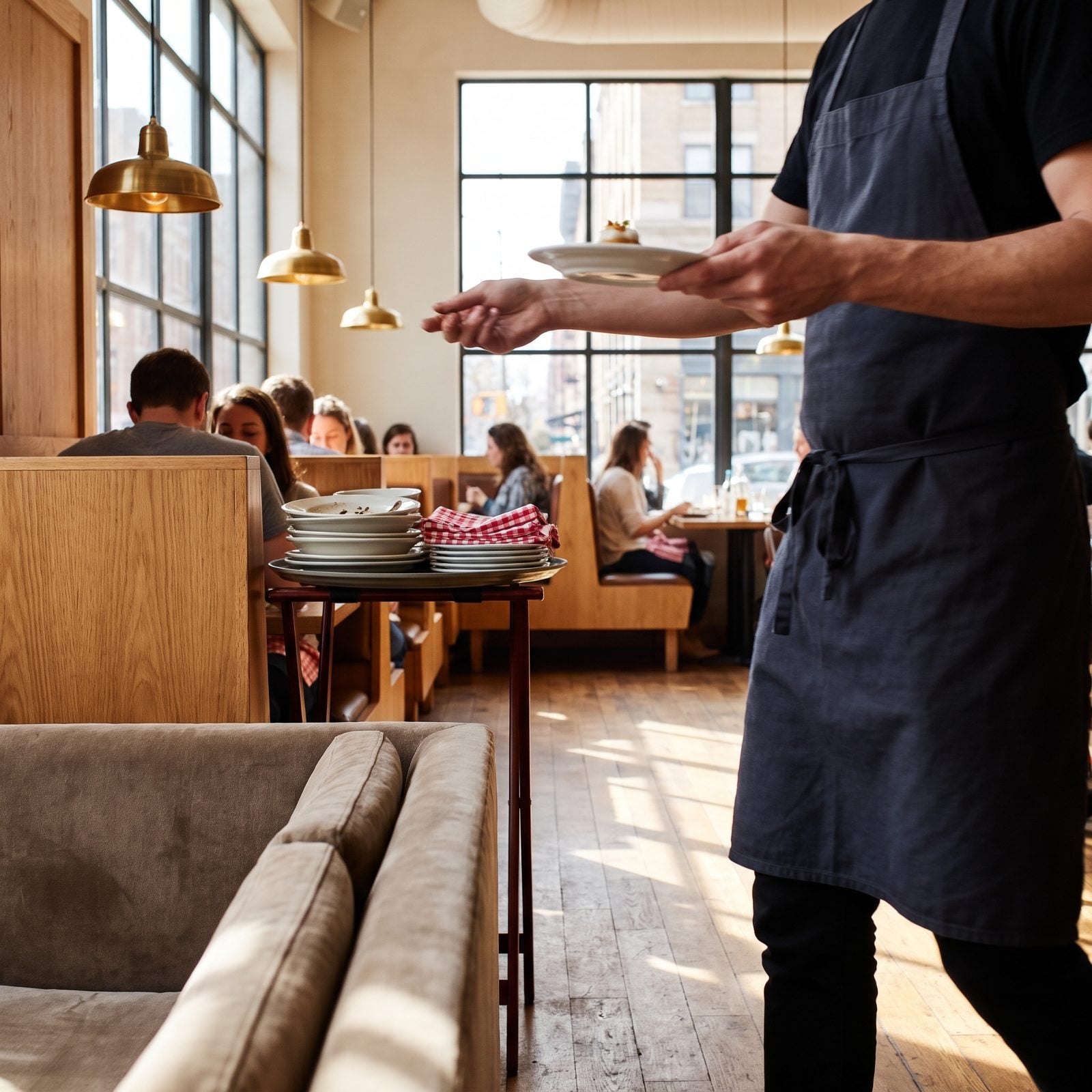
“Just a water for now.” Then two minutes later, an appetizer. Then later, maybe an entrée.
Each round is a full lap — walk over, listen, walk to the terminal, ring it in, walk back. A server working ten tables simply can’t afford four separate trips for what could’ve been one. So have a rough idea before they arrive and order the drinks and the food in the same breath when you can. It isn’t about rushing you. It’s about letting one person actually keep the whole room fed.
27. Letting the Plate Go Cold for a Photo Session
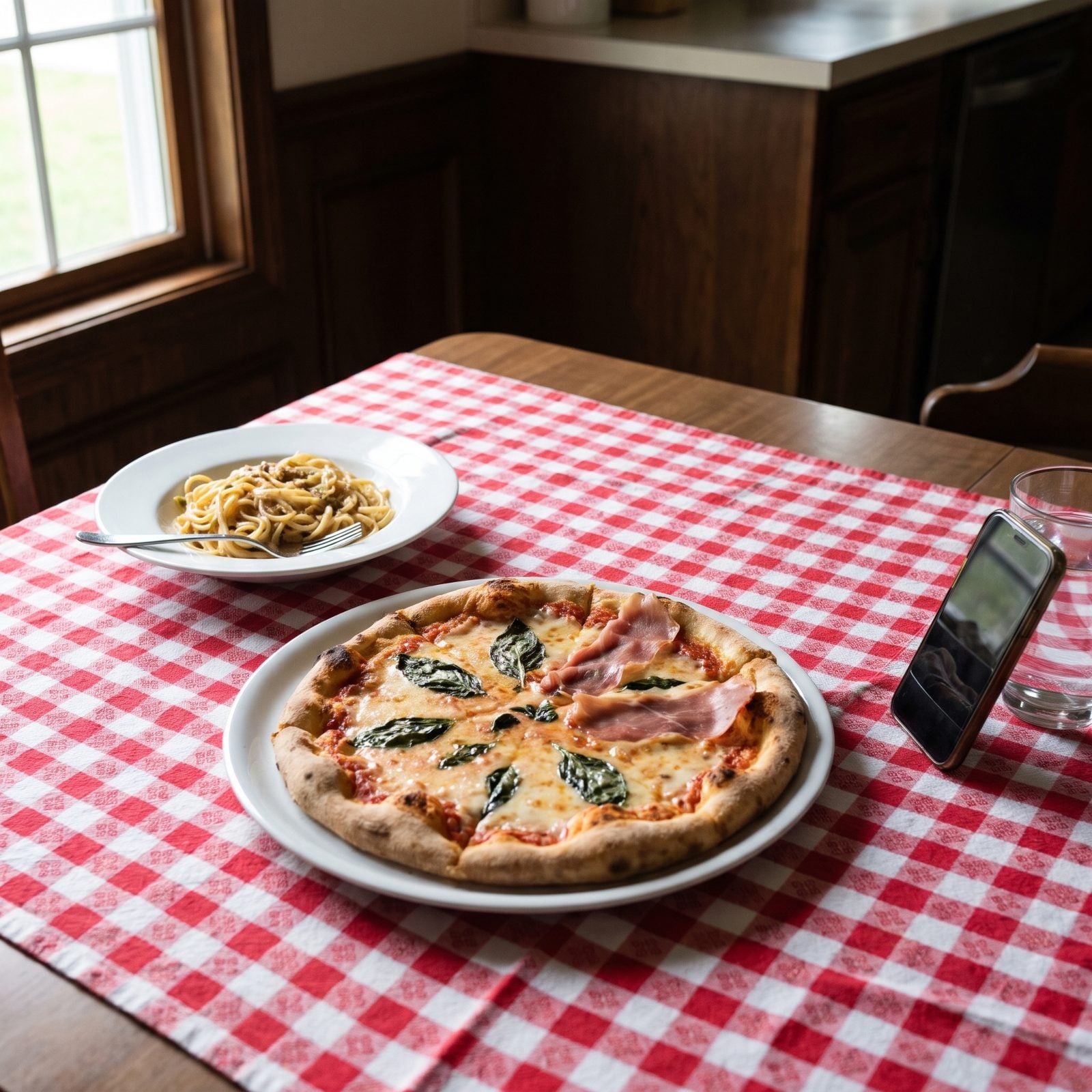
Snap the picture. One or two, fast. The kitchen plated that at the exact temperature it’s meant to hit your mouth.
Spend five minutes directing a full photo shoot and the mozzarella sets, the fries wilt, the sauce skins over. Then it comes back as a complaint, and some cook who did everything right has to remake a plate the camera ruined.
What Our Readers Say
- Meal photos with a polished restaurant look got fewer hearts from Piaci Pizza readers than the other images in the same articles, 64% versus 72%.
- When our readers loved a food photo and said why, the top reason was comfort, ahead of ingredients, looks and nostalgia.
From Piaci Pizza reader polls and votes.
26. Eating Most of the Dish, Then Sending It Back
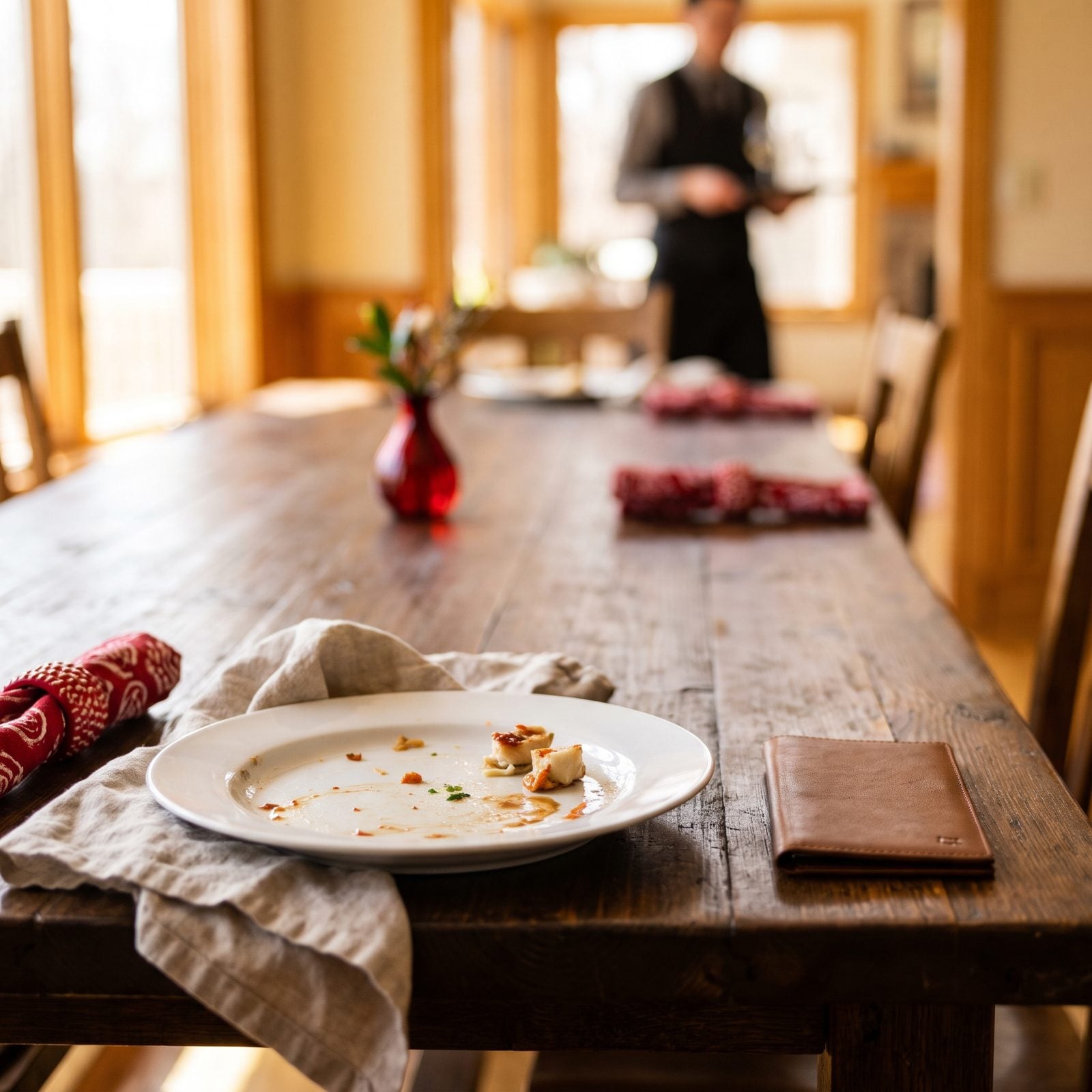
If something is genuinely wrong, flag it on the second bite. That’s fair, and any decent kitchen wants to fix it.
Finishing ninety percent of the plate and then declaring it inedible is another animal. Everyone in the building knows exactly what that is. It reads as a free meal, not a complaint, and it lands hardest on the server — whose tip, and sometimes whose pay, takes the hit for a comp they didn’t cause. Speak up early or don’t speak up at all.
25. Waiting for the Check To Mention a Problem
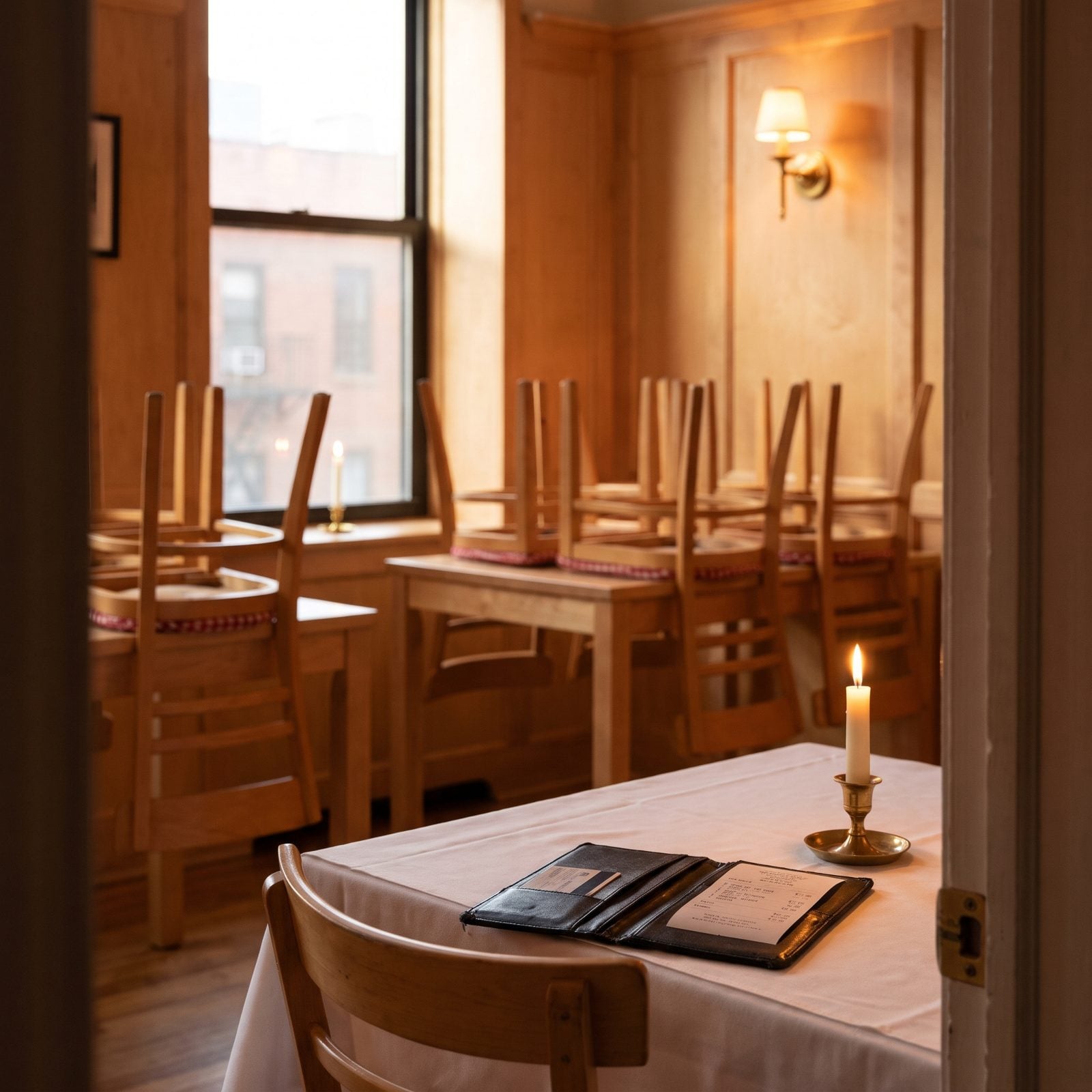
The window to fix a bad dinner is while you’re still eating it. Not once the card’s already down.
Bring it up at the check and there’s nothing anyone can do but comp and apologize. You didn’t get a better meal, the server ate the loss, and the kitchen never got the chance to make anything right. So if the pasta was cold, say so while it’s cold. Managers can work small miracles mid-meal — but they can’t rewind an hour.
Tell them while there’s still time to fix it. That’s the whole secret to getting a problem solved.
24. Ordering It Well-Done, Then Complaining It’s Dry
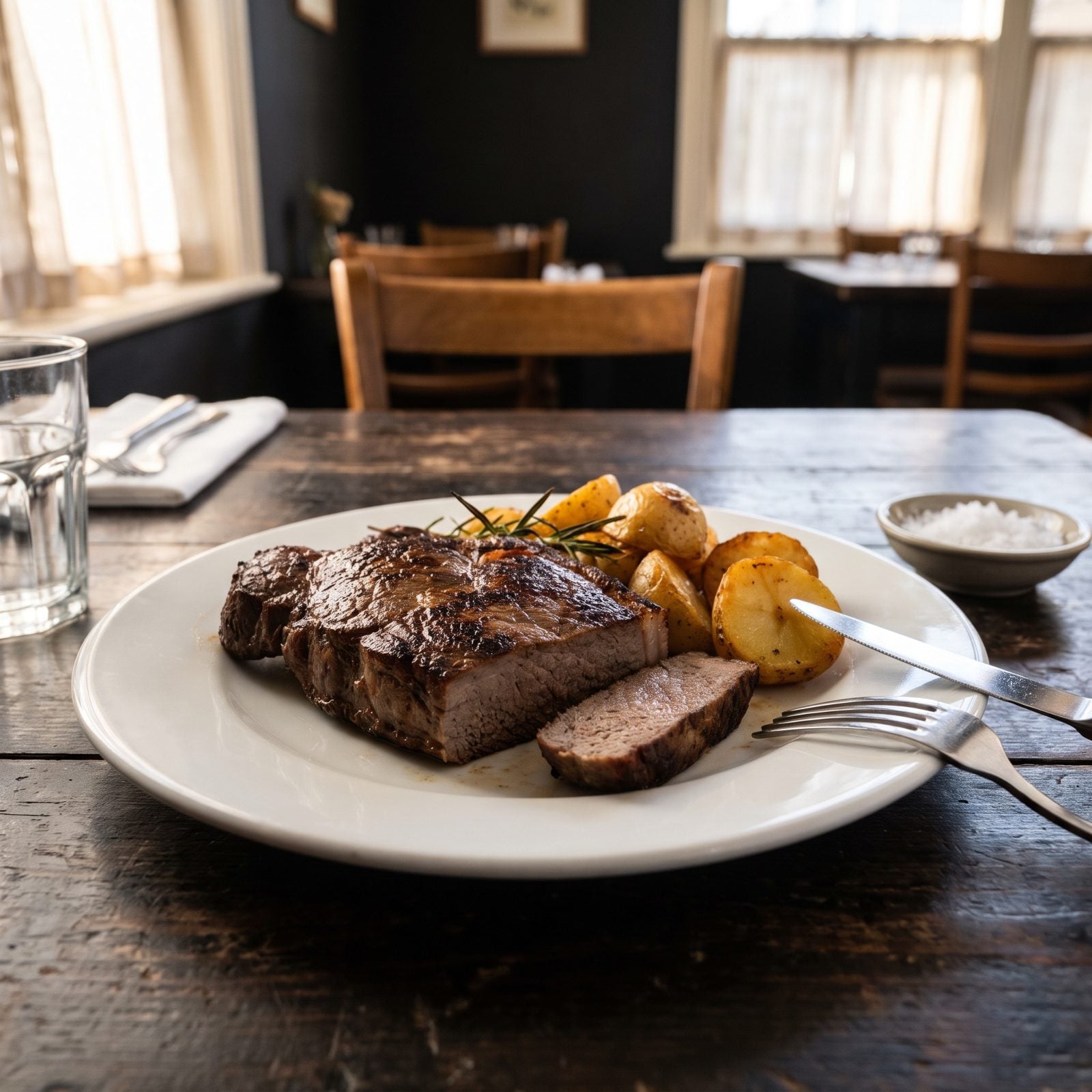
Well-done means cooked all the way through. And through means the juice cooks out. That’s not a mistake — that’s physics.
The kitchen did precisely what you asked. Sending it back because it’s dry drops a cook into an impossible spot: they can’t un-cook a steak, and remaking it well-done just hands you another dry one. Want it juicy? Order it medium and trust them on it. The crankiest line cooks in America agree on almost nothing except this one point.
23. Touching a Server to Flag Them Down
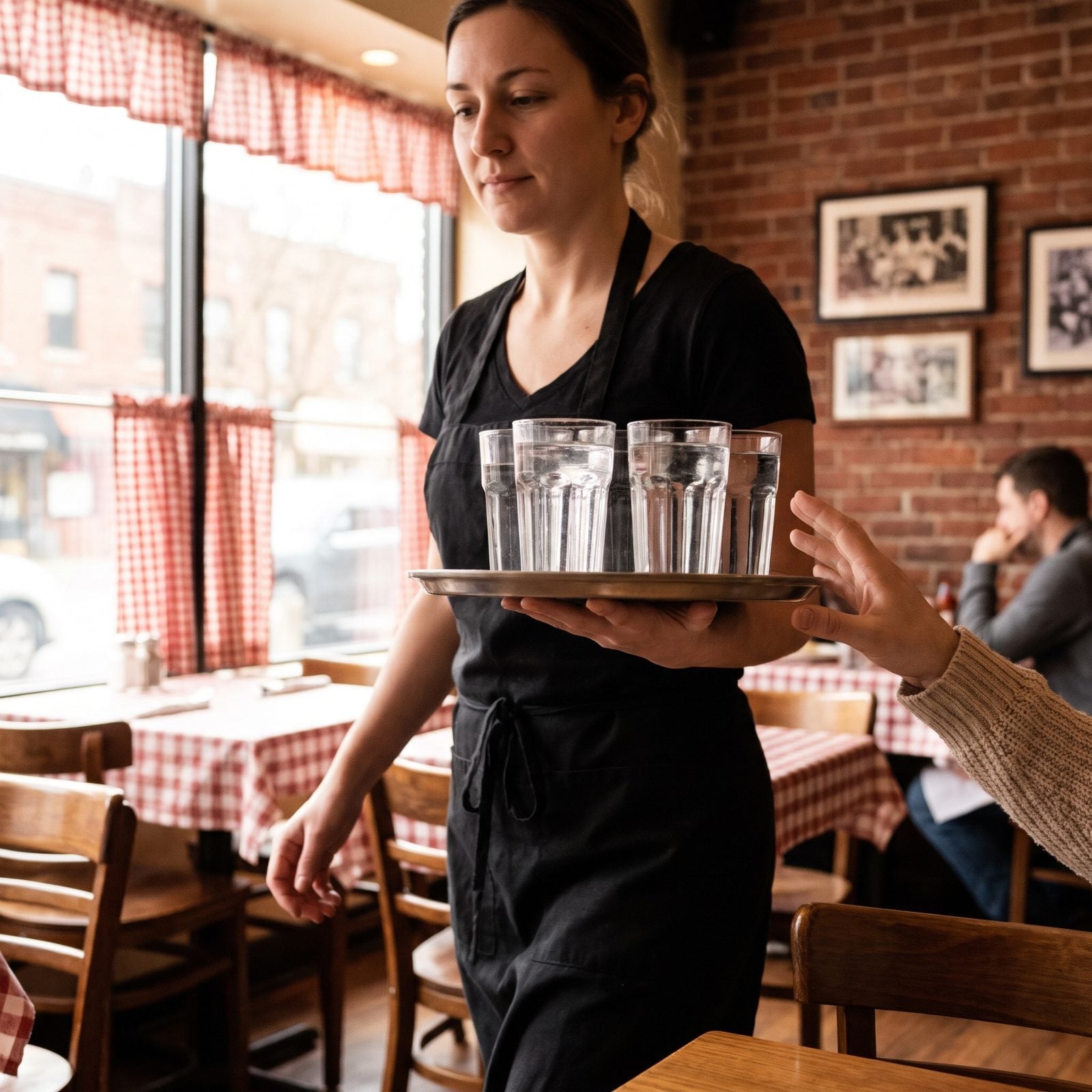
The shoulder tap, the elbow grab, the hand on the small of the back as someone squeezes past. People who have worked the floor flinch at all of it, because they’ve been on the receiving end of a hundred of them. A server carrying a loaded tray is balancing something you don’t notice until it tips, and startling them turns a full water glass into a lap full of ice.
Raise a hand. Make eye contact. That’s the whole system, and it never fails.
22. Making a Pass at Someone Who Can’t Walk Away
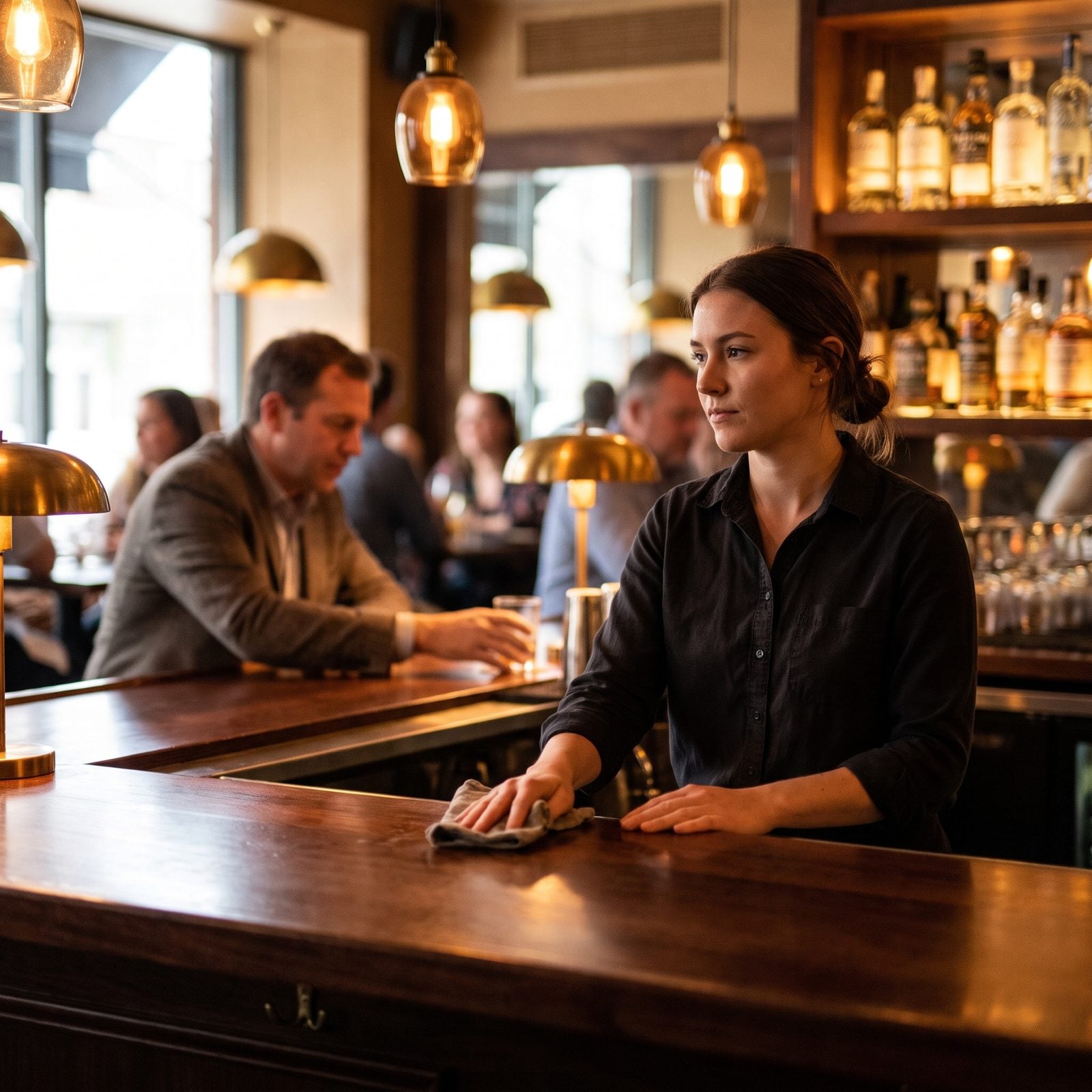
Nobody says it out loud, but the person serving you cannot leave. They’re trapped behind a bar, tied to a section, counting on your table for a tip. That imbalance is exactly why a comment or a lingering look lands so differently in a restaurant than it would anywhere else.
Former staff know this in their bones. They watched a coworker fake a smile through something ugly because quitting the table meant quitting the money. So they keep it friendly, keep it respectful, and tip for good service rather than for a phone number they were never going to get.
21. Cutting In While a Server Is Mid-Sentence With Another Table
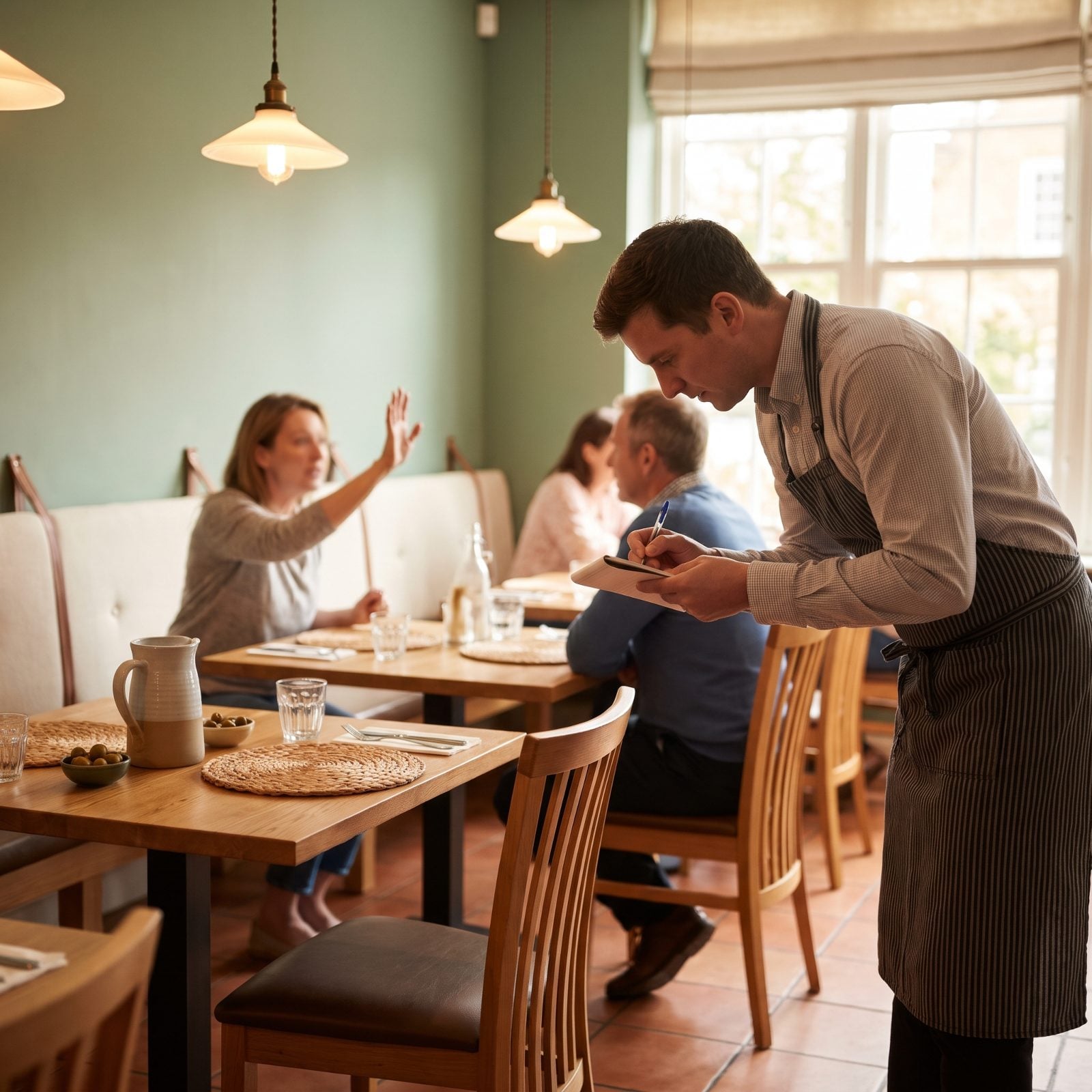
You’ve seen it from the next table over. A server is halfway through reciting the specials when someone three feet away snaps a finger and asks for more bread. Now the server has to hold two conversations, remember two things, and somehow make both tables feel like the priority.
People who’ve done the job wait. A good server tracks every open hand in their section, so they already clocked you. Ten seconds of patience buys you a server who’s actually listening instead of one split down the middle.
A good server already knows you need them. Interrupting just tells them you don’t trust that.
20. Asking Three Different People for the Same Side of Ranch
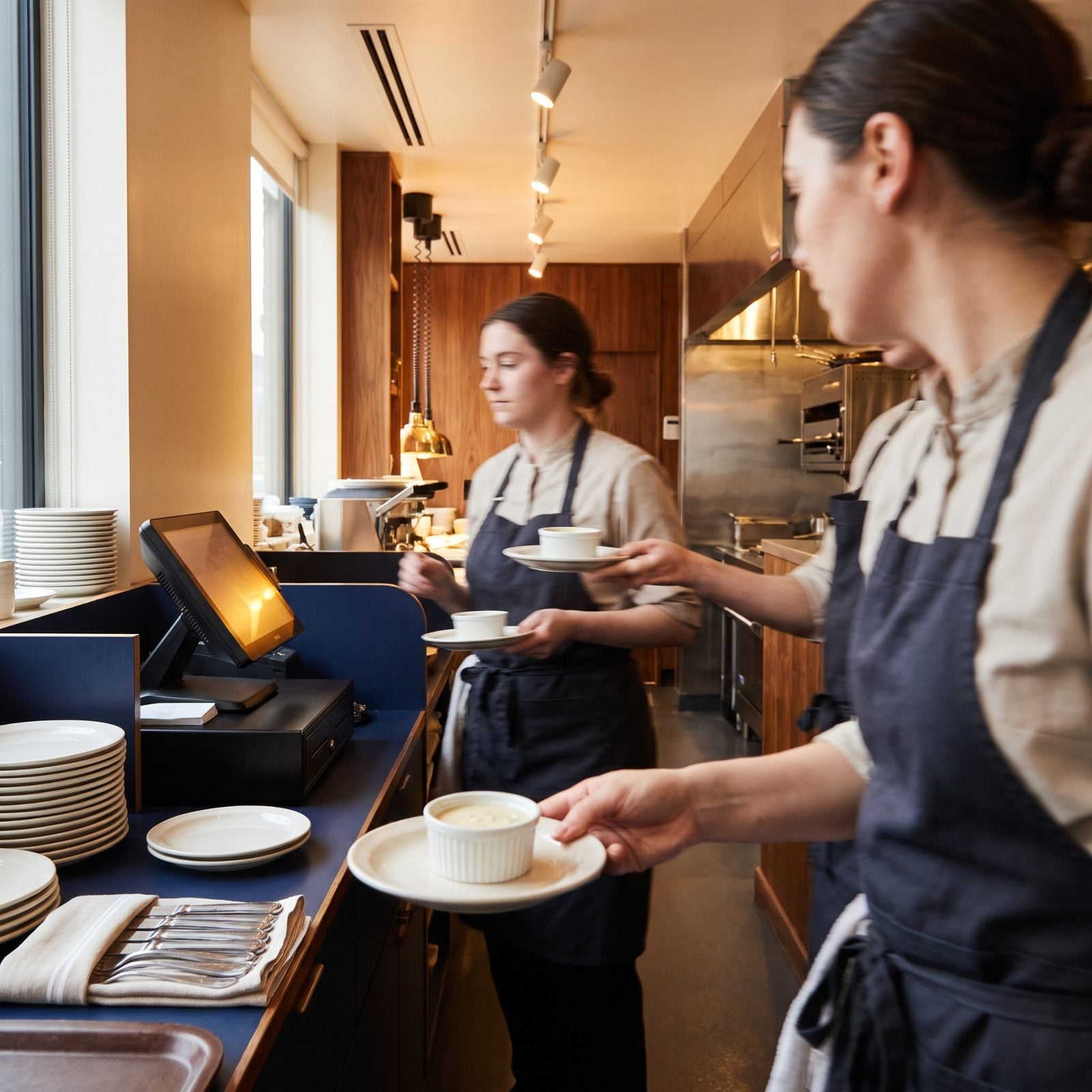
Flag down your server, then flag down the next one who walks by, then grab the busser too, just to be safe. Feels efficient. It isn’t.
Here’s what actually happens: three people now think they own your ranch. You get three ramekins, or you get none because each one figured the others had it covered. Staff who’ve survived a Friday rush ask one person and then sit tight. The kitchen isn’t ignoring you — it’s thirty tickets deep, and your side is somewhere in line.
19. Dangling a Bad Review to Score a Free Entree
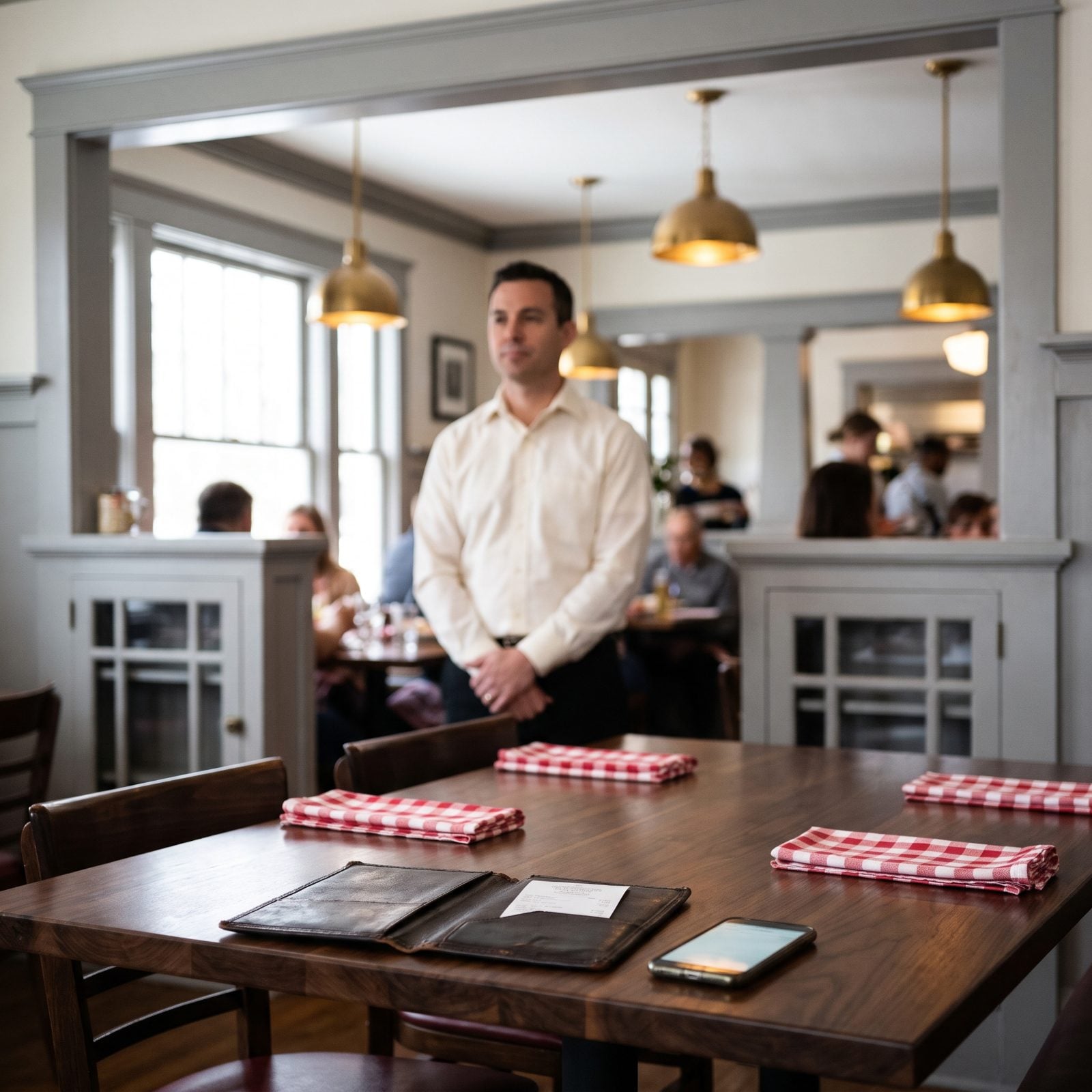
The threat sounds like leverage. “Comp this or I’m leaving one star.” All it really does is kill the goodwill on the spot.
Anyone who’s managed a floor has heard it a hundred times and can smell it the second your tone shifts. A real complaint gets fixed, often generously, because fixing it is the whole job. A shakedown earns a polite “I’m sorry you feel that way” and nothing more. That review you were going to write anyway? It doesn’t move the needle. The staff just stops trying to win you back.
18. Pointing a Phone at Staff Who Never Agreed to It
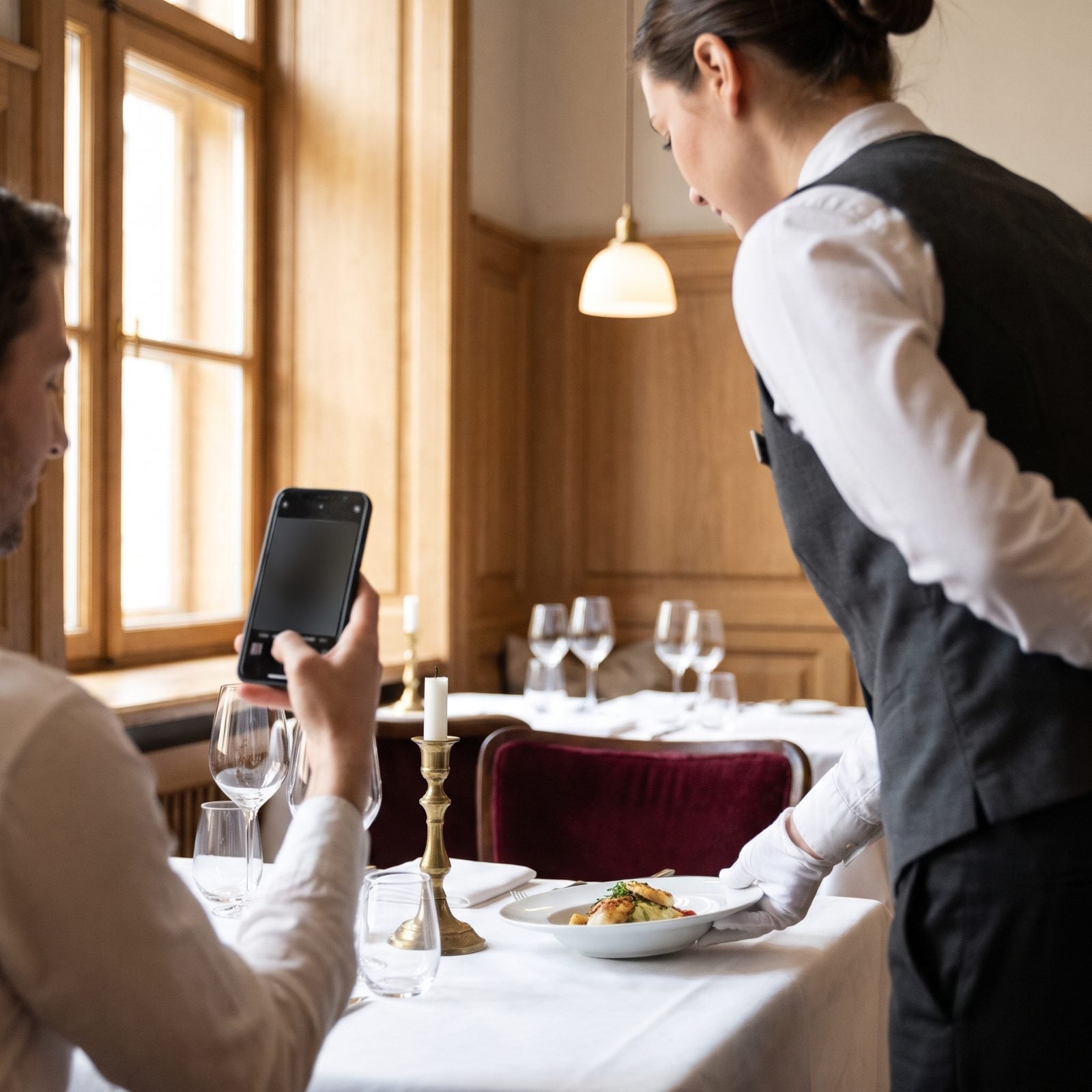
Filming your food is fine. Nobody minds the overhead shot of the pizza. Swinging the lens onto the line cook, the dishwasher, or the server wiping a table so you can caption them for strangers is a different thing entirely.
They’re at work. They didn’t sign up to be content. Former staff keep the camera on the plate and ask before a human ends up in frame, because they remember how it felt to be someone’s unpaid, unwilling extra on a double shift.
17. Lifting Your Drink Off a Fully Loaded Tray
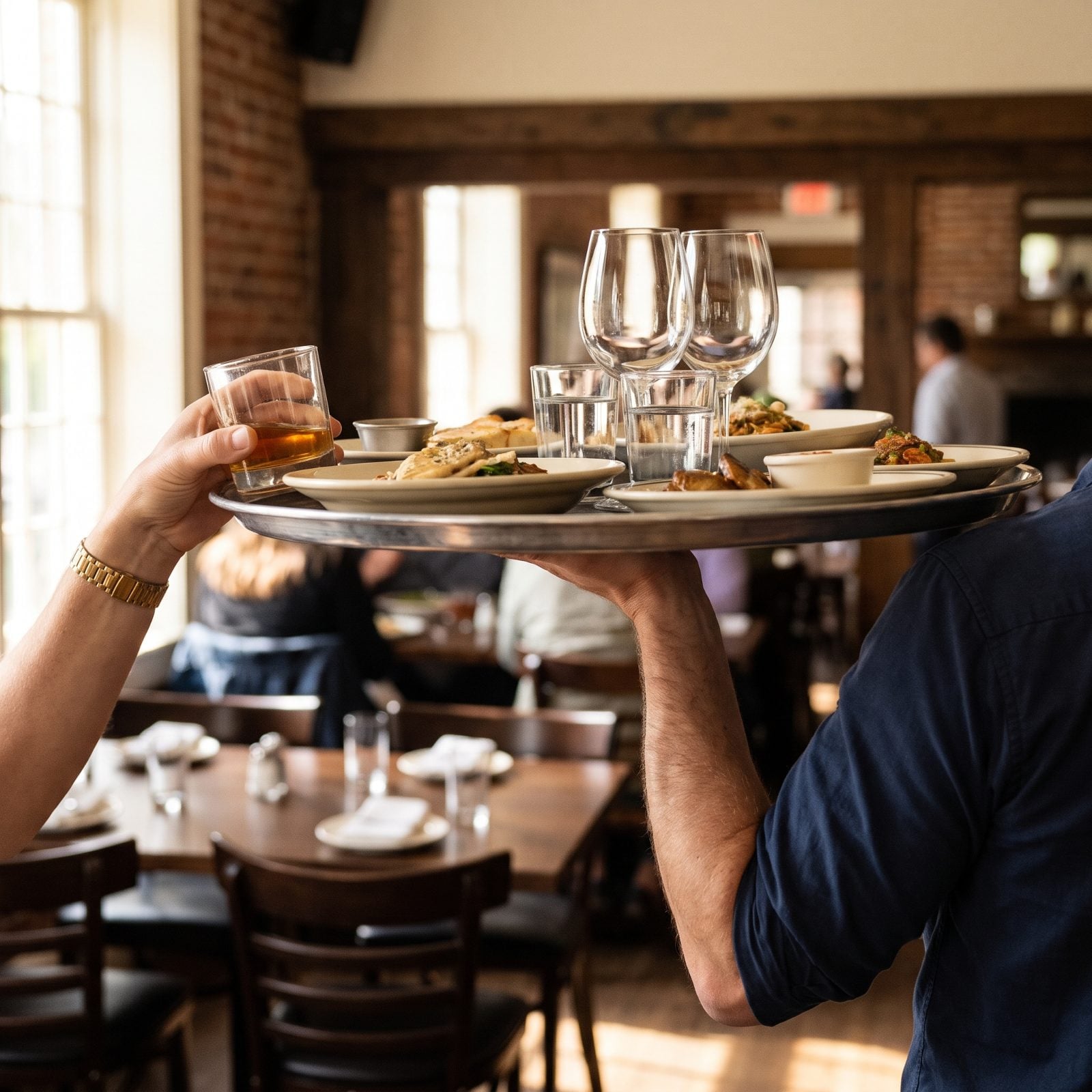
That tray is a physics problem the server already solved. Every glass and plate counterbalances the next, so pulling your own drink off yanks a leg out from under the whole arrangement.
Anyone who’s carried one knows the lurch that follows — the panicked wrist, the three seconds where everything might go down. So they keep their hands in their lap and let the server set the tray on the jack and hand things over. Ten extra seconds. One saved lapful of someone else’s sangria.
16. Strolling Into the Kitchen to Track Someone Down
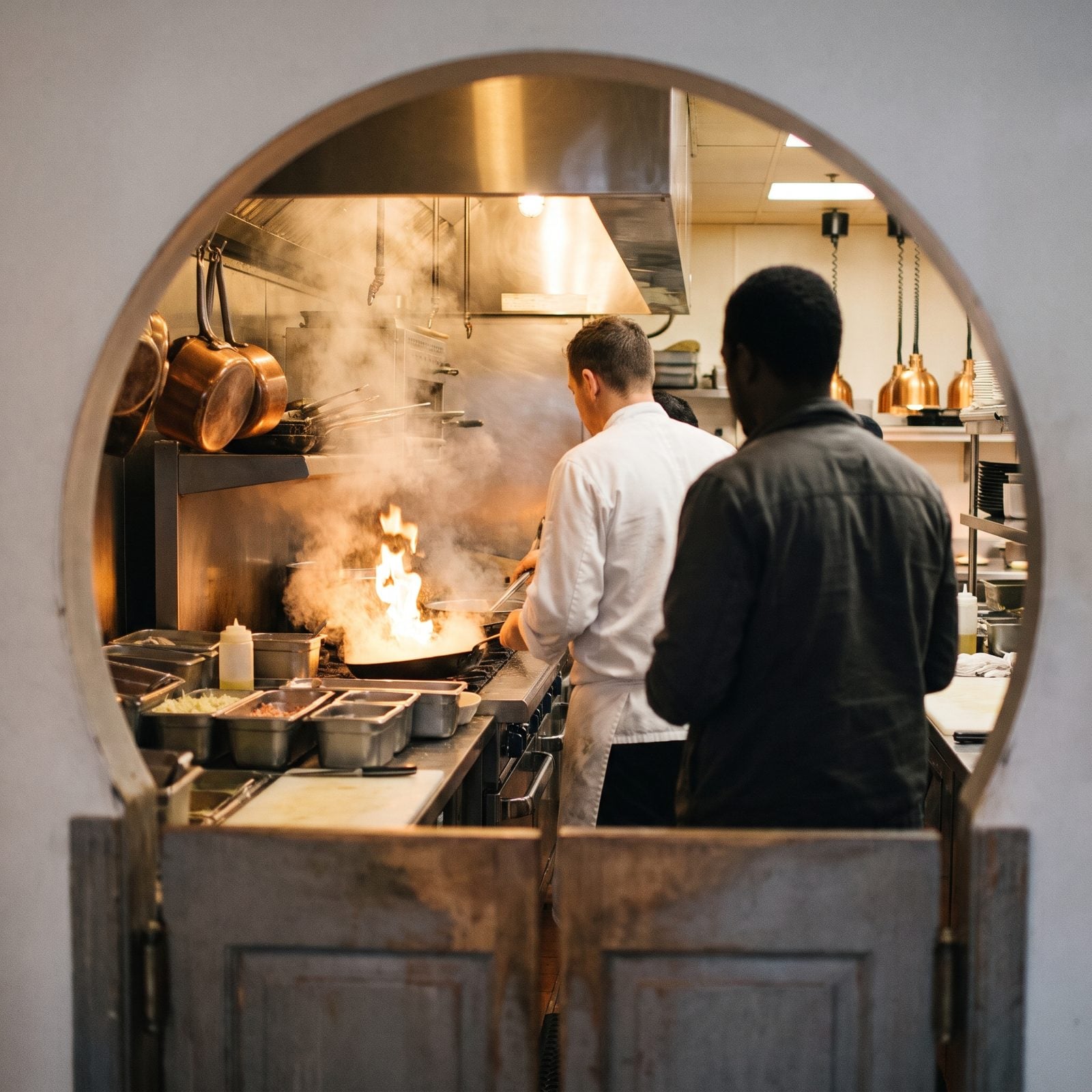
A commercial kitchen is a small room full of open flame, boiling oil, knives on the move, and people pivoting fast with pans that read six hundred degrees. It’s the one place in the building you absolutely cannot wander into looking for your friend who got off at nine.
Staff who’ve worked a line will tell you flat: it’s not a boundary thing, it’s a burn-ward thing. The pass exists so you never have to go back there. Ask a server to send word, and everyone comes out alive.
15. Going Silent When the Food Runner Asks Who Had the Calzone
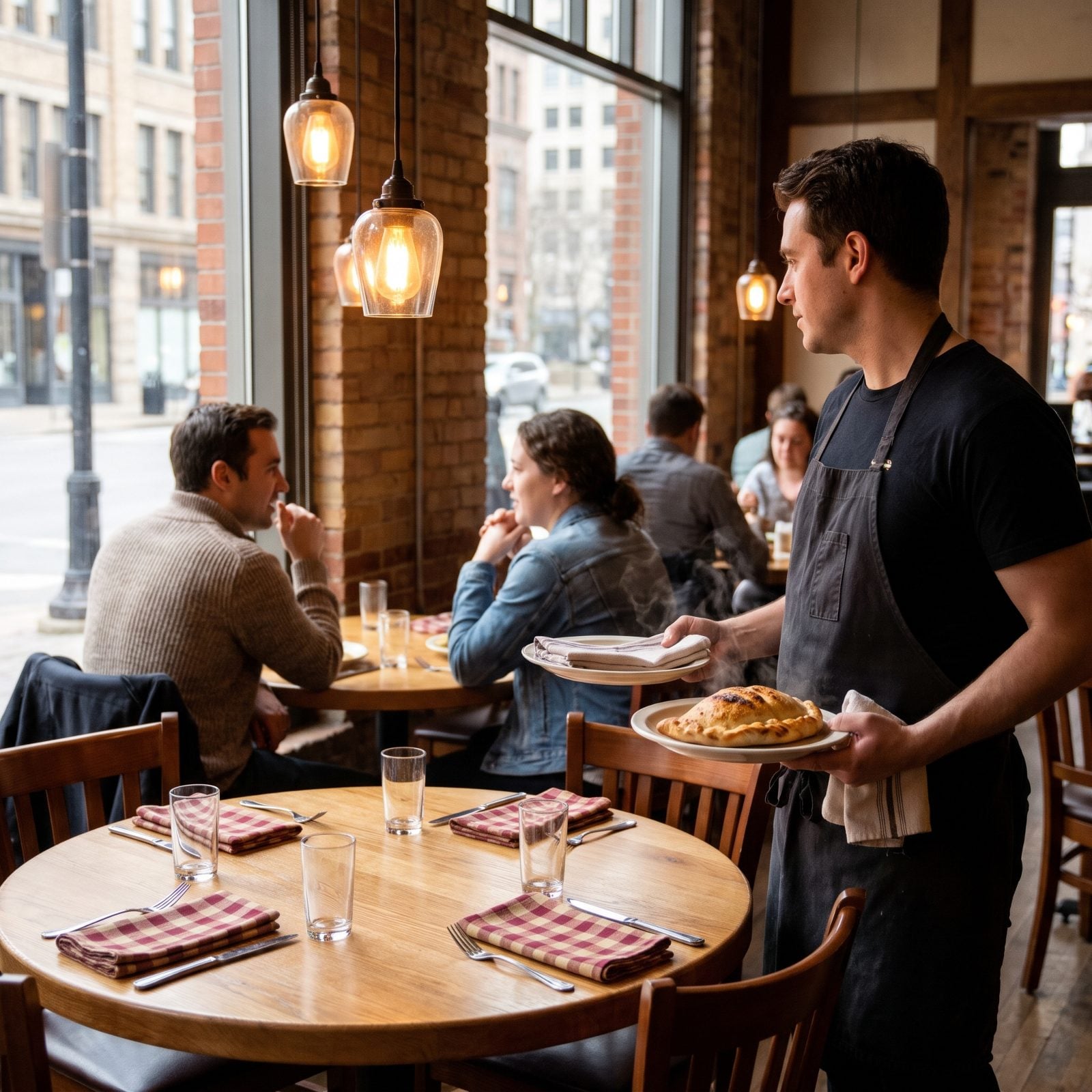
The runner is standing there with two genuinely scorching plates, asking who ordered the calzone, and the table keeps talking like nobody heard a thing. So now they’re gripping hot ceramic while you finish your story.
People who’ve run food just answer. Fast. A runner usually doesn’t know your table’s order the way your server does — they’re carrying for the whole room. Speak up, point, claim your plate. Their palms thank you, and your food arrives still molten instead of going cold on the edge of a tray.
14. Letting Kids Loose in the Path of Hot Plates
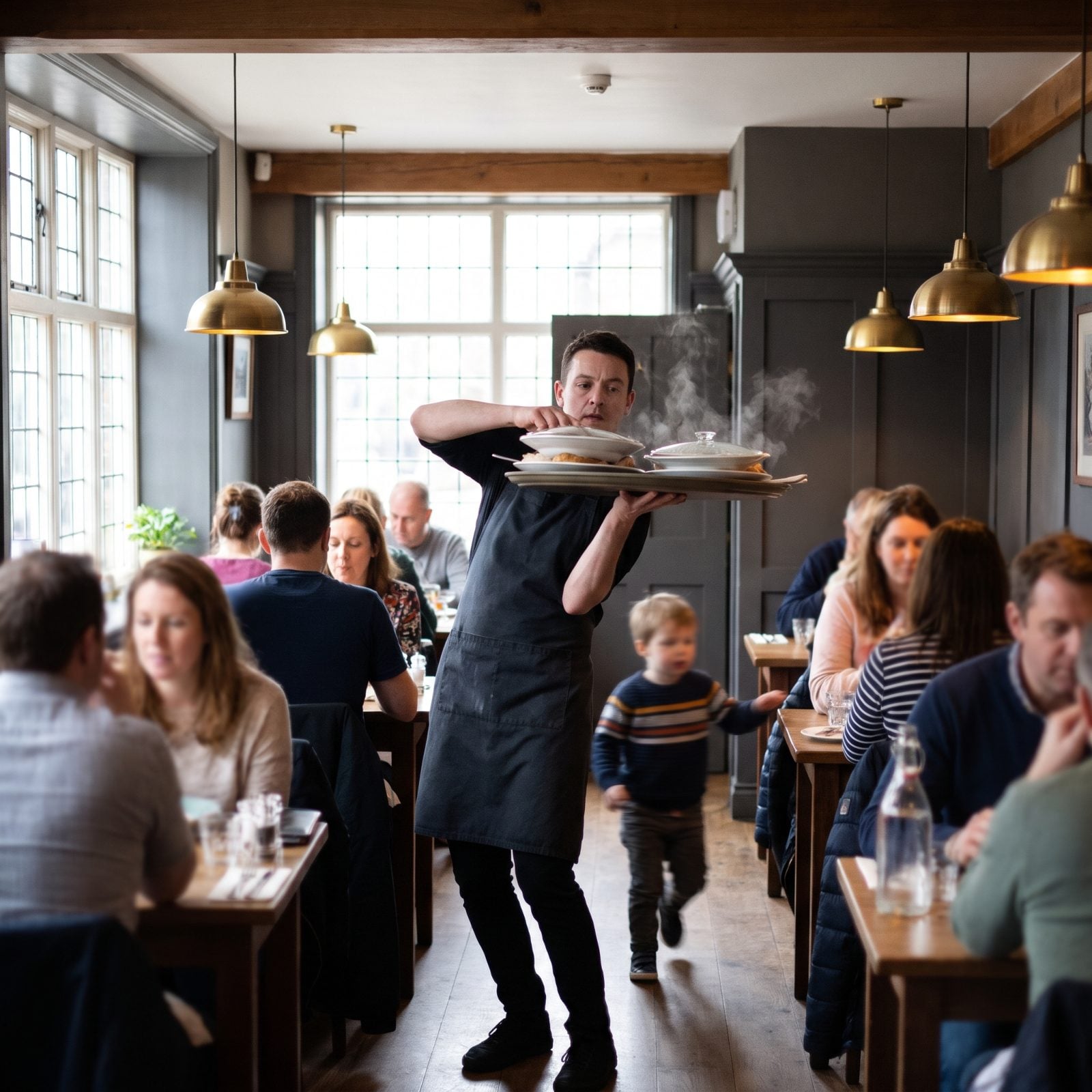
A child sprinting between tables cannot see the tray of fajitas swinging around the corner at hip height. The server can’t see the child either. That’s the whole problem.
Staff who have kids of their own are the strictest about this, because they’ve watched the near-misses and the one that wasn’t a miss. Service lanes carry hot cast iron, boiling soup, trays stacked past eye level. Keep little ones at the table or hold a hand on the walk to the restroom. This isn’t manners — it’s a scald waiting for one bad second.
13. Change a Baby Right on the Dining Table
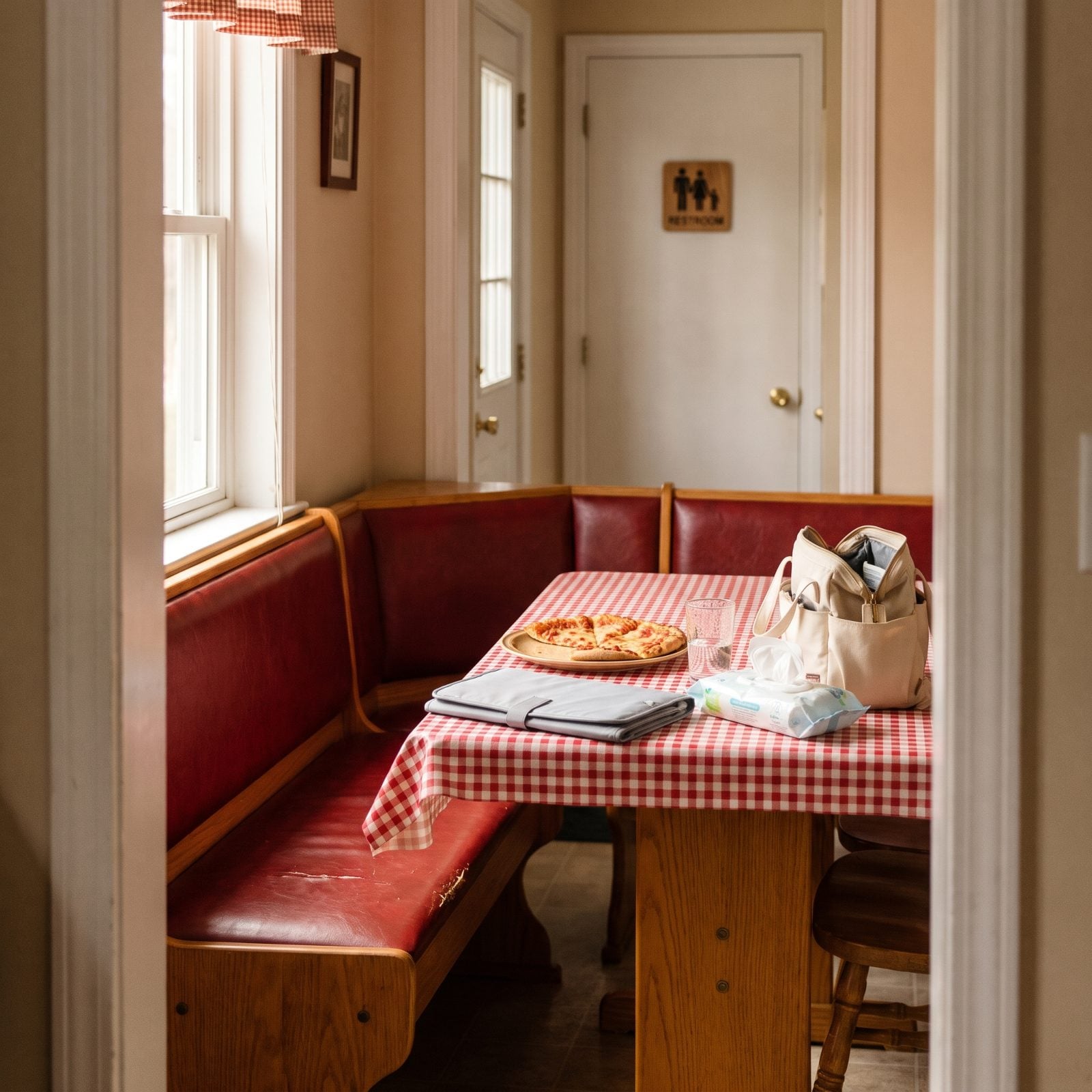
Nobody wants to say it out loud, so here it is: the table where strangers eat is not a changing station. Wipes don’t sanitize a surface, they smear it, and the next guest sets their bread plate down right there.
Restaurants build in restrooms with fold-down tables for exactly this. A server watching it happen can’t say a word without becoming the villain, so they quietly flag the table for a full bleach-down later. Former workers all react the same way. They look away and lose their appetite.
12. Play Videos or Music Without Headphones
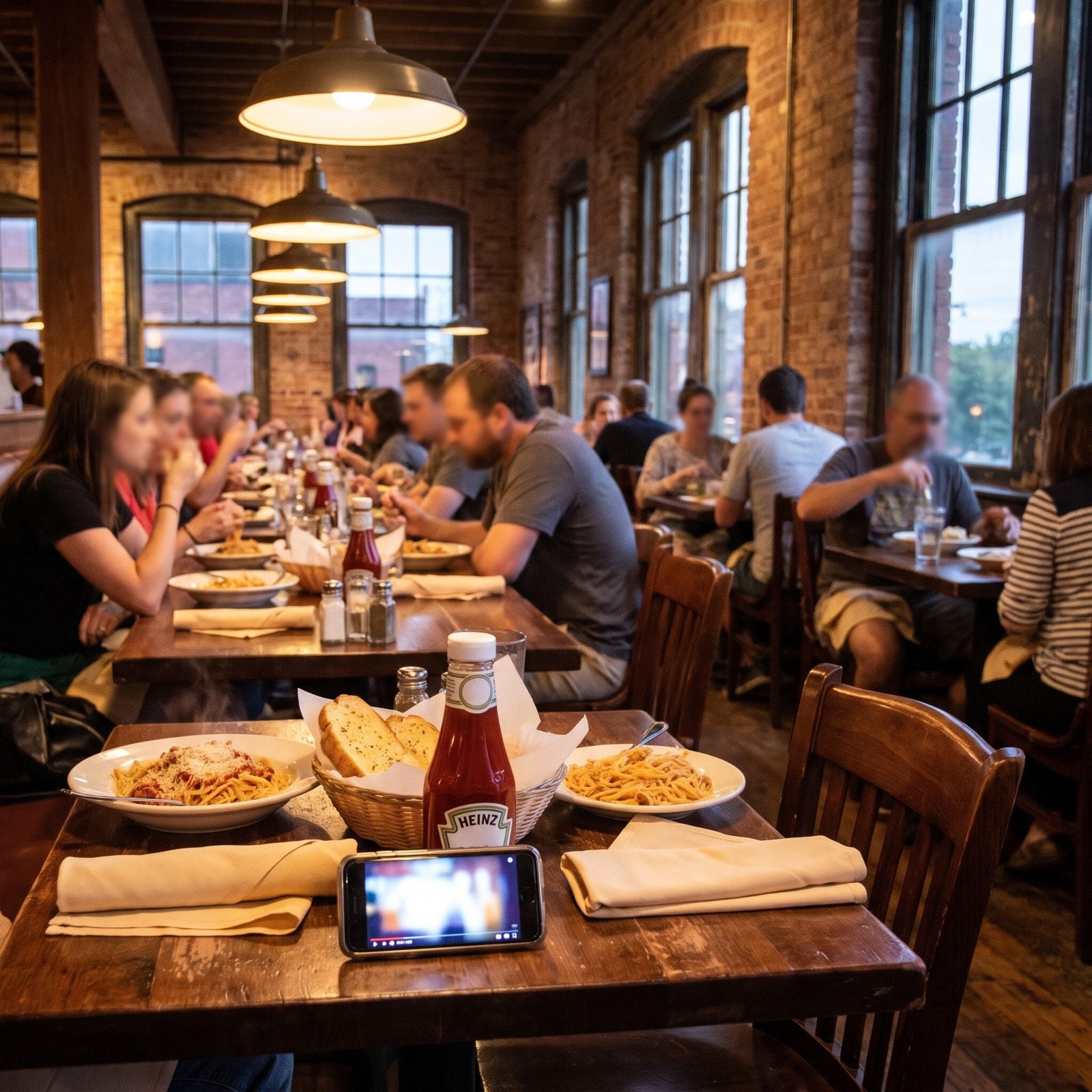
You’ve sat near it. A cartoon blaring from a propped-up phone two tables over, or a video call where someone narrates their meal to a laptop. The sound carries across a room built to hold conversation, not a soundtrack.
Servers can’t ask you to turn it down — that’s management’s fight, and management usually won’t pick it, so everyone around you absorbs it instead. Headphones cost almost nothing and solve the whole problem. The people who skip them never seem to notice the entire section has gone quiet to listen to their phone.
11. Leave a Phone Right Where the Hot Plates Land
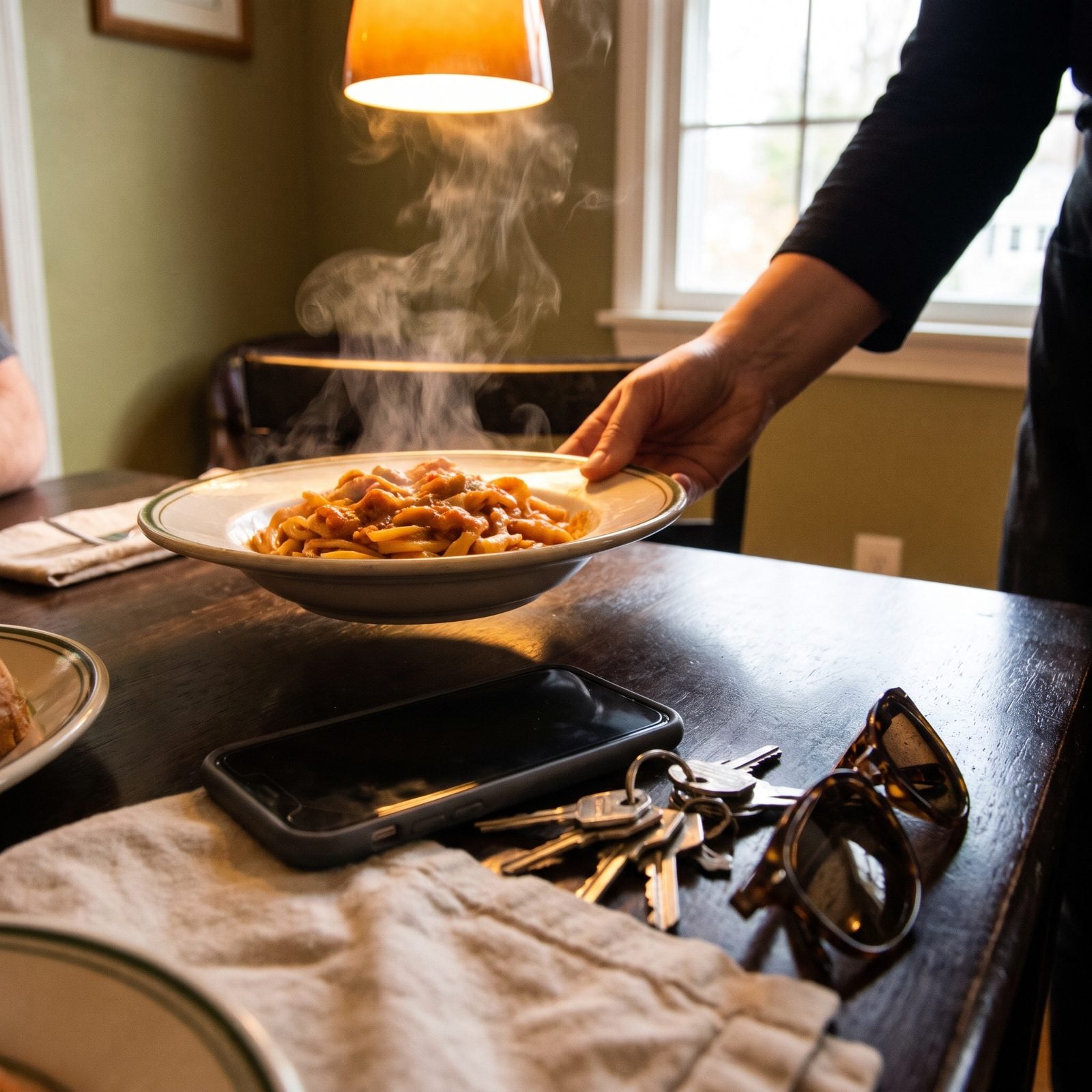
A plate of pasta comes out of the kitchen at a temperature that will blister skin. The server is carrying three of them, reading the table in half a second, hunting for a clear landing spot.
When your phone, your keys, and your sunglasses cover the whole surface, that half-second becomes a problem. Now they’re balancing scalding ceramic with nowhere to put it, waiting for you to notice. A good server won’t slam it down on your screen out of spite. They’ll just resent the maneuver. Clear a spot before the food arrives and the exchange gets easier for everyone.
10. Hide a Spill or a Broken Glass From the Staff
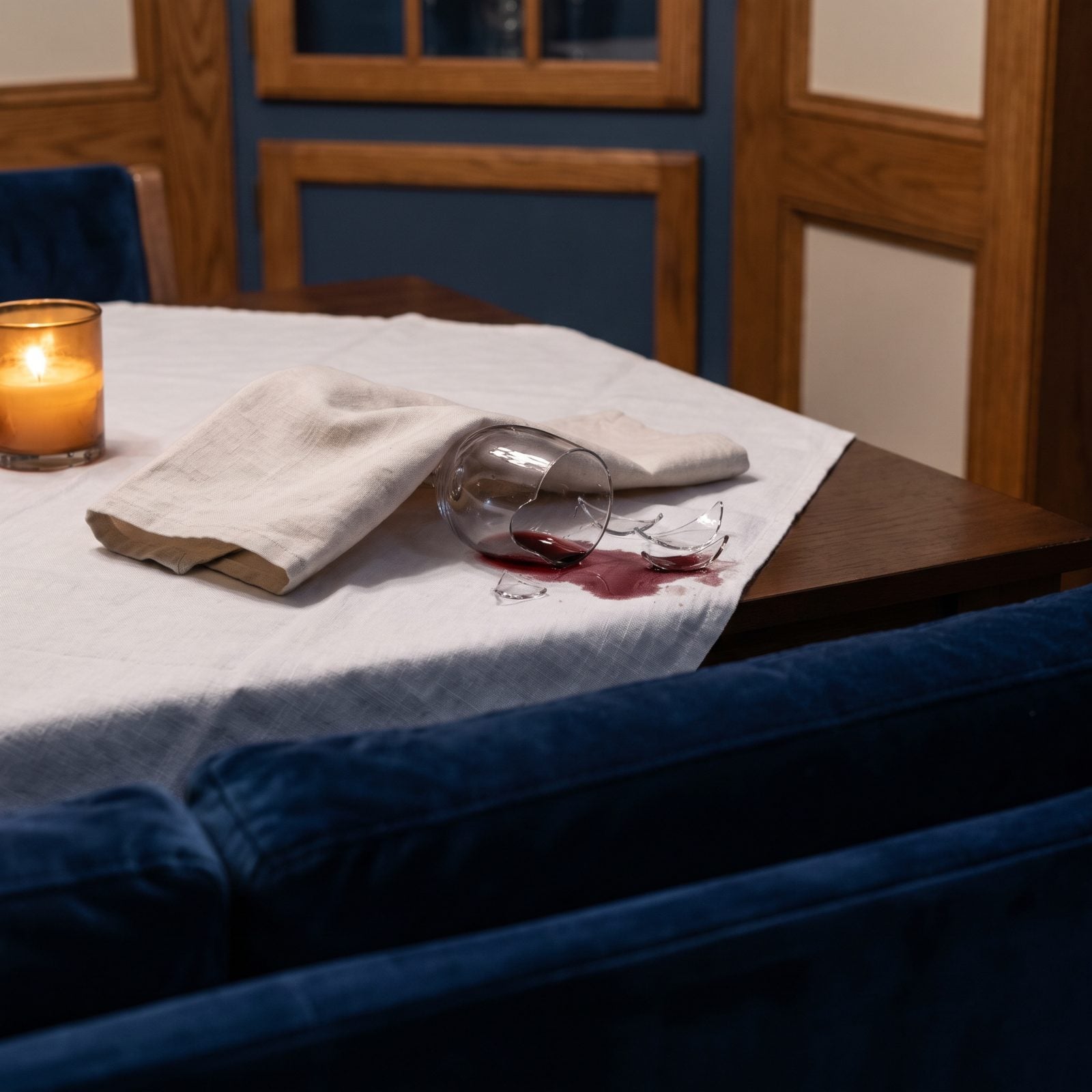
Here’s the part people don’t think through. The person who finds that hidden glass isn’t management — it’s a busser clearing the table fast at the end of a shift, reaching under a napkin with bare hands, expecting cloth and finding a razor.
Spills happen. Glasses break. No decent restaurant will make you feel bad about an accident. But tucking the shards under a napkin and walking out turns an accident into a trap for the next person who touches that table. Say something. That’s the whole ask.
9. Build a Precarious Tower of Dirty Dishes
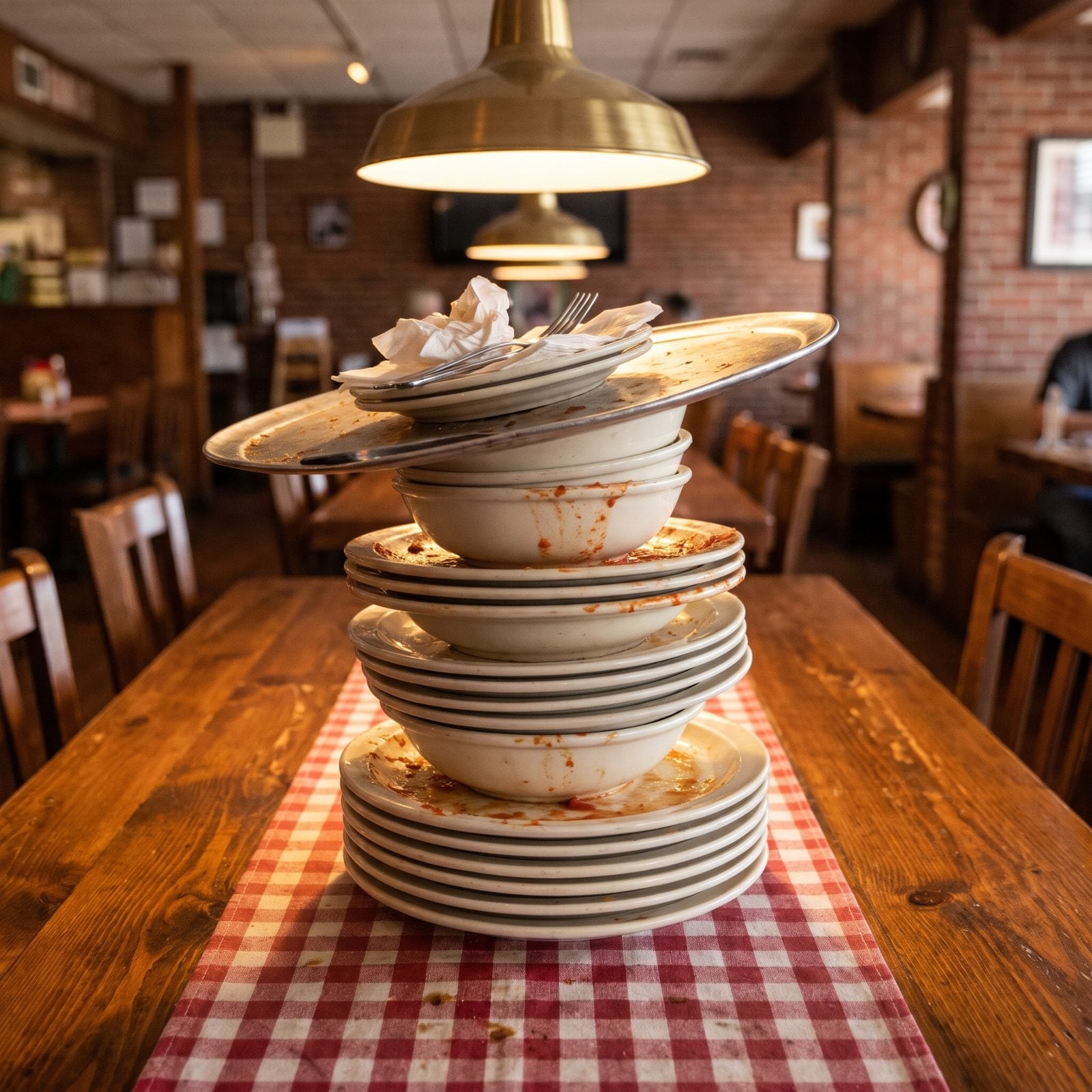
The instinct is kind. You stack the plates to help, build a neat pile with the silverware on top, feel good about being an easy table.
Servers learn to clear in a specific grip — plates fanned up the forearm, scraped and sorted as they go. Your tower fights that whole system. It topples on the tray, works food scraps into places they shouldn’t go, and often ends up less stable than if you’d left it alone. Nudge your plate toward the table edge if you want to help. That’s plenty.
8. Stuff Napkins and Trash Inside Drinking Glasses
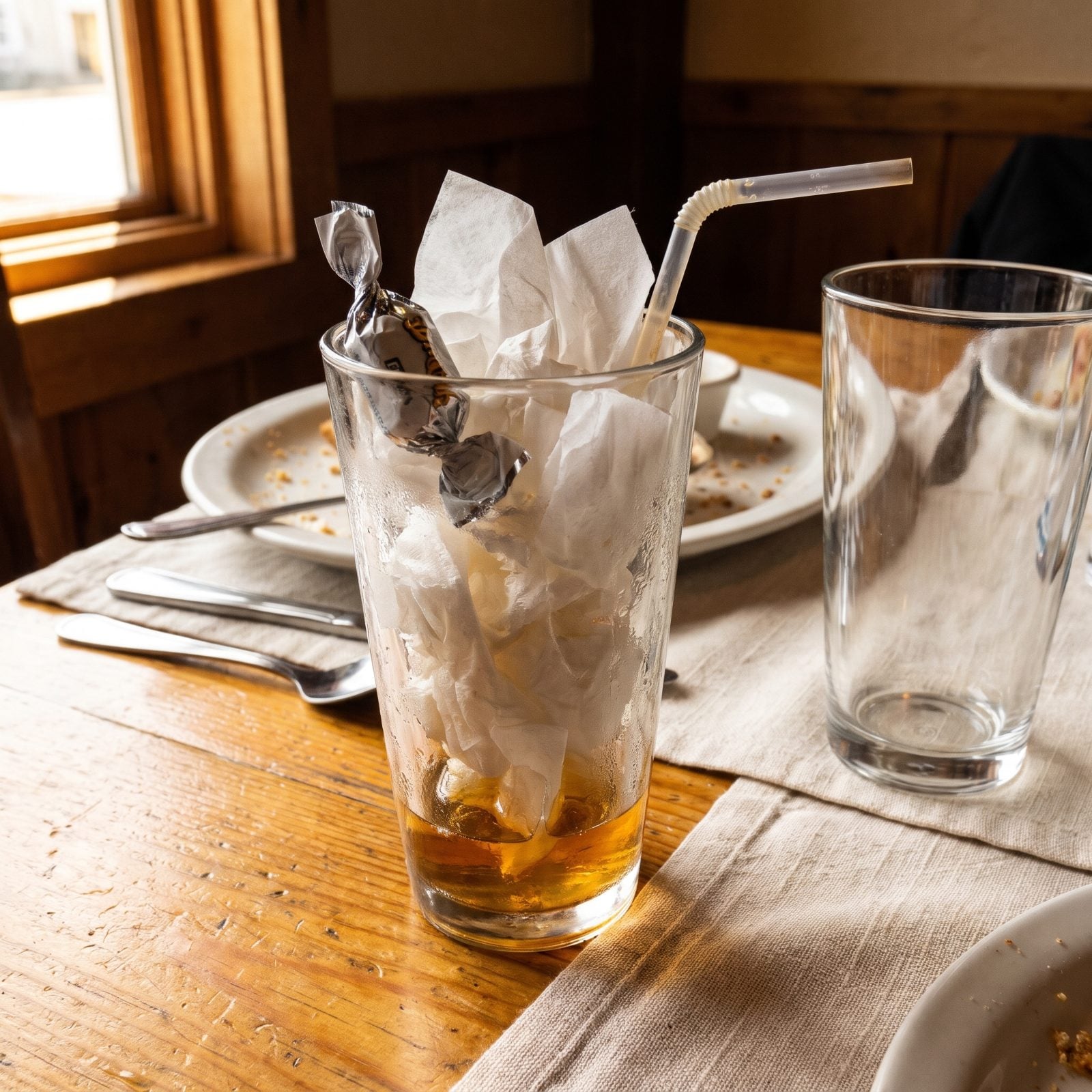
A napkin shoved into a glass turns into a wet, swollen plug that someone has to fish out by hand. Soda-soaked paper, a gum wad, a straw wrapper, all compacted into the bottom where no sponge reaches.
Dishwashers deal with this hundreds of times a shift. The glass can’t just run through the machine like that — it has to be dug out first, dripping, then washed. Leave your trash on the plate or on the table. The glass is the one place that makes everyone’s night worse.
7. Stick Chewing Gum Under the Table
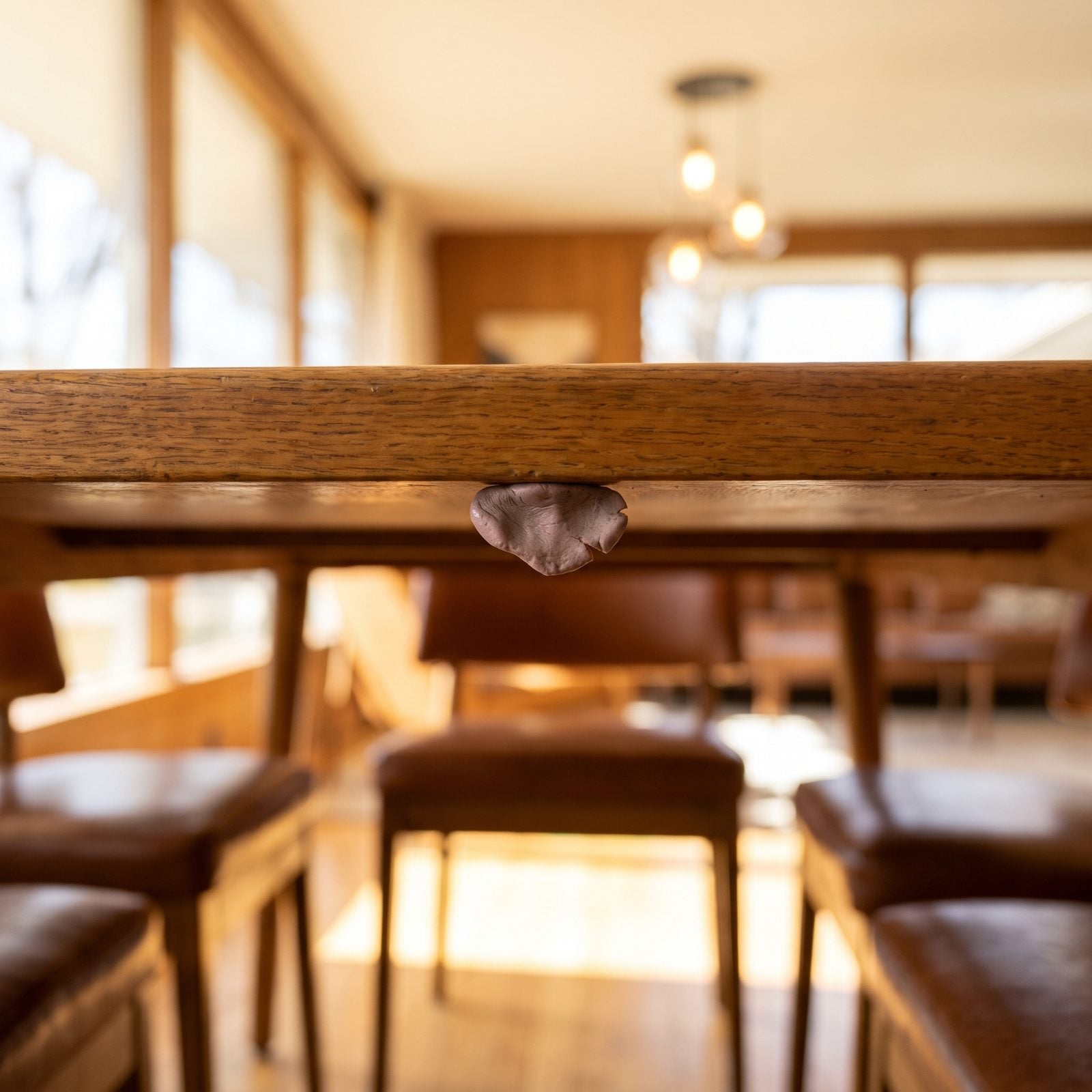
You already know this is wrong. You knew it in grade school. And yet the underside of nearly every restaurant table carries a little museum of other people’s gum.
Somebody scrapes that off. Usually a closing crew, late, running a putty knife along the underside of tables because the gum hardens into something that won’t budge any other way. It’s one of the grimmest jobs in the building. Wrap it in a napkin. Everybody survives.
6. Hide Sharp Objects Beneath a Napkin
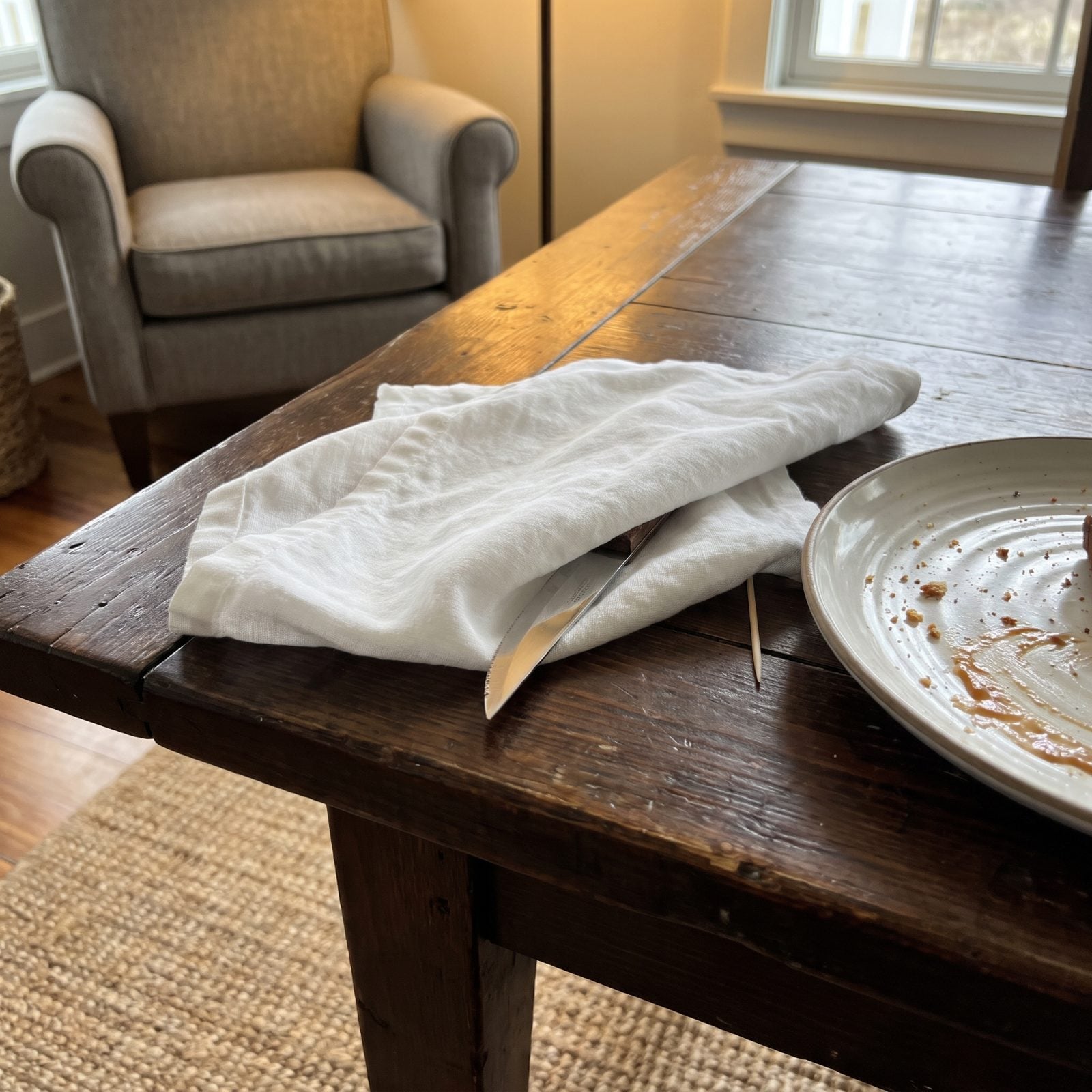
Same danger as the broken glass, different object. A steak knife wrapped inside a napkin, a toothpick folded into a cloth, a skewer buried in a pile of linen. It all looks like harmless fabric until someone grabs it.
Bussers bundle napkins by the armful and drop them into bins. A blade hidden in there doesn’t announce itself. Leave sharp things visible on the plate where the person clearing can see them. The napkin is the last place a knife should go.
5. Pocket the Flatware, Glassware, or Table Decorations
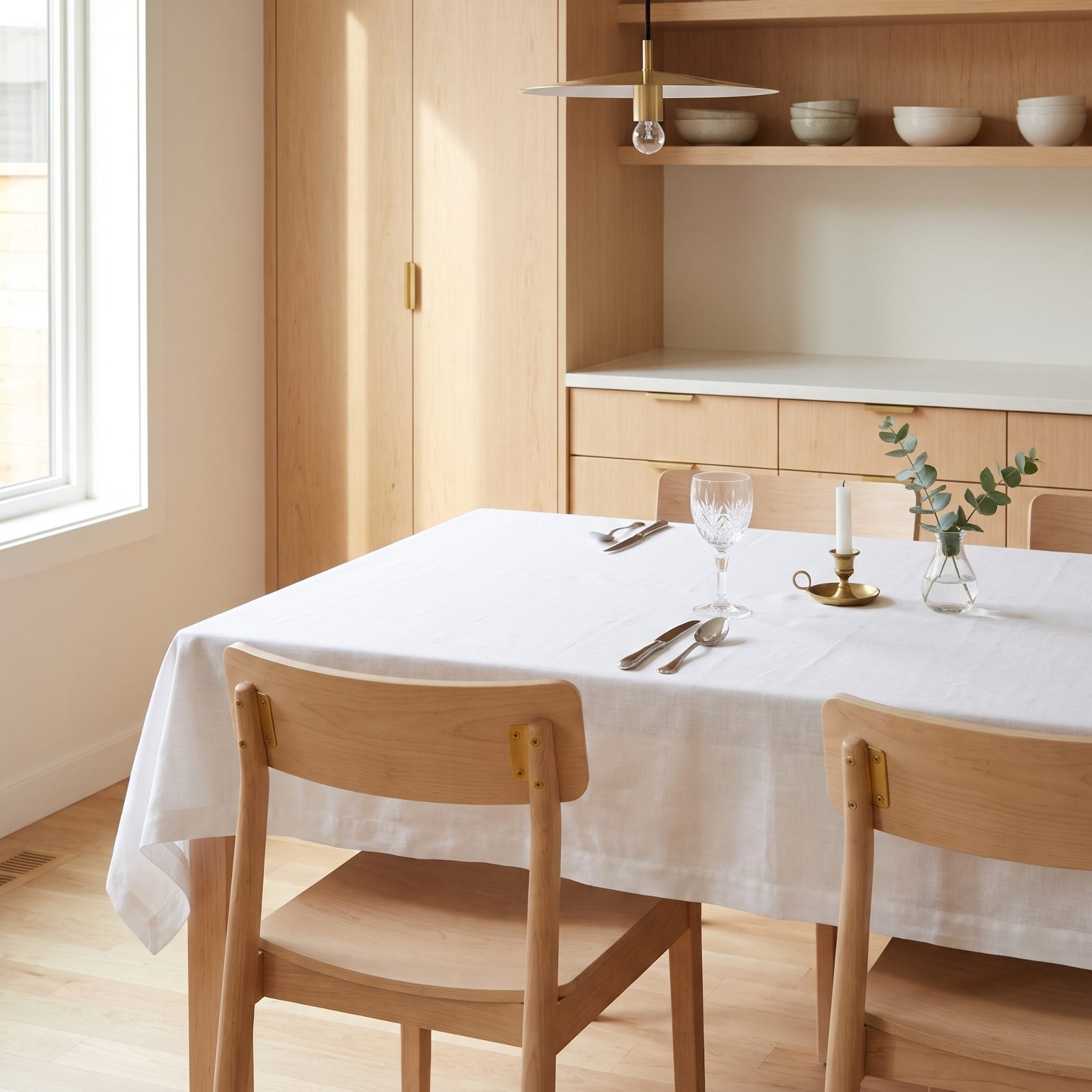
The little brass votive looks like it wants to come home with you. So does the heavy fork with the nice weight, or the ceramic salt cellar.
Restaurants count this stuff. When the closing crew tallies flatware and comes up short, that loss comes out of the budget, and in some places it quietly comes out of staff pay. A missing fork isn’t a cute souvenir. It’s a line item somebody has to explain to a manager at eleven at night.
4. Stay Parked at the Table Long After Close
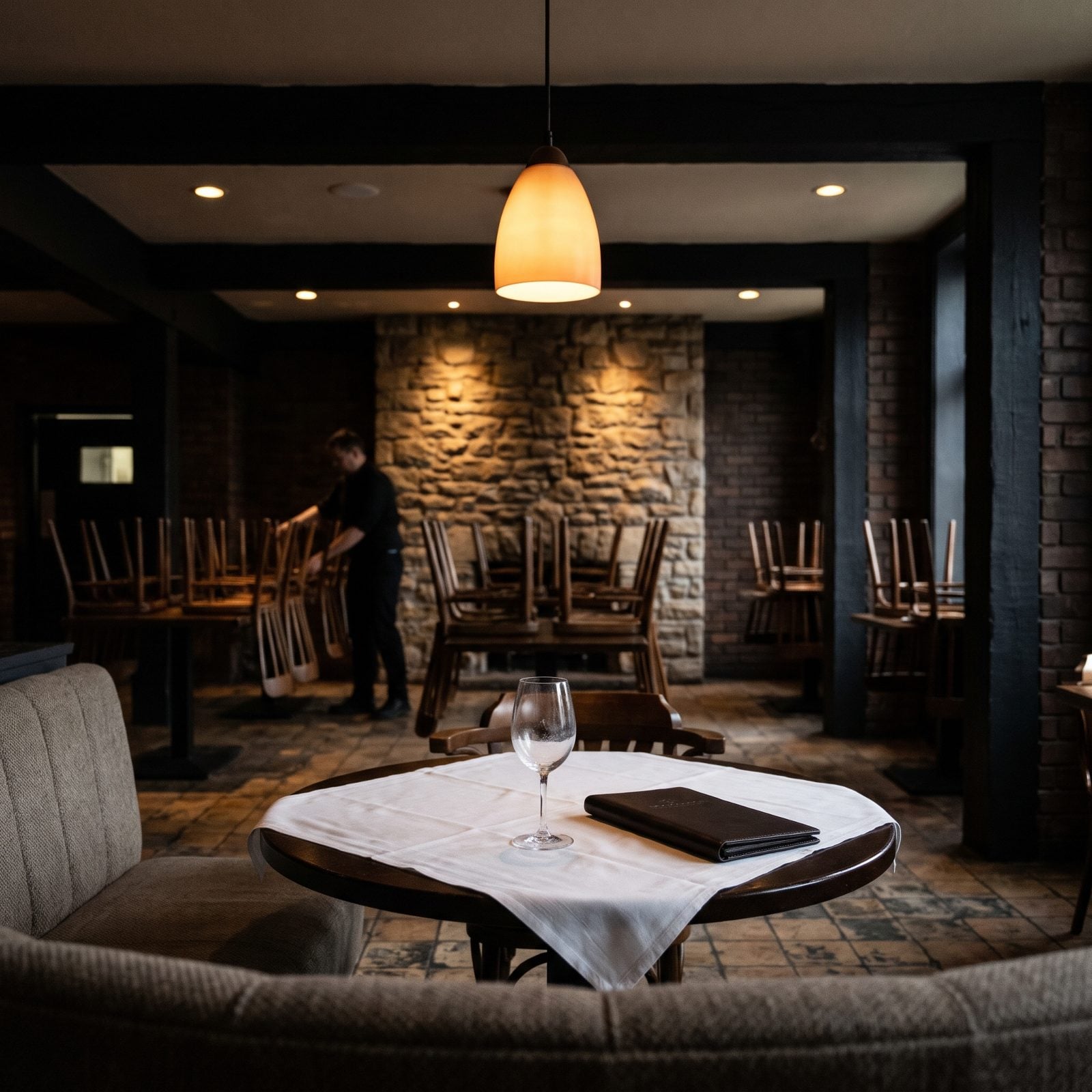
Last call came and went. The chairs are going up on the far tables, the floor’s been swept around you twice, and you’re still there, settled in, finishing a conversation that could continue in the parking lot.
Here’s what people don’t see. The server can’t leave until you do, and they’re often off the clock already. The cooks finished their deep-clean an hour ago and are waiting on your table to break down the last of the kitchen. Staying late doesn’t feel like much from your chair. From theirs, it’s an unpaid hour between them and going home.
The meal ends when you decide it does. Their night ends when you finally stand up.
Linger over dinner all you want. But when the room starts closing around you, read it, settle the check, and let the people who fed you go home.
3. Request Separate Checks Only After the Bill Arrives
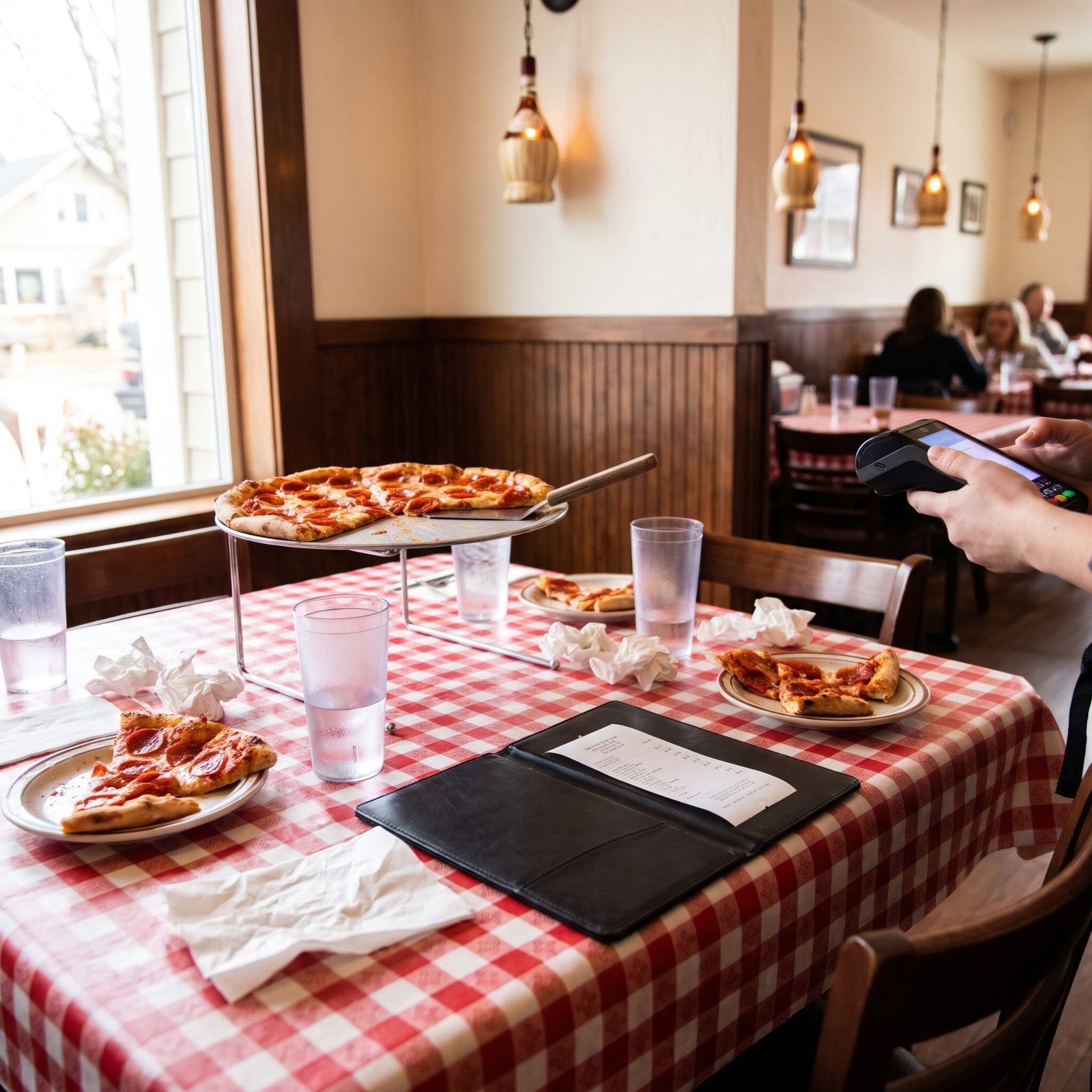
Nobody warns you about this at the host stand: splitting a check is easy at the start and a nightmare at the end. Mention it when you sit down and the server taps a couple buttons. Mention it after the itemized bill prints, with six people reaching for their cards, and someone now has to re-ring every item line by line while a four-top’s hot plates die under the heat lamp.
Anyone who’s waited tables learns to flinch at “oh, can we split this?” said over a closed check. It isn’t hard because servers are lazy. The register ties the whole table into one ticket, and un-tying it mid-rush steals minutes from every other table in the section.
2. Punish the Server’s Tip for a Kitchen Problem
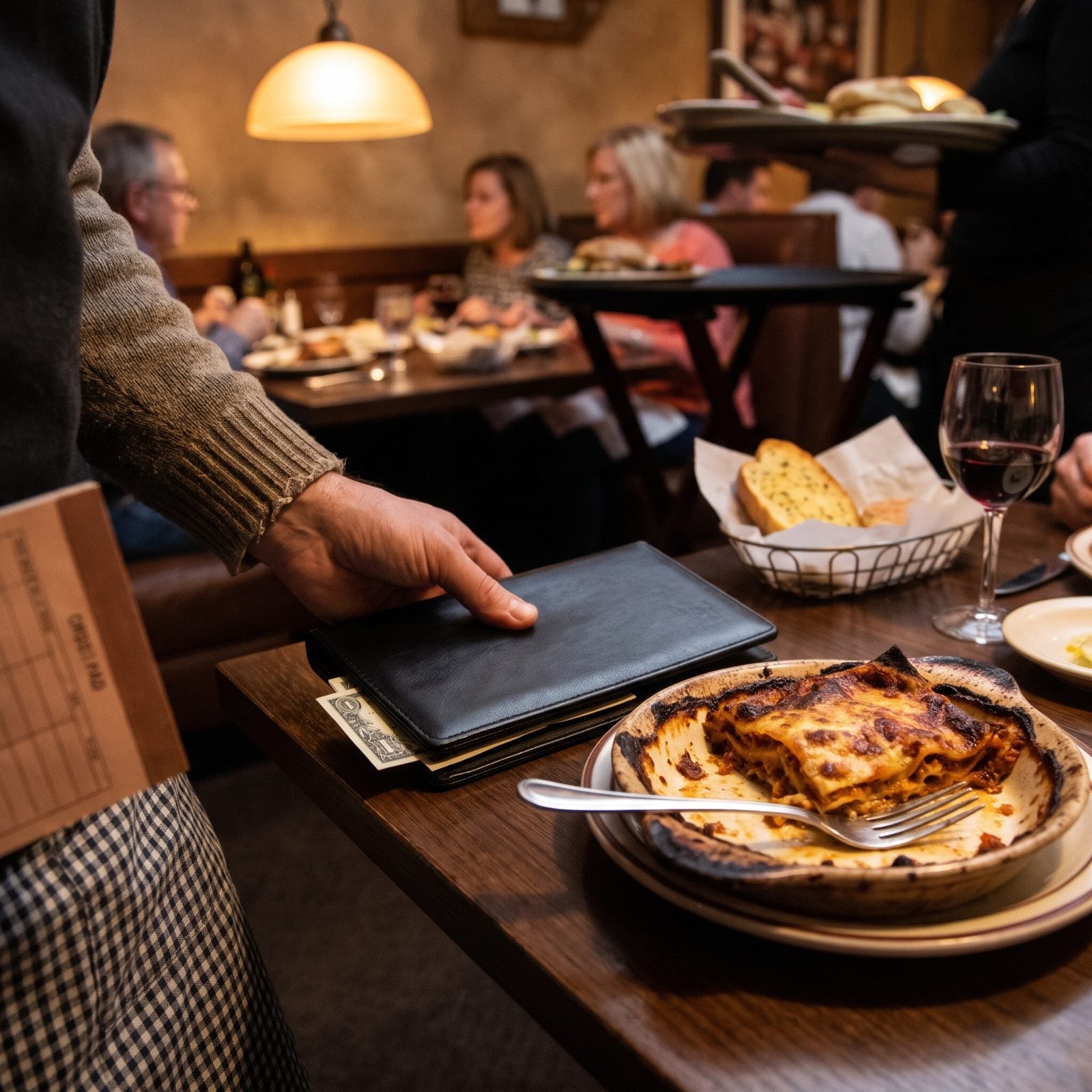
The lasagna came out cold, the kitchen was slammed, and your entree landed ten minutes behind everyone else’s. All of it frustrating. None of it your server’s doing.
Servers don’t cook the food, set the ticket times, or decide the kitchen’s short a line cook on a Friday night. But they’re the only face you see, so they catch the blame — and the tip takes the hit for a mistake made twenty feet away behind a swinging door.
Stiffing the server for the kitchen’s error is like yelling at the mailman because the package got crushed in Ohio.
If the food is wrong, say so while there’s still time to fix it. A good server will comp the plate, re-fire it, drag the manager over. That’s the lever that actually works. The tip is the wrong lever, and pulling it only punishes the one person on your side.
1. Leave Fake Currency or a Religious Tract as a Tip
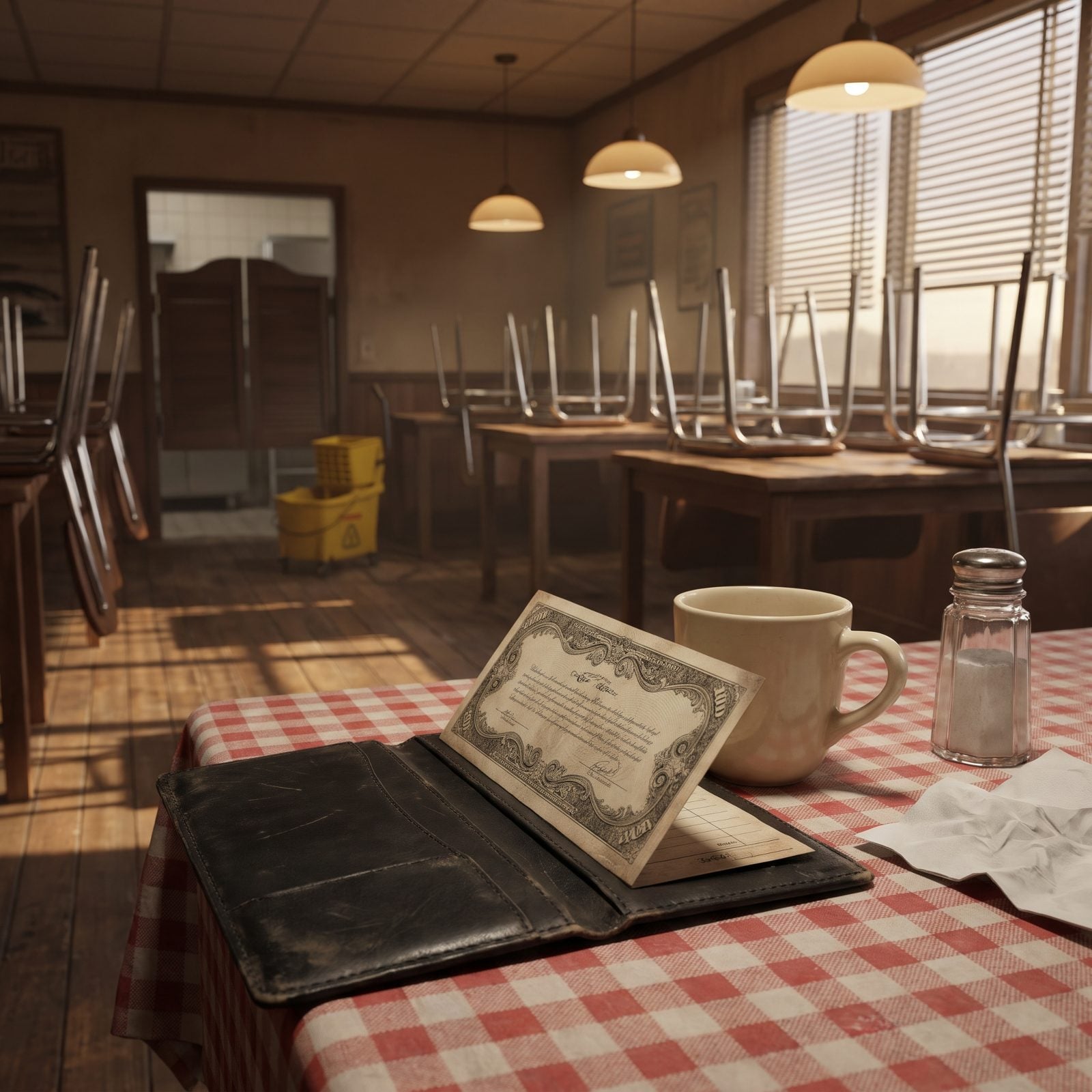
You know the one. Folded to look like a twenty from across the room, it fans open to reveal a sermon printed where the portrait should be. Or it’s a plastic coin. Monopoly money. A card smirking about some gift better than cash.
Your server spent the whole meal running drinks, clearing plates, splitting attention across a full section. Then they open that folder hoping to make rent and get a lecture instead of a tip. No matter the intent behind it, that lands as contempt — every single time.
Want to leave a message? Leave a real tip and a kind note on the receipt. The two aren’t in competition. One of them pays for groceries.