Would you like to save this?
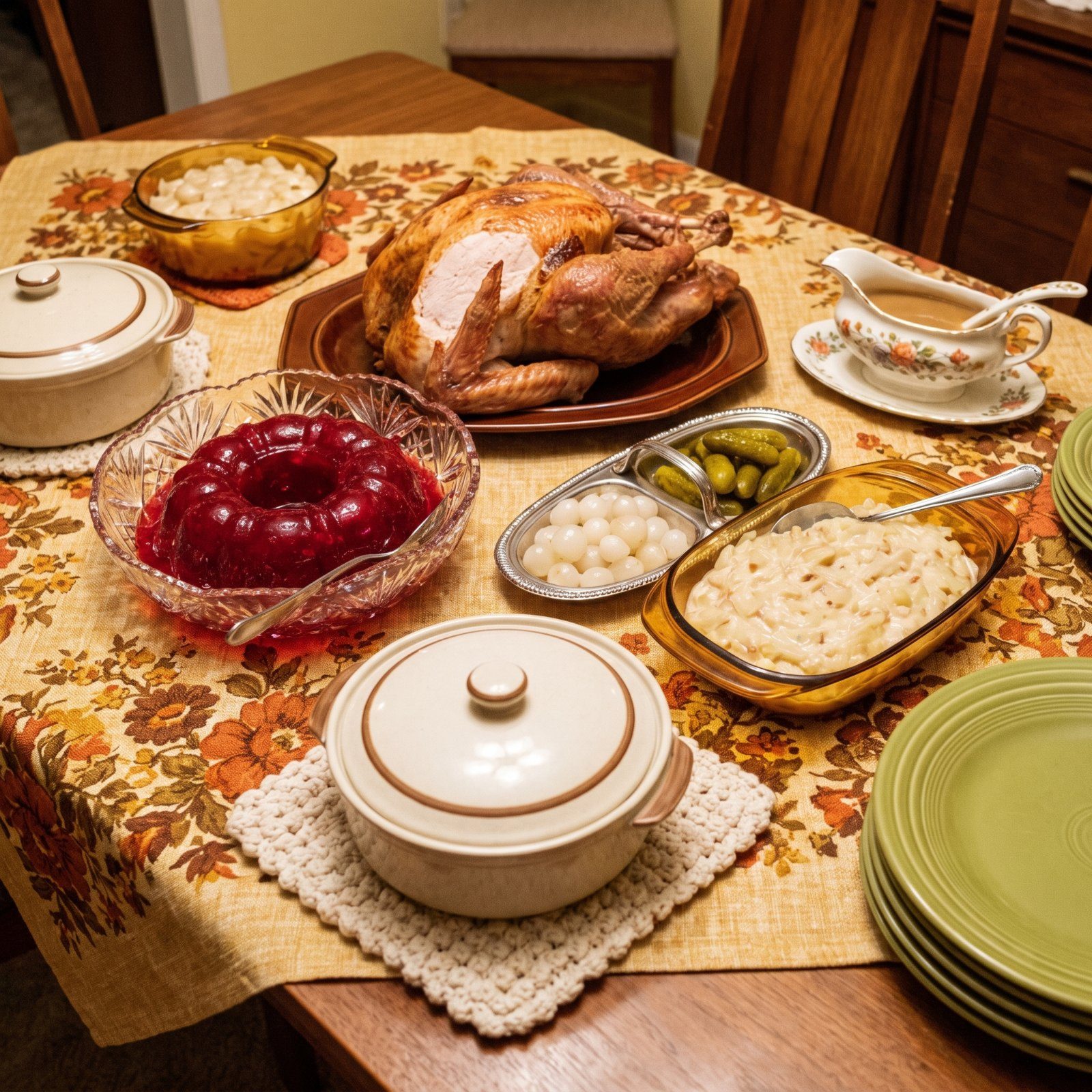
The relish tray came out first. Silver, three sections, one for the pearl onions swimming in cream, one for the pickles, one for something jiggling that nobody could quite name. Somewhere behind it a molded salad the color of a cranberry sunset waited on a bed of iceberg. These dishes crowded American holiday tables for decades, then quietly slipped off the menu one generation at a time. We rounded up the ones that used to be everywhere and now show up almost nowhere.
34. Oyster Stuffing Baked Inside the Turkey
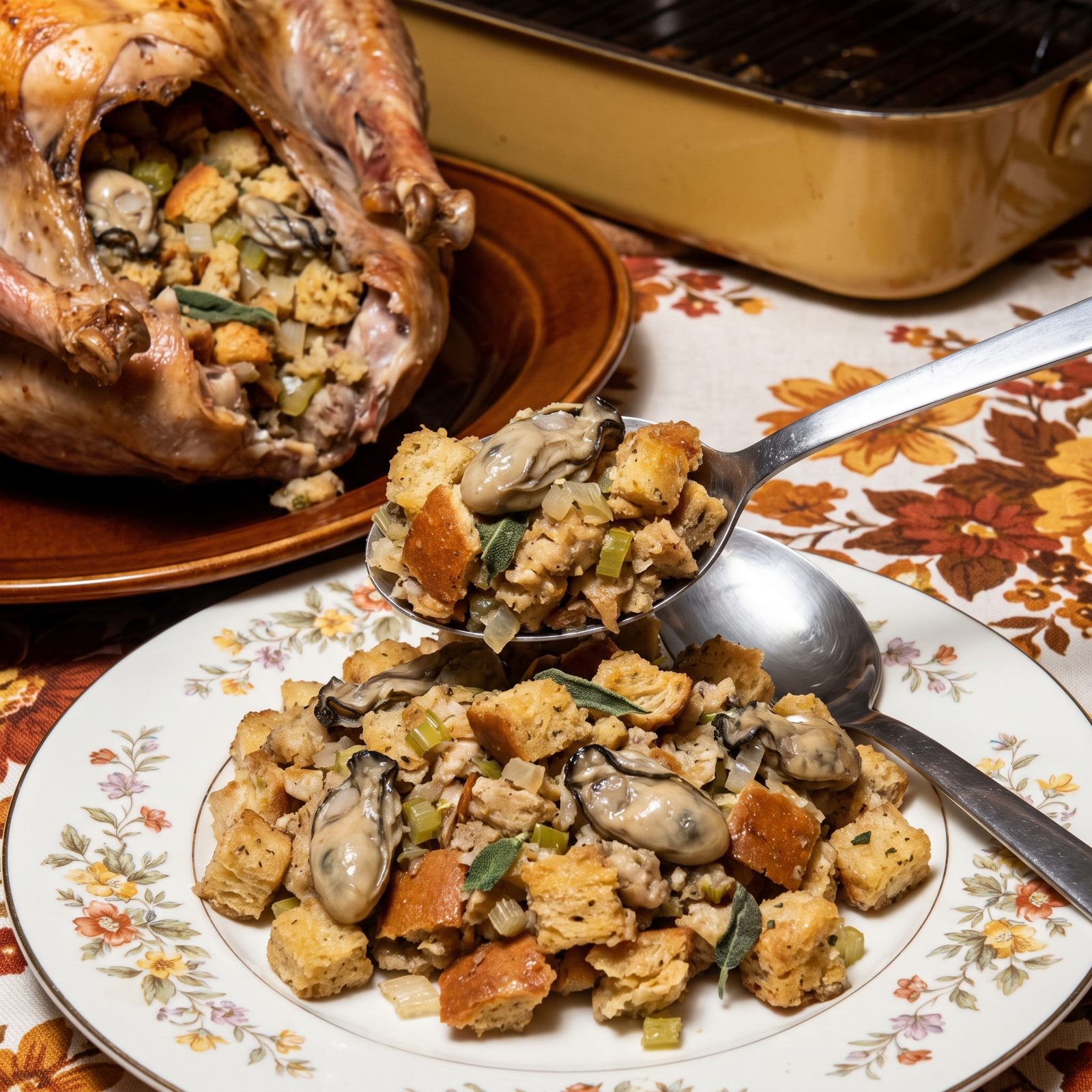
Coastal families guarded this one like a state secret. You pulled the bird from the oven and the stuffing inside carried the briny sweetness of oysters that had baked all afternoon in sage and butter. City cooks bought them by the pint, shucked at the fish counter that morning.
It faded once food-safety scares taught everyone to bake stuffing outside the bird, and the oyster part never recovered. Kids today would balk at a mollusk in their dressing. A shame, really, because it tasted like the ocean crashed a farmhouse.
33. Tomato Aspic Served With Mayonnaise
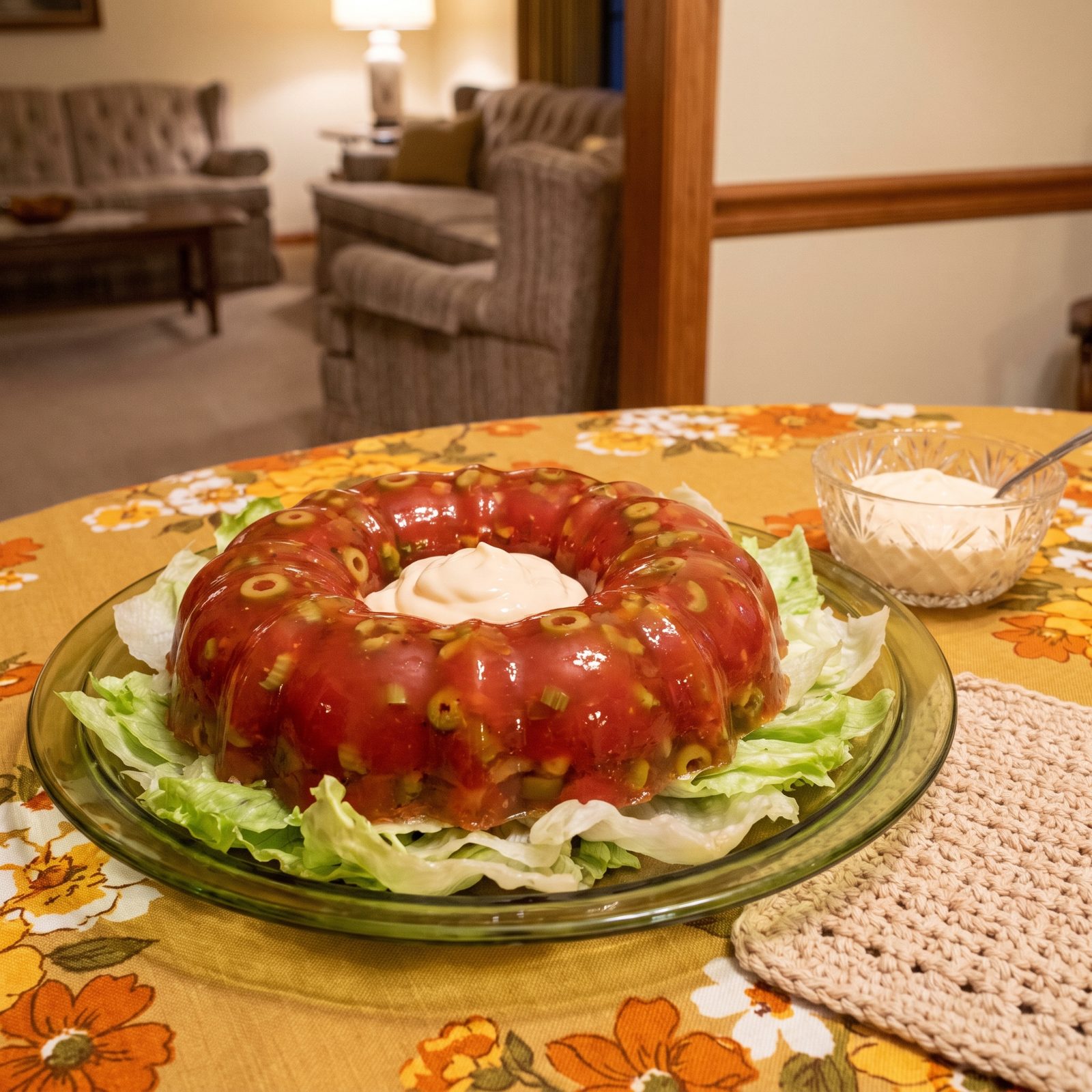
Somewhere between a salad and a savory Jell-O sat the tomato aspic, quivering on its lettuce leaf like it had opinions. Cooks unmolded it with a held breath and a warm dish towel, then crowned it with a spoonful of mayonnaise that slid down the sides.
It tasted brighter than it looked. Tomato, celery, a whisper of Worcestershire. The texture divides people, I’ll grant that. But a well-made aspic was cold, tart, and refreshing against all that heavy roasted food, and it deserved better than the ridicule history handed it.
32. Giblet Gravy With Chopped Hard-Boiled Egg
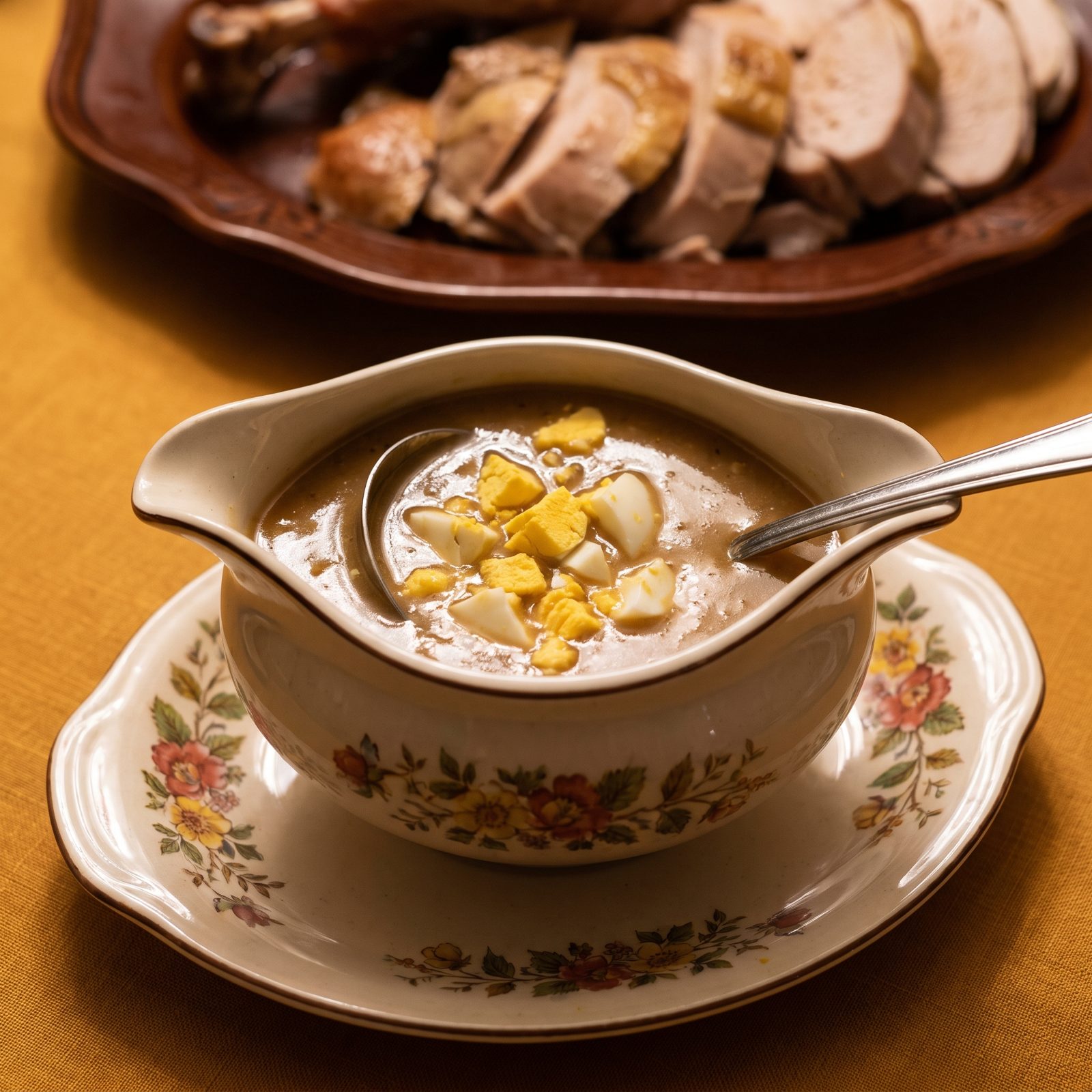
Grandmothers who made this never measured a thing. The neck and giblets simmered in a pot from the moment the turkey went in, and near the end they got chopped fine and folded back into the gravy along with a couple of hard-boiled eggs run through a knife.
The egg gave it body and specks of pale yellow that looked like confetti. It’s still around in Southern kitchens, but the giblet part scares the squeamish, and store-bought gravy in a jar killed the ritual for everyone else.
31. Cranberry Gelatin Ring With Celery and Nuts
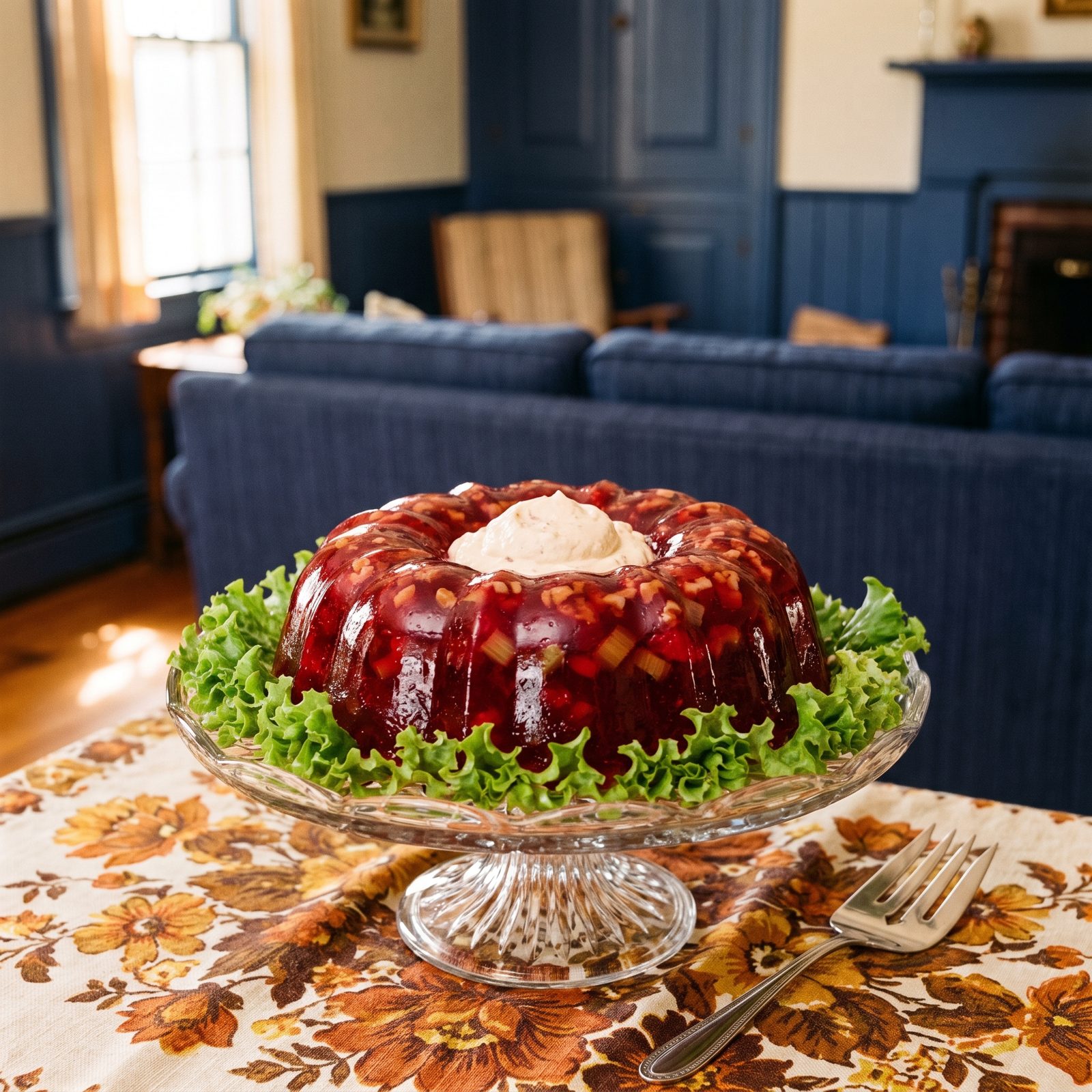
This was the pretty one. The mold came out of the fridge as a ruby crown, celery and walnuts suspended inside like they’d been frozen mid-swim, and everyone knew not to touch it until it hit the table intact.
The crunch of celery against the tart cranberry was what sold it. Nobody makes it in a ring anymore because nobody owns a copper mold, and the can of jellied sauce won on sheer laziness.
30. Candle Salad Made With Bananas and Pineapple Rings
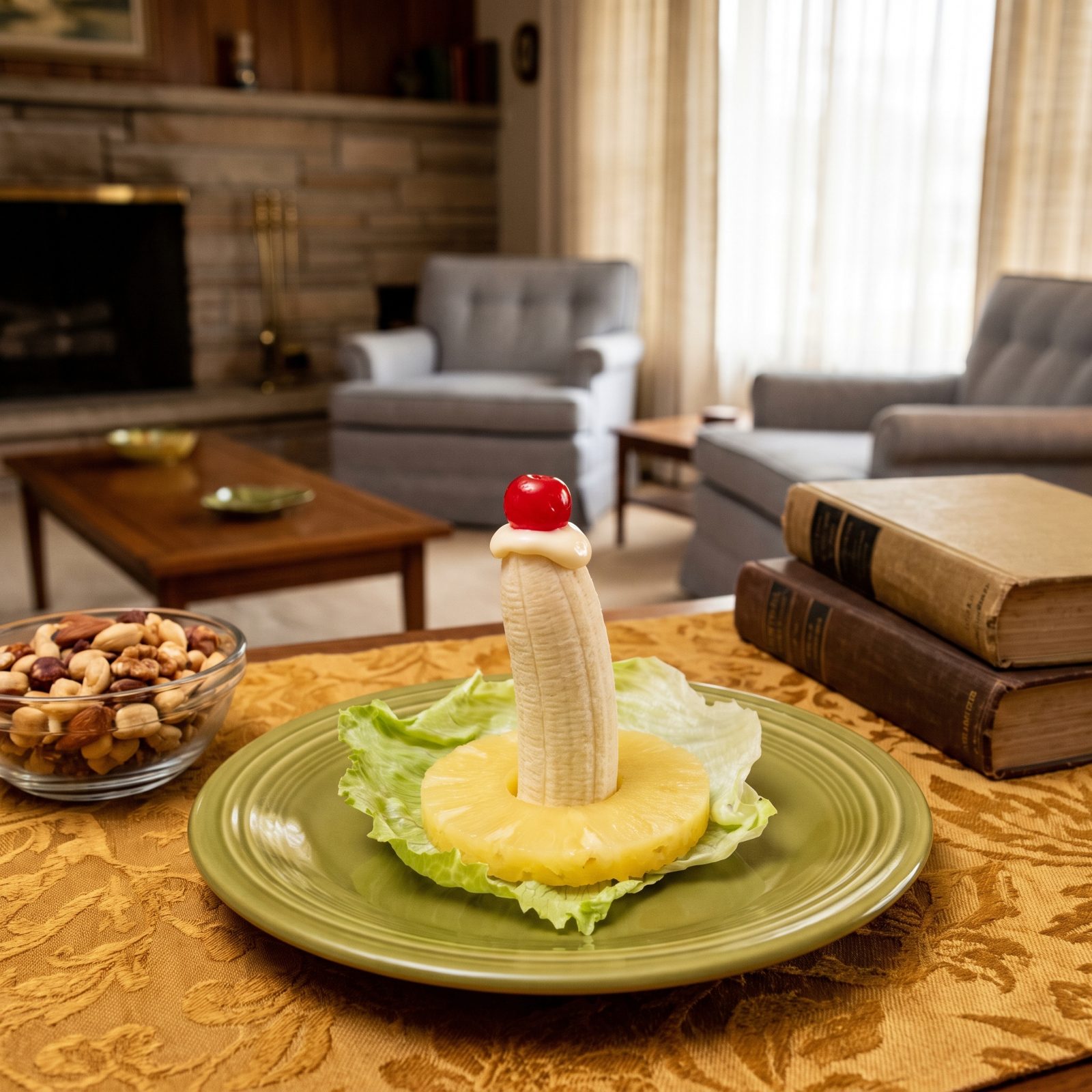
A pineapple ring, a banana standing straight up through the hole, a cherry perched on top like a flame. That was the candle salad, and children’s-menu logic put it on holiday tables from coast to coast without anyone thinking twice.
It showed up at ladies’ luncheons, church potlucks, and yes, Thanksgiving — sweet, cold, and a little silly. The design fell out of favor for reasons you can probably guess, and now it lives mostly in vintage cookbooks as a punchline. It didn’t deserve the exile. It tasted like fruit salad with better staging.
29. Scalloped Oysters With Cracker Crumbs
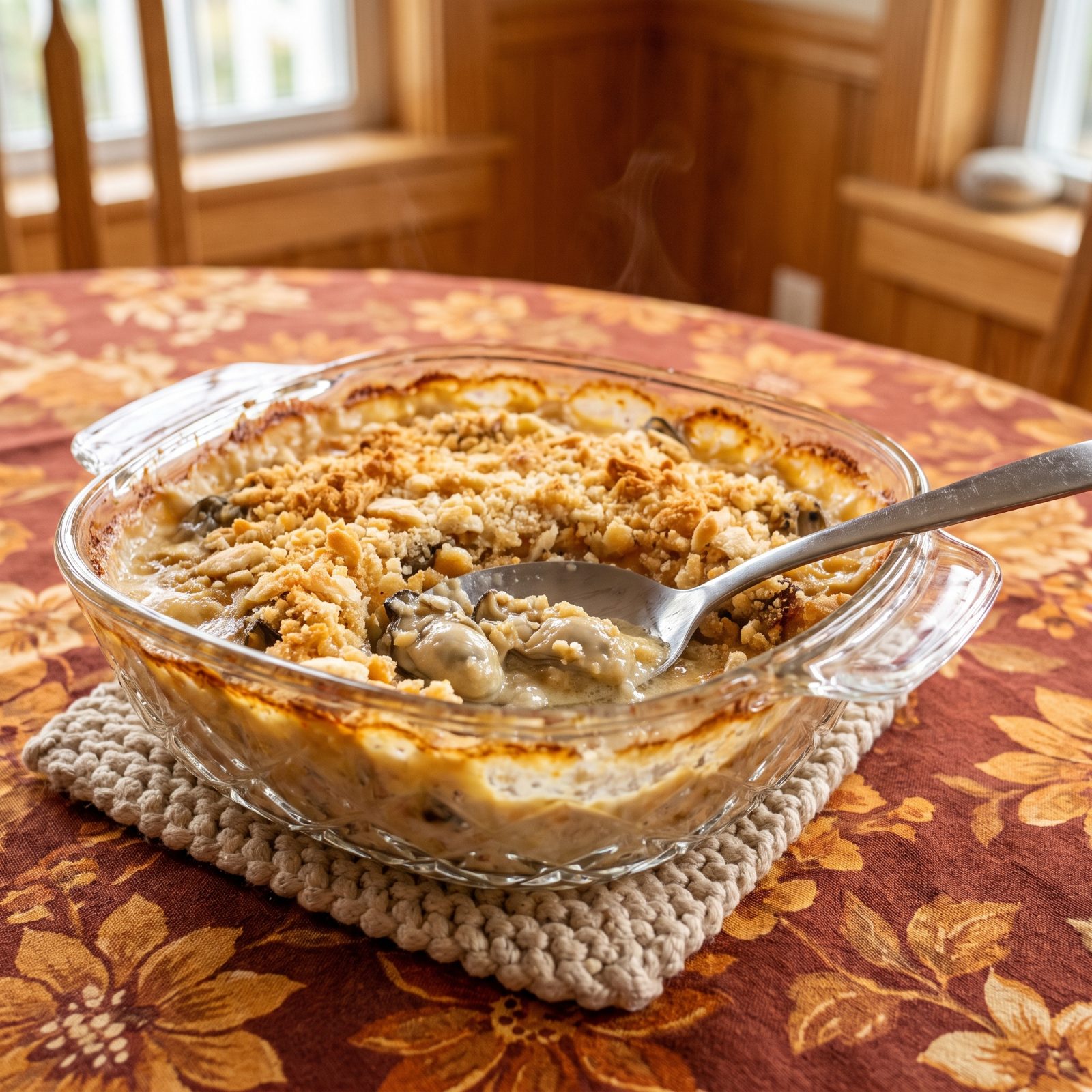
Layer oysters with crushed saltines, pour cream over the whole thing, dot it with butter, bake until the top crackles. That was the recipe, and it fed families up and down the Atlantic coast every holiday.
The magic lived in the middle, where the crackers soaked up the oyster liquor and cream into something soft and rich while the top stayed crisp. The kind of dish that disappeared when oysters got expensive and canned soup casseroles got cheap.
28. Creamed Pearl Onions
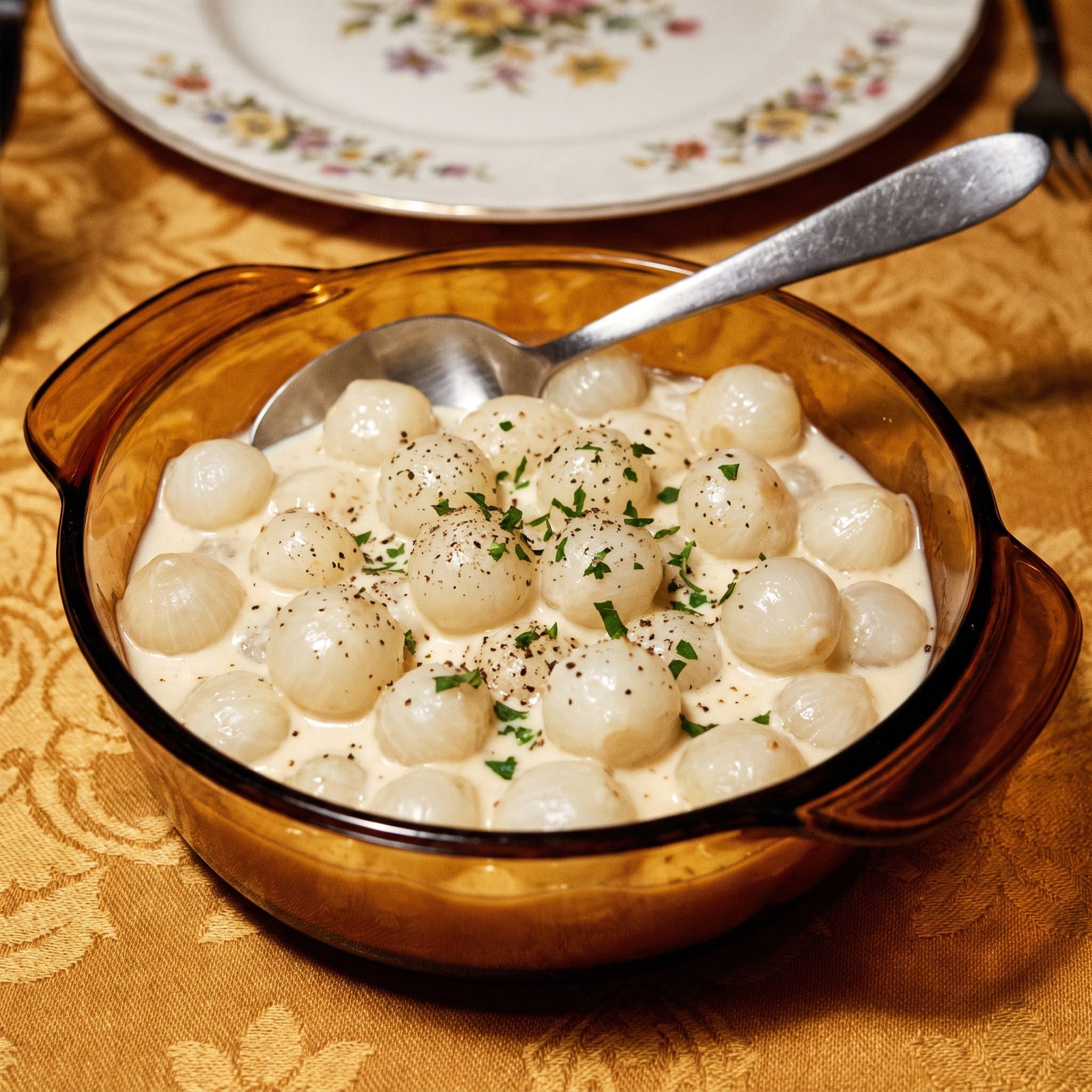
Tiny onions, peeled one maddening layer at a time, simmered soft and folded into a béchamel until they nearly melted. Somebody in every family drew the short straw and spent an hour peeling pearl onions at the sink.
They sat in an amber dish next to the turkey, mild and sweet under all that cream. Frozen pearl onions made the peeling easier and yet the dish still vanished — probably because nobody under forty knows a creamed onion is supposed to be dinner and not a garnish.
27. Turnip Puff Casserole
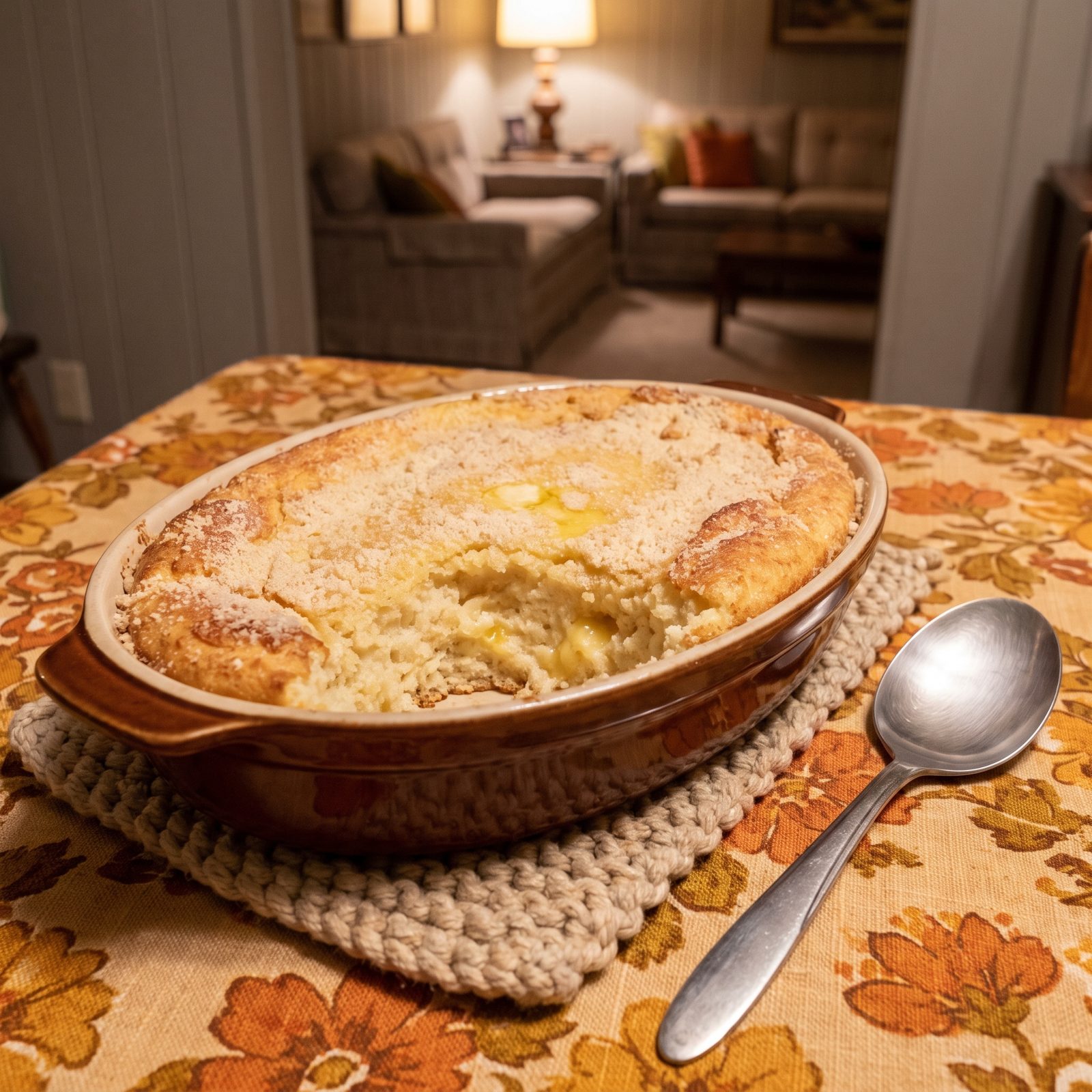
Turnips got a bad reputation they mostly didn’t earn, and this casserole was the defense. Boiled turnips whipped smooth with egg and butter, a little brown sugar to round the edge, baked with a crumb top until it puffed like a savory soufflé.
New England tables leaned on it hard. The sweetness softened the turnip’s bite and the texture went cloud-light. Then green bean casserole marched in and squeezed it off the menu — a trade nobody should have made.
26. Baked Hominy and Cheese Casserole
Would you like to save this?
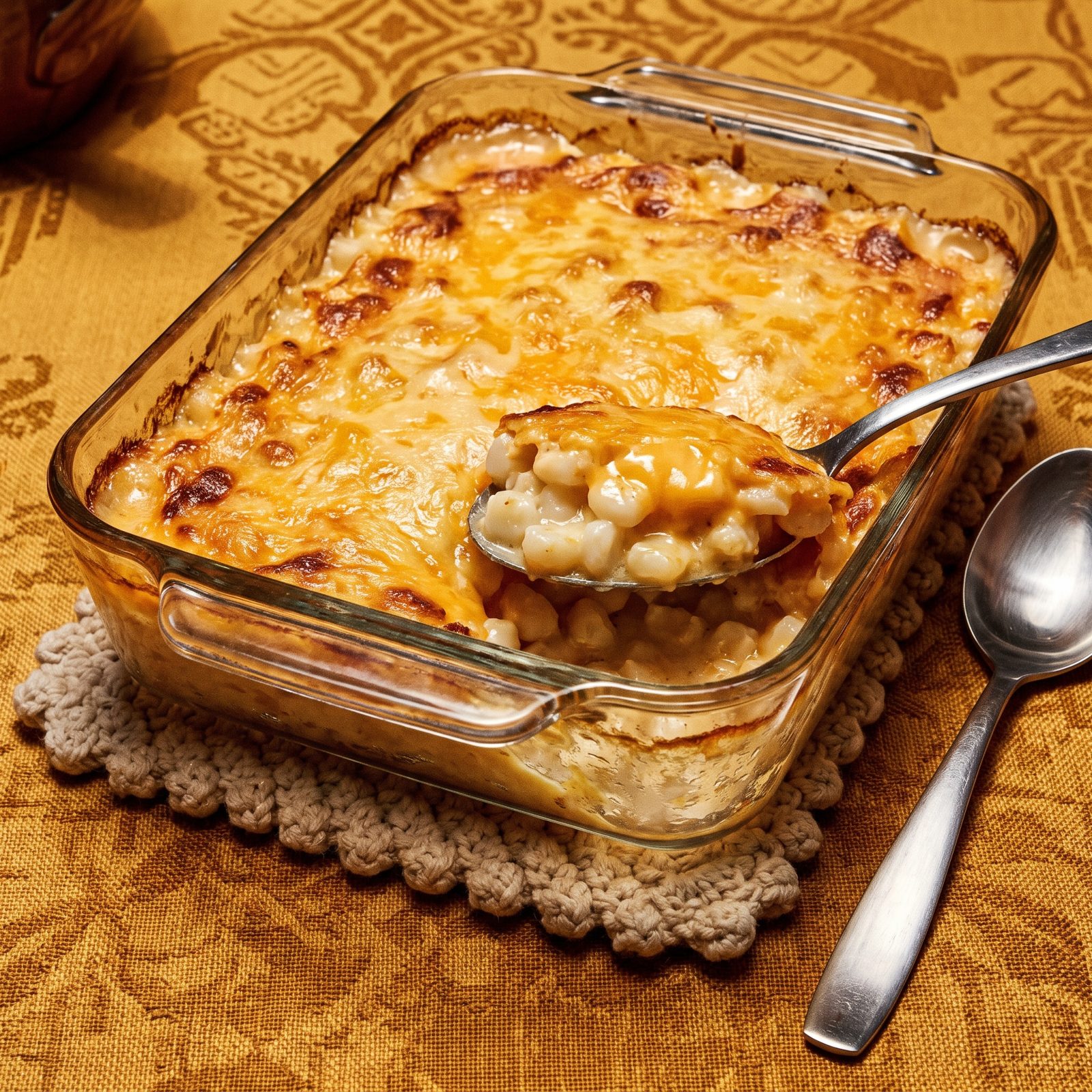
Big hominy kernels, the ones the size of a thumbnail, folded into a sharp cheddar sauce and baked until the top went brown and blistered. Southern and Midwestern cooks kept this in rotation as the starch that wasn’t potatoes.
The kernels stayed chewy and mild while the cheese did all the loud talking. Somewhere in the eighties hominy dropped out of the home pantry, and the casserole went with it. Find a can, make it once, and you’ll understand why it earned its spot for so long.
25. Corn Oysters Fried on a Griddle
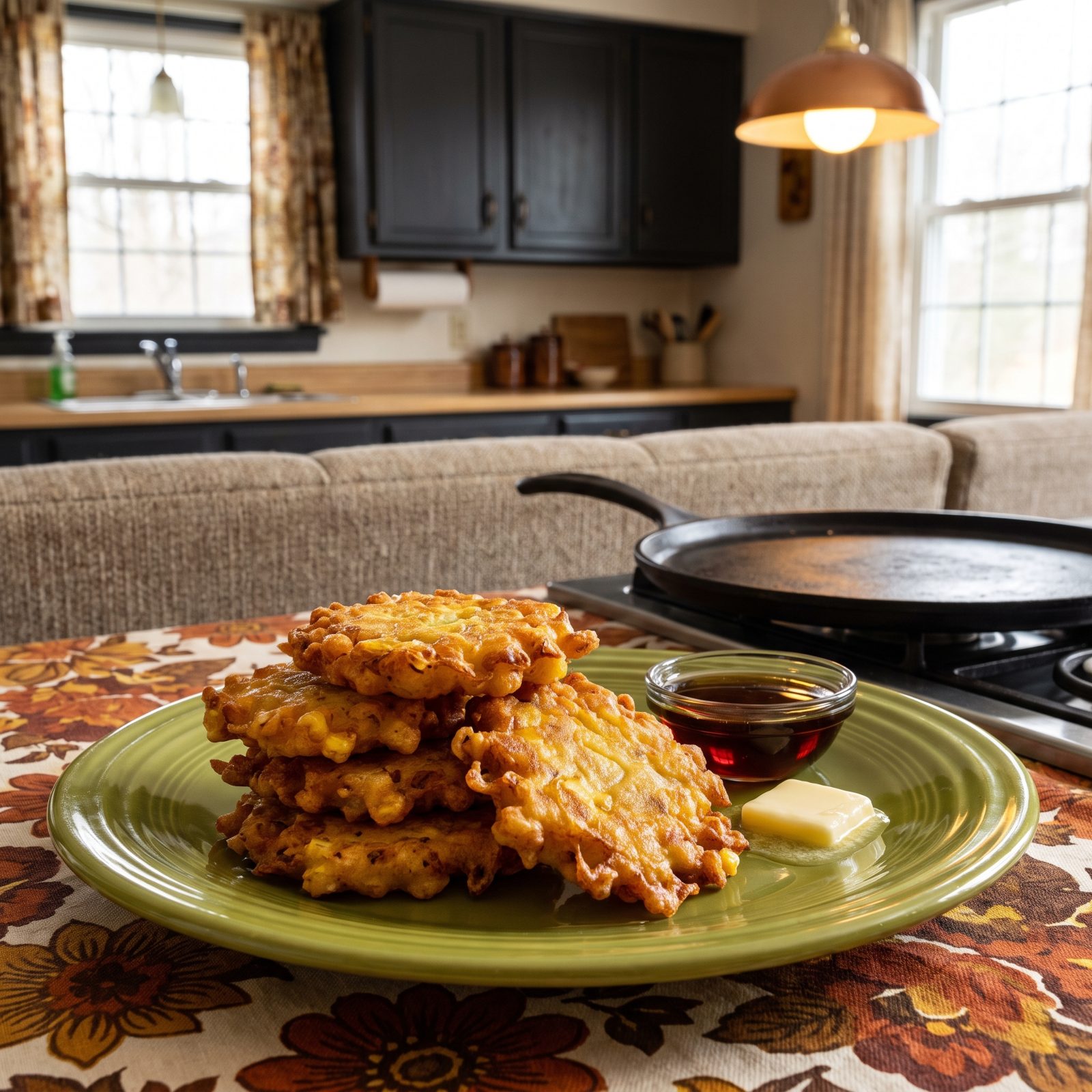
No oyster in sight. Corn oysters got the name from their shape and size — little fried mounds of creamed corn and egg batter dropped onto a hot griddle until the edges went lacy and crisp. A holiday-table trick that made corn feel like an event.
They came off the griddle golden and tender inside, and people ate them with syrup or with butter and salt depending on the household. This one vanished so completely that most cooks under sixty have never heard the name. Bring it back. It’s the easiest thing on this list and the one most people forgot the hardest.
24. Spoonbread Served From a Soufflé Dish
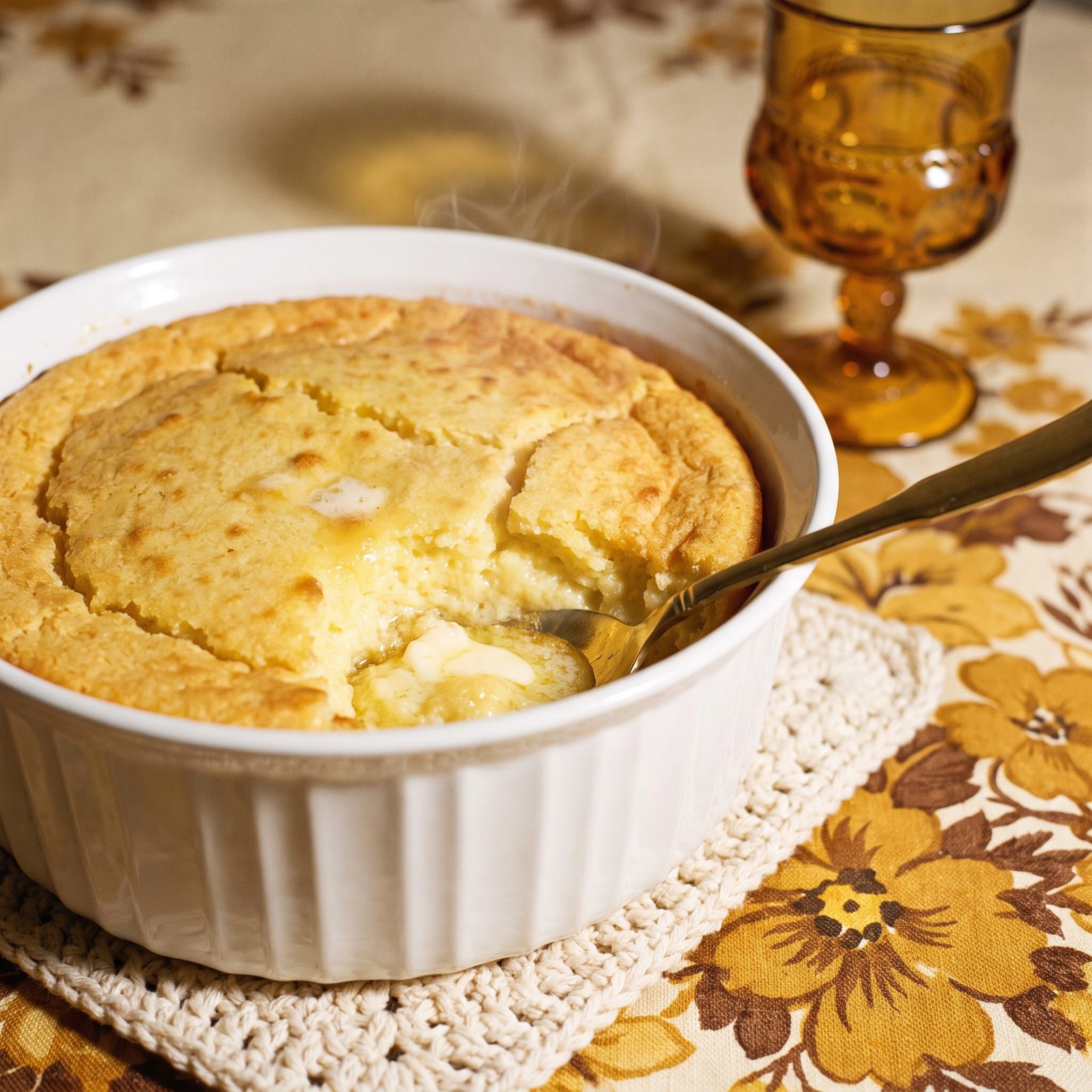
Spoonbread confused people who expected cornbread. You couldn’t cut it into squares — you scooped it, and it landed on the plate somewhere between a soufflé and a bowl of hot cornmeal custard, with a pat of butter melting straight down into the hollow.
It came to the table in the good soufflé dish, still puffed at the edges, deflating a little more with every serving. Southern grandmothers made it without a recipe. The rest of us have mostly stopped making it at all. A genuine loss.
23. Wild Rice Dressing With Chicken Livers
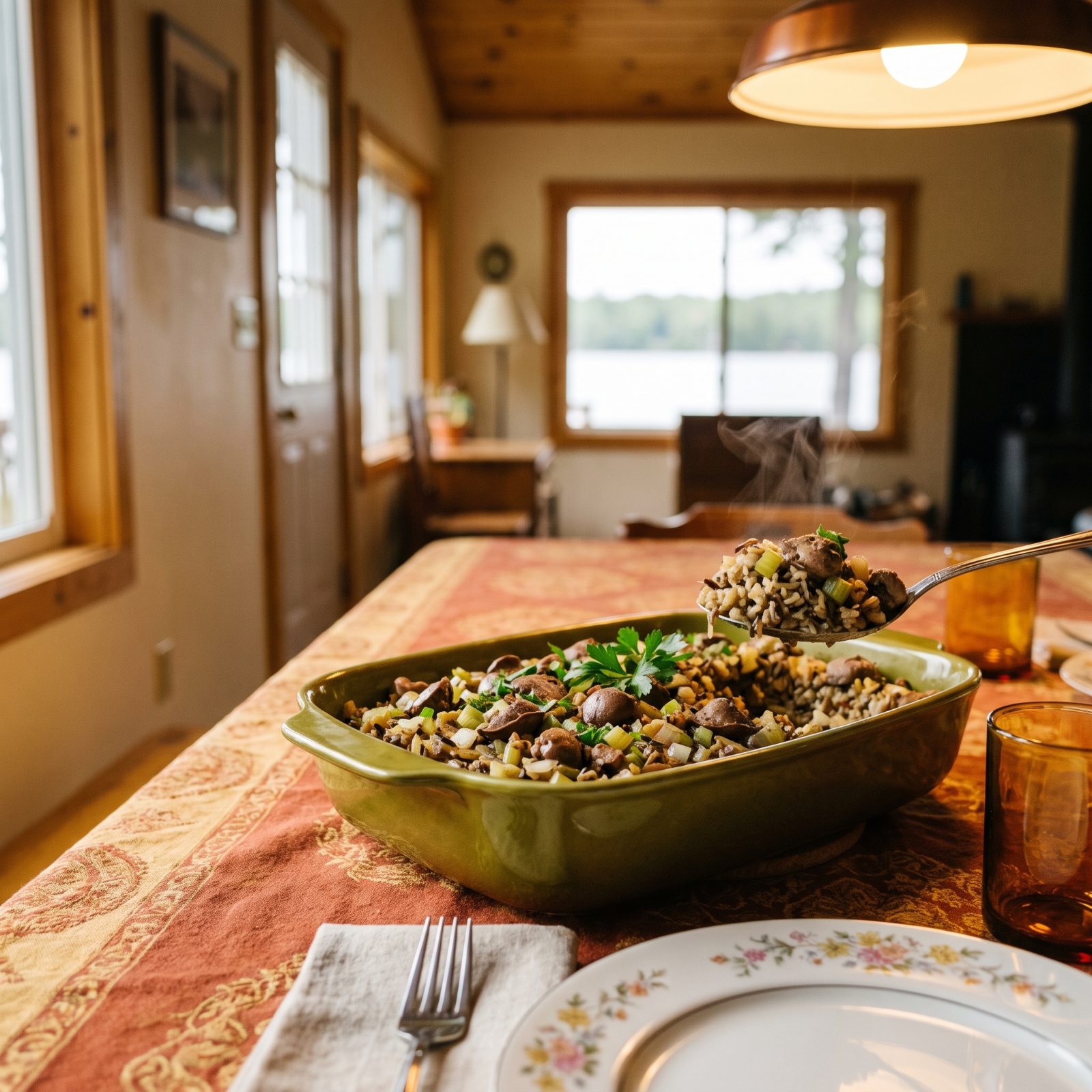
Somewhere in the 1970s, the fancy household decided plain bread stuffing wasn’t enough. Enter wild rice — nutty and dark, cooked with mushrooms and finished with chicken livers browned in butter. It felt sophisticated. It smelled incredible.
The livers are what did it in. Modern eaters flinch, so the dish quietly retired. But done right, they melt into the grains and give the whole thing a deep, savory backbone that regular dressing never had. I’d take it over a boxed mix any November.
22. Spiced Crab Apples From a Glass Jar
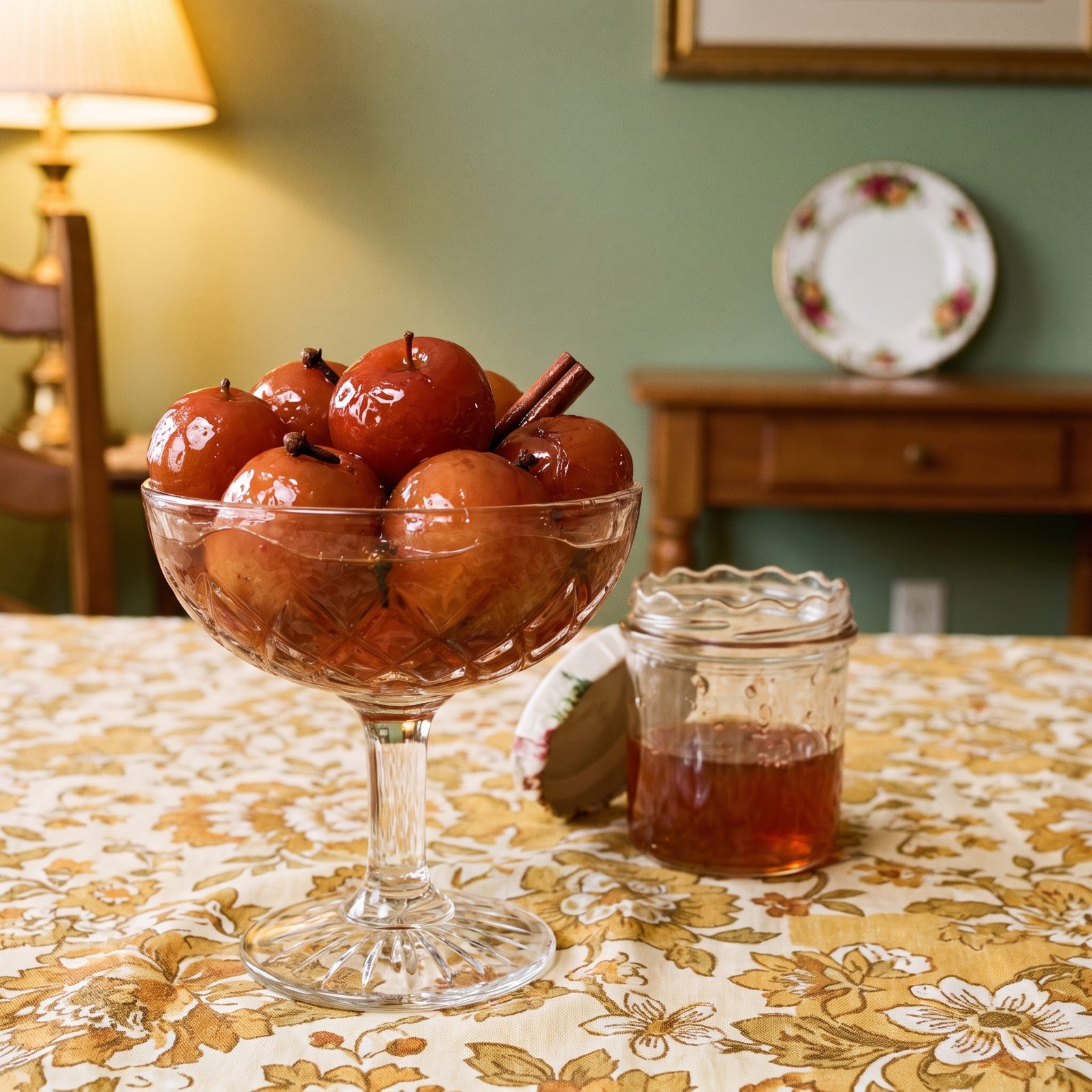
These showed up as garnish more than food — a cluster of tiny spiced crab apples, stems on, glowing red beside the turkey platter. Half the table admired them and never touched them.
They came from a jar, and nobody pretended otherwise. Sweet, tart, spiked with clove and cinnamon. You’d eat one and get a little cranberry-adjacent hit of syrup. The turkey looked bare without them, honestly.
21. Pickled Watermelon Rind
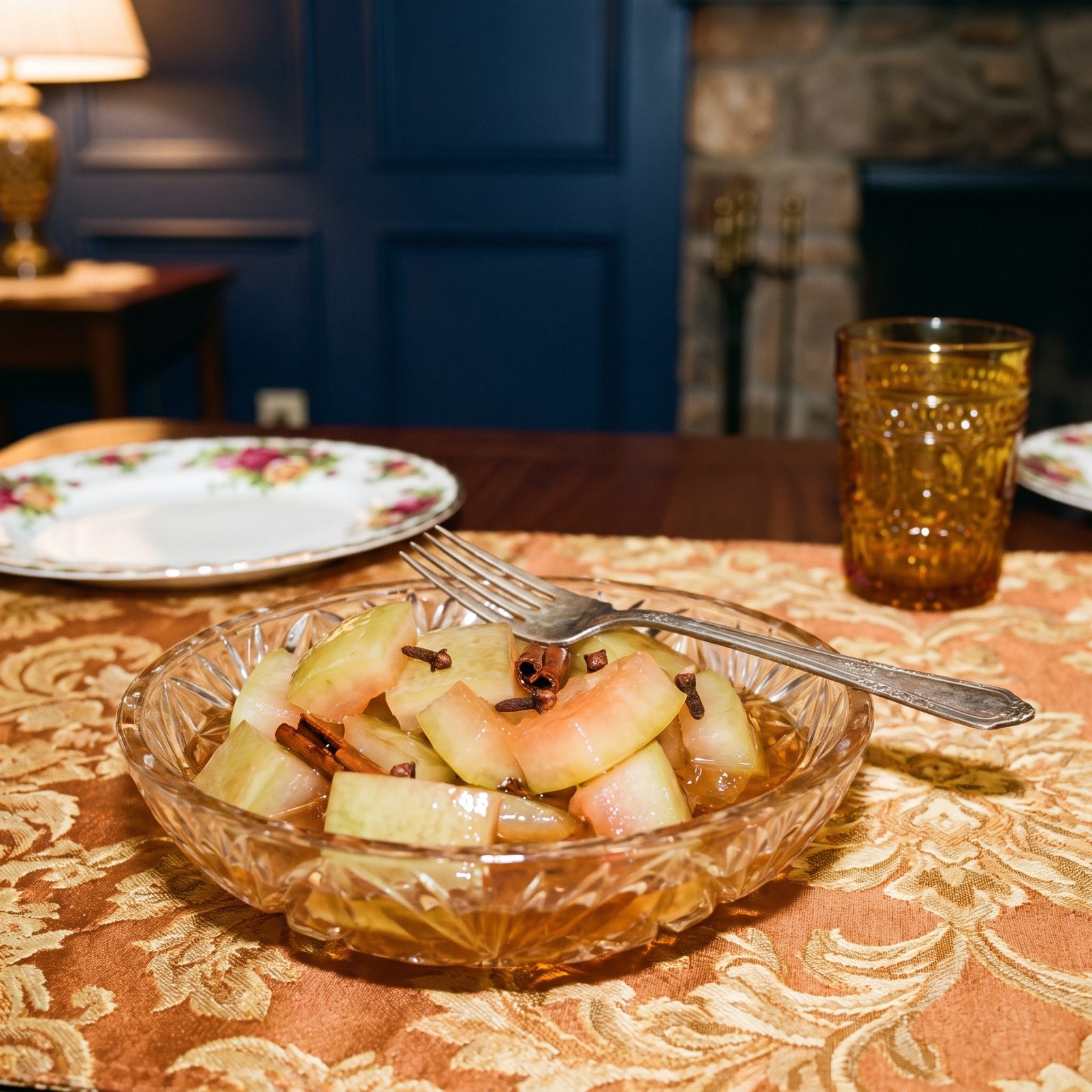
Nothing wasted. That was the whole idea. Somebody’s grandmother had turned the part of the watermelon everyone throws away into a sweet, translucent pickle you’d swear was candied ginger until you bit in.
Pale green-and-pink cubes, glossy with clove-spiked syrup, sitting in the little cut-glass dish. Tasted like summer preserved for November. Almost nobody puts this up anymore, and the skill went with it.
20. Homemade Chow-Chow Relish
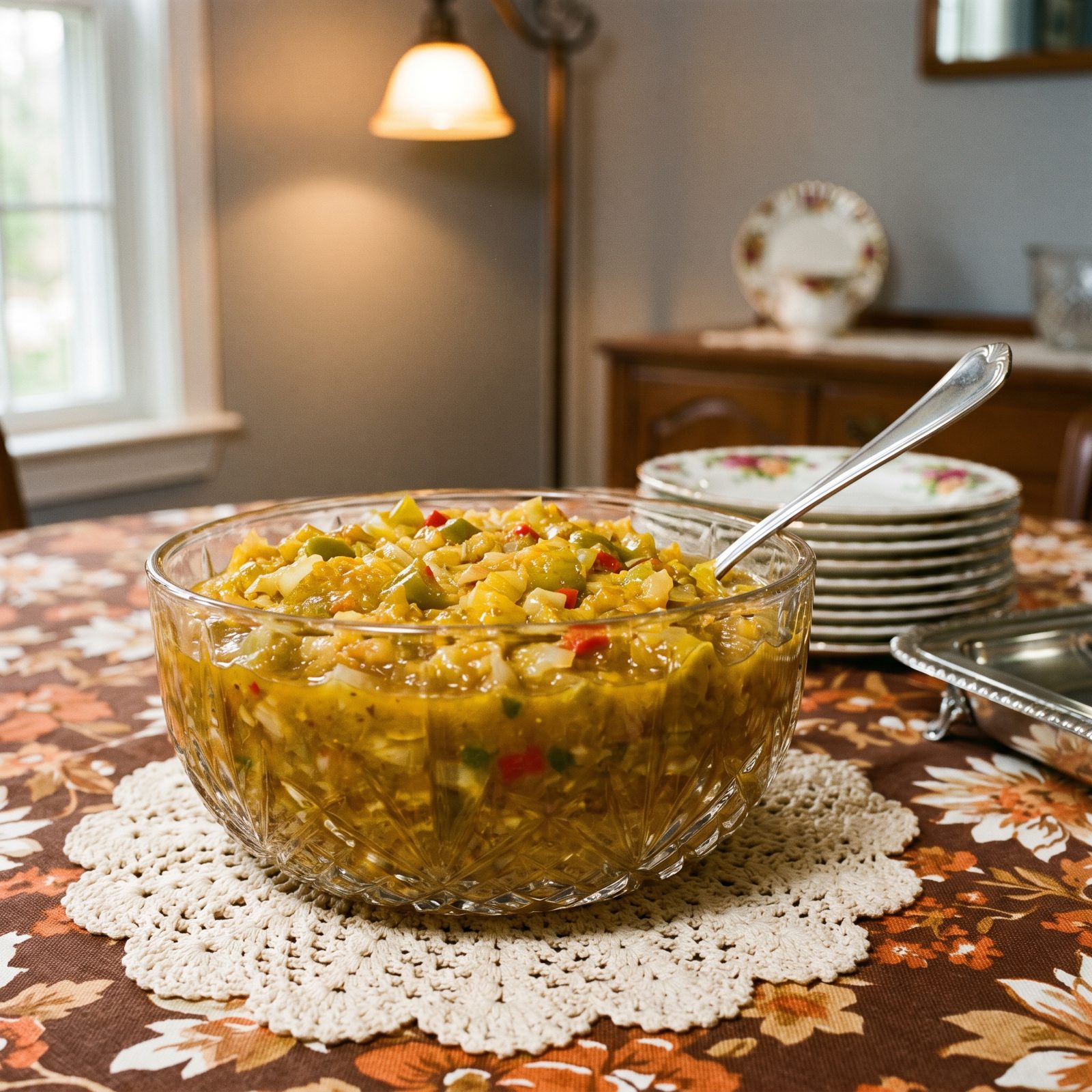
Every regional cook swore their chow-chow was the real one, and every version was different. Green tomato and cabbage down South. More cauliflower up North. All of it chopped fine, brined in turmeric-gold vinegar, and set out in the cut-glass bowl to go on beans, greens, or straight off the spoon.
It carried the tang the whole plate needed. Rich food wants an acid punch, and chow-chow delivered it without anybody thinking about why it worked.
19. A Silver Relish Tray of Radishes, Olives, and Pickles

This came out before anything else, and it was the only thing kids were allowed to graze on until dinner. The good silver tray, polished for the occasion, divided into little compartments.
Radishes cut into rosettes that bloomed open in ice water. Green olives with the pimento peeking out. Sweet gherkins, celery. Somebody always ate all the olives before the turkey even landed — that was tradition too.
18. Celery Stalks Stuffed With Pimento Cheese
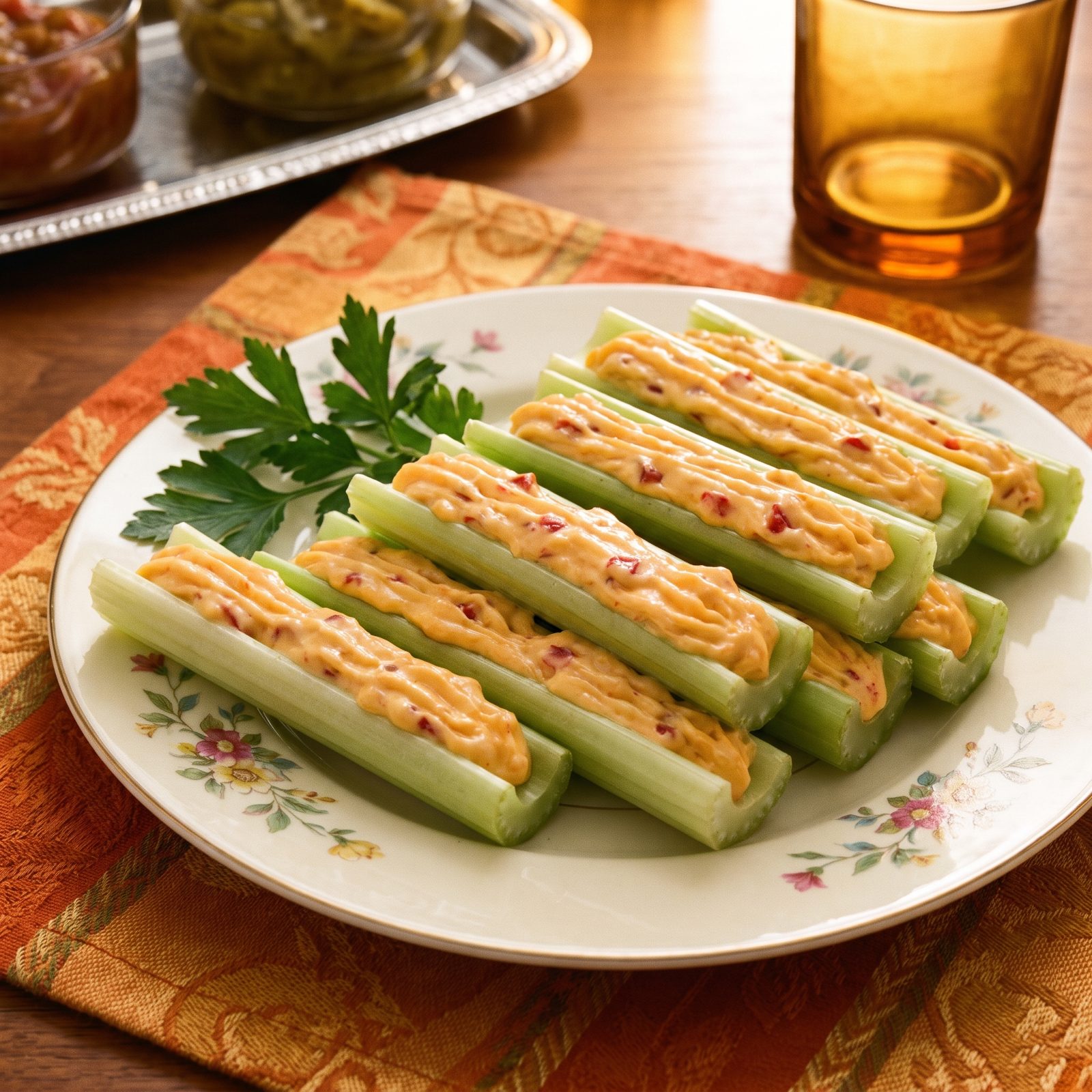
The workhorse appetizer of the 1975 holiday. A block of celery, a bowl of pimento cheese, twenty minutes, done. Kids piped the filling in with a butter knife and got half of it on their hands.
Cold, crisp, sharp with cheddar and studded with red pimento. It vanished fast because it was the one appetizer that didn’t feel like a project. Nobody’s too fancy for a stuffed celery stick.
17. A Port-Wine Cheese Ball Rolled in Nuts
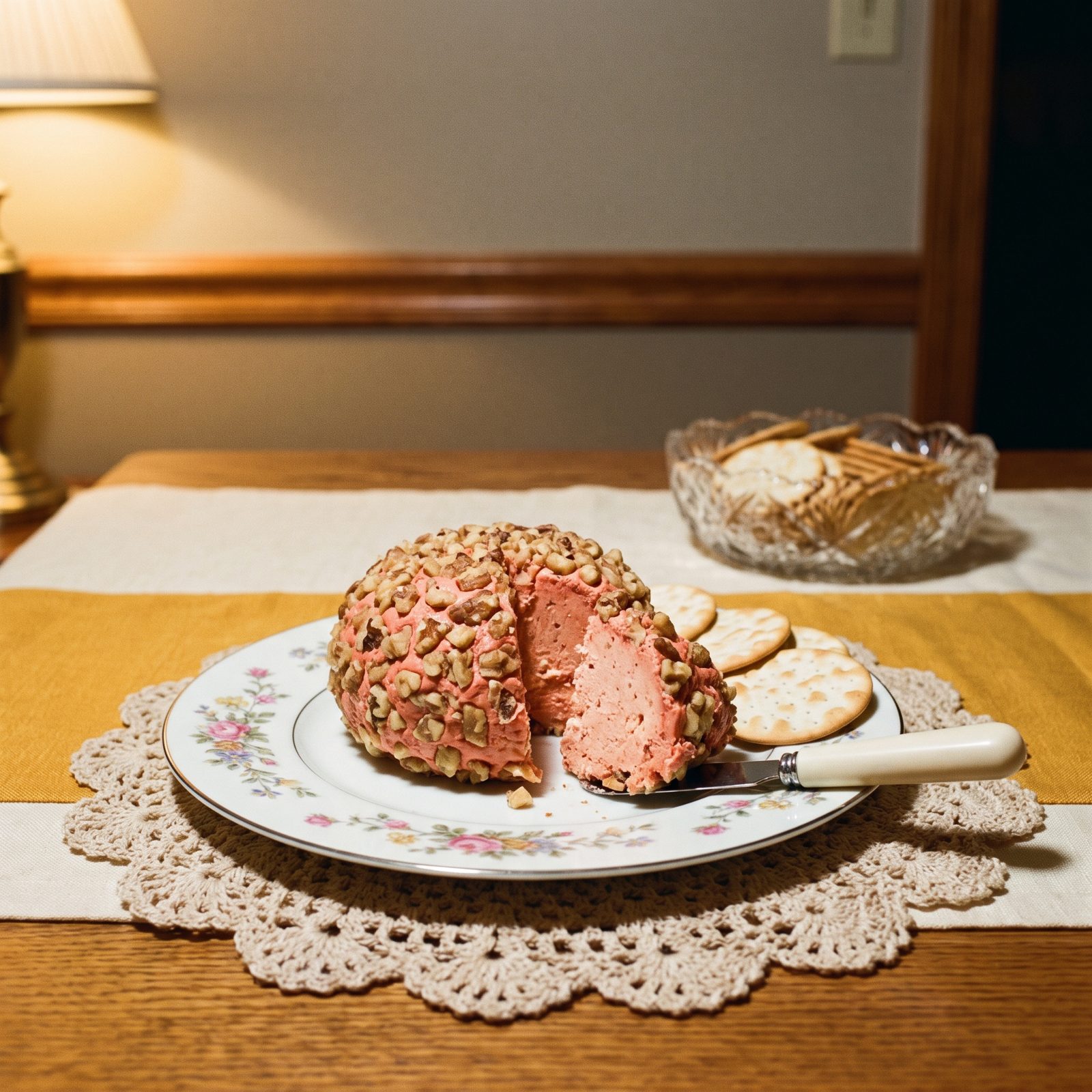
Every party had one, and everybody’s tasted the same because everybody used the same trick: cream cheese, sharp cheddar, a slug of port wine for that improbable pink, rolled in chopped walnuts and left to firm up in the fridge overnight.
It sat on the coffee table with a little spreader knife and a fan of crackers. By the end of the night it looked like a bomb site. That pink was one of the most reliable colors of the decade.
16. Chipped Beef Dip in a Hollowed Bread Loaf
Would you like to save this?
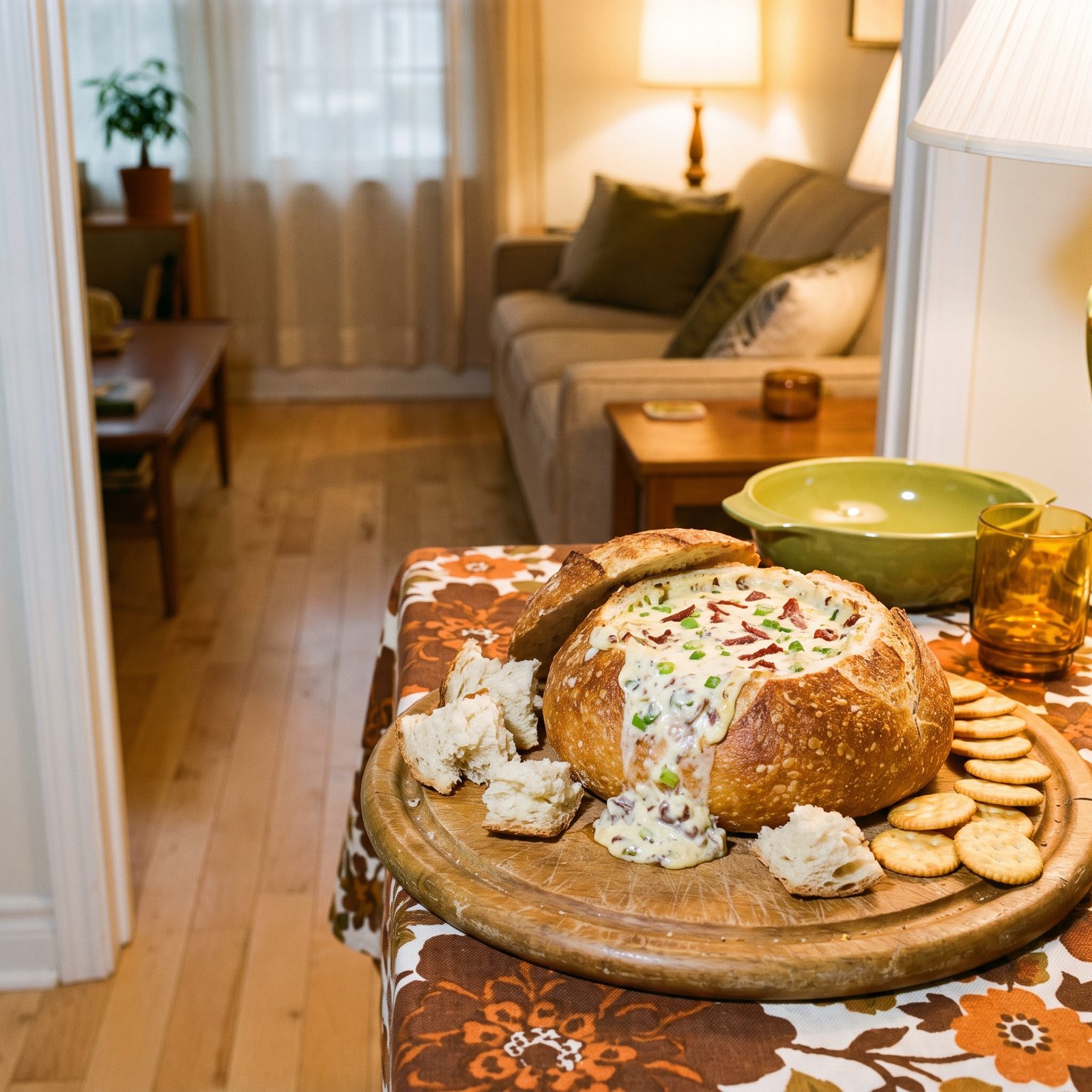
The dip that came inside its own bowl. Hollow out a round loaf, fill it with hot chipped beef dip, and let people tear off chunks of the shell to scoop with. When the dip ran low, you ate the bowl.
Cream cheese, sour cream, and that jar of dried beef nobody could quite identify. Warm, salty, a little smoky. It was the appetizer that ruined your appetite for dinner, and you did it happily.
15. Cocktail Rye Canapés With Olive Spread
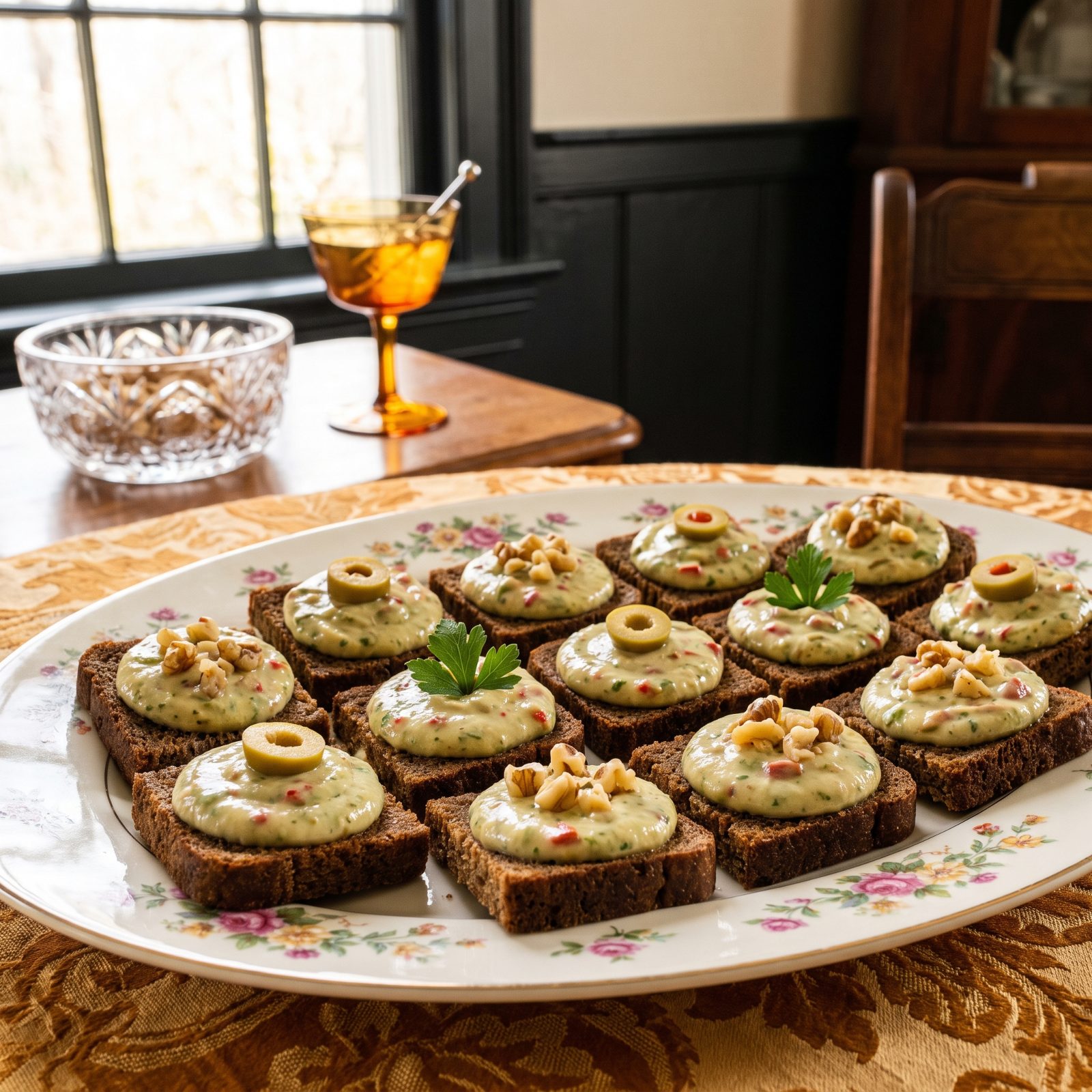
The dainty end of the appetizer spread. Little squares of dark cocktail rye — that bread that came pre-sliced in a tiny loaf — topped with olive spread and set out in neat rows on the good china.
Chopped green olives, cream cheese, a few nuts, sometimes a whiff of onion. One bite each. They looked like effort even when they weren’t. And when the last one vanished off the platter, you knew the party had properly started.
14. Perfection Salad With Shredded Cabbage and Celery
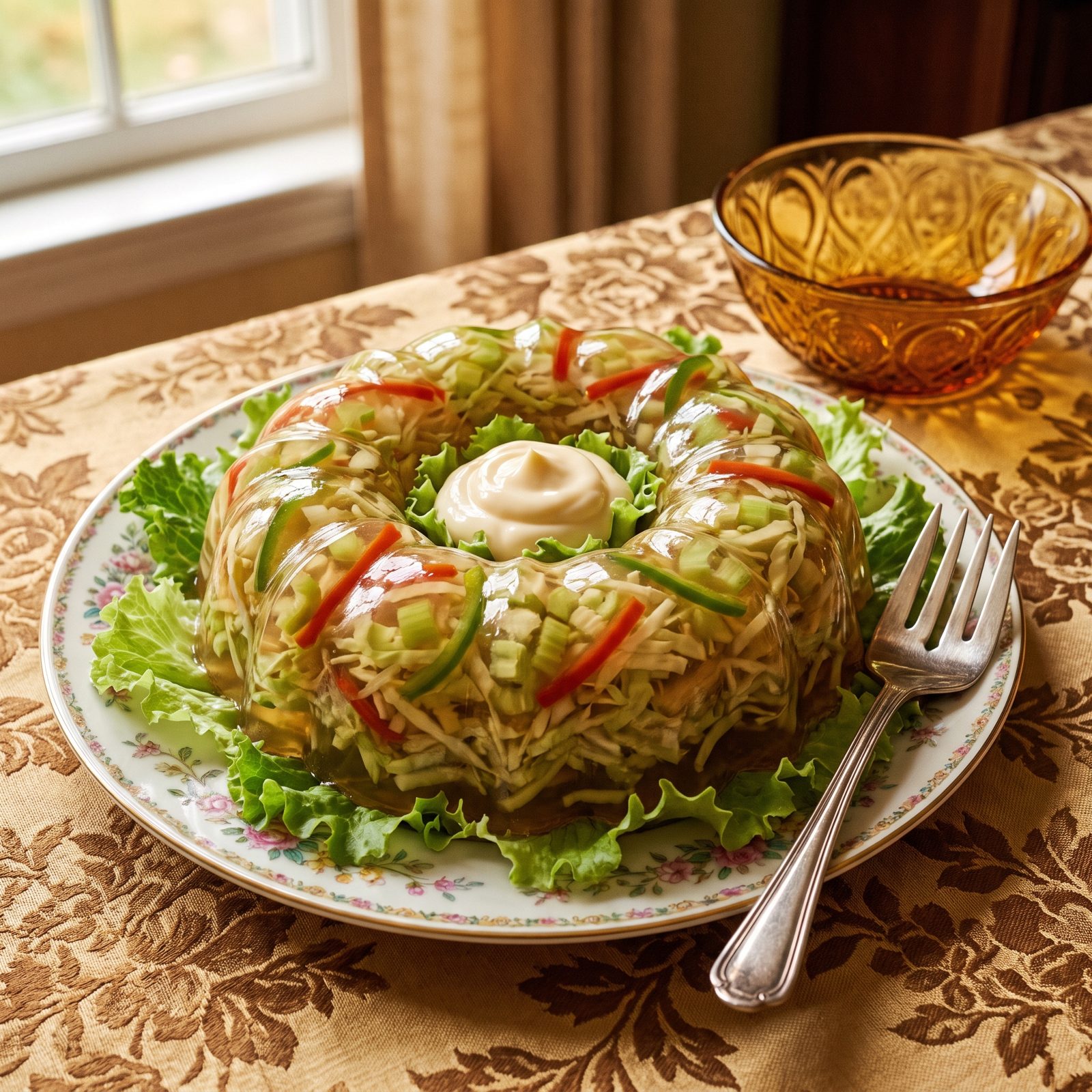
Long before anyone worried about carbs, a savory gelatin salad counted as a vegetable. Perfection Salad packed shredded cabbage, celery, pimento, and green pepper into a tart, near-clear aspic, then chilled it in a ring mold until it stood up on its own without any help.
It landed on the table with pride, sliced and served on a bed of lettuce with a little mayonnaise in the middle. The crunch was real, and so was the vinegar bite. Dessert this was not, and any first-time guest who assumed otherwise got a memorable surprise.
13. Lime Gelatin Mold With Cottage Cheese Folded In
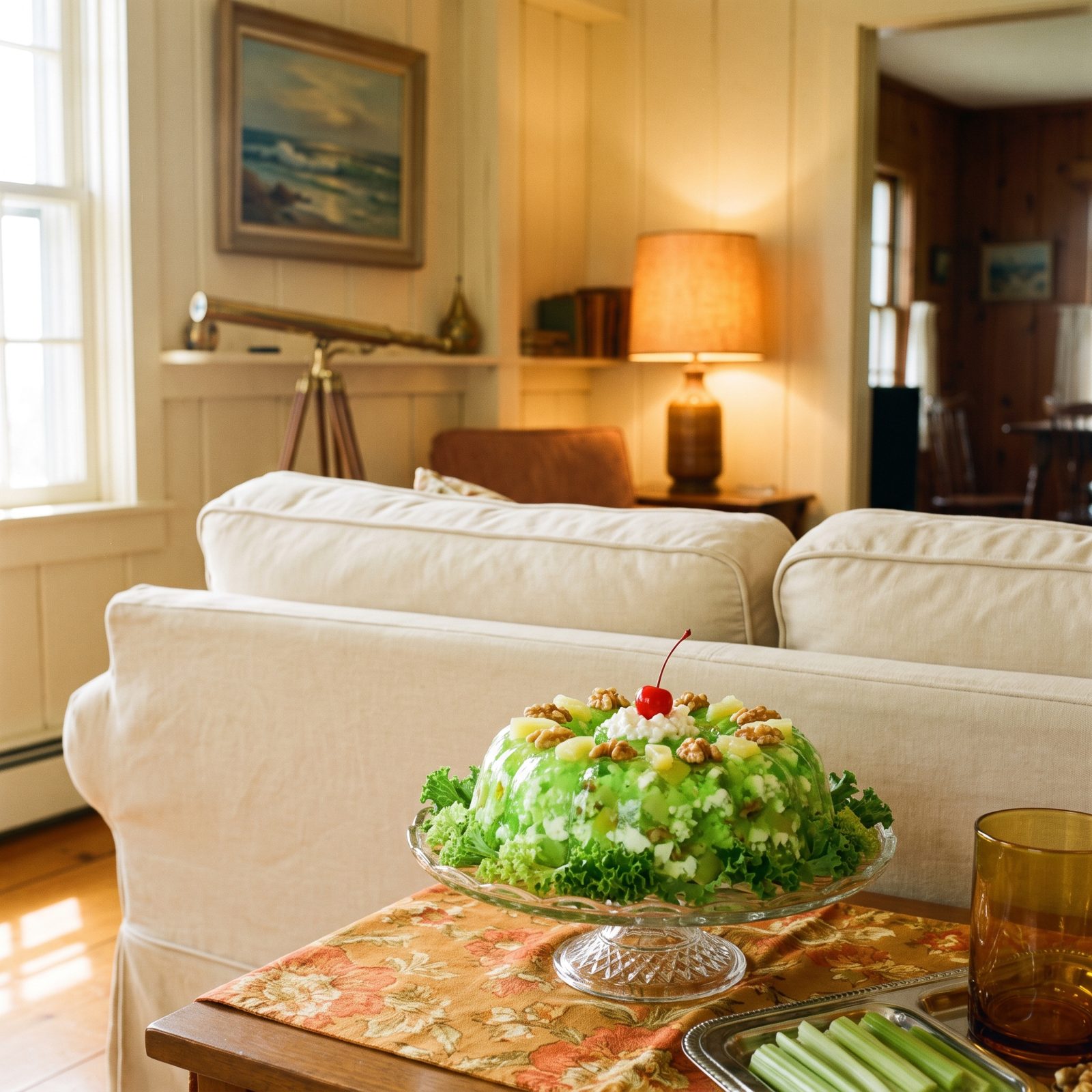
Bright green and impossible to ignore. Lime Jell-O got folded with cottage cheese, crushed pineapple, and sometimes chopped nuts, then set into a ring or a fluted mold that jiggled its way to the table.
The cottage cheese turned the whole thing pale and creamy inside, cloud-like against that electric green. Kids either loved it or slid it to the edge of the plate. There was rarely a middle ground.
12. Frozen Fruit Salad Cut Into Neat Squares
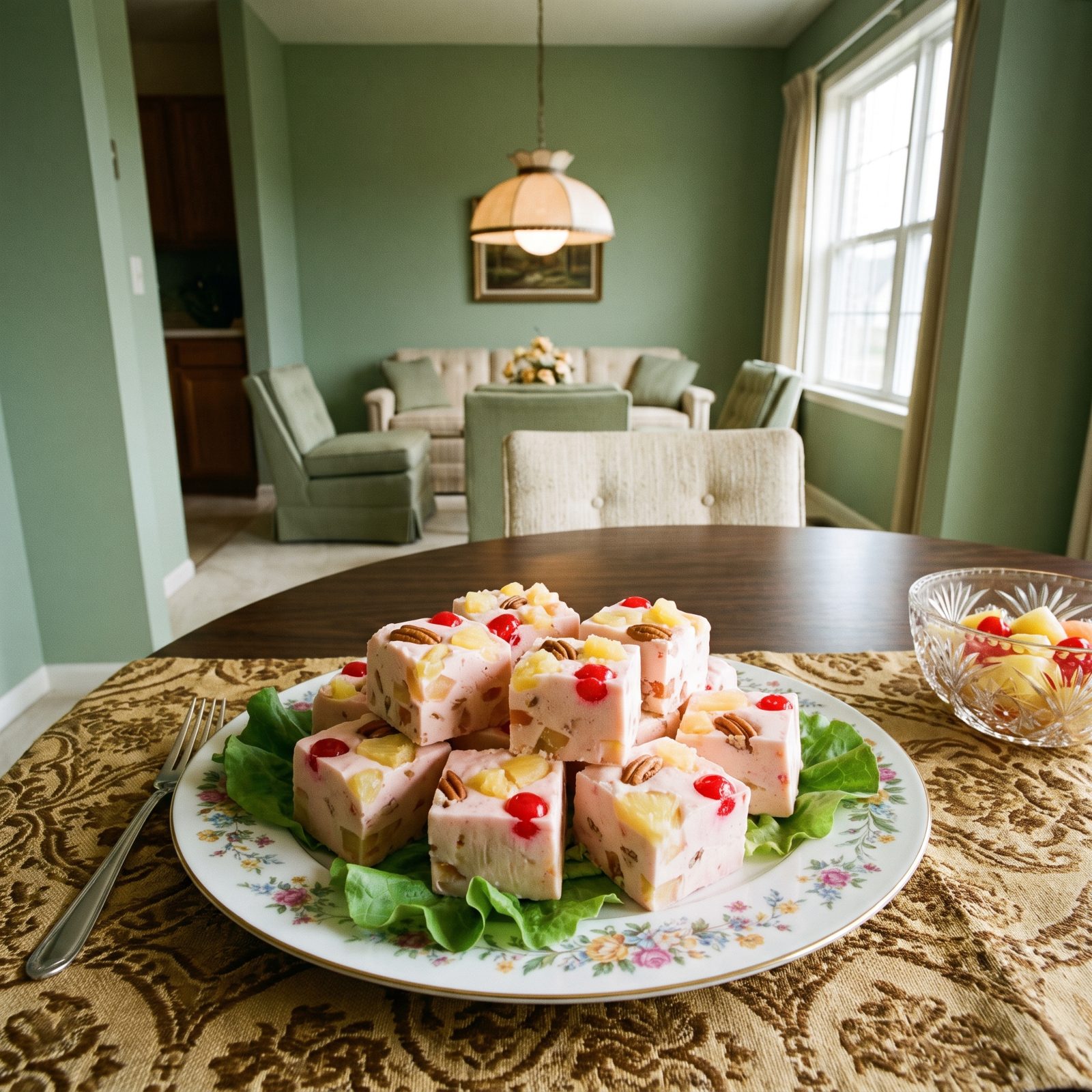
You made it days ahead, which was half the appeal. Cream cheese and whipped cream got beaten smooth, then loaded with maraschino cherries, crushed pineapple, and pecans before going into a loaf pan in the freezer.
At dinner it came out cut into tidy squares and set on lettuce leaves like little pink bricks. Half-frozen and sweet, it walked the line between salad and dessert and never quite committed to either. Honestly, that was the fun of it.
11. Watergate Salad, Green From Pistachio Pudding
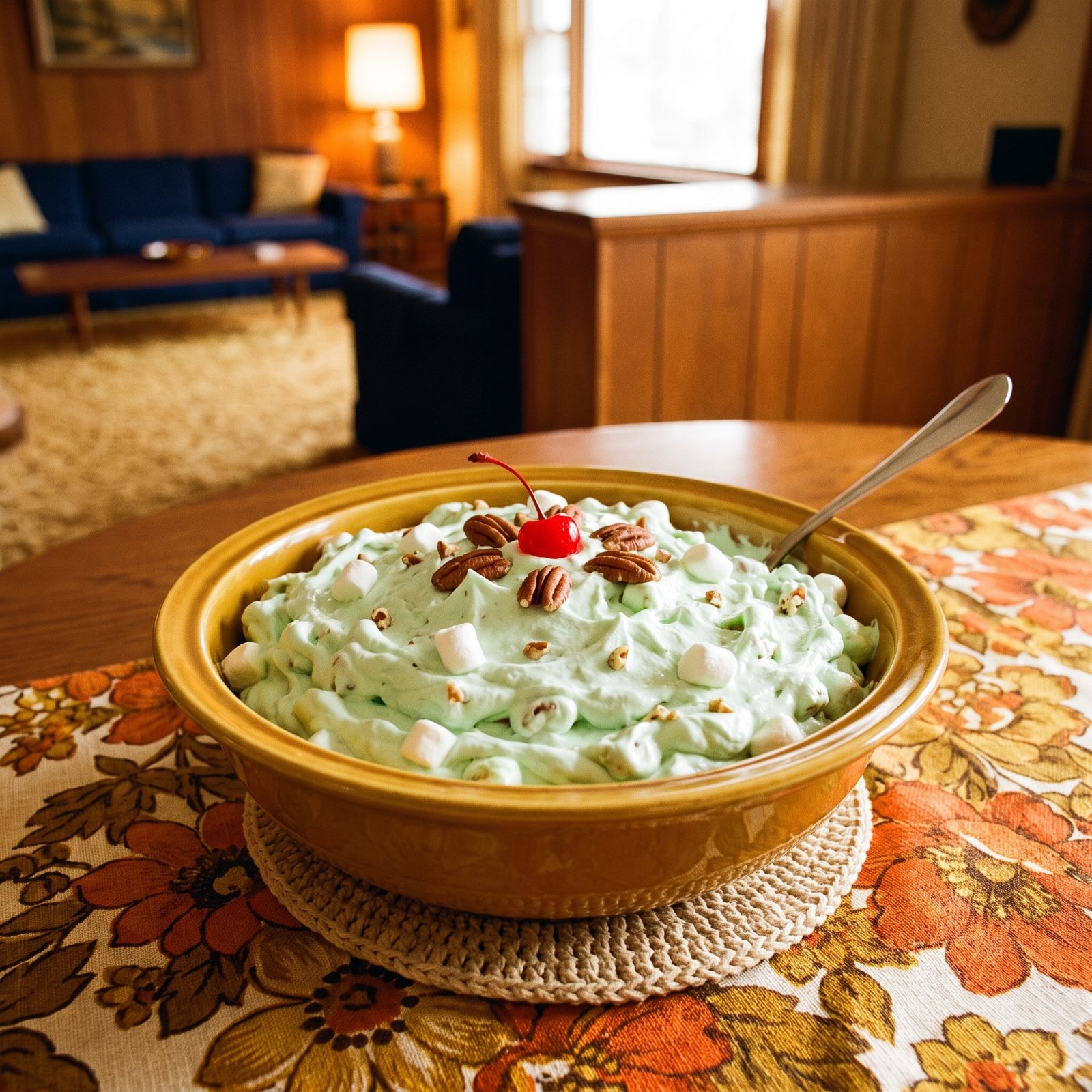
Pale green, fluffy, and named after a scandal. Watergate salad came together in one bowl: instant pistachio pudding, canned pineapple, tiny marshmallows, pecans, and a tub of whipped topping folded until it turned that unmistakable mint color.
No cooking, no fuss, ready in the time it took to open the cans. It rode into the holidays on convenience alone and stayed for decades. Some families still put it out. Most quietly stopped.
10. Pineapple and Cheddar Casserole Under a Cracker Crumb Top
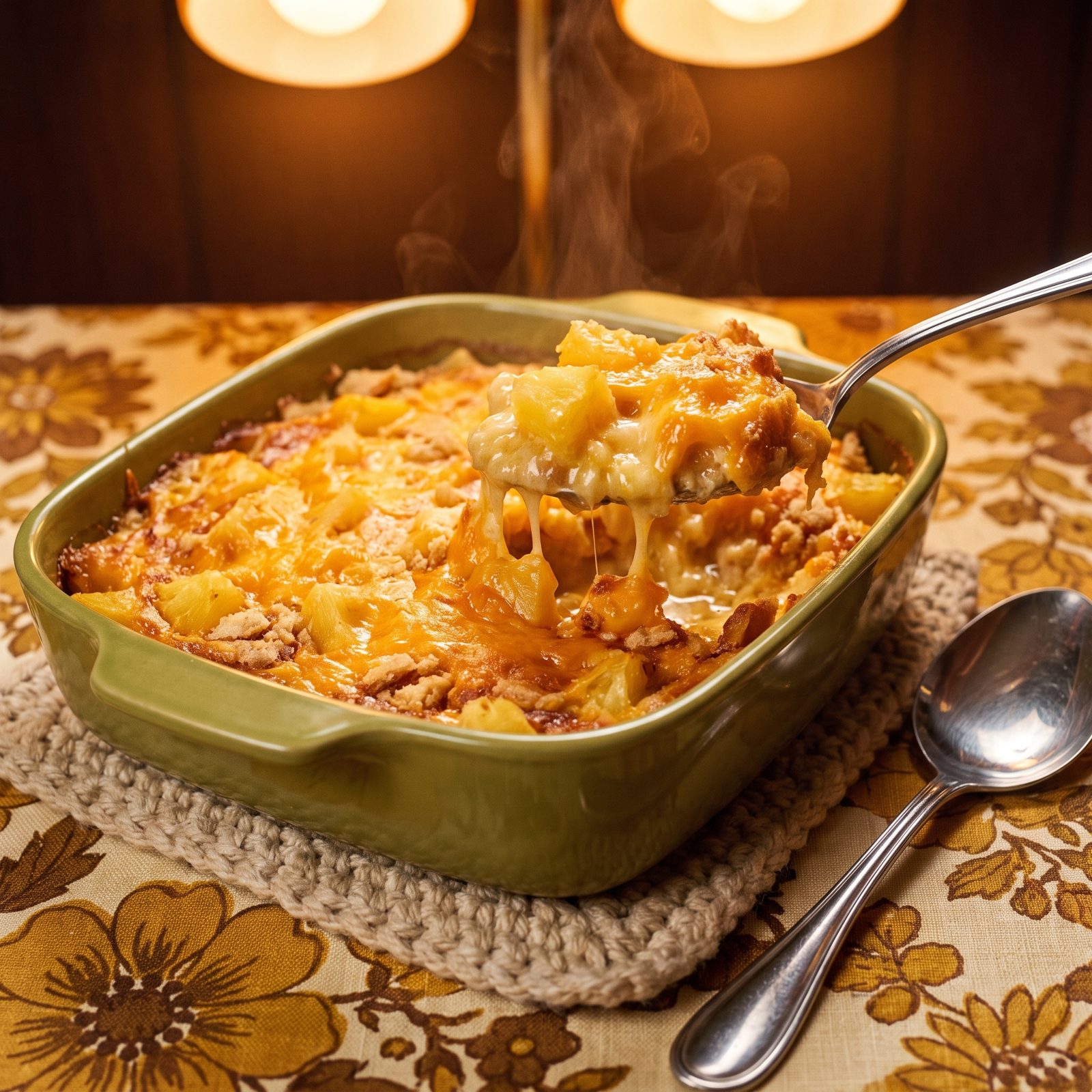
Sweet pineapple, sharp cheddar, and a buttery cracker crumb crust. It sounds like a mistake and tastes like the reason nobody threw the recipe card away.
Canned pineapple chunks got tossed with sugar, flour, and grated cheddar, then baked under crushed Ritz crackers until the top went golden and the inside turned gooey. It landed somewhere between a side and a dessert, and Southern grandmothers in particular refused to let it go. I’ve watched skeptics take one polite bite and come back for thirds.
9. Baked Acorn Squash Halves Filled With Mincemeat
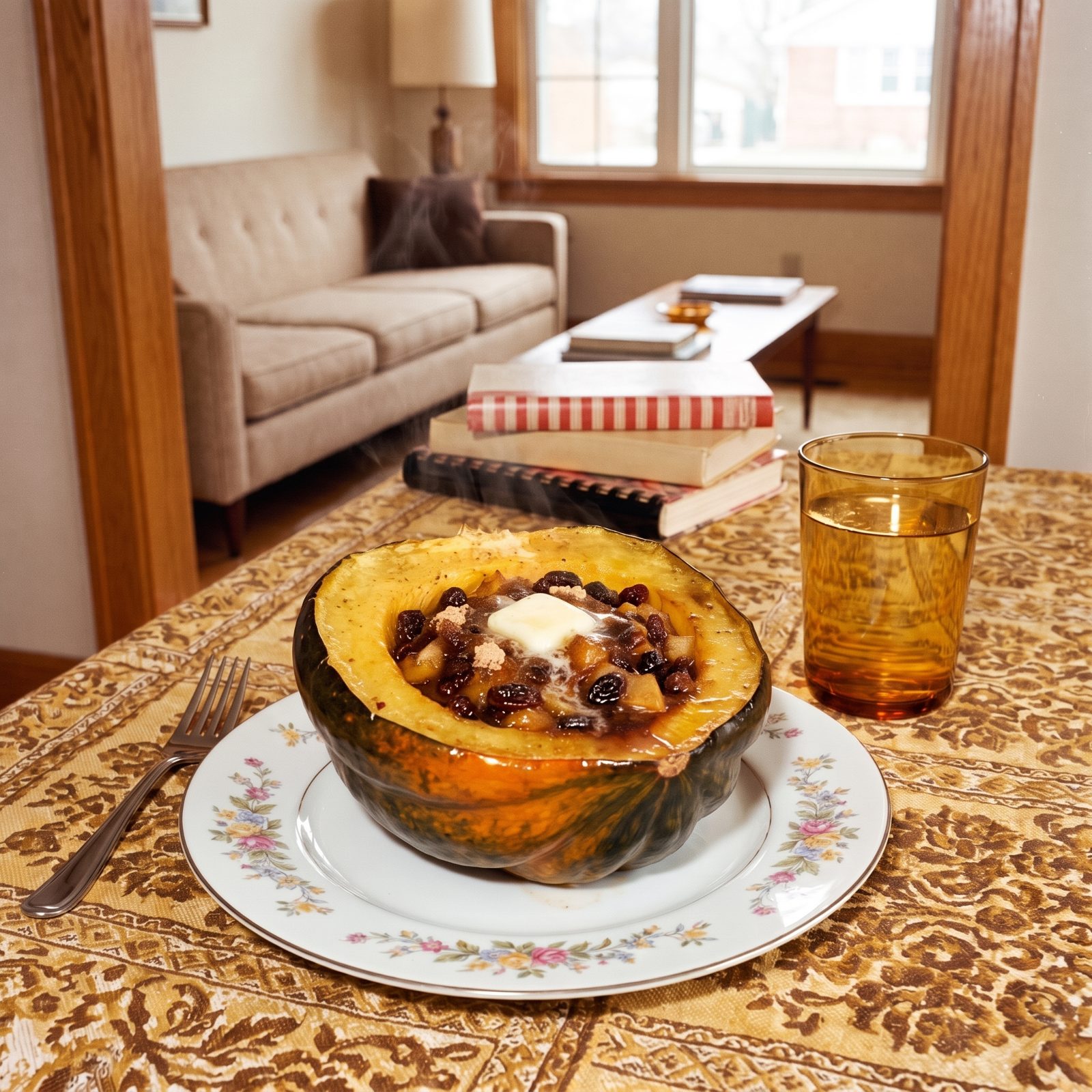
Roasting a squash was easy. Filling its hollow with spiced mincemeat made it a holiday dish.
Acorn squash got halved, seeded, and baked until soft, and each cup was then packed with dark mincemeat and a knob of butter and brown sugar before going back into the oven until glazed. The squash turned sweet, the filling went rich, and one half fed one person as a side that somehow felt like more.
8. Creamed Spinach Crowned With Chopped Hard-Boiled Egg
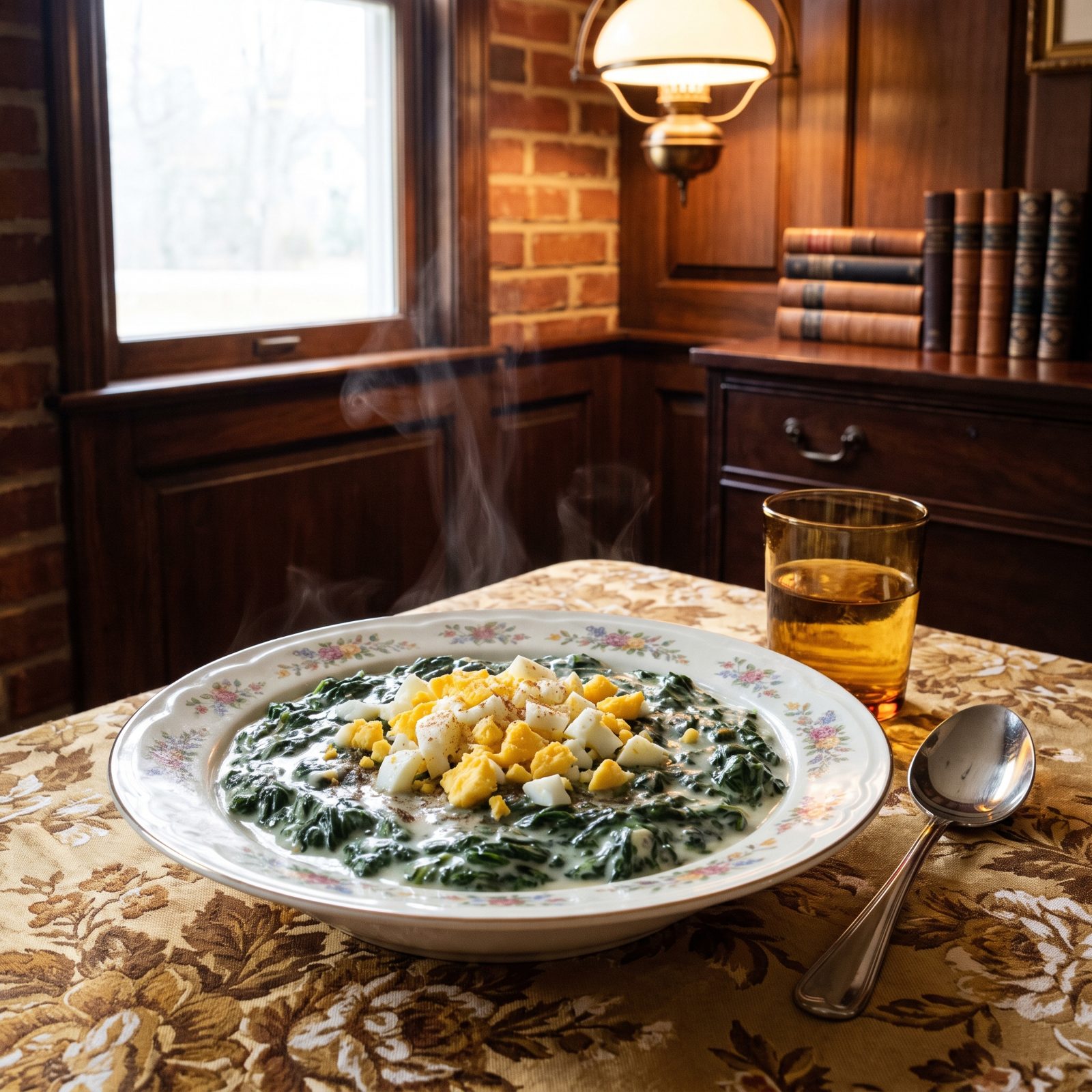
The steakhouse side that used to show up at home. Chopped spinach folded into a thick cream sauce, seasoned with nutmeg, then finished with a shower of chopped hard-boiled egg over the top.
That egg carried the whole presentation, bright yellow and white against the deep green, a little fancy for a Tuesday but right at home on Thanksgiving. It filled the one bowl on the table that wasn’t sweet, orange, or beige.
7. Pumpkin Chiffon Pie, Light as Air
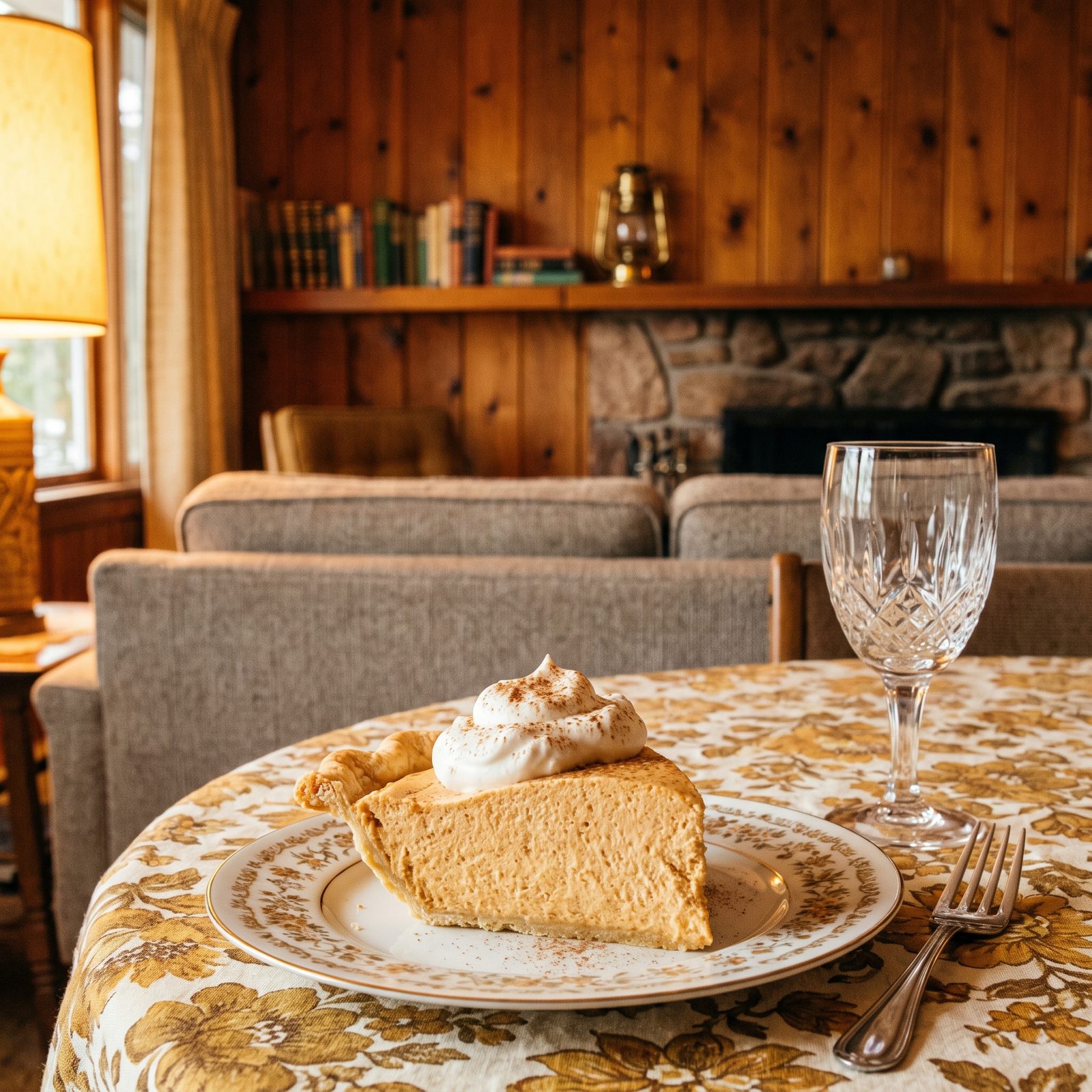
Not the dense wedge of custard everyone knows now. Chiffon pie was pumpkin lightened with beaten egg whites and gelatin, whipped until the filling stood tall and sliced clean.
It was airier, taller, and paler next to the flat orange of a standard pumpkin pie. Making it meant folding whipped egg whites by hand, and the payoff was a slice that felt weightless after a heavy meal. Shame it slipped away. The texture alone earned its place at the table.
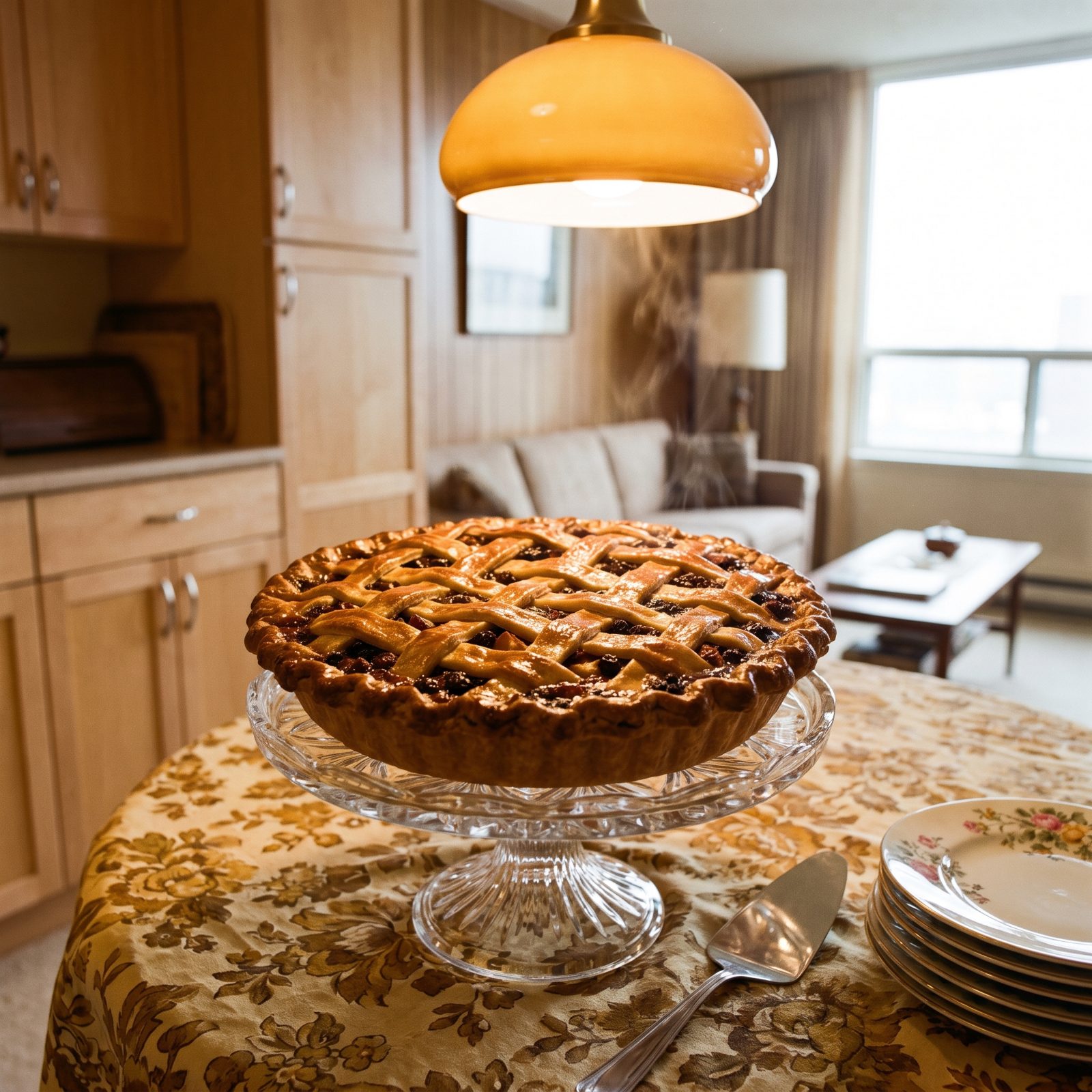
6. Old-Fashioned Mincemeat Pie With a Lattice Top
Would you like to save this?
The pie that used to sit right beside the pumpkin one. Mincemeat filling meant dried fruit, apples, warm spices, and often a splash of brandy, all of it dark and dense under a golden lattice.
Every family had someone who insisted on it and someone who wouldn’t come near it. The smell coming out of the oven was pure holiday, all cinnamon and clove. Store-bought jars made it easy, which kept the pie going long after most people stopped simmering the filling from scratch.
5. Mock Apple Pie Made Entirely From Crackers
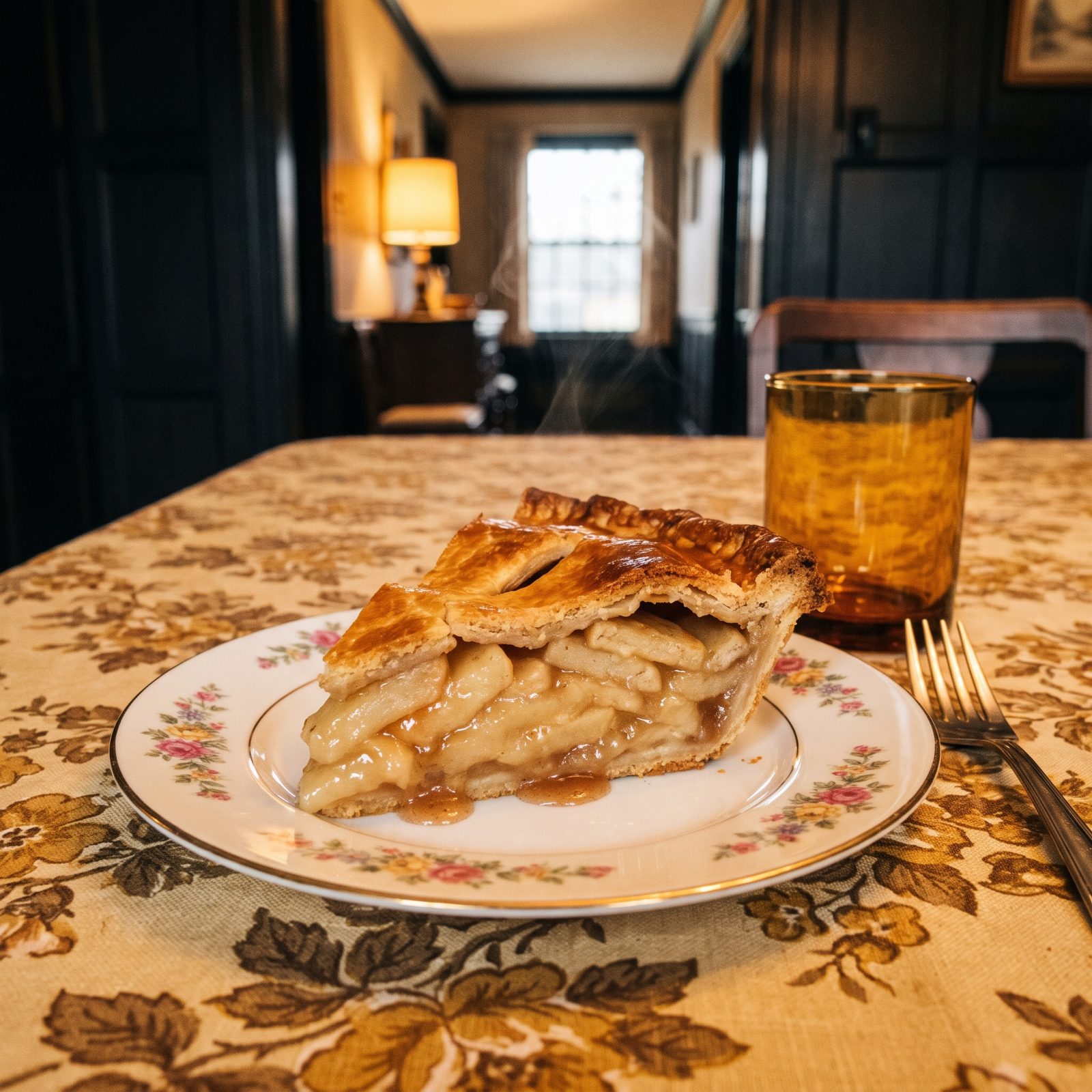
No apples. That was the trick, and it fooled more guests than anyone admits.
Ritz crackers got simmered in a cinnamon-sugar syrup spiked with cream of tartar and lemon, then baked in a double crust until the filling took on the look and soft bite of cooked apple slices. Born out of Depression-era thrift, it hung around because it genuinely tasted like apple pie and cost almost nothing to throw together.
You’d cut a slice, watch someone take a bite, then tell them what it really was. The face they made was the whole reason to serve it.
4. Persimmon Pudding With Hard Sauce, Spooned From the Cut-Glass Bowl
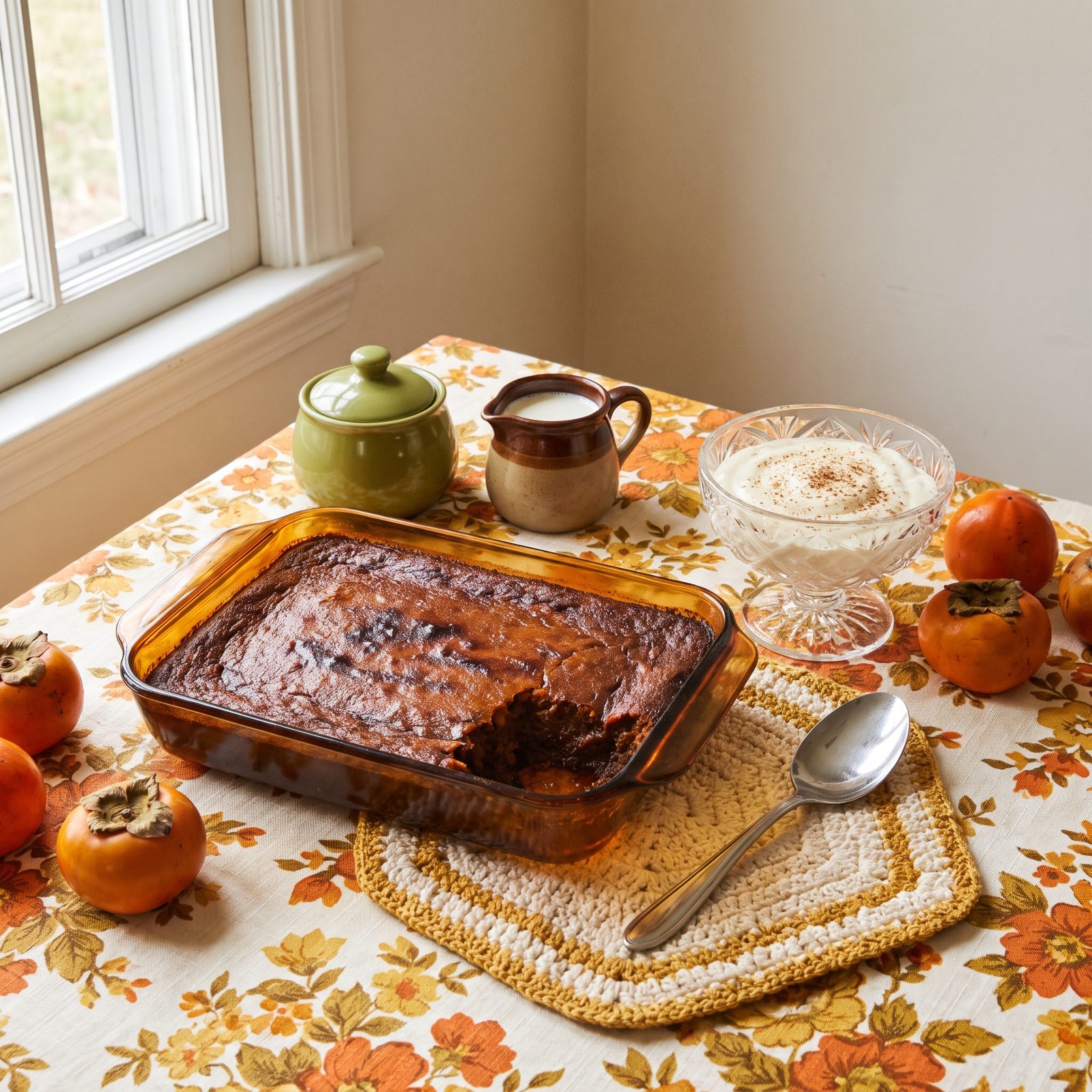
Persimmon pudding was the dessert that showed up when someone in the family had a tree. Not a store buy — a backyard tree that dumped soft ripe fruit every November whether you wanted it or not. The pulp got mashed, folded into a batter heavy with cinnamon and molasses, and baked until the top went dark and glossy.
The hard sauce did the heavy lifting. Butter, powdered sugar, a splash of bourbon or vanilla, whipped stiff and cold so it half-melted the second it hit the warm pudding. You spooned it from the cut-glass bowl, and everyone took more than they’d admit to later.
3. Steamed Indian Pudding, Slow-Baked in the Amber Casserole
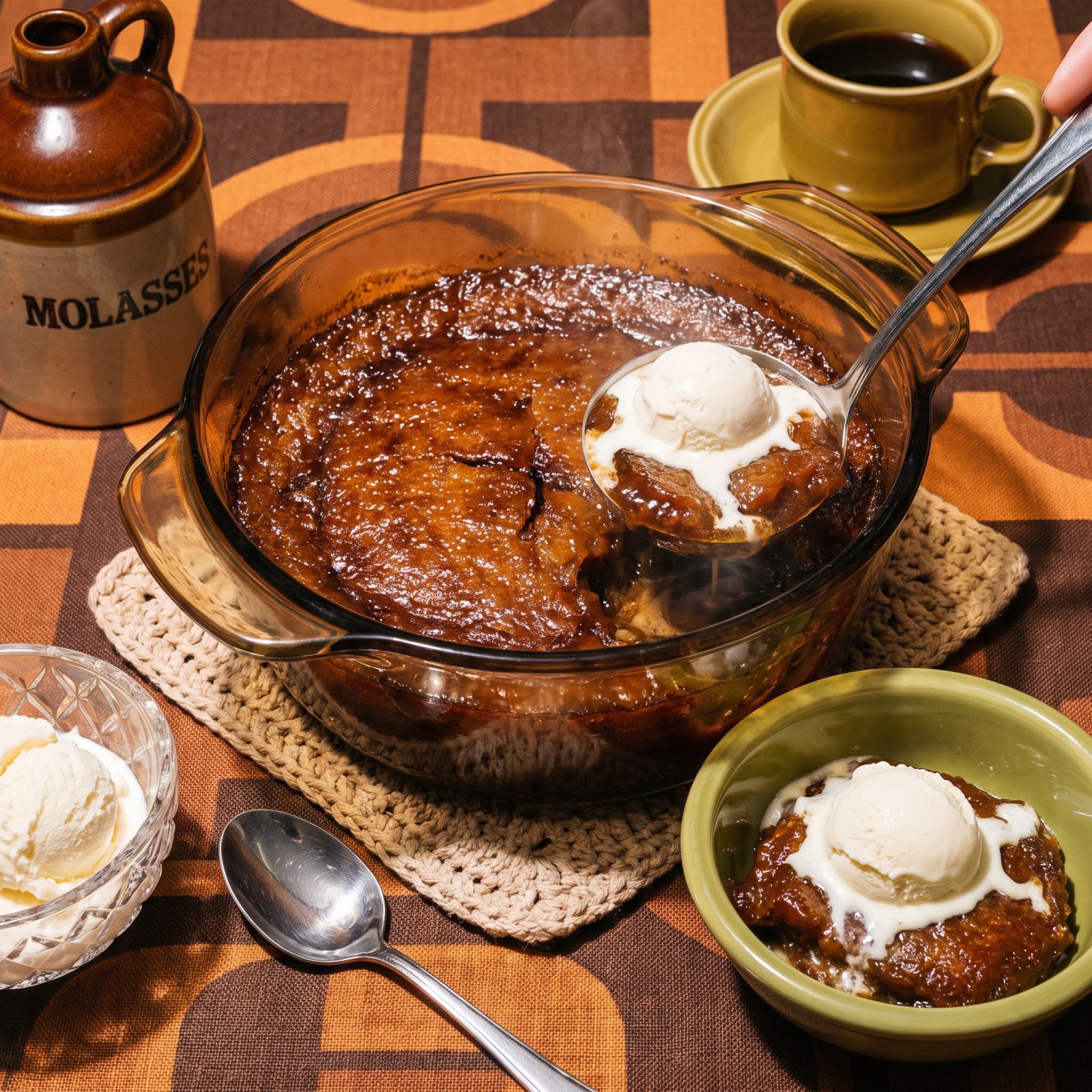
Indian pudding is barely a pudding at all. It’s cornmeal and molasses cooked so slow and so long the oven basically forgets about it — old New England recipes ran four or five hours, and you ate it warm, with a scoop of vanilla ice cream collapsing into the dark surface.
By 1975 most people met it at a restaurant, not at home. Durgin-Park in Boston kept it on the menu for generations, and half of New England considered that the official version. Making it yourself meant committing your oven for the whole afternoon.
The flavor is molasses first, corn second, a little ginger underneath. Not sweet the way a modern dessert is sweet. It tastes like something your great-grandmother would have recognized on sight, which is exactly why it faded.
2. Nesselrode Pie With Chestnut Purée, The Fancy One From the Bakery
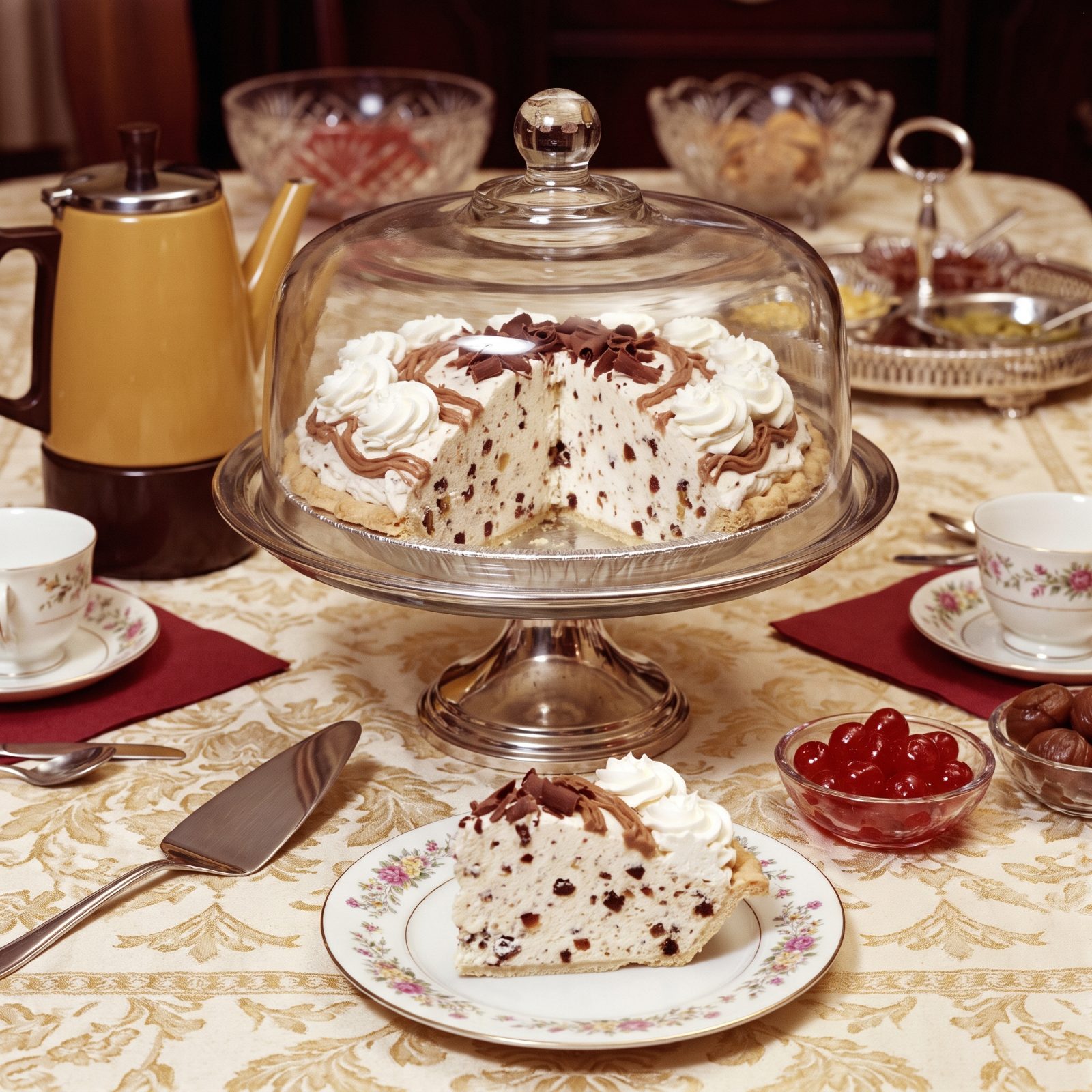
Nesselrode pie was the dessert you didn’t make. You bought it, from a good bakery, in a white box tied with string, and it sat in the fridge like a small event.
The filling is a cold chiffon spiked with chestnut purée, candied fruit, sometimes rum, folded light and set soft. In New York it was practically a status symbol through mid-century, gracing the menus of every fancy dinner. Then chestnut purée got hard to find, the bakeries that made it closed, and the pie vanished so completely that most people under fifty have never even heard the name.
Find one today and it’s usually at some decades-old holdout diner in Brooklyn or Queens. Order the slice. You’re tasting something the city forgot it loved.
1. Plum Pudding Flamed at the Table, The Grand Finale in Brandy
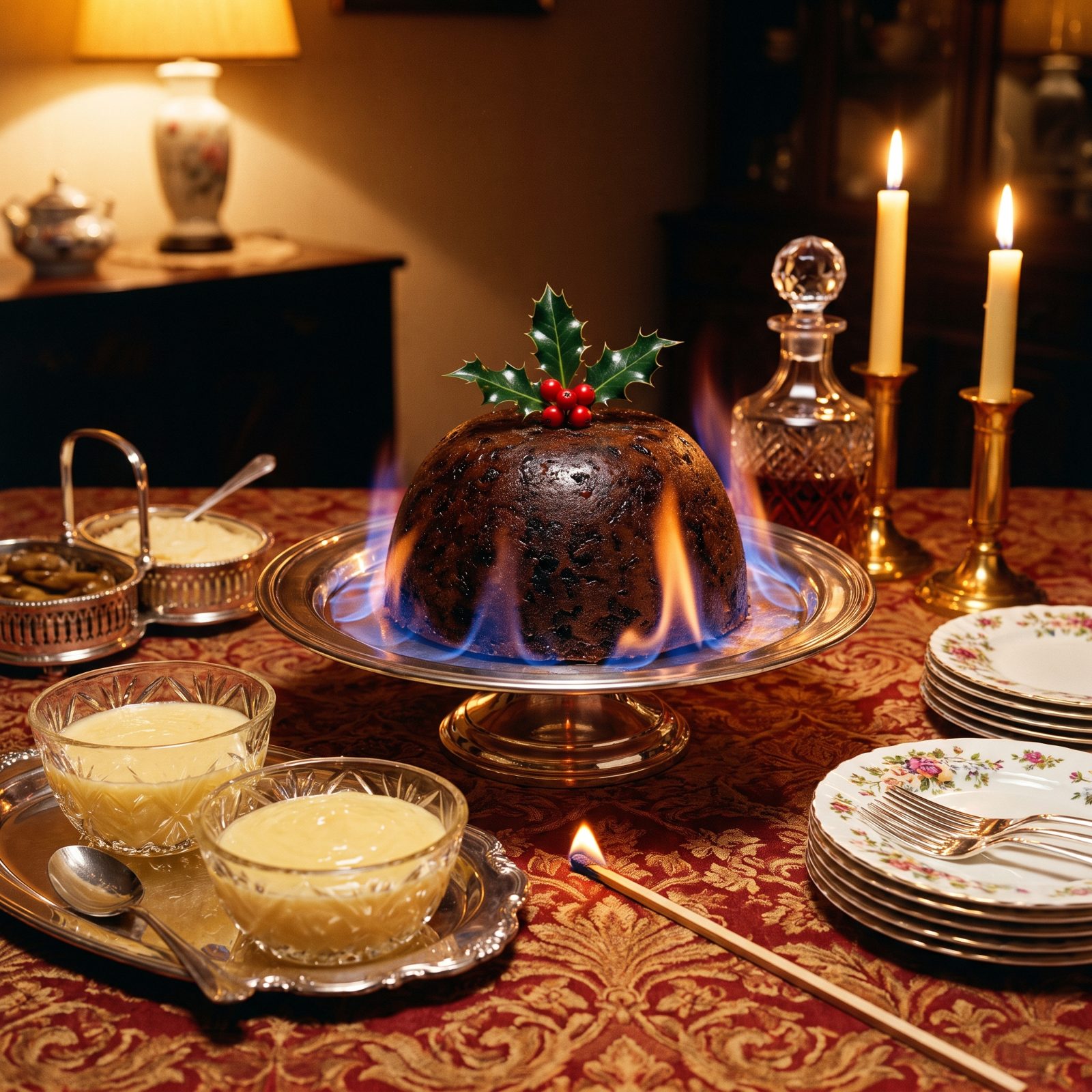
Nothing else on the table got a lighting cue. Somebody dimmed the lamps, warmed a spoonful of brandy, poured it over the pudding, and touched a match to it. The whole dome went up in a low blue flame while the kids leaned in and the adults pretended they weren’t nervous about the tablecloth.
The pudding itself was a project — fruit, suet, spice, steamed for hours weeks ahead and fed brandy right up until Thanksgiving or Christmas. More British than American, sure. But plenty of families kept it going as the one showpiece dessert of the year.
The flame lasted ten seconds. Everyone remembered it for fifty years.
Served with hard sauce or brandy butter melting into the warm slices. It faded because nobody wanted to babysit a steaming pudding for six hours, and honestly, fair enough. But the flame was a moment. We don’t set much on fire at dinner anymore.