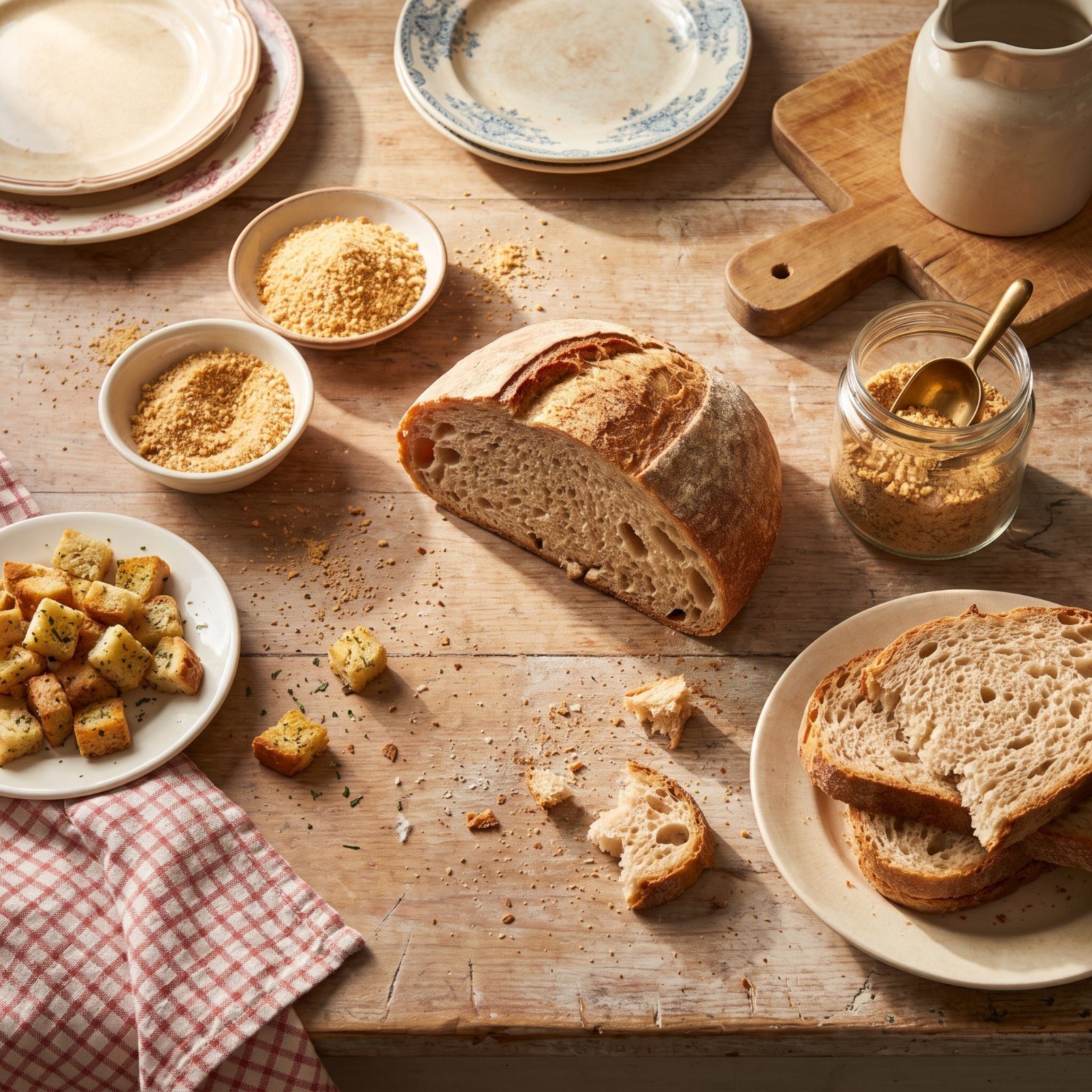
That heel of bread gone hard as a hymnbook in the back of the box isn’t garbage. For most of human history, nobody threw bread away — they soaked it, baked it, fried it, crumbed it, and turned yesterday’s loaf into tonight’s supper. Grandmothers who raised families on a budget knew every trick on this list. The recipes below rescue dry, forgotten bread and send it back to the table as custard, crouton, stuffing, and more. Save a dollar, save a loaf, and eat better doing it.
Please note that some of the images in this article were created with the assistance of AI.
49. Soak It for Custardy French Toast
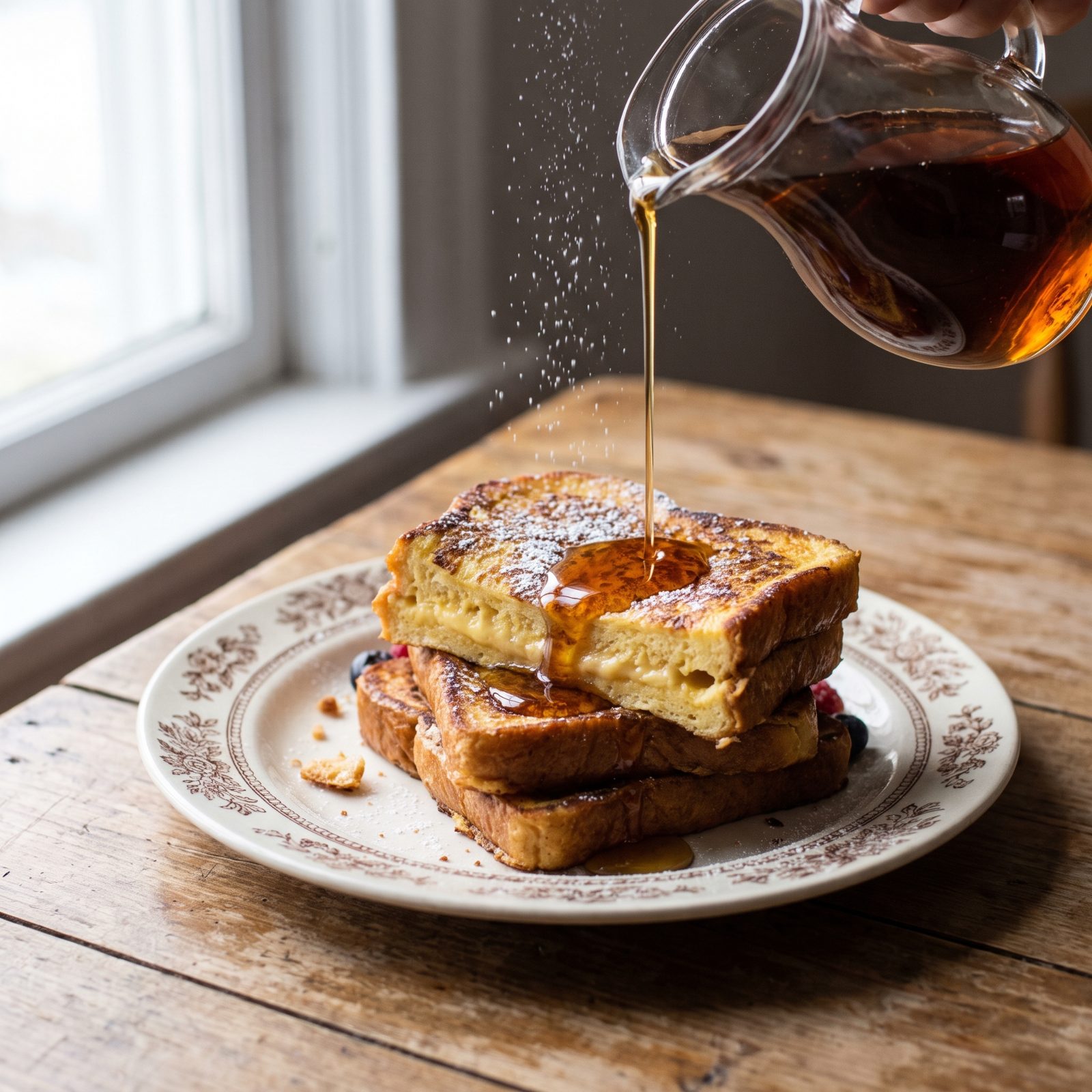
Fresh bread makes lousy French toast. It turns to mush the second it hits the egg. Stale bread is the whole secret — dry crumb drinks up the custard without collapsing, and that’s exactly what you want.
Whisk two eggs with a half cup of whole milk, a splash of vanilla, and a pinch of cinnamon. Soak thick slices thirty seconds a side, no longer. Fry in butter over medium heat until the edges go lacquered and brown, about three minutes per side. Thick-cut day-old brioche or Texas toast is best, but any firm slice works.
48. Bake a Raisin-Studded Sweet Bread Pudding
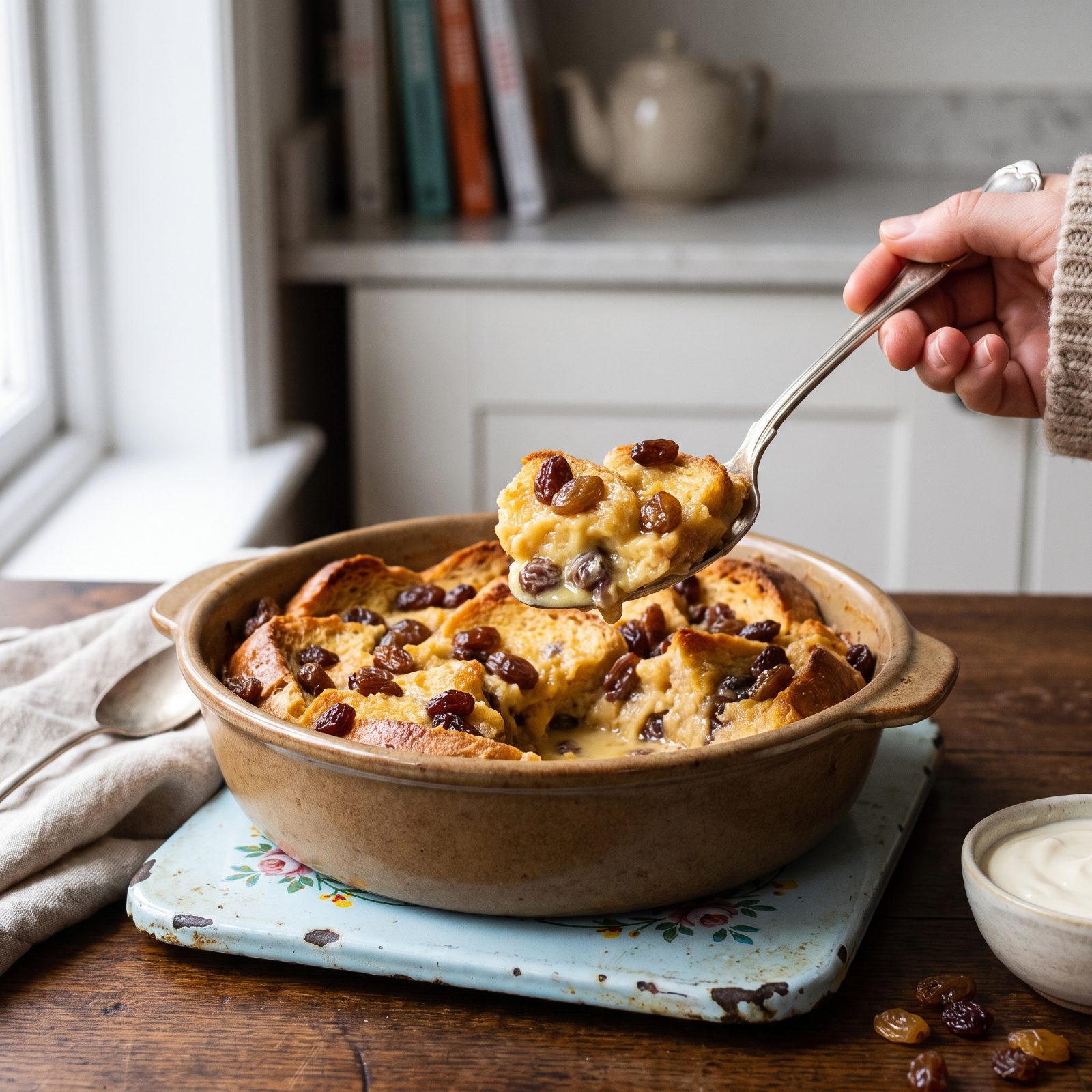
Bread pudding is the dessert that exists only because somebody refused to toss the loaf. Depression kitchens ran on it. So did Sunday suppers in a hundred church-basement cookbooks.
Tear six cups of stale bread into a buttered dish. Whisk three eggs, two cups of milk, a half cup of sugar, vanilla, and a handful of raisins, then pour it over and let it sit twenty minutes so the bread soaks through. Bake at 350°F for about 45 minutes until the top is set and brown and the middle still has a gentle wobble.
47. Turn It Into Oven-Dried Breadcrumbs
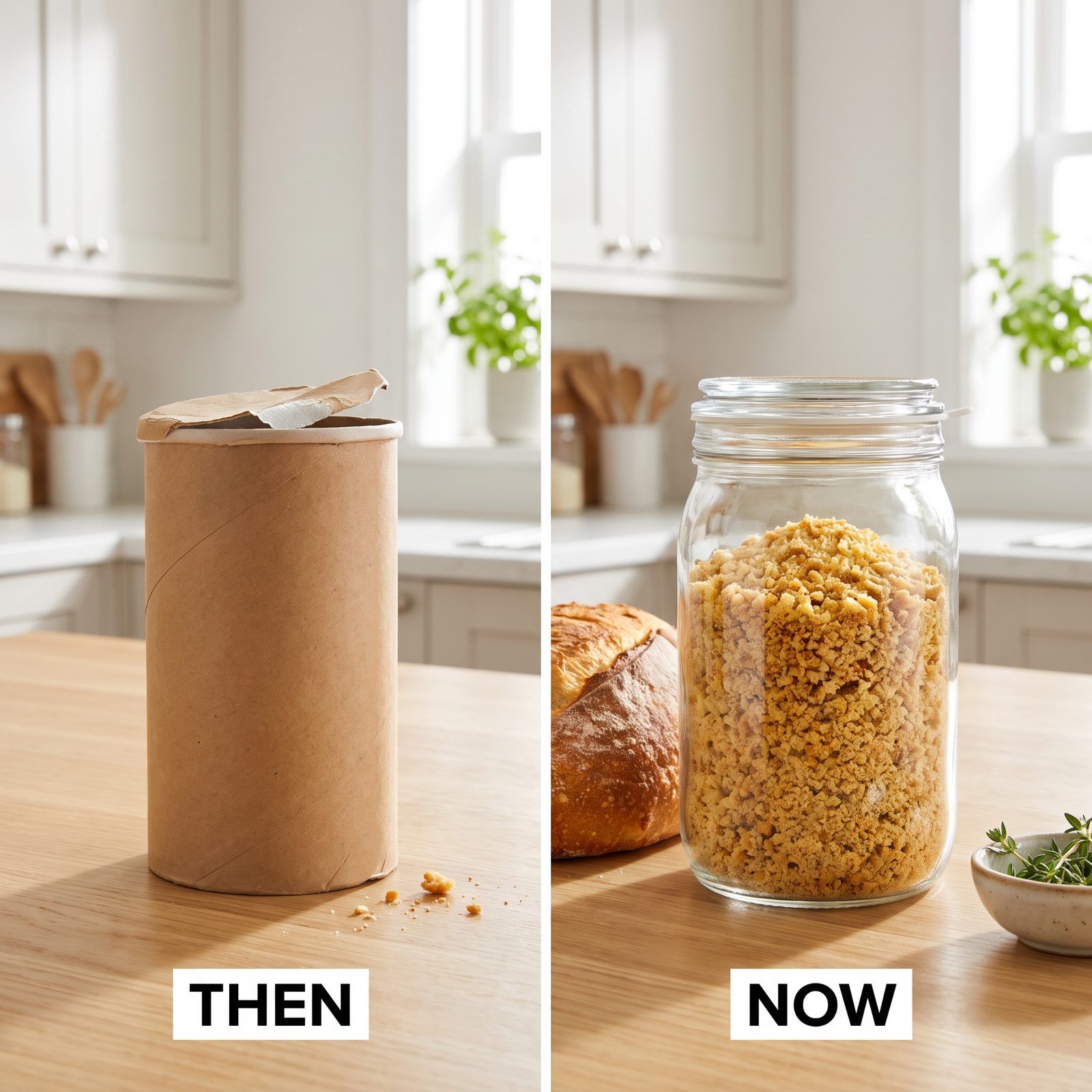
You’ve been buying little cardboard cans of breadcrumbs this whole time while the raw material sat going hard on your counter. I did too, for years. Felt silly once I figured it out.
Cut stale bread into chunks, spread on a sheet pan, and bake at 300°F for 15 to 20 minutes until bone dry and lightly tanned. Cool, then blitz in a food processor or crush in a bag with a rolling pin. Store in a jar in the pantry for weeks, or the freezer for months. Season a batch with salt, garlic powder, and dried parsley for an Italian-style crumb.
46. Toast It Into Herbed Croutons
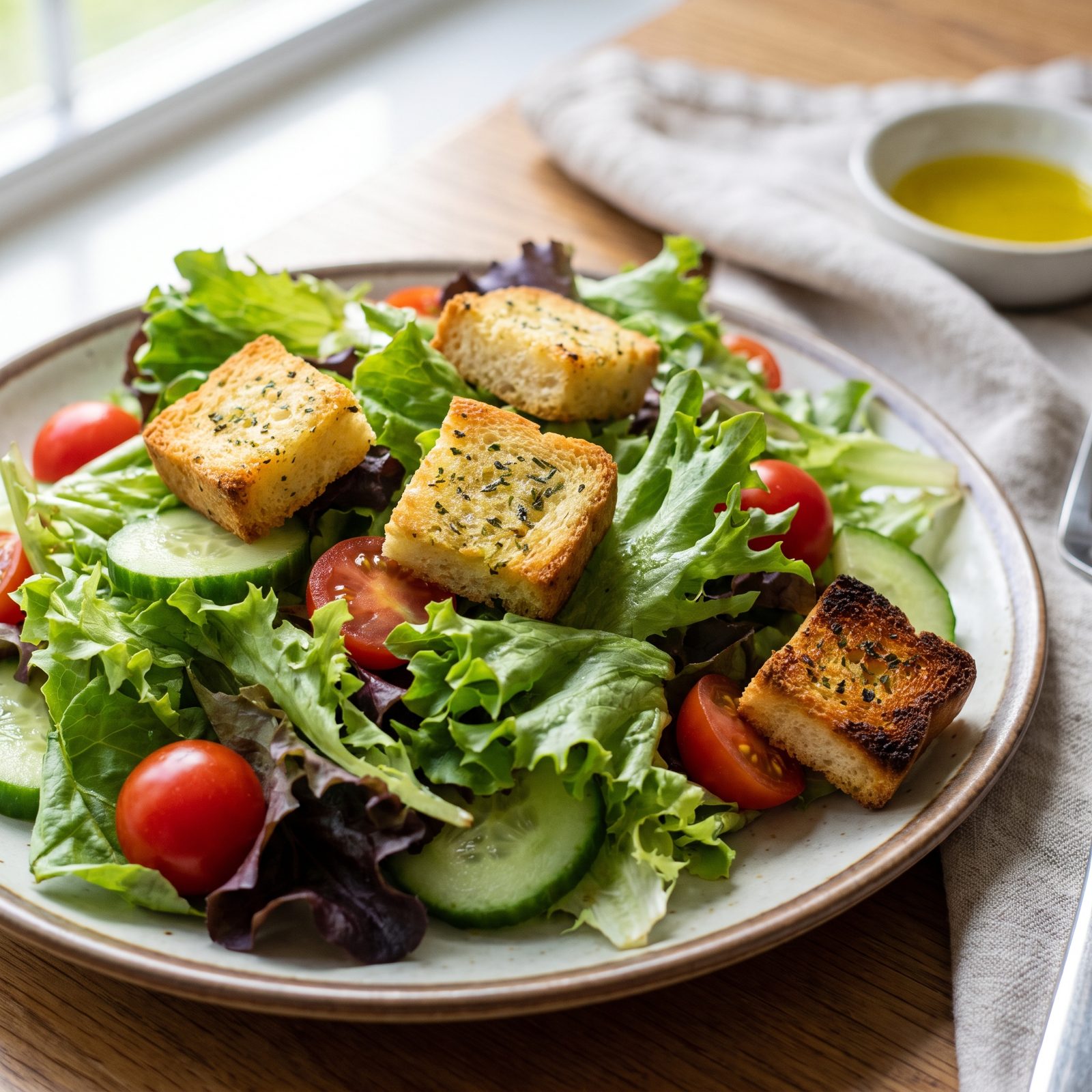
Store croutons rattle in the box like gravel and taste about the same. Homemade ones put them to shame, and they cost you nothing but a stale loaf and ten minutes.
Cube the bread, then toss with olive oil, salt, garlic powder, and dried herbs until every piece is coated. Spread on a sheet pan and bake at 375°F for 12 to 15 minutes, shaking once halfway, until golden and crisp through. Let them cool before they hit the salad so they stay crunchy.
45. Pile It With Tomatoes for Bruschetta
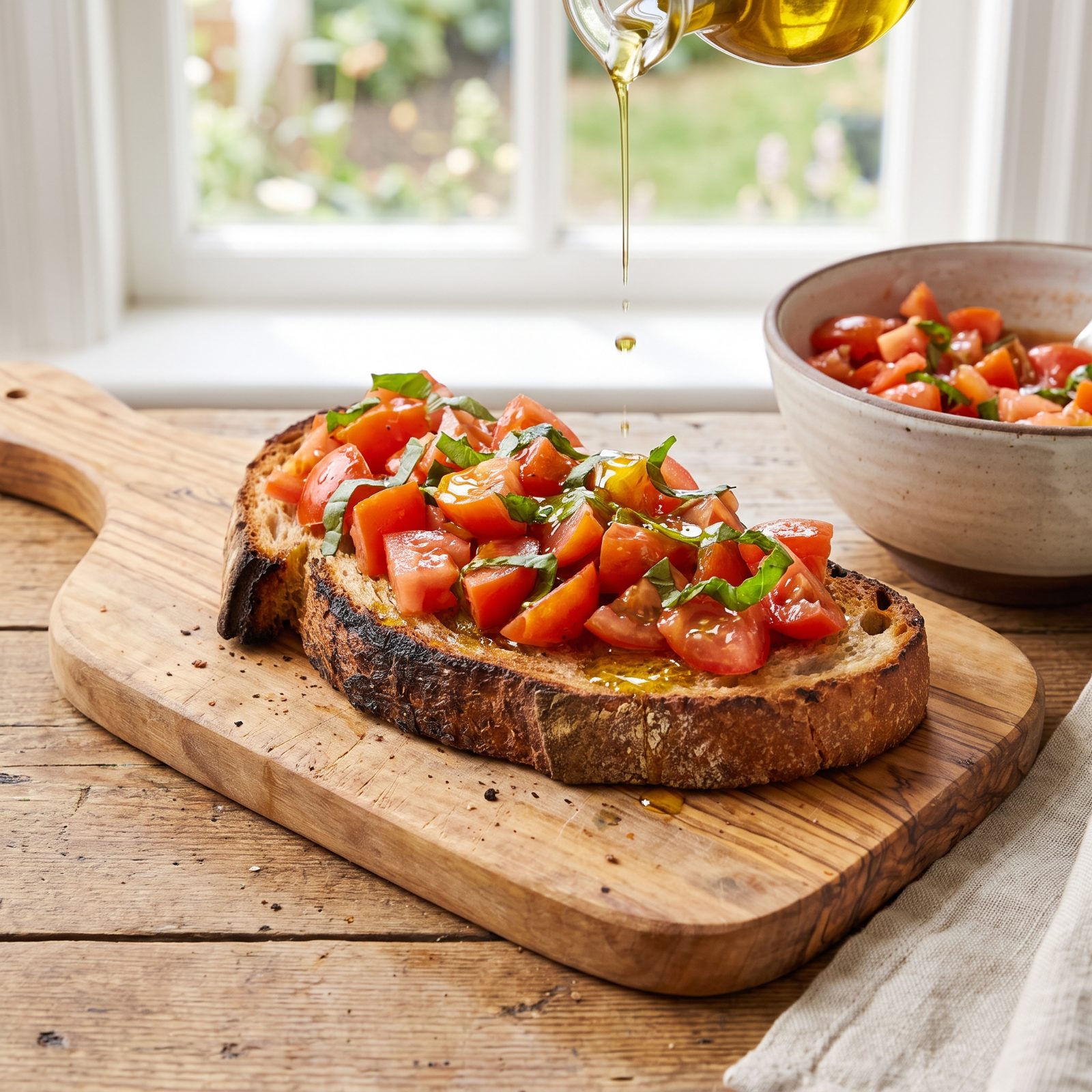
Bruschetta was never fancy. It started as a way for Italian farmers to use bread that had gone firm, grilled over coals and rubbed with garlic. The tomatoes came later, when somebody got lucky with the garden.
Slice stale bread, grill or broil it until it chars at the edges, then rub each piece with a raw garlic clove while still hot. Top with ripe tomatoes diced and tossed with olive oil, basil, and salt. The dry bread drinks up the tomato juice without going to pieces. A fresh slice would surrender in seconds.
44. Bring Back Old-Fashioned Milk Toast
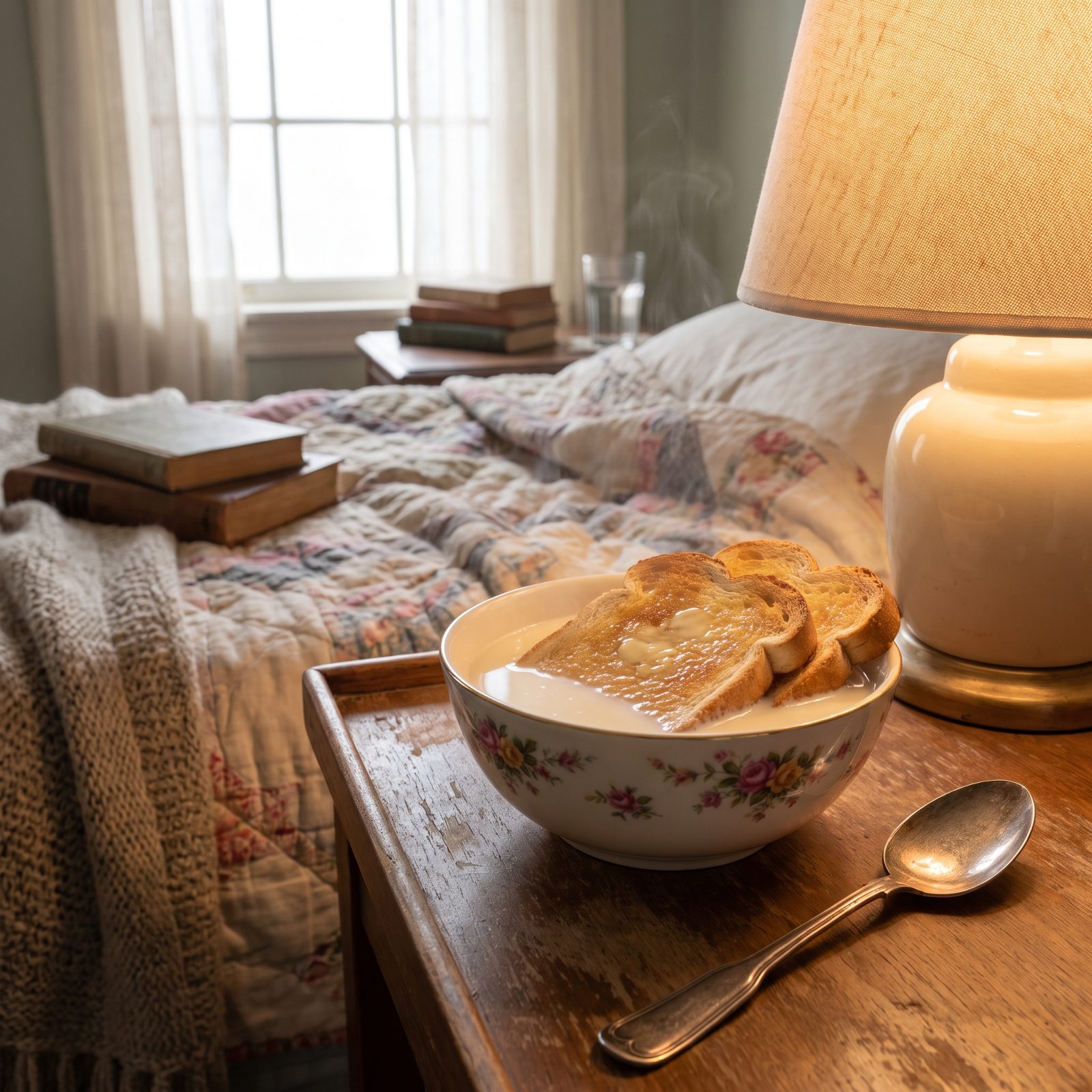
Ask anyone over seventy about milk toast and watch their face change. It was the thing Grandma made when you were sick, or when money was tight, or when there was simply nothing else in the house. Plain, warm, and strangely comforting.
Toast stale bread until deeply golden, butter it, and set it in a bowl. Pour over hot milk that’s been gently warmed with a pinch of salt. Finish with sugar and cinnamon if you want it sweet, or just butter and pepper if you want it savory. Eat it with a spoon. Humble food — and it still works.
43. Cut an Egg-in-a-Hole Breakfast
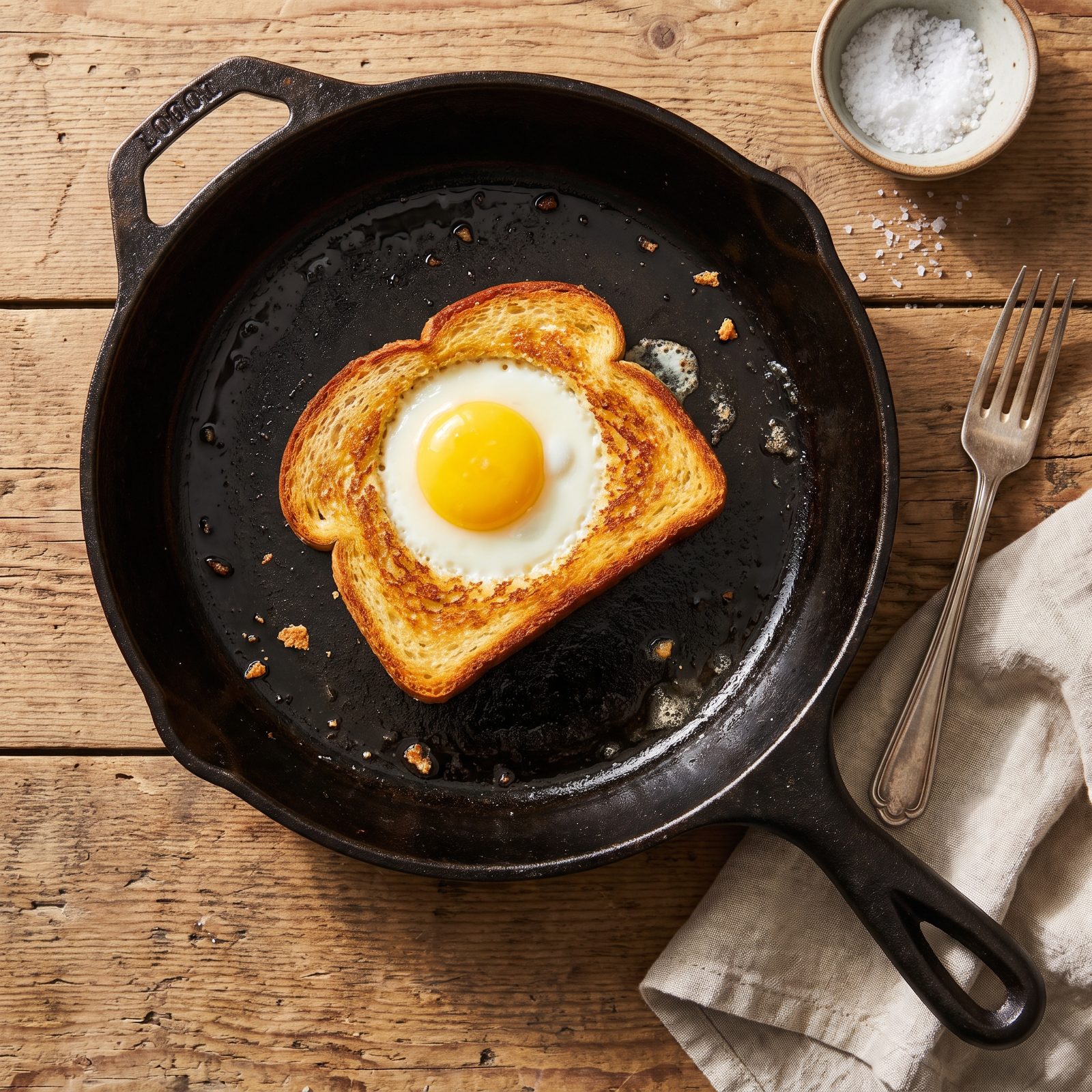
It goes by a dozen names: egg in a basket, toad in the hole, one-eyed Jack. The idea’s the same everywhere — a slice of bread, a hole in the middle, an egg cooked right inside it.
Cut a circle out of the center of a stale slice with a glass or biscuit cutter. Butter the bread, lay it in a hot skillet, crack an egg into the hole, and cook until the bottom browns. Flip it, finish the other side, and fry the little cut-out circle alongside for dipping. Stale bread holds its shape in the pan where fresh bread tears.
42. Build a Sweet-and-Savory Monte Cristo
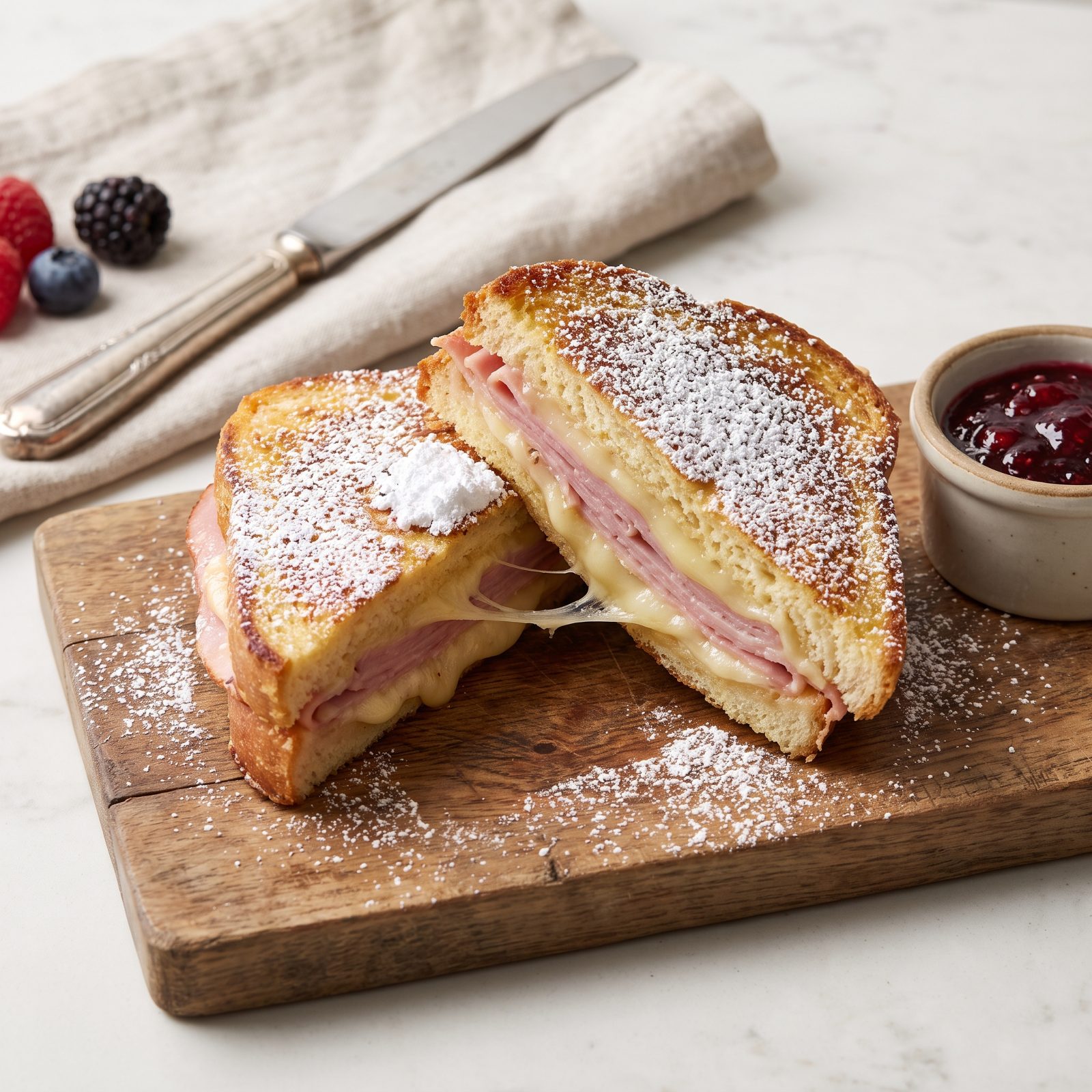
The Monte Cristo is a ham-and-cheese sandwich that went to finishing school. Dip the whole thing in egg like French toast, griddle it golden, then hit it with powdered sugar and a dab of jam. Sweet and salty in the same bite.
Layer ham and Swiss between slices of firm, day-old bread. Dip the built sandwich in beaten egg, then fry in butter until browned and the cheese melts through. Dust with powdered sugar and serve with raspberry jam for dipping. The staleness here is a feature — the bread stays sturdy through both the dip and the fry.
41. Layer a Sausage and Egg Strata
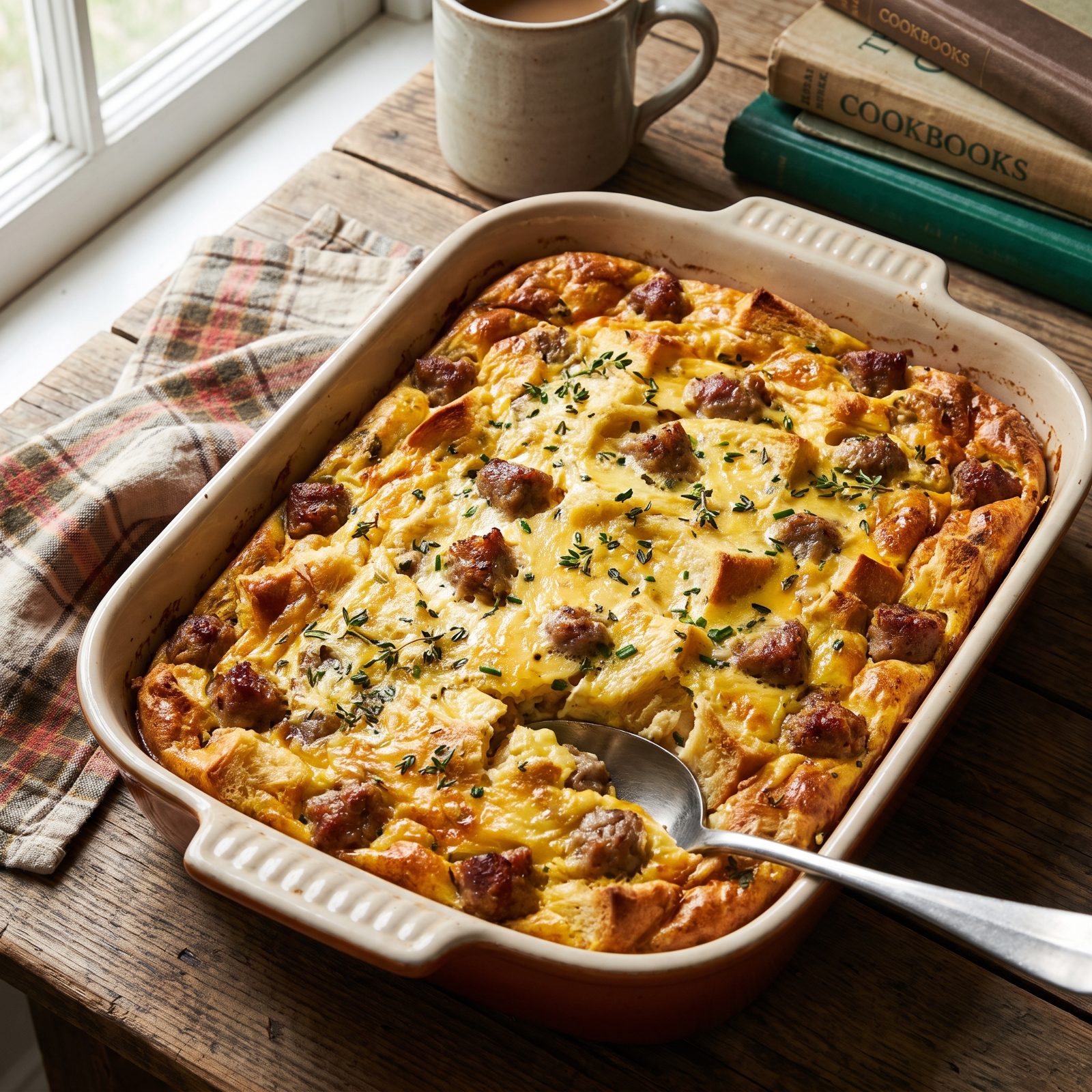
Strata is the dish holiday mornings were built on, because you make it the night before and your stale bread does the heavy lifting while you sleep. It’s a savory bread pudding wearing a breakfast hat.
Layer torn stale bread, browned sausage, and shredded cheese in a buttered dish. Whisk eight eggs with two cups of milk, salt, and pepper, pour it over, cover, and refrigerate overnight. In the morning, bake at 350°F for 45 to 50 minutes until puffed and set in the center. That long soak is what turns dry bread into something tender clear through.
40. Prepare Sage-and-Onion Stuffing
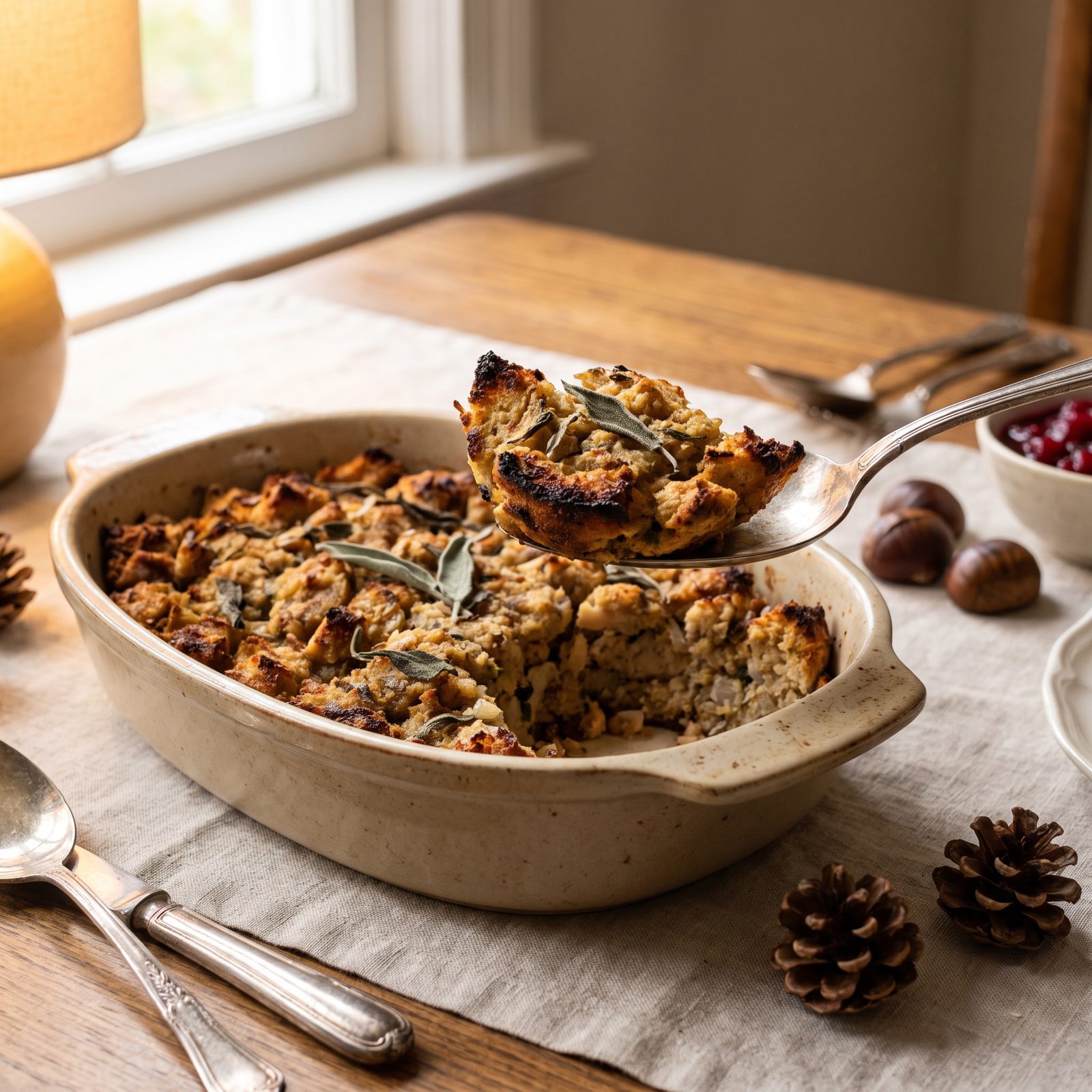
Boxed stuffing is just stale bread somebody else dried and charged you for. You can make the real thing with the loaf already hardening on your counter, and it’ll taste like something that belongs on a holiday table.
Dry cubed bread in a low oven if it isn’t already hard. Sauté chopped onion and celery in plenty of butter with fresh sage, thyme, salt, and pepper. Toss with the bread and enough warm broth to moisten without soaking it to mush. Bake at 350°F for 30 to 40 minutes, covered then uncovered, so the top crisps while the inside stays tender.
39. Toss a Juicy Tomato Panzanella
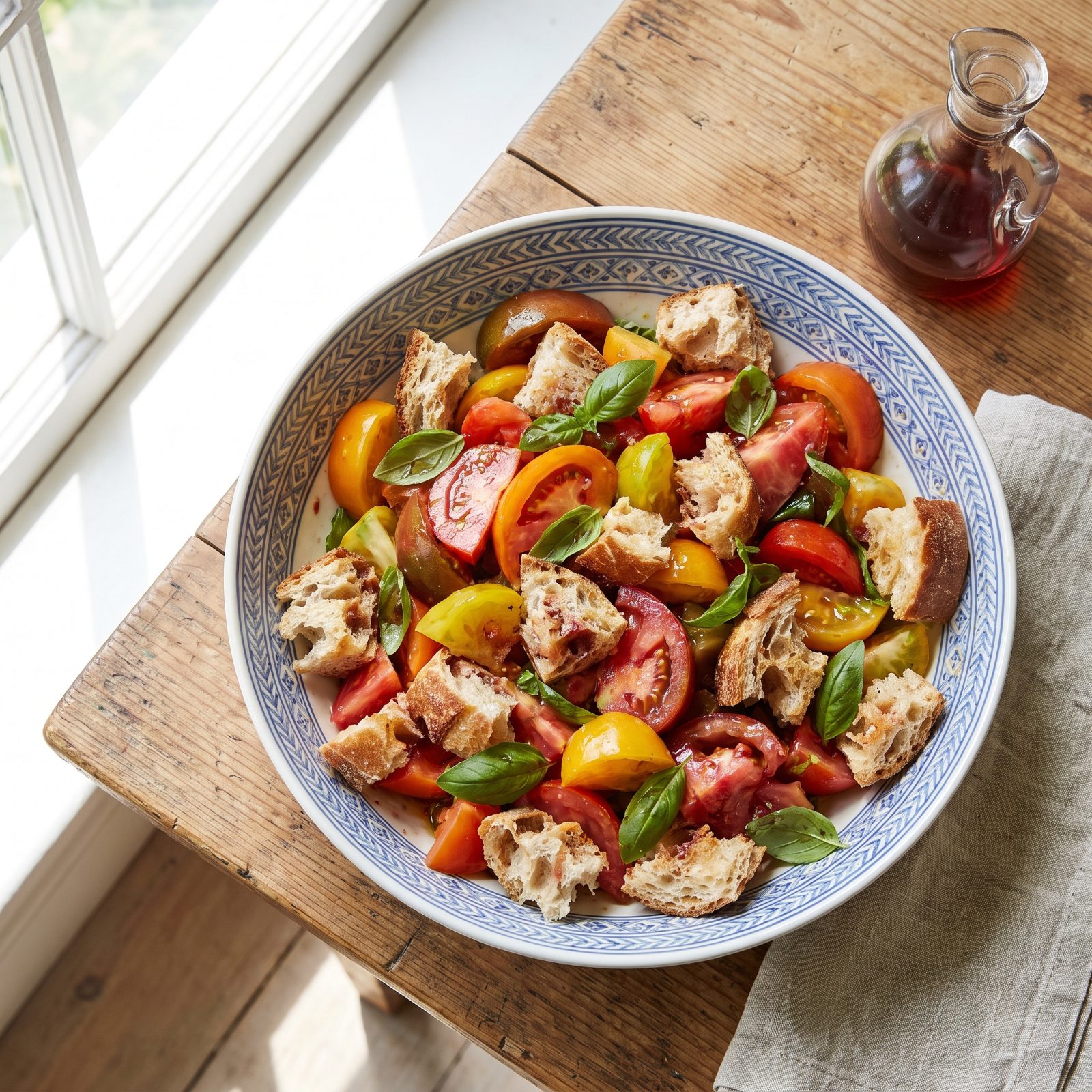
Stale bread is the whole point of panzanella, not a workaround. Fresh bread turns to mush the second it hits the tomato juice, while day-old crust holds its shape, drinks up the oil and tomato water, and keeps a little chew in the middle.
Most people slice fresh bread for this and then wonder why the bowl turns to paste. Use bread that’s two or three days past its best, and tear it into rough chunks rather than neat cubes. Toast them a touch if they’re not quite dry. Then walk away for twenty minutes before you eat so every piece soaks right through.
38. Simmer a Pot of Tuscan Ribollita
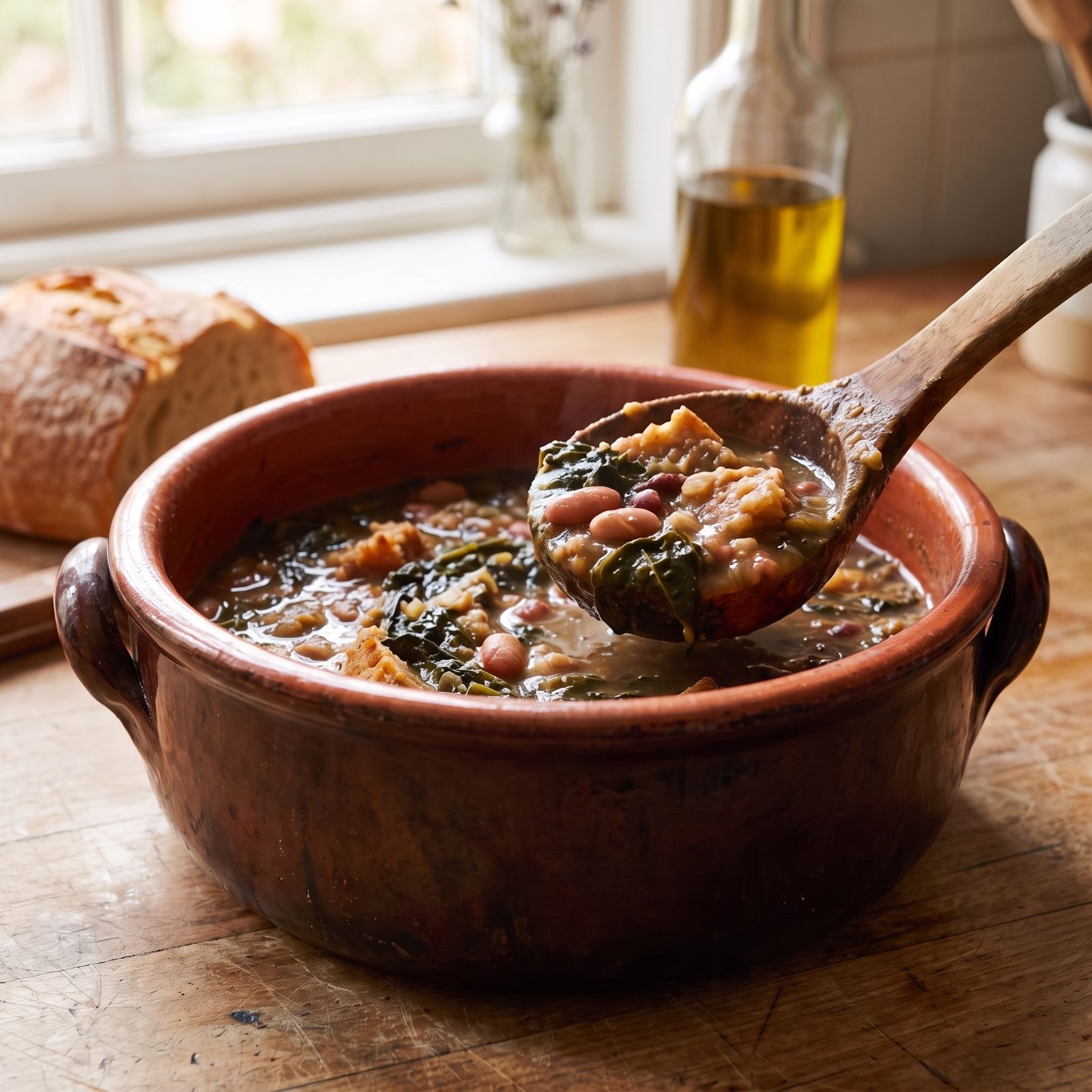
Ribollita literally means reboiled. It was invented to use up yesterday’s minestrone and yesterday’s bread, and that name tells you everything about how old and practical this trick is.
The error is leaving the bread out entirely. Here it goes in as chunky pieces of stale bread stirred right through the pot, where they slowly soak up the broth. You tear up a stale country loaf, drop it into the soup, and let it soften and swell until it melts into the beans and greens, thickening everything as it goes. Cavolo nero, cannellini beans, a little tomato, a long slow simmer. That’s the whole operation.
37. Cook Silky Pappa al Pomodoro
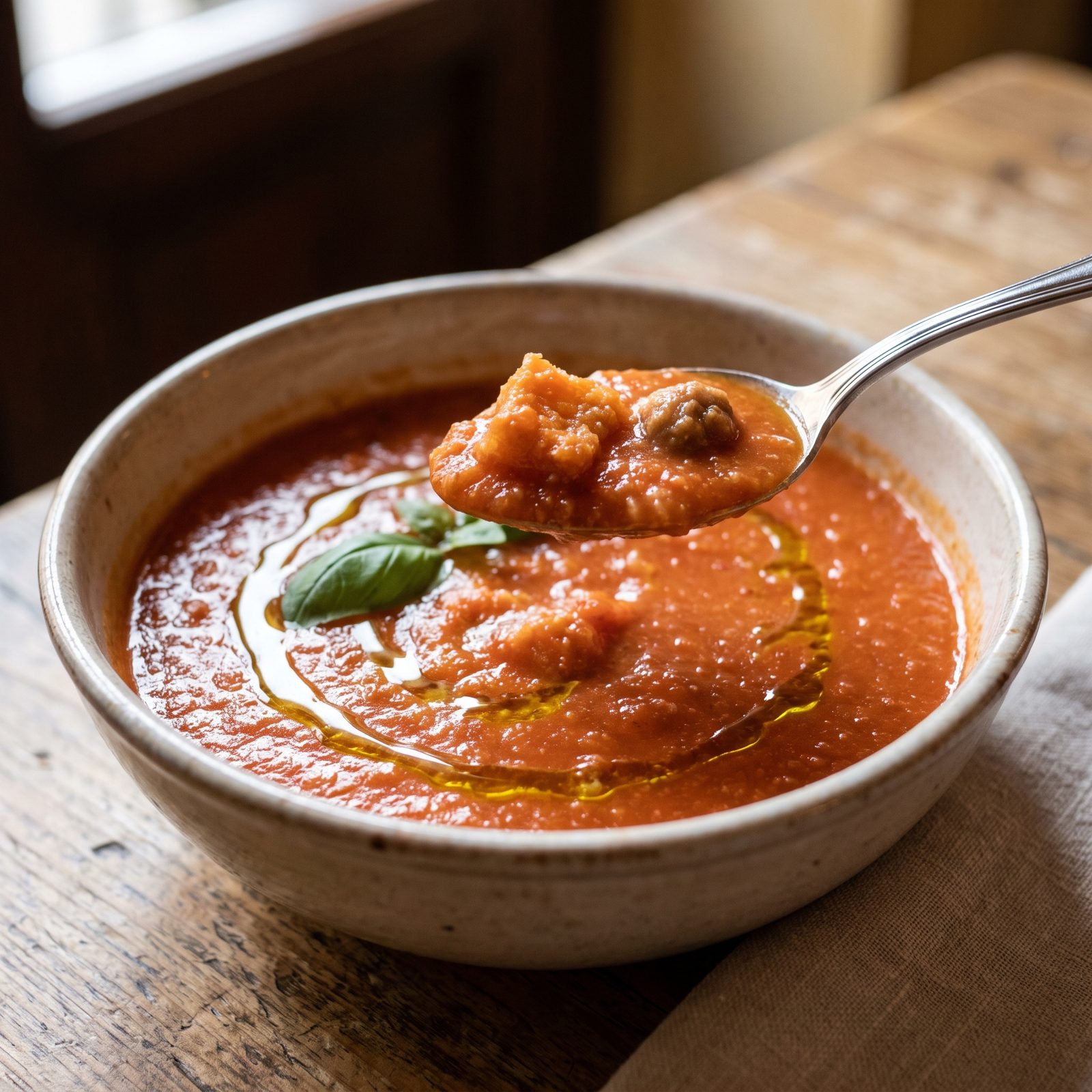
Pappa al pomodoro is panzanella’s warm cousin. Same two ingredients, tomato and old bread, except you cook them instead of tossing, until the whole thing goes soft and thick like a savory porridge.
People reach for fresh bread and then add flour to thicken it, which is backwards. Skip the flour. Stale bread is the thickener. Tear it into good ripe tomatoes, garlic, basil, and a little stock, then cook it down low until the bread breaks apart and the soup turns velvety. Finish with a heavy pour of olive oil off the heat.
Two ingredients, one pot, and a loaf you were about to throw out becomes dinner.
36. Float Cheesy Toasts on French Onion Soup
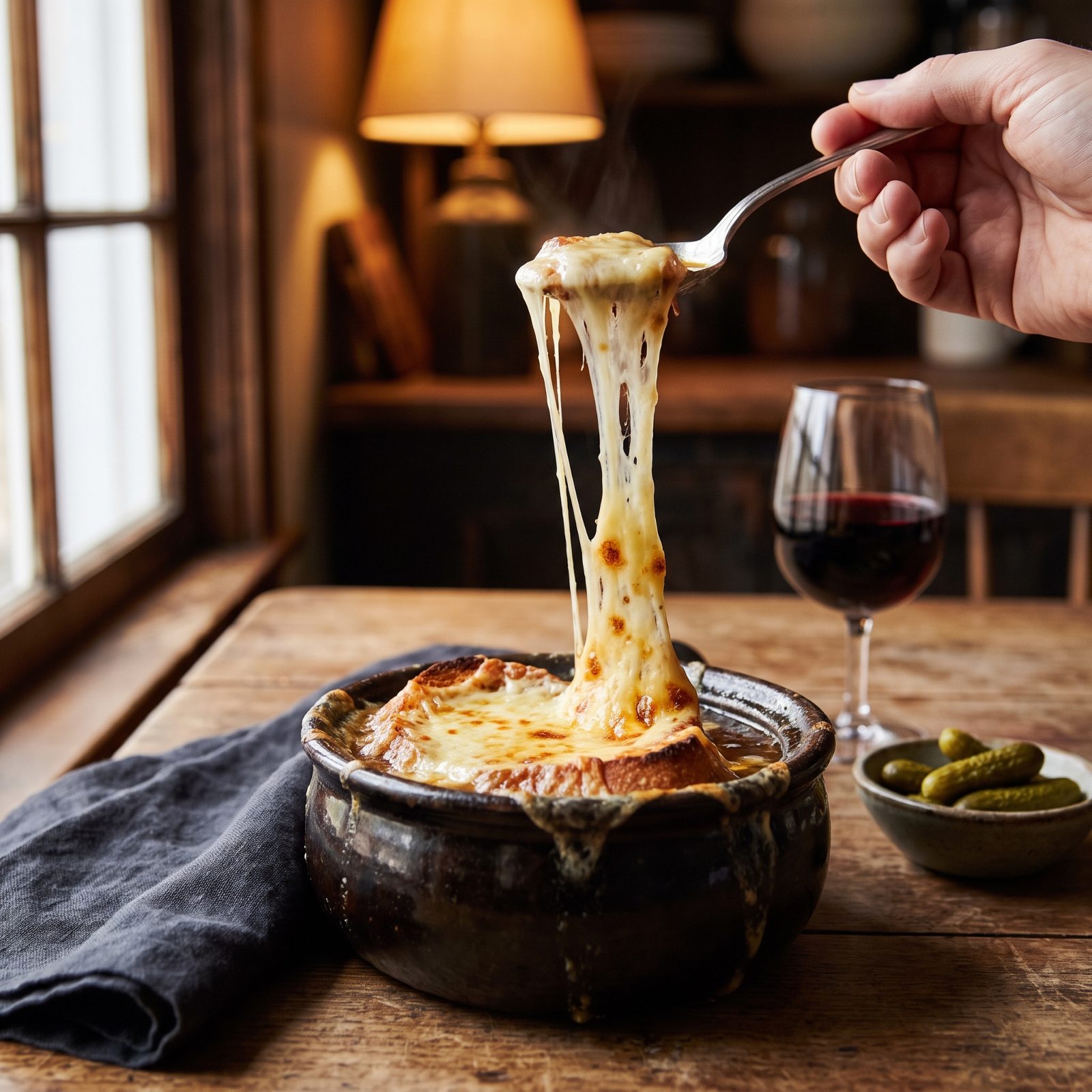
The cheese raft on French onion soup is the best thing in the bowl, and it only works with bread that’s gone hard.
Fresh baguette dissolves into the broth before the cheese even melts. You want a stale slice toasted bone dry so it floats and keeps a backbone under all that Gruyere. Lay the toast on the soup, pile the grated cheese on top, and run the whole crock under the broiler until it blisters and the edges catch.
35. Thicken Spanish Garlic Soup With Bread
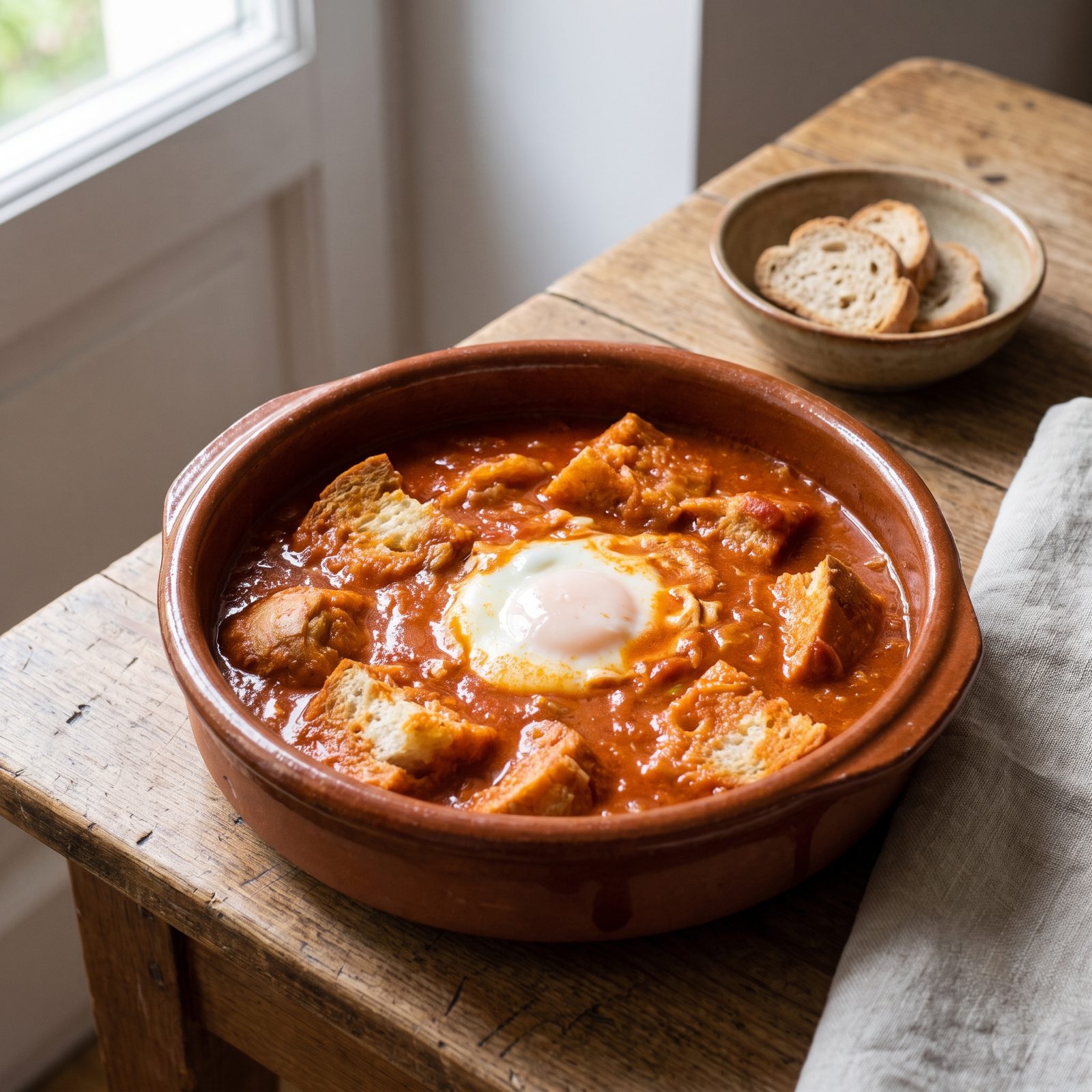
Sopa de ajo was built on almost nothing: water, garlic, paprika, olive oil, and the heel of a loaf gone rock hard. A poor man’s soup that happens to taste like a rich one.
Don’t bother buying anything special. The bread you’d normally bin is the main event here. Fry garlic in good oil, stir in smoked paprika, pour in stock or water, then drop in torn stale bread and let it break down and thicken the broth. Slip in a poached egg at the end and suddenly it’s a proper meal.
34. Blend a Creamy Salmorejo
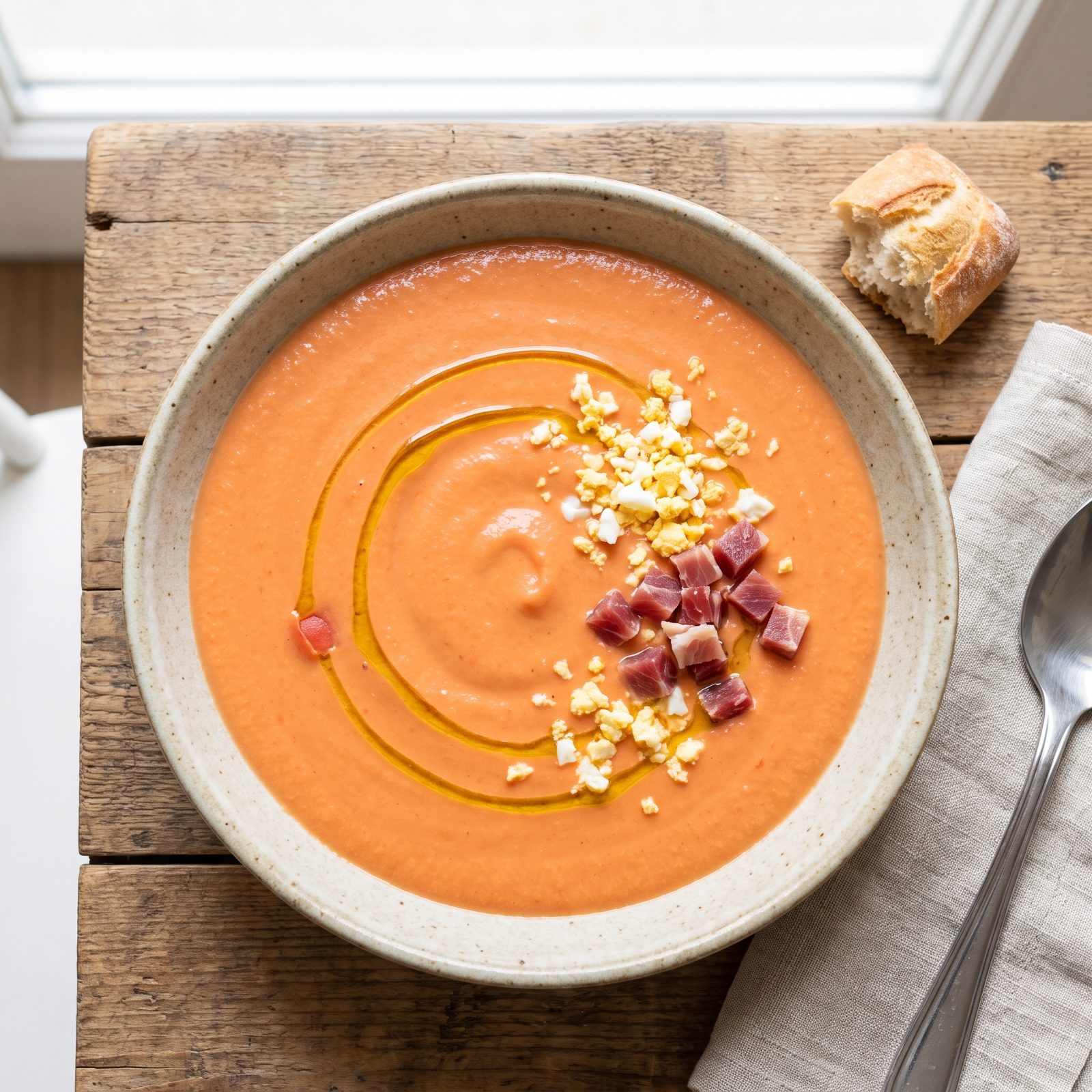
Salmorejo is thicker and richer than its cousin gazpacho, and the reason is bread.
Skimp on it and you’re left with watery tomato juice instead of that dense, spoon-coating cream. So don’t. Soak a generous amount of stale bread, then blend it with ripe tomatoes, garlic, sherry vinegar, and a long steady stream of olive oil until it turns pale orange and glossy. Chill it hard. Top with chopped egg and jamon and you’re done.
33. Make Chilled Almond Ajo Blanco
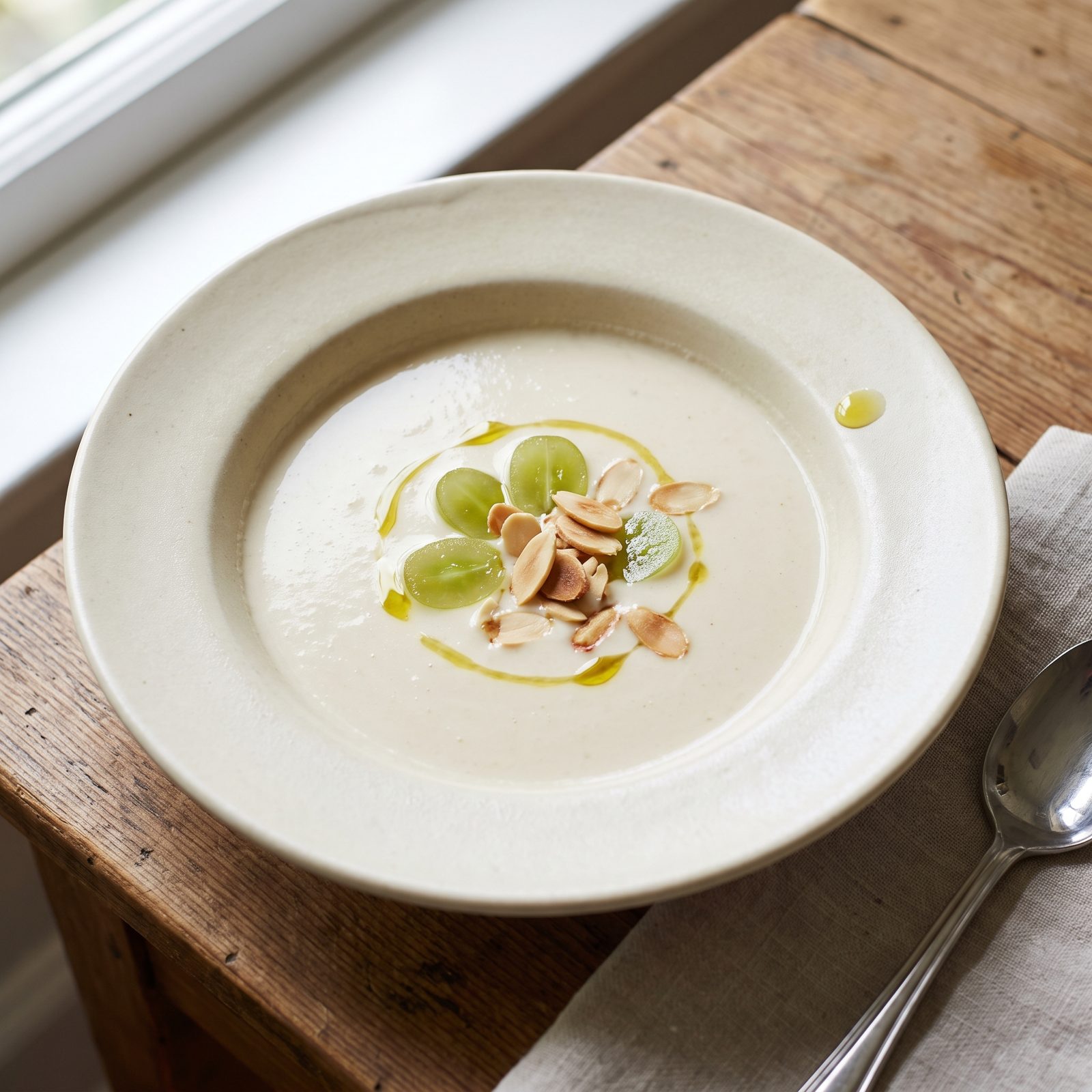
Before tomatoes ever reached Spain, there was ajo blanco: a cold soup of almonds, garlic, oil, and soaked bread, pale as milk and older than most of the dishes it gets compared to.
Here the bread pulls a clever trick. It emulsifies the soup, binding the almond and oil into something smooth instead of grainy. Soak stale crustless bread in water, blend it with blanched almonds, a little garlic, vinegar, and oil until creamy, then serve it ice cold with green grapes floating on top.
32. Serve Traditional Bread Sauce With Roast Chicken
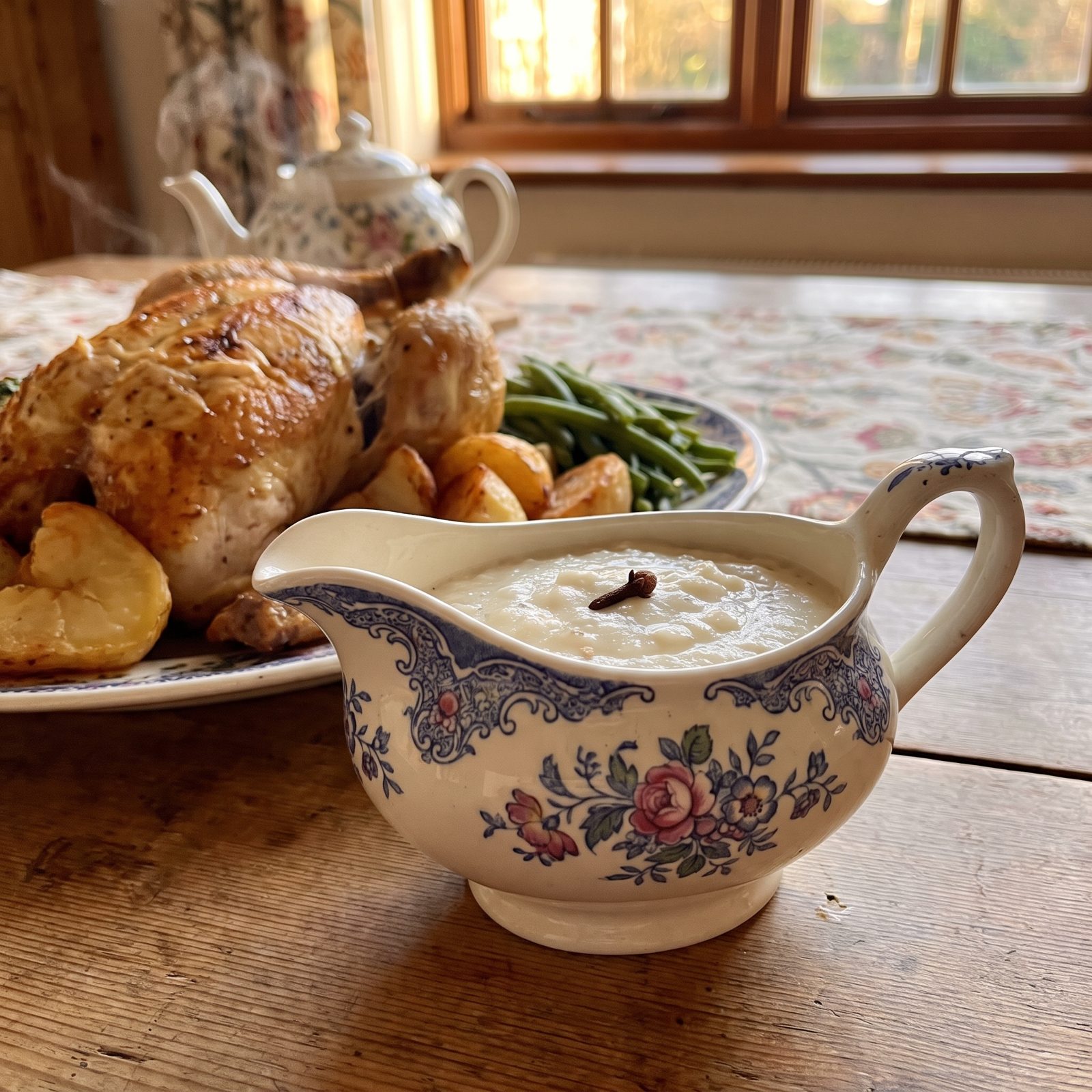
Bread sauce is the quiet hero of a British Sunday roast, and it exists entirely to use up a loaf past its prime.
Most people miss the step that matters: grate the stale bread into fine crumbs rather than tearing in chunks. Fine crumbs melt into the warm spiced milk and thicken it smooth, where big pieces stay lumpy. Infuse milk with a clove-studded onion, bay, and nutmeg, strain it, then stir in the breadcrumbs and a knob of butter until it goes soft and creamy. Serve it next to roast chicken or turkey.
31. Pound It Into Garlicky Skordalia
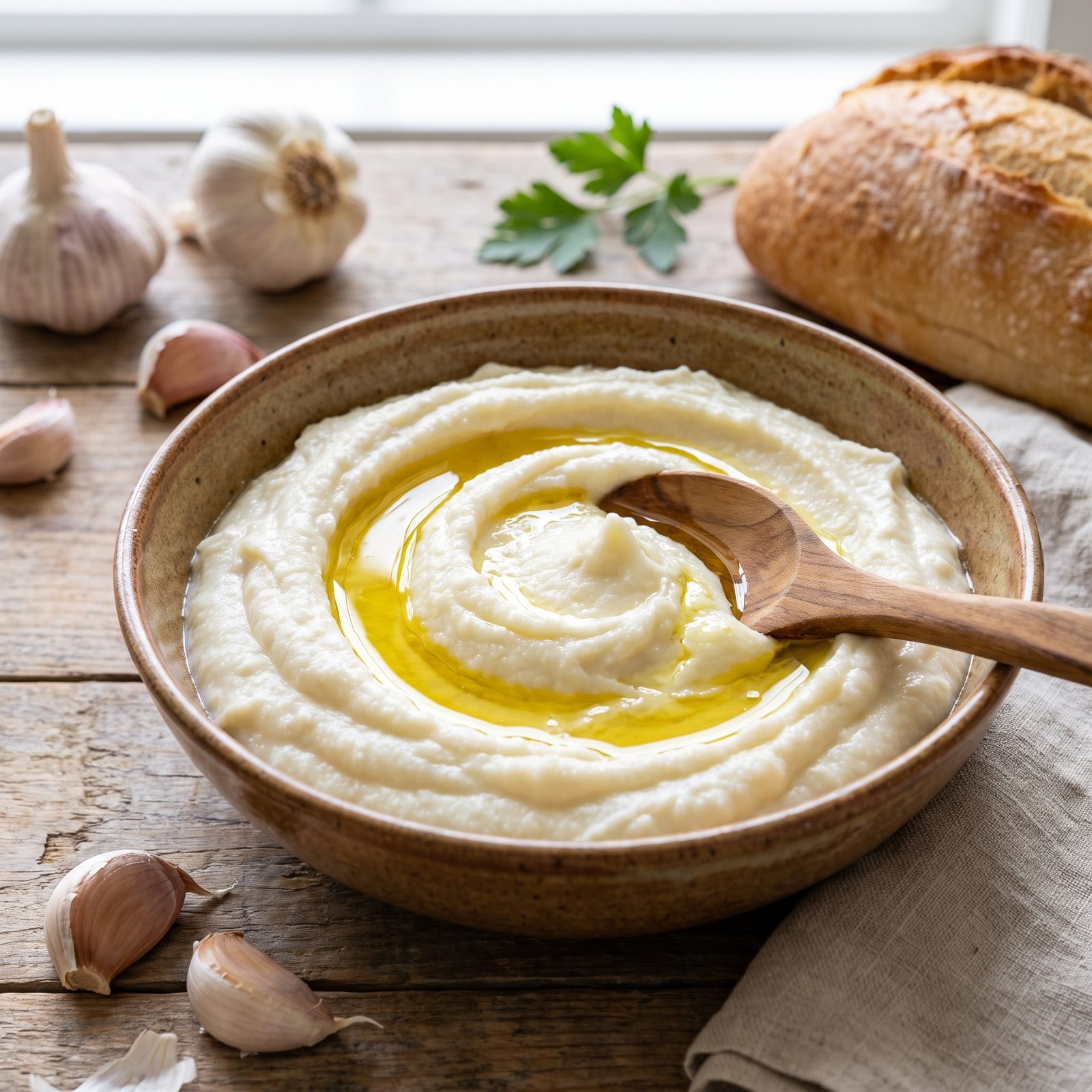
Skordalia is Greek garlic sauce with the volume turned all the way up, and stale bread gives it the body to carry all that punch.
Soak old bread, squeeze out most of the water, then pound it with raw garlic, a little vinegar, and a slow stream of olive oil until it turns into a thick, fluffy paste. Some cooks use potato, but bread keeps it lighter. Serve it with fried fish or roasted beets.
30. Blend a Smoky Romesco Sauce
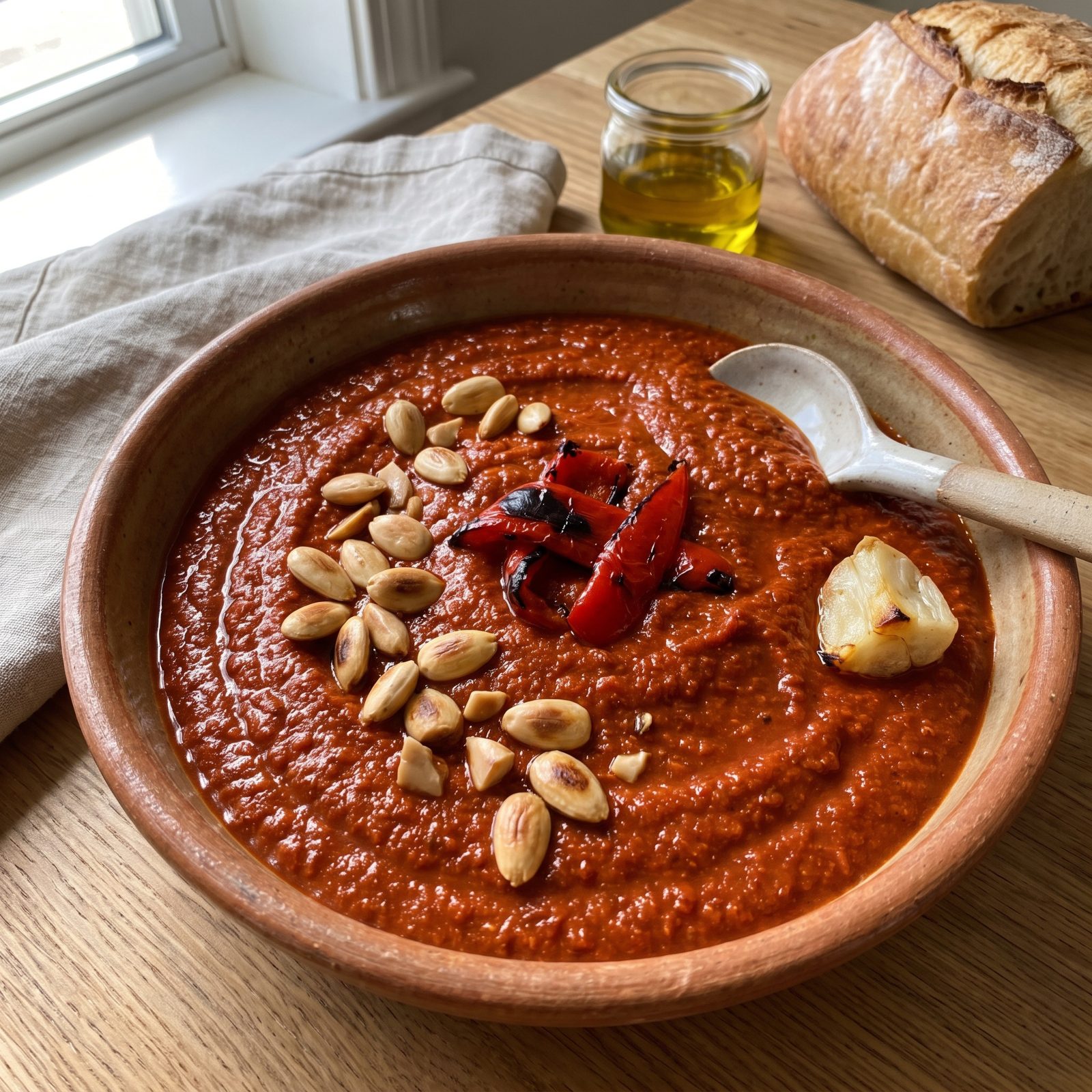
Romesco gets its backbone from two things that would otherwise hit the bin: a stale slice of bread and a handful of nuts.
Fry the bread in olive oil until golden, then blend it with roasted red peppers, almonds, garlic, smoked paprika, and sherry vinegar until it’s thick and a little coarse. That fried bread thickens the sauce and adds a toasty depth you can’t fake with anything else. Spoon it over grilled vegetables, fish, or charred spring onions.
29. Fry Spanish-Style Migas With Peppers and Eggs
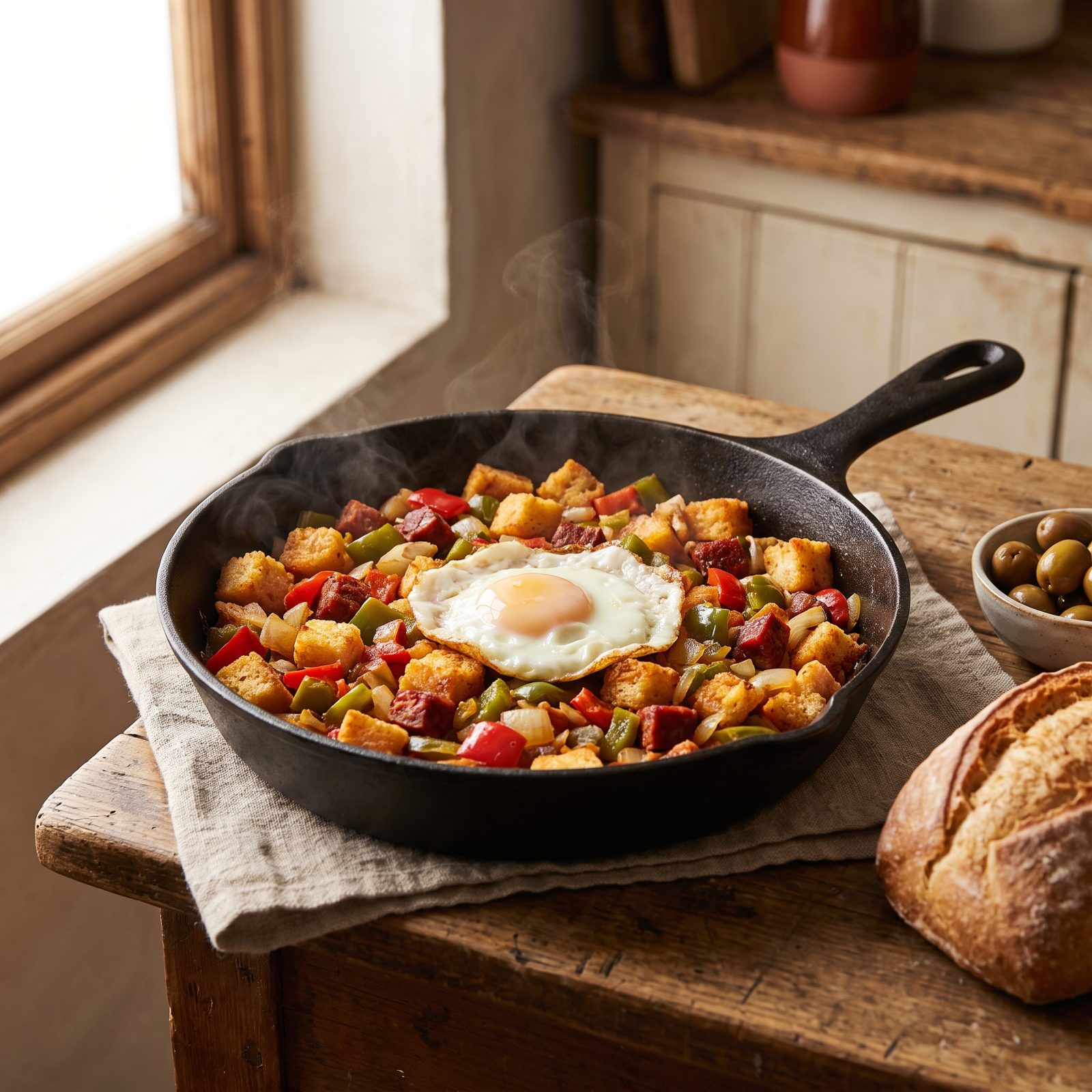
Stale bread was never a problem in a Spanish kitchen. It was the whole reason migas exists — bread so hard you’d think twice about serving it, torn into rough chunks and left out overnight to go properly dry.
Here’s where people go wrong: they reach for fresh bread, which turns to mush in the pan and drinks up oil like a sponge. Day-old or two-day-old bread fries up crisp on the outside and keeps a little chew inside, and that texture is the whole game.
Sprinkle the torn bread with a little salted water, cover it, let it sit an hour. Then fry it in good olive oil with garlic, paprika, peppers, and chorizo. Finish with a soft fried egg on top and let the yolk run down into the crumbs.
28. Poach Bread in Portuguese Açorda
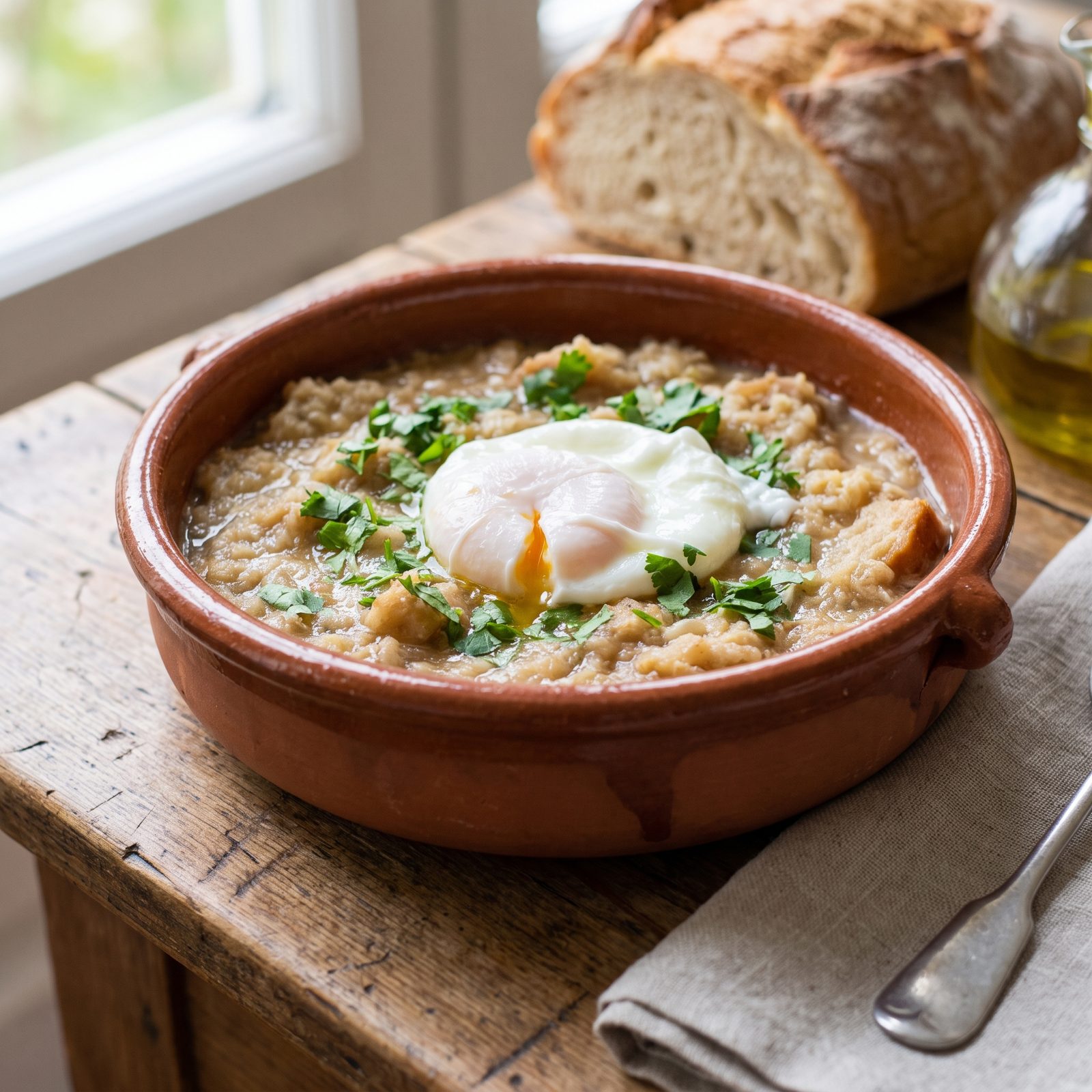
Most of us toss bread the second it goes hard. The Portuguese poach it into something close to a soup, and it’s one of the cheapest comfort meals you’ll ever make.
The mistake is treating açorda like a smooth puree. You don’t want baby food. What you want is hot garlic broth softening torn stale bread until it collapses but still shows texture, bound loosely with egg and a fistful of cilantro.
Steep sliced garlic and cilantro in simmering water with olive oil, pour it over the bread, stir just until it swells, then slide in a poached egg. Three minutes. Done. A bowl of pantry scraps that tastes like a restaurant made it.
27. Shape German Bread Dumplings
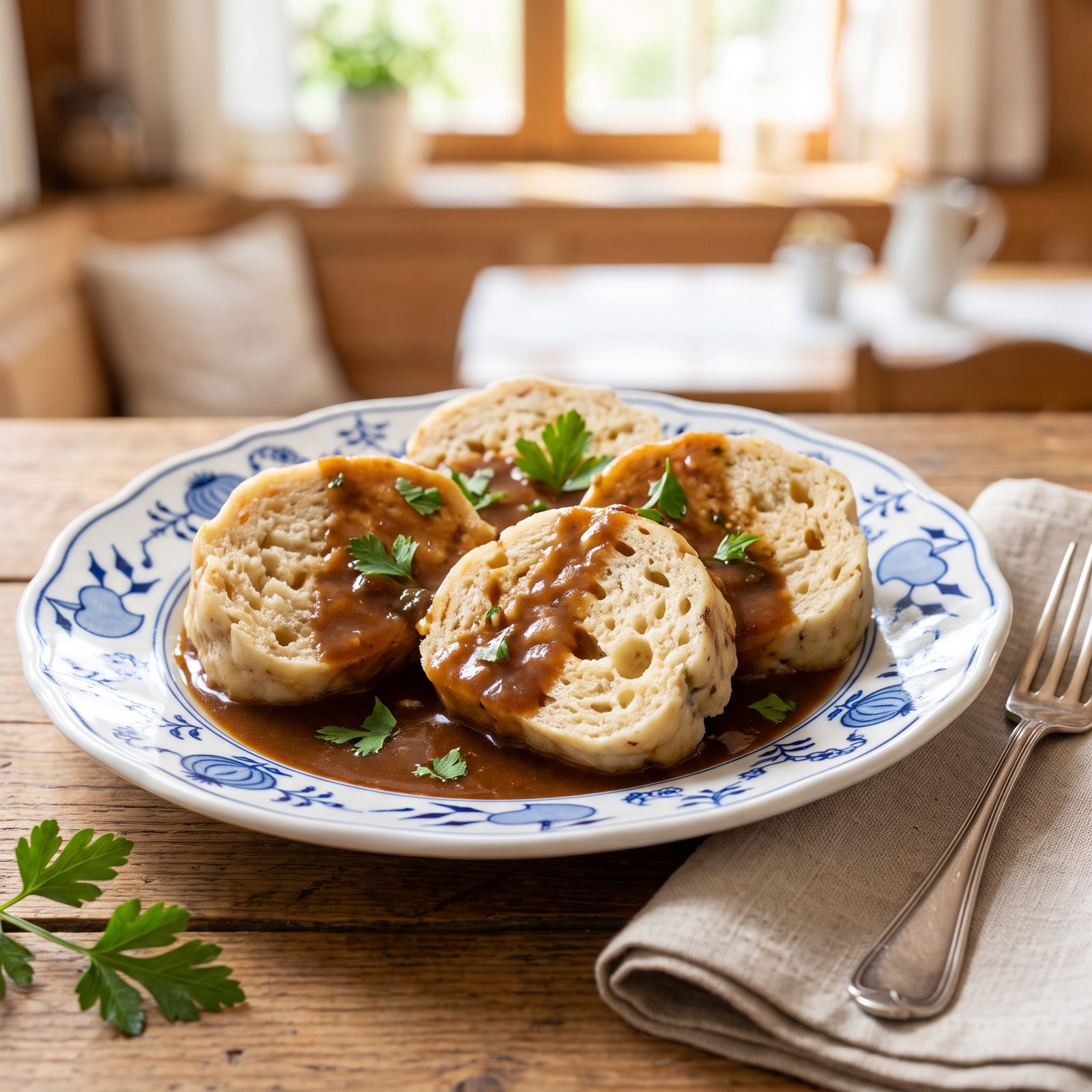
A good bread dumpling starts the day the bread goes stale. Fresh rolls won’t hold together — you need them dried out so they drink up the warm milk without turning to paste.
Cube your old rolls, pour warm milk over them, and let them sit twenty minutes until soft but not soggy. Squeeze gently. Then fold in sautéed onion, parsley, egg, and a little flour. The common error is dumping in too much flour to force the mix to bind, which hands you a hockey puck. Let the egg and bread do the work and add flour only a spoon at a time.
Simmer, never hard-boil, or they’ll burst. Gentle water, lid off, about twenty minutes.
26. Sauté a Spiced Bread Upma
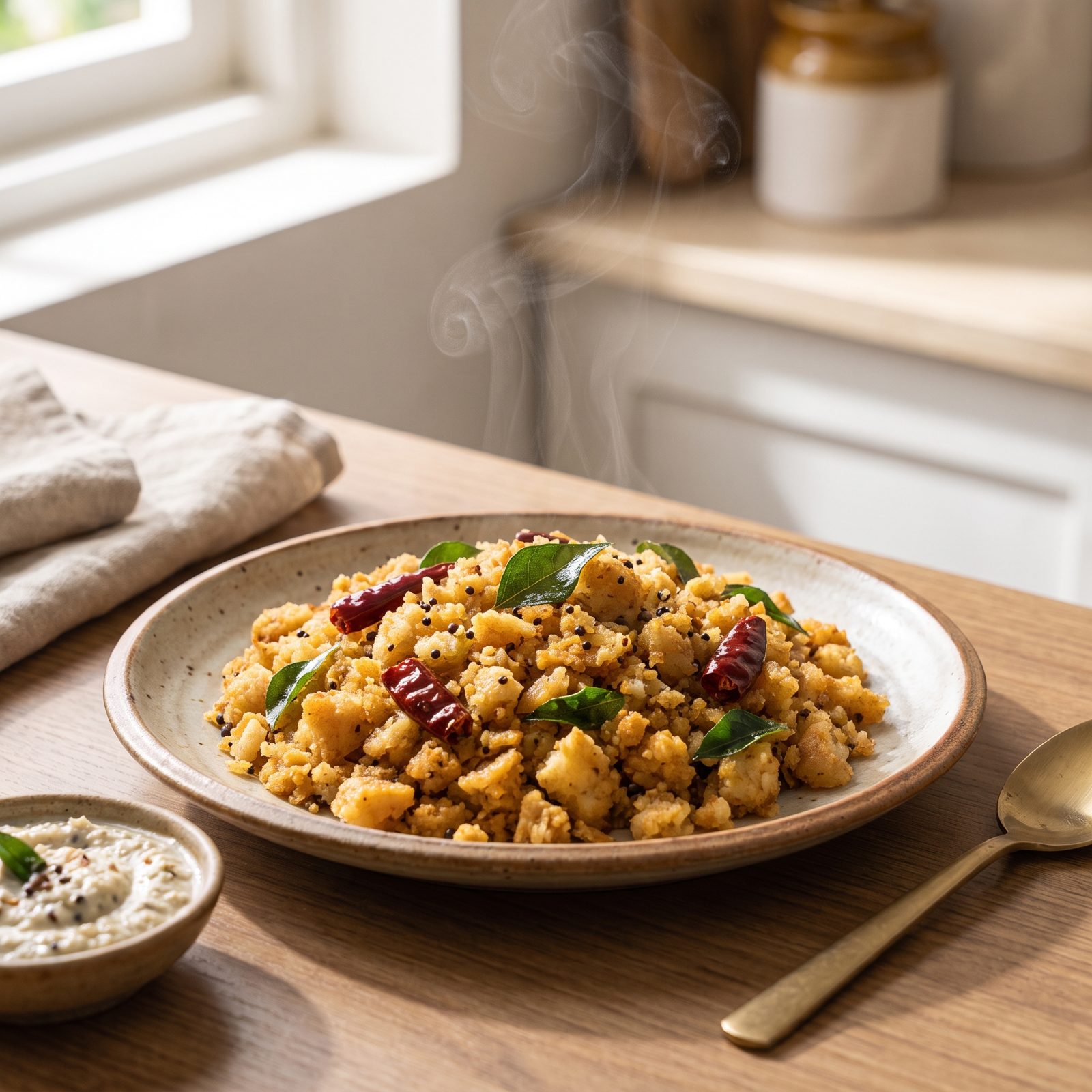
Leftover sandwich bread sitting dry in the bag? Southern Indian kitchens would turn it into a ten-minute breakfast and wonder why you were about to bin it.
Bread upma skips the usual semolina and uses cubed stale bread instead. Everything hinges on the tempering. Heat oil, pop mustard seeds, drop in curry leaves, green chili, and onion, then toss in the bread last so it crisps instead of steams.
Add the bread too early and it goes limp and sad. Keep it moving in the hot pan, finish with lime and cilantro, and you’ve got breakfast with real backbone.
25. Fry Vegetable-Stuffed Bread Pakoras
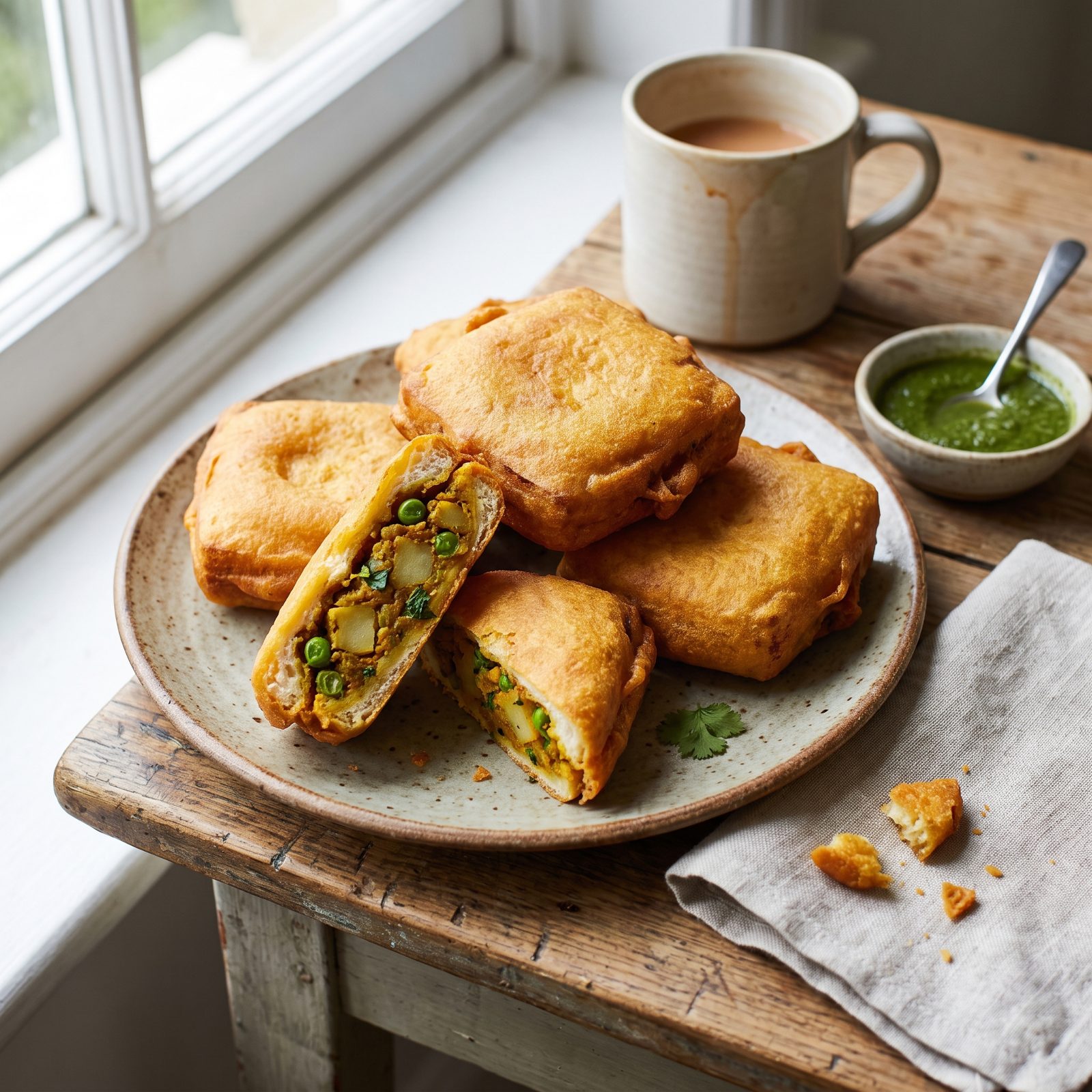
Day-old bread still has a little give, and for pakoras that’s exactly what you want. A slightly firm slice holds its shape around the filling without falling apart in the batter.
Spread a spiced potato mash between two slices, press, dip the whole thing in seasoned chickpea-flour batter, and fry until deep gold. People rush the oil temperature here. Too cool and the bread drinks up grease; too hot and the coating burns before the inside even warms. Aim for a steady medium-high and let each piece bubble steadily.
Drain on a rack, not paper, so the underside stays crisp. Serve hot with mint chutney.
24. Make Meatless Italian Bread Balls
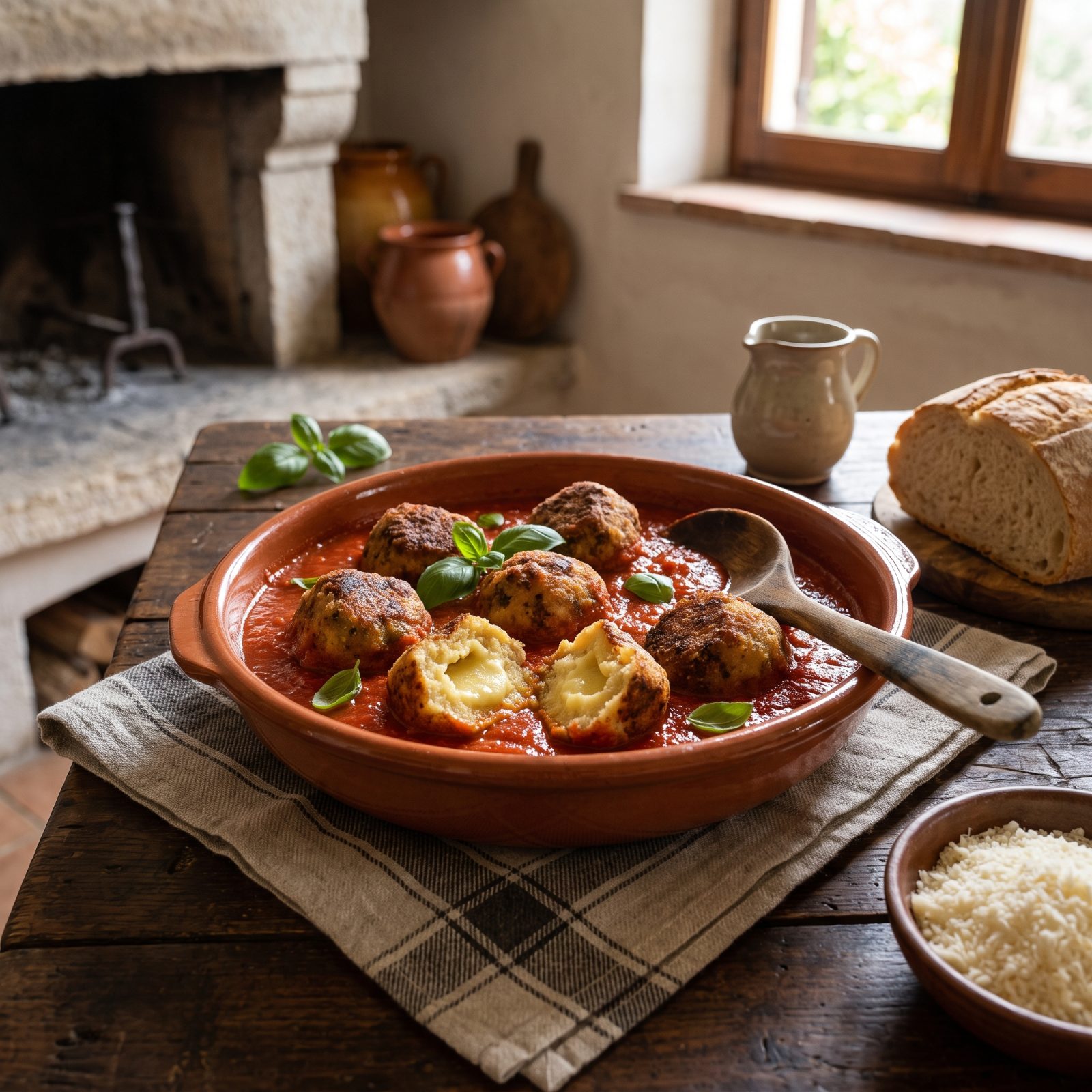
Down in Abruzzo and Molise they made meatballs without meat long before anyone called it trendy. Pallotte cacio e ova — bread balls built from stale loaf, cheese, and eggs.
The whole thing lives or dies on moisture. Soak the dried bread in water or milk, then squeeze it out firmly. Too wet and the balls disintegrate in the sauce; too dry and they’re dense little stones. You’re after a crumb that’s damp and pliable.
Mix with grated pecorino, egg, garlic, and parsley, roll, fry to gold, then finish in simmering tomato sauce. They taste richer than meat and cost pennies.
23. Keep Homemade Meatballs Tender
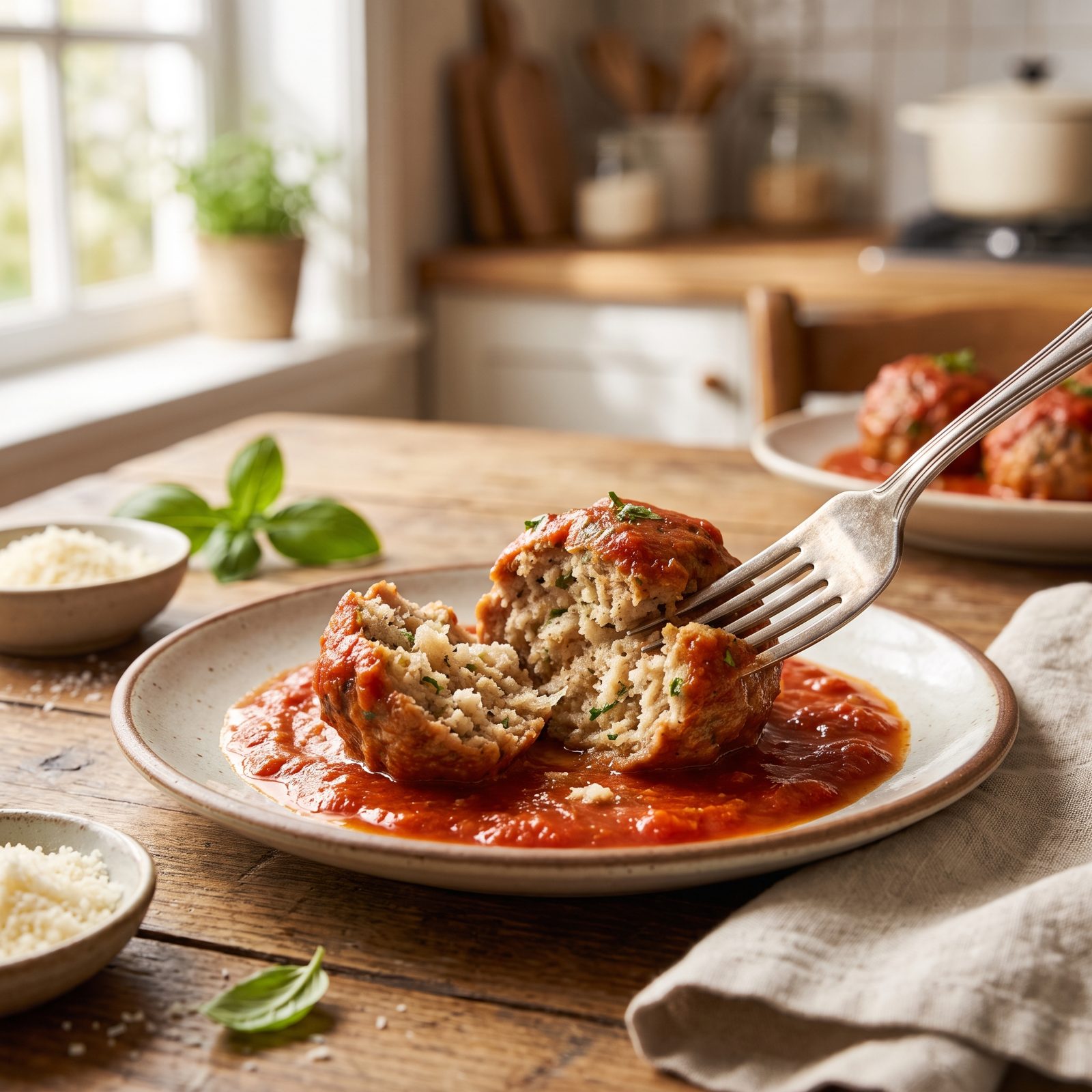
The secret to a tender meatball isn’t the meat. It’s the bread.
Breadcrumbs from a canister do you no favors here — too dry, and they soak up the juices from the meat as it cooks, leaving you with little rubber bullets. What you want is a panade: stale bread torn up and soaked in milk until it’s a loose paste.
That wet bread pulls double duty. It holds moisture through the cooking, and it keeps the meat proteins from packing too tight, which is the thing that makes meatballs tough in the first place. Mix it in gently, barely working the meat. Overmix and you’ve undone all of it. A fistful of soaked bread per pound of meat — trust it.
22. Bind Old-Fashioned Salmon Patties
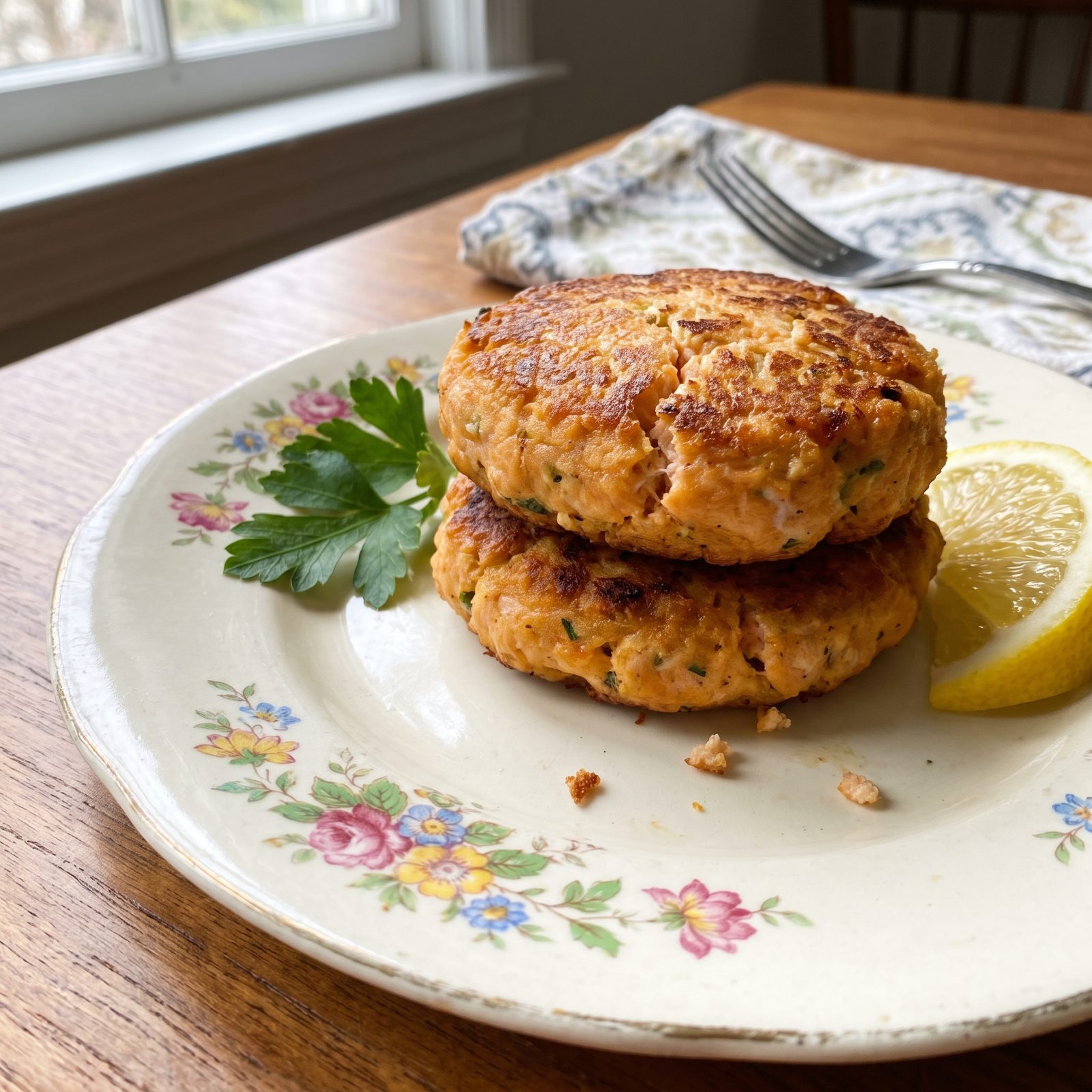
Depression-era cooks made a can of salmon feed a family, and bread was how they stretched it. Those patties were Friday supper in a lot of houses — cheap, filling, no fuss.
The binder matters. Fresh soft bread turns the mix to goo. Crackers go to dust. Stale bread crumbled fine is the sweet spot: enough structure to hold the patty together, enough give to stay tender.
Drain the salmon well first, because water is the enemy of a crisp crust. Mix the crumbled stale bread, egg, onion, and salmon, form patties, and let them rest ten minutes before frying so the bread can settle into the mix.
21. Coat Crispy Chicken Cutlets
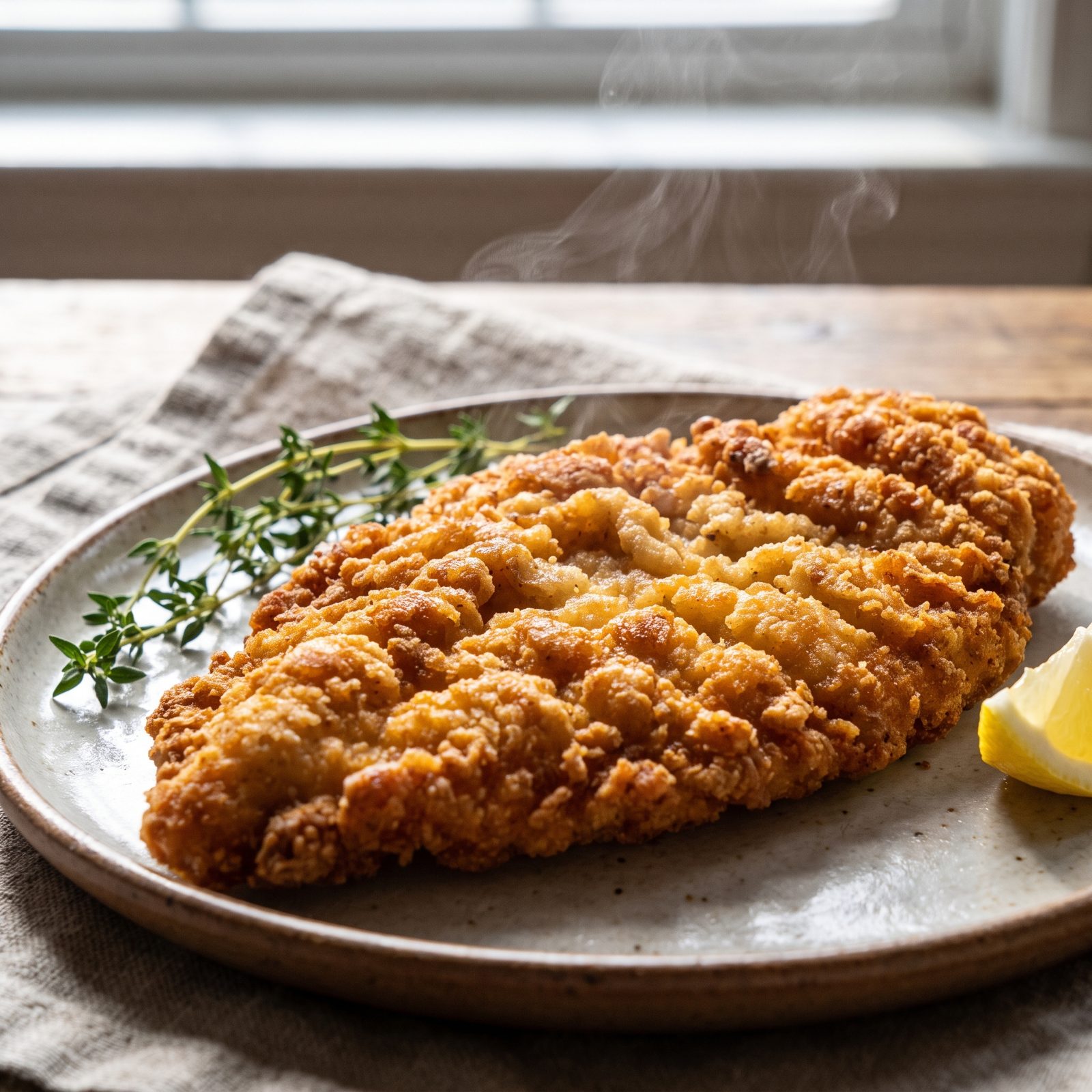
Store breadcrumbs make a flat, sandy crust. Grate your own from stale bread and you get crags and ridges that fry up into something with real crunch.
Day-old Italian bread, dried a little more in a low oven, then crushed coarse — those uneven edges are what catch the oil and go crisp. Season the crumbs with grated parmesan, garlic powder, and parsley before you bread anything, not after.
Standard three-step: flour, egg, crumbs. The piece everyone skips is the rest. Let the breaded cutlets sit fifteen minutes before frying so the coating glues itself on and doesn’t slide off in the pan.
20. Layer Eggplant Parmesan
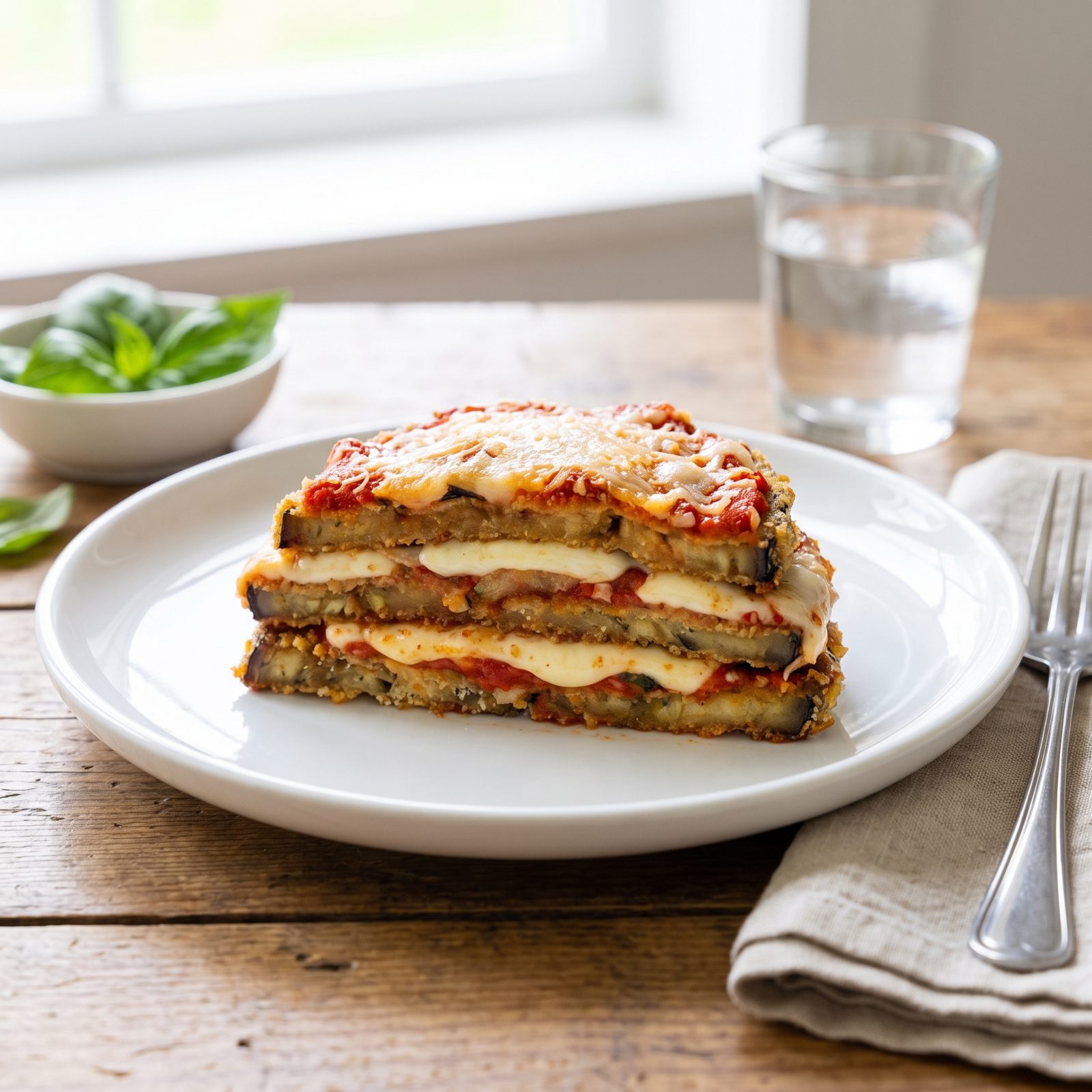
A great eggplant parm is really a bread story. The breading on those eggplant slices is where homemade stale-bread crumbs earn their keep.
Here’s the mistake that ruins it: layering breaded eggplant straight into wet sauce and baking it for an hour. The coating goes soggy, the whole thing turns to mush, and all that frying effort just evaporates. Bake the breaded slices on a rack first until crisp, then layer quickly with sauce and cheese and bake only long enough to melt and bubble.
Go light on the sauce between layers. You want the eggplant to hold some bite, not drown in red. Coarse homemade crumbs, seasoned well, survive the oven better than fine ones ever will.
Stale bread doesn’t ruin the dish. It’s the quiet thing holding the whole thing together.
19. Fill Baked Stuffed Mushrooms With Day-Old Breadcrumbs
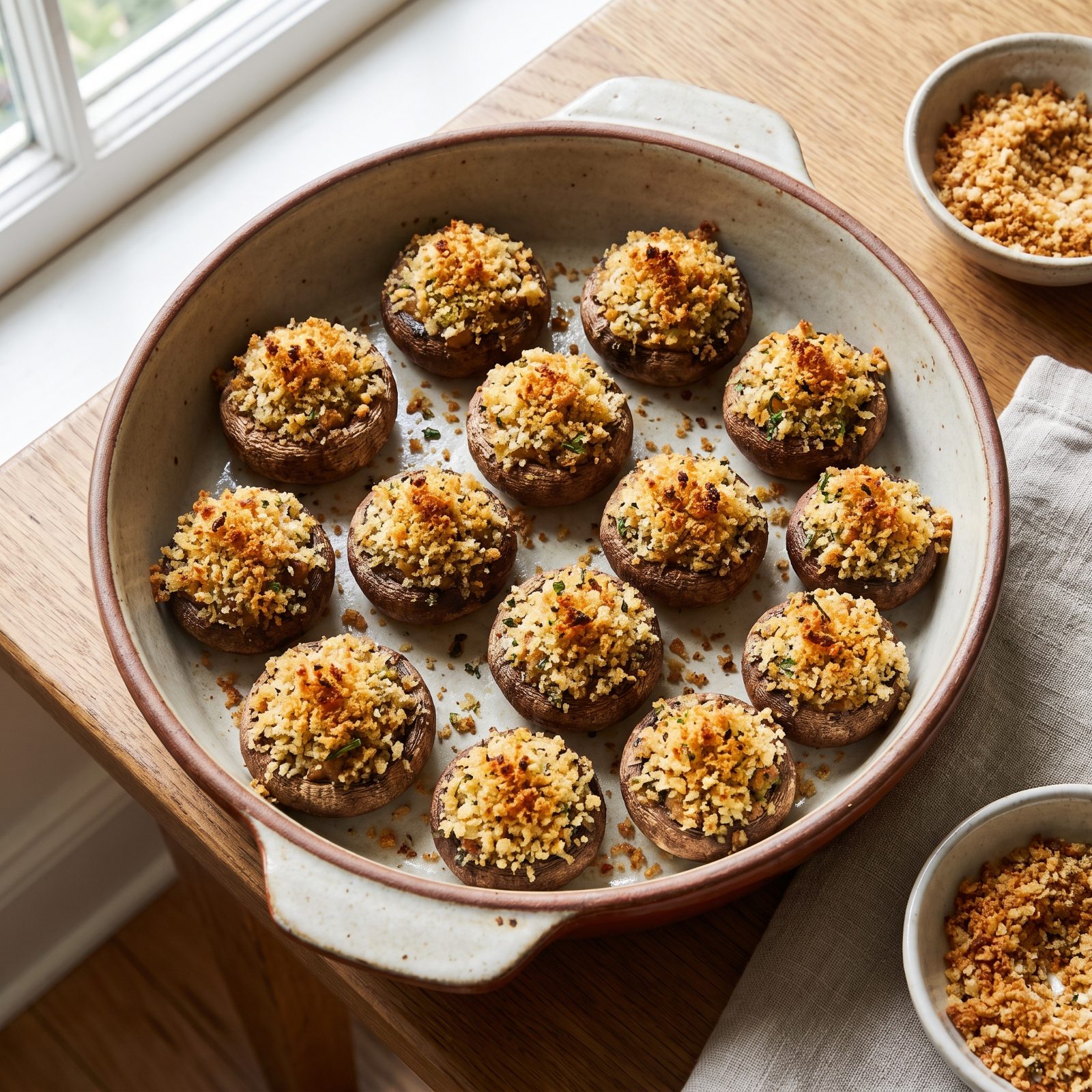
Stale bread is the quiet hero of a good stuffed mushroom. Fresh breadcrumbs go pasty and heavy inside the cap, but dry bread pulsed into coarse crumbs drinks up the garlic oil and mushroom juices without turning to mush, then crisps on top like it was always meant to.
So save the heels and that forgotten half-loaf. Grate or pulse them into rough crumbs, toss with minced garlic, parsley, pecorino, a good glug of olive oil, and a little of the chopped stems you sauteed off. Pack it into the caps and bake at 375 for about 20 minutes, until the tops go bronze.
18. Crown Macaroni and Cheese With Crunchy Buttered Crumbs
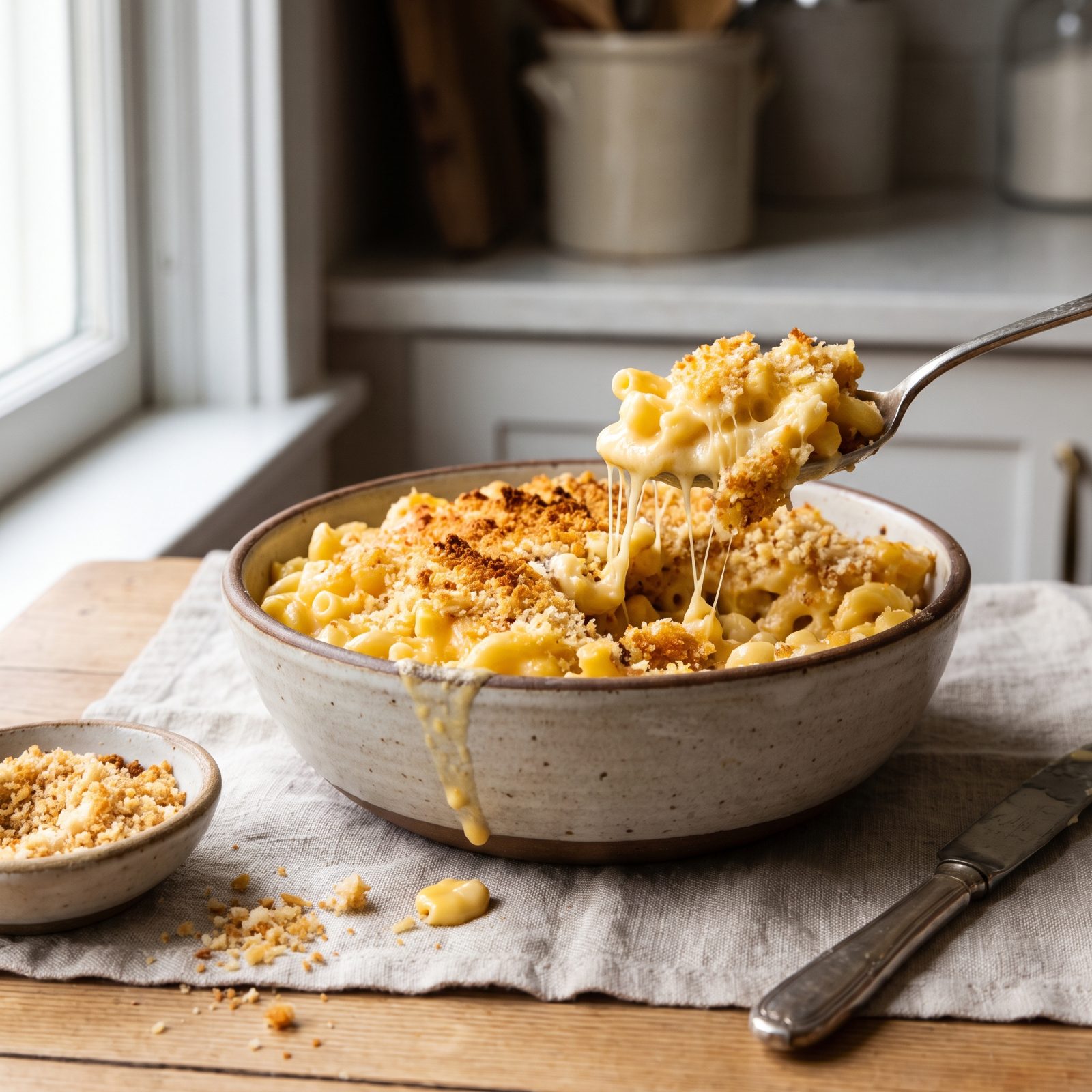
A naked mac and cheese is fine. A mac and cheese with a buttery breadcrumb lid is the one people fight over at the table.
Take your stale bread, tear it, and blitz it coarse. Melt a few tablespoons of butter, toss the crumbs until every one is slicked, then scatter them thick over the top before it goes in the oven. Twenty minutes at 400 gets you a crackling golden crust over the soft orange underneath.
We used to skip this to save time. We were wrong, and we’ll say it plainly. The contrast between the crunch and the custardy pasta is the whole reason to bake it instead of serving it from the pot.
17. Toss Spaghetti With Garlicky Anchovy Breadcrumbs
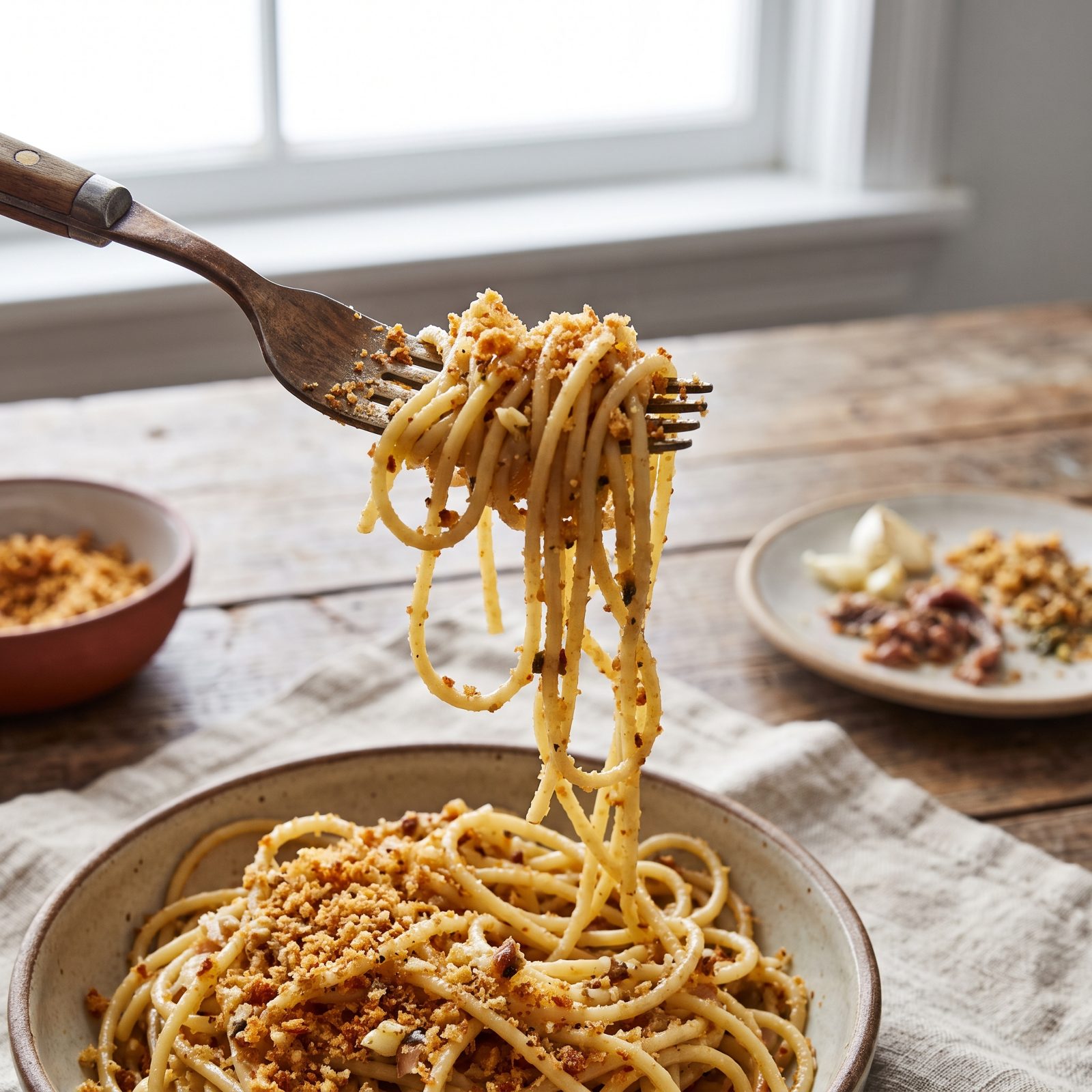
Southern Italy called this the poor man’s parmesan, and the name tells you everything. When cheese was dear, toasted breadcrumbs went on the pasta instead, and nobody felt cheated.
Melt two or three anchovy fillets into hot olive oil with a sliver of garlic until they dissolve. Add coarse stale-bread crumbs and stir constantly until they go sandy and gold. Toss with hot spaghetti, a splash of pasta water, and parsley. The anchovy reads as savory depth, not fish. The crumbs give you crunch in every bite.
16. Pack Herb Crumbs Into Stuffed Artichokes
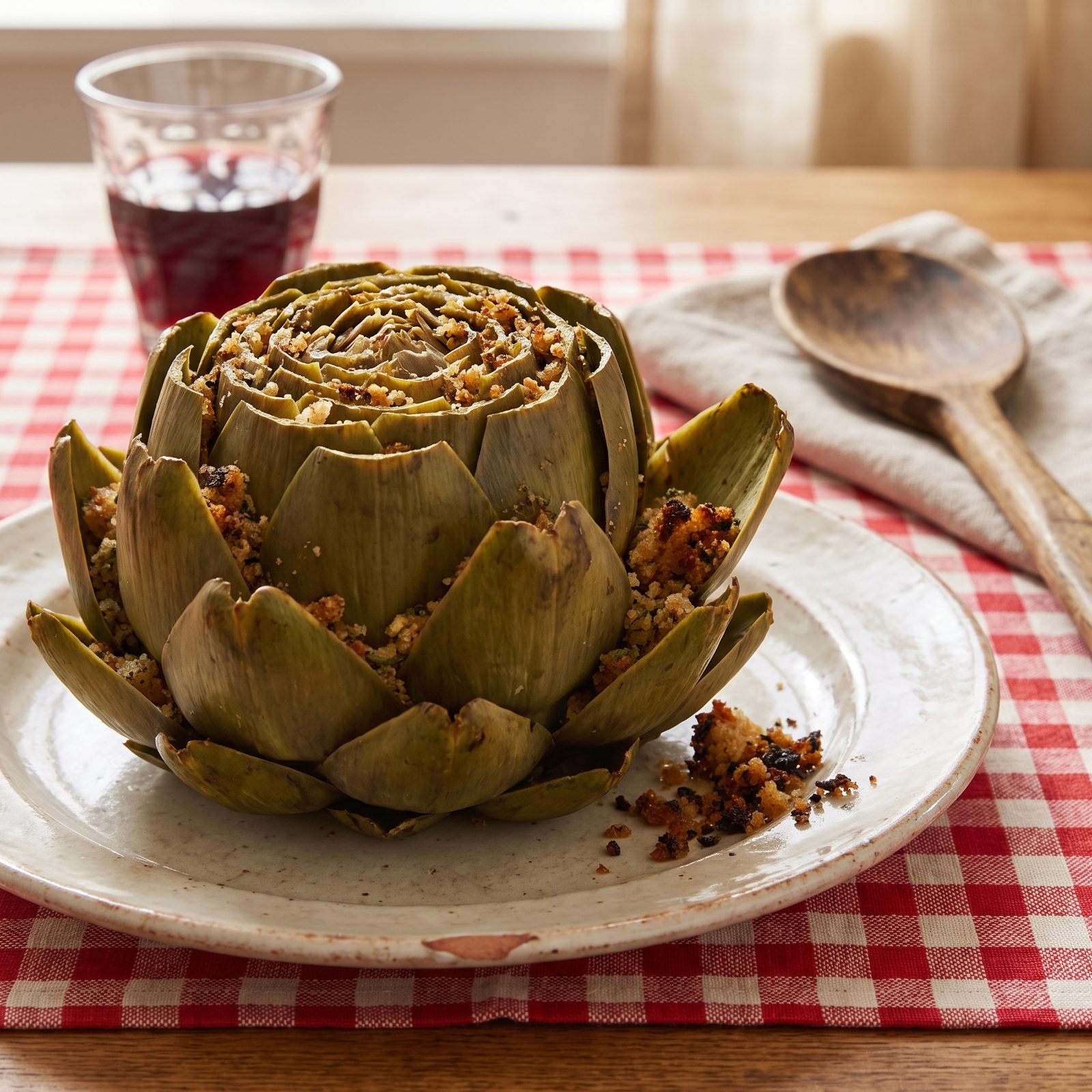
You’ve seen a Sunday table with a stuffed artichoke at every place setting, each one a little puzzle you pulled apart leaf by leaf. The stuffing between those leaves is pure stale bread, and that’s no shortcut. That’s the recipe.
Mix coarse dry crumbs with garlic, parsley, grated pecorino, salt, and enough olive oil to make it hold loosely together. Spread the leaves open and wedge the mixture into every gap you can reach. Set the artichokes upright in a pot with an inch of water, cover, and steam-braise about 45 minutes, until a leaf tugs free easily.
The crumbs steam soft against the heart and crisp at the tips. One artichoke eats like a small meal.
15. Bake Clams Oreganata Under a Crisp Crumb Blanket
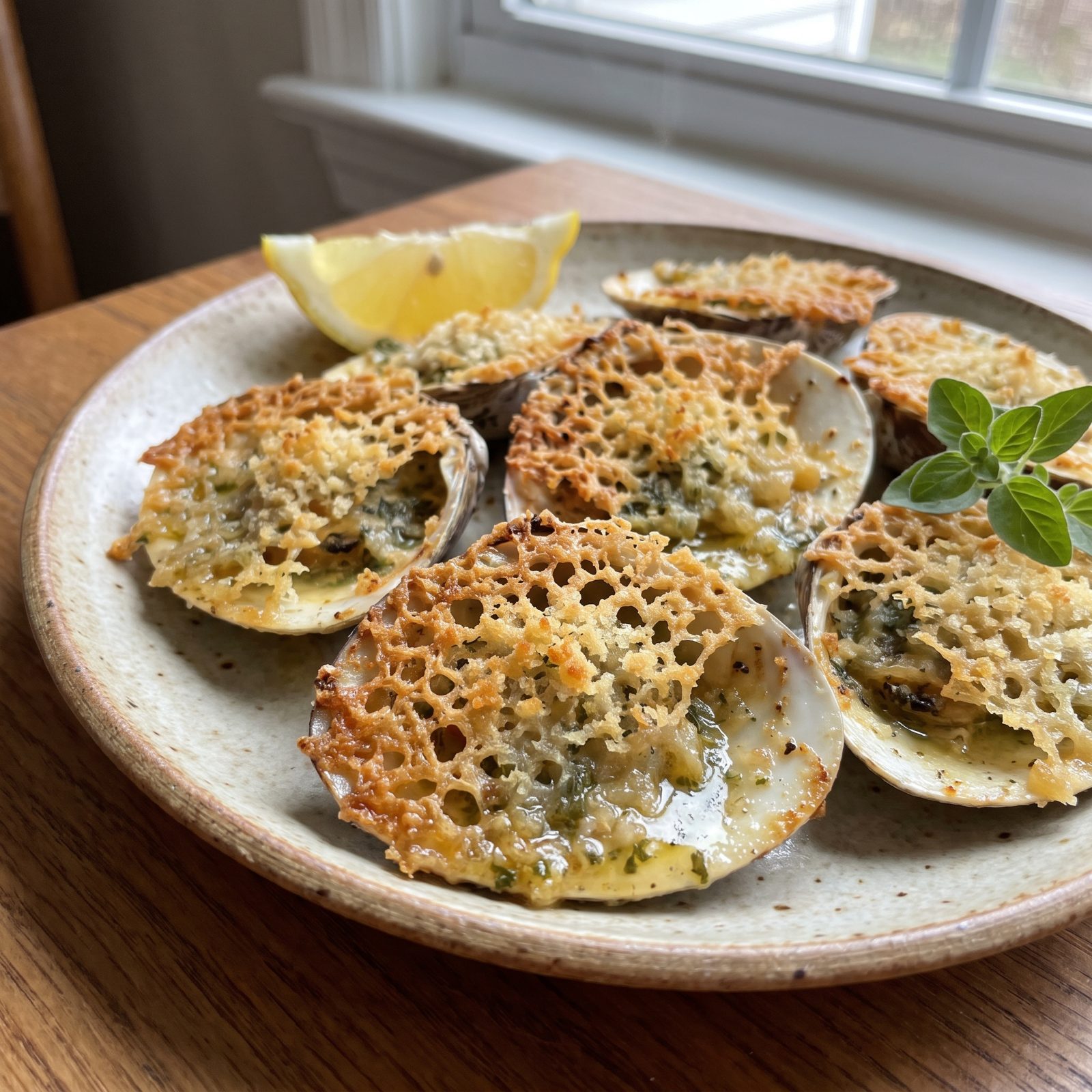
Clams oreganata live or die on the crumb. Get it right and you get a lacy, oregano-scented crust that shatters over a briny clam. Get it wrong and you get a wet lump.
Dry bread is what gets it right. Pulse the crumbs coarse, toss with oregano, garlic, parsley, a little grated cheese, lemon zest, and olive oil until barely damp. Mound a spoonful over each shucked clam on the half shell, set them on a salt-lined tray, and broil six or seven minutes until the tops go gold and crisp.
14. Bake a Dish of Scalloped Tomatoes
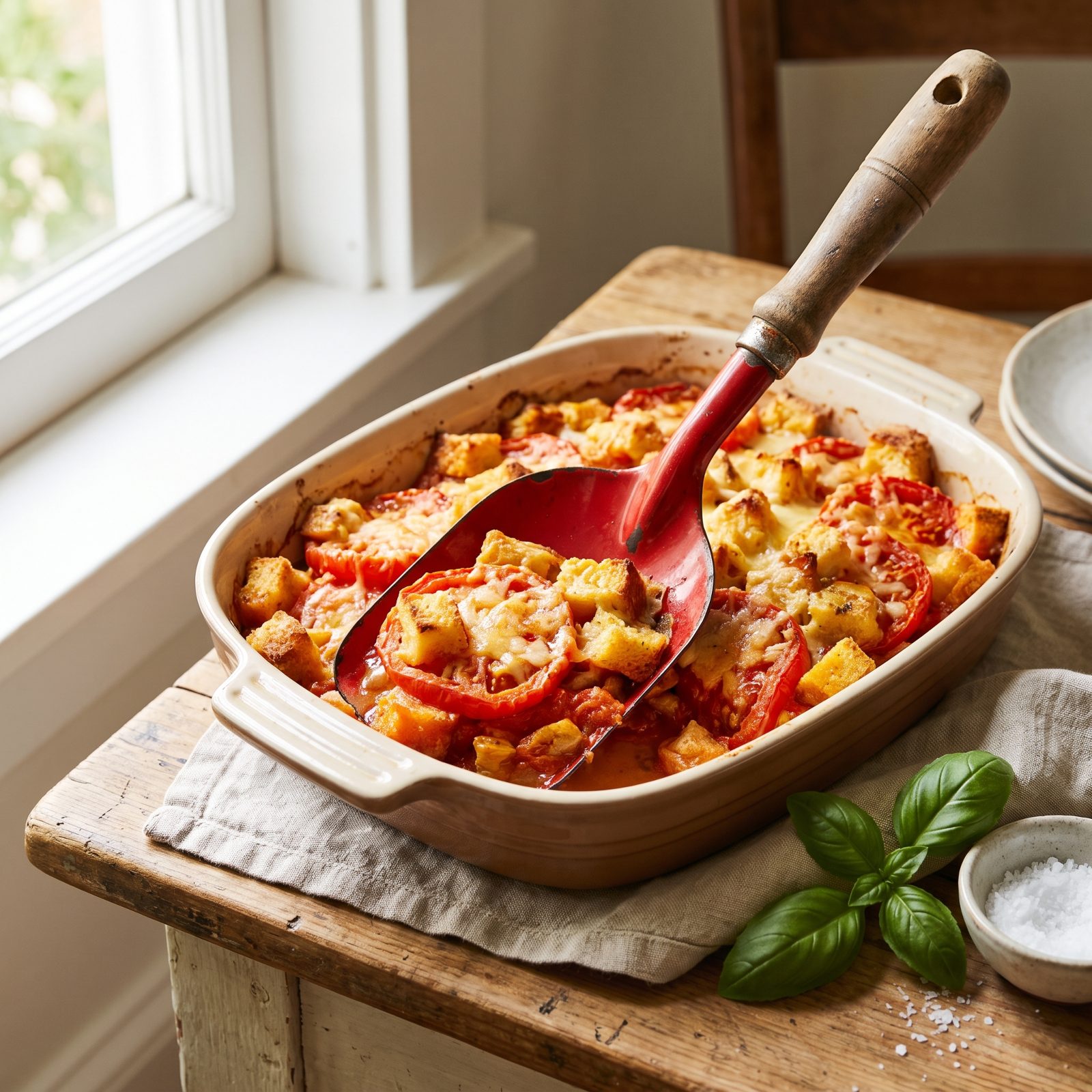
This is the dish that makes you stop composting bread. Scalloped tomatoes are almost nothing: stale bread, ripe tomatoes, butter, sugar, salt, maybe a handful of basil. Baked together they land somewhere between a side dish and a comfort.
Tear the bread into rough cubes and toast them lightly first so they hold their shape. Fold them into chopped tomatoes you’ve cooked down with a knob of butter, a pinch of sugar to cut the acid, and plenty of salt. Bake at 375 about 40 minutes. The bread on top crisps, the bread underneath goes soft and jammy, and the whole thing tastes like late August.
13. Fill a Sticky Treacle Tart With Bread-Thickened Filling
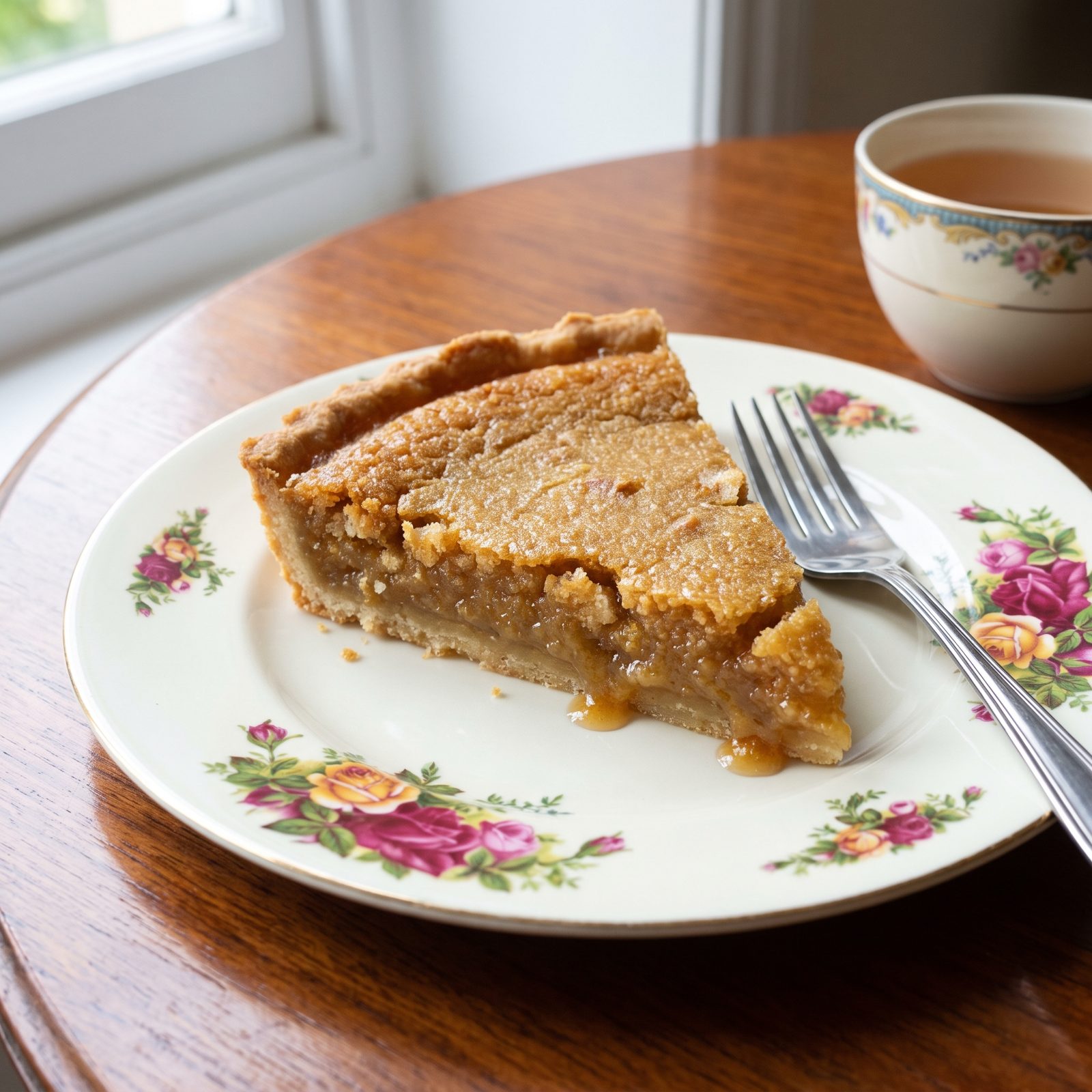
People assume treacle tart is all syrup. It isn’t. The thing that keeps that filling from running out of the crust in a sweet flood is breadcrumbs, and stale bread gives you the finest, driest crumbs for the job.
Grate your dry bread into soft crumbs. Warm golden syrup gently, stir in the crumbs with lemon zest and a squeeze of juice, and let it sit a few minutes so the bread drinks the syrup and swells. Pour into a par-baked pastry shell, lattice the top if you like, and bake at 350 until set and deep amber.
12. Make an Apple Brown Betty With Spiced Crumbs
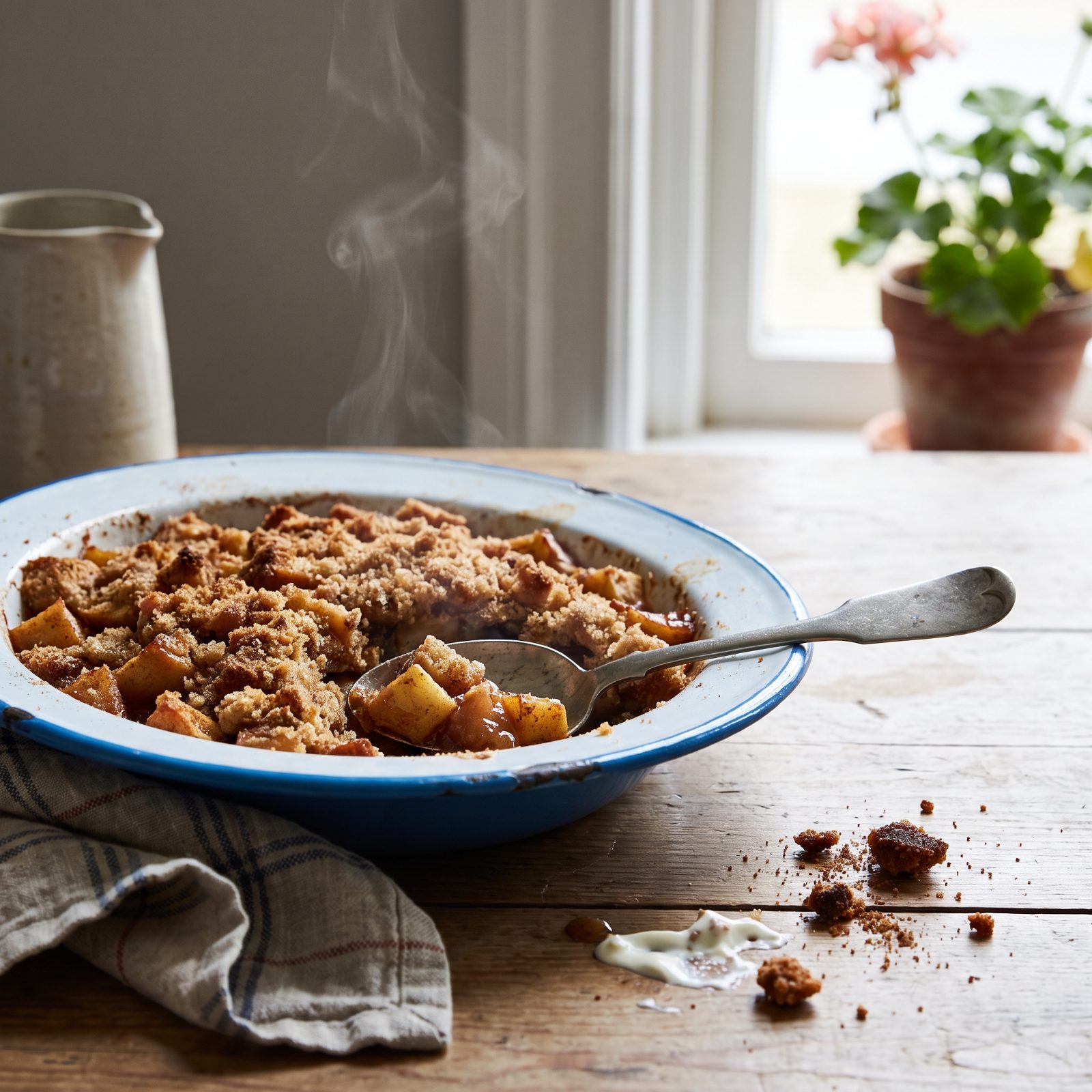
Apple brown betty is an old-fashioned American classic, and it exists for exactly one reason: to use up bread nobody wanted to eat anymore. It beat boxed crumble topping to the table by a couple of centuries.
Toss torn stale-bread cubes with melted butter, cinnamon, and a little brown sugar. Layer them with sliced apples tossed in lemon and more sugar, starting and ending with crumbs. Bake covered at 375 for half an hour, then uncovered another 15 so the top crisps. The bread between the layers goes soft and custardy from the apple juices while the top turns golden and crunchy.
Serve it warm with cold cream. It beats half the fancy desserts I’ve paid for.
11. Mold a Berry-Soaked Summer Pudding
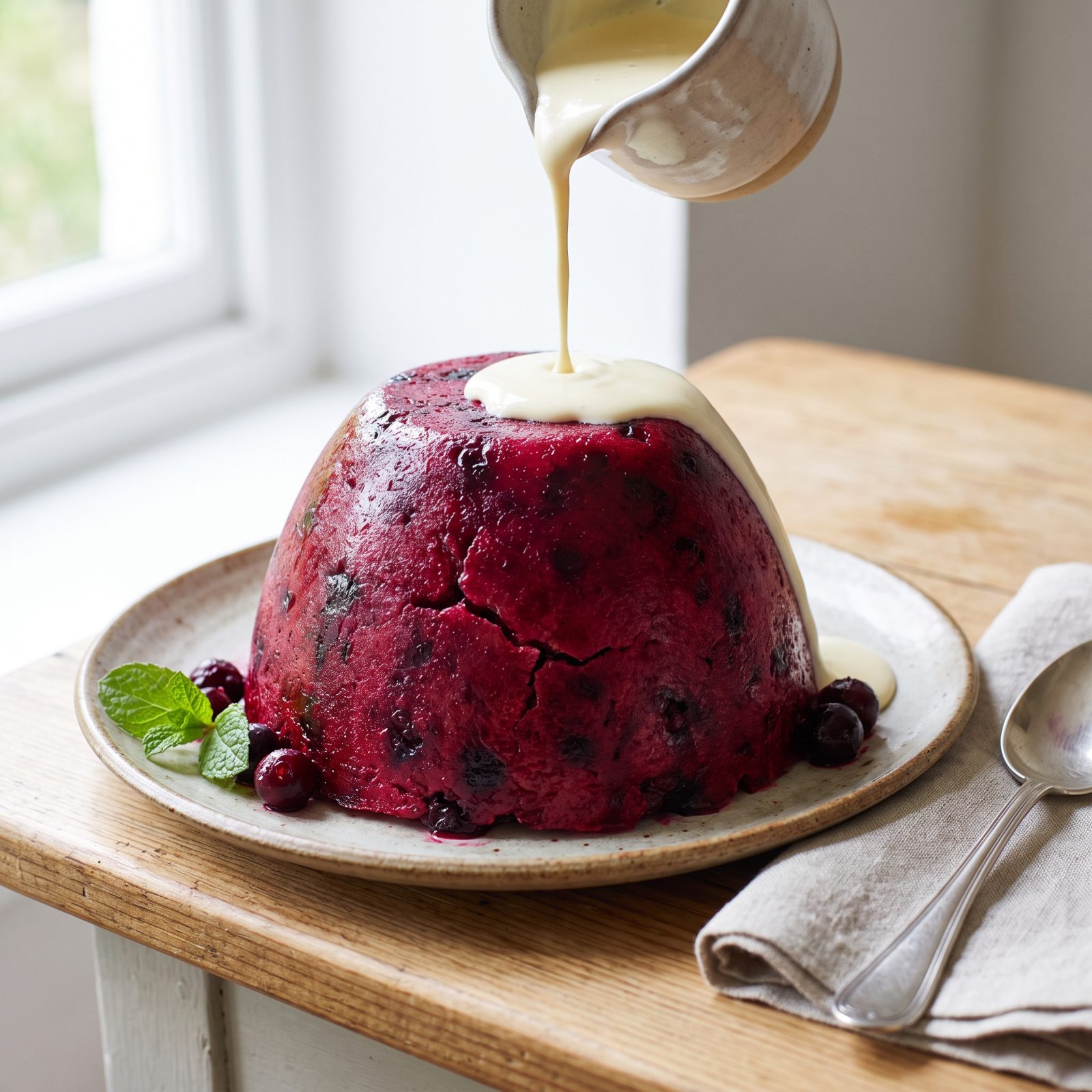
No oven, no baking, and some of the best fruit of the year. Summer pudding is the showiest thing you can do with yesterday’s sliced white bread.
Line a bowl with thin slices of crustless day-old bread. Cook berries, raspberries, blackberries, currants, briefly with sugar until they release their juice, then spoon the whole lot into the bread-lined bowl and cap it with more bread. Weight it with a plate and a can, refrigerate overnight, and let the juice soak through until the bread turns to ruby fruit.
10. Build a Golden Apple Charlotte
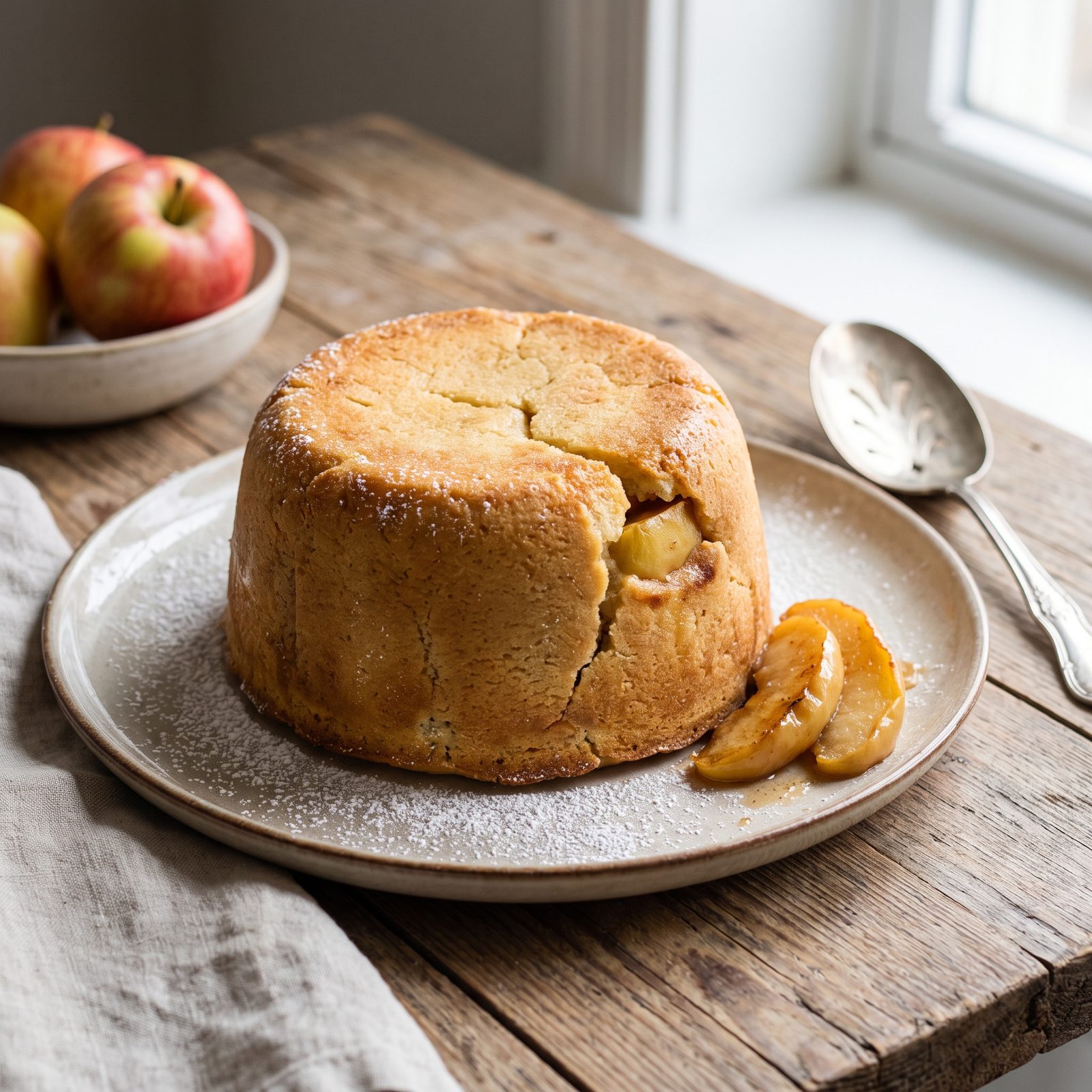
An apple charlotte is a summer pudding’s warm, buttery cousin. Same idea, a casing around fruit, but here the casing is slices of stale bread dipped in melted butter, pressed around tender chunks of spiced apple and baked until the walls turn golden and crack.
Cook apple chunks with sugar, cinnamon, and a little butter until they’re tender but still hold their shape, you don’t want them runny or the walls will collapse. Line a buttered mold with the butter-dipped bread, pack in the apple, cap with more bread, and bake at 400 until the outside is golden and lightly cracked. Turn it out, dust with powdered sugar, spoon a few caramelized apple slices alongside, and cut it at the table.
The first slice always slumps a little. Let it. That’s how you know the inside is all soft apple and the outside is all golden crust.
9. Fry Cardamom-Scented Shahi Tukda
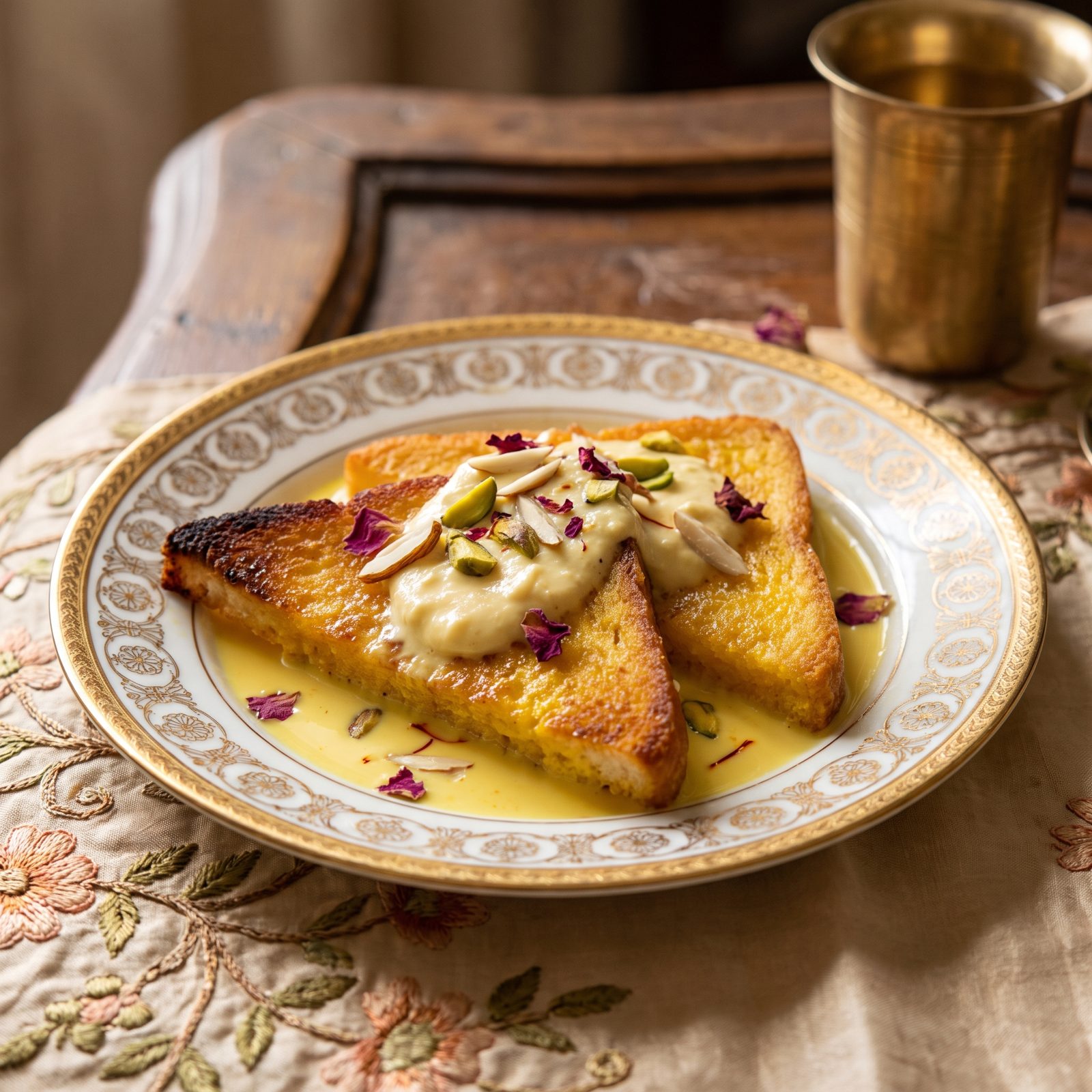
Stale white bread was practically invented for this. Dry slices soak up the saffron milk and sugar syrup without turning to mush, which is exactly what fresh bread does every time. You want structure here, not a sponge that collapses the second it hits the pan.
Fry the triangles in ghee until the edges go deep gold, dunk them in a light cardamom syrup, then ladle thickened rabri over the top and finish with pistachios and a whisper of saffron. Crisp fried edge against soft soaked center — that contrast is the whole reason you bother, and fresh bread simply can’t deliver it.
8. Stir a Rich Bread Halwa
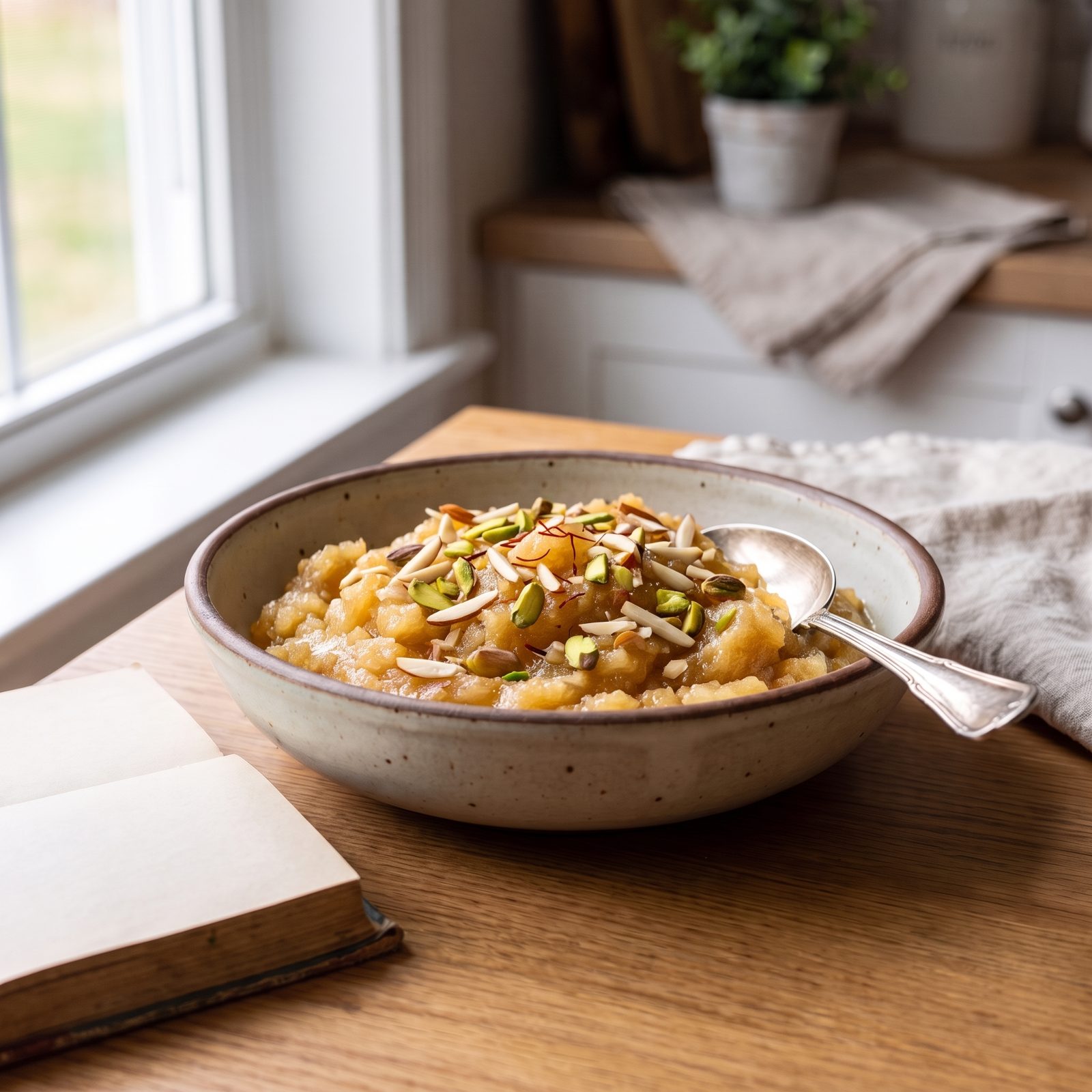
Tear the stale bread small, toast the crumbs in ghee low and slow, then let them drink up warm sweetened milk until the whole thing turns soft, glossy and golden, still a little chunky. Rush the heat and you scorch the sugar before the bread ever softens. Patience is the only ingredient people skip.
Finish with slivered almonds, a handful of chopped pistachios, and a few threads of saffron. It eats like a cross between bread pudding and classic sooji halwa, warm from the pan on a cold evening. I’ve made this with the heels of a loaf nobody wanted and had people ask for the recipe. That’s a good feeling.
7. Bake a Chocolate Breadcrumb Cake
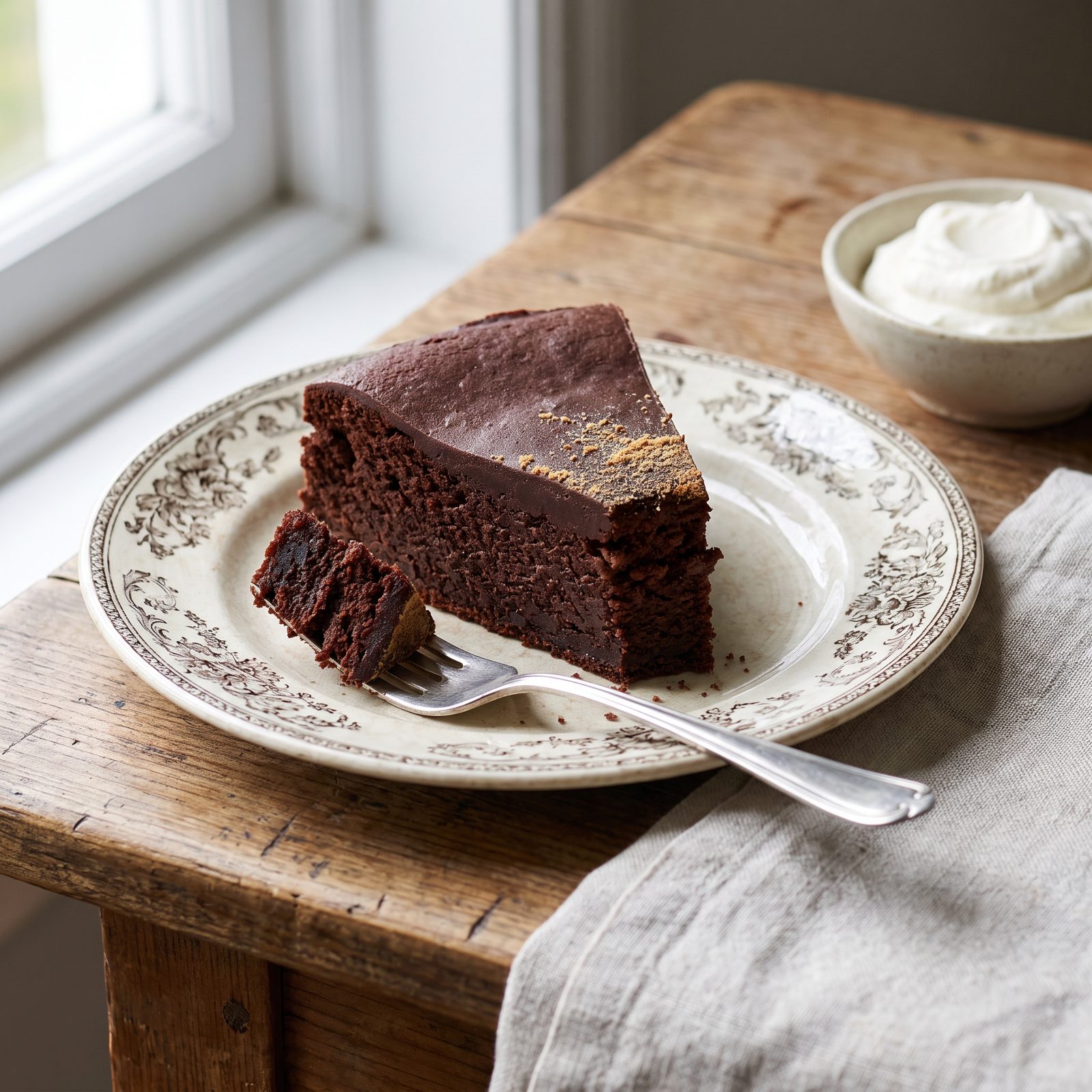
Breadcrumbs do the job flour used to. In old European cake recipes, fine stale crumbs stand in for part of the flour, soaking up butter and cocoa and baking into something that stays moist for days. The crumb comes out denser, closer to a torte, and that density is precisely why it loves chocolate.
Toast the crumbs first so there’s no raw-bread taste, then fold them into your batter with melted dark chocolate and a little ground almond. Bake until the top cracks and a skewer comes out with a few damp crumbs clinging to it. Dust with powdered sugar and call it what it is: a thrifty cake that tastes like a splurge.
6. Press a Toasted-Crumb Pie Crust
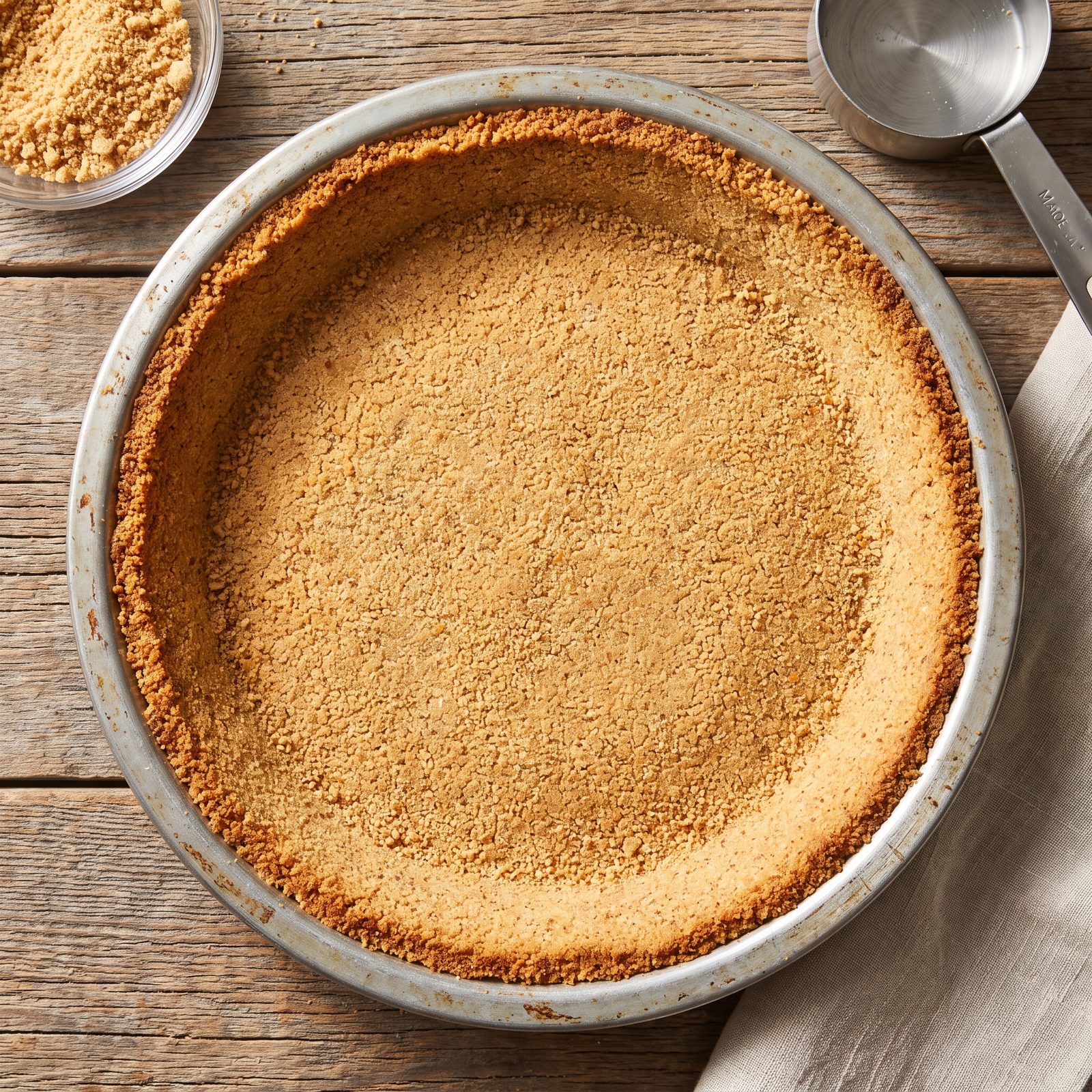
Forget rolling out dough when you’ve got a graham-style crust hiding in your bread bin. Toasted breadcrumbs mixed with melted butter and a spoon of sugar press right into the pan — no chilling, no rolling pin, no cursing at a crust that keeps tearing on you.
Bake it blind for ten minutes so it sets firm, then fill it with anything that doesn’t need a long oven: a chilled lemon cream, a chocolate custard, a no-bake cheesecake. The toasted crumbs bring a nuttiness a plain cookie crust never will.
5. Churn Toasted Bread Ice Cream
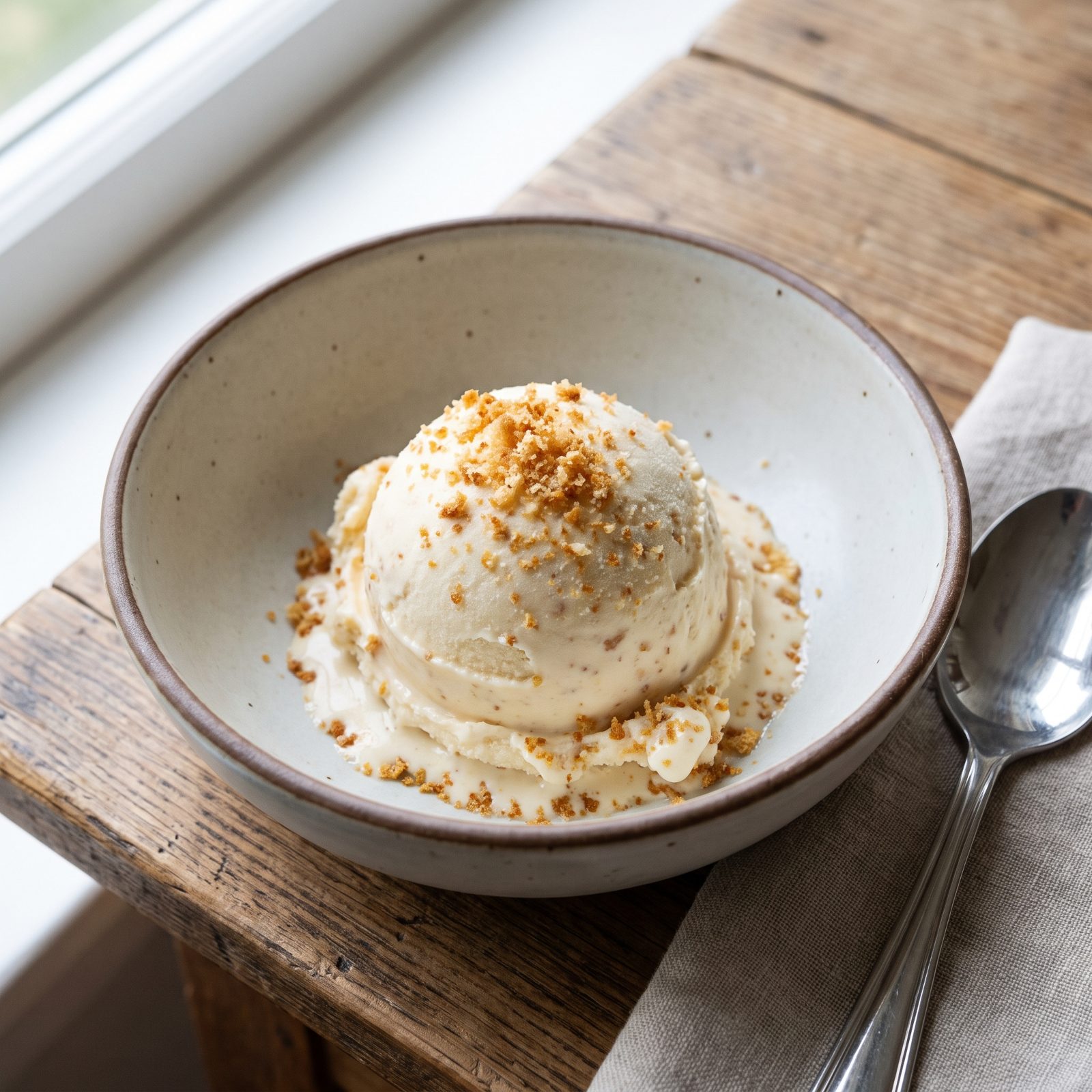
This one sounds strange until you taste it. Caramelize stale breadcrumbs with brown sugar and butter until they crunch, then fold them through a plain vanilla custard base before you churn. Some of it melts into the cream, and the rest leaves little caramelized nuggets scattered through each scoop, like the crust of a loaf turned into dessert.
It’s a genuine old English trick — brown bread ice cream, quietly delicious for a couple of centuries now. The toasted crumb gives you a malty, almost toffee note nothing else can. Nobody ever guesses it started as the end of a sandwich loaf.
4. Griddle Stale-Bread Pancakes
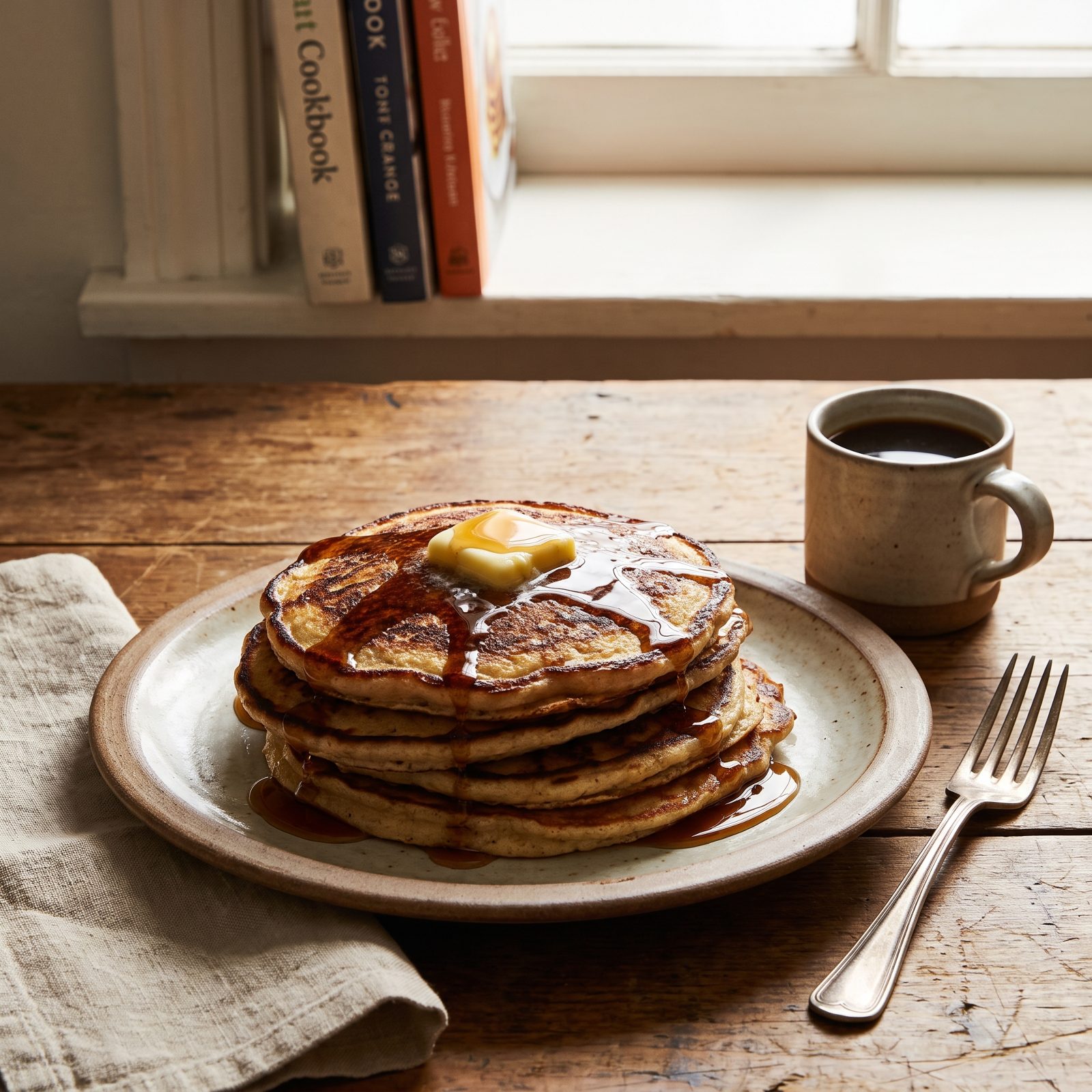
Soak torn stale bread in warm milk until it goes soft, mash it, then beat in egg, a little flour, and sugar. You end up with a batter that griddles into pancakes with far more body than the usual flapjack — think of a soft fritter with a tender, custardy middle.
Cook them in butter over medium heat so the outside browns while the inside sets. Honey, jam, or just more butter. This is peasant breakfast cooking from all over Europe, and it fed a lot of families on next to nothing. Still does.
3. Bake Savory Bread Chips
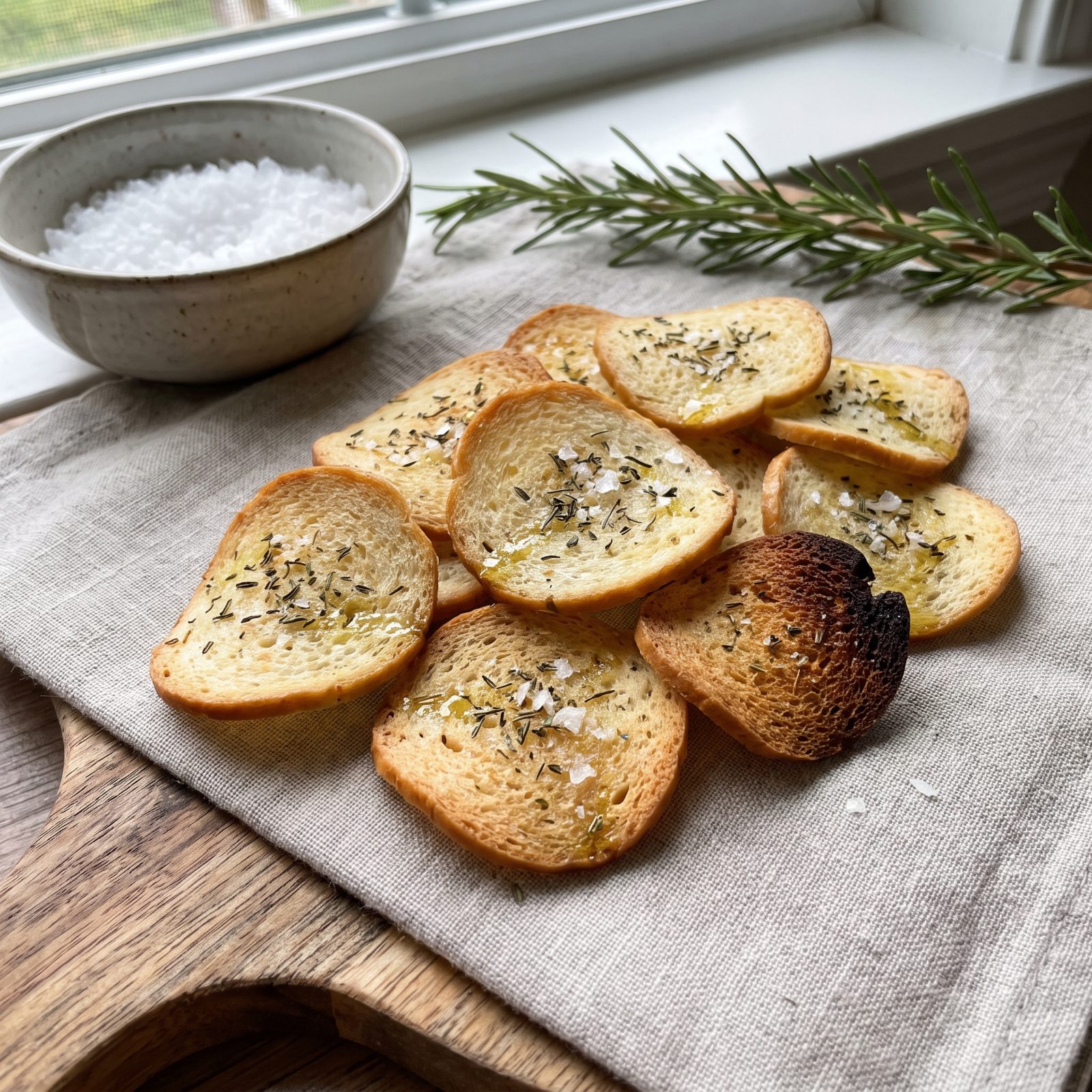
Stale bread wants to be crisp. Slice it thin, brush with olive oil, scatter on whatever you like — pepper, herbs, a little parmesan, garlic powder — and bake low until it snaps. There: crackers out of a loaf that was headed for the bin.
Keep the oven around 300°F and give them time so they dry all the way through. Pull them too early and they go leathery by morning. Done right they keep in a tin for a week and beat any boxed cracker on a cheese board.
2. Turn Slices Into Mini Pizzas
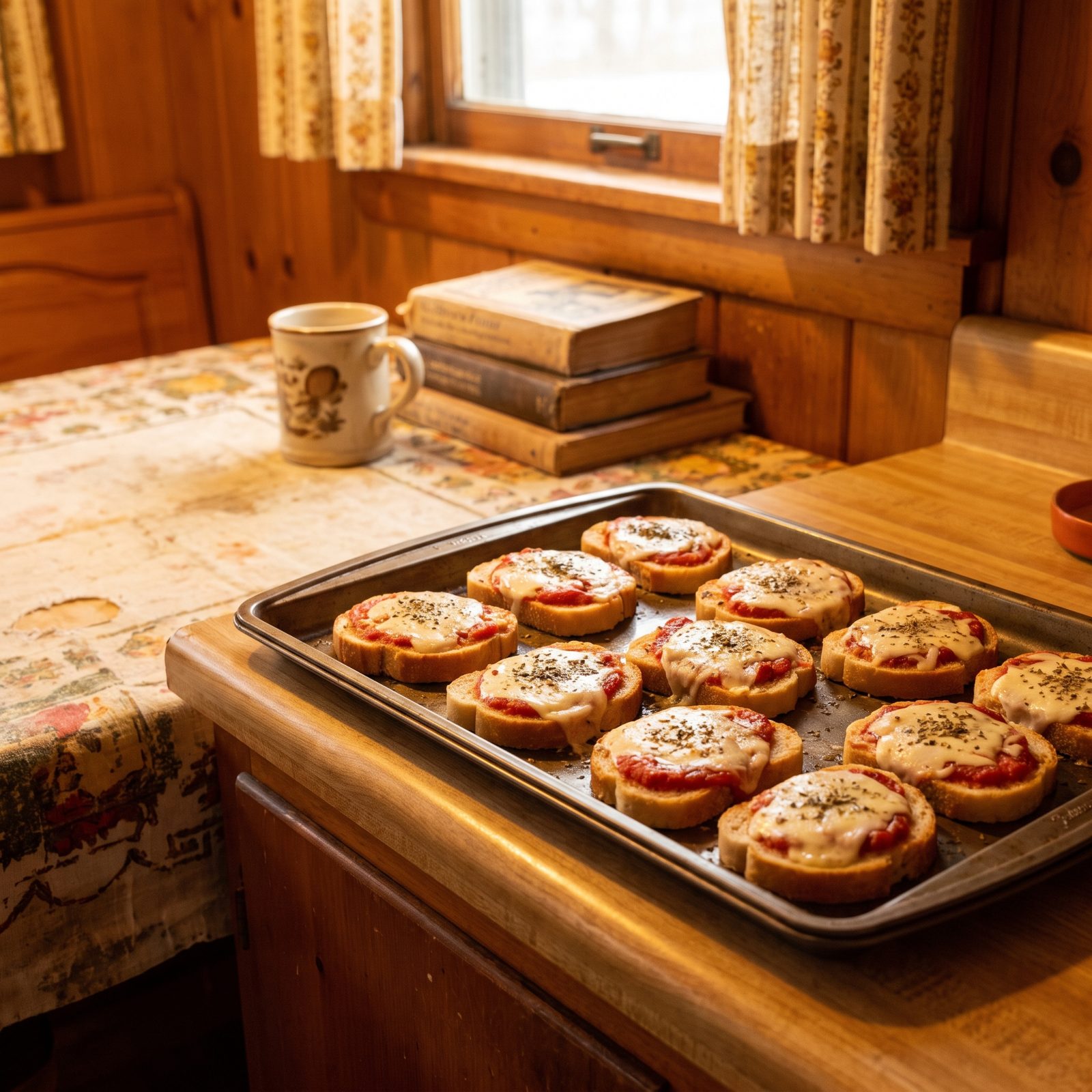
Every kid who grew up in the ’70s and ’80s knew this one. Day-old bread, a spoon of sauce, a blanket of mozzarella, and whatever was in the fridge, all shoved into the toaster oven until the cheese bubbled and the edges went crisp. Friday night in about six minutes.
Stale bread beats fresh here, honestly. It holds up under the sauce instead of going soggy, and it toasts into a sturdy little crust. Hit it with oregano and a few pepperoni and you’ve got the after-school snack an entire generation remembers.
1. Ferment a Traditional Batch of Bread Kvass
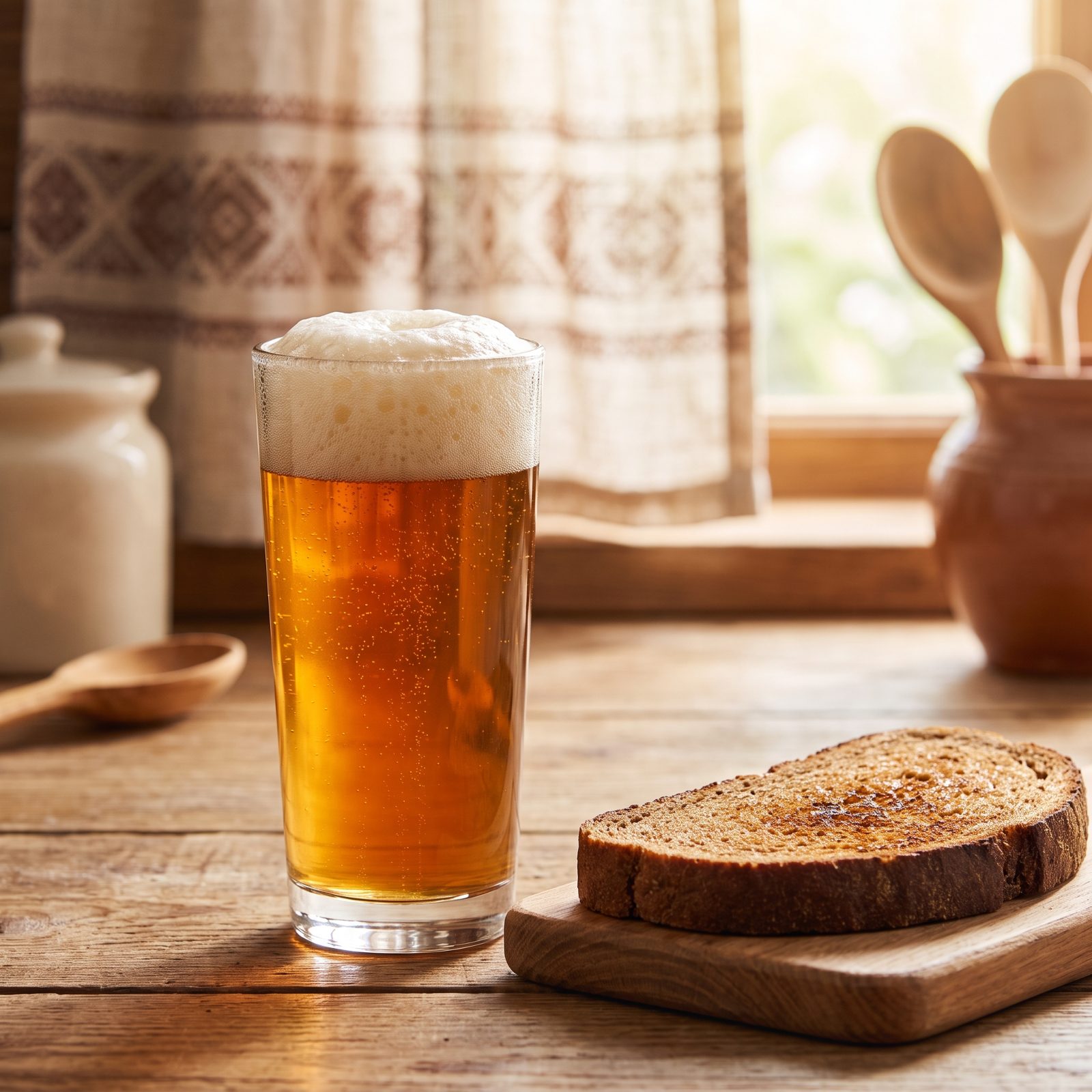
This is one of the oldest tricks on the list. Toast dark rye until it’s good and brown, pour boiling water over it, add sugar and a little yeast, and let it sit a day or two. What you get is kvass — a mildly tart, barely fizzy drink that’s been quenching thirst across Eastern Europe for ages.
Toss in a few raisins to feed the ferment and keep it somewhere warm. Strain, bottle, chill. It tastes faintly of malt and dark bread, somewhere between a soft ale and a cola nobody engineered in a lab. Turning stale bread into a cold drink feels like a small magic trick, and it kind of is.