
Would you like to save this?
At 6:40 in the morning, long before the store filled up, a clerk pressed a bright yellow markdown sticker onto a tray of pork chops. Most shoppers never see that moment. They walk the same aisles, grab the same things, and wonder why the bill creeps higher every month. The tricks that actually move the needle aren’t coupon-clipping marathons or giant warehouse hauls. They’re small, slightly odd habits that experienced shoppers lean on and almost never mention out loud. Here are the ones worth stealing, starting with the ones hardly anybody knows.
Please note that some of the images in this article were created with the assistance of AI.
42. Ask Each Grocery Department When Its Markdown Stickers Appear
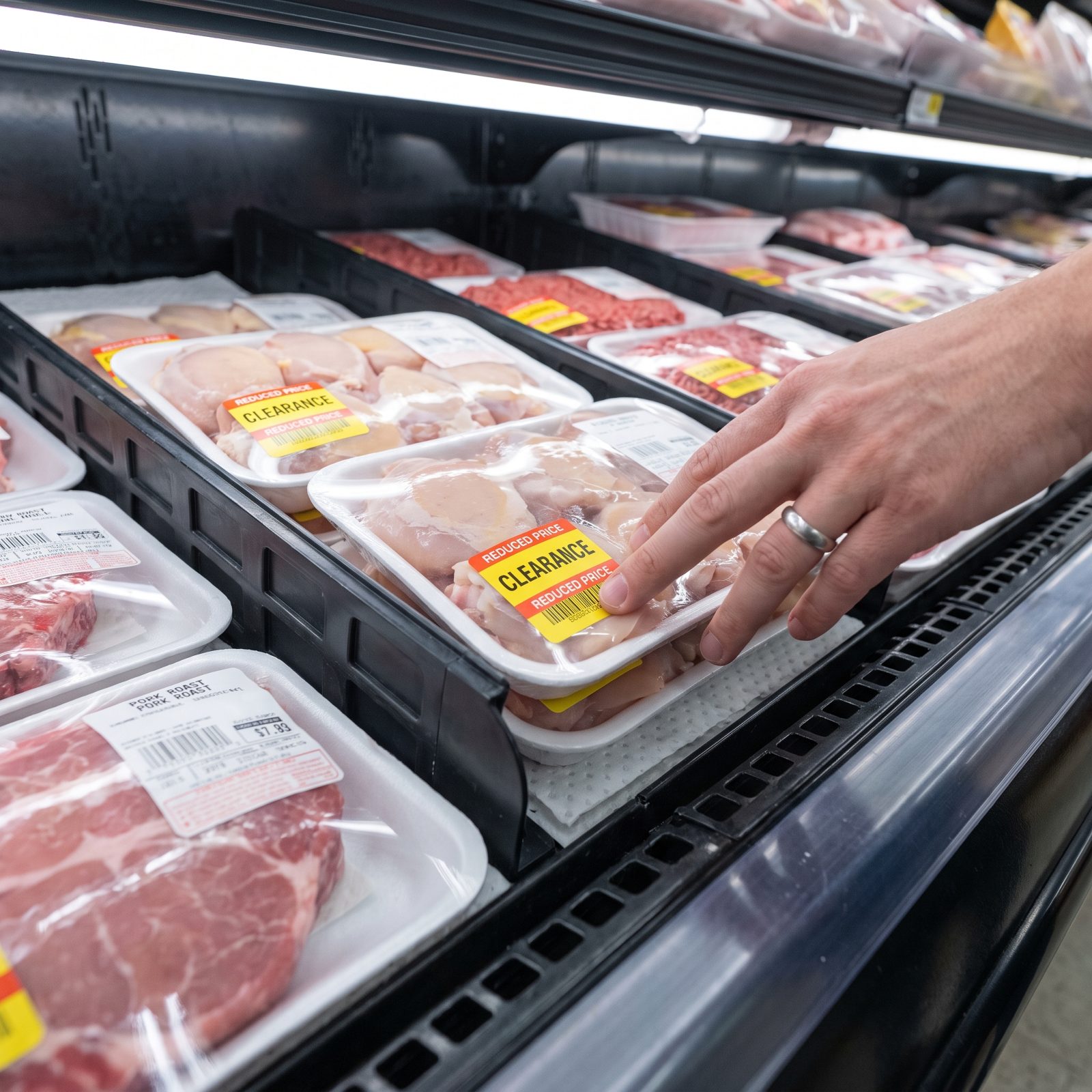
Every department empties its about-to-expire shelf on a schedule, and that schedule is weirdly consistent. Meat might get stickered in the morning after the overnight count, bakery dumps day-old bread near closing, and dairy rolls items back a few days before the printed date.
Nobody posts these times. You have to ask the person stocking the case, and most of them will tell you flat out because it clears their shelves. Show up in that window and the same chicken costs a third less.
41. Request Deli Ends for Cooking and Snacking
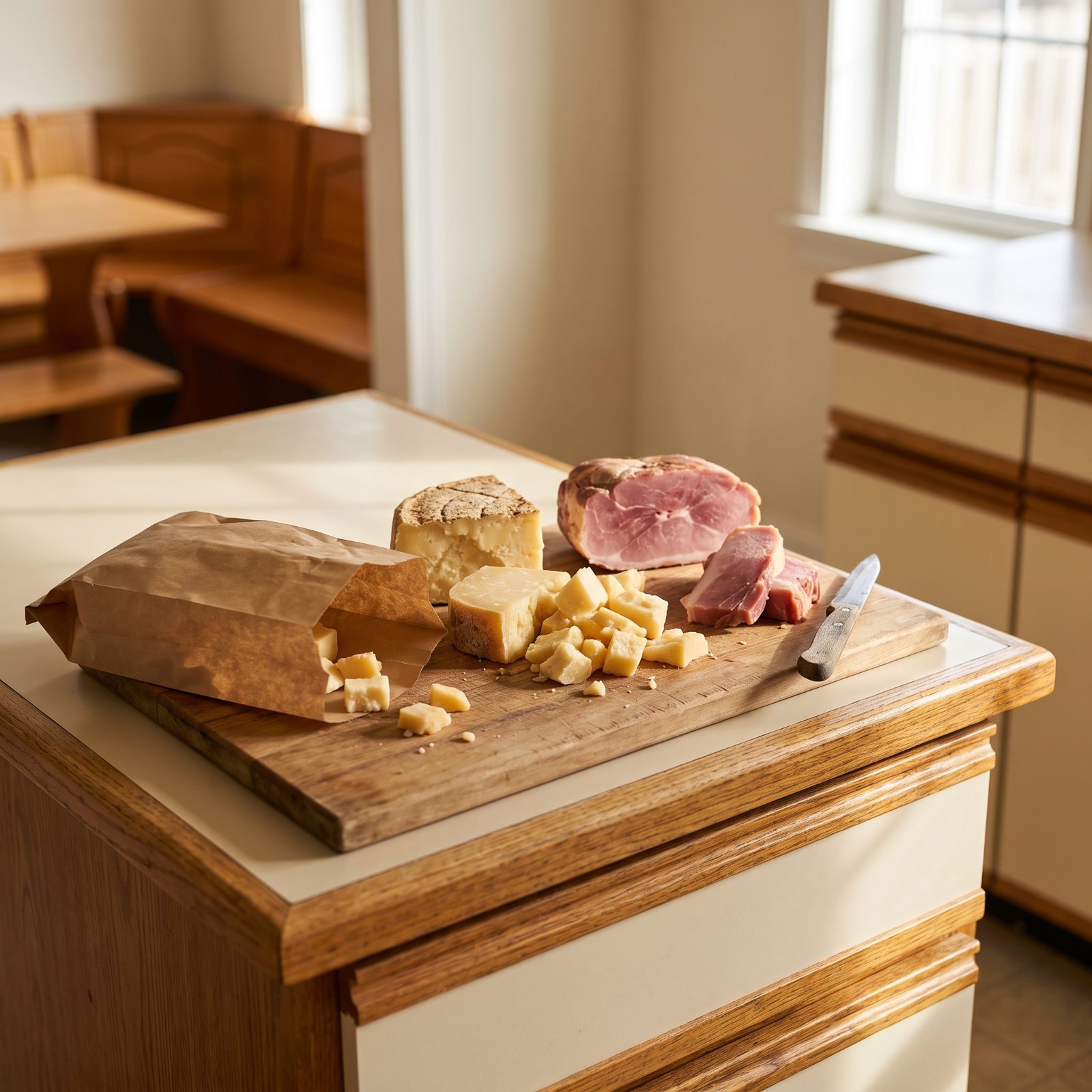
The deli slicer leaves stubs. Too small to slice cleanly, too good to waste, so they get bagged up as “ends” and sold for a fraction of the counter price, if they’re sold at all. Half the time they’re just sitting in the back because nobody asked.
Those ragged ham nubs and cheese heels cook beautifully. Dice them into eggs, melt them into a sauce, drop them in soup. You’re paying for flavor, not for a pretty fan of overlapping slices you were going to chop up anyway.
40. Buy Tiny Recipe Amounts from the Salad or Olive Bar
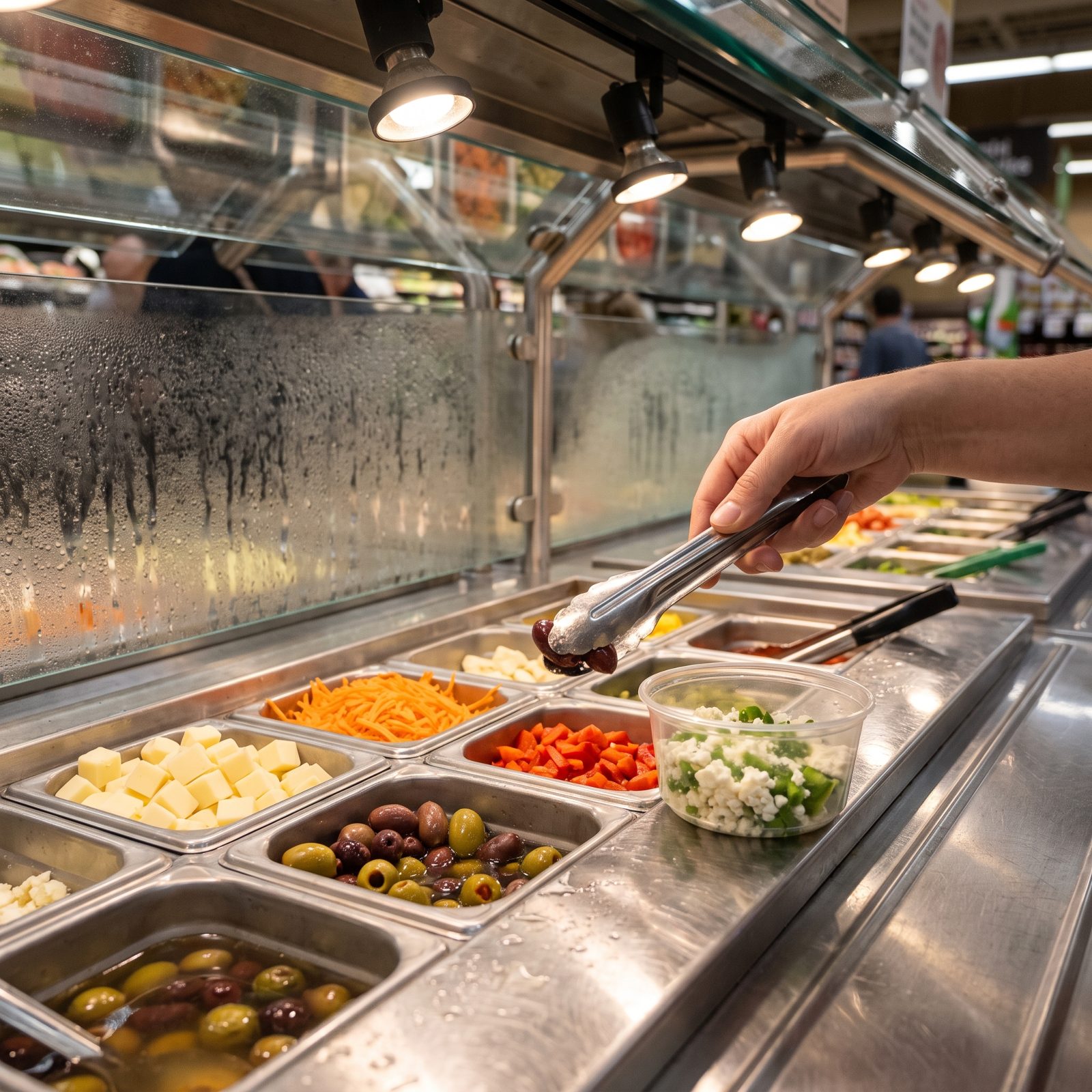
You need a quarter cup of olives for one dish. The jar holds a pound and costs six dollars, and five months later it’s still sweating in the back of the fridge.
The salad bar sells by weight. Scoop exactly what the recipe calls for, three olives, a handful of chopped peppers, a tablespoon of feta, and pay cents instead of committing to a whole container. Buying prepared food just to cook with it feels backward, sure. But for small amounts of pricey ingredients it’s cheaper and nothing rots.
39. Compare Meat by Edible Ounce, Not Package Weight
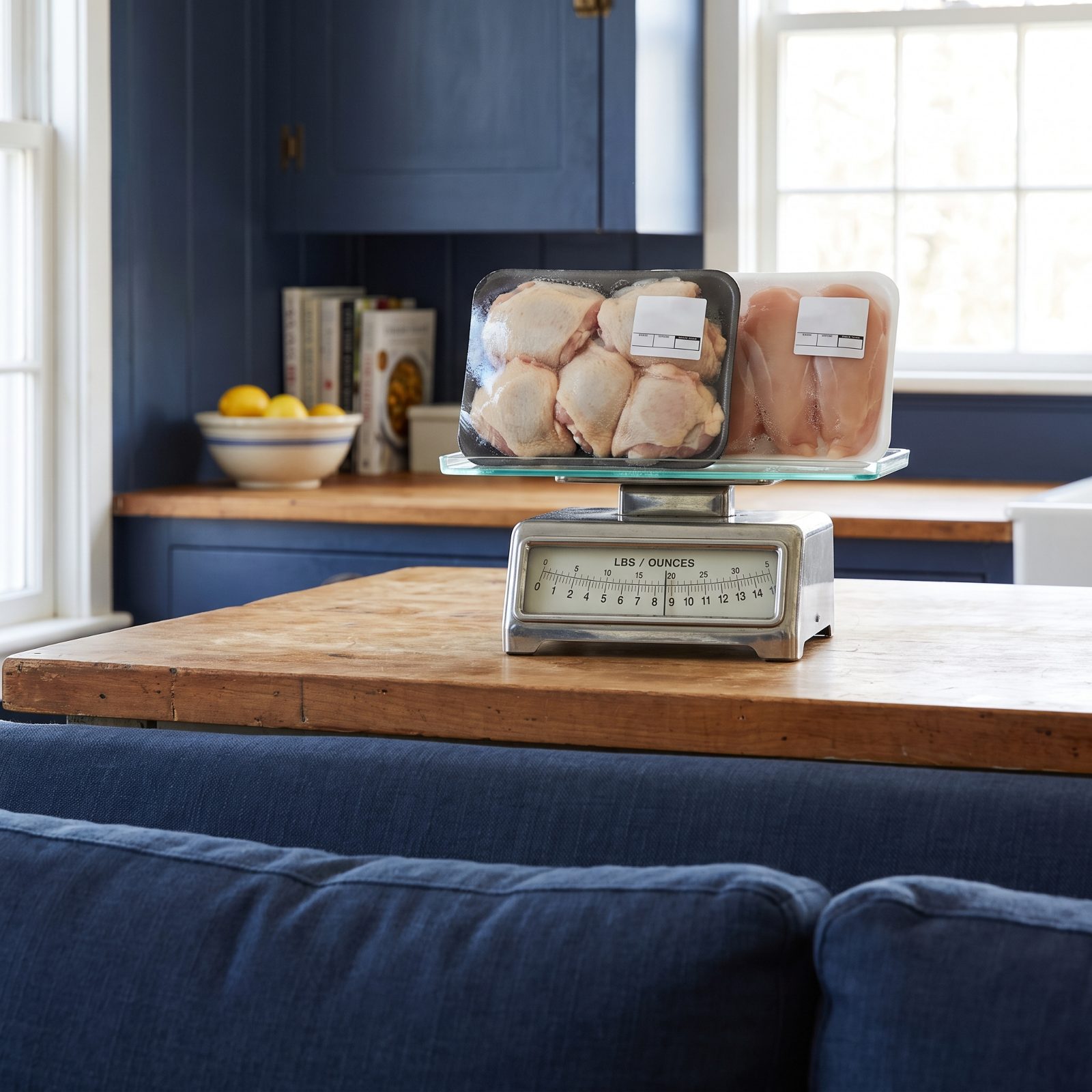
Per-pound pricing lies to you. A bone-in, skin-on cut looks cheaper on the shelf tag, but you’re paying for bone and skin you’ll throw out. Plenty of a whole fish is waste. A trimmed roast is almost all food.
What matters is the cost per ounce you actually eat. Sometimes the pricier boneless cut wins once you run that math. Sometimes the bone-in deal is real and the bones go into stock. You can’t know which until you stop reading the sign and start estimating the edible share.
38. Weigh Fixed-Price Produce Bags and Take the Heaviest
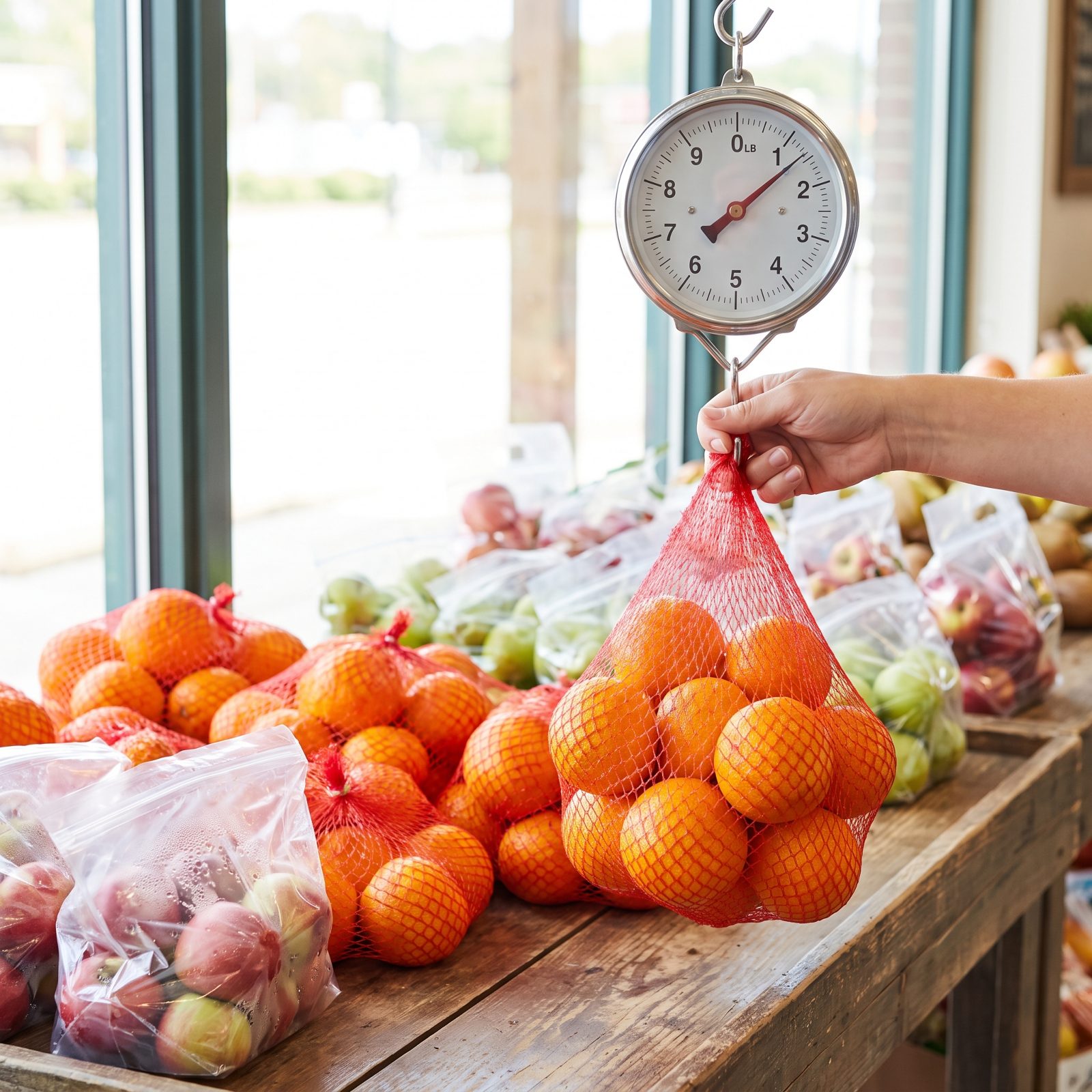
A fixed-price bag of oranges is a promise, not a measurement. Fill lines drift. One bag reads just under a pound and a half on the dial, the one next to it reads closer to two, and they ring up the same.
Hit the produce scale and weigh a few. Take the heaviest. You get free fruit for the price of ten seconds, and the trick works on anything sold by the bag at a set price, potatoes, apples, onions.
37. Keep a “Do Not Buy” List for Chronic Pantry Surpluses
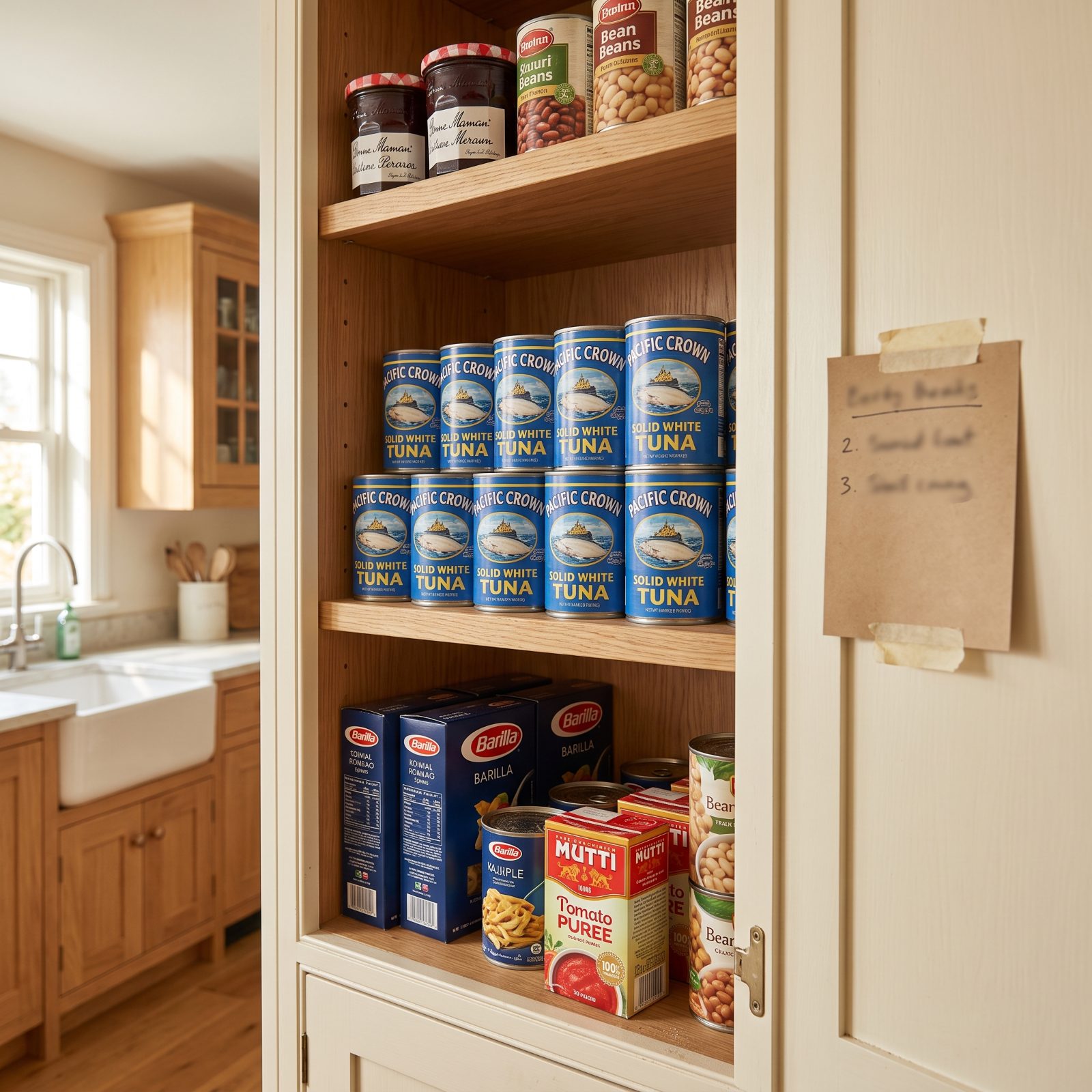
Everyone has the thing they keep buying because they can’t remember if they already have it. For some it’s canned beans. For others it’s a graveyard of mustard jars, soy sauce, or that spice blend bought three times for one recipe nobody’s made since.
A “do not buy” list taped inside the pantry door fixes this better than any inventory app. It’s shorter than a full inventory and it targets only your repeat offenders. Glance at it before you shop. Chickpeas on the list? You already own nine cans. Walk past them.
36. Record Every Thrown-Away Food Before Writing the Next List
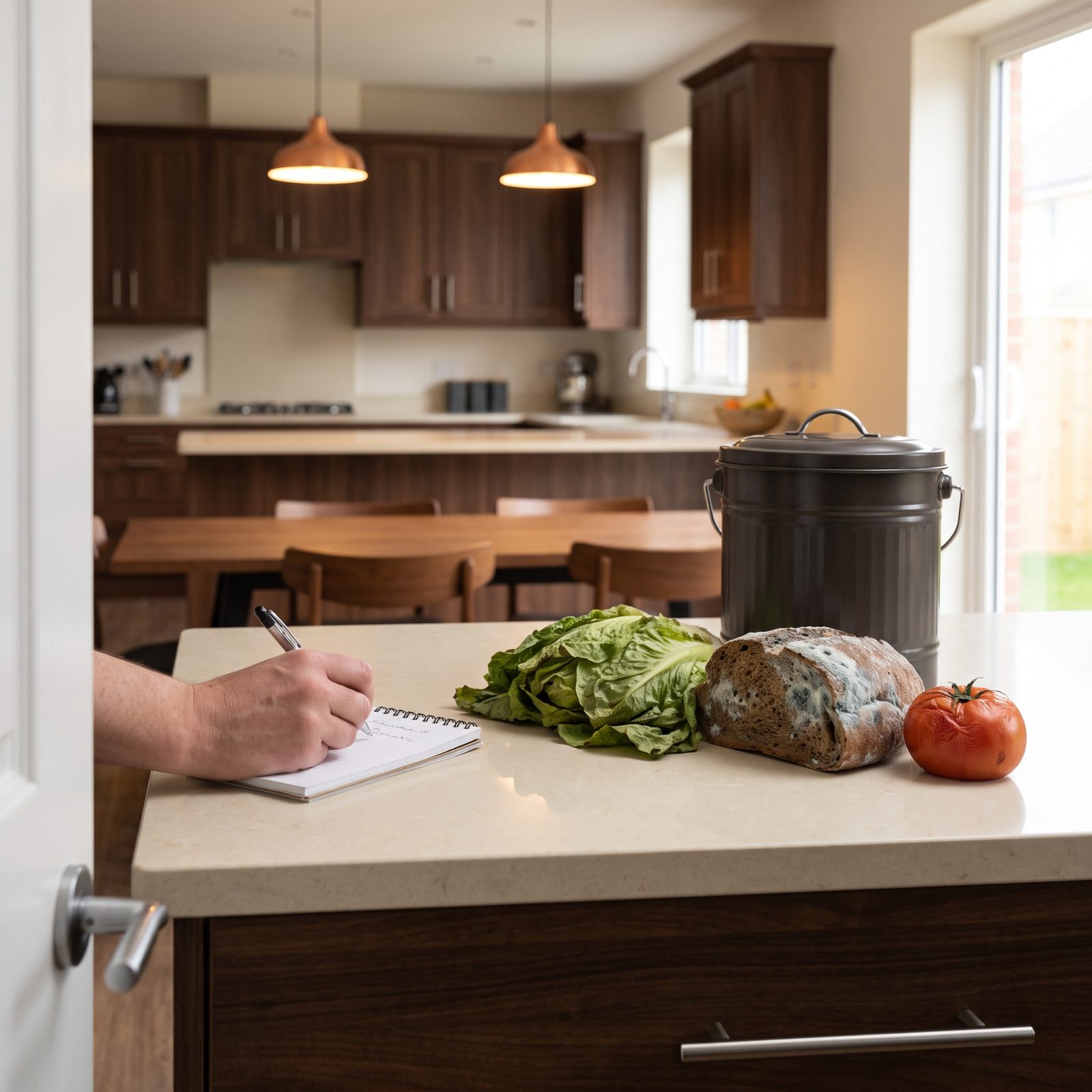
Nothing changes a shopping list faster than writing down what you threw out last week. Not a guilt exercise. A data point.
Half a bag of spinach, gone slimy. The second loaf you bought on sale and never touched. Write it on a scrap by the bin as it hits the trash, and by the time you plan the next trip the pattern sits right there in your own handwriting: you overbuy greens, you never finish two loaves, the “backup” milk always sours first.
The cheapest food is the food you don’t buy twice because you watched the first one rot.
People guess wildly about their own waste. A written log won’t let you round down.
35. Turn Four Weeks of Receipts Into a Personal Price Book
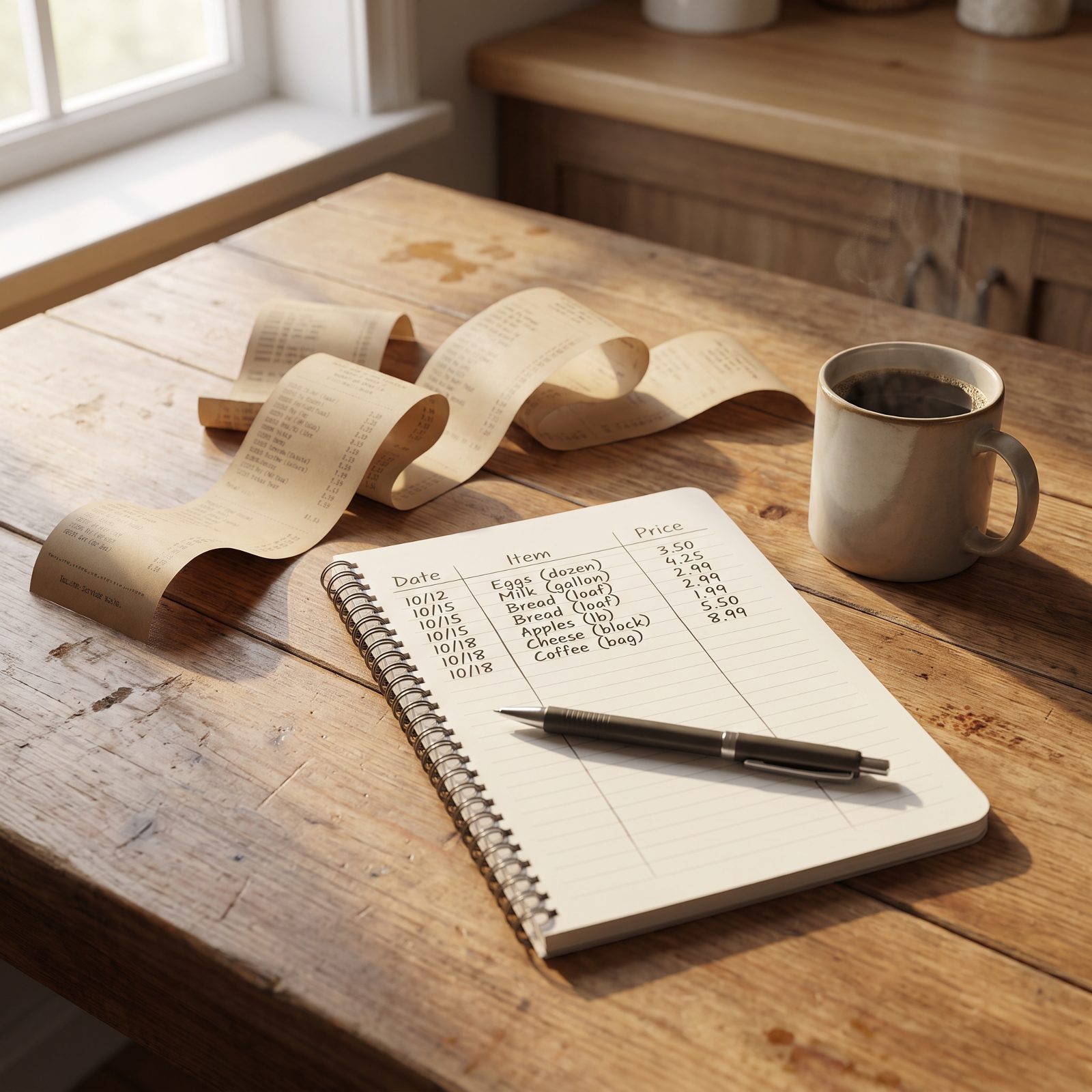
Sale signs are built to make you feel like you’re winning. A price book ends the guessing. Over four weeks, jot the real price you paid for the twenty or so items you buy constantly, your milk, your coffee, your eggs, your go-to pasta.
Now you own a baseline. When a “sale” pops up, you’ll know in a second whether it’s actually low or just louder. Most stores run the same rotation, so after a month you can predict when your staples drop and buy on the real dip instead of the fake one.
34. Build the Same Online Cart at Two Stores Before Choosing One
Would you like to save this?
You can comparison-shop two whole carts from your couch in about ten minutes, and hardly anyone bothers.
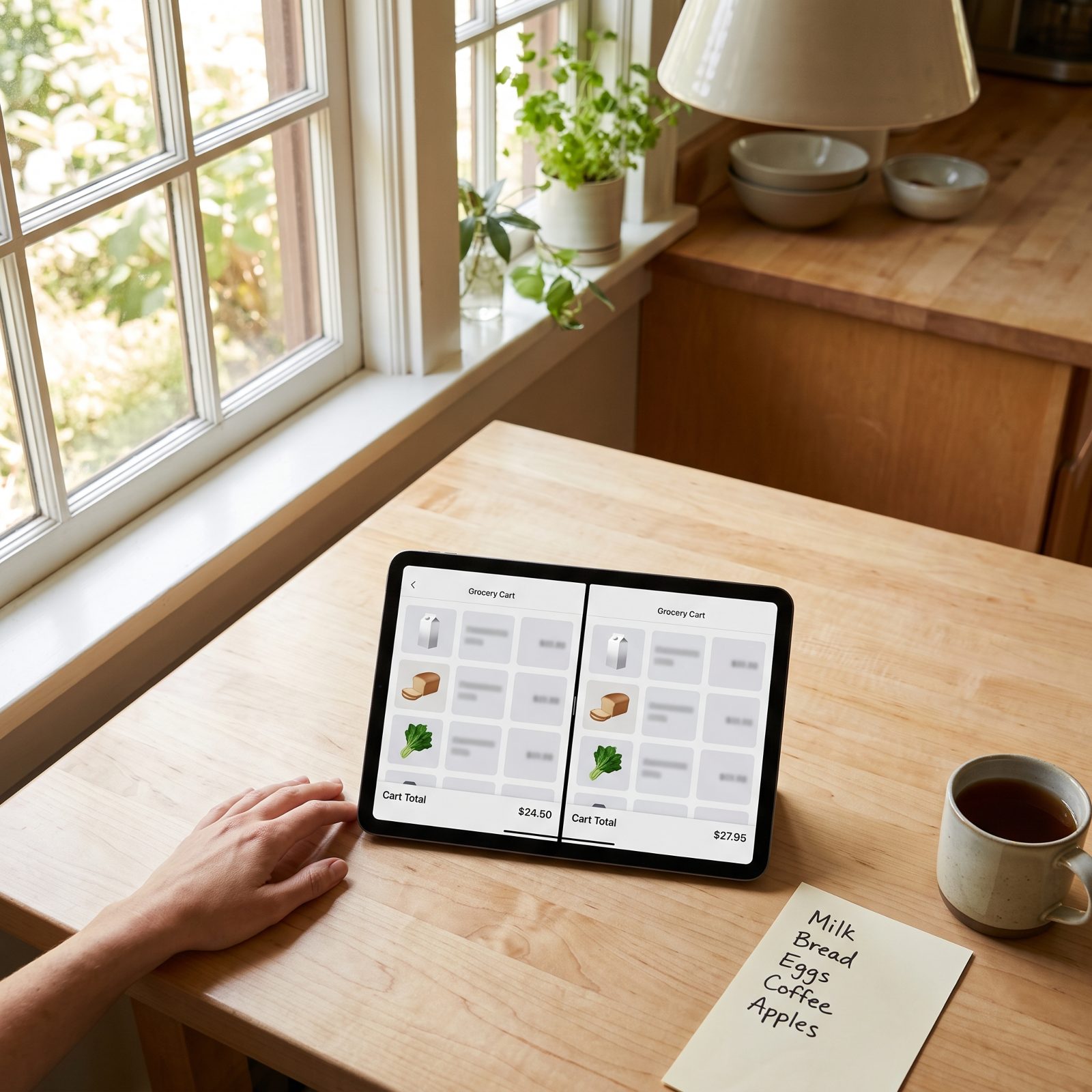
Build your weekly list as an online cart at one store. Then build the identical list again at a second store in another window, so both carts sit side by side on a split screen. The running totals tell you which cart is genuinely cheaper for your specific basket, not for some average shopper the ads are aimed at. Sellers win on different categories. One cart beats the other on dairy and meat, loses on produce and cleaning supplies. Seeing both totals side by side tells you which cart to actually buy, before you ever tap the checkout button.
33. Photograph Only the Empty Spaces in the Fridge and Pantry
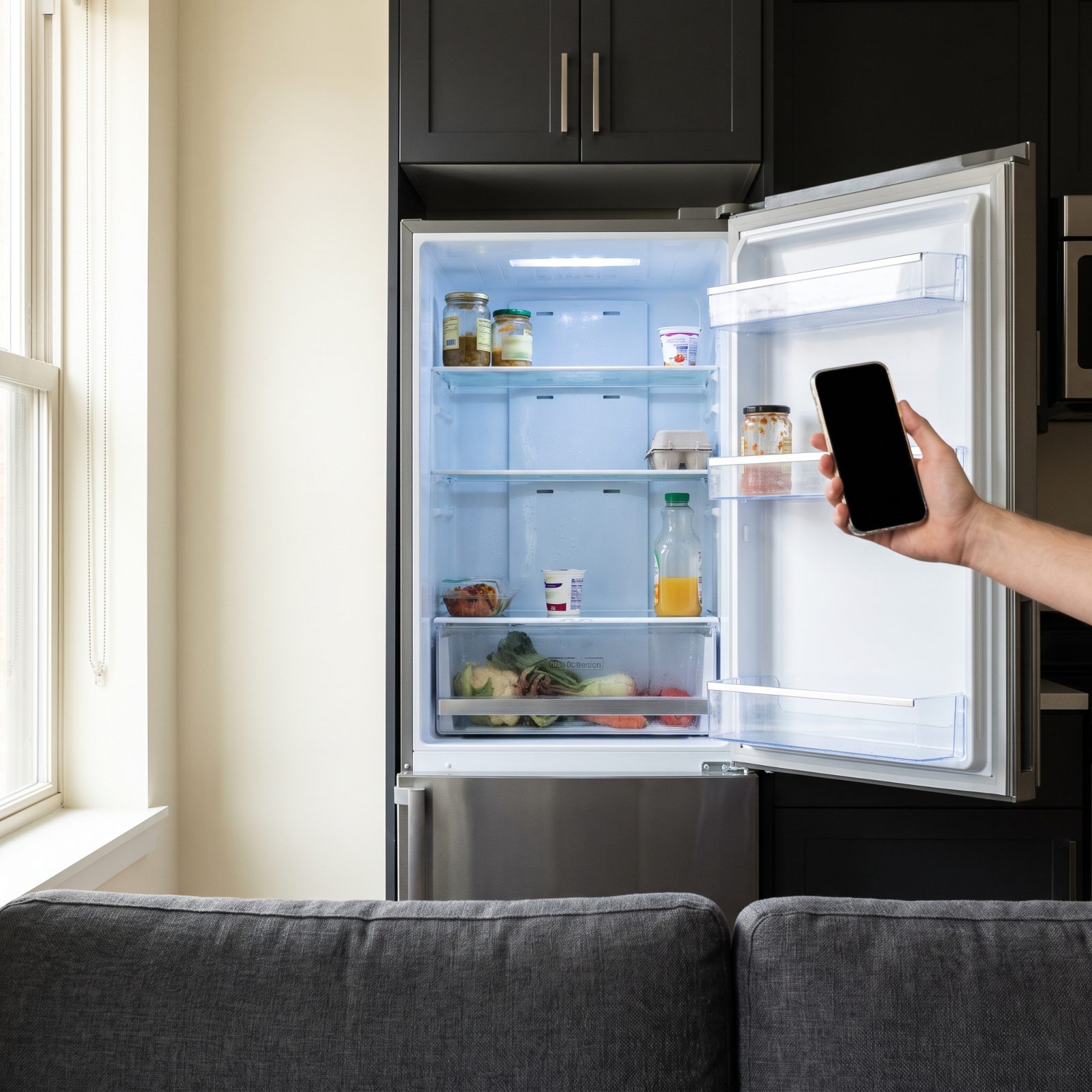
The usual advice is to snap a photo of your full fridge before shopping so you know what you have. Flip it. Photograph the gaps instead.
Your eye slides right past the mustard and the half-jar of pickles you’ll never run out of. What you actually need to buy lives in the empty spaces, the bare egg shelf, the missing butter, the hole where the milk was. A shot of the emptiness is a shopping list that writes itself, and it keeps you from hauling home a third jar of something just because you forgot it was already there.
32. Keep a Freezer-Door Tally Instead of Digging for Inventory
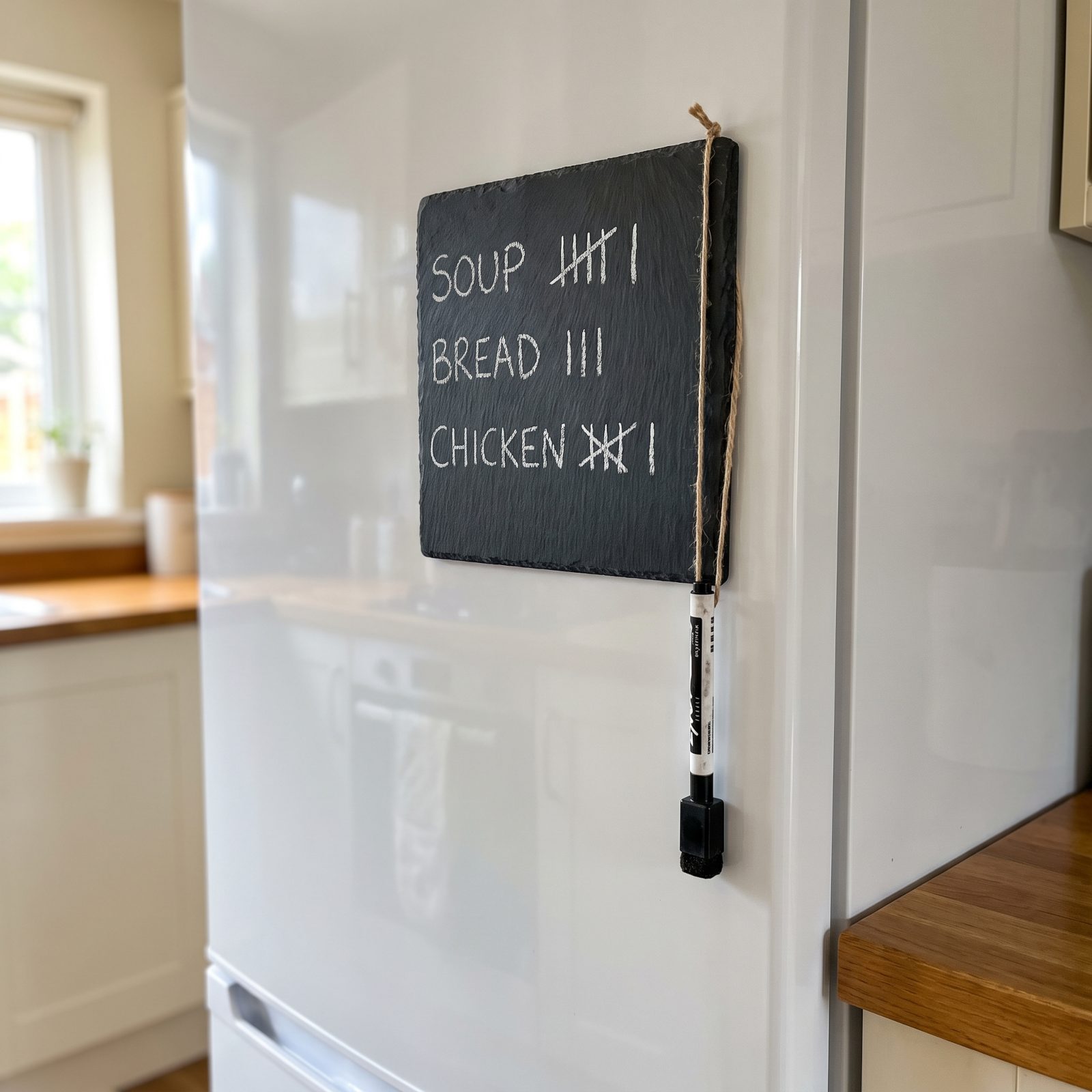
Nobody actually remembers what’s in a chest freezer. You think you do, then you buy a third bag of frozen peas and find two more behind the ice cream, both frosted over like forgotten relatives.
The fix is dumb and it works: a running tally on the freezer door. Add a mark when something goes in, cross one off when it comes out. No lifting the lid, no cold-handed archaeology, no guessing at the store. Glance at the door before you leave the house and you know.
31. Arrange the Checkout Belt by Home Storage Zone
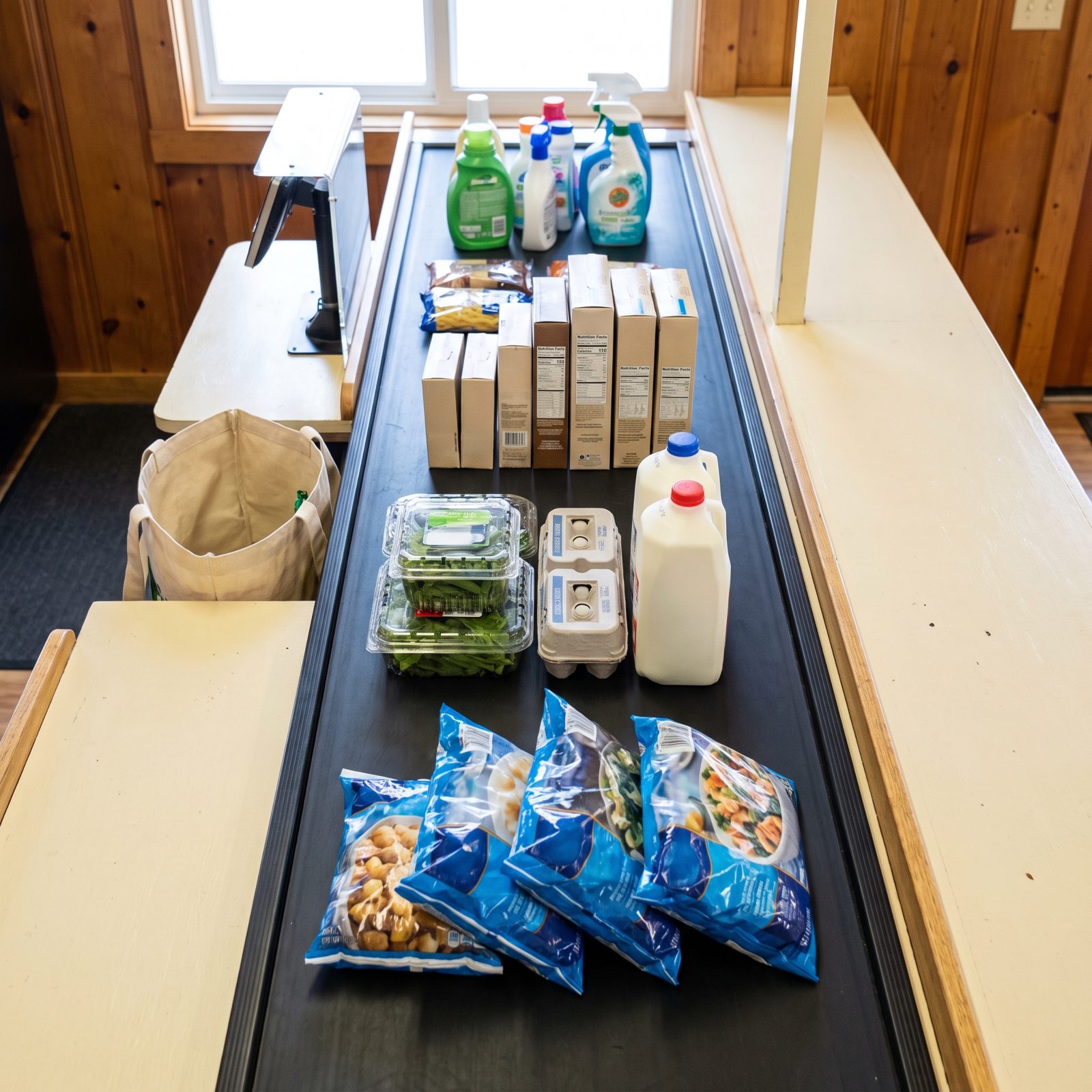
Watch how most people load the belt. Whatever hits the cart first hits the belt first, and then the bagger packs frozen fish next to warm bread next to dish soap. You get home and unpack a jumble.
Group items by where they live instead. Freezer stuff together, fridge stuff together, pantry together, under-the-sink together. The bags come out sorted. Putting away the week’s shop drops from a twenty-minute shuffle to a few quick trips, each bag headed straight to its shelf. Frozen things stay frozen longer too, bagged with their own cold company.
30. Buy Fruit at Staggered Stages of Ripeness
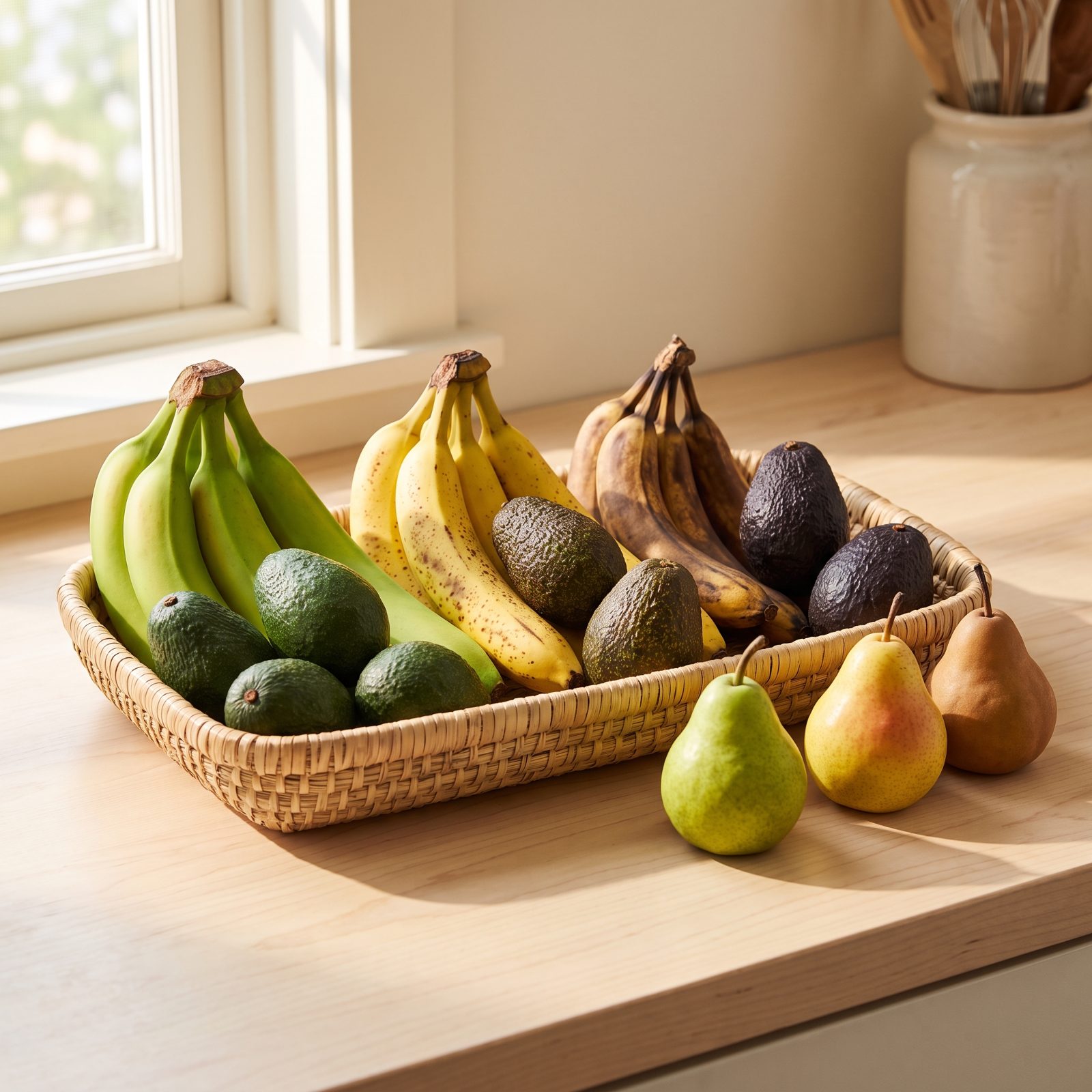
Grab six bananas of the same shade and four of them go brown on the same Tuesday. Now you’re baking banana bread you didn’t want, or tossing the rest.
Buy a spread instead. Two ready today, two for midweek, two still green for the weekend. Works the same with avocados, pears, peaches. You eat across the whole week instead of racing a ripe-now window, and almost none of it hits the compost. Produce clerks stock their own carts this way without thinking. Easiest waste cut on the list, and it costs nothing.
29. Write a “Meals Already Here” List Before Shopping
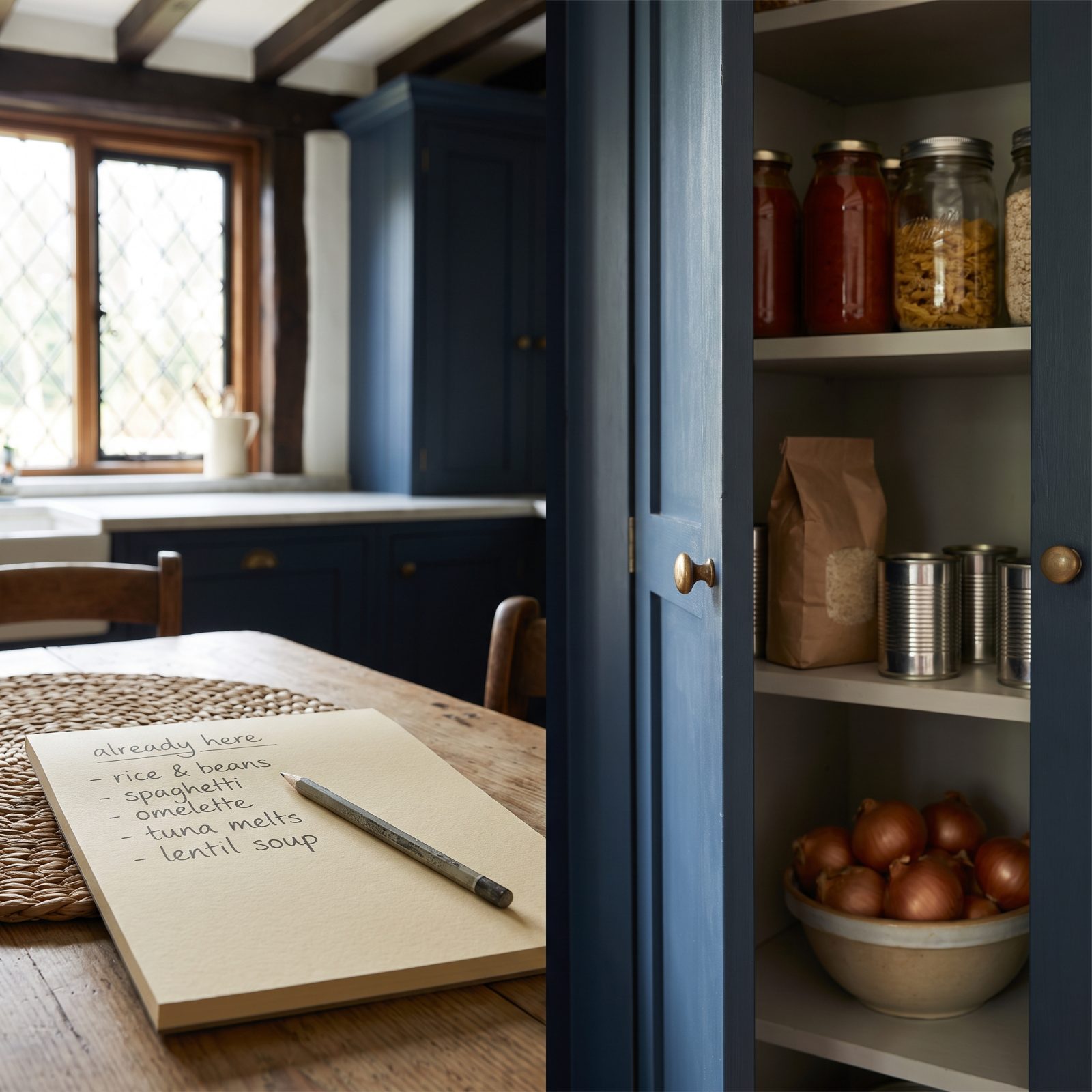
Before writing a shopping list, write the opposite one. What could you already make from what’s in the house right now?
Most kitchens hold three or four dinners’ worth of food hiding in plain sight. A bag of rice, a can of beans, an onion, some frozen chicken. People shop like the cupboards are bare because they never actually look. The “already here” list trims the week’s buy and clears out whatever’s creeping toward its expiry date.
28. Leave an Online Grocery Cart Overnight Before Paying
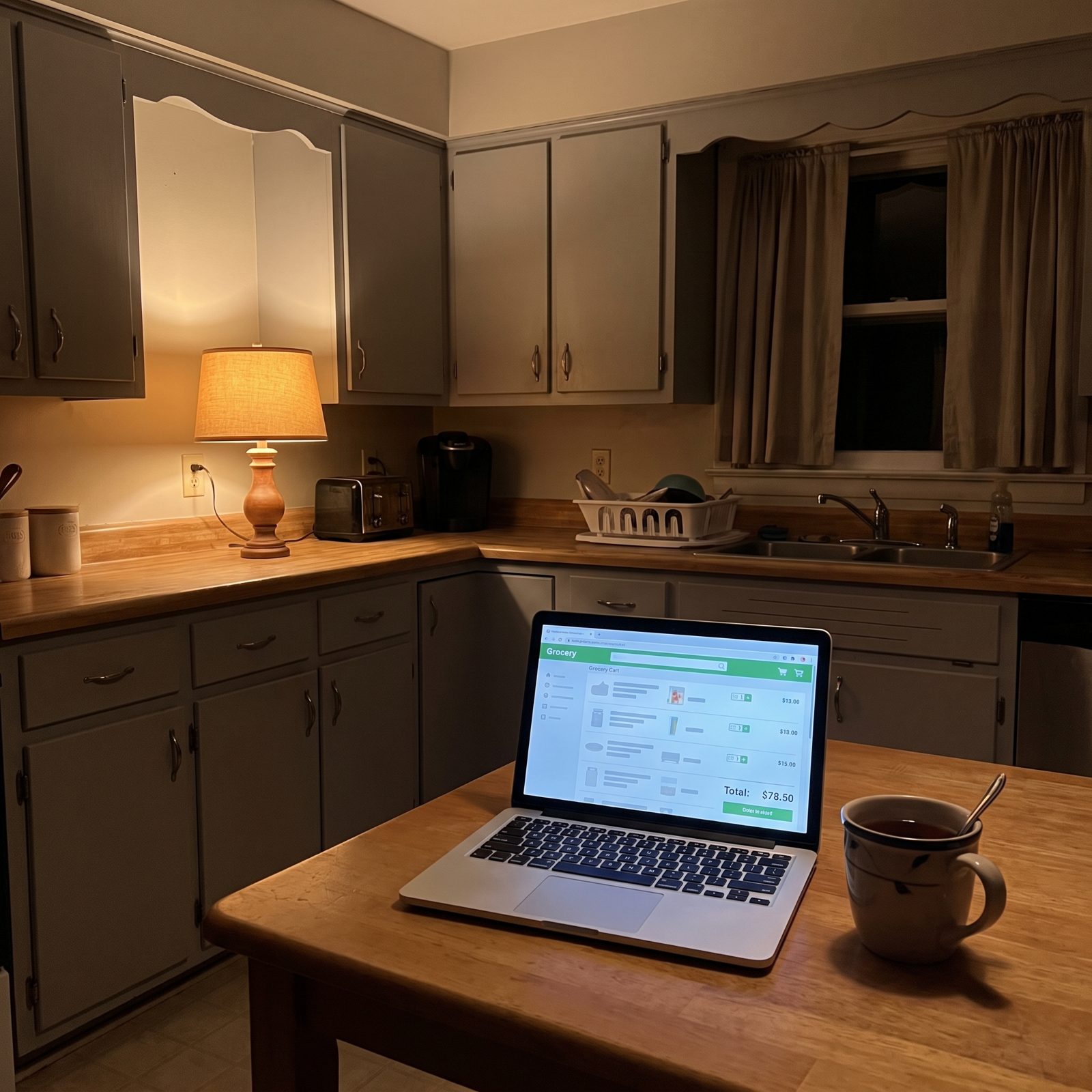
Online carts are built to make you add things. One more treat, a thing on offer, an impulse at the digital checkout. Hit pay and it’s done.
Fill the cart, then walk away until morning. Next-day you is far less swayed by the extras that crept in and nudged the total up. Come back, delete the two or three things you no longer want, then check out. That overnight gap is the whole trick. It turns an impulse into a decision.
27. Ask for Case Discounts on Frequently Used Shelf-Stable Foods
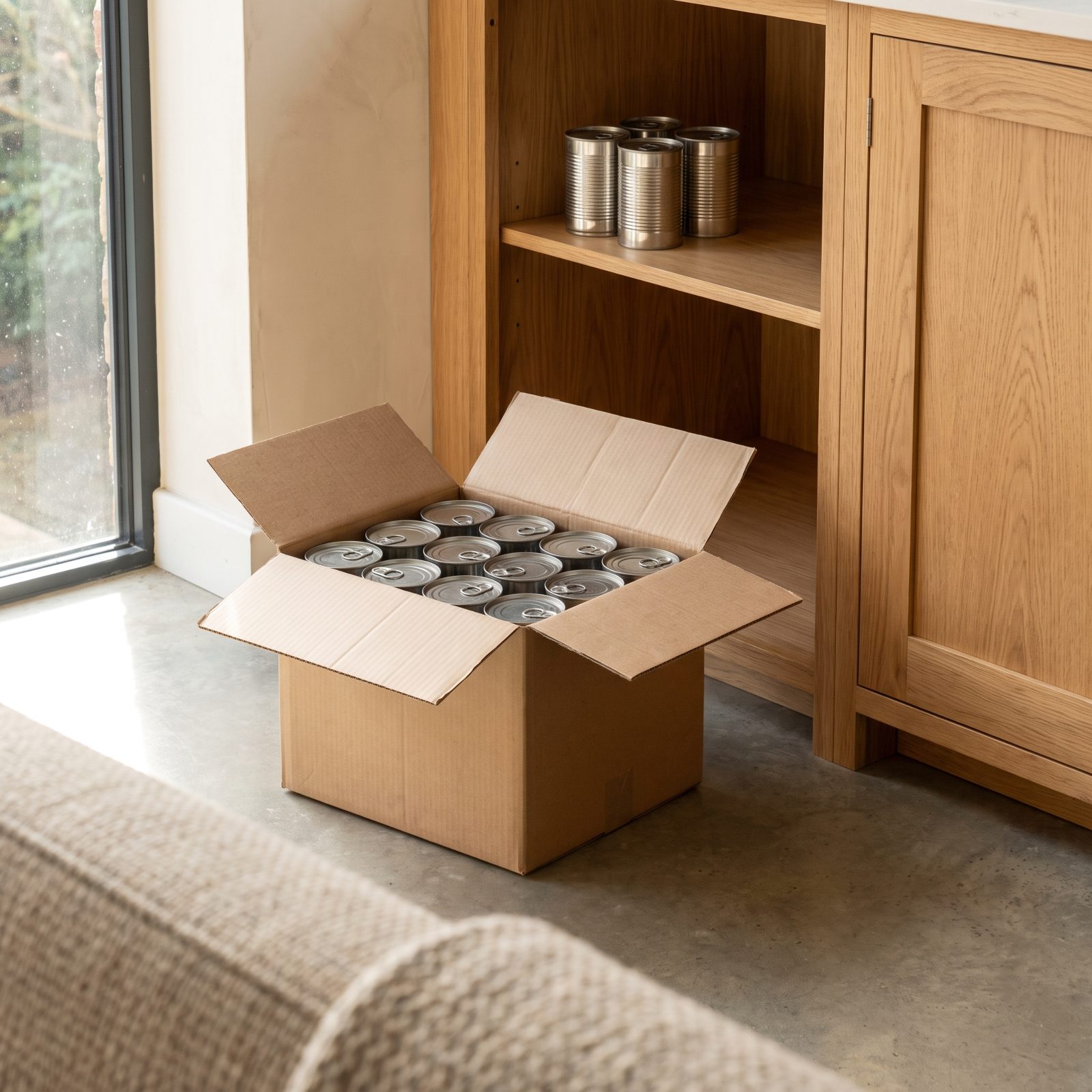
Here’s one most shoppers never try because it feels cheeky: ask the store for a case discount on something you buy constantly.
Plenty of grocers will knock a percentage off an unopened case of a shelf-stable staple you go through anyway. Canned tomatoes, tuna, beans, pasta, coffee. Worst they say is no. It only pays off for things you genuinely finish before they expire, so stick to the dependable workhorses of your kitchen, not some new product you’re hoping to like.
26. Split Warehouse Packs with a Neighbor
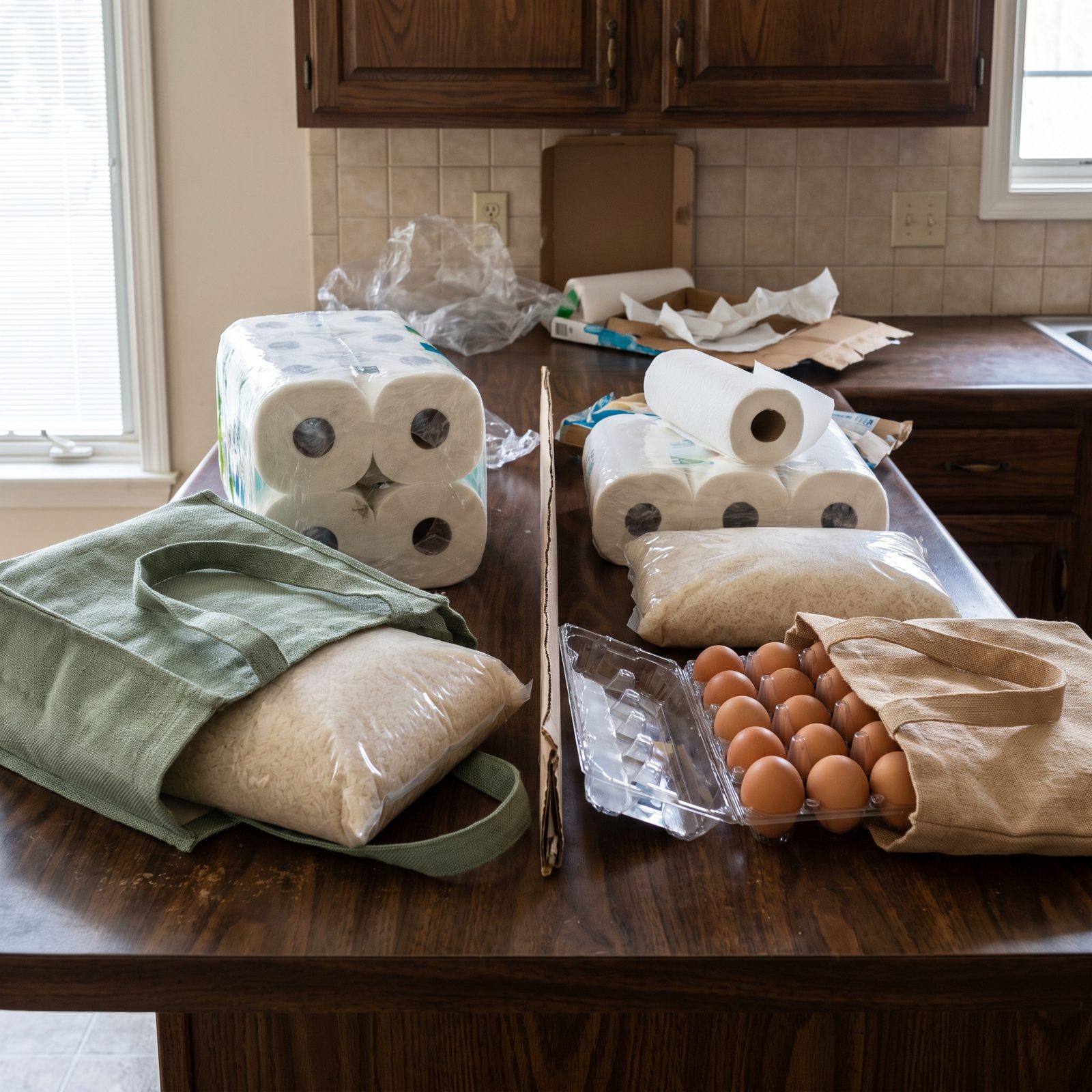
Warehouse clubs sell real savings per unit, then hand you ten pounds of something that fits in no cupboard and spoils before you finish it. The per-unit win curdles into waste.
Split the pack with a neighbor. One of you makes the run, and you divide the haul and the cost right there on the kitchen counter. You both get the bulk price without the bulk storage headache. Eggs, flour, olive oil, cleaning supplies, anything you’d never get through alone before it turned.
25. Request Rain Checks Instead of Substituting a Full-Price Product
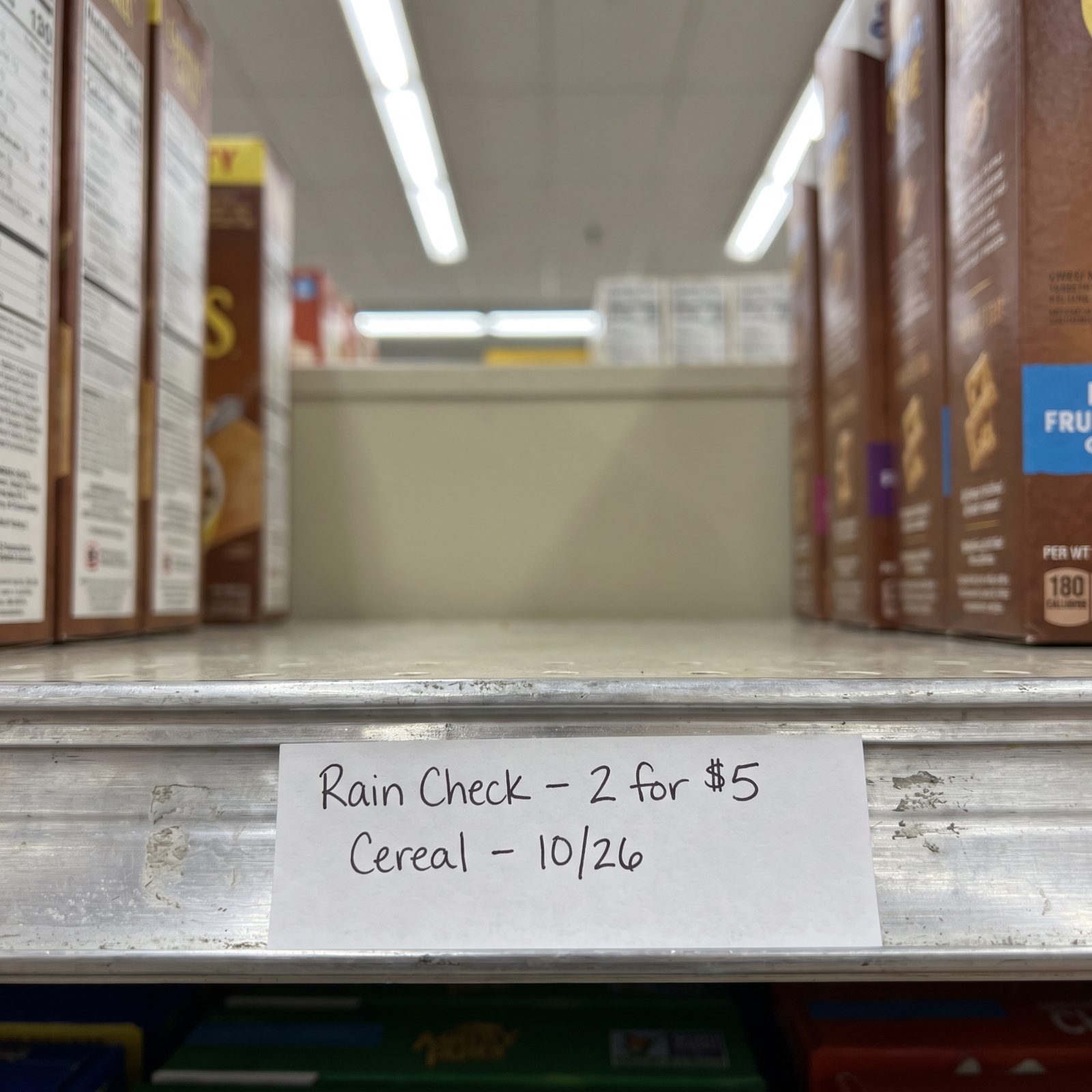
The sale item sold out. The store offers you a pricier substitute, or you grab a different brand at full price, grumbling the whole way to the register. That’s how a bargain evaporates.
Ask for a rain check instead. Most stores honor the sale price when the item restocks, sometimes for weeks. You walk out empty-handed on that one thing, but you come back and buy it at the deal you actually wanted. The full-price substitute was never a deal anyway. It was just the thing standing in front of you.
24. Blind-Test One Store-Brand Staple at a Time
Would you like to save this?
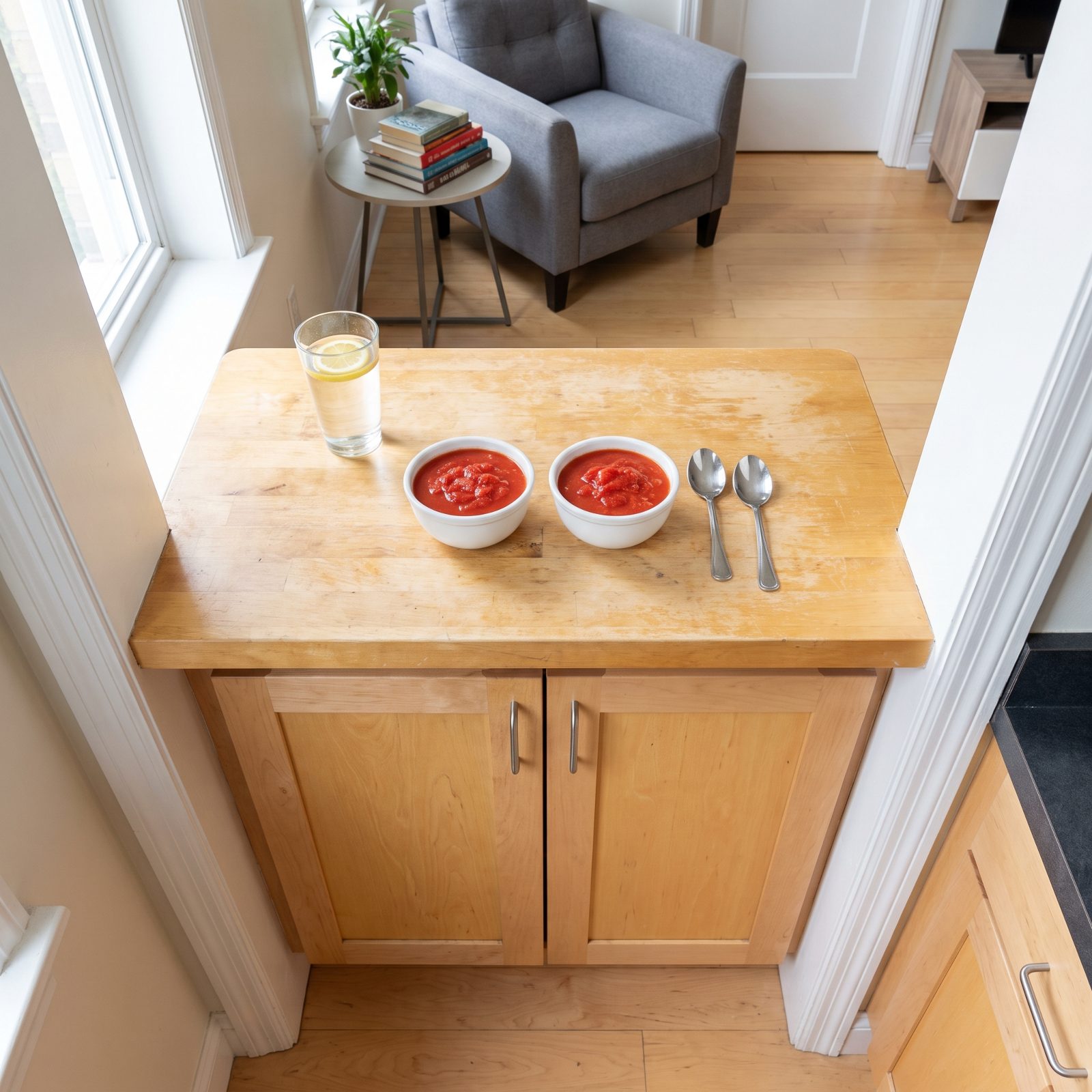
People stay loyal to name brands out of habit, not taste. Half the time nobody in the house could pick the branded version out of a lineup.
So test it. Swap one store-brand staple into the house and see if anyone notices. Canned beans, frozen peas, flour, plain yogurt. One at a time, though — switch everything at once and you can’t tell which downgrade wrecked dinner.
Some generics really are worse, and you’ll find them fast. But a surprising number are the exact same product in plainer packaging, made in the same plant. Those are free money, found one blind test at a time.
23. Buy Loose Produce in the Exact Amount a Recipe Needs
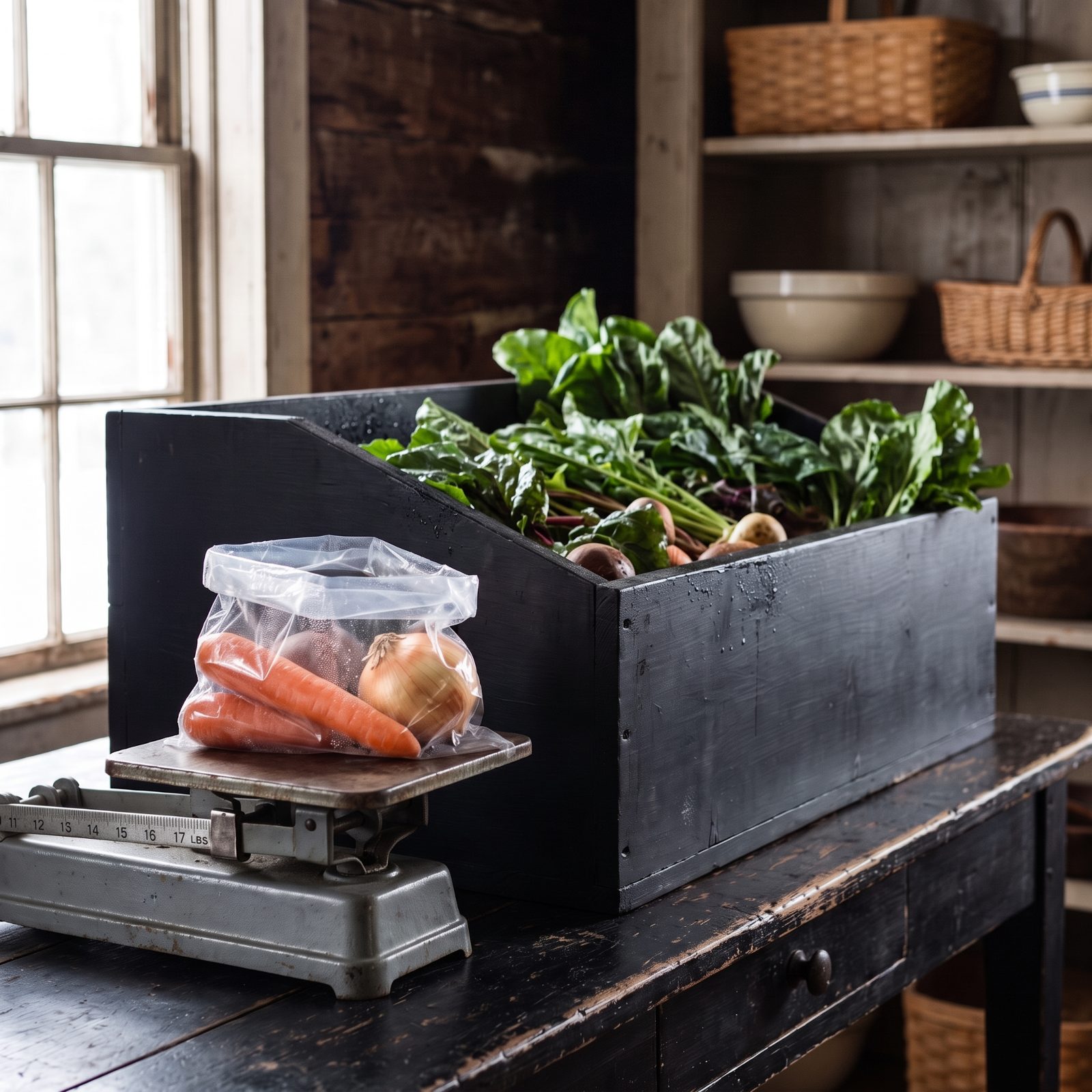
Pre-bagged produce forces quantities on you. A recipe wants one pepper, the bag has five, and four of them wrinkle in the drawer while you dither over what to do with them.
Buy loose. Two carrots, one onion, a single beet — exactly what the week needs, nothing rotting as penance for a bulk price you never wanted. Loose usually costs less per item anyway, since you’re not paying for packaging or the two you’ll end up throwing away.
22. Compare Fresh Produce With Its Frozen Equivalent Before Reaching for Either
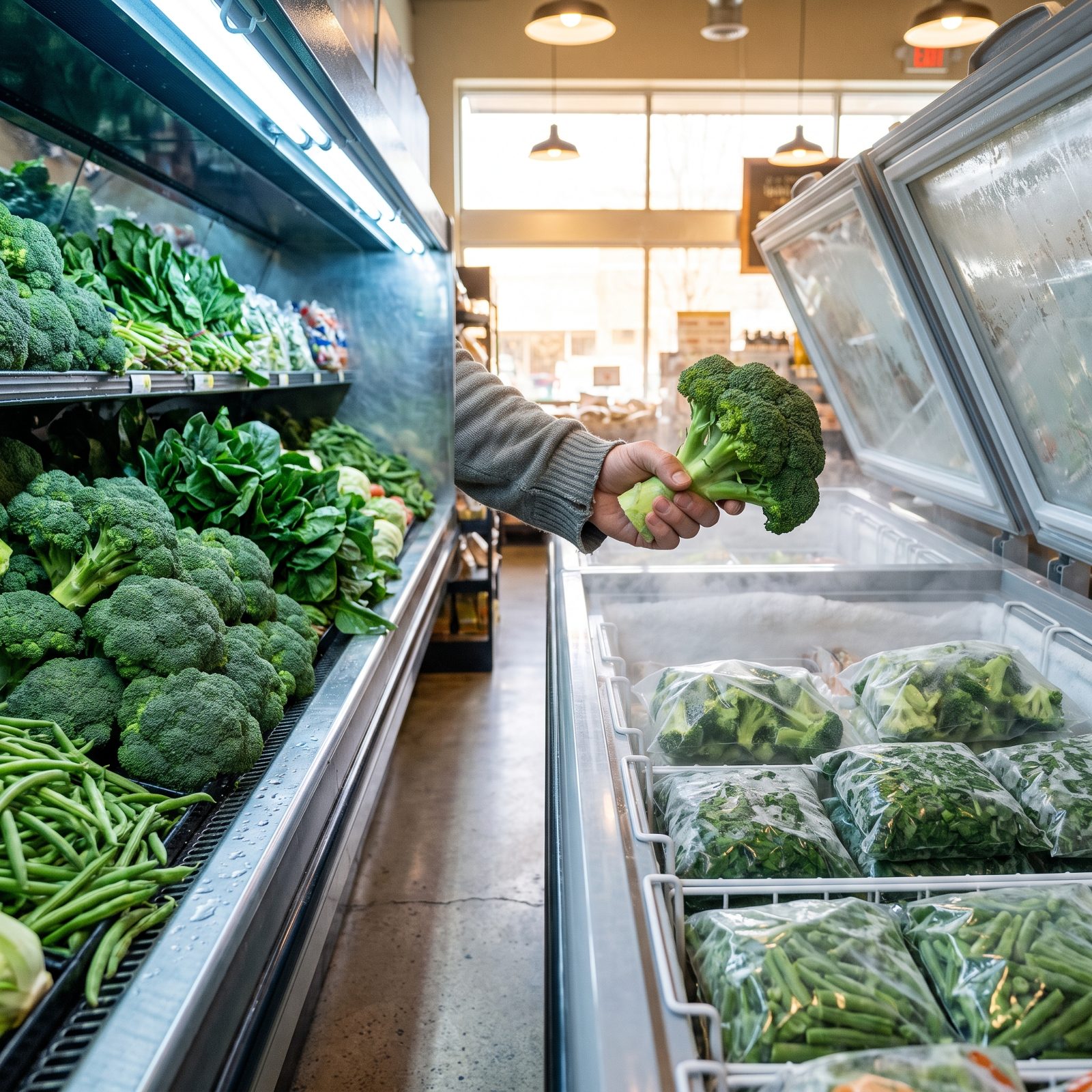
Frozen vegetables get picked and flash-frozen at peak ripeness, often within hours, while the fresh version in the produce aisle may have spent a week in transit losing nutrients and firmness. For anything you won’t eat in the next two days, frozen usually wins on price and quality both.
Compare by use, not by habit. Fresh spinach for a salad tonight? Buy fresh. Spinach for soups and smoothies all month? Buy frozen and stop letting the fresh bag turn to slime in the crisper. Households waste more leafy greens than anything else.
21. Buy Spices in Small Bulk-Bin Quantities Instead of Full Jars
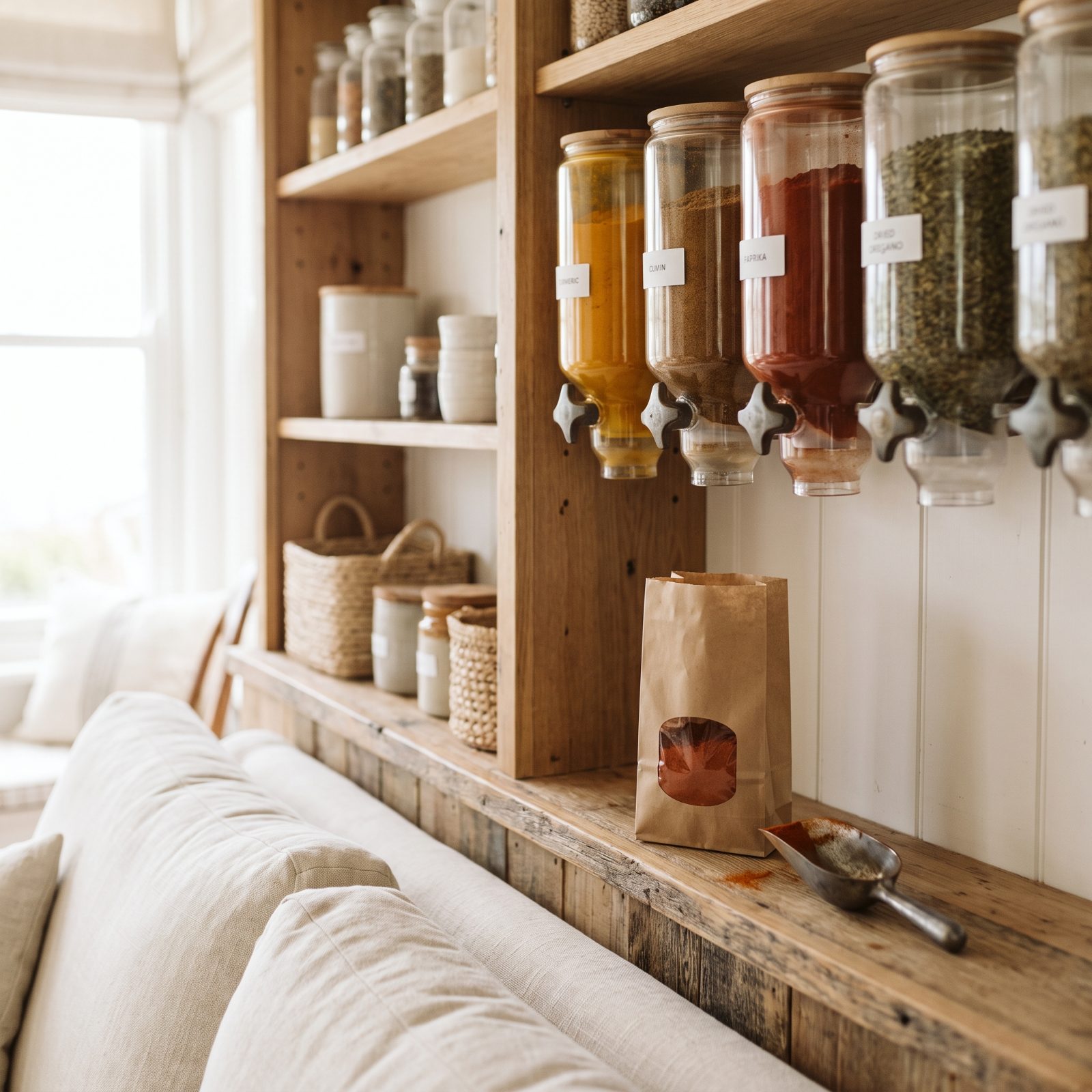
That jar of ground coriander you bought for one curry years back is still three-quarters full and tastes like sawdust. Ground spices lose their punch within a year, give or take. Buying a full jar of something you touch twice a year means paying for flavor you’ll never actually taste.
Bulk bins let you scoop a tablespoon when a tablespoon is all you need. Costs cents. Always fresh, because you’re buying it right before you use it. And your cabinet stops being a graveyard of half-dead seasonings nobody can remember buying.
20. Ask the Butcher to Divide Large Packages Into Meal Portions
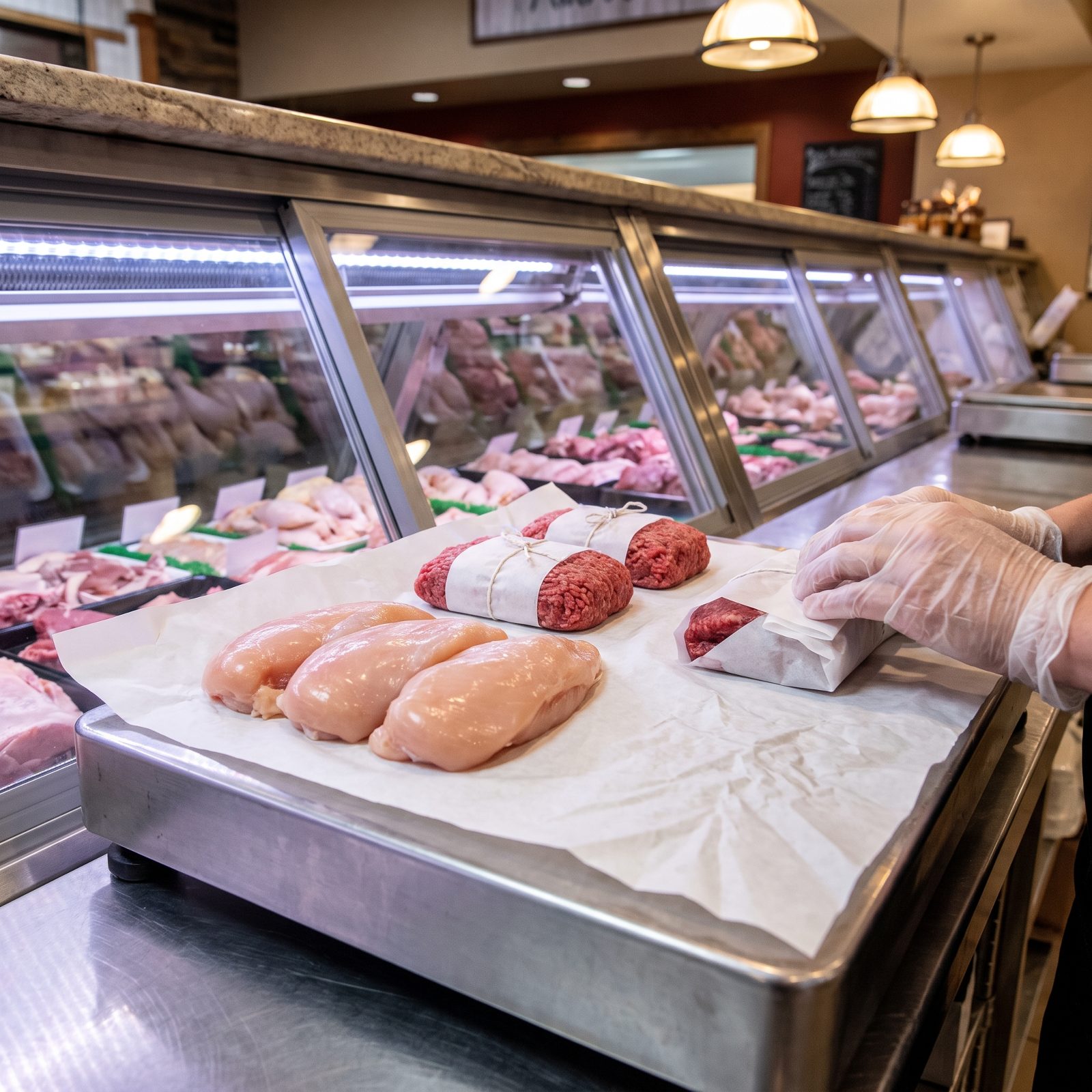
The family pack is cheaper per pound. That part’s real, and it’s the whole draw. But most people haul it home, freeze the entire slab as one brick, then have to thaw the whole thing because you can’t pry four frozen chops apart with any amount of swearing.
Ask the counter to split it before you leave. Most will, free, and they’ll wrap each portion separately. Now your bulk discount doesn’t come with a thawing penalty, and you pull out exactly one dinner’s worth while the rest stays frozen solid.
19. Load Digital Coupons Only After the Shopping List Is Finished
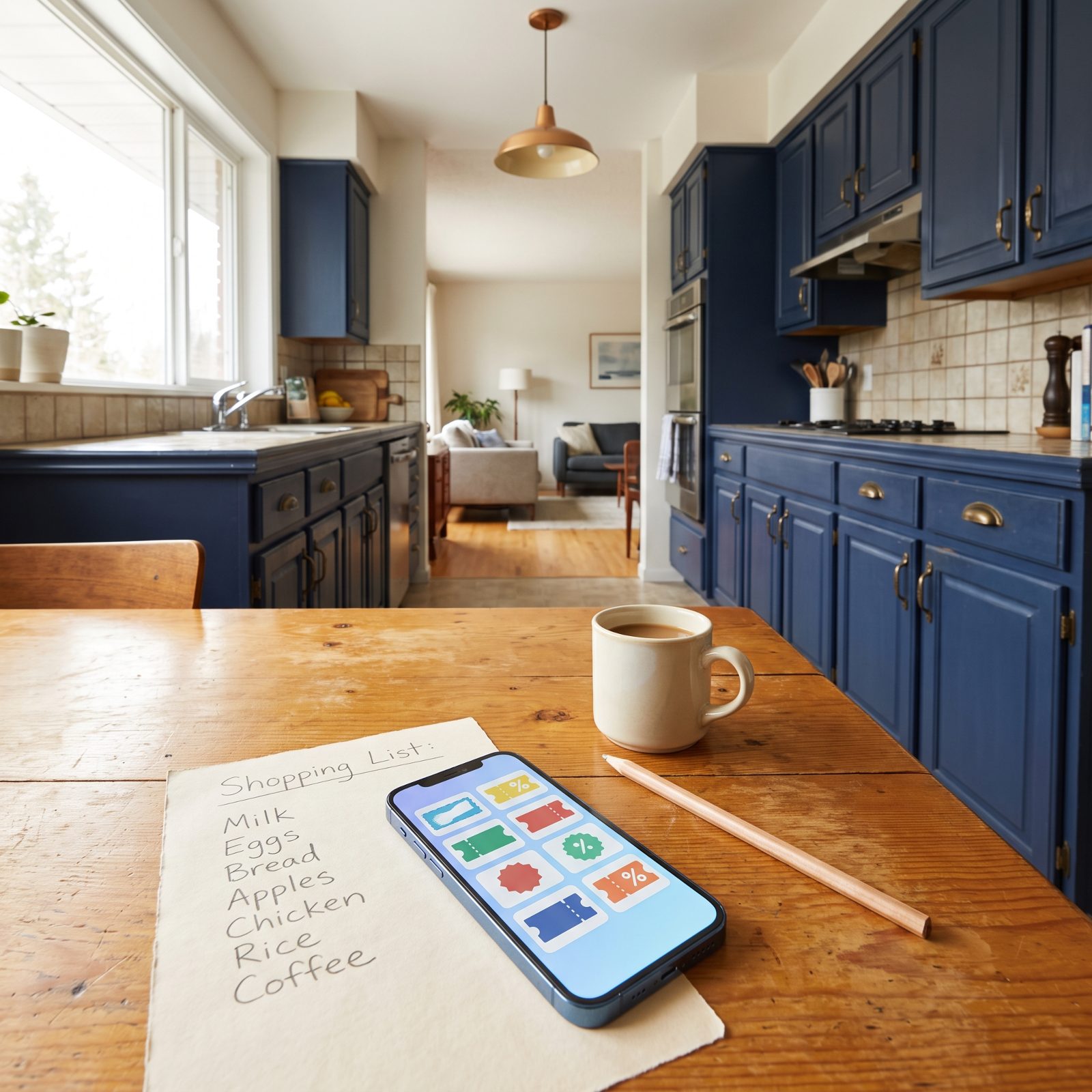
Coupons exist to reorder your priorities. Scroll the app first and suddenly you “need” the two-for-one frozen taquitos, the fancy crackers, the thing you’ve never once bought in your life. That’s not a deal. That’s a purchase a screen talked you into.
Write the list based on what you’ll actually eat. Then check the app against it. Clip coupons for items already on the list, and leave everything else sitting in the app where it can’t reach your cart. The coupon serves the plan. It doesn’t get to write it.
18. Write the Opening Date Directly on Jars and Bottles
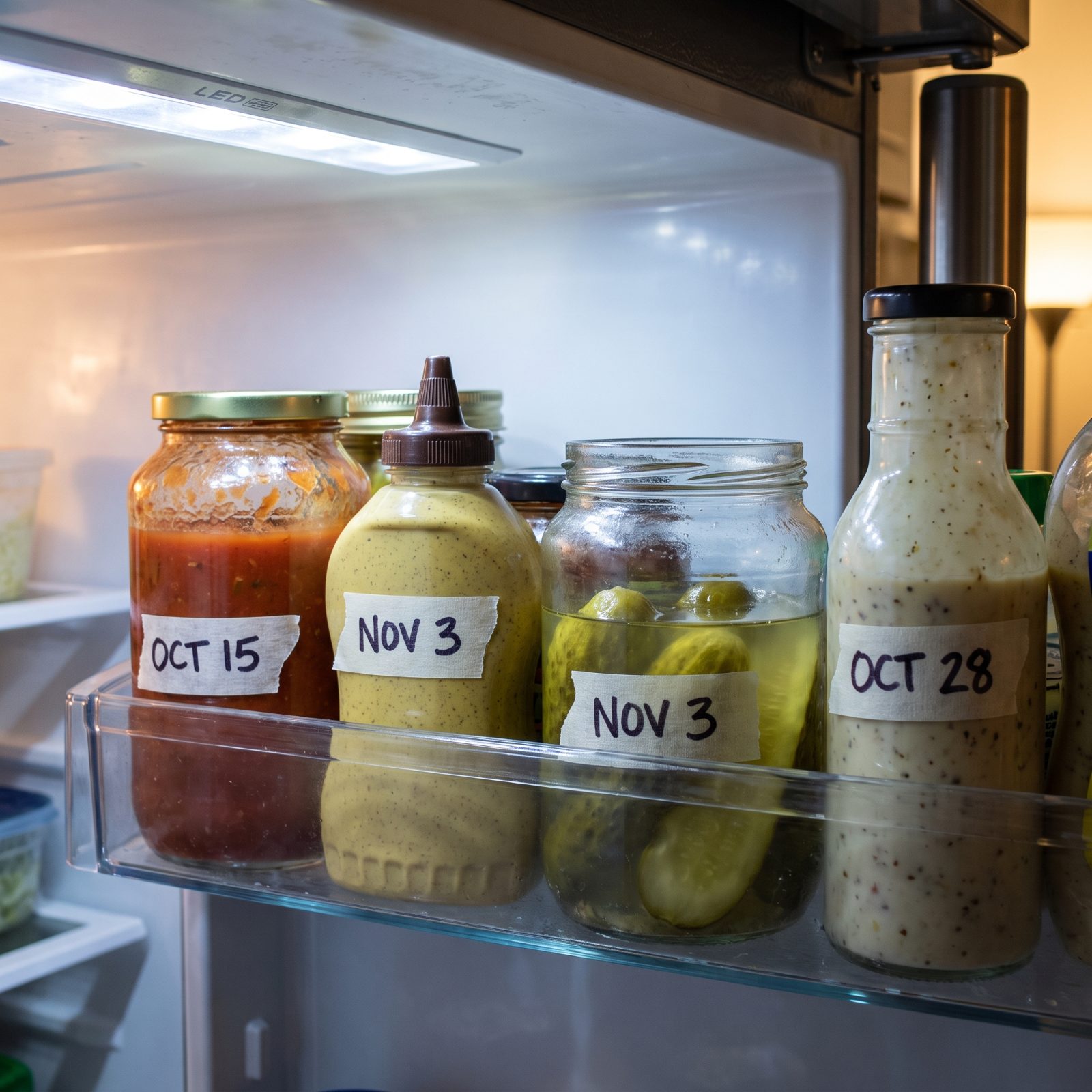
The printed expiration date tells you when the sealed product goes off. It tells you nothing about the jar you opened five weeks ago and shoved behind the milk. That’s the date that actually matters, and nobody prints it, so the job falls to you.
A strip of masking tape and a marker. Write the day you opened it. Now you’re not squinting at an opened salsa trying to recall whether it was last month or last season. You know, so you keep what’s good and toss what isn’t. No guesswork, no gamble.
17. Put Short-Dated Food in a Bright “Use First” Bin
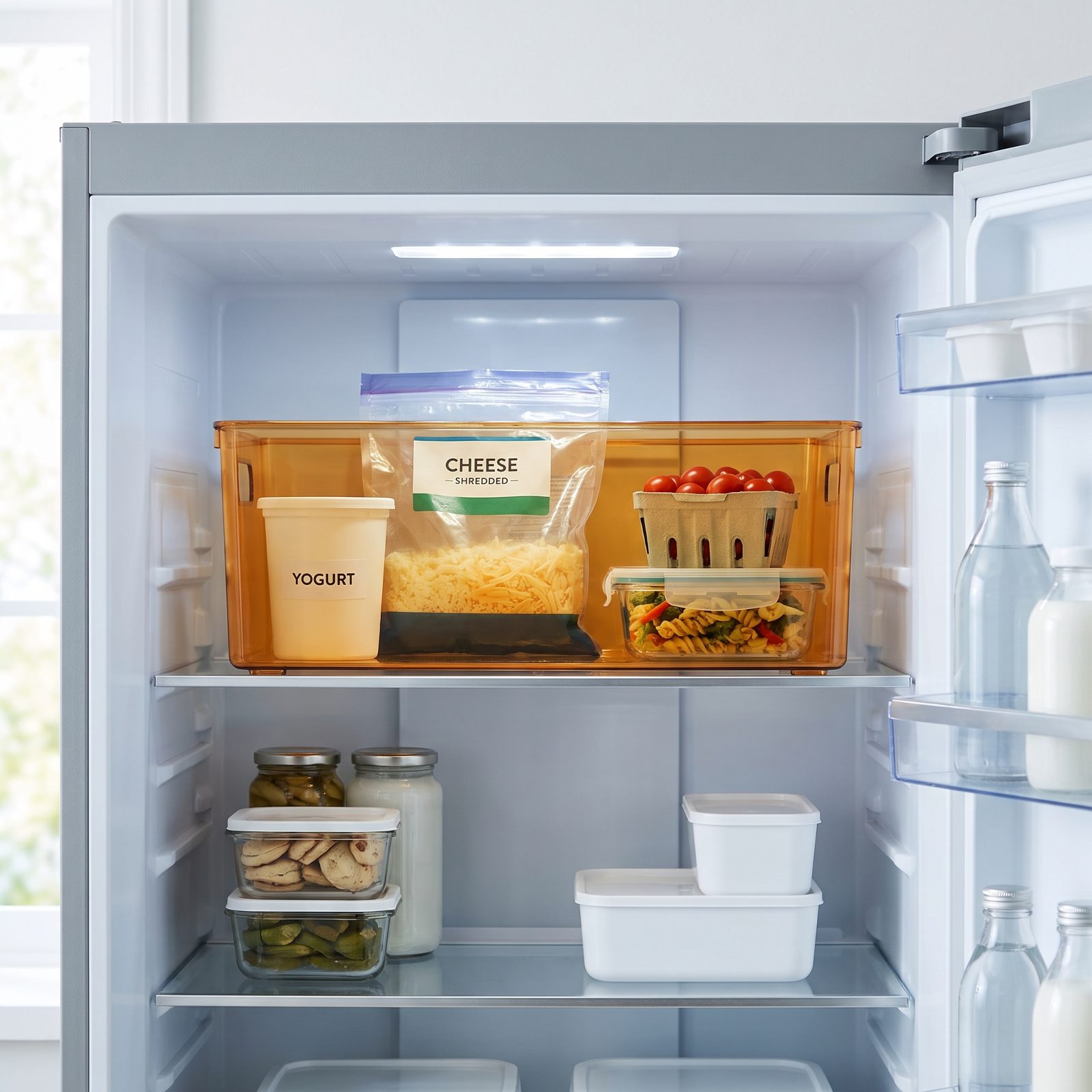
Food doesn’t rot because you forgot it existed. It rots because it drifted to the back, behind the condiments, out of sight until it becomes a science experiment. Out of sight is the whole problem.
So give the stuff on a deadline one loud, obvious home. A bright orange kitchen bin at eye level, front and center, where everything about to turn goes in. Open the fridge hungry and undecided, and you look there first. The bin makes the call for you.
16. Schedule Delicate Produce for the First Meals After Shopping
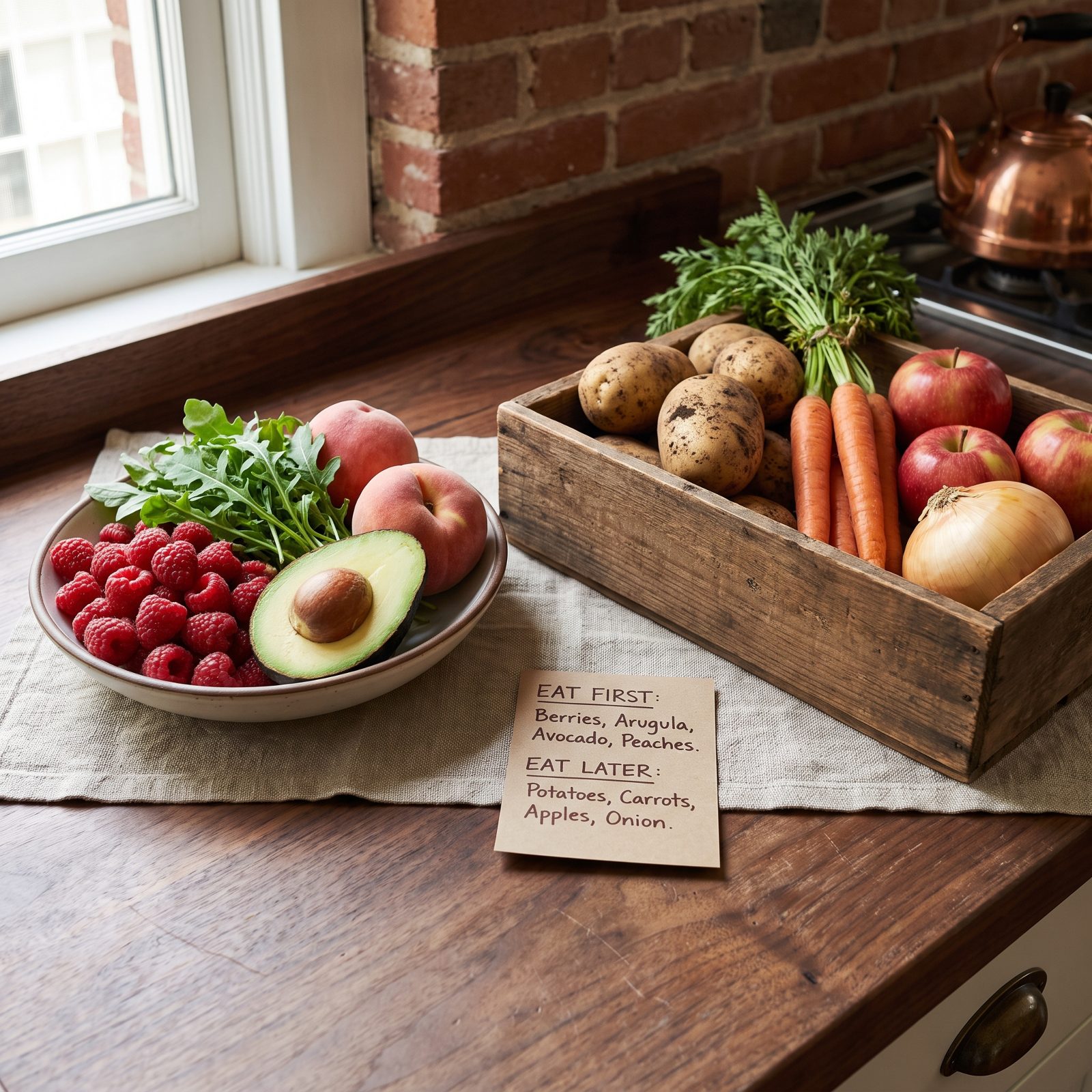
Every grocery haul contains a clock. Berries, soft herbs, ripe avocados, salad greens — those go first. Carrots, potatoes, and apples will outlast your patience. The mistake is treating them all the same and eating in whatever random order the week throws up.
Plan the delicate stuff for the first two or three days. Eat the berries before they sweat in their container. Build the salad while the greens still snap. Push the hardy produce to the back half of the week. Same groceries, far less compost.
15. Check the Freezer Before You Ever Walk to the Meat Aisle
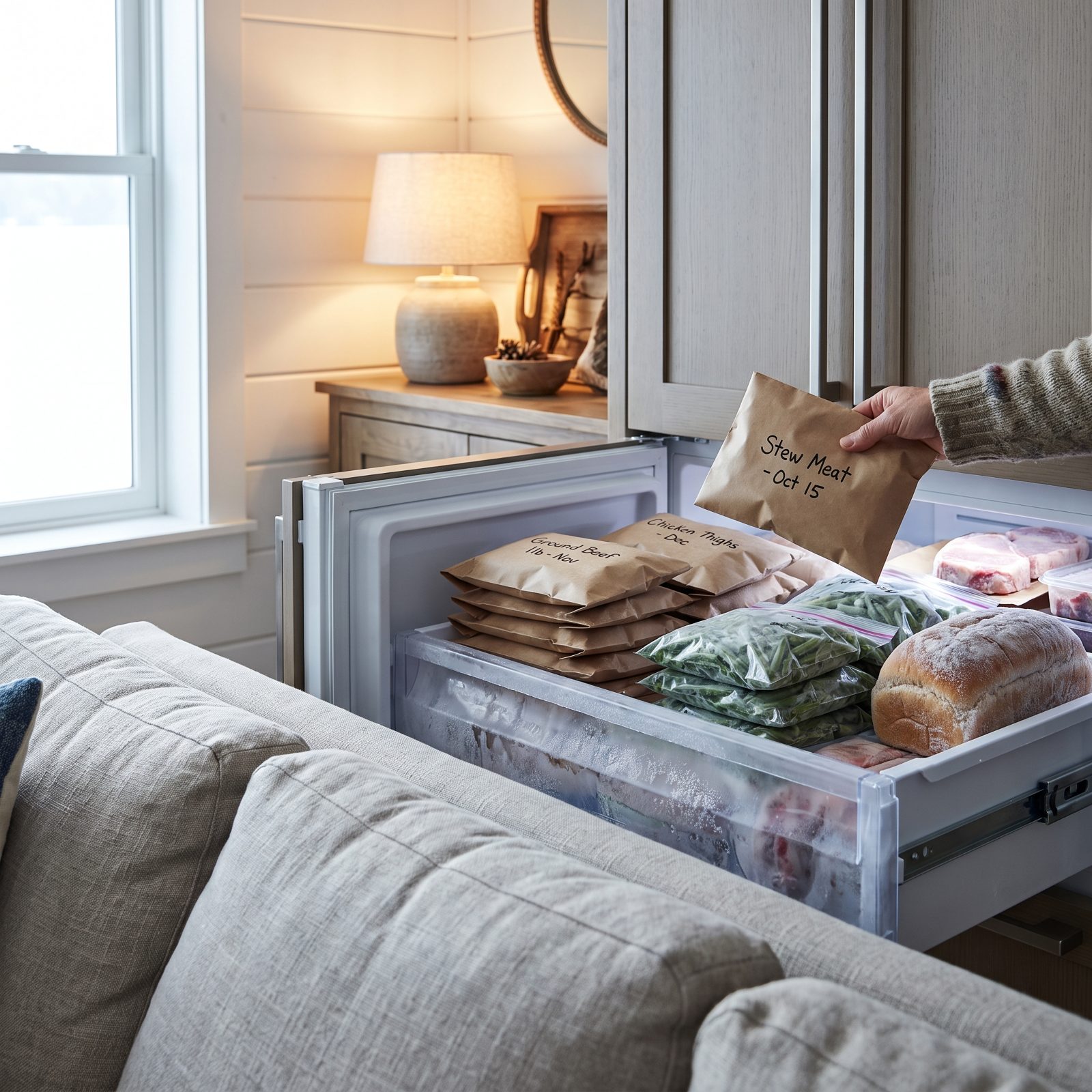
The freezer is where good intentions go to be forgotten. There are a couple pounds of chicken thighs in there right now, bought on sale and buried under a bag of peas. Then off you go to buy more chicken, because you didn’t look.
Thirty seconds before the trip. Open the freezer, actually look, note what’s already waiting, and build the list around using it up. The cheapest meat you’ll ever cook is the meat you already own and nearly let freezer-burn into the trash.
14. Freeze Fresh Ginger and Grate It While Still Frozen
Would you like to save this?
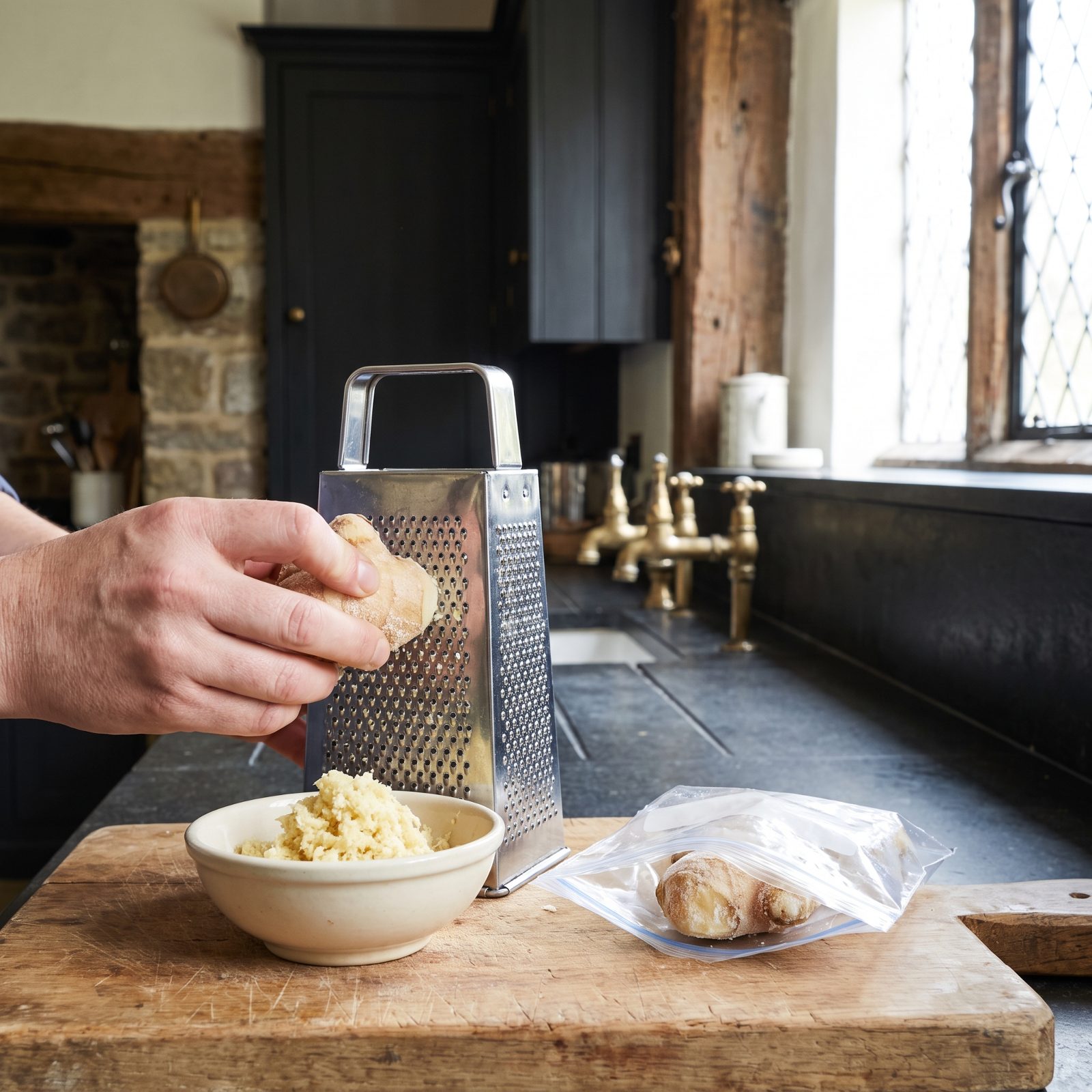
Fresh ginger is the most reliably wasted thing in any kitchen. You buy a whole hand for one tablespoon, use it once, and watch the rest shrivel into a brown, wrinkled fist in the fridge drawer. Every single time.
Freeze it whole, unpeeled, in a bag. When a recipe calls for it, grate it straight from frozen. It grates easier when hard, the skin practically vanishes into the grate, and it keeps for months without turning. No more buying ginger, using a thumb’s worth, and composting the rest a week later.
13. Flatten Tomato Paste in a Freezer Bag and Score Portions
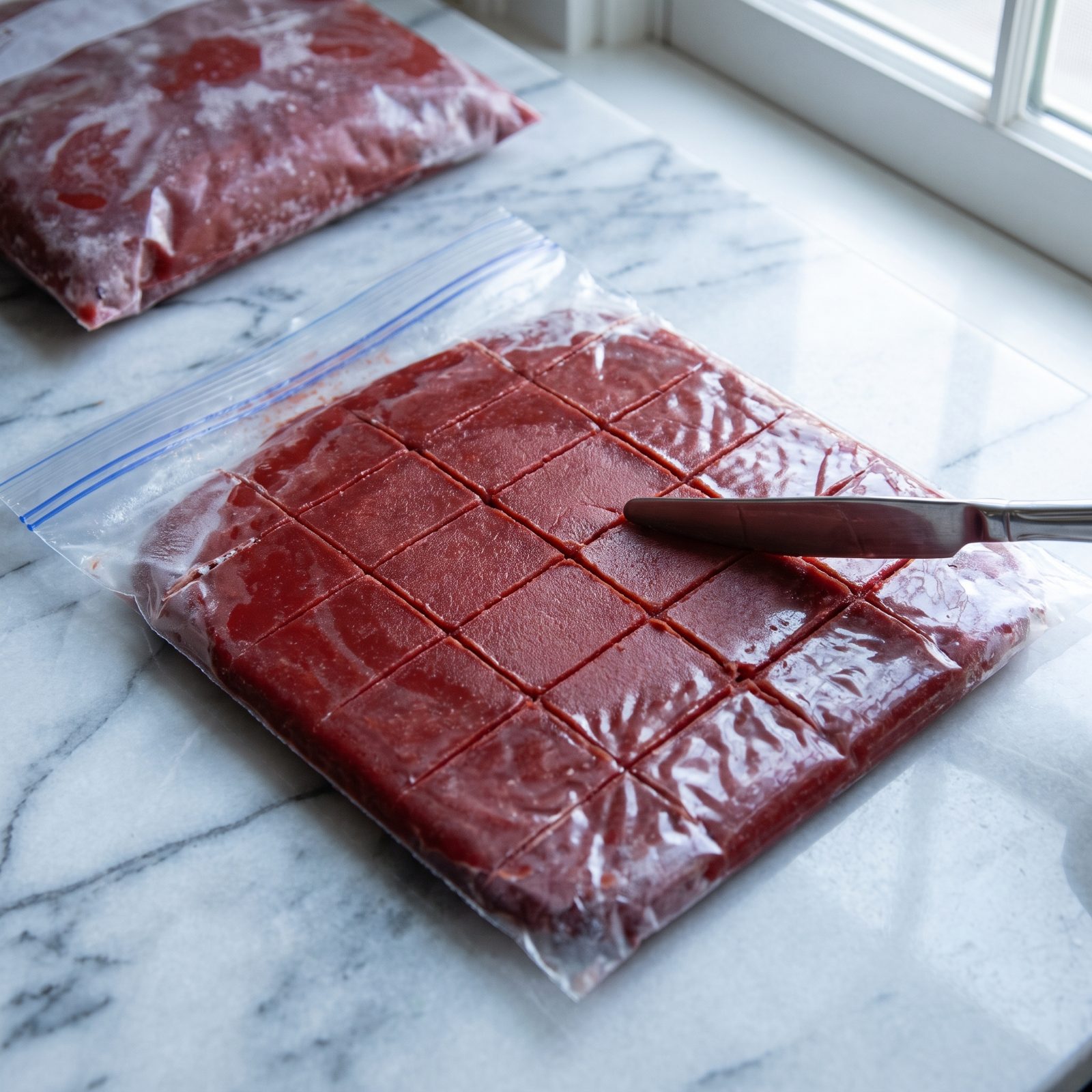
A recipe wants two tablespoons. The can holds about ten. The rest sulks in the fridge, grows a skin, and gets tossed a week later — money straight in the bin, over and over.
So spread the whole can thin inside a freezer bag, press out the air, and lay it flat to freeze. Before it sets hard, drag a knife through it to score little squares. Now you snap off exactly what you need and leave the rest frozen solid. No waste, no fuzzy leftovers, no guilt.
12. Keep Carrots and Celery Submerged in Cold Water
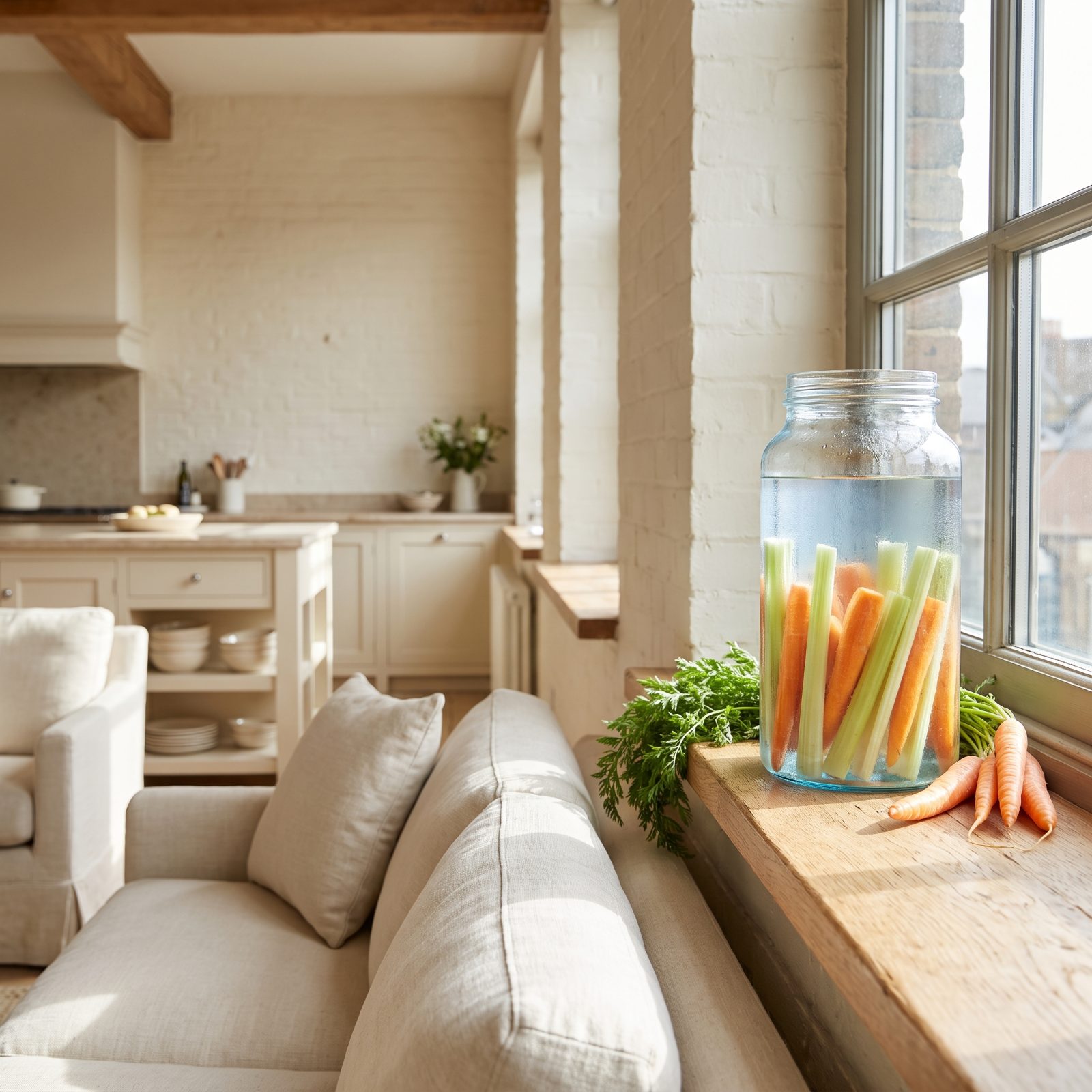
Celery bought on Sunday is usually a sad, bendy disappointment by Wednesday, and carrots split and go pale. The culprit’s simple: they’re drying out in the crisper drawer.
Cut them into sticks, drop them in a tall glass jar of cold water, and let it sit on the windowsill only as long as it takes to admire it before you park it in the fridge. They stay snappy for well over a week, sometimes two. Swap the water when it goes cloudy. Sounds fussy, I know. It takes thirty seconds and saves the whole bunch.
11. Keep Mushrooms in a Paper Bag Instead of Sealed Plastic
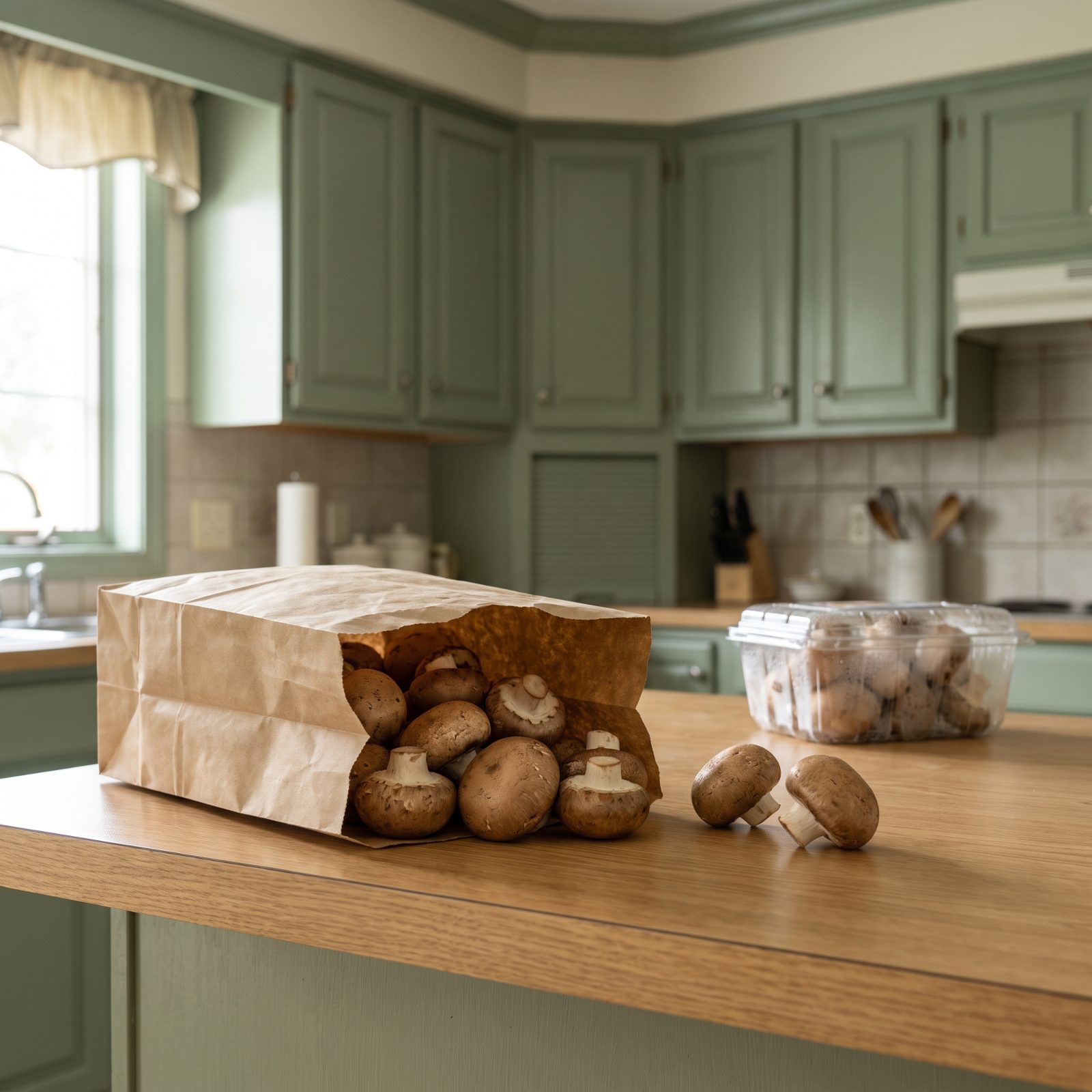
Mushrooms packed in plastic sweat. The trapped moisture turns them slimy and dark in a few days, and slimy mushrooms are a one-way ticket to the trash.
Paper breathes. Tuck them in a plain paper bag in the fridge and they stay dry, firm, and usable far longer. Easiest swap on this whole list, and it fixes the single most common reason good mushrooms die young.
10. Freeze Nuts to Prevent Expensive Bags from Turning Rancid
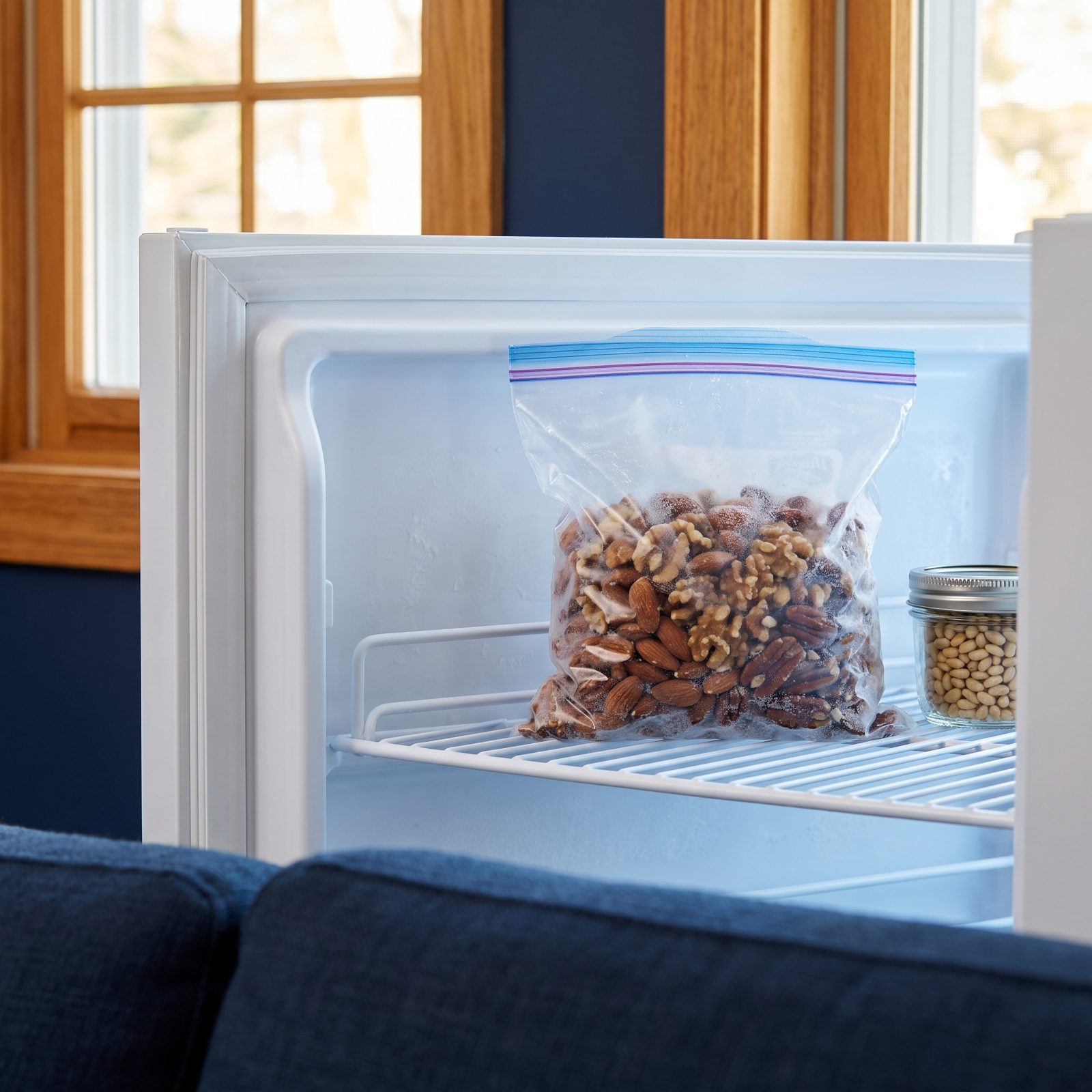
Pine nuts, walnuts, pecans — the pricey ones. The oils in them go rancid at room temperature faster than most people realize, and rancid nuts carry a sharp, stale bitterness you simply can’t cook around.
The freezer stops that cold. Nuts keep for the better part of a year frozen, with no change in texture, and you can toast or chop them straight from the bag. There’s no reason to store them anywhere else.
This one matters most for the bags you bought for a single recipe and forgot about. Those are exactly the ones that turn.
9. Restock Shelves from the Back and Pull Older Food Forward
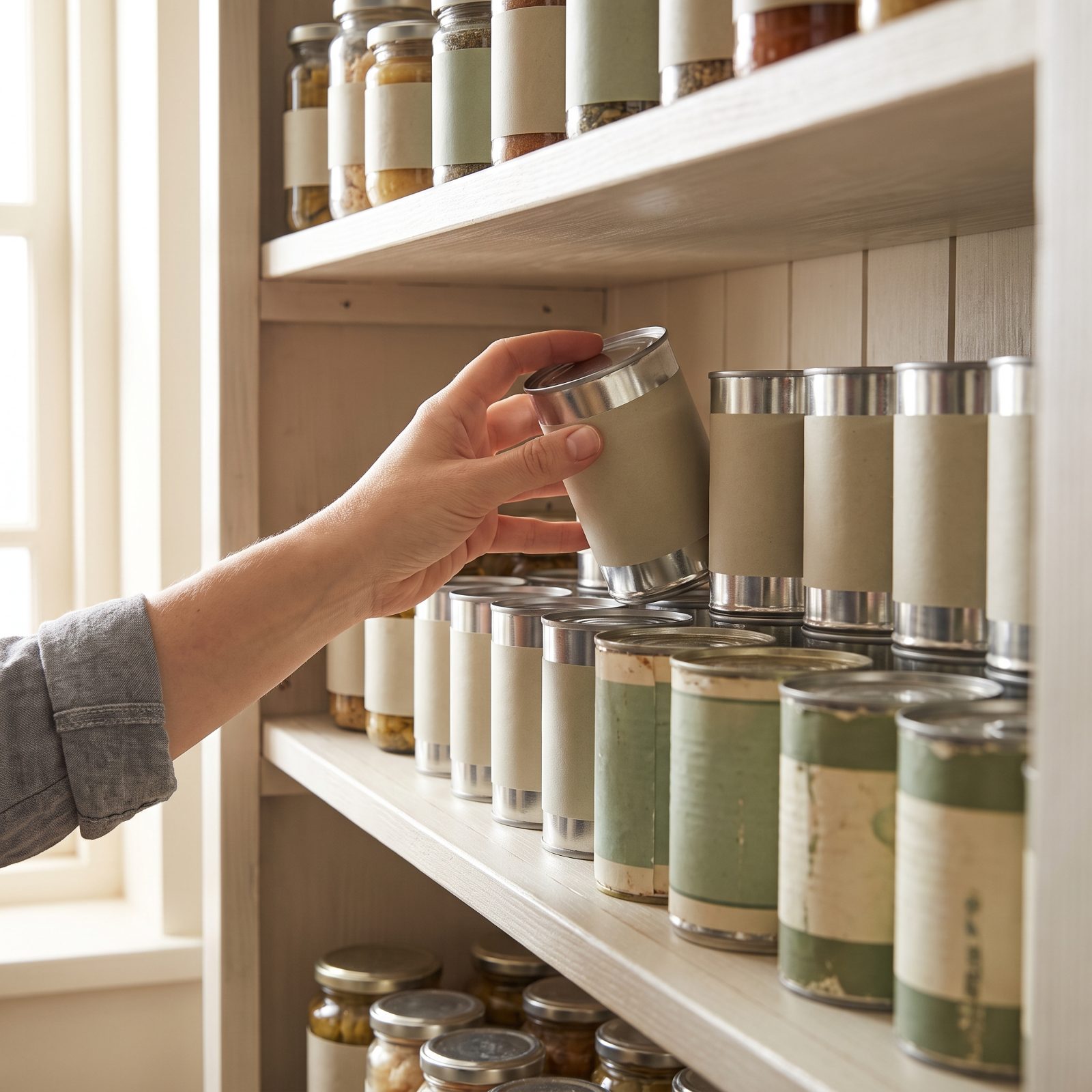
Grocery stores do this on purpose. The freshest milk sits at the back of the cooler so the older stuff moves first. Most home pantries do the exact opposite, which is how you end up finding a jar two years past date lurking behind the new one.
When you unload the week’s shop, slide the new cans and boxes to the back and nudge the older ones forward. Nothing gets lost behind a wall of its younger replacements. One quiet habit, and the “how long has THIS been here” discovery just stops happening.
8. Keep Unopened Backups Separate from Everyday Pantry Stock
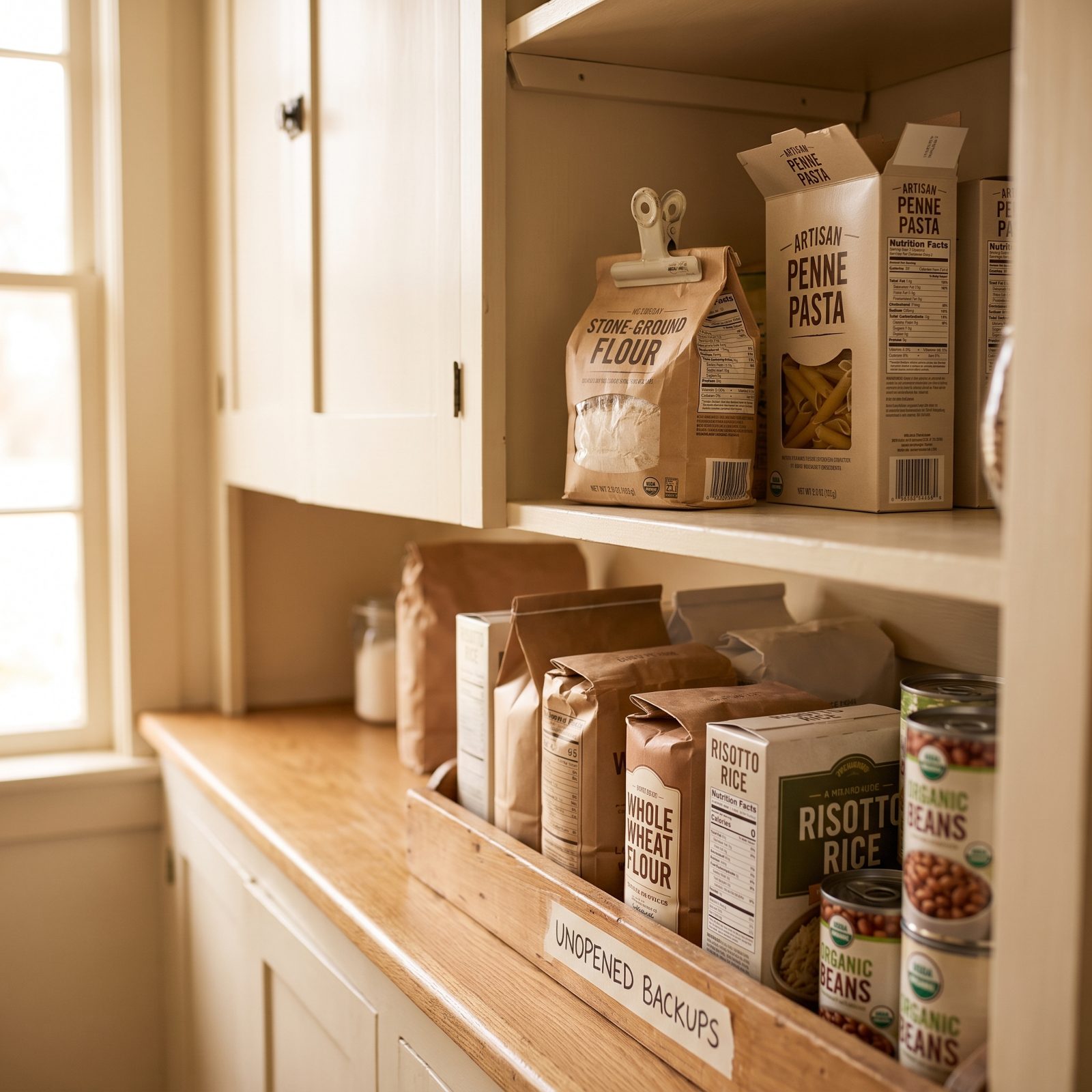
Running out mid-recipe is one kind of annoying. Buying a third jar of something because you couldn’t see the two you already owned is another. Both come from mixing what’s open with what’s in reserve.
Give backups their own spot — a bin, a shelf, a corner. Everyday stuff stays up front where you grab it daily, and when the open one runs dry you pull from the reserve. That’s your cue to add it to the list. Your stockpile becomes a system instead of a mystery.
7. Use a One-In, One-Out Rule for Crowded Freezer Categories
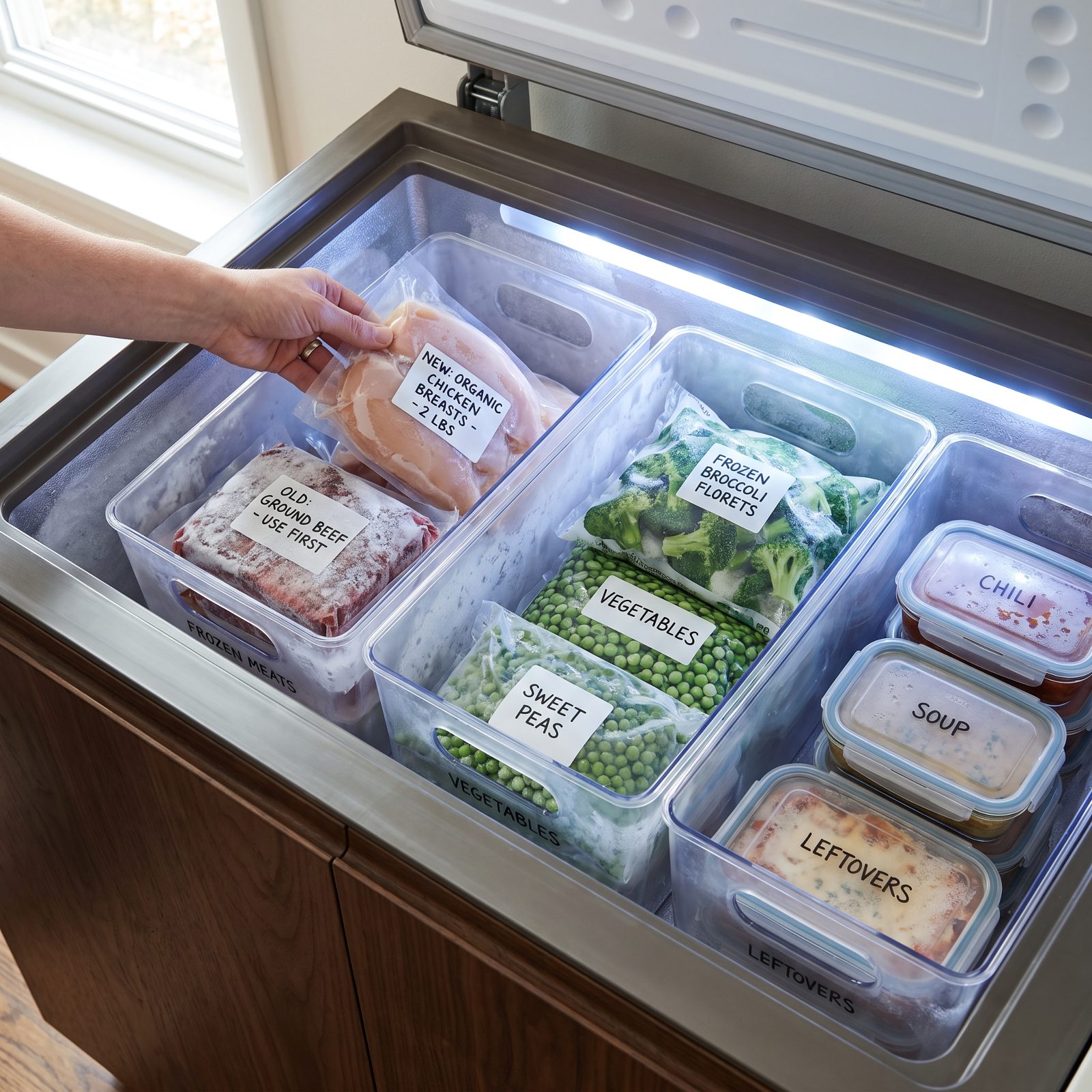
The freezer is where good intentions go to get buried. You keep adding and nothing leaves, until it’s an iceberg of unlabeled bags you’re vaguely afraid of.
Pick your worst category — usually meat or leftovers — and run it strict: for every new one you add, something older has to come out and get eaten that week. The count stops climbing. And you actually work through what you froze, instead of excavating it a year later.
6. Keep a Freezer Bag Exclusively for Stock-Making Scraps
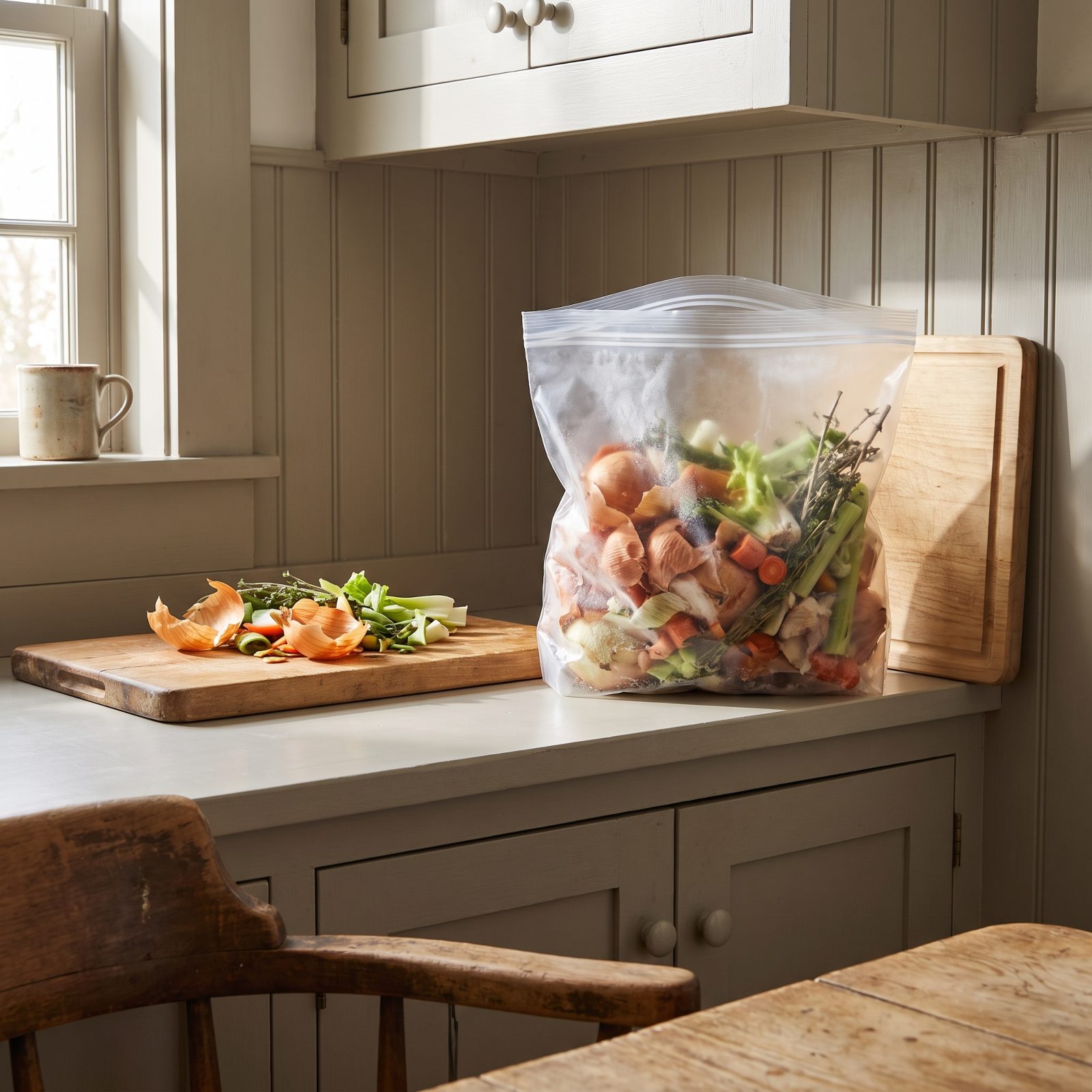
Onion skins, carrot ends, celery tops, the woody base of a leek, parsley stems. All of it hits the bin on a normal night, and all of it is the exact stuff that makes a good stock.
Keep one bag in the freezer and feed it as you cook. Full bag? Simmer the whole lot with water and you’ve got homemade stock for free, from trimmings you were throwing away anyway.
5. Freeze Leftovers as Single Servings Instead of One Large Block
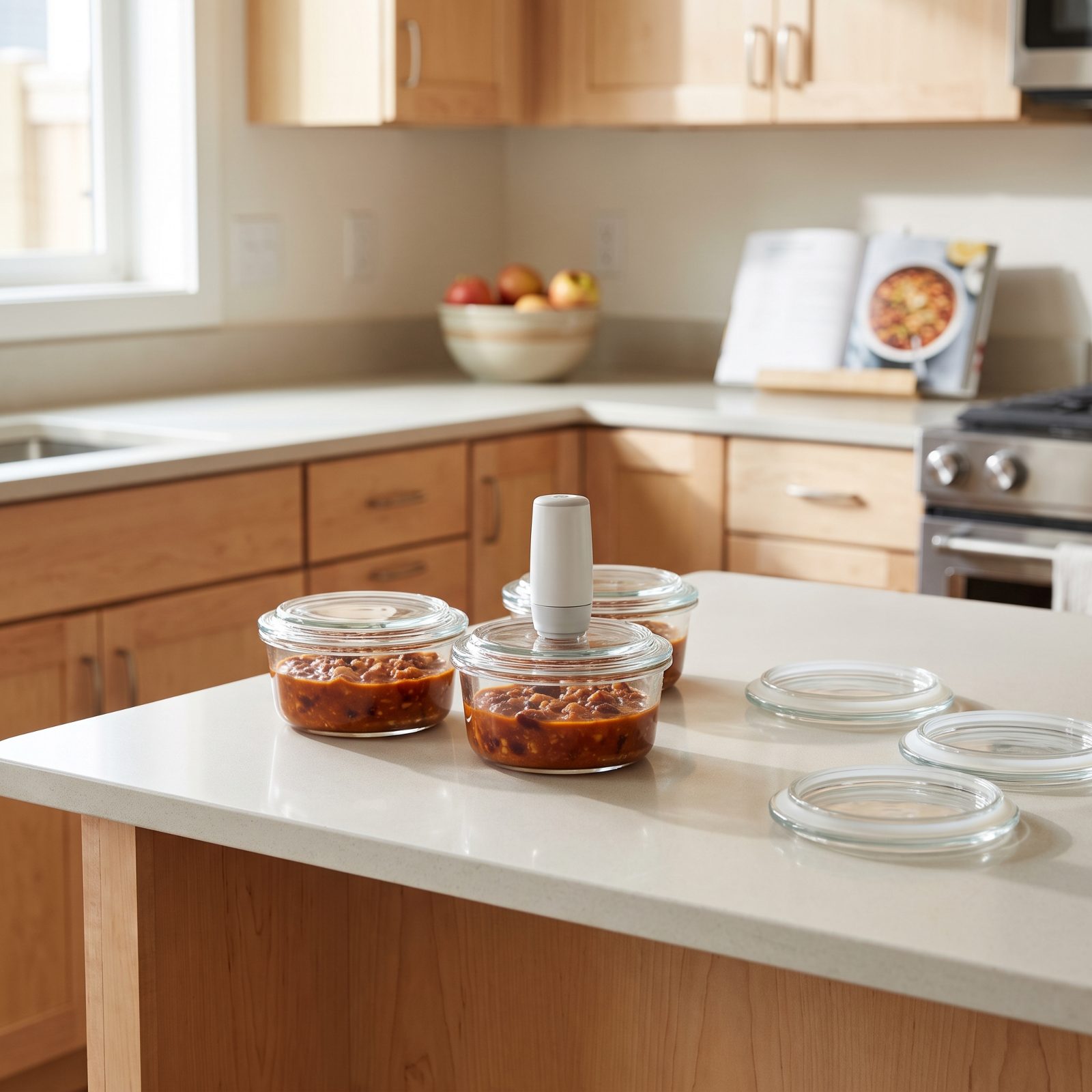
A giant frozen brick of soup is useless on a Tuesday when you want one bowl. You either thaw the whole thing and refreeze — which nobody should ever do — or you shrug and order takeout. The big block defeats its own purpose.
Portion leftovers into single servings before they freeze. Now the freezer holds a stack of ready lunches you grab one at a time. You’ll actually eat what you saved, which was the whole reason you saved it.
4. Schedule a Monthly Pantry-Challenge Week
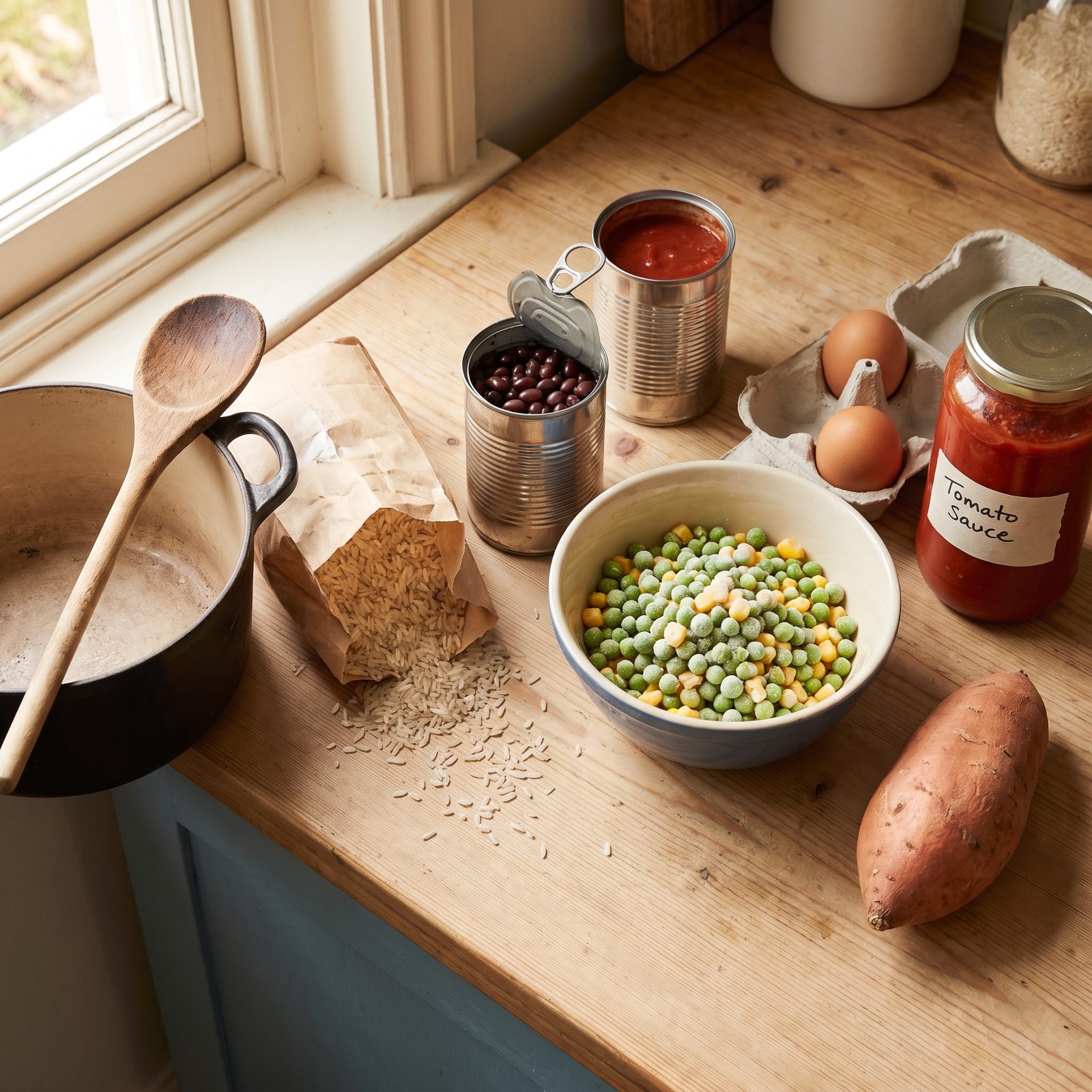
Pick one week a month and buy almost nothing. Produce and milk, maybe. Everything else comes from whatever’s already hiding in the pantry and freezer.
It’s a little uncomfortable the first time around. Then it gets interesting. You use up the forgotten lentils, the odd half-jar of curry paste, the lone frozen chicken thigh, and you find out what you actually own. Best part? You skip a whole week’s grocery bill, roughly once a month, which adds up to real money by year’s end.
The best inventory system is eating your own inventory before you buy more.
Do it often enough and the back of the pantry stops being a graveyard. Alright, go check what’s lurking behind the pasta.
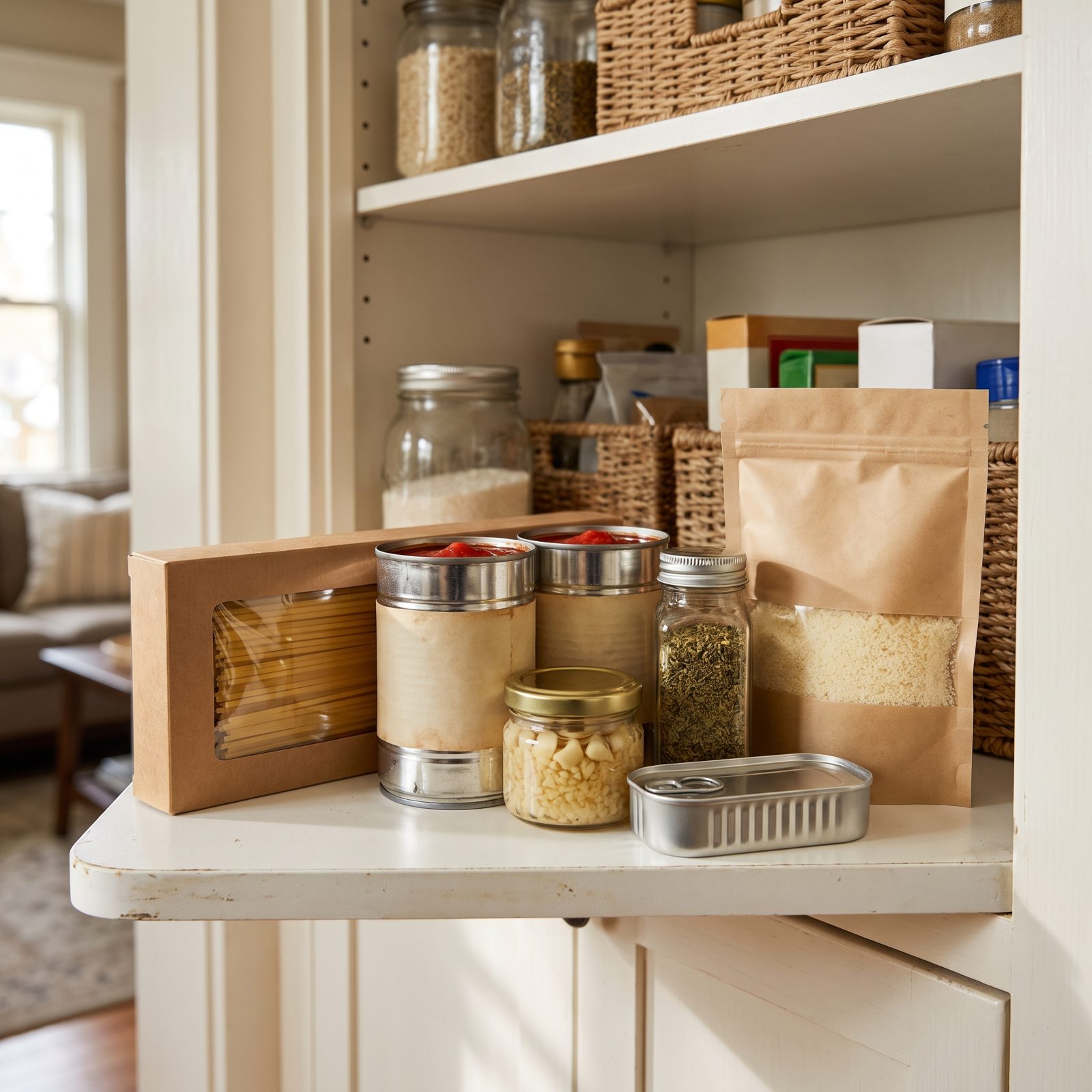
3. Keep One Complete Emergency Dinner Together on a Single Shelf
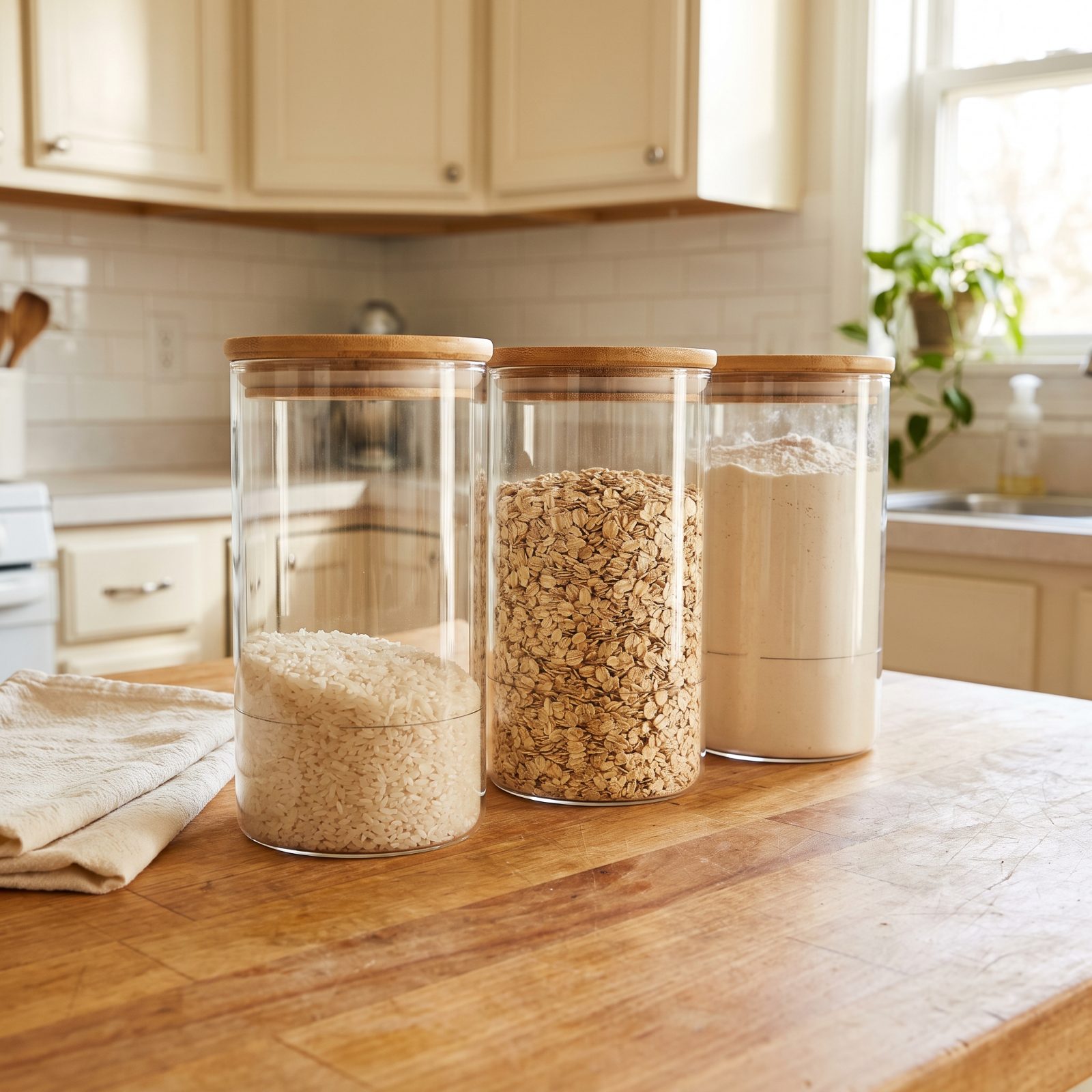
2. Mark Reorder Lines on Clear Containers of Staple Foods
1. Replace One Weekly Fill-In Trip with a Planned Pantry Substitute
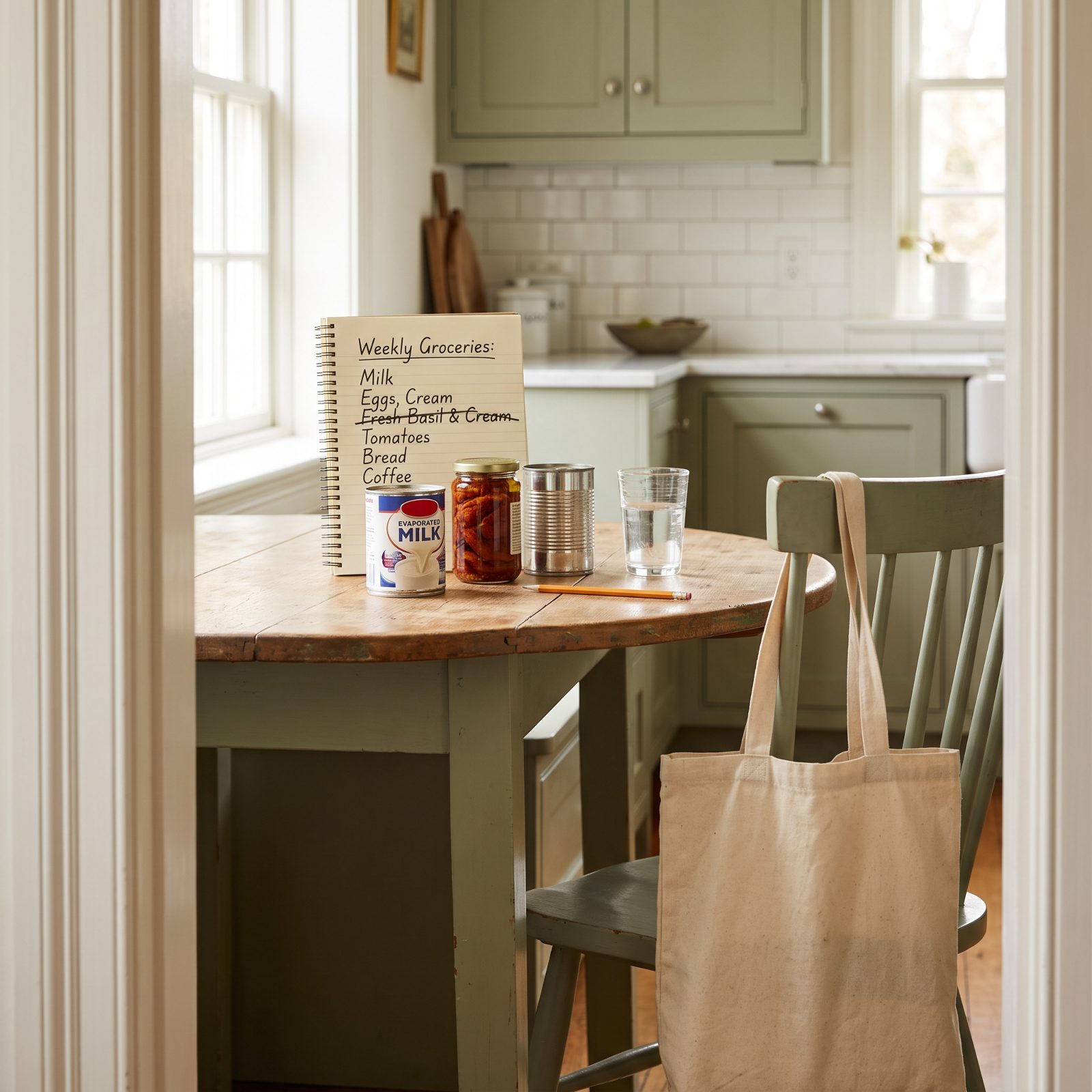
The fill-in trip is where budgets go to die. You run out for one thing — milk, bread, whatever — and walk out forty dollars lighter because the store knows exactly how to catch you on the way to the register.
The fix is boring, and it works. Pick the one item you keep running out for mid-week and stock a shelf-stable stand-in for it. Out of fresh milk for a recipe? Evaporated or dry milk covers most cooking. No fresh herbs in the house? Dried will carry a sauce just fine. You’re not going without anything. You’re just pulling the plug on the reason you grabbed the car keys in the first place.
Honestly? The hardest part is admitting which item keeps dragging you back. For most of us it’s one or two repeat offenders — the same offenders, week after week. Cover those and a lot of your impulse spending just quietly evaporates.