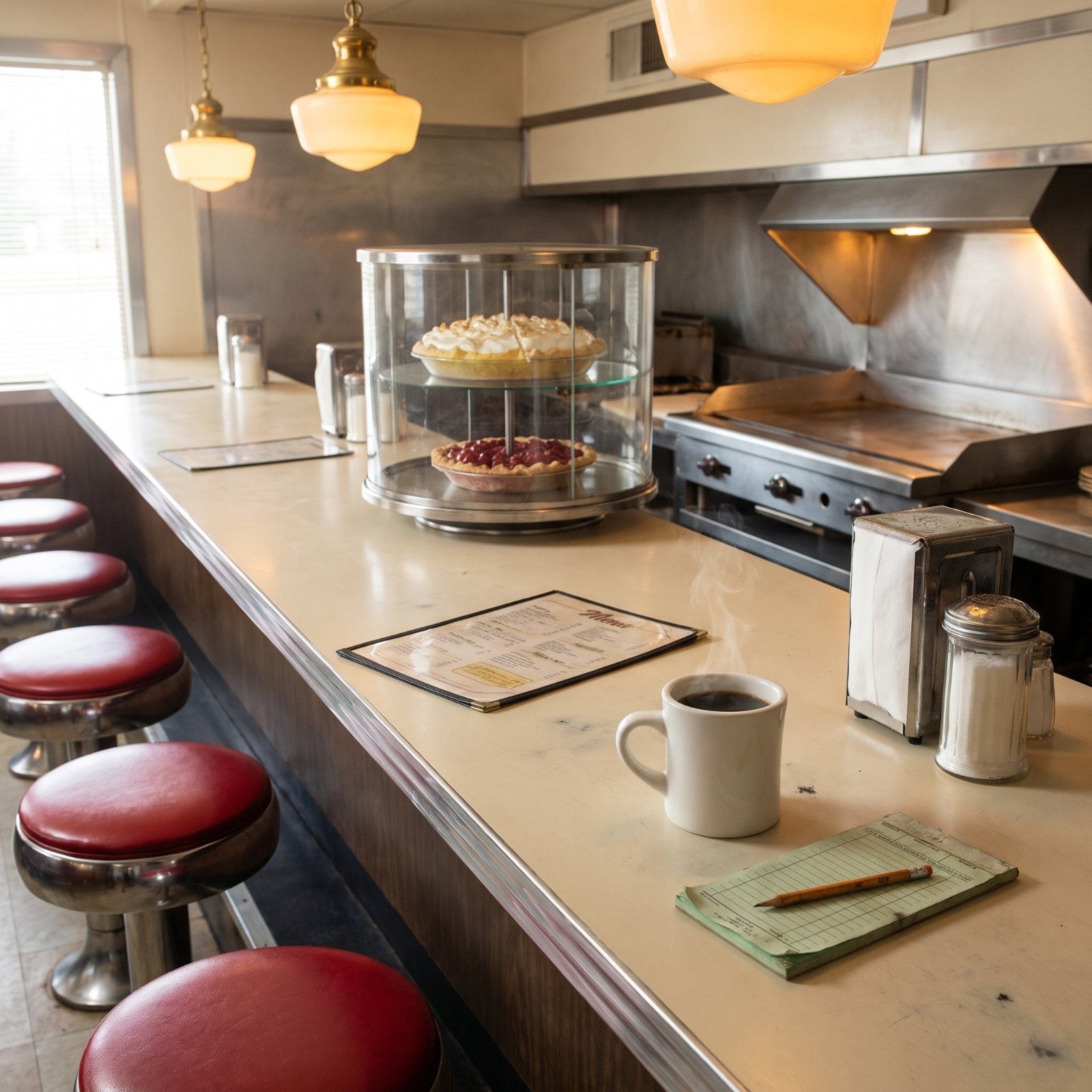
The tell is the coffee cup. A regular sits down and the mug lands in front of them before they say a word, because the person behind the counter already knows how it goes. There’s a whole grammar to a good diner, and almost none of it is printed anywhere. You pick it up by watching, or you pick it up the hard way, by getting a look from a tired server at 7:40 on a Saturday. These are the habits that separate the folks who belong on that chrome stool from the ones who make everybody wait. Learn them. The place runs smoother for everyone, you included.
Please note that some of the images in this article were created with the assistance of AI.
42. Never Save a Row of Counter Stools During a Rush
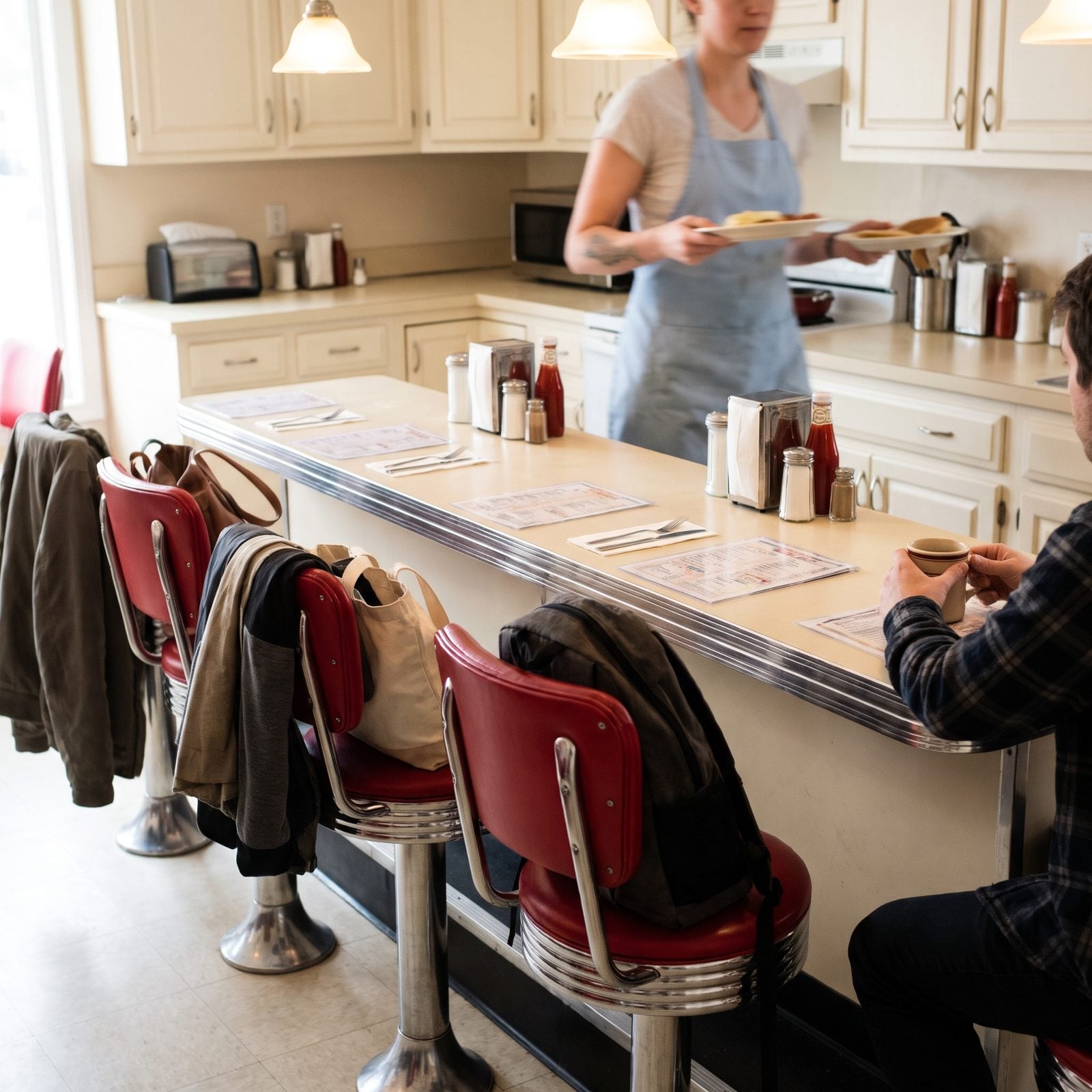
Draping three coats over three stools while your people park in the lot is the fastest way to turn a friendly room cold. During a rush, every empty stool is somebody’s breakfast. Holding a seat for one person running two minutes behind, fine. Holding four for a group that hasn’t left the house tells everyone waiting that your time matters more than theirs.
Regulars sit as they arrive and shuffle down when the rest show up. Nobody minds a little musical chairs. They mind a reserved sign made of jackets.
41. Read the Seat-Yourself Sign Before You Stand There Waiting
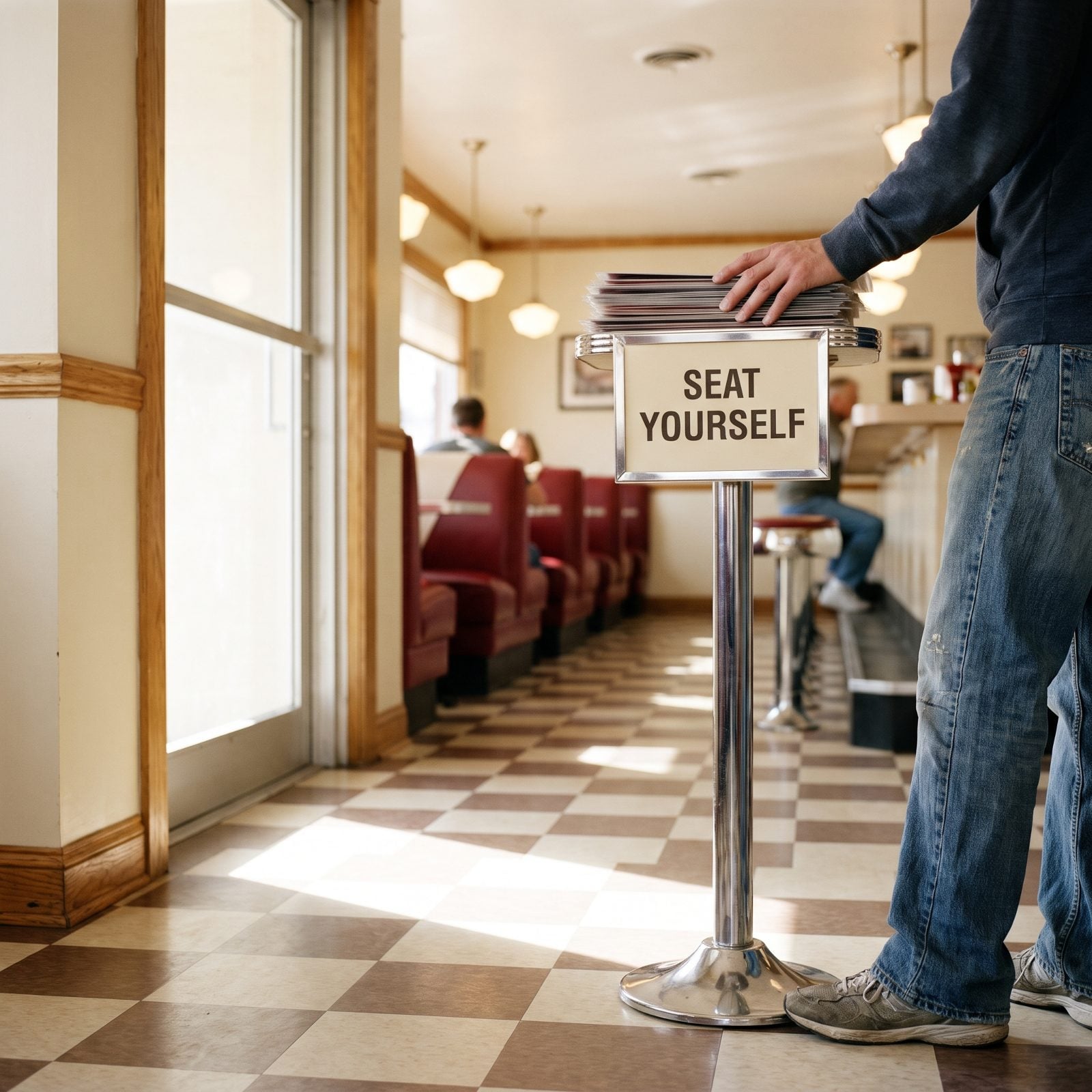
Some diners seat you. Plenty don’t. The sign by the register tells you which, and standing frozen at the threshold waiting to be walked to a table you could’ve walked to yourself just bottlenecks the door.
If it says seat yourself, grab a menu off the stack and pick a spot. The staff is watching, and they’ll clock exactly how long it takes you to work it out. Reading the room is the whole skill here.
40. Wait Your Turn for the Next Open Stool
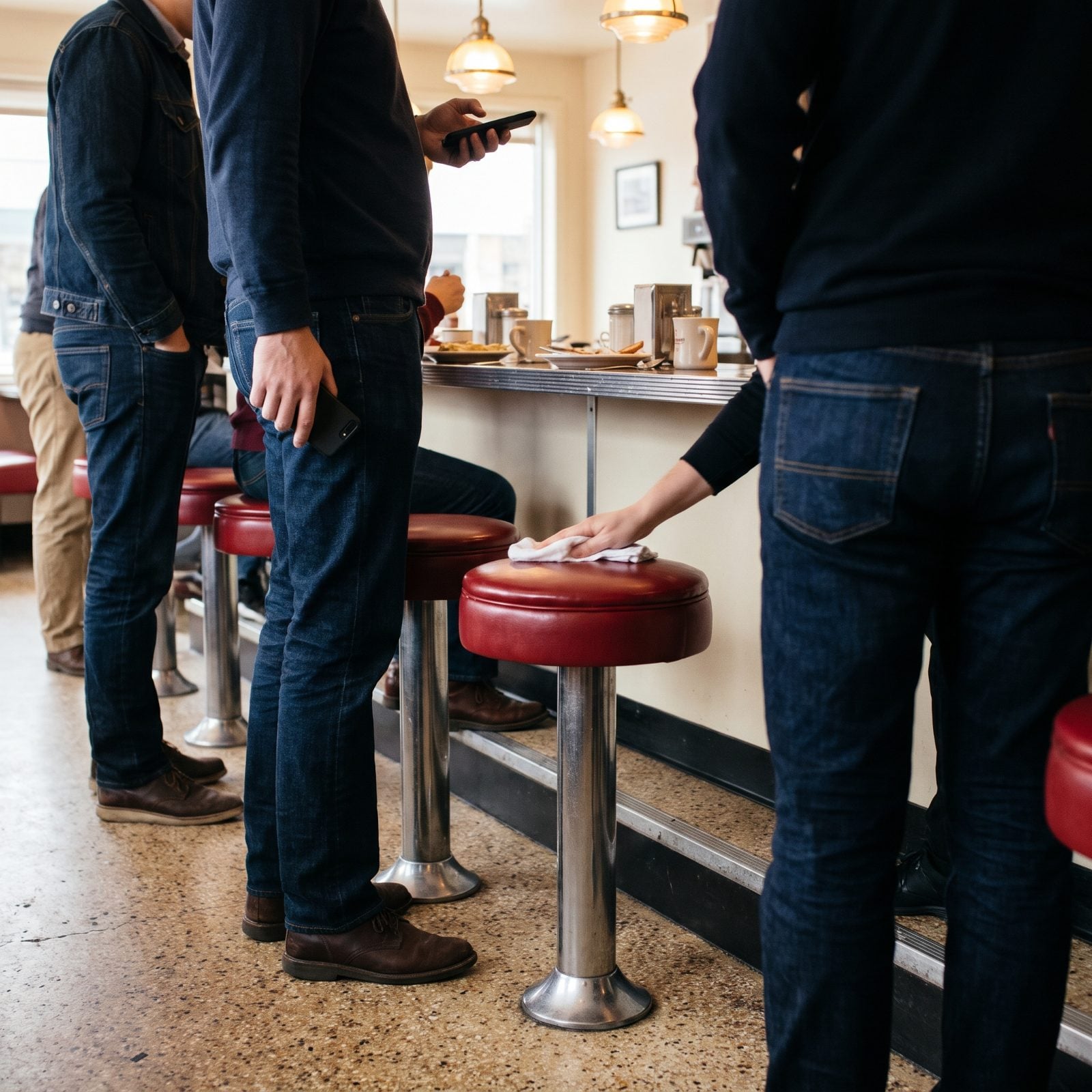
A stool opens up and two people lunge. Don’t be the lunger. If somebody was standing there before you, that seat is theirs, even if you’ve got the quicker reach.
There’s an informal queue at a busy counter, invisible but real, and regulars honor it without a word. You hang back a half-step, catch the eye of whoever got there first, and let them go. Costs you nothing. Buys you a reputation as someone who isn’t a pain.
39. Don’t Camp on a Stool While You Wait for Takeout
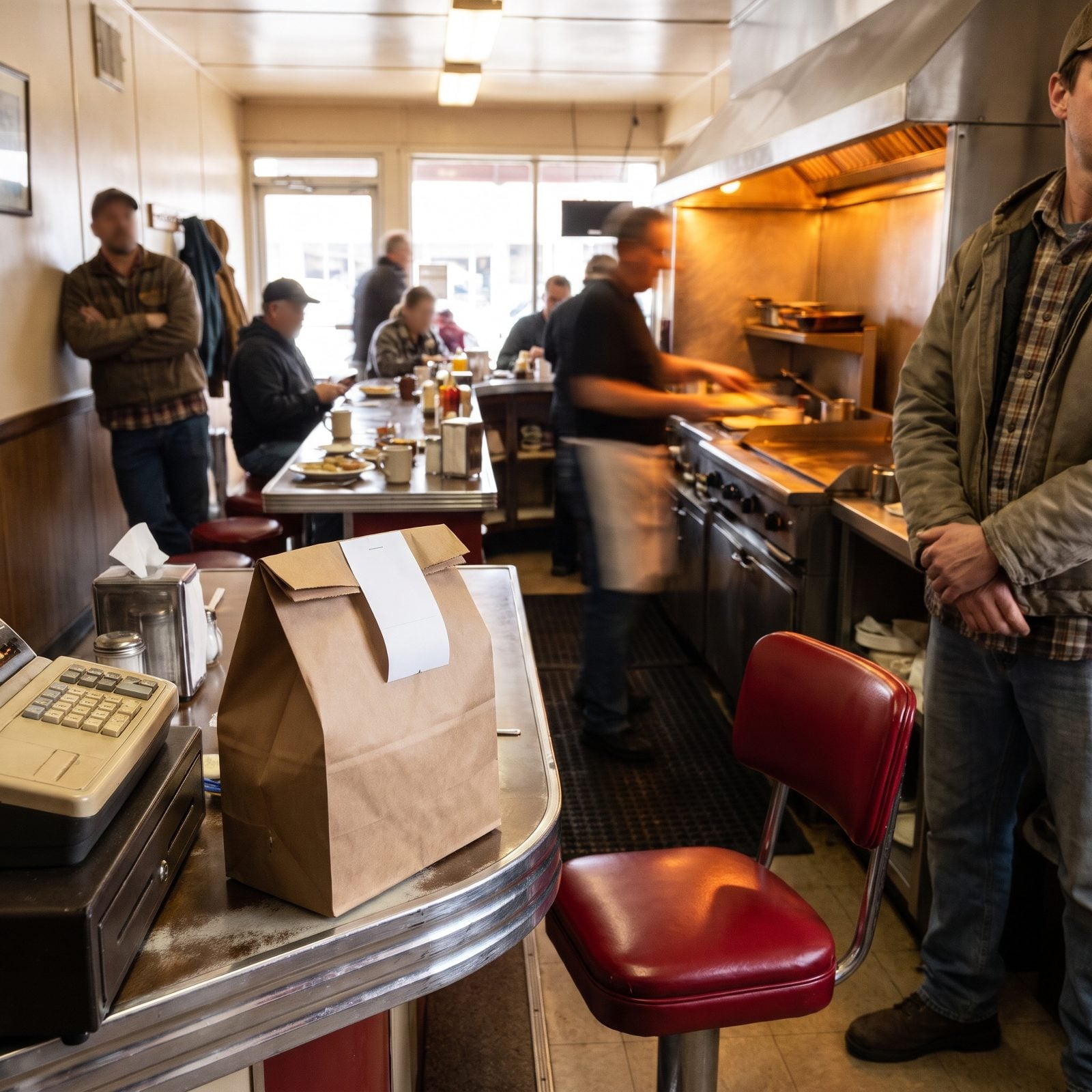
You ordered to go. You don’t get a seat.
That stool is for people eating in, and planting yourself on it for the ten minutes your order takes means somebody with a hungry family stands by the door instead. Takeout folks wait standing, near the register, out of the flow. Small thing, and it’s the whole difference between a regular and a tourist.
38. Scan the Menu Before the Server Gets to You
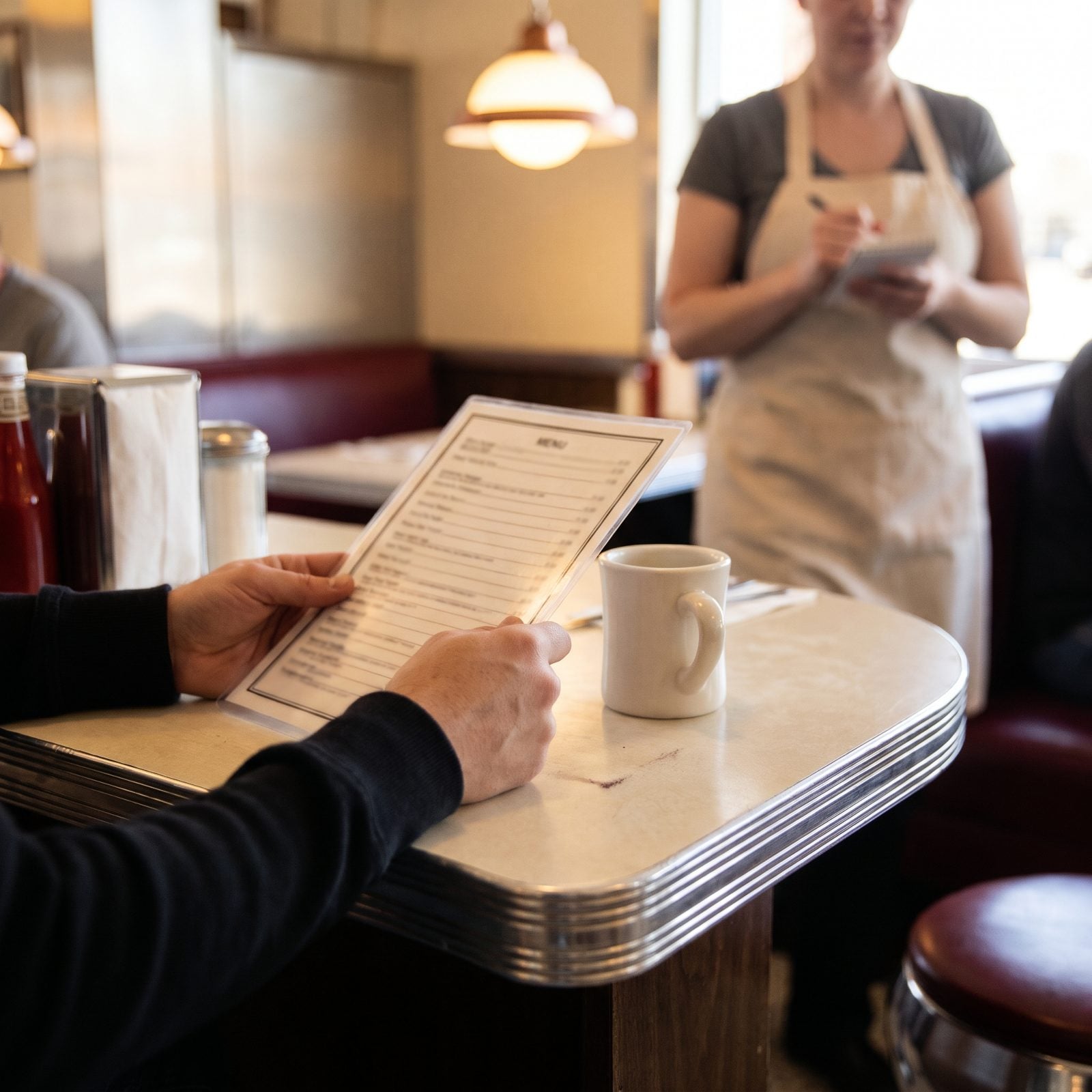
The menu lands the second you sit down. That’s your window. Use it.
This is the scene to avoid: the server already at the table, pen poised over her pad, while the menu’s only just come up. Nothing stalls a diner like it. You had the whole walk over to think about eggs. Regulars know roughly what they want before the coffee’s poured, which frees the server to move. Need another minute? Say so and wave them on. Just don’t leave them hovering like this.
37. Listen the First Time When They Say What’s Sold Out
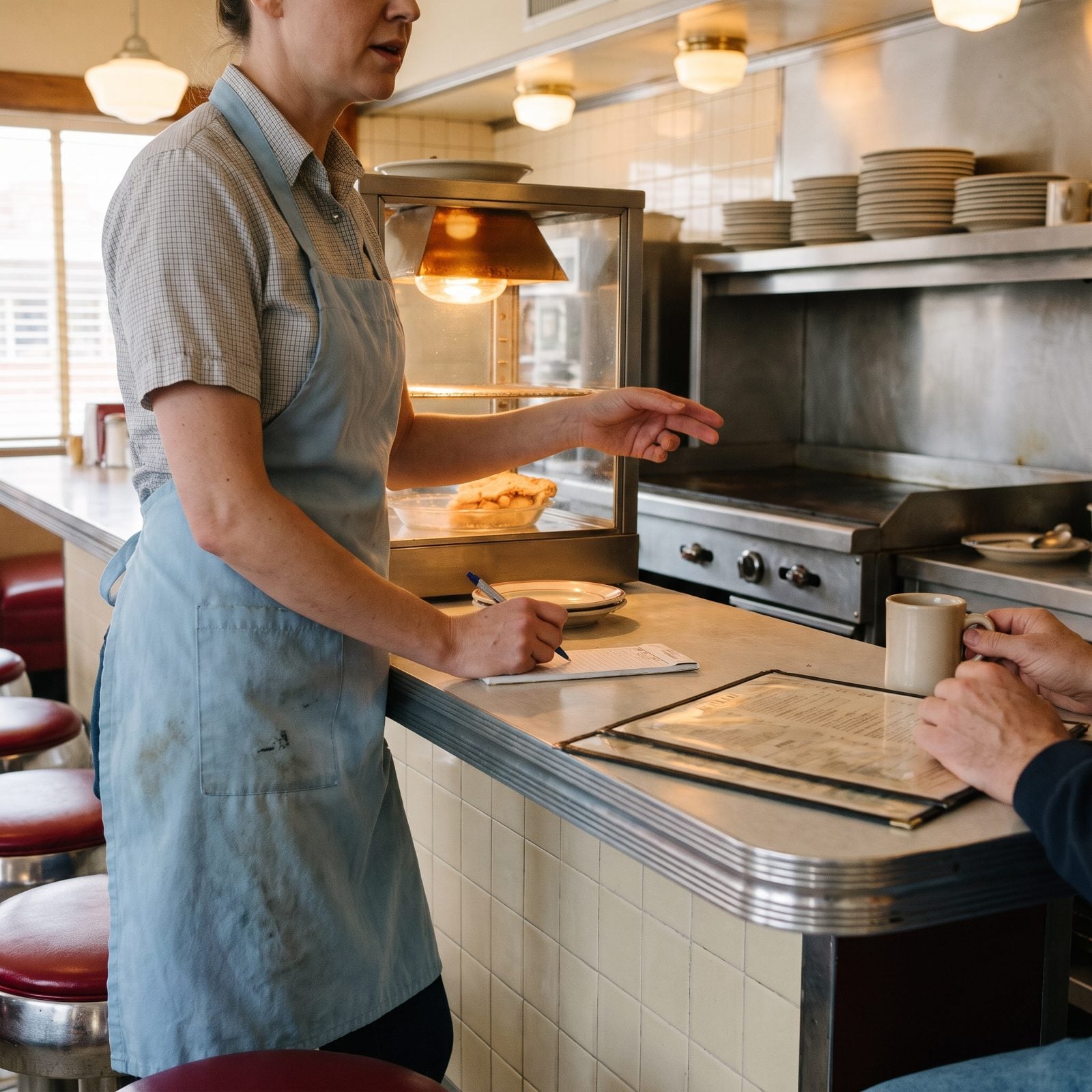
By the back half of a Sunday morning, the kitchen’s run out of a few things, and the server usually tells you up front. Hear it. Ordering the one thing they just said is gone, then acting surprised, makes everyone redo a conversation that already happened.
They’re not hiding the corned beef hash to spite you. It’s genuinely gone. A quick pivot to plan B and you’re the easy table instead of the one they dread.
36. Know What You Want Before You Try to Flag Them Down
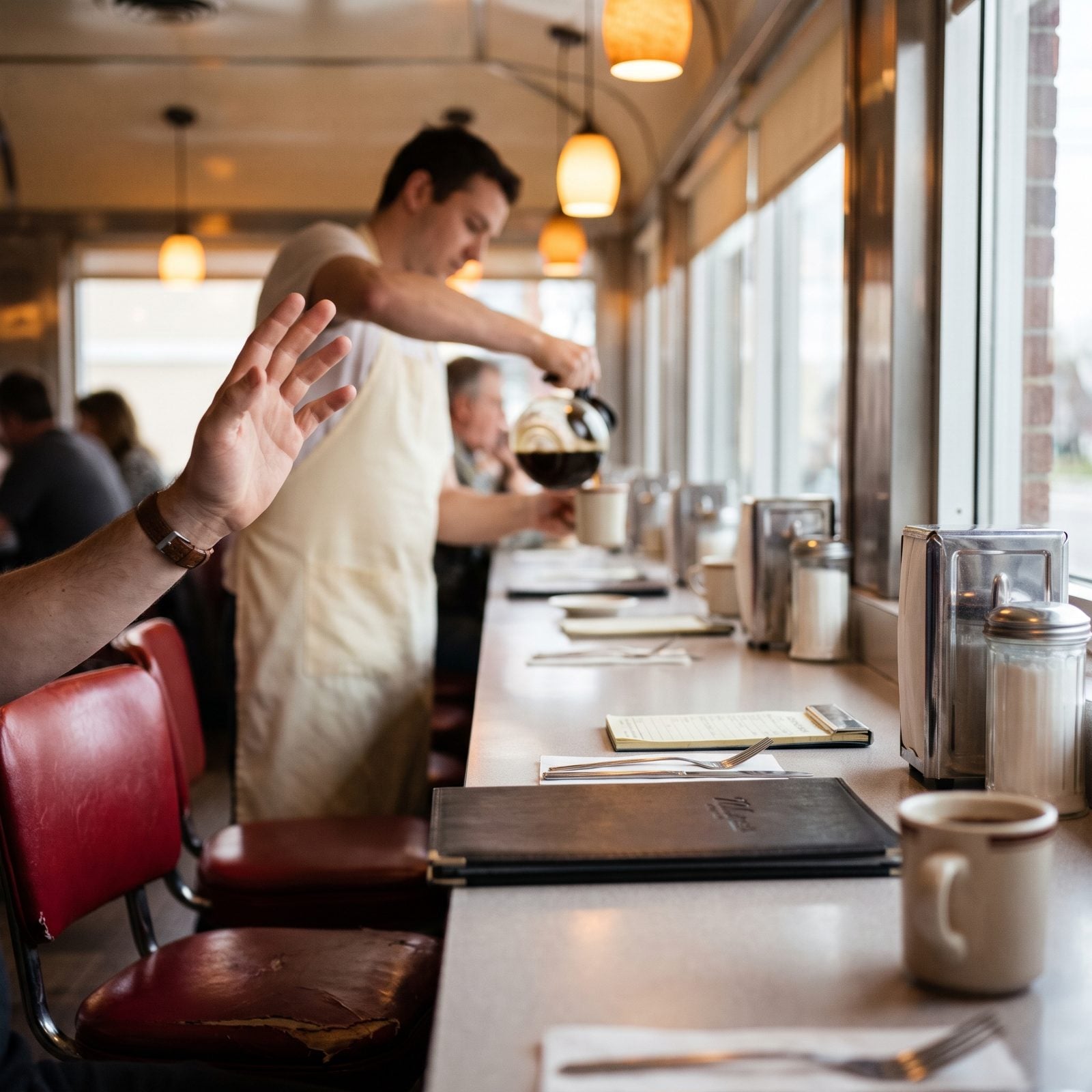
Flagging the server over and then saying “give me a sec” is the whole problem in one move. If you’ve gone to the trouble of catching their eye during a rush, have the answer ready when they arrive.
Their time at your spot is borrowed from six other tables. Decide, then signal. Not the other way around. It’s the difference between one trip and three.
35. Open With a Hello, Not With Your Order
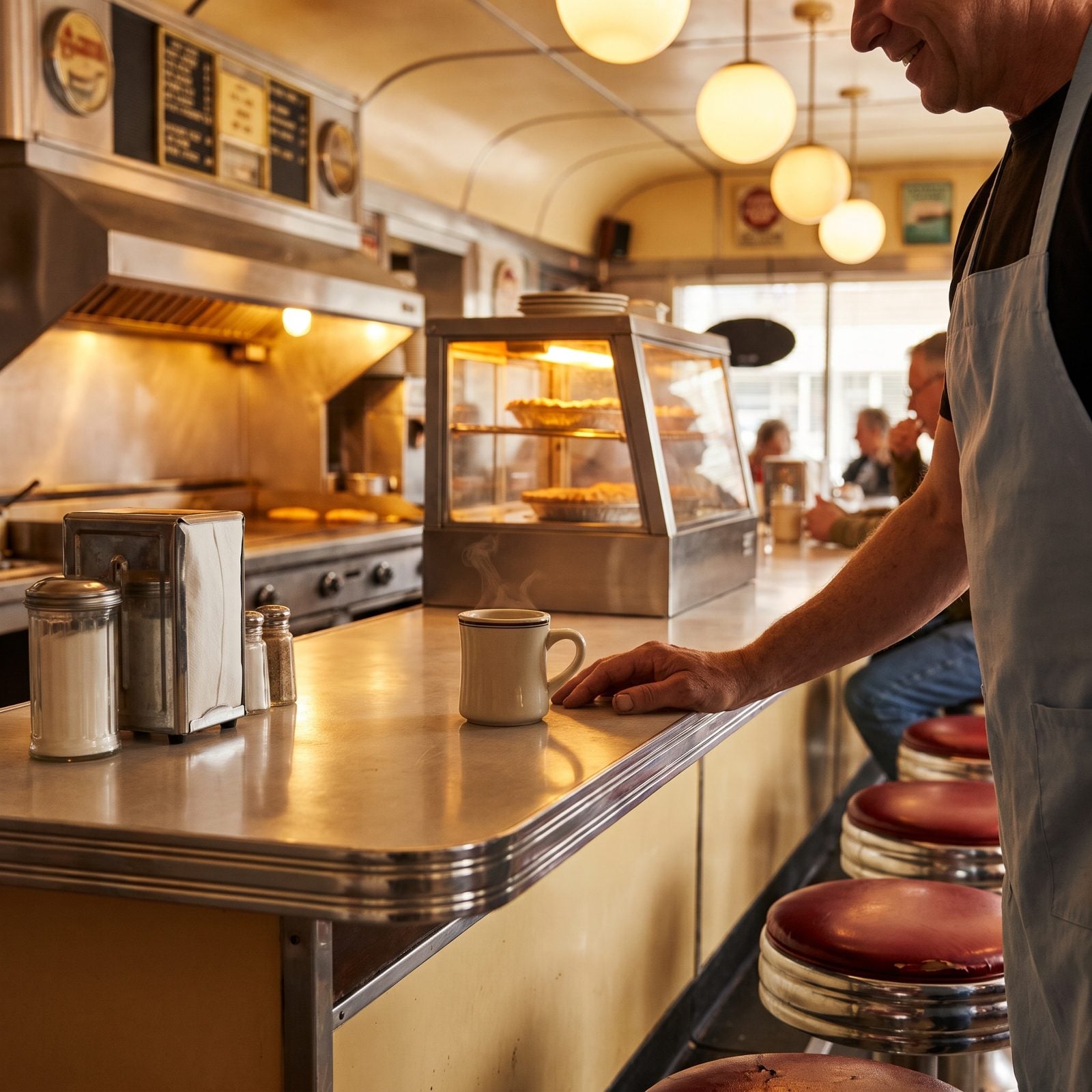
The regulars you remember all did this one thing. They said good morning before they said two eggs over easy.
A diner counter is a conversation, not a drive-through window. The person on the other side has been on their feet since five, and a greeting costs you half a second and changes how the next twenty minutes go. The coffee comes faster. The eggs come how you like them. People take care of the people who treated them like people.
What Our Readers Say
- When our readers loved a food photo and tapped a reason, comfort came out on top at 30%, and nostalgic also made the top four at 15%.
- Food photos with a polished restaurant look got fewer hearts from Piaci Pizza readers than the other images in the same articles, 64% versus 71%.
From Piaci Pizza reader polls and votes.
34. Put the Phone Face-Down While You Order
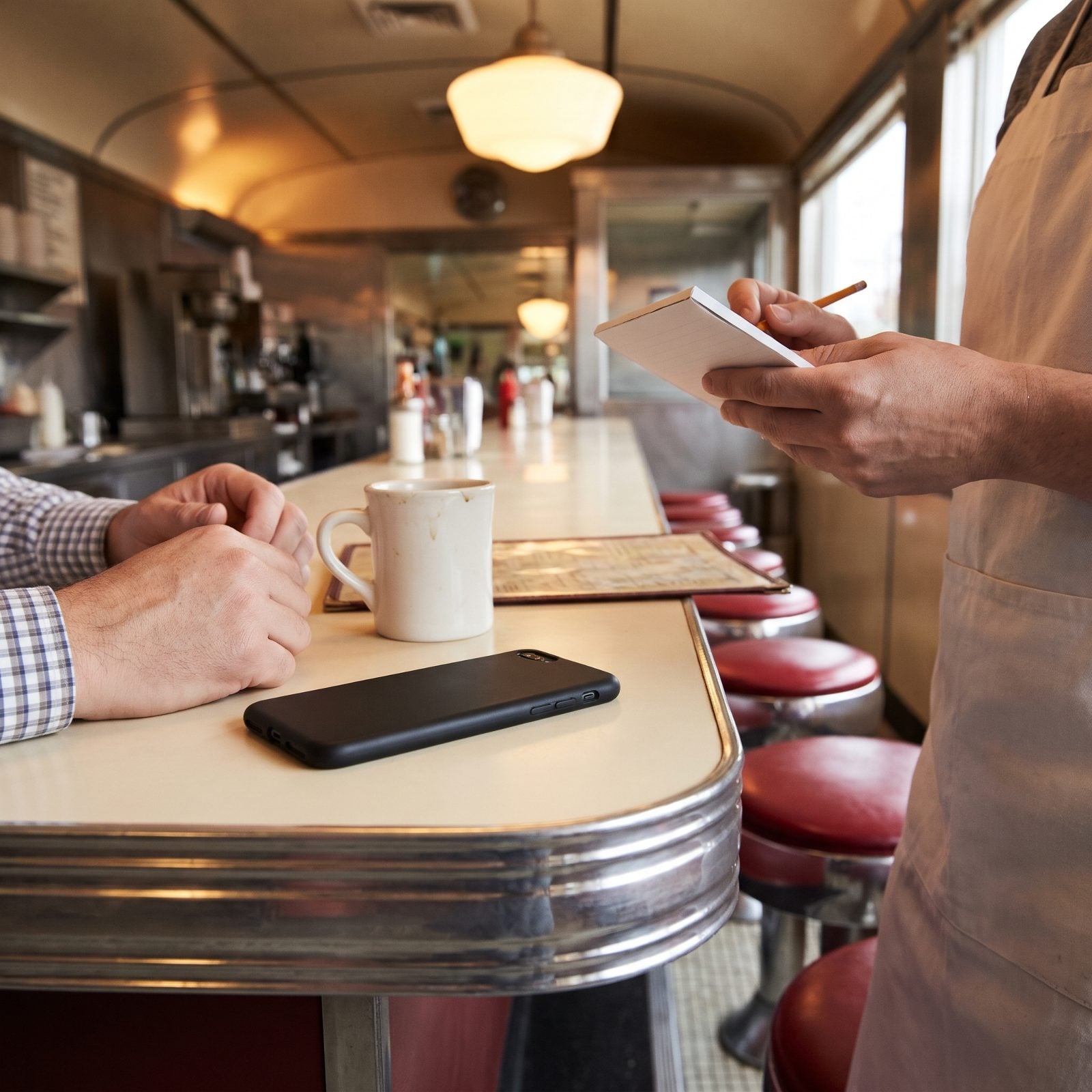
Ordering with one eye on a text and a finger up to pause the server is rude in a way that doesn’t need explaining. The phone goes face-down for the thirty seconds it takes to order. That’s the whole ask.
Half-ordering while scrolling means you’ll miss what’s sold out, you’ll botch your own side choice, and you’ll make the server stand there while you resurface. Give the counter your attention and it gives it back. Oldest deal in the place.
33. Order When the Server Is Ready to Write
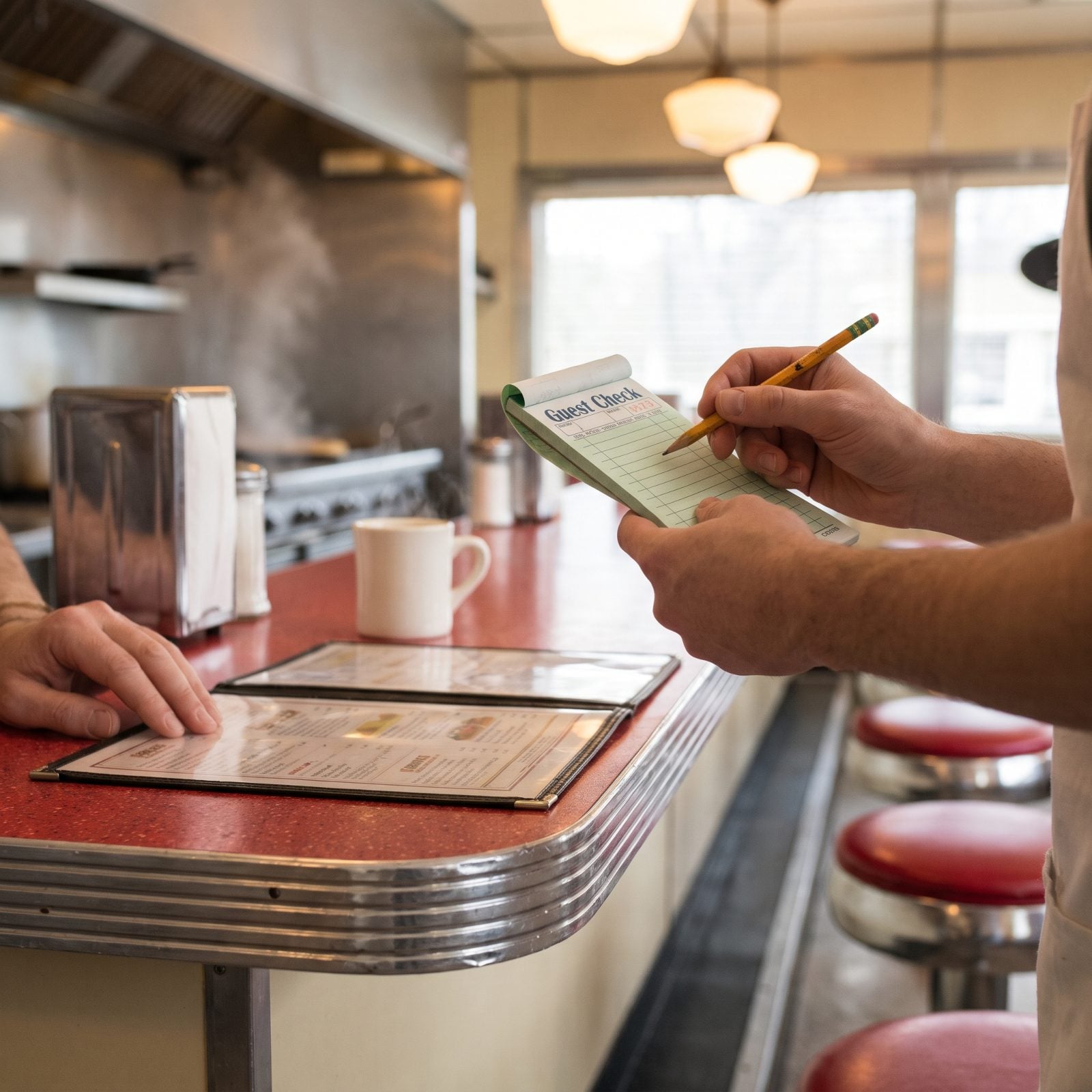
Watch a regular. They don’t start talking the second a server walks by with a coffee pot and four plates balanced on one arm. They wait for the pad to come out, and that little pause is the whole trick.
A server who isn’t ready to write has to memorize instead, and memory is where your hash browns go missing. Hold your order until the pencil is up and pointed at the paper.
32. Give the Whole Order Clearly the First Time
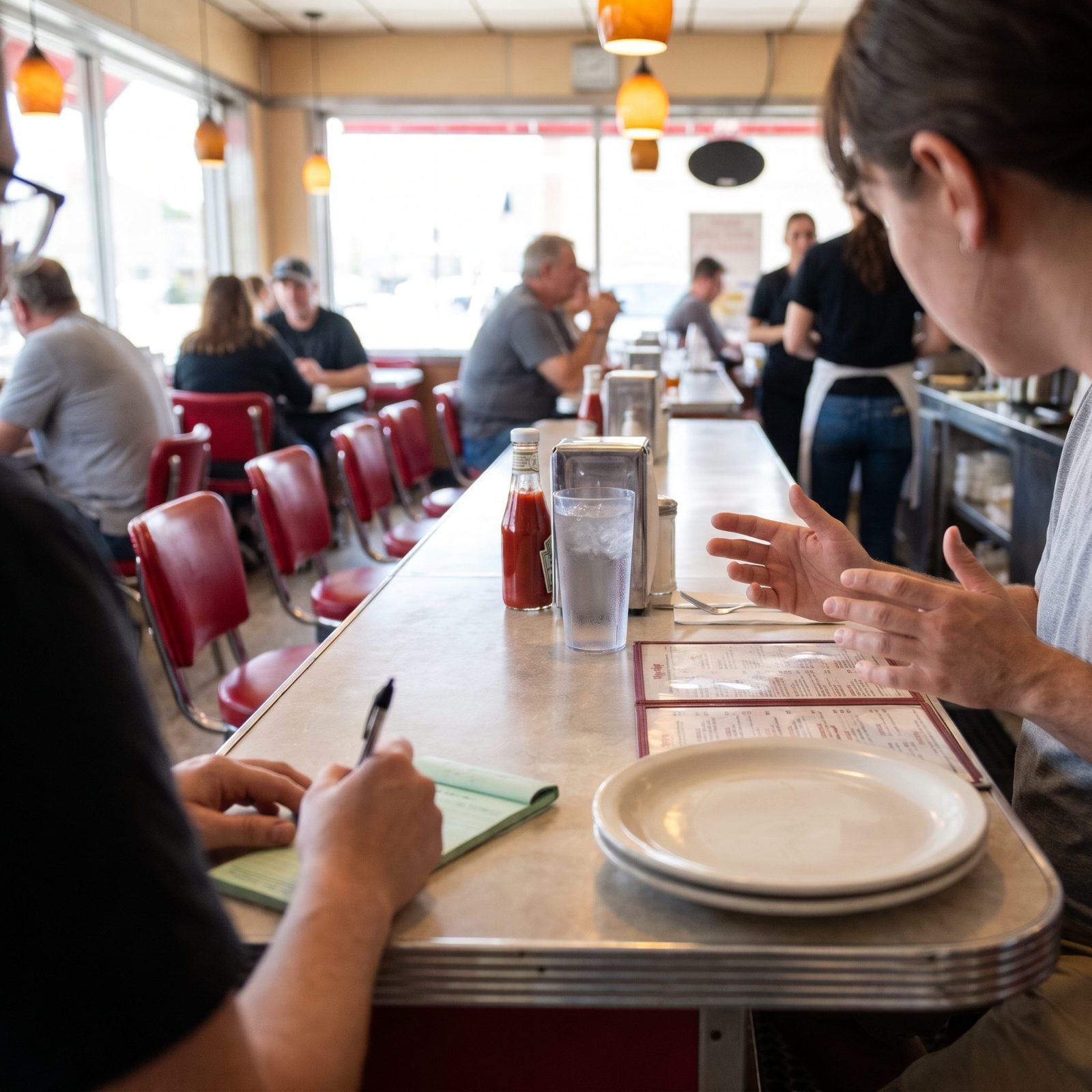
The drip-feed order is the enemy of a smooth kitchen. You know the type. Coffee first, then two minutes later they decide on eggs, then they flag the server back for toast, then again for juice. Each trip is a small tax on everyone behind them.
Say it all at once. Eggs, how you want them, the side, the toast, the drink, one clean pass. The server writes it down, hits the window once, and you’re done. A regular can rattle off a full breakfast while barely looking up, and so can you with a little forethought while you read.
31. Name the Main Dish Before Its Modifications
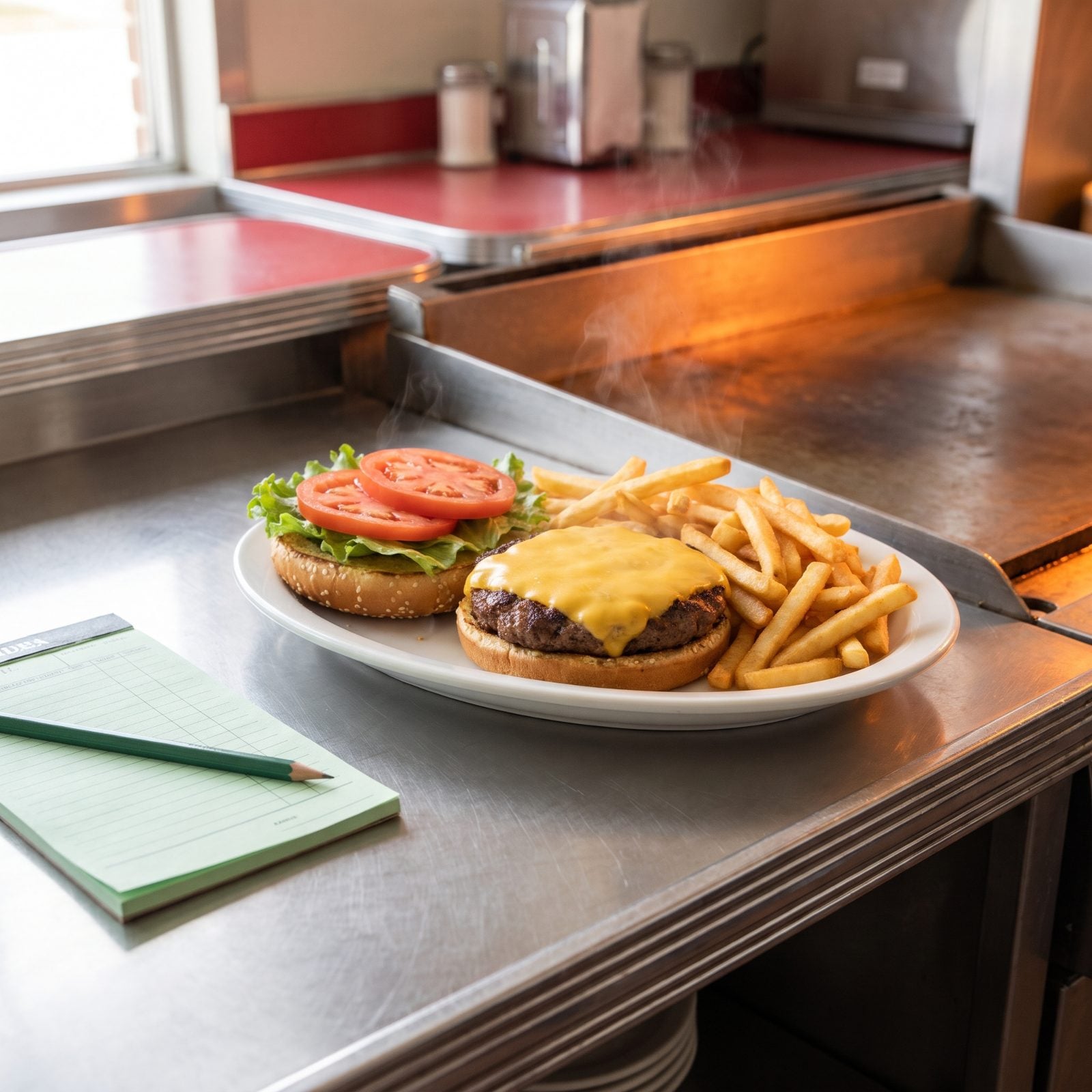
Lead with the dish, then stack the changes. “Cheeseburger, no onion, add bacon.” The server’s pencil knows exactly where to go because you gave it the frame before you filled it in.
Flip it around and you’ve handed over a puzzle. “No onion, extra pickle, and can you add bacon, for the, um, burger” makes the writer backtrack and guess. Dish first. The modifications hang off it like coats on a hook.
30. Use the Dish Names Printed on the Menu
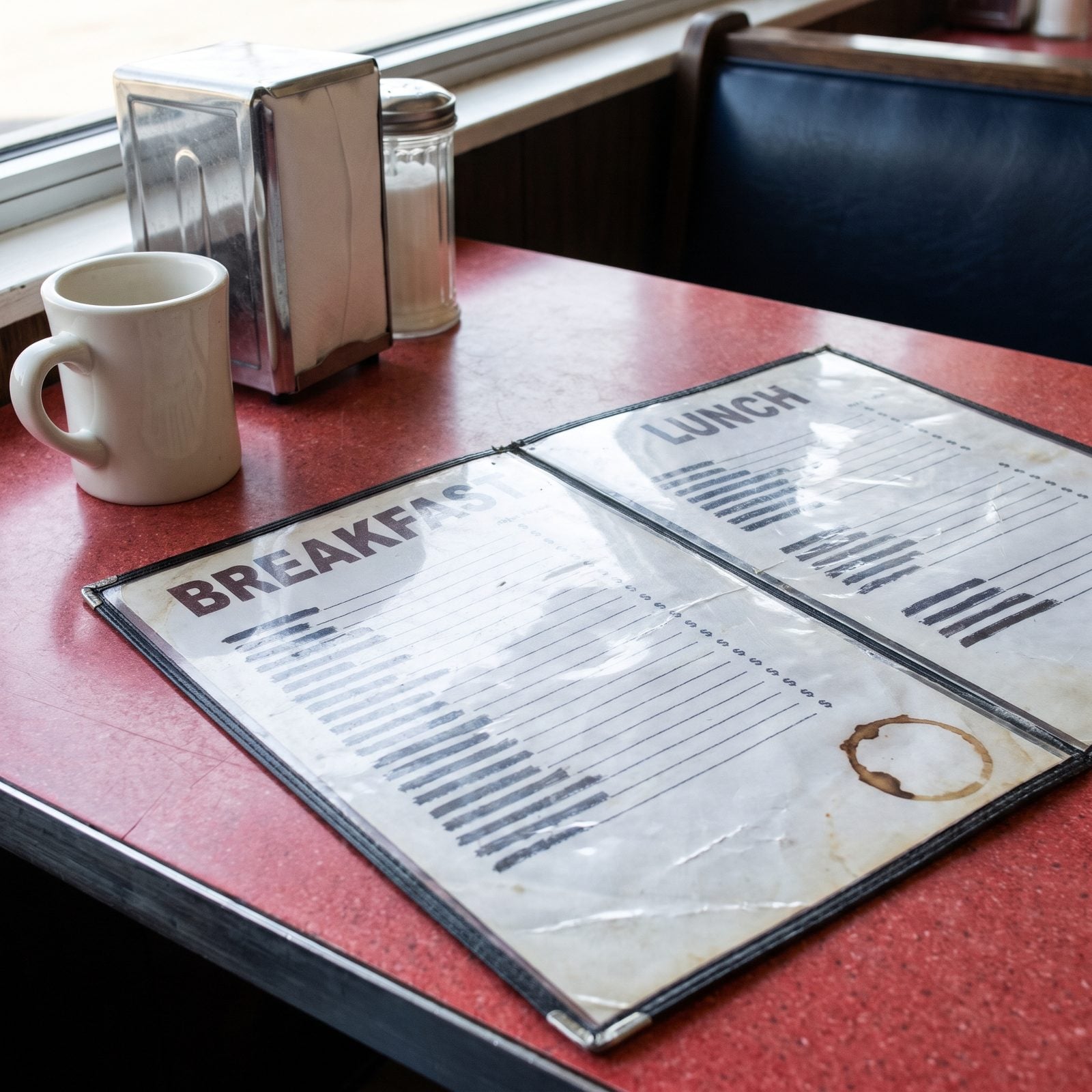
Somebody printed those names for a reason. “The Lumberjack” or “Number Four” means something specific to the kitchen, and when you use it, you’re speaking their language. The ticket writes itself.
Invent your own name and you force a translation. Now the server has to figure out which of three similar platters you actually mean, then hope the guess was right. Point at the menu, say what it’s called, move on.
29. Do Not Fake Diner Lingo You Do Not Understand
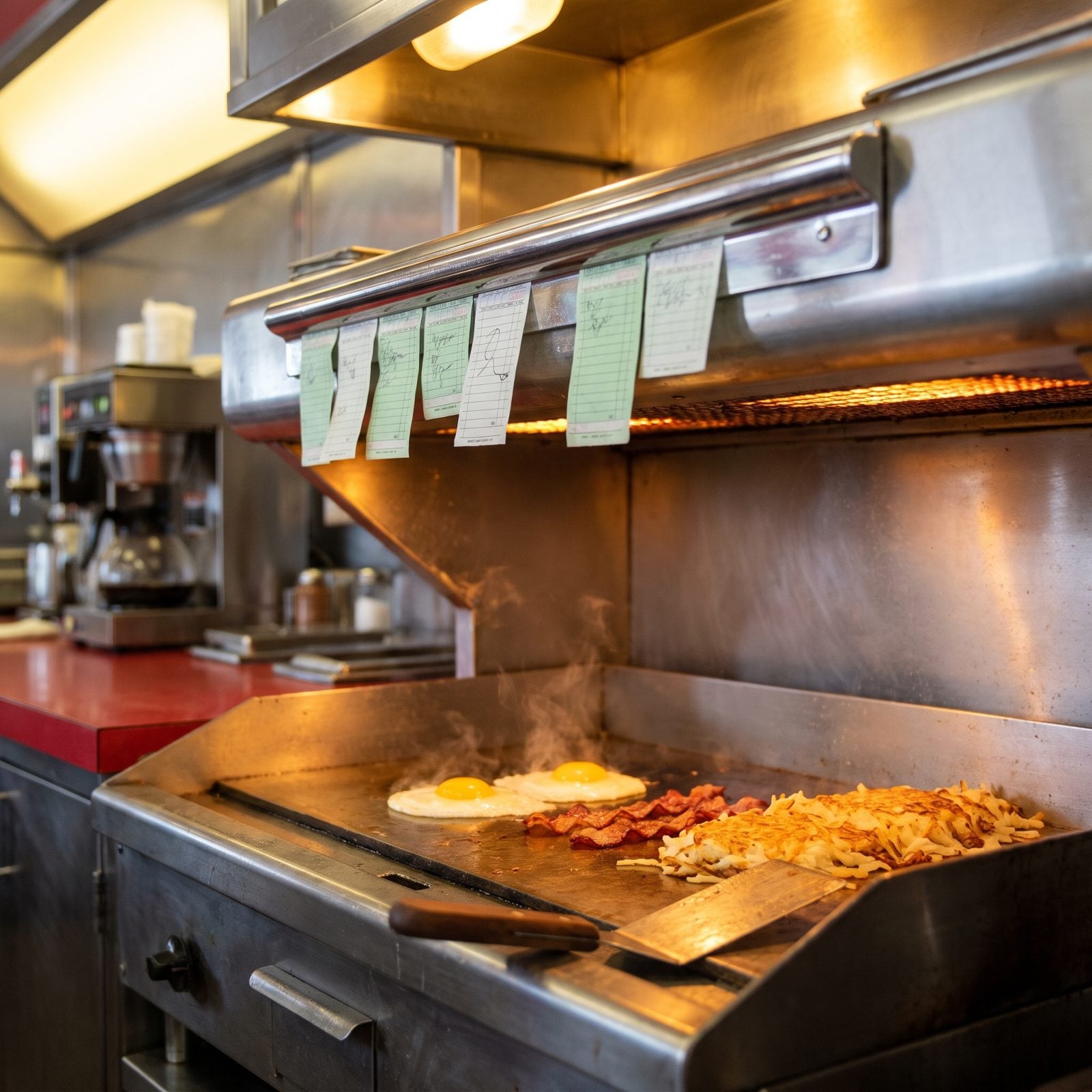
Old diner slang is wonderful. “Adam and Eve on a raft,” “a cup of mud,” “wreck ’em” for scrambled. A piece of American history, and I love every bit of it.
But most counters stopped running on that code decades ago, and the kid working the register has never heard “burn the British.” Trot it out wrong and you’ve just made the order harder, not cuter. If you know the house uses it, great. If you’re guessing, order in plain English.
28. Ask Menu Questions Before Launching Into the Order
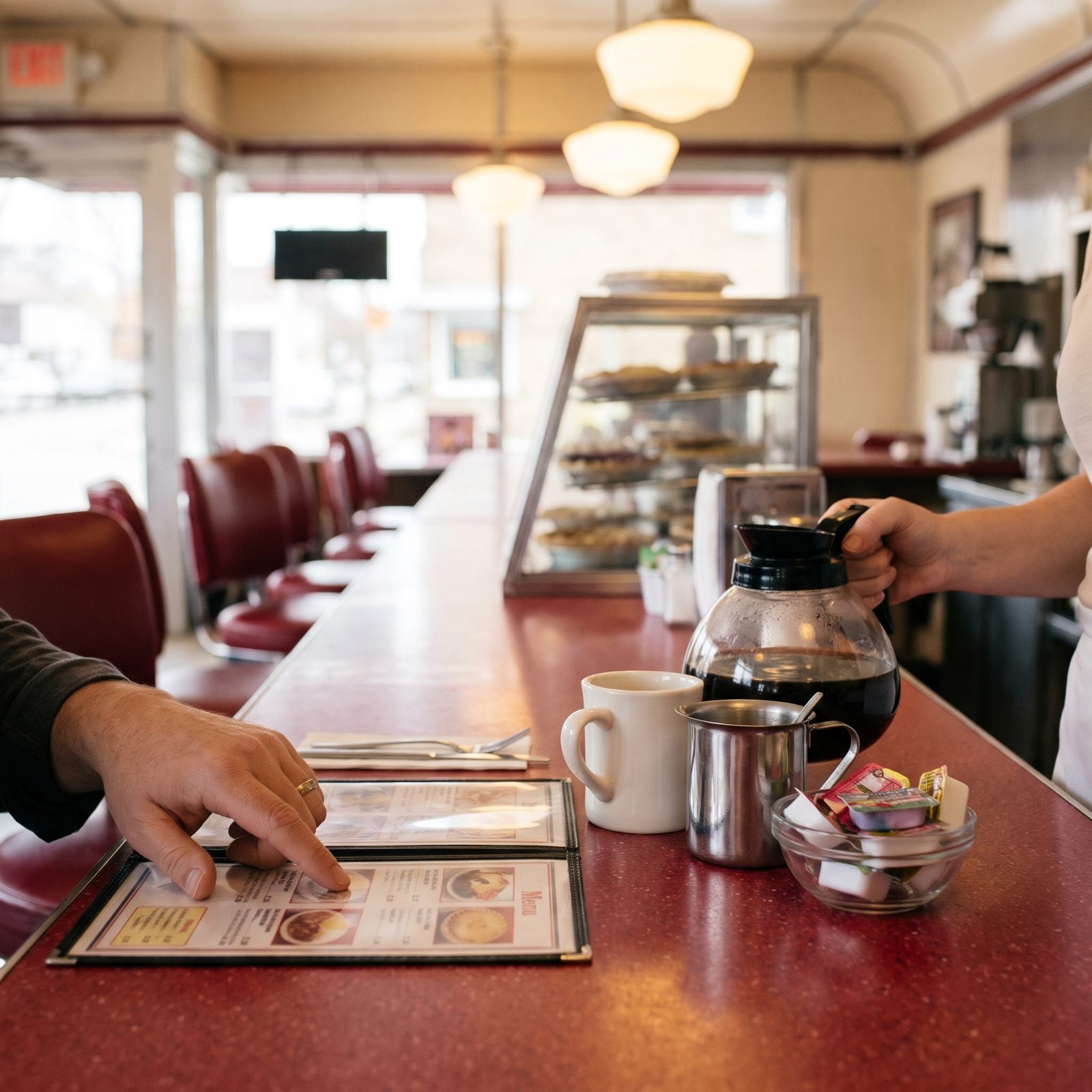
Get your questions out of the way up front. Is the soup made in-house? Can the hash browns come extra crispy? Figure that out before you commit, not halfway through giving the order.
The worst version is the order that keeps stalling on its own uncertainty, the server standing there with the pencil down while you wonder aloud about the difference between two omelets. Decide first. Then order in one clean breath.
27. Mention Food Allergies Before Naming the Meal
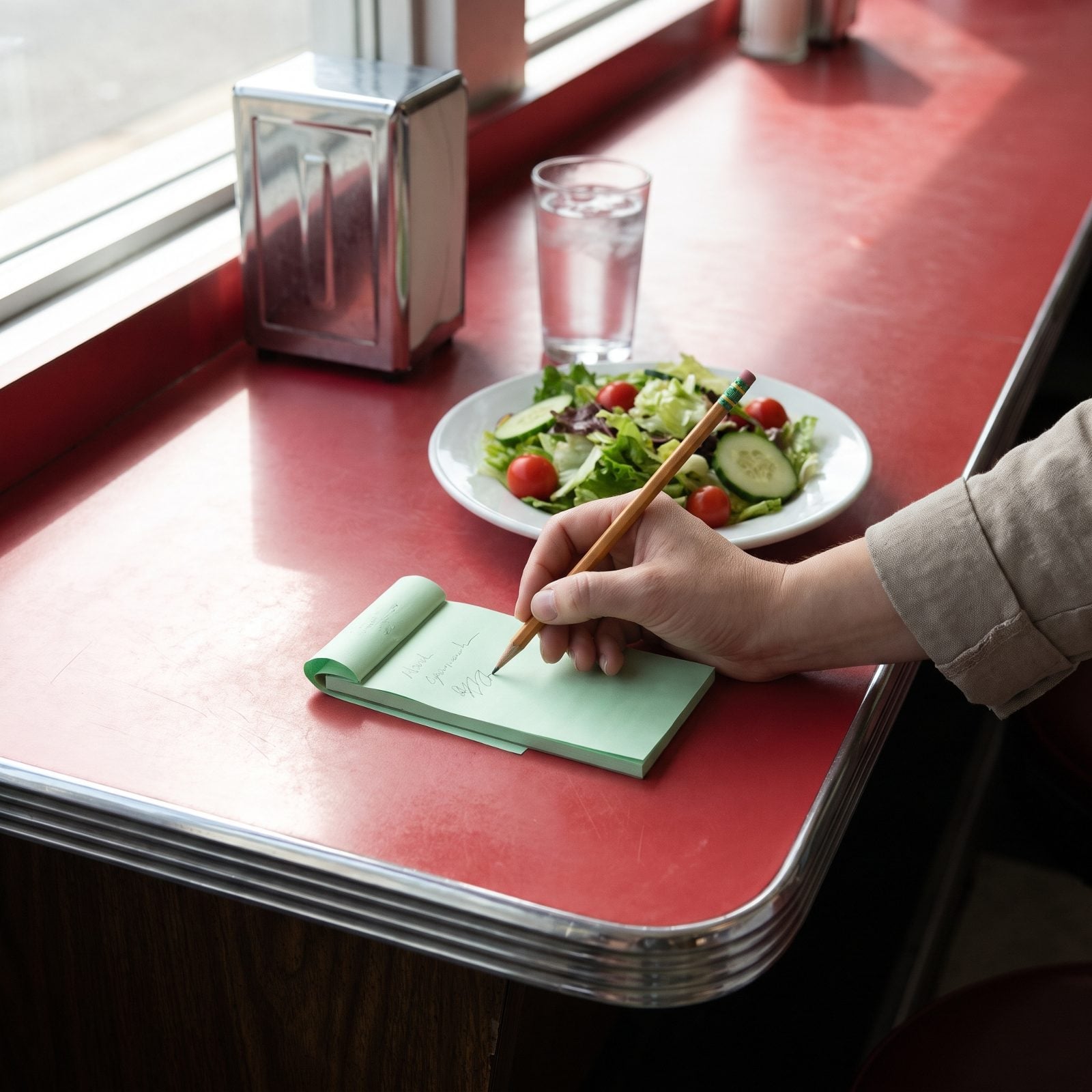
Got a real allergy? Say it first, before anything else leaves your mouth. “I have a shellfish allergy, so I need to ask about a couple things” changes how the entire order gets handled.
Drop it in as an afterthought and it can slip right past a server juggling six tables. Said up front, it goes to the top of the ticket and the kitchen treats it like the serious thing it is.
26. Never Call a Preference an Allergy
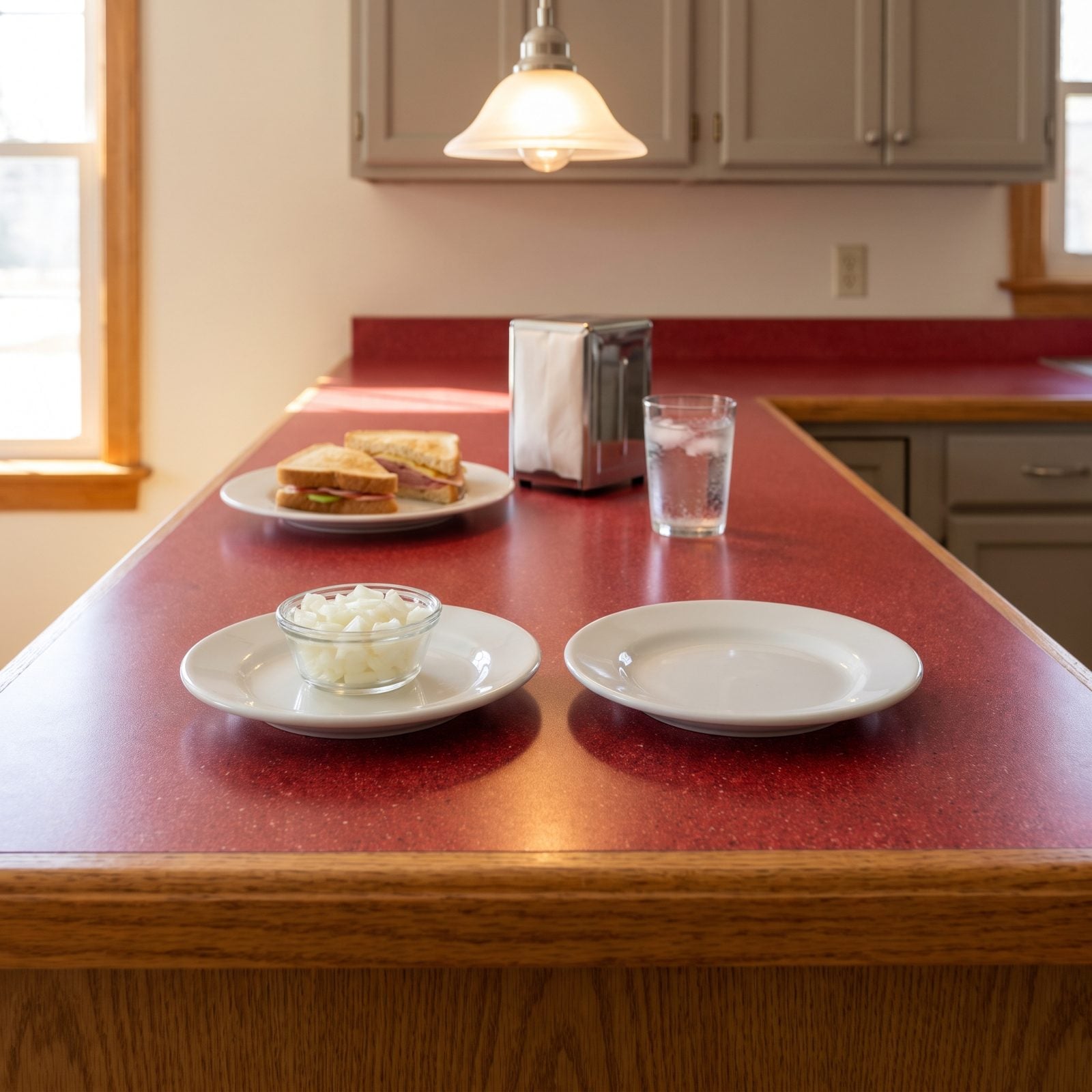
You don’t like onions. Fine. Say “no onions, please.” Don’t claim you’re allergic because you think it’ll get taken more seriously.
When you cry allergy, the kitchen may stop the whole line, swap gloves, pull a clean pan, and double-check every surface. That’s effort meant for someone who could end up in an emergency room. Burn through that goodwill for a mere dislike and everyone gets a little more cynical about the next person who really can’t eat the thing.
25. Keep Substitutions to One or Two Sensible Changes
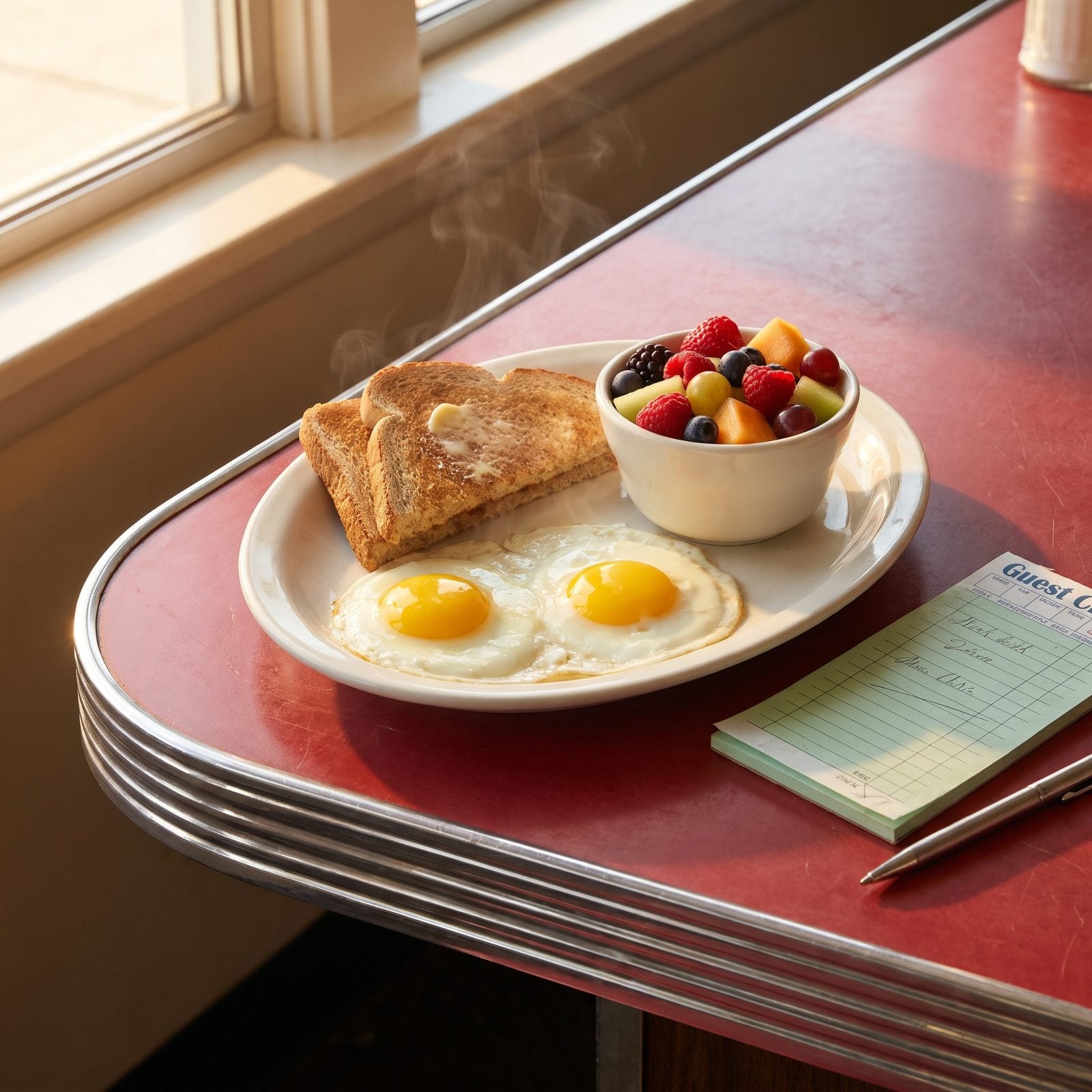
Swap the hash browns for fruit. Ask for wheat instead of white. Reasonable, easy, done a hundred times a day. A regular makes one or two small changes and leaves it there.
The order that rebuilds the whole plate from scratch is a different animal. Sub this, hold that, add three things, change the cooking method, split it onto two plates, and each change is another chance for something to go sideways. Keep it simple and your food comes out right the first time.
24. Do Not Invent a Completely New Dish at the Counter
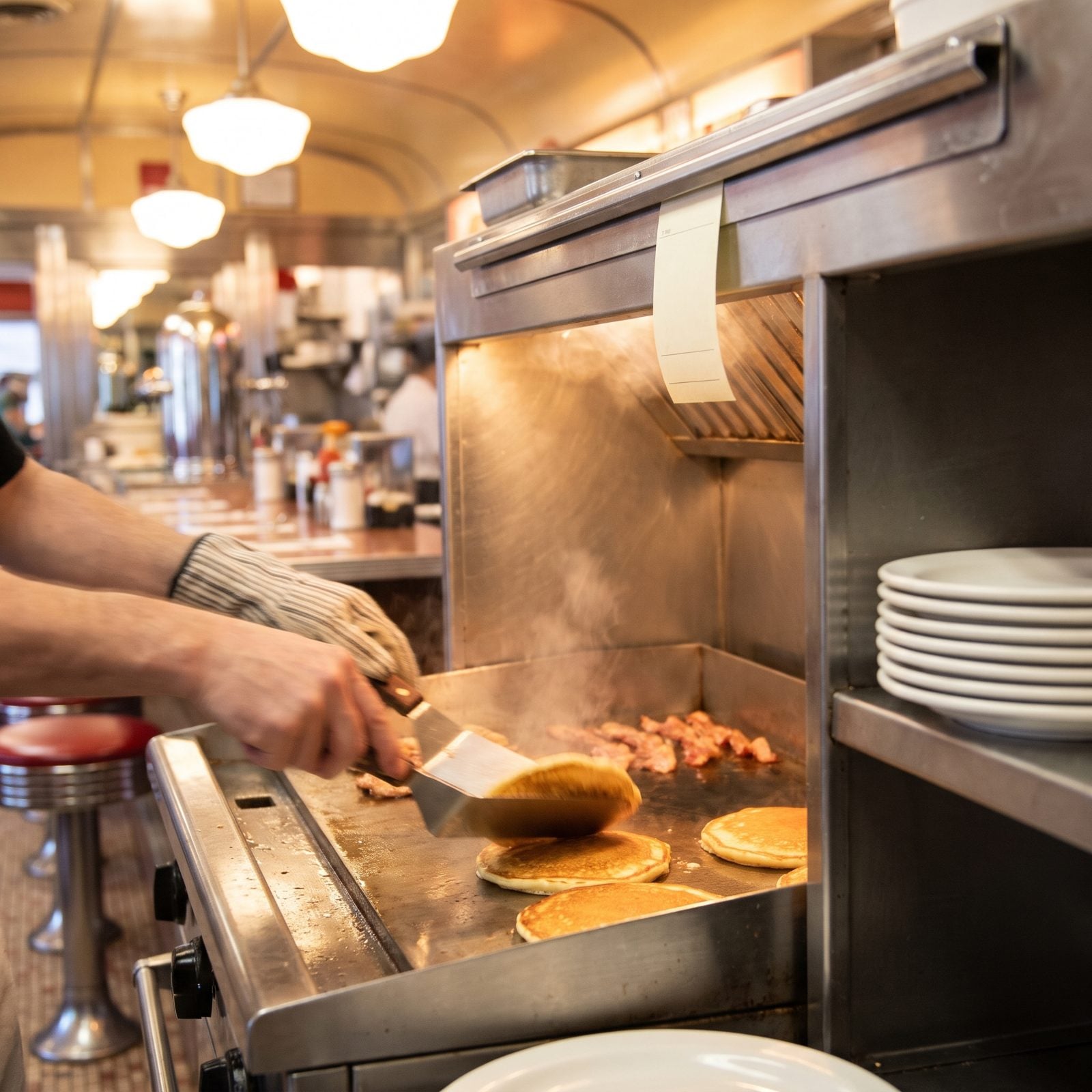
The menu is a map of what the kitchen is set up to make. Order inside it and everything runs. Ask for something it never dreamed of and you’ve handed the line a problem to solve mid-rush.
This isn’t a build-your-own counter. The stock, the prep, the station layout, all of it assumes you’ll pick from the board. Want eggs Benedict with a side of ribs, chili on your waffle, and a custom sauce that lives on no shelf? You’ll get a polite no, or a worse yes. The best meal here is the one the cook already knows by heart. Order that, tip well, come back Tuesday.
23. Specify Exactly How You Want Your Eggs
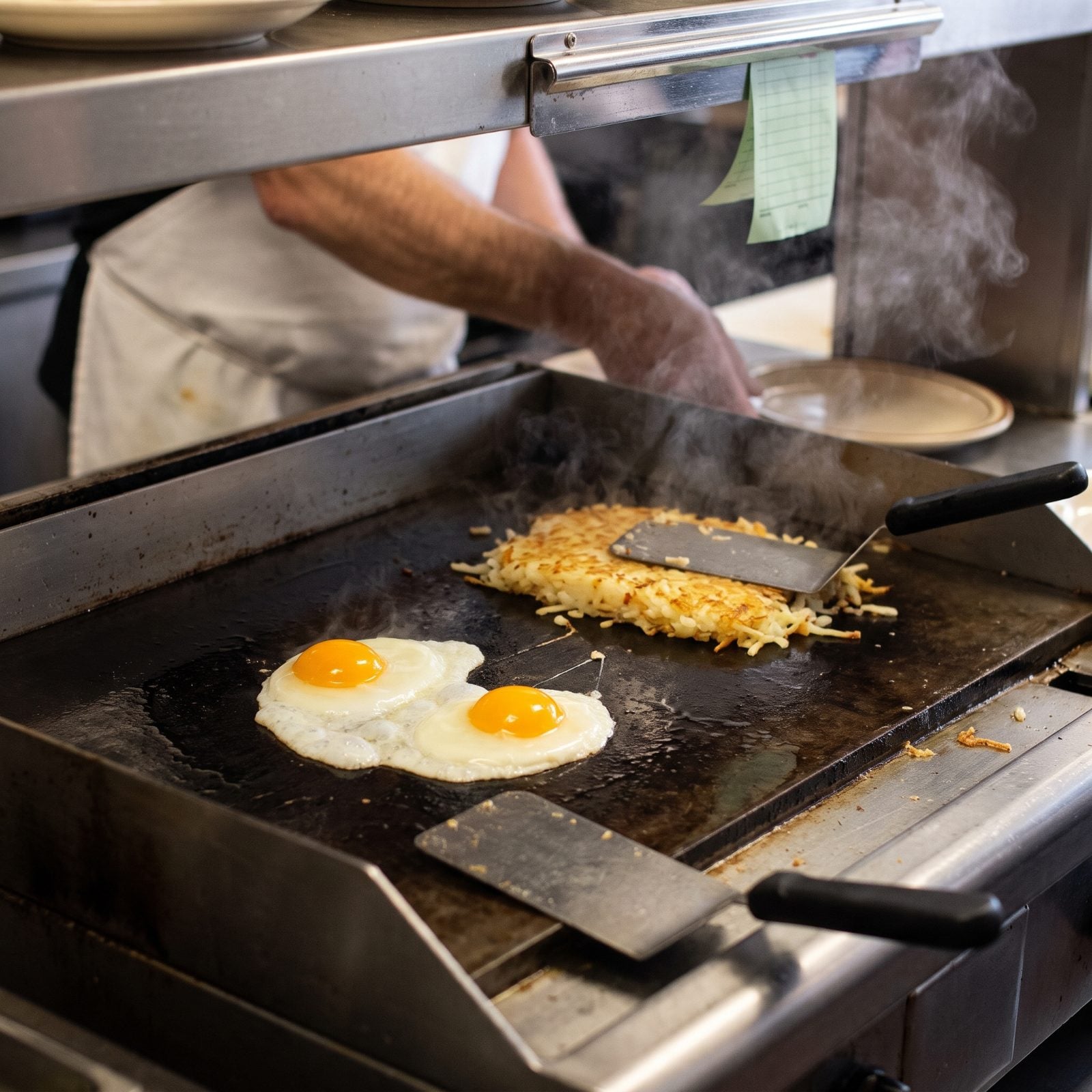
“Eggs” is not an order. It’s a question the kitchen now has to ask back, and you’ve just slowed down the whole line. Sunny-side up, over easy, over medium, over hard, scrambled soft, basted, poached — pick one and say it first, before the toast and the side, because the egg is the clock the cook builds the plate around.
Over easy and over medium are the two that trip people up. One runny yolk, one just-set. If you’ve ever sent a plate back because the yolk “wasn’t right,” the fix was a single word you skipped. Say the word.
22. Make Regular or Decaf Unmistakably Clear
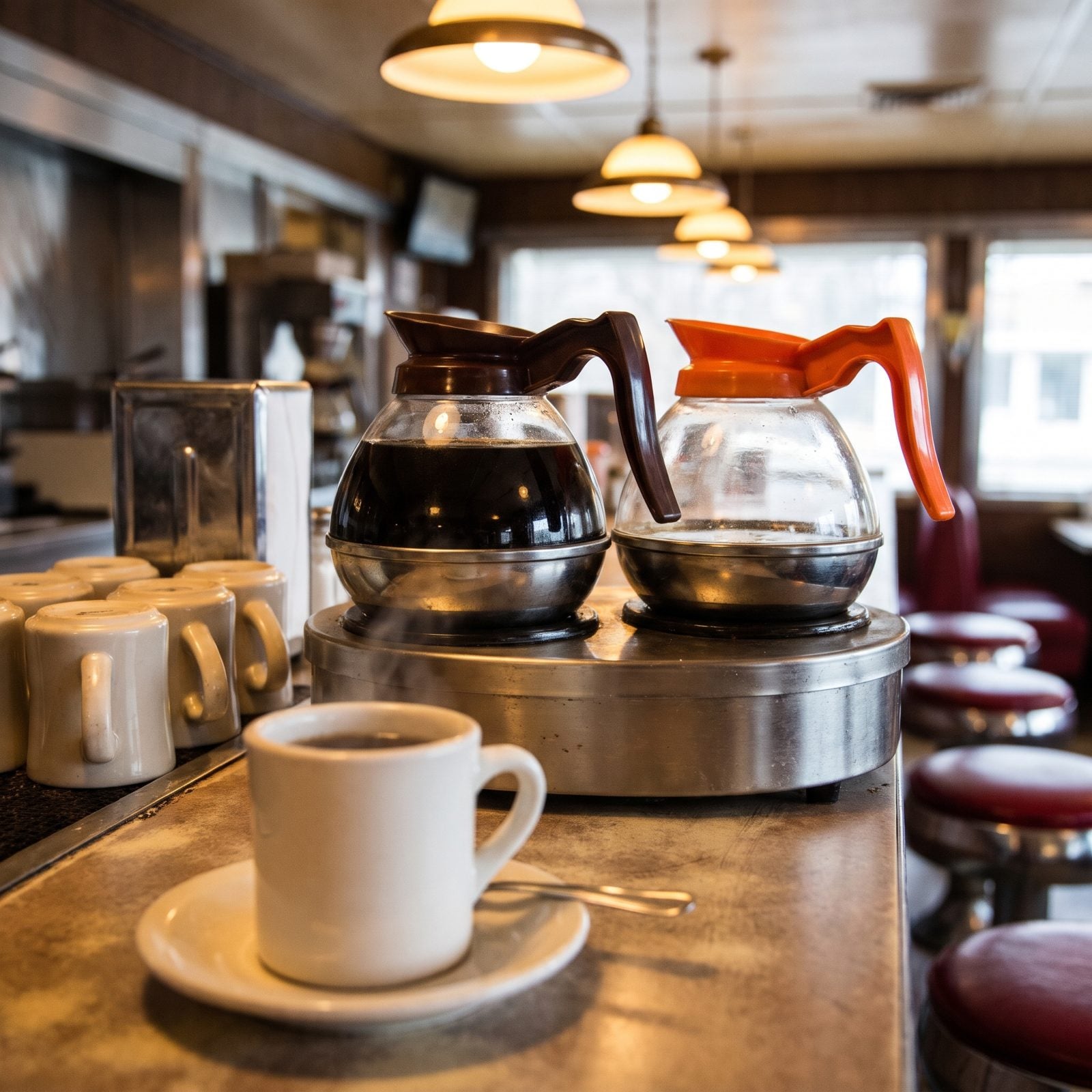
The orange handle means decaf. Every diner cook and server knows it, and a surprising number of customers almost find out the hard way at 9 p.m. Want decaf? Say decaf like it matters, because to someone who can’t sleep after a single cup, it does.
And if you want regular, just say “coffee.” Don’t announce “regular coffee” and then add cream and sugar at the table expecting them to have mixed it in. In parts of New England, “regular” already means cream and sugar — a whole different argument you don’t want to start before you’ve eaten.
21. Give a Burger Temperature When the Diner Allows It
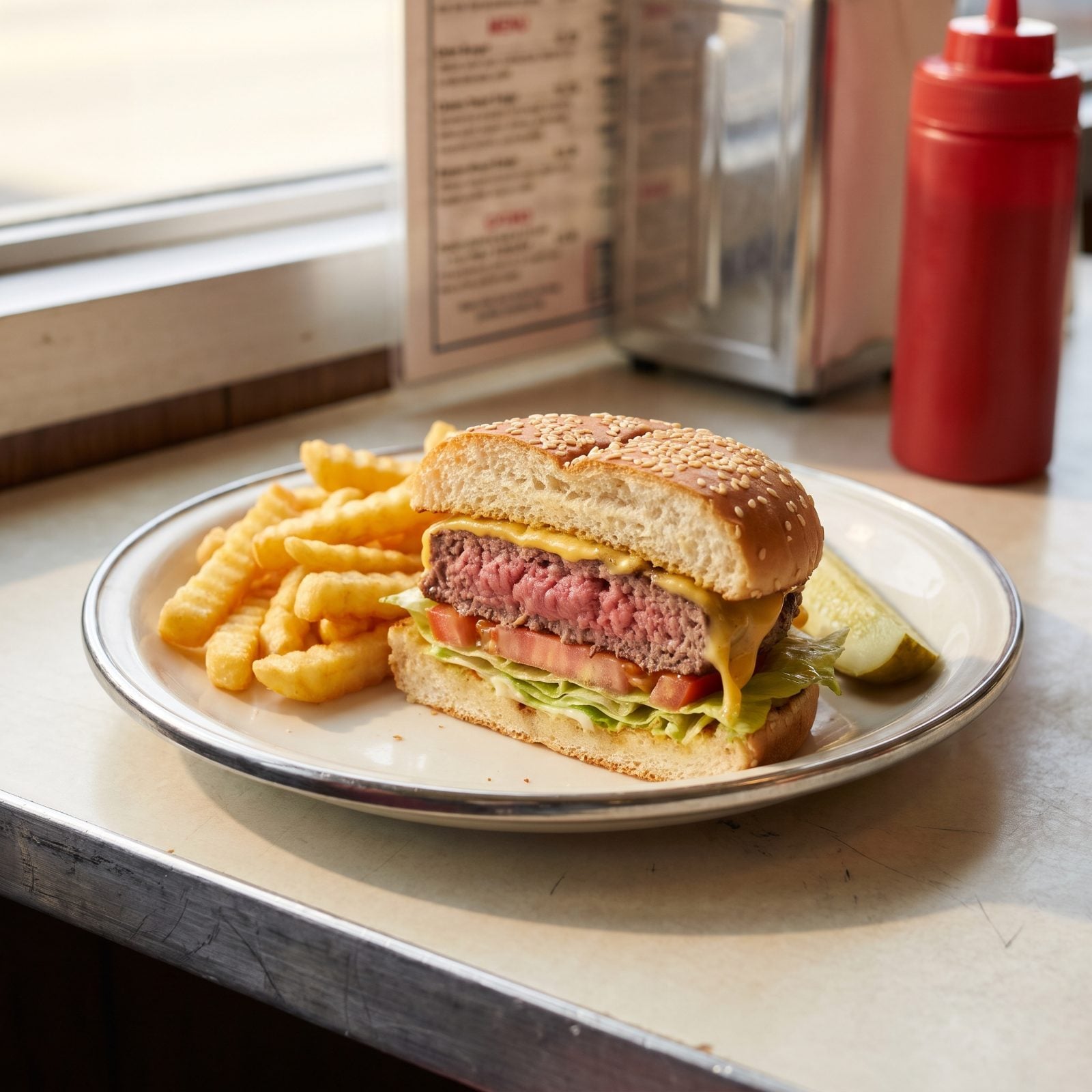
Some diners cook every burger to one doneness and won’t budge. Health rules, thin patties, a flat-top that only does one thing well. But when the menu or the server opens the door, walk through it: medium-rare, medium, medium-well, well. Say it with the order, not after the plate lands.
Now for the honest part. A thin griddle patty cooked medium-rare is a gamble, and plenty of short-order flat-tops can’t really hit it. If the server says they do everything well-done, believe them and order a side of frustration instead. I’ve asked for medium at places that clearly couldn’t and gotten a hockey puck anyway. That one’s on me.
20. Specify the Sandwich Bread and Whether You Want It Toasted
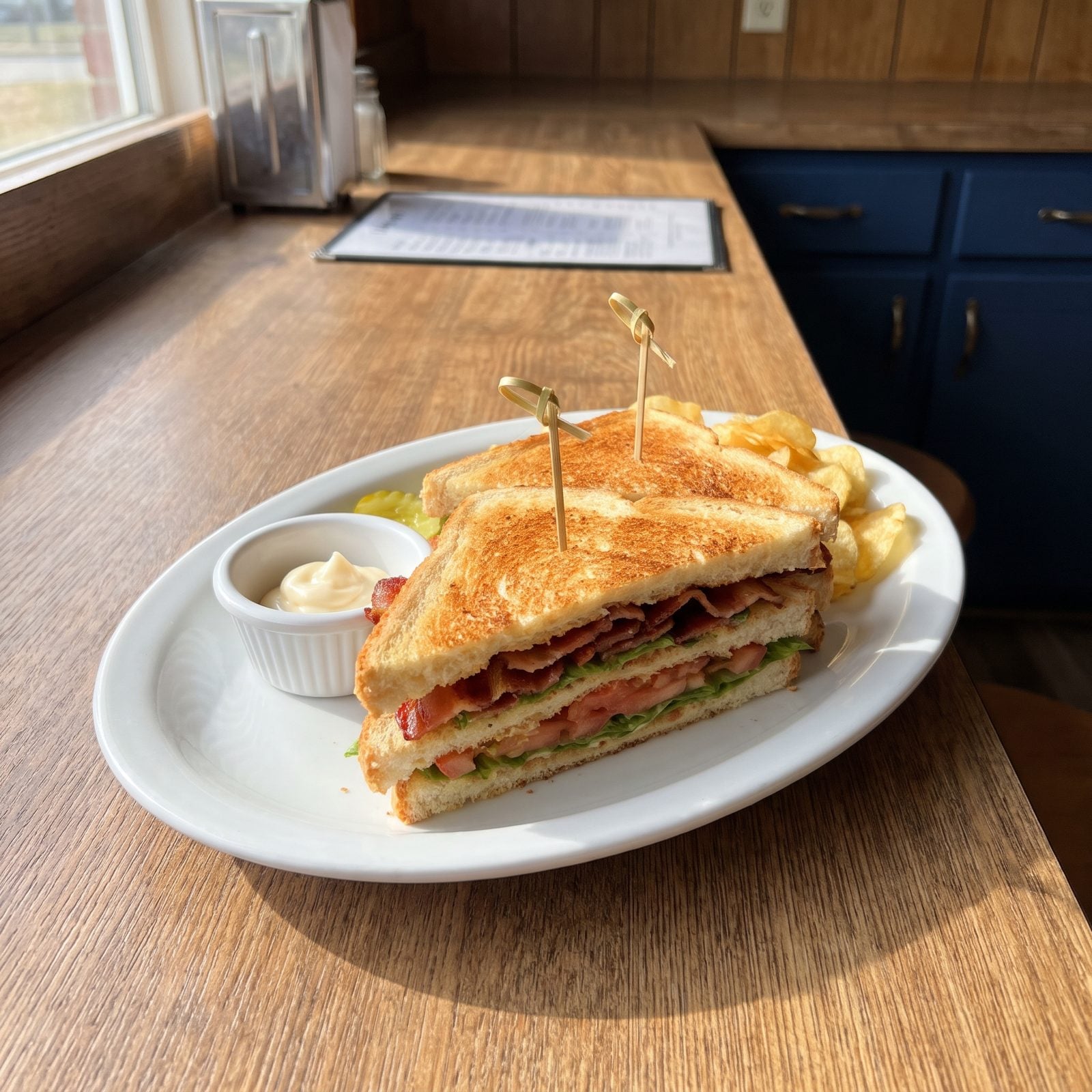
White, wheat, rye, sourdough, a roll. The sandwich changes completely with the bread, and the cook isn’t going to guess. Rye on a tuna melt is a different animal than white on a tuna melt, and both are correct — but only one is the one you wanted.
Then comes the follow-up nobody remembers until it’s too late: toasted or not. A toasted club holds together. A cold-bread club collapses. Say both in the same breath as the order and you’ll never have to flag the server down to fix it halfway through.
19. Request Condiments on the Side During the Order
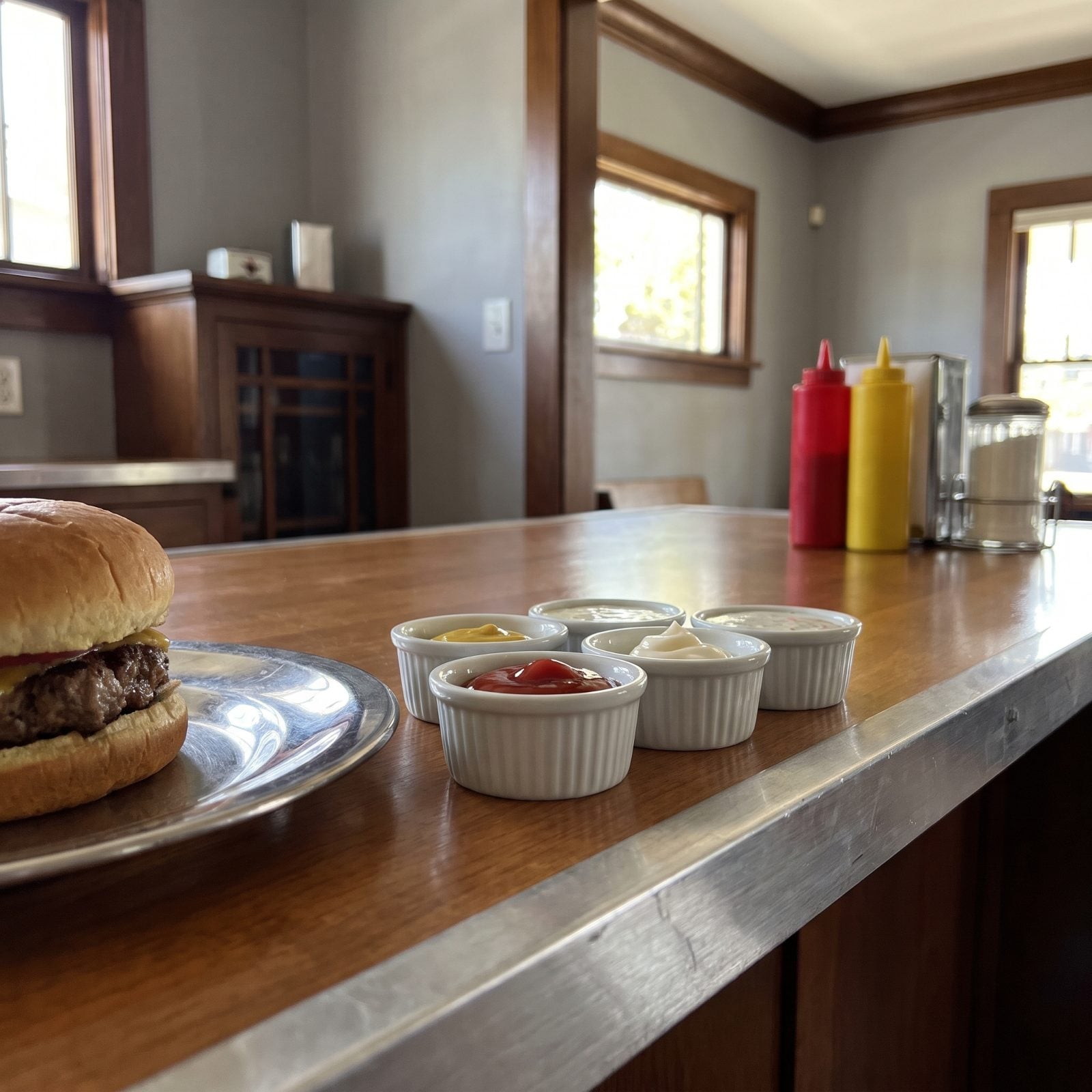
Mayo on the side, dressing on the side, gravy off in one corner — say so when you order, not when the plate arrives already assembled and you’re staring at a sandwich that’s wrong. The kitchen can’t un-spread mayonnaise.
“On the side” is the easiest courtesy in the whole book and the one people skip most. Three words at the start saves a remake, a wait, and the quiet sigh of a server who now has to walk the plate back.
18. Avoid Complicated Off-Menu Requests During the Rush
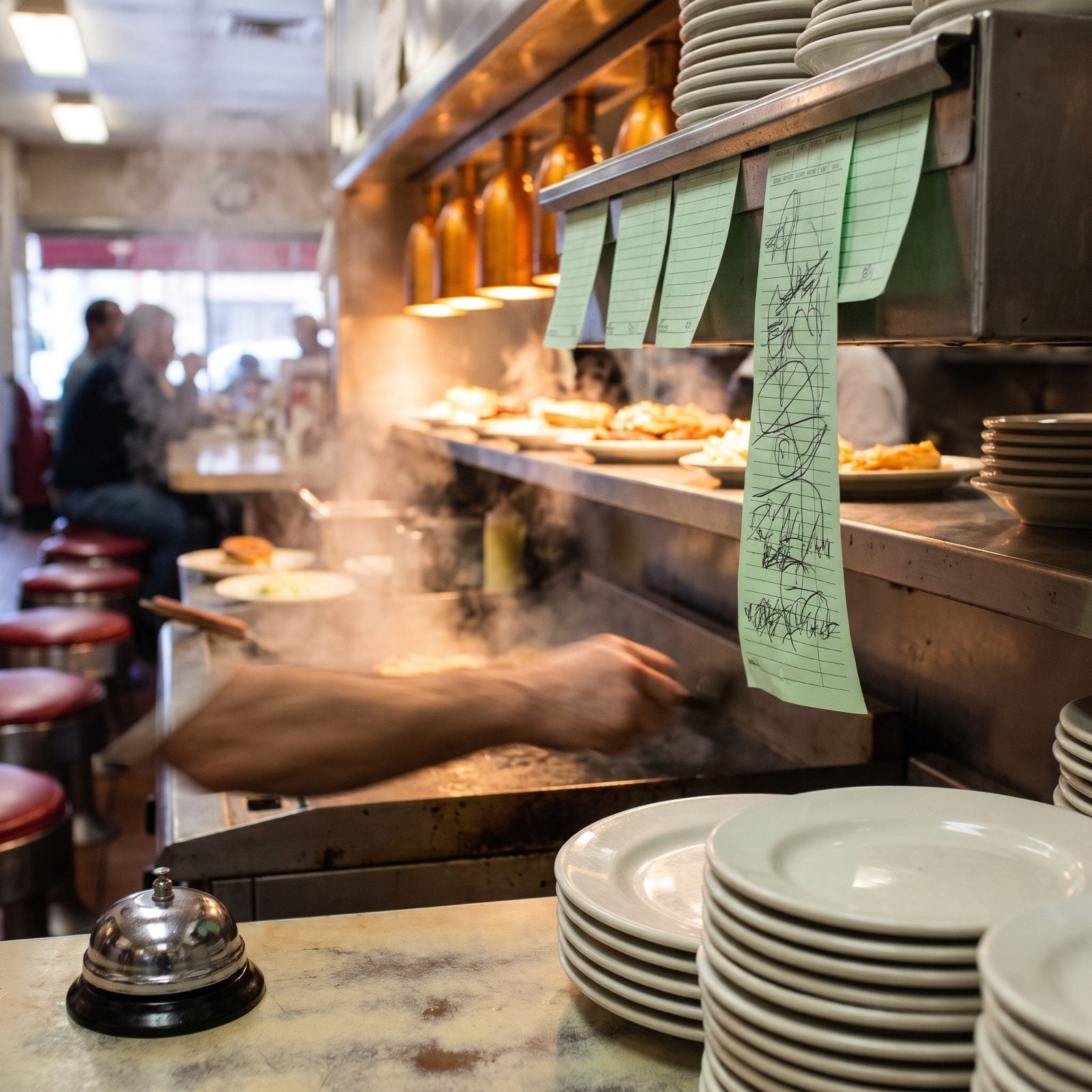
Noon on a Saturday is not the moment to invent a dish. The ticket rail is full, the cook is three tables deep, and your fourteen-step custom scramble — the egg whites, the two cheeses, the sauce that isn’t on the menu — is going to land on everyone behind you.
Save the creative orders for a slow Tuesday at 2 p.m., when the cook has time and might even enjoy the challenge. Timing is its own kind of manners. A good off-menu ask at the right hour gets you a friend behind the counter. The same ask at the wrong hour gets you remembered the wrong way.
17. Let One Person Speak for a Group Order
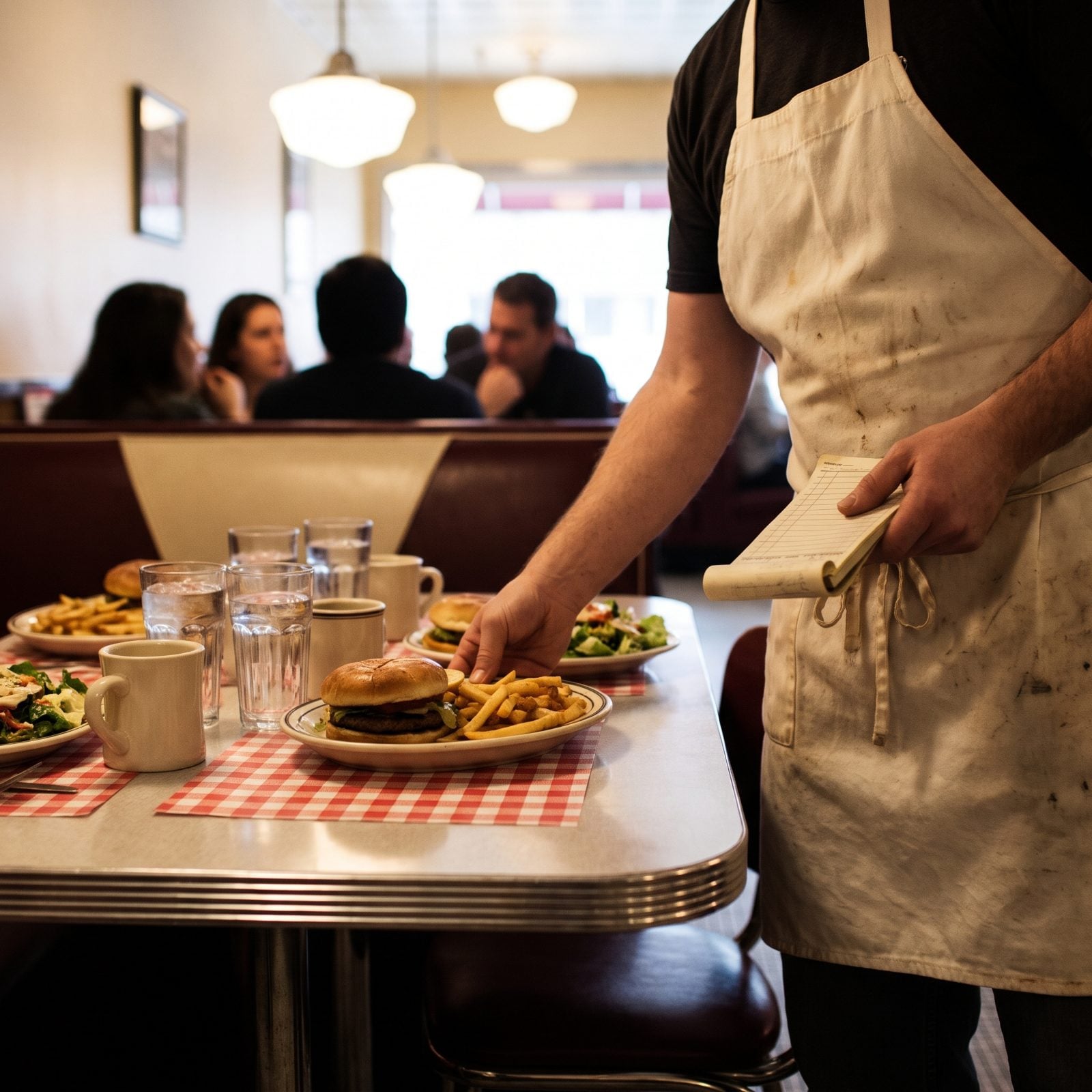
Six people shouting orders over each other in no particular sequence is how the server ends up bringing the wrong eggs to the wrong end of the table. Go around in order, one voice at a time, and let the pen keep its place.
The smoothest tables quietly pick a captain — someone who keeps the flow moving and fills the gaps. It’s not about rank. It’s about giving the server one clear line to follow instead of a crossfire. Your food comes out right and comes out faster. Nobody gets the oatmeal that was meant for your sister.
16. Request Separate Checks Before Anyone Orders
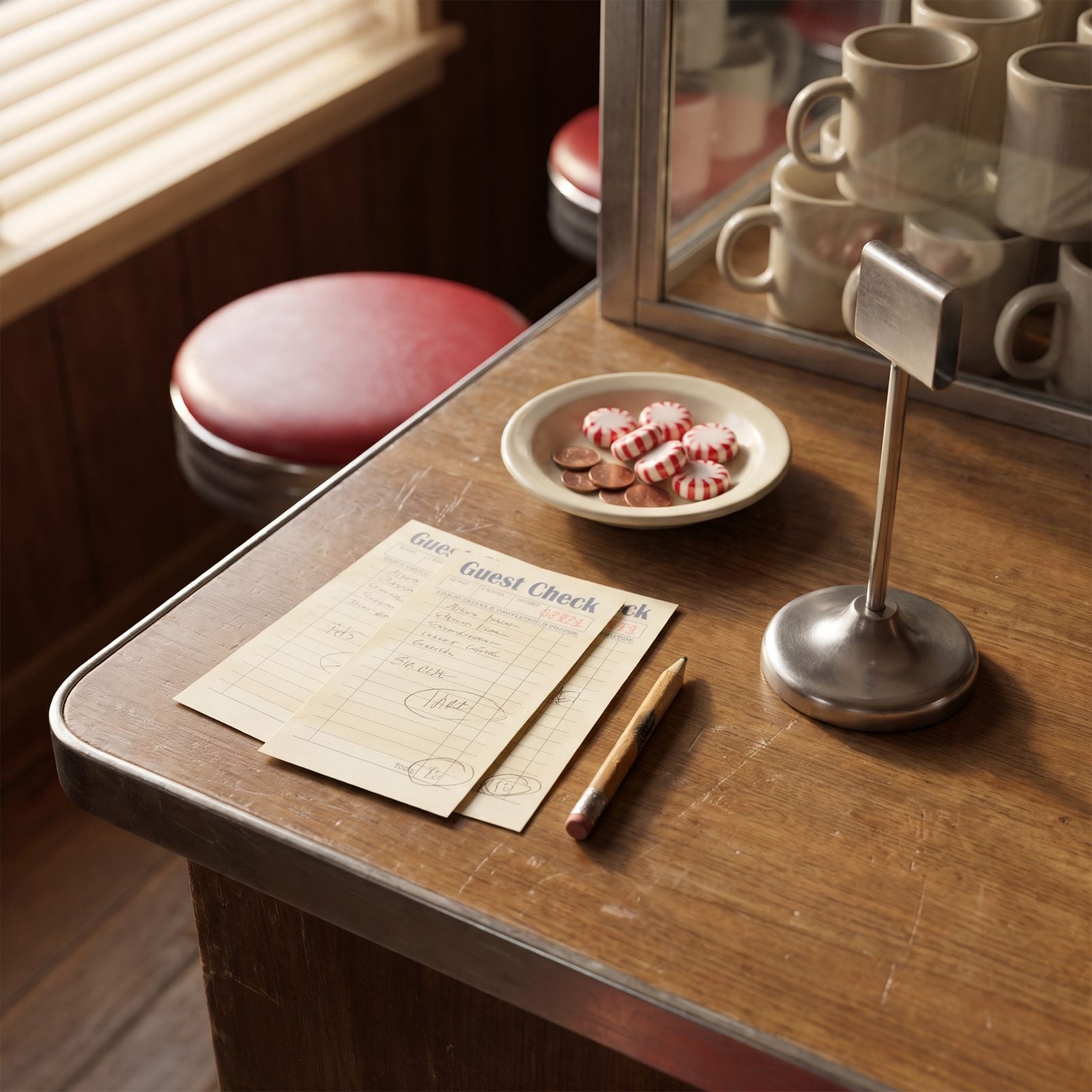
Separate checks are a before thing, not an after thing. Say it when you sit down, before a single order hits the pad. Once the meal is rung on one ticket, splitting it means the server untangling who had the patty melt and who had the soup, by hand, usually while five other tables wait.
Most places are happy to split checks if they know going in. Spring it at the register and you’ve turned a simple goodbye into a math problem nobody wanted. Settle the plumbing first, then relax and eat. That’s the real trick to a good diner — handle the small stuff early, and the meal takes care of itself.
15. Call the Split Plate Before the Griddle Heats Up
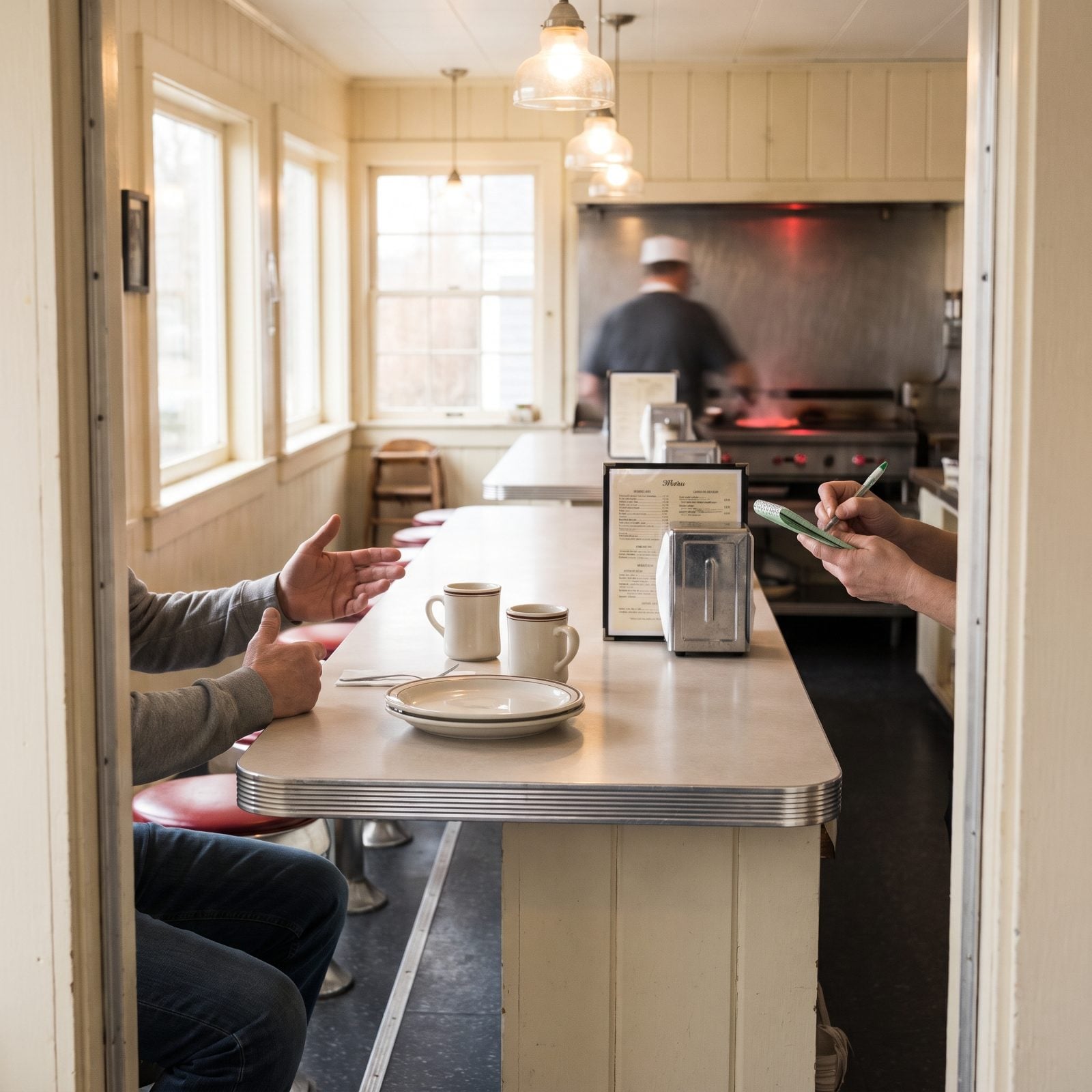
Deciding to share a plate is fine. Announcing it after the cook has already plated two portions is a problem, and everyone behind the counter will feel it.
Say it up front. “We’re splitting the Western, extra plate, please.” The cook knows how to send it, the server grabs the second plate on the first trip, and nobody breaks stride fixing a done order. Timing is the whole courtesy. A split called before the food hits the flattop costs nothing; the same split called after costs a redo.
14. Keep Every Modification Glued to Its Own Dish
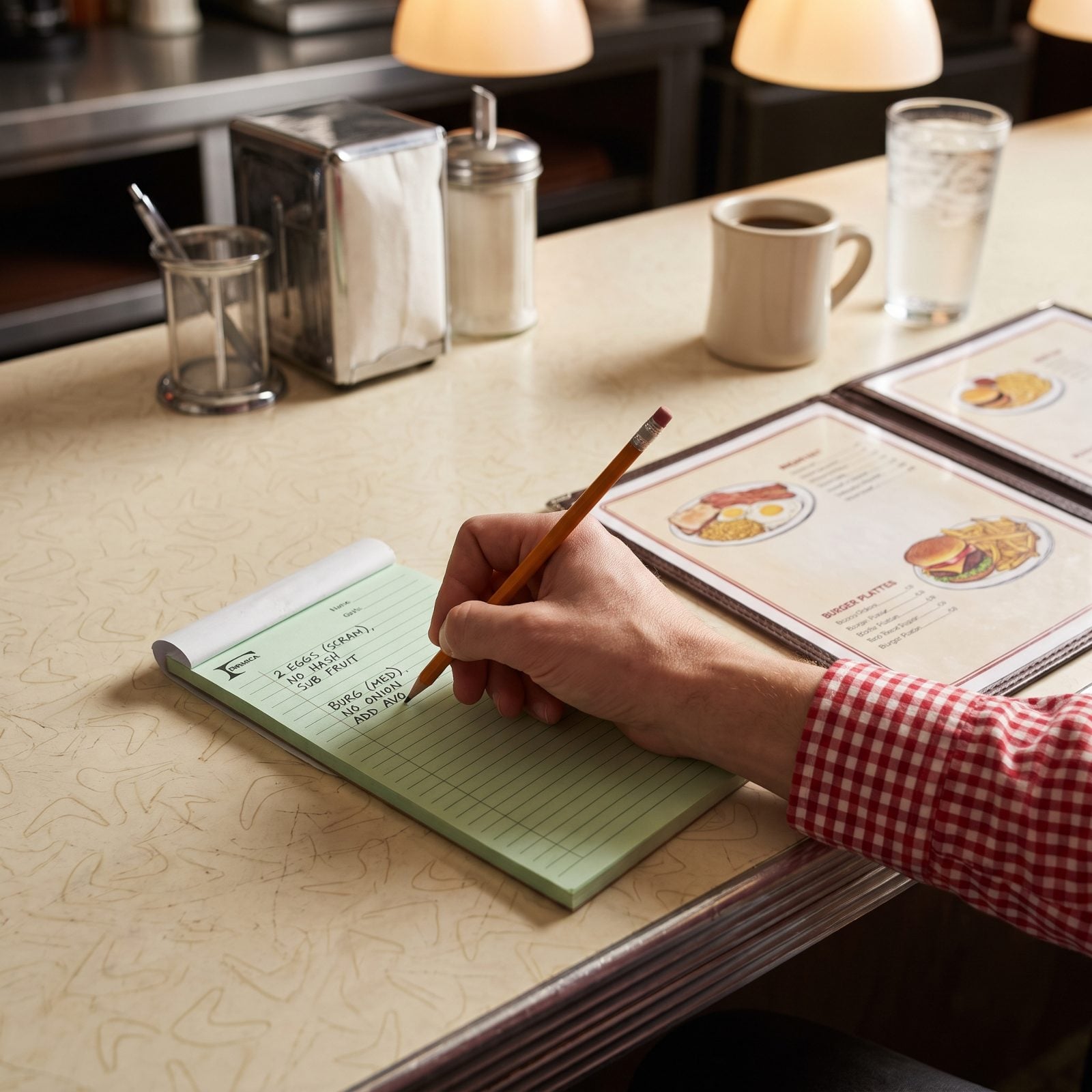
This is where orders go sideways. You order a burger medium with no onions, then a club sandwich, then add “and no mayo” three sentences later — and now nobody knows which plate loses the mayo.
Finish one dish before you move to the next. Burger, all its changes, done. Then the club, all its changes, done. A modification has to travel with the dish it belongs to, or it gets orphaned on the ticket and lands on the wrong plate. I once watched a kitchen hold up an entire four-top because a stray “no cheese” floated free and latched onto the wrong order.
13. Catch the Read-Back and Fix It on the Spot
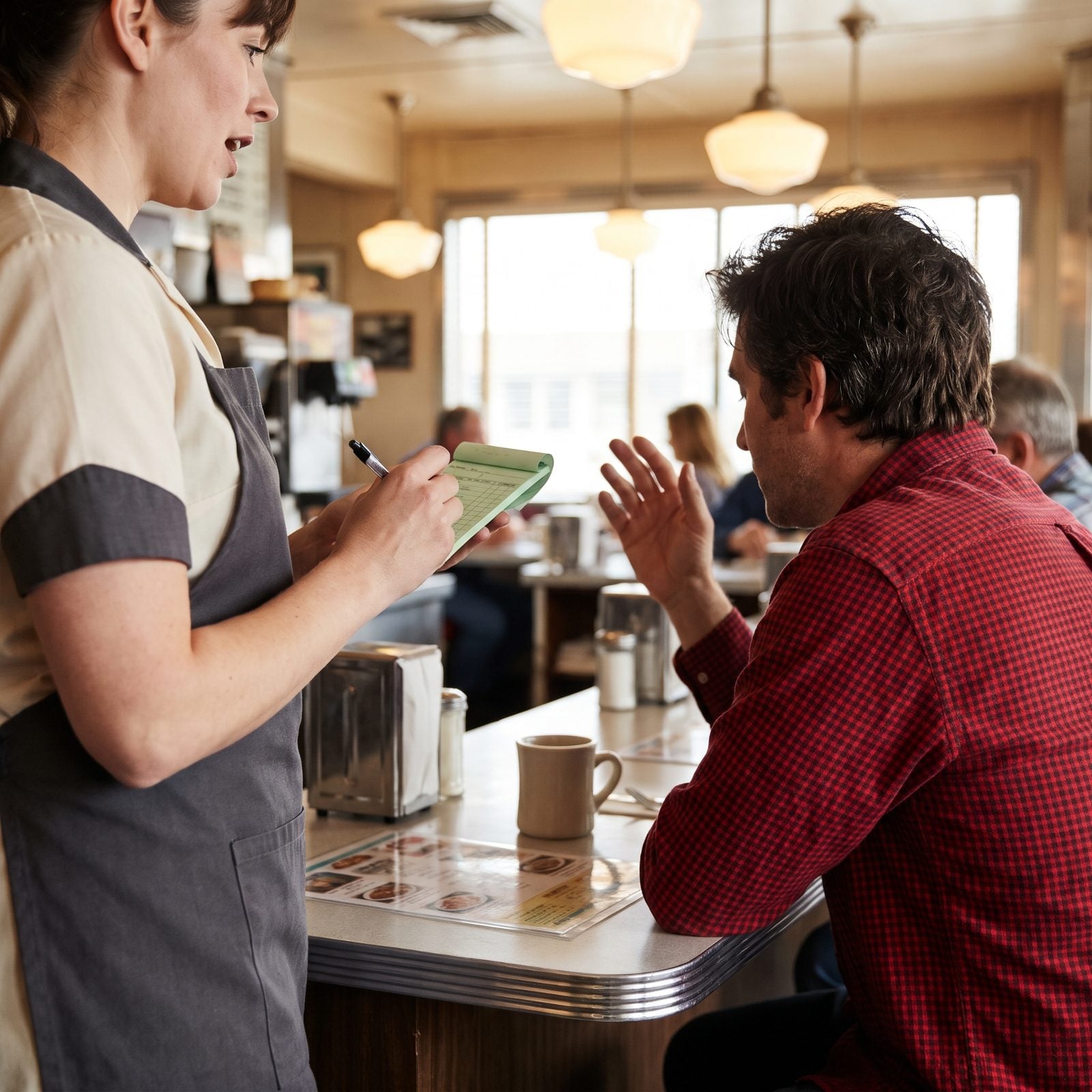
When the server repeats your order back, that’s not a formality. It’s your one clean chance to catch a mistake before it costs anyone anything.
Listen to the whole thing. If “rye” became “white” or “over easy” became “over hard,” say so right then, calmly. A misheard item caught at the read-back is a two-second fix. The same correction after the toast is buttered is a remake, a delay, and a little flicker of tension that didn’t need to exist.
12. Once the Ticket Is Called, Let It Ride
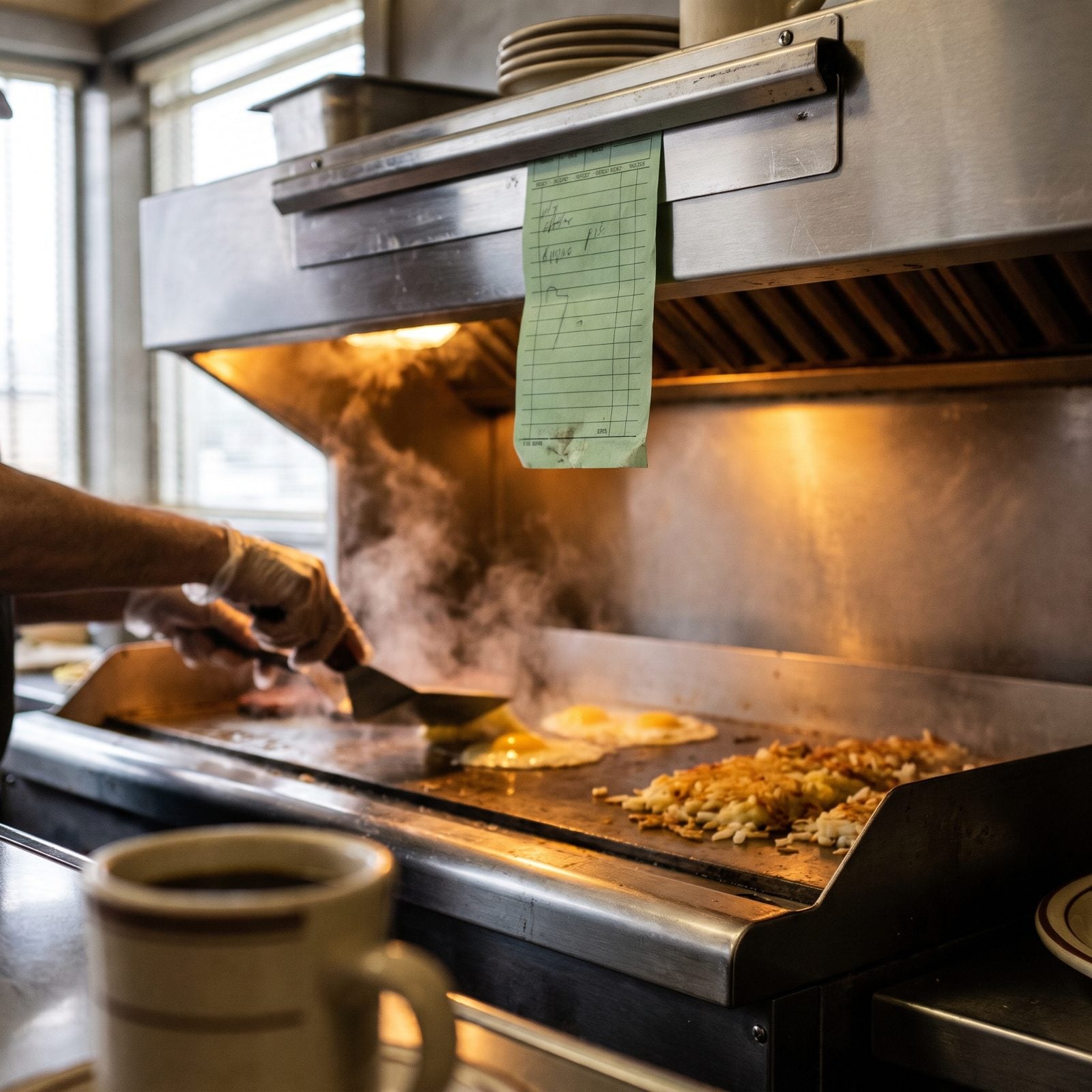
The moment the cook calls your ticket, the food is in motion. Changing your mind now doesn’t change your order — it wrecks the one already cooking.
“Actually, can you make that scrambled instead?” after the eggs are over easy means those eggs go in the trash and new ones start from zero. Regulars know the window closed the second the cook shouted the ticket. Decide before you order, then let it go. A diner is no place for revisions, and the kitchen is not a drafting table.
11. Remembered the Side of Toast? Say It Now, Not Later
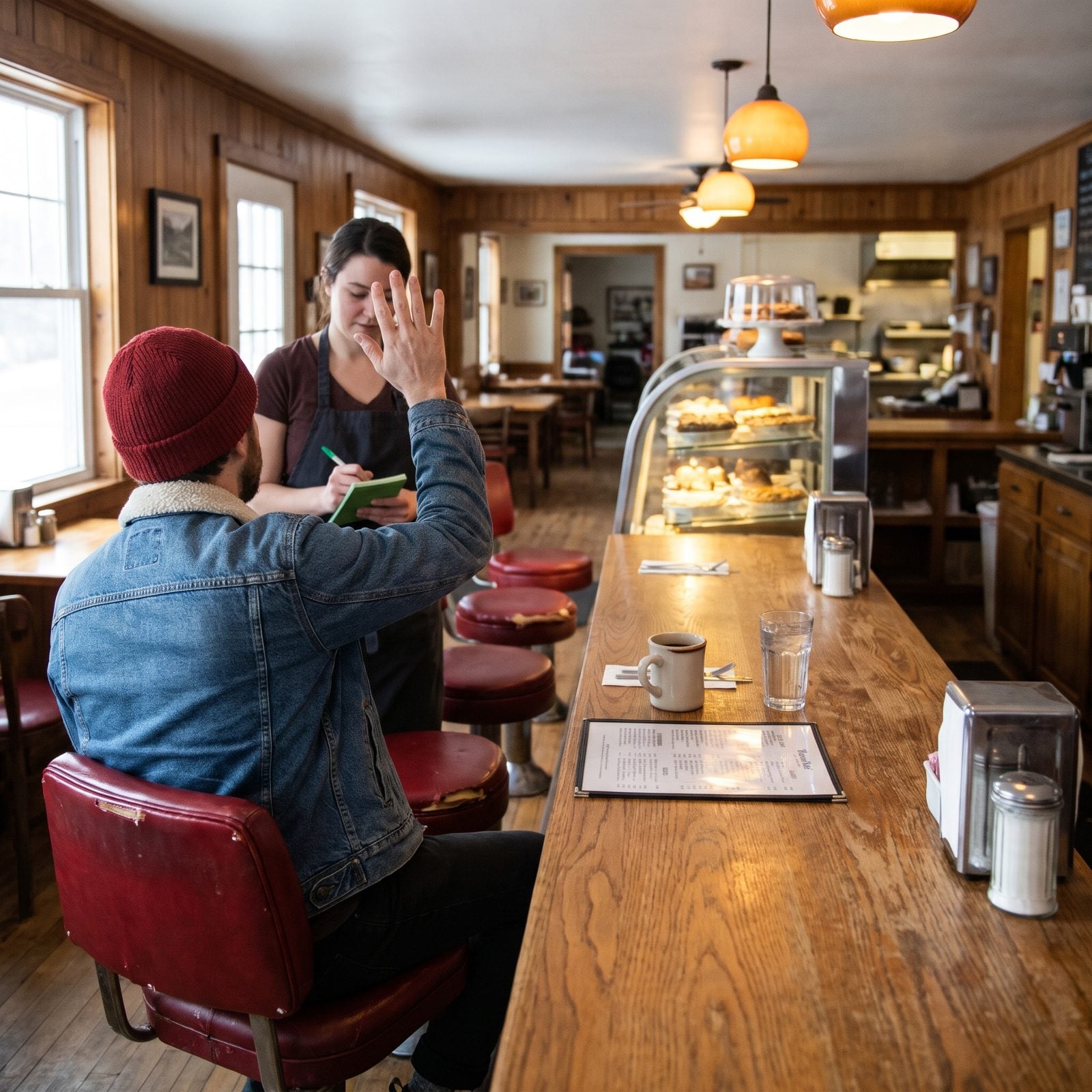
You forgot to add the side of toast. It happens. The etiquette lives in how fast you recover.
Flag it the instant you remember, while the server is still close and the ticket is still open. An add-on caught early folds right into the order. Remembered after the plates land, that same side of toast becomes a whole second trip, a new little ticket, and food that arrives ten minutes behind everyone else’s. Speak up fast and quietly. Nobody minds a forgotten item — they mind the one that shows up as an ambush.
10. Catch the Server’s Eye Instead of Snapping Your Fingers
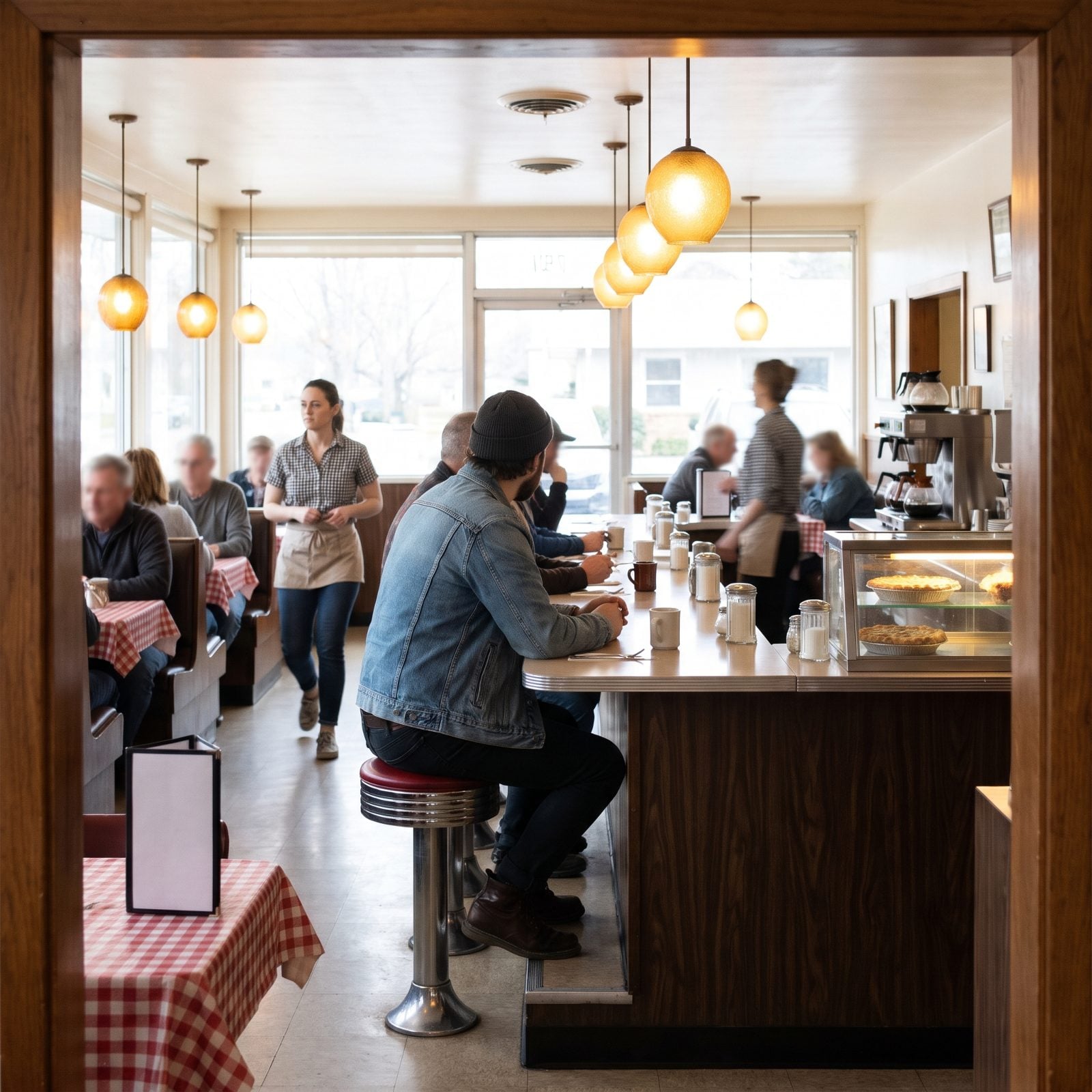
Snapping, whistling, or waving a menu overhead marks you instantly, and not in a good way. Every server in the building clocks it.
A regular catches the eye and gives a small nod or a raised finger. That’s the whole signal. Servers run a mental map of the room, and they’re already watching their section. You don’t need volume — you need to be seen for half a second. Treat the person taking your order like a colleague doing a hard job, not a vending machine you’re trying to kick into working.
9. Wait Your Turn and Let the Order in Front of You Finish
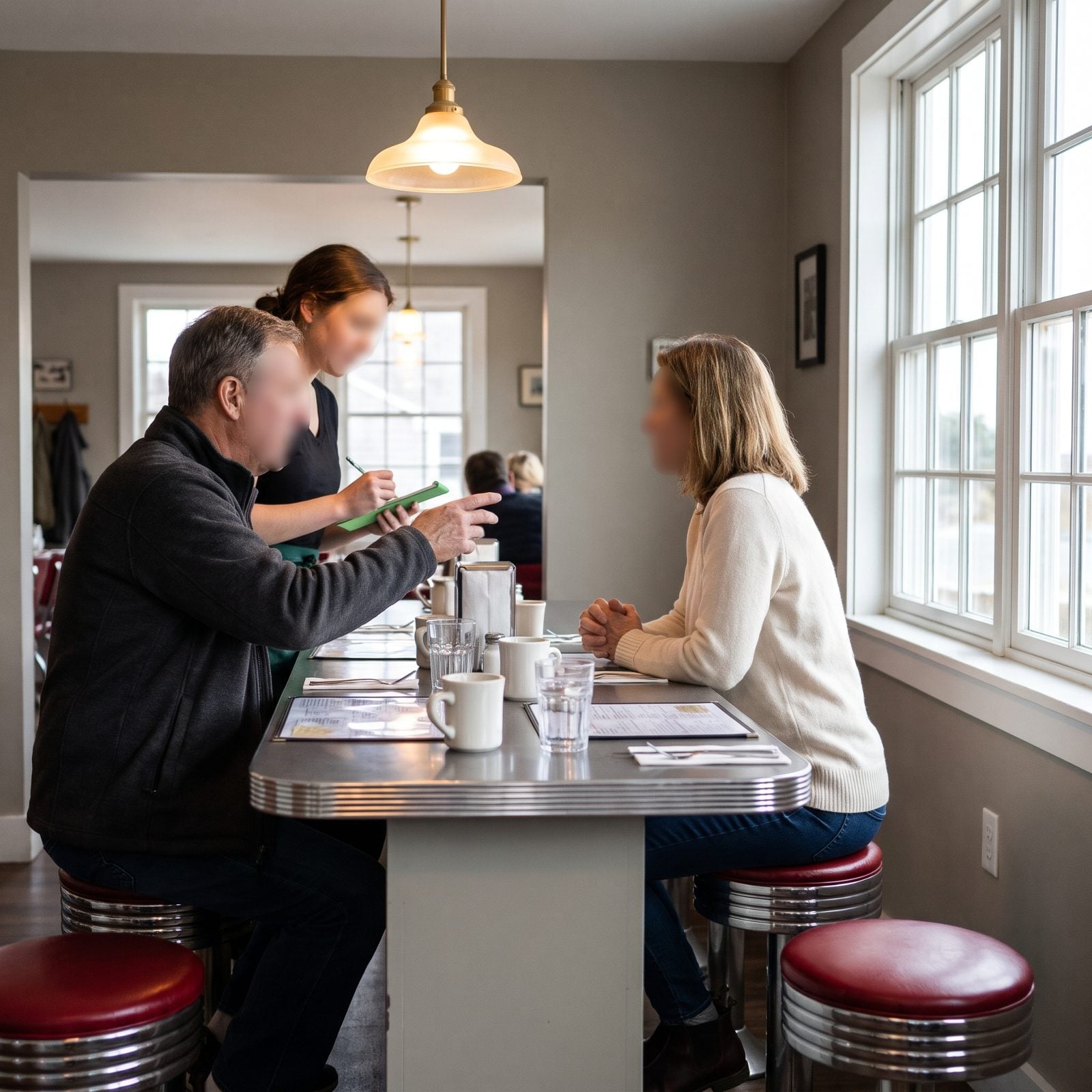
The server is standing with the person next to you, pencil down, mid-order. That order isn’t finished just because there’s a half-second pause in it.
Jump in to add your coffee and you break their concentration and scramble two tickets into one mess. Let the person in front of you complete the whole thing, pauses and all, including the beats where they’re still thinking. The server turns to you when they’re ready. Impatience here doesn’t get you served faster. It gets everybody served slower, yourself included.
8. Never Flag Down a Server Carrying a Full Load
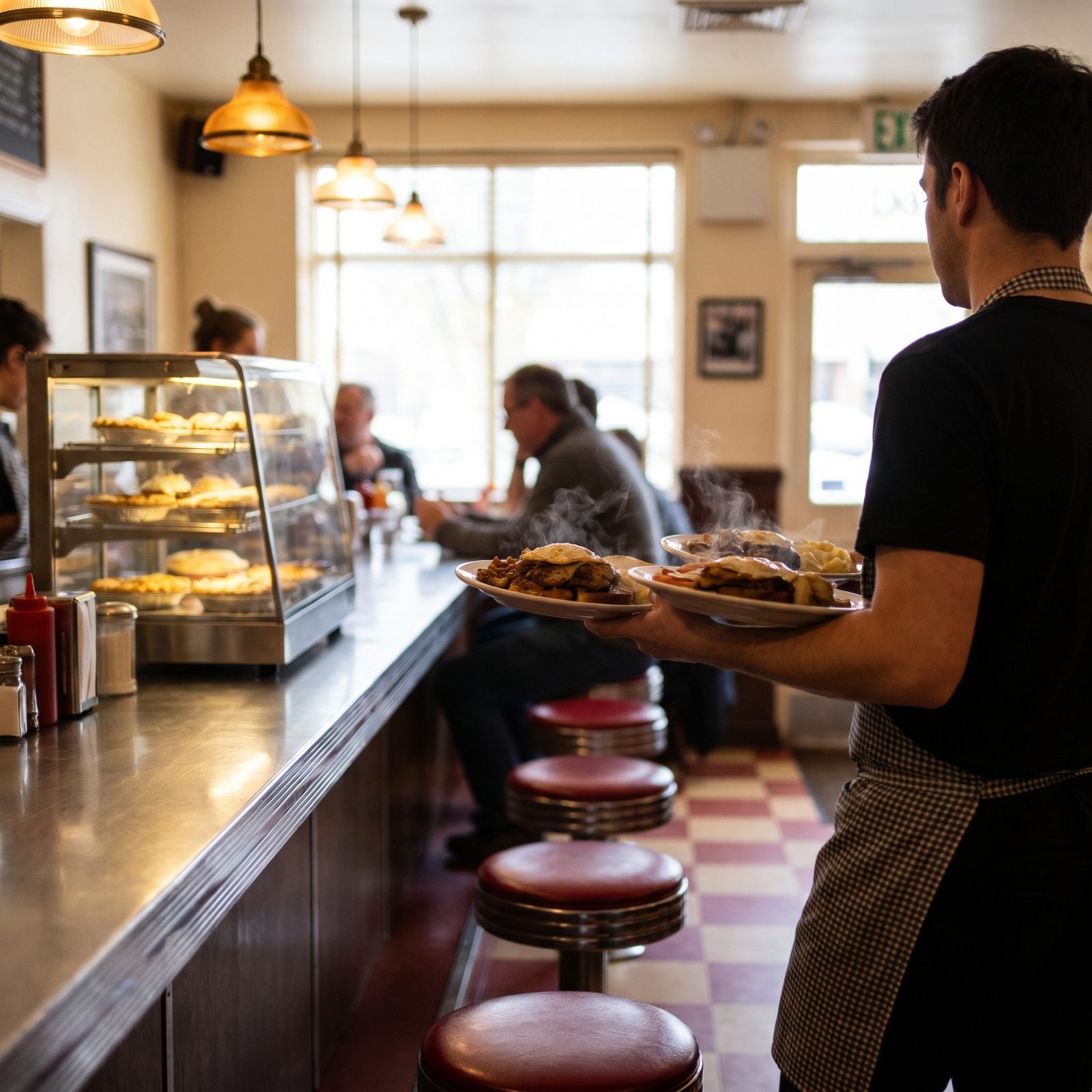
A server with four plates up one arm and a coffee pot in the other isn’t available for your question. They’re concentrating on not dropping lunch.
Hold it. Those plates are going somewhere specific, and they’re hot and heavy. Stop that person to ask about ketchup and you risk a spilled meal while gaining nothing. Wait until their hands are empty. A good regular reads the load a server is carrying and times every request for the moment they’re free. Patience here is just physics plus manners.
7. Talk to the Cook Only When the Cook Talks First
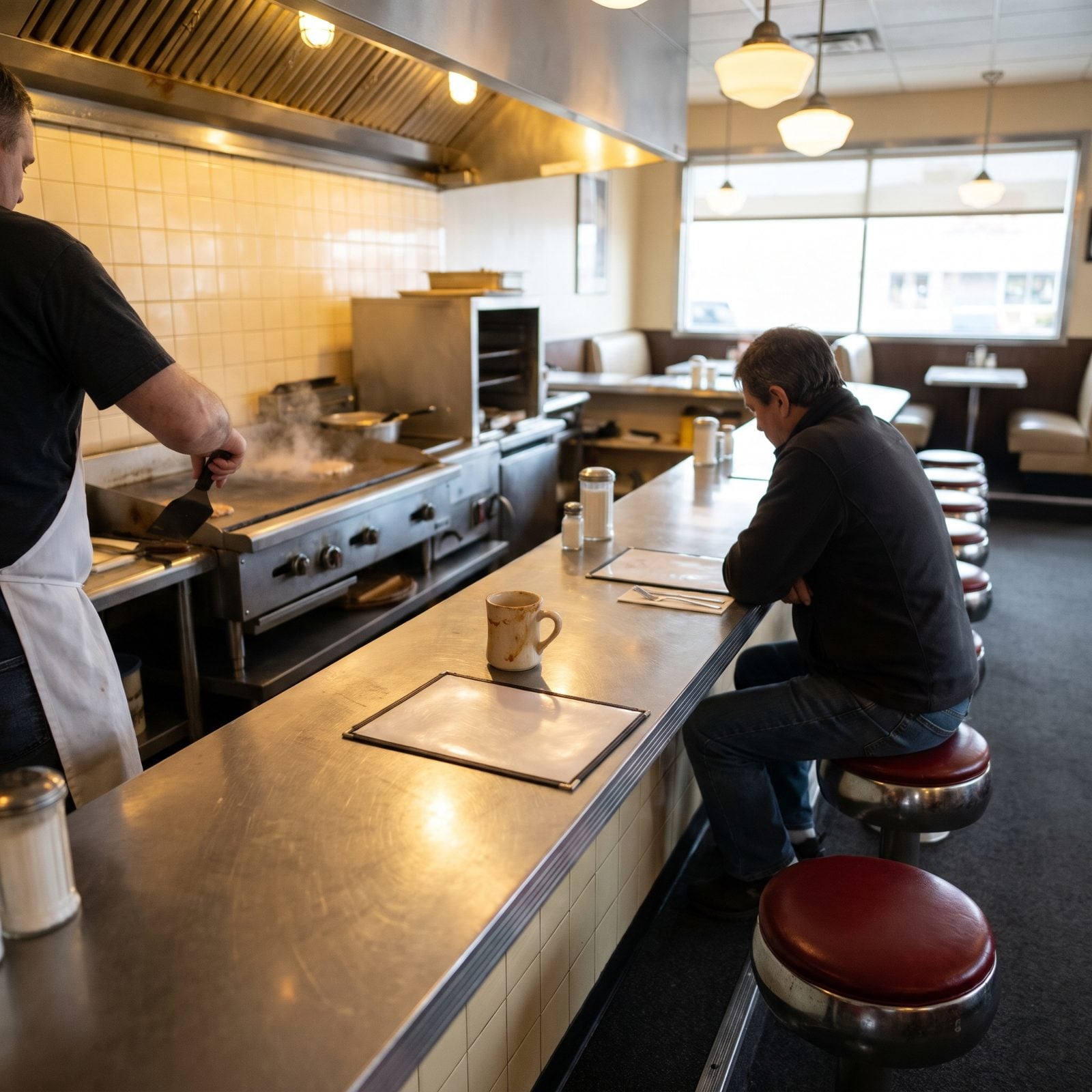
There’s a kind of diner magic where the cook leans over the counter during a slow stretch and chats you up, maybe asks how you want your eggs straight to your face. That’s a gift. It’s offered, not claimed.
So don’t hop the chain of service and start barking orders at the person on the griddle. Your order goes through the server or the counterman. If the cook invites conversation, enjoy it — that banter is the soul of the place. But you wait to be invited. The kitchen opens that door from the inside, and only during the quiet hours when there’s room for it.
6. Respect Which Server Is Working Your Counter Section
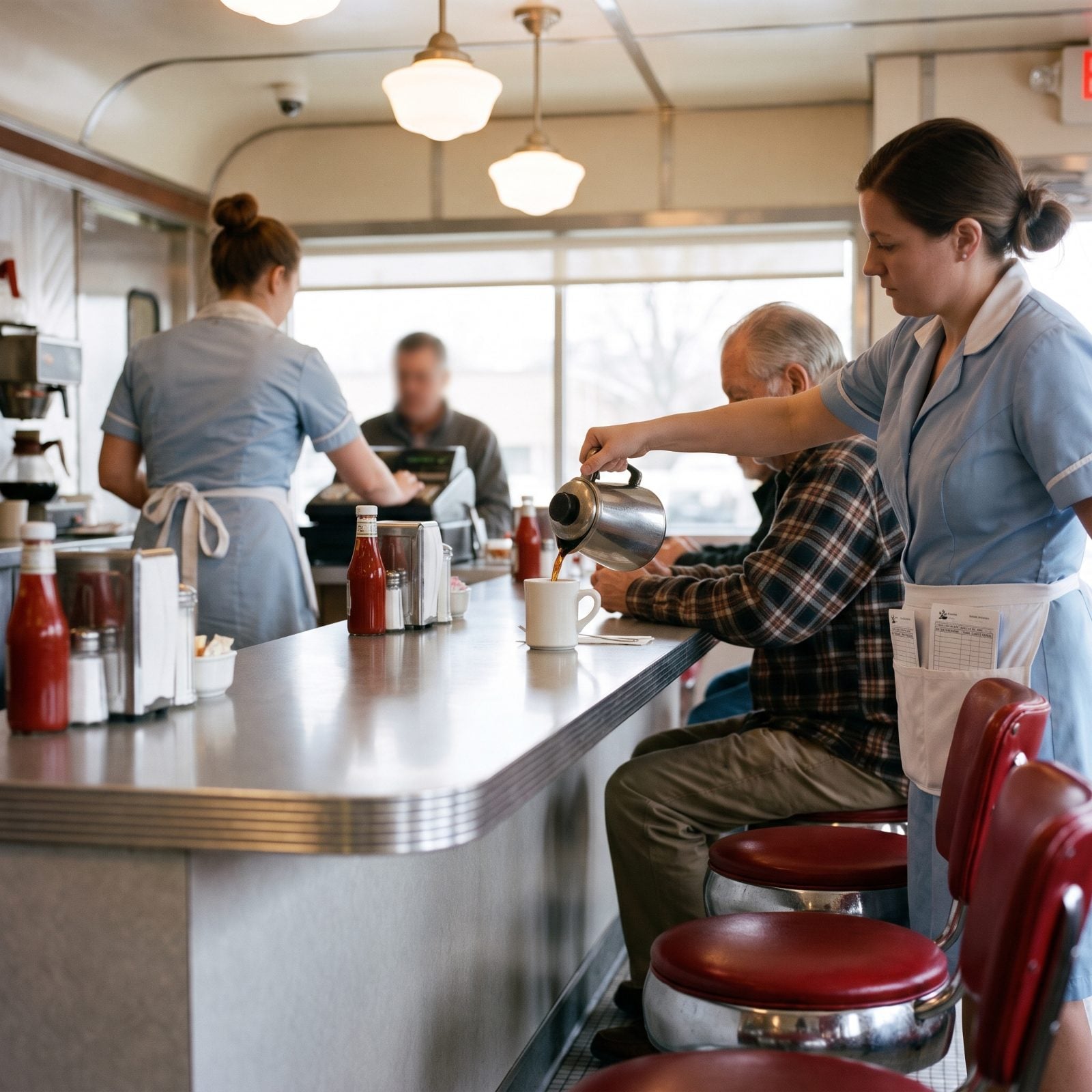
Every counter is divided up, even if you can’t see the line. One server owns the first six stools, another owns the back half. Flag down the one who isn’t yours and you’ve just made two people’s day harder: the one scrambling to a table that isn’t hers, and the one who thought you were covered.
Regulars figure out their server fast and stay put. Watch who refills the mugs around you. That’s your person. Catch her eye, not whoever happens to be walking past with a full pot.
5. Give the Pickup Name Before Reciting a Takeout Order
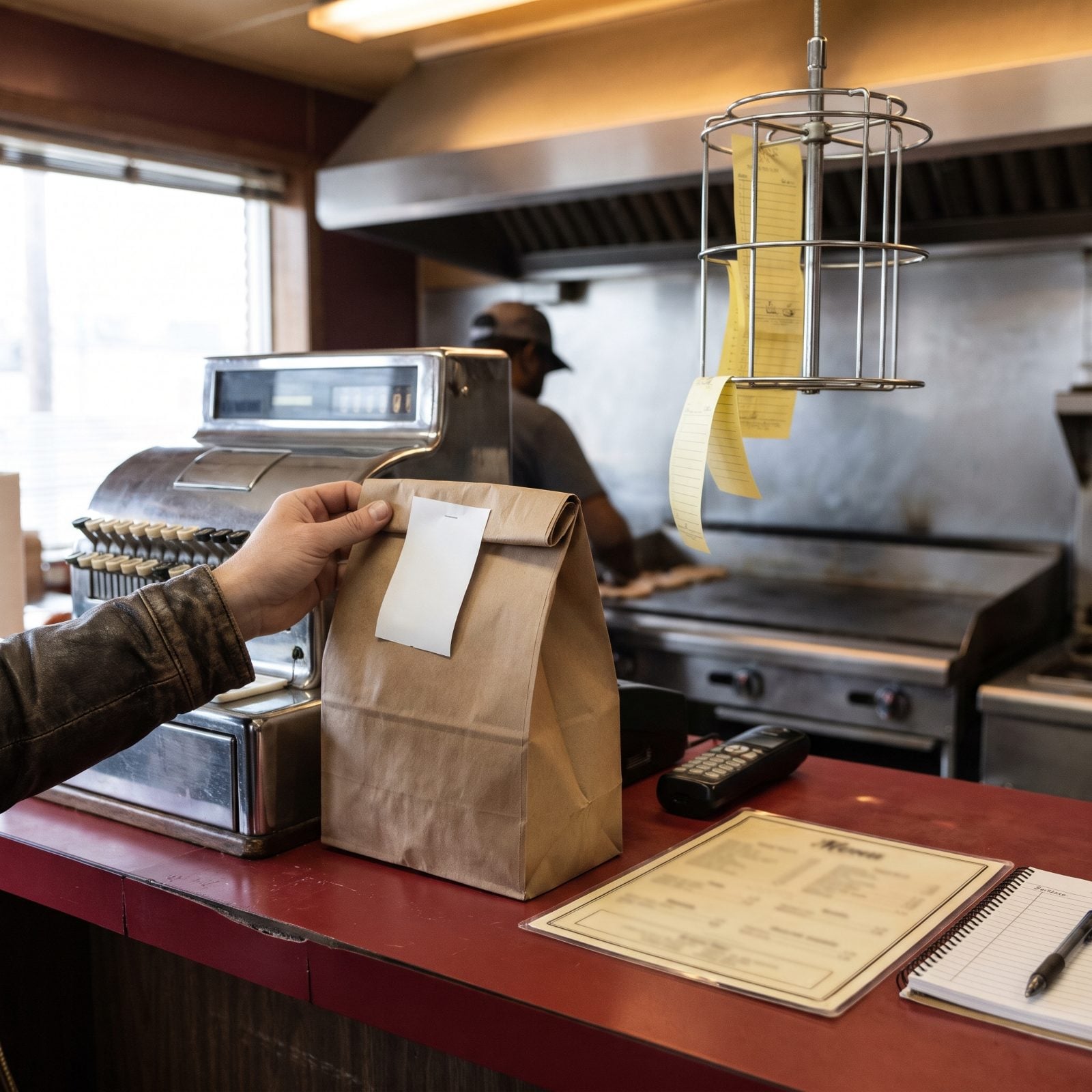
The cook has a dozen tickets spinning on the rail. When you call in or step up to collect, the first words out of your mouth should be the name the order’s under. Not the whole saga of what you ordered. And please, not “I think I called about twenty minutes ago.”
Say the name, let them find the bag, confirm it’s yours. The order’s already made, so reciting it back is just noise, and it slows the line behind you while someone hunts for a ticket they don’t need.
4. Do Not Split a Tiny Check Across Several Cards
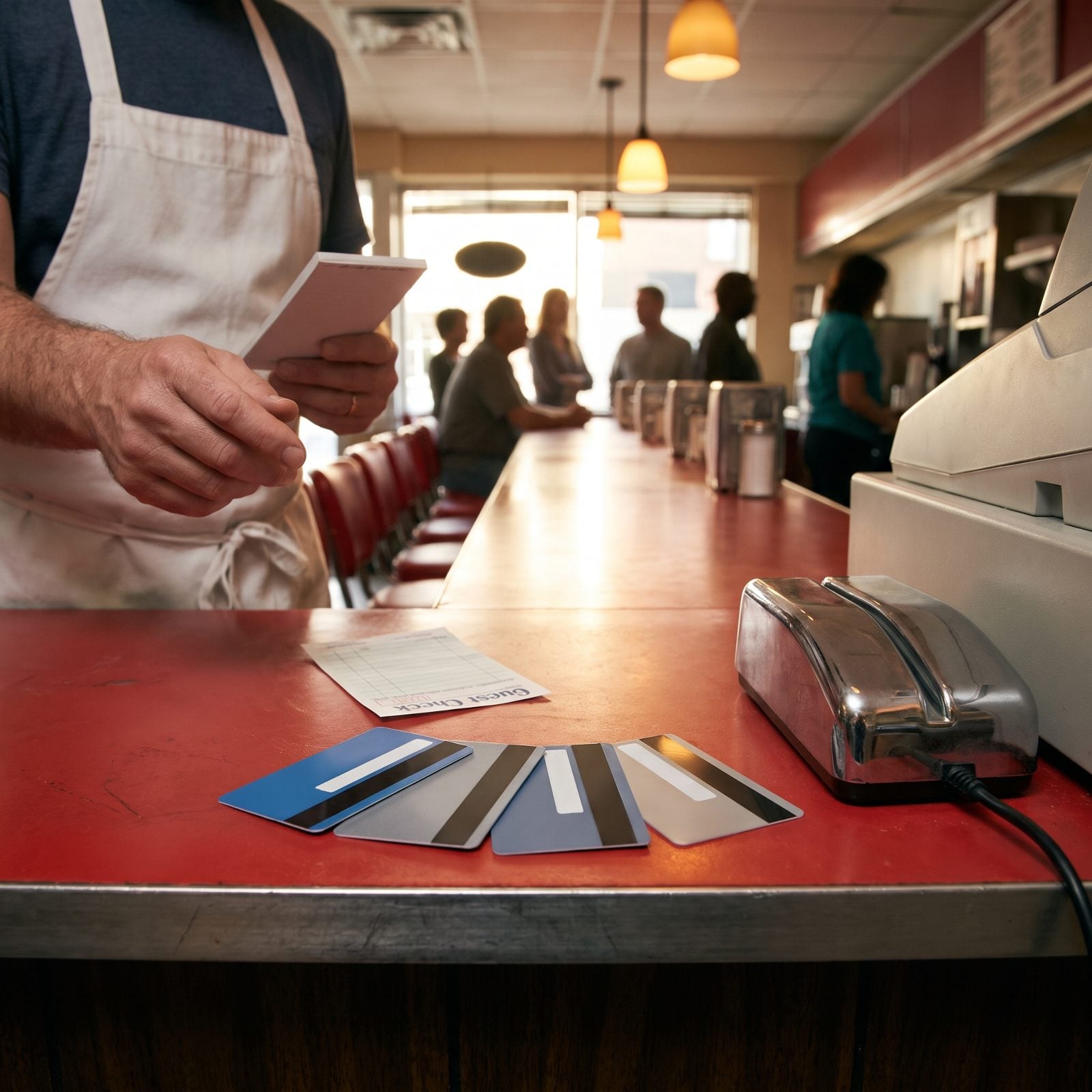
Four people, one modest check, four cards slapped down for the server to ring separately. I will die on this hill. During a rush, this is the single most inconsiderate move you can pull at a counter.
Each swipe takes time. The line stacks up behind you. Settle it among yourselves the old way: one person pays, the rest hand over cash or square up in the parking lot. The server shouldn’t be running your group’s bookkeeping while a dozen other people wait to pay.
3. Pay Before Settling Into a Long Post-Meal Conversation
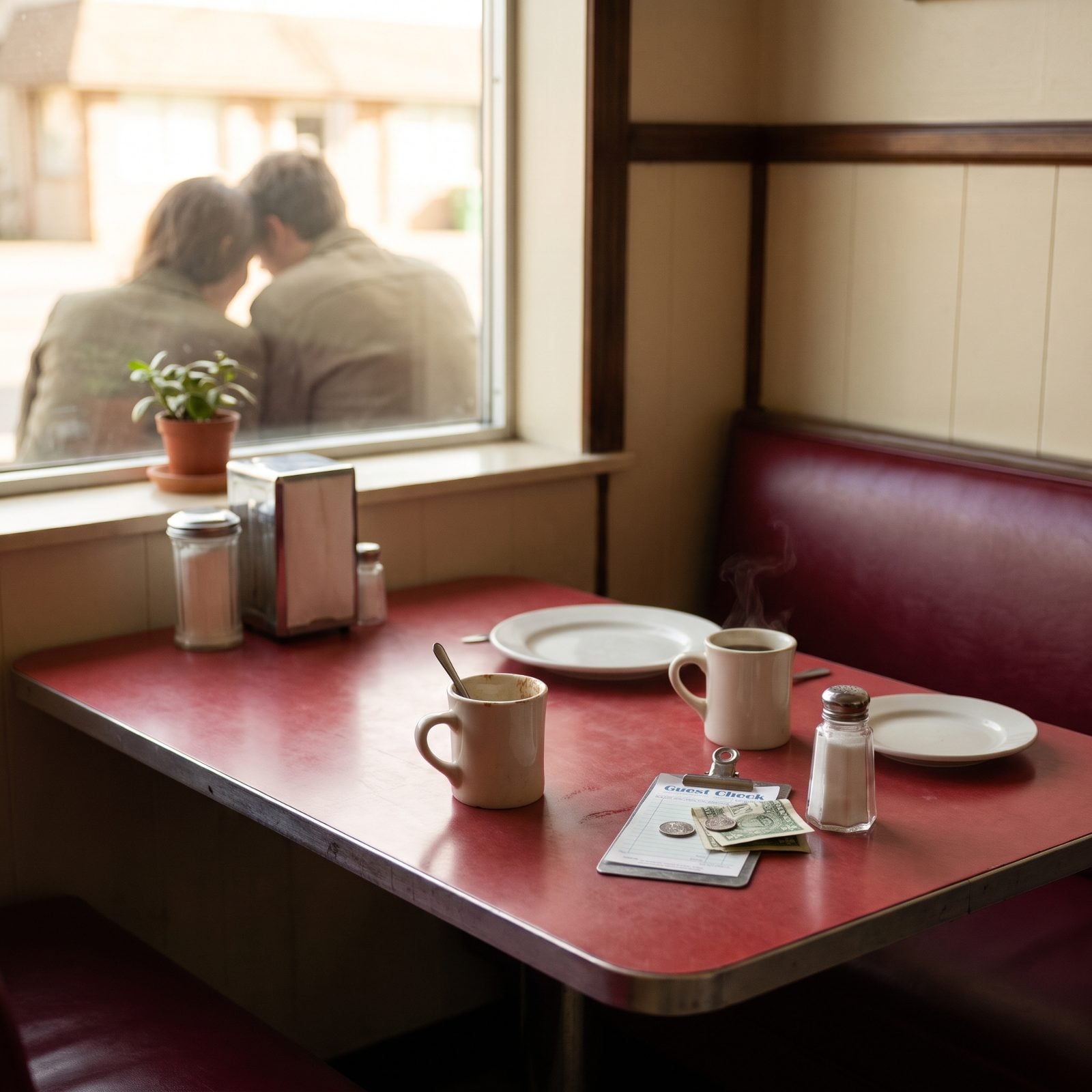
There’s nothing wrong with lingering. Good diners expect it, especially in the slow stretch between rushes. But settle up first, then talk.
Pay the check, leave the tip, and the table is yours as long as the conversation runs. The server stops circling back wondering if you’re ready, because she’s not waiting on her money. And when you finally stand up, you just stand up. No scramble, no flagging anybody down, no breaking the moment to dig for a wallet.
2. Tip for Attentive Counter Service
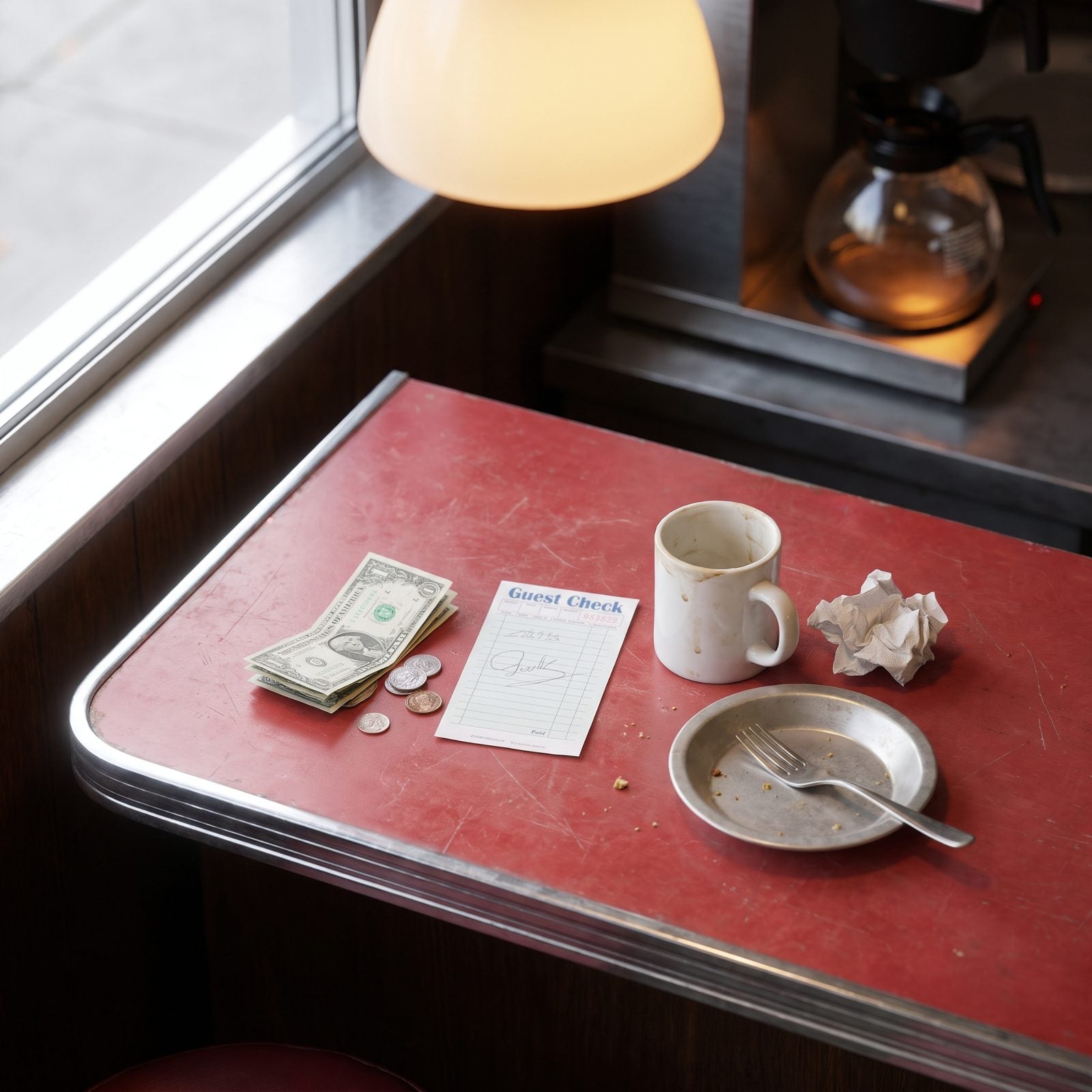
Some people think counter service doesn’t rate a tip because you’re not at a table. Wrong. The woman who kept your coffee hot without being asked, remembered you take it black, and brought extra napkins before you knew you needed them worked just as hard as anyone with a tray.
Tip on the counter like you’d tip in a booth. Good attention is the whole reason the counter beats the drive-thru. Reward it.
1. Do Not Nurse Unlimited Coffee Through the Entire Lunch Rush
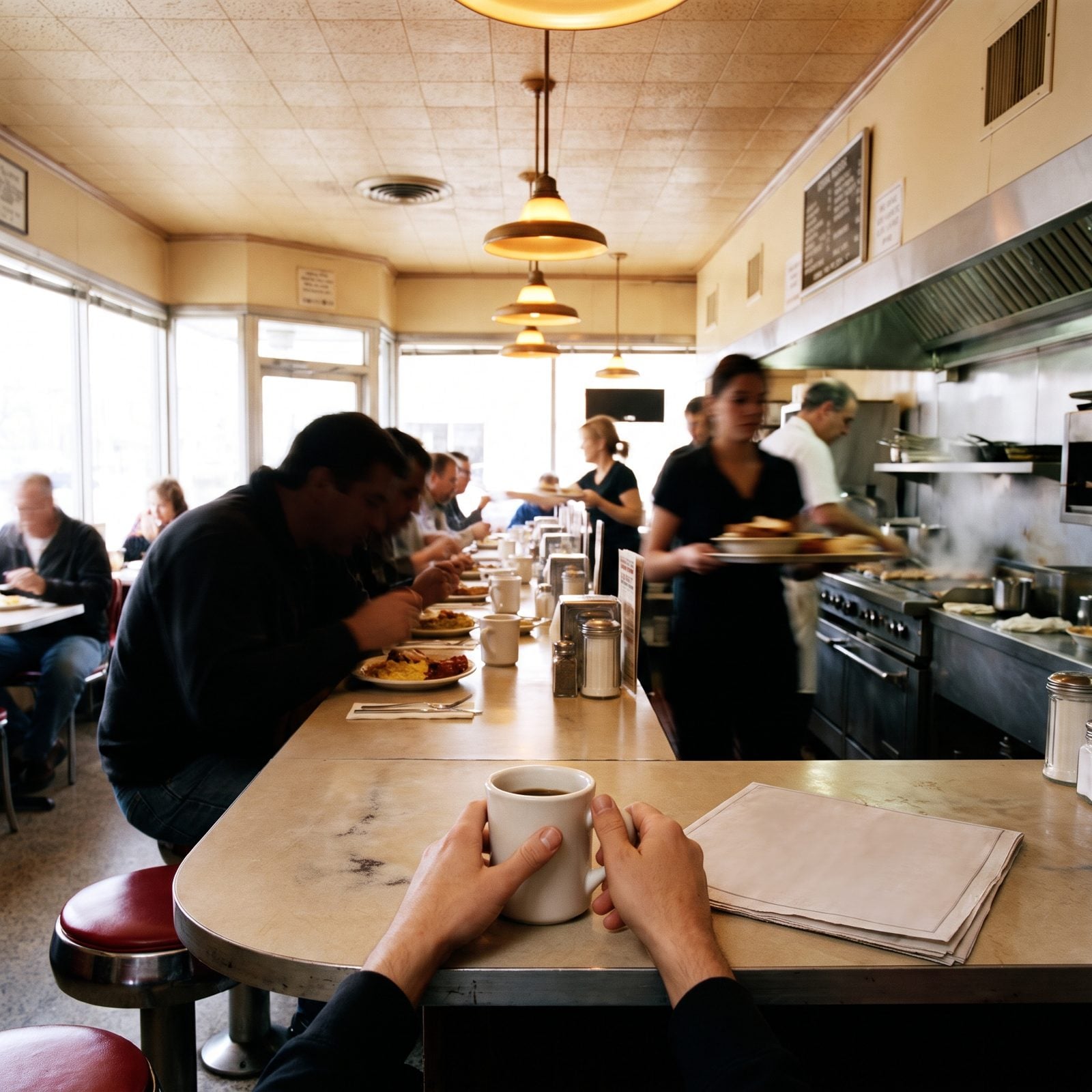
Bottomless coffee is a gift. Treating the counter stool as a free office during the busiest stretch of the day is not.
Sit for an hour with a buck-fifty coffee and a newspaper while folks with real meals and real tips wait for a seat, and you’ve turned a kindness into a liability. The refills are for regulars, not squatters.
If the place is slow, stretch your legs and stay all afternoon. Nobody minds. But when the line’s out the door and every stool counts? Drink up, leave something fair, and give somebody else the seat. That’s how you stay welcome.