
Would you like to save this?
The oven timer has nineteen minutes left and you’re standing over a saucepan wondering why your palms are sweaty about feeding people who already like you. Nobody warns you about this part. A dinner party isn’t really about dinner — it’s a referendum on your taste, your friends, your success, and whether your living room is saying the right things when it thinks no one is listening.
Please note that some of the images in this article were created with the assistance of AI.
We’ve all felt it, that low hum of judgment that kicks in the second you decide to host and won’t quit until the last guest finds their coat. What follows are the anxieties that come creeping back the moment the invitations go out, plus the stubborn psychology behind why they never fully leave.
18. You Study the Guest List Like a Social Rankings Board
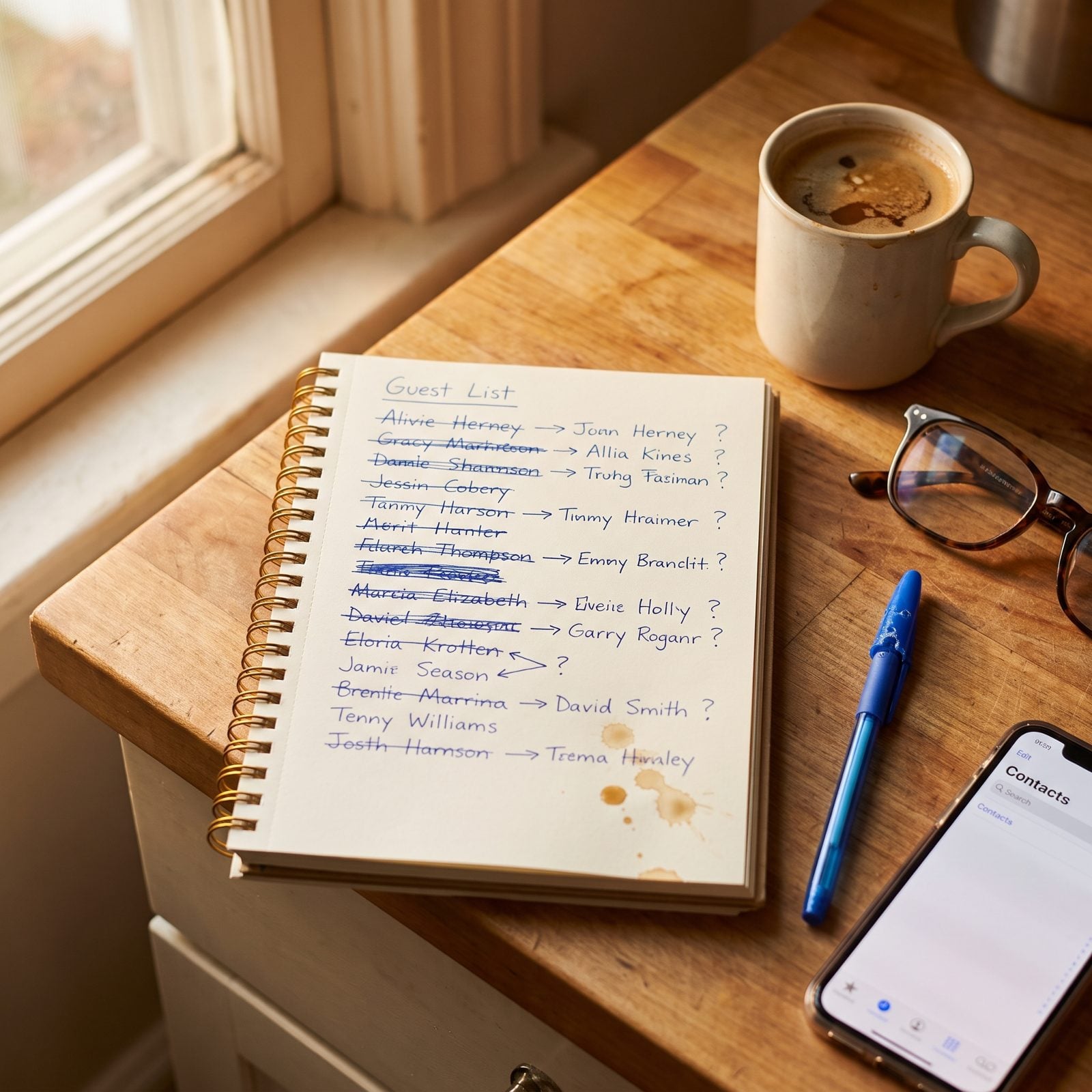
You started with eight names and now it’s a flowchart. This person can’t sit near that person. Invite her and you have to invite him, and once he’s in the whole dynamic tilts. You’re not planning a meal — you’re curating a room, and the stakes feel absurdly high for a Tuesday roast chicken.
Call it status anxiety wearing a dinner apron. We’re wired to track where we sit in the pecking order, and a guest list drags every one of those calculations to the surface at once: who belongs together, who makes you look good, who you’re a little proud to be able to call.
17. You Remember Exactly Who Never Returned Your Last Invitation
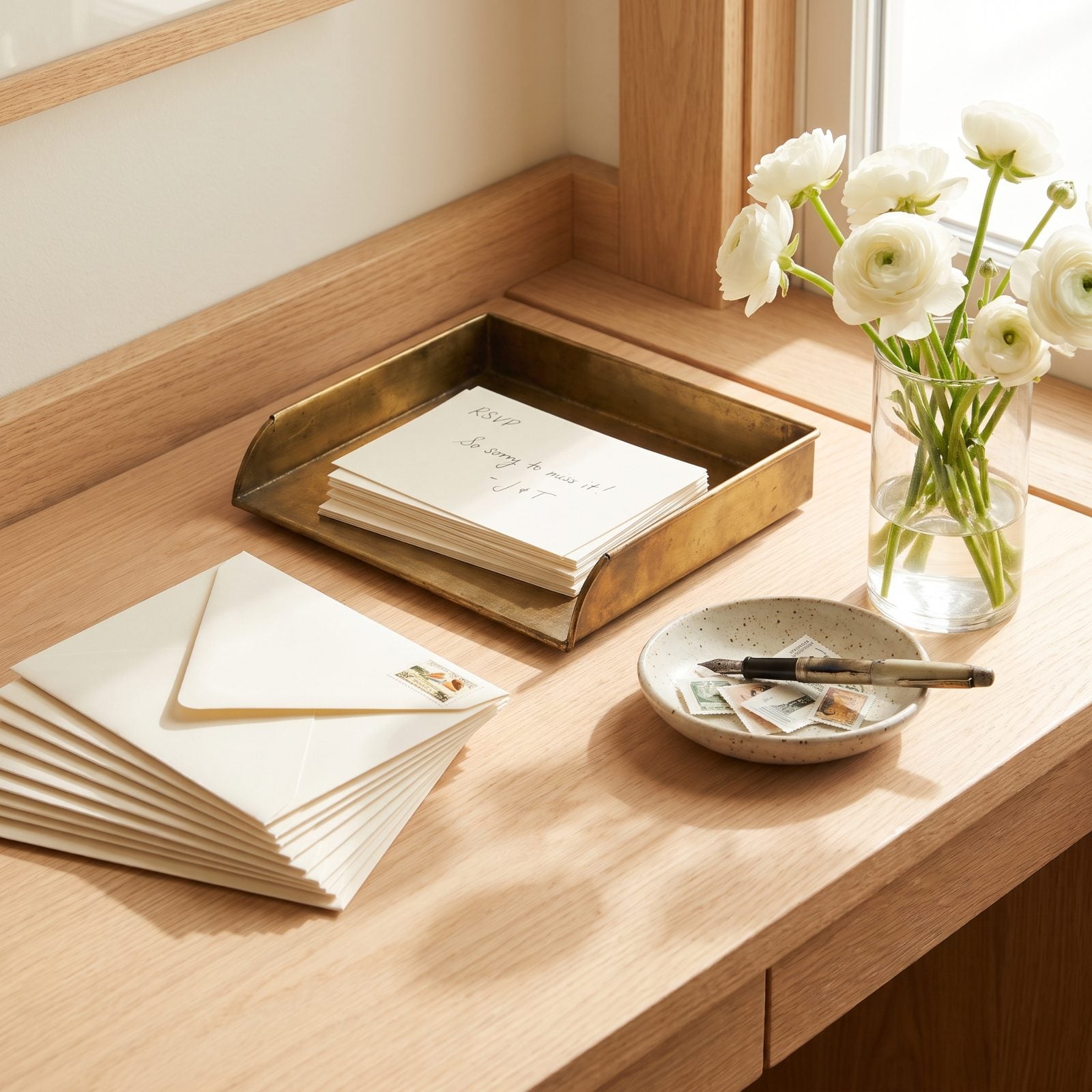
Funny how it works. You can lose your car keys an hour after setting them down, yet you remember with surgical precision that you hosted them two years running and they never once hosted you back. The scales feel off. Something in you keeps a tally you’d never admit to keeping.
This is reciprocity, one of the oldest social contracts we’ve got. Favors are supposed to flow both ways, and when they don’t the brain logs the imbalance and files it under slightly resentful. Which is why an unreturned invitation stings more than it logically should.
You’ll probably invite them anyway. But you’ll notice. You always notice.
16. Your Living Room Suddenly Feels Like Evidence Against You

You’ve walked past that scuffed wall for a year without a thought. Now, two days out, you’re staring at it like a detective who’s found the murder weapon. The sofa looks tired, the lamp is wrong, and when exactly did the bookshelf get so cluttered? Your own home turns into a courtroom and you’re the defendant.
Here’s the mechanism. We know ourselves from the inside, but we assume guests will read us from the outside, through our stuff. Psychologists call it the spotlight effect — we wildly overestimate how much anyone else clocks our flaws. Your guest sees a warm room and a friend. You see a water ring on the coffee table and spiral.
15. You Choose a Menu That Announces Who You Became
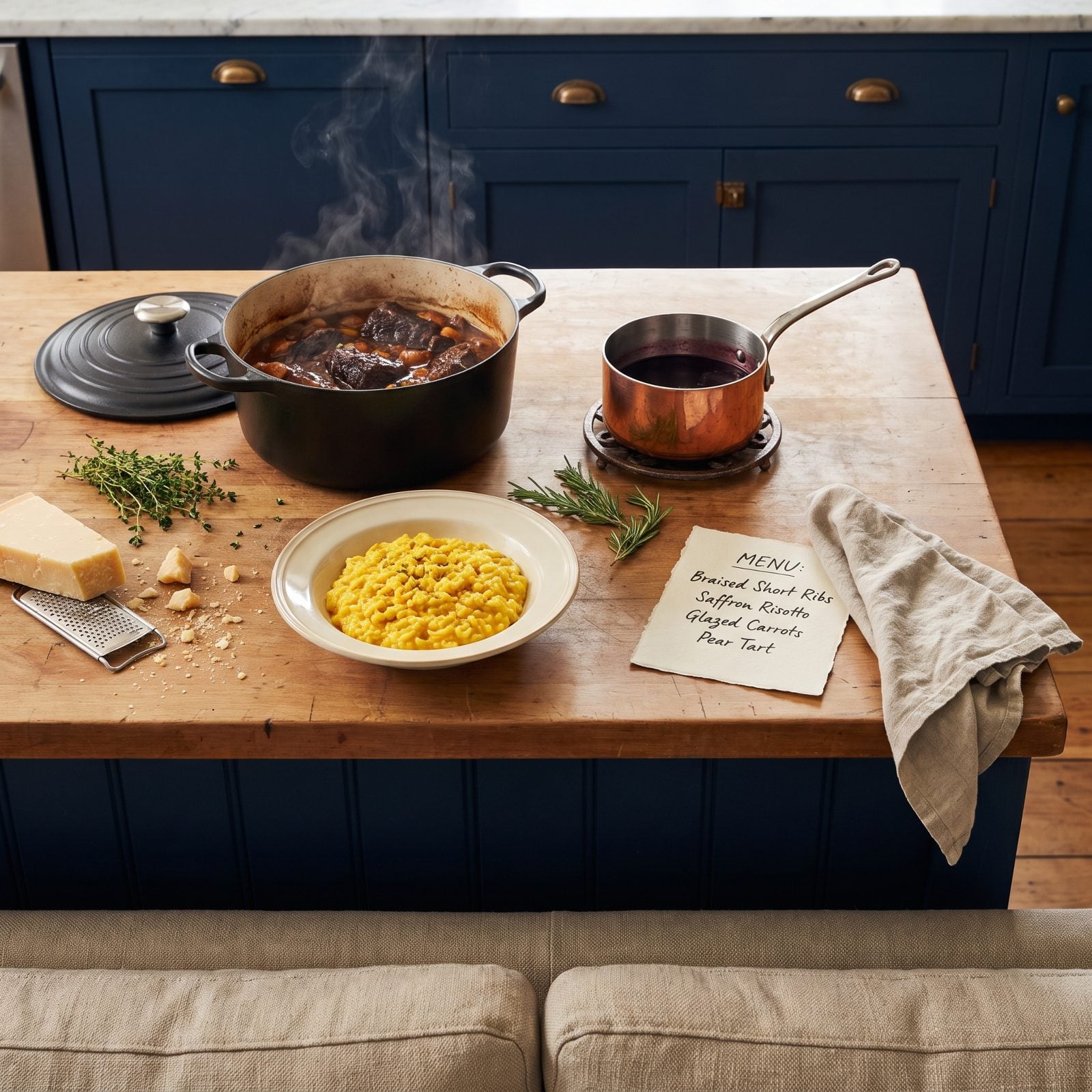
You could do the lasagna everyone loves. You will not do the lasagna. You will do the saffron risotto with the hand-pulled stock, because the menu is a resume now, and lasagna doesn’t say what you need it to say about the person you’ve become.
Food is one of our oldest status signals. What you serve broadcasts your travels, your education, your taste, your effort — the ambition on the plate is really a sentence about you, spoken in a language your guests translate without noticing they’re doing it.
Nothing shameful in that. Cooking something hard for people is a kind of love letter. Just know the letter has your name signed at the bottom in bold.
What Our Readers Say
- When Piaci Pizza readers loved a food photo and tapped a reason, comfort came out on top at 23%, with nostalgic close behind at 21%.
From Piaci Pizza reader polls and votes.
14. You Dress to Look Effortless After Three Outfit Changes
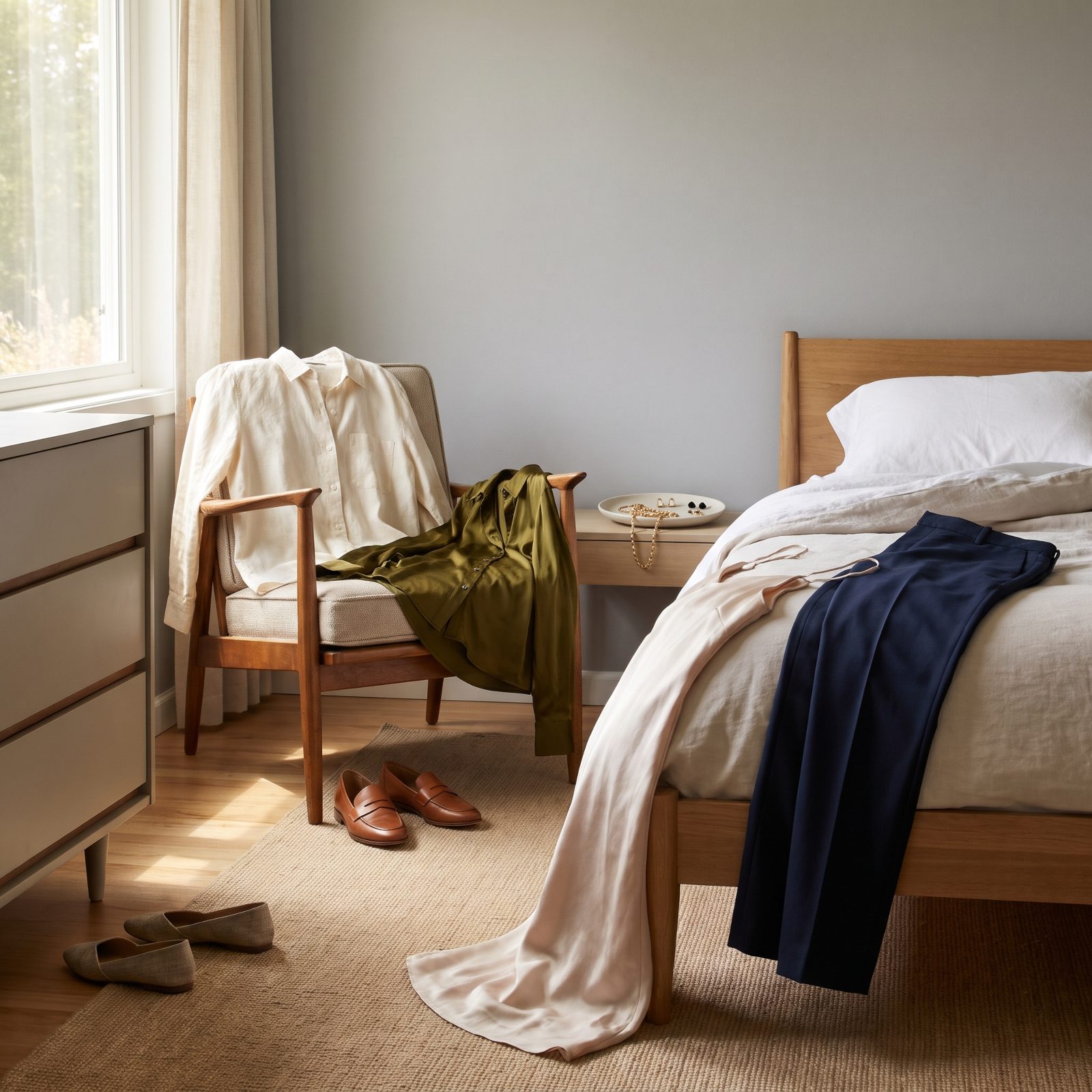
The bed is covered in rejected clothes. You want to look like you reached into the closet, grabbed the first thing, and happened to look great — which is exactly why you’ve been at it forty minutes and are now on outfit number four. The goal is casual. The process is anything but.
There’s a name for what you’re chasing: the effortlessness ideal. We admire the person who seems not to be trying, so we try very hard to seem like we aren’t trying. Throw in enclothed cognition, the way clothes genuinely shift how we carry ourselves, and the stakes climb. You’re not just dressing for them. You’re dressing to feel like the host you want to be.
13. The Seating Chart Revives Every Old Clique Anxiety
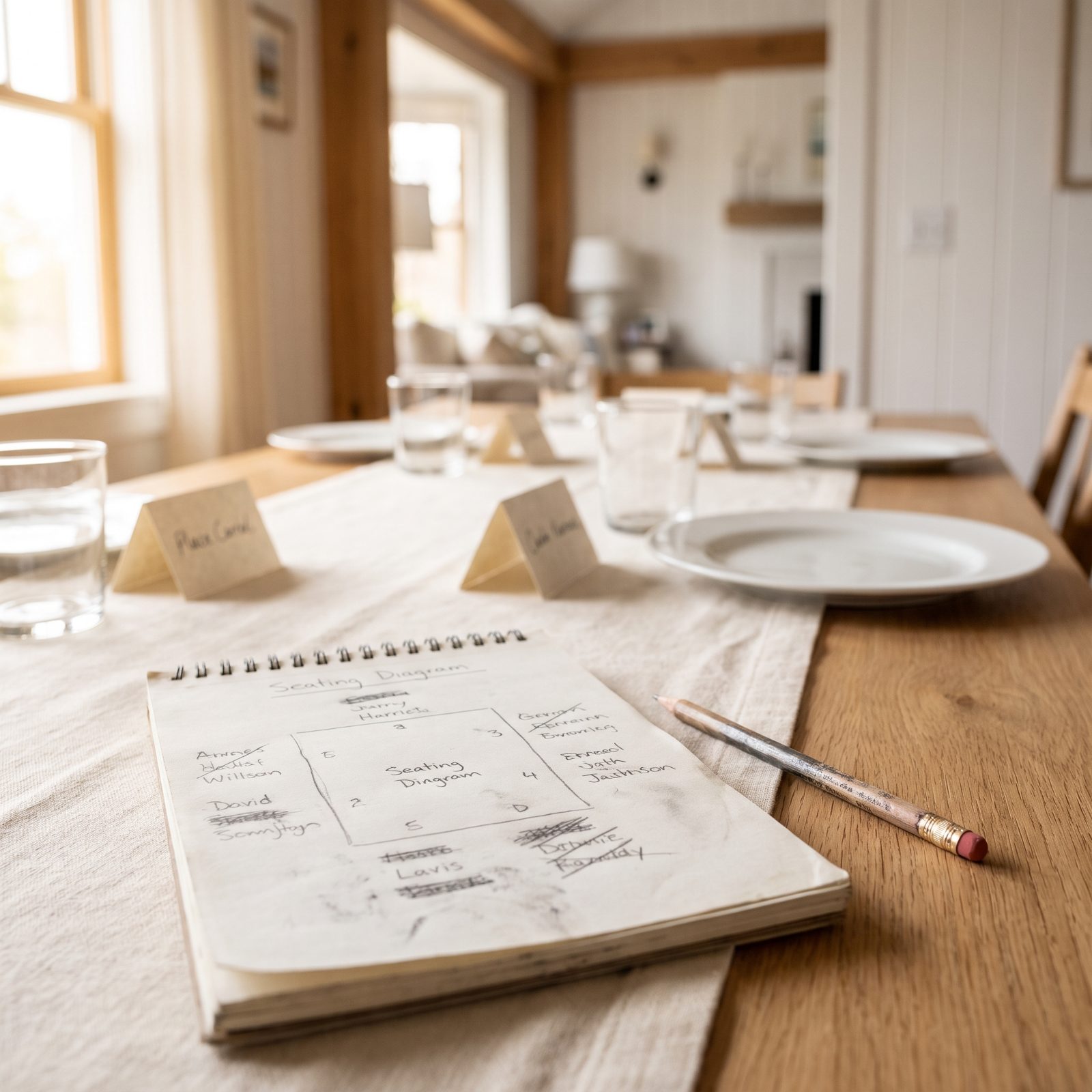
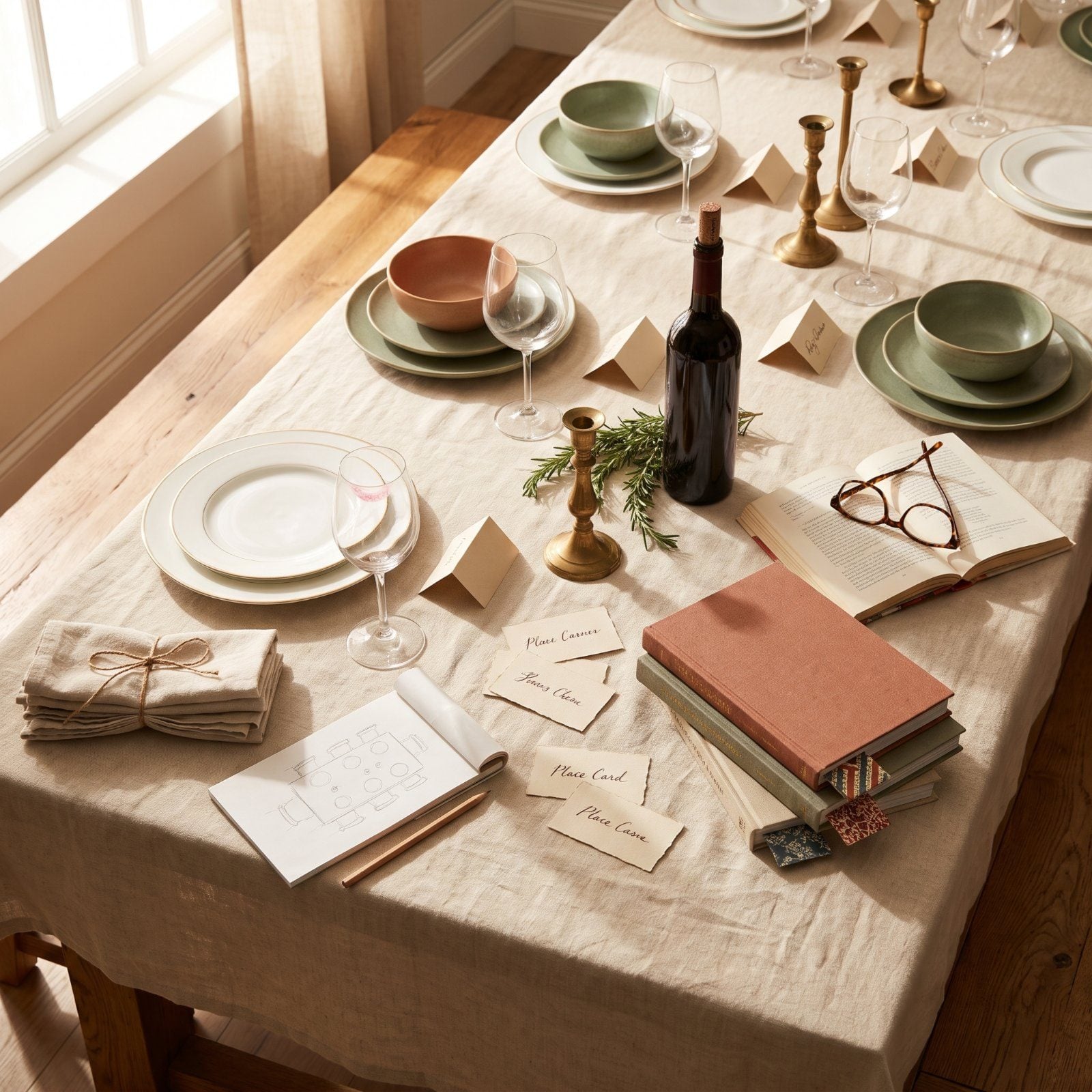
You’re hovering over a pencil sketch of your own table, and suddenly you’re fourteen again in a school cafeteria, holding a tray, scanning for a safe place to sit. Who goes next to whom. Who gets stranded at the lonely end. Who will carry a quiet table and who will kill it dead.
Seating is social engineering, and it reawakens the oldest clique fear we carry — putting someone, or ourselves, in the wrong group. We’re pack animals, and the brain treats belonging as a matter of real consequence. No wonder a seating chart feels less like logistics and more like fate.
12. You Compare Your Table to Everyone Else’s Best Party
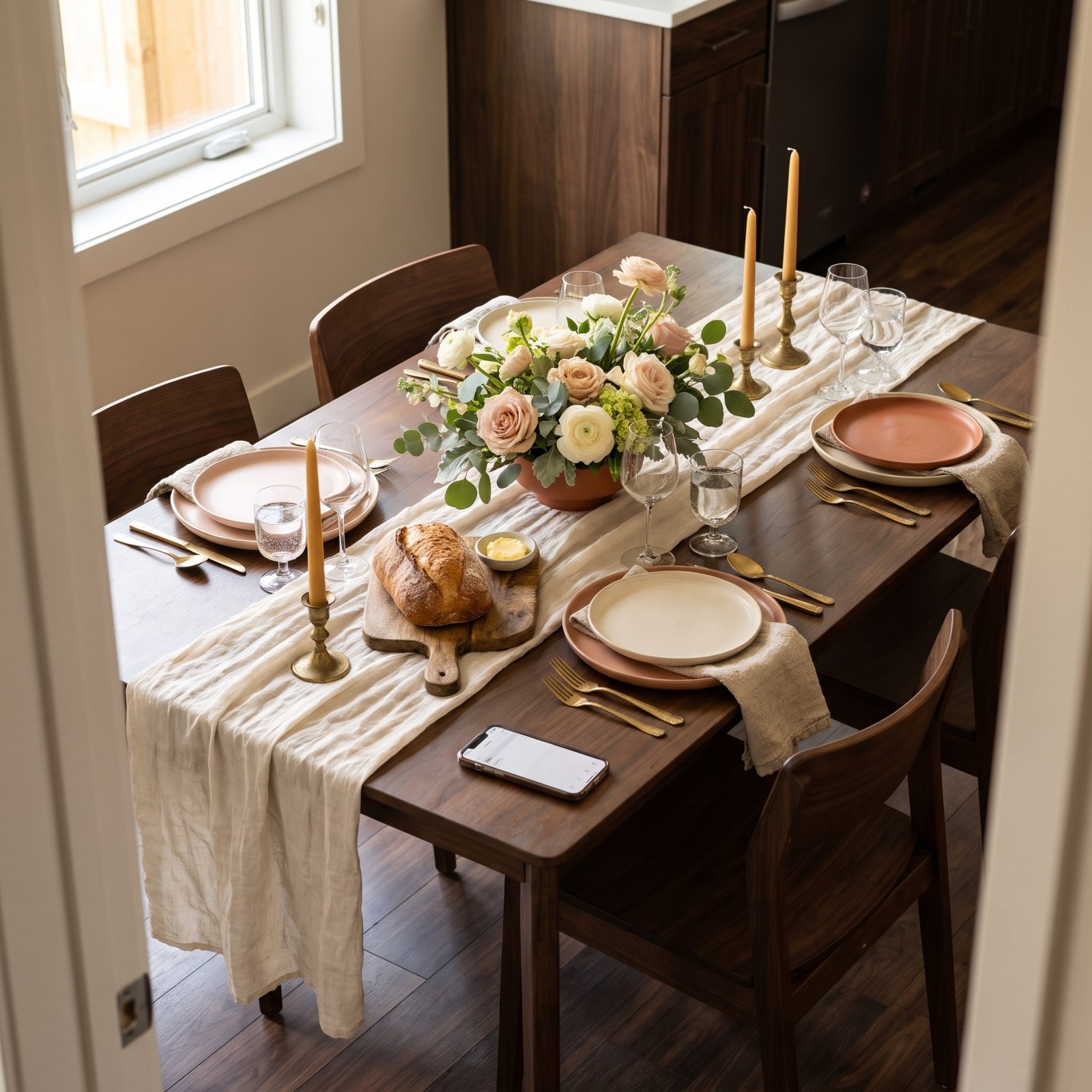
Your table looks lovely. You set it yourself, flowers and all. Then you remember that dinner someone else threw — the one with the matching chargers, the custom cocktails, the lighting that looked like a magazine shoot — and your perfectly nice table deflates right in front of you.
Comparison running in the worst possible direction. You’re measuring your ordinary reality, flaws and all, against the highlight reel of someone else’s one great night. Social media turned this into a reflex, but it long predates the feed. We benchmark upward and we always come up short.
The cure, for what it’s worth, is remembering that your lovely-table night is somebody else’s intimidating highlight reel too.
For what it’s worth, in our readers’ votes, photos of food served as a board spread got more hearts than the other images in the same articles, 87% versus 80%.
11. You Attempt the Riskiest Dish to Prove Your Competence
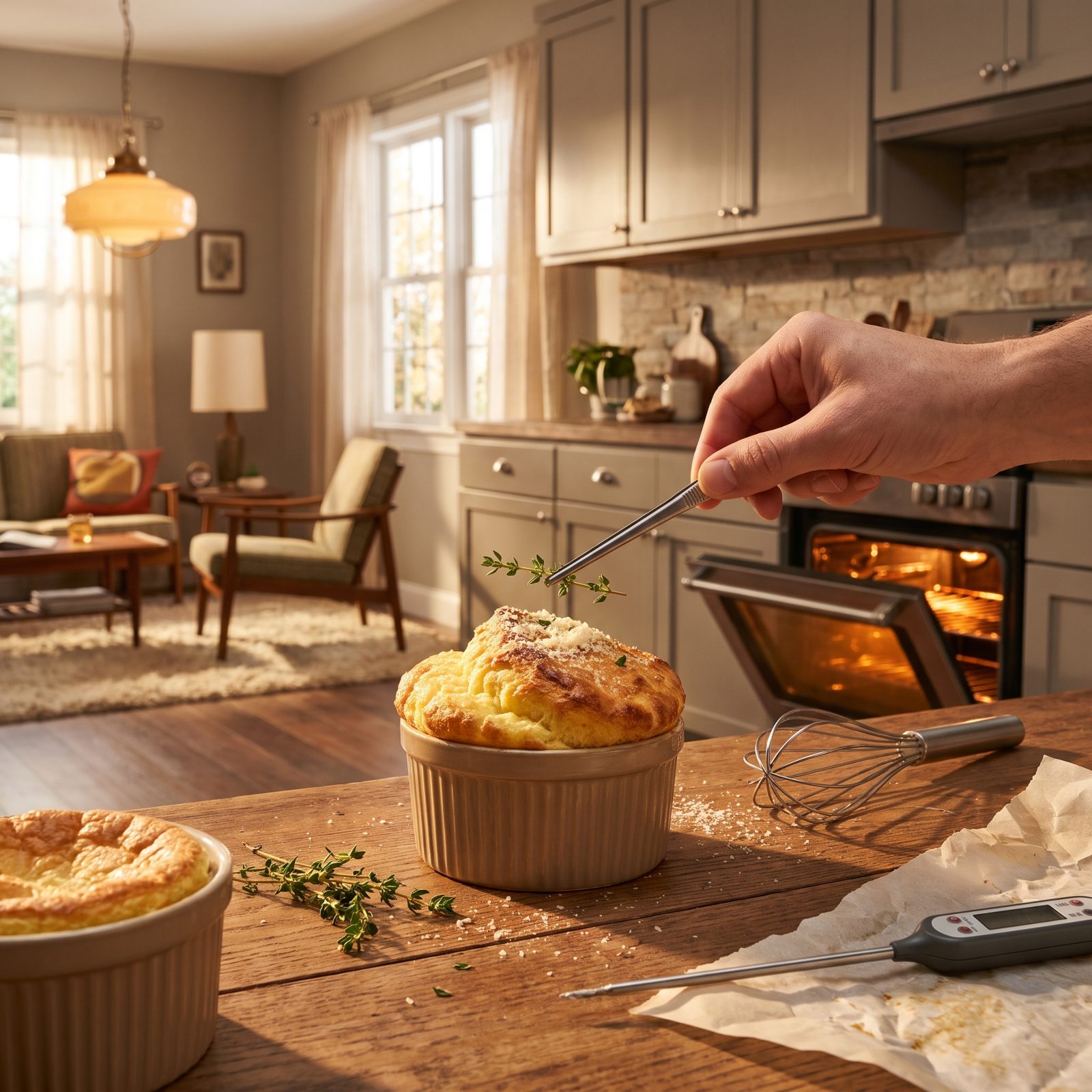
You’ve never made a soufflé in your life, and your guests arrive in ninety minutes. Naturally, tonight’s the night. The safe braise you’ve nailed a dozen times won’t give you the thing you’re actually after. Proof. Proof that you can pull off the hard thing when it counts.
Call it the achievement itch, and it’s a strange one. We don’t just want to succeed — we want to succeed at something difficult enough that succeeding means something. A hard dish risks public failure, which is precisely why landing it feels so good. The gamble is what you came for.
10. You Prepare Conversation Topics to Prevent Social Disaster
Would you like to save this?
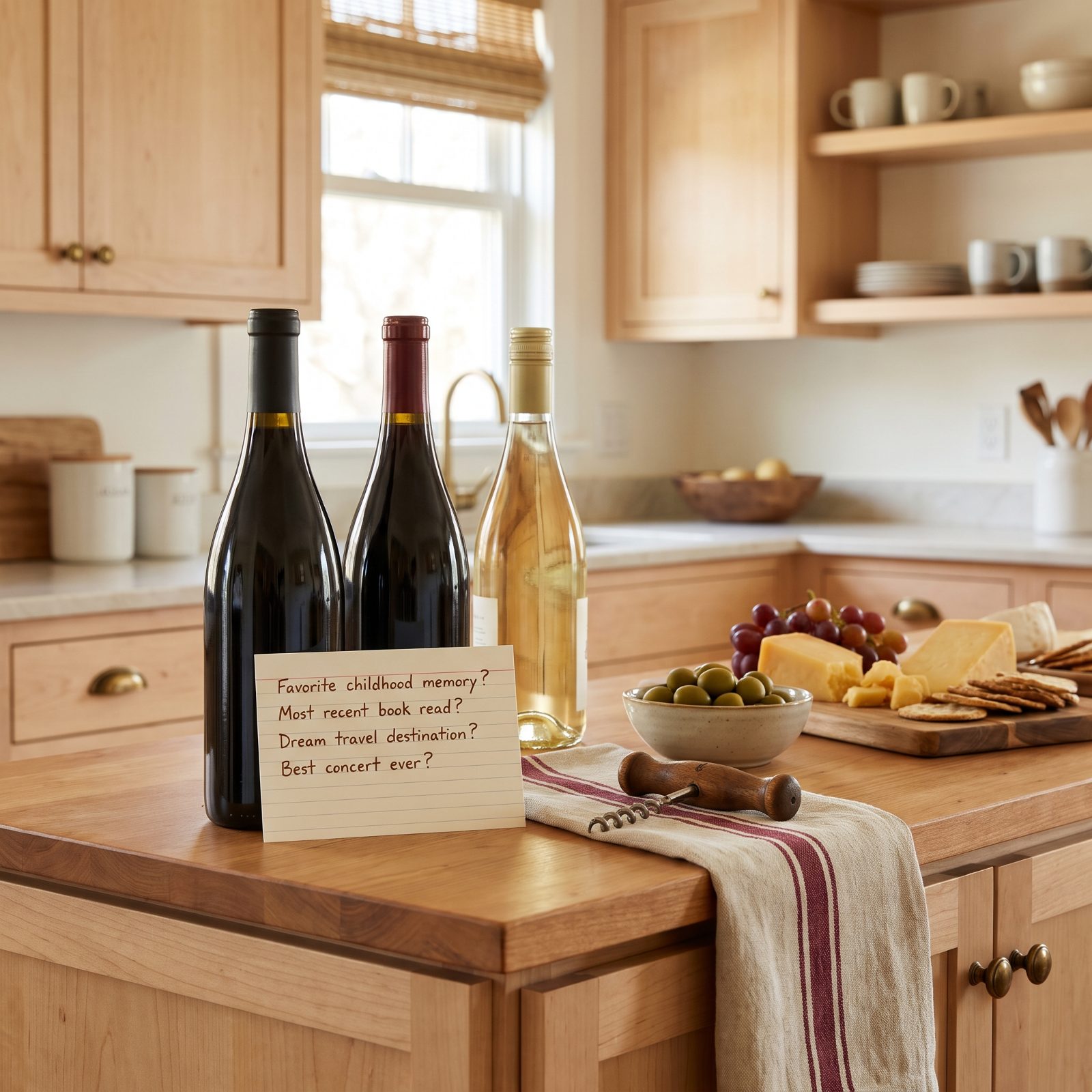
Somewhere near the cutting board there’s a little note with a few topics scrawled on it. That article someone sent you. The trip so-and-so just took. A question for the guest you worry might sit silent all night. You’ve essentially written yourself cue cards for your own house.
The fear underneath is the dreaded lull — that moment when the table goes quiet and everyone clocks it at the same time. We treat conversational silence as personal failure, as if the host dropped the ball. So you stockpile prompts the way a nervous speaker memorizes an opening joke.
Here’s the secret, though. The best conversations are never the ones you planned. They’re the ones that wander off somewhere you never saw coming. Keep the note anyway. You’ll probably never look at it.
9. The Playlist Becomes a Referendum on Whether You’re Still Cool
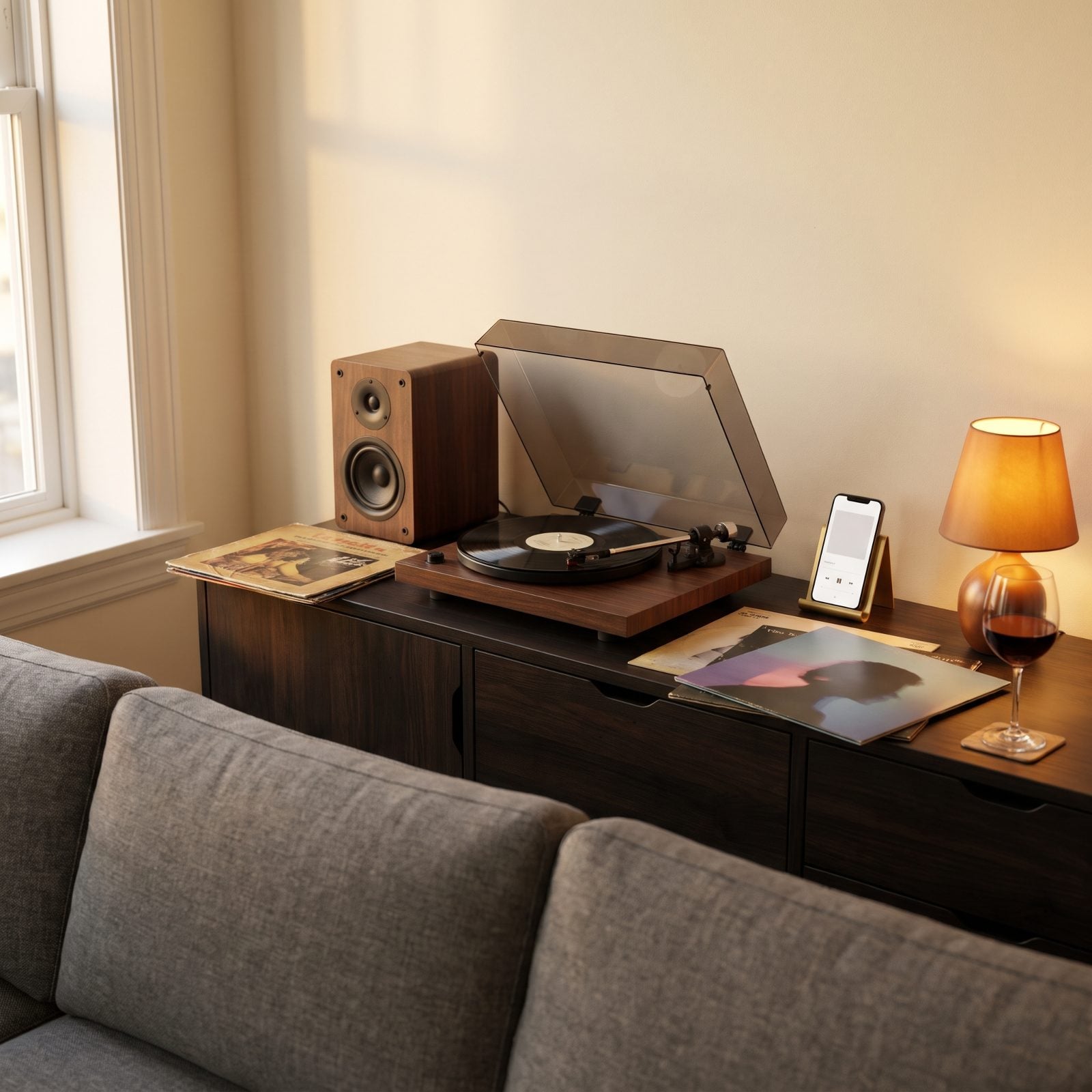
You want it jazzy but not boring, current but not try-hard, nostalgic but not dated. You’ve rearranged the same fourteen songs six times, because somehow a playlist has become a public statement about your relevance. Too old and you’re stuck in the past. Too new and you’re reaching. The margin feels razor thin.
What’s really on trial is your cultural identity — the signal you send about which tribe you belong to and whether you’ve kept up. Music taste is one of the fastest ways humans sort each other, and we know it, which is why the playlist carries a weight no reasonable background music deserves.
8. Your Partner’s Table Manners Suddenly Affect Your Reputation
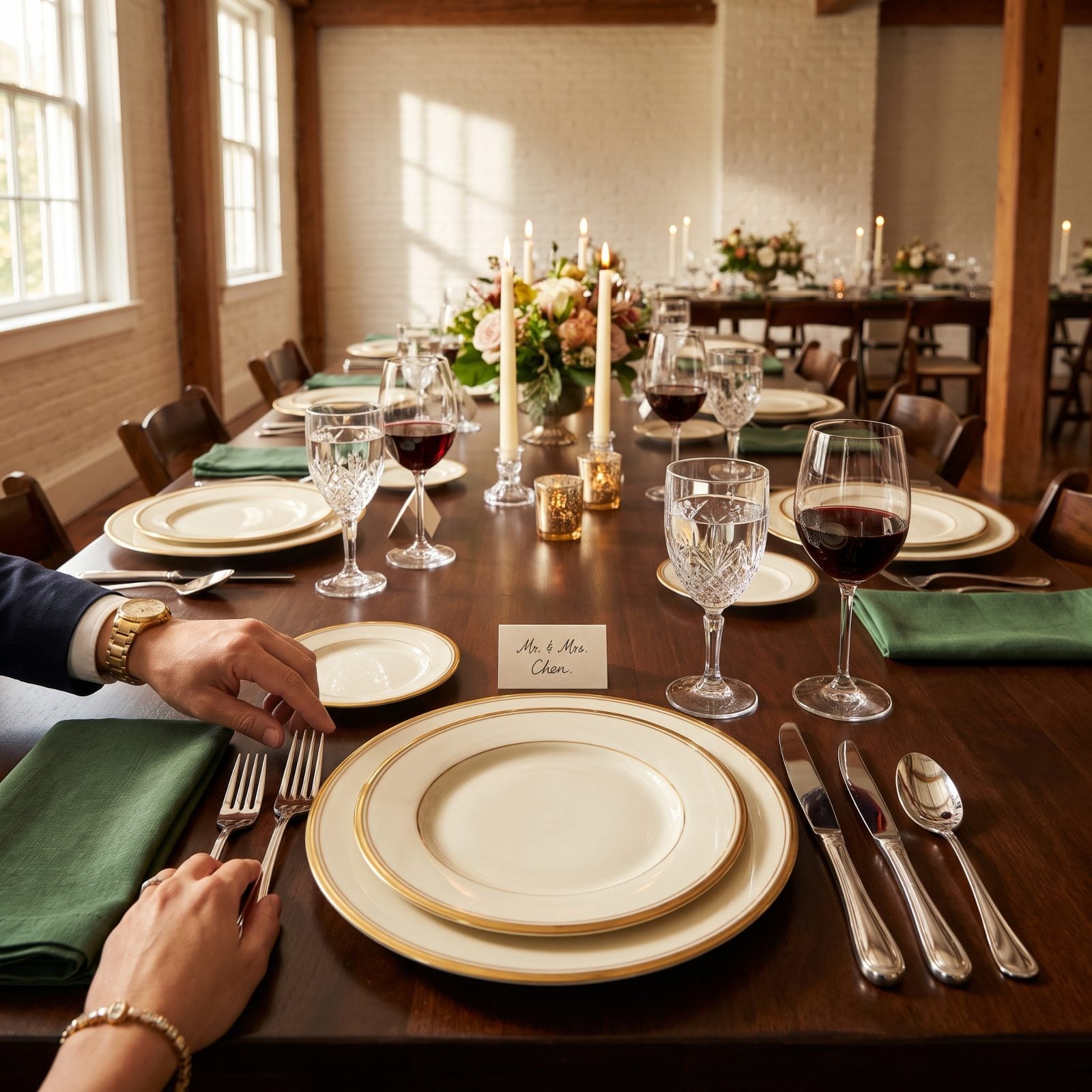
You’ve spent two days on the braised short ribs, and the thing you’re most worried about is whether your husband will tell the one story again. The loud one. The one with the punchline that only lands if you were there in 1994. Suddenly his elbows on the table feel like your elbows on the table, and his double-dip at the olive bowl reads like a verdict on how you were raised, on the home you keep, on the taste of the whole household.
This is the halo effect running in reverse. We judge people as a package deal, and a spouse is the biggest item in your package. When your partner shines, you glow along with them; when they reach across three people for the bread, your status takes the hit too. You didn’t sign up to be graded on someone else’s grip on a soup spoon. You married into it.
7. The First Glass of Wine Doubles as Emotional Armor

Notice how fast that first glass goes down. Not because you’re a drinker, but because the doorbell rang and your heart did the thing it does. The wine isn’t refreshment at the top of the night — it’s a buffer, a warm chemical handshake between your nerves and the eight people about to assess your seating plan.
The same ritual runs at every anxious threshold in life. The deep breath before the interview. The pep talk in the car before the reunion. We reach for something that softens the edge between us and the judgment we feel coming, and alcohol lowers the volume on self-monitoring, which is exactly why the host often needs it most. You’re not relaxing. You’re loading up to perform relaxation.
The catch, which many hosts learn embarrassingly late, is that the armor wears off right when the main course needs plating.
6. Every Late Arrival Starts Feeling Like Personal Rejection
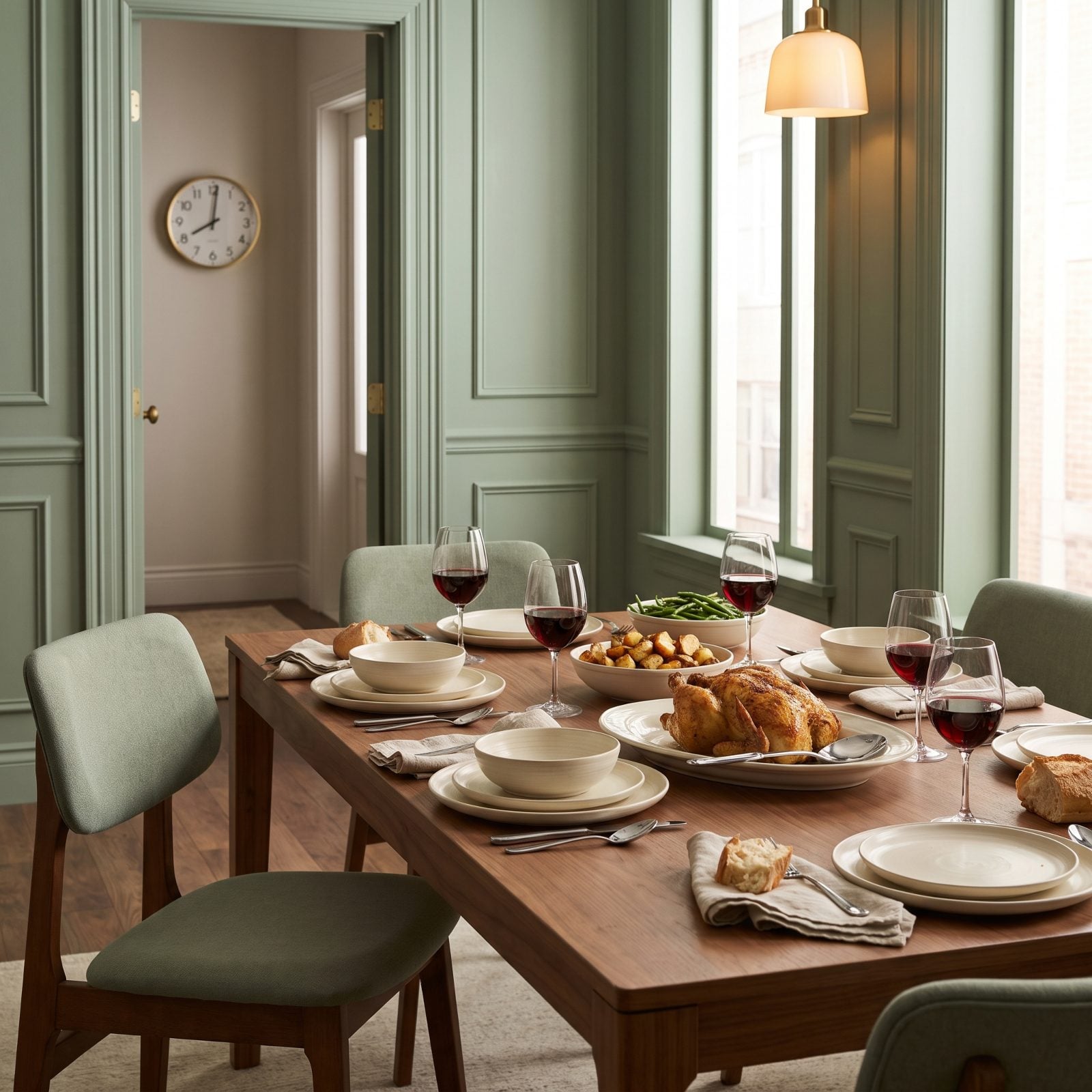
Seven o’clock comes. Seven-fifteen. The chicken is resting into dryness, and somewhere in the back of your mind a small ugly voice says: they didn’t think this was important enough to be on time for. You made place cards. You ironed napkins. And they’re forty minutes out, probably circling for parking.
Lateness, logically, is about traffic and babysitters and misjudged showers. Emotionally, it reads as a ranking. You put this night at the top of your list and you need them to have done the same. When they don’t, your brain fills the gap with the worst available story.
The cruelest part is that the latecomer has no idea any of this happened. They walk in beaming, bottle in hand, while you’ve already run a whole trial in your head.
5. You Watch Cleared Plates for Signs Everyone Approves
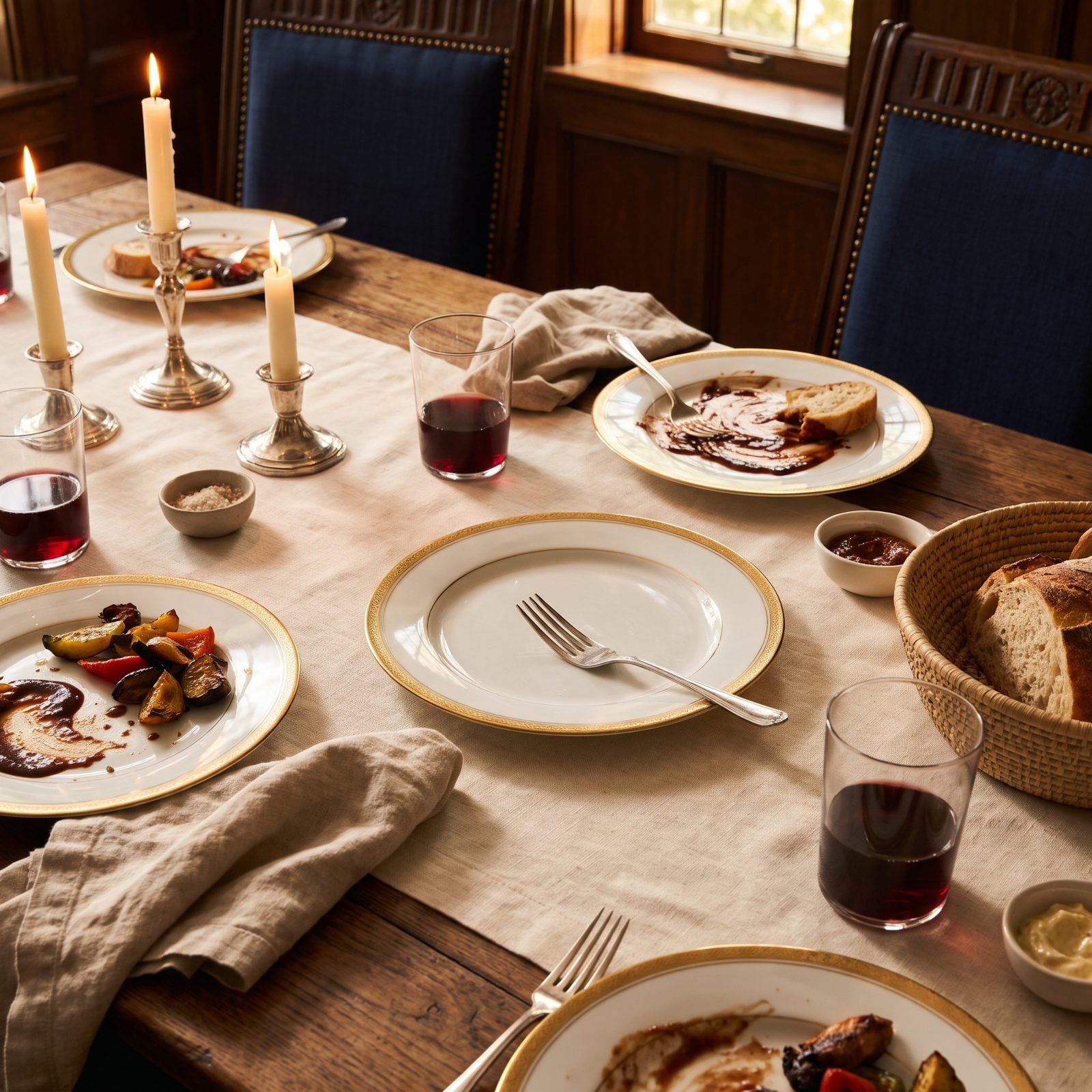
You clear the plates and read them like tea leaves. A plate licked nearly clean is a love letter. A plate with a neat pile of something pushed to the rim is a verdict, a small polite rejection you’ll turn over in your head for a week. Did they not like the fennel? Was the sauce too much? You knew the sauce was too much.
Here the plate stands in for the opinion nobody will say out loud. In every performance situation, we hunt for proxy feedback when honest feedback isn’t available. The salesperson watches body language. The teacher counts the yawns. You count the forkfuls. We trust behavior over words because behavior feels like it can’t lie — even though a full stomach from the appetizers lies all the time.
4. You Distrust Compliments While Secretly Collecting Every One
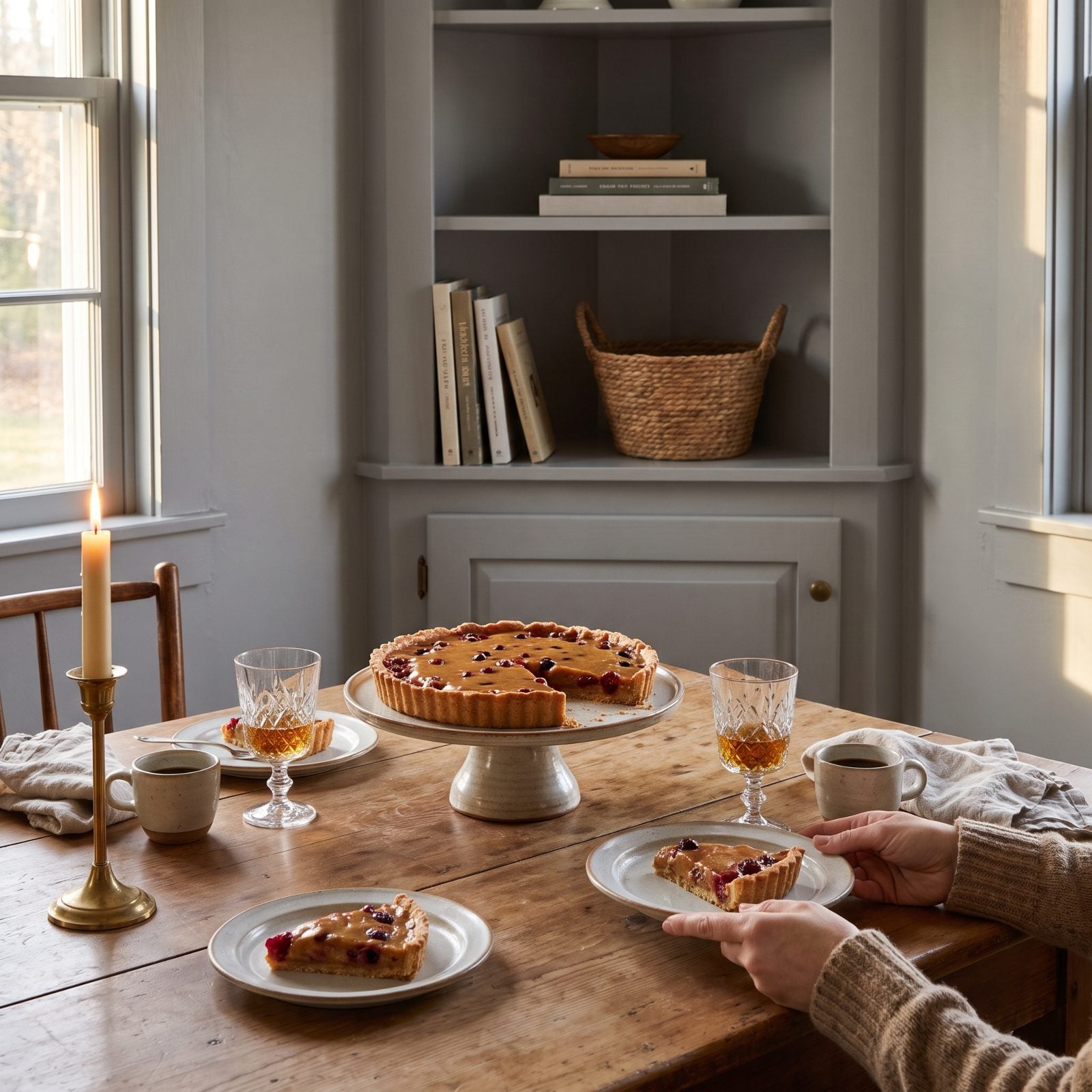
“This is incredible, you have to give me the recipe.” And instantly you’re explaining what went wrong. The crust was supposed to be flakier. You overbaked it by four minutes. The store was out of the good vanilla. You’re deflecting the praise with both hands while a hidden part of you files it away in a little mental scrapbook you’ll flip through at midnight.
We do this because we don’t trust compliments the way we trust criticism. A nice word could just be manners. But we crave the nice word anyway, because it answers the only question that’s been running all night: am I good enough to be doing this?
3. You Keep Retreating to the Kitchen When Conversation Gets Risky
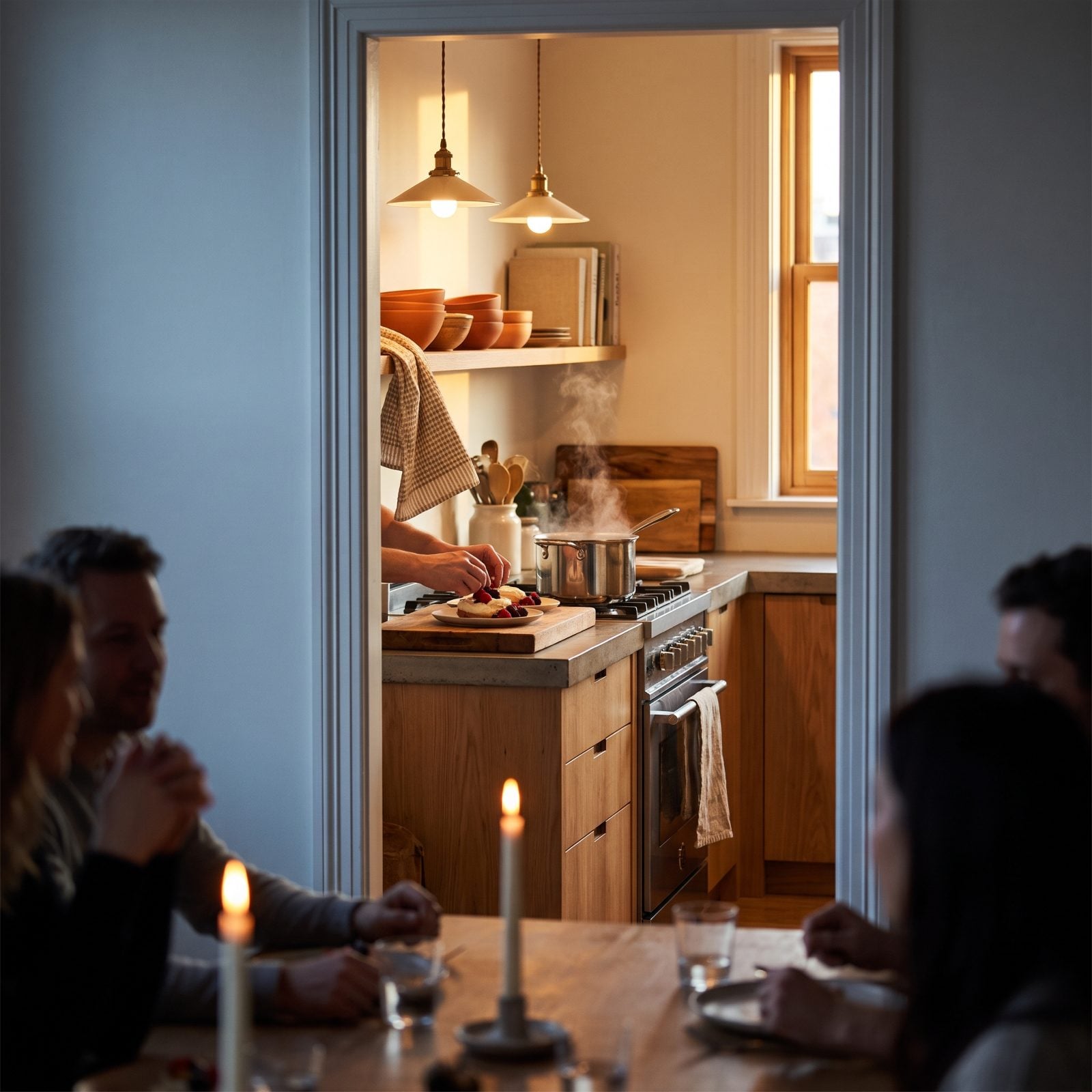
The conversation turns to something sharp. Politics, maybe, or someone’s divorce, or a topic where you can feel two guests squaring up. And suddenly you remember you absolutely must check on the gravy. You slip into the kitchen and stay there longer than the gravy requires, stirring something that doesn’t need stirring, letting the heat pass without you.
The kitchen is your escape hatch — the socially sanctioned way to leave a room without admitting you’re leaving a room. Every host has one of these. The smoker steps out. The uncle does the dishes nobody asked him to do. We build legitimate-looking reasons to flee the moments we can’t control.
But the kitchen retreat does something else too. It keeps you from the night. You can plate your way through an entire party and realize at the end you barely sat down. Avoidance works. That’s the problem with it. It works so well you miss the dinner you spent two days building.
2. You Curate Dinner Photos for People Who Weren’t Invited
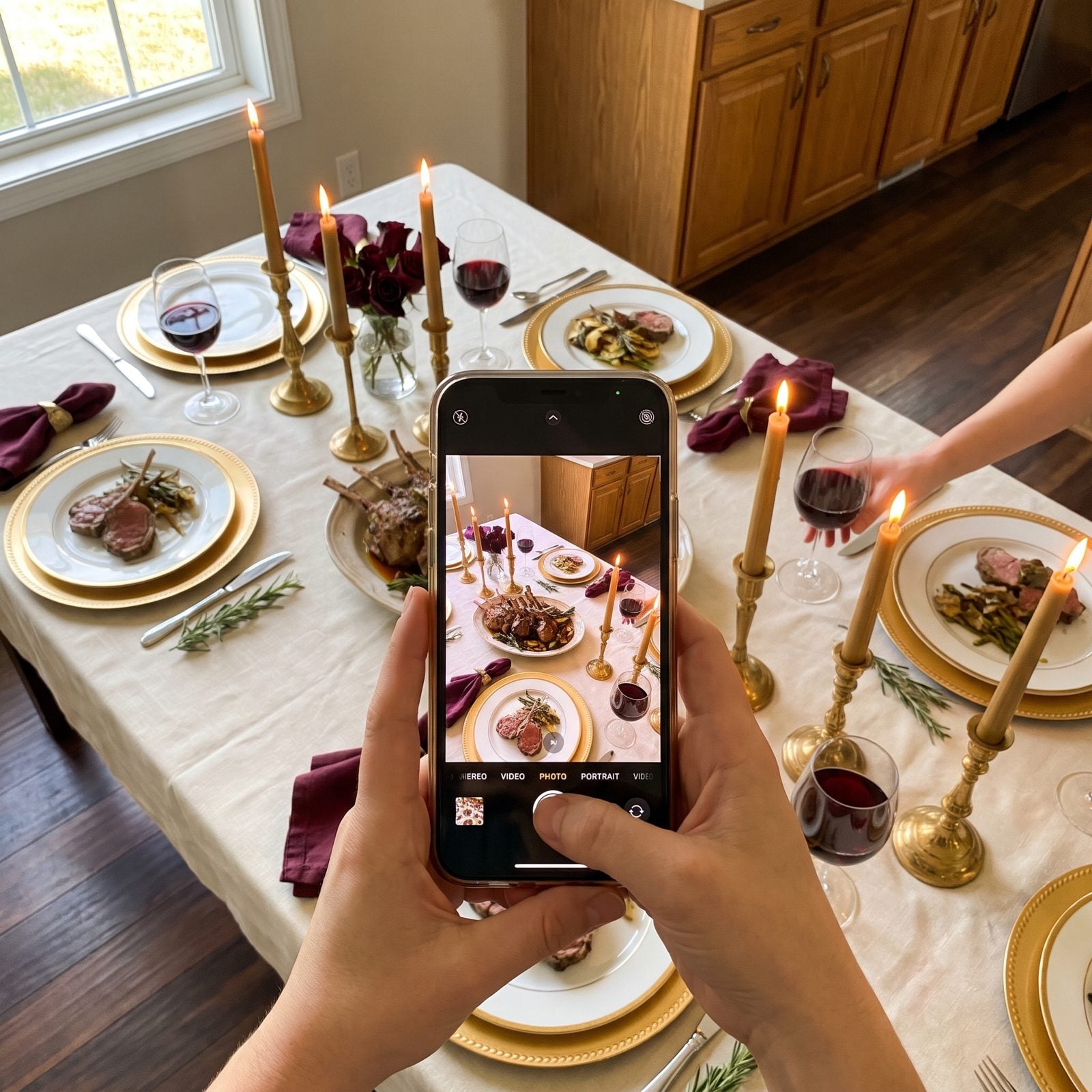
You straighten the candlesticks, nudge the wineglass into the light, and take the overhead shot before anyone’s allowed to touch anything. Then you take four more. The dinner is for the eight people at the table. The photo is for everyone who isn’t.
This is status signaling, pure and old. The feast was always partly a broadcast, a way of telling the wider world what kind of life you run. We used to do it with the china cabinet facing the door. Now we do it with a well-lit flatlay posted while the butter’s still soft.
The people who weren’t invited are, in a strange way, the real audience. They always were.
If you’re after a shot people will warm to, our readers gave photos of cooking in progress more hearts than the other images in the same articles.
1. You Replay Every Awkward Toast Long After Everyone Leaves

Everyone’s gone. The dishwasher’s humming. You’re standing in the dark kitchen with one last glass of wine, and your brain decides this is the perfect time to replay the toast — the one where you lost the thread halfway and trailed off and someone laughed a beat too late. You’ll run that three-second clip on a loop until two in the morning.
Nobody else remembers it. They remember the lamb. They remember laughing. The one cringe moment playing in your head on repeat flickered in theirs for a second and then got buried under the next thing. That gap, between how much the stumble lives in you and how little it lives in them, is called the spotlight effect. We massively overestimate how much other people noticed and how long they’ll carry it.
You hosted a good night. You fed people, you made them laugh, you sent them home full. And the one thing you’ll keep is the half-second you flubbed a toast. The anxieties don’t want the whole evening. They just want the crack.