Would you like to save this?
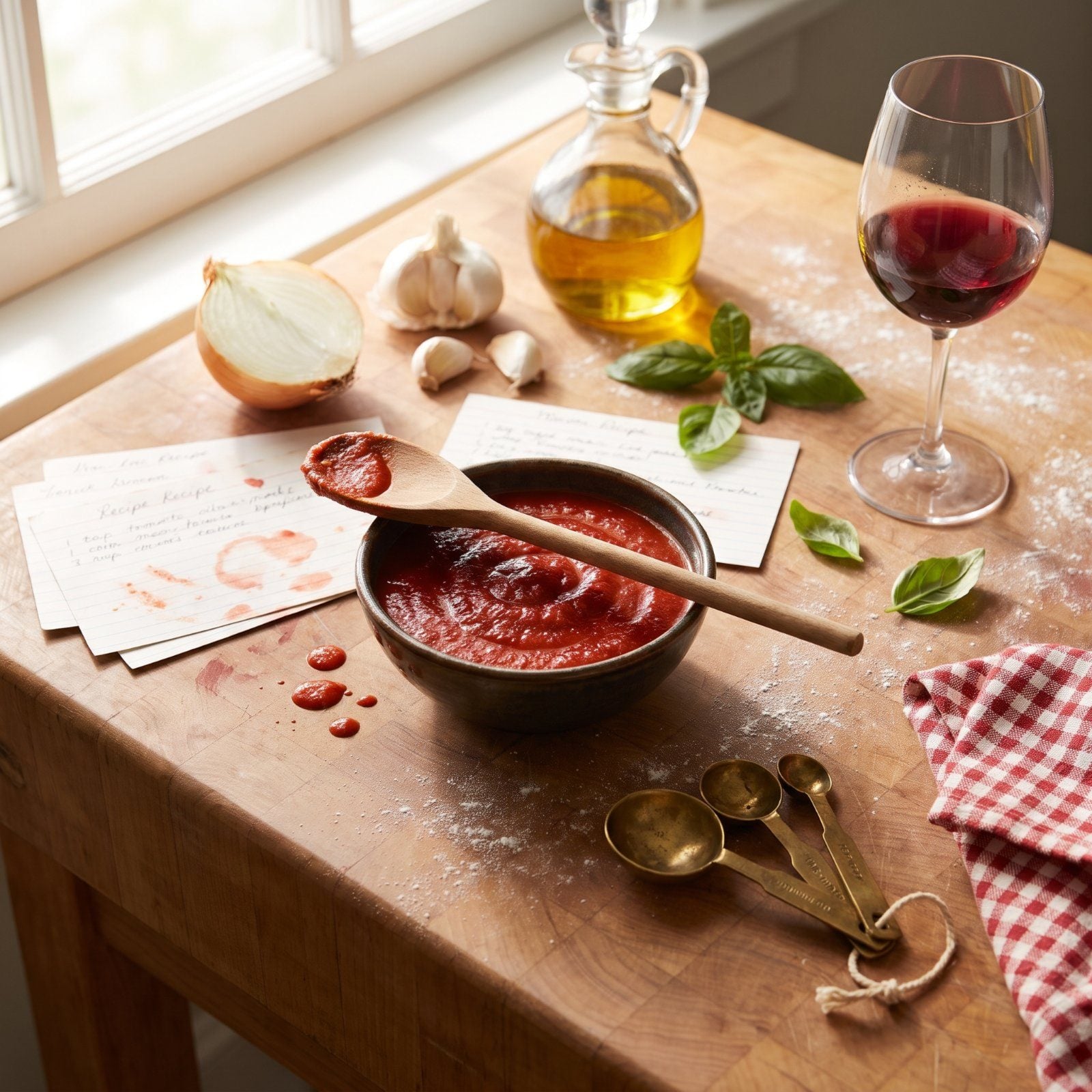
The first time you made a real red sauce from scratch, you probably stood at the stove for the better part of an afternoon, tasting with a wooden spoon, second-guessing the salt, wondering if you’d ruined it. That nervous hope is what people feel on a second date. Cooking and courtship run on identical wiring — the same sunk costs, the same showing off, the same tender ego when someone says it needs more garlic. We spend our whole lives thinking food and love are separate subjects. They are not. Both reward patience and both punish assumption, and both make you learn the hard way where the hot spots are. Here are the parallels you’ll recognize the second you read them, because you’ve lived every single one with a saucepan and a heartbeat.
Please note that some of the images in this article were created with the assistance of AI.
16. You Read Three Recipes Before Committing to One
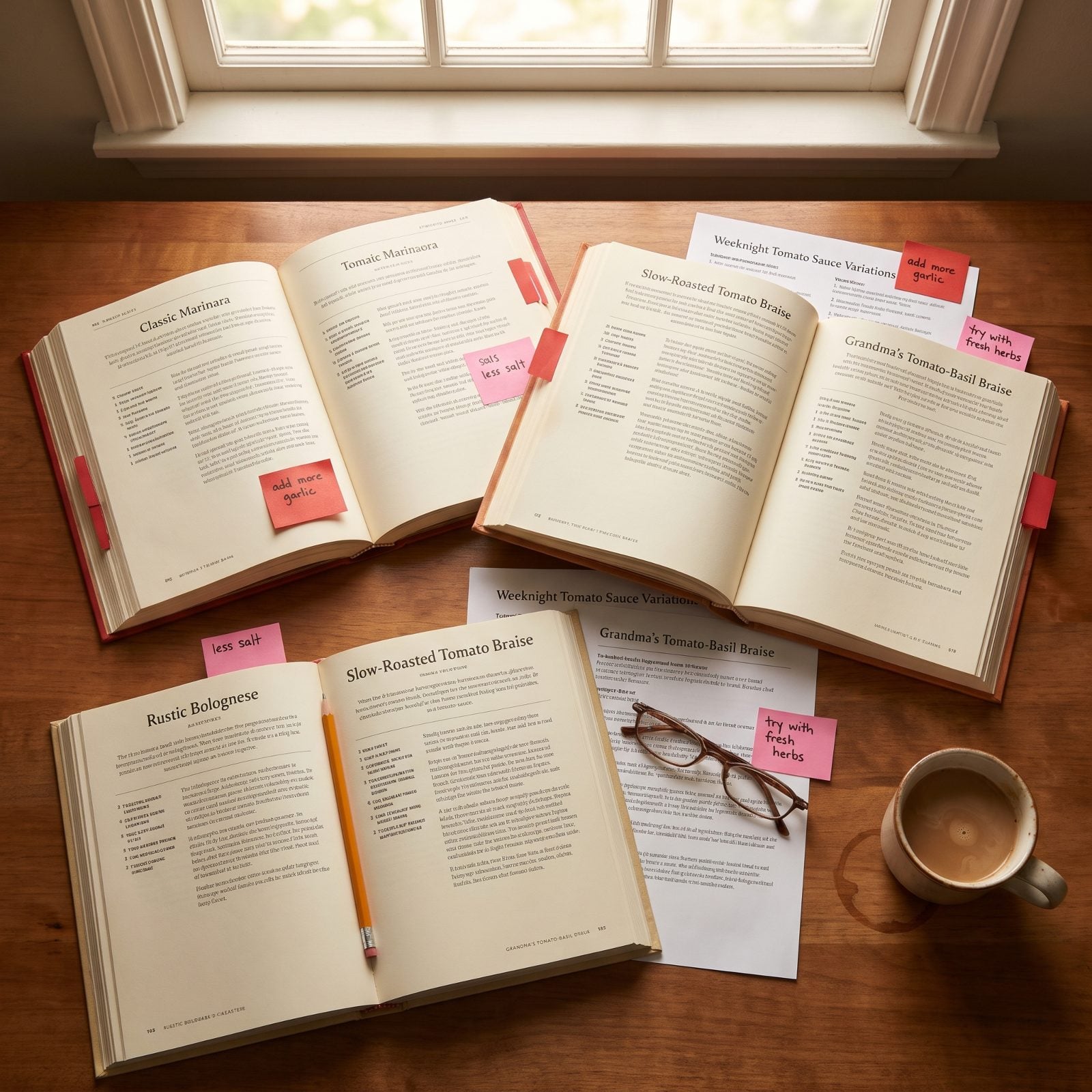
Before you’ll trust a single recipe, you line up three. One open cookbook, flagged with pink sticky notes, plus two printouts, “Weeknight Tomato Sauce Variations” and “Grandma’s Tomato-Basil Braise,” tucked in among them. You cross-reference the garlic counts like a detective building a case. You want proof before you commit.
It’s the same caution you bring to someone new — you ask the friends, you check the history, you compare notes before you let yourself fall. That’s not indecision. It’s your brain running a risk assessment, weighing a bad outcome heavier than a good one. Loss aversion has you reading three recipes when one would do fine.
The funny part? The best cooks eventually stop reading and start trusting their own tongue. So do the best partners.
15. You Buy Fancy Knives Before Mastering the Onion
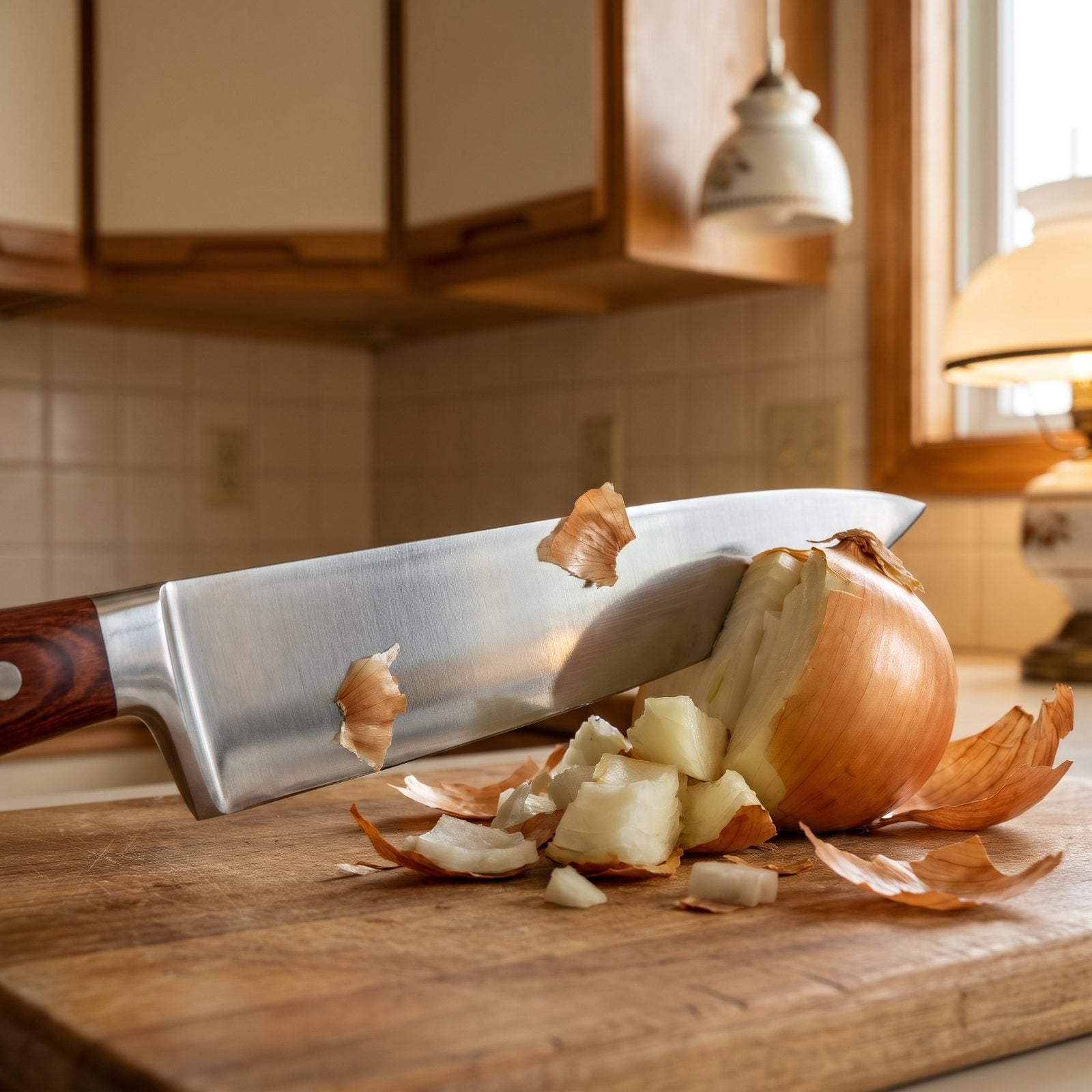
The kit arrives before the skill. A forged Japanese blade, a magnetic strip, a pepper mill that cost more than dinner — and meanwhile the onion looks like it lost a fight. Equipment feels like progress because buying is easy and chopping is hard.
You’ve watched someone do the dating version of this. New wardrobe, new gym membership, new cologne, all before they’ve learned to actually listen across a table. We confuse the signals of readiness with the thing itself. The gear is just the costume; the competence still has to be earned, one wobbly onion at a time.
14. The First Perfect Omelet Feels Like Fate
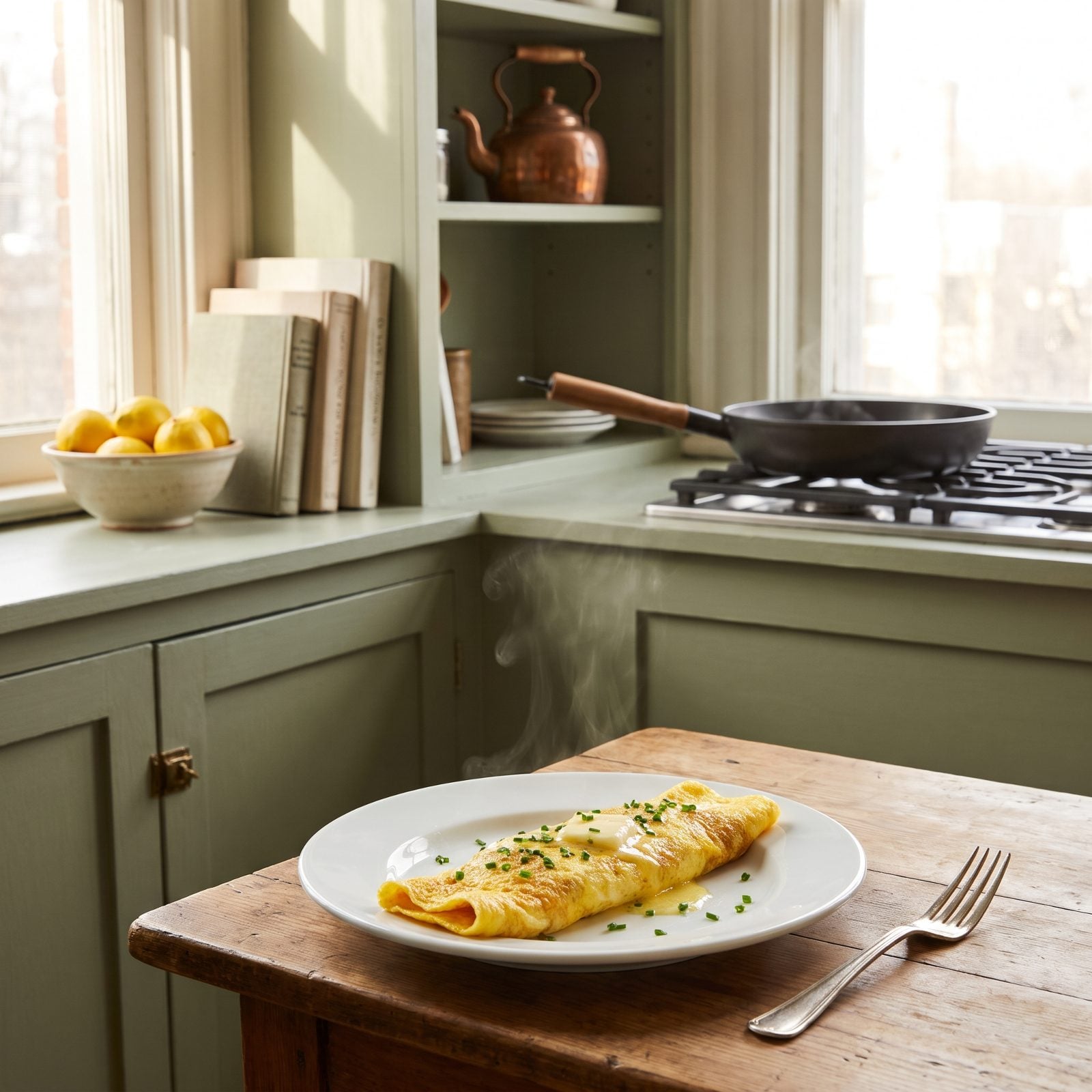
After a dozen scrambled disasters, it happens. The eggs curl at exactly the right second, the roll comes out clean, and the whole thing slides onto the plate like it was always going to. You feel chosen. You feel like the kitchen finally loves you back.
That electric jolt of rightness is what people mistake for destiny on a great first date. Everything clicks and you’re sure the universe arranged it just for you. The truth is less romantic and a lot more hopeful: you’d been practicing all along. The twelve bad omelets built the good one, and the good date works because you finally knew what you wanted.
Fate gets all the credit. Repetition did the work.
13. You Serve Dinner Before You Feel Fully Ready
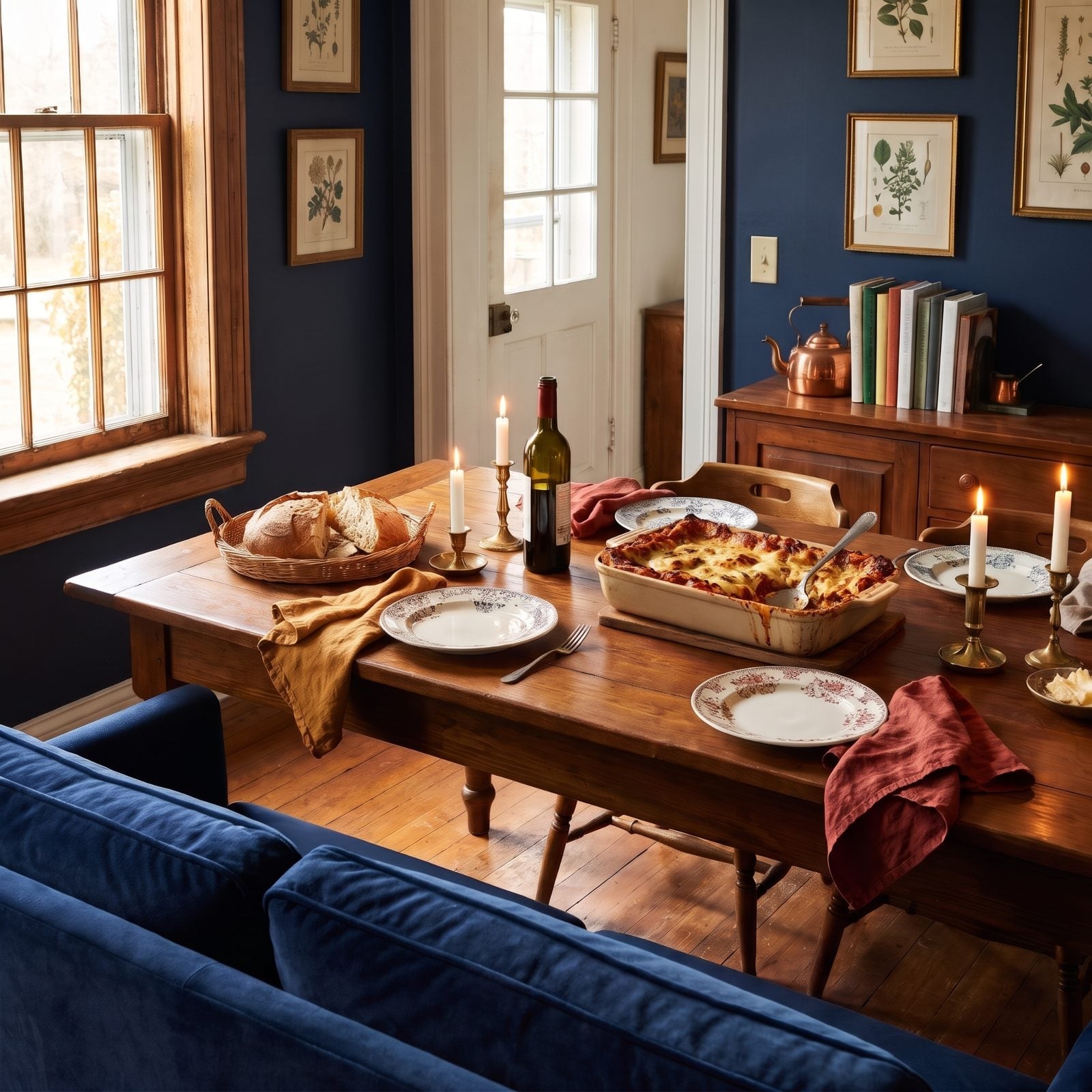
The lasagna isn’t set. The edges slumped and you wanted another twenty minutes, but the guests are hungry and the moment is now. So you serve it half-nervous, apologizing before anyone’s taken a bite.
Every new relationship hits this exact point. You’re not sure you’re ready to be seen, to say how you feel, to let someone in before you’ve got it all figured out. But readiness is a trap — it never fully arrives. You act while still unsure, and the acting is what makes you ready.
12. You Hide the Burnt Garlic When Friends Visit
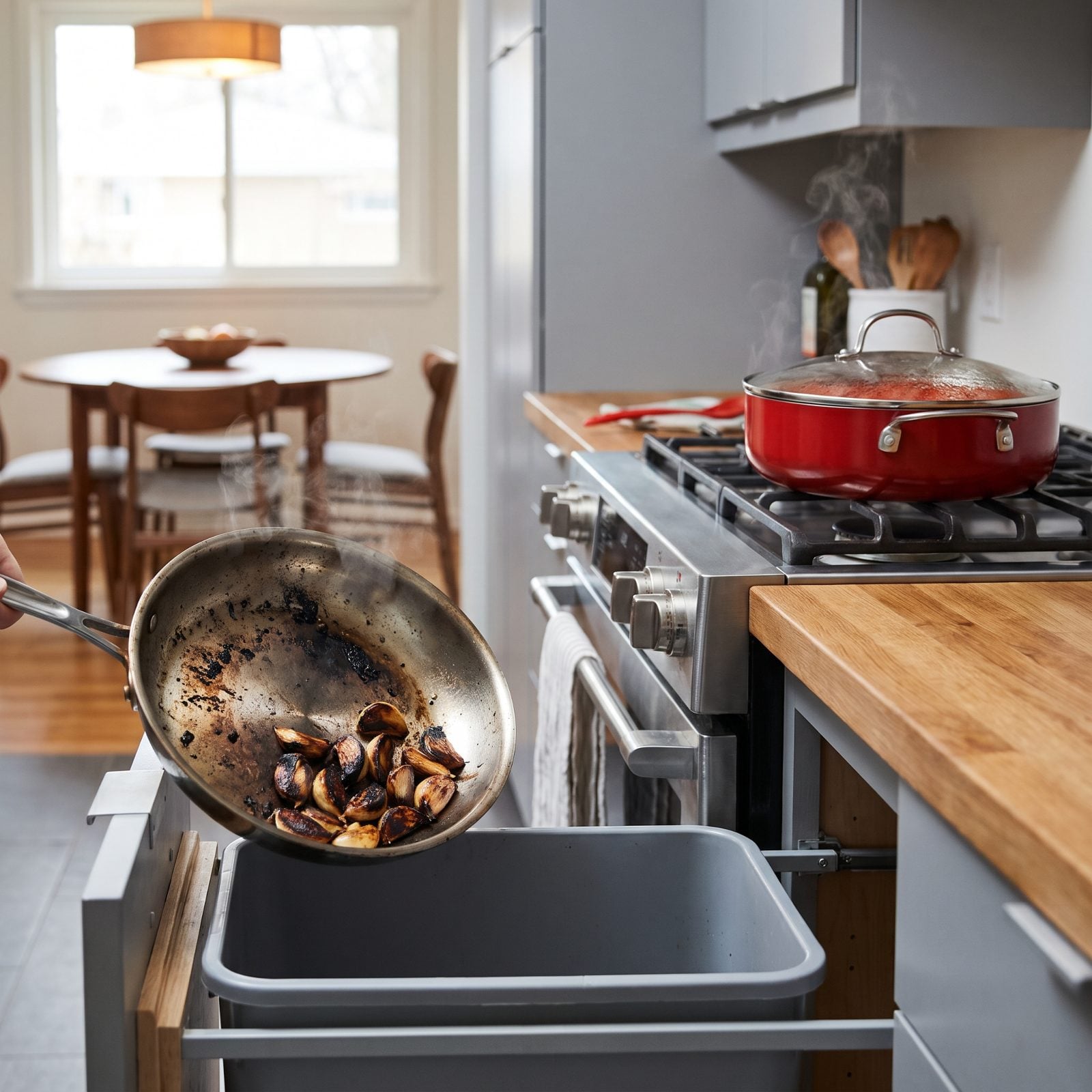
The first clove scorched in thirty seconds, filled the kitchen with that acrid smell, and went straight into the trash before anyone walked in. You started over, said nothing, and plated it like the mistake never happened.
We all do a version of this when someone’s getting to know us — present the finished dish, bury the burnt attempts, show a curated self with no failures on display. It’s natural. It’s also why early romance feels so polished and so slightly fake. Everyone’s hiding their burnt garlic.
Here’s the quiet mercy. The people worth keeping are the ones you eventually stop hiding it from, the friend who sees the scorched pan and laughs with you. That’s when the real cooking, and the real closeness, finally starts.
11. You Learn the Stove’s Hot Spots the Hard Way
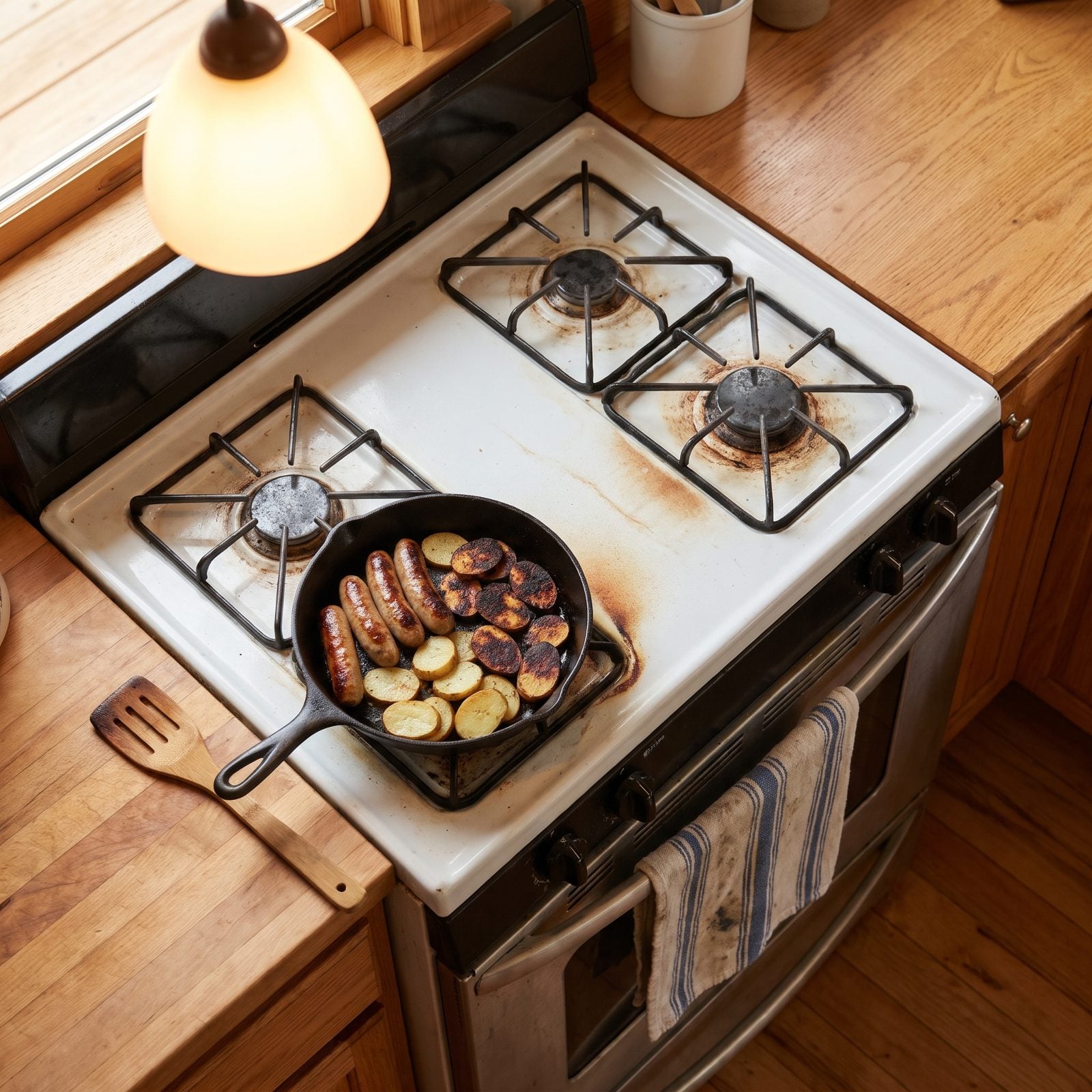
Nobody hands you a map of your stove. You find out the back-left burner runs hot and the front-right barely tries by burning a few pancakes and turning the pan constantly. A month in, you cook around it without even thinking.
Same with a person. There’s no manual for someone’s moods, their mornings, the subjects that flare up and the ones that sputter. You learn by getting burned a little, then adjusting. Feels like failure in the moment. It’s just data.
10. You Taste as You Go Instead of Assuming
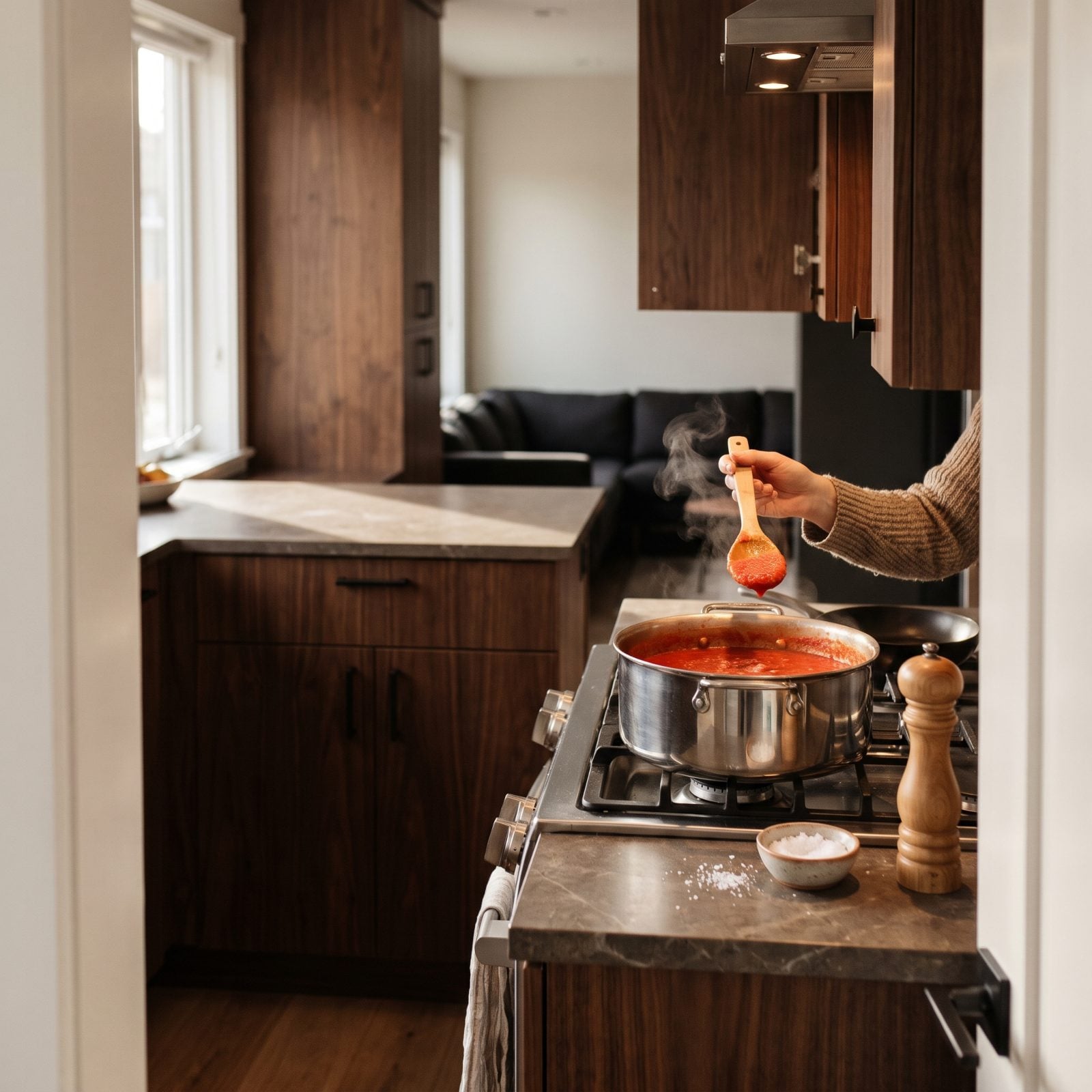
The rookie dumps in the salt by the measurement and prays. The cook who’s been burned once tastes the spoon, thinks, adjusts, tastes again. You stop assuming the recipe knows your tomatoes, and you check reality against the plan.
Relationships run on the same correction loop. Assuming you know what the other person feels is how resentment quietly builds; checking in, actually asking instead of guessing, keeps the whole thing from going flat or over-salted. Both are acts of attention, not control.
The spoon never lies. Neither does a straight question asked kindly.
What Our Readers Say
- Piaci Pizza readers like seeing the work: photos of cooking in progress got hearts 87% of the time, compared with 81% for the other images in the same articles.
From Piaci Pizza reader polls and votes.
9. You Take Criticism of Your Pasta Personally
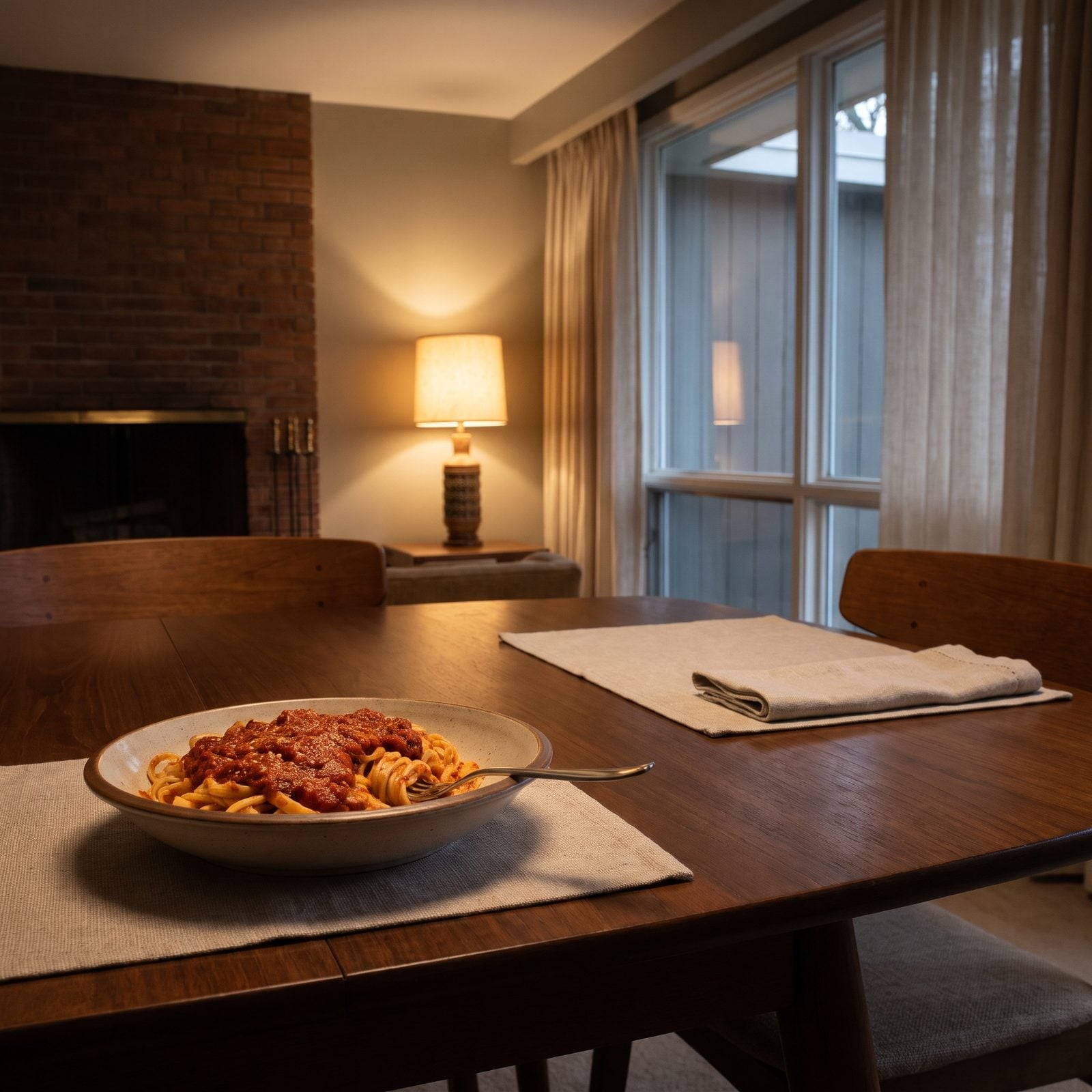
Someone says the pasta’s a touch underdone and your face goes hot. You didn’t hear a note about noodles. You heard a verdict on you. Two hours on that sauce, and now it feels like they’re rating your worth as a human being.
This is the exact nerve a new relationship presses when they gently point out something you did. The small feedback lands like a full rejection — that’s the ego fusing effort with identity. When you make something with your own hands, it stops being a dish and starts being a piece of you.
The cooks who improve fastest are the ones who learn to pry the two apart. The pasta was underdone. You are fine. Both things can be true, and holding that gap is its own quiet skill.
8. Your Mother Still Judges How You Season the Gravy
Would you like to save this?
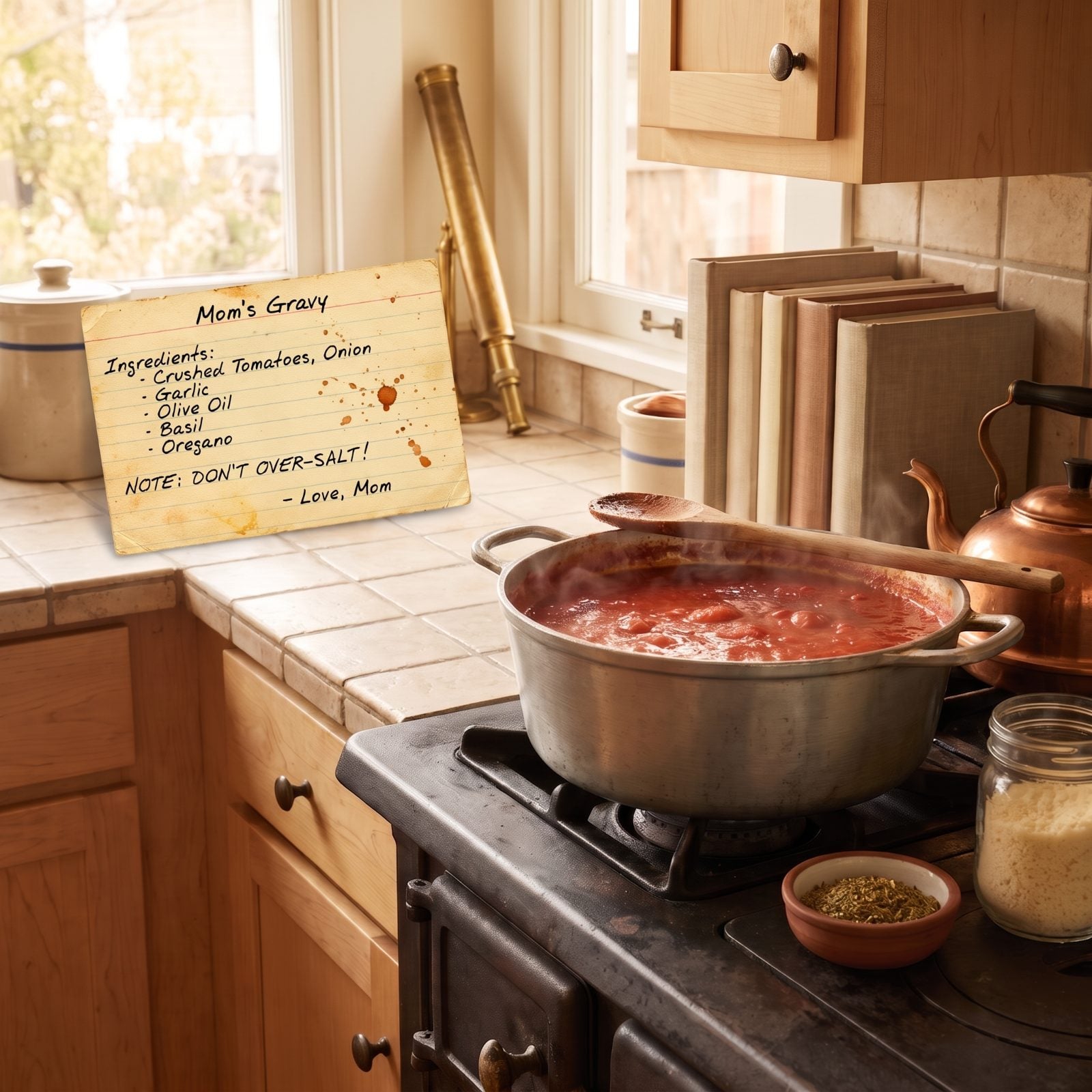
You’re a grown adult with your own kitchen and the gravy on the stove is good. Then the phone rings, or the visit happens, and suddenly you’re defending your basil choices to the woman who taught you to stir the pot in the first place. Her opinion carries a weight you can’t vote out.
Bring a new partner home and the same old gravity kicks in. A parent’s approval, even unspoken, bends the whole room. We never fully outgrow the voice that first told us whether we got it right.
7. Cooking Together Exposes Who Actually Cleans

Everyone wants to cook. The fun part is the stirring, the plating, the first bite. Then the meal ends, the sink becomes a graveyard of pots, and that’s where the truth comes out. One person vanishes. One person rolls up their sleeves.
Nothing reveals a partnership faster than the aftermath of a shared project. The romance is in the making; the character is in the cleanup. You find out who treats the invisible work as theirs too, and who just assumed it would magically happen.
The best cooking relationships, in the kitchen and out of it, are the ones where nobody has to ask. The towel just gets picked up. And honestly, that’s the whole thing. Love isn’t the dinner. It’s who’s standing at the sink at ten o’clock, still talking.
6. You Ask for Help Before the Sauce Splits
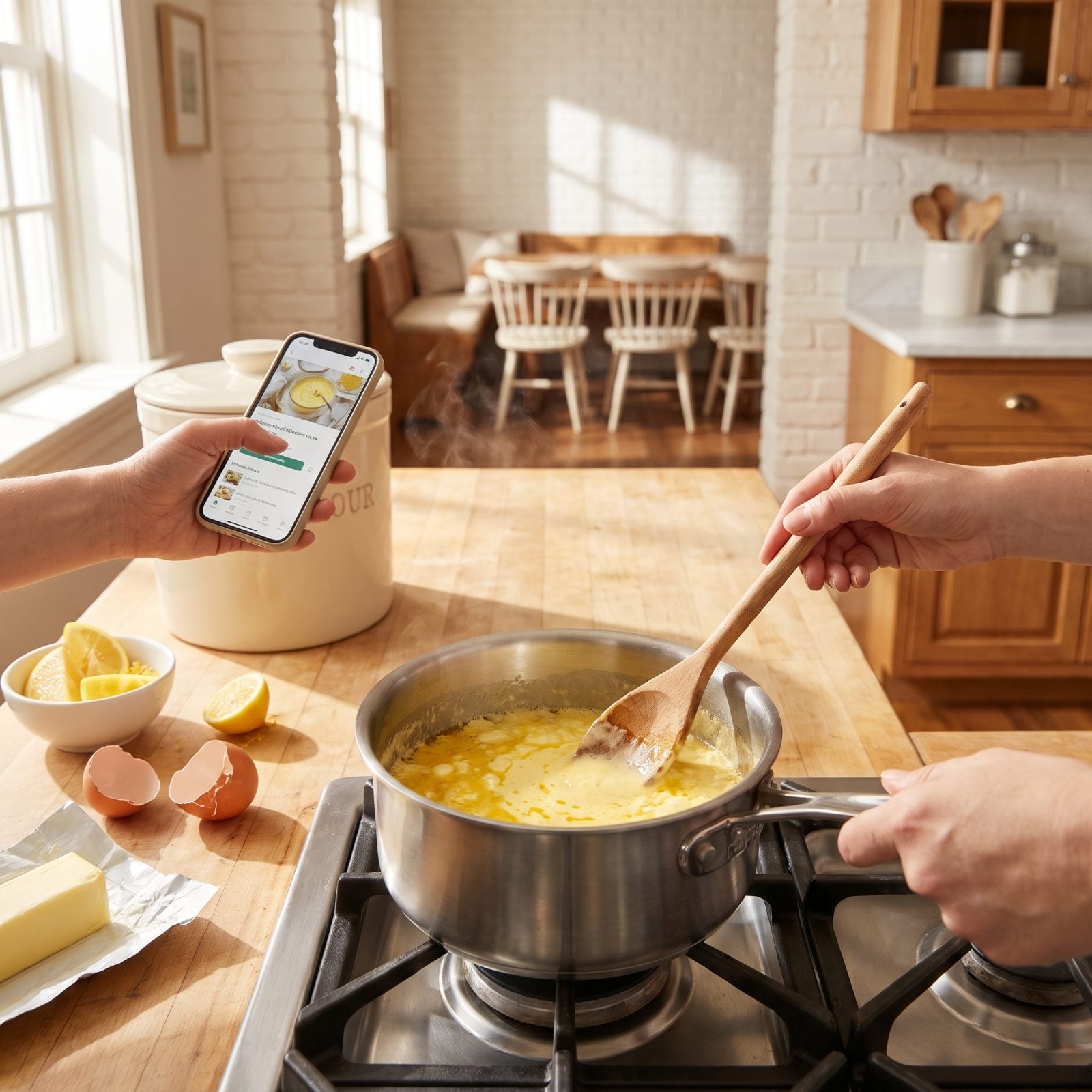
The sauce goes glossy, then grainy. You can watch it break right there in the pan, little slicks of butter pulling away from the egg. The old you would’ve kept whisking in stubborn silence until the whole thing was a greasy mess. The newer you grabs the phone and texts someone who actually knows, or just turns to the person standing in the kitchen, before you hit the point of no return.
Same impulse shows up in a new relationship. You feel something going sideways — a tone, a weird silence — and the grown-up move is to say so early, not three days later when it’s curdled past saving.
Call it the sunk-cost trap in reverse. We stay quiet because speaking up feels like admitting we can’t handle it. But a question asked early is cheap. Asked late, it turns into damage control. A split sauce can sometimes be coaxed back with a spoon of cold water and a steady hand, if you catch it in time. A split mood works about the same.
5. You Miss Takeout Most When Dinner Gets Complicated
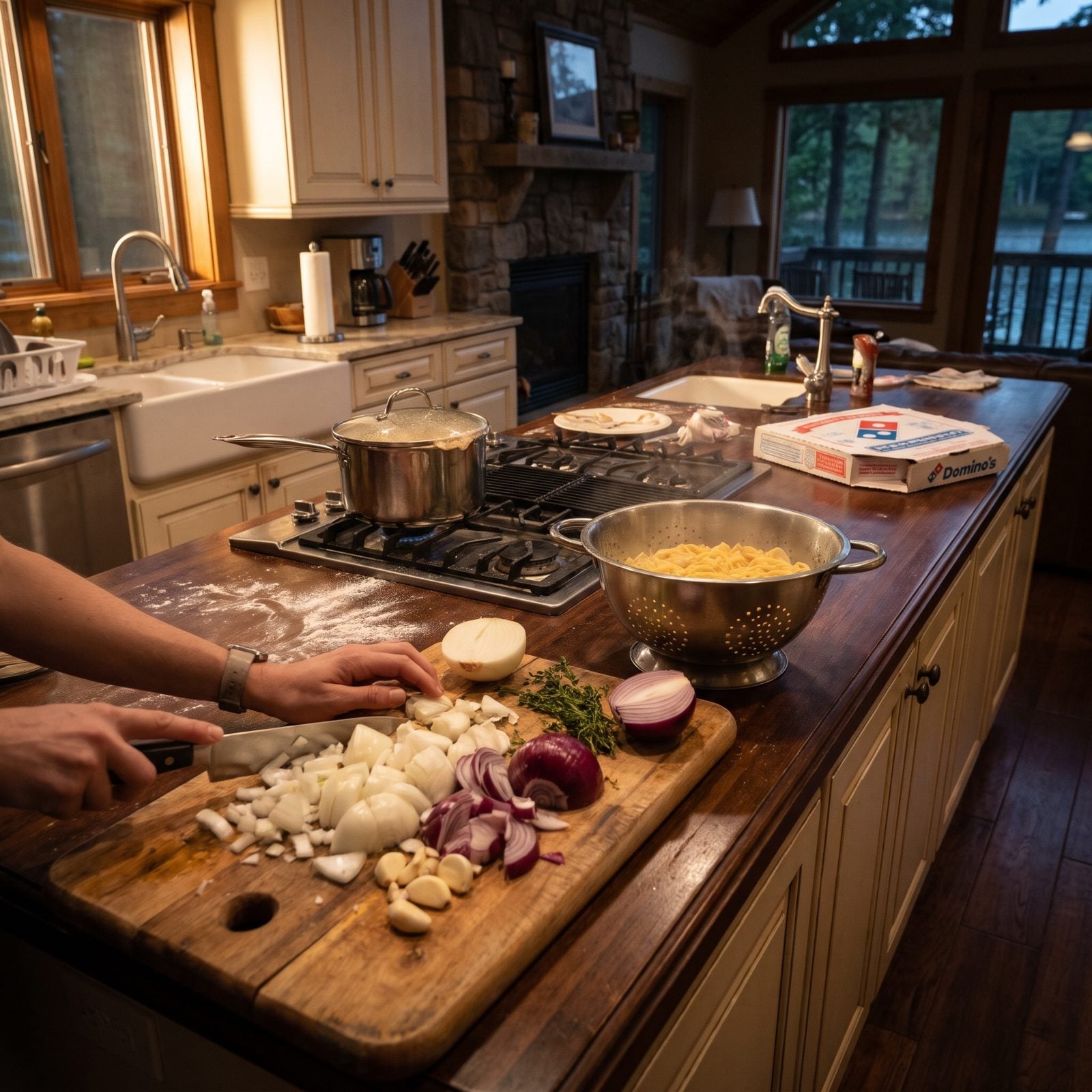
Everything goes wrong at once — the onions burning, the pot threatening to boil over, your feet aching. That’s the exact moment you think about the pizza place down the street. One phone call and this whole mess disappears, hot box on the counter in twenty minutes, no cleanup and no risk.
New relationships summon the same ghost. The second things get hard, the old flame or the easy ex or those comfortable solo nights start looking golden. Funny how they only glow when the present gets messy.
This is nostalgia pulling its oldest trick. Memory edits out the bad parts. You remember the warm box, not the grease, and definitely not the three years you ate it alone wishing for something better. The brain reaches for the familiar right when the new thing demands effort — the worst possible moment to trust that reflex.
The scratch dinner tastes better anyway. You just have to survive the burning-onions part first.
4. You Finally Admit You Hate Making Brunch
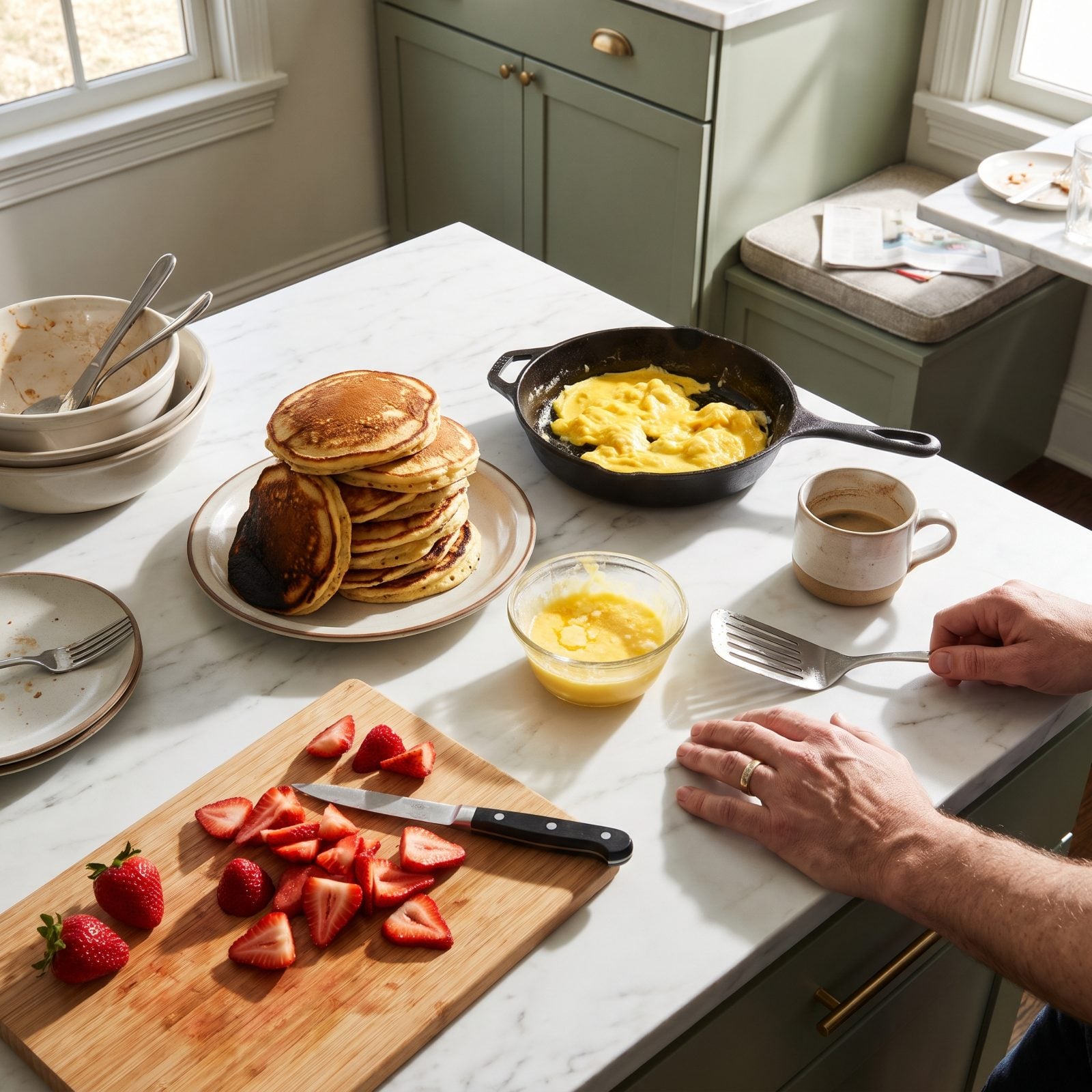
Everyone loves the idea of brunch. The person making it at ten on a Sunday — flipping pancakes while the eggs go cold and the hollandaise sulks in a bowl — does not. And at some point you quit pretending. You say it out loud: “I hate making brunch.” The kitchen gets about ten pounds lighter.
Early relationships run on a whole lot of pretending. You pretend you love hiking, or jazz, or their friend group, because admitting otherwise feels like a crack in the romance. Then one day you cop to the small dislike, and nothing breaks. If anything, it gets easier.
Honesty about the small stuff is how you earn trust with the big stuff.
Real intimacy isn’t agreeing on everything. It’s being able to name what you can’t stand without the whole thing wobbling. Brunch can be bagels and coffee. Nobody has to perform the ambitious version to prove they care.
3. You Forgive the Crooked Pie Because It Tastes Great
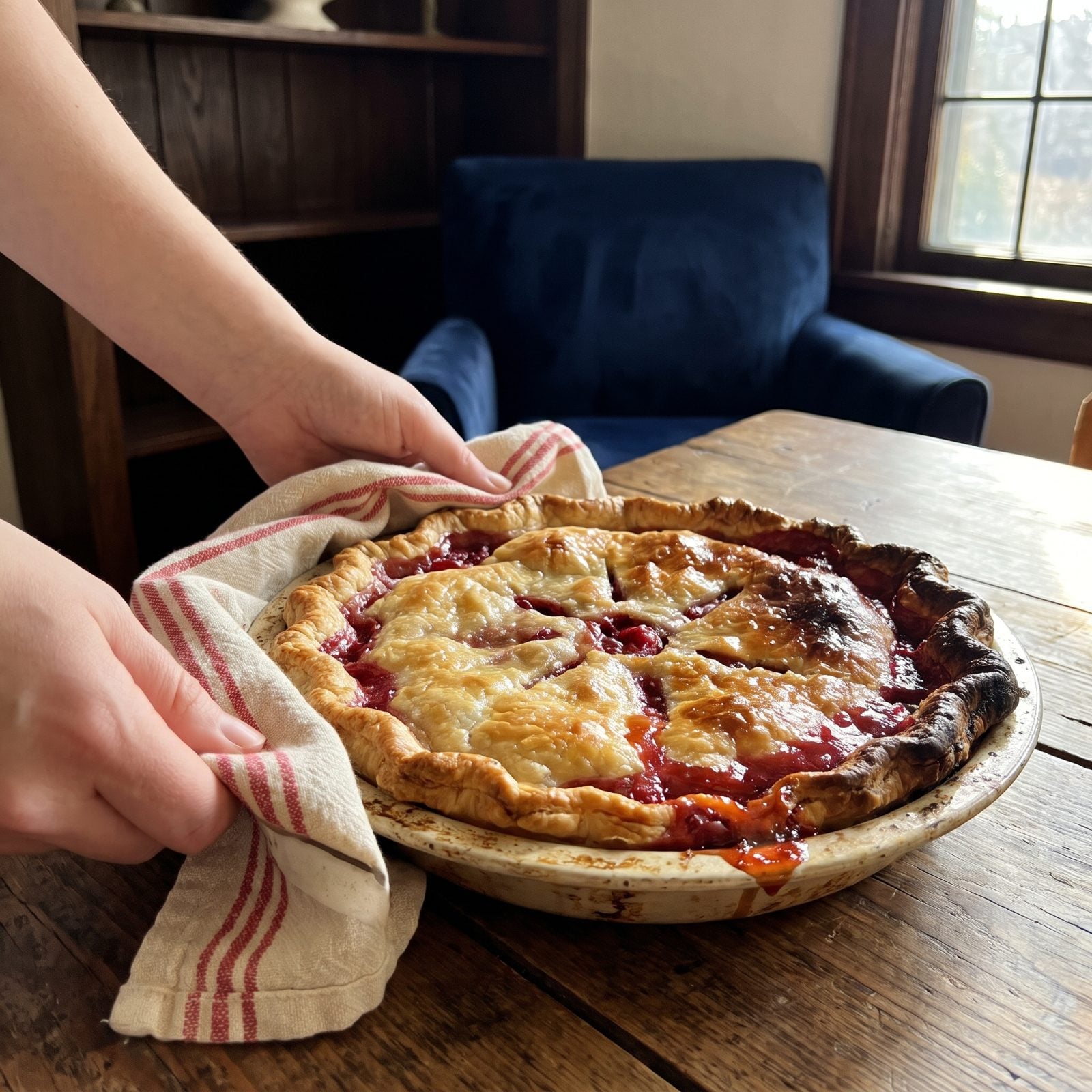
The crust came out lopsided — one edge darker than the other, the crimping collapsed on the left, juice bubbled over and scorched onto the pan. Then you taste it. Best pie you’ve made all year. Suddenly the crooked edge doesn’t register at all, and you’d make it exactly this way again.
This is the shift that tells you a relationship is turning real. Early on you catalog every flaw: the laugh that’s too loud, the habit that grates. Later those same flaws become part of why you love the whole person. Not in spite of. Alongside.
2. You Know It’s Serious When You Share the Good Pan
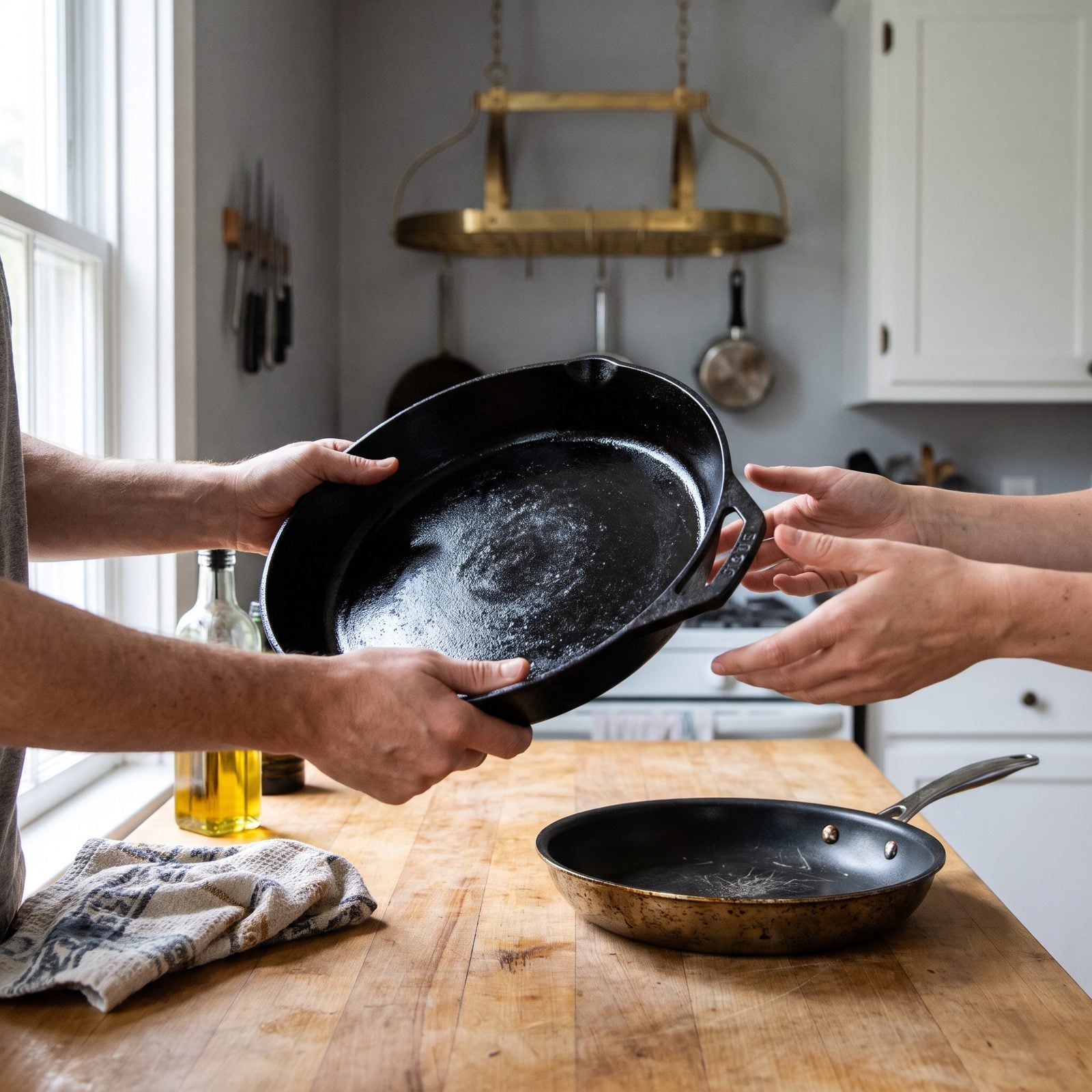
Every real cook has the good pan. The cast iron that took years to season, the one you’d never let anybody scrub with soap, the one you quietly reach for when a dish actually matters. For a long stretch, nobody else gets to touch it.
Then one day you hand it over.
You let them cook with it, and that gesture says more than anything you’ve managed out loud. We guard our best things, and not just the ones made of metal — the real stories, the soft underside, the parts we hide from people we’re still unsure about. Letting someone near the good pan is the same as letting them near all of that.
Trust isn’t a speech. It’s a handoff. You don’t announce that someone’s in. You just notice one day that you gave them the thing you give nobody, and it felt right instead of risky.
1. You Learn Dinner Doesn’t Need Fireworks Every Night

At first you try to impress. Every dinner becomes a project — a new technique, a mile-long ingredient list, something to prove you’ve got this. Then you settle into something better: a bowl of pasta with a good red sauce and some bread. Nothing to prove. Just warm and enough.
New relationships start on that same treadmill. Big gestures, planned dates, the quiet pressure to turn every night into an event. Exhausting, if you keep it up — and nobody can throw fireworks forever.
The research backs the relief. We adapt to peaks fast, a thing called hedonic adaptation, so the grand gesture stops feeling grand once it becomes the baseline. What actually holds up is the easy ordinary: the comfortable quiet, the simple meal, the night where nothing special happens and that’s precisely the appeal.
Learning that dinner can be plain and still be good is the same lesson as learning that love can be quiet and still be real. Honestly, the pasta tastes better once you quit trying so hard.
When Piaci Pizza readers loved a food photo and tapped a reason, “comfort” came out on top at 27%, ahead of “looks good” at 17%.