
Would you like to save this?
The notebook is new. The pen still works, and on the first page you’ve written, in handwriting that looks more hopeful than yours, Day 1. Breakfast is measured into a little bowl. You feel like a different person already, and it’s only 7:15 in the morning.
Please note that some of the images in this article were created with the assistance of AI.
That exact feeling has a twin. It lives inside every new job you ever started, every two-weeks’ notice you ever gave, every LinkedIn update that began with the word thrilled. The wiring that makes you swap keto for calorie-counting is the same wiring that makes you swap one cubicle for another. Same optimism, same comparison, same slow boredom, same quiet burnout. Pizza shows up eventually. It always does. Let’s look at the machinery underneath, one familiar scene at a time.
17. You Start Every New Diet on a Monday
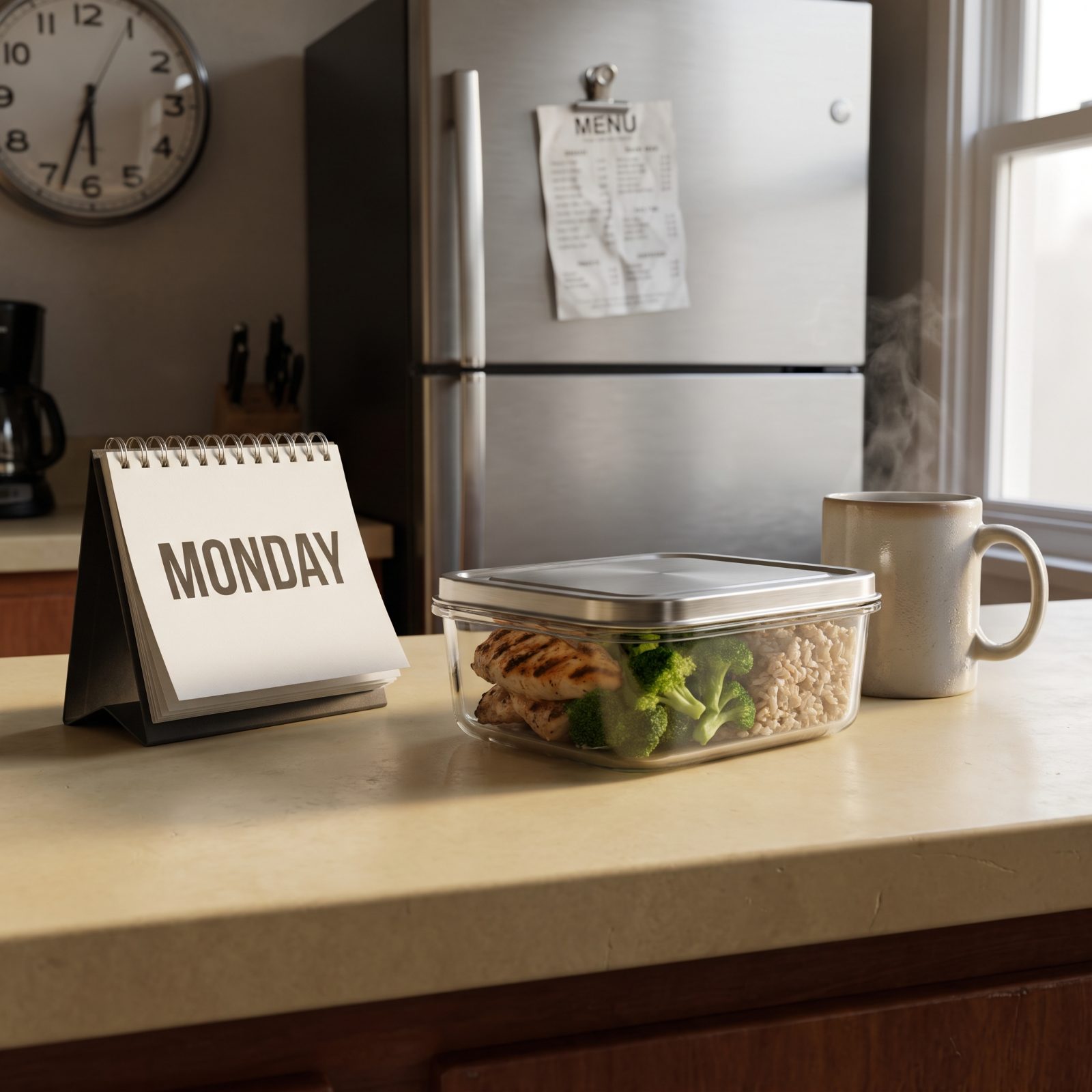
Nobody fixes their life on a Thursday afternoon. The reset waits for Monday, the way a career change waits for the new fiscal year, the new apartment, the clean birthday number. You give yourself a starting line so the mess before it doesn’t count.
Same instinct makes people hand in notice right after the holidays. The calendar hands you a clean slate, and a clean slate feels like a different person gets to walk through it. Researchers call it the fresh-start effect, the pull we feel toward new beginnings marked by a date. A Monday, a January, a Monday after a January.
Except the slate isn’t actually clean. You’re the same you with the same weekend habits. But the date gives you permission to pretend, and pretending feels wonderful for about four days.
16. The Before Photos Sell You Before Dinner Does

You bought the plan because of the picture. The tired, slouching body under BEFORE, the glowing, toned one under AFTER, a clean line splitting the two. By the time you got to the actual meal plan (chicken, again), you’d already signed up. The outcome sold you, and the daily reality came later, in small print.
Same move when a job listing leads with the ping-pong table and the stock options and the word family. You fall for the highlight reel and sign before anyone shows you the Tuesday staff meeting. Psychologists call this the halo effect: one glowing impression spreads a warm glow over everything you haven’t checked yet.
Nothing in the brochure is a lie, exactly. It’s just the best five seconds of a long, dull grind. And the grind is the part that decides whether it works.
15. First-Week Water Loss Feels Like a Promotion

Five pounds in seven days. You feel unstoppable, you tell a friend, and you’re already imagining where this goes by summer.
Most of it was water. Drop the carbs and your body dumps stored water fast, which is why every low-carb first week looks like a miracle. Real fat loss is slower and far less dramatic, but your brain already filed the early win as proof the whole plan is genius.
Call it the honeymoon raise. The new job where the first month is all praise and easy wins, before the actual difficulty arrives. We over-weight early feedback and assume the rate holds. It never holds. The quick number is the hook, not the pattern.
14. You Want Friday Results From Monday’s Meal Plan

You started Monday. By Friday you’re standing sideways in the mirror, disappointed. Five days. You wanted the body to turn the plan around like a quick email reply.
We’re terrible at estimating how long real change takes. The planning fallacy, it’s called: we picture the smooth version, the best-case timeline, and skip all the slow friction in between. You do it with diets and you do it with careers, wondering three weeks into a new role why you’re not running the department yet.
Results compound. They don’t show up on schedule because you asked nicely. The meal plan is doing its job quietly in the background while you stare at a calendar demanding a receipt.
13. Daily Weigh-Ins Make Every Fluctuation Feel Final

Up 1.4 pounds overnight. You ate a bowl of pasta and the scale punished you for it by breakfast. Never mind that it’s salt and water and the amount you ate was fine. The scale said up, so the day feels like a failure before it starts.
Watch something too closely and the noise drowns out the signal. Day-to-day weight bounces for a dozen harmless reasons, but check it every morning and each bounce reads like a verdict.
It’s the person refreshing their stock portfolio every ten minutes, letting a Tuesday dip rewrite a ten-year plan. Loss aversion makes the down days hurt about twice as hard as the up days feel good. So a flat week full of normal wobbles reads as decline, even when the trend line is going exactly where you want it.
12. One Scale Plateau Sends You Browsing New Plans
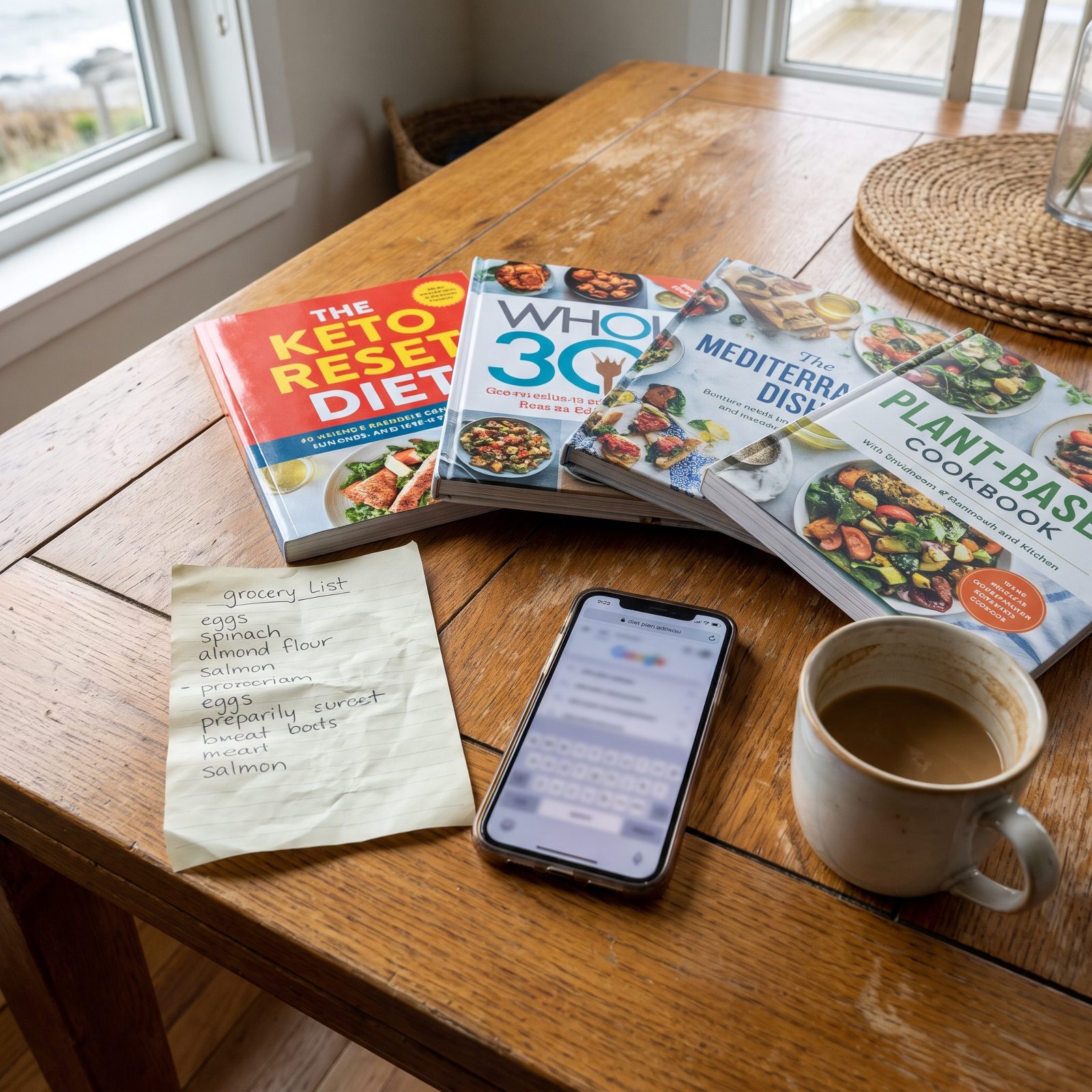
Three weeks in, the number stops moving. Not up, not down, just stuck. And within about an hour you’re reading reviews of a completely different plan, the one with the fasting windows, the one your coworker swears by.
The plateau isn’t failure. It’s the boring middle, the part where the easy wins are gone and the work gets real. But the grass over there looks greener, newer, un-plateaued.
You’ve watched this at work. Someone hits the dull stretch of a good job and starts scrolling listings, convinced the problem is the job and not the stage. We confuse novelty with progress. A new plan feels like forward motion even when all it offers is the fun of a fresh Day 1.
11. One Off-Plan Lunch Makes the Whole Diet Feel Ruined

One slice of pizza at the kitchen table. Fine, reasonable, normal. But by 2 p.m. you’ve decided the day is blown, so you might as well get the cookie too, and the real diet can start over on Monday.
One crack, whole dam. This is the what-the-hell effect, a documented thing: one small slip flips a switch from careful to reckless, as if the rule was all-or-nothing and you just lost it all.
Same logic torches careers. One rough week, one project that went sideways, and suddenly the whole job is a mistake and it’s time to quit. A single data point gets promoted to a conclusion. The pizza wasn’t the problem. The story you told about the pizza was.
What Our Readers Say
- When Piaci Pizza readers loved a food photo and told us why, “nostalgic” and “comfort” tied as the top reasons, each picked 22% of the time, ahead of simply “looks good.”
From Piaci Pizza reader polls and votes.
10. You Blame the Macros Before Checking Your Weekends
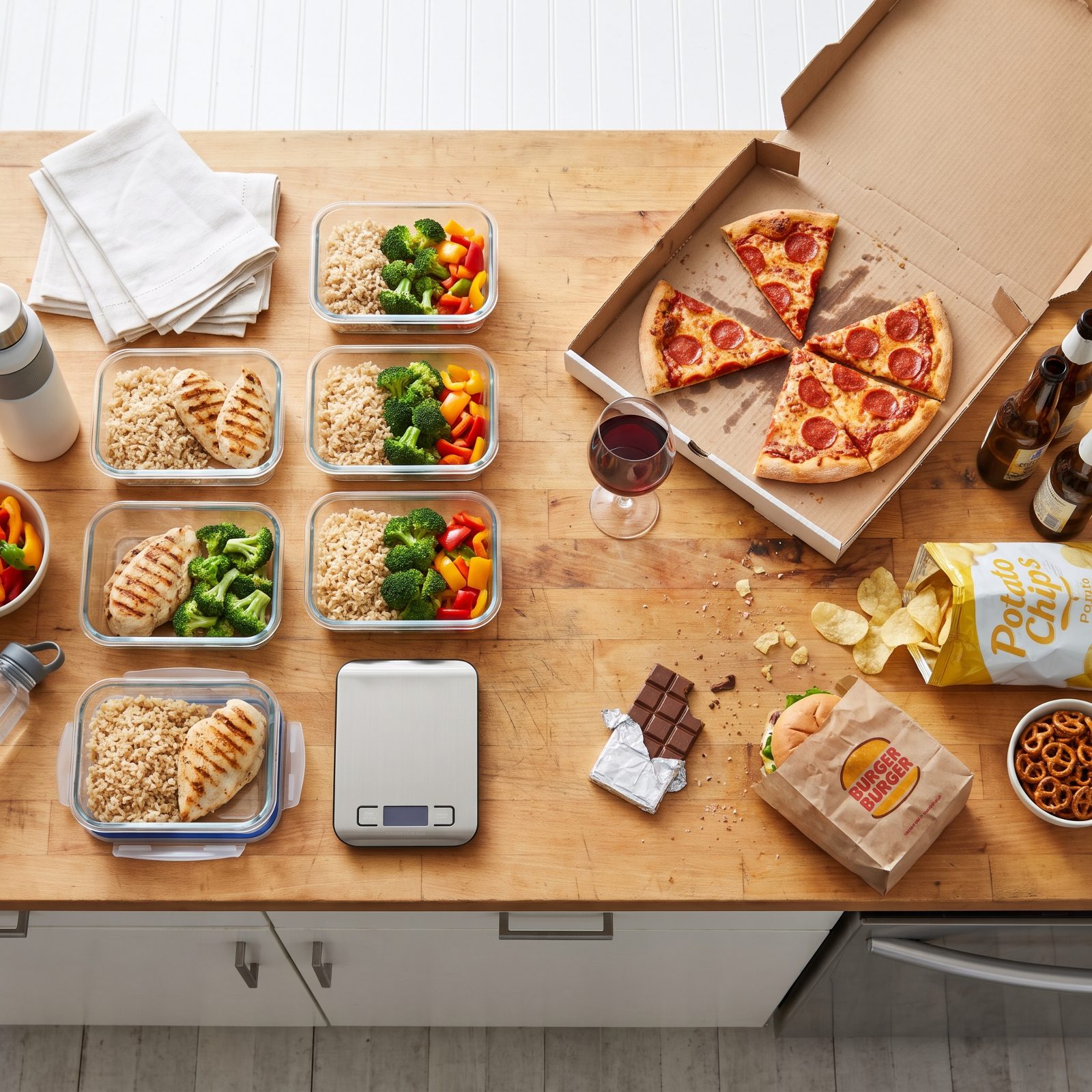
The plan isn’t working, you decide. The macros must be off. Too many carbs, wrong protein ratio, the app is miscalculating. You spend an evening re-engineering the spreadsheet.
What you don’t examine is Saturday. Or Sunday. The two days of generous estimates, the wine you forgot to log, the handful of this and that. Your weekday math is immaculate. Your weekend math is a rounding error the size of a pizza.
We reach for external reasons first because they’re easier on the ego. Self-serving bias, plainly: when something goes wrong, the cause is out there, never in here. It’s the employee certain the problem is management, bad tools, bad luck, anything but the three-hour lunches. Check your weekends before you rewrite your macros.
9. The Stricter Rules Somehow Look More Serious
Would you like to save this?
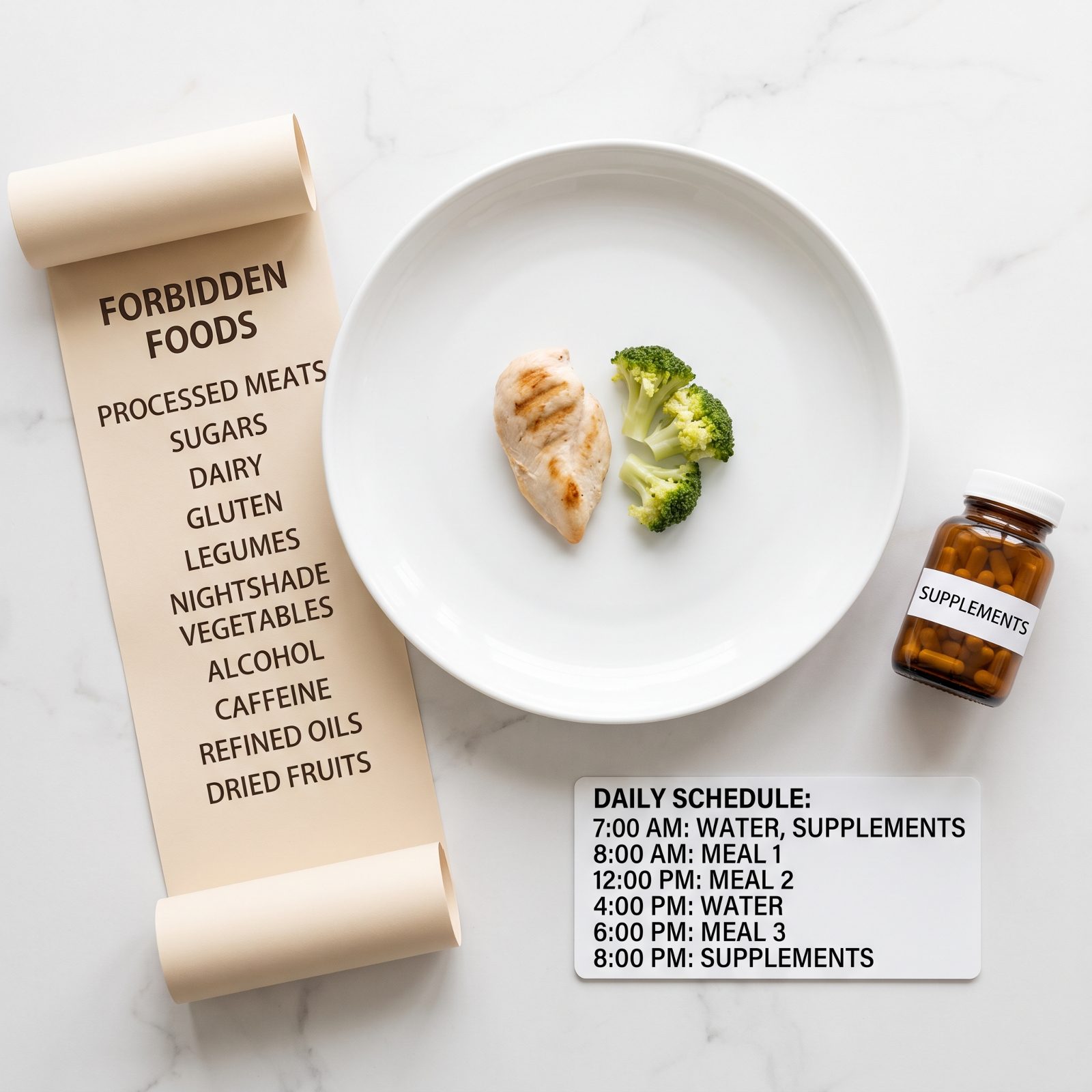
Between the plan that says eat reasonably and the plan with a long forbidden list, a clock-timed meal schedule, and a supplement schedule, the brutal one wins every time. It looks like it means business. The easy one feels like cheating.
We equate difficulty with value. If it’s hard, it must be working, and if it’s painful, it must be real. The effort itself becomes the proof.
Same reason people romanticize the grind at a punishing job, wearing the long weeks like a badge. Suffering gets mistaken for commitment. But the strictest plan is usually the one you quit first, because nobody lives on a knife’s edge for long. Sustainable beats impressive. It just doesn’t look as serious on a Monday.
8. Color-Coding Meal Prep Feels Like Actual Progress
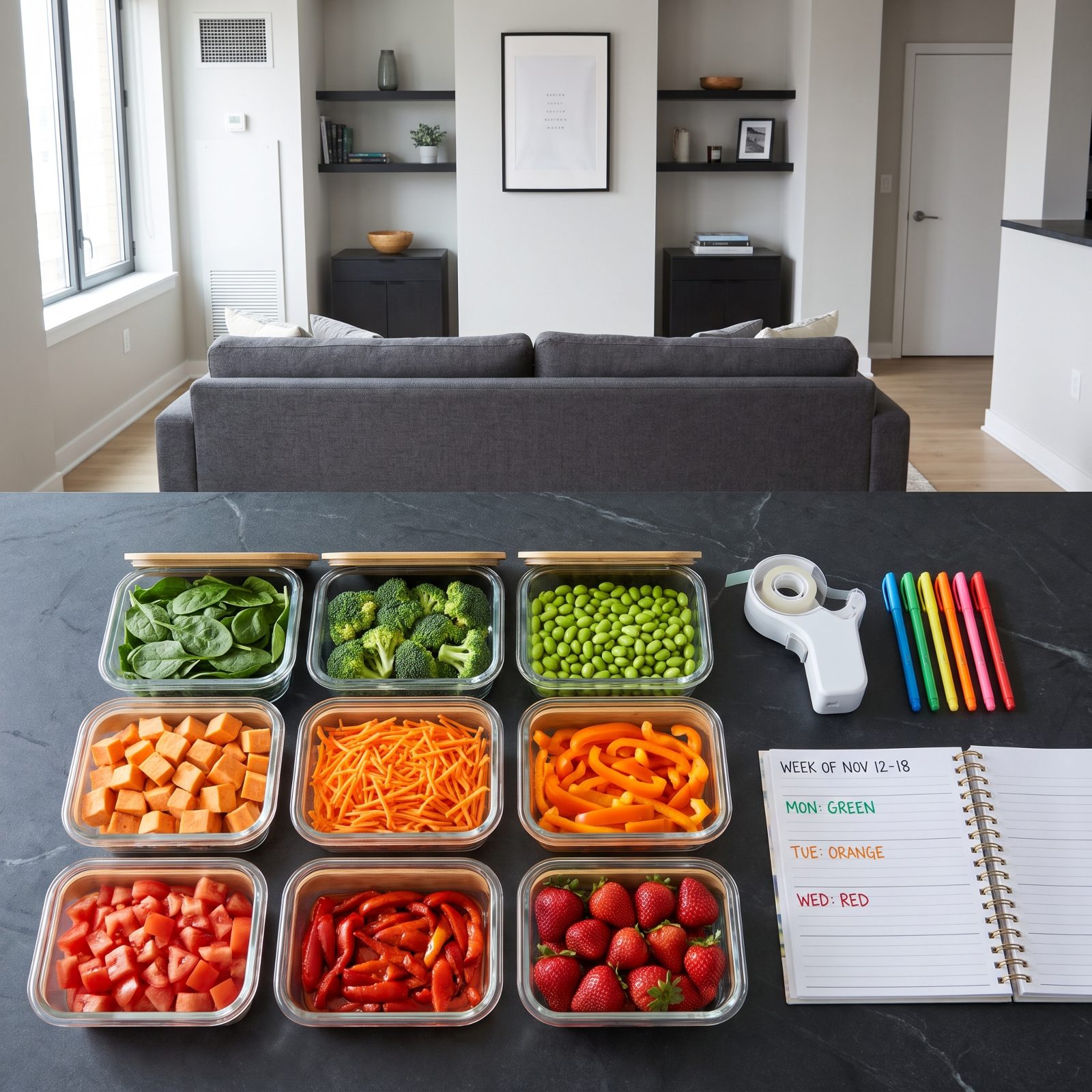
Sunday afternoon, and there’s a perfect grid of containers, labels aligned, a color-coded planner, new pens. You feel accomplished. You’ve eaten nothing yet and lost nothing yet, but the fridge looks like a magazine and your brain registered it as a win.
Organizing the work isn’t the same as doing the work, though it feels nearly identical. The prep gives you the satisfaction of progress without any of the discomfort of change. Motion that looks like movement.
You’ve seen it in offices. The person who color-codes the project plan, builds the beautiful spreadsheet, reorganizes the whole system, and somehow never ships the thing itself. We love the preparation because it’s the fun part, and it lets us postpone the hard part while feeling busy and virtuous.
The appeal of the process is real: our readers gave photos of cooking in progress more hearts than the other images in the same articles, 88% versus 82%.
7. Keto Becomes Your Personality Until Paleo Calls

Three weeks in, you knew your macros like a second language and you’d explain ketosis at a barbecue nobody asked. The bacon, the butter, the smug little glow of a plan that was working. Keto wasn’t a diet anymore. It was a flag you’d planted on your own identity.
Then someone mentioned paleo. Just mentioned it. And suddenly the butter felt like a compromise and grains were the enemy you hadn’t noticed yet. Sound familiar? It’s the same loop that runs through a career — the job title you introduced yourself by at parties, until a shinier field started whispering.
Call it identity fusion, where the thing you do becomes the thing you are. Here’s the trouble: identities built on a single system crack the moment a better-sounding system shows up. You weren’t really loyal to keto. You were loyal to the feeling of being the kind of person who had it all figured out.
6. A Friend’s Results Make Your Own Plan Look Worse

Your plan was fine. Good, even — you’d lost a little, you felt steadier, the clothes fit better. Then a friend announced their results and the whole thing curdled in your mouth.
They did it faster, on something you’d never tried, and now your perfectly reasonable chicken-and-broccoli lunch looks like a punishment for being behind. That’s social comparison doing its oldest trick, measuring your private progress against somebody else’s highlight reel.
It happens at work constantly. You liked your role until the college roommate posted the promotion, and your salary was plenty until the group chat leaked somebody’s bonus. The job didn’t change. The number in your head did.
And here’s the cruel part. Upward comparison rarely motivates — it mostly just poisons the thing you already have, right up until you quit it for the version that impressed you from a distance.
You weren’t unhappy with your plan. You were unhappy with how it ranked.
5. The Diet Group Chat Matters More Than Breakfast

The oatmeal went cold while you scrolled. Someone posted their weigh-in, someone else cheered, you typed a heart and a flexed-arm thing and felt, for a second, like you belonged to something.
The food was almost beside the point. The community was the meal, and that’s the part the diet industry figured out long before the nutrition science did. People stay for the people.
Same engine runs a job you’ve outgrown. You’re not staying for the work anymore — you’re staying for the lunch crew, the group thread, the sense that these are your people. Then the group energy fades, the chat goes quiet, and suddenly the whole thing feels pointless even though nothing about the actual plan failed you.
Belonging is powerful glue and a lousy compass. It keeps you somewhere long after it’s working, then lets you drift the instant the social part cools off.
4. You Leave a Good Menu Because You’re Bored

Nothing was wrong. That’s what made it hard to explain. The food tasted fine, you weren’t hungry, the scale was moving the right direction — and you quit anyway.
Boredom did it. The fourth identical salmon-and-asparagus container of the week stared back at you, and you thought, I cannot do this one more day, and off you went chasing novelty wearing a nutrition label.
We treat novelty like information. If something feels dull, we assume it must be deficient, so off we go looking for the next thing that sparkles. It’s hedonic adaptation — the pleasure of any routine fades on a schedule, and the fade feels like a signal to leave even when the routine is still serving you perfectly well.
Plenty of us have done this with jobs we should have kept. The work hadn’t gotten worse. It had just gotten familiar, and familiar started reading as failure. Boredom is honest about exactly one thing: that time has passed. It knows nothing about whether you should go.
3. Constant Hunger Turns Discipline Into Resentment

The first week, hunger felt like virtue. A little growl in the stomach was proof the plan was working, and you wore it almost proudly.
By week three it had turned mean. You snapped at people. You thought about bread the way a person thinks about an ex. Discipline had quietly become resentment, and resentment is what ends diets, not weakness.
White-knuckle restraint runs on a limited budget. Psychologists call it ego depletion, and whether or not the exact mechanism holds up, anyone who has tried to be good while starving knows the feeling in their bones. Self-control burns down, and when it’s gone you don’t make a careful decision. You rebel.
Jobs do this too. The grind you tolerated with gritted teeth becomes the grind you suddenly, violently cannot stand, usually right after one small thing too many. You didn’t change your mind. You just ran out of the fuel it took to keep pretending the deprivation was fine.
2. You Rewrite the Rules Just to Feel in Charge

You took keto’s fats and paleo’s ban on grains and intermittent fasting’s clock and stitched them into something only you understood. A personal constitution. The Franken-diet nobody prescribed.
And honestly? It felt great. Not because the hybrid was smarter, but because you’d made it. Call it the IKEA effect, where we overvalue what we built ourselves, even when the store-bought version worked fine.
The rule-rewriting is really about control. When a plan is handed to you, following it feels like obedience. Author your own version, though, and suddenly you’re the boss of your own body — and that feeling is addictive enough that people keep tinkering past the point of usefulness.
People do this with their jobs, too. They don’t quit. They redesign the role, invent a new title, carve out a side project, anything to feel like the one drawing the blueprint instead of the one following it. The motion isn’t about results. It’s about agency. Sometimes the most satisfying thing isn’t a better plan — it’s a plan with your fingerprints all over it.
1. The Old Diet Looks Better After Enough Time

Funny how the diet you swore off starts looking good again. The one you quit in a huff, the one that made you miserable, the one you couldn’t wait to escape. Give it a year and your memory quietly sands off the misery and keeps only the results.
That’s rosy retrospection, the brain’s habit of remembering the past kinder than you lived it. The hunger fades from the recording. The weigh-ins stay. So you circle back, convinced this time will be different, forgetting it’s the same plan that drove you out the last time.
People do this with old jobs constantly. The company they fled becomes, in hindsight, the good old days — right up until they walk back through the door and remember exactly why they left.
Nostalgia is a beautiful liar. It tells you the past was warmer than it was, and the whole cycle starts over, a merry-go-round with a buffet in the middle.