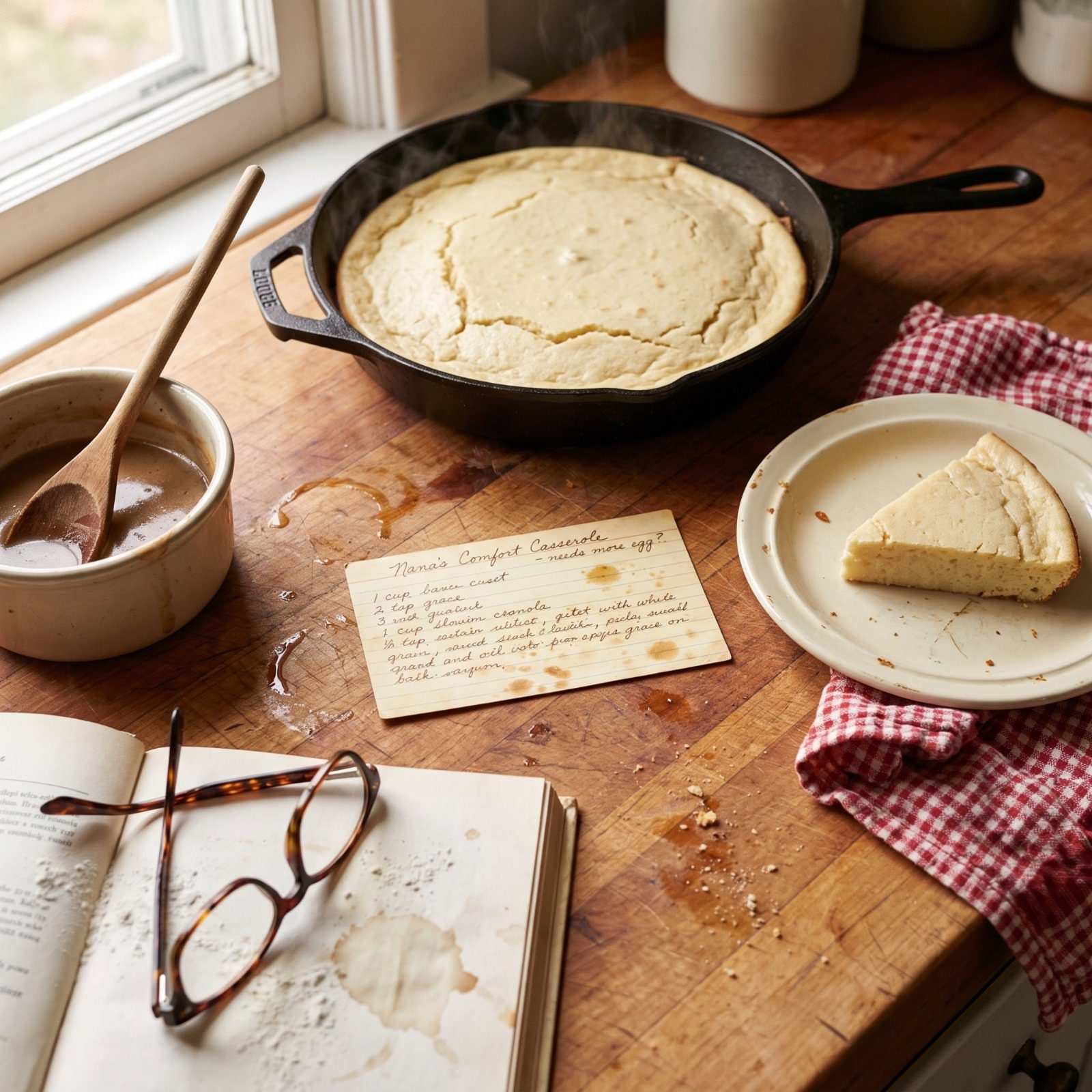
There’s a recipe in your box right now that has never once worked. Not once. You know the exact page it’s clipped to, the grease stain in the corner, the way the ink bled where something splashed years ago. And every few months you make it again, hoping this time the gravy sets or the crust crisps or the family goes quiet with pleasure instead of politely reaching for more bread.
Please note that some of the images in this article were created with the assistance of AI.
The strange part isn’t that the recipe fails. It’s that you stay with it. You defend it. You blame yourself. The same machinery that keeps a bad dinner in rotation keeps people parked in relationships that quit years ago — same wiring, different disappointment. Let’s walk through it, because once you see it on the kitchen counter, you can’t unsee it anywhere.
13. You Keep Cooking It Because Grandma Wrote It
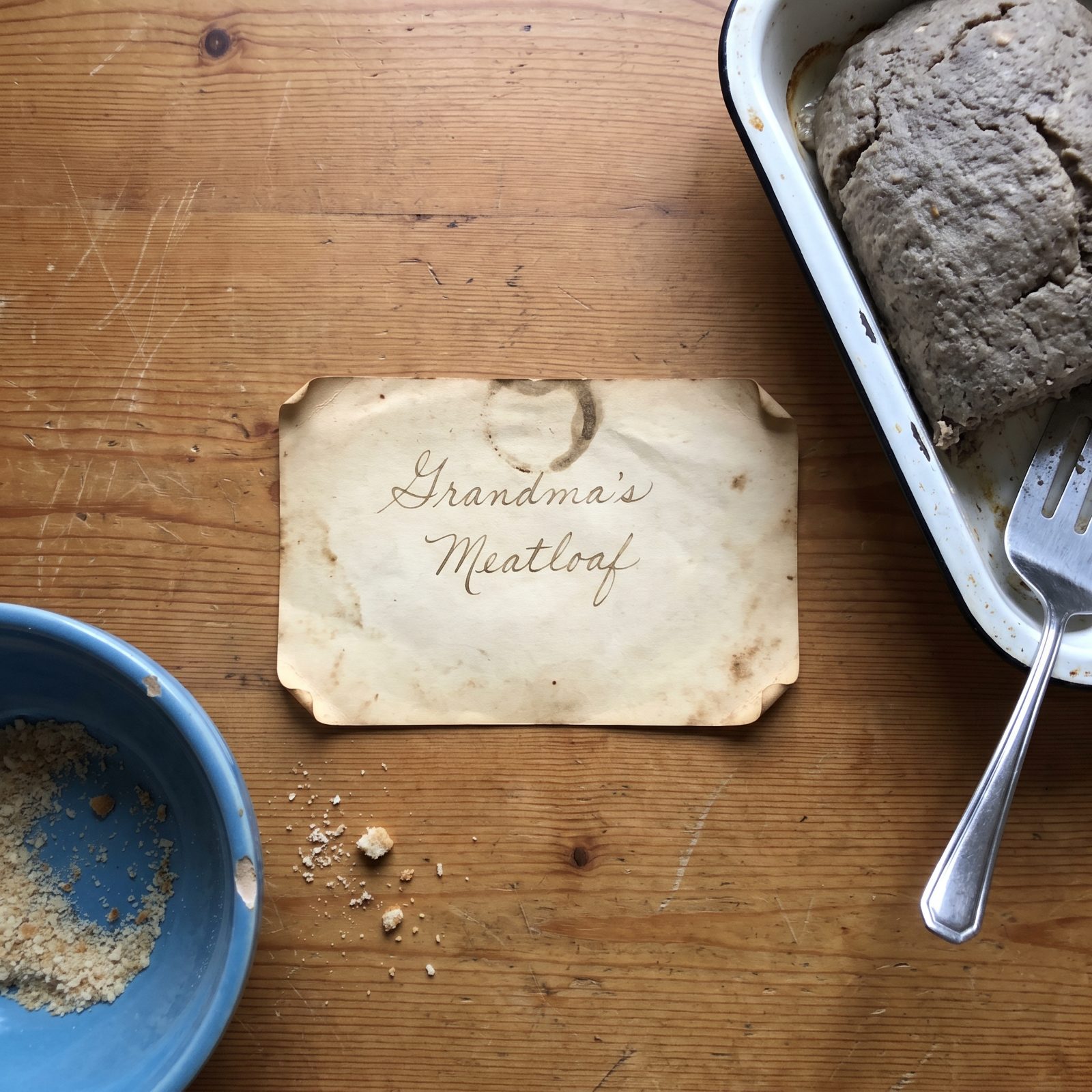
The handwriting is the whole problem. If a stranger had typed this recipe, you’d have tossed it after the second failure. But it’s in her loops and her abbreviations, the word “pinch” that means nothing measurable, and so you keep it like a relic instead of a method.
People do this with relationships, too. They stay for the history, the shared years, the we’ve come this far. The dish isn’t good. The marriage isn’t good. Both carry a signature you feel guilty erasing.
12. Five-Star Reviews Make You Doubt Your Own Taste
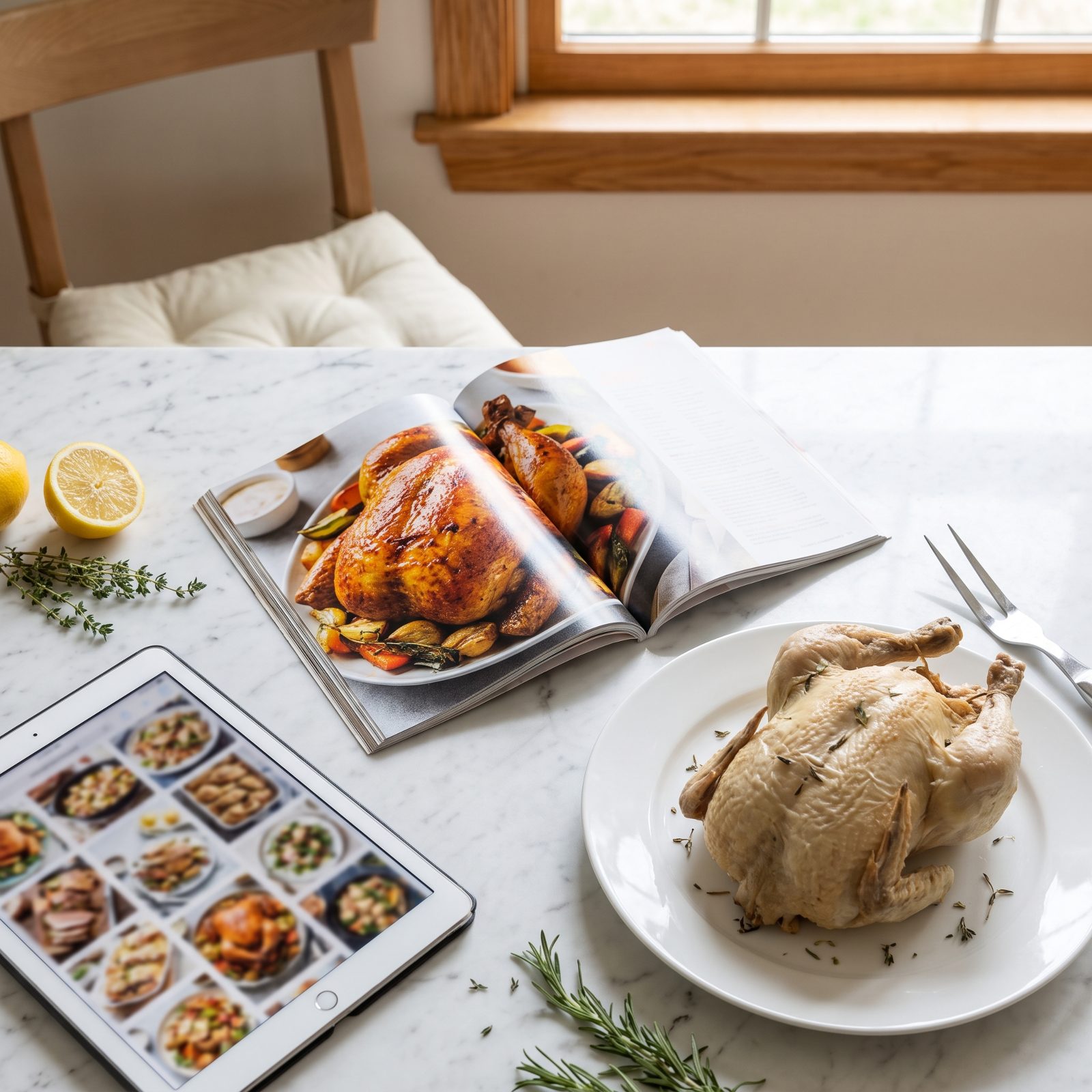
Hundreds of people gave it five stars. They all said their family wept with joy. And your version came out like a rubber mallet, so clearly the failure is you, right?
That’s social proof doing its quiet damage. When a crowd insists something is wonderful, you start distrusting your own tongue before you distrust the recipe. It’s the same voice that tells someone everybody else’s marriage looks fine, so the misery must be a personal defect.
Nobody admits the obvious: a lot of those reviews are from people who swapped half the ingredients, or who were just relieved dinner happened at all. The crowd is not tasting what you’re tasting. Trust the fork in your hand over the stars on your screen.
11. You Blame Yourself When the Soufflé Falls Again
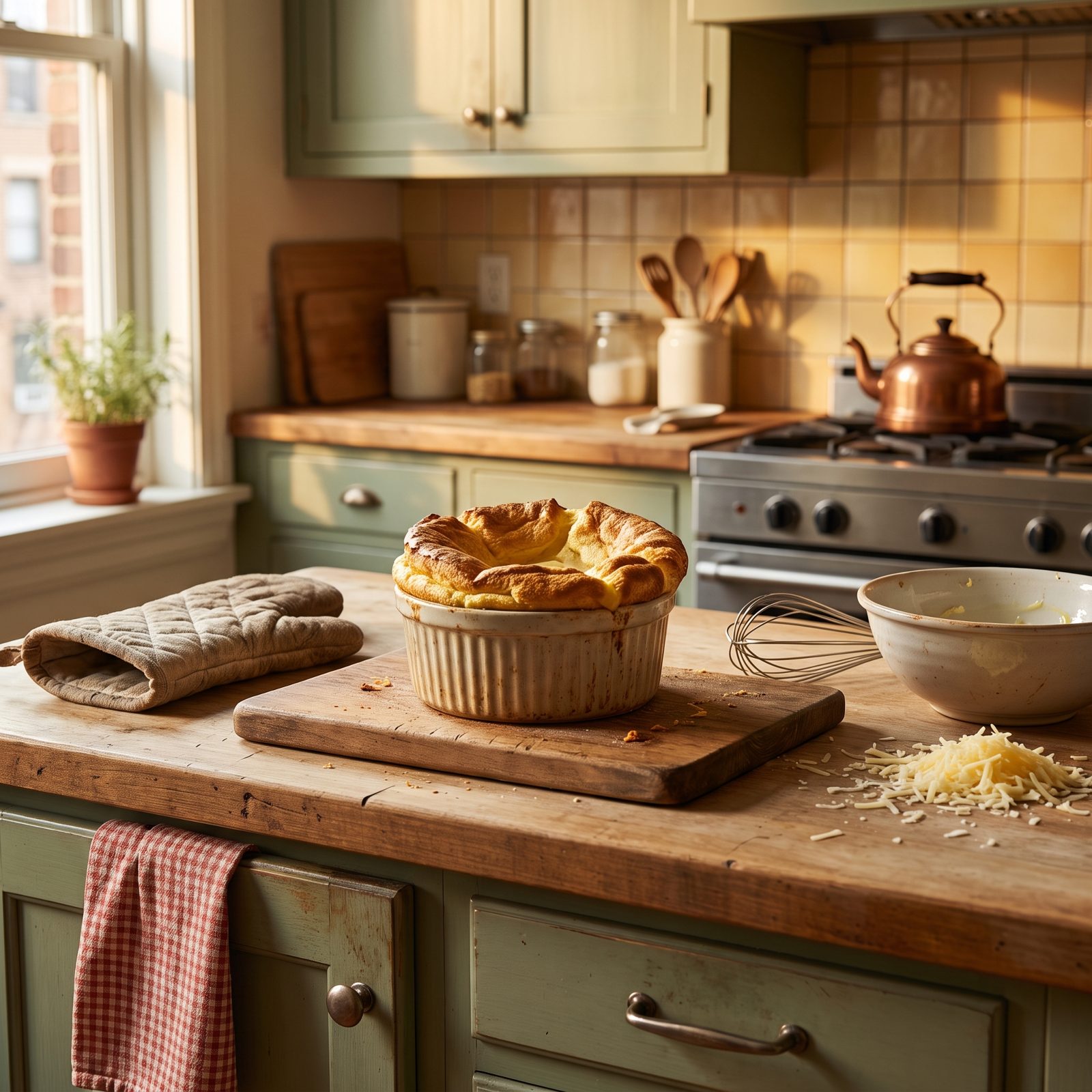
Three times now, and three times it’s sunk like a tired balloon.
You open the oven, your shoulders drop, and the first thought is always the same: What did I do wrong this time. Never once: this recipe is finicky garbage written by someone who got lucky in a professional kitchen with professional equipment.
Self-blame is sticky. It keeps people inside bad situations by convincing them the problem lives in their own hands. If only I’d folded gentler. If only I were more patient, more organized, more lovable. The recipe never has to answer for itself because you’ve already confessed on its behalf.
10. One Lucky Batch Keeps the Hope Alive
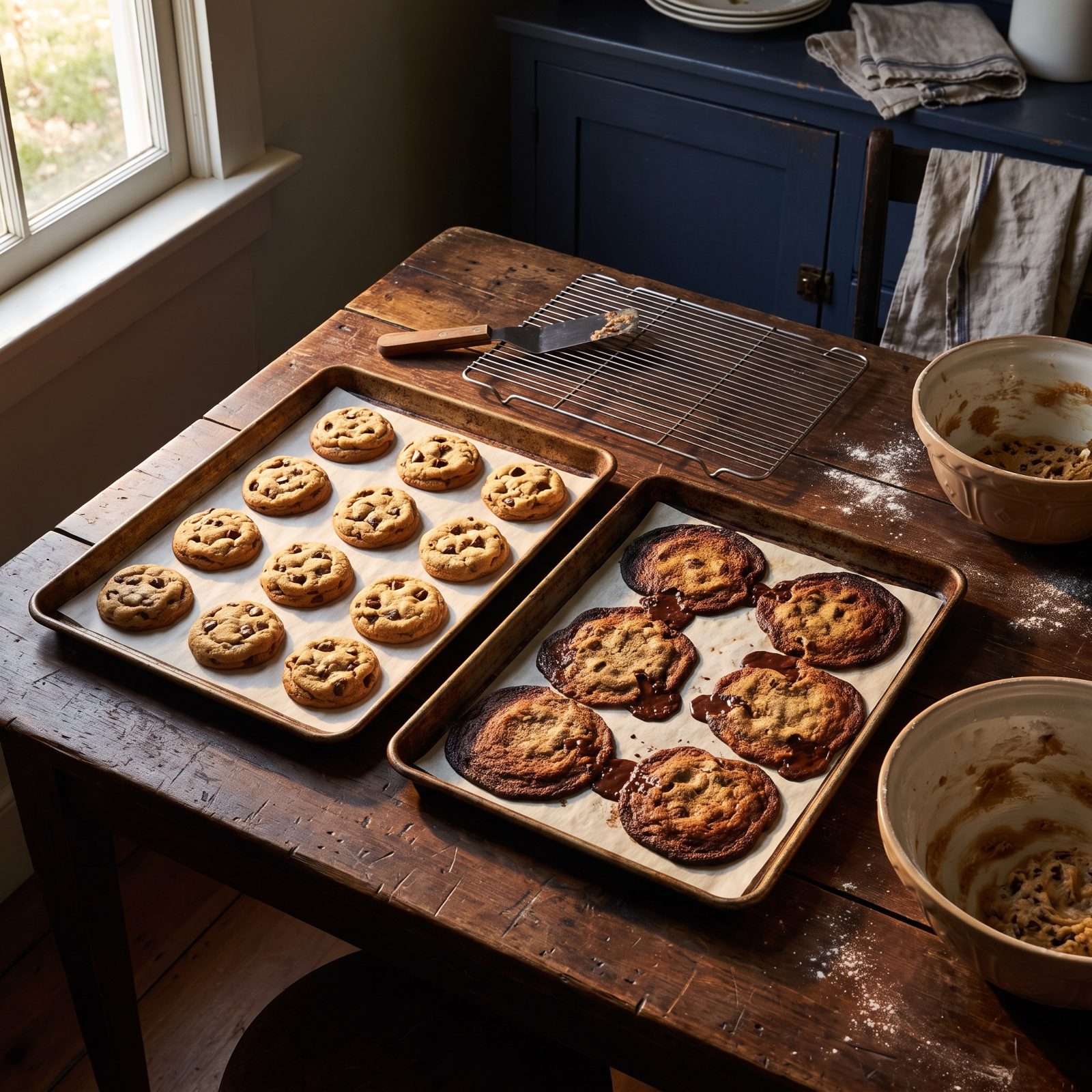
Once, maybe two years ago, the cookies came out exactly right. Crisp at the edge, soft in the middle, gone within the hour. You’ve been chasing that single batch ever since, through a dozen flat, sad, spreading failures, certain the good version is the real one and the bad ones are flukes.
They’re not flukes. The flukes were the good batch. But intermittent reward is the strongest hook in the human brain. A slot machine that paid out every time would bore you stiff. It’s the sometimes that keeps you pulling the lever.
9. You Bought the Special Pan, So You’re Committed

The pan cost real money. It’s heavy, it’s copper, it has those elegant ridges, and it lives in the back of the cabinet because the recipe that requires it has never produced anything worth the effort. But you spent the money, so you keep trying to justify the purchase through repeated suffering.
Sunk-cost thinking at its purest. The dollars are already gone. They will never come back no matter how many bad bundts you force out of that tin. Yet we treat the spending as a debt the future must repay, which is exactly how people reason themselves into staying: we bought the house together, we planned the whole life, I can’t waste all that.
You already wasted it when you bought the wrong thing. Everything after is just extending the loss.
8. You Keep Adding Tweaks Instead of Starting Over
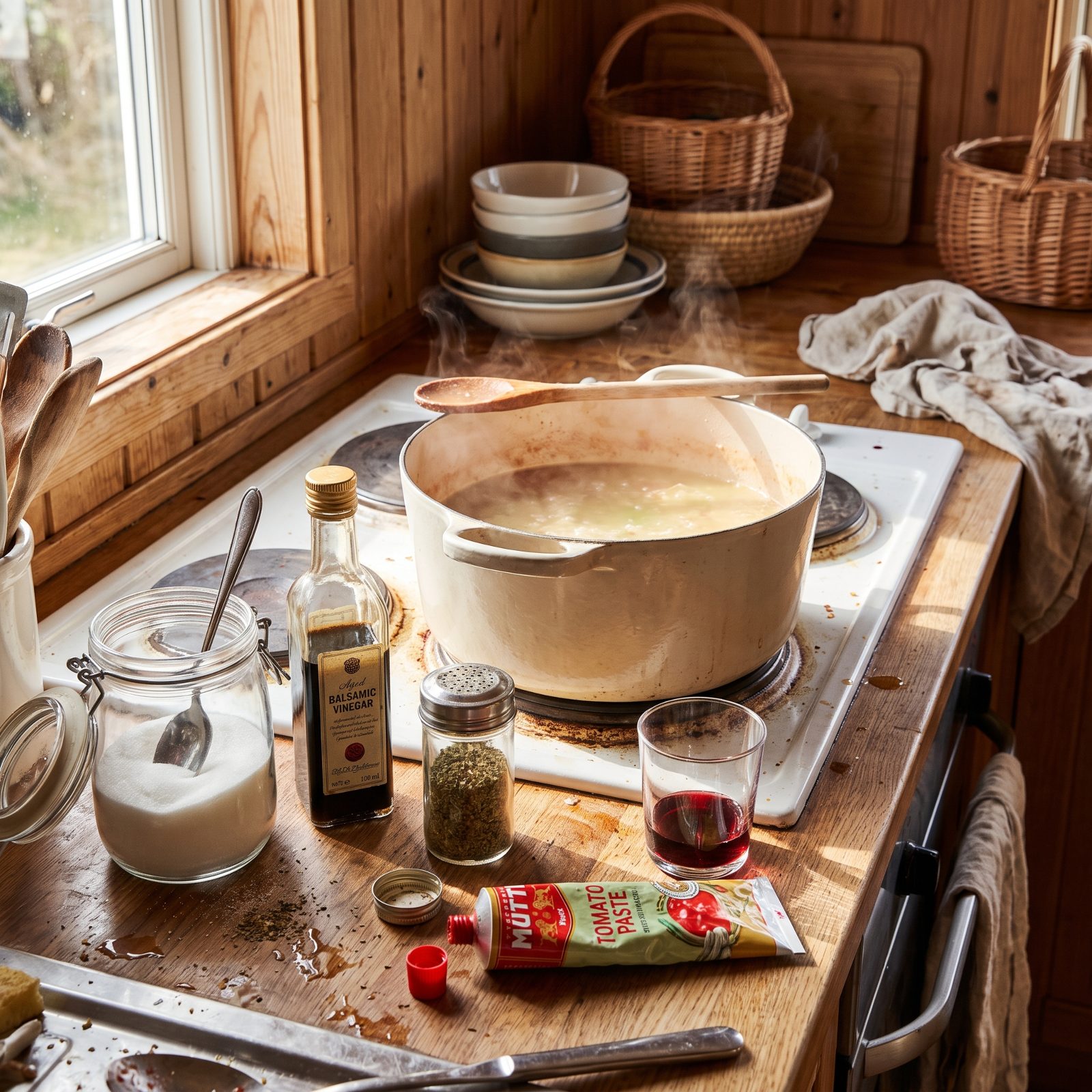
A little more salt. Maybe a pinch of sugar to cut the acid. A splash of wine. Some herbs, a squeeze of paste, a touch of butter at the end. A dozen amendments later, the sauce is still wrong, and you’ve burned an hour patching a thing that needed to go in the trash at minute five.
Nobody wants to admit the base was the problem, so we tinker. We fuss at the edges while the foundation stays broken, because admitting the foundation is the issue means admitting the whole project was a mistake.
Endless tweaking is how we avoid the one honest decision: start over, or stop.
People do this for decades. Counseling, a new vacation, a kitchen remodel, anything but naming the actual crack in the floor.
7. The Shopping List Is Automatic, Even When Dinner Disappoints
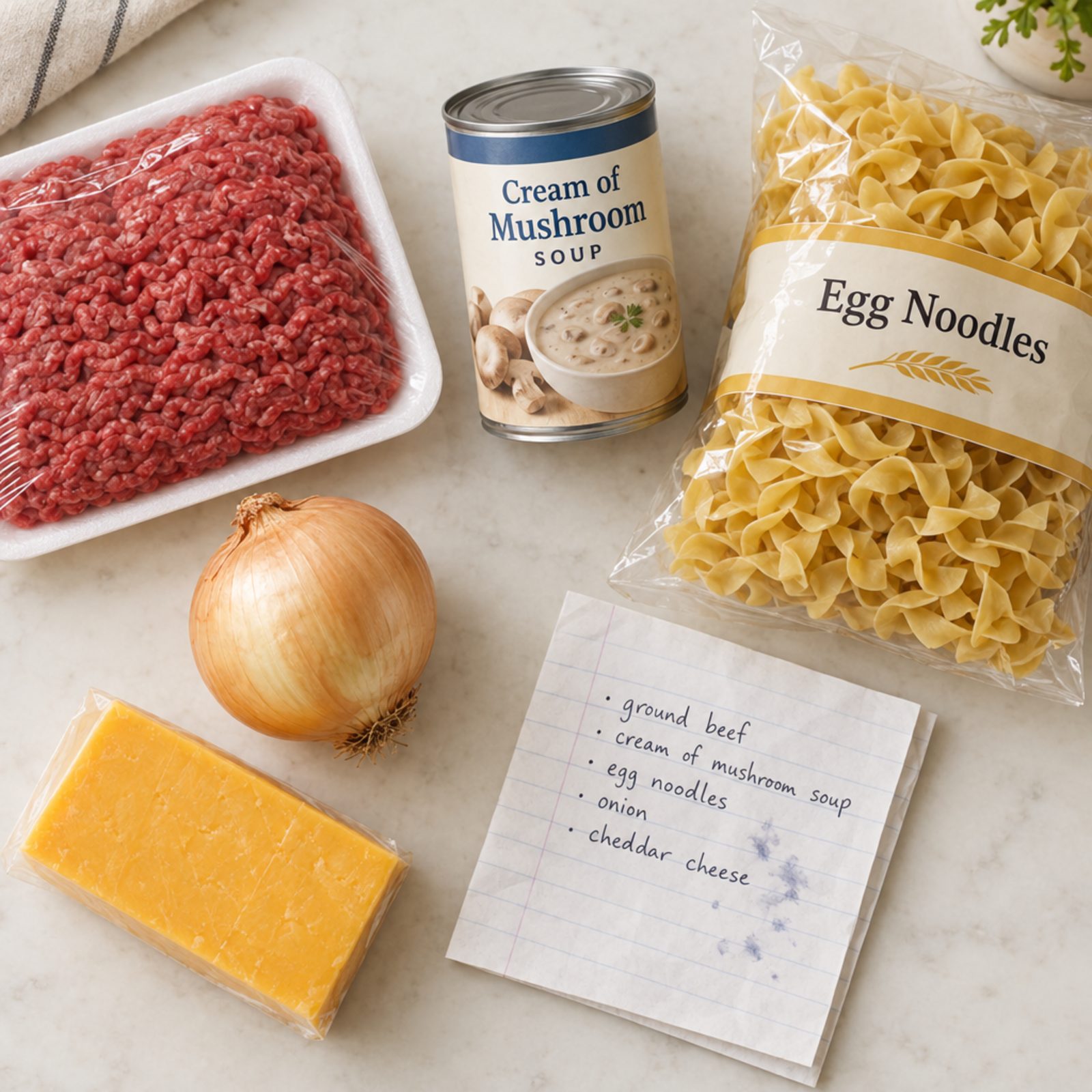
Your hand reaches for the same ingredients every week without a thought — the noodles, the soup, the ground beef, the onion. You could do it blind. And you make the casserole again on Thursday even though Thursday’s casserole has disappointed you something like forty times running.
Habit is a groove worn so deep you stop noticing you’re in it. The behavior runs on autopilot long after the pleasure drained out of it. This is how routines outlive their reasons, in kitchens and in whole lives. The motions continue because stopping would require a thought, and we’re very good at not having that particular thought.
6. You Defend It Because You Served It Publicly

You brought it to the potluck. You said, with a little pride, “it’s an old family recipe,” and people nodded and took a serving. Now you can never admit it isn’t good, because admitting it would mean you were wrong in front of witnesses.
Public commitment locks us in harder than private belief ever could. Once we’ve stated a position out loud, backing down feels like exposure. So we defend the dry pot roast at every gathering, the same way people defend choices they made publicly long after the feeling behind them went cold.
Consistency is a trap dressed up as integrity. Changing your mind in private costs nothing. Changing it in public costs face — and most of us would rather eat the bad roast forever.
5. You Call It Authentic When It’s Simply Not Delicious
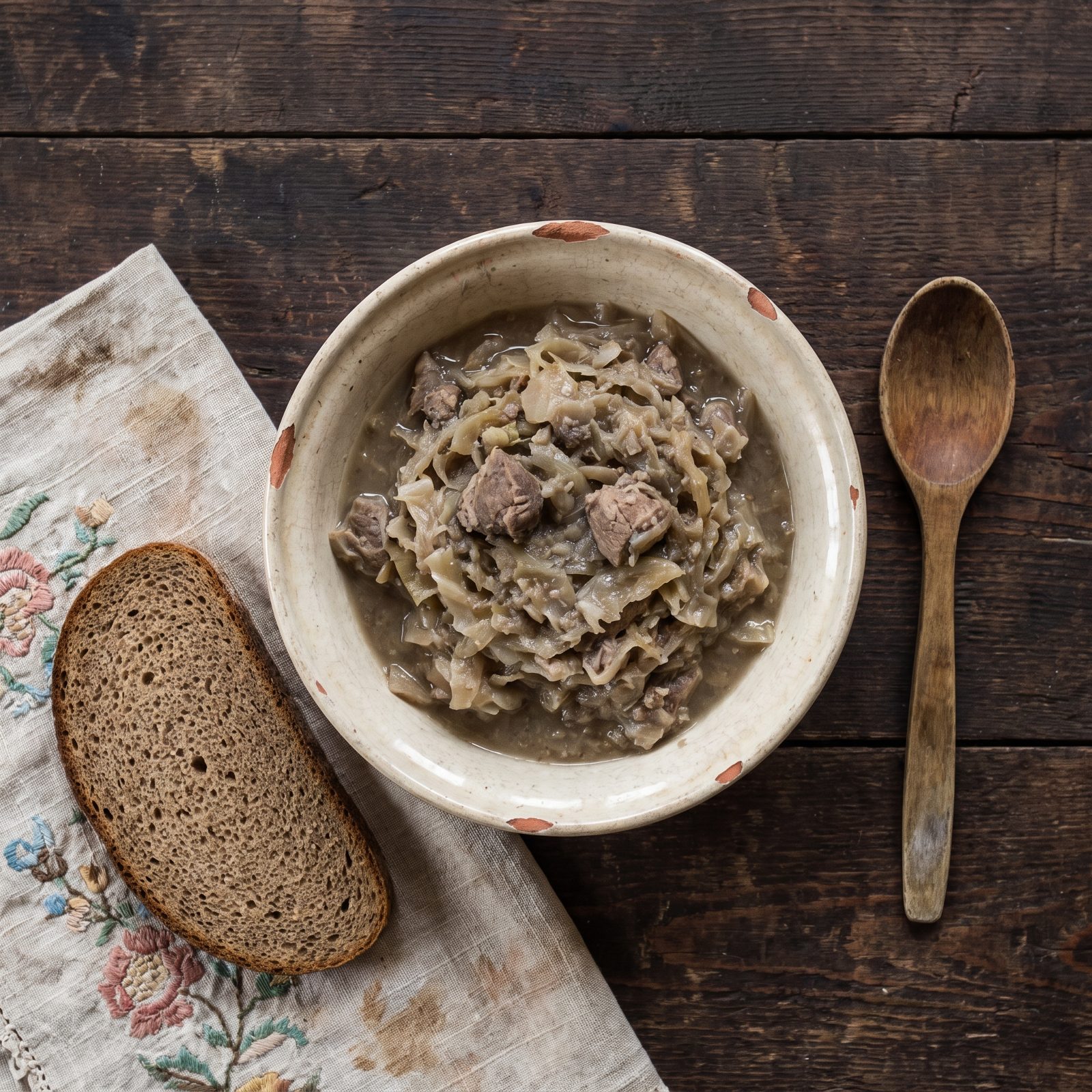
It’s gray. It’s bland. It smells faintly of boiled regret. But it’s authentic, it’s how it was done in the old country, and so you keep making it and keep serving it and keep calling its blandness a virtue.
“Authentic” is a powerful word because it reframes a flaw as a value. The dish isn’t boring, it’s traditional. The marriage isn’t dead, it’s loyal, it’s built to last. We rebrand what isn’t working so we never have to measure it against the simple question of whether it brings us any joy.
4. You Remember the Compliments and Forget the Leftovers

You remember the one time your brother-in-law said “this is great.” You remember it vividly, three years later, like a trophy. What you don’t remember is the dish going back in the fridge nearly full, sitting there for a week, finally getting scraped into the trash.
Memory is a flattering liar. It keeps the compliments and files away the evidence, polishing the past until a mediocre thing looks beloved. We do this with every relationship worth examining: the good moment plays on a loop while the ordinary disappointment of the daily leftover gets no airtime at all.
The leftovers are the truth. Count the leftovers, not the compliments. If the dish vanishes every time, people love it. If it comes back to you cold and uneaten, you have your answer, and no amount of fond memory should outvote a full fridge.
3. You Lower Expectations Before the First Bite Arrives
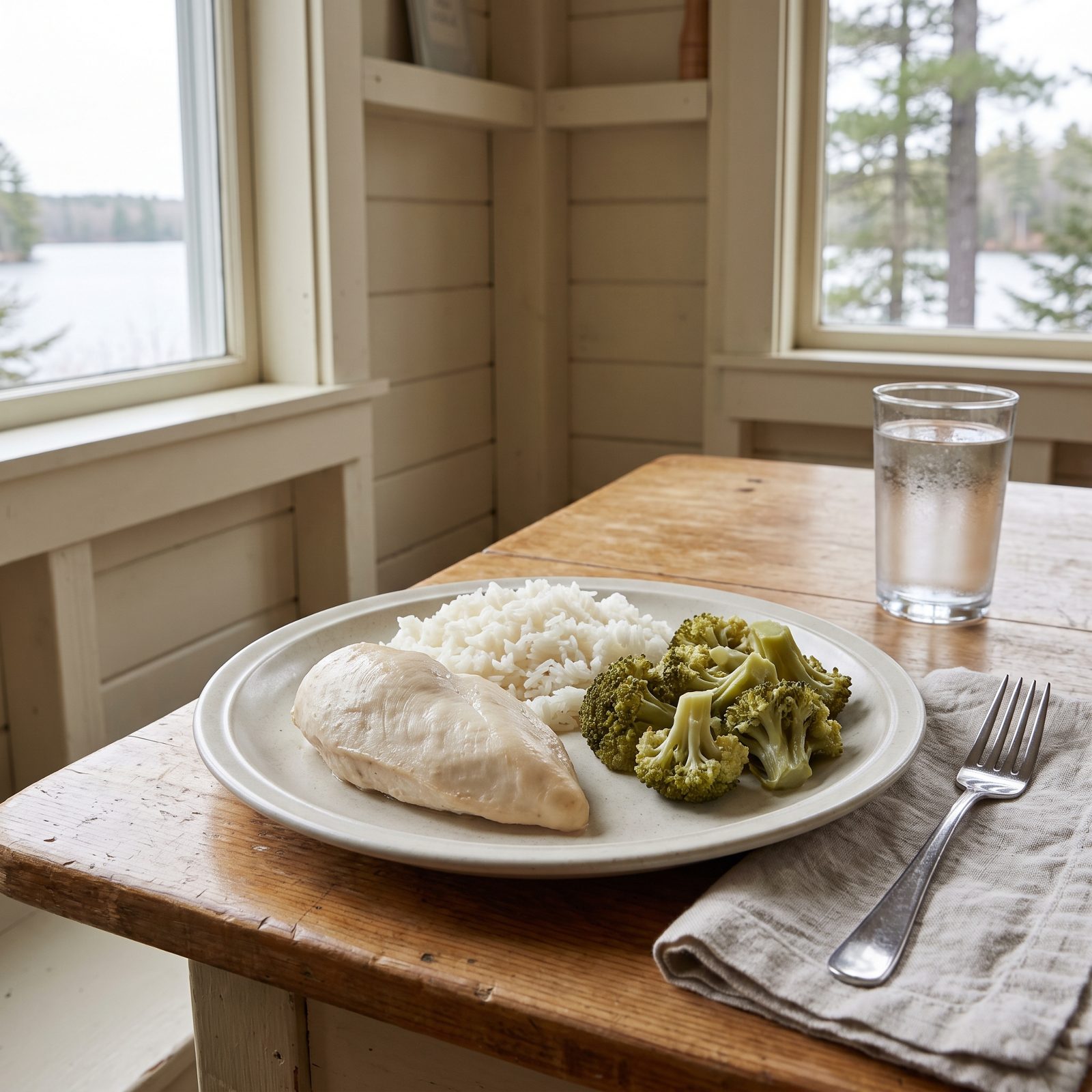
You know this dinner before you taste it. The chicken will be a little dry, the sauce will be fine — not good, fine — and somewhere between the oven timer and the table you’ve already talked yourself down. “It’s just a weeknight thing.” “Nobody’s expecting much.” You’ve pre-disappointed yourself so the real disappointment can’t land a punch.
People do this inside unhappy marriages constantly. They shrink what they ask for so they’re never let down. Lower the bar enough and technically it keeps getting cleared.
This is defensive pessimism, and yes, it works in the short term. Expect little, feel no sting. But there’s a cost. When you stop expecting dinner to be delicious, you stop trying to make it so, and the lowered bar quietly becomes a ceiling. The sad part? The chicken could have been great. You just decided in advance it wouldn’t be.
2. You Stop Browsing Cookbooks So Nothing Better Can Tempt You

The cookbooks are still there, up on the shelf, gathering a soft gray film across the top cover. You used to flip through them on Sunday mornings, dog-earing pages and scribbling notes. Now you don’t open them. You tell yourself you’re busy. The truth is simpler: if you don’t look, you can’t want — and if you can’t want, you never have to feel stuck with the same three dinners on rotation.
It’s the same instinct that makes people in stale relationships quietly stop noticing anyone else, stop imagining other lives, stop reading the menu at all. Not out of contentment. Out of self-protection.
Behavioral economists call it information avoidance. We dodge knowledge that might force an uncomfortable decision. As long as you never find out there’s a better roast chicken out there, you don’t have to admit yours is tired.
1. A New Recipe Feels Riskier Than Predictable Failure

Consider the strange math of the home cook. A new recipe might turn out brilliant. It might also flop, waste good ingredients, and blow the whole evening. So you reach, again, for the ground beef, the chopped vegetables and the basil, and simmer the same tomato-sauced spaghetti you’ve made a hundred times. It’ll be mediocre. You know it’ll be mediocre. And somehow that certainty feels safer than gambling on something wonderful.
People stay in disappointing relationships on exactly this logic. A known, bearable unhappiness beats an unknown that could be worse — even when the unknown could be so much better. The devil you’ve already seasoned.
Loss aversion does its quiet work here. We feel the pain of a failed experiment far more sharply than we feel the pleasure of a success, so we pick the guaranteed small loss over the possible large win. The spaghetti never surprises you. That’s exactly the problem.
Predictable failure asks nothing of you. That’s the whole trap.