Would you like to save this?
The guest list sat finished on the counter for three days, and you kept opening it anyway, like it might have changed its mind. That itch has a name, and it’s the same one that kept you swiping, second-guessing, rearranging a seating chart at midnight. Throwing a dinner party pulls the same levers romance does. You fall for the showstopper, you resent the thing you agreed to, you let your friends weigh in like a jury. The menu is a stand-in for a bigger question: who do you want at the table, and can you actually pull it off? Here are the tells, and the quiet wiring behind each one.
Please note that some of the images in this article were created with the assistance of AI.
14. You Browse Menus Long After One Already Feels Right
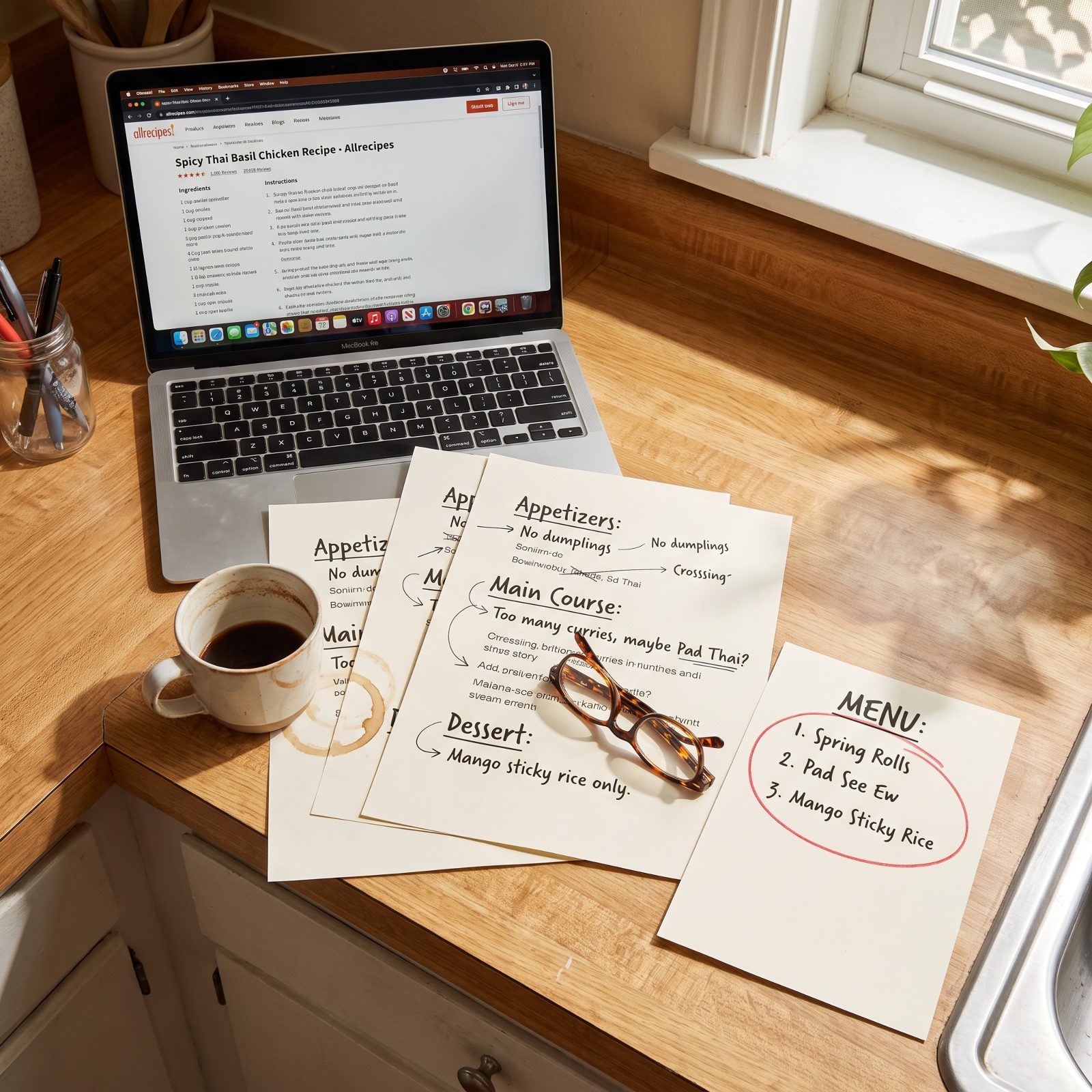
You had the menu. Spring rolls, Pad See Ew, mango sticky rice you’ve made a hundred times. It was good, it was ready, and you kept scrolling anyway, hunting for something a little better.
Same reflex that keeps a perfectly fine prospect on the back burner while you look around. It’s called maximizing, the habit of needing the best possible option instead of a genuinely good one. Maximizers report more regret, not less, because the search never closes. Every new menu you open is a fresh doubt about the one you already liked.
Here’s the quiet truth. A dinner party doesn’t need the best dish on earth — it needs a dish you can cook while talking to six people. Pick the one that felt right on Tuesday and close the tabs.
13. A Fully Booked Caterer Suddenly Seems Irresistible
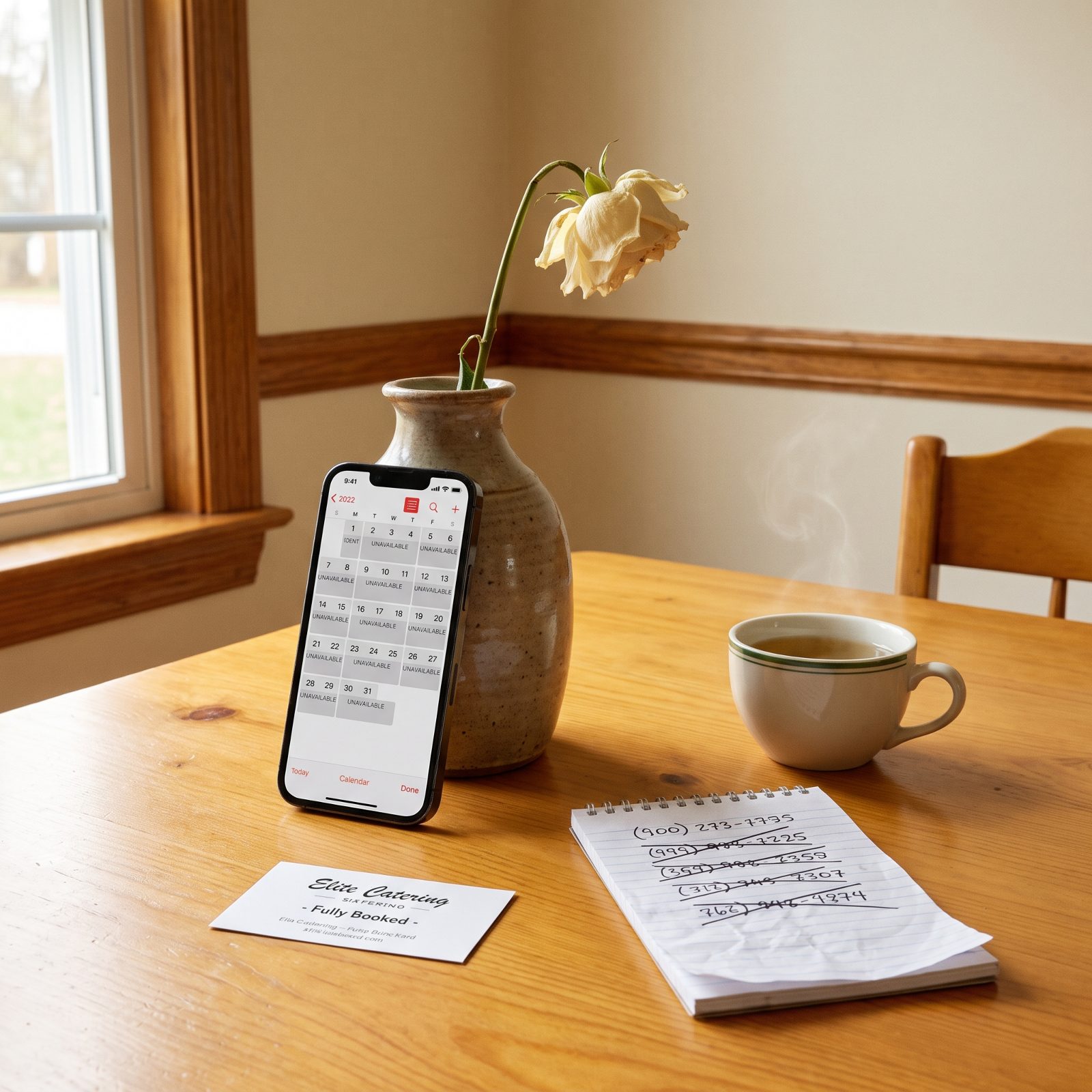
The caterer you barely considered last month is suddenly the only one you want, now that their calendar reads booked through spring. Nothing about the food changed. Only the availability did.
Scarcity does this to everybody. The thing we can’t have becomes the thing we must have. You’ve watched it play out in dating, where the person who stops texting becomes fascinating precisely because they stopped. Economists call it the scarcity principle, and it hijacks judgment fast — fewer slots, higher value, no new information required.
So before you beg for a spot on the cancellation list, ask yourself something. Did you actually like the tasting, or did you just like that someone else wanted them first? Those aren’t the same hunger.
12. One Showstopper Dish Makes You Ignore the Burnt Sides
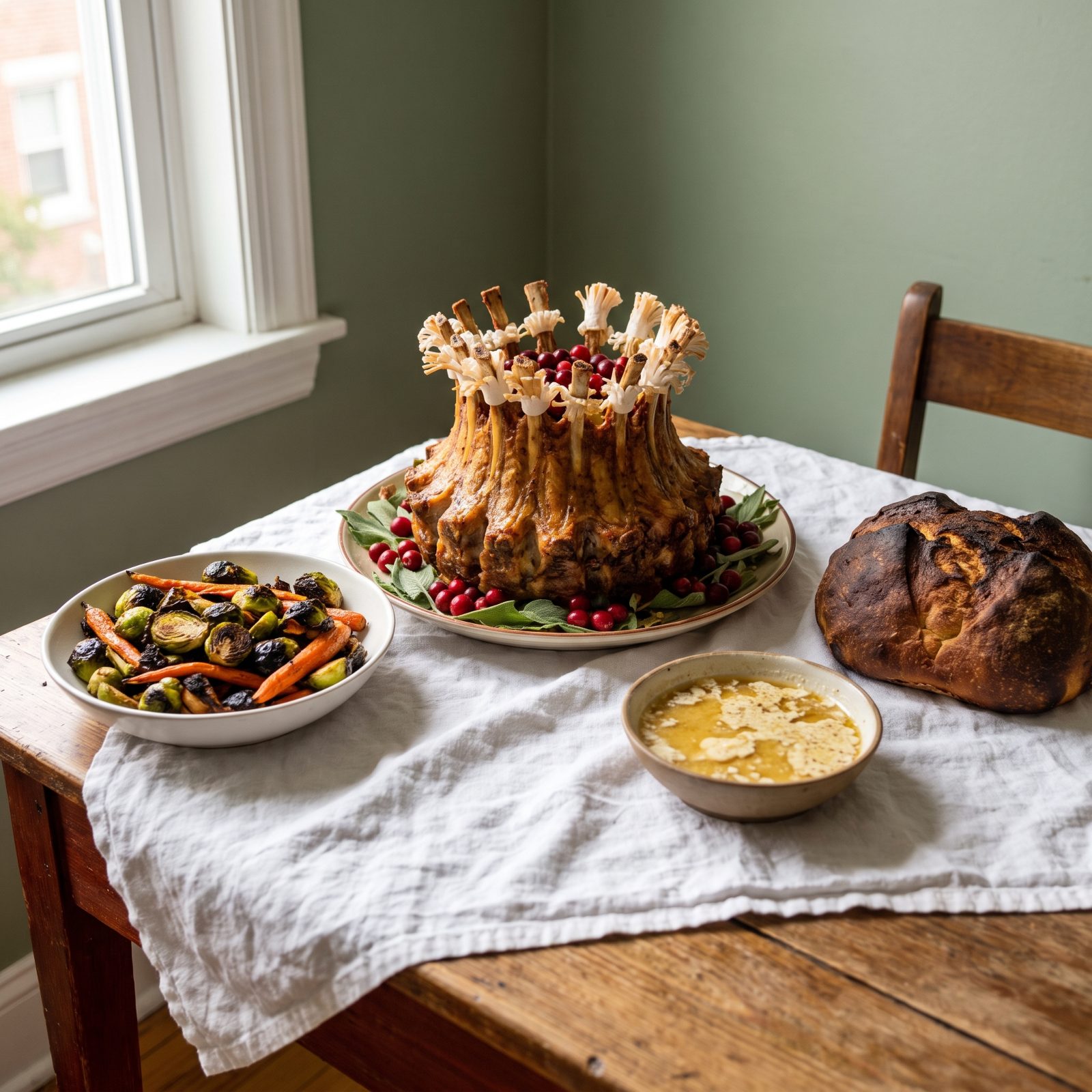
You spent the whole budget and all your nerve on one stunner — the standing rib, the three-tier thing, the dish people will photograph. And because that one shines, you waved off the scorched vegetables and the sauce that broke in the pan. It’s fine. Look at the roast.
That generous overlooking has a name. The halo effect lets one impressive trait spill over and color everything else, so a single good quality makes us assume the rest is good too. In romance it’s the charming smile that buys a free pass on the red flags. At the table it’s the centerpiece buying forgiveness for the sides.
Your guests will remember the roast. They’ll also chew the vegetables, though. The halo only works on you.
11. You Mistake Spicy for Interesting
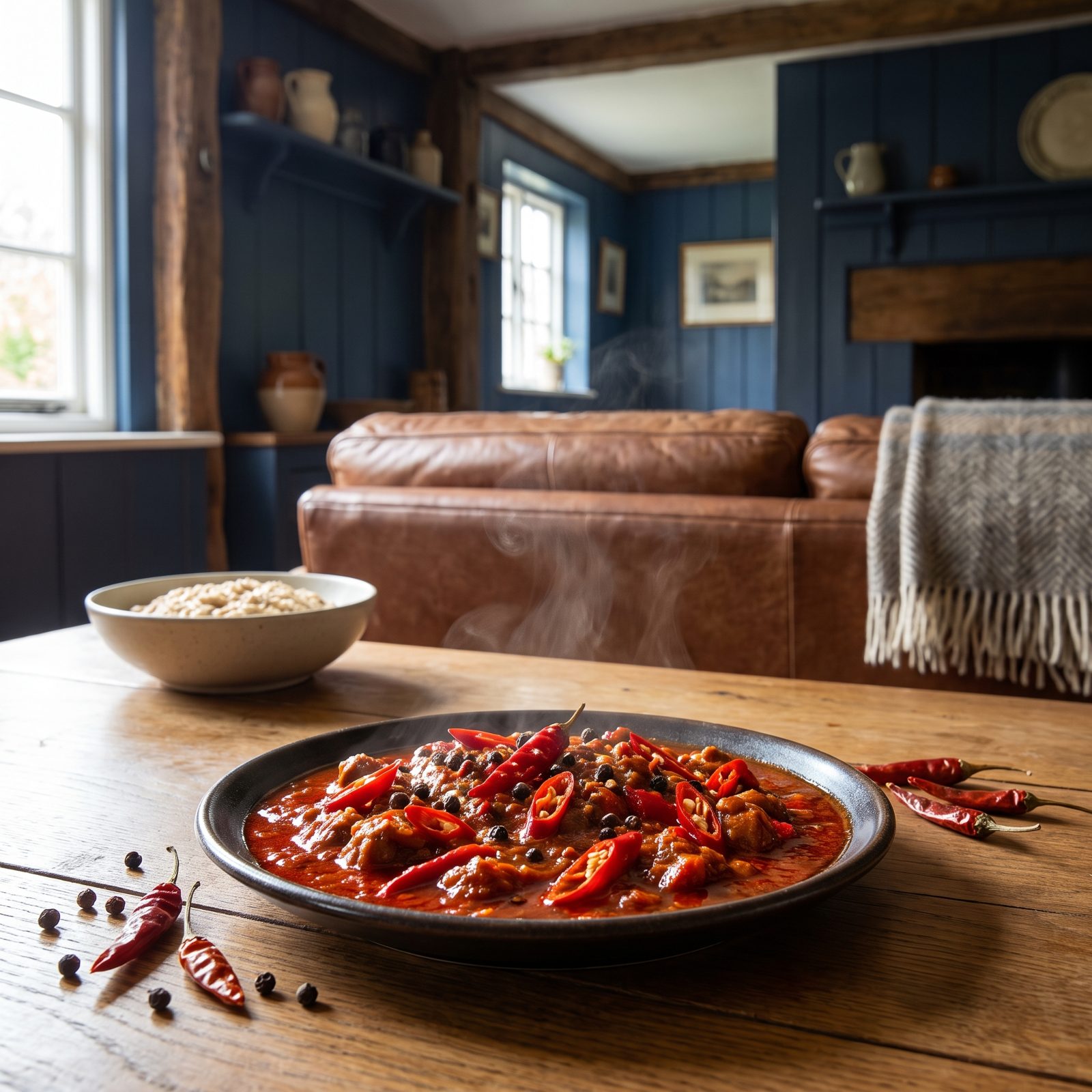
The menu needed excitement, so you reached for the dish that bites back. Ghost-pepper this, fermented that, a course so loud it dares your guests to keep up. You told yourself it was interesting. It was mostly just intense.
We confuse arousal with attraction all the time. A racing heart from one cause gets misread as a racing heart for another, a trick called misattribution of arousal. It’s why a scary first date can feel like chemistry, and at the stove it’s why a punishing dish feels bold instead of exhausting.
Interesting is a slow build — a flavor that unfolds and makes people lean in. Spicy just makes them reach for water. Know which one you’re actually serving.
10. Your Friends Get a Vote on the Guest List
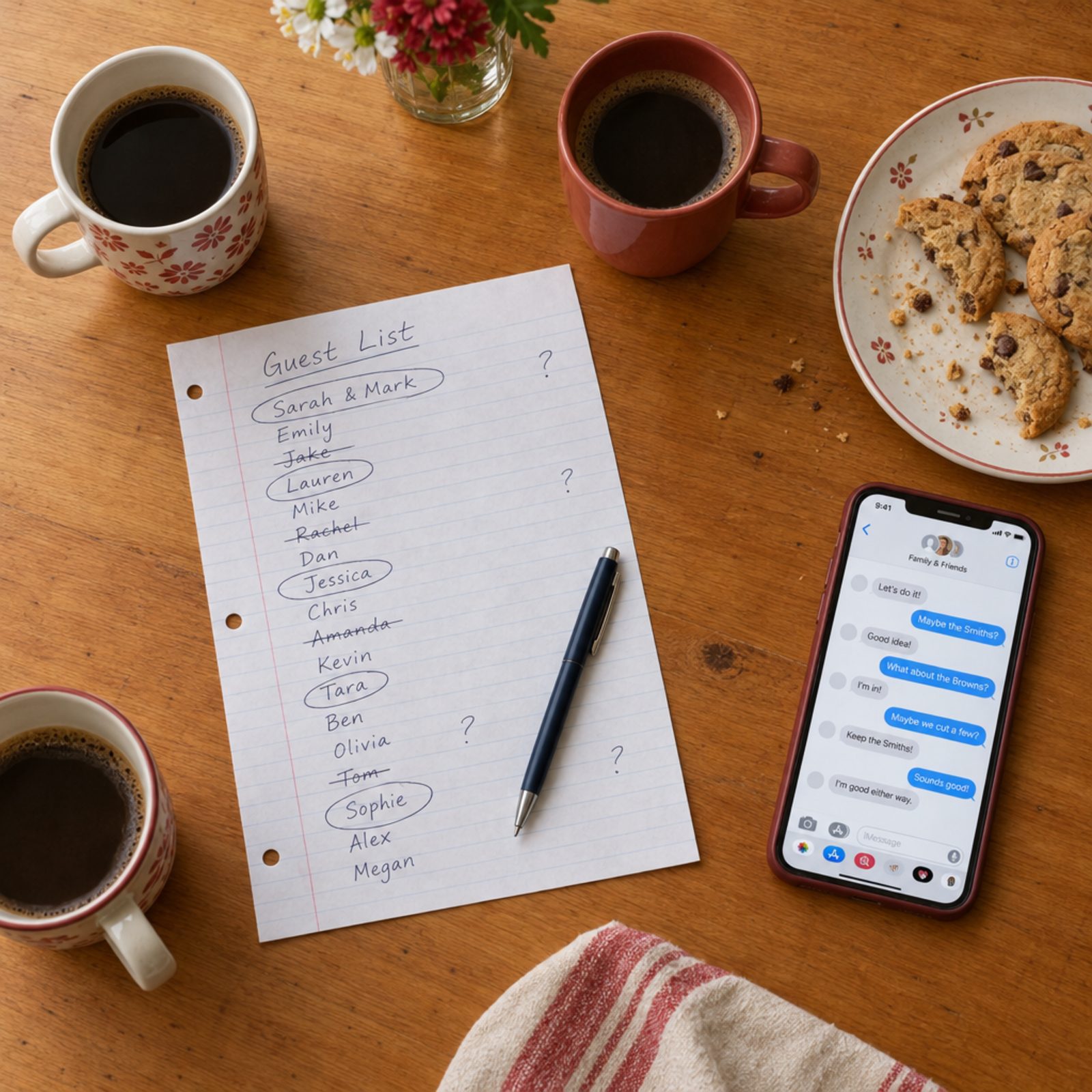
You didn’t have to run the guest list past anyone. You did it anyway. Can so-and-so sit next to what’s-her-name without it getting weird? Should you invite the loud one? Suddenly your closest people are a committee, and their opinions carry strange weight.
That’s social proof doing its work. When we’re unsure, we look sideways to see what others think before we decide what we think — and a dinner party is nothing but uncertainty wearing an apron. The same instinct makes us introduce a new partner to our friends and then watch their faces too closely, half hoping they confirm the choice we already made.
A vote can save you from a seating disaster. It can also drown out your own gut. You’re the host. The table is yours.
9. You Ignore the Tiny Oven Until Commitment Night
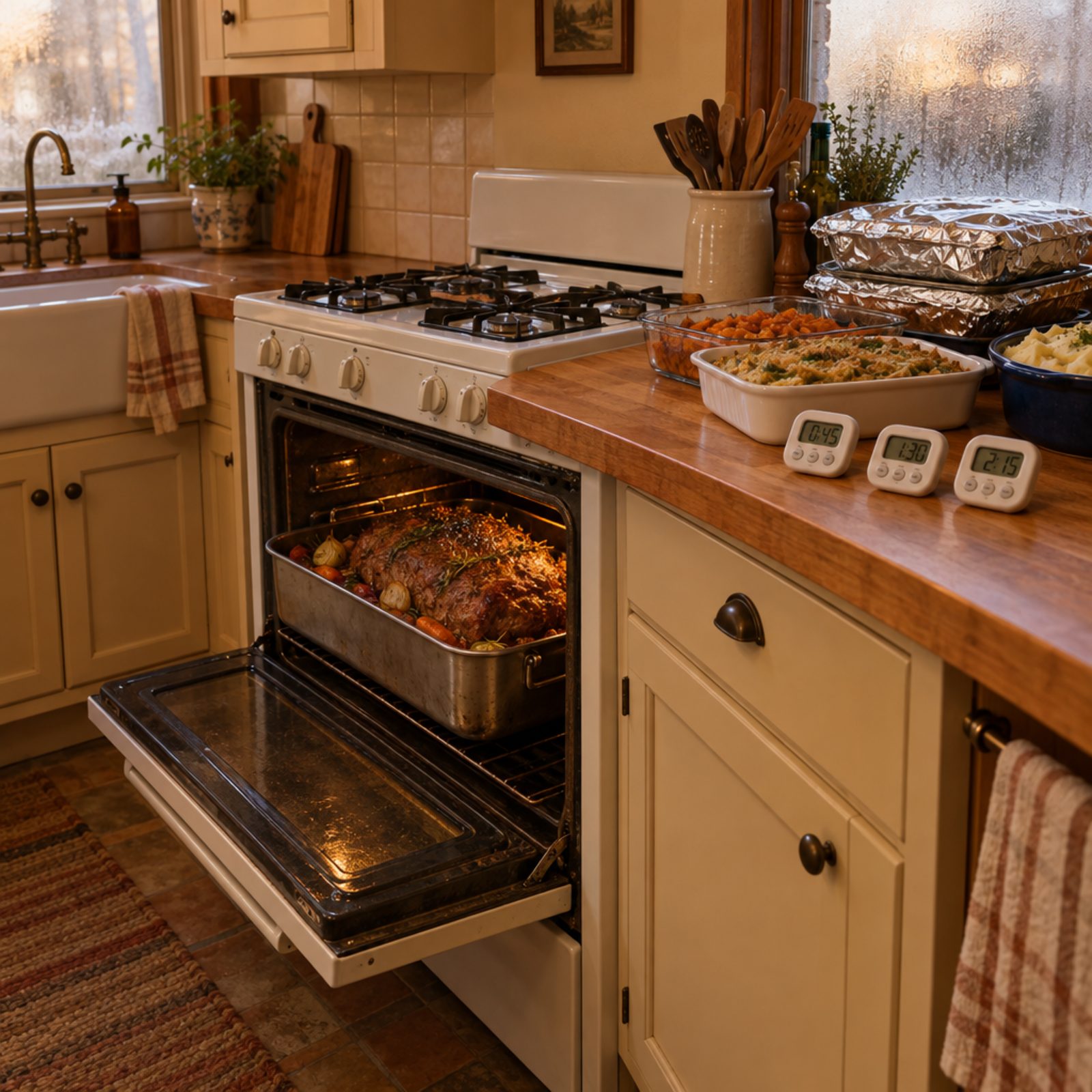
You planned four dishes that each need the oven. At 400 degrees. At the same time. The oven you’ve known for years holds exactly one pan, and you only truly faced that fact at six o’clock with guests arriving at seven.
This is the planning fallacy, our stubborn habit of imagining the best-case version of any project while ignoring the obvious constraints sitting right in front of us. Couples do it too, drawing up a shared future that assumes everything lines up and nobody has a bad month. Then reality shows up with its one small oven.
The constraint was never hidden. You just preferred the menu where it didn’t exist. Plan for the kitchen you have, not the one in the magazine.
8. You Test the Risotto Before Serving It to Twelve

Smart move, this one. Before committing the fancy risotto to a table of twelve, you cook a small batch on a quiet Wednesday to see if it even works in your pan, on your stove, with your attention split.
Call it de-risking. You’re gathering real evidence before a high-stakes bet instead of just hoping it goes well on the night. The careful version of dating works the same way — small, low-pressure outings that reveal how someone actually behaves before you build a life around a hope.
The trial tells you the truth the fantasy never will. If the risotto gums up and the timing collapses in a test run for one, it won’t magically fix itself for twelve. Better to learn that on a Wednesday.
7. You Say Dietary Restrictions Are Fine, Then Resent Them
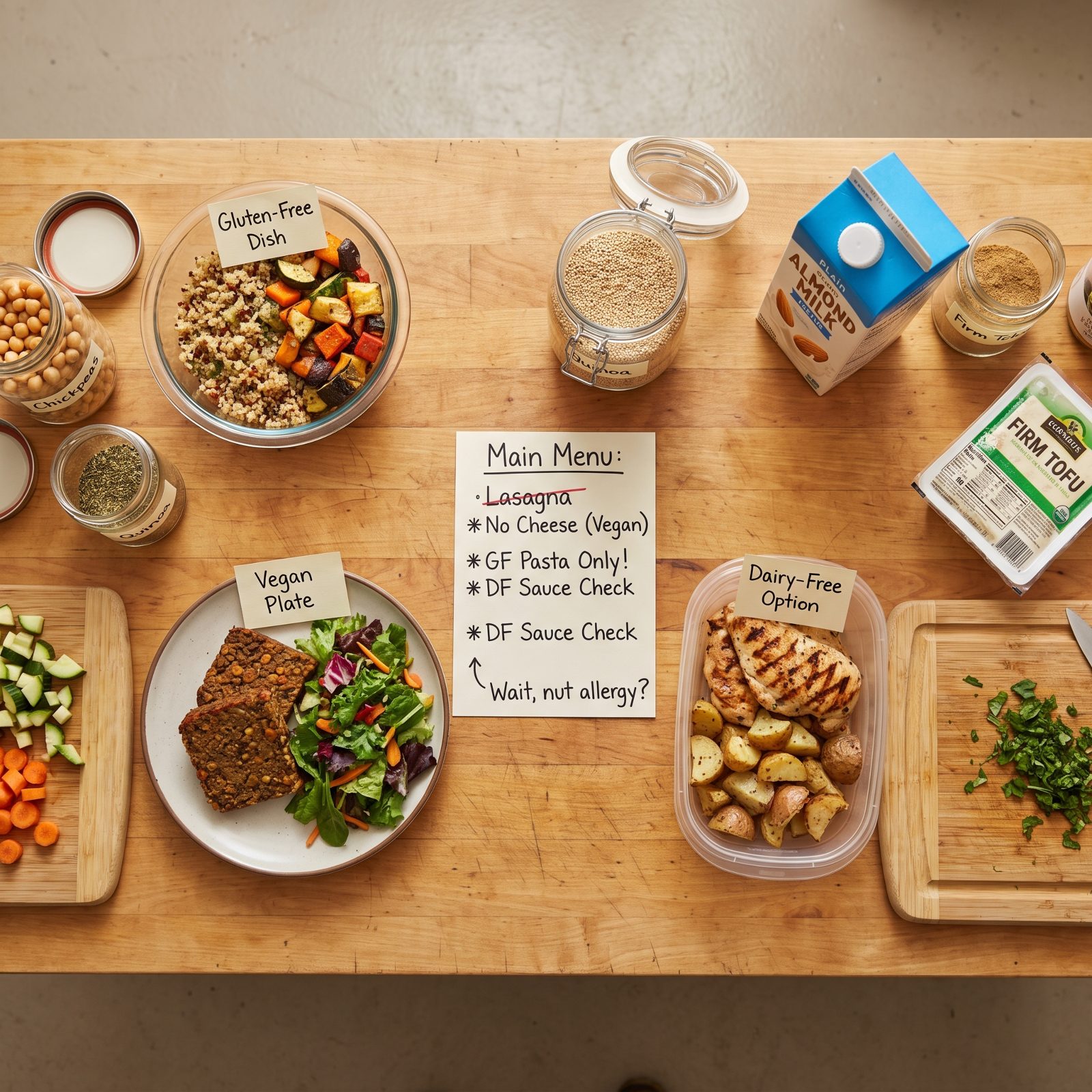
No problem at all, you said, breezy and gracious, when the invitations came back with notes. Gluten-free here, no dairy there, one vegetarian, one who doesn’t eat onions for reasons nobody explained. Of course. Happy to.
Three days later you’re cooking four versions of one dinner and feeling put upon about every single one. You didn’t change your mind. You just wildly underestimated the cost of the thing you cheerfully agreed to.
This is the gap between a decision made in the glow of wanting to please and the labor it actually demands later. We do it in relationships constantly, saying yes to someone’s whole world at the start, then bristling at the specific weight of it. The resentment isn’t really about the tofu. It’s about agreeing before you counted the cost.
6. You Keep the Fussy Entrée Because It Cost Plenty
Would you like to save this?
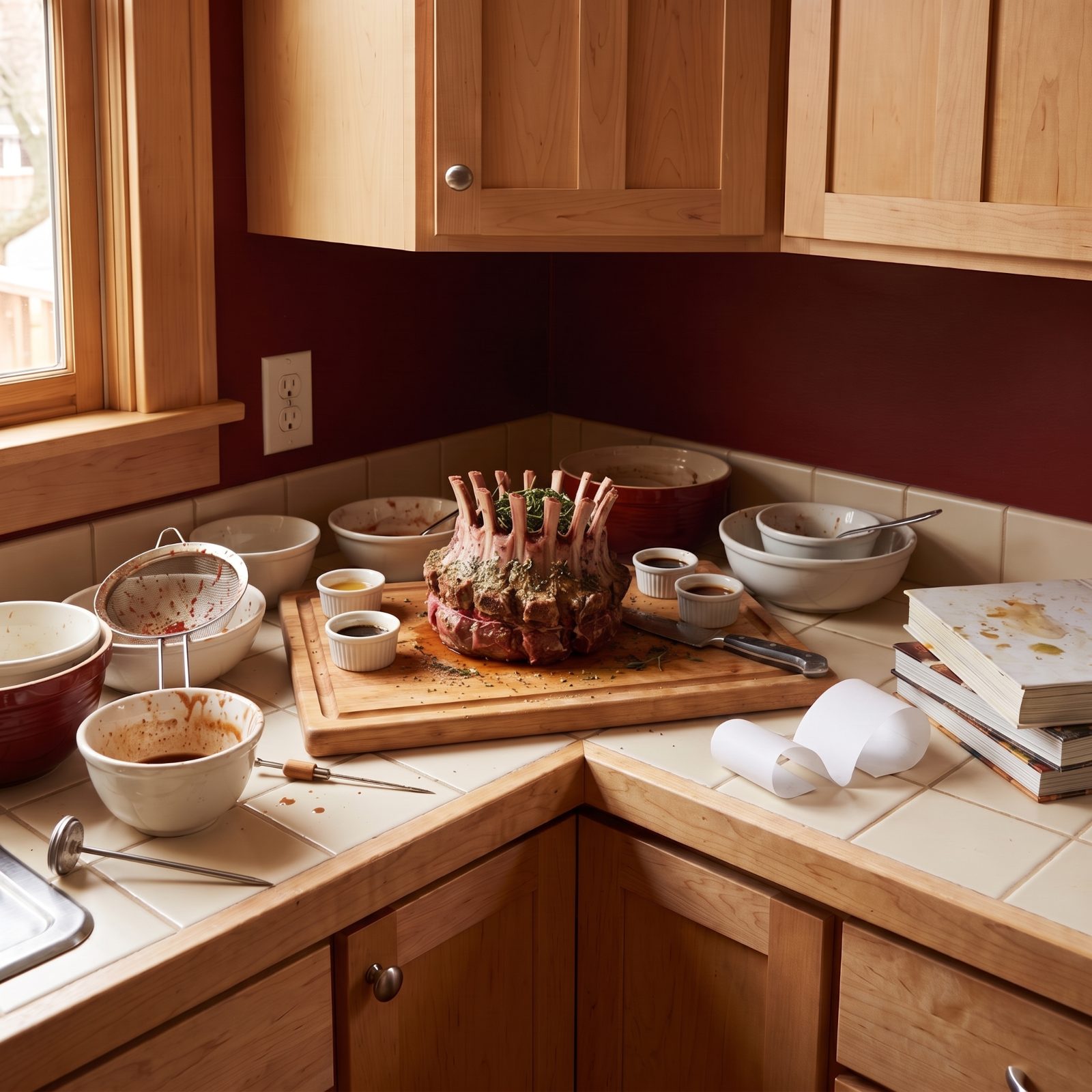
The crown roast was expensive. You bought it, so now you’re making it, even though it has fought you at every step and you already know a simple roast chicken would land better and leave you sane.
That’s the sunk cost fallacy — holding onto something because of what you’ve already poured in rather than what it’ll give you going forward. The money is gone either way. It can’t come back whether you serve the roast or not. Yet it drags your decision around like an anchor.
We keep relationships this way too, counting the years invested as a reason to stay instead of asking whether the next year will be any good. The right question is never what it cost. It’s whether it serves the evening. Sometimes the kindest thing you can do for your dinner party is let the expensive mistake go.
5. You Keep Backup Pizza Hidden in the Freezer
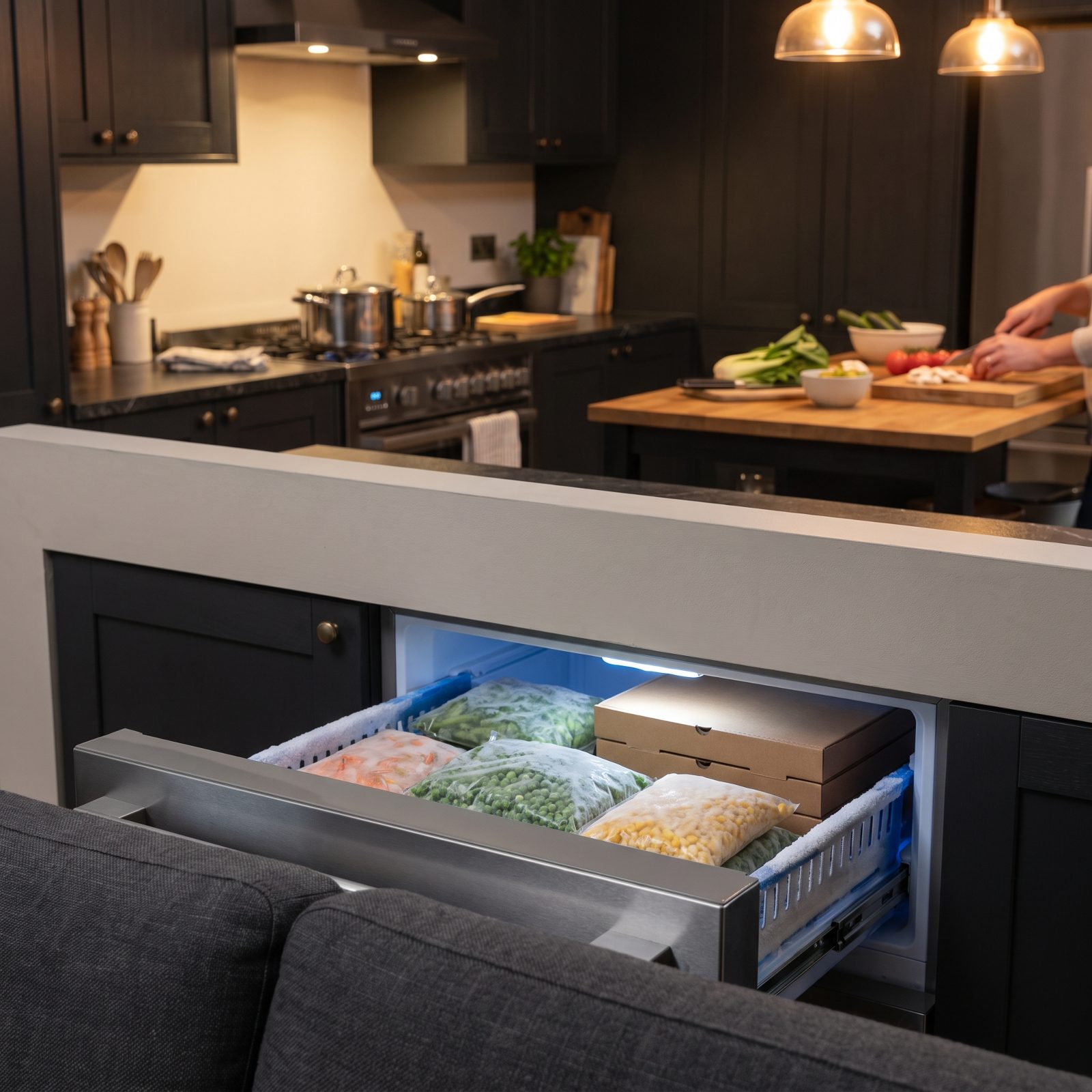
Behind the frozen peas, under a bag of forgotten berries, sit two frozen pizzas you’ll never mention to anyone. They’re the insurance policy. If the risotto seizes, if the duck rebels, if the whole ambitious plan comes apart, you’ve got an exit nobody will go hungry regretting.
There’s real comfort in a hedge. Knowing you have a fallback lowers the stakes of the gamble you actually want to take, and that safety net isn’t cowardice — it’s wisdom. People run a version of this in love too, keeping a little reserve, an option, a quiet plan B that lowers the terror of betting everything on one hand.
The trick is letting the backup stay backup. Start reaching for the frozen pizza every time the real dish gets hard and you never learn to cook the real dish. Keep the net. Try the trapeze anyway.
4. You Promise Casual, Then Plan Seven Courses
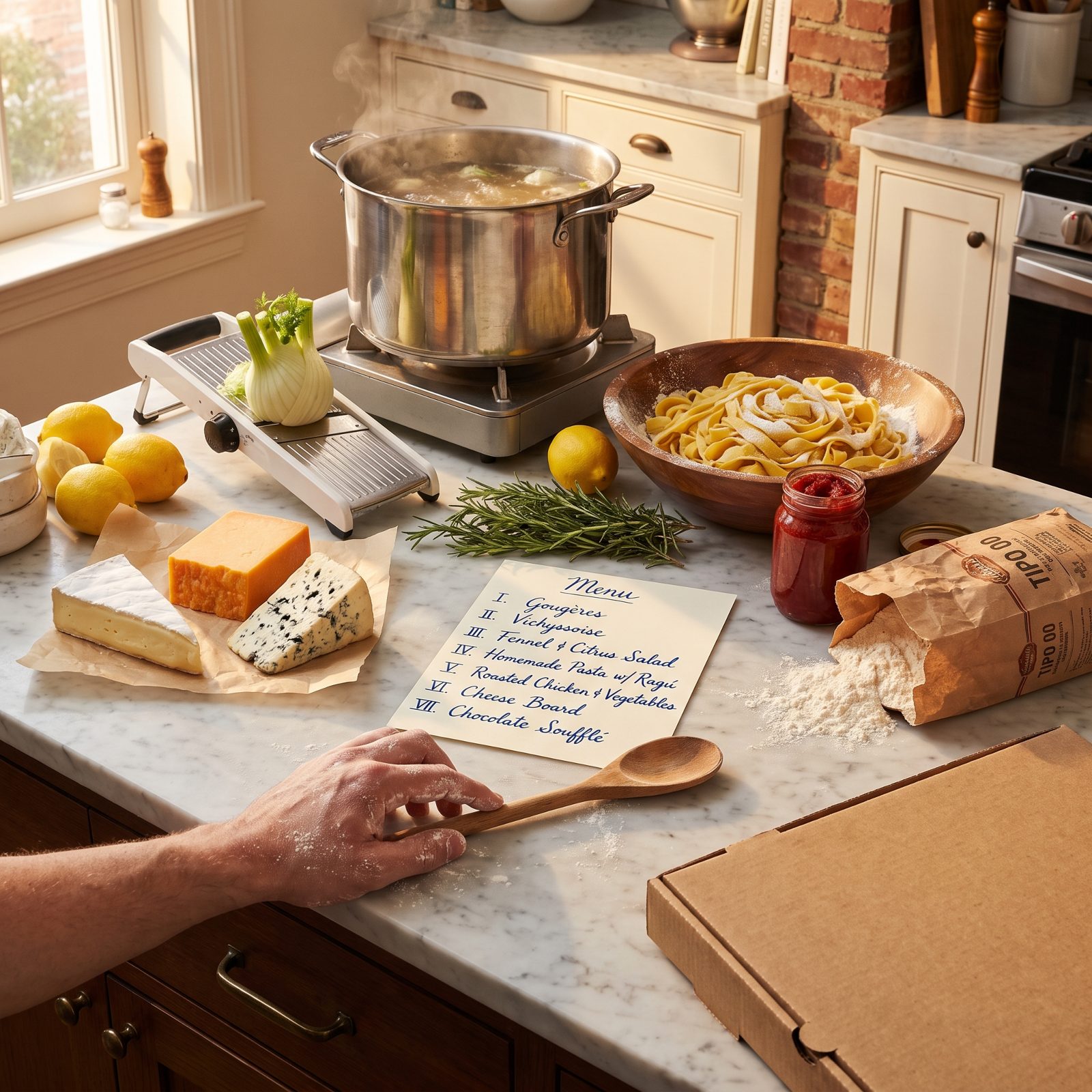
It starts honest. “Just come over, nothing fancy, I’ll throw something together.” Three days later you own a mandoline you’ll use once, there’s homemade stock reducing on the back burner, and you’ve printed a menu card with seven courses on it. For people who’d have been perfectly happy with a good lasagna and a bottle of Chianti.
People act this way early in a new relationship too. Nobody leads with their actual baseline. They show up with the best version, the ambitious version, the one that can’t possibly hold up past month three. You’re not lying when you promise casual — you just can’t resist performing competence once you know someone’s watching.
Part of it is the planning fallacy again, but it has a vain cousin: we lowball the effort while inflating the self we want to show off. The dinner and the date run on the same fuel. Both live in that gap between the person you promised and the one you’re suddenly scrambling to be.
3. One Bad Appetizer Nearly Dooms the Whole Evening
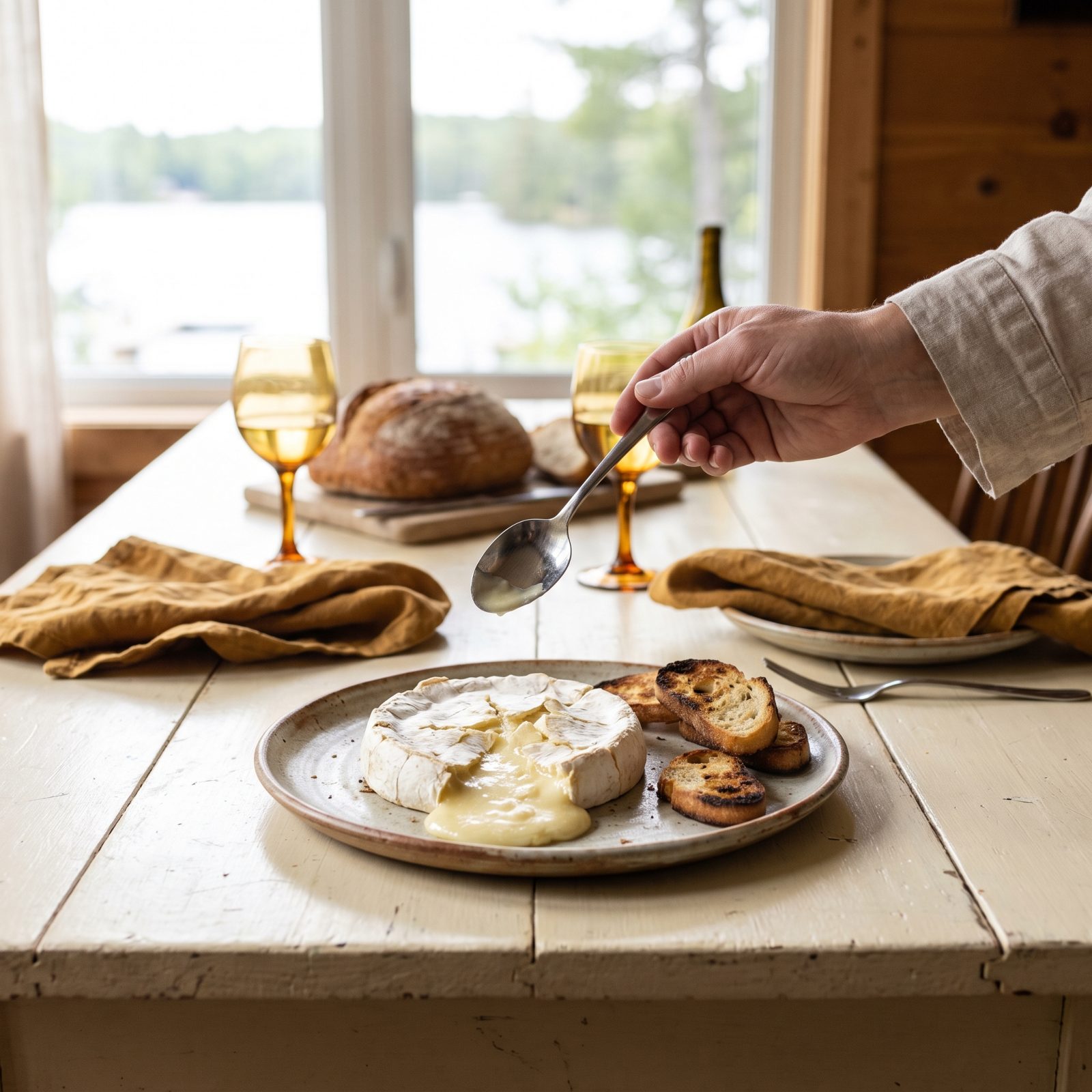
The brie splits. The crostini came out looking like charcoal briquettes. And suddenly the whole night feels sunk — even though the braise in the oven is going to be the best thing anyone eats all month. One weak opener, and the host is apologizing before the main course even lands.
We pull the identical move on a first date. The handshake’s clammy, a joke dies in the first ten minutes, and the brain quietly files the entire person under “no.” We let the opening act write the review of a show that hasn’t started yet.
The first bite shouldn’t get to vote on the main course. But it always does.
Blame the primacy effect. Early information gets stamped with outsized weight, and everything after has to climb uphill against that first impression. Same fix for the cook and the romantic. Build in a strong opener, because fair or not, people decide how they feel long before the real meal shows up.
2. You Return to the Dish That Never Lets You Down
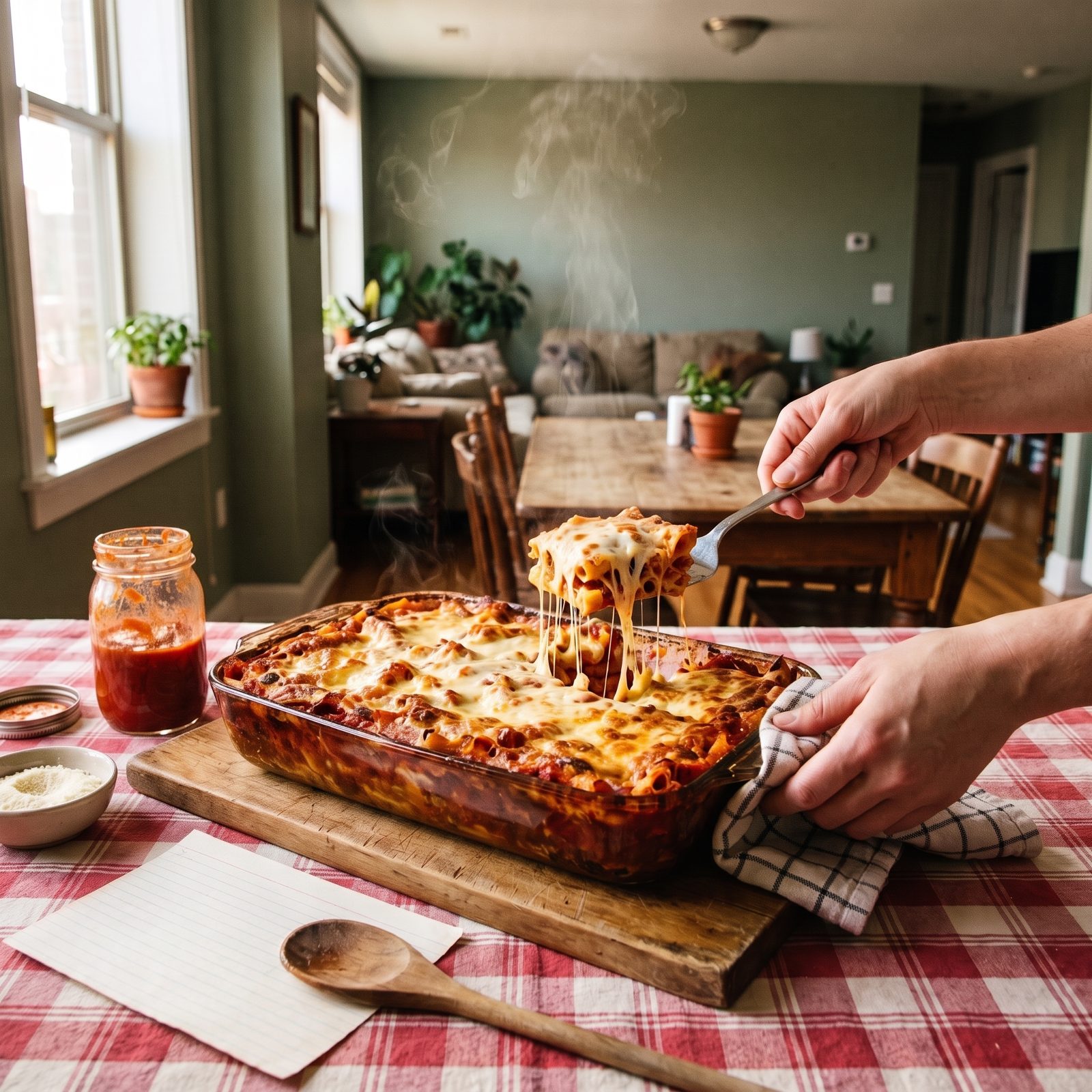
You own a cookbook shelf two feet deep. You bookmark things. You watch the videos. And when actual company is coming, when it matters, you make the baked ziti you’ve made a hundred times — the one with the red checkered tablecloth under it and the recipe card you don’t even bother reading anymore.
Comfort over novelty. The reliable choice over the exciting gamble. It’s the same instinct that pulls people back toward the partner, or the type, who feels like home — not the most thrilling name on the menu, but the one that’s never once embarrassed you in front of a crowd.
Loss aversion runs the whole thing. A new recipe might dazzle, sure, but it might also collapse at the worst possible moment, and the sting of a flop outweighs the high of a win. So you reach for the known quantity. Dependability isn’t boring. It’s what you pick the night you can’t afford to be wrong.
1. You Remember How the Table Felt, Not What Was Served

Ask anyone about a dinner party they loved years ago. They won’t describe the food. They’ll tell you who laughed too hard, the story that got told twice, the way nobody wanted to leave and the candles burned down to nubs. The menu’s gone. The feeling stuck around.
Love keeps the same books. You don’t remember what someone wore on a good night together — you remember that you felt easy, seen, in no hurry to be anywhere else. The specifics evaporate. What survives is the residue.
Call it the peak-end rule. Memory squeezes an entire evening down to its emotional high point and its last few minutes, then chucks everything else. All that sweat over seven courses, and the one thing that gets filed away is whether people felt welcome at your table.
Which might be the kindest lesson a host, or a partner, ever learns. You can scorch the appetizer and blow the timing and still hand someone a night they’ll carry for twenty years. The sauce fades. The warmth doesn’t.