The hot sauce was the first thing that had to go. Not because you hated it. Because every time the fridge door opened, there it sat, a little red reminder that someone else used to live in this life with you.
Please note that some of the images in this article were created with the assistance of AI.
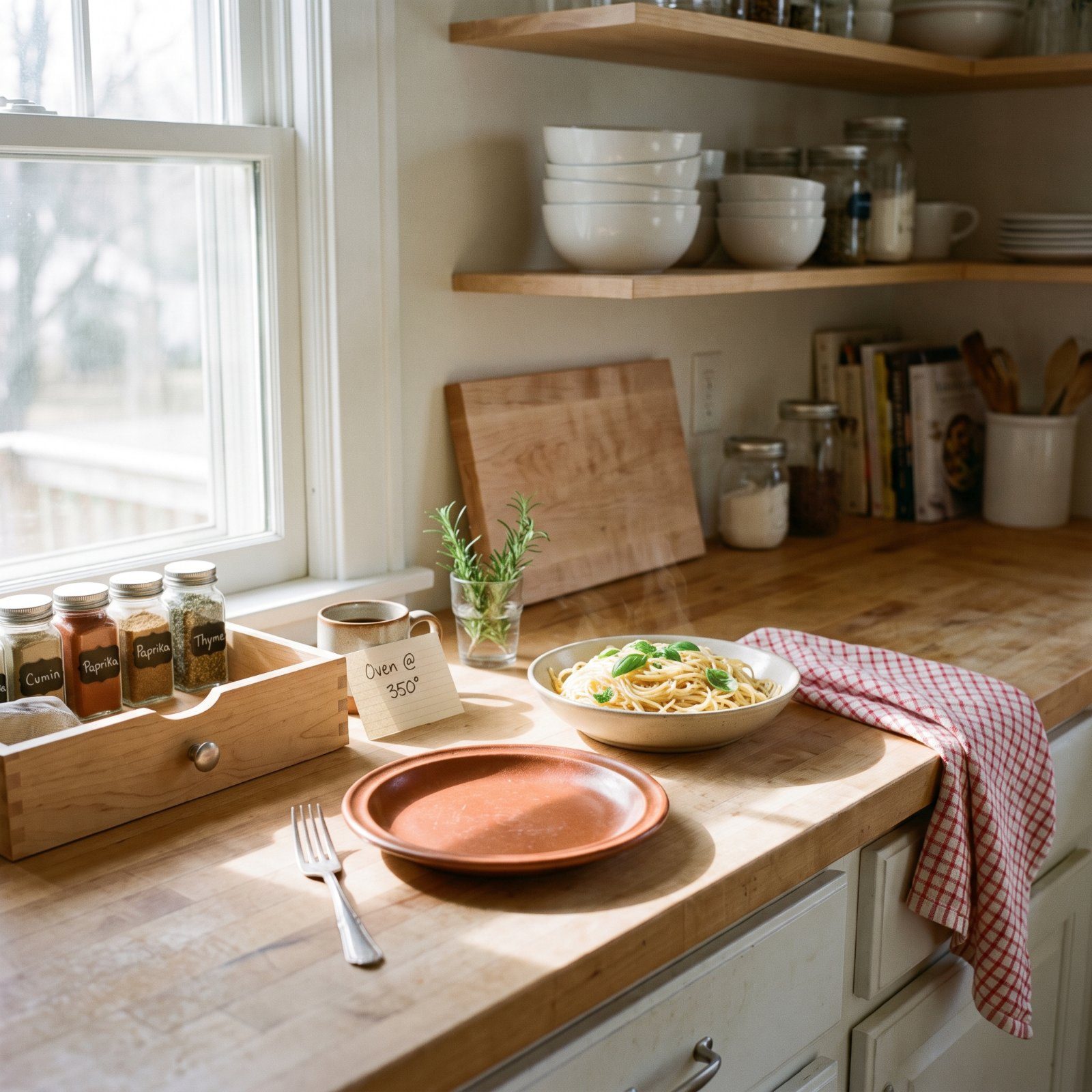
Nobody warns you that the kitchen turns into the loudest room after a split. Every pan, every habit, every automatic reach for a second plate was built for two. Now it’s just you in front of a stove that still expects company. What happens next isn’t really about food. It’s about figuring out who cooks here now, what they like, and whether they can trust themselves to try — the quiet moments at the counter that look exactly like rebuilding a whole self, one meal at a time.
18. You Clear Their Hot Sauce Out of Your Pantry
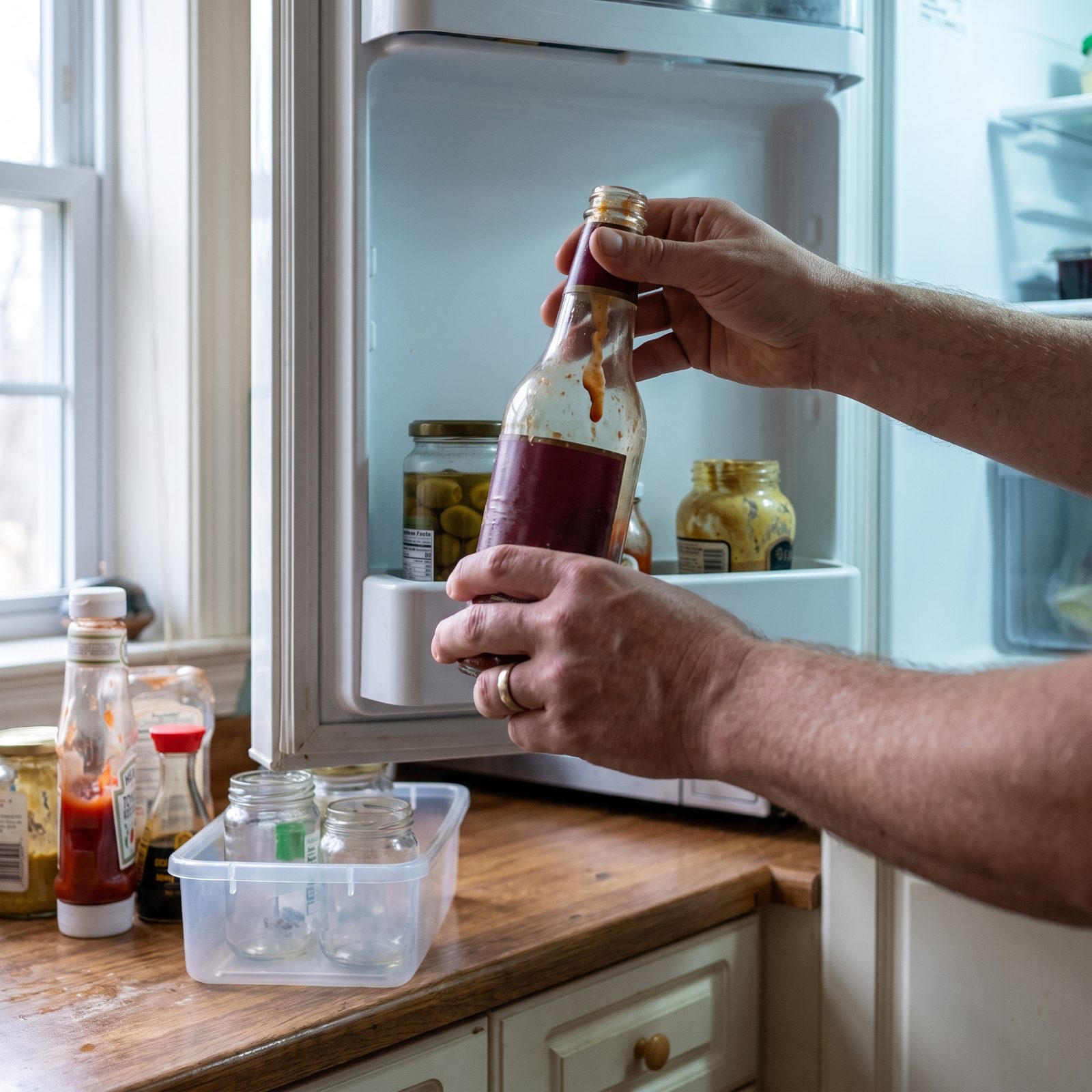
It lives on the fridge door, that bottle. Half-used, crusted at the cap, bought for a taste that was never yours. You could leave it — it takes up almost no room. But one afternoon you pick it up, and your hand already knows where the trash is.
Clearing out the things that belonged to someone else is the first honest edit of a divorce. The hot sauce, the brand of coffee you never liked, that weird fermented thing in the back. Each one is a small permission slip to stop living around another person’s appetite.
Psychologists call this the endowment effect, the way we overvalue what we own just because it’s ours. The trick after a split is realizing the bottle was never really yours. Letting it go costs nothing and feels like everything.
17. You Stop Setting a Second Place Out of Habit
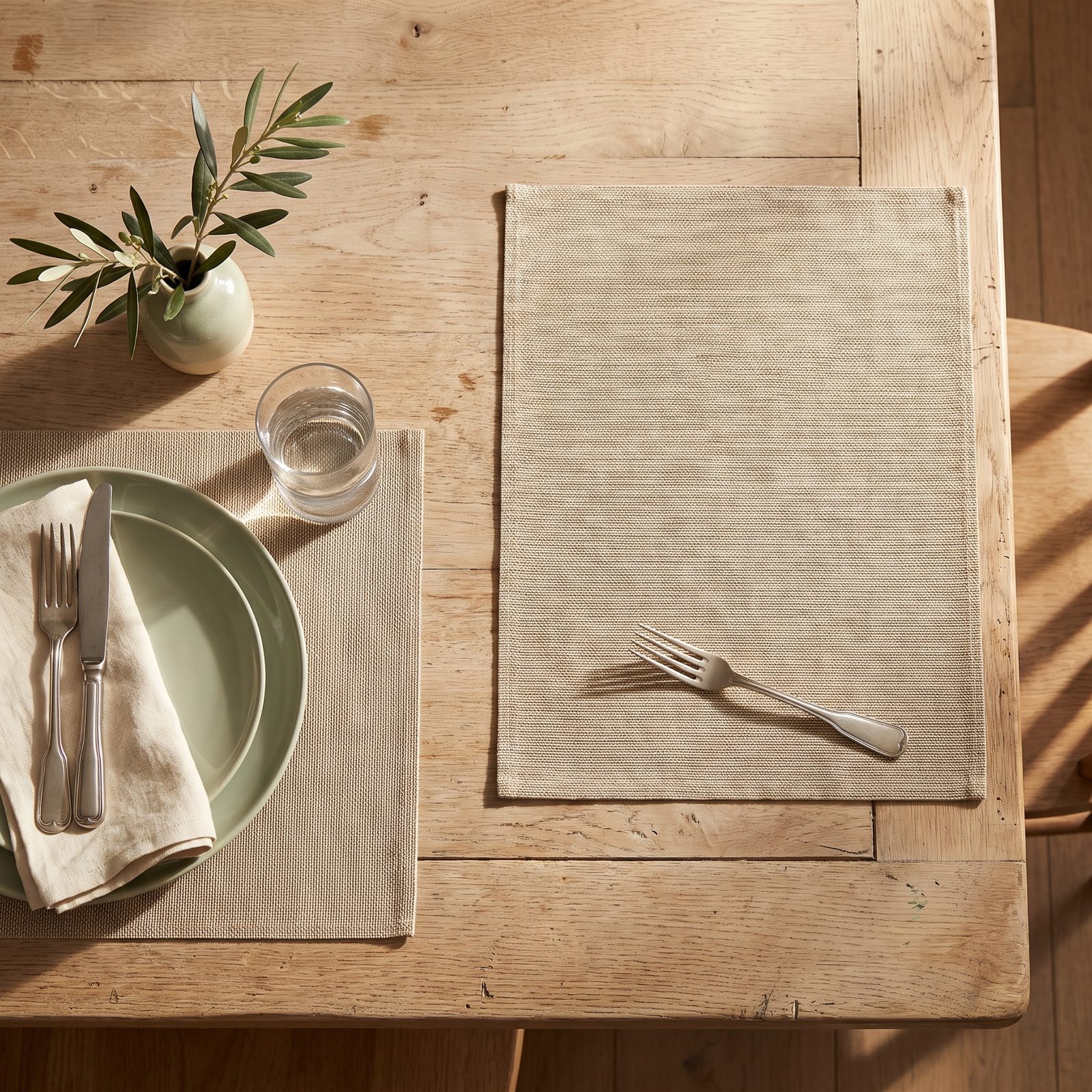
Your hands set out two of everything for years. Two forks, two glasses, no questions asked. The muscle memory never checks whether anyone’s coming home — it just lays the table like it always has.
Then one evening you catch yourself reaching for the second plate and stop. A beat of nothing. You put it back. That little return trip to the cabinet is grief and freedom in the same motion.
Habits are scripts the brain runs to save energy, and the hardest to break aren’t the big rituals. They’re the invisible ones you never decided on. Setting one place is a conscious act where there used to be none. You’re not forgetting someone. You’re finally noticing the table is yours.
16. You Move the Coffee Maker and Reclaim the Counter
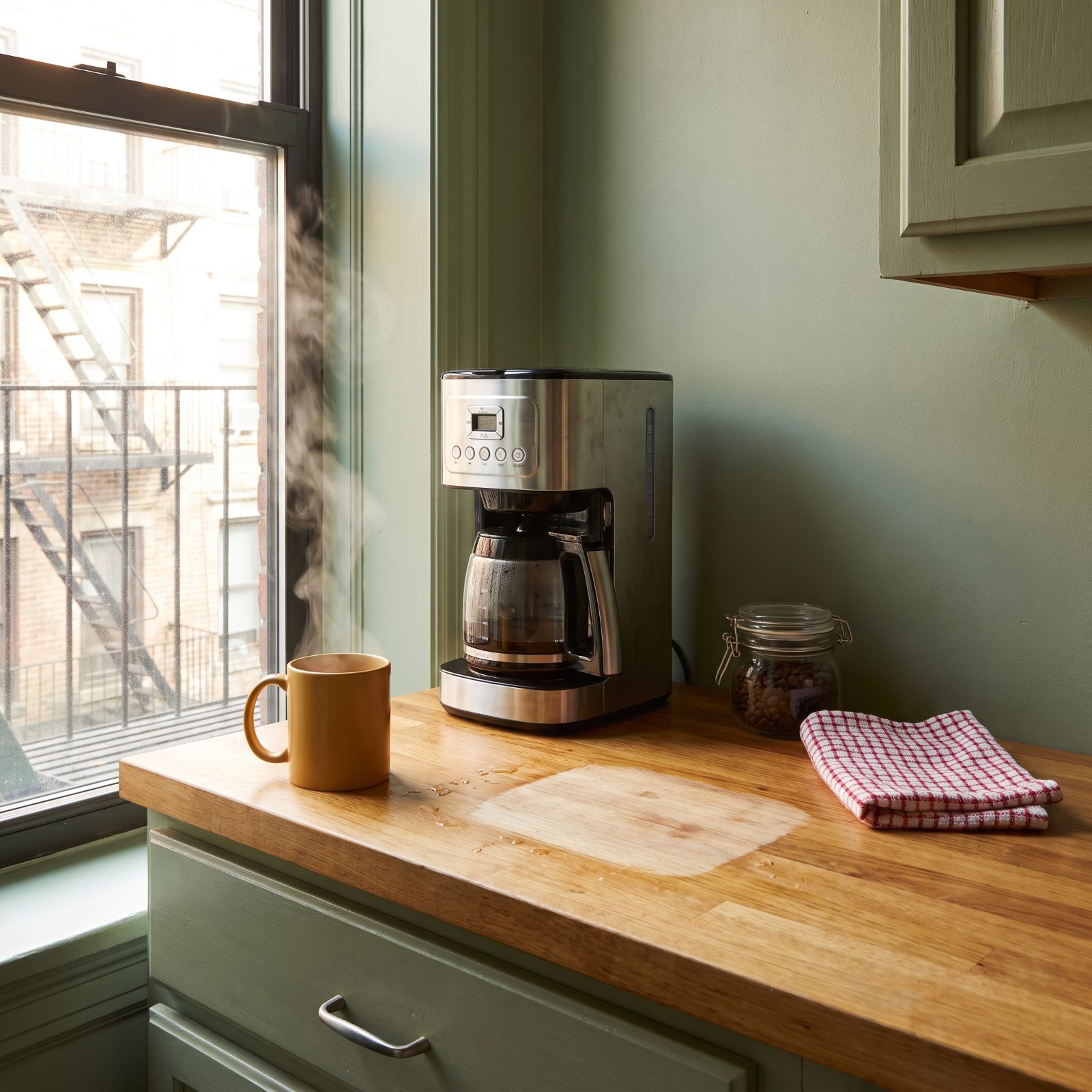
For years the coffee maker sat where it was easiest for the other person to reach. Nobody decided this. It just ended up there, and you worked around it every single morning.
Then you move it. Six inches left, into the light by the window, where you actually like to stand. And there’s this clean patch of counter now, a faded rectangle marking where a compromise used to live.
This is autonomy in its smallest, truest form. Every shared room is a treaty, and treaties get negotiated right down to the placement of small appliances. Rearranging the counter is you redrawing the map with only yourself to please.
The faded rectangle on the counter is the shape of a compromise you no longer have to make.
15. You Finally Make the Curry They Always Complained About
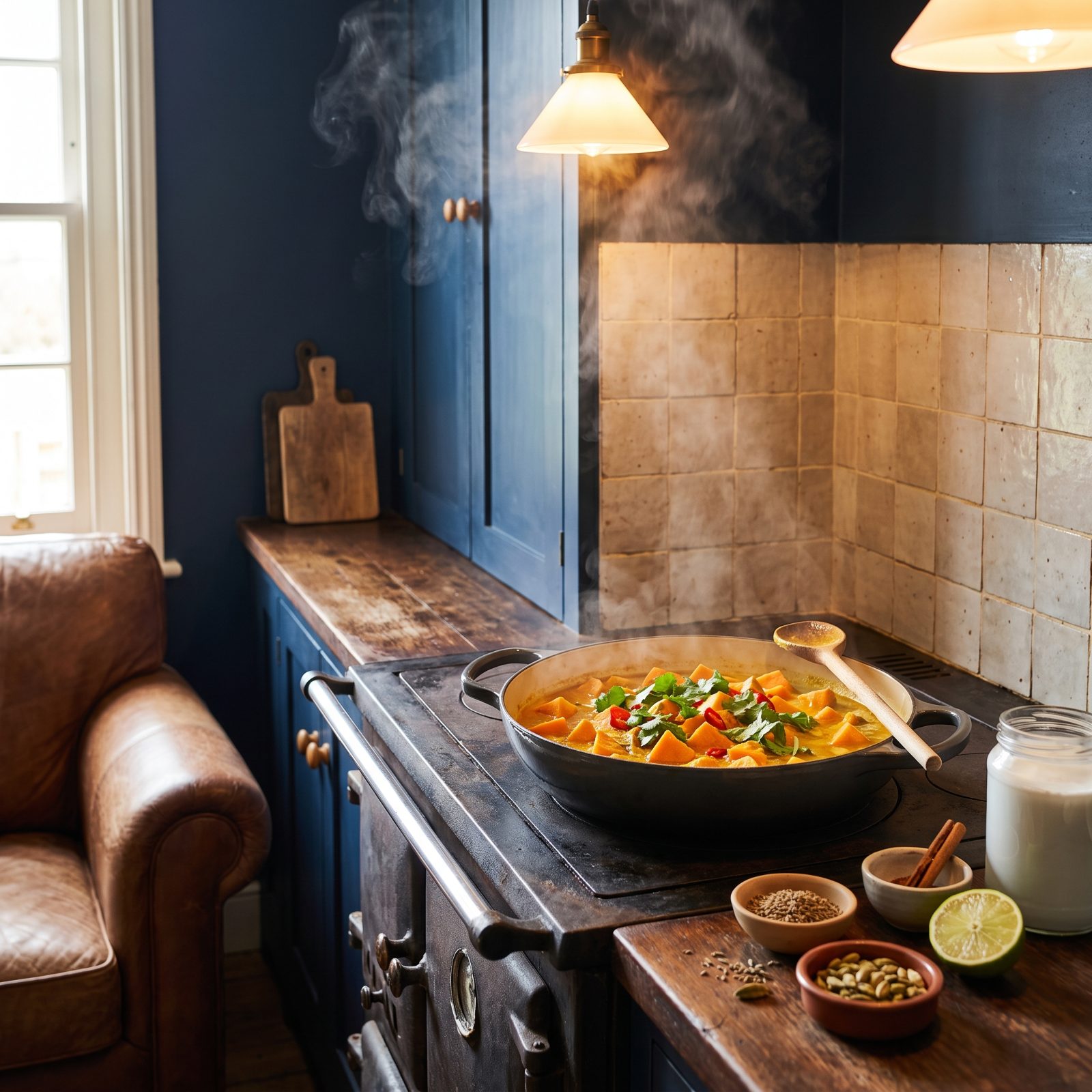
There was always a dish you weren’t allowed to make. Too spicy, too much coconut, too something. So it quietly left your repertoire, and you stopped even thinking about it.
Now the whole kitchen smells like toasted cumin and lime, and nobody’s wrinkling their nose. You eat it standing at the counter, a little defiant, a little stunned at how good it is.
Long partnerships do this to you — you trim yourself to fit without noticing. Preferences you adopted as peacekeeping start to feel like your own, until one day you cook the forbidden dish and realize whose taste you’d been living on. It’s not revenge cooking. It’s an inventory of what you actually like.
14. The Blank Meal Plan Is Thrilling Until Tuesday Arrives
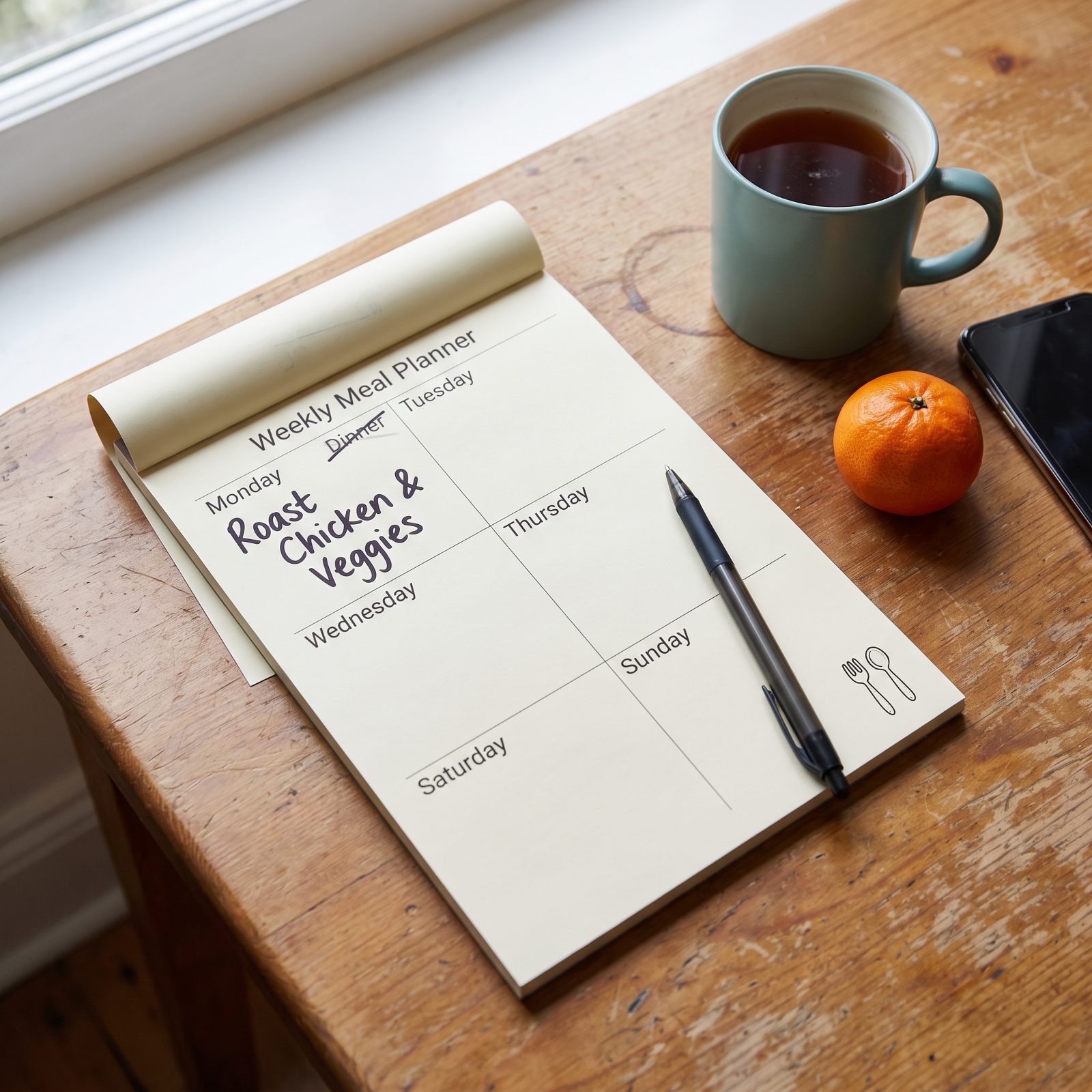
The empty week stretches out and it feels like possibility. No coordinating around someone else’s schedule, someone else’s cravings, someone else’s leftovers. You can eat whatever you want, whenever you want.
Monday you cook something ambitious. Tuesday the blank page stops feeling like freedom and starts feeling like a job with no boss and no deadline. You stand in the kitchen at seven and realize that total freedom is also total responsibility, and nobody’s going to decide dinner for you.
Choice overload is real. More options don’t make us happier — they make us anxious and more likely to default to cereal. The blank meal plan is autonomy’s honeymoon ending. Building a loose routine back in isn’t a retreat; it’s the scaffolding that lets freedom actually stand up.
13. You Try Five Cuisines Before One Feels Like You
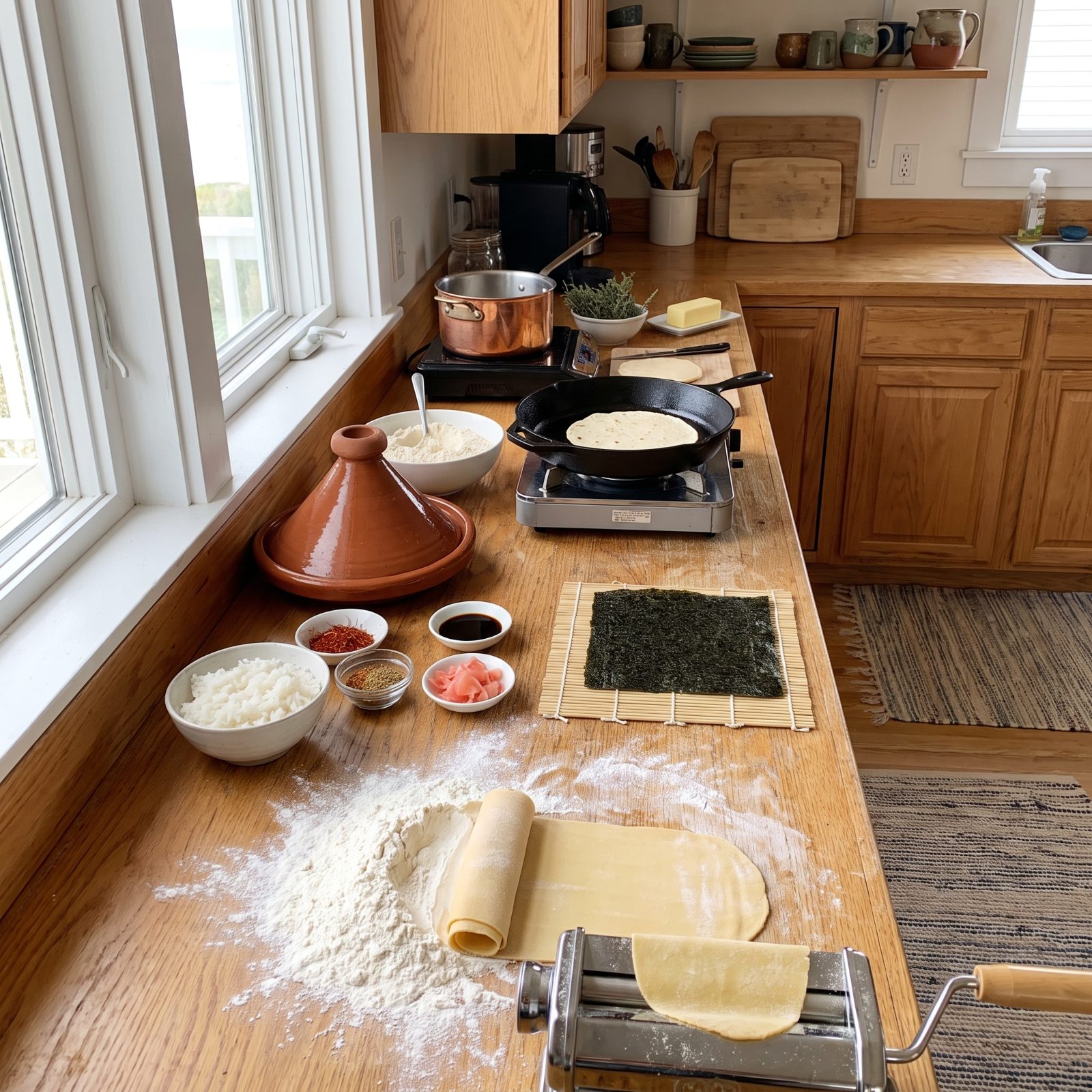
One week it’s Thai. The next, you’re attempting handmade pasta and getting flour on the ceiling somehow. Then Moroccan, then a disastrous run at sushi that you eat anyway because you made it.
You’re not just bored. You’re auditioning versions of yourself. Each cuisine is a question: is this who I am now? A lot of them are a flat no. One of them, eventually, feels like coming home to a room you didn’t know was in the house.
Identity after a long relationship is rarely found — it’s tried on. The exploration phase looks chaotic from outside, but every “no” earns its keep as much as the “yes.” You have to cook the wrong five dinners to recognize the right one.
What Our Readers Say
- Piaci Pizza readers gave photos of cooking in progress hearts 88% of the time, compared with 82% for the other images in the same articles.
From Piaci Pizza reader polls and votes.
12. You Change Grocery Stores to Break the Same Old Loop

You could keep going to the same store. You know exactly where everything is. That’s precisely the problem.
So you drive to the one across town, the one with the strange layout and the crusty baguettes and the produce you’ve never cooked. You get a little lost in it. It takes twice as long. And somehow that’s the point.
The old store is wired into the old life, every aisle running an automatic script of what you used to buy for two. Switching stores disrupts the pattern so completely that your brain has to be present again, choosing on purpose instead of on autopilot. A new path forces new attention, and new attention is how you stop sleepwalking through the days.
11. Every Burned Loaf Tests Your Beginner Nerves
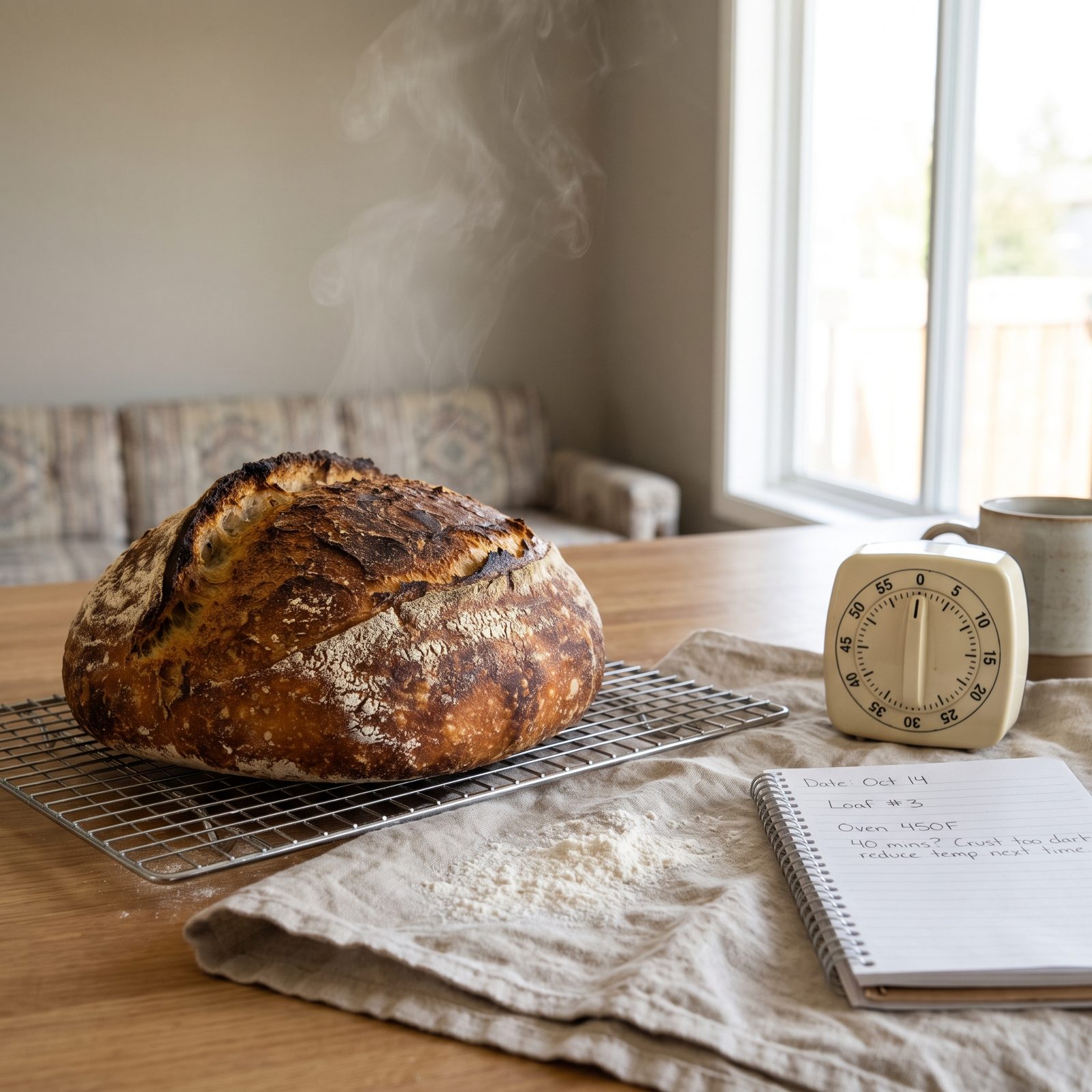
The first loaf is a brick. The second burns on top and stays raw in the middle. You stand there with a scorched towel wondering why you thought you could do this alone.
Beginners fail loudly, and failing loudly when you’re already fragile tests something deeper than your baking. It tests whether you believe you can learn anything by yourself anymore.
Self-efficacy — the belief that your own effort will eventually pay off — isn’t built by success. It’s built by surviving the failures without quitting. Every burned loaf you shrug off and try again teaches your nervous system that mistakes are information, not verdicts. By the fourth loaf, you’re not just baking bread. You’re rebuilding your faith in your own hands.
10. Stress Sends You Straight Back to the Casserole
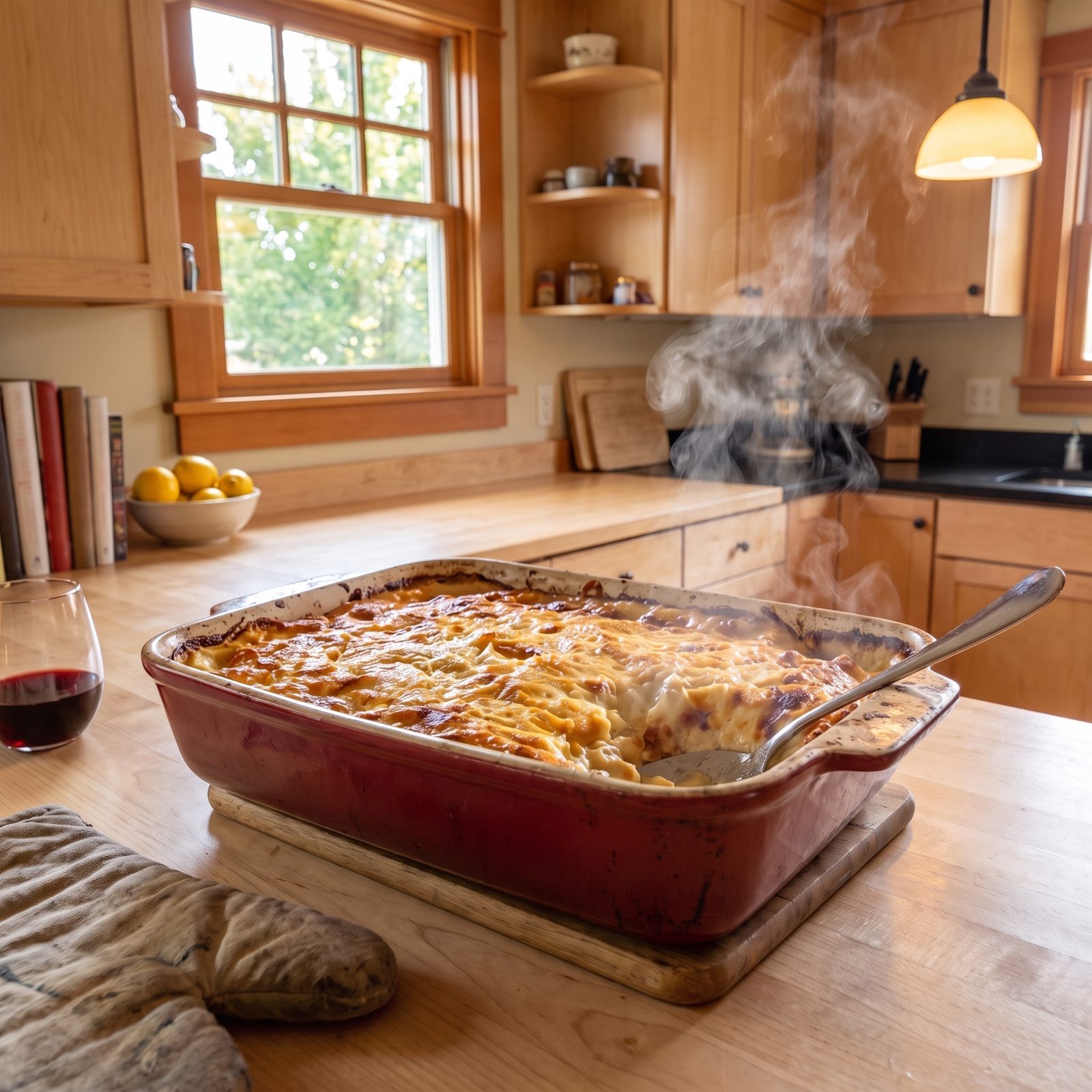
You’ve been trying all these new things. Then a hard day lands — the kind where the lawyer called or the house felt too quiet — and you don’t reach for the Thai cookbook. You reach for the casserole your mother made. The one with the bubbling, browned cheese on top.
Under stress, the brain retreats to what’s known. Novelty takes energy, and when you’re depleted, the oldest comfort recipe is the path of least resistance. This isn’t backsliding. It’s your nervous system finding solid ground.
The casserole is a hand on the shoulder from an earlier version of yourself. Let it do its job. Rebuilding never happens in a straight line, and the dishes you return to on the worst nights are the ones holding you steady while the rest of you figures it out.
When our readers loved a food photo and told us why, “nostalgic” and “comfort” tied as the top reasons, each picked 22% of the time.
9. You Learn Substitutions When the Original Plan Falls Apart
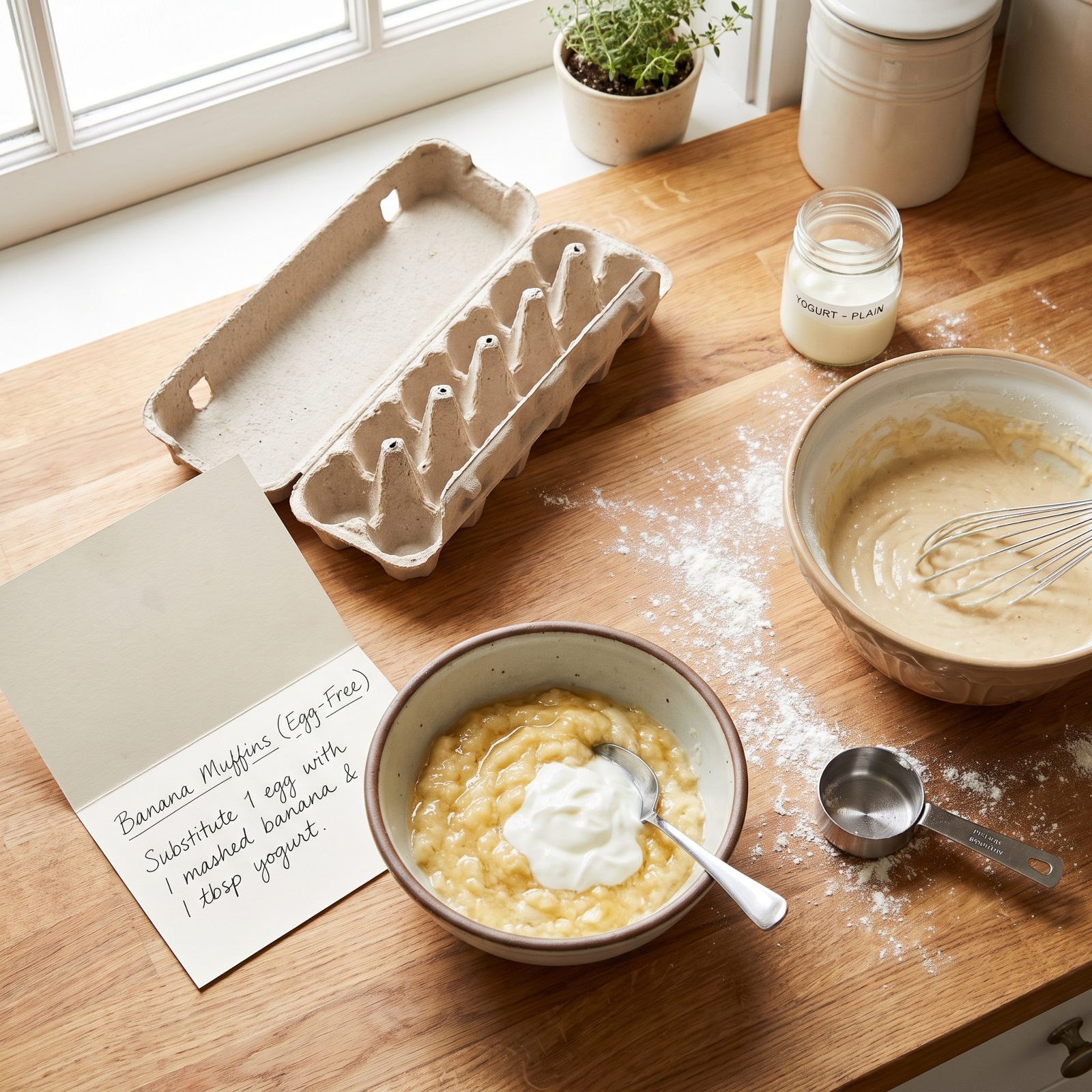
You’re halfway through the batter when you find the egg carton is empty. The old you would have given up, or run to the store, or waited for someone to fix it.
Instead you stand there, look at the mashed banana on the counter, and think — maybe. You improvise. It works. Nobody taught you that trick. You figured it out because you had to.
Resilience isn’t a mood, it’s a skill, and it gets built in exactly these low-stakes moments when the plan collapses and you keep going anyway. Learning that there’s almost always a substitution, in baking and in life, is the quiet realization that you can handle the thing going wrong. The recipe was never the point. Trusting yourself to adapt when it breaks — that’s what you were actually cooking all along.
8. You Recreate Takeout and Discover You Can Handle It
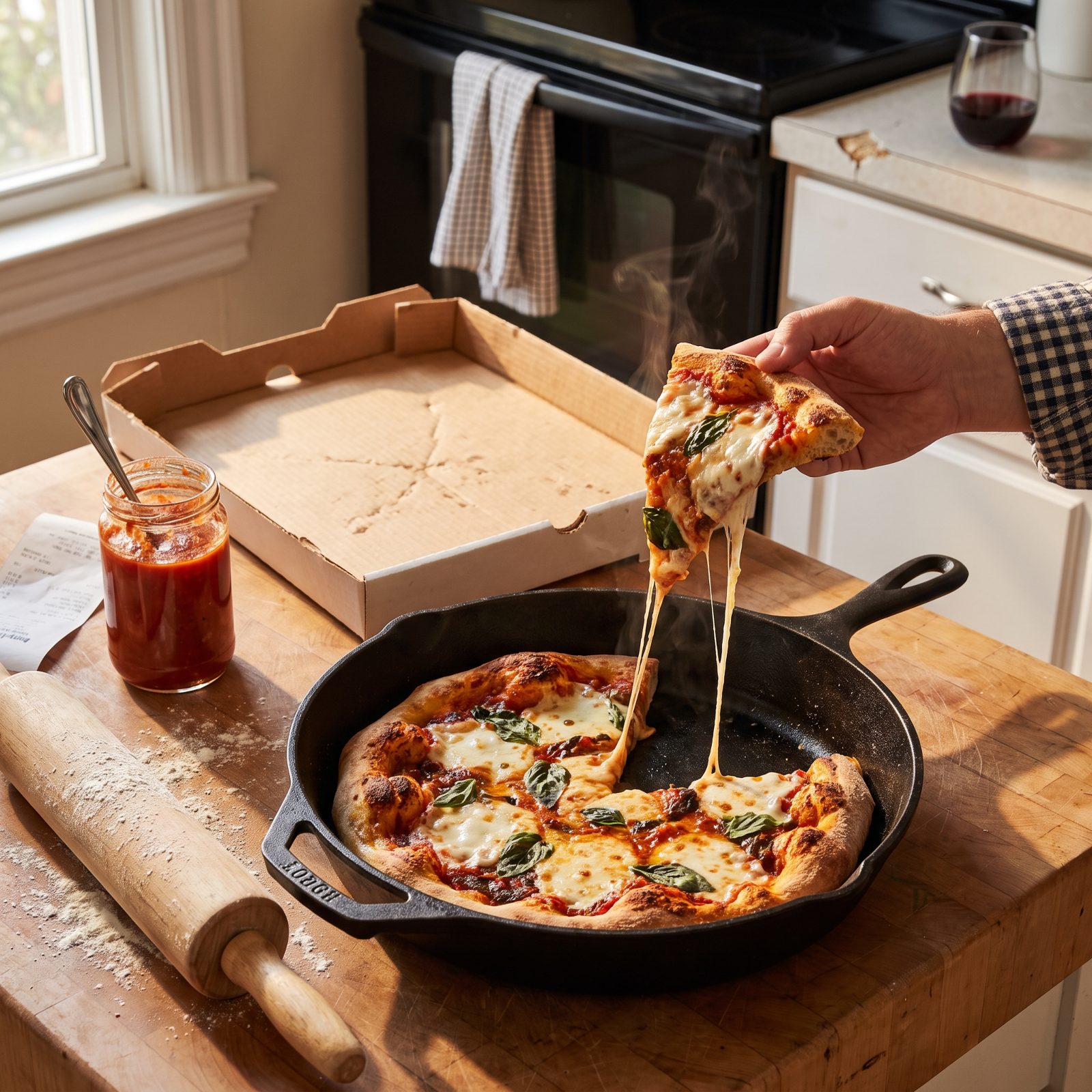
For years the Friday order was muscle memory. Same pizza, same window, someone else cracking the box open on the table. Now you’re standing at your own counter with flour on your hands, pulling a cheesy slice from a blistered skillet pie baked in the oven you were never in charge of before. And it’s good. Not restaurant good, maybe, but good enough that you sit down a little taller.
This is the first repair job. You take a thing that used to arrive from the outside and learn you can make it yourself. The pizza was never the point. What matters is the quiet proof that the parts of life you thought needed another person, or a phone call, or a delivery driver, were inside your own two hands the whole time.
7. You Plate Dinner for One Like Company Is Coming
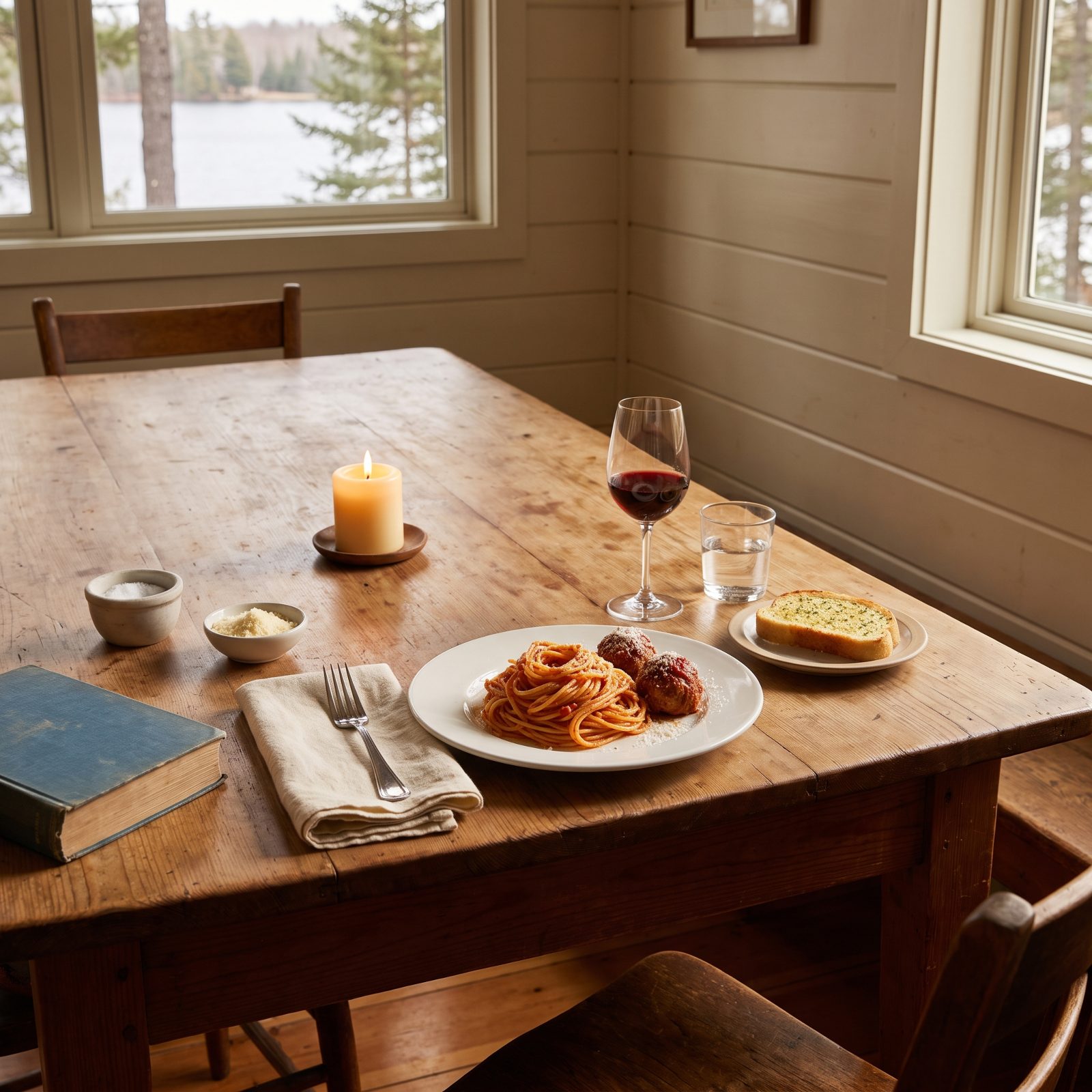
It would be easier to eat standing over the sink. A fork straight from the pot, the TV on, dinner finished before you noticed it started. Plenty of nights go exactly that way. But some nights you put dinner on an actual plate, twirl the spaghetti into a nest, light the stub of a candle, and pour yourself the good glass, the one that used to only come out for guests.
Here’s the quiet rebellion. You’re treating yourself like someone worth setting a table for. In a marriage, effort flows toward the other person, and when that person is gone, a lot of folks decide they no longer rate the effort. Plating dinner for one, properly, is you deciding otherwise.
You’re the company now. You’re worth the candle.
6. Sunday Meal Prep Gives the Week Its Bones Back
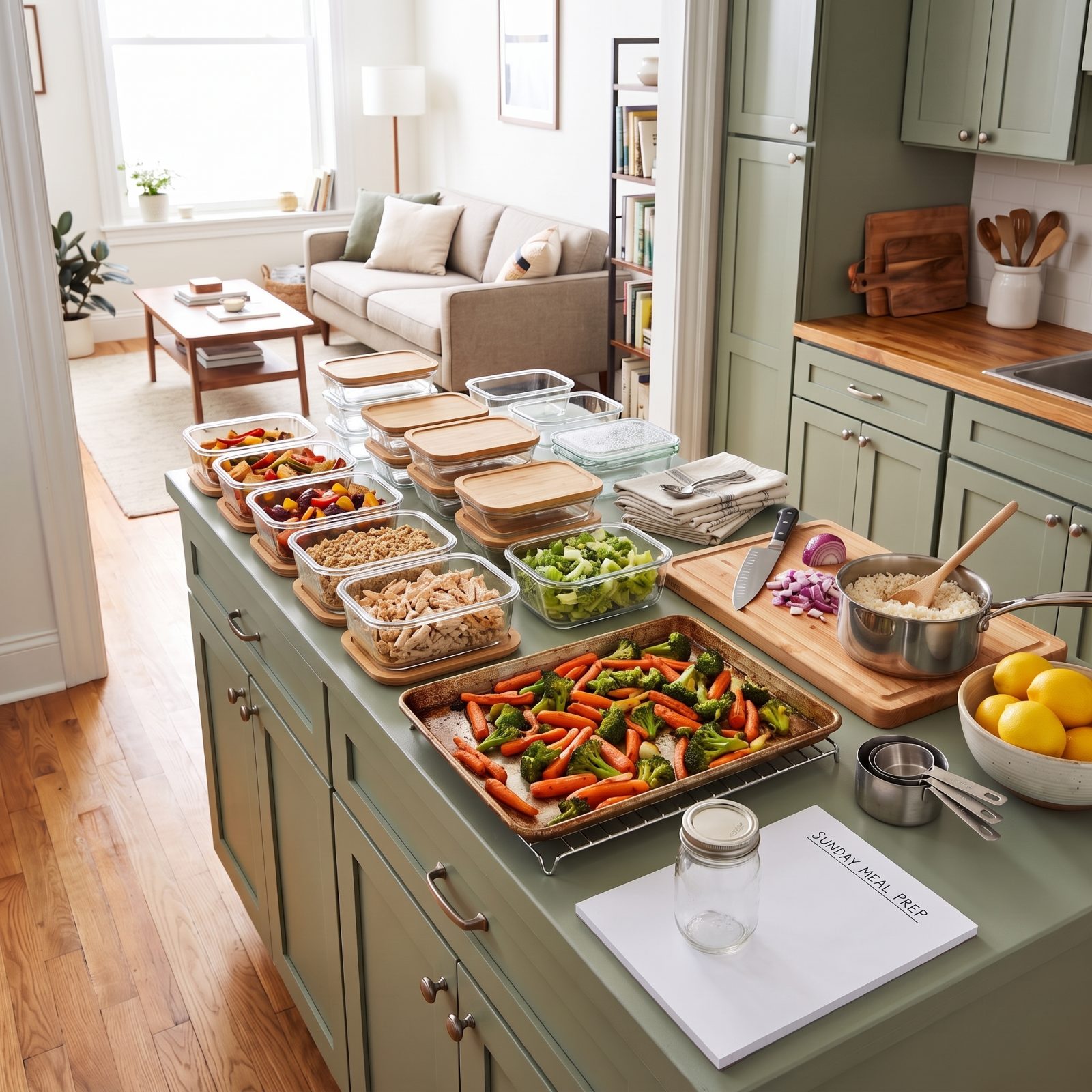
The week used to run on someone else’s schedule. Their late meetings, the kids’ practices, dinner negotiated nightly like a hostage situation. Now the week is yours to build, and an empty calendar can feel less like freedom and more like a held breath. So on Sunday you roast a sheet pan of vegetables, cook a pot of rice, and line up the glass containers like soldiers.
Structure is the thing you lost and missed most without ever knowing its name. A marriage, for all its friction, gave the days a shape. Meal prep rebuilds that shape from the inside out, one Tuesday lunch at a time.
5. You Freeze Single Servings for Your Future Self
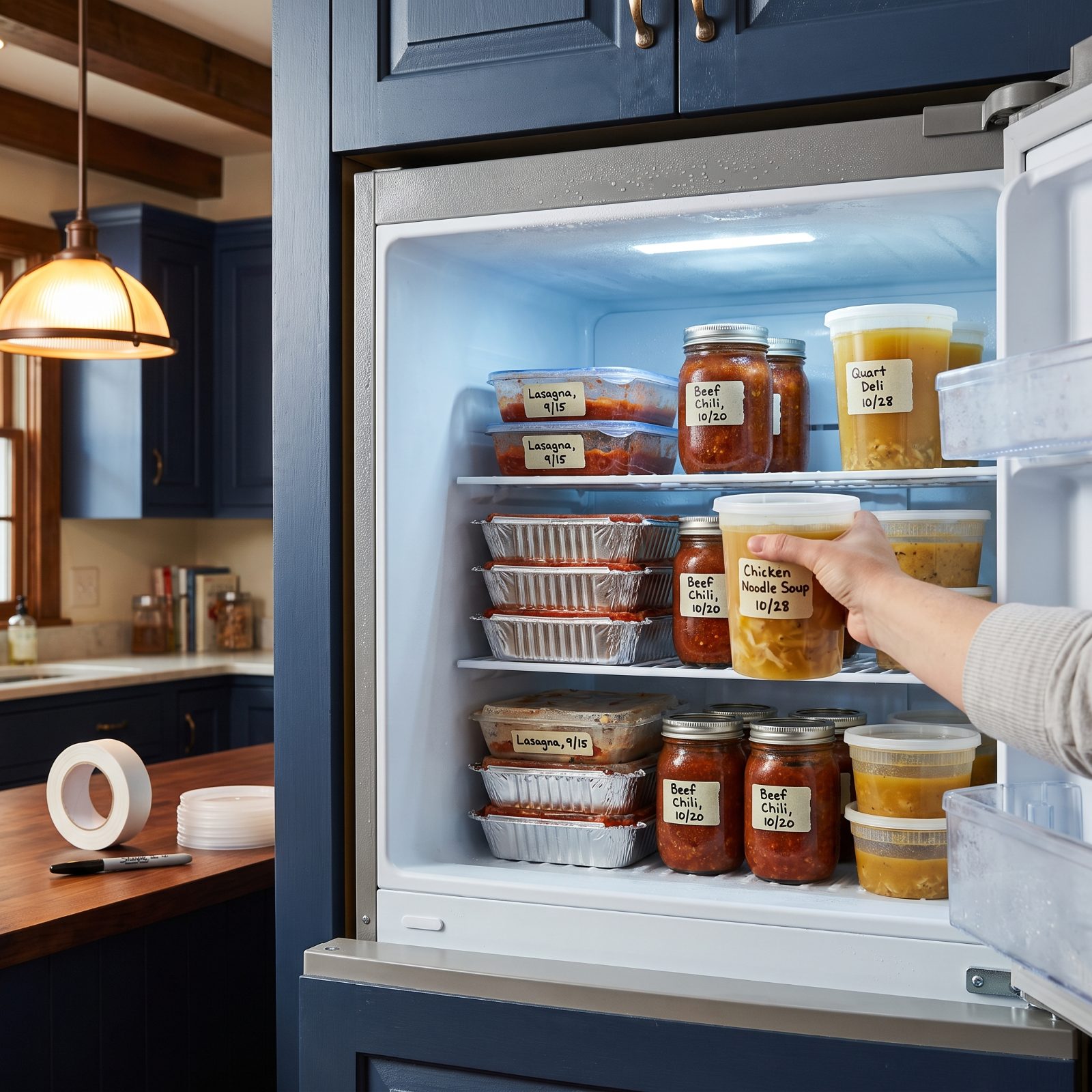
You cooked the whole lasagna out of habit. A family’s worth of pasta for a table of one. Rather than eating it six days running, you portion it into small foil trays, stack them beside the jars and tubs of soup, and slide them into the freezer, the dates scrawled right on the containers.
Look at what you just did. You made a quiet promise to the version of yourself who’ll come home drained three Wednesdays from now with nothing left to give. You’re already on their side. Back in the marriage, someone else might have been the one who thought ahead, who stocked the pantry, who remembered. Now you’re both people. Provider and provided-for.
Freezing dinner for next month is an act of faith that next month is coming, and that you plan to be there for it.
4. You Invite Friends Into the Old Date-Night Slot
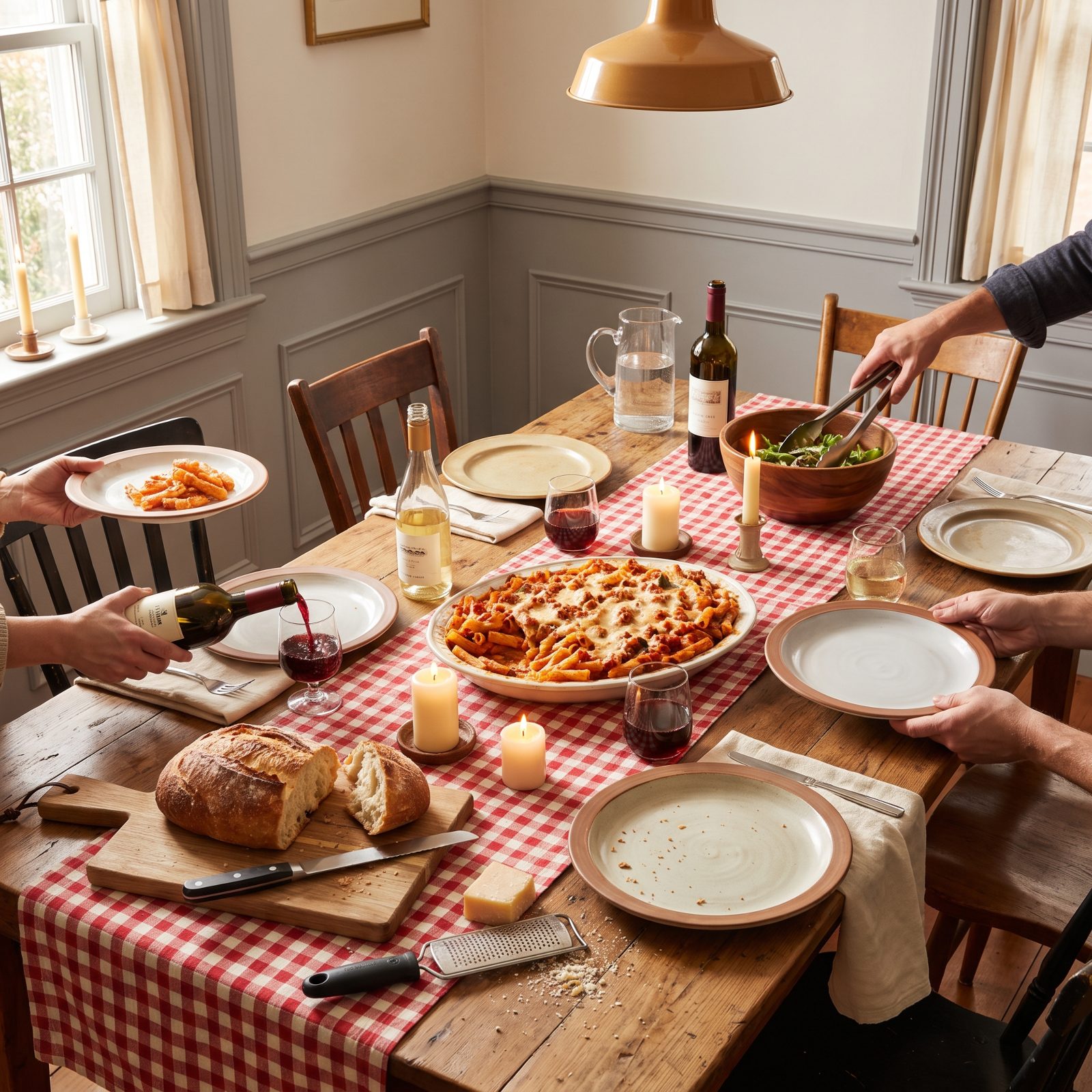
Friday night held a certain gravity for years. The date-night slot, sacred and sometimes dreaded, two people performing closeness at a corner table. Now Friday sits there empty, daring you to do something with it. So you fill the house with friends instead, a baked ziti the size of a toddler, too much wine, mismatched chairs dragged in from every room.
The slot didn’t disappear. You repurposed it. The hours that once belonged to a couple now belong to a table full of people who actually want to be there.
And this matters more than it looks. Humans are wired for connection, and divorce tends to shrink the social circle right when you need it most. Hosting is how you widen it back out. You stop waiting for an invitation and become the one who sends them.
If you need a low-stress way to feed a crowd, board spreads got more hearts from our readers than the other images in the same articles, 87% versus 80%.
3. You Take a Pasta Class and Meet Different People
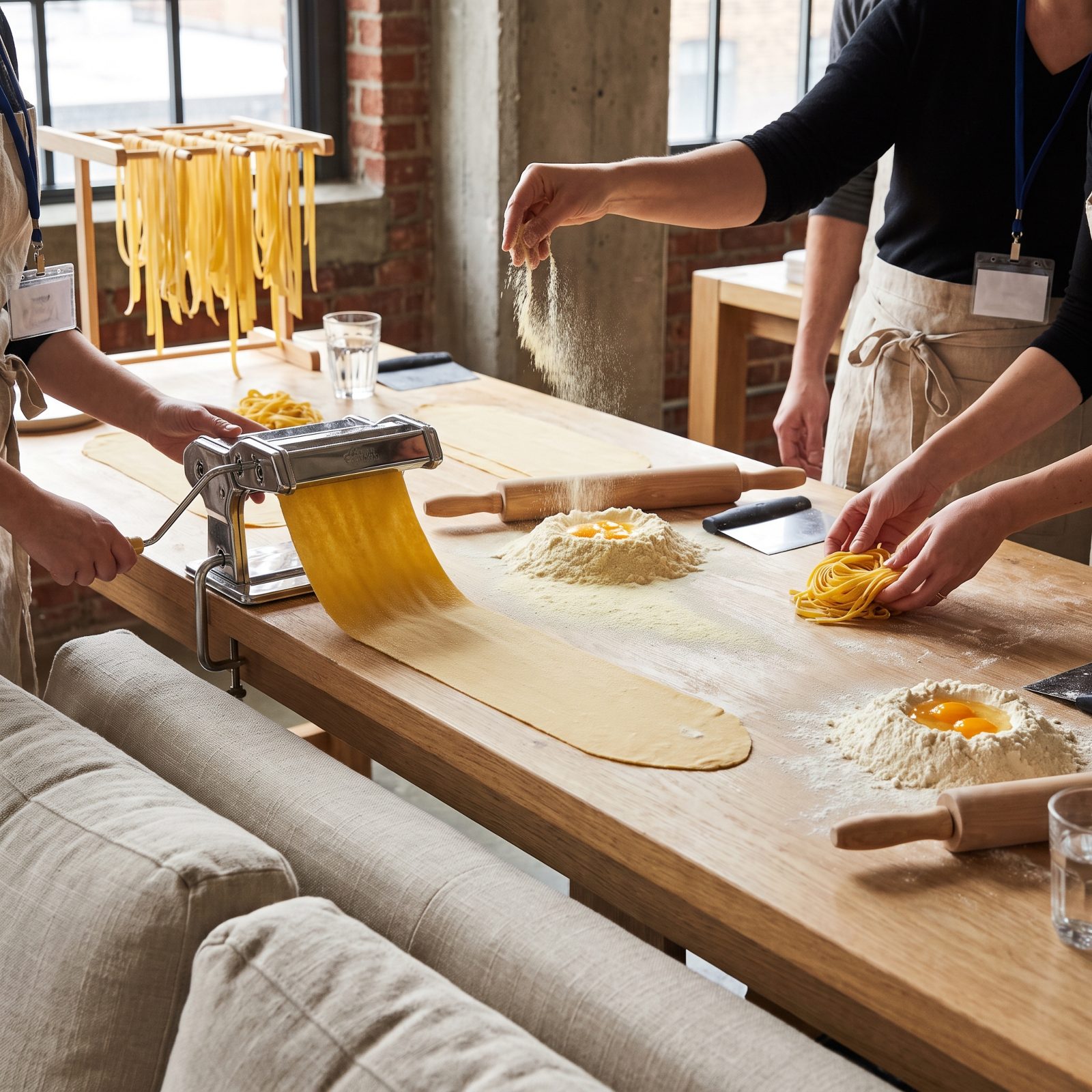
Signing up alone felt like a dare. A Tuesday evening pasta class, a room full of strangers, nobody there to turn to and whisper with. You almost bailed. Then you’re elbow-deep in semolina next to a retired schoolteacher and a guy who’s clearly never cracked an egg in his life, and the awkwardness dissolves into flour.
The tagliatelle was never the goal. What you came for was proximity to people outside the orbit the marriage built. Couples accumulate couple friends, and divorce can quietly empty that address book. A class drops you among people with no history, no sides taken, no opinion on how it all ended.
2. One Signature Dish Becomes Your New Calling Card
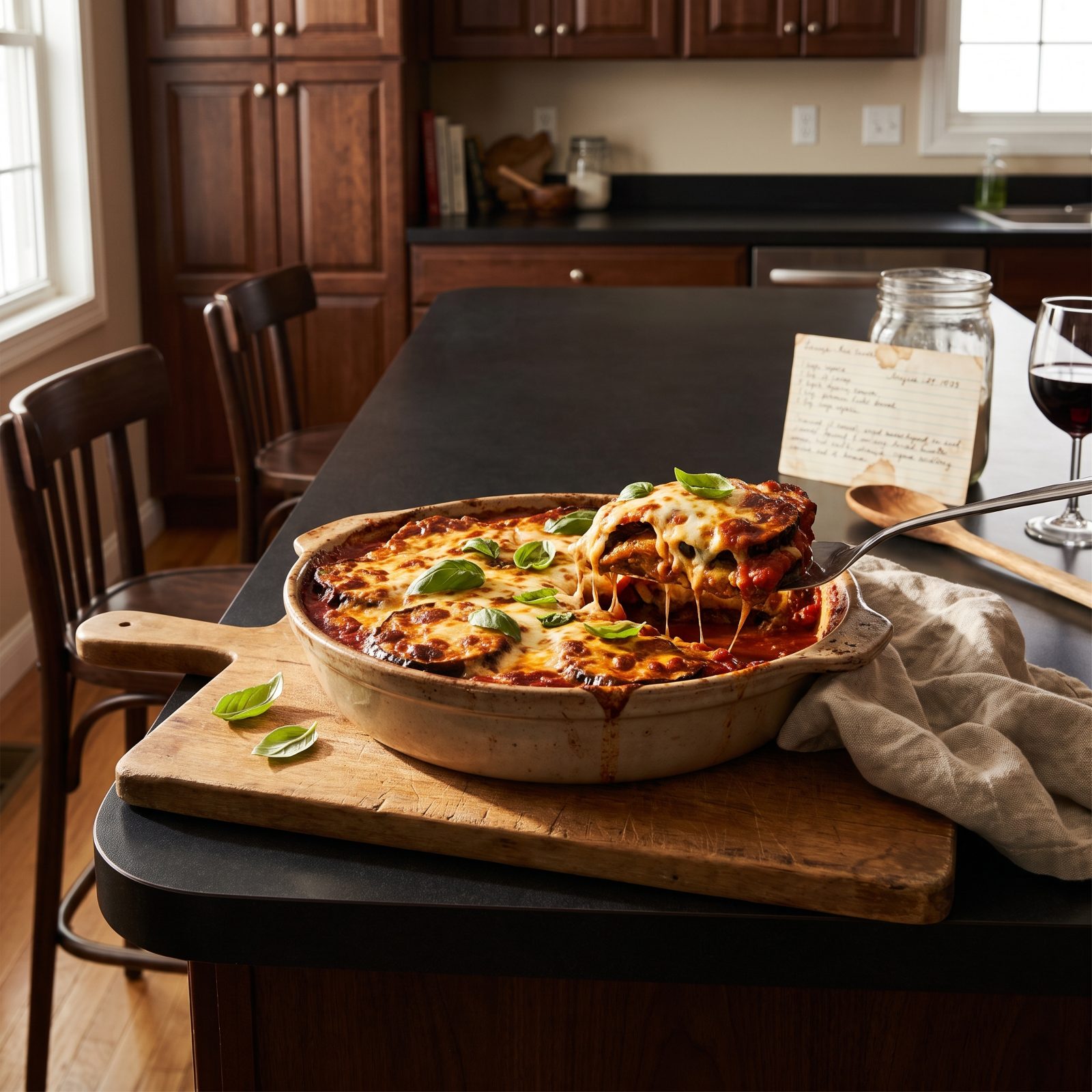
Everyone who cooks their way back to themselves ends up with one dish they own completely. The eggplant parm nobody can touch. The Sunday gravy that takes four hours and gets requested by name. You didn’t plan it. You just made it enough times that it became yours.
A signature dish is identity you can taste. When a marriage ends, a lot of the old labels fall away, wife, husband, half of a familiar pair. You get to decide what fills the gap, and becoming the person who makes the best lasagna in the family is as good a thing to be as any.
1. You Keep One Shared Recipe Without Keeping the Marriage
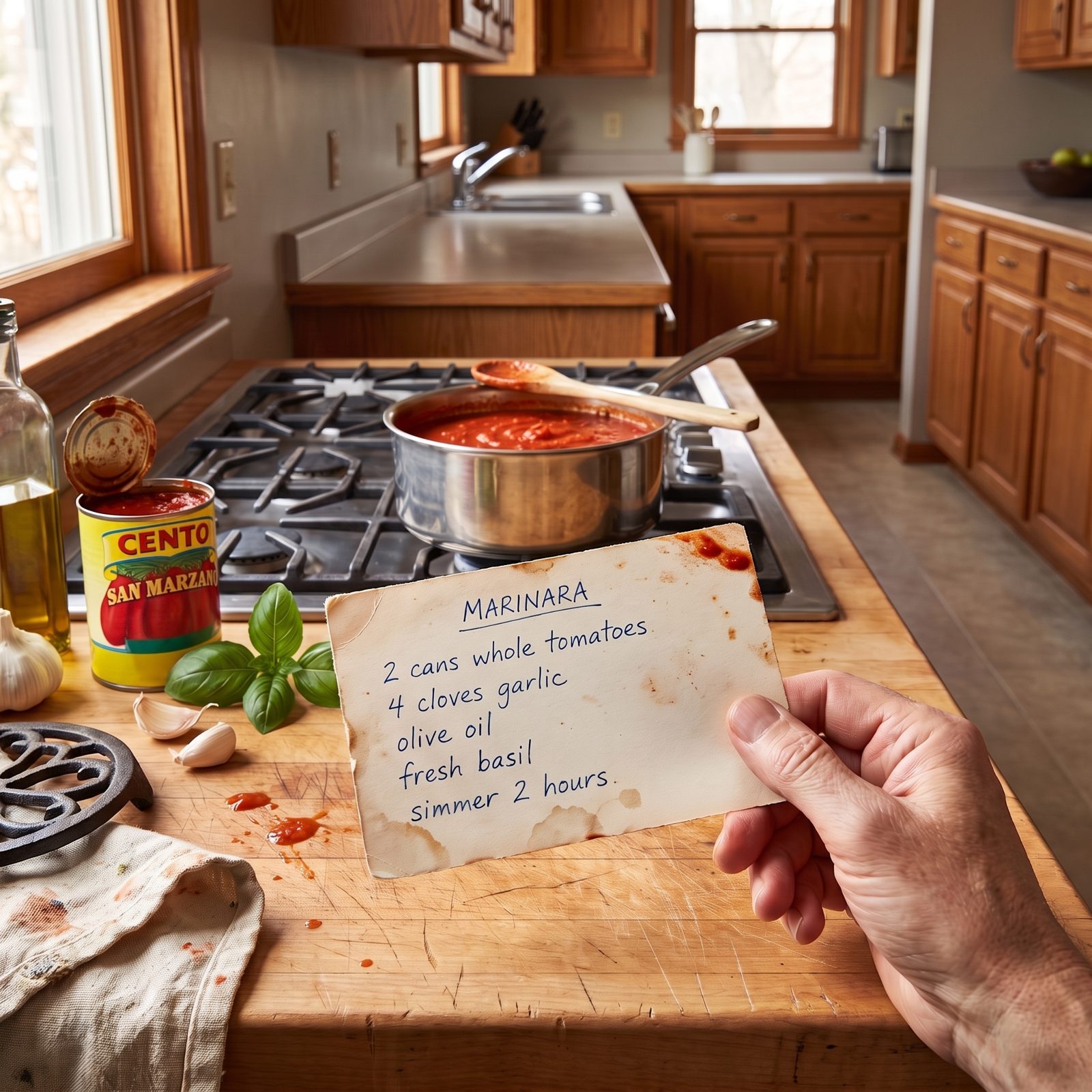
The recipe card is soft at the corners now, stained with a decade of splatters, the handwriting not even yours. It came from the marriage. The Sunday sauce you learned together, argued over the salt in, made so many times you could do it in your sleep. And you kept it. You still make it.
Here’s the grown-up part. You can hold onto something good from a thing that ended without pretending the thing itself should have lasted. The sauce was real. The years around it were real. None of that gets erased because the marriage did.
Keeping the recipe isn’t weakness and it isn’t clinging. It’s the recognition that a life, even one you’re rebuilding, is made of layers, and you get to choose which ones you carry forward. The sauce stays. The rest you let go. Alright, go stir the pot.