
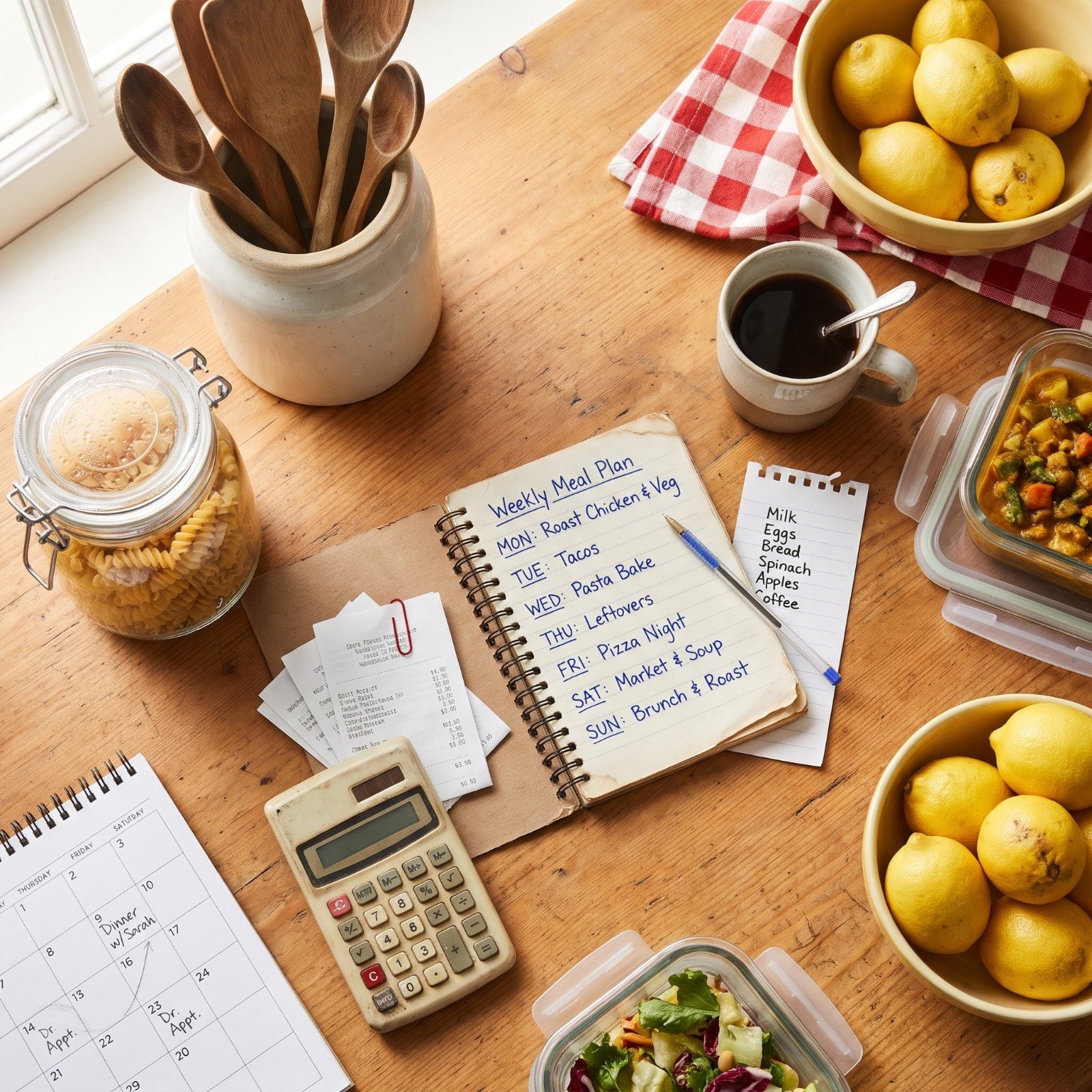
Nobody handed you a title, a corner office, or a quarterly bonus. But the second you figured out how to feed four people on a Tuesday without a second trip to the store, you were running operations. The kitchen table is a boardroom with better snacks. Every grocery run is procurement, and every Sunday meal plan is a strategy session nobody invited the shareholders to. We went looking at the quiet machinery of feeding a household and found a working business hiding in plain sight, apron and all. Here’s what we found.
Please note that some of the images in this article were created with the assistance of AI.
39. Meal Planning Works Like Strategic Planning
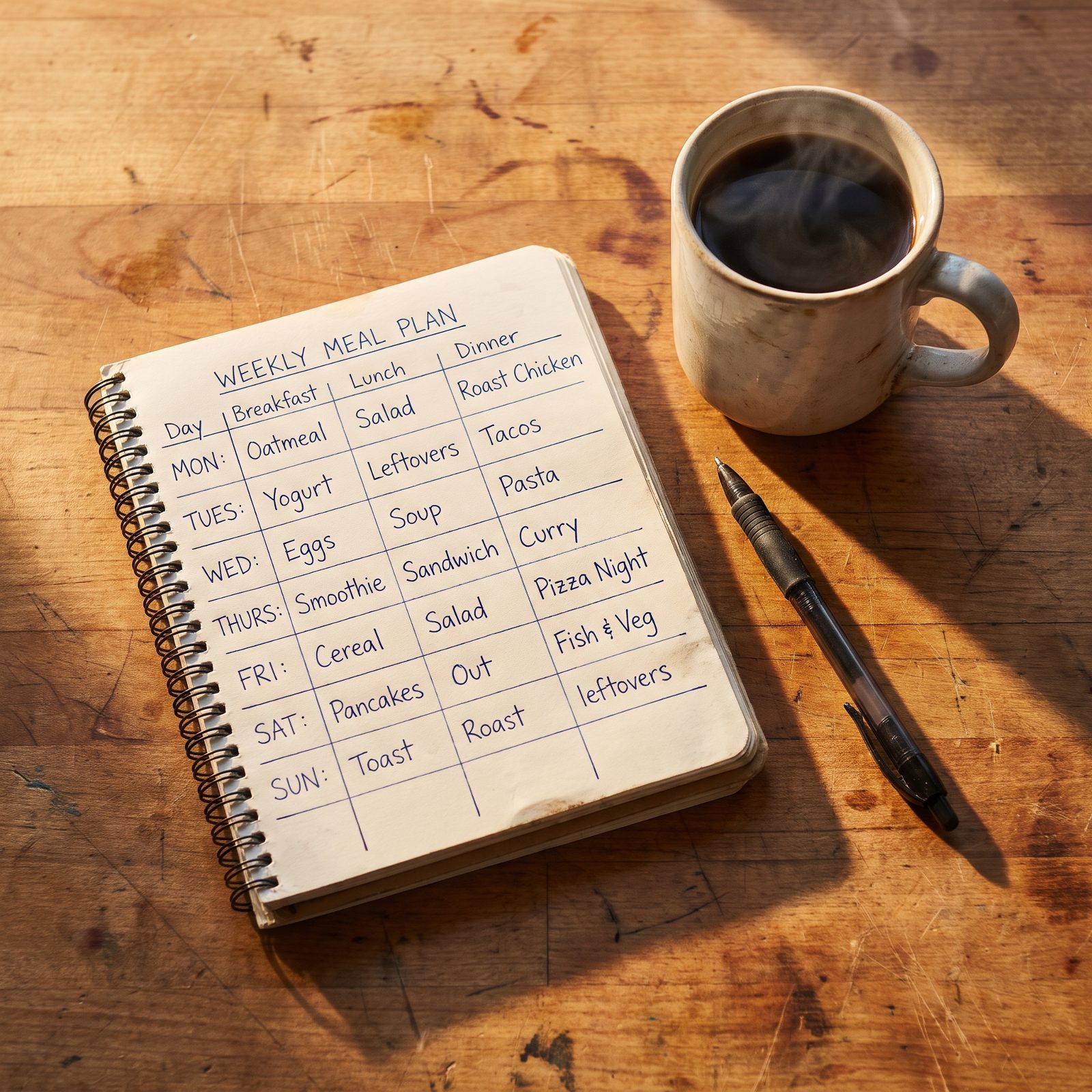
Sunday afternoon, a notebook, and the quiet dread of answering “what’s for dinner” five more times before Friday. That’s a strategy session. You’re forecasting, allocating resources, hedging against the night everyone gets home late and nobody wants to cook.
The households that wing it every single evening pay for it. They pay in drive-thru money, in wilted spinach gone to slime, in that 6 p.m. panic where the only answer is cereal. A plan isn’t about rigidity — it’s about not making forty small decisions while hungry and tired.
38. A Grocery Budget Is a Cash-Flow Plan
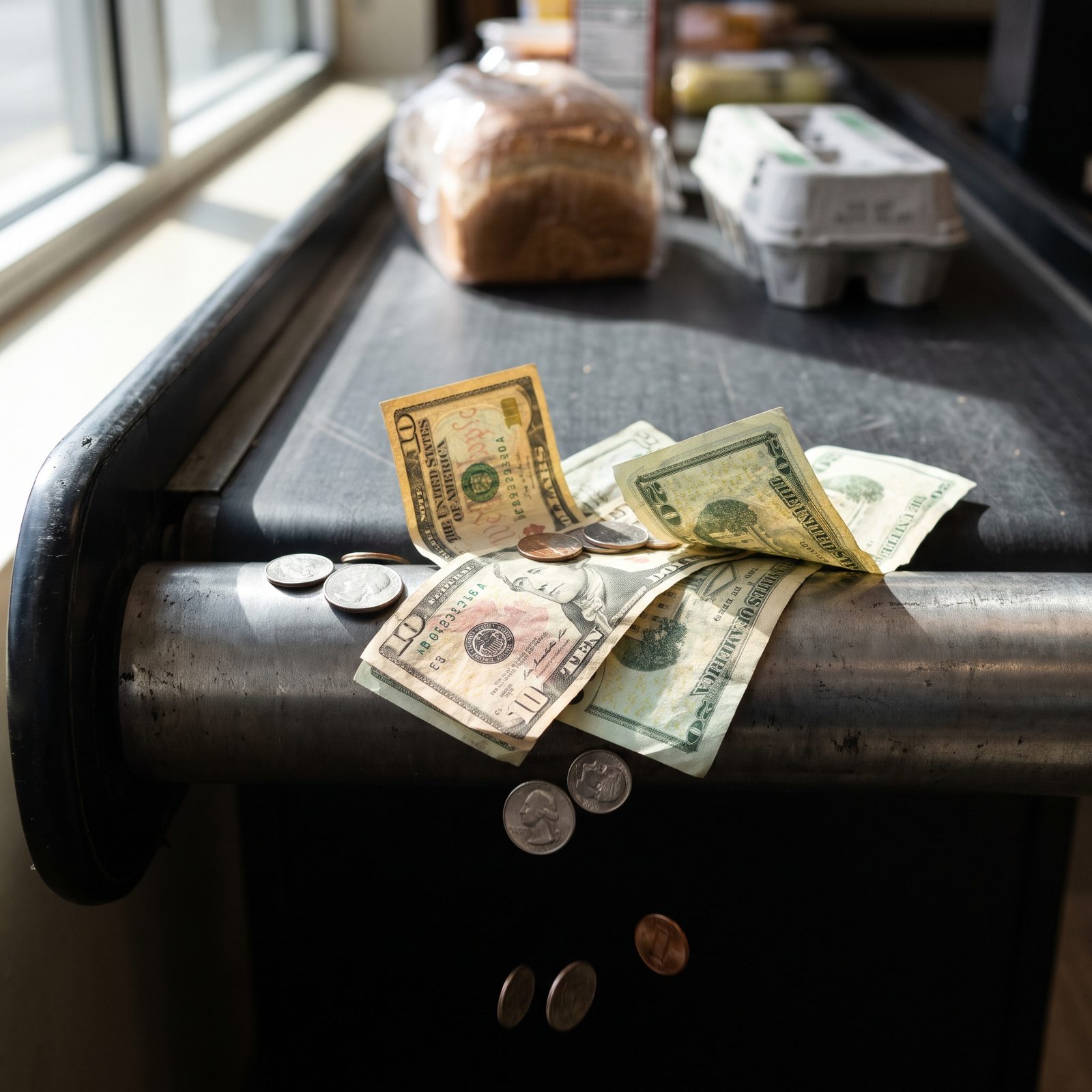
Money doesn’t disappear at the grocery store. It leaks. Three dollars here on a snack nobody asked for, five there on the fancy mustard, and suddenly the week’s budget is gone by Wednesday with no dinners to show for it.
A grocery budget is cash flow, plain as that. You’ve got a fixed inflow and a hungry outflow, and the whole game is timing. We ran this badly for years, treating every trip like a surprise. The store is never the surprise. We are.
37. Counting Diners Before Cooking Is Demand Forecasting

Cook for four when three are home and you’ve got a forecasting miss. Cook for three when a kid brings a friend, and someone’s eating a sad slice of toast at the counter.
Every good cook does the headcount before the burner goes on. Who’s here, who’s out, who claims they’ll eat and then picks. That last one is the demand forecaster’s nightmare — the customer who orders and ghosts.
Get it right and leftovers become lunch, a tidy little profit. Get it wrong and you’re either scrambling or scraping plates into the bin, which is just inventory you paid for and threw away.
36. The Family Calendar Drives the Production Schedule
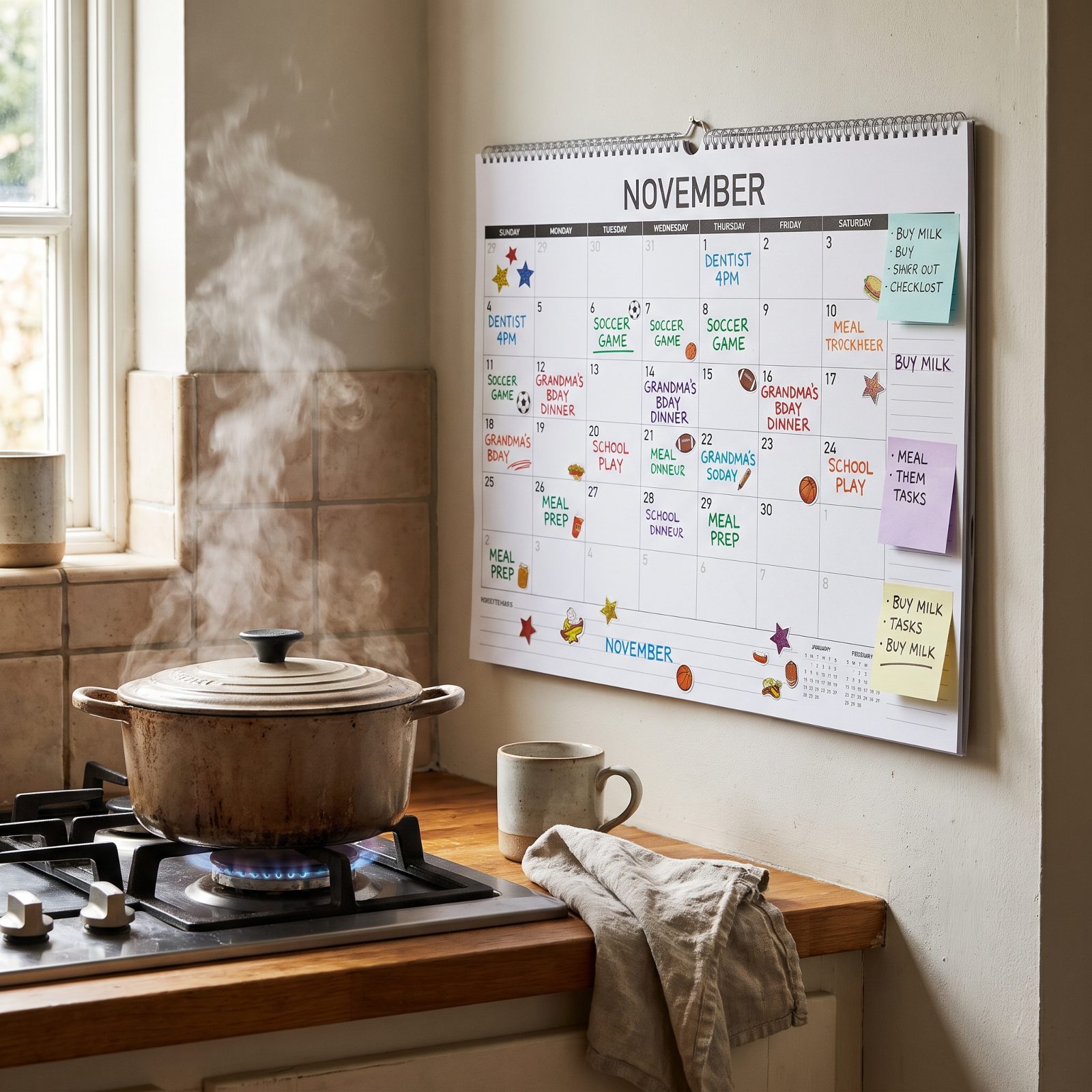
A factory doesn’t build the same thing on every shift. It builds to the schedule. Your kitchen is no different, and the family calendar is that schedule whether you’ve acknowledged it or not.
Tuesday is the night two kids have practice until seven, so that’s a slow-cooker night, something that cooks itself while nobody’s home. Saturday has nothing on it. That’s when you make the thing that takes three hours and smells up the whole house in the best way.
Match the meal to the day’s chaos level. An elaborate roast on a weeknight is a scheduling error, and you’ll feel it at 8 p.m. with a sink full of pans.
What Our Readers Say
- When Piaci Pizza readers loved a food photo and tapped a reason, comfort came out on top at 30%, ahead of ingredients and simply looking good.
From Piaci Pizza reader polls and votes.
35. The Pantry Requires Real Inventory Control

The rusted, unlabeled can sitting forgotten on a pallet in the middle of the floor is a warehouse problem. So is buying your third jar of cumin because you couldn’t see the first two.
Inventory control is just knowing what you have before you need it. First-in, first-out, the oldest stuff up front where you’ll actually use it. Label the jars. We resisted this for ages, thought we’d remember. We never remembered.
34. A Shopping List Functions Like a Purchase Order
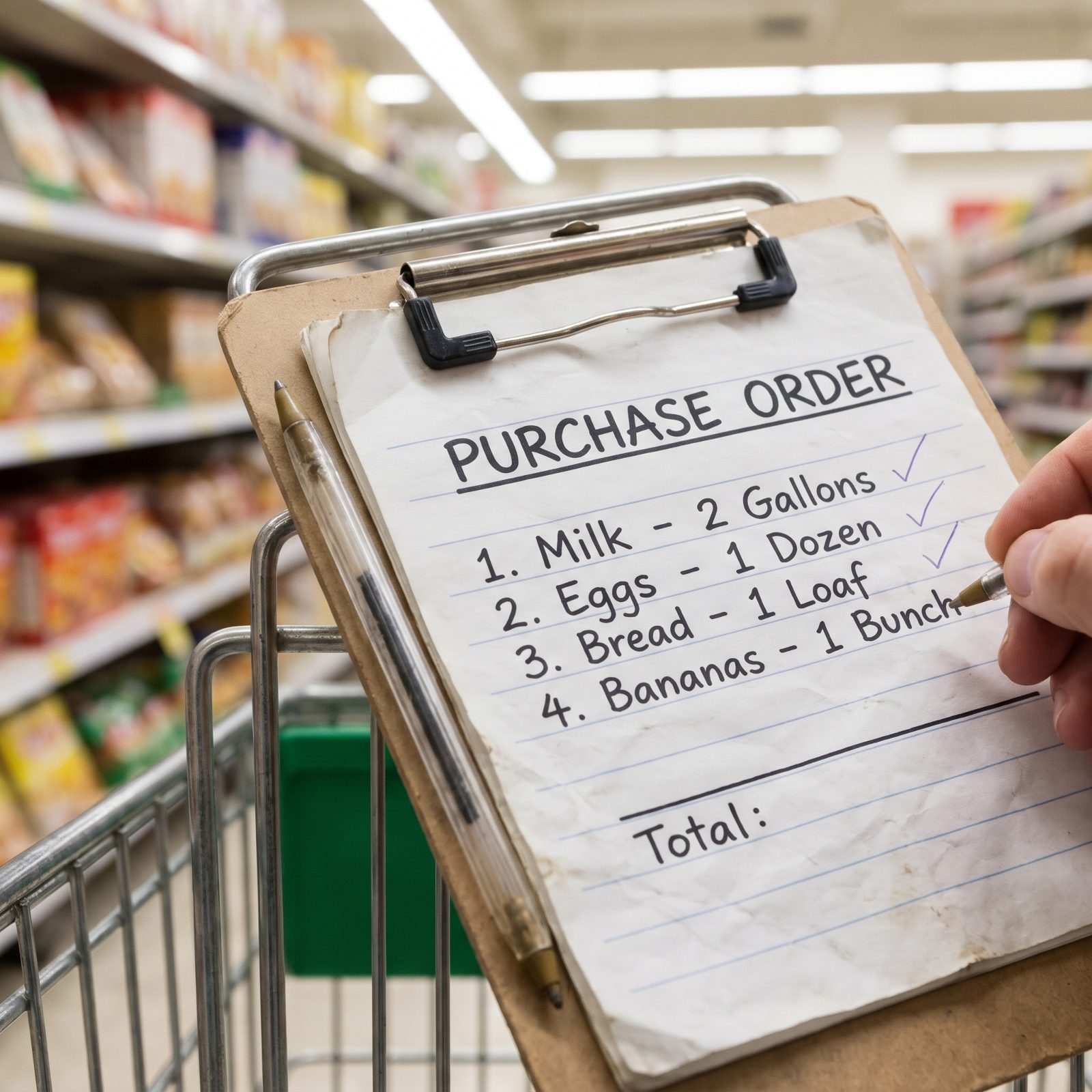
A list you don’t follow isn’t a list. It’s a suggestion, and the store is very good at talking you out of suggestions.
A real shopping list is a purchase order. It specifies what, how much, and nothing else — and the discipline is in the nothing else. The list clipped to this cart is headed “PURCHASE ORDER” and means it: Milk – 2 Gallons, Eggs – 1 Dozen, Bread – 1 Loaf, Bananas – 1 Bunch, each checked off as it goes in. That’s an order, not a suggestion. Walk in with a PO and you walk out with groceries. Walk in without one and you walk out with a cart full of impulse and no actual dinners.
33. Comparing Grocery Stores Is Supplier Sourcing
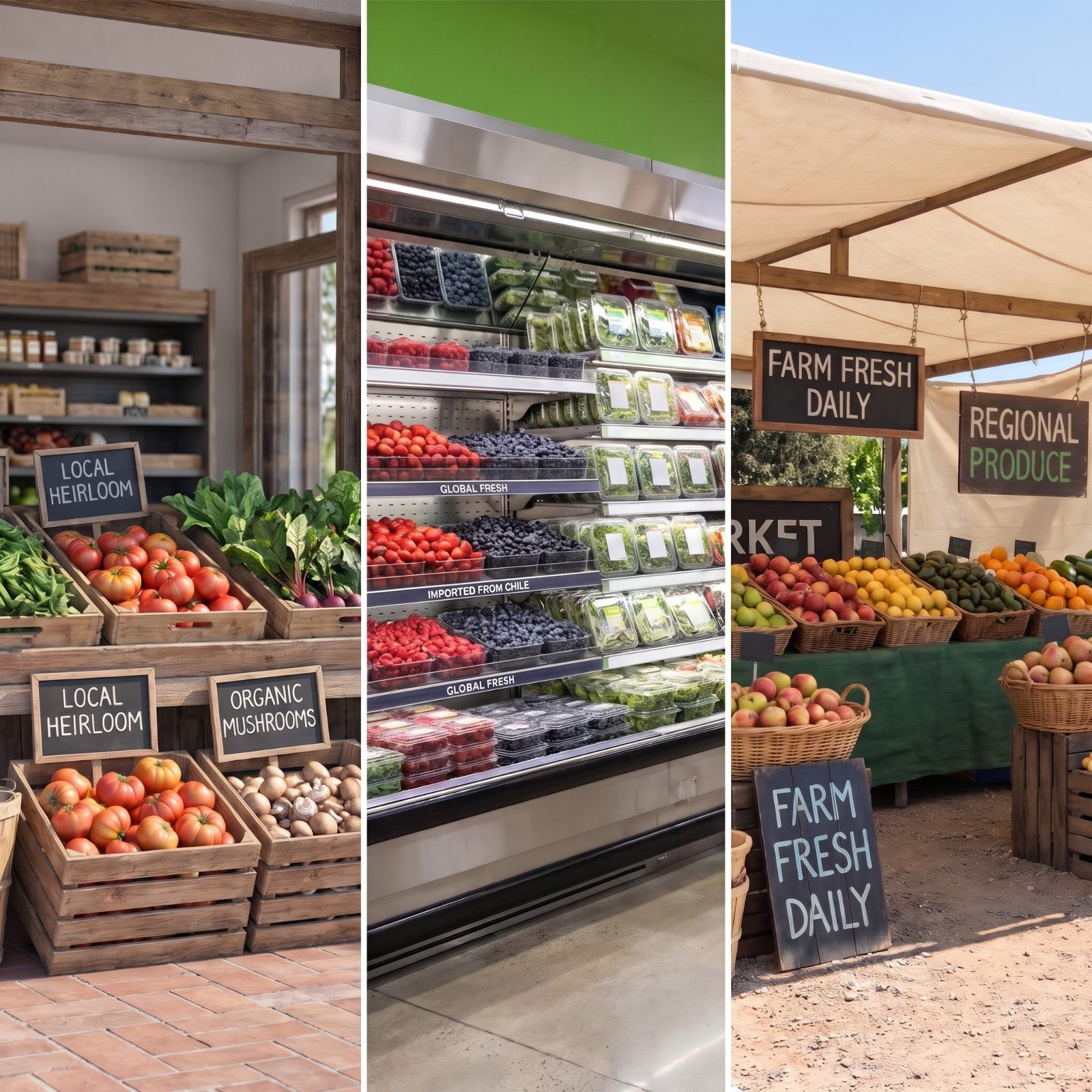
One store has the good bread. Another beats everyone on produce but gouges you on anything in a box. A third is cheaper across the board, but it’s a twenty-minute drive and your Saturday is worth something too.
That’s supplier sourcing. No single vendor wins on everything, and the smart operation splits its purchasing by strength. Loyalty to one store feels tidy. It’s also how you quietly overpay for years.
You don’t need a spreadsheet. You just need to notice. The warehouse club saves real money on staples and costs you real money on the five-pound bag of arugula that rots before you finish it.
32. Mise en Place Creates an Efficient Workflow
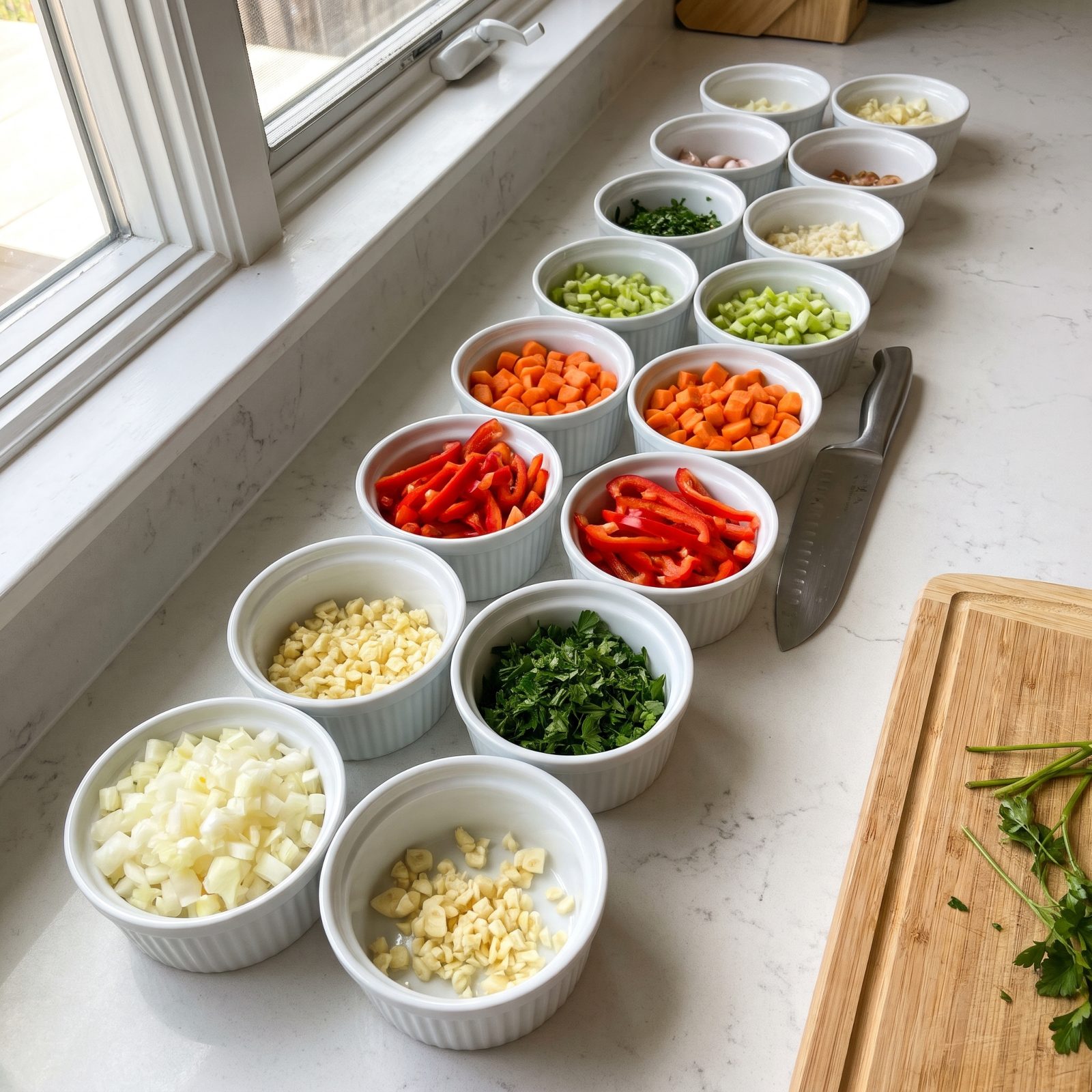
Mise en place means everything in its place, and it’s the single most useful idea professional kitchens ever handed to home cooks. Prep it all first — every ingredient chopped, measured, lined up before a single thing hits the heat.
It’s workflow design. You’re separating the thinking work from the doing work so you’re never fumbling for the garlic while the onions burn. We ignored this for years and cooked in a frantic scramble every night, blaming the recipe.
Our readers seem to enjoy the process too: photos showing cooking in progress got more hearts than the other images in the same articles, 86% versus 79%.
31. Assigning Dinner Duties Is Workforce Planning
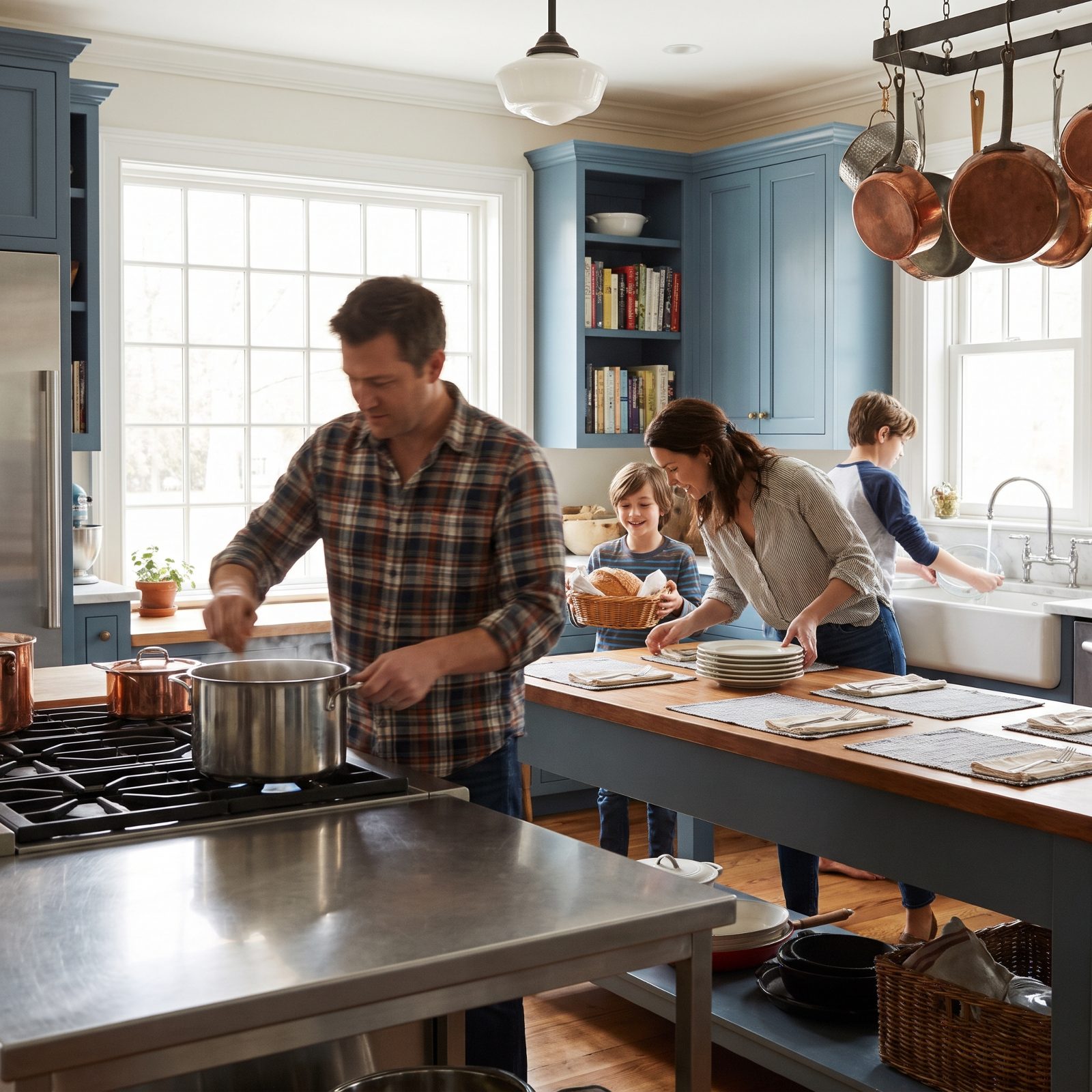
One person doing everything is a bottleneck with a spatula. The cook, the setter, the clearer, the dishwasher — that’s four roles, and running them solo every night is how resentment gets cooked into the casserole.
Workforce planning means matching the person to the task and actually handing it over. The teenager who grumbles can set a table. The spouse who claims they can’t cook can absolutely wash a pan.
The trick nobody mentions? Delegating badly is worse than not delegating at all. Assign the job, then let them do it their way. Hovering is just doing the work twice.
30. Teaching Children Kitchen Tasks Is Employee Onboarding

The first time a kid cracks an egg, half of it ends up on the floor and you’ll be tempted to never let them near one again. Bad onboarding instinct. It costs you later.
Teaching a child to cook is onboarding — slow and messy and absolutely worth it. You’re trading short-term efficiency for a future where someone else can make dinner, and the payoff is years out, which is exactly why most of us skip it.
Start them small. Stirring, washing, tearing lettuce. The egg on the floor is a training cost, not a failure. Good operations invest in people before they need them, and the kid who learns to cook at ten becomes the teenager who makes Sunday breakfast at sixteen. Best return in the whole kitchen, honestly.
29. Recipes Serve as Standard Operating Procedures
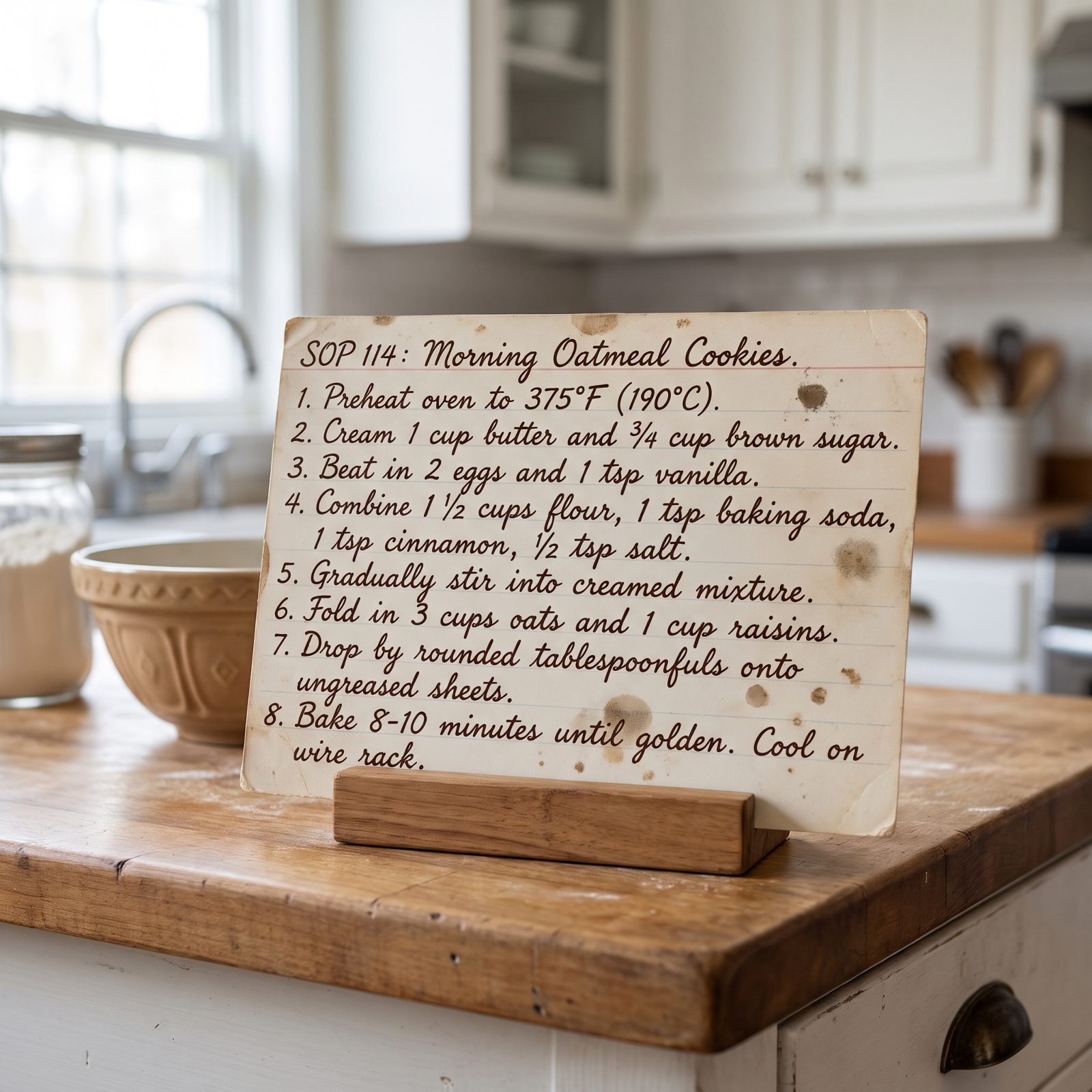
A recipe is just an SOP that happens to end in dinner. Same ingredients, same steps, same result every time, so anyone who can read can produce the thing without you hovering over them, as long as the card is actually usable. The one pictured is: it’s even titled “SOP 114: Morning Oatmeal Cookies,” and its eight numbered steps spell out every amount, from “1 cup butter and ¾ cup brown sugar” to “Bake 8-10 minutes until golden,” so anybody could turn out a batch from it. Document a process and it survives you leaving the room. That’s the entire value.
We ignored this for years, kept the good meatloaf entirely in our heads, and the one night the cook had a fever and tried to talk somebody through it from the couch, we ended up with something closer to a brick. So write it down, clearly, with the ingredients first and real steps after. A spattered, stained card standing up in a wooden recipe card stand beats any memory you’ve got.
28. Batch Cooking Delivers Economies of Scale
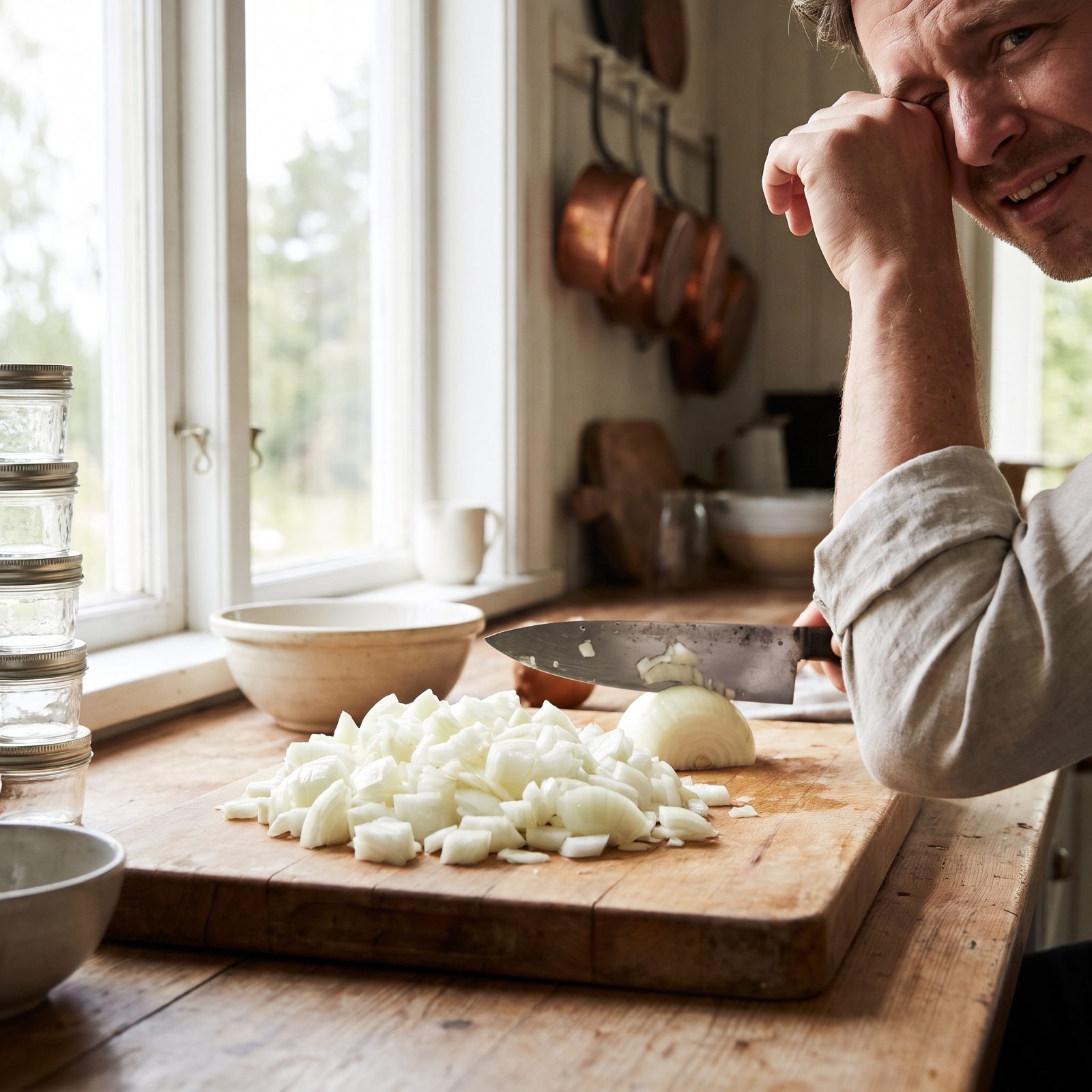
Chop one onion or chop five, you’re still washing the board and crying the same tears. That’s batch cooking in one sentence: the setup cost is fixed, so spread it across more units. Make a double batch of sauce, freeze half, and next Thursday dinner is already done before you’ve shrugged off your coat.
Restaurants figured this out a century ago. Prep once, portion many. The home version just has worse labeling.
27. Repurposing Leftovers Maximizes Existing Assets
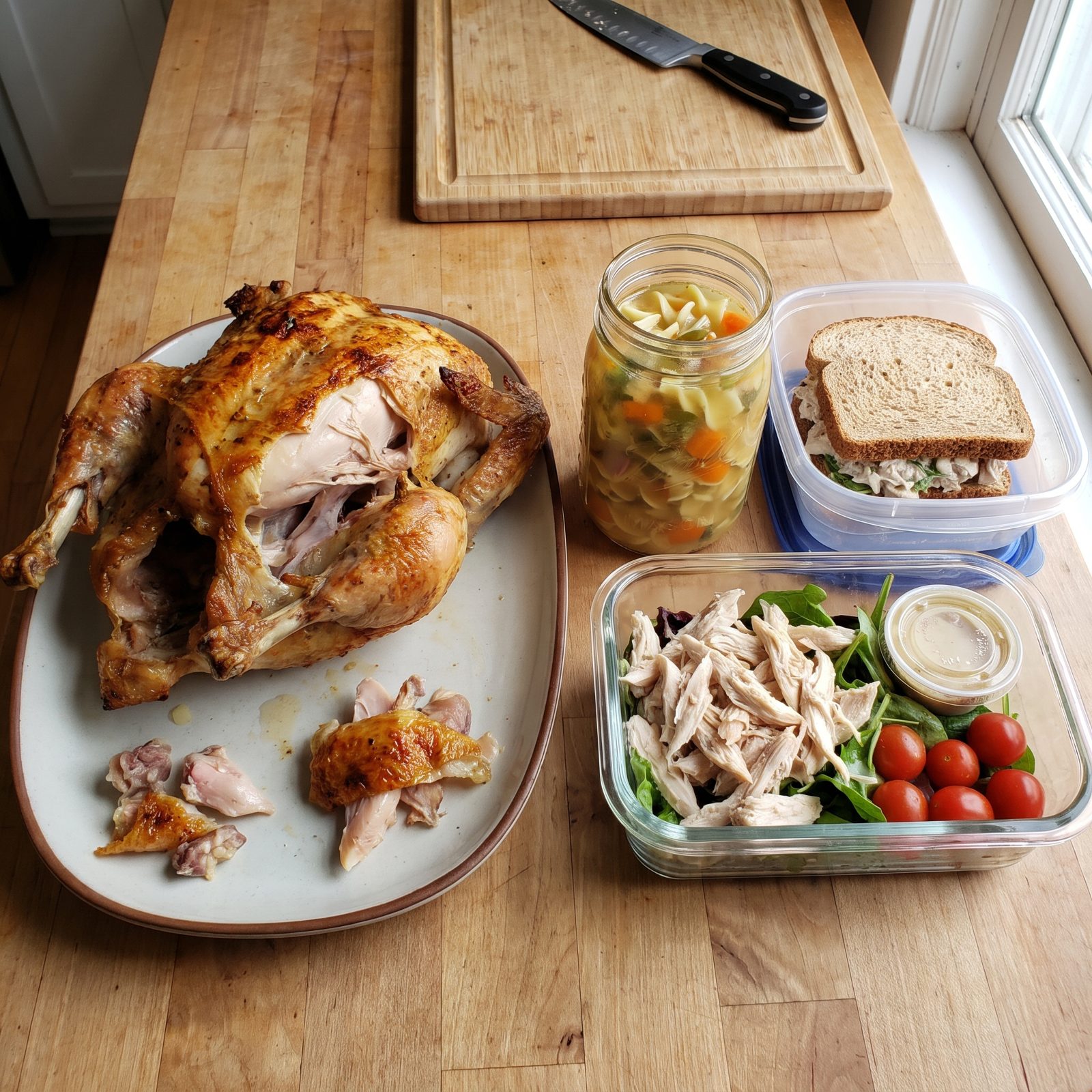
Last night’s roast chicken is not leftovers. It’s inventory. A smart kitchen never lets an asset depreciate in the back of the fridge until it has to be written off into the trash.
A jar of noodle soup, a chicken salad sandwich, and a shredded-chicken salad with tomatoes, all from a single bird. You bought the chicken once and you’re collecting on it three times. Toss good food and it’s the household version of expired stock gathering dust on a shelf, stinging exactly the same way when you catch yourself doing it.
26. Trying One New Recipe Is a Small Product Launch
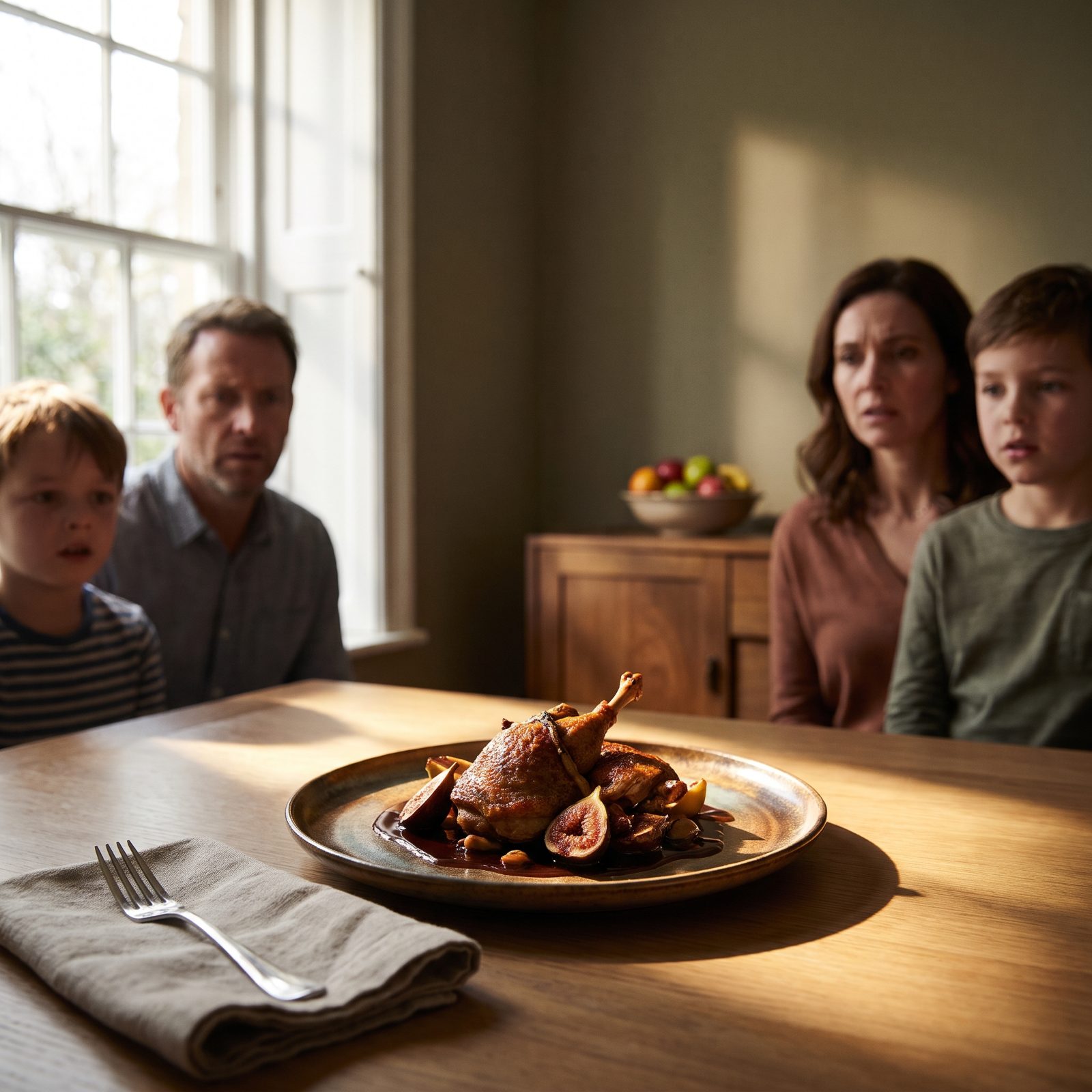
Every new recipe is a bet with real stakes. You’re committing grocery money, an hour of your evening, and your reputation at the table to something nobody has tasted yet. That’s a product launch, minus the press release.
So soft-launch it. Don’t attempt the complicated Moroccan tagine for the first time the night your in-laws visit. Test it on a quiet Tuesday when a flop just means cereal for dinner and a shrug. We learned this the hard way with a soufflé that landed like a frisbee in front of company.
A recipe you’ve never made is a promise you haven’t checked. Launch it when failure is cheap.
25. Family Reactions Provide Instant Market Research
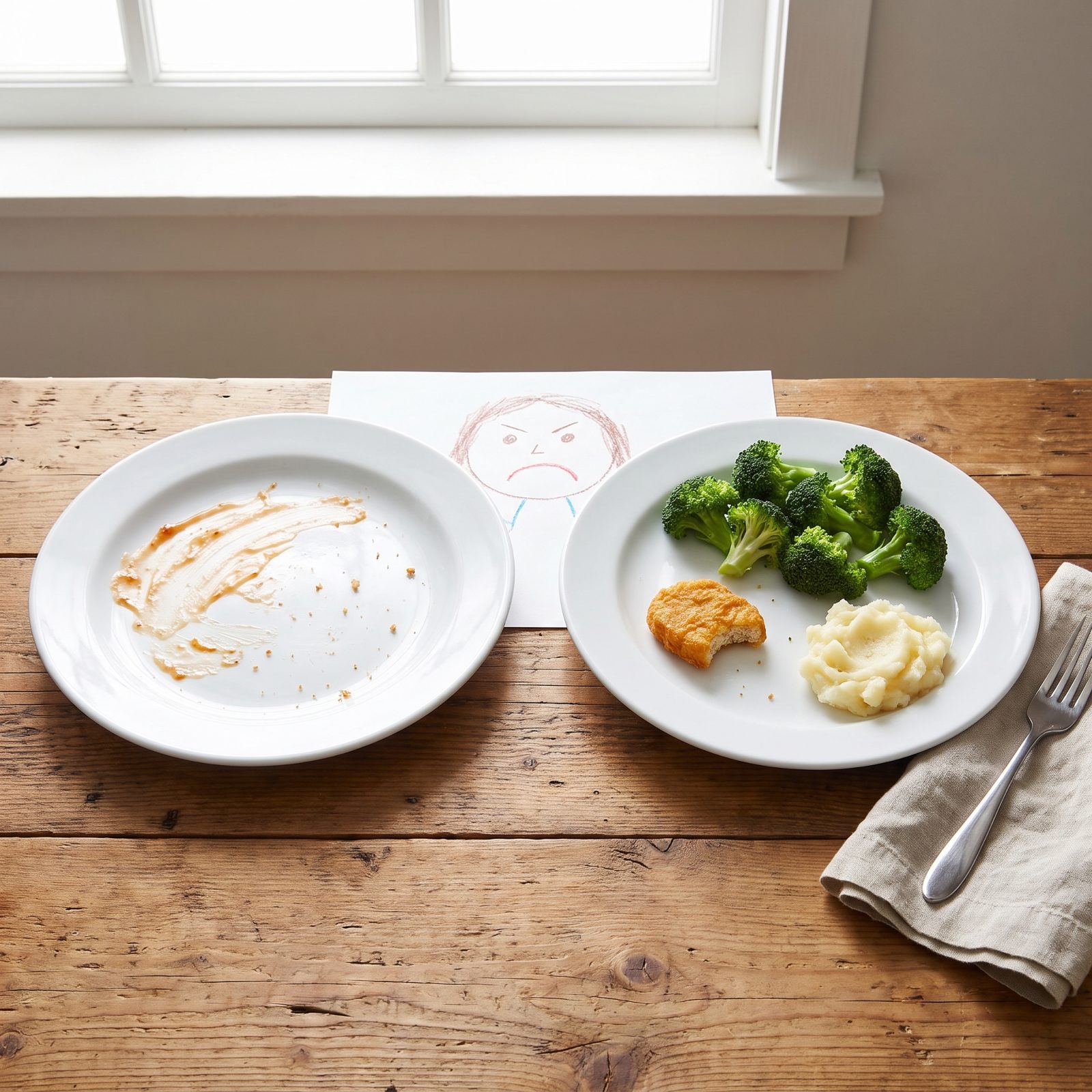
Nobody fills out a comment card, but the data arrives anyway. A clean plate is five stars. Food pushed to the rim in a sad little pile is a one-star with no words needed. Kids especially don’t lie about food, which makes them a focus group with zero diplomacy.
Read the signal, not the speech. “It’s fine” delivered to the broccoli means it will never be requested again. The dish that vanishes before you’ve even sat down is the one to make on repeat.
Our readers give blunt feedback too: when they disliked a food photo, the top reason was simply ‘not for me’ at 39%, followed by the ingredients at 30%.
24. Adapting Meals for Picky Eaters Is Customer Service
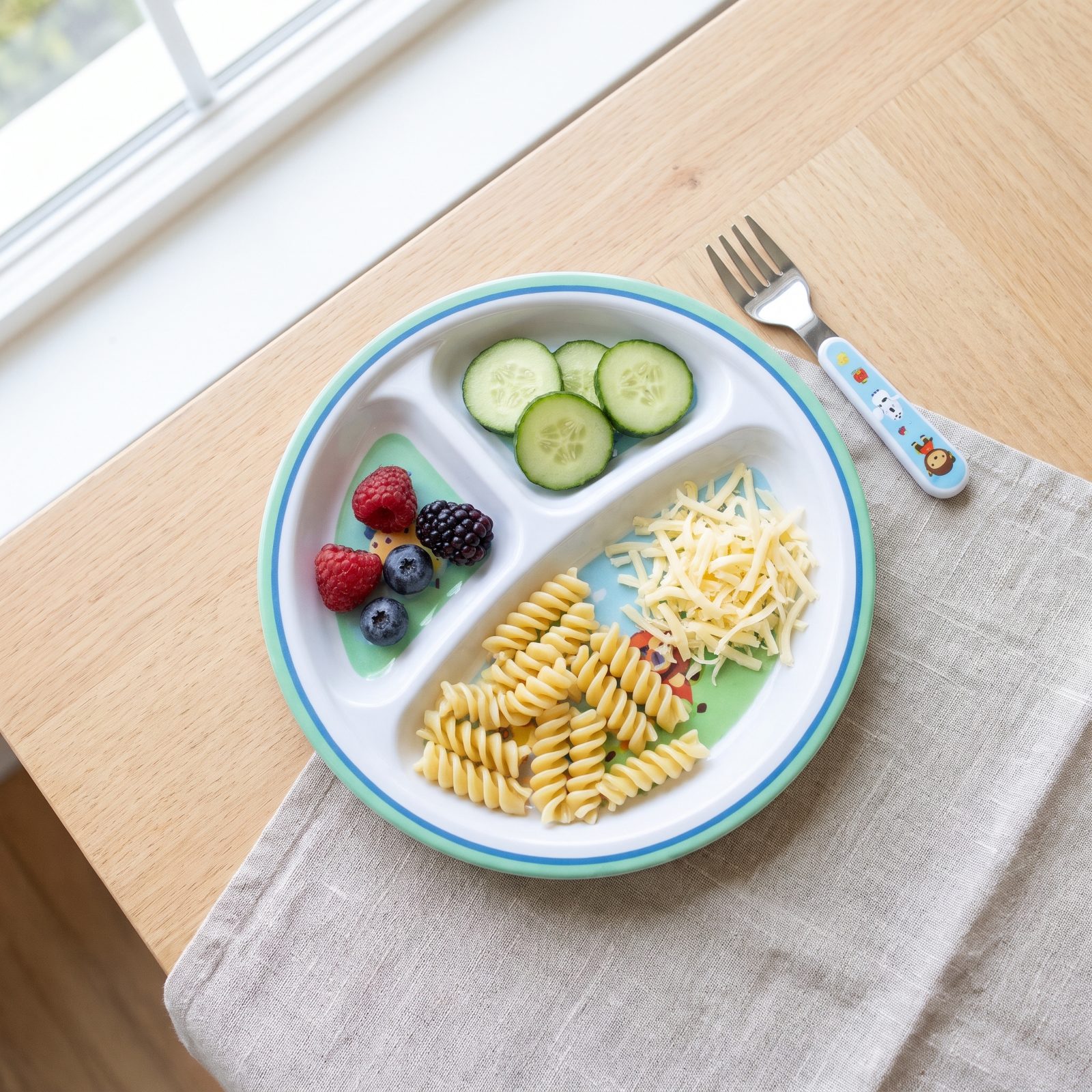
The customer wants it their way, and in this restaurant the customer is seven and refuses to let the sauce touch the noodles. Fight it, or build a system that handles it without a scene.
Deconstruct the meal. Sauce on the side, toppings in bowls, everybody assembles their own. Suddenly one dinner serves four different palates and you only cooked once. Good service isn’t surrender. It’s designing the product so the difficult customer can’t actually break it.
23. Managing Food Allergies Is Risk and Compliance Work
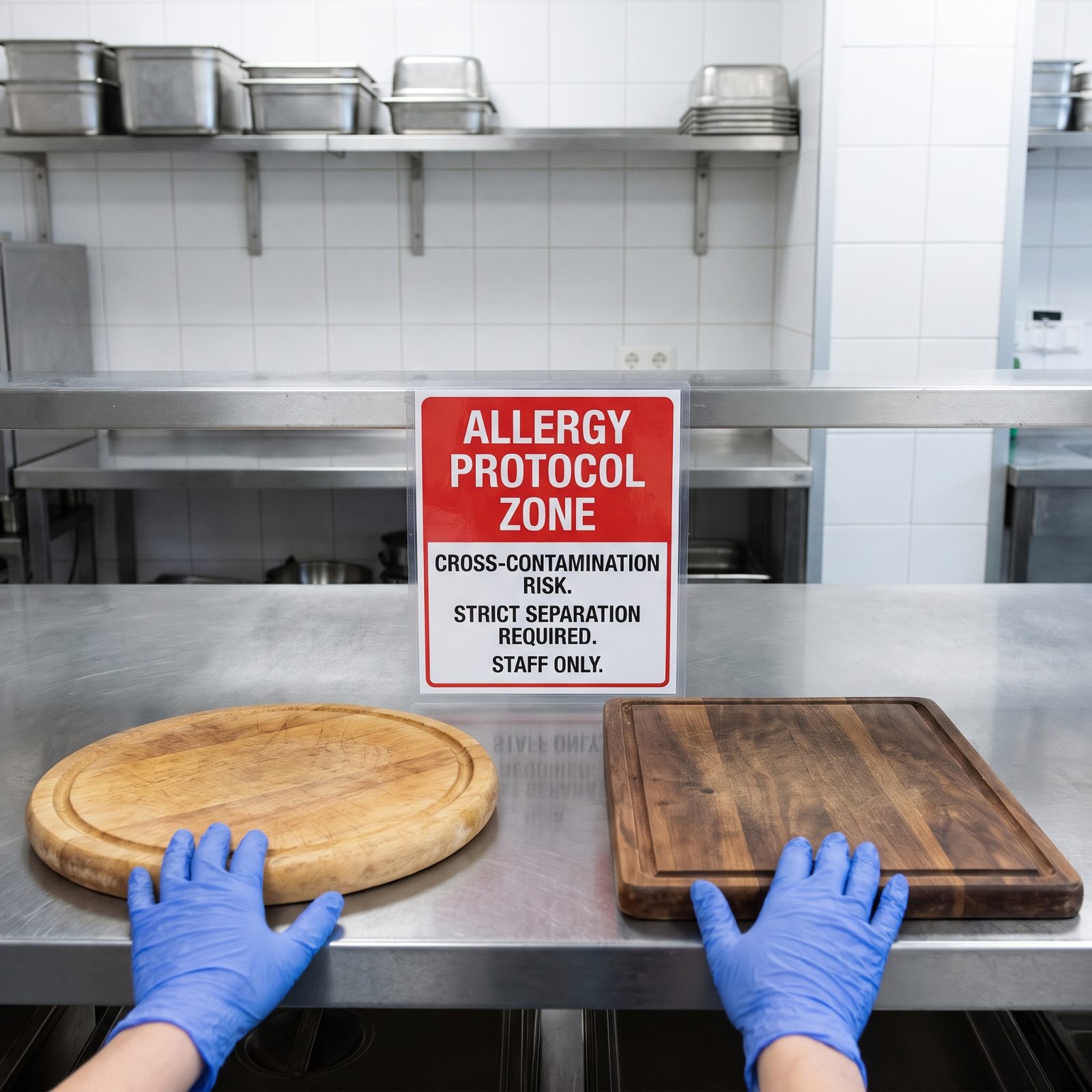
This is the one where the humor stops. A kitchen with a serious allergy in it runs real compliance work: separate boards, labeled jars, a cross-contamination protocol everyone follows even when they’re tired and rushing.
No winging it. No “it’s probably fine.” Probably fine is how accidents happen. The careful cook reads every label, keeps the dedicated utensils actually dedicated, and treats one slip the way a factory treats a safety violation. Boring, repetitive, unglamorous — and the whole reason everyone gets to finish dinner and feel okay afterward.
22. Getting Dinner Served on Time Is Deadline Management
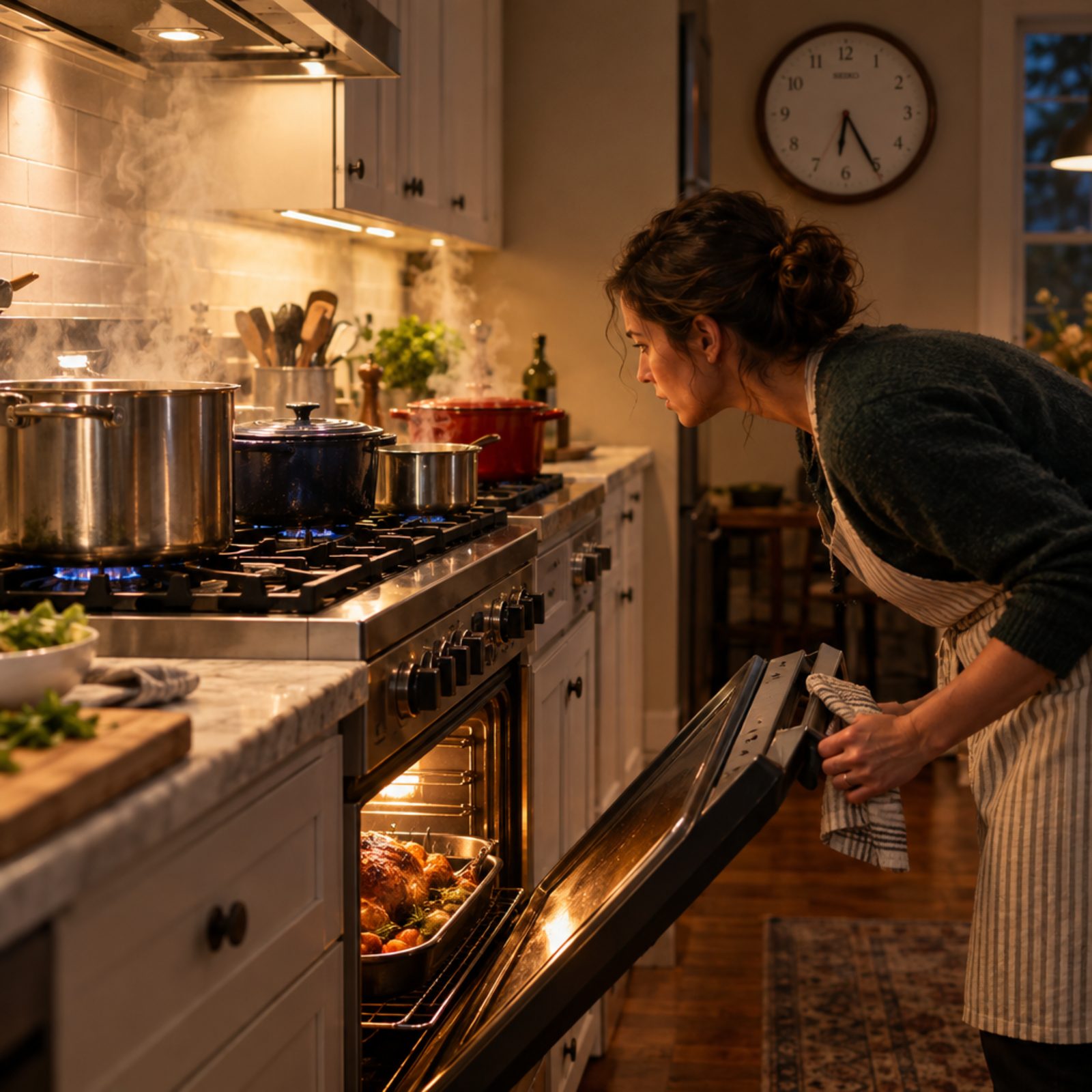
Everything has to finish at once. The pasta can’t sit cold while the sauce catches up, and the roast can’t rest for forty minutes because the beans went long. That’s a production schedule with one hard ship date: the moment everybody’s actually hungry.
So you learn to work backward from the deadline. What takes longest starts first, what stays hot waits. The genuinely skilled cook isn’t the one with the fanciest dish — it’s the one who gets four separate things to the table warm at the same minute. That timing is a logistics skill, and nobody ever gives you an award for it.
21. A Crowded Oven Reveals Production Bottlenecks
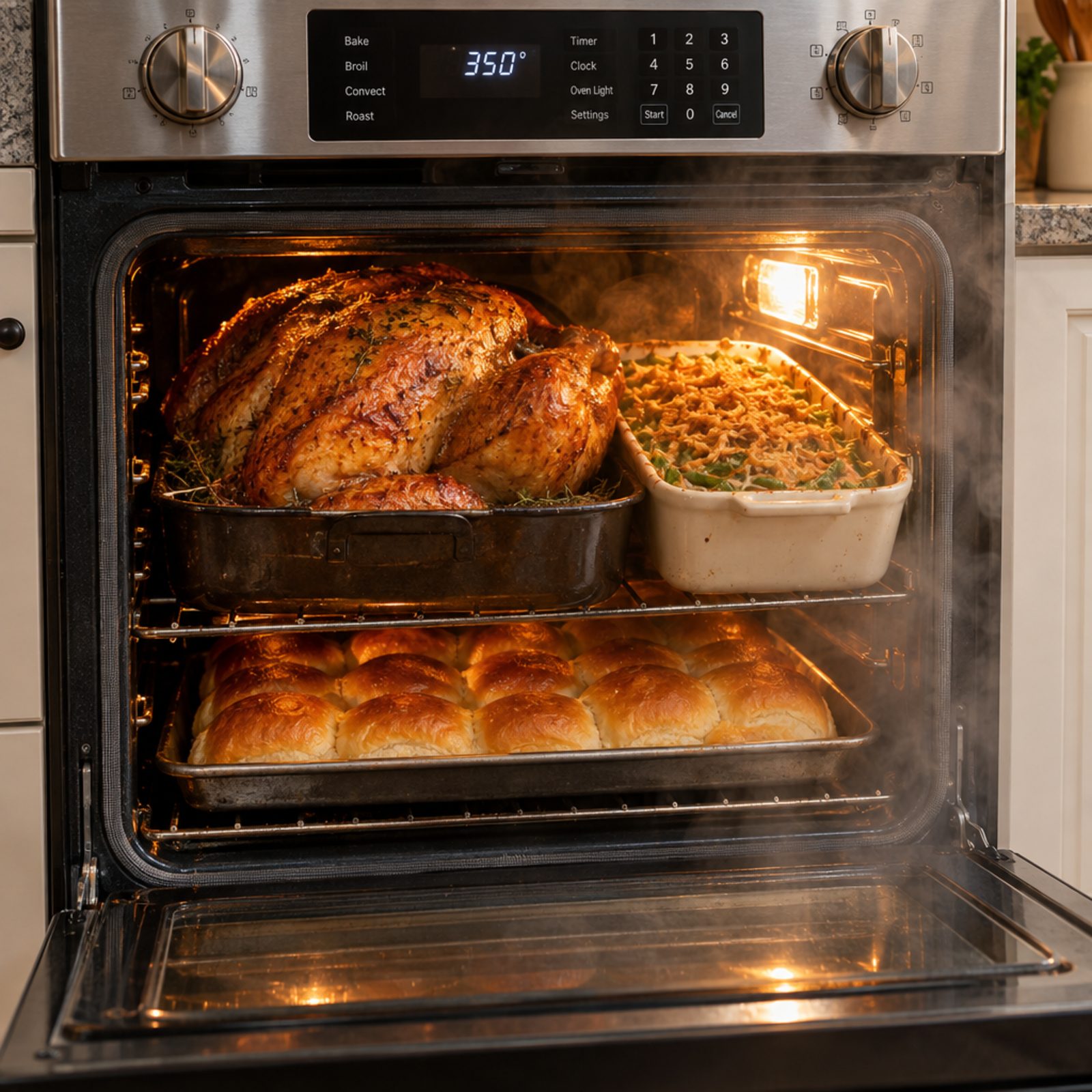
You can only roast so much at 350 degrees at once. The holiday meal where the turkey, the casserole, and the rolls all demand the oven at the same time? Bottleneck, plain as day. One piece of equipment, too many jobs, everything waiting in line.
Every operation has a constraint, and until you find it you’ll keep feeling mysteriously behind. The fix isn’t working harder. It’s spotting the choke point and routing around it — finish some things on the stovetop, borrow a neighbor’s oven, stagger the bake times. We spent years blaming ourselves for slow Thanksgivings when the real culprit was one overbooked appliance.
20. A Backup Freezer Meal Is a Contingency Plan
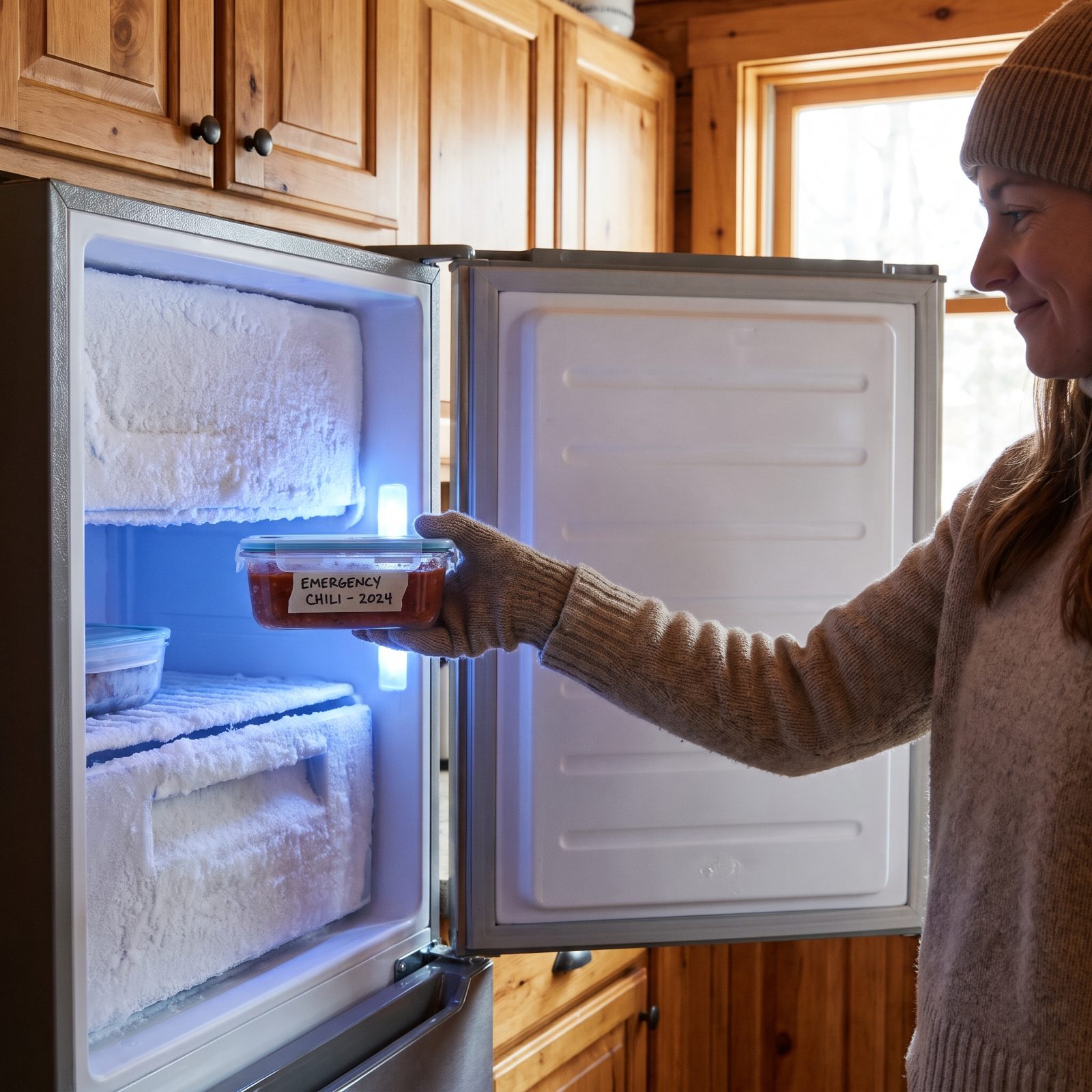
Every business keeps something in reserve for the day the plan falls apart, and your version lives behind the frozen peas. A double batch of lasagna, a bag of chili laid flat, a casserole wrapped in foil with the date scrawled on tape.
The night someone comes home late and cranky, or the stove decides to pick a fight, that frozen dinner is your insurance policy cashing out. We used to think freezer meals were for people with too much time on their hands. Turns out they’re for people who flatly refuse to order takeout at the worst possible moment.
19. Maintaining Appliances Prevents Costly Downtime
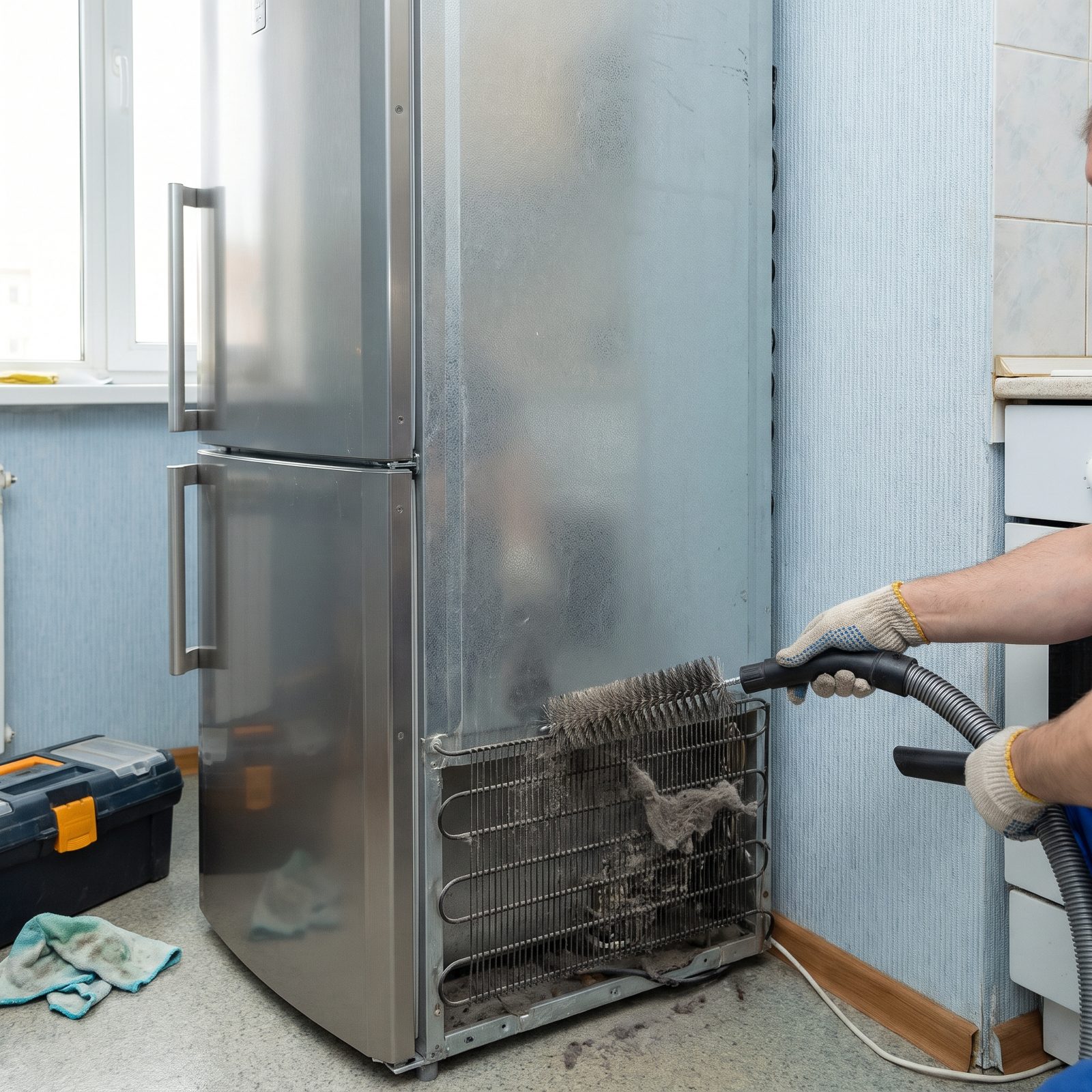
Nobody schedules maintenance until the thing breaks on a holiday. The refrigerator coils clog with dust, the oven gasket cracks, the dishwasher starts leaving grit on the glasses, and you ignore every bit of it until dinner’s suddenly in jeopardy.
So wipe the coils twice a year. Check the seals. Run a cleaning cycle before anything starts to smell. Small businesses call it preventive maintenance. Call it not blowing four hundred bucks on a Saturday emergency repair call instead.
18. Repairing or Replacing an Appliance Is a Capital Decision
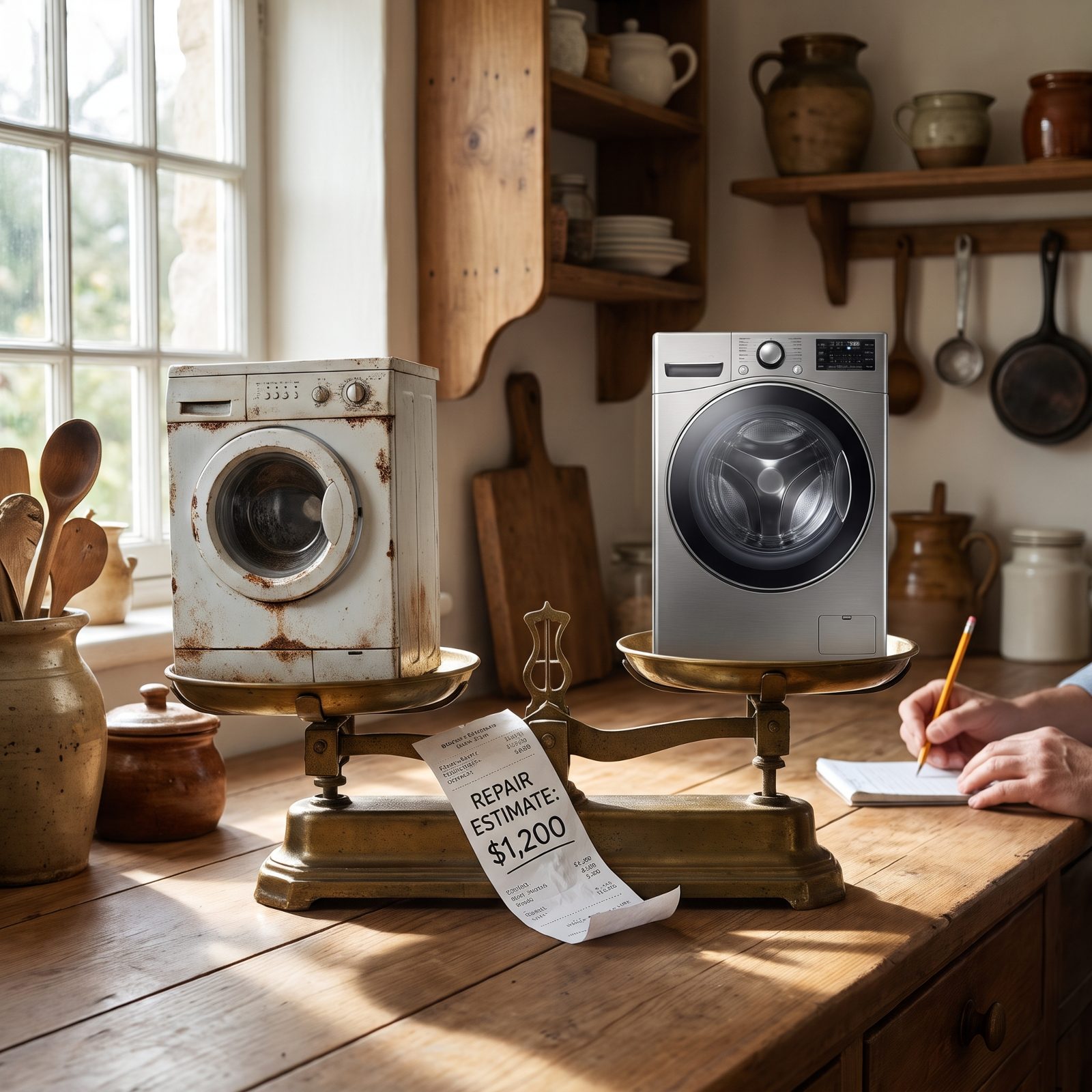
The fifty percent rule exists for a reason. When the repair costs more than half the price of a new unit, you stop fixing and start shopping. That’s not sentiment. That’s math.
The washer that’s lasted twelve years owes you nothing. Pouring another twelve hundred into it is throwing good money after bad, and every accountant alive would tell you so. Weigh the repair bill against the replacement cost and the years you’ll probably get back, then decide with your head instead of your loyalty to a dented old friend.
17. Energy-Efficient Cooking Reduces Overhead
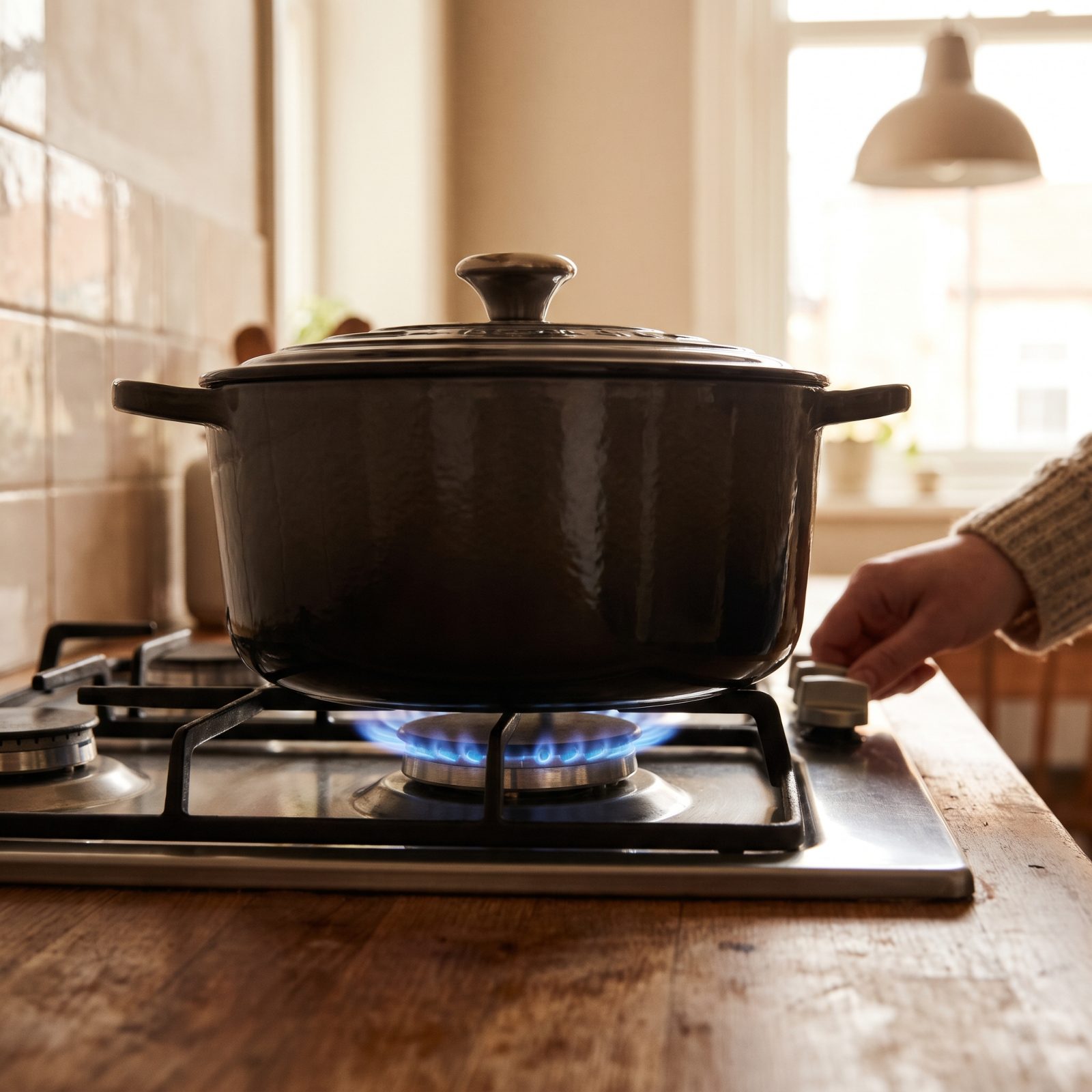
Every flame licking up the sides of a pot is money you’re burning for no return whatsoever. Lids on. Flame sized to the pan. The toaster oven instead of the full oven when you’re only heating four slices.
A restaurant watches its gas bill like a hawk because it has to, and you can watch yours too. The slow cooker running all afternoon costs pennies next to an hour of a blazing oven. Small habits, same as trimming overhead. The savings never announce themselves, but they turn up on the bill all the same.
16. Preventing Cross-Contamination Is Risk Management
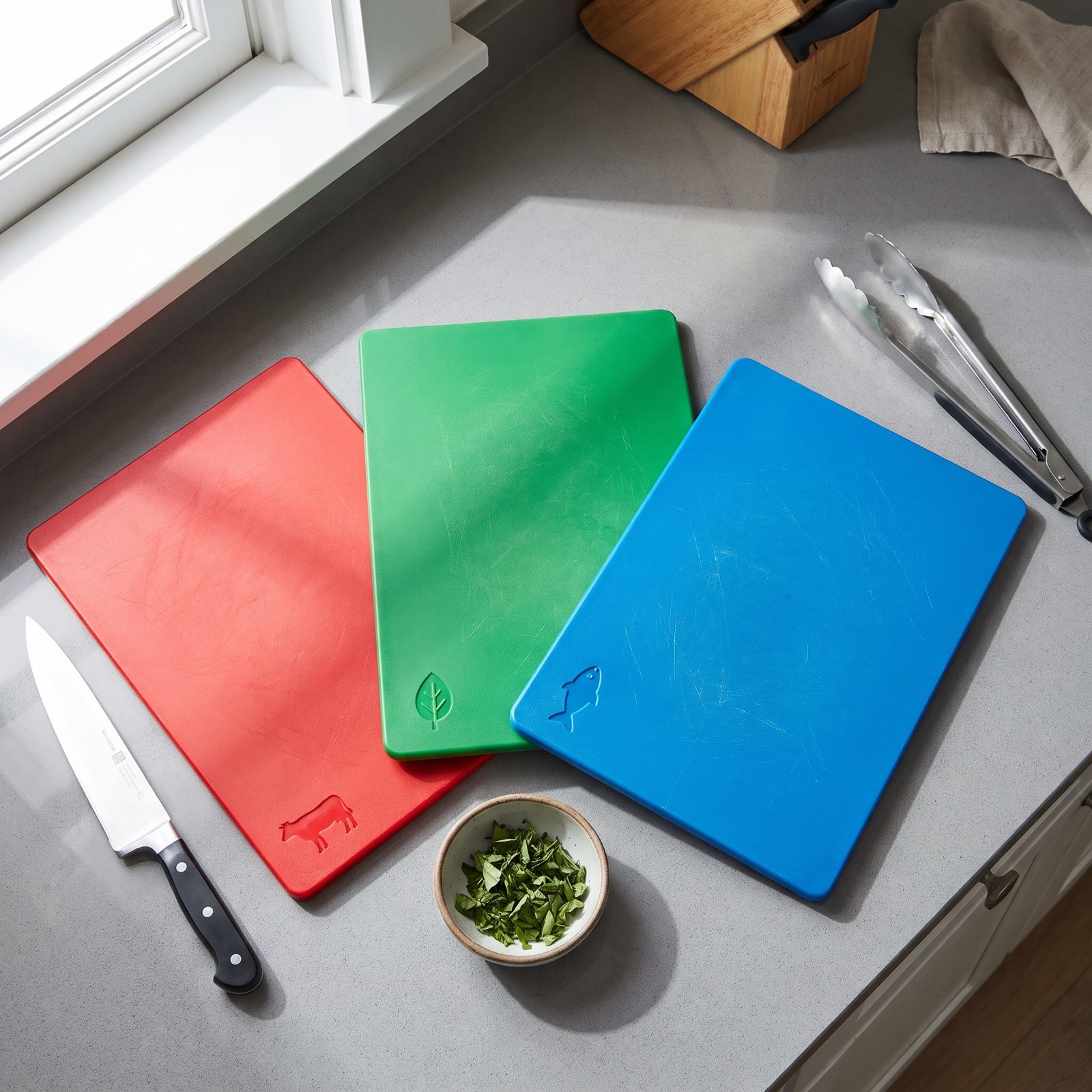
Color-coded cutting boards aren’t fussy. They’re a safety protocol you can see. Red for raw meat, green for produce, and never the twain shall meet on the same knife without a wash in between.
One slip, one shared board, and you’ve handed your whole family a bad night. Risk management in a kitchen looks like boring repetition, which is precisely what makes it work. We ignored all of this for years and got lucky. Luck is not a food safety plan.
15. Knife Rules Resemble Workplace Safety Policies
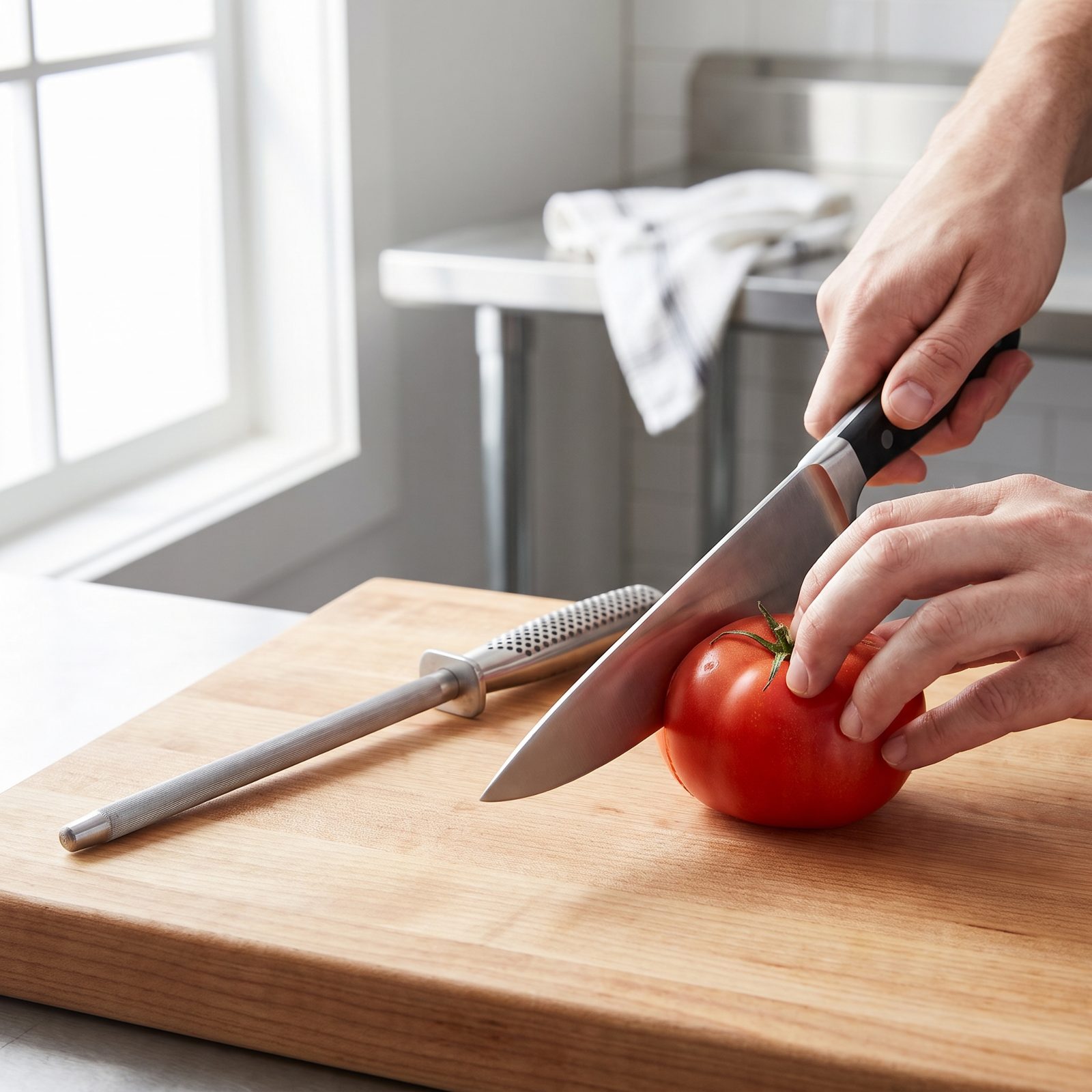
A dull knife hurts you more than a sharp one. Sounds backward, until you’ve watched one skate off a tomato and keep right on going. Every kitchen with people in it needs the same handful of rules.
- A sharp knife is a safe knife. Dull ones slip.
- A falling knife has no handle. Step back, let it drop.
- Keep a towel beside the board and the honing steel close at hand.
Consider these your house safety policies. Post them in your head and enforce them, especially with the kids learning to chop. The repetition does the work.
14. Tracking Food Waste Exposes Hidden Losses
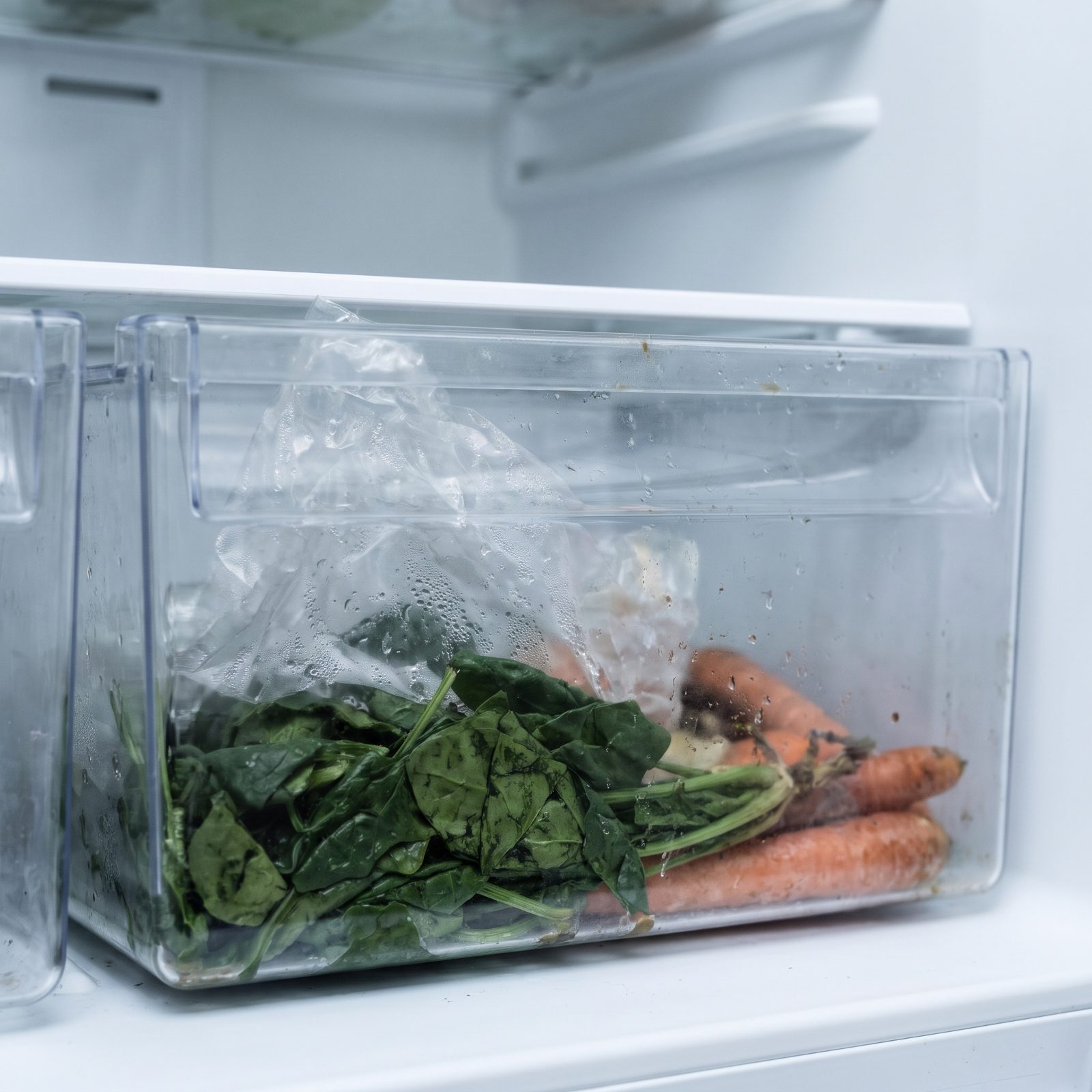
The spinach you bought with such good intentions is now a green puddle in the crisper drawer. That’s shrinkage, and it’s quietly eating your grocery budget from the inside.
Keep a running tally for one week of everything you throw out. The number will annoy you. That annoyance is the point. Businesses track waste because what gets measured gets managed, and that drawer full of forgotten produce is a loss you’ve been paying for without ever once looking at it.
13. Careful Plating Acts as Final Quality Control
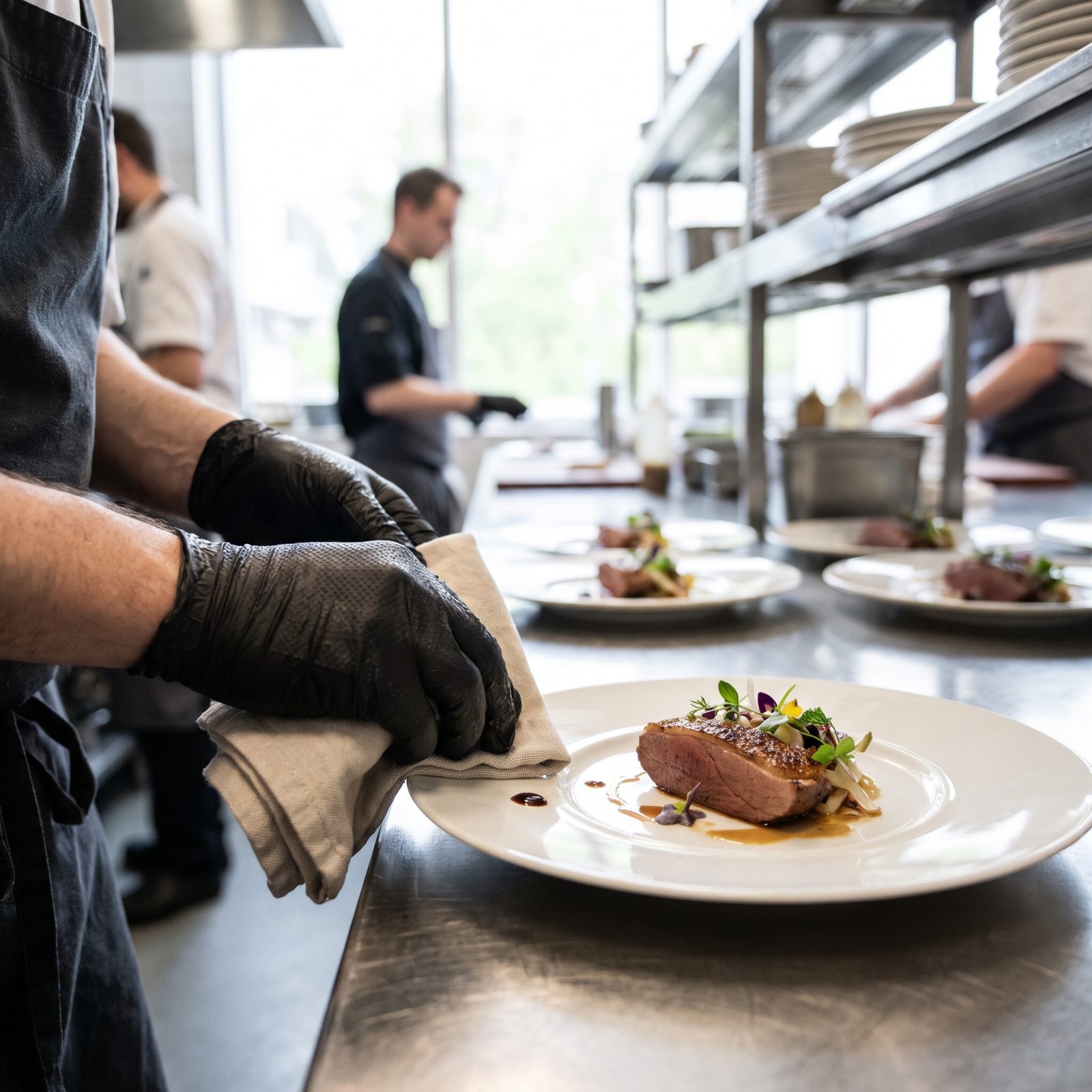
Right before food leaves your hands comes the look-over. Wipe the smear off the rim. Spread the beans so they don’t huddle in a sad little pile. A pinch of parsley, because it earns its keep.
This is your final inspection, the step between what you made and what people judge. Nobody at the table knows how good dinner tastes until they’ve already decided with their eyes. So plate it like you mean it. Thirty seconds of care changes the whole reception.
12. Welcoming Dinner Guests Is Client Relationship Management

Having people over is account management with better food. You remember that one guest doesn’t do shellfish. You pour before the glass runs dry. You read the room and send everyone home feeling looked after.
Repeat guests are your best clients, and they come back for how you made them feel far more than for what you served. A little thought beats a fancy menu every single time. The host who fusses over presentation but forgets the gluten-free cousin has missed the whole job.
The meal is the product. The feeling they leave with is the brand.
In Piaci Pizza readers’ votes, casual family-style tables got more hearts than the other images in the same articles, 83% versus 79%.
11. Holiday Meals Create a Seasonal Demand Surge
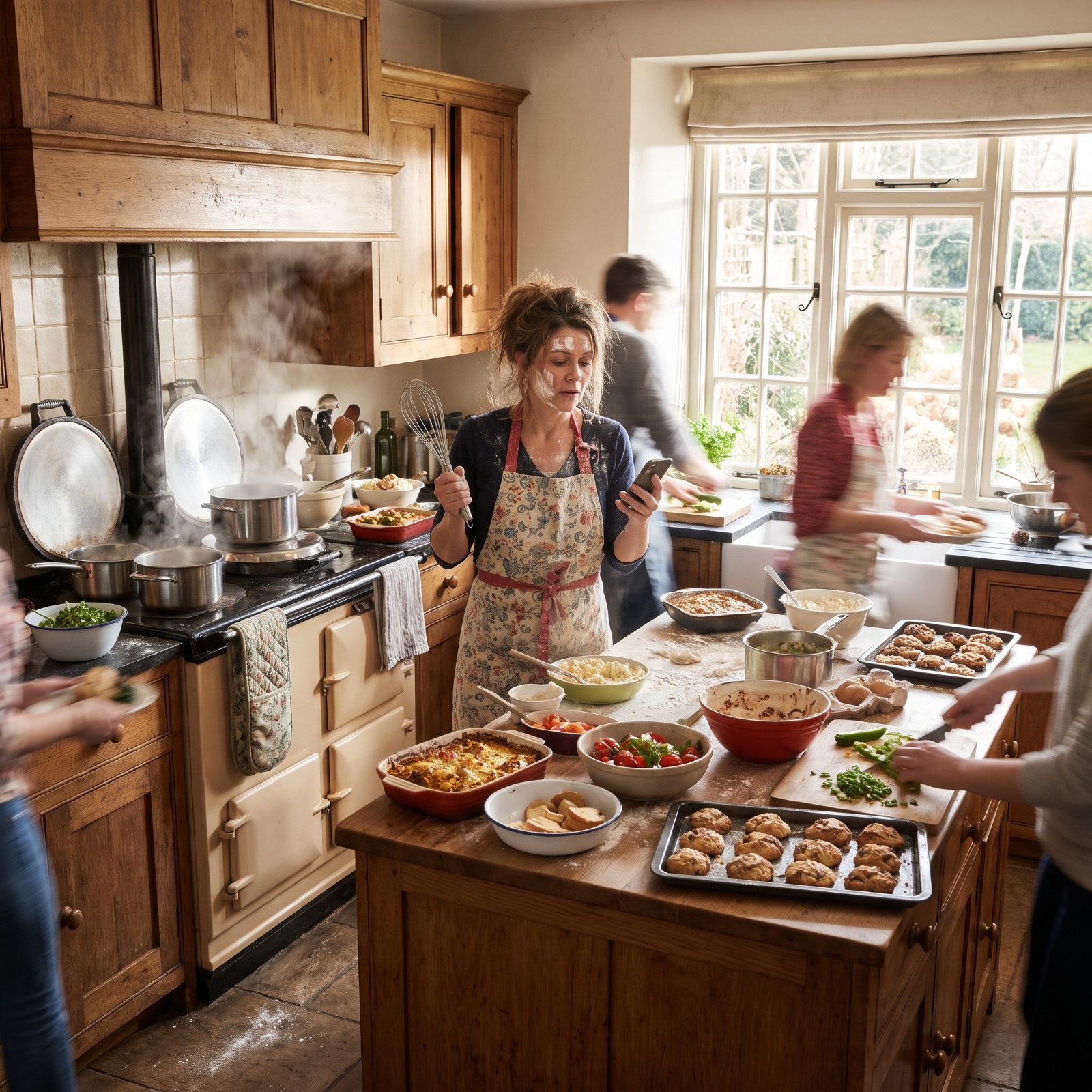
Thanksgiving is your Black Friday. One oven, twelve dishes, a dozen hungry relatives, and a schedule that only works if you’ve mapped it out hours ahead. Every retailer spends months bracing for one chaotic week, and so should you.
Prep what you can the day before. Write the timeline. Stagger the oven. The cooks who sail through the holidays aren’t calmer by nature, they just planned the surge instead of getting flattened by it. We learned that the hard way, with a turkey that wasn’t ready until nine and a dining room full of people pretending they weren’t starving. Never again.
10. Organizing a Potluck Is Partner Coordination Without a Contract
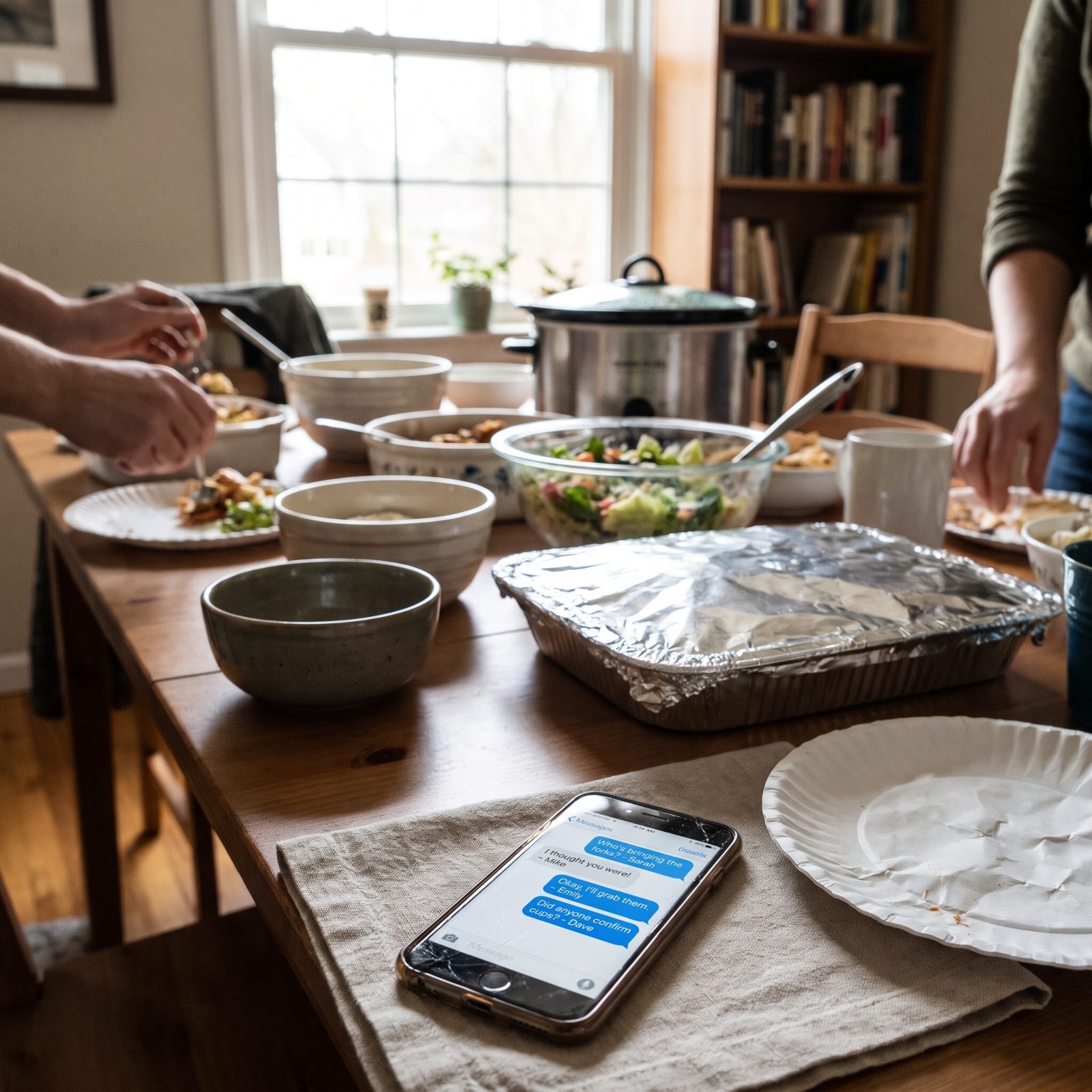
Every potluck is a supply chain held together by group texts and trust. You assign the salads, somebody promises a dessert, and you pray two people didn’t both commit to the same pan of baked ziti.
Coordination is the whole game. One missing side dish and your spread has a hole in it; two casseroles and nobody touches the vegetables. The host who just says “bring whatever” ends up with nine bags of chips and no main — which we have watched happen more times than we’ll admit.
9. Settling a Dinner Argument Is Conflict Management in an Apron

Tacos versus pasta can end a marriage faster than money can. Not really. But on a Wednesday it feels close.
The skill isn’t picking a side — it’s finding the thing nobody loses on. You rotate the choice, split the week, let the person who cooks pick and the person who cleans veto one option. That’s negotiation with gravy on it. The households that fight over this every single night are the ones with no system, just raw opinion colliding with raw opinion until someone caves and resents it.
8. Thanking Whoever Did the Dishes Is Payroll You Can Afford
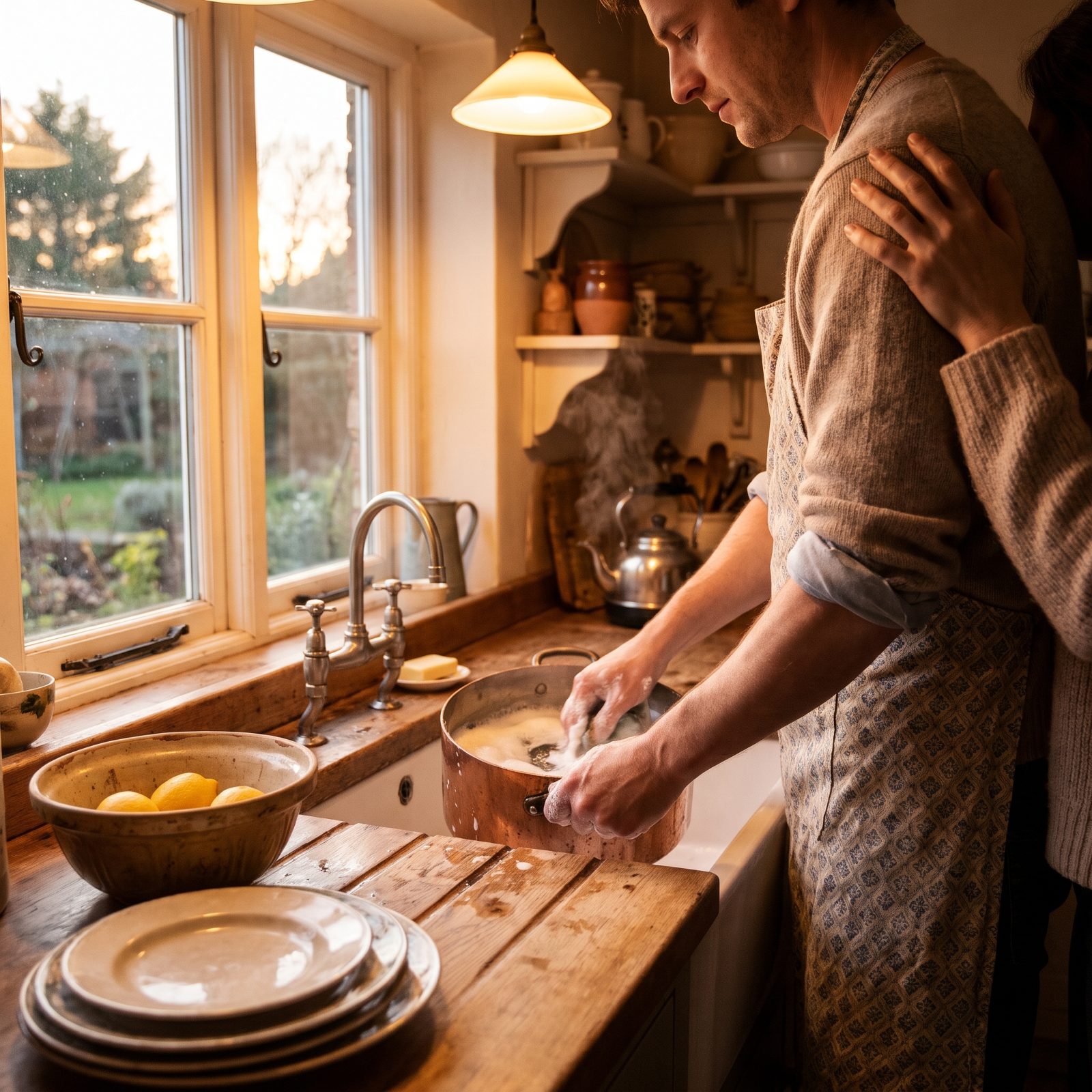
A dollar of recognition goes further than a dollar of anything else in a kitchen. The person scraping plates while you put your feet up is doing unpaid, unglamorous labor, and the only compensation available is a genuine thank-you before they walk away.
Skip it and watch what happens. The cleanup gets slower, the volunteering stops, and suddenly it’s always you at the sink wondering why. Teams run on feeling seen, and the kitchen is the smallest team you’ll ever manage.
7. Running Out of an Ingredient Mid-Recipe Is a Test of Operational Agility
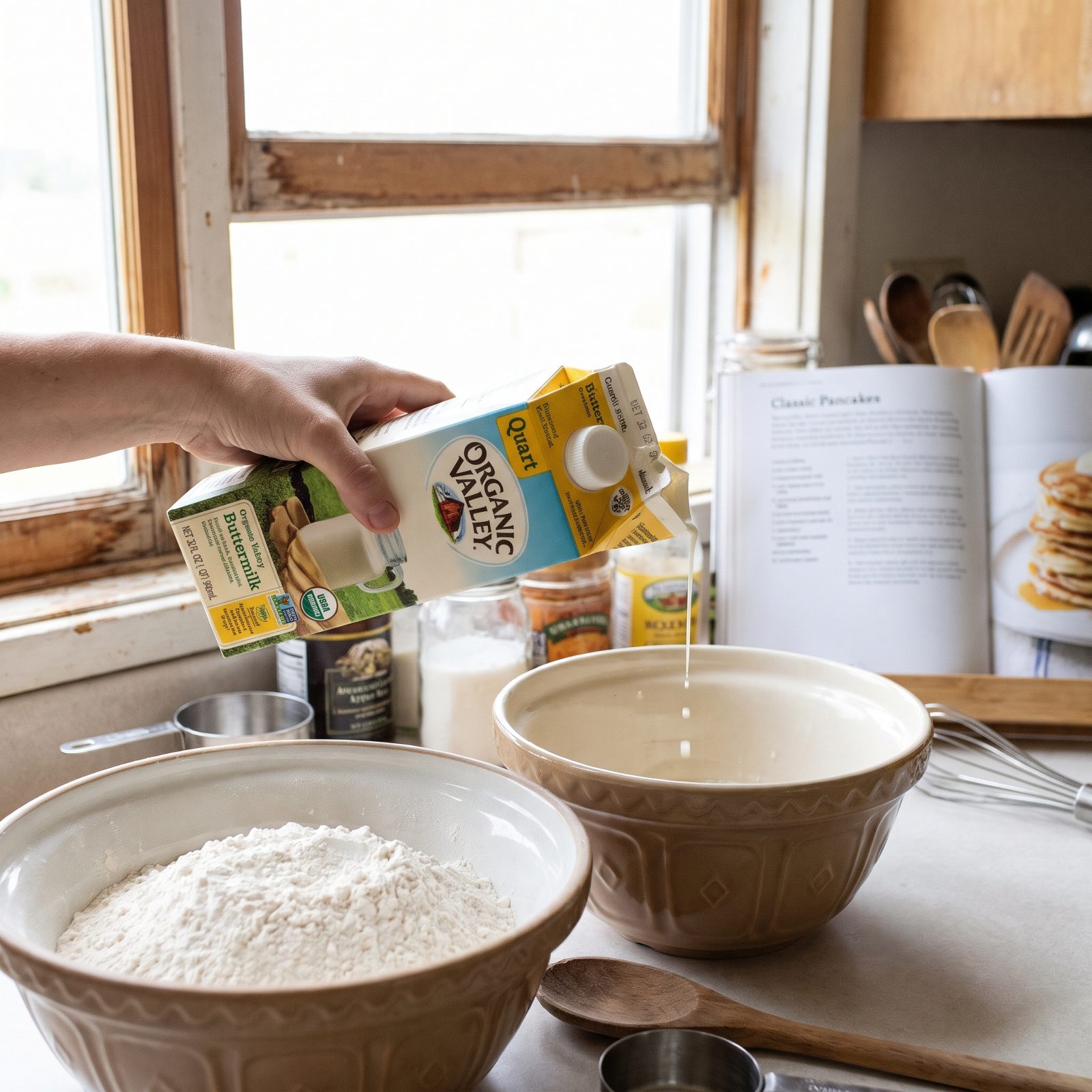
You’re halfway in, pouring the last of the buttermilk into the bowl, and you realize it might not stretch to the full measure. The whole night pivots on whether you panic or improvise.
Good operators keep going. Lemon and milk fakes buttermilk, yogurt covers for sour cream, and a can of something saves the stir-fry you planned around a vegetable you don’t have. The shortage isn’t the disaster — freezing is. We’ve torched a whole dinner because we decided one missing thing meant start over, and that’s the kitchen version of shutting the store because the register ribbon ran out.
6. Fast, Cheap, and Delicious: Pick Two, Because the Third Is Lying

The oldest law in any shop applies to supper too. Fast, cheap, good: you get two.
Quick and good costs you, because that’s takeout or premium shortcuts. Cheap and good costs you time — that braise sits on the stove all afternoon. And fast and cheap tastes like Tuesday regret. Anybody promising all three at once is either exaggerating the delicious or forgetting the hour they already spent prepping.
5. Keeping Your Grocery Receipts Is Bookkeeping, Plain and Simple
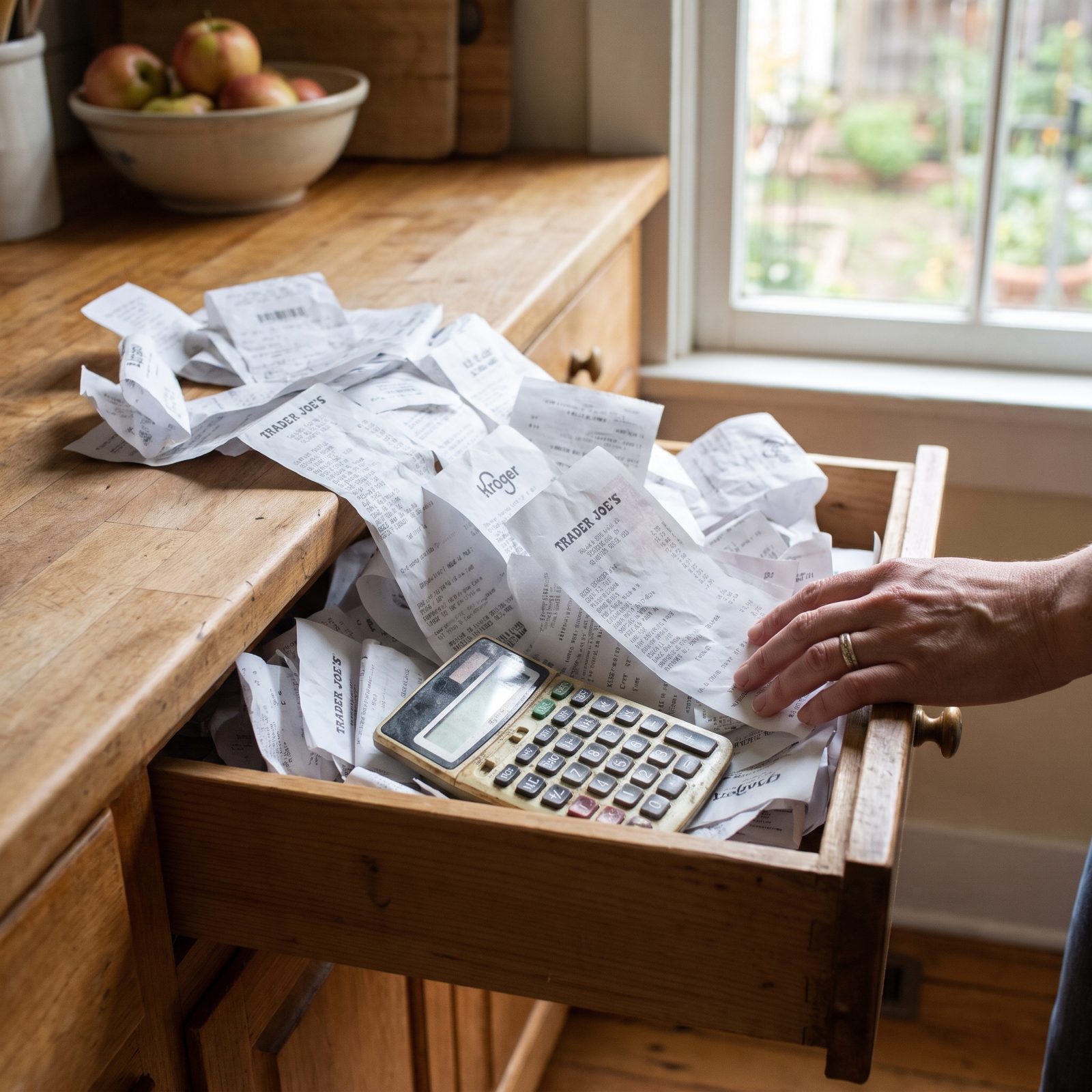
Shove the receipts in a drawer and you’ll never know where the money went. Save them and the picture gets uncomfortable fast.
You start seeing the patterns: the impulse snacks at checkout, the produce that rotted before you touched it, the brand you buy on reflex that costs double the one beside it. None of this shows up in your head. It only shows up on paper, which is exactly why real businesses keep the paper.
4. Ordering Takeout Instead of Cooking Is a Pure Opportunity-Cost Decision
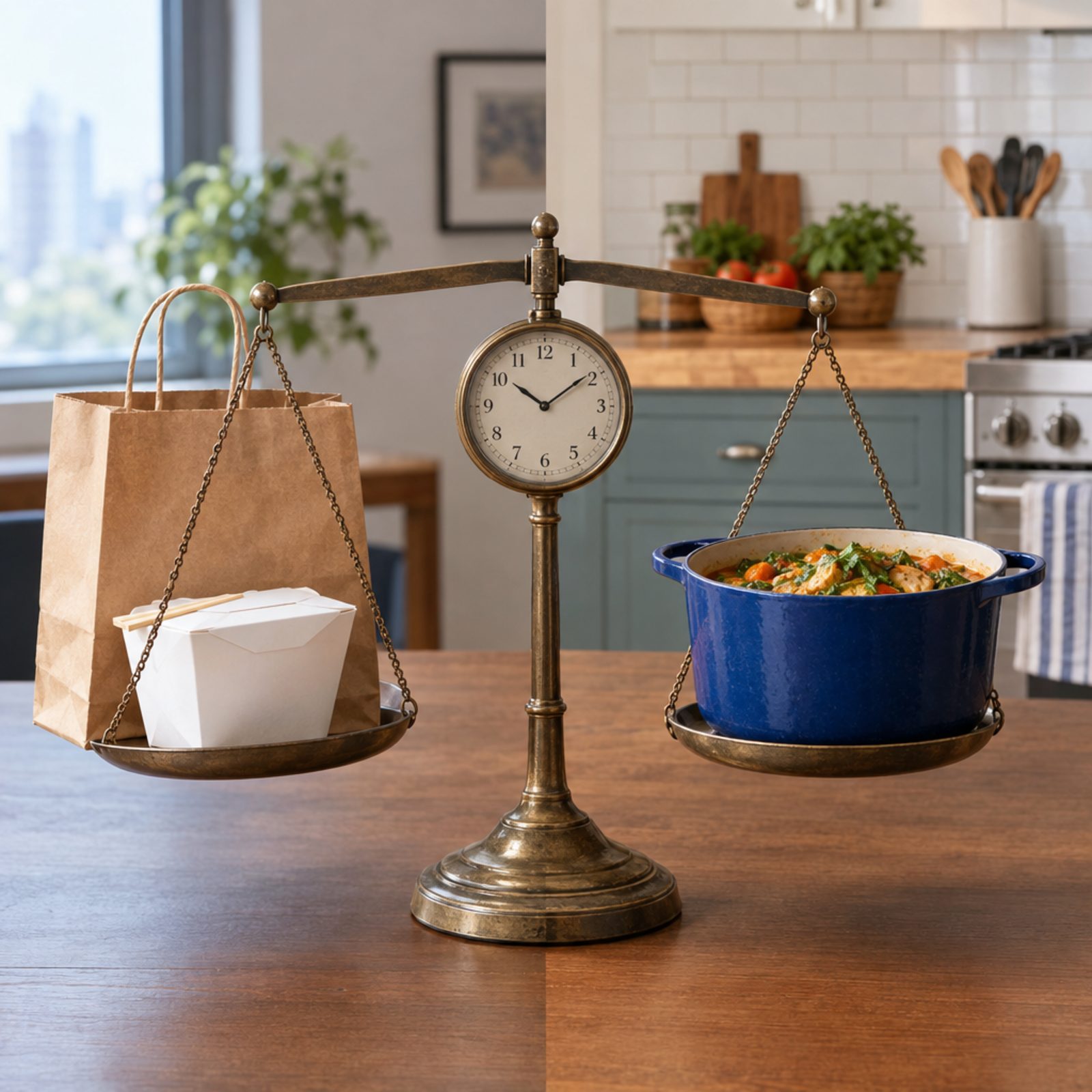
The real cost of cooking dinner isn’t the groceries. It’s the ninety minutes you don’t get back.
Takeout looks expensive until you price your own evening. If cooking means shopping, prepping, cooking, and scrubbing a roasting pan — and that chunk of your night could go to work you’re behind on or a kid who actually wants to talk — the delivery fee can be the cheaper line item. The trap is only counting the dollars. Opportunity cost is the hour, and the hour has a price too.
3. Dumping a Recipe That Went Wrong Is How You Beat the Sunk-Cost Trap
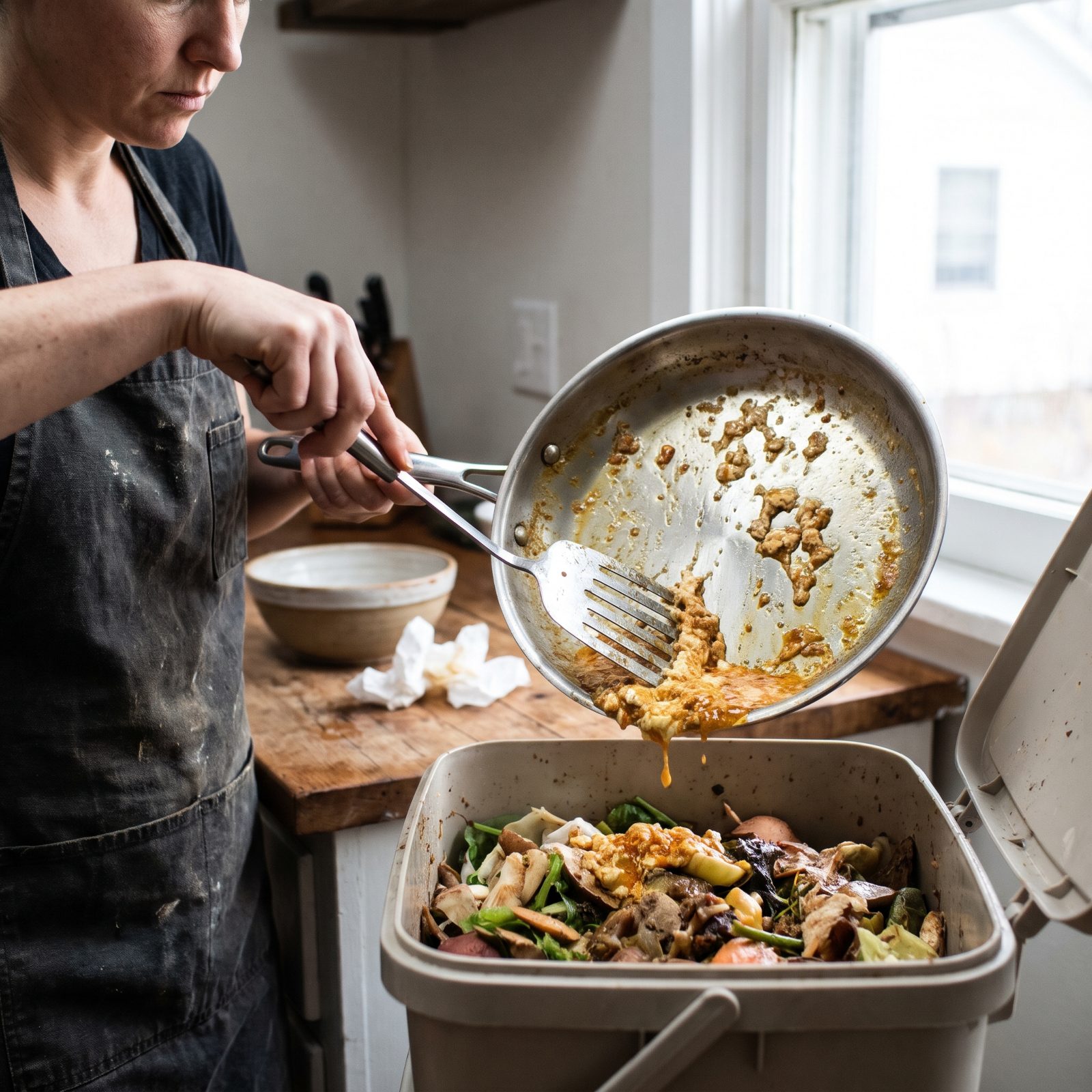
You spent forty minutes on it. The sauce broke, the meat’s tough, and it tastes like a mistake. Here’s the hard part — those forty minutes are already gone.
Choking it down to honor the effort is the sunk-cost fallacy with a fork in it. The time you spent can’t be recovered by suffering through the result. Cut your losses. Make eggs and toast. The eggs take four minutes and nobody goes to bed resentful.
2. Yelling “Hot Pan!” Is the Safety Briefing Nobody Thinks They Need

Two people moving fast in one kitchen is a near-miss factory. The pan off the burner looks exactly like the pan that’s cool, and the only thing standing between a smooth night and a burned hand is somebody saying so out loud.
Professional kitchens built a whole vocabulary around this. “Behind you.” “Hot behind.” “Corner.” Sounds dramatic for a home stove — until the one night nobody announces the skillet and somebody grabs the handle bare-handed. Communication isn’t a nicety when people are moving around hazards. It’s the whole safety plan.
1. The Nightly Cleanup Is a Closing Procedure, and Skipping It Compounds

Every restaurant has a close: burners off, surfaces wiped, prep ready for tomorrow. The family kitchen has one too, and the gap between the houses that run smoothly and the ones that don’t comes down to whether anyone actually does it.
Walk away from the mess and it doesn’t vanish. It waits. The crusted pan gets harder, the leftovers get risky, and tomorrow’s cook starts in a hole you dug tonight. A ten-minute close saves a forty-minute dig-out. Skip it and the debt compounds like interest you forgot you signed up for.